00:00
Did you know that every day companies you've probably never heard of are making billions
00:04
off your personal data? Your name, your address, phone number, even details about your family
00:08
are pulled from public records and the internet and then sold without your consent. There's an
00:12
entire marketplace making money off your privacy and most people have no idea it exists.
00:18
And that's when Aura comes in. Right now you can try Aura Free for 14 days when you visit
00:23
aura.com slash remove. That's enough time for Aura to start removing your personal
00:27
information from data broker sites. Sign up today at aura.com slash remove and get
00:33
peace of mind that your privacy identity and finances are safeguarded. That's Aura.com slash
00:40
remove. Certain terms apply. See site for details. Ring Central's AI receptionist uses voice AI to
00:47
answer on the first ring. So you'll never miss a call again. In just a few minutes,
00:51
you can personalize your own AI receptionist to answer questions, route calls, schedule
00:55
appointments, and even send texts in multiple languages. Plus it's easy to scale.
01:00
Create unlimited AI receptionists across any phone system. It's all powered by one reliable
01:05
platform for effortless AI communications. See for yourself at ringcentral.com. Ring
01:11
Central voice of your business. Tommy, I am so tired. We've had such a long day
01:24
because yesterday we had quite the misadventure. Yeah. So we got stranded a few hundred miles
01:30
from home in a car that we were pretty unfamiliar with without the correct parts to get us back
01:36
on the road in like 85 degree heat, 90 degree heat. So it was a pretty big day and a rainstorm
01:41
and a rainstorm. We'll tell you. And of course, diarrhea. Yes, there was a lot of
01:47
diarrhea. There's a lot of diarrhea. So for our 300th episode, let's talk about the pitfalls
01:54
of buying classic cars because there are a lot of mistakes you can make. And we have done them all.
01:59
Yeah. Well, we did them all in one day, which was pretty amazing. Yeah, it is pretty amazing.
02:03
But then we managed to fill all of the mistakes into one day. But I have to say, Tommy,
02:09
most people when they buy a classic car would probably not fly down a thousand miles to go
02:14
drive it back a thousand miles without actually having a pre-purchase inspection. And yet that
02:19
was the very first mistake we made. So let's take a step back and let's go back to a car that we
02:24
bought like a month ago, which is the Dodge Viper, the very first generation, the 94 that we own.
02:29
Yeah. So we bought this RT-10 Viper to do a series on Tilo classics with
02:34
as a really cool car, right? It was one of the top dog American performance cars of the
02:38
1990s. So we thought it would be cool. We had this idea a little bit after buying that.
02:43
Everything went right with that. We bought it here, found it on Craigslist. Yeah.
02:48
And the car was everything the owner said it would be and more. And we had a really great
02:53
experience. It's been bulletproof. I spent a little bit of money on it because it didn't
02:59
have the right wheels, but this is not a big deal. So we found the right wheels. We found
03:03
the right tires. I also was pleasantly surprised when the car had this like, you know,
03:09
really goofy Kenwood radio with all the lights that light up. And then the owner said,
03:13
I think there's something else in this box. I opened the box and it was the original radio.
03:17
So we had that put in just a delightful experience and a car that is every bit as good
03:22
and as every bit as fun as I thought it would be. And the owner also without even
03:28
mentioning in the ad had both the soft top and the hard top. By the way, those hard tops
03:32
are worth a lot of money. We bought the car for 40K, which is, you know, for a Viper,
03:36
not that bad. I think it's kind of top of the market for that car.
03:39
You think? Yeah. I mean, I think the reason that that car was so good is because we paid
03:42
all the money for it. I'm not sure. I'm not sure. I've seen them up as much as the roadsters,
03:47
at least the GTs are more. The GTS is all like 60. No, they're like 90. Yeah, but a roadster,
03:54
I think an early roadster like ours, even with the low miles, 40 is kind of all the
03:58
money. Maybe 45 on an auction site. But I mean, I think we got lucky with that car
04:03
and that it was very well loved and very well maintained. But we also really paid out the
04:07
nose for it. I kind of think I don't think so. I think I think we got a fair price. I think the
04:10
guy threw in everything that he had. So we have the soft top. We have the hard top.
04:15
And that car is, you know, in great condition. Everything works on it. There's one issue
04:19
with it. But that I mean, you're never going to buy a classic car even, you know,
04:24
sub or post million dollars without some issues, right? Every classic car is going to just
04:29
come with a slew of issues. This one has one issue and it's not a big issue.
04:32
It's a very much a Viper issue. When you first go to start it, it just cranks because it takes
04:36
to fuel pump a little bit of time to get the fuel into it. Got two issues. What's the other issue?
04:42
Air conditioning doesn't work. Yeah, but that's pretty apparently the air conditioning,
04:45
even when it did work wasn't very. So let's keep going. So we bought this Viper. Yeah.
04:49
And we thought it'd be really cool to find the stable mate of the Viper. We can
04:52
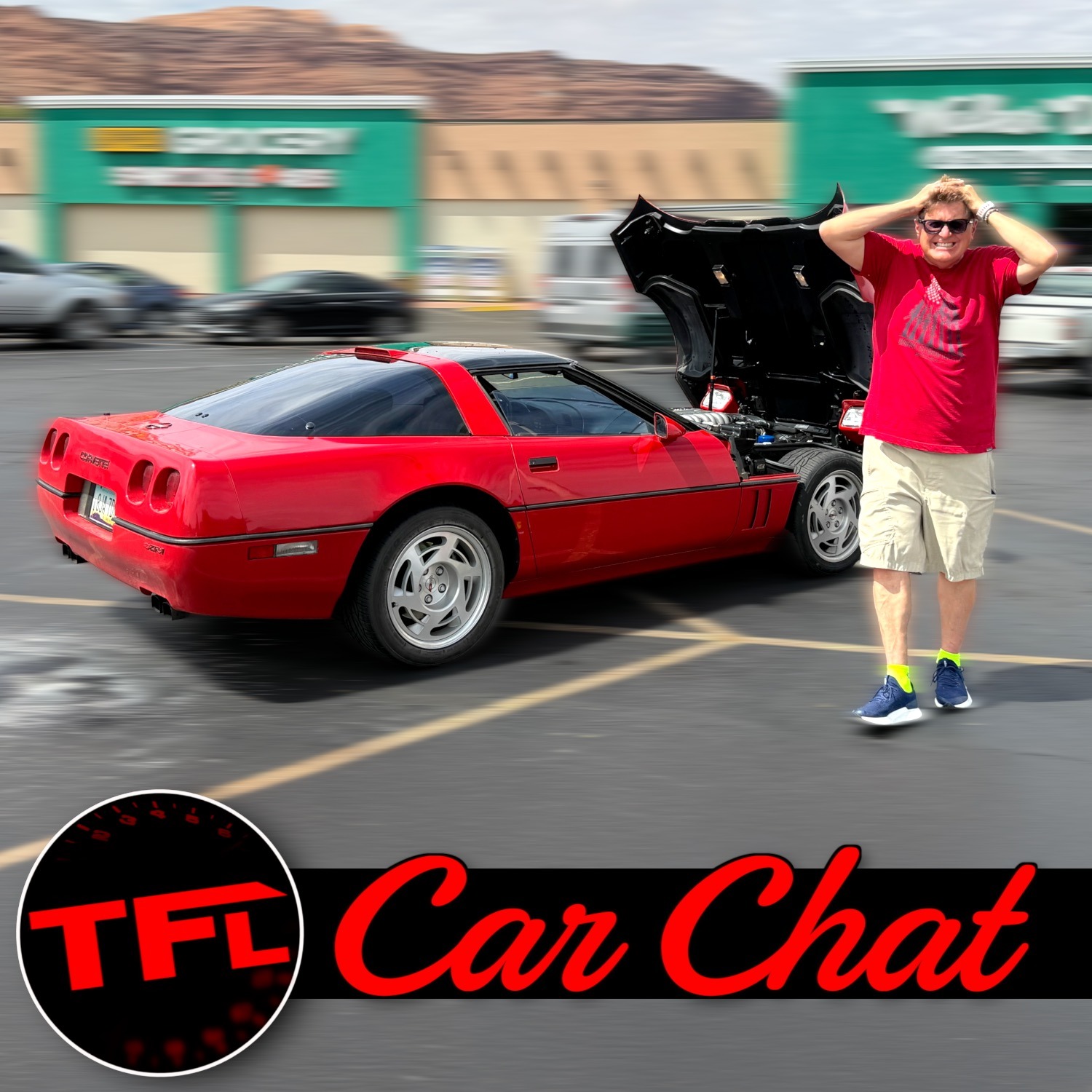
do some really neat videos if we can track down a C4 Corvette 01, which was King of the
05:00
Hail back in the 1990s. That's what Chevrolet, that's what Chevrolet called the C4-01.
05:04
They both had about 400 horsepower. It would have been a direct competitor to the Viper.
05:07
Yeah. And they were both very expensive machines. When the C4-01 launched in 1990,
05:13
it was one of the fastest cars on the planet, not even for American cars. At a top speed of
05:18
180 miles an hour, did zero to 16 under five seconds. It set all these endurance records
05:23
by traveling 12 hours, 24 hours at averaging over 170 miles an hour. I mean, it was an amazing
05:31
performance machine. LT5 overhead cam V8. Really a cool car. And pretty hard to find. They only
05:37
built about 6,900 from five years from 1990 to 1995. So they're not that common.
05:42
And now with the new ZR1 coming out, we thought it'd be a good time to get that classic ZR1.
05:47
It also has this cool feature where you get a key and you can change the horsepower
05:51
from basically low power mode to high power mode. What is that all about? How does that work?
05:56
Well, the ZR1 engine, the LT5, was a real technological marvel, especially for General
06:02
Motors who had been producing largely the same architecture small block for many, many years.
06:07
So General Motors at the time owed Lotus and they went to Lotus and said,
06:11
we'd love to do an overhead cam engine. So Lotus took their L98 C4 engine at the time,
06:16
put overhead cam heads on it, and it didn't work. It didn't fit in the car because C4 engines amount
06:22
from underneath in the assembly line. It didn't fit through the wheel wells and frame rails.
06:26
So then they designed an all ground up new engine called the LT5, which was dual overhead
06:32
cam based on an engine they already had in development. Problem is they had the wrong
06:36
bore centers. So then they did it again so they could keep with GM small block heritage,
06:40
get those standardized bore centers. And what you ended up with was a 5.7 liter small block
06:45
V8 that was an all aluminum construction with 16 fuel injectors, 16 intake runners,
06:53
and three throttle bodies. So when you turn that key, it enables eight of the 16 intake runners
07:01
and injectors. How many valves? 32 valves in total. So it was a magnificent engine.
07:05
It's a moonshot for GM. Three hundred percent horsepower. And the crazy thing is is
07:09
Lotus didn't have the capacity to build it. GM didn't have the facility to build it,
07:12
so GM then took that Lotus design and went to Mercury Marine to their Merck cruiser division
07:19
who had a lot of experience doing aluminum boat engines. And the Merck cruiser largely hand built
07:25
the LT5 specifically for the 01. Yeah. And then the car, kind of uninterestingly,
07:32
looked very similar to the regular C4. This is where I think GM kind of screwed up because
07:36
they didn't make it look as, I would say, fierce as the engine was. And the reasoning
07:42
I've read behind that is they didn't want to outstage the standard Corvette buyer. So they
07:47
didn't want the standard Corvette buyer to feel like they're getting second fiddle, which is a
07:52
dumb thing. We know now that Corvette buyers love having differentiation in their cars.
07:57
They don't mind being outstaged by a Z06 or Z01 or Z51 package. It's kind of just part of the
08:01
appeal, right? So it was wider, but you couldn't really tell. It was wider and then it had
08:06
square lights instead of round lights and the tail lights. But then in 1991,
08:10
every Corvette got the square tail lights. So you really had to be an enthusiast to tell Z01.
08:15
These little black tabs next to the license plate that let you know that it's a Z01 because
08:22
it's wider and they had to put something in there. So they put these little black
08:26
tabs, I guess. Yeah. And then it's got the center high-mounted stop light instead of the
08:30
brake light in the rear fascia. So there are ways to tell Z01 for a normal C4. If you know,
08:34
you know. Yeah. And then there were a lot of other changes. I had 315 with rear tires, which was
08:40
insane. It had standard sport bucket seats. It had active suspension. We'll get to those in a second.
08:46
Yeah. 18-way active suspension. I mean, it really advanced stuff from the 90s. Very electronically
08:51
controlled, but it was an amazing car. It just didn't look amazing enough. How much did regular
08:56
C4 cost? It was about $28,000. And how much, if you got the Z01, there was a Z01 package,
09:02
how much did that cost? Roughly doubled it. So standard Corvette 30, Z01 option package,
09:08
the single most expensive option ever installed in an American car. It was another 30 grand. So it
09:12
was a $60,000 car. And then the one we bought, somebody actually paid $20,000 over Sticker
09:18
when they originally bought it. And today's money, how much would that be? So the sticker
09:22
on the car is $61,000. That's about $158,000 in today's money. But the original owner
09:29
bought it for $85,000, which is the equivalent of $222,000 is what someone paid for this Corvette.
09:37
Yeah. So we found this one in Phoenix. And I love Phoenix because it allows us, I love
09:42
flying down and then driving home. I think that's one of the, for me, more than the car,
09:47
the experience is what I really value. And the chance for me and my son here to go pick up
09:52
a dream car, one of my dream cars on my birthday, which it was my birthday,
09:58
was an opportunity too good to miss. So we went out, bring a trailer and we found this car and
10:07
without a pre inspection purchase, we purchased it. And I think the problem with bring a trailer
10:15
is that you get a lot of pictures. And if you know what you're doing, you can make a car
10:21
look really good without knowing what the internals are, right? So the exterior and the
10:24
interior are fabulous. How many miles on our car? 26,000, which is great, right? For that 35-year-old
10:31
car, 26,000 miles. But, you know, you don't know what's going on with the mechanically,
10:36
which we will get to in a second. So for me, it was kind of a bucket list on my birthday,
10:40
fly down to Phoenix, pick up this car, drive to Moab halfway. Well, and it's worth noting
10:45
too that like realistically bring a trailer and cars in business, all these sites recommends that
10:50
you get a pre-purchased inspection. But nobody does. But it's in the real world, especially when
10:55
you're a thousand miles away, facilitating that owner to take time out of their day to go bring
11:01
the car to some mechanic. You don't know if you can trust the mechanic. You don't know anything
11:04
about them. You can bring it to his buddy. You just don't know. Yeah, to go look at the car
11:07
and then facilitate that over the phone. And then you got the auction ending in three days
11:11
when we found this car. Like it's realistically, I know we should be doing it, but it's very
11:16
difficult to make that happen. So these cars are coming up in value. We paid $27,000 for ours.
11:22
If you go to Hagerty, it says it's worth like $23,000. And I always feel like that there's
11:26
like a 25% premium, at least when you buy stuff on Bring a Trailer. There's, you know,
11:31
there's just this like a restaurant sheen. When you go to a restaurant and foods,
11:35
there's a Bring a Trailer sheen on these cars. And I always feel like you're overpaying.
11:39
But having said that, they're not easy to find. It's like when we bought that World War II Jeep,
11:43
right? You're not going to find one probably on your local Craigslist or you might, but it's going
11:47
to be far and few between. And realistically, like if you go to BAT right now and just type
11:52
in C401 and you look at some of the prices that these things are commanding, like they're
11:57
pretty, they're pretty big money. So let me let me just run down some of the recent sales.
12:02
So one sold for $29, one sold for $27.5, one sold for $45, $32, $45. So like they can be anywhere
12:09
from $25 to like $50. This one sold for $53 even. So, you know, pretty big one sold for $100. Look
12:16
at that one. So they can be very expensive. And it's because they're very interesting cars,
12:21
not that many made, only $6,900. Most of them are pretty low miles. Very few of them
12:27
have miles on them. They were just kind of stored and not driven as collector's items.
12:31
So yeah, I mean, they're they're expensive cars. Yeah, so the first problem came right away. And
12:38
that is you came to pick me up at like six in the morning so we could fly down there
12:41
and get there early so that we could drive back up. And you had you were having some stomach
12:45
issues. You were having a little bit of diarrhea, I believe. Yeah. So that was already a bad sign.
12:52
And it should have been a precursor or a premonition of what was to come
12:57
or foreshadowing, I might add. So we get on the plane and the plane is of course delayed.
13:03
Actually, we got very lucky. I guess there was a hubbub. Is that what they're called?
13:06
There's basically a huge sandstorm in Phoenix. Yeah. So we get to Phoenix. We Uber over to the
13:10
owner. My bank doesn't like when I send money orders because they feel like if you transfer
13:17
money via like a wire, they don't like wires because once that wire is gone. So luckily, our bank
13:23
was also in Arizona. So we had agreed to go to my bank. And then we would cut a cashier's check at the
13:29
bank for the $27,000, which reassures the owner that the money is in the account because once you
13:35
and on a cashier's check, once you cut that cashier's check, they take that money out of your account
13:39
and you can't like use it. But you can forge them. You could. But which is why people don't
13:43
like cashier's check. But if you do it at the bank, it's pretty hard to forge. Yeah. Unless
13:47
you have some kind of surreptitious agreement with the bank teller. And listen, the big problem
13:51
with this whole process is that we had to be back in Boulder Tuesday night. Yeah. So we had,
13:57
we had two full days to drive a thousand miles and that includes flying out, looking at the car,
14:01
buying the car, getting the title sorted and then driving it a thousand miles back to Colorado.
14:07
So we were very much under time crunch. So we got there, took a quick look at the car
14:12
and it looked fantastic. Yeah. I mean, the owner was wonderful. He had polished it.
14:16
Exterior was like a 10. It was a two owner car. So it lived in California,
14:20
which is great for much of its life. And then I think the Arizona owner had owned it for five years.
14:25
Something like that. Yeah. So it really like visually, it's pretty much flawless. The
14:30
salad spinner wheels are great. Tires are new. Has some service records with it.
14:34
Interior is perfect. Have the original window sticker. Yeah. It's got both tops. So visually,
14:40
it looked great. Right. I did want to just take it for a quick drive, even though technically
14:44
we were committed to buying that car because that auction had ended. Right. Like it,
14:48
that we were on the hook for $27,000 for that car, but hopped in it, started out,
14:53
started first try, took it around the block. First gear, second gear, third gear, got out to fifth,
14:58
felt pretty good. Engine was cold, fired up, transmission was cold, all good. Right.
15:02
Parked the car, go to the bank thing. Right. Come back and get in the car.
15:08
And then that's where things get a little sketchy. Well, so when we got there, we were
15:11
like, okay, there's like five different things, you know, that are good about the car. There's
15:14
of course the engine. We thought the engine was strong. Right. There's the transmission.
15:18
There's the interior. There's the exterior. And then there's kind of just the overall,
15:22
like, like feeling that the car gives you and all five of those things when I saw it were great.
15:27
So like, okay, we got really lucky. We got another Viper. I'm just, you know, living a good
15:32
life. So God has rewarded me on my birthday. Little did I know that that was not true.
15:37
But anyway, so we get in the car. And the first issue that I had even on the test drive is
15:42
it's got these sports bucket seats. This isn't the test drive at this point. This is after we bought
15:45
I know, but I noticed it on the sport on the test drive. Yeah. And the problem is if you're aware of
15:52
like modern BMW competition seats, right, or Porsche competition seats, these bucket seats that have
15:58
very high side sills on the side, and then of course very much bolsters on the side as well.
16:04
And if you look if you're looking at these pictures, you can see that the vet has kind
16:08
of a confusing array of buttons to control how the seats work. On the right side, there's these
16:12
three little buttons which are unmarked on the left side, there's two buttons which are marked.
16:15
So I'm figuring on the test drive, what I can do is I can kind of open up the side bolsters and
16:21
the bottom bolsters so that my big fan American ass fits into them. So I get in the car on our
16:27
drive back. And the first thing I do is I figure out how to open up the side bolsters
16:31
and I'm like, wow, that's great. That's much more comfortable. They're no longer squeezing
16:34
me on my side. Right. And now the problem is that I'm not sitting in the seat. I'm sitting on top
16:39
of the seat because the side bolsters are open, but the bottom bolsters are closed and there is no
16:46
way to open them up. Home service pros like you show up, get jobs done and put in the long days.
16:52
But this is the year you get more, more money, more recognition and more balance.
16:57
This is the year of the blue collar champion. Start your free trial today at Jobber.com.
17:03
In other words, if you have a big ass like me, you either sit with one cheek in the seat or
17:08
you sit with both cheeks kind of resting on top of those bolsters, which is not a comfortable
17:13
way to drive for a thousand miles. Right. And then the other issue we figured out,
17:16
especially as the transmission warmed up, is that the first gear grinds. So you can kind
17:23
of sort of get around it by going a second. Basically, we think in my opinion, the
17:28
synchro has probably gone bad on first gear. First gear synchro is gone. So you can use a
17:31
second gear synchro to get in the first smoothly, which basically shifts into second than first,
17:36
but first gear synchro grinds. First gear works like it holds, it doesn't pop out,
17:40
it accelerates like it should, but it does grind going into first. So that was like the
17:45
first kind of really big disappointment. And that was, I take full responsibility,
17:49
I feel really bad about it. I should have driven the car more on the test drive
17:52
and experienced more that transmission. And the owner kind of gave us a hand,
17:56
we should have listened. He said, never downshift into first. I was like, well,
17:59
maybe that's like a ZR1 thing. But basically what it is, is you can downshift into it because
18:04
the synchro is gone. Right. And the problem is, it doesn't have a standard Corvette transmission.
18:08
Well, it's got a ZF6, but it's like a different ZF6 compared to a standard Z4. So
18:13
it's going to be a, it's going to be very expensive fix to get that thing back.
18:16
Yeah. Yeah. I mean, there are specialists who work on these, but it's not going to
18:19
be like you take it to your local transmission shop and have that synchro fixed. It might
18:24
be a transmission outfix if we want to not live with it. So that was kind of disappointing.
18:28
Look, I don't blame the owner. I blame us, right? We bought this car. Sure. Right.
18:31
We should have known better. I don't think the guy was being dishonest. I just think he had the
18:36
car and he used it to drive, you know, on the weekends, the cars, the coffee. It's one of
18:40
those cars where, where I think he probably spent more time polishing the exterior than
18:44
fixing the interior. I say interior. I mean, even though he did tell us he spent $10,000,
18:50
like replacing injectors and putting on new tires. So I could be wrong about that.
18:53
Yeah. I think when you mean interior, probably mean like engine and, you know, mechanics.
18:57
Yeah. Mechanics of it. I think that there's a lot of really good things about the car.
19:01
Like it's a very straight car. It's got a pretty good ownership history, right?
19:05
Engine feels pretty strong. Suspension is excellent. Brakes are good. Steering is really good.
19:10
It's just like we learned pretty quickly that that transmission is going to need some love.
19:13
And I was hoping maybe we could get away with like maybe it's just like a master cylinder
19:17
for the clutch master that's gone bad, but that's been replaced. That's been gone through.
19:21
So that tells me that this has probably been a persistent issue for quite some time.
19:26
But regardless. And you don't need first. It's not a very, you know, pop. I'm kidding.
19:30
You need first. First is a pretty big one. Yeah. But so we went and we took the car
19:34
and we went to our favorite hot dog chain in Phoenix. Well, I don't want to, I don't want to.
19:39
So this, here's the problem. So we went to Portillo's and I'm from Chicago and I love
19:42
Portillo's. And I had my Italian beef, which is great. And then like eight hours later,
19:48
I was fertilizing Northern Arizona and Southern Utah jumping out of the car. Luckily,
19:52
you had brought some toilet paper. Yeah, because I was having issues a little bit earlier.
19:56
So it could have been that we just both got a stomach flu, right? Well, I'm also using that
20:01
like not ozempic, but like the like something like ozempic, which is supposed to make you
20:07
thin and sick to your stomach, which it has accomplished that. Not those goals. Not
20:12
the first one yet. So it could be, it could be the drugs that I'm on, you know, to try
20:16
to get some weight loss or it could be, you know, whatever I ate. But anyway, it turned out to be
20:22
a pretty bad, like, you know, like, I couldn't make it. When I had to go, I had to go. I was like,
20:28
it was like, pull over now, Tommy, and run into the bushes and, you know, do my thing
20:32
and then run back into the car. So that was already unpleasant. But before we even got
20:36
to that part of the journey, we did the great pillow hunt. Right. Because we got, we got
20:42
our hot dog. We got gas. We had some stomach issues. But we, the big thing is we, those seats,
20:48
even for me and I'm a pretty skinny guy, like those bolsters are pretty unlivable. I know Kase
20:52
had his car and he, he lived with them, but I just, the bottom bolsters are so tight that after
20:58
two, three hours of squeezing your, your, your hips, like you, you just want to be out of the
21:02
seat. So we had the idea, well, let's see if we can find a pillow to kind of elevate us
21:06
above the worst portion of the bolster, which is against the bottom. So first we went to
21:12
tractor supply. It was the closest store. And we found two pillows. Yep. So we got like a little
21:16
outdoor pillow. And that actually worked for you. That did the trick for me. Yeah. Cause it elevated
21:19
me like an inch off the cushion. And then I was pretty comfy. Yeah, it could be also, how much
21:24
do you weigh? 180. Well, I am, I have about 70 pounds more than that. Well, I, I no doubt
21:29
that's part of the problem. So it could be that my, my big ass was squishing the pillow
21:33
too much. But you combine the, that problem with the fact that the wheel well is super
21:39
tight. I was just listening to Doug's podcast and he was driving his
21:42
Kuntas around Pebble Beach. And he was doing it without shoes. I remember when we did that
21:49
Marcielago video and the guy showed up and he didn't have his shoes. Yeah, there was something
21:53
like in the nineties where all these super cars had very tight footwells. And this is no
21:57
exception. So it's not as tight where you can drive it with your shoes. But once you put
22:02
both feet into the footwell, they're not going anywhere. Yeah, sure. So now I'm like
22:07
one cheek into the seat, one cheek out, one foot into the footwell, one foot out of the
22:12
footwell because like two don't really fit. And I'm kind of, you know, going between one
22:16
cheek to the other cheek. And it was just fricking miserable. So we got these pillows
22:20
and it made it better. But then I was able to kind of raise myself. But then the problem
22:24
becomes that my head hits the ceiling. Right. So we drive from Phoenix to Flagstaff,
22:29
Arizona and then go for the great pillow hunt again. Yeah. So we, we find a JC
22:33
Penny and they have a huge variety of pillows in a horrible, horrible rainstorm. Yeah,
22:39
really. This car has not seen rain in like five years. I don't know if it's seen rain in 20 years.
22:43
I mean, yeah, but God, this thing got just drenched. And then of course, when it got drenched,
22:48
the TPMS light came on, which we were, I guess it's a common failure point on these,
22:52
but we were like, Hey, it doesn't have the TPMS failure point. Then of course,
22:56
the second it got wet, the TPMS light came on. It came on. Yeah. But we, we
22:59
found a JC Penny. We went on this great pillow excursion. We tried the Tempur-Pedic pillows
23:04
and the normal down pillows and all these different types of pillows. And finally,
23:10
I found a memory phone on sale for 50 bucks, settled on the memory phone
23:14
and then put it in the car. And that was that kind of solved your problem for most of the
23:18
trip. Well, it solves one problem. The other problem is when this car was built,
23:22
they wanted to make a target top and this came with the two tops. But unlike most
23:26
target tops, you have to have a tool to actually put it in place because it's actually a structural
23:32
part of the vehicle. And to solve the fact that they had a target top, they made the
23:37
sills super tall. And so back in the day, the reviewer said you either, you know, climb out of
23:42
or fall into it. And it's absolutely true. So now I've got this tiny seat with this pillow
23:47
that I'm trying to position underneath myself as I'm trying to climb over this
23:50
like 10 foot sill to get into it. And it's just a comedy of errors getting into the car
23:55
and getting the pillow actually positioned in such a way that, you know, blood circulation
23:59
is not cut off to either one leg or the other. So it was not a very poetic way to, you know,
24:06
get in and out of the car. But to the car's credit, we did drive it from Phoenix to Moab
24:13
Uta. That was our plan. That was about a seven and a half hour drive. And it did that,
24:17
I think it was like 400 miles, 450 miles. Yeah, once you're in fifth or sixth,
24:20
it's great. Yeah. And it was a pretty good cruiser. Like it's very stable on the highway.
24:25
An active suspension works. Yep. You've got, you've got comfort, sport, and then performance. And that
24:30
really does change the whole character of the suspension, which is very impressive. And
24:34
it was a great road trip car at 70, 75, 80 miles an hour. And it got pretty good fuel economy.
24:38
Like when you had it on the highway in sixth, you do over 21, 22 MPG. So like there's really
24:44
good. And then the, like the part that was the riskiest of this drive is like
24:50
flagstaff to Moab, you go through the reservation. And there's nothing there.
24:54
There's just nothing. And then there's Monticello, right? Yeah, but there's like almost no city,
24:58
like hundreds of miles of just kind of desolate desert. So that, it would have been a really,
25:03
really big problem if it had broken down in that stretch. The way that it did when we're about
25:07
to tell you how it did. Yeah. So it did, it made it through that section. And it did great,
25:13
drove it through into Utah, was running great, got to the place that we stayed at about 10
25:18
PM. Yeah, we bought it. We, as you guys know, if you follow us, we bought like a little
25:20
two bedroom apartment because we spent so much time there. So we have a little bureau in Moab.
25:24
So we got there. And I was happy to have a toilet. Yes. Which was, you know, it was a
25:28
godsend. So I was like, okay, no more jumping in out of the car, dealing with the pillow.
25:33
And then I spent the whole night, of course, on the toilet. Yeah. So that was a bad night.
25:37
But we get up in the morning. We've got some internet guys come do some stuff.
25:41
And they were like, well, let's go take it to breakfast. Then we'll go hit the road.
25:44
No, we're going to go get some emotium. So I don't, I didn't have to.
25:46
That's right. Yeah. So we're going to go to Walker Drunk, which is like the biggest store
25:50
in Moab. Yeah. And there's not a lot in Moab, Utah, but there's a little drug store,
25:53
and there's a, there's an auto parts store, and there's, you know, some restaurants and stuff.
25:56
So we drive the five minutes from our place down the hill into town.
26:01
And this is important because now the car is cold. Yes. This will become important in a second.
26:06
It is cold. So I'm going down the main road, everything's fine.
26:10
Pull into the parking lot, everything's fine. And then as I'm parking the car,
26:14
I noticed two things. First of all, the steering is really heavy. Yeah.
26:17
And then there's a little ding on the dash that says check gauges. And when you look at the warning
26:24
panel, there was a battery charge light on. Yeah. And we're like, Oh shoot. Oh, because we've
26:28
experienced, we bought a Mercedes and Georgia and drove back and had the alternator go out.
26:32
So you can't drive without an alternator, at least not very far.
26:35
Well, yeah, you're kind of stuck. Yeah. You're kind of stuck. So we're like,
26:38
Oh, so I'm like, Hey, let's open the hood. And the second we went to open the hood,
26:41
like all this like smoke comes out from underneath the car.
26:46
And Tommy had turned it off and I'm like, Wow, what's going on?
26:49
I'm like, Tommy, turn it on. And the second you turn it on, I look down.
26:52
And the fuel, the oil line between the oil cooler and the engine has become disconnected.
26:58
And now the car is pulsing oil out all over the place. I mean, at high pressure,
27:03
like, like a car artery, right? It's just like, yeah. And the whole engine is covered in oil.
27:09
The whole underside of the car is covered in oil. We went through like, I think it takes
27:12
seven and a half quarts. We went through seven and a half quarts in like 22 seconds.
27:16
Yeah. Well, and then when I said when it went out of the car, I mean, we got in
27:20
in retrospect, we got incredibly lucky that it didn't happen in the middle of the desert
27:23
at night, which would have been a big problem. And B that it happened when we were
27:28
basically parked because you could see in the parking lot where that line had let go.
27:32
Because maybe 15 feet from the Valdes parking spot. Yeah, there's like a
27:37
puddle and then a huge stream of oil into the parking spot. Now the problem is,
27:42
so the oil cooler line, like you mentioned, connects the oil cooler with
27:48
the fuel filter assembly, right? And this is a line that that's the fitting on it. There's a
27:54
knot on one end and then it goes into the oil cooler on the other end. And it's a crimped line,
27:59
right? You've got like this little nipple that it's crimped to with the nut on the end.
28:03
So it's a part that's designed to be replaced as a whole part, right? It's not something
28:07
that you can replace just the rubber tube and call it. And it had come out of the engine side.
28:11
Yes, it had come out on the engine side and the high pressure line and the low pressure,
28:14
actually, if you look at it was also starting to come on crimped and working its way off that
28:18
side as well. So like clearly it needed oil coolant lines. And it had soaked the alternator
28:26
in oil. So we were literally everything. The reason the alternator like came on
28:29
in the power steering got heavy is the serpentine belt just became a river.
28:33
Well, we didn't, at that point we didn't know yet. So what we thought was we didn't have any oil in the
28:38
car. We didn't have a way of getting that part because you're not going to get that part for a
28:43
ZR1 in Moab. And we certainly didn't know whether the alternator was working or whether the serpentine
28:48
was coated in oil so that it was just slipping. We didn't know any of that. And at this point
28:52
we're arguing because we're like, what the hell do we do? And Tommy said to himself, I can
28:55
fix this. You decided that you could fix this. Right. And I decided you couldn't.
29:00
It was reaching a lot. And I thought, of course, the heavens opened up and it started pouring.
29:05
Now, I didn't fully understand that at that point that the little brass insert on the rubber hose had
29:09
come uncrimped from its nipple. You thought that that nut would tighten on that rubber brass fitting
29:15
and then you could, I thought it just backed off. So I went out in the rain and I stuck
29:19
it back on there and, you know, started the engine and like it, there was no oil coming
29:23
out of the engine. But like it, there was no oil in the engine at that point. Well,
29:27
there's very little oil in the engine. But I think it was important to realize like this was not,
29:33
clearly it's some nerd putting it back on. This is going to fall right off again.
29:36
So went to the nap auto parts store and they're like, we could probably get you one by Thursday.
29:42
And it was Tuesday. So that was not going to happen. But the problem was Moab is not far
29:47
enough from the office to warrant waiting a full day or a couple of days for parts.
29:51
Six hours. And luckily we're very fortunate. We have a team here. We've got Andre. We
29:54
got case. We've got trucks and we got trailers. Like it would have made more sense to just to have
29:58
them come drag us back home. Yeah. So my solution was come get us guys. We're stuck. We're stranded.
30:03
Please help. And of course Andre and case were like, yeah, we can help you. Yeah, which is great.
30:08
Now, as we called them, they said, all right, we'll go get the trailer. We hooked up. It's
30:11
like, I don't know, 10 in the morning at this point. Stop raining. Luckily, about six and
30:15
a half hour drive from our home base to where we were at. So we're like, well, let's do a video
30:20
because we have to document this. So we start filming. And then this guy comes up,
30:24
likes guy named Matt and said, Hey, watch channel, big fan. And we're like, oh, that's super nice of
30:28
you. And we got to chatting. And we're like, so what do you do here? Moab Matt, he's like,
30:30
well, I'm a mobile mechanic. We're like, you are. Well, hello. Yes. So I was like, do you
30:38
mind looking at the car for us? Because clearly, like us two numbskulls aren't going to do much
30:42
with it. We could we saw what the problem is. We could see a potential fix would be new lines.
30:46
But like we couldn't get the new line. So what do we do? So he goes by and takes a look at it.
30:50
It was like, well, it's probably going to be a problem because we can't get those lines
30:54
anytime soon. Yeah. So we're like, well, that's about where he's like, but listen,
30:58
like I've got a day off. I'm waiting for part for another project. And he basically said,
31:04
let me see what I can do, right? So I was talking to him and he had this idea,
31:08
which was a great idea. He's like, maybe what we can do is we can just remove the
31:13
rubber portion of that line, right? And then you're going to be left with two
31:16
fittings, one on either side. And then maybe we could find a rubber hose of the same diameter,
31:22
bridge that gap, and then find some kind of semi permanent clamp that can clamp the hose to
31:29
the little nipples. You know, keep in mind this car has clamps that are holding the hose onto it,
31:34
but they're these special clamps that once you put them on, they don't come out.
31:37
They're like crimp clamps. I don't know much about these clamps I haven't seen,
31:40
but they're like a more permanent solution. And when he was looking at it,
31:43
he made up the good point. He's like, well, look at this side and has crimp clamps on it.
31:47
When I was looking for the parts of this car, there should not have been any clamps on this at
31:51
all. It should be one piece. So clearly this hose has fallen off before.
31:54
Yeah, somebody had fixed it before, and poorly.
31:56
And the side that had fixed was holding. The other side that they didn't fix had fallen off.
32:01
So he took the hose and then it went into town to try to find those crimp clamps,
32:04
basically. Which was scary because 80 pounds of pressure is a lot.
32:08
Yeah. And that runs a lot of oil pressure, right? And it's all coming through that little pipe.
32:14
So he comes back with a hose and then he comes back with like just a standard little worm gear
32:18
clamp. The ones that you screw on, right? Got a little wrench on and they tighten.
32:24
Now, it's funny. I was talking to Case, who's kind of our C4 guy at the office about this,
32:27
and he has tried something like that as a quick fix on his lander when it broke.
32:32
And those little clamps typically fall right off because they're not designed to hold coolant
32:37
pipes, right? Yeah, you'll see them on your car, but they're like coolant or there's some
32:41
other non-pressurized oil lines. So Matt doubles up on either side. We really crank it down. He's
32:48
like, this might get you home. So we say thank you. We pay him for his time. And then the hard
32:55
part is, look, we dumped like six and a half, seven quarts of oil in that parking lot all over
32:59
the place. Like I say, it was an oil disaster. But thank God we were next to a grocery
33:05
store, a hardware store and a Napa. Which had a bathroom. Thank God for me.
33:08
Which is good for you. But for me, what was good is they had like the oil soak up stuff.
33:12
So I was able to go to the U.S. and Napa and you bought like the big bag of the oil soak up
33:16
and then we spread it around the parking spot that we had ruined and let it soak in.
33:21
And then we spread around the second parking spot that we had ruined.
33:22
Yeah, because it kept dripping. So spread around that one and then I went into the
33:25
hardware store and I bought like a little broom kit and we cleaned it all up.
33:30
As much as we could, given the circumstances. I kind of felt like we were doing an episode
33:33
of roadkill, except roadkill would have had a supercharger on by the time we got cleaning
33:37
up the oil that we spilled. And we paid someone to put on two hose clamps.
33:41
That's another thing, yeah. Which, yeah, four hose clamps.
33:44
And then we could have potentially driven it or try to drive it all the way home.
33:47
But the problem with driving at home is we have to go up two mountain passes,
33:51
veil pass and basically the Icon. And we were afraid that if we did that,
33:55
putting that much pressure would and then the other problem is the value in this car
34:00
is the engine. And if you lose those, at the parking lot, we lost oil in about 22 seconds.
34:06
Imagine if you're doing 80 miles an hour and or 75 going up by 70,
34:12
a veil pass and you lose that clamp. You're going to be no place to park and you're going to
34:16
blow the engine and you're going to be done. The car is going to be worthless.
34:19
So we decided to keep Case coming with the trailer and we would meet him halfway.
34:23
Yeah, exactly right. So Case left and then we ultimately met up outside of Glenwood and
34:29
the goal is like we meet up in a place before we hit the Rocky Mountains because going through
34:32
the Rocky Mountains, like that's going to need third, fourth gear, higher pms, high oil pressure,
34:36
like there's a good chance something's going to blow. Plus I 70 is always under construction
34:40
and if that pipe blew going to veil pass when there's no shoulder, like you'd have basically
34:45
you'd have to forfeit the engine to save the car. Plus I'm visiting every bathroom
34:49
along the way. It's not a pretty sight. No. So Case comes, we load the car up
34:53
in the trailer and then he drags us home and we got home late, late last night and
34:57
we were able to get the car unloaded and it's still running and like that hose never let go
35:02
but basically now the process we need to go find some new oil coolant line hoses.
35:08
Yeah, but they make a good kit for it apparently. Yeah, or oil lines to the
35:12
oil cooler. Yeah, kids. So we could probably fix that ourselves. That's not that hard,
35:17
but the transmission is going to be harder to fix. Look, so it turned out to be a bit of a
35:21
disaster train wreck, but I had a memorable birthday. Well, I will never forget. I'll tell you that.
35:28
It could have been way worse. Like it could have blown up into the city, right?
35:31
Yeah, it could have been way worse. We could have not had. And then we had some wonderful
35:35
people come by. Yeah, ask us how people were really nice because the hood's up and
35:39
clearly there's oil on the ground. The liquor store next to the parts store, he
35:43
was a big fan of ours. He's like, you need anything. And I'm like, well, you know,
35:45
it's a key let if we don't get this thing sorted. Right. I'm just joking.
35:50
But yeah, it was it was an interesting it was an interesting moment in time. And I'm
35:57
really happy I got to spend it with you. And even though everything kind of went wrong,
36:00
we did get the car back. And I'm not upset at all about the fact that the gear I was upset.
36:06
I mean, the funny part was like as we as the trip progressed, you know, we had those five
36:10
points. By the end of it, it was well, the body's good. Yeah, exactly. Yeah,
36:15
yeah, exactly. Right. So the car, I mean, I think that there's probably this is this is
36:20
why I'm figuring out and the Viper is a little bit of an exception, I think, but not a total
36:25
exception is like these really low mile cars have a lot of problems. The most difficult car
36:33
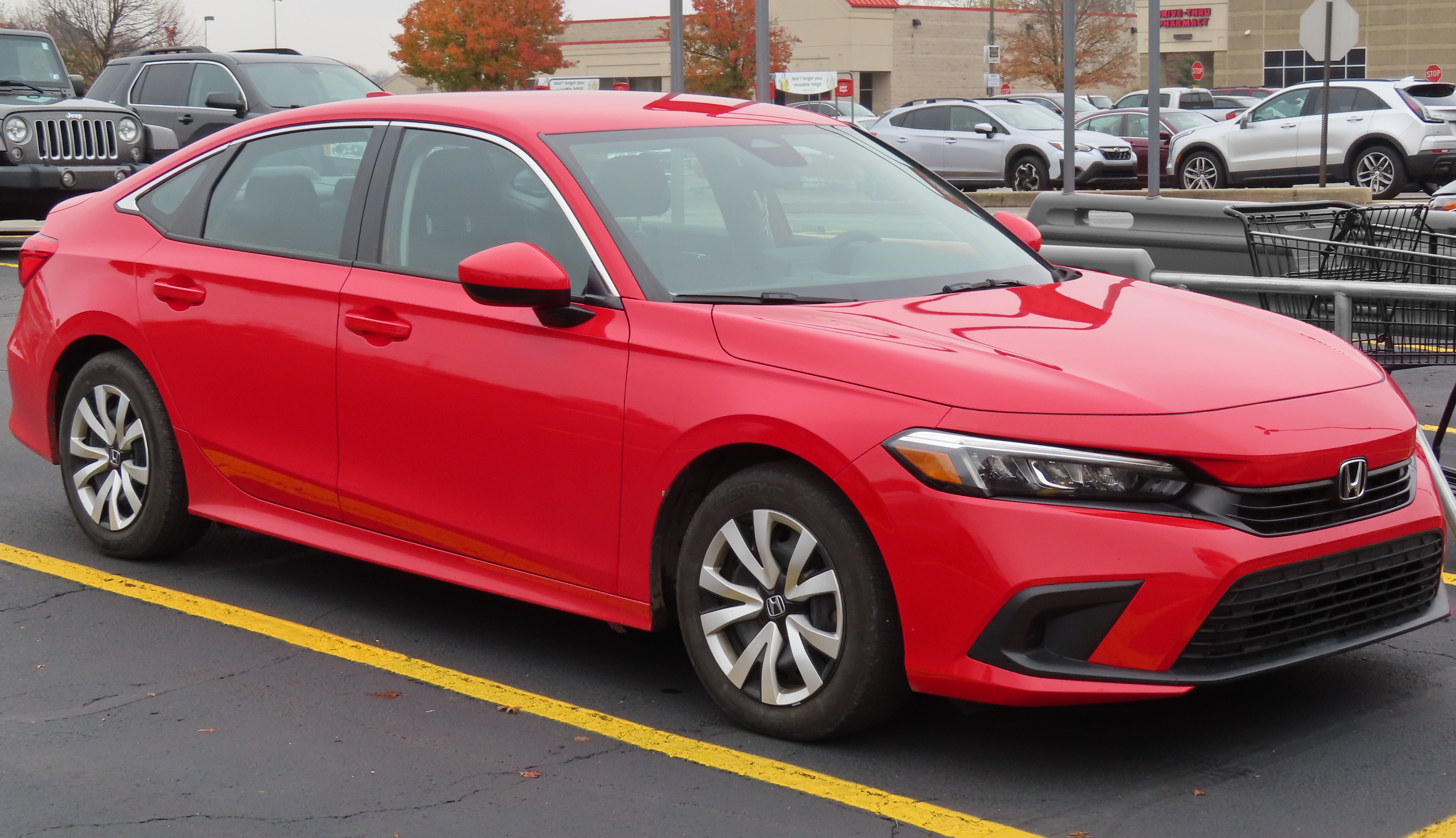
that we've ever had to drive in road trip was a brand new Honda Civic with 69 miles
36:38
that 1984 Honda threw up a fight every single step of the way. And this is proof that
36:43
like if you want a car to die, no matter how good it looks, let it sit and don't drive it.
36:48
Yeah, I think two things happen. First cars age when they sleep just like us. Sure.
36:52
So so things degrade, things deteriorate. And just because it's low mileage and hasn't been
36:57
driven doesn't mean it's going to be, you know, ready to go like it's out of the showroom floor.
37:01
In fact, it's going to be the opposite. And then the other thing that happens,
37:04
and I see this quite a bit is deferred maintenance, right? Yeah, the more expensive the car is,
37:09
the more expensive the parts are. And so in some ways it's a lot easier to shine it up
37:16
than to go and replace the transmission. And so that's what people do. I mean, I think a lot of
37:20
times people think that the car doesn't need maintenance, because they'll say like, well,
37:23
why would I serve assisted only has 18,000 miles? Like, yeah, it is 18,000 miles,
37:27
but it's been sitting for 27 years, right? Like things are going to degrade,
37:31
parts are going to degrade, plastics are going to fall apart for 35 years in this case,
37:35
right? Nothing's getting heat cycled like it's supposed to be. So like the, I'm almost at the
37:39
point now where like, when I'm looking for these classic or used cars, like I would rather find one
37:44
that has 50, 60, 70, 80,000 miles on it, that one that has 10 or 15,000 miles on it, because I know
37:50
that car has been driven and has had some heat in it and has been used and then likely,
37:54
because of that has been at least somewhat maintained, right? I mean, I think there's
37:58
a limit once you get to 200,000 miles and you're going to, a lot of things are going
38:02
to have to be replaced. You've probably used up a lot of the parts.
38:04
But yeah, like 20,000 miles, 26,000 miles for a 35 year old car, right? Like this car is averaging
38:10
800 miles a year, which likely it's been a lot of those years not averaging any miles at all,
38:15
right? So I think that we're going to get this car to a point where it's going to be very good
38:19
and it's not far off. Like I don't want to complain about it. It's got a good AC,
38:23
mostly electronics work. The engine's pretty good. The chassis is excellent, right? Like we
38:28
can get it there, but it's good. Yeah. Yeah. There's a lot of great things about this car,
38:34
but this is what happens when you let a car sit. I would rather have a car with rock chips
38:39
than a car with degraded everything. Yeah, I agree. And the paint is good. And a lot of these
38:43
cars, you know, were driven hard and put away wet. And so to have a car that, you know,
38:48
the body is in good shape. Interiors in good shape is nice. And it sounds like I'm
38:52
rationalizing, which I perhaps am, but it's also fun than to take a car that needs some
38:57
love and give it that love. And then, you know, come out of the tunnel at the other end and see
39:01
the light and see just how much you, you know, could have made this car so much better than
39:06
when you bought it. That was a horrible sentence, by the way, Tommy. So some comments
39:11
about our adventure here on Patreon. And if you want to get to show early, if you want to
39:15
ask us questions, patreon.com slash TFL car. We also have exclusive episodes like
39:22
Carish Unbuckled, which is live right now over at the Patreon. Check that out. Don says,
39:29
Roman really trying to own each generation. I'm sure he thought he was getting a good
39:33
deal on this one. It looks like it's going to bite him in the butt. I still think it's
39:36
like a pretty good place to spark money. I really don't think that we're going to lose a
39:42
lot of money on this car because it only built 6,900 of them. And they're kind of having
39:47
their moment in the sun with the new zero one out now. So it's a really special car
39:50
that's kind of undervalued. So I think we're going to lose some money because we always do,
39:54
but not that much money. And you know, there's this there's this collector world where you get
39:58
into these hyper expensive cars. And a lot of the YouTubers are Doug is there with his Porsche and
40:03
his contage. So so is Matt, right where it's hard to lose money on it because they're so
40:09
expensive and they're so unique. And then you get to a point where it becomes kind of the
40:13
idea is that you buy a classic car. And then because of COVID and because of the fact that
40:18
it's so sought after, no matter how much money you put into it, I think I think Matt is, you know,
40:23
having his engine rebuilt in Italy for like $50,000 or something, that it will still
40:28
maintain or increase in value. We're not there, Tommy, you know, we're not we're the exact
40:33
opposite of the world. If we buy a car and we put money into it, it's probably not going
40:37
to make money, but I'm okay with that. I'm really good with that because I'm making
40:41
something that is, you know, broken into something that is usable and passing it
40:45
on to you or the next generation of collectors. And I never came from this world where, like,
40:51
you expect to fix a car and make money on it. I expect to lose money on the car. So
40:55
if I don't lose a lot of money on the car, if we don't lose a lot of money in the car,
40:58
I'm very happy because the car is, you know, the way it should be. Sometimes my grandfather
41:03
was like that. Everything, you know, the way it should be. Well, in Dante on Patreon too,
41:07
he said, I think you guys are falling into the YouTube car channel pit where you buy
41:10
the high performance cars and test them. I understand they are older now,
41:14
but the only people buying these are people who can spend $40,000 on a car that really
41:18
should never be driven and kept in a garage. I like when you buy these older cheap cars
41:23
and you test them. So, like, I think my response to that is, first of all,
41:26
we're doing a series on a $1,500 Cadillac rate.
41:29
And a $900 Tracelle. So I think we're far from that world, Don. Sorry to burst your bubble.
41:34
We still have quite a few. But, I mean, the reality of 2025 is, especially with
41:40
the rate that an inflation is going, like, $27,000 is a lot of money,
41:45
especially for what's largely a toy. I don't think it's a lot of money.
41:48
Well, objectively, it's a lot of money. It's a piece of automotive history.
41:55
It's GM's moonshot, and it's the cost of a used Honda Civic. I don't think it's a lot of money.
42:01
I think a lot of money is when you're talking, like, kuntashes and...
42:04
I mean, it's all relative, right? It's all relative, but in the world of collecting cars...
42:09
For me, $27,000 is a lot of money. Like, $5,000 is more realistic for someone like me, right?
42:15
But I also think that for the experience you get, like you said,
42:20
the average new car price now is $29,000, or $49,000.
42:24
Hubee just bought a Bugatti Veyron.
42:26
Well, he sold it because he said his audience wasn't interested.
42:28
And what's his name? Bought one, too. I'm a YouTuber.
42:31
No, no. Ed Bullion just bought it. And this is the world that we're...
42:36
And I appreciate what you're saying is, for me, it's a lot of money.
42:39
But we don't live in your world. We live in the YouTube world, where the Strandman
42:44
and where Doug and where Matt are buying kuntashes, right? This is our world.
42:49
And we're competing for views in that world.
42:52
And so I think to do it with a $27,000 ZR1 is doing it on a budget.
42:57
And I also think in the classic car collector world, in the Mekam world,
43:01
if you watch those auctions, we are at the very bottom of what most people will spend
43:08
for a classic car that is more than just, let's say, a fancy Camaro.
43:15
But I do think we're seeing a lot of pushback on that now, because...
43:18
I hope you're right. I agree.
43:19
So I just saw Hubee video. He's selling that Bugatti.
43:22
Of course. Well, he's spending $12,000 a month on it.
43:25
It's just an interest.
43:26
But keep in mind, what he was seeing is people want to see the cheap cars again.
43:31
So the cars he's buying now is a $30, $300 minivan, right?
43:36
An old BMW he got for free, right?
43:39
Like that's the stuff I think that's getting interest.
43:40
So now he's coming into our world.
43:42
Well, we're coming in. He's always been in that world.
43:45
No, we're not even close to the Veyron world type.
43:48
No, no, but I'm saying...
43:48
That is so far from where we're at.
43:50
He started in the Hoopti world, right?
43:52
That's where he got to start.
43:53
Well, he did, but it didn't...
43:55
How long I'm going to take him before he bought a kuntash, right?
44:00
Yeah, yeah. And 10 years ago, we weren't buying kuntashes.
44:02
No, but I'm just saying, like, I think to Don's point,
44:05
there is a lot of interest on the really cheap cars.
44:09
Yeah, Hoovey makes them sell out to be the everyman,
44:12
but you look at his car collection, a Mercedes SLR, a BMW i...
44:18
What was that, the really expensive BMW that he had?
44:21
I don't know. I don't follow stuff that closely.
44:23
Oh, yeah, you do. You know this BMW.
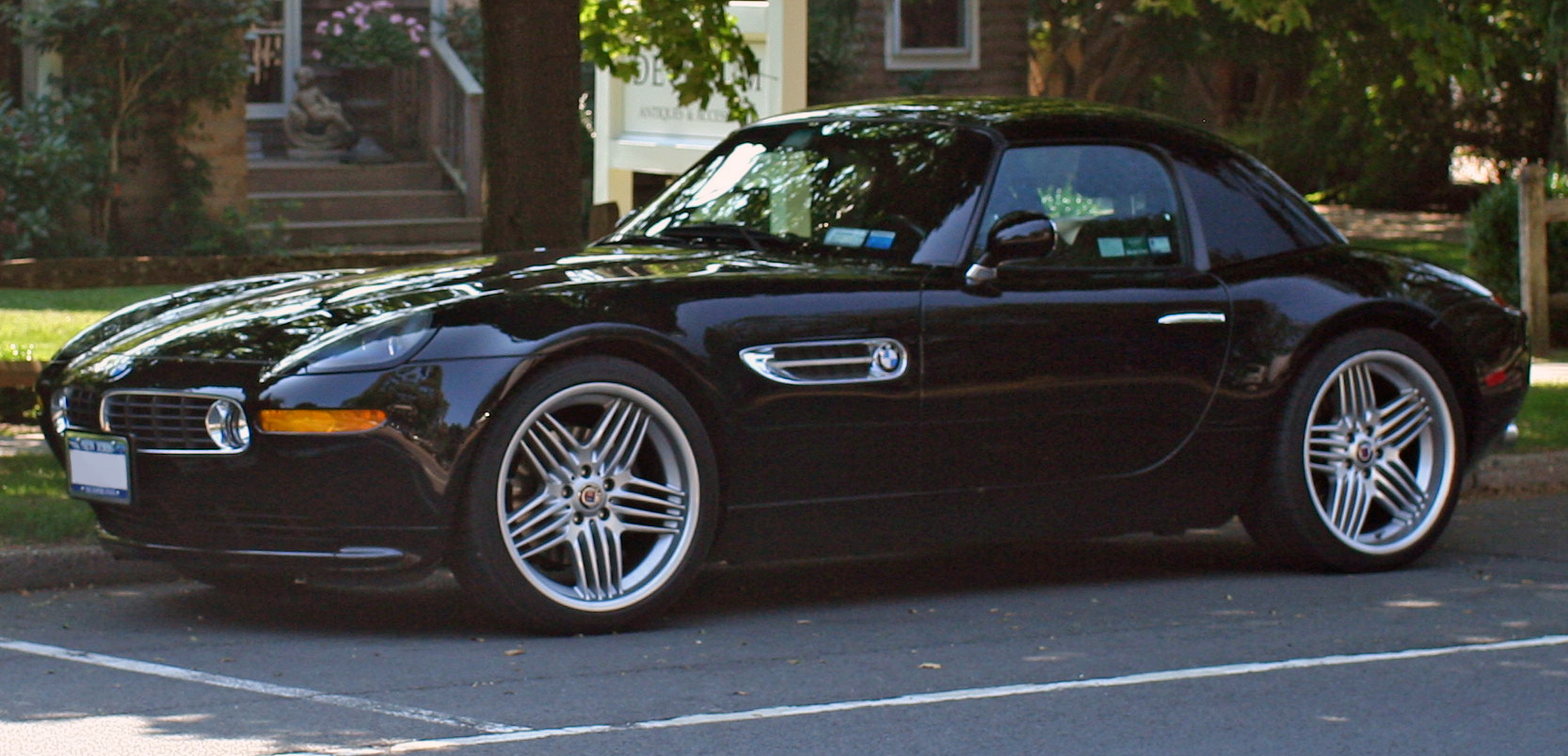
44:24
It's the convertible Roadster Z8.
44:29
But the point is...
44:30
These are very expensive cars.
44:31
I think he's seeing that there's a lot of interest in the cheap stuff,
44:33
so that's why he's going back to it.
44:35
And I think that we're never going to leave that, right?
44:38
So we're not going to abandon the cheap cars.
44:40
But we don't have the money to.
44:42
Yeah, but look, we're doing pretty well.
44:44
We have a C8 Corvette and an I8.
44:46
So like, those are expensive cars.
44:47
Yes, but not compared to the world of Veyrons.
44:50
I know, but that's not our audience.
44:52
I don't think our audience would want to watch that.
44:55
We're arguing. I don't want to argue.
44:57
I guess I just take offense at you making...
45:01
He's great, but he has kind of this way of being kind of folksy
45:04
and making himself seem like he's the everyman.
45:06
But if you look at his car collection,
45:09
it is certainly nowhere near what an everyman car collection would be.
45:13
Well, so Tad P brings up a good point.
45:16
Hoofie started in Hoopti land
45:17
and followed the influencer trend when he got into exotics,
45:19
but he admitted that's not what his audience was really into
45:21
and has been rewarded with the more modest Hoopti, right?
45:25
So like, I think that there's a trend back now to more affordable cars,
45:30
which we're not going away from, right?
45:31
We still got Terry...
45:32
Is there a trend back?
45:33
Or is it just him doing it?
45:35
No, I think there's a push against the expensive stuff these days.
45:39
Like every comment now on any new car we review is like,
45:42
these cars are too expensive, right?
45:44
So I think there is genuine interest and excitement
45:50
around that really affordable end of the spectrum.
45:53
I'm not sure. I don't see it.
45:55
I just see Hoopti maybe flew too close to the sun
45:59
and so it got his wings burned and so he came back down.
46:01
Look at what Tavarish is doing, right?
46:04
He's not doing cheaper stuff.
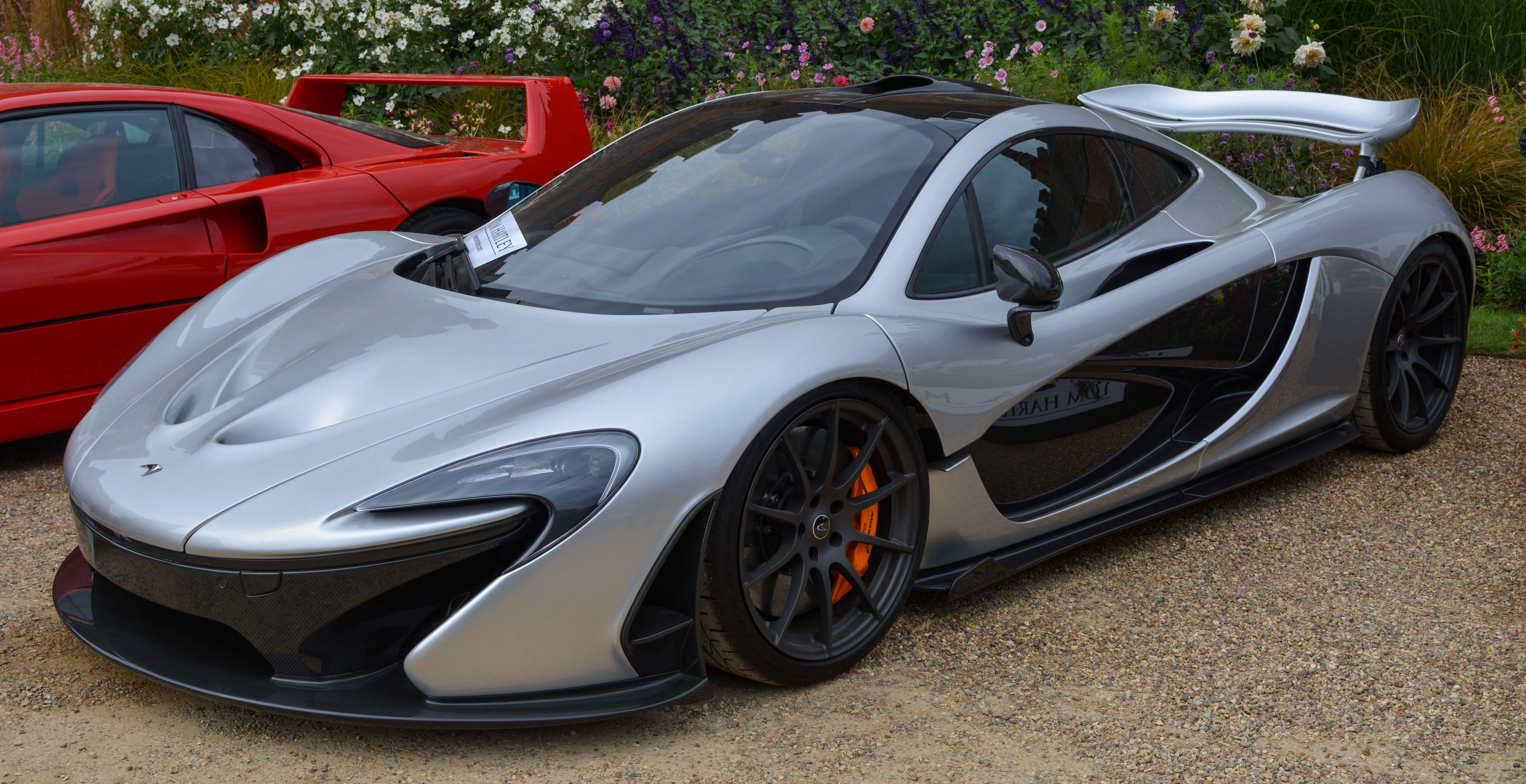
46:05
He's doing McLaren P1s, which is, once again, same level as a Bugatti.
46:10
I just think Bullion, Bayron as well, Doug, Porsche 918,
46:16
Qantas, Matt Farah, Qantas,
46:18
he just spent $100,000 on a Manx.
46:22
And I think the reason for this is because
46:25
people on YouTube want to see interesting and unique
46:28
and I think kind of crazy stuff.
46:30
And, you know, yeah, we're doing it to ourself,
46:33
but what are the views on the to ourself?
46:34
It's going to be limited because it's kind of, you know,
46:37
it's kind of an every man car.
46:38
Watch it. People like Terry.
46:39
Terry's performing really well though.
46:41
I'm not saying he's not performing well,
46:42
but in terms of views compared to what these guys are getting
46:45
with Bayrons, you're not pulling a million views on a to ourself, Tommy.
46:49
No, but we pulled 9 million on a Model T.
46:51
Yes. Yes. So we got lucky with that.
46:54
Once again, our audience, I think,
46:57
likes that because that's a $10,000 car.
47:00
So I just feel like, you know, we're,
47:05
we've always been what we've always been,
47:06
which is kind of the every man channel, right?
47:08
And we don't stray away from that.
47:11
So when Don says we're doing these super cars,
47:13
I think to myself in YouTube world, it's not that super.
47:17
Well, let's move on.
47:18
What else do you want to talk about?
47:20
Well, I want to talk about some of the other pitfalls
47:22
of buying classic cars because we bought a lot of them.
47:25
Not really. I think we should move on to other stuff.
47:27
I think we've really hit the classic car thing.
47:30
I want to talk about the Jeep Cherokee.
47:31
So there's a new Jeep Cherokee out there.
47:34
New generation called the KM,
47:37
which is creating quite a bit of controversy online.
47:40
So Jeep has done this thing where they're,
47:42
they're, they're trying to tie back to their Cherokee lineage
47:46
and with the XJ and they did this big reveal
47:48
of this new Cherokee in New York,
47:51
where they had a barge and then they brought out all these
47:53
old Cherokees and they brought out LL Cool J
47:55
and they're trying to do like this 90s thing.
47:58
But I almost feel like they've gone a little too far with it
48:01
because they're, they're trying to lean deep into that heritage.
48:04
But the car doesn't really reflect that heritage.
48:07
How so? What, what, what about it doesn't reflect?
48:09
Well, what about that says Jeep Cherokee?
48:12
Well, I'm not talking about the design,
48:14
but does it have the off-road DNA that a Wrangler would have?
48:19
That's, that's a fountain head, right?
48:20
That's what everything flows from.
48:23
Is there a Trailhawk version?
48:24
Oh, that's a problem.
48:25
I just think that like,
48:28
and I think they are working on a Trailhawk version.
48:30
They haven't announced anything,
48:31
but like what, what made that old Cherokee so special
48:35
is it was relatively affordable, first of all.
48:37
You can get into it pretty affordably.
48:39
And it represented a lot of capability in a very simple package
48:45
that was very accessible to everybody.
48:47
That was different than what Honda was doing
48:49
with the CR-V at the time.
48:50
It was different than what Toyota was doing
48:52
with the introduction of the RAV4, right?
48:53
It was, it was very uniquely American
48:55
with the solid axle construction
48:58
and this really kind of flexible suspension setup.
49:01
The new Cherokee, I'm not sure why you'd buy a new Cherokee
49:04
over like a RAV4 or CR-V
49:05
because it's got a lot of the same components.
49:07
It's a turbo four cylinder with the hybrid
49:10
and a planetary gear set CVT.
49:12
And it just like, it doesn't,
49:14
it doesn't move the needle in any way
49:16
and it's relatively affordable.
49:17
I think it starts like in the mid to high 30s,
49:19
gets 500 miles on a single tank, which is cool.
49:22
But I feel like Jeep has fallen on that trap
49:24
where they, they went so far toward like,
49:26
this is what the consumers are buying.
49:28
It's working for Toyota.
49:28
It's going to work for us.
49:30
And I'm not sure that's, that's good.
49:31
That's the case with the Cherokee nameplate.
49:33
So it's no secret, Tommy,
49:34
the Jeep has, since Jim Morrison left,
49:36
has gone through a series of different CEOs.
49:39
And that always signals to me
49:40
that the company isn't sure where it should be going,
49:43
They're trying to find a path forward.
49:45
And the path forward is very straightforward.
49:47
It's very actually easy to spot
49:50
if you know what to look for.
49:52
And take a look at what's happening
49:54
in the rest of the industry
49:55
where Honda's coming out with these trail sport
49:57
and Hyundai's coming out with these XRTs, right?
50:00
These are all vehicles that are on-road vehicles,
50:04
but have kind of an off-road heritage to them.
50:07
I shouldn't say heritage,
50:08
have an off-road sheen to them
50:09
where they put on knobby tires,
50:11
where they put on maybe some recovery points,
50:15
and make them much more off-road worthy.
50:17
I think Jeep needs to lean in or double down
50:20
on its off-road heritage.
50:21
And that all starts with the Wrangler.
50:24
And the problem was, of course,
50:25
that Jeep had that world all to itself
50:27
until the Bronco came along.
50:29
And the answer, when the Bronco did come along,
50:32
was a refreshed grille and a bigger screen.
50:34
And I think what Jeep needs to do
50:36
is kind of go back,
50:38
understand what its DNA is,
50:40
which is the DNA of the Wrangler,
50:42
and then have everything flow from that.
50:45
Instead of leading with this Cherokee,
50:46
they should have led with the Trailhawk.
50:49
That's the one that they should have came out with,
50:51
because that would say to the buying public,
50:54
And it's funny because everybody else is doing that,
50:56
and yet Jeep somehow was shying away from that.
50:58
And I'm guessing that may be because of Carlos...
51:02
Tavares, who was looking at it
51:04
from a very much a European standpoint,
51:06
and not an American standpoint.
51:09
the things that were important was fuel economy,
51:14
and all the values that probably sell cars in Europe,
51:19
whereas he wasn't looking at it from an American point of view,
51:22
which is it's all about what this vehicle says about me as a person.
51:27
And that, looking at that,
51:28
that doesn't say, even though it's in an overgrown field,
51:32
it doesn't say if you were to take away those weeds
51:35
on this picture that we're looking at right now,
51:37
and put it into New York City,
51:39
it would look just as comfortable there
51:40
as it does in the wild.
51:42
And what I want is I want a car that wears car hearts,
51:45
and not a car that wears, you know,
51:49
I don't know, what's a brand that's very urban?
51:52
I'm not the one that...
51:53
We're not good with clothing brands.
51:59
I'm just taking that from the news.
52:01
But you see what I'm saying?
52:02
That doesn't scream to me off-roader.
52:04
That just screams to me, you know,
52:06
want to be off-roader.
52:07
And so, make it, make it...
52:09
Yeah, I think that's great.
52:11
Make off-roading what your heritage is.
52:16
and Stilance certainly knows how to do it in the Ram.
52:18
You see anything that says American on this thing?
52:21
Well, apart from the 7-slot grill,
52:24
it really could be any other brand.
52:27
So I think there is some criticism to be had here.
52:30
And I think just Jeep needs to go back to
52:34
figuring out, you know,
52:35
what Moab means to the brand
52:37
and how you take that DNA
52:40
and sprinkle it into the rest of the...
52:49
Well, there's a little bit of news
52:50
that's kind of interesting.
52:52
It's a bit that's kind of near and dear to my heart
52:55
because I have this split personality
52:56
where I love off-roaders,
52:57
but I also love sports cars.
53:00
Nissan just announced the last
53:06
What am I trying to say?
53:10
Just rolled off the production.
53:11
And I'm kind of sad about that
53:12
because I kind of started my career
53:15
at the same time that the current GTR came out.
53:17
So it was about 15 years ago,
53:20
And it's kind of sad to see it go away.
53:22
And I've kind of followed that car
53:24
throughout all of its different versions,
53:27
always lusted after it right when it first came out.
53:29
It was a relatively affordable supercar
53:32
that showed many of the exotic Ferrari Lamborghini
53:37
that you can spend $70,000
53:38
and have the same performance
53:40
as a two, $300,000 car.
53:41
So it was very much an every man kind of vehicle.
53:44
And then finally, last year or two years ago,
53:47
we got to go to Japan
53:48
and I got to see the car culture there
53:50
and I got to understand the GTR in that context.
53:52
So I'm kind of sad that it's going away.
53:55
I kind of think it became iconic
53:57
and then it got very expensive
53:59
because the last Nismo versions were, what, $200,000.
54:02
And then they became collectibles.
54:04
So all those guys who collect cars
54:05
and don't drive and start buying them
54:06
because they knew...
54:07
I think those people are actually ruining in a way
54:09
a lot of the hobby for us.
54:11
All these people who are into...
54:13
The one theme I saw at car week was one of one.
54:16
That was everybody just wanted the one of one thing,
54:19
whether it's the one of one singer
54:22
or whether it's the one of one Pagani.
54:26
And the people who want the one of one,
54:30
they don't drive them,
54:31
they just collect them
54:32
and then they eventually flip them.
54:33
And that could be the Ford GT.
54:35
That could be the new Mustang GTD.
54:37
I think to some extent that could be the ZR1X.
54:41
And I'm really sick of these super high-priced cars
54:45
that only billionaires can afford
54:48
while the rest of us struggle to afford basic transportation.
54:53
It's become this kind of split thing
54:54
where there's a billionaires and then there's everybody else.
54:58
Yeah, I mean, I think...
55:00
Maybe that's my perspective
55:01
because I just came out of car week.
55:02
Yeah, I think car week is kind of a little bit of a...
55:05
I mean, when there's 19 Ferrari F50s
55:07
and one town, I think that's kind of a...
55:09
But it just drives a point home.
55:11
It just drives a point home.
55:11
Yeah, but it's always been like that.
55:12
I don't think it's always been like that.
55:14
I think it's gotten much crazier over the years.
55:16
I mean, don't you think in the 1920s,
55:17
all these Duesenbergs, those were one-off cars?
55:20
Yeah, I mean, you could look at it like that,
55:21
like we're living in this gilded age
55:22
where the high before the fall, right?
55:26
This is what happened in the 1920s
55:27
before the Second World War.
55:29
We could be living in that kind of a time.
55:32
But I'm just tired of...
55:34
You have to beg for an allocation
55:36
from Porsche to get a GT3.
55:38
You have to know somebody at Ford to get a GTD, right?
55:43
You have to be extremely wealthy
55:45
and have bought 15 Paris Enguies to get an F80.
55:49
And I know most people don't, aren't in that world,
55:53
but it bugs me that once upon a time,
55:55
you could still get a 911.
55:56
Not that long ago for $99,000,
55:59
and now the cheapest 911 is going to be like $130,
56:01
and I know that's still extremely expensive,
56:03
but it's just kind of a sign of the time.
56:05
And where are the affordable sports cars?
56:08
People don't buy affordable sports cars.
56:10
This is true, yeah.
56:11
Like you got the GR86 and that,
56:12
I mean, it's a great car,
56:13
but it's just not a huge seller.
56:16
Kind of the same problem.
56:18
So I think that like it's one of those things
56:20
where people say they want,
56:21
they want more affordable sports cars.
56:23
Fewer and fewer people are buying this.
56:24
Here's my hot take.
56:25
Miata is not the answer.
56:26
I think everybody who's wanted a Miata,
56:28
we just had one at the office, right?
56:30
And I kind of feel like everybody who's had
56:33
or wanted a Miata has had a Miata.
56:35
Well, the generation's old,
56:37
but wait till the next gen.
56:39
It'll come back into the interest.
56:42
I just think it's, so we had,
56:46
which is the largest of them,
56:47
so I could fit into it.
56:49
And then you bought it from the company.
56:50
I didn't drive it much.
56:51
You didn't drive it much.
56:53
For such a, the answer is Miata.
56:55
Why did we barely drive it?
56:57
Well, I think for me,
56:58
it's because I'm weird.
56:59
And I just like that experience,
57:00
like I like Model T's.
57:02
And a Miata person's not interested
57:04
in a Model T, right?
57:05
So like, I think that,
57:08
I like cars with bigger experiences,
57:09
so it wasn't for me.
57:11
It's not the answer for you.
57:14
No, but I think for most people,
57:16
If you just want a fun sports car,
57:18
it kind of does that perfectly.
57:21
So I had a wonderful drive
57:23
and it going down the peak to peak highway.
57:26
And then I redid that drive
57:27
in our CA Corvette.
57:28
And I gotta tell you,
57:28
I had a much more fun drive
57:30
because there's this thing,
57:31
there's this cliche, right?
57:32
It's more fun to drive a slow car
57:34
fast on a fast car slow.
57:35
It was actually more fun to drive
57:37
than it was to drive the slow car fast.
57:39
Because the problem with the Miata,
57:40
especially at peak to peak elevations
57:42
where you're almost at 9,000 feet above sea level,
57:45
is it just doesn't have enough power.
57:46
You're always upshifting.
57:47
You're always trying to search.
57:49
And then when you do try to pass somebody
57:50
because they're going so slow,
57:51
you need such a long runway
57:53
that it's just not fun.
57:54
And yes, the car is lively.
57:56
The car has a lot of handling attributes
57:59
that make it fun to drive.
58:01
But I don't fit in the thing.
58:03
There's no room for luggage.
58:05
Like, and that's always,
58:06
if you're a big person,
58:07
Miata is not the answer.
58:08
But I think if you fit in the Miata.
58:10
So if you're a model team,
58:10
Miata is not the answer.
58:11
If you're a model team person,
58:12
Miata is not the answer.
58:13
And if you're a big person,
58:14
Miata is not the answer.
58:14
I just don't think it is anymore.
58:16
I think it's just been there, done that.
58:18
You know, what, what,
58:19
there was a moment in time
58:21
when my friend Fred collected
58:23
all these pretty sports cars.
58:24
And you know these pretty sports cars, right?
58:27
Yeah, but they were terrible.
58:29
Yeah, and they broke.
58:31
And they rusted and they were bad.
58:33
And they had Lucas electronics.
58:34
So the Miata came in
58:36
and did that formula correctly.
58:38
Yeah, and that was wonderful.
58:39
Fred, my friend Fred,
58:40
who was into the body,
58:41
The N.A. was just a wonderful car.
58:43
But that was like 35 years ago.
58:45
And they kept that same formula.
58:47
And it's just old and stale.
58:49
anybody who's wanted one has had one.
58:51
And so it's time for something new
58:53
and different and fresh.
58:55
I don't, I don't agree.
58:57
I mean, I think that this Miata
58:58
we have now is stale.
59:00
But I think the Miata philosophy
59:01
of a small, naturally aspirated manual transmission,
59:04
that's never going to go stale.
59:05
It's just, it's never going to.
59:07
That's like what makes a car guy a car guy
59:08
is a small sports car
59:10
you can drive yourself.
59:11
Okay, I understand that statement.
59:13
Let me, let me say an analogy.
59:14
You could say like,
59:15
bread is never going to go stale
59:17
Well, bread does go stale.
59:18
But you know what I mean?
59:19
Like the idea of bread-
59:21
The idea of bread is never going to go stale
59:22
because people always love bread.
59:24
And then you go to the bakery
59:26
and there's all this bread
59:27
and no one's buying it.
59:28
People are buying bread.
59:30
But I think bread is a pretty big seller.
59:32
Listen to the analogy, please.
59:36
Miata, bread, they're analogous.
59:41
But you go to the bakery.
59:43
You go to the Mazda store
59:45
and no one is buying bread.
59:48
but they're not buying it.
59:49
And no one is buying Miatas.
59:50
In other words, the bread has gone
59:52
both literally and figuratively stale
59:54
because time has moved on,
59:56
people have moved on,
59:57
and they're bored of bread.
59:58
I think people are buying bread.
59:59
I think that there's too many-
00:00
You get past the real bread.
00:01
But that's your analogy.
00:04
There's too many different types of bread.
00:05
But people fundamentally-
00:07
You will never let me win an argument.
00:08
Because that's a dumb analogy.
00:10
Bread is like the number one food
00:12
stable people buy at stores.
00:13
It's like milk, eggs, and bread.
00:16
That's what people buy.
00:18
Milk, eggs, and bread.
00:20
Once again, I'm not sure
00:21
that's what people buy.
00:23
Cole over there introduced me to-
00:25
Cole introduced me to this ramen noodle bowl.
00:32
That's pretty damn good, dude.
00:33
Peanut noodle bowl.
00:34
I bet it is, but Cole still-
00:35
I didn't buy bread.
00:36
I went and bought the noodle bowl.
00:37
But he buys the noodle bowl and the bread.
00:40
That I think if we were to run a poll right now,
00:43
drop me a comment below.
00:44
Just type the word bread if you buy bread.
00:47
I think a lot of people buy bread.
00:49
Quite famously, I think bread is very popular.
00:52
It's like, okay, how about white bread?
00:55
Do people still buy white bread?
00:57
People love white bread.
00:57
People go and buy artisanal bread.
00:59
They buy whole wheat bread.
01:01
Do you buy white bread?
01:04
Every single person I know buys white bread.
01:06
They buy sourdough, but white bread.
01:08
You buy Wonder Cole?
01:10
Yeah, see, all right, Wonder Bread.
01:11
That's Wonder Bread.
01:13
Now you're making it too small.
01:14
I grow up in the Midwest.
01:15
Yeah, the whole Midwest.
01:16
I grew up in the Midwest.
01:18
But you grew up as a little weird European kid.
01:20
I know what your parents ate.
01:21
You know what's funny, Tommy?
01:22
I think what I'm saying is true.
01:24
And because you can't stand to be wrong,
01:26
you will argue this point.
01:28
No one is buying Miata's.
01:29
They're no longer in fashion.
01:31
But people are buying bread.
01:32
Miata's are not popular.
01:34
Bread is still popular.
01:37
I think Miata's are out of fashion right now.
01:40
Because the Miata's old.
01:41
I think it's an old car.
01:42
It's not just a car.
01:43
The concept is old.
01:46
We had this conversation.
01:47
Back in the 60s, if you showed up,
01:50
let's say, with some young hot thing in a TR3, you were cool.
01:56
I mean, that was cool, right?
01:57
Because you had this like British sports car,
01:59
and it was something very different
02:00
from all the muscle cars.
02:01
I was very young in the 60s,
02:02
but I'm guessing that if you had some beautiful young lady
02:06
in this undress and you showed up in this Triumph TR3,
02:09
you were just cool.
02:10
Now that car is just like some old professor in his 80s
02:13
with that weird hat is driving it around.
02:15
It's no longer cool.
02:16
It's no longer happening.
02:18
Half the kids are driving Miata's to cool kids.
02:20
Seriously, the CU car club is like half Miata's.
02:24
Dad, they're just like a staple.
02:26
I don't think people love them.
02:27
I think people buy them because they're cheap.
02:28
I actually think the bread.
02:29
And they're reliable.
02:30
Yeah, which is fine, but they're also fun.
02:32
The bread is a good analogy.
02:34
You accidentally did a good analogy.
02:36
He will not let me win an argument.
02:39
The bread is a good analogy.
02:42
Did you hear what I just said?
02:43
Because you're saying that because you won't let me win.
02:45
Because it's the flip of what you're saying.
02:47
The Miata is bread.
02:50
That's what everybody says.
02:51
I completely disagree.
02:53
It's a boring little car that's underpowered
02:56
and doesn't fit anybody and is past its prime.
03:00
It was past its prime probably 10 years ago,
03:02
but he got to be a,
03:03
if you're a cool car guy, the Miata's the answer.
03:05
And I'm like saying, no, it's not.
03:06
There are other cooler cars that have become that.
03:09
Damn, dude, those electric bikes that everybody's doing
03:11
wheelies down Main Street on, those are cooler than Miata's.
03:13
So I would argue that throughout history,
03:16
a small two-door sports car has always been cool.
03:19
And it's cool today, you know why?
03:21
That's why the Camaro's not around.
03:22
It's cool today, you know why?
03:25
I'm not saying they're big sellers.
03:26
I just think they're fundamentally cool.
03:29
I just think they're uncool right now.
03:30
Back in the 1960s, they were cool
03:31
because everyone was in big yachts
03:33
and the little car was interesting.
03:34
Now they're cool because everybody's in boring SUVs.
03:37
You know what's cool about?
03:40
Trucks are always been cool.
03:45
Trucks are what people...
03:46
For every Miata that Mazda sells,
03:48
Ford sells 100,000 trucks.
03:51
Look, the Miata is not...
03:52
It's not the perfect car.
03:53
I'm not saying that.
03:54
I just think as a staple of the sports car,
03:57
in my opinion, it is still the answer.
03:59
It's something old men drive.
04:01
Now, well, you should go see you
04:02
car club one of these times.
04:03
All right, we got to go.
04:05
Hey Cole, where are you going?
04:07
Come on, tell Tommy.
04:08
He's going to Detroit.
04:09
And what are you looking at?
04:11
He's looking at Rams, Tommy.
04:14
I bet he'd be happy if he was looking at Miata's.
04:17
All right, guys, we'll see you next time.
04:19
Hey, we'll have a new warlock here in the office.
04:23
You upset because you didn't win the argument?
04:26
We'll just see you next time.
04:27
I'm going to have some bread, Tommy.