
What Is BMW Doing? Meet The All New 2027 BMW X5! | EP. 345
About this episode
The hosts kick off with banter about Fast & Furious—how the early, more grounded car-thief vibe holds up better than the later world-saving chaos—plus a quick debate on ridiculous mods like underglow. The conversation then shifts to BMW’s new 2027 X5 reveal from Spartanburg, focusing on BMW’s “Neue Klasse” design direction. They critique the updated front end (smaller but still awkward grille, illuminated LEDs, configurable headlight “X” elements) and polarizing tail lights, while praising the tech: updated B58 mild-hybrid and plug-in hybrid, and a standout EV with big range, torque, and fast-charging numbers.
Go to https://www.autotempest.com/TFL for everything you need when searching for a new vehicle!
( https://www.alltfl.com/ ) Check out our new spot to find ALL our content, from news to videos and our podcasts!
BMW’s absolute best-seller is getting a radical, hyper-futuristic makeover, and the crew is diving into all the controversy! Kase and Tommy dissect the brand-new 2027 BMW X5 and its polarizing "Neue Klasse" design language, sparking a massive debate over its shrunk-down but awkwardly proportioned front kidney grilles. While the exterior elements—like the illuminated LED grille outline and the strange "X" pattern inside the headlights—have the internet up in arms, the guys note that the next-generation powertrain specs are a technical masterpiece. They break down the returning inline-six gas engine, the new plug-in hybrid model, and the flagship full EV version that boasts a massive battery and incredible range, before jumping inside a sci-fi cabin that features a bizarre vertical steering wheel and climate controls buried deep within a touchscreen.
Later in the episode, the duo shifts gears to spotlight a massive market collapse in high-end electric vehicle depreciation using AutoTempest’s price trends tool. They look at used Porsche Taycans dipping into affordable territory and showcase a mind-boggling Mercedes-Benz EQS that plummeted nearly $90,000 in value over just four years, sparking a fierce debate on whether it's the luxury deal of the century or just too ugly to buy. Finally, Kase shares his first impressions of a sleek, brand-new arrival in the press fleet: a silver-on-black Mercedes-AMG E53 Wagon pumping out over 600 hybrid horsepower on massive staggered tires, giving the guys hope that the enthusiast-favorite fast wagon segment is stronger than ever.
( http://www.patreon.com/tflcar ) Visit our Patreon page to support the TFL team!
Advertising Inquiries: https://redcircle.com/brands
Privacy & Opt-Out: https://redcircle.com/privacy
double clutching
"Granny shifting, not double clutching like you should. You're lucky that 100 shot of Nos didn't blow the weld on the intake."
Double clutching is a way of shifting in a manual car that helps the gears line up better. It can make the shift smoother and reduce the jolt you feel when changing gears.
Double clutching is a manual-transmission technique where you press the clutch twice—once to unload the gearbox and again to match engine speed—before selecting the next gear. It helps reduce drivetrain shock and can make shifting smoother, especially when downshifting.
Nos
"You're lucky that 100 shot of Nos didn't blow the weld on the intake. You almost had me."
“NOS” is a nitrous boost system. It sprays a special gas into the engine to make more power, but if you use it wrong or on weak parts, it can cause damage.
“NOS” is commonly used as shorthand for nitrous oxide systems used to add a big power boost on demand. Nitrous oxide increases oxygen availability in the engine, allowing more fuel to be burned for higher output—often with strict limits to avoid overheating or damage.
intake
"You're lucky that 100 shot of Nos didn't blow the weld on the intake. You almost had me."
The intake is the part that brings air into the engine. If you add a nitrous boost, the intake can get stressed, and damaged intake parts can fail.
The intake is the air path and components that deliver air (and sometimes air/fuel mixture) to the engine. On boosted or nitrous setups, the intake area can see extreme pressure and heat, so weak welds or parts can fail.
piston rings
"Dom, now me, me and the mad scientist got to rip apart the block and replace the piston rings you fried closes bonnet."
Piston rings are small rings on the piston that help seal the combustion chamber and control oil. If they get damaged, the engine can lose compression and start running poorly, sometimes requiring major repairs.
Piston rings are the sealing rings on the piston that control compression and help manage oil consumption. If they’re damaged or “fried,” you can get poor compression, increased blow-by, and oil-related issues that often require engine teardown to repair.
block
"Dom, now me, me and the mad scientist got to rip apart the block and replace the piston rings you fried closes bonnet."
The engine block is the big main part of the engine that holds the cylinders. If you have to take it apart, it usually means the problem is inside the engine and not just a simple external fix.
The engine block is the main structural casting that houses the cylinders and supports the crankshaft and many internal components. When someone says “rip apart the block,” they typically mean a major engine teardown to access internal parts like pistons and rings.
underglow
"but I do say you've mentioned in the past that you appreciate, um, like cars with underglow. [173.9s] Yes. [174.8s] I, I, yeah, I can be entertained by said cars."
Underglow is the colored lights you sometimes see under a car. They’re usually added for looks, not because they help you see at night.
Underglow is exterior lighting mounted low on a vehicle—often near the underbody or rocker panels—to cast colored light onto the ground. It’s usually an aftermarket customization and is meant more for visual style than for visibility.

Pontiac Fiero
"Cause like fricking the last one, they just shot a Fiero in a space. [249.8s] Yeah."
The Pontiac Fiero is an older mid-engine sports car from the 1980s. It’s become well-known with car fans, especially because people often modify them or do engine swaps.
The Pontiac Fiero is a mid-engine sports car from the 1980s that became a pop-culture icon. In enthusiast circles it’s often remembered for its unusual layout and the fact that it’s a common base for swaps and custom builds.
2JZ
"Or like they, they do like, instead of saying like, oh man, that's a super, they'd be like, [280.6s] this is a 2JZ."
“2JZ” is a Toyota engine model code. It’s a straight-six engine that became famous in tuner culture—people like it because it’s strong and can be modified to make a lot of power.
“2JZ” is the engine family code for Toyota’s inline-six used in the JZ series. It’s most famously associated with the Toyota Supra (especially the turbocharged variants), and it’s popular with tuners because it can handle significant power with the right upgrades.
RB
"And for like a big Hollywood movie, usually they wouldn't talk about engine codes like [282.2s] RB and 2JZ and stuff."
“RB” is a Nissan engine family. It’s a type of straight-six engine that car fans talk about a lot because it has a big parts and tuning community behind it.
“RB” refers to Nissan’s RB-series inline-six engines (commonly discussed in tuning circles). Like the 2JZ, RB engines are known for a strong aftermarket and are often mentioned by enthusiasts when talking about specific performance builds.
Spartanburg, South Carolina
"I was just in Spartanburg, South Carolina for the launch of the new BMW X5, which is their biggest seller..."
Spartanburg, South Carolina is a place in the U.S. where BMW makes cars. If BMW is launching a new model there, it usually means the factory is involved with building it.
Spartanburg, South Carolina is a major U.S. manufacturing hub for BMW vehicles. When BMW holds a launch there, it often ties to production capacity and the local plant’s role in building the model being introduced.
design language
"So it, it follows all of BMW's new design language, which they have a neat name for"
In car design, “design language” means the recognizable style cues a brand uses across many models. If BMW has a “new design language,” it’s basically their updated look that shows up on different cars.
“Design language” is a branding term in automotive design for a consistent set of visual cues—like grille shape, lighting style, and proportions—that show up across a whole lineup. When hosts say BMW “follows all of BMW’s new design language,” they mean multiple models share the same styling identity.
Neue Klasse
"It’s the Neue Classe, which stands for new class, which was the name they used back in like the sixties. Yeah. A long time ago."
“Neue Klasse” means “New Class.” BMW is using it as a name for a new direction, and it also connects to an older BMW era from the 1960s when they launched a new kind of car.
“Neue Klasse” (German for “New Class”) is BMW’s name for a design and product direction they’re tying to their earlier history. In the 1960s, BMW used the “Neue Klasse” label for a new generation of cars, and the modern usage is meant to evoke that era while signaling a fresh start.

Neue Class
"...ou to be saying Neue? Well, I just can't remember Neue class. Yeah."
“Neue Klasse” is a name BMW used for an important period in its car history. The episode is just trying to remember the exact wording. It’s relevant because it connects to how BMW developed certain models and ideas.
“Neue Klasse” refers to BMW’s “New Class” program, which was a key model and engineering direction in BMW’s history. The podcast mention shows they’re trying to recall the exact term, which matters because it’s tied to a specific era of BMW development. It’s discussed because it helps explain how BMW’s lineup and design/engineering approach evolved.
grills
"So here's the thing, the grills got too big, right? They did. We all agree. The grills got too big. So what they've done instead is they've shrunk them way down."
In this context, “grills” refers to the front grille openings on the car—an exterior styling element that also relates to airflow for cooling. The hosts are discussing how BMW’s grille size changed, with the new approach shrinking the grille after criticism that it had gotten too large.
LED light strip
"So, so they put like this LED light strip all the way around the grill and it does unfortunately kind of make it look a little bugs bunny-ish."
An LED light strip is a long, thin line of lights. In this case, it’s used around the front grille area to give the car a more distinctive, stylized look.
An LED light strip is a continuous band of light-emitting diodes used to create a signature lighting shape. Here, the host describes BMW illuminating the area around the grille with an LED strip, which changes the SUV’s face and makes it look more “graphic” than traditional headlamp/grille separation.
headlights
"they've actually put these X's in the headlights, which you can disable."
Headlights are the front lamps that provide road illumination and also define a car’s visual identity. In this segment, the host highlights a design feature inside the headlights—“X” elements—that can be disabled, effectively changing the car’s daytime/visual signature.
tail lights
"The thing that speaking of tail lights, I really don't like on the X five are the new [503.7s] tail lights."
Tail lights are the lights on the back of the car. They help other drivers see you, and they also light up when you brake.
Tail lights are the rear lamps on a car that indicate the vehicle’s presence and, when braking, signal that the driver is slowing down. Their shape and placement strongly affect how the car’s rear design reads at a glance.
B58 gas engine
"So they've got the B 58 gas engine is returning... It's got a new turbocharger... It's got a 48 volt hybrid system."
The B58 is BMW’s inline-six engine used in a lot of their performance and luxury models. They’re saying the new X5 is using an updated version of it, with improvements for power and efficiency.
The B58 is BMW’s well-known inline-six gasoline engine family. Here, the host says it’s “returning” for the new X5, and that it’s being updated with more power, a new turbocharger, and hybrid integration.
new turbocharger
"It's got more power. It's got a new turbocharger. So got 19 more horsepower."
A turbocharger helps the engine make more power by pushing extra air into it. If it’s “new,” it usually means the turbo setup is updated to improve how strong and how efficient the engine feels.
A turbocharger is a forced-induction device that uses exhaust energy to spin a turbine, compressing more air into the engine. A “new turbocharger” typically means BMW changed the hardware (and often the boost control strategy) to improve power and response.
48 volt hybrid system
"It's got a new turbocharger... It's got a 48 volt hybrid system. That engine's brilliant."
A 48-volt hybrid system is a mild hybrid. It uses a small battery and motor to help the engine, which can make the car feel stronger and use less fuel, without needing to plug it in.
A 48-volt hybrid system is a “mild hybrid” setup that uses a 48V battery and electric motor assist rather than a full plug-in or full hybrid drivetrain. It can improve efficiency and smoothness by adding torque during acceleration and enabling engine-off/engine-on strategies.
Miller cycle
"It's a new Miller cycle, so it should be more efficient."
The Miller cycle is a way of controlling how the engine breathes using valve timing. It’s designed to help the engine waste less energy, so the car can get better fuel economy.
The Miller cycle is an engine operating strategy that improves efficiency by altering valve timing to effectively reduce pumping losses. The host claims the new Miller-cycle setup should make the engine more efficient, which is a common goal of modern turbo/mild-hybrid gasoline designs.
plug in hybrid
"They're also doing a plug in hybrid with the same engine. It's got a 26 and a half kilowatt hour battery similar to the current one."
A plug-in hybrid is a car that uses both electricity and gas. You can charge it at home, and when the battery runs low (or you need more power), the gas engine takes over.
A plug-in hybrid (PHEV) is a hybrid car that can be charged from an external power source. It combines an electric drive system with a gas engine, and the gas engine typically starts when the battery is depleted or when more power is needed.
kilowatt hour battery
"It's got a 26 and a half kilowatt hour battery similar to the current one. Gen five architecture in the battery goes 44 miles on a charge before the gas engine kicks on."
A kilowatt-hour battery is basically the battery’s storage capacity. More kWh generally means the car can store more energy, which can help it drive farther on electricity.
A kilowatt-hour (kWh) battery is measured by how much electrical energy it can store. In EV and PHEV discussions, a larger kWh number usually means more potential electric range, though efficiency and vehicle weight also matter.
Gen five architecture
"Gen five architecture in the battery goes 44 miles on a charge before the gas engine kicks on. So that's pretty attractive."
“Gen five architecture” means BMW is using a newer design for the battery. In this case, they’re saying it helps the car go farther on electricity before switching to gas.
“Gen five architecture” refers to a newer generation of the battery’s internal design and engineering. The point in this segment is that the newer battery design improves real-world electric range before the gas engine is needed.
EV
"And then I actually think the EV is really the one you want because the EV is 435 miles of range. It's 144 kilowatt hours."
EV means electric vehicle. It’s a car that runs on electricity from a battery, and in this episode they’re comparing its range and charging to the plug-in hybrid.
EV stands for electric vehicle, meaning the car is powered primarily by an electric motor and a battery. In this segment, the host contrasts the EV’s range and charging performance against the plug-in hybrid.
range
"And then I actually think the EV is really the one you want because the EV is 435 miles of range. It's 144 kilowatt hours."
Range is how far the car can go before it needs to be charged again. For EVs, it’s one of the biggest things people care about.
Range is how far an EV can travel on a full charge (or, for hybrids, on a combination of electric and gas operation). It’s one of the most important EV specs because it affects whether the car fits daily driving and road-trip needs.
torque
"It's got 570 horsepower, 593 pound feet of torque. And 460 kilowatts of fast charging."
Torque is the force that helps the car pull and accelerate. Higher torque often makes the car feel strong right away, especially from a stop or at low speed.
Torque is the twisting force that moves the wheels, and it strongly influences how quickly a vehicle feels like it accelerates from low speeds. EVs often deliver high torque instantly, which is why torque figures are commonly highlighted alongside horsepower.
horsepower
"It's got 570 horsepower, 593 pound feet of torque. And 460 kilowatts of fast charging."
Horsepower is a way to measure how much power the car’s motor can produce. Higher horsepower usually means stronger acceleration, but it’s not the only factor.
Horsepower is a measure of engine or motor power—how strongly the vehicle can produce work over time. In EV specs, it helps describe acceleration potential, though torque and vehicle efficiency also matter.
fast charging
"And 460 kilowatts of fast charging. Wow."
Fast charging means using a higher-power charger so the battery fills up quicker. The higher the charging power, the less time you spend waiting.
Fast charging refers to higher-power charging that can add significant battery energy in a shorter time. The segment ties it to a specific power figure (kilowatts), which is a key indicator of how quickly the EV can replenish charge.
battery electric vehicles
"Yeah, this definitely feels like the next generation of battery electric vehicles in all of those respects. Any of the numbers that you're talking about looking at range, charging speeds, power output."
Battery electric vehicles are fully electric cars. They drive using electricity from a battery, so things like range and how fast you can charge matter a lot.
Battery electric vehicles (BEVs) run on electricity stored in a battery pack, with no gas engine driving the wheels. Because the entire drivetrain depends on the battery, range, charging speed, and power output are central specs.

2003 X5 4.6 IS
"So that's a 03 X5 4.6 IS, which was the precursor to the X5M... So it's got a 4.6 liter V8, 315 width tires... this was a hot, hot car in 03 and it only made 340 horsepower."
This is a 2003 BMW X5 with a bigger 4.6-liter V8. The hosts use it as a benchmark to show how powerful the older X5 was—and how the newer X5’s base version can still beat it in performance terms.
The 2003 BMW X5 4.6iS is an older, performance-leaning X5 variant powered by a 4.6-liter V8. The hosts call it the “precursor” to the X5M, and they use its output (340 horsepower) to illustrate how today’s base X5 can be quicker despite being a different era and tuning philosophy.
X5M
"So that's a 03 X5 4.6 IS, which was the precursor to the X5M."
X5M is the high-performance version of the BMW X5. It’s meant to be quicker and more driver-focused than the regular X5.
X5M is BMW’s high-performance “M” version of the X5, tuned for stronger acceleration and more aggressive handling than the standard models. The hosts describe the 2003 X5 4.6iS as a precursor to the X5M idea, tying the performance history to today’s lineup.
315 width tires
"So it's got a 4.6 liter V8, 315 width tires, which is pretty serious rubber."
“315 width” means the tires are about 315 millimeters wide. Wider tires usually grip the road better, which helps the car accelerate and stop more effectively.
“315 width” refers to tire width (in millimeters), which is a key factor in how much grip the tire can provide. Wider tires generally increase the contact patch, which can improve traction and braking—especially important on performance-oriented SUVs.
curb weight
"What is the curb weight on the plug-in hybrid version? I don't even know. Probably seven tons."
Curb weight is basically how much the car weighs when it’s ready to drive, without people or extra stuff inside. Knowing it helps you understand how heavy the car is—and that affects acceleration and efficiency.
Curb weight is the vehicle’s weight as it sits ready to drive, including standard fluids and equipment, but without passengers or cargo. It matters because heavier vehicles typically need more energy to accelerate and can feel less responsive, and for hybrids it’s especially relevant due to battery mass.
0 to 60
"The standard X5 goes 0 to 60 in 4.8 and I think that the older was like five or 5.5. So, yeah, it's, it's crazy how, how much faster they've gotten."
“0 to 60” means how fast the car can go from standing still to 60 mph. Lower time usually means quicker acceleration.
“0 to 60” is shorthand for how many seconds it takes a car to accelerate from 0 mph to 60 mph. It’s a quick, standardized way to compare straight-line acceleration between vehicles.
V8
"And if you're a V8 fan, they've confirmed they're bringing the V8 back to the X5. Which is exciting."
A V8 is a type of engine with eight cylinders. It’s often associated with stronger power and a more exciting feel than smaller engines.
A V8 is an engine with eight cylinders arranged in a “V” shape, typically producing strong power and smooth torque. When a manufacturer “brings the V8 back,” it usually signals a return to a more performance-oriented engine option in that model line.
two-spoke steering wheel
"So, it's got this two-spoke steering wheel, which looks like something out of Trond. Oh, interesting, because the two spokes are not horizontal. They're vertical."
A two-spoke steering wheel has two main arms instead of the usual multiple spokes. The design can affect how the wheel feels and where you naturally place your hands.
A two-spoke steering wheel uses two large arms instead of the more common three- or four-spoke design. In this case, the segment highlights an unusual layout with vertical spokes, which can change how much space the wheel occupies and where your hands can rest.
haptic buttons
"And it's got these like haptic buttons that they're called shy controls."
Haptic buttons are controls that “feel” like they click because the system vibrates. They’re meant to give you feedback without a physical button movement.
Haptic buttons use vibration or touch feedback so you feel a “click” without a traditional mechanical switch. In a steering wheel context, that can help keep the wheel’s surface clean while still giving tactile control.
parallelogram
"The screen is 17.9 inches... It's a parallelogram."
They’re describing the dashboard screen’s shape. It’s not a normal rectangle—it’s angled like a parallelogram, which changes how it looks in the cabin.
In this context, “parallelogram” describes the shape of the infotainment screen or display housing. It’s a design detail that affects how the screen visually integrates into the dashboard.
Android Auto
"It is app based, based on Android Auto."
Android Auto lets you connect your phone to the car and use certain apps on the car’s screen. It’s a common way to get navigation, music, and messaging into the dashboard.
Android Auto is a smartphone-to-car infotainment system that mirrors compatible apps and navigation onto the vehicle’s screen. When a car says it’s “based on Android Auto,” it typically means the interface and app support come from that ecosystem.
head-up display
"But the coolest part is I do love the hologram that they display in the windshield... The full like with has up display."
A head-up display shows important info on the windshield. That way, you can keep your eyes on the road instead of constantly looking down at the dashboard.
A head-up display (HUD) projects key driving information onto the windshield so you can see it without looking down at the instrument cluster. This can improve glance time and is often used for navigation prompts, speed, and driver-assist cues.
vent controls
"[948.3s] Yeah, same thing with the vent controls. [949.8s] Those are kind of fun."
Vent controls are the controls for the car’s heating/air-conditioning airflow. They let you choose things like where the air blows and how strong it is.
“Vent controls” are the knobs/buttons or touch controls that manage the HVAC (heating and air conditioning) airflow. The host is commenting that BMW’s vent controls are “fun,” implying a more engaging or redesigned interface.
MagSafe holder
"“They put little chi, or not chi, a mag safe holder on the back of the front seats for [956.4s] rear seat passengers.”"
A MagSafe holder is a phone mount that uses magnets (the same idea as Apple’s MagSafe) to snap your phone into place. BMW is adding one so passengers can keep their phone mounted in the car.
A “MagSafe holder” is a mount designed to work with Apple’s MagSafe system, which uses magnets to attach accessories like phone mounts. The host is saying BMW is using this kind of mount to let rear-seat passengers keep their phones secured and accessible.
rear seat passengers
"“They put little chi, or not chi, a mag safe holder on the back of the front seats for [956.4s] rear seat passengers.”"
This just means the people sitting in the back seats. The host is pointing out BMW added something back there to make it easier to use your phone.
“Rear seat passengers” refers to the people riding in the back row of a vehicle. In this segment, BMW is adding a phone accessory mount specifically for those passengers, implying a focus on rear-seat usability.
off-road course impressions
"“[991.7s] So they had this off-road course for us to explore. [994.8s] And it was the instructor was like, it's amazing that this thing can do what a jeep can do.”"
They’re describing an off-road driving setup they got to try in the new BMW X5. The takeaway is how capable it feels, and how it still has comfort features like massage seats.
This segment is about the host’s experience on an off-road course in the new BMW X5. They use the instructor’s comparison to a Jeep and mention high-speed capability alongside comfort features to frame the X5’s overall character.
massaging seats
"“[994.8s] And it was the instructor was like, it's amazing that this thing can do what a jeep can do. [1000.8s] And also go 155 miles an hour while having massaging seats.”"
Massaging seats are seats that vibrate or use built-in motors to give you a massage. The point here is that the SUV can do tough driving but still feels comfortable.
“Massaging seats” are power-adjustable seats with built-in vibration or massage functions. The host highlights the combination of off-road capability plus comfort tech, suggesting BMW is targeting luxury buyers who still want real-world versatility.
20 inch wheels
"Yeah, especially because we're on 20 inch wheels with performance street tires. [1033.8s] Solid axles, it does have axles."
“20 inch wheels” means the wheels are bigger in diameter. Bigger wheels usually help the car feel more responsive on pavement, but they can make the ride harsher on rough ground.
“20 inch wheels” refers to the wheel diameter. Larger wheels are often paired with lower-profile tires for sharper steering response, but they can reduce ride comfort and make rough off-road surfaces less forgiving.
performance street tires
"Yeah, especially because we're on 20 inch wheels with performance street tires. [1033.8s] Solid axles, it does have axles."
These tires are made for driving fast and grippy on regular roads. They’re not optimized for slippery dirt, mud, or rough trails, so off-road traction can be limited.
Performance street tires are designed for grip and handling on pavement, not for deep dirt, mud, or rock crawling. That matters because tire type strongly affects traction and how confidently a vehicle can handle off-road obstacles.
solid axles
"[1033.8s] Solid axles, it does have axles. [1038.0s] But they are they are made of a solid steel, if you will."
A solid axle connects the left and right wheels together with one rigid bar. It can be tough and stable, but it may not ride as smoothly as other suspension designs on bumpy roads.
A solid axle is a suspension setup where the left and right wheels are mechanically linked by a single rigid beam. It can provide durability and predictable wheel alignment, but it can also limit ride comfort compared with independent suspension—especially on uneven surfaces.
air suspension
"[1043.9s] I mean, I don't even think these things that air suspension. [1046.0s] Yeah, but I did get a great clip."
Air suspension uses air springs instead of traditional metal coil springs, allowing the vehicle to raise or lower ride height. That’s useful for off-road clearance, but the speaker suggests the X5 they’re driving doesn’t have (or isn’t relying on) air suspension in this context.
lockers
"[1049.9s] No lockers. No, X drive, baby low range. [1054.7s] No, no skid plates."
Lockers are traction devices (often in the differential) that can lock the left and right wheels together so they rotate at the same speed. Without lockers, a vehicle is more likely to lose traction when one wheel has less grip.
skid plates
"[1054.7s] No, no skid plates. [1058.0s] Not really."
Skid plates are protective metal or composite panels mounted under the vehicle to shield vulnerable components from impacts with rocks, logs, or uneven ground. The speaker says there are no skid plates, implying less underbody protection for off-road use.
Auto tempest
"This is auto tempest now auto tempest. How do you describe cases like a place to buy pretty much any car anywhere in the world?"
Auto tempest is a website that helps you find cars by pulling together listings from different places. Here, it’s also used to look at how prices have changed over time.
Auto tempest is an online car-shopping tool that aggregates listings so you can search across many sellers. In this segment, it’s used as a source for analyzing historical pricing patterns.
price trends
"So I went online and you go to auto tempest and there is a new price trends feature. ... they can actually create these big data charts to show you what's happening to average price trends on vehicles."
Price trends are charts that show whether car prices are going up or down over time. In this case, it’s based on lots of past listings, so you can see how certain cars are priced as they get older.
Price trends are a data-driven look at how vehicle prices change over time. Here, the sponsor uses historical listings to chart average pricing behavior for specific vehicle groups (like make, model, and age).
big data charts
"because they have thousands and thousands of listings over the past several years, they can actually create these big data charts ... to show you what's happening to average price trends on vehicles."
Big data charts are graphs made from a huge amount of information. Here, it’s used to show how car prices have been changing based on many past listings.
Big data charts are visualizations built from very large datasets to reveal patterns that would be hard to spot manually. In this segment, the charts come from thousands of vehicle listings over several years to estimate average price behavior.
holding their value
"And I think maybe it's because they're still building the X five. So like the slightly used ones are still expensive, but they're holding their value"
“Holding their value” means the car doesn’t lose much resale price over time. In this case, the hosts think the X5 is still relatively expensive used because it’s still being built.
“Holding their value” refers to how well a vehicle retains its resale price as it gets older. The hosts suggest the X5’s used prices stay higher than expected because BMW is still producing the model, keeping supply/demand dynamics favorable for slightly used examples.
three liter
"There, the problem with the first gen X five is there were a couple of different versions. There was the three liter, which was very reliable."
They’re talking about an engine size—3.0 liters—in a BMW X5. In their experience, that specific engine option has been the more reliable one.
“Three liter” refers to a 3.0-liter engine displacement used in some first-generation BMW X5 variants. In this segment, they’re using it to distinguish reliability: the 3.0-liter version is described as very reliable.
4.4 liter
"There was the three liter, which was very reliable. And then the 4.4 liter, which was not that hideously unreliable."
They’re talking about a bigger engine size—4.4 liters—in another BMW X5 version. They’re saying it’s less reliable than the 3.0-liter, but not totally hopeless.
“4.4 liter” refers to a 4.4-liter engine displacement used in some first-generation BMW X5 variants. The hosts contrast it with the 3.0-liter, saying the 4.4-liter version is “not that hideously unreliable,” implying it has more issues than the 3.0-liter but isn’t catastrophic.

Toyota Prius
"What do you think I was going to say? The first gen Prius? Perhaps."
The Prius is Toyota’s famous hybrid car. “First gen” means the earliest version of it, which people often mention when talking about how hybrids and electrified cars started becoming common.
The Toyota Prius is a hybrid model that helped popularize mass-market electrification before modern EVs. “First gen” refers to the earliest generation of the Prius, which is often brought up as an early benchmark for how the market and technology evolved.
set it and forget it
"Set it and forget it. Set it and forget it. But you can actually see that."
“Set it and forget it” means you pick a setting once and the system keeps working on its own. Here, it’s basically like setting the cabin temperature and letting the car maintain it.
“Set it and forget it” is a common phrase meaning you choose a setting once and the system maintains it automatically afterward. In car terms here, it’s describing how the climate control can be left alone because the car will keep the cabin at the chosen temperature.
salvage title
"39, 7, that might be salvage title when the sat cheap, but pretty cool, right?"
A salvage title means the car was badly damaged (or stolen and recovered) enough that an insurance company wrote it off. It usually lowers the car’s value and can make it harder to get good financing.
A salvage title is a legal status given to a vehicle that has been declared a total loss by an insurer, usually due to major damage or theft recovery. It typically makes the car harder to finance and can reduce resale value because the history is more complicated.

Porsche Taycan
"It's especially fun seeing what kinds of Taycans you could get for under $50,000, which is pretty exciting to me because that's, that's a nice car for the money."
The Porsche Taycan is Porsche’s electric car. It’s a fast, sporty EV, and here they’re talking about what you might be able to find one for used.
The Porsche Taycan is Porsche’s all-electric performance sedan, known for quick acceleration and a sporty driving feel. In this segment, it’s used as an example of how certain EVs can show up at much lower prices in the used market.

Audi Etron
"And then look up one other one, Cole, because the, the Taycans are doing like they're, they, if you bought it, do like an Audi e-tron GT. If you bought an i, a Taycan new, you're going to be, be in rough shape."
The Audi e-tron is an electric SUV. The conversation is using it as a comparison when talking about electric Porsche/Audi options and what you might pay. It’s mentioned to help frame expectations for electric car value.
The Audi e-tron is an all-electric SUV positioned as a practical alternative to other electric performance or crossover options. In the podcast context, it’s being referenced as a comparison point to the Taycan—specifically mentioning the e-tron GT as a related “if you bought it new” scenario. That makes it relevant to discussions about pricing, depreciation, and what buyers can realistically get.

e-tron Audi Etron Gt
"And then look up one other one, Cole, because the, the Taycans are doing like they're, they, if you bought it, do like an Audi e-tron GT. If you bought an i, a Taycan new, you're going to be, be in rough shape."
The Audi e-tron GT is an electric car made for performance and comfort. The podcast is mentioning it alongside the Taycan to compare what you might pay and what you get. It’s part of a broader conversation about electric car value.
The Audi e-tron GT is an all-electric performance sedan that’s designed to feel sporty while still offering luxury comfort. In the podcast, it’s brought up as part of a comparison to the Taycan, specifically in the context of what happens if you buy one new. That makes it relevant to discussions about pricing, value, and expectations for electric performance cars.

2022 e-tron GT
"Perfect. $38,000 for a 2022 e-tron GT with 35,000 miles, 35,000 miles."
They’re looking at a 2022 Audi e-tron GT listing and showing how cheap it is for the mileage. It’s an example of how much some EVs can drop in price after a couple years.
A 2022 Audi e-tron GT is being used as a concrete example of EV depreciation: the listing they click shows a very low price for a relatively low-mileage car. The key point is how quickly some EVs can lose value after the initial purchase.
all wheel drive
"Yeah. It's all wheel drive. I mean zero to 60 in like three and a half, four seconds."
All-wheel drive means the car can send power to all four wheels. That usually helps it grip the road better, especially in bad weather.
All-wheel drive (AWD) means power is sent to both the front and rear axles, improving traction compared with two-wheel drive. Many performance and luxury vehicles use AWD to help launch harder and maintain grip in rain or snow.
zero to 60
"It's all wheel drive. I mean zero to 60 in like three and a half, four seconds. This is like the deal of a freaking century."
“Zero to 60” is how fast a car goes from standing still to 60 miles per hour. Faster is usually a sign the car accelerates more strongly.
“Zero to 60” is a common performance metric measuring how quickly a vehicle accelerates from 0 mph to 60 mph. Lower times generally indicate stronger acceleration and better launch traction.

Audi Rse Etron Gt
"God, we, I just drove that one we had at the office, which was the RSE e-tron GT. Yes."
The Audi RS e-tron GT is an electric performance version of the e-tron GT. “RS” usually means it’s tuned to be faster and more exciting to drive. The host is talking about driving one they had access to at work.
The Audi RS e-tron GT is the high-performance version of the e-tron GT, tuned for stronger acceleration and more aggressive driving feel. The podcast mention is based on a real drive experience “we had at the office,” which makes it a practical reference point for how it performs. It’s discussed because the RS badge signals it’s meant to be the sportiest take on that electric platform.

Fiat 500
"... is, um, cases actually almost done with his Fiat 500 Elise. They're not, not as catastrophic as I thou..."
The Fiat 500 is a small car made for city driving. It’s easy to park and maneuver because it’s compact. The conversation is about a project involving a Fiat 500 “Elise” idea and how close it is to being finished.
The Fiat 500 is a small city car known for its compact size and classic, rounded styling. It’s often a popular platform for customization and enthusiast projects. Here, it’s mentioned because someone is working on a “Fiat 500 Elise” build and discussing whether the outcome is as problematic as they feared.
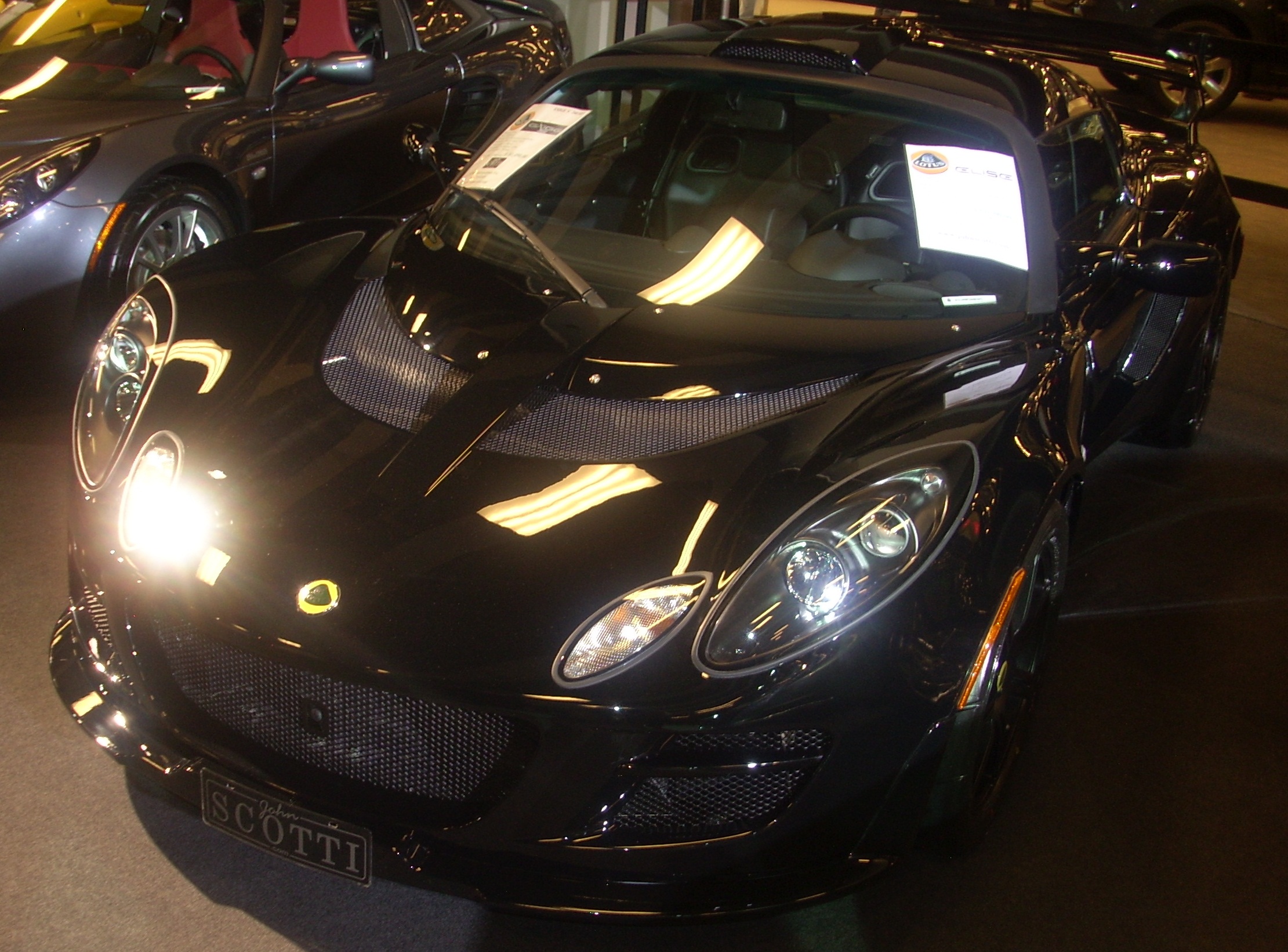
Lotus Elise
"... um, cases actually almost done with his Fiat 500 Elise. They're not, not as catastrophic as I thought th..."
The Lotus Elise is a small sports car made to be fun to drive. It’s known for being light and responsive. The conversation is comparing it to a Fiat 500 “Elise” project and whether that swap or build is going smoothly.
The Lotus Elise is a lightweight, track-focused sports car famous for its simple, driver-centered design. It often gets discussed in enthusiast circles because it’s designed to feel very connected to the road. In this episode, it’s mentioned in the context of a Fiat 500 Elise project and whether the situation is as bad as expected.
formatic
"Oh, it's a formatic too. Oh, interesting. Um, yeah, let's, uh, let's look at the interior."
4MATIC is Mercedes’ all-wheel-drive setup. It helps the car grip the road better, especially when it’s raining or the surface is slippery.
“4MATIC” (often misspoken as “formatic”) is Mercedes-Benz’s all-wheel-drive system. It means power is distributed to both the front and rear axles for better traction, especially in wet or slippery conditions.
hyper screen
"And the reason you want the 450 and not the 580 is you don't get the stupid hyper screen. Yeah, I'm, yeah, we're the same. Not a fan of the hyper screen."
A “hyper screen” is a very large digital display that takes up a big portion of the dashboard. The host thinks it looks more like a gadget than a carefully designed luxury interior.
“Hyper screen” here refers to BMW’s large, continuous digital display setup that spans much of the dashboard. The host dislikes it because it can make the interior feel like it’s dominated by tech rather than traditional design and materials.

EQS
"Would you rather, okay, real talk though, 30 grand, are you getting the e-tron GT or the EQS? [1623.1s] Well, the e-tron GT is much better looking than the EQS."
The Mercedes-Benz EQS is a top-of-the-line electric Mercedes sedan. In this chat, they’re basically debating whether you’d rather buy the EQS or the Audi e-tron GT, mostly based on looks and what you care about.
The Mercedes-Benz EQS is a flagship all-electric sedan known for its luxury focus and smooth, quiet ride. Here it’s used as the comparison point against the Audi e-tron GT, with the hosts arguing the EQS may be less visually appealing but can still do certain things that matter to the group.
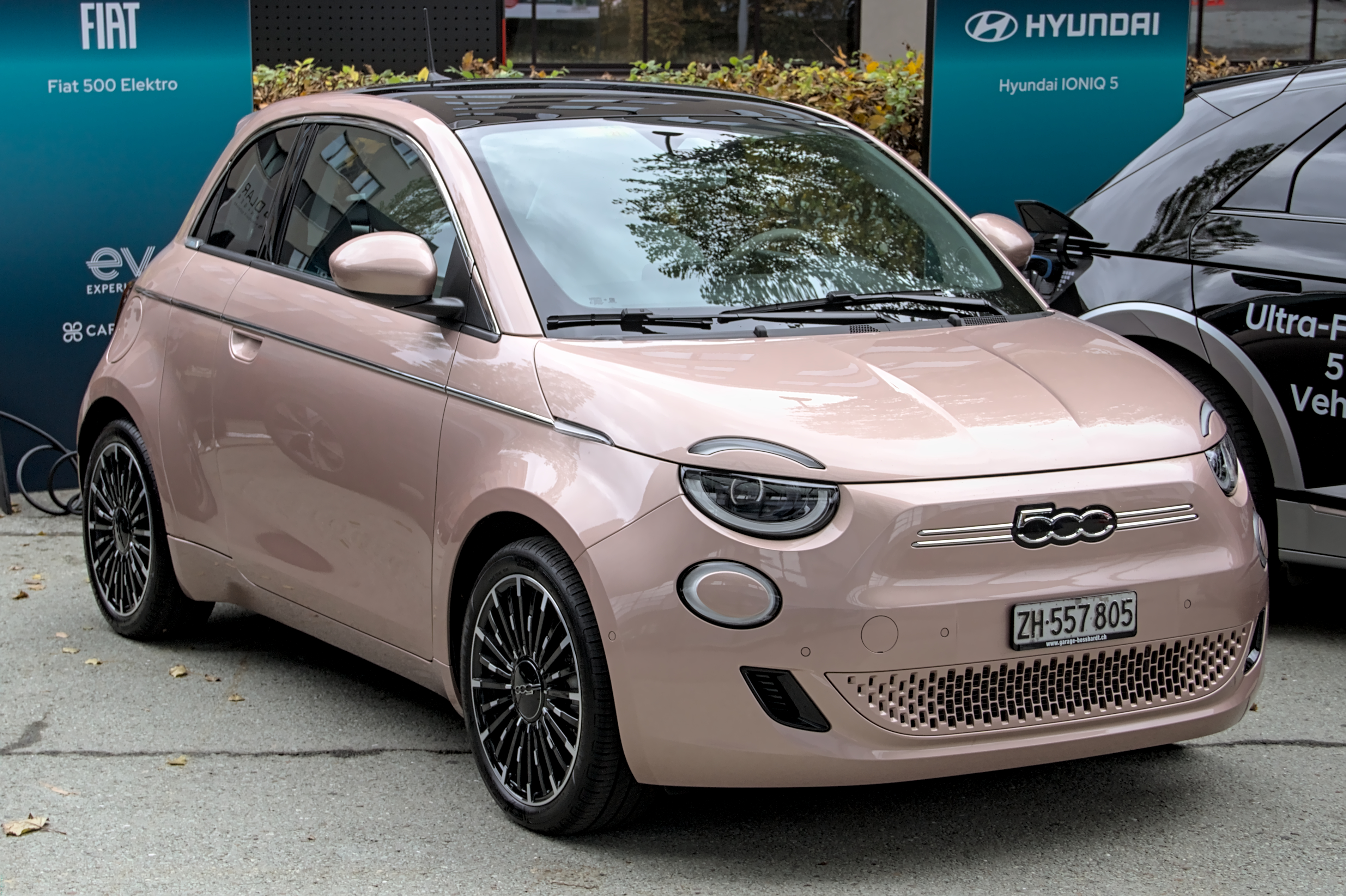
Fiat 500e
"Yeah. So now that your lease is up on your 500E in a couple months, are you seriously going to be..."
The Fiat 500e is the electric version of the Fiat 500. It’s meant for city driving and uses a battery instead of gasoline. The episode is talking about what happens when a lease ends and whether the person will switch to something else.
The Fiat 500e is the electric version of the Fiat 500, designed for short-trip city use with zero tailpipe emissions. The podcast reference to a lease ending suggests they’re discussing ownership timing and what the next step might be after the lease. It’s brought up because electric cars often get compared based on practical cost and how long you keep them.
1984 GTI
"Well, what I might do is I might pull Andy's 1984 GTI out of a field. [1651.2s] And EV swap it. [1652.9s] And nope, and fix it up and daily drive it and save up for a 68 charger."
The 1984 Volkswagen GTI is a classic hot hatch—small, sporty, and popular with car enthusiasts. They’re talking about taking one that’s been sitting and converting it to electric instead of replacing it with a different EV.
The Volkswagen Golf GTI is a front-wheel-drive hot hatch that helped define the modern “driver’s car” compact formula. This segment specifically calls out a 1984 GTI as a candidate for an EV swap, implying the car’s enthusiast appeal is strong enough to keep the body and update the powertrain.
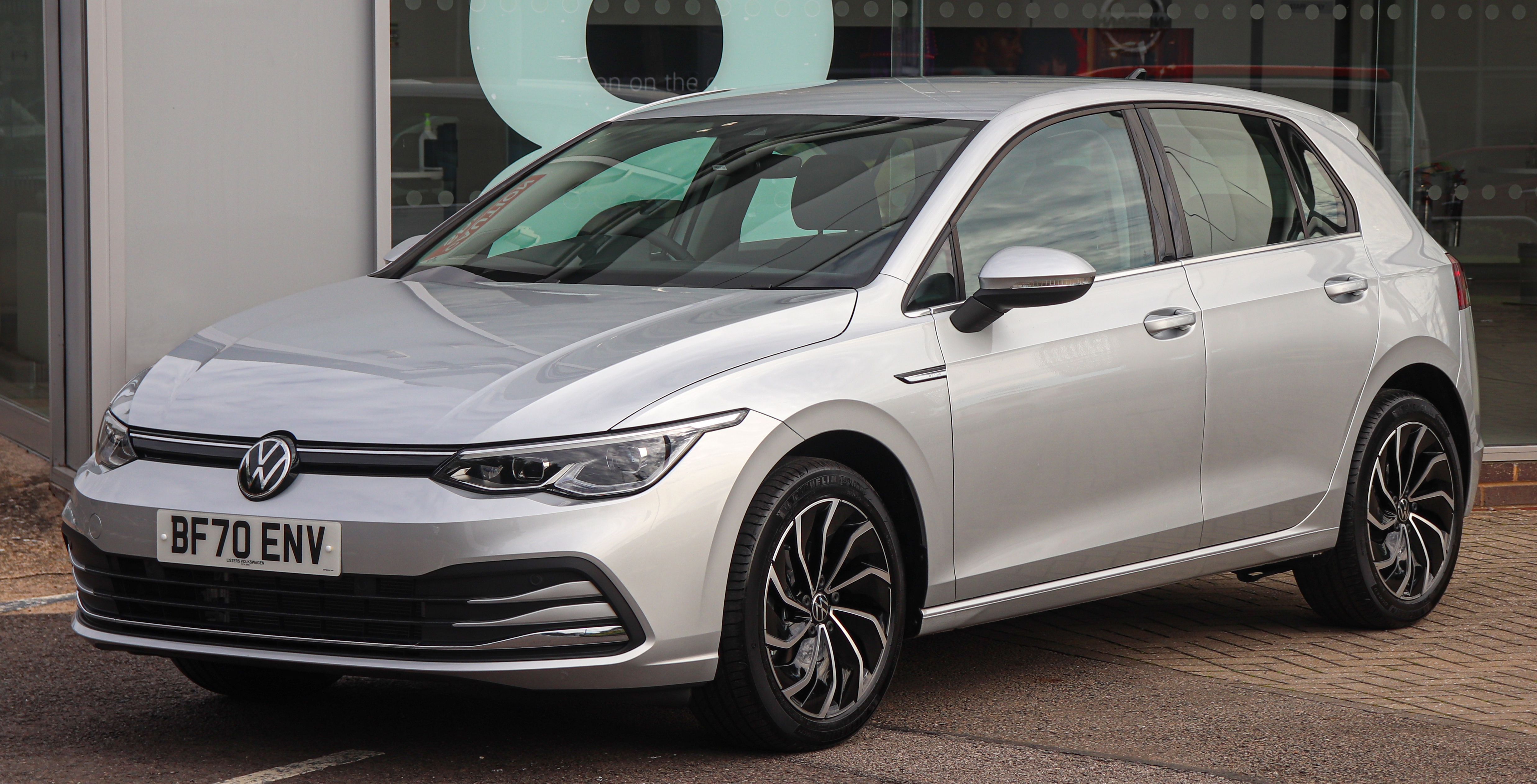
Volkswagen Gti
"...Well, what I might do is I might pull Andy's 1984 GTI out of a field. And EV swap it."
The Volkswagen Golf is a compact car that many people use every day. The episode talks about a 1984 GTI and converting it to electric, which means changing it from gasoline to a battery-powered setup. They’re discussing that kind of project because the Golf is a common base for it.
The Volkswagen Golf is a compact car platform that’s popular for both daily driving and enthusiast modifications. The podcast reference to pulling a “1984 GTI” out of a field and doing an EV swap highlights how the Golf/GTI is often used as a project base. It’s mentioned because it’s a well-known starting point for conversions and custom builds.
EV swap
"Well, what I might do is I might pull Andy's 1984 GTI out of a field. [1651.2s] And EV swap it. [1652.9s] And nope, and fix it up and daily drive it and save up for a 68 charger."
An EV swap means taking an older gas car and converting it to run on electricity instead. They’re talking about doing that to a classic GTI so it can be driven daily without using gas.
An EV swap is the process of replacing a car’s original internal-combustion engine and related drivetrain components with an electric powertrain. In this segment, the host suggests taking a 1984 Volkswagen GTI and converting it to electric while keeping the rest of the car’s character.

68 charger
"And nope, and fix it up and daily drive it and save up for a 68 charger. [1660.2s] Yeah. [1660.3s] Okay."
A “68 Charger” is shorthand for a 1968 Dodge Charger, a famous old-school muscle car. They’re saying they want one someday, even while they’re also talking about EVs.
The “68 charger” refers to a 1968 Dodge Charger, a muscle car icon known for its bold styling and V8-era performance. The hosts mention it as a goal car, contrasting it with their interest in EVs and other modern electric options.
Idol
"But the EQS can do a few things at a 71 charger camp. [1702.2s] Such as? [1702.72s] Idol."
This sounds like they meant “idle,” which is when the car’s engine is running but you’re not moving. They’re joking that the electric car can still do some basic things at the classic-car meetup.
“Idol” is likely a mishearing of “idle,” which in car context means the engine running while the vehicle is stopped. The host’s “EQS can do a few things at a 71 charger camp” setup suggests they’re listing what the EV can do in that setting, such as idling.
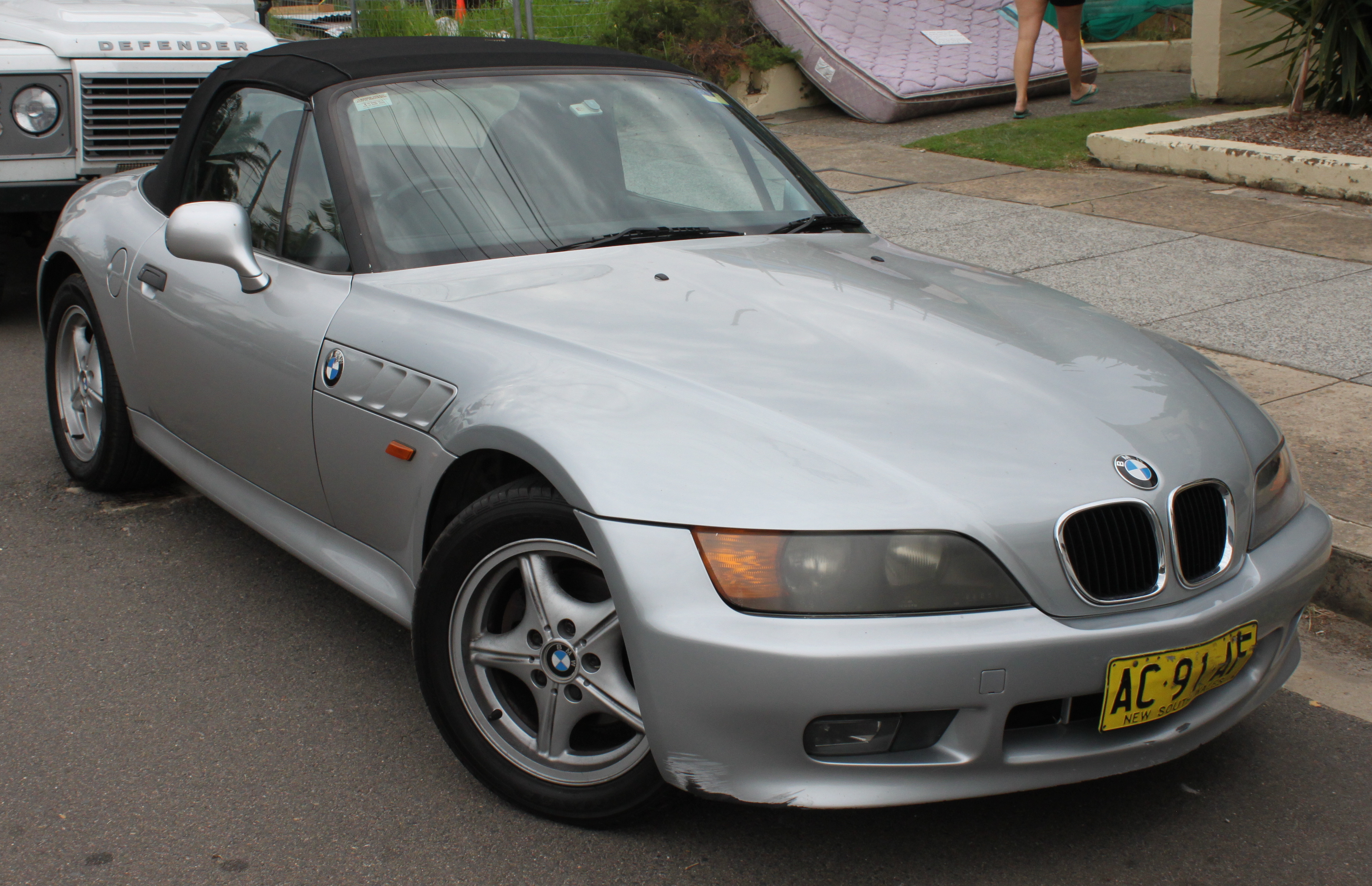
BMW Z3
"Okay, last thing I want to talk about. I did have a chance to drive some other older BMWs at this thing. This green Z3, I think was an awesome car."
The BMW Z3 is a small, two-seat BMW roadster (a car you drive with the top down). The host is saying the Z3 is actually a fun, cool car—not just a stereotype of a “pretty” car.
The BMW Z3 is a compact two-seat roadster from BMW’s lineup, best known for its classic open-top styling and straightforward, driver-focused feel. In this segment, the host calls out a green Z3 as an “awesome car,” framing it as more than just a stereotypical “hairdresser” cruiser.
monocoat
"It's actually got the same monocoat E36 stroke seven."
“Monocoat” sounds like a special way the car’s body or paint is made/finished. The host is using it to explain that this BMW shares the same underlying setup as another E36/7 reference.
“Monocoat” here appears to be a reference to a specific BMW body/paint or construction approach, but the transcript’s wording is unclear. In automotive contexts, terms like this usually describe how the body is built or how the exterior finish is applied.

BMW E36
"So, these are based on the E363 series. It's actually got the same monocoat E36 ..."
The BMW 3 Series is a luxury car that’s meant to drive well, not just look nice. The episode is talking about specific versions and how the car is built internally. Those details matter because they affect how the car behaves on the road.
The BMW 3 Series is a compact luxury sedan (and historically also offered in other body styles) that’s known for its driving feel and engineering. The podcast reference to “E363” and “monocoat E36” is about specific internal generation/platform details that affect how the car is built. It’s discussed because those engineering choices influence performance, handling, and how the car is modified or understood by enthusiasts.
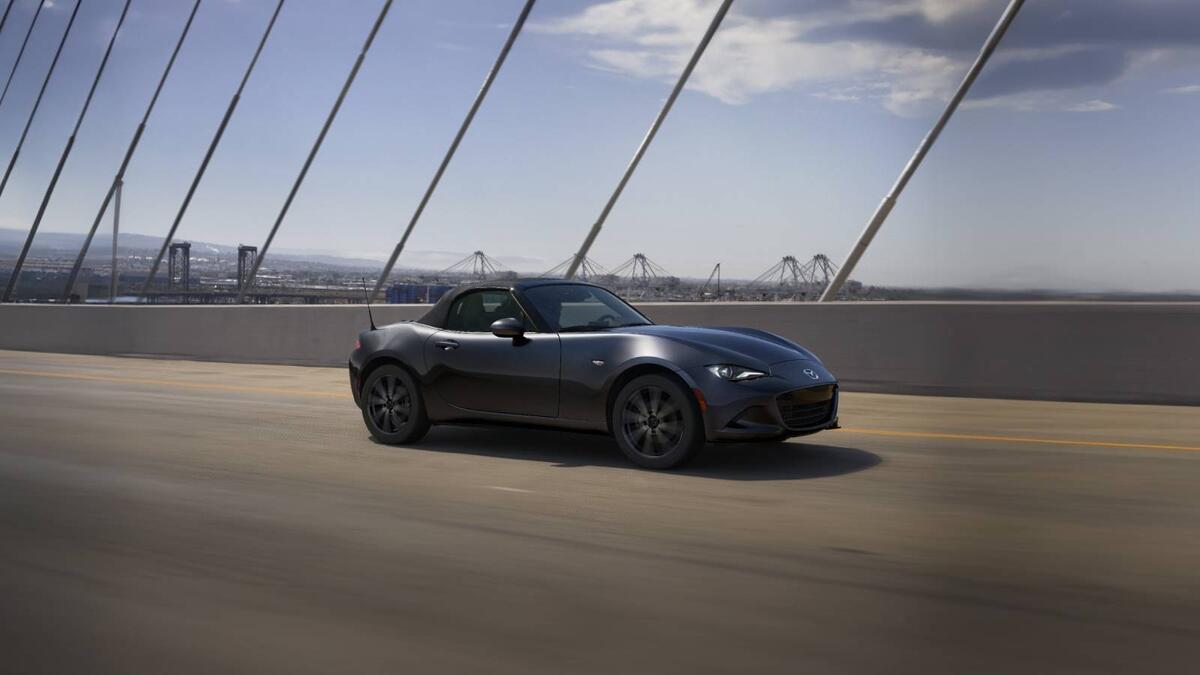
Mazda MX-5 / Miata
"...at a great little thing. It drives so much like a Miata. I just couldn't believe it."
The Mazda MX-5 (Miata) is a small two-seat convertible designed for enjoyable driving. It’s known for being light and easy to steer. The host is saying another car feels similar to it in how it drives.
The Mazda MX-5, commonly called the Miata, is a lightweight two-seat roadster built around simple, fun driving. It’s widely used as a benchmark for “feel” because it emphasizes balance and driver feedback over raw power. The podcast mentions it because the car being discussed “drives so much like a Miata,” meaning it likely shares that same lightweight, tossable character.
pre-production car
"This one is a pre-production car that was custom built for the head of product development back in 1995."
A pre-production car is an early version built before the model goes into normal production. It’s often made for testing or for company leadership to review.
A pre-production car is an early build made before full retail production starts, often used for evaluation, testing, or internal demonstration. The host says this particular example was custom built for the head of product development in 1995.
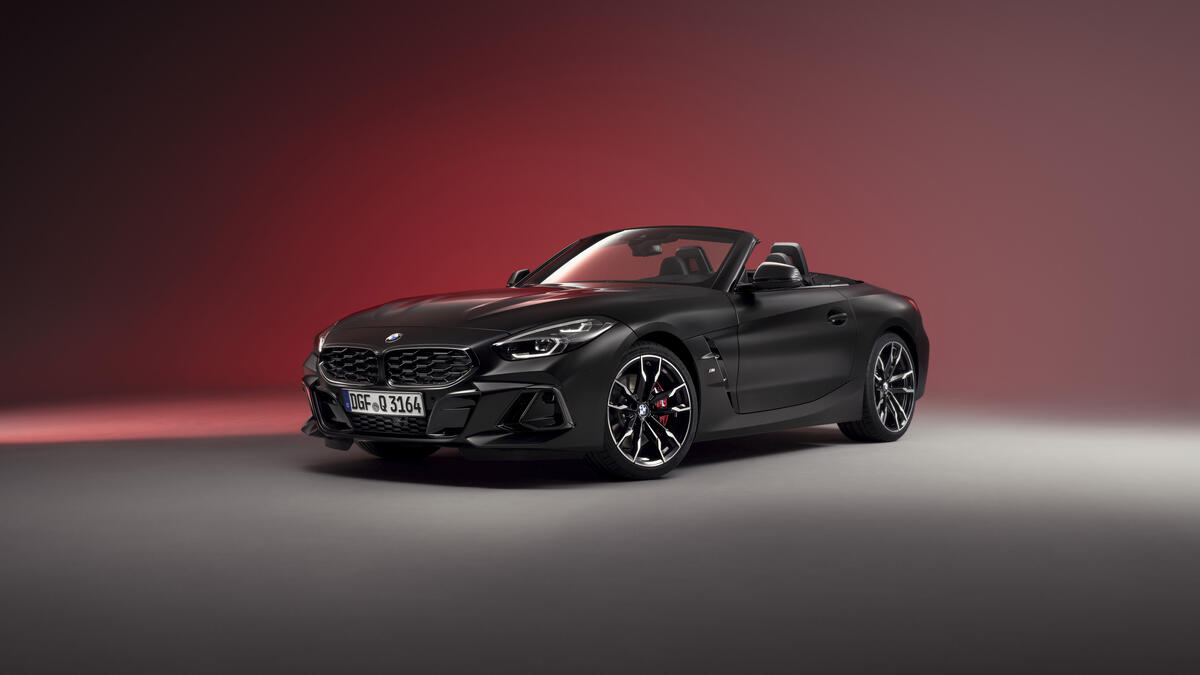
BMW Z4
"[1991.7s] Do you like the Z4 more? [1993.8s] No, no, I like this better than the Z4."
The BMW Z4 is a sporty BMW roadster. Here, the hosts are basically saying they prefer the other BMW over the Z4.
The BMW Z4 is a German roadster built around a sporty, driver-focused layout. In this segment, the hosts compare it directly to another BMW, using the Z4 as a reference point for styling and overall appeal.

Citroen 2CV
"This is a Bond car. So, is it 2CV? Yeah, so is the 2CV, am I right?"
The Citroën 2CV is an old, simple small car. It’s known for being unusual and for coping well with bumpy roads. The podcast is trying to confirm whether the car in a Bond context is the 2CV.
The Citroën 2CV is a classic, quirky French small car known for its simple design and ability to handle rough roads. The podcast calls it a “Bond car,” which points to its appearance in film/TV and the way it became recognizable beyond car circles. It’s mentioned as part of a quick identification of which model is being referenced.
analog
"[2019.9s] Yeah. [2019.9s] And what's great about it is it's old enough to be very analog, [2022.9s] but new enough to still have airbags. [2029.5s] The analog is super cool."
Here “analog” means the car feels more old-school, with traditional gauges and physical controls instead of everything being digital. The host likes that mix of classic feel plus modern safety.
In car talk, “analog” usually means traditional, physical controls and traditional gauges (as opposed to fully digital screens). The host is contrasting an older feel—more physical and less screen-based—with modern safety tech like airbags.
Burlwood trim
"[2022.9s] but new enough to still have airbags. [2024.6s] The Burlwood trim is not my favorite. [2027.8s] But the three spoke steering wheel was awesome."
Burlwood trim is the decorative wood-look material you can find on a car’s dashboard or interior panels. The host is saying they don’t like the look of that particular trim.
“Burlwood trim” refers to interior trim pieces made to look like burl wood—an irregular, swirled wood grain pattern. It’s a common luxury-cabin styling choice, and here the host says it’s not their favorite.
three spoke steering wheel
"[2024.6s] The Burlwood trim is not my favorite. [2027.8s] But the three spoke steering wheel was awesome. [2029.5s] The analog is super cool."
A three-spoke steering wheel is a steering wheel where the center connects to the rim with three main sections/spokes. The host is praising that design detail.
A “three spoke steering wheel” describes a steering wheel design where the wheel’s central hub connects to the rim with three distinct spokes. It’s a specific visual design detail that can change how the cabin feels and looks.
red line
"Yeah, a classic BMW and a super rev happy engine like it pulls all the way up to the red line. [2037.1s] And yeah, only 130 horsepower, but it's enough to kind of have some fun with."
The red line is the top end of the engine’s RPM range. If a car “pulls to the red line,” it means it feels strong right near the highest revs the engine is designed to handle.
The red line (redline) is the maximum safe engine speed range on a tachometer. When the host says the engine “pulls all the way up to the red line,” they mean it keeps pulling strongly near the top of the rev range.
Z3M
"Like a Z3M. [2061.3s] Like, yes. [2062.4s] Roadster."
The BMW Z3 M is the stronger, sportier version of the Z3 roadster. It’s the one you’d pick if you want the same roadster vibe but with more performance and attitude.
The BMW Z3 M is the performance-focused version of the Z3, built to feel sharper and more aggressive than the standard roadster. The “M” designation typically means it gets more performance-oriented tuning and hardware, which is why the host brings it up when talking about “weird little sports cars” with “muscle.”
roadster
"Like, yes. [2062.4s] Roadster. [2064.7s] Am I right?"
A roadster is an open-top, usually two-seat car. It’s made to be fun and sporty, with the roof either absent or retracting.
A roadster is a two-seat (or sometimes two-plus) open-top car with little or no fixed roof. It’s typically built for lightweight, fun driving, and the BMW Z3 is a well-known example of this body style.

E53 AMG wagon
"we do have that E53 AMG wagon, which is pretty exciting, because that's not usually the type of car we get in the press fleet out here, but it is very good looking."
This is a Mercedes-AMG version of the E-Class, and “wagon” means it’s a station wagon. AMG tunes it for faster, sportier driving, and they’re saying this one is especially quick.
The Mercedes-AMG E53 is a performance version of the E-Class, and the “wagon” body style means it’s a station wagon with AMG tuning. In this segment, they highlight that this E53 AMG wagon is unusually quick for what typically shows up in their press fleet.
center locks
"Oh my God, are they center locks? Well, it looks like it at least. We haven't tried to pull that off."
Center locks are a type of wheel attachment where the wheel is held on by a lock in the middle, not by several lug nuts around the outside. Some performance cars use them because they look cool and can make changing wheels quicker.
Center locks are a wheel fastening design where the wheel is secured by a single central locking mechanism instead of multiple lug nuts around the rim. They’re common on performance cars because they can speed up wheel changes and help with wheel alignment and appearance.
295 width rears
"It's got 265 width front tires, 295 width rears. Whoa, that's crazy. A lot of tire."
The rear tires being wider (295 mm) generally helps the car stick to the road better, especially when you accelerate or turn. The hosts are pointing out that the back tires are much wider than the front.
A wider rear tire (295 mm here) is often used to increase traction and stability, especially during acceleration and cornering. Pairing 265 mm front tires with 295 mm rear tires suggests a deliberate staggered setup to improve grip where it matters most.
265 width front tires
"It's got 265 width front tires, 295 width rears. Whoa, that's crazy."
Tire width is how wide the tire is. Wider tires usually provide more road contact for grip, and the hosts are saying the front tires are 265 mm wide.
Tire width is the measurement of how wide the tire is from sidewall to sidewall, and it affects grip and steering response. Here, the hosts call out a 265 mm front tire width, implying the car is set up with wider tires than many base SUVs for better traction.
fast wagon
"This is such a cool concept, like the fast wagon thing is so unbelievably underrated. [2329.7s] No, I can't wait to drive it."
A “fast wagon” is a wagon that’s tuned to be quick and fun to drive, not just a family hauler. The idea is you get the space of a wagon plus performance like a sporty car.
A “fast wagon” is a performance-oriented wagon that’s built to drive like a sports sedan while still offering the practicality of a station wagon. Enthusiasts often like them because they blend everyday usability with real acceleration and handling.
forced-induced
"So this isn't the V8. [2338.6s] This is still the forced-induced."
Forced induction means the engine uses a turbo or supercharger to cram more air into the cylinders. That helps the engine make more power than it would without that extra airflow.
“Forced-induced” refers to an engine that uses forced induction—typically a turbocharger or supercharger—to push more air into the cylinders. More air generally allows more fuel to be burned, which can raise power output compared with a naturally aspirated engine of similar size.

BMW M5
"I think it was on the new M5 and the M5 Touring. [2360.6s] Really also, cool car."
The BMW M5 Touring is the performance M5 in wagon form, combining a practical cargo body style with the M division’s high-output powertrain. The hosts bring it up as a direct competitor, reinforcing the “fast wagon” idea they’re excited about.
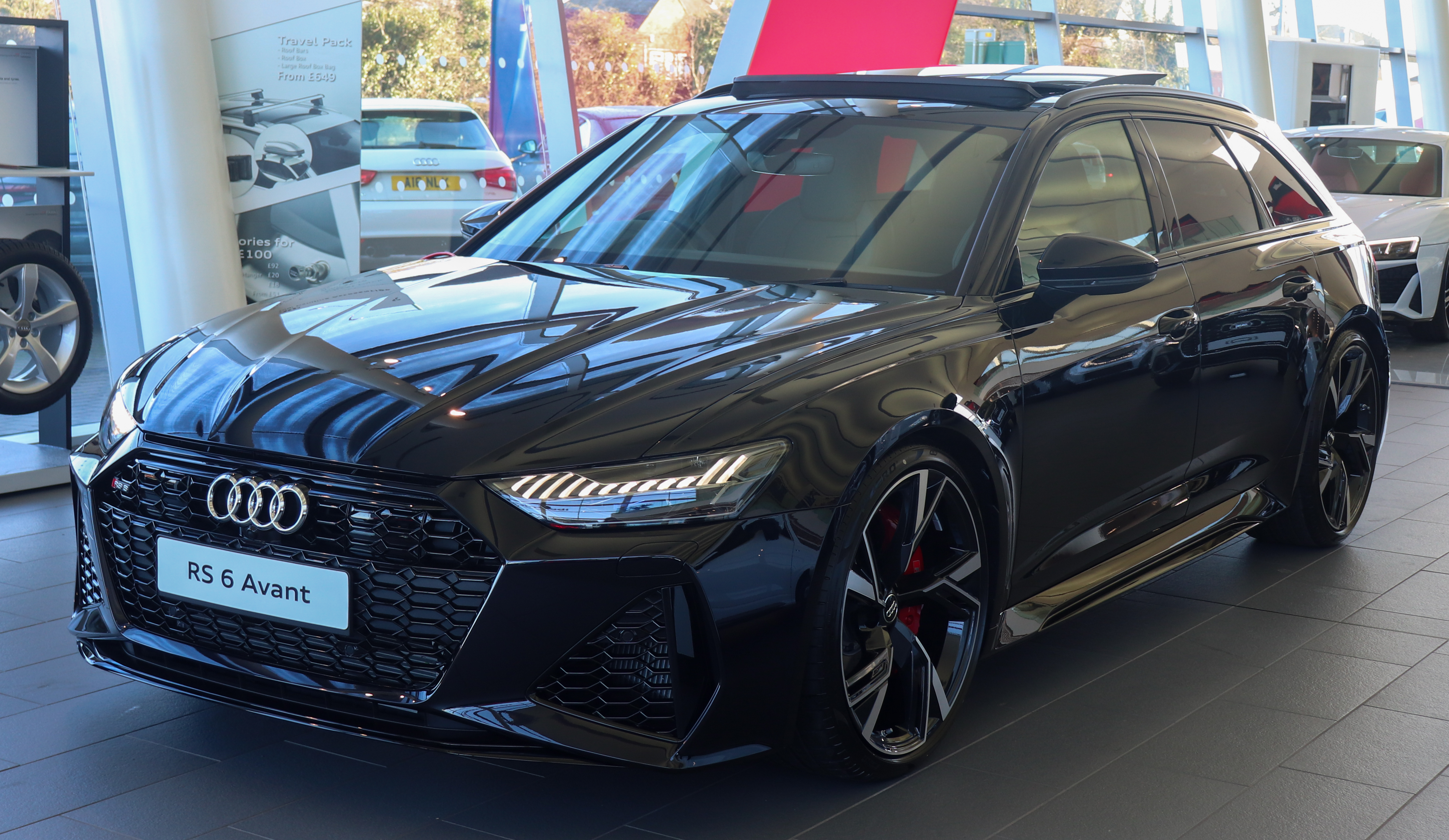
Audi RS6 Avant
" [2384.9s] RS6 Avant. [2386.5s] Yeah, which is the best looking of all of them. [2388.3s] Yeah, agreed."
The Audi RS6 Avant is a fast, sporty wagon. “Avant” just means it’s the wagon version, and it’s built to be quick and grippy, not just roomy.
The Audi RS6 Avant is a high-performance wagon built around Audi’s twin-turbo V8 and all-wheel-drive hardware. “Avant” is Audi’s wagon nameplate, and the RS6 is known for combining family-car practicality with supercar-like acceleration and grip.

G-Class Mercedes Wagon
"So it's not... It's a very Mercedes wagon, though. Yeah, it is."
The Mercedes-Benz G-Class is a luxury SUV with a very recognizable, boxy shape. It’s built to handle rough terrain, not just smooth roads. The episode is describing it in simple terms as a Mercedes-style vehicle that’s also tough.
The Mercedes-Benz G-Class is a rugged, boxy luxury SUV known for off-road capability and a distinctive design. In the podcast, it’s described as “a very Mercedes wagon,” which is a casual way of saying it has the luxury and presence of a Mercedes while still being built like a tough SUV. It’s mentioned because it’s a recognizable icon within Mercedes’ lineup.
operating system
" [2419.0s] I don't love the operating system on this either. [2422.4s] And the UX, yeah. [2423.6s] Yeah, there's almost no physical buttons."
The “operating system” here means the car’s main software that controls the screen and menus. If it’s not laid out well, it can feel hard to use until you learn how it works.
In modern cars, the “operating system” is the software platform that runs the infotainment and vehicle UI—menus, navigation, media, climate controls, and settings. When the UI is unintuitive, it can feel “clunky,” but once you learn the logic it can become second nature.
no physical buttons
" [2423.6s] Yeah, there's almost no physical buttons. [2426.3s] And I'm sure once you get used to this operating system, spend some time with it, [2430.0s] it's probably not that bad."
They’re saying the car doesn’t have many (or any) real buttons. Instead, you use the screen and menus to control things, which can feel awkward until you get used to it.
“No physical buttons” describes an interior control strategy where most functions are handled through touchscreens, steering-wheel controls, or voice/gesture systems. Enthusiasts often debate this because it can feel faster and cleaner once learned, but harder to use quickly at first.

Kia Sportage
"...he first programs you did was, I think the key of Sportage, and it was somewhere near Lake Tahoe."
The Kia Sportage is a compact SUV, which means it’s a practical family-style car with more space and higher seating. The episode mentions it in connection with some kind of programming or testing that happened near Lake Tahoe. That’s why it comes up in the conversation.
The Kia Sportage is a compact SUV that’s commonly discussed for its practicality and availability in many trims. The podcast reference to “the first programs you did” and a location near Lake Tahoe suggests they’re talking about a specific event, test, or development work tied to the Sportage. It’s mentioned as part of the broader story of what was done and where.

Chrysler New Yorker
".... And he's like, this is the difference between a New Yorker and a guy from Chicago. A guy from New York is go..."
The Chrysler New Yorker is a big luxury car made for comfort. In the episode, it’s mentioned as a name that sounds like a person from New York, which is why they’re making a joke. It’s being brought up as part of a discussion about cars they like or collect.
The Chrysler New Yorker is a large, traditional American luxury car that’s known for comfort and a formal, upscale feel. The podcast joke about the difference between “a New Yorker and a guy from Chicago” is likely a wordplay on the car name rather than a technical comparison. It’s mentioned because it’s a recognizable collector-style model associated with classic American luxury.
Momo wheels
"and then the brain surgeon that I am, I got to have the Momo wheels, which I saved up for, had to have a sunroof cut into it, had to have the Momo steering wheel."
“Momo wheels” means wheels from the MOMO brand. They’re popular upgrades because they can make the car look sportier and sometimes feel a bit better to drive.
“Momo wheels” refers to aftermarket wheels made by MOMO, an Italian brand best known for steering wheels and motorsport-inspired parts. Wheels can change both the look and the handling feel by affecting weight and tire fitment.
sunroof
"had to have a sunroof cut into it, had to have the Momo steering wheel. And the car, it was a Chvette in an Italian tux."
A sunroof is a glass (or sometimes metal) panel in the roof that can open for ventilation and light. Cutting one into a car is a major modification because it requires structural and sealing work to prevent leaks and wind noise.
Momo steering wheel
"had to have a sunroof cut into it, had to have the Momo steering wheel. And the car, it was a Chvette in an Italian tux."
A “Momo steering wheel” is a steering wheel from the MOMO brand. People upgrade to it for a sportier feel and look inside the car.
A “Momo steering wheel” is an aftermarket steering wheel from MOMO, typically chosen for grip, feel, and motorsport-inspired styling. Steering wheel swaps are common because they’re a relatively straightforward interior upgrade.
Lotus suspension
"Oh, I, dude, I took the money and ran. And there wasn't a Lotus connection. Mine didn't have the Lotus suspension."
“Lotus suspension” means suspension parts or tuning that are associated with Lotus. The host is basically saying his car didn’t really have the fancy Lotus handling hardware he thought it might.
“Lotus suspension” implies suspension components or tuning associated with Lotus, a brand known for handling-focused engineering. Suspension upgrades can dramatically affect ride quality and cornering behavior, but the speaker is saying his car did not actually have those Lotus parts.

Dodge Road Runner
"I'm like Wild E Coyote. Like I'm chasing the road runner. But the road runner will run off the cliff and t..."
The Dodge Road Runner is an older American muscle car. The podcast is using its name as a joke because “Road Runner” is also a cartoon character. They’re basically making a playful comparison.
The Dodge Road Runner is a classic American muscle car associated with the late-1960s performance era. In the podcast, it’s referenced through the “Wild E Coyote” and “Road Runner” wordplay, connecting the car name to the cartoon character. That makes it a fun, cultural reference point rather than a deep technical discussion.

Mazda Rx7
"Then I went and found an 86, an FC RX-7, stolen recovery. But I went to the guy and like, is there a way to get this title cleaned up before I bought it?"
The Mazda RX-7 (FC) is a sports car with a special rotary engine (it doesn’t use the usual piston engine design). The speaker bought one that had a complicated history, then got the paperwork fixed so it could be sold normally.
The Mazda RX-7 (FC generation) is a rotary-powered sports car—its engine uses a Wankel rotary design instead of a conventional piston engine. Here, the speaker buys an FC RX-7 described as “stolen recovery,” then works through the title situation to get a clean title before selling.
stolen recovery
"Then I went and found an 86, an FC RX-7, stolen recovery. But I went to the guy and like, is there a way to get this title cleaned up before I bought it?"
A “stolen recovery” is a vehicle that was reported stolen and later recovered, often with paperwork or title complications. Buyers typically need to verify the title status and ensure it can be legally transferred as a clean title.
clean title
"But I went to the guy and like, is there a way to get this title cleaned up before I bought it? Because I was buying it from the insurance company."
A “clean title” means the vehicle’s ownership record has no major legal branding (like salvage or theft-related issues) that would restrict resale or financing. In practice, getting a clean title can be the difference between a normal buyer experience and a car that’s hard to sell.
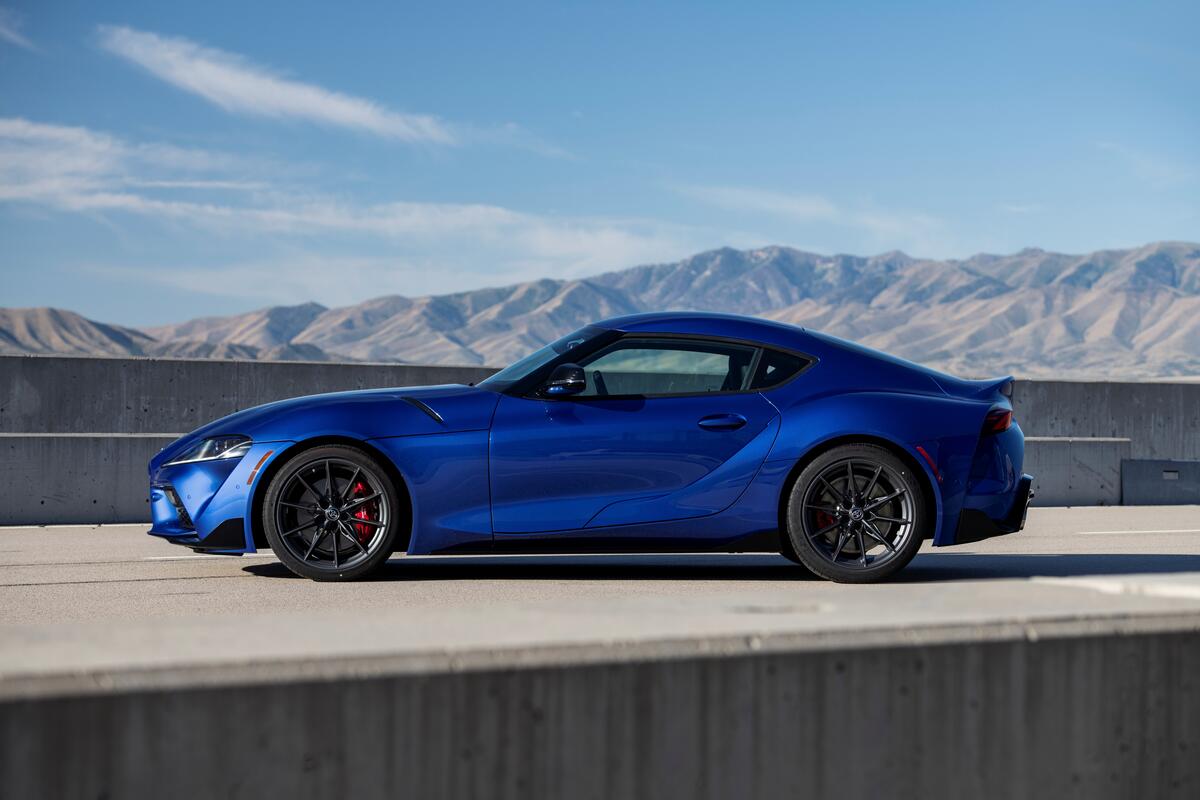
Toyota Supra
"Took the nine grand, took eight grand out of my pocket, bought a Toyota Supra."
The Toyota Supra is a long-running Japanese sports car known for strong performance and a huge enthusiast following. Here, the speaker uses the proceeds from the RX-7 sale to buy a Supra, framing it as the next step in their car-flipping journey.

Fiat 124
"No, the problem is though, if you go into it, say you're never going to lose money in a car, [2955.1s] you're probably not going to own a 70s Fiat 124."
The Fiat 124 is a classic older Fiat model people still talk about today. Here it’s used as an example of a 1970s car that might not be a “safe money” buy.
The Fiat 124 is a classic Italian compact car that became a popular enthusiast choice in the 1960s–1970s. In this segment, the host mentions it as an example of a 1970s car you might not own if you’re only chasing “never lose money” purchases.
limited though
"Do you feel like limited though? [2968.9s] You're like, no, I would really like this AMC Pacer."
Here “limited” just means “restricted” or “not having many options.” It’s not about a car part or a technical feature.
This phrase is used conversationally to mean feeling restricted in choices. It’s not a specialized automotive term in this context, so it doesn’t describe a specific car system or engineering concept.
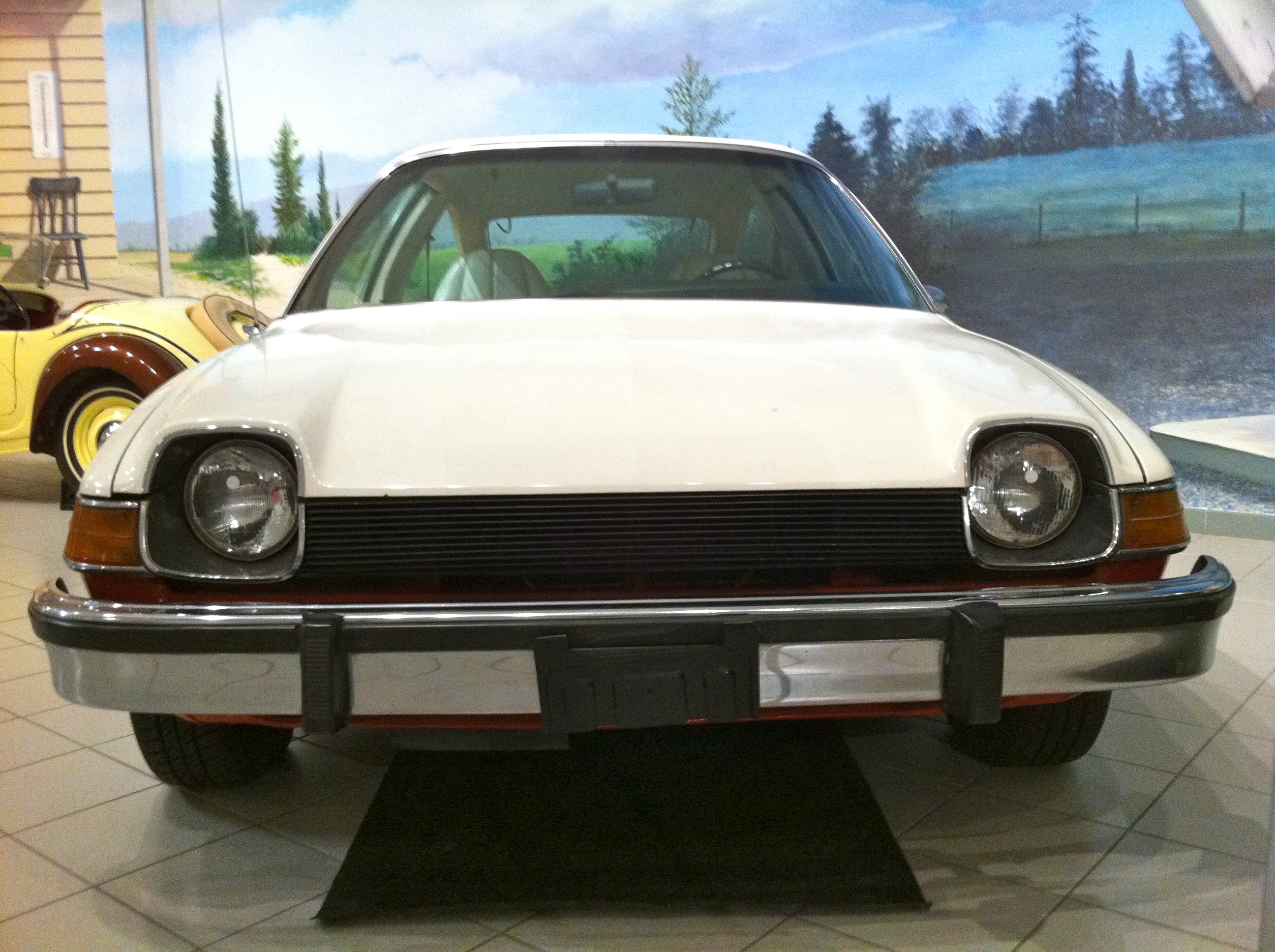
AMC Pacer
"Do you feel like limited though? [2968.9s] You're like, no, I would really like this AMC Pacer."
The AMC Pacer is a weird-looking classic American car from the 1970s. In this conversation, it’s used to illustrate that you might want a car for yourself, not just for money safety.
The AMC Pacer is a distinctive 1970s American compact car known for its unusual styling and “space-age” proportions. The host brings it up as an example of a car someone might genuinely want, even if it’s not the kind of purchase that’s guaranteed to hold value.

Lexus Lc500
"Now, you've gone up a little bit since DeFiero, and like a recent car I want to talk about is your LC 500. Yeah, love that car."
The Lexus LC 500 is a luxury coupe that’s built for comfortable cruising. Here it’s mentioned as an example of a newer car the speaker is thinking about in terms of how much it might lose in value.
The Lexus LC 500 is a grand-touring coupe known for its V8-powered character and upscale, long-distance comfort. In this segment, it’s brought up as the host’s “recent car” example when discussing depreciation and buying strategy.
sticker
"A friend of mine in the industry was able to buy a 40th anniversary Land Cruiser and got it for below sticker."
“Sticker” means the listed price on the car’s window sticker. Buying “below sticker” means you paid less than that official asking price.
“Sticker” here means the manufacturer’s suggested retail price (MSRP) shown on the vehicle’s window sticker. The speaker contrasts buying “below sticker” versus paying the full list price.

Toyota Land Cruiser
"A friend of mine in the industry was able to buy a 40th anniversary Land Cruiser and got it for below sticker. It was new, but a press car, so it had the miles."
The Toyota Land Cruiser is a tough, off-road SUV that’s known for lasting a long time. This “40th anniversary” version is a special edition, and the story is about getting it for less than the listed price.
The Toyota Land Cruiser is a long-running, body-on-frame-style off-road SUV line known for durability and off-road capability. A “40th anniversary Land Cruiser” refers to a special heritage edition, and the segment highlights how this particular version was bought below the sticker price due to market timing.
press car
"It was new, but a press car, so it had the miles. It was being sold to you as a new car."
A “press car” is a car that was loaned to the media to drive and review. It can still be sold as new, but it may have extra miles from those test drives.
A “press car” is a vehicle provided to journalists or media outlets for review and coverage. It’s often sold as “new” but may have some mileage from test drives and events, which can create a discount versus a truly unused car.
heritage editions
"Those are heritage editions. Heritage editions. The 200 series."
A “heritage edition” is a special version of a car made to celebrate the brand’s past. It usually has unique looks or features, and people may value it more than a regular model.
“Heritage editions” are special model variants that celebrate a brand’s history, often with unique styling, badges, and equipment. In this segment, the speaker uses the term to explain why the 40th anniversary Land Cruiser is treated as a collectible-style purchase.
allocations
"Now, let's talk about that world, specifically the Porsche 911 world where in some ways they're not to sound cynical about it, but there is more interest and excitement about allocations than the actual car."
“Allocations” are basically limited spots for buying a hard-to-get car. If a model is popular, the dealer can’t sell everyone right away, so you may need to be chosen for a slot before you can buy.
In car buying, “allocations” are limited production slots a dealer or brand assigns to customers. When a model is in high demand, getting an allocation can matter more than the exact car you want, because it determines whether you’ll be able to purchase at all.

Porsche 911
"I bought a GT3 because Hurley Haywood taught me how to drive a 911 in a GT3. [3257.0s] I fell in love with it a decade prior."
The Porsche 911 is Porsche’s famous sports car. The host is saying Hurley Haywood taught him how to drive a 911 in a GT3 context, which is why he fell in love with this type of car.
The Porsche 911 is the brand’s iconic rear-engine sports car, and it’s especially famous in motorsport. In this segment, the host credits Hurley Haywood with teaching him to drive a 911 in a GT3, connecting the 911 to GT racing experience.
Hurley Haywood
"I bought a GT3 because Hurley Haywood taught me how to drive a 911 in a GT3. [3257.0s] I fell in love with it a decade prior."
Hurley Haywood is a famous Porsche racing driver. The host is saying Haywood taught him driving skills that made him fall in love with GT3-style cars.
Hurley Haywood is a well-known American Porsche factory driver and endurance-racing specialist. The host mentions him because Haywood taught him how to drive a 911 in a GT3 context, which explains the host’s personal connection to Porsche’s GT cars.
arbitrage opportunity
"But unfortunately, because of the arbitrage opportunity and people that do have the money [3275.8s] to be able to buy the asset, more of those people have come into the market."
An arbitrage opportunity is basically a chance to buy something cheap and sell it for more somewhere else. The host is saying that some people profit from the high demand and limited supply of these cars.
An arbitrage opportunity is when someone can buy an asset in one market (or at one price) and sell it elsewhere for a higher price, profiting from the gap. Here, the host is describing how limited availability and strong demand for Porsche GT cars can create a “flip” or profit incentive.
art market
"It's more people, it's like the art market. [3293.2s] That's the way I like it."
The host is comparing car buying to art buying. When more rich buyers show up, prices can explode and the whole market changes.
The host compares the Porsche GT car market to the art market, where prices can jump dramatically as more wealthy buyers enter. The point is that demand growth can change who the product is “for,” even if the original brand didn’t change its rules.
Le Mans
"And they didn't win Le Mans. And they won nothing."
Le Mans is a famous endurance race where cars have to last and keep going for a full day. Winning there is a big deal, so the host brings it up to talk about racing credibility.
Le Mans refers to the 24 Hours of Le Mans, one of the world’s most famous endurance races in France. The host uses it as a benchmark for whether a car had serious racing success.

Pontiac Firebird
"But then on the flip side of the thing, you look at like a WS6 late, the last Firebird. It had a V8. It had a manual transmission with a V8. It had a screaming chicken on the hood. It had teatops. Where else can you get that today?"
This is a performance version of the Pontiac Firebird that the host says came with a V8 and a manual gearbox. They also point out the iconic hood emblem and the removable roof panels (“T-tops”), which make it stand out.
The WS6 late Firebird refers to a high-performance Pontiac Firebird variant, with the host emphasizing its V8 and manual transmission. They also highlight distinctive styling cues like the “screaming chicken” hood emblem and “t-tops,” which are part of why it’s memorable to enthusiasts.
manual transmission
"It had a V8. It had a manual transmission with a V8. It had a screaming chicken on the hood."
A manual transmission is the kind of car where you use a clutch pedal and shift gears yourself. Enthusiasts like it because it gives you more control over how the car accelerates.
A manual transmission is a gearbox controlled by the driver using a clutch pedal and gear lever. In performance cars, it’s often prized because it gives more direct control over engine speed and acceleration response.
t-teatops
"It had a screaming chicken on the hood. It had teatops. Where else can you get that today?"
T-tops are roof panels you can remove, so the car feels more open to the air. It’s a classic feature on some older sports and muscle cars.
“T-tops” are removable roof panels found on some sports cars and muscle cars. They let you open up the cabin for an airy, open-top feel while still retaining a mostly fixed roof structure.

Cadillac El Dorado
"...liantly. The other collector car you have, the 85 Cadillac El Dorado. I love that car."
The Cadillac Eldorado is an older luxury car from Cadillac. It’s known for being comfortable and having a bold, classic look. The podcast mentions it because the speaker really likes it as a collector car.
The Cadillac Eldorado is a classic American personal luxury car known for its big, comfortable ride and distinctive styling. The episode calls it out as a collector car the host loves, which highlights its appeal to enthusiasts of older luxury vehicles. It’s mentioned as part of a lineup of cars someone owns or admires.

Cadillac El
"...liantly. The other collector car you have, the 85 Cadillac El Dorado. I love that car."
The Cadillac ELR is a luxury car that can run on electricity and also uses gasoline. It’s a plug-in hybrid, so you can charge it and drive some distance without using gas. The episode mentions it as part of a list of cars the speaker likes.
The Cadillac ELR is a plug-in hybrid luxury coupe that combines electric driving with a gasoline engine for extended range. The podcast includes it in the same collector-car context as the Eldorado, suggesting it’s being discussed as a personal favorite or interesting niche model. It’s relevant because it represents Cadillac’s earlier approach to electrification before fully electric models became common.
Request an Explanation
Heard something you'd like explained? We'll add it to this episode.
Sign in to request explanations for terms you heard.
Want to learn more?
Browse our glossary for plain-English explanations of automotive terms, jargon, and concepts.
Help improve this episode
See something that's not quite right? Our annotations are AI-generated and can sometimes miss the mark. Click the flag icon on any annotation to suggest a correction.