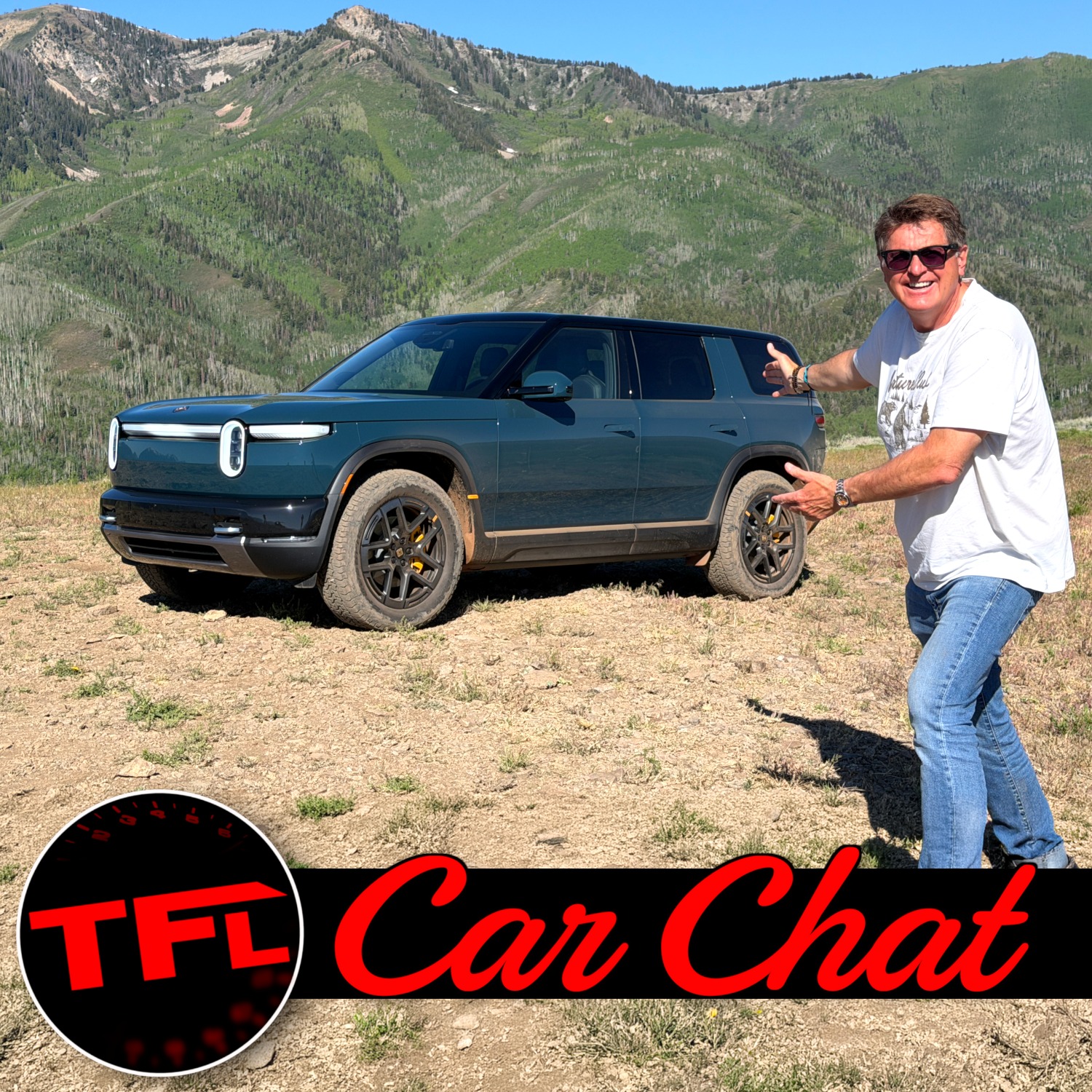
Is The 2027 R2 Going To Make Or Break Rivian? | Ep. 342
About this episode
Hosts kick off after driving and buying the Rivian R2, framing the big question: whether it’s “just a mini R1” or meaningfully different. They compare R2 pricing to the R1S, highlight drivetrain choices (single vs dual, no quad; dual-motor behavior), and call out design and EV specs like hidden wipers, 300+ miles, and vehicle-to-load. They also weigh charging/architecture (400V vs 800V), resale/value, and whether shoppers should instead buy a used R1S—plus Rivian’s off-road and software promises.
( https://www.alltfl.com/ ) Check out our new spot to find ALL our content, from news to videos and our podcasts!
Go to https://www.autotempest.com/ for everything you need when searching for a new vehicle!
In this episode of TFL Car Chat, Roman and Tommy unpack a massive week of first drives and new garage additions, starting with a deep dive into the highly anticipated 2027 Rivian R2. Roman traveled to Park City, Utah, to get a first look at the brand’s all-new, smaller electric SUV. The R2 aims to take on the popular Tesla Model Y with a much more affordable starting price around $45,000. Roman chats with the chief engineer about the vehicle's cool features, including a giant glass roof, clever clickable steering wheel controls, a roll-down rear window just like a Toyota 4Runner, and an awesome custom "Treehouse" rooftop tent. While the R2 delivers a remarkably smooth ride and plenty of backseat space, the hosts wonder if looking so much like its bigger, more expensive sibling will help it stand out or make it blend into the crowd.
The conversation quickly takes a hilarious turn into a classic father-son debate: do all electric cars ultimately feel the exact same to drive? Tommy argues that weight, steering, and suspension make EV's unique, while Roman doubles down on the idea that without the sound and shifting of a gas engine, they all just feel like heavy, fast-accelerating appliances. Moving away from electric power, the guys celebrate a brand-new addition to the TFL fleet: a beautiful, bright red 1977 Fiat 124 Spider classic convertible. They debate the merits of buying a flawless, shiny weekend cruiser versus keeping their rugged, beat-up green project Fiat, setting up a high-stakes road trip to see if their new Italian classic can survive the grueling climb over Colorado's highest mountain passes. Finally, Roman wraps up the show with his thoughts on tracking through the red rocks of Sedona, Arizona, in a luxurious GMC Sierra off-road truck.
( http://www.patreon.com/tflcar ) Visit our Patreon page to support the TFL team!
Advertising Inquiries: https://redcircle.com/brands
Privacy & Opt-Out: https://redcircle.com/privacy
dual motor
"But perhaps the biggest difference is that this only comes in either a single motor or a dual motor."
A dual-motor EV has two electric motors, usually one on the front and one on the back. This can help the car accelerate harder and grip better in different conditions.
A dual-motor setup uses two electric motors, commonly one for the front axle and one for the rear axle. That often enables stronger acceleration and more flexible traction control because the car can manage power distribution more precisely.
quad motor
"It doesn't come in a quad motor. 650 horsepower, which is a lot in the dual motor."
A “quad motor” EV uses four electric motors instead of two. That can help the car put power down more precisely, but it usually makes the system more complex.
“Quad motor” means an electric vehicle uses four separate electric motors—typically one per wheel or per axle—to drive the car. More motors can improve traction and torque control, but it also adds complexity and cost.

Tesla Model Y
"...at people will be cross-shopping is obviously the Model Y. Yeah, for sure."
The Tesla Model Y is an electric SUV, meaning it runs on electricity instead of gasoline. It’s a common choice people compare against other electric cars because it’s practical and widely available. In the podcast, it’s mentioned as the obvious cross-shopping target.
The Tesla Model Y is a compact electric SUV that’s widely cross-shopped because it offers an all-electric powertrain in a practical size. It’s commonly discussed in the EV market due to its popularity and broad appeal. The episode specifically calls out the Model Y as a likely comparison choice.
Bosch
"They don't buy them from Bosch or any other supplier. "
Bosch is a company that supplies parts to carmakers. The host is saying Rivian doesn’t source these motors from Bosch, which suggests Rivian is building them itself.
Bosch is an automotive supplier that makes components for many brands. The host says Rivian doesn’t buy the motors from Bosch (or other suppliers), implying the motors are produced in-house.
torque split
"They do the torque split so that more of the torque goes to the rear. I think it's a 60-40 split. So it drives more like a rear-wheel drive car."
Torque split is how the car decides how much power goes to the front wheels versus the rear wheels. If more goes to the back, the car feels more like it’s driving from the back.
Torque split is how an all-wheel-drive system divides engine torque between the front and rear axles. In this segment, a 60-40 split (front-rear) is described as sending more torque to the rear, which changes the car’s feel toward rear-wheel-drive behavior.
haptic feel
"Well, these are big round knobs that have a haptic feel. And they do a whole bunch of different stuff. So you can move them sideways."
Haptic feel means the controls give you physical feedback, like clicks or vibrations. So you can feel when you’ve changed something (like temperature) without needing to look.
Haptic feel refers to touch-based feedback—vibrations or resistance cues—that help you “feel” what the control is doing without looking. Here, the Rivian interior uses big round knobs with haptic feedback so you can tell changes (like temperature) by the click/feel at each step.
tailgate
"You can see that there's no wiper there. You see the wiper is actually hidden in the bottom of the tailgate."
A tailgate is the rear door you open to reach the trunk/cargo area. In this case, the rear wiper is built into the tailgate so it doesn’t stick out.
A tailgate is the rear door on a hatchback/SUV that swings or opens to give access to the cargo area. Here it matters because the host describes the rear wiper being hidden in the bottom of the tailgate to keep it out of the way.

4Runner Forerunner
"...of created a window that rolls down just like the forerunner. Oh, that's cool."
The Toyota 4Runner is a rugged SUV designed for both regular driving and off-road use. The podcast mentions it because of a specific practical detail—how a window works. It’s an example of how small features can matter when comparing SUVs.
The Toyota 4Runner is a mid-size SUV known for body-on-frame construction and strong off-road capability. In the episode, it’s referenced in a small detail about a window feature that rolls down, showing the hosts are comparing practical design elements. That kind of mention fits discussions about usability and everyday ownership.
aerodynamic
"Why not just hide it in the spoiler like every other automaker? They thought it was more aerodynamic and more elegant to put it in the back of the tailgate like that."
Aerodynamic means the car is shaped to cut through air more efficiently. The host is saying Rivian thinks their wiper placement helps the car use energy more efficiently.
Aerodynamic refers to how easily air flows around the car, which affects efficiency and range—especially at highway speeds. The hosts argue Rivian chose to place the wiper in the tailgate because they believe it’s more aerodynamic and “elegant.”
4,400 pounds
"Toast, by the way, toast, 4,400 pounds in case you're curious. Let's go over the numbers really quick in case people are wondering."
“4,400 pounds” is basically how heavy the car is when it’s ready to drive. A heavier car usually needs more energy to move, which can affect range.
“4,400 pounds” is the vehicle’s curb weight (how much it weighs without cargo or passengers). Weight is important for EVs because it influences efficiency, acceleration, and how much energy the battery must provide for a given range.
300 miles of range
"Let's go over the numbers really quick in case people are wondering. So over 300 miles of range, an 87 kilowatt hour usable battery, a NAX charger."
“300 miles of range” means how far the EV can go on one full battery charge. It’s a big deal because it tells you how frequently you’ll need to stop for charging.
“300 miles of range” is the estimated distance the EV can travel on a full charge under specified testing conditions. Range is a key buying metric because it determines how often you’ll need to recharge and whether the car fits your typical trips.
87 kilowatt hour usable battery
"So over 300 miles of range, an 87 kilowatt hour usable battery, a NAX charger."
“87 kilowatt hours” is the size of the battery, and “usable” means the part you can actually use to drive. Bigger usable battery usually means more driving range.
An “87 kilowatt hour usable battery” is the amount of electrical energy the EV can actually draw for driving (not necessarily the battery’s total physical capacity). Usable battery capacity strongly affects potential range, because more usable energy generally means more miles.
NAX charger
"So over 300 miles of range, an 87 kilowatt hour usable battery, a NAX charger. As you can see there, a vehicle to load, which means you can do things like power refrigerator..."
A “charger” is how you refill the battery. “NAX” here is the name of a particular charging system the car is said to use or support.
“NAX charger” refers to a specific charging system/standard the host attributes to the vehicle. The key point is that the car is being described as compatible with (or equipped for) a particular charging setup, which can affect charging speed and convenience.
vehicle to load
"As you can see there, a vehicle to load, which means you can do things like power refrigerator, which in this video, if you're not listening to this and you're watching..."
Vehicle-to-load means the car can act like a power source for things outside the car. The example here is running a refrigerator from the EV battery.
Vehicle-to-load (V2L) is the ability for an EV to supply power from its battery to external devices. The host gives an example: using the car to power a refrigerator, which is useful for camping or backup power.
mass charging
"Oh, mass charging is 230 kilowatts. The Tesla's a 250."
They’re talking about how fast the car can charge. The “kilowatts” number is basically the charging speed—bigger number usually means faster charging.
“Mass charging” here is referring to charging power (in kilowatts), i.e., how fast the vehicle can take energy from a charger. Higher kilowatt numbers generally mean faster charging, assuming the car and charger can both support that rate.
body on frame
"And they've incorporated the battery as part of the structure. So it's not body on frame. It's a unibody vehicle."
“Body on frame” means the car’s outer body is mounted on a separate internal frame. It’s a more truck-like design that can be sturdy, but it often weighs more than integrated designs.
Body-on-frame is a construction method where the car’s body sits on a separate ladder-like frame. It’s common on trucks because it can be strong and easy to repair, but it usually adds weight compared with more integrated designs.
unibody vehicle
"So it's not body on frame. It's a unibody vehicle. And I think they've just done this kind of like a giga forging."
A unibody car doesn’t have a separate “frame” underneath. The body and structure are built as one piece, which can make the car feel more rigid and can affect how expensive repairs are after an accident.
A unibody vehicle uses a single integrated body structure that combines the frame and body into one. When the battery is incorporated into that structure, it can improve stiffness and crash packaging, but it can also change how repairs are done after damage.
giga forging
"It's a unibody vehicle. And I think they've just done this kind of like a giga forging. But they've created a very similar thing to Tesla…"
“Giga forging” refers to large-scale metal forming used to create big structural parts efficiently, often associated with EV manufacturing approaches. The idea is to make large, strong pieces that fit together into the vehicle’s structure.
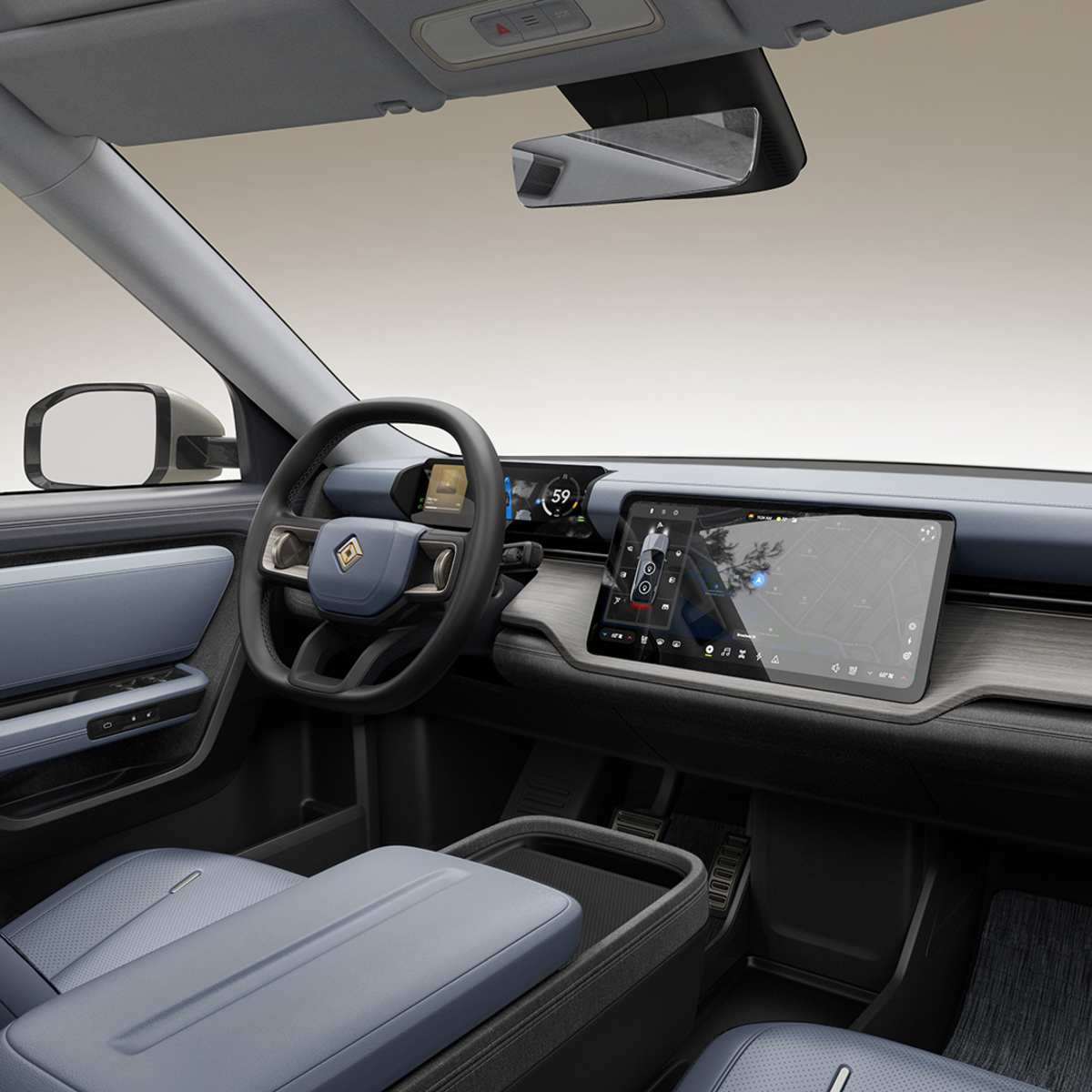
Rivian R2
"So why get an R2 over a slightly used R1S for the same price? ... they actually built a custom rooftop ten for it, called the treehouse."
The Rivian R2 is an electric SUV from Rivian. Here they’re comparing it to the bigger R1S and talking about things like ride comfort and how the roof can be set up for camping.
Rivian R2 is the smaller, more affordable SUV in Rivian’s lineup, positioned as a step down from the larger R1S. In this segment, the hosts compare it directly to the R1S and focus on ride quality, interior materials, and how its roof setup can be configured for camping.

Rivian R1S
"So why get an R2 over a slightly used R1S for the same price? ... But the R1S is going to have more cargo capacity."
The Rivian R1S is Rivian’s bigger electric SUV. They’re using it as the comparison point for the R2—talking about cargo space, comfort, and off-road ability.
Rivian R1S is the larger three-row electric SUV that the hosts use as the baseline for comparison. In this segment they contrast it with the R2 on cargo space, interior feel, and off-road capability, while also arguing that the R2 is not meant to be a “cheap” version of the R1S.
coilovers
"Well, first and foremost, the ride is better, believe it or not. OK, even though it's got coilovers."
Coilovers are parts of the suspension that help the car ride smoothly over bumps. They can also be adjusted to change how the car feels on the road and off-road.
Coilovers are suspension components that combine a coil spring and shock absorber into one adjustable unit. They’re often used to tune ride comfort and handling, which is why the host mentions them when arguing the R2 rides better.
decontented
"One of the things they were really stressing is that this is not a decontented or, in other words, a cheap and R1S."
Decontented means “made cheaper by removing features.” They’re saying the R2 isn’t supposed to feel like a stripped-down, budget version of the R1S.
Decontented means a model is deliberately stripped of features or materials to reduce cost. The host is saying Rivian worked to avoid making the R2 feel like a cheaper, downgraded R1S.
rooftop ten
"they actually built a custom rooftop ten for it, called the treehouse. ... this has got like a fan integrated."
A rooftop tent is a camping tent that sits on top of the car. In this segment they’re saying Rivian made a special one for the R2, with built-in features and power hookups.
A rooftop tent is a tent mounted on the vehicle’s roof, typically designed to pop up for camping. The host says Rivian built a custom rooftop tent setup for the R2 called the “treehouse,” including integrated features like a fan and power connections.
treehouse
"they actually built a custom rooftop ten for it, called the treehouse. Yeah. And this has got like a fan integrated."
“Treehouse” is the name of Rivian’s special rooftop tent setup for the R2. It’s described as having built-in fan and lights, and it connects to the car for power.
“Treehouse” is the name given to Rivian’s custom rooftop tent system for the R2. The host describes it as having integrated ventilation (a fan), built-in lighting controls, and power that plugs into the R2 to run the accessories.

Rivian R1
"it's just so similar from a design inside and out to the R1 that it doesn't feel that fresh to me. It's it's almost like if, you know, Mercedes were to come out with an E class,"
The Rivian R1 is Rivian’s bigger electric vehicle. The speaker is saying the R2 looks and feels very similar to it, so it doesn’t feel like a totally new experience.
The Rivian R1 is Rivian’s larger electric vehicle line that the R2 is being compared against here. The key point in this segment is that the R2’s interior and exterior are described as too similar to the R1, making the R2 feel like a smaller “same car” rather than a distinct redesign.
Apple CarPlay
"Like, it would be great to see like differentiation through hard controls or Apple CarPlay or something like that. Like I said, many me."
Apple CarPlay lets you connect your iPhone to the car so you can use things like maps and music on the car’s screen. The speaker is suggesting the R2 could stand out more with features like this.
Apple CarPlay is a smartphone-integration system that lets you use an iPhone’s apps and navigation through the car’s infotainment screen. In this segment, it’s mentioned as an example of how the R2 could differentiate its user experience with more “hard controls” or software features.
minimalist aesthetic
"And I think that Rivian has a big fan base that love this, this kind of minimalist aesthetic. I just don't know if I was in the market for one because we know this is going"
“Minimalist aesthetic” means a simple, uncluttered design style. The speaker says some people really like Rivian’s clean, minimal interior look.
A minimalist aesthetic is a design approach that emphasizes simplicity—clean surfaces, fewer visual elements, and a restrained layout. Here, the host says Rivian has a fan base that likes this minimalist look, even if they personally want more differentiation in the R2’s controls and interior feel.
Lucid
"Well, you know, there are three American electric car companies. There's Tesla, there's Rivian and there's Lucid and they all have their"
Lucid is another electric car brand from the U.S. The speaker lists it alongside Tesla and Rivian to show the main EV competition buyers think about.
Lucid is an American electric-vehicle brand known for its luxury EVs. The host groups Lucid with Tesla and Rivian as one of the three major U.S. EV companies, implying that buyers compare these brands when deciding whether a model like the Rivian R2 is worth it.
Rivian R1T
"..., you know, why wouldn't you get the R1S or gosh, R1T out of this? Because, you know, even depreciated,..."
The Rivian R1T is an electric pickup truck, meaning it uses electricity instead of gasoline. It’s built to be useful like a truck but with EV power. The podcast mentions it because the speaker is asking why someone would choose one Rivian model over another.
The Rivian R1T is an electric pickup truck designed for both everyday use and adventure-ready capability. In the episode, it’s discussed as an alternative to the R1S, with attention to how depreciation and pricing might influence which model a buyer chooses. That’s why it’s part of the conversation about value within Rivian’s lineup.
hands-free system
"Does this have the hands-free system? It has, it doesn't have full self-driving supervised."
A “hands-free” system is when the car can do some driving tasks without you constantly steering. The host is saying it won’t fully drive itself, but it can help with steering/centering.
A “hands-free system” refers to driver-assistance tech that can handle parts of driving without the driver constantly steering. In this segment, the host clarifies it won’t be full self-driving, but it can still perform steering/centering functions.
full self-driving supervised
"Does this have the hands-free system? It has, it doesn't have full self-driving supervised. It has all of the stuff that you can get in most vehicles like lane keep."
This phrase means the car can do a lot of driving, but you still have to watch and be ready to take over. The host says the system discussed here isn’t that—it's more limited.
"Full self-driving supervised" is a marketing-style label for advanced driver-assistance where the car can perform most driving tasks, but the human remains responsible for monitoring and taking over. The host contrasts this with what Rivian is offering here: steering/centering help rather than true autonomous driving.
lane keep
"It has all of the stuff that you can get in most vehicles like lane keep. They're calling it autonomous."
Lane keep helps the car stay in its lane. If you start drifting, it can nudge the steering to bring you back.
Lane keep is a driver-assistance feature that helps keep the vehicle within its lane by applying steering corrections when the car drifts. It’s mentioned as part of the standard suite of assistance features available in most vehicles.
over the air update
"They're saying it's going to be an over the air update by the end of the year. So they're working on it right now, but it will not drive itself per se."
An over-the-air update is like a phone software update, but for the car. The host is saying the car will get new features wirelessly by the end of the year.
An over-the-air (OTA) update is software delivered wirelessly to the vehicle, allowing features to be added or improved without a dealership visit. The host says Rivian expects an OTA update by the end of the year.
supercruise
"It will, you know, center itself. It will steer, you know, kind of like supercruise or blue cruise, but it will not drive itself."
Super Cruise is a system from GM that can help the car steer itself on certain highways. The host is comparing Rivian’s steering/centering behavior to that kind of experience.
Super Cruise is General Motors’ hands-free highway driving system that can steer the car under certain conditions while the driver monitors the road. The host uses it as a comparison for how the Rivian system will steer/center, without fully driving itself.
blue cruise
"It will, you know, center itself. It will steer, you know, kind of like supercruise or blue cruise, but it will not drive itself."
BlueCruise is Ford’s hands-free driving feature on supported roads. The host is saying Rivian will do something similar for steering, but it still won’t fully drive by itself.
BlueCruise is Ford’s hands-free driver-assistance system for certain mapped roads, where the car can steer while the driver remains attentive. The host cites it alongside Super Cruise to describe the Rivian feature as steering/centering help rather than full autonomy.
rear wheel drive
"They're going to roll out the rear wheel drive, the single motor one. That's going to be the $45,000 one."
Rear-wheel drive means the power goes to the back wheels. In EVs, that can be cheaper and simpler than powering all four wheels.
Rear-wheel drive (RWD) means the electric motor(s) send power to the rear axle only. For EVs, offering an RWD “single motor” setup is often a cost-and-range strategy versus all-wheel drive, because it can simplify hardware and reduce complexity.
Tesla Model Y Performance
"There's also a $60,000 one, which would compete with the model Y performance. "
The Tesla Model Y Performance is the quicker, sportier version of the Model Y. The hosts are saying Rivian’s more expensive R2 trim would go after people shopping that kind of Tesla.
The Tesla Model Y Performance is a higher-output variant of Tesla’s Model Y crossover, positioned as a more performance-focused alternative within the mainstream EV market. The hosts mention it as a direct pricing/market competitor for a rumored $60,000 Rivian R2 version, implying Rivian wants to take share from Tesla’s enthusiast-leaning buyers.

Jeep Wrangler Unlimited
"Yeah, yeah, I kind of, you know, it's very similar to what happened when Jeep rolled out the four door, the unlimited. Immediately that became the sales leader."
The Jeep Wrangler Unlimited is the four-door Wrangler. The hosts are using it as an example of how adding a more practical body style can suddenly make a model the top seller.
The Jeep Wrangler Unlimited is the long-wheelbase, four-door version of the Wrangler. The hosts use it as an analogy: when Jeep expanded the Wrangler into a more practical four-door format, it quickly became the sales leader—suggesting that body-style decisions can strongly influence demand.

Chevrolet Silverado EV
"off everything from the cyber truck to the Silverado EV to, you know, the upcoming slate."
The Chevrolet Silverado EV is an electric pickup version of the Silverado. The hosts mention it to show that big truck makers jumped into electric trucks after the trend started.
The Chevrolet Silverado EV is GM’s electric version of the Silverado pickup line. In this segment, it’s named alongside the Cybertruck to show how the early electric-truck momentum expanded into major mainstream truck brands.

Hyundai Ioniq 5
"crossovers, be it the Model Y or the IONIQ 5 or the EV6, but like the cars"
The Hyundai IONIQ 5 is an electric SUV/crossover. The point is that even good EVs can lose value quickly after purchase.
The Hyundai IONIQ 5 is a modern electric crossover built around Hyundai’s E-GMP platform. Here it’s mentioned alongside other EVs to set up the episode’s theme: strong technology doesn’t always translate to good financial outcomes when buying new.
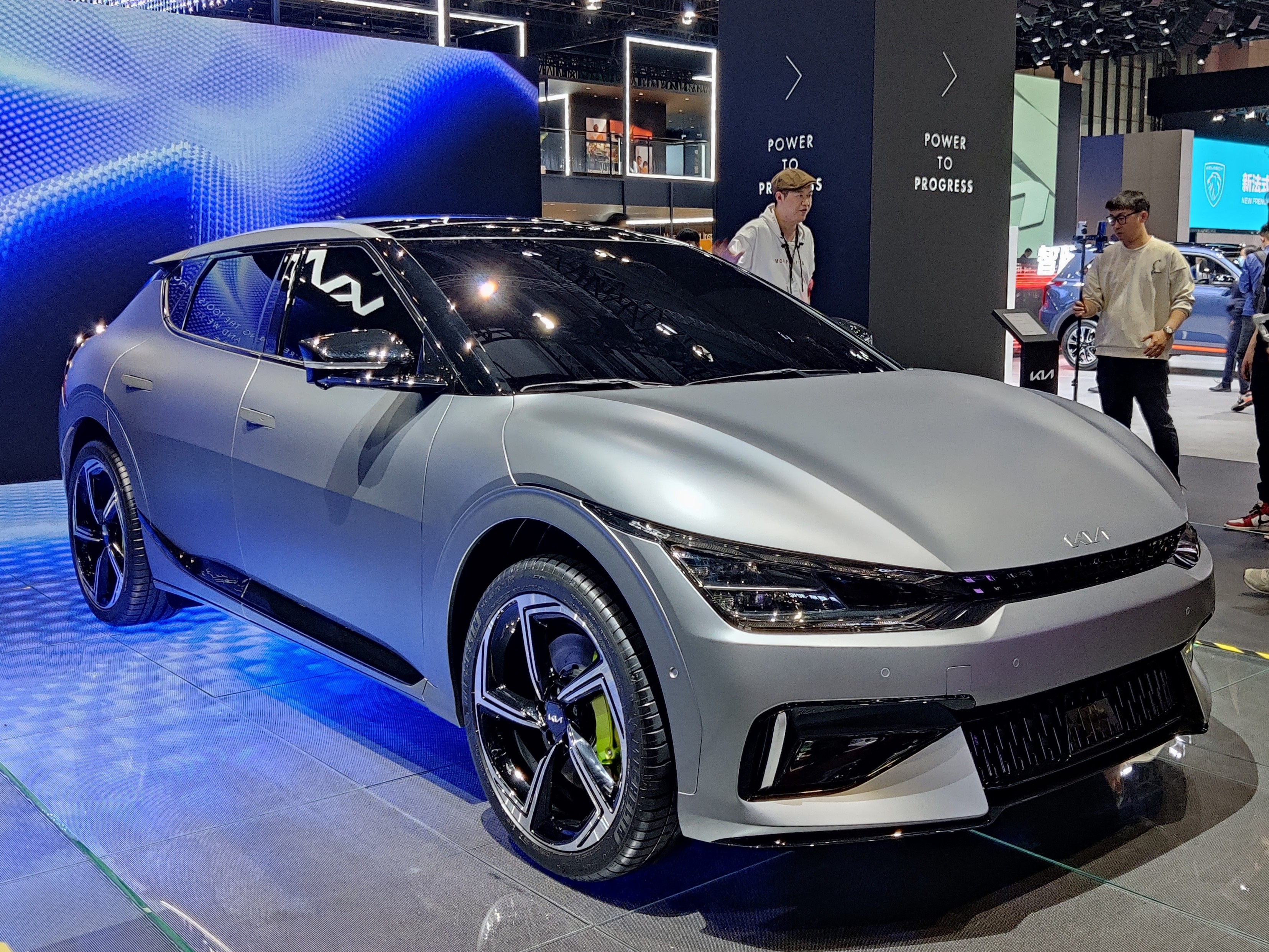
Kia EV6
"crossovers, be it the Model Y or the IONIQ 5 or the EV6, but like the cars"
The Kia EV6 is an electric SUV/crossover. The hosts are using it as an example that great EVs can still drop in price after you buy them new.
The Kia EV6 is a battery-electric crossover known for its fast charging and sporty handling for the class. In this segment it’s grouped with other EVs as examples of cars that are “excellent” but can still be a costly purchase if you buy new.

Nissan Aria
"... of the others, but I was just looking at like an Nissan Aria, a couple of years old with 20,000 miles and they..."
The Nissan Ariya is an electric crossover, so it’s an EV with an SUV-like shape. In the podcast, it’s mentioned because someone was looking at a used Ariya with low miles. The conversation is about what options and pricing look like when shopping for an EV.
The Nissan Ariya is an electric crossover designed to compete in the mainstream EV space. In the episode, it’s referenced as a used-car shopping example, with the speaker talking about a low-mileage, a couple-years-old Ariya. That makes it relevant to discussions about pricing and what you can get for the money in the EV market.
depreciated
"Cole, can you look up some R1S or R1T used car prices? I think you'll be surprised at how little they have depreciated much. Go to AutoTest."
“Depreciation” means how much a car loses value over time. They’re comparing how quickly different electric cars get cheaper on the used market.
“Depreciation” here means how much a car’s value drops after it’s been bought and used. The hosts are using used-car pricing to compare depreciation rates across EVs, arguing that some models lose value much faster than others.
AutoTest
"I think you'll be surprised at how little they have depreciated much. Go to AutoTest. If you want to see massive depreciation in electric cars, check out."
AutoTest is mentioned as a place to look up used-car prices. The hosts use it to compare how much different EVs drop in value.
AutoTest is referenced as a source to look up used-car pricing and depreciation behavior. It’s used as a practical tool in the segment’s “check the numbers” approach.
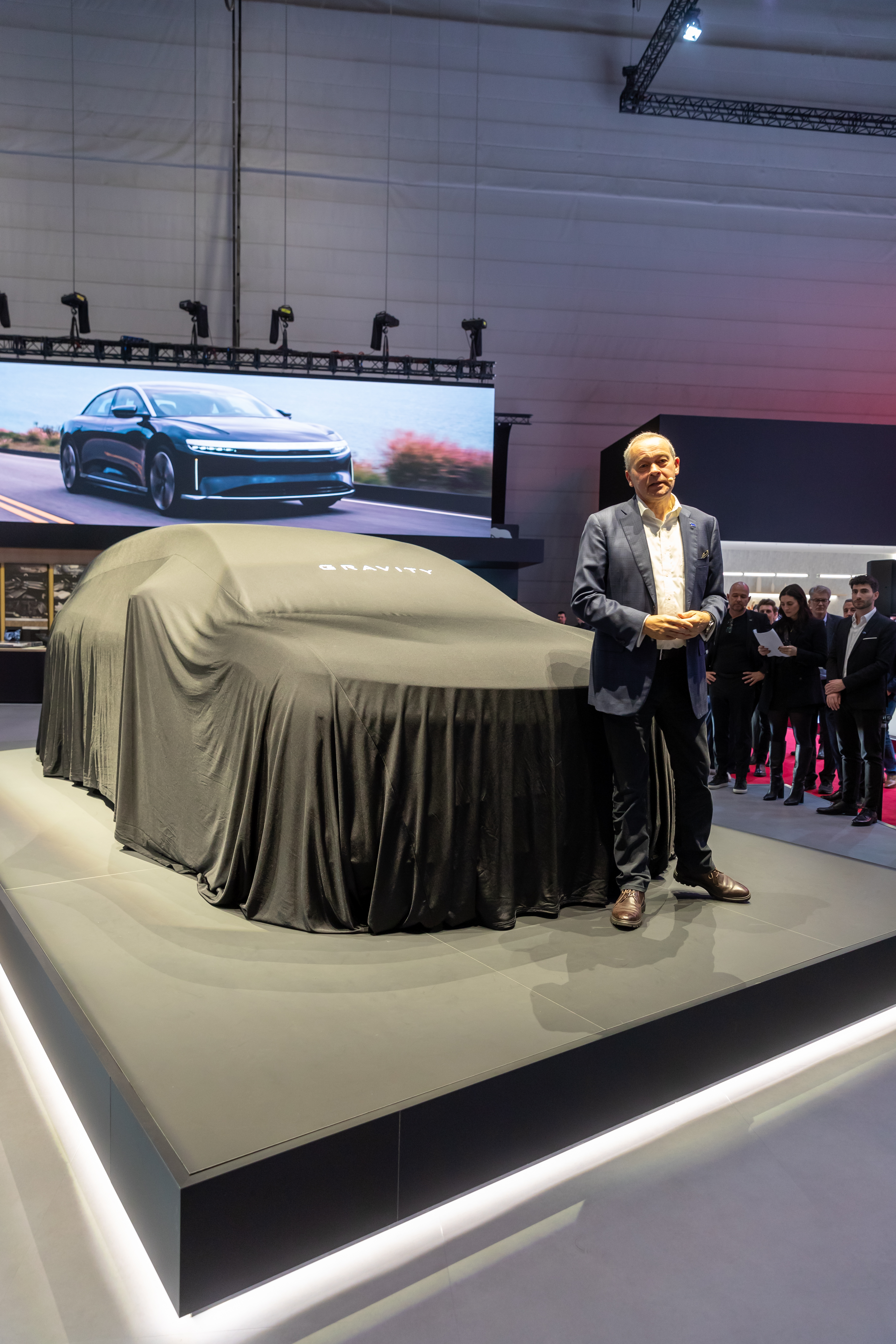
Lucid Gravity
"The gravity is brand new, but the air depreciates. But the R1T they kind of hold their value."
The Lucid Gravity is Lucid’s newer electric SUV. The hosts are basically saying it’s too new to judge depreciation the same way as older models.
The Lucid Gravity is Lucid’s newer electric SUV, and the hosts note it’s “brand new” in the depreciation discussion. The implication is that newer models may not yet show the same resale-value drop as older EVs.

Lucid Air
"The gravity is brand new, but the air depreciates. But the R1T they kind of hold their value."
The Lucid Air is Lucid’s main electric sedan. The hosts are saying it tends to lose value, unlike the Rivian they’re discussing.
The Lucid Air is Lucid’s flagship electric sedan, and it’s mentioned specifically in the context of depreciation. The hosts contrast it with the Rivian R1T’s perceived stronger value retention.
sticker
"I think it would have been 85 sticker. Well, let's look at an older one."
“Sticker” here means the official price the car is listed for on the window sticker. They’re saying the price they expected was different from what they found.
In car shopping, “sticker” usually means the vehicle’s MSRP (the manufacturer’s suggested retail price) shown on the window sticker. The hosts are comparing what they expected the price to be versus what they’re seeing for a specific Rivian listing.
Auto Tempest
"Cole, on the left side of Auto Tempest, the little left screen, you should be able to scroll up and then go distance. Yeah, go anywhere."
Auto Tempest is a website that helps you search for used cars from many dealers at once. They’re saying it makes it easier to find listings by location and compare options.
Auto Tempest is an online used-car search aggregator that lets you compare listings across multiple dealers in one place. The hosts highlight it as useful for quickly filtering by distance and browsing results nationwide.
hold their value
"They're really holding their value out of, I guess, out of all of the electric car vehicles, the Rivians really do hold their value considerably"
“Hold their value” refers to how well a vehicle retains its resale price over time. In EV discussions, it’s a big deal because many EVs have seen depreciation pressure, so a brand that “holds value considerably” can be more attractive for used buyers.
charging curve
"So I think that they've got a winner on their hands because if you can get basically a two row versus a three row for half the price, Tommy, and it's got that 300 miles of range and it can hold that charging curve, let's say"
A “charging curve” is how the charging speed changes as the battery fills up. They’re saying the car keeps charging relatively quickly for longer, which can reduce road-trip charging time.
A “charging curve” describes how fast an EV charges over time at a given charger—typically starting fast and then tapering as the battery fills. The hosts are implying the Rivian can “hold that charging curve,” meaning it sustains higher charging speeds longer than competitors.
air suspension
"First and foremost, the ride is really sorted. [909.9s] My biggest complaint with the R1S and the R1T is air suspension is pretty rough. [915.1s] So pause for a sec."
Air suspension is a suspension system that uses air pressure instead of metal springs. It can change how smooth the ride feels, and in this segment the host says it doesn’t feel great on the R1S/R1T.
Air suspension uses air-filled springs (instead of steel coils) to adjust ride height and spring rates. On EVs like the Rivian R1S and R1T, it can significantly affect ride comfort and how “sorted” or “rough” the truck feels over different surfaces.

Mach-E
"Cause like when I go on Facebook and I'm looking at Mach-E's and Ioniq fives, they're like 21, for sure, for sure."
“Mach-E” is the name of Ford’s electric Mustang. They bring it up to talk about how EV deals and incentives can change whether buying new feels worth it.
“Mach-E” refers to the Ford Mustang Mach-E, an all-electric crossover. The host mentions it while discussing EV pricing and buying decisions, implying that current incentives and lease costs can strongly affect the “should I buy new?” question.
tax credit
"We still have that $5,000 tax credit here in Colorado. I think it expired. It's like 3,000 now."
A tax credit is a government incentive that reduces the amount of tax you owe, effectively lowering the net cost of an eligible purchase. In EV discussions, tax credits can change month-to-month affordability and can be a major reason leases or purchase prices look better (or worse) over time.
400 volt architecture
"So the one thing that I don't like is, um, it only has a 400 volt architecture. And I think that certainly we're heading toward 800 volt architecture."
“400 volt architecture” means the EV’s electrical system runs at about 400 volts. That can make fast charging slower than cars built for higher-voltage systems.
“400 volt architecture” is an EV design where the main electrical system operates around 400 volts. Compared with 800-volt systems, it can limit how quickly the car can accept power during fast charging and may require different power electronics to achieve similar performance.
800 volt architecture
"Yeah, it matters cause 800 volt architecture charges a lot quicker and holds the Not like, so here's the issue though with, with 800 volt architecture, most of"
It means the car’s electric system runs at a higher voltage than most EVs. That can make charging faster because the charger can move a lot of power more efficiently.
“800 volt architecture” is an EV electrical system design where the battery and power electronics operate around 800 volts instead of the more common ~400 volts. Higher voltage can reduce current for the same power, which helps enable faster charging and thinner cabling in some designs.
Tesla super chargers
"most of [1023.2s] the Tesla super chargers where you're realistically going to be charging these [1025.8s] are still using four or 500 volts."
Tesla’s Superchargers are the fast-charging stations Tesla uses for quick EV charging. If the station isn’t built for the car’s voltage, the car can’t charge as quickly as it otherwise could.
This refers to Tesla’s high-power DC fast-charging network. In the context of the episode, the key point is that many Superchargers are still limited to lower voltage ranges (like ~400 V), which affects how well an 800 V EV can take advantage of its charging potential.
four or 500 volts
"are still using four or 500 volts. [1028.0s] So you don't actually see a future proofing your vehicle."
They’re talking about the charging station’s voltage being lower than what an 800-volt EV is designed for. Lower voltage can mean slower charging than the car is capable of.
The discussion contrasts 800 V EVs with chargers that operate around 400–500 V. If the charging infrastructure is limited to lower voltage, an 800 V vehicle may not be able to charge at its maximum speed, reducing the “future-proofing” benefit.
future proofing
"So you don't actually see a future proofing your vehicle. [1031.6s] But I'm not, I'm not actually convinced that we're going to see that many people."
It means “will this car still be able to charge fast later?” The point here is that if most chargers today aren’t upgraded to match, the car’s advantage won’t be fully used.
In EV charging talk, “future-proofing” means designing the car so it can take full advantage of faster charging standards as they roll out. The host argues that if most real-world chargers still run at lower voltages, the 800 V advantage may not matter for many buyers.
amps
"What's, what's, uh, how many amps is that? [1047.7s] Oh, you gotta do the math."
Amps are how much electrical current is flowing during charging. Together with voltage, amps determine how much power the charger can deliver.
“Amps” (current) is part of the charging equation: charging power depends on both voltage and current. The host’s “you gotta do the math” moment is about converting between voltage/current limits and the resulting power the charger can deliver.
kilowatt hour chargers
"All the Chinese cars are 800 volt architecture. [1059.6s] They have a thousand kilowatt hour chargers, kilowatt chargers. [1063.5s] Yeah, I know."
They’re talking about how much energy and power the charging setup can handle. In EVs, kWh is about energy stored in the battery, while chargers are rated by how much power (kW) they can deliver.
The transcript is mixing terms, but the intent is about charging power and energy capacity. “Kilowatt-hour” (kWh) is an energy unit (how much energy the battery holds), while chargers are usually rated in kilowatts (kW) for power delivered; the host is discussing high-power charging capability in the 800 V context.
Coral Springs
"The Coral Springs actually give it a much better ride than the suspension. ... but with the Coral Springs, it's really compliant."
“Coral Springs” is a suspension part (the spring) that helps the vehicle ride smoothly over rough ground. The host says this setup makes the ride more comfortable and still helps it handle off-road conditions.
“Coral Springs” refers to a specific suspension spring setup Rivian is using, and the host is crediting it for ride quality. In this context, the springs make the vehicle more compliant (absorbing bumps better) while still supporting off-road clearance.
ground clearance
"It's actually good off road, nine inches of ground clearance. You can't change that."
Ground clearance is how much space there is between the ground and the bottom of the vehicle. More clearance helps you drive over rough stuff without hitting the underside.
Ground clearance is the distance between the road and the lowest part of the vehicle. The host says the setup provides nine inches of ground clearance and that you can’t change it, which matters for avoiding scraping on rocks, ruts, and uneven trails.
hill descent control
"they don't have hill descent control, which is weird, uh, but they do have kind of a one pedal driving"
Hill descent control is a system that helps you go downhill slowly and steadily. The host is saying this Rivian setup doesn’t have it, so you rely on other driving aids instead.
Hill descent control is an off-road driver-assist feature that helps maintain a slow, controlled speed when going downhill. The host says it’s missing on this setup, which is notable because it changes how the vehicle manages steep descents.
one pedal driving
"but they do have kind of a one pedal driving, which is actually really good. So you can kind of just drive using one pedal off road."
One pedal driving means you can slow down mostly by lifting off the accelerator. The car uses the motor to slow you down, which can make off-road driving easier.
One pedal driving is an EV driving mode where lifting off the accelerator slows the vehicle using regenerative braking. The host says it works well off-road, letting you modulate speed with just the accelerator pedal while you’re navigating trails.
KO threes
"it comes with KO threes if you want, that's cool."
“KO threes” are off-road tires. The host is saying the vehicle can come with a more trail-capable tire option as part of the off-road package.
“KO threes” refers to a tire model (commonly used as shorthand for the BFGoodrich All-Terrain T/A KO3). The host is pointing out that this off-road package includes these tires if you want the off-road setup.
TRD pro
"But I think, I think they need to do like, uh, a TRD pro version or an AT4X or something that designates that this is the off road one"
TRD Pro is Toyota’s off-road-focused version of certain models. It usually comes with upgrades meant for rough terrain, and it’s also a label people recognize as “this one is built for off-roading.”
TRD Pro is Toyota’s performance-and-off-road trim line, typically bundled with upgraded suspension, off-road tires, and appearance cues meant to signal “serious off-road” capability. The host is suggesting a similar naming/trim strategy to make the vehicle’s off-road focus more obvious.
AT4X
"But I think, I think they need to do like, uh, a TRD pro version or an AT4X or something that designates that this is the off road one"
AT4X is a GM badge for an off-road version of a vehicle. It’s meant to clearly tell you that model is built and tuned for rougher terrain.
AT4X is a General Motors off-road trim designation used to mark a more rugged, off-road-oriented version of a model. The host is using it as an example of a clear “off-road” label that makes the vehicle’s purpose easier to understand at a glance.
terrain management system
"but they do, um, have a pretty sophisticated terrain management system. So it will do, uh, uh, torque vectoring by braking."
This is the car’s computer system that helps it handle different kinds of ground. It adjusts how the power and traction controls work so the tires can keep grip on things like dirt or rocks.
A terrain management system is software that changes how an electric vehicle responds for different surfaces like sand, mud, or rocks. It typically coordinates throttle response, traction control, and motor/torque distribution so the car can stay stable and keep grip.
torque vectoring by braking
"So it will do, uh, uh, torque vectoring by braking. So it'll break the wheel."
Instead of sending different power to each wheel, the car can use the brakes to slow one wheel more than the other. That helps the car turn and stay stable on slippery or rough ground.
Torque vectoring by braking is a method of steering the car using the brakes to create different effective wheel torques. By slowing one wheel more than the other, the system can help rotate the vehicle and improve traction and stability on uneven surfaces.

Tesla Cybertruck
"...uad motor. I wouldn't put it up there with like a Cybertruck because that's got rear, real, not rear, rear and..."
The Tesla Cybertruck is an electric pickup truck, so it’s a truck that runs on electricity. It’s known for its unusual, sharp-looking design. In the episode, it’s mentioned as a comparison point when talking about other electric trucks.
The Tesla Cybertruck is an electric pickup truck with a distinctive angular design and a focus on battery-electric performance. It’s brought up in the conversation as a reference point for how different electric vehicles are positioned and compared. The podcast notes it in contrast to another EV pickup discussion.
real lockers
"I wouldn't put it up there with like a Cybertruck because that's got rear, real, not rear, rear and front, real lockers. This does not have them."
Lockers are devices that keep wheels from spinning independently when traction is low. “Real lockers” means the car has actual locking differentials, which can help it keep moving over rocks or mud.
“Lockers” are off-road differentials that can lock together so both wheels on an axle rotate together. “Real lockers” means the vehicle uses actual mechanical/electronic locking differentials rather than only software tricks, which can be more effective for low-traction situations like rock crawling.
single motor
"And if we get one for in the 40s, that would be really, really cool. Yeah, that's, that's a single motor."
A “single motor” means the car has one electric motor powering the drive. It’s usually simpler and can be more efficient than having two motors.
A “single motor” EV uses one electric traction motor to drive the wheels, rather than separate motors for front and rear axles. That typically affects performance, efficiency, and how the vehicle delivers power compared with dual-motor versions.
R three
"And if you guys go and buy them, then they'll actually build the R three, [1277.3s] which is the one that everybody's excited about."
R three is Rivian’s next electric vehicle the hosts are talking about. They say it’s smaller than the other one and that it’s fast, with a driving feel that’s different from how people usually think trucks drive.
Rivian’s R three is positioned as the next model after the R2, and the hosts frame it as the one most people are excited about. They describe it as smaller than the current lineup and emphasize its quick acceleration and distinctive driving feel compared with typical truck expectations.
zero to 60
"Uh, and by the way, uh, zero to 60 in like the four second range. [1296.1s] So it's, you know, quick."
“Zero to 60” means how fast the car can go from standing still to 60 mph. It’s a simple way to compare how quickly different cars feel like they accelerate.
“Zero to 60” is shorthand for how quickly a vehicle accelerates from 0 mph to 60 mph. It’s a common performance metric, especially for electric cars, because instant torque often makes their launch feel very brisk.
blended region
"They, um, have one pedal driving. [1334.0s] They have blended region."
“Blended region” refers to how an EV’s control system smoothly combines regenerative braking with friction braking across a range of deceleration demands. The goal is to make slowing feel consistent and predictable rather than switching abruptly between regen-only and brake-pad braking.

e-tron Audi Etron Gt
"Uh, and so right now we've got an Audi sitting behind those doors. Uh, and to me, the Audi e-tron GT drives very similar to this R2 because it's an electric motor, it's got instant torque."
The Audi e-tron GT is an electric car from Audi. Because it’s electric, it can respond quickly when you press the accelerator. In the podcast, it’s compared to another electric model for how similar the driving feel is.
The Audi e-tron GT is a performance-focused electric sedan that the episode compares to another EV because both deliver quick electric acceleration. The discussion highlights that it uses electric motors and provides instant torque, which affects how it drives. It’s brought up to explain driving feel rather than just styling or specs.
instant torque
"Uh, and to me, the Audi e-tron GT drives very similar to this R2 because it's [1348.4s] an electric motor, it's got instant torque."
Instant torque means the electric motor gives you strong pulling force right away. So when you press the pedal, the car responds immediately instead of waiting for the engine to rev up.
Instant torque is the ability of an electric motor to deliver strong twisting force immediately when you press the accelerator. That’s why EVs often feel quick off the line and responsive in everyday driving, even before you reach higher speeds.
big battery pack
"Uh, it's heavy because it's got this big battery pack that it's, you know, [1354.8s] carrying around and you can start to feel it when you push it around to turn."
The big battery pack is the EV’s large battery that powers the electric motors. Since it’s heavy, it can make the car feel different when you steer or change direction.
A big battery pack is the large set of lithium cells that stores energy for an EV. Because it adds significant mass, it can influence steering feel and how the car “rolls” or shifts weight when you turn.
four wheel steering
"It's got four wheel steering and drives like a spaceship. [1395.3s] No, my fiat drives like a teeny tiny jelly bean."
Four wheel steering means the rear wheels can steer too, not just the front wheels. That can make the car easier to turn and feel more agile, especially when parking or changing lanes.
Four wheel steering is a system where both the front and rear wheels can steer, improving low-speed maneuverability and high-speed stability. The host uses it to describe how the car can feel “like a spaceship,” because the vehicle can change direction more precisely than with front-steer-only setups.
shift points
"because you don't have the different shift points. You don't have the engagement of the combustion engine."
Shift points are the moments when a car decides to change gears. The host is saying EVs don’t shift the same way, so you don’t get those same “gear change” moments you’d feel in a gas car.
Shift points are the engine-speed/load thresholds where a transmission changes gears. The host is contrasting EV behavior with gas cars, arguing that EVs don’t have the same gear-change events and therefore feel different during spirited driving.
combustion engine
"shift points. You don't have the engagement of the combustion engine. "
A combustion engine is the traditional gas/diesel engine that burns fuel to make power. The host is saying EVs don’t have that same “engine doing its thing,” so the driving feel can be less involving for some people.
A combustion engine is a gasoline or diesel engine that makes power by burning fuel inside cylinders. The host is contrasting it with EVs, noting that gas cars have audible/physical cues tied to combustion that many drivers associate with engagement and character.
manual transmission
"different characteristics of, is it, you know, manual transmission?"
A manual transmission is when you choose gears yourself with a clutch and a stick shift. The host is saying EVs usually don’t give you that same hands-on gear-changing experience.
A manual transmission is a gearbox controlled by the driver using a clutch pedal and gear lever. The host is using it as an example of how gas cars provide more driver involvement (gear selection and engagement) than many EVs, which typically don’t require shifting in the same way.
power curve
"[1454.5s] Is it an automatic transmission? [1456.0s] Where's the power curve? [1457.3s] Does it, you know, make torque down low like a diesel?"
A power curve is basically a chart showing when the car makes the most power. It tells you if it feels strong right away or only after you push it harder.
A power curve is a graph of how an engine’s (or motor’s) power output changes with engine speed or operating conditions. It helps you understand where the car feels strong—whether it pulls hardest at low speeds or needs higher revs to make power.
understeer
"[1482.3s] A Hummer is 9000 pounds. [1483.7s] It's still, they all understeer event. [1485.7s] When you push an electric car, they all eventually understeer."
Understeer is when you turn the steering wheel but the car doesn’t rotate enough, so it keeps going wide. It feels like the front tires aren’t gripping as much as you need.
Understeer is when the car turns less than you expect—so it tends to push toward the outside of the corner. The speaker’s point is that heavy vehicles and electric cars can still end up pushing if you ask for more grip than the tires can provide.
rear wheel steering
"[1485.7s] When you push an electric car, they all eventually understeer. [1488.0s] Maybe not with rear wheel steering, but they all eventually start to push. [1490.8s] Well, every car will understeer if you push it far, not a mid-engine car."
Rear wheel steering means the back wheels can also steer, not just the front. That can help the car turn more smoothly and feel less like it’s pushing wide.
Rear wheel steering is a system that steers the rear wheels to help the car rotate more easily and improve stability at different speeds. It can change how quickly a car transitions into a turn, potentially reducing the tendency to push (understeer) in some situations.
mid-engine car
"[1490.8s] Well, every car will understeer if you push it far, not a mid-engine car. [1493.8s] A mid-engine car rotates around. [1495.3s] A mid-engine car understeers more than any other."
A mid-engine car has the engine closer to the middle of the car. That helps the car feel more balanced and changes how it turns when you drive aggressively.
A mid-engine car places the engine near the center of the vehicle, typically behind the driver. That weight placement changes balance and rotation, which affects how the car transitions between understeer and oversteer when pushed hard.

Porsche Boxster
"[1495.3s] A mid-engine car understeers more than any other. [1497.1s] A Porsche Boxster is criticized for its vast understeer because they have to [1500.2s] program it so you don't get the snap oversteer."
The Porsche Boxster is a sports car with its engine in the middle of the car. Because of that, it handles differently in corners, and the car’s tuning can be adjusted to keep it from getting too “snappy” when pushed.
The Porsche Boxster is a mid-engine sports car, meaning the engine sits behind the driver and ahead of the rear axle. That layout strongly influences how the car rotates in corners and how stability/handling software is calibrated to avoid abrupt oversteer.
snap oversteer
"[1493.8s] A mid-engine car rotates around. [1495.3s] A mid-engine car understeers more than any other. [1497.1s] A Porsche Boxster is criticized for its vast understeer because they have to [1500.2s] program it so you don't get the snap oversteer."
Snap oversteer is when the car suddenly turns too much and the back end starts to slide out quickly. It’s the opposite of what you want when you’re trying to drive smoothly and predictably.
Snap oversteer is a sudden, abrupt loss of front-to-rear balance where the car rotates more than expected and the rear can step out quickly. The speaker mentions Porsche Boxster tuning to avoid this kind of sharp, destabilizing behavior.

Toyota RAV4
"...engine out of a Fiat and take the engine out of a RAV4, they drive really differently, right?"
The Toyota RAV4 is a compact SUV meant for everyday use. In the podcast, it’s used in an example about how changing the engine can make the car feel different to drive. The point is that the powertrain strongly affects driving feel.
The Toyota RAV4 is a compact SUV that’s widely known for being practical and easy to live with. In the episode, it’s referenced in a comparison about how removing or changing an engine changes the way a vehicle drives, emphasizing how powertrain feel affects driving character. That makes it relevant to discussions about what you notice behind the wheel.
regen
"It's the regen as well. That's the same."
“Regen” is when the car uses its electric motor to slow down and also recharge the battery. It can make the car feel like it’s braking when you lift your foot off the gas.
“Regen” is short for regenerative braking, where an electric motor slows the car and turns some of that motion back into electricity. The speaker is arguing that this changes the feel when you lift off the throttle compared with a conventional car.
freewheeling flywheel
"When you let out the throttle, there's no freewheeling flywheel. You know, the change is how the car, but that even that's different like on the"
This is about whether the engine stays connected when you take your foot off the gas. If it’s not freewheeling, the car can slow more noticeably instead of coasting smoothly.
A freewheeling flywheel is a drivetrain component that lets the engine decouple so the car can coast with minimal engine braking when you lift off the throttle. The speaker says that this “freewheeling” behavior is missing, which makes the lift-off feel different.
four cylinders, six cylinders, eight cylinders, boxers, 10 cylinders, 12 cylinders
"That's why you've got four cylinders, six cylinders, eight cylinders, boxers, 10 cylinders, 12 cylinders, you can go down the road and all those feel"
They’re talking about different engine types—how many cylinders an engine has, and a “boxer” engine layout. Those differences can change how the car sounds and how it feels when you drive.
The speaker is listing engine cylinder counts and “boxers” (boxer engines) to emphasize that engine architecture affects how a car feels. Different cylinder counts and layouts change smoothness, vibration, and how power is delivered.
hybrid
"It's a hybrid. It's got a twin turbo, twin turbo engine. I don't know if that's hybrid."
A hybrid uses both a gas engine and an electric motor. It can use electricity sometimes, and gas other times, to help with efficiency.
A hybrid powertrain combines an internal-combustion engine with an electric motor and battery. The goal is usually to improve efficiency and reduce emissions, while still allowing conventional driving when the battery isn’t doing the work.
twin turbo
"It's a hybrid. It's got a twin turbo, twin turbo engine. I don't know if that's hybrid."
“Twin turbo” means the engine uses two turbochargers. Turbos help the engine make more power, especially when you accelerate.
“Twin turbo” refers to an engine setup that uses two turbochargers to force more air into the cylinders. That typically helps produce stronger acceleration by improving how quickly the engine can build boost across different speeds.

Ford F-150 Lightning
"I go for a drive in my F 150 lightning instead. Okay. There you go. I love the F 150 lightning."
The Ford F-150 Lightning is a fully electric pickup truck. It’s important because it’s an EV built on the same idea as a normal F-150—so it’s meant to be practical for everyday truck life.
The Ford F-150 Lightning is an all-electric version of the popular Ford F-150 pickup. It matters because it brings EV tech into a segment where buyers expect truck capability and frequent real-world use, not just short commutes.

1977 Fiat 124
"So here's a new car. It's a 1977 Fiat 124. Or if you're my dad, it could also be a 1985 Hummer."
A 1977 Fiat 124 is an older, classic small car from Fiat. People like it because it’s a straightforward, fun-to-drive design that feels very different from today’s vehicles.
The Fiat 124 (here, a 1977 example) is a classic Italian compact car best known for its sporty, rear-drive layout and strong enthusiast following. In the late 1970s it represented a simple, lightweight approach that’s very different from modern cars.
spider
"It was a spider, but it was in, you know, 100,000 miles. It was a little bit used up, but I loved it because there it is"
In car talk, a “spider” usually means a roadster—an open-top car. It’s the kind of car where you can enjoy the sound and feel of driving with the top down.
“Spider” is an Italian-style nickname for an open-top roadster body style, typically with a soft top. It usually means you get the wind-in-your-hair experience, but it can also affect how the car’s structure and interior trim are finished and maintained.
engine reds
"I love the design of it. I love the way that that gutsy four cylinder sounds. I love the way the engine reds."
This sounds like they mean the engine revs up high—near its maximum safe RPM. They’re enjoying how the car feels as it gets up there.
“Engine reds” appears to refer to the engine revving up toward its redline (the upper limit where the engine is designed to operate safely). Enthusiasts often pay attention to how an engine behaves as it approaches that limit—sound, pull, and how smoothly it transitions.
shifts
"I love the way that that gutsy four cylinder sounds. I love the way the engine reds. I love the way it shifts."
“Shifts” means the car changing gears. The host is saying the gear changes feel good—smooth and satisfying.
“Shifts” refers to how the transmission changes gears, including the feel and timing of each gear change. When a host says they love how it shifts, they’re usually talking about smoothness, engagement quality, and how well it matches the engine’s revs.
trim is falling off
"And if I were to try to fix this car, you can see like trim is falling off the wheel well there. It's like having, you know, a nice suit that is shabby."
They’re saying some of the car’s decorative pieces (trim) are coming loose. On older cars, that can happen as clips or adhesive wear out.
“Trim is falling off” points to deteriorating exterior/interior trim pieces—often held on with clips, adhesive, or fasteners that can fail with age and heat cycles. It’s a common restoration/maintenance issue on older cars, and it can affect both appearance and weather sealing.
wheel well
"And if I were to try to fix this car, you can see like trim is falling off the wheel well there. It's like having, you know, a nice suit that is shabby."
The wheel well is the area around the tire. The host is saying the trim around that area is coming loose.
The wheel well is the body opening and surrounding structure that houses the tire and wheel. Trim pieces around the wheel well are exposed to road grime, moisture, and impacts, so they’re frequent candidates for loosening or damage on older vehicles.
brakes are fully redone
"It like the, the brakes are fully redone on that car. So like it works really well."
They’re saying the brakes were completely repaired and refreshed. That usually means the car stops more confidently and consistently.
“Fully redone” means the brake system has been rebuilt or refreshed with proper service work rather than left as-is. In practice, that often involves replacing wear items and restoring correct brake feel and stopping power.
356 debate
"But my point is like, this is a, this is a good example of like the 356 debate we had the other day where like, I would rather have a car be a little rough, but like perfect, good mechanically and enjoy it than have it be like really shiny."
They’re referencing a classic-car argument about priorities. Would you rather have a car that looks a little rough but is mechanically solid, or one that looks perfect but might be more of a headache to live with?
The “356 debate” refers to a common classic-car argument: whether you’d rather have a car that looks rough but is mechanically correct, or one that’s very shiny but may require more worry and upkeep. It’s used here to support the idea that mechanical condition matters more than cosmetics.
carburetor
"I think that's because of the carburetor because it's interesting. Like if you actually look at the red lines, the older car, the red one has a much higher red line."
A carburetor is a part that mixes fuel and air for the engine. If it doesn’t mix things right at higher speeds, the engine can feel weak when you rev it out.
A carburetor is a fuel-mixing device that blends gasoline with air before it enters the engine. It can affect how well the engine “breathes,” especially at higher RPM where the fuel/air mixture needs to stay correct.
red line
"Like if you actually look at the red lines, the older car, the red one has a much higher red line. So I think somehow the engine, the weather that he put on there, yeah, it's not breathing correctly up high"
The red line is the highest RPM your engine is meant to safely spin to. If one car’s red line is higher, it usually means it can rev more before you’re supposed to back off.
The red line is the maximum safe engine RPM range indicated on the tachometer. If one car has a higher red line than another, it often reflects different engine calibration, internal limits, or how the engine is set up to breathe under load.
malaise era
"So what they did essentially is in the late 1970s and the malaise era, in order to keep the performance the same as the 1977, they gave it a bigger engine and then strapped it full of emissions equipment, which the green one still has, which the green one still has the red one does not have."
“Malaise era” is a nickname for the late 1970s, when car rules about pollution made engines less punchy. A lot of cars got heavier emissions gear and didn’t rev or accelerate like older ones.
The “malaise era” refers to roughly the late 1970s in the U.S., when new emissions rules and fuel-economy pressures made many cars slower and less responsive. Hosts often use it to describe the period’s tradeoff: more emissions equipment and detuned engines versus earlier performance-focused setups.
emissions equipment
"they gave it a bigger engine and then strapped it full of emissions equipment, which the green one still has, which the green one still has the red one does not have."
Emissions equipment is the stuff added to help a car pollute less. On older cars, it can also make the engine feel less powerful, especially when you rev it hard.
Emissions equipment is hardware added to reduce pollutants from the exhaust and crankcase. In older cars, adding it often changes fueling and ignition calibration and can limit power at higher RPM, even if the engine displacement increases.
Eisenhower tunnel
"because we're going to go up and over Eisenhower tunnel, we got to get up and over because it's in Glenwood,"
This is a mountain tunnel in Colorado. Driving over it usually means steep climbs and altitude, which can make the trip harder on the car.
Eisenhower Tunnel is a high-elevation mountain tunnel on the route through Colorado, which makes it relevant to road-trip and rally planning. Climbing to and over it adds altitude and grade challenges that can stress brakes, cooling systems, and power delivery.
Vale Pass
"up and over Vale Pass, so it's going to be quite the, quite the weekend of rallying a little old fiat."
A mountain pass like Vale Pass means lots of climbing and descending. It’s a tougher route than flat roads, so it tests how well a vehicle handles real conditions.
Vale Pass is a mountain pass route that implies sustained elevation change and winding grades. For a rally or off-road-capable vehicle, passes like this are a real-world test of traction, cooling, and drivetrain endurance.

GMC Sierra 84X off-road
"I got to go take this truck, which is the GMC Sierra 84X off-road in Sedona with GMC and oh my gosh, this is an $86,000 full-size truck, Tommy."
This is a GMC Sierra pickup with an off-road package. The idea is that it can handle rough trails while still feeling comfortable and nice to drive.
The GMC Sierra 84X off-road is a full-size pickup built for serious trail use, and the “84X” off-road package is aimed at improving traction and durability. In this segment, it’s discussed as both luxurious and capable, which is a key selling point for modern off-road trucks.
Soldier Pass
"We were on this extremely tight trail called Soldier Pass and yeah, I was just impressed at how well GMC has managed to combine two things"
Soldier Pass is a specific off-road trail. It’s the kind of route that can be tricky—more than just driving on dirt.
Soldier Pass is a named off-road trail area, and the mention signals a technical route rather than a simple dirt road. Trails like this typically involve steep grades, loose surfaces, and obstacles that reward traction-focused setups.
locking differentials
"but for kind of the rock crawling person, the locking differentials, the upgraded bumpers and"
A locking differential makes both wheels on the same axle turn together. That helps when one wheel is slipping on rocks or mud, so the truck can keep moving.
Locking differentials force the left and right wheels on an axle to rotate at the same speed. That helps prevent one wheel from spinning freely when traction is low, which is why it’s a common feature for rock crawling and other low-speed technical off-road driving.
rock crawling
"but for kind of the rock crawling person, the locking differentials, the upgraded bumpers and"
Rock crawling is off-roading over rocks at very low speeds. The goal is to keep traction and carefully climb obstacles without spinning the wheels.
Rock crawling is a slow, technical style of off-roading focused on climbing over rocks and obstacles with minimal wheelspin. It typically relies on traction aids (like locking differentials) and vehicle geometry that can keep tires gripping while the suspension articulates.
multi-matic shocks
"[2154.4s] How do you mean? [2155.0s] It's got the multi-matic shocks. [2156.5s] Yeah, but to your point, what made the original Raptor so successful was three"
These are special off-road shock absorbers. They can be adjusted to work better on rough terrain instead of just being one fixed setting.
“Multi-matic shocks” refers to a brand/model of adjustable off-road suspension dampers. They let the shock’s damping behavior change (often via selectable modes) to better match different terrain and driving styles.

F-150 Raptor
".... Yeah, but to your point, what made the original Raptor so successful was three things."
The Ford F-150 is a large pickup truck. In the podcast, it’s mentioned because the speaker is explaining why a certain performance version of an F-150 worked well with buyers. The focus is on what made that truck popular.
The Ford F-150 is a full-size pickup truck and one of the most important vehicles in the truck market. In the episode, it’s mentioned in the context of what made a specific performance version successful, focusing on key factors behind its popularity. That’s why it appears in a discussion about performance truck design and buyer appeal.
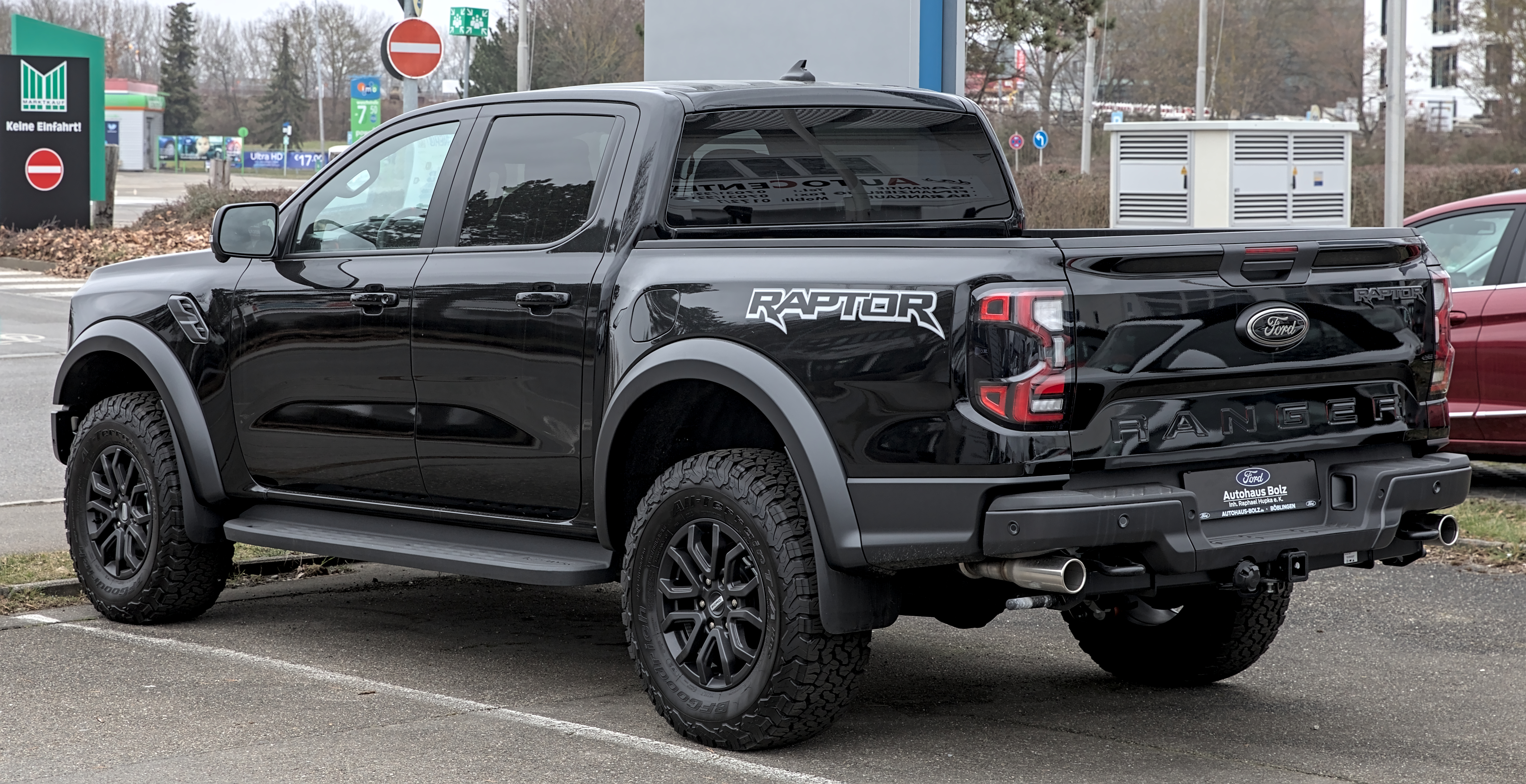
Ford Raptor
"[2170.1s] So I think Brady from the overland drill. [2171.7s] Yeah, that's funny. [2172.6s] Ford came out the Raptor, right, really exploded the off-road world. [2177.3s] Ram followed it up with the TRX about 15 years too late, but it still was"
The Ford Raptor is Ford’s off-road-focused truck. People associate it with being a big deal for off-roading because it combines the right suspension and stance to handle rough trails.
The Ford Raptor is a high-performance off-road pickup built around the idea of “go anywhere” capability. In this discussion, it’s credited with popularizing a specific off-road formula—suspension, wider stance/body, and an engine choice—that made it a standout in the truck world.

Ram TRX
"[2176.5s] Yeah, you had the shocks, wider body, the wider body and the engine. [2165.2s] This had the 6.2. [2177.3s] Ram followed it up with the TRX about 15 years too late, but it still was [2182.5s] incredibly popular and GM is still kind of trying to convince you that this is"
The Ram TRX is Ram’s wild off-road truck. It’s the kind of pickup people buy when they want serious power and off-road ability, not just normal truck capability.
The Ram TRX is Ram’s extreme off-road performance pickup, known for being a high-power, trail-capable alternative to the Ford Raptor. Here it’s mentioned as arriving later, but still becoming “incredibly popular,” highlighting how the off-road truck market responded to the Raptor’s success.
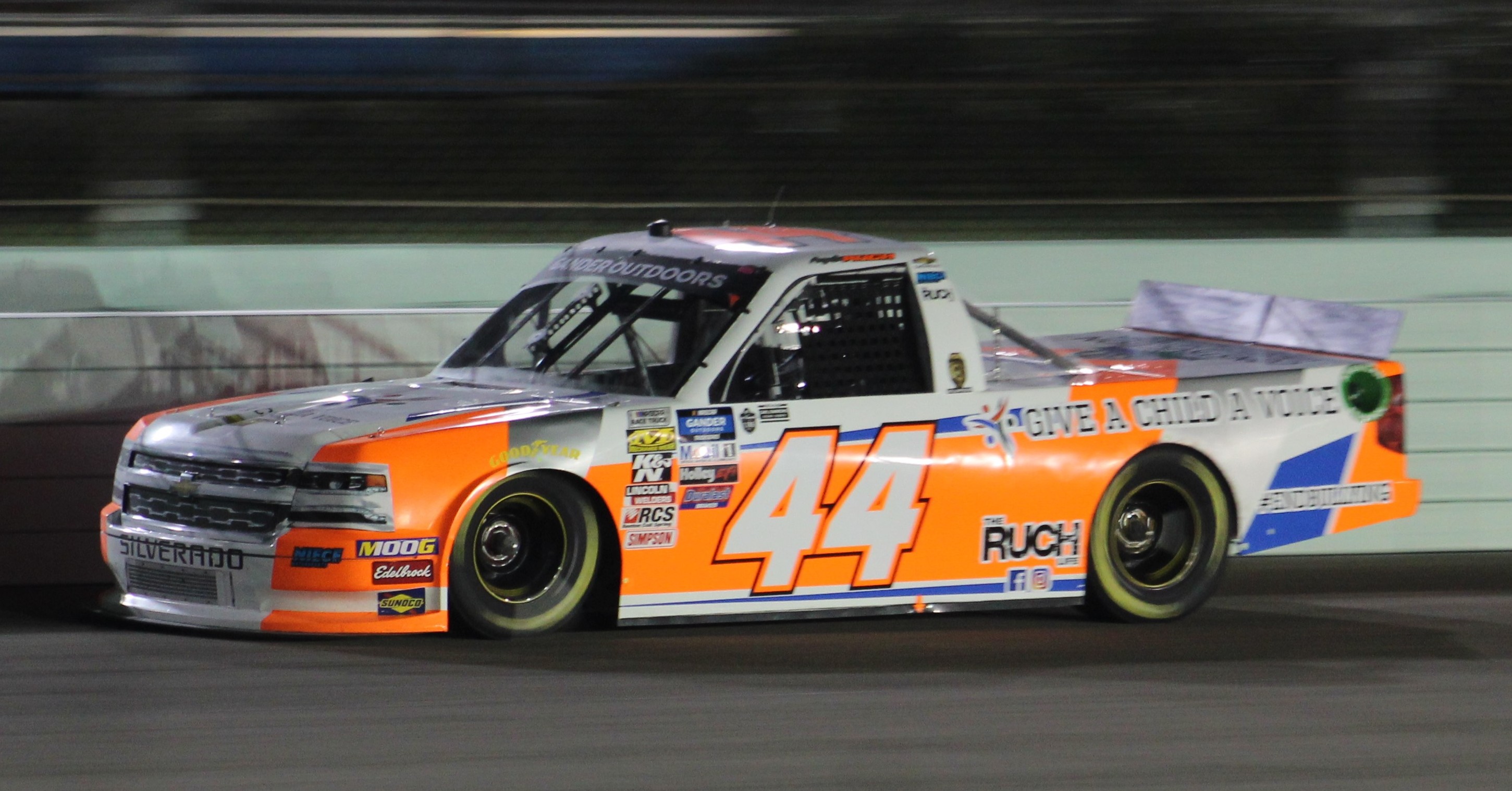
HD Duramax
"So the one I was driving was $86,000, which, you know, you can get HD Duramax for that, which tows a lot more, which, you know, has a lot more trucking capability."
Duramax is a diesel engine used in some GM trucks. The “HD” part usually means it’s set up for heavy-duty work like towing and carrying loads.
“HD Duramax” refers to General Motors’ Duramax diesel engine family in heavy-duty truck applications. In practice, it’s commonly associated with trucks that are tuned for towing and hauling, which is why the host contrasts it with the expensive AEV build.
Boron bumpers
"So yeah, then you're getting the Boron bumpers, right? AEV says this is just AI."
Some aftermarket bumpers are made from very strong steel. “Boron” is a material choice that helps the bumper be tough without needing to be as thick/heavy.
“Boron bumpers” refers to bumpers made with boron steel (or boron-containing steel). Boron steel is used to achieve high strength with less material, which can improve impact resistance and durability for off-road use.
base MSRP
"But with the 88 to 90, depending on engine selection and destination visas, the base MSRP and one. So yeah, you'd be like low to mid 90s."
MSRP is the sticker price the manufacturer starts with. “Base MSRP” means the starting price before you add options and fees that can push the total higher.
“Base MSRP” is the manufacturer’s suggested retail price for the starting configuration of a vehicle before options, destination charges, and dealer add-ons. The host uses it to explain how the final price can land in the “low to mid 90s” range depending on configuration.
lift
"And then you get the lift."
A “lift” is when you raise the truck’s suspension. That usually helps it handle rough terrain better and fit bigger tires.
In this context, “lift” refers to a suspension lift for an off-road truck—raising ride height to fit larger tires and improve ground clearance. It’s part of the overall package the host is discussing as contributing to the higher price.

Hummer EV
"And then if you really want the Raptor competitor, Jim would say, get yourself a Hummer EV."
The Hummer EV is an electric off-road truck/SUV from Hummer. The point here is that it’s another option for people shopping for very capable, rugged off-road vehicles.
The Hummer EV is an electric off-road vehicle from Hummer (GM), built to compete with other extreme off-roaders. The hosts mention it as a “Raptor competitor,” framing it as an alternative for buyers who want big off-road capability in an EV package.
cross shopping
"Yeah, but in this world, I don't think people are cross shopping in electric EV with a supercharged TRX, right?"
Cross shopping means comparing different cars before buying. They’re saying some buyers won’t really compare an EV with a supercharged TRX because they want different things.
Cross shopping is when a buyer considers multiple competing models before choosing one. The hosts argue that people aren’t likely to compare an electric vehicle directly against a supercharged TRX because they target different buyer preferences.

Jeep Grand Cherokee
"We just came back from the ranch where we compared the Land Cruiser to the Jeep Grand Cherokee."
The Jeep Grand Cherokee is a popular SUV people buy for everyday use. In this comparison, they’re saying newer models cost more, depending on which version you pick.
The Jeep Grand Cherokee is a mainstream, family-oriented SUV that’s historically been positioned as more accessible than ultra-premium off-roaders. The hosts say the newer Grand Cherokee has gotten more expensive, especially depending on trim, which affects how it overlaps with the Land Cruiser.

Land Cruiser
"[2346.3s] Land Cruiser, which MSRP at 70,000. [2349.8s] So only a $4,000 difference between the two. [2352.0s] Exactly right. ... [2417.5s] The Jeep has not built a Trailhawk version yet of the Grand Cherokee."
The Toyota Land Cruiser is a rugged, long-running SUV that’s built for tough driving and off-road trails. Here, the hosts compare it to the Jeep Grand Cherokee—especially the hybrid vs non-hybrid difference and how that affects towing and carrying capacity.
The Toyota Land Cruiser is a full-size, body-on-frame SUV famous for durability and serious off-road ability. This segment focuses on how its hybrid powertrain and torque compare to the Jeep Grand Cherokee’s turbo four-cylinder, plus how close the two are on size, towing, and payload.
turbocharged four cylinders
"The Land Cruiser is only about three inches longer than the two row Grand [2366.0s] Cherokee. The Jeep and the Toyota both have turbocharged four cylinders now, [2370.9s] which are separated by two horsepower and separated by nothing in terms of fuel economy, which is ironic because the Land Cruiser is a hybrid and the Jeep isn't."
This means the SUV uses a 4-cylinder engine with a turbocharger. The turbo helps the engine make more power, and that’s why the hosts are comparing how the two SUVs feel and perform.
“Turbocharged four cylinders” describes an engine with four cylinders that uses a turbocharger to force more air into the cylinders, improving power output without needing a larger engine. In this segment, both the Jeep and Toyota are said to use turbo four-cylinder setups, which is why the hosts compare their power and efficiency closely.
towing numbers
"The Land Cruiser does have a lot more torque than the Jeep, but they have [2385.6s] pretty much identical towing numbers. [2387.7s] The payload capacity is only off by 50 pounds."
Towing numbers are the official ratings for how much weight the SUV can tow. The hosts are using that as a main comparison point between the Land Cruiser and the Grand Cherokee.
“Towing numbers” refers to the vehicle’s rated towing capacity—how much weight it can safely tow under specified conditions. The hosts use towing capacity as one of the key ways to compare the Land Cruiser and Grand Cherokee, claiming they’re nearly identical.
payload capacity
"[2385.6s] pretty much identical towing numbers. [2387.7s] The payload capacity is only off by 50 pounds. [2390.9s] So like they really do go head to head."
Payload capacity is how much stuff (people and cargo) you can put in the vehicle. They’re saying the two SUVs are very close, with only a small difference of about 50 pounds.
Payload capacity is the maximum weight the vehicle can carry in addition to its own weight, including passengers and cargo. The hosts say the payload capacity difference between the two SUVs is only about 50 pounds, reinforcing that they’re closely matched.
Trailhawk
"[2414.3s] like, of course, there's a caveat here. [2417.5s] The Jeep has not built a Trailhawk version yet of the Grand Cherokee."
Trailhawk is an off-road-focused version of the Jeep Grand Cherokee. The hosts are saying Jeep hasn’t offered that specific off-road trim yet, which matters if you want the most capable factory off-road setup.
Trailhawk is a trim level on the Jeep Grand Cherokee aimed at off-road use, typically bundling features like upgraded off-road hardware and more aggressive traction-focused setup. The hosts say the Jeep hasn’t built a Trailhawk version yet, implying the Land Cruiser may have an advantage for buyers who want a dedicated off-road package.
off-road modes
"So we were comparing kind of the streety one, but it does have all the off-road modes, got air suspension."
Off-road modes are special settings that help a vehicle drive better on dirt, gravel, mud, or snow. They change how the car manages traction so it can grip more easily.
Off-road modes are driving settings that adjust how the vehicle behaves for different terrains. They often change throttle response, traction control behavior, and sometimes steering or drivetrain logic to help the car grip better on loose surfaces.
double stitch diamond patterns
"Oh, look at the right there's case. Look at the interior. It's just gorgeous. I mean, you've got double stitch diamond patterns across the doors."
This is describing the way the seats are stitched—two lines of stitching making a diamond pattern. It’s basically a fancy, high-end look that usually shows up in more premium interiors.
Double-stitch diamond patterns describe a specific upholstery design: two rows of stitching forming a diamond-shaped pattern. It’s a visual and tactile “luxury” cue used to signal higher-end interior trim and craftsmanship.
Land Rover
"Like going after Land Rover, Tommy, or Range Rover. Yeah, for sure."
Land Rover is a car brand famous for SUVs that can handle rough roads. Here it’s being used as a reference point for a more upscale, premium interior style.
Land Rover is a British SUV brand known for luxury interiors paired with off-road capability. In this segment, the host compares the Jeep’s interior styling to the look and feel associated with Land Rover and Range Rover.
Range Rover
"Like going after Land Rover, Tommy, or Range Rover. Yeah, for sure."
Range Rover is Land Rover’s top luxury SUV line. They’re saying the Jeep’s interior is trying to compete with that kind of premium look and feel.
Range Rover is Land Rover’s flagship luxury SUV line, emphasizing high-end materials, comfort features, and refined styling. The host uses it as a benchmark for the Jeep’s interior trying to match that luxury vibe.

Land Rover Range Rover
"...the doors. Like going after Land Rover, Tommy, or Range Rover. Yeah, for sure."
The Range Rover is a luxury SUV made by Land Rover. It’s designed to feel comfortable and upscale, especially on everyday drives. The podcast brings it up as a benchmark for the kind of luxury SUV someone might be trying to compete with.
The Land Rover Range Rover is a luxury SUV known for high-end comfort and advanced features, often aimed at buyers who want a premium ride. It’s mentioned in the episode as part of a comparison set for luxury SUVs. The discussion ties it to the idea of targeting that kind of market.
tapioca interior
"And I mean, in the seats and this tapioca interior, this beautiful wood inlays gorgeous and the bright work, I mean, it's so well crafted."
“Tapioca” here is a color/trim name used for a light, warm interior theme (often leather or similar upholstery). It’s not a technical system—more of a branding/finishing descriptor for the cabin materials.
wood inlays
"And I mean, in the seats and this tapioca interior, this beautiful wood inlays gorgeous and the bright work, I mean, it's so well crafted."
Wood inlays are decorative wood pieces built into the interior. They’re used to make the cabin look more premium.
Wood inlays are decorative pieces of wood (or wood-look trim) inset into interior surfaces like the center console, door panels, or dashboard. They’re a common luxury styling element meant to make the cabin feel more upscale.
massaging seats
"In the Jeep, you get massaging seats, you get night vision. Ours is a hands-free driving thing."
Massaging seats are seats with built-in motors that give you a massage while you’re sitting. It’s a comfort feature meant to make long drives feel better.
Massaging seats use built-in actuators to provide vibration or pressure to the seat cushions. It’s a comfort feature that’s often marketed as a premium upgrade, especially in higher-end SUVs.
night vision
"In the Jeep, you get massaging seats, you get night vision. Ours is a hands-free driving thing."
Night vision is a system that helps you see better in the dark. It uses sensors to spot things like pedestrians or animals and shows them on a screen.
Night vision is a driver-assistance feature that uses sensors (typically infrared) to help detect people, animals, or obstacles in low light. It can display a highlighted view on the infotainment screen to improve nighttime awareness.
hands-free driving
"Ours is a hands-free driving thing. You get three screens, three screens for the passenger."
Hands-free driving is when the car can steer (and sometimes control speed) without you gripping the wheel all the time. You still have to pay attention because it only works reliably in certain situations.
Hands-free driving refers to driver-assistance technology that can steer and control the vehicle under certain conditions without the driver actively holding the wheel. It’s typically limited by road type, weather, and sensor performance, and it still requires driver supervision.
three screens
"You get three screens, three screens for the passenger. Well, that's just stupid."
They’re talking about having multiple digital displays inside the car. The idea is that different screens can show different information for the driver and passengers.
“Three screens” refers to a multi-display cabin layout where different functions are shown across separate digital displays. This is often used to separate driver information, navigation/vehicle status, and passenger entertainment or controls.
ventilated rear seats
"But it's got the ventilated rear seats, massaging front seats. I mean, it just like goes on and on and on."
Ventilated rear seats have fans that blow air through the seat. That helps keep passengers cooler on hot days.
Ventilated seats use fans and airflow channels to move air through the seat cushions and sometimes the backrest. They help reduce heat buildup and improve comfort in warm weather.
mechanical locking diff
"because that one's got a mechanical locking diff. [2490.4s] It's got skid plates and recovery points."
It’s a drivetrain feature that helps both wheels on the same axle spin together. When one wheel starts slipping, it can keep the other from doing all the work.
A mechanical locking differential (diff) forces both wheels on an axle to rotate together instead of letting one spin faster than the other. That helps traction when one wheel loses grip, which is why it’s common on off-road-focused drivetrains.
skid plates
"[2490.4s] It's got skid plates and recovery points. [2492.6s] Disconnectable sway bar."
Skid plates are protective covers on the bottom of the car. They help prevent damage when you drive over rocks or rough terrain.
Skid plates are protective metal or composite panels mounted underneath a vehicle to shield vulnerable components like the oil pan, transmission, and transfer case. They’re especially useful for off-road driving where you might hit rocks or uneven ground.
recovery points
"[2490.4s] It's got skid plates and recovery points. [2492.6s] Disconnectable sway bar."
Recovery points are heavy-duty spots on the car meant for towing or winching. They’re where you attach straps or cables to pull the car out if it gets stuck.
Recovery points are strong anchor locations on a vehicle used to attach a tow strap, winch line, or recovery gear. They’re designed to handle the high loads involved in pulling a stuck vehicle out of mud, sand, or snow.
Disconnectable sway bar
"[2490.4s] It's got skid plates and recovery points. [2492.6s] Disconnectable sway bar."
This is a suspension part that can be switched to let the wheels move more freely over bumps. It helps the car handle rough terrain better, then can be tightened up for normal driving.
A disconnectable sway bar (anti-roll bar) can be disconnected to allow more independent wheel movement. That improves articulation off-road, while reconnecting it helps reduce body roll for on-road driving.
passenger screen
"But and the Jeep has got some stupid stuff, like the passenger screen is just [2558.9s] ridiculous. I just the passenger screen thing."
A passenger screen is a display built for the person riding in the front seat. The host thinks it’s a gimmick and says people in China seem to like it more than they do.
A “passenger screen” is an in-cabin display aimed at the front passenger—often used for media, navigation, or climate controls. The host criticizes it as unnecessary and suggests it’s especially popular in China, where some automakers have leaned into larger, passenger-facing infotainment setups.
China thing
"I think it's a China thing. [2562.2s] It's really people in China apparently love those things."
“China thing” here is shorthand for a market-driven design preference—features that are more common or more demanded by Chinese buyers. In this context, it’s used to explain why a passenger-facing screen might appear on a Jeep sold there.

Jeep Grand Wagoneer
".... But do they sell a Grand Cherokee in China or a Grand Wagoneer? Well, this is some bit of trivia."
The Jeep Grand Wagoneer is a big, more luxurious SUV. It’s meant to feel upscale and comfortable compared with more basic SUVs. In the podcast, it’s brought up as a question about whether it’s sold in a specific market.
The Jeep Grand Wagoneer is a large, luxury-oriented SUV positioned above the Grand Cherokee in Jeep’s lineup. It’s mentioned in the episode as trivia related to market availability, specifically whether it’s sold in certain regions. That makes it relevant to how Jeep’s product strategy differs by country.
Buick
"What's the oldest American car company ever to go into China? [2581.3s] Buick. No, what is it?"
Buick is a U.S. car brand. The hosts mention it while debating which American brand was the first to go into China.
Buick is an American automotive brand owned by General Motors, and it’s brought up here as a candidate for the oldest U.S. automaker to enter the Chinese market. The discussion is about historical market presence rather than a specific Buick model.
off-road heights
"“When you jack up that air suspension, there's two off-road heights.”"
“Off-road heights” are different raised settings the car can switch to when you’re driving on rough ground. The idea is to give you more clearance, but each setting can affect how the suspension behaves.
“Off-road heights” refers to preset ride-height modes that raise the vehicle for rough terrain. Many air-suspension SUVs/EVs offer multiple lifted settings to balance clearance with ride quality and suspension limits.
suspension travel
"“Yeah, it's very uncomfortable. Pretty uncomfortable. You lose all suspension travel.”"
Suspension travel is how much the wheels/suspension can move up and down over bumps. If that movement gets reduced, the car can feel uncomfortable because it can’t “soak up” impacts as well.
Suspension travel is the range of motion the suspension can move up and down before it reaches its limit. If you raise the car too much (or use a lifted mode that changes geometry), you can reduce available travel, which can make the ride feel harsh and less able to absorb bumps.
approach, departure, break over
"And so in a way, the Toyota is much more comfortable, even though Toyota has less ground clearance, thus less approach, departure, break over, you know, the usual."
These are measurements that tell you how well a car can go up and down bumps without scraping. Bigger angles generally mean less chance of the front, rear, or bottom hitting the ground.
Approach angle, departure angle, and breakover angle describe how well a vehicle can climb over obstacles without hitting the front bumper, rear bumper, or the underside. These angles are strongly affected by ground clearance and suspension geometry.
21 inch wheels
"Like a Grand Cherokee, especially nice one is supposed to be kind of a couch on wheels. And this has got these 21 inch wheels and it's really got a hard ride."
Bigger wheels often mean the tire sidewalls are shorter. Shorter sidewalls can make bumps feel harsher, so the ride can feel less smooth.
Larger wheels (like 21-inch) usually come with shorter sidewall tires, which can make the ride feel firmer. That’s why the host links the 21-inch wheels to a “hard ride” compared with a more comfort-oriented setup.
fake engine noise
"They pipe in a lot of fake noise, especially in the sport mode. And it's so obvious because you're driving along and if you rest your calf on the door panel, you can actually feel the fake engine note through your leg, which is not a premium feeling."
Some cars play made-up engine sounds through the speakers. The host doesn’t like it because it can feel fake and not very “premium.”
Fake engine noise is an audio system that plays synthesized sounds through the cabin speakers to mimic engine behavior. The host criticizes it because it can feel disconnected from what the car is actually doing, especially when it’s obvious in “sport mode.”
sport mode
"They pipe in a lot of fake noise, especially in the sport mode. And it's so obvious because you're driving along and if you rest your calf"
Sport mode is a driving setting that makes the car respond more aggressively. In this case, it also turns up the fake engine sounds.
Sport mode is a selectable driving setting that typically changes throttle mapping, steering feel, shift behavior (on automatics), and sometimes sound/engine-note playback. Here, it’s specifically tied to when the car adds the most fake noise.
small displacement four cylinder turbos
"Yeah, the IA does do a good job. Because like the issue is these small displacement four cylinder turbos, they just sound when you hear from the outside, it sounds like a coffee."
These are smaller 4-cylinder engines that use a turbo to get more power. The host says they can sound a bit silly from the outside, which affects how people perceive the car’s character.
Small-displacement four-cylinder turbo engines use a turbocharger to make power from a smaller engine size. The host notes that, from the outside, these engines can sound comically high-pitched or “like a coffee,” which is part of why sound design (real or fake) matters.
turbo charging
"As I understand it, it's it's it's a combination of turbo charging, which blends any sound that may come out of the engine and fuel injection and direct injection."
Turbo charging is a device that forces extra air into the engine so it can make more power. Because it changes how the engine breathes, it can also change the sounds you hear.
Turbo charging uses a turbine-driven forced-induction system to cram more air into the engine. That extra air changes how the engine breathes and can affect the sound you hear from the exhaust and intake.
fuel injection
"which blends any sound that may come out of the engine and fuel injection and direct injection."
Fuel injection is how modern cars put fuel into the engine using electronically controlled valves. It changes the way the engine sounds compared with older carburetors.
Fuel injection delivers gasoline (or other fuel) directly into the engine using electronically controlled injectors. Compared with older carburetors, it tends to produce a different intake sound and can mute some of the “raw” noises people associate with carbureted engines.
direct injection
"which blends any sound that may come out of the engine and fuel injection and direct injection."
Direct injection means the car sprays fuel straight into the engine’s combustion area. It can make the engine run cleaner and more efficiently, but it often sounds different than older carbureted setups.
Direct injection sprays fuel directly into the combustion chamber rather than into the intake tract. This can improve efficiency and emissions, but it also changes the audible “induction” character compared with carburetors.
combustion process
"And then computer management to also eliminates any and all flaws related [2878.3s] to the combustion process, which is what gives you a lot of the cool pops [2881.8s] and bangs that you experience out of a carbureted engine."
In an engine, the fuel and air have to be burned in the right way to make power. When the engine controls that process well, it can change how the car sounds out the exhaust.
The combustion process is how an engine burns its air-fuel mixture to produce power. How precisely it’s controlled affects things like exhaust sound and the “pops and bangs” some engines can produce.
pops and bangs
"And then computer management to also eliminates any and all flaws related [2878.3s] to the combustion process, which is what gives you a lot of the cool pops [2881.8s] and bangs that you experience out of a carbureted engine."
“Pops and bangs” are the little bursts of sound you hear from the exhaust when you lift off or change throttle. They happen when fuel ignites in a way that creates short, loud combustion events.
“Pops and bangs” are audible exhaust events where unburned fuel (or fuel that ignites late) causes brief combustion in the exhaust. They’re often associated with older carbureted setups and certain throttle/engine-control conditions.
carbureted engine
"And then computer management to also eliminates any and all flaws related [2878.3s] to the combustion process, which is what gives you a lot of the cool pops [2881.8s] and bangs that you experience out of a carbureted engine."
A carbureted engine mixes fuel and air using a carburetor. Older carburetor setups can make the exhaust sound more characterful, including occasional popping noises.
A carbureted engine uses a carburetor to mix fuel and air before it enters the cylinders. Compared with modern fuel injection, carburetors can produce different throttle response and exhaust sound characteristics, including more noticeable “pops and bangs.”
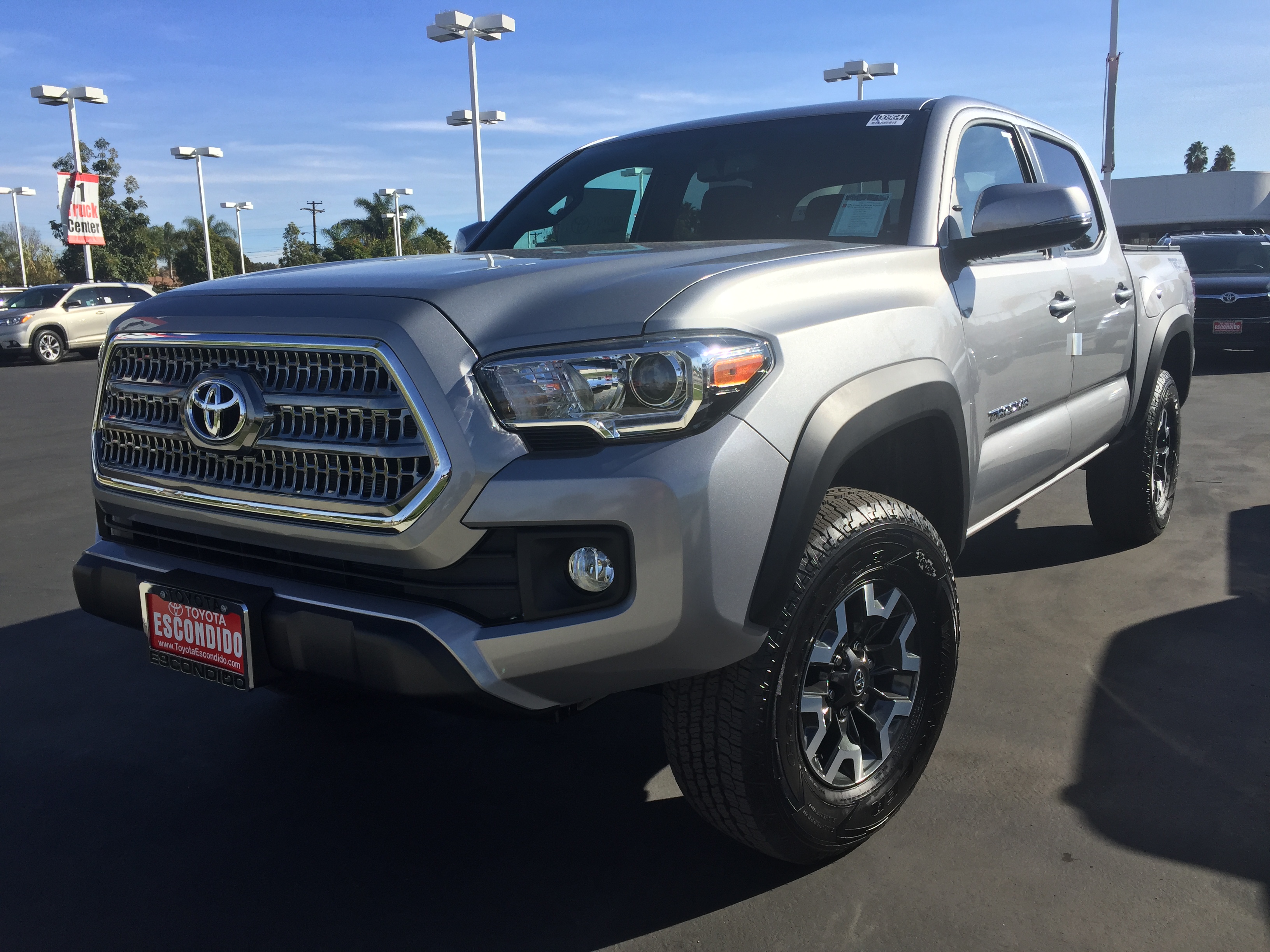
Toyota Tacoma
"But having said that, Tommy, the old six cylinder and like the Tacoma, [2902.0s] that didn't sound great either. No, the old eight cylinder in the Land Cruiser [2905.7s] sounded great."
The Toyota Tacoma is a pickup truck. The host is saying the older Tacoma’s six-cylinder sounded better than newer, quieter engines.
The Toyota Tacoma is a midsize pickup, and the speaker specifically references its older six-cylinder era as sounding better than modern, more insulated engines. It’s part of their argument that modern NVH reduction can dull the “engine note.”
noise, vibration, harshness
"And the other thing that that is, you know, unique to modern cars is because [2922.8s] of the insulation and isolation and noise, vibration, harshness, [2927.8s] mitigation that that modern cars have, you can make them as silent as you want."
NVH is a car’s “annoying stuff”: unwanted noise, shaking, and roughness you feel inside. Newer cars work hard to reduce it, so you hear less of the engine and exhaust.
Noise, vibration, harshness (NVH) is the overall set of unwanted sound, shaking, and perceived harshness that passengers feel. Modern cars use insulation, damping, and design techniques to reduce NVH, which can make the engine sound less “musical.”
engine note
"let's say like in 1960s cars, you had these great exhausts and great engine [2941.2s] note, but a lot of it was hidden by screeks and rattles."
An “engine note” is the way an engine sounds—its tone and how it changes as you rev. Modern cars can be quieter, so you may not hear that sound as clearly.
“Engine note” is the characteristic sound signature an engine produces—its pitch, tone, and how it changes with RPM and load. The speaker argues that modern NVH reduction can hide or alter that note compared with older cars.

Porsche Taycan Turbo S
"Yeah. It's basically a Porsche Taycan Turbo S. [2999.9s] Yeah. I mean, the whole stats on this car unreal."
The Porsche Taycan Turbo S is a very fast electric Porsche. The hosts are saying the Audi feels like it’s in the same league—so fast it can feel overwhelming.
The Porsche Taycan Turbo S is a high-performance electric sedan known for extremely strong acceleration and top-tier power delivery. The hosts use it as a benchmark for the Audi e-tron GT’s “tunnel vision” speed feel, and they also get into braking hardware details on the Taycan.
disc brake
"So that was a 400 and twenty millimeter disc in the front, [3005.0s] which is sixteen and a half inches. So the wheel on this Taycan is the disc brake on this Taycan"
A disc brake is the braking system where a spinning metal disc gets clamped to slow the car down. Bigger rotors can handle hard braking better because they can shed heat more effectively.
A disc brake uses a rotor (disc) that’s squeezed by brake pads to slow the car. In this segment, they’re comparing rotor size between the Taycan and an e-tron GT, which matters because larger rotors can better manage heat during repeated hard stops.
ceramic
"And those those disc brakes, by the way, each rotor, I looked it up. How much do you think one costs on the are they ceramic? Yeah."
“Ceramic” here refers to a special type of brake rotor material. Ceramic brakes are often chosen because they can handle heat better, especially if you drive hard or brake repeatedly.
Ceramic brake rotors are made from ceramic composite materials and are designed to resist heat and fade better than many standard setups. The hosts are asking whether the Taycan’s rotors are ceramic, which would affect braking feel and how well they handle repeated high-speed use.
rotor
"If you want to just replace that rotor, what do you think it cost?"
A rotor is the metal disc that the brakes squeeze to slow the car. If it’s worn or damaged, it can be expensive to replace compared with just changing the pads.
A rotor is the spinning metal disc inside a disc brake system. When you press the brake pedal, brake pads clamp onto the rotor to slow the car down.
brake pads
"Yeah. How about a set of brake pads?"
Brake pads are the parts that get squeezed against the brake disc to make the car slow down. They wear out over time, so replacing them is a normal maintenance item.
Brake pads are the friction material that presses against the rotor to create stopping force. Replacing pads is typically cheaper and more common than replacing rotors.
high powered suspension
"It's got all this battery power. It's got this high powered suspension that when you open the door, the thing just jumps up."
This sounds like a suspension system that can move the car’s ride height very quickly. The host is saying it reacts dramatically—like the car lifts up—when you open the door.
“High powered suspension” here refers to a suspension setup with strong actuation—often meaning it can move the car quickly and control ride height aggressively. The host describes it as jumping up when the door opens, implying an electronically controlled, high-response suspension system.
leans
"It also does the kind of the motorcycle thing where yes, it leans."
“Leans” means the car’s body tilts when it turns or moves. The host is comparing that feel to how a motorcycle leans into a turn.
When the host says the car “leans,” they’re describing body roll—how much the chassis tilts during cornering or dynamic movement. The “motorcycle thing” comparison suggests the suspension allows noticeable tilt rather than keeping the body perfectly flat.
Delta
"I'd be curious to see the Delta between a used high con and a used Audi GT, ... And I think the Delta could be as much as 25 percent."
“Delta” here just means “the difference.” They’re comparing how much one type of used car costs versus another.
In this context, “delta” means the difference between two numbers—in other words, how much more (or less) one used-car category costs than another. The hosts are using it to compare pricing between different used-car conditions.
Mustang GT
"not one of the crazy, crazy performance ones, but still one that'll beat a Mustang GT for 34 dollars with its eyes closed."
The Mustang GT is a sporty version of the Ford Mustang. They’re using it as the benchmark to compare price and performance against the Audi E-tron GT.
The Mustang GT refers to the performance trim of the Ford Mustang, typically associated with a V8 and a strong performance reputation. In this segment, it’s used as the comparison point for what an Audi E-tron GT can cost and how it stacks up as a “deal.”

Ford Mustang GTD
"...zy performance ones, but still one that'll beat a Mustang GT for 34 dollars with its eyes closed. And it's, yo..."
The Ford Mustang GTD is a high-performance version of the Mustang. In the podcast, it’s mentioned as a car that can be faster than a Mustang GT while costing less. The point is about performance value compared to another Mustang.
The Ford Mustang GTD is a high-performance, track-oriented Mustang variant discussed in the context of performance-per-dollar. In the episode, it’s mentioned as a car that can outperform a Mustang GT for a lower price point, emphasizing its competitive positioning. That’s why it appears in a conversation about which performance cars offer the most value.
salvage title
"And it's, you know, and it's so 51 for salvage title, 47 for a Ticon, 5561616879"
A salvage title is what you get when a car was badly damaged enough that insurance wrote it off. It usually lowers the price, but it can also mean the car’s history is riskier and harder to deal with later.
A salvage title is issued when an insurance company declares a vehicle a total loss due to damage or theft recovery. Cars with salvage titles often cost less, but they can have unknown repair quality and may be harder to insure or resell.
CPO
"I think the performance bargain of the century has got to be an E-tron GT used with let's call it a CPO. Yeah, for sure. ... if you can go from a deal from a CPO, that has got to be it."
CPO means “Certified Pre-Owned.” It’s a used car that’s been checked and usually comes with extra coverage or promises compared to a regular used car.
CPO stands for Certified Pre-Owned. It means a used car that a manufacturer (or dealer) has inspected and backed with an added warranty or guarantees, which can reduce risk versus buying an ordinary used car.
halo product
"Well, I just I think that whenever you have a halo product like a Ticon and then you launch what is clearly just a kind of a I hate to say, but slightly watered down version of that car through another brand."
A “halo product” is the coolest, most exciting model a brand uses to build hype. Even if most people don’t buy it, it helps make the brand look better.
A “halo product” is a flagship item meant to create excitement and brand prestige, even if it isn’t the highest-volume seller. The idea is that it “lifts” the perception of the brand and makes other models look better by association.

RS E-tron GT
"But yeah, the other thing worth noting is the car we have specifically is the RS E-tron GT. So the standard E-tron GT is not going to have this crazy level of performance."
The Audi RS e-tron GT is a fast, high-performance electric Audi. It’s the “top” version of the e-tron GT lineup, and the host is saying it’s quicker than the regular one—especially because it has a boost button that helps it accelerate harder.
The Audi RS e-tron GT is a high-performance electric grand tourer from Audi, built around a dual-motor EV layout for strong acceleration. In this segment, they contrast it with the less-strong “standard” e-tron GT and discuss how its performance is tied to a driver-activated boost function.
boost button
"Because it's got that little boost button on the steering wheel. But yeah, that's the quickest car of ever driven period."
A “boost button” on an EV is a driver-activated mode that temporarily increases power output for stronger acceleration. It typically works by allowing higher motor torque and/or power draw than the car’s default setting, often with limits to protect components and manage battery temperature.

Tony Stark with his E-tron
"Hmm. There you go. Tony Stark with his E-tron. [3240.7s] GT as a concept."
Audi’s e-tron is an electric car line. The host is joking that it looks like something Tony Stark would drive, and they’re using that to talk about whether the design and marketing feel exciting enough.
The Audi e-tron is Audi’s electric vehicle line, and the “Tony Stark” reference is a pop-culture way to talk about an EV that looks futuristic. In this segment, the hosts are using the e-tron as a visual comparison point while discussing how the car’s design and presentation land with people.
carbon fiber
"Yeah, they've got this kind of weird carbon fiber [3254.3s] that runs throughout. [3255.6s] I don't understand it."
Carbon fiber is a strong, lightweight material often used to make cars feel more high-end. The hosts are saying the interior has a carbon-fiber-like look, but they’re not sure it’s truly carbon fiber everywhere.
Carbon fiber is a lightweight, high-strength composite material used in performance and premium interiors/exteriors. Here, the hosts are debating whether the “weird carbon fiber” look is actually real carbon fiber or just a similar-looking material used as part of a design package.
stoplight timer
"All right, but it does do something cool when it comes to stoplights. Yes, and I haven't tried it on this one, but apparently it does the stoplight timer."
It’s a feature that helps you guess how long the traffic light will stay red. The idea is to time your acceleration so you can get through the intersection without stopping again.
A stoplight timer is an in-car feature that estimates how long the traffic light will remain red and/or when it will change. In this context, it’s used to help the driver time their launch so they can pass through the intersection while the light is still green.
average speed
"And I think this one also does the average speed you need to average to get through a set of lights while staying green."
They’re talking about a feature that tells you what speed to drive so you can hit multiple green lights in a row. It’s like a “keep this pace” suggestion to avoid getting stuck at red lights.
“Average speed” here refers to the car’s guidance on what speed you need to maintain to hit a sequence of traffic lights while they’re green. It’s essentially a route-level timing calculation based on your current speed and the expected signal timing.
racing for pinks at a stoplight
"If you're like racing for pinks at a stoplight, it'll warn you before it turns green. So you'll have an advantage."
It’s a slang way of saying people sometimes do a quick drag-style race at a red light. The prize is basically bragging rights and the “papers,” and the car’s timing feature could help you launch faster.
“Racing for pinks at a stoplight” is slang for a drag-style street race where the prize is the ownership paperwork (the “pinks”) rather than trophies. The hosts use it to describe how a stoplight-timing feature could be used to launch as quickly as possible when the light changes.
dangerously fast
"So I think if you want something that is let's call it dangerously fast."
They mean the car is so quick it can be risky—like it’s easy to go faster than you meant to. It’s more about how intense the acceleration feels than a specific number.
“Dangerously fast” is a qualitative way to describe a vehicle’s acceleration and responsiveness being so strong that it can easily get you into trouble. In car talk, it usually implies the car is quick enough that normal driving can turn into unintended high-speed situations.

Tesla Model S
"I mean, it'll blow the doors off of anything maybe outside of a Tesla Model S plan. For sure. You know, that would be a good drag race."
The Tesla Model S is an electric car that’s famous for quick acceleration. Here, they’re basically saying the Rivian R2 might be even faster than most cars, except maybe the Model S.
The Tesla Model S is a high-performance electric sedan known for strong acceleration and tech-forward features. In this segment, it’s used as the benchmark for how fast the speaker thinks the Rivian R2 could be in a drag-race comparison.
drag race
"For sure. You know, that would be a good drag race. If we had our drag race open, if I had a drag race course open,"
A drag race is a competition where two cars race in a straight line to see which one accelerates faster. They’re saying they’d like to test the car that way to judge its real-world speed.
A drag race is a straight-line acceleration contest where cars compete over a short distance (often measured in elapsed time). The hosts mention opening a drag-race course to see how the car performs, which is a way to isolate acceleration and traction from handling and braking factors.
Iraqi mountain driving experience
"I just went to the Iraqi mountain driving experience and they had a whole bunch of different cars for us to drive. And you know, the car really liked out of all of them."
This refers to a guided driving event in mountainous terrain, where roads typically involve sustained climbs, descents, and frequent turns. The hosts use it to explain which cars they liked most, since mountain routes stress different skills than a straight-line drag test.

Honda prelude
"And you know, the car really liked out of all of them. I like the prelude. And I think the prelude until the luce came along and until the AMG came along,"
The Honda Prelude is an older Honda that people often remember as a sporty, fun-to-drive coupe. They’re talking about which car felt best on their mountain drive.
The Honda Prelude is a sporty two-door coupe from Honda’s lineup, best known for its driving feel and enthusiast following. In this segment, it’s referenced as one of the cars the hosts drove during the “Iraqi mountain driving experience,” and it’s compared to later arrivals like the AMG and the “luci/luce” mentioned right after.

Honda Civic
"Basically, it's got a hybrid system that's in Civic hybrid. It's a very similar."
The Honda Civic Hybrid is a hybrid car that uses both a gas engine and an electric motor. The host is saying the Rivian R2’s hybrid setup is similar to that kind of system, so it may feel familiar in how it works.
The Honda Civic Hybrid uses a hybrid powertrain that combines an internal-combustion engine with electric drive. In this segment, the host says the R2’s hybrid system is similar to what Honda already uses in the Civic Hybrid, which is a clue about how the R2 might drive and package its tech.
planetary gear set
"It's got this kind of interesting planetary gear set and people are expecting a sports car."
A planetary gear set is a special kind of gearbox inside the drivetrain. It helps the car combine power from the gas engine and electric motor in a way that feels smooth.
A planetary gear set is a compact gear arrangement that can change torque and speed ratios efficiently. Hybrid drivetrains use them to blend engine and electric motor power smoothly, which is why the host calls it “interesting” when describing the R2’s hybrid system.
GT
"and people are expecting a sports car. And what they got was a GT that's 46000 dollars all in."
GT means “Grand Touring.” It’s usually a car tuned for comfortable cruising over long distances, even if it’s still quick.
GT (Grand Touring) is a car category focused on comfortable, long-distance driving with strong performance, rather than pure track-focused handling. The host contrasts expectations of a sports car with what they say is a GT priced at “46,000 dollars all in,” implying a more relaxed character.
Type R suspension
"It also has the type R suspension. But it so you get the uncomfortableness of a type R, but with none of the acceleration."
Type R is Honda’s performance model line, and its suspension is usually tuned to be stiffer. The host is saying you might get that stiff, bumpy ride feel, even if the car isn’t as fast as a Type R.
Type R suspension refers to the firmer, track-oriented suspension tuning associated with Honda’s Type R models. The host claims the car has “Type R suspension,” meaning it may feel stiff and less comfortable, even if it doesn’t deliver Type R-level acceleration.
wheel bearings podcast
"And here's something I learned from our friends at wheel bearings podcast. Yeah, this is so this is cool."
They mention another podcast called “wheel bearings podcast.” The implication is that the next comment comes from knowledge about wheel bearings and how they wear or fail.
This is a reference to another podcast the hosts mention as a source for a learned detail. It’s not an automotive technology by itself, but it signals that the next point is likely about a drivetrain or chassis wear item.
powertrain
"So if you don't like this powertrain, did you know this is crazy, but apparently it's true and I'm sure we'll see it at SEMA. Did you know that Honda sells the type R powertrain?"
A powertrain is the main “stuff that makes the car move.” It includes the engine/motor and the gearbox that sends power to the wheels.
A powertrain is the set of components that create and deliver power to the wheels—typically the engine (or motor), transmission, driveshafts, and final drive. In this segment, they’re talking about swapping a Honda Type R powertrain into another car.
S button
"there is, you know, it's got that little button S so that does simulate shifts and does simulate engine note."
The “S” button is a sport mode. It makes the car act more aggressive by changing how it shifts and by faking a more exciting engine sound.
The “S” button typically selects a sport driving mode that changes throttle mapping and transmission behavior. Here, the host says it “simulates shifts” and “simulates engine note,” meaning the car is using software to mimic a more aggressive manual/engine sound and shift feel.
Nissan Z
"And OK, the Z is another car. I don't understand why more people aren't buying it for the first time."
The Nissan Z is a sports car from Nissan that’s built to feel fun and responsive to drive. Here, they’re talking about how many people are buying it compared to the Toyota Supra.
The Nissan Z is a rear-wheel-drive sports car line known for its classic, driver-focused layout and styling. In this segment, the host compares it directly against the Toyota Supra and discusses why it hasn’t attracted more buyers yet.
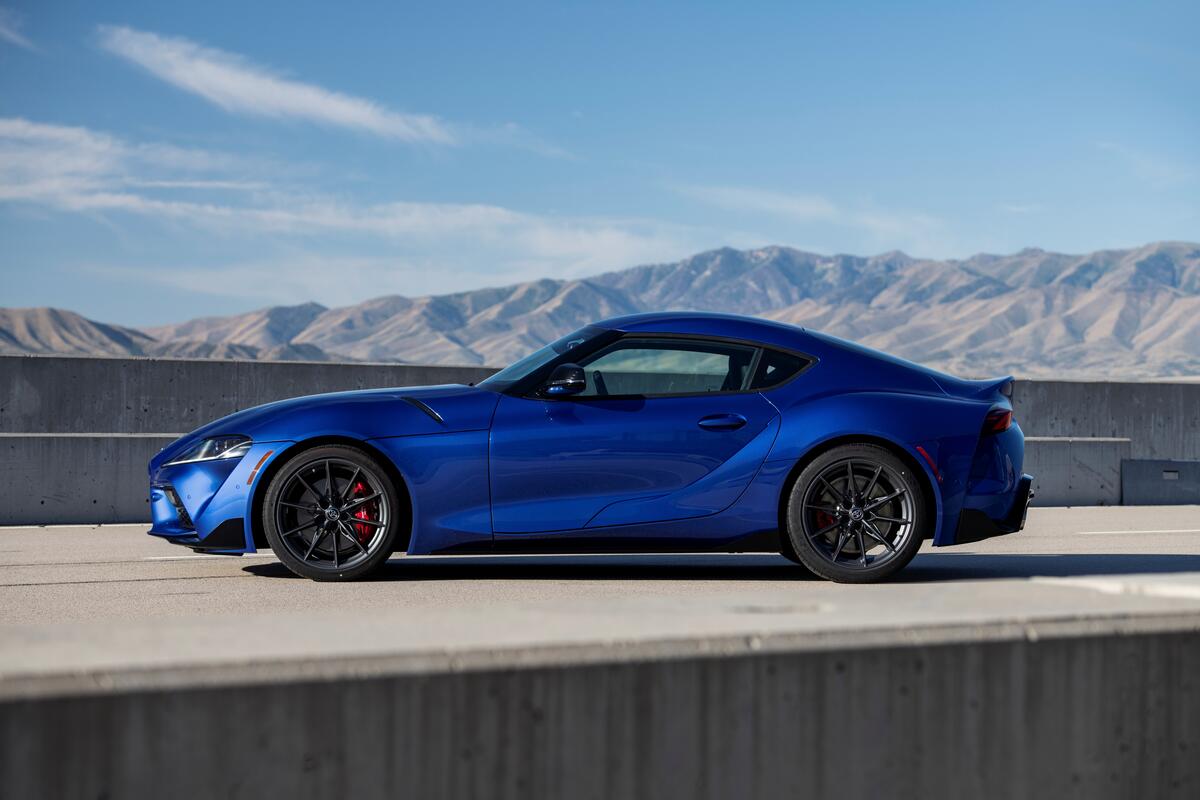
Toyota Supra
"I think this quarter this last quarter, it outsold the Supra. But good God, it took a long time to get there. Well, they killed the Supra."
The Toyota Supra is a well-known sports car that many car fans love. In this part, they’re comparing how it sells to the Nissan Z and talking about what happened to it.
The Toyota Supra is a performance sports car famous for its turbocharged, rear-wheel-drive character and strong enthusiast following. The host mentions it in the context of sales and also says “they killed the Supra,” implying a shift in availability or lineup timing.
two motor ECV T
"…or I could get a Honda front wheel drive hybrid with a two motor ECV T right like here."
“ECV T” is a type of transmission used in some hybrids that can change ratios smoothly instead of shifting gears. “Two motor” means the hybrid uses two electric motors to help drive the car and improve how it accelerates.
“ECV T” here refers to an electronically controlled continuously variable transmission used in some hybrid drivetrains. A “two-motor” hybrid typically combines an internal-combustion engine with two electric motors to help with acceleration and smooth power delivery.
hatchback
"If you put those seats down in the back, sure, which you probably should. And you lift that hatchback. I'll show you right now."
A hatchback is a car shape where the back opens like a door, lifting upward. That makes it easier to load and unload things from the back.
A hatchback is a body style where the rear door opens upward and the trunk space is integrated into the cabin. The host mentions “lift that hatchback,” which is a practical reference to how this vehicle’s rear access works.

Acura Integra
"...the Mustang has. But why would I get this over an Integra? It's an Acura."
The Acura Integra is a sporty compact car made by Acura. In the podcast, it’s mentioned because someone is comparing it to another car and asking why you’d pick one instead of the Integra. The discussion is about choosing a sporty car based on what you want.
The Acura Integra is a compact performance-oriented car positioned as a sporty alternative within Acura’s lineup. In the episode, it’s brought up as a direct comparison point against another car, with the question being why someone would choose one over the Integra. That makes it relevant to discussions about value, brand positioning, and what buyers prioritize.
modern spare
"Oh, they're our friends, modern spare. [3666.8s] And it's four doors. [3667.5s] So like I just, I think that the car, it's fundamentally,"
They’re talking about the smaller spare tire many newer cars include. It saves space, but it’s usually only for getting you to a shop, not for long trips.
“Modern spare” usually refers to a compact spare tire (often a temporary spare) rather than a full-size wheel. These are lighter and take less space, but they’re typically meant for short distances and lower speeds.

Honda Crz
"So like I just, I think that the car, it's fundamentally, they did the C.R.Z. all over again. It's like they try the C.R.Z."
The Honda CR-Z is a small sporty hatchback, and it was built to be efficient while still feeling fun. In the podcast, it’s mentioned because the speaker thinks later cars tried to bring back the CR-Z idea. The point is about how Honda’s sporty hybrid concept carried forward.
The Honda CR-Z is a compact sporty hatchback that was designed to combine a fun driving feel with hybrid efficiency. In the episode, it’s referenced as a model Honda tried to recreate or reintroduce in spirit with later cars. That’s why it comes up in a discussion about performance model identity and continuity.
emission standards
"And I would also think that with the emission standards in Europe, this might be in Japan, this might be, you know, just because, you know, our government has decided that emissions no longer matter. It doesn't mean the rest of the world has."
Emission standards are laws that limit how dirty a car’s exhaust can be. The hosts are saying those rules vary by region, and that can change whether a hybrid car makes sense to buy.
Emission standards are government rules that limit how much pollution a vehicle can produce, especially from exhaust. The hosts connect these rules to why a hybrid like the CR-Z might sell differently across regions (Europe/Japan vs the U.S.), since stricter standards can make cleaner powertrains more attractive.
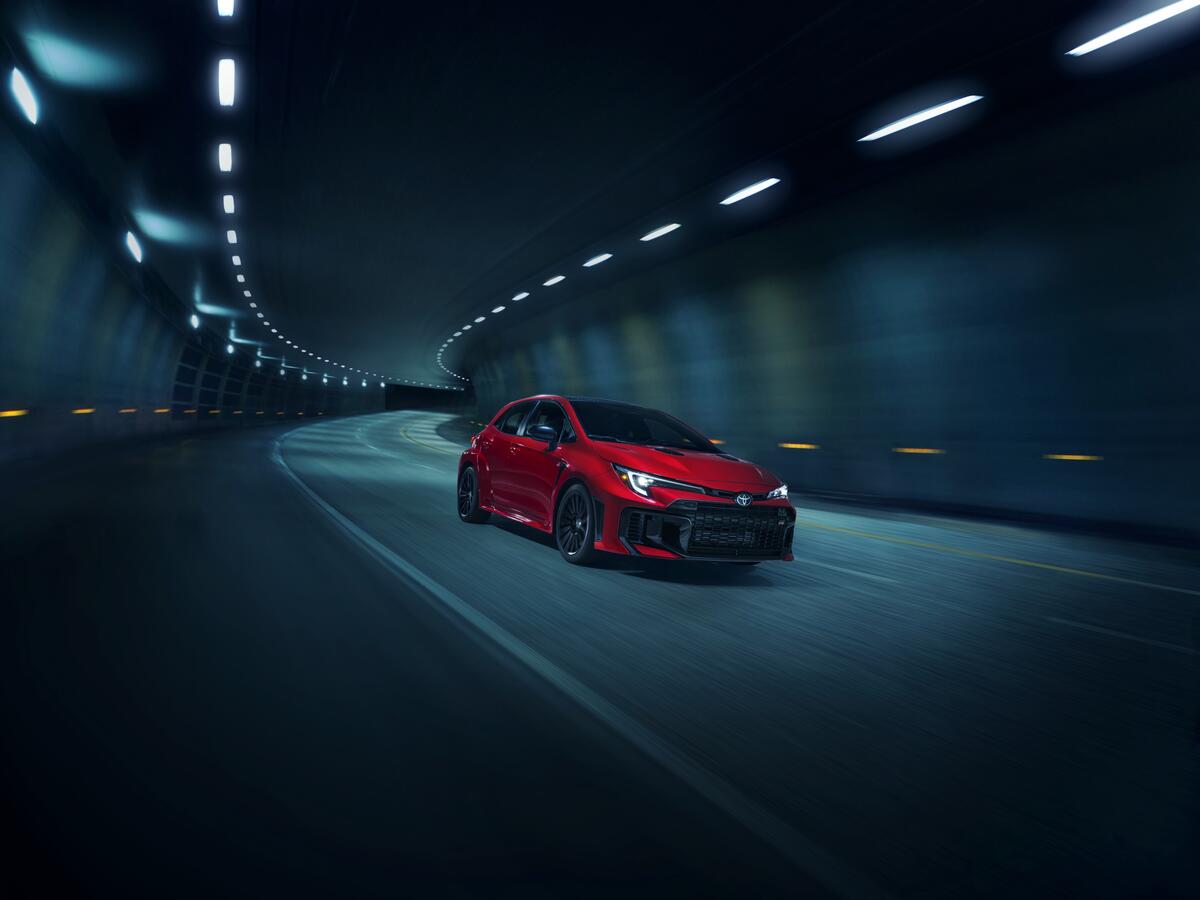
Toyota GR Corolla
"..., maybe. But if I'm cross shopping this between a GR Corolla, that's a hard sell. Oh, it's a GR Corolla, it's,..."
The Toyota GR Corolla is a sporty, performance-focused hatchback based on the Corolla. It’s meant to be fun to drive and has features aimed at better traction. In the podcast, it’s brought up as a car people might compare, but the speaker doubts it’s the easiest choice to make.
The Toyota GR Corolla is a hot-hatch version of the Corolla line, built for performance with a focus on grip and driving dynamics. In the episode, it’s mentioned as a cross-shopping option that the speaker thinks is a “hard sell” in the context of what else is being compared. That makes it relevant to discussions about how buyers choose between practical performance cars.
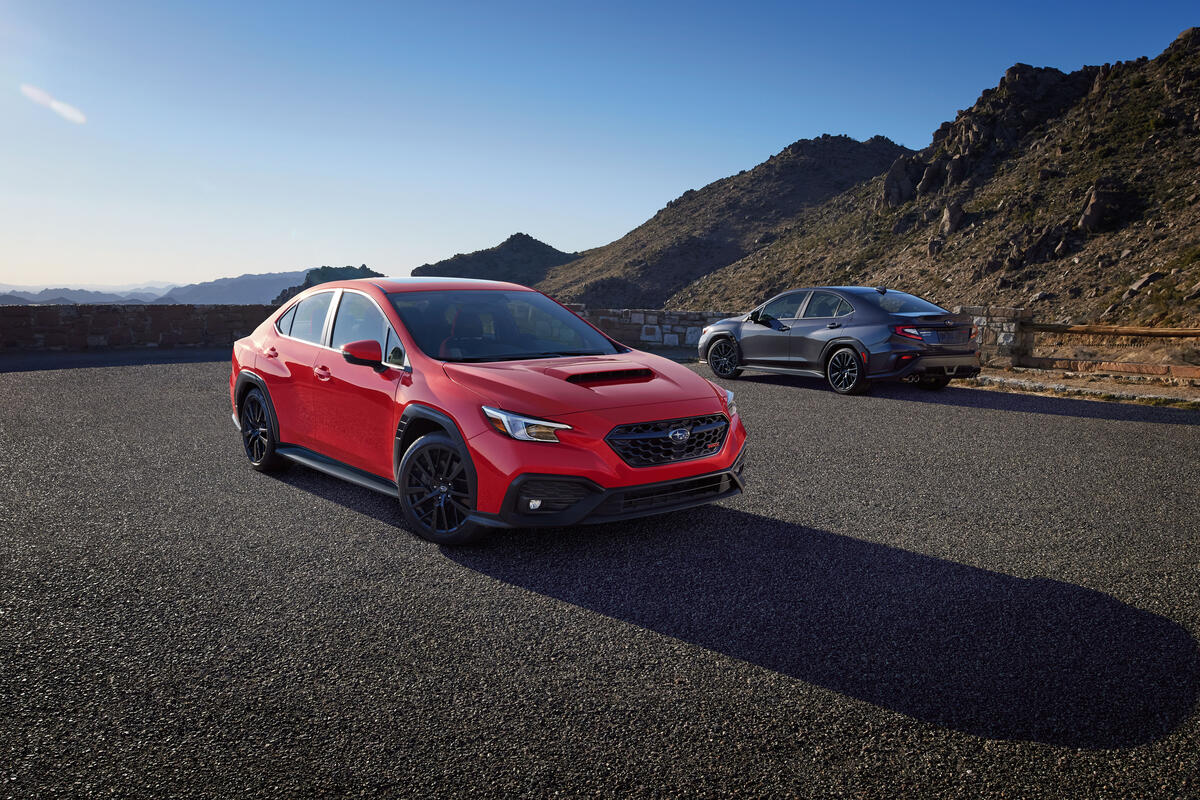
Subaru WRX
"...t'll break your back and cheap plastic interiors. WRX, same thing. Oh, even worse plastic interiors."
The Subaru WRX is a sporty Subaru that uses all-wheel drive to help it grip the road. In the podcast, the point is that it can feel uncomfortable and uses lots of plastic in the interior. The discussion is about how the driving experience and materials match the price.
The Subaru WRX is a performance-oriented compact sedan/wagon platform (depending on market) known for all-wheel drive and a rally-inspired character. In this episode, it’s specifically criticized for interior materials and comfort, with the claim that it can feel harsh. That’s why it’s brought up in a discussion about what you’re really paying for in a “performance” car.

Volkswagen Jetta
"Oh, even worse plastic interiors. Jetta GLI. I'll give you all wheel drive in the WRX."
The Volkswagen Jetta is a compact car (a sedan) meant for everyday driving. In the podcast, it’s mentioned because the speaker is comparing interior quality and says the materials feel worse than expected. The Jetta GLI is referenced as a specific performance trim.
The Volkswagen Jetta is a compact sedan that’s often discussed in terms of value, practicality, and trim options like the Jetta GLI. In the episode, it’s brought up alongside comments about interior materials, as part of a broader comparison of what feels “cheap” in certain cars. That context makes it relevant to the conversation about perceived quality.
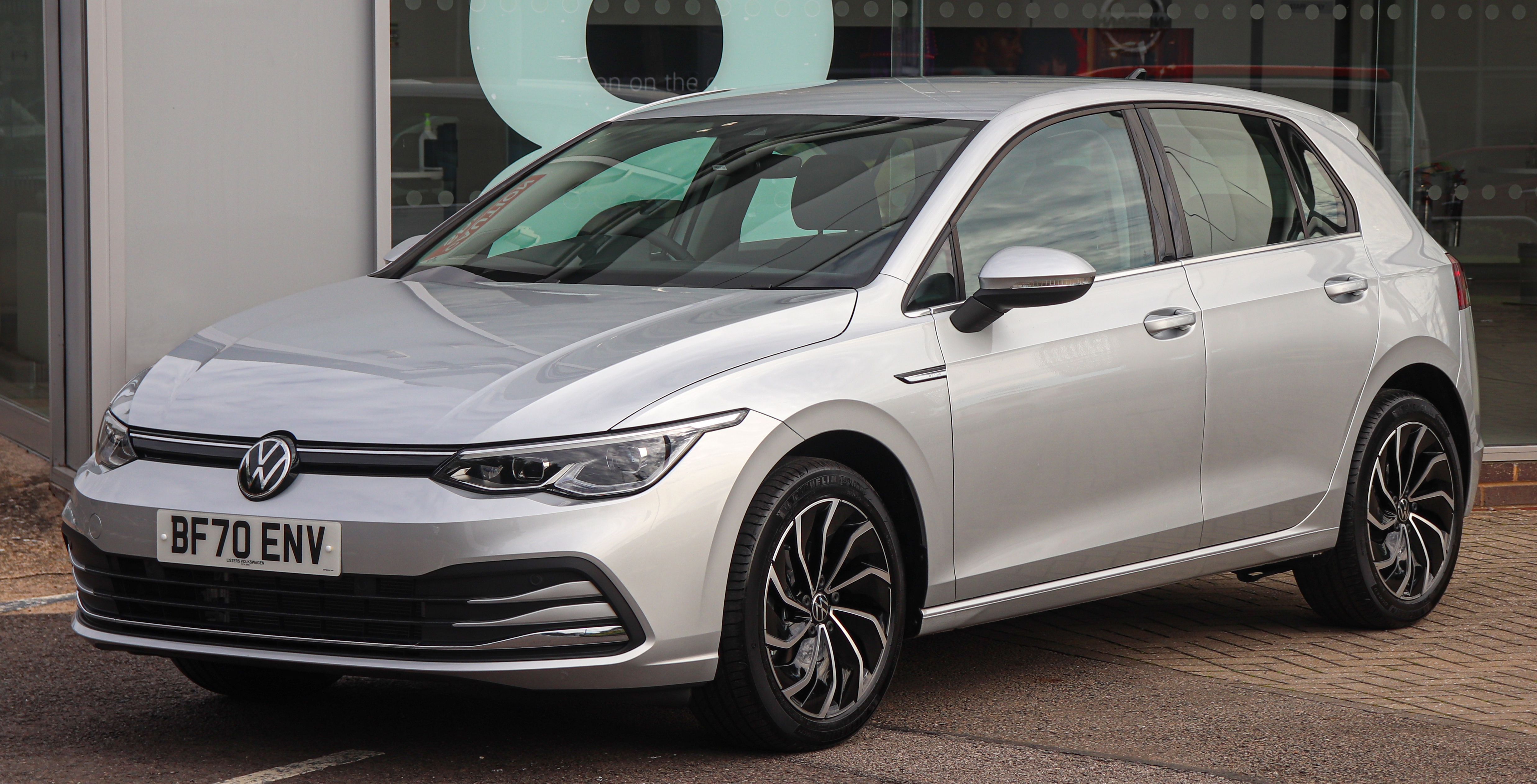
Volkswagen Jetta Gli
"Oh, even worse plastic interiors. Jetta GLI. I'll give you all wheel drive in the WRX."
The Volkswagen Golf is a compact hatchback, meaning it’s a small car with a rear door that opens upward. In the podcast, it’s mentioned because the speaker is comparing interior quality and says the materials feel cheap. The point is about how the inside of the car feels.
The Volkswagen Golf is a compact hatchback known for its practicality and wide range of trims. In the episode, it’s referenced in the same interior-material criticism as the Jetta, with the speaker saying the plastics feel worse than expected. That context makes it part of a conversation about perceived build quality.
Autobahn package
"So that would be one I would definitely consider for 37, get the Autobahn package."
The “Autobahn package” is an options bundle that adds extra features to a Volkswagen. It usually means you’re paying for more convenience/comfort equipment than the standard version.
The “Autobahn package” is a trim/option bundle Volkswagen offers on certain models, typically grouping higher-end comfort and convenience features. When someone says they’d consider the Autobahn package, they’re usually talking about getting those added features rather than the base equipment.
Request an Explanation
Heard something you'd like explained? We'll add it to this episode.
Sign in to request explanations for terms you heard.
Want to learn more?
Browse our glossary for plain-English explanations of automotive terms, jargon, and concepts.
Help improve this episode
See something that's not quite right? Our annotations are AI-generated and can sometimes miss the mark. Click the flag icon on any annotation to suggest a correction.