dual motor
A dual-motor EV has two electric motors, usually one on the front and one on the back. This can help the car accelerate harder and grip better in different conditions.
quad motor
A “quad motor” EV uses four electric motors instead of two. That can help the car put power down more precisely, but it usually makes the system more complex.

Tesla Model Y
The Tesla Model Y is an electric SUV, meaning it runs on electricity instead of gasoline. It’s a common choice people compare against other electric cars because it’s practical and widely available. In the podcast, it’s mentioned as the obvious cross-shopping target.
Bosch
Bosch is a company that supplies parts to carmakers. The host is saying Rivian doesn’t source these motors from Bosch, which suggests Rivian is building them itself.
torque split
Torque split is how the car decides how much power goes to the front wheels versus the rear wheels. If more goes to the back, the car feels more like it’s driving from the back.
haptic feel
Haptic feel means the controls give you physical feedback, like clicks or vibrations. So you can feel when you’ve changed something (like temperature) without needing to look.
tailgate
A tailgate is the rear door you open to reach the trunk/cargo area. In this case, the rear wiper is built into the tailgate so it doesn’t stick out.

4Runner Forerunner
The Toyota 4Runner is a rugged SUV designed for both regular driving and off-road use. The podcast mentions it because of a specific practical detail—how a window works. It’s an example of how small features can matter when comparing SUVs.
aerodynamic
Aerodynamic means the car is shaped to cut through air more efficiently. The host is saying Rivian thinks their wiper placement helps the car use energy more efficiently.
4,400 pounds
“4,400 pounds” is basically how heavy the car is when it’s ready to drive. A heavier car usually needs more energy to move, which can affect range.
300 miles of range
“300 miles of range” means how far the EV can go on one full battery charge. It’s a big deal because it tells you how frequently you’ll need to stop for charging.
87 kilowatt hour usable battery
“87 kilowatt hours” is the size of the battery, and “usable” means the part you can actually use to drive. Bigger usable battery usually means more driving range.
NAX charger
A “charger” is how you refill the battery. “NAX” here is the name of a particular charging system the car is said to use or support.
vehicle to load
Vehicle-to-load means the car can act like a power source for things outside the car. The example here is running a refrigerator from the EV battery.
mass charging
They’re talking about how fast the car can charge. The “kilowatts” number is basically the charging speed—bigger number usually means faster charging.
body on frame
“Body on frame” means the car’s outer body is mounted on a separate internal frame. It’s a more truck-like design that can be sturdy, but it often weighs more than integrated designs.
unibody vehicle
A unibody car doesn’t have a separate “frame” underneath. The body and structure are built as one piece, which can make the car feel more rigid and can affect how expensive repairs are after an accident.
giga forging
“Giga forging” refers to large-scale metal forming used to create big structural parts efficiently, often associated with EV manufacturing approaches. The idea is to make large, strong pieces that fit together into the vehicle’s structure.
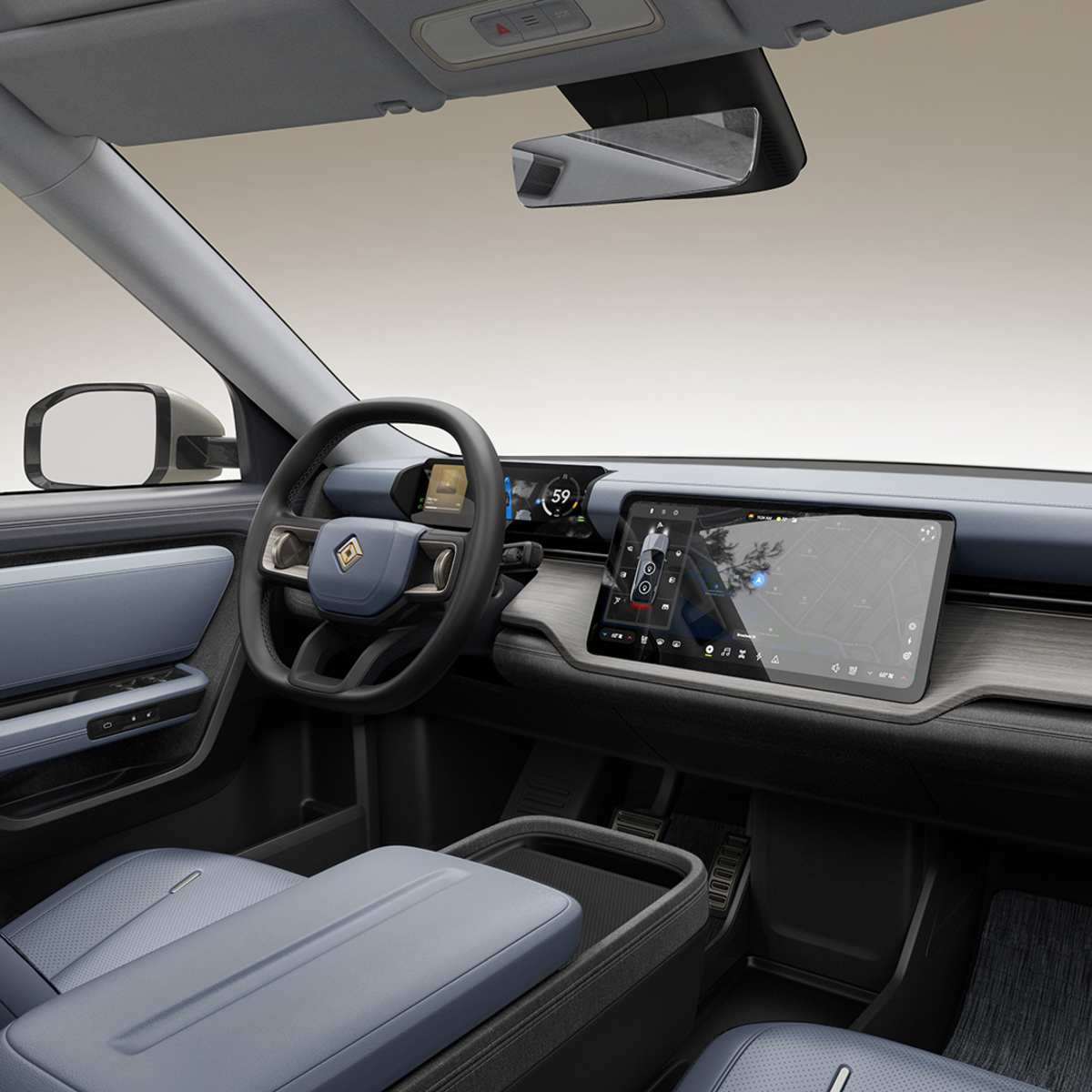
Rivian R2
The Rivian R2 is an electric SUV from Rivian. Here they’re comparing it to the bigger R1S and talking about things like ride comfort and how the roof can be set up for camping.

Rivian R1S
The Rivian R1S is Rivian’s bigger electric SUV. They’re using it as the comparison point for the R2—talking about cargo space, comfort, and off-road ability.
coilovers
Coilovers are parts of the suspension that help the car ride smoothly over bumps. They can also be adjusted to change how the car feels on the road and off-road.
decontented
Decontented means “made cheaper by removing features.” They’re saying the R2 isn’t supposed to feel like a stripped-down, budget version of the R1S.
rooftop ten
A rooftop tent is a camping tent that sits on top of the car. In this segment they’re saying Rivian made a special one for the R2, with built-in features and power hookups.
treehouse
“Treehouse” is the name of Rivian’s special rooftop tent setup for the R2. It’s described as having built-in fan and lights, and it connects to the car for power.

Rivian R1
The Rivian R1 is Rivian’s bigger electric vehicle. The speaker is saying the R2 looks and feels very similar to it, so it doesn’t feel like a totally new experience.
Apple CarPlay
Apple CarPlay lets you connect your iPhone to the car so you can use things like maps and music on the car’s screen. The speaker is suggesting the R2 could stand out more with features like this.
minimalist aesthetic
“Minimalist aesthetic” means a simple, uncluttered design style. The speaker says some people really like Rivian’s clean, minimal interior look.
Lucid
Lucid is another electric car brand from the U.S. The speaker lists it alongside Tesla and Rivian to show the main EV competition buyers think about.
Rivian R1T
The Rivian R1T is an electric pickup truck, meaning it uses electricity instead of gasoline. It’s built to be useful like a truck but with EV power. The podcast mentions it because the speaker is asking why someone would choose one Rivian model over another.
hands-free system
A “hands-free” system is when the car can do some driving tasks without you constantly steering. The host is saying it won’t fully drive itself, but it can help with steering/centering.
full self-driving supervised
This phrase means the car can do a lot of driving, but you still have to watch and be ready to take over. The host says the system discussed here isn’t that—it's more limited.
lane keep
Lane keep helps the car stay in its lane. If you start drifting, it can nudge the steering to bring you back.
over the air update
An over-the-air update is like a phone software update, but for the car. The host is saying the car will get new features wirelessly by the end of the year.
supercruise
Super Cruise is a system from GM that can help the car steer itself on certain highways. The host is comparing Rivian’s steering/centering behavior to that kind of experience.
blue cruise
BlueCruise is Ford’s hands-free driving feature on supported roads. The host is saying Rivian will do something similar for steering, but it still won’t fully drive by itself.
rear wheel drive
Rear-wheel drive means the power goes to the back wheels. In EVs, that can be cheaper and simpler than powering all four wheels.
Tesla Model Y Performance
The Tesla Model Y Performance is the quicker, sportier version of the Model Y. The hosts are saying Rivian’s more expensive R2 trim would go after people shopping that kind of Tesla.

Jeep Wrangler Unlimited
The Jeep Wrangler Unlimited is the four-door Wrangler. The hosts are using it as an example of how adding a more practical body style can suddenly make a model the top seller.

Chevrolet Silverado EV
The Chevrolet Silverado EV is an electric pickup version of the Silverado. The hosts mention it to show that big truck makers jumped into electric trucks after the trend started.

Hyundai Ioniq 5
The Hyundai IONIQ 5 is an electric SUV/crossover. The point is that even good EVs can lose value quickly after purchase.
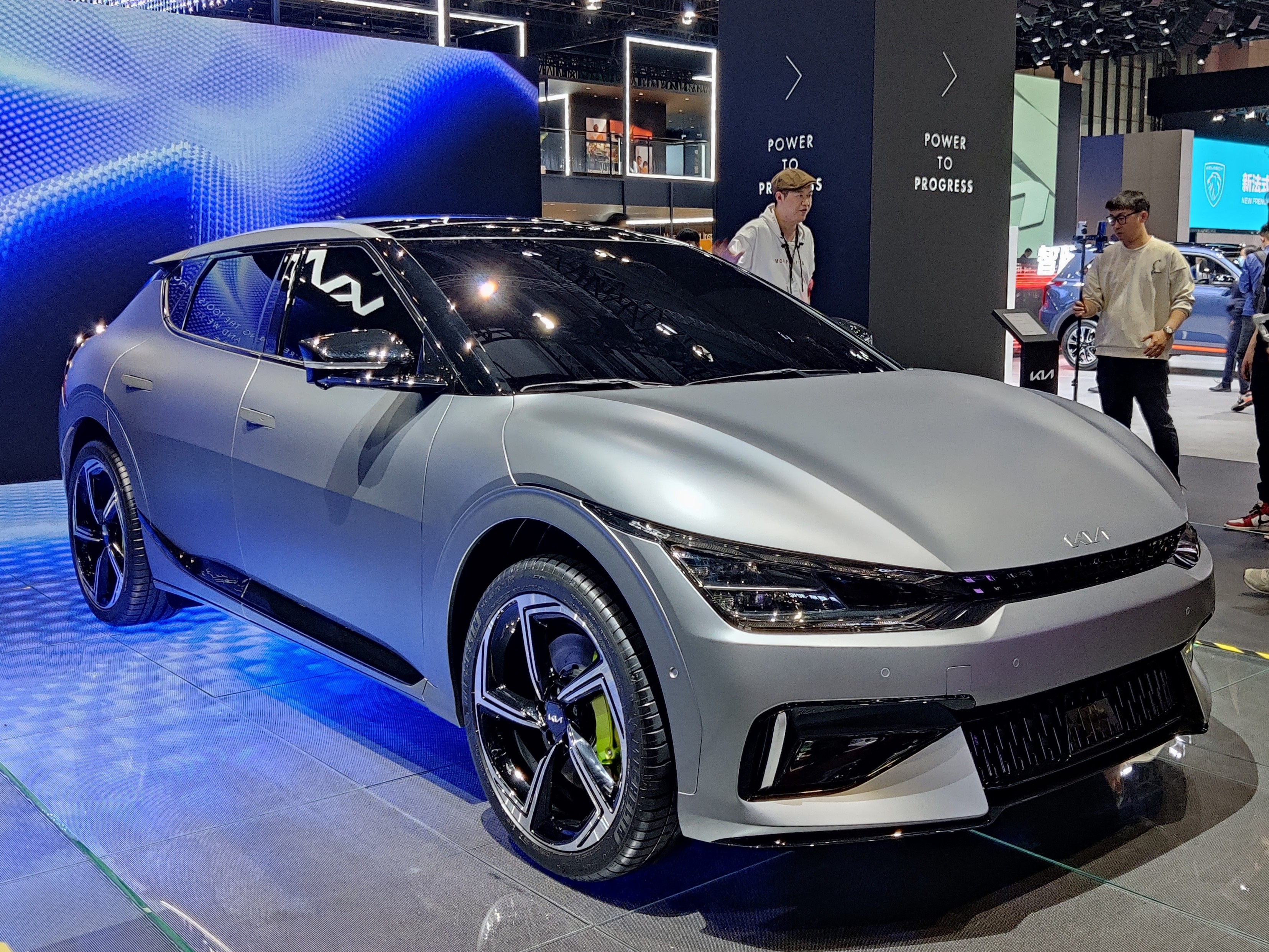
Kia EV6
The Kia EV6 is an electric SUV/crossover. The hosts are using it as an example that great EVs can still drop in price after you buy them new.

Nissan Aria
The Nissan Ariya is an electric crossover, so it’s an EV with an SUV-like shape. In the podcast, it’s mentioned because someone was looking at a used Ariya with low miles. The conversation is about what options and pricing look like when shopping for an EV.
depreciated
“Depreciation” means how much a car loses value over time. They’re comparing how quickly different electric cars get cheaper on the used market.
AutoTest
AutoTest is mentioned as a place to look up used-car prices. The hosts use it to compare how much different EVs drop in value.
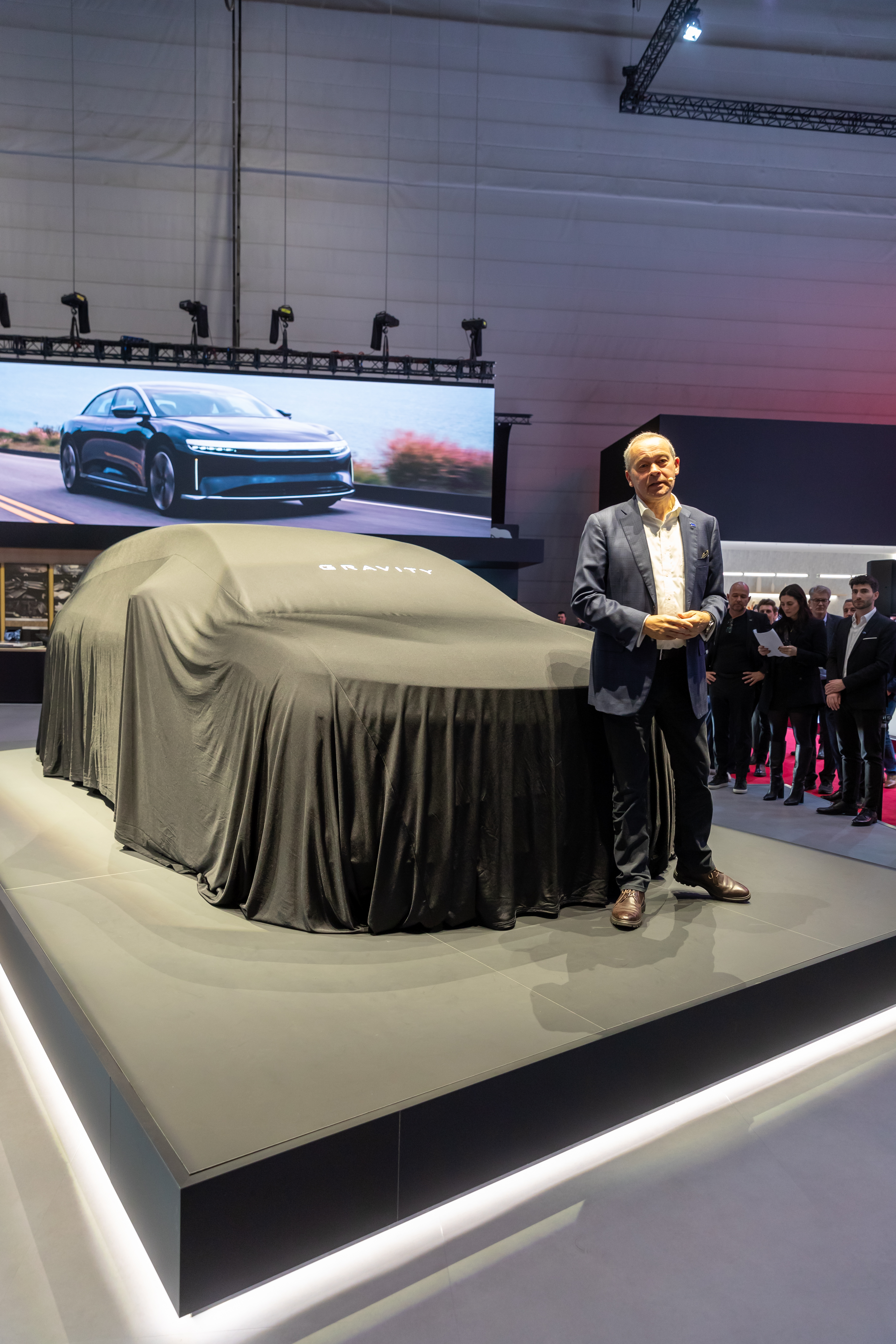
Lucid Gravity
The Lucid Gravity is Lucid’s newer electric SUV. The hosts are basically saying it’s too new to judge depreciation the same way as older models.

Lucid Air
The Lucid Air is Lucid’s main electric sedan. The hosts are saying it tends to lose value, unlike the Rivian they’re discussing.
sticker
“Sticker” here means the official price the car is listed for on the window sticker. They’re saying the price they expected was different from what they found.
Auto Tempest
Auto Tempest is a website that helps you search for used cars from many dealers at once. They’re saying it makes it easier to find listings by location and compare options.
hold their value
“Hold their value” refers to how well a vehicle retains its resale price over time. In EV discussions, it’s a big deal because many EVs have seen depreciation pressure, so a brand that “holds value considerably” can be more attractive for used buyers.
charging curve
A “charging curve” is how the charging speed changes as the battery fills up. They’re saying the car keeps charging relatively quickly for longer, which can reduce road-trip charging time.
air suspension
Air suspension is a suspension system that uses air pressure instead of metal springs. It can change how smooth the ride feels, and in this segment the host says it doesn’t feel great on the R1S/R1T.

Mach-E
“Mach-E” is the name of Ford’s electric Mustang. They bring it up to talk about how EV deals and incentives can change whether buying new feels worth it.
tax credit
A tax credit is a government incentive that reduces the amount of tax you owe, effectively lowering the net cost of an eligible purchase. In EV discussions, tax credits can change month-to-month affordability and can be a major reason leases or purchase prices look better (or worse) over time.
400 volt architecture
“400 volt architecture” means the EV’s electrical system runs at about 400 volts. That can make fast charging slower than cars built for higher-voltage systems.
800 volt architecture
It means the car’s electric system runs at a higher voltage than most EVs. That can make charging faster because the charger can move a lot of power more efficiently.
Tesla super chargers
Tesla’s Superchargers are the fast-charging stations Tesla uses for quick EV charging. If the station isn’t built for the car’s voltage, the car can’t charge as quickly as it otherwise could.
four or 500 volts
They’re talking about the charging station’s voltage being lower than what an 800-volt EV is designed for. Lower voltage can mean slower charging than the car is capable of.
future proofing
It means “will this car still be able to charge fast later?” The point here is that if most chargers today aren’t upgraded to match, the car’s advantage won’t be fully used.
amps
Amps are how much electrical current is flowing during charging. Together with voltage, amps determine how much power the charger can deliver.
kilowatt hour chargers
They’re talking about how much energy and power the charging setup can handle. In EVs, kWh is about energy stored in the battery, while chargers are rated by how much power (kW) they can deliver.
Coral Springs
“Coral Springs” is a suspension part (the spring) that helps the vehicle ride smoothly over rough ground. The host says this setup makes the ride more comfortable and still helps it handle off-road conditions.
ground clearance
Ground clearance is how much space there is between the ground and the bottom of the vehicle. More clearance helps you drive over rough stuff without hitting the underside.
hill descent control
Hill descent control is a system that helps you go downhill slowly and steadily. The host is saying this Rivian setup doesn’t have it, so you rely on other driving aids instead.
one pedal driving
One pedal driving means you can slow down mostly by lifting off the accelerator. The car uses the motor to slow you down, which can make off-road driving easier.
KO threes
“KO threes” are off-road tires. The host is saying the vehicle can come with a more trail-capable tire option as part of the off-road package.
TRD pro
TRD Pro is Toyota’s off-road-focused version of certain models. It usually comes with upgrades meant for rough terrain, and it’s also a label people recognize as “this one is built for off-roading.”
AT4X
AT4X is a GM badge for an off-road version of a vehicle. It’s meant to clearly tell you that model is built and tuned for rougher terrain.
terrain management system
This is the car’s computer system that helps it handle different kinds of ground. It adjusts how the power and traction controls work so the tires can keep grip on things like dirt or rocks.
torque vectoring by braking
Instead of sending different power to each wheel, the car can use the brakes to slow one wheel more than the other. That helps the car turn and stay stable on slippery or rough ground.

Tesla Cybertruck
The Tesla Cybertruck is an electric pickup truck, so it’s a truck that runs on electricity. It’s known for its unusual, sharp-looking design. In the episode, it’s mentioned as a comparison point when talking about other electric trucks.
real lockers
Lockers are devices that keep wheels from spinning independently when traction is low. “Real lockers” means the car has actual locking differentials, which can help it keep moving over rocks or mud.
single motor
A “single motor” means the car has one electric motor powering the drive. It’s usually simpler and can be more efficient than having two motors.
R three
R three is Rivian’s next electric vehicle the hosts are talking about. They say it’s smaller than the other one and that it’s fast, with a driving feel that’s different from how people usually think trucks drive.
zero to 60
“Zero to 60” means how fast the car can go from standing still to 60 mph. It’s a simple way to compare how quickly different cars feel like they accelerate.
blended region
“Blended region” refers to how an EV’s control system smoothly combines regenerative braking with friction braking across a range of deceleration demands. The goal is to make slowing feel consistent and predictable rather than switching abruptly between regen-only and brake-pad braking.

e-tron Audi Etron Gt
The Audi e-tron GT is an electric car from Audi. Because it’s electric, it can respond quickly when you press the accelerator. In the podcast, it’s compared to another electric model for how similar the driving feel is.
instant torque
Instant torque means the electric motor gives you strong pulling force right away. So when you press the pedal, the car responds immediately instead of waiting for the engine to rev up.
big battery pack
The big battery pack is the EV’s large battery that powers the electric motors. Since it’s heavy, it can make the car feel different when you steer or change direction.
four wheel steering
Four wheel steering means the rear wheels can steer too, not just the front wheels. That can make the car easier to turn and feel more agile, especially when parking or changing lanes.
shift points
Shift points are the moments when a car decides to change gears. The host is saying EVs don’t shift the same way, so you don’t get those same “gear change” moments you’d feel in a gas car.
combustion engine
A combustion engine is the traditional gas/diesel engine that burns fuel to make power. The host is saying EVs don’t have that same “engine doing its thing,” so the driving feel can be less involving for some people.
manual transmission
A manual transmission is when you choose gears yourself with a clutch and a stick shift. The host is saying EVs usually don’t give you that same hands-on gear-changing experience.
power curve
A power curve is basically a chart showing when the car makes the most power. It tells you if it feels strong right away or only after you push it harder.
understeer
Understeer is when you turn the steering wheel but the car doesn’t rotate enough, so it keeps going wide. It feels like the front tires aren’t gripping as much as you need.
rear wheel steering
Rear wheel steering means the back wheels can also steer, not just the front. That can help the car turn more smoothly and feel less like it’s pushing wide.
mid-engine car
A mid-engine car has the engine closer to the middle of the car. That helps the car feel more balanced and changes how it turns when you drive aggressively.

Porsche Boxster
The Porsche Boxster is a sports car with its engine in the middle of the car. Because of that, it handles differently in corners, and the car’s tuning can be adjusted to keep it from getting too “snappy” when pushed.
snap oversteer
Snap oversteer is when the car suddenly turns too much and the back end starts to slide out quickly. It’s the opposite of what you want when you’re trying to drive smoothly and predictably.

Toyota RAV4
The Toyota RAV4 is a compact SUV meant for everyday use. In the podcast, it’s used in an example about how changing the engine can make the car feel different to drive. The point is that the powertrain strongly affects driving feel.
regen
“Regen” is when the car uses its electric motor to slow down and also recharge the battery. It can make the car feel like it’s braking when you lift your foot off the gas.
freewheeling flywheel
This is about whether the engine stays connected when you take your foot off the gas. If it’s not freewheeling, the car can slow more noticeably instead of coasting smoothly.
four cylinders, six cylinders, eight cylinders, boxers, 10 cylinders, 12 cylinders
They’re talking about different engine types—how many cylinders an engine has, and a “boxer” engine layout. Those differences can change how the car sounds and how it feels when you drive.
hybrid
A hybrid uses both a gas engine and an electric motor. It can use electricity sometimes, and gas other times, to help with efficiency.
twin turbo
“Twin turbo” means the engine uses two turbochargers. Turbos help the engine make more power, especially when you accelerate.

Ford F-150 Lightning
The Ford F-150 Lightning is a fully electric pickup truck. It’s important because it’s an EV built on the same idea as a normal F-150—so it’s meant to be practical for everyday truck life.

1977 Fiat 124
A 1977 Fiat 124 is an older, classic small car from Fiat. People like it because it’s a straightforward, fun-to-drive design that feels very different from today’s vehicles.
spider
In car talk, a “spider” usually means a roadster—an open-top car. It’s the kind of car where you can enjoy the sound and feel of driving with the top down.
engine reds
This sounds like they mean the engine revs up high—near its maximum safe RPM. They’re enjoying how the car feels as it gets up there.
shifts
“Shifts” means the car changing gears. The host is saying the gear changes feel good—smooth and satisfying.
trim is falling off
They’re saying some of the car’s decorative pieces (trim) are coming loose. On older cars, that can happen as clips or adhesive wear out.
wheel well
The wheel well is the area around the tire. The host is saying the trim around that area is coming loose.
brakes are fully redone
They’re saying the brakes were completely repaired and refreshed. That usually means the car stops more confidently and consistently.
356 debate
They’re referencing a classic-car argument about priorities. Would you rather have a car that looks a little rough but is mechanically solid, or one that looks perfect but might be more of a headache to live with?
carburetor
A carburetor is a part that mixes fuel and air for the engine. If it doesn’t mix things right at higher speeds, the engine can feel weak when you rev it out.
red line
The red line is the highest RPM your engine is meant to safely spin to. If one car’s red line is higher, it usually means it can rev more before you’re supposed to back off.
malaise era
“Malaise era” is a nickname for the late 1970s, when car rules about pollution made engines less punchy. A lot of cars got heavier emissions gear and didn’t rev or accelerate like older ones.
emissions equipment
Emissions equipment is the stuff added to help a car pollute less. On older cars, it can also make the engine feel less powerful, especially when you rev it hard.
Eisenhower tunnel
This is a mountain tunnel in Colorado. Driving over it usually means steep climbs and altitude, which can make the trip harder on the car.
Vale Pass
A mountain pass like Vale Pass means lots of climbing and descending. It’s a tougher route than flat roads, so it tests how well a vehicle handles real conditions.

GMC Sierra 84X off-road
This is a GMC Sierra pickup with an off-road package. The idea is that it can handle rough trails while still feeling comfortable and nice to drive.
Soldier Pass
Soldier Pass is a specific off-road trail. It’s the kind of route that can be tricky—more than just driving on dirt.
locking differentials
A locking differential makes both wheels on the same axle turn together. That helps when one wheel is slipping on rocks or mud, so the truck can keep moving.
rock crawling
Rock crawling is off-roading over rocks at very low speeds. The goal is to keep traction and carefully climb obstacles without spinning the wheels.
multi-matic shocks
These are special off-road shock absorbers. They can be adjusted to work better on rough terrain instead of just being one fixed setting.

F-150 Raptor
The Ford F-150 is a large pickup truck. In the podcast, it’s mentioned because the speaker is explaining why a certain performance version of an F-150 worked well with buyers. The focus is on what made that truck popular.
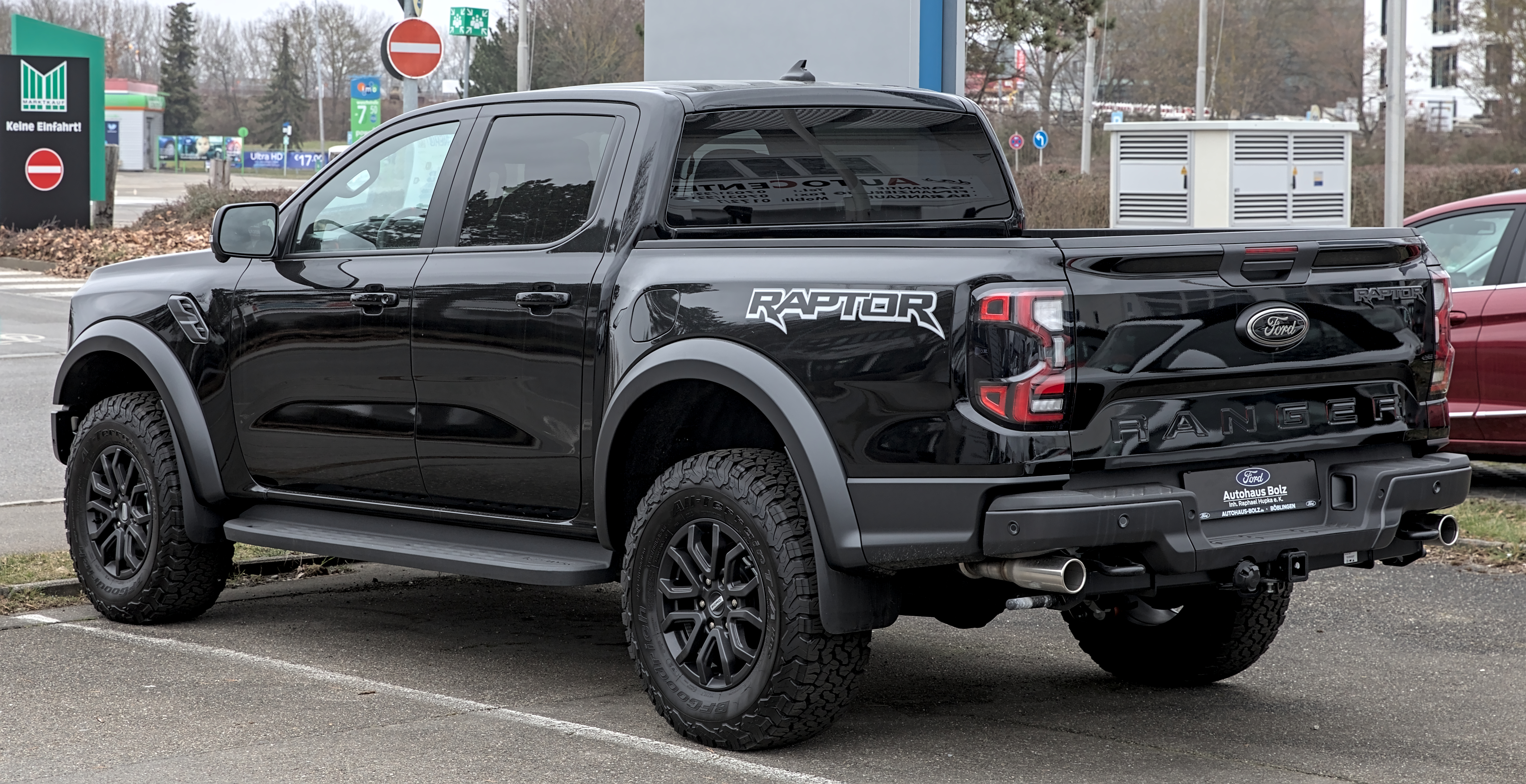
Ford Raptor
The Ford Raptor is Ford’s off-road-focused truck. People associate it with being a big deal for off-roading because it combines the right suspension and stance to handle rough trails.

Ram TRX
The Ram TRX is Ram’s wild off-road truck. It’s the kind of pickup people buy when they want serious power and off-road ability, not just normal truck capability.
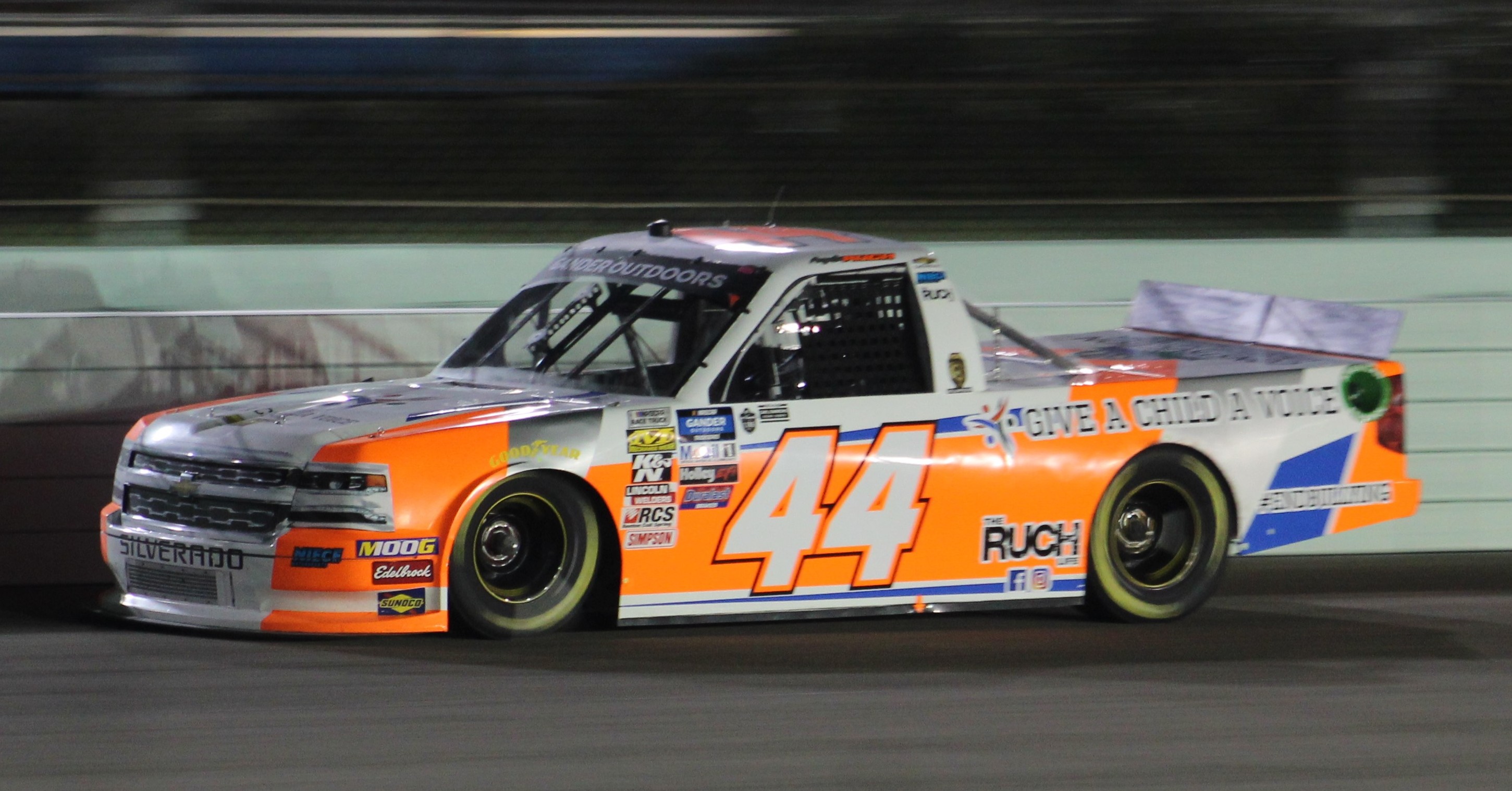
HD Duramax
Duramax is a diesel engine used in some GM trucks. The “HD” part usually means it’s set up for heavy-duty work like towing and carrying loads.
Boron bumpers
Some aftermarket bumpers are made from very strong steel. “Boron” is a material choice that helps the bumper be tough without needing to be as thick/heavy.
base MSRP
MSRP is the sticker price the manufacturer starts with. “Base MSRP” means the starting price before you add options and fees that can push the total higher.
lift
A “lift” is when you raise the truck’s suspension. That usually helps it handle rough terrain better and fit bigger tires.

Hummer EV
The Hummer EV is an electric off-road truck/SUV from Hummer. The point here is that it’s another option for people shopping for very capable, rugged off-road vehicles.
cross shopping
Cross shopping means comparing different cars before buying. They’re saying some buyers won’t really compare an EV with a supercharged TRX because they want different things.

Jeep Grand Cherokee
The Jeep Grand Cherokee is a popular SUV people buy for everyday use. In this comparison, they’re saying newer models cost more, depending on which version you pick.

Land Cruiser
The Toyota Land Cruiser is a rugged, long-running SUV that’s built for tough driving and off-road trails. Here, the hosts compare it to the Jeep Grand Cherokee—especially the hybrid vs non-hybrid difference and how that affects towing and carrying capacity.
turbocharged four cylinders
This means the SUV uses a 4-cylinder engine with a turbocharger. The turbo helps the engine make more power, and that’s why the hosts are comparing how the two SUVs feel and perform.
towing numbers
Towing numbers are the official ratings for how much weight the SUV can tow. The hosts are using that as a main comparison point between the Land Cruiser and the Grand Cherokee.
payload capacity
Payload capacity is how much stuff (people and cargo) you can put in the vehicle. They’re saying the two SUVs are very close, with only a small difference of about 50 pounds.
Trailhawk
Trailhawk is an off-road-focused version of the Jeep Grand Cherokee. The hosts are saying Jeep hasn’t offered that specific off-road trim yet, which matters if you want the most capable factory off-road setup.
off-road modes
Off-road modes are special settings that help a vehicle drive better on dirt, gravel, mud, or snow. They change how the car manages traction so it can grip more easily.
double stitch diamond patterns
This is describing the way the seats are stitched—two lines of stitching making a diamond pattern. It’s basically a fancy, high-end look that usually shows up in more premium interiors.
Land Rover
Land Rover is a car brand famous for SUVs that can handle rough roads. Here it’s being used as a reference point for a more upscale, premium interior style.
Range Rover
Range Rover is Land Rover’s top luxury SUV line. They’re saying the Jeep’s interior is trying to compete with that kind of premium look and feel.

Land Rover Range Rover
The Range Rover is a luxury SUV made by Land Rover. It’s designed to feel comfortable and upscale, especially on everyday drives. The podcast brings it up as a benchmark for the kind of luxury SUV someone might be trying to compete with.
tapioca interior
“Tapioca” here is a color/trim name used for a light, warm interior theme (often leather or similar upholstery). It’s not a technical system—more of a branding/finishing descriptor for the cabin materials.
wood inlays
Wood inlays are decorative wood pieces built into the interior. They’re used to make the cabin look more premium.
massaging seats
Massaging seats are seats with built-in motors that give you a massage while you’re sitting. It’s a comfort feature meant to make long drives feel better.
night vision
Night vision is a system that helps you see better in the dark. It uses sensors to spot things like pedestrians or animals and shows them on a screen.
hands-free driving
Hands-free driving is when the car can steer (and sometimes control speed) without you gripping the wheel all the time. You still have to pay attention because it only works reliably in certain situations.
three screens
They’re talking about having multiple digital displays inside the car. The idea is that different screens can show different information for the driver and passengers.
ventilated rear seats
Ventilated rear seats have fans that blow air through the seat. That helps keep passengers cooler on hot days.
mechanical locking diff
It’s a drivetrain feature that helps both wheels on the same axle spin together. When one wheel starts slipping, it can keep the other from doing all the work.
skid plates
Skid plates are protective covers on the bottom of the car. They help prevent damage when you drive over rocks or rough terrain.
recovery points
Recovery points are heavy-duty spots on the car meant for towing or winching. They’re where you attach straps or cables to pull the car out if it gets stuck.
Disconnectable sway bar
This is a suspension part that can be switched to let the wheels move more freely over bumps. It helps the car handle rough terrain better, then can be tightened up for normal driving.
passenger screen
A passenger screen is a display built for the person riding in the front seat. The host thinks it’s a gimmick and says people in China seem to like it more than they do.
China thing
“China thing” here is shorthand for a market-driven design preference—features that are more common or more demanded by Chinese buyers. In this context, it’s used to explain why a passenger-facing screen might appear on a Jeep sold there.

Jeep Grand Wagoneer
The Jeep Grand Wagoneer is a big, more luxurious SUV. It’s meant to feel upscale and comfortable compared with more basic SUVs. In the podcast, it’s brought up as a question about whether it’s sold in a specific market.
Buick
Buick is a U.S. car brand. The hosts mention it while debating which American brand was the first to go into China.
off-road heights
“Off-road heights” are different raised settings the car can switch to when you’re driving on rough ground. The idea is to give you more clearance, but each setting can affect how the suspension behaves.
suspension travel
Suspension travel is how much the wheels/suspension can move up and down over bumps. If that movement gets reduced, the car can feel uncomfortable because it can’t “soak up” impacts as well.
approach, departure, break over
These are measurements that tell you how well a car can go up and down bumps without scraping. Bigger angles generally mean less chance of the front, rear, or bottom hitting the ground.
21 inch wheels
Bigger wheels often mean the tire sidewalls are shorter. Shorter sidewalls can make bumps feel harsher, so the ride can feel less smooth.
fake engine noise
Some cars play made-up engine sounds through the speakers. The host doesn’t like it because it can feel fake and not very “premium.”
sport mode
Sport mode is a driving setting that makes the car respond more aggressively. In this case, it also turns up the fake engine sounds.
small displacement four cylinder turbos
These are smaller 4-cylinder engines that use a turbo to get more power. The host says they can sound a bit silly from the outside, which affects how people perceive the car’s character.
turbo charging
Turbo charging is a device that forces extra air into the engine so it can make more power. Because it changes how the engine breathes, it can also change the sounds you hear.
fuel injection
Fuel injection is how modern cars put fuel into the engine using electronically controlled valves. It changes the way the engine sounds compared with older carburetors.
direct injection
Direct injection means the car sprays fuel straight into the engine’s combustion area. It can make the engine run cleaner and more efficiently, but it often sounds different than older carbureted setups.
combustion process
In an engine, the fuel and air have to be burned in the right way to make power. When the engine controls that process well, it can change how the car sounds out the exhaust.
pops and bangs
“Pops and bangs” are the little bursts of sound you hear from the exhaust when you lift off or change throttle. They happen when fuel ignites in a way that creates short, loud combustion events.
carbureted engine
A carbureted engine mixes fuel and air using a carburetor. Older carburetor setups can make the exhaust sound more characterful, including occasional popping noises.
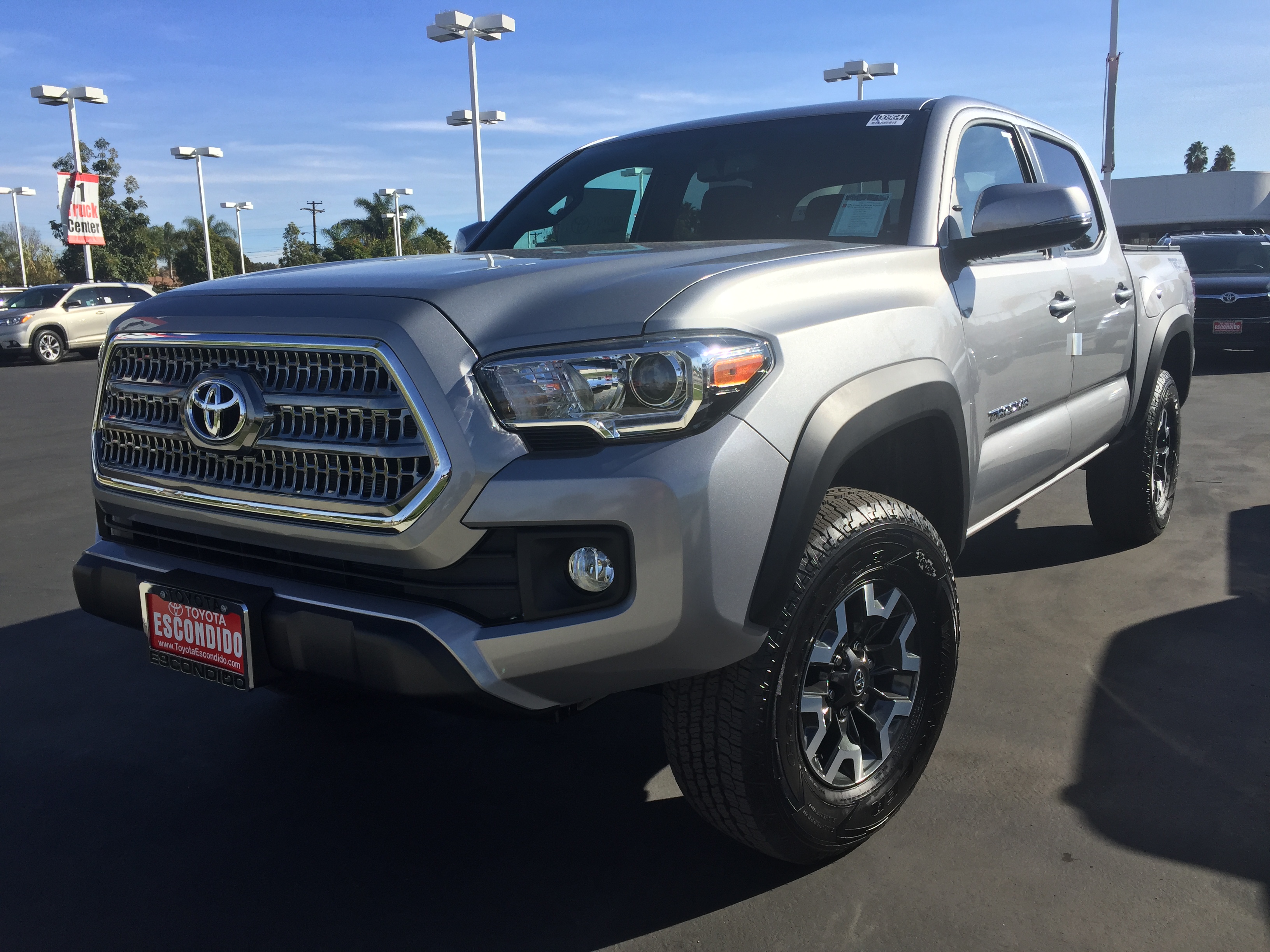
Toyota Tacoma
The Toyota Tacoma is a pickup truck. The host is saying the older Tacoma’s six-cylinder sounded better than newer, quieter engines.
noise, vibration, harshness
NVH is a car’s “annoying stuff”: unwanted noise, shaking, and roughness you feel inside. Newer cars work hard to reduce it, so you hear less of the engine and exhaust.
engine note
An “engine note” is the way an engine sounds—its tone and how it changes as you rev. Modern cars can be quieter, so you may not hear that sound as clearly.

Porsche Taycan Turbo S
The Porsche Taycan Turbo S is a very fast electric Porsche. The hosts are saying the Audi feels like it’s in the same league—so fast it can feel overwhelming.
disc brake
A disc brake is the braking system where a spinning metal disc gets clamped to slow the car down. Bigger rotors can handle hard braking better because they can shed heat more effectively.
ceramic
“Ceramic” here refers to a special type of brake rotor material. Ceramic brakes are often chosen because they can handle heat better, especially if you drive hard or brake repeatedly.
rotor
A rotor is the metal disc that the brakes squeeze to slow the car. If it’s worn or damaged, it can be expensive to replace compared with just changing the pads.
brake pads
Brake pads are the parts that get squeezed against the brake disc to make the car slow down. They wear out over time, so replacing them is a normal maintenance item.
high powered suspension
This sounds like a suspension system that can move the car’s ride height very quickly. The host is saying it reacts dramatically—like the car lifts up—when you open the door.
leans
“Leans” means the car’s body tilts when it turns or moves. The host is comparing that feel to how a motorcycle leans into a turn.
Delta
“Delta” here just means “the difference.” They’re comparing how much one type of used car costs versus another.
Mustang GT
The Mustang GT is a sporty version of the Ford Mustang. They’re using it as the benchmark to compare price and performance against the Audi E-tron GT.

Ford Mustang GTD
The Ford Mustang GTD is a high-performance version of the Mustang. In the podcast, it’s mentioned as a car that can be faster than a Mustang GT while costing less. The point is about performance value compared to another Mustang.
salvage title
A salvage title is what you get when a car was badly damaged enough that insurance wrote it off. It usually lowers the price, but it can also mean the car’s history is riskier and harder to deal with later.
CPO
CPO means “Certified Pre-Owned.” It’s a used car that’s been checked and usually comes with extra coverage or promises compared to a regular used car.
halo product
A “halo product” is the coolest, most exciting model a brand uses to build hype. Even if most people don’t buy it, it helps make the brand look better.

RS E-tron GT
The Audi RS e-tron GT is a fast, high-performance electric Audi. It’s the “top” version of the e-tron GT lineup, and the host is saying it’s quicker than the regular one—especially because it has a boost button that helps it accelerate harder.
boost button
A “boost button” on an EV is a driver-activated mode that temporarily increases power output for stronger acceleration. It typically works by allowing higher motor torque and/or power draw than the car’s default setting, often with limits to protect components and manage battery temperature.

Tony Stark with his E-tron
Audi’s e-tron is an electric car line. The host is joking that it looks like something Tony Stark would drive, and they’re using that to talk about whether the design and marketing feel exciting enough.
carbon fiber
Carbon fiber is a strong, lightweight material often used to make cars feel more high-end. The hosts are saying the interior has a carbon-fiber-like look, but they’re not sure it’s truly carbon fiber everywhere.
stoplight timer
It’s a feature that helps you guess how long the traffic light will stay red. The idea is to time your acceleration so you can get through the intersection without stopping again.
average speed
They’re talking about a feature that tells you what speed to drive so you can hit multiple green lights in a row. It’s like a “keep this pace” suggestion to avoid getting stuck at red lights.
racing for pinks at a stoplight
It’s a slang way of saying people sometimes do a quick drag-style race at a red light. The prize is basically bragging rights and the “papers,” and the car’s timing feature could help you launch faster.
dangerously fast
They mean the car is so quick it can be risky—like it’s easy to go faster than you meant to. It’s more about how intense the acceleration feels than a specific number.

Tesla Model S
The Tesla Model S is an electric car that’s famous for quick acceleration. Here, they’re basically saying the Rivian R2 might be even faster than most cars, except maybe the Model S.
drag race
A drag race is a competition where two cars race in a straight line to see which one accelerates faster. They’re saying they’d like to test the car that way to judge its real-world speed.
Iraqi mountain driving experience
This refers to a guided driving event in mountainous terrain, where roads typically involve sustained climbs, descents, and frequent turns. The hosts use it to explain which cars they liked most, since mountain routes stress different skills than a straight-line drag test.

Honda prelude
The Honda Prelude is an older Honda that people often remember as a sporty, fun-to-drive coupe. They’re talking about which car felt best on their mountain drive.

Honda Civic
The Honda Civic Hybrid is a hybrid car that uses both a gas engine and an electric motor. The host is saying the Rivian R2’s hybrid setup is similar to that kind of system, so it may feel familiar in how it works.
planetary gear set
A planetary gear set is a special kind of gearbox inside the drivetrain. It helps the car combine power from the gas engine and electric motor in a way that feels smooth.
GT
GT means “Grand Touring.” It’s usually a car tuned for comfortable cruising over long distances, even if it’s still quick.
Type R suspension
Type R is Honda’s performance model line, and its suspension is usually tuned to be stiffer. The host is saying you might get that stiff, bumpy ride feel, even if the car isn’t as fast as a Type R.
wheel bearings podcast
They mention another podcast called “wheel bearings podcast.” The implication is that the next comment comes from knowledge about wheel bearings and how they wear or fail.
powertrain
A powertrain is the main “stuff that makes the car move.” It includes the engine/motor and the gearbox that sends power to the wheels.
S button
The “S” button is a sport mode. It makes the car act more aggressive by changing how it shifts and by faking a more exciting engine sound.
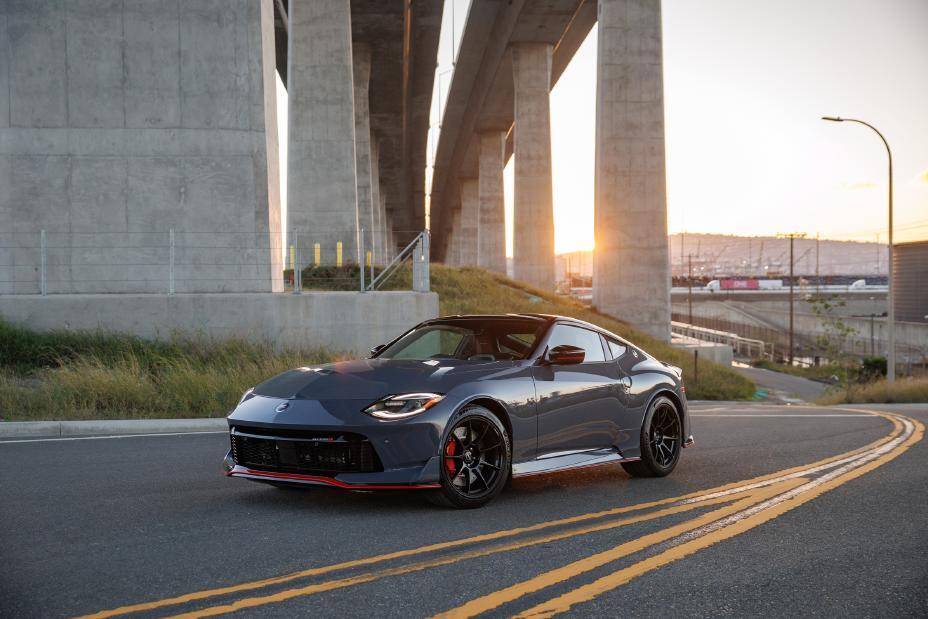
Nissan Z
The Nissan Z is a sports car from Nissan that’s built to feel fun and responsive to drive. Here, they’re talking about how many people are buying it compared to the Toyota Supra.
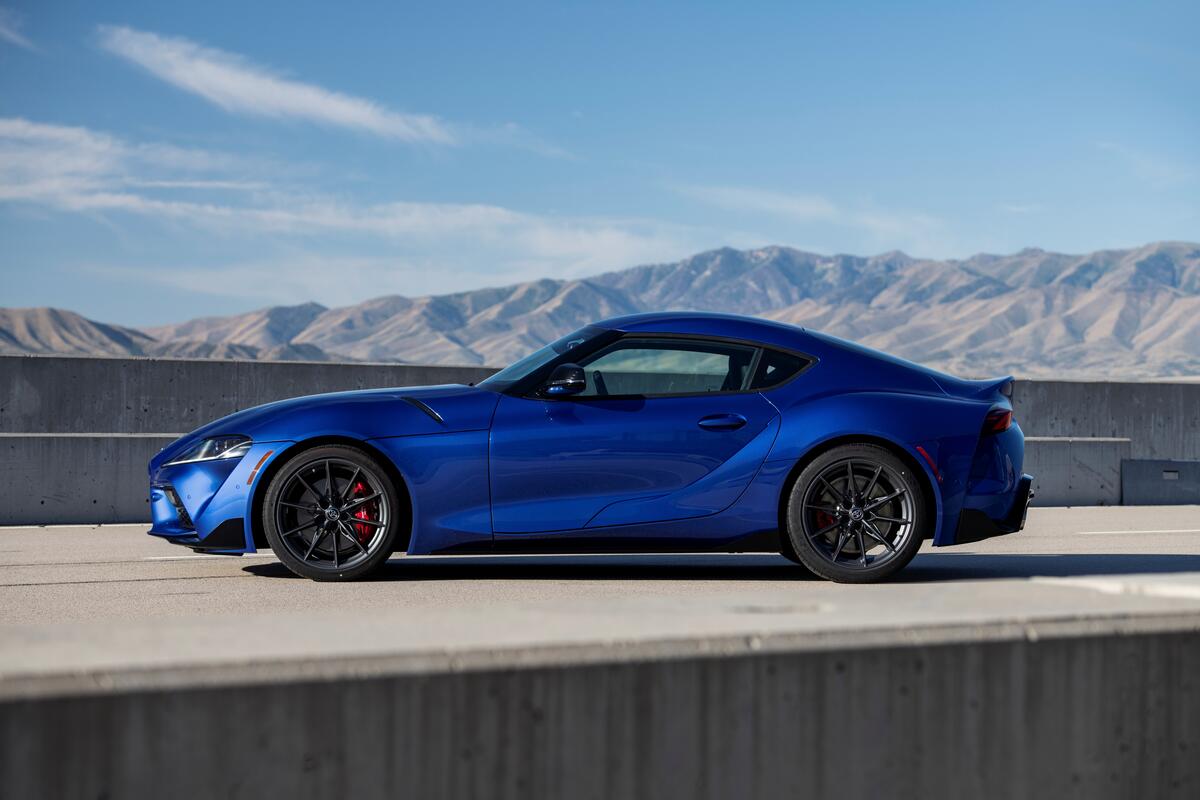
Toyota Supra
The Toyota Supra is a well-known sports car that many car fans love. In this part, they’re comparing how it sells to the Nissan Z and talking about what happened to it.
two motor ECV T
“ECV T” is a type of transmission used in some hybrids that can change ratios smoothly instead of shifting gears. “Two motor” means the hybrid uses two electric motors to help drive the car and improve how it accelerates.
hatchback
A hatchback is a car shape where the back opens like a door, lifting upward. That makes it easier to load and unload things from the back.

Acura Integra
The Acura Integra is a sporty compact car made by Acura. In the podcast, it’s mentioned because someone is comparing it to another car and asking why you’d pick one instead of the Integra. The discussion is about choosing a sporty car based on what you want.
modern spare
They’re talking about the smaller spare tire many newer cars include. It saves space, but it’s usually only for getting you to a shop, not for long trips.

Honda Crz
The Honda CR-Z is a small sporty hatchback, and it was built to be efficient while still feeling fun. In the podcast, it’s mentioned because the speaker thinks later cars tried to bring back the CR-Z idea. The point is about how Honda’s sporty hybrid concept carried forward.
emission standards
Emission standards are laws that limit how dirty a car’s exhaust can be. The hosts are saying those rules vary by region, and that can change whether a hybrid car makes sense to buy.
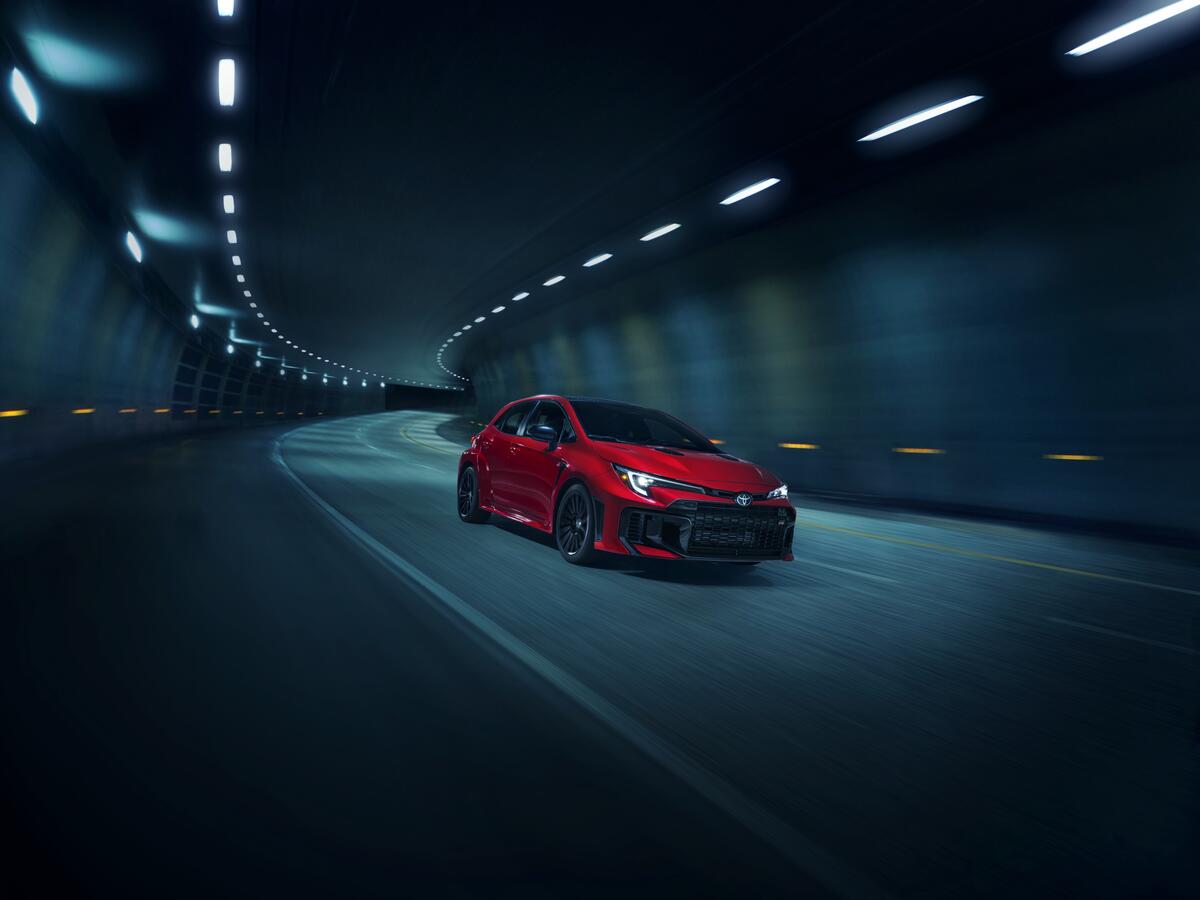
Toyota GR Corolla
The Toyota GR Corolla is a sporty, performance-focused hatchback based on the Corolla. It’s meant to be fun to drive and has features aimed at better traction. In the podcast, it’s brought up as a car people might compare, but the speaker doubts it’s the easiest choice to make.
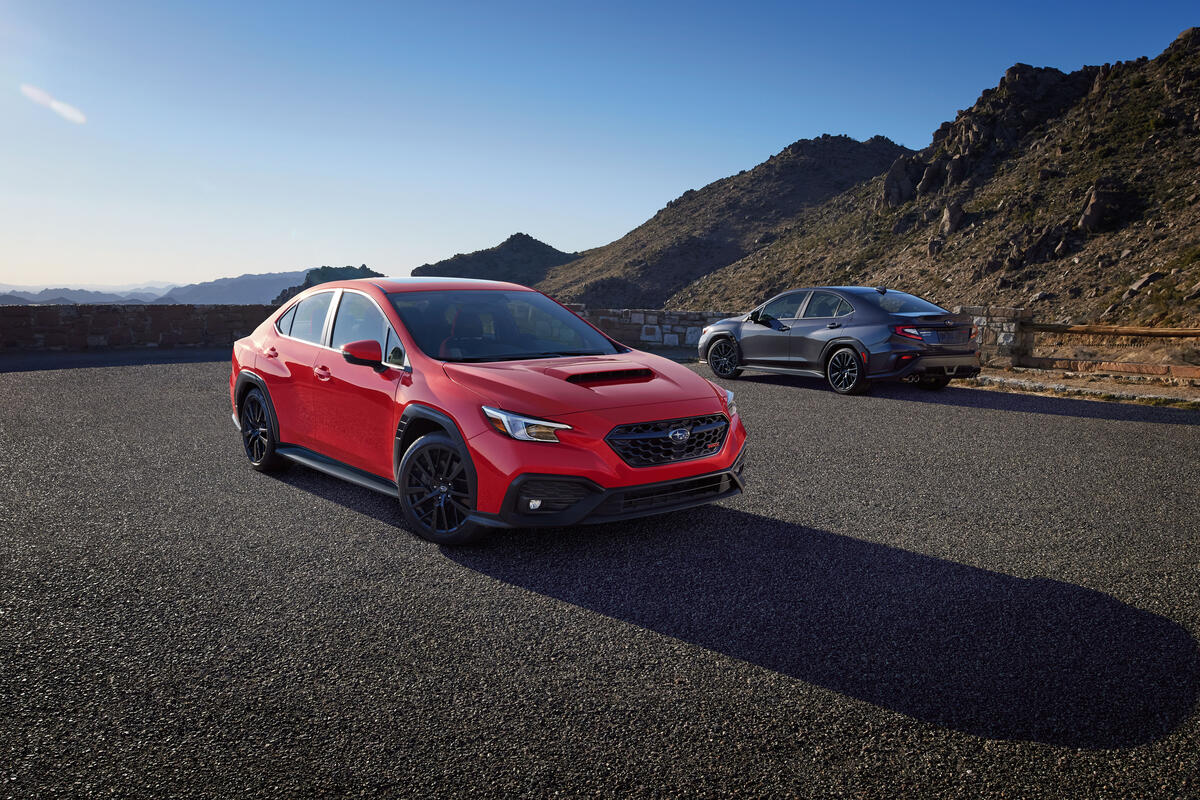
Subaru WRX
The Subaru WRX is a sporty Subaru that uses all-wheel drive to help it grip the road. In the podcast, the point is that it can feel uncomfortable and uses lots of plastic in the interior. The discussion is about how the driving experience and materials match the price.

Volkswagen Jetta
The Volkswagen Jetta is a compact car (a sedan) meant for everyday driving. In the podcast, it’s mentioned because the speaker is comparing interior quality and says the materials feel worse than expected. The Jetta GLI is referenced as a specific performance trim.
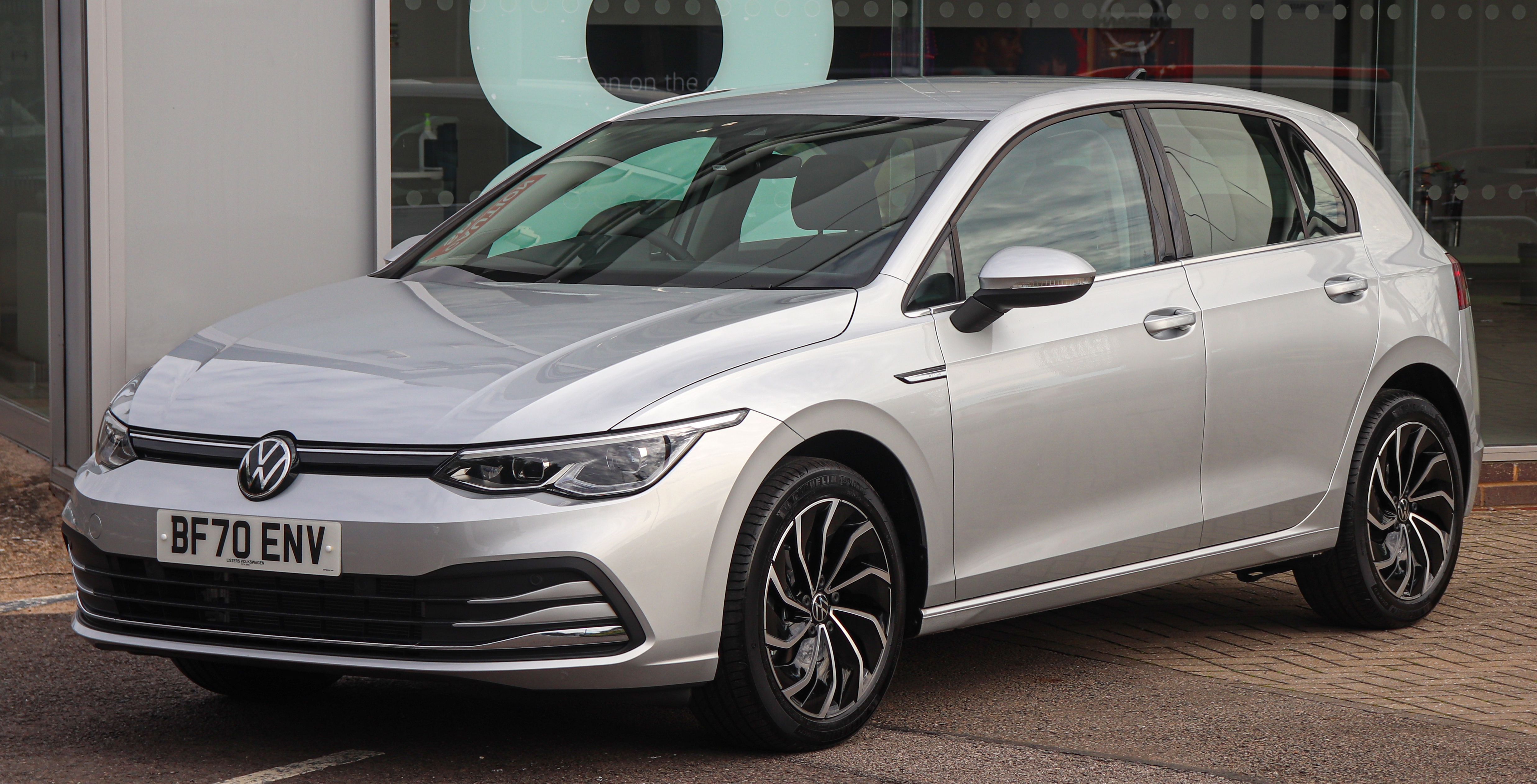
Volkswagen Jetta Gli
The Volkswagen Golf is a compact hatchback, meaning it’s a small car with a rear door that opens upward. In the podcast, it’s mentioned because the speaker is comparing interior quality and says the materials feel cheap. The point is about how the inside of the car feels.
Autobahn package
The “Autobahn package” is an options bundle that adds extra features to a Volkswagen. It usually means you’re paying for more convenience/comfort equipment than the standard version.