Daniel Morad joins the Dinner with Racers hosts for a lively discussion about his journey from karting to professional racing, including his time with Red Bull and A1GP Team Lebanon. The conversation dives into his experiences in sim racing, the challenges of transitioning between different racing formats, and the unique stories behind his brand, Moradness. They also touch on conspiracy theories, the impact of COVID on racing, and the importance of kindness and community in motorsport. Morad's insights into the racing world and his personal anecdotes make for an engaging episode.
Daniel Morad can best be described as a classic example of when talent meets tenacity. A go-kart phenom from Canada, Danie’s career, started on limited funding, has had a multitude of hills and valleys that have seen him go from being a Red Bull junior driver, to street car instructor, then back again to the […]
"...drove in the now defunct A1 GP series where he learned he was Lebanese. And in the modern era he's kind of just known as a figure in different GT ranks."
A1 GP was a racing series where different countries had their own teams and drivers. It was like a World Cup for racing cars, but it ended a few years ago.
A1 GP was a motorsport series that featured national teams competing in single-seater cars. It aimed to showcase the best drivers from each country and promote motorsport on a global scale. The series was active from 2005 to 2008.
"...If you're a sim racer you're probably very familiar with the Moradness brand"
Moradness is a brand that helps people who race in video games. They offer coaching and tips for improving racing skills in simulations.
Moradness is a brand associated with sim racing, providing content, coaching, and community engagement for racing enthusiasts. It focuses on helping drivers improve their skills in virtual racing environments.
"...that sandwich that you had. It's Continental Tire. Tell me about Continental Tire, Ryan."
Continental Tire makes tires for cars and trucks. They are known for creating durable and high-performing tires that help vehicles drive better and safer.
Continental Tire is a major tire manufacturer known for producing high-quality tires for various vehicles, including passenger cars, trucks, and motorcycles. They are recognized for their innovation in tire technology and performance.
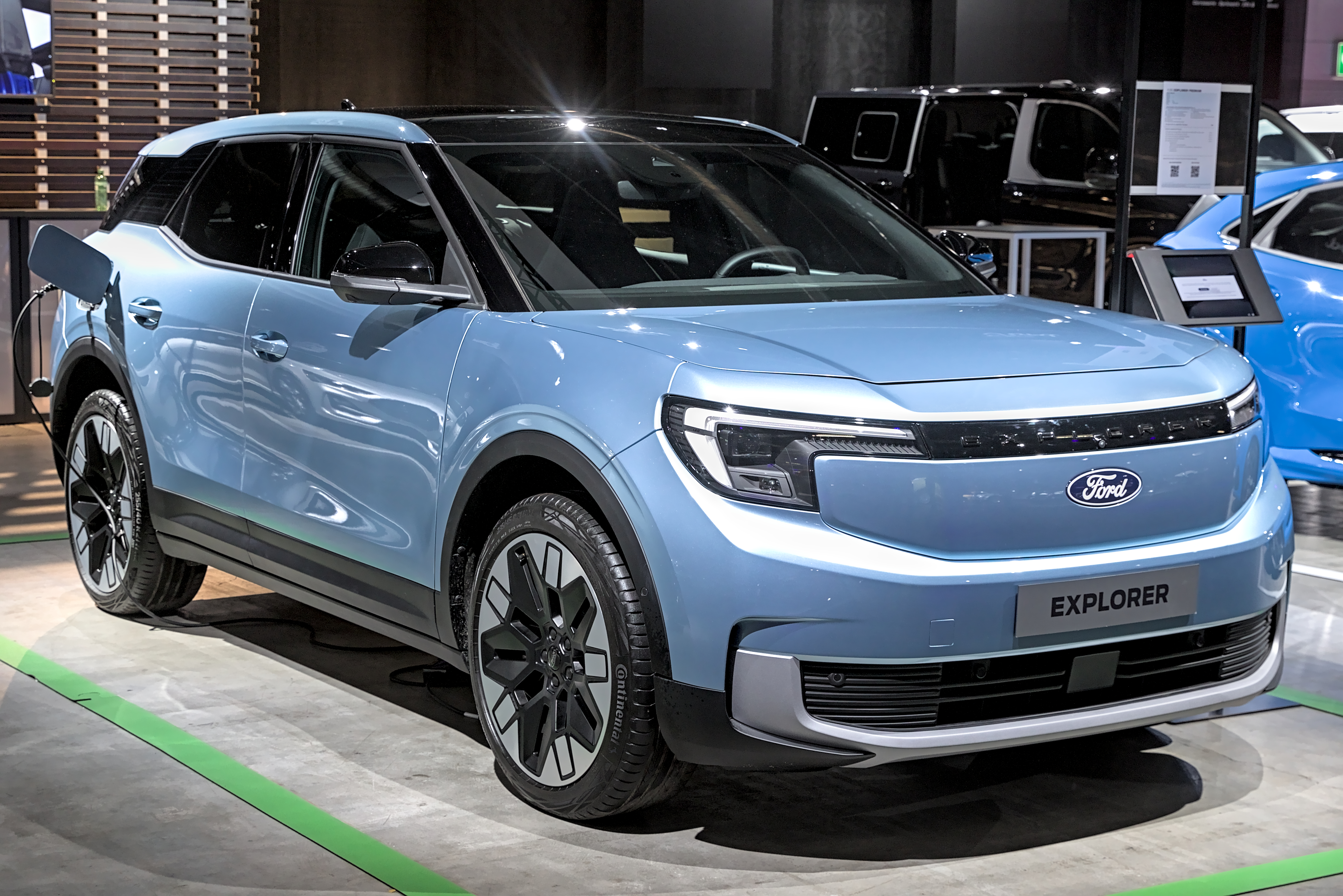
"We would have our Ford Explorer, and back seats down,"
The Ford Explorer is a type of vehicle known as an SUV, which stands for Sport Utility Vehicle. It's designed to carry passengers and cargo, often with off-road capabilities.
The Ford Explorer is a mid-size SUV that has been popular for its spacious interior and versatility, making it suitable for families and outdoor activities.
"So that's how I started racing. And really loved it, and straight away was successful at it."
Go-karting is a fun activity where people race small cars called go-karts on tracks. It's a popular way to learn about racing and improve driving skills.
Go-karting is a form of motorsport where participants race small, low-powered vehicles called go-karts on various tracks. It's often seen as an entry point into competitive racing.
"...picked up by e-karting news for the scholarship program for BMW."
BMW is a well-known car brand from Germany that makes luxury cars and sports cars. They also participate in racing events.
BMW is a German automotive manufacturer known for its luxury vehicles and performance cars. The company has a rich history in motorsport and is involved in various racing series.
"...It's like a scholarship program. So they give you a $40,000 scholarship..."
A scholarship program helps young drivers pay for their racing expenses, like training and entry fees. It makes it easier for them to pursue a career in racing without worrying too much about money.
A scholarship program in racing typically provides financial support to promising drivers, helping them cover costs associated with training, equipment, and competition fees. This can be crucial for young talents looking to advance their careers in motorsport.
"...because late 2000s, there was this Formula BMW series. It's not around anymore."
The late 2000s means the years around 2005 to 2009. This was a time when many racing series were active, including Formula BMW, which helped young drivers get started in racing.
The late 2000s refers to the period from 2005 to 2009, a time when various motorsport series, including Formula BMW, were popular among young drivers. This era saw significant developments in racing technology and driver training programs.
"Right, not too different to say Formula Renault, except it was all spec in the sense that it was all controlled by BMW."
Formula Renault is a type of car racing where all the cars are similar, making it fair for all drivers. It's a place where many racers start before moving to bigger racing events.
Formula Renault is a single-seater racing series that serves as a stepping stone for drivers aiming to compete in higher levels of motorsport. It features cars that are built to a specific set of regulations, ensuring a level playing field among competitors.
"...except it was all spec in the sense that it was all controlled by BMW."
A spec series means all the cars are the same, so the race is more about how well the drivers can drive rather than how fast their cars are. It makes the competition fairer.
A spec series is a type of racing where all competitors use the same equipment, such as cars and parts, to ensure that performance differences are minimized. This allows for closer racing and emphasizes driver skill over vehicle performance.
"...won the first race weekend. Mid-Ohio. Yeah, Mid-Ohio. Race weekend, started 12th in the rain."
Mid-Ohio is a racetrack in Ohio where many car races take place. It's famous for its twists and turns, making it a favorite among racers.
Mid-Ohio is a road course located in Lexington, Ohio, known for hosting various motorsport events, including professional racing series. It's a popular venue for both amateur and professional racing, offering a challenging layout for drivers.
"So we won both races in Montreal Grand Prix and caught the attention of Helmut Marco."
The Montreal Grand Prix is a big car race that happens every year in Montreal. It's part of the Formula 1 series, which is the top level of car racing in the world.
The Montreal Grand Prix is a Formula 1 race held annually in Montreal, Canada. It is known for its challenging circuit and vibrant atmosphere, making it a favorite among fans and drivers alike.
"So then that's where I got scooped up by Red Bull."
Red Bull is a well-known energy drink company that also has a Formula 1 racing team. They are famous for their fast cars and winning races.
Red Bull Racing is a Formula 1 team known for its competitive performance and innovative engineering. The team has won multiple Constructors' Championships and is recognized for its distinctive branding and marketing strategies.
"...that was F1 support, right? Yeah. Yeah, both those races. Yeah, exactly. Yeah, because at that time, BMW still had an F1 program."
Formula 1 is a type of car racing that features very fast cars and takes place on special tracks. It's one of the most popular and prestigious racing series in the world.
Formula 1 (F1) is the highest class of international auto racing for single-seater formula racing cars. It features a series of races known as Grands Prix, held on various circuits around the world, and is known for its high-speed competition and advanced technology.
"...So then they picked up French drivers. So in the end, Daniel Ricciardo and Jean-Eric Verne were the guys who, I was promised Formula 3."
Formula 3 is a type of car racing where drivers compete in small, fast cars that have open wheels. It's often where many professional drivers start their careers before moving up to bigger racing series like Formula 1.
Formula 3 is a class of open-wheel motorsport that serves as a stepping stone for drivers aspiring to reach higher levels of racing, such as Formula 1. It features single-seater cars that are designed to be fast and competitive, often using similar technology to that found in higher formula categories.
"...meet me at the Red Bull Energy Station in Silverstone for the F1 Grand Prix. All right, so I get everything together..."
Silverstone is a famous racetrack in England where many important car races, including Formula One, take place.
Silverstone is a motor racing circuit in Northamptonshire, England, known for hosting the British Grand Prix and various other motorsport events, including Formula One races.
"...meet me at the Red Bull Energy Station in Silverstone for the F1 Grand Prix. All right, so I get everything together..."
The F1 Grand Prix is a big car race that happens in different countries. It's part of a championship where the best racing cars compete against each other.
The F1 Grand Prix refers to a series of international auto races that are part of the FIA Formula One World Championship. These races are held on various circuits around the world, showcasing the fastest and most technologically advanced racing cars.
Paddle shift is a way to change gears in a car without using a clutch pedal. You pull a paddle on the steering wheel to shift up or down, making it easier to drive fast.
Paddle shift refers to a type of manual transmission control that allows the driver to change gears using paddles located behind the steering wheel. This system provides quicker gear changes compared to traditional manual gear shifters.
"So David Sears ran. Supernova. Supernova, right."
The Dacia SuperNova is a small car made by a Romanian company called Dacia. It was designed to be cheap and practical, making it a good choice for people who need a reliable way to get around without spending a lot of money. It's often mentioned because it's a simple and affordable option for drivers.
The Dacia SuperNova is a compact car produced by the Romanian automaker Dacia in the late 1990s and early 2000s. It is known for being an affordable and practical vehicle, aimed primarily at budget-conscious consumers in Eastern Europe. The SuperNova is often discussed for its value proposition and as a representation of Dacia's efforts to provide economical transportation.
Carlin is a racing team that participates in different car racing events. They are known for helping young drivers improve their skills.
Carlin is a well-known motorsport team that has competed in various racing series, including A1GP and Formula Renault. They are recognized for their success in developing young talent in racing.
Car
Lola Zytec
"...the previous version of the cars, the Lola Zytec, which they were dominant because that was the Formula 3000 car..."
The Lola Zytec is a type of race car that competed in a series called Formula 3000. It was known for being very fast and successful in races.
The Lola Zytec was a racing car used in the Formula 3000 series, known for its competitive performance during the late 1990s and early 2000s. It was designed by Lola Cars, a well-regarded manufacturer of racing vehicles.
"let's try to get to F1. Because now they're team more at this point."
F1 stands for Formula 1, which is a top-level car racing series. It's famous for fast cars and exciting races around the world.
F1, or Formula 1, is the highest class of single-seater auto racing, known for its high-speed cars and prestigious races held worldwide. It features advanced technology and engineering, making it one of the most popular motorsport series globally.
"So it's like, what's the next step? It's like, let's go to Formula One. Let's buy a Formula One team."
Formula One is a top-level car racing series where teams compete in fast cars on various tracks. It's very popular and features some of the best drivers and technology in the world.
Formula One is the highest class of international auto racing for single-seater formula racing cars. It is known for its fast-paced races and advanced technology, attracting teams and drivers from around the world.
"...during that year where they were bidding to get a team, I was doing GP3 because I was like, OK, what's the stepping stone to F1? GP3, get the experience here."
GP3 was a racing series for young drivers trying to reach Formula 1. It helped them learn and gain experience in single-seater cars, which are similar to F1 cars but less powerful and expensive.
GP3 was a single-seater racing series that served as a feeder category to Formula 1, designed to help young drivers gain experience and showcase their talent. It was known for being a competitive environment where drivers could develop their skills before moving up to higher levels of motorsport.
"So then I am like, let's do GT3 Cup. So called them and they're like, oh, so what have you done?"
GT3 Cup is a type of race series where drivers compete using special Porsche race cars. These cars are built for racing and are very fast, making them popular in motorsport.
The GT3 Cup is a racing series that features Porsche 911 GT3 Cup cars. These vehicles are specifically designed for track use and are based on the Porsche 911, offering a balance of performance and accessibility for amateur racers.
"Broke the lap record unofficially in the cup car. First time on, like, 10 laps."
A cup car is a special type of race car made for racing competitions. They are usually based on regular cars but are built to be much faster and more powerful.
A cup car refers to a race car built to compete in a specific racing series, such as NASCAR or other touring car championships. These cars are typically modified versions of production vehicles, designed for high performance and competitive racing.
"...on street tires. Road car. On street tires. Exactly."
Street tires are the regular tires you see on cars that drive on the road. They are made to provide a good grip and comfort for daily driving.
Street tires are designed for use on public roads, providing a balance of grip, comfort, and durability. They typically have tread patterns that enhance traction on various surfaces while maintaining a level of noise and comfort suitable for everyday driving.
"... drove on iRacing. I did one race with a Logitech G25 wheel on a wooden frame. I'm like, this is whatev..."
The Infiniti G25 is a fancy car made by a brand called Infiniti, which is part of Nissan. It has a powerful engine and is designed to be comfortable and stylish, making it a nice choice for people who want a luxury car that still feels sporty. It's talked about because it offers a good mix of performance and comfort.
The Infiniti G25 is a luxury sedan that was produced by Nissan's luxury division, Infiniti, from 2011 to 2013. It features a V6 engine and is known for its balance of performance, comfort, and upscale features, making it a competitive option in the luxury car market. The G25 is often discussed for its blend of sportiness and luxury, appealing to drivers looking for an engaging yet comfortable ride.
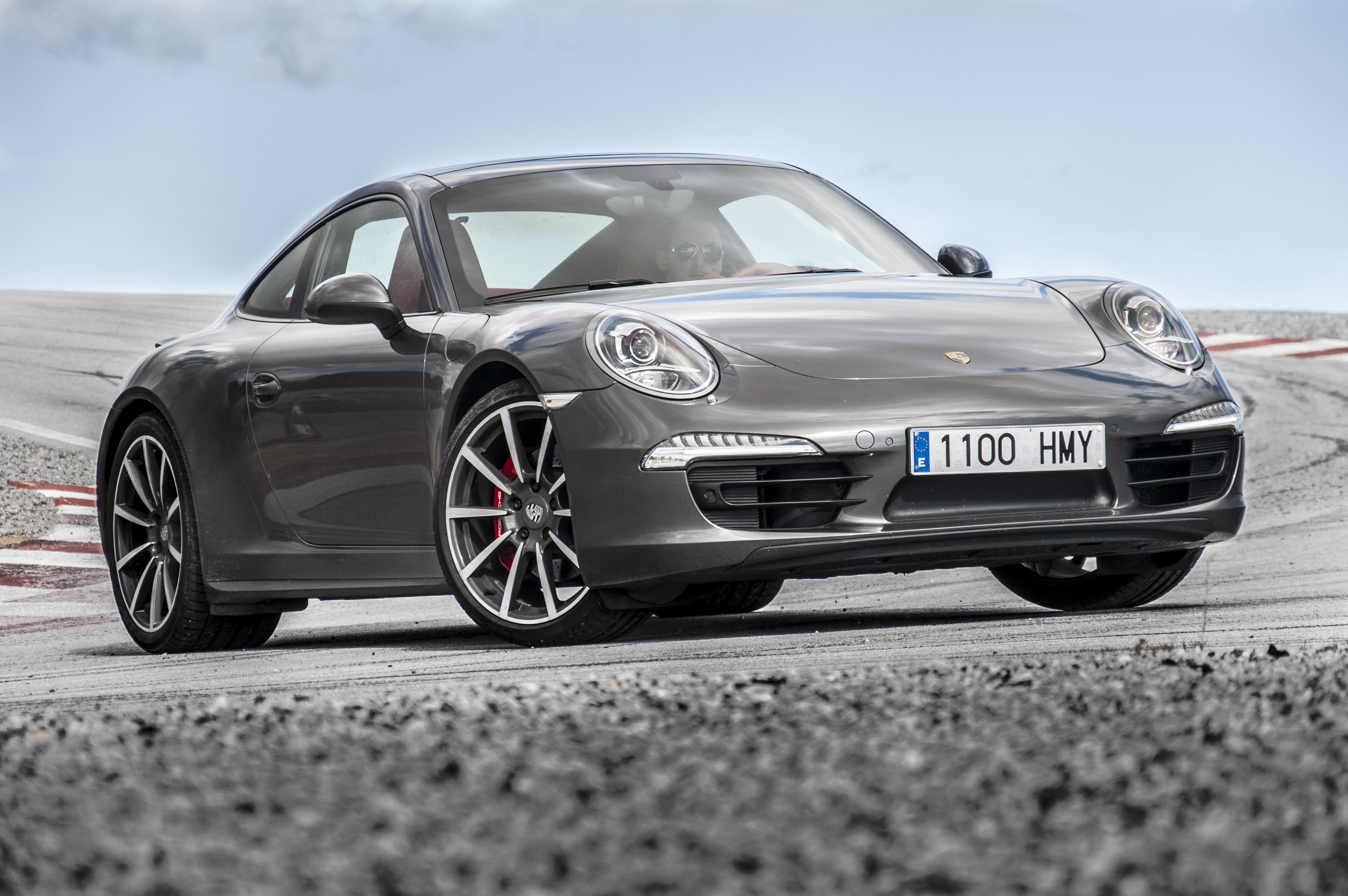
The Porsche 911 is a famous sports car that has been around for a long time, starting in the 1960s. It's known for being fast and fun to drive, and many people admire it because of its unique shape and great performance. It's often talked about because it's a symbol of luxury and excitement in the car world.
The Porsche 911 is a high-performance sports car that has been in production since 1964. Known for its distinctive design and rear-engine layout, the 911 has become an icon in the automotive world, celebrated for its engineering excellence and driving dynamics. It is often discussed for its cultural significance and as a benchmark for performance in the sports car segment.
Select text to request an explanation
So, Ambassador to Lebanon.
Expert in Silverstone-based public transportation.
And a big fan of the pyramids.
Daniel Morat, if you could describe this lunch we just had in one word, what would it be?
Aliens.
And now for Dinner with Racers presented by Continental Tire with your hosts, Ryan
Neversley and Shawn Heckman.
Welcome to Dinner with Racers.
Dinner with Racers.
I'm Ryan Neversley.
Hey, I'm Shawn Heckman.
And we are sitting here at a Johnny Rockets in Hollywood, California.
And what year, Shawn?
Year 2025, which is a year 10.
Year 10.
It's year 10.
Yeah, 2015 we were doing this.
Year 10 of this podcast, which is crazy.
Remember not having diabetes?
So we did our normal podcast this year where we tried to tag along on some of our race
weekends.
One of those race weekends that we do is Daytona where we try to get people from
overseas.
And apparently Canada now falls into overseas because we didn't know we were going to
go there.
It crossed like Michigan.
And so we're able to get ahold of Daniel Morat, who is a longtime sports car racing
driver, junior open wheel kid that came up through those ranks.
But somebody we've both known for a long time but never really got to know close.
Exactly.
So like Ryan said, I mean a working driver would be the way we would title him.
He takes opportunities as they come.
He was a karting stud, went over to junior open wheels, drove in the now defunct A1
GP series where he learned he was Lebanese.
And in the modern era he's kind of just known as a figure in different GT
ranks.
If you're a sim racer you're probably very familiar with the Moradness brand
of gloves and sim shoes and equipment.
And that's all Daniel, which leads to of course a lot of stories, such as Ryan.
Deciding that you're Lebanese?
Multiple career resets.
We learned that we are f*****g goals.
We are f*****g goals.
And conspiracy theories.
Tons of conspiracy theories.
Lots of conspiracy theories.
Yeah.
Now we had a delicious lunch at Bonefish Grill, which we have been to many
times in the past.
Yeah.
I can't remember all the guests because it's been a
lot.
It's kind of become disabled.
We've done Oliver Gavin.
Yeah.
Oliver Gavin, Augusto Farfus.
Yeah.
We did Farfus.
We did Albuquerque.
Yeah.
We did Farfus.
We did Albuquerque.
All kinds of stuff.
Yeah.
Bonefish Grill has become such a stable.
Yeah.
They're the tegary of dinner with racers places that we go to regularly.
When we walked in they're just like, oh, you want your table?
Yeah.
Yeah.
We don't even have to call.
They're like, yeah, go to your table.
Yeah.
It's right across the street from the Speedway, so you're looking for a
nice lunch there.
Bonefish Grill and Daytona.
They've been so great for us, but one of the things that's
awesome and great for us.
Because they're chicken sandwich, Ryan.
I loved it.
Thank you, Bonefish Grill, for that chicken sandwich.
What did you eat?
I had a shrimp salad.
Yeah.
Really good.
Cool.
And then you had a chicken sandwich.
I did.
Right.
Sure.
It looked like pasta.
But you know what else is better than that?
That sandwich that you had.
It's Continental Tire.
Tell me about Continental Tire, Ryan.
Well, 10 years ago we went to Continental Tire and we were like, hey, we have a really
bad idea.
Do you want to be involved?
And they were like, can you sell a bunch of tires?
And we said, no.
And apparently we can.
Well.
Because here we are 10 years later and Continental has had our backs the entire way.
And we could not do the show without them and also without you supporting them.
So please continue to keep that up if you want to keep this show on the road in a couple
of ways you can do that, Sean.
If you use the hashtag dinner with Conti, that goes a long way to tell Continental
Tire that you're engaged in paying attention to what we do.
So if you're on Instagram, Instagram being the one that they really, really
like, if you buy a set of tires, if you buy any sort of Continental product,
if you just see something that reminds you of us and you want to let us know
about the tech at Continental Tire in that post, but especially use hashtag dinner
with Conti.
That really goes a long way to sort of the trackable metrics era that we're in now
with advertising.
Or if you go to dinnerwithracers.com or even our Instagram profile, you'll see
there's a link to go to Continental Tire.
If you use the specific link on our website or Instagram, that link tells Continental
that we sent you.
And that is a huge, huge part of our sponsorship.
Got Nettletire.
Now we have a new thing we're doing this year that is a lot of fun for us.
We're at patreon.com forward slash DWR show.
You can join up with our dinner club there where we are doing behind the scenes efforts
to give you more content, whether it's stories about guests, stories about road
trips, previews of the guests that are coming up, the ability to ask those guest questions
before anyone knows they're even going to be on the show.
And we've been doing race previews and race reviews as well as just a monthly,
bi-monthly show where we're just catching up.
And honestly, it's been one of the most fun things we've done in a long time
because we're just letting our hair down, having a lot of fun with it.
So patreon.com forward slash DWR show.
And you'll join the dinner club.
There's a couple of tours that you can join with and we hope you'll join.
So, you know, who also is sort of an honorary member of this team now.
Shane, make his burden.
Yeah, SPG.
He he drove us all around the country this year.
The best team that I ever had.
Yes, Andrew Davis.
Cool.
Thanks, Shane.
And with that, Daniel Morad.
Meow.
All right, we're going to start in five, four, three, two.
What's going on?
Good. How are you, man?
Hey, dude, how are you?
It's good to see you, brother.
Yeah, doing all right?
Yeah.
So to go back to the beginning of your career,
the first time I think I ever saw your name, because you had carded before this,
but the form of the BMW thing, because at that point,
I was a mechanic and trying to become a driver and that came along.
I think I was because I'm how old are you?
Thirty four.
Yeah, I'm a few years older than you.
So that was I think I was already past any chance of that even being a reality.
But you were doing that.
And that was when it was like, dude, if you did the form of the BMW thing,
it can go somewhere.
But give me the carding career up to that point because before that,
I mean, even your carding career was really, really good.
Yeah. But well, funny enough,
form of the BMW is the reason I got back into racing.
OK. Yeah, no.
So carding, you know, quick background started when I was eight years old.
Markham, Ontario, Canada.
Yes, exactly.
And played hockey initially.
Weird. OK.
I mean, as a Canadian, who would have thought?
Yeah.
Started hockey, was good at it.
My uncle is a professional hockey player, my mom's brother.
He he got drafted to the Chicago Blackhawks
and then moved to Europe to play for like 16 years or 18 years
in Austria.
He played for the Olympic team, the Olympic team.
Yeah. As soon as my parents saw I was good at hockey, like, nope.
Really? Yeah, they pulled me right out.
Just didn't want that lifestyle for you.
Exactly. I did not want that.
And that was when I was seven, just going into my eighth year of existence.
And so for my eighth birthday, my dad,
he actually went go-karting with some friends.
It was this lifestyle of hockey or the physicality of it?
A little bit of both.
I think it was more so like the lifestyle.
Most seeing what your uncle's going through early practices.
Yeah. And having to drive you to a rink at 6 a.m.
Well, also just like travel all over the country, all over the world.
Yeah, I don't think they want to go through that.
Right. So then logically, racing is the next step.
It's so much safer.
Yeah. And you don't have to travel all over the world.
You have a full phase out, right?
Yeah.
And you're in a, well, I guess in a go-kart,
you're not really protected.
But you know, my dad went go-karting.
He's like, oh, this is actually really fun.
So for my eighth birthday, he bought like a used car.
It was 900 bucks.
OK, nice.
Canadian.
Yeah, Canadian. So it's like free right now.
I think back then it was very close.
Well, if you bang yourself up, it's free.
Yeah, you got that going for it.
So, yeah.
Well, is your dad a racer?
No, not even.
My dad had no interest in racing.
Like, where did the go-kart idea come from?
So there's a gentleman named Al Wortsman,
and he ran in the Motorola Cup.
And he was actually, he owned a company
called Concord Transportation.
And it's like a trucking company, and they did satellite,
you know, basically they had a software aspect to their company.
My dad was a software developer.
So that's how he got connected.
He was working for Al, and then they,
that's how they went go-karting.
That's the connection there.
And Al was actually a very important,
this guy, Al Wortsman, he's very influential guy
in my career as well.
He got me into my first year of car racing.
So through go-karting, you know,
I came from a working-class family
and, you know, we had a go-kart,
and I was like, oh, this is fun.
So we started driving up and down the street.
It's like, OK, the cars are bigger than us.
So we'll probably go to a go-kart track.
We went to Goodwood Cartways.
Oh, yeah, yeah, yeah.
Like Paul Tracy, Ron Fellowes, all these guys.
Where Paul's dad was banned from.
Yeah, yeah, yeah.
So, yeah, I started racing there,
and then one thing led to another.
And at that time it was cheap to drive, like cheap,
right, through quotations.
Yeah, it wasn't cheap.
It's still expensive.
But we would have a budget of like five grand a year.
Four-stroke go-karting, one set of tires the whole season.
Now it's like insane, like, oh, yeah.
I mean, I would never be able to race now.
It's not as a great one-liner.
Yeah, there's now a load-in day for go-karts.
I carted in the 90s.
That wasn't a thing.
We would have our Ford Explorer, and back seats down,
and go-kart in the back.
Our setup was taking the seats out of the minivan,
is the exact same thing.
So that's how I started racing.
And really loved it, and straight away was successful at it.
And in eight years of go-karting,
I won 13 national championships.
And that's part I wanted.
That's part I wanted to get in there.
So pretty much, yeah, it was really good.
Won pretty much in 2004.
That was like my best year of karting.
We did four championships, like Stars of Karting, WKA.
So like all these big series at the time, and won all of them.
Right.
The Ron Fellows championship.
They gave us, like, these weren't all just Canadian
karting championships.
No, the US.
He did floor to stuff, and yeah, yeah, yeah.
Who were some of the other names?
Names that, I mean, I don't really, well, Wiccans.
Heard of them?
Yeah.
You know, he's died.
He's done OK.
So Rob and I, we were rivals since like, we're friends.
First of all.
We're still Canadians.
Yeah, yeah, yeah.
We actually, here's a little wilder play.
The funniest thing is that we would have sleepovers,
because he lived in Guelph, which is with your rivals.
So Guelph, Ontario is like, it's probably
an hour away from most of the go-kart tracks,
hour, hour and a half.
So I was in a place called Markham.
I grew up there.
Is it Markham like the technology capital of Canada?
Sort of.
Now it's becoming like, I think Kitchener Waterloo
is where it's like the Silicon Valley of Canada.
But Markham is where all the head offices are
for these electronic companies.
So I was there.
It's more central to all the tracks, most sport, Goodwood,
whatever, Innisfil is another track up there.
So he would stay over at my place.
Just to be close to the track for next weekend.
And so we'd play like our NASCAR, whatever game.
We'd just do, you know, beat the crap of each other.
And then Laugh.
And then the next day, we'd crash.
No, we wouldn't crash each other on track.
We never put a wheel on each other, but we raced so hard.
And that's part of the development for both of us,
why we kind of rose up the ranks so well.
Yeah, if you're going against a guy who's considered F1 talent,
you know what I mean?
Like you guys are both good at sharpen.
Every single year we split titles.
So we'd do four stroke and shifters.
And like, he'd win one, I'd win one.
And we'd win out of six races, three and three.
It came down to like a tiebreaker of who finished
like seven, one racer.
We never finished seven.
Yeah, it was like a horrible day.
No, it was first or second.
Second was a bad day.
So, yeah, I mean, that was, I would say Wiccans
is like the main guy that's needed.
But there's a bunch of other names.
Like, you know, Matt Lee, like at the time, he was very good.
He came up through the ranks in junior level.
He was these guys, these are the guys that had 53 footers.
Sure, right.
Cole Witt is another guy.
Yeah, yeah, for sure.
He went to NASCAR.
He's over in Stockholm World.
Yeah, so, I mean, who else really?
Those are just the big names that I think that,
who had the biggest trailer?
You know, it's like, who had the car haulers?
We had our little, at the point I was racing at the peak,
we had an 18 foot trailer.
And I was like, with a little closet?
Yeah, oh wow, look at that.
We were going to turn it into a toilet,
but it just turned into a tire locker.
Became practical.
Yeah, exactly.
But yeah, so just did that, go karting,
stopped when 2005 was my last full season of karting.
Then 2006 won the Scusa Supernats, which was nice.
Yeah, yeah, big deal.
Yeah, yeah, yeah.
Who was in that race that we might know now?
Joel Miller was like the guy.
Yeah, for sure.
He was like Tony Kart Factory driver at the time.
I may or may not have punted him and turned one
and broke the track with him.
Oh, wow.
Like set a barrier in half.
It wasn't really my fault.
It was like, oh.
Yeah, it was a little bit my fault.
But it was mostly everyone around me is what a horrible answer.
I think it was about three of us.
Pretty much everyone but me.
He was surrounded by enemies.
It wasn't even like, I didn't mean to.
I'll be honest.
I didn't mean to.
It was kind of like a check up.
Like, man, it went on that start.
I remember vividly everyone was berserk,
like banging side pods.
And then he just got kind of checked up onto a tire.
I didn't try to avoid it, I guess.
Right.
Not my problem.
Yeah.
So the story slowly more and more.
I guess it is my fault.
Shoot, I'm kind of a dirty driver.
You ruined Joel Miller's career.
Damn.
If he would have won that race.
Yeah, right.
That was it.
But actually that race was cool because it
came down to the last lap.
I was third at the end of the long straight
and I did a double overtake into the big break zone.
And yeah, I was like, I didn't really mean to do it.
But those are always the best ones.
That works.
Have you ever done that?
Yeah.
Or you maybe go to defend somebody and you overtake them.
Well, you think no way the ABS is going to keep up with this.
And it does.
You're like, oh, I couldn't do that the whole time.
Yeah.
I play soccer as well.
OK.
I played competitively when I was young
because I was a bit chubby.
So I did that.
And you know, it's like, well, not an analogy,
but sometimes you do a cross and you score a goal.
And you're like, yeah, that meant to shoot.
That was a shot.
That was totally aiming for that.
Yeah, yeah, that was a shot, not a pass.
Tech, he gets shot.
So yeah, go karting, ended then, did formerly BMW and.
So how does that jump happen?
So that jump, that was an interesting one
because it's like, well, we have no money.
I was fully funded in karting from 12 years old.
From a factory standpoint or from a sponsor?
Yeah, so from the teams, I would say.
Because I mean, I think it works with car racing as well.
It's a business.
So you take the best guy.
They're making you the reason to go to that team
and buy that car.
Yeah, so then they have a bunch of customers
that will be like, oh, well, this guy's winning.
Yeah, well, especially in that era.
So it's not so much now in junior racing because it's all spec,
but karting was open enough with chassis
that it's worth having one or two really good guys
that can sell your car chassis.
And so that's where you started.
Who was it, who were you driving for?
So I drove for Burrell at the beginning.
And then that was my junior.
So when I was driving in junior,
and then I moved to senior and drove first kart.
So Bobby Wilson was like the guy at the time.
And so I ended up switching over to first kart
because he was slowing down and they scooped me up.
So yeah, well, I wouldn't be able to go kart.
Like I wouldn't have been able to continue
because at the time the prices were ramping up.
So all we were responsible for was the logistics.
Getting you there, yeah.
And all the carts and everything was supplied.
So your family could help you with that,
but that was as far as I could.
And mechanic.
So we had a mechanic, Paul Lapierre.
He was like my mentor.
He was like my big brother from 11 years old until 16.
Sure, but were you still living in Canada,
like home and everything?
We've heard these kind of stories where a lot of people
have gone to Italy and had to live in America.
Well, I did move in the end.
Oh, OK.
So yeah, so I did the karting and got fully funded
for all that, except for the travel and mechanic.
And then I got picked up by e-karting news
for the scholarship program for BMW.
They gave me the chance to go to Valencia, Spain
to try out for the Formula BMW.
Well, it's not the team.
It's like a scholarship program.
So they give you a $40,000 scholarship
towards driving in the Formula BMW series.
Right, because late 2000s, there was this Formula BMW series.
It's not around anymore.
2004 in the US, I think 2002 in Europe.
Yeah, but.
But a lot of top names came through there.
Right, not too different to say Formula Renault,
except it was all spec in the sense
that it was all controlled by BMW.
And so everything was under one paddock.
Well, yeah, the teams were, there were individual teams,
but it was a spec series.
I drove for AIM initially, and then I switched over.
Actually, that was an interesting transition,
but I'll explain that.
So it started with the scholarship, had no money.
So like, we just went there anyway.
It's like, it was fully paid.
Maybe I win it.
There's five guys out of 40, I believe, that were invited.
Maybe it's 30, 40 guys.
So these are all like carding kids?
Carding kids, yeah, exactly.
And this is for anyone that wants to race
in the Formula BMW USA.
So it could be anyone from all over the world,
for Australians, Europeans, whatever.
And so five guys get selected,
and so I was actually one of the five selected.
I was only 14 when I first did that.
That was before I stopped carding.
I kept going in carding.
That was the first time I did it.
So I was 14, going to be 15.
And so won it, and my dad's like,
well, we don't have the money, so we can't do it.
Even if you won 40, you ran, it's 200,000.
Yeah, exactly.
So where are we gonna find the other 160?
The math isn't math.
Yeah.
So, okay, let's do carding again.
You know, do senior now, senior carding,
and so I did that.
And then again, next year,
got invited back to the scholarship.
So again, won the scholarship,
but again, don't have the money,
so we turned it down.
And Ron Fellows actually,
I don't think he helped financially in any way,
but he did connect us with AIM.
Yeah.
And got us a good deal with AIM.
Which is one of the best teams in Canada.
Yeah, very, very soon.
AIM Autosport, Ian Willis and Keith Willis.
Yeah, the best.
Andrew Bourdine, like those guys.
Top program.
Yeah, Mark Wilkins, bunch of really guys.
Exactly.
So Ron connected us,
and then I turned the deal down already.
So it's like, well, we lost the 40 grand.
USD, which is like a million.
Yeah, right, yeah.
Canadian.
Could have bought the series.
Yeah, pretty much.
And so we actually made,
so this is where Al Wartsman came in.
He helped a lot with that first year.
He got me going.
And he's a friend of your dad's?
Yeah, so he used to be my dad's boss.
And then my dad did his own thing.
He started his own company to write software.
But they stayed in touch.
And still to this day, he's very close to our family.
That's cool.
Yeah, Al, he got my baby, the stroller.
Oh, nice.
He bought the stroller on my...
He's definitely still part of the family.
Yeah, yeah, yeah.
He's a very nice stroller.
Very nice, smooth.
So he helped you...
He helped me get that first year of car racing.
So he funded the whole thing.
And won the first race weekend.
Mid-Ohio.
Yeah, Mid-Ohio.
Race weekend, started 12th in the rain.
Easy peasy.
No, I think everyone just drove off.
I didn't.
Yeah.
So it was great.
Yeah, yeah.
And then I think you had to pull that year at Lime Rock.
Yeah.
And then that was kind of it for that year
in terms of success, right?
Yeah, I finished fifth or sixth in the championship
that year, but was a rookie champion.
OK, gotcha.
So that was good.
Yeah.
It was tough to compete against the bigger teams
like Euro International, which was like the Red Bull team.
Sure, sure.
And Autotechnica was also a very strong team.
But we were such a small team.
We did an amazing job with what we had.
And like no testing.
Right, sure.
So that was fun as well.
And yeah, so rookie champion.
So with that, you get the scholarship.
OK, gotcha.
So then I became a BMW junior in 2006.
In 2007, I'm a BMW junior.
And so we start...
That scholarship's worth 40 grand.
Oh, still a 40 grand.
Yeah, 40 grand.
You still have a big deficit.
Yeah, yeah.
So here's the thing.
We don't have the money.
We don't have the money to do the next year.
It's like, Al, you can't keep asking him to do the next year.
Well, you know, it's tight.
So we got a little bit.
But it's like, well, let's just start the season
to see where it goes.
You know, the classic junior mentality.
It's like, let's go race by race.
It'll work.
Yeah.
Meanwhile, the internet's like rich kids.
Yeah, absolutely.
Everyone's a rich kid.
Yeah, yeah.
I wit.
I'll be honest.
I thought you came for money.
Yeah.
Everyone does.
Until today.
Yeah.
But you always act like a normal person.
So that doesn't make you a bad person if you did what you didn't.
So yeah, so we, going into the preseason testing,
we're like going through it's like, OK, well,
let's do the first race.
And we actually had Euro International,
which was like the biggest team.
Yeah.
Yeah.
They were the big team, which I didn't realize
there was this like business model that they had where
they just bring in the top, you know,
whatever the top talent is, put them in the car for free.
And then they would have the program subsidized
by the three or four other guys.
Yeah, exactly.
So that's, and plus I got the scholarship.
So it also subsidized a little bit more.
So it was like, not that expensive,
because when you actually think about it,
the team, when you take away the profits from it,
and the running costs are not that expensive for formerly BMW.
So they made it work.
And they had this business model for a lot of guys.
Wiccans, myself, Alexander Rossi a year after me.
I think Gabby Chavez after.
But either way, you could run on a much more
partial program because you're the good one.
You're the guy that's showing that they are a good team.
Yeah, so that's like, well, this guy
is the most promising driver for the next season
that can win for a row.
So if you're in customer racing, you're also
the one that the other three clients are bitching about.
Yeah.
They're giving people all the good stuff.
My whole weekend.
Yeah, yeah.
Yeah, exactly.
Literally yesterday's phone call.
Yeah, yeah.
That's saying it.
No, and they're Canadian.
They're lovely.
So yeah, I mean, in the pre-season testing,
the Euro-International, Antonio Ferrari
came up to my dad and said, hey, I'd
like your son to drive for my team.
It's like, hey, what's the catch?
He's like, yeah, for free.
It's like, yeah, nothing's for free in life.
Yeah, right.
Come on, buddy.
And literally until, no joke, the Tuesday
before the first race of the season,
yeah, they were like pushing to get me in their team.
Yeah.
And finally, we're like, OK, listen, we have no money.
We can't do it.
So let's just do it.
It's a good team.
So in the end, Aime had a driver, Natasha Gasheng.
Yeah, I kind of remember that.
Anyway, she had a license, I think international,
she could not compete in Formula BMW.
No, sorry.
What was it?
I guess she couldn't compete in something or other.
And he said, yeah, we'll pay for everything.
So I was like, all right.
So showed up.
And sure enough, the team paid everything.
It's like, OK, let's go.
And we won the first races.
And actually, we finished first and second in the first race.
And then the next one was Montreal.
So we won both races in Montreal Grand Prix
and caught the attention of Helmut Marco.
So then that's where I got scooped up by Red Bull.
So that was the initial meeting off the podium.
He pulled me into the hospitality Helmut did.
Then the next race was Indianapolis.
Again, won in Indianapolis.
And then right there, he gave me a contract.
And that was F1 support, right?
Yeah.
Yeah, both those races.
Yeah, exactly.
Yeah, because at that time, BMW still had an F1 program.
So it was a big part of it.
It's a 2007.
So it got the Red Bull contract on the spot.
It's like, OK, let's sign this,
because even though it's not the best contract,
but you get the helmet.
You get the helmet, man.
Yeah, exactly.
Man, it was like, it gave you superpowers.
You felt like an absolute hero.
I remember thinking, I'm like, why don't I just
pay my helmet painter to paint my helmet like Red Bull?
You don't understand.
I mean, you probably do.
It's like the thing you aim towards.
That was the only path towards F1.
And for me, it's like, I have no money.
This is the ticket right here.
It doesn't matter how the contract is.
It's better than literally zero contract.
OK, so walk us through the Red Bull contract basics
when you first get it.
Yeah, so they cover everything.
They pay for everything.
For the driving part.
Yeah, for the driving part.
Even though everything was already paid for,
it was still just to be associated with that.
And if you win, you move on.
I knew that.
And for me, my whole life was,
it's not about finding angles or anything.
It's literally success.
Success is going to work, yeah.
And that's where I was wrong.
OK.
Success doesn't always take you to the top.
With Red Bull?
Yes.
It's actually a bit more tricky than that.
I don't know if you've seen their driver roster in the second car.
See something that's not quite right? Our annotations are AI-generated and can sometimes miss the mark.
Click the flag icon on any annotation to suggest a correction.