Shane van Gisbergen joins Dinner with Racers for a lively discussion about his journey from V8 Supercars to NASCAR. The episode dives into his unexpected success in NASCAR, including his debut win at the Chicago Street Course. Shane shares stories about his early racing days, the challenges of adapting to American racing culture, and the camaraderie within the NASCAR community. The conversation also touches on the differences between racing in Australia and the U.S., his experiences with media obligations, and the unique dynamics of being a driver in a competitive environment. Fans will appreciate his candid insights and humorous anecdotes.
SVG!!! Do we need to write an introduction? It’s Shane van Gisbergen… we’re guessing you’ve heard of him, unless you’ve never heard of NASCAR, Australian V8 Supercars, the Rolex 24 at Daytona, FIA GT racing. Shane has a number of distinctions to his career, such as winning like 100 V8 Supercar championships, winning his first-ever […]
"But basically, Shane Van Gizbergen is the guy. Australian V8 Supercar won, I don't know, every championship for the last 65 years."
V8 Supercars is a type of car racing in Australia where cars with V8 engines compete against each other. It's popular and has many fans.
V8 Supercars is a touring car racing category based in Australia, featuring modified production cars powered by V8 engines. It is known for its competitive racing and has a strong following in Australia and internationally.
"He's driven a ton of sports car stuff, including the Rolex 24 a few times, the Bathurst million."
The Rolex 24 is a famous car race that lasts for 24 hours. It takes place at a racetrack in Daytona, Florida, and many different types of sports cars participate in it.
The Rolex 24 is a prestigious endurance race held annually at Daytona International Speedway in Florida. It is part of the IMSA WeatherTech SportsCar Championship and features a variety of sports cars competing over a 24-hour period.
"...including the Rolex 24 a few times, the Bathurst million."
The Bathurst 1000 is a famous car race in Australia that covers a distance of 1,000 kilometers. It takes place on a challenging mountain track and is a big event for fans of car racing.
The Bathurst 1000 is an annual touring car race held at the Mount Panorama Circuit in Bathurst, Australia. It is one of the most prestigious events in Australian motorsport, featuring a grueling 1,000-kilometer race.
"...he's been doing pretty good in NASCAR. He's dabbling."
NASCAR is a type of car racing that takes place mainly on oval tracks in the U.S. It involves specially designed cars that race against each other at high speeds.
NASCAR (National Association for Stock Car Auto Racing) is a popular motorsport organization in the United States, known for its stock car racing events. It features a series of races on oval tracks and is famous for its high-speed competition.
"But do you remember a whole thing with Magnus racing and soup at the Daytona 24, 10, 15 years ago?"
The Daytona 24 is a famous car race that lasts for 24 hours. Teams compete to see who can drive the most laps around the track in that time, making it a test of endurance for both the cars and the drivers.
The Daytona 24, officially known as the Rolex 24 at Daytona, is a prestigious endurance race held annually at Daytona International Speedway in Florida. It is part of the IMSA WeatherTech SportsCar Championship and features teams racing for 24 hours straight, testing both speed and durability of the cars and drivers.
"So we always had crap cars and racing them around. So car wholesale in the US means auctioning."
A car wholesaler buys used cars and sells them to car dealerships. They often get these cars from auctions and sell them to make money.
A car wholesaler is a business or individual that buys vehicles in bulk, often at auctions, and sells them to dealerships or other wholesalers. This process typically involves acquiring second-hand cars and reselling them for a profit.
"Yeah, he was rallying. So that's my love for rallying came in."
Rallying is a type of car racing that takes place on different types of roads, including dirt and gravel. Drivers race against the clock and must be skilled at handling their cars in various conditions.
Rallying is a form of motorsport where drivers navigate through a series of timed stages on public or private roads, often in varying weather conditions. It emphasizes both speed and skill in handling different terrains, making it distinct from traditional circuit racing.
"...New Zealand had WRC there for the first time in 10 years or something."
WRC is a big rally racing series where drivers compete on different types of roads. It's known for exciting races and challenging courses.
WRC stands for World Rally Championship, which is a prestigious international rally racing series. It features a variety of terrains and conditions, showcasing the skills of drivers and their vehicles in timed stages.
"...to race in Formula V. Formula first, I think it's called now. And yeah, tried to do it and didn't win at the first year, but one at the second"
Formula V is a beginner racing series where drivers use small, open-wheel cars. It's a way for new racers to learn and compete without needing expensive equipment.
Formula V, also known as Formula Volkswagen, is a type of open-wheel racing series that uses cars built on a Volkswagen chassis. It serves as an entry-level category for aspiring race car drivers, providing a platform to develop their skills in a competitive environment.
"But in Formula Toyota, I was too tall and already too heavy. So I couldn't get to the weight limit and down the straights."
Formula Toyota is a type of racing series for beginner drivers. It's a way for them to learn how to race in small, fast cars before moving on to bigger competitions.
Formula Toyota is a single-seater racing series that serves as an entry-level category for drivers aspiring to compete in higher levels of motorsport. It emphasizes skill development and provides a platform for young drivers to showcase their talent.
"...I remember they were running the A1 GP program."
A1 GP was a racing series where teams from different countries raced against each other using the same type of car. It was a way to represent each country in motorsport and see who had the best drivers.
A1 GP was a motorsport series that featured national teams competing against each other in identical cars. It aimed to promote national pride and showcase drivers from various countries on a global stage.
"...I had a 1989 Toyota Starlet. OK, sweet. And then dad sold it to me for five..."
The Toyota Starlet is a small car that Toyota made for many years. It's known for being reliable and good on gas, which makes it great for driving around town.
The Toyota Starlet is a subcompact car that was produced by Toyota from 1973 to 1999. It is known for its compact size, reliability, and efficiency, making it a popular choice for city driving.
"...focus on on supercars and sort of GT3 race comes into town. Yeah. So when I changed teams in 2013..."
GT3 is a type of car racing where specially modified sports cars compete. It's exciting and showcases some of the fastest cars on the track.
GT3 refers to a category of racing that features production-based sports cars modified for competition. These races are known for their high performance and are popular in various racing series around the world.
"...where I started branching out and started in Australian GT and New Zealand had a V8 series..."
Australian GT is a racing series in Australia where fast sports cars compete against each other. It's popular among car enthusiasts and racers.
Australian GT is a sports car racing series in Australia that features GT cars. It attracts a mix of professional and amateur drivers competing in various events throughout the year.
"...and New Zealand had a V8 series. I could do that and where I wasn't allowed to before..."
V8 series is a type of car racing that uses cars with V8 engines, which are known for being very powerful. These races are exciting to watch.
V8 series refers to racing events that feature cars powered by V8 engines. These races are known for their powerful performance and are popular in regions like Australia and the United States.
"...n before. And he changed with Ben Keating in the Viper the next year and recommended me. And 2014 I sta..."
The Dodge Viper is a super-fast sports car that looks really cool and has a big engine. It's not just for driving around town; it's built for speed and racing.
The Dodge Viper is a high-performance sports car known for its powerful V10 engine and distinctive design. It has a cult following among car enthusiasts due to its raw power and limited production, making it a significant icon in American muscle car history.
"But they took the ABS off them. Right. And the cars weren't designed for ABS."
ABS means Anti-lock Braking System. It's a technology that helps prevent your car's wheels from stopping too suddenly when you brake, which helps you steer better and avoid skidding.
ABS stands for Anti-lock Braking System, a safety feature that prevents the wheels from locking up during braking, allowing the driver to maintain steering control. It is commonly found in modern vehicles to enhance braking performance.
GT America is a racing series where specially modified sports cars compete against each other. It's designed for exciting races and showcases high-performance vehicles.
GT America is a racing series that features GT cars, including modified versions of production sports cars. It emphasizes competitive racing while allowing for some modifications to enhance performance.
"And it was just in between the GT3 and GT car. So there was Lee Keen was like the other pro driver."
GT cars are fast sports cars made for racing and long drives. They are built to be powerful and comfortable at the same time.
GT cars, or Gran Turismo cars, are high-performance sports cars designed for both speed and comfort, often used in racing and long-distance driving. They typically feature powerful engines and advanced aerodynamics.
"From Alex Job Racing. Yeah. And we've had one of these with Alex, who's a legend of this country's sports car racing."
Alex Job Racing is a famous racing team that competes in sports car races. They are known for doing well in long races.
Alex Job Racing is a well-known motorsports team that has competed in various racing series, particularly in sports car racing. They are recognized for their success in endurance races and have a strong reputation in the racing community.
"...really good at teaching me how to drive it. Got it. Yeah. Vehicle dynamics. And yeah, it was a really good teacher."
Vehicle dynamics is about how cars move and handle when you drive them. It helps drivers learn how to control the car better when speeding up, slowing down, or turning.
Vehicle dynamics refers to the study of how vehicles behave while in motion, including aspects like acceleration, braking, and cornering. Understanding vehicle dynamics is crucial for improving driving skills and vehicle performance.
"Like the bolts were coming loose and the wing was tilting further and further back."
A wing on a car is a part that helps keep the car stable and on the ground when it goes fast. It helps the car grip the road better, especially during turns.
In automotive terms, a wing refers to an aerodynamic device attached to the rear of a car to generate downforce, improving traction and stability at high speeds. Wings are commonly found on performance and racing cars.
"The Roval. OK, got 40 laps maybe of the track there."
A Roval is a type of racetrack that combines parts of a road course with an oval track. It allows cars to race on both straight sections and curved sections, making the race more interesting.
A Roval is a combination of a road course and an oval track, allowing for a unique racing experience that incorporates both types of racing. This design is often used in NASCAR events to create more diverse racing conditions.
"...the rally car I drove that year was left hand drive sequential. So that was pretty similar in the cars."
Left hand drive means the steering wheel is on the left side of the car, which is how most cars are set up in countries where people drive on the right side of the road.
Left hand drive refers to vehicles designed for driving on the right side of the road, where the driver's seat is on the left side of the car. This configuration is common in many countries, including the United States.
"...the rally car I drove that year was left hand drive sequential. So that was pretty similar in the cars."
A sequential transmission lets you shift gears one after the other in a set order, making it quicker and easier to change gears, especially in racing.
A sequential transmission is a type of gearbox that allows the driver to change gears in a specific order, typically by pushing or pulling a lever. This system is commonly used in racing cars for faster gear changes compared to traditional manual transmissions.
"How's the acceleration in a cup car compared to the super car?"
A cup car is a type of race car designed for specific racing competitions. They are built to be very fast and safe for racing.
A 'cup car' refers to a race car built to compete in a specific racing series, such as the NASCAR Cup Series. These cars are highly modified for performance and safety.
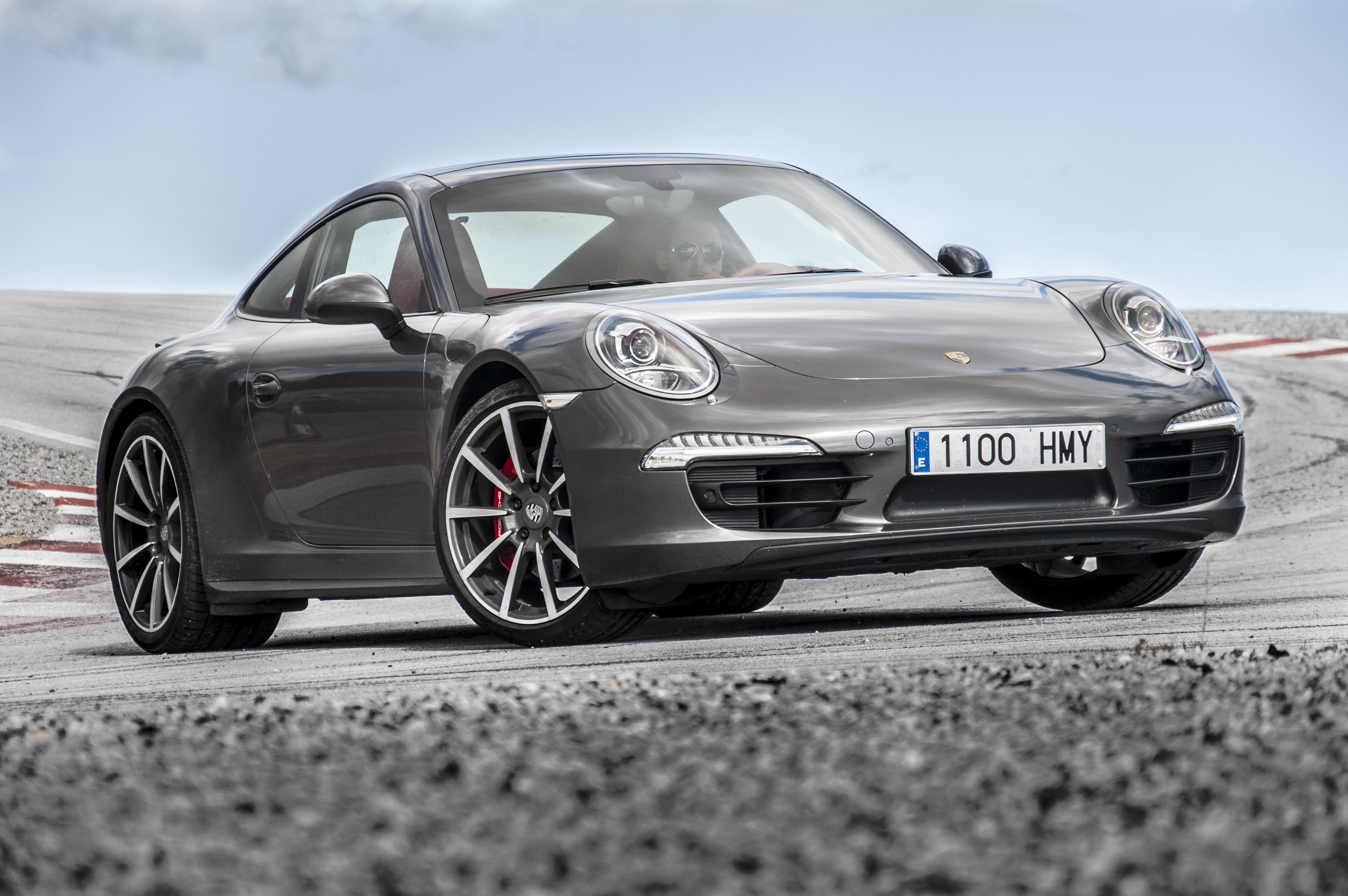
"the thing could take off compared to like a GT three cars."
The Porsche 911 GT3 is a very fast sports car made for racing and high performance. It's known for its great speed and handling on the track.
The Porsche 911 GT3 is a high-performance variant of the 911 sports car, known for its track-focused design and powerful naturally aspirated engine. It offers exceptional acceleration and handling.
"So what's the what's the biggest ass handing you ever got from Rowland? Oh, Daytona's daughter. Actually, it was one of the first ones was like the first rules."
The Chrysler Daytona is a sporty car from the 1980s that was designed to be fast and stylish. It was popular for its unique look and was part of Chrysler's push to make fun cars.
The Chrysler Daytona was a sporty coupe produced in the 1980s, known for its aerodynamic design and performance-oriented features. It played a role in Chrysler's efforts to compete in the growing market for sporty cars during that era.
"Yeah, sure. You know, we go, he's got this Corolla that he drives on the road, a Corolla wagon."
The Toyota Corolla is a small car that is very popular because it's dependable and doesn't use a lot of gas. Many people like it for everyday driving because it's easy to handle and maintain.
The Toyota Corolla is a compact car known for its reliability, fuel efficiency, and practicality. It has been one of the best-selling cars globally for decades, making it a significant model in automotive history.
"...you practice, you have a few sessions of practice, then qualifying, you have two or three sets of tires,..."
Qualifying is when drivers try to drive as fast as they can to get a good spot at the start of the race. The faster they go, the better their position will be in the race.
Qualifying is a session in motorsport where drivers attempt to set their fastest lap times to determine their starting positions for the race. It's crucial because a better starting position can significantly impact a driver's chances of winning.
"driving a Ford NASCAR. Like Justin would give them a go in Project 91"
Ford is a well-known car company that makes many types of vehicles, including race cars. They have a long history in car racing, especially in NASCAR.
Ford is an American multinational automaker known for producing a wide range of vehicles, including cars, trucks, and SUVs. The brand has a rich history in motorsports, particularly in NASCAR racing.
McLaren is a company that makes fast and expensive sports cars. They are also famous for their racing cars in Formula 1.
McLaren is a British automotive manufacturer known for its high-performance sports cars and involvement in Formula 1 racing. The brand is recognized for its engineering excellence and innovation in automotive technology.
"Yeah. So I did try to do midgets a few years ago, but I didn't really fit and tha..."
The MG Midget is a tiny sports car that was made a long time ago. It's known for being fun to drive, but it's also very small, which can make it hard for some people to fit inside.
The MG Midget is a small, two-seater sports car produced from the 1960s to the 1980s, known for its lightweight design and fun driving experience. It represents the classic British roadster style and has a dedicated following among vintage car enthusiasts.
Select text to request an explanation
So, a pukey Porsche driver.
Prada J of Jerome Bleakamolan.
And G-string salesman.
Yeah, as well as a peddler for both saucy nugs
and floor liners.
Shane Van Gisburgen, if you could describe this dinner
we just had in one word, what would it be?
I finally got my soup.
Callback.
And now for Dinner with Racers, presented by.
Continental tire.
With your hosts, Ryan Eversly and Sean Heckman.
Please hold your radio.
I'm a driver very angry.
This is the sound of a driver on the radio during a race.
What do you think I should go ahead and do?
Engine on.
Welcome to Dinner with Racers.
I'm Ryan Eversly.
I'm Sean Heckman.
And you are listening to a 10-year episode
of Dinner with Racers.
10th anniversary season.
It is 10 years in, my friend.
We are sitting here in Hollywood, California
at a Johnny Rockets, which was convenient to us
because we were working on another project today.
And we decided to do our hosting of this season's main podcast.
And so when we looked at guests that we've
been wanting to have for a long time,
this name actually goes back quite a ways between you and I.
I think like 2014 or something.
Something like that.
Three podcasts.
Before the podcast, what it kind of started the podcast
in a way was some web streaming that you and I did.
And Shane Van Gizbergen was a big theme of that.
He's kind of like a mascot.
Yeah.
Whether you do it or not.
Yeah, exactly.
Whether he still doesn't, apparently.
But yeah, Shane Van Gizbergen has been a big part of it.
I have to think, if you're a fan of any sort of motorsport,
you've probably heard of Shane Van Gizbergen.
So I don't know that we need to give the whole career rundown.
But basically, Shane Van Gizbergen is the guy.
Australian V8 Supercar won, I don't know,
every championship for the last 65 years.
He's driven a ton of sports car stuff, including the Rolex 24
a few times, the Bathurst million.
And of course, most currently,
is he doing much these days?
I don't know.
He's been doing pretty good in NASCAR.
He's dabbling.
Pretty good, I think.
It's a good way of putting it.
You know, he most notably made his NASCAR debut
on the Chicago Street course a couple of years back
and won it.
On his debut.
On his debut, a rookie winning in NASCAR is unheard of.
And Justin Marks, who's a friend of the show
and a friend of ours, saw that he was as good as he is
in those supercars and said,
Hey, you know, it's pretty similar to those cars.
It's a new NASCAR.
I'm going to go ahead and bring the greatest of all time over.
And oh, weird, he won in his debut.
And then this year, he won five times.
Yeah.
He won five times in NASCAR this year on road courses.
It's insane.
Yeah, that that shouldn't be happening.
But he's the man and I'm not going to say he loves to tell a story.
No, I'm going to say, I don't think we knew what we were getting.
Yeah, but we got some stories.
Yeah, some of the things you're going to learn about in this episode
are letting us know very early that this was not his thing.
He talks about how to name your dogs, how to not go on our first date.
And hey, Ryan, he talks about eating soup.
He finally got a soup.
He got a soup. Yeah.
So we had dinner at Jeffrey's restaurant,
which again has become a staple of ours in Moorsville, North Carolina.
And I had the shrimp salad again.
It's kind of like one of my staple meals on the road.
I had the chicken sandwich at the notorious steakhouse.
Yeah, you sure did.
Now, one of the things we're doing new to this season is the Patreon that we have.
You can go to patreon.com forward slash DWR show.
We have a dinner club option over there.
We are doing an extra content where you can learn more about the show,
more about Sean and I, some of the behind the scenes things that have happened
on and off the road, as well as our previews for our personal racing,
our race reviews, some of our just BS and trash talking about racing in general.
And it's been a lot of fun.
That's patreon.com forward slash DWR show.
You can check that out.
But another thing you can check out.
Oh, you can check out our sponsor.
That's right. How do you how do you say it?
Got that old tire.
Hashtag dinner with Conti.
And what does that dinner with Conti do that?
Well, I'm glad you asked, Ryan.
See, hashtag dinner with Conti is a really, really big deal in terms of
providing trackable information to our sponsor, Continental Tire.
So if you go to Instagram, if you buy a set of tires and take a photo,
if you buy any Continental Tire product and take a photo or just if you see
something that reminds you of us and you post a photo of that on Instagram,
use that hashtag dinner with Conti, as well as, of course,
tagging Continental Tire that provides verifiable, real information
that our sponsorship works and that it's sending you to them.
Or if social media is not your thing or you want to do double the effort,
go to dinnerwithracers.com or our profile on Instagram.
In either case, there are Continental Tire links.
Those links directly tell them that we sent you again.
If you specifically click on the link from our website or the link from Instagram,
you click on that, they get a trackable piece of data that says those people
came from dinner with racers.
So by all means, do that because that's a big part of our sponsorship app.
Now, how did we get to the Shane Van Guzburg in dinner?
Oh, he drove us.
He drove us to his own dinner.
That's so cool.
Jeffries in Mooresville.
Is that right, Shane?
You know, Ryan and Sean, it's pretty comforting to know these road trips
have the protection of the WeatherTech floor liners trademark.
Thanks, Shane.
Now take it away.
Shane.
All right, we're going to start in five, four, three, two.
What's going on?
So, dude, how are you?
Yeah.
Hey, I'm Ryan.
All good.
Nice to meet you, man.
Hey, Sean.
Nice to meet you, man.
So what's going on, man?
Yeah, no much.
Just busy getting ready for playoffs this week.
And yeah, right.
Yeah, busy couple of days and see how we go.
So you probably wouldn't know this, but the three of us have a history, actually.
Daytona was it 2014 or 15?
You've had a whole career since then that I doubt the sticks at all.
But do you remember a whole thing with Magnus racing and soup at the Daytona
24, 10, 15 years ago?
No, that's for the better.
Yeah.
Long story short, we used to do a web stream out of the race with one of the
teams that we worked with.
And Ryan wasn't driving that year in the in the GT side of things.
And so we did a whole live stream and you were I think it was your first Daytona.
Yeah, 14.
Yeah.
Okay.
So it was 14 and and we knew you from the from the supercar stuff.
And Australia and so we're like, well, it'd be cool if he came down to this
live stream that we're doing for 24 hours.
We're getting drivers from all sorts of teams just to pop by and like talk.
And it's all web based because we can't show it's happening on track, but we
can talk about it and just like see how people are doing.
And so you're a big name in that race because that's your first time doing it.
It's kind of fish out of water.
So we're like, oh, man, if we can get him to come down.
So we've got thousands of people in this chat room that are that are interacting
with us.
And so we're like, hey, tweet at shame and Gisburg and to get him to come down
here to try to get on the show.
And we I don't know why we were doing soup as a bit.
I think it was one of the other guys on the team.
Okay.
But yeah, we had this like hot bit of soup that had stayed there for like five
hours that were we were waiting for you to come and have with us because it
had been waiting for you.
And we had like thousands of fans tweeting at you to come down at one point
like, okay, I'll come down and have soup.
But we know how it is at that race.
It doesn't work out that way.
But you did tweet us and you're like, I'm going to come have some soup.
And I didn't show up.
Yeah.
Okay.
We got the tweet.
Sorry.
Yeah.
But we were just imagining you in the middle of this massive event getting
tweets that you're like, who, what is this?
Like, what is this?
Why is this happening to me?
And our fans are pretty relentless.
And we're just like sending you note after note, like, please, please, please.
Cause they were tagging us in it.
And we're seeing her like, it's a bit much.
He might not find this funny.
That probably happened once to you.
If I had to guess.
I don't remember it.
So it's fine.
Yeah.
Christ.
Yeah.
This whole show is about having dinner with you and kind of getting to know who
you are.
And if there's one thing we commonly read is that you're obviously a great driver.
Most people who've worked with you, we've talked to a bunch of people on the
sports car side who've driven races with you and everyone has nothing but good
things to say.
So you're clearly very easy to work with.
Oh, that's good.
No one knows.
But honestly, no one knows a f***ing thing about you.
And that's exactly how I like it.
Yeah.
Exactly.
So this won't go well.
Yeah.
It's gonna be a terrible hour.
Yeah.
So we sit in silence and see who flinches.
Yeah, I just think people have too much access to your personal life right
these days with social.
So I just keep racing.
People can know everything because it's available.
But as soon as I'm away from the track, I try and don't show too much.
Or if I do, I'm selective.
Okay.
And why is that?
I just like being my own person.
I've always been pretty shy, I guess.
And publicly, I've gotten better.
But yeah, just like getting away from the track and can be myself and no one
needs to know what happens.
Yeah.
Has that always been the case?
Or is that more, yeah, yeah.
Always tried to be like that.
So I don't know how the, how the media landscape would work in the supercar series.
But here it's like, you got a camera in your face after every session, it seems
like, and people clamoring to know more and more about you.
So do you say, screw it.
I'm doing my way or are you trying to open up more?
No, I try and shut it down.
Like, oh, oh, yeah, like we have.
Like, for example, we got a pretty cool place where we live and a lot of animals
and stuff and keep getting people wanting to come film it.
And it's just sure, no, no chance.
Yeah.
You know, so I just try and keep, keep as much personal as I can.
Okay.
This is really not going to go well.
What do you.
So growing up, did you grow up on a farm?
Is that because you have one here.
We won't say where or anything, but yeah, we had 40 acres growing up and my mom
bred horses and sold them.
And yeah, we had motorbikes and tracks.
And yeah, there's little gravel road and yeah, is it a lot of driving?
Is the horse culture in New Zealand a thing?
Like to a lot of people ride.
Yeah, yeah, pretty big.
Yeah.
Yeah.
So we have a 30 acre horse farm about I'm from Atlanta at like three hours
south because my dad's a mechanic or had a little race shop and everything.
But same thing.
Yeah.
Similar we had, dad was a car wholesaler.
So we always had crap cars and racing them around.
So it's pretty cool.
So car wholesale in the US means auctioning.
Yeah.
He sells, he would get second hand cars and sell them dealer to dealer.
So not public stuff.
And he'd buy trade ins and then sell.
So he's basically just like trade and use car stuff to go by it.
And so he'll see a $5 car and he'll sell it for 10.
Try.
Yeah, exactly.
So he was a car guy.
Was he a racer?
Yeah, he was rallying.
So that's my love for rallying came in.
Yeah, you just always follow him around and yeah, he was really good at it.
So the rally scene in New Zealand, I mean, I'd assume just based on the roads
out there, I assume the rally scene is pretty epic, but I have no clue.
Yeah, it's kind of died off a little bit.
But like the roads there are some of the best in the world.
Yeah, I started rallying 22 was my first proper rally.
Oh, much later in your career.
Yeah, I did one in 2020 and then 22, I started doing it properly.
So did a round of the Australian championship.
And then I, New Zealand had WRC there for the first time in 10 years or something.
And I wanted to do it.
Oh, so you're going to get it right there.
Yeah, I did like three New Zealand championship rounds.
And then I did the World Rally Championship round.
How'd that go?
Yeah, I got third.
Oh, in my class now third.
Yeah. Wow.
So that was in the in the second level.
WRC to it was awesome.
Right. Yeah, he was he was still Shane Ming is.
Yeah, he's like, put him.
Yeah. So dad was a rally guy.
Where did where did road racing start then?
So we were sort of racing like go-karts a little bit and did some dirt racing
Speedway and then my mom, we used to get the Speed Sport magazine.
It was called in New Zealand and mom got the, they used to do a scholarship every
year to race in Formula V.
Formula first, I think it's called now.
And yeah, tried to do it and didn't win at the first year, but one at the second
year.
Yeah, that sort of started it.
So it was my mom wanted for me to do it because it was safer.
Okay.
Yeah. Yeah.
So but mom's always been on board with the racing.
Yeah. Yeah. Yeah.
So because I was sort of doing Speedway and quad bike racing, I sort of doing
everything and getting hurt a bit as well.
And yeah, I can imagine that.
Yeah. How are you as a kid in school?
Not very good.
Right. Yeah. I hate school.
Same. Yeah.
I had really good friends and I did well in like subjects where like I got along
with the teacher and stuff.
And then if I didn't like the teacher, I'd do that.
You know, I get that.
I didn't enjoy it.
Totally get that.
Yeah.
Were you athletic outside of the racing stuff?
When I was younger, I was.
Yeah. I played soccer and then changed to rugby for a bit.
But again, I get hurt and stop playing.
So are you one of those guys that like everything you do, you go like full
tilt until it becomes a problem?
Yeah, I guess so.
Yeah, I could see that.
Yeah.
But it sounds like the racing was always the first priority then.
Yeah. Yeah.
That's what I liked more as well.
Yeah.
So if rugby or soccer was getting in the way, that was just, yeah, I got you.
Yeah. Who were the like childhood heroes for you?
For like racing or was dad, of course.
And then some in Speedway was a guy called Alan Wakeling.
He used to win all the sprint car races.
And then Greg Murphy in Piat Supercars.
So he was against Marcus Ambrose.
Yeah, basically that when I started watching the sport.
Yeah.
Yeah. And Murphy was was really good.
Yeah, that's cool.
So was that once you realized what you want to do for a living?
Was that the trajectory?
Because it was super cars where you wanted to be.
So early 2000s, they would race at a track called Puka Koa in New Zealand.
And that was like 30 minutes from where I grew up.
Copy.
So we'd go to the supercars every year when they came over and
like I never wanted to do single-seaters really.
I just wanted to do V8s.
So the the European open wheel dream.
No, never.
The Americans have none of this appeal to you whatsoever.
It was all all being about a supercar driver.
Yeah, yeah.
As you got to that point where you were doing that full time,
were you starting to think about anything open wheel or is it like once you got
because I only my dad was an MSA crew chief.
So like sports car racing was all I wanted to do.
Like I did the lower levels with reasonable success.
But in Formula Toyota, I was too tall and already too heavy.
So I couldn't get to the weight limit and down the straights.
I had to tilt my head or get down.
The air flowed.
Yeah, so I really had no chance.
Yeah, I'm tall, but my height is in my body.
Sure, yeah, sure.
I just sit up too high.
Yeah, right.
Got to that.
Yeah, right.
So dad's a effectively used car salesman for lack of a better expression,
which, you know, might get you to an initial season of Formula
forwards, but it's not going to do much more than that.
So how does this, how do you get to basically cross over to Australia?
Yeah, so I had a lot of help from the Guildtrap family.
They were one of my biggest sponsors and they support.
If you look at any Kiwi driver helmet, they've got Guildtrap on the visor or the chin.
And they've been a huge supporter of motorsport.
Yeah, unfortunately, Colin passed away two years ago.
Colin Guildtrap.
But his sons, Michael and Richard, they've carried it on.
It's OK, the legacy.
Yeah, it's it's awesome.
And so they, you know, help fund Formula Toyota.
And yeah, I remember they were running the A1 GP program.
Do you remember that series?
Yeah, yeah, yeah, it was kind of old enough.
The junior team for that.
And I said that was my crossroads to go and do that or super cars.
You know, it was a little hard choice.
You made the right one.
Yeah, yeah, yeah.
It was only a year or two it folded up.
Yeah, right. Yeah.
And but yeah, they've been biggest supporters all the way.
And like, dad was pretty well off, but not enough to get me all the way there.
So we had some good people really help us.
And yeah, even now, the Guildtrap supporters is huge.
And even when I went rallying, they were they're on board.
They're still taking on this.
Yeah, yeah, it's been awesome.
We're if it is it known what they do?
Car dealerships.
OK, so yeah, they got a lot of car dealerships in New Zealand and England.
Yeah, got you.
Wait, does that is that in spite of your dad?
Did your dad like resented like, I don't want you to talk to those Guildtrap?
Not there. Yeah, no, he would do some trade-ins with them.
OK, I sent you a word of my kid.
Well, yeah, Eddie bought a car for them not long ago.
Sure. So everything's good.
There you go. Yeah.
What was your what was your like first car for like the road car?
I had a 1989 Toyota Starlet.
OK, sweet. And then dad sold it to me for five
hundred bucks and I did it up and sold it for a grand or something like that.
So you followed your dad's footsteps?
Yeah, I had all sorts of cars growing up trying
to get his trade-ins and sell them and make my own money here.
Yeah, yeah.
Did you have to work as a kid?
Like, did you have a job like away from family stuff?
No, I pretty much left school and went straight to Australia when I was 18.
Gotcha. Yeah.
When you made the jump,
did you have to have another job beyond the driving?
No, it was straight to the driving.
Yeah, so halfway through a season like I was trying to get into the development
series or second level of supercars.
And then the team I was signed up with,
they ended up getting like a midseason deal with another team that folded.
And they said they'll run the car for that team as long as I'm the driver.
So I went straight into the main series.
Yeah, yeah, that's crazy.
Yeah, it was a bit too much in the deep end, but it was it worked out all right.
Yeah, you made it to the show.
So yeah, you're here now.
So it's all good.
So from very early on, it all was about somebody championing you.
So like someone being like, he's got something we need to help him get there.
Yeah, it was a pretty cool support.
And then obviously was getting results too.
So yeah, that helped.
So your results speak for themselves.
But, you know, like in our experience, like in on the American side of things,
somebody that's going to support you and bring you along,
you know, it's part what you're doing on the track and part of them seeing
that success, but it's also part of them just saying like, I like this kid.
And I'm rooting for him because I my wife likes going to dinner with them.
Or, you know, this is the kid we never had that kind of thing.
Do you feel like there's an element of you with with that?
Uh, I'm not sure.
I think I was pretty shy when I was younger.
That's why I asked that.
If you're very quiet and like to keep reserved, which totally get that.
But how does somebody end up being like, I want to help this kid out?
I don't really know why. Yeah.
We're going to never ask those people.
It's a good question.
So when you moved to Australia at 18, who goes with you?
I went by myself.
OK, so I lived with the team owner for the first year or so.
And then the next year moved in with my engineer or crew chief and
live with him. And yeah.
And what does that mean? Is it like, here's the couch kid? Good luck.
Yeah, I got this be a bedroom and which is pretty cool.
Yeah, right.
Not as good at the crew chiefs.
It was fine. It's all I needed.
And did you have to move?
Was it like, hey, you got to go kid?
Yeah, like, I didn't know.
I didn't know anything, you know, and yeah, hadn't moved out of home before.
Sure. I mean, because if you're as shy as you are, moving to another country,
that's a lot. And then also moving into someone else,
stranger's house that you're going to work with.
That seems like a lot.
Yeah, it was full on, but yeah, you know, I went to the
I was like required to go to the workshop every day.
So hanging out with mechanics and stuff.
You know, that's like, yeah, pretty loose people.
I learned swearing and learn about life pretty quick.
Well, but that's so that's interesting.
So I assume like part of the deal.
Look, kid, we're going to we're going to put you in this car,
but you're going to live here.
You're going to go to the shop every day and find something to do.
You're going to clean wheels or whatever it is that you're going to.
I did the stickers really, but I was going to do some grunt.
Yeah, exactly. Yeah, I was useless and lazy at it,
but I was there every day and having fun.
If I'm a 45 year old mechanic and I see this very nice, quiet, 18 year old,
I'm going to fuck with him.
And not to be a mean guy, but not to be a mean guy,
but to try and break him out.
You know what I mean?
To sort of like get this kid ready.
I would assume a tall, skinny, very quiet kid is a prime target.
Yeah, yeah, there's plenty of pranks and fun times.
What was the trigger?
What was the thing that made you just get mad?
Mad? Oh, remember one time having a date with a girl
and I was dumb enough to tell all the guys about it.
And let me I'm going to go on a limb.
Was was asking a girl out hard?
Uh, no, this one was all right.
We met at like an after party or whatever.
And I remember OK, so you had games still.
Yeah, I remember just organizing to see if she was a bit older than me.
OK, and then it's just the guys were, you know,
trying to get tell me what to do and where to take her and all this
and got me all excited.
And then then they said, when you get there,
make sure to open the door for her in your car.
Well, OK, just didn't think any of anything of it picked her up.
Of course, I didn't open the door and there's grease under the door.
The poor girl's got got grease under her hands and covered in just grease.
So I got done there.
That was funny. Thanks, guys.
Yeah, proper, proper.
Learn to listen there. Yeah, absolutely.
So you spend the first couple of years in Australia.
I've never been down there to either their orders.
And it's very high in my list.
Is there cultural differences or is it too similar to home that it was easy to?
It's pretty similar.
And it's close to home.
Yeah, only three hour flight. Sure.
And I live there.
Yeah, it was mid 2007.
I moved to 23.
So yeah, 16 years or something.
It was a long became home.
Long time. Yeah, almost become home.
Yeah, right. Now, you did eventually move out of your engineer's guest room.
I did. Yeah, yeah.
That lasted a year or something. Yeah, almost a year.
How how quickly do you go from being like the new kid
to actually earning a living doing doing the supercar stuff?
I got paid straight away, which is cool.
OK, that's huge. Yeah, yeah, yeah.
Like it was well, it's still pretty good money, but not massive,
but definitely enough for me to live on at that time.
Like I didn't really go out much or do anything.
Sure, it was pretty good.
Yeah, your career history in terms of supercars is well documented.
So like we keep saying, we're not going to, you know, we're not going to go like
so little 2009 happened, like that's not really what we do.
But at this point, are you as you start to make the transition up,
especially once you start winning, are you are you good?
Like are you like this is fine if this is the rest of my career at any point?
Are you thinking? Yeah, all I ever wanted was to be in V8 supercars.
Yeah. And then.
But like they didn't race enough.
It was only sort of 13 weekends a year.
And then my team was with the Stone Brothers wouldn't let me do anything else.
I just had to focus on on supercars and sort of GT3 race comes into town.
Yeah. So when I changed teams in 2013, I was allowed to race anything I wanted.
And that's sort of where I started branching out and started in Australian GT
and New Zealand had a V8 series.
I could do that and where I wasn't allowed to before.
And I think I really got a lot better as a driver and expanded.
Yeah, I think so.
And then you're just racing so much more.
It makes you so much better and Geron Bleakamollin helped me.
Yes. Yeah. So he was also a guest of the show.
Yeah. So he was with Weathertech and the McNeils the season before.
And he changed with Ben Keating in the Viper the next year and recommended me.
And 2014 I started with with them and Daytona and that sort of kicked it off.
You have to see stuff. Geron Bleakamollin, that's incredible.
Yeah. That I didn't see.
Yeah. So Dad knew Geron and got him to race in New Zealand.
How's your dad know Geron?
Some Dutch connection through a Dutch guy who we knew through press stuff that
because of my last name would get media coverage in Holland and Netherlands.
They linked them up. Yeah. Random.
So yeah, because I couldn't do the supertours in New Zealand in a friend's car,
Dad recommended Geron and paid for him to come over and yeah.
And then it kind of linked up.
He was random. OK. Yeah.
And then I got I got him. We used Sebastian.
Yeah. Yeah. Seabass is out of it. Just Geron.
Yeah. And we had to do that's crazy.
One year they had this rule where you had to bring an international driver over as
a co-driver in supercars and I brought him over and he was really good.
And yeah, he repaid it by getting me drives overseas. Yeah.
You hear that kids?
There's a lesson to be learned there like pay it forward.
Yeah, that's incredible.
I did not see that coming at all.
Small world. Yeah, it is.
Yeah, we've done we did one of these with him, but we've known him for forever.
Yeah, going like way before you guys met and doing that stuff.
Yeah, like, oh, I was going to say, I think I raced against below seven.
Yeah. Yeah. Yeah. That's awesome.
You've been on our radar since the Supercar days.
But effectively you show up on the American radar with Daytona in 2014.
But that all started because of you were in a weather tech car through the McNeils.
Yeah. But that is because Geron.
Yeah, he split with that team to try something different.
Yeah, because I think Ben was going to do more European races.
Yeah, and Ben's commitment to just a program was going to be at a different level.
Yeah, it just made sense for Geron.
But then that started the weather tech relationship.
Yeah, right. We figured that was the case. Yeah.
Yeah. So your Daytona was your first real American anything then, right?
Yeah. Yeah. Well, we raced actually the year before at Coda in supercars.
Oh, that's right. Yeah, OK.
That was my first time.
So your first time coming to Texas.
Yeah. OK. What was that like?
Hot as s***. Yeah, I really didn't enjoy it.
Yeah, correct. Yeah.
Did you guys use cool suits or anything?
We did, but it would be I think we had one hour races with a one hour break in
between and you just cook.
Yeah, that year was not fun.
It was in May. It was like 40.
The worst time to be here, pretty good. 40 degree days.
It was cooking. Yeah.
Celsius. Yeah.
Yeah, half the listeners were like, Oh, that's pretty cool.
So you come over, you do Daytona.
We talked to Andrew Davis about this.
He said you had never driven that car at that track kind of situation on that
tire and immediately.
Porsches are typically kind of a specialist car.
Yeah. It's gotten a little different now.
But it's still been at that point.
Yeah, like it was very much a specialty driver
and you are not a Porsche driver coming in.
Apparently, according to Andrew Davis, who would not give a compliment
unless it's deserved, was like he was top of the line.
Like just one of the best. Good factory guy.
Yeah. So you clearly have a knack for adapting to things pretty quickly.
Yeah, that was difficult too.
Because that was the they changed just to GT3 cars for the first time.
They called it GTD. Yes.
But they took the ABS off them. Right.
And the cars weren't designed for ABS.
So that horrible we spent so long trying to figure out how to break.
And yeah. Oh, that was not the cup car.
Yeah. Yeah.
GT America. It was an upgraded cup car.
Yeah, GT America is what they called it.
And it was just in between the GT3 and GT car.
So there was Lee Keen was like the other pro driver.
But the engineer's name was Greg Fordle.
Yeah. Yeah. He passed, I think a year or two years ago.
From Alex Joe Bracing. Yeah.
And we've had one of these with Alex,
who's a legend of this this country's sports car racing.
But Greg was like, nutty professor. Yeah.
Yeah. And amazing at teaching me how to drive it.
And yeah, you know, showed me the engines in the back.
He lifted up the bonnet and goes, look, this is where the luggage goes.
And it won't turn. There's no weight here.
You know, so really good at teaching me how to drive it.
Got it. Yeah. Vehicle dynamics.
And yeah, it was a really good teacher.
Yeah. Yeah.
But also like the odds of you and Lee Keen being probably the same seat.
Yeah. Yeah. It's a perfect fit.
And Cooper. Yeah. Cooper's all right.
It was just Andrew that struggled, I think. Yeah.
Yeah. No, that's his problem.
What was the year you lost the wing that they told them?
That was the Mercedes, right? Was that a Mercedes?
No, that was 16.
That was the first year of the new Porsche.
Oh, yeah. Yeah.
The proper, like a proper GT car. Yeah.
That's a good story. Yeah.
Like the bolts were coming loose
and the wing was tilting further and further back.
We're like, we were getting faster and faster.
And we're like, oh, this engine's freeing up.
We're suddenly, you know, the engine's running.
And then we could see it coming past the pits.
It was tilted back.
And then we were fast.
We would have won the race.
Like there was a stint and a half to go.
And then finally let it let go.
Yeah. Yeah.
It's going really well.
Lee got sick that race.
Like stomach.
Yeah. So he he went in for his first stint at night and it just
well, he started maybe and then he went in for his next stint.
And he ate a whole bunch of chicken and rice,
which I remember because he was weaving under yellow and got sick.
Oh, no way, chicken and rice everywhere.
So I just got out of the car and they called me back.
Oh, no.
We're going to pull Lee out and I've got in and it's just everywhere.
Chicken and rice everywhere.
The steering wheel, the pedals were sticky and he never came right.
So it was just Andrew.
I think that maybe Gunnar was in there with you.
And I did like 10 hours or something stupid like I did
because Lee didn't Lee didn't come back.
Yeah, he jumped in the next morning.
But I'd say I wonder how they got around drive time,
but I guess he came back later.
I remember complaining so much about the stink that they've come in
the next pit stop and they're just jumping all the spray in there,
trying to make it smell because I was almost vomiting with the from how horrible it is.
Yeah.
Poor guy, I struggled.
How's your soup?
Good. Yeah.
It's finally happening.
When was the first time you drove a car?
The week of Chicago.
Where'd you go?
The Roval.
OK, got 40 laps maybe of the track there.
But we couldn't go on the banking.
OK, I had just the normal set up.
Normally for the Roval, they run stiff springs.
OK, so it doesn't hit the ground.
So we had to go slowly around the apron and then learn the.
Yeah. Yeah.
What do you think?
I thought it was pretty cool.
It's hard to feel because they like very soft laterally.
So you couldn't feel the tires lock.
Sure.
And at home you run weird lock up lights.
Oh yeah.
So I'm pretty sure you didn't have them.
I kept locking the right front because that's the lightest tire and I couldn't feel it.
But yeah, they were pretty cool.
From a first impression standpoint,
how much how much did it cross over from what you'd already been doing?
It wasn't too far off.
Yeah, like because the rally car I drove that year was left hand drive sequential.
So that was pretty similar in the cars.
Oh, the left hand drive factor.
Yeah. Yeah.
But so I was used to changing with that hand, but it wasn't too bad.
Like the technique and stuff was reasonably similar.
But they have an open diff compared to a spool.
And so the turning is a lot better than what we had at home.
But the weight, you really feel the weight.
Yeah, that I can see.
Did you have any sense when you were at that test at the Roval?
I mean, because obviously you can't compare with not using the right track.
But were you like, OK, I'm on top of this?
No, so I use the different track as well.
I don't know if you know the Roval, but like the infield straight would turn right.
Yeah, there's another little chicane.
Yeah, 90 degree corners.
So we were trying to simulate what Chicago was like.
Right. Yeah.
Yeah, we didn't have any lap times or anything like that.
So yeah, in terms of like how you were on top of the car,
could you tell like I'm going to be OK or at least I'm going to get the most out of this thing?
You just have no idea.
Yeah, there's no reference in room.
Right. Right.
Like I felt like I was in control, but I didn't know how fast I would be.
Yeah, right.
Yeah, that came in practice.
But yeah, on that day, I have no idea where we are.
Yeah. How's the acceleration in a cup car compared to the super car?
Because like when I when I first drove the Rick Ware car,
that was the big the biggest thing that blew my mind was how fast
the thing could take off compared to like a GT three cars.
It's a lot more linear.
They might have had more power then.
Yeah. But now they only have only it's like 680 or something.
OK, I think the one I had was like closer to 800.
Yeah, they have restrictors.
Yeah, Coralich always like he's like, what do you think?
I was like, this thing calls ass.
He's like, I were like 100 down to what we used to run.
Yeah. Yeah.
And now it's even more.
Yeah. Yeah.
They don't accelerate that fast because of the weight.
Yeah.
They're 250 kilos heavier than a super car, 500 pounds or whatever it is.
That's a lot.
So when you're doing that test and obviously you show up at Chicago,
OK, 40 laps on a kind of a makeshift track
that's not necessarily going to translate going back a couple of steps.
Like you've always been quoted as saying like this was a one off.
You definitely didn't see what you're doing now. Yeah.
How does that first call come from Justin?
So that started, I watched Kimmy Rockin and do it.
Yeah.
And that blew everyone's mind. Project 91.
And yeah, what what, you know, how it's how Justin thinks, right?
Yeah, what it's like the box and I didn't know what the plans were for it.
You know, you said he's going to do it again, different driver or whatever.
So you'd paid enough attention to NASCAR to know about.
Oh, yeah, like I watch NASCAR, especially the road course races.
OK, yeah, sure.
And then.
So what happened?
I knew Paul Morris, the man who knew the dude.
Yeah, the dude and he knew Boris said who knew Justin.
And that kind of was the link to get it through.
Yeah, he knew Jerome.
Yeah, so yeah.
And yeah, worked out, worked out well, got the intro and Justin called me
and he said, well, next year, they haven't announced it yet.
They're going to run Chicago possibly and Street Race.
You know, he was thinking a supercar driver would be perfect for it.
And he goes, leave it with me.
I think that was around Christmas.
He said, leave it with me.
And if I can find a sponsor, I'll put you in the car.
And then because.
So you went to him, then.
Yeah, yeah, yeah.
Just to get all the credit.
You did.
You did.
He had our names on the list anyway.
I mean, he just knows the sport.
Yeah, he's going to see that it's your name.
He's a fan of the sport as well.
Yeah, exactly.
So he's not going to not know who you are, but.
Yeah, but a lot of this was a love from NASCAR for you.
Yeah, but my it was a shot in the dark for me because it's a big
like it's Kimmy Rikin and, you know, you don't know like a big name
in my part of the world, but not over here.
Yeah, yeah.
So yeah, it was it was cool.
Like there was big news at home when it came out, but then over here
is a lot of people wondering who you are.
Is this guy?
It was pretty cool in some ways.
Well, we were immediately like, this is awesome.
Yeah, like just knowing your background and how talented you were, the GT stuff.
But like, if you know it, a supercar used to be off the H translate.
Like how like it's like how close they immediately tech suggests.
I was like, dude, you're what a move.
And he's like, yeah, we're pretty, pretty excited about it.
I thought about it and took the initiative all on my own.
I don't know what SVG says four years from now.
Yeah, this is my idea.
So it worked out, worked out pretty cool.
And I think you let me know in March and then the race was July or whatever.
Had a few months to prepare, which was cool.
What do you do to get ready from your side before you can come test?
So I just watched as much races as I could.
I got them to send me like radio transcripts and everything
because like the radio can't it's radio contact so different
and how the rules work.
Yeah, it's such a foreign sport for anyone.
And then, yeah, just tried to learn as much as I could about it
and and then also help help them like my engineer
from Australia helped a lot with setups.
Oh, that's cool.
Not set up, but like telling them what we do, road circuit to street circuit
things we look for and from a setup standpoint
or what you're going to be where your mind is going to be at both.
Yeah, like what you need, what you need in a car to be fast there
and what, you know, percentage of softness we'd run normally
and just anything that could help and it was worked out pretty cool.
So if you're going to that level of prep, you took it serious, not that you would.
But like for a one off, if you're thinking like,
oh, it's going to be fun, I'm just going to show up and enjoy it.
Yeah, like like you're in Alaska.
Yeah, yeah, yeah, yeah.
I like to think I take most one off things I do serious.
Right. But was there at that level of prep?
Was there if you genuinely didn't think this was going to go anywhere
and you just want to try it out?
Was there what was the pressure you're putting on yourself?
I didn't have any.
Like I never go into a race with goals or expectations for anything.
I just but I purely didn't know.
Like you don't know how good these guys are
because they don't they don't really go and do other stuff.
Like, yeah, it's like you never see NASCAR drivers really do.
So they do do it racing.
But they never very rarely do turn to 24 or anything else.
So you just don't know.
But I saw Kimmy go in and he he did OK.
And Jensen Button had done a couple and just been OK as well.
So I don't know how it's going to stack up.
So you went in fairly modest knowing that how these very successful
of one guys had done 100 percent.
Yeah. Do supercars use spotters?
No. OK.
So how did you find that?
So I'd use them at Daytona before.
Right. Yeah.
Cooper really liked them.
And yeah, I didn't use them the first few years, but I started to at the end
and got used to it then.
But like here, like when we started at Chicago, they were talking to me
every lap and practice and like three back or four.
I don't care.
I don't need to know that.
Just tell me if they're about to pass me or whatever.
Yeah. So I had to change a lot.
But I learned I learned.
You're the changer. They did.
They did for for Chicago.
Well, they did.
Yeah. I don't want to know if someone's five back or it doesn't change life.
Yeah. But you need to know if someone's inside or crash.
But on an oval, you need that information.
But not on a street.
On a road course. Yeah.
Yeah. Like it'd be some bits.
You'd be driving and that look out, you know, someone would pull out a line.
You know, three, four car lines back and they're always looking left.
Now he's miles behind.
I don't need to know that, you know.
So he just just took a while to tune because some drivers like that
and they've grown up with that.
Right. Those guys are so used to it.
Yeah. They were panicking this year about Mexico.
There was one section of track like turn four, where there's going to be no spotters.
You know, in the driver's chat, they're all like, oh, we need to add another spotter
for turn four. We'll just do it.
It'd be fine. One corner.
Right. So you do this one off, you expect, you have no expectations.
Obviously, it goes, presumably way better than you ever expected it to go.
Yeah. How. And I know it's a very generic question, but it's a real one.
How caught off guard were you?
Because certainly in the post race interviews, there was definitely sort of
the deer and headlights look to the whole thing.
I don't know what's going on.
Yeah. It was big.
I brought from practice started and it was like fourth lap.
Maybe I started to get going and they're like, oh, you're P2.
Oh, I still got plenty left.
You know, right, right, right, right.
To learn the track at that point.
So from FB one, you realize, yeah, we might be OK here.
Yeah. Like, but then in the race, you know, NASCAR races are just carnage
and we were up and down all.
And then I think the race was getting shortened.
So our pit strategy got off and we were back in 18.
Right as the weather. Yeah.
Yeah. It just wasn't a straightforward day, but it ended up being.
Yeah, it's hard to believe how it worked out.
How much fairytale?
How much unbelievable fairytale doesn't happen.
And so the first time in 60 years that a rookie is wanting to think, so it's like
insane to do it on a road course to come from, you know, the both, you know,
that's what they call it, the Pacific South South New Zealand.
OK, yeah, the country to come from Australia and New Zealand all the way up here,
where no one knows, you know, what a supercar series really is.
And that you're just some guy with a weird name like even half a few of the
drivers didn't know. Right. Yeah, you know, I think Brad Kizlowski said that.
Like we did a trackwalk and we were in in the same photo, you know,
and he's like, I didn't know who you were, but now I do kind of things.
Yeah, yeah, it's pretty cool. Yeah.
But you know why, like now, like you're so engrossed in this.
We are the NASCAR takes up everything, you know, so you never look at you
never look outside your bubble when you're in this rally.
It's hard. So yeah, that never heard of her to me, which is pretty cool.
Yeah, yeah, especially when I like how much you love the anonymity that came from this.
Yeah, I wish I was still like that because, you know, like I walked to the track,
you know, which it's not a thing to complain about really.
But this year, it's hard to walk to the track.
Whereas because the first year you could walk in.
No, they would think you're a mechanic.
Yeah, you just focus on your business, which is pretty cool.
So yeah, it's quite different.
So compared to Australia, like something like what you're doing right now,
how much of this was happening in Australia?
Well, the rounds in Australia were really good.
But the, you know, you'd only have 13, I think it was 12 now.
Like it's gotten smaller, but it was too much in between races.
And yeah, you'd have three or four of them would be massive races.
But right, I'm talking more like the media obligation.
All that like doing shows like this.
Oh, way more appearances.
Yeah, I you don't care for I absolutely hated it.
Yeah, yeah, especially like the last year, because the car was, you know,
I hate to go to the track, hate to drive on the thing.
And like we would go to a track on a Tuesday and racing wouldn't start till
Friday and you'd done three days of media.
You just I was just over it.
And it doesn't come naturally for you.
It's not what you want to be doing.
It's forced in, and then, you know, so the weeks would be a week long.
Whereas here you'd leave on a Friday, come back on a Sunday night,
or sometimes leave on a Saturday, like it's perfect for me.
And then, you know, you do a day or two of media, but it's OK.
So you don't mind the American stuff, because yeah, there's more races.
But that from a media standpoint, there's a lot less.
There's a lot less.
More but less than I hear.
So if there's if there's a dozen races that are going to different parts
of Australia, you got to spend a week dealing with that.
Yeah, I remember, like I was always Friday, just I had this, you know,
from doing media all week.
You'd last thing you do is put your helmet on and go racing, you know,
kind of feels like the opposite here.
It's more about the race.
I wish that. OK, yeah.
OK, so something like what you're doing right now on a on a.
No, I don't want to be here.
We know that's obvious, but no, but I'm saying like like a Tuesday night
having to do something like this.
This isn't so much a no deal for you a week.
Yeah, it's like very rare to have to do something during the week.
It would be always the opposite.
I thought you're. No, and then like you.
I think that's track house taking care of you to be honest.
Yeah, I feel like.
Yeah, yeah.
No, I feel like drivers, they can do what they want.
You know, they have that media system now.
Like if you want to go and do stuff, you can and you earn money for it.
It's quite good, but I'd rather do nothing and enjoy my life a bit more.
But at home, you know, the weeks we didn't race,
that still stack us with media stuff.
Oh, well, so there was more media because like, oh, well, you're home now.
Yeah, and that's what I get annoyed with.
Copy.
But, you know, they need you need sponsors to race, I guess.
This is this is the cost of the job.
Yeah, exactly. Yeah.
So what would you be doing right now if you weren't here?
I'd still be probably racing in the eights.
But I mean, what would you be doing right now?
Oh, right now, if you weren't sitting with us, I have some friends here
from Australia. Oh, God.
Oh, we're keeping you for friends right now.
No, well, they're doing they actually do a podcast as well.
It's cool.
So they're doing it with a common mate.
Yeah.
They're doing it with a NASCAR, NASCAR crew chief, James Small,
who's an Australian guy who's come in here.
So they're busy anyway.
Yeah, the guy he came after, Cole Pern, is it?
Yes, that's right.
He was somebody we worked with a lot and we needed to do stuff with.
Oh, yeah, we like Cole a lot.
Yeah. Yeah, he's he's got a cool story, too.
Like he was a pretty or very good race driver and ended up being an engineer,
crew chief over there and one Bathurst and everything and came over here.
So pretty cool.
Yeah. A lot of people over here like that.
Have you listened to his radio transmissions, like with him and such a true ex?
Yeah, he's a he's a fiery kid.
Yeah, yeah, yeah.
We're about the same age, I think.
Yeah. Is that the norm for Aussies on the radio?
No, we're not allowed to be like that.
OK. Oh, OK.
Yeah, you get fined if you swear over there.
Really? He probably likes it here.
Yeah, yeah. Is that for the broadcast?
Yeah. OK, sure.
Yeah, kind of fair.
But sometimes it's over the mark, but the passion from him is awesome.
Like, yeah, no doubt. He's really into it.
It's cool.
When you did the the Chicago race, you got to do a test on the roval.
Did you do a bunch of pit stop practice?
Yeah, because that was the biggest thing I was worried about
because our pit stops are so different to what they do in sports.
So we we did them at the shop in the race car.
Yeah. And it was good for the guys as well,
because they're backward stops at Chicago.
Yeah, different people.
So they needed the practice as well.
Yeah. But yeah, the first time I did it
because in supercars, the guys are in the box waiting.
Right. You know, so you it's all marked out
and you got the four guys with the guns and you just pull in.
The first time I came in, turned in and there's three, no, two massive guys
jump over something in the air.
I panicked and just locked up the break and went straight through.
Yeah. It's just it's just so different.
Yeah. You know, and yeah, it's impressive.
The pit stops here and yeah.
The chaos that takes place every time.
Yeah. You know what I mean?
And you have to be so focused on your pit speed
because you don't have a pit limiter.
So you're trying to you're trying to look down at your lights the whole time.
Yeah. It's a real art form.
Yeah. It's some to it.
Yeah. Well, how long is a supercar pit stop average?
It depends what they do, but it can be, you know,
three seconds for two tires or six or seven or four.
Sure. Yeah. Quick as well.
Yeah. OK. So it's not like that different for you.
How fast those things are.
No, but they have air jacks and four guns kind of thing.
Right. Yeah. Yeah.
Yeah. Because like on the IMSA side, what you've done,
like those are 30 second stops to 50, depending on the fuel and everything.
Yeah. Super at Bathurst and stuff.
V8s would be like that. OK. 30 seconds.
You've got plenty of time.
Yeah. But you've got the experience on the quick stop that it wasn't that different.
Yeah. That's fair.
But yeah, like the pit stops here are another level.
Like those guys don't touch the car.
Every other sport, it's the mechanics that pit stops.
Those guys just flying in just for that.
Yeah. Yeah. It's unbelievable.
Yeah. It's crazy.
How nerve-wracking is the pullout for you when you're driving out when you're clear?
Yeah. I just close my eyes.
Yeah. It's hard.
I had a contact actually last week at Richmond with Ricky Stenhouse.
Oh, boy.
He pulled out and I couldn't see him.
He was in my blind spot as I was turning in.
And it's just, but I can't believe because like our speed would be 40 kilometers.
Yeah. I think it's like 25 miles or something, 24 miles.
Here at Daytona, we're doing 55, 60.
Like the speed is so high. Yeah.
It's unbelievable how, you know, how safe it is, really.
Like you'd think a lot more guys would get hurt.
Yeah. Seriously. It's an amazing sport.
Yeah. Yeah.
So you said you were a fan back home watching NASCAR.
Yeah. Who'd you cheer for?
Marcus. Yeah.
Marcus and Tony Stewart.
Sure. Oh, Stewart. Smoke. All right.
Yeah. That's when I was really watching NASCAR when Marcus came over and raced.
Yeah. Yeah. Because it would be always Monday morning there.
And yeah. Love watching those guys.
And had you met him much before he came over here?
No. So he left. He left at the end of 05.
Yeah. And I didn't go to 07.
So never really met him.
Right. And then, yeah.
When he came back, he joined Penske and Supercars and we shared a garage.
We were both single car teams.
So I got to know him then.
Yeah. Yeah.
Now, I read that he was very influential on you coming over here.
Like, tell him, you got to go, you got to go.
Yeah. Yeah. 100%.
Like, he was the first guy I rang, really.
Once I knew I got the Chicago thing, just to talk about it.
And he was just like, you got to find a way to stay over there.
Yeah.
Get a gig over there.
From the win to where you're at now,
how quickly did you think this might turn into more?
We did the Indie Road course, which was in August.
It was a month and a half later, I think.
Justin just said, yeah, come over and do another one.
The sponsor wants to go again.
And then he said, what do you think about doing the truck race?
And I thought, oh, yeah, OK, that'd be cool on the same weekend.
But I didn't know the truck race was at IRP, which is the other one.
I thought it was on the road course.
And then was that your first solo race?
Yeah. Yeah.
But I found out it was on the oval.
I got got excited and thought, yeah, be cool.
And then, yeah, you just kept talking more and wanting me to come over.
And yeah, we basically had agreed to do something before that race weekend.
So it's cool.
So like a day after Chicago wasn't like, OK, this is going to be the thing.
No, he was wanting to do more.
What about you?
What do you think? I know this could be.
I was open to it. Yeah. Yeah.
And I had like I had signed an extension
in like April before I came to over here.
Like I had no. Oh, for the supercar stuff.
I had no intention for it. Yeah.
Yeah. But I had to get out of that.
OK. Money.
Yeah. So very simple solution.
Yeah. Yeah.
But yeah, like it's amazing what Justin did with his commitment
and moving the over, moving just over and sort and contract stuff.
And yeah, yeah, it's been paid back this year.
But it was a huge risk to to do that.
Yeah. It was pretty cool.
Working out so far.
Someone who'd never done Oval's. Yeah. Yeah.
Big risk, but amazing by him to believe in me.
Yeah. I want to know more about.
So obviously, your supercar stuff is well documented.
But I want to know more about I didn't know how much
Australian media did like a week. Yeah.
What's the thing they do that you couldn't I understand the number of days
you have to be there sucks, but is it the same question over and over again?
Is it are they making you do stunts?
What's what's the culture that it sucks so bad on the media side?
You just do like you go to a petrol station for a sponsor
and you'd be there for an hour.
Then you go to one on the other side of town
and the same people would come and be the same stuff the whole time.
So you're in a folding table in front of a gas station.
Yeah. And then be five people for an hour, you know.
Oh, right. OK.
So it's not like this.
Some were busy, but I just you just get over it.
Do the same thing.
Same people and just like the people are nice, obviously,
but you just it's just monotonous.
And then on a race weekend would be you'd get there at eight
and you just do all day and you drive the car.
You feel like driving the car was the last piece of the puzzle, you know.
And you'd get out of the car, you do your debrief and have 20 minutes
and get pulled to the next thing and you hadn't finished talking to your engineer.
Well, is that for all of the drivers?
Or is that for guys like you that have won championships?
No, definitely when I went to the triple eight team, it ramped up huge.
Like I was doing a bit, but when I went to that team, it was next level.
And you get the best car and the best team, but.
But they have a lot of sponsors.
Yeah, you need to tolerate it.
But wait, wait, does that mean Jess made your life life hell?
Did that mean just made your life hell?
No, she was OK.
As part of that deal.
She wasn't too involved with that side.
Because she was more on the operation side.
Yeah, yeah, yeah, yeah. Copy.
Now, when you complain to her about it, which I don't want to hear it.
Tough.
Yeah, deal with it.
That's part of it.
Oh, I'm sorry.
So basically, your wife, Jess, her her dad, Roland, basically runs triple eight,
which was the team you were with for quite a while in supercars.
Yeah, he owned it.
Yeah. And then she's from what I understood, had a big part of the operation of that.
Yeah, she ended up owning it as he sort of transitioned out.
Yeah, yeah.
Bored it with Jamie Winkup and her bought Roland out
and got their percentage and ran it together kind of thing.
So what point does that become an exchange between you two
of just sort of working together versus dating or whatever it is?
Yeah, it was a big risk, that one.
Yeah, that's a help.
Boss and daughter.
Yeah, had you guys met like?
Yeah, so we knew each other from when I joined the team.
But yeah.
But you didn't know before that?
No, no, no.
Oh, like I knew all the.
See her round or something.
I never really spoke much.
Yeah, yeah, just grew.
And then I think it was 22 or 23.
Yeah, kind of just worked out.
Worked out well here.
Who started it?
Uh, just happened.
Yeah, but mutual interests.
Yeah, yeah, just like and you spend so much time together.
And then obviously had to keep it quiet for a little bit from that.
Yeah, yeah, yeah.
From the boss.
So what's what is Roland like?
Oh, he's awesome.
Yeah, OK, he's a very fiery guy.
Oh, yeah. Yeah, he is a fiery guy.
But he is a race team owner.
So he's like our people.
He's a very harsh boss.
But we're getting the most out of you.
Is he intimidating?
Yeah, yeah.
But he would celebrate, you know, and reward you when you won.
But when you did a job or made a mistake, you'd know about it.
Yeah, OK, yeah.
I'm curious how much time you spend on the sports car side here,
because what I noticed in the few NASCAR things I've done,
and also just from being around the sport a little bit,
that the the attitude in like a sports car garage is a lot more docile and like,
all right, you know, OK.
And in the cup side, well, just the stock car side of things,
it's like, get your ass in gear.
Like, why are you not faster?
Do better?
I found it's gotten competitive now.
But when we came to America the first time,
it was they talk in seconds, not tense, right?
You know, like, whereas a tenth of a second off your in trouble.
And like my first run at Daytona, I was just over a second off Lee.
Yeah. And I was pissed, you know, right?
Team were awesome.
Oh, that's a great job.
Good first run.
You're only a second off Lee King, you know, right?
Oh, the attitude is so different here.
Right, right.
On the on the supercar side, what's the culture like in terms of?
It's similar. It's pretty cutthroat.
Yeah, I'm guessing it's a lot like a cup side here.
So if you're a tenth off.
Yeah, especially off your team together.
Yeah, yeah, yours.
Yeah, or if you just make mistakes, you probably don't get like that.
Don't worry about it.
You probably get that you can't be doing that.
Yeah.
So what's the what's the biggest ass handing you ever got from Rowland?
Oh, Daytona's daughter.
Actually, it was one of the first ones was like the first rules.
Don't hit your teammate, right?
Yeah, yeah, yeah.
And we were racing at Melbourne Grand Prix.
It was a non championship race.
And who was your teammate at the time?
I had Craig Lownes and Jamie Winker.
Yeah, okay.
Like the two other best legends of all time.
And we were battling, battling for the lead.
Three of you.
Three of us were battling in triple eight cars.
Yeah, yeah.
And like we're cleared out from the field.
Sure.
And I pulled a boob on Craig for a second and into three, which is like
a hundred degree right hander, really tight corner.
And I bombed him and as I've got to the apex, I've braked so he couldn't cross me over.
Yeah, yeah, stop the run.
And it's hit me and it's broken my tail light, broken his headlight, but nothing.
You know, just like a little scrape.
You're still going.
And then we carried on and I think I may have got Jamie.
It doesn't matter.
It's irrelevant.
And like it was awesome race.
One, two, three for the team.
You're right, right.
And then we come in and he lost it at all of us.
He put us all in the straight.
And he's like, you guys do not touch.
And it was only like the headlight was broken on Craig.
Yeah, yeah, yeah.
And he lost us.
And you went one, two, three.
Yeah, yeah, you dominated.
Yeah, because I broke a headlight and it was like the best pass, you know,
set him up perfectly.
Right, right.
Yeah.
So every time they're using it for the highlight reel,
yeah, he's just sitting in his trailer, getting yeah.
And then I had a couple of run-ins with teammates with Jamie mainly,
but thankfully every time was his fault.
So I could just sit there and I would be getting told off at the same time,
but it would be to Jamie, which was good.
Yeah. Oh, you're being serious.
You're not being a race car driver about that.
They were like, yeah, yeah, he would get told off about it,
but I'd have to be in the room and listen to it.
Yeah, well, I knew how serious it was.
I knew not to do it myself, you know, I probably did some things wrong too,
but the memorable ones weren't my fault.
So if Roland's got this kind of potential,
how does he find out about Jess?
We just told him when it was like probably six months after.
Yeah, yeah, naturally.
I think we were strategic about it.
It was her birthday as well.
So you can't get mad.
Yeah, yeah, yeah, yeah.
So yeah, just the birthday dinner and stuff.
Yeah, yeah, yeah.
Did OK. OK.
Who on the first first time you guys hung out, did you open the door?
Oh, can't remember.
Who paid for dinner?
I'll probably split it.
Jesus Christ, man.
So we know you hate the the media fan stuff on the outside.
What do they do right over there that we could use over here?
Whether and it doesn't have to be applying to NASCAR.
Just sort of what what do they do right?
Not sure they could do an Indy car or IMSA or whatever.
I like how they keep the pits open under yellow.
Oh, that's it.
They have it up this year with the they've got like a full course yellow now.
And, you know, you can stop it.
OK, it's kind of ruined it
because people just wait till the full course yellow comes out.
But before before, you know, if a yellow came out and you hadn't pitted,
you had to race it back in and out and it wasn't an advantage.
Yeah, yeah, it was a really whereas now if you try to run long,
you're too much at risk for the yellow coming out.
Sure, you always see people pitting at the opening of the window
and get to make sure that they don't get caught out.
Yeah, you don't see as much strategy variance
because people are worried about the yellow.
I see, I see.
So you couldn't do it on ovals, but you could do it on a road course somehow.
You know, I think that's good. Yeah.
Yeah. And then the stages on a road course I'm not too sure about.
You know, they don't in America in America.
Yeah, they have it's a bit better at home running straight through.
But I can see why they do it here for entertainment.
But I can see on the ovals, especially.
Well, just because it needs it.
Sometimes they just drag out.
Yeah, because you're like, all right, I don't know where anybody's.
I tried it on a road course and had a full green race at Watkins to you.
That's what. Yeah, that's exactly what happened.
And it was a snooze.
Yeah, exactly.
They said, we'll still have the stage break, but it's going to be a green race.
So I think Australia does that pretty well. Yeah. Yeah, I got you.
Yeah. Yeah. And standing starts.
Oh, so you'd be very much in favor of a NASCAR standing.
I think so. Yeah. Yeah.
Yeah, yeah.
Because like when you got, especially when you got 40 cars all on the red
limit of the same, everything's got the same size clutch
and all that stuff. So yeah, it should be OK.
I think standing starts would be cool.
That's a great idea, actually. Yeah.
Yeah. Indie car would be cool, too.
Yeah, they try.
Well, they did it for a bit. Yeah, it didn't go well.
Yeah, but like it, like, man, the Indie road course, for example,
like get the whole front straightaway there. No problems.
You can easily get the whole grid on there.
Just get it really long. Yeah.
Especially since there's no driver aids.
It's not going to have a long.
Yeah, like when you got this V8 on the limiter for five seconds.
That's the coolest sound in the world.
Epic. Yeah.
You feel the planet shaking. Yeah.
You're a Red Bull athlete.
Is that correct? Yeah.
Like, well, no, like, I don't know if it's like sometimes like,
no, I'm an associate or like whatever the term is.
OK, so you're a Red Bull athlete.
How does that start?
So that started when I joined triple eight with the Red Bull team.
Right. Yeah.
So we did a few cool activations, I guess.
And then this year now we're going to start again
and we've got some cool things coming. Right.
But yeah, it's an epic company to be a part of.
I'm sure.
Had some cool opportunities come because of it.
Yeah. So you don't have to tell us like numbers,
but like you get paid to be a Red Bull athlete every like for the
throughout the year. Is it like we need this much out of you?
Like, how does that work? Part of the helmet deal.
And you just wear it everywhere.
You wear the branding. Yeah.
And I drank it anyway.
So now I get it for free, which is the bonus.
I just turned that down.
You have a Red Bull machine like at your house, like a cooler.
Get it. No, I got a cool fridge. Yeah.
OK, yeah. Sweet.
Then you get a couple of pellets.
Yeah. A few weeks.
Nice. Yeah.
Pretty good.
What's the coolest stunt they've had you do?
So two things.
They made a drift car out of a supercar.
Yeah. I was into drifting back then.
Well, still am.
But I was competing then.
And we put a full lock kid in it, put big wings on it.
Yeah. Did like a full drift.
And we did like a night drift supercar.
And like, you know, we got to practice and build this car.
And then we did a full night's filming and turned out epic.
That was really cool.
And then the other thing we did a car swap.
They let Dad drive the V8 supercar.
And we went around a track, taught him how to drive.
And then we did a lap time comparison.
And then we did rallying at home, down the driveway at home.
And then we did a car swap and compared the times.
Well, and the result?
I beat him in the race car.
And he beat me in the rally car.
Oh, he's still got it.
Yeah.
And then the difference.
Like, I only beat him by half second or six tenths.
Oh, jeez.
How old?
Well, that was, yeah, almost 10 years ago.
So, yeah, it would have been 58, 60.
You could probably get like a bronze ride at Daytona.
Yeah, yeah, absolutely.
He did it 24 hours.
And then in the rally car, he beat me.
But the gap was like two tenths or something.
It was unbelievable how it worked out.
That's so cool.
And again, you got third in your in your low-end WRC race.
Because of what category?
Your dad would do OK.
Yeah, yeah, yeah.
He's he's very like naturally talented driver.
But, you know, never had anyone teach him, you know?
Yeah, sure.
You know, we go, he's got this Corolla
that he drives on the road, a Corolla wagon.
That's like every panel is a different color.
You know, that's his daily driver.
That's how we get to do it.
But it's got roll bars on it and suspension and stuff.
And we go, we go to a circuit and race and do these club days.
And he's just as fast as me on those days.
That's so cool.
It takes takes me a bit to coach him, but he's good.
Yeah.
We call Jerome and see what he can get lined up for him.
Yeah, right.
And there's got to be a ride coming in, right?
Ben Keating finds out about this.
He's going to try to get your dad banned.
Yeah, yeah.
Absolutely.
What's the most American thing you've done since moving here?
I go to a shooting range.
Probably.
And then have the AK just fire that off.
That was pretty cool.
Had you shot a gun before coming here?
Yeah, but nothing like that.
Yeah, right.
You know, I had a shotgun probably.
Yeah.
Yeah, we'll see no loud guns where I'm from.
Yeah, right.
It's pretty, pretty cool doing that.
It's a pretty wild change.
Is it bizarre to you how easy it is to walk in and be like,
I'll have that one and I'll just go shoot this.
Yeah, I don't like it, but it is how it is here.
It's like I had a guy doing the underfloor of my house
and I needed to get down the back paddock
and he had parked beside the house.
So I jumped in and silver out and I moved it
and there's just this gun in the door.
Holy s*** myself.
Holy crap.
This guy's just got a gun in the door.
Yeah, yeah.
Yeah, so just, yeah, it's very different here.
Right, yeah.
So you got, are your Australian friends that are here?
Yeah, the Rival podcast.
Yeah.
Do they have they been here before?
I think they've been to America.
Yeah, Scott would have been at the Coda Race, I think.
I think he wasn't.
Okay.
But so they come here,
but first time out here in North Carolina.
First time at NASCAR as well.
Okay.
So it's like North Carolina, Texas is its own country.
North Carolina is real America.
And what's the most American thing you take them to go do?
We'll probably go to the shooting range.
Yeah, yeah.
They want to do that.
And then they'll go to Darlington.
So that's a contrast from Daytona.
Yeah, a little bit.
And that's like, we call it Bogans at home.
Yeah, yeah, yeah.
I don't know, is Rednecks offensive to call someone that?
Doesn't matter.
But that's Rednecks, but it's awesome.
They're my type of people.
So I go there and I love that place.
I don't think many people do and they'll love it too.
You mean Darlington?
Yeah.
They'll fit right in with it.
Especially like throwback weekend when everyone's into it.
Yeah.
I really like that.
Very different.
Kind of cool too.
What is that the bet?
Like, okay, so walk us through like your top favorite tracks
on the NASCAR schedule and not road courses
because they're fine like oddities and different places.
We're not talking about necessarily track configuration.
Yeah, I like about tracks to go visit.
Like the world.
And you've done the infield.
Not properly, but I'll stay out of trouble on a race week.
But just the event and the feeling you get when you walk in,
the track and the race is a bit, it is what it is.
But the pre-race and that truck goes past with the big rig.
The big flag on it and it's doing 100 mile an hour
and the crowd reaction.
And yeah, there's some specimens with their shirts off
and stuff just drinking beer.
It's epic.
Like the atmosphere is really, really cool.
And it gets you pumped up before that race.
So yeah, like that's probably a must see for someone.
Absolutely.
Coming to NASCAR.
No question, no question.
What about Walmart?
You've done proper Walmart shit?
No, I don't really go there much.
If you're going to do it in Alabama, you'll see nature.
You'll see nature.
Yeah, what's the thing that you miss the most from home?
Not just my friends and family.
Okay, well, something that you would bring over here
that Americans would appreciate.
They don't have, you don't have bakeries here.
Okay.
What is it?
It's like a sandwich shop.
Bakery, you go and get fresh pastries or pies.
They don't have pies here.
Okay, we do have.
Oh yeah.
No, not proper pies.
Well, you live, like go downtown.
Like I bet you there's some stuff in shop.
Not like home.
Okay.
So like you can, you go to home
and there's all the fresh sandwiches laid out.
Yeah.
We have Subway.
No, it's different.
Like a bakery to go at home is way different.
Okay.
So you miss, I miss just going to a shop
and picking a sandwich up.
You gotta go and order it and pick it out.
You like, it takes forever.
Oh, I see, I see.
Kind of ready to go.
Yeah, you can pick what you want.
And then the meat pies, you don't really do need.
Oh, okay, so pie here is a meat pie.
Oh, no pie is a sweet, different here.
Yeah, okay.
But you were saying like an also like a regular pie too,
like sweet pies and stuff at bakeries?
No, you're meaning of pies.
Only just meat pies.
Yeah, if you Google New Zealand pie,
you know what I mean.
Yeah, definitely.
They don't really have that here.
Yeah.
So maybe that's what you do after the,
after the racing stuff.
I'll go home.
Yeah.
If NASCAR runs its course and you and Justice ID
want to move back to New Zealand or Australia,
what has to come over there?
I don't really know.
Wendy's.
Wendy's, yes.
They have Wendy's there.
Yeah.
Oh, good to go.
Yeah, yeah.
Yeah, like I plan definitely to move home.
Sure.
Or to Australia, I don't know whatever we end up doing.
Yeah.
Yeah.
Cause she's Australian, correct?
No, she's English.
Oh, she's English.
Yeah, she's got an Australian passport too.
Yeah, okay.
But yeah, go to one of the two and be good to retire there.
Yeah.
That's a while away, yeah.
But there's not a food, outside of Wendy's,
there's not a food type or a drink or anything like that that.
No, not really.
Interesting, okay.
I get it.
What did you think America was
and is there a track that represents it best?
Well, it depends where you go.
It's the most, it's amazingly diverse, this country.
How it's not, it's a series of regions,
more so than it is one.
Yeah, like in Australia, you can go from Perth to Brisbane.
And the country is the same size as America.
But in Perth, the people are the same.
You know, they're a little bit different, but the same.
But like if you go to, you know, Georgia
or you go to LA, Portland,
where the people are so different and the culture
and the way they speak and the mannerisms
are very, very different.
And it's the same country, you know?
For sure.
And like, I don't want to bring up politics,
but you see why there is such divide in this country
because there's so many different areas and types of people.
Where would you, if...
Whereas New Zealand is the same too.
The whole country is the same.
If. So odd.
Yeah.
But it's how it is.
If the race shop or sort of the culture of the series
wasn't all based here, where would you probably live?
New Zealand?
No, no.
If you're going to live stateside.
I wouldn't.
Okay, if you were racing a NASCAR,
but you didn't have to live in Moorsville,
where would you pick?
Is there anything that stands out?
I actually like where Watkins Glen is.
Oh yeah, I think we're at Glen.
Nice and quiet.
But I really like where we live here.
Yeah, nice.
Like where we are in Moorsville is,
you know, you're 45 minutes from the city,
but we feel like we're in the middle of nowhere.
Yeah, right.
It's pretty cool. Nice, nice medium.
And the people here are very, very nice
and would go out of your way to help you out,
like the culture in this part of the country.
It's really cool.
I enjoy it here.
People don't know who you are,
where do they think you're from?
Australia or England?
Well, the England thing is what I wondered about
because the Australian thing I can understand,
but the, I wonder how many people think you're English.
Yeah, no one says New Zealand,
probably because they haven't heard of it.
That's in Australia, right?
It's like partner.
We both love racing.
We both love entertainment.
Why do so many talented people come out of New Zealand?
Both, seriously.
Yeah, I don't know.
All kind of sports, so I think we're about above our weight.
Because you're, we just didn't know,
you're our fifth Kiwi, I think, that we've had on the show.
And it's like, if you're going to look at top level
race car drivers or top level racing mechanics.
Engineers.
The per capita versus the U.S. is not even close.
We've had Bamber, Scott, Dixon, yeah.
My racing isn't as big there as it was,
like it's kind of gotten smaller,
but there's still eight tracks
in a relatively small country.
So it's pretty cool.
So that's where the sport focuses.
Yeah, yeah.
And there's a big car culture there, I guess, as well.
And it's pretty cool.
So let's talk, like, pop culture stuff.
Are you a movie guy?
Yeah.
OK, so who's your actor or the movies that you stand out to?
Because we're big into comedy.
So my two favorite movies are opposites.
OK, I do it.
So be Happy Gilmore, and then the other one is The Departed.
Nice.
Yeah, nice.
Yeah, it's quite an offset.
I haven't.
Have you seen the sequel?
Yeah, I watched that the other week.
How was it?
Yeah.
I think it was really funny.
Yeah.
Some, you know, when they do the sequel, it goes too far.
It's not.
I think they took the piss enough out of the first one
that it keeps it unserious and funny.
I thought it was fine.
Great cameos.
Yeah.
Tons of cameos.
What are you doing to relax?
Like, what's the go-to get away from it all thing?
Just hang out with the dogs or play simulator quite a bit
with some friends most nights.
And eye racing?
Yeah, mainly that.
Are you like, we don't need to know them?
Are you an anonymous name?
No, it races me.
Yeah, just like the fun races.
I don't do much serious stuff anymore.
I was right into it, but I take it less serious now.
I just do offline.
Oh, OK, that makes a lot more sense,
because the kids are so good now that I assume
if you go on there and you're not as good,
you're going to get a lot of shit.
Yeah, it's part of it.
That's why you enjoy it.
That's the best part of sim racing.
Anyone can access it and have a proper go.
I find that pretty cool.
Yeah.
So hang out with dogs, two dogs, and then there's chickens.
Yeah, Jess has the chickens.
I have nothing to do with it.
You really come out.
Yeah.
And then anything else on the faggots?
Pigs.
They have some goats.
We got a cow the other week.
Oh, nice.
Yeah.
Yeah, the neighbor left a cow to die.
They had twins, and they were both really small, one past,
and he was just going to leave the other for the vultures.
So we went and picked up this cow.
Come on, man.
That's how it is, you know?
And then so we got this cow called Annie.
It's quite funny.
Yeah.
Wait, so what's Annie's social circle then?
Is it the dogs that she has the chickens?
Yeah, OK.
And so it's only been two and a half weeks old now.
Oh, wow.
Oh, wow.
Yeah, now it's the first few days were pretty rough.
Now it's jumping around.
But she's this tiny little baby cow.
Yeah, and it's not going to be full size.
Like it's a runt, you know?
Yeah, right.
It's half the size it should be.
It's dog size.
It'll be skim milk.
So yeah, I don't know what it will do with it.
But I guess we'll go hang out with the dogs.
So the dogs are Ronald and this.
What's the second one?
Steve.
Yeah, Steve.
Yeah, yeah, OK.
And rescued Steve here.
Well, I always wanted another dog.
And then I got Steve Monday after Watkins Glen.
I had the shits.
And we finally we thought we sort of about it for months
and then had a bad race.
I'm like, let's go get a dog.
Yeah, and we went and got a dog.
So when you say the shits, is that angry?
I'm having a bad day.
Yeah, yeah.
The shits here is diarrhea.
Yeah.
Oh, yeah.
Like you've got food poisoning.
I said that too.
You said it earlier.
I was like, that's a rough day.
Well, I was like, what media thing is giving the shits
all the time?
I was like, what are they feeding him?
I was like, what?
Yeah, had the shits.
OK, got it.
Sorry.
No, no, no, it's awesome.
Now we know.
This is one of the conversions.
Yeah, yeah, right.
OK.
On your serious push, the shits is it's bad.
Yeah, yeah, yeah.
That's amazing.
And I'm glad we clarified that.
Yeah, so thankfully Watkins went good this year.
We didn't have to get another dog.
Guess was dressed.
So we can see how your season is going by the number of new dogs
you've got.
Yeah, yeah.
Zero this year.
How do they get along with Ronald and Steve?
Not that good.
They're very different, but they're fine.
Are they track dogs?
Take Ronald.
I can't take Steve out in public.
Too much out of duty.
Oh, he's out of control.
Oh, really?
OK, OK.
Rip a dog, but yeah, yeah.
Yeah, crazy.
Out of control, isn't he's angry?
Or he's just fine.
Too much energy, yeah, yeah, OK.
With Ronald, if I bought him here,
he would have sat here and not moved.
Definitely, OK.
He's really cool.
Yeah, I got you.
Are you doing the bus life?
Do you have a bus or?
Yeah, I haven't taken it to too many, but it's good.
It's a bit expensive, but you'd need it,
especially on rainy arts and tracks
where there's a lot of tracks in the middle of nowhere.
Right, and they're hard to get into.
Yeah, the traffic is crazy in some of them.
So it's very, very convenient.
So the bus culture is kind of its own thing.
It becomes this little insular compound
of all the drivers hanging out together
and going to each other's buses.
I'm sure in a paddock of piers, it's
different than two random dudes you're having dinner with.
But if you're on the quiet side, plus sort of the foreigner
aspect, is that alienating for you?
Is that an uncomfortable environment to be in?
Yeah, I feel like people don't hang out that much, really.
Really?
OK.
Especially compared to Australia,
like they would, as in Australia, what I do miss probably
actually is like the after parties.
Oh, in the paddock?
Yeah, because especially in Australia,
you would never fly out on a Sunday,
so you'd all go out on whatever town you were saying.
Fly out the next morning, so you're a lot more social.
I guess if it doesn't race, you're
more likely to leave the next day.
Yeah, well here, everyone leaves that night,
and then you never see each other till the next week.
So there's a few guys I hang out with,
and you see each other every now and then,
but not every race we can.
Who's in your crew?
Probably Bubba, and Blaney, and really nice guys.
But yeah, it's not as social as home, probably.
Interesting.
Yeah, still pretty cool.
But you don't think it's a product of being quiet.
You think it's just a product of how the weekends are working?
Yeah, like you say, hello when you see each other in the bus
lot, but it's not madey-madey.
Everyone's there pretty serious and locked in.
Who's been the most impressive to you?
Probably Ross, and his restart, and how he can make
something out of nothing.
Some days we'll be racing, especially early in the year,
we'd be running around 25th, and he'd get 9th or 7th.
And Daniel and I would still be in the 20s,
and you'd be like, how the hell did he get up there?
And you'd go and watch him just his restart, and car placement,
and risk first reward is just way off set to risk,
but he gets away with it.
Yeah, very, very impressive how he places the car
and puts a lot of people in danger, but he's got
that reputation, so it's amazing.
And I've been trying to learn off him and emulate that
without pissing people off.
Yeah, very impressive how good he is, and his work ethic.
He's not the best road racer, but he works so hard.
Like Watkins, the work he put in last year,
and then he got pole.
And then this year, he was matching me too.
Yeah, he works really hard, it's impressive.
Yeah, he was running with you, I think, at Mexico or something,
like the two of you guys were.
Yeah, and I was like, was that still wet then?
Yeah, it was mixed up style.
Yeah, I was like, this is rough for him,
and he's doing a great job.
Yeah, he qualified right with us.
Yeah, yeah, that was pretty impressive.
He's really impressive, yeah.
And are you happy to share in terms of,
I mean, data is not really a thing in the same way
that it would be in our side of life, but...
It's becoming that, like SMT is a public thing
for all teams, but then when we would do
simulator stuff, we'd share, and like,
I wouldn't do as much with Daniel, we're still open,
but Ross is really, you know, forthright,
you know, coming forward with opening
and telling me everything, and he helps me on the ovals
if I ask anything.
So there really is an exchange between you two,
and I can get there. Yeah, it goes both ways, yeah.
So, yeah, I'm happy to help him,
and I think it's helped us both get a lot better.
Absolutely, yeah, and then going to next year.
Obviously, the biggest drawback to your season so far
has, of course, been the ovals
and different elements of how ovals race.
You bring up a good point with Ross
in terms of he's just very willing
to put himself out there.
What's it going to take for you
to start doing that same kind of stuff?
Yeah, I think it's coming.
Like, I'm a pretty conservative person, you know,
and like, these tracks and the way these guys are,
they're being everywhere and they're very,
probably getting a bit deep,
but they're reactive drivers rather than proactive.
You know, like, if say Vegas turns three and four
and a cup car qualifying is not flat, you know,
because of the wind direction that they're whatever,
I'll go in and it won't be flat, I'll lift,
set the car and then go, they'll go flat
until it's not flat and then react to it.
Like, it's just the way we, like, it's just,
they don't care, you know, and if the lap's ruined,
the lap's ruined, they just go until it doesn't stick
and they just,
Because if it does stick, the reward is there.
Like, I've grown up, you know, you practice,
you have a few sessions of practice,
then qualifying, you have two or three sets of tires,
you can build up, here you have 15 minutes,
the tires only last two or three laps,
and then you drop off, you know, two seconds,
and then you get one lap,
which means one corner to feel out what grip you have,
and then you've got to find another half-second like it's,
it's crazy, there's no other sport like it
in racing like that.
These guys' mentality is just different, you know,
and they do treat the cars like they're disposable,
you know, and it's a completely different mindset
that I am getting the hang of,
but I still want to keep my core, you know.
Well, you almost got fired from taking out a headlight
and a tail light.
Yeah, the mindset is completely different.
The idea of just keep it flat in three
whether it sticks or not, isn't it?
Yeah, and even Justin said, he's like,
I was the same in Arco, you just got to send it in there
and the thing will stick and spin out, you know,
he's like, he's fully expected me to junk cars all last year,
and I didn't crash that much,
but I qualified bad and built up during the race.
So he's almost like, I need you to crash more,
so he basically told me that Kansas,
just go in there flat and see what happens.
And I'm like, so yeah, my brain,
I did qualify decent there at Kansas, I went in flat
and my brain was like, I'm doing it,
my foot just come up, you know, like, it's, yeah,
it's just a different mentality
and he's the beauty of him and how much patience
he's had with me, I guess, is he's been through it, you know.
He tried to do the NASCAR thing and, yeah,
yes, it's very, very different.
So to answer your question,
I don't want to go out there and just crash,
but I feel like I'm taking more risk and,
yeah, trying different things.
Now crashing on your own on like a qualifying session
or something like that, that's one thing
because yeah, it fucks your guys night up,
but maybe you look like an idiot,
but you're not going to piss off a half dozen guys
because you just wrecked out the field by doing that,
but on a restart, that's what you have to be okay with.
Yeah.
And it sounds like this is the thing
that's holding you back a little bit.
Well, I got my metrics today,
we went through them in our meeting
and I got a lot more green now,
there was a lot of red at the start on the restart.
In terms of where you fell versus where you gained.
Gain versus loss and yeah,
that's really trending in the right direction.
So that's just taking time and being less conservative.
Whereas Ross doesn't get it.
No, he doesn't care.
I still don't want to piss people off,
but you obviously want to gain.
It's getting more in the mindset of take, take, you know.
Is that your nature and you still a fish out of water?
I'm less now.
Like I feel like I'm a driver now,
whereas last year I was a bit too nice to people
and just because you're just in another world.
The first laps of that race I didn't road America
I could not believe like the first lap,
how much contact and everything.
And these guys are like out breaking each other into five.
Yeah, it's a three hour race.
I'm like, dude, literally I was like,
we've got a long way to go.
You know, if I drove like that in our stuff, we're done.
You know, like lap one, you know,
and you're going to catch up cause there's stage breaks.
You know, everything's going to get mixed up
by lap one, the race is on.
Yeah, it blew my mind.
Like literally turn three Jesus Christ.
You got no time to wait around.
Yeah, no, it was nuts.
Yeah.
Yeah, the funny thing is like I asked Suarez for help,
you know, and then on the first,
I think he made it to like turn five and somebody sent him.
You know what I mean?
So I'm like, oh God, if he's back here, you know,
like you're supposed to be way up there, man.
Yeah, it was bizarre.
Think any other team owner would be as willing
to take a risk like this or be this patient
with somebody outside of Justin.
Cause like what he's doing with you.
It's hard to see that.
It's pretty special.
Yeah, but now how much it's rewarded him
someone else would consider it.
Cause four wins is a lot, you know?
So you'd think other people might be more open
to looking outside the American racing world.
But yeah, it's first, it's like anything with him.
He's the first one to do something like that.
And it's paid off.
You know, that's what kind of guy he is.
It's, it's amazing.
Yeah.
When you have all these wins, does that give you a little bit
of like a little bit internal cash of like, you know,
I could just like go in here and cause a wreck
and whatever, I'm a winner.
Yeah, I've taken like, especially since Mexico,
like, you know, the pressure's just off.
You know, no one, no one expects anything on the ovals.
I know that.
So now I can take more and I think there has been
a lot more confidence to try stuff.
No one can say you're a driver.
You know what I mean?
Like you're pretty proven at this point
that you can beat everybody.
So like if you, if you up at Kansas because you, you know,
you didn't lift whatever you did.
Yeah.
Like they might on you for in a post race interview
or something like that, but no one's fundamental.
I'm going to think like this dude doesn't know what he's doing.
Yeah, right.
So I imagine that's got to help.
Yeah.
Yeah. And even like, I've noticed the last few weeks,
like we're only finishing 15th or 14th or whatever,
but certainly they're getting noticed as a decent result
because we were in the 30s to start the year.
You know, so it's been a huge upturn of,
and now I'll, you know, like at Richmond,
we probably should have been 10th if we got it right.
You know, so it's pretty cool.
I reached out to Aaron Marks because I thought she would
have a different take that, that we might get from anybody.
You know what I mean?
Cause it's our, it's Justin's wife.
She was saying that she's like,
I think if I was everybody else, I'd be getting really nervous
because we know how good he is on road courses,
but he's doing really good on the ovals.
And if he can figure out the ovals, that's a problem.
Yeah. So it would be cool.
Yeah.
It was probably got a long way to go.
Yeah. Well, the boss's wife thinks you're killing it.
So yeah.
That's a good thing.
That's a good start.
Yeah. Exactly right.
Yeah.
I can feel it coming, you know,
and I can feel I'm understanding it more and more.
And I have more moments in races where I'm in a good rhythm
and, you know, I'm more comfortable with the car being yawed out
and searching for different lines.
And, you know, because the, every other racing,
it's all about hitting your marks every lap, consistency.
And, you know, the track doesn't change really that much.
So it's just being more open to moving around
and getting uncomfortable.
So basically that, that improv of high line, low line,
where the air is going to be based on the pack
and that kind of thing.
Like you watch someone like Ross or Kyle Larson,
they're amazing at switching lines on corner entry
to get clean air and running a line they haven't done
or a line that someone else hasn't done.
Like it's, they're amazing to watch these guys
and normally you just deal with the air
and understeer you got and wait.
So it's very different.
We were talking to Kyle a couple of days ago about,
we were just throwing different random things at him.
We were asking about BOP.
Yeah.
And he said the only car that,
the only form of BOP that NASCAR should have is on you.
Oh no.
Yeah.
They can give me more weight,
but they can take it away on the other side.
It'll be nice.
I'll do them a deal.
But like we found that kind of fascinating
because Kyle Larson's very good on road courses.
He's just good in everything, right?
And he's like, no, that guy's a problem for us.
So that's gotta feel good.
That's gotta feel good, you know?
On the flip side of that,
anytime there's a dominant performance from somebody
in any form of sport,
it becomes a problem for people that don't like it.
Now they want less road course races.
Yeah.
That's a pain, but hopefully not too many less.
I don't get the feeling that you're really
scrolling social media.
Not too much.
Yeah.
But like right after you just won,
I think it was the Glenn I just happened to see
on Reddit or something like, he's cheating.
He's like messing with something on the dash.
In the first comment, it's like, what's the bias?
Or something.
You know what I mean?
And so I started looking this up.
I'm like, oh, this can't be real.
And of course there's now like a little group of people
online that are like, no one's this good.
Their car's illegal.
They're up to no good, blah, blah.
But then Kyle Larson's like, no, they are that good.
It's a compliment, you know?
When someone calls you cheating, you know?
That's pretty cool.
Yeah.
I love it.
I love it.
So we do a Patreon, it's like an online pay wall thing
for some of our super fans.
And so we have a question from one of our Patreon guests,
John Mitchell, who says, you always talk about
how much you hated the gen three super car.
But the next gen cup car is very similar to that.
So what's different?
It's nowhere near the same.
Okay.
Like I guess the base designers of the car are the same.
It's the same with like the three piece chassis
and bolts together.
But that car was just horrible.
It meant to be lighter and more of a,
it was like meant to be a driver's car,
harder to drive, less down forced,
but it turned into like the biggest engineers car.
You felt helpless driving it and whatever balance you had,
like they got rid of the roll bars.
And if you didn't qualify on pole,
you'd just get hot following people, you know?
The car just had no grip and couldn't have any confidence
to push it.
And like the racing, everyone's driving around it.
40%, nothing would happen.
And yeah, this cup car, like,
cause I was hating that year in 23.
And then halfway through the year when I came
and did this Chicago race,
I used to be 100% every lap hustling
like the tire was good, the car was good
and like, this is what I missed, you know?
And the gen two car of super cars was really cool as well.
When did it shift from gen two to gen three?
Started at 23.
But that car had its flaws too,
like it had too much down, too much wake
versus the amount of downforce it made.
Kind of made the racing a little difficult,
but they were unreal to drive.
And the cup car was like that to drive,
but you could follow closely.
So, it was pretty cool.
So when these guys in NASCAR are talking
about like the air wash that they're getting,
are you a little like, that's not so bad.
On a road course, yes, not even close.
But on an oval, yeah, it's crazy.
But that's the difference, get a little fish.
And that probably does need some tuning
to make the racing better.
But on a road course, it's nothing like what we had at home.
Yeah, yeah.
So who would transition over well?
Back the other way.
Yeah, yeah.
Well, I would, so Carl was meant to do the race
at the end of the year.
The super cars race at Adelaide and my father-in-law,
I guess now, Roland was putting that deal together.
That'd be fun.
I just want to see him yell at him.
Kyle's so sedate, he'd probably be like, OK.
I would have really loved to see how he would go.
Because I think he would be, because he's
a very versatile driver.
But I think there's another driver probably
going to try it in NASCAR this year.
And he's a pretty good road racer, too.
So it'd be interesting to see how they go, but send it.
Send it.
Oh, yeah, he's a road racer, though.
Like, he's a GT3 and so on.
And there's a clear Penske tie over there, yeah.
Yeah, it's with another team.
I forget the spoilers.
Oh, it's not with them.
Penske's not there anymore.
But yeah, I think Kyle would have been the best guy.
For sure.
I think we missed out on seeing that.
Have you gotten calls outside of Justin
and from other people in the paddock?
Like, who else should I look at?
A little bit, yeah.
So I was trying to get Brock Feeney, who
was my teammate in Australia.
He's looking to do something over here.
And he was actually going to race this weekend.
But Will Brown got the drive instead.
So another Australian.
But there's a few over here that are trying to come and have
a crack.
And I think Cam Waters would be very good.
And he did some oval racing in a truck.
Nice.
Yeah, he's got like a dirt oval sprint car background.
Yeah, OK, so that imperfecture.
And he's like an aggressive, tough driver.
Yeah, I think he'd be really good at it.
How would Winkup do?
Not very good.
Yeah, he's kind of just run supercars all his life.
But he was very good when he did drive GT cars.
But he just didn't do it that often.
And he loves Australia and doesn't want to leave.
What about McAllachlan?
Yeah, I would love to see him in a NASCAR.
But I don't think he wants to race 36 weeks a year.
He loves the IndyCar schedule.
And he loves those cars.
The problem they got is they have different manufacturers.
IndyCar versus NASCAR.
Yeah, you can't have a Chevy IndyCar
driving a Ford NASCAR.
Like Justin would give them a go in Project 91
any day of the week.
But I guess they can't.
Was Project 91 still around?
Yes, they've run Elio Daytona 500.
Oh, that's right.
That's right.
And I don't know if there's any plans at the moment,
because there's a lot going on.
Yeah, now there's a full season thing with you.
Yeah, you killed it.
You ruined it.
Yeah, going to three cars really stretched it.
You won a race with the Project 91.
He's like, that's a proven.
I won.
We do a pass along question from guest to guest.
So today we had lunch with our boss technically
at Continental Tire, his name's Brian Byer-Waltzis.
But he worked for IMSA for about five years
before moving over to the Continental Tire side of things.
And his question for you was, since you've
driven a bunch of different race series currently in NASCAR,
if you were Steve Phelps or Steve O'Donnell for the day,
what would you change?
I don't know.
Obviously, the playoff stuff is a big talking point
at the moment.
And I really, it's a hard one, right?
Because I loved it as a fan watching it.
But as a driver or a team coming down to one race,
it's very tough, whether it could be over three races or four
or with more drivers.
I don't know.
That could be something to be tweaked.
But as a fan, as a casual fan, I love the one race.
Because you'd watched the last five or six races
religiously wanting to know what happened.
It's a storyline.
So I can see both sides of it.
Well, now you're sixth in points because of how
that system works.
Yeah, well, I wouldn't be here if it wasn't for the playoffs.
The win and you're in.
And that's created the opportunity for me.
So don't take it away too much.
Please, Steve.
Root course championship.
Probably the thing that does me is when they do gentlemen
start your engines, and only half the field
starts the engines and turns them off.
Oh, is that a thing?
Yeah, because we all save in fuel.
And it's, you know, they start the engines,
and then it's two or three minutes until the pace car goes.
Yeah, right.
So they should do 30 seconds before the pace car goes.
It seems like a simple thing to do.
Yeah, I didn't even know that.
And make it a rule that you have to leave the engine running.
Because then everyone would be the same because it sounds
awesome when the cars turn on.
But then everyone just turns them off.
So I guess silly.
We haven't been to a nice race as a fan in a while.
I didn't know you just hear silence.
At a super speedway, probably four cars start up.
It sounds like no one starts their engines
because they all want to save fuel.
That's so cool.
It's dumb, but it's.
Yeah, it is dumb.
I thought they could do that a lot better.
Yeah, that's a pretty simple fix there, guys.
Good answer.
The road course yellows create, on that level,
they create a lot of diversity in the strategy.
But kind of at your expense, if you're the guy out front.
Oh, yeah.
You know, is that a frustrating thing the way that works?
Yeah, it's very rare that the fastest car wins.
Yeah, or any type of race.
So we've been pretty lucky this year
that there hasn't been many late yellows.
So real quick, just in case some of those
fallen NASCAR, because we have a lot of sports car fans,
mostly, I'd say.
There is no local yellow.
So if somebody spins in turn three,
even though the field's kind of full course right away.
And close pit.
Yeah, and so there is no like, don't worry about it.
Just keep driving until they figure out the problem.
It's like race pause.
Shut the whole thing down.
Your lead, which you are very good at getting
in these things, comes to us back to zero.
And there's a set lap.
You know, in the road courses as well,
say Watkins was lap 20.
It's well inside the fuel window, you know?
So there's no one going to stop on stage one.
You run until the end.
You're shorted or whatever.
It gives you like a fixed strategy, you know?
There's no options really.
So I think they need to change it to just pass,
to tank a fuel.
So you do have to pit at some point.
Yeah, yeah, yeah.
But yeah, it's maybe the race, the races go forever,
but there should be a way to make it better.
But they still put on pretty good races normally.
So tomorrow we're going to have lunch with Ron Hornaday.
I don't know if that name was your belt.
OK, so former truck series legend
and champion and all that.
Hall of Famer.
Hall of Famer, yeah.
If you ever had a question for Ron Hornaday
that we could ask him, what would it be?
Yeah, what?
Oh, I know he's sensitive about the Carl Bush crash.
No, better you than us.
Yeah, but yeah, if you ask it, we don't get punched.
Yeah.
What would you do different about the Texas incident
with Carl Bush?
And what did you wish you did different afterwards to fix it?
Yeah.
What would you have done?
I don't know.
I've been lucky not to be in that position yet.
But yeah, you know the one I'm talking about.
Oh, yeah, yeah, yeah, it's no, no, no, no, no.
Yeah, yeah, yeah, yeah.
That's a running joke.
It's a running joke with us.
That's just the frustration in the spot.
Yeah, yeah, that was eye opening.
I mean, you're a bigger guy.
What do you think the likelihood of a fight
in your NASCAR career is?
You'd like to think pretty low.
I try not to piss people off.
I've had a couple of arguments with people.
Already?
Yeah, yeah.
Who are you getting into with?
It was Austin Hill.
He took me out of the photo.
Oh, well, he fights everybody.
Yeah, yeah.
Oh, that was awesome, actually.
And then I just went up to him afterwards.
But yeah, he was kind of a little puppy.
I fucking forgot about this, dude.
I've been thinking about, man, OK, so I don't know that guy at all.
But the way he bullies some of these younger or smaller guys
is not really OK by me, just as a human being.
But in the racing side as well, when you go over to him
after Kota, he was not the guy he is when
he's talking to, like, these little dudes.
You know what I mean?
Yeah, he did say much.
But I get along with him fine and I always say hello.
And, you know, he's got his kids with him at intros and say hello.
Like, it's fine.
Like I have.
But yeah, he does some silly things.
Yeah, it's like the oxygen cuts off
when he does his chin strap up, you know?
Right, right, right.
But yeah, like he's very talented.
Yeah, superstar.
Yeah, but like he did that crash at Indy.
Got banned for a week.
And then Watkins Glenie did the same thing
and wrote off half the field, you know?
Right.
Baffling.
But yeah, that was probably my biggest one and went up to him
and nothing happened like I wasn't going to fight the guy.
But I went and spoke to him.
And then the other one was Todd Gilliland.
So I can't.
So we had a run in at Kota just battling hard, you know?
And then I did hit him and then every overrace since.
He's just been a thing.
Yeah, he's just he was racing the crap out of me all the time
and putting me in bad spots and like I didn't know what to do
or anything.
And then at North Wilkesborough, he part like my day went to went
terrible, you know, I was leading and then it went bad and we're
battling him and he was trying to pass me in every corner.
I just kept hitting him.
I just kept door in him, door in him, door in the last corner.
I really hit him and but I waited for him and let him beat me,
you know, and then he's come up to me after the race
and I just gave him a spray and probably caught him some words.
He's never been called before.
Yeah, you know, you know, you say, yeah, yeah.
And then since then we've been awesome.
OK, yeah, yeah.
So you get it out of your system.
But I've never spoken to him in my life.
You know, cool.
Then and then now we've had some great battles.
It's really cool.
Yeah, I feel like you can't have problems
because you end up racing all the time.
So I say it's not like football
where you have a fight with someone.
You don't see them for the next season, right?
You see them next week.
Yeah, yeah, 30 more times a year.
I like to try and sort it out.
Right.
And in the bus lot and drive the meeting.
Yeah, yeah, yeah.
That's that.
Intros, yeah.
Well, to that, I said that it's not quite the same principle,
but are you familiar with the American concept
of what we call prison rules?
No.
OK, so prison rules, based on all my time in prison.
This might be a low rule.
It's a little different, but the idea in prison
is so that you don't get picked on.
You start a fight early to set the precedent that, like,
I'm not somebody to be f***ed with.
Oh, yeah.
I did that with the biggest guy in Xfinity.
Yeah, it's going to say, you prison old, you need to know.
But with some of the more notorious guys
for fighting in the cup paddock, if somebody were to come up
to you, do you feel, like, especially if you have to start
being more like Ross, where you start having to get yourself
in rough positions, do you feel like you'll have to do stuff
like that to stand up for yourself?
I don't know.
I've never been in a fight in my life.
We don't fight from in racing.
Like, if you had a fight with someone,
you'd be banned over a year, probably.
Yeah, surely, sure.
I guess in most other racing, it's not a thing.
So I don't think you can sort most things out with words.
You don't have to fight someone.
And it's never crossed my mind to go hit someone.
Like, I think I pushed someone before, but that's it.
Like, it's not a big thing.
When you see these fights in NASCAR,
or if you just listen to some of the radio transmissions,
NASCAR teams have their drivers back, you know what I mean?
It's like, we are all against everybody else.
Is it like that at all in Supercar?
Because I don't like it.
A little bit of that sports car racing, but like the level of it
in NASCAR is like, we are here to win.
We will do whatever.
Yeah, yeah, they're still all back here in Australia.
It's pretty similar, but here is obviously next level
because you're with these guys and girls every single week
in the trenches with them, you know?
So, yeah, it feels like they'll back you up for anything.
And pretty, pretty cool.
I think some of the pit crew guys get excited when it's got the chance.
Now's my time, right?
It's usually the hockey guys.
Yeah, it's very different.
What's the how many people work at Trackhouse average?
I think it's up to 170, 180 now.
So it was 130 when I first joined.
So it's really expanded a lot.
Yeah, when what's the largest?
Like, I mean, I guess, triple eight.
Would that be the biggest team you were on?
60 people, 60 people.
Yeah, that's still and that's still a massive amount.
Yeah, you've got 170 people behind you.
That's got to feel unbelievable.
Oh, yeah. And then, you know, there's only
12, 15 people each week that travel with each car.
Yeah. And you see like the build guys at the shop
or the graphics guys.
And when you've especially when you win and you walk in the shop,
like the vibe is unreal.
You're right, right.
And you see, you know, these guys don't come to the track,
but they live and breathe it and you see how much it means to them
when you bring the trophy in and the team photo.
And then they bring their like the car, the car stays in the shop.
If you want to race, the car stays at the front of the shop
for that extra couple of days.
And, you know, the guys bring their families in
and get pictures with the car.
And it's awesome, like a family team vibe.
Even though there's that many people, it feels small and intimate.
It's it's a cool atmosphere.
Justin's set and and it's still a hangover from Ty Norris
when he was there, right? Yeah.
The team culture is really, really cool.
Yeah, special.
Are you realizing what you're doing right now?
Like, do you do you stop and look and go,
Holy shit, I'm doing this like I'm in NASCAR.
Yeah, I'm winning.
Yeah, like I've I try now, probably because I'm older,
like I try and take in the moments more.
Yeah. There's so many races and super cars.
Like I'm lucky to win a lot, but like some I don't even remember.
So just the blue, you know, so now I try and take the moments in.
Yeah, you really soak it in and enjoy it.
And like Chicago was really special winning there this year again.
Yeah, like all the team guys come around home
and like we had a really big night and it did get blurry.
But I, you know, for while we're all sitting there with beers,
you know, you just soak it in and realize what you're doing.
And I think it's important to do that.
Yeah, because it's so hard to win these races.
Well, not that long ago, a new team showing up in NASCAR
would possibly never win.
Yeah, you know what I mean?
Like the previous generation of that program.
You had no chance.
Was Ganassi and not the strongest program.
Meanwhile, dominates IndyCar against Penske.
You know, I mean, like very, very good team,
but could not get the success on that side.
It's unachievable to come in and win with the old style.
Yeah. Yeah.
Now it's accessible.
You know, you all got the same equipment and theory and right.
Yeah, it's cool.
Cool to soak it off.
Yeah. Well, when Justin bought that team, I remember thinking like,
I hope this works out, you know, because Chip's pretty good at racing
and he's struggling.
But like all of his cars win.
And it's it's really, really impressive.
Yeah.
Fans in NASCAR are pretty, pretty passionate.
Yeah.
Is there a fan interaction that stands out in your mind
is something that was memorable?
Yeah, I get dog toys and stuff all the time.
They don't last long.
Steve did a little bit.
Steve.
Yeah.
Favorite thing you've signed?
So my first supercar team used to sell G-strings.
I never signed one on, which is good.
I was 18, but signed them when they were new.
And that was a weird thing.
G-strings.
Yeah.
What was the name of the company?
Team Kiwi Racing.
Yeah.
OK.
Yeah. OK.
Well, you call them thongs here, don't you?
But we know that thing.
That was my first proper team.
I was 18.
Yeah.
It was different.
I'm here for it.
Yeah.
OK.
That wasn't just a mechanic s*** with you.
It's not a real sponsor.
They sold them a bunch of us.
No, for real, dude, that's our sponsor.
Is there a repetitive question you're tired of?
Yeah.
How do you think you're going to go on the playoffs?
Wow.
That's the one at the moment.
We got a media day tomorrow in Charlotte.
I'm sure that'll get asked again.
The good news is people are hearing this in December.
Oh, yeah.
We already know how it went.
That's a good point.
We do ask this sometimes.
Like, all right, people are going
to hear this for the first time after the season.
How'd you do at the end?
So because it's already happened.
So you're just throwing out an idea.
We could also have your name ever positioned
and then you'll sound like a genius.
Yeah, I'd joke about that.
Well, I'm glad I was fourth.
I've enjoyed it a lot more than I thought.
Like, I knew I'd like it.
But yeah, it's been a lot of fun racing again.
Enjoying racing again and going to the race team every day.
It's been the best thing.
Do you like just being able to show up for a two-day show?
Yeah.
Yeah, that's like my dream thing as I touched on earlier.
Hating.
Doing six-day weekends.
You know, you do your two days and you still do media stuff.
But it's purposeful.
And then you go straight back to racing, yeah.
That's been cool.
Now, Jess's job, obviously, she's
going to a lot of sports car weekends.
And those are more traditional four, five,
six-day travel schedules.
Are you guys home at the same time?
Yeah, quite a bit.
And then when she doesn't go racing,
she comes to my races a little bit.
If it's a good one or she'll just chill at home
because she wants to have some time there.
I get sick of the word BOP.
Yeah, what did you say?
That gives me the shit.
Oh, this is hilarious coming the other side.
I wouldn't have thought of that.
Because she complains it all the time.
She has to deal with two things that in our world
are endlessly annoying.
She has to deal with BOP and customer racing.
Customer racing, yeah.
Which is like, it's never the customer's fault
while they're slow or while they're this or that
or the other thing.
So they were, I don't know where they were before Virginia,
but they had a good race.
Road America.
Yeah, so then they got the, they got a penalty
for whatever they get, less power or whatever for the weekend.
And then they won again.
So now she's stressing how, but that's
what used to **** me about GT racing.
You do a good job and you get penalized.
And we used to throw qualifying sessions
to get a turbo boost in McLaren and purposely have
the car full and I don't miss that.
Because you do a good job and you get penalized for it.
And she's basically like the program manager, which
means she has to deal with a lot of the selling of the cars
and making sure they're all over the world.
Is she on the BOP calls?
Yeah, more and more involved in it.
Those are infuriating.
Oh, I don't.
Yeah, and she's directing the guys how to take it
and what to push for.
But it's so frustrating because their car's obviously
in development and getting better.
And then they get more weight or less power.
And on the customer side, you're selling to people that
aren't accountable to what they're doing.
Just to deal with Chef Brown.
I was really looking forward to doing Daytona again this year.
I absolutely hated it.
It's worse than ever the BOP stuff.
So you just did it with Trackhouse, with McLarklin.
And you didn't enjoy it.
Oh, no, I hated it.
I love driving the car, but we were hitting curbs on purpose
trying to spike the.
Oh, the PPU.
Because they talk with power and.
Yeah, the torque sensor.
Yeah, yeah, yeah.
And then we're trying to get wheelspin on purpose.
This is my entire life on the strategy side.
Yeah, it's completely, it's not real racing.
You know, like, yeah, it's painful.
And it feels like it's getting worse rather than better.
And I was watching the Ford guys,
and they just go into a corner and just go full lock
and miss the apex on purpose.
And they're like, what are you doing?
What is it?
Well, they're traveling more distance, sir.
Yeah.
Like I was just.
So anyway, off subject.
No, no, no, it's just completely.
So I have to listen to that every week.
Yeah.
Every girl in my life.
I would like to point out that Shane van
Gisburg is tired of hearing about BOP.
You don't even have to deal with it.
Yeah, yeah, yeah.
Yeah, like that's Nascar.
You are every spouse of Imsa.
Right.
You are literally every spouse of Imsa.
Yeah, yeah.
What?
Yeah.
What is a BOP?
Like, bird.
Nascar, there's decent differences between the cars.
And that's fine.
No one talks about it.
Right.
No one, like the, you don't have enough power,
work harder and make some more.
We have to develop something.
We just had, unbelievable.
We just had lunch with Kyle Larson.
And you came up, because you're killing everybody on road
course, there's no point to Kyle Larson say it's not fair.
Yeah, you got to understand.
And GT, it's hard to equalize them all.
You've got to do something.
Yeah, sure.
But like, yeah, that our engines sometimes
lack and the guys work hard.
And a couple of months later or weeks later,
that you got an upgrade.
Yeah.
It's pretty cool.
Yeah.
Yeah, that's proper racing to me.
Yeah.
I remember at Spa once, we were really struggling
all weekend, genuinely.
Yeah.
And then we made a change.
And McLaren.
Yeah.
And night qualifying.
And as I've driven out, they've said,
okay, next run, we'll give you this be a,
this will give you this turbo table.
It was more grand.
Right.
And the car was better.
No, but I went out and I did this.
I did a really good lap.
Good lap time.
Went to P1.
Said, oh, you can't have it anymore.
And then so I lost all the power, you know.
Wish I knew that, then we would have had it for the race.
Right.
Right.
It's just, it's just way different.
It's dumb.
Yeah.
Yeah.
But then we got in the race and everyone else turns up
and we're nowhere.
Yeah.
Yeah.
Yes.
Right.
You know, it's, anyway.
Sports car racing.
Yeah.
Yeah.
I don't miss that part of it.
I really enjoyed Europe.
I loved racing there and the cutthroat competitiveness there.
It was, I had some really good years there and enjoyed it,
but I don't miss the BOP stuff.
Yeah.
I don't know that you would fit,
but have you ever thought about trying to do like a sprint car?
I raced sprint cars in summer there in New Zealand.
Yeah.
Oh, you do?
Yeah, yeah.
It was our arm.
Because I would think that would suit well to the improv nature
of how you have to go from turn to turn.
Yeah, exactly.
That's what you're struggling on on the top side.
I think it's a huge help.
Yeah.
So that's what my background was.
Dirt racing is where I started.
Yeah, one time ago.
Yeah.
So I did try to do midgets a few years ago,
but I didn't really fit and that got shut down.
The sprint cars are awesome.
Yeah.
So Chili Bull's not happening for you?
Well, Chili Bull, they don't have like a weight rule.
So if you're a big guy, you're at a huge disadvantage.
I'm attracted to this big.
But on other midget races, sure.
But yeah, Chili Bull's niche.
What about strapping up in like a high-limit car here?
I'd love to, yeah.
I don't know if I'm keen to do what Carl's doing with the midweek stuff,
but off-season I'd love to.
Well, they're off-seasons hard here because of winter.
Yeah, right.
And they all go down to you.
Yeah, they all go down there.
Awesome.
Cool.
If a fan listens to this sometime down the road,
what would you hope they take away as your legacy?
I hope that they just say I'm a normal guy.
I think I've got that across.
We're able to get that out a bit better now
and can be myself a bit more.
And yeah, just a normal guy likes driving cars.
And yeah, I don't know.
Yeah, it's hard to show yourself who you really are in public
because you have to be so careful what you say the whole time.
And I find America is a bit more relaxed like that.
And hopefully I've shown myself a bit more.
So this is not your thing.
I mean, you're not shy at all about that,
which we totally get in respect.
When you show up for something like this,
whether it's us or somebody else,
what are you least looking forward to in the process?
Again, being comfortable to say what you want.
You let your guard down pretty quick,
but it takes time to...
You're always protecting yourself.
Because there might be, especially,
sorry to interrupt you,
if the Australian melee are really bad with
listening to something like this and click baiting it.
And it doesn't really happen as much here,
but over there, it's really bad.
And then they just go for the social clicks.
And so it's refreshing here not to have to be guarded
about every single sentence.
Yeah, yeah.
Yeah, I would say on that note,
Cardinal's got the check.
I'm finished.
The bees in steam, steam.
The red dove swirling, the red dove swirling
On my knees.
The red dove swirling, the red dove swirling
The red dove swirling on my knees.
Request an explanation for:
6 cars
6 cars featured
Request an Explanation
Heard something you'd like explained? We'll add it to this episode.
Sign in to request explanations for terms you heard.
Want to learn more?
Browse our glossary for plain-English explanations of automotive terms, jargon, and concepts.
See something that's not quite right? Our annotations are AI-generated and can sometimes miss the mark.
Click the flag icon on any annotation to suggest a correction.