Christian Rasmussen, the recent IndyNext champion and IndyCar driver, shares his journey from karting in Denmark to racing in the U.S. He discusses the challenges of funding his career, the importance of building a supportive network, and the unique experiences of transitioning from lower formulas to IndyCar. The episode highlights his recent win at Milwaukee, the dynamics of working with his team, and the impact of sponsorships like Java House and Splenda. With a mix of humor and candidness, Rasmussen reflects on the ups and downs of his racing career and the lessons learned along the way.
INDYCAR’s most recent first-time winner, Christian Rasmussen is coming off an incredible sophomore season as a driver that saw him not only in victory lane, but consistently in the headlines for his bold and aggressive driving. Originally from Denmark and with only modest means to pull himself through the junior ranks, Christian’s story is one […]
"Oh, Continental Tire, the tire sponsor, right? Got it. But that tells them that we're there, we're engaged with our fans, and our fans are emphatic about good quality tires."
Continental Tire makes tires for cars and trucks. They are known for making good quality tires that help vehicles perform better and stay safe on the road.
Continental Tire is a major tire manufacturer known for producing high-quality tires for various types of vehicles, including passenger cars, trucks, and motorcycles. They focus on performance, safety, and innovation in tire technology.
"...rs ago now. But yeah, she was racing, like, dirt midgets at national level. Yeah."
The MG Midget is a tiny sports car that people loved for its fun and zippy driving. It's a classic car that many enjoy restoring and racing.
The MG Midget is a small, two-seater sports car produced from 1961 to 1979, known for its lightweight design and fun driving experience. It has a classic charm and is often discussed in the context of vintage racing and car restoration.
"...in America, there's kind of two tiers. There's people who have like a factory car dealership, like they're on the, they only sell forwards and they're on forward financing and all that."
A factory car dealership is a place where you can buy cars directly from a specific car brand, like Ford or Toyota. They follow rules set by the car company to sell their cars.
A factory car dealership is an authorized dealership that sells vehicles directly from a specific manufacturer, often following strict guidelines and standards set by the manufacturer. These dealerships typically have exclusive rights to sell a particular brand's vehicles in a certain area.
"...they only sell forwards and they're on forward financing and all that."
Ford is a well-known car company from America that makes many types of vehicles, including trucks and SUVs. They have been around for over a hundred years and are famous for their cars like the Mustang.
Ford is an American multinational automaker known for producing a wide range of vehicles, including cars, trucks, and SUVs. Founded by Henry Ford in 1903, the company is famous for its innovations in assembly line manufacturing and has a strong presence in the automotive market.
"...Lissue is running in Danish Formula Four. And then Danish Formula Four the year after."
Danish Formula Four is a racing series in Denmark for young drivers. It helps them learn how to race open-wheel cars, which are cars with wheels that are not covered by the body of the car.
Danish Formula Four is a national racing series in Denmark that serves as a platform for young drivers to develop their skills in open-wheel racing. It typically features cars that are similar in design to those used in Formula Ford but may have different specifications and regulations.
"So that was F4. So not the Formula 4. Who ran the Formula 4?"
Formula 4 is a type of car racing for young drivers. It uses similar cars to keep the focus on the driver's talent rather than the car's technology.
Formula 4 (F4) is a single-seater racing category aimed at young drivers, serving as a stepping stone to higher levels of motorsport like Formula 3 and Formula 1. It features standardized cars to promote driver skill over engineering advantages.
Term
F4
"...we got connected with F4 because I drove F4 and that made sense to go from a national championship to still a national championship but still a bigger scale."
F4 is a type of car racing for beginners. It's where young drivers learn the skills they need to compete in faster and more advanced races later on.
F4, or Formula 4, is a single-seater racing category aimed at young drivers who aspire to move up the motorsport ladder. It serves as an entry-level series to prepare drivers for higher levels of competition, such as Formula 3 and beyond.
Term
F3
"...they offered the scholarship to go to F3 and we were like, wow, I mean that..."
F3 is a more advanced level of car racing than F4. Drivers in F3 race faster cars and learn more skills to prepare them for even bigger competitions like Formula 1.
F3, or Formula 3, is a higher-level single-seater racing series that serves as a stepping stone for drivers aiming to reach Formula 1. It features more powerful cars and is considered a crucial part of a driver's development.
"...An indie car is the goal. That's where we're going..."
IndyCar is a type of car racing that takes place in the U.S., featuring fast cars that race on different types of tracks, including ovals. It's famous for events like the Indianapolis 500.
IndyCar is a premier open-wheel racing series in the United States, known for its high-speed races on oval tracks and road courses. The series features a mix of established teams and drivers, and it culminates in the famous Indianapolis 500 race.
"...I think you finished third in the first championship you run, which would have been, USF 2000..."
USF 2000 is a racing series for young drivers to compete in open-wheel cars. It's a way for them to gain experience and move up to bigger racing events like IndyCar.
USF 2000 is a developmental open-wheel racing series in the United States, serving as a stepping stone for drivers aiming to reach higher levels of motorsport, including IndyCar. It features younger drivers and is part of the Road to Indy program.
"...you would go to the shop to change your spark plugs and stuff here now. So that kind of mentality doesn't come from somebody that's just told they can do whatever they want."
Spark plugs are small parts in a car's engine that help start the engine by creating a spark. If they are not working well, the car might not run properly.
Spark plugs are essential components in gasoline engines that ignite the air-fuel mixture, enabling the engine to run. They play a crucial role in engine performance and efficiency.
"So basically you had to have the equivalent of a high school degree. You get into the IndyNext series which is that's the last stop before we get to IndyCar."
IndyNext is a racing series where drivers can compete to prepare for the more advanced IndyCar series. It's like a training ground for racers who want to reach the top level of this type of racing.
IndyNext is a racing series that serves as a developmental platform for drivers aspiring to compete in IndyCar. It provides a crucial step for drivers to gain experience and showcase their skills before moving up to the higher levels of open-wheel racing.
"When we say there's no pit stops because they start with a full tank of gas and it's a sprint race. So when you're running out of gas this is a major f*** up."
In a sprint race, drivers race for a shorter time without stopping for fuel or tire changes. They start with a full tank and try to finish as quickly as possible without running out of gas.
A sprint race is a shorter format of racing, typically without pit stops, where drivers start with a full tank of fuel and race for a set distance or time. This format emphasizes speed and strategy, as drivers must manage their fuel and tires without the opportunity to refuel or change tires during the race.
Lock up happens when a car's wheels stop turning while trying to brake, causing the tires to slide. This can make it hard to steer and stop quickly.
Lock up refers to a situation where a car's wheels stop rotating while braking, causing the tires to skid. This can lead to loss of control and longer stopping distances.
The pit lane is where race cars go to get quick repairs or new tires during a race. It's like a pit stop for cars to make sure they can keep racing well.
The pit lane is a designated area on a racetrack where cars can stop for refueling, tire changes, or repairs during a race. It is crucial for maintaining competitive performance.
"So came out for a test. I don't know if it was the pre-race test for Petit Le Mans at Rota Lanza. So did that test well enough that they brought me back for doing the last race that year."
Petit Le Mans is a long car race that happens every year in the U.S. It's famous for having different types of fast cars racing together for a long time, usually 10 hours.
Petit Le Mans is an endurance race held annually in the United States, typically featuring sports cars and prototypes. It is part of the IMSA WeatherTech SportsCar Championship and is known for its challenging 10-hour format.
A tire failure happens when a tire breaks or loses air, which can make it hard to control the car. This is especially important in racing, where good tires are needed for speed and safety.
A tire failure refers to a situation where a tire loses its ability to maintain pressure or structural integrity, often leading to a blowout or loss of control. This can significantly impact a vehicle's performance, especially in racing scenarios where tire reliability is critical.
"And like a front wing on one of those things are 25 grand. Ask me how I know."
The front wing is a part of a race car that helps it stay on the ground when going fast. It pushes the car down, making it easier to control and turn.
A front wing is a crucial aerodynamic component on a car, particularly in racing vehicles, designed to generate downforce and improve handling at high speeds. It helps to stabilize the car and enhance its performance on the track.
"We had we had a clutch issue so when I started the race and dropped or yeah held the clutch, put it into first gear, died."
The clutch is a part of the car that helps you change gears. If it doesn't work right, you might have trouble starting the car or shifting into gear.
The clutch is a critical component in a vehicle's transmission system that allows the driver to engage and disengage the engine from the wheels. A malfunctioning clutch can lead to difficulties in shifting gears or starting the vehicle.
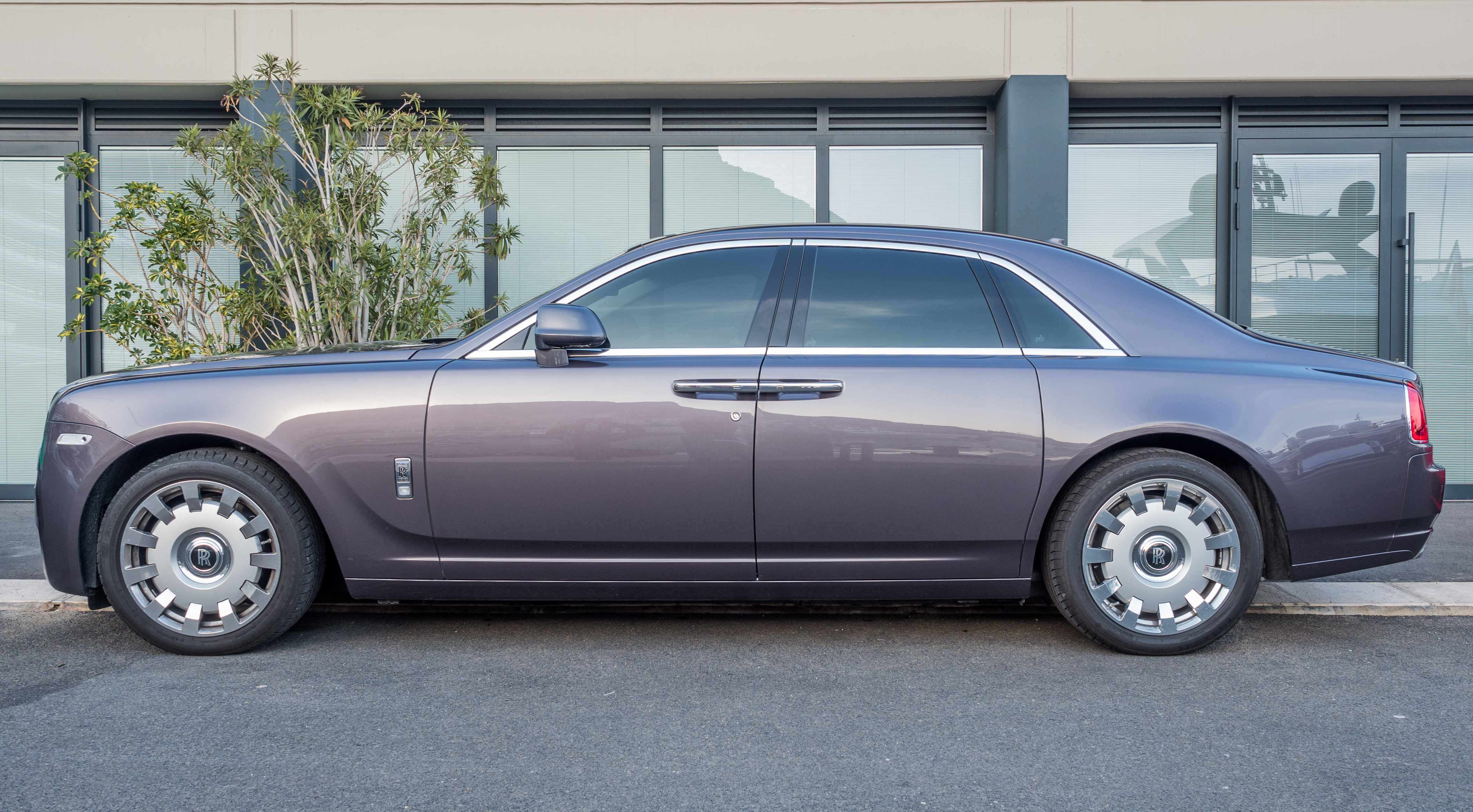
"...main consideration. And Ed had a tough couple of ghosts at Iowa and St. Louis. Didn't have the greatest ..."
The Rolls-Royce Ghost is a super-luxurious car that offers the highest level of comfort and style. It's often chosen by very wealthy people who want the best of the best.
The Rolls-Royce Ghost is a luxury sedan that epitomizes opulence and craftsmanship, first introduced in 2009. It is known for its powerful V12 engine and unparalleled comfort, making it a symbol of status and wealth.
"...we obviously knew that Milwaukee was a huge tire race, like tire deck was massive. Um, and we talked, my engineer, me and my strategist, we talked before the race that..."
Tire degradation is when tires wear out and don't work as well over time. This can make it harder for the car to grip the road and go fast during a race.
Tire degradation refers to the wear and loss of performance of tires during a race. It can significantly affect a car's handling, grip, and overall speed as the race progresses.
"...the biggest difficulty in transitioning from the IndieNext car into an IndieCar? Are there any possible changes that the series can make to that car to make the final step up to IndieCar a little easier?"
IndieNext is a racing series for drivers who want to move up to the faster IndyCar series. It helps them gain experience in similar cars but with less power.
IndieNext is a developmental racing series that serves as a stepping stone for drivers aspiring to compete in IndyCar. It features cars that are similar in design but less powerful than those used in the IndyCar series.
"...from the Cooper tires to the Firestones. The IndieNext car on the Cooper tires was diabolical, like moving around so much."
Cooper tires are a type of tire used on race cars. They help the cars grip the track better, which is important for going fast and making turns.
Cooper tires are a brand of tires used in various motorsport applications, including the IndieNext series. They are known for their performance characteristics and are designed to provide grip and stability under racing conditions.
"...from the Cooper tires to the Firestones. The IndieNext car on the Cooper tires was diabolical, like moving around so much."
Firestone tires are another brand of tires used in racing. They are known for being reliable and helping cars perform well during races.
Firestone tires are a well-known tire brand that has a long history in motorsports, including IndyCar racing. They are recognized for their performance and durability on the track.
"IndieCar racing is pretty elbows out compared to anything we see pretty much around the world, other than maybe the chili bowl."
The Chili Bowl is a famous indoor car racing event that happens every year in Oklahoma. It features small, fast cars and many skilled drivers, making it a fun and exciting race to watch.
The Chili Bowl is an annual indoor midget car racing event held in Tulsa, Oklahoma. It features a unique format and attracts top drivers from various racing disciplines, making it a highly competitive and popular event.
"Yeah, sure. You have an E30, is that right? E36."
The BMW 3 Series is a small luxury car that people love for its fun driving experience and comfortable interior. It's been around for a long time and is popular among those who want a mix of sportiness and class.
The BMW 3 Series is a compact executive car that has been in production since 1975. Known for its sporty handling and premium features, it has become a benchmark in its class and is often discussed for its blend of performance and luxury.
"...e fun in that? So, all of a sudden this 1999 BMW M3 with 189,000 miles on it. It got set my way."
The BMW M3 is a faster and sportier version of the regular BMW 3 Series. It's made for people who love to drive and want a car that feels exciting and powerful.
The BMW M3 is a high-performance version of the 3 Series, designed for enthusiasts who seek a thrilling driving experience. Launched in the mid-1980s, it has become an iconic sports car known for its powerful engines and precise handling.
"The good thing about high mileage BMWs are easy to maintain and cheap. Yes, for sure."
High mileage means the car has been driven a lot, usually more than 100,000 miles. These cars can be cheaper to buy but might need more repairs because they've been used a lot.
High mileage refers to a vehicle that has been driven a significant distance, typically over 100,000 miles. Cars with high mileage can often be more affordable but may require more maintenance due to wear and tear.
"It has Dynan coal air intake on it. So let's get a little bit of sound."
Dinan is a company that makes parts to make BMW cars go faster and perform better. They are popular among car enthusiasts.
Dinan is a well-known aftermarket performance company that specializes in tuning and enhancing BMW vehicles. They offer a range of products, including performance intakes, exhaust systems, and suspension upgrades.
"It has Dynan coal air intake on it. So let's get a little bit of sound."
A cold air intake is a part that helps your car's engine get cooler air, which can help it run better and faster.
A cold air intake is an aftermarket component that replaces the factory air intake system. It is designed to bring cooler air into the engine, which can improve performance by increasing horsepower and torque.
"I got the Euro spec headlights and tail lights, which makes a big difference. Like glass headlights instead of the plastic ones they come with on the US spec ones."
Euro spec headlights and tail lights are lights made for cars in Europe, which can look different and work better than the ones made for cars in the US.
Euro spec headlights and tail lights refer to lighting components that are designed to meet European regulations. They often have different styling and performance characteristics compared to US spec lights, such as improved visibility and aesthetics.
"So last winter I changed all the bushings around the car. So front control arm, rear subframe, diff, everything."
A subframe is a part of the car that holds the suspension and engine in place, helping the car drive smoothly.
A subframe is a structural component of a vehicle that supports the suspension and drivetrain. It helps to isolate vibrations and impacts from the road, contributing to a smoother ride.
"So last winter I changed all the bushings around the car. So front control arm, rear subframe, diff, everything."
A control arm is a part of the car's suspension that helps keep the wheels in the right position while driving.
A control arm is a crucial suspension component that connects the wheel hub to the vehicle's chassis. It allows for controlled movement of the wheel while maintaining proper alignment and stability.
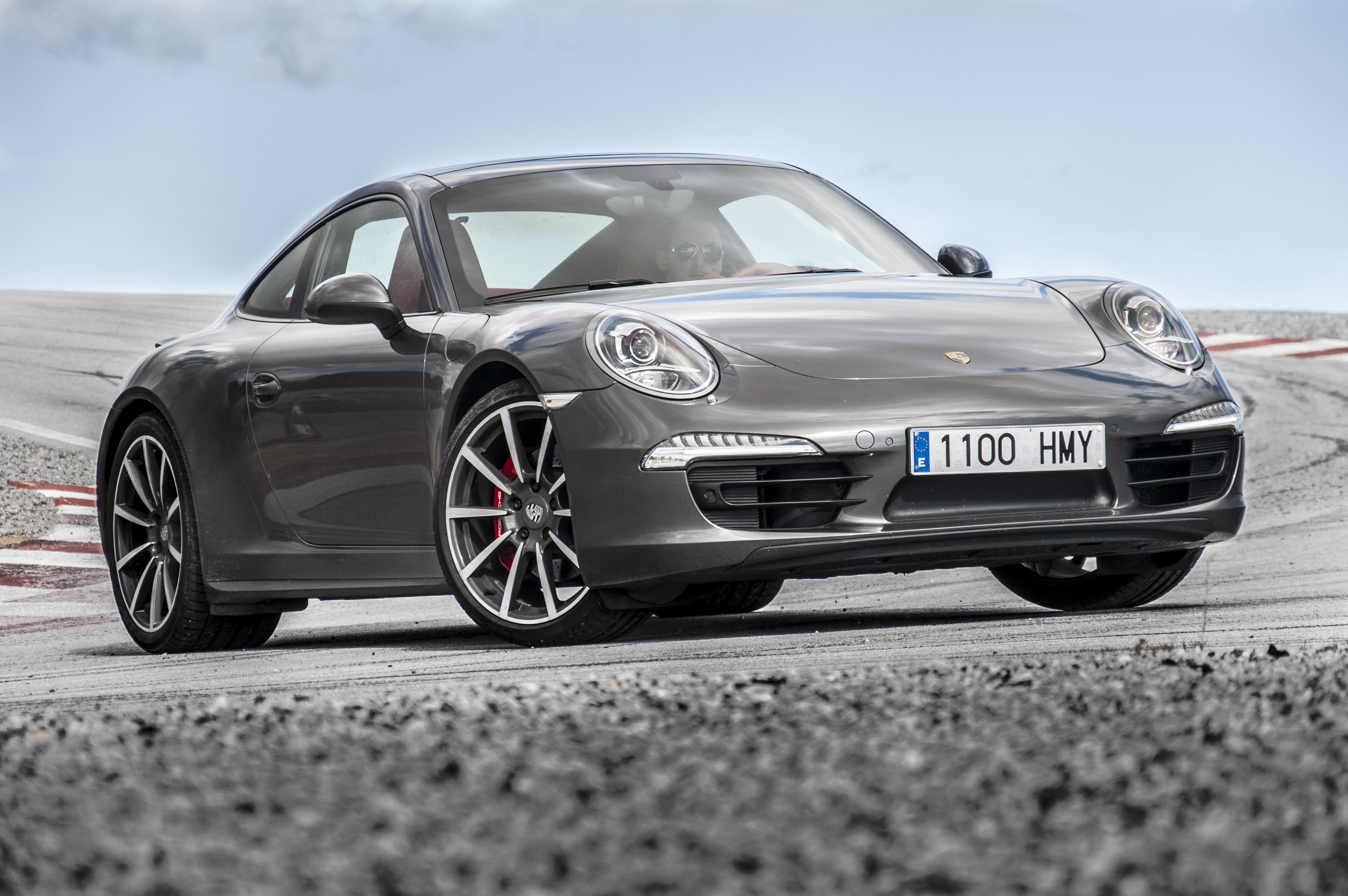
"...ey're just so ridiculous. But man, you can get a 911 for that money. Yeah, right."
The Porsche 911 is a famous sports car that many people admire for its speed and unique shape. It's designed to be fun to drive and is often seen as a dream car for many.
The Porsche 911 is a legendary sports car that has been in production since 1964, known for its distinctive design and rear-engine layout. It is celebrated for its performance, handling, and everyday usability, making it a favorite among car enthusiasts.
Select text to request an explanation
So, professional pickleball hustler.
F***ing lunatic.
Yeah.
And whack-f***g golfer, Christian Rasmussen.
If you could describe this dinner we just had
at Tegri Bistro, in one word, what would it be?
Very informative.
Okay, that's like five words.
Informative.
All right, good.
But what's informative in Danish?
It would literally be informatute.
Okay.
Danish isn't made up language.
Yeah, I think that's just, yeah.
Yeah, I can say what I want and you can't understand what I say.
You lost me.
Yeah, okay, that's the sound of a stroke.
Yeah.
Yeah, yeah.
And now for Dinner with Racers, presented by Cotton & Altire.
With your hosts, Ryan Eversly and Sean Heckman.
Playtholder Radio, sound of a driver on the radio during a race.
And welcome to Dinner with Racers.
I am Sean Heckman.
And I'm Ryan Eversly.
And we are sitting in the middle of a Johnny Rockets in Hollywood, California for whatever
reason and we're here having a late lunch talking about the season that we just did
because Ryan, did you know we just finished our 10th season of this show?
If you told me 10 years ago that we'd be doing this a decade from now, I would have
laughed in your face and said, don't talk to me anymore.
Well, I don't.
You're right.
But contractually, you have to.
I have to, but that's the end of it.
But you know who I do talk to?
With you.
It's Christian Rasmus.
That's right.
We did.
So we were in Indianapolis, both with MSL obligations, you driving and me doing the old strategy.
And we stayed back for a week, met up with who we could.
It was still in Indianapolis, even though it was our off season.
And hey, Christian Rasmuson was there.
Somebody who certainly I admired his driving, but it wasn't until we met him that I realized
how much I liked the guy.
Yeah.
Now, Bree Rents, who works at Ed Carpenter Racing, who is a great friend of the show
and just an awesome, awesome person, was nice enough to set us up a Christian and we had
dinner at Tegri, which is a staple of dinner with racers.
In fact, we expected to see somebody that we knew there.
And I think we did.
I can't remember who.
We ran.
We thought we saw.
No, that's right.
That's right.
We thought we saw.
Nobody that matters.
Yeah.
That's right.
We'll leave it at that.
But Christian Rasmuson, we didn't know him at all.
Not sure we were getting and good kid.
Like actually really chair in form after sitting down and learning about his story.
But he's a very recent IndyCar winner.
He's the IndyNext champion from Denmark originally, and we got to learn some pretty cool stories
about his background.
Exactly.
So some of the things you'll hear about include, hey, Ryan, debt stories, lots of debt.
Working on your own cars.
And starring, of course, in coffee commercials.
Yeah.
Now, he's a real car guy, and that was pretty cool to get that take from him because I think
more and more of these young racers aren't actual diehard car people, and he's all about
it.
And that was cool.
Like I said, we had dinner at Tegri Bistro, which is a staple.
In fact, the young man whose family owns the restaurant was blown away that we were still
coming after all these years.
So that was pretty cool.
Please go eat there when you're an Indy because it's a great little spot.
I had the same thing.
I always get there, which is like an avocado roll, the cherry blossom roll, and a rainbow
roll.
And you had.
Well, one of the reasons we like going there is, of course, though they're a sushi restaurant,
they love to go in the back and make me a chicken sandwich.
That's their thing.
Do they?
Yeah.
Chicken sandwich.
You know what I had to drink, by the way?
Some Java House coffee with Splenda.
That was my drink.
Oh, my goodness.
Yeah, I had some Java House coffee with Splenda for the Kristen Rasmussen episode.
You're welcome, Bree.
Now, obviously, none of this would be possible without the fan support.
And so one of the things that we've come up with is this new Patreon series that we're
doing.
You can go to patreon.com forward slash DWR show and join up with us here.
We're doing a little bit more behind the scenes content.
We're doing race reviews, race reports, stories that didn't make the edits that are really
funny and kind of just some of the back stories that go beyond this 10 years of podcasting.
Exactly.
So like Ryan said, you'll even hear in the Kristen Rasmussen episode, we have a couple
of fan questions that are directly from the Patreon, patreon.com forward slash DWR show,
and it's called Dinner Club.
You know what is also kind of nice to have, Ryan?
Shane Vink is Bergen driving us.
That's one thing, sure.
Yeah.
Kangaroo is a bulls***.
Kiwi's a cool dog.
Thanks, Shane.
But no, the other thing, Ryan, the sponsor.
The sponsor's a great thing to have.
Yeah, yeah, yeah.
And that sponsor is?
Do it.
Do the thing.
They love the thing.
Do the thing.
Continent.
No, no, no.
You gotta hit the first part.
Got it.
You know.
On a nanotire.
There it is.
Yeah.
Yeah, I got you.
It's like every time I do it, it's really loud in here, so I'm trying not to get us kicked
out, but got a nanotire.
Hashtag dinner with Conti.
Did you notice how I used that hashtag, Ryan?
Yeah, I did.
You go on Instagram and you type in hashtag dinner with Conti?
Yeah, when you do some posts, you're like, hey, I bought a continental product.
I want to make sure Conti knows while you tag him, but then you also use hashtag dinner
with Conti.
You saw a photo that reminded you of the show, nothing to do with tires, and maybe you should
still tag Continental Tire and use hashtag dinner with Conti.
That's right.
We are being judged by how much that hashtag is used, and in addition to, of course, trackable
links.
So if you go to our Instagram account or dinnerwithracers.com, you'll see we've got links posted there
that send you to the Continental website, but they specifically send you by giving us
the credit.
So the more you do that, the more it tells Continental Tire that we sent you.
Who?
Oh, Continental Tire, the tire sponsor, right?
Got it.
But that tells them that we're there, we're engaged with our fans, and our fans are emphatic
about good quality tires.
And once again, that's Continental Tire.
Hashtag dinner with Conti.
Take it away, Christian Rasmussen.
Meow.
Meow.
All right, we're going to start in five, four, three, two.
Put that on.
Put that on.
Put that on.
Let's get into it.
Wait, does that mean you've never been here before?
I haven't, no.
What?
Dude, I thought you were an IndyCar driver.
Yeah.
This is the spot.
Wow.
Is it really?
Yeah.
Yeah.
Yeah.
Pop that on real quick, and we'll just get into it right away.
So you want to race before you've been to Tegri?
Yeah, I guess so.
You're now officially an IndyCar driver.
Yeah, before you were just a guy that wanted an IndyCar race.
But as of today, you're an IndyCar driver, because this is apparently the spot.
Really?
Yeah, we've done 10 of these maybe here, and it's at the ask of the drivers, technical
directors, all these people.
Yeah.
And they always ended out here.
Yeah.
Well, they're super easy.
And now they've been great for us.
But like, our fans will come here when they come in for the IMSA race.
Perfect.
Like, we came once just to be, like, supportive, because they've been so cool with us, and
we saw some of our fans, like, in a booth.
Right.
I was like, oh, all right.
That's pretty funny.
So, yeah, man.
Yeah.
So, first time to Tegri.
So, Bree, did she send you the list of rolls to try?
No.
OK.
I guess maybe that just happened, that she sent those.
But I know when I go to sushi places, I know what I get.
So you're pro sushi, though.
You're OK with sushi.
Oh, I love sushi.
OK.
And yet not here.
So, it's your first time with us, first time at Tegri.
You won the Daytona 24-hour in 2024.
Where's the watch now?
It's sitting at home, in my box.
Yeah.
Just on a shelf or display?
No, it's tucked up in a corner, up in my closet.
Well, so, your trophy game in general.
So, you won your first Indie Car Race this year, but you won during the Road to Indie
program.
Yeah.
You won, I think, the number was, like, 300 races.
Yeah, something like that.
Something like that.
Probably, yeah.
Sounds good.
Is there, like, an I Love Me cabinet?
So most of it is actually back home in Denmark, because the first, obviously, the first part
of my career was back home.
And then, once I started racing over here, the first couple of years was still traveling
back and forth.
So, every time I'd get a trophy, I'd fly back with it in my suitcase or under my arm or
whatever.
Yeah.
So, a lot of it is back home.
Yeah.
But I have, we have a nice little townhouse that we live in, so, like, here in just north
of here.
Yeah.
And I have, like, the very, like, the bottom space decked out with, I have my simulator
there, and I have a couple trophies up and stuff like that.
So, I got a little bit of a trophy.
Little I Love Me area.
Yeah.
Now, you say we the roommates, or is this with girl?
I live with my girlfriend, Maria.
Okay.
So, Maria, did Maria basically say, like, this is your space?
You can have this?
Pretty much.
Yeah.
You can have this.
And the racing stays down here, and that's it.
And she's a racer, too, right?
Yeah, she is.
Okay.
So, that's pretty telling that even though she's a racer, she's still a woman, that's
like, this stays right here.
Yeah.
Yeah.
We're keeping this under wraps.
I get it.
But at least, you know, we got a little space down there.
Yeah.
And I have, we have her helmet up there as well.
Nice.
Okay.
That's cool.
That's really cool.
She does dirt stuff.
She did.
So, she stopped racing a couple of years ago now.
But yeah, she was racing, like, dirt midgets at national level.
Yeah.
But she was from California?
Yeah.
All over the state.
She's from California.
Okay.
You say you were flying home with trophies.
When did you move over here full-time?
So, I started racing over here in 2018 in F4 with Jay Howard.
And like, it was really through COVID where I kind of had to start living over here more
or less full-time, especially I had, I had school, I had to finish through 2018, 2019.
I finished school.
So, that's what I was traveling back and forth from.
But after that, it was pretty much full-time.
Gotcha.
So, I started down in New Orleans, living with a former teammate of mine, Christian Bogle,
that I raised while he lived.
His parents is from there.
He's from there.
So, they kind of took me in as part of their family and I lived with them down there.
Then we moved to Carmel, me, Christian and another teammate of mine, Wyatt, lived there
and then I've just stayed in the Carmel area.
When you're living in New Orleans, did you ever go to Mardi Gras?
Yeah, one time.
What'd you think of that?
That was fun.
Man, and especially, you know, coming from Denmark, that's such a culture shock.
But man, we had, yeah, we had a lot of fun, it was a cool experience to get.
Not every city smells like piss all the time.
Yeah.
Yeah.
All right, well, let's go back to the beginning of it.
So, you were from Copenhagen and dad is a car dealer, is that right?
Yeah.
He owns a small car dealership, started in 1985, I think, and been running it ever since.
And was he a racing guy?
No, not really a racing guy.
Like he did a little bit of wrenching and stuff just because his interest was obviously
cars from a very young age and wrenching.
So, he did a little bit of racing but not really a ton.
So like, I'm the first generation of the racing.
Where'd it come from?
Well, I guess it, I mean, it still came from him, you know, the interest for cars and I'm
a huge car guy also, besides being race car drivers, which actually, there's not a lot
of us.
There's a few, they're all very good, it's a problem.
Right, but when you look at all the race car drivers, I've found that you actually don't
really get a lot of car guys in between.
Oh, I see what you're saying, I think that's absolutely correct.
But I'm a huge car guy, started with my dad, and then actually my cousins on my dad's
side started racing go-karts on just, you know, Sunday family fun kind of level.
And then they were a couple of years older than me.
So obviously I wanted to start racing, I was playing with cars and stuff.
So it felt very natural.
So my dad took me to the local karting track and we raced every Sunday for a long time.
And that's just kind of how the interest started.
So I think the most common thought process when you see a lot of kids that can do the
entire ladder of open wheel, you know, like the Indy ladder as well as doing Indy cars
that they come from money, because it's expensive in those lower levels where there is no real
return on investment.
Right.
So finding a sponsor on that lower level isn't going to pay out because of a corporate partnership.
Yeah, it doesn't make sense.
So family friend, family investor, whatever it is.
But to set the record straight, your dad doesn't own like some big massive car dealership.
No, I think he has, at his biggest, he maybe had three employees.
Okay.
Yeah, yeah.
Maybe two now, one, two, three now still.
Sure.
I don't know the Danish car business, but like in America, there's kind of two tiers.
There's people who have like a factory car dealership, like they're on the, they only
sell forwards and they're on forward financing and all that.
That's how they make it work.
And then there's the used cars.
And that's buy and sell and so you make what you can sell and there's always cash.
So that's your dad.
That's not a lot of money in that business.
No.
Not like Indy car money.
Not Indy car money.
Like he's done well for himself.
No doubt about it.
But when it comes to raising money, that's obviously a different level.
And no, we didn't have that from the very beginning.
So he was able to pay for your carding, obviously.
Yeah.
And I was just paid for my carding my first couple of years in European open wheel or
Danish open wheel.
I did Formula Ford's back home.
Yeah.
So yeah, online at Lissue is running in Danish Formula Four.
And then Danish Formula Four the year after.
Yeah.
And you immediately have success in the Formula Four season finishing, I think, second in
the championship.
And so was that a sigh of relief because...
Only beaten by Christian Lundgaard's brother, Daniel Hexley.
A family that gets it.
You're coming out of carding.
Do you know that you're going to be good when you get into this thing?
Or is it like, I hope this works?
You know, you have an idea.
And I think every racecar driver has a certain belief in themselves.
I also know that...
I was no superstar in carding, you know?
Like I was okay.
I won the Danish championship, the Northern European Championship.
But like never did a ton of international, WSK level stuff.
Also just from a budget standpoint, we couldn't do it.
So yeah, no, you never know.
But for some reason, like car racing just came pretty natural to me from the very beginning.
And even though I wasn't an amazing go-kart racer, like the car stuff felt better to me.
So yeah, from the very beginning, the first test in a racecar, we did decent.
You know, how much you can tell out of a rainy, I don't think it was rainy, but it was cold.
Sure.
I feel like that's every Danish race.
But we were putting down some competitive lap times and from the very beginning, we were winning races.
I don't want to go too far down one joke, but the team that you drove for, the label is the Magnuson Experience.
So that was F4.
That was F4, okay.
So not the Formula 4.
Who ran the Formula 4?
It was a small team.
It was called Friedrichsen Sport and Promotion, I think it was called.
That is the most Danish name ever.
Even if you didn't know again.
And then the year after the Danish F4 Championship started, that was the first year of that championship.
And Jan Magnuson, he started the team.
But the name was the Magnuson Experience.
Magnuson Racing Experience.
How quickly did they give you a pack of cigarettes?
Pretty quick.
No, Jan was great.
Obviously he has a legend in American racing and international racing in general.
And as good of a dude as his reputation is.
And is he a part of that program, like a daily kind of situation or is it just his name?
Yeah, no, he was a big part of the program.
He was racing on the same weekends mostly in the Danish...
Oh cool.
And so obviously with racing on the same weekends, it's limited.
But there was always that resource that you could go to him for driving coaching and whatever.
So he would always be there.
So it's not like he put his name on someone else's team just to get some business going.
He's actually part of it.
And especially I think outside of the race weekends, he was in the shop and doing all the stuff together.
It was in-house with the Danish Touring Car Championship program.
So he was there day to day and overseeing it all.
And obviously with his experience, he knows how a team is supposed to run.
Now through this phase, is it family funding?
So at this point...
Because even when F4 starts to get expensive?
Yeah, it does.
And at this point we were starting...
So through very early on in my karting career,
my dad had a customer of his that helped out.
And it started in Go Karts.
I think our first sponsorship was maybe like 2013, 2014.
And started with trying to do the conversion.
It was like 5,000 Danish.
So it's like less than 1500 bucks.
That's where we started.
And then just kept growing that relationship.
And he obviously took to us and we were very appreciative of his help.
And then at this point it was starting to kind of build.
But still at this point it's mostly family money.
But it was really first when we moved to the States.
That's where his presence became very crucial.
Your dad's customer.
Right, customer, investor now.
That's kind of where he really made a change.
And gave us the opportunity to move to the States.
Now is it a future earnings kind of investment deal?
Or is it a...
Okay, yeah, it's very common.
Scott Dixon was on an investor deal to get his career launch.
It's not uncommon at all.
But it still takes interest from that person to want to be involved.
Because there's other ways he could invest his money.
Right.
And he was never in it, which was really cool.
Like he was never in it to make money on the long term.
He was in because he saw a young kid with a dream and wanted to help.
And he had the means to do so.
And that's where it all started.
Yeah, we talk about this a lot on the podcast about how the sport works in terms of these investments.
Or team partner owners like Mike Lanigan, for example.
It's not the best business to try to make money in.
But if you like it, it's not the worst business to lose a little money in.
And I think that's what happens a lot.
It's a great business to become a millionaire as long as you start a billionaire.
Yeah, for sure.
So you have this partner from your dad's business that's helping you get started.
You move over to the States.
Was it culture shock moving over here full time?
How old were you?
Well, I was 17 the year I moved here, turning 18 that year.
Or it didn't move here when I started racing here.
But yeah, for sure.
Coming from suburbs of Copenhagen to New Orleans is definitely a culture shock.
How's your English?
It was okay.
I think we in Denmark, we get taught English very early on.
So like in general old Danish people, they speak very well.
But it's not as good as it is now.
So yeah, that was definitely part of it too.
Had you lived away from home before that?
No.
Yeah, so that's a big deal too.
And I think what sometimes people lose sight of is that you're 17, 18 years old.
Even if you're living at home, that's a very impressionable time of your life.
You're going through all your emotional changes and growing up.
And now you're moving to another country living in the South.
Yeah.
And the deep South of Louisiana where it's hot as s**t and you're from Copenhagen.
Yeah.
There's a lot going on there.
A lot going on.
But you know, I had the best people around me.
Yeah.
Like the bogals are the nicest people and I owe them a ton just for letting me stay
and literally taking me in as part of their family.
So they made it very homey and very comfortable for me to be there.
That's great.
Yeah.
Did you have to get a job or anything while you're here?
No.
I did not.
I was again very fortunate to get put over here.
And I did small stuff.
You know, I did a little bit of coaching with Jay and stuff like that kind of coming through
just to earn my way through.
But no, not sure.
But also legally I couldn't take it off.
Right.
Well, you could bartend or something off the table.
Yeah.
But we weren't trying to do that.
So you have a little bit of backing from this partner.
You come over here.
Why do you pick Jay Howard?
Who's helping you guide that stuff?
Yeah.
So obviously it started a little bit earlier.
You know, after our Danish F4 season we were kind of looking at our options and like how
and we're thinking how do we get from where we are now to having a professional career in racing.
Yeah.
The cheapest way possible basically.
And we were looking at we could probably with my investor and stuff like that.
We could probably make a German F4 season.
Okay.
You know, make that work for one year.
But even at that time they were like, I think we got an offer for like 400,000 euros.
Yeah.
Right.
You know, so it's just ridiculous money for that.
Yes.
And then you think even though we do make that work and let's say best case in area we win the championship.
What do you get?
You get a thumbs up, a trophy and on you go.
Like there's no-
You have to go pay for F3 which is three times as much.
Exactly.
Then like you have to go to F3 which there was no way we were ever going to make that work.
Financially.
Financially.
And therefore we looked at different options.
You know, we looked at Asia which had a similar ish program to a scholarship program.
Sure.
And then finally found the U.S. through actually my engineer, the guy that engineered me in
Danish F4.
He knew Jay from back in the day and that's who connected us with Jay.
Right.
And then we took a test with Jay at end of 2017 at Homestead.
Yeah.
And yeah, just got connected with him.
We liked him.
He liked us.
And eventually found and made a deal with him to run it for.
So literally the jump to American racing was purely financial.
Purely financial to come to America.
And it was because not necessarily the cost of F4 or F2000, it was because the road to
indie potential.
There's the scholarship.
And actually it wasn't even the road to indie because we weren't really.
I was going to say it doesn't sound like you weren't going to be a car driver.
You wanted to be a race car driver.
I wanted to be a race car driver.
That's the way I can keep going.
And therefore we got connected with F4 because I drove F4 and that made sense to go from
a national championship to still a national championship but still a bigger scale.
And in F4 they offered the scholarship to go to F3 and we were like, wow, I mean that
would be great.
Let's make that happen.
And then just being in the U.S. for a year, you quickly realize that the road to indie
is the place to go.
An indie car is the goal.
That's where we're going.
So you come over, you run, I think you finished third in the first championship you run,
which would have been, I think, USF 2000.
F4, I finished third.
USF 2000, the first year I finished third as well.
Yeah, copy that.
And then you move from there up into F2000 national or is that the same thing?
Yeah, F4 went to USF 2000 and came back to USF 2000.
So same championship.
Yeah, by that point you know a lot of the tracks.
You know your crew guys and probably much more aware of what to do with the setup stuff.
And so then you start getting even more success.
Because you were strong pretty quickly.
Yeah, we were strong pretty quickly and especially second half of that first year in USF we were
pretty good.
But also it was the first year of USF 2000 racing for Jay Howard as well.
He was a fighting team, started F4 and then we started USF 2000 together.
So that real pace really came the second half of the first year and obviously moved into the second year.
Yeah, 2020 you come back, you win the championship.
Okay, now that that's happening you're seeing that there's a real chance that you can climb this ladder
because you are getting scholarship money.
Yeah.
Okay, so what happens in terms of offers from other programs?
Because everybody now knows that you've got this budget.
So do you stick to Jay?
We did.
We did stuck with Jay, stick with Jay.
But we also had a lot of offers from basically every IndiePro 2000 team there was.
But no, I think we really liked with Jay.
We were comfortable there.
He was very good to us.
He offered us a good deal to run IndiePro 2000.
And then I had a great relationship with an engineer there and wanted to continue working with him.
It actually ended up being a different engineer that I ended up working with.
But that's a different story.
But obviously it still worked out.
And won the IndiePro 2000 championship the first go around.
Then once the scholarship money starts coming in, where's the financing side on your end in terms of like,
was there debt on your family side?
Yeah, so it's a building hole.
You just keep digging and you get deeper and deeper.
Because even though you do have the scholarship money, it's still not enough to fill the whole budget.
Especially with testing and all this stuff that comes on top of it.
So through that, a little bit of my parents and mainly my Danish investor that was mentioned earlier,
we made it work.
What are you doing about school at this time?
So I finished my...
Schooling is a little bit different back home.
Basically from your 5 or 6 till your 16, so the first 10 years you're in one primary school.
And then after that you actually fulfilled your obligation to go to school.
And you could stop going to school after that.
There after that you'll get all your trade schools or whatever.
You have extension basically.
It's called gymnasium, which is like high school basically.
Where you can continue for 3 years.
And then from there that's when you go to university.
So I did that 3 year extension.
And that was through 16, 17, 18?
No, 17, 18, 19 I think.
Where did that?
Had that work traveling back and forth?
Yeah, that was tough for sure.
And especially in F4 you're still super young and you're trying to make it work.
But I remember being on the race weekends and having basically instead of sitting and debriefing
and doing my paperwork for the race track, I was sitting and doing my essays for school.
Because even though I was in a school that was like a sports athlete class.
So it was all athletes and whatever.
And they basically made us, we could go whenever we needed to.
So there was a very free range of that.
But I still had to go through the same education as everyone else.
So I ended up having an average of 30% away from school.
Over the three years.
Which like taking into consideration that I was racing in the US was not a ton.
Considering the back and forth time 30% is not that bad.
You're losing days every time just on the plane.
So that was pretty good.
Obviously that was increasing from year one of school to year two and year three.
But yeah, just had to make it work.
Because that was, my parents said that if you go racing you also still have to continue school
and have a backup plan I guess.
Sounds like your parents are very much like don't lose sight of the real life.
Because we understand you work on your own cars and stuff.
You would go to the shop to change your spark plugs and stuff here now.
So that kind of mentality doesn't come from somebody that's just told they can do whatever they want.
That's like necessity.
So I'm getting the vibe that your parents are like don't mess this up because you still have life after this.
And also I think it was very much of they know that they could only take me that far.
And we all know racing.
It's not even though you're in a championship and you're winning and all that is great.
But all of a sudden it gets to a point where all of a sudden you're not winning.
And then all of a sudden we get to that story a little bit later.
But you get to a point where you don't have a scholarship anymore and you can't go racing.
And I think they were just of that mindset that they've done so much for me.
They're the reason why I am where I am today because of their commitment.
But they also just wanted to make sure that if it didn't work then okay we gave it a shot.
Now you can go to the real world and you're not five years behind.
You're only a couple years behind.
So basically you had to have the equivalent of a high school degree.
You get into the IndyNext series which is that's the last stop before we get to IndyCar.
And you do really well.
How eye-opening is that jump when you go from like the F4 and the F2000 stuff into an IndyNext car?
It's a pretty big jump.
From USF2000 to IndyPro 2000 it's the same car.
You have a little bit more down for you, a little wider tires, a little more power.
It's the same.
Then you move up into an IndyNext car then all of a sudden that's like proper.
That's a proper restart.
And signed at the end of my IndyPro 2000 career, signed with Andretti for that first year.
Which was a terrible year.
My first year in IndyLights.
Terrible year.
Did Jay Howard have a program available?
No.
So we had to go somewhere else.
Got connected with Andretti.
Those were the guys to beat.
Had obviously a great run in IndyNext for a long time.
And that's where we ended up.
So started my first race in St. Pete.
Was doing pretty well.
Leading the race we had about a lap and a half to go.
Coming out of turn seven the car started to sputter.
And we ran out of fuel.
As we know IndyNext is...
There's no pit stops.
You don't run out of fuel.
So that happened the first weekend and they were like shoot.
We obviously showed great promise and whatever.
Let's just set that real quick in case a NASCAR fan was listening to this.
When we say there's no pit stops because they start with a full tank of gas and it's a sprint race.
So when you're running out of gas this is a major f*** up.
Because you should never run out of gas in a race like this.
And presumably they're trying to cut it aside as they could on weight.
Or they just got it wrong.
I think they just got it wrong.
Because it was not even close.
Like a lap and a half there's a lot of fuel.
And we had like some lengthy safety car periods as well.
Oh god that's even worse.
It was like if it had been a green race we would have run out with five laps to go.
So that was pretty frustrating.
Didn't get a win there.
We came to Barber.
Were you leading at that point?
I was leading at the point.
Yeah I was going to win.
Yeah it was going to win the race.
By far we were leading by four seconds.
We had a weight advantage.
That's fair.
That's fair. Maybe that was why.
You should have been saving it.
That's fair.
That's brutal.
Yeah so that was obviously...
Again it sucks but it's an easy one to throw behind you.
Because you know that you did everything right.
Pace was there.
We're going to win the race.
We go to Barber.
It's raining.
We start the race with a flat tire.
Started the race with a flat tire.
Again.
Like rolled off?
I think it was maybe full.
I don't know but it had a leak or whatever.
Once the race started it was flat.
So I go into turn 1, 2, 3, 4 downhill braking.
180 degree.
And lock up the left front.
Rear end of car.
Front wing damage whatever.
Have to go in for pit lane.
And I think we were pretty good at the time.
I was P3-ish.
So we were running pretty good.
Obviously when you take a pit stop under green flag.
That's always a bad day.
Once we got out again we had great pace.
I came out right behind.
It was Benjamin Peterson and Linus leading the race.
I don't remember what.
I think Linus was leading.
And got out and passed them.
Obviously we had new tires.
There was a drying track.
But we had good pace.
So we just started the year so poorly.
With these things that I knew that this was a very
make it or break it kind of year.
This is the last step.
I'm there on my scholarship money.
It's got to work this year.
Otherwise there's a good possibility that I won't be racing next year.
And I don't know the numbers.
But the cost of NXT is significantly higher than what you can do.
I think if you get a cheap deal is like a million.
And I think going rate is 1.5.
So it's incredible amount of money that we would never be able to find.
So I go into a mode of I really need to make this work.
And then where I was at the time I was just started to overdrive.
Psychologically.
Because I knew that this was make it or break it.
I had to get done.
So we get to Detroit.
Cress Outer Race 1.
Cress Outer Race 2 trying to make stuff happen.
And then all of a sudden we're so far behind.
So yeah.
Terrible year.
My first year in indie next.
Indie lights at the time.
So where are you at career wise and at this point?
At this point end of 2022 we are we're struggling to figure out what we're going to do.
Like you and the people around you.
And through 2022 I got a great opportunity with with Aero Motorsport running the endurance rounds with them in the P2 car.
So obviously made a lot of good connections there and whatever.
We were going to jump into that.
But how did you get into the Aero thing?
Because you have been we talked about your Indie car stuff.
But obviously we're imps and nerds and you're like every engineer we've talked to has been part of Aero or now AO.
Like they all rave about how good you are in these P2 cars.
Where does this thing come from?
Yeah.
It's actually a good question because I don't really know.
I just got a phone call one day.
And this is during my horrendous season.
Yeah.
In NXT.
And I got a phone call one day and was like hey do you want to come do a test with us?
We're looking for a silver for our program.
Who is this?
Kyle Tilly.
Who is he on?
But you didn't know Kyle before?
I didn't know Kyle before at all.
But it was like hey man, opportunities to drive a race car.
Absolutely.
So came out for a test.
I don't know if it was the pre-race test for Petit Le Mans at Rota Lanza.
So did that test well enough that they brought me back for doing the last race that year.
And they didn't ask for money?
They didn't ask for money.
And you were silver.
Because I was silver at the time.
And I was very upfront.
I was like I got nothing.
I got nothing.
And I had to tell them like if I crashed a car I can't pay for it.
And if you can't deal with that I can't come do the test because I can't risk it.
So even though they took me, we did the race.
I think we had a suspension failure or something.
So they took us out of it and they put me back in for a double step after we got back out again just to kind of see what I could do.
And did a good job with it.
We were quick.
Even with very little experience in that car.
And that got me a job for next year to do the Daytona and the full endurance rounds in that championship for 2023.
Was that your first time getting paid to drive a race car?
Like properly paid?
It was.
See sports car racing saves careers.
So it was pretty cool.
And we'll get into my 2023 year and how that went a little bit more.
But that was basically what the money that I made on the sports car side.
That's what I paid my rent with.
So Kyle Tilly saved your career.
He kept your career alive.
Giving him some love.
But your engineer Tim sucked, right?
Tim Witteridge.
Tim Witteridge.
The worst person in the world.
Well so the race engineer was Scott Best.
So awful.
Also terrible person.
I do want to point out that your awful season of Indie Lights that I'm talking about.
The first time with the Indie Lights was like five podiums and two wins.
So we still had.
But to be fair to you, you were six in points.
So with that kind of run.
Because the first half was so bad with all these little issues.
That was a strong finish to the year.
But like dude.
It was not good enough.
That was the point I was trying to get across.
It was not good enough.
Well then 2023 comes along.
How's that go?
We obviously want to come back to in the next.
Try and go for the championship.
We thought that we had the pace to do so.
We obviously just didn't put it together that first year.
But I also learned a ton of valuable lessons that first year of.
Okay even though you get.
You start in the back foot like you can't just push your way through.
Because that's going to go wrong.
So learn some valuable lessons there.
Came back.
Got an opportunity with HMD to come back.
And started the money.
With having to run in the next.
And high level open wheel sport.
For the first time without a scholarship.
How does this work?
Because the scholarship money is gone.
I have my investor.
He's been good for.
I can say that.
It's been about grand a year.
And he's been good for that.
Since we came over here.
Started racing in the US.
Through USF 2000.
Whatever.
That's his commitment.
And that's what he's done.
And that's awesome until you get to.
Yes.
That's great.
But that's also a fifth of the budget.
In India next.
But we.
That basically made us able to.
To sign the deal.
And get us through the first couple of payments.
Cover the deposit.
Basically cover the deposit.
You know.
Yeah.
So we started.
And we just had to say yes to that championship.
Even though we had no idea.
Right.
Where we're going to find that money.
Right.
Tell HMD.
No.
There it is.
We got our con.
We finally found it.
So every great race driver.
Yeah.
Has a con in their career.
Where they say something that might not be the truth.
Right.
Earlier lunch we said that it could be.
Potentially that you don't have the budget you say you do.
Yeah.
You know what I mean.
And that's that was that was definitely our con.
Your con.
I think they knew that we were tight on money.
I don't think they had any idea how tight we actually were.
Well.
Era paid pretty well.
Yeah.
He's like well.
I'll do see it ring for a million.
Yeah.
Yeah.
That'd be nice.
I'll do the rest of the year for one million dollars.
Right.
But so yeah.
Just had to had to say yes to the offer.
And just hope that we could find the money during the year.
Yeah.
At least.
We'll get to that later.
So we started the year.
Finding the money.
We get to.
I remember it was it was started the years of around Daytona time.
Because I was down to do the 24 hours.
Yeah.
And we get to the point with Tim Wideridge but not Scott Best.
Yeah.
Okay.
Exactly.
And we get to a point where we need to to go through that next payment because
they have to sign the engine lease.
Yeah.
Because you can either you can either sign the engine.
The engine lease for the year and it's one cost.
Or you can do it race by race where it's a completely different cost.
And there's some totals more expensive than the upfront.
Yes.
Yeah.
And it was a Tuesday.
I think probably Tuesday of the roar.
So the so the light season NXT season hasn't started.
Hasn't started.
You've already spent all your money on the deposit.
We spent all the money.
There's no money left.
HMD has your deposit.
You haven't done one lap.
Yes.
Not one lap.
And so you're at the roar.
We're at the roar.
I think it's the Tuesday of the roar.
Jesus.
And we don't have the money.
You know.
We have to come up with it's probably.
I don't know.
I don't remember how much it was.
It was too much.
It's a it's a decent six figure number.
Yes.
Yeah.
So and and we have a deadline.
The deadline of paying that bill was Wednesday.
Same week.
So through last minute exercising our network of people that I've kind of built up being
here in the U.S. really basically on my knees begging.
We get investment and also you know future earnings whatever.
And but that's kind of just how you have to do it to to actually create value for these
investors so they can justify it for for the company or whoever may it may through an
American network of people.
Yeah.
Essentially what you're saying is that somebody that you had raced around had seen what you're
able to do.
They liked what you were doing and they wanted to help you.
Exactly.
You know.
And you're in any car winner now.
So clearly they saw a lot of good things in you.
Yeah.
But if they don't take that risk of just wanting to help you.
Yeah.
You're in a bad spot.
Very bad spot.
Yeah.
But yeah.
Last minute we we reached out and tried to to to do something and and he helped us out
you know and wired the money same day.
Oh wow.
And we you know went all that money went to to HMD right away.
The network sound thing was probably like you know you meet a few key people along the
way whether it's NXT or an IMSA or whatever.
You never know who you meet and it may just be once or twice.
Yeah.
That might be the person.
Was this the case of somebody you maybe only met once or twice and ran with.
Yeah.
It's yeah.
It was it was a guy that I got to know through racing and we had met not only once or twice
you know we've kind of built a relationship over over the course of some time so he knew
what I was capable of but obviously it's man it's so hard to go out and ask people for
money.
Yeah.
Yeah.
But also like you're trying to be friendly and the cool guy that hang around them.
Exactly.
But but at the end of the day it's it was my career.
Yeah.
And he actually first time around he said no like can't do it.
Okay.
Yeah.
But I've since 2021 also I've worked with a lawyer who's now my my manager and kind
of put him on the job.
Yeah.
To try and do something.
Yeah.
So eventually he he said yes and that got us through the first couple of races of the
season.
Right.
Because you paid the engine lease and the yeah.
So how does this work because it's one thing to pitch a sponsorship so to speak.
But you know I assume at this point your network it's family of other road to indie kids that
you've been racing with.
Yeah.
You know it's maybe people that you know in IMSA.
Yeah.
So it's a small network but you know all people with high net worth.
Yeah.
So you're pitching you you're pitching like hey I need this because it serves me.
You're not necessarily like you can't pitch ROI in the next right.
What's the pitch.
Like how are you.
Is it literally just that the poverty plea of I can't do this if I don't get help.
Because it.
Yeah.
Pretty much you know it's it's it is.
Well I set it up very as it was you know like it's either I get the help or I'm out.
Right.
But what are you offering I guess is my question.
So it is it is a return of investment in terms of future earnings.
I see you're doing a future.
Okay.
That makes sense.
So yeah it's future earnings that we're selling to make it worthwhile.
And it's you know making that number as big as that it is worth their while.
Yeah.
Right.
Which effectively comes out of your pocket.
Yeah.
Later on.
But also that's why we're buying this dinner.
It gets you a pocket to pay out of.
Yeah.
Because I wouldn't have been there.
Yeah.
I wouldn't have been where I am today without with all these people.
And that's only if it works.
It's only if it.
Because if it doesn't work the money still gets spent and you still have to pay it back
for whatever your contract rules are or whatever.
And I've known several of these deals where in the end the guy was like I just wanted
to help you.
Let's call it even.
And I've also known things were like hey we have to pay this debt.
You know what I mean.
But either way you're doing all of this at twenty twenty two.
Yeah.
Twenty two years old.
That's pressure.
Yeah.
And you've already said that some of the pressure you had when the season started out poorly
in your first next series.
It worked against you.
Right.
So you've got pressure from being competitive.
Pressure from having to do well.
So this investment works.
Yeah.
And then just pressure of being a race car driver in general.
Right.
You know.
It was a tough year with a lot of sleepless nights because this wasn't the only time
that happened.
Yeah.
We got we got through the first couple of races and it's going OK.
You know we don't take charge of the championship right away.
Yeah.
Right.
But we do OK.
Yeah.
To spell it out.
You've paid your deposits.
You've paid your end release.
You haven't paid for the year yet.
Yeah.
We paid for at this point we've paid for a couple races two or three races.
And you've exercised your network to get there.
Yes.
There's no network left.
Right.
Yeah.
So we get to we get to the next point.
We get through the first couple of races.
And you win second race out.
Yeah.
So you're showing well.
Yeah.
Because you're with the new program.
So it's not like you're going back with the same guys.
You've got to fit into this new group as well.
Right.
Yeah.
So we're doing well.
We don't we're not leading the championship by any means but we're having a good year
and we're staying in the fight.
Yeah.
And with balancing all this sort of stuff I think my year with Andretti actually helped
me massively of just when you're at the racetrack 100% focus on what you're doing and trying
to get the best result out of whatever you're given that weekend.
Yeah.
You know instead of trying to push for for something more.
So is that that mindset kind of going into the season and just seeing what we would get
out of it at the end.
Yeah.
But we get a little bit further in and the next budget or the next deposit has to get
put down to kind of further the year and funny enough we still don't have the money.
Yeah.
You know I think I think this this time is where my parents remortgaged their house.
Oh boy.
Damn.
Okay.
To get that next paycheck.
Yeah.
To get us through because they're obviously they're seeing that we're we're in the fight.
Yeah.
I just don't think they I don't know.
Again.
Massive.
Yeah.
Where are your parents on this kind of commitment.
Like in other words like your dad all in but your mom's not or vice versa.
They were both all in.
Okay.
They were both all in there.
Yeah.
I have a younger brother.
Yeah.
Yeah.
But it's everyone's been a massive support since.
Yeah.
Very early days.
They know.
Well it's free over there.
So it is free over there.
It is free over there.
How's the healthcare.
Yeah.
Also.
Yeah.
Sounds awesome.
Weird.
But yeah.
So that's how we get.
That's how we get through that next.
Next paycheck.
Yeah.
Roughly just looking at the results in front of me roughly where does the second infusion
of money come from the parents because.
There's a huge uptick in results.
Suddenly.
I want to leave it with that.
I think it's about mid year.
Yeah.
Yeah.
So at that point you've got you know half the half the races left you've won one
race but you're doing okay.
There's one really bad result at Red America.
Yeah.
What happened there.
We had a tie failure.
Oh.
Yeah.
I was trying to.
I tried to overtake Hunter McElroy into turn four had a big lock up.
That was when that was the first year of the new pavement at Road America.
So it was so grippy.
So even just a little lock up would give you a massive flat.
Sure.
And it wasn't a little lock up.
Yeah.
So had a pretty good lock up.
Went past Hunter.
Yeah.
He cut back on me so I didn't even overtake him and obviously had like this terrible lock
up.
It was the left front and just we were running around on it losing spots because we had no
pace after that.
Whatever.
Trying to just salvage a day of top 10 or whatever.
And then all of a sudden towards the end of the race.
This tire popped in the carrot.
No.
In the kink.
No.
Dude.
In the kink.
Yeah.
Well yeah.
Clashing in the kink isn't expensive.
Yeah.
Or terrifying.
Yeah.
Is that thing flat to the kink?
It is flat.
Easy flat.
Yeah.
Yeah.
It wasn't for me on the tires that I was on.
But it should be.
Yeah.
But you're still cranking.
You're still.
Yeah.
You're doing.
Yeah.
You're going quick.
Yeah.
You're going quick.
How bad was it?
It was pretty bad.
Yeah.
I don't think we did an engine.
But we definitely did front corner rear corner floor.
Yeah.
Like it was it was a pretty good shot.
Yeah.
And like a front wing on one of those things are 25 grand.
Oh.
Ask me how I know.
Yeah.
Right.
Right.
So that happens.
But again we're we're into the year.
And that's also another thing you're balancing this year.
Right.
Because you know that you have to go out and perform on the racetrack driving that car
to the limit which is a car that you have to.
You can't underdrive.
Push.
Yeah.
Right.
But also you can't you can't mess it up.
Yeah.
You can't destroy it.
Because then it's the end of the year.
Yeah.
So at this point we had kind of started to take a lead of the championship.
We're in a good spot.
Makes it a lot easier to deal with the team on kind of.
Yeah.
Hey man.
Help us out a little bit.
Yeah.
Kind of thing.
And just for the person that might not follow the sport that closely it's always important
for these junior formulas to have a car that's winning so they can sell to the next crop
of kids coming up.
Yeah.
So it's not just important to win but it's like hey look you can rent that car next year
when he moves on.
So that's why they're willing to be a little bit more like okay because they need you to
at that point.
But also that's a tough thing to do start of the year when you don't really know.
For sure.
For sure.
Because I actually think I think Nolan Siegel he was leading the championship early on.
Right.
And he was racing for the same team.
Yes.
So maybe he's the guy too.
Yeah.
Right.
Right.
You never know.
Yeah.
So that was tough.
But we get a little bit further in and like basically three times during this year we're
less than 24 hours away from losing the ride because we can't you know get kind of afforded
to get to that line.
So it was my investor the first time.
Family money the second time remorks their house.
And the third time was my investor on the Danish side basically gave me next year's budget.
Okay.
Yeah.
He's like I can't help you next year.
This is it.
If I give you this now.
Yeah.
That's it.
We can't help you next year.
So.
You'll have to settle for sports car.
Yes.
Settle for sports car.
Yeah.
Or something else.
Yeah.
So.
Yeah.
So that's basically how we got through that year.
You know took charge of it at the end.
Unbelievable.
Had a great run in the ovals that year.
Yeah.
Won the championship which eventually got me into a seat with ECR.
Now future earnings are just that their future earnings.
So depending on whether what it is with your parents or the other folks that are that are
behind you.
You know you usually have an obligation to pay that back over some period of time.
Were you out in the seven figure range.
Yeah.
Going into your IndyCar career.
You over seven figures to family and other people.
Still am.
Still am.
Oh no.
We got dinner.
Yeah.
Kind of.
Yeah.
Fair enough.
Fair enough.
Okay.
So you've got scholarship money then to do this this new season with ECR.
So you know when you're the NXT champion and you've got the scholarship money.
I assume you're a little bit.
You ever hear the phrase the bell of the ball.
Like you're the hot girl.
No.
You're the hot girl.
Yeah.
Yeah.
What are the phone calls like from IndyCar teams at this point.
Yeah.
Because they want your talent but they definitely want your money.
Right.
Yeah.
But also when you talk IndyCar it's not a ton of money.
Yeah.
Like it's.
The sponsorship is not a ton of money.
The scholarship.
The road to IndyCar is not like it's not.
It's not a full season.
It's not a full year.
Yeah.
You know and that's not what they guarantee.
They guarantee I think it's the 500 and a couple other races or something.
Right.
It's what the scholarship is.
Yeah.
But yeah.
Had a conversation with a couple teams.
But Ed was definitely the most promising and you know gave me a good opportunity.
To come in the first year not having to bring anything else.
That's gonna say was there a financial obligation beyond the scholarship.
And actually a little bit of money my way.
Oh guys.
It was that part of the incentive for you.
Was it.
I don't have to pay.
Or I'm getting paid.
I'm getting paid.
Like for sure that's the whole deal.
That's the whole idea of becoming a true professional in the sport.
Absolutely.
Because you guys both know that there's a lot of people that call themselves professionals.
It's not a lot of true professional drivers that are actually making a living off of driving
race cars.
Correct.
Yeah.
So we got to that point now where okay I can actually call myself a true professional.
Yeah.
Which was really cool.
But yeah no it just worked out you know and I got a one year deal with an option for a
second year which is very normal for you know a rookie driver.
Sure.
The IndyCar teams never know what you know what you're gonna do.
And another thing that I think and this isn't a slide on it because I think the road to
Indy is a fantastic thing.
But the jump from that F2000 car to the NXT car is pretty big.
The jump from the next car into the IndyCar is pretty big.
Yeah which gives the Patriot love just for that reason.
Oh is that a question?
Oh we'll come back to you later.
But to your point you're making a pretty big jump in performance levels of the car capability
so they can't just be like oh he'll be fine he'll figure it out because it could be way
different.
And it was way different.
It was definitely way different.
I think actually the jump from IndyPro 2000 to IndyNext was still a bigger jump than
IndyNext to IndyCar.
Yeah.
So I think that IndyNext car does a very good job of replicating what you need to have
as a driver to be good in IndyCar.
How close, it's kind of a side topic, but how close to the IndyNext car is an LMP2 car?
Because you showed really quickly in that you're right on top of it.
Yeah I think, I think power to weight ratio is pretty similar.
Yeah.
It's heavier, it has more power, it has more downforce the P2 car.
So like I think lap time wise it's probably pretty similar in a lot of places but it gets
that lap time in a very different way.
Gotcha.
So like slower speed corners it's heavy and it's you know whatever but then high speed
it's massive downforce and it's you know quick.
That helped.
But it came very natural to me to drive that P2 car and again I was with some great group
of people you know Ryan D'El has been driving these cars forever and has had a lot of success
in these cars so it was very good that you know pointing me in the right direction and
you know I think.
Well a team like that was pretty weak on engineering so you needed somebody like Ryan to really
get you there.
Yeah you know really someone to carry you.
Yeah.
To carry the heavy lot of IndyCar talent behind the wheel.
Behind the wheel to make up for the lack of engineering.
And Dwight Merriman just being a legend.
Exactly.
You know what I mean?
Yeah that's really what's carrying that talent.
That's all that is absolutely.
Yeah.
So no and I think what I obviously gotten to know Ryan pretty well over the years and
I think one thing that I respect him for a lot was I always felt whether this is true
or not.
But I always felt like if he told me something I could trust it you know like because you
never know.
Yeah.
Like because I did pretty well right off the bat in that car and I was you know on par
with Ryan from the beginning.
He obviously had a lot of information database within himself on how to set up the car and
how to run endurance racing in general because I'm a very full push kind of guy.
Right.
You know and that has to be rewired a little bit when it comes to endurance racing.
But I was always you know I always trusted Ryan on giving me the right advice and we
also talked because alongside driving the P2 side this is when this whole IndyNext project
that we just talked about was happening you know.
And Ryan was kind of through a similar thing you know.
So I was actually sparring a lot with him and got his insights and thoughts and whatever
on a lot of things.
So yeah.
He was very cool to me from the very beginning.
You get the carpenter deal.
You're getting paid to drive race cars.
You still have this investment thing.
Who do you pay off first as you're starting to get into this?
Is it the family mortgage?
Yeah.
Yeah.
It was definitely the Danish side.
Right.
So it's been kind of.
It's a work in progress.
Yeah.
It's still ongoing.
But it's been yeah my Danish investor and then my parents has kind of I guess taken a
little bit of it as they needed because it kind of put them in a pretty tough spot.
Right.
You got a couple of house payments now.
Yeah.
Couple of house payments and you know and it's a lot of money from my dad's business
that has taken out and rewired into the racing side.
So it's like it's a lot of stuff that has put them in a tough situation.
Sure.
So it's been primarily my investor and a little bit to my parents and that's how it's kind
of going to continue until that side is paid off totally.
Yeah.
And then we'll move to the state side.
Right.
Without getting into your own financials.
Is this a couple of year plan?
Is this a 10 year plan based on how you're doing now?
Well it depends on what the next couple of years is going to look like.
We need to change things change.
In our projections we hope to be debt free by 2028.
Okay.
That's still several years.
Yeah.
Yeah.
Townhouse life.
Well how bad do you want this?
Yeah.
You know what I mean?
You're willing to put yourself into that position.
That's how bad you want it.
Right.
You know what I mean?
So you get your big IndyCar drive.
Your first race.
You go to St. Pete.
You've been there before.
You've been strong there before.
Was that still like drinking through a water hose or were you more comfortable because
of all the times you've been there?
Yes and no.
You know I think I was comfortable with St. Pete.
I've had success there in the past.
But it's also you're all of a sudden you're stepping up.
I think if you go back a second.
I think driving wise going from the IndyPro 2000 car to the IndyNext car was a bigger
jump than IndyNext to IndyCar.
But when you're coming up through the ranks.
You're racing people that has driven that particular car.
Most of them are first year.
Some two year.
Maybe three.
That's the same in USF.
All the way up.
IndyPro.
IndyNext.
All of a sudden.
And only a couple are at the talent level of a champion.
Right.
All of a sudden you're racing IndyCar.
You're racing nothing but lights champions.
Nothing but lights champions.
You're racing Scott Dixon who's been racing in IndyCar since I was born.
So it's like it's a different caliper.
I know but I've said it in multiple interviews.
So maybe he's heard it.
I hope he kind of has.
And just to reiterate that means he's been driving that car for like at that point.
11 seasons.
You know what I mean?
The same particular car.
So it's a different way different caliper of drivers that you're.
And I think that is the biggest step up from IndyNext to IndyCar.
Yeah.
Yeah.
Everyone's awesome.
Yeah.
Everyone is awesome.
Yeah.
Too awesome sometimes.
Especially the one guy.
So your first year with Carpenter it's a partial season.
Basically you do the road courses and Ed's doing the ovals and then you're going to run
Indy.
Would you like 15 races or something?
Yeah.
So it was what a 17 race year and I wasn't doing four ovals.
Yeah.
Which one of them were the double hitters.
Right.
I guess it's five races.
So it's like 12 races.
I mean that's still a ton.
Yeah.
When you're at St. Pete for that first weekend is it oh my god.
Is the dream come true?
Is it what the f*** am I doing here?
Yeah.
No.
It's not what the f*** am I doing here at all because I felt very in the right spot.
Yeah.
You know I felt like okay this is what we've been aiming to do for so many years and I felt
that's like that's where we need to be and I think that's where we deserve to be.
So it was none of that but it's definitely a bit drinking through a garden hose because
it's a lot of stuff you know and you don't get a lot of time in the car.
Yeah.
It's not like 10, 15 years ago where you could basically just do as much testing as you wanted
to.
Right.
I had a day and a half in the car when I got into St. Pete.
You know.
Wow.
It's not.
It's not a lot of time.
Well but at least with St. Pete there's a lot of runoff.
Yeah.
Yeah.
It's easy.
Super smooth.
High grip.
So it's so like that part was definitely tough and that was an overall tough weekend.
We had we had a clutch issue so when I started the race and dropped or yeah held the clutch,
put it into first gear, died.
Oh just to roll off the grid.
To roll off the grid.
Died.
Right.
So we had a clutch issue which was we were dealing with the whole race.
Yeah.
How was your fuel?
Fuel was fine.
Okay.
Didn't run out of fuel.
So that was already good.
It was a little bit hard getting out of the box with no clutch.
Yeah.
There was that.
And it's your first race.
And it's my first race.
No one knows this.
Right.
He's not ready.
They just see this guy has he never done the pit stuff before?
No.
I've done Daytona man.
Yeah.
I've done something.
Right.
But yeah so that was a tough first race but again it's man I got to drive it in the car
race you know so that was that part was pretty cool.
Yeah.
I was fighting at the end of the field but hey I was there.
You're out there.
Especially in like your first season drivers can be motivated in a couple different ways.
To me it seems like there's two mindsets.
There's either the imposter syndrome I don't belong here and I'm going to work 10 times
harder than everybody because I'm so fearful of looking like an idiot.
And then there's the very confident person who's going to show up and be like I know
I'm better than everybody and I'm just here to prove it.
Where do you think you fall in that spectrum on something like that?
Somewhere in between.
Yeah.
A little bit.
I've always been very realistic about my goals and where I think I can be.
But I also know that like through Indie next and stuff like I was very confident I knew
I could basically go to most weekends and have a good chance of winning the race.
But I also knew that going into Indie car that wasn't going to be the case.
Okay.
You know and like when you look at ECR you know at that point they hadn't won a race
in a long time it's a place that are trying to you know build something for the future
and stuff but not you know not a top running team.
So I set my expectations realistically.
I wanted to have a year where I knew I was probably going to start a little tough.
But hopefully improve during the year and you know get a if you could get like a couple
top 10s and stuff and like I really based my performance a lot off of Renus and see
like anytime I could kind of be close to him.
Even though he's younger than me he's...
Renus VK being your teammate at the time.
My teammate at the time and anytime I could be close to him or beating him like that was
a pretty good day you know and that was kind of what the performance was based off of
and my goals was by the end of the year I want to be very close to Renus and beating him.
Indie I think Indie you were the top finisher.
Never run the 500 before and god damn you were good.
There was another driver there by the name of Kyle Larson.
Never heard of him.
He was very fast, crashed out and he won the rookie of the year.
Is that buggy at all?
The face says yes and you don't want to say it.
Yes and no.
I knew what that reward was coming into the race.
Like I know how that...
There's the award for winning rookie of the year.
And it's not based on top finishers it's a voted on award.
It's a voted on award.
They take a lot of things into consideration.
It's your whole month and it's your...
And Kyle did have a good month.
He did have a good month.
The NASCAR champion who'd run I think 400 ovals.
So there was a lot of stuff into that.
It wasn't just the finish of the race.
So I knew that.
We kind of saw it.
I finished 12.
Yeah which is awesome.
But also it was a good first year.
But you saw it the year where Ed Jones was a rookie.
I think he finished third and he didn't get a rookie of the year.
It was Alonso.
That's actually...
So I kind of knew how that thing was working.
I mean you're always hopeful.
It's always cool to be a rookie of the year or whatever.
But I also knew that probably wasn't going to happen.
He actually sent me a really cool text after the race.
And was like, amen.
I know what this is as well.
And you did an awesome job and all this stuff.
So he was super cool about it.
That's cool that he embraced.
Kyle Larson doesn't have to do that.
Right.
He doesn't have to do that at all.
It doesn't matter to him if he does or doesn't.
He did it because he wanted to.
Yeah, exactly.
So that was cool.
Yeah, I respect that.
The one side of it that I think about now for you knowing your background financially
with what you're trying to accomplish is it comes with a check, right?
Yeah.
That's what I kept thinking.
If you really mean that, you could...
You have a plane, sir.
But no.
So it was cool.
So that was...
It is what it is.
We still had a great day.
We had a great month in general.
Showed a lot of people what we could do on Oval's.
Right.
And I think that kind of planted the seed to something that happened later that year.
Yeah.
Which was?
Which was getting to run the Oval's at the end of the year.
Yeah, yeah, yeah.
Yeah, because you did Milwaukee, right?
Milwaukee and Nashville.
That's right.
And that was basically Ed saying, how about it?
Pretty much.
You know, I think we got into the year.
It was a tough year for us.
A lot of rookie mistakes.
A lot of bad luck.
Right.
Stuff out of our control.
You know, we had an engine failure at Detroit.
And stuff like that, that was just...
What are you going to do?
Yeah.
What are you going to do?
So we came to the end of the year and was like, well, this is looking pretty tight for
the leader circle money.
Oh, right.
Yeah.
So that was actually the main consideration.
And Ed had a tough couple of ghosts at Iowa and St. Louis.
Didn't have the greatest of races.
Which, yeah, it put us together with my performances that year.
It put us in a tough spot towards the end of the year.
And you know, obviously the leader circle program is very important.
And basically just context-wise.
Leader circle is basically...
If you finish in the top 22 in the championship, there is basically a championship prize money
that comes to everybody that finishes in that top 22.
And so for teams that are struggling, it's a pretty good amount of money to go into your
next year's budget if you don't get that.
Yeah.
And for a team like Ed's, you know, at that time it was, I think, very important.
Very important for the team's survival, pretty much.
Pretty things changed now.
But it wasn't, you know...
At the time.
Yeah, at the time.
At the end of that season, you do finish 22nd in points and end up in the leader circle.
Yeah, we had some good runs on the Oval Cere towards the end of the year.
I think we finished 11th, 6th...
So it was a good choice to put you on the Oval Cere.
Yeah, 11th, 16th, and 14th or something like that.
Exactly.
So yeah, and that was enough to put us into leader circle money.
So it was good.
And it was also good ending the year out, just having run a race on a short Oval.
Because there was obviously the plan to come back with ECR for year two.
So just having a little bit of experience knowing where we were good, where we were bad,
and having something to work on during the winter.
Have you ever been in a meeting with Ed Carpenter or he was really mad?
Not really.
Have you?
Kind of.
Well, we did a podcast with him and all he did was tap a knife.
Oh, really?
Like a steak knife?
Yeah.
And just in his hand.
And he was so serious at times.
Just deadly staring at him.
I want to get out of here.
Like, we'd crack a joke.
He's like, yeah.
I'm like, uh-oh.
That's just, he probably wasn't mad, that's just Ed.
He's just intense.
Yeah, he's just intense.
Like, awkward silence is not a thing in his world.
It's just part of the deal.
Yeah.
Probably makes him happy.
Yeah.
He's like, I think it does make him happy.
He's sitting there like, huh?
Yeah.
I don't know what to do.
Because he's very comfortable in that element.
Very comfortable.
What's the plan for next year?
I'm coming back with ECR.
Okay, great.
Awesome.
Congrats.
Thank you.
So this most recent season I would say was a very good one for ECR, and especially
for you.
You know, the team which, you know, last year was struggling just to get the leader circle
money this year.
You know, the biggest thing is the team now has, I don't want to use the wrong phrase,
has an investor, a partner that has infused money into the program.
And that's gone a long way.
Now we see the Java house sponsorship.
Yeah.
We're going to splendid a hat, which I respect.
The man of the company.
Exactly.
This is all tied into the new investment of the team.
I just told Bree this on Friday at the track that I'm a splendid guy.
And every time, since you guys have gotten that partnership, I'm going to make coffee
and I'm like, IndyCar.
Yeah.
It's cool.
I'm like, I use this product.
And it works.
Yeah.
Absolutely.
And I think that's been so cool to actually have.
Everybody knows what it is.
You know.
It's such a great thing to have.
So Splenda and Java house, if you're getting the coffee into one of our fans and you tag
ECR, it goes somewhere.
Yeah.
So I didn't really know much like what Splenda was, to be honest, because one of the very
few countries in the world that doesn't have Splenda is Denmark.
Yeah, right.
And I know Ted that is ahead of all this.
He's not very happy about the situation because it's something of, I don't know, the actual
thing, but they couldn't get it into Denmark.
They couldn't get the clearance card.
I respect the honesty.
Yeah.
You could have bull.
Of course.
Yeah.
Yeah.
But no, obviously, I've gotten to know how massive of a brand it is.
Huge.
Yeah.
And it's been super cool to represent them this year.
Yeah.
And again, like you guys said, having something that people actually know what it is.
Because a lot of the cars around the IndyCar feel like you have no idea what this company
is doing.
Yeah.
We just interviewed Mike Lanagan the other night, and he owns a company called MyJack.
And I've been cheering on MyJack cars for 30 years without having a clue what it was.
You know what I mean?
But happy it's here.
Right.
No clue what it is.
But basically because of his investment into the team, you guys, now you can look a little
differently at the person.
No, you've got some of the resources you need.
Yeah.
Obviously, the team is taking a major uptake.
Right.
And hiring drivers.
Exactly.
It's a big thing too.
Yeah.
Like I think our lineup that we have right now with me and Alex is very strong.
Yeah.
Alex has a ton of experience.
Right.
And this is going to play a huge part in this team's development too.
You know?
Like he knows what a good car is supposed to feel like.
He's won a lot of IndyCar races.
He's won the 500.
Yeah.
Like he knows his way around.
Right.
And I think what's very good about Alex is how sharp he is on the feedback side of things.
So having someone in that role, also for me, you know, as a driver that's still learning
and still getting better in IndyCar, like having someone in that role that you can kind of
lean on, is massive.
I was going to say how forthcoming is he with you on all those little details that he might
know about that he don't?
Well, to my knowledge, he's pretty good, you know?
Seems okay.
If he's doing something, I don't know.
I wouldn't blame him.
But he's not listening to this, but if he were to be like, good.
Yeah.
He doesn't know.
No, he's been very good with me.
And yeah, like he's, he can get a lot of around the land, but like when it comes down to it,
he's a solid dude.
Yeah.
And he's been very helpful for me this year.
And also one guy that I know if I ask him something and he answers, I know it's going
to be the right answer.
And if he doesn't answer, like I know that he would answer or not.
You know, like he wouldn't just tell me a bulls*** answer.
Yeah, yeah, yeah.
Just be quiet.
Yeah.
I got you.
I got you.
Well, so on that level, so this was your second year.
Yeah, we tried to keep these evergreen and not talk about like last week's race or anything
like that, but this was a pretty big year for you.
I would say you wins a side.
I think just in general, you were very much on the radar on most of the races and certainly
people love to talk about how exciting you are to watch.
I'm sure you love that.
But what would you say was your biggest change from last year to this?
I think it was not really a massive, massive change.
You know, I think it was just continuing that development.
And like I was talking about the first year, my biggest goal was just to get better and
better and better for each race.
And I think that just continued this year.
You know, and I think a lot of a lot of the commitment from our partners and whatever
is kind of it started to show here towards the end of the year.
And I think also with having Alex on board, I think we could at least turn to things around
that, you know, we had anything to do with.
Obviously, it's hard to do stuff with damper development and stuff in season and actually
make an impact on that year.
But getting all the processes fine tuned and, you know, optimizing the setup for from what
you have, we absolutely could do.
And I do think that we took a step in the right direction that this year in terms of
that, which was, yeah, you know, I think Alex was a big part of it.
I was a big part of it of just having a year under my belt, knowing a little bit more what
to feel for.
And I think it was very fortunate was that Alex and I, we a lot of the times wanted very
similar things out of the car, you know, so we could, we could kind of work together
and trust each other's feet back and, you know, move in the right direction together,
which could.
That's a huge help.
Huge help.
Huge help.
Yeah.
You develop the reputation that you're being very aggressive.
You smile.
You laugh.
Yeah.
So you know.
Yeah.
Right.
You're not Pipo Durrani.
Oh, I know.
Oh, you know.
Okay.
Doesn't seem like your mind.
Good.
I don't, um, I don't, I don't at all.
Um, no, I don't care.
Um, when you, uh, because especially, it was especially on the ovals this year, right?
Where people are, he's crazy or whatever.
Um, when it comes down to it, okay, our last race didn't work out in Nashville.
Uh, end out crashing in that one.
But even with that result, we were the third highest scoring drivers.
I was the first third highest scoring driver on the ovals.
Um, so what people say, whatever, we had our thing in, in Portland.
You and Connor.
Me and Connor.
Yeah.
Which also didn't get a penalty for it.
Sure.
So obviously the race control look at it the same way as I do.
Um, I think a lot of people that I've talked to that's actually seen the onboard.
They also agree with, with me.
Um, but yeah, I got a lot of heat for that.
From the Portland incident.
Yeah.
A lot of heat because it, to be fair, it did look pretty bad on, you know, the view.
Yeah.
And I don't think either one of us are here to take a side.
Yeah.
But there's another side to it that he's a popular guy in the sport.
Yeah, sure.
You know, a lot of, a lot of, a lot of love.
Public guy in the sport.
Exactly.
Hometown guy.
Yeah.
And I get it, you know, and me and Connor, we're good now.
Uh, we still don't agree on the matter, which I don't think we ever will.
Right.
Which is, which is fine.
Um, but like after, after Portland came Milwaukee and after winning a race, you have to go on
Connor's podcast.
So, so that was, uh, that was fun.
And like we talked about on that, on that podcast is like, yeah, no, we don't agree on the matter
and that's fine.
We're still both professionals that have to be able to go out that next weekend and
race each other.
And that's just, that's just, that's our job.
That's what we do.
Yeah.
You know, and we can't really get hung up too much on, on what happens.
Right.
We'll see what happens in the future.
If he, if that holds up, but well, so on the podcast side, did you guys have to pregame
it a little bit?
Did you have to talk prior to talking?
Mm hmm.
Oh, you did.
Okay.
How'd that go?
Who initiated it?
Okay.
Yeah.
Yeah.
You made the call.
You did?
Okay.
Yeah.
So you started out aggressive, like, listen to your face.
Right.
So after, after Portland.
There's one race winner on this call.
After Portland.
Yeah.
Um, I got a text from Connor.
Okay.
It's safe to say he wasn't happy with the parking lot.
Yeah.
Sure.
Yeah.
It's not all of our people are IndyCar fans.
Um, you and Connor at the Portland race, you know, without going turn by turn, basically
you send each other off the road a few different times and it ends with Connor and the tire
barriers in a very, very big way.
Yeah.
And it looked bad.
It looked really bad.
It was a big, it was a big shot for sure.
I'm just finding.
Oh, the text.
Yes.
Yes.
He came with receipts.
I like it.
Um, so the top one was the, the text that I got from Connor.
Um, so it was fair to say he wasn't happy.
Yeah.
I didn't answer his text that day, but texted him back the next day if he wanted to chat.
Post Portland.
Post Portland.
Yeah.
I was, I was fine to meet and, and, and chat with him.
Like you're having to meet and face the face here.
Meet and face the face, chat, call, whatever he wanted.
Um, so we, uh, we set up a little date at our local Java house.
Um, and.
Wow.
So not neutral girl.
But also, yeah, not for Connor.
Yeah.
But also his choice actually.
Oh, okay.
He gets it.
Yeah.
He understands the sport.
We discussed this over a Splenda.
Yeah.
So we.
Please tell me you took two Splenda packets and then table raced.
We should.
Yeah.
We should.
Yeah.
Or like we've done like the flicks.
Yeah.
Um, but we met, we talked kind of went how I expected it to go.
We didn't agree on the matter.
Yeah.
Um, left saying to each other, I hope it doesn't happen again.
Yeah.
Kind of a deal.
Right.
You know, and it's an only went and we haven't really talked about it ever since, you know,
it's online and, and social media or whatever is always trying to make a big story out of
it.
Yeah.
Um, but, you know, it was, it was a crash.
It was a hard one.
He.
Yeah.
But we're all good.
Yeah.
Right.
I mean, that's going to happen.
It's going to happen.
It's part of racing.
Yeah.
You know, and it's, yeah, like I've definitely gotten a little bit of a reputation this year
with stuff, but also.
I mean, being extremely aggressive.
Yeah.
Yeah.
Um, I like the smile that comes with it when you say it, but also if that makes people
leave a extra tire width of space when I come through.
Yeah.
Yeah.
Yeah.
That's not bad.
Right.
So, right.
Okay.
So you don't have a really good year, a bunch of top 10s, a couple of podiums and a win.
One podium.
What's that?
Yeah.
A lot of two podiums with the win, but yeah.
Sir.
Can you walk us through like the, the second half of the Milwaukee race, like kind of just
break it down?
Like, do you realize what's coming?
Is it like we are, because I've been in these races where you're like, we are good.
Yeah.
We are really good.
Not really, to be honest.
Okay.
Um, but we obviously knew that Milwaukee was a huge tire race, like tire deck was massive.
Um, and we talked, my engineer, me and my strategist, we talked before the race that
if there's an opportunity here for us to come in late in the race and get a tire advantage,
we should definitely take it, almost regardless of how much track position that we lose.
Right.
Okay.
So this is the proverbial, hey, if we're ninth, who gives a s*** about ninth, let's throw it
away, get the fresh tires and go.
Yes, exactly.
I've had these.
And we talked about that before the race and we all agreed.
And we actually came up with like a number of laps that we needed to like do this.
Yeah, yeah.
Um, and it just so happened that, that exact thing that we were talking about, it happened,
you know, and no brainer, we went in for, for, for, for tires.
Um, didn't give up as much track position as I probably had thought that we would.
Because a lot of people had that same idea of going in and grabbing tires.
Right.
Um, so we restarted and I was on new tires.
I was sitting, I think seventh, um, but still like with maybe four left cars as well in
between me and, and Palo that was leading.
Um, so still a lot of cars that you needed to pass, you know, and, um, through the race,
I've kind of learned that I was pretty, we had a good car for sure.
Um, I was pretty good on new tires as well, even compared to other cars with, with new
tires.
So I was feeling confident that I could move up a couple spots, you know, and, and I felt,
I felt good.
And we just took it one by one.
Got past Scott, uh, fairly easily.
Um, and was staring at a probably two second, two and a half second gap up to, to Alex.
Um, and was like, Oh yeah.
Hey, we're the second right now.
It's pretty good.
We'll see, you know, chasing down and see what happens.
Um, so lap by lap, we get closer and closer and closer.
Um, but new for myself that if I get an opportunity on him, I want to take it as early as possible
because that tire advantage that, you know, gets worse and worse and worse.
Now, are you okay with second or are you okay with crashing going for a win knowing that,
that?
No, I would definitely rather take the second than crashing out.
Um, but I also really wanted to win.
So, um, so yeah, so I got the opportunity.
I'd been strong on the high line, uh, all race long.
Um, so went a little bit higher, half a lane high out of turn two, uh, got a good run on
Alex down the back straight.
He went to defend the inside, ran the high side round, turn three, four, uh, and then
eventually cleared him into, into turn one.
Um, and from there, even then I was like, okay, this is great.
You know, I'm leading the race.
We're in a good situation.
Like we're leading, leading, like you're not just leading because you're on a different
strategy or whatever.
We're leading.
You just passed Alex.
Yeah.
Yeah.
On the outside.
Yeah.
Right.
It was, it was, it was, that was pretty cool.
Um, but I was like not feeling super safe just yet.
You know, we still had,
Cause you don't know what's behind you.
Don't know what, well, I know exactly what's behind me.
That's Alex below.
Yeah.
Fair point.
Yeah.
And you know,
Where there's time remaining,
time remaining, all of this stuff is kind of going away.
So I thought to myself, it's, it'd be nice to have, you know, at least a car or a couple
of cars in between us to like feel safe that I could just kind of cruise.
So got by one car, um, and he followed right away.
I think it was Ray Holm.
Yeah.
Up to the next car past him, uh, stays Alex.
And I was like, okay, that's good.
You know, at least we got one car in between us now.
Yeah.
Um, but also thought to myself, it's one car really enough.
Well, Ray Hall's in a Honda.
Yeah.
So yeah, he's going to get out of the way.
Right.
Um, so it is one car really enough.
I thought to myself, no, it's not.
So, uh, went to pass another car and then like, even before I passed that car, the team was yelling at me and not to pass any more cars and just calm down and whatever.
But like, I really, I wanted, I wanted a two car gap to, to feel safe because you never know what's going to happen.
Yeah.
Um, so I got that.
And once I got two cars in between us, that's exactly when I just came out of it and just,
said, let's drive.
You know, just went over the line and, and got the win.
You're an IndyCar winner at this point.
Did anything change for you mentally in terms of belonging or just calming down?
No.
Yeah.
No, I don't think so.
Um, I've gotten to where I am today and got to my IndyCar race win having a certain mindset.
Um, so no, I think just because that happened, it didn't really change much.
It, I wouldn't even change.
I wouldn't even say that it changed that I wanted it more because I always wanted it to get a race win.
And, and obviously I want to do that on a more regular basis.
And that's, you know, the, the heading that we're, we're going as a team.
Um, so yeah, I think, I think ECR is a very exciting place to be right now.
Uh, and I think we're going to have more and more of these opportunities to, to fight at the front of the field in, in the near future.
Um, so yeah, I'm excited for that.
How did you celebrate the win?
A lot of interviews.
I found out there was way more interviews than I thought there was after IndyCar race win.
So we were obviously in Milwaukee, uh, got done with all my social stuff, interviews and so on.
And I think it was about 630 once I got done with everything.
Hours later.
Yeah.
Yeah.
And, uh, my girlfriend and I, we were like, well, let's drive home.
No.
What?
So you're driving?
No, I guess Milwaukee's closed.
Yeah, so we drove back.
But I also mentioned you're exhausted because if you're not expecting all the post-race stuff you have to do.
Yeah.
That's pretty tiring.
I expected that there would be stuff.
I didn't expect so much.
So much.
Yeah.
Maria and I will go in the car.
She'll drive the first stint.
And then I'll go towards the end, which is exactly what we did.
She drove a little bit because there's a lot of messages also to attend to.
Is the trophy in a seatbelt?
Yeah, I know it was in the back.
No seatbelt.
No seatbelt.
Okay.
But, yeah, eventually got home, got surprised by one of my good buddies that was standing in my house as I walked in.
Cool.
We had a beer together and went to sleep.
So no fast food, no party.
No crazy man.
We had Domino's on the way home in the car.
Oh, picked up a pizza to go.
It's podium pizza.
But also we had Nashville the next week.
I didn't want to go too crazy, but also we had Nashville to celebrate.
But no, we were pretty boring when straight home.
So we had lunch today with Ziggy Harkus, who's the team manager of Andrade Autosport.
I know Ziggy.
Yeah, great dude.
He wants to know how do you turn right so many times on an oval without crashing?
Yeah, so funny story.
In Nashville, I met Hinchcliff out at a famous bar that a lot of race car drivers go to after the Nashville race.
And he obviously said, you are crazy.
And based on your craziness, we made Fox come up with some metrics of the drivers because they get basic telemetry.
So they came up with a metric of cars.
How many corrections you have with 20 degrees or more opposite?
Yeah, on an oval.
From an oval.
So what I saw, given it was a little blurry.
Because you're at a bar.
We're at a bar.
Wait, is this Tootsies?
Tootsies.
But from what I remember, like Scott McLaughlin, he had, I think, three corrections over the whole race.
20 degrees or more.
Got up through the field a little bit further.
I think Alex Palau, who finished second, he had about 40 or 50 or so.
Oh, OK.
Yeah, it's a big jump.
Yeah.
Big jump.
There was obviously a lot in between.
Sure, sure.
Went to the second highest car, had 187 corrections over our 225 lap race.
So it was 180, you said?
I think it was 187.
187.
What's the number S?
I remember.
What's number two?
Number one.
Number one was me.
With 400.
Jesus Christ, dude.
15.
Or something like that.
I go for a lap race.
25.
Couple times.
So like a couple times a lap you're turning right.
20 degrees or more.
No wonder you're good on new tires.
Yeah.
OK.
Yeah.
So yeah, I don't know.
I think we were very loose in general that race.
And I think I just kind of got numb to it a little bit.
Yeah, right.
Yeah.
So I guess that's how I turn right more than I turn left until I go fast.
This is comfortable.
So we don't know who our next guest is going to be.
I imagine it will be somebody in the IMPSA paddock because it will probably be at Petite
Mall weekend.
And they're not always drivers.
Yeah.
So if you could think of a random question for another racer that we're going to see in
a couple months.
Anything that comes up at all, what would that be?
Yeah, race driver or not also can come from an engineer or whatever.
Like what's one thing that you have learned in your career that you would pass on to a
young driver trying to make it?
What would it be for you?
For me, I think building that network around me has been very crucial.
Having the right people around me and not only from having the right people to invest
in me, but also having the right people in terms of talking to all these investors and
getting everything over the line.
You need a team of people pretty much to get carried through.
And I've learned that even now that I've stepped over to the other side, having the right people
doing the right jobs is such a massive thing for me.
For our Patreon, we have a question from JT Tammy who asks, what was the biggest difficulty
in transitioning from the IndieNext car into an IndieCar?
Are there any possible changes that the series can make to that car to make the final step
up to IndieCar a little easier?
I think one thing that they did super well from when it was called IndieLights to going
to IndieNext was going from the Cooper tires to the Firestones.
The IndieNext car on the Cooper tires was diabolical, like moving around so much.
And I think the Firestone tire calmed it down a little bit and made it more similar to what
the IndieCar is.
The IndieCar we're driving is also moving around a lot, but whatever.
So I think they did a great job of that.
The biggest step up again, I think, was not from an actual car driving standpoint.
I think it was just the competitiveness of the field and learning how to race against
people of that caliper and how you race those kinds of people.
Because the first year I was definitely pushed around and put myself in situations that I
shouldn't have.
But again, that's also part of that first year kind of learning how to deal in these situations.
IndieCar racing is pretty elbows out compared to anything we see pretty much around the
world, other than maybe the chili bowl.
So yeah, it's just learning what situations to jump into, jump out of when you push someone
off when you're going to get pushed off.
And just learning that side of things, I think, was the biggest change.
Yeah, so the tire difference was a big help, but you think it's more the competition being
so stacked.
So what they got to do is they bring in a bunch of old IndieCar guys back to the next
year.
Like Nescar style, right?
Just now a guy's going to show up, he's going to beat the s*** out of all of you.
Now, what can you do to make it better?
I don't know.
I love that there was ovals on the year.
I think maybe adding a super speedway would be good, just because you get into IndieCar
and you're trying to go do Indianapolis and you're like, you've never driven a car over
200 miles an hour.
So that was a pretty intense, like I did my real orientation at Texas to start with,
but even that was like, man, that's a handful.
Yeah.
Like, and it's like, it was easy flat once you got it, but it's like maybe having bringing
back the Freedom 100 or something like that, getting the IndieNex cars or going to take
them to Phoenix or whatever, like getting a super, super speedway on the schedule, I
think would be helpful.
How'd you meet your girlfriend?
So as said, my girlfriend was a ex racer.
It's an ex racer.
So she raised Mitchetts for a long time and her team owner is not only a team owner, he's
also an accountant.
Funny enough, he is my accountant.
So back when she was racing, we were coming to a lot of the same events and saw each other
through that and got to know each other.
Eventually she moved from North Carolina to Indie living up in, because of racing, because
she was starting to race for this team.
And yeah, all of a sudden, like we've been hanging out and got to know each other through
him and then, yeah, we just kind of, that was that.
When did that start?
We're going on officially dating for a little over three years.
So before your Indie car.
Yeah, before Indie car.
Yeah.
So it was in dread a year in Delights.
Yeah.
Right.
Which wasn't going well.
So she got a pretty rough version of it.
Yeah.
She got to see it all up close.
So she's seen the downside all the time.
Does she say that she recognizes changes in you now?
I'm sure she does.
There's definitely differences from 2022.
And I think also from being 21-22 to being 25, a lot of growing up for sure.
So I'm sure that she sees changes is something that we talk daily about.
No, not really.
Yeah, sure.
You have an E30, is that right?
E36.
E36.
Actually drove it here.
Oh, yeah.
Nice.
Okay, cool.
Why that car?
I am just a big BMW guy.
And I got...
You do like Chevys.
I do like Chevys.
Yes.
Chevy is my thing.
Yeah, two things can be true.
Two things can be true.
But no, I grew up in BMWs.
My dad had BMWs.
I'm a BMW and Porsche guy.
Yeah.
And I got a BMW because I couldn't afford a Porsche.
Yeah, right.
And so, yeah, like once I was over here and had to get to races and stuff, like I had
to get a car.
And I was like, being a car guy, like you could get something boring and whatever.
But like, what's the fun in that?
So, all of a sudden this 1999 BMW M3 with 189,000 miles on it.
It got set my way.
What color?
It's silver.
Okay.
Two door, four door.
Two door.
Nice.
The good thing about high mileage BMWs are easy to maintain and cheap.
Yes, for sure.
But you know how to work on cars.
Yeah, a little bit.
So that has helped, for sure.
And it's actually been very good to me.
But yeah, so I got that as my daily and I was driving it out to the races.
Like going on three-hour drives?
Going on more than that.
Like it's been in Iowa.
It's been Mid-Ohio, North America, St. Louis.
Like it's been everywhere.
Yeah, with that kind of mileage.
Now it has 207,000 miles on it.
I've almost put 20,000 miles on it.
What have you done to it?
So it came with leaking shock.
So obviously instead of taking the shock.
I got the coilovers.
Gotta get all four.
I got coilovers.
It has Dynan coal air intake on it.
So let's get a little bit of sound.
I got the Euro spec headlights and tail lights, which makes a big difference.
Like glass headlights instead of the plastic ones they come with on the US spec ones.
I've done this last winter when it got like decommissioned as my daily driver.
I guess it wasn't this past winter.
But after it's been decommissioned, I've been able to take on a little bit bigger project.
So last winter I changed all the bushings around the car.
So front control arm, rear subframe, diff, everything.
Where are you doing the work?
In my garage.
Okay.
On jack stands.
So just in your little townhouse.
In my little townhouse, I'll show you guys pictures.
I have like a picture of me having it all freaking ripped out.
Like the whole subframe out, just laying on the floor.
So it's got a fair amount of time on this thing.
I've spent a fair amount of time on this thing.
So yeah, I love working on cars.
I grew up when I was carting, like it was me and my dad.
And my dad as good of a mechanic as he probably can be.
He didn't know much about carting.
Like he knows how to put on and take off.
But I think through that, you just learn and pick it up.
And yeah, I love it.
I love wrenching.
I would like a little bit more space and a little bit more tools and a better lift and all this and that.
After 2028.
Yeah.
Once everything's covered and paid off and you're continuing to win IndyCar races,
what's the dumb car you're going to buy that you want from your childhood?
Probably a 930.
Yeah.
Nice.
Really cool.
I thought you'd say E30M3, but they're just so ridiculous.
But man, you can get a 911 for that money.
Yeah, right.
So it's like E30M3.
So it's definitely going to happen at some point, I hope.
If my career continues, I want every.
I want E30, I want E36, I want E46, I want E92, and then it probably stops there.
Okay, so if there's any BMW factory teams looking for a guy for Daytona,
if there's an IndyCar driver who's a big fan of your product,
when he's not racing a Chevy-powered IndyCar.
Right.
Yeah.
But yeah, I think my first big boy purchase in terms of the car size is going to be a 911.
Either it's going to be a 964 or 930.
You previously did three seasons of IMSA stuff, including Daytona with Aira Motorsports.
You have a really good relationship with people on that program.
You moved to AO Racing.
Is that due to the ranking change?
I think you guys will hate the reasoning behind it.
No, I really like dinosaurs.
No, I moved because of Scott.
Oh, because of Scott this.
God damn it.
Let's get sleep.
Well, that's what I told you guys.
I thought you guys would hate it.
That's fair.
Scott was very good.
No, Scott was very good.
Every time I drove the P2 car, he was always competitive.
And he moved from Aira to AO.
And I got the opportunity there and I wanted to follow him because I knew that I had a good opportunity to go win the race with him.
All right, Java House.
They've been putting big efforts into your program.
Yeah, Java House and Splenda.
And Splenda.
You guys have done proper national commercials, which normally in IndyCar sponsorships you don't really see that.
Like how you don't come from a video production movie background.
You're big on TikTok now for some reason.
Yeah, for some reason.
But tell me about making commercials.
Yeah, that was a super cool experience.
And like you say, have no background and no business, first of all, doing that.
Yeah, sure.
But because I'm definitely not an actor, I found out.
No, and you need a lot of makeup.
A lot of makeup.
A lot.
But that was a cool experience.
And it was very professional.
It was a massive film crew.
There was probably 50 people.
It's a proper national spot.
Yeah, like two full days of filming.
It was fun to try.
And it was a little bit weird because they don't necessarily do it in filming in order of how the commercial is going.
I knew the plot of it a little bit because I'd read it off of a script.
But you don't really know what it's going to be.
Sure.
And a lot of it felt super weird for me and Alex both doing all that sort of stuff.
Because it's all this corny, cheesy stuff.
That's not me.
But I think it ended up being a couple of awesome commercials.
I think they were super funny.
And it was pretty fun to do.
Did it give you a different understanding of production?
Yeah, a little bit.
Just seeing up close how it actually works because I didn't know.
I had an idea, I guess.
But no idea how it actually happened.
And there was a producer, director, there was runners, there was all kinds of stuff.
They had the chairs.
Yeah, they had the chairs.
And they were the right ones, too.
Did you get craft services?
Did you go to the food?
Yeah, uh-huh.
There was union lunch.
Did you get a Starwagon?
No.
Did you get the trailer?
No, no, no.
Because it was happening inside of the Splendor offices.
Oh, I see.
But yeah, it was cool.
Did you get your SAG card out of it?
I don't know what I said.
Screen Actors Guild card?
I bet you did.
Yeah, you probably had to.
You might not realize it, but you probably are on a list now.
Which is good.
Yeah, I didn't get a card like that.
You have to pay $2,500 for it.
And you have no money to spend.
Okay, now you are somebody who's very...
You understand where you're at in your career.
You're very sponsor-friendly.
Alex Rossi, he was great in our show.
He's a funny dude, but he's kind of a psychopath.
How was he with this process?
With the cheesy...
Because you have to take after take after take.
And you have to do big...
Everything has to be exaggerated to be on video.
Right.
Doesn't seem like that's his thing.
No, not necessarily.
But I also don't think he's as bad as everyone makes him to be sometimes.
He's also a man of the company.
He knows there's stuff that you just have to do.
And he gets it done.
And we had fun with it.
So there was no...
Yeah, nothing crazy there.
Well, that's a bad story.
Yeah, I know.
I don't know.
We were joking around.
We were...
Because it's a lot of hours, a lot of filming.
Of which you're standing around two thirds of it.
Yeah, exactly.
A lot of waiting around.
And so we were...
Even during when we were shooting, we were chatting about...
Because there was something where I couldn't pronounce variety.
So he was giving me a lot of shit for that.
And then that turned into him giving me words that I then had to spell out.
So we just...
We had fun with it and we just messed around.
Well, if somebody were to listen to this episode five, six years down the road,
where are you in your career at that point?
Well, I hope that I'm an Indic car and competing at the top level,
winning races, competing for championships.
That's the goal.
If it didn't go that way and sports car racing became a full-time thing, would that be okay?
That would be my second choice for sure.
But hey man, whenever you can make a living out of driving race cars,
you're a pretty fortunate guy.
Absolutely.
Are you in a house?
I'm in a townhouse.
Okay.
In five years.
Oh, in five years?
I'm in a house.
I'm in a house.
I'm probably married.
Yeah.
Probably have a kid.
Maybe a kid on the way.
Something like that.
Yeah.
We generally ask a legacy question about what you'd want a fan or a listener to take away from this,
but you're so young in your career that I think it's too early to ask.
Yeah, no.
But what would you hope somebody takes away from this episode about you?
I guess just take away my story, learn a little bit more about me.
It's not every day that it gets portrayed so precisely,
and really get a deep dive of how everything actually happened,
because I think a lot of people out there think I'm just another pay driver that came up.
I had no idea.
I didn't know either way.
Right.
You know what I mean?
Exactly.
So I think my story is a little bit unique.
Coming from Europe, not going the European route, choosing very early on to come to the States is a little bit unique.
I don't know.
I'm biased, but I think it's a pretty cool story.
Yeah.
Do I tell that?
So, continental's got to check.
I want to feel like you.
I want to be happy like you.
How do you do it?
How do you do it?
I want to be happy like you.
How do you do it?
Tell me that you are behind you.
Request an explanation for:
5 cars
5 cars featured
Request an Explanation
Heard something you'd like explained? We'll add it to this episode.
Sign in to request explanations for terms you heard.
Want to learn more?
Browse our glossary for plain-English explanations of automotive terms, jargon, and concepts.
See something that's not quite right? Our annotations are AI-generated and can sometimes miss the mark.
Click the flag icon on any annotation to suggest a correction.