
Fuchs 16
“Fuchs” refers to the classic Porsche wheel design, and “Fuchs 16” means a 16-inch version of that style. Enthusiasts use them on classic VWs because the look matches the retro, motorsport-inspired aesthetic.
rake
“Rake” means the car’s tilt from front to back—whether the nose sits higher or lower than the rear. It’s mostly about the setup and the look.
Ross Wolf
Ross Wolf is a company that makes aftermarket car parts. In this episode, they’re being promoted for a seal meant to fit correctly and stop rear axle leaks.
wheel bearing seal
A wheel bearing seal is a protective seal that keeps grime out and helps stop fluid from leaking near the wheel bearing. The right seal fit matters a lot for long-term leak prevention.
rear axle seals
Rear axle seals are small rubber/metal seals that stop oil from leaking where the rear axle connects. When they wear out, oil can start leaking, and you need the right replacement seal.
Viton gasket seals
Viton is a special rubber used for gaskets. It holds up better than normal rubber when the engine gets hot and when it’s exposed to oil and fuel, helping prevent leaks.
sump kits
A sump kit is an upgrade to the engine’s oil storage area. It can help keep oil where it belongs when you drive hard, which helps the engine stay properly lubricated.
velocity stacks
Velocity stacks are intake parts that sit in front of the carburetor/throttle. They help the air flow in more smoothly, which can improve engine breathing and power.
pulley kits
A pulley kit changes the gearing of a belt-driven system. That can change how fast something spins—often to make more boost or change how the engine feels.
Icon Pistons
Icon Pistons are replacement pistons made for performance engines. The different sizes and heights affect how the engine is built and how it makes power.
85.5 millimeters
85.5 mm is the piston’s diameter size. Bigger or different sizes change the engine’s displacement, which can affect power.
90.5 millimeters
90.5 mm is another piston size option. That size choice helps determine how big the engine is and can affect how it performs.
94 millimeters
94 mm is a piston diameter size. Using a larger bore can increase engine displacement, which often helps torque and power when the rest of the engine is set up correctly.
piston heights
Piston height is how tall the piston is. It affects how the piston sits in the engine and can change compression, which influences power and engine behavior.
DanVolks.com
DanVolks.com is a website the host points to for Volkswagen-related parts. They’re connecting it to the piston supplier they mentioned.
AutoTechnics
AutoTechnics is the shop the host recommends for Bay Window bus fans. It’s tied to Mark Prosser’s work in the UK scene.
EBI 2026
EBI 2026 is the name of the event happening this year. The host is there and talking about the bus community.
Mark Prosser
Mark Prosser is the person behind the bus-building shop mentioned in the episode. He’s been doing this for many years and is known for making Volkswagen vans look and drive aggressively.
Autobahn
The Autobahn is Germany’s famous highway system known for very fast driving. Mark is basically saying his bus isn’t just for looks—it can handle fast roads too.

Sierra Cosworth
The Ford Sierra Cosworth is a well-known fast Ford from the UK. Mark used it as the reference point for how quick he wanted his later VW bus to be.
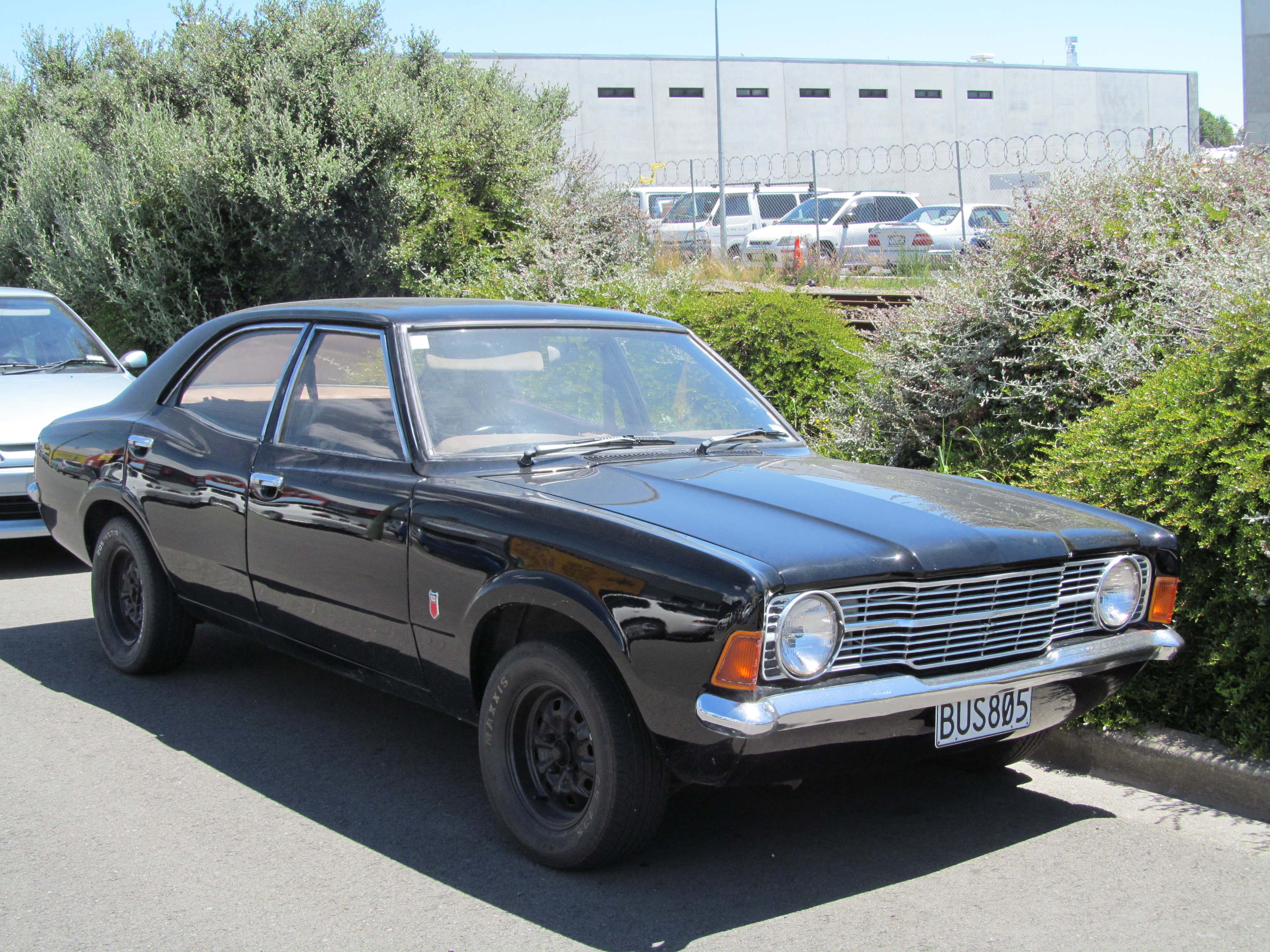
Ford Cortina
The Ford Cortina is a classic UK Ford model. Mark brings it up to explain that he grew up around that kind of car before he got into VW vans.
max power scene
The “max power scene” is slang for a car trend where people chase flashy mods and big power in a very showy way. Mark says he didn’t like that vibe anymore.

Type 2 Bay Window
The Volkswagen Type 2 “Bay Window” is a classic VW van. Mark bought one as a project and aimed to make it quicker than his previous performance car.
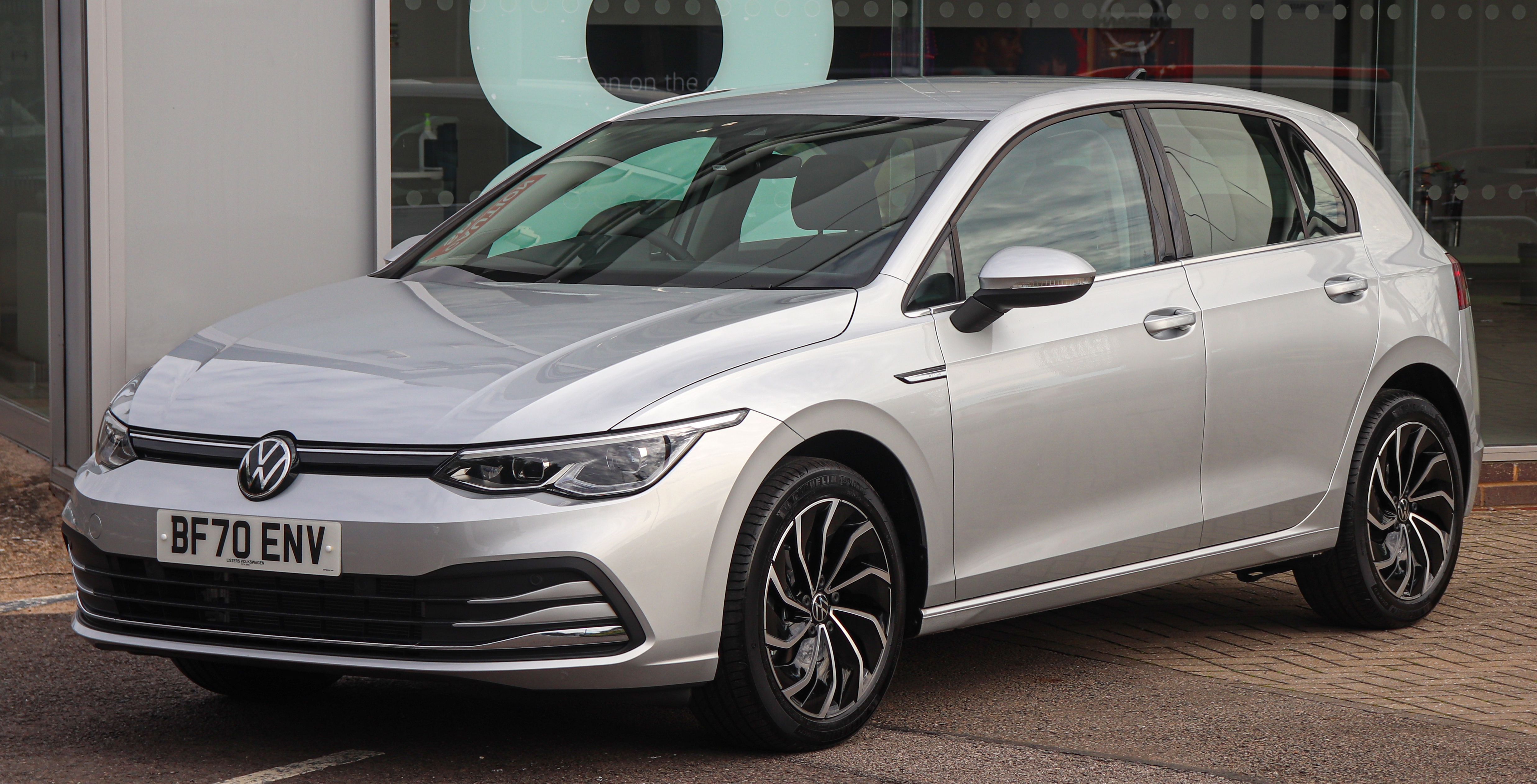
Volkswagen Gti
The Volkswagen Golf is a compact car made by Volkswagen. It’s known for being practical for daily driving while still feeling good to drive. The podcast brings it up as an example of the kinds of cars people had or talked about.

Peugeot 205
The Peugeot 205 CTI is a small car from Peugeot that was made to be fun to drive. It’s part of the “hot hatch” category, meaning it’s a regular compact car but tuned for better performance. The podcast mentions it as one of the kinds of cars people owned back then.

5 Renault 5
The Renault 5 E-Tech Electric is a small hatchback that runs on electricity. The podcast mentions it as one of the cars someone has had or tried. It’s designed to feel like a classic small car, but without gasoline.
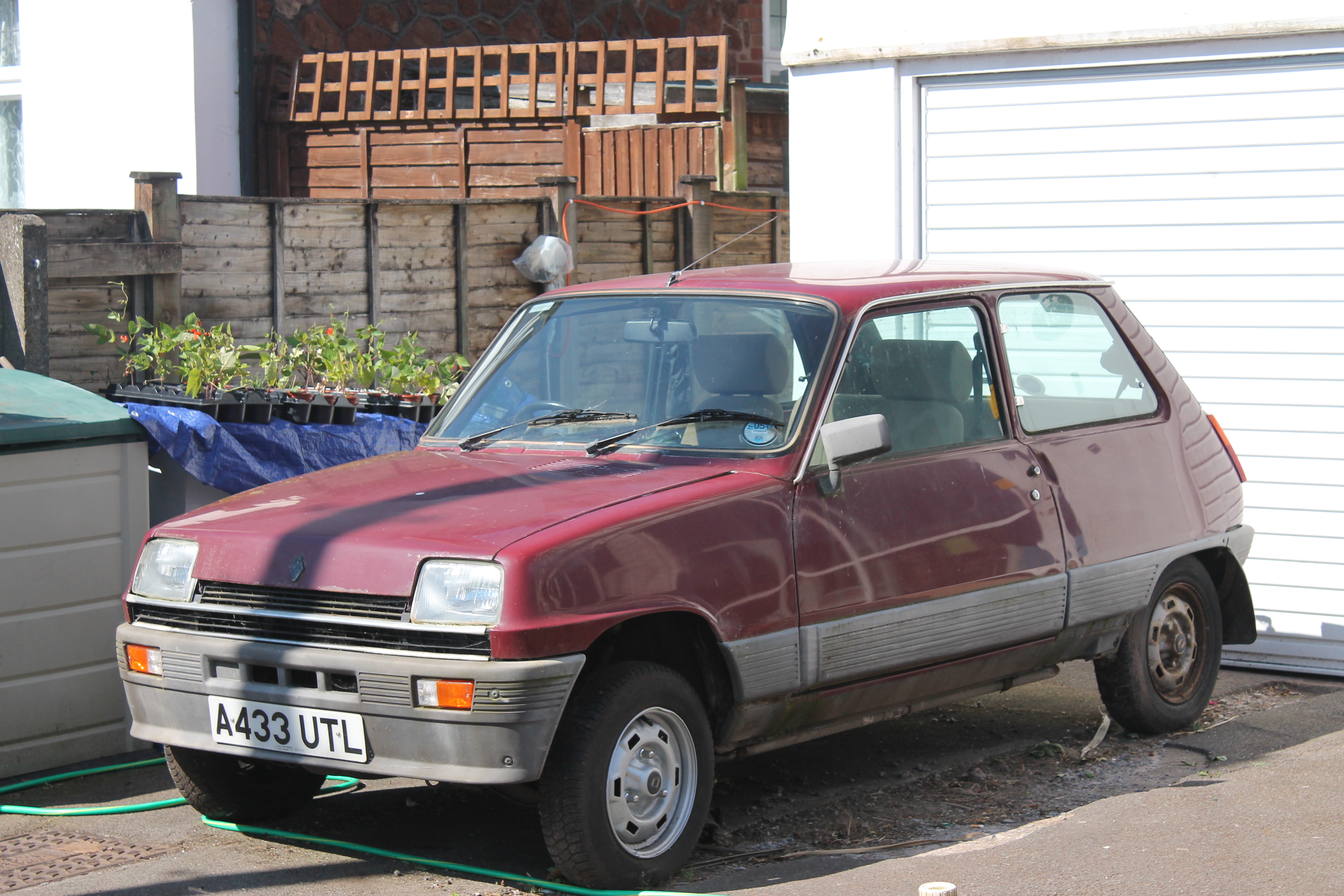
Renault 5 GZ Turbo
The Renault 5 GZ Turbo is a small Renault that had a turbo engine. Mark mentions it as one of the performance cars he had before his VW bus projects became the main thing.

Peugeot 205 GTI
The Peugeot 205 GTI is a famous small “hot hatch” from Peugeot. Mark mentions it as an example of the kinds of cars he owned while building his business.

Volkswagen Bus
The Volkswagen Bus is a van made by Volkswagen that’s known for being roomy and recognizable. The podcast talks about the “Bay Window” version, which is one specific style of Bus. People discuss it because different Bus years look different and can be more or less desirable to collectors.
slammed it on the floor
“Slammed” means the bus is lowered a lot so it sits very close to the ground. It looks dramatic, but it can make everyday driving harder on bumps and speed bumps.
2.4
“2.4” here refers to the engine displacement being increased to about 2.4 liters for the bus build. In VW drag builds, increasing displacement is a common path to more torque and faster acceleration.
Santa Pod
Santa Pod is a famous UK drag strip. If someone says they raced there, it means they were doing proper drag runs with timing.
drag panel bus
A “drag panel bus” is a VW bus turned into a drag-racing car. People modify the body and setup to make it faster for straight-line runs.

Beetle Super Beetle
The Volkswagen Beetle is a classic small car with a very recognizable shape. In the podcast, it’s being used as a comparison point for another Volkswagen model, meaning it’s considered the top or most iconic one in its category. People talk about it a lot because it’s popular to own and restore.
electric power steering
Electric power steering helps you turn the wheel using an electric motor. It’s often easier to install or upgrade than older hydraulic systems.
IRS
IRS means the rear wheels are connected in a way that lets them move independently. That usually improves how the vehicle rides and grips the road.
trailing arms
Trailing arms are parts of the suspension that hold the wheel in the right position. They help the wheel move smoothly over bumps while keeping the handling predictable.
cut and shut
“Cut and shut” means cutting metal apart and welding it back together to change the car’s structure. It’s a serious fabrication step to make parts fit and to strengthen the mounting points.
ball joint suspension
Ball joint suspension is a common way to connect the steering/suspension parts so the wheels can move. They’re saying the original setup uses ball joints, but they swap it out for another system.
bay windows
“Bay windows” is a nickname for a specific Volkswagen van shape. They’re talking about that van’s front suspension and how builders swap it to a different setup.
King and Link pin
King and link pin is an older front suspension/steering design used on some classic Volkswagens. They like it because it gives a higher stance and more clearance when you’re building a low van.
beam with a race center pin
A beam axle uses a solid axle beam to support the front suspension, and the “center pin” is the pivot point for the kingpin/linkpin geometry. A “race” center pin typically refers to a performance-oriented version that’s meant to improve alignment/strength and support more aggressive driving or suspension setups.
tub the front end
Tubbing the front end means modifying the inner body so the suspension and wheels have enough space. It’s usually required when you lower a van or change the suspension so nothing rubs.
stoker
A stroker engine is an engine build that makes the pistons travel farther. That usually helps it make more low-to-mid torque, which is great for pulling and cruising in a heavy van.
upgrade the ratios
Gear ratios control how the engine and wheels work together. Changing them can make the van feel stronger and also let it cruise without the engine screaming.
three piece, Fuchs
Fuchs are a famous wheel design associated with classic Porsche culture. “Three-piece” means the wheel is made from multiple parts, which is part of why it’s considered special.
two piece Compromotives
These are special wheels made by a company called Compromotives. “Two-piece” means the wheel is built in two main sections, which affects how it’s made and later modified.
Dage Motorsport
Dage Motorsport is mentioned as the group these wheels were made for. It’s basically part of the wheel’s backstory and who originally commissioned or supported the setup.
Westy
“Westy” is a nickname for the Volkswagen camper version (Westfalia). They’re saying they modified their camper van’s rear to make the wheels fit.
tubbed and narrowed
“Tubbed” means the wheel area was modified so wider wheels/tires can fit. “Narrowed” means they also adjusted the body/fitment so everything lines up correctly.
two piece to three piece
They’re talking about changing the wheel design from two parts to three parts. It’s a modification that helps get the right fit and look on the vehicle.

72 changeover van
They’re describing a 1972 Volkswagen van that sits in the middle of two generations of styling. It has later taillights, but many interior details are from the earlier version.
tombstone taillights
“Tombstone taillights” are a specific style of rear lights on these classic VW vans. They’re a visual clue that helps tell which version/year the van’s rear end is closest to.
Bandstead, London
Bandstead is where the shop is based, in the London area. It’s just the location they’re talking about.
M 25
The M25 is a big highway ring around London. They’re using it to explain where the shop is and how easy it is to reach.
building a VW van budget
They talk about how much money it takes to build a custom van from scratch. It’s basically setting expectations for the budget.

Jaguar Mark I
The Jaguar Mark I is an older Jaguar car from the 1950s. The podcast is talking about restoring one, starting from a bare body shell and then doing the needed work to make it complete again. It’s mentioned because it’s a classic model that people preserve and rebuild.
stance
In car culture, “stance” refers to the vehicle’s ride height and wheel fit—how low it sits and how the wheels sit in the arches. It’s a big part of the look for custom vans and VW builds, and the host mentions it as something that can motivate owners early on but also becomes a reality-check later.
mock up in the workshop
A “mock up” is a temporary, non-final setup used to visualize the end result before committing to the full build. Here, they’re describing a staged process to set the wheels/ride height and show customers photos of what the van will look like.

Chevrolet Chevelle
The Chevrolet Chevelle is a famous old American muscle car. The host is saying it’s already sporty, so it’s easier to make it even cooler than starting with a more normal vehicle.
2332
“2332” is shorthand for the engine’s displacement target—how big the engine is in cc. Bigger displacement usually means more torque, and builders choose it based on how they want the bus to drive.
bus motor
A “bus motor” is an engine built for how a bus is actually used—moving weight and driving smoothly in everyday traffic. Builders focus on torque and smoothness so it feels right in a bus, not just fast at the top end.
2276
“2276” is shorthand for an engine size target in cc. It helps builders talk about how much power/torque the engine will make for a bus build.
2387
“2387” is shorthand for the engine’s displacement target in cc. Builders pick displacement to get the driving feel they want—often more torque for a bus.
K8 cam
A camshaft “cam” controls when the engine’s valves open and close. “K8 cam” is a specific cam choice that VW builders use to shape where the engine feels strong—like more low-end or more top-end.
FK87
“FK87” sounds like a specific camshaft type/build. The point is that different cam choices make the engine behave differently, so builders pick one based on how the bus will be driven.
4,000
They mean engine speed measured in RPM. Below about 4,000 RPM, the engine won’t feel as strong or responsive, so they’re saying to keep it above that range.
964 calipers
Calipers are the clamp parts of a disc brake. When you press the brake pedal, they squeeze pads onto a spinning disc to slow the car down.
944 turbo calipers
Calipers are what squeeze the brake pads onto the disc. “944 Turbo calipers” means they’re using calipers from a Porsche 944 Turbo as the upgrade parts.
drums on the rear
Rear drum brakes use a round drum with brake shoes inside. They’re saying their setups keep the rear brakes as drums and they don’t wear out quickly.
disc kit
A disc kit is a conversion that replaces drum brakes with disc brakes. It’s an upgrade option if you want stronger or more consistent braking.
back space
Backspacing is how far the wheel sits inboard/outboard. Changing it helps the tire clear suspension and body parts.
205/55
That’s the tire size. “205” is the width, and “55” tells you how tall the sidewall is compared to the width—important for clearance and fitment.
spring plates
Spring plates are part of the rear suspension that help support the wheel. They’re saying they had to cut and modify the chassis/spring-plate area so the bigger wheels and tires would fit.
944 rotors
Rotors are the spinning metal discs in a disc brake. The brake pads clamp onto them to slow the car down.
964 hubs
Hubs are the parts that the wheel mounts to and that connect the wheel to the axle. They’re also involved in how the brake rotor fits.
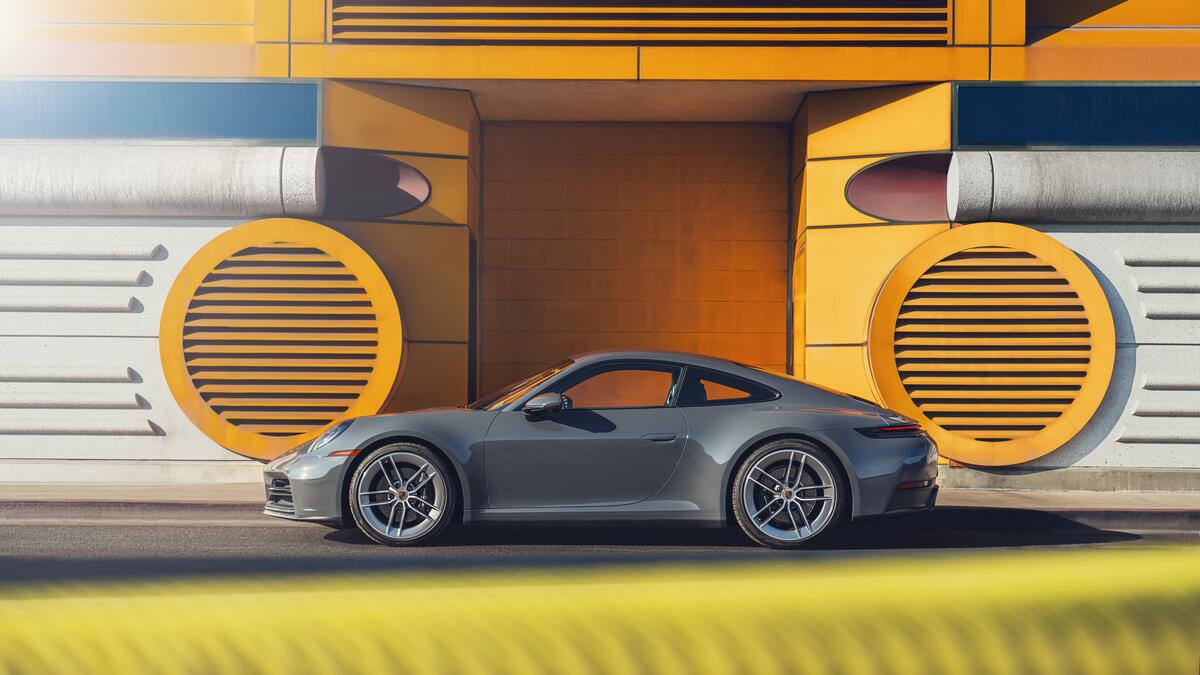
Porsche 911
The Porsche 911 is a sports car made by Porsche that’s been around for many decades. It’s known for its strong performance and for having lots of parts and upgrade options. The podcast mentions it because people often use or adapt parts from different Porsche models when working on brakes and suspension.
servo master cylinder
This is the brake system part that helps you push the brakes with less pedal force. It’s basically the “power assist” for the brake pedal.
Volvo master cylinder
They’re saying you can use a similar brake master cylinder from Volvo instead of the VW one, as long as it fits and works the same way.
second pump
They’re talking about how the brake pedal feels after you press it once versus twice. If the second press is better, it can mean there’s still some air or the system isn’t fully primed yet.

944 turbos
They’re referring to turbo parts from a Porsche 944. Using turbo hardware can make a big difference in power, but it also means the rest of the engine has to be set up to handle boost safely.
split buses
“Split buses” are early Volkswagen Transporters with a split windshield. They’re a recognizable classic VW style that enthusiasts love.
four inch beam
A “four inch beam” is a suspension lowering part for a classic VW bus. It drops the front end by a lot, which changes how the tires fit and how the bus drives.
16, sixes and sevens
They’re talking about wheel size—16-inch wheels, and likely two different widths (6-inch and 7-inch). Wheel width changes what tires fit and how the car sits and turns without rubbing.
low profile tires
Low profile tires have less “rubber” between the wheel and the road. They can look right on lowered cars and handle better, but they can ride firmer and be easier to damage if you hit potholes.
slam bay
“Slam” means the car is lowered a lot so it sits very close to the ground. A “slam bay” is a lowered VW bus/van look that people show off at meets.
burnout
A burnout is when the tires spin and smoke while the car is barely moving. People do it for fun and to make a big show at car meets.
Porsche rims
“Porsche rims” just means wheels that look like (or are) Porsche-style wheels. People swap them onto VWs to change the look and help the car sit right.
sway bars
Sway bars help keep a car from leaning too much when you turn. Here they’re saying this bus setup doesn’t use them, so the handling feel can be different.
static suspension
Static suspension means the car’s ride height is set and doesn’t change while you drive. It’s different from air suspension, which can raise and lower the car.
air ride
Air ride uses air bags instead of regular springs to change how high or low the car sits. The speaker says they didn’t like how it felt—either too stiff, too soft, or too bouncy.

Lucid Air
The Lucid Air is an all-electric car, meaning it runs on electricity instead of gasoline. People bring it up because it’s designed to be comfortable and practical for everyday driving, not just a short-range EV. The podcast is referencing someone who has tried one and liked it.
Neil Lightsteer
Neil Lightsteer is the person the host credits with building the electric power steering setup. He’s presented as the maker of the conversion.
speed sensitive power steering
Speed-sensitive steering changes how much help the car gives you depending on how fast you’re driving. It usually feels lighter when you’re moving slowly and more direct when you’re going faster.
ECU
An ECU is a computer that controls parts of the car. In this case, it uses speed information to decide how much steering help to provide.
magnesium race car wheels
These wheels are made from magnesium, which is very light. Lighter wheels can help the suspension work better because there’s less weight for it to control.
BBS
BBS is a brand that makes aftermarket wheels. People who care about cars often like BBS wheels because they’re made for performance and look great.
rear hub
The rear hub is the part the wheel bolts to, and it connects the wheel to the rest of the rear axle. If it gets damaged, it can ruin the bearings and cause the wheel to wobble or fail.
tracing arms
Those arms are part of the rear suspension that help position the wheels correctly. If they’re bent or misaligned, the car can handle badly and the tires can wear unevenly.
rear end
“Rear end” means the whole rear section that includes the rear suspension and axle. Swapping it can change how the rear wheels sit and handle.
