“Test and tune” is practice time. The goal is to try changes to the car and learn how it drives so you’re better prepared for the actual race or timed session.
This is a way to think about a corner in three parts: getting in (entry), being in the middle of the turn, and leaving (exit). Coaches use it to help you make the right inputs at the right time.
Term
phase three A and phase three B
This sounds like a structured way of breaking a corner into smaller steps. The driver is saying they used a method that splits one part of the corner into two sub-parts so they could adjust the car more precisely.
Springs are what keep the car’s suspension from bouncing. “Stiffer rear springs” means the back of the car resists movement more, which can change how the car grips and feels when you turn and accelerate.
“Rubbered in” means the track has more rubber on it from other cars, which usually makes it grip more. More grip can change how your tires and car behave. So the same setup can feel different from one session to the next.
Shocks are the parts that control how the suspension moves up and down. They help keep the tires planted instead of bouncing around. If they’re not working with the rest of the setup, the car can act unpredictable.
Unsprung weight is the stuff on the car that the springs don’t directly support, like wheels and tires. If there’s more of it, the suspension has a harder time keeping the tires stuck to the road. That can make handling feel less stable.
Bushings are rubber/metal parts that let suspension components move. “Bind” means they get stuck or don’t move smoothly. When that happens, the car’s handling can change in weird ways.
“Street Touring” is a type of racing where the cars are more like normal street cars than full-on race cars. Since they’re not as specialized, setup details can matter a lot for how predictable the car feels. The speaker is saying they’re learning to spot problems sooner.
“Moving target” here describes a setup/diagnosis problem where the car’s behavior changes between runs, making it hard to isolate a single cause. In suspension tuning, this often happens when conditions (tires, temperature, ride height, alignment) shift the car’s balance.
Caster is the angle of the steering “pivot” when you look at the car from the side. It affects how the steering feels and how stable the car feels as you turn.
Top hats are parts that sit on top of the suspension strut/coilover. They help set alignment angles, so swapping or adjusting them can change how the car steers.
Shocks control how the suspension moves. Compression is when the suspension gets pushed down, and rebound is when it springs back up. Changing the front rebound versus rear compression can change how the car shifts weight during braking, turning, and acceleration.
Rake is how much higher or lower the car sits at the front compared to the rear. If there’s “excess rake,” the car’s attitude is more extreme than intended, which can make it handle differently and feel less predictable when you push.
Drivers talk about an “operational window” like a comfort zone for the car. It’s the range where the car feels controllable and consistent. Outside that range, the car can suddenly become much harder to drive.
Oversteer is when the back of the car wants to slide outward more than you expect. “Corner exit oversteer” means it happens near the end of the turn, when you’re trying to accelerate out. That’s a sign the car’s balance isn’t right for the grip you have.
When drivers say the car “rotates,” they mean how much it pivots and turns its nose into the corner. More rotation usually feels more eager to turn; less rotation can feel calmer or tighter depending on the setup.
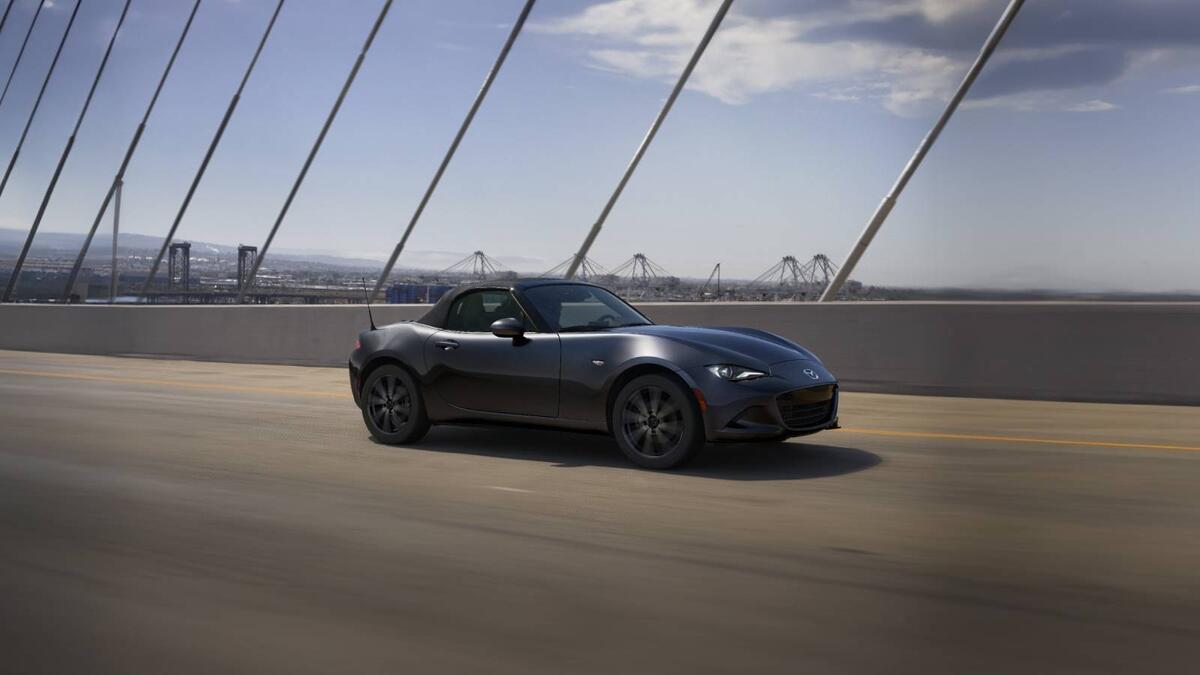
The “NC” Miata is the third generation of the Mazda MX-5 Miata. It’s a small, rear-wheel-drive sports car that’s popular in autocross because it’s nimble and responds well to driving and setup changes.
The Honda S 2000 is a rear-wheel-drive sports car that’s famous for revving very high and feeling fun to drive. In autocross, people like it because it handles in a way that makes setup changes noticeable.
They’re using “overpowered” like a gamer joke—meaning one car seems too strong compared to the others. It’s not a technical measurement here, just a way to say it felt unfairly fast.
“Droops” means how much the suspension can drop when the wheel moves downward. They were measuring it to figure out what was wrong with how their car’s suspension was behaving.
The Mustang is a sporty two-door car made by Ford. It’s built for driving that feels exciting, with different engine options depending on the model. It’s often mentioned alongside other performance cars because it’s a common standard for how these cars perform.
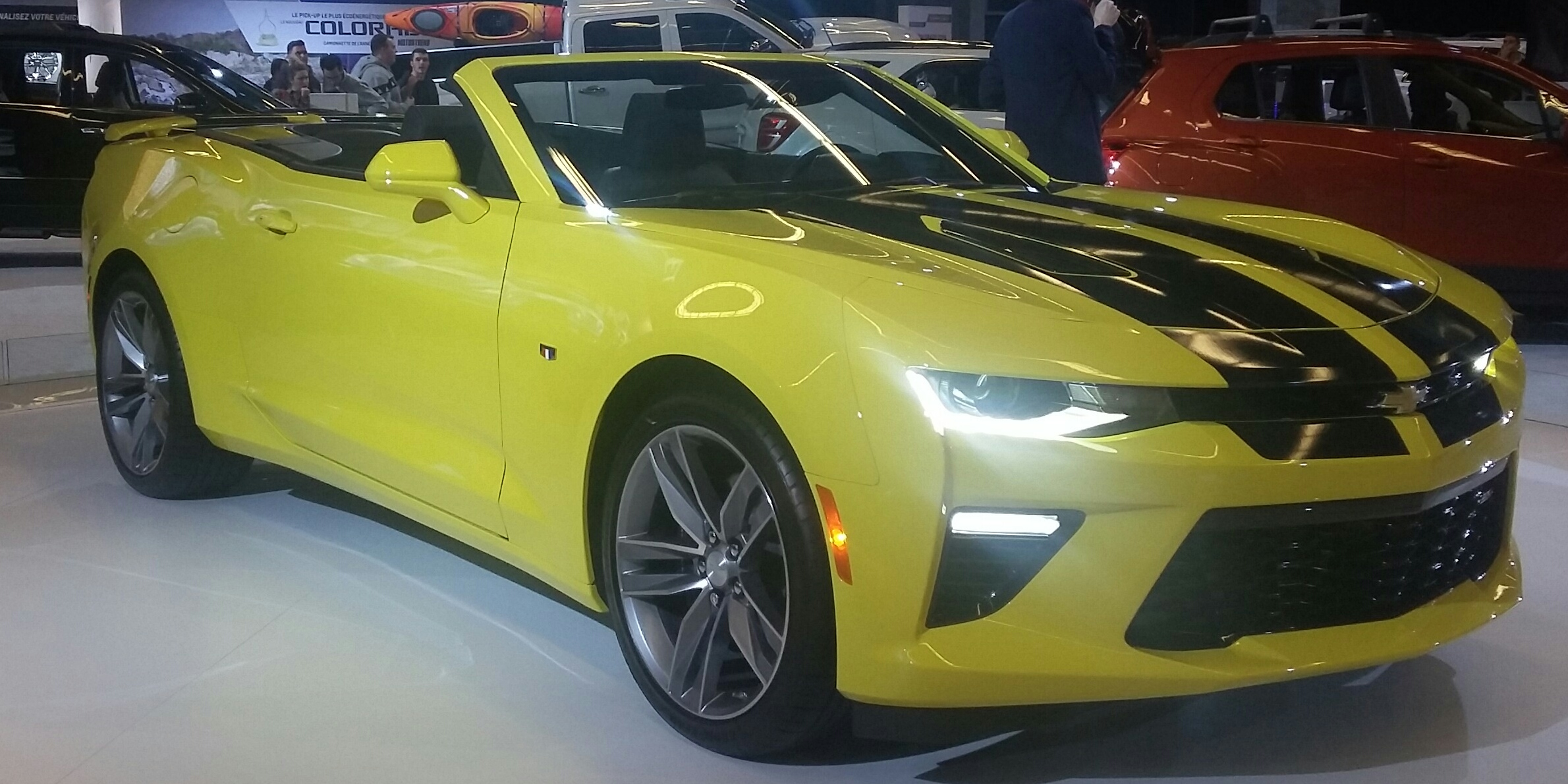
The Camaro is a sporty two-door car made by Chevrolet. It’s designed to feel fast and fun to drive, not just to get from place to place. People often talk about it when comparing it to other popular performance cars on the road.
SCCA is a big U.S. group that organizes amateur racing events. They also set rules that group cars into classes so competition is more about driving than just having the newest or fastest car.
CST is a racing “class” name—basically a category of cars that compete under a shared rule set. They’re discussing whether the rules could end up favoring one car so much that other cars struggle to keep up.
Course dependency means the “best” car can change depending on the track. A car that does great on one layout might not be as strong on a different one.
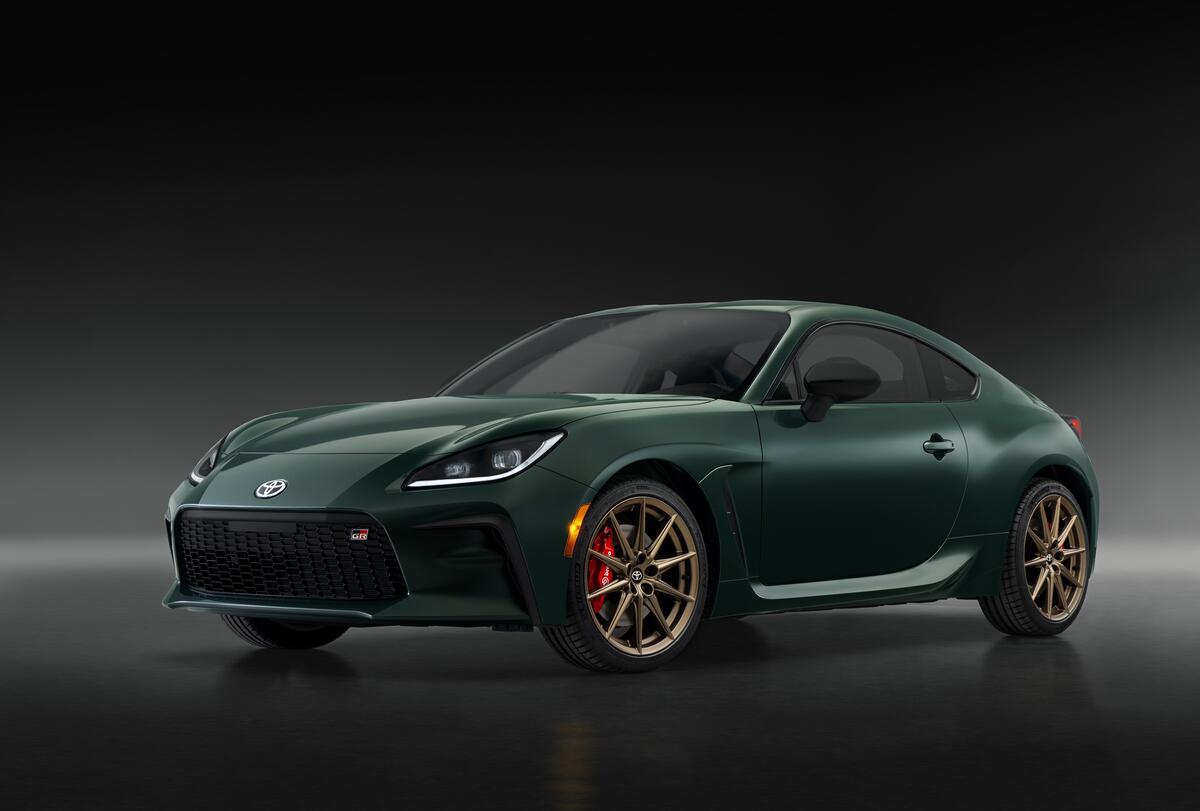
The Toyota GR86 is a sporty Toyota coupe that’s meant to be fun and agile. They’re talking about how a GR86 can be close in speed to an S2000, but also how experience and development time matter.
Topic
spring Nats
“Spring Nats” is a recurring big event people go to during the spring. It’s like a major autocross/racing meet where lots of competitors show up.
iRacing is a racing video game that tries to simulate real driving. People use it to race online and practice, and the speaker here says they personally don’t like it.
A sim rig is a home racing setup you use to practice in a video game. It usually includes a wheel, pedals, and a seat so it feels more like real driving.
Data laps are practice laps where you’re trying to gather information about how you’re driving. A coach can use that info to figure out what to adjust to get faster and smoother.
Bathurst is a famous race track in Australia. It’s known for being tough and twisty, so people use it to see how well a car (or a sim setup) really performs.
The Tesla Semi is a large electric truck used to move cargo. Instead of using diesel, it runs on electricity stored in batteries. It’s mentioned because it’s a very big vehicle compared with typical cars.
Term
tuning mechanisms
In a driving/track context, “tuning mechanisms” refers to adjustable setup items that change how the car behaves. Examples include suspension settings, alignment, and other adjustable components that let a driver/crew dial in handling and balance.
Lowering springs are springs that make a car sit closer to the ground. That can change how the car handles, especially in turns, because the suspension and tire grip behavior are different.
This is about focusing on what you’re learning while you drive, not just whether you got the perfect outcome. If something feels off, you treat it like a clue to figure out what to change next.
Concept
adversity
Here, “adversity” just means things that go wrong or make driving harder. Instead of getting discouraged, the idea is to use those problems to learn what’s happening and improve.
Term
car shifting its behavior
This means the car starts to feel different while you’re driving. That can happen as tires heat up or the suspension loads change, and the episode suggests using that as information instead of getting frustrated.
Here, “measuring stick” means a fair way to tell whether you’re actually improving. The host’s idea is that racing against (or driving with) strong people gives you the clearest comparison, because it’s hard to fake improvement.
Darian is the driver the host is talking about as an example. The point is that he kept working at it and improved over time, especially through autocross and co-driving.
Autocross is a timed driving event on a course made with cones. You’re trying to drive the course as fast and smoothly as possible, and it’s great for learning how to improve your driving.
A co-driver is another driver who rides along or drives with you to help you improve. They can show you what you’re doing wrong, help you learn faster, and make it easier to compare your driving to someone better.
Robert Thorn is mentioned as the person who helped build Darian’s autocross car into what it became. The host also frames him as an exceptional autocrosser, using his involvement to illustrate how driver development often depends on knowledgeable support and setup work.
A sim race is racing in a video game or computer driving setup, usually with a steering wheel and pedals. People use it to practice and compete without going to a real track.
“Cone dodging” is what autocross feels like—driving through a course made of cones. You have to steer accurately and keep your speed under control to avoid hitting them.
LIVE
Hello everyone and welcome to the lizard brains podcast I'm your host DJ Alice and
I'm joined by my cohost Tom Gorman. Tom, how's it going? Ooh, that was a nice wiggle.
Ooh, I feel like Shaq. Ooh, wiggling. Do you see we have a new media outlet in the
winner's circle of using that music? Of our podcast intro music? I kind of start charging
people for this. What? What? What? I know. So before it was Reese's PCs, Reese's Cups.
Yeah, it was a commercial, right? Yep. Yep. Reese's Cups.
And now it's in a Bon Appetit cooking video.
All the way from the top of their giant building in New York City, probably.
Condé Nast, using our music.
You know, we do talk about food a lot. So it's kind of fitting the space that we live in.
But I'm good. I'm having a Wednesday. You know how some Wednesdays are like extra
Wednesday-y? You're like, man, it's just the middle of the week.
This Wednesday is a Monday for me because I was so incapacitated yesterday that there was no...
I was full potato for the whole day, Tom. Anything...
My brain definitely wasn't going to do something that it didn't want to do, because it didn't
even want to do the stuff that I do want to do. It was...
Yep, I get that.
Like, look, I had... So I just came back from Spring Nationals, if this is the only episode
you've ever listened to. And it was five days straight of Autocross, which I will say,
it did kind of do that one lap thing, Tom, where you wake up and you're like,
another day, another day where I compete. Let's do this.
Yeah.
Yeah. And so that...
I love that. The way we go... Okay. So where does the fifth day come from?
Test and tune.
Test and tune.
Me and Tamara were competing against each other in the test and tune.
That was probably, honestly, Tom, that was probably the most serious competition of the
whole weekend.
It sounded like you were holding down the practice course, like basically for the
entire event. Was it just... It was just you in the practice course and you let other people
use it sometimes?
No, not exactly. Hey, at one point, the test and tune broke out where I was just getting
to drive other people's cars, which is always fun at the test and tune. So...
That's what I mean. Do you know how many runs you did at the test and tune?
Well, so me and Tamara together did 20 and then I did five more. So 25.
A lot of runs. Is that... What was I going to ask? Shoot, I just lost it.
Is it the same course as the Nationals?
Mostly, yes. It was mostly the same course. So what happened is me and Tamara did five runs each,
played with the shocks. We got the car into like a good driving window. We felt like good
about it. And then we're out there working because in the spring that's test and tune,
you have to go work the course and we're out there like holding down the slalom.
For the most part, we did miss one cone, but we're holding down the slalom.
Like anybody that hits a cone in the slalom, don't worry, we got it.
Oh, no friendly hot rodders?
No, no friendly...
You had to work the course?
Yeah, yeah, we had to work the course. So you do... If you did five runs, you have to work
the course for a half hour. So we're out there. We're working. We feel good. We're like, you know
what? We're going to go into the competition tomorrow and everything's going to be great.
And we had times that were timey. I don't know. I forget what the times were.
There were five digits.
Yes. And then we saw... You did that quickly. I had to think about it.
But then we saw one of our fellow competitors, Garrett in his S2000,
go out there and beat us by three tenths. And me and Tamara were hardly in a communication between
us. We kind of looked at each other. We're like, so we're doing more test and tune, right?
Because we lost by three tenths. We're like, oh, okay. Obviously we have to win test and tune.
So we got five more runs each and then got more acquainted with the car and what it was going
to give us. Yeah. And that was important for the next day. And Tom, we had the weirdest thing
with the car that was happening and we'll get into that. And it taught me a lot about this
weekend. First off, Tamara taught me a lot this weekend, just her approach of when and how to
make changes. I always looked at it as entry, middle, exit, mostly like that. How the weight
is moving on the vehicle. Tamara broke up each of those sections into basically two.
There was phase three A and phase three B. I actually bought the book that she was referencing.
I think it's called Think Fast, something, whatever. I just saw a screenshot that she sent
me of the graph and I'm like, all right, I gotta know this whole book. So I actually bought the
book. It's coming in two days or whatever. Because Tamara, she looked like a prophet.
She's like, I'm going to adjust this and this is what is going to change in the car because
the exit of phase two B, it was doing this behavior and then I'd be like, okay, I don't
know. That doesn't really make any sense to me. And then she would go over there and adjust the
knobs and then it would do exactly what she said. And I was like, okay. So very quickly,
it was like in Tamara, we trust whatever Tamara says is what we do. Sure. Yeah. So I just relied
completely on Tamara for the rest of the weekend on setup changes and she was so useful and helpful
teaching me in patient. Yeah, I learned a ton from that. But one thing that we didn't look into,
because I threw the stiffer rear springs in, like I talked about in the last episode,
and I did a calculation to make sure that the rake was the same. Something was missed in the
calculation because eventually I found out that I had way too much rake in the car because what
we were experiencing is that the car would be driving fine for one session and then just
really different the next session. And it was just really perplexing how sensitive the car was.
Because one moment it would be doing exactly everything you wanted. And then the next moment
you're like, I don't know anything this car is doing. And I think like temperature changes,
like the surface is more rubbered in or not whatever would kind of send it
out of this like narrow window that it lived in because the shocks were controlling bad behavior.
And the bad behavior was because we had a quarter inch more rake than we anticipated
having. And apparently these cars are pretty sensitive on rake. So yeah, Anthony makes a
joke, must have been waxing crescent moon. I was making like Mercury's in retrograde.
Like I was making all sorts of like jokes of like the stars are out of misalignment.
So now the car's an evil diabolical like monster like because it just wasn't making any sense.
But unfortunately, it took me the whole weekend to figure that out.
And I found it on Monday and then the car drove like completely normal and easy again on Monday.
So it's a little bit of a shame that it took me that long to figure it out. And I'm kicking
myself because I threw those springs in there and I just 100% trusted the calculation.
And knowing that not possibly every single variable like bushing bind and this and that and
unsprung weight versus like I'm kicking myself for not just dropping the car going to drive it
around and then just measuring it in my driveway because my garage isn't very flat. So I wouldn't
get like an accurate measurement anyways, but I have spots on my driveway where I could have
done that. And I just didn't think about it. I was in a hurry. I was very busy last week.
And it took me the whole weekend to find like an issue that kind of I think competed
and drove great. But I feel like part of my learning curve of street touring was being shown by like
just not identifying that issue essentially. Yeah, that makes sense. Yeah, guys. DJ and I DJ
never call, we don't call each other. We don't talk on the phone when DJ calls me. It's usually
because I, well, or, or I've gone missing for like eight hours and he's like, Hey, are you like
the podcast was supposed to happen an hour ago. That's happened before. Yeah. So when he called
me, I'm like, this is interesting. And he had just, I need to talk to somebody about the setup of
this car. This is what it's doing. And I did my best to like just ask questions and keep the
conversation going and maybe do some like diagnosis. If I could get like a consistency in the answers,
but it did sound like we have this moving target. I have no idea how to find it.
Yeah, dude, moving target. That's the best way to put it. It's like, and I've driven plenty of
ST cars and I was just confused why like it would just change its behavior so drastically.
Like they, they changed their behavior a little bit with like changing conditions and temperature
and stuff like that. But this was like, Oh my God, the car drives great. Don't touch anything too
like, what is this thing doing? So yeah, yeah, it was very weird. Can you diagnose or can you,
can you reverse engineer why it too much rake was fine sometimes and not others? Cause we talked
about the temperatures of the day, but there were times where it was fine in the hot and fine in
the cold and vice versa. If any reason why it felt fine other than maybe you're managing it
better as a driver at some points. With my limited understanding, like I'm still leaning on
Tamara. I'm still like sending Tamara messages, like asking like, what about this or that? Or
like, I noticed that there's a two caster settings on the top hats for the car steps kit and we're
on the like the lower caster setting for some reason. And I'm like, Oh, what does that do?
So like, I'm like now, like I, everyone who I messaged about the caster thing, I'm, I'm just
guys, I am, I am cashing in some whatever cred cause I'm just bugging the crap out of
so many people right now asking all sorts of questions. I have like, like 20 group chats
go and like just like, just fricking ambushing people with questions. Cause like, I just came
out of the weekend, like even more insanely curious about like, what do I need to do
to get this thing to be the best driving car possibly can be in the largest operational
window as possible. So it's not super sensitive because if, if we show up at nationals with a
car that is a little unwieldy, we lose. It just has to show up and be perfectly fine. It doesn't
have to be perfect. It just has to be perfectly fine. You know what I mean? That's a good quote.
Okay. It like, it doesn't need to be like, damn, I would literally change nothing. It just has
to be, you know what, we can use this and we can put some runs together. Yeah. Yeah.
Huh. Um, it sounds like you've gone through most of the window with this car at this point though.
Kind of. Yeah. I feel like we're, we're slowly getting there, but we're making really quick
work of it. Yeah. We're changing a lot of stuff in the car too though. So, um, hold on. Let me
read this comment from Lugad about caster. It makes the twins feel better, but hurts corner
exit on slow corners quoted for later. He's going to like link that when I come back and be like,
the caster felt great, but we were slower. So I don't know. I've started using this line in
commentary that you don't have to be the perfect driver, but you have to be more perfect than
everybody else to win. I've said that a couple of times now. That's kind of the same as your
quote. It doesn't need to be a perfect race car, but it needs to be perfectly fine. It can't be
and this is like I said, this is peer speculation and, and if anybody like knows more than please
like time in on the chat. Um, but I think with the shocks, they were controlling the,
the excess, uh, rake, like especially between like the front rebound and the rear compression.
They were controlling the behavior of like the swinging of the weight.
Well, but if it got too hot or like if, uh, there wasn't enough gas in the tank,
then it would move out of that, like that small window that it felt like operational and we
could like manage the car and then it would just like turn into like a little bit of a death machine.
Yeah. The only other thought I had is that maybe the extra rake was like fine and not
noticeable in early runs as you were learning, but in the, in the moments where you like really
needed to push because it was creating really late corner exit oversteer. Like, but like for too
long, it made, it made it look like the car had like way too much power or something, uh, which
rake is more ride height in the back than the front, uh, which that will create more rotation
all the time in the corner phase, including all the way to the time the wheel straight.
It's a huge tuning tool for front wheel drive cars for sure, but not so much rear wheel drive.
It's more of a balance thing for those. I think just the, the minuscule change we made
and the way it felt, I think I'll be using rake to like help fine tune the balance of the car
actually a lot, but just like just little changes, like a half a turn of the collar or a quarter of
a turn because the two turns that I made completely changed the car. And I'd like to try actually
with like another turn down, uh, and see what that feels like. Like maybe we could throw a
with like specific amounts of rake. And if we feel like it's a little too tight on entries,
then we could throw a little bit rake in it, like, you know, specific shapes of corners,
stuff like that. So I do think that we'll be using it as like a tuning tool and I'm glad that I got
to experience, uh, like the fricking drastic, like we'll never be in that window zone of it.
But having that sensation, because I play with rake a lot in iRacing, but I don't have that
sensation of like what it feels like in a real car, uh, like as, uh, like part of my experience,
what it feels like when it's too much, uh, and I experienced that. So I think experiencing that
will like help me have that be like a tool for the future. That's cool. And you got a second place
and a third, third, nice couple of trophies. Yep. Got a couple of medals. I'd be honest,
I don't know exactly where they are, but I'm sure there's somewhere in that car.
Damn, you heard it here first. DJ doesn't care about his trophies. They mean nothing.
I just wanted the win. I wanted the respect and admiration of my peers. Damn it.
Oh, I have another question to be an autocross dork for a second. What's the energy like with the,
with this class? It's basically current generation twins. Yep. Honda S 2000s and NC Miados.
Those are the three contenders that people are like in the conversation. Yeah. What does anybody
care about like that? So the S 2001 one, there was a, there was an NC that was really competitive
at DC last week, right? Yep. Do you think if S 2000s and NC's start winning, do you think
they're going to do something about that? Cause they like the new cars being competitive. Cause
most people are in GRD sixes and like the new car, but I kind of like that. Everybody's like
tempted to go get an NC like, Oh, that's the faster car, but no one puts their money where
their mouth is. It's everybody with GRD six is saying that. I, uh, I mean, look, when Garrett
won the tour in his S 2000, there was definitely some S 2000 OP jokes being thrown around OP
chance for overpowered. So, but yeah. So Taylor says S 2000 dominance may bore fans like
and he says that is like a, like a catchy news headline, not like actual truth. Honestly, the
class, uh, the culture of it is really good. Uh, it's just full of, yeah, it's just full of all
these slayers, but dude, honestly, it was so much fun. We were having all these like fun little
competition jokes. Like when it was raining for the pro, I was saying, like, I was, uh,
joking around with everyone that we're going to add up all the sessions and that's who the
real winner is. So it didn't come down to just like one session of like winning the thing.
We still haven't added it up, but we kept joking around about it by it. Like,
it's a spreadsheet for that. Uh, we should figure it out. We should figure it out. Somebody
figured out real quick. Um, but, uh, like somebody would cone out of all like the second
session and we'd make jokes like, well, that, that isn't helping the total like tally or
stuff like that. Or, um, I remember at one point me and Garrett, we had to go park and impound
and he parked one way and I parked the other way, like just facing different ways.
And I was like, which way should we be parked? And he says, I think it's this way. I'm like, well,
I think it's this way. All right. We're going to tally up which, uh, which direction most
people, uh, go in and we'll add that to like the overall bracket of like, we're just, uh,
we're just having fun just being like competitive lizards and, and, uh, even though it's, it's
very competitive, uh, I was like the McElphys still let me take, uh, take a tape measure
to their car when I was trying to figure out what the hell's going on with my car.
Like I was measuring like droops. So we were putting their car on jacks and like it's just,
it was very open because everyone just wants to get better. Like I felt like,
I felt like everyone was in a healthy space with the competition of just like,
like rising tide raises all boats kind of mindset. And we all just wanted to
compete our best and drive our best. And if we could help somebody else do that as well,
then that only makes us better. Right. Like I felt like that was very,
and maybe that was just a me perspective, but that's how I felt. That's how I felt
like everyone was, uh, and it was great. And I think the, I think that's super good for the class
and, um, except blue God who's saying no helping all secrets, even though like blue God literally
helps me. So, but like, I think that's really, that's a really important sign for a good,
like the longevity of a class where people are collaborative. And you know, like,
because at some point like we're going to move away from, even if like we don't move away long,
like we're going to move away from this like small pond that is autocross and we're going to go
compete in other things or other classes or, or whatever. And if we get as good as we can in this
this particular moment, then we take those skills and the things that we've learned from each other
and we take those to the next whatever we're doing.
You're better at that than I am, as I told during the one lap episodes. But I do find it,
I think about this every once in a while when I, like if I spend some time in SCCA land,
both with autocross and road racing actually, but given the lack of like
it's, it's all backed by like historical results and there is quote unquote data involved. But
the fact that they can still have a class like this class, which is like affordable sports cars
that are still faster than the NBs, but not the, you know, they fit these cars together,
especially in street where it's like the Camaro and the Mustang, if Ford and Chevy didn't make
those cars almost identical, that class wouldn't work. But managed to like stylize the classes
so they have the personality, but also like the cars that people go to that are all competitive
and somehow people are still convinced that some are better and some are worse versus
in contrast to this, like a lot of NASA or grid life stuff is powered away. So in theory,
all the cars can get to the same performance level. SCCA is hardly that at all. And the fact
that they can manage street cars being competitive in classes like this is like a huge,
it's such a huge challenge. Like I said, I know it's just sort of like establish
itself into what it is now and they fix it constantly. But the fact that you could be
in three different cars in this class is cool, but it is also like such a toxic possibility
where everyone gets mad at one of them or someone feels left out or left behind.
I know that happens all the time, but it's just cool that they still manage it that way almost.
I could see a scenario where you need a 20-year-old S2000 to be competitive in CST,
and that is like not good for the class, right? I could see that scenario because like if the
S2000 was like absolutely the best car for the class and anybody else is just like
bringing a butter knife to a knife fight, like I could see that not like not being good for the
class. Right, the argument could be made. Yeah, but I think they're all kind of within the noise
and they kind of come down to like course dependency on some level, but at the same time,
I think they're pretty close. I got to take runs in the S2000 and I sat basically the same time,
granted that was like in my one run in the car and maybe I could have went a little bit faster,
but I went a couple tenths slower than I did in the GR86 in my first run. So I think
like another run or two, like I would have been right there, but then also like the S2000 is just
like more developed than me and Peter's GR86 at the moment. Like that car's had 20 years of
development, so we're still figuring it out. We're still trying to figure out like what's
important, what's not important, so I don't know. It's cool. Yeah, it's kind of hard to see where
it'll go, but dude, I had so much fun. I think spring Nats needs to happen. That needs to just
be like the norm. Have you been to spring Nats, Tom? It's been the norm for over 10 years.
What are you talking about? That's my first time going to spring Nats though. That's what I'm saying.
Oh, yeah. It's, I used to do spring Nats all the time back when I was autocrossing primarily,
but yeah, it's super fun. It's like all the try-hards without a lot of the one time of
years. So it's like what, probably 300 or 400 people there total instead of 1200, but it's like
everybody who's there is either they live in Lincoln, Nebraska for some reason,
or they're like, they're trying really hard at autocross.
It really was. It was all like the, yeah, when he rude.
Hastings is better than Lincoln. I'll just say it. Is it? Did I win it back? Did I save it with you?
No, she's typing. You'll see a bit, a bit. Okay. That's what she said.
But yeah, it was just, I've never been to spring Nats and it was like a very condensed
nationals. And I will say by the end of it, and I hope, I hope I did a good job announcing
on Monday, but guys, I was fricking toast by Monday. My autocross hungover started and I
was still autocrossing like it was bad. Like I was trying to announce and in between,
like when cars would be running, I'd just be squeezing my eyeballs as tight as possible
because it felt like my headache was going to like shove my eyes out of my head.
Like it was bad. It luckily held off for the runs, but then immediately after the runs,
I came off that high because we were a first group. I came off that high and was just like,
I feel like I just need to bury my head in a cooler. Like that's what it felt like.
Oh, it was hot. No, just, I just felt like crap. I was like nauseous and like, so.
Yeah. Like I might have missed when Madarash took the lead in Cam T because I remember like at
one point the results came up and I was like, I thought to myself, when did he take the lead?
And I'm like, oh, I'm the announcer. I should know that. Like I was like,
I felt like myself like, I think somebody told me that I did say something, but I don't remember.
Like I was just in a ease. I was, I felt so messed up. I felt like in from the commentators
from doing more commentary. Now there's two things. One is whenever that happens
and you miss like someone else's in the lead and you know, especially the person who's watching it
for either for themselves or for their family who's on the bed, they're screaming at the TV
like, Hey, talk to me. Talk about them. You know, you know, you miss that moment for somebody,
which sucks. But also you can tell when your co-commentator isn't listening because you'll
kind of run through something and I guarantee I do it too. I kind of run through like, Oh,
and this person took the lead while we weren't watching and I stopped talking and the other
person will go, Oh, and it looks like during the last conversation who someone took the lead and
just said that both of us are catching up while listening and talking at least both of us missed
it. Yep. But that's so cool. I'm, I have FOMO now because I, uh, most of my really try hard
autocrossing was during the day, the years that I worked at the go-kart track, which we didn't
have any sort of like super formal policy and I was hourly for like half the time I worked there.
But I was autocrossing. It's kind of like my pattern to just like take almost every Friday
off in the summer when there were autocrosses because I either had to drive to them or they
started on that day. Yeah. And I think the most I did one year was 12 national events
and it felt like that every weekend. It was like so hard to get back to work and get back to normal.
And you were like, you stayed up all night the day before to get home or whatever.
I'm still recovering. How do you go back to the office if people just don't know?
They just don't know. I'm just, I'm over here just doing HVAC stuff and people don't even know
that I'm a race car driver. Some of them know.
Salil brings his trophies to his office for a week, which I think is super cool. Yeah. Yeah.
You should be like this. I did a motorsports event this weekend and I won and I got a trophy
and I'm going to put it in my office. Yeah. Yeah. Yeah. Well, my office is also in my house. So I
don't know that wouldn't really work. I'm trying to think if I didn't know Salil, if I would still
think that's cool or if I didn't do motorsports, probably not, but whatever. Nobody has context.
Like everyone just thinks like, oh, you do NASCAR. Speaking of NASCAR, Rip Kyle Bush,
like that, like that is pure talent, baby. Dude, I love that interview.
Yeah. It's just crazy. Like just like pneumonia just took them out. That was just a wild,
I mean, it kind of shows like none of us actually know how much time we have left to do the things
that we love and love doing. So like just do the things. Don't wait. Don't like wait for the
some other time to do the thing. Just like go do the thing. Go do it. Like don't wait for something.
You don't even know. Like you don't even know like whatever time is left. Yep. So I didn't know this
because I haven't followed NASCAR really seriously ever in my life,
even though I followed enough to know who the people are. I didn't, apparently he was the most
winning driver in NASCAR, the sanctioning body ever. Really? I didn't know that. Yeah. I didn't
know that either. I don't really fact check me, but I saw that on the internet. So I believe it's
true. I don't really follow NASCAR either, but I feel like anytime somebody, like even that one
dude who I'm blanking on his name who died at Nürburgring during the 24-hour race, like anytime,
anytime somebody in the larger motorsports community kind of bites the dust, like
I think it hits a little closer to home because you're like, damn, that person isn't too far
different from me. Like we all had the same ambitions and we think about the same things
in our idle time and, and yeah. So, but back to spring Nats.
I wonder who is the most winningest driver is in the sanctioning body of SCCA or NASA or Gridlife?
We could find out. We got autocross rank.
I think it would be an autocrosser. Oh yeah. Probably just more events, right?
Yeah, for sure. Do you count locals?
No. So this is, they said that he's the winningest driver across the top three series. So
cup, Xfinity and trucks. Okay. With 234 wins. That's a lot of wins. But imagine you were, okay,
every national, every national race you ran, whether it's an autocross, a time trial, a club
race, whether you're in time attack or whether you're in wheel-to-wheel or GLTC, Rush, whatever,
whether you're in like lightning, NASA doesn't really autocross anymore. Are you going to try
to figure it out live on the, on the air? He's Googling. No, that's, are you on chat GPT?
No, I'm trying to figure out if they want to tell you something you want to hear.
Yeah. I'm trying to figure out, it would be like, yes, DJ, you are among the winningest
drivers in SCCA. You are among the top 0.02%. Yeah. I was hoping I could pull like a CSV
of autocross rank and then I could like organize the, the database that they have by like amount of
wins. Yeah. But I can't, there's, Luke God just says it's Bob Endicott. How does he know that?
How do you know that? I could believe that. He called a race and pro-race and other stuff.
Anyway, I think it'd be curious to, it'd be cool to know, and I wonder who that person is,
and I bet they're an autocrosser for SCCA. And I bet they do road racing and stuff too.
You have to do multiple disciplines to be in the conversation, I think.
Okay. Maybe. Okay. Is this just the Tom award, Tom? You got to figure out who gets the Tom award.
The Tom, like the goat, but it's the Tom. I need to kind of come in with an analogy.
Yeah. Yeah. Or add acronym.
To somebody think of, somebody, somebody think of something. Somebody in the chat.
Let us know what an acronym Tom makes.
I didn't have anything exciting this week and I spent time with family and
just kind of hung out. I played a lot of Forza Horizon six.
Yeah. You dig in that game.
Honestly, I've never played Forza Horizon before with friends.
Every other time I played four heavily, but only by myself and five some and only by myself.
And the fact that we're like all locked in on it together, like the other night,
I think last night we had 12 people online playing together.
Yeah. And it's so much more fun to play with friends and it's already pretty fun to play by
yourself.
I jumped into Discord, just be like, Oh, there's somebody like chatting or whatever.
And I look at the channel and there's like, like 14 people just hanging out,
just playing Forza Horizon. I'm like, I'm thinking to myself, this is rivaling like,
like halo days of like people getting together to like play games together.
Yeah. I was like, all right, cool. I like, I wish I could partake, but like,
I love that it's happening in the lizard brains Discord. Like it's so awesome.
Yep. Yeah.
This is how I feel every time I see a group of people play iracing that I'm skipping
because I hate iracing. Oh, it's also been since prior to one lap since I sat in this sim rig.
I don't know why that's a sense of pride for you, but
I was not a sense of pride. It's a fun fact. I don't know why I have literally
less than zero interest in getting in this sim rig right now.
Yeah.
I think, I think that Porsche did ruin me.
You know, I got, I got second and third this weekend. So already,
already sat down in the rig. I had to do some laps. Tom,
there's no way I could just let that go. Yeah. You think I could just let that slide losing?
Oh my goodness. Come on.
How'd you break the seal? Did you come home and drive a GR86?
No, I, I was, I was doing data laps for coaching.
Oh, okay. Gotcha.
Which one of those was the GR86 on Bathurst, which is like an interesting track for that track, but
but uh, uh, yeah, there's, I thought about doing a race, but none of them looked particularly
interesting. So maybe I was kind of in the Tom camp.
Yeah. It happens. I don't know. I,
I literally picture myself getting in the sim rig and being mad at it in the next 10 minutes,
and I don't want to do that to myself right now. That's the, that's the kind of emotional
like checklist that I go through. Like, do I want to race with my friends on Monday night?
Yeah. I think I'm probably going to be mad in about 10 minutes. If I get in there,
I don't really feel like being mad.
Oh, come on.
I'll play forza again.
Uh, I got to figure out a way to ruin forza for you. It's kind of like, um, uh,
a call of duty used to be a distraction from Halo.
So I would go in and just play the most annoying way possible to try to get my
like teammates to stop playing call of duty. So I would do like for the, for the call of duty nerds,
you do like claymores and one man army and with like the noob tube and you would just be an
absolute menace. So basically time to break it down. One man army meant that you could like
switch your class over and over again, which would like replenish your ammo. So you could
just spam the noob tube, which is like a grenade launcher on the, like on a, on a rifle and you
would just spam it into the spawn. So you know that trajectory in the arc and the cloud that
you have to aim at to shoot it into their spawn. And you would just keep switching classes and
just spamming this and you'd just be killing people in their spawn and you'd get kill streaks.
And it's like, it was absolutely the most annoying way to play, but what it would do
is it would get my friends, uh, back on Halo.
Just ruin the game. Also, my parents and your parents both have no freaking clue what you
just said. I think I followed though, spamming the spawn with a nude tube. Oh my God.
That's what a sentence. What a sentence. That's crazy. That was the thing. And it was, it was
just to get people to come back on Halo because that's what I actually wanted to play. Right.
So I got to figure out my one man army noob tube strat for Forza horizon.
So Tom comes and plays eye racing with me again. I think it's either a giant truck,
like a semi truck or a limousine. You just ruined the game by ramming us with that.
Yep. But yeah, otherwise I don't have anything life changing to talk about on the podcast,
but you had a good topic idea. I did. I did. Um, first I need to put out a public service
announcement. Um, we are trying to get Tamara to come on the podcast. So if you guys could bug her
to come on the podcast, that would be great.
So damn, cause Tamra has, um, like spending the, spending literally listening right now.
I know she's probably like crawling inside of her skin. Oh, absolutely. And I'm so sorry,
Tamara, you don't deserve this. Um, but she, uh, you can absolutely tell why she's like a top tier
competitor, like just like her work ethic and her attention to detail. And she has like this,
she does this. She can recall the runs that she does like super vividly. Uh, and I mean,
Tamara had tons of interesting conversations about, um, competing, uh, the, you know, the journey
versus, uh, versus like the results. Um, yeah, just, I think, I think the podcast would enjoy, uh,
those conversations. So if you, uh, maybe just give some positive encouragement and maybe we'll
get a Tamra on the podcast at some point. And if not, that's fine. That's fine. I will share
those insights all on my own. It is so fun to get to work with somebody else who gets it.
Yes. And like, cause there's beauty in every dynamic with a team, but if one driver is
significantly more comfortable than another, it's a totally different dynamic than when
you get two people who are on the same page and get it in a way that not, not as much time is spent
moving, like looking back on what someone is doing really almost and like trying to help them on
their journey. Yeah. It was such a collaborative. Maybe that's it. Maybe you're kind of in a
similar spot on your, on your journey that you're just like, you're walking together
further forward instead of like looking back and making sure the other person's with you on the
on the journey. How's that for a, that feels like a Lord of the Rings picture right there.
Maybe it was, uh, it was such a collaborative effort, uh, just with the like our overall
competitiveness. It was, um, it was just, it was, it was super fun. So, um, thank you to Peter
Schnorr for letting me steal the car, take it halfway across the country and then have somebody
else drive it with me. Uh, cause that, like that experience was, um, it was super good and it was
super beneficial to, um, me as a driver, um, as somebody who's playing with the tuning mechanisms
of the car, um, and as, as a competitor. So, so thank, thank you Tamara and thank you Peter for
allowing, uh, that to happen. Cause if, uh, I don't think Tamara would have flew out to Lincoln to
drive my Miata on lowering springs. So, uh, all right. Uh, I did, I did have another conversation,
um, with, uh, somebody, uh, over, uh, just the last weekend's things and I pulled some, uh, of the
things that were talked about in that conversation and I made like a little rubric for us to kind of
talk about stuff and it was kind of in the same vein of like some of the conversations that me
and Tamara were having. Um, and the person said that they're, they're perfectly fine with me outing
them. Um, but I'm not going to. So sorry, Taylor. Um, just kidding. Uh, all right. So, uh, the, the
podcast, like talking points is the journey versus the result and the opening topic is competing
through, uh, adversity, adversity. Um, so one of the, like one of the things that was happening
this weekend was like the car shifting its, uh, behavior, like drastically, right? Uh,
if you were only focused on the results, that could be really infuriating. And trust me,
it was like, it just, it was really frustrating that like not having a handle on what was happening.
But if you take the mindset of having a, like it being part of the journey, uh,
then there's just something there to learn. Right. And now it's not, it's not as frustrating. It's,
it's like a mystery to be figured out. If you imagine like a puzzle in a video game
and you get to it and it's like, why isn't the door just open? It's like, well, you gotta solve
the puzzle before the door opens and you're like, well, that's annoying that the door's not open.
Right. That wouldn't be very fun. But if it's like, oh, this is a puzzle to solve and we gotta
figure out like all the working pieces and like, and then eventually like the quote unquote door
will be open, then like that's, that's a more enjoyable, uh, journey into that process than
just being annoyed that like the, that the thing that you wanted to happen didn't happen.
Essentially, does that make sense? It does. Yeah. Yeah. I think we come back to this
around this topic every once in a while and you've always been, so it seems like you've
always been super good at identifying when you're doing the process and like you're always excited
about getting better at like, uh, and I think it boils down to where I'm not that way. And I think
it boils down to, I don't, I don't know if it's how you face adversity or how you face how self
aware you are. I don't, I don't know. Cause I deal with those situations much more emotionally
and I've not been great at dealing with them. Sometimes I tend to quit is really my, my default.
Like if it's something I don't like and I'm not good at it, I probably quit it.
And I know plenty of people are like that. So I'm not like ashamed of that, but I don't like
that about myself. And the thing that I figured out is if I observed that that's happening,
if I observe that I'm in the process, then I get much better at dealing with the process
where it seems like you've always just had that. Is that true? I don't remember if you've said this
before, if you, if, or if you've had to learn to be this way, I think I had to learn to be that way.
Uh, and I think I figured that out while competing in Halo because I mean,
there's millions of people playing that game. You're never just going to be like a dominant force,
right? It's, it's, and it's kind of the same thing like an eye racing. Like you're never just
going to be a dominant force. Like there's always going to be somebody that just drives away from
you and you have to deal with it. Like the deal with the fact that you're like, I literally don't
know what to do to go faster and that person is literally just driving away from me. Because if
you have like ideas of how you could be faster, it's way less frustrating than if you're just like,
I think I'm doing a great job and obviously I'm not, right?
Wait, say that part again. If you were in a vacuum and you're doing laps and you're like,
these are really good laps and then somebody comes in and goes a second faster than you in the same,
like same everything, like same car, same setup, same everything. And you're,
the only thing that it could point to is that you're actually not doing a great job.
Correct. That sucks. And that feels bad.
Yes. It does.
You just described every time I joined the iRacing server before you that you joined after.
But I think so part of this discussion that I was having is that
I think we, I think we should feel like that every once in a while.
Not all the time. I don't think that's healthy to stay in that space all the time.
Like I think we need to go and kind of, you know, for the lack of better term,
like we need to club some seals every once in a while and, and feel like,
feel like we're a little bit competent, right?
Sure.
And to like basically, and I'm reusing this from a conversation is
if you really want ice cream, but like really good ice cream.
So like a win in a really hard class. That's what I'm equating this to.
If you just never have ice cream, but like you're just chasing that really good ice cream,
at some point you're not even going to crave ice cream anymore,
because you don't even remember what it's like.
So you kind of have to let go and do some like analogy.
You kind of have to go like do some smaller events or have ice cream that maybe isn't that
super awesome, amazing ice cream, but it's still ice cream to remember what it tastes like.
So you still crave it.
So you still have the motivation to go chase that lucrative amazing gourmet ice cream.
Does that make sense?
Yes.
Yeah.
So I still think like, and we've called in the past, we've called those like reset events
where you kind of just
Pallet cleansers.
Pallet cleansers. Yes. That's what we were calling it.
Although I call those slightly different in that you need to do something else.
It's not that you need to go remind yourself that you're still kind of good.
Yeah.
That can be the same thing.
It can.
But you're kind of saying like, how would you apply this practically?
You have to go back to an HPD every once in a while to remind yourself that your
fifth place finishes in club racing mean you're still faster than most people in the world.
Is that like a fair enough?
I think kind of a rude analogy.
And I think, well, here, here, how about this?
How about this?
I think it's more you need to put yourself in situations outside of just being just like
in the slog and feeling like that, that feeling.
And I don't know if there's a name for it, but that feeling of I think I'm doing a great job.
But then that person just made it evident that I'm not, right?
Because that is a bad feeling.
And I think if we sit in that feeling too long, it becomes
it's almost becomes unmotivating.
I think in certain doses that like, wow, there's still a second out there that like,
I could be figuring it out.
I think that's can be highly motivating.
But if it happens too often, then it feels like
you might start to think, oh, I'm never going to get there.
And we've talked about on this podcast before where the belief that you will get to that thing
that you're chasing is sometimes the most important part of the journey or the process
or whatever, because that belief is the thing that drives you to put in that extra effort,
to put in that motivation to do a once over on the car, even though like,
you're already sick of being in the garage or to walk the course again,
even though you're like tired from the previous day or whatever, right?
Like it will drive you to take that next little bit because if you genuinely believe
that you can achieve the thing that you're going after,
then you're way more likely to put in the effort that is required to achieve that thing.
Totally. So this was all your jumping off point with the person who you're not revealing?
I did reveal it. It was Taylor.
I know.
Okay. Sorry. I revealed it again. Dang it.
Got him. I'm only asking because I don't know where you are on the notes, to be honest.
Okay. No, I gave up on the notes.
Was that the whole conversation or was that the jumping off point?
I gave up on the notes. That was kind of the jumping off point where then we talked about
basically instead of going to an event where like your goal is like,
I'm going to come here and drive good.
The goal should be I'm here to learn and that like the being a sponge of information is always
going to net a better result. Even if you're not thinking about the result,
that will always net a better result than just trying to drive as good as you can.
Because I think there's like a something with the mindset switch where if we stay flexible
enough to take in new information, we're just going to compete better.
And I don't know exactly what that is, but in situations where you're just kind of really
open to all like feedback and not being stuck or not having any kind of ego about like,
this is the way it needs to happen or this is the way like I envision this happening or
whatever, if you just stay really flexible, then you're more likely to have a more successful
event, whether that is the results or just what you took away from the event for future results
or whatever, right? Does that make sense? It does. What about the you compared like the
I'm going to go drive well, I'm going to go drive good versus I'm going to go learn good,
drive good. I think there's a third. I'm curious if you think it's true and how many there are,
but I think there are people who are going to who go, I'm going to go see what I get.
Yeah, which to me implies a lack of a plan or a lack of an understanding of how to influence
the outcome. It just feels in a way that they're verbalizing and manifesting that they don't have
any control over the result, but I'm going to go see what I get. I do think there's something to
that. When I'm in a challenge, I don't feel like I have any control over anything that happens.
I'm just going to go do laps. I could listen to an argument that tells me that that's actually
the wrong approach. I would listen to that argument, but to me, relinquishing that control
over the situation takes a lot of pressure off of a potentially pressure filled situation.
Yeah. And I say that as a negative, like this person I'm describing, I hear people,
I do this too, I'm sure at some times, but whenever I hear somebody talking about how they
they're just going to see what they get kind of thing, I view that as a negative in that they
don't seem to have like a plan or a game, like an approach or a strategy or a checklist or like
there's no, and I'm sure there is. I'm sure that there's still basic concepts. If I think about
from an autocross specific, an autocrosser would say this to me. And to me, that means they don't
even like have a game plan of how to backside key cones or like how many, how, how they spend
their time on their course walk or something. And I'm sure they do. So that's how I read it.
But maybe the way you just said it is more of a positive. You're like, they're, they're relinquishing
this, the pressure of like, maybe I get what I get, but I'm still going to go do my best.
That makes it sound like there's way more of a plan involved.
Yes. But I'm still going to do my best. I think that's the important side note on there.
How many people do you, do you think the person I'm describing exists or do,
am I not giving people enough credit?
I think the, like, I'm going to get what I'm going to get and not the, like the,
the PS, I'm still going to do my best, like a note on it. I think those might be like people
that are purely there just for like, uh, like they get more out of like the social aspect of
autocross. And you know, there's plenty of people there. And like, I love that.
Like everyone gets something out of, uh, autocross like, like not everyone at an autocross event is
like a competitive like lizard that is like trying to min max every possible thing ever.
Honestly, I think autocross would be way less compelling if the whole audience was just a
bunch of lizards, right? Like you need, you need the people that like are the life of the party
and that, um, yeah, everyone knows the people I'm talking about. So yeah, I think those people
are just as important to the community as the people who are constantly pushing the envelope
and like what's possible. Uh, I think they all, they all have their place, but in turn, like,
but on this podcast, we're talking about like trying to maximize human performance, right? So
yeah, we're min maxing the run, the run to lunch between the sessions.
Yeah. Yeah. I do. I will say I, I did min max in between my work assignment. I packed up the
entire car and it was with the trailer hooked up, like ready to leave after my work assignment.
And I literally left the announce thing and went straight to the car and drew. I almost
got home. I almost got home the same day. Maybe if I slept better the whole weekend I could have,
but around like midnight, I had to get a hotel in Toledo. It was an hour and a half from my
house. Tom, I couldn't make it. That's a good choice, but damn, that sucks. I'd be so annoyed
if my body was letting me down. Did you try the lights on thing? No dude, my brain was just fading.
I lost, so I lost my mountain bike. Uh, the trailer on, on Peter's, his tire trailer
had a mountain bike like setting. Okay. It's gone Tom and Tamara. Oh no. Tamara, thank goodness,
gave me a positive way to look at this because in my brain it was ruminating that there was a
mountain bike on the highway and somebody with a motorcycle came by and had a terrible accident.
And Tamara was like, no, somebody saw a mountain bike and went, oh cool, a nice mountain bike.
And now they have an awesome mountain bike. So that's what we're going with. I looked at the
news. I didn't see anything bad. Hopefully nothing bad happened. It wasn't malicious if the, if law
enforcement is listening to this. Um, that's so funny, but I was thinking the same thing.
I was driving. Someone got a nice bike. Go ahead. Sorry. Okay. Good. All right. I'm
glad you and Tamara on the same page because I was thinking doom and gloom. Um, but, uh,
it, I lost it probably for like an hour and didn't notice. And I was like,
if I didn't notice a piece of the trailer fall off, I should probably stop.
Dude, I did the first time I put wheels on my tires tire trailer with my first
autocross car ever as like a 17 year old. Did you lose them? I had no idea how ratchet straps
work. So I just did my best and yeah, that didn't lose them. I noticed they were all leaned over
and slumped and one was like cocked out over the fender, but I probably drove most of the way
that way because they were not right. On the way there, I must have not tightened because
you take the front wheel off and then you like, you like put the forks on a thing and you like
tighten it down like you would with the mountain bike wheel, like with one of those cam things.
And I must have not tightened it enough or maybe the vibration through the trailer or whatever.
At some point a truck flashes lights at me and I went, Oh, what's going on? And I look at my
mirror and I see sparks flying around behind me and my mountain bike was still attached and I'm
like, Oh, so I like pull off to the side of the road and I put the mountain bike back on
and I like really crank it down and everything's great. That's not what happened when I actually,
because then I went to nationals and spring gnats and everything was fine and I just drove around
on my mountain bike that was missing front brake pads because the caliper got ground away,
but like it was still a perfectly functioning mountain bike. On the way home, the whole thing
that the mountain bike was on just fell off the trailer. So the vibrations,
the vibrations going through the trailer must be insane. If I have time, I almost want to take
the whole trailer apart and lock tight everything on it. So Peter doesn't have any issues because
the bike was secure on it. I literally lifted up half of the trailer with the bike and went,
yep, that ain't going anywhere. I think I even slapped it Tom and it just disappeared at some
point. Yeah. So it's she gone and hopefully somebody has a very nice mountain bike.
That makes me think of two stories from one lap. They're quick. Okay. One of them was when we had
our flat tire and we're getting our time wasted at that firestone and two of our other friends had
stopped and it's three Porsches and one's on a jack with the wheel off and then there's one with
a trailer and this guy comes up and he pulls like right up to us to the point where he's like
almost bumper to bumper with one of the cars and he yells at the window and he goes, Hey,
and he points to the trailer, which has one bike on it and goes, did you used to have two of those?
And they're like, no. And he goes, Oh, I just saw one on the side of the road.
And I wondered if it was yours, but all right, have a nice one. And he backs away. No comment
of the cars, no extra questions. It was like in hindsight, it was a beautiful interaction
because you didn't waste any. I know. But at the time we're like really nothing about these cars.
How'd you, you just correlated the bike to this right here? There was part of me,
there was part of me that was hoping like when I woke up from the hotel that somebody would
have been like, Hey, I noticed you lost this. And it would just like be kind of leaning against the
trailer or whatever. Cause I, man, I bought that bike. I bought, I had a really good week at work
as a waiter and I was like, I'm getting myself a new bike because I had like an old mountain
bike and I was like really getting into mountain biking. And I was like, I'm going to go buy myself
a new bike and I went and bought it. It was like, I don't know, like 400 bucks back in like 2011
or something. And that was that bike. And now it's just gone, man. Just gone. Yeah.
They make more, but they do. I was looking for them, but I'm like, I'm really not mountain
biking a lot. Anyways, I think, I think if I did, I probably just hurt myself,
but part of me still like wants it to replace it. So I don't know, maybe.
Yeah. The other story it reminds me of about getting distracted and it's weighing on you
when the first day, this was during practice. Actually, we went to Hastings and practiced
and on his very first lap, Salil hit one of the many little groundhogs that were running around.
Oh no. Or like, they're like field squirrels or field mice or something. They're like bigger
squirrels or something. No, smaller squirrels. Anyway, he hit one and he came off the racetrack
and he goes, I couldn't focus and I feel really bad. I came, I came through and I killed a little
squirrel. I think I would feel bad. And then the next lap I came by and his wife came out.
She was looking for him and looking and I'm like, you created a narrative. Drive the race car.
Created a narrative. I feel for Salil though. I think I would feel the same. His wife came
like they had a ceremony and they got married. That's the start of a Disney movie.
I can just imagine like the, the, the GT three RS like coming by is like the villain of the
movie and all the animals are like cowering in fear. All right. I already, this Disney,
Disney, you could steal it. You It's all yours. Yeah.
So back to the topic at hand though. How did we get on that one? Holy cow.
I, I think I brought up losing the mountain bike.
So yeah, I can't find where we were. Yeah, it's fine. Did you have any other thoughts about this?
Yeah. So part of like the processing disappointment part like when somebody is going faster than
and you don't understand why and like part of the frustration on that.
Don't take that as like this hopeless. I'm never going to figure this thing out.
It's just kind of something that you're going to have to start digging into.
Like the answer is in there somewhere, whether it's like the data or the video,
like maybe have somebody walk through because whoever is doing that thing better than you,
they could probably watch your video or look at your data and really like just point out like
this is like that's less than optimal. That's
If you aren't able to understand why you're missing that time,
it's just because you don't have the understanding necessary to get there.
But that doesn't necessarily mean it's impossible and it doesn't necessarily mean that you're not
capable of learning like where that time is. And even if it's pointed out to you,
you might not necessarily like, because it's pointed out once you're like, oh,
I understand every single scenario where this possible thing could happen.
Right. It's just understand that there's more to know and there's just,
there's more nuance to it. That's worth more time than you might think. And
like there's just all this, there's all this stuff to learn about driving and it's just
endless. And like, I think maybe I'm well equipped for this, this like feeling because
I think every single time I hop into a high strength of field like Porsche Cup race,
there's somebody in there that is just like outrageously brilliant behind the wheel
and I have nothing for them and I don't even know what they're doing better than me.
And so I'm exposed to it a lot, but there are tools like a like virtual racing school or
you know, the replays and the iracing are really good and like you can dig in and you can find
these things. And what it does is it, is it sets a direction of what your focus should be? Wait,
did somebody, okay, when he posted something about like something happening on the highway
and I thought it was involving my bike, but no, it wasn't. Oh my God, everyone almost just saw me
have a meltdown on the podcast. It starts with, oh my God, man, arrested. DJ's like,
I'm like, they got the wrong guy. It's me.
When he don't post something like that, I was literally, everyone was about to just witness
me having a meltdown on the podcast. If somebody actually did get hurt because of this stupid
mountain bike. Oh no. Oh God. I hope, I hope everyone's okay. Oh God. I'm serious.
Anyways, what was I talking about before I thought I committed murder?
Committing to the work. Yeah, like when you don't know what you, there's something to dig
into and take from the thing that this reminds me of that we've at least hit on in the past though.
It applies to this perfectly is keeping the measuring stick that you're on
as true as possible and then being aware of that as best you can. So the person I always think of
that I watched this happen, I watched him put in the work and do the journey like from this
point was Darian because he had an auto cross S 2000 at the time and his first co-driver and the
person who basically helped him build the car to what it was was Robert Thorn, obviously an
exceptional auto crosser. And then when Robert moved away, the next person that he had co-drive
the car regularly was me. And like that's another true measuring stick when you have somebody like
that in the car. And he was at the point where he's like, I just feel like I'm never going to
freaking get this because everybody who drives with me kicks my ass, but he wasn't really aware
that it was like the people who were driving with him. He just felt like he was getting beat all the
time. Yeah. And we had a big conversation over data one night about how you have like this, you
have in a way the truest measuring stick you could possibly ask for. Like people would pay for
this type of co-driver opportunity and things like that. And like not, not to feel bad about it,
but like this is the situation, the reality of your situation is you're going to have to become
one of the most exceptional auto crossers ever to also run with the people who you're bringing
in the car all the time. Yeah. But on the flip side, that means that you have all the opportunity
in the world to measure yourself on the truest measuring stick there is. And the downfall really
was that he just wasn't paying attention to the fact that he was getting better because he would
still lose by seven tenths or four tenths or 1.1 seconds some days. Like it was just a little bit
kind of right there, but always just outside. Yeah, dude. Honestly, like Peter Schnor has
like the mental fortitude of like, like a freaking, I don't know what animal would have
mental fortitude, but like basically like, because I'm a moving goalpost, like I think in the last
like two or three years, I've gotten like way better at auto cross and like Peter, like if I
stayed stagnant, Peter would have passed me already. Like how good I was like three years ago,
Peter's better than that. And but like in from like Peter's perspective, and I think he understands
this and he's listening right now. So definitely understand it, but like he's getting so exceptional
at this auto cross thing, but like he's chasing like a moving target because like I'm also trying
to get better and at this. Yeah. But like Peter's been dealing with this for three
years now. And I hope, I hope to, to like, to the best of my ability when Peter does beat me,
like let's be honest, I'm pissed. I don't want to lose. But from conversations we've had on this
podcast, hopefully I take my own advice and like praise Peter up and celebrate like his success
and stuff. Cause when he does beat me, like, like he beat me, like I have no excuse. Like he just,
he just beat me. Like he, he drove better in that, like that particular time.
And I hope Peter that I hype you up when that happens. Because like I'm, I'm, I'd never,
I'm never letting anybody win. You know what I mean? I'm like trying to bring it every time.
So if you beat me, Peter, you got me. No excuse. Even if my ego is hurt and my feelings are feeling
like you still got me, right? So. So, and the last part of that is the awareness of that
true, that, that sort of measuring stick. It's not like you're measuring yourself to like strangers
that you don't know. Or if you're new enough and you're like, this, the measuring stick is the
person who wins packs at locals. And then you might go to your first national event and realize
that person's like a solid mid packer in like a really competitive class. And then you're like,
oh, the measuring stick is different. When you're aware of that, but you put yourself on it fairly,
you can see your own growth. Yeah. That was where I was going. Yep. And having access to that data
and that like that measuring stick is, it's very valuable for like your own journey. And if you're,
if you're focused on the results, that journey is not going to be very enjoyable.
But if you're just focused on being a sponge and going along for the ride and asking questions
and being engaged and maybe branching off and doing an event without, you know,
getting some seal clubbing in, just to remind yourself of your progress, all those things
come together for you to keep craving that, that delicious gourmet ice cream that's,
that's like at the top of the list here. What flavor would the ice cream be?
That's the big question. Oh crap. Okay. All right. Everyone's sound off in the chat. What's
like the best ice cream flavor? What about for you, Tom? I usually go to something with peanut
butter and chocolate. Really? Like a peanut butter cup or a peanut butter chip. You're a peanut
I don't know if these ice cream places are everywhere, but there's a place called Mitchell's
near us. Is there a Mitchell's near you, Tom? Nope. Nope. Okay. So it's just like a Cleveland area
thing. They have this like berry. You ever have like a Edmonton's? Is that how you say it? Like
from the grocery store, like a Danish? Oh, Intamin's. Yes. Intamin's. That's what it is.
They have an ice cream that tastes just like, like a raspberry Danish.
Wow. And it is. It has like little chunks in it, little, little chunky Danish chunks in it.
Oh my God. It's so good. That's good. But really anything chocolatey will also work.
Do you want to go there before we leave to Finger Lakes this weekend? I can try it.
We could. Are you, are you, wait, are you coming up to my house?
Well, I have to pass it either way. I'm coming through. But before we get there,
the, my first job ever was scooping ice cream at like a gourmet ice cream place here.
Cincinnati called graders and their famous flavor is black raspberry chip. And it's this dark,
dark purple, like electric dark purple ice cream with dark chocolate chunks in it.
And they would, they get in these giant tubs because it was like what 20 plus percent of
people ordered. And to get to the bottom of the tubs, you were like up past your elbow down in
the freezer in the, in the bucket. And you would be, by the time your shift is done,
your just four arm would be purple speckled in purple. And the smell of that ice cream after
it dried and has been on there for like two hours during a shift. It ruined that ice cream forever
for me. When you said black raspberry, anything, I was like, Oh, not an ice cream. I'm over here
like, Oh, my arms never been so delicious. Nope. That's my favorite one there. Yeah.
Okay. All right. It looks like minty chalk chalky chip. I don't know what that is. So just mint
mint chocolate chip that looks like a lot of people in here. Yeah, a lot of mint people.
It is pretty good. It's good in like small quantities, right? Like it's not one of those
ice creams that you have to feel like you've really got to like eat your own body weight in. You
can just have like just a small scoop, you know, it's actually, hold on, we gotta, we gotta see
what grinds DJ's gears for a second here. You know what annoys me when I go to an ice cream
place and I just want a little tiny container of ice cream because I just want to taste it,
but I don't want to feel it, right? You know what I'm talking about? Uh-huh. Sure. Okay.
And then they just like put like so much ice cream in this like little container. It's like
overflowing out of this container. So I have to eat it at a speed that I can't even enjoy
and it's too much ice cream. Are these first world problems? I feel like they are, but I
exceptionally first world problem, but I'm kind of with you. You know, at my first job,
we had to measure our scoops and weigh them before every shift. Oh my goodness.
Clock in, you go over to the vanilla ice cream, you take a medium scoop and a large scoop and
you put them both on a piece of piece of parchment paper and you weigh them both.
That was how we made sure we didn't serve too much. Is that the like calibrate or did you have
to do that with each scoop? What do you mean each scoop? Oh no, no, it was not served that way. It
was like a beginning of the shift reminder of how to do it. People in the chat are making fun of me.
Danny goes, Oh no, my steak is too buttery.
Look guys, I'm sure, I'm sure. Look, people making fun of me. You know what I'm talking about. You
guys are just, you guys are just finding an opportunity to make fun. Everyone, everyone
shares my plate. I swear I'm not on an island on this one. Actually, a lot of people really love
ice cream. They're never going to turn down more and you're bitching about it. I think you're on
an island man. I'm not bitching about it. I'm just saying too much is too much. I just wanted to,
I just wanted to enjoy a little, little, you know, some, some snacky snacks. I didn't want to,
I didn't want to feel like I had a, a second meal after, after date night or whatever. So
yours is what you should do. You go up and you just ask for like four different samples.
And then the fourth one, you're like, I think I actually don't want anything.
You walk out. That would be perfect. Actually, can I have my fourth sample of the, the raspberry
Danish, uh, whatever. Okay. Actually, one second thought, I'm not going to have any and then I
leave. That'd be perfect. It's called an ABC A test, man. I got to run the science on this.
There's a lot of, I don't want any more. Yeah. There's a lot of Mitchell's in the area. So like,
this might work. I might be able to, I might be able to cycle through them strategically. So
it's true. Yep. I'll, I'll like grow my beard out for like the next round. And then like,
how often do you get ice cream? Oh, not very often, but in this, in this hypothetical
scenario all the time, every day. Yeah. Okay. Got it. Uh, I think that's basically it for the,
for the topic. Let me see if there was anything that there was not in here. Oh, one last thing.
If you are co-driving with somebody and you're finding it hard to get access to the data
or the video or whatever, take it in your own hands, run your own video, data.
Right. You could do these things on your own. So you're not beholden to the person who has
these things for your own improvement. Like you have to take your own responsibility for like
being able to extract those differences. Yep. Have you had that happen before? I've,
I'm not a get, big data autocross person. So I've never asked for it before.
I, I think together me and Peter were pretty bad at getting video.
So I just had to put it on my face and then I got video for like the whole year
because then I would be like, and then I can't forget about it because it's like right here.
I'm like, better turn that bad boy on or I'm not going to be able to review this afterwards.
Right. I, I think in, I think I've gotten better at video. I felt like very obligated to get video
because I, I told Tamara that I would, even though she had, she had video as well. So
like that's an example. Tamara took it in her own hands. She's like, I'm going to also get
video. So we had like a camera on the outside of the car, but then I had mine secured to the head
rest. And like if you need, if getting the video or the data, you know, is going to be part of that
the processing disappointment, like having that scenario where you think you did a good job,
but then somebody showed you that there was a better job to be done, then make sure that you've
taken the, the, you know, the precautions or not precautions, but like the, the measures to make
sure that you will have the information to not be at a loss because that helps, that helps under
like just having something, a direction or an idea of what you need to be focusing on or working
on. Like that, that makes it feel so much better when you're at a loss for like why you're going
slower than somebody. When you, like, like why I said, when you thought you were doing a good job
and then evidence came to light that you actually weren't.
Well, it's your point with the collaboration and stuff. For the most part, people who are making
the effort to have that type of stuff are also so happy to share it. The only place I could never
really get data anytime I wanted it was other than pro racing, you obviously can't get other
people's data hardly ever, but GLTC was a little tough at times to get like collaborative sharing
data, but we had six cars in our tent. So we just did it that way with us. Yeah.
I wondered basically if you give yourself the tools, you'll find other people who can help you
give you a measuring stick, even if you're the only one with your car or whatever.
Yeah, that makes sense. Yeah, you could share like in the class. I bet if I asked
Mikkelfy to share data and we could compare together, I bet he would. Daniel was like an
open book the whole weekend. And dude, honestly, I'm going to go on a little Daniel rant real
quick. That dude is so freaking good at autocross. He's just so locked in and also just like really
friendly. Like me and Tamara were caught in the rain and we were running and he like opened
up the van door and was like, get in. Like it was like basically like getting to the chopper.
And then we had shelter with like Laurie and Taylor and Daniel like, well, we just like
waited out this like huge storm that came through because Tamara and I were like, we have time to
walk the course one more time. And the next thing you know, we're like running for our lives.
We could hear the rain hitting the pavement behind us and we're just like running.
Dude, we all ran it for a little while, but in like the last 10 seconds, it like started to
get us. And then that's when that van door like was open and gave us some safe haven.
We would have been pretty soaked if it wasn't for the hospitality of the McElphys. So
thank you, Laurie and Daniel. We appreciate it. And Laurie made us food. And honestly,
when I was feeling pretty ragged on Monday, yeah, they took care. So thanks.
Yep, they're good people. Yep, very good people.
I had so much fun. You know how anytime you know someone's really quick, whatever discipline,
like you get maybe into a sim race and like someone joins you and you're the only other one
that knows that they're really fast. And then everyone else gets to have the like, who is this
person moment? And you're like, best is like the cherry on top to make it about yourself. It's like,
you get to be the one to tell them like, Oh yeah, they're awesome. They're really good. Like you
watch out for that one. That's my friend. You got to watch out for them. I got to have that moment
with Daniel so many times on one lap because he was running in the top 10, every single track,
sometimes top five in that BMW. They're like, who's this BMW? I'm like,
he's one of the best autocrossers ever. I got to say that to so many people. I was like, yeah.
Yeah. Go Daniel. You're impressing everybody. You know that cone dodging thing? Yeah,
he's one of the best at it. And he's whooping your ass. You should remember him. I feel bad
because I didn't realize he did one lap last year and because I was also doing one lap.
And I like mentioned something along the lines of like, Oh yeah, one lap last year,
like, like, Oh, you should have been there or something along those lines where like,
just like straight foot meets mouth. And Daniel was like, yeah, I was there.
I was like, Oh, I didn't even notice. I'm so sorry. In my defense, I'm really focused on
Peter when I'm at a different Peter, Peter Lear this time around. I'm focused on like,
the competition and Peter and all that stuff. So like, sorry, Daniel, that I didn't know you're
there. But yeah, but good people, really fun. I'm glad that I get to compete with them for
the rest of the year. I wish we lived closer because they're in Seattle, which I got to compete
against them more. So Daniel or Lori, if you're listening to this and you guys want to do like
a fly and drive, I'm sure we could find you some CST cars to party in.
Dude, people from those, that area love, do they still do Packwood or do they lose Packwood?
I think, I think Packwood's still a thing. Is it on the calendar?
Cause people, they're love to get people up to Packwood.
Yeah. They're like, yeah, fly in. We'll find you something.
Yeah, that'd be fun.
Go drive with Lugard.
I might be down. John, you down. Well, he's John's, John's driving with his fiance.
Or are they married? Have you guys been married yet? I'm not sure.
We're not going to cover this on the podcast, but I could find, I could probably find a ride.
I don't know. I'm kind of running out of vacation time here. So I don't know.
Got a whole week of the back.
Yeah. I've already like kind of spent it.
What other excuses you got for me to put a hole in?
That's where spring Nats came into play. I wouldn't have been able to do string Nats
if one lap didn't get canceled for me. So.
Yeah. Gotcha.
Yeah. But all right. I think that's, I think that's basically the, the topic there.
Tom, what are you doing this weekend?
We're teaching a lizard brains autocross school
Finger Lakes region, SCCA up in Finger Lakes, New York.
What are you doing this weekend?
Tom, I am also teaching a lizard brain school at Finger Lakes.
Are we doing the same thing?
That'd be so fun.
Are you sticking around for Sunday to drive the local event?
I am. I kind of forgot about the fact of finding a car to drive.
So I just thought of it in this moment right now.
So if somebody has a car for Tom and I to drive, maybe even together,
maybe we drive like a CSM Mustang and like cam or something like against each other.
Like I'd be kind of down for that. Would you be down for that Tom?
Yeah, I think so.
Okay. Maybe shoot us some offers and so we have something to drive on Sunday.
Either that or we're getting to just leave Sunday morning, I guess.
I don't know if we don't have anything to drive.
I don't want to just leave.
Yeah. I hope, I hope we don't just leave.
So our school, this is the second one we've done.
We're open to more, but they're really difficult to plan where a region hosts a
test and tune and we put on a school within the test and tune.
So we don't have to do anything operationally.
We don't have our own equipment or anything.
It works perfect.
We set up, we don't do anything special like the autocross schools do.
We just use a course and it worked really well.
So we're doing another one of those.
Yep. We just, we'll jump in your car, point out some low hanging fruit,
have some conversations about how that would happen.
And then we'll jump into the next car, do the same thing.
And it got well received last time around and we're thankful for Finger Lakes for having us out.
Yep. I haven't autocross since national.
One lap doesn't count.
I haven't autocross since nationals.
I think I always hope I remember it always comes back quick.
Like it's, it's imprinted on my brain how to autocross.
I think I don't believe I will ever lose that skill unless I physically lose
capabilities, but I do have the thought like, man, I'm teaching a school and I
haven't done this in six months.
It crosses my mind for sure.
I had the thought of like, man, because the last school we did,
I had kind of the same thought.
I was like, damn, this is like the most autocross I've done in a while was,
was the last time we did this school and like you were,
you were just dialed in for whatever reason.
I forget why that's cause Tom's always dialed in.
But this time at this school, like I'm going to be like,
I just autocross for five days straight.
So like I'm going to be like so tuned in.
And I kind of like the test and tune kind of turned into like a little lizard brain
school for a moment there.
Um, so I got, I already got some reps in.
So I'm, I'm ready, Tom.
Hell yeah.
I tell you, I'm going to follow your lead.
Oh no, I don't like that.
No, we follow Tom's lead at the school.
Oh guys, you're hearing it here first.
The school is leaderless.
Carlton will run it.
Shit.
Oh, in parking lot.
All right.
Well, the first thing we got to do here is we got to inspect under the hood
and make sure that this thing has a properly working engine.
Hell yeah.
Thanks Carlton.
Appreciate it.
All right.
Do you want to call that the show?
It's not fun to there.
Yeah.
Yeah.
Let's do that.
Okay.
Good topic.
Good catch up.
All right.
Yeah.
That was fun.
And thank you to everyone at spring Nats this weekend that came up and said nice
things about the show.
Really appreciate that.
And it's sometimes you forget that people actually listen to this thing.
So when you guys come up and tell us about the show, it's nice.
So I had one gentleman who I'm blanking on their name and I'm very sorry,
but they came up and was like, your mindset that you talk about on the podcast is literally
the mantra for my life.
And I was like, hell yeah.
And we like shared a high five.
So that was cool.
That's cool.
So all right.
You ready?
I'm ready.
Okay.
Hold on.
I lost track of where the button is.
Here it is.
The sweet tunes of Bon Appetit.
But remember, if you're out there on the journey and you're looking for the result,
the journey is the best part.
I love your hair and I hope you win.
I forgot how that's supposed to end.
Jesus.
You
About this episode
Five straight days of Autocross set the stage, with a “test and tune” day that turns into hands-on coaching: multiple runs, shock tweaks, and course work. After a close loss to a Honda S2000, the focus shifts to why the car feels different session to session—especially when “rake” is off by a quarter inch. The hosts connect setup diagnosis to a broader “journey versus results” mindset, emphasizing learning, benchmarking, and capturing data/video with co-drivers.