These are performance shock absorbers. “Double adjustable” means you can change how the shocks behave in more than one way, which helps the car handle better.
ABS is the system that helps you keep steering control when you brake hard. It watches wheel speeds, so if tires are mismatched in size, it can act weird.
OEM means the car’s original factory setup. Here, they’re saying you shouldn’t change tire sizes too much from what the car came with, or the car’s safety systems may not like it.
Tire “sidewall series” is basically how tall the rubber sidewall is compared to the tire width. Taller or shorter sidewalls change the tire’s overall size, which can affect how the car’s sensors interpret wheel speed.
The Acura NSX is a sports car made for fast driving. It’s built to handle well on a track, not just to look sporty. That’s why it shows up in conversations about quick lap times.
Overall diameter is basically how “tall” the tire is from the outside. If the front and rear tires are too different in size, the car can misread wheel speeds and its traction/stability systems may not work the way they’re designed to.
“Front to rear” here refers to the requirement that tire size (especially overall diameter) be matched between the front axle and rear axle. Keeping that relationship within a “window” helps ensure the car’s wheel-speed-based systems interpret rotation rates correctly.
A “shootout” is a mini-race after qualifying. The fastest drivers from earlier sessions go into a short final where they all run together to decide the results.
“Pro mode” is a more aggressive driving setting. It usually reduces how much the car’s computer interferes, so you get a more direct feel when you accelerate and turn.
These are computer systems that help the car stay pointed where you want and keep the wheels from spinning too much. If the car senses you’re losing grip, it can reduce power or apply brakes to help you regain control.
“Race two” sounds like one of the car’s driving modes. It changes how the car behaves—especially how much the computer steps in to control wheel slip and stability during harder driving.
Traction control is the car’s way of stopping the wheels from spinning uselessly when the road is slippery or the tires can’t grip. It usually reduces power so you can keep moving forward more smoothly.
Torque is the twisting force that makes the car accelerate. The speaker is saying that in that mode, the car doesn’t always let you have the maximum power/force right away.
“Over rotate” means the car’s rotation in the turn is too much—like the back end swings around more than you wanted. That usually makes it harder to accelerate cleanly out of the corner.
The acceleration zone is the part of the corner where you’re ready to start accelerating. You can’t do it effectively until the car is pointed and stable enough.
Throttle just means how much you press the gas pedal. “Feeding throttle” means starting to apply power smoothly as you exit a turn so the car stays stable.
“Squared up the corner” means setting up the turn so you can come out more straight. It’s a line choice—sometimes it helps your exit, but it can also make you lose grip if you do it too aggressively.
Concept
pursuit
Here, “pursuit” sounds like a specific racing/competition segment where drivers are trying to catch up or score. It’s not just normal driving—it’s part of the event structure.
Spring rates describe how stiff the suspension springs are. Stiffer springs can make the car respond faster, but if they’re not matched to the rest of the suspension, the car can feel awkward or unstable.
Shocks are the dampers that control how the suspension moves. They help keep the tires in contact with the road so the car doesn’t bounce or feel unpredictable in turns.
Your suspension moves up and down. “Compression” is when it squats down, and “rebound” is when it comes back up. Tuning them changes how quickly the car settles and then returns after bumps or cornering load.
Rebound is how the suspension comes back out after it gets pushed in. Changing “rebound down in the front” means the front suspension returns differently, which can change how stable and predictable the car feels in corners.
Rake is how much higher or lower the car sits in the front compared to the rear. Changing it can make the car feel more stable or more eager to turn, because the car’s balance shifts.
Topic
session one
On track, drivers get multiple timed sessions. “Session one” is the first block of track time where they try changes and see if lap times improve.
A gurney flap is a small piece you add to a spoiler/wing. It helps the wing push the car down more, which can make the car feel more stable and predictable in corners.
Understeer is when the car feels like it won’t turn enough in a corner. Instead of the back helping you rotate, the front grip runs out first, so you have to be more patient through the apex.
“Power down” means you press the gas while still turning or near the exit of the corner. How the car reacts—whether it grips and goes straight or starts to slide—tells you if the car is set up to be stable or to rotate. It’s a key part of tuning cornering feel.
“Sideways” here means the car’s rear starts to slide out while you’re turning. That’s usually called oversteer. Drivers pay attention to when it happens in the corner because it changes how controllable and fast the car feels.
Term
drivability window
A “drivability window” is the range where the car feels good and predictable to drive. If the window shifts, the car might be great in some parts of the corner but harder in others. Setup changes aim to make that “good-feeling” range wider.
Sim racing means practicing driving in a computer game or simulator. People use it to learn how to drive faster by practicing many laps and reviewing what happened.
Term
Garmin catalyst
Garmin is a company that makes GPS and tracking devices. Here, they’re using a Garmin-based system to record driving data so they can see exactly what’s happening lap to lap.
Term
PDR mode
PDR mode is a special recording/review mode for track driving. It helps you look back at what the car did—like speed changes—so you can figure out where you lost time.
Speed delta is just “how much faster or slower” you were compared to another lap or moment. It’s a way to pinpoint where you’re gaining or losing speed.
Term
predictive thing
The “predictive thing” sounds like a feature that tries to estimate what your next lap or next section will look like. It’s meant to help you adjust your driving based on the data.
That phrase means the exact spot where you start slowing down for the next turn. Hitting that point consistently helps you set up the corner better and go faster.
“Scanned” means the car gets checked by an official system right before the run. It’s usually for timing/ID so the event knows exactly what’s on track.
A rev limiter is a safety feature that stops the engine from revving too high. It can kick in harder when the oil is cold so the engine doesn’t get abused.
Autocross is a motorsport format where cars run timed laps through a temporary course marked with cones, usually on a parking lot or airfield. It emphasizes driver skill and car setup because the course is tight and changes how the car grips and turns.
ProSolo is a type of autocross competition with rules about what cars and modifications are allowed. The host is talking about how they entered under a different class than usual.
“Strip the car out” means taking out extra stuff you don’t need to save weight. They removed interior parts, but that also changed what safety rules they had to follow.
The passenger seat is the seat for the person riding in front. They removed it to save weight, but that decision had consequences for the event’s rules.
Roll-over protection is safety gear that helps protect you if the car flips. They’re saying their weight-saving changes made the car require this safety equipment, but they didn’t install it.
The Chevrolet Stingray is the Corvette’s performance model. They’re saying they got to drive a Stingray car for the final run instead of the usual one.
A C8 is a Chevrolet Corvette. It’s special because the engine sits closer to the middle of the car, which affects how it handles. Here, they’re talking about how someone is driving it fast.
Term
a7 compound
“A7 compound” is a name for a particular rubber recipe in a tire. They’re saying it’s designed to get ready (warm up) faster so it grips sooner.
Hydroplaning is when your tires ride on a thin layer of water instead of gripping the road. That can make the car feel like it’s not responding normally, especially when it’s raining hard.
Breakaway characteristics are about what happens when the tires start to lose grip. If it breaks away in a predictable way, it’s easier to correct before the car fully slides.
Term
axis is lower
They’re talking about how the steering wheel’s shape/position makes it feel like the turning point is lower than usual. That can change how your hands guide the car, especially when you’re trying to correct a problem.
Track mode is a setting that makes the car act more like it’s meant for racing. In this case, it makes the gas pedal respond more sharply, so small inputs feel bigger.
In the rain, tires matter a lot because they need to grip the road while water is on it. Some tires work better than others depending on how warm they get.
Brand
Bridgestone Yokohama
Bridgestone and Yokohama are tire brands. The speaker is saying some of their tires handle better in wet conditions than other brands mentioned.
The Ford Falcon is a car model made by Ford. Depending on the version, it can be a performance-focused car. In the podcast, it’s brought up as one of the cars that’s being compared closely to others.
Goodyear Supercar 3 R is a performance tire model the speaker credits for being better in their context. They also mention its 100 treadwear rating, which is a clue about how long the tire may last versus how grippy it is.
Disqualified means the officials decided the run doesn’t count because of a rules issue. Even if you drove it, the result can be removed.
Topic
watching back
They’re talking about reviewing what happened after the run, like watching a replay. That helps them figure out what they did and whether it caused trouble.
A yellow flag means “slow down—something is wrong on the track.” Drivers have to drive more carefully because there may be debris or an accident ahead.
“Drifting” here means the car starts sliding sideways because the tires lose grip. The driver has to steer against the slide to keep control and straighten it out.
A gravel trap is a safety zone next to the track made of loose gravel. If you go off the track, it helps slow the car down so it doesn’t keep going as fast.
A berm is a raised mound of earth beside the track. If you hit it after going off, it can slow you down but it may also make the car bounce or get unstable.
The Honda Civic is a small, everyday car. People like it because it’s generally efficient and straightforward to drive. It can also be used in racing, which is why it comes up in track-related talk.
Driver aids are electronic helpers that keep the car stable, like traction and stability systems. Switching modes can turn those helpers back on so the car behaves more predictably.
A drive mode is a setting that changes how the car behaves. It can affect things like how sensitive the throttle is and how much the car’s stability/traction helpers intervene.
Term
podium sprint
A podium sprint is a short, fast race segment at the end of an event. The host is basically saying they care more about their main lap performance than this smaller sprint.
Overall lap time is how long it takes to do one full lap around the track. Faster lap times usually mean the car is handling well and the driver is hitting good lines and braking points.
These are protective panels under the car. They help keep dirt and debris from hitting important parts, and if one gets punctured, it’s often a relatively cheap replacement compared to bigger damage.
Time attack is when the goal is to go as fast as possible around a track for the best timed lap. Instead of racing side-by-side, you’re mostly trying to beat the clock.
To “slide around” means the tires aren’t gripping fully, so the car starts to move sideways. On a wet track, that can happen a lot more, and you have to be careful.
James Houghton is a driver the hosts are talking about because he keeps ending up in viral, dramatic moments. They mention he even finished after losing a wheel and still had an extremely close result.
“Grip driving” means driving in a way that keeps the tires hooked up to the road as much as possible. Instead of sliding a lot, you try to stay in control and use traction efficiently.
A manual gearbox is a car where you shift gears yourself, usually with a clutch pedal. That can change how easy it is to use left-foot braking because your left foot is busy with the clutch.
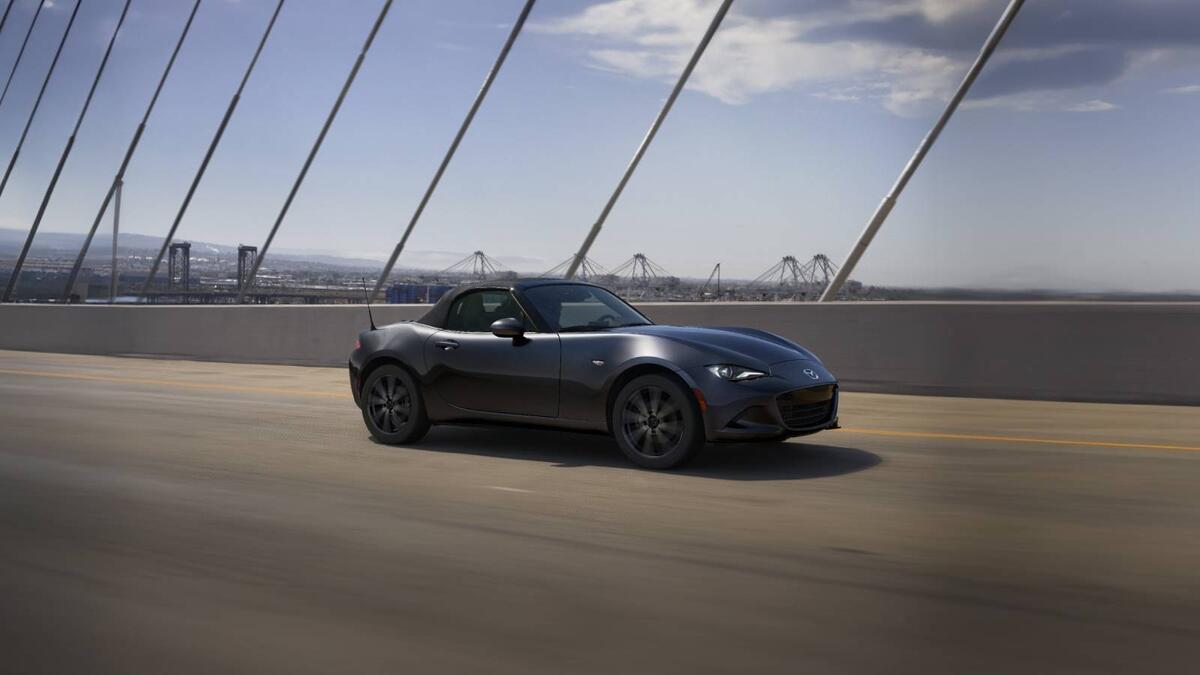
The Mazda MX-5 (Miata) is a small two-seat sports car made for enjoyable driving. It’s known for being light and easy to steer. The podcast is talking about the first version and how the controls like the pedals feel.
“Paddles” are the shift buttons on the steering wheel. They let you change gears quickly while keeping your hands on the wheel, and the speaker is using that as part of the example for why left-foot braking feels natural.
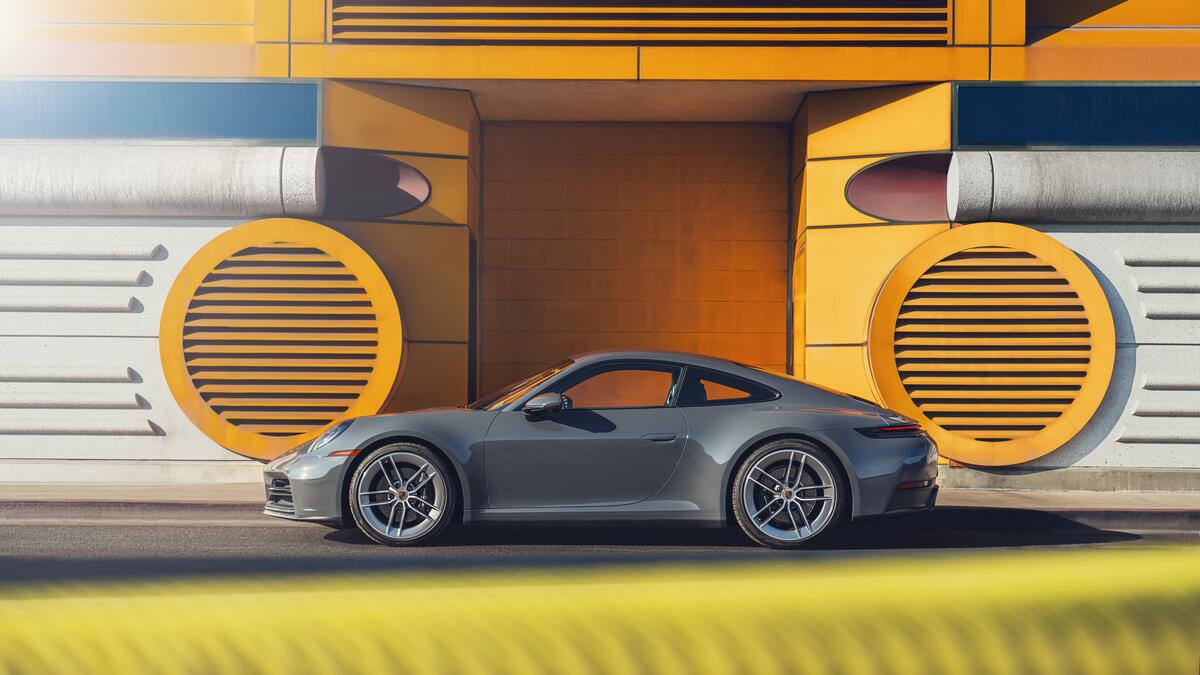
“GT3” is a Porsche 911 model that’s built for track driving. The point in this segment is that the speaker left-brakes in cars like this because it helps them manage the car’s behavior when slowing down.
Weight shift is how the car’s “load” moves around when you brake or turn. When you brake, the car usually shifts weight forward, and the speaker thinks their braking technique helps them control that shift.
“Sim hours” means how much time someone has spent practicing in a racing video game simulator. They’re saying that practice can carry over to real driving—especially how you time braking to control the car.
Left foot braking means using your left foot to press the brake pedal instead of your right foot. People do it to feel smoother and more in control when slowing down, especially when driving fast.
The Audi S6 is a faster, sportier version of a regular Audi sedan. It’s meant to feel quicker and more responsive while still being a normal car you can drive day to day. The podcast mentions it because people are choosing it for driving comparisons.
LIVE
Hello, everyone, and welcome to the Lizard Brains podcast.
I'm your host, DJ Alice Andrini.
I'm joined by my co-host, Tom O'Gorman.
Tom, how's it going?
I'm good.
Yes, you are DJ Alice Andrini.
Yes, I am Tom O'Gorman.
Yes.
Damn.
And welcome to the Lizard Brains podcast.
I don't know why I felt like doing that.
That feels good.
I like that.
It's going to be a good episode.
Hell yeah.
I like that.
I'm looking at energy, Tom.
Oh my goodness.
Is that what you feel when I introduce you every time?
A little bit.
Oh, because yeah, I'm feeling good right now.
That feels...
Mmm.
Yeah.
I'm doing good.
How are you?
I'm doing really good.
Yeah, just I'm about to go on vacation, go into a national park with Christine.
We're going to go, I always forget the name of the hike, old rag, which is supposed to
be like a really, really tough hike.
And I've ran a couple of times and I've done some like pull-ups and stuff.
I think I'm ready.
I don't think that actually makes me ready, but it's not, I mean, you never know when
I might have to like start walking on my hands because my feet are dead or something.
It's not.
I'm probably not ready.
Christine's going to get another video of me saying that she's in better shape than
me.
Dude, this last weekend, Christine went on a backpacking trip.
First of all, everyone at the Toledo Pro Solo that interacted with me in any capacity knew
that, yes, he looked, Todd knows in the chat, knew that I was a nervous wreck the whole
time because she's hiking in the woods with bears all by herself the whole time.
And I'm just getting these like little Garmin updates that like, hey, I'm checking in,
checking in, checking in.
Every single time she checked in, it would be like, like, whoo, she's not bear poop.
Right?
Like, oh, thank goodness.
And yeah, that was my, that was my whole weekend.
Christine backpacked.
She was going to do four days, but I think by the time she got to the end of the third
day, she was just like, screw it.
I'm just going to go straight to the car.
So on that last day, after spending two nights in the woods, she hiked 14 miles to get to
the car cause she was kind of over it and she wanted to get out of the woods.
But over the, like the course of the, the weekend, she hiked to 30 miles and slept
in a tent and she was out there all by herself with nothing but a, but an air horn to ward
off any predators or anything.
So dang, this is in Northern Ohio somewhere.
No, no, she was in the middle of Pennsylvania somewhere.
Like if you look at it on a map, um, old loggers trail is where she was.
So if you look at it on a map, you will see nothing except trees forever.
Yeah.
Yeah.
That's getting into banjo territory too.
They could hear bears or banjos.
Yep.
Yep.
Ding, ding, ding.
Yeah.
I mean, we were talking about this a lot at the, the, uh, Toledo prosciutto this weekend,
but like the, would you rather be in a room with a man or a bear?
Like situation came up a lot and the obvious, like the obvious statistical
answer is probably another human, but that's not what people answer.
They'd be like, I'd rather be in a room with a bear.
Yeah.
I got, I don't want to pick.
Yeah.
I'll take the person.
Come on.
No one actually want to be in a room with a bear.
That'd be so scary.
I like how Christine's participating in the chat, but she's literally right there.
She's right over there.
Yeah.
Christine, if you can hear us yell, she's laughing right now.
How was Toledo?
It was good.
It was, um, well, kinda like I ended up winning, which is cool.
And the car was driving way better at the end of the event.
Thank you, Tom.
Appreciate that.
Uh, but man, that first session, it drove nothing like it did at Lincoln where it
wasn't behaving well, but like on day two of Lincoln, if you recall, back to the
episode, I got it like driving somewhat okay where I was like, okay, like it drove
like a car dude.
It was the worst it ever was on that morning session.
Uh, and then I, so I just kept lowering the rear ride height all weekend.
I just kept getting better and every single time I lowered the
rear ride height.
So you know what, I think Erica teal is onto something here, Tom.
We're just going full tubs, full slammed, and that's how we're going to run it.
And it's like, obviously it just gets better.
The lower it is.
Oh, well, uh, was it fresh tires or anything?
No, the same as it was at Lincoln.
I mean, at this point, our tires probably have like 150 runs on them.
Uh, but they're not feeling like maybe, uh, like obviously getting some kind of
point of like, we throw some new tires on there and see how the car feel like who
knows, we might have the most amazing car in the world right now.
Uh, but we're on 150 run tires, but like they still have tread and they don't,
they're not doing that like worn tire behavior where like the, like you can get
it to do the right thing, but the windows are like really tiny.
This was just a bad behavior car.
You couldn't even load the tire.
Um, I'll have to share with you some of my, my morning runs, but like the car
just it wanted to be backwards, probably more than any car I've ever driven.
And it kind of sounds like you were kind of dealing with the same at Midwest
with the car wanting to be backwards.
Yeah, of all the things I've done in the last couple of years, uh, this was
like the most I've ever worked on setup changes constantly trying to like dial
the car in.
I heard you guys went to home depot and put a gurney flap on the wing.
Yeah.
Do you want to go?
Do you want to go into it?
Yeah, I go through the process.
So I was driving, it's a Corvette ZR one, not the X.
So the rear wheel drive one, just over a thousand horsepower, 4,200 pounds
with me in it is basically stock, except recently it went to winning formula
and got a double adjustable Olin's on it.
It had a rear sway bar.
I don't believe it had a different front sway bar.
It had different front wheels, but stock rear wheels.
Uh, the fronts were on 19s and had increased the front width on the tires
from 275 to 305 and then was downsized from 355 to 345 in the back.
So that's, that's the car we're dealing with.
Okay, hold on.
So I'm also in conversations with 01 owners and from what I understand
is the diameter from the front to the rear can't be that different from what
OEM is because then the ABS will freak out and no GM engineer actually
understands what would happen.
So they like highly recommend staying away from that.
So with thought, you said you had a 305 on the front.
Yeah, but I forget the sidewall series.
It was a 305 19 and then a 345 21.
I mean, the tour can't make that many different 305 sizes.
So I'm sure we could just look it up later, but I wonder if it was similar.
Let me ask you this, just so I can come back to it later.
Uh, were you having any weird ABS issues?
No, I wouldn't say so.
Okay.
Well, hopefully it's not what OEM is and that means that, uh, 01 owners
everywhere aren't stuck to running just like the same diameter tire forever.
Right.
Uh, this came up with the NSX as well.
It comes up with the Porsche for one lap every year.
Most of the modern cars have a certain overall diameter that you have to stay
within the window relative front to rear.
Yep.
So like you can't just make the rear way lower with overall
diameter or vice versa in theory.
And all cars are different.
I remember with the NSX, there was a certain window that they, they
advised me to stay out of when I was picking tires for one, uh, for
King of the mountain and that kind of thing.
So yeah, they are definitely going to be, it's only going to get worse.
Yeah, the options for that kind of thing as we go forward into the world.
But, uh, okay.
So that's the car.
Um, and we did a practice on Thursday and then a competition Friday,
Saturday, Sunday, we got seven timed sessions with single fastest lap,
putting the top five into the shootout.
And then at the end of the weekend was a five car, the top five shootout.
Everyone gets three laps.
They're on the track at the same time.
And it's the winner of that session, the single fastest lap from that
session that wins the weekend.
So I drove the car on Friday at like six PM.
It was starting to get cooler.
It was notoriously already the track felt horrible to everybody as I'm
driving in, I'm like getting the messages and group chats like,
uh, the car feels like shit on the track feels like garbage.
Talking about the 01 or just like in general, like just from other.
Competitors in general.
Okay.
Yeah.
From people who are already there doing the whole test day.
Uh, I didn't get up there till like five.
So I did the six o'clock session and I did, um, the first thing I learned is
there's an additional race or, uh, additional electronic electronics mode,
I guess on the 01 called pro mode.
Yeah.
So we went off of Randy Pope's suggestion and GM suggestion and ran in race
two, which had like minimal nannies on.
I never tried quote unquote pro mode.
Uh, just cause I didn't, I was told we would die.
I didn't know there was a pro mode when I drove Dave Marcus's the same one
you drove.
Yeah.
He just put me in, in race two.
And I actually found it to be relatively non-invasive when I was on the 300
treadwear tires, but Dallas showed me the, the, um, the pro mode, which
theoretically turns everything off stability and traction.
And I tried race two on my first lap and with the, with the stability on.
Sorry.
Stability, I think is often traction control is on for the minimal amount in race
two, so it was interfering constantly.
It was just like holding me back in a way that was not enjoying, enjoying it all.
I can only assume because the tires were better.
So maybe the potential was higher and the car didn't understand that, you know?
Yeah.
Interesting.
I drove, I drove Dave Marcus's on VTours.
Granted, they were very worn VTours.
Uh, and I didn't notice race two interjecting all that much.
Um, I wonder if it had, so, uh, Dallas's car doesn't have like the same track
package that Dave Marcus's have has.
And I know that GM goes like, like nuts with like different
calibrations on different, like, like minor trim changes on the car.
So I wonder if that had something to do with it.
Did you notice in like the quote unquote pro mode, uh, I can't, I
can't just call it pro mode.
I'm sorry, Tom, um, is stupid.
I don't get her off mode.
Uh, uh, did you notice that like where it won't give you full torque?
If the wheels turned still, no, so you could, you could just light them up
if you wanted to.
Yeah.
So I did my very first lap in race two, then I did my second lap with it off
and I enjoyed, I liked it with it off much better.
So then I kind of did a little cool down.
I did my next lap.
So the fourth lap of the day of the weekend, and that was a 31 four.
That number will sound familiar by the end.
Okay.
Then I did a couple of sectoring here and there just to kind of keep the tires
underneath the car, but practice a couple of different sessions, uh, sectors.
And I did like eight laps total with three full laps and then five ish
sectored laps.
Yep.
Uh, then the tires were brand new as of the previous session where Dallas had
scrubbed them.
So that was ideally probably the best session that they had, but we only had
one set for the weekend and, uh, the car definitely fell a little bit loose,
but it didn't really stand out to me.
Like how loose it was right away.
Cause it, it was very drivable, but it was doing this thing where it was
basically just a little bit sideways up.
It was completely composed up to the apex and through the apex, the back end
would want to start to walk around and you were just waiting and managing
the car to not over rotate the rear through the apex, past the apex so that
you could actually get to the power after, you know, after you actually got
to the acceleration zone, but you couldn't start to feed throttle and power
out of the corner through the apex, like a normal car.
You were really like managing the car quite a bit through that phase.
So like, I mean, could you have adjusted how much you squared up the corner?
Did it feel like you were losing too much time if you squared it up that
much to actually get like a straighter shot off of it?
Right.
So here goes the pursuit is I immediately talked to Andy and cause Andy's there
and he's got his base base C eight on similar suspension and then Aaron from
winning formula did the car.
And basically what I learned is he did his 06
What they've kind of determined is the 06 package as far as spring rates
go for the shocks and whatever on this car.
Uh, and he said, I'm not surprised that it's a little bit loose.
The spring rates with her an additional 300 horsepower, whatever it is,
probably to stiff.
So here's some things to try.
I just wanted to kind of like exp, expedite the process because we were
jumping right into competition.
Yeah.
Dallas and I sharing the car meant I only got three sessions.
He only got three sessions plus then the shootout.
So I'm like, let me just talk to the people who might already know the tools to
work with.
Yeah.
So Aaron recommended some shock changes based on what I described.
It was basically, you know, compression rebound, compression up in the front,
rebound down in the front, compression down in the back, rebound up in the back,
you know, just like try to stabilize the car.
And then he says after that, um, rake, look at, look at the rake.
You can maybe drop the rear a bit.
And we do that for, no, we do the shocks only because I'm getting too many details.
Anyway, we do the shocks for session one and I do a 131 one, sorry, 131 three.
So I just repeated the same lap time basically, you know, Tom, I love the details.
You should just dive right into them.
Cause you know, being Carlton, McCarga, I'm loving it.
It's the best.
I mean, that's what I tune in for.
You guys talking about driving and fun and being a human boring.
I'm here for the car tidbits.
All right.
Well, good thing Carlton McCarga is not the host.
All right.
Continue Tom.
Yeah.
I hear for you Carlton.
So I do the exact same lap time.
The car feels very similar and we ran it like in the nine o'clock hour at some
point after the sun had been out for like a couple hours track felt no better.
Like we were kind of cautiously optimistic that it would just be like much better
in the morning and it just wasn't.
So then we decided to do the rake to try to take the tame the car.
And then we also, I had this idea because on one lap in 2024, five, the year that I
skipped, yeah, Salil and Chris and the GT4 RS did this trick after Chris almost spun
on the oval at Gateway to put a little like metal wicker and create a gurney flap
on the back of the factory spoiler wing thing and it worked great.
So that clicks in my head like, oh, maybe we could do that.
So we do both of those things.
We found this like wood, like kind of thick wood in like a right angle shape.
And they broke into three pieces and they taped, you know, taped it on each
different surface of the wing.
Yeah.
The following day, I think it must have been because he did the other two that day.
So I literally do like, I do my like three laps and then we talk about the car.
We make some changes and then I don't drive it again that day.
Kind of weird.
But then the next day, it's definitely completely different.
It's now not rotating through the apex.
In fact, it's slightly understeering and all it does is make mean that I have to
like wait for the car through the apex rather than have the back end swinging
out right after the apex.
Does that make sense?
So I just moved to the place.
We changed the drivability.
We moved the place where the car was needed patience.
And I did a 31 three exact same time yet again.
So hold on, hold on.
So did you put the gurney flap and drop the rake or did you drop the rake
and it didn't change anything?
And then you put the gurney flap and then it got pushy because I would expect
the rake to be the bigger change.
And then the gurney flap, like the Home Depot gurney flap would have just
changed the balance through like 789 and not really anywhere else.
But like what just maybe you said something and I just spaced out.
But like what can you clear that up?
Yeah, the car felt totally different with getting power down.
Like it was, it was not rotating to the point where to get power down in the
phase of the corner, was that like that very, that very early exit stage.
That's when it wanted to be sideways.
Now it wasn't doing that, but it was a little bit pushy just prior to that.
Okay. And then to answer your question, the wicker, it did make it better in five
and nine. The car was definitely more stable in five and nine.
Okay.
It was basically slower in the slow corners and faster in the fast corners.
Yep.
Roughly, but it was within like hundreds moving that little drive ability window
up and down through the corner.
And we, we settled on putting the rake back up to try to like offset that bit
of push, but we left the rear, but we left the rear bar disconnected.
Did I say that part?
No, you didn't, but now we know that rear bar got disconnected at some point.
Man, you guys were throwing everything at this thing.
Yeah. Yeah. Yeah.
So we did the rear bar off the wicker on and then the ride height back up to try
to like meet it somewhere in the middle.
This is kind of where we left it.
We agreed like this, the drive ability is the best it's been and it's still
like printing the same lap time and I cannot figure out, it was one of these
weekends that now, you know, I'm kind of glad that I've had these experiences
before and I wanted to share this because it was one of those weekends where
we hit the potential early and no matter how many chances we got, I think we
would have just continued to run the exact same time because that's what the
machine could do in this state.
And it's really hard to come to that conclusion because it sounds like a cop
out. It, it's happened to me before and it feels really bad because you're
like, that's what I got.
The reality is it's not that every single lap is the, is the lap and like they're
all the same. It's that every single lap has the same number of small little
mistakes and small little errors or small little like random roulette rolls of
the dye almost where you just like, maybe the car worked a little bit better.
Maybe the car worked a little bit worse, but it's outside the window of what I
feel most humans, if not any human can actually like get to.
So what that means is you're chasing the last 10th, maybe two 10th and it's
gone in a different corner in every spot and you're thinking, if I could just
get it perfect, if I could just get that, you know, if I just don't have that
happen, maybe with enough tries, you would like, if this was sim racing,
eventually you would string that lap together, right?
Right. In theory, right? So, but then I'm, you know, I'm going through data,
which this car actually, it effectively has a Garmin catalyst in the dashboard,
which is kind of cool. Yeah.
So the PDR mode on this car, now you can like scrub through speed traces and you
can see the speed Delta differences between over the lap time and you can
compare the videos side by side.
So I'm like looking through that stuff, I'm like genuinely trying to figure out
if there's something on the table that's reasonable for me to beat myself up over
not getting. Yeah.
And I don't believe there was other than, like I said, the roulette of,
or the number of chances that it took to get good enough.
But I feel like I was doing, it's like, if anybody else could go do a better
job, go for it. But I feel like I'm doing, I'm doing the thing.
I'm like making this car go really fricking fast, but I cannot get it to go
any faster now because we're just like,
even with all the drivability changes and all the different approaches to your
question way before I did try to like square up the exits a little bit more
or delay the exits, like maybe come in a little bit deeper and then like point
the car and then try to shoot it early. And I just like,
it was just the same time.
Same, same thing. And I was, you could see on the predictive thing,
it's like you're moving up and down the same kind of like,
yeah, you know, 12 to paint point 15
And it, you know, like you're just chasing that little window.
Gingerman kind of does that. I think that's like a gingerman thing.
Cause like all these corners, they're like, they're, they're weird to get,
like, I remember this when I was a co-driving with Paul Darling there and
he would get me.
I can't remember if I would get him on entries or he would get me on entries,
but it would be like one of us would always get entry and another one,
we would always get exit and it would equal out by the time you got to the next
de-acceleration spot, it would equal the same. And we were just the only place
I was beating Paul Darling was in the last corner because like quote unquote,
I was more willing to die. Like that's the only reason I got him is the last
corner and then everywhere else. It was like a tie, right? So yeah. Yeah.
Yeah, that might be a gingerman thing. Cause there's a lot of like the give
and take there seems to have like a larger window than most other places
for whatever reason. And it might just be like all the straightaways are kind of
the same length except the back straight. So like the give and take kind of ends
up playing the same over and again.
Yep. I agree with that. It took me forever to, to really like find my way
at gingerman. I did not like that place for years until it really started to
click, you know, fourth weekend there. It was like, Oh, I get it.
Right. Yeah.
Yeah.
Yeah, I do agree with that. And there's also just the reality, like the changing
conditions all the time. We were on the same set of tires all weekend. So I
don't know if those were degrading or not. I have no history or knowledge of
whether or not those tires stay the same, get worse. Yeah. Tires usually get
worse. So I'm assuming they weren't getting better. Yeah. And, um, you know,
dust and conditions and all this stuff, literally the very first session in
competition we get out and the apex of 10 is already a half a car with it covered
in dirt and turn two already has like little puffs of dirt, whiffed onto it.
So you're like already dodging sand traps and stuff.
Yeah. Well, and then drifters and all that stuff. All right. Before you get into
how the weekend ended, do you want to hear how I almost threw away the Toledo
pro solo Tom? Sure.
Me and Peter are just dorking around in paddock, chit chatting, whatever.
We're just hanging out.
Peter looks at his phone. He looks at me. He goes, we just got the two minute
call. It's Sunday, by the way. We just got the two minute call. We're in paddock.
We're not even close to like the grid. So I'm like, get in the car and I jump on
my scooter and I fricking race there. I go stride the scooter into a pile of
scooters. If I damaged anybody's scooter, I am terribly sorry. Please reach out to
me. Cause I just like fricking sent it in there. And then I sprinted like a shopping
cart. Yeah, exactly. I expected the scooter to fall, but then it just kind of
kept going. So yeah, yeah. I was like, wow, I was like actually like, like running
like away from it. I'm like, wow, it's like still up. Oh, and it just, oh, it
careened into all those scooters. I look like an asshole right now. Anyways, so
then I run and stand in front of the line because I was P one going into that
session, the Sunday session. So I'm standing on the front left front row.
They're, they literally sent the cars and they can't move cause I'm standing in
front of the car. And then Peter pulls up, we throw everything out of the car.
I'd throw like my race shoes halfway on, throw my helmet on. I'm literally like
rolling away, like throwing my helmet on the strap cause I just put my helmet on
like just the strap was like up like by my eye, like on my like forehead and
stuff. I get scanned as I'm pulling up to the line. Tom, I noticed that my oil
temp is only 140 and on the twins, if your oil temp isn't high enough, it
restricts your rev limiter. So I'm sitting there going, just like, just
revving the piss out of the car to try to get the oil temps up. Ken Roller
pulls up. I don't pull up. I'm like, I can skip one car before anybody ask
any questions. But if I skip it, like I, if I pull up with him, then, then I'm
like, I'm going to hit rev limiter and I lose it run. So I'm just sitting there
on the rev limiter, uh, just like staring at the oil temps. It finally gets to
like 165 or whatever. And the other cars pulling up and I'm like, I can't miss
two cars. Like somebody's going to say something. So I go up, my race shoes
aren't even on Tom. They're not tied. Nothing. They're just like, like dang
it on my feet. And if you guys know ratios, like if you don't tie them or
like do the Velcro strap, they're like basically not on your feet. Like it's
not like a regular shoe where it's like mostly on your foot and the tying is
like the last like 10%. They're like 40% on your feet. So my run that I
sat on on the left side to win the thing was that run with a helmet strap
like next to my eye. I was trying to shove it away. Uh, the car, not fully
up the temp, my shoes barely on. That was my left side run. Oh, the seat was
all messed up. So I wasn't even sitting quite where I wanted to sit the
hell were y'all doing dude? I don't know. I'm pretty. I'm like a 99.8% sure
you're not allowed to just skip a run at a pro solo, like not go when you're
supposed to, but you got away with it. You know what? I just, uh, I was confused.
I thought that was a, I thought that was a DST car.
Right. Yeah. See that's what did we, that's, that's some strategic cheating
or not cheating. What is that? Racing the rules in a way.
Yeah. Well, I don't know. I don't actually know what the rules are, but I
know if I took that first run, then it like, I was like that run would have
just been thrown away. So that's why I had, I had to wait till the oil temp
came up. Jesus. Well, I'm glad you didn't do that.
So, uh, so then by the second run, I at least had my left shoe on and I
fixed the helmet strap cause it was like kind of like crowds in my right eye.
Uh, and then I messed up that run, and my heart was going,
so like I'm trying to breathe and I calm myself down because, like, Tom, I
scootered so fast to get over there. You have no idea. Um, and, uh, yeah.
And then the last run I'm going into it and I know I'm down by now I have the seat situated
I got my helmet on foley my shoes are both on
And I knew I was down a couple tenses
I like went out and did that last run and I'm really proud of how I executed that run like it was
There was like a little bit of time here and there but for the most part like that's like that was the run
I was like chasing the whole weekend and I felt good about like under the stupid circumstances that we threw ourselves in
I was I was pretty pumped that like like that run came out
But yeah, that's how I almost threw it away and if I did inadvertently cheat by not rolling forward on that first one
I'm sorry. Oh
Yeah, Timer was saying that I can use an emotional time out. So like if I came up
Like and then like the car like because eventually the car was there and I just go like I need an emotional time out
Then I could have we could have had time for the car to warm up and whatever and yeah
Like I could have just played it like that but instead like in the chaos
You just like run out there and you're just like, uh
The cars are moving but yeah, yeah
Everyone have a radio and have it on the broadcast and pay attention
You know why it moves so like much quicker than it normally did a bunch of people left because it was supposed to rain on Sunday
So like the heat went like super super fast
That's weird. Yeah, all that effort to go to a national level event. I know because it might rain. I know I'm embarrassed for you
I don't know any specifics if we did that but that's embarrassing
I don't know dude. It was like it was like whole classes like didn't show up for like the second day. It was weird
Jesus
Damn, I miss prosolo. I'm gonna do one. It's fun. It was pretty fun
You know, I think prosolos are the best test and tunes because you can like change stuff
And then you run like the same course against the same people in the same like like you can judge how
Use everyone else's times to judge like how it went
It does seem like the Toonie type people do better at prosolo than normal solo
Meaning the people who want to turn knobs and the people who want to make changes and kind of like
Maybe a little slower grower because they like to like think about both things at once instead of just like
Make it work
Yeah, I don't know. I don't yeah
I've noticed there's there are different people that perform higher at prosolo. Yeah
It's rooted in that in a way. I also think the prosolo courses are always way more simple. So yeah, I agree
Yeah, so like they're like if there's any gotchas or
Any kind of elements like that if there's multiple on the course and you are prone to quote-unquote gotchas
Then you're gonna perform more set a tour
Yep, I accidentally I don't think you actually did but I accidentally cheated once at an autocross
Oh, yeah, and I got away with it too back when in 2020
I think I was driving a prosolo not it was a normal event a normal tour
I think with Darian and instead of running the normal class for the car
We bumped up a class and we ran F prepared and we ended up running against Dave Montgomery
And we had this big brain idea that because we're up a class we can like strip the car out
We took out the passenger seat and a bunch of interior pieces. We took out like 80. Yeah, 60 ish pounds
And it came out after the event that in if you do that you are also required to have roll-over protection installed in the car
Which we did not it was like you cheated autocrossers
But you know, but I don't think anybody knew about that or if they did they were generous enough to not protest
Yeah, yeah, that's funny. You guys are like wait, we don't even need all this stuff. You just start taking stuff out of the car
Right so and then into accidentally make it illegal. So, Tom
You're setting the same lap time the whole thing. I haven't watched the broadcast at all
I actually don't know what happened for anything for good life
But you seemed bummed afterwards. Do you want to talk about it? Well, yeah
So the competition wise I was running the same lap time over and over
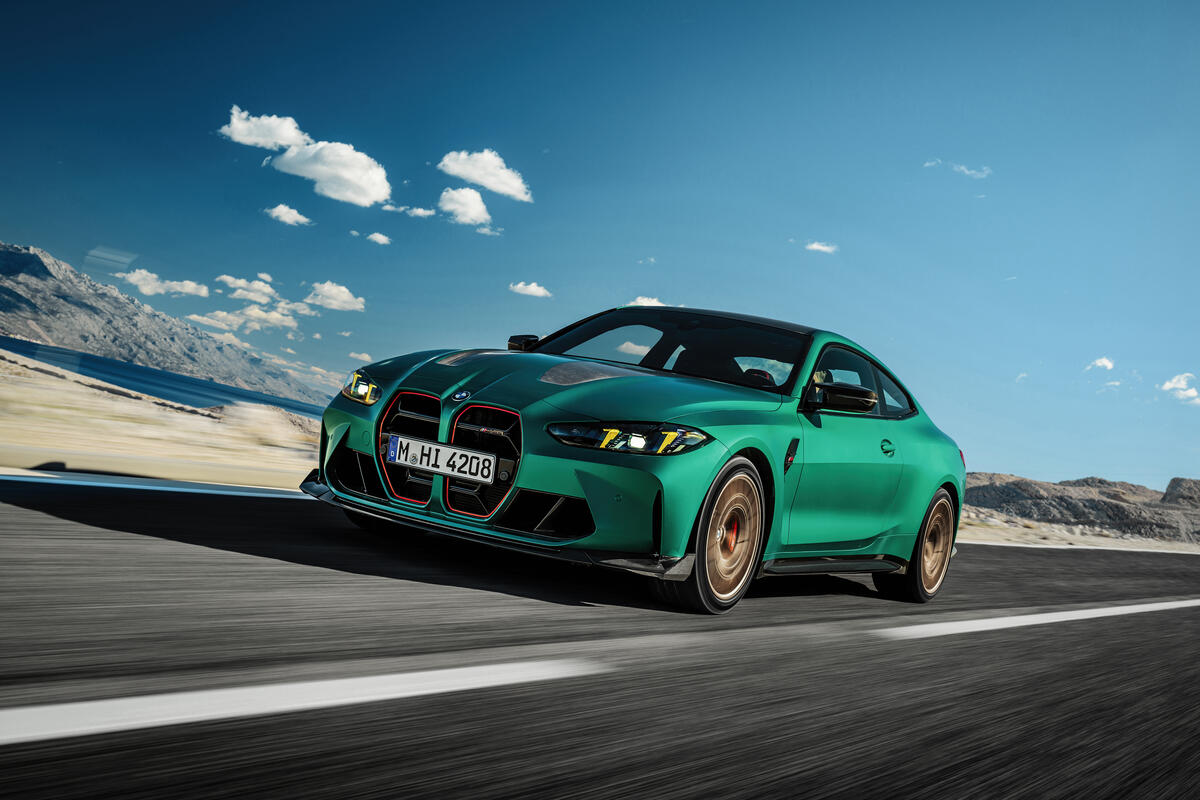
A driver in a all-wheel drive BMW M4 his name is Adam slowinsky best time attack name ever
he was
He was like point one some faster than me in session one and then he went faster in session two
When Dallas was driving so he settled into like point 27 or something like that
Just under three tenths faster than me and I kind of had this feeling at the after session one like if I hadn't led that session
I probably blew it like because I don't think we're gonna just go randomly faster at some other point in the weekend and we're kind of
just printing the same lap time so
We ended up finishing all the qualifying rounds it rained for the final one and I drove
The stingray that Justin peachy was driving instead of the ZR one and they approved me to just drive that and dequeue my times to try out
The other. Oh, was that you in the orange? Yeah, I saw a clip dude
I saw a clip of orange C8 out there just like bombing around and I literally thought like damn that dude's driving like Tom
I literally thought that I didn't know
Yeah, it had the new vitor vtor
They call it x1, but it's got a bunch of letters
It's like the autocross compound the a7 compound that's supposed to come up faster
Yeah, so they they were like why don't you go try it in the wet and see what it see how it is
It was raining pretty hard. So it was there were some hydroplaning issues
I don't think it was anything that any other tire could have handled better
The grip felt pretty good the breakaway characteristics were okay
Honestly, the hardest part was that freaking steering wheel in those damn Corvettes. I absolutely freaking hate what those square steering
But you only touch nine and three anyways, what do you do? What are you doing? Are you like are your hands everywhere?
That's that's not how you drive. I've watched you drive. Yeah, I'm not but for some reason
It's something about maybe the way the the ratio works in my vision
Oh, you know what it is like it doesn't react correctly. So when I have car control issues
I got they seem to be exacerbated by this fucking steering wheel instead of like be able to hold them
I know why so normally nine and three is that like the center rotational point of the wheel
But nine and three in the Corvette like the axis is lower. So it kind of like scoops
Instead of like a rotational does that make sense?
So like the axis of rotation is lower than what nine and three is and normally like the axis of rotation is
Right in line with where nine and three is on the wheel. So yeah, that that is weird
I don't think I've necessarily had to go more than 180 degrees on a Corvette steering wheel to like
Do anything which to me that like kind of still ends up being the same because normally if you're going 180 degrees
I like remove a hand off the steering wheel and like same. Yeah, so like yeah, so like it doesn't actually
I don't know. I don't notice that like that much of a different sensation
But yeah, if you had to go more than that, I think it would get a little weird because the wheel would almost be like
Modulating where it is depending on how it's spinning in front of you. Yep. Yeah
So I was having a hard time with that feeling confident in like keeping the car sideways
So I was letting it come back pretty quick instead of like riding it out
Which looks stupid on stream because it looks like you quit but I had a reason and then I was I was dumb
I put it in track mode so the throttle response was like really touchy and I didn't really think about it until really late
I was already like basically done with the session
I was like, oh, I should have softened the throttle response because I was having a hard time getting the tip in just right. Yeah
But anyway, I do think that tires closer in the wet to like the Bridgestone Yokohama
conversation than the like then a Falcon or a kumo or whatever like actually close
You wait, you think it was better than a Falcon because
Some of those worse ones
They do that thing when they don't have enough heat in them that they just kind of like shudder across the surface
Yeah, you know in the wet. Yep. These didn't do that. Okay. That's good
So the last session that was supposed to be a morning session was this rained out one
So I finished second for the weekend we qualify second for the shootout
Sorry
I've only qualified second for the shootout. The winner of the shootout is the fastest lap there and
Adam has sticker Goodyear supercar 3 Rs, which are definitely a better tire because they're 100 treadwear
I like that tire a lot and
He has tire warmers, so he doesn't have to worry about getting him up to temperature, which they take forever
So I'm like, I'm literally not gonna win this. There's no way. Yeah, but and he did he went
he went like 1.5 seconds faster or something and
He would have won but in the shootout you only get three laps and if you do a four-off you're disqualified
so I
Do my first lap and for some reason I don't know why this was but the tires came up so slowly
They felt absolutely horrible on the first lap for this session
To the point where like every other every other time they would I could like roll the rear tires and do a burnout from like
Two to three if I wanted to yeah by the time I got to turn six and got out of six
Like the the car was hooked up and I was like basically just kind of roll into the start finish line at that point. Yeah
The car was still doing rolling burnouts from like six to seven
It was still pushy like crazy in the front like it just felt like a different set of tires or something
It was really frustrated what it was you were but it was because you were floor is after all of this
All of this rain came through no sunlight on the track all day
And I assume that it was just like the tires at ambient temp on a much cooler day
Just took way longer than any every other session
So I almost bailed out of my first lap knowing that the car wasn't up. Yeah
But I hadn't like thought through that plan yet and like what I would do about giving people point buys because there's three cars behind me
Yeah, look like you kind of just have to go. I kind of just went yeah, and
Unfortunately, it was my fastest lap. I did get a 131 one instead of a 131
Three so I did go faster
But turns one and two the car was still not underneath me and in the video that he posted like turn one and two
It's kind of bad. It's like dammit
So the best lap of the weekend is probably my worst lap from just those two corners
Yeah, and then everything else was identical
The car was still good for the start of the second lap
But it started to fall off by turns five and six
So I backed it down at turn seven and I took as cool of a lap as I could back to the start finish line without holding up
The guy behind me to try one more time and as I come around onto the front straight
I can already see that Adam in the BMW is in the gravel trap way over yonder in turn three
And I'm like, I don't know what our times were I went a little faster
But I know that he's disqualified now. Yeah, basically like
Unless one of the other three cars went faster than me that hadn't gone faster
How close were they to you? Were you aware of that like as you're like
No, but watching back. They were 1.2 1.3 1.4
So I do 123 I'm green I go through the yellow flag cautiously, but still at pace
I'm still green. I don't know if that would have been getting me in trouble or not
I get through turn seven turn eight. The car is actually still happy. I'm still green through eight and nine and
As I go through turn nine
I'm accelerating all the way to turn ten as I go to the brakes the back steps to the right about the same as it always had
and then all of a sudden it just snaps loose and
I don't know why it happened and I catch the car and then I'm drifting to the left and then I straighten up and I ride it
Off the racetrack is forward through a gravel trap and then over a little like two-foot berm and down into a
Some sort of field full of like corn. Maybe yeah, corn giant giant tall thing. I've been down there before Tom
I was there in the GLTC Civic once it's a long way back up because you can't just drive straight back up
You got to go like sideways along the side of the track like working diagonally back up the hill
Yeah, I don't know I like I was so with it
I even turned the car back to like drive mode
So the driver aids would come back on and like not get stuck
And I'm like looking trying to like keep an eye on where I just came from so that I can remember and somehow
I found my way back to the track without being able to see because I'm like bearing all this stuff
Yeah, I went off the stream caught it
But the corner worker didn't which I'll get to that at the end
Okay, but I come back onto the racetrack and I'm like you when something that happens
And then the adrenaline wears off the the reality of like I just threw it away sinks in and yeah
Oh my god, I can only imagine terrible and I didn't really think the car would be damaged
Because there were no like hard impacts
It was just felt like a couple bounces but that like nothing forward nothing like dug in and the car feels fine driving back
I guess Dallas had seen the off on the video and started walking back
So I actually pull up behind him in paddock
He hadn't seen that I had gotten out or didn't know what the car was going to be like or whatever
He turns around in the combo like jump scare and then relief was kind of hysterical in Tynesight
But I just felt so bad and I knew like I probably threw away winning
And obviously yeah, I got DQ'd I would have won but I got DQ'd
Dang and he was super gracious and I like I'm my own worst enemy so or my own worst critic
So like when shit like that happens. Yeah, I can only imagine damn Tom
Okay, I got my 15 minutes and then I was I was gonna ask
Did you get your 15 minutes where you just kind of like we're able to like kind of be by yourself?
And yeah, I feel like might need a half hour to be honest
No, it's quick actually. Yeah, for some reason. I don't I don't know
Maybe it's because I'm in a little bit of a better mental health space
I think but I'm not like linking my worth to my performance as much proud of you
Maybe that's why maybe but it still feels freaking awful because I was hired to do a job
And then I just failed to do the job
You have I shot myself in the own foot. Yeah, I had done the job and then I blew it away
You just needed to stop doing the job
You just needed to stop doing the job and the because the job was complete
That's like if you were working on like a project like let's say you're building a deck and you're like, you know what?
I just need to put one more railing on this and it's like but it already has a railing and you put the railing on the whole deck
goes
It's like dang it. I had the deck was built. I could have just stopped. Yeah
I built the Lego set and then I dropped it. Yeah, dang
Or I baked I baked the cake and then I dropped it. Yeah. Anyway, um
It was it was okay and I think honestly
We made the best entertainment of the entire thing like our little session for track mod was definitely the most compelling
So by the end it was like, you know, we put on a good show. I did the lap that I could do
I did throw it away, but it's not the end of the world like
Whatever I kind of feel like no one cares about the podium sprint relative to just the overall lap time
And I produced the overall lap time that I could
Yep, so it was a much softer blow to the ego than it could have been
Okay, and I was really glad the car wasn't damaged one of the plastic under trays got punctured a little bit
But he said that that had happened on his other cars without
Like doing anything
Hard either. I guess
Um, um, um, so at the very end
What that that plastic under tray it sounds replaceable
Yeah, yeah, it's like the the cheapest. Yeah, it's not even the metal under trays under the middle of the car
It's like the one at the back that protects something. I don't know
I did see the video of you just like kind of going through the the gravel and then like the weight like the
The camera angle it just looks like you fall off a cliff like that's what it looks like
It looks like yeah, like it looks like like wildly coyote from like acne or whatever
Like it is you're gonna whoo and then turn into a poofa like dust at the end or something
Yeah, exactly. Yep. Um, and then
Uh, so the video oh kyle, kyle's giving me credit for getting back on the racetrack
He's like, I don't know how he did it. There's like a 20 foot drop over there
So I kept having people ask me like how did I not fall off the 20 foot drop or something?
And I was like, I think the rumors of the 20 foot drop are greatly exaggerated right now
I think I went over a two foot drop and that's probably the drop there was but I also heard there's a lake over there
And I was like, well, I certainly didn't drive in the lake and I'm freaking glad of that. Holy shit
You just got to leave it floored like it's a snowmobile and it's winter
But yeah in hindsight like doing the analysis, I think I obviously I wasn't in a red missed state
I wasn't doing anything borderline that I think I shouldn't have been doing
Chasing something I shouldn't have been doing
I did lose attention to detail of something I obviously should have been paying closer attention to
But I don't think that's a pattern for me. I think it's you know a circumstance a small mistake for a car
that was really freaking hard to drive
And overall, I think I did a pretty good job this weekend. So
And and then you start throwing cars off the racetrack constantly. I'm not like beating myself up over it
Then you had an iracing incident
Come on
That was an iracing kind of thing. You've barely touched the grass. Especially the grasses. The grasses um is
Super slippery. It's exactly what it was. Yep. Yeah, you bear in iracing if you barely touch the grass
You just die liking if the car's loaded and you touch the grass
The tire doesn't understand that 90% of it is still on pavement
In iracing you just get to a certain threshold of tire touching grass and now you have no grip
Yep, yep. Um, so at the very end I I kind of like I lick my wounds and whatever and I go back to I go up to watch all the
final rounds of races
Um, which I got to watch all the races in person basically having doing one session at nine in the morning every day
And then nothing else. Yeah, it's kind of fun to watch everything live
um
and
Right at the end. I'm kind of by asm and chris smith who ended up winning track mod. Congratulations chris
Uh came up and he's like, hey
Do you do you know anything about them letting keep you letting you keep your times like do you know anything about this?
Why are they letting you do that? They said they don't have any record of you going off or anything and I'm like
You're like it's literally on the live stream
And I can tell there's a little bit like you
He doesn't know if I fought for that yet or like do I know about it at all?
I hadn't heard a single thing about this. So I immediately like obviously go with him to timing and scoring to tell them
Make sure I don't win because I definitely went off. Yeah
everybody saw it
I think I was a little short with the timing and scoring people by accident because I was like a little stressed that he was thinking
Of I don't know what he was thinking, but yeah
I had to make sure that was right
But somehow I slipped through on all those people. That's crazy. The live stream saw the whole crowd saw it
I bet there was gasp everywhere
But timing and scoring did not see it
Nope
What I wonder what would have happened if you're on the like the podium being like like the freaking like that meme with the like
The kid biting the metal like like you're just like leaned into it. You're like I would
That would be like villain mode, wouldn't it that makes
It would literally make poetic sense in trump's america. I got to be honest, but I couldn't let that happen
Come on, right? Oh, man
So so that's my weekend
I had fun, but I it felt it was kind of drawn out actually one of the days
I just went over you know that brewery that serves good food and has like air conditioning and a patio three blondes
Yes, yep
I went over there and sat there and had a beer from like five to six the second night because I was tired of being in the
Sun and I was tired of being on a loud racetrack
I just left and went and chilled and watched two youtube videos
And had a beer and then came back to the track right after yeah nice just to like get away for a split second
So it's kind of a chill weekend. That does sound like a little bit of a chill weekend tom
Yep, and thank you to dallas for the chance. I'm sorry. I blew it away and
I enjoyed my time. Yeah. Well, it sounds like
Put on a good show and you were part of the conversation and
I mean, what else uh, what else would dallas want really?
I mean a win I guess but
honestly
You know how much grid life is going to be sharing the clip of
The two lead cars like like not making that happen and like that that clips if look if it could skip that clip grid life
Don't do that good life. You know what to do grid life
Look if if it was just tom
Look if it was one lap of america tom where he just kind of walks away with it and nobody else had a chance
I don't know how many clicks that gets tom. I don't know how many clicks that gets but the drama
The drama gets the clicks right. We made good tv for him. So you're you're welcome
But also dallas even said like I wouldn't want to win on a technicality
Yeah, i'm not concerned that we didn't win this thing. You know in in that way whatever yep
So cool man, we did get a frick ton of airtime though between doing the wet session being one of the only cars out there
and
Really nobody went out basic
It was me it was me andrew brownfield from the one lap toyota team and one other josh halka went out
Okay, and I think someone did it out and in but I think they noped out. They were like nope. Nope. I'm going back in
Kyle even said it's supposed to rain sunday time attack. Please just go out and give us something to talk about
Dude, honestly, look if any if any time attack people are listening to this
You're never going to get more airtime than if you're just if you're out there in the wet
Like just go out there and drive around and slide around a little bit and like just to have fun with your car
You know, it doesn't need to be productive in any sense
But like if you just want to be a little bit of the hero, especially at midwest because there's so many people there
If you just want to be the hero for the crowd
You want to gain some uh, some like some fans just go out in the wet. What are we doing?
Just go out there and drive in the wet
or honestly
Crash people love crash videos
Look guys
Only the lizard brains podcast is going to give you the real strategies. Just go out there and crash a little bit
Actually crash a lot of airway the more dramatic it is the better if that car goes flip and enroll in like end over end
At least a million views
Think of how you could cash in on that
Right. Yep. You know, I got to ask side note. My stories are done for the weekend
But I got to ask what is james houghton doing to be like the most viral driver
In a sense. Do you remember he had the three-wheeled finish? He had the three the wheel fall off and he still got the finish
He just had the closest finish by a thousandth with matan at the end of the weekend one thousandths of a second
Uh, so he has all these like viral clips from grip driving that are like impossible to get and somehow
He's the most viral person with these moments
It's like he's it's like he's planning them or something
He has like an eject button for his right rear tire
He's timing matan's like dragging his brakes just a little thousandth right there
Man, uh
In other news tom
Uh, as you can see from the chat right there. I bought a mountain bike. Remember how I was looking for one
Yeah, well friend friend of the podcast adam reached out
Adam has apparently been doing mountain bike stuff for like a very long time
Um, he actually used to work at like a bike shop. So I don't know shit about shit
and adam basically took me under his wing and uh found me a bike and somebody that was willing to sell it
And I bought it and now adam's gonna send it to me and after he does some like maintenance on it
And I'm gonna have a really nice mountain bike. So thank you adam
Hell yeah, yeah adam helped me out with a bunch of um hydration
Ideas a couple years ago sent me a really nice hydration powder. Yeah, he sent me that stuff too. It was really nice actually
Yep, what a guy. Thanks adam. Yeah, thanks adam
He might take over uh, danie corliss's nvp
title
nvp listener
Adam to the list. Yep. I feel adam to the list. Oh got him
Oh
Dumb joke
All right. Well, I don't have any other stories from the weekend. Should we do questions or something?
Been going for almost an hour, huh? Uh, 50 minutes. We can do some questions
Hope you guys don't mind a big story episode. No, I think that's what people are tuning in for. Are you ready?
emails
First question of the day john hall ask going to wadkins
Oh me maybe
I don't have a reason to go. I don't I don't have a reason not to go. So I just got to justify the cost of going because
No matter if you go, it's still going to be like a $500 weekend
Uh, what wadkins are we talking about here? I don't know what he's talking about good life. Good life. Oh good life
Oh, I didn't even realize they were going to dude. I am like so
I'm sorry to like all the grid life
people in the like that tune in
To the podcast I am so oblivious on everything grid life this year last year. Yeah, luga's got it
I'm in pure autocross mode right now
like
Absolutely, I'm just I dream of cones tom. I just it's
Like it used to be curbs go burr and now it's
Like cones go smoosh. Like I don't even look cones go. Yeah, exactly
Yeah, I get that I mean I other than having not much to do this weekend. I wouldn't have known what's going on
When you're doing your own stuff, it's hard to pay attention. It is hard to pay attention
all right
Uh in typical questions fashion and look
If we haven't gotten to your question and it has just been buried by other people's questions
Just resubmit it because I feel like the way this is working right now
is
Is we're just um, we're just grabbing the newest ones and reading down. It's literally the easiest way. So sorry
So if you have a question literally set a reminder to, uh, drop it in our question chat
Right before we start the podcast and then we'll definitely answer your question
Yeah, are you ready? Yeah, let's hear it
I'm just going to take the bottom one. I guess so sort of so this is from
I had it and I lost it. Oh devin
I have a really hard time left foot breaking in real life due to pedal position being really uncomfortable in most modern cars
But almost exclusively left foot brake in sim because the brake pedal is centered underneath the steering wheel
How do you adapt real life versus sin sim?
In particular with manual gearbox cars
I do not left foot brake in real life and I also left foot brake exclusively in the sim
And also in go karts, obviously like ergonomically you have to
And I don't really know why but I don't think left foot braking is required
until you're in a
A car that's traveling so fast or has the ability to apply brakes so fast like a manual like gt4
tcr level car gt3 level car
I uh lose time by right foot braking, but I know there's there's there are gtp drivers who right foot brake
So I don't think there's really a thing about the foot speed
Just a matter of if you can do it. I um
I if the car allows it, I'll left foot brake in real life never an autocross though
Even if I'm in a harness, I don't think I really left foot brake. Actually, you know what?
Remember at the lizard brain school
I was having a hard time with uh where the brake pedal was in relationship to the
To the throttle I went out and just left foot brake that the that car the whole way through
Um, because then I didn't have to like figure out where my right foot should go
But that's like a weird circumstance
It like if I drove that car more than once then I would my right foot would understand where to go
I wouldn't be fumbling with it
Yeah, that was an es uh the first gen miata, right? Yeah, but all like the pedals were like bent weird
So like none of them were like in places where you'd expect them
Just you know 38 years of miata and uh later like the pedals just end up in different directions. So
Yeah
Uh, you know devin, I think the root of this is that you don't have to
I'm not you know, so make sure that you know why you're trying to left foot brake
I I do think if you just want the skill
I don't know go ahead dj. I do think that uh
Even if you're just left foot braking in the same and then you go back to real life and you're like
Oh, no, my right foot's like not used to this or whatever
It's not about like the muscle memory of like the specific foot
Now there is something if you never use your left foot and then you do like all of a sudden start
Start trying to break with it. It's gonna be pretty useless
But really what I think transfers from the sim is how you're using the brake to manipulate the weight
And that necessarily isn't muscle memory that will transfer whether using your left foot or your right foot
Uh in the sim
Now I will say
In real life when i'm driving like a zr1 or uh, you know gt3 or something that where it's like I have paddles
I typically left foot brake
But it's not because of like foot speed or whatever
It's just like the the transition from uh, like the weight shift and stuff like that. It's just
Like I have so many sim hours that it's just so like well baked in and it feels like I can actually like
Pivot the car harder
Because my my foot can instantly like move the weight backwards to like start catching it
Uh, so it just and and maybe there is actually no difference in that
But it's my feeling of I'm ready to uh manipulate the weight
Like the moment it needs to be done and my foot doesn't have to like there's no dead zone on my foot
So it's like a comfortability thing
From my perspective. I don't necessarily think it's like any faster or anything for me
I just feel faster or just I feel more comfortable left foot braking, especially in like the fast cars
Uh, I just feel like I just have a little bit more nuanced control of like what happens
But I think that's only because of like that probably over 10 000 hours of sim racing at this point
Yeah, I do think there's there's something a little more natural once you start to get into left foot braking
Where you're passing the weight from the nose to the tail of the car exactly
You know the outside sweep as you're like you feel
There's a direct correlation between two separate
Body parts instead of your body part moving from one to the other. Yep
But like I said, I don't think it's necessary. I don't do it. I've only the only cars
I left a break in in history were the tcr car the gt4 cars the gt3 car and
One uh, erin lichties came in
Gltc car had like really wide front wheels on it and it drove really really like pointy
And the brakes were super over boosted on the like lower level Porsche stuff
I think the brake calibrations are super super touchy
Yeah, and I did find left foot braking that car to overlap throttle and brake was better
But I found this weekend with the zr1. I I didn't really have that same success
Yeah, so very few cars I've found and very specific
Very specific cars
Basically manual manual brake pedals
With paddle shift cars and stuff. So really at the end of the day Devin. It's what you're most comfortable with
Now a way to practice though is on the street. Yes. Yes, absolutely on the street
You should you should be able to drive just as smooth with your left foot
On the street as you can with your right foot and then I think it's like you're ready to
To start doing that on the track. I also think go-karts in general are a really good way to make your left foot not completely useless
Yeah, the problem with that is every go-kart track you go to is flat out
Uh, maybe one break point or something. Yeah, go to a better go-kart track
Yeah, I guess you're right
the um, uh last thing I was going to say is
If someone's struggling with left foot brake release, I talked to them about like think of it as like releasing the clutch pedal
Like you need to have that fidelity under your left foot, which is already there
You just got to make yourself do it on the brake pedal instead of the clutch
Yeah
Uh, but yeah comfort preference
Uh, sometimes I'll I'll left foot brake in an age pattern car if it's like
Like the smallest
brush of the brake
like ever
And it's consistent lap overlap overlap
Just because it will be like a planned
Thing so I think at like turn six mid ohio in the gltc car
I would I would just brush the brake a little bit with the left foot
to get it in
Uh, but that's only just because that that muscle memory is built up if that wasn't already there
I would just be like yeah, whatever the right foot's like 99 percent there. It doesn't matter
Yep, agreed
So, okay, hope that helps stubborn. Yep. I'll read the next one from uh bill d
Uh bill writes in it says I can't consciously feel changes happening with my car for instance
upgrading the diff or changing the suspension
Uh, when I make a change sometimes my lap times go down and I know it was a good move
But I really don't notice any differences when I'm on track
How important is it to be consciously aware of the changes happening to the car
First using lap times as a gauge
And if it is important, how do you go about developing this awareness?
What do you think
Kind of know what I think I think um
I think it's way more important to be in tune with what the change is than what the lap time it produces is
Absolutely the exact reason of the story I told like we changed the drivability
Five times this weekend and never changed the lap time
Um, so then the question becomes how do you pay attention to it better?
Yeah, I think that that is a that's a pretty tough question
But yeah, it I mean the simple answer to
His question is you don't really pay attention to lap time because
In essence, I think you need to be aware enough to understand what the shortcomings are with the car's behavior
Uh, and the ways that you can influence that and if you've been listening to my
CST struggles, you'll understand that it's not
Maybe it's not cut and dry sometimes
um
but
Even if I don't know what the fix is I I would still understand what the shortcomings of the car are right
So that's what that's when you're like making
Set up changes is to try to
Solve some bad behavior of the car. So you would notice
if
uh
You know that the setup change that you made was in the right direction if that bad behavior gets better or worse, right?
yeah
I think there's a couple a couple things you can pay attention to that get you there
So you think of these things as like a stepping stone to what you need to pay attention to I think repeatability is huge
If you are having a hard time as a driver doing something repeatably
repeatedly
For example, if the car is not producing what you feel it should do
And you're really trying to do the same thing over and over again, and it won't do it
That's a big red flag for paying attention to
changes
Because then you're paying attention to whether the repeatability has changed rather than what the actual effect and then you'll start to be able to
Get towards like why you know, what symptom did I eliminate or what symptom did I make worse?
um, I think assumptions
Are somewhat healthy here like you can assume for example if I'm
Having a super hard time with repeatability that something is probably wrong
or if if I can assume
Uh, hold on that go ahead
repeatability
To what you can normally do
right
Like you need the repeatability is like if it's harder to if if if you find it's harder to be as consistent as you normally would be
in some previous experience
Uh, then you could you might be able to say that but if it's just like
repeatability in general
and you don't have any previous experience of like
having that repeatability
Then you're really fighting uphill like that maybe maybe make the car a little bit more simple
and uh
Like maybe a little less modified so you can tune in that repeatability because without that repeatability
Man doing any kind of setup work on your car would be really tough
True. Yeah, especially when the nuts and bolts have changed. That's a great point
Uh, and then I think risk required to drive the car. Maybe this is fresh in my mind
But if if the car feels like it takes a bunch of risk to drive
um
That's another thing you can kind of focus on but all of this to say I you can't just
I don't think a single person on the planet can be 100 accurate with feeling changes
That they've made without feeling something in contrast to it. So you've got to be willing to
if not a b test a b a c a test like at least
They a b to feel something in contrast to something else
um
And then I would also say your intention with the changes if you're just making changes
But you don't know what you're trying to chase that should always be your first question
I hear people especially newer people say what should I do to my shocks?
Or what should I do to my sway bar? It's like
Well, well, why I don't know. Yeah. Why do you want to change it? You know, yeah
What what are you not happy with? Well, I don't know. I guess I just want to know if it could be better
Okay, now you got to try two things and feel the contrast. We have some uh, I think that does take some time
Go ahead. Yeah, we have some helpful comments in the discord chat here
So john hall says you should have an idea of what those changes will do
Keep an open mind that weird things also happen
But you should be able to know what's coming
So then you can kind of like predict what is like what the change is going to do
And then he includes a little ps it depends
Um, Raoul says not being able to feel the changes tells me that maybe the car is being under driven
Um, or the change is too small
So, yep
Also a thing that I see a lot of people do is though like make some changes and it does get better
And they'll be like heck. Yeah, like cool. The car drives great now
Well, keep changing in that direction until it drives poorly because it might drive even greater
If you keep changing in that direction, right? Great. Er, yeah
So and then peter says uh, uh, peter schnoar says take notes on uh, when you make changes
See to see if you see themes and that will help you so you don't have to keep it all in your head
Like offloading it great great idea. Yeah, so actually tamer gave me this idea to have like a note
Like a notebook that lives in the car
So me and peter have been taking notes about like what we're doing what we were experiencing what we changed how it changed it
Right, so it's like a little diary of the car and our experience with it
So it doesn't have to live in our head and I actually didn't understand how much of like uh,
Like a mental relief it was when I finally got it on paper and I was like, oh my god
I don't have to remember all that stuff anymore. It's just ah
It was just like it was nice where it's just like it's all my thoughts and ideas are on this piece of paper
And if I don't feel stressed that I'm going to lose
The grasp of like where the car currently sits. It's just here in this notebook
Yep, that's such a good point. And I think most people are probably not very good at it. I know i'm horrible at it
I had yeah
I was lucky I had help with most of my cars
Um, I want to reclarify what I said I said assumptions
But I think what I mean more is you need to trust yourself
Even if you don't have the vocabulary to say what you feel even if you can't explain it
You should try to explain it to people like see if you can find someone
That's willing to talk it through with you or let you speak and put words to what you feel
But trust yourself when you feel changes rather than assuming you don't know
Because what you're doing is learning what it does. You're not yes, you didn't know
But now you're learning what it did and then keeping good track of this like they're talking with journaling and
um
You know set up sheets basically
And I do think that as far as shock tuning uh the book that uh tamara christinick recommended me which is called
Think fast the racers why to guide to winning?
I've literally read no other part of the book other than the shock section of the book
But between their explanations of how the weight moves and the different phases of the corners and how this
uh like how you know
Because of this input the the weight's moving like diagonally and it has like nice little arrows and diagrams
And has a table that can help you I feel like I understand so much more about why a change
actually has the behavior
uh
Then
Uh, and the why is important to try to understand the like the overall machine
so
if you really want to like
Take away some of the mystery that is uh shock
adjustments, uh, maybe the 15 20 whatever the dollars that book cost
Uh might be worth it
yeah
There my kryptonite my brain doesn't work that
So frustrating. All right. How about an oldie but a goodie? Yeah, let's hear it. This is from april
Sorry, we missed it andy, but he's listening live
We had an all questions episode, uh, and he wanted some thoughts on something i've been struggling with
These are some bullet points this hobby should be fun because it takes so much effort and so many resources
Turning fast laps is fun
And track days with pals are fun, but it feels like being good or feeling improvements makes it even more fun
Competing and taking competition seriously feels necessary to get good
Competing and taking competing seriously is hell that requires a lot of effort and resources
And I end up back to the first point this hobby should be fun. So how do we make this more fun?
It's a great question. I'm going to read that there's a thread attached to it with some
Uh
See if there's anybody extrapolating that. What do you think dj? Yeah, well while you look at that
I think
I think everyone gets
They're fun out of different aspects of this sport
uh, and
For me personally I get my fun out of like the process
of improving
Of like the continual growth
um
Like that's where I get my most fun and then like like secondary is like the social aspect of it and then
Like all the other stuff, but for me it's like the the process and the personal growth and the learning and all that stuff
To me that is the most fun part of motorsports
Um, maybe like tier two would then just be like driving the car
And then tier three would be like the the social aspects of it
But tier one to me is the process and I realize that like not everyone is like that
Um, but that's cool because motorsports offers
So much like some people's tier one of fun would be like the social aspects of it
Or maybe just the driving the car part about it and then tier two is the social and then
Like there's so many different things that people can take away from motorsports
Sometimes it might feel like
You should be trying to win to have fun
Sometimes it might feel like that's what it is
But I think you kind of have to take a step back and go well. What do I get out of this?
When am I finding the most amount of joy doing this thing and lean into that?
And the results
Are kind of secondary is winning fun
Yeah, it is but I think for from my perspective
Like it's fun because it's it's part of the feedback loop of the continual improvement. Am I doing a good job?
Cool. All right. What I'm doing is working if I didn't win
Doesn't change what I'm doing and it doesn't change the enjoyment that I'm getting out of the sport
Yeah
I uh, I think I agree. I was kind of formulating my own thoughts. So I caught most of that but
What I'm coming back to with like I'm thinking about what years and what times are the most fun for me
And it always involved a lot of people
Which I hadn't really thought about before actually in the thread there was some conversation about this question and
Spaz said for what it's worth my solution to making failing at being competitive more fun has been to add more people to the equation
And I kind of agree with that. I'm thinking back through like my favorite periods of autocross. I felt like I had a really big
Circle around me
Like I wasn't just driving my own car and going to the events by myself and paticking with one person or something
Like I was doing the whole
Region paddocks worth of people and I was co-driving cars that were driven by four people per event and
Like that was always super fun to have that many people around
Similar with pro racing when I got into that I had this
Built-in network of people who were like
They're with me to help with the car and my family would come sometimes and everyone like they were on and stuff like that
Yeah, exactly a team of people like built naturally into that versus like club racing the first year I did it
It was pretty fun
But it was like me and my parents mostly so they were like way fewer people involved
Which I think there's something to that. So I think maybe part of it could be
I do think a lot of people probably go to the racetrack. They know who they're going to paddock with and they're going to see people around
But you are doing your own thing independently all day
And then you might get some social time
You add more into that other than to
I don't know what had a normal track day. I mean asm was great
That was super fun because we had this whole thing built in with 15 cars around the paddock and all the people that came with that
It wasn't like one person paddock together working on their own car
So maybe maybe you can look at that aspect of it
I I think
Like and I do agree that winning isn't what's fun doing your best is what's fun
And if you do your best that leads you to winning then that it feels really good
But winning I mean winning can go south or sideways really fast if you can either end up feeling like
You're on an island by yourself. You can end up feeling like
Uh, like it, you know, if it's I think it's easy easily
It's easy to have winning feel bad
Easier than it should be maybe, you know, I think you know what I'm trying to say
Here's an example if winning was like the thing that I considered to be like the fun part right now
In the wdcr iRacing league
I literally have even the commentators rooting against me during the race because they just don't want to see me win
Right
But that doesn't affect me because I'm just I'm I'm in the process
I'm just trying to like put together the best race that I can and I feel good if I put together the best race
And nobody's going to take away
like how I feel about
The the process of trying to put together my best race and improve and learn from it and all this stuff
And if somebody's going like man, we're really sick of dj winning in this iRacing league
That that doesn't affect like where I actually get enjoyment out of the thing
I think it's easy to get distracted and get enjoyment from like like seeing the results and the thing
But I don't think that's long term and it's definitely not sustainable
I look if look at even the top drivers on autocross rank.com
They have like a 50% win rate except tom but like everyone else has like a 50% win rate
So that means at least half of the time they lose
You tell me half of the time the people who are most dedicated to the sport are not having fun
Nah, that's not how it works
That's not how it works that the very very best have fallen in love with the the process of improving and getting better and
Or they're just in mental turmoil and they're actually not having fun and they're just doing it because they feel like they're stuck doing it
Yeah, I'd rather not feel like that
He asked the second the secondary question was is it lame to not compete?
I feel a lot of self-worth in being competitive even if it's not fun, which I relate to it. I understand
I get what he's saying there
Ross said it depends on whether you need the validation to feel fulfilled
If you don't feel the need to be tested or proven to feel fulfilled then not competing is not lame
And tom has said if you've given it a try a fair try and it's not for you
People understand but also nobody really cares what you do or don't do
So the outsides bit the point of like outside perspective what people think doesn't matter
Yeah, well any shared that I had a hard time having fun in my wheel-to-wheel rookie season last year
Which is why I'm focusing on autocross this year. I'm not excited to be racing anymore
But I can't quite bring myself to give it up on that dream
I have no idea what I'll do
Sorry, go ahead to cut you off there. Yeah, Ross said
um
Like competition like if if getting tested sounds like fun then like that's that's a good avenue of
competition and I I've kind of feel like that's
Like especially a national event. That's like that's what that is. That's a test
Okay, these things that you've been working on these things that you've been trying to polish and smooth out like, okay
Let's take the test. Where do we sit? Okay, cool. That's good feedback. Let's let's keep
Like let's keep doing doing the things we've been doing or like let's switch it up or whatever and like
Yeah, I I think long term
Uh
I don't I don't think you can be focused on results. It's too fleeting. It's too
It's it's just not consistent enough for the amount of enjoyment that's needed for how hard this sport slash hobby is
Yep
Any other ideas on how to make it more fun? I hope that was at least a helpful conversation to
Give you some stuff to think about
Yeah, I I felt very similar to this after we practiced one lap where it was, you know
We did three days back to back of private track rentals with very few people
We drove very few laps, but they were super fun and productive
and there were
competitions in the conversation, right like you're comparing lap times or
Pushing yourself for each other if you're sharing your car that day, but at the end of it
We all were like this is way more fun than
Like for example a grid we didn't say this because of grid life
We're saying like then a grid life weekend those are so much work and they're you know
It's chaos and all this but we just rented these tracks for a similar cost for a week
And we had a nice chill time. This was lovely. Yeah, but you know what if you're doing that all the time
Exactly you flip it around. I guarantee you it's the same thing on the other side
So same thing so hold on maybe maybe like the cap off this this question answering
Is variety is the spice of life?
Like switch it up. Yeah, do don't do only cutthroat competitive events throw in some fun ones throw in like where you like
co-drive an f-mod or something at an autocrosser like you go to an hpde and and
You you know, you drive something that you normally wouldn't drive or
Or just something just mix it up
Like take take the daily driver to like an autocrosser or to the to attract a like put put brake pads on it
But like just switch it up. Just go do stuff that you normally wouldn't do because
Like it's still motorsports adjacent
Uh, but it's just a little different than it normally would be
Okay, listening back right now in your car skip back 45 seconds and tell me that wasn't the most italian dj's ever sounded answering that question
Oh my god, there was a little moment in there. You turned italian for a second, bud
Mix it up
Yeah
No, you're completely right. I completely agree. I
Yeah, the old pallet cleanser. Yep
That's pretty fun
Man, I might be kind of I do think people when they plan their seasons. They put all the competition events on it
They pack their ability to do everything on those
Maybe maybe autocrossers aren't as bad about this because every event's a competition, but I do think
road road course people for sure
could be better at planning
Non competition events into their years once they get rolling, you know, some of my favorite
Motorsports years is where I was doing like a bunch of road racing
But then on the off weekends where the car was was not broken
Uh, where I didn't have to spend the weekend like fixing it or driving somewhere to get somebody else to fix it
Hitting up like an autocross like during a road race season
Oh man, that was like those were good pallet cleansers because like you get to drive a car
In a way that you kind of normally don't get to drive and like the activeness and it's just like
Yeah, that's just um
That's a that is a good pallet cleanser
And if you do mostly autocross stuff then find like a track night in America near you or like just switch it up
Go go do rental carts. I'll tell you what when me and Christine went to rental carts
when I jumped in for that one race
Even though the track is kind of a little uninspired and the carts are kind of like meh
I was like, all right. I'm kind of having fun. I'm kind of having fun sliding this stupid card around
Yeah, Christine says lunch rental carts dang Christine we going we going for lunch tomorrow. Tell me yes or no
There you go
I just saw the track that I used to work at they're doing four hour windows of carting
Like open now. I don't I didn't look at what it's cost. I should have looked at that
Like yeah, like it sounds like you just get to do races for four hours every time you can get in
It's good value. Don't come down to Cincinnati. We'll go hit the place up. Yeah, I'm down
You pick the day. I'll work. I'll work remote nearby probably at your house because that
Seems the best and then we'll go you just pick the day. I'll just drive out there
It'll be fun. I'll look more into it. Maybe it's like
$400 to do that and it's crazy. I don't know that might be crazy. That would be a little rough
If it's like 200 bucks for four hours, I might I might think about it
Yep
Yeah, the last thing I want to say on that note. We're beating the dead horse at this point, but
On the note of adding people
I just lost my thought. Are you kidding me?
And normally comes back if we just oh instigate with your friends
Like and find it find the event you want to go to and then like tell everyone to come with you
Like make sure they know when it is give them a lead time for it
Like if you tell a bunch of people that you want to go to this event you put it on their radars
20 to 30 of them will go
And you'll end up with a crowd built in this is like
What was this uh time trial nationals 2021 or 2022
Where I just like I got everyone everyone's doing s6. Come on tom. You're gonna drive an frs
Like come on matt wall bomb like come come on peter like I just getting everyone every like s6 was like the biggest class
Like that ever that's ever been at time trial nationals
And uh, you're super good at this that made it so much more fun
That made it so much more fun
Yep, I would uh andy spedigard is kind of sneaky good at this
I don't think he means to be but people follow him to events. So he's got the people built in in a way
uh
Air licked he's good at this instigating a group of people to go to the race like be that person that instigates going to events
And then you'll get more people around and then you'll have more fun every every friend group needs somebody that instigates the fun
Yeah, they need somebody that instigates the fun. Yeah, and you know what being an instigator of fun. I will tell you
It's a lot of fun
You're always having fun if you're the one instigating the fun
You're probably having more fun than everyone else
yeah
And then he said having seen the track night crew come in during the national tour
I can confirm those guys are having way more fun
So yeah, there is there's something healthy to not competing, but there's also something beautiful and competing. Yep
Cool, uh, dj. What are you doing this weekend? Uh, tom. I am hiking
with my wife
And we're gonna do how how high how far do you think you're gonna hike?
Let's put a number on it. I think price is right style. You can't go over. Well, so I think that well
Oh, oh like over the course of the week because we're
We're driving there on wednesday and then we're our last days on monday
So, I don't know probably like 20 miles, but we have one hike
Specifically she christine said 30 miles. Okay, christine will do 30 miles
I will play game boy for 10 of those miles while she hikes
Old rag has been on our radar. It's on christine's goal
page on the discord
And we really really really want to do like get that hike done
But it is supposed to be extremely difficult
There's like rock scrambles and like walls to climb and it's like the elevation is kind of nuts
And like the elevation climb not the elevation itself
Uh, so it's gonna be pretty tough. We're gonna have to like kind of take our time and
hopefully like we feel good and
Like our bodies are just cooperating that day and we're able to like complete it and hopefully the weather cooperates
Uh, but that's what i'm hoping that I do this week in tom is i'm hoping that
Me and christine get to the top of uh old rag and then we uh, also get safely back down and
And I get to talk about it next week on the podcast
Maybe that's where the pull-ups come in. It sounds like you're gonna need them after all. Yeah. Yeah. What about you tom?
What are you doing? Wait, hang on. Where is this place? I don't think you said. Oh, this is at shanandoah national park
It's like, uh, virginia. West virginia. Yeah, uh, maybe shanandoah goes into west virginia and virginia
Cool. All right. Have fun. Uh, i'm commentating the hoosier super tour from watkins glenn this weekend
The racing is at watkins glenn i'm going to be in my bedroom right here
But uh, we have qualifying saturday no friday and then racing saturday sunday
Okay, so uh again hop in the youtube chat. I do think genuinely. I think we have a really good racing
I know turning on the youtube stream and seeing that the cameras don't move
Can be a turnoff for people
But I genuinely think if you like watching racing, give it a shot if you haven't yet. Um, the camera coverage does
Hit everywhere. They just don't move. We've had some like meta conversations about like what's worse
Bad cameras that move or really good cameras that don't move
And i'm kind of a believer in like the camera doesn't need to move as long as you cover everything and then the commentary is good
Yeah, I think I think there are some really good races
I was talking to people this weekend at the toleto pro like why don't we have cameras like pointing at this stuff
Like I feel like dude, I could set it you give me a 300 dollar budget
And that's really I want to pitch that's I want to pitch a contract to them like give me give me
Give me 10 grand to play with next year including paying myself and I will make a live stream that blows everyone's mind for
solar nationals
I think we could whatever or whatever what we really need
Is a camera that can do wireless transmission that has good battery life that we can put on the last solemn cone
That's what we really need because that would be a great camera view would it not
I have so many good ideas for this. I think I think good commentary good graphics package with decent camera coverage is all you need
I think cameras that are way too close to the course like a person would never be there. Yeah, would make it look really epic
Uh, you cover it like f1 qualifying
uh
Rolls that i'm going to give nine grand to kyle and pocket one k of it. You're not far wrong
I mean the one that does drivers. I live that does wrl and and seca and all this
This is who I work forward when I do that
It's just iPhones and it's connected connected to a network that the producer then gets control of what camera's doing
What at every time and yeah, they have like the feed of all the cameras and then they just pick which feed shows up on the main screen
and I think
Like especially at like a tour like solar nationals might be a little tough because you need like two setups
But I just don't know. Here's what you do to test it to make it work for the first time
You put all of the best classes in the same course on the same day
And what I say by best the ones that are going to put on the best show cover every type of autocross car
Maybe the best prepared class the best street
X class the best cam class, you know
And then you just run a heat of bangers all day on one course and then you move everything over and you run the bangers again
And sorry if you're not one of those classes
But we'll get to you eventually because I think putting on a really good show doing that would be really really cool
I like I'm already envisioning how this would work
You would make the software so simple
To like select the camera that shows up in the feed that it's literally just somebody's
Job assignment and they would sit right next to the commentator and then announce vehicle and they would just be picking
Like the cameras
right
I I don't know if I would leave that to a stranger, but I would also fire some commentators if it was going to go out
But then we're getting the weeds here
But I I think this is like definitely doable and I I don't think it's that expensive
And I think the membership would totally be on board with it
Um, I was talking even just like freaking two webcams pointing at like the left course and the right course because like anybody
Following along online because like a lot of conversations that I had this week
where people talking about them following
National autocross events when they couldn't get there like they're just refreshing a page
Like what if we gave them something to like look at and like listen to
Like because people are already following along like all these giant dorks out there and trust me. I'm one of them
Like we're already following along
Yeah, so scott scott olrich says I was listening to Toledo and crows like people are already following along because they're so invested in this thing
Let's just put a little bit more into it to like just make it a little bit more like watch worthy
Yep
Maybe what if we do your strategy from sim racing? You just hired your own broadcaster to broadcast your race. What if we do this?
Lizzie brains stream
DJ and I are going to fundraise and pay for the stream
And it's just going to be us streaming the event that we happen to be at which happens to be solo nationals
These are some good. Well, we would have to get some backup like commentators while we're
While we're competing. I would skip driving for that. No, I would skip driving. I wouldn't skip driving. Yeah, I believe in it
I want to put on a good show. Um
Yeah, so that's a little backstory of me hiring my own commentary team
Back in the day
grid life
It was like it was like unofficial grid life
Like league iRacing league and then wdcr had a league
And wdcr had this new commentator called
His name was kyle hire and he did a great job and i'm like
I brought up to the the people running at the time the grid life league
Hey, we should have a commentary and they didn't want to do it. So I was like screw it
I'm just gonna hire the commentator
So I hired kyle to announce these races these grid life races because I'm I was just beating up on everyone
I'm like somebody's got to see this shit
And so I hired kyle to be the commentary
Uh, and he commentated and everyone thought it was cool
And that's how I became part of like the admin team for like the like unofficial and then eventually official grid life iRacing league
Uh
And yeah, that's uh, that's the story on that
Yep, you know, that's so funny. I love that story
It just hired my own dude. Honestly, though
We should just hire our own commentary team for autocross and then it would absolutely become a thing
I think so absolutely. It would definitely not be they wouldn't like that
No, it would be like
What if we just did it?
Like within the rules like we couldn't have cameras out on course and stuff like that because
Like that's that's outside of the rules
But like if we just put on our own video broadcast however we could within the current rule set
People would tune in
People would oh and have an archive of it
So you can so the people competing currently can go back and watch how all unfolded from like a different perspective
Right. Yeah
Yep much to consider
Check this space. Yep
All right, one of our many great ideas that's often go very slowly
Well, enjoy your hike this weekend. Be safe. I will yourself. Hopefully you don't encounter any bears. Remember
Just because they're friends shaped doesn't mean they're friends
I was about to buy bear spray for Shenandoah and then I googled it and apparently
In since history has been made and that's and that's the ai was hallucinating that answered answered on google
There have been zero deaths from bears in Shenandoah
So I didn't feel like I needed to
Buy bear spray for this particular don't be the first. Yeah, don't be the first. Nope. I won't be the first actually
I can run faster than Christine. So I won't be the first
so
Damn dark humor. Sorry
All right, let's uh, let's end the show you ready tom. Yep. All right. Thanks for tuning in everyone
Yeah, thanks for enjoying or hopefully you enjoyed some random stories and questions
But remember we're still just doing this for fun. I love your hair and I hope you win
So
Oh
About this episode
A weekend at the Toledo Midwest Festival turns into a wide-ranging chat: from a tense hike story with “Garmin updates” and bear-safety humor to detailed track-day setup talk—ride height, gurney flaps, rake, shock damping, and tire wear. They compare how tire diameter and worn rubber can affect ABS and controllability, then get into prosolo-style formats, oil-temp rev limits, and wet-session grip. The episode closes with sim-vs-real driving insights, left-foot braking, and how to make autocross easier to watch online.