00:00
The automobile is one of the most important inventions that revolutionize the modern world.
00:04
In America, the rich history of car culture runs deep as technology continues to shape the future of the industry.
00:10
Jason Stein is here to share the stories of people passionate about cars from industry leaders and innovators to car obsessed celebrities.
00:18
Buckle up as Jason takes you inside the boardroom, onto the track and around the bend on Cars and Culture on SiriusXM Business Radio.
00:27
Welcome into our 217th episode of Cars and Culture with Jason Stein here on SiriusXM Business Channel 132.
00:33
Great to have you along with us.
00:34
From the racetrack to the toy box, today we explore what happens when two global obsessions collide, Formula One and Lego.
00:42
Speed, precision and childhood dreams captured brick by brick.
00:47
Milan Rendell, senior model designer at Lego, has turned imagination into engineering marvels,
00:53
and his team's work has helped create life-size, fully drivable Lego F1 cars,
00:58
brought Lego Technic partnerships with Formula One teams to life,
01:02
and delivered models like the Red Bull RB20,
01:05
designed with such precision that even the drivers themselves were astonished.
01:10
Nearly 400,000 bricks, 22,000 hours of labor in a workshop in his native Czech Republic.
01:16
This is the scale of Lego's boldest projects.
01:19
But Milan's story goes well beyond bricks and gears.
01:22
Once an English and chemistry teacher in a small Czech town,
01:26
he turned a childhood fascination with Lego, an evil Western toy banned in communist Czechoslovakia,
01:33
into a career shaping some of the most complex and beloved Lego Technic models in the world.
01:38
And more than 13 years later, he's still designing the future.
01:41
He's still inspiring children to become engineers,
01:44
and proving that passion, patience and play can build something truly extraordinary.
01:50
This is the story of how Formula One and Lego came together,
01:53
and the remarkable designer behind it, all ahead on Cars & Culture.
01:57
Hello, I'm Milan Rendell, and this is Cars & Culture with Jason Stein.
02:02
From the racetrack to the toy box, and today we explore what happens when two Colombo...
02:11
From the racetrack to the toy box, today we're exploring what happens when two global obsessions meet.
02:17
Formula One and Lego, speed, precision, and of course childhood dreams.
02:22
Brick by brick. Milan, it is wonderful to have you on the program.
02:26
Thank you for joining me today.
02:27
Thanks for having me today.
02:29
Yeah, it's wonderful to have you.
02:31
I had the opportunity to attend the Miami Grand Prix back in May, just ahead of summer.
02:39
And it was an extremely exciting, extremely fascinating, wild afternoon,
02:49
not because of the race tracks on the cars, or the cars that were on the racetrack rather,
02:56
but because of the driver's parade that took place ahead of it,
02:59
with fully drivable, big build cars touring on the track.
03:06
What an accomplishment.
03:08
Tell me a little bit about that.
03:09
I mean, there must have been a moment of pride for you.
03:11
I wasn't involved directly into this project, but you know,
03:16
just afterwards reading the comments from F1 veterans like Lewis Hamilton,
03:21
saying like this was the best parade ever, that really tells you something.
03:26
And you could as well see that the F1 pilots went totally crazy,
03:31
and you know, the childhood just awoken them and they just had so much fun.
03:38
Even though they were not supposed to hit each other,
03:41
they turned it into kind of destruction derby of F1 cars.
03:46
But yeah, what an amazing achievement.
03:48
Building life-size, Lego speed champions, F1 cars that can fit two drivers at the same time
03:57
and are fully operational is quite a stunt from the Lego group, if you ask me.
04:03
Yeah, the amount of time involved in putting all this together,
04:07
I know was kind of crazy.
04:09
And then this is a multi-year partnership that's going on between the two groups.
04:14
But 26 designers, engineers, builders, 22,000 hours in the Gladno factory located in your former home of the Czech Republic.
04:27
What a special moment for really for both brands, right?
04:31
Yeah, I think so as well.
04:33
But you know, Gladno is really known and the workshop in there known for like overdoing themselves every year.
04:42
Like, you know, whatever they achieved one year, they beat it the year after.
04:46
So they did exactly the same with the amount of hours and work put into the F1 cars.
04:52
You know, they started originally just building, just if you're, if we can say,
04:58
like life-size replicas of things for Legoland parks and special exhibitions.
05:03
And right now to like fully one-to-one scale drivable cars.
05:07
And no matter if we take the Bugatti in 2018, the McLaren two years ago or three years ago already.
05:14
And then the F1 cars.
05:16
So yes, there are a bunch of very talented and dedicated people
05:21
and they are willing to experiment and try even harder than before.
05:27
It's amazing to me when I looked at some of the statistics.
05:31
Nearly 400,000 Lego bricks for each big build.
05:37
But the vehicles weigh a thousand kilograms and can go 20 kilometers an hour, 12 miles an hour.
05:45
The intricate detail that's been captured, the unique detail of the cars,
05:52
the sponsor logos on the side, authentic Pirelli tires.
05:57
I mean, what's the mindset that goes into these sorts of things?
06:01
It's just the willingness to, you know, challenge whatever anybody else has done before
06:08
and trying it better, harder and, you know, not be afraid as well to fail throughout the process.
06:15
Because that's what, you know, in every designer's mindset,
06:18
that's what we do every day pretty much.
06:22
You know, be ready to change things if they do not work.
06:26
And sometimes, especially in the Kledner workshop, they are pretty bound with very tight deadlines.
06:33
So they do not have much space for failure.
06:35
So sometimes it's just one good attempt that needs to work and usually does.
06:42
Julia Golden, who's the Chief Product and Marketing Officer at Lego Group,
06:46
said that at Lego, and you know this,
06:50
at Lego, you're constantly striving to push the boundaries of what's possible.
06:54
That's the mindset inside the company, correct?
06:57
Like you don't want to rinse and repeat the same stuff, you know, all the time.
07:01
You're always challenging yourself.
07:03
And even though if you're designing something that has been done before,
07:08
it's good to just take a few steps back and look at the thing that you're working on
07:16
and looking as well at the previous products that were similar
07:20
and saying like, you know, could I do something better?
07:23
Could I do it in a different way, a cooler way, easier way,
07:28
a way that is easier to build or a way that will perform better
07:32
in the case of the electric drivable cars as well?
07:37
You've been involved in the Lego Technic Department since you began, right?
07:43
For 13 and a half years almost, yes.
07:45
But yeah, your story is an unusual one.
07:47
You're a former English teacher.
07:50
From a very small town.
07:52
I used to teach in a city at a high school, but afterwards a friend of mine
07:58
just let me know that there's a vacant position for an English teacher in my hometown.
08:06
So I was like, yeah, I might try to come back where I was born.
08:13
And when I arrived there, I was just asked like, what else can you teach?
08:19
And I was like, well, English and Russian languages,
08:22
but nobody learns Russian these days.
08:25
So is that not enough?
08:27
And they told me that I have to add at least one other subject
08:32
and it was choice between chemistry and physical education.
08:35
And I'm terrible at sports, but I can set things on fire.
08:39
So that was my premise.
08:40
I was like, I can do my own fireworks.
08:42
Let's try chemistry.
08:46
You send in your CV with a few images of your best looking models,
08:49
but nobody called you back.
08:51
I mean, it was a year and a half before you were invited for your first job.
08:55
No, it was half a year before my first job interview.
09:00
But still, I completely lost hope.
09:02
I was like, okay, it either got lost somewhere or they don't want me.
09:06
It would be at least nice if somebody found five minutes to write me an email.
09:10
Like, thank you for this.
09:14
So I just, yeah, completely lost hope.
09:17
And half a year later, I was invited for the first job interview,
09:22
But unfortunately, the Lego group stopped hiring employees.
09:26
So, but they couldn't share the information with me back then.
09:30
I learned about it like just few years ago
09:32
from the same guy that was supposed to hire me.
09:35
And then I had to wait until he stepped up to the lead role
09:39
of the director of the Lego city.
09:42
His wingman was appointed the design manager of Lego Technic
09:47
and there was vacant position at the end of 2011 again.
09:50
So they called me and they were like, we have your portfolio.
09:54
I heard good things about you, but I need to see you in person
09:58
if you click with me and with the team.
10:01
So I flew before Christmas 2011 to Billon,
10:04
which was really gray, hazy, rainy talk.
10:08
And I was like, is it really the place
10:10
where I'm gonna spend the following years
10:13
and where I want to spend my following years?
10:16
Yeah, everything changed as soon as I entered the design studio
10:19
and met all the designers and they were, you know,
10:22
like good friends that you knew from the internet,
10:25
but they were all welcoming me with open arms
10:28
and I just, you know, thought for a second,
10:31
like, yes, I can probably survive here.
10:34
And look at me. I'm here for 13 and a half years.
10:38
Lego Technic models. So yeah.
10:41
What amazing story.
10:43
The first time you actually touched Lego bricks,
10:46
you were maybe 10 years old.
10:48
Yeah, I was actually 11, 10 years old when I first touched them,
10:52
which is quite late for a kid.
10:54
But it was the problem of availability back then
10:58
in communist Czechoslovakia where Lego was considered
11:03
the evil Western brand and it was hard to get.
11:07
So a friend of mine's parents were doctors
11:13
and they were members of communist parties.
11:15
So they somehow managed to sneak in a few boxes
11:18
from the Western Germany.
11:20
And I was so amazed by the things that little box could do.
11:27
And then, you know, my friend let me play with his Lego
11:30
while he was doing something else in the meantime
11:33
or while I was afterwards, you know,
11:35
helping him with the homework or whatever we did
11:37
back in the afternoons.
11:39
And I just thought, like, I want more.
11:42
We didn't have that much money,
11:44
so I got only a few small sets when I was a kid.
11:46
But yeah, I left Lego in Lego sets
11:50
and playing with them in like 95.
11:53
And in 2005, I resurrected something that became
11:59
probably an obsession or addiction, I could call it.
12:03
And yeah, I can't stop playing with the Lego bricks
12:07
even after I'm done at work.
12:09
I come home, have a break and then I build in the evenings
12:14
What are you working on now?
12:16
Oh, I can't tell you, but we are shaping the
12:20
the assortment of the Lego Technic product line
12:25
I can't even share the stuff that is coming
12:27
in four months because that still has an embargo.
12:32
I told you the information.
12:34
I might not be the senior designer at Lego Technic
12:38
Right, right, right.
12:40
Let me ask you this.
12:42
You're always working, like you said, so far ahead.
12:45
I mean, a year and a half ahead.
12:47
It's almost like an automotive product cycle, isn't it?
12:50
Where automotive engineers can't talk about
12:53
future product that's coming.
12:55
Because they're working so far ahead.
12:57
We simply, as a part of our agreement with the company
13:01
is that we signed on disclosure agreement
13:03
and we can't share any information
13:05
about the upcoming products
13:07
unless the embargo is already either lifted
13:10
or we are allowed to share it with certain media
13:13
with permission from the people that are sitting above me.
13:18
But yeah, we can easily talk about the stuff
13:20
that came this year and the years before,
13:22
like the Red Bull F1 that I have.
13:27
So tell me a little bit about the Red Bull F1.
13:29
This is a fascinating vehicle.
13:31
What's the scale on that?
13:33
It's approximately one to eight-ish.
13:36
It's not exactly one to eight.
13:38
It's tiny bit smaller.
13:40
But it is kind of 63, I believe,
13:44
centimeter long model or interpretation,
13:48
as we call it in Lego Technic,
13:50
because it never has the, you know,
13:54
all the dimensions and characteristics
13:57
of a die cast model.
13:59
We always interpret the details
14:02
because we need to work with 99% of the elements
14:05
that we already have there.
14:07
So it needs to be buildable
14:09
and you can afterwards rip it apart
14:11
and turn it into whatever you want afterwards.
14:14
And this was quite a pleasant, actually,
14:17
cooperation with the Oracle Red Bull F1 racing team
14:21
because they were easy to work with.
14:25
They shared with us quite a lot of time ahead
14:30
some information about the RB20.
14:32
So to build the first prototype,
14:34
they were like, you know, just base it off the RB19
14:37
and then we can start from there.
14:40
We can't disclose much yet,
14:42
but since it was approaching the end of the year 2023,
14:48
they were like, we will be revealing the RB20
14:51
in approximately two and a half months time.
14:54
What we can share with you is a media friendly model
14:58
which doesn't show all the cards,
15:00
doesn't put all the cards on the table,
15:02
but will be pretty close in terms of shape,
15:05
which is what you need to capture the essence of the RB20.
15:09
They told me all the details about the suspension setup
15:12
that it was exactly the same as on the RB19,
15:15
which is what we needed to start with
15:18
while building the chassis.
15:20
The engine was exactly the same as well.
15:23
And then when the RB20 was officially revealed,
15:28
they afterwards just told me like,
15:30
oh, by the way, you know,
15:32
the amount of blades that you have in the Venturi tunnels.
15:35
I was like, yeah, I have four there.
15:37
Yeah, just add two.
15:39
We simply left something hidden from the media
15:44
so we didn't show all our competitors or all the things.
15:48
But most of the shaping is correct
15:50
and they afterwards told me which things should I adjust
15:53
if I build it according to the media friendly model of the car.
15:56
So I had access to some 3D assets fairly early on
16:01
so I could start working on this beast.
16:06
Was that the first F1 car you had done?
16:09
If I take into account F1 cars that I had officially released,
16:14
I've done a few in the past,
16:17
but it was just fan-based or fan-built models
16:20
or alternate builds of other sets.
16:22
So yes, this was my first F1.
16:24
Are you a Formula One fan?
16:27
Thanks to Max for stopping again.
16:30
I used to follow F1 a lot.
16:32
Like in the 80s and 90s,
16:34
we used to watch it with my dad.
16:37
And then something happened to the design of the F1 cars
16:42
and I couldn't watch them any longer.
16:44
They lifted the nose off the ground.
16:47
I can't look for two hours at such ugly cars going around the track.
16:52
So yeah, that was my stopping point.
16:55
And afterwards I realized like in 2019, 2020,
16:58
that they started looking good again.
17:03
How difficult was it from start to finish
17:06
to put together a model that so closely resembles the real thing?
17:13
You know, I had quite a few times,
17:16
I had doubts about what I had on my desk in front of me
17:21
because the designers from Red Bull
17:24
and all the licensing managers that we cooperated with
17:28
very closely were like, oh, this looks great.
17:31
But this is not the feedback that I want to hear.
17:34
I want to hear feedback like, this is great,
17:37
but could you change this?
17:39
Could you tweak this?
17:40
Could this be done better?
17:41
Could this be more accurate?
17:42
Could this be angled more towards the front, back, whatever?
17:47
So I was like, is it really that good
17:49
or are they just overlooking something?
17:52
So the more they told me it looks great,
17:54
the more I doubt it, it really does.
17:57
And the other thing that was quite challenging for me
18:01
was following the constant updates on the RB20
18:05
throughout the season.
18:06
So what I have over here is something that was the car
18:11
at the end of April, 2024 approximately.
18:15
Wow. And then it kept changing.
18:17
And then I stopped changing it because I was like,
18:20
if I need to finalize the model,
18:23
which was like within a month from that time,
18:25
and I need to make the building sequence correct,
18:28
you know, align all the elements across
18:30
because we, even though this is 18 plus models,
18:33
we have some restrictions and guidelines on what you can
18:38
and cannot do in terms of like the colors of the parts
18:41
and the similarity of them in shape.
18:44
Then I had to align the things across.
18:46
So I told them like, this is the last update
18:48
I'm doing to the shaping.
18:49
If you're okay with this, perfectly fine.
18:52
And this is how the car is going to look eventually.
18:56
And they were like, yeah, yeah, that's great.
18:59
The other bit that was super challenging
19:01
was the front pull rod suspension
19:06
because I really wanted to keep the front nose
19:10
really sleek and narrow.
19:12
So it's only three modules wide
19:14
until you attach the other section of the body,
19:17
which is like somewhere over here
19:19
and putting fully working suspension
19:24
and steering that can hold a model
19:28
that weighs approximately kilogram and a half
19:31
and is 63 centimeters long.
19:34
It was really challenging.
19:36
So whenever I came up with a solution,
19:38
it was either the steering was rubbing against the wishbones
19:43
or it was too soft.
19:45
And then I simply had a crazy idea
19:49
like what if I flip one of the wishbones upside down
19:53
and get a different geometry of the attachment points
19:57
and suddenly voila, it worked,
19:59
but it took me like a month and a half
20:01
to get there just in terms of the front suspension
20:03
which I was redoing constantly.
20:05
So yeah, it's not a job for everyone.
20:07
You need to be ready to redo things many times,
20:12
like dozens of times if it doesn't work really.
20:15
Do you become so immersed in this at this point
20:19
that it becomes an obsession?
20:22
And whichever model I am in the process of designing,
20:27
I am totally like within the envelope
20:32
of that car vehicle.
20:37
I keep watching it on TV.
20:40
I keep researching if there are any updates to that thing.
20:44
If it goes through any races, I keep following it
20:46
and of course rooting for it
20:48
because this is going to be my baby next year.
20:50
So yes, it as well helps you to afterwards stay focused simply.
20:58
So the more you like the thing that you are working on,
21:02
that's the result, I would say.
21:04
They're always perfect,
21:06
but I try to beat myself every time I design a vehicle.
21:11
How do you celebrate the fact that you're finished?
21:14
I mean, do you sort of put it on a table
21:16
with a glass of champagne and say,
21:20
That would be great.
21:21
We can't drink in the office, but...
21:26
It's more like you finished the design part of the model,
21:30
but it's never really finished until it exits the market completely
21:38
and still even afterwards,
21:40
you might get questions in regards of that model.
21:43
So it's still with you for a very long period of time
21:49
because once you finish the design,
21:51
you need to approve the stickers.
21:54
You need to approve the packaging for it.
21:56
You go for the video shoot of the as with the model.
21:59
You prepare the models for special video shoots
22:04
like in, I believe, was beginning of November last year.
22:09
I had to get two models ready for Sergio and Max
22:13
because they were filming them at the Qatar Grand Prix.
22:16
They did like a fake pit stop with the Lego model
22:19
and it was as well video and photos of video of Max
22:24
and Sergio holding the model and admiring the details.
22:29
That moment right there, Milan,
22:32
has got to be the most gratifying point for you
22:39
that you have spent all of this time creating
22:43
and molding and shaping and changing and adjusting.
22:46
And then you have a Formula One driver that's holding the model
22:50
that you've created in your mind and then in reality.
22:53
That's kind of so gratifying.
22:55
It is mind-blowing feeling, honestly.
22:59
After the model was released,
23:02
I simply just posted on my social media
23:05
who would have thought that a kid that started with Lego
23:10
breaks that late and had only few boxes as a kid
23:14
would be designing models that a four-time world champion
23:18
in F1 would be holding and taking photos of it.
23:24
Universe sometimes really does spin in funny and unexpected ways.
23:32
Red Bull, I was going to say Red Bull's reaction,
23:35
the driver's reaction must have been super positive.
23:40
And I'm glad that they see all the amount of work
23:45
that went into this model.
23:48
And I really tried hard to capture every possible detail
23:53
given the scale and the constraints
23:55
of the Lego Technic platform that we have.
23:58
Even redoing constantly some of the shaping
24:02
so it fits and looks better as a Lego model
24:07
and follows more the real-life concept part.
24:11
And there are, of course, some things that are challenging
24:14
and you can't fix, but then suddenly you have an idea
24:18
that somehow solves it.
24:20
So for example, if we look at the front wing in real life,
24:25
it's made of four layers of the blades over here.
24:30
And if I put four, it would be too thick.
24:34
So what we did with the graphic designer
24:36
is that we fake the fourth one.
24:39
So we split the stickers and it's split into four segments
24:45
You know, sometimes even crazy ideas afterwards
24:49
just solve the problems.
24:51
And usually the simpler the solution, the better.
24:55
You're not just selling plastic bricks here.
24:58
You're building culture at Lego.
25:01
Yeah, you could say that.
25:03
After the break, I'll continue my conversation
25:05
with the designer Milan Rendell.
25:07
To see the interview with Milan,
25:09
visit the Cars and Culture YouTube channel.
25:11
Subscribe, comment, check out hundreds of conversations
25:13
with creators, collectors, and culture makers
25:16
who are driving the industry forward.
25:35
Welcome back to Cars and Culture. I'm your host, Jason Stein.
25:38
Now here's the continuation of my interview with Milan Rendell.
25:41
To see the interview with Milan,
25:43
visit the Cars and Culture YouTube channel.
25:45
Subscribe, comment, and check out hundreds of conversations
25:48
with creators, collectors, and culture makers
25:50
who are driving the industry forward.
25:52
What is, how do you see Lego's role
25:59
Welcome back to Cars and Culture.
26:03
How do you see Lego's role in the future
26:05
of even just the attention
26:09
and the energy around motorsports
26:13
and more specifically, maybe Formula One?
26:16
It's feeding all of it, isn't it?
26:20
It's feeding all of it.
26:24
Like, you know, the partnership with F1,
26:27
if we could say renewed partnership with F1
26:30
has, you know, Lego Technic and Lego Races
26:33
in the past have been designing Lego F1 cars.
26:40
Just renewing it and jumping into the same world again
26:43
is more than logical, you know.
26:48
The amount of educational capabilities
26:54
Lego Breaks do have,
26:56
the amount of fun the F1 Races do bring,
26:59
and merging these two things together,
27:02
so fun from both sides is quite amazing.
27:06
And it's as well like, you know, the F1 world,
27:09
if you follow just their YouTube channel,
27:12
I love as well the technical talks about it,
27:14
which, you know, that's what to me as well
27:17
should Lego Technic be about educating people
27:20
how do things work in real life
27:22
and replicating in a simpler way
27:24
what do the machines really do.
27:27
So, you know, hearing those experts talking about
27:30
things like even aerodynamics
27:32
or how does the steering suspension
27:34
and everything works is quite amazing
27:36
and I love, you know, learning
27:40
and getting information from both, both the ends.
27:45
And I think kids who build these cars now,
27:48
your Technic cars, your Lego Technic cars
27:51
will likely maybe go up wanting to be
27:54
Formula One engineers or designers.
27:58
General car designers.
27:59
The more the merrier, of course, you know.
28:01
The more knowledge we gather as mankind,
28:06
The more education we have, the better it is.
28:09
And my uncle once said, you know,
28:12
you should learn at least one new information every day
28:15
to just, you know, keep your brain occupied
28:17
and that's what I tried to go by.
28:20
It's so good to be able to express yourself
28:27
and as well love things that you're doing,
28:30
regardless of what it is.
28:33
If you're designing an F1 car
28:35
or if you're designing a toy F1 car
28:37
or even if you're a dust man,
28:39
as soon as you're enjoying the time
28:41
that you spend doing something,
28:43
it's just, you know, never time wasted.
28:47
Well, and you're, after having done the Red Bull build,
28:52
I mean, you're an engineer.
28:54
You're certainly getting closer.
28:58
I'm still a teacher by education
29:02
that probably should have gone to a different school.
29:06
But on the other hand, it taught me as well other things
29:09
and the great thing as well about, you know,
29:11
learning all the psychology and education
29:14
is that you know the target audience.
29:17
You know what is in the kids minds,
29:20
how do they grow up, what they are capable of
29:23
at certain ages and stages of life.
29:26
And that helps me as well designing the LEGO models.
29:31
That Red Bull model that you just talked about,
29:35
how many pieces in total?
29:37
1639 if I remember the number correct.
29:42
And how long should that take?
29:45
And then tell me what it realistically takes.
29:48
To build using instructions, you mean?
29:54
You know, if you are not rushing it
29:58
and you have a full day off,
30:01
you should be able to finish it by the end of the day.
30:04
It can be done within four-ish hours,
30:08
but you're not going to enjoy much of the build.
30:11
It's going to be really rushed through.
30:13
There are as well builders that enjoy, you know,
30:16
the fast pace of building somewhere in the middle.
30:22
Well, take your time and just get through it.
30:25
Let me ask you some other general LEGO questions.
30:28
Do you come up with the design ideas
30:30
on things you work on
30:31
or do you work according to assignments?
30:37
Sometimes it's our marketing that come up with the idea.
30:42
Doing the market research.
30:45
Sometimes it's us coming up with better idea afterwards
30:48
and removing one of their ideas out of the assortment
30:51
and it works totally both ways.
30:55
You've put together some incredible models over the years
30:59
and I read that one of the models that you're most proud of
31:03
is the Fireplane 42040 that you designed 10 years ago.
31:12
And I saw the image of the plane online.
31:15
It is beyond fascinating and complicated and beautiful,
31:20
but you said it just ticks all of the boxes
31:23
for the great LEGO Technic model
31:27
that a Technic model should have.
31:29
What did you mean by that?
31:37
In this case, there's a term swooshable if you've heard of it.
31:42
So you can just pretend that you're flying the plane
31:45
plus the functions are really easy to operate
31:49
with one bigger hand
31:51
even if you're flying or pretending to fly with the plane.
31:56
Plus the development process of this model
31:59
was smooth sailing from the beginning till the end.
32:03
There were no problems at all whatsoever.
32:07
I started the model and I probably built four or five prototypes
32:11
and I had something that was 95% finished
32:15
and then it was just very tiny and small tweaks.
32:19
It turned out great
32:21
and back in the day we as well did the B models
32:24
and the B model turned out as well really good in my eyes.
32:28
As a whole toy, I think it's just great, playable, fun product
32:34
that wasn't too big, wasn't as well too difficult to get.
32:40
It was like $50 price point
32:43
so it's not something that you have to rub a bank to afford.
32:49
Yeah, in my eyes, great toy product.
32:54
One of the models that you said is the most challenging
32:57
was the Land Rover Defender.
33:00
And it was the gearbox you said that was so complicated.
33:04
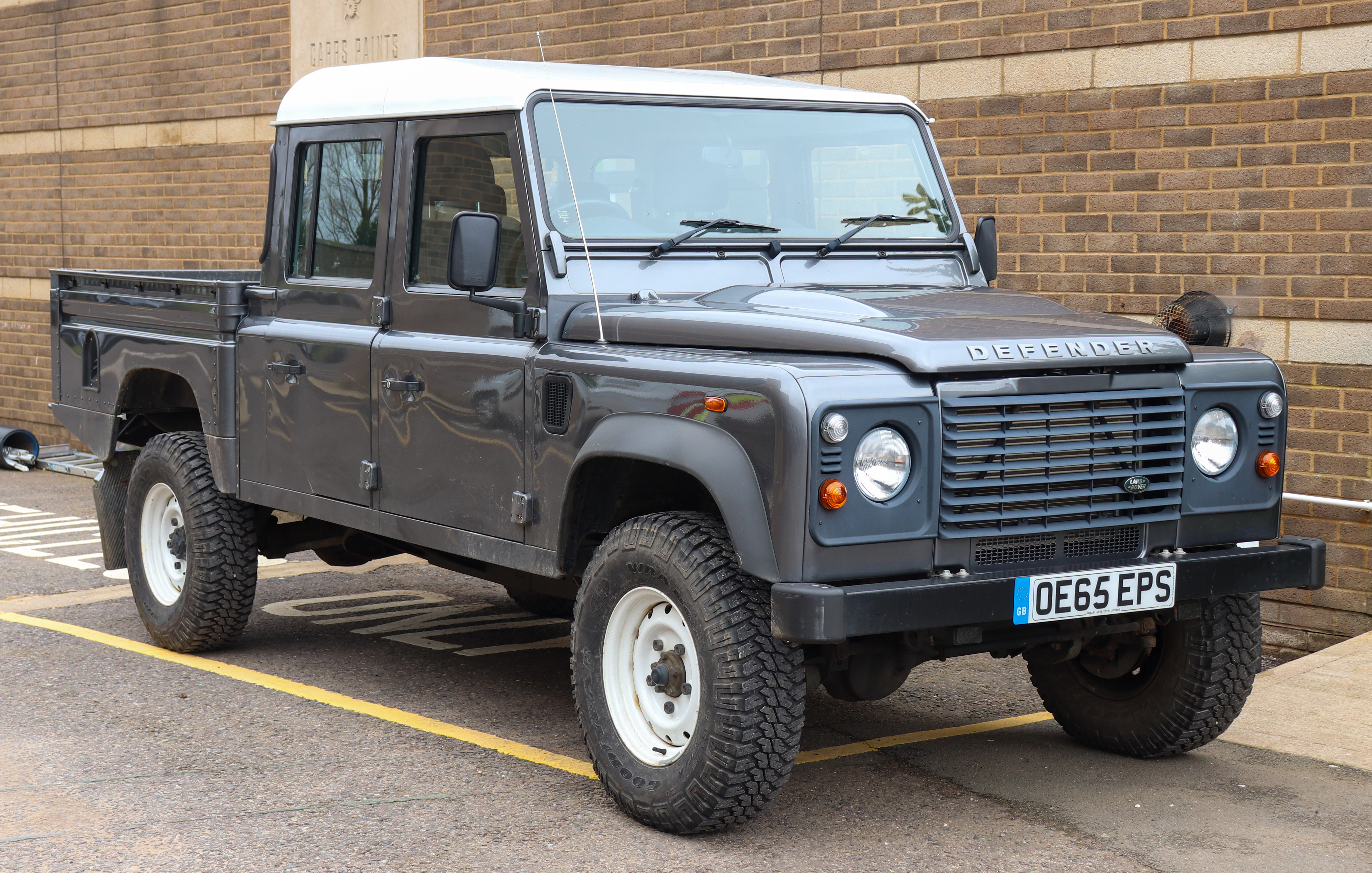
Yeah, back in the day I was tasked with the Land Rover Defender
33:11
and there was one asked from the marketing
33:15
like what could be the most on this one?
33:18
I was like well if you want I can put the most complicated gearbox in it
33:22
which is what I did.
33:24
It wasn't flawless but it taught me a lot
33:27
and sometimes complicated it's not for the good of the product
33:34
even though visually and everything it turned out pretty well
33:39
but the gearbox had some issues afterwards in the market
33:43
which we couldn't foresee when we designed and tested the model
33:47
and the model was really tested hard
33:49
so it was running, shifting the gears for 12 hours on a treadmill
33:53
and there were no issues at all whatsoever
33:56
and then people started building the model
33:58
and the model started cracking in between the gear wheels
34:02
and then we found out it's something that we couldn't have foreseen
34:06
and it was not the fault of the design.
34:11
It was more than some things were changed without letting us know if you will.
34:18
Yeah, but it was still a fun model and still looks great
34:22
I still have it on my shelf in a motorized version.
34:26
And another model that was interesting in your story
34:29
but that took the most toll on you in terms of stress and workload
34:32
a certain Mercedes-Benz model, tell us about that.
34:37
I wanted a new and very unique color for it
34:40
which was the closest match that we had to the brochures
34:45
that the Mercedes-Benz used on the G500 professional line edition
34:51
and simply not everybody in production was ready to release all the elements
34:58
for such a big amount of elements that I needed for the Mercedes-Benz
35:04
so I had to redo and rebuild some of the things
35:07
so I could use fewer types of the elements, if you will.
35:12
But besides that, the cooperation with Mercedes-Benz was nice
35:16
it was mostly agreeing on the color
35:20
and afterwards some feedback about like what else could we add
35:24
to the car to make it really look like the G500 professional line
35:28
really rugged, capable off-roader that you use
35:32
not for shopping and show off but for really doing some job in hard to reach terrain
35:38
and the final result I hope is good
35:42
I still like looking at the model and I'm proud of the achievement
35:47
especially in terms of what the chassis is capable of
35:51
like the differential locks, the gearbox, the suspension travel
35:56
which is something that I've probably overdone a little bit
36:01
it actually travels, the suspension travels if you take it to the scale more than on the real G500
36:07
because one of the first things I saw in Graz in Austria
36:12
where the production is located was the G500 professional line
36:18
the previous edition standing on rocks with twisted axles completely
36:23
I was like, I need to capture this
36:30
you can twist the axles and push the suspension even into more extreme positions than on the real car
36:37
Did you ever think that you would be such a car guy, I guess
36:43
Can you repeat the question please?
36:47
Did you ever think you'd be such a car guy, such a person who is so enamored with vehicles?
36:54
I guess I kind of always was but planes were my top interest
37:01
in terms of vehicles, I always loved looking at jet planes
37:05
no matter if it was passenger ones or jet fighters
37:08
and I'm fascinated by the fact that if you just push fuel through a tube and set it on fire
37:13
you can make something fly
37:16
and the same goes for a combustion engine to be honest
37:20
and I simply do admire clean and simple design regardless if it's a car, boat, plane
37:31
joining the LEGO Technic design team taught me a lot more about the engineering that is behind all the vehicles
37:41
and probably like the first Danish words I learned as well over here
37:47
were the technical terms for things like differential steering suspension
37:51
and stuff like this
37:53
which is hard to believe but yes
37:56
I still understand the words even though I don't have to use them because everybody speaks fluent English in the office
38:03
Just a couple more questions
38:05
What are the qualities that a successful LEGO designer needs to have
38:09
if someone's listening to this program and says I want to be a LEGO designer
38:13
What do you have 13 and a half years later
38:16
what is your recommendation besides just being very patient when you when you do these things right
38:22
Patience is the key definitely
38:25
the other word that starts with P would be passion
38:29
you have to be absolutely passionate about things that you're doing
38:32
if you don't like what you're doing just just go somewhere else honestly
38:35
you know you're wasting everybody else's and yours time mainly
38:40
being ready to learn new things
38:46
maybe which is something that you can't probably be taught or learn
38:53
but like thinking out of the box
38:55
like trying to come up with something that is weird
38:58
even at first but might be unique and cool solutions to problems
39:03
and be ready to work in a team
39:08
if you're flying solo you won't be happy over here
39:12
and I don't think they would even hire you
39:16
you need to be able to you know at one point as well like you know
39:21
put your hands off the model
39:23
and be ready that somebody else is gonna develop the model or vice versa
39:27
when somebody falls ill
39:29
you might as well end up with somebody else's model that you've never touched before
39:33
have no connection, no knowledge of
39:36
and be ready to finish it
39:39
so to be ready for that
39:41
and if you of course study industrial design
39:45
with specialty of toy designing then that would be a definite plus
39:50
but it's not a must
39:51
there's tons of other professions
39:54
formally in our and other LEGO design teams
39:59
like in LEGO Technic team
40:01
it's very wide variety of former occupations
40:07
we have a blacksmith that taught graphic design
40:10
we have car mechanic
40:11
we have interior car designers
40:14
we have you know mechanical engineers
40:21
it's probably gonna be there somewhere in the LEGO design team
40:26
across the organization
40:31
this is not a question about future product
40:34
but is there is there an F1 car that you would like to design in the future
40:40
whether it's a vehicle from the from current or a vehicle from the past
40:44
oh yeah the six wheel Tyrell from from the 70s
40:49
that was always like the thing that fascinated me as a kid
40:52
I was like this is such a cool design
40:54
how come there are not more of these cars
40:57
it looks way better than the four wheeled one
41:00
so that would be that would be lovely if I if I get to design like a historical F1
41:05
otherwise I am rooting for Red Bull at the moment
41:11
and but I don't have any any problems designing anybody else's cars to be honest
41:16
they all look equally cool
41:19
and regardless of their performance
41:23
or the placement on the grid
41:26
it's always something that I like about different different teams cars
41:32
that I could pick up on
41:34
and be happy with you know designing it so you know
41:40
I take the box for Red Bull so I'm fine I've done what I could
41:45
yeah yeah is there a is there a favorite track that you would like to visit at some point
41:50
maybe to get some inspiration
41:52
Silverstone was always like a big name for me since I was a kid
42:00
I had the privilege to visit it already once not for an F1 race
42:05
but for a LEGO related video shoot
42:09
while there was the classic car race on the circuit happening
42:13
so every time I could I was just standing on the balcony
42:16
overlooking like what was happening on the track
42:19
it was it was so amazing
42:22
and if I am lucky I might be able to visit the Netherlands Grand Prix in a few weeks time
42:29
so yeah fingers crossed everything goes fine there
42:33
maybe a trip into the paddock to shake Max for Stappen's hand at some point
42:37
oh yeah that would be great yes or maybe even get the signature on the bottom of the car
42:41
perfect right exactly exactly yeah
42:44
well I know that I know you can't talk about what's next
42:47
but I know that probably what's next for you is very exciting
42:50
and the things you're working on for 2027
42:54
what you're already working on is inspirational
42:57
and thank you for sharing your story
43:00
and I know that you believe that your story is a very unique one
43:05
in how far you've come
43:07
and the fact that you're holding a Formula One car
43:10
as a former teacher right
43:13
I mean yeah what a magical moment for you Milan
43:16
yeah it is it is definitely and thanks for having me it was it was a pleasure
43:21
yeah yeah it's wonderful thank you thank you for sharing your story
43:24
thank you for sharing the car
43:26
and and and talking all about Formula One's relationship with Lego
43:30
yeah see you take care
43:32
great thank you thanks so much
43:34
thank you to Milan for sharing his journey
43:36
to watch his interview head to the Cars and Culture YouTube channel
43:40
like and subscribe and dive into our growing library
43:43
of more than 200 episodes
43:45
where the road always leads to the people who shape the ride
43:49
this is episode 217 of Cars and Culture
43:52
I'm your host Jason Stein
43:54
we'll see you down the road