
Episode 22: Empire Bin State Of Mind (feat. Josh Boerman)
About this episode
Podcast banter turns into a wide-ranging drive through microcars, EV practicality, and city policy. The hosts discuss Fiat’s Topolino plan for the U.S., including its low-speed limits and how it can flip if you crank the wheel. They critique a small EV’s “no fast charging” setup and debate K-cars, armored “bulletproof windows,” and what “performance” should mean. Later, the conversation shifts to New York’s “empire bins” and parking tradeoffs, then ends with gas-price politics and a Valero/Freedom Fuel detour.
Hello! On this episode of Tran Girlismo, the girls are joined by Josh Boerman of Worst of All Possible Worlds and Ill-Conceived as we support his quest to guest-star on 52 podcasts in a single year.
First, the girls and Josh discuss the new-to-America Fiat Topolino, and then we turn to the Special Interest Josh brought along: NEW YAWK, LOVE DA METS, BABEY
That's right it's time to talk about DA TRASH, as New York wants to convert street parking into dumpsters instead of letting raw bags of waste bake on the sidewalk, which has rational automobile drivers furious, somehow,
Finally, Jordan gives us a rundown on the Freedom Fuel Gas Stations that cropped up all across the United States. [actually it was just in Philly for whatever reason]
Our opening theme as always is off the album Horse Tranquilizer Simulator by Stella Spazzatura and special thank you to our wonderful new editor @harmfulpark.bsky.social!
Related Stories:
Fiat Topolino @Autoblog
New Yorkers Furious About Plan To Stop Letting Garbage Bags Rot On Sidewalk @Gothamist
New York Post Finds The World's Most Car-Brained Vet Office @New York Post
Mayor Mamdani Says New Yorkers Should Live Like Human Beings, Have Dumpsters @YouTube
Donald Trump's Freedom Fuel Stations Post @TruthSocial
Freedom Fuel @CNN

Hyundai Ioniq 5
"My favorite thing about my favorite murder is that I got an ad in my Ioniq 5 For a podcast that they were doing that was sponsored by the Hyundai Ioniq 5"
The Hyundai Ioniq 5 is an electric car from Hyundai. It’s the specific model mentioned here because the host got a podcast ad while driving it.
The Hyundai Ioniq 5 is a modern electric crossover built around Hyundai’s EV platform, known for its fast-charging capability and retro-futuristic styling. In this segment, it’s mentioned as the car the host received an ad for, tying the episode’s podcast sponsorship to a specific EV model.
decline of empire
"today's show we have we have a top we have mostly topics about the decline of empire in honor of Josh"
The hosts are using a bigger theme—“decline of empire”—to organize the conversation. The car-company mentions are part of that larger commentary.
This is the episode’s framing theme: the hosts discuss the “decline of empire” as a broader cultural/political idea. It’s not a specific automotive subject, but it sets the context for why they’re talking about car-industry players like Stellantis and its brands.
Stellantis
"We've got a couple of episodes without humiliating Stellantis, which is the 14 car companies in a trench coat that Runs among others Dodge Jeep, Rampujo, Abarth Fiat, Alfa Romeo, Maserati"
Stellantis is a big car company that owns a bunch of different car brands. It’s the company behind names like Dodge and Jeep in the U.S., and also brands like Alfa Romeo and Maserati.
Stellantis is a major global automaker formed from the merger of Fiat Chrysler Automobiles (FCA) and PSA Group. In the U.S., it’s the parent company behind brands like Dodge, Jeep, and Chrysler, and it also owns European performance and luxury marques such as Alfa Romeo, Maserati, and Abarth.

Fiat Topolino
"Fiat is offering the topolino in the United States And the topolino has been that it's based on the citrone. I mean"
The Fiat Topolino is a very small car Fiat is trying to sell in the U.S. It’s related to a Citroën design, and in Europe it’s treated like a special kind of small vehicle (a quadricycle), which changes the rules it has to follow.
The Fiat Topolino is a tiny “microcar” sold by Fiat, and it’s notable because it’s being offered in the U.S. as a small, low-cost electric-style city vehicle. The host says it’s based on the Citroën (citrone) platform and is classified as a quadricycle in Europe, which affects how it’s regulated and marketed.
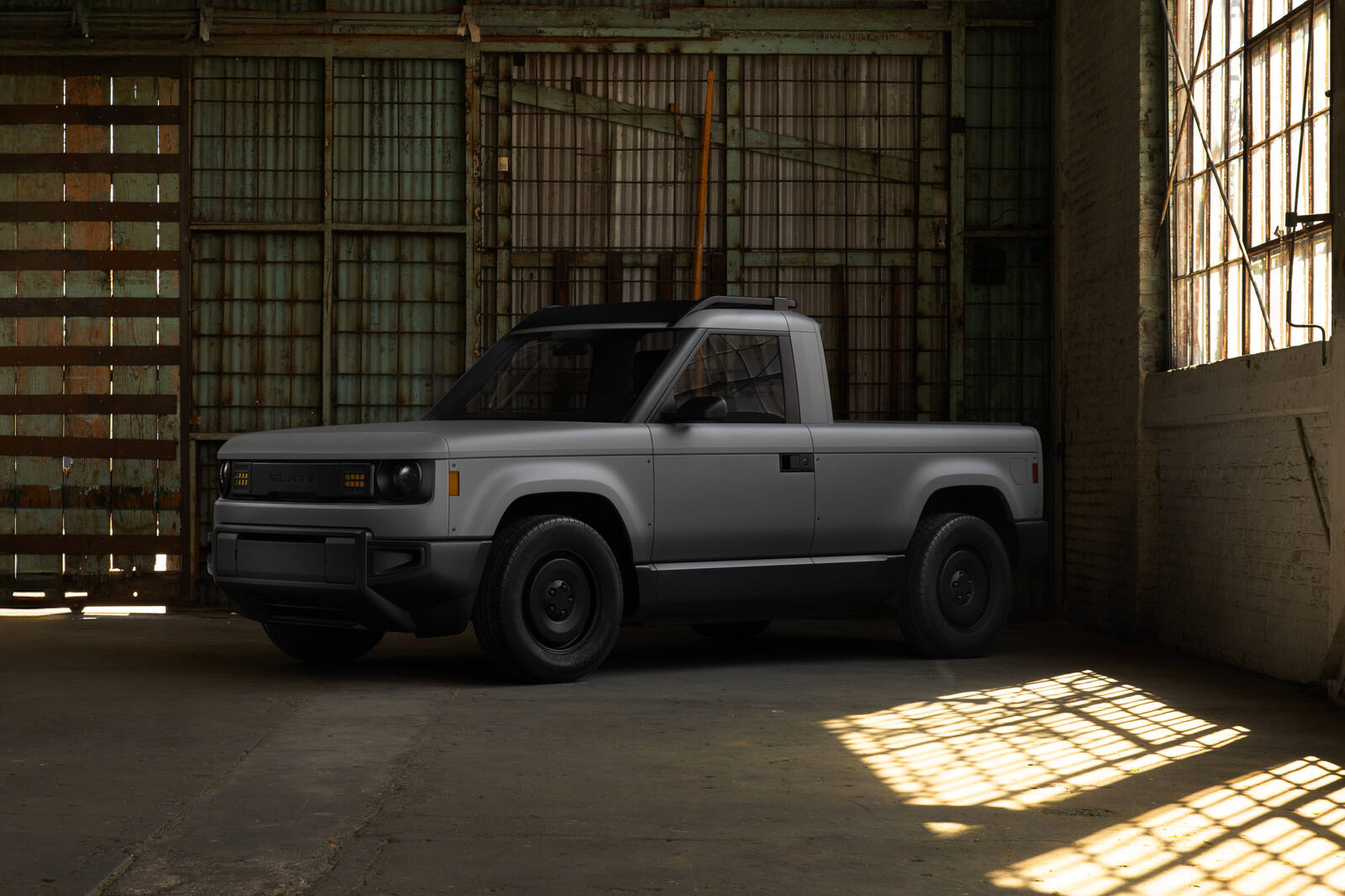
Truck Slate Ev
"Um So we after last week's episode about the slate EV we now have news about another confusing cheap EV..."
The podcast is talking about a truck, likely an electric one, in the context of a “cheap EV.” A truck is a vehicle built for carrying things or doing work, and electric versions have to deal with battery range and charging. The episode seems to be questioning what’s going on with that kind of vehicle.
In the podcast, “Truck” appears as a general reference in the context of news about a confusing cheap EV, suggesting the discussion is about an electric pickup/utility vehicle rather than a specific model. Trucks are often discussed in EV conversations because they’re typically used for work or hauling, which makes battery range and charging practicality important topics. The mention likely sets up a broader point about how EV trucks are marketed and understood.
quadricycles
"Which is Qual like it's classed as a quadro cycle in Europe. They've been selling it since I think about 2020 or 2021"
A quadricycle is a category used in Europe for very small, light vehicles. It usually means the vehicle has different rules than a regular car, which can make it easier to sell and drive in certain places.
A quadricycle is a European vehicle category for small, lightweight vehicles (typically with lower power and weight limits than normal cars). Because the Fiat Topolino is described as being “classed as a quadricycle in Europe,” it can qualify for different regulations and licensing rules than a full passenger car.
Citroën
"And the topolino has been that it's based on the citrone. I mean"
Citroën is a car brand from France. Here, the host says the Fiat Topolino is based on a Citroën design, which helps explain why it’s such a small city vehicle.
Citroën is a French automaker known for compact, city-focused designs. In this segment, the host says the Fiat Topolino is based on the Citroën (citrone) platform, implying shared engineering or packaging that supports the microcar/quadricycle approach.
street legal kit
"And the intent appears to be until they start selling the street legal kit That they're going to sell these to gated communities and country clubs as a substitute for an ATV or a golf cart"
A street legal kit is a set of changes that makes a vehicle allowed to drive on public roads. It usually adds the required lights and safety features so it meets local rules.
A street legal kit is an aftermarket or manufacturer-provided package that modifies a vehicle so it can comply with road-legal requirements (like lighting, mirrors, and safety equipment). The hosts are implying the Topolino may start as a limited-use vehicle and then become road-legal after the kit is sold.

Renault Twizy
"The Twizy the little the little Renault, yes, it's actually the same class as that in Europe It's it's the quad recycles is basically a the the idea behind it"
The Renault Twizy is a tiny European car designed mainly for slow city driving. They’re comparing the Topolino to it to explain that these are small, neighborhood-style vehicles rather than normal cars.
The Renault Twizy is a European microcar known for its very small size and low-speed, city-focused design. The hosts compare the Topolino to the Twizy, saying it’s the same “class” in Europe, which helps listeners understand the intended use case and scale.
batteries
"Because despite the fact that its batteries are really low in the frame It's basically on bicycle tires and at 28 miles an hour if you crank the wheel it will just flip"
They’re talking about where the battery sits in the vehicle. Putting heavy batteries low can help stability, but if the tires are narrow and you turn hard, it can still feel like it might tip over.
The hosts mention the vehicle’s batteries being “really low in the frame,” which matters for handling and stability. Lower battery placement lowers the center of gravity, but with bicycle tires and low speed limits, the overall stability can still be poor if you crank the steering.
bicycle tires
"It's basically on bicycle tires and at 28 miles an hour if you crank the wheel it will just flip"
They mean the tires are more like bicycle tires—narrow and not very grippy. That makes it easier to lose balance if you turn sharply.
“Bicycle tires” implies very narrow, low-grip tires compared with car tires, which reduces cornering stability and increases the chance of tipping during aggressive steering. The hosts use this to explain why the microcar can flip even at relatively modest speeds.

Dodge Ram
"This can next to a Dodge Ram. Just immediately sent me back to being a teenager in the middle of a Houston"
A Dodge Ram is a big pickup truck. The speaker is using it as a reference point for a scary driving situation.
The Dodge Ram (now commonly branded as Ram) is a full-size pickup known for its size and aggressive road presence. The speaker uses it as a shorthand for a specific kind of driver/encounter, contrasting it with the earlier “terrifying” small-vehicle idea.
destination fee
"This costs about $15,000 after destination fees it has 46 miles of range off of a five kilowatt hour battery"
Destination fees are extra charges the dealer/manufacturer adds to cover getting the car to the dealership. It’s part of the final price you pay beyond the base sticker price.
“Destination fees” are charges added to a car’s price to cover shipping the vehicle to the dealer. The host uses it to explain the all-in cost of the EV after those added charges.
miles of range
"This costs about $15,000 after destination fees it has 46 miles of range off of a five kilowatt hour battery"
Range is how far the car can go on one full charge. “46 miles of range” means you’d expect to drive about 46 miles before it needs charging.
“Range” is how far an EV can drive on a full battery charge. When the host says it has “46 miles of range,” they’re talking about the distance the car is expected to cover before needing to recharge.
kilowatt hour battery
"This costs about $15,000 after destination fees it has 46 miles of range off of a five kilowatt hour battery"
That’s the size of the battery in the EV. A “five kilowatt hour” battery is on the small side, so the car can’t go as far before it needs charging.
A “kilowatt-hour (kWh) battery” is the amount of electrical energy stored in an EV’s battery pack. A “five kilowatt hour battery” is relatively small, which helps explain the limited range the host just mentioned.
fast charging
"There is no fast charging you just plug it into the wall and then it charges because it's a fight"
Fast charging is the kind of charging that gets you back on the road quickly. The host is saying this car doesn’t support that, so you have to rely on slower charging at home or wherever you can plug in.
“Fast charging” refers to higher-power EV charging that can refill a battery much quicker than plugging into a standard outlet. The host says there’s no fast charging here, meaning you’re limited to slower, convenience charging.
charging an e-bike
"It's like charging an e-bike at that point basically and the thing is is like I"
They’re basically saying the charging is like an e-bike: you plug it in and wait. It’s not the quick “top up at a station” style charging you might expect from bigger EVs.
The host compares the EV’s charging experience to “charging an e-bike,” implying it’s slow and outlet-based rather than quick and station-based. It’s a way to frame charging convenience and time expectations for a small-battery EV.
Grand Army Parkway
"Complicated interchange like in New York, for instance, if you were to go to Grand Army Parkway, or really honestly any"
This is a road in New York the host mentions to describe how stressful driving can be there. They’re using it as an example of tricky city driving conditions.
Grand Army Parkway is a roadway in New York that the host references as an example of complex driving conditions. The point is that in dense city traffic, maneuvering and speed changes can be stressful—especially for a small EV with limited range/charging flexibility.
Ocean Parkway
"Of the parkways where you have to go a little faster than the speed limit you'd be gripping for dear life even on Ocean Parkway, which is not as insane as it used to be"
Ocean Parkway is a road in New York. The host is saying even on this one, driving can feel intense if you’re going faster than the speed limit.
Ocean Parkway is another New York roadway the host brings up while talking about driving stress on parkways. They contrast it with other, more intense parkway situations, but still imply it can be demanding at higher-than-limit speeds.

Chevrolet Suburban
"Just thinking that this car is violence that has the capacity to violence was one of the weirder taglines for the Chevy suburban You gotta come by honesty"
The Chevrolet Suburban is a big, family-size SUV. The host is joking about how some versions (or the way people talk about them) can sound like they’re meant to be tough and protective.
The Chevrolet Suburban is a full-size SUV known for being practical and durable, and it’s often used as a base for special-purpose builds. Here, the host is discussing a marketing-style tagline that frames the vehicle as capable of “violence,” which is a tongue-in-cheek way of talking about armored or high-protection variants.
EV
"But they I did make an EV with 40 miles of range exactly left work in Reno, Nevada I think I think for me it is like if I wanted to be paying"
EV means electric vehicle—an electric car that runs on battery power. The host is talking about how far EVs can go before needing a charge.
EV stands for electric vehicle, meaning the car is powered primarily by an electric motor and a battery rather than a gasoline engine. The host uses EV range numbers to argue about value and practicality.
Reno, Nevada
"But they I did make an EV with 40 miles of range exactly left work in Reno, Nevada I think I think for me it is like if I wanted to be paying"
Reno, Nevada is being used as the real-world starting point for an EV range anecdote. The host is implying that the stated range was enough (or not enough) for a specific commute-like trip.
mo-ped
"[1432.7s] I would just get a high-quality moped or something like that because yeah, then I actually get to enjoy greater mobility"
A moped is a small motorbike that’s usually slower and easier to handle than a regular motorcycle. It’s often used for short trips and is generally simpler to park and store.
A moped is a small, low-speed motorized vehicle—typically lighter and cheaper than a motorcycle. In many places it’s regulated differently than a motorcycle, which is why people talk about getting something “street legal” and easier to park.
concierge-style mobility vehicles
"[1459.0s] Concierge cars and country clubs. I look at that replacing they are going to stunt on people who [1466.2s] How much your golf park costs? It's it's like the worst people in Florida are gonna love this thing ... [1549.5s] You know three quarters of a mile away from there and that's like kind of what I yeah"
They’re talking about how resorts could use small vehicles to shuttle guests around like a luxury service. The idea is convenience and comfort—less walking, easier parking, and a more “premium” arrival.
The hosts discuss using small, easy-to-park vehicles as a “concierge” amenity—like a resort or country-club experience where staff or guests get transported between areas. It’s framed as a luxury-adjacent alternative to normal cars, especially in places with long walking distances.
golf carts
"[1523.4s] Distance measurable in miles not full miles, but like enough and I would usually walk or whatever [1527.8s] But they always had golf carts or whatever"
Golf carts are small vehicles used around golf courses and resorts. They’re slow, easy to drive, and convenient for getting people around a property.
Golf carts are small, low-speed vehicles commonly used on golf courses and at resorts. They’re popular in hospitality settings because they’re easy to move around tight areas and don’t require the same infrastructure as normal cars.
Pope Mobile
"But look at how easy it would be to rig this thing up into a popemobile genuinely like it's perfect [1636.7s] Yeah, I think you could pick the Pope up and tip him"
A popemobile is the special car the Pope rides in during public events. It’s designed so people can see him clearly and he can wave safely.
A popemobile is a specially designed vehicle used to transport the Pope during public appearances. It’s typically built for visibility and safety, often with an elevated seating position and open or protected areas for waving.

BMW i3
"... someone rolling one of these provides me the BFW I3 is a beautiful wonderful little egg shaped car Th..."
The BMW i3 is an electric car, meaning it runs on electricity instead of gasoline. It’s a small car designed to be practical for everyday driving, especially in cities. The podcast calls it a distinctive-looking “little egg,” which is a common way people describe its shape.
The BMW i3 is a compact electric car designed for city driving, known for its distinctive “egg-shaped” look and efficient packaging. It often gets discussed because it represents BMW’s early approach to EVs and because it’s small enough to be practical while still feeling unique. In the podcast, it’s described as a “beautiful wonderful little” car, which fits how people often talk about its design and character.
SCCA auto cross events
"Do you know they're bad from SCCA auto cross events? [1665.5s] No, really want to tip real bad. They want to go."
Autocross is a racing event where you drive a car through a cone-filled course as fast as you can. SCCA is the organization that runs a lot of these events.
SCCA autocross events are timed driving competitions run by the Sports Car Club of America on a closed course with cones. They’re a common way to evaluate how well a small car handles and accelerates in tight, low-speed maneuvers.
250 miles per hour
"Yeah, they're gonna have to ban these two. Yeah, which is a shame because 25 miles per hour [1677.1s] They were also I saw maybe this was just"
They’re talking about a vehicle that’s limited to about 25 mph. That kind of low speed can make it hard to use safely in normal traffic, so people argue about whether it should be allowed.
“25 miles per hour” is the referenced top speed limit for the vehicle being discussed. In microcar contexts, low speed limits often drive how and where the car is allowed to operate, and can lead to calls for bans or restrictions.
707 horsepower
"Want 707 horsepower in my in my rope door topolito. Wait, so it's just like a generate like an off-board"
Horsepower is a number that roughly tells you how strong the engine is. Higher horsepower usually means the car can accelerate harder.
Horsepower is a measure of engine power—how much work the engine can do over time. When someone quotes a specific number like “707,” they’re usually talking about peak output for a performance model or tune.

three series
"A few years ago when I was in LA I rented a three series and I gotta say it's a it's a nice car It's a nice car. I mean, obviously, that's a fucking cliche thing to say But like it there's there's something about the way that one of those bad boys handles that"
They’re talking about the BMW 3 Series, a popular BMW model that’s meant to feel sporty to drive. They rented one and liked the way it handled.
The “three series” refers to the BMW 3 Series, a compact luxury sedan/coupe line known for sporty handling and a driver-focused layout. The speaker rented one in LA and comments on how it handles.
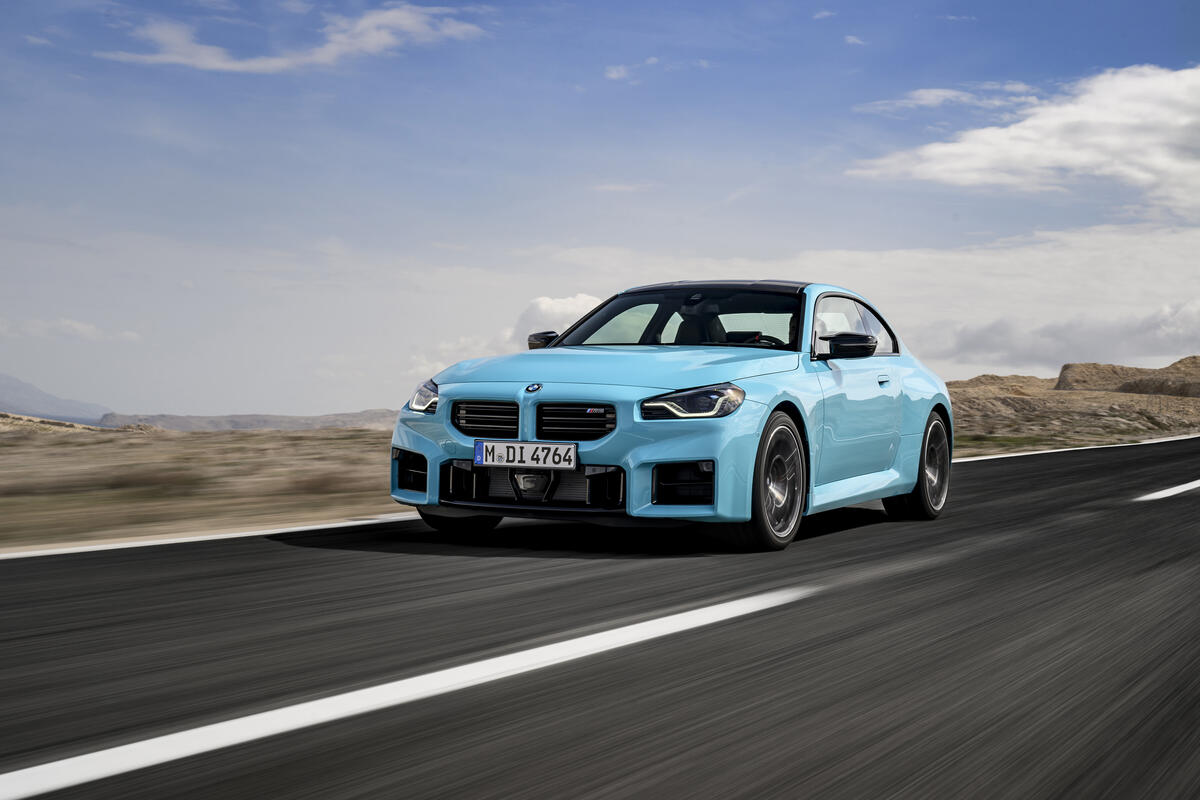
BMW M2
"I can't stand modern BMW steering. They last good car. They made was the 2016 M2. Okay. Yeah"
They’re praising the 2016 BMW M2 as a particularly good BMW. It’s a small, sporty coupe that tends to feel more “connected” and fun to drive than newer BMWs.
The BMW M2 is a compact performance coupe, and the speaker specifically calls out the 2016 M2 as the last “good” BMW they think the brand made. The M2 is known for a more traditional, analog-feeling driving character compared with many newer BMWs.

I7
"No, there's the I7 isn't bad because it's like sedate, but as far as other sports handling stuff It feels crazy, but go out."
They mean the BMW i7, which is BMW’s big electric luxury car. They’re saying it feels calmer than other sporty BMWs, so they don’t hate it.
“I7” refers to the BMW i7, the brand’s flagship electric luxury sedan. The speaker says it’s “isn’t bad” because it feels sedate, contrasting it with other BMWs they find too “crazy” to drive.
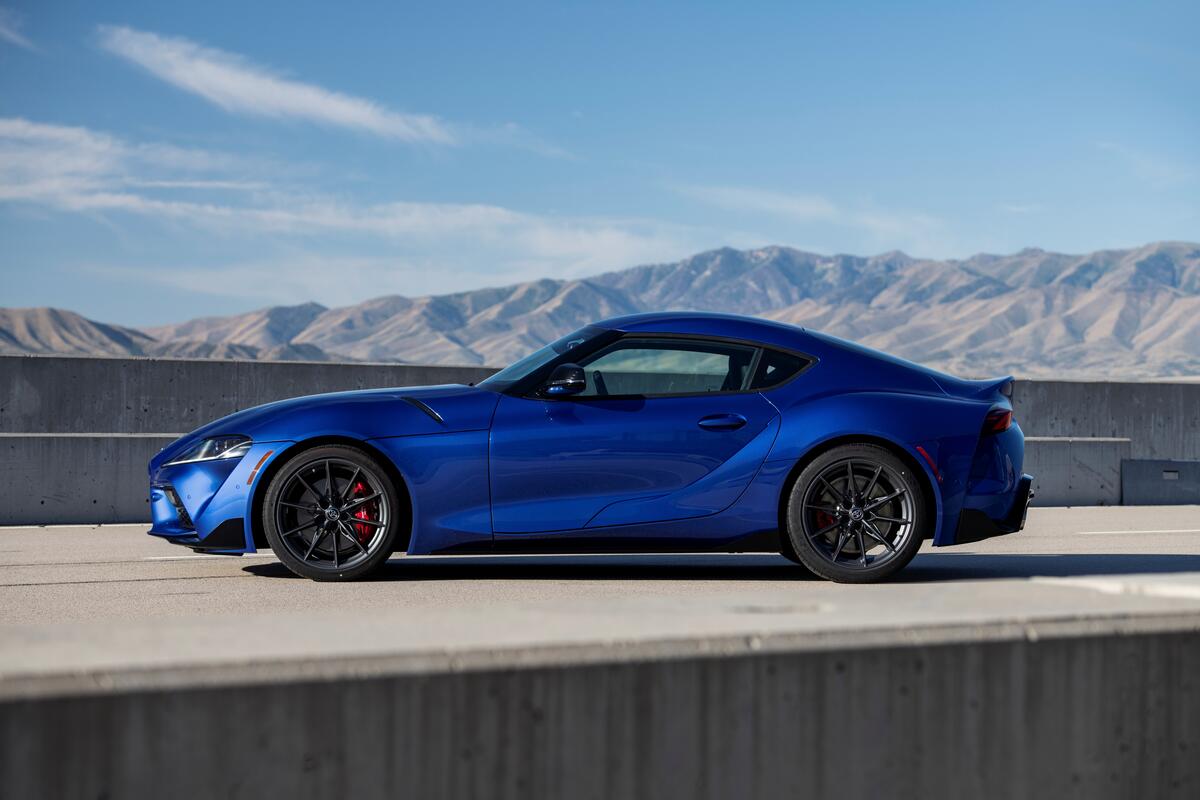
Toyota Super
"...y My first car my first car ever owned was a 1988 Toyota Super Turbo, okay, which was Like my gateway into enthu..."

Chevrolet Corvette
"But my grandpa had a Chevrolet Corvette and I believe it was an 89 And Corvette convertible and so when I was a little kid riding around in that thing."
The Chevrolet Corvette is a famous American sports car. Here, the speaker talks about a Corvette convertible from around 1989 that they rode in as a kid—back then it felt like an exciting dream car, even if it wasn’t as fast as today’s cars.
The Chevrolet Corvette is a long-running American sports car known for its performance and iconic styling. In this segment, the speaker specifically mentions a Corvette convertible from 1989, which matters because late-1980s Corvettes were less brutally fast than modern ones, making them a more “middle-class aspirational” dream car at the time.
faster to 60
"Right, it's like the because horsepower wars but in 1989 probably had like what 212 horsepower or something Yeah, had had basically as much as my my friendly little electric crossover. Yeah, yes Yes, well because your electric crossover is probably faster to 60 by quite a bit too"
“Faster to 60” means how quickly a car can go from 0 to 60 miles per hour. The speaker is saying modern electric cars often reach that speed much quicker than older sports cars did.
“Faster to 60” refers to how quickly a car accelerates from 0 to 60 mph. The speaker contrasts the older Corvette’s era with modern electric crossovers, suggesting the electric car can reach 60 mph much quicker.
horsepower wars
"As you put it the horsepower wars and just in general The the idea was to just have a zippy little thing that you could have fun in rather than just go shmonstrosity"
“Horsepower wars” means people and car companies competing to make cars with bigger and bigger power numbers. It’s basically chasing the biggest “power” bragging rights.
“Horsepower wars” is the enthusiast term for automakers and buyers chasing ever-higher engine output numbers. It’s a marketing and engineering arms race where power figures become the headline metric, often at the expense of other goals like drivability or efficiency.
quarter mile
"Pony cars to muscle car war era versus now are two very different things where it's like, you know a Quarter mile should not be measured in sub 10 seconds, you know, that's probably yeah"
The “quarter mile” is a common drag-racing track length. “Sub-10 seconds” means the car can go that distance in under 10 seconds from a standing start.
The “quarter mile” is a drag-racing distance (one quarter of a mile) used to compare acceleration performance. When people talk about “sub-10 seconds” for the quarter mile, they’re referring to elapsed time from launch to crossing the finish line.
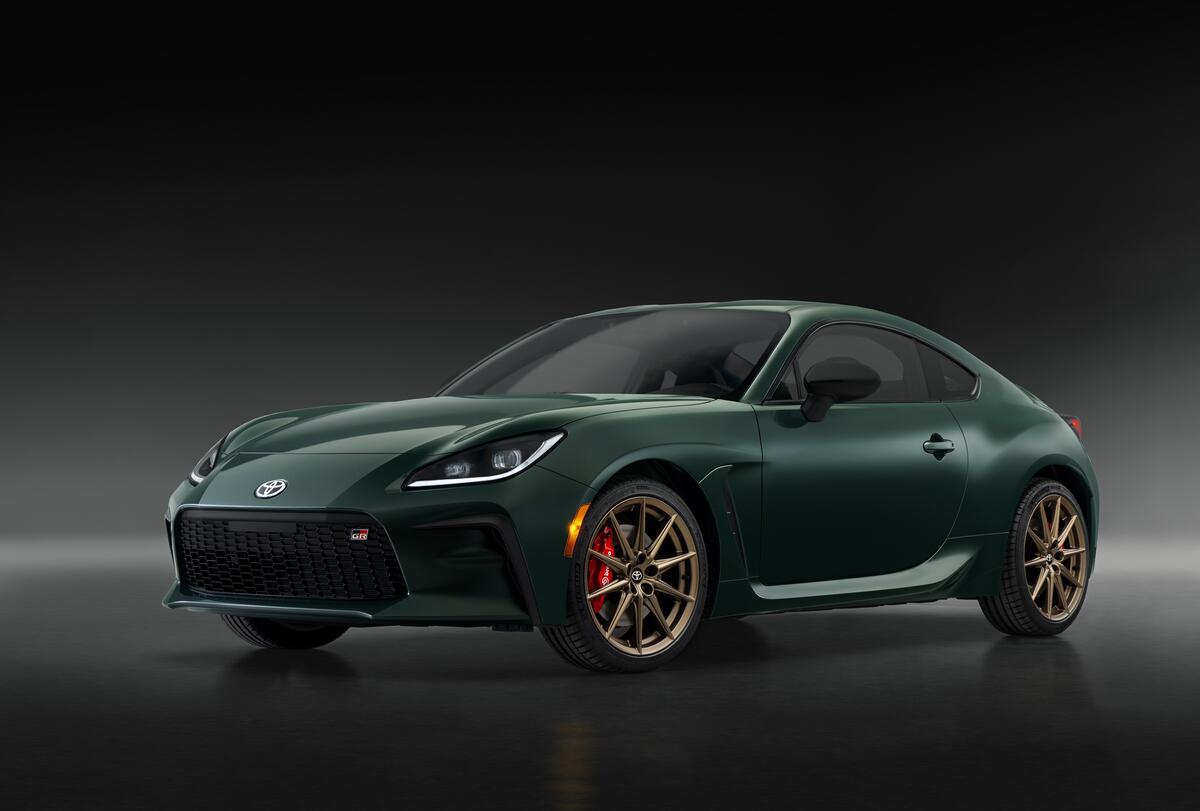
Toyota Gr86
"It's why I don't know G a GR 86 is about as Compelling to me as anything else. Um, yeah, I got I wish there was a version of I"
The Toyota GR 86 is a small, fun sports car that’s meant to be enjoyable to drive, not just fast on paper. The host is basically saying it hits the right balance.
The Toyota GR 86 is a modern, affordable sports coupe built around driver-focused handling rather than chasing huge power numbers. It’s known for being light and fun to drive, which is why the host compares it to other cars as “compelling.”

Fiat 500
"I got I wish there was a version of I Wish they still made the fiat 500 of Barth God, yeah, I was just hey there. They're about as cheap as they're ever gonna get now"
The Fiat 500 is a tiny city car that’s easy to drive around town and usually cheaper than bigger cars. The host is talking about it as a fun, small option.
The Fiat 500 is a small Italian city car (the “500” name is a nod to the original 1950s Fiat 500) known for being compact, easy to park, and relatively affordable. In this segment, the host is wishing for a version that’s still available and fits their idea of a “zippy” car.

Honda Fit
"If you what if you want like a normal sensible car with chronic illnesses that is also a stick May I recommend a Honda fit because that bad boy is going to go up until it doesn't anymore"
The Honda Fit is a small hatchback that’s practical for everyday life. The host recommends it because it’s a sensible car you can still drive with a manual transmission.
The Honda Fit is a subcompact hatchback known for practical packaging and being easy to live with day-to-day. The host recommends it as a “normal sensible car” that can still be driven with a manual (“a stick”), emphasizing its usability and longevity.
B spec
"Rest in peace. I don't return a thousand miles on it though. So yeah, there used to be a B-spec you used to be able to enter that into sec a club racing in"
“B-spec” is a racing category that sets rules for how much you’re allowed to modify a car. It’s meant to keep competition fair by limiting the upgrades.
“B-spec” refers to a specific class/category used in some club racing rulesets, where cars are prepared to a defined level of modifications. The point is that it limits what you can change, so cars compete more on driver skill and allowed setup rather than unlimited engineering.
throw coils
"Yeah, it was that Yeah, you throw coils on that it'll pick up the inside wheel. It's awesome. See I feel okay"
“Throw coils” means adding coilovers—upgraded suspension parts that can change how the car sits and how it absorbs bumps. The speaker is saying that with that kind of setup, the car can get the inside wheel to lift during hard cornering.
“Throw coils” is shorthand for installing coilover suspension (often called “coils” in enthusiast slang). Coilovers let you adjust ride height and damping, and the speaker claims this setup helps the car “pick up the inside wheel,” which is a description of aggressive cornering behavior.
inside wheel
"Yeah, it was that Yeah, you throw coils on that it'll pick up the inside wheel. It's awesome. See I feel okay"
The “inside wheel” is the wheel on the inside of a turn (the side closer to the apex). When it lifts, it usually indicates high lateral load transfer and a suspension/traction setup that allows the car to become light on that side during cornering.
tune
"They literally this you literally cannot tune the new Corvette or"
A “tune” is when someone changes the car’s computer settings to change how it runs. The speaker says the newer Corvette is set up so that changes can cause warning codes and other safeguards to kick in.
In car talk, “tune” usually means changing the engine control software (ECU calibration) to alter performance or drivability. The host is claiming the newer Corvette is effectively “untunable” because tampering would trigger diagnostic trouble codes.
engine code
"It would basically just throw every engine code and tell you"
An “engine code” is like a computer message the car saves when it detects something wrong. The speaker is saying that messing with the car would likely trigger those messages.
An “engine code” refers to a diagnostic trouble code stored by the car’s onboard computer when it detects a fault. The host suggests that attempting to modify the car would cause these codes to appear.
GM team six
"GM team six to your location. I [2249.5s] Their kill rate is just so low because they so rarely make it to the destination."
“GM team six” is a joke about GM sending a special team quickly. The point is that the manufacturer would react fast to problems or tampering.
“GM team six” is a humorous, exaggerated reference to a rapid-response team that would be sent to handle an issue. It’s not a standard automotive term, but it’s used here to describe manufacturer intervention.
Renaissance center
"I guess where is GM not they closed down the rents in it is in Detroit [2267.6s] I just don't think they're the primary tenants of the Renaissance Center"
The Renaissance Center is a famous office complex in Detroit. The speaker is using it as a reference point for where GM is based.
The Renaissance Center is a well-known complex in Detroit associated with major corporate offices. The host uses it to talk about where GM is (or isn’t) located in the city.

Chevrolet Blazer EV
"...ted by the amount of st. They're not arranged the Blazer EV There's the the combined IMSA and Indy car race t..."
The Chevrolet Blazer EV is an electric SUV, meaning it runs on electricity instead of gasoline. An SUV is a bigger family-style vehicle that’s often used for everyday driving. The podcast brings it up as one of the EVs being discussed in the news.
The Chevrolet Blazer EV is an electric SUV, discussed in the podcast alongside other racing-related references and general EV news. It’s significant because it’s part of the shift toward mainstream electric SUVs, where buyers expect everyday usability rather than just performance. In the episode context, it’s mentioned as a specific EV model that the hosts are trying to place and understand.

Chrysler New Yorker
"...w He could offer us some unique insights into the New Yorker mind. Yes, because this began under"
The Chrysler New Yorker is a large, comfortable car that was made to feel more luxurious than a regular sedan. It’s the kind of vehicle people associate with a more traditional, comfort-focused driving experience. The podcast mentions it as a way to talk about the kind of mindset or lifestyle it represents.
The Chrysler New Yorker is a full-size luxury sedan that was built to deliver a comfortable, upscale ride. It’s significant because it represents a classic era of American “big car” comfort and status, which makes it a natural topic when someone wants to talk about the “New Yorker mind” or the kind of owner experience the car was meant to provide. In the podcast, it’s referenced as part of a broader discussion about identity and perspective.

Chrysler Fifth Avenue
"...bad happen on trash day, and it's even worse It's Fifth Avenue. This is the wealthiest bit of shopping maybe in ..."
The Chrysler Fifth Avenue is a large luxury sedan, meaning it’s built to be comfortable and feel upscale. The name is often linked to a more “high-end” image. In the podcast, it’s mentioned to describe that kind of wealth-and-shopping association.
The Chrysler Fifth Avenue is a luxury-oriented version of Chrysler’s large sedan line, associated with a more upscale, status-focused image. The podcast’s “wealthiest bit of shopping” reference ties it to the idea of where and how these cars were perceived—big, comfortable, and aimed at affluent buyers. It’s discussed as a cultural/identity marker as much as a vehicle.

Challenger Hellcat
"...a of the ram brand the the way that like You know hellcat owners make videos of themselves when they rip th..."
The Challenger is a muscle car, which means it’s built for strong acceleration and a sporty feel. The podcast mentions it because some owners—especially high-power versions—like to drive aggressively and share videos. That’s why it’s being brought up in the conversation.
The Challenger is a muscle car known for strong performance and a style that’s closely tied to enthusiasts and drag-style culture. In the podcast, it’s referenced in the context of “Hellcat owners” making videos of themselves driving hard, which highlights how the model is often associated with aggressive driving and high-power trims. That kind of owner behavior is a common reason the Challenger comes up in car conversations.
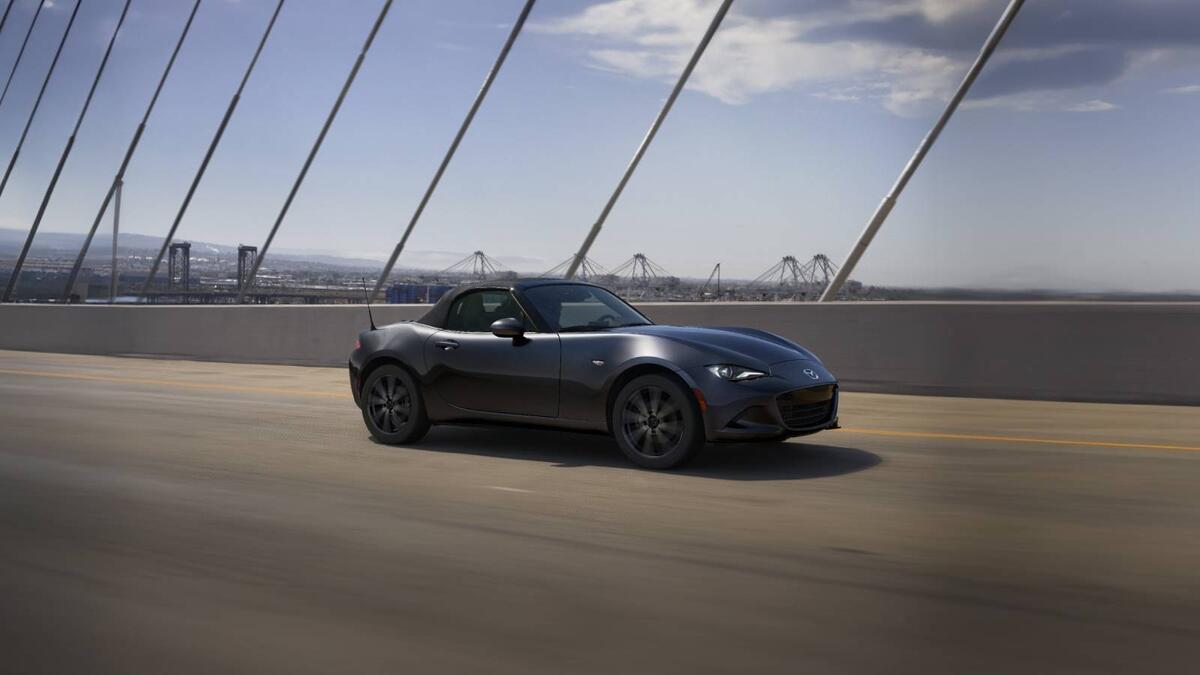
Mazda MX-5 / Miata
"...ot Broke two arms riding a motorcycles time for a miata question mark Ronan c"
The Mazda Miata (MX-5) is a small two-seat car made for enjoyable driving. It’s known for being light and simple, so it can be easier to handle than many bigger cars. People often mention it when they want a fun car without needing a lot of experience.
The Mazda MX-5, commonly called the Miata, is a lightweight two-seat roadster designed to be fun and easy to drive. It’s frequently discussed because it’s approachable for beginners, yet still offers real driving engagement. In the podcast, it’s brought up as a “Miata question,” suggesting it’s being considered as a practical, enjoyable alternative for someone’s situation.

2023 subaru outback
"Hannah w Asherin Chris hefner jerry at homo gamer agenda.com has a 2023 subaru outback sale will deliver"
The Subaru Outback is a practical car that’s sort of a mix between a wagon and an SUV. The 2023 model is known for being roomy and for having all-wheel drive for better traction in bad weather.
The Subaru Outback (2023) is a crossover wagon built around Subaru’s all-wheel-drive focus and practical, family-friendly packaging. It’s especially popular with buyers who want wagon-like cargo space with SUV-style ground clearance.
Request an Explanation
Heard something you'd like explained? We'll add it to this episode.
Sign in to request explanations for terms you heard.
Want to learn more?
Browse our glossary for plain-English explanations of automotive terms, jargon, and concepts.
Help improve this episode
See something that's not quite right? Our annotations are AI-generated and can sometimes miss the mark. Click the flag icon on any annotation to suggest a correction.