This is a hydraulic parts pair that helps move the clutch. The master cylinder pushes fluid, and the slave cylinder uses that fluid to do the actual movement.
“Born” doesn’t clearly match a specific car model name based on the snippet you provided. It sounds like it might be a reference to something else rather than a car. If you share the full car name from the podcast, I can explain that exact vehicle.
“Coops” is the hosts’ casual shorthand for coupes, which are typically two-door cars with a more driver-focused layout. The episode title suggests they’ll discuss why coupes are culturally “cool” compared with sedans or hatchbacks.
“Peak coupe” here refers to a period when two-door coupes were especially desirable and culturally prominent. The hosts are pointing to the early-to-mid 1990s (and possibly late 1990s) as a high point for coupe design and appeal, which can influence what models people consider “the good stuff” from that era.
Concept
coupe vs sedan sales appeal
The hosts are talking about why people might prefer a coupe over a sedan, and how that affects how many cars a company can sell. Even if enthusiasts like coupes, the broader market might not.
The Honda Prelude is a Honda coupe that people often bought for sporty driving. The hosts are bringing it up to make a point about how coupes can be hard to sell even when they’re fun.
Term
hatched coupe
They’re describing two different rear-end styles. One is a traditional trunk (like most sedans), and the other is more like a hatchback/liftback shape where the rear opens differently.
They’re talking about a time when coupes were popular, and car companies had to offer them to stay competitive. The hosts are using that historical context to explain why coupes don’t sell the same way now.
The Toyota Camry is a family-sized car made by Toyota. The podcast is talking about a specific older generation from the early 1990s and calling that one a favorite. That’s why it comes up in conversation.
Concept
coupe vs sedan (sportier personality without engineering changes)
They’re saying that some coupes were basically sedans with a different body shape. The car might look and feel more “sporty,” but it may not have been engineered from the ground up to be truly different.
This describes a strategy where original equipment manufacturers (OEMs) spend money to create coupe variants from existing sedan models to quickly follow a market trend. It’s essentially a “fast follow” approach: reuse what’s already engineered, then invest in bodywork and production changes to capture buyers who want a coupe.
Topic
crossover era vs coupe era
They’re comparing older times when coupes were popular to today, when most people buy crossovers. The point is that the market shifted, so coupes became rarer.
VTEC (Variable Valve Timing and Lift Electronic Control) is Honda’s system for changing cam timing/lift to improve performance. “Single overhead cam” (SOHC) describes the engine layout where one camshaft operates the valves, which affects how the engine makes power and how it’s maintained.
The Del Sol SI is a Honda from the late ’90s that was built around the idea of a fun, sporty two-door. In this segment, it’s used to explain how Honda’s coupe identity evolved over time.
The CRX is an older Honda that’s known for being small and sporty. The hosts are saying it helped set the stage for the later Civic coupe/Del Sol style.
Concept
coupe vs sedan identity
The hosts discuss how coupes were marketed and perceived as the “sportier” or more playful alternative to sedans, even when they shared the same powertrain. This is an example of how body style can influence buyer psychology and the car’s cultural identity.
This describes a common strategy in car lineups: using the same core mechanical components (engine/transmission/drivetrain) as a sedan, but packaging them in a coupe body for a different driving feel and image. The hosts frame it as a way to make the coupe feel more “special” and more fun.
They’re basically saying that “coupe” isn’t one single type of car. A coupe can be small and sporty or big and luxurious, depending on the platform and time period.
A BMW 328 is a model from BMW’s 3-series line. The E36 refers to the generation, and it’s a smaller, more “compact” coupe compared with the big American two-door cars they mention later.
The BMW 3 Series is a smaller luxury car from BMW. The podcast is pointing out that a “328” version is a specific kind of 3 Series, and that other coupes can be different even if they look similar. The takeaway is that the exact model matters.
The Nissan 200 SX is a small sporty two-door coupe made by Nissan. The podcast mentions it alongside other popular coupes from the same general time period. It comes up because it’s known as a sporty option in that class.
The Toyota Paseo is a small two-door coupe made by Toyota. The podcast is comparing it to other popular small coupes from the same general time period. It comes up because it’s known as a sporty, compact option.
The segment mentions a “Mirage DE coupe,” which suggests a Mitsubishi Mirage trim level paired with a two-door body style. It’s part of the hosts’ list of compact coupes to contrast with larger American coupes.
The Honda S600 is an older Honda sports car. It’s a small, two-door coupe that was made in an earlier period of Honda’s history. The podcast mentions it because it’s a recognizable classic Honda sports model.
The Buick Riviera is a classic American coupe. In this conversation it’s used as an example of the old-school “big two-door” style that’s different from today’s smaller coupes.
A supercharger forces more air into the engine, allowing more fuel to be burned and typically increasing power. The hosts note that the Buick’s engine was supercharged late in its life, which is why they find it especially interesting.
The Cadillac Eldorado is a classic American coupe. They’re using it as an example of the old era when coupes were big, comfortable, and more like cruising cars.
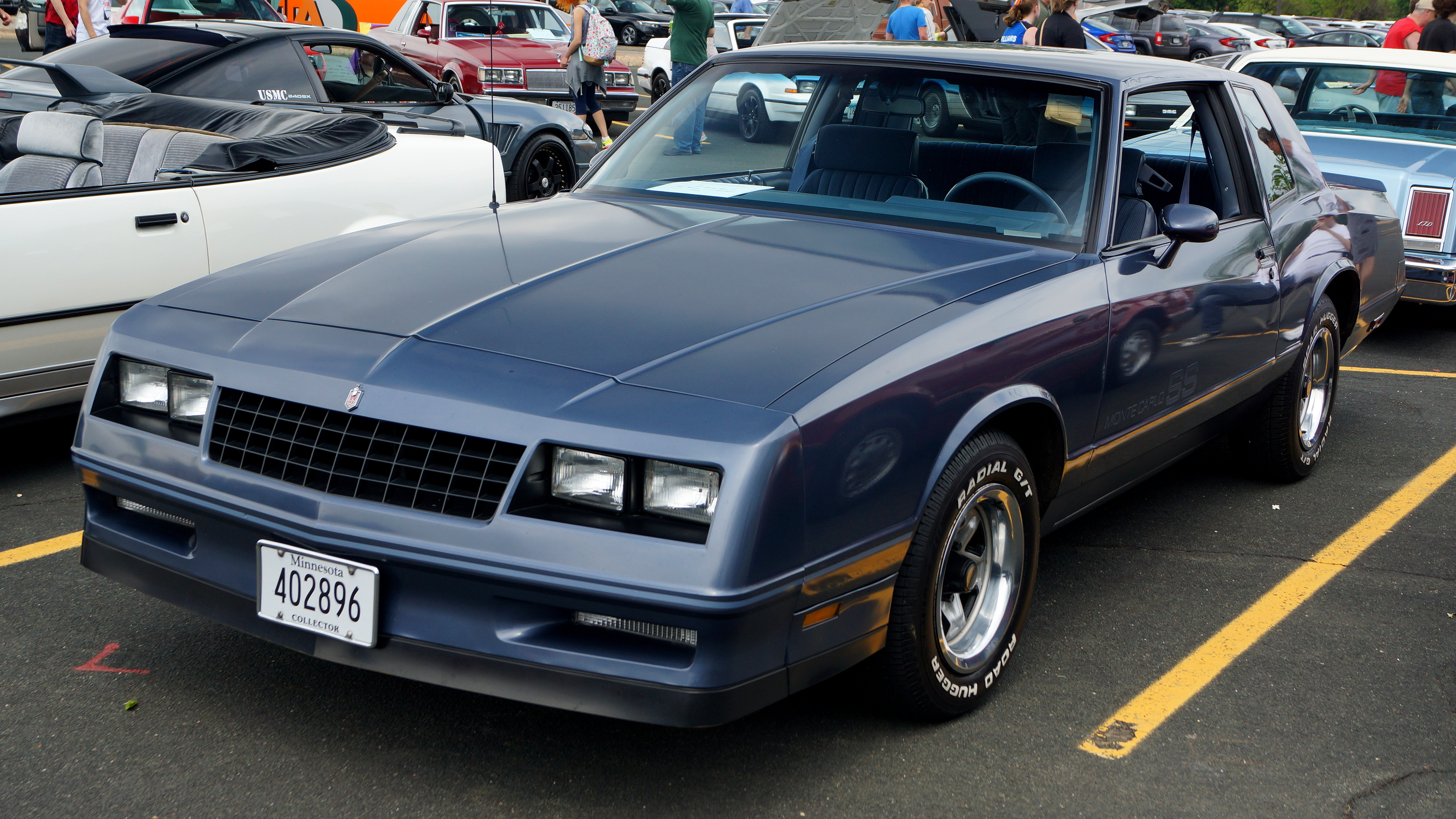
The Chevrolet Monte Carlo SS is a performance-oriented trim of the Monte Carlo, typically associated with stronger engines and sportier equipment than base models. In this segment, it’s part of the lineup of big American two-door coupes that the hosts say are “coming back.”
They’re talking about how, in the past, manufacturers would take a big family-style car and just remove the rear doors to make it a coupe. It gave the coupe look, but the car was still big and heavy like a “boat.”
This is about a common misconception: coupes are often marketed as “sportier,” but in practice they can be heavier and less agile than their four-door counterparts. The episode points out that the coupe body style doesn’t automatically mean better performance—weight and packaging can work against it.
A bigger door can look and feel more premium and make getting in easier. But it also usually means the door is heavier, so the hinges and supports have to be stronger.
The door hinge assembly is what lets the door swing open and closed. If the door is heavier, the hinge and its mounting hardware have to be stronger too.
They’re talking about how a car company tried to sell itself as a luxury brand in North America. They’re saying a coupe was part of the strategy to make the brand feel special right away.
A “bespoke coupe” is basically a fancy way of saying a premium, more exclusive-feeling two-door car. The idea is that the brand wants it to feel special, not generic.
They’re talking about the Acura Integra in a two-door “coupe” form. The discussion is about how some cars called coupes are actually closer to hatchbacks, and why the manual versions still feel special.
Concept
coupe vs hatchback distinction
They’re saying some cars people call “coupes” are really more like hatchbacks. Even if the shape looks similar, the design and practicality can be very different.
They’re using “sedan supremacy” to mean they think sedans are often the better choice than coupes. It’s basically a debate about which body style they like more.
They’re talking about how sports cars used to almost always be two-door. Then they clarify they’re not just talking about true sports cars—they mean regular cars that got a two-door version.
“DSM” is an enthusiast nickname for a specific group of 1990s Mitsubishi/Eagle/Plymouth cars that were related. The hosts are saying the car they mean isn’t one of those exact models, but it’s similar under the hood.
Concept
two-door vs four-door body styles
The hosts are arguing that two-door cars (coupes) often feel cooler than four-door cars (sedans). They’re talking about how the shape and proportions can make a car seem more sporty.
The Dodge Neon was a small car that came as a four-door sedan or a two-door coupe. The hosts are basically saying the two-door version looks and feels cooler.
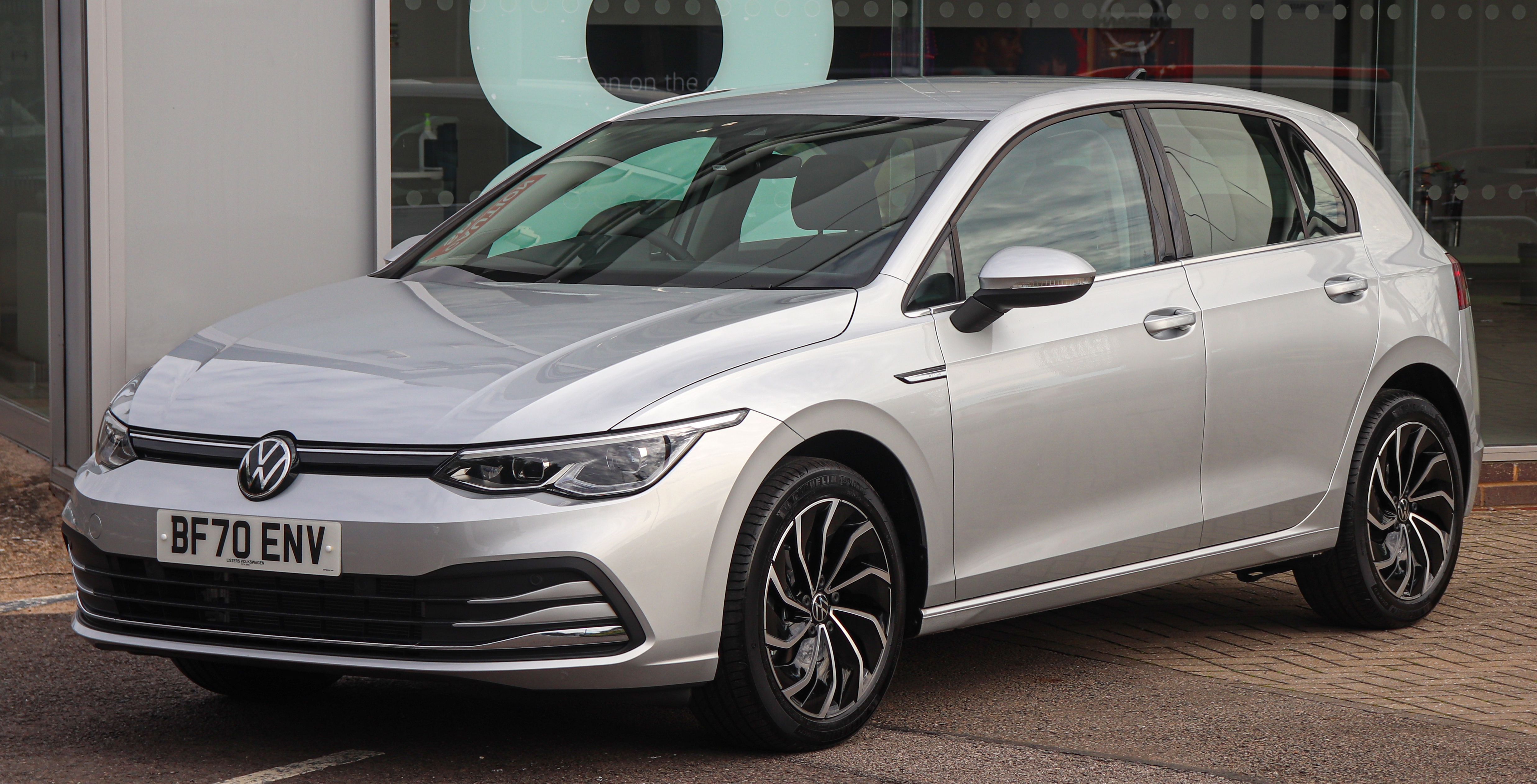
The Volkswagen Golf is a popular compact car, usually known for its hatchback. The hosts are talking about when it was offered with four doors and saying they didn’t like the look.
Concept
Coupe vs hatchback body-style labeling
A “coupe” usually means a two-door car, but people don’t always agree on what counts—especially when a car is shaped like a coupe but has hatchback practicality. The hosts are basically debating labels based on how the car looks and how it’s built.
The hosts are joking about “making it a coupe.” It means taking a regular car and turning it into a two-door version because people at the time wanted the sportier coupe look.
The Volkswagen Jetta is a common Volkswagen model. The hosts are basically saying that when people wanted coupes, companies sometimes turned popular cars into two-door versions to sell more of them.
The Chevrolet Impala SS is a sportier version of the Impala. The hosts are saying it would have looked cooler and more aggressive if it had been made as a two-door coupe instead of keeping four doors.
The Pontiac GTO is a classic American muscle car nameplate, strongly associated with the idea of a more aggressive, performance-focused two-door. Here, the hosts imagine an “in-period” restyle of a Chevrolet Impala SS coupe into a Pontiac GTO-like look, showing how branding and styling cues shape car identity.
In car culture, a “cultural icon” is a car people remember because it showed up in the culture—like music videos or movies—not just because it’s fast. It’s more about the vibe and reputation than the technical details.
“Drives like a taxi” usually means the car feels ordinary—more about being comfortable and easy than being fun or sporty. The speaker is basically saying it doesn’t feel special to drive.
The Mercury Marauder is a performance car made by Mercury. The podcast is reacting to it as a car that would feel strong and aggressive. It comes up because it’s known for that muscle-car style and attitude.
The grille is the front opening (often with a mesh pattern) that sits behind the bumper and helps with airflow to the radiator and cooling system. In car spotting, grille design is also a major visual identifier for trims, model years, and aftermarket swaps. Here, the host initially uses the grille to identify a Nissan 200 SX, then realizes it’s been swapped onto a different car.
A facelift is when a car gets updated styling during its model run, like new lights or a new front grille. “Final generation” means it’s the last version of that design before the next big redesign. People often recognize these versions by the front-end look.
A limited-slip differential helps power go to the wheel with grip. Without it, one wheel can spin more easily, especially when turning or on wet roads.
“Hold their value” means the car is still worth a lot when you go to sell it later. That usually happens when people really want that model and there aren’t many good options around.
Fog lights are extra lights on the front of a car, usually mounted low. They help you see better in bad weather, and here they’re being praised for how they look.
Aftermarket parts are made by companies other than the car’s maker. The host is saying the fog lights look like they were added later, but they’re actually installed from the factory.
Term
14
That “14” is probably the wheel size—14 inches across. Wheel size affects how the car rides and what tire options you have.
A wheel cover is a decorative cap that sits over the wheel. It’s often made of plastic, so it can look cheap even if the actual wheel underneath is metal.
“Grand Coupe” usually means a car that looks coupe-like from the side, but it has four doors. The host is saying that doesn’t count as a true two-door coupe.
They’re using the Toyota Supra as an example of a current coupe. They also mention it’s related to another car from a different brand, which happens a lot with modern sports cars.
They mention the Subaru BRZ as another modern coupe option. It’s a small, sporty two-door car, and it’s connected to the same kind of partnership as the Supra.
They bring up the Miata, but point out it’s a convertible. That’s important because a coupe is usually a fixed-roof two-door, not an open-top roadster.
A coupe is usually a two-door car, and a sedan is usually a four-door car. This segment is basically about which type of body style Honda still sells in certain models.
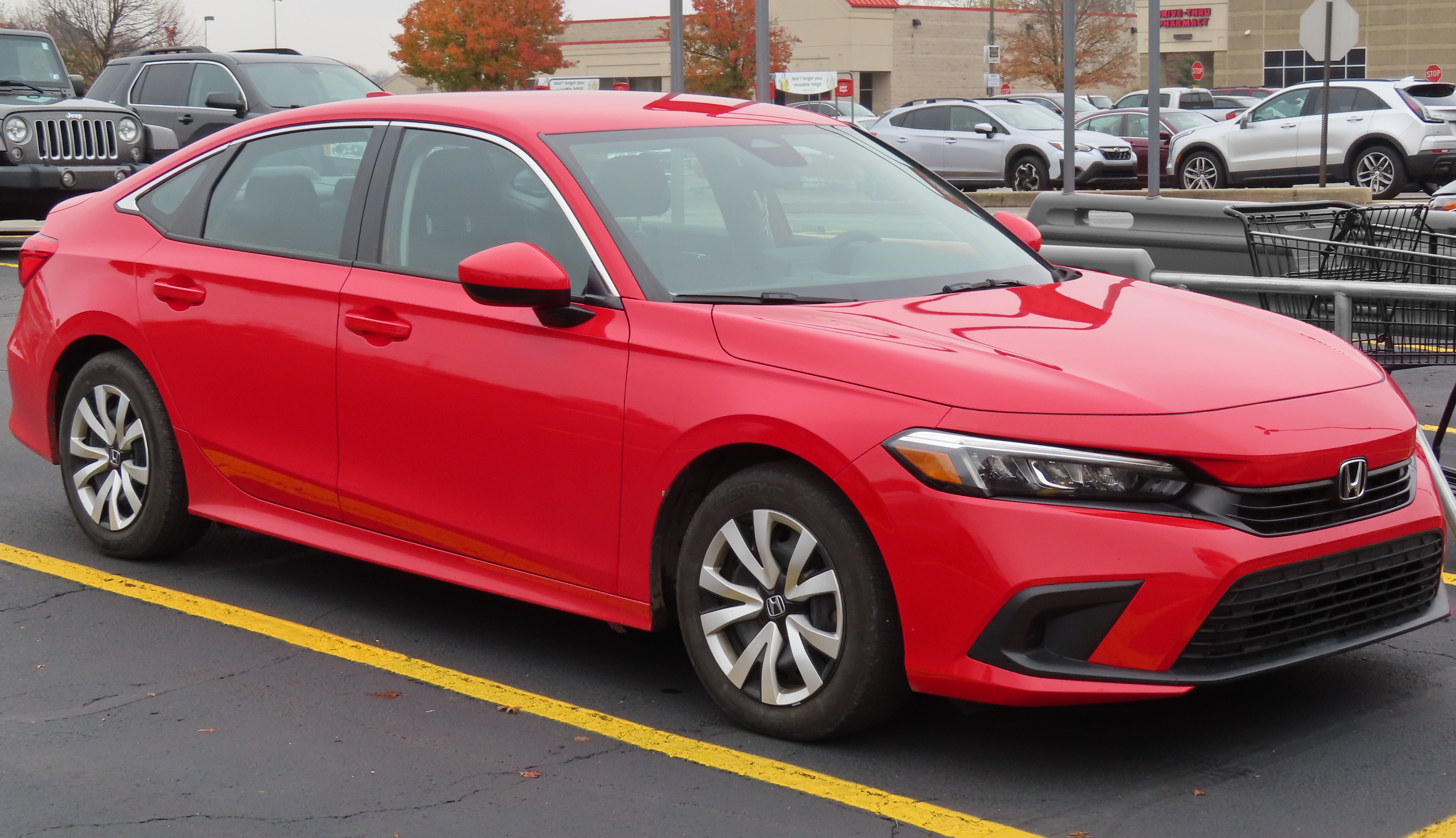
The Civic is a Honda model that has come in different shapes. Sometimes you could buy it as a coupe (two-door) or a sedan (four-door), but the coupe option has been gone for a while.
The Accord is another Honda model that used to be available as a two-door coupe. The point here is that you can’t really get that coupe version in today’s lineup.
The Mustang is Ford’s famous two-door performance car. When people say “the Mustang,” they usually mean a whole style of car—sporty, loud, and made for enthusiasts.
A platform is the car’s basic “skeleton” and major structure. If two cars share the same platform, they’re built on the same foundation, even if one is a coupe and the other is a sedan.
A coupe and a sedan are different body styles. A coupe usually has a sportier roof shape and can be tighter in the back, while a sedan is generally more practical for everyday family use.
GMC is a truck-and-vehicle brand from General Motors. Here it’s mentioned as an example of a manufacturer that (in the hosts’ view) didn’t offer as many coupe options.
The Toyota Tercel was a low-cost Toyota from the 1980s/1990s. The hosts are using it to illustrate that even budget cars could be had with coupe-style options.
They’re basically saying it’s getting harder to buy the same car in both sedan and coupe form. Automakers are moving away from coupes, so you don’t get as many choices.
The Jeep Wrangler is an SUV built for off-road driving. It’s designed to handle rough roads better than many regular cars. The podcast mentions it because it’s often grouped with other truck-like vehicles when people talk about vehicle types.
CLA is a Mercedes-Benz model name. It’s a compact car that’s sold as a sedan, and the hosts are saying Mercedes still offers it even if other coupe-style options are disappearing.
This is describing how some cars are set up: the engine powers the front wheels and uses a four-cylinder engine. The point is that two cars can both be called coupes, but feel totally different because of how they’re built.
Turbocharged means the engine has a device that forces extra air in, usually making it feel stronger. It’s often associated with more performance than a naturally aspirated engine.
Curb weight is basically how much the car weighs when it’s ready to drive, without people or extra stuff inside. The idea here is that a coupe might weigh less than a bigger, more complex body style.
Concept
coupe vs sedan (backseat practicality)
A coupe usually has less room in the back because it’s a two-door design. If you don’t use the back seat much, that downside matters less, and you might just prefer the look. The hosts are basically saying it’s often more about style than practicality.
“Entry level” refers to the lowest trim or base version of a model. In this segment, the hosts use it to explain that some cheaper base configurations may offer a two-door/coupe option with a small price premium or discount. That matters because the body-style choice can be less about performance and more about packaging and cost.
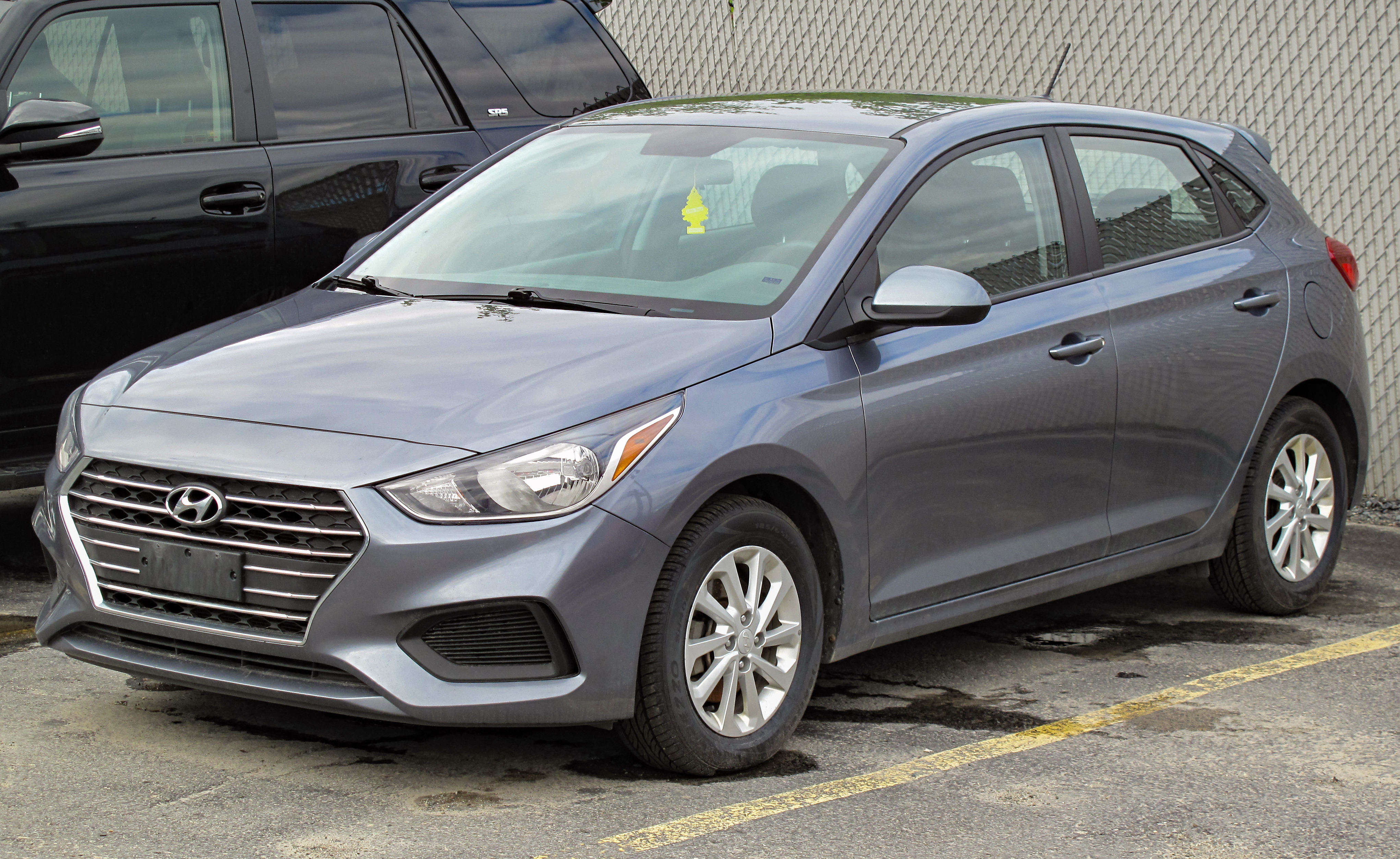
They bring up the Hyundai Accent to show that even a small, budget car might offer both a coupe and a sedan. The idea is that the coupe choice is often more about preference than real everyday usefulness. They’re also pointing out that the price gap can be modest.
MSRP stands for Manufacturer’s Suggested Retail Price—the sticker price a carmaker recommends before discounts or dealer negotiation. The hosts mention saving “350, 400 bucks off the MSRP,” which implies real-world pricing can be lower than the advertised baseline. It’s a useful concept when comparing trims or body styles because the discount can change the actual cost difference.
The Nissan Versa is a small, budget-friendly car. Here, they’re saying the sedan was cheaper than the hatchback, and the base version had very few features.
An automatic transmission is the kind of gearbox that changes gears by itself. They’re saying his car had the automatic option, along with air conditioning, even though it was otherwise a very basic trim.
Air conditioning cools the inside of the car. They’re pointing out that the brother’s cheap car still had A/C, which wasn’t guaranteed on the most stripped-down versions.
The Toyota Cressida is an older Toyota sedan from the 1980s. They’re talking about it as a cheap first car and how someone added a basic aftermarket stereo.
The Toyota GR 86 is a two-door sports car from Toyota. It’s built to be fun to drive, with a focus on handling and driving feel. The podcast mentions it because it fits the conversation about sporty coupes.
“Single DIN” is the common size standard for car radios. If the radio doesn’t match the dash mounting design, it can end up wobbling or not being held securely.
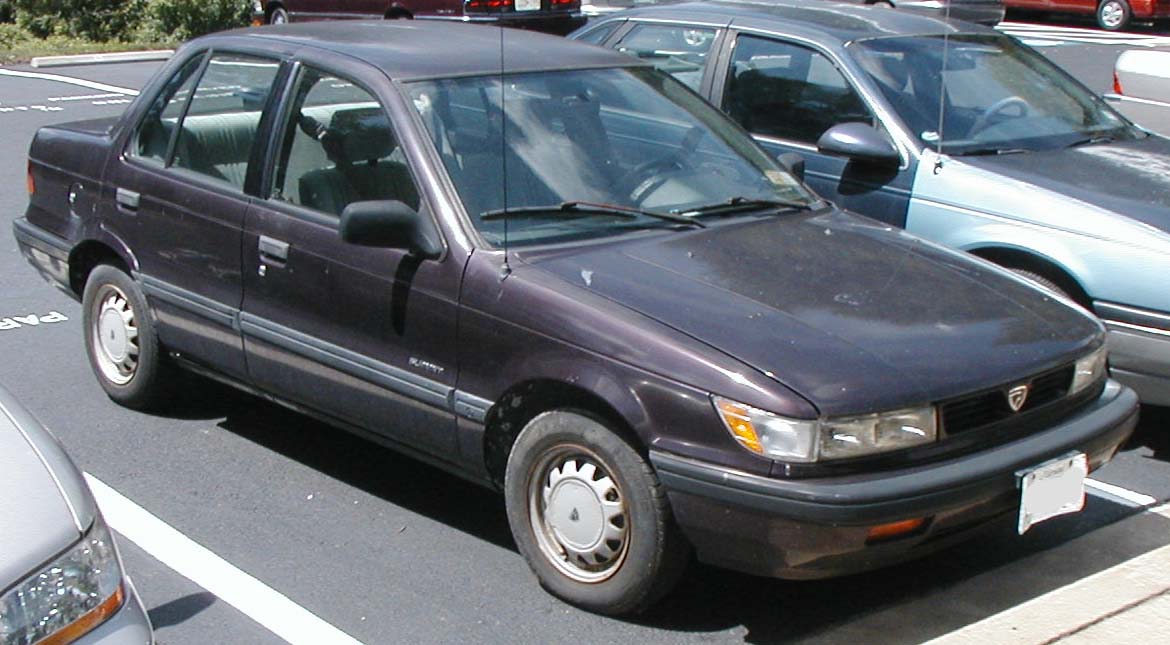
The Eagle Summit is a compact car model. In the podcast, it’s mentioned because the speaker owned one as a wagon and even points out that it didn’t have a radio. That’s why it’s brought up—because it’s a specific personal example.
Door cards are the plastic/trim panels you see on the inside of the doors. They sometimes have built-in spots for speakers—if yours doesn’t, you may have to modify the panel.
A “coupe” is usually a car with two doors. People talk about “coupe appeal” because the shape looks more sporty and stylish than a typical four-door sedan.
Wheelbase is how far apart the front and rear wheels are. It affects how roomy the car feels and how it drives, so changing it isn’t a small tweak.
LIVE
In a world with entirely too many shows about cars,
this is another Pointless Automotive Podcast.
Hell yeah.
Oh yeah, I'm supposed to bring this thing in.
What's up?
Hi.
What's up listeners?
What's up viewers?
Welcome back to another Pointless Automotive Podcast.
We're happy to have you with us.
Frank, this is a fun one.
This is kind of the, a little while back.
I think it's probably a month or so at this point.
This is the, it's been a month since we talked about shit.
The antithesis of the, I believe we called it the sedan supremacy.
Yes.
Which is mildly uncomfortable, honestly.
Yeah.
Well, we're not going to get into the slave and master cylinder talk right now.
But no, no, or, or Jesus Christ is Jason Bourne.
I don't know.
Jesus Christ.
So this is the counter punch to that.
We're going to talk about coops.
I like the cult of the coop.
I think is a good title working title.
We're throwing around in the, the conference room.
But dude, let's think back.
And this is, I, I focused, I focused most of my, my content in this conversation with
the nineties, cause I think early nineties to mid nineties was like,
where the coop kind of like got big again.
So I don't think anything had a, yeah, I don't think it had a death grip on anything.
Like just the idea of like even four door models cutting off two doors just to have a fucking coop
version to sell more.
That's how big coops were in that period.
So I just want to open it up to like general conversation about coops and,
you know, just like super high level.
And then if we want to talk about some killer coops from that period or whatever,
let's get, let's get it on, dude.
Let's get it on.
Yes.
Um, and yes, of course, hello listener.
Hello viewer.
Um, will we one day have tasters?
I don't, I don't know.
They're listening.
There's other sentences that we have to unlock here.
Oh, okay.
Fair.
Welcome feelers.
Um, oh, we definitely invite that.
Let's, let's be brutally honest.
Yeah.
I wonder, can we have a, can we have like, um, was it like a, like a bit on, um, Howard
Stern?
Was that, was that intro where he was like, he was like humming into like a,
like a subwoofer sitting on intro to succinct for you, Frank.
Is that where you're pushing back on right now?
Okay.
Yes.
I thought I found that resistance.
You felt that like some of our viewers will eventually, when we have like a,
like a podcast enabled Sibian or whatever, but then we will have listeners that will
be viewers that will be feelers that will be tasters.
Um, smellers will have smellers.
Um, and do a line of APA, the Sibian reference.
If, if you like both of us know what that is, you're in the right place.
Yes.
Welcome.
Welcome.
Well, where do you want to start us off with a coupé, coupé talk?
I do like, you like a good coupé.
I do like a good coupé and I like the thought around, and, and we've talked about this before.
I mean, we talked about a little bit when we had dug on was like that the, the kind of
the early to mid 90s, even a late 90s was like peak coupe.
We talked a lot about cheap convertibles and cheap cars in general, but there's coupes.
You had to have a coup.
Literally.
I had to.
Yeah.
It was just a no brainer and now nobody has coupes, but there was a time and that was the
time, uh, Honda Prelude shakes fist at your statement, but go ahead or even just.
Sure.
Right.
They're going to sell their 4,000 a year or whatever and whatever.
Are they?
Sure.
They, oh, eventually they'll make them, they'll sell them, they'll sit, but for a while to
your point about the Prelude and how we're laughing at it's going to be a sales failure
and there's a lot of reasons for that.
A coupe being chief among them.
The Honda Civic coupe for a long time outsold the Honda Civic sedan.
Absolutely.
Um, and I'm going to talk about the hatch.
I'm just talking about the, like the, God, what was it before the EP?
The EG?
E.K.
E.K.
E.K.
Yep.
The E, like the E.K. has a coupe, a proper trunk, not hatched coupe.
Yep.
Outsold by a wide margin.
I think.
Anyways, I don't know.
I don't know.
I'm pretty sure it was a higher secret.
Yeah.
They did significant, they did outsell the sedan, which is unfathomable today.
Oh, sure.
Um, so yeah, that was, that was the time of coupes.
Um, and I, what I love as an example of this theory that you had to offer a coupe in period
was my favorite generation of Camry, the X V10 Camry.
That's the 92 to 90.
The 76.
Camry.
Yes.
Was the only pure Camry, put the salara aside.
Yeah, I was going to say salara.
Only pure Camry.
That was, that was a coupe and a wagon.
Uh-huh.
Um, and it's just like, they did that and it was successful and it looked good.
I, we, they do look.
If you listen, if you listen to this part with any regularity, you know that I'm absolutely
just sweating with anticipation of one day owning a, an X V10 Camry SE V6 manual coupe.
It will happen if you have one out there.
Um, and you're not of the, I know what I have and I want $25,000 for it.
Um, proclivity.
Let me know.
I want one really badly and it's silly.
But it's such a, it's just a clean, good, well-built coupe, good machine.
And, uh, you know, they're, they're few and far between at this point, which is weird
because it was a long lasting vehicle.
Yeah.
They just, you're right.
I think I'd be doing back then though, right?
Like let's talk about this period, right?
A coupe, even though not dynamically divergent from their sedan counterparts was just automatically
given the sportier personality without necessarily any engineering behind it.
But look at it, two doors got to be lighter weight, even though sometimes they weighed
more because they made extra long like front doors.
But the, the funny thing was what these car, these OEMs paid huge amounts of money to convert
their sedans into coupe versions just to, to hit this like new trend.
And I think that's wild.
I don't think the markets that reactive anymore.
Obviously it's everybody gets a crossover.
You get a crossover.
You get a crossover.
But I love, and I'll get into some of the weird stuff, but you nailed it.
Like you started right off with the EK and I think the EK two door like EX Civic was
such a hot car with that little, uh, single overhead cam V tech motor, um, putting out
127 horsepower.
I love what I know that.
Um, but a good little, a good little car.
And I really liked the interiors on those two.
But like you said, those things sold so well and they looked so good with a, with the coupe
design.
But before that, you had like the CRX, which like bled into becoming a Del Sol SI, which
are only coupes, which is, which is like definitely what brought that, brought that into the,
the light.
But I love, I love that period of like everybody, you could get a coupe and like, oh, in a coupe
and sedan, you're next to each other, same power plant, same drivetrain, everything.
And you're like, no, the coupes, the coupes, the sporty choice, man.
What are you doing?
Getting that family haul?
Yeah.
Uh, it's, it's cool.
It was much more of a statement.
Like you, you would get the mechanical twin to a sedan, but as a coupe and, and you're
telling to the world like, look how much more fun I am than a loser over here with four doors.
And, and look how much more playful and sporty I am.
And, and I don't know, single and ready to mingle.
I don't know.
Like different, different things to different people.
And, and, and even within the world of coupes, you then stratify it out.
Right.
Like if you had a, if you had a 328 is like an E 36 coupe, you're saying something different
than if you have the Paseo coupe, that if you have the civic coupe or the 200 sx or the,
the, the, the fucking W or I should say C 140, the, the s class or, or the Hyundai scoop
coupe.
Yes.
Or the Mirage DE coupe.
You know, it was actually getting, yeah.
I was like, wow, what a, what a cool French garment to be.
She, but it's, it's, it's of coupe.
Um, but it was so cool how like, like it was such a popular thing that they were writing
coupe in the fucking title or the trim level, which I, I thought was really killer.
But to take it even a step further, cause we're naming kind of like compacts, right?
Here mostly big cars, big cars with two doors.
That's 500 coupe s 600 coupes.
That was a, that was a 40s and 50s thing, big, big boats with two doors.
And it was coming back because coupes are coming back.
So you had stupid stuff like Buick Riviera's like the eight gen Riviera was a giant coupe
with a, uh, 3,800 Buick motor in it, which is like one of my favorite motors.
We know that and supercharged at the end of their life.
Kind of cool.
You had like Cal, uh, Cadillac Eldorados.
You had the Monte Carlo SS's.
Uh, I know.
I hate that car, but yeah, Lincoln, Lincoln, Mark sevens.
You had all these boats, these substantial vehicles that they just said, fuck it.
Run it.
Run it with two doors.
Yeah.
But red is a little smaller mid-sized.
Yeah.
Yeah.
But still you're right.
Like we need the two door version of everything.
Right.
Love it.
Um, yeah, it was just, I don't know.
It's a wild time.
Like where coupe was so popular that we had these giant cars that absolutely should have
had four doors, but just cause they looked, it was that cool factor chop off just two
doors only, even though it's a boat, we're going to float it dude.
And I think that, that like symbolizes how much of a death grip really that the coupe
had on us.
Yeah.
And what's interesting is like, and you had mentioned earlier about like, Hey, the
coupe is the sportier one, but not always.
Right.
Sometimes it's heavier.
Sometimes it's more dense or whatever.
Yep.
And you mentioned the concept of like, Oh, it's got this bigger door.
So it's heavier as C 300, as C 400.
Yeah.
If you ever are messing with those cars and just the door hinge assembly on one of those,
it's like everything that's in my garage door over here, like all of the hardware going
up to the ceiling, everything, it's like you get all of that and then make it out of steel.
And then instead of aluminum and then you just like, cause the doors, they pull out,
it's a whole mechanism for these huge ass doors.
But that's, you know, for the sake of styling, for the sake of, you know, expressing, you
know, in that car, it's more upscale and luxurious.
And I can afford to have a nice coupe.
I can afford to be slightly impractical.
And I love those coops yearly.
I think they're really cool.
But yeah, M 30, infinity M 30.
You're right.
Just like the Nissan at the time is, Oh, we're launching a luxury car company in North
America.
Chief among our offerings has to be a coupe, a bespoke sort of bescope.
It was a leopard in Japan, but bear with me.
Right.
Yep.
Yep.
As far as the marketplace was concerned, a bespoke coupe for this new brand that we're
launching, right?
Lexus effectively, they waited a couple of years and then, and then had the SE 300.
SE 400.
You had the legend coupe, Integra coupe.
Ooh.
That's really more of a hatch.
But that legend was that legend coupe with a manual is still something special.
Isn't it?
Yeah.
Isn't it?
Yeah.
And just killer looking car.
Absolutely pretty thing.
And yeah, you know, we talked about sedan supremacy and there's a lot of cars that we prefer in
sedan form.
Yep.
As compared to the coupe.
God, there's so many good coupes.
So there's so many.
And the thing is too, we want to draw a distinction because sports cars have traditionally always
been two door cars.
So we're really not talking about the continued legacy of sports cars.
We're talking about like regular car variants that just they made a two door version of
and it kind of became a thing.
How about like, I think the DSMs were kind of cool.
I think it's interesting because I think that would have been an easy platform to make
like a lot of four door variants, but they didn't.
They kept those all one doors.
Well, yeah, right.
Yeah.
It's super rare.
Technically not a DSM, but not a DSM.
Correct.
But yeah, power plant drivetrain wise, exactly the same.
A lot of your four in case anyone's in the not know.
But yeah, like those were cool coupes and like everybody had something like I like to think
of cars that are just better as two doors and four doors because we did that during the
sedan one.
And this might be the first one's obviously a confrontational shout out to Frank.
He'll contest this, but these cars are way cooler with two doors.
The accurate Integra.
You know it.
I know it.
Dodge neon is way cooler as a coupe.
Yeah.
Inarguably.
And I will say the Mark four Golf, which was the first time you could get a Golf with
four doors.
And I always thought this looked not good.
I don't think it looked this because the hatch thing for me was like a small two door
vehicle and it just didn't look right.
The proportions were right.
So is that a coupe though?
You can at the end of the Mark four area.
Yeah.
It's a two door hatchback.
It's still, it's still a coupe ish.
I wouldn't call it like you know what a coupe, but the FX 16.
GTS.
True.
But I guarantee, I guarantee like because it was at that time when you still had the
four door, the four door variant had just come out because at that point in the early
2000s, we were starting to go to sedans because the coupe was fading.
So it was kind of cool.
They still kept offering the coupe.
And I think the coupe looked way better.
And I think that was one of those situations where they were trying to keep up with the
times because there had never been a Golf GTI four door before that.
Or how about Mark one, just while we were Volkswagen, a company I famously forget frequently.
True.
No, not like a, not like a Sorocco or or or Corrado, but Mark one and Mark two Jettas.
Mm hmm.
As coops.
Super neat.
We're cool.
Yeah.
You rarely see them, but they're there.
So when you see them, you know, it's very much, it's very much a product of its time and
the fact that they say, Hey, we need to cupify this thing because Americans demand coops.
And so we got a Jetta as a coupe and it made sense here and they sold a bunch of them and
they're really, really cool when you see one out in the wild.
Yeah.
You can put an MX in front of something like an MX six and that's the coupe version of
the exact same car almost.
So I think, I think that's, that's a pretty cool thing to me.
How like just we, it's two doors or it sucks during this period.
And I think automakers felt that pressure.
There's creative ones.
I do think some of the bigger cars we mentioned was like a little stretching it a little bit.
I think Impala SS from the mid 90s should have been a coupe.
Ooh, that could have been mean.
I know.
I think it should have been a coupe.
I really do.
I think, I don't know why they kept four doors, but it, it's still a cool car nonetheless
at the end of the day.
But man, I think, I think that would have looked a lot more menacing as a coupe.
Can you imagine if they made in period, if they, if they had the Impala SS from Chevrolet
and you made a coupe variant, restyled a fair bit as a Pontiac GTO in period.
I could feel that.
Now they didn't sell those cars in enough numbers to care, but that like that, that Impala SS
was like, he was in rap videos.
It was, it was like, it was kind of iconic.
I personally don't like those cars that much.
It drives like a taxi.
It does.
But like there's no denying how kind of a little bit of a cultural icon that was in period.
Tons of attitude, tons of attitude.
Double down on the attitude.
That's one of those, like a black coupe version of that.
Just like, yeah.
Oh, so good.
Tour Marauder.
Tour Marauder would be nasty.
Yeah.
Oh, missed opportunities.
But I don't know, man.
I think I nailed it.
Would you contest?
Obviously you're going to say some bullshit about four door sedan and Tigris.
Sure.
But you agree with that list pretty much.
Neons for sure looked so cool as little coupes.
Yeah.
And honestly, yeah, Neons for sure.
First and second gen and Tigris are certainly better as two doors.
Yeah.
Yeah.
The DC third gen one or the one that I'm team four door on.
Yeah.
But I'll tell you, I actually, it's funny, a quick aside.
I got bamboozled today.
Did you?
I was driving.
I was on highway 37 and merging to highway 80 in Vallejo and behind me.
I see a pretty clean just from looking at the grill, right?
Like probably a facelifted final generation that we got 200 sx.
So this would have been like a 98 or a 99.
Yep.
200 sx.
I was like, oh, cool.
Then a pat.
And then I see it go to pass me.
Oh, it's actually forwarded.
They put the 200 sx grill on a central.
And I was like, ah, you got me.
But even that, like you'd have companies making coupes.
And I actually just actually kind of like those cars.
Yeah, you do.
Like you're, you're weird.
I mean, it's, it's not a good car.
It's the cheapest way to get an SR 20 for sure.
You don't get the limited slip at all.
Not even an option.
The dead V max on the rear.
Not a B 13 though.
Come on, man.
It's not, it's not there.
No, it's not.
It's not.
And look how good the B 13 is as a coupe.
Talk about another hot sporty coupe.
Yeah.
Yeah.
Cool.
Good looking car.
Yeah.
Just great.
And it was, it was everything.
Dodge Avenger to those.
You don't see them.
They don't exist anymore.
No, they don't.
I liked in period when I was a, again, throwback last week,
when I was a child, I thought those were rad.
I thought those were really cool.
I didn't know better, but I thought they were dope.
They looked good.
They were a little aggressive.
Yeah.
And, and yeah, or, or 2.5 RS coupe.
Oh yeah.
Right.
Right.
They did look good as a coupe.
You're right.
They did.
And they hold their value so well because they stopped after
that when we, when 2002 rolled around, we got the WX, WRX.
That's great.
We never got a coupe.
It would have been cool to get a coupe WX.
I mean, it was a little late for the coupe game, but that would
be fucking cool.
That would be so cool.
You're right.
That's a good call.
If, if, if, when I run into Bezos in a men's room at some sort
of eyes wide shut party and I find a way to unalive him and
forge his will and inherit his, his wealth.
Yeah.
As a parody in Minecraft, they, and I would, I would do that.
I would like commission for that to be built somehow.
Oh, that'd be cool.
Imagine a bug.
Yeah.
Yeah.
Yeah.
That's a good one, man.
I like that a lot.
Yeah.
I'm trying to think what else.
There's plenty of real coupes though.
Yeah.
I think the center SCR is such a good looking vehicle even
today.
Really clean.
Yeah.
It's so clean.
It's so clean.
I love the fog lights that look after market from the factory.
The wheels could have been cooler.
I'm okay with the wheels.
They're 14.
They're okay, but I think, I think they could have done
something else with that.
They look like a plastic.
It's the best impression of a plastic like wheel cover, but a
real alloy that I've ever seen in my life.
It's funny.
So I'm thinking right now of right now trying to like mentally
go through manufacturers and like figure out who is even
making a coupe today.
BMW, Honda is now.
Definitely not a Grand Coupe.
Not a Grand Coupe.
It's like an actual two door.
Prelude.
Toyota is, but they share it with two different manufacturers
in the Supra and the whatever they're calling the fucking
BRZ.
Yeah.
We should avoid sports cars though because those are
inherently.
Yeah.
It's like say the two door Miata.
But even then, like I'm thinking of, yeah, but that's a convertible.
But like just thinking of like who is even attempting to
actually make coupes today.
I don't know if I can name a manufacturer in the nineties or
a model that you get a coupe or sedan in.
Yeah.
Like when was the last time the Civic was offered as a sedan
and a coupe?
It's been a fair amount of time.
Two generations ago.
Yeah.
With this, you could get the current SI you could get.
Remember the old SI's you could get like with a coupe
and sedan option.
Is that two gens ago or was it the last generation?
No, it's two or three gens.
I think it's two gens.
It's not the current, not the last one, the one before.
Yep.
Yeah.
You get SI.
Can you get a current?
No, you like.
I don't think you can get a, can you get a Civic Coupe now?
No, no, you can't.
You can't get a Civic Coupe.
There's that.
Can't get an Accord Coupe.
So Honda just, they have the prelude.
Wow.
And that's it.
But no, that, I mean, that's sort of the Civic Coupe, I guess,
but at any price like it.
Toyota?
No, not really.
Mazda?
Nope.
Mazda's made cars.
Yeah.
I mean, they have the three, but yeah.
They have the three.
Yeah.
That's it.
Ford, the Mustang, like that's, it's kind of its own deal.
Yep.
Chevy?
No one makes sedans more.
I mean, that's the challenge, right?
Oh yeah.
Yeah.
Nobody even makes cars anymore.
There's rare.
It's rare if you have a sports car, which is going to inherently
probably be two door.
But yeah, that whole idea of having the same, the same platform
be a sedan and a coupe is, unless we're missing something here,
I don't, I don't think we are.
Pick mid nineties.
I can't think of a.
Everyone.
GMC is probably the only manufacturer that didn't make a coupe.
Yeah.
Everybody else.
Yeah.
Every the most common cars, like you could get a coupe Cavalier.
You could get a sedan Cavalier.
You could get a grand damn coupe.
You want a cheap car.
You're getting a coupe.
Yeah.
That's what you're doing.
A Tercel.
But when you, it's, but when your family grew, you could buy this
sedan, which was the exact carbon copy of that car with four doors.
Nope.
Wow.
I don't think anyone does.
I think that's a good, that's a huge, if you got, if you got
anything and you're listening to this, I can't think of a single
OEM that makes it sedan and coupe of the same car anymore.
Yeah.
It's, it's, um, it's sad.
Yeah.
And not talking about trucks either.
Like obviously like the Wrangler and the, I mean, I guess technically.
Right.
Those, those are four and two door, but not like cars.
Right.
Yeah.
There are cars, but what I would say technically the current
Mercedes Benz two series.
Mini coopers.
That's a hatch.
I get it.
No, I know, but like as close as we're going to get, I think.
Well, I was going to say, so the, the, the Mercedes Benz two series,
cause you can get like a two, what is it?
The 228.
Oh, whatever the fuck.
As a sedan.
They still sell the CLA.
I know that was pretty recent and you could get a Cooper.
No, no, you couldn't get it.
You could not get a CLA.
It was like a four door coupe, but it wasn't a real.
Okay.
Coop.
But yeah, and Mercedes Benz a two series and then you can get the two
series coupe, like a two 30 or a M two obviously, but they're wildly
different cars.
They're really like, cause once front wheel drive, four cylinder
or four cylinders and the other was like turbo charged, flint, fire
breathing, that's really in name only.
I guess just like the prelude is the preludes closer to the two door
Civic.
Oh, it's a hybrid two door.
Yeah.
But it's in that they don't share a name on like the two series.
So, um, cause even a three series is a four series.
So, you know, for a coupe.
How about the, how about the car sitting behind you?
Look at that.
You could get a focus.
Yeah.
Even in that rare trim of the SVT, you could get a sedan or a coupe.
Yeah.
Sedan.
Yeah.
It's a hatchback, but still, I mean, the offering was there.
It's just wild.
Yeah.
It's, it was up and down the lineup.
Like, and then, yeah, there's, I don't know.
Like, as I said before, you go back to the nineties where we started the
conversation.
It's like name a manufacturer that did not make a coupe.
That isn't like, well, even like X caliber and like the, the neo,
neoclassical shit, like you have the door and the two door,
yet more tour, two doors, actually.
Well, it's real easy to say that a sedan is better because of practicality.
What, what advantage does a coupe have besides aesthetics?
Point chicks.
I could just, yeah, it's, it's gotta be the looks.
I think there were some that probably had a little less curb weight
because there was less moving parts.
Like a more luxurious one probably saved a little weight.
What other, I mean, is there any advantage to a coupe?
I don't, I think at the end of the day, when you boil it down,
I can't think of a reason why the coupe is, is better.
Well, styling aside, cause that's subjective.
I think if, if you're Shaquille O'Neal and you're not trying to squeeze.
I often, I often contemplate this.
Yeah, go ahead.
Yeah.
Um, didn't you have like an enormous round bed?
Oh, did I tell you I once had a round bed?
I didn't know you were going to say bed.
Um, okay.
Yeah.
Yeah.
Um, I see hot.
Uh, the, no, I, I once upon a time, I had a round bed.
I had it, somebody gave me a, gifted me a round bed, uh, Jackie,
if you're out there, shout out.
I had a water bed at one point and that's a, that's a sip.
It's a product of the times.
I also, uh, it's another aside, I think it was Treasure Island.
Uh, it was in the restroom at the same time as Shaquille O'Neal.
Dropping deuces.
Uh, oh.
Yeah.
It was one of the highlights of my life when I came out,
high-fived all my friends that were waiting for me.
Good time.
Wow.
I think my shit was bigger.
I find that hard to believe.
I feel like that man eats probably 800 calories a day.
You need to be around me a little more, Frank.
I'm a disproportionate shitter.
Let me tell you that.
Okay.
Okay.
I just imagined just a t-shirt, just a plain white t-shirt.
And then just in black, like block letter, disproportionate shitter.
Yeah.
I should be.
Yeah.
And they don't know which way, like extra big, extra small, right?
Are you like, um, pushing out, pushing out angel hair?
It's a conversation.
They'll start like the little play-doh machine.
Exactly.
Like a single angel hair strand.
One strand of concentrated fecal matter.
Right.
But it has to come out like super, super fast.
Oh, dude.
It's like fishing line being let out.
Yeah.
Yeah.
It makes it.
Um, fish on.
So if you're Shaquille O'Neal and you're not waging war in a restroom,
no porcelain warfare going on between you and some future automotive
podcaster.
And you, you're like, look, I'm Shaq.
I'm never going to use the backseat.
No.
Shaq.
The seat's going to touch it.
And I can have, but like perhaps in a coop, like a luxury coop,
you can, maybe you'll get a more expansive stretch of legs out
sort of experience.
If you know, you're never going to use that damn backseat.
Right.
Right.
Okay.
And so yeah, maybe, maybe that like, that can fit you better.
Um, otherwise it's, it's basically just a styling exercise except on
some of the really base model stuff where simply the two door was
like $300 cheaper than the entry level.
I have the perfect exam example of this, the Hyundai accent,
the Hyundai accent, you could have a coupe or a sedan.
It's like who gave a shit.
But the option was there.
And like you said, they probably could save 350, 400 bucks off the MSRP.
Yeah.
Yeah.
Similar.
Like I know, um, when my brother bought his ship box, uh, it was a 20.
God was it?
Oh, nine or maybe a 2010 Nissan Versa he bought new.
He bought the sedan because it was significantly cheaper than the hatchback.
Okay.
By significant, I mean like $900 cheaper.
That, but that was the cheapest car in America at the time.
So that's a significant savings.
It was the base, base, base sedan was like eight.
I think like eight, nine, 90.
It was $9,000.
Um, now you got zero options.
He, his was like 10 because he got automatic transmission and air conditioning.
Oh, but, um, a little blue for my blood.
Yeah, exactly.
No stereo.
There was a hole in the dash.
It was radio ready.
It was essentially an 0 for a Subaru STI.
Well, it was funny because it was radio ready.
And so he had a, um, his first car that I procured for him was an 88, uh, no,
86 Toyota Cressida.
And, uh, he had, um, he had like a, just a cheap aftermarket like Kenwood.
And he yanked that out of that car before he sold it.
And then he put it in his brand new Nissan Versa, but he just like stuck it in there.
So any brand new, like single digit mileage car with like this single din old
shitty radio, just like loose.
Like you hit the brakes and would like fall out or you'd hit the, like it was just
on a brand new car.
It was, it was great.
But it was, but it was like that Eagle Summit wagon I had, which had the no radio option.
There you could, you could put one into the dash, but there was nowhere for speakers
on any of the door cards.
So you would have had to like externally mountain it, drill your own holes.
Like hell yeah.
A different time.
Yeah.
Exactly.
Um, but yeah, like I think that's the only other, there were some Toyota Tercel where
like just the two door was marginally cheaper or five percent cheaper than the four door.
If you don't want to go to Paseo land, I understand.
Yeah.
Yeah.
Exactly.
Yeah.
I got to spend even money.
But yeah, like, um, otherwise, I don't know, do you, do you have any other than
just pure animal sex appeal?
Like why you would want that?
Or, or, I mean, there's also an air of classiness on some of the higher end offering stuff.
Right.
Right.
No, I think, I think it is an exercise in style.
I think that's the, the coupe appeal.
Some, I know some manufacturers actually did change like wheelbase and overall weight
to accommodate a sedan.
The amount of money, that's no way.
Yeah.
And today's like super hyper, hyper focused being counting activity.
Would they allow automakers to offer a coupe and a sedan where they have to physically
change any of the dimensions of the vehicle?
Cause that is so cost prohibitive, but like you think back then everybody did it.
And that was a common practice was to stretch it a couple of inches.
Right.
Yeah.
They call that.
Yeah.
It's, it's like docking.
No, no.
Oh, just when we're done here, just Google jelking.
I don't know how to spell it.
I'm just looking at, I'm going to take your word for it.
But, uh, you know, think of how much money that these automakers, just to make a, a version
of a existing, and like they said, they probably shortened the sedan to make a more sporty
coupe versions.
I think that's so cool.
Uh, which you would inherently change some of the dynamics, right?
Cause you're shortening the wheelbase.
Um, but coupes, man, do we bring them back?
We don't have a reason to, but some of them were so iconic and cool.
Yeah.
I think, I mean, what's it going to take for it to come back?
I think the way, the way you bring it back is like one manufacturer comes out and it's
just like nobody else is doing this.
And we want to be like the fun brand or whatever.
That's what it was.
And offer up, and offer up a coupe and figure out a way to do it.
Not like Honda has done with the prelude, huge swing and a miss where they can, I mean,
who, how about this?
Who do you think would be, you know, who do you think would be the best player to enter
this space and try and, try and come out with a, an interesting coupe.
And I'll let you define what interesting is for under whatever.
So that's, you're right though.
Like I think they were, they tended to be more affordable cars, right?
Like they were like catered towards the youth that don't need the four doors.
We don't have families yet.
We're like early twenties, mid twenties.
Uh, we just want something that looks cool.
Yeah, dude, or just nothing but butt stuff.
But I think, I think to be honest to your question, Honda all day could make another
two door civic sport or civic SI.
I think that would still be really good.
I think that would resonate with the youth.
I think it could look good.
I think they could put some design into it and actually make it a cool looking car.
Cause a coupe does look some of the times they did make them look like very diverse
from the sedan version.
So I think, I think that's the play.
I think Honda would do that.
I think they were a major player that could sure pull that off with effective design.
I'd like, I'd like Nissan to take a shot at it.
Oh, um, if, if they did, whether they make it a Sentra coupe, I don't know that the
Sentra has a ton of like brand cachet right now.
But if they came out with like a cheap coupe and called, you know, called the two
winter to SX or the two 40 SX or the Sylvia even for, you know, going back to, um, you
know, Gran Turismo talk, I would love to see a new neon.
Yeah.
And that would be cool.
If they came out with a new neon as a two door and a four door, I think that, and you
have the two door just be like slightly cheaper and get good gas mileage and be no frills ish.
I think that could be dope.
If Toyota brought back the Celica.
See, you're, you're asking a tough question.
Are we going to ever see affordable cars again?
Cause like for the automakers right now, they're not making cheap cars, right?
And like the cars we're talking about, like a neon, a neon would have to come in as a
fucking $24,000 car.
$25,000 car.
Same with everything else, right?
I mean, Toyota's done with the Corolla.
I think you get a $24,000 Corolla.
Yeah.
But are they really selling those or are they selling $35,000 Corollas?
You know, we've got to look at the sales numbers.
They're like very few automakers are making $25,000 cars because.
Yeah.
They don't have to.
Yeah.
If there's no one else is and like, it's, and you figure out a way to stretch people
to not like that, um, but to like go like, you normalize, you normalize like a fucking
128 month car payment or whatever.
Right.
Yep.
Um, I don't know.
Like it, it, it kind of changes things a little bit, but I do think, I think some entrepreneurial
brand could come out and do that.
Volkswagen.
If Volkswagen made a new, new Beetle.
Yep.
As it, you know, a two door, whether you, whether you make it the cheapest EV on the
market, or you make it an ice vehicle, or you make it gas, uh, which is ice, uh, you
make it hybrid.
He meant to say, uh, you know, there's a way that you can do it.
Um, you know, and we're talking to low end of the market, right?
I mean, they launched the accurate can use some help.
Imagine if that's where Honda decided, Hey, we made the prelude over here on this on the
Honda brand.
Let's give it a gas engine and a six speed and have a, an Integra coupe.
Yeah.
Integra or a type S coupe coupe and just do a little more styling, make it a little more
interesting.
And like you said, throw the type S motor in there, make it, make it a thing.
Scoop baby.
Don't do it.
The scoop.
I don't know.
I think maybe eventually we are going to go so far that the pendulum has to swing back
for affordable cars.
Again, in which case I could see coups becoming a thing.
I think Honda could capital like Honda is not doing the greatest right now.
I think they could a sporty SI or sport civic coupe would still be really popular.
I think it would really be popular.
It would be popular.
It would right now though, it would, it would be an absolute admission on how admission
of guilt and how badly they, they stop curb stomp their own dick on the prelude thing.
They need to, they need to step in the right direction, kill the eclipse cross, Mitsubishi
comes out with a new eclipse between $25,000 and $30,000.
It doesn't have to be anything super crazy, but if it looks good and it's cheap and
suddenly like now you have some brand recognition of like a, like an unhalo car, which I'm a
big proponent of where you have, you get positive brand recognition from a cheaper good looking
offering that then gets out in the world because people buy it, which they have had success
doing it.
Your margins are tighter, but you're selling a bunch and now people recognize that you
should be just like, Hey, they make interesting cars again.
You know, I think your Nissan point would strike a little more home because of current
trends. Mitsubishi is just dead in the water.
Nissan, however, is kind of going through like a renaissance right now, right?
Like they're doing a little bit.
The Z was cool.
They're making it cooler.
They've reassessed what they want to do as a company.
The XTERRA is coming back as a body on frame V6, not electric, true off-roader.
I could see them coming out with the CentraCoupe.
Five and ten.
Yeah.
But even a CentraCoupe would be just make this styling divergent enough so it stands out.
I think that's what you do and you're targeting.
You're targeting those like 20 to 26 year old new professional people, right?
Like I think that's what you're trying to do, man.
I think that market's like super under represented now because one of those guys buying
now used cars, which get OEMs zero in mass transportation.
Hey, I'm a proponent of mass transportation.
Are you?
Because this state avoids it like the plague.
No, exactly.
It's everywhere else in the country, but like specifically various brutal for mass
transit.
Yeah, dude, for population centers, it's one of the worst.
But just I think and they're buying used cars, which OEMs don't benefit from at all.
I think bringing back affordable coupes that are styled differently is a thing.
I think we can do it.
And you're right, 25 K Veloster, second gen Veloster, bring it back.
I hate that that went away, even though, yeah, hatchback, but.
The reason the problem isn't the reason why the Veloster went away.
It had more than two doors.
Fair, two point five doors.
Yeah, checkmate.
Sorry, but no, part of the part of the reason why the Veloster went away is part
of the reason my coupes have gone away in general is that like in this,
especially in this price point is it ends up competing.
As you just said, it ends up competing not with other used new cars,
but it ends up competing with used cars.
Sure.
And used cars now are a lot better than a used car in the 90s.
For buying a used car in the 90s, it's a piece of shit.
Aware.
It's it's it's it's it's a it's a it's a it's a 80s, maybe late 70s,
Malaise era, a hunk of trash, garbage.
Yep.
A used car now is is a is a much more reasonable thing, assuming you're
not buying a Jaguar product or something.
So.
Competing with used cars is more difficult.
And that's where some of these cheaper cars end up at.
And so it does make it more competitive because you're competing
not just with other offerings from competitors, you're competing
with your own offerings from five years ago.
Yeah, but modern tech sells cars better than engine specs nowadays.
We know you and I both unfortunately know that.
I think maybe that's maybe that's how the coupe can get back in it.
Because there have been no coupes for the last five, 10 years.
Like they just haven't been any.
So if you come out with the only good modern tech to coupe.
Let's go civic sport.
Let's go civic sport coupe manual with cool styling.
I think that sells.
You don't even have to have the manual anymore.
I think if you just know we love it, I would love it.
Fucking we would love that.
We would love that.
But I think for it to be commercially viable, I don't even know
that you need to have that.
I think if you have a good price point, it looks really good.
It takes some chance to stylistically give it a couple of good colors
that you can buy the goddamn thing in, have it be max out at like 28 and change.
Start at 23 and change.
I love it.
There you go.
I love it.
So the cult of the coupe dead, maybe the verdict is out.
Exactly.
Interesting.
Good conversation, man.
Is it waiting?
Is it currently is it lacing up its white Nikes and like just like looking
at hail bop coming over and it, but it hasn't.
It hasn't put the purple shroud over the face and drinking the.
What was it?
What was there?
What was the gateway to?
It was Heaven's gate.
I know that was the name of that hole.
The mother is the mothership, right?
You had to, yeah, it was, um, Heaven's gate, but I don't remember.
Was it like, was it, I don't think it was Kool-Aid.
What was, it was Kool-Aid.
It was Kool-Aid.
Yeah, yeah, yeah.
I thought it was like Jonestown or whatever.
Uh, I don't think you can only have one.
I think Highlander town.
The Khunaldi B1.
What was it?
It was Powerade.
Yeah, that's Pepsi, Pepsi presents Heaven's gate.
Right.
Um, let's, let's, let's move along to our little game.
I've got a, I've got a good one for you, man.
I do.
Okay.
Haven't done yet.
And it's got some really, it's got some really funny content to it.
So, yeah, you'll like this one.
I'm good.
I'm, I'm, I'm pumped for it.
Let me tell the, the folks at home what the hell we are up to.
Well, you cue this thing up.
This is our print ad quiz game in this week's, uh, enthralling and
enthralling and engorging, uh, episode, uh, Chadwick has found a
print advertisement from somewhere in the 80s, 90s to somewhere in the mid 2000s.
Uh, he's going to read the type copy from this ad while redacting anything
overly identifying out.
It's a lot of pressure.
Um, he's going to read it.
I'm going to listen.
We got 10 minutes after he's done reading it to try and determine, uh, the
make model and approximate year of the vehicle that is being discussed in this ad.
Um, I get three guesses.
I can ask for hints in between those guesses.
Should I need them?
I will not please play along at home.
Uh, it's good fun.
Chadwick, what do you offer me?
Okay.
We got a one pager today, folks.
It's a three quarter angle, a little bit of, a little bit of Dutchness to it.
Uh, last week's blue vehicles blue against a stark bright blue sky with clouds in it.
Um, the tagline is absolutely brilliant.
Have you had your vitamin V six today?
Oh.
Nice.
It's not a real bad, I think it's an engine reference.
Uh, this is, I would give your, your car knowledge base.
I'm giving you a spicy index of about a 7.8 on this one at a time.
So it'll be a little spicy.
Uh, more, you know, it's a little more than what we usually get into for
difficulty, but I think it's a fun one.
So we, we've got a little bit of a, uh, a very detailed story here to follow along
with it's early morning, the coffee's gone.
A busy commute stares you in the face.
Fortunately, the burst of energy you need to overcome it all is as close as your
driveway.
Okay.
In the form of the new V six powered blank.
All the right ingredients to make a blank more responsive than ever.
We've added an available three leader V six engine with sequential electronic
fuel injection in short, one healthy dose of power.
I think they could have done something better there.
Uh, next we balanced this new power.
Fainty dose of power.
Like, what are you going with?
Like all kinds of options, my friend, uh, with the crisp handling, this part's
important, a four wheel independent suspension system.
And just for the fun of it, we even made the sporty blank look sportier than ever.
That is horrible.
I'm sorry.
That's horrible writing with bold style and cues like fog lamps and body side
cladding be still my fucking boner right now, dude.
Um, it's trembling.
It's, it's bad.
Uh, it all helps make blank a car that's as rewarding to drive as it is
affordable to own.
And of course, a value like that is something that can really boost your
spirits, the new blank V six.
Oh boy.
Um, it's all I got, huh?
Okay.
I told you, like a seven point eight, this is going to be a tough one.
I get it.
Three liter V six independent four wheel suspension.
Yeah.
It's kind of all I got to work with, um, cladding, body cladding.
Yeah.
So we got cladding.
The V six is new.
Right.
So it's presumably something that was offered with a four cylinder before or
less, I don't know, um, no door count, no front drive, rear drive, no APS, none
of that, no luxuries or niceties, sequential electronic fuel injection.
Sure.
No cars, electronic fuel injection.
Um, that's a big one.
If you know the no.
Well, right.
That's what I'm getting at.
So like SFI, some, cause you had GM was offering some stuff is labeled as SFI
versus S E F I, and I don't know if this is where they're drawing the line here.
Three liter V six, three liter V six GM had three one, they had three three, they
had three four, they had three, five, three, six, three, eight, um, they tried them
all baby Ford had three liter in the Vulcan.
Chrysler didn't really play with a three liter.
You had the two five, which was a Mitsubishi motor.
This feels like, if you haven't picked it up, it feels like a domestic ad.
You sure are making it feel like that.
The other option is, unless I'm really, really trying to potentially
over read between the lines here, I said, you're waking up in the morning and
you're having the coffee's already gone.
Yeah.
So you can't wake up and smell the folders, right?
You can't wake up and have your coffee.
You got to wake up and drive.
So maybe this is a Mitsubishi, but Mitsubishi wasn't playing with a lot.
Well, you got three liter, but the three liter was a truck motor.
They're, they're offering.
The Galant Sigma.
I believe you can get a three liter in it.
This does not feel like a Galant Sigma ad.
It does not have male energy.
Body cladding.
Body cladding.
I think you could get, I think, I think you could on the Galant Sigma,
but you could get body cladding.
Anywho, does not body cladding, three liter.
I don't, this does not feel terribly European.
Looks like we're a fucking Mercur Scorpio.
That was a two, nine, I think.
Okay.
I'm just going to, just to try and, and push us forward a little bit.
Okay.
I'm going to say, I'm going to take a thrust in the dark.
Call this a 19.
Nothing bad has ever come of that.
No, never.
What do I got?
I'm going to say this is a 1987, I don't like this answer.
I'm going to say it, 1987 Pontiac Grand Am.
No, I already said it.
89 Pontiac, sorry, 87 Pontiac Grand Am.
Let's push things forward.
Decidedly, not a Pontiac Grand Am, not the right source of vitamin V6 would have
been a different displacement as well.
Right.
Yeah.
Cause that would have been, well, you have the, you have the Iron Duke, I don't
think the Quadros area, anyways, I'm not here nor there.
Yeah.
Could Iron Duke get at that time?
How can I help you out?
This is a pretty fucking rare car.
Pretty rare.
Yeah.
They really didn't mention that.
Also, didn't say it in the ad.
It is front wheel drive.
And the counterpoint, I'm just going to help you out.
The counterpoint to our episode today.
This is a sedan only, sedan only, sedan front wheel drive.
Boy, it's kind of a V6, three liter V6, independent suspension, independent suspension.
Clatting, clatting, clatting.
Fog lamps.
Ooh, we got fog lamps, baby.
Could this be a Chrysler product?
Because the word Chrysler products that we're using to two five from, from, from our
friends at Bichibishi, it could also, it's a fucking good one, isn't it?
But this guy, this guy, it could be.
Because you have the, you know, like a Dodge Spirit and this would have been pre.
You could get a V6 in the Spirit.
Eventually, they offered it the Duster, but that was different.
That was a Sundance.
I'm trying to remember on the Spirit, because obviously you have the RT, the, the turbo, the turbo, was that the turbo three?
What was it?
Turbo four, whatever one had the VNT, the, yeah, yeah, yeah, it was at the end.
Yeah, yeah.
Okay.
Um, and those sporty variants had some cladding, clad, claditude.
And I think you could get it with a three liter V6, which was the same, basically the same motor that was in the V6
caravan, not a terribly spicy motor.
Okay.
I'm going to say three minutes remain.
Yeah.
I'm going to say this is a 1989.
Dodge Spirit.
Yeah.
Also not the source of the vitamin V6 you're looking for.
Okay.
There was the three liter Plymouth Duster, which we've done as the.
That was a Duster.
I would love to have.
I know.
Um, yeah, the Spirit, this obviously the Spirit RT was the two, two turbo.
Yeah.
Um, how can I help you out?
I'm going to give you another hint.
It's domestic.
Okay.
So you're right about that.
Front wheel drive only sedan only rare variant.
I would absolutely love this car.
There is from this automaker, there was a larger and I'm really trying to get you there version of this vehicle.
That also has a spicy variant.
That's way more popular than this one.
A lot of sure.
Of the same generation.
So they had like a bigger, like a fucking Pajero and Pajero junior.
Um, I mean, yeah, I wouldn't, that wouldn't be the first day in a log.
I would jump to you, but sure.
Um, boy.
There's something about Shaquille O'Neal and analogs, but, um, he's, he's in.
This is how I'm choosing to spend the whatever 90 seconds left on the clock here.
Um, oh, you have a minute almost golly.
Okay.
This is a trait.
This is a top one.
There's a bigger, bigger boy.
Yep.
And a smaller boy.
This is the smaller boy of the bigger boy.
Smaller boy, the bigger boy and the rare boy.
The bigger boy has a rare version.
Just like this is the rare version of the small one, right?
The small boy of, but not as popular.
The bigger version of the bigger boy that has a rarer version.
That's very popular.
The rarer version of the smaller boy.
Um, oh boy.
Three liter V six sedan.
Front wheel drive.
Um, and it's not the Plymouth Sundance.
It's not the 10 seconds remaining.
The big one also is known for its three liter.
Um, okay.
Out of time.
This is going to be a, a, a, a, a, a, a, a, a, a, a, a, a, a, a, a.
The timer is out.
Hail Mary.
Hail Mary.
Um, this is a,
This is for saving face.
UIC legal.
It is not.
Dude.
Good, good effort.
This, have you had your vitamin V six today?
Who we got?
Is the new Ford Tempo GLS.
I wish I could get that to focus.
So now it makes the bigger tempo.
No, the bigger version would be Ford's tourist platform.
Sure.
Three liter.
That was very famous.
Yes.
The show.
Yeah.
Well, you had the SHL, right?
Like the three liter.
Yeah.
So this wasn't that spicy.
It was the same bottom at the Vulcan.
Same concept though.
They stuffed a bigger, uh, or more performance oriented motor
into the base car added cladding.
Tempo GLS.
These are exceptionally rare cars, which I think you could get
with a manual, which I would fucking donate an organ for to
tell you the truth.
Which organ?
Um, cause most of them were the two three.
Pick it.
Yeah.
Yeah.
And they didn't have a V six offering before.
And this was like a big deal.
The body cladding is.
The grill is so cool.
The concept of pushing about like.
You need to wake in your morning.
Pop into the tempo.
It's like, I get it.
It's an ad, but like the pushing this thing out there is
like the performance offering.
It said body cladding in the ad.
I had to read it.
Um, there.
Cool car.
Um, but it is the exact same.
This would be the Taurus SHL of the tempo world.
They, they followed the same recipe, uh, to a tee.
Um, God, I think these are so cool.
These do not exist.
I've been searching much like the ES 300 manual that was somehow
landed.
Uh, I've been searching for one of these.
They don't exist.
There's no tempo GLS's manuals for sale.
I can't.
Can't find it.
Can I tell you, I, I, I think.
I like them now because they're a curiosity and they don't
exist anymore.
I think the tempo pick your generation is maybe the,
one of the worst mass produced vehicles ever made.
My father owned two tempos.
So you, you guard your tongue, my lad.
Um, and it was an absolute shit box.
I remember going hunting at one time.
You bite your tongue.
It was an absolute shit box.
It was an absolute, I was 200 bucks.
Um, I think the frame actually rotted and dropped like either
the transmission or something, but we, we took it down like a
honey, like a Jeep trail and it actually made it.
And I was like, wow.
And at the point, my dad's like, I don't care what happens.
If it breaks down, we're leaving it.
Um, but it was a tempo and it's organs into, you know, we
weren't topaz quality people.
Let me tell you that, but we had a tempo.
Um, but this, this car, because yeah, they had coop
variants of both the topaz and the tempo for the GLS.
Unfortunately, I think it was only a sedan on it.
So with the body cladding, which was epic by the way, but
it's to me, it's like the show, I think is fucking cool.
Like the original show.
I think this is that same level of neat coolness to me.
I don't know.
I love them.
Did they make, um, did they not make a, I want to say they
made a, like an inline eight, like, um, variant that they made
as like a prototype where they got two, two threes and they
like sandwiched them together at like a center, like a dual
input transmission.
So it was like really two four cylinders married.
It wasn't a true straight eight.
Um, and you can get these in all wheel drive too, which is
kind of crazy to think about the, the tempo all wheel drives.
Yeah.
And wagons, right?
Like I think they had a little temple wagon.
Yes, they did.
Uh, let me look back up.
I don't think it was this generation.
No, I think it was the following generation.
I'm not fucking with you, bro.
I know these ship boxes too well.
I don't think they had a wagon.
I don't think they had a wagon.
We'll have to look it up.
Maybe not wagon, wagon.
Rock me a moment like a wagon.
The first generation topaz is like truly a dreadful.
What's so ugly to the recess headlights?
I don't know what you're talking about.
But this one's awkward.
You're right.
You know, I'm, I'm thinking, um, thinking of other things,
but the GLS is absolutely a rare, a rare.
You had a coffee better wake your, your soul with this.
Don't, don't try to fucking tempo.
No, I get this was ads of the era.
Like it's, it is what it is.
And if you get it in that, that fucking, it might as well be a
skyline.
Um, might as well be, uh, whatever, bro.
Lack of release ball blue.
All right.
Well, I'd like to say congratulations, but you fucked it up bro.
How dare you.
I did.
I did.
You did try well.
Uh, that was probably a higher spice index than 7.8.
Um, have you, you can balance this out by telling me your
wrenching stories.
If you've had any time for PCP project car progress.
I ain't doing shit.
Um, great.
I mean, mostly I, I've, I've, I've taken it to desperation.
We took a turn here folks.
As you can see, I'm still fighting the bat, the, the
ballot of I broke a single.
Oh, that's right.
Bolt, uh, for the valve cover.
It's all put back together with the exception of the single
missing valve cover bolt on the Ford focus behind me.
Um, the focus SVT not available.
Can't get the bolt anymore.
Nobody has them.
They don't exist.
I'm trying to avoid ordering a used valve cover off of eBay for
the low $100 range phrase to remove a single bolt from the
head ended just like heave the entire fucking valve cover
into the garbage or put it back.
So you could sell those other bolts for a decent amount of
money.
I guess, right?
No, just most people aren't idiots enough to, to break it
like me.
Um, so I've taken to, I am now in a boat in desperation
because I could, right?
I can just spend like the $120, get it here, shipped be
down to $125, have it here, take the one bolt out and then
just re-list that shit again on eBay in, in 17 months.
Somebody will send me a low ball $60 offer.
And I say, fine.
And I send it back and it's, it's cost me a total of $60 in
between here and there and time and energy, whatever.
Right.
But in lieu of doing that, I'm now messaging cause there's
like four of them with the, you can see the bolts cause
they, they like, they've got a seal on it.
And so the rubber seal kind of holds it in the valve cover.
And so like people will be reselling it and like most of
the bolts are still in this used valve cover.
So I messaged him like, Hey, like funny enough, I just need
a single bolt.
If you're willing to sell just a single fucking bolt out of
the valve cover, you just pull it out.
No one will know where care.
You want to send it to, what's that worth you?
$15 shipped.
You're selling the, you're selling the entire valve cover
for like $80 plus shipping and taxes, $80, $80, $85, $100.
Just send me the one bolt, 15 bucks, 20 bucks.
I don't even name your price.
You said 20 bucks done.
I'm going to send it to you.
Um, I've sent four messages.
I've only got one reply back and that reply was this cover is
no longer available.
Cool.
Maybe you should like take down your, your eBay ad for it.
It's a good call.
It's still there.
They just sent me.
It's like, Oh, this entire thing is just phantom.
It doesn't exist.
Oh, good thing I didn't buy it.
Right.
Yeah.
I could have it by now.
I didn't.
Um, so that, so we'll see.
Um, I sent a few more messages today.
I have not heard back yet.
So here's the deal.
Frank, go look at a focus SVT for sale.
And when you pop the hood to look it over, just fucking.
I could.
Oh, it's got an oil leak here.
Yeah.
I'm missing bolt.
Pissing on this corner.
Pretty bad.
I did.
There was a, that one in, I sent you a link to, there's one
that's running, but missing a catalytic converter in Oakland.
They're asking $800.
I sent a message to the guy.
I was like, Hey, how's it run?
And I had no reply back.
Ah, cause I was, cause it was just like, no check-in to like
missing cat.
And I was just like, I'm assuming there's a check-in to
light for the catalytic converter that's missing.
Not a big deal.
You think I can drive it like through the call to cut tunnel
and like get it home.
Uh, no reply.
And I don't want to buy an entire fucking car for a single valve
cover bowl.
It's the most like irresponsible.
I like it.
I like this.
If I had like four fewer cars, sure.
Um, but this is, this is how we get buried in focus.
The cheap overland trap.
All right.
Challenge better go a little better than this.
So I'm saying.
Right.
Yeah.
I'm still a challenge ago.
I'm still bitching about this thing.
I'm down to a single goddamn.
Um, so I might just buy a valve cover.
I don't, I don't know.
I'm going to give it a tune in next week and, and see how,
how hardcore I've, you know, whether I've now sold a kidney
in order to get a bolt, a valve cover bolt.
Yeah.
Brilliant.
That's it.
That's it.
That's all.
How about you?
Well, good luck to you, man.
I think it might be worth it to buy that valve cover if you
can secure it with all the bolts because you can just sell
them.
You'll make your money back.
Um, it'd be so fucking long to sell it though.
I know I'll be sitting on it.
It's something.
Um, so, uh, XTERRA 2008 off road trim are cheap overland
vehicle.
So I did the coolant, the cooling system last week, uh, that
next, uh, well, the next job after that was I had some oil
leaks.
The valve covers were just pissing.
Fun fact.
You don't replace valve cover gaskets on these trucks
because the, uh, spark plug gaskets are integrated into the
valve cover design, which is whatever the benefit.
The good thing is I bought a no name brand that got good reviews
for $52 for both valve covers.
And the funny thing is it came with all the gaskets and all
the hardware speaking to God damn it.
Yeah, I know.
I just had to rub that in.
Just throw it in there.
Uh, all the hardware, 20 fasteners and a PCV, which I
obviously bought a brand name, PCV.
Uh, it's too much of a risk that part.
Um, but everything came, um, swapped that in.
You have to take the intake manifold off cause it is a V
six.
So I did the intake manifold gasket.
I cleaned the throttle body, put a throttle body gasket in,
uh, did the VVTI, uh, solenoid gaskets.
Okay.
Uh, cause those were leaking too.
Uh, and while you're in there, do that stuff and spark
plugs.
Again, everything was so fucking cheap.
We're talking like, you know, a matter of a few hundred
dollars.
Now, if you remember,
That's all you have to spend by playing a lot.
I don't, I don't even have that.
I don't even have that.
So I did sell the, the brush bar immediately.
So it's really 200 bucks.
And a guy was like super pumped.
He's like, these things are 800 and something and the white
bar.
And I'm like, yeah, dude, but the light bar, uh, I had to cut
the wiring off to get it off.
But anyway, you solder the wires, it'll work again.
I had to switch in everything.
So he was like more than pumped.
And it's like super bright.
Like it's a good light bar.
Um, no name.
Were you like, were you like, will you trade me some other
like barter other parts that you need?
You know, like,
Like, right?
Like, uh-huh.
How are your TPMS sensors?
Uh, but it was, it was cool.
He was like, he was super pumped and it could fit on a
frontier too.
So that's pretty neat, but it's just like four bolts.
Those brush guards, people like them because it kind of can
protect against some ship.
But for what I wanted, I needed the money for the
I'd rather run a real bumper eventually with this truck.
So, uh, 200 bucks allowed me to buy was more than enough
for all the stuff I just replaced.
It was so cheap, dude.
The most expensive part was 52 bucks.
So what are you in?
Like how much, now that you sold that, you had 200 to
spend, then you had 400 to spend and you spent what?
Another 300.
So you got like a hundred bucks left.
Yeah.
I still got a Hyundai.
I still got the wheels and tires for sale.
I'll probably get at least a hundred for those.
Maybe I've listed for two or best offer.
So, uh, just random low balls.
Um, yeah, I mean, you need to, you need to be able to at
least cover the mountain balance and alignment.
Right.
I'm not going to get in alignment.
I'm just going to get a mountain balance because if the
truck drives, Ryan, I'm assuming mounting and balancing,
they'll be close enough.
Um, if I can't afford an alignment, I will, but yeah,
if I can get, if I can get the full 200, I'd be swimming.
Then you're basically done.
Yeah.
I'll be good, except I won't have, I'll have whatever
brakes are on it and all the fluids from a hundred and
eighty thousand miles ago, but whatever, dude, I didn't
oil change too.
That was cheap.
I mean, you can probably, you could probably bleed
the brakes at least.
Yeah.
Cause what's one brake bleed worth of like brake fluid
that you have kicking around the shop anyways, like seven
dollars.
Like my mods on this one are going to be like leftover
materials, like paint and stuff.
I have kicking around cause I can't afford paint.
So I'm really, I'm really siphoning, you're siphoning, uh,
you know, the brake fluid out of new cars.
Oh dude, so bad.
The dealership in the middle of the night.
Not even new.
Uh, but yeah, but this is all again stuff I wanted to do
again, but I can't stress enough, dude.
Xterra parts are fucking dirt cheap and there's, there's
lots of options.
You're not like, you're not shoehorned into going down like
one, there's only one aftermarket part provider.
There's like so many options, dude.
Right.
And of course I'm doing a little cheaper stuff to adhere
to our budget, but it's not like bad stuff.
Like everything, like those valve covers, I was worried.
I'm like, they're not going to lie flat when you torque
them down.
They're going to be all perfect, dude.
Like perfect fit.
Um, and not having brand name.
At least it was no name, but it's Chinese ish.
Famous brand.
Yeah.
It's a, but the thing is you don't have to worry about doing
like all the spark plug wells because it's already integrated.
So it's a real quick act of swap.
And I don't have to clean up the old valve cover.
It's nice.
Um, yeah.
Avoid breaking a valve cover bolt and you're fine.
Sure.
And it's really easy to do that because when you have a plastic
valve cover, you don't tighten shit.
Yeah.
But yeah.
So that's, that's it.
So now my oil leaks are done, my cooling systems bullet proof.
All I have left to do is like the exterior stuff and some
other, you know, small little odds.
Well, a lot of exterior stuff, but if I can get two year old
egg out of the paint, that'll be cool.
Uh, probably won't happen.
Uh, and get the tires mounted in balance and I can start driving
this thing.
And unlike you, I haven't registered it yet.
And I don't have plates on the vehicle because they were
personalized plates.
I already shipped back to the owner.
So riding extra dirty, but that's where I'm at, man.
That was my project car progress.
Did he smog it or did he, did he smog it?
Uh, he did not smog it.
So I get to do that too.
It is a 2008.
So it won't be bad.
We fine.
Yeah.
You'll know it doesn't.
But yeah.
Bitchin.
Tickets home, daddy.
Oh boy.
Uh, this has been a painful experience for everyone.
Most of you, the listener.
So thank you for, um, gutting through that.
Um, I apologize for my poor limp and, um, uninspiring
performance in the print ad quiz show.
Um, I'm going to study and I will come back bigger,
stronger, um, faster, faster.
Um, yeah.
Um, just find us here again.
Let's do this again next week.
This has been really fun.
If, um, if you haven't checked it out on the, the YouTube,
uh, in yours listening, um, that's an option.
So you have that and vice versa.
Um, if you want to like rate and review the podcast on
places that you do that, whether it be Spotify,
uh, Apple, whatever, do your thing.
Um, that would be much appreciated.
Also, um, if you enjoy what we do here and you want to
support the podcast, um, please do that.
Go to, uh, patreon.com forward slash a P a pod.
That's a P a P O D.
Um, we have our late night confidential episodes,
which are spicy and profoundly stupid where, um, we take
your, uh, Patreon spending by the worst possible beverages to
drink. Yes.
It could get more stupid.
Yeah.
Absolutely.
Can't.
So, um, yeah, tune in for joking tips and, uh, watch this drink
terrible beverages.
And, um, otherwise, yeah, uh, I'm the photographer's garage on
things.
If you want to stock, uh, me digitally there.
How about you?
I know obscure garage for your rescues, restoration, same reviews
and XTERRA content.
XTERRA watch.
I love the way his head.
Paul runs head comes up.
That part didn't deserve to be that funny, but it ended up
being so.
All right.
Peace out guys.
See you in a week.
And a watch.
About this episode
The hosts go deep on the “cult of the coupe,” arguing that the early-to-mid 90s were peak two-door culture—when automakers routinely “cupified” sedans and even big luxury cars got chopped down for style. They debate whether coupes have any real advantage beyond aesthetics, trade favorite examples (EK Civic, Prelude, 200SX, Camry XV10, and more), and lament how few true coupes exist today. The episode also includes a print-ad quiz (missed badly) and wrenching updates: one host hunts a missing Focus SVT valve-cover bolt, while the other keeps an Xterra 2008 alive with cheap parts and cooling/oil leak fixes.
Coupe are cool, just no avoiding that... then where did they all go? Used to be mandatory than an OEM needed to make a coupe version of nearly all of their sedan models. Are coupes no longer cool? Did Chadwick share an intimate moment with Shaq? We dissect all right here in Episode 221!
***Want to support the pod? Join our Patreon for insultingly bad perks, including unlocking the APA Pod "Late Night Confidential" Episodes!***