
Episode #221 - Cult of Coupe
About this episode
The hosts go deep on the “cult of the coupe,” arguing that the early-to-mid 90s were peak two-door culture—when automakers routinely “cupified” sedans and even big luxury cars got chopped down for style. They debate whether coupes have any real advantage beyond aesthetics, trade favorite examples (EK Civic, Prelude, 200SX, Camry XV10, and more), and lament how few true coupes exist today. The episode also includes a print-ad quiz (missed badly) and wrenching updates: one host hunts a missing Focus SVT valve-cover bolt, while the other keeps an Xterra 2008 alive with cheap parts and cooling/oil leak fixes.
Coupe are cool, just no avoiding that... then where did they all go? Used to be mandatory than an OEM needed to make a coupe version of nearly all of their sedan models. Are coupes no longer cool? Did Chadwick share an intimate moment with Shaq? We dissect all right here in Episode 221!
***Want to support the pod? Join our Patreon for insultingly bad perks, including unlocking the APA Pod "Late Night Confidential" Episodes!***
cult of coupe
"Respond with ONLY a JSON object containing an "annotations" array. No other text. "
This phrase is about people who really love coupes. It’s more about the vibe and style of two-door cars than a specific mechanical part.
“Cult of Coupe” points to the idea that some enthusiasts strongly prefer coupes—two-door cars—often valuing their styling, driving feel, and “classic” proportions. It’s a fan culture concept rather than a single technical feature.
slave and master cylinder
"Well, we're not going to get into the slave and master cylinder talk right now. But no, no, or, or Jesus Christ is Jason Bourne."
This is a hydraulic parts pair that helps move the clutch. The master cylinder pushes fluid, and the slave cylinder uses that fluid to do the actual movement.
The “slave and master cylinder” are hydraulic components used to operate a clutch (in many manual-transmission cars) or sometimes a brake system. The master cylinder creates hydraulic pressure, and the slave cylinder uses that pressure to move the clutch release mechanism.

Born Bourne
"...ht now. But no, no, or, or Jesus Christ is Jason Bourne. I don't know."
“Born” doesn’t clearly match a specific car model name based on the snippet you provided. It sounds like it might be a reference to something else rather than a car. If you share the full car name from the podcast, I can explain that exact vehicle.
“Born” isn’t a specific car model name in the provided context; it appears to be part of a wordplay or reference (the podcast mentions “Jason Bourne”). Without a clear make/model, there isn’t enough information to accurately identify a particular vehicle. If you can share the exact car name as spoken, the explanation can be tailored to the correct model.
cult of the coop
"So this is the counter punch to that. We're going to talk about coops. I like the cult of the coop."
This is the show’s theme: they’re going to talk about why people love coupes. Think of it as “why this body style has fans.”
“Cult of the coop” is the episode’s framing for why coupes have a dedicated following. It signals the hosts will focus on coupe-specific appeal—style, driving dynamics, and the way coupes fit into enthusiast culture.
coops
"We're going to talk about coops. I like the cult of the coop."
“Coops” is the hosts’ casual shorthand for coupes, which are typically two-door cars with a more driver-focused layout. The episode title suggests they’ll discuss why coupes are culturally “cool” compared with sedans or hatchbacks.
peak coupe
"[200.5s] I mean, we talked about a little bit when we had dug on was like that the, the kind of [204.4s] the early to mid 90s, even a late 90s was like peak coupe."
“Peak coupe” here refers to a period when two-door coupes were especially desirable and culturally prominent. The hosts are pointing to the early-to-mid 1990s (and possibly late 1990s) as a high point for coupe design and appeal, which can influence what models people consider “the good stuff” from that era.
coupe vs sedan sales appeal
"...now nobody has coupes, but there was a time... Honda Prelude... for a while... A coupe being chief among them. The Honda Civic coupe for a long time outsold the Honda Civic sedan."
The hosts are talking about why people might prefer a coupe over a sedan, and how that affects how many cars a company can sell. Even if enthusiasts like coupes, the broader market might not.
This segment is about how consumer preference for body style can drive sales—specifically, coupes versus sedans. The hosts argue that coupes can be a “no brainer” for enthusiasts, but also that they may face market headwinds that make them harder to sell at scale.

Honda Prelude
"...Honda Prelude shakes fist at your statement, but go ahead... for a while to your point about the Prelude and how we're laughing at it's going to be a sales failure..."
The Honda Prelude is a Honda coupe that people often bought for sporty driving. The hosts are bringing it up to make a point about how coupes can be hard to sell even when they’re fun.
The Honda Prelude is a sporty coupe from Honda that became known for its driving feel and enthusiast following. In this segment, it’s used as an example of a coupe that the hosts think Honda would struggle to sell in the market.
hatched coupe
"The E, like the E.K. has a coupe, a proper trunk, not hatched coupe. Yep."
They’re describing two different rear-end styles. One is a traditional trunk (like most sedans), and the other is more like a hatchback/liftback shape where the rear opens differently.
“Hatched coupe” appears to be a description of a coupe-like body style with a more hatchback-like rear (often associated with fastbacks or liftback designs). The hosts contrast it with a “proper trunk,” implying a traditional sedan-style trunk lid rather than a hatch.
coupe in period
"Um, and I, what I love as an example of this theory that you had to offer a coupe in period was my favorite generation of Camry... That was, that was a coupe and a wagon."
They’re talking about a time when coupes were popular, and car companies had to offer them to stay competitive. The hosts are using that historical context to explain why coupes don’t sell the same way now.
“Coupe in period” is the idea that, during a given era, manufacturers needed to offer a coupe body style to match what buyers wanted at the time. The hosts connect this to sales patterns—arguing that coupes were more viable historically than they are today.

Toyota Camry
"... a coupe in period was my favorite generation of Camry, the X V10 Camry. That's the 92 to 90."
The Toyota Camry is a family-sized car made by Toyota. The podcast is talking about a specific older generation from the early 1990s and calling that one a favorite. That’s why it comes up in conversation.
The Toyota Camry is a mid-size sedan that’s often discussed for comfort, reliability, and broad mainstream appeal. The podcast specifically calls out the “X V10 Camry” generation from the early 1990s, describing it as a favorite coupe-era Camry. It’s mentioned because that generation is remembered for its particular styling and character.
coupe vs sedan (sportier personality without engineering changes)
"A coupe, even though not dynamically divergent from their sedan counterparts was just automatically given the sportier personality without necessarily any engineering behind it."
They’re saying that some coupes were basically sedans with a different body shape. The car might look and feel more “sporty,” but it may not have been engineered from the ground up to be truly different.
The hosts are discussing how many automakers treated coupes as a “styling and packaging” upgrade over sedan counterparts—often with sportier looks and positioning, but not necessarily major engineering differences. This is a common industry approach: change the body style and marketing story, while keeping much of the underlying platform and mechanicals similar.
OEMs converting sedans into coupe versions to chase trends
"But the, the funny thing was what these car, these OEMs paid huge amounts of money to convert their sedans into coupe versions just to, to hit this like new trend."
This describes a strategy where original equipment manufacturers (OEMs) spend money to create coupe variants from existing sedan models to quickly follow a market trend. It’s essentially a “fast follow” approach: reuse what’s already engineered, then invest in bodywork and production changes to capture buyers who want a coupe.
crossover era vs coupe era
"I don't think the markets that reactive anymore. Obviously it's everybody gets a crossover. You get a crossover. You get a crossover."
They’re comparing older times when coupes were popular to today, when most people buy crossovers. The point is that the market shifted, so coupes became rarer.
The hosts contrast the coupe trend with the modern shift toward crossovers, noting that the market has largely moved away from coupes. This is a structural theme in the episode: why certain body styles became less common and how consumer preferences changed.
single overhead cam VTEC motor
"...with that little, uh, single overhead cam V tech motor..."
VTEC (Variable Valve Timing and Lift Electronic Control) is Honda’s system for changing cam timing/lift to improve performance. “Single overhead cam” (SOHC) describes the engine layout where one camshaft operates the valves, which affects how the engine makes power and how it’s maintained.

Honda Del Sol SI
"...which like bled into becoming a Del Sol SI, which are only coupes..."
The Del Sol SI is a Honda from the late ’90s that was built around the idea of a fun, sporty two-door. In this segment, it’s used to explain how Honda’s coupe identity evolved over time.
The Honda Del Sol SI is a Civic-based coupe/roadster model (late-1990s) that’s being positioned as the next step after the CRX. The hosts connect it to the idea of “coupe-only” appeal and the broader shift toward sporty two-door Hondas.

Honda CRX
"But before that, you had like the CRX, which like bled into becoming a Del Sol SI..."
The CRX is an older Honda that’s known for being small and sporty. The hosts are saying it helped set the stage for the later Civic coupe/Del Sol style.
The Honda CRX is a compact, sporty hatchback from the 1980s that’s being described as the predecessor to later Civic-based coupes. In the transcript, it’s part of a lineage that leads into the Del Sol.
coupe vs sedan identity
"...everybody, you could get a coupe and like, oh, in a coupe and sedan, you're next to each other... the coupes, the coupes, the sporty choice..."
The hosts discuss how coupes were marketed and perceived as the “sportier” or more playful alternative to sedans, even when they shared the same powertrain. This is an example of how body style can influence buyer psychology and the car’s cultural identity.
mechanical twin to a sedan, but as a coupe
"It was much more of a statement. Like you, you would get the mechanical twin to a sedan, but as a coupe..."
This describes a common strategy in car lineups: using the same core mechanical components (engine/transmission/drivetrain) as a sedan, but packaging them in a coupe body for a different driving feel and image. The hosts frame it as a way to make the coupe feel more “special” and more fun.
stratify coupes by size/era/platform
"And, and, and even within the world of coupes, you then stratify it out. Right. Like if you had a, if you had a 328 is like an E 36 coupe,"
They’re basically saying that “coupe” isn’t one single type of car. A coupe can be small and sporty or big and luxurious, depending on the platform and time period.
The hosts are using “stratify it out” to describe categorizing coupes by more than just the two-door body style—such as size (compact vs full-size), platform, and era. This helps explain why “coupe” can mean everything from small commuter cars to big luxury cruisers.

BMW 328
"Like if you had a, if you had a 328 is like an E 36 coupe, you're saying something different than if you have the Paseo coupe,"
A BMW 328 is a model from BMW’s 3-series line. The E36 refers to the generation, and it’s a smaller, more “compact” coupe compared with the big American two-door cars they mention later.
The BMW 328 (in the E36 generation) is a compact 3-series coupe. In this discussion, it’s used as an example of how coupes can be “stratified” by platform and era, not just by having two doors.

BMW E36
"Right. Like if you had a, if you had a 328 is like an E 36 coupe, you're saying something different than if you have the Paseo coupe, that if you have the civic coupe or the 200 sx or the,"
The BMW 3 Series is a smaller luxury car from BMW. The podcast is pointing out that a “328” version is a specific kind of 3 Series, and that other coupes can be different even if they look similar. The takeaway is that the exact model matters.
The BMW 3 Series is a compact luxury car line known for sporty handling and a wide range of trims and engines. The podcast contrasts different “coupe” models and mentions a 328 as an example of how the 3 Series coupe identity can differ from other coupes with similar body styles. It’s discussed because model codes and trim levels can signal very different performance and intent.

Nissan 200 SX
"...eo coupe, that if you have the civic coupe or the 200 sx or the, the, the, the fucking W or I should say ..."
The Nissan 200 SX is a small sporty two-door coupe made by Nissan. The podcast mentions it alongside other popular coupes from the same general time period. It comes up because it’s known as a sporty option in that class.
The Nissan 200 SX is a sporty compact coupe that’s often remembered for its performance potential and enthusiast following. In the podcast, it’s grouped alongside other coupes like the Civic coupe, implying it’s part of a similar “small sporty coupe” conversation. It’s discussed because the 200 SX name is tied to a specific era of Nissan sport styling and driving feel.

Toyota Paseo
"... saying something different than if you have the Paseo coupe, that if you have the civic coupe or the 20..."
The Toyota Paseo is a small two-door coupe made by Toyota. The podcast is comparing it to other popular small coupes from the same general time period. It comes up because it’s known as a sporty, compact option.
The Toyota Paseo is a small, sporty two-door coupe that was offered as a more youthful alternative within Toyota’s lineup. The podcast compares the Paseo coupe to other coupes like the Civic coupe, emphasizing how different small coupes can be grouped by era and style. It’s mentioned because the Paseo name is associated with that specific compact-coupe niche.

Mitsubishi Mirage
"Or the Mirage DE coupe. You know, it was actually getting, yeah."
The segment mentions a “Mirage DE coupe,” which suggests a Mitsubishi Mirage trim level paired with a two-door body style. It’s part of the hosts’ list of compact coupes to contrast with larger American coupes.

Honda S600
"Here mostly big cars, big cars with two doors. That's 500 coupe s 600 coupes. That was a, that was a 40s and 50s thing, big, big boats with two doors."
The Honda S600 is an older Honda sports car. It’s a small, two-door coupe that was made in an earlier period of Honda’s history. The podcast mentions it because it’s a recognizable classic Honda sports model.
The Honda S600 is a classic small sports car from Honda’s earlier era, known for being a lightweight, two-door coupe. The podcast describes it as part of a time when “big boats with two doors” were common, but the S600 itself is remembered as a compact sports model. It’s discussed because it represents Honda’s early sports-car ambitions and a distinct historical lineup.

Buick Rivieras
"So you had stupid stuff like Buick Riviera's like the eight gen Riviera was a giant coupe with a, uh, 3,800 Buick motor in it,"
The Buick Riviera is a classic American coupe. In this conversation it’s used as an example of the old-school “big two-door” style that’s different from today’s smaller coupes.
The Buick Riviera is an American personal-luxury coupe, and the hosts specifically call out the “8th gen Riviera” as a giant two-door. They use it to illustrate how coupes used to be big, boat-like cars—then later came back into fashion.
3,800 Buick motor
"with a, uh, 3,800 Buick motor in it, which is like one of my favorite motors. We know that and supercharged at the end of their life."
“3,800” means the engine is about 3.8 liters. They’re pointing out that the big old-school coupes often had fairly large engines.
“3,800” here refers to a 3.8-liter Buick V6 engine displacement. The hosts mention it to emphasize how these big coupes paired large engines with a two-door body style.
supercharged
"We know that and supercharged at the end of their life. Kind of cool."
A supercharger forces more air into the engine, allowing more fuel to be burned and typically increasing power. The hosts note that the Buick’s engine was supercharged late in its life, which is why they find it especially interesting.

Cadillac Eldorado
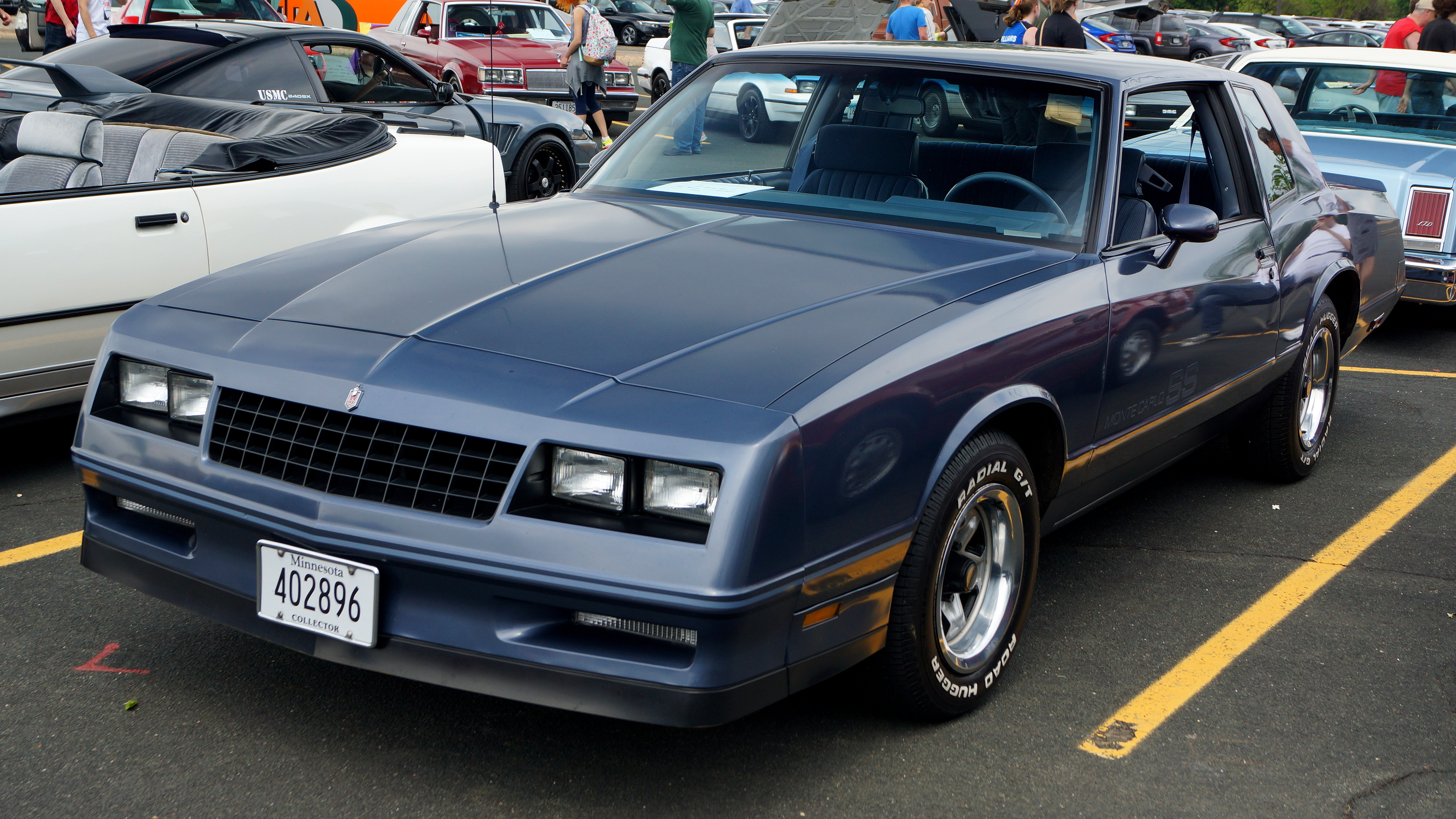
"You had like Cal, uh, Cadillac Eldorados. You had the Monte Carlo SS's."
The Cadillac Eldorado is a classic American coupe. They’re using it as an example of the old era when coupes were big, comfortable, and more like cruising cars.
The Cadillac Eldorado is another classic American personal-luxury coupe. It fits the hosts’ theme of “big boats with two doors,” showing how coupes were once associated with full-size comfort and style.
Chevrolet Monte Carlo
"You had like Cal, uh, Cadillac Eldorados. You had the Monte Carlo SS's. Uh, I know."
The Chevrolet Monte Carlo SS is a performance-oriented trim of the Monte Carlo, typically associated with stronger engines and sportier equipment than base models. In this segment, it’s part of the lineup of big American two-door coupes that the hosts say are “coming back.”
coupe... chop off just two doors
"Like where coupe was so popular that we had these giant cars that absolutely should have had four doors, but just cause they looked, it was that cool factor chop off just two doors only, even though it's a boat, we're going to float it dude."
They’re talking about how, in the past, manufacturers would take a big family-style car and just remove the rear doors to make it a coupe. It gave the coupe look, but the car was still big and heavy like a “boat.”
The hosts are describing a historical styling/market strategy: taking a large, four-door “boat” platform and cutting it down to a two-door coupe. That “chop off two doors” approach created the look of a sporty coupe while keeping much of the original size and mass.
coupe is the sportier one, but not always
"And what's interesting is like, and you had mentioned earlier about like, Hey, the coupe is the sportier one, but not always. Right. Sometimes it's heavier. Sometimes it's more dense or whatever."
This is about a common misconception: coupes are often marketed as “sportier,” but in practice they can be heavier and less agile than their four-door counterparts. The episode points out that the coupe body style doesn’t automatically mean better performance—weight and packaging can work against it.
bigger door
"And you mentioned the concept of like, Oh, it's got this bigger door. So it's heavier as C 300, as C 400."
A bigger door can look and feel more premium and make getting in easier. But it also usually means the door is heavier, so the hinges and supports have to be stronger.
The “bigger door” idea is about how coupe styling often uses larger, more dramatic door openings for easier entry and a more premium look. Bigger doors usually mean more mass, stronger hinges, and more complex internal structures to keep the door aligned and rigid.
door hinge assembly
"If you ever are messing with those cars and just the door hinge assembly on one of those, it's like everything that's in my garage door over here, like all of the hardware going up to the ceiling, everything, it's like you get all of that and then make it out of steel."
The door hinge assembly is what lets the door swing open and closed. If the door is heavier, the hinge and its mounting hardware have to be stronger too.
The door hinge assembly is the set of brackets, hinges, and mounting hardware that connects the door to the body and allows it to swing. On heavier, more upscale coupe-style doors, the hinge area often needs more robust structure and more parts to support the door’s weight and movement.
luxury car company in North America
"You're right. Just like the Nissan at the time is, Oh, we're launching a luxury car company in North America. Chief among our offerings has to be a coupe, a bespoke sort of bescope."
They’re talking about how a car company tried to sell itself as a luxury brand in North America. They’re saying a coupe was part of the strategy to make the brand feel special right away.
This is about brand positioning: Nissan/Infiniti’s strategy to enter the North American market as a luxury automaker. The speaker frames the coupe as a “chief offering,” meaning the brand used a distinctive body style to establish credibility and desirability quickly.
bespoke coupe
"Chief among our offerings has to be a coupe, a bespoke sort of bescope. It was a leopard in Japan, but bear with me."
A “bespoke coupe” is basically a fancy way of saying a premium, more exclusive-feeling two-door car. The idea is that the brand wants it to feel special, not generic.
“Bespoke coupe” is a positioning concept meaning a coupe marketed as tailored, premium, and somewhat exclusive—more than just a mass-market two-door. The speaker uses it to describe how a new luxury brand wanted its first offerings to feel unique and upscale.

Acura Integra
"[744.2s] You had the legend coupe, Integra coupe. [747.9s] Ooh. [748.7s] That's really more of a hatch."
They’re talking about the Acura Integra in a two-door “coupe” form. The discussion is about how some cars called coupes are actually closer to hatchbacks, and why the manual versions still feel special.
“Acura Integra coupe” refers to the Integra offered in a two-door body style, which the hosts contrast with hatchbacks. They’re using it as an example of a “coupe” that still feels special—especially when paired with a manual.
coupe vs hatchback distinction
"[748.7s] That's really more of a hatch. [749.4s] But that legend was that legend coupe with a manual is still something special."
They’re saying some cars people call “coupes” are really more like hatchbacks. Even if the shape looks similar, the design and practicality can be very different.
The hosts point out that what’s being called a “coupe” can actually be closer to a hatchback, highlighting how body-style labels can be misleading. This matters because the packaging and driving feel differ even if the roofline looks similar.
sedan supremacy
"[763.0s] And yeah, you know, we talked about sedan supremacy and there's a lot of cars that we prefer in [767.4s] sedan form."
They’re using “sedan supremacy” to mean they think sedans are often the better choice than coupes. It’s basically a debate about which body style they like more.
“Sedan supremacy” is the idea that sedans are the better or more desirable body style compared with coupes. The hosts say they personally prefer many cars in sedan form, setting up their argument about what “coupe” culture should include.
sports cars as traditionally two-door cars
"[774.5s] And the thing is too, we want to draw a distinction because sports cars have traditionally always [779.0s] been two door cars. [784.0s] We're talking about like regular car variants that just they made a two door version of"
They’re talking about how sports cars used to almost always be two-door. Then they clarify they’re not just talking about true sports cars—they mean regular cars that got a two-door version.
The hosts discuss the historical idea that sports cars have traditionally been two-door cars, and they argue they’re not talking about that legacy. Instead, they focus on “regular car variants” that were offered as two-door versions, which is a different kind of enthusiast appeal.
DSM
"[805.1s] Technically not a DSM, but not a DSM. [808.4s] Correct. [808.9s] But yeah, power plant drivetrain wise, exactly the same."
“DSM” is an enthusiast nickname for a specific group of 1990s Mitsubishi/Eagle/Plymouth cars that were related. The hosts are saying the car they mean isn’t one of those exact models, but it’s similar under the hood.
DSM is commonly used by enthusiasts to refer to Mitsubishi Eclipse, Eagle Talon, and Plymouth Laser models from the 1990s that shared a similar platform and drivetrain layout. The hosts say the car they’re discussing isn’t technically a DSM, but it’s similar in powertrain terms.
two-door vs four-door body styles
"[814.1s] But yeah, like those were cool coupes and like everybody had something like I like to think [819.4s] of cars that are just better as two doors and four doors because we did that during the [824.3s] sedan one. [825.1s] And this might be the first one's obviously a confrontational shout out to Frank."
The hosts are arguing that two-door cars (coupes) often feel cooler than four-door cars (sedans). They’re talking about how the shape and proportions can make a car seem more sporty.
This segment is about the enthusiast preference for coupes (two-door cars) over sedans (four-door cars). The underlying idea is that body shape affects perceived sportiness, proportions, and even how “special” a car feels.

Dodge Neon
"[833.9s] The accurate Integra. ... [837.5s] Dodge neon is way cooler as a coupe. [841.1s] Yeah. [842.7s] Inarguably."
The Dodge Neon was a small car that came as a four-door sedan or a two-door coupe. The hosts are basically saying the two-door version looks and feels cooler.
The Dodge Neon is a compact car that was offered in both sedan and coupe body styles. In this segment, the hosts are arguing that the coupe version is more desirable than the four-door variant.
Volkswagen Golf
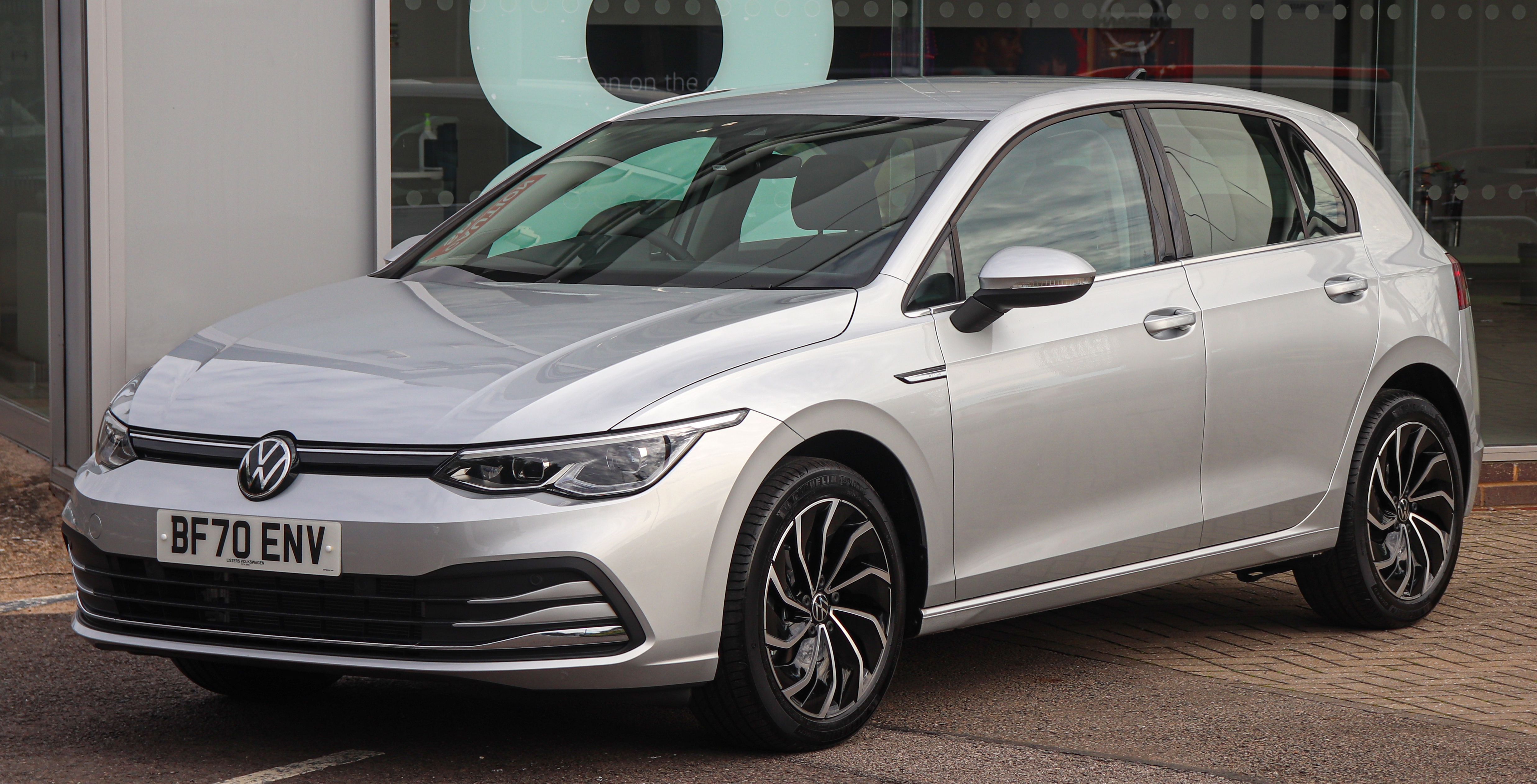
"[842.7s] Inarguably. [843.4s] And I will say the Mark four Golf, which was the first time you could get a Golf with [847.7s] four doors. [848.5s] And I always thought this looked not good."
The Volkswagen Golf is a popular compact car, usually known for its hatchback. The hosts are talking about when it was offered with four doors and saying they didn’t like the look.
The Volkswagen Golf is a compact hatchback platform that has been offered in multiple body styles over the years. The hosts reference the idea of getting a Golf with four doors for the first time, and they’re commenting on how that body style looks.
Coupe vs hatchback body-style labeling
"So is that a coupe though? ... It's a two door hatchback. It's still, it's still a coupe ish."
A “coupe” usually means a two-door car, but people don’t always agree on what counts—especially when a car is shaped like a coupe but has hatchback practicality. The hosts are basically debating labels based on how the car looks and how it’s built.
This segment centers on whether a particular car is truly a “coupe” versus a two-door hatchback, and how enthusiasts argue about definitions based on proportions and packaging. The “coupe-ish” phrasing reflects how modern styling can blur traditional categories.
coupeification
"...Hey, we need to cupify this thing because Americans demand coops..."
The hosts are joking about “making it a coupe.” It means taking a regular car and turning it into a two-door version because people at the time wanted the sportier coupe look.
“Cupify/coupeify” is a playful way to describe the trend of turning mainstream cars into two-door coupes. It reflects how automakers responded to consumer demand—if buyers wanted a sportier look, companies would reshape existing platforms into coupe body styles.

Volkswagen Jetta
"...we got a Jetta as a coupe and it made sense here and they sold a bunch of them..."
The Volkswagen Jetta is a common Volkswagen model. The hosts are basically saying that when people wanted coupes, companies sometimes turned popular cars into two-door versions to sell more of them.
The Volkswagen Jetta is a compact sedan that, in some markets and eras, was also offered in coupe-like body styles. In this segment, the hosts are talking about how automakers created “coupe” versions of popular models to match what American buyers wanted at the time.

Chevrolet Impala
"I think Impala SS from the mid 90s should have been a coupe..."
The Chevrolet Impala SS is a sportier version of the Impala. The hosts are saying it would have looked cooler and more aggressive if it had been made as a two-door coupe instead of keeping four doors.
The Chevrolet Impala SS is a performance-oriented trim of the Impala, particularly associated with the mid-1990s era mentioned here. The hosts argue it would have looked and felt more aggressive as a two-door coupe, highlighting how body style affects perceived “menace” and sportiness.

Pontiac Gto
"...restyled a fair bit as a Pontiac GTO in period."
The Pontiac GTO is a classic American muscle car nameplate, strongly associated with the idea of a more aggressive, performance-focused two-door. Here, the hosts imagine an “in-period” restyle of a Chevrolet Impala SS coupe into a Pontiac GTO-like look, showing how branding and styling cues shape car identity.
cultural icon
"[1009.4s] It was, it was kind of iconic. [1013.3s] I personally don't like those cars that much. [1015.9s] It drives like a taxi. [1017.9s] It does. [1019.0s] But like there's no denying how kind of a little bit of a cultural icon that was in period."
In car culture, a “cultural icon” is a car people remember because it showed up in the culture—like music videos or movies—not just because it’s fast. It’s more about the vibe and reputation than the technical details.
A “cultural icon” in automotive talk means a car that becomes famous beyond its driving qualities—through music, movies, and the way it represents a time and lifestyle. The hosts are weighing how certain cars earned that status even if they weren’t necessarily the best to drive.
drives like a taxi
"[1013.3s] I personally don't like those cars that much. [1015.9s] It drives like a taxi. [1017.9s] It does. [1019.0s] But like there's no denying how kind of a little bit of a cultural icon that was in period."
“Drives like a taxi” usually means the car feels ordinary—more about being comfortable and easy than being fun or sporty. The speaker is basically saying it doesn’t feel special to drive.
“Drives like a taxi” is a common enthusiast phrase meaning the car feels generic, floaty, or aimed at comfort and durability rather than engaging handling. Here it’s used to contrast the Impala SS’s cultural reputation with the host’s opinion on how it feels behind the wheel.

Mercury Marauder
"Oh, so good. Tour Marauder. Tour Marauder would be nasty."
The Mercury Marauder is a performance car made by Mercury. The podcast is reacting to it as a car that would feel strong and aggressive. It comes up because it’s known for that muscle-car style and attitude.
The Mercury Marauder is a performance-oriented model from the Mercury brand, known for its muscular styling and power-focused intent. The podcast calls it “nasty,” suggesting it’s the kind of car people associate with aggressive performance. It’s mentioned because the Marauder name carries a reputation among enthusiasts for being a standout muscle-era vehicle.
grill
"I see a pretty clean just from looking at the grill, right? Like probably a facelifted final generation that we got 200 sx. So this would have been like a 98 or a 99."
The grille is the front opening (often with a mesh pattern) that sits behind the bumper and helps with airflow to the radiator and cooling system. In car spotting, grille design is also a major visual identifier for trims, model years, and aftermarket swaps. Here, the host initially uses the grille to identify a Nissan 200 SX, then realizes it’s been swapped onto a different car.
facelifted final generation
"I see a pretty clean just from looking at the grill, right? Like probably a facelifted final generation that we got 200 sx. So this would have been like a 98 or a 99."
A facelift is when a car gets updated styling during its model run, like new lights or a new front grille. “Final generation” means it’s the last version of that design before the next big redesign. People often recognize these versions by the front-end look.
A “facelift” is a mid-cycle refresh where manufacturers update styling and sometimes equipment without changing the whole model. “Final generation” implies the last years of that generation before a redesign. Enthusiasts often use grille/headlight shapes and other front-end details to spot these changes.
limited slip
"You don't get the limited slip at all. Not even an option. The dead V max on the rear."
A limited-slip differential helps power go to the wheel with grip. Without it, one wheel can spin more easily, especially when turning or on wet roads.
A limited-slip differential (often shortened to “LSD”) helps both driven wheels provide traction instead of one wheel spinning freely. Whether it’s included “as standard” or available only on certain trims can dramatically affect how the car behaves in corners and on slippery roads.
V max
"Not even an option. The dead V max on the rear. Not a B 13 though."
“V max” usually means the car’s top-speed number. They’re basically saying this version isn’t the fastest one you could get.
“V max” here appears to refer to a maximum speed rating or a “max speed” figure being discussed for the car’s rear setup. The key point is that the hosts are comparing performance potential, implying the car in question is not as quick as a better-equipped alternative.

Dodge Avenger
"And it was, it was everything. Dodge Avenger to those. You don't see them."
The Dodge Avenger is a regular family sedan from Dodge. They’re using it as a comparison while talking about how you don’t see certain cars anymore.
The Dodge Avenger is a mid-size sedan that the hosts mention as a point of comparison (“Dodge Avenger to those”). They’re also talking about how certain cars from that era have disappeared from the road, which affects how common parts and examples are today.
hold their value so well
"And they hold their value so well because they stopped after that when we, when 2002 rolled around, we got the WX, WRX."
“Hold their value” means the car is still worth a lot when you go to sell it later. That usually happens when people really want that model and there aren’t many good options around.
When a car “holds its value so well,” it means its resale price stays relatively high compared to similar cars. This often happens when the model is desirable (looks, performance, rarity) and when supply is limited or the model is discontinued.
fog lights
"[1246.9s] It's so clean. [1248.0s] It's so clean. [1248.8s] I love the fog lights that look after market from the factory. [1251.7s] The wheels could have been cooler."
Fog lights are extra lights on the front of a car, usually mounted low. They help you see better in bad weather, and here they’re being praised for how they look.
Fog lights are auxiliary lamps mounted low on the front bumper or fascia. They’re designed to improve visibility in poor weather (like fog or heavy rain), and in this segment the host is specifically commenting on their styling.
after market
"[1246.9s] It's so clean. [1248.0s] It's so clean. [1248.8s] I love the fog lights that look after market from the factory. [1251.7s] The wheels could have been cooler."
Aftermarket parts are made by companies other than the car’s maker. The host is saying the fog lights look like they were added later, but they’re actually installed from the factory.
“Aftermarket” refers to parts made by companies other than the original manufacturer, often installed to change appearance or performance. The host is saying the fog lights look like aftermarket pieces even though they’re factory-equipped.
14
"[1253.9s] I'm okay with the wheels. [1255.2s] They're 14. [1256.0s] They're okay, but I think, I think they could have done"
That “14” is probably the wheel size—14 inches across. Wheel size affects how the car rides and what tire options you have.
“14” likely refers to 14-inch wheels, which is a wheel diameter measurement. Smaller wheels can change ride comfort, steering feel, and tire availability compared to larger wheel sizes.
wheel cover
"They look like a plastic. It's the best impression of a plastic like wheel cover, but a real alloy that I've ever seen in my life."
A wheel cover is a decorative cap that sits over the wheel. It’s often made of plastic, so it can look cheap even if the actual wheel underneath is metal.
A wheel cover (often called a hubcap) is a trim piece that clips over the wheel to improve appearance and protect the wheel face. It’s usually stamped plastic, so it can look “plastic” even when the underlying wheel is metal.
Grand Coupe
"Definitely not a Grand Coupe. Not a Grand Coupe. It's like an actual two door."
“Grand Coupe” usually means a car that looks coupe-like from the side, but it has four doors. The host is saying that doesn’t count as a true two-door coupe.
“Grand Coupe” is BMW’s marketing term for a four-door fastback-style body (a coupe-like roofline, but with rear doors). The host is contrasting it with an “actual two door,” emphasizing the difference between true coupes and four-door variants.

Toyota Supra
"Toyota is, but they share it with two different manufacturers in the Supra and the whatever they're calling the fucking BRZ."
They’re using the Toyota Supra as an example of a current coupe. They also mention it’s related to another car from a different brand, which happens a lot with modern sports cars.
The Toyota Supra is brought up as a modern coupe example. The host also notes it’s “shared” with another manufacturer’s platform/vehicle, which is a common way modern coupes are developed through partnerships.

Subaru BRZ
"Toyota is, but they share it with two different manufacturers in the Supra and the whatever they're calling the fucking BRZ."
They mention the Subaru BRZ as another modern coupe option. It’s a small, sporty two-door car, and it’s connected to the same kind of partnership as the Supra.
The Subaru BRZ is referenced alongside the Toyota Supra as another modern coupe. The BRZ is known for being a lightweight, rear-drive sports coupe, and it’s part of the broader Toyota/Subaru sports-car partnership the host is alluding to.

Mazda MX-5 / Miata
"Yeah. We should avoid sports cars though because those are inherently. Yeah. It's like say the two door Miata. But even then, like I'm thinking of, yeah, but that's a convertible."
They bring up the Miata, but point out it’s a convertible. That’s important because a coupe is usually a fixed-roof two-door, not an open-top roadster.
The host calls out “the two door Miata,” but notes it’s actually a convertible. The Miata is a roadster (typically a soft-top convertible), so it’s not a true coupe—this distinction matters in a discussion about which cars are genuinely two-door coupes.
coupe or sedan
"a model that you get a coupe or sedan in. Yeah. Like when was the last time the Civic was offered as a sedan and a coupe?"
A coupe is usually a two-door car, and a sedan is usually a four-door car. This segment is basically about which type of body style Honda still sells in certain models.
A coupe and a sedan are different body styles: coupes are typically two-door with a more driver-focused shape, while sedans are usually four-door and more family-oriented. The hosts are discussing how automakers decide which body styles to offer, and how that affects what buyers can choose.
Civic
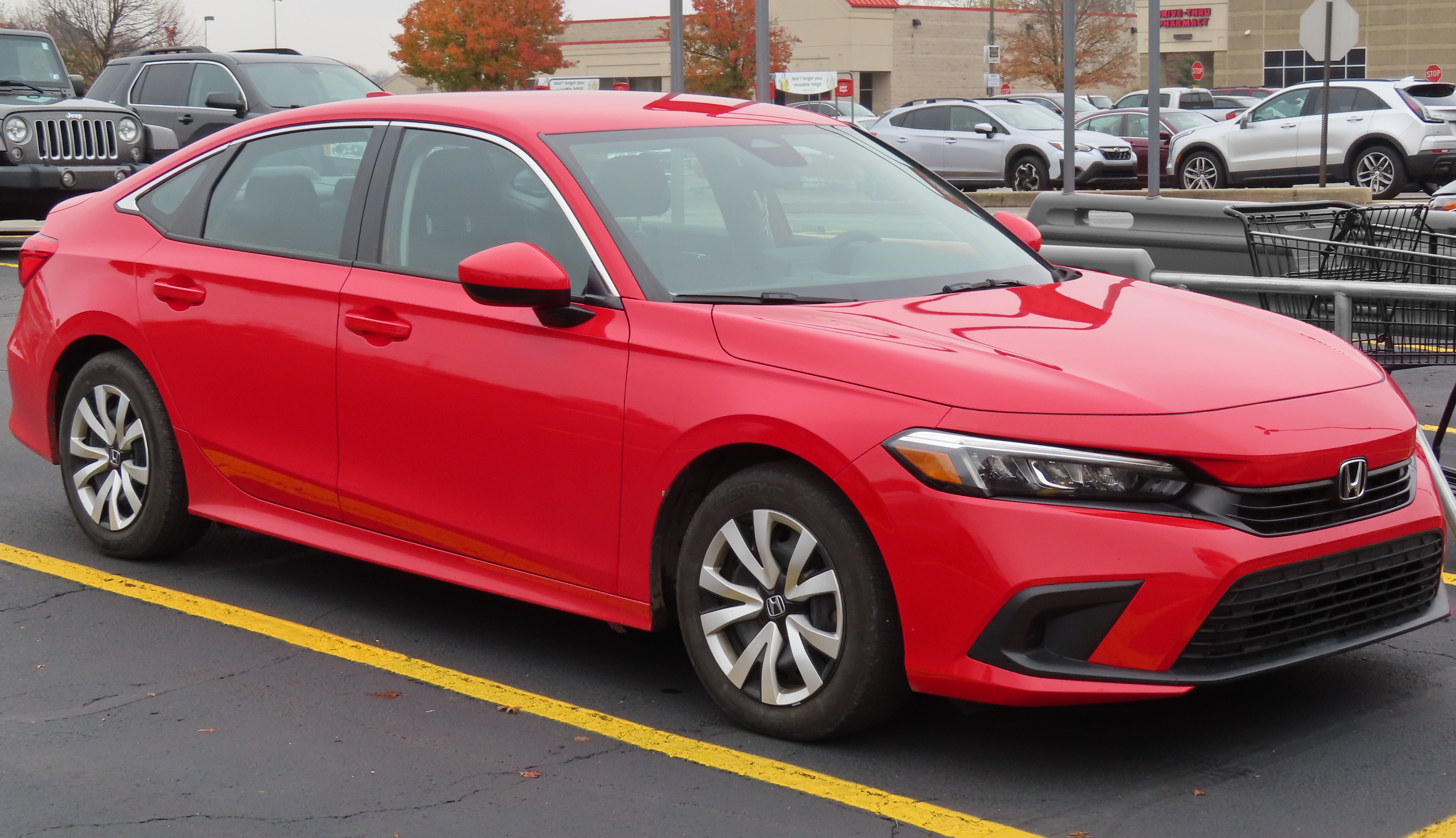
"Like when was the last time the Civic was offered as a sedan and a coupe? ... I don't think you can get a, can you get a Civic Coupe now? No, no, you can't. You can't get a Civic Coupe."
The Civic is a Honda model that has come in different shapes. Sometimes you could buy it as a coupe (two-door) or a sedan (four-door), but the coupe option has been gone for a while.
The Honda Civic has been offered in multiple body styles over the years, including both sedan and coupe. In this segment, the hosts are discussing when the Civic last had a coupe option and how that changes what buyers can choose today.

Honda Accord
"There's that. Can't get an Accord Coupe."
The Accord is another Honda model that used to be available as a two-door coupe. The point here is that you can’t really get that coupe version in today’s lineup.
The Honda Accord has historically been sold in different body styles, including coupe versions in earlier eras. The hosts mention that you can’t buy an Accord coupe anymore, which highlights how mainstream coupes have largely disappeared from current lineups.

Ford Mustang
"Ford, the Mustang, like that's, it's kind of its own deal. [1392.1s] Yep."
The Mustang is Ford’s famous two-door performance car. When people say “the Mustang,” they usually mean a whole style of car—sporty, loud, and made for enthusiasts.
The Ford Mustang is a long-running American sports coupe/pony car, and the hosts treat it as a category unto itself. It’s often the default reference point when people talk about two-door enthusiast cars in the U.S.
same platform
"But yeah, that whole idea of having the same, the same platform be a sedan and a coupe is, unless we're missing something here, I don't, I don't think we are."
A platform is the car’s basic “skeleton” and major structure. If two cars share the same platform, they’re built on the same foundation, even if one is a coupe and the other is a sedan.
A “platform” is the shared underlying architecture—things like the floorpan, mounting points, and many structural components—that multiple body styles can use. When a sedan and a coupe share a platform, manufacturers can reuse engineering and production tooling while offering different looks and packaging.
sedan and a coupe
"be a sedan and a coupe is, unless we're missing something here, I don't, I don't think we are. Pick mid nineties."
A coupe and a sedan are different body styles. A coupe usually has a sportier roof shape and can be tighter in the back, while a sedan is generally more practical for everyday family use.
Sedans and coupes differ mainly in body shape and access to the rear seat area—coupe designs typically have a shorter roofline and less rear-seat headroom, while sedans are more practical for passengers. This segment is discussing how manufacturers sometimes offered both styles using shared underpinnings.
GMC
"Everyone. GMC is probably the only manufacturer that didn't make a coupe. Yeah."
GMC is a truck-and-vehicle brand from General Motors. Here it’s mentioned as an example of a manufacturer that (in the hosts’ view) didn’t offer as many coupe options.
GMC is a General Motors brand, and the hosts are making a historical claim about which manufacturers offered fewer coupe variants in the mid-1990s compact-car segment. It’s a brand-level reference used to frame how body-style availability varied by automaker.

Toyota Tercel
"A Tercel. But when you, it's, but when your family grew, you could buy this sedan, which was the exact carbon copy of that car with four doors."
The Toyota Tercel was a low-cost Toyota from the 1980s/1990s. The hosts are using it to illustrate that even budget cars could be had with coupe-style options.
The Toyota Tercel was a small, economical car that was offered in multiple body styles, including variants that could be purchased with a coupe-like configuration depending on the generation and market. In this segment, it’s used as an example of how “cheap car” buyers often ended up with coupe styling.
OEM that makes it sedan and coupe of the same car anymore
"OEM that makes it sedan and coupe of the same car anymore. Yeah. It's, it's, um, it's sad. Yeah. And not talking about trucks either."
They’re basically saying it’s getting harder to buy the same car in both sedan and coupe form. Automakers are moving away from coupes, so you don’t get as many choices.
The hosts are lamenting a market shift: many automakers no longer offer both a sedan and a coupe version of the same model. This is part of the broader “coupe decline,” where consumer demand and regulations push manufacturers toward crossovers and fewer distinct body styles.

Jeep Wrangler
"...ing about trucks either. Like obviously like the Wrangler and the, I mean, I guess technically. Right."
The Jeep Wrangler is an SUV built for off-road driving. It’s designed to handle rough roads better than many regular cars. The podcast mentions it because it’s often grouped with other truck-like vehicles when people talk about vehicle types.
The Jeep Wrangler is a rugged off-road-focused SUV known for its simple, durable design and strong aftermarket support. In the podcast, it’s mentioned in the context of trucks and what counts as a “technical” or comparable vehicle type. It’s brought up because it’s one of the most recognizable off-road models in its category.

Mini coopers
"Mini coopers. That's a hatch. I get it. No, I know, but like as close as we're going to get, I think."
MINI Cooper is MINI’s main model. In this conversation they’re saying the version they mean is a hatchback, not a traditional coupe or sedan.
“Mini Cooper” is MINI’s core model line, typically offered as a hatchback (and in some generations, other body styles). The hosts point out that the MINI Cooper they’re discussing is a hatch, and they’re using it as an example of how hard it is to find true sedan/coupe pairings in the current market.

CLA
"They still sell the CLA. I know that was pretty recent and you could get a Cooper. No, no, you couldn't get it. You could not get a CLA."
CLA is a Mercedes-Benz model name. It’s a compact car that’s sold as a sedan, and the hosts are saying Mercedes still offers it even if other coupe-style options are disappearing.
“CLA” refers to the Mercedes-Benz CLA-Class, a compact four-door sedan/coupe-style model. In the segment, the hosts contrast what Mercedes-Benz still sells (the CLA) versus what’s no longer available in certain configurations.
front wheel drive, four cylinder
"They're really like, cause once front wheel drive, four cylinder or four cylinders and the other was like turbo charged, flint, fire breathing, that's really in name only."
This is describing how some cars are set up: the engine powers the front wheels and uses a four-cylinder engine. The point is that two cars can both be called coupes, but feel totally different because of how they’re built.
“Front wheel drive, four cylinder” describes a common mainstream layout: the engine drives the front wheels, and the engine uses four cylinders. The hosts contrast that with other “in name only” coupes that may have different layouts and performance intent, even if the body style sounds similar.
turbo charged
"...and the other was like turbo charged, flint, fire breathing, that's really in name only."
Turbocharged means the engine has a device that forces extra air in, usually making it feel stronger. It’s often associated with more performance than a naturally aspirated engine.
A turbocharged engine uses a turbine to force more air into the cylinders, which can increase power without necessarily increasing engine size. The hosts are using “turbo charged” as a shorthand for a more performance-oriented character compared with simpler drivetrains.
curb weight
"I think there were some that probably had a little less curb weight because there was less moving parts."
Curb weight is basically how much the car weighs when it’s ready to drive, without people or extra stuff inside. The idea here is that a coupe might weigh less than a bigger, more complex body style.
Curb weight is the weight of a vehicle as it sits ready to drive, with standard fluids and no passengers or cargo. The hosts suggest coupes might be lighter because they can have fewer moving parts than some four-door designs, which could affect performance and efficiency.
coupe vs sedan (backseat practicality)
"I'm Shaq... I'm never going to use the backseat... maybe in a coop... you can, maybe you'll get a more expansive stretch of legs out... otherwise it's basically just a styling exercise..."
A coupe usually has less room in the back because it’s a two-door design. If you don’t use the back seat much, that downside matters less, and you might just prefer the look. The hosts are basically saying it’s often more about style than practicality.
The hosts are discussing how a coupe’s two-door layout usually sacrifices rear-seat space compared with a sedan. For some buyers—especially taller passengers or people who rarely use the back seat—the tradeoff can be acceptable, and the coupe can feel more “expansive” in front-seat comfort. They also frame it as partly a styling choice rather than a functional one.
entry level
"otherwise it's basically just a styling exercise except on some of the really base model stuff where simply the two door was like $300 cheaper than the entry level."
“Entry level” refers to the lowest trim or base version of a model. In this segment, the hosts use it to explain that some cheaper base configurations may offer a two-door/coupe option with a small price premium or discount. That matters because the body-style choice can be less about performance and more about packaging and cost.
Hyundai Accent
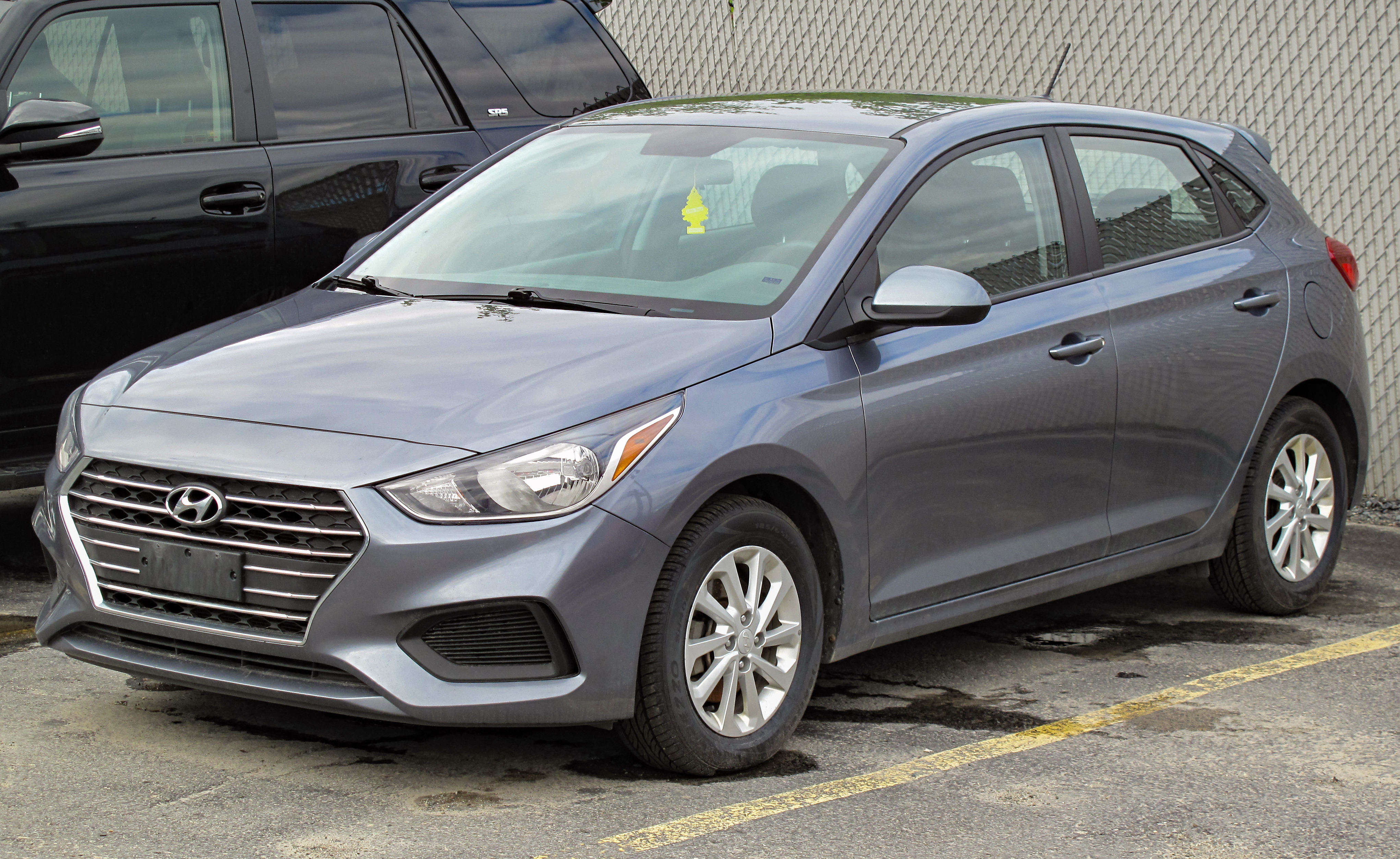
"I have the perfect exam example of this, the Hyundai accent, the Hyundai accent, you could have a coupe or a sedan... they probably could save 350, 400 bucks off the MSRP."
They bring up the Hyundai Accent to show that even a small, budget car might offer both a coupe and a sedan. The idea is that the coupe choice is often more about preference than real everyday usefulness. They’re also pointing out that the price gap can be modest.
The Hyundai Accent is used as an example of how a buyer could choose a coupe or sedan body style. The point is that the coupe option existed even when it didn’t make much sense for practicality, and the price difference could be relatively small compared with the MSRP. This highlights how some models offer multiple body styles mainly to give buyers options.
MSRP
"And like you said, they probably could save 350, 400 bucks off the MSRP..."
MSRP stands for Manufacturer’s Suggested Retail Price—the sticker price a carmaker recommends before discounts or dealer negotiation. The hosts mention saving “350, 400 bucks off the MSRP,” which implies real-world pricing can be lower than the advertised baseline. It’s a useful concept when comparing trims or body styles because the discount can change the actual cost difference.

Nissan Versa
"Oh, nine or maybe a 2010 Nissan Versa he bought new. He bought the sedan because it was significantly cheaper than the hatchback."
The Nissan Versa is a small, budget-friendly car. Here, they’re saying the sedan was cheaper than the hatchback, and the base version had very few features.
The Nissan Versa is a subcompact sedan known for being one of the most affordable new cars. In this segment, they’re comparing the sedan versus hatchback pricing and options, highlighting how budget trims can be very bare-bones.
base sedan
"It was the base, base, base sedan was like eight. I think like eight, nine, 90. It was $9,000."
A base sedan is the cheapest version of that car model. It usually comes with fewer features, which is why the price is lower.
A “base” trim is the most stripped-down version of a model, typically with fewer standard features. They’re using “base sedan” to explain why the car was so cheap and why it had very limited options.
automatic transmission
"He, his was like 10 because he got automatic transmission and air conditioning. Oh, but, um, a little blue for my blood."
An automatic transmission is the kind of gearbox that changes gears by itself. They’re saying his car had the automatic option, along with air conditioning, even though it was otherwise a very basic trim.
An automatic transmission shifts gears for you, so you don’t have to operate a clutch or manually change gears. In budget trims, adding an automatic can be one of the few option upgrades buyers pay for.
air conditioning
"He, his was like 10 because he got automatic transmission and air conditioning. Oh, but, um, a little blue for my blood."
Air conditioning cools the inside of the car. They’re pointing out that the brother’s cheap car still had A/C, which wasn’t guaranteed on the most stripped-down versions.
Air conditioning (A/C) is a climate-control system that cools the cabin. The segment emphasizes how even common comfort features like A/C were notable add-ons on very low-option budget cars.
radio ready
"No stereo. There was a hole in the dash. It was radio ready."
“Radio ready” means the car is set up so you can install a stereo. It doesn’t necessarily mean the stereo is already included.
“Radio ready” usually means the car has the wiring and mounting provisions for a stereo, but may not include the head unit itself. The hosts use it to describe a car that was stripped down—no stereo installed, but it was set up so you could add one.

Toyota Cressida
"his first car that I procured for him was an 88, uh, no, 86 Toyota Cressida. And, uh, he had, um, he had like a, just a cheap aftermarket like Kenwood."
The Toyota Cressida is an older Toyota sedan from the 1980s. They’re talking about it as a cheap first car and how someone added a basic aftermarket stereo.
The Toyota Cressida (often spelled “Cressida” in the U.S.) is a mid-size sedan from the 1980s. In the segment, it’s mentioned as the brother’s first car the host helped procure, and they discuss swapping in a cheap aftermarket stereo.

Toyota 86 Toyota
"...t car that I procured for him was an 88, uh, no, 86 Toyota Cressida. And, uh, he had, um, he had like a, ju..."
The Toyota GR 86 is a two-door sports car from Toyota. It’s built to be fun to drive, with a focus on handling and driving feel. The podcast mentions it because it fits the conversation about sporty coupes.
The Toyota GR 86 is a modern lightweight sports coupe designed to deliver engaging driving dynamics rather than outright luxury. In the podcast snippet, it’s mentioned as part of a discussion about cars the host procured or referenced, tying it to the broader theme of memorable sports coupes. It’s discussed because it’s a current-era example of the “small, fun coupe” idea.
Kenwood
"he had like a, just a cheap aftermarket like Kenwood. And he yanked that out of that car before he sold it."
Kenwood makes car audio equipment like stereos. In this story, it’s the cheap replacement stereo they put into the car.
Kenwood is an aftermarket electronics brand best known for car audio head units and speakers. Here, they’re describing a basic, inexpensive Kenwood stereo added to the older Toyota Cressida.
single din
"So any brand new, like single digit mileage car with like this single din old shitty radio, just like loose."
“Single DIN” is the common size standard for car radios. If the radio doesn’t match the dash mounting design, it can end up wobbling or not being held securely.
“Single DIN” refers to the standard size of a car stereo head unit—one DIN height (about 50 mm). If you install a single-DIN radio into a dash that wasn’t designed for it, you can end up with loose mounting and poor fitment.
loose head unit / poor dash fitment
"Like you hit the brakes and would like fall out or you'd hit the, like it was just on a brand new car. It was, it was great."
If a car stereo isn’t mounted correctly, it can move around when you drive. That can make it rattle or even stop working reliably.
A head unit that’s not properly mounted can become loose enough that it shifts with braking or bumps, which can cause rattles, intermittent power, or even physical damage. This segment highlights how using the wrong radio size or mounting hardware can lead to a bad fit even in a brand-new car.
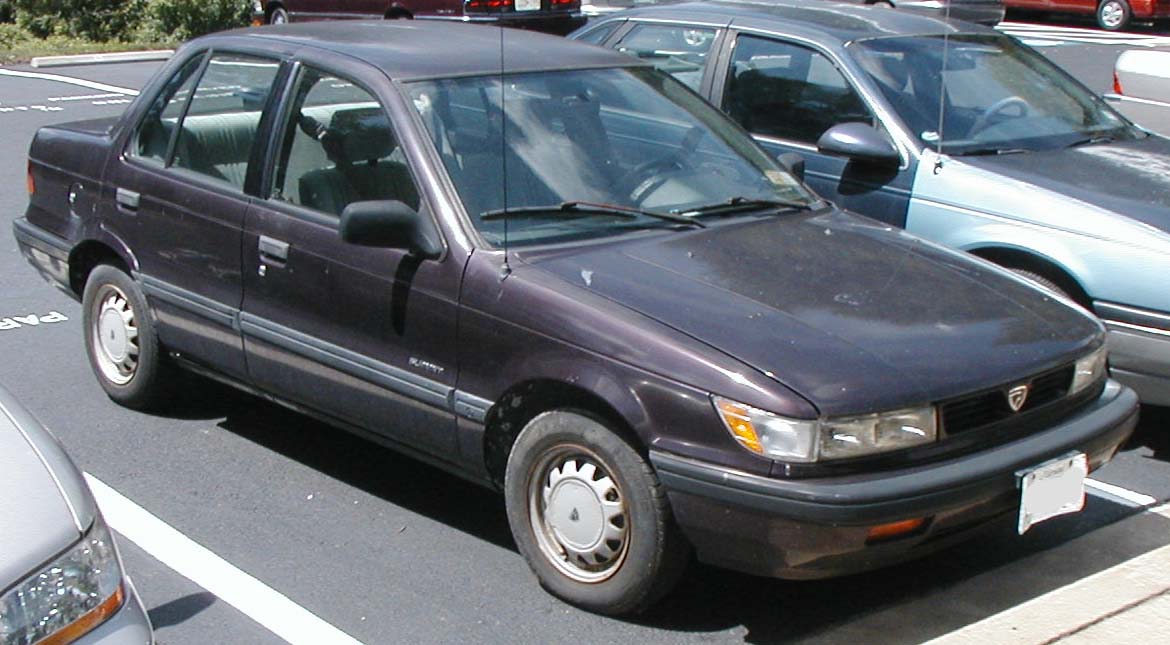
Eagle Summit
"...as great. But it was, but it was like that Eagle Summit wagon I had, which had the no radio option. Ther..."
The Eagle Summit is a compact car model. In the podcast, it’s mentioned because the speaker owned one as a wagon and even points out that it didn’t have a radio. That’s why it’s brought up—because it’s a specific personal example.
The Eagle Summit is a compact car model that’s referenced in the podcast through the owner’s personal experience with a wagon. The mention of a “no radio option” highlights how specific trims and equipment levels can vary. It’s discussed because it represents a particular, lived-in example of a compact family car from that era.
door cards
"There you could, you could put one into the dash, but there was nowhere for speakers on any of the door cards."
Door cards are the plastic/trim panels you see on the inside of the doors. They sometimes have built-in spots for speakers—if yours doesn’t, you may have to modify the panel.
“Door cards” are the interior trim panels on the doors. They often include speaker mounting locations; if a car trim lacks speaker cutouts or mounting points, installing speakers may require drilling or custom fabrication.
coupe appeal
"I think that's the, the coupe appeal. Some, I know some manufacturers actually did change like wheelbase and overall weight to accommodate a sedan."
A “coupe” is usually a car with two doors. People talk about “coupe appeal” because the shape looks more sporty and stylish than a typical four-door sedan.
“Coupe appeal” is the idea that a two-door (or coupe-style) body shape signals sportiness and style compared with a sedan. In automotive design discussions, it often comes down to proportions, perceived performance, and the emotional “exercise in style” factor.
wheelbase
"Some, I know some manufacturers actually did change like wheelbase and overall weight to accommodate a sedan."
Wheelbase is how far apart the front and rear wheels are. It affects how roomy the car feels and how it drives, so changing it isn’t a small tweak.
Wheelbase is the distance between the front and rear axles. Changing wheelbase affects interior space, ride comfort, stability, and how the car’s proportions look—so it’s a major engineering and cost decision when building a coupe vs. a sedan.
Request an Explanation
Heard something you'd like explained? We'll add it to this episode.
Sign in to request explanations for terms you heard.
Want to learn more?
Browse our glossary for plain-English explanations of automotive terms, jargon, and concepts.
Help improve this episode
See something that's not quite right? Our annotations are AI-generated and can sometimes miss the mark. Click the flag icon on any annotation to suggest a correction.