
Episode #232 - Attainable Bucket List Cars
About this episode
The hosts swap “attainable bucket list” car picks—cars they genuinely think they could own before they die, focusing on fun, vibe, and realistic pricing rather than headline supercars. Frank leads with a supercharged first-gen R2 (RX-7) as a riotous, hyper-80s dream, weighing today’s higher prices and the practical downsides of maintenance and roadside repairs. The discussion then turns to the FD RX-7, why values stay high due to reliability fears, and how other 80s/90s icons (300ZX, 3000GT, NSX, Supra, Z32) all face age-related upkeep.
Everyone loves to talk about their personal "Bucket List", Holy Grail, or Soggy Dream Garage and the F40s and F1s that make up that list. But what about the cars that we would love to own before we die that are ACTUALLY within reach? The homies sit down and discuss.
***Want to support the pod? Join our Patreon for insultingly bad perks, including unlocking the APA Pod "Late Night Confidential" Episodes!***
attainable bucket list cars
"I'm going to lead off with a car [238.5s] that I have talked about a little bit in the past. [241.7s] I would have I need to before I die own a supercharged first generation of R2 ... [302.0s] And for a long time, they were very attainable."
A “bucket list car” is a car you really want to own or drive at least once. The host is saying some of these used to be easier to get, but now they cost more.
“Bucket list cars” are vehicles people strongly want to own or experience at least once. The speaker frames this as “attainable” earlier in the car’s life, then less attainable later as prices rose.
supercharged
"I would have I need to before I die own a supercharged first generation of R2 [248.8s] Oh, good one. Supercharged."
“Supercharged” means the engine has a device that pushes extra air into it. That extra air helps the engine make more power, so the car usually feels faster and more energetic.
A supercharged engine uses a supercharger to force additional air into the intake. More air (and fuel) generally means more power potential than the same engine without forced induction.

Subaru R2
"I would have I need to before I die own a supercharged first generation of R2 [248.8s] Oh, good one. Supercharged."
They’re describing a car they want to own that has a “supercharger.” A supercharger forces extra air into the engine, which usually makes the car feel quicker and more exciting than a normal version.
The speaker is talking about a supercharged first-generation R2—an enthusiast “bucket list” car idea. “Supercharged” means the engine uses a forced-induction system (a compressor) to push more air into the cylinders for stronger performance than the naturally aspirated version.
supercharger
"Yeah, and it had a little like because of the supercharger, it actually gave that motor a little bit of torque."
A supercharger is a device that forces extra air into the engine. More air helps the engine make more power, often with stronger pull at lower speeds.
A supercharger is an engine-driven forced-induction device that compresses incoming air before it enters the engine. That extra air lets the engine burn more fuel, which typically increases power and adds torque earlier in the rev range.
torque
"it actually gave that motor a little bit of torque. So I could see how it would be like not a complete."
Torque is the engine’s twisting force. It’s what helps the car feel like it pulls hard, especially when you’re not revving it super high.
Torque is the twisting force an engine produces. It’s what helps a car accelerate strongly, especially when it’s available at lower RPMs, which is why forced induction like a supercharger can make the car feel more responsive.
NA car
"Penalty trap like penalty box with the auto compared to an NA car. But yeah, that's a that's a great fucking car, dude."
NA means naturally aspirated, so the engine isn’t using a turbo or supercharger to force extra air in. These engines often feel different—sometimes less punch at low RPM, but they can pull smoothly as you rev.
NA stands for naturally aspirated, meaning the engine makes power without forced induction (no turbocharger or supercharger). Compared to a forced-induction setup, an NA car often has a different power/torque curve—sometimes less low-end torque but a more linear pull as RPM rises.
roadside repairs
"The only caveat is if something you need to do some roadside repairs. It's kind of a pain in the ass car to work on."
Roadside repairs are the kinds of quick fixes you might need if the car breaks down on the road. Some cars are more annoying to deal with because they’re harder to service or require special parts/tools.
Roadside repairs are emergency fixes you’d need to do when something breaks away from home—like a failed component that prevents the car from driving. Some cars are harder to get back on the road because parts access, tools, or specialized knowledge may be limited.
sticky tires
"Sticky tires, good brakes. That could be a wild ride, man."
Sticky tires grip the road better than normal tires. That extra grip makes the car brake and turn more confidently, which usually makes it feel more exciting.
Sticky tires are high-grip tires that provide more traction than typical street tires. More grip helps braking and cornering, which is why the host pairs them with “good brakes” for a car that would be especially fun to drive hard.
apex seal
"It was blowing smoke when I was driving it. So that probably an apex seal was, uh, in the near future."
In a rotary engine, the apex seal is a small sealing part that helps the engine keep good compression. If it wears out, the engine may burn oil and you’ll often see smoke while driving.
An apex seal is a sealing ring inside a rotary engine (like a Mazda RX-7 or RX-8) that sits on the rotor and helps maintain compression as the rotor turns. When an apex seal wears or fails, the engine can lose compression and start burning oil, often showing up as blue smoke from the exhaust.
no cats
"Also, also that $9,000 one was totally, uh, open, like hot air intake and wide open, no cats, exhaust, no muffler."
“No cats” means the catalytic converters are gone. Those parts clean up exhaust fumes, so without them the car can be louder and may not be street-legal.
“No cats” means the catalytic converters have been removed. Catalytic converters reduce harmful emissions, so removing them typically increases exhaust smell/noise and can make the car illegal for street use in many places.
no muffler
"Also, also that $9,000 one was totally, uh, open, like hot air intake and wide open, no cats, exhaust, no muffler."
It means the exhaust isn’t muffled, so it’s much louder. Some people like the sound, but it can be too loud and may not be legal everywhere.
“No muffler” means the exhaust has no silencing component, so it produces much more noise. This often increases perceived performance (because of sound and reduced backpressure), but it can be unpleasant and may violate noise regulations.
wide open
"Also, also that $9,000 one was totally, uh, open, like hot air intake and wide open, no cats, exhaust, no muffler."
“Wide open” means the airflow path is basically not restricted. That often makes the car louder and can change how it feels when you drive it.
“Wide open” here describes an intake/exhaust setup that’s essentially fully unrestricting airflow. In practice, it usually means less restriction than stock, which can increase noise and sometimes change how the engine breathes.
hot air intake
"Also, also that $9,000 one was totally, uh, open, like hot air intake and wide open, no cats, exhaust, no muffler."
It means the car is pulling in warmer air from the engine bay. Warm air is less “powerful” than cool outside air, so it can hurt performance a bit.
A “hot air intake” is an intake setup that draws air from a warmer area under the hood instead of cooler outside air. Warmer intake air is less dense, which can reduce power and make the engine run less efficiently compared with a cold-air intake.
golden era
"Like if you look at all the, you know, the golden era, Japanese superhero, [673.1s] Godzilla cars, I still think it is maybe the best buy out of all of those cars."
“Golden era” just means a time period people think was the best for a certain kind of car. In this case, it’s used to talk about older Japanese performance cars that fans really love.
“Golden era” is a fan shorthand for a period when a certain style of cars—often older Japanese performance cars—was at its peak in design, engineering, and cultural impact. It’s not a technical term, but it frames why people consider these cars especially desirable today.
Godzilla cars
"Like if you look at all the, you know, the golden era, Japanese superhero, [673.1s] Godzilla cars, I still think it is maybe the best buy out of all of those cars."
“Godzilla cars” is a nickname fans use for scary-fast Japanese performance cars. It’s not one exact model—it’s more like a reputation label for cars that feel powerful and intimidating.
“Godzilla cars” is an enthusiast nickname for certain Japanese performance cars—most famously the Nissan Skyline GT-R—associated with big power and a fearsome reputation. The term is used more as a cultural label than a specific model designation.

Nissan Z32
"No, I got the other, real best buy on my list. But I mean, I, I'll entertain a Z 32 twin turbo. As being like, also a good buy."
The Nissan 300 ZX is a sports car designed to be fast and fun to drive. Some versions have twin turbochargers, which can make them especially quick. The podcast is discussing it as a worthwhile option to look at when shopping for a Z.
The Nissan 300 ZX (often referred to as the Z32) is a sports coupe known for its performance potential and strong enthusiast following. In the podcast, it’s being considered as a “good buy,” including the idea of a twin-turbo version. That’s why it comes up: it offers a balance of classic sports-car character and real speed.
maintenance and reliability headaches
"And, and I think the only reason it's values are what they are is cause [730.9s] everyone's afraid of maintenance and reliability headaches."
They’re basically saying that owning some of these cars can be annoying and costly. “Headaches” here means problems that keep coming back or are expensive to fix.
This phrase is referring to the real-world ownership friction that can come from keeping a complex, older performance car running. In enthusiast circles, “headaches” usually means recurring repairs, hard-to-diagnose issues, and higher costs than a more mainstream vehicle.
Nissan 300ZX
"No, I don't know which one did like the 300 ZX mine, drink, fuel, uh, 3000 GT VR"
The Nissan 300ZX is a classic Japanese sports car people still chase today. The hosts are saying that, like other older icons, it can be expensive to keep running and doesn’t get great fuel economy.
The Nissan 300ZX is a late-20th-century sports coupe known for its turbocharged performance options and strong enthusiast following. In this segment, the hosts group it with other Japanese icons and discuss how it can be maintenance-heavy and thirsty for fuel.

Mitsubishi 3000 GT
"No, I don't know which one did like the 300 ZX mine, drink, fuel, uh, 3000 GT VR [756.9s] for absolutely drinks, fuel and other sex drinks, fuel."
The Mitsubishi 3000 GT is a classic 1990s Japanese sports car. The hosts are basically saying it can be costly to maintain and may not be as reliable as you’d hope, especially compared to simpler cars.
The Mitsubishi 3000 GT is a 1990s Japanese grand-touring coupe famous for its tech-heavy design and performance variants. Here, the hosts mention it as part of a group that’s maintenance-heavy and not known for reliability, while also calling out fuel economy concerns.

Honda NSX
"It's like NSX is probably the best out of those. [763.1s] But like, yeah, that's how you, what, what RPM you shift that, right? [795.5s] NSX prices are insane."
The Honda NSX is a famous mid-engine supercar that helped define the modern “everyday supercar” idea. The hosts are saying it’s probably the best of the cars they’re comparing, but it’s also very expensive and still needs proper maintenance.
The Honda NSX is a landmark supercar from the early 1990s era, known for its mid-engine layout and reputation as a more usable, driver-focused exotic. In this segment, the hosts compare it against other 1990s Japanese icons and suggest it’s the best option in that group, while also discussing how hard it is to find good examples and how prices can be extreme.

Acura NSX
"...rinks, fuel and other sex drinks, fuel. It's like NSX is probably the best out of those. But like, yeah..."
The Acura NSX is a sports car made for fast driving and sharp handling. People talk about it because it can feel exciting to drive without being completely impractical. It’s mentioned as a standout option when comparing performance cars.
The Acura NSX is a high-performance sports car known for blending everyday drivability with serious track-level performance. It comes up in discussions because it’s often seen as one of the most “complete” options in its class, especially when people talk about what makes a supercar feel usable. In a podcast, it’s a natural reference point when comparing what’s “best” among a set of performance cars.
rotaries
"But I mean, like those rotaries are like thirsty to another degree. [770.9s] Absolutely."
“Rotaries” means a special type of engine that spins instead of using pistons moving up and down. The hosts are saying that kind of engine often uses more gas than you might expect.
“Rotaries” refers to rotary engines, which use a spinning rotor instead of the reciprocating pistons used in most engines. The hosts are saying these rotary-powered cars tend to be especially thirsty for fuel.
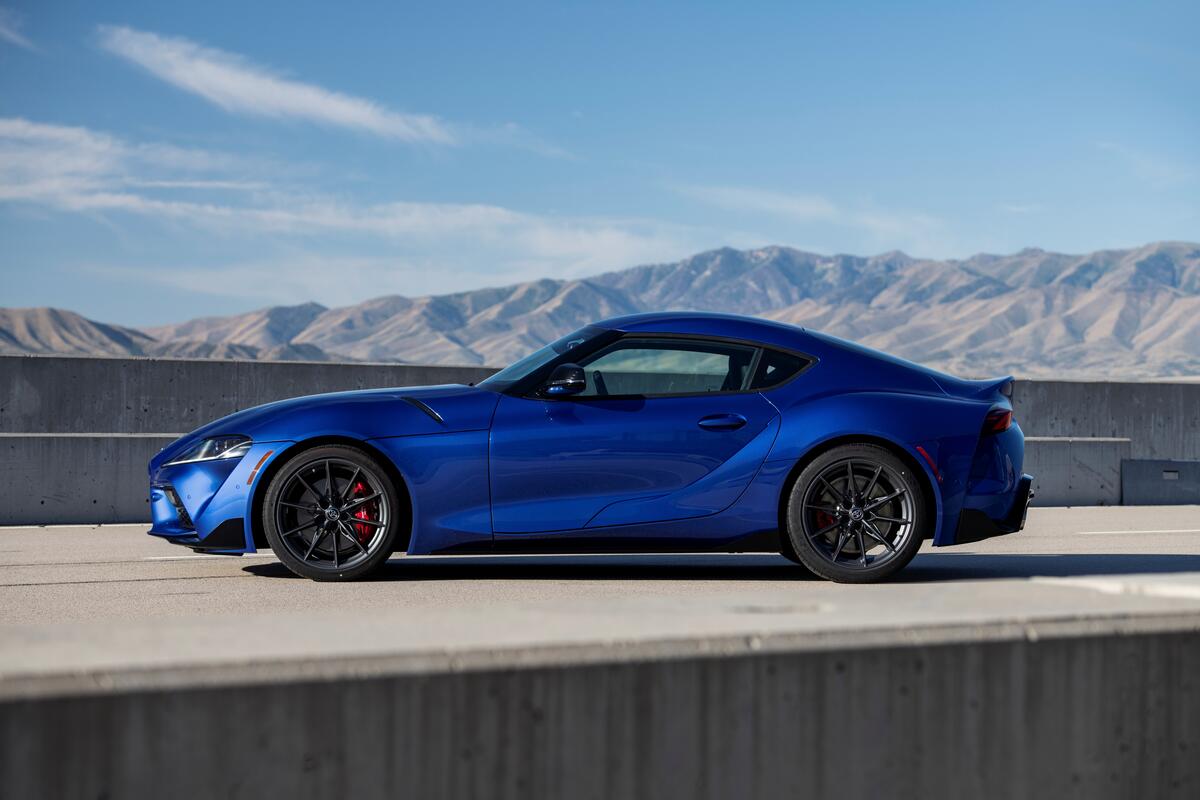
Toyota Supra
"But like, yeah, that's how you, what, what RPM you shift that, right? [766.7s] But I mean, like those rotaries are like thirsty to another degree. [782.4s] You know, how finding an unruined mark for Supra is very difficult and very expensive."
The Toyota Supra is a very famous Japanese sports car that enthusiasts love. The hosts are saying that finding one that hasn’t been damaged or messed with is difficult and can cost a lot.
The Toyota Supra is a legendary Japanese sports car, especially prized in the enthusiast community for its performance and tuning potential. Here, the hosts emphasize how hard it is to find an “unruined” example and how expensive it can be, which is a big part of why it’s an attainable-bucket-list target.

BMW E36
"The 46 came out. [841.2s] E 36 prices like fucking bottomed out. [844.0s] Right. [844.2s] Remember how cheap you were 36?"
“E36” is the nickname for a BMW 3 Series from the 1990s. The hosts are talking about how cheap they got, and then how prices went back up because these older cars still need repairs and upkeep.
The BMW 3 Series E36 is a 1990s-era compact sport sedan/coupe platform that became popular with enthusiasts for its balance and upgrade potential. In this segment, the hosts discuss how E36 prices bottomed out and then rose again as people realized these cars still need ongoing maintenance.
European spec motor
"Cause what we, what we did is say, oh my God, we have the neutered US motor. [855.3s] We don't have the European spec motor. [857.0s] We're missing 100 horsepower. [858.5s] Come to find out that under stress motor tended to be pretty fucking reliable."
Cars sold in different regions can have different engine setups. Here they’re comparing the U.S. version to the European version, saying the U.S. one made less power but still proved dependable.
“European spec motor” means the engine configuration used in European-market versions of a model, which can differ from the U.S. version due to emissions rules and tuning. In this segment, the hosts argue that the U.S. version was “neutered” (less powerful) compared to Europe, but still ended up being reliable under stress.
neutered US motor
"Cause what we, what we did is say, oh my God, we have the neutered US motor. [855.3s] We don't have the European spec motor. [857.0s] We're missing 100 horsepower. [858.5s] Come to find out that under stress motor tended to be pretty fucking reliable."
“Neutered” here means the U.S. version was toned down compared to other versions. The idea is it made less power, but the hosts say it still held up well in real-world use.
“Neutered US motor” is enthusiast slang for a U.S.-market engine that’s been detuned or restricted versus other markets, often to meet emissions and regulatory requirements. The hosts use it to explain why they expected worse performance, then note that the engine still proved reliable.
100 horsepower
"[855.3s] We don't have the European spec motor. [857.0s] We're missing 100 horsepower. [858.5s] Come to find out that under stress motor tended to be pretty fucking reliable."
Horsepower is a number that roughly describes how much power an engine can make. They’re saying the U.S. version made about 100 horsepower less than the European version.
“Horsepower” is an engineering measure of an engine’s power output, commonly used to compare performance between engines or market variants. Here it’s used to quantify the difference between the U.S. and European engine versions the hosts are discussing.
JDM ones
"And then, well, the price is going to drop when you can get all these JDM ones and that didn't happen."
“JDM” means cars that were made for Japan’s market. Enthusiasts use it to talk about special versions you might not get in other countries, and they can be more desirable.
“JDM” stands for Japanese Domestic Market, meaning cars that were originally sold in Japan (or are replicas/imports meant to match that spec). In enthusiast talk, “JDM” often implies specific trims, engines, and right-hand-drive configurations that can be different from what was sold elsewhere.
brass era shit
"it'll be similar to like what's happening now with like 30s, 20s, brass era shit, where like anyone who cares is dead."
“Brass era” is a nickname for the very early days of cars, when they looked more old-school and had lots of brass details. Enthusiasts still chase those cars today.
“Brass era” refers to early automobiles (roughly the 1890s to 1910s) associated with brass fittings and a pioneering, pre-modern automotive design style. Calling it “shit” is casual slang, but the reference is to a very old, enthusiast-collectible era where demand and scarcity can keep prices high.
escape plan
"And it's like, well, I got to have an escape plan. I got to be able to get my money back out plus some on the other side."
They mean having a plan for how you can get your money back if you sell the car later. It’s basically thinking about resale before you buy.
In car-buying terms, an “escape plan” means having a realistic way to sell the car later—ideally for enough money to recover your purchase cost (and maybe more). It’s about thinking beyond ownership and considering resale value and liquidity.
attainable holy grail cars
"So really all of these cars that we're talking about, um, it's funny for us, they're the attainable holy grail cars for a lot of people in the car community."
This phrase describes a “holy grail” car—something many enthusiasts strongly want—while emphasizing that it’s “attainable” at a realistic budget. It’s a community shorthand for the gap between dream cars and what normal buyers can actually afford.
lightweight cars
"The more I really, truly come to appreciate really lightweight cars. [1184.1s] Yeah, that's not it."
Lightweight cars are built to be lighter. Being lighter usually makes the car feel quicker and easier to steer, especially when you’re driving enthusiastically.
Lightweight cars are vehicles designed to use less mass, which typically improves acceleration, braking, and cornering feel. Less weight also makes the car feel more agile because the suspension and tires have less inertia to manage.
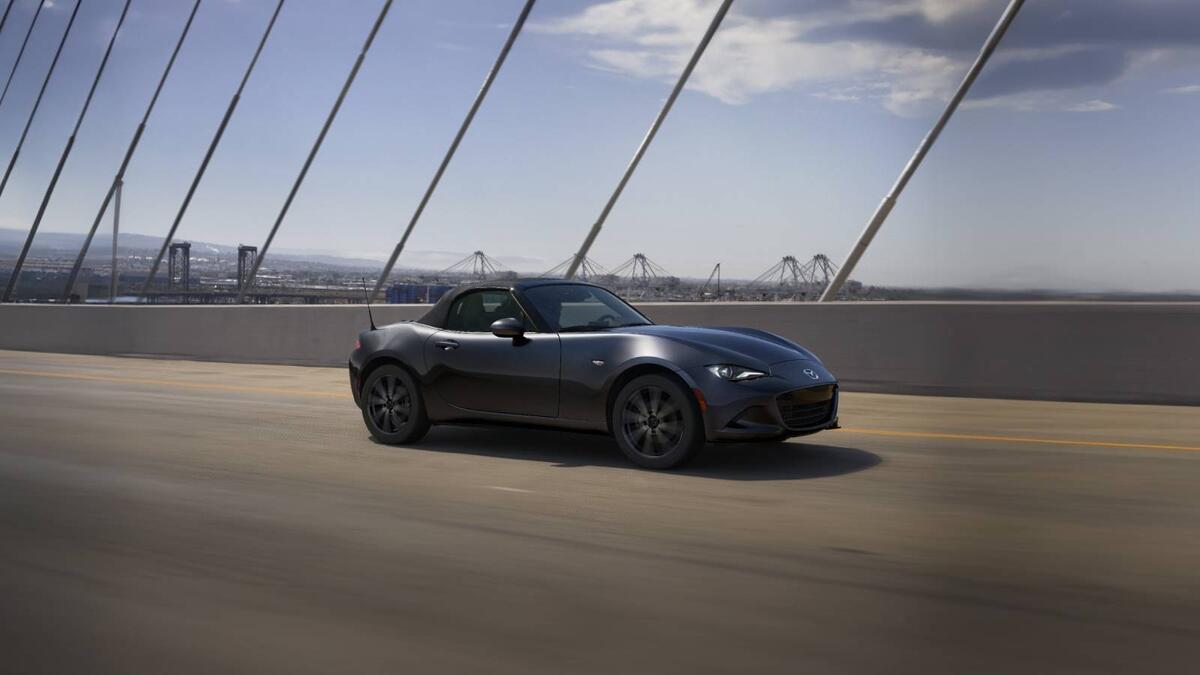
Mazda MX-5 / Miata
"...for lightweight. Yeah, you need to get yourself a Miata, dude. I've driven a bunch of Miata's."
The Miata is a small two-seat car designed to be fun to drive. It’s lighter than many sports cars, so it feels quick and nimble. People recommend it because it’s approachable even if you’re not an expert driver.
The Mazda MX-5, commonly called the Miata, is a lightweight two-seat roadster focused on fun handling rather than raw power. It’s frequently discussed because it’s relatively affordable, easy to drive, and rewards good driving technique. The podcast context fits since the car is being recommended specifically for its lightweight, engaging feel.

Honda S2000
"Well, I've got the S 2000. [1217.6s] It's different. It is different."
The Honda S2000 is a sports car made by Honda that’s known for revving high and feeling very responsive. It’s considered a more serious driving experience than many everyday roadsters.
The Honda S2000 is a high-revving, front-engine, rear-wheel-drive sports car known for its naturally aspirated engine and sharp, responsive handling. It’s often brought up as a “real sports car” alternative to more casual roadsters because it feels more performance-focused when you drive it hard.
tracking down
"Yeah. Is that I would prefer instead of a mark three super turbo, I would prefer tracking down a Swift GTI."
“Tracking down” just means hunting for the exact car you want. In this context, it’s about finding a specific version that you can’t just walk into a showroom and buy.
In enthusiast car talk, “tracking down” means searching for a specific, often discontinued, configuration or rare example rather than buying something off a dealer lot. It fits the segment’s “attainable bucket list” framing—finding the exact car you want.
twin cam four cylinder
"But instead has what a 7500 RPM twin cam four cylinder with a hundred horsepower."
This describes the engine layout: it’s a four-cylinder with two camshafts that control the valves. Two-cam engines are often happier at higher revs, which is why the host is talking about 7,500 RPM.
A twin cam four-cylinder means the engine has two camshafts (one for each cylinder bank in a typical layout) controlling the valves, and it has four cylinders total. Twin-cam designs often support better breathing at higher RPM, which matches the segment’s focus on a 7,500 RPM redline.
7500 RPM
"But instead has what a 7500 RPM twin cam four cylinder with a hundred horsepower."
RPM is how fast the engine is spinning. 7,500 RPM is pretty high, and it usually means the engine is designed to rev freely and feel exciting when you push it.
RPM (revolutions per minute) is how fast the engine spins, and 7,500 RPM is a high-rev target that usually indicates a sporty, rev-happy tune. Enthusiasts often use high RPM capability as a proxy for how “alive” an engine feels in the powerband.
hundred horsepower
"But instead has what a 7500 RPM twin cam four cylinder with a hundred horsepower. So that's a hundred ponies, 40 percent increase."
Horsepower is a number that describes how much power the engine makes. Here they’re using “100 horsepower” to compare how strong the Swift GTI is versus the other car they’re discussing.
Horsepower is a measure of engine power output, and “100 horsepower” is a specific, comparable figure for how much work the engine can do. The hosts use it to quantify the difference between cars by comparing power levels as a percentage increase.
instrument cluster
"it was more modified clusters. I'm like, yeah, dude, the cluster didn't wasn't right."
The instrument cluster is the dashboard with the gauges. If it doesn’t match what the car should have, it can mean someone swapped parts in the dash, which is a warning sign when you’re trying to buy a used car.
An instrument cluster is the dashboard panel that houses the tachometer, speedometer, and other gauges. The speaker is saying the cluster didn’t match the expected setup (“out of a regular”), which can indicate a swapped or modified cluster—often a red flag for a car’s true history or condition.
modified clusters
"it was more modified clusters. I'm like, yeah, dude, the cluster didn't wasn't right."
They mean the dashboard gauges have been changed from how they came from the factory. That matters because it can hide problems or make it harder to trust what the car’s telling you.
“Modified clusters” refers to the dashboard gauge setup being changed from stock, such as swapping in a different instrument cluster or altering how it reads. In this context, the speaker uses it as evidence the car may not be as described, because the gauge behavior didn’t line up with what they expected.
RPMs
"It was out of a regular because you could tell like the RPMs were like 65 hundred. I was like, but that's not right."
RPMs tell you how fast the engine is spinning. If the gauge reading looks wrong, it can be a sign the dashboard/instrument setup isn’t correct or has been tampered with.
RPMs (revolutions per minute) are the engine speed gauge reading. When the speaker says the RPMs looked like “65 hundred,” they’re implying the cluster/odometer-style information didn’t match what a normal tachometer reading should be, suggesting the instrument cluster may have been altered or mismatched.
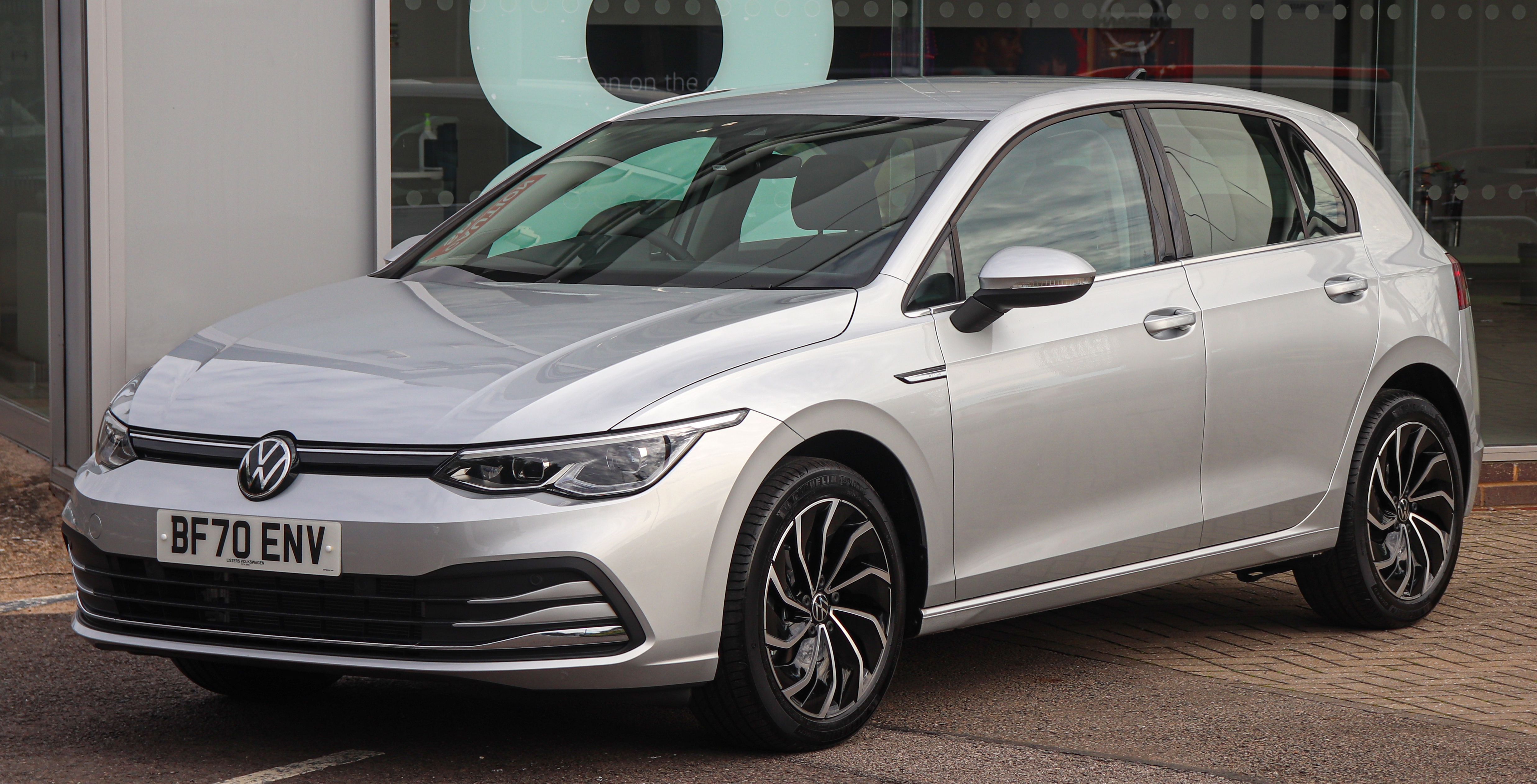
Volkswagen Gti
"...ugh there. But yeah, dude, I think I think Sprint GTI later Sprint GTs are fucking. And they're not on ..."
The Volkswagen Golf is a compact car, and some versions are made to feel sportier. The podcast is talking about specific Golf GTI-related trims like the Sprint models. The point is that certain versions may be better deals depending on what you can find.
The Volkswagen Golf is a compact car that’s available in performance-oriented trims, and the podcast specifically mentions the Sprint GTI and later Sprint models. It’s being discussed in the context of what’s available and what might be a good buy, suggesting the conversation is about finding a specific variant rather than the base model. The Golf is a common reference point because it can be practical while still offering a sporty driving experience in certain trims.

Plymouth Barracuda
"...ke there's, there's a difference between. Like my Barracuda is a very un if you know, it isn't if you know, y..."
The Plymouth Barracuda is a muscle car, and not all Barracudas are the same. Different versions can have different engines and features. The podcast is basically saying you need to pay attention to which one you’re talking about.
The Plymouth Barracuda is a classic American muscle car, and the podcast is pointing out that there are differences between versions. That matters because trim level, engine choice, and condition can change how the car drives and what it’s worth. The Barracuda is being referenced as a specific example in a conversation about which variant makes sense.
deep cut
"Um, is a deep if you know, you know car, you have the nicest example of one ... unless they know."
A “deep cut” is something not many people know about. In car terms, it’s a model that most folks won’t recognize, but car people will.
“Deep cut” here means a relatively obscure or niche car that most people won’t recognize, but enthusiasts will instantly identify. The host uses it to describe cars that fly under the radar visually until someone knowledgeable notices the specific model.
door handles
"[1479.8s] I like that it doesn't have a roof. [1481.3s] I love that it doesn't have windows. [1482.7s] I love that it doesn't have door handles. [1484.1s] I love that the badge looks like it has snakeskin in the background."
Door handles are what you grab to open a car door. The host is reacting to a version of the car that doesn’t use the usual handle setup, which changes the look and how you get in.
Door handles are the exterior mechanisms used to open a car’s doors. In this segment, the host’s excitement about “not having door handles” suggests they’re describing a specific Viper variant or a styling/packaging detail that changes how the car is accessed.
fatigue level
"[1537.8s] Gosh, they're so cool, but I do wonder [1541.8s] like what the fatigue level is on that with ownership, not not [1546.4s] because of like maintenance, but just especially an early one"
“Fatigue level” means how tiring the car feels to own and use day to day. In this context, they’re wondering if an older Viper would get tiring for reasons beyond just repairs and upkeep.
“Fatigue level” here refers to how mentally and physically tiring the car is to live with over time—especially in an older “early” example. The host distinguishes this from maintenance issues, implying wear-and-tear and usability concerns can build up with ownership.

Shelby Cobra
"Like absolutely. It's a V10 powered homage to the Cobra Shelby Cobra. And it's just it's just so pissed a..."
The Shelby Cobra is a classic-style sports car known for being very fast and very dramatic. It’s built to feel lightweight and exciting, with a big engine. People talk about it because it’s an iconic performance car design.
The Shelby Cobra is a legendary American sports car built around a lightweight body and a powerful V8 engine, originally designed as a tribute to the Cobra racing concept. It’s discussed because it represents a classic, high-performance era and is strongly associated with the Shelby name. In the podcast, it’s being referenced as a “homage” style car with a V10-powered setup.
V10
"It's a V10 powered homage to the Cobra Shelby Cobra."
A V10 is an engine with 10 cylinders. More cylinders usually means smoother, louder, and often more powerful performance—especially in cars built to feel exciting.
A V10 is an engine with 10 cylinders arranged in a “V” shape. Compared with smaller-cylinder engines, V10s typically make strong power and sound distinctive, which is part of why enthusiasts associate them with high-performance cars.
side exhaust
"The styling is so good, the side exhaust."
Side exhaust refers to exhaust outlets mounted on the side of the car rather than exiting at the rear. It’s a styling and packaging choice that can also affect how the car sounds and how exhaust heat is managed around the body.
cultural touchstone
"It's such like a weird, like cultural touchstone, if you will, because it's like it is."
A “cultural touchstone” is a thing people instantly recognize as a symbol of a certain vibe or attitude. The host means this car represents more than just driving—it stands for a whole image in car culture.
A “cultural touchstone” is something widely recognized in popular culture that represents a particular attitude, identity, or era. Here, the host is using it to describe how the car (inspired by the Cobra) has become a recognizable symbol beyond just being a vehicle.

Viper
"RX seven and Viper, they're roughly the same cost for a good one."
They mean the Dodge Viper. It’s a very powerful, old-school American sports car with a wild feel. The host is comparing it to the RX-7 and joking about which one they’d rather live with.
“Viper” refers to the Dodge Viper, an American performance car known for big power and a raw, aggressive driving feel. Compared with more balanced sports cars, the Viper’s character is often described as intense and less “polished,” which is part of why people debate how it compares to cars like the Mazda RX-7.

RX seven
"RX seven and Viper, they're roughly the same cost for a good one."
They’re talking about the Mazda RX-7. It’s famous for a rotary engine (not a normal piston engine), and that makes it feel quick and fun to drive. The host is basically saying it handles better than the alternative they mention.
“RX seven” is shorthand for the Mazda RX-7, a sports car best known for its rotary engine. The rotary’s compact design and high-rev character help the RX-7 feel especially responsive, which is why enthusiasts often talk about its handling and driving dynamics.

DB seven Coupe
"I still I still would love to own the DB seven Coupe. [1825.1s] DB seven manual V12 manual."
This is an Aston Martin DB7 Coupe—an older luxury sports car. The big deal here is that it’s the V12 version and the host wants it with a manual transmission, which is more fun for driving than an automatic.
Aston Martin’s DB series is known for its grand-touring style and V12-powered performance. In this segment, the host is specifically talking about wanting an Aston Martin DB7 Coupe with a manual gearbox, which is a rare, enthusiast-focused combination.
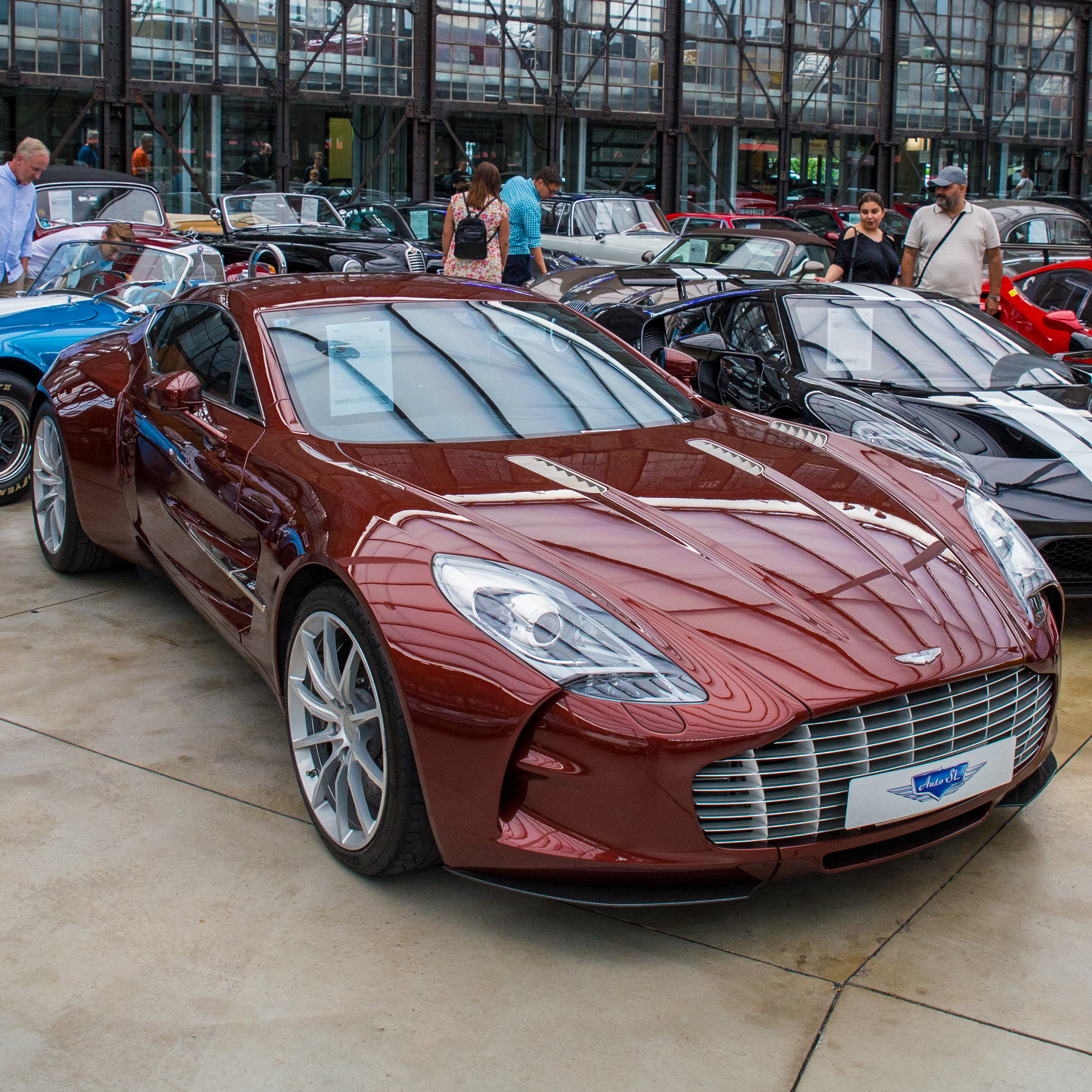
Aston Martin V12 Vantage
"[1828.4s] Give me the give me the DB V12 Vantage manual. [1832.4s] There we go."
This is an Aston Martin V12 Vantage—an older sports car with a big V12 engine. The host is saying he wants the manual version, which makes it more engaging to drive.
The Aston Martin V12 Vantage is a performance-focused variant built around a V12 engine and typically offered with a manual in enthusiast trims. The host is treating it as the specific “manual V12” bucket-list car, and then discusses its approximate price and mechanical robustness.
T 56
"But like I think that motor is pretty stout. [1854.4s] The transmission is just a T 56. [1857.2s] You know, it shares some other bits and bobs with like Jag XJS and sure."
The T56 is a manual gearbox that’s been used in a lot of performance cars. Saying it’s a T56 is basically the host telling you it’s a proven, strong transmission.
The T56 is a well-known manual transmission used across multiple performance cars. When the host says the transmission is a “T56,” they’re pointing to a durable, enthusiast-friendly gearbox design rather than an obscure one-off unit.

Jag XJS
"[1857.2s] You know, it shares some other bits and bobs with like Jag XJS and sure. [1863.2s] And some Ford stuff in there."
The Jaguar XJS is an older Jaguar luxury sports car. The host brings it up because they think some components are shared with the transmission setup they’re talking about.
The Jaguar XJS is a classic Jaguar grand tourer, and it’s mentioned here because the host claims the T56 transmission shares “bits and bobs” with it. That’s a clue that parts commonality can matter for serviceability and feel.
coils
"[1863.2s] And some Ford stuff in there. [1866.0s] Yeah, yeah, you know, if you're getting coils and stuff like that."
Here “coils” probably means the coil springs in the suspension. The host is basically saying some of those parts are shared/available, so the car may be easier to work on.
In this context, “coils” most likely refers to coil springs used in the suspension. The host is implying that suspension parts are shared or available, which can affect how easy it is to maintain or upgrade the car.
family tree
"Yeah. Oh, we should do a little family tree. Yeah, that's like what a three car garage."
They’re using “family tree” as a metaphor, like saying one car’s personality comes from other cars it’s related to. It’s not a literal diagram—just a way to talk about influences.
“Family tree” here is a metaphor for tracing a car’s lineage—how its design and driving character might be influenced by other models. In car talk, it’s often used to describe shared traits across generations or imagined “offspring” relationships between different cars.
three car garage
"Yeah, that's like what a three car garage. You hate your kids and like don't want them to take them anywhere."
A “three car garage” just means someone has room for multiple cars. Here it’s a joke about having several cars you want to keep.
A “three car garage” is an enthusiast shorthand for having multiple vehicles and enough space to store them. In this context, it’s used to set up a humorous “bucket list” framing—owning more than one car to rotate through.
manual wagon
"So I'm looking at 93 X turbos and I'd love a manual wagon. You know what I'm talking about, right? The turbo X, which is pretty cool."
A “manual wagon” is a wagon (a car with extra cargo space) that you shift yourself with a stick. People like it because it’s more engaging to drive than an automatic.
A “manual wagon” is a station wagon (wagon body style) equipped with a manual transmission. Enthusiasts often seek this combination because it pairs everyday practicality with more driver involvement than an automatic.

Saab X Turbos
"...romise you that a spicy sob. So I'm looking at 93 X turbos and I'd love a manual wagon. You know what I'm ta..."
The Saab Turbo X is a turbocharged car that’s meant to be quick, but it’s also shaped like a wagon. People bring it up because it’s a less common mix of practicality and performance. In the podcast, it’s mentioned as an appealing option for someone who wants a manual wagon with power.
The Saab Turbo X is a performance-focused Saab model built around turbocharging and a wagon-style body, which makes it unusual compared with typical sports cars. It’s being discussed as a “spicy” option, with the conversation also referencing interest in a 1993 X Turbo and a manual wagon setup. The Turbo X stands out because it blends practicality (wagon form) with performance intent.
turbo X
"You know what I'm talking about, right? The turbo X, which is pretty cool."
“Turbo X” sounds like a nickname for a specific version of a car that has a turbocharger. A turbo helps the engine make more power than the non-turbo version.
“Turbo X” is being used as a shorthand name for a turbocharged variant the host is excited about. In enthusiast talk, “X” often denotes a specific trim/variant, while “turbo” indicates forced induction that typically boosts power compared to a naturally aspirated version.

93 Viggen
"Yeah, 93 Viggen. And then also I'll just take a regular like the nine threes"
This is a special performance version of the Saab 9-3 called the Viggen. It’s known for being quicker and more aggressive than a standard 9-3.
The Saab 9-3 Viggen is a performance-focused version of the Saab 9-3, known for its turbocharged punch and rally-inspired styling. “Viggen” is a specific trim/edition, so it’s more than just a regular 9-3.
five speed
"the generation after that arrow with a five speed. All right, you're going late."
“Five speed” means the car has a manual gearbox with five gears. More gears can change how smooth it feels and how it drives on the highway.
A “five speed” refers to a manual transmission with five forward gears. In enthusiast circles, the exact gear count matters because it affects how the engine sits in the rev range and how the car feels at highway speed.
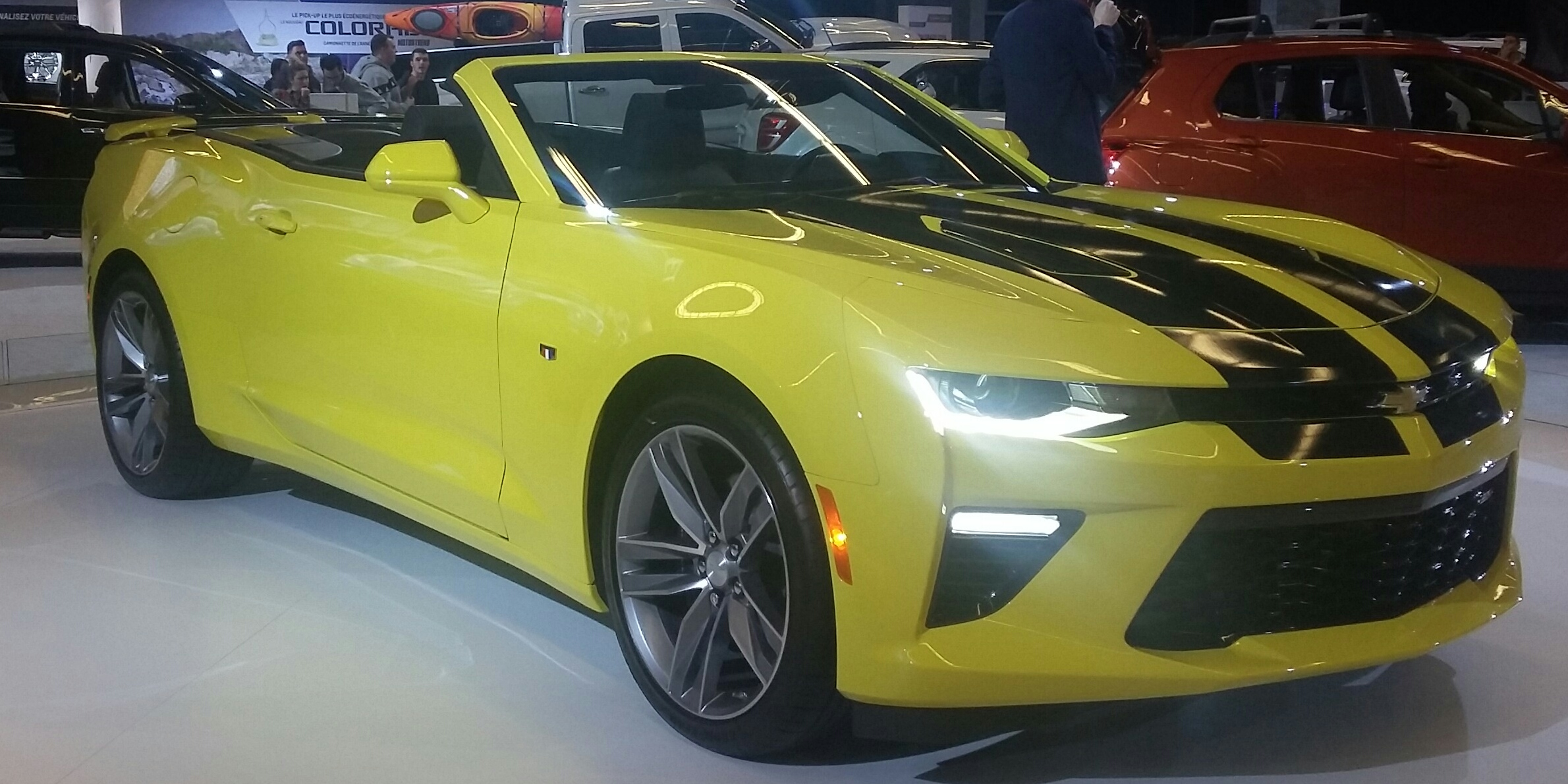
Chevrolet Camaro
"Lately, dude, third gen Camaro manual VA. Yeah. Yeah."
They mean a Chevrolet Camaro from the third generation, and they specifically want it with a manual transmission. Manual cars are usually more fun to drive and can be harder to find.
A “third gen Camaro” refers to the Chevrolet Camaro generation from the late 1960s to early 1970s, and “manual” means a manual transmission. Enthusiasts often chase specific manual-equipped variants because they’re rarer than automatic cars.
manual three or five
"Manual three or five. Yeah, kind of love that stuff. But yeah, that's that's it."
They’re talking about BMWs in the 3 Series or 5 Series, but specifically the versions you can get with a manual transmission. A manual lets you shift gears yourself, which many drivers find more fun.
“Manual three or five” is shorthand for a manual-transmission BMW 3 Series or 5 Series. Enthusiasts often prefer these because the manual gearbox can make the car feel more engaging and gives more direct control than an automatic.

Lotus Esprit
"honorable mentions and I'd still love like a series series to Esprit. Oh, yeah. Certainly over 10 grand."
The Lotus Esprit is a British sports car made by Lotus. It’s famous for being a real driver’s car with a layout that helps it handle well, and it’s a popular “bucket list” pick.
The Lotus Esprit is a British sports car best known for its mid-engine layout and sharp handling, with a reputation that spans from classic 1970s/80s cars to later turbocharged variants. In enthusiast circles it’s often discussed as a “driver’s” exotic that can still be found in the used market, depending on condition and budget.
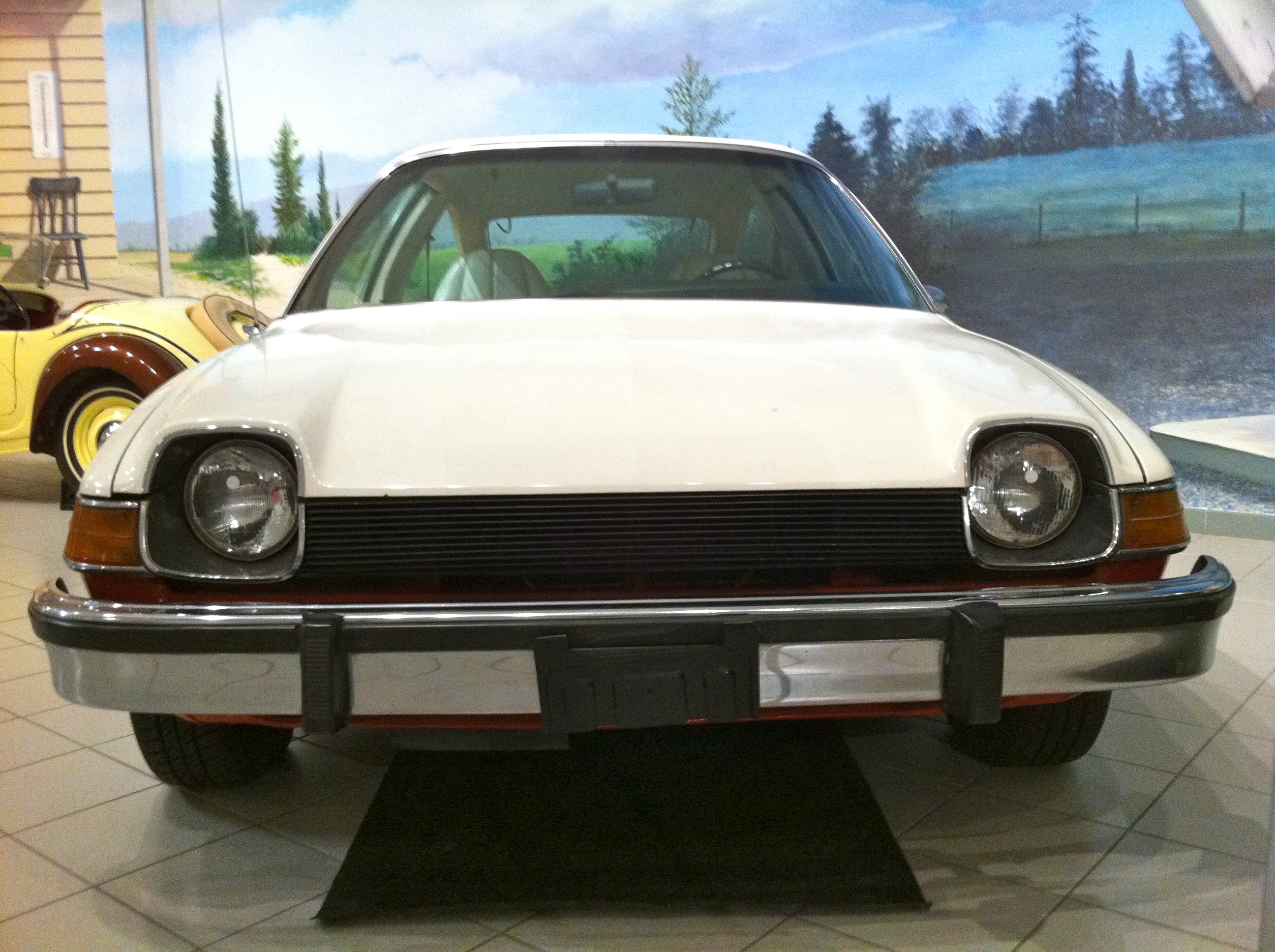
AMC Pacer
"Bear with me. A.M.C. Pacer. Oh, really? A.M.C. Pacer."
The AMC Pacer is a weird-looking older American car made by AMC. People love it today because it has a very unusual, boxy design and it’s kind of a cult classic.
The AMC Pacer is a quirky American compact car from American Motors (AMC) known for its boxy, space-age styling and unusual proportions. It’s become a cult “bucket list” car because it’s distinctive and historically memorable rather than because it’s a performance icon.

Lamborghini Gallardo
"...want people to come in and be like, you know, the Gallardo is actually attainable now. It's like, it's like ..."
The Lamborghini Gallardo is a high-end supercar built for very fast driving. People talk about it because it can be more affordable than some other exotic cars, depending on the market. In the podcast, it’s brought up as a car that more people might be able to buy.
The Lamborghini Gallardo is a supercar known for its sharp styling and strong performance, making it a frequent topic when people discuss attainable exotic cars. It’s mentioned in the podcast as something that feels more reachable now, which is why it comes up in shopping-style conversations. The Gallardo is often used as a benchmark for what “real” supercar ownership can look like at different price levels.
six speed manual
"Because I do believe that was 275 horse was available with a six speed manual. Did have four wheel disc brakes."
A six-speed manual means you shift gears yourself using a clutch. Having six gears can help the engine feel stronger across different speeds.
A six-speed manual is a gearbox where the driver selects gears using a clutch and shift lever, with six forward ratios. More gears can help keep the engine in its best power band, especially in performance driving.
four wheel disc brakes
"Did have four wheel disc brakes. GM love to be like Eddie lock brakes."
Four-wheel disc brakes means the car stops using disc brakes at all four wheels. They tend to work more consistently, especially when you’re driving hard.
Four-wheel disc brakes mean all four wheels use brake rotors and calipers, rather than rear drums. Disc brakes generally offer more consistent stopping and better heat handling, which matters for spirited driving.
Eddie lock brakes
"GM love to be like Eddie lock brakes. They would put it on their wheels."
This sounds like a brake-safety system GM used to help the wheels keep turning when you brake hard. The goal is to reduce skidding and help you steer.
“Eddie lock brakes” appears to be a mis-transcription of “EBD” or “ABS,” but the context is GM talking about brake technology they “put on their wheels.” If they meant ABS, it’s an anti-lock system that prevents wheel lockup during hard braking.
Dual air bags
"They would put it on their wheels. Dual air bags. So under nineteen under 19000 dollars."
Dual airbags means there are two airbags to help protect you in a crash—usually one for the driver and one for the passenger. It’s an important safety feature.
Dual airbags means the car has two airbag units—typically a driver and a passenger airbag. In the 1990s, dual front airbags became a key safety upgrade compared with earlier single-airbag or no-airbag setups.
space framey type shit
"They had like a little bit of space framey type shit with all the plastic and fiber components, the fenders and stuff."
A “space frame” is a strong skeleton inside the car made from many connected parts. The idea is to make the car rigid and better at handling crash forces.
“Space frame” refers to a vehicle structure built from a network of tubes or members that distributes loads through a rigid framework. The host is describing the car as having a more “space-frame-like” construction with mixed materials, which can affect crash protection and stiffness.
plastic and fiber components
"They had like a little bit of space framey type shit with all the plastic and fiber components, the fenders and stuff."
This means some body parts are made from lighter materials instead of metal. That can help the car weigh less, but it can also change how repairs are done after damage.
“Plastic and fiber components” refers to using lighter non-metal materials in body panels and parts (often fiberglass or other composites). This can reduce weight and change how the body behaves in impacts and repairs.
Chevrolet Camaro Z 28
"I'm going to say this is a nineteen. 95 Chevrolet Camaro Z 28 Final answer bomb. Killer car, but that's not the car we're talking about."
The Chevrolet Camaro Z/28 is a special, performance version of the Camaro. It’s the kind of model enthusiasts look for because it came with more track-oriented parts than a regular Camaro.
The Chevrolet Camaro Z/28 is a performance-focused Camaro trim known for track-ready hardware and a strong enthusiast following. In this segment, the hosts connect it to the fourth-generation F-body era and discuss period-correct features like manual transmission availability and braking.
badge engineering
"[2470.6s] Is it in my in my a badge engineering job away? [2475.3s] You're you're one excitement rung lower on this ladder."
Badge engineering is when a company sells basically the same car under different brand names. The changes are mostly badges and styling, not major engineering.
Badge engineering is when a car is largely the same vehicle underneath, but sold under different brand names with different badges and minor cosmetic changes. It’s often done to reduce development costs, but enthusiasts may see it as less “unique” than a ground-up design.
trim
"[2492.7s] I want the trim, though, now that you pretty much know what it is. [2496.3s] So if this is 95 we're talking price point."
“Trim” is the version of the car—basically what features and options it includes. A higher trim usually means more equipment than the base version.
In car shopping, “trim” means the specific equipment level and options package a vehicle is built with (for example, different seats, wheels, or performance features). Two cars with the same model name can feel very different depending on trim.

1995 Pontiac Firebird formula
"So let's let's do that. [2522.1s] This is a 1995 Pontiac formula. [2524.5s] Pontiac Firebird. Unchallenged."
This is a 1995 Pontiac Firebird, an American muscle car. “Formula” is a specific trim level that usually means it’s the more performance-focused version of the Firebird.
The Pontiac Firebird is a classic American muscle car, and the 1995 model year is from the late-generation run of the car. The “Formula” trim is a performance-oriented package, typically associated with stronger engine options and sportier appearance/handling details than the base Firebird.
over boosted power steering
"The chicklets, the ridiculous bulbous steering wheel [2575.2s] with like over boosted power steering."
It means the car’s power steering is set up to help you a lot. The steering wheel can feel too light, so it may be easier to turn than you’d expect.
“Over-boosted” power steering means the assist is tuned to feel very light, so the steering effort is reduced more than usual. That can make the wheel feel twitchy or overly easy compared with later, more balanced setups.
chicklets
"The chicklets, the ridiculous bulbous steering wheel [2575.2s] with like over boosted power steering."
In car interior styling, “chicklets” is a nickname for small, raised push-button controls (often on older dashboards). The speaker uses it to describe the era-specific button layout that looks very 1990s.
LS one
"That was quick. Oh, you got to get the LS one. [2585.7s] You don't want the early ones. They're dogs."
“LS one” is a name people use for a GM V8 engine family. The hosts are saying the LS version is the better, more desirable engine compared to earlier ones.
“LS one” refers to the GM LS-series V8 engine family, commonly associated with the later, more modern-feeling variants in the mid-1990s/early-2000s era. In this discussion, it’s contrasted with earlier, weaker variants, with the key point being that the LS engine is lighter and generally considered the better choice.
LT one
"No, they're not, man. [2589.3s] No, that LT one, the 275 horsepower, LT one."
“LT one” is another GM V8 engine family, earlier than the LS. In the conversation, they’re arguing the LT version is the weaker/less recommended option.
“LT one” refers to GM’s LT-series V8 engine family, which predates the LS-series. Here it’s specifically tied to an “early” variant that the speaker says is less desirable, with a stated output of about 275 horsepower.
clutch dump launch
"Just did a clutch, clutch dump launch and it's a huge burnout and ripped through the first like three gears like."
A clutch dump launch is when you start the car by letting the clutch out very quickly. It makes the car jump forward hard, but it can also cause wheelspin and put extra stress on the car.
A clutch dump launch is a hard, aggressive start where the driver releases the clutch quickly to maximize initial acceleration. It can create a lot of wheelspin and stress the drivetrain, which is why it’s often associated with burnouts and rapid gear changes.
burnout
"Just did a clutch, clutch dump launch and it's a huge burnout and ripped through the first like three gears like."
A burnout is when the tires spin and smoke while the driver keeps the car under control. People do it for tire heat or just for the show.
A burnout is when the driver spins the tires while the car is stationary or moving slowly, usually to heat the tires or show off. In performance driving, it’s often paired with a hard launch to get traction and dramatic acceleration.
terrible visibility
"and cheap materials and on on. Terrible visibility, whatever you want to say, still super cool."
“Terrible visibility” means it’s hard to see out of the car—like seeing traffic, curbs, or what’s beside you. Some sporty car designs make this worse even if the car is fun to drive.
“Terrible visibility” refers to how hard it is to see around the car due to window shape, seating position, and body design. It’s a common tradeoff in some performance cars and coupes where styling and aerodynamics can reduce sightlines.
WS six
"To WS six is like right before 2020 were like 678 grand."
“WS6” is an enthusiast shorthand for a higher-performance factory package on certain Pontiac models. It generally means the car has stronger, more performance-focused parts than the standard version.
“WS six” appears to be a reference to the Pontiac GTO’s performance-era “WS6” package (often associated with high-performance Trans Am/Firebird-era trims). In enthusiast talk, WS6 typically signals a factory performance package with upgraded components compared to base models.
PCP
"“I have done absolutely no PCP.” “…you heard me rattle off a whole bunch of shit about the XTERRA with the PCP against that wall…”"
PCP is a type of car financing where you make monthly payments and then later decide whether to hand the car back, or pay a final amount to keep it. It’s basically a structured lease-to-own style deal.
PCP usually means “Personal Contract Purchase,” a UK-style car finance plan where you pay monthly and then either return the car, refinance, or pay a final “balloon” payment to own it. Enthusiasts often debate PCP because it can encourage higher monthly payments or different ownership incentives than buying outright.
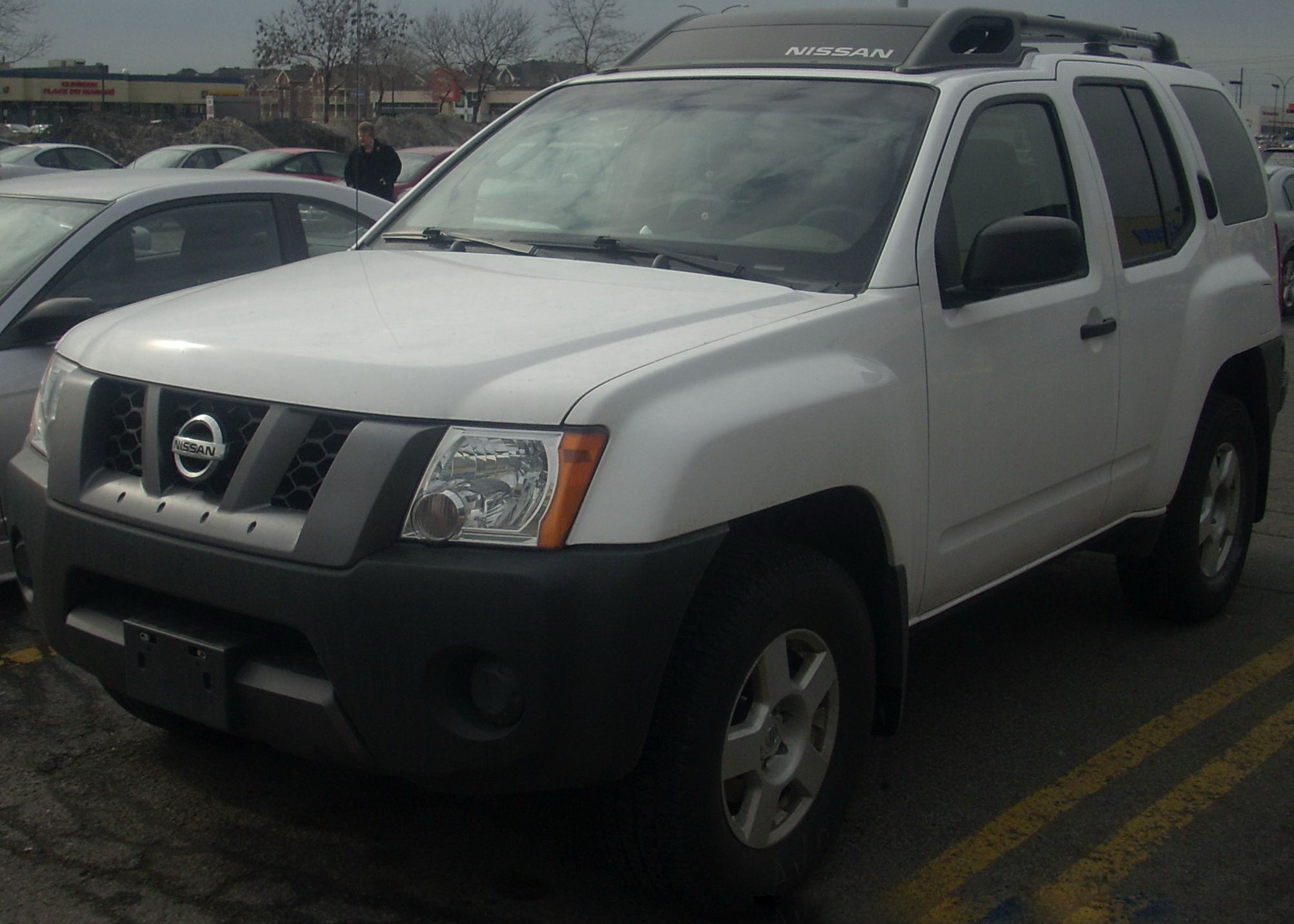
Nissan XTerra
"“…if you listen to the last episode, you heard me rattle off a whole bunch of shit about the XTERRA…” “…with the PCP against that wall in front of my house…”"
The Nissan Xterra is a tougher, more off-road-focused SUV. People like it because it’s built to handle rough roads and trails better than many regular family SUVs.
The Nissan Xterra is a rugged, body-on-frame SUV built for off-road use, with a reputation for practicality and trail capability. It’s commonly discussed in enthusiast circles for being a “do-it-yourself” platform and for its ability to handle rougher terrain compared with typical crossovers.

Lexus ES 300
"“Sure. The ES 300 or 93 manual, which is a joint venture between the two of us…”"
The Lexus ES 300 is a comfortable, everyday luxury car. Here they’re working on it as a project and mention replacing things like spark plugs and ignition wires.
The Lexus ES 300 is a mid-size luxury sedan from Lexus, known for comfort and smooth, reliable everyday driving. In this segment it’s specifically discussed as a manual project car, and the hosts talk about doing ignition service like plugs and wires.
valve covers
"“So in the motor doing valve covers, I did the plugs and wires recently…”"
Valve covers are the top covers on the engine that help keep oil inside. If you’re doing valve covers, it’s often to replace a gasket so the engine stops leaking oil.
Valve covers are the housings on top of an engine that protect the valve train and seal in oil. When someone says they’re doing valve covers, it usually means replacing gaskets or fixing leaks so oil doesn’t seep onto other engine parts.
plugs and wires
"“...doing valve covers, I did the plugs and wires recently…”"
Spark plugs and ignition wires help the engine create the spark that lights the fuel. If they’re old or failing, the engine can run rough or misfire.
“Plugs and wires” refers to spark plugs and ignition wires, which deliver the high-voltage spark needed to ignite the air-fuel mixture. Worn plugs or failing wires can cause misfires, rough running, and reduced fuel economy.
intake manifold
"“...to do the plugs on that car, you're pulling the intake manifold, which is surprising.”"
The intake manifold is the part that channels air into the engine’s cylinders. On some engines, you have to remove it to reach spark plugs or other parts underneath.
The intake manifold is the engine component that routes air (and often fuel, depending on design) from the throttle body to the intake ports in the cylinder head. Removing it is sometimes required for access to ignition components, which is why the host says doing plugs on this car means pulling the intake manifold.
spark plugs
"So anyway, the plugs in great shape, age, but who knows, right? [2840.4s] They they replaced them with the original. [2842.6s] So it could have been done like five years after it was bought. ... [2850.1s] This the tips were like really worn down, you know, like an old plug"
Spark plugs are the small parts that make the spark that starts combustion in the engine. If the plug tip looks worn, it often means the plug has been in there a long time.
Spark plugs are the ignition components that create the spark to ignite the air-fuel mixture in the engine. Their tip condition (like being worn down) is a common clue for how long they’ve been in service and whether the engine has been running with the right mixture and heat range.
OEM plugs
"They they replaced them with the original. [2842.6s] So it could have been done like five years after it was bought. [2845.2s] Right. Right. [2845.9s] There's no reason not to know that, but they were the original OEM plugs."
OEM plugs are the spark plugs that match what the car originally came with from the factory. If the plugs are still the original ones, it can tell you a lot about how old the ignition parts are.
OEM plugs means spark plugs supplied by the original equipment manufacturer for that specific car. They’re often the same type/spec as what the engine was designed to run, so comparing “original OEM plugs” vs later replacements helps you judge how long the car has been running on the same ignition parts.
telltale sign
"That's my telltale sign, because you can have all kinds of other things [2857.2s] that age the plug or the whatever material or whatever brand they use. [2861.0s] Different plugs age differently, but that tip being worn down"
A telltale sign is a noticeable clue. In this case, the worn spark plug tip is used as evidence that the plug has been in the engine for a while.
A telltale sign is an observable clue that helps diagnose a condition. Here, the worn-down spark plug tip is treated as a telltale sign that the plug has been installed for a long time (and likely corresponds to the car’s mileage/age on those parts).
plug wires
"Plugs, wires changed over way better. [2873.1s] Sure. Yeah. [2875.7s] NGK's NGK new wires, just even new wires, you know, [2879.7s] that we're talking like even a technology difference, right?"
Plug wires are the cables that send electricity to the spark plugs. If they’re old or worn out, the spark can be weaker or less reliable.
Plug wires (ignition leads) deliver high-voltage electricity from the ignition system to the spark plugs. Over time they can degrade, increasing misfire risk or weakening spark energy, so replacing them along with plugs can improve how smoothly the engine runs.
NGK
"NGK's NGK new wires, just even new wires, you know, [2879.7s] that we're talking like even a technology difference, right?"
NGK is a well-known brand that makes spark plugs and ignition parts. The idea here is that using fresh NGK ignition parts can make the engine run better than older, worn components.
NGK is a major manufacturer of spark plugs and related ignition components. In the segment, the host links NGK plugs and new plug wires to a noticeable improvement, implying that different brands/technologies can age differently and affect ignition quality.
four cylinder cars
"Like on most four cylinder cars, it takes me 15 minutes. This car is an endeavor."
A “four cylinder” engine has four combustion chambers. The host is saying that on cars like that, a spark-plug related job is usually pretty quick.
“Four cylinder cars” refers to engines with four cylinders, which often affects how long certain ignition and tune-up jobs take. The host uses it to estimate how long they spend on spark-related work, suggesting the job is quicker on smaller cylinder counts.
V6 model
"Let me tell you on this V6 model. But anyway, it's it's getting real good, dude, versus how it ran before."
A V6 engine has six cylinders arranged in a V shape. The host is saying that because it’s a V6, the same kind of work takes longer than on a four-cylinder car.
A “V6” engine has six cylinders arranged in a V shape, which can make maintenance more time-consuming than on smaller engines. The host contrasts a V6 with their quicker experience on four-cylinder cars, implying packaging and access are part of the effort.
Request an Explanation
Heard something you'd like explained? We'll add it to this episode.
Sign in to request explanations for terms you heard.
Want to learn more?
Browse our glossary for plain-English explanations of automotive terms, jargon, and concepts.
Help improve this episode
See something that's not quite right? Our annotations are AI-generated and can sometimes miss the mark. Click the flag icon on any annotation to suggest a correction.