
Episode #229 - Is Nissan Making a Comeback?
About this episode
Nissan’s comeback gets debated through a mix of strategy and product momentum: the hosts tie it to an enthusiast-focused brand direction, point to the modern Z as “a good step in the right direction,” and connect renewed energy to a broader lineup push. They also discuss Nissan’s potential to win if the market pivots away from full EVs—especially with a body-on-frame, V6 Xterra—and how Nismo could expand. The episode also detours into Celica GTS ad decoding and hands-on repair stories.
80's and 90's Nissan could do no wrong. After that time period, Nissan has kinda only done wrong. The brand has undergone quite the shakeup and looks to re-invent itself with enthusiast desires in mind. Is Nissan making a comeback?
***Want to support the pod? Join our Patreon for insultingly bad perks, including unlocking the APA Pod "Late Night Confidential" Episodes!***
rose color glasses
"I think we reflect rose color glasses, whatnot. We look back at 80s and 90s Nissan, you had like the 240SX,"
“Rose color glasses” means you’re looking back on something with a too-positive attitude. In this case, it suggests the host thinks people are remembering older Nissan years as better than they really were.
“Rose color glasses” is a phrase meaning you remember the past more positively than it actually was. In car talk, it often comes up when people idealize older model years or brands while downplaying their problems.

Nissan 300ZX twin turbo
"We look back at 80s and 90s Nissan, you had like the 240SX, you had a lot of cool offerings, 300ZX twin turbo, you had a lot of cool stuff coming from Nissan, right?"
The Nissan 300ZX twin turbo is a Nissan sports coupe with two turbochargers. That setup helps it make strong power while still feeling like a comfortable car to drive.
The Nissan 300ZX twin turbo is a performance-focused 2+2 grand touring coupe known for its twin-turbocharged power and smooth, everyday usability. It’s a standout “80s/90s Nissan” because it combined real acceleration with a more refined, long-distance-friendly character than many sports cars.

Nissan 240SX
"We look back at 80s and 90s Nissan, you had like the 240SX, you had a lot of cool offerings,"
The Nissan 240SX is an older Nissan sports car that became popular with car modders. People liked it because it’s rear-wheel drive and there are lots of parts and upgrades available.
The Nissan 240SX is a classic late-80s/90s sports coupe/sedan platform known for its strong aftermarket and drift culture. It’s especially remembered for being a relatively affordable way to get rear-wheel-drive, balanced handling, and tunability.
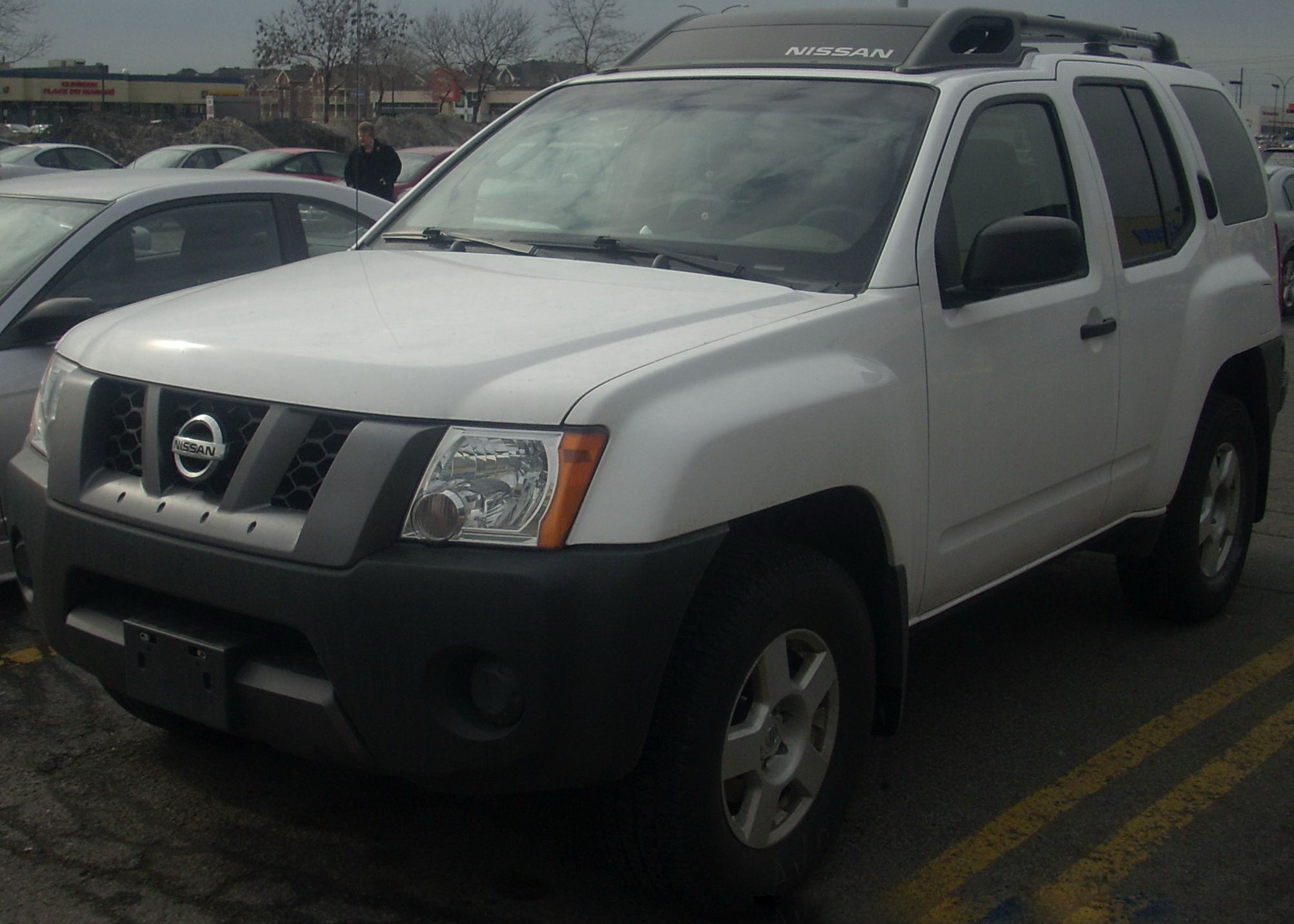
Nissan X-Terra
"You had X-Terras, which actually sold really well. [264.5s] Nissan was still doing good."
The Nissan X-Terra is a tougher-looking SUV that was aimed at people who wanted something more capable than a typical mall cruiser. In this segment, it’s mentioned because it was selling well.
The Nissan X-Terra is a rugged, body-on-frame-style compact/midsize SUV that was marketed with off-road capability in mind. The host highlights it as a model that “sold really well,” using it as evidence that Nissan’s lineup had real mainstream and enthusiast appeal.

Nissan 2008 Nissan
"I would give them the benefit of the doubt. I think up until 2008, Nissan was still doing pretty good and respectable and was a big Japanese automaker."
The Nissan 200 SX is a Nissan model name that’s associated with sportier cars from the past. The podcast mentions it while talking about how Nissan was doing well up to around 2008. It’s brought up as part of that older, more respected lineup.
The Nissan 200 SX is a sports-leaning model name that’s often associated with Nissan’s earlier performance lineup. In the podcast, it’s mentioned during a broader statement that up until 2008 Nissan was doing “pretty good and respectable,” tying the 200 SX to that era’s reputation. That context makes it part of a discussion about Nissan’s historical lineup strength.
Jacko transmissions
"[444.8s] They've become a joke. [445.6s] There's big ultimate energy, their products, there's Jacko transmissions. [449.4s] There's there's pick your pick your poison there."
“Jacko transmissions” sounds like a specific transmission brand or option. The hosts are basically saying there are different transmission choices, and each one changes how the car feels to live with.
“Jacko transmissions” appears to refer to a specific transmission brand or supplier (likely an enthusiast/aftermarket reference) rather than a generic type of transmission. The hosts use it as part of a “pick your poison” comparison, implying different transmission options lead to different ownership experiences.
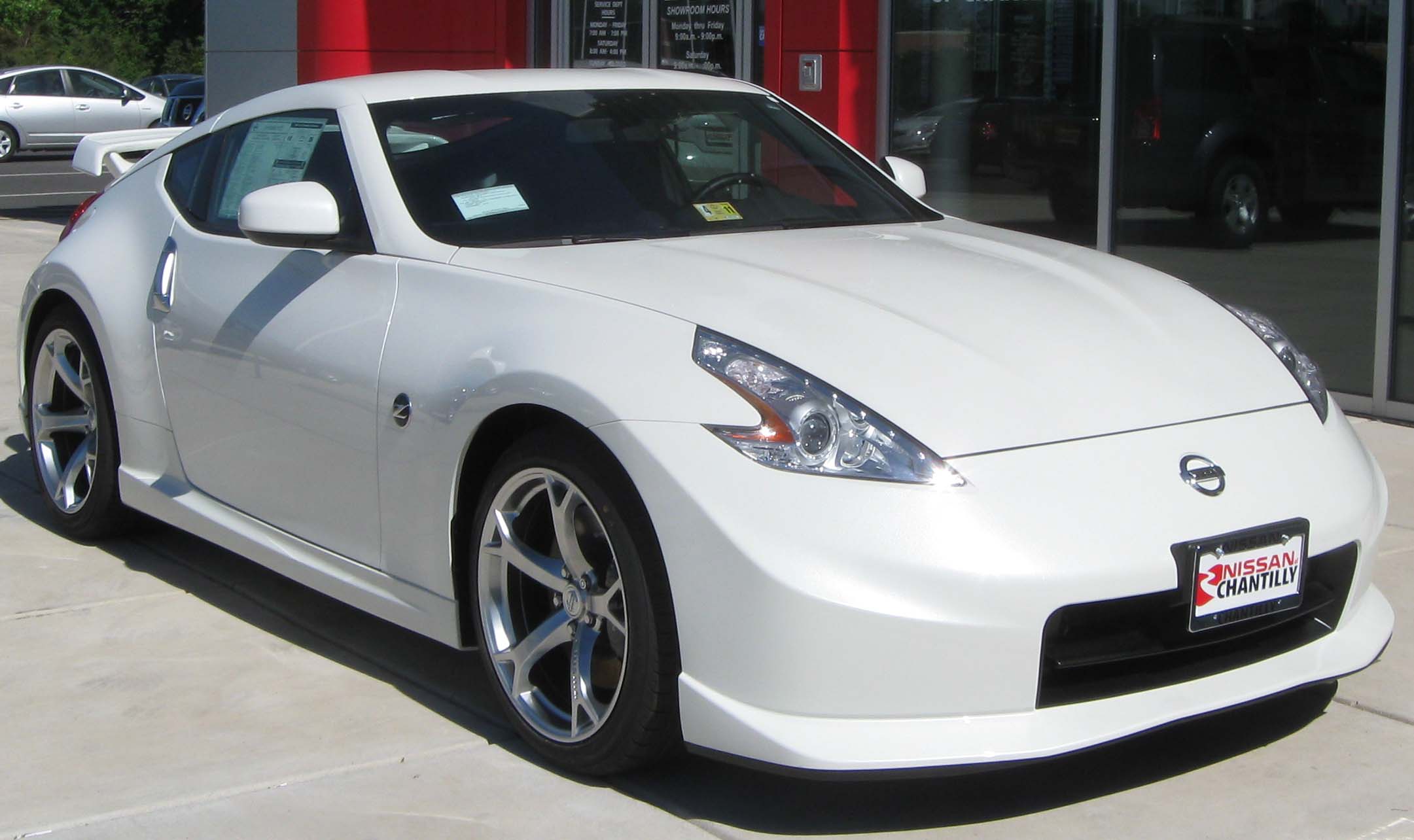
Nissan 370Z
"[455.5s] It's been a while, right? [456.8s] Like the 370Z carried on for 50 years. [460.9s] Seemingly, right?"
The Nissan 370Z is a sports coupe in Nissan’s long-running Z lineup. The hosts mention it to make the point that the Z name has been around for a long time.
The Nissan 370Z (often spoken as “370Z”) is the modern Z-car in the long-running Z lineage, positioned as a sporty, driver-focused coupe. It’s notable here because the hosts frame it as a long-lived model that helped keep the Z identity alive before the newer “Z coming back” discussion.
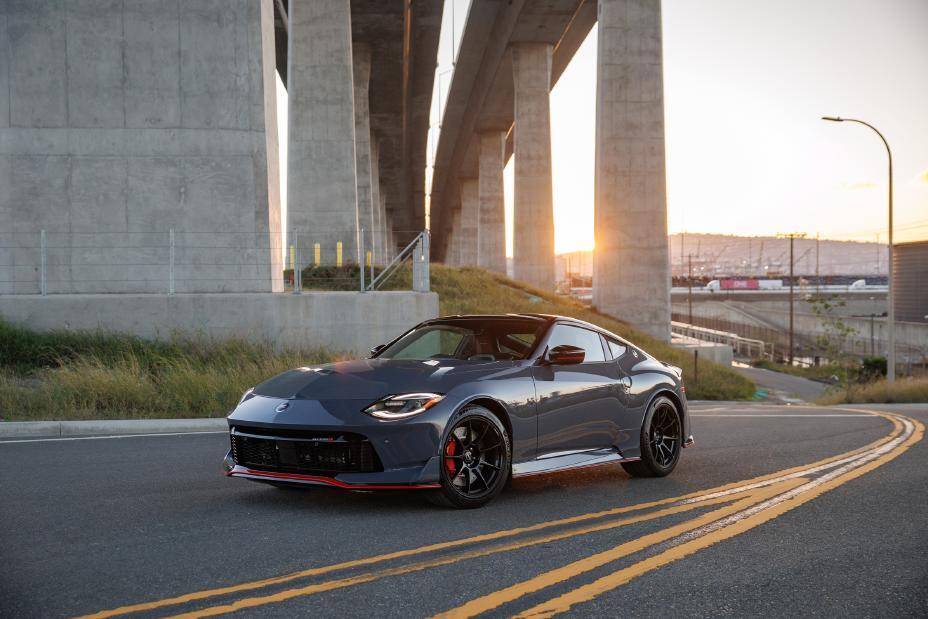
Nissan Z
"[463.6s] What are you most excited about? [465.2s] Because I think the Z coming back, the new Z. [469.3s] Was a good step in the right direction."
The Nissan Z is Nissan’s sports-car line, and the hosts are talking about the newer version of it. They’re saying it was a good move and that people have had time to judge it now.
The Nissan Z is the revival of Nissan’s classic Z sports-car formula, and the hosts treat the “new Z” as a meaningful step toward a comeback. In this segment they connect the announcement and early excitement to how the market responded after living with the car for a while.

Toyota Supra
"[507.6s] Yeah. [507.9s] And I think the marketplace was until it wasn't because they haven't [511.3s] sold a bunch of them and you don't really see them. [513.6s] It outsold the Supra."
The Toyota Supra is another popular sports car that people compare against the Nissan Z. Here it’s mentioned because the hosts are talking about how well the Z sold compared to the Supra.
The Toyota Supra is a performance sports car that’s commonly used as a benchmark in the same buyer “lane” as the Nissan Z. The hosts mention it to make a sales/visibility comparison—saying the Z outsold the Supra at one point, but that the Z later became less visible on the road.
halo car
"And what it might actually end up being, which is something we don't really have anymore, is an actual halo car, not in the way of. You know, getting people in the showroom to see the sea."
A “halo car” is a standout model that makes a brand look exciting and desirable. Even if it isn’t the biggest seller, it helps people want the brand.
A “halo car” is a flagship or standout model that doesn’t have to sell the most units, but is meant to boost the brand’s image and excite buyers. The speaker contrasts this with the idea of simply using the car to draw people into a showroom, then having them leave with something else.
Jatco transmission
"That's a different conversation... taking a nameplate that's been pretty maligned and has been down in the gutter and getting continuously kicked while it was down. Or while it's Jatco transmission was down and."
Jatco is a company that makes transmissions for cars. The speaker is saying that transmission problems tied to Jatco contributed to the car’s bad reputation, and that improving things can help the model’s image.
Jatco (often spelled JATCO) is an automotive supplier known for transmissions, including many continuously variable (CVT) units used across the industry. Here, the speaker blames part of the Z’s reputation/criticism on transmission issues associated with Jatco, implying that fixing that perception helps the nameplate recover.

Nissan 240Z
"Like not anymore. But I still think there's brand cache and recognition in having a sports car that still bears a resemblance to their historic, like absolute killer of a sports car, the 240Z."
The Nissan 240Z is an old-school Z-car that became a legend. It’s a big part of why people associate Nissan with a “real” sports car look and vibe.
The Nissan 240Z is a classic Z-car from the late 1960s/early 1970s, famous for its lightweight feel and Datsun/Nissan sports-car identity. When someone says a modern car “bears a resemblance” to the 240Z, they’re talking about design cues and the heritage that helps sell the idea of a true sports coupe.

Datsun 240Z
"...storic, like absolute killer of a sports car, the 240Z. But that being said, they've done like great thi..."
The Datsun 240Z is an older sports car that became famous for being fast and fun. The podcast describes it as a standout classic. It’s brought up because it’s an important part of sports-car history.
The Datsun 240Z is a legendary early sports car that helped establish the Z-car reputation for style and performance. The podcast calls it an “absolute killer of a sports car,” highlighting its historical impact and desirability. It’s also mentioned as a car that has seen “great things” done with it over time.

Nissan GT-R (R35)
"They also still made the R35 for like up 10 years. And that thing's still cool as all hell. It's still cool."
The Nissan GT-R (R35) is a famous fast Nissan that’s been around for many years. The host is saying it’s still cool, but it matters less for Nissan’s next chapter than the new Z.
The Nissan GT-R (R35) is the R35-generation GT-R, known for its long-running production and reputation as a high-performance “supercar fighter.” Here, the host notes Nissan kept making the R35 for about a decade, and that it still feels exciting—just not as central to the company’s future direction as the newer Z.
underpinnings
"Correct. But I think in order for them to do what they, what I think they've successfully done, even if we might not call it a terribly successful vehicle. Is, yeah, they, they, they, they took the underpinnings of an old car. They refreshed it heavily and launched it as a new product..."
“Underpinnings” just means the main bones and engineering base of the car. The host is saying the new Z is built on older Z foundations, but updated a lot.
“Underpinnings” means the core structural and engineering foundation of a car—things like the chassis architecture and major layout. The host’s point is that the “new Z” uses older Z-car foundations, but Nissan refreshed them heavily to make it feel like a new product.
refresh it heavily
"Is, yeah, they, they, they, they took the underpinnings of an old car. They refreshed it heavily and launched it as a new product for not a huge amount of money, both to the consumer and for the manufacturer."
This means Nissan didn’t just leave the old design alone—they updated it a lot. The idea is you can make a “new” car by improving the existing base instead of building everything from zero.
“Refresh it heavily” describes a strategy where a manufacturer takes an existing platform or design base and updates it substantially rather than starting from scratch. In this segment, it’s used to argue Nissan can modernize the Z’s older foundations and still launch it as a new product without massive cost.
body on frame
"they have already come out and said, yeah, they have already come out and said body on frame v six, like exactly like the, the truck in your background"
Body-on-frame means the car’s body sits on a separate, sturdy frame underneath. It’s a common design for trucks and off-road SUVs because it tends to handle bumps and tough driving better.
Body-on-frame is a vehicle construction method where the body is mounted to a separate ladder-like frame. It’s commonly used on trucks and off-road SUVs because it can better tolerate rough use and makes it easier to build durable, truck-like platforms.
crossovers and SUVs
"So came out at that time, which the world was already moving to like crossovers and SUVs. The idea of a body on frame family hauler or adventure vehicle is kind of being antiquated at that time."
Crossovers and SUVs became more popular because they’re practical and feel more versatile for everyday life. The hosts are saying that, during that shift, the old-school rugged style of the XTERRA didn’t match what most people wanted.
Crossovers and SUVs became increasingly popular as buyers shifted toward higher seating positions, practicality, and all-around versatility. The hosts use this trend to explain why a traditional body-on-frame adventure vehicle like the original XTERRA felt “antiquated” at the time.

Porsche Boxster
"...sus, you know, Porsche having to like undo the EV Boxster or Stellantis having to uncharger the charger."
The Porsche Boxster is a two-seat sports car with the engine placed toward the middle of the car. It’s made for people who want a fun roadster experience. The podcast mentions it while talking about changes to what the model might become.
The Porsche Boxster is a mid-engine two-seat roadster designed for driving feel and balance. It’s significant because it represents Porsche’s entry point into the brand’s sports-car lineup, and it’s often discussed when people talk about how sports cars are evolving. In the podcast, it’s referenced in the context of “undoing” an EV version or changing direction.
EV Boxster
"And that's it versus, you know, Porsche having to like undo the EV Boxster or Stellantis having [932.8s] to uncharger the charger."
This is the idea of making a Porsche Boxster into an electric car. The host is basically saying Porsche may have to adjust its plans because the market isn’t lining up with what they expected.
“EV Boxster” refers to an electric Porsche Boxster concept/effort—i.e., Porsche moving the Boxster name toward an all-electric powertrain. The host contrasts this with Nissan’s approach, implying Porsche has to “undo” or rework its EV plan to match what the market actually wants.
uncharger the charger
"And that's it versus, you know, Porsche having to like undo the EV Boxster or Stellantis having [932.8s] to uncharger the charger."
This is a joking way of saying the Charger’s electrification plans are being changed or reversed. The point is that some brands have to rethink their EV strategy, while Nissan can still sell gas or hybrid versions.
“Uncharger the Charger” is a wordplay reference to the Dodge Charger shifting away from an electrified direction (“uncharging” it) or reversing course on powertrain strategy. In context, it’s used to argue that some automakers have to backtrack on EV plans, while Nissan is positioned to offer conventional and hybrid options.

Dodge Charger
"...ike undo the EV Boxster or Stellantis having to uncharger the charger. And now they just launched the new q..."
The Dodge Charger is a car built for performance, typically with strong acceleration. It’s known for being a popular model among drivers who like fast cars. The podcast brings it up while discussing what’s being launched or changed in the lineup.
The Dodge Charger is a performance-oriented sedan/coupe that’s known for powerful engines and a strong enthusiast identity. It’s frequently discussed when manufacturers shift model strategies or release new variants. In the podcast context, it’s mentioned alongside talk of changing plans for other performance models.
price creep
"And I think what happened with that price creep, that scope creep, that feature creep, [992.44s] "
Price creep means car prices slowly keep going up over time. The host is saying that as prices rise, it becomes harder to find a cheaper, basic car.
Price creep is the gradual upward drift in vehicle pricing over time, often driven by added features, higher production costs, and shifting demand. Here, the host ties it to “feature creep” and “scope creep,” arguing that fewer genuinely affordable, simple cars remain.

4Runner Forerunner
"And then all this other technology, absolutely a factor. And then Nissan just saying, you know what? You guys want a fucking off-road truck... just like the original X-Tera, which way undercut the forerunner, even more so now this new X-Tera is going to come in."
They’re comparing to the Toyota 4Runner, a rugged SUV that’s built for off-roading. The point in this segment is that the 4Runner is the “standard” the Nissan would be trying to beat.
The Toyota 4Runner is a body-on-frame SUV known for off-road capability and a long-running enthusiast following. Here, it’s used as the benchmark competitor for the proposed Nissan X-Tera, with the discussion focusing on pricing and trim availability.
TRD acronym
"And then God forbid you get, yeah, even a base forerunner. And then God forbid you get like anything with a TRD acronym on there, you know?"
TRD stands for Toyota Racing Development. When you see a TRD badge, it usually means the vehicle has Toyota’s sport/off-road focused upgrades or styling.
TRD is Toyota Racing Development, Toyota’s performance and off-road parts/trim branding. In practice, “TRD” badges usually indicate a model or package tuned for more aggressive driving or more capable off-road hardware.

Toyota Land Cruiser
"...ow, I'm very much in support of bringing back the Land Cruiser. But the current offering feels and seems so wild..."
The Toyota Land Cruiser is a tough SUV designed for rough roads and off-road driving. People talk about it because it’s known for lasting a long time. The podcast says the newer version feels very different from what fans expect.
The Toyota Land Cruiser is a rugged, body-on-frame SUV built for durability and off-road capability. It’s often discussed because it has a long history and a reputation for being able to handle tough conditions. The podcast mentions bringing it back, but notes that the current version feels unusually different.
MSRP
"But let's see, base 2026 forerunner MSRP. Starting MSRP, $42,070."
MSRP is the sticker price the manufacturer says the car should cost. It’s not the final price you pay at the dealership, but it’s a common reference point for comparisons.
MSRP (Manufacturer’s Suggested Retail Price) is the printed price a manufacturer recommends for a vehicle before taxes, registration, and dealer fees. The host uses MSRP to compare how “base” trims are priced versus what buyers actually end up paying.
Versa architecture
"No, but they could use the Versa architecture, right? [1119.9s] And build that smaller Centra around that. [1122.1s] Give a smaller, more basic thing, lighter, tossable."
“Architecture” means the car’s basic design and platform—what it’s built on. They’re suggesting Nissan could reuse that foundation to make a smaller, lighter version of the “Centra.”
“Architecture” here means the underlying vehicle platform—how the body, chassis, and major hardpoints are designed to support different models. The host proposes using the Versa’s architecture to build a smaller “Centra,” aiming for a lighter, more agile car.
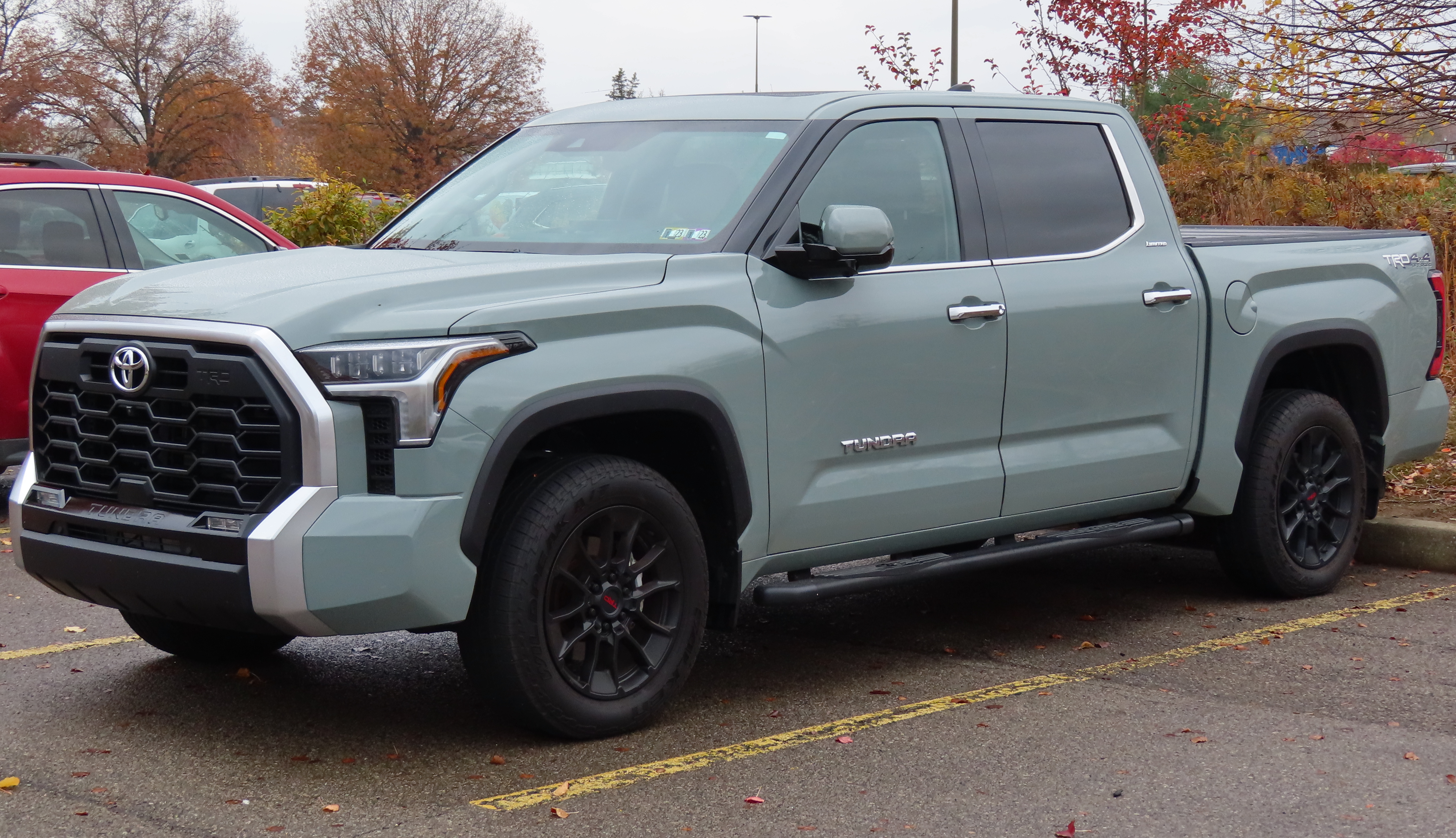
Toyota Tundra
"...here, and really the full Toyota lineup, like the Tundra, the Tundra is getting a ton of bad press for Toy..."
The Toyota Tundra is a large pickup truck made by Toyota. It’s meant for hauling and towing, but also for regular driving. The podcast says it’s been getting a lot of bad press lately.
The Toyota Tundra is Toyota’s full-size pickup truck, aimed at buyers who want capability and everyday usability. It’s in the spotlight in the podcast because the speaker says it’s getting a lot of negative attention. That kind of mention usually points to concerns or controversy around recent performance, quality, or updates.
recalls and reliability issues
"Because of recalls and reliability issues. [1139.1s] Yeah."
A recall is when a car company has to fix a problem in cars that are already on the road. Reliability issues mean the car tends to have problems more often than expected. The host is saying these kinds of issues can hurt how people feel about a brand.
“Recalls” are official manufacturer actions to fix safety or compliance problems in vehicles already sold. “Reliability issues” refers to recurring failures or durability problems that can damage a model’s reputation. The host uses this idea to explain why Toyota’s lineup (including the Tundra) can take reputation hits.
hybrid systems
"And over a complication with hybrid systems, which honestly, Toyota is about the only company I trust buying a hybrid system from."
A hybrid system is a car setup that uses both a gas engine and an electric motor. Because it has more parts working together, it can be more complicated and sometimes more expensive to maintain if something goes wrong.
A hybrid system combines an internal-combustion engine with an electric motor and a battery to move the car. The control software has to coordinate power sources smoothly, which can add complexity and introduce failure points compared with a conventional powertrain.
subprime
"because maybe you don't want to go take a fucking 120-month loan out at 19% [1199.8s] because that's interest rates for a subprime."
Subprime means a loan is being offered to someone with less-than-great credit. That usually comes with a higher interest rate, so the car ends up costing more over time.
Subprime refers to borrowers with weaker credit histories, which typically leads to higher interest rates on loans. In car-shopping terms, it can make financing costs dramatically worse, especially for long loan terms.
EV
"Originally conceived as an EV, which I guarantee they've walked that all the way back... But it's not going to be a totally electric vehicle."
EV means electric vehicle. It’s a car that runs mainly on electricity from a battery, and they’re discussing whether the new Skyline might be one.
EV stands for electric vehicle, meaning the car is powered primarily by one or more electric motors and a battery. In this segment, the hosts are debating whether the rumored Skyline R36 will be fully electric or not.
RB26
"Sorry, RB26 was getting in the way of the hybrid."
RB26 is a famous Nissan engine (an inline-six) that people associate with the Skyline GT-R. It’s known for being powerful and for having a huge aftermarket, so it’s a go-to engine when enthusiasts talk about building or swapping cars.
RB26 refers to Nissan’s RB26DETT inline-six engine, famous from the R32–R34 Skyline GT-R. It’s a twin-turbo setup known for strong aftermarket support and high performance potential, which is why it comes up in discussions about swaps or hybridization plans.

Nissan Juke
"... to 10. And like, don't get me wrong, I think the Juke is one of the fucking ugliest vehicles, but will ..."
The Nissan Juke is a small SUV/crossover. It’s known for having a very unusual look that not everyone likes. The podcast mentions it because the speaker thinks it’s ugly but still acknowledges it has fans or value.
The Nissan Juke is a compact crossover known for its distinctive, unconventional styling. The podcast calls it “ugliest” while still acknowledging that it has appeal, suggesting the speaker recognizes its popularity or uniqueness. It’s brought up as an example of a polarizing design that still draws buyers.
Nismo
"End line. Yeah. Nismo won't do that, right? Or GT line or whatever, you know, they won't do that."
Nismo is Nissan’s performance label. If you see a Nismo badge, it usually means the car was tuned to drive better, not just dressed up.
Nismo is Nissan’s performance brand, used for factory-backed tuning and special editions. When a car gets a Nismo badge, it typically signals more than styling—often including suspension, cooling, braking, and engine calibration changes aimed at sharper driving dynamics.

Nissan Frontier Nismo
"The Frontier Nismo, which was effectively the off-road trim. Right. The Pro 4x."
Nissan’s Nismo version of the Frontier is a more aggressive, enthusiast-focused pickup. It’s meant to be better for off-road use and has more sporty styling than the regular model.
The Nissan Frontier Nismo is a performance-oriented trim of the Frontier pickup, tuned and styled by Nismo for a more aggressive, enthusiast-focused off-road direction. In this segment, it’s described as an “off-road trim,” which helps listeners understand why it’s positioned differently than a standard Frontier.

Nissan 350 Z
"You know, the 370 Z Nismo was a thing. Dude, the 350 Z Nismo was pretty fucking impressive. I know you d..."
The Nissan 350Z is a sports car coupe made for driving enjoyment. The podcast is comparing it to a newer Z and saying the 350Z Nismo version was very impressive. It’s mentioned because it’s a well-regarded performance model.
The Nissan 350Z is a sports coupe that helped define the modern “Z” enthusiast era with strong performance and a driver-focused feel. The podcast contrasts it with the 370Z Nismo and says the 350Z Nismo was impressive, highlighting how earlier versions can still stand out. That’s why it’s brought up in a performance-focused conversation.
seam welded
"I love that it's like seam welded. I think that was a cool touch. I think the very limited production numbers of those makes it really cool car."
“Seam welded” refers to welding the body panels together along the seams, rather than relying only on spot welds or adhesives. On performance or limited-run cars, it’s often used to improve rigidity and to create a more “hand-built” look that enthusiasts notice.
low mileage ones
"Now you can't get it for like 30 grand, right? Low mileage ones. Do you think there's any, it's funny."
“Low mileage” is a used-car qualifier meaning the car has been driven relatively few miles compared with typical examples. In enthusiast markets, lower mileage often supports higher prices and can make limited cars easier to justify buying.
Japanese manufacturer scene
"Do you think there's any, it's funny. If you look at just the Japanese manufacturer scene from the position of an American consumer."
“Japanese manufacturer scene” is a shorthand for the broader ecosystem of Japanese brands and their reputations—models, dealer networks, and how enthusiasts perceive them. Here, it’s framed from the perspective of an American buyer comparing what’s available and how the experience differs.

Mazda Cx50
"That's the one that, you know, any, any car enthusiast that says go buy daily drivers. You know, go get a CX 50. Go get a Mazda 3."
The Mazda CX-50 is a small SUV for everyday driving. It’s meant to be practical, but the podcast frames it as a good choice for people who still care about how the car drives. The host suggests it as an enthusiast-friendly daily driver.
The Mazda CX-50 is a compact crossover SUV aimed at drivers who want a daily-friendly vehicle with a more engaging driving feel. In the podcast, it’s recommended as a “go buy” option for enthusiasts who still want something practical. That’s why it comes up alongside other Mazda models.

Mazda 3
"You know, go get a CX 50. Go get a Mazda 3. Um, you know, oh, the, the CX 9 now has an inlin..."
The Mazda RX-3 is an older Mazda sports car. It’s known for being different from typical cars, including its unique engine design. The podcast brings it up as an example of something interesting that enthusiasts might want.
The Mazda RX-3 is a classic Mazda model associated with the brand’s rotary-engine heritage. It’s mentioned in the podcast as part of a “go get” style recommendation, implying interest in something different and more niche than mainstream cars. That makes it relevant to conversations about unusual, enthusiast-focused vehicles.

Toyota RAV4
"Good for that. RAV4, like that's, see, that's the trick. If you want,..."
The Toyota RAV4 is a compact SUV that’s made for everyday driving. The podcast mentions it as a smart choice when you want a vehicle that fits common needs. It’s brought up as an example of a reliable, sensible option.
The Toyota RAV4 is a compact SUV known for being practical, widely available, and easy to live with. In the podcast, it’s used as an example of a “trick” or strategy for meeting buyer needs—suggesting it’s a go-to choice when you want the right mix of capability and everyday usability. That’s why it’s mentioned in a discussion about what people should buy.
Pontiac
"we build driving excitement as Pontiac once said. [1548.4s] Like just, it's, it's the drive. [1550.0s] It's like the drivers."
Pontiac was a famous American car brand that used to market its cars as exciting to drive. The host is just using it as an example of that kind of branding.
Pontiac was a U.S. automaker brand (now discontinued) that became associated with performance and “driving excitement” marketing. Here, the host uses it as a historical reference point for Mazda’s current brand positioning.
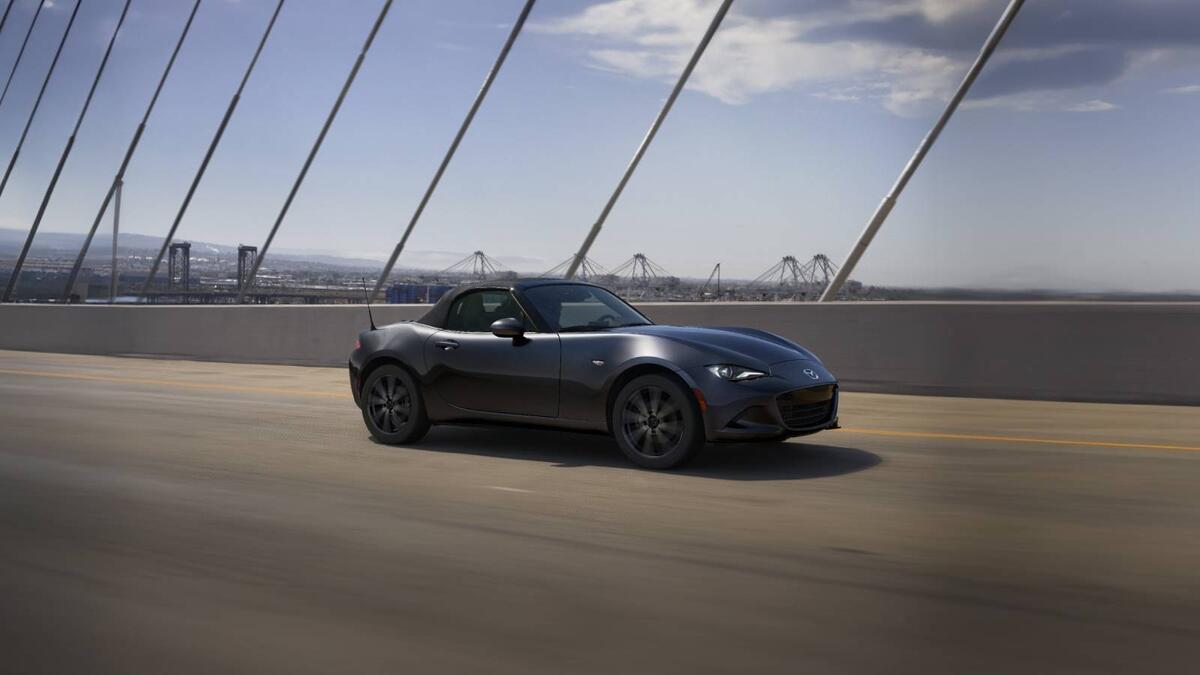
Mazda MX-5 / Miata
"My heart did. Um, didn't even mention Miata, but whatever. And then, you know, Honda is kind ..."
The Mazda Miata (MX-5) is a small two-seat sports car designed to be fun to drive. It’s known for being light and easy to handle. The podcast mentions it because it’s a popular enthusiast choice.
The Mazda MX-5, commonly called the Miata, is a lightweight two-seat sports roadster focused on handling and driver engagement. It’s frequently referenced as a “pure driving” car because it prioritizes balance and feel over raw power. In the podcast, it’s brought up as a model that the host didn’t mention but clearly wanted to include.
Honda
"And then, you know, Honda is kind of, I think they're a little bit lost at sea right now. [1561.1s] They are. [1562.0s] Yeah. [1562.1s] But I think the perception from just, you know, Joe, every man or Sally, every woman, [1568.2s] or, or Pat, uh, McCroch, Pat non-binary is, um, like, like, oh, they, they make a good car. [1580.7s] They're reliable. [1581.6s] They're comfortable. [1582.6s] They get good fuel economy."
The host says Honda is struggling with its direction, but many people still see it as a safe choice because it’s dependable and efficient.
Honda is discussed as being “lost at sea,” but the host also notes why many shoppers still view it positively. The key point is that Honda’s mainstream reputation is built around dependable, comfortable cars with good fuel economy.

Hyundai Genesis
"...ke when we were looking at, you know, Hyundai and Genesis, like 10 to 15 years ago, where they're like, oh,..."
Genesis is a luxury car brand associated with Hyundai. The podcast talks about it from about 10 to 15 years ago, when Hyundai was trying to build a more premium lineup. It’s mentioned as part of that earlier push toward luxury cars.
The Hyundai Genesis refers to the Genesis brand/line that Hyundai developed to compete in the luxury space. The podcast mentions it in a historical context, saying that 10 to 15 years ago people were talking about Hyundai and Genesis as they tried to move upmarket. That makes it relevant to discussions about how the brand evolved and what it was aiming to become.

Nissan Sentra
"I think, I think we were right with like a return to like the small enthusiast, uh, you know, like the Sentra competitor... If they get a Nismo back that harkens back to the, and call it the Sentra SCR again, I think that sells, sells at 22 to 25K all day."
The Nissan Sentra is a small, affordable car. Here, they’re saying Nissan could make a sportier Nismo version of it to attract enthusiasts without charging supercar money.
The Nissan Sentra is a compact sedan that’s typically positioned as an affordable, practical car. In this segment, the hosts talk about a potential Nismo version that would “harkens back” to a smaller enthusiast-focused Sentra concept, aiming at a lower price bracket.
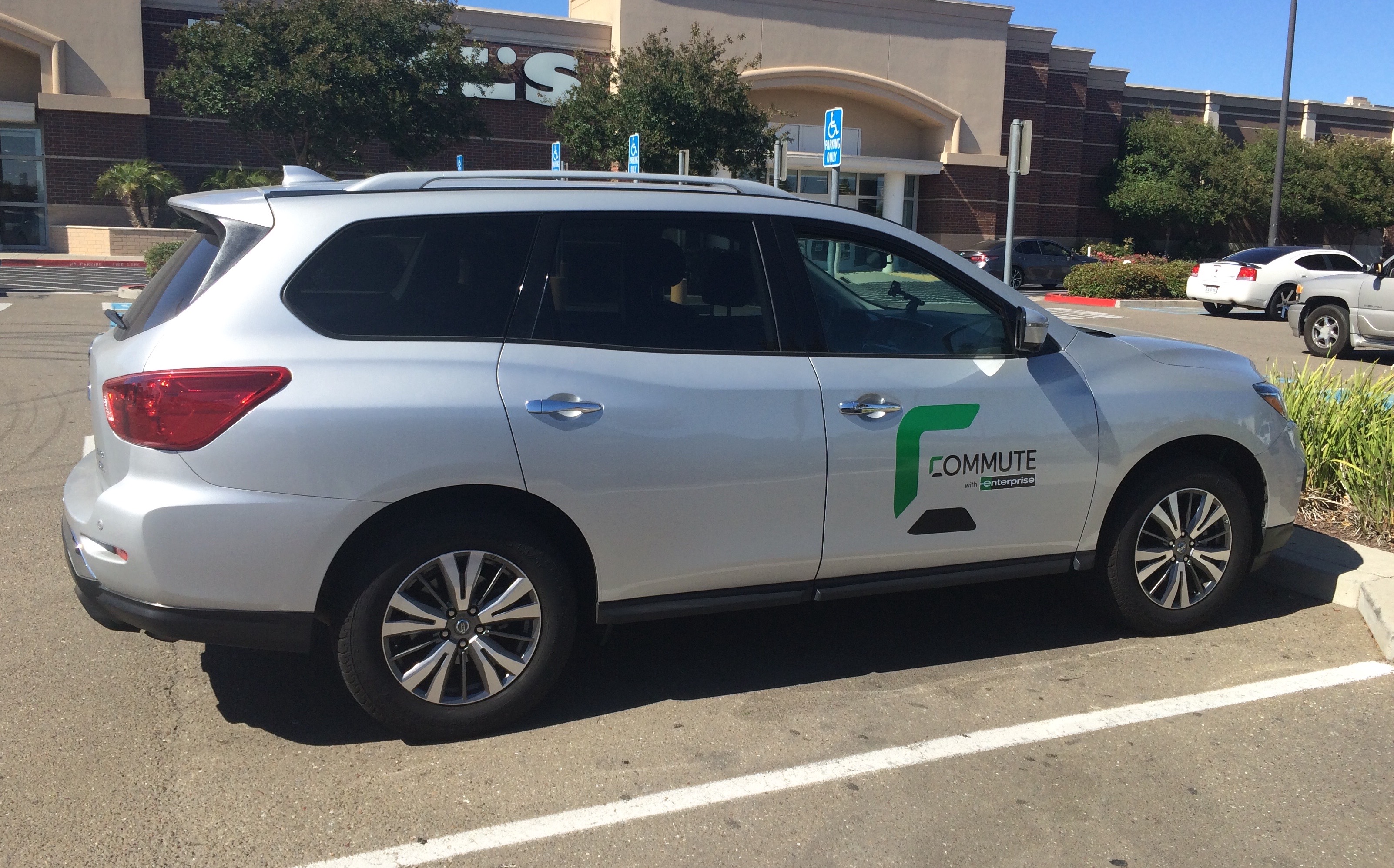
Nissan Pathfinder
"Also, while I'm thinking about it, I think they did announce that they are, when they refresh the Pathfinder, I think they said for like 27 or 28, they're going to, um, they're going to have a, they might do a split where it's going to be unibody and a body on frame."
The Nissan Pathfinder is a midsize SUV known for being offered in multiple configurations over the years. In this segment, the hosts discuss a potential refresh where the Pathfinder name could cover two different construction types—unibody versus body-on-frame—which would significantly affect how the SUV drives and is used.
unibody
"they might do a split where it's going to be unibody and a body on frame. So that weirded me out when they said that, like they're going to have the same, the same name vehicle, but two completely different construction types."
Unibody means the car’s body and structure are built as one unit instead of a separate frame. It’s common on many passenger cars and usually helps with a smoother, more car-like feel.
Unibody is a construction style where the body and frame are integrated into one structure. Compared with body-on-frame, unibody designs are often lighter and can provide better ride/handling for passenger-car use, but they’re typically less about heavy-duty load carrying.

Nissan Maxima
"...teresting is like, I would love a world where the Maxima comes back, but I think in order to make a compel..."
The Nissan Maxima is a regular-sized sedan made by Nissan. The podcast talks about wanting it back, meaning people like the idea of that type of car returning. It’s mentioned in the context of what Nissan should offer to be compelling.
The Nissan Maxima is a midsize sedan that has traditionally offered a more performance-oriented character than a typical family sedan. The podcast says they’d like to see it come back, implying concern that the model may be missing from the market or not being offered in the way people want. That makes it relevant to discussions about lineup decisions and what buyers are asking for.
infinity
"but I think in order to make a compelling Maxima, you're just making an, an infinity. [1746.0s] You are. [1747.2s] And if it's an infinity, we haven't heard anything about it."
This is talking about Infiniti, Nissan’s luxury brand. The idea is that if Nissan brought back the Maxima as a top-tier sedan, it might need to be sold under the Infiniti name instead of as a regular Nissan.
Infinity appears to refer to Infiniti, Nissan’s luxury brand. The speaker argues that a “compelling Maxima” would effectively become an Infiniti product, since Infiniti is the luxury channel for Nissan’s higher-end sedans.

Armada
"You make a, I don't know if you make something nicer than, than the Armada. [1794.3s] And maybe you do that for five years and then bring infinity back, right?"
The Armada is Nissan’s big, full-size SUV. Here it’s used as a reference point for what Nissan would consider a “top” vehicle in its lineup.
The Nissan Armada is Nissan’s large, full-size SUV. The hosts speculate that a revived flagship sedan could be “nicer than the Armada,” using the Armada as a benchmark for what Nissan considers its top-tier offering.
NVH
"Where you have it as the, like the value brand that's like catered towards young people [1824.5s] and NVH is sky high, but it's a little tossable and it's inexpensive."
NVH means how loud the car is, how much it shakes, and how rough it feels. Lower NVH usually means a smoother, quieter ride.
NVH stands for noise, vibration, and harshness. It’s a measure of how much sound and vibration the car transmits to the cabin and how “rough” the ride feels, especially at speed or over bumps.

Nissan Versa
"I'm not, I don't know if the, the Versa would bring back cars again."
The Nissan Versa is a cheaper, everyday Nissan model. People bring it up when they’re talking about whether Nissan can sell more regular cars again.
The Nissan Versa is a compact, budget-focused sedan/hatchback line aimed at being affordable and easy to live with. In a “comeback” conversation, it’s often used as a signal of whether Nissan can sell mainstream volume again.
Infiniti
"Any infinity fans out here?... Infinity's fucking gone."
Infiniti is Nissan’s luxury brand—more upscale cars than regular Nissan models. The hosts are using it to talk about whether Nissan should chase luxury again.
Infiniti is Nissan’s former luxury brand, positioned above mainstream Nissan models. The hosts mention it in the context of luxury strategy and also note how Infiniti’s lineup (and audience) has changed over time.

Infiniti Q60
"We forget about, we forget about the model differences between a Q50 and a Q60."
The Infiniti Q60 is a luxury car model (more coupe-like than the Q50). The host is saying people often don’t remember the differences between the Q50 and Q60.
The Infiniti Q60 is a luxury coupe/fastback-style model in Infiniti’s lineup. Mentioning it alongside the Q50 highlights how consumers may not pay attention to model-to-model differences within a luxury brand.

Infiniti Q50
"We forget about, we forget about the model differences between a Q50 and a Q60."
The Infiniti Q50 is a luxury sedan. The host is basically saying people forget the differences between Infiniti models like the Q50 and Q60.
The Infiniti Q50 is a compact luxury sedan that Infiniti used as a mainstream entry point into the brand’s lineup. The host’s point is that even with different Q models, people tend to lump them together when discussing brand identity.
Lexus
"Whereas Lexus has doubled down on its refinement."
Lexus is Toyota’s luxury brand. The host is saying Lexus has leaned more into a refined, polished feel over time.
Lexus is Toyota’s luxury brand, and the host frames it as doubling down on refinement. In this discussion, Lexus represents a luxury strategy that’s more focused on comfort/polish rather than chasing a sportier identity.
Acura
"Infinity has not hung with Acura, which is Acura has grown more divergent from Lexus over the years, right?"
Acura is Honda’s luxury brand. The hosts are comparing how Acura and Lexus have evolved differently over the years.
Acura is Honda’s luxury brand, and the host compares its market positioning to Infiniti’s. The point being made is that Acura has moved further away from Lexus in terms of how it targets buyers.

Mitsubishi Outlander
"Let me tell you about Mitsubishi though. The upper trim of the Outlander kind of is."
The Mitsubishi Outlander is an SUV. The host is saying that even the nicer, more expensive version (the upper trim) doesn’t seem to be that great.
The Mitsubishi Outlander is a mainstream Mitsubishi SUV, and the host is talking about its “upper trim” level. In this context, they’re implying that even the higher-priced version isn’t meeting expectations, which matters because trim level often drives what features and pricing you’re actually paying for.
upmarket
"You bring in Nissan and then you eventually push Nissan slightly upmarket"
“Upmarket” means aiming higher—selling cars that cost more and feel more premium. The host is saying Nissan could reposition itself away from the budget end.
“Upmarket” means moving a brand toward higher prices and typically higher perceived quality—often by changing what models are offered and how they’re positioned. In the host’s argument, they’re describing Nissan shifting its lineup so it’s less focused on the cheapest options.

Nissan Kicks
"You bring in Nissan and then you eventually push Nissan slightly upmarket and then you create an under, you get rid of the Versa and the kicks."
The Nissan Kicks is a small, affordable crossover. The host is saying it could be removed from the lineup if Nissan shifts toward higher-end pricing.
The Nissan Kicks is a small crossover that’s generally aimed at shoppers wanting an affordable SUV-like option. Here, the host groups it with the Versa as models Nissan might discontinue if it pushes the brand more “upmarket.”
value leader
"What better time is there to come out with a brand that's focused on like value? Like Nissan could be a value leader."
A “value leader” is a company that tries to give you the best deal. The host is saying Nissan could focus on making cars that are affordable but still worth buying.
A “value leader” is a brand strategy where the company tries to offer the best overall deal—good features and quality for the money—rather than competing mainly on luxury or exclusivity. The host is using it to describe Nissan’s comeback plan as focusing on affordability while still being “good.”
inflation, economic instability
"And then we can kind of reset that market because inflation, economic instability, all that kind of stuff."
Inflation and economic instability are big-picture money problems that can make people spend more carefully. The host is saying that when that happens, car companies often bring back cheaper options to match what buyers can afford.
Inflation and economic instability are macroeconomic conditions that can change what consumers can afford and how they choose between new and used vehicles. Here, the host links those conditions to a “reset” in pricing and demand that encourages automakers to offer lower-priced cars again.
used car market
"I think it really calls, because the used car market's doing really good compared to the new car market right now."
The used car market is where people buy cars that have already been owned. If used cars are selling well or prices are strong, it can push automakers to adjust what cheaper options they offer.
The used car market is the resale ecosystem for previously owned vehicles, where pricing and availability can move differently than new cars. In this segment, the host argues that strength in used-car pricing/volume influences how automakers respond with “cheap cars” and lineup changes.
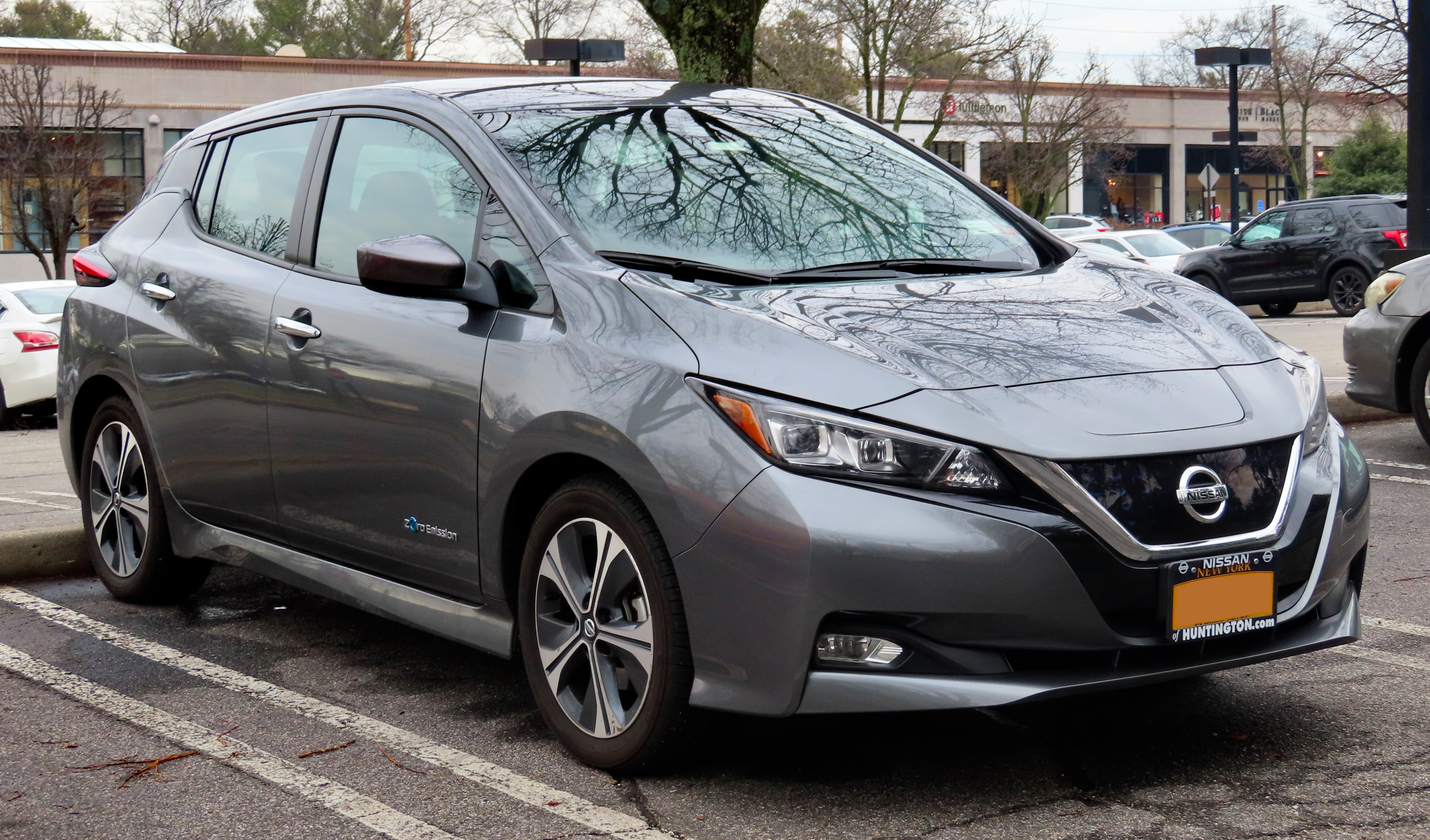
Nissan Leaf
"But they, they, they brought the leaf and the leaf was sort of the first, if not the first real mass production electric vehicle on the market."
The Nissan Leaf is an electric car that helped make EVs more common. It was one of the first EVs many regular people could actually buy.
The Nissan Leaf is a mass-market battery-electric car from Nissan, known for being one of the earliest widely available EVs. In this segment, the host frames it as a landmark moment for EV adoption because it arrived in large numbers rather than as a niche product.
CVT
"on a very, very, very big scale was the Jacko CVT thing. Yeah. And so I can see like, if they do all of this stuff and they engineer shit properly..."
CVT means a transmission that can change ratios smoothly, like having an infinite number of gears. The hosts are talking about Nissan using CVTs and whether Nissan can make them reliable this time.
CVT stands for continuously variable transmission, a gearbox that can smoothly change gear ratios instead of using fixed “gears.” Nissan is specifically discussed here in the context of its CVT strategy and whether it can overcome past reliability issues.
unreliability
"But the product was dog shit and continued to be dog shit and it's still looming over Nissan, like some grim specter of unreliability."
In this context, “unreliability” is the idea that a specific technology or product (here, Nissan’s CVT) has a reputation for failing more often than it should. The hosts describe it as a lingering “grim specter,” meaning it continues to shape how people judge Nissan.
make these cars at scale
"if they do this, right, and you start making, you grow and you make these cars at scale and you do what they were doing 20 years ago..."
“At scale” means building a lot of cars, not just a few. The idea is that bigger production runs can reduce costs and make quality more consistent.
“Making cars at scale” means producing them in large volumes so manufacturing processes, supply chains, and quality control can be standardized. The hosts connect scale to cost control and the ability to use proven components and vendors.
body and frame
"Like, like if the XTERRA comes out as a body and frame V six powered truck for 30 K,"
“Body and frame” means the car’s body sits on a separate heavy-duty frame underneath. That construction is often used for trucks and off-road vehicles because it can handle rough use better.
“Body and frame” describes a truck-style construction where the body is mounted to a separate structural frame. Compared with unibody construction, it often improves durability for heavy use and off-road abuse, which is why it’s common on rugged SUVs and pickups.
V six
"Like, like if the XTERRA comes out as a body and frame V six powered truck for 30 K,"
A “V6” is an engine with six cylinders arranged in a V shape. It’s a popular engine type for SUVs because it usually provides strong pulling power without being as complex as bigger engines.
A “V6” is an engine with six cylinders arranged in a V shape (two banks of three cylinders). It’s a common choice for SUVs because it can balance smoothness and torque for towing and off-road driving.
retro callback
"Um, and you offer like, oh, it's got the bump with the in the back with the, uh, ... You have, you know, you have some, some retro callback stuff... keep some retro callbacks to what made the XTERRA, the XTERRA,"
A “retro callback” is when a new car brings back design details from an older version or a past style. It’s meant to feel familiar and nostalgic, but still look current.
A “retro callback” is when a new vehicle intentionally references design elements from an earlier model or era—often in styling details, proportions, or interior cues. The idea is to trigger nostalgia while still updating the car for modern tastes.
loss leader
"I think it would be very successful and be a moneymaker... I don't think they need to create a loss leader here."
A “loss leader” is something a company sells for less than it costs, just to get people interested. The hope is that customers will buy other things or the brand will benefit overall.
A “loss leader” is a product sold at a loss (or with very low profit) to attract customers and drive sales of other items. In car marketing, hosts often use it to mean underpricing a model to boost overall brand momentum.

Nx2000
"like they had the NV 100, you know, like a better, a better one of those. I'd like to see something small and stupid, like an NX 2000, like something different. That's not represented on the market."
The “NX” mentioned in the podcast sounds like a small, unusual car idea. The speaker wants something like an “NX 2000” that’s different from the usual choices. They’re saying this type of small car isn’t really available right now.
The “Nx” in the podcast appears to refer to a small, different model concept—specifically the idea of an “NX 2000” that would be smaller and more unusual than what’s currently offered. The speaker’s point is that this kind of small, distinct vehicle isn’t represented well in the market. That’s why it’s mentioned as a wish list item rather than a specific current product.

Toyota Gr86
"Bring back that because the GR 86 does pretty well and make it a GR 86 fighter ...So I think you, you build it as a GR 86 fighter."
The GR 86 is a budget-friendly sports car that’s meant to be fun to drive. Here, they’re saying a new Nissan should be built to compete with it.
The Toyota GR 86 is a lightweight, affordable sports coupe built around a fun, driver-focused formula. In this segment, it’s used as the benchmark for what a new “fighter” car should outperform, implying a similar price/performance target.
platform sharing
"you can platform some of this shit. ...that's the only way that Toyota was able to do the 86 was by platform sharing it with Subaru..."
Platform sharing means different car brands build cars using the same basic “skeleton.” It helps companies make cars cheaper and faster to develop.
Platform sharing is when multiple car brands use the same underlying vehicle architecture (like chassis and major hard points) to build different models. The hosts argue that this is how Toyota could make the GR 86—by sharing with Subaru—while keeping costs down and enabling a similar sports-car formula.
Subaru
"...by platform sharing it with Subaru and those cars are like, not differentiated at all."
Subaru is another car brand they bring up as a partner. They’re saying Toyota and Subaru shared the basic design so the cars could be made more efficiently.
Subaru is mentioned as the partner brand that shared a platform with Toyota for the GR 86’s sports-car concept. The hosts use this as an example of how platform sharing can produce two cars that are close in fundamentals.

Mitsubishi Eclipse
"...m shared something with Mitsubishi and called the Eclipse or whatever you want to call it, the Mirage, Lanc..."
The Mitsubishi Eclipse is a car model name used by Mitsubishi. In the podcast, it’s mentioned along with other Mitsubishi cars to talk about how they were positioned. The point is about how these models relate and how they differ.
The Mitsubishi Eclipse is a sports car nameplate that has been used across different generations and body styles. In the podcast, it’s grouped with other Mitsubishi models like the Mirage and Lancer, implying a discussion about how these cars were related or marketed together. That makes it relevant to a broader point about lineup differentiation.
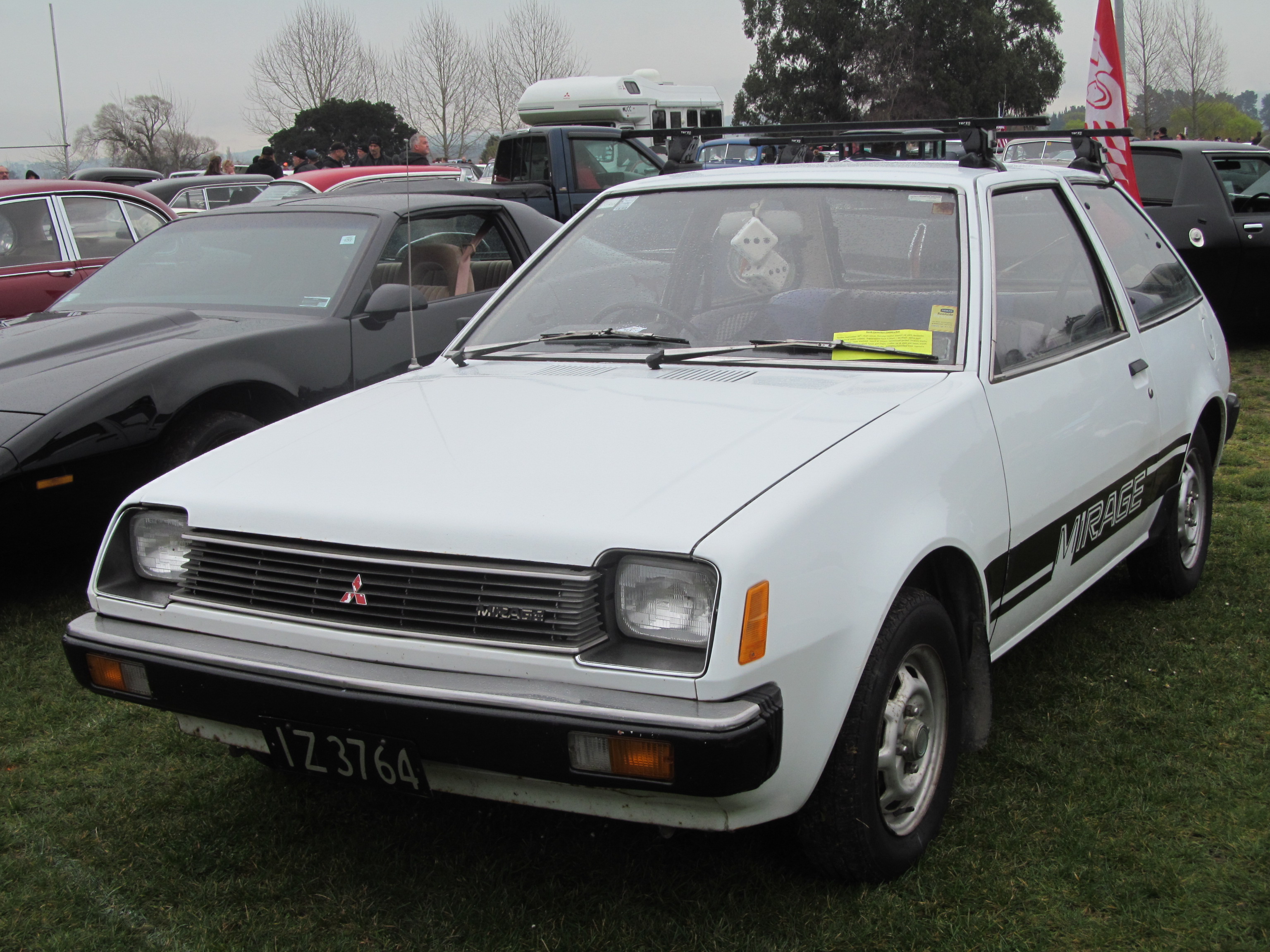
Mitsubishi Mirage
"... the Eclipse or whatever you want to call it, the Mirage, Lancer, whatever, but differentiate them a littl..."
The Mitsubishi Mirage is a small, low-cost car meant for getting around day to day. The podcast mentions it with other Mitsubishi models to talk about how they should be different from each other. The focus is on lineup variety and clarity.
The Mitsubishi Mirage is a small, budget-focused car designed for basic transportation and affordability. In the podcast, it’s mentioned alongside the Eclipse and Lancer as part of a group of Mitsubishi models that may need clearer differentiation. That context suggests the conversation is about how the lineup is organized and marketed.

Mitsubishi Lancer
"...ipse or whatever you want to call it, the Mirage, Lancer, whatever, but differentiate them a little heavie..."
The Mitsubishi Lancer is a compact car made by Mitsubishi. The podcast mentions it along with other Mitsubishi models to talk about how the lineup was different from one model to another. The focus is on how they were positioned and differentiated.
The Mitsubishi Lancer is a compact car that has appeared in multiple trims and performance-oriented versions over the years. In the podcast, it’s mentioned alongside the Mirage and Eclipse, with the idea of differentiating models within a lineup. That makes it relevant to a conversation about how Mitsubishi separated its offerings.
six speed gearbox
"So six speed gearbox was definitely good for this year. Right. So I'm thinking this is a seventh gen, which would have been a 2000 Toyota Celica GTS in"
A six-speed gearbox just means the car has six forward gears. That can make it easier to keep the engine in the right “sweet spot” as you accelerate and cruise.
A “six speed gearbox” is a manual or dual-clutch transmission with six forward gears. More gears can help keep the engine in its best power/efficiency range depending on speed and driving style.

2000 Toyota Celica GTS
"So I'm thinking this is a seventh gen, which would have been a 2000 Toyota Celica GTS in this configuration. ... So I'm going to say this is a 2000 Toyota Celica GTS."
This is a specific version of the Toyota Celica from the year 2000. “GTS” is the sportier trim level, and the hosts are basically saying the ad is describing that exact car.
The Toyota Celica GTS is a late-1990s/early-2000s sport coupe known for its sporty, driver-focused feel and popular “enthusiast” trim. In this segment, the hosts are specifically identifying the ad as pointing to a 2000 Celica GTS configuration.
unholy body kit
"[2855.0s] I forget what it was called, but you could get that cool arrow package with the giant [2858.1s] spoiler and the unholy body kit."
A body kit is a set of exterior parts that bolt onto a car to change its look, usually making it more sporty or aggressive.
A “body kit” is an aftermarket or factory set of exterior panels—such as front/rear bumpers and side skirts—that changes the car’s shape and aerodynamics. Calling it “unholy” is just the speaker’s colorful way of saying it looks extremely aggressive.
action package
"[2858.1s] That's called the action package, my friend. [2863.8s] Fuck, I want that."
An “action package” is a set of add-ons the manufacturer offered together. In this case it sounds like it includes the big spoiler and body kit so the car looks more aggressive.
An “action package” is a factory option bundle that typically adds appearance and aero upgrades—like a larger rear spoiler and a more aggressive body kit. It’s essentially a trim/option grouping that changes how the car looks (and sometimes how it behaves) compared with the base version.
2ZZ
"[2905.1s] Pretty light cars. [2906.4s] The 2ZZ is infinitely revvy, right?"
The “2ZZ” is an engine Toyota used that’s famous for revving very high. Enthusiasts like it because it feels lively when you keep the RPMs up.
“2ZZ” refers to Toyota’s 2ZZ-GE engine family, known for being very high-revving (“infinitely revvy”). It’s a popular enthusiast engine because it makes power higher in the rev range and responds eagerly when you keep it on the cam.
red line
"if you're going to drive it aggressively, you have to be flirting with red line at all times."
“Red line” is the highest safe engine speed (RPM). If you push past it, you can damage the engine.
“Red line” is the engine’s maximum recommended RPM range. Revving past it risks engine damage because the internal components aren’t designed to sustain those speeds.
VVTI cam profile
"If you shift 300 RPM before red line, you're out of the VVTI cam profile. You're back into..."
VVTI is a system that adjusts when the engine’s valves open. If you shift too early, the engine may not be in the “best” timing mode for that RPM.
VVTI (Toyota’s variable valve timing system) changes cam timing to improve power and drivability across RPM ranges. When the speaker says you’re “out of the VVTI cam profile” after shifting early, they mean the engine isn’t operating in the timing range it’s optimized for.
limiter
"So you basically have to be perpetually damn near bouncing it off the limiter."
The “limiter” is the engine’s built-in protection that stops RPM from going too high. “Bouncing it off” means keeping it right at that cutoff point.
A “limiter” is the engine’s RPM cutoff strategy (often fuel/spark limiting) that prevents the motor from exceeding safe RPM. Drivers who “bounce it off the limiter” are keeping it right at the edge of that protection.
mechanical sympathy
"There's still a little bit of mechanical sympathy where you're just like, I don't feel right doing this all the time."
Mechanical sympathy means treating the car gently and thoughtfully, even if you’re driving hard. You don’t want to stress parts more than necessary.
Mechanical sympathy is the idea of driving in a way that respects the car’s mechanical limits—using hard inputs only when the engine and drivetrain are happy. It’s often used to describe avoiding abusive driving even when you’re capable of it.
suspension tuning
"And honestly, I think suspension tuning breaks in grippy tires, like you said, on a rally to rip one of these things."
Suspension tuning means setting up the car’s suspension so it grips and handles better. The idea is that the right setup helps the tires work effectively.
Suspension tuning is adjusting how the suspension behaves—things like spring/damper settings and geometry—to control grip, ride, and how the car responds under acceleration, braking, and cornering. The speaker connects it to how well the car can use grippy tires.
grippy tires
"And honestly, I think suspension tuning breaks in grippy tires, like you said, on a rally to rip one of these things."
“Grippy tires” are tires that stick to the road better. That means the car can go faster or turn harder without sliding.
“Grippy tires” refers to tires with high traction, usually from a combination of compound, tread design, and temperature. More grip lets a car accelerate and corner harder without losing traction.
quad headlamps
"which I like a lot, that sixth gen with the quad headlamps, [2997.0s] I think it's a good looking car and a far better built car than this car."
“Quad headlamps” just means the car has four headlights total. Instead of one headlight pair, it’s two on each side.
“Quad headlamps” means the car uses four separate headlights—typically two per side—rather than a single pair. It’s a specific styling and lighting layout that can help identify certain model years and trim packages.
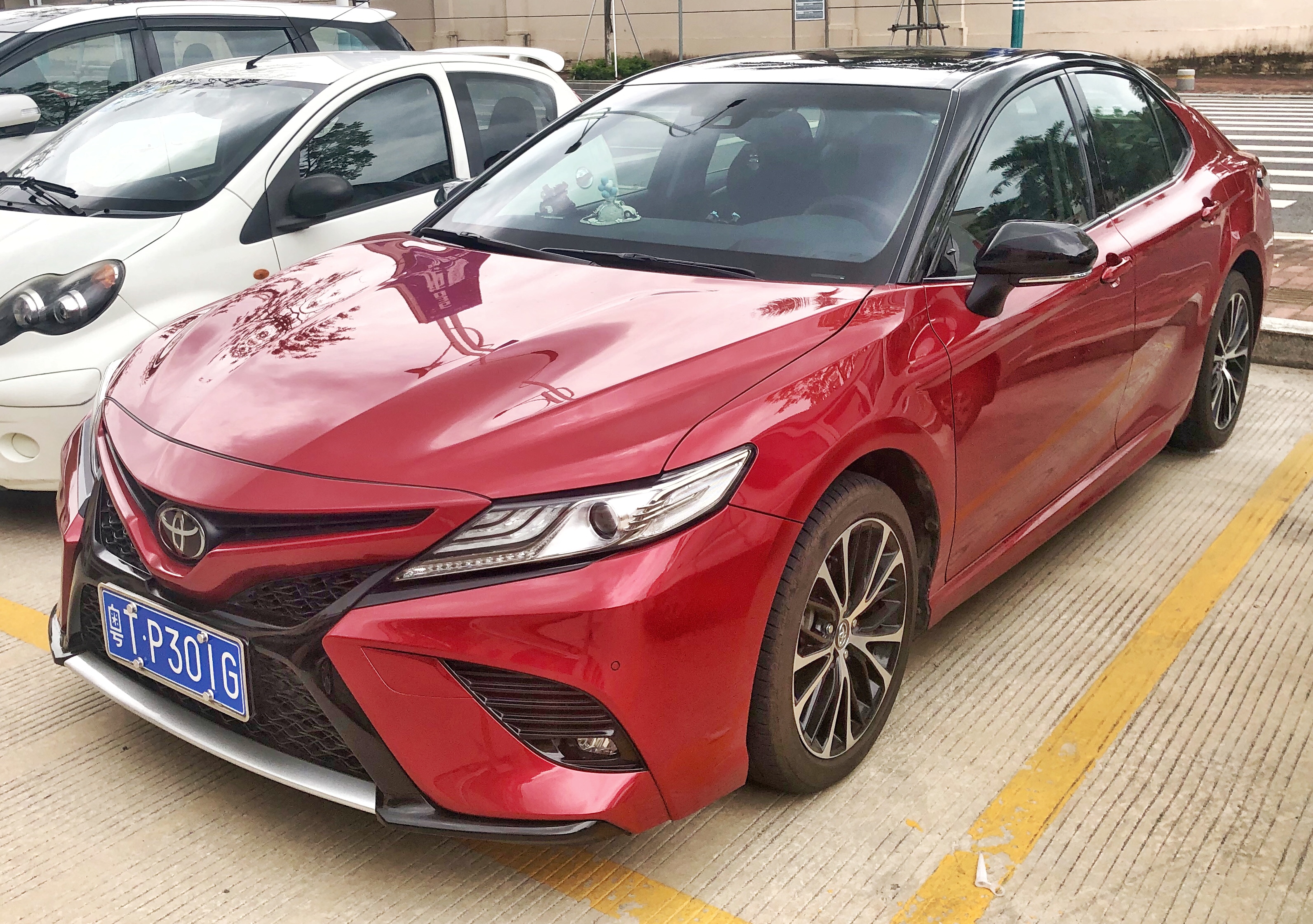
Toyota Camry
"...ple we got was a 140 horse motor plucked from the Camry. Yep."
The Toyota Camry is a common, everyday sedan. It’s known for being comfortable and practical. The podcast mentions it because the speaker is talking about an engine size and power that comes from the Camry.
The Toyota Camry is a mainstream midsize sedan known for comfort, efficiency, and broad appeal. In the podcast, it’s referenced because an engine output (140 horsepower) is described as being “plucked from the Camry,” implying it’s a familiar powerplant used in other contexts. That makes it relevant when discussing how engines are shared or adapted across models.
GT4 variant
"No, we got no smoke. [3013.9s] We got no GT4 variant. [3017.5s] We got no SS205."
“GT4” is a name people use for a specific higher-trim version of a car. It usually means it’s the more performance-focused model compared to the standard one.
“GT4” here is a model/trim designation, not a generic description. In enthusiast circles it typically signals a higher-spec performance variant with different engine and/or drivetrain details than the base model.
SS205
"[3017.5s] We got no SS205. [3019.4s] Yeah, we didn't get the SS2 variant, which was like the Beams NA voter version."
“SS205” is a special version of a car, usually the more performance-focused one. The letters and numbers are basically a code that tells you which setup it has.
“SS205” is an enthusiast shorthand for a specific performance-oriented variant. The “SS” naming is used to distinguish it from other trims, and the number typically ties to a particular engine/drivetrain setup used in that variant.
Beams NA
"Yeah, we didn't get the SS2 variant, which was like the Beams NA voter version. [3025.0s] And so when this one showed up, I was like, oh, okay, we've actually got some pop now,"
“Beams NA” means a performance engine that’s naturally aspirated—no turbo. That usually makes the car feel more responsive as you rev it.
“Beams NA” refers to a naturally aspirated engine associated with Toyota’s BEAMS family (a performance-focused engine line). “NA” means the engine makes power without a turbocharger or supercharger, which typically changes how it delivers torque and throttle response.
SS2 variant
"[3017.5s] We got no SS205. [3019.4s] Yeah, we didn't get the SS2 variant, which was like the Beams NA voter version."
“SS2” is a named version of the car. Here they’re saying it’s similar to a naturally aspirated “Beams” setup.
“SS2” is another trim/variant code used by enthusiasts to refer to a specific configuration. In this context it’s described as being “like the Beams NA” version, meaning it’s associated with a naturally aspirated setup.
Revi NA
"because not only was it a Revi NA 180 horsepower, [3033.6s] which was a good amount for that era. [3036.0s] Absolutely."
“Revi NA” is a named naturally aspirated version—so it’s not turbocharged. They’re saying this version made a noticeable difference in how the car felt.
“Revi NA” is an enthusiast shorthand for a naturally aspirated “Revi” variant, used to distinguish it from turbocharged versions. In this segment it’s tied to a specific power output claim, emphasizing that the naturally aspirated setup was a meaningful step up for that era.
6B manual
"[3036.7s] 6B manual is a big fucking deal. [3038.2s] Big deal. [3039.1s] Yeah, I'm glad the app kind of focused on that, right?"
“6B manual” means a manual gearbox setup with six speeds. Manual fans like it because the gearing and shift feel can make the car more fun to drive.
“6B manual” refers to a specific manual-transmission configuration (a six-speed “B” variant). Enthusiasts often care because transmission choice affects shift feel, gearing ratios, and how well the car stays in its power band.

Honda Integra GSR
"If you were to put it up next to, say, a GSR Integra... which say you had a 2000 Celica GTS and a 2000 GSR Integra... You know, the GSR compared to the Celica, you're getting 10 extra horsepower in the Celica, you're getting an extra gear."
The Honda Integra GSR is a sportier Integra model. The hosts are comparing it to a Toyota Celica GTS and saying the Integra GSR tends to be more valuable and has advantages like more power and an extra gear.
The Honda Integra GSR is a 1990s/early-2000s performance version of the Integra, typically associated with a more performance-focused engine tune and a reputation that can keep resale values higher. In this segment, the hosts compare it directly to a Toyota Celica GTS and discuss how the GSR’s extra gear and power can make it “special” versus the Celica.

Acura Integra
"...n... If you were to put it up next to, say, a GSR Integra, which say you had a 2000 Celica GTS and a 2000 G..."
The Acura Integra is a compact car that has been made in performance-focused versions. In the podcast, they’re comparing an Integra to other sporty cars from around the same time. The goal is to match up what those cars were like in terms of performance.
The Acura Integra is a compact performance-oriented car known for enthusiast interest, especially in certain earlier trims. The podcast compares it to a “GSR Integra” and also references other sporty models like a 2000 Celica GTS, suggesting a discussion about comparable performance eras and specs. That makes it relevant when talking about what counts as a true performance compact.
horsepower
"You know, the GSR compared to the Celica, you're getting 10 extra horsepower in the Celica,"
Horsepower is a number that describes how strong the engine is. Higher horsepower usually means the car can accelerate more quickly, which is why the hosts bring it up in the comparison.
Horsepower is a measure of engine power—how much work the engine can do over time. In this segment, the hosts use horsepower differences to argue why one car feels stronger than the other.
extra gear
"you're getting 10 extra horsepower in the Celica, you're getting an extra gear."
An “extra gear” means the car has one more step in its gearbox. That can help the engine stay in the right range for power and can make driving feel better, especially when you’re accelerating or cruising.
An “extra gear” means the transmission has more ratios (for example, 6-speed vs 5-speed). More gears can help keep the engine in its best power band more often, improving acceleration and/or making highway cruising smoother.
slept-on car
"I think the Celica GTS is a super slept-on car. I really do. Yeah, no, they are. They're cool. They are slept-on. And yeah, let's go get one."
“Slept-on” just means a car is underrated—most people overlook it, but fans think it’s actually really good.
“Slept-on” is enthusiast slang for a car that’s genuinely good or desirable, but didn’t get the attention it deserved when it was new or in today’s market. Calling the Celica GTS “slept-on” suggests it’s underrated compared with more famous rivals.
rear sway bar
"I feel like if you get one of these, like I said, [3188.3s] you throw a bigger rear sway bar in."
A rear sway bar helps keep the car from leaning too much in turns. Making it stiffer can make the car feel more eager to turn in a controlled way.
A rear sway bar (anti-roll bar) connects the left and right suspension on the rear axle to reduce body roll in corners. Increasing rear bar stiffness typically makes the car rotate more readily, which can help rally-style handling.
grippers
"You lower it maybe a little bit. [3192.0s] You freaking put some grippers on there."
“Grippers” means tires with better grip. Better tires help the car stick to the road, especially when you’re driving hard.
“Grippers” is enthusiast slang for high-traction tires. Rally-style driving depends heavily on tire grip because it determines how much acceleration, braking, and cornering force the car can put down.
good brakes
"You freaking put some grippers on there. [3194.2s] You put some good brakes on there."
“Good brakes” means brakes that can stop the car strongly and keep working even when you brake hard again and again. That matters a lot for rally-style driving.
“Good brakes” refers to braking hardware and setup that can repeatedly slow the car without fading. For rally-style use, stronger brakes and better brake components help maintain consistent stopping performance under repeated hard braking.
7,500 RPM, 8,000 RPM
"Because you would just live at 7,500 RPM, 8,000 RPM [3204.3s] the entire time."
RPM is how fast the engine is spinning. They’re saying you’d keep it spinning high—around 7,500 to 8,000 RPM—so the car stays in its strongest, most responsive range.
RPM (revolutions per minute) is how fast the engine spins, and the hosts are describing keeping the engine in a high-RPM band. Staying near 7,500–8,000 RPM suggests a setup tuned for responsiveness and power at the top end—common in performance and rally driving.
dealer add-on mods
"I bet that TZZ screams at those. [3214.1s] How sick would it be to have all the in-period TRD, [3218.9s] like dealer add-on mods where you get the action package,"
“Dealer add-on mods” are upgrades you get through the dealership, not something you install later yourself. They’re usually sold as a package and can be more “official” than random aftermarket parts.
“Dealer add-on mods” refers to factory-style accessories or packages installed through the dealership rather than a later aftermarket build. These often aim for a consistent fitment and sometimes include performance-oriented parts bundled under a named package.
cat back
"like dealer add-on mods where you get the action package, [3222.0s] you get the cat back?"
A “cat-back” exhaust replaces the parts of the exhaust after the catalytic converter. People do it to change sound and how freely the exhaust can flow.
A “cat-back” exhaust is an aftermarket exhaust system that starts at the catalytic converter and replaces the piping and muffler behind it. It’s a common upgrade because it can change exhaust flow and sound without replacing the front emissions components.
Super charger
"[3223.8s] Super charger? [3226.5s] Could you?"
A supercharger is a device that forces extra air into the engine. More air can mean more power, if the engine is set up to handle it.
A supercharger is a forced-induction device that uses a belt-driven compressor to push more air into the engine. More air generally allows more fuel to be burned, which can increase power—especially when tuned for the engine’s RPM range.
Apex N1 exhaust
"But anyway, but you open up the exhaust, [3237.1s] put an Apex N1 exhaust on there. [3240.8s] Something period correct, right?"
“Apex N1” is a brand/model of aftermarket exhaust. People swap it in to change the car’s sound and sometimes how well it breathes, especially for a more spirited build.
An “Apex N1” exhaust is an aftermarket exhaust system marketed for a specific sound and flow characteristic. Exhaust upgrades can change how freely the engine breathes and can alter throttle response and noise, which is why enthusiasts look for them when building a rally-style setup.
period correct
"put an Apex N1 exhaust on there. [3240.8s] Something period correct, right? [3242.4s] An intake."
“Period correct” means the parts look and fit the same style as what was used back when the car was new. It’s about keeping the build true to its original time period.
“Period correct” means using parts and styling that match what would have been available or typical for that car’s era. In enthusiast circles, it’s a way to keep a build historically authentic rather than turning it into a purely modern restomod.
intake
"[3240.8s] Something period correct, right? [3242.4s] An intake. [3243.6s] This could be a fun ripper for a rally."
An “intake” is the part that brings air into the engine. Upgrading it can help the engine breathe better and can change how the car feels and sounds.
In this context, an “intake” is an aftermarket air intake system that changes how air is delivered to the engine. Intake changes can affect airflow, throttle response, and sometimes engine sound, especially when paired with other modifications like an exhaust.
rally
"[3242.4s] An intake. [3243.6s] This could be a fun ripper for a rally. [3245.4s] And all under 7,500 bucks."
“Rally” is a type of racing on timed sections, often on rough surfaces like gravel or dirt. People build cars for it to handle traction and control better, not just to go fast in a straight line.
“Rally” refers to a motorsport style where cars drive on timed stages over loose or mixed surfaces like gravel, dirt, or sometimes tarmac. Builds aimed at rally typically prioritize durability, traction, and predictable throttle response rather than just straight-line speed.
PCP
"We got a piece of PCP. [3269.0s] We have to do drugs. [3270.7s] Have you?"
“PCP” is a way to finance a car where you pay monthly and then often face a big final payment at the end. It’s worth checking what you’ll owe then and whether you can return or buy the car.
“PCP” usually means Personal Contract Purchase, a car finance plan common in the UK. It typically involves lower monthly payments with a balloon payment at the end, making it important to understand total cost and end-of-term options.
coolant temp sensor
" [3279.6s] So we got it running, which was a huge accomplishment [3281.9s] with a coolant temp sensor that we talked about a week ago. [3285.6s] Bro, I finally did a full inspection of the car."
A coolant temperature sensor tells the car how hot the engine is. If it’s wrong, the car can run badly, so fixing it can make a big difference.
A coolant temperature sensor measures the engine’s coolant temperature so the car can manage things like fuel mixture and engine control strategies. If it’s faulty, the engine may run poorly or not behave as expected, which is why getting the ES 300 running after addressing it is described as a big win.
valve cover leak
" [3298.7s] There's no modifications. [3299.5s] It's never been fucked with. [3300.8s] Some questionable things. [3302.1s] It does have a valve cover leak front and back. [3305.1s] And I have been giving you awesome photos"
A valve cover leak means oil is seeping out around the top cover of the engine. It’s usually caused by a worn gasket, and it can get worse if you ignore it.
A valve cover leak is oil escaping from the valve cover gasket/seal area. “Front and back” suggests the engine has valve covers on both sides (common on many V6/V8 layouts), and the leak can worsen over time if not addressed.
quarter panel molding
"Quarter panel molding, the wheel flare. That's right."
It’s the trim piece on the side of the car near the rear wheel. It can help protect the paint and also makes the car look complete.
Quarter panel molding is trim that runs along the outer side of the car’s rear quarter panel. It helps protect the body from minor impacts and weather, and it also gives the car a finished look.
wheel flare
"Quarter panel molding, the wheel flare. That's right."
It’s the trim around the wheel opening that covers the edge of the fender. It helps keep dirt and rocks from hitting the body.
A wheel flare is the body trim that covers or extends over the wheel opening. It helps shield the fender area from road debris and can also affect how the car’s body lines look.
spare tire hardware
"Not only that, I also need spare tire hardware. I need the first aid kit,"
That’s the parts that hold the spare tire in place in the trunk or under the car. If they’re missing, the spare might not be secured properly.
Spare tire hardware refers to the brackets, hold-downs, and mounting pieces that secure the spare wheel in its storage location. Without the correct hardware, the spare may not fit correctly or could rattle and be harder to access.
sun visor
"the little clips that hold the visors, the sun visor. They're missing on mine."
The sun visor is the fold-down panel inside the cabin used to block glare from the sun. The clips mentioned in the transcript are the small mounting pieces that let the visor stay in position.
fasteners
"And I'm missing like a number of just like random fasteners under, under the hood."
Fasteners are the little screws, bolts, and clips that hold parts together. If they’re missing, things can rattle or not stay attached.
Fasteners are the small hardware pieces—like screws, bolts, and clips—that hold trim and covers in place. Missing fasteners can leave panels loose and can also expose underlying components to vibration and water intrusion.
air box
"one of the ones that holds the air box to a bracket just gone."
The air box is part of the engine’s air intake path. It helps guide air to the engine, and if its brackets are missing, it may not sit securely.
The air box (air intake housing) is the component that routes and conditions incoming air before it reaches the engine’s intake system. It’s typically held to the body with brackets and fasteners, so missing mounting pieces can cause fitment and sealing issues.
timing belt cover
"Okay. I'm missing a couple off of the timing, uh, timing belt cover."
It’s the protective cover over the timing belt area. If it’s missing, dirt can get in and it’s easier to accidentally touch moving parts.
A timing belt cover is the protective housing over the timing belt area. It helps keep the belt compartment clean and protected from debris, and it also prevents accidental contact with moving parts.

ES Lexus Es300
"And then I also got for the aforementioned Lexus ES 300. That is so killer. Here we go."
The Lexus ES 300 is a Lexus luxury sedan. Here, they’re talking about a problem with the trunk-release button in the door—so pressing it doesn’t open the trunk.
The Lexus ES 300 is a mid-size luxury sedan from Lexus (Toyota’s luxury brand) known for a smooth ride and straightforward, owner-friendly mechanicals. In this segment, it’s being used as an example of a specific power-access issue—an in-door push-button that controls the trunk release.
push button
"because the, the gas release, so it's actually a push button mounted on the door for those not looking at the video, Frank holding up a switch."
A push button is the physical switch you press to trigger something. In this case, it’s the button in the door that should release the trunk.
A push button here refers to the trunk-release control mounted on the door. It’s an input switch that tells the car’s body electronics to unlatch the trunk.
trunk one
"but our trunk one has nothing, no action when I push down on it, which leads me to think it's the button malfunction."
They’re talking about the trunk-release control. The trunk doesn’t respond when they press the button, which usually points to the button/switch being the problem.
“Trunk one” is shorthand for the trunk-release function/button on that car. The key point is that the trunk release does nothing when pressed, suggesting the button/switch is malfunctioning rather than the latch mechanism.
VCT
"No, the, the part, it's actually, I looked it up. It is the, it's, it's the VCT, the variable cam timing solenoid. So think like a, think like a VVT or VTEC solenoid."
VCT is a system that adjusts when the engine’s camshaft opens the valves. That helps the engine run better at both low and high speeds, and the solenoid is the part that helps control that adjustment.
VCT (variable cam timing) is a system that changes the timing of the engine’s camshafts to improve efficiency and drivability across different RPMs. The “VCT solenoid” is the control valve that helps command that cam timing change; in this segment, the host notes it’s the Ford version and compares it to other variable-timing solenoids like VVT/VTEC.
VTEC
"So think like a, think like a VVT or VTEC solenoid. But it's, it's, it's, it's the Ford version."
VTEC is Honda’s system that changes how the engine’s valves work at different speeds. It’s mentioned here as another example of variable valve timing so you can relate it to VCT.
VTEC is Honda’s variable valve timing and lift technology, designed to change cam profiles and valve behavior depending on engine speed and load. The host mentions it alongside VVT to give listeners a familiar example of “variable timing” control, even though VTEC is Honda-specific.
pull codes
"and again, I haven't had a chance to pull codes, [3813.2s] but like I looked up and the symptoms of one of these going bad"
“Pull codes” means plugging in a scanner to read error messages stored by the car. Those messages can tell you what part or system is causing the problem.
“Pull codes” means using a scan tool to read the car’s stored diagnostic trouble codes from the engine/computer system. These codes help pinpoint what subsystem is malfunctioning, even if the driver only notices symptoms like rough running or poor throttle response.
fault
"It probably would eventually be throwing a fault. [3828.7s] That makes sense."
Here, a “fault” means the car noticed something isn’t working right. It may not show up right away, especially if the problem is intermittent.
In this context, a “fault” is a detected malfunction that the car’s onboard diagnostics recognize and may log as a diagnostic trouble code. Faults can be intermittent, which is why the car might not show a code immediately until the issue happens again.
pending one
"And so, and there's probably a pending one. [3831.2s] I just haven't scanned it."
A “pending” diagnostic trouble code is one the car has detected but hasn’t confirmed strongly enough to fully mature into a confirmed fault. It often requires the problem to occur again under the right conditions before the check-engine light or a confirmed code is set.
Intermotor
"there's actually of an Audi Volkswagen part that's made by Intermotor [3846.5s] for Audi Volkswagen."
Intermotor is a company that makes replacement car parts. The speaker is saying it makes the same basic part used by Audi/VW, but with different mounting details.
Intermotor is an aftermarket parts brand/manufacturer name mentioned here as the maker of an Audi/VW part. In many cases, the same underlying component is supplied to multiple brands, with differences in mounting hardware or housings.
mounting ears
"That is the same part effectively, [3852.6s] but the mounting, the mounting ears, [3854.7s] because on this it's just a single,"
“Mounting ears” are the little tabs on a part that bolt it to the car. If the tabs are shaped differently, the part might not fit or bolt in the same way.
“Mounting ears” are the protruding tabs or bosses on a part that provide the attachment points to the vehicle. Even when two parts are functionally similar, differences in mounting ears can affect fitment and how the part bolts in.
O ring
"And an O ring. [3871.4s] Oh, okay. [3872.0s] O ring, yeah."
An O-ring is a small rubber ring that seals a connection so nothing leaks. If you don’t use the right one, you can end up with leaks.
An O-ring is a circular rubber seal used to prevent fluid or air leaks at a joint. If the replacement part uses a different seal or seal size, it can change whether the system stays leak-free.
Request an Explanation
Heard something you'd like explained? We'll add it to this episode.
Sign in to request explanations for terms you heard.
Want to learn more?
Browse our glossary for plain-English explanations of automotive terms, jargon, and concepts.
Help improve this episode
See something that's not quite right? Our annotations are AI-generated and can sometimes miss the mark. Click the flag icon on any annotation to suggest a correction.