
Episode #225 - Are We Just Car Hipsters?
About this episode
Hosts wrestle with the question “Are we just car hipsters?”—debating whether avoiding popular cars is the real tell, or whether it’s just gatekeeping and contrarian image. They define hipster taste with examples like “Air-cooled 911. Air-cooled 911.” and “Hipster car. Like a 240D is like peak hipster,” then pivot into a print-ad quiz guessing obscure models and years. Later, the conversation turns practical with an XTERRA progress update: smog, a knock-sensor wiring mess, and an airbag light reset.
air cooled 911
"I don't want the air cooled 911. And I want the whatever, like, look how like different and quirky"
“Air-cooled” means the engine is cooled mainly by air moving over it, not by coolant flowing through the engine. The “air-cooled 911” is an older Porsche 911 style that many people consider its own era.
“Air-cooled” describes how the engine sheds heat using airflow over the engine rather than a liquid coolant system. The air-cooled Porsche 911 refers to the pre–water-cooled era of 911s, which enthusiasts often treat as a distinct “feel” and character compared with later models.
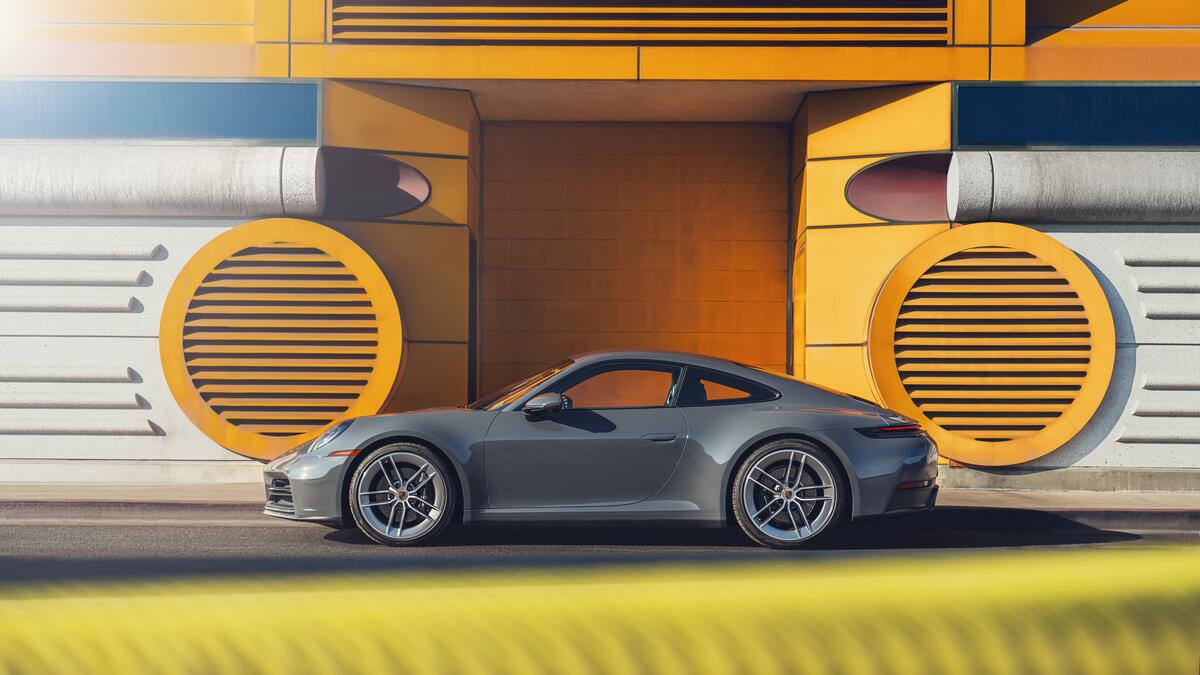
Porsche 911
"I don't want the air cooled 911. And I want the whatever, like, look how like different and quirky"
A Porsche 911 is a famous sports car with an engine in the back. The host is talking about an older, air-cooled version of it—basically a different era of 911 than the modern water-cooled ones.
The Porsche 911 is known for its rear-mounted flat-six engine and long-running, evolution-focused design. In this segment, the host specifically mentions not wanting an air-cooled 911, which points to an older 911 generation before Porsche moved to water cooling.
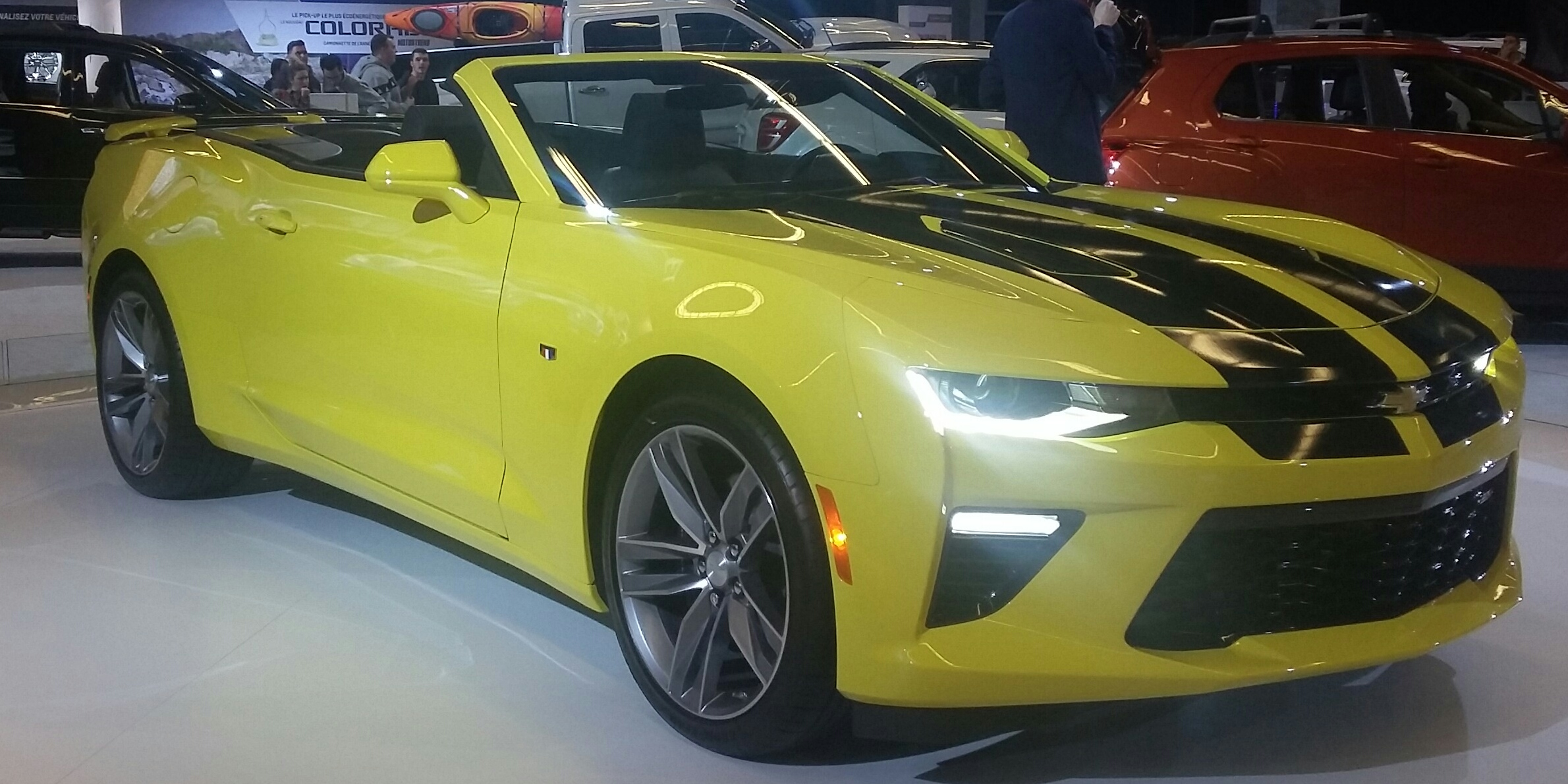
Chevrolet Camaro
"Frank, is you're like, am I Corvette guy? Or am I Camaro guy or whatever? And I'm like, I'm good"
The Camaro is a popular American performance car. They mention it as an example of a mainstream model they still like.
The Chevrolet Camaro is a long-running American muscle/performance coupe with a huge range of trims and engine options over the years. In this discussion, it’s part of the host’s example lineup of popular cars they’re comfortable enjoying without “hipster” gatekeeping.

Chevrolet Corvette
"I can get in like a, you know, SS to Camaro and enjoy it. I can get in a Corvette. I have a Corvette. It's a kind of weird Corvette."
The Corvette is a well-known American sports car. The host brings it up to argue that you don’t have to avoid popular cars to be a real car person.
The Chevrolet Corvette is America’s long-running performance sports car, built around a front-engine, rear-drive layout and a strong enthusiast culture. Here, it’s used as an example of a mainstream-but-still-fun car that the host doesn’t think “car hipsters” would reject.

Toyota Corolla
"I think car hipster, no, I don't, I don't want to be seen like a car hipster would die with a daily Toyota Corolla."
The Corolla is a very common, practical daily driver. They’re using it as an example of the kind of car a “car hipster” wouldn’t be seen driving.
The Toyota Corolla is a mainstream compact car known for being practical and widely sold. The host uses it as a punchline example of a “daily” car that, in their view, a car hipster would be unlikely to drive.

Jeep Wrangler
"I think if that, that Jeep is a Grand Wagoneer, okay, if it's a four door, never goes off road. Yes. If it's a four door, like Wrangler, you know, base model, I don't know,"
The Wrangler is Jeep’s most famous off-road SUV. The host is comparing it to a more luxury-oriented Jeep to talk about what people expect from “off-road” vehicles.
The Jeep Wrangler is Jeep’s iconic off-road SUV, built around a design that’s strongly associated with trail use. Here, the host contrasts it with the Grand Wagoneer to argue that a “hipster” label depends on whether the SUV is actually used like an off-roader.

Jeep Grand Wagoneer
"I think if that, that Jeep is a Grand Wagoneer, okay, if it's a four door, never goes off road."
The Grand Wagoneer is a big Jeep SUV that’s more about comfort and luxury than serious off-roading. The host is using it to make a point about how people judge what counts as a “real” off-road choice.
The Jeep Grand Wagoneer is a large, upscale Jeep SUV positioned more like a luxury cruiser than a hardcore off-roader. In the segment, it’s used to illustrate how “car hipster” identity can depend on whether the vehicle is actually used for its intended purpose (like off-roading).
shit boxes
"I grew up with shit boxes. I think it's a combination of the socioeconomic environment I grew up in. We had nothing good. Everything was a piece of shit. But to know there's kind of spicy variants of the piece of shit."
“Shit boxes” is slang for cars that aren’t very nice or impressive—usually cheap or kind of rough. The speaker is saying they grew up with that kind of car, and that’s part of why they’re drawn to the more interesting versions.
“Shit boxes” is enthusiast slang for cars that are cheap, basic, or not very refined—often older or neglected—yet still have a personality. In this episode, the hosts connect the term to nostalgia: growing up around these cars makes the “spicier” versions feel familiar and comforting.
shipbox variants
"But it's I gravitate towards that comfort space. And to me, it's like shipbox variants. And I honestly think that's it. I think that's what my attraction is to these cars."
“Shipbox variants” is a joking way to talk about ordinary, everyday cars that look kind of boring, but have a more exciting version. The point here is that the speaker likes the familiar base car, especially when it’s been turned into something a bit more fun.
“Shipbox variants” is a fan-style way to describe bland, mass-market cars (“shipboxes”) that get a more interesting personality through a specific trim, engine, or styling. The hosts are arguing that they’re drawn to these familiar platforms because the “spicy” versions feel like an upgrade of something they already understand.

Toyota Celica GTS
"I mean, growing up, my car, my parents had shipbox adjacent stuff, a different flavor of shipbox, right? Like my mom had her 82 Celica GTS, which was a nice car. It was 82 and she had it until 97."
The Toyota Celica GTS is a sporty version of the Celica from the 1980s. Here it’s mentioned because it’s the kind of car the speaker grew up around—more interesting than a basic commuter, but still part of that older “regular car” world.
The Toyota Celica GTS is a sporty trim of the Celica that’s known for being a fun, enthusiast-friendly “everyday” coupe from the 1980s. In this episode it’s used as an example of a “shipbox adjacent” car—something familiar from the speaker’s upbringing, but still with a more exciting character.
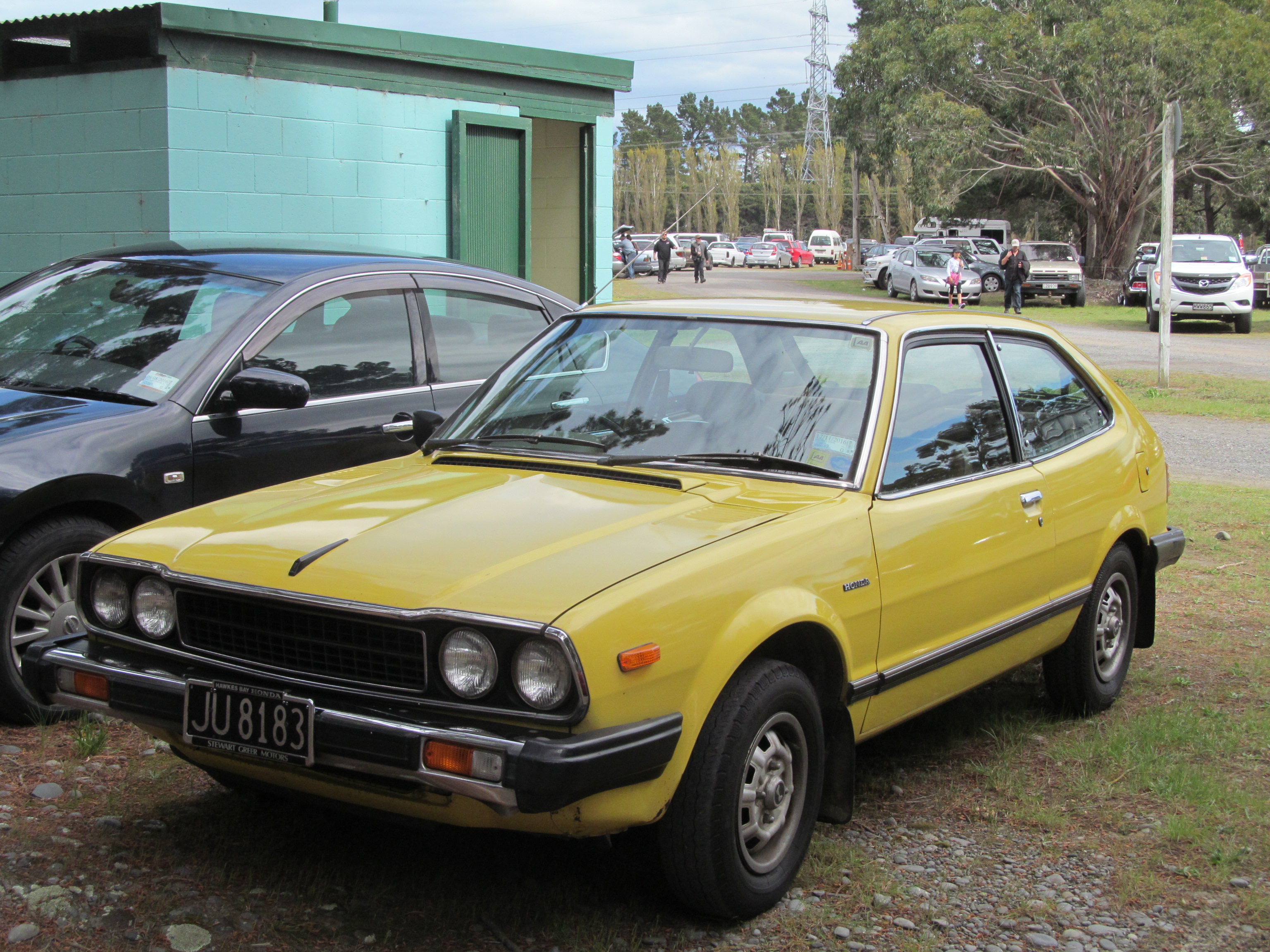
1979 Accord hatch manual
"Okay. And so that was all of my childhood. And then my dad had a 79 Accord hatch manual windows, [501.1s] the works, and he had that until he got totaled..."
This is a Honda Accord from 1979, and the host says it was a hatchback with a manual transmission. A manual is the kind where you shift gears yourself, and a hatchback is the body style with the rear door that lifts up.
The Honda Accord is a long-running family sedan line, and this mention is specifically about a 1979 Accord hatchback with a manual transmission. In that era, a manual gearbox and hatch body style made it feel more “driver-involved” and practical than many contemporaries.

1993 Grand Caravan
"And then got replaced with a deeply used Grand Caravan, like a 93 Grand Caravan, [517.8s] X budget rental car."
This is a Dodge Grand Caravan minivan from 1993. Minivans are built for carrying people and stuff easily, and this one is from the early 1990s.
The Dodge Grand Caravan is a minivan known for family-friendly practicality. This specific mention is a 1993 Grand Caravan, which places it in the early-90s era of front-wheel-drive minivans that were common as rentals and “workhorse” vehicles.

Plymouth Barracuda
"...ole, but certainly it was very different than the Barracuda. And I've always wanted stuff that was different...."
The Barracuda is a classic muscle car made by Plymouth. Muscle cars are older performance cars that were built to be fast and exciting. The podcast brings it up as a car the speaker has wanted for a long time.
The Plymouth Barracuda is a classic American muscle car known for its distinctive styling and performance heritage. It’s a popular choice in car-enthusiast conversations because it represents a specific era of big-engine, high-attitude vehicles. The podcast mentions it as something the speaker has “always wanted,” contrasting it with other cars they’ve discussed.

Cadillac El Dorado
"What do you think? Okay. What do you think would be the number one [602.0s] top choice according to Google AI for an automotive hipster? I want to see something big, [608.9s] shitty American, like a Cadillac, like an El Dorado or something."
The Cadillac El Dorado is a classic American luxury car. The host is using it as an example of the kind of older, bold car an “automotive hipster” might choose.
The Cadillac El Dorado is a full-size luxury coupe/convertible nameplate known for big American styling and comfort. The host brings it up as an example of a “big, shitty American” pick for an automotive hipster, emphasizing the appeal of older, distinctive, non-mainstream cars.

BMW E30
"It says include vintage Volvo 240s, [621.1s] classic BMW E30s, Mini Coupers, the fuck out of you and vintage VW buses. [629.9s] Prioritize their unique style, repairability and street wise swagger."
The BMW E30 is a specific older BMW 3 Series generation. People like it because it’s a classic enthusiast car with lots of parts and a strong following.
The BMW E30 is the 3 Series generation from the 1980s–early 1990s, and it’s one of the most popular “enthusiast” BMWs. It’s frequently chosen by enthusiasts because it’s relatively simple, has strong aftermarket support, and has a distinct, timeless look.

Volvo 240
"Okay. So we're not going in the direction. It says include vintage Volvo 240s, [621.1s] classic BMW E30s, Mini Coupers, the fuck out of you and vintage VW buses."
The Volvo 240 is an older Volvo model known for being tough and long-lasting. Here it’s mentioned as the kind of vintage car an “automotive hipster” might pick because it’s different from the usual choices.
The Volvo 240 is a classic Swedish compact executive car (often a sedan or wagon) famous for its durable, straightforward engineering. In the transcript, it’s cited as a “vintage” choice for automotive hipsters, reflecting how enthusiasts gravitate toward cars that are distinctive but still practical to keep running.

Mini Coupers
"...ays include vintage Volvo 240s, classic BMW E30s, Mini Coupers, the fuck out of you and vintage VW buses. Priori..."
The Mini Cooper is a small car made by Mini. It’s designed to be fun and easy to drive because it’s compact. The podcast mentions it as part of a group of classic cars they consider worth talking about.
The Mini Cooper is a small car known for its compact size and go-kart-like driving character. In the podcast, it’s included alongside other classic enthusiast cars as part of a list of models that “count” in their conversation. The mention highlights how Mini Coopers are often treated as a recognizable, fun choice rather than a purely practical one.

Jeep Grand
"...ger. No. This is German 2002 and E30s are popular Jeep Grand Wagoneers and old school Mercedes-Benz diesel sta..."
The Grand Cherokee is a larger Jeep SUV meant for both everyday driving and light off-road use. It’s built to carry people comfortably while still being capable on rougher roads. In the podcast, it’s mentioned as another older SUV people might recognize.
The Jeep Grand Cherokee is a midsize SUV that blends family-friendly comfort with off-road capability. It often comes up in discussions of older SUVs because different model years have different engine and drivetrain setups. The podcast mentions it while talking about what kinds of vehicles are “popular” or “in the mix” alongside other older enthusiast cars.
countercourses
"It's like different kind of countercourses. But these are cars we like. They're great cars. But yeah, we are full towered in E30."
“Countercourses” refers to subcultures or alternative lifestyles that push back against mainstream norms. In the episode, it’s used to describe different communities that form around certain car choices.

Ford Edge
"...f is. Other than a wagon. Yeah, wagons definitely edge lords it out in hipsterism. I don't know, man. Go..."
The Edge is a Ford SUV that’s built for everyday driving. It’s designed to be practical and comfortable rather than extreme off-road or sports-car focused. The podcast mentions it while joking about what kinds of cars people choose.
The Ford Edge is a midsize crossover SUV aimed at mainstream buyers who want comfort and practicality. It’s often discussed in the context of what kind of vehicle fits certain “vibes” or lifestyles, since it’s common and not as niche as some off-road or sports models. The podcast references the Edge while talking about hipsterism and vehicle types.
Fugazi
"Right. Maybe to be a quote unquote car hipster, do does that require a certain amount of a Fugazi for lack of a better way to turn it? Like, are they by definition also"
Fugazi is a band name the hosts use as a metaphor. They’re basically asking whether being a “car hipster” means you have to be an insider who knows the deep stuff.
Fugazi is a reference to the band Fugazi, used here as a metaphor for something that’s “authentic” or “deep” in a scene. The hosts are debating whether being a “car hipster” requires that kind of insider knowledge.
shoegaze
"Oh, no, no, no, no. And not shoe gaze. Shoegaze is a different thing. Although I feel like a car hipster with a Volvo 240 would absolutely be in the shoe gaze."
Shoegaze is a music genre, referenced here to make a cultural analogy about car taste. The host jokes that a “car hipster” with a Volvo 240 would fit the shoegaze vibe, linking music subculture to car subculture.
gatekeeping
"Maybe and maybe that's a great point. Maybe that's me being like doubling down on being an automotive hipster, because now I'm gatekeeping is like, ... Oh, yeah. But so it can't be mainstream."
“Gatekeeping” here means judging whether someone is a “real” car fan. It’s the idea of saying, “you don’t know enough, so you don’t belong.”
In car culture, “gatekeeping” is when someone tries to define who counts as a “real” enthusiast and dismisses others for not knowing enough or not choosing the “right” cars. The hosts use it to frame arguments about whether liking mainstream cars makes you less authentic.

Sunfire GT manual
"there's a stock Sunfire GT manual and mint condition parked next to a Lamborghini Aventador. I am pouring over that Sunfire GT and you can measure any of my biometric feedbacks and no lies."
The Sunfire GT manual is a relatively normal, lesser-known car—but the speaker loves it because it’s a manual. They’re contrasting it with a supercar to make a point about what “cool” means.
The Pontiac Sunfire GT (with a manual transmission) is being held up as an enthusiast “find” because it’s a more obscure, everyday car—yet it still has a driver-focused spec. The contrast with a Lamborghini Aventador highlights how the speaker values specific details (like a manual) over flashy brand status.
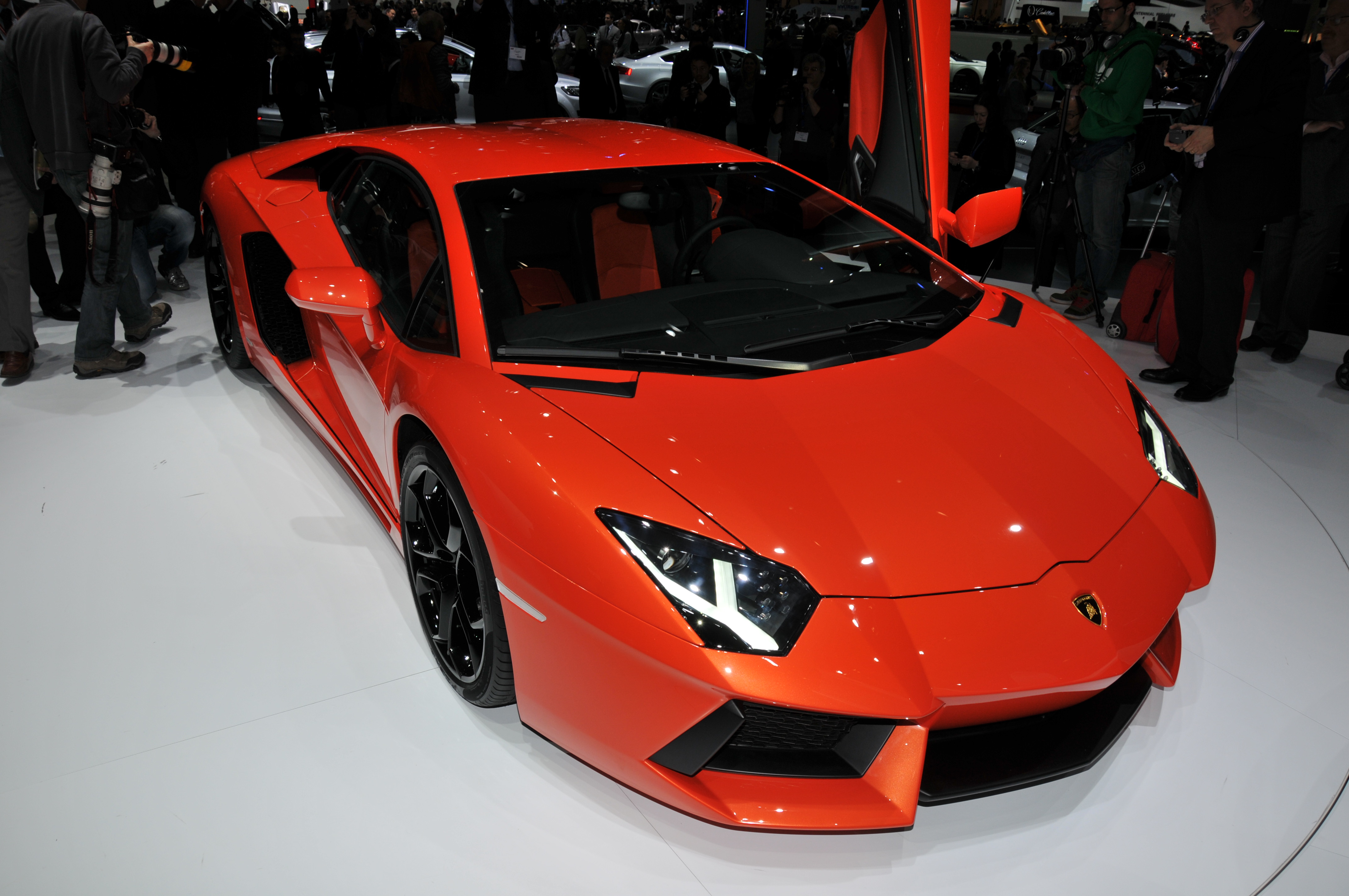
Lamborghini Aventador
"Sunfire GT manual and mint condition parked next to a Lamborghini Aventador. I am pouring over that Sunfire GT and you can measure any of my biometric feedbacks and no lies."
The Lamborghini Aventador is a very expensive, high-performance supercar. Here it’s being used as the obvious contrast to a more normal car.
The Lamborghini Aventador is a high-end supercar known for its extreme performance and exotic styling. In this segment it’s used as the “flashy” benchmark next to a much more ordinary car, to argue about whether car taste is about rarity and hype or about personal connection.

Pontiac J2000
"is the safe space. Like I get to be like the automotive safe space for people that like would text me like, Oh my God, dude, I saw the sickest, whatever, Pontiac J 2000 or whatever. So I, you know, I get that a lot. I saw a Polestar one today, which was interesting."
The J2000 is an older Pontiac compact car. It’s not a model most people talk about every day, so it shows up in the podcast as a niche favorite. The speaker is basically describing it as something fans get excited to share.
The Pontiac J2000 is an older compact car model that the podcast treats as a “safe space” topic for fans who like obscure or less mainstream vehicles. It’s brought up as a name people might text about when they spot something interesting. The significance here is more about enthusiast identity and niche appreciation than performance specs.
Corvette C6 Corvette
"...this. What are some other cars? Would you drive a C6 Corvette? Sure. Would you own a C6 Corvette?"
A Corvette is a sports car made by Chevrolet. The podcast is specifically talking about the C6 generation and whether someone would drive or own one. It’s brought up as a serious option for a performance car enthusiast.
“Corvette” refers to the Chevrolet Corvette sports car line, which is known for its performance and strong enthusiast following. The podcast asks whether someone would drive or own a C6 Corvette, pointing to a specific generation as a potential “yes” choice. That’s significant because generation-to-generation differences often drive what fans prefer.
bone stock
"Is it just like a bone stock white manual Corvette? Yes. I would, I would take that and I would own that unabashedly."
“Bone stock” means the car is basically as it came from the factory, not heavily modified.
“Bone stock” means a car is essentially in factory condition, with no meaningful aftermarket modifications. Enthusiasts use it to compare against cars that have been tuned, upgraded, or cosmetically changed.
lumpy cam
"Is it red with a lumpy cam and locally hated? Blackout wheels."
A “lumpy cam” is a performance engine part that makes the engine sound and idle more rough, instead of smooth. People do it for the driving feel and sound.
A “lumpy cam” refers to a camshaft with more aggressive timing that typically produces a rougher idle and a more noticeable exhaust note. It’s a common enthusiast modification because it can change how the engine makes power across the rev range.
blackout wheels
"locally hated? Blackout wheels. Yeah, locally. Like, you know what I mean? Like,"
“Blackout wheels” are wheels painted or finished black for a darker look.
“Blackout wheels” means wheels finished in black (often gloss or matte) to create a darker, stealthy look. It’s a visual styling choice that enthusiasts often discuss alongside other mods.
microfiber
"Like you'd never see a hipster fucking with a microfiber, including their car. They would just."
Microfiber is a synthetic fabric commonly used for car detailing because it’s soft and can lift dirt without scratching as easily as rougher materials. The hosts bring it up to mock the idea of a “hipster” who cares about aesthetics and presentation.
Rotten Tomatoes
"You're like, you looking up on Rotten Tomatoes? You're like, anything above 75 is not, that's not playing."
Rotten Tomatoes is a website that summarizes movie reviews and ratings. They’re using it as a joke about people who judge what’s “cool” based on ratings.
Rotten Tomatoes is a movie-review website that aggregates critic and audience ratings into a score. Here it’s used as a metaphor for “hipster” taste—rejecting mainstream consensus in favor of more niche preferences.

Acura Nsx
"I currently own a bunch of weird shit boxes, but I've also owned stupid stuff like an Acura NSX, 300 ZX."
The Acura NSX is a sports car with the engine in the middle of the car, and it’s famous for being a real driver’s car. People talk about it because it feels special and capable, not just flashy.
The Acura NSX is a mid-engine sports car known for its all-aluminum construction and Honda’s V6 that helped it feel “exotic” without being a pure race car. In enthusiast circles, it’s a benchmark for how a daily-drivable supercar can handle.

Nissan 300 ZX
"I currently own a bunch of weird shit boxes, but I've also owned stupid stuff like an Acura NSX, 300 ZX."
The Nissan 300 ZX is a classic Japanese sports car that’s more about cruising and style than being a track-only machine. Enthusiasts like it because it’s fun to drive and has a big aftermarket.
The Nissan 300 ZX is a Japanese grand-touring (GT) sports car line known for its long-hood, comfortable cruising vibe paired with real performance. It’s a popular “cult classic” because different generations have distinct personalities and tuning potential.

Toyota Land Cruiser 200 series
"Two to 100 series Land Cruiser. Sure. Unhips. Those are unhips, sir."
The Toyota Land Cruiser 200 series is a big, tough SUV that’s built to last and handle rough roads. It’s the kind of car people buy for real use, not just to look cool.
The Toyota Land Cruiser 200 series is a full-size SUV known for durability and off-road capability, with a reputation for being able to rack up serious mileage with proper maintenance. It’s also a common “serious ownership” choice rather than a trendy one.
Eagle Summit
"...it hipster? Oh, fuck, here we go. You know, Eagle Summit. Yeah. Sabaru. It is. It is. But it's, it's, that..."
The Eagle Summit is an older compact car. The podcast mentions it as a more unusual model that some people might be into. It’s mainly used as an example of a niche car choice.
The Eagle Summit is an older compact car model associated with the Eagle brand. In the podcast, it’s brought up as part of a list of cars that might fit a certain “hipster” or niche enthusiast category. The key point is that it’s a less common model name that stands out in casual car talk.
Dodge Barracuda
"Barracuda. No. I don't think so. Not in the way it is now. If it was a slant six and I just put it around town and it had like, you know, uh, wheel covers on it and had some rust holes that they didn't care about."
The Dodge Barracuda is a famous old-school American muscle car. It’s known for being loud, powerful, and very popular with collectors.
The Dodge Barracuda is a classic American muscle car known for its role in the late-’60s/early-’70s performance scene. It’s often associated with big-engine drag-strip energy and a strong enthusiast following.
slant six
"If it was a slant six and I just put it around town and it had like, you know, uh, wheel covers on it and had some rust holes that they didn't care about."
A “slant six” is an older style of straight-six engine where the engine is tilted in the car. It’s a specific engine layout you’ll hear about on some classic American cars.
“Slant six” refers to an inline-six engine design where the cylinder block is tilted from vertical. That tilt made packaging easier in certain classic cars and became a recognizable part of their character.
pseudo homologation cars
"Glotvr4 is interesting, but it's, I wouldn't say it's hipster. No, it's too, it's too obscure. It's too. Yeah. It surpasses, um, yeah. Any, any pseudo homologation cars are, uh, although here's a, here's an exercise for you."
“Homologation” is the process of meeting rules that require a manufacturer to build a certain number of road cars so a race version can compete. “Pseudo homologation cars” are road cars that are marketed like they’re built for racing rules, but aren’t truly the same as genuine race-bred homologation specials.
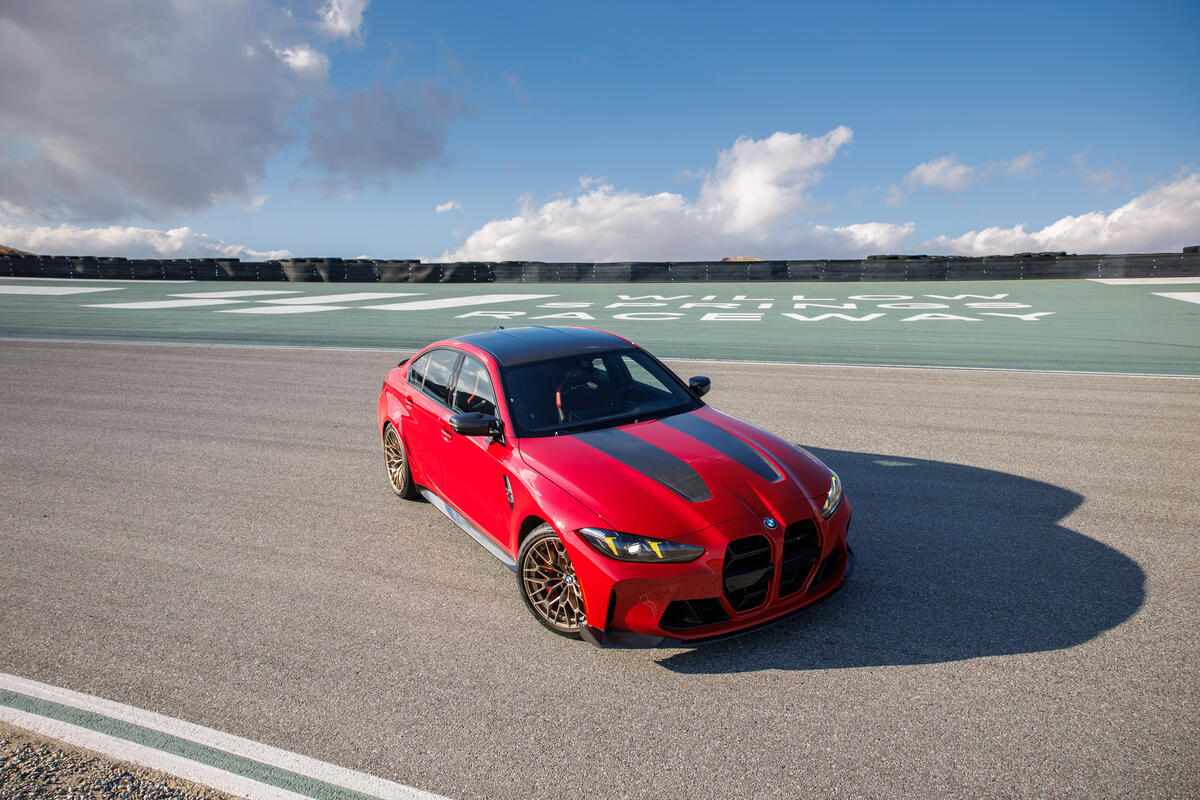
BMW E30 M3
"it can, it kind of can't be hipster. That's a good, like E30M3 cannot be hipster."
The BMW E30 M3 is a famous older BMW that people love for its driving feel and racing background. Here, the hosts are saying it’s too well-known and respected to be “hipster.”
The BMW E30 M3 is a legendary 1980s performance coupe known for its high-revving inline-six and strong motorsport heritage. In this episode, it’s used as an example of a car that’s too iconic to be dismissed as “hipster.”

Lexus LS
"You know, first gen Lexus LS."
The Lexus LS is Lexus’s top luxury sedan. They’re talking about how an older first-generation one could become interesting to enthusiasts years later.
The Lexus LS is Lexus’s flagship luxury sedan line, typically associated with comfort, refinement, and long-term ownership appeal. The hosts mention the “first gen Lexus LS” as an example of something that could gain a second life with enthusiasts later on.

Nissan 350Z
"in the sense of stock 350Z would never be a hipster car."
The Nissan 350Z is a popular older Nissan sports car. The point here is that because it was already popular, it doesn’t fit the “hipster” idea.
The Nissan 350Z is a late-2000s-era Japanese sports coupe that became popular with mainstream enthusiasts. The hosts use it to argue that if a car was widely popular when new, it’s less likely to be considered “hipster.”

Subaru SVX
".... It was, I would say it was cool. I would say an SVX might qualify. Oh, come on. Don't ruin it. God, I..."
The SVX is an older Subaru coupe. It’s a more unusual model that’s known for its distinctive look and comfortable driving. The podcast brings it up as an example of a car that might be considered cool.
The Subaru SVX is a rare, older Subaru grand-touring coupe that stood out for its styling and comfort-focused performance. It’s discussed because it’s unusual and not something you see often, which makes it a frequent topic for “cool but overlooked” car fans. The podcast mentions the SVX as possibly qualifying as a cool choice.

Nissan 240SX (S13)
"240SX, S13. It was, I would say it was cool."
The Nissan 240SX S13 is an older Nissan sports car that a lot of people modify, especially for drifting. They’re describing it as cool and pointing out it can be made “special” with the right changes.
The Nissan 240SX (S13) is a classic Japanese coupe/chassis that became famous in the drifting and modification scene. The hosts call it “cool” and later mention a “five-speed swap,” reinforcing how it’s often treated as a platform for upgrades rather than a stock car.
five-speed swap
"It's like a five-speed swap away from being really special."
A “five-speed swap” is when someone changes the car so it has a manual 5-speed transmission instead of whatever it came with. They’re saying that kind of change can make a car feel much more special.
A “five-speed swap” means replacing the car’s transmission with a manual five-speed gearbox (or converting to one). The hosts use it to suggest that an otherwise “portly” car could become more interesting if it’s converted to a more engaging manual setup.

Alfa Romeo 164
"Depends on the Alfa. Automatic, whatever. If it's like a 164."
The Alfa Romeo 164 is an older Alfa Romeo sedan from the 1990s. They’re using it as an example of a less-obvious Alfa that could appeal to enthusiasts.
The Alfa Romeo 164 is a 1990s-era executive sedan that’s often remembered for its distinctive styling and Italian character rather than being a mainstream choice. In the episode, it’s referenced as an example of an older Alfa that might fit the “hipster” idea depending on how it’s configured.

Fiat Spider
"... yeah. Sedan, yeah. You know, if it's like an old Spider, maybe. If it's an 80s, if it's like an 80s, you ..."
The Fiat Spider is an older-style sports car with an open-top design. It’s meant for fun driving when the weather is good. The podcast is talking about whether an older Spider would count as a cool choice.
The Fiat Spider is a classic Italian roadster known for open-top driving and a traditional sports-car feel. In the podcast, they suggest that an older Spider—especially from earlier decades—might fit the “cool” criteria they’re discussing. The conversation is about whether certain generations of the Spider are considered appropriately interesting.

Alfa Romeo 124
"if it's an 80s, you know, 124 graduate, maybe."
The Alfa Romeo 124 is an older Alfa model. The hosts are tossing it out as a possible “hipster” choice, but not fully committing.
The Alfa Romeo 124 is a model line that’s often associated with classic Italian compact-car history. In this episode, it’s mentioned as a “maybe” for the “hipster” category, depending on the era and how it’s perceived today.

Saab 9000 Aero
"Yeah. The Saab 9000 Aero is, I think, that's a bubble car. Mm-hmm. Because it's hipster, but it's like a regular 9000 as a hipster car, certainly."
The Saab 9000 Aero is a sportier, turbocharged version of the Saab 9000. The hosts mention it as a quirky, less-common car that some people might pick for “ironic” or hipster reasons.
The Saab 9000 Aero is a performance-oriented version of the Saab 9000, typically known for a turbocharged setup and a more aggressive tune than the base cars. In this episode, it’s used as an example of an “obscure” Saab that can feel hipster-cool rather than mainstream.

Chevrolet Cruze
"So here's another weird one. If I get a Chevy Cruze diesel hatchback manual, which is a car I would love to own. Have you seen the prices of those?"
This is a Chevrolet Cruze with a diesel engine, a manual gearbox, and a hatchback body. The hosts say it’s rare enough that prices are high, and they think it would be a really cool car to own.
The Chevrolet Cruze diesel hatchback manual is a rare combination: a diesel engine paired with a manual transmission in a hatchback body. The hosts highlight it as something they’d love to own, but note that pricing has risen because so few of these cars remain on the road.
diesel
"What were those motors out of? I think they had in a lot of the European cars because that was a global engine. I mean, honestly, any car that's diesel and manual kind of by definition is hipster."
Diesel is a type of engine that runs by compressing air so the fuel ignites from heat, not from spark plugs. The hosts mention it because diesel + manual hatchbacks are a less common, more niche choice.
A diesel engine uses compression ignition: air is compressed until it gets hot enough to ignite the fuel without spark plugs. In the episode, “diesel” is part of the reason the hosts call certain manual hatchbacks “hipster” because that drivetrain combo is unusual in many markets.
TDI Cup edition
"I mean, honestly, any car that's diesel and manual kind of by definition is hipster. TDI Cup edition? It might be the coolest. Yeah, very obscure."
“TDI” is a Volkswagen name for a diesel engine that injects fuel directly and uses a turbo. A “Cup edition” is a special version of that car, and the hosts are saying it’s the kind of rare trim that feels extra niche.
“TDI” refers to Volkswagen’s diesel technology branding (Turbocharged Direct Injection). A “Cup edition” is a special trim/limited edition package, and the hosts treat the TDI Cup edition as an especially obscure, enthusiast-targeted configuration.

Mercedes-Benz 240D
"Hipster car. Like a 240D is like peak hipster. How about a Jetta Sportwagon manual?"
The Mercedes-Benz 240D is an older Mercedes diesel car. It’s known for being a bit old-school and durable, which is why people sometimes call it a “hipster” pick.
The Mercedes-Benz 240D is a classic diesel sedan from the era when Mercedes offered simple, durable powertrains. In enthusiast circles it’s often associated with a “diesel old-school” vibe—slow but famously long-lasting—so it gets name-dropped as a kind of hipster choice.

Volkswagen Jetta TDI
"Yeah, the redeeming qualities of a Jetta TDI. Absolutely. Fuel economy kind of."
Volkswagen Jetta TDI means a Jetta with a diesel engine. People often liked these because they can be very fuel-efficient compared with many gas cars.
The Volkswagen Jetta TDI refers to the Jetta equipped with a turbocharged diesel (TDI). The hosts connect it to “fuel economy,” reflecting why TDI models became popular with drivers who wanted efficiency without giving up a diesel’s character.
Fuel economy
"Yeah, the redeeming qualities of a Jetta TDI. Absolutely. Fuel economy kind of."
Fuel economy is just how far the car can go on a tank of gas. Better fuel economy usually means fewer stops and lower fuel costs.
Fuel economy is how efficiently a vehicle uses fuel, usually expressed as miles per gallon (MPG) or liters per 100 km. It matters because it directly affects running costs and how often you have to refuel.
Smog
"Club hugs failing all the time. Yeah, sure, whatever. Smog. Fuck smog, right?"
Smog is dirty air caused by pollution. In car talk, it usually means emissions that make the air worse to breathe.
Smog refers to polluted air, typically a mix of ground-level ozone and other contaminants formed from vehicle emissions and sunlight. The hosts use it as a shorthand for emissions concerns tied to certain vehicles and fuel types.
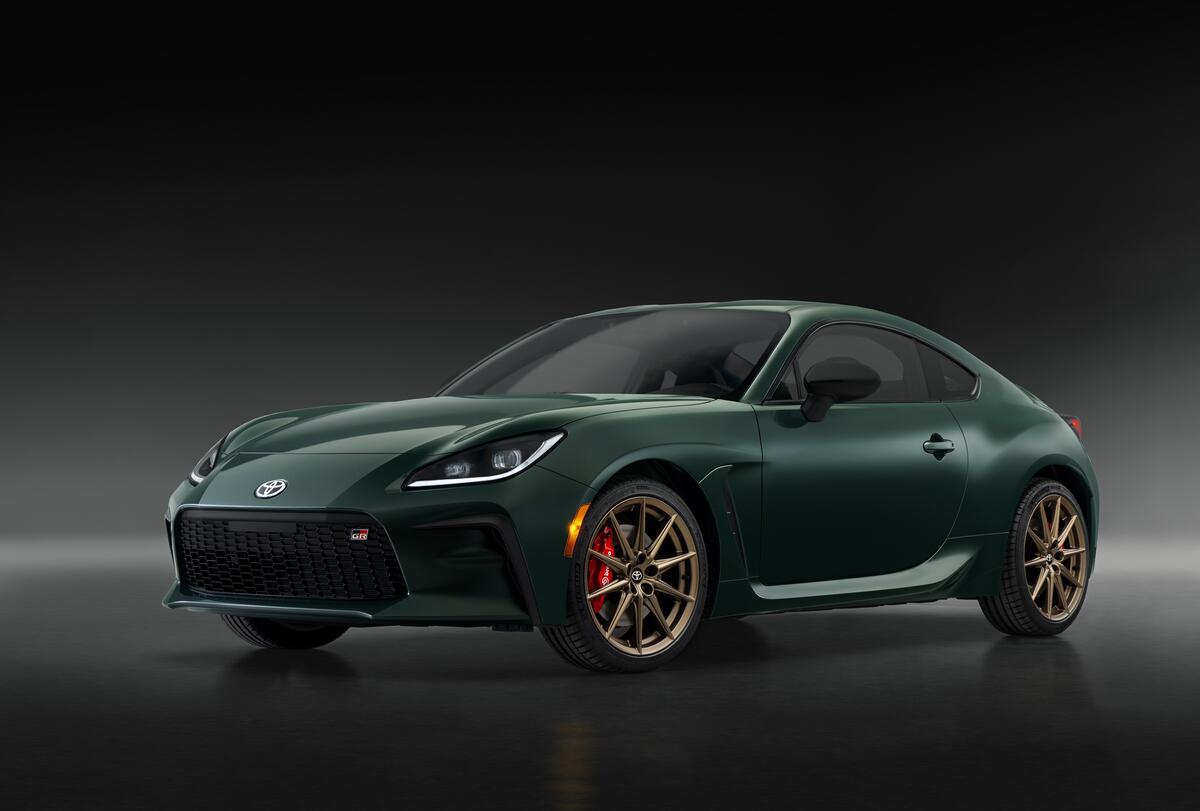
Toyota GR86
"I do. How about something like a BRZ or a GR86? No, those have always been cool."
The Toyota GR86 is a fun, lightweight sports car. In this conversation it’s brought up as a popular “cool” choice, which is part of the hipster-vs-mainstream debate.
The Toyota GR86 is a modern lightweight sports coupe built for responsive handling and a driver’s-car feel. The hosts mention it alongside the BRZ, framing it as a car that’s already “always been cool,” which affects how “hipster” people might react to it.
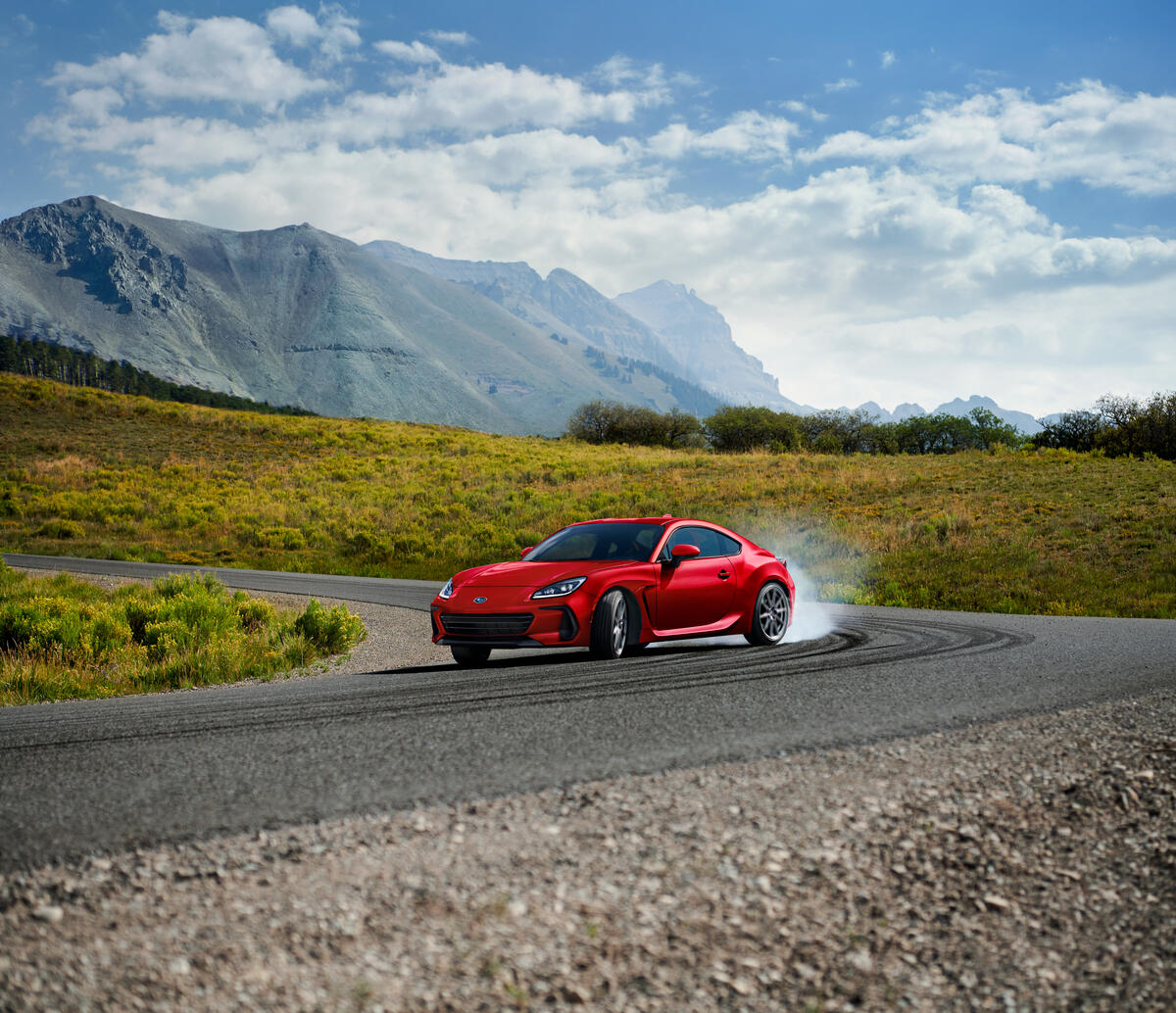
Subaru BRZ
"I do. How about something like a BRZ or a GR86? No, those have always been cool."
The Subaru BRZ is a small sports car that’s meant to be fun to drive. Here it’s mentioned because people debate what’s “cool” versus what’s just popular or expensive.
The Subaru BRZ is a lightweight, rear-wheel-drive sports coupe known for its balanced handling and driver-focused feel. In the episode, it’s used as an example of a “cool” car that still invites pushback based on what a “hipster” would consider worth it.
rear wheel drive
"oh, the price is prohibitive. It's a barrier of entry. It's not. It's affordable sports car, [1881.5s] rear wheel drive, manual, lightweight, fun to drive."
Rear wheel drive means the back wheels get the engine’s power. That can make the car feel different when you accelerate and steer compared to cars where the front wheels do the work.
Rear wheel drive (RWD) means the engine sends power to the rear wheels. This layout often changes how the car accelerates and handles, and it’s commonly associated with “driver-focused” dynamics.
lightweight
"[1881.5s] rear wheel drive, manual, lightweight, fun to drive. Right. So the reason that wouldn't [1886.2s] be a hipster car is because it's good."
Lightweight means the car weighs less. A lighter car often feels quicker to respond when you accelerate, brake, or turn.
In car talk, “lightweight” usually refers to low vehicle mass, which can improve acceleration, braking, and steering response. It also helps the car feel more agile because there’s less inertia to move and change direction.
hipster car
"Guys, comment. If you're listening right now, comment on some [1995.6s] absolutely... G-Botting 9-11. Is it hipster? Yeah, examples of hipster cars and what makes [2001.1s] a hipster car a hipster car."
A “hipster car” is an enthusiast label for a vehicle chosen more for its niche, image, or counter-mainstream appeal than for straightforward performance or practicality. In the episode, they’re debating whether good cars can still be “hipster” if they’re picked for the right reasons.

Fiat Panda
"boxy vehicles you see out there, blank was designed in Italy. Fiat Panda, final answer."
The Fiat Panda is a small Italian car that’s usually known for being simple and practical. Here, it’s mentioned as a “boxy” example before they talk about another Fiat.
The Fiat Panda is a small, boxy Italian city car known for being practical and easy to live with. In this segment, the hosts use it as a reference point for “boxy vehicles” and then pivot to a different Fiat model.
MP3 player
"Since an MP3 player is standard, time error, equipment, you have some idea of the amazing list of features it carries. Now I just want to be clear. It just said it has an MP3 player."
An MP3 player is a way to play music files on a car’s audio system. They’re using it as an example of what the car includes for the money.
An MP3 player refers to a way to play digital audio files (MP3s) from a device or media source. In cars, it’s often used as a shorthand for infotainment and audio capability—especially in older or budget-oriented trims.

Fiat 500X
"Okay. Designed in Italy does not mean it's an Italian manufacturer. I would love to see an Italian car for $13,000. Fiat 500X. I saw one of those the other day."
The Fiat 500X is a small crossover—kind of like a mini SUV. They mention it to compare what they’ve seen in the real world versus the low price they’re throwing around.
The Fiat 500X is a compact crossover from Fiat, built on the idea of a small car with a taller, more SUV-like stance. The hosts bring it up as a real-world example of an Italian-branded vehicle that can still be priced higher than they’re discussing.

Dodge Caliber
"I don't think it's a dodge caliber. [2363.9s] Touting that it had an MP3 player is very, 2003, 2004, 2005. [2377.1s] It's not an Nissan cube."
The Dodge Caliber is a compact car from Dodge that was popular in the 2000s. In this bit, the hosts are saying the mystery car isn’t a Caliber.
The Dodge Caliber is a compact hatchback/wagon from Dodge that was sold in the early-to-mid 2000s. The hosts mention it as a candidate they think the car is not, using it as another “boxy-ish” comparison point.

Nissan Cube
"It's not an Nissan cube. [2381.7s] It's not a second gen Scion XB. Unless it is. [2390.8s] You're quite good at guessing what it isn't."
The Nissan Cube is a compact car famous for its boxy, retro-inspired styling and upright cabin. Here, the hosts explicitly rule it out while trying to identify the “boxy” five-door they’re discussing.

Scion Xb
"It's not a second gen Scion XB. Unless it is. [2390.8s] You're quite good at guessing what it isn't. [2395.1s] Italian design. I don't know if I can design that in Italian."
The Scion XB is a Toyota-made hatchback with a very boxy, upright shape. Here, the hosts are using it as a clue for what kind of car they’re talking about.
The Scion XB is a boxy, five-door compact hatchback from Toyota’s Scion brand, known for its tall stance and practical interior packaging. In this segment, the hosts use it as a reference point for what a “boxy” car looks like, then compare it to another vehicle they’re trying to identify.

Protege Mazda Protege
"...tra five. The Spectra five is the exact same as a Mazda protege five. You didn't know this? No."
The Protegé is a car model made by Mazda. In the podcast, they say the Spectra 5 is essentially the same vehicle under a different name. The point is that the car can look different depending on branding, but it can be closely related.
The “Protege” mentioned in the podcast refers to the Mazda Protegé, and they specifically connect it to the Spectra 5 by saying they’re the same. That kind of point matters to enthusiasts because it explains why two different model names can share the same underlying vehicle. The podcast uses it as a quick fact-check during their model-name discussion.
Mazda protege five
"The Spectra five is the exact same as a Mazda protege five. You didn't know this? No."
The Mazda Protegé is a compact car Mazda sold in different versions. Here, the hosts are basically saying it’s closely related to another car name, so it’s not as “different” as it sounds.
The Mazda Protegé (often confused with other nameplates) is a compact car from Mazda that was sold in multiple body styles and model years. In this segment, the hosts are comparing it to the “Spectra five,” implying they’re related through shared design/parts rather than being completely unique models.
badge engineering
"Okay. No, I thought it was its own deal. Badge engineering. Oh no. Addus Finus."
Badge engineering is when two car brands sell basically the same car, but with different logos and small styling tweaks. The idea is to reuse the same car design instead of building something new.
Badge engineering is when the same car (often the same platform and major components) is sold under different brand names, usually with only cosmetic changes like badges, grille, and trim. It’s a common way manufacturers expand product lineups without fully redesigning a vehicle.
US market
"“This automaker no longer makes automobiles for the US market.”"
“US market” just means cars that are sold in the United States. The point here is that the brand stopped selling that kind of car in the U.S., which makes it less familiar.
“US market” refers to the set of cars and configurations sold in the United States, which can differ from what’s offered in other countries due to regulations and demand. The hosts say the automaker no longer makes automobiles for the US market, framing why the model is obscure to them.

Honda Fit
"“So it's not a Honda Fit. It's absolutely not a Honda Fit.”"
The Honda Fit is a small hatchback that’s popular for being roomy for its size. In this conversation, it’s brought up because the answer they’re guessing is definitely not a Fit.
The Honda Fit is a subcompact hatchback known for its practical packaging and efficient use of interior space. Here, it’s mentioned as a comparison point while the hosts try to guess a different (cheaper Japanese) model.

Suzuki SX-4
"“Is this a Suzuki SX-4? Is that your final answer? Yeah, it is. This is not the Suzuki.”"
The Suzuki SX-4 is a small Suzuki model that people might confuse with other Suzuki compacts. The hosts mention it as a guess, then say the correct car isn’t the SX-4.
The Suzuki SX-4 is a compact crossover/hatchback model Suzuki sold in various markets, including the U.S. In this segment, the hosts guess SX-4 but then correct themselves, saying the answer is not the SX-4.

Suzuki Reno
"“It is a Suzuki. It's not the SX-4 though. Introducing the all new Suzuki Reno.”"
The Suzuki Reno is a compact Suzuki that was sold in the U.S. The hosts are basically playing a guessing game and land on “Reno” as the correct model name.
The Suzuki Reno is a compact car nameplate Suzuki used for the U.S. market. In this segment, the hosts use it as the “three-letter name” answer to a quiz about a cheaper Japanese car that’s not a Honda Fit or a Suzuki SX-4.
rebadged
"You know what it was, actually? A Daewoo Lissetti rebadged. Very cool."
“Rebadged” means the same car gets sold with a different badge/logo on it. The hosts are saying the brand name might be different, but the underlying car could be the same.
“Rebadged” means a manufacturer sells the same car (often with minor cosmetic changes) under a different brand name. In this episode, the hosts use it to explain why the Suzuki Reno they’re discussing might actually be a Daewoo under the branding.

Kia Rondo
"They don't exist. I thought Kia Rondo for a minute, because that's like. Oh, that's int..."
The Kia Rondo is a name that comes up briefly in the podcast. They’re basically saying they might be mixing it up with something else or that the model name isn’t correct. It’s a quick clarification moment rather than a deep car discussion.
The Kia Rondo is a model name the podcast briefly brings up, then dismisses with the idea that it “doesn’t exist” in the way they were thinking. That suggests they’re discussing a possible misremembered name or a model that’s not actually the one they mean. The significance is mainly about correcting the model reference during the conversation.

Kia Sportage
"So look up right now. Look up Kia Sportage 5, or no, Spectra 5. Sorry, Sportage."
The Sportage is a compact SUV made by Kia. It’s designed for everyday driving with extra space compared to a sedan. The podcast is basically clarifying the name while talking about the model.
The Kia Sportage is a compact SUV that’s been offered in many trims and model years. It’s often mentioned because it’s a mainstream choice in the SUV market and has had different naming/trim variations over time. In the podcast, they reference “Sportage” while joking about looking up the correct model name.
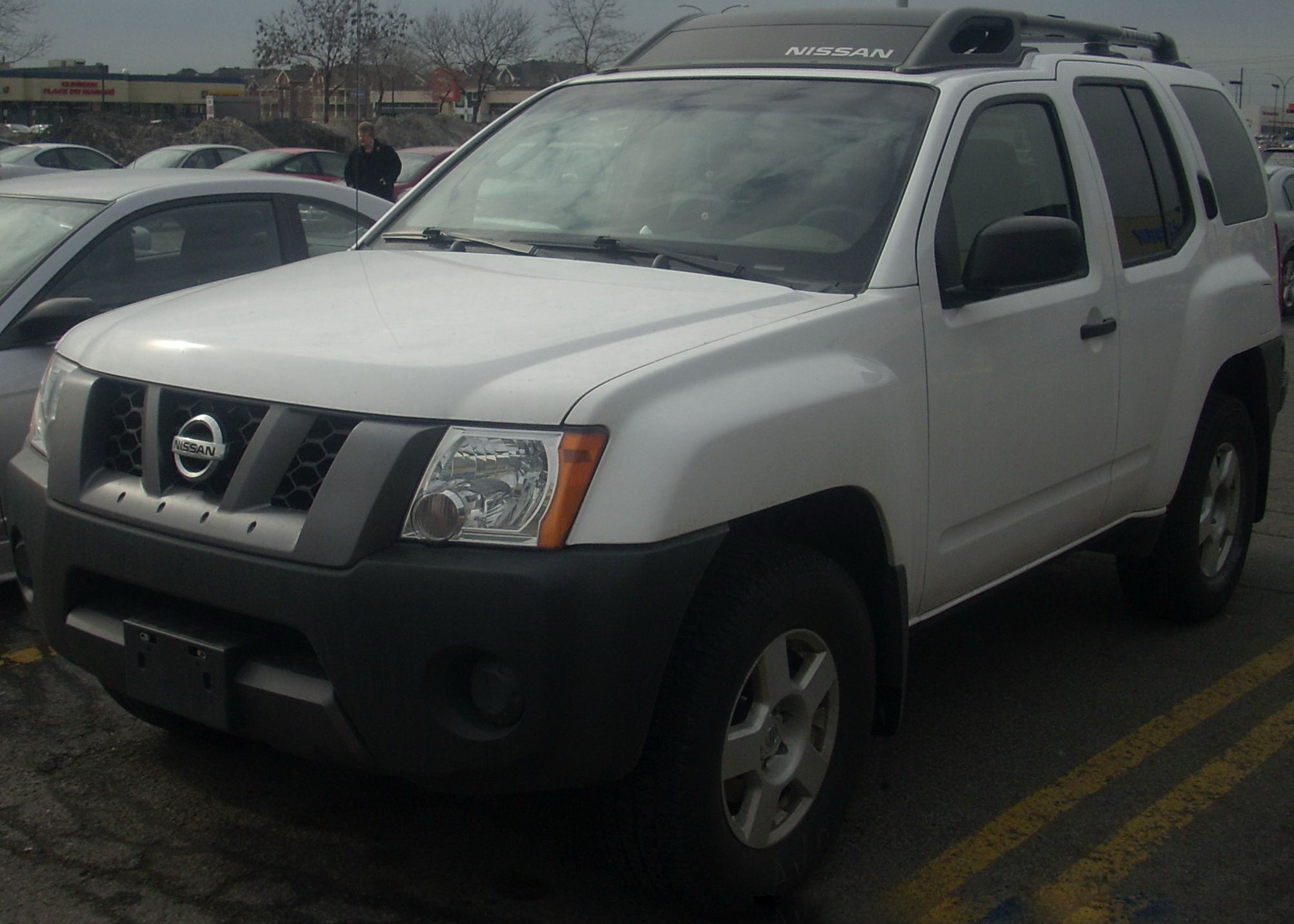
Nissan XTerra
"... about you, my friend? I did make a little bit of XTERRA progress. XTERRA?"
The XTerra is an SUV from Nissan that’s designed to handle rougher roads and outdoor use. It’s more off-road-oriented than many regular family SUVs. In the podcast, they’re talking about the car and its name.
The Nissan XTerra is a rugged SUV built with off-road capability in mind, especially in earlier generations. It’s known for a more outdoorsy, trail-oriented character compared with many typical crossovers. The podcast mentions it as they joke about making progress with “XTERRA” and whether they mean the XTerra by name.
check engine light
"Many people are saying it. [2868.9s] So the check engine light was for the knock sensor, [2874.8s] which is what I knew when I bought it."
The check engine light is a warning that the car’s computer found a problem. It doesn’t always mean something is broken right away, but it’s a sign you should investigate.
The check engine light is the dashboard warning that the car’s engine control computer has detected a fault. It can be triggered by many issues, including sensors that affect ignition timing and engine protection.
knock sensor
"So the check engine light was for the knock sensor, [2874.8s] which is what I knew when I bought it. [2876.4s] And the knock sensor has been awkwardly removed."
A knock sensor listens for bad combustion noises inside the engine. If it detects knock, the car’s computer can adjust timing to help protect the engine.
A knock sensor detects engine “knock” (abnormal combustion) and sends that information to the engine computer. The ECU uses it to adjust ignition timing to reduce knock and prevent potential engine damage.
intake plenum
"It's been, the old one is still under the intake [2887.2s] plenum somewhere. [2888.4s] Somebody bought a replacement one stuck it on,"
The intake plenum is a chamber that spreads air to the engine. It helps the engine get the right amount of air in the right places.
The intake plenum is the air distribution chamber that feeds the engine’s intake runners. On many forced-induction setups, it’s also a key location for vacuum/pressure signals used by sensors and engine control.
supercharger
"Somebody bought a replacement one stuck it on, [2890.4s] just on the side of the supercharger. [2893.5s] And one wire was going to the harness."
A supercharger forces extra air into the engine. More air can mean more power, but it also makes the engine more sensitive to tuning and sensor readings.
A supercharger is a forced-induction device that uses engine power to compress incoming air before it enters the engine. More compressed air allows more fuel to be burned, which typically increases power—so sensors like the knock sensor become especially important.
harness
"And one wire was going to the harness. [2896.1s] The other one was not on the, the knock sensor [2899.6s] was just not connected."
A wiring harness is the car’s main set of wires that connects sensors to the computer. If the knock sensor isn’t connected correctly to that wiring, the computer may not read it properly.
An engine wiring harness is the organized bundle of wires that connects sensors, actuators, and the ECU. When a knock sensor wire is spliced or routed incorrectly relative to the harness, the ECU may not receive the proper signal.
intake manifold
"it went from the harness and just somebody [2905.1s] had put in like a length of just red wire. [2908.2s] Okay. [2908.7s] And then grounded that to the intake manifold."
The intake manifold is where the air travels on its way into the engine cylinders. If wires are connected to it the wrong way, the car can get confused about sensor signals.
The intake manifold is the passage that routes air from the intake system to the engine’s cylinders. It’s also commonly used as a grounding or signal reference point for sensors and wiring—so incorrect wiring to the manifold can cause faults or unreliable readings.
boost
"it will not let it run boost. It just, just doesn't produce boost because it, it, it doesn't know."
Boost is the extra air pressure produced by a forced-induction system (like a supercharger or turbo) to push more air into the engine. More air generally allows more fuel to be burned, which increases power—but it also raises the risk of knock, so the ECU manages boost based on sensor feedback.
OBD2
"It's an OBD2 vehicle. So it should have a check engine light illuminate if it is detecting knock, or even falsely detecting knock, right?"
OBD2 is the car’s built-in computer diagnostics. If it detects a problem—like knock being detected or a sensor acting weird—it can turn on the check engine light and save codes for a mechanic to read.
OBD2 (On-Board Diagnostics, second generation) is the standardized emissions/engine diagnostic system used on most modern cars. If the ECU detects issues like knock or sensor faults, it can store diagnostic trouble codes and illuminate the check engine light.
supercharged
"And it's just like, better send it more boost because I'm supercharged. And it doesn't, I don't know."
A “supercharged” engine uses a device that forces extra air into the engine. That usually helps it make more power, but it also means the engine needs to be managed carefully to stay safe.
“Supercharged” means the engine uses a supercharger to force more air into the intake, typically increasing power compared to a naturally aspirated setup. Because the engine is running higher cylinder pressures, it relies on correct sensor readings and calibration to avoid knock and other damage.
inspection
"I, I don't know. That's worth an inspection. Yeah."
An “inspection” means taking a close look to figure out what’s really going on. If the engine is knocking, you usually want someone to check the parts and sensors so you don’t keep driving with a problem.
An “inspection” here refers to physically checking the engine/forced-induction setup (and related sensors) to confirm why the car is experiencing knock and why detection may be failing. In practice, that often means verifying sensor placement, wiring, and mechanical condition before continuing to drive.
accessory belts
"I will say, I do think the, like the, some of the accessory belts are, the one I said was damaged."
Accessory belts are the belts that run things like the alternator and other systems. If one is damaged, the car can start acting up because those systems aren’t getting proper drive.
Accessory belts are the drive belts that power non-engine-critical components like the alternator, power steering pump, and sometimes the water pump. If an accessory belt is damaged or misrouted, it can cause electrical charging issues, overheating, or other drivability problems.
airbag light
"Airbag light was on. And what was the other one? Potato chips and shit out of the the bell buckle and call it good or. So no, the airbag was the big one and it was flashing, which is is a horrible thing to deal with."
That airbag light is the car telling you there’s a problem with the safety system for the airbags. If it’s flashing, you should treat it as serious because the airbags might not work the way they’re supposed to.
The airbag light is the dashboard warning that the car’s airbag system has detected a fault. When it’s on or flashing, it usually means the airbags may not deploy correctly in a crash.
key reset thing
"So there's a key reset thing on these second gens where you can do a key off, count to five seconds, turn back on five seconds. And you keep going back and forth and it actually reset the light."
This is a simple ignition on/off routine the host uses to clear the warning light. It’s basically a way to “reset” the car’s electronics after something like disconnecting the battery.
A “key reset” is a user-accessible procedure that cycles the ignition on and off in a specific pattern to clear certain warning states. In this case, the host says it can reset the airbag light after conditions like a battery disconnect.
battery is disconnected
"Sometimes that goes on when the battery is disconnected, which I had to do for some of the work I did. So that is always a happy, happy thing."
When you disconnect the battery, the car loses power and may “forget” certain stored information. After you reconnect it, warning lights can come on or change until the car rechecks the system.
Disconnecting the battery can cause the car’s control modules to lose stored settings and fault states, which may trigger warning lights. Some systems will clear or re-evaluate faults after power is restored and the car is cycled.
traction control light
"for the longest time too, I had a traction control light on that was on, right, which is frightening. And all I had to do was go through like the different drive modes..."
That light means the car’s traction control system is having a problem or isn’t working right. Traction control helps prevent wheel spin, so when the light is on, the car may limit performance to stay stable.
The traction control light is the dashboard indicator that warns the vehicle’s traction control system isn’t operating normally or has detected a fault. When it’s on, the car may reduce engine power or change how it manages wheel slip.
drive modes
"And all I had to do was go through like the different drive modes and drive straight and backwards long enough to reset the light."
Drive modes are different settings you can choose that change how the car drives. They can affect things like how sensitive the gas pedal feels and how the car manages traction.
Drive modes are selectable settings that change how the car behaves—commonly throttle response, steering feel, shift behavior, and traction/stability control calibration. Some cars also use mode changes to clear or reset certain temporary faults.
advanced scan tool
"You don't need a, you don't need like, yeah, you don't need an advanced scan tool factory dealer only scan tool to reset a stupid code."
A scan tool is a device that plugs into the car to read error codes. It can sometimes clear the codes so warning lights go away.
An advanced scan tool is a diagnostic device used to read and clear trouble codes stored in a car’s computer. Some faults require manufacturer-level access, which is why the speaker contrasts it with a factory-only tool.
factory dealer only scan tool
"You don't need a, you don't need like, yeah, you don't need an advanced scan tool factory dealer only scan tool to reset a stupid code."
Dealers sometimes use special diagnostic tools that regular scan tools can’t do. Those tools can be required for certain resets or more detailed troubleshooting.
A factory dealer-only scan tool refers to specialized diagnostic equipment used by dealerships that may have manufacturer-specific software access. It’s often needed for certain resets, calibrations, or deeper troubleshooting beyond basic code reading.
Request an Explanation
Heard something you'd like explained? We'll add it to this episode.
Sign in to request explanations for terms you heard.
Want to learn more?
Browse our glossary for plain-English explanations of automotive terms, jargon, and concepts.
Help improve this episode
See something that's not quite right? Our annotations are AI-generated and can sometimes miss the mark. Click the flag icon on any annotation to suggest a correction.