
Episode #230 - Last Minute Budget Overland Updates
About this episode
A quick, last-minute overland update turns into a budget-build reality check: the hosts time their cheap overland adventure, frame it as an “XTERRA” update, and lay out what’s ready (runs/drives, registered, functional 4WD) versus what’s still missing (tires). They plan a Hollister Hills night overland while juggling timing-belt/water-pump uncertainty, belt-drive noise, and other drivetrain maintenance worries. Between trail prep and stealth-camping talk, they also riff on Xterra specs, manual availability, and the costs of getting everything sorted.
The fellas will be off on their budget overland challenge a mere three days after this episode goes live (maybe). Will their sub $5,000 Xterras be up to the task? After listening to this episode, you will be the judge.
***Want to support the pod? Join our Patreon for insultingly bad perks, including unlocking the APA Pod "Late Night Confidential" Episodes!***
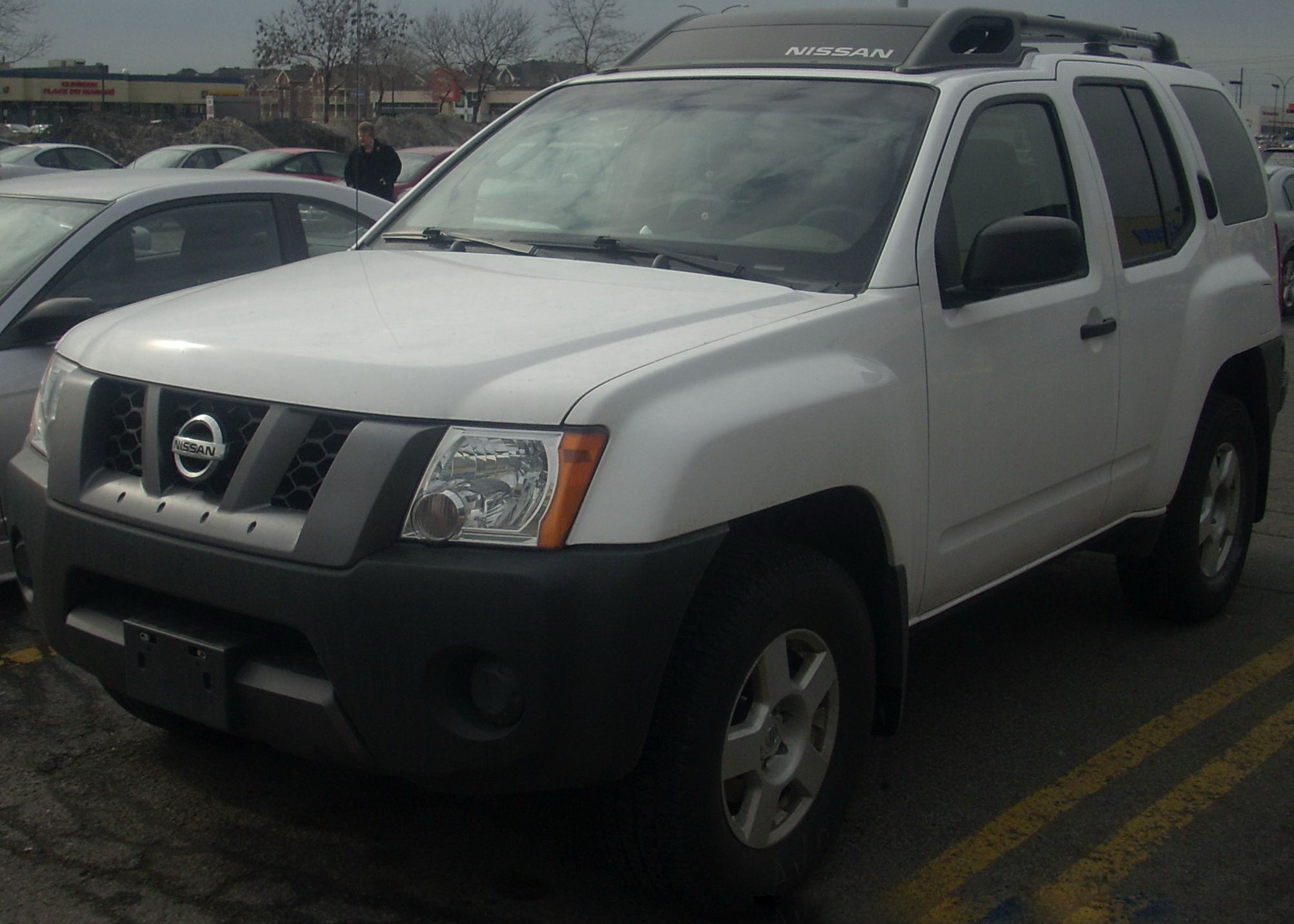
X-Terras
"So I figure to bring the fine listeners and viewers up to speed on where our X-Terras, ...we decided to do another cheap car challenge. This time, cheap overland builds."
The Nissan Xterra is an SUV that was designed to handle rough roads and trails. Here, the hosts are using Xterras as the starting point for cheap “overland” builds—basically turning them into budget adventure rigs.
The Nissan Xterra is a body-on-frame SUV built with off-road capability in mind, and it’s known for being a popular platform for budget overland builds. In this segment, they’re specifically talking about using Xterras as the basis for $5,000-or-less “overland” challenge builds.
cheap car challenge
"The backstory to the backstory is we decided to do another cheap car challenge. This time, cheap overland builds. $5,000 or less, including the vehicle and everything we do to them."
A “cheap car challenge” is a structured build constraint where the hosts try to create a capable result under a strict budget. Here, the constraint is $5,000 or less including the vehicle and all modifications.
overland
"This time, cheap overland builds. $5,000 or less, including the vehicle and everything we do to them. ...You've got a second gen overland trim."
Overland is about using a vehicle to go on longer trips where you might camp and be far from help. People usually add gear so the car can handle rough roads and still let you live out of it.
Overland refers to outfitting a vehicle for long-distance, self-supported travel—often with camping gear, recovery gear, and durability-focused modifications. It’s not just “off-roading”; the goal is to travel farther and stay functional away from services.
supercharged
"We did. I got a first gen supercharged. You've got a second gen overland trim."
A supercharger is a device that forces extra air into the engine so it can make more power. The hosts are saying one of their Xterras has that boosted setup.
A supercharger is a forced-induction device that increases engine air intake pressure, allowing more fuel to be burned for higher power. When they say they have a “first gen supercharged” Xterra, they’re pointing to a higher-output factory setup compared with non-supercharged versions.
trailhead
"But we got to get to the trailhead first. Correct."
A trailhead is the place where a trail starts. It’s where you park before you begin the path, whether you’re hiking or driving onto a trail.
A trailhead is the starting point of a hiking or off-road trail, where you park and begin the route. For overlanding, reaching the trailhead first matters because that’s where the usable path begins and where you can assess conditions.
timing chain issues
"I mean, questionable condition, but I think ultimately pretty good other than some questionable timing chain issues. ...belts the issues, which has yet to be resolved only a handful of days away."
The timing chain helps the engine’s internal parts move in the right order. If it’s having problems, the engine can run badly and, if ignored, it can potentially lead to serious damage.
A timing chain is part of the engine that synchronizes the crankshaft and camshaft timing. If it has issues, the engine’s valve timing can go out of sync, which can cause poor running and, in severe cases, major engine damage.
four-wheel drive
"[375.1s] So what's good is, as constructed today, car runs, car drives, it's registered, it's tagged, [385.9s] it's in my name, it's got current tags, it's got cold air conditioning, it's got functional [390.5s] four-wheel drive, it does all the things that you need an off-road vehicle to do."
Four-wheel drive means the car sends power to all four wheels. That helps it grip better on dirt, mud, snow, or other slippery ground.
Four-wheel drive (4WD) means power is sent to both the front and rear axles, improving traction on loose or slippery surfaces. It’s especially useful for off-road driving because it helps the vehicle keep moving when one axle would otherwise spin.
tires
"[398.0s] Nice. [398.8s] Right now, the bad, I still have not addressed tires."
Tires are what actually grip the road or trail. If the tires are worn or the wrong type, the vehicle can struggle in mud, rocks, or sand.
Tires are the contact patch between the vehicle and the ground, so they heavily influence traction, braking, and how well the car handles off-road surfaces. For overlanding and rallies, tire choice (and condition) often matters as much as drivetrain or suspension.
mount, balance, maybe an alignment
"And to get a decent set of decent tires, mount, balance, maybe an alignment if I'm feeling froggy is $1,000 to $1,200."
New tires don’t just bolt on and go. They get mounted on the wheels and balanced so they don’t shake at speed. Sometimes you also do an alignment so the car drives straight and the tires wear evenly.
When you buy new tires, they usually need to be mounted onto the wheels and balanced so the tire/wheel assembly spins smoothly. An alignment is sometimes recommended afterward to make sure the suspension angles are set correctly for straight tracking and even tire wear.
timing belt
"I would also say the other part of the bad is as it sits, I have not done timing belt water pump. [480.1s] I have a timing belt and water pump."
The timing belt is a belt inside the engine that keeps the engine’s moving parts working in sync. If it breaks, the engine can get out of time and can be badly damaged, so it’s something you don’t want to ignore.
A timing belt synchronizes the engine’s crankshaft and camshaft so the valves open at the correct time. If it fails, the engine can lose timing and may suffer major internal damage, which is why many maintenance schedules treat it as a critical service item.
water pump
"I would also say the other part of the bad is as it sits, I have not done timing belt water pump. [480.1s] I have a timing belt and water pump. [486.2s] Like if I look at the water pump, the water pump looks like it's been recently replaced. [496.6s] On this motor, the water pump is not driven off of the timing belt."
The water pump moves coolant through the engine to keep it from overheating. Sometimes it’s replaced when the timing belt is replaced, but in this case the speaker says the water pump is not powered by the timing belt.
The water pump circulates coolant through the engine to control temperature and prevent overheating. On many engines, the water pump is serviced around the same time as the timing belt because they can be accessed together, but the speaker notes this particular motor’s water pump isn’t driven by the timing belt.
role of the dice
"Probably not. [560.2s] But it's a role of the dice. [562.7s] Are you planning on not doing it?"
They’re saying it’s basically a gamble. Even if one part looks new, you can’t be sure the other critical maintenance (like the belt) is actually done, so something could still fail later.
“Role of the dice” here means the outcome is uncertain: even if something looks recently serviced (like a fresh water pump), the true condition and remaining life of the timing belt may still be unknown. That uncertainty creates risk of a failure during normal driving.
radiator
"Like, I have to pull, I gotta pull the radiator. Not that big a deal."
The radiator helps cool the engine by letting hot coolant give off heat to the air. For some repairs, mechanics need to remove it to get enough space. The host is saying that’s part of the process here.
The radiator is the heat exchanger that transfers heat from the engine coolant to the outside air. During front-of-engine work (like timing belt access), the radiator often has to be removed or moved to create clearance. The host mentions pulling the radiator as part of the job.
serpentine belt
"It's, it's not a serpentine belt. It's three individual old school accessory belts."
A serpentine belt is one belt that powers several engine accessories at once. The host is saying this truck doesn’t use that simple one-belt setup. Instead, it uses multiple belts, which can make the job a bit more involved.
A serpentine belt is a single long belt that drives multiple accessories (like the alternator, power steering pump, and air conditioning compressor) using one belt path. The host contrasts it with the truck’s setup, implying the accessory drive uses separate belts instead. Separate belts can mean more individual tensioning steps during service.
accessory belts
"It's three individual old school accessory belts."
Accessory belts are belts that run things like the alternator and other systems that help the car work. This truck uses multiple belts instead of one. That can make maintenance take longer because each belt has to be handled separately.
Accessory belts drive non-engine-critical systems such as the alternator, power steering, and air conditioning compressor. The host notes there are three separate belts, which typically means each one has its own routing and tensioning procedure. That can add time compared with a single serpentine belt system.
AC compressor
"Which is, but then you, in order to do, you got to pull the, you got to, you got to pull the AC compressor. You got to pull."
The AC compressor is the part that makes your car’s air conditioner actually work. It squeezes the refrigerant so it can cool the air, and sometimes you have to move it out of the way to reach something else in the engine area.
The AC compressor is the pump in a car’s air-conditioning system that pressurizes the refrigerant so the system can cool the cabin. On many cars, it sits in the front of the engine bay and may need to be removed or moved aside to access other components.
idler intention or pulleys
"And mainly those accessory belt I was talking about and the idler intention or pulleys."
The idler/tensioner pulleys are small wheels that guide the belt and keep it tight. If they get worn out, the belt can start slipping or making noise, and that can cause other problems.
Idler pulleys (and the tensioner assembly, which may be what the speaker is referring to) help route the accessory belt and maintain proper belt tension. If these pulleys wear out or seize, the belt can squeal, slip, or fail—so they’re important when doing belt-related work.
supercharger
"The one to the supercharger is like 75% there."
A supercharger is a device that forces extra air into the engine so it can make more power. Because it’s usually driven by belts, if the belt/pulleys are misaligned or worn, it can cause problems.
A supercharger is a forced-induction device that increases engine power by pushing more air into the engine. It’s typically driven mechanically (often by a belt and pulley system), so belt alignment and pulley condition matter a lot for reliability.
pulley setup
"It's like hanging off the engine side of the pulley setup. Like it's misaligned."
A pulley setup is the belt-and-pulley system that drives components. If the pulleys aren’t lined up right, the belt can slip, wear out, or even come off.
A pulley setup refers to the arrangement of pulleys and belts that transmit power to accessories (like a supercharger). If the pulleys are misaligned, the belt can ride incorrectly, wear faster, and repeatedly throw off.
wiring harness
"you're like, oh, I can see where this has been riding in a couple of places, including the wiring harness."
A wiring harness is the car’s main bundle of electrical wires. If something mechanical rubs against it, the wires can get damaged and cause electrical problems.
A wiring harness is the bundled set of wires and connectors that distributes electrical power and signals throughout the vehicle. When a belt or accessory is misaligned, it can rub the harness, damaging insulation and causing electrical faults.
conduit
"There's a part where it's worn through some of the conduit on the wiring harness."
Conduit is protective tubing or sheathing that shields wiring from abrasion, heat, and moisture. If the conduit is worn through, the underlying wires are more exposed and more likely to fail.
tensioner pulley
"But I'm hoping that that like, okay, I do a tensioner pulley."
A tensioner pulley keeps the belt tight. If it’s worn or not applying enough tension, the belt can slip or come off.
A tensioner pulley is part of the belt drive that maintains correct belt tension as components wear and as the belt stretches. If the tensioner or its pulley is worn or mis-set, the belt can lose tension and start slipping or throwing.
idler pulley
"I do an idler pulley. I've replaced the belts and then I'm good."
An idler pulley is a pulley that just guides the belt along the right path. If its bearing or alignment is off, the belt can wear quickly or even fall off.
An idler pulley is a non-driven pulley that changes belt direction and helps keep the belt tracking correctly. A bad idler pulley (wobble, bearing wear, or misalignment) can cause belt noise, uneven wear, and belt throw-offs.
alternator belt
"I hate to just like, oops, I threw the alternator belt into the woods. On our adventure."
The alternator belt drives the alternator, which charges the battery and powers electronics. If the belt comes off, the battery may not get charged and the car can have trouble running.
The alternator belt is the belt that drives the alternator, which generates electrical power for the car. If that belt is thrown or misrouted, the car can lose charging and may stall or run poorly.
accessory polis
"Check your, check your accessory polis too, right? Like they could make a grindy noise just like that. And I've had power steering."
This sounds like they mean the pulleys that run accessories with belts. If a pulley’s bearing is worn out, it can make grinding or rattling noises that can be mistaken for bigger engine problems.
“Accessory polis” appears to refer to accessory pulleys (belt-driven pulleys for items like the alternator and power steering pump). If a pulley bearing is failing, it can create a grindy or knocking noise similar to other front-of-engine suspects.
power steering
"And I've had power steering. Power steering or a knock rattle."
Power steering helps you turn the wheel more easily using a pump. If that pump or its belt/pulley is going bad, it can make knocking or rattling sounds—especially when the engine is idling.
Power steering uses a pump (often belt-driven) to reduce the effort needed to turn the wheel. If the power steering pump or its pulley/belt is worn, it can produce knocking or rattling noises that show up at idle and under certain steering loads.
knock
"Like a failing power steering pump makes a lot of like sounds like knock sometimes."
“Knock” means a sharp banging or tapping noise. It can come from different parts, and here they’re saying it might be the power steering pump making that sound.
“Knock” is a broad term for a sharp, repetitive mechanical noise that can indicate something is worn, loose, or failing. In this context, the host is linking the knock-like sound to a failing power steering pump rather than internal engine damage.
stethoscope
"I use the, you said make your own stethoscope."
They’re using a stethoscope-like trick to listen for where the noise is coming from. Instead of guessing, you put the tip on parts and listen for the loudest sound.
A stethoscope is used here as a diagnostic tool to listen for abnormal noises from specific engine or accessory components. By placing the probe on different spots, you can often narrow down whether the sound is coming from the pump, belts, or other hardware.
two liter soda bottle
"I use a two liter soda bottle, cut it in half."
They’re making a cheap listening tool out of a soda bottle. It helps the sound travel and makes the noise easier to hear.
Using a cut soda bottle as an improvised listening device is a DIY way to amplify and focus sound, similar in concept to a mechanic’s stethoscope. It can help make faint mechanical noises easier to identify.
fluids
"Do tires, make sure all my fluids are good and just send it."
Fluids are the liquids your car needs to run—like oil and coolant. Making sure they’re at the right level helps prevent overheating and other failures.
In a vehicle context, “fluids” usually refers to consumables like engine oil, coolant, brake fluid, and power steering fluid that keep systems operating correctly. Checking them before a trip helps avoid overheating, brake issues, or lubrication problems.
off-road trim
"Gotcha bitch. It sticks. Off-road trim. I knew this is like counter to everything."
“Off-road trim” just means the car came with extra gear meant for dirt roads and trails. It’s basically the factory version of “more trail-ready.”
“Off-road trim” means a factory equipment level aimed at rough-terrain use, typically including features like more capable tires, skid protection, and suspension tuning. It’s a shorthand for how the vehicle is set up from the factory compared with a more basic version.

Ford Falcon
"...l-terrain tires so I'm unhappy with them. They're Falcon Rubitrex, which is a pretty good off-road tire. I..."
The Ford Falcon is a car model made by Ford. In the podcast, the “Falcon Rubitrex” part sounds like it’s actually talking about a type of tire, not the car’s engine or features. Tires like that are meant to help the car grip better on rough roads.
The Ford Falcon is a model line that’s often discussed in terms of its different generations and how it’s used, including as a base for off-road or rugged setups. In the podcast context, “Falcon Rubitrex” refers to a tire model, suggesting the conversation is about traction and tire choice rather than the vehicle itself. That makes it relevant to owners who want better grip for rough or mixed surfaces.
Falcon Rubitrex
"Regardless, they're good all-terrain tires so I'm unhappy with them. They're Falcon Rubitrex, which is a pretty good off-road tire. It's not like, it's not your BFG KO3."
Falcon Rubitrex is the name of a particular tire model. The host is saying it’s a solid off-road tire, not a super cheap or weak one.
Falcon Rubitrex is a specific model of off-road/all-terrain tire. The host is using it as an example of a tire that’s “pretty good” for off-road use, while also comparing it to more aggressive options.
BFG KO3
"They're Falcon Rubitrex, which is a pretty good off-road tire. It's not like, it's not your BFG KO3. You know, I've tried."
BFG KO3 is a specific BFGoodrich tire model. The host is basically saying it’s not the same as the more aggressive KO3-style tire.
BFG KO3 refers to BFGoodrich’s KO3 all-terrain tire line, which is known for a more aggressive tread pattern than many mainstream all-terrains. The host contrasts it with the Falcon Rubitrex to highlight differences in how “off-road” the tires feel.
smog
"[1172.4s] I made 400 bucks back, which is not enough for everything I need to do this truck. [1177.0s] Let's be honest. [1178.2s] A good smog is not a threat to me anymore, dude."
“Smog” here means exhaust emissions. The host is saying they’re not worried about passing an emissions check or dealing with emissions problems right now.
In car talk, “smog” usually refers to emissions—how much pollution a vehicle produces. When someone says a “good smog is not a threat,” they mean the vehicle’s emissions situation isn’t a concern for them anymore (often because they’re focused on off-road use or have already addressed emissions-related issues).
transmission cooler
"[1184.8s] You don't have to worry about that with your first gen truth or stance. [1187.6s] But second gens, they have a transmission cooler that just loves. [1193.0s] It goes, it's built into the radiator. [1194.9s] So what happens is your trans fluid and coolant mix, not cool."
A transmission cooler is like a small radiator for the transmission fluid. It helps prevent overheating, and in some setups it’s connected to the main radiator, which can cause problems if fluids mix.
A transmission cooler is a heat-exchanger that helps keep automatic transmission fluid at a safe temperature. In this discussion, the cooler is described as being built into the radiator, which can create a failure mode where transmission fluid and engine coolant can mix—damaging the transmission.
trans fluid and coolant mix
"[1193.0s] It goes, it's built into the radiator. [1194.9s] So what happens is your trans fluid and coolant mix, not cool. [1198.2s] And it has donated many a transmission, which is not something you want to deal with."
This describes a specific failure mode where transmission fluid and engine coolant cross-contaminate. When that happens, the transmission can lose the correct fluid properties and lubrication, leading to transmission damage—what the host calls “donated many a transmission.”
VVTI gaskets
"I've taken care of all the oil leaks, the valve covers, the VVTI gaskets, all the basic stuff."
VVTI (VVT-i) is a system that helps the engine open and close its valves at the right times. A gasket is a seal—if it fails, oil can leak out and you may need to replace the seal to stop the mess.
“VVTI” here is referring to Toyota’s VVT-i system (variable valve timing with intelligence), which changes valve timing for better efficiency and power. The “gaskets” are the seals around components in that system; if they harden or fail, oil can leak and contaminate nearby parts.
transfer case
"So trans front diff rear diff transfer case. All those fluids."
In a 4x4 truck, the transfer case is what sends power to both the front and rear wheels. It uses special fluid, and that fluid can wear out over time, so it may need service.
A transfer case is the part in a 4x4 truck that splits power between the front and rear axles. Because it has its own gear oil, it needs periodic fluid service to keep the driveline operating smoothly.
rear diff
"So trans front diff rear diff transfer case. All those fluids."
The rear differential is what allows the rear wheels to spin at different speeds when you turn. It uses oil, and if that oil isn’t changed, the gears can wear faster.
The rear diff (rear differential) is the gear unit that lets the rear wheels rotate at different speeds during turns. Like the front diff, it uses differential fluid, and neglected fluid changes can lead to accelerated wear.
front diff
"So trans front diff rear diff transfer case. All those fluids."
The front differential is the gear system that lets the front wheels turn at different speeds when you’re cornering. It has its own oil, and that oil can wear out, so it’s worth keeping up with.
The front diff (front differential) is the gear unit that allows the front wheels to rotate at different speeds while turning. It also relies on its own differential fluid, which can degrade with mileage and off-road use.
brake pads
"“I think I'm at like 20 to 30% on my pads and I do have a little bit of like a little bit of a ridge formed…”"
Brake pads are the parts that press against the rotors to slow the car down. As they wear out, they can develop uneven edges and the braking can feel less smooth.
Brake pads are the friction material clamped by the calipers to slow the vehicle. When pads wear down, you can get uneven surfaces or a ridge on the pad material, which can change pedal feel and braking consistency.
bleed the brakes
"“Can you bleed them?” [1288.4s] “Yeah. [1288.6s] I'll bleed them.”"
Bleeding the brakes means getting the air out of the brake fluid lines. If there’s air in there, the brake pedal can feel mushy and braking won’t feel as strong.
“Bleeding the brakes” is the process of removing trapped air (and old fluid) from the brake hydraulic system. Air in the lines can make the pedal feel soft or “squishier,” and it reduces braking effectiveness until the system is properly purged.
timing chains
"And I want to tell you guys, this is a, I'm not comfy with this because your timing belt job painted the dick, but I would much rather do that than switch out timing chains every day of my life."
Timing chains are like a durable “synchronizing” mechanism inside the engine. They keep the camshafts and crankshaft working together, but if they wear out you can hear loud noises and may need repairs.
Timing chains are metal chains that also synchronize the crankshaft and camshaft(s). Unlike belts, they’re often marketed as longer-life, but some engines still have known chain-related wear points that can cause noise and require replacement.
secondary chains
"So timing chains on these, they, they don't fail actually, except for the secondary. So there's a little secondary one behind the main one that connects the two cams."
Some engines use more than one timing chain. A “secondary” chain is an extra chain that helps connect camshafts, and if it wears out you can get loud timing-related noises.
Secondary timing chains are additional chains used to connect or drive camshafts beyond the primary chain. Some multi-chain designs can have a specific failure mode where the secondary chain and its guides wear first, leading to noise and the need for partial or full timing service.
quad cam engine
"This is a, you know, a quad cam engine, if you will GM in the early nineties that fails and it chews through a plastic like chain guide and there's a little metal bolt holding it and it will start to make this horrible fucking noise like a wine."
A quad cam engine uses four camshafts total—typically two per cylinder bank—so valve timing can be controlled more precisely. In the early 1990s, some GM designs used multi-cam layouts that relied on timing components (chains, guides, tensioners) to keep everything synchronized.
chain guide
"This is a, you know, a quad cam engine, if you will GM in the early nineties that fails and it chews through a plastic like chain guide and there's a little metal bolt holding it and it will start to make this horrible fucking noise like a wine."
A chain guide is a part that helps hold the timing chain in the right place. If the guide wears out—especially if it’s plastic—the chain can start slapping around and make a nasty noise.
A chain guide is a wear surface that positions and supports the timing chain(s) so they don’t rattle or jump timing. In some engines, a plastic guide can wear or fail, allowing the chain to move more than intended and creating loud, distinctive noise.
Rockford Fosgate
"Listen to this Rockford Fosgate buddy. [1555.0s] Listen to this. [1555.8s] Oh yeah. [1557.4s] Rockford Fosgate twins."
Rockford Fosgate is a company that makes car audio equipment like speakers and stereos. They’re saying their car’s sound system is from that brand, and it sounds pretty good.
Rockford Fosgate is an audio brand known for aftermarket car stereos and speakers. In this segment, they’re pointing out that the vehicle’s audio system uses Rockford Fosgate hardware, which is often associated with louder output and clearer sound than basic factory setups.
sub under the driver's seat
"It's got a little sub under the driver's seat. [1565.2s] Kind of nice. [1566.0s] I got to find some of my old CDs just to bump CDs the whole time."
A sub is a bass speaker. Having it under the driver’s seat helps the car sound fuller without using a lot of space in the trunk.
A subwoofer is a speaker designed to reproduce low-frequency bass. Putting a subwoofer under the driver’s seat is a space-saving way to add stronger low-end sound without taking up trunk room.
FM transmitter
"So I got an FM transmitter so I can charge my phone."
An FM transmitter lets you play phone audio through your car radio. It sends the sound over a radio station frequency, and you tune the radio to match it.
An FM transmitter is a small device that broadcasts audio from a phone or other source over an FM radio frequency. The listener then tunes the car’s radio to that frequency to hear the audio through the vehicle speakers.
suspension bushing
"Like, because the suspension bushing is warm and everything. [1605.8s] I think my shocks are pretty."
Suspension bushings are soft parts that sit between suspension components. They help the ride feel smooth and quiet, but when they wear out you can get squeaks or creaks—especially as things heat up.
Suspension bushings are rubber (or rubber-like) mounts that connect suspension parts and help control vibration and noise. When they get warm or worn, they can change how the suspension moves, which can lead to squeaks over bumps.
Bilsteins
"Under the original Bilsteins with 180K. [1614.2s] So they're, they're probably down a little bit of life."
Bilstein makes shock absorbers. Shocks help control bouncing and keep the tires in contact with the road, and after high mileage they can wear out and feel less effective.
Bilstein is a suspension brand best known for shock absorbers and struts. In this context, the speaker says their shocks are the original Bilsteins with 180K miles, suggesting the damping may be fading as the shocks age.
off-roader
"These things are completely fucking slept on like as an off-roader."
An off-roader is a vehicle meant for dirt roads, trails, and rough ground. It’s built to handle bumps and traction changes better than a typical street-focused SUV.
An “off-roader” is a vehicle intended for driving on unpaved, rough, or uneven terrain rather than just normal roads. In practice, that usually means durable suspension/undercarriage design and gearing that helps at low speeds.
six speed manual
"…You can go buy a four by four XTERRA. If you want, you can go get a six speed manual, second gen."
A six-speed manual is a car where you shift gears yourself. You use a clutch pedal, and having more gears can help you keep the car in the right “mode” when driving slowly off-road.
A “six speed manual” is a gearbox where you choose gears yourself using a clutch pedal and a shift lever. On off-road SUVs, manuals can be preferred because they let drivers stay in the right gear for crawling, engine braking, and control on uneven terrain.

Toyota 4Runner
"…you can go get a six speed manual, second gen. You can get a manual in your generation and you can't do that with a four runner."
The Toyota 4Runner is a rugged SUV people buy for off-roading. In this discussion, the host is saying it’s not as easy to find a manual version as it is with the Nissan Xterra.
The Toyota 4Runner is another truck-based SUV that’s popular with off-road buyers, but the host is contrasting it with the Nissan Xterra’s availability of a manual transmission. The point is that some 4Runner generations are harder to find with the same kind of manual option.
overgears
"But what else is like, oh, overlandings kind of like, I think it's kind of a divisive activity ... Everybody overgears."
It means people bring or buy way more gear than they really need. The point is usually to look prepared, but it can make the whole hobby way more expensive.
In overlanding/off-road circles, “overgears” means buying or running more gear than you strictly need—often to look capable or to handle worst-case scenarios. It’s a common critique because it drives up the cost of entry and can turn the hobby into more of a gear-collecting exercise than actual trips.
solid axle swap
"You can't even consider doing any of this unless you do a solid axle swap on the front and you cut the quarters and you do, you know."
A solid axle swap is when you change the front suspension so the wheels are connected by a single heavy axle. People do it for tougher off-road performance, but it’s a big modification that takes work to install correctly.
A “solid axle swap” is converting a vehicle’s front suspension to use a solid (one-piece) axle instead of an independent setup. Off-road builders do it for durability and simplicity, and because solid axles can handle uneven terrain well—though it usually requires fabrication and can change ride quality and steering feel.
cut the quarters
"You can't even consider doing any of this unless you do a solid axle swap on the front and you cut the quarters and you do, you know."
“Cut the quarters” refers to trimming the rear quarter panels (body sheet metal) to create clearance for larger tires, suspension travel, or off-road components. It’s a common step in lifted builds, but it’s also irreversible and can affect rust protection and body integrity if not done carefully.
ladder
"Get a little ladder. A whittle ladder on the back."
Here, “ladder” is a step/ladder on the back of the truck so you can reach things on top, like a roof rack or tent. It’s mainly for convenience when camping.
In this context, “ladder” likely means a rear-mounted ladder used to access roof racks or rooftop gear (like tents or storage). It’s a practical overlanding accessory that also signals the vehicle is set up for camping and off-road living.
air tanks
"front and rear bumpers that are also like air tanks. And so you can get back on the highway after you air down and it's just like, oh, of course."
Air tanks are built-in containers that store compressed air. Overlanders use them to quickly adjust tire pressure (and sometimes other off-road air tools) without stopping to find a compressor.
“Air tanks” are onboard compressed-air reservoirs used to run an air system—commonly for inflating/deflating tires and powering accessories. In overlanding builds, they make it easy to air down and then air back up without relying on external compressors.
air down
"And so you can get back on the highway after you air down and it's just like, oh, of course."
Air down means letting some air out of your tires for off-road driving. It helps the tire grip better on loose surfaces, and then you put the air back in for the highway.
“Air down” means reducing tire pressure before driving off-road. Lower pressure lets the tire deform and increase the contact patch, improving traction on dirt, sand, and rocks; then you air back up for highway driving to restore stability and reduce heat.

Toyota Corolla
"Yeah, it's actually not even the fault of like the thesis... [2089.3s] all over again, but with like two wheel drive only. [2092.9s] And just like try and like prove the point of something shittier. [2096.5s] Toyota Corolla is whatever."
The Toyota Corolla is a very common, everyday car. Here, they’re basically saying you can still do the kind of trip or setup they’re talking about with something simple like a Corolla, not only with expensive off-road vehicles.
The Toyota Corolla is a compact, high-volume sedan known for being practical and easy to live with. In this segment, it’s used as a baseline example of a “budget” car choice for overlanding-style use, implying it can still work even if it’s not the most capable setup.

Chevrolet Corvette
"True. Or 405, like a Corvette C506. They put a fucking badge on it that says it..."
The Chevrolet Corvette is a sports car made by Chevrolet. It’s designed to be fast and fun to drive, and people often talk about different versions of it. The “C506” reference is likely a way to identify a specific variant or special model.
The Chevrolet Corvette is a long-running American sports car known for its performance-focused design and strong enthusiast following. In podcast discussions, it often comes up when people talk about specific generations, badges, and how certain trims or special editions were marketed. The mention of a “Corvette C506” points to a particular variant or code that helps identify the exact car being referenced.

Infiniti Q45
"When did those M35s came out? Or is this going to be a... It's a Q44? Oh, maybe. Let's do it. Let's do older. Infinity Q45? Final answer? Do you have a year for me? 2001."
The Infiniti Q45 is a luxury car (a sedan) made by Infiniti. Here, they’re arguing about which model year the car is, based on what it looks like or how it’s identified.
The Infiniti Q45 is a luxury sedan from Infiniti (Nissan’s luxury brand), known for its comfortable ride and V8-era refinement. In this segment, the hosts are trying to pin down the correct model year for a Q45 they’re discussing.

IS Lexus Is300
"2000? Lexus IS 300? Final answer?"
“IS” here likely means the Lexus IS 300. It’s a compact luxury sedan, meaning it’s built for comfortable daily driving with a bit of performance. The podcast is trying to confirm which exact model they mean.
“IS” in the podcast context appears to refer to the Lexus IS, specifically the question “Lexus IS 300.” The Lexus IS 300 is a compact luxury sedan that’s often discussed for its balance of everyday comfort and performance. It comes up in conversations when people are trying to confirm the exact model and year-related details.
Honda Acura
"[2844.0s] Toyota and Lexus. [2845.2s] We got Honda Acura. [2848.9s] I don't think you're hitting me with an RL [2851.0s] again so soon."
Honda is the main brand, and Acura is Honda’s luxury brand. Here it’s mentioned as part of a list of brands.
Honda and Acura are related brands: Acura is Honda’s luxury division. The host is grouping brands they’ve already named, including Acura alongside Honda.
Infinity
"[2852.4s] You've mentioned [2855.2s] Infinity."
This is likely Infiniti, a luxury car brand. The host is just listing brands they’ve mentioned.
Infinity appears to be a mis-transcription of Infiniti, Nissan’s luxury brand. The host is continuing a list of Japanese automakers/brands they’ve named.
6-cylinder
"Either way, that was a... [2910.5s] A 6-cylinder charade. [2914.1s] A Daihatsu Rocky"
“Six-cylinder” means the engine has six combustion chambers. More cylinders often helps the engine run smoothly, and here it’s being used as a hint to identify the car.
“6-cylinder” refers to an engine with six cylinders, which typically allows smoother power delivery than smaller cylinder counts. In this segment it’s used as a clue for identifying which vehicle/engine setup they’re talking about.

Daihatsu Rocky
"[2914.1s] A Daihatsu Rocky [2915.2s] with a 3.5 [2916.9s] Susie motor would be fun, too."
The Daihatsu Rocky is a small SUV made by Daihatsu. They’re discussing it as part of a guessing game about what engine it might have.
The Daihatsu Rocky is a compact SUV from Daihatsu, best known for being a small, practical off-road-capable vehicle in many markets. In this segment, they mention it alongside a “3.5” and a “Susie motor,” suggesting they’re guessing at an engine/displacement detail for the Rocky.

Nissan Maxima
"What did I say, Mazda? [2944.9s] Nissan Maxima. [2946.8s] This would be an SE. [2948.7s] I'll take a five-speed manual. [2952.6s] Well, [2954.1s] the new 2000 Maxima."
The Nissan Maxima is a mid-size car that’s meant to feel a bit more fun to drive than a typical family sedan. Here, they’re talking about a specific Maxima version (SE) and a manual transmission, which is the more “driver-focused” setup.
The Nissan Maxima is a midsize sedan known for offering a more performance-leaning driving feel than many family sedans. In this segment, they’re specifically talking about a Maxima “SE” and a “five-speed manual,” which points to an enthusiast-oriented trim/drivetrain setup for that era.
five-speed manual
"[2946.8s] This would be an SE. [2948.7s] I'll take a five-speed manual. [2950.2s] Final answer."
A five-speed manual is a car where you shift gears yourself using a clutch. It has five forward gears, which changes how the car feels when you accelerate and when you’re driving at steady speeds.
A five-speed manual is a manual transmission with five forward gears. Compared with automatics or more modern multi-gear manuals, the gear count affects how the engine sits in its power band during acceleration and cruising.

Nissan Altima
"in the Altima, it was, I think, like 240?"
The Nissan Altima is a regular family-sized sedan made by Nissan. When someone mentions a number like “240,” they’re usually talking about a performance spec from a certain version of the car. It’s often discussed because it’s common and comes in different trims.
The Nissan Altima is a mainstream mid-size sedan known for being practical for everyday driving. Podcast references to “like 240” likely point to a specific figure such as horsepower or a trim/engine-related number from a particular year. It’s a common car to discuss because it’s widely owned and comes in many configurations.

Hyundai i30
"and the I-35, I thought you might do I-30 and I-35. I thought about it."
The Hyundai i30 is a compact car made by Hyundai. In the podcast, it sounds like they were just talking about the name or number of the model. Compact cars like this are usually meant for normal daily driving.
The Hyundai i30 is a compact car (often a hatchback or wagon depending on market) aimed at everyday usability. The podcast mention about “I-30 and I-35” sounds like they’re comparing or clarifying model names/numbers rather than discussing a specific feature. It’s relevant because i30 is a frequently referenced model when people talk about compact-car options.

ES300 manual
"The ES300 manual is a very interesting vehicle. I actually put the first video out."
“ES 300” is a Lexus sedan. “Manual” means it has a stick shift instead of an automatic, which is less common on this model.
The Lexus ES 300 is a midsize sedan known for comfort and smooth, reliable daily driving. In this context, “manual” means the car is equipped with a manual transmission, which is unusual for the ES line and makes it more interesting to enthusiasts who like driver engagement.
valve covers
"Dude, the fucking valve covers. I sent you some photos."
Valve covers are the top covers on the engine that help keep oil in and dirt out. If they start leaking, you usually reseal them, and sometimes you have to take off other engine parts to reach the back one.
Valve covers are the housings that sit on top of the cylinder head and protect the valvetrain area. When they leak, mechanics often reseal them using gaskets and sealant (RTV), and the job can require removing nearby components like the intake manifold to reach the rear cover.
intake manifold
"fuel lines going to the intake manifold that you need to disconnect to take the intake manifold off to get to that rear one."
The intake manifold is part of the engine that routes air (and sometimes fuel) to the cylinders. If you need to reach the back valve cover, you may have to remove the intake manifold because it’s packed with hoses and lines.
The intake manifold is the engine’s air/fuel distribution plumbing that routes mixture to the intake ports on the cylinder head. On some engines, removing the intake manifold is necessary to access the rear valve cover because vacuum lines, coolant lines, and fuel lines connect to the manifold area.
RTV
"So the first thing I look at, I'm like, oh, gray RTV with black RTV on top of it. That's a pro move, right?"
RTV is a type of silicone sealant used to stop leaks between engine parts. The speaker is saying they saw different colors/types of RTV used in the repair area.
RTV (room-temperature vulcanizing) is a silicone sealant used to fill small gaps and help prevent leaks at joints. In this segment, the speaker points out “gray RTV” with “black RTV,” implying different sealant types or bead locations used to seal the valve-cover area.
valve train
"but there was RTV inside the valve train. Like, just..."
The valve train is the engine’s “valve moving system.” It controls when the intake and exhaust valves open and close, and it has lots of moving parts that need clean oil—so debris or sealant chunks can be a bad sign.
The valve train is the mechanism that opens and closes the engine’s intake and exhaust valves, typically involving components like camshafts, lifters/rollers, pushrods (on some engines), and rocker arms. If sealant like RTV gets into the valve train area, it can interfere with moving parts and oiling.
oil slick
"It's fucking soaked under there, dude. It's an oil slick. Well, if they're finger tight with dog shit RTV..."
An “oil slick” is a visible layer of oil spread across a surface, here indicating an active or recent oil leak in the engine bay. It’s a practical red flag because oil can drip onto hot components and create smoke or fire risk.
valve cover gasket
"I'm used to pulling off the valve cover and the gasket, [3351.4s] it's like a fucking plastic gasket, right? [3354.1s] Like the rubber hardens."
The valve cover gasket is a rubber seal that keeps engine oil from leaking where the valve cover bolts to the engine. If it gets old and hard, it can stop sealing and start leaking.
A valve cover gasket seals the seam between the engine’s valve cover and the cylinder head so oil doesn’t leak. Over time, the gasket material can harden and shrink, which is why older cars may start weeping oil.
rubber grommets
"there's the rubber grommets [3363.1s] with the brass that the valve cover bolts go in. [3366.5s] Didn't replace them. [3367.7s] All original."
Rubber grommets are rubber sleeves/bushings that sit around bolts. If they crack or flatten over time, the seal can fail and the valve cover may start leaking.
Rubber grommets are molded rubber bushings that sit under/around bolts to provide sealing and vibration isolation. When they age, they can crack and lose shape, which prevents the valve cover fasteners from clamping evenly and can lead to leaks.
torque to yields
"Not torque to yields on the right turn, but similar. [3381.1s] No, but when you do the torque setting,"
“Torque-to-yield” is a way of tightening certain bolts so they stretch a little in a controlled way. It only works correctly if you follow the exact tightening steps, not just “tighten it by hand.”
“Torque-to-yield” is a tightening method where a bolt is tightened past its elastic range into controlled plastic deformation. It’s used on some engine fasteners because it provides a more consistent clamping force, but it requires following the exact procedure.
torque setting
"because if you don't [3375.8s] put it, they're made to torque down to a certain amount. [3378.4s] Not torque to yields on the right turn, but similar. [3381.1s] ...when you do the torque setting, [3382.7s] it's like a crush rubber."
A torque setting means tightening bolts to a measured tightness instead of guessing. With rubber seals, the correct tightness helps them seal properly without getting damaged.
A torque setting refers to tightening fasteners to a specified torque value rather than “by feel.” For rubber crush seals and grommets, the right torque helps compress the material into a seal without over-crushing it.
crush rubber
"when you do the torque setting, [3382.7s] it's like a crush rubber. [3384.1s] Yeah, it effectively puts the right pressure,"
“Crush rubber” means the rubber seal is supposed to get squeezed a bit to make a tight seal. If you squeeze it too hard, it can break down or even lead to cracking nearby parts.
“Crush rubber” describes how certain rubber grommets or seals are designed to be compressed (crushed) by the bolt clamping force to create a leak-resistant seal. If they’re compressed too much—like by overtightening—they can fail or cause stress that cracks surrounding components.
torque wrench
"Homie didn't use a torque wrench, [3390.8s] he just fucking tightened them in the back, [3392.6s] he did it by hand, apparently."
A torque wrench is a tool that tightens bolts to a specific tightness setting. That matters because if you overtighten, you can damage seals or even crack metal parts.
A torque wrench is a tool used to tighten bolts to a specific torque value (tightness). Using the correct torque matters for gaskets and rubber bushings because over-tightening can crush or deform them and even crack nearby parts.
throttle body gasket
"throttle body, clean that, math, clean that, new throttle body gasket. I want this car to be gourmet, because yeah, yeah, these things are smooth operators when they're running well, so."
The throttle body controls how much air the engine gets. The gasket seals it up—if it’s worn, air can leak and the car may idle badly or feel off.
A throttle body gasket seals the throttle body to the intake system. A bad gasket can cause an air leak around the throttle plate, leading to idle issues and drivability problems.
VCT Solenoid
"So okay, where we last left our heroes in the world of the focus. Oh, yeah. So VCT Solenoid. I got the retrofit, the Volkswagen E1 cut and spliced the new pigtail bit, right?"
This is a control valve for the engine’s cam timing system. If it doesn’t work right, the engine can run rough or feel less responsive because the timing isn’t being adjusted properly.
VCT Solenoid refers to the valve that controls Variable Camshaft Timing (VCT) on engines that can advance or retard cam timing. When it’s faulty or needs an update, timing control can be inconsistent, affecting power, idle quality, and emissions.
cut and spliced
"I got the retrofit, the Volkswagen E1 cut and spliced the new pigtail bit, right?"
It means someone modified the car’s wiring by cutting it and reconnecting it to new wires. If it’s not done correctly, you can get electrical gremlins later.
“Cut and spliced” describes modifying wiring by cutting the existing wires and joining them to new wiring (often with solder/heat-shrink or proper connectors). It’s sometimes used for harness retrofits, but it must be done carefully to avoid intermittent electrical faults.
Volkswagen E1
"I got the retrofit, the Volkswagen E1 cut and spliced the new pigtail bit, right?"
Volkswagen is the automaker whose parts or wiring components are being referenced here. “E1” sounds like an internal part/harness designation used in a retrofit, so the key takeaway is that the speaker is sourcing or adapting a Volkswagen-specific connector/wiring section.
sensor
"If I was just going to order the sensor [3501.8s] as a bear ass sensor, it was like [3503.9s] $150."
A sensor is a small electronic part that tells the car’s computer what’s going on. If it’s not working right, the car can run poorly even if you don’t get an obvious warning light.
In this context, the “sensor” is an electronic input that the car uses to monitor engine/vehicle conditions and help the engine computer run correctly. If a sensor is wrong or wired incorrectly, the car can behave oddly even if the dashboard doesn’t show a warning.
pigtail
"The pre-modified one with the correct pigtail [3507.8s] and everything was like $160 [3509.6s] from this company. I'll just fucking do that. [3511.9s] Great, did it? [3513.8s] Installed it, spliced [3515.5s] the pigtail, put it all together."
A “pigtail” is a short wiring harness section with the correct connector on one end and wires on the other. It’s used to make sensor replacement plug-and-play or to splice into the existing vehicle wiring with the right connector shape and pinout.
scanner
"Brought it back, put a scanner on it, no codes. [3537.6s] No codes, no pending, nothing. [3540.3s] But it"
A scanner is a tool that plugs into the car and checks for stored error codes. “No codes” means the car’s computer didn’t record a problem, even if the driving feel wasn’t right.
A “scanner” is an OBD-II diagnostic tool that reads the car’s stored trouble codes from the engine computer. When the host says “no codes,” it means the computer didn’t log a fault even though the car still felt wrong.
pending
"Brought it back, put a scanner on it, no codes. [3537.6s] No codes, no pending, nothing. [3540.3s] But it"
“Pending” means the car noticed something might be wrong, but it hasn’t proven it enough to fully log it as a confirmed problem. It often shows up when the issue is intermittent.
“Pending” refers to diagnostic trouble codes that have been detected but not confirmed strongly enough to trigger a full fault code. This can happen when a problem is intermittent—so the car may feel off before it sets a confirmed code.
sulfur smell
"But it [3541.6s] felt bad and when I brought it back, I can smell [3543.7s] like heavy sulfur smell. [3546.1s] Okay. Like I'm dumping"
A sulfur smell can be a sign that something in the engine or exhaust isn’t burning or working normally. Even if the car’s computer doesn’t show codes, the smell can still help point you toward the cause.
A “sulfur smell” often points to combustion-related issues, such as fuel/air mixture problems, exhaust leaks, or catalytic-converter-related concerns. In diagnostics, a strong sulfur odor can be a clue even when the scanner shows no trouble codes.
OEM plugs
"They're all back. I confirmed [3651.9s] I took them off. I made sure there was no oil [3653.9s] in there. Nothing to just put it back. [3657.8s] They're [3657.8s] OEM plugs. These are motorcraft plugs. [3661.0s] Pre-gapped"
OEM plugs are spark plugs made to match what the car originally came with. That usually means they fit right and work with the engine’s design.
“OEM plugs” means spark plugs made to the original equipment manufacturer’s specifications for that engine. Using OEM-spec plugs helps ensure the correct fitment and heat range so the engine runs as intended.
motorcraft
"They're [3657.8s] OEM plugs. These are motorcraft plugs. [3661.0s] Pre-gapped [3663.4s] and less"
Motorcraft is a parts brand associated with Ford. “Motorcraft plugs” usually means spark plugs made to match what a Ford would use from the factory.
Motorcraft is Ford’s in-house parts brand, and it commonly supplies OEM-spec components like spark plugs. When someone says “Motorcraft plugs,” they’re typically referring to plugs intended to match Ford’s original equipment requirements.
Pre-gapped
"They're all back. I confirmed [3651.9s] I took them off. I made sure there was no oil [3653.9s] in there. Nothing to just put it back. [3657.8s] OEM plugs. These are motorcraft plugs. [3661.0s] Pre-gapped [3663.4s] and less"
“Pre-gapped” means the spark plug gap is already set correctly when you buy it. That helps the engine start and run smoothly without needing extra adjustment.
“Pre-gapped” means the spark plug electrode gap is set at the factory to the correct specification. That matters because the spark gap affects ignition reliability and how the engine burns fuel.

Plymouth Barracuda
"tandem driveway. So I've got focus barracuda X-terra right now."
The Plymouth Barracuda is an older American performance car. In the podcast, it’s mentioned as part of someone’s current lineup or what they’ve got at home. People often talk about it because it’s a well-known muscle car from the past.
The Plymouth Barracuda is a classic American muscle car, known for its performance heritage and strong collector interest. In the podcast context, it’s mentioned alongside other cars in a personal garage or driveway comparison, which is typical when people discuss what they currently own or have owned. The “Barracuda” name is often used as a shorthand for a particular era of performance cars.
Request an Explanation
Heard something you'd like explained? We'll add it to this episode.
Sign in to request explanations for terms you heard.
Want to learn more?
Browse our glossary for plain-English explanations of automotive terms, jargon, and concepts.
Help improve this episode
See something that's not quite right? Our annotations are AI-generated and can sometimes miss the mark. Click the flag icon on any annotation to suggest a correction.