
Episode #227 - When was Peak Volvo?
About this episode
“Peak Volvo” becomes a moving target as the hosts debate what “peak” even means—mixing “vibes” with economic success—and then anchor their picks to specific eras and ownership. They connect a late-2000s peak to “the heat of Ford ownership,” while also reminiscing about a 2006 dealer lineup that wasn’t all hybrids. The discussion then zooms into P1-era cars, T5 five-cylinders, and rare wagon/drivetrain combos, before drifting into practical used-car and maintenance talk.
We strongly endorse some Swede speed round these parts, but when did Volvo actually peak as a brand? The fellas each pick their target year and defend it to the death. Did they get it right?
***Want to support the pod? Join our Patreon for insultingly bad perks, including unlocking the APA Pod "Late Night Confidential" Episodes!***

Volvo 240
"The like the most like it mentally when I picture a Volvo product, it is a it's [482.0s] a 240, yeah, or it's a seven, so it's a 200 series or 700 series."
The Volvo 240 is a classic Volvo from the late 1970s and 1980s. People associate it with the brand’s old-school, tough, practical style.
The Volvo 240 is one of the most iconic “boxy” cars Volvo ever made, known for its simple, durable design and long production run. In enthusiast talk, “240” often stands in for the classic late-1970s through 1980s Volvo formula: practical, sturdy, and easy to live with.
wagon
"A state car. [487.6s] Yes. [488.3s] Maybe it's a wagon. [489.2s] Maybe it's a sedan."
A wagon is like a station wagon: it has more cargo space than a sedan because the back is built to carry stuff. It’s a common Volvo body style people associate with the brand.
A wagon is a body style with an extended roofline and a rear cargo area that’s integrated with the passenger compartment. In Volvo discussions, “wagon” often comes up because many classic Volvo models were sold in practical estate/wagon form.
sedan
"[488.3s] Maybe it's a wagon. [489.2s] Maybe it's a sedan."
A sedan is the classic “regular car” shape with a separate trunk at the back. They’re just saying maybe the most Volvo is the sedan version.
A sedan is a car body style with a separate trunk, typically with three distinct sections: front engine bay, passenger cabin, and rear trunk. The speaker is contrasting sedan vs wagon as possible “most Volvo” shapes.

Volvo 740 wagon
"No, like you said, you put a 240 wagon and a 740 wagon next to each other."
The Volvo 740 wagon is a bigger Volvo station wagon from the same general era as the 240. The point of comparing them is that Volvo made similar-looking cars in different sizes.
The Volvo 740 is the larger, more upscale companion to the 240 in Volvo’s 700-series lineup, and the wagon version is a key part of the brand’s late-70s/80s family-car identity. Comparing a 240 wagon to a 740 wagon highlights how Volvo scaled the same basic design language across multiple sizes.
P1
"So, uh, P1, uh, for those not in the super, no, I don't blame you. [568.2s] Uh, you had your, your estate, the V 50, uh, which was really cool. ... [606.9s] Uh, they all were pretty much interchangeable as far as the framework and everything."
“P1” refers to Volvo’s platform architecture used across multiple models in that era. Using one shared framework helps manufacturers reduce development and production costs while keeping the cars’ core engineering consistent.
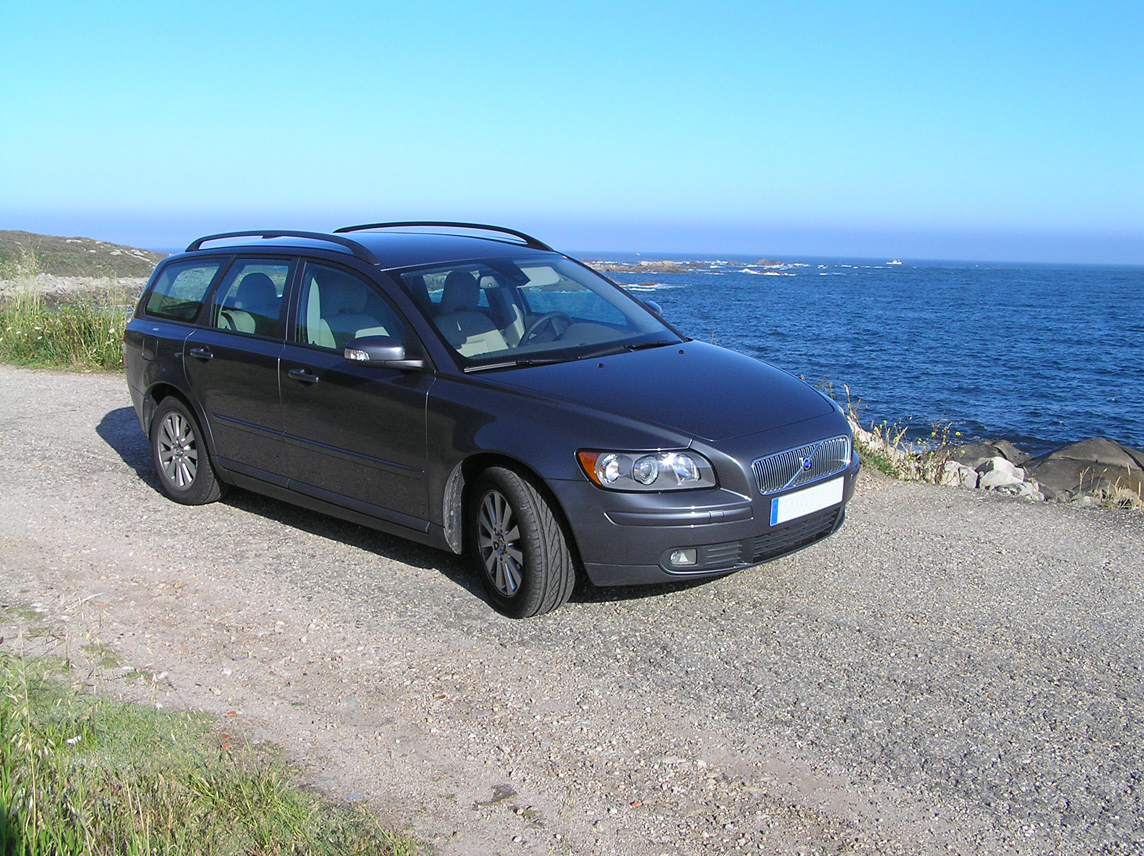
Volvo V 50
"Uh, you had your, your estate, the V 50, uh, which was really cool. [572.6s] That's a small wagon."
The Volvo V 50 is a wagon version of Volvo’s compact car lineup. It’s remembered for being practical and for coming from Volvo’s safety-minded years.
The Volvo V 50 is a compact wagon (estate) from Volvo’s P1 platform era. It’s notable because it was part of Volvo’s “for everything you wanted” lineup, pairing practicality with Volvo’s safety-focused reputation.

Volvo S 40
"You had the S 40, which was a little sedan. [576.2s] You had a C 70 convertible and then you had the C 30, which came out in 2006 model."
The Volvo S 40 is a small sedan (a regular four-door car). The host is saying its shape still looks good today.
The Volvo S 40 is a compact sedan from Volvo’s P1-era lineup. In this segment, it’s highlighted as having aged well, especially compared with how the earlier design looked when new.

Volvo C 30
"You had the C 70 convertible and then you had the C 30, which came out in 2006 model. [581.8s] Yeah. [582.6s] So, which is the little shout out to the 1800 back of the day, style and cues, [587.8s] two door hatchback, which was super polarizing when it came out, but I think [592.6s] it's aged incredibly well."
The Volvo C 30 is a small, two-door hatchback. The host says people didn’t all like it when it came out, but it still looks great now—especially in the sportier R Design version.
The Volvo C 30 is a compact two-door hatchback from Volvo’s P1 platform era, and the host notes it debuted as a 2006 model. It’s described as polarizing at launch but aging well, with the R Design trim called out as especially good-looking.
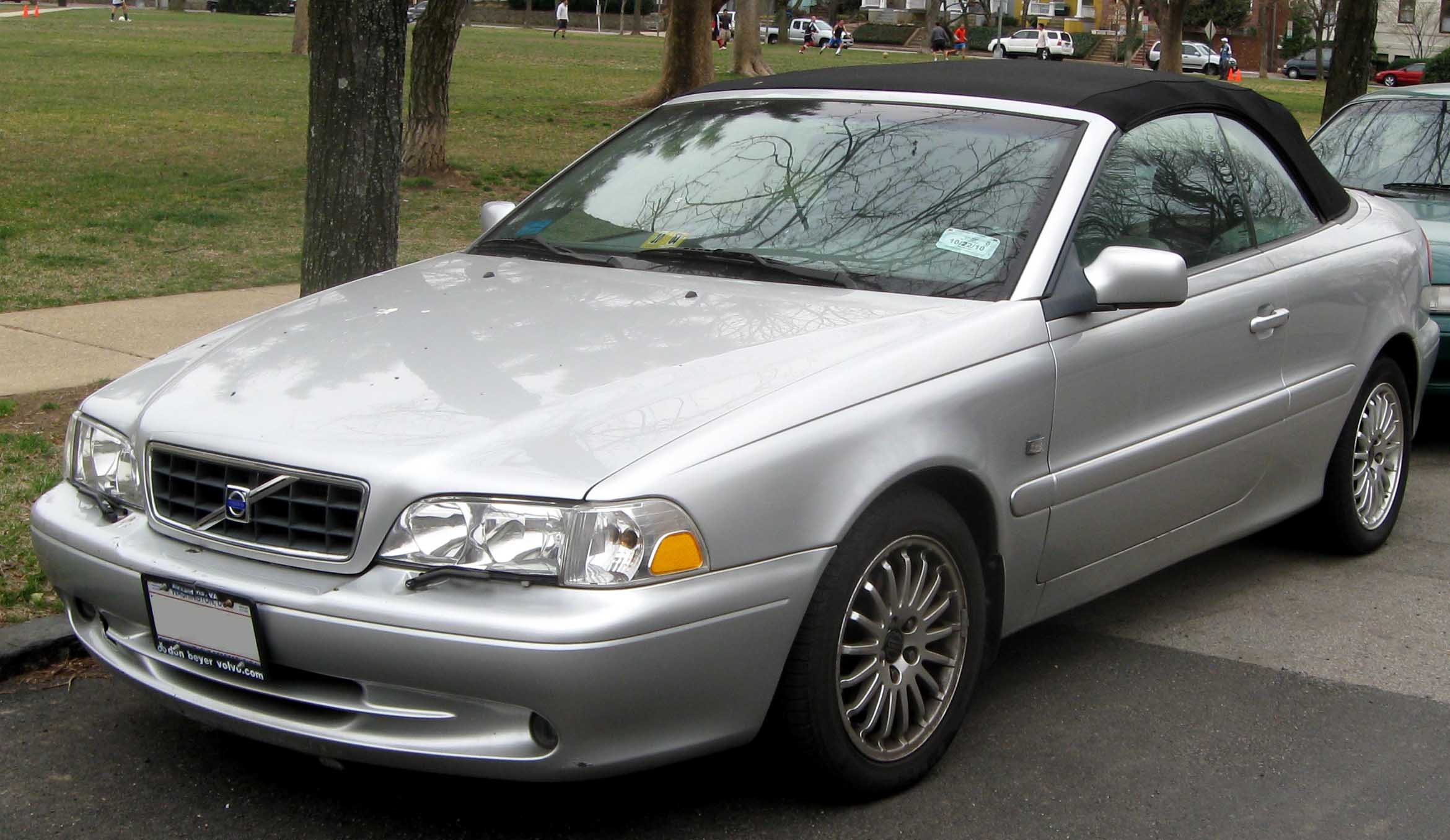
Volvo C 70
"You had the C 70 convertible and then you had the C 30, which came out in 2006 model. [581.8s] Yeah."
The Volvo C 70 is Volvo’s convertible model from that same generation. The host is listing it as one of the options you could buy in that lineup.
The Volvo C 70 is a convertible in Volvo’s P1-era lineup. It’s mentioned here as part of a range that covered multiple body styles, including open-top driving.
R design
"I think, I think especially the R design looks so good, but these P1 cars were [599.8s] a huge sales success. [601.2s] They were priced affordably in the market."
R Design is Volvo’s sportier look-and-feel trim. It usually means more aggressive styling and a more driver-focused setup than the base versions.
R Design is Volvo’s performance- and style-focused trim package. In this segment, the host specifically says the R Design looks especially good on the P1-era cars.
T five motor
"You can get them all optioned with six speed manuals and a T five motor, [646.0s] which is a five cylinder turbo."
“T5” is Volvo’s name for a turbocharged five-cylinder engine. It’s designed to make more power than a non-turbo engine of similar size.
“T5” refers to Volvo’s turbocharged five-cylinder engine family (often called the T5). It’s notable because the five-cylinder layout is a distinctive Volvo powertrain character, and the turbo adds boost for stronger acceleration.
six speed manuals
"You can get them all optioned with six speed manuals and a T five motor, [646.0s] which is a five cylinder turbo."
A six-speed manual is a car where you shift gears yourself, using a clutch. It has six different gear ratios, which can make the car feel smoother or more responsive.
A “six-speed manual” is a gearbox with six forward gears that the driver shifts using a clutch pedal. Having six gears can help keep the engine in its best power/efficiency range, especially in performance-oriented trims.
five cylinder turbo
"which is a five cylinder turbo. [648.2s] No, you could."
A five-cylinder turbo is an engine with five cylinders plus a turbocharger. The turbo helps the engine make more power by pushing extra air into it.
A “five-cylinder turbo” combines a five-cylinder engine with a turbocharger. The turbo forces more air into the engine, allowing it to produce more power than a naturally aspirated engine with similar displacement.
Ford
"[659.3s] Interesting. [660.1s] Ford. [661.1s] Yeah."
Ford is the company being blamed/credited in the discussion about how different car brands were treated during Ford’s era of involvement. The point is about corporate influence on car quality and direction.
Ford is discussed here as the parent company that “touched” multiple brands in this era, including Volvo. The host is using Ford’s ownership/partnership history to argue that some brands’ products were handled well (or poorly) during that time.
Aston
"Like, oh, Ford's handled, oh, Ford mishandled Jaguar and Aston and, and, and [688.9s] and Volvo and who else am I missing?"
“Aston” is being used as a shorthand for Aston Martin, a luxury sports-car brand. It’s part of the host’s argument about how different brands were treated.
“Aston” is almost certainly shorthand for Aston Martin, a luxury sports-car brand. It’s included in the host’s list of brands Ford is said to have mishandled or handled well during that period.
Jaguar
"Like, oh, Ford's handled, oh, Ford mishandled Jaguar and Aston and, and, and [688.9s] and Volvo and who else am I missing?"
Jaguar is a car brand mentioned as part of a list of companies Ford was involved with. The host is using it to make a broader point about how those brands were managed.
Jaguar is named in the context of brands Ford “handled” or “mishandled” during the era the hosts are debating. The mention is used to compare outcomes across multiple luxury/performance marques.
Lincoln
"[692.8s] Somebody, I'm sure I'm missing somebody. [694.7s] Lincoln, I guess. [696.6s] I don't think they did."
Lincoln is a car brand (Ford’s luxury division). The host brings it up as part of a list while arguing about how Ford treated different brands.
Lincoln is mentioned as another brand in the Ford-era ownership/management discussion. The host is using it to support a claim about which brands were handled well versus poorly.
Mercury
"and Volvo and who else am I missing? [692.8s] Somebody, I'm sure I'm missing somebody. [694.7s] Lincoln, I guess. [696.6s] I don't think they did. [699.6s] And I wonder, I do wonder if maybe that's partly why Lincoln kind of became [706.8s] and also ran and why Mercury no longer exists is because Ford was putting"
Mercury was a car brand that’s no longer around. The host is using its disappearance as part of an argument about how Ford managed some brands.
Mercury is referenced in the context of brand discontinuation (“Mercury no longer exists”). The host is tying Mercury’s end to their broader theory about Ford’s handling of certain brands.

Mazda three
"[738.9s] which is very similar to the Mazda three. [741.4s] All of these are super successful cars on the same platform, right?"
The Mazda3 is Mazda’s compact car. The host is saying it’s closely related—at least underneath—to cars like the Ford Focus and Volvo’s P1, because they share a lot of the same engineering foundation. That’s part of why these older cars can be good value buys.
The Mazda3 is Mazda’s compact car, and in this segment it’s mentioned as being very similar to the Ford Focus and Volvo P1 cars due to shared platform architecture. Platform sharing means multiple models can use comparable underbody structures and component layouts. That’s why the hosts group them together as “super successful cars” from the same underlying era.
retractable hard top
"[787.8s] No, I think it was 05. [788.9s] I think it was 05. [790.0s] 06 was the first year of the retractable hard top. [794.9s] Got it."
It’s a car roof that’s made of hard material, not fabric. It can open and close automatically so the car can go from a closed coupe to an open-top style.
A retractable hard top is a roof system where a rigid roof panel(s) automatically open and close, turning a coupe into an open-top car and back. It’s different from a soft-top convertible because the roof is rigid when closed, which can help with noise and structural feel.
turbofile cylinder
"[796.0s] Which you could get the turbofile cylinder in a manual and I've driven them and it's [799.4s] they're actually, they're fine. [800.7s] Yeah. [801.3s] They drive, they drive like all other Volvos of that, of that period,"
This sounds like the host is describing a turbocharged engine option. The main point is that it’s a turbo engine paired with a manual transmission.
“Turbofile cylinder” appears to be a mis-transcription of a Volvo performance engine description, likely referring to a turbocharged inline-cylinder setup. The key idea is that the speaker is talking about a turbocharged engine configuration available with a manual.
space ball shifter
"[833.1s] But yeah, those are the 300 horsepower all wheel drive six speed space ball shifter. [838.1s] Yeah. [839.2s] Awesome. [839.9s] That was like Vovos most performance oriented thing that we had, at least in the States."
That phrase is a nickname for a special-looking manual gear shifter. People call it “space ball” because of how the knob and linkage feel and look compared with a normal shifter.
“Space ball shifter” is a nickname for Volvo’s distinctive manual shifter design used on certain performance models of this era. The name comes from the shifter’s shape/feel—often described as more spherical or “space-age”—and it’s part of what enthusiasts remember about these cars’ character.

V 70 R
"The V 70, especially the V 70 R is super premium. [879.9s] Yeah. [880.8s] Sporty wagon manual like will always be the funny thing is though, in a pinch,"
The Volvo V70 R is a faster, sportier version of the V70 wagon. The hosts are saying it feels especially “premium,” and that it’s particularly desirable when you can find one with a manual gearbox.
The Volvo V70 R is a performance-focused variant of the V70 wagon, known for being a “sporty wagon” with higher-output tuning than the standard model. In this episode, it’s framed as “super premium,” and the discussion also highlights the appeal of finding it with a manual transmission.
V 50 T five all wheel drive
"Yeah. [880.8s] Sporty wagon manual like will always be the funny thing is though, in a pinch, [886.5s] like I don't, I think I almost gravitate more towards it. [890.3s] It's not any easier to find that V 50 T five all wheel drive."
The Volvo V50 T5 is a wagon with a turbo engine. “All wheel drive” means it can send power to all four wheels, and the host is saying this exact setup is hard to find.
The Volvo V50 T5 is a wagon variant equipped with Volvo’s turbocharged T5 engine, and “all wheel drive” means power is sent to all four wheels for better traction. The host says it’s not easy to find, implying rarity driven by the specific drivetrain/trim combination.
IPD
"And like you can get a tune from like IPD like right out of the box and match the V 70 Rs horsepower because it's still a five cylinder turbo."
IPD is a company that makes Volvo-focused performance parts and tuning. Here they’re saying you can buy a tune from them that’s relatively straightforward to install.
IPD is an aftermarket performance and parts supplier known for Volvo-specific upgrades. In this segment, they’re referenced for providing a tune that can be installed “out of the box,” implying a plug-and-play style calibration for the turbo five-cylinder.
M 66 manual gearbox
"So and the same M 66 manual gearbox. So I think it gets you there. They're rarer though."
The M66 manual gearbox is a particular type of Volvo 5-speed manual transmission. They’re saying the V50 T5 they’re talking about can share the same manual transmission as the V70 R, which helps make the cars comparable.
The M66 is a specific Volvo manual transmission used in certain turbocharged models. Mentioning it here matters because the speaker says the V50 T5 can use the same M66 gearbox as the V70 R, which is part of why they think it can “get you there” in feel and capability.

Ford Focus
"I technically own a P one car and even though it's a Ford Focus, [1000.9s] the P two stuff, which we talked about, but for just like the more pedestrian shit, [1007.5s] the X, the XC 70, the cross country."
The Ford Focus is a common compact car. In this part of the conversation, it’s mentioned as one of the cars the host has owned while discussing Volvo model generations.
The Ford Focus is a compact car platform that the host mentions while talking about owning a “P one” car. Here it’s used as an example of the host’s personal ownership history, contrasting it with the more Volvo-centric “P two” and “cross country” discussion.

Volvo XC 70
"the more pedestrian shit, the X, the XC 70, the cross country. [1013.1s] Yeah. [1013.4s] Yeah."
The Volvo XC 70 is a wagon that’s made to feel more “adventure-ready” than a normal station wagon. It sits higher and is meant for rough roads, and the host compares it to the Subaru Outback.
The Volvo XC 70 is a wagon built on Volvo’s crossover-style formula: higher ride height and rugged styling meant to handle rougher roads than a typical estate wagon. In this segment, it’s mentioned as the “cross country” alternative to the Subaru Outback, positioning it as a more premium take on the lifted-wagon idea.

Subaru Outback
"in a world of like everyone talks about, oh, the, the Outback, [1019.9s] the Subaru Outback, that's, that's the lifted, that's the lifted wagon. [1023.2s] Well, if you want that, but nicer, like a lot nicer."
The Subaru Outback is basically a wagon that’s been made taller and more rugged. The host uses it as the common example of this kind of car.
The Subaru Outback is known for being a “lifted wagon” that blends station-wagon practicality with SUV-like ground clearance. In the segment, it’s used as the reference point for what people usually talk about when they mean a raised, rugged wagon.
Yamaha V8
"I said way cooler than it had any right to be with its Yamaha V8, [1088.0s] which is super, super shared with the show V8, believe it or not developed by Yamaha."
A “Yamaha V8” means the engine is a V8 that Yamaha helped develop. The host is saying it’s related to another Yamaha V8, so it’s not totally random—it has a similar engineering foundation.
A “Yamaha V8” refers to a V8 engine developed with Yamaha’s involvement—an unusual collaboration that’s part of why the Volvo S80’s V8 is notable. The host also suggests it shares “DNA” with another Yamaha-developed V8, meaning the architecture and design approach are closely related even if the exact engines differ.
311 horsepower
"And yeah, it has the, what, 311 horsepower out of that V8, which is pretty cool. [1110.7s] The S 80 was like the tech platform too."
Horsepower is a number that tells you how strong the engine is. The host is using “311 horsepower” to show the V8 in the Volvo S80 isn’t just a gimmick—it has real output.
“Horsepower” is a measure of an engine’s power output—how much work it can do over time. In this segment, the host cites “311 horsepower” as part of why the Volvo S80’s Yamaha-developed V8 is impressive.
tech platform
"The S 80 was like the tech platform too. [1113.2s] So a lot of really cool stuff going on in that car."
“Tech platform” means the car’s main setup that other features build on. The host is saying the Volvo S80 had a lot of advanced tech for when it came out.
“Tech platform” here means the underlying vehicle architecture and systems that enable advanced features—electronics, drivetrains, and packaging. The host is arguing the Volvo S80 wasn’t just a pretty face; it was a base for lots of technology for its time.
transverse in line six
"[1156.1s] I know, I never quite remember, but it was interesting because it was a, [1159.2s] it's a transverse in line six, which is, can you name another car with a transverse in line six?"
It means the engine is a straight-six, but it’s turned sideways in the engine bay. That layout can be hard to fit neatly, which is why people call it a packaging nightmare.
A “transverse in-line six” means the engine is an in-line (straight) six-cylinder mounted sideways across the car (transverse layout) rather than front-to-back (longitudinal). Packaging gets tricky because the engine length and drivetrain routing have to fit in a tight space.
timing belt or chain service
"[1167.8s] Yeah, that's a packaging nightmare in my opinion. [1171.4s] Like match to do the timing belt or chain service on that. [1174.8s] No, thank you."
Timing belts and timing chains synchronize the crankshaft and camshaft(s) so the engine valves open at the correct time. “Service” refers to maintenance intervals or replacement work, which can be more involved on certain engine layouts—especially if the engine is hard to access.
Haldex
"[1182.5s] But so it has a six speed auto all wheel drive, which is the Haldex similar to V 70 S 60 R stuff. [1188.2s] But dude, I, I honestly think if you could score an S 80 with that motor,"
Haldex is a system that helps send power to the wheels that need it most. In many cars, it can automatically engage the rear wheels when traction is low.
Haldex is a brand name for an AWD system used by Volvo and others, typically using a multi-plate clutch pack to transfer torque to the rear wheels when needed. It’s designed to be efficient for everyday driving but still provide traction when conditions demand it.
six speed auto all wheel drive
"[1181.8s] Yeah. [1182.5s] But so it has a six speed auto all wheel drive, which is the Haldex similar to V 70 S 60 R stuff. [1188.2s] But dude, I, I honestly think if you could score an S 80 with that motor,"
It means the car uses an automatic transmission with six gears, and it drives all four wheels. That usually helps the car grip better, especially in rain or snow.
This describes a drivetrain pairing: a six-speed automatic transmission plus all-wheel drive (AWD). AWD helps put power to more than just the front or rear wheels, improving traction, while the six-speed gearbox is intended to keep the engine in efficient rev ranges.
sleeper
"[1192.3s] I think that would be a sleeper of a cool, like luxury daily. [1196.8s] Oh, for sure. [1197.8s] Yeah."
A sleeper is a car that doesn’t look fast, but it actually is. People are usually shocked when it performs better than expected.
A “sleeper” is a car that looks relatively ordinary but has performance that surprises people. In this context, the speaker is imagining a Volvo S 80 that feels like a normal luxury daily until you drive it hard.
salvage title
"[1216.1s] I saw one that was a salvage title. [1217.7s] Easy pass on that. [1220.1s] But yeah, dude, if you can find one with that, that V eight and it's someone that doesn't"
A salvage title means the car was considered a total loss by an insurance company. It can come with extra risk because repairs may not be perfect, and it may be harder to insure or finance.
A salvage title is issued when an insurance company determines a vehicle is a total loss due to damage or theft recovery. It often signals a higher risk of hidden repairs and can make the car harder to insure or finance.
cash for clunkers
"[1236.4s] I want to say S 80s were like one of the ones that were like top of the list, [1240.6s] not the V eight ones, clearly, but just like the, like the early, early S 80s were like [1246.0s] top of the list of going to the cash for clunkers."
Cash for Clunkers was a program that gave people money to trade in an older, inefficient car for a newer one. The hosts are using it to explain why some cars suddenly became easier to get rid of (and therefore changed in price).
Cash for Clunkers was a U.S. government program that offered trade-in incentives for people to scrap older, less fuel-efficient vehicles and buy newer ones. In the episode, it’s used to explain why certain Volvo S80 versions were “on the list” and how that affected their market value.

Volvo XC 90
"Yeah, with their crossover offerings. You can get that V eight and the X, the XC 90 that the late, that's this is later the first generation XC 90, which are rad. Like I think those have aged incredibly well for what they are."
The Volvo XC 90 is a family SUV with three rows of seats. It’s built to feel comfortable and solid, and the host says the early version still looks and drives great today.
The Volvo XC 90 is Volvo’s midsize three-row crossover SUV, known for a comfortable, upright “big Volvo” ride and a family-focused layout. In this segment, the host specifically calls out the first generation XC 90 and notes it’s aged well and drives like a traditional Volvo.
V eight
"Yeah, with their crossover offerings. Yeah, you can get that V eight and the X, the XC 90 that the late, that's this is later the first generation XC 90, which are rad."
A “V8” is an engine with eight cylinders arranged in a V shape. The host is pointing out that some XC 90 versions could be had with a V8, not just smaller engines.
“V eight” refers to a V8 engine, meaning the engine has eight cylinders arranged in a V-shaped layout. In this context, the host is saying you could get a V8 in the XC 90 lineup for that era.

Volvo S 80
"But I mean, we're talking, we've named first off all the P one cars. We named the P two cars, the ours, if you will... The S 80 in itself, a fucking cool car."
The Volvo S 80 is a higher-end Volvo sedan (not an SUV). It’s the kind of car people buy for a more premium, comfortable feel, and the host thinks it’s genuinely cool.
The Volvo S 80 is Volvo’s executive sedan, positioned as a more upscale alternative to typical mainstream family cars. Here, the host calls the S 80 “a fucking cool car,” framing it as part of Volvo’s strongest era of models.
hybrid
"All you, if you walk in now, everything's a hybrid. I'm not joking. It's true. You can't buy anything that's not a hybrid."
A hybrid car uses two power sources: a gas engine and an electric motor. The point here is that the dealership mostly sells cars that use both.
A hybrid vehicle uses both an internal-combustion engine and an electric motor/battery system. The transcript uses “hybrid” to describe Volvo’s (and related brands’) shift so that most vehicles available at dealerships are electrified rather than purely gas-powered.
Polestar
"Well, that's called a Polestar dealership. [1391.3s] But you can go in like ours was the last, we got the last like T six on for the last year,"
Polestar is a car brand that mainly makes electric cars. The host is saying that the dealership you’d walk into is set up for electric Polestar models.
Polestar is a performance-focused electric vehicle brand that’s closely tied to Volvo’s corporate roots. In the transcript, “Polestar dealership” is used to describe a showroom focused on electric models rather than traditional internal-combustion Volvos.
twin charged two liter
"I don't trust it. [1408.2s] I like my twin charged two liter. [1410.5s] Thank you very much, which is an infinitely cool."
“Twin charged” means the engine is boosted in two ways to make power sooner. “Two liter” just means the engine is about 2.0 liters in size.
“Twin charged” typically means an engine that uses two forced-induction methods together—most commonly a turbocharger plus a supercharger—to reduce lag and improve low-end response. The “two liter” detail points to a compact-displacement Volvo engine concept the host prefers over hybrid tech.
peak Volvo
"And I think that's why this is peak Volvo. [1430.7s] This is Volvo cranking on all five cylinders."
“Peak Volvo” is the hosts’ way of saying there was a best era for Volvo. They’re arguing that Volvo used to offer more different kinds of cars before everything became hybrid.
“Peak Volvo” is a subjective label for the period when Volvo’s lineup (as described by the hosts) offered the widest variety of powertrains and models before electrification became dominant. In this segment, it’s tied to the idea that 2006-era dealer lots looked more diverse than today’s hybrid-focused inventory.

Chevrolet Corvette
"That'd be sick. That's some Corvette stats. That would be sleep or dope."
The Corvette is a sports car made by Chevrolet. It’s designed to be fast and fun to drive, and it’s one of the most well-known performance cars in the U.S. People bring it up a lot because it has a strong reputation for performance.
The Chevrolet Corvette is a long-running American sports car known for its performance and distinctive styling. It often comes up in automotive discussions because it represents a flagship “sports car for the money” idea and has a huge enthusiast following. In a podcast, “Corvette stats” is the kind of reference fans use to talk about speed, handling, and overall capability.
naturally aspirated
"Because they had, they had a naturally aspirated 24 four cylinder and a lot of shit too. Did they? Five cylinders. 245 cylinder. I didn't know they made an NA. Five cylinder in that."
Naturally aspirated means the engine doesn’t use a turbo to push extra air in. It usually makes less power than a turbo engine and can feel less lively.
Naturally aspirated means the engine draws air in without a turbocharger or supercharger. Without forced induction, power is typically more modest and the engine may feel less punchy than a turbocharged version like Volvo’s T5.
T5
"But the T5 is so good though. They are, but you get a manual, like front wheel drive manual S, S40 with the, the 24 NA motor, which is what, 170 horsepower, something like that. I want to say, yeah, a little bit north of that maybe. Yeah. Um, they sound good. They're kind of pokey and like, they're free. They're zero dollars and they're, they don't take a lot to keep going. I don't think those motors were as reliable as the T5 ones."
T5 is Volvo’s name for a turbo engine. A turbo helps the engine make more power without needing a bigger engine, so it usually feels quicker than the non-turbo version.
T5 refers to Volvo’s turbocharged engine family (the “T5” badge). Turbocharging uses exhaust gases to spin a turbine, which boosts air into the engine for stronger midrange power compared with naturally aspirated setups.
front wheel drive
"They are, but you get a manual, like front wheel drive manual S, S40 with the, the 24 NA motor, which is what, 170 horsepower, something like that. I want to say, yeah, a little bit north of that maybe."
Front-wheel drive means the front wheels do the driving. It’s a common setup in smaller cars and changes how the car handles compared with cars where the rear wheels drive.
Front-wheel drive (FWD) means the engine’s power goes to the front wheels. It’s common in compact cars because it packages well and can be cheaper, but it also affects handling feel compared with rear-wheel drive layouts.
facelifted versions
"And then they stepped up to the 228 and then the facelifted versions. But those, that T5 is so good, dude."
A “facelift” is when a car gets refreshed partway through its life. It can involve styling changes and sometimes changes to how the engine is tuned. The hosts are saying the T5 got updated along with those refreshed versions.
“Facelifted versions” refers to a mid-cycle refresh of a car model, typically done after the initial launch. Automakers often update styling, equipment, and sometimes engine tuning or transmission calibration without changing the whole platform. Here it’s used to connect the later T5 output step-up to the refreshed model.
five cylinder noises
"T5 though, the early ones would like, what, 218 horsepower? ... Five cylinder noises, turbo noises."
They’re talking about how a 5-cylinder engine sounds different from other engine types. The firing pattern makes a distinct tone, and the turbo adds its own sound too. They’re using the sound as a clue to what engine version they’re driving.
“Five cylinder noises” refers to the distinctive sound character of a 5-cylinder engine. Because the firing order and exhaust pulses are different from 4- or 6-cylinder engines, enthusiasts often describe a unique “music” or tone. In this context it’s tied to the Volvo T5’s 5-cylinder turbo setup.
turbo noises
"Five cylinder noises, turbo noises. Shift out."
A turbo can make noticeable sounds—like a whistle or a whoosh—when it spools up and when boost changes. The hosts are describing the driving feel by the sound the turbo makes. It’s a common way people talk about turbo behavior.
“Turbo noises” are the audible sounds associated with a turbocharger, such as spool-up (boost building) and pressure release. Enthusiasts often use these noises to judge how quickly the turbo responds and how the engine is managing boost. Here it’s paired with “five cylinder noises” to describe the overall character of the T5.
Turbotine
"Right. [1725.6s] Turbotine. [1727.1s] Yamaha V8."
“Turbotine” doesn’t sound like a standard car term. From the surrounding talk, it seems like they mean something related to turbocharging.
“Turbotine” appears to be a mishearing or playful nickname for a turbocharged engine concept, but the transcript doesn’t provide enough context to identify a specific, standard automotive term. It’s likely the host is referring to a turbo setup rather than a distinct technology with a widely recognized definition.
Japanese engineered V8
"Wild time. [1730.4s] Japanese engineered V8. [1733.8s] And let's face it, Japan, probably the ocean race."
A “V8” engine has eight cylinders arranged in a V pattern. “Japanese engineered” just means the design/engineering is associated with Japan.
A “V8” is an engine with eight cylinders arranged in a V shape, typically sharing a common crankshaft. Calling it “Japanese engineered” is emphasizing origin/engineering pedigree rather than a specific named technology.

S60
"You go in the dealer, like you want an S40, S60 or an S80. Your choice in each one of those is a winner. And there's like options within, like that thing."
The Volvo S60 is a mid-size sedan. In this segment, they’re saying the S60 is one of the Volvos you can still find as a good buy, and they even mention a particular color they like.
The Volvo S60 is Volvo’s mid-size sedan, positioned above the S40 and below the larger S80. The hosts mention it alongside other S-series cars and call out a specific color example (“flash green”), implying they’re discussing a desirable, well-liked era/trim that holds up well with age.
180,000 mile beaten example
"That's, that's the one. But everybody's got like even 180,000 mile beaten example is going to fetch like 18 on that one."
They mean a used car with a lot of miles—about 180,000—and that it may have been driven hard. The interesting part is that even cars like that can still be expensive if the color/options are rare.
“180,000 mile beaten example” is enthusiast slang for a used car with high mileage that’s been driven hard or not treated gently. The hosts are using it to explain why even a rougher, higher-mileage Volvo can still command a surprisingly high price when the spec is desirable.
flash green
"And that's the thing on those is when you've got like flash green over at a camp at a comma, [1876.6s] which is not a, it was not a common check this box and type of order."
“Flash Green” is a specific factory paint color. They’re saying that having this color makes the car stand out and can change how much people will pay for it.
“Flash Green” refers to a specific Volvo paint color (a factory color name), and the hosts are treating it as a key part of what makes the car desirable. In other words, the color/spec affects how easily the car gets noticed and how much it sells for.
check this box
"which is not a, it was not a common check this box and type of order. 1882.8s] Was not."
They mean the usual way people pick options—like selecting from standard choices. This spec wasn’t one of the common, easy-to-order combinations, which makes it harder to find.
“Check this box” is a phrase for ordering a car using common, pre-defined options rather than a rare, carefully chosen combination. Here, the hosts are saying the spec they’re discussing wasn’t a typical “easy to order” configuration, which helps explain its rarity.
T5 V70
"So you end up with that T5 V70 or sorry, V50 manual."
The Volvo V70 is a family wagon. “T5” usually means it has a turbo engine, and the host is mentioning a manual version they’re comparing to other Volvos.
The Volvo V70 is a wagon (estate) known for being practical and comfortable, and the “T5” refers to Volvo’s turbocharged 5-cylinder setup. In this segment, the host is talking about a manual V70/T5 as a specific example of a Volvo they’re considering selling.
leather
"Like you had to treat your leather like three times a year."
Here, “leather” means the seat material. The host is saying it needed frequent conditioning to keep it from deteriorating.
In car interiors, “leather” refers to the upholstery material used on seats and sometimes other trim surfaces. The host claims they had to “treat your leather” multiple times per year, suggesting the leather and/or its protective coating was prone to premature wear or cracking.
center console
"And even then the materials fall apart, the center console likes to fall apart."
The center console is the part between the front seats with the controls and storage. The host is saying theirs started breaking down over time.
The center console is the built-in area between the front seats that typically houses controls, storage, and often the shifter/armrest area. The host says the center console “likes to fall apart,” pointing to interior durability issues.
16 valve dual overhead cam engine
"So making it last unlike the fucking baby. They're arming the baby. This is a lot of interesting bullet points. 16 valve dual overhead cam engine with fuel injection to keep you going strong."
This describes how the engine controls its valves. “Dual overhead cam” means there are two camshafts up top, and “16 valve” means the engine has 16 valve openings to help it breathe better.
A “dual overhead cam” (DOHC) engine uses two camshafts located in the cylinder head to control the intake and exhaust valves. “16 valve” means there are 16 valves total (typically four per cylinder), which can improve breathing and allow more precise valve timing than simpler designs.
fuel injection
"This is a lot of interesting bullet points. So it's kind of interesting that there's like a traditionally written section and then there's some more bullet points. 16 valve dual overhead cam engine with fuel injection to keep you going strong."
Fuel injection is how the engine gets gasoline into the cylinders. Instead of a carburetor, it uses controlled nozzles so the engine can add the right amount of fuel at the right time.
Fuel injection is a system that delivers fuel to the engine using electronically controlled injectors rather than a carburetor. It generally improves fuel metering, throttle response, and emissions control because the engine can adjust fuel delivery more precisely.
bumper to bumper warranty
"Okay. We got a state inter bumper to bumper warranty. That's nothing great. Slide out cup holder."
This is a warranty that’s marketed as covering a lot of the car, not just one small part. Even so, there are usually exceptions and limits.
A “bumper-to-bumper warranty” is a broad vehicle warranty intended to cover most components across the car, from the front bumper to the rear bumper. It’s often marketed as comprehensive, though exclusions and limits can still apply.
slide out cup holder
"We got a state inter bumper to bumper warranty. That's nothing great. Slide out cup holder. Oh, let's slide out the baby."
It’s a cup holder that pulls out when you need it and slides back in when you don’t. It’s mainly about convenience inside the car.
A slide-out cup holder is a storage accessory that extends from the dashboard/center area to hold drinks and then retracts when not in use. It’s a convenience feature, but it can also affect interior packaging and how the center console is designed.
overdrive
"Okay. We got a state inter bumper to bumper warranty. That's nothing great. Slide out cup holder. Oh, let's slide out the baby. It says five speed manual with overdrive for a smooth transfer of power."
Overdrive is a higher gear that makes the engine spin slower when you’re driving at steady speeds. That can make the car quieter and help it use less fuel on the highway.
Overdrive is a gear ratio (often the highest gear) that lets the engine run at lower RPM for a given road speed. In a manual transmission, it’s commonly used to reduce noise and improve cruising efficiency.
five speed manual
"Slide out cup holder. Oh, let's slide out the baby. Okay. Slide another set of hands. It says five speed manual with overdrive for a smooth transfer of power."
This means the car has a manual gearbox with five forward gears. You use a clutch and shifter to choose the gear yourself.
A “five-speed manual” transmission means the driver selects gears using a clutch and gear lever, with five forward gear ratios. Compared with more gears, it can mean wider spacing between ratios, but it’s still a straightforward, driver-controlled setup.
independent four wheel suspension
"Yep. Independent independent four wheel suspension. Sure."
It means each wheel has its own suspension movement. So when one wheel hits a bump, it doesn’t automatically make the other wheels act weird too—helping the tires stay planted.
Independent four-wheel suspension means each wheel can move up and down without being directly tied to the other wheels. That usually improves ride comfort and grip because the suspension can react to bumps on one corner without disturbing the rest of the car.
cam 16 valve
"What are we talking about, Frank? Come on, man. You got cam 16 valve. Okay."
This is an engine description: it has 16 valves, and a camshaft controls them. More valves can help the engine take in air and push out exhaust more effectively.
“Cam 16 valve” is describing a 16-valve engine layout, where the camshaft(s) operate 16 intake/exhaust valves total. In practice, 16 valves typically means better airflow than a simpler 8-valve design, which can help the engine breathe more efficiently.
stainless steel exhaust
"Okay. Who would tout stainless steel exhaust? Okay."
An exhaust system made from stainless steel is less likely to rust. People talk about it because it can last longer than cheaper exhaust materials.
A stainless steel exhaust uses corrosion-resistant metal for the exhaust system (pipes and muffler). Enthusiasts often mention it because stainless tends to resist rust and can last longer than mild-steel exhausts, especially in wet or salty climates.

Toyota Corolla GTS coupe
"I'm going to say this is a 1989. Toyota Corolla GTS coupe. Final answer."
This is a sporty-looking version of the Toyota Corolla from the late 1980s. The “GTS” name is Toyota’s way of saying it’s the more performance-focused trim, and “coupe” means a two-door body style.
The Toyota Corolla GTS coupe is a late-1980s performance-flavored version of the Corolla, known for being a compact, enthusiast-oriented model rather than a plain commuter. In this segment it’s used as a clue for a specific era, with the hosts debating the exact year and body style (coupe vs sedan).

Chevrolet Nova
"Yes. I mean, it could be a Nova Twin Cam. Could be..."
The Chevrolet Nova is a car model made by Chevrolet. Some versions were built to be more performance-focused, and people still talk about those special trims. It’s a well-known name from earlier years of American car history.
The Chevrolet Nova is a classic American compact car that became especially popular in earlier decades and has a strong collector and enthusiast presence. The podcast mention of a “Nova Twin Cam” points to specific performance-oriented variants that people talk about for their engine and racing heritage. It’s discussed because it’s a recognizable nameplate with multiple generations and interesting trim/engine combinations.
LSI
"So it would have been the 1990 years when this ad came out. And it's the LSI. LSI, I thought the GSI was the twin cam."
LSI here is a name Toyota used for a particular version of a Corolla. It matters because it’s linked to which engine you could choose.
In this context, LSI refers to a specific Toyota Corolla trim/variant designation tied to engine options. The hosts contrast it with GSI and discuss which engine family you could get with the LSI.
GSI
"And it's the LSI. LSI, I thought the GSI was the twin cam. No, you could get the LSI with the 16 valve dual overhead cam."
GSI is a label Toyota used for a specific Corolla version. In this conversation, it’s being used to figure out which engine that version came with.
GSI is another Toyota Corolla variant designation used to distinguish trim and engine availability. The hosts debate GSI vs LSI and connect the GSI discussion to whether the car could be had with a twin-cam setup.
4A FE
"You're right. It's the 4A FE. Not the 4A GE."
4A FE is Toyota’s internal code for a particular four-cylinder engine. The point here is that the trim they’re talking about could come with this specific engine.
4A FE is a Toyota engine family/code associated with the 4A series four-cylinder motors. The hosts use it to clarify which specific engine variant was paired with the Corolla trim they’re discussing.
4A GE
"It's the 4A FE. Not the 4A GE. Right."
4A GE is another Toyota engine code from the same general 4A family. They’re saying it’s not the one that matches the trim/advertisement they’re talking about.
4A GE is another Toyota 4A-series engine code, mentioned here as the alternative to the 4A FE. The hosts are correcting each other on which engine belongs to the specific Corolla variant being discussed.

company car
"Except you eventually get to a point where if you start expensing more than, [2726.8s] I think it was like 1500 miles a month, [2734.8s] they force you to get a company car, which was at the time,"
A “company car” is a car your employer gives you for work. Here, it’s mentioned because the company stops letting you pay for work miles yourself once you hit a certain monthly amount.
A “company car” is a vehicle provided or required by an employer for work use. In this story, it comes up because the employer limits how much mileage you can expense before they require you to switch to an assigned vehicle.
manual steering
" [2741.1s] But he was using, I think it was a 93 prism. [2749.0s] The only option it had, I think, was AC, handling those manual steering. [2756.5s] I mean, it was 5-speed."
Manual steering means you’re doing more of the work yourself when turning the wheel. It usually feels heavier when parking or driving slowly.
“Manual steering” means the car doesn’t use power assistance (or uses a very minimal system), so steering effort is generated by the driver. It’s more common on older, lower-cost trims and can feel heavier at low speeds.
5-speed
" [2749.0s] The only option it had, I think, was AC, handling those manual steering. [2756.5s] I mean, it was 5-speed. [2758.6s] And he was just like, I think every other month,"
“5-speed” means the car has a manual transmission with five forward gears. You shift it yourself, and it’s a straightforward setup compared with many newer automatics.
A “5-speed” refers to a manual transmission with five forward gears. Manual gearboxes like this are often sought for their simplicity and driver involvement, and they’re common on older, budget-friendly models.
timing belt interval
" [2775.1s] I think it was probably 100,000 miles past. [2777.6s] It's like timing belt interval. [2778.7s] Just like, didn't care."
The timing belt interval is the recommended schedule for replacing the timing belt. If it breaks, it can seriously damage the engine, so it’s important to follow the replacement timing.
A timing belt interval is the scheduled mileage/time period when the engine’s timing belt should be replaced. If you ignore it, the belt can fail and cause severe engine damage, so enthusiasts often treat the interval as a key maintenance milestone.

Fiat Freemont
"Yeah, yeah, yeah. It was here in good old Freemont California. Yeah, yep."
The Fiat Freemont is a larger family vehicle meant to carry people and cargo. It’s a crossover/MPV-style car, so it’s built for practical everyday trips. The podcast is likely just referencing the name and where it was sold or discussed.
The Fiat Freemont is a family-oriented crossover/MPV-style vehicle that was sold in various markets, including the U.S. The podcast’s “Freemont California” line is a wordplay reference to the model name, but the car itself is generally discussed as a practical, people-moving vehicle. It comes up because it’s a less commonly remembered nameplate compared with more mainstream Fiat models.
worst case scenario for looking at used cars
"And I go, and this is worst case scenario for looking at used cars. You pull in, they have it running in the driveway with a fucking river of oil coming down the driveway. I'm like, he's like, drive it."
They’re saying this was the worst kind of used-car situation. The car was running and leaking a lot of oil, which usually means there’s a serious, costly issue.
The speaker is describing a used-car inspection red flag scenario: the car is running and leaking heavily (“a river of oil coming down the driveway”). This is a situational concept in buying—when a vehicle shows severe active leaks during a viewing, it often indicates expensive underlying problems.
RPM
"And I took Teddy with me, who was really young at the time, my son, and we couldn't get it over 2,500 RPM and that's a 4AGE. That's a big issue right there."
RPM is how fast the engine is spinning. They’re saying the engine wouldn’t go past around 2,500 RPM, which is a sign something is wrong.
RPM (revolutions per minute) is the engine speed. The speaker’s point is diagnostic: the car “wouldn’t rev over 2,500 RPM,” which suggests a fault limiting engine output (fuel/air, ignition, or engine management) rather than normal driving behavior.
TVIS system
"And that late, did they still have the TVIS system? Like the dual runner intake with the little butterfly? I think they did."
TVIS is a Toyota system that changes how the intake air path works as the engine speed changes. It’s meant to help the engine breathe better, but the speaker didn’t like how this one behaved.
TVIS (Toyota Variable Intake System) is an intake-manifold system used on some Toyota 4A-GE engines to change intake runner behavior at different engine speeds. The speaker connects it to drivability and intake design (“dual runner intake”) and then complains it was “horrible,” implying the system/engine behavior didn’t match expectations.
dual runner intake
"Like the dual runner intake with the little butterfly? I think they did. I think they actually did because that was like a 95, I think I looked at."
A dual runner intake is like having two different airflow routes into the engine. A valve switches between them to help the engine feel better at different speeds.
A dual runner intake uses two different intake paths (“runners”) to tune airflow characteristics for low- vs high-RPM operation. In this segment, it’s paired with TVIS and described as having a “little butterfly,” meaning a valve controls which runner path is active.
butterfly
"Like the dual runner intake with the little butterfly? I think they did. I think they actually did because that was like a 95, I think I looked at."
The “butterfly” is a small valve that opens and closes to redirect air inside the intake. It helps the engine get the right airflow for different RPMs.
In this context, the “butterfly” refers to a small throttle/valve used in the intake system to switch airflow between intake runners. It’s part of how TVIS-style systems alter intake behavior with engine speed.

Nx2000
"I'm still, I have NX2000 save search going. [2898.9s] Nothing ever shows. ... I think NX2000s when I looked them up, especially, and I had no idea my 93 was so rare. [2915.5s] They only made a couple hundred of them."
“NX2000” here sounds like the Lexus NX200. The host is saying that this specific version is rare, so it’s difficult to find one for sale.
“NX2000” in this segment appears to refer to the Lexus NX200 (a compact luxury SUV). The speaker is using a saved search and notes that “NX2000s” are rare—only a small number were made—so they’re hard to find compared with more common variants.

Lexus NX200T
"Oh, if anything, whatever happens is like end up with like Lexus NX200Ts and it's like, no, [2906.1s] it's not what I want."
The Lexus NX200t is a small luxury SUV. The “200t” part means it has a turbo engine. Here, it’s mentioned because it shows up in search results even though the speaker is looking for something else.
The Lexus NX200t is a compact luxury SUV from Lexus that uses a turbocharged 2.0-liter engine (the “t” indicates turbo). It’s often compared to other small luxury crossovers, and in this segment it comes up as a common search result when the speaker is actually hunting a different NX variant.

Nissan Pulsar
"That's close. [2907.6s] I see more pulsars than NX2000s for sure. [2910.5s] I think NX2000s when I looked them up, especially, and I had no idea my 93 was so rare."
“Pulsars” means the Nissan Pulsar. The speaker is basically saying they see those cars more often than the rare NX2000 they’re trying to find.
“Pulsars” refers to the Nissan Pulsar, a compact car line that has existed in multiple generations and markets. In this segment, the speaker contrasts how often they see Pulsars versus the rarer NX2000s in their search results.
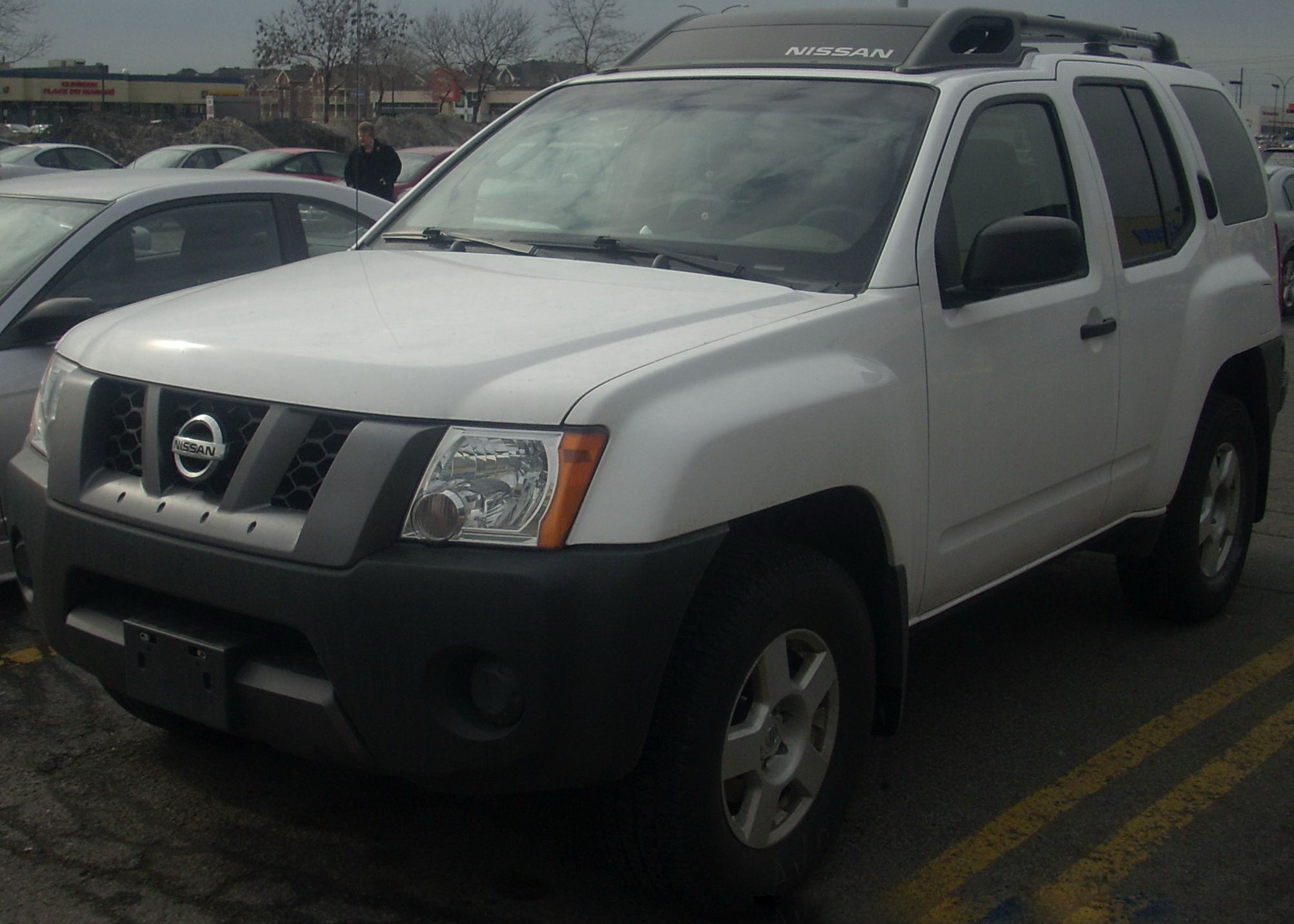
Nissan XTerra
"...last time. Let's do the exterior this time of the XTERRA. The biggest thing, do you remember the egging?"
The Nissan XTerra is an SUV designed to handle rough roads and off-road trails. It’s built to be practical for daily driving but still looks and feels tough. People often remember it for its distinctive exterior design.
The Nissan XTerra is a rugged, body-on-frame SUV built for off-road capability and practical everyday use. The podcast’s “exterior” discussion and the “egging” memory suggest it’s a distinctive-looking vehicle that stands out visually. It’s brought up because it’s a recognizable choice for people who want an SUV with a more adventurous, outdoorsy vibe.
1000 grit sandpaper
"Because when you take 1000 grit sandpaper to your paint, you can make scratches disappear or make a lot more."
Sandpaper has different “grits,” which basically means how rough or smooth it is. 1000-grit is pretty fine, so it’s used to smooth the surface and help blend out scratches instead of digging them out.
“Grit” is a sandpaper grading that roughly indicates how coarse or fine the abrasive is. Higher grit (like 1000) is much finer, so it’s typically used for smoothing and refining paint surfaces rather than aggressive stock removal.
ditch lights
"I also did some other things like I put some cheap ditch lights from eBay."
Ditch lights are extra lights you add to the front of a car, usually mounted low. They help light up the road edges so you can see better where the pavement meets the shoulder.
Ditch lights are auxiliary driving lights mounted low on the front of a vehicle, often near the grille or fender area. They’re used to improve visibility on dark roads by lighting the shoulder/ditches, and they’re commonly wired through relays and fused circuits.
fuse
"Asked me how I blew a fuse out already on them. When I was putting them in, I had the positive still barely touching."
A fuse is like a sacrificial safety switch for the wiring. If too much electricity flows, it breaks to prevent overheating or damage.
A fuse is a safety device that protects a vehicle’s wiring by melting when current is too high. In this case, the speaker describes blowing a fuse due to unintended electrical contact during installation.
grounded
"So when I grounded passing it to the cabin, it was like a big pop and blew that fuse."
In car wiring, “ground” is the path electricity uses to get back to the battery. If you accidentally connect a wire to ground while installing something, it can cause a short and blow a fuse.
In automotive wiring, “ground” is the vehicle’s electrical return path (typically connected to the chassis/body). “Grounding” a wire means intentionally connecting it to that return path, and doing it incorrectly during installation can create a short that blows a fuse.
fusible link
"So when I grounded passing it to the cabin, it was like a big pop and blew that fuse. It's a fusible link. Oh, it was the main."
A fusible link is a stronger type of fuse used for big electrical power. If there’s a short or too much current, it melts/breaks to protect the wiring and prevent a fire.
A fusible link is a heavier-duty, high-current fuse used in some vehicle wiring systems. It’s designed to fail safely under overload, protecting the main power feed when a short circuit or excessive current occurs.
continental timing belt kit
"It's a continental timing belt kit. Oh, killer. It is, let me also do a order for it."
A timing belt kit is a set of parts used to replace the timing belt. The timing belt keeps the engine’s moving parts in sync, so replacing it helps avoid serious engine problems.
A timing belt kit is a maintenance package that typically includes the timing belt plus related components like tensioners and sometimes idler pulleys. On many engines, the timing belt controls camshaft/crankshaft timing, so replacing it on schedule helps prevent catastrophic engine damage if it fails.
drive belts and tensioners
"Um, just, uh, drive belts and tensioners. I did get a full set of, um, power steering lines."
Drive belts spin important accessories, like the alternator and power steering. Tensioners keep the belts tight—if they’re worn, the belt can slip and cause problems.
Drive belts (accessory belts) run things like the alternator and power steering pump, while tensioners keep the belts tight enough to avoid slipping. If belts or tensioners wear out, you can get squealing, charging issues, or loss of power-assist steering.
power steering lines
"I did get a full set of, um, power steering lines. Okay. Because the lines are leaking."
Power steering lines are the hoses that move fluid to help you steer with less effort. If they’re leaking, the steering can feel heavier and the system can run low on fluid.
Power steering lines are the hydraulic hoses that carry pressurized fluid between the pump and steering gear. Leaks in these lines can reduce steering assist and eventually cause fluid loss, which can damage the system if not addressed.
Request an Explanation
Heard something you'd like explained? We'll add it to this episode.
Sign in to request explanations for terms you heard.
Want to learn more?
Browse our glossary for plain-English explanations of automotive terms, jargon, and concepts.
Help improve this episode
See something that's not quite right? Our annotations are AI-generated and can sometimes miss the mark. Click the flag icon on any annotation to suggest a correction.
2 community members have helped improve this episode.