
Episode #228 - Disaster Class Luxury Cars
About this episode
Luxury-car “disaster class” ownership gets dissected through buyer psychology, depreciation math, and very specific failure stories. The hosts argue that aspirational cars look great new, but warranty-era neglect and real-world shop time expose problems. They roast examples like the E65 BMW 7 Series, Maserati Ghibli/Quattroporte, and early Alpina/BMW V8 setups, then broaden into Land Rover timing-chain and air-suspension headaches. The episode keeps circling back to a simple rule: treat these purchases like long-term commitments, not image flips.
There are some great buys out there for lightly used super luxury cars out there, but is buying a wildly depreciated Q-Ship from yesteryear a good idea, or a receipt for disaster? The fellas sit down and pick out some of the worst examples available on the market today.
HD era
"You never entered the HD era of Gran Turismo, my friend. No, you know what I need to do?"
“HD era” refers to the period when Gran Turismo shifted to high-definition visuals. That typically means sharper textures, better lighting, and more detailed car models compared with earlier, lower-resolution releases.
VR headset
"Oh, poppers down in front of Grand Theft 7 with an ass full poppers and put my VR headset on you and have you walk around a car."
A VR headset is a headset that puts you inside a computer-generated 3D world. They’re using it so you can look around a car as if you were standing next to it.
A VR headset is a virtual-reality device that tracks your head movement and displays a 3D environment around you. Here, it’s being used to “walk around” a virtual car so you can inspect details from different angles.

Ferrari F40
"...l be some sounds. So when you walk around like an F40 in real life and see all the like bolts, you can ..."
The Ferrari F40 is a very rare, very fast supercar made by Ferrari. It’s known for having a more exposed, mechanical look compared with many modern cars. The conversation is pointing out how impressive it is to see in person.
The Ferrari F40 is a legendary mid-engine supercar built to be a raw, high-performance machine. The podcast’s “walk around like an F40 in real life and see all the bolts” highlights its mechanical, no-frills design and how it feels special up close. It’s often discussed because it represents a peak era of analog, driver-focused supercars.
carbon
"The really thin paint, you can kind of make the carbon through it. It's so on, dude."
“Carbon” usually means carbon-fiber material. If the paint is thin, you can sometimes see the carbon-fiber pattern underneath.
“Carbon” here likely refers to carbon-fiber body panels or trim, which can show a woven pattern when paint is very thin. Enthusiasts often associate carbon-fiber with weight savings and a distinctive look.

BMW E65
"OK, that I have is like an ultimate poster child here, [371.7s] which is the E 65 BMW. [375.1s] Yeah. OK."
The BMW 7 Series is BMW’s big, high-end luxury sedan. It’s the kind of car that has lots of features and electronics, so if it’s not maintained, it can turn into a frustrating mess to own.
The BMW 7 Series is BMW’s flagship luxury sedan, known for comfort-focused engineering and a big, electronics-heavy feature set. In this segment, the hosts are using a specific 7 Series generation as an example of a luxury car that can become a “disaster” when it’s neglected or heavily abused.
V8
"And that and you got it for $1,200. [405.5s] And you're like, oh, my God, it's got a V8. [408.1s] And like, yeah, it smokes for like 12 minutes after startup, but who cares?"
A V8 is a type of engine with eight cylinders. It’s often seen as powerful, but a car can still be a headache if it’s not maintained.
A V8 is an engine with eight cylinders arranged in a “V” shape. The hosts mention it as a selling point on a neglected luxury car, even though other problems (like smoke after startup) make the car a bad ownership experience.
MSRP
"and they paid whatever the MSRP of a of a 761760 [441.1s] I was. Yeah, that's pretty fucking cool."
MSRP is the “official” price listed by the car maker on the window sticker. It’s the starting point before deals, taxes, and other real-world pricing.
MSRP (Manufacturer’s Suggested Retail Price) is the sticker price automakers publish for a new car before discounts and taxes. In the segment, they’re contrasting what an original owner paid versus what a neglected example might cost later.
low mileage
"[450.1s] But or it's that scenario where, like you said, original owner low mileage [454.1s] and they just it's their like 15th car in this fleet, right?"
Low mileage means the car has been driven fewer miles than average. The point they’re making is that a low-mileage car can feel great at first, but it can still get expensive to maintain as it racks up more miles.
Low mileage is a used-car condition where the odometer reading is relatively small, which often correlates with less wear. Here it’s being used as a “best-case” ownership scenario: an original owner with low mileage can keep the car “perfect-ish” until the mileage accumulates.

Alpina B7
"I've I've come so fucking close and walked myself down at the last second of buying an Alpina B7, because I actually think the very early ones with the single exhaust... that's so fucking great. The wheels are so well... the massage sheets and everything."
The Alpina B7 is a luxury BMW that’s been upgraded by Alpina to feel more special and more comfortable. The host is describing early versions and how their exterior and interior details stand out.
The Alpina B7 is a high-end BMW-based luxury sedan tuned by Alpina, known for blending comfort with performance. In this segment, the host is talking about early Alpina B7s with distinctive styling details like a single exhaust and a rear spoiler, plus an opulent interior.
single exhaust
"because I actually think the very early ones with the single exhaust, like not the exhaust, and it's that flat plain, like spoiler on the rear"
“Single exhaust” just means the car has one exhaust outlet instead of two. It can also be a clue about which version of the car you’re looking at.
A single exhaust setup means the car’s exhaust system routes gases through one outlet rather than dual outlets. On some luxury/performance models, exhaust layout is a visible styling cue that can help identify a specific generation or trim.
massage sheets
"like right, the massage sheets and everything. Anyway, you can see where I'm going with this guy."
“Massage sheets” here means the seats have a built-in massage feature. It’s a comfort option you’d expect in high-end luxury cars.
“Massage sheets” is the host’s way of referring to seat massage functions—built-in massage motors and programs integrated into the upholstery. These are common in ultra-luxury cars as part of the comfort feature set.
money pit
"This thing's a fucking money pit. Like how much were these?"
“Money pit” means the car ends up costing a lot more than you planned. It’s usually because repairs or upkeep are expensive.
“Money pit” is a slang term for a vehicle that costs far more than expected—often due to expensive repairs, maintenance, or ownership costs. In enthusiast circles, it usually implies the car’s complexity or parts pricing makes it a costly long-term ownership choice.
super clean
"Twenty around twenty K. I'd say it's probably where you're going to be if you land on one of those. Unless it's like a super clean."
“Super clean” just means the car looks and feels really well kept. In the used market, that kind of condition usually costs more than a typical example.
“Super clean” is enthusiast shorthand for a car that’s in exceptionally good condition—often meaning minimal wear, no major cosmetic issues, and a well-documented maintenance history. In used-car pricing discussions, “super clean” usually implies a higher asking price than average examples.
V eight
"It is the Alpina B seven is kind of a cool car to me because a they massaged 500 horsepower out of that V eight"
A V8 is an engine with eight cylinders arranged in a V shape. In this context, the host is talking about the V8 in the Alpina B7 and how it’s tuned to make a lot of power.
“V8” refers to an engine with eight cylinders arranged in a V shape, which is common in many performance and luxury cars because it can make strong power and torque. Here, the host is specifically talking about the Alpina B7’s V8 and how it’s been tuned to produce very high horsepower.
blower
"But God, dude, that BMW V eight is already unreliable. And then you're going to put a blower on it."
A blower is basically a device that forces more air into the engine. More air usually means more power, but it can also make the engine work harder.
A blower is a supercharger—an engine-mounted forced-induction device that compresses air before it enters the engine. Adding a blower typically increases power, but it can also raise stress on engine components and make reliability more sensitive to maintenance and tuning.
100,000 miles
"I feel like some mortgages, second mortgages were taken out to keep that guy out floating to 100,000 miles."
“100,000 miles” is a commonly used threshold in car ownership discussions that often marks when maintenance costs and wear-and-tear become more noticeable. In this segment, it’s tied to the idea that the car was kept running long enough to reach that mileage, likely through expensive ownership decisions. It’s not a technical term, but it’s used as a meaningful ownership benchmark.
lead sled
"The thing that impressed me the most was the brakes were so impressive... for a whatever it is, 50, 100 pound lead sled that you just dumped."
A “lead sled” just means a heavy car. The host is pointing out that even though the car is heavy, the brakes still feel great. So it doesn’t feel like a sluggish, hard-to-stop cruiser.
“Lead sled” is a slang term for a very heavy car, often associated with older American cars but used more broadly for any big, weighty vehicle. The speaker contrasts the car’s mass (“50, 100 pound lead sled”) with how impressive the braking feels. The implication is that the brakes are strong enough to handle the car’s weight.
panic stop
"The thing that impressed me the most was the brakes were so impressive... for a whatever it is, 50, 100 pound lead sled that you just dumped. Like not that I did like did a panic stop..."
A panic stop is when you brake as hard as you can in an emergency. The host is saying they didn’t even have to do that to feel how strong the brakes are. It suggests the car can slow down confidently even when it’s heavy.
A “panic stop” is an emergency braking event where the driver brakes as hard as possible to avoid a collision. The speaker is using it to say they didn’t even need to brake that aggressively for the brakes to feel extremely capable. That’s a sign of strong brake hardware and good brake feel/thermal capacity for a heavy luxury car.
massage feature
"The contrast stitching so good. The massage feature, like I said, the seats are fucking epic."
Some luxury cars have a built-in seat massage. It uses mechanisms inside the seat to press and relax your back muscles while you drive.
A “massage feature” is an in-seat comfort system that uses small motors and air bladders or moving pads to apply rhythmic pressure. In luxury cars, it’s typically integrated into the seat’s upholstery and controlled through the infotainment or seat buttons.
torque
"The power is insane. The 500 horsepower and you feel every bit of that because I think it's a little over 500 pound feet of torque."
Torque is the engine’s pulling force. More torque usually means the car feels stronger when you accelerate, especially at lower speeds.
Torque is the engine’s twisting force that strongly affects how quickly a car accelerates, especially from low speeds. It’s measured in pound-feet (lb-ft) or newton-meters (Nm), and it can feel “strong” even when horsepower numbers sound similar.
engine out
"But I know like two months later, I'm engine out for whatever reason. [846.5s] So yeah, I mean, those V8s are like notorious for having PCV issues"
“Engine out” means the mechanic has to take the engine out of the car to fix something. It usually takes a lot more time and labor than repairs you can do with the engine still installed.
“Engine out” means removing the engine from the vehicle to access internal components or perform repairs that can’t be done with the engine in place. It’s a sign of a labor-intensive job because it typically involves disconnecting many systems and then reinstalling everything.
PCV issues
"So yeah, I mean, those V8s are like notorious for having PCV issues [852.6s] and then just blowing the valve guide seals out of it."
PCV is a system that helps an engine get rid of crankcase fumes in a controlled way. If it’s not working right, the engine can start using more oil and build up extra pressure, which can lead to bigger problems later.
PCV stands for Positive Crankcase Ventilation, a system that routes crankcase vapors back into the engine to be burned. When the PCV system has problems, it can increase oil consumption and crankcase pressure, which can contribute to oil getting where it shouldn’t and accelerating wear.
valve guide seals
"and then just blowing the valve guide seals out of it. [854.8s] And it's like, well, I guess both cylinder heads are coming off."
Valve guide seals keep oil from leaking past the valve stems into the engine’s combustion area. If they fail, the engine can burn oil, which can cause smoke and oil consumption—and sometimes the repair is big because the heads have to come off.
Valve guide seals are small seals on the valve stems that help prevent engine oil from leaking into the combustion chambers. If they fail, oil can burn in the cylinders, often showing up as smoke and worsening oil consumption, and it can be severe enough to require major disassembly like removing cylinder heads.
hot V
"And it's like the turbo. [860.3s] I know the later turbo ones are also a hot V. [865.0s] And so they like to cook turbos"
A “hot V” is when the turbo is tucked inside the V of a V-engine instead of being out in the open. Because it’s in the engine’s hottest area, it can run hotter and be harder on the turbo over time.
A “hot V” refers to a V-engine layout where the turbocharger sits inside the V-shaped valley between the cylinder banks. That packaging reduces exhaust routing length, but it also puts the turbo in a hotter, more heat-soaked area, which can stress turbo components.
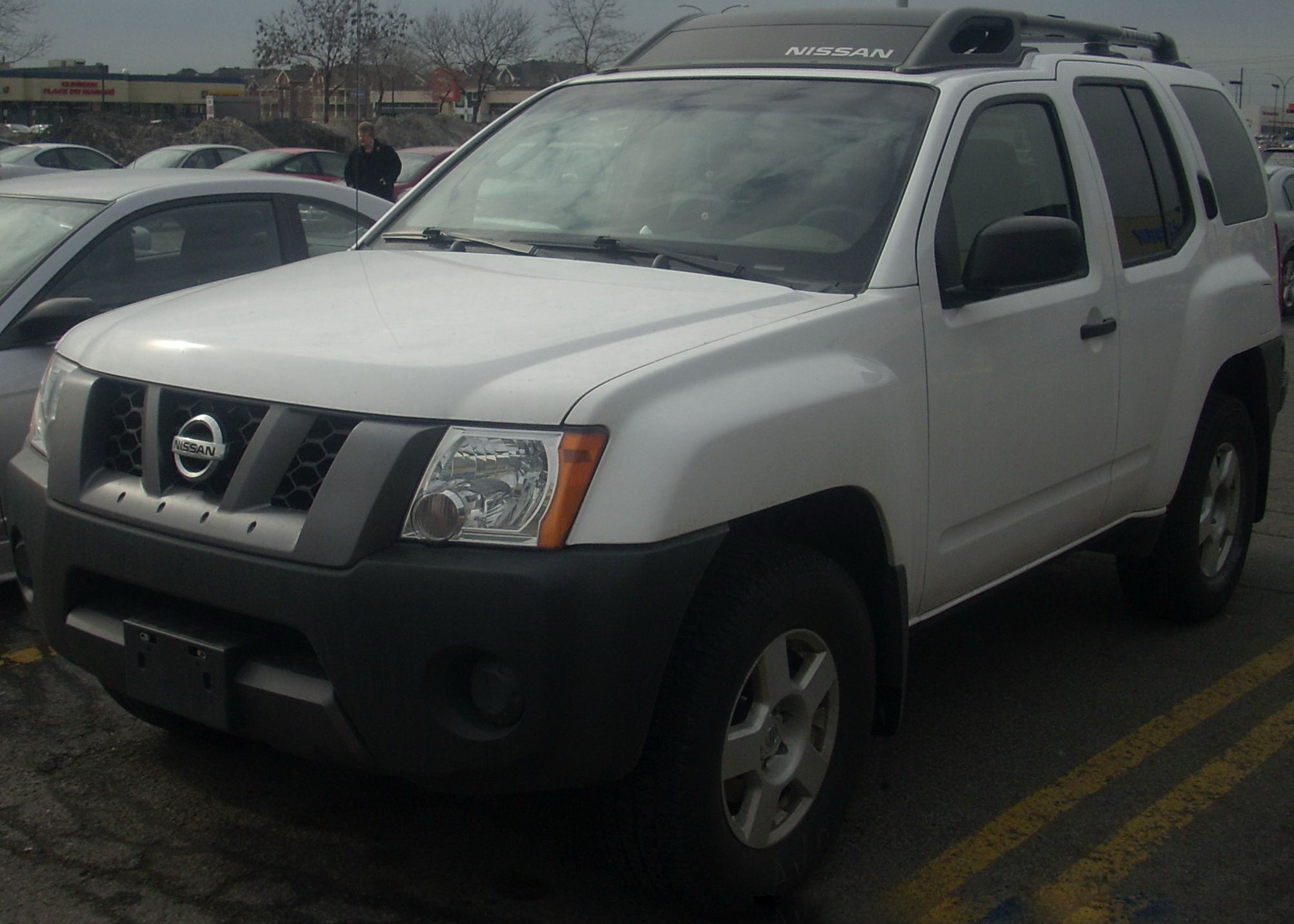
Nissan XTerra
"...ne. Yeah, for this like we're we're I've got this XTERRA behind me. That's an almost overly simplified mac..."
The Nissan XTerra is a midsize SUV built for tougher driving. It’s designed to handle rough roads and still be useful for everyday life. The podcast is mentioning it as a real, current example of that kind of vehicle.
The Nissan XTerra is a midsize SUV known for a rugged, off-road-friendly design and a simple, durable approach. The podcast references “XTerra behind me,” which fits because it’s often discussed as a practical vehicle for people who want something tough rather than flashy. That makes it a common topic when talking about straightforward, utilitarian choices.
pre-facelift
"When was the last time you saw a decent specifically the early ones like the pre pre facelift full bangle butt experience?"
Cars often get updated partway through their production run. “Pre-facelift” just means the earlier version before that update.
“Pre-facelift” means the version of a car before it received a mid-cycle refresh (usually styling tweaks and sometimes updated tech or mechanical changes). Enthusiasts often treat pre-facelift and facelift cars as meaningfully different when discussing reliability or how the car “feels” to own.
bangle butt
"like the pre pre facelift full bangle butt experience?"
“Bangle butt” is a nickname for the distinctive rear-end styling associated with BMW designer Chris Bangle’s era. It refers to the exaggerated, curvy body shape that some people love and others criticize—especially on early 7 Series cars.
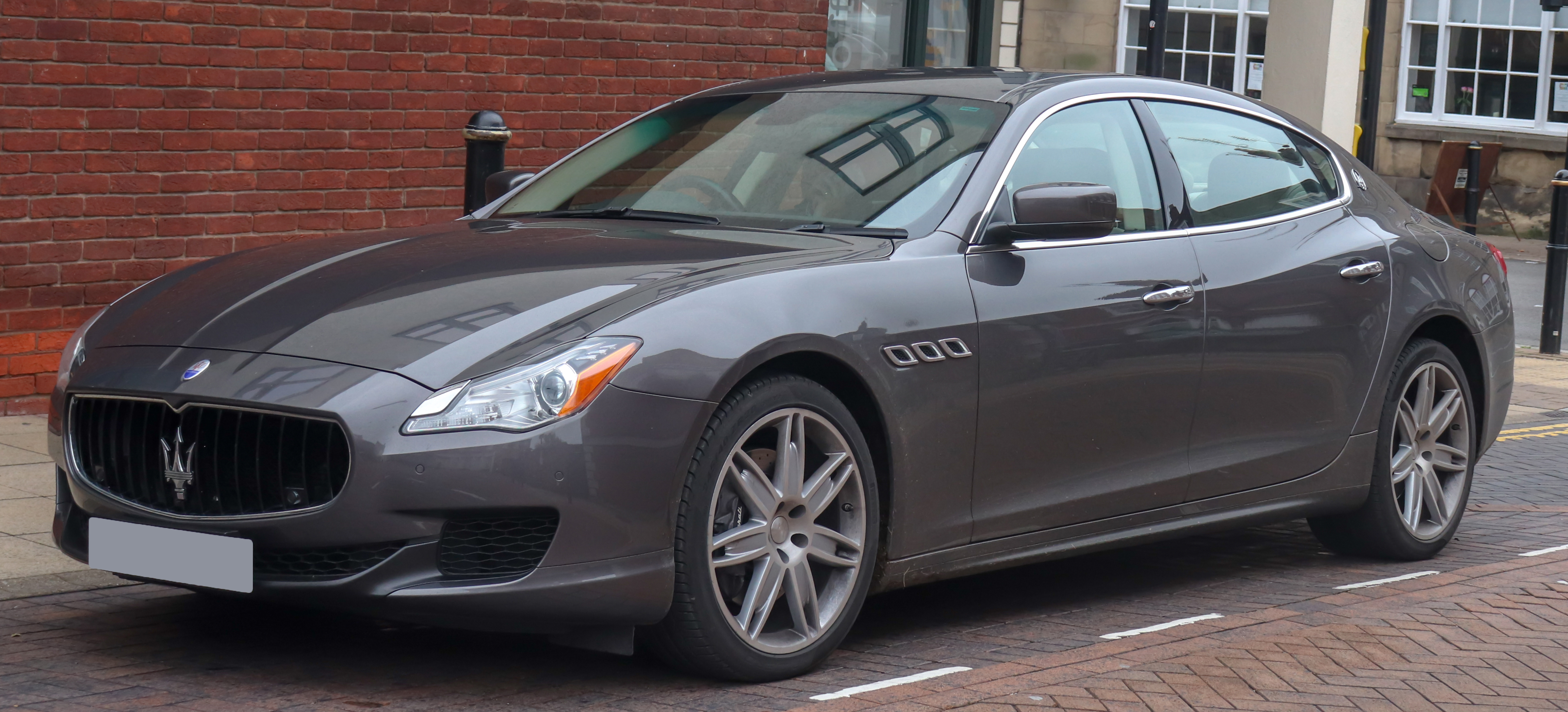
Maserati Quattroporte
"So it's like it's one thing if it's like a Maserati Quattroporte, [1007.1s] which maybe it's on your list. [1008.8s] I don't know. [1011.9s] Because like those at least look really good and they sound really good."
The Maserati Quattroporte is a fancy Italian luxury sedan. The host is basically saying that even if it’s not perfect, it still has appeal—looks good and sounds good—so it’s easier to justify than some other “disaster” luxury cars.
The Maserati Quattroporte is a luxury sedan known for its Italian styling and typically sporty, V6/V8-powered character. In this segment, it’s brought up as a car that can still be “understood” to live with because it looks and sounds good, even if it’s not trouble-free.

BMW i3
"Oh, my uncle has an I three when you said you have a BMW, whatever. [1045.4s] And then it looks like the seven series and is horrifically unreliable. [1050.2s] And it has I drive like. [1054.6s] I don't think there are any redeeming qualities in that car."
The BMW i3 is BMW’s small electric car. The host is saying it’s a bad experience to own—especially because they think it’s unreliable—and that it doesn’t have any “good enough” redeeming points.
The BMW i3 is BMW’s compact electric car, known for its distinctive design and EV-focused engineering. In this segment, the host criticizes it as a “disaster class” luxury choice, arguing it offers no redeeming qualities and is “horrifically unreliable,” despite being compared visually to a much larger BMW luxury sedan.
I drive
"And then it looks like the seven series and is horrifically unreliable. [1050.2s] And it has I drive like. [1054.6s] I don't think there are any redeeming qualities in that car."
“iDrive” is BMW’s dashboard computer system. It’s the menu and controls you use for things like maps, music, and car settings.
“iDrive” is BMW’s in-car infotainment system, which uses a control knob and menus to manage navigation, media, vehicle settings, and driver-assistance options. The host mentions it in the context of criticizing the car’s overall experience, implying the interface or how it’s implemented didn’t impress them.
luxury-car ownership disasters (parts availability and repair costs)
"If you're going to commit to making a mistake financially, let's go all in on these... But dude, the parts alone on this thing would murder you... And things are going to break."
They’re talking about luxury cars that can turn into money pits. The big theme is that repairs can be hard and expensive because parts are difficult to find, and problems show up over time.
This segment is about how certain “disaster class” luxury cars can become financially painful to own. The hosts highlight a pattern: parts are expensive, sourcing them can be difficult, and things will break—turning even DIY ownership into a hassle.
DIY
"But dude, the parts alone on this thing would murder you. Even if you were DIY guy."
DIY means you fix or maintain the car yourself instead of paying a mechanic. They’re saying that even if you’re handy, this car can still be painful to own because parts are hard to get.
DIY means “do-it-yourself,” referring to doing repairs or maintenance yourself rather than paying a shop. In the context of this segment, it’s used to emphasize that even if you’re the kind of owner who can wrench, the Maserati Ghibli’s parts situation can still be brutal.
factory maintenance
"Talk about just keeping if you keep up with the factory maintenance on one of these, not to mention the other things you're going to be chasing"
“Factory maintenance” means doing the scheduled services the car maker recommends. The idea is to catch issues early so they don’t turn into big, expensive problems later.
“Factory maintenance” means following the maintenance schedule and service procedures recommended by the automaker. For luxury cars like the Maserati Ghibli, staying on schedule can help prevent problems that snowball into expensive repairs.
electrical grand ones
"not to mention the other things you're going to be chasing like the electrical grand ones, all the other issues like random leaks."
This sounds like they mean annoying electrical problems that are hard to figure out. When the car’s electronics start acting up, it can take a lot of time (and money) to diagnose and fix.
This appears to be a transcription error for “electrical gremlins,” meaning recurring, hard-to-diagnose electrical problems. On modern luxury cars, electrical issues can cause multiple symptoms and often require diagnostic time, which drives up repair costs.
random leaks
"like the electrical grand ones, all the other issues like random leaks. Like you might just dump all your oil out one day and you're going to have to solve that problem."
“Random leaks” means the car starts losing fluids in ways that aren’t always obvious at first. Finding where it’s leaking from can be a pain, and fixing it can get expensive.
“Random leaks” refers to fluid leaks that can appear unpredictably and may come from multiple systems (cooling, oil, power steering, etc.). Leaks are especially costly on luxury cars because locating the source can take time and repairs may require removing other components.

Lexus Lc500
"For the amount of headache, it doesn't look that bad, but it doesn't it doesn't look like a, I don't know, LC 500. It doesn't look like a insert pretty car."
The Lexus LC 500 is a high-end Lexus coupe meant for comfortable, stylish long-distance driving. They’re using it as a comparison for how the car looks.
Lexus LC 500 is a luxury grand tourer (GT) coupe known for its upscale interior and powerful V8 performance. The hosts mention it as a visual benchmark, contrasting how the Maserati Ghibli “doesn’t look like” the LC 500.
check engine
"Dude, it's just the first time that check engine like comes on, it's over. It's just that especially in your getting in the door for 15K,"
The “check engine” light is the car telling you there’s a problem in the engine or emissions system. You typically need a scan tool to figure out what’s wrong.
The “check engine” light is the dashboard warning that the engine or emissions system has detected a fault. When it comes on, it usually means you need diagnostic scanning to identify the specific trouble code—sometimes the underlying issue is minor, but on complex luxury cars it can also signal something expensive.

Maserati Ghibli
"[1210.0s] Yeah, the very first year, the Ghibli was like known as Maserati's like worse, [1215.2s] But I mean, it's horrible, dude. ... [1272.9s] Is it that early? I thought it was six or seven, oh, well, it's somewhere."
The Maserati Ghibli is a Maserati luxury sedan that’s smaller than the Quattroporte. In this part, they’re saying the earliest Ghiblis had a reputation for being unreliable, so the model year matters a lot when shopping used.
The Maserati Ghibli is Maserati’s mid-size luxury sedan, positioned below the Quattroporte but still built with a performance-and-luxury focus. The hosts discuss how early Ghiblis developed a reputation as one of Maserati’s less reliable models, and they debate what that means for buying used cars versus later improvements.
automated manual single clutch
"[1218.5s] Those the early QPs with the the Cambrio Corsa, which was like their [1222.7s] their automated manual single clutch was [1228.6s] cattish, graphically unreliable."
This describes a transmission that’s based on a manual gearbox, but the car automatically does the clutch and shifting for you. The “single clutch” part can make the car feel jerky or less refined, and the hosts are saying that this setup was a problem on early cars.
An automated manual single-clutch is a transmission that uses a conventional manual gearbox layout, but a computer-operated actuator handles clutch engagement and gear changes. Because it’s still fundamentally a single-clutch setup, it can be harsher and less smooth than dual-clutch systems, and it can be more prone to drivability/reliability complaints on some applications—something the hosts are criticizing here.
Cambrio Corsa
"[1218.5s] Those the early QPs with the the Cambrio Corsa, which was like their [1222.7s] their automated manual single clutch was [1228.6s] cattish, graphically unreliable."
“Cambrio Corsa” is a specific Maserati variant name tied to a convertible-style model. The hosts are basically saying that particular version is more likely to be troublesome than other versions, so you should be extra careful if you’re shopping one used.
“Cambrio Corsa” refers to Maserati’s Cabrio Corsa (convertible) variant name used on certain Ghibli/Quattroporte-era models. In this segment, the hosts connect that specific variant to poor reliability and “graphically unreliable” behavior, implying it’s a higher-risk used purchase compared with other configurations.
eight speed ZF
"[1236.6s] And I think the used values probably about the same, [1240.9s] maybe lower if it's a Cambrio Corsa car, if it's a later with the eight speed ZF. [1245.1s] Yeah. [1246.1s] Then like it's not as unreliable."
ZF is a company that makes transmissions. The hosts are saying that cars with an eight-speed ZF automatic tend to be less troublesome than the earlier single-clutch automated-manual style.
“ZF” refers to ZF Friedrichshafen, a major supplier of transmissions. An eight-speed ZF automatic (as referenced here) is typically a more modern multi-gear automatic than older automated-manual setups, and the hosts suggest that later cars with this transmission are “not as unreliable.”
bang for your buck
"“...I mean, like, bang for your buck, though.”"
“Bang for your buck” just means “is it worth the money?” Here, they’re asking whether a Gran Turismo is a good deal considering how reliable it is (especially in later versions).
“Bang for your buck” is a value-for-money concept: whether the car’s cost matches what you get in return (features, performance, and ownership experience). In this segment, it’s used to weigh whether a Gran Turismo purchase makes sense given reliability trends over time. It’s essentially a cost-versus-benefit framing rather than a specific technical term.

Maserati Gran Turismo
"I do like the concept, though, of finding the one and only well maintained, like oh, seven, oh, eight Maserati Gran Turismo. Yeah, and buying it for like what, 20, maybe for like a perfect one."
A Maserati Gran Turismo is a fancy Maserati meant for comfortable long-distance driving, but it’s still meant to be quick and fun. Here, they’re saying the best-case scenario is finding one that’s been cared for and is in great condition.
The Maserati Gran Turismo is a luxury grand-touring car—built to feel like a high-end cruiser while still having real performance. In this segment, the hosts are talking about finding a well-maintained example from the late 2000s (they say “oh-seven, oh-eight”) and paying for a “perfect” one.
case swap
"[1508.7s] Yeah. Case swap. [1510.0s] Case swapping a by turbo would be fucking rad. [1512.7s] Fucking horrible."
A “case swap” means taking big drivetrain parts from one car and putting them into another. It’s basically a custom conversion to make the car use a different engine/transmission setup.
A “case swap” is slang for swapping major drivetrain components—often the transmission and/or the engine/transmission “case” assembly—from one setup to another. In this context, they’re debating swapping a powertrain into an E30 and whether it should be done with a specific turbo setup.

BMW E30
"look, man, you did the case swap. On the E30, the real way to do it is to put that exact same ..."
The BMW 3 Series is a small luxury car made by BMW. Older versions, like the E30, are popular with people who like modifying cars. That’s why it’s mentioned when talking about swapping parts to build a specific setup.
The BMW 3 Series is a compact luxury sedan (and wagon) line known for being fun to drive and for having a huge enthusiast following. In the context of the E30, it’s especially discussed because the platform is popular for engine and drivetrain swaps. That’s why it comes up when people talk about doing a “case swap” the “real way” on an older 3 Series.
powertrain
"[1519.9s] On the E30, the real way to do it [1523.8s] is to put that exact same powertrain into a by turbo. [1527.1s] Absolutely."
Powertrain is the set of parts that actually drive the car. It usually includes the engine and the transmission, and anything needed to send power to the wheels.
Powertrain is the car’s main moving components that make it go—typically the engine plus transmission and the parts that connect them to the wheels. When they say “put that exact same powertrain into a by turbo,” they mean transplanting the whole drivetrain package, not just one component.
K 24
"[1527.1s] Absolutely. [1527.6s] A K 24 is a natural. [1530.3s] No, what?"
“K24” is a Honda engine (a 2.4-liter four-cylinder) that a lot of people use for engine swaps. They’re debating whether that engine would be a good choice for the project.
“K24” refers to Honda’s K-series 2.4-liter inline-four engine family (the K24 variant), commonly used in swaps because it’s compact, rev-friendly, and has strong aftermarket support. Here, they’re arguing about which engine/powertrain makes the most sense for the swap plan.
conversion kit
"[1533.9s] Does anyone make a conversion kit? [1536.1s] First answer. No. [1537.3s] Second answer. It doesn't matter."
A conversion kit is a ready-made bundle of parts that helps you do a modification or swap. In this segment, they’re saying there isn’t a proper kit, so you’d need to improvise.
A conversion kit is a pre-packaged set of parts and instructions meant to make a swap or modification easier—often including brackets, mounts, wiring adapters, and sometimes ECU/software support. They’re saying nobody makes a proper kit for this specific swap idea, so you’d have to fabricate parts yourself.
angle iron
"[1537.3s] Second answer. It doesn't matter. [1538.5s] Just hack up whatever's in there. [1540.0s] Add some angle iron."
Angle iron is basic metal you can use to make brackets. They’re jokingly suggesting you’d have to fabricate your own mounting pieces if no kit exists.
Angle iron is a simple L-shaped steel bar used as a fabrication material for brackets and mounts. They mention it as a DIY way to physically secure or adapt parts when there’s no purpose-built conversion kit.

Land Rover Range Rover
"What about? Pick your modern Range Rover Dijon. Dude, whether we're talking about,"
A Range Rover is a large luxury SUV made by Land Rover. It’s designed to be comfortable for everyday driving and still handle rough roads. Newer ones have lots of electronics and systems, which is why they can come up in buying discussions.
The Range Rover is Land Rover’s flagship luxury SUV, built for comfort and off-road capability. The podcast mentions a “modern Range Rover,” which is often discussed because it blends high-end features with complex systems. That makes it a frequent topic when people talk about what to buy and what to avoid.
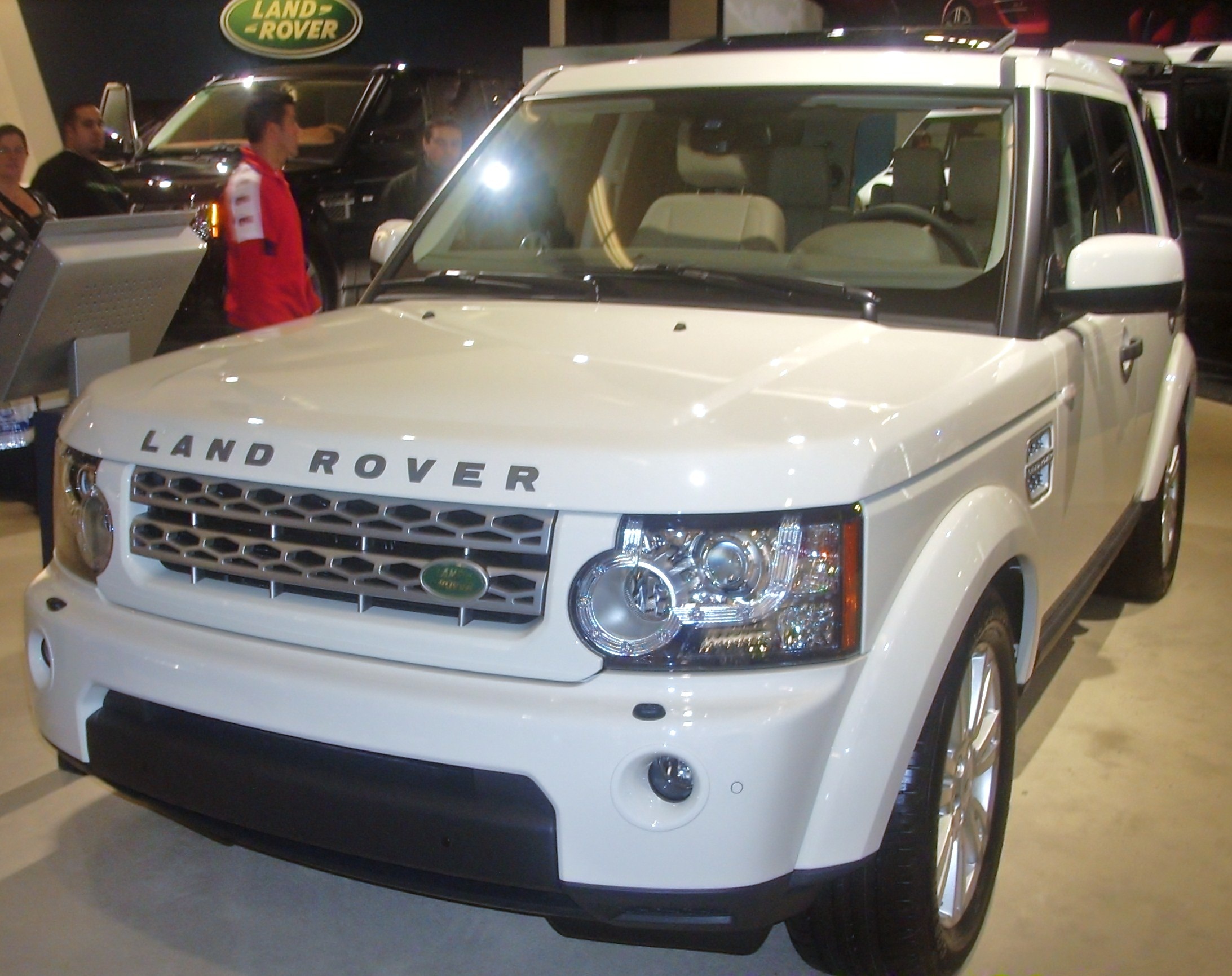
Land Rover LR4
"whether we're talking about, you know, something more, more, more land Rover, like an LR, LR four. That's the one."
Land Rover LR4 (often referred to as the Discovery-based LR4 in the U.S.) is a body-on-frame, off-road-capable SUV that’s more about using the vehicle than maximizing luxury features. The host’s point is that among the Land Rover options they’re discussing, the LR4 is the one you’d choose if you actually want to drive it for its intended purpose.

Land Rover LR3
"I mean, dude, LR three is the one if you want to drive the thing."
The Land Rover LR3 is an older Land Rover SUV that’s built to go off-road and handle rougher conditions. The host is saying it’s the better buy if you actually plan to use it for what it’s meant to do.
Land Rover LR3 is a previous-generation, off-road-focused luxury SUV from Land Rover, positioned as a capable alternative within the LR lineup. The host claims it’s the better buy if you want to drive it for its intended use, implying it offers a better balance of capability and value than the other options mentioned.
timing chain issues
"the timing chain issues are like a no brainer. If you don't have any record, if you're buying one of those, you're fixing the timing chain."
The timing chain is what keeps the engine’s moving parts timed correctly. If it starts to wear out or the tensioner fails, the engine can run poorly and can even get serious damage if it’s not fixed.
A timing chain synchronizes the crankshaft and camshaft(s) so the engine’s valves open at the right time. “Timing chain issues” usually means the chain stretches, wears, or the tensioner/guides fail, which can cause rattling and—worst case—valve timing problems that can damage the engine.
fixing the timing chain
"If you don't have any record, if you're buying one of those, you're fixing the timing chain. That first 15 minutes when you get home."
The host frames timing chain repair as an expected “next step” purchase cost when buying certain luxury Land Rover vehicles without maintenance records. This is a practical ownership concept: if a known failure is likely, the purchase price should be evaluated against the cost and downtime of that repair.
air suspension
"in that generation and air suspension [1643.7s] and this and that."
Air suspension is a suspension system that uses air bags instead of metal springs. It can raise or lower the car to make it ride smoother and sometimes make getting in and out easier.
Air suspension uses air-filled springs (instead of steel coils) to support the car. It can automatically adjust ride height and stiffness, which is why luxury cars often use it for a smoother ride and easier entry/exit.
supercharged sixes
"And then you had supercharged sixes, [1675.8s] charge six or was it the OK supercharged"
A supercharger is a device that forces extra air into the engine so it can make more power. “Sixes” here means an engine with six cylinders, and the host is saying those six-cylinder engines were supercharged.
“Supercharged” means the engine uses a belt-driven forced-induction compressor to push more air into the cylinders. “Sixes” refers to an inline-six engine configuration, so “supercharged sixes” means a supercharged inline-six variant was offered.
guide failure
"And just like in the LR, LR three [1700.1s] to LR four, you had all the timing [1701.5s] chain, the guide failure. [1704.6s] Like there's so many like as these"
The timing chain guides help keep the chain in the right path. If they fail, the chain can get out of position and cause expensive engine problems.
Timing chain guides are the parts that position and control the chain’s movement. When guides fail, the chain can rattle, jump timing, or accelerate wear—often turning a “noise” problem into a serious engine issue.
air ride suspension
"It put the you got the air ride [1722.5s] suspension that always failed. [1724.1s] Electrical gremlins on the early,"
Air ride suspension uses air bags to support the car. If the system develops leaks or a weak compressor, the car can ride low or stop working correctly.
Air ride suspension uses air springs (instead of steel coil springs) to adjust ride height and comfort. It relies on compressors, valves, and air lines, so leaks or compressor/valve wear can lead to sagging or failure.
electrical gremlins
"Electrical gremlins on the early, [1725.9s] early ones were like an absolute nightmare. [1728.5s] The LR three didn't have as many"
“Electrical gremlins” means weird electrical problems that are hard to pin down. The car might act up in different ways, and it can be difficult to find the exact cause.
“Electrical gremlins” is a car-person way to describe recurring, hard-to-diagnose electrical problems—often caused by failing modules, sensors, wiring issues, or intermittent faults. These can be especially frustrating because symptoms may come and go.

Jaguar S-Type
"the earlier versions of that that you had in like the XJs and the Jag S type and stuff like that did have timing chain issues."
The Jaguar S-Type is a Jaguar sedan. The host is saying that some earlier versions of the engines used in cars like this had problems with the timing chain, which can be expensive to fix.
The Jaguar S-Type is a mid-2000s Jaguar sedan that’s often discussed in enthusiast circles for its V8-era engine choices. In this segment, the host mentions it alongside XJ models as having timing chain issues in earlier versions, which is a key reliability talking point for that generation.

Disco
"also ironically want a disco too. No, I do unironically want one of those."
“Disco” is short for Land Rover Discovery. The host is basically saying they’d like one, even though these kinds of Land Rovers can come with expensive issues.
“Disco” is a common enthusiast shorthand for Land Rover Discovery. In this segment, the host says they “want a disco,” implying it’s a desirable but potentially troublesome luxury SUV—consistent with the earlier talk about air suspension and other reliability pain points.
two door folk
"A two door folk."
This sounds like the host is talking about a “two-door” vehicle. That just means the car has two doors instead of four, which can change how easy it is to get in and out.
“Two door folk” appears to be a mis-transcription of “two-door” (a body style) plus an unclear word. If the intent is “two-door,” it refers to a vehicle layout with two doors total, typically affecting access, rear-seat usability, and sometimes the vehicle’s overall packaging.
safari build
"The either of like the safari [1837.4s] build look would be dope in a two door"
A “safari build” is a style that makes a car look like it’s meant for long, rough trips—like old rally or adventure cars. The speaker is saying that kind of look on a two-door would be cool.
A “safari build” is an enthusiast styling approach that takes cues from classic rally and expedition cars—typically emphasizing rugged looks and off-road-ready details. In this segment, the host is imagining a two-door version styled in that direction.
GTI
"and make it look like a like an obese GTI. [1843.9s] God, it could be kind of right."
GTI is a Volkswagen badge that usually means a sporty, performance-focused version of a car. The speaker is using it like a style reference for a lower, sportier look.
GTI is Volkswagen’s performance-oriented trim name, originally associated with the Golf GTI. Here, the host uses “GTI” as a shorthand for a sporty, lowered, hot-hatch look when imagining how the exterior could be styled.
camshafts
"Yeah, but you just can't like I want to say they broke camshafts."
Camshafts are parts inside the engine that help control when the valves open and close. If they fail, the engine can run badly or not at all, and repairs can get expensive.
Camshafts are the rotating shafts that control valve timing—when intake and exhaust valves open and close. If camshafts “break” or fail, it can cause major engine damage and often requires a costly repair.

Dodge Nitro RT
" [2034.9s] I get to dodge nitro RT and like a fucking bad or yeah. [2039.7s] Yeah."
Dodge Nitro RT is a specific version of the Dodge Nitro SUV. The “RT” badge usually means it’s the more powerful or better-equipped trim compared with the simpler versions.
The Dodge Nitro RT is a performance-oriented trim of the Dodge Nitro, a midsize SUV from the late 2000s. “RT” is Dodge’s trim badge used to indicate a more powerful/feature-rich version than the base models.

Jeep Renegade
" [2040.2s] Well, I mean, the renegade, those those modern renegades, [2044.2s] they have the the trailhawk, right? [2046.9s] Then you could you get a trailhawk one?"
The Jeep Renegade is a compact SUV, and the discussion here is about specific Renegade trim levels. The host mentions the Trailhawk, which is Jeep’s off-road-focused trim package (more capability-oriented hardware and styling) compared with regular Renegade trims.
trailhawk
" [2040.2s] Well, I mean, the renegade, those those modern renegades, [2044.2s] they have the the trailhawk, right? [2046.9s] Then you could you get a trailhawk one?"
Trailhawk is Jeep’s “off-road” version of certain models. It’s meant to be tougher for dirt roads and rough conditions than the regular trims.
Trailhawk is Jeep’s trim designation for an off-road-oriented Renegade (and other Jeep models). It typically indicates upgrades aimed at rough-terrain use, like more aggressive off-road styling and hardware compared with non-Trailhawk trims.

Jeep Liberty
" [2064.8s] I mean, well, I mean, it was a trim on the liberty, [2068.0s] but it was also a trim on the YJ."
The Jeep Liberty is an older Jeep SUV. In this conversation, they’re saying “Renegade” was once a trim option on the Liberty before it turned into a separate model.
The Jeep Liberty is a compact SUV that predates the Renegade as a standalone model. The hosts are discussing how “Renegade” was used as a trim level on the Liberty before it became its own model name.

Jeep YJ
" [2064.8s] I mean, well, I mean, it was a trim on the liberty, [2068.0s] but it was also a trim on the YJ. [2070.2s] That's right. Yep."
The Jeep YJ is an older Wrangler generation. The hosts are saying the “Renegade” name originally showed up as a trim on the YJ before it became a standalone Jeep model.
The Jeep YJ is a Wrangler generation from the late 1980s and early 1990s. In the segment, the hosts are comparing how “Renegade” started as a trim level on the YJ before later becoming its own model name.

Audi Rs
"This is the 2000 and three only. Audi RS six. OK. You know what, though?"
The Audi RS e-tron GT is an electric performance car made by Audi. It’s designed to be fast and comfortable for longer drives. The podcast is mentioning it as a modern example of a high-performance EV.
The Audi RS e-tron GT is a high-performance electric grand tourer, built to deliver sports-car acceleration with an EV powertrain. The podcast’s mention of “RS e-tron GT” places it in the category of modern performance cars that are discussed for their driving feel and value. It’s brought up as part of a broader conversation about what makes certain performance vehicles desirable.
ZF six speed tip chronic
"Yep. Which I'm pretty sure is just the ZF six speed tip chronic. But they don't I think they're good for like 70,000 miles."
ZF is a company that makes transmissions for lots of different car brands. The host is saying this particular 6-speed transmission is known for having expensive problems, especially if you drive it hard or don’t keep up with maintenance.
This sounds like the ZF 6-speed automatic/transmission used in some luxury cars, with a “tip”/manual-shift style. The host is implying it’s prone to failure (“annihilate transmissions”) and that it can be expensive to fix once it starts acting up. ZF is a major supplier of transmissions to many automakers.
all wheel drive
"And at the time, you know, three when you say 400 and fifty horsepower twin turbo V eight, all wheel drive luxury sedan. It's special."
All-wheel drive means the car can send power to all four wheels. That usually helps it grip the road better, especially in rain or snow. It can also make the car more complex than a two-wheel-drive setup.
All-wheel drive (AWD) sends power to more than just the rear or front wheels, improving traction—especially on slippery roads or during hard acceleration. In high-power luxury sedans, AWD helps reduce wheelspin and makes the car feel more stable and “grippy.” It can also add complexity and cost compared with two-wheel drive.
resets the table
"And you go, whoa. And it's like kind of like resets the table as far as like what's kind of crazy. That is that's what that car did."
The host means the car was so surprising that it changed what people thought was impressive. After that, other cars’ numbers didn’t seem as wild anymore. It’s basically a “new benchmark” idea.
“Resets the table” is a metaphor for a car that changes expectations—raising the bar for what’s considered impressive in power, tech, and performance. The host is arguing that this particular luxury car made other cars’ specs feel less “crazy” by comparison. It’s about shifting the benchmark for the category.
blown
"It was a superchar. It was just a blown V eight."
“Blown” here means the engine has forced induction, usually a supercharger, which helps it make more power. It’s not just a normal engine—it’s boosted.
In this context, “blown” means the engine is forced-inducted—typically supercharged—so it can make more power than a naturally aspirated version. The host’s wording ties it to the idea of a “superchar,” suggesting a supercharger rather than turbocharging.

BMW E39
"You had the tail end of the E 39 and five and then into the V ten and five, which is also pretty bonkers, but a different bonkers."
BMW 5 Series is one of BMW’s most common “everyday luxury” models. The speaker is saying the older version was ending and then something different came after it.
The BMW 5 Series is BMW’s long-running mid-size executive car platform, and the host is referencing a “tail end” of an E39-era 5 Series before moving into a different engine generation. That’s why it comes up alongside the V10 discussion: it’s about how BMW’s powertrains and model eras transitioned.
V ten
"You had the tail end of the E 39 and five and then into the V ten and five, which is also pretty bonkers, but a different bonkers."
A V10 is an engine with ten cylinders arranged in a V shape. It’s a rare, high-performance type of engine that can make the car feel very special.
A “V10” is an engine with ten cylinders arranged in a V configuration. The host calls it “bonkers,” highlighting that V10s are unusual and often associated with high-revving, dramatic performance compared with more common V8/V6 layouts.

Audi RS 6
"I just wanted to buy Audi RS six is a brand name from the dealership. How much was that?"
Audi RS 6 is a “hot” performance Audi model. It’s the kind of car that costs more than a normal Audi and is often limited, so dealers may charge extra.
The Audi RS 6 is a high-performance version of the Audi 6-series wagon/sedan line, built for fast acceleration and strong highway manners. In this segment, the host is talking about buying an Audi RS 6 from a dealership and how limited/upcharged it can be, which points to its special, enthusiast-focused positioning.
upcharge
"I bet they upcharge on those bad boys. They're pretty limited, too, from what I've read on."
An “upcharge” is an extra amount added to the price beyond the base cost, often used by dealers for limited-demand cars. The host is implying that RS models can be priced above what you’d expect because they’re scarce or hard to get.
limited
"I bet they upcharge on those bad boys. They're pretty limited, too, from what I've read on."
“Limited” means there aren’t many of these cars available. When supply is low, dealers and buyers both pay more attention to price.
“Limited” here means the car is produced in relatively small numbers or is otherwise constrained in availability. For performance models like the Audi RS 6, limited supply can increase demand and make dealer pricing more aggressive.
fender flares
"I love this era of Audi design, like the fender flares, the grill... Fender flares is what did it for me. Oh, my God."
Fender flares are the extra pieces around the wheel area. They make the car look wider and help protect the body from dirt and rocks kicked up by the tires.
Fender flares are the raised trim pieces around the wheel openings. They visually widen the car and can also help cover tire tread and protect the body from road debris.
grown on me
"Can I confess? Oh, in period, I did not like this design language... And it's very much grown on me."
“Grown on me” means the design started to look better over time. Sometimes you just need to see it more to appreciate the details.
“Grown on me” describes how a design that initially feels off can become more appealing after repeated exposure. In car terms, it often happens as you notice proportions, details, and how the styling reads from different angles.
six speed swapping
"Some have somehow suddenly six speed swapping stuff from this era is like the move. Yeah, people are six speed swapping all kinds."
“Six speed swapping” is when someone replaces the car’s original transmission with a six-speed one. The goal is often to make the shifts feel better and to get better gear ratios for how the engine pulls. It usually requires parts from another car and some fitting work.
“Six speed swapping” means replacing a car’s original gearbox with a six-speed transmission, usually from a different model or generation. Enthusiasts do it to change shift feel, gearing, and sometimes to better match the engine’s powerband. It’s a common modification on older luxury and performance cars where parts are available from donor cars.
Mercedes Benz
"I know Matt Kwik's operation is doing all the six speed swaps on the Mercedes Benz products."
Mercedes-Benz is the luxury automaker whose models are mentioned here as being targets for six-speed transmission swaps. In the enthusiast world, Mercedes-Benz drivetrains are often swapped because donor parts and compatible transmission families can be found across multiple models/years.
Ferraris
"And you have people, you know, swapping, you know, Lamborghinis and Ferraris and things like that."
Ferrari is a supercar brand. They’re bringing it up as another example of exotic cars that people modify with transmission swaps.
Ferrari is mentioned alongside Lamborghini as another exotic brand where people are doing transmission swaps. This highlights that the “swap culture” can apply to high-end cars when owners want a different gearbox behavior or when they’re trying to solve transmission-related issues.
Lamborghinis
"And you have people, you know, swapping, you know, Lamborghinis and Ferraris and things like that."
Lamborghini is a supercar brand. They’re mentioning it to show that transmission swaps aren’t just for normal cars—people do it on expensive exotics too.
Lamborghini is referenced as an example of a brand people are swapping transmissions into. The point is that this isn’t limited to one manufacturer—enthusiasts will mix-and-match driveline components across exotic brands when the parts and fitment work out.
RS six transmission
"Yeah, I got to be a newer RS six transmission might lock like load in there."
They’re talking about a particular six-speed transmission version (“RS six”). The concern is whether that newer gearbox will fit and work correctly in the older car without compatibility problems.
“RS six transmission” appears to refer to a specific six-speed gearbox variant associated with an “RS” designation. In practice, RS-style transmissions are often discussed as higher-spec or different-configuration gearboxes, and the key question here is whether a newer RS six-speed unit will physically and electronically “lock” into the older car’s setup.
dead transmission
"I've never seen it, though, which is with a dead transmission for like five grand, six grand. Oh, oh, they've gone up quite a bit, dude."
“Dead transmission” means the car’s gearbox has basically failed. When that happens, the car may not shift correctly or may not drive, and fixing it can be so expensive that the car gets written off.
“Dead transmission” means the gearbox has failed badly enough that it won’t properly shift or move the car. In practice, a failed transmission often turns into a total-loss situation because repair costs can exceed the car’s value.
RS model
"They're one year only RS model. Sure. Yeah, infinitely cool."
“RS” usually means a special high-performance version of an Audi. If it’s a “one year only” RS, it’s a limited variant, and parts and repairs can be harder and pricier.
“RS” is a performance trim designation used by Audi for higher-output, track-focused versions of its models. When someone says “one year only RS model,” they’re pointing to a specific limited production variant that tends to be more expensive to maintain and repair.

Tesla Rs Model
"...porting their older models. They're one year only RS model. Sure. Yeah, infinitely cool."
turbos fail
"And then the power starts to feel down and you're out turbos like your turbos fail, which is a known thing on these two."
“Turbos fail” means the turbocharger stops working properly. That can make the car feel weak and may also lead to bigger problems, because the turbo is a key part of how the engine makes power.
“Turbos fail” refers to turbochargers failing due to wear, oil supply issues, or heat-related damage. On turbocharged cars, a failing turbo can cause loss of boost, smoke, and sometimes secondary damage—so it’s a major reliability risk.
dynamic ride
"Like I didn't even talk about dynamic ride, the whole suspension set up. It has, which is fucking super expensive and prone to fail."
“Dynamic ride” is a suspension system that changes how the car rides using electronics. If parts wear out, repairs can get very costly.
“Dynamic ride” here refers to an electronically controlled suspension system that adjusts damping/ride behavior. These systems can be very expensive to repair and can be prone to failures as components age.
coil overs
"So there's a lot of like really scary things, but coil overs, manual swap."
Coilovers are aftermarket suspension parts that let you adjust the car’s ride height and firmness. They can improve handling, but they’re not cheap and need to be set up correctly.
Coilovers are adjustable suspension components that combine a coil spring and shock absorber into one unit. Enthusiasts like them for tuning ride height and handling, but they can also be costly and require correct setup to avoid harshness or premature wear.
manual swap
"So there's a lot of like really scary things, but coil overs, manual swap."
A “manual swap” means changing the car so it uses a manual transmission instead of an automatic. It’s a big job and can be expensive, and the result depends a lot on how well it was done.
A “manual swap” is converting a car from an automatic transmission to a manual gearbox. It’s a major modification that typically requires drivetrain, wiring, and control-system changes, and it can affect reliability and resale if it wasn’t done professionally.
Resto Mod
"OK, we're going to like Resto Mod and one V 127 series, six speed swap, you know, just like make this"
A restomod is an older car that’s been updated with newer parts. The goal is usually to keep the classic style, but make it drive better and feel more modern.
A restomod is a modified classic car that keeps the original look but upgrades key components for modern drivability, reliability, and performance. In luxury-car circles, people often restomod older models to make them easier to live with while preserving the vibe.

Bentley flying spur
"Would it be the Bentley flying spur? It's not because you can get a same same deal like early like mid 2000s. Bentley flying spur for no money."
The Bentley Flying Spur is a very expensive luxury car with four doors. It’s meant to feel smooth and high-end, but the hosts are saying they personally don’t like how it looks or comes across.
The Bentley Flying Spur is a luxury sedan (a four-door grand tourer) known for blending Bentley’s comfort and styling with a more performance-oriented driving feel than typical luxury barges. In this segment, it’s discussed as a “disaster class” car because the hosts don’t find its styling or presence appealing.
W12
"Well, for the time being W12 with 500 and whatever, five, I think are like 550. Yeah."
W12 means the engine has 12 cylinders arranged in a special compact “W” shape. It’s a big, complex engine design, and that complexity can make repairs more expensive.
A W12 is an engine layout where cylinders are arranged in a “W” shape—two narrow-angle V6 banks that share a common crankshaft. It’s a distinctive Bentley/VW-group configuration used in some Flying Spur and other luxury models, and it tends to be complex to service compared with simpler V8/V6 designs.
downstream O2 sensor
"It needs it needs a downstream O2 sensor engine out. What? Yeah, it's like 36 hours of labor or something."
An O2 sensor checks how much oxygen is in the exhaust. A downstream one sits after the catalytic converter, and if it fails it can trigger emissions/fuel issues—sometimes requiring a lot of work to replace.
An O2 sensor (oxygen sensor) measures exhaust oxygen content so the engine control unit can manage fuel mixture and emissions. A “downstream” O2 sensor is located after the catalytic converter and is used to monitor catalyst efficiency; replacing one can be labor-intensive on some cars.
insurance fraud
"And like expect like plan your insurance right off from the get go because you're not getting out of that thing alive. Yes, insurance fraud."
Insurance fraud is illegal deception to obtain an insurance payout, such as staging damage or misrepresenting the cause of a loss. The host is using it as a dark joke in the context of expensive-to-own luxury cars and the idea that ownership costs can be so high that people might be tempted to game the system.
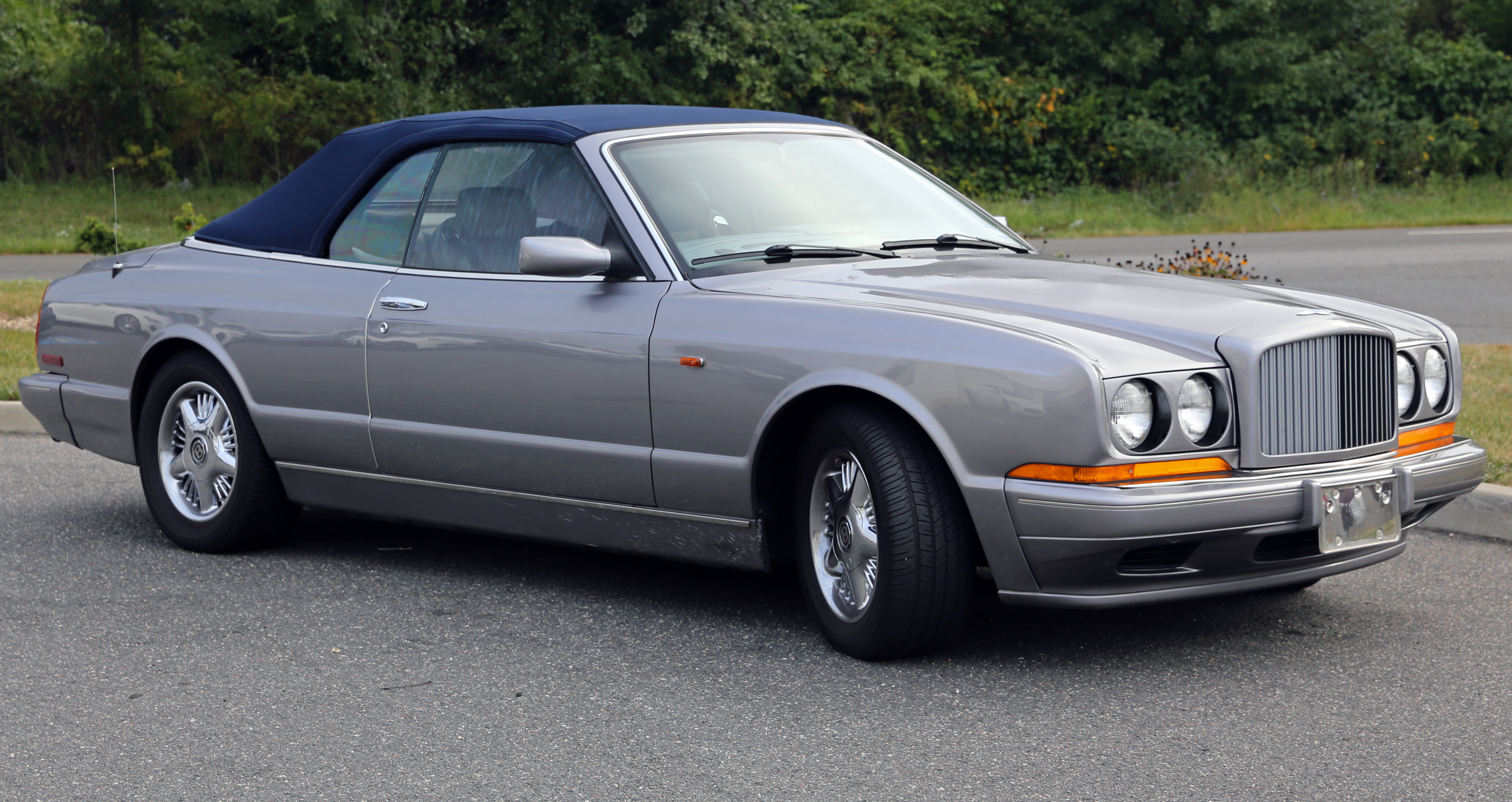
Bentley Azure
"...tty sure that never made it into the Arnaj or the Azure. Those were all the last bastion of the six and t..."
The Bentley Azure is a very luxury car made by Bentley. It’s designed for comfort and long-distance driving. The podcast is mentioning it as one of Bentley’s special, high-end models.
The Bentley Azure is a luxury grand tourer from Bentley, known for its upscale comfort and distinctive styling. The podcast references “the Arnaj or the Azure,” which is pointing at Bentley’s lineup of ultra-luxury models and how they’re discussed as special, rare cars. It comes up because it represents the most extravagant end of the luxury spectrum.
TDI
"Well, you could get a V12 TDI Toreg. I remember that. That was a V10 TDI Toreg."
TDI is Volkswagen’s name for a diesel engine that uses a turbo and injects fuel directly into the engine. The goal is usually better fuel economy and strong low-end pulling power.
TDI stands for Turbocharged Direct Injection, a diesel technology used by Volkswagen Group. It combines a turbocharger with direct fuel injection to improve efficiency and torque compared with older diesel setups.

Porsche Cayenne
"...retty good buys for the first time. Close Porsche Cayenne. The early Porsche Cayenne is a good vehicle."
The Porsche Cayenne is an SUV made by Porsche. It’s meant to be comfortable and practical, but still drives more like a performance car than a typical SUV. The podcast is pointing out that the early versions can be a good value if they’re in good condition.
The Porsche Cayenne is Porsche’s SUV, combining everyday usability with Porsche-style performance and handling. It’s discussed here because early Cayennes are often considered “good buys” compared with newer prices, especially if they’re well maintained. That’s why the conversation singles out the early model as a solid vehicle to consider.
engine failure
"I want to say they were pretty leaky. Engine failure, like me because of all the problems."
Engine failure means the engine has a major problem that can stop the car from running properly. The host is saying early Cayenne S models had this kind of serious issue.
“Engine failure” means the engine has a serious malfunction severe enough that it can’t operate normally and may require major repair or replacement. In the context of the early Cayenne S, the host is pointing to engine problems as a key part of the poor reliability story.
fuel issues
"There's a whole bunch of like fuel issues. There's like, like, but which is in stark contrast"
Fuel issues are problems with the car’s fuel system, which can lead to rough running or starting problems. The host is saying early Cayenne S models had fuel-related problems.
“Fuel issues” means problems in the fuel system that can affect how the engine receives fuel—potentially causing poor running, misfires, or even failure to operate correctly. The host lists fuel issues as part of the early Cayenne S problem cluster.
O4 model year
"I think it's an O4 model year came out. [2946.6s] I know they had, had problems with like, [2950.4s] they had like a coolant pipe that would rupture"
A model year is the car’s “version” for that production year. The host is saying the issues they’re talking about were tied to the earliest model-year cars (likely around 2004).
“Model year” is the annual production/trim labeling used by automakers, and it often matters because early production runs can have different parts or updated fixes. In this transcript, “O4” appears to refer to a 2004 model year Cayenne S timing within the first-year discussion.
coolant pipe
"I know they had, had problems with like, [2950.4s] they had like a coolant pipe that would rupture [2953.9s] and then just like dump 100 percent of the coolant [2956.8s] in like five seconds."
A coolant pipe is a tube that moves the engine’s cooling fluid around the car. If it breaks, the fluid can drain out fast, and the engine can overheat quickly.
A coolant pipe is part of the car’s cooling system that carries coolant between components like the engine and radiator. If a coolant pipe ruptures, coolant can rapidly leak out, which can quickly lead to overheating.
trans failure
"and then just like dump 100 percent of the coolant [2956.8s] in like five seconds. [2957.9s] Yep. [2958.2s] That was a big one. [2959.6s] The trans failure was super well renowned. [2962.1s] But these are just the first year."
“Trans failure” means the car’s transmission has a major problem. That’s a big deal because fixing it can be expensive and may require significant work.
“Trans failure” means the transmission has a serious malfunction severe enough that it can’t operate correctly. For luxury SUVs like the Cayenne, transmission problems are especially costly because the repair can involve major labor and parts replacement.
depreciation
"Like there is an answer somewhere of what car on average has just the absolute largest percentage of depreciation."
Depreciation just means the car gets worth less as time goes on. Some luxury cars lose value much faster than others, so they can look like a “deal” on paper.
Depreciation is how much a car’s value drops over time after you buy it. Luxury cars can depreciate very sharply because they’re expensive to repair, have high running costs, and the market demand for older examples can be thin.

Rolls-Royce Phantom
"...ot necessarily like those things. Might be like a Phantom seven, you know, right? Those things can exist in..."
The Rolls-Royce Phantom is a very expensive, ultra-luxury car made by Rolls-Royce. It’s designed to be extremely comfortable, especially for long rides. The podcast is referencing the Phantom as a top-of-the-line model.
The Rolls-Royce Phantom is the brand’s flagship luxury sedan, built for maximum comfort and a very high level of refinement. The podcast’s mention of a “Phantom” points to how these cars can exist in different forms and generations, but the key idea is the top-tier status of the model. It’s often discussed because it represents the extreme end of luxury motoring.
failure points
"Like known maintenance costs, failure points and, you know, reliability will take away a value of a vehicle."
Failure points are the parts of a car that tend to cause problems. If a car has known weak spots, it can cost more to own and can make the car worth less later.
Failure points are specific components or systems that are known (by experience or data) to be more likely to break or wear out. When a luxury car has clear failure points, it can increase repair costs and hurt resale value.

Bentley Bentayga
"...nother W12 car. One I've actually driven an early Bentayga. Oh, OK, fair enough."
The Bentley Bentayga is a luxury SUV made by Bentley. It’s meant to be comfortable like a high-end sedan, but with the space of an SUV. The podcast is talking about an early version they’ve driven.
The Bentley Bentayga is Bentley’s luxury SUV, combining a large, comfortable ride with strong performance. The podcast mentions driving an early Bentayga, which is relevant because early examples are often discussed in terms of how they feel and whether they’re good used buys. It’s brought up as a real-world ownership or driving reference point.
Beluga on Beluga
"Oh, yeah, this one was black on black or is they called it Beluga on Beluga. That's right."
“Beluga on Beluga” is a fancy way of saying the car is finished in the same dark color theme throughout. The hosts are pointing out that the interior can look amazing, even if the ownership experience isn’t.
“Beluga on Beluga” describes a two-tone luxury interior/exterior color combination where both sides are finished in the same dark color theme. In this context, it’s used to highlight how desirable the early Bentayga’s look can be, even if depreciation and ownership costs are painful.
launch control
"Yeah, I'm very fast, like the launch control real deal. Let me tell you. Yeah, until it does."
Launch control is a driver-assist function that manages engine and drivetrain behavior to maximize acceleration from a standstill. It typically controls throttle, transmission shifts, and traction so the car can deliver its best “hard launch” performance—until real-world issues or limits show up.
time and chain guides
"RS6 is the easy one for me. And then I think it is LR4 and I just suck it up and do the time and chain guides. ...Once you fix it's Achilles heel like that, the time and chain guides,"
“Timing chain guides” are parts that help position and control the timing chain inside an engine. If they wear or fail, the chain can stretch or jump, which can cause major engine damage—so it’s a big deal in ownership cost discussions.
leasing a car
"“It's you're leasing it. You just don't the terms aren't fleshed out.”"
Leasing shifts ownership risk and long-term cost responsibility away from the buyer and toward the leasing structure (monthly payments, contract terms, and end-of-lease conditions). The speaker’s point is that the “value” you’re paying for is tied to the contract and its terms rather than owning the asset outright.
airbag control module
"“Oh, that airbag control module that like shorted and break the car.”"
This is the computer that decides when your airbags should deploy in a crash. If it fails, the car may not deploy the airbags correctly, and the car can end up stuck with warning lights or other problems.
The airbag control module is the electronic “brain” that monitors crash sensors and decides when to deploy airbags. If it shorts or fails, it can disable the airbag system and may prevent the car from functioning safely, often triggering warning lights and fault codes.
SRS module
"“It's unobtainable and because it's an SRS module, nobody will rebuild it.”"
SRS is the car’s safety system for airbags and seatbelts. The SRS module is the part that controls those safety features, and when it breaks, it can be hard to fix or replace without the right tools and parts.
SRS stands for Supplemental Restraint System, which includes airbags and seatbelt pretensioners. An SRS module is typically safety-critical and often requires factory-level diagnostics and programming; when it fails, repair options can be limited because the module may be difficult to source or recondition.
married to the VIN
"“...some like bespoke. Used part that's married to the VIN on a wrecked car.”"
This means the part is tied to that specific car’s identity number (VIN). So if you buy a used part from a wreck, it may not work in your car unless it’s set up for your VIN.
When a part is “married to the VIN,” it means it’s programmed or configured to a specific vehicle identification number. That makes replacement harder because a used module from another car may not work unless it’s properly matched/programmed for the recipient VIN.
turbocharger
"from the turbocharger. That is a weird fucking set. That's a bad I'm going to try it one more time. Put your own commas in there, if you will. In the intake."
A turbocharger is a device that helps the engine make more power. It uses the car’s exhaust to spin a fan that squeezes extra air into the engine so it can burn more fuel efficiently.
A turbocharger is a forced-induction device that uses exhaust gas to spin a turbine, which then compresses incoming air. That compressed air is fed into the engine’s intake so more oxygen can burn with fuel, boosting power compared with naturally aspirated setups.
intake
"In the intake. Yeah, there's a missing comma, right? In the intake. No, there's not one. God damn it. This is the worst sentence in the intake chambers."
The intake is how air gets into the engine. On turbo cars, that air is pushed in under pressure, so the intake design affects how well the engine breathes.
In this context, the intake is the path and components that deliver air (and sometimes air-fuel mixture) into the engine. With a turbocharger, the intake must handle pressurized, higher-density air, which is why details like “intake chambers” and airflow wording matter.
150 horsepower
"It meets the pressurized air being blown directly in from the turbocharger. Sure. The result, a very impressive 150 horsepower, 5,600 RPM to the driver."
Horsepower is a way to describe how strong the engine is. Higher horsepower usually means the car can accelerate harder, especially if it’s available at the right engine speeds.
Horsepower is a measure of engine power output—how much work the engine can do over time. When the host says “150 horsepower” alongside an RPM figure, they’re describing how much power the engine produces and where in the rev range it’s available.
pressurized air
"It meets the pressurized air being blown directly in from the turbocharger. Sure. The result, a very impressive 150 horsepower, 5,600 RPM to the driver."
Pressurized air means the intake charge is at higher-than-atmospheric pressure, which is typical on turbocharged engines. Higher intake pressure generally increases the amount of oxygen available for combustion, supporting more power—assuming the engine’s fueling and boost control are set up correctly.
5,600 RPM
"Sure. The result, a very impressive 150 horsepower, 5,600 RPM to the driver. It means remarkable acceleration, response and efficiency."
RPM tells you how fast the engine is spinning. If a car’s best power is around 5,600 RPM, it usually feels more exciting when you’re revving closer to that number.
RPM (revolutions per minute) is how fast the engine spins. “5,600 RPM” indicates the engine speed where the stated power/response is achieved, which helps you understand how the car behaves—whether it feels strong low in the rev range or only after you rev it up.
EPA estimated miles per gallon
"Estimated 36 miles per gallon highway, 24 EPA estimated miles per gallon. All of this power is tied to the road by Blank's standard performance suspension,"
This is the government’s test-based estimate of how many miles you can drive on a gallon of fuel. Your real MPG can be higher or lower depending on how you drive.
EPA estimated miles per gallon (MPG) is the fuel-economy figure produced by the U.S. Environmental Protection Agency’s testing and calculation methods. It’s a standardized way to compare cars, but real-world MPG can differ due to driving style, weather, and vehicle condition.
Goodyear Eagle GT tires
"All of this power is tied to the road by Blank's standard performance suspension, special chassis tuning and Goodyear Eagle GT tires on 14 inch high tech turbo cast aluminum wheels."
These are Goodyear tires called the Eagle GT. Tires are what connect the car to the road, so the specific tire model can change grip and handling a lot.
Goodyear Eagle GT is a tire model line, and tires are a major part of how power turns into grip. The “Eagle GT” name indicates a specific tread/compound design intended to provide better traction and handling than basic all-seasons, especially in performance driving.
14 inch high tech turbo cast aluminum wheels
"special chassis tuning and Goodyear Eagle GT tires on 14 inch high tech turbo cast aluminum wheels. The interior includes a full complement of gauges with techometer and turbo boost"
These are 14-inch aluminum wheels made using a specific casting process. Wheel size and wheel construction can affect how the car feels when you turn and how well it holds up to bumps.
“Turbo cast” here refers to a wheel manufacturing approach that’s meant to improve strength and reduce weight compared with simpler casting methods. Wheel size (14 inches) affects ride comfort and steering response, while the wheel material and construction influence durability and unsprung mass.
turbo boost indicator
"The interior includes a full complement of gauges with techometer and turbo boost indicator, plus fully adjustable front bucket seats, all standard."
A turbo boost indicator tells you how much extra pressure the turbo is making. It’s basically a gauge for how hard the turbo is pushing air into the engine.
A turbo boost indicator shows how much boost pressure the turbocharger is producing. Boost is the extra pressure above normal atmospheric pressure, and monitoring it helps you understand how hard the turbo is working and how the engine is being loaded.
front bucket seats
"indicator, plus fully adjustable front bucket seats, all standard. Blank, an exhilarating example of Blank innovation in action."
Bucket seats are the more supportive seats that hold you in place better. They’re shaped to keep you from sliding around when you turn.
Bucket seats are shaped like individual “cups” that wrap around the driver and passenger for better lateral support. Compared with flatter bench-style seats, bucket seats help keep you positioned during cornering, which can improve comfort for spirited driving.
1.8 turbos
"1.8 turbos. 1.50, 5600 RPM. 14-inch wheels."
A turbo is a device that helps the engine make more power by pushing extra air into it. “1.8 turbos” here means a 1.8-liter engine with turbocharging.
“Turbo” refers to a turbocharger, a device that forces more air into the engine so you can make more power from a smaller displacement. Saying “1.8 turbos” implies a 1.8-liter engine equipped with turbocharging (and possibly multiple turbo units, though the transcript is unclear).
14-inch wheels
"1.50, 5600 RPM. 14-inch wheels. 80s."
“14-inch wheels” means the wheel diameter is 14 inches. Smaller wheels like this usually go with smaller tires and can feel a bit different from today’s bigger wheels.
Wheel size is measured in inches across the wheel diameter, and it affects ride feel, tire options, and how the car fits visually. “14-inch wheels” points to a smaller, older-era wheel/tire package rather than modern larger-diameter setups.

Nissan 240SX
"It's not like a 240SX, clearly. What about the older one, the 200SX?"
The Nissan 240SX is an older Nissan sports car (mostly late ’80s/early ’90s) that became popular with car tuners. People like it because it’s rear-wheel drive and there are lots of parts and upgrades available.
The Nissan 240SX is a late-80s/early-90s Japanese sports coupe known for its lightweight, rear-wheel-drive layout and huge aftermarket support. It’s often associated with drifting and tuning culture, which is why it comes up when people talk about “Japanese” sports cars from that era.

Nissan 200SX
"What about the older one, the 200SX? That had a... That did have a 1.8 turbo."
The Nissan 200SX is an older Nissan sports car from the late ’80s/early ’90s. In this conversation they’re linking it to a turbocharged 1.8-liter engine, which is part of why it fits the “Japanese turbo sports car” idea they’re tossing around.
The Nissan 200SX is a Japanese-market name used for compact sports cars from the late-80s era, closely tied to the S13/S14 generation family in enthusiast circles. In this segment it’s being discussed alongside a “1.8 turbo,” which points to the kind of turbocharged, smaller-displacement setup people associate with that period of Nissan sports cars.

Buick Skylark
"Because there was the 1.8 turbo you could get in the Buick Skylark and stuff, [3897.9s] but we just did that a few weeks ago."
The Buick Skylark is an American car model from Buick. The host is saying that, back in the 1980s, you could get a version with a turbocharged 1.8-liter engine in some Skylarks.
The Buick Skylark is a long-running American model line from General Motors, and in the 1980s it could be ordered with a turbocharged 1.8-liter engine. In this segment, the host mentions it as an example of a “1.8 turbo” option that existed in that era.
DET
"Yeah, that was at the CA18, I don't know, something like that. [3958.9s] DET, I think. [3961.8s] Okay, help a brother out."
“DET” is a code name for a particular Nissan engine version. It helps people tell which exact 1.8 turbo engine they’re talking about.
“DET” is an engine-family designation used by Nissan for certain turbocharged 1.8-liter four-cylinders. It’s essentially shorthand for a specific internal engine spec (as opposed to just “1.8 turbo”), and it’s commonly referenced when enthusiasts talk about which engine a 200SX has.
CA18
"Yeah, that was at the CA18, I don't know, something like that. [3958.9s] DET, I think. [3961.8s] Okay, help a brother out."
“CA18” is another Nissan engine code name. It’s the kind of label car people use to identify which engine a car has.
“CA18” refers to another Nissan engine family that enthusiasts associate with certain turbo 1.8-liter applications. In this segment, the speaker is mixing up which engine code belongs to the 200SX they’re describing, which is why they later correct toward “DET.”
front wheel drive
"Let's go with something that's front wheel drive. This is going to be a, God, say, I think I'm at the same ballpark."
Front-wheel drive means the front wheels do the work of moving the car and turning it. It’s a common setup on smaller cars because it’s simpler and takes up less space.
Front-wheel drive (FWD) means the engine’s power is sent to the front wheels, which handle both steering and propulsion. It’s common on compact cars because it packages efficiently and reduces drivetrain complexity compared with rear-wheel drive layouts.

Pontiac J2000
"...unbird GT, final answer. This is the 1984 Pontiac J2000 Sunbird Turbo. Yes."
The Pontiac J2000 is an older compact car from Pontiac. In this context, the podcast is talking about a 1984 version that’s a turbo model. It’s being mentioned as a particular vintage car choice.
The Pontiac J2000 (often associated with the Sunbird line in the early 1980s) is a compact car from Pontiac’s lineup. In the podcast, it’s mentioned specifically as a “1984 Pontiac J2000 Sunbird Turbo,” which highlights a turbocharged variant that enthusiasts may seek out. It comes up because it’s a specific, older model with a niche following.

1984 Pontiac J2000 Sunbird Turbo
"This is the 1984 Pontiac J2000 Sunbird Turbo. Yes. Great car."
This is a 1984 Pontiac Sunbird Turbo, a small front-wheel-drive car with a turbo engine. The hosts are talking about how Pontiac changed the model name over time and what body styles it came in.
The 1984 Pontiac J2000 Sunbird Turbo is a front-wheel-drive compact that’s notable for pairing a turbocharged engine with a sporty trim name. In this segment, the hosts focus on how the model name evolved (J2000 dropping to “2000,” then later returning to Sunbird with SE/GT trims).
manual convertible turbo
"It was available in a sedan and a convertible later. Later as a convertible. Which is kind of the one I want. I kind of want a manual convertible turbo."
They’re describing a car that has three things they like: a stick shift, an open-top body, and a turbo engine. That exact combo isn’t super common, which is why it stands out.
A manual convertible turbo is a car configuration combining three enthusiast-focused traits: a manual transmission, an open-top (convertible) body, and a turbocharged engine. The combination is relatively rare because convertibles and turbo setups often skew toward automatic transmissions in many eras.
Iron Duke
"What's wild on these, it was like, oh, it's an Iron Duke"
“Iron Duke” is the nickname for a specific GM engine used in some 1980s cars. It’s known as a basic, tough engine, even if it wasn’t the most exciting performer.
“Iron Duke” is the nickname for a family of inline-four engines used by General Motors in the late 1970s through the 1980s. It’s remembered by enthusiasts as a durable, straightforward engine design, though not especially powerful compared with later turbo-focused setups.
three-speed auto
"It's a three-speed auto or a five-speed manual. [4105.7s] It's a three-speed auto or a five-speed manual. [4108.8s] And if you got the manual,"
A three-speed automatic transmission uses three forward gears and shifts them automatically. Older automatics like this often feel less “flexible” than modern multi-gear automatics because there are fewer gear ratios to keep the engine in its best power/efficiency range.
five-speed manual
"It's a three-speed auto or a five-speed manual. [4108.8s] And if you got the manual,"
A five-speed manual means you shift gears yourself using a clutch. It usually lets you control the engine speed more directly than an automatic.
A five-speed manual is a gearbox with five forward gears controlled by a clutch and shifter. Compared to an automatic, it typically gives the driver more direct control over engine speed and can feel more engaging.
Subaru WRX
"... you got the manual, much like when, if you got a WRX, you got an SCCA like license when you bought it."
The Subaru WRX is a sporty Subaru car. It usually comes with a turbo engine and all-wheel drive, and many versions can be bought with a manual transmission. The podcast is referencing how WRXs are often treated as enthusiast cars.
The Subaru WRX is a performance-focused compact car known for its turbocharged engine and all-wheel drive. In the podcast, it’s mentioned alongside the idea of getting a manual and having an SCCA-style “license” when you bought it, which points to its reputation among driving enthusiasts. That’s why it comes up in conversations about enthusiast ownership and driving culture.
NHRA
"Maybe, so with the Sunbird GT, if you got the automatic, [4136.0s] you got an NHRA like one year."
NHRA is a big U.S. organization that runs drag racing events. The discussion here is about a possible membership or racing-related benefit tied to the car purchase.
NHRA stands for the National Hot Rod Association, which organizes drag racing events in the U.S. The hosts are implying that buying a specific Sunbird GT configuration came with a one-year NHRA-related membership or eligibility to race.
SCCA
"and then I think you got an SCCA membership with the manual. So the manual, you got the SCCA and then NHRA for the auto."
SCCA is a U.S. club that organizes car events like track days and autocross. The host is saying their car purchase came with SCCA-related paperwork or membership.
SCCA stands for Sports Car Club of America, a major organization that runs amateur road racing and autocross events in the U.S. In this context, it’s mentioned as part of the “manual” setup the host says they got when buying the car.
Sunbird GT turbo manual
"He, and he's right. You can't find a Sunbird GT turbo manual anywhere. Like we couldn't work it out."
This is a Pontiac Sunbird GT with a turbo engine, and “manual” means you shift it yourself instead of it being automatic. The point here is that this exact combo is hard to find.
The Pontiac Sunbird GT turbo is a compact performance model that used a turbocharged engine, and the “manual” refers to a driver-controlled manual gearbox instead of an automatic. In this segment, the host emphasizes how rare it is to find a Sunbird GT turbo with a manual transmission.
bring a trailer
"So I'm looking right now. They've only ever sold a handful on bring a trailer. All of them were like the best one was one they sold in 2024,"
Bring a Trailer is a website where car enthusiasts buy and sell cars through auctions. The host is saying only a few of these cars have shown up there.
Bring a Trailer (BaT) is an online auction site focused on enthusiast cars, where rare models and specific configurations can command strong prices. The host uses it to explain how few Sunbird GT turbo manuals have been sold publicly.

Achieva
"Dude, but that old automobile, what was the, the, the really special one that sold them bring a trailer? The Achieva for, yeah."
The Achieva is an Oldsmobile sedan that was meant to be affordable. The host is basically saying these kinds of cars are hard to sell—until one pops up.
The Oldsmobile Achieva is a mid-size sedan from the 1990s known for being a mainstream, budget-friendly GM car. In this segment it’s mentioned as one of the “dog shit cars” that can still show up for sale unexpectedly.
radial TAs
"And it's 69. With the, with the radial TAs, the white letters out. Such a good car."
“Radial TAs” refers to radial tires (as opposed to older bias-ply designs) in a tire model/line the host is abbreviating as “TAs.” Radial tires generally provide better grip and more predictable handling, which is why enthusiasts care about the exact tire type on a rare car.
W41 package
"Such a good car. And it was the W41 package car, which is like the high performance one. 66,000 miles."
The W41 package is a factory upgrade package that makes a regular car into a higher-performance version. It’s the kind of option that enthusiasts look for because it adds better parts than the base model.
The W41 package is a factory performance option/trim package on certain Oldsmobile Achieva models. In this context, the host calls it the “high performance one,” meaning it adds specific upgrades over the standard car.
window sticker
"Just the W41 package was a $2,500. I'm looking at the window sticker. $2,500 upgrade on a $12,700 sticker."
A window sticker is the original price/option sheet that shows what the car cost when it was new. The host is using it to show how expensive the performance upgrade was compared to the whole car.
A window sticker is the original manufacturer pricing sheet that lists the car’s base price and the cost of options. Here, the host uses it to compare the W41 package upgrade price against the car’s total sticker price.

Honda S2000
"...ere's a, hey, man, like, do you want to drive the S2000, right? Like, he's a responsible dude."
The Honda S2000 is a small two-seat sports car made by Honda. It’s known for an engine that revs very high and for feeling fun and responsive to drive. The podcast is basically talking about letting someone drive it in a responsible way.
The Honda S2000 is a two-seat sports car famous for its high-revving engine and balanced, driver-focused feel. It’s often discussed as a “real driver’s car” because it rewards attentive driving and has a strong enthusiast community. That’s why it’s brought up as something someone should be able to drive responsibly.
set the monitors
"So I got to set the monitors. So, okay, fine. So I drove it around and set all the monitors."
Modern cars run self-checks for emissions systems. When you replace the battery, those self-checks reset, and you have to drive the car so the computer can finish them again.
“Monitors” are the vehicle’s onboard diagnostic readiness tests (OBD-II) that check emissions-related systems. After battery replacement, those tests often reset, so you have to drive the car in specific conditions to let the monitors complete and become “ready.”
Michelin's PS4S
"You know, they're, they're good PS4, whatever, Michelin's PS4S is. And then fluids are all great."
Michelin PS4S is a high-grip tire model. It’s designed to handle well in normal driving, but it’s also good when you push the car a bit.
Michelin PS4S is a performance street tire line known for strong grip in both dry and wet conditions. It’s often chosen on enthusiast cars because it balances everyday usability with track-capable traction.
valve cover bolts
"I couldn't quit stepping on my dick when it came to the valve cover bolts. I got new valve cover bolts."
Valve cover bolts hold the valve cover in place on the top of the engine. If they’re old or damaged, replacing them can help keep oil from leaking.
Valve cover bolts secure the valve cover, which seals the top of the engine’s cylinder head area. Replacing them can matter if bolts are stretched, corroded, or if the job requires correct clamping force to prevent oil leaks.
camshaft position sensor
"Well, the camshaft position sensor is goes through the valve cover right there on the, just past the number one cylinder up against where the timing belt is. At least I think that's what I'm assuming the sensor is."
A camshaft position sensor is a small sensor that reports where the engine’s camshaft is. The car uses that info to time things like spark and fuel. If the sensor is failing or getting oil inside, the car may start acting up and log an error code.
The camshaft position sensor tells the engine computer where the camshaft is in its rotation. That timing information helps the ECU coordinate fuel injection and ignition so the engine runs correctly. If the sensor is leaking oil or sending wrong readings, the car can mis-time events and set diagnostic trouble codes.
timing belt
"just past the number one cylinder up against where the timing belt is. At least I think that's what I'm assuming the sensor is."
The timing belt is what keeps the engine’s moving parts in sync. It helps make sure the valves open at the right moment. If you’re working around that area, it’s important because timing problems can cause rough running and warning codes.
A timing belt synchronizes the crankshaft and camshaft so the engine’s valves open at the correct time. Because it’s tied to valve timing, components near it—like sensors—often get replaced or checked during timing-related work. If oil contamination or sensor issues occur near this area, it can complicate diagnosis and repairs.
pigtail
"So I'll plug it. And where the pigtail, and this was like 12 seconds before I hopped on the ponder, where the pigtail plugs into it, I look at it and it's fine."
A pigtail is the short set of wires and connector that plugs a sensor into the car’s wiring. If oil shows up around that area, it can mean the sensor isn’t sealed well and may cause electrical problems. That can lead to confusing intermittent issues.
A pigtail is a short wiring harness section with a connector used to plug a sensor or component into the vehicle’s main wiring. When the speaker mentions the pigtail and then oil dripping out, they’re describing the connector area and wiring connection where contamination or seal failure can cause intermittent electrical faults. It’s a common term in automotive wiring diagnostics.
engine oil
"And then I noticed like, as I pulled it out, like it oil dripped out. Oh, like engine oil."
Engine oil is the fluid that lubricates the engine’s internal parts. Here, the speaker noticed oil leaking out when they pulled a sensor, which can mean the sensor seal isn’t holding properly. If oil gets into the sensor, it can cause the car to read wrong information and throw codes.
Engine oil is the lubricant that reduces friction inside the engine and helps carry heat away. In this context, oil dripping from the sensor area suggests the sensor’s internal seal may be failing and allowing oil to wick into the sensor. That can lead to electrical/measurement problems and diagnostic codes.
ECU
"it will usually take a couple of cold starts or something where the ECUC is a bad signal coming out of this, and then it'll throw a code."
ECU stands for Engine Control Unit, the car’s main computer for engine functions. It uses sensor inputs like camshaft position to decide ignition and fuel timing, and it monitors whether signals are plausible. If the ECU sees an implausible camshaft signal, it can store a diagnostic trouble code and often requires a few drive cycles or cold starts before the code fully sets.
scanner
"So I'll put a scanner on it, seeing if there's a pending code for camshaft position sensor, which I think that's what this is. Yeah."
A scanner is a tool that plugs into the car to read error codes. Here, the speaker wants to see if there’s a “pending” error that points to the camshaft position sensor. That can help confirm what’s going wrong before the problem becomes more obvious.
A scanner is a diagnostic tool used to read stored and pending diagnostic trouble codes from the ECU. In this segment, the speaker plans to check for a pending code related to the camshaft position sensor. Pending codes can appear before a fault fully “matures” into a confirmed code, helping narrow down intermittent issues.
pending code
"So I'll put a scanner on it, seeing if there's a pending code for camshaft position sensor, which I think that's what this is."
A pending code is an error the car has noticed, but it hasn’t fully confirmed yet. The ECU usually needs a couple more starts or driving conditions to be sure. It’s a useful early clue when a problem is intermittent.
A pending code is a diagnostic trouble code that the ECU has detected but hasn’t confirmed yet. It often requires additional conditions—like multiple cold starts or specific driving patterns—before the ECU turns it into a confirmed fault. This helps catch intermittent sensor problems earlier than a fully confirmed code.
plug wire
"So one of the wires had this like extra part of the rubber boot that interfered with the metallic part [4732.9s] inside the actual plug wire. ...I just pulled that off, reseeded it. [4762.4s] Perfect."
A plug wire is the cable that sends electricity to the spark plug so the engine can ignite the fuel. If the wire or its rubber boot isn’t seated right, the spark can be weak or inconsistent, and the engine can start misfiring.
A plug wire is the high-voltage cable that carries ignition voltage from the ignition system to a spark plug. If the wire’s rubber boot or internal insulation is damaged or mis-seated, it can cause weak or intermittent spark, leading to a “miss” (misfire) under load or at certain conditions.
valve covered gasket
"And they're not, I looked because I had, you know, [4774.5s] this was all predicated on me doing the valve covered gasket. ...The gasket wasn't failing in that way. [4784.6s] It was on the outside, like onto the exhaust manifold and onto the heat shield."
A valve cover gasket seals the valve cover to the cylinder head to prevent oil leaks. When it fails, oil can seep onto nearby hot components like the exhaust manifold, potentially causing smoke/odor and contamination that can complicate diagnosis of other issues.
timing chain wine
"Just some timing chain wine. That's going to be wonderful."
They’re joking about a whining sound that might be coming from the timing chain area. If a timing chain or its tensioner isn’t in good shape, it can make a noticeable noise.
“Timing chain wine” is a colloquial way of describing a whining noise that can come from the timing chain area. On many engines, timing chains and their guides/tensioners can make noise when they’re worn, stretched, or not tensioning correctly.

Lexus ES300
"But the ES300. So, ever since I got it from you, we did always notice there was like a bit of idle fluctuation, a little surgingness, if you will."
The Lexus ES300 is a comfortable, smooth luxury car. Here, they’re talking about the engine not idling steadily—revving up and down—which often happens when something in the air intake or vacuum system isn’t sealing correctly.
The Lexus ES300 is a mid-size luxury sedan from Lexus that’s known for smooth, quiet operation. In this segment, the host describes idle fluctuation and surging, which can point to an air/fuel or intake-related issue affecting how the engine settles at idle.
vacuum leak
"It would rev up and rev down. And I was like, well, vacuum leak, right?"
A vacuum leak means there’s a small air leak in the engine’s hoses or intake system. That extra air can make the engine idle poorly, so it may rev up and down instead of staying steady.
A vacuum leak is an unintended opening in the engine’s intake/vacuum system that lets extra air enter. That extra air can upset the air-fuel mixture and cause unstable idle behavior like surging or revving up and down.
vacuum line
"So, I did go over every vacuum line. And now that I'm getting into the car, I will say there are some issues because they're old."
A vacuum line is a small hose that uses suction from the engine to help run certain systems. If the hose is old and leaks, the car can run poorly because those systems don’t get the right signal.
A vacuum line is a small hose that carries engine vacuum to operate emissions and control systems. If the rubber is old or cracked, it can cause drivability problems because sensors and actuators may not get the correct vacuum signal.
idle air control
"That's where you want to start with that kind of stuff before you start looking at sensors like idle air control and ISC and all that."
Idle air control helps the engine get the right amount of air when you’re not pressing the gas. If it’s not working right, the engine may idle rough, be hard to start, or stall.
Idle air control (IAC) is a system that regulates how much air bypasses the throttle to keep the engine idling smoothly. When vacuum hoses or related sensors are off, the IAC can’t compensate well, leading to hard starts or stalling right after starting.
code 22
"This is a 93-paperclip jumper. Let's pull a code. And it was a code 22, which is coolant temp sensor."
“Code 22” is a specific error the car’s computer stored. Here it points to the coolant temperature sensor, which helps the car know how hot the engine is so it can start and run correctly.
A “code 22” is a specific ECU diagnostic trouble code that, in this context, is identified as a coolant temperature sensor fault. That matters because the ECU uses coolant temperature to decide fuel and ignition behavior, especially during start-up.
coolant temp sensor
"And it was a code 22, which is coolant temp sensor. I'm like, oh, this could be easy because on that car, it's like a 10-minute job."
The coolant temperature sensor tells the car how hot the engine is. If it’s wrong or broken, the car may use the wrong starting fuel/air settings and can be hard to start or die quickly.
The coolant temperature sensor measures engine temperature and sends that data to the ECU. If it’s inaccurate or failing, the ECU can deliver the wrong fuel mixture and timing, causing hard starts, poor running, or stalling.
pull a code
"This is a 93-paperclip jumper. Let's pull a code. And it was a code 22, which is coolant temp sensor."
“Pull a code” means checking the car’s computer for stored error messages. Those codes help you figure out what part is likely causing the problem instead of guessing.
“Pull a code” means retrieving stored diagnostic trouble codes from the ECU to identify what subsystem is failing. It’s a common first step in troubleshooting because it narrows the search from symptoms (hard start, stalling) to specific sensor or circuit checks.
thermostat housing
"Is it right at the thermostat housing? Yeah, it's like, it's got this little neck coming off, I don't know if it's the thermostat, but there's like this coolant neck coming off that mode."
The thermostat housing is a part of the engine’s cooling system where the thermostat sits. If a temperature sensor is mounted near it, problems there can affect how the car reads engine temperature.
The thermostat housing is the part of the cooling system that contains the thermostat and provides a mounting point for coolant flow passages. Sensors mounted near it (like a coolant temperature sensor) can be affected by leaks, corrosion, or heat cycling over time.
surge
"So that's why we were getting that surge was like the piece actually breaking apart. Yeah, so you're like a pothole away from being like bricked on the highway."
“Surge” means the engine speed keeps jumping up and down instead of staying steady. It usually happens when something is confusing the car’s computer about how much air/fuel the engine needs.
“Surge” is a drivability symptom where engine speed rises and falls repeatedly, often feeling like the car is hunting or bucking. It can be caused by sensor faults, vacuum leaks, or other issues that make the engine control system lose its stable target.
OBD
"And that check engine like OBD."
OBD is the car’s self-diagnosis system. It stores error codes when something goes wrong, and those codes can be read with a simple scanner to figure out the problem.
OBD (On-Board Diagnostics) is the car’s built-in system for detecting faults and storing trouble codes. When the check engine light comes on, OBD data can be read with a scanner to identify what system is acting up.
paperclip
"Get the paperclip out, start doing it and code 22, baby."
The “paperclip” is a DIY trick some people use to get the car to show its error codes without a professional scanner. You have to be careful because the connector pins are specific to the car.
Using a “paperclip” refers to a common DIY method of bridging diagnostic connector pins to force the car to display stored codes (often as flashes or via a scanner-less procedure). It’s a workaround for older or simpler diagnostic setups, but it’s not universal and can be risky if you bridge the wrong pins.
Request an Explanation
Heard something you'd like explained? We'll add it to this episode.
Sign in to request explanations for terms you heard.
Want to learn more?
Browse our glossary for plain-English explanations of automotive terms, jargon, and concepts.
Help improve this episode
See something that's not quite right? Our annotations are AI-generated and can sometimes miss the mark. Click the flag icon on any annotation to suggest a correction.