A Saab 900 is a classic Swedish car. The speaker remembers it because it was fun to drive and had a manual gearbox, and they even describe where the ignition switch was located.
The parking brake is the brake you pull on to keep the car from rolling when it’s parked. The speaker is saying their car rolled because it wasn’t secured properly.
The Chevelle is an older Chevrolet model from the 1960s. A “1966 Chevelle” is a specific version from that year. People talk about it because it’s a well-known classic car that collectors often look for.
“Numbers matching” means the big parts in the car are the original ones that were meant to be there. Collectors like it because it usually means the car is more authentic.
Company
classic garage
They’re talking about a shop that specializes in working on older classic cars. The point is that the mechanic knows how to fix these kinds of vehicles.
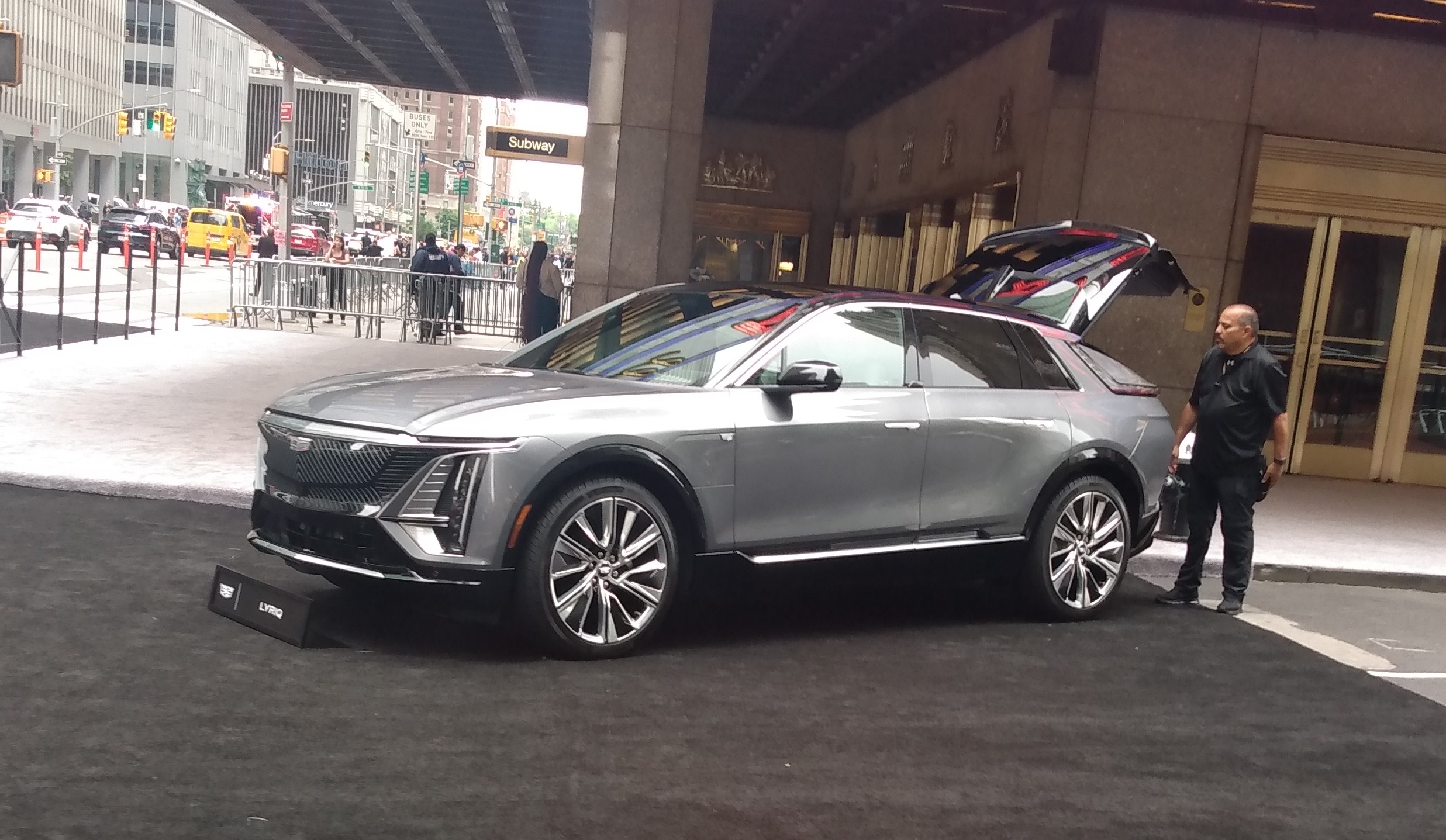
The Lyriq is an electric SUV made by Cadillac. Instead of using gasoline, it runs on a battery and an electric motor. It’s designed to feel like a luxury vehicle while being powered by electricity.
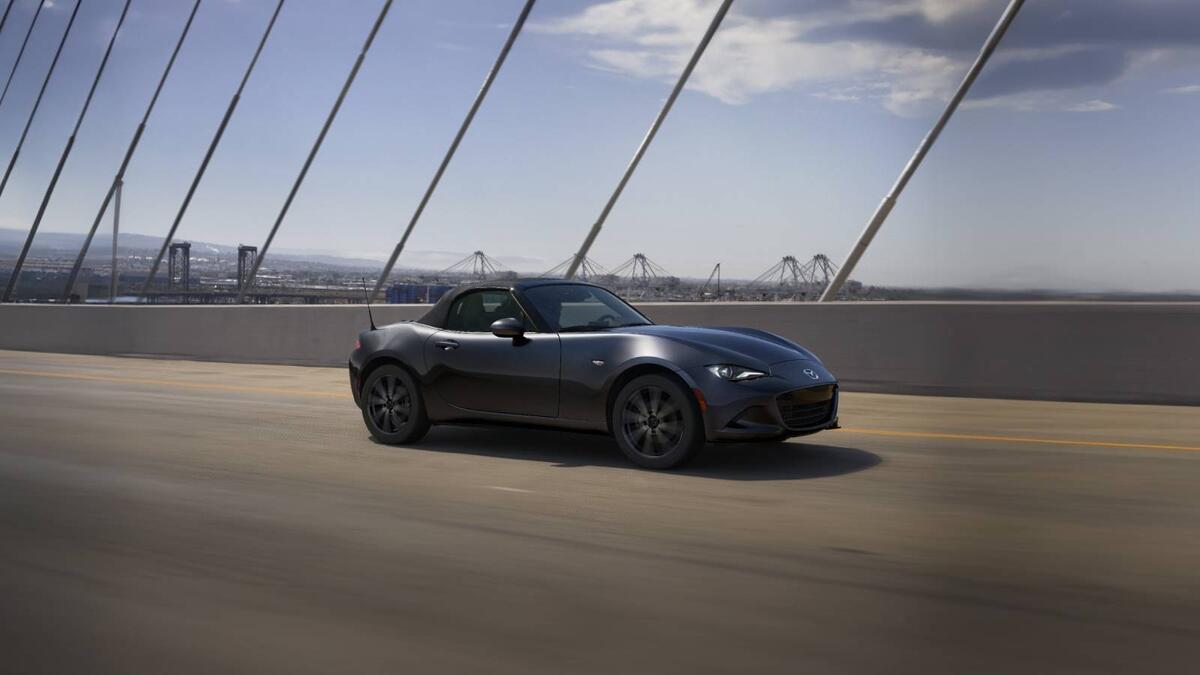
The Miata is a small two-seat convertible made by Mazda. It’s designed to be light and easy to drive, so it feels fun even at normal speeds. People often mention it because it’s a straightforward car that’s enjoyable to own and drive.
LIVE
The automobile is one of the most important inventions that revolutionize the modern world.
In America, the rich history of car culture runs deep.
This technology continues to shape the future of the industry.
Jason Stein is here to share the stories of people passionate about cars,
from industry leaders and innovators to car-obsessed celebrities.
Buckle up as Jason takes you inside the boardroom, onto the track,
and around the bend on Cars and Culture on SiriusXM Business Radio.
Welcome into Episode 255 of Cars and Culture with Jason Stein, here on SiriusXM Business
Channel 132. Great to have you along for the ride again with us this week.
For many people, country music and cars go hand in hand. The songs tell stories of freedom,
first loves, heartbreak, hometown pride, and the vehicles that often serve as the backdrop
to life's biggest moments. My guest today knows that connection as well as anyone.
Brad Dursey is the lead guitarist and one of the songwriters behind Old Dominion,
one of the most successful country bands of the past decade. He's helped create a catalog of hits
that have earned multiple ACM and CMA awards, top charts, and filled arenas across North America
and around the world. But beyond the music, Brad is also a genuine car enthusiast,
whose appreciation for automobiles runs much deeper than simply getting from
one concert venue to the next. Recently, he sat down with car and driver to talk about the vehicles
that have shaped his life and the role cars continue to play in his story. But it's more
than that. It's about the connection to the car. It's about the connection to the industry that
goes back to his father, who was a used car salesman. So today we talk music, songwriting,
life on the road, and of course the cars that have left a lasting impression along the way,
as Brad releases his second solo album, Colorado, out June 12. It's Brad Dursey on Cars and Culture
from the Nashville Studios. Hi, my name is Brad Dursey, and this is Cars and Culture with Jason
Stein. Sitting here in the Nashville studio fresh off a flight back from the Bahamas. Yes. He has
come in to celebrate a couple of things, won a new album out, and probably more importantly,
coming up a new baby. Yes. I mean, it's an exciting time for music and for whatever's
about to happen the rest of my life. Congratulations. This is great. I mean, on both.
Yeah. I'm so excited. My wife, Roxy, she's excited. Her mom could be the most excited person. Her
parents live in town, so they're very excited. We're getting the little nursery ready and all
the stuff, so it's exciting. It kind of flew by. I mean, there's obviously still a couple months
left. August. Yeah, yeah. Wow. What's been more of an adjustment trying to put the album together
or preparing for the baby? Honestly, I would say the album. I mean, I'm trying to like,
I don't want to, in anything in life, I hate when someone tries to hype it up because it's never
like, if you're like, listen to the song, you've got to listen to the song. It's like,
and now you're like, the pressure's on to like the song or whatever. So I'm trying to take this
whole baby thing and stride. I'm not trying to, you know, I know it's going to be amazing,
but I don't want to get any ideas of what I'm supposed to feel like or what I'm going to feel
like. But, and also I have a wife that is, you know, organization has never been my strong point
and she is on it. She's, you know, and also I was always petitioning for no registry because I'm
like, I just hate, I don't want to make people buy stuff. But now after I see all the boxes
coming in, I'm like, man, we would have had to go out and buy all this stuff. I'm like,
I'm glad it's, I'm glad it's here at the doorstep now. So you're just getting advice from everybody,
by the way, in terms of how it's all going to be. You know, well, when I was a father, here's how
it, here's how it worked. And when you had the baby, here's how your life is going to change.
That just gets irritating, doesn't it? Well, you know, honestly, it's well intentioned.
Yes. But what most people say at the end is, you know what, no one knows what they're doing
and you're going to have to find your own way to deal with it anyway. So yeah, it's great.
How's the process been on the new album here out this week, June 12th?
Yeah, it's great. You know, it was, it was a joy to make it. I used a lot of the same
band as I did on the, on the first record. And yeah, you're making the music is the easy part
these days. It's, it's, you know, trying to figure out the whole, this digital world and,
you know, getting it out there. So yeah, but it's, it's been great. It's excited for the whole
record to be out. You know, it's funny how it's changed. I guess it, like back when I, you know,
in high school, the record would just be out and then you could listen to it. But now, you know,
you put out these songs one at a time. And so people have already heard half the record by
the time it comes out. That's true. Yeah. What was the process like for you going through
just getting it all together, writing the music? I know that you've spent a lot of time through
the years putting stuff away that you've liked. I mean, you've done a lot of stuff for other people,
which we're going to get to later. But for you, knowing that these are your songs now,
how important was that? Yeah. I mean, even like on the first record parallel love,
there were a lot of songs that were kicking around for 10, 12 years. And you know, over the,
over that period of time, I mean, number one, if I'm still playing a song 10 years later,
and I still like it, and I think it's good, I just finally realized it was time to,
to give these songs a real life. And I also understand that what I do solely on my own
is, is not what my old minion would do, you know, which so I, and also not what maybe Luke
Bryan would do. Because you know, a lot of times in the beginning of my career, I would
write a half of the song, and then I would save it because I knew I had a
co-write coming up. So a lot of times you come in with an idea.
Yeah. And a lot of, if I started one that was really personal to me, a lot of times when it,
when I brought it into some other co-writers, and it wasn't, wouldn't go my, the way I wanted it
to, you know, I was like, oh, I kind of let go of this one. So now, just as times have changed, and
you know, I have the liberty to, to, when I know I'm creating something for myself,
I can, I, I immediately just say, I'm going to keep this one for myself.
And you spent years collecting songs that maybe didn't fit with old dominion,
maybe they fit with other people, as you say. How did you know that they belonged somewhere else?
Well, I guess it's just because, you know, they're coming from,
you know, I've always been a singer, songwriter at heart, you know, even when I first started,
you know, in my, in my room, I would, you know, write songs for your girlfriend when you're 16
years old and stuff. And, and, and in my career, I always found myself just as the lead guitar
player in every band that I've been in, you know, since, since I was 16, I've been in a band
since I was 16 years old. And, but it wasn't until I came here that I really started to
become a songwriter, I feel like. And yeah, I just think the more you realize, look,
I like to sing, sing my own songs, I like to write my own songs. And it was just time
to do that. And, and now, you know, the songs on Colorado, they're a whole different thing,
you know, most of those are pretty new. And, you know, they're from a big transitional moment in
my life of, of meeting my wife and, and, you know, learning how to love somebody and love
yourself and accept love by someone else. I mean, there was a lot of, a lot of personal growth
and during, you know, this, this record, the creation of this record. And I think a lot of
the songs are kind of timestamped of, you know, the struggles and wins that, that are going on,
you know, as the, as you're writing the music. Yeah, you said it came from a happy season of life
with a lot of positive change, right? The time falling in love with your wife, all of those
connections really brought it forward. And that's kind of what it's all about. Yeah, yeah. I mean,
and it was, it's also, it was, you know, when you're realizing to me like that,
this woman is who I want to be with. And in the past, you know, if, if some emotion would come
up that maybe made you feel like that wasn't true. I think the tendency for me was always to blame it
on the other person. Oh, this person's not right for me because of this or that or whatever.
And I finally at the age of 40, you know, four was smart enough to go,
wait a second, I don't think this is her problem. I don't think she's doing anything wrong. You
know, this might be me. It's not you. It's me. Exactly. So it was like,
I mean, that was a lot for me to work through, you know, because it's the first time you're not
just going with whatever your body is telling you or your mind is telling you because of what
you've, you know, been through for them, you know, in other parts of your life. So it was discovering
that and just knowing that like, I have much I did love her and got now it's like, I mean,
we've only been married for one year. So of course, I said, Oh, this is easy. But it's been just so
great. We're just, we're very happy. And I'm glad that I did, you know, a lot of hard work that
I needed to do. It's really hard in this business, isn't it? With the amount that you're, I mean,
on the road, all the shows, all the other stuff that you have to do, it's hard to build relationships
that maintain, isn't it? Am I making that fair assumption? No, I think it's true. I mean,
and I'm lucky enough that she is in the industry. She's a music publisher. Right. So, you know,
that is already, you know, and she when she was younger, you know, she wanted to be an artist
and, and, you know, so I think I'm already off the hook there when it comes to she knows what I
need to do to sustain this life, this life, you know what I mean? But I mean, the number one thing
is, you know, is just trust in each other. You know, I mean, there's a lot of crazy stuff that
can happen out there on the road. But, you know, and if you're living in fear of what could or
might happen, that can be very straining on a relationship. The song Colorado. Is it about her?
Yes, it is. It is. Let's bring that up.
That says it all right there. Beautiful. Thank you. Thank you. Yeah. I mean, that's, I mean,
it's easy to write a song when all you got to do is just say what happened.
Yeah, right. You know, that's literally she, her family has a cabin in Montrose, Colorado,
and I went out there for the first time to visit it. And it's beautiful. It's kind of in like,
you know, it's right near the Black Canyon. And that was just we're laying out there, you know,
on her back porch. And exactly what I said was what, what happened, you know, and it was just
nice to be introduced to that part of the world by her dad is from there. So he was very, you know,
proud to show it around and, you know, point out all the, all the cool things about it. And
yeah, that's become a part of my life now. And, you know, I had my butt, my good, some of my best
friends are still from high school. So we had like a my bachelor trip or whatever was out there.
So they all came out to the cabin and we, you know, did all the things you, you know,
ride around on the four wheelers and a lot of stuff.
It's easy to write a song about Colorado, isn't it? It's sort of lens itself.
It is, it is. It's got a lot of things, you know, that, that are synonymous with it. And
it's just beautiful. I mean, it's just a beautiful, wide open, you know, I feel like
people, they are staying for the right kind of things. And it's just, it's easy. Yeah.
Yeah. That sounds like a driving song to me. I mean, this is Cars and Culture, but that sounds
like the, sounds like the kind of song that, that, you know, you would, you would put on going,
going through the mountains, you know, on your way to Denver to Aspen or something like that.
And it sort of speaks to, to that whole mobility and free and freedom.
That's a great compliment. I appreciate it. I mean, that's where, to me, that's the best
place to listen to music in the car, for sure. Right. Without a doubt.
All right. Cars, your dad was a used car salesman. I mean, you have this connection
to the automotive industry that goes way back. Oh yeah. What are your earliest memories of
used cars or your dad and your car lot? Yeah. The lot was the one he was at for the most part,
when he had his own and it was right around a corner from the house. And that was my first
job was working there. The Northeast. Yeah. In Connecticut. You know, I used to have to detail
the cars, clean the cars. And then when I was old enough to drive, I would go pick up the cars that
he would buy from different dealerships around town and stuff. So there was lots of, lots of
summers listening to the radio here, listening to Howard Sturt on the radio back at the back of the
day, you know? And you were just, I was like, you know, 16, 17. And so there'd be a lot of driving
and I would listen to him. Did that make you a car guy early on? You know. Excuse me.
Yeah. I mean, I was, it made me, it made me definitely get to experience the goods and
beds of all different types of cars, you know? And it also got me used to driving on E a lot,
because I wasn't allowed to put too much gas in the cars, you know? Yeah. So I was, I got really
good at knowing how much gas was left in the car. But yeah, I mean, of course it's crazy because,
of course, you know, everyone loves the nice cars. But I mean, for me, and I think a lot of people,
your first car is always the one you remember the most. The Saab 900. Saab 900. Oh yeah.
I mean, I remember the car. I mean, those were great cars. Honestly, very funky,
ignition switch down on the right near the handbrake, right? Just past the manual transmission.
Yeah. And that's, you know, I was definitely a stick guy growing up. My second car was a Saab
9000. There you go. Yeah. Just added a zero to the end. Yeah. And you went up a model. It was great.
Yeah. Yeah. I remember one night we were having dinner and all of a sudden we hear like a bunch
of honking out in the, you know, from the front of the house. And what the heck's going on? So
look out the window. And the Saab, I must have not had it in gear or had the parking brake,
but it had rolled back into the middle of the street out of the driveway. And it was perfectly
blocking both lanes of traffic. So I got it from the table and moved it.
Oh, that's great. Through the years, you've also had the opportunity to collect a few other vehicles.
Yeah. Tell me a little bit about those. I know there's an Austin Healy involved here.
Yeah. Well, the first one was, you know, I kind of discovered it. I wasn't like the kind of guy
that was like, I've had my dream car that I want my whole life. You know, I kind of just was at a
point in my life and I was like, you know, I'm ready to get into something or get a toy. So
I did a lot of research. And, you know, because of the Old Dominion traveling around
for shows, I would try to, you know, I would try to find the classic car spot to everywhere and look.
And so I did a lot of looking and a lot of, you know, I try to pull the trigger a couple of times,
but, you know, they sell it, you know, right before you decide to always. And yeah. So I actually
flew down to Florida to look at a Chevelle, like a 66 Chevelle with my buddy, Pete, who's, you know,
he is a car guy. So of course, you know, everyone's giving you their advice. So he came down and I
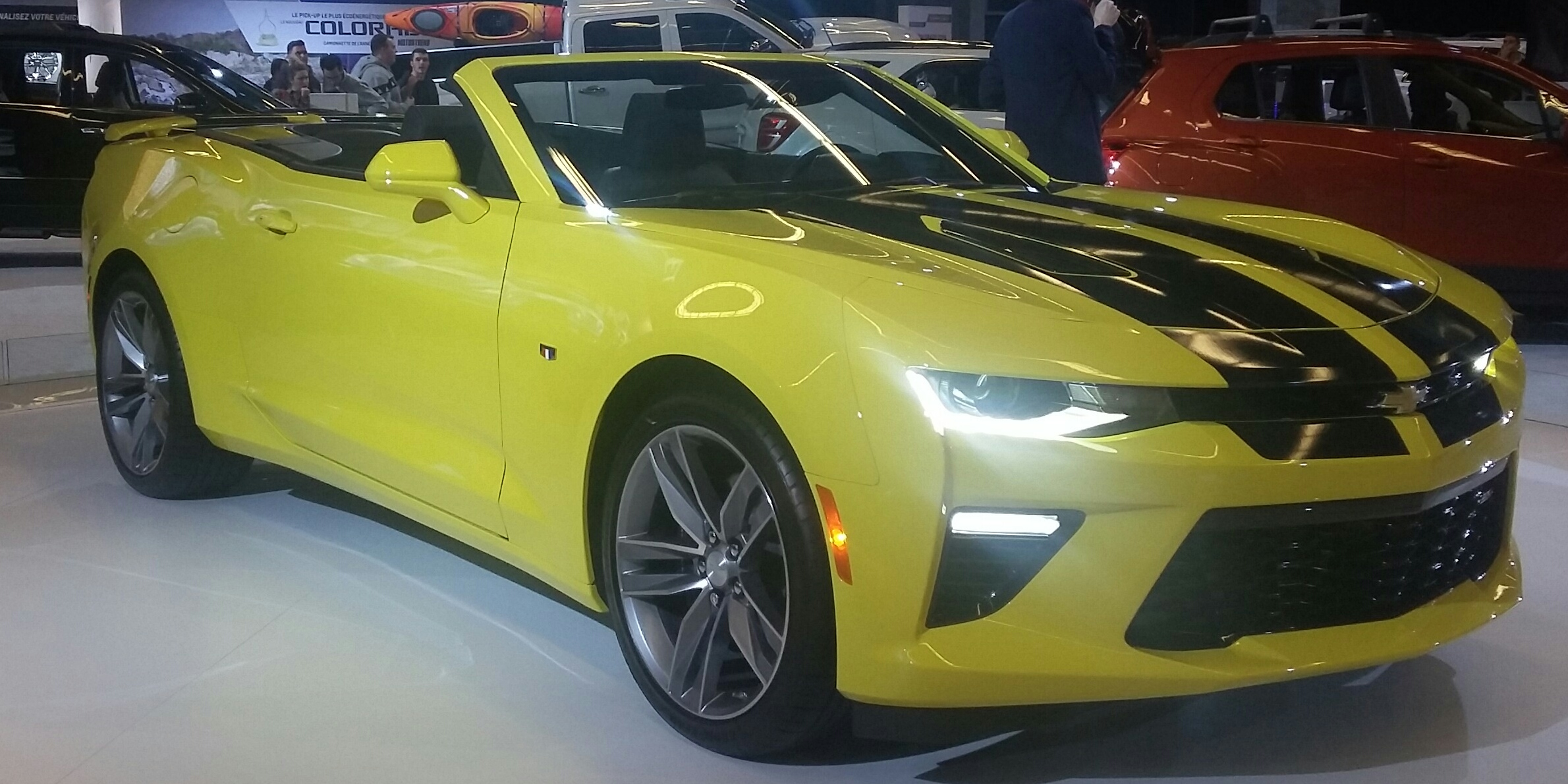
saw this, it was a 69 Camaro RSSS with a 396 and it was in the showroom and the Chevelle happened,
it just turned out to not be it. But when I flew back up, I was just like, man, I kept thinking
about that other car like that thing was awesome looking. So I ended up, that was the first one
I bought. I went and called back and it was still available. So it was a 69 Camaro, you know, numbers
matching and all that stuff. And I remember the night they shipped it up. You know, the guy,
I was trying to get in contact with the guy and he wasn't responding, you know, whoever was driving
it up. And he pulled up in front of my house finally at like 10 o'clock at night. And I went
outside and he rolled down the window and he just said, Camaro. I was like, yep, that's me,
you can drop it right there. Do you see yourself as a caretaker of that Camaro or its owner?
Because when you take in some, it's 1969 vehicle. I mean, you want to obviously preserve all of the
stories and the history and maybe the owners who had it before you. Right, right, right. I mean,
this one, this particular one did not have, didn't come with any paperwork, you know. So I don't
really know the story that happened to it before. But, you know, I definitely, and I'm not the guy,
caretaker, you don't want me taking care of it because, you know, there's a lot of things I
enjoy about cars, but fixing them and tinkering with them has never really been my thing. I'd
luckily have a great mechanic, Greg, right down the street. That's his specialty is like,
and it's the classic garage. There's just crazy cars everywhere. And so I take it to him. But
honestly, they've been running so good. I mean, you know, right when you get them, there's always,
there was a couple of things I had to get here and there. But now, I mean, both of the Healy and
the Camaro, they're both running great. And yours, the Healy? The Austin Healy? 67. 67.
67, Austin Healy as well. I mean, a very unique vehicle. Not a lot of people would know Austin
Healy. That's the thing is, I think, between the two cars, I got to be honest, sorry to the Camaro.
I know you can hear me, but I think the Healy is more fun for me to drive. I don't know what it is,
but just the convertible. It's classic too. It really is. But the Camaro gets way more looks
when it is being driven. That's honestly one of my favorite things about owning the cars is because
that Camaro makes the world a better place. I mean, people just love it. But like you said,
I don't think a lot of people know what that Austin Healy is. Is that an MG or is that a this?
There's a lot of chat GPT going on with what that vehicle is on a Rolls-Pie. You told car
and driver that you just put Camaro into a new song. Did that lyric survive a writing session?
Oh, God. I mean, I think it was an Old Dominion song. It did make it into it.
Okay. Yeah, yeah. I think it did survive.
Excellent. Excellent. Yeah, a lot of the other country guys, they put the trucks in. I'm not
and you wrote a song for Dallas Smith too. That's particularly relevant here.
Oh, yeah. Kids with cars. Maybe we can cue that up.
Man, they did your research.
Yeah. Kids with cars. You co-wrote it and built it around an emotional connection
really between youth and automobiles. So yeah, I would venture you. I mean,
you've been a perfect guest here for the show.
Oh, nice.
Wow. I mean, if that isn't a car song, I mean, I was just picturing the high school parking lot.
I mean, it's true. Everyone has, you know, you can tell who's got the money, who doesn't have
the money, you know. And just to remind you, my friend had a Miata.
Great. Great car.
Yeah. And it was the only car they used to lock one, like put a chain over one of the exits
and then the whatever the school cop would sit at the front. So you couldn't sneak out,
but the Miata was small enough and low enough to the ground where we could lift up the chain
and sneak out the side to go get a breakfast burrito or whatever we were doing.
Oh, I love it. Yeah.
Let's talk a little bit more about music and a bit on old D.
Most bands don't really survive success. Why is Old Dominion survived?
You know, it is true. I mean, I think that number one, I mean, we were friends first,
you know. I went to college with a couple of guys in the band. And I think the other thing that
probably helped us was we became successful a little bit later in life where, you know, we were,
our brains had formed just enough to know that how lucky we were and that, you know,
we're not gonna, we really should not mess this up, you know. And I think that, you know,
we always say we're kind of a self-policing organization where
if someone gets out of line, if someone gets out of line, they hear about it pretty quickly,
you know. So of course, you know, there's a lot of personalities and there's rubs here and there,
but, you know, we were friends at the end. We wake up, we're still all on the same bus,
you know. We wake up laughing, we go to bed laughing. And your lives have changed. I mean,
you've all grown up together. I mean, you got married, you got babies coming. I mean,
all these different life changes that occur that when you start off, you know, all you want to do
is lay down a track, write a great song, make it, have a crowd, right, open for someone that,
you know, now you're at this different level and you're pursuing the next 23 chapters
of your lives. Right. And you're doing it all together, which is changing the music.
Yeah. It is different. You know, your goals are different. What's important to you becomes
different. You know, I mean, again, like you said, when you're, when you haven't made it,
all you're trying to do is make it. You know, you're trying to get to that spot where people
know who you are and, you know, and then, you know, look, a lot of, that's the classic story.
You know, a lot of times people get to that place and then they realize, wait a second,
that's not making me happy either. You know, and you got to, you got to figure out,
that's when you start to, you have to take a look at your life and, and realize what is
important and what isn't. And, you know, a lot of it, what's interesting now is I think a lot of us
have this mindset that what we're doing is actually kind of like a part of the service industry.
Like we are there to serve the, you know, the people in the audience and make them have the,
it's more for them, you know what I mean, that it is for us.
Because of their expectations and because of what they love about what you do?
Well, yeah, I mean, it's just, you know, when you see them in the crowd and, and you see people that
have made the, you know, your music part of their lives, I mean, that's, that's pretty amazing.
That's all you can ask. And you kind of want to just reinforce that feeling for them, you know.
Does, when you go out and you, and I know you just got back from Europe earlier this year,
you've been across Canada, the US, you did the, the stint at Planet Hollywood, you know,
which was really fun. I'll talk about that in a second. Does it surprise you even today that
all of these people around the world, Australia, that they're coming out?
Yeah. I mean, it's incredible, you know, it would have, it took us, you know,
10 years to, to, you know, build up the amount of people that saw us here that,
that came out the first time we went to New Zealand, you know, so it, it is incredible. And
again, it's just, you realize how lucky you are to have, have had the stars aligned for you in
this industry. I mean, there's most of the people it doesn't work for. Yeah. And it's just, and
that's when people are like, oh, I, I, how do I make it? And honestly, the answer is, I mean,
you work as hard as you can, my answer, you work as hard as you can. And then
the universe has to decide that it's your turn, you know, I mean, and it might never do that.
After the break, we'll continue to hear from Old Dominion guitarist, Brad Tersey,
and his new solo album, Colorado. To see more Cars and Culture interviews, visit the Cars and
Culture YouTube channel, subscribe, comment, check out hundreds of conversations with the
creators, collectors, and culture makers who are driving the industry forward.
Welcome back to Cars and Culture from Nashville here on Serious XM. I'm your host, Jason Stein.
Now the continuation of my conversation with Old Dominion guitarist, Brad Tersey. To see more
Cars and Culture interviews, visit the Cars and Culture YouTube channel, subscribe, comment, check
out hundreds of conversations with the creators, collectors, and culture makers who are driving
the industry forward. Is it getting, I know it's harder and a lot, it's different than when you
started, first started. Is it getting harder to do what you do, and how do you think about the
new artists that are coming up in terms of what they have to do to break through? You mentioned
digital earlier, all these digital things. It used to be you would produce great music,
and you just go and play shows. Right, I mean, that's how I grew up is, I mean,
you get in a van and you drive around, and that's how you do it. And I mean, to be honest,
that's a very difficult way to do it. Now, if you can sit in your bedroom and become famous from
there, that cuts out a lot of long late night drives to the middle of nowhere. But again,
for me, honestly, that's the hardest part, if I'm being fully candid about this new record.
Colorado and me doing, I think for someone maybe younger or just starting out, they're just used
to that world and they know how to navigate it. And for me, it's like, it's being vulnerable or
whatever. Writing a song is easy, but then when I have to try to fill myself, I'm like, I look
like an idiot, or like, why does anyone care what I want to say? That's the harder part for me
is navigating just the new ways to get your music out there. I saw some Instagram posts where you're
almost doing your own music video, you know, you have the radio turned up driving, and you're
singing along to various songs, and you've got to get the content out all the time, don't you?
Yeah, and I mean, even that changes, you know, this content's not cool anymore. And then you
realize, I remember hearing an interview from John Mayer, he was like, when a new record,
the new releases came out, when I was younger, you'd go to the record store and there'd be like
eight new releases on the chalkboard behind the register. And now it's like 75,000 new songs
that are uploaded every day to, you know, it's just, it's borderline impossible to cut through.
So, in some ways, it's easier for people, and in some ways, it's harder, you know.
Are you going to go out on your own and play some shows and things like that?
I hope to, you know, it's, I did that on the last tour, the last record, Pray Little Love,
and it was great, you know. But this time, I'm actually trying to focus a little more on what
we're talking about, and just kind of spreading the word a little bit before I decide to go out
there. So hopefully there'll be a couple shows here and there, but I'm not gonna, I don't think
I'll be doing any giant tour or anything like that. Right, right. You've been in some amazing
places with some amazing people and written some really impactful songs. I want to get to one of
them. And this is kind of a special one for me. I saw you, Old Dominion opened for Kenny Chesney,
and it ended up making his live album, which I thought was pretty cool when you and Matt were
brought up on stage. Save It for a Rainy Day, which I know is a song that you
that you had put together. Let's just listen to that for one second.
And this song was written by two guys in Old Dominion. How about giving them a big round,
if you would? Matt and Brad, come on up! Come on, Dominion!
Coming home.
You're right. That's a moment for me. Oh man, I was just thinking, I mean, I was thinking a
lot of things, but that's the favorite song I've ever had recorded by another artist. I mean,
not only, you know, Kenny Chesney is kind of one of the pinnacle artists to get a song recorded by
and then to be able to then go out on stage with him for multiple years and play it. And
I was actually just talking, you know, speaking of content. I was just talking to my wife over
Universal because I wanted to do a little blurb about how we wrote that song, and I was actually
going to go in there today to do that and just show the writing room that we wrote it in. And
it was one of those days where usually you start to write at 11, it goes from 11 to 3,
but sometimes you get together with your buddies at like 9 a.m. just for a little bit to see what
happened. So that's what happened that morning. It was Matthew and I and our late friend Andrew
Dorf who has written a lot of songs on Old Dominion Records. So we wrote that song in like 45
minutes at 9 in the morning, you know? And it's just, it's been such a gift to have that song.
Does it just happen like that? I mean, I watched the Instagram post that you put up recently where
you were describing sort of how long it took and you had a riff that was
memory lane. Memory lane, yeah. And you said, well, I sort of had this and I put it down and
then the guys came in and they went, yeah, sounds pretty good. I think we can do that.
Well, yeah, I mean, honestly, I was doing that the morning before they got there. I would just,
you know, you find little loops and then you just, you don't want to develop it too much.
You just like, because if they don't like it and you spent an hour trying to do it.
Just little ideas and, and you know, see what, see what people land on. But yeah, that's it for
any day. Matthew had that kind of some, that verse sort of vibe going and then our friend Andrew,
he would always, he had always wears sunglasses inside. Like I remember the first time I wrote
with him, I'm like, why is this guy with sunglasses on? But, and he, he's like a strictly lyric guy.
Okay. Someone got to the course, he was like, you know,
sun's too bright, sky's too blue. I'm like, yeah, that's pretty cool.
Like the obviate, the beer's too cold. I'm like, okay, yeah, sounds good.
Oh, I love it. You've had some other, some other fun ones as well.
I think, you know, Keith Urban's hit also, which I want to play here for just a second,
that I know had to have been a pinnacle moment for you to have, to have Keith do it. Let's, let's cue it up.
Wild Hearts. Incredible. Yeah, there's that song.
And the song, Roxy, my wife was the one who pitched
that song to Keith Urban and got it recorded.
Really?
And I didn't even know who she was at that point.
She was, there was another person in her job
and he left and she was hired as his replacement.
So before I even got a chance to go into the,
I think she had been working there for two days.
She sent that song to Keith Urban and he recorded it.
So then I'm like, I gotta meet this person.
What an entree, what an entree.
Yeah, it was pretty cool.
And then also I wrote, got to write that song
with Jennifer Wayne and then Eric Pazley,
who's just one of the most gifted singer songwriters.
He's like a savant.
And so I got to write that with him too
and that's got a lot of his thing going on too.
He wrote that song even if it breaks your heart
for Eli Young Band, which is one of my favorite songs.
So you can kind of hear a little bit of that song
and this song too, pretty cool.
What are you most proud of?
You know, the album's coming out this week.
You've had an enormous catalog in not only Old Dominion,
but as we've heard in various other artists here,
mega stars, Luke Bryan lighted up was also yours.
And number one hit, when you reflect back Brad,
what are you really most proud of?
That's a tough question.
I mean, I think just the perseverance it took to get here.
I mean, it's insane.
Just the amount of, you said, I mean, hours playing the guitar,
hours and vans and bars and, you know,
just the amount of effort it took to get to where I am today.
I look back and I just act, man,
if you told me to do that again,
there's no chance I'm doing that again.
So, you know, I'm proud of that.
And I'm also proud of just kind of navigating the whole,
like it's a crazy industry.
And, you know, I navigated some tough moments
and I think I've kind of come out the other side,
you know, as a pretty grounded person
and knowing what's important and what's not.
I imagine some of the stuff that we're hearing
off the new album is a reflection, not only Colorado,
but hard to get high.
It's another song that I think might reflect a little bit.
Let's just listen.
It's hard to get high like I did before.
One whiskey had made me feel fine.
There are frees where I drew the line.
But I finally feel free when I hit four.
It's hard to get high like I did before.
So what's that all about?
I mean, it was just hitting me there, like, you know,
obviously there's some funny lines and stuff in there,
but I think it's, to me, it was hitting me right there
that sometimes what used to work for you
doesn't work for you anymore, you know,
and you can keep fighting down that road
or you can realize that it's not the,
you gotta change roads, you know?
Yeah.
You can find peace in other places.
Right, exactly, exactly.
So that's kind of how it hit me there, you know, for sure.
Well, the new album, Colorado, will be out on June 12th
and what's the rest of your schedule look like
in terms of Old Dominion this summer?
I know you're gonna be playing some festivals.
Yeah, we're kind of right in the middle
of making another record.
I feel like the last one just came out, but.
Didn't it?
You know, no rest.
And so we're kind of right in the middle of that
and yeah, well, we'll have some more shows,
but you know, the next big tour I think will be
in summer of 27.
Next year, yeah.
By the way, back to Planet Hollywood for a minute
and the Vegas show is I was at, I think, night one of that.
What an awesome, unique experience you guys created there.
When the Flamingo girls, is that what they're called?
I can't remember what they're called anymore.
The Vegas dancers with the flas-
The show girls?
Show girls?
I think that's what I think they're called.
When they came out, I mean, I thought,
well, this is so Vegas and it's so perfect
and it's so you guys.
I mean, we tried to lean into it.
You got it, well, why not?
That's what makes it special.
That's what people want, like to go there
and just a little bit of fantasy up there, you know?
I mean, there's nothing more classic Vegas
than the Flamingo girls.
Right.
That had to be a lot of fun,
just doing those couple nights that you had there.
Oh yeah, and I remember when they got there,
they were like, what do you want us to do?
And we were like, I don't just do whatever
you guys normally do.
And then they start, you know,
once we gave them their free reign, you know,
it was, you know, they took care of it.
Oh, they put on a show, exactly right.
Yeah, it's gotta be just a bunch of fun.
I mean, now you have audience members
that show up with 1960s style glasses on.
Yeah, well, Barbara, they're all dressing up like Barbara,
which, I mean, was definitely not our ideas,
but they've made it their own.
I mean, she was quite a character, you know,
and I'm sure fun to dress up as.
Yeah, yeah. Lots of stuff going on.
What do you like off the not so new album anymore
that you're really proud of?
Of the old Dominion, yeah.
I would say my favorite, one of my favorite songs
we've ever done is probably Good Night Music City,
the last song on that record.
I get emotional a lot of times,
even playing it, it's like hard to get through.
Just kind of really our story there
and that kind of vibe of music is, you know,
that sort of just American-ish alt country sort of vibe
is the vibe I really enjoy.
So that's a special song for me.
Yeah, just a couple more things.
When I look at some of the songs that you've been a part of
and what Old Dominion has done,
songs with car, truck, road trip, driving references,
I mean, Memory Lane, right?
The entire song is built around nostalgia
and movement and revisiting roads and things like that.
Feels like a road trip song as well, a lot like Colorado.
No such thing as a broken heart, right?
Carefree, windows down, small town, driving feel,
and all kinds of interesting hooks and lyrical play there.
You've sort of had, maybe unknowingly,
it goes back to your dad and the used car days
and the Camaro and the Austin Healey intertwined
with some of the things you've done.
And to me, I think a lot of the music
that you've been a part of has just been this
American freewheeling, listen to music in the car, isn't it?
Yeah, for sure.
It's probably because maybe in some subliminal way,
that's where I like to listen to it the most.
I mean, that's when you know if it's good or not.
You put it on, you put the windows down,
and then if you're feeling good,
then it's a good song, you know?
Exactly, yeah.
What are you most proud of that fans might not know?
I mean, as far as for the band, I mean it's...
Or you.
Oh, I'm just, you know, from this new record for Colorado,
I'm just most proud of myself for listening
to my heart and the fact that this project
needs to be heard and that I have something to offer
on, you know, in my own way, and I'm just excited
to pursue it and see what road that,
what road this goes down, you know, so.
Yeah, congratulations.
Thank you.
The new album is out June 12th.
It is called Colorado, Brad.
And probably just as importantly,
maybe really more importantly, congratulations
on your first child on the way.
Thank you so much.
And best to you and your lovely wife,
and we'll see you in another great car driving song.
All right, sounds good.
Great, thank you, Brad.
Thank you.
Brad Tersey.
Big thanks again to my guest today, Brad Tersey,
in the Nashville Sirius XM Studios,
his new album, Colorado, out June 12th.
To see more Cars and Culture interviews,
visit the Cars and Culture YouTube channel.
Subscribe, comment, check out hundreds of conversations
with the creators, collectors, and culture makers
who are driving the industry forward.
That's episode 255 here on Sirius XM.
I'm your host, Jason Stein.
We'll see you down the road.
Colorado, yeah.
About this episode
Country music and cars are the through-line as Brad Tursi talks about growing up around his dad’s used-car business in Connecticut, then later chasing classic Saabs, a 1969 Camaro, and a more fun-to-drive Austin-Healey. The conversation also digs into songwriting—how releases changed, how some songs were “kicking around for 10, 12 years,” and how relationships and touring shape the themes. Between album talk and personal milestones, “Colorado” ties back to his wife’s family cabin near Black Canyon.