The 2026 Toyota Sienna is a family-friendly minivan that has room for many passengers and is designed for comfort and safety. It uses a hybrid engine, which means it combines a gasoline engine with electric power to save on fuel.
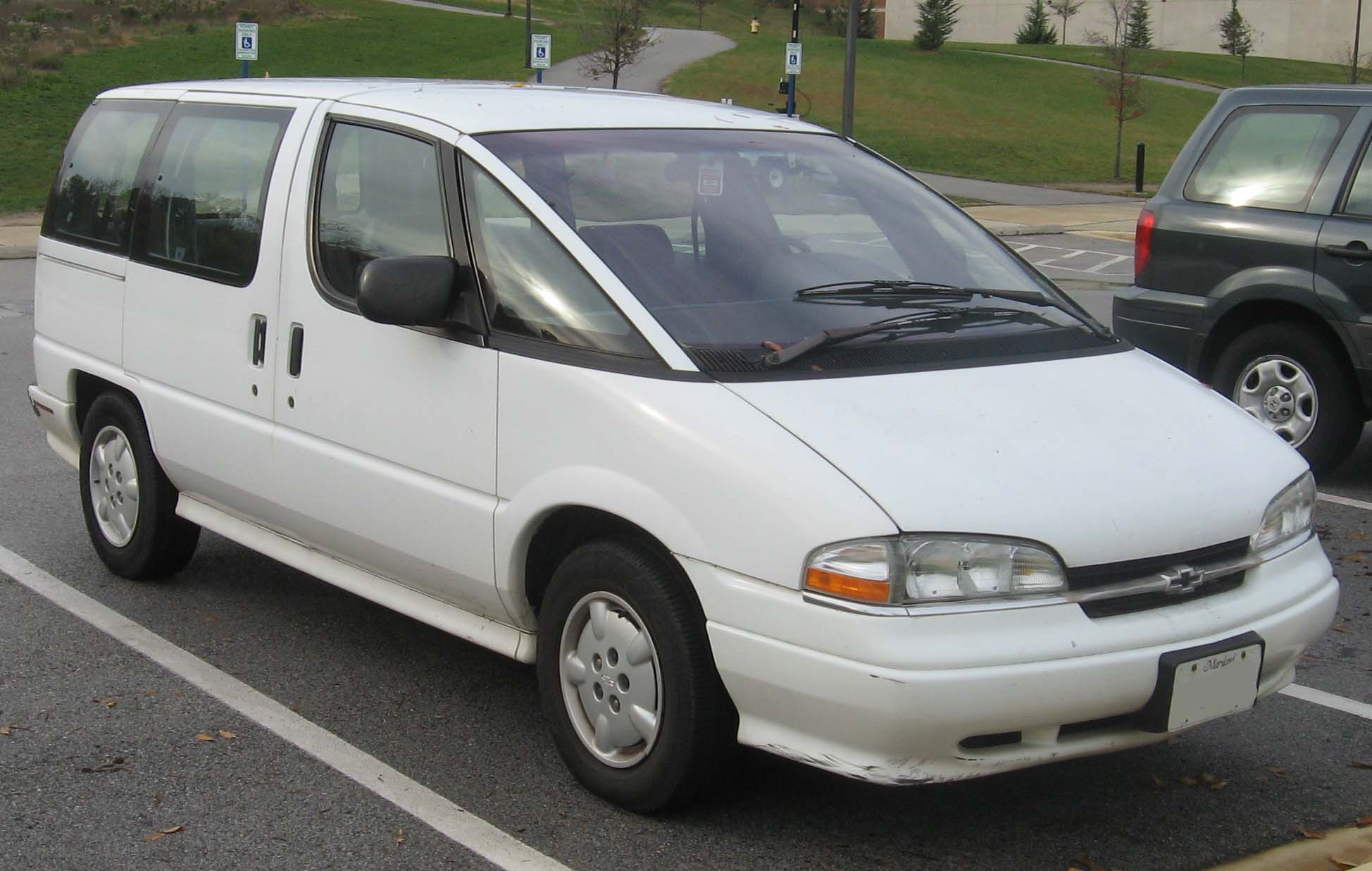
The Pontiac Transport is a minivan made by the Pontiac brand in the early 90s. It was designed to be practical for families and had a distinctive look.
The Bristol Bullet is a special sports car that's made in small numbers, known for its unique look and fast performance. It's designed for people who really love cars and want something different from the usual options.
Hybrid all-wheel drive means the vehicle uses both a gas engine and electric motors to power all four wheels. This helps with better control and fuel efficiency.
The Kia Carnival is a family-friendly minivan that has lots of space and features. It comes in different versions, including a hybrid, but the hybrid only powers the front wheels.
A 2.5 liter four-cylinder engine is a type of car engine that has four cylinders and a size of 2.5 liters. This affects how powerful and efficient the engine is.
The Chrysler Pacifica is a type of family van that has a lot of space and features to make it comfortable for passengers. It's designed for families and has many useful technologies.
The Chrysler Voyager is another family van that is usually cheaper than the Pacifica. It's designed to be practical for families without all the extra features of more expensive models.
The Chrysler Grand Caravan is a larger family van that has been around for a long time. It's known for having a lot of room and being good for families with kids.
The Nissan Pathfinder is a spacious SUV that can carry a lot of people and gear, making it great for families. It's designed to be comfortable and can handle different types of roads, which is why it's popular.
The Chevrolet Corvette is a fast and stylish sports car that many people dream of owning. It's known for its powerful engine and sleek look, making it a favorite among car lovers. The C6 is just one version of the Corvette that was made between 2005 and 2013.
MiraCast is a way to show what's on your phone or tablet on a bigger screen, like a TV or car screen, without using any wires. It's like sharing your screen wirelessly.
The Chrysler 300 is a big car that looks really stylish and has a powerful engine, making it fun to drive. It's known for being comfortable inside, which is why many people like it.
The Toyota Highlander Hybrid is a family-friendly SUV that uses both gas and electric power to save on fuel. It has a roomy interior and comes with modern tech features, making it a good option for those who need space and efficiency.
The Toyota Grand Highlander is a bigger version of the Highlander SUV, which means it has more room for people and their things. It's designed for families and has options to save on gas, making it a smart choice for many.
A four-cylinder turbo engine has four small cylinders and uses a turbo to make more power. This helps the car go faster while still saving on gas compared to bigger engines.
The Dodge Hornet is a small SUV that people don't often see on the road. It also has a special version that uses both gas and electricity, but even that version is rare.
The Alfa Romeo Tonale is a small SUV made by Alfa Romeo, known for its stylish design. It's part of the luxury car market and comes with different engine choices, including hybrid versions.
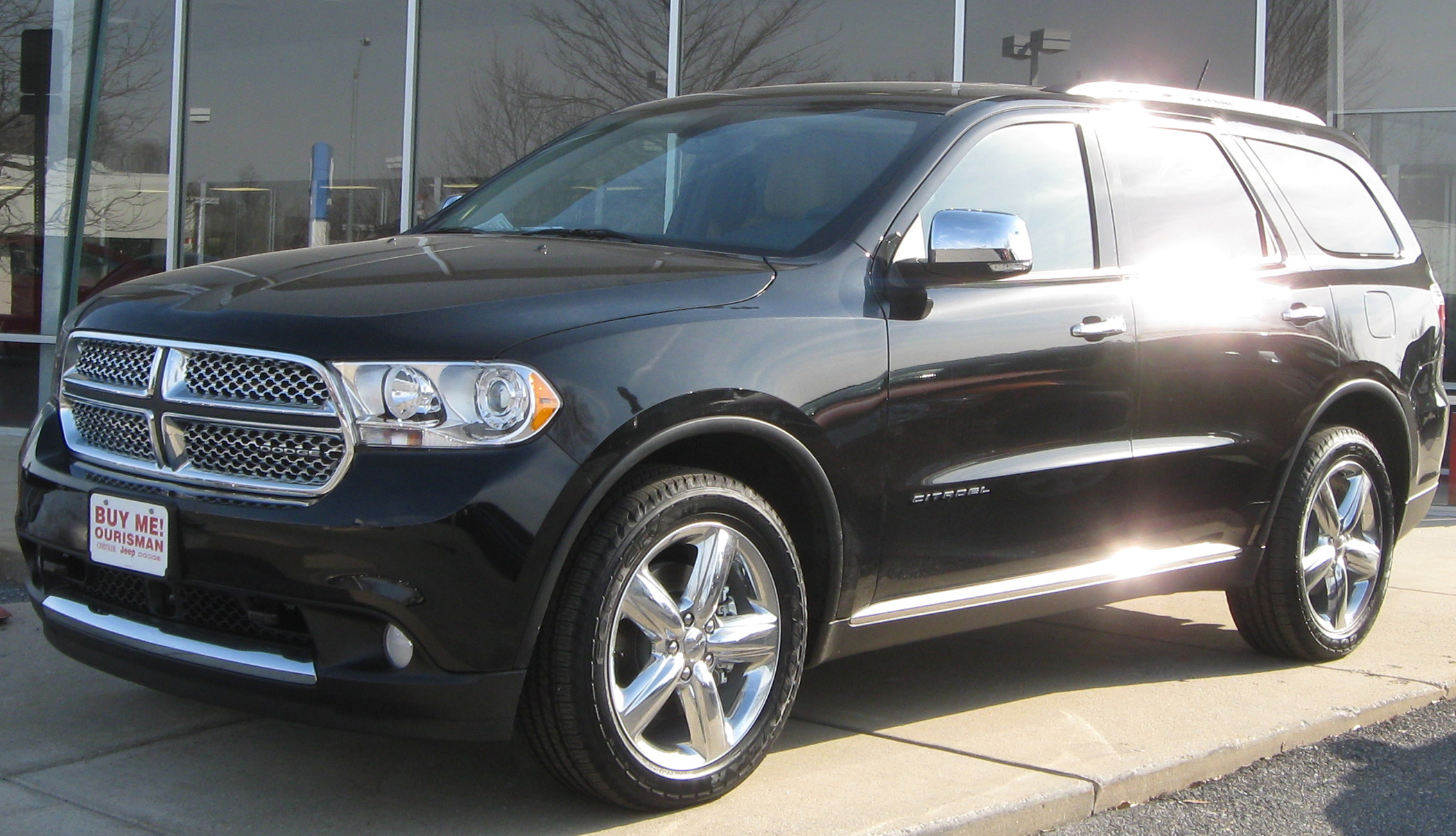
The Dodge Durango is a larger SUV that can carry many passengers and has strong engines. In 2026, it will be the cheapest Dodge vehicle available, as other models have been canceled.
The Dodge Charger is a big car that can hold a lot of people and stuff, but it also goes really fast like a sports car. It used to be a cheaper option for people who wanted a powerful car, which is why it's being talked about in terms of value.
The Chevy Bolt is an electric car made by Chevrolet. It's popular because it's affordable and has a good range, making it a practical choice for many drivers.
The Altium platform is a system that General Motors uses to build electric cars. It helps them make different types of electric vehicles more efficiently and with better performance.
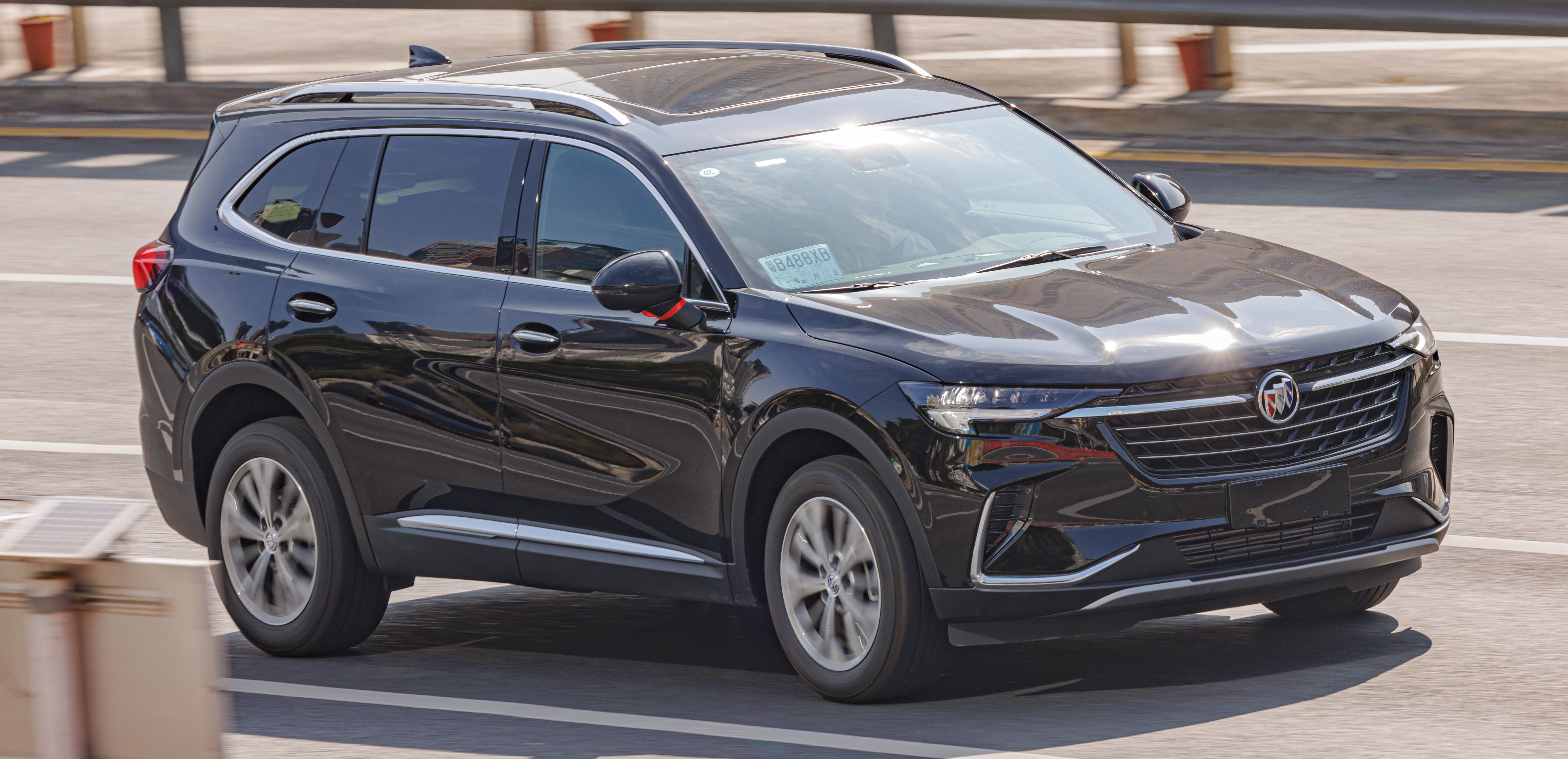
The Buick Envision is a small SUV made by Buick, which is a brand under General Motors. It's designed to be a more luxurious option compared to other SUVs.
A tax credit is a way the government helps people save money when they buy electric cars. It means you pay less in taxes, which can make the car cheaper for you.
EVs stands for electric vehicles, which are cars that run on electricity instead of gasoline. They're becoming more popular as people look for cleaner ways to drive.
Super Duties are heavy-duty trucks made by Ford that can carry and tow a lot of weight. They're often used for work and by people who need a strong truck.
The Volvo XC70 is a car that looks like a wagon and is great for families because it has a lot of space. It's known for being safe and can handle different types of roads, making it a good choice for adventures.
The Cadillac CTS-V is a fancy car that goes really fast and has lots of luxury features. It's made for people who want a comfortable ride but also enjoy speed and performance.
The Nissan Juke is a small SUV that looks different from most cars, and it's fun to drive. It's designed to be sporty and has a unique style that many people find appealing.
The Ford Escape is a small SUV that's great for people who want a car that can handle both city driving and outdoor adventures. It's known for being practical and comfortable, but there are talks about it being discontinued.
The Honda Prelude is a two-door car that was made for people who like to drive fast and enjoy a sporty feel. It has a cool design and is remembered fondly by many car fans because it was fun to drive.
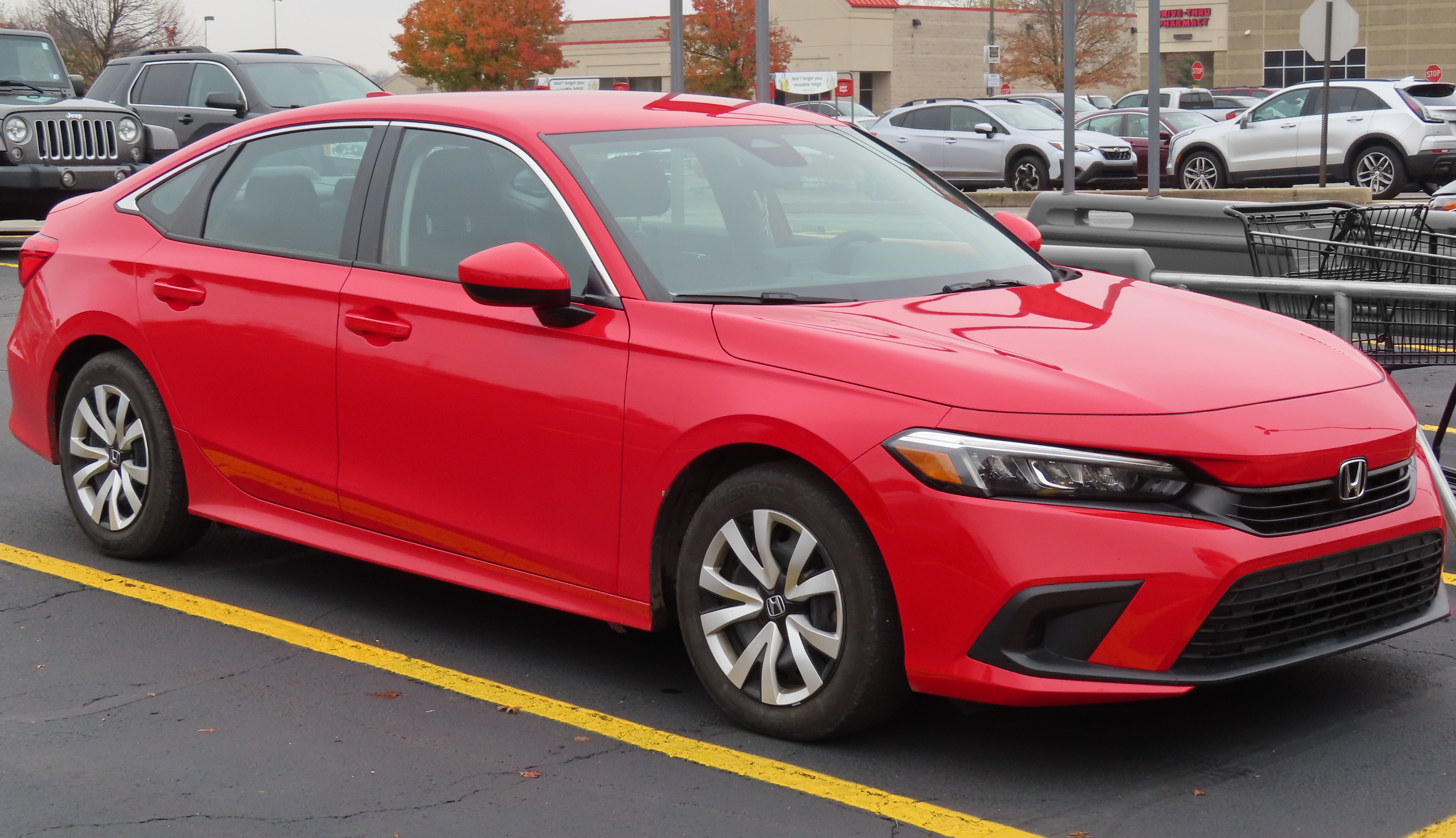
The Honda Civic is a small car that's very popular because it's reliable and saves on gas. There are different versions, including a hybrid that uses both gas and electricity to help save even more fuel.
The Hyundai Palisade is a big family-friendly SUV that has lots of space for passengers and their stuff. It's known for being comfortable and having cool technology, making it a great choice for road trips.
LIVE
Hello, and welcome to the unnamed automotive podcast.
My name is Sammy Haj Asad,
and with me as always,
it's my good friend and fellow automotive journalist,
Benjamin Hunting.
Say hi to the people, Ben.
Greetings, human and non-corporeal listeners.
Greetings for like,
I think we're going on to our 10th year now.
Into our 10th year?
Is that what's happening?
2026?
I think that's what happened.
I think it's possible.
Ben is an automotive journalist,
but more important than that,
he's very much one of my best friends,
someone I love to talk to.
And you know what?
I usually ask for his agreement in this,
but I'm not going to do it this time.
I'm just going to state the facts,
and that's the way it is.
Sammy, one day, if you're really lucky,
your son will be your best friend.
I don't know.
I'm always weirded out about that.
Why?
I don't think, I don't know if my parents and friends,
if parents should be best friends.
I think that at a certain point,
your parents are no longer parenting you.
And when they're no longer parenting you,
your relationship changes,
and that change can become friendship.
I feel like my father and I are extremely close friends now.
My father and I are not like that.
I don't think so.
Well, I'm sorry to have brought that up.
My father always said that I was on the payroll,
and his objective as my parent
was to get me off the payroll.
Did it work?
Are you off the payroll?
I'm off the payroll.
Yeah, I'm off the payroll.
Thanks to the success of this podcast, Ben.
Mission accomplished then.
I don't see what your dad could complain about.
He's not complaining.
That's why we're not friends.
Anyways, Ben, can you tell some of our listeners
where they can find your latest work?
Sure, they can find my work at Motor Trend,
at Driving.ca, and at Hagerty.
And I want to underscore,
I recently put something up on Hagerty
about a mini Miata, which is a Miata, but smaller,
that you can actually buy from a company in China.
It's, I talked to the guy who created it.
It's pretty cool.
Anyway, check that out.
You don't get any kickbacks
for people checking that out, do you?
No, just every time someone clicks
on one of my articles, one of my hairs turns gray.
Oh my God, it doesn't go back to your natural hair color?
Yeah, when they're done reading.
Yes, there you go.
That's cool.
You must be like, you must look insane sometimes.
Like a kaleidoscope.
You can find my work at AutoTrader.ca
and Driving.ca, as well as their YouTube channel,
which is called Driving.ca.
You have to include the word dot, actually.
Say it a fourth time.
Yes, Ben, I've got a minivan
that I'm super excited to talk to you about.
Okay.
Super excited, because apparently
the last time we talked about it was like,
I don't know, three years ago?
2023, I have a question.
Has it been redesigned in that time?
Listen, I have an answer.
According to the press release,
the Toyota Canada press release
of the 2026 Toyota Sienna,
its design is inspired by the...
I'm already laughing.
Its design is inspired
by the iconic Japanese bullet trains.
The Shinkansen.
The Shinkansen, right there, name drops it.
And I'm here to tell you, that is not true.
That is just not possible.
If we were to look at the world of minivans
and pick one out that was inspired by the bullet train,
it would have to be the early 90s Pontiac Transport
slash Chevrolet Lumina, the anteater vans from GM.
Yeah, the Hoover.
It looked like a little like Handheld Dustbusters.
Those are the most Shinkansen of all vans.
And Toyota's scooping it up right now.
I don't think, I mean, I guess it's a little similar.
They're not totally off base, but I'm not...
Oh, come on.
I don't look at that van and go,
you know what, that looks like a bullet train.
No, I don't think anyone could or should have that.
And if they immediately jump to that conclusion,
I think they need help.
Follow-up question, was there a Toyota Sienna
in the Brad Pitt movie Bullet Train,
which came out like two years ago?
Do you think that's why they're name dropping it?
I didn't notice that, no.
They might have.
And I haven't watched that because
the name of the movie really just told me everything
I needed to know about it.
Yeah, it looked terrible.
And those are two terms that I don't really connect with yet.
Bullet and train?
Yeah, bullet and train.
I don't really know where to go with those two words.
You know, when they did Mission Impossible,
I liked that.
That caught my attention.
Mission Colon Impossible.
So what if it was Bullet Colon Train?
Yeah, see, then you've got me.
Toyota colon Sienna.
That's what I've got.
The Shinkansen Amity Vans.
It is not a bullet train.
It does not remotely look like a bullet train.
However, I think, and I said this in my YouTube video
that I did for driving.ca,
there are similarities between the two products
because the Shinkansen is known for being
comfortable, efficient, and kind of high tech.
Kind of high tech?
Yeah, I mean, it's important the way.
You've ridden on one, right?
I have ridden on one.
It's pretty cool.
I remember how smooth it felt
and the fact that we were going like 350 kilometers an hour
didn't seem real.
Yeah, you don't really get that sensation of speed.
Even looking at the window, it doesn't seem.
But what I found most impressive
from the speed side of things
is when you're in the station in Japan somewhere
and you're waiting on the platform,
there are other Shinkans in that go by
and they slow down a bit for the stations,
but it's still the fastest thing you'll ever experience
going by you outside of like a top fuel dragster going by.
It's insane.
This crazy wind comes through the station
and then in the space of a second and a half,
an entire train passes by you
and there is no barrier between you and the train.
It's just open platform, which is wild.
Do you think that's still the case now?
Yeah.
The last time I was in Japan was quite a while ago.
I want to say 2017, maybe, maybe even 2016.
So almost 10 years.
It's possible that they have changed that.
I was going to say fix that,
but I don't know if it was really a problem.
My experience with it, the thing that caught my eye the most
is that every station, it was measured
when they were going to arrive within the second.
And I think that's really impressive.
I think that's a byproduct of really thorough thinking
and thorough planning.
And that to me is what the Sienna is all about.
This is a car that's been thought through.
It's designed to get a whole family, if not more,
from one place to another as comfortably
and as efficiently as possible.
But one more bullet train fact related to what you just said,
not only do they time it to the second
as to when they're going to arrive,
if it arrives early, they apologize.
Yes.
That's important.
Yes.
Yeah.
Sorry for the convenience.
Sorry for catching you off guard.
The Toyota Sienna is one of the few hybrid minivans
on the market today.
It's actually the only one, isn't it?
No, it is the only hybrid all-wheel drive minivan
on the market.
There is a Kia Carnival that is hybrid powered,
but it's front-wheel drive only.
I don't know why I forgot about that.
It features 245 horsepower from a 2.5 liter
four-cylinder engine and some electric motors.
I drove the all-wheel drive model.
I don't know.
No, you must be able to get the front-wheel drive model
in Canada, but it's probably a very low take rate.
And it's probably a low trim level as well.
Yeah.
I think the LE or something like that.
And I wanted to say that in Canada,
I had the pricing in Canada.
It ranges from around $50,000 for the entry level model
in the US.
That's $40,000.
And on the top end in Canada, it's a $75,000 car,
which is a lot of money.
And in the US, you're spending, I think, closer to.
Let me make sure I've got the right packages here.
You're spending about $62,000.
So there is a significant price difference
between these two countries.
It does line up, though, with what
you would pay for the Honda Odyssey that I drove recently,
I think, a few weeks ago.
And the fully loaded Pacifica that I drove a few weeks ago.
So vans are expensive.
Yeah.
I mean, cars are expensive altogether.
It's crazy to think about that.
There's no real entry-level van anymore, is there?
I guess the one that, and I could be wrong
because we were talking about how the Voyager slash Grand
Caravan is still around, and that's probably the closest
you're going to get to an entry-level van.
And that's not a bad thing.
I think those vans are good for what they are.
And they should be.
Like they should be a marketable thing,
because as a parent, I can see how quickly
anything you invest money into that
is going to be around a child will deteriorate
and become like you should not have splurged on a thing.
Hard to agree.
Like these are in many ways.
So in the classic car world, they
need to be rugged from the inside out.
But in the classic car world, it's
tough to find wagons, old wagons,
because they were very popular in like the 60s and 70s.
But they were driven into the ground
by families that used every single ounce of that vehicle.
Like inside, they were torn apart.
They were not necessarily taken care of.
They were parked wherever.
They had dents, all this stuff.
It was not a vehicle that you prized.
It was a vehicle that you used.
And in my mind, a minivan, there's
a role for the minivan to take over from that.
That use case.
And the entry level minivan is perfect for that,
because like you said, hard wearing materials, tons
of space to do stuff.
You can load in bikes and whatever and not
care that you're scratching up the interior.
All these things like my Jeep has a light colored interior.
My Pathfinder has a light colored interior.
This is a mistake.
When you load stuff in the cargo area,
you have to be careful that you're not marking it up.
Like my Jeep has all sorts of black marks just from whatever.
It doesn't even seem to matter what is in there.
It doesn't even have to be black, the item I'm putting in it.
It leaves black marks behind.
And I'm like, why would you ever?
Why would you ever?
No, but it's true.
Why would you offer a light colored interior
in a utilitarian vehicle?
And so I look at vans and I'm like, just give me like rubber
floor mats and black plastic in the back.
And the kids can just do whatever they want.
And I'll vacuum it out.
Eventually not have to worry about it.
I mean, this is one of the major things
that's going on here.
However, on the top end model, which I actually did not have,
the Sienna comes with a few cool, interesting things.
Like a vacuum, which I always appreciate.
I always think that's a clever thing to have in a car.
I'm actually driving another vehicle
that we'll talk about, I think, in the next few weeks
that has a built-in UV disinfectant in the armrest.
I was in a hotel room that had that recently.
And I keep thinking about how interesting these features.
Like how interesting the feature offering list
has become when you've got like vacuums and stuff like that
and disinfectants in a car.
I think it's, I don't know if those are like must-have,
but they're interesting for sure.
As someone who changes cars every week,
I would love a full cabin UV system.
I would sleep better at night.
Sure you would.
But not a blacklight.
I don't want to see it in action.
I don't want to know.
I just want it to be safe.
The Sienna also had something that I haven't seen in a long time
which is a rear seat entertainment system
with wireless headphones.
And I thought this was kind of curious
because in my experience, most families and households,
people have their own devices like phones or tablets
and probably their own headphones too
so that everybody can be watching their own thing.
Do you value, now I mean,
actually I probably know your answer to this.
You would probably value a shared experience
with everybody in the car during a road trip.
Absolutely not.
Really?
No.
I have no desire.
You wouldn't watch whatever I want to watch?
No, first of all, I'm not in the back seat.
Second of all, if I'm in the front seat.
If me and you were on a road trip
and somebody else is driving,
your dad's such a good friend
and my dad, because he's my employer.
I'll be clear, I am not a NEPO baby.
I haven't done any work for my dad in any way.
Even on vacation, you're on the clock though.
Yeah, I have to bust my...
Anyways, you would not want to watch
whatever bullet train movie I've got queued up
on the entertainment system?
No, because you're in the third row, first of all.
If you're going to be watching something.
If I can watch it from back there.
What does that have to do with the entertainment system?
Because I don't think there's one back there.
No, but I can see it.
It's not like I don't have my glasses on
or a binocular or something.
How do you think this bullet train van is?
It's getting big.
I have trouble watching stuff on the road
and not getting C6.
Yeah, I actually totally relate to that.
We have become old people, I think.
Yeah, I just want to listen to stuff and like,
I guess headphones can do that.
I mean, obviously that's what they're for.
But in general, I don't know.
I'll give you an example.
I listened to a ton of podcasts these days
because some hearing issues have made it more difficult
to enjoy music in a car.
Our podcast in particular, this one.
No, I never.
Just on a loop.
You're pumping up the numbers.
But my wife does not enjoy the same podcast I do.
Like there's some overlap.
There's some overlap, but not a ton of overlap.
So when we go on longer trips together,
I try to choose podcasts that we would both be interested in.
She does not wear headphones to do her own thing.
So we share like the same audio experience,
but she can also,
she also plays a lot of games while we're driving
on her phone or her tablet.
So she can also zone out if it's not something that interests her.
I don't know why I'm necessarily bringing this up, but it's like,
I actually really get, I don't know what it is about me,
but I like get offended by the zone out experience sometimes
because I'm like, I'm not an Uber.
Like I'm your partner.
I'm your friend.
I'm like, let's chat.
Okay.
This is a conversation you need to have with your wife.
We do.
I have had this conversation all the time.
And I'm constantly like on the hot seat of like pushing conversation.
And she's, she's very good.
She's my partner.
I picked, you know, we picked each other for a reason.
We get it.
But, you know, sometimes when I see her on her phone,
I'm like, oh, why isn't she like,
we're in a shared experience.
We're traveling through this world together.
Did you see that out the window?
It's nothing.
And she's like, what?
And I just have to make up a story.
You have to make up a story?
Yeah.
Yeah, it's fun.
It's really fun.
You're, you're upset that your wife won't participate in your game of deception.
It's not deception.
It's creativity.
It's creative storytelling.
Okay.
Tell it to the judge.
Um, so you're not into that.
The thing I found that was interesting about this rear seat entertainment system
in the Sienna is that there is no built in obviously there's no built in DVD player
because I guess nobody's into that anymore.
There is an HDMI port, which made me think what am I bring?
I'm like, what product am I bringing into a gaming console,
a gaming console or a streaming stick?
I suppose the stick would require internet though.
Does the Sienna have internet?
It has the you can get the internet in it.
Okay.
Like you can pay for it or you can just, I guess I can tether my phone to it.
Right.
I remember thinking back in the day when you were able to get like satellite for
cars that that was the coolest thing ever.
And now I have no desire to stream anything in a vehicle ever.
Like, you know, it's funny how others me that the car does not have its own built
in like OS for like smart TV OS, you know, that you can just down.
You can just watch Netflix or I'm sure there's some liability thing.
They don't want to be exposed to whatever content could be down.
But like, isn't that available on Jeep?
I guess Jeep doesn't care about liability when you can like take the doors off
and roll it over somewhere.
Hearing a curse word is like low on the list of like concerns for the for the Jeep owner.
But there is a feature that I was struggling to get working called Mira cast Mira cast,
which I believe is similar to Apple's airplay or Google's like Chrome or cast feature in
which you could like play something off your phone to this screen.
I just struggled to get it working.
I looked online.
Apparently I'm not the only one.
It's really a big shame because again, your alternative then is to get a stick or a DVD
player or a gaming console and and figure it out from there and take up a plug in the process.
Right.
Yeah.
So I was caught off guard by that.
It's interesting to have a feature like the rear seat entertainment system, but I think
not having like a really, I think we're expecting a smart TV experience on every screen
that we deal with and not having something like that is frustrated.
An editor of mine also recently discussed that they don't think that rear seat entertainment
makes any sense anymore for exactly the reasons you're talking about.
Well, I actually, like I said, I actually don't mind the shared seat experience.
It's cool.
Yeah.
But is it something you would pay more for?
I guess is the point.
Oh, that's a good point.
Yes.
That's true.
And would you be able to convince everybody that we're going to be watching the same thing
and having a book report on it later?
Like you have one child.
They're the only ones who are going to be watching it.
I mean, that's a different situation, right?
He's rear-facing.
It does nothing for him right now.
So he's not watching it.
So it's useless.
It's totally useless.
In fact, it's like infuriating more than anything else.
You can hear it, but he can't see it.
No.
He's going to have his neck trying to see it.
Yeah.
I will say, of course, many vans, when it comes to having children in a vehicle, it is the
most, it is the smartest thing in the world.
It is so easy to deal with everything that comes with a child.
Throwing your stroller in the back seat or in the trunk or whatever.
So, so easy.
Putting your car seat, installing car seats.
I don't have to bust my back.
I don't have to mess up my fingers, finding the latches.
I can move the seats so far forward or backwards to make it fit.
I cannot overemphasize just how family-friendly these cars are.
And I mean, I'm having a conversation with a friend of mine who is seeking, they have
been leading towards an SUV and I keep telling them your life will be so much easier if you
just had a minivan.
Because like even just getting into a parking spot and dealing with the sliding doors versus
a massive door that has to, you know, accommodate a three-row vehicle.
And then you have to, you basically need another parking spot next to you just to swing that
thing all the way open and get kids in and out of it.
Now, while we're on the subject though, the Sienna is the smallest minivan inside compared
to the minivan by a big margin.
There is a caveat.
Passengerspace is actually competitive.
It's about on par with what you'd get with other vehicles.
Cargo space is the major issue.
It seems that I think there's no real way to like deal with the second-row seats.
And so as a result, it has like 50 less cubic feet of cargo space compared to, let's say,
the Odyssey.
Yeah, I think it's 40, but it's in the neighborhood.
It's, yeah, 50, 40, depending on how what you just define as like max.
It's weird because Honda has a behind.
Honda has a weird SAE standard that only they observe.
Yeah, exactly.
Yeah.
So it's insane to me that that is like, because like I think behind the third row, it's 33
and behind the third row of the Odyssey, it's like 32.
So it's not.
But the third row of the Odyssey has a giant trunk.
Do you have that in the Sienna?
Like an underseat storage, you mean?
No, it's not an underseat storage.
It's behind the seats.
There's a huge trunk.
Like it's just a big, it's like really deep.
It's not as, actually it is deep because the third row seats of the Sienna fold into
this little like opening.
Okay.
This like this deep trench, basically.
So what happens with the second row seats?
The second row, you can't, you can't really do anything with them.
They fold forward.
They, sorry, the seat back, I believe, folds onto themselves.
Yeah.
So does the Odyssey.
But it doesn't, or maybe they don't fold onto themselves.
Because in the Odyssey, the seats, the cargo space and in the Pacifica, which is the same.
Pacifica, you can get stow and go, which is fantastic.
Can you get that in the second row?
Yeah.
Okay.
Because like in the Odyssey, I believe the measurements are, but the seats in, it's 140
cubes with the seats in, because there's no mention, there's no mention anywhere of
removing the seats.
Yeah.
I mean, which is weird because the Pacifica has stow and go, which it makes them flat,
right?
Yeah.
Which in theory would give you more space, but it doesn't.
So I don't know.
Because they go under the floor, you mean?
Yeah.
I don't know exactly how these are being measured.
It is the major issue with the Sienna.
It's the major thing that really prevents me from recommending it like wholeheartedly
and recommending it.
And I know that sounds ridiculous because they're like, Sammy, why do I care about max overall
cargo room when you're talking about a minivan and all you care about really are whether or
not your family could fit in it.
It makes a difference.
I mean, competitively.
No, no.
Let me be clear here.
When you have, when you have a family, the side hustle of the van is that you are, you
are helping finish all of the projects that need to be done around the house, like the
amount of ridiculous things that you end up needing so much space for it to, to bring
to and from certain places, whether it's hunting down new, I don't know, toy boxes or play
structures or heck, just like home improvement areas after a sibling ride, like sibling brawl
went wrong.
Like me and my sister, you know what I'm talking about me and my sister always got into fights.
Don't fight on company.
My dad needed to bring some drywall home and a minivan would be a perfect car for that
or all of the, you know, like rebuilding fences in the backyard or a play structure.
As I mentioned, it really helps to have that kind of space.
It basically doubles as a pickup truck in or in terms of usability sometimes.
Yeah.
I mean, a lot of the contractors in my area use minivans instead of trucks because you
have more space that's protected.
Yeah.
And it's not only protected from these, but protected from the environment as well.
Yeah.
And the cargo bed is longer than what you would get any pickup truck that has a five and a
half foot bed because it's a crew cab these days.
Oh yeah.
True.
Good point.
So I'm totally like, I've only been a parent for a short period, but I've always valued
the extended cargo room that comes with having to be able to use all of my vehicle to build
like even just recently, I had to go and get some assembled furniture from somebody on
Facebook marketplace, you know, for whatever toy storage we needed in our house.
And I wouldn't have been able to do that if I, you know, if I, if I had a smaller vehicle,
I couldn't take advantage of the max cargo room and something like Sienna.
So overall, yes, my lasting memory of the Sienna, because I was the last person to drive
it and talk about it on the show, apparently, according to our records, is that the drive
train was buzzy and not great.
Still, it's the same thing, man.
Oh man.
It's not.
Also, buzzy like fuel economy was not impressive either.
Unfortunately, I can't really provide a super apples to apples comparison on that because
I'm driving in the dead of winter and we've been dumped on in terms of snow really heavily
over the past, especially over my my test with it.
I will say the car feels fantastic in the snow.
I drove it in January as well.
So.
OK.
So what did you know?
Well, I doubt you'll tell me what you.
I didn't get like the rated numbers at all.
I must know I did neither 25, almost 30 percent worse.
Yeah, it wasn't great.
It was at the point where I was like, why am I dealing with the lack of power
if I'm not going to get the fuel economy to go with it?
That's an important thing to point out, because the Sienna with 245 horsepower,
that's a pretty significant jump down from all of the other
vehicles in the market.
The Odyssey has 280.
I think the Pentastar in the Chrysler has like nearly 300, I think.
And also this torque in those motors, because they're larger motors.
Yeah.
So it is a very important thing to point out.
However, I think the feeling of the electric motors and and this hybrid
powertrain helps it feel fairly responsive.
It never felt like it was like sluggish, I would say.
So I think I'm OK with the the power figures here.
And I think it's an ideal and ideal situations
that those those fuel numbers are manageable because I've driven other
Toyota hybrids and met met those numbers,
especially in something like the Highlander hybrid, right?
Just the lack of refinement, though.
Like it does not feel like an engine that belongs in a vehicle that costs that much.
Yeah, especially when they bump up the price and call it a platinum model.
Exactly. It's like and I think Toyota realized this with some of the other vehicles
where the Grand Highlander, where they had the hybrid max situation,
where they're like, OK, we're not going to saddle you with a four cylinder turbo here.
We're going to give you something more, I believe.
I don't think it's four cylinder turbo.
The ground I think it is a four cylinder turbo, not just this.
We have a really good one.
It's just like a not naturally aspirated.
Yeah. Yeah.
Something like that would be better for Sienna
because if you have five people in your van, that's like 700 pounds of extra weight.
You know, like you're hauling people and you need that extra oomph
to get going. Yeah.
And that's what that is, an important drawback.
I don't think it's the most significant drawback here,
but it's worth pointing out.
Thank you for reminding me on that.
Anything else you want to ask me about this thing?
You're really going to leave the conversation on this.
I'm just saying, would you recommend this van over other vans?
Or do you think it's it's it's only four other vans?
There's only like three other vans to choose from.
Yeah. But I mean, some of them are good vans.
I will say it.
I recently drove the Pacifica and I found it to feel a little old fashioned.
However, I loved how much those stone
gross seats really helped improve the overall cargo capacity of this thing.
And I really thought that Pentastar V6 sounds great and is very responsive.
It was awful on gas, though.
The Odyssey might be the most refined,
family friendly minivan on the market.
I liked it thoroughly, except for its fuel economy as well.
It was a bit a bit of a of a detriment.
The carnival, the issue is that all of the ones that I have been
given to test have these really awesome
second row seats, the lounge seats, which are really cool in theory,
but are really awful in terms of family friendly or accessibility.
You can't access the third row with them.
They're extremely heavy and difficult to move around and maneuver and reconfigure.
And I don't think they're like I don't think they're
they're like family oriented.
They're there for a whole other different type of like a VIP experience.
Yeah. Or maybe like a teenager like just having it to a teenager or two
in your household. I mean, those teens love hanging out in those vans.
I mean, that's something we all know.
So I don't want to talk about that.
So my experience is that I actually think the Sienna is still among the best
better choices in the segment because it does drive smoothly.
The powertrain sure is not is not fantastic.
But I do think that the ride quality is really good.
The the passenger capacity is really excellent
and the configurability of it is really cool.
The starting price of around 40 grand is also fairly accessible.
I also read that there's a ton of outfitters that are out there.
Making accessible or wheelchair
configuration or whatever you want to call it, conversions for these vans
and Toyota works with them, which I think is really handy.
So I think I think I'm leaning towards still recommending the Sienna,
especially over the over the Pacifica, but maybe not over the Odyssey.
I think the for me, the the small size inside disqualifies it.
That's crazy. OK.
I just think why give up 40 percent of your cargo capacity
when every other van doesn't ask you to do that.
Yeah. And I'm not going to hold that against you because I totally.
I agree with you. I totally understand where you're coming from.
So there's some other stuff.
There's some some news items that I want to get through this week.
On our last podcast, or maybe the one before that,
we were talking about vehicles that don't exist, like fundamentally vehicles
that we just don't see out on the roads, even though they are theoretically on sale
and people are supposedly buying them.
And we talked about the Dodge Hornet,
which is a car that no one owns and never gets seen driven on the road
and has a plug in hybrid version that's even more rare.
As of last week, the Hornet has been discontinued.
We now it officially does not exist.
It officially does not exist. Yes.
Apparently last summer they paused production on the vehicle.
I think they had like a hundred day supply of it already,
like no one was buying it.
So it didn't really matter.
But the reason they paused it was because of the import duties on vehicles
in the U.S. coming from Italy was like 25 percent.
Now it's just not going to have they are not going to unpause it.
It's just dead.
The the the Alfa Romeo version of the vehicle, which is called the Tonali,
is going to still be sold in the United States.
OK, but there is officially no 2026 model year version of I think we thought
coming we predicted its death.
I think the most people just forgot that because we didn't see it.
Like no, we most people forgot that it existed in their press releases about
and I think Stalentus themselves forgot that they were also selling this plug
in hybrid when they canceled all of their plug in hybrid products,
including the Pacifica and therefore by EG.
So now the cheapest dodge is a is for 2026 is the Durango, the base Durango,
which is like nearly forty thousand dollars,
even cheaper than the like.
Entry level, gas powered version of this, the new sedan or or.
Yeah, I really so.
Wow, that's so crazy.
So that used to be like a that used to be like a bargain.
The old child, the old charger, four door, right?
Not that much of a bargain, I don't think.
OK, maybe I'm over, I'm overselling it.
So moving from vehicles that no longer exist to vehicles that will shortly
no longer exist.
Remember the Chevy Bolt that we love so much that went away and then came back?
Yeah, one of our favorite things to talk about on the podcast,
when it comes to affordable EVs that are not like like
a carnal boxes, we've always liked the Bolt because it was a good blend
of affordability and capability.
I guess it went away for a few years because it was selling really well
and GM decided they didn't want that money.
And then they told us they were going to make a new bolt
that would be on the Altium platform, which they're investing in the Altium
platform and batteries and they were like their future for all their vehicles.
Well, psych, because the the bolt came back for 2027.
And that's pretty much it.
We've been told that it is going to be a limited production vehicle
that will leave, I guess, next year because they're going to use the line
space where they build the bolt to instead build the Buick in vision.
So hold on, of all of the cars to get killed for a Buick is really
not what I had on my list.
It's because the Envision is built in China and the tariffs no
longer make it feasible to import it at a reasonable price point.
So bye, bye, Bolt, hello, Envision.
What a terrible trade.
Honestly, I this is upsetting to me because the Bolt was once again
a good, affordable EV, it was out the last year of the bolt
outsold the most recent year of the Envision.
And now it's just being put out the pasture again.
There's no tax credit and GM, as I guess, figuring that they can't
get people to bite on the bolt without that being around.
And with fuel economy regulations going out the window, it's also no longer
as much of an issue for their overall fleet average to have EVs in the lineup.
And as a result, we're not getting a good car.
That good car is being removed for a very mediocre car.
That's that's sad to me, Sammy.
It's extremely sad.
I think, you know, we're we're we're witnessing automakers juggling.
I thought they were juggling.
I hate to say this.
I hate I thought they were juggling for the demands of the consumers.
And I thought that they they wanted to deliver a more a higher performance
you know, EV for the money that they could they could get.
Basically, when they invested all this money and built up the scale of Altium,
they would be able to sell us a bolt better than what we had before,
which sounds really promising in theory.
But now it seems like they believe that people are not interested
in buying EVs anymore in North America.
I don't know why I'm surprised that once again, a car company has made
a short-sighted decision that is out of step with global automotive trends.
I mean, I think 25 to 30 percent of the global market is EV.
I don't think that number is going to go down.
And do we really want North America to be an island of internal combustion?
That doesn't make any sense.
We don't. But I think there are certain powers out there
that are trying to enforce that meta, basically.
Well, along those lines, the next thing I want to bring up is the fact
that in Canada, where we have until recently had a 100 percent tariff
on imported vehicles from China, specifically EVs from China,
that has been dialed back a huge amount to the 6 percent,
which is like the standard for vehicles imported into exactly like vehicles
from China, sorry, vehicles from China, vehicles from Japan.
Europe is a little bit lower.
That's that's the general tariff that you see on imports in Canada.
That applies to the first 49,000 vehicles.
So that's approximately 25 percent of the EV sales in Canada at any given year.
It's it's a big deal.
Sorry, say that again. That's what the 6 percent tariff only applies
to the first 49,000 imports.
Yes. That's 25 percent of EV sales in Canada.
Yes, perfect. That's what that's what I was I was agreeing with.
OK. And I want to double check and make sure I agreed with. Yes. OK.
I'm glad I'm glad we got that out of the way.
I'm glad that couldn't wait till after the podcast.
No, but I sorry, I missed the numbers.
There was a lot of numbers there.
I want to make sure 40, 44, 49,000,
which represents about half.
No, it represents a quarter, a 25 percent of the.
Let's just move on because I think these numbers are broken.
I'm dying. Yes. Good.
Anyway, this is great news because it's great news and it's bad news.
It's great because it could theoretically induce Chinese automakers
to come to Canada with some affordable electric vehicles,
which is what they're selling in Europe and in other places around the world.
Canada could really use some affordable cars and affordable
electrics specifically. I'm all for it.
There's also the possibility that these companies could establish
production facilities in Canada and give us a domestic EV industry,
which Canada currently doesn't have.
There are companies in Canada that are making electric motorcycles
and electric heavy duty vehicles like buses and trucks.
But we don't have any kind of domestic production here for electrics.
Everything from, you know, Toyotov and Honda that they're building here is
it's all internal combustion.
Ford isn't building anything here at all anymore, I don't believe.
And who knows what GM is going to do?
And I was already pulling out of their plants as well.
So like it's an important thing for Canada to do because
the government had given the automakers a lot of money and subsidies
to promise that they were going to continue making cars in Canada,
especially electric cars.
And all of those automakers have pulled out on their on their promise.
So there's no company was supposed to be built at the Brampton plant,
which was going to have, I believe, a hybrid plug and hybrid version.
There was the Ford Oakville plant was supposed to be building
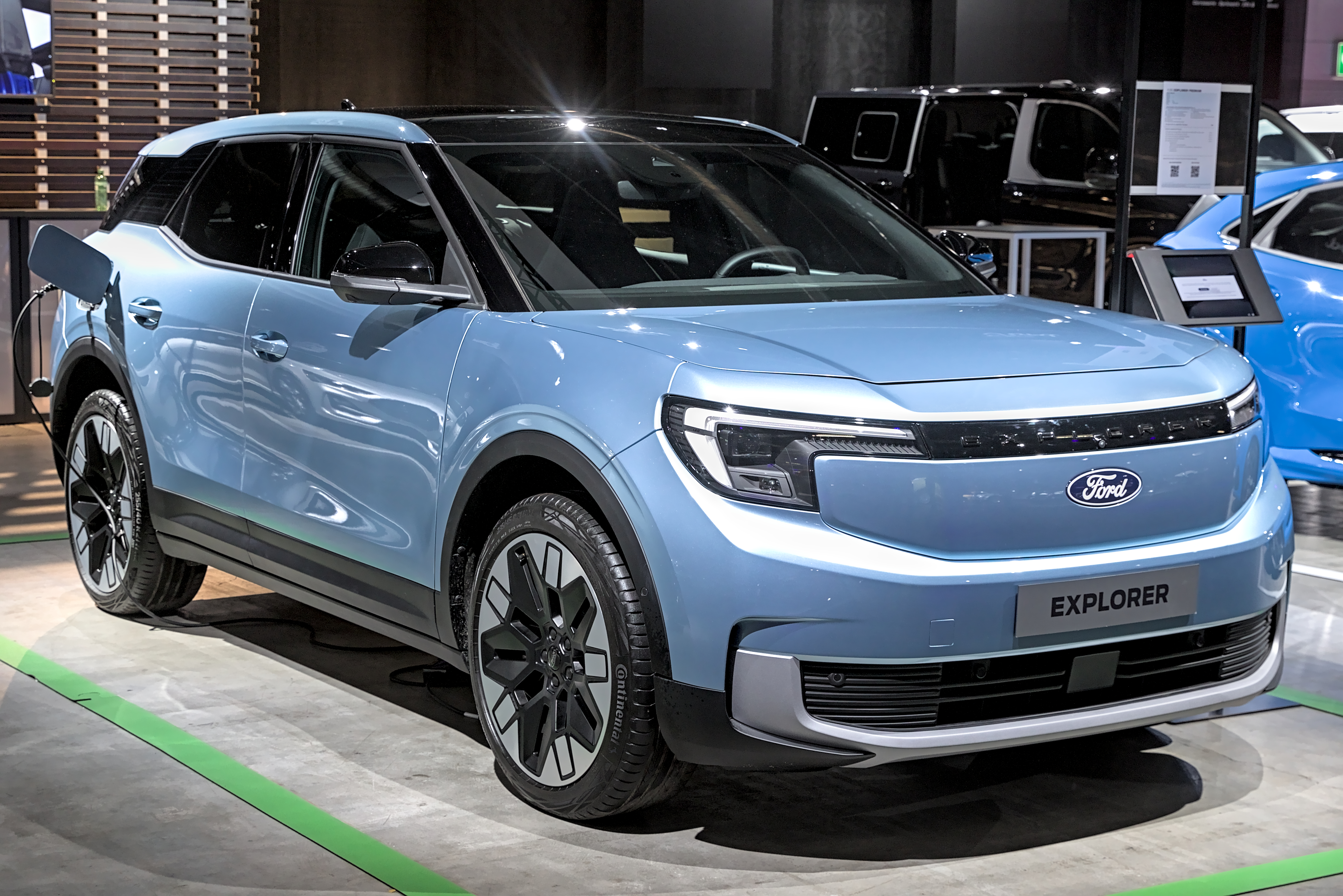
the new electric Explorer, and they've now changed that to super duties,
which are not electric in any way.
And there were some other plants as well.
The the GM Oshawa plant, which was making the bright drop
delivery vans, that's all done now.
And then there were some other promises and investments,
I think with Volkswagen and Honda that are now also the the automakers
are walking back on. So so in short, there's no domestic EV industry to protect.
Exactly. So it doesn't make sense to have really high tariffs on these vehicles.
So it's good news.
The thing I like about this decision is it's a rare example
of the government government making a consumer focused decision
versus an industry focused decision.
This is going to benefit individual people who are going to be able to buy inexpensive cars.
I really hope so.
I really hope that this term, like you said, a quarter of the sale
EV sales can can change the tide.
You know what I mean?
As long as it's not all imported
Teslas that are being built, that's what I'm worried about, because currently
that's what the last, I think, elect Chinese EVs that came here were.
And we also have to see how long the network of of dealers and and service
will take to get into into the country.
For sure. But look at a company like Vinfast,
which doesn't have nearly the resources of a company like Daily or BYD or any of these things.
They came and they put in dealerships and they managed to sell cars.
So yeah, think about not good, not good cars, but cars.
No, but they're a smaller operation that still managed to get it done.
So if they can do it, I think that these gigantic Chinese automakers
can also accomplish the same thing.
And I also know that there's a lot of hesitation about the quality of these Chinese EVs.
I've mentioned that when I go to the Middle East and I go to Europe
for my personal trips, I see a lot of these Chinese cars there, everywhere.
And people seem pretty satisfied with them, especially given the price tag.
So it's it's definitely a trade off
that will probably be keeping an eye on in terms of the quality
and and performance of of cars.
And Canada is a very difficult like environment to to make vehicles for,
especially when it comes to electric vehicles, but no more deal with some pretty
harsh weather than than Norway, which has like an immense amount of EV adoption.
You know, like they also have a ton of great charging networks.
Do you think so? Just come back.
Yeah, that's good. That's true.
Do you think this is a crazy question to ask?
Every new EV I think that I'm getting this year
will come with the NACS or the Tesla style charging port.
Do you think these Chinese automakers will come with an NACS port?
I don't know. That's a really good question.
I doubt it, but I think it's really funny.
I'm not an NACS fan. So no, I know you're not.
As someone who owns an L2 charger that doesn't have a Nax port,
I'm good with, you know, sticking with the tried and true.
Yeah, I agree with. I'm totally fine with it.
So far, I haven't been inconvenienced by the NACS port yet.
Every automaker has given me an adapter that has worked.
Those adapters are inconvenience personified.
They're just they take up a space in my armrest,
which is usually used for one more point of failure when you're plugging in.
That's true.
So far, no problems yet.
I can't wait to see my my press card turn into a ball of fire.
Just wrapping things up, ball of fire style this week.
We have a question from Justin.
I love this question.
Wrote in to tell us that they they've sold their
Sanyong dual cab pickup or sorry, dual cab you.
It was just sitting around really not really being used.
And they bought a 2004 Volvo XC70, which is cool.
We're all about wagons and wagon ownership is, you know, one of
I think one of the highest forms of automotive ownership.
He Justin really likes the Volvo and it's from an era
where there's not a lot of annoying, autonomous, semi-autonomous safety
features compared to the the other vehicle in his household,
which is a six three that he really does not like.
His question, though, is has the automotive industry lost the ability
to put feeling back into vehicles because of safety requirements
or are people now just choosing tech over driving pleasure?
And that's why this safety gear is being loaded in.
I think, Sammy, this is maybe a nuanced question.
I feel like a lot of the reasons why driving pleasure has
left vehicles has to do with weight and the the the large size of vehicles
these days where even small vehicles are very heavy.
I think that saps a lot of the fun and enjoyment out of a vehicle.
Yes, then the further question is why are vehicles getting heavier
because, you know, that's that's a very difficult question to answer.
No, I think it's because they're getting bigger.
I think that's a big part of getting bigger.
They're getting way more safety equipment and a few more convenience
features that are super easy or cheap for automakers to put in and upsell you on.
I don't know if safety equipment is really driving weight.
I think to a huge degree.
I really think it's the proportions of the vehicle that are pushing that out
much more if you were to look, especially at like trucks versus, yeah.
And then then there's also EVs, which are extremely heavy because of the battery.
And if you've driven a lightweight EV, which I'm trying to remember one
that I have driven, yeah, I don't think they exist.
I think the BZ was relatively lightweight.
What does that mean? 4,000 pounds, particular.
Yeah, it was not particularly enjoyable to drive.
Actually, that's not a light vehicle.
Yeah.
I think that I, to answer your question more specifically, Justin,
I don't think people are choosing this technology.
I don't think people are making choices on what they buy based on autonomous,
semi-autonomous driving features and assistance.
I don't think that that's a real thing.
I also don't think people are choosing vehicles based on connectivity
or infotainment options.
I think that is largely a fantasy of the marketing departments that are
trying to differentiate vehicles in a market where almost every car is good.
And it's hard to tell the differences between one car and another car
based on its specifications or how it drives on the road.
So I feel like this stuff is being, it's being forced.
I don't mean forced like in a negative way, although it can have negative results.
It's being loaded into vehicles as a way of saying we have this fancy gadget
that makes us better than brand X.
Yeah, I think you're, I think you're on to the right thing here.
You said, you said something really important, almost all vehicles are good.
And I'm putting good in a very, we need to put good in a very particular bucket.
And by good, we mean they're safe, they're reliable, they're fairly well performing.
They're, you know, what's the word we use, practical, you know what I mean?
They like cover the the general purpose usage of a vehicle in every way, right?
And yeah, and also just in order to in order to excel in in drivability
or performance or enthusiasm or something like that, you have to sacrifice something there.
And I don't think the automakers have seen a trade off worth it.
But I mean, just to follow up on the model year of Justin's Volvo.
I mean, it's an O4, right?
I in the last, you know, year I've owned an O4 Subaru,
which I don't for many years, which is sold.
I own an O4 CTSV and I have an O2 Pathfinder.
And the driving experience from all of these vehicles is exactly as you described.
It is there's no interference from electronics.
There's there's very minimal intrusion into the driving experience.
And as a result, these cars all have personalities of their own,
rather than a homogenous personality that you can get from a traction control system
being very much like every other traction control system or an adaptive cruise control
being like every other adaptive cruise control.
So I definitely agree with you that cars from that particular era
and maybe up to like 2010, 2011, they have a personality that you don't see
in modern vehicles and to even take this back further.
When I think about the cars that I want to own,
the cars that I want to own are older and older because I can identify
a reason for wanting to own them over others like this.
There's that personality and the individuality associated
with the experience of driving those cars.
It stands out to me in my mind, whereas today I drive 50 to 60 cars a year
that are brand new and very few of them stand out in terms of personality.
Some of them do, but it's harder and harder to have that experience,
whereas it's mostly just a homogenous.
These cars are good kind of experience.
Yeah, I think, as I said, a lot of cars feature that homogenous
this is a good car.
And as you mentioned, the the number of cars that we drive
compared to the number that we actually think we would own personally
as both enthusiasts or appreciators of cars that have personality,
maybe not even would own cars that have personality
because there are vehicles with personalities that I wouldn't want to own.
Right. Like I think that is super rare.
It takes a huge risk for an automaker to try to infuse a huge risk,
a huge investment and a huge commitment after it's been it's been made
to deliver that vehicle and ensure that the right people are seeing it,
are are experiencing it and are appreciating it.
And they would rather go for a more mainstream or mass market audience
because that's obviously what's going to reward them financially.
Just build another crossover, basically, as it comes down to, which is, you know,
what, again, you want to talk about building another crossover, though,
you and I have both appreciated Nissan for delivering two in the in recent
history, two weird, different EVs.
And EVs, sorry, not EVs,
crossovers, my God, the Juke and the Kicks,
two totally bizarre vehicles that had personalities.
But those are all 10 years ago now.
I mean, was that the last year?
A what's it called?
No, but when they were introduced.
Yeah, when they're introduced, right?
Like it was a different era where they were willing to take those risks.
And were they good?
Good enough.
I mean, the I think the Kicks was good.
The Juke was fantastic because, again, it was lightweight.
The Kicks was fantastic because it was lightweight
and allowed you to feel the car and experience the car.
The Juke was interesting.
It was totally weird.
And you totally would you could get into it as what we do in terms of
assessing new vehicles, get into it and understand
why somebody would take a car that looks like this, has zero cargo room
and was like, what was it?
It was all wheel drive CVT.
Yeah, now we're in a world that's so risk averse,
they won't even build sedans, you know, like that's that's where we're at now.
They're canceling the Ford Escape, bro.
I don't understand that one to me.
Ford had multiple crossovers
and the only one with with several powertrains.
Has been canceled for the for the Broncosport, too.
So I mean, I guess that plug in hybrid will eventually come to the Broncosport
and that hybrid version will come to the Broncosport.
But, you know, you already had that.
Anyways, that one, that's another story that that blows my mind.
I don't know why they did that.
It bothers me.
Anyways, so, Justin, thank you very much for the question.
It really helps.
And I think we'll be thinking about this.
We have been thinking about this question
and I think we'll continue to think about this question
because it's something that comes up all the time that, like, what happened?
Where where are the where are the interesting cars?
Where are the good cars and why are we being fed these weird things
that seem like everything else?
Like, for example, Ben, hold on one second, that prelude.
It's so hard to this is a Honda.
It's a Honda hybrid coupe.
That seems like it's just a civic coupe,
but is more expensive than what the civic coupe used to be
and has some suspension bits from the Type R.
And you're looking at this thing being like, what is going on here?
I'm trying to do something different
without actually doing anything. Yeah, exactly.
Exactly. That's a great way to put it.
It is so they are trying so hard to try to figure out
how to do something unique without investing a lot
and being able to pull the plug when it doesn't work.
Anyways, so if any of you have a question like Justin,
you want to get it to us, how can they how can they reach us?
Sammy, head on over to our website, unnamed automotive podcast.com.
There's a contact form.
Fill that out. It lands in our inbox or you can email us the old fashioned way.
It's Benjamin at Benjamin hunting dot com.
Ben, is your social media inbox open again?
No, still. No, OK, you can reach me on social media.
I'm at Sammy underscore.
Ha, like you're laughing on Instagram.
I guess you can message me on X. I probably won't.
I don't have notifications. I don't log into X.
Don't do that, I guess.
What are you going to be driving next week, Sammy?
I've got a palisade to talk about.
What kind of palisade?
A hybrid palisade because I've got a palisade XRT to talk about.
Oh, double pallet with a pali pal.
All palisades.
I can't wait to talk to you about this
because it's gone through a fairly significant redesign
and I was really excited to test drive it.
All right. Thank you for listening this week, everybody.
See you later. Bye.
About this episode
The latest episode dives into the 2026 Toyota Sienna, exploring its design inspired by Japanese bullet trains, though the hosts humorously dispute that claim. They discuss the Sienna's hybrid powertrain, pricing, and family-friendly features, while comparing it to competitors like the Honda Odyssey and Chrysler Pacifica. The episode also covers the discontinuation of the Dodge Hornet and Chevy Bolt, alongside the impact of reduced tariffs on Chinese EVs in Canada. Listener questions spark a debate on the loss of driving pleasure in modern vehicles due to safety tech and weight.
This weeks show starts with Sami's review of the 2026 Toyota Sienna minivan, which is apparently inspired by Japan's iconic bullet trains. Although our hosts struggle to see the direct connection, their discussion of the minivan covers all kinds of topics, ranging from the importance of max cargo room in a van, to whether shared media experiences are still valuable during a roadtrip.
Then the guys talk about a few important news topics that came up, including the death of the Dodge Hornet, the arrival and cancellation of the new Chevy Bolt, and the arrival of new Chinese EVs on Canadian roads. Finally the show wraps up with an important reader question.
We hope you enjoyed listening this episode as much as we loved recording it!