A “regulatory standpoint” just means the government rules side of things. Here, they’re talking about how regulations are influencing what automakers are encouraged to build.
Fuel mileage restrictions are rules about how efficient cars have to be. If those rules get relaxed, automakers may feel less pressure to make cars extremely efficient.
“Import EVs” refers to electric vehicles brought into the U.S. from other countries. The segment ties import difficulty to policy and manufacturing location, explaining why some EV models are available while others are not.
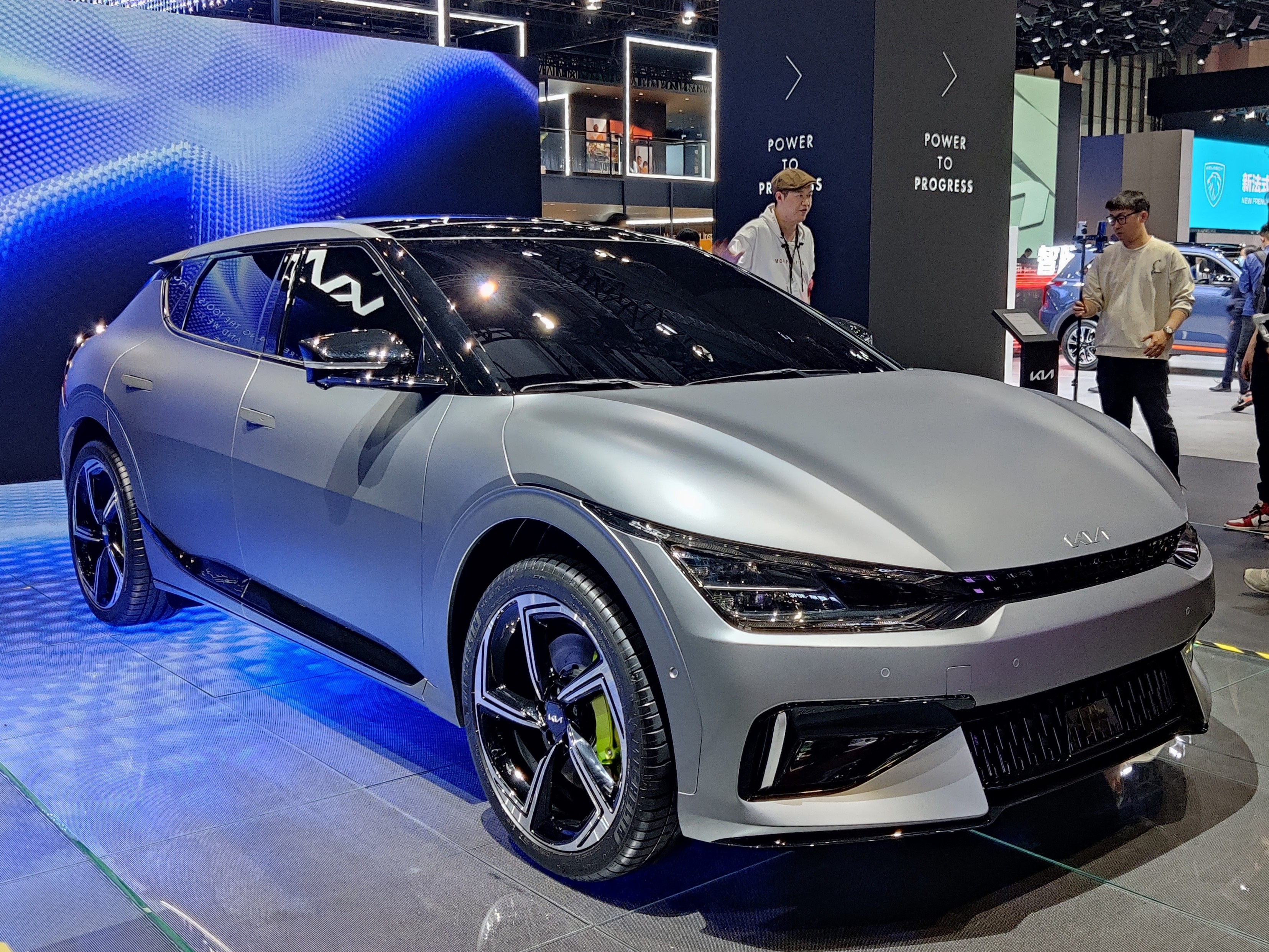
The Kia EV6 GT is the sporty, higher-output version of the EV6 electric Kia. The hosts are saying it won’t be sold in the U.S. here because of where it’s manufactured, even though other EV6 models can still be sold.
The supply chain is the network of factories, parts suppliers, shipping, and logistics that gets vehicles built and delivered. The hosts suggest that beyond model-by-model availability, the broader supply chain is being affected by policy and trade conditions.
Electric cars are cars that mainly run on electricity stored in a battery. The hosts are talking about how different countries may be moving toward (or away from) that technology.
ICE means regular gas or diesel engines. “Peak ICE sales” is basically the time when the most gas-powered cars were sold worldwide before EVs started growing faster.
A plug-in hybrid can drive using electricity like an EV, but it also has a gas engine if you need it. You charge it by plugging it in, and it can help reduce gas use.
Hybrid cars use two power sources: a gas engine and an electric system. Some hybrids can’t be plugged in and instead recharge the battery while driving.
Combustion engines are the traditional gas/diesel engines that burn fuel to make power. The hosts are discussing whether policy is encouraging more of these engines instead of EVs.
Governments sometimes give money back (or reduce taxes) when you buy an electric car. If that help goes away, EVs can cost more, so fewer people may buy them.
MPG rules are government requirements that push carmakers to make cars use less gas. If those rules go away, carmakers may not feel as much pressure to improve gas cars.
Toyota is a major carmaker that sells worldwide. The speaker is using it as an example of a company that can keep selling even if one region gets tougher.
Mercedes-Benz is a car brand/company that sells in many countries. The speaker is saying that selling in multiple places helps companies stay competitive.
They’re talking about cars that cost less to run because they use less energy. With gas getting expensive, people may want a more efficient car to save money.
The EV4 is an upcoming Kia electric car. They’re saying that when gas gets expensive, people want to switch to electric cars—but in this case, the EV4 isn’t available when people want it.
An all-electric vehicle is a car that doesn’t use gasoline. It runs on a battery you charge, and how far it can go depends on the battery and driving conditions.
The Bolt is a popular affordable electric car (from Chevrolet). The hosts are comparing how the EV4 stacks up against the Bolt in price and how far it can drive.
Front-wheel drive only means the engine/motor power goes just to the front wheels. That can change how the car feels in turns and how it puts power down on slippery roads.
A single-motor EV uses one electric motor to move the car. It’s often simpler than dual-motor setups and can be cheaper, but it may not feel as “all-wheel-drive capable” in every situation.
They’re comparing the EV’s acceleration feel to a Honda Civic hybrid. The point is that the EV’s “pull” is comparable to what you’d expect from a compact hybrid.
The Hyundai Ioniq 5 is referenced as an example of a more performance-oriented EV than the one being discussed. The speaker contrasts its character with the smaller, more affordable EV’s strengths (responsiveness and efficiency) rather than outright performance.
A kilowatt-hour (kWh) is basically how much “energy” the EV battery can store. More kWh usually means you can go farther, but how you drive and weather still matter.
Not all of the battery’s stored energy is meant to be used. The car keeps a portion in reserve to help protect the battery, so “usable” is what you can actually drive with.
This is a way to measure how efficiently an electric car uses electricity. If the number is lower, the car goes farther on the same amount of battery energy.
“GT line” means a higher equipment version of the car. It often adds nicer features and styling, and here the speaker says it also comes with bigger wheels that can reduce range.
Bigger wheels can make an EV go a little less far on a charge. The tires and wheel shape can create extra resistance, so the battery doesn’t last as long.
Rear seat heaters warm the back seats for passengers. They use electricity, so they can slightly affect battery use, but they’re usually comfortable in cold weather.
Some EVs are built around a higher-voltage electrical system. That can help them charge faster because the car can take in more power more efficiently.
This means the car can only accept up to 125 kW from a fast charger. If the charger can do more, the car still won’t take it—so charging won’t be as fast as a higher-capacity EV.
The Hyundai Ioniq 6 is another EV model used here as a comparison. The host’s point is that the Kia EV4 isn’t just a copy of the Ioniq 6—it’s different in how it’s set up and how it looks.
The Hyundai Kona is a small SUV/crossover that also comes as an electric car. The hosts are comparing it to the Kia EV4 to see whether the battery size and setup are similar.
“Shadow launched” means something goes live quietly—like it’s available or listed, but not fully announced. Here, they’re saying the car might be showing up online in a limited way.
A fastback is a car shape where the roof flows in one smooth line toward the back. It usually looks sleeker than a typical sedan roof.
Term
notch trunk
A “notch trunk” means the roof and trunk look separated, like a classic sedan shape. They’re saying the car’s rear design looks more like a sedan than a hatchback.
The Chevrolet Bolt is an electric car that Chevrolet sold in the U.S. The discussion is using it as an example of how EVs can be affected by where they’re built and what rules apply.
“Fuselage styling” means the car’s shape looks smooth and streamlined, like the body of an airplane. They’re using that idea to describe the EV4’s retro-looking body lines.
A quarter panel is part of the car’s body on the rear side. It’s the panel you can see behind the rear door, and they’re saying its shape looks like a certain older style.
The Lexus TX is a Lexus family SUV with three rows of seats. It’s meant for people who need room for kids and passengers, and they’re comparing it to a similar Toyota to see if it’s really better.
They’re talking about what makes a family SUV with three rows a good choice. The point is that kids can be hard on cars, so spending extra for luxury doesn’t always pay off.
The Toyota Grand Highlander is a bigger Toyota SUV with three rows, built for families. The hosts say it’s a better deal than the Lexus TX because it’s very similar underneath but costs less.
They’re saying the Lexus and Toyota are very closely related—built on the same basic design. So the driving feel and layout are similar, and the main differences are usually the features and how “fancy” it is.
The Lexus LX is a big Lexus SUV with three rows of seats. The hosts mention it to explain that, in their view, some of these larger Lexus SUVs don’t feel as comfortable or well-designed for families as the TX.
The Lexus GX is a larger Lexus SUV that’s built more like a truck. In this conversation, it’s brought up as a comparison point for how well it works as a family vehicle.
“Body on frame” means the car’s body sits on a separate heavy frame, like many trucks and older-style SUVs. Some people feel it can make the ride and interior layout less refined than newer designs.
Many SUVs have a feature that lets you move the middle seats forward to reach the back row more easily. That’s especially helpful when there’s a child car seat installed.
The Hyundai Palisade is a larger SUV with three rows of seats, meant for families or groups. It has comfort and convenience features that can be adjusted with buttons. People may bring it up when discussing how those features work in real use.
This means the third-row seat can move on rails to make room. The host is saying it’s the main way to get into the back when a child seat blocks other seat movements.
A three-row vehicle is a family-sized car with seats in three rows. The host is talking about whether entertainment in the back is actually helpful on long trips with lots of passengers.
A vehicle entertainment system is the stuff that plays movies or music for passengers, usually in the back seats. The host is saying this car doesn’t have rear screens, but it still has audio and ways to charge devices.
A four-cylinder engine has four “power chambers” inside it. It’s a common design because it can be efficient, and how strong it feels depends on the specific engine.
The Kia Carnival is a minivan made by Kia. The hosts are saying it’s one of the best choices if you want something that feels more upscale than a typical minivan, including its special second-row seats.
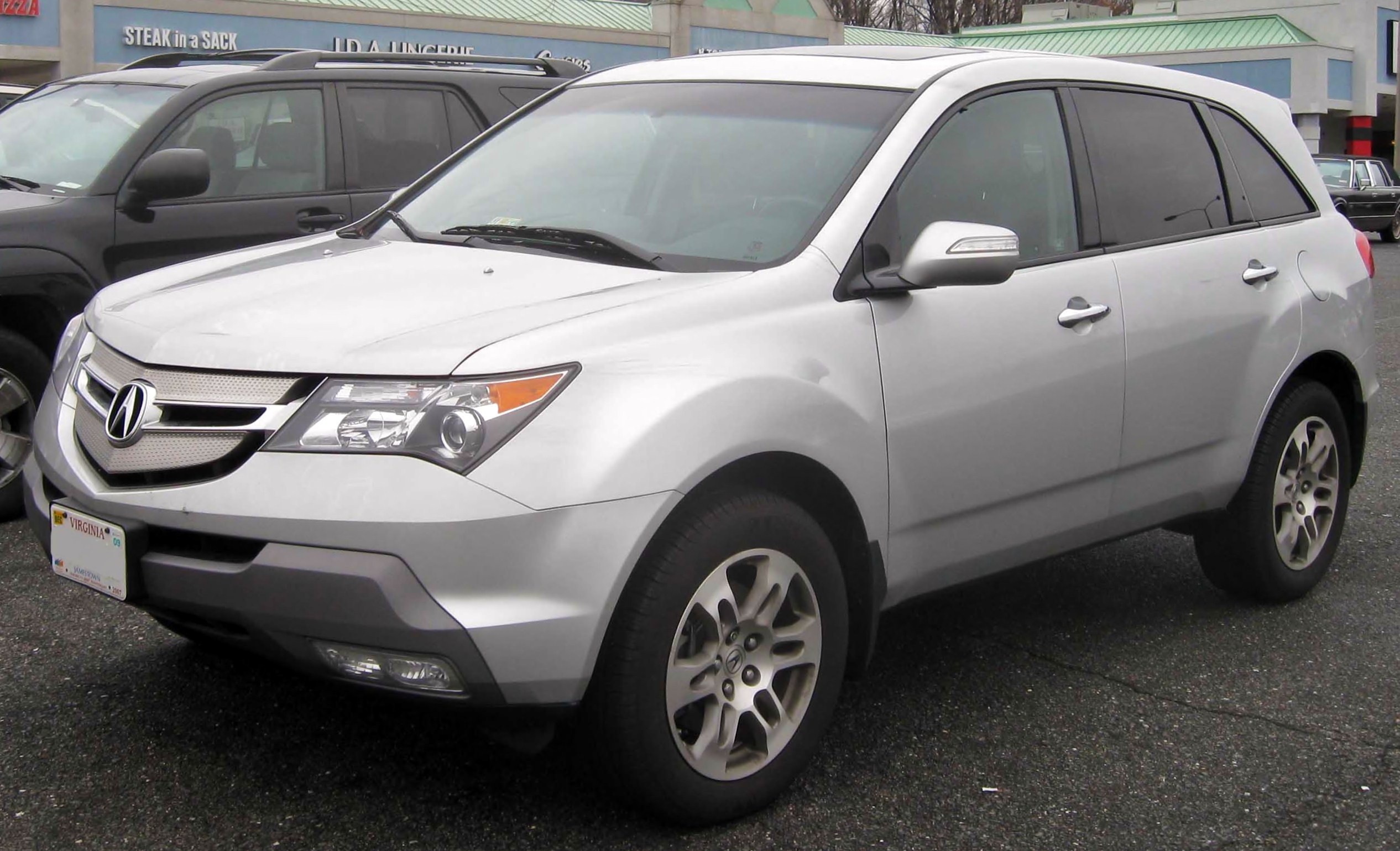
The Honda MDX is a three-row SUV that’s positioned as a more upscale option than basic family SUVs. It’s designed to carry passengers comfortably and still feel refined to drive. It comes up in comparisons because it’s a common benchmark for what a three-row luxury SUV should be.
“XT6” is likely the Cadillac XT6. It’s a larger family SUV with three rows, so it’s the kind of vehicle people compare when talking about fitting seven passengers.
“Aviator” refers to the Lincoln Aviator, which is a luxury SUV with three rows. They’re basically saying it’s starting to feel a bit outdated compared to newer options.
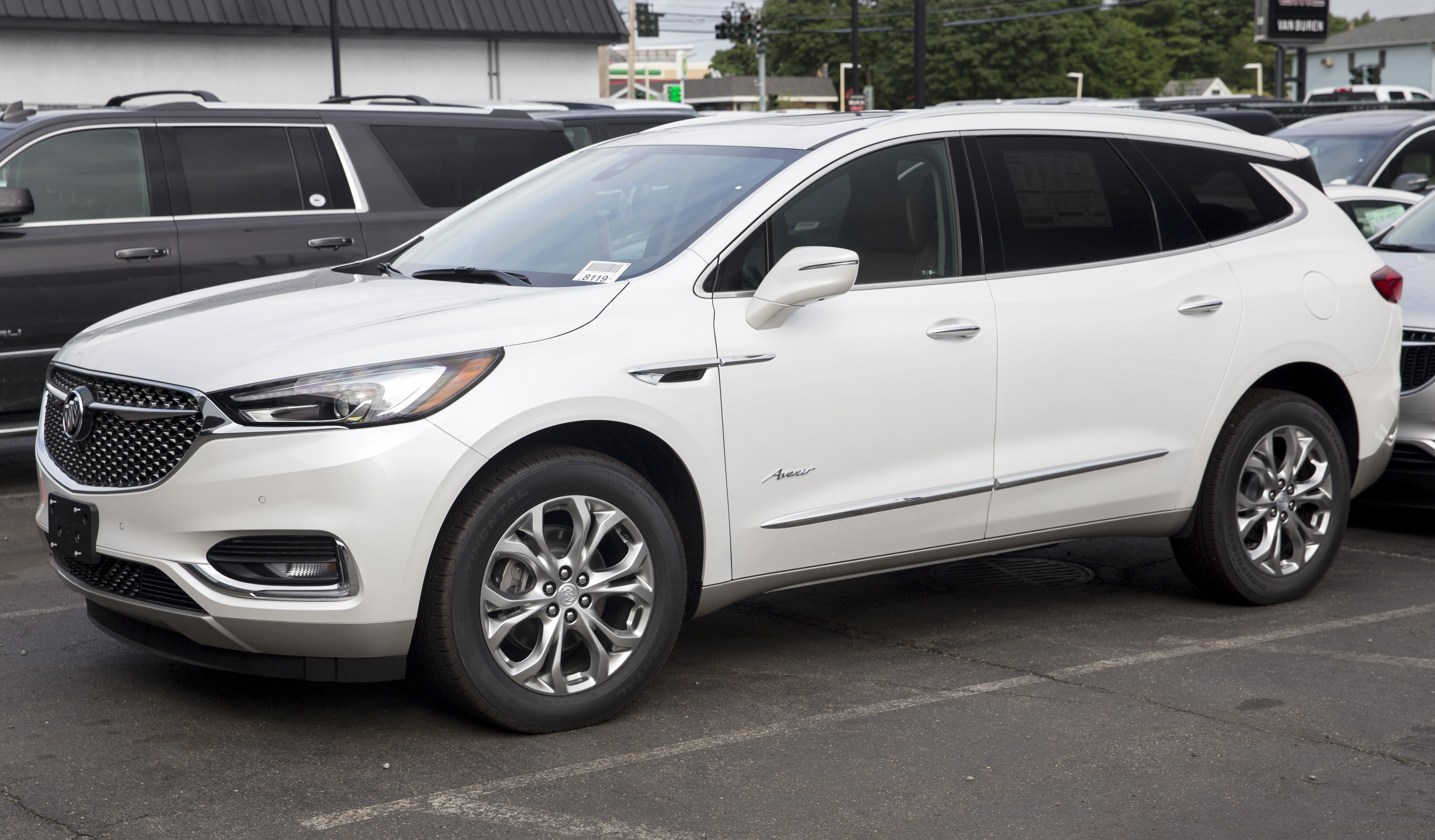
They’re talking about the Buick Enclave. It’s a family SUV with three rows of seats, and they’re using it as another example in the “how many seats can it really do?” conversation.
They are making it harder to import EVs, not only EVs that are produced elsewhere
like the EV for the reason it's not coming to the US is because it's built in
Korea. The reason other EVs from Kia are still available is because they are
built in the United States, almost the EV six is still on sale.
That's built in the US.
But the EV six GT, which is the high performance version, is no longer
available there because that one was still built in Korea.
But more than just total models that are being available in the United States
from from electric car manufacturers, the supply chain itself has become
more difficult to manage.
So even if American car companies wanted to buy or sorry, wanted to build
EVs at home or more EVs at home, it's more expensive for them to do that
because of tariffs.
So this is the turning point.
We're at it.
We're we're in an era where the American car industry is whether through
choice or being forced by regulations, moving away from electric cars while
the rest of the world is doing the exact opposite.
I mean, peak ICE, peak internal combustion engine sales were in 2018 globally.
That was almost almost a decade ago, eight years ago.
So ever since then, EVs have taken up a larger and larger slice of the market.
And the danger here is that should the wind shift in the future at
America chooses to go back to EVs or chooses to change how it's approaching
automotive, it might be too late for companies that are based in the US to
catch up to the rest of the world.
And it could seriously harm the American auto industry.
Yeah, I think that's a really important set of binoculars you've got because
the rest of the world is is emphasizing, I would say, fuel efficient
and and electrified vehicles, not necessarily all fully Vs, but like plug
in hybrids and hybrid hybrid vehicles as well.
I know you said you did say that they're being like North American
companies are being encouraged to make more combustion engines.
I don't know.
I don't know if they're being encouraged to.
Oh, they're definitely being encouraged.
Or they're just being de-cent devised.
They're being encouraged by the fact that there's no longer any type
of federal tax benefit for buying EVs.
And there's no longer any miles per gallon restrictions on cars are going away.
So why would you not do the cheapest thing if you're a car company?
I can tell you why.
Yeah, you don't do the cheapest thing because you want to have a future.
The problem, it sounds funny, but the reality is the future is expensive.
And if you want to, if you want to be in business 10 years from now,
you're constantly investing in your company, whatever your company is.
And the sad fact for American car companies is that the only place
where they can sell the pickups and full size SUVs that are the backbone
of their profit center is America.
Right.
Those vehicles do not sell anywhere else.
So focusing exclusively on those can take you out of the global game.
And if you're out of the global game, you will get your lunch eaten
by large companies that have stayed in the global game like Hyundai,
like Toyota, like Mercedes Benz, like I stress, I'm not going to say BMW
because they're not really a huge player, they're not a huge company.
But these conglomerates that are operating in multiple markets,
they're going to be able to just continue to develop cars
that they can sell everywhere instead of just the US.
And the problem is the US has runs the risk of becoming an island
where only a certain type of vehicle is sold.
And that could be really rough as a foundation.
If you're a company that's based in America 10 years from now.
Right.
But, you know, I've been hearing from a lot of people that fuel costs are going up.
And you're hearing from a lot of people, you know,
hearing from, have you not looked out the window or broadcast yourself?
You're like, actually, you heard a rumor that gas prices are high.
Hey, hey, I'm trying to keep things on the DL here.
I don't want to name anybody, but I've been hearing that it's
six dollars a gallon here, where I live, very pricey.
And it's even more expensive in other parts of North America.
And I'm sure that customers are looking for if they can't get, you know,
relief at the pump from the gas stations, they might consider like more
fuel-efficient vehicles, too.
That's weird that like, that's what they want, but you can't get it.
Yeah.
What if you can't buy them?
What if you, because the EV4 is exactly that and it's not available?
So, OK, let's move on from the, the, did we talk that this is the EV4?
We're talking about the EV4.
Ben, Ben, Ben spoiled it.
I introduced, I didn't spoil it.
I introduced it about five minutes ago.
OK, there's also not paying attention.
You know, I forget what you say.
Telling you about gas prices.
Yeah, they are, they are blowing up my DMs right now.
And I'm just like, just staring at it.
There's also, I think there's another Kia that is Canadian only coming
called the EV5, which is more of like a.
I think the EV5 is a full North America product.
I don't think it's in the US, bro.
I think it is.
No.
You know, no.
I'm checking right now.
Because, like I said, the EV6 is built in the in the United States.
Yes.
OK, in January, it will, it will, the EV5 might come to the US,
even though it has been announced as America.
It was Canadian only at first, but we don't have it here yet.
Apparently it is.
Apparently it's here somewhere.
Somebody's been driving it.
I thought I saw one the other day and it was just an EV9.
You know what?
That's true because the EV9 hides its size really well.
And I, and I feel the same way.
I'm like, that EV9 looks kind of small.
Is that an EV5?
And then I get up closer and then people are like, leave me alone.
Yeah.
OK, so talk to me about this EV4.
I obviously it's an all electric vehicle.
What I want to why I did that whole preamble about the turning point for America
is because the EV4 is what we've been waiting for for a really long time
from electric cars, and that is a cheap electric car that's really good.
And I know that we are big fans of the Bolt on this podcast,
which was kind of that year, the original bolt, not the new bolt.
Yeah, the new bolt we haven't tried out yet.
But the the the EV4 is ahead of the current bolt
in pretty much every category, size, range, comfort, all of that stuff.
And yet it in Canada, it starts at like including delivery,
$32,000, which makes it two thirds
of the of the average transaction price in Canada. Right. Yeah.
I think I think it's 60,000.
Maybe maybe that's half.
So that's impressive.
That right off the bat, that would be about 30 grand in the US.
I believe that is a little bit more expensive than the Bolt.
I think the Bolt starts at 27 before delivery fees.
But again, this is a larger, more capable car with more range.
What Hyundai and Kia have done is taken everything they know
about how to make a great electric car we've seen in the the Ioniq series
of vehicles, the EV6, EV9, and they have shrunk it down.
They've removed some of the more expensive bits that you don't necessarily
need to still have a good experience and then kept everything else
that you do need to enjoy an electric car and created a remarkably
affordable package that performs really, really well.
I'm so skeptical of all of this and I don't know why.
It feels like you're glazing this car and I want to know what the story is.
I don't know what glazing means.
You're just so stoked about it.
And I am stoked about it.
I knew nothing about it when it showed up and after a week,
I put a thousand kilometers on it and it never ceased to impress me.
First of all, it's front wheel drive only, single motor,
201 horsepower, two hundred and nine, two hundred and nine pound feet of torque.
Now, if you're paying attention to kind of compact cars in general,
that is more than a lot of gas powered compacts.
It's roughly the same as what you would get from like a Honda Civic hybrid,
which has a little bit more torque.
So it's not a high performance EV in the sense that, you know,
the Ioniq 5 was or the EV6 was.
But it is, it does have the instant on torque.
It is not very heavy and it has a very aerodynamic shape.
So you end up with a car that drives well.
Acceleration is good.
It's like seven point seven seconds to 60.
That's perfectly acceptable for a compact car.
You know, what's most important is there's two batteries available in Canada.
The first one, 58.3 kilowatts.
That's only on one trim, the entry level trim.
That gets you 240 miles of driving, I believe.
240 miles. Yeah.
What is that in kilometers?
I'm on it right now.
I have it right here.
Three hundred and three ninety one. Yeah.
So that's that's great.
That's not outstanding, but that's good.
That's usable every day.
But every other trim comes with an eighty one point four kilowatt hour battery.
Holy moly, that's yeah, holy cow.
That's massive.
Of that, it's seventy seventy eight kilowatt hours are usable.
And that gives you five hundred and fifty two kilometers in the most
frugal trim that is three hundred and fifty miles, three hundred and forty
miles. That is really good.
Now, that doesn't always happen in the real world.
Sammy and I have, I mean, just last week, we were talking about the BZ
and how I was getting something like twenty five kilowatt hours per hundred
kilometers, which was really not that efficient.
And certainly not in keeping with what we expected from it.
So I had a day last week where I I recently had a roll bar installed in my
Datsun and we'll talk about that on another podcast.
Do we have to?
I'm joking.
Well, just take the wind right out of my sails.
Just kidding.
No, let's just let's just pack it up.
No, I mean, I just said a podcast.
I'm joking. I'm joking.
Of course, we want to hear about actually, I know I've been watching
this whole sway bar installation process on the way home, on the way home,
the electrical system in the car died and I had to get it towed.
And this meant going back and forth to Montreal like four times.
Brutal. In the Kia, that was not a fun experience.
That's all highway to at like 75 miles an hour, 120 kilometers an hour.
That's not the most efficient use of a hybrid of an EV, right?
I got 17 kilowatt hours per 100 kilometers, which when you when you
put it up against the battery, it makes it about, I think, 300 kilometers,
300 miles of range in the real world.
That's really impressive.
Yeah, I could not get the number to go below.
Like, I mean, I couldn't use more than 17.
At some points, I was at like 16.7, 16.8.
That's a huge improvement over the BZ that I drove.
And I never felt like I didn't have enough power.
I never felt like the car wasn't comfortable.
And this is like on a full charge on that one day, I drove 400 kilometers
without recharging and I still had like 18 percent or 20 percent of the battery left.
Like this is what the AC going and that high speed.
So the car has the goods, it does everything you need it to do.
And it does not cost a lot of money.
And I also want to point out the vehicle I drove was the GT line trim,
which is the highest trim level, which has large 19 inch rims,
which is going to impact the range as well.
OK, so if I was on like a mid trim with the big battery,
I would have gotten even better efficiency.
This car never stopped impressing me.
The interior is also good.
It feels like pretty much any other EV from Kia.
There's like rear seat heaters, ventilated seats up front.
It's got decent infotainment.
The trunk had enough room for like three checked bags on an airport run without any issues.
I know Sammy hates how this car looks.
It is a very awkward looking car, especially the side profile.
I think it looks cool.
It looks ridiculous.
It looks sweet.
You're wild from other sedans.
And that's what I like.
How have you done this to yourself?
What are you talking about?
It's so weird.
Yeah, I like weird cars.
The Onyx, the Ioniq six is like my favorite EV style.
Ioniq six.
This looks better.
This looks worse than the sixth.
OK, I don't know my take.
Sorry, I've already bought one.
So and it's on its way to your house.
Look under your chair.
Look under your chair.
This key is the Onyx six.
How do you get your house the same way I got it last time?
We need to get rid of that rock with the key in it.
Yeah, it's too obvious.
OK, keep going, though.
So I think it looks good.
Sammy hates it.
It's practical.
It's efficient.
It's big inside.
Yeah.
It's everything you need in a car, period.
Like no preface there, no foreign EV, you know, like there's no need to justify
or append or whatever.
This is a good car.
It is a cheap car.
It's actually, I think, the cheapest EV in Canada.
And this is the point we're at now where finally enough technology has trickled
down production costs are low enough where we can get a car that covers all
the bases is affordable for pretty much everyone.
And the fact that it's an EV is just kind of an aside.
You know what I mean?
Like, yeah, and these cars are going to keep coming and they're not going to stop.
Except in the United States.
Yeah.
Yeah, you got to be real with everybody here.
No, but that's the problem because these are really great vehicles.
This is the first of a cavalcade of this kind of thing.
And they're not going to happen in the US and it's going to hurt customers
in the US and it's going to hurt the automotive industry as a whole in America.
I think one other thing I want to talk about with the car, one of the other
ways they help keep costs down.
This does not have the 800 volt architecture that is found in so many
other key as in Hyundai's.
How interesting 400 volts.
The charging is capped at 125 kilowatts.
So that is an area where they were able to save some money.
And I think of the real world, like I plugged in at a public charger
because when I picked up the car, the battery was quite low.
And I got it up to like 38 kilowatts is something was not a great charger.
It was flow.
Shout out to flow, a company that has never not let me down when I am charging
on the road at home, a charge is just fine.
And I think that's how most EV owners charge.
So I don't really think there are that many instances where you're going
to be surpassing 125 kilowatts in the real world, unfortunately, because
especially in the US infrastructure is not that great for EV charging right now.
So that does not for me, that's not a big problem.
But it is a smart way for Kia to cut costs and keep this vehicle affordable.
How interesting.
So this is a car that competes.
I mean, first of all, the really interesting thing to me about the EV4
is that it is not really an Ioniq six equivalent to it.
No, not at all.
And we've talked in the past about how.
Hyundai has done in particular has not followed the styling trends
of other automakers that try to make all of their electric vehicles look the same.
I think if you look at Hyundai and Kia, every single one of their
electrics has a distinct visual identity.
And I think if you put this beside an EV6, you will see family resemblance,
but they're nowhere near being the same car.
OK, so that's one of the things that really like
it feels so much more unique than any other.
Like usually I'm used to seeing something related to like Kia and Hyundai.
They typically do not have a lot of.
Exclusive like like cars or platforms or.
Technologies, so I'm trying to find the equivalent to the EV4 in in other cars.
And I just I'm not seeing it.
No, not at all.
It's almost like a like a like a mishmash of some other things it might.
But like you can't get an 80 kilowatt hour battery with that power train
in something like a like a Kona or a Niro or something like that.
So it's super unique.
And I'm really curious as to how they're going to pull this off in the long term.
Is the Niro EV still on the market?
I thought so. I don't know why they had taken it off and kept the hybrid.
Because I thought the sole EV they took off the market.
So he has been gone for quite a while.
Yeah. The reason I ask is because what you were just saying had me thinking like, OK,
so if you're if you're a dealer, what do you do now that you have this EV4?
Like, is it going to start taking?
As you mentioned, if you if you have a Kona and it's it's really good.
Oh, sorry.
If you have a Kona that is your entry level EV and it's more expensive
than this new entry level EV, then what's the deal? Right?
Yeah. What is what do you tell me?
Well, that's what I'm saying.
Like, that's why I don't think that there is a I don't think that the Niro is electric anymore.
OK. Yeah.
I'm looking at it right now and they only have twenty twenty fives on the website and there's.
They have a hybrid and a plug in hybrid.
No more Kona, no more Niro EV.
I think there was a Niro EV. I'm not crazy.
I think there was a Niro EV.
Yeah. And I think they kept the Kona EV and not the Niro one.
Although, if you go to Kia dot com, they apparently have it.
So in the U.S., it's like it's like shadow launched.
Maybe they just maybe they just pulled it in Canada because they had the before coming.
I wanted to ask you more about this.
Is it so again, like EV cars are like in a particular and I would call this more of a car
than like, like, I don't know, a hatchback or a notchback or a it's totally a car.
It's not a crossover. It's a sedan.
It's not even a hatchback.
They're very rare.
It's a fastback.
You would call it because it has that like notch trunk. OK.
I have a look like it looks like a Niro EV is is is announced on the the Kia Canada website.
This is funny.
If you click on the regular build for the Niro, you only get hybrid and plug in for for 2025.
If you go deep into the Niro into the electric car section, you can get all three.
So I have to take back everything I said. It's still there.
Tell me more.
Is this like a recommendation in your 100 percent?
This is a recommendation.
OK, the base Niro EV is like more expensive than the base EV for.
That's that's interesting to me.
This is a recommendation for me for anyone who is looking for a new car,
not just a new electric car.
I think this is a good commuter car for everybody.
This is a strong recommendation for me.
I was surprised.
I didn't I expected to get into this car and find cost cutting and find this is a car
that's just hey, people wanted a cheap EV.
So here's your cheap EV and I hope you like it.
You know what I mean?
Like they don't need to cater to people who are desperate for something affordable and electric.
But this is a car that is good all around and I do think people should be driving it.
And if you are like me and like the styling,
you're not going to find anything else that looks like it either.
So it has that going for it, too.
It's greatest its greatest weakness according to Sammy is also one of its greatest strengths.
I think it's incredibly weird looking, but.
So the compromises come, though, with that with that charging speed.
I guess, but I don't think it's a compromise.
Is the interior really like flimsy?
No, I told you it's great.
It feels like any other EV from Kia.
How strange?
How strange?
A car company building a vehicle.
People might actually want to buy it, but like the car.
It's weird because you don't get all hits, right?
Like in everything in this car hit.
Tell me with a tell me some.
I'm not saying it's what do you what is a hit to you, though?
Is it it's from it's sorry.
It's not all we'll drive is it?
No, this car is a solid base hit.
Are you looking for home runs across?
Yeah, yeah, home runs.
No, if you want a home run by an EV six GT,
if you want a base hit that's going to get you to working back
and be very affordable to run and buy, this is what you want.
I'm actually looking at the interior.
This is not a this is not a bad looking.
Yeah, it's nice.
You're into I don't know how they blew.
They they like pulled this off.
You love it.
And is there like an insane lean in the rear seats?
No, it's fine. OK.
Don't worry about it.
It looks like there's a huge recline in the rear.
You're asking a lot of questions.
OK, cool. Let's go.
You tell me more about whether or not
you want to tell me more about this car.
No, it's all right. I've covered everything.
OK, I don't. I don't like it.
I don't hate it.
I'm just I'm stunned that a car company can make a hit
that will not be sold in the US.
Like usually this is what I know it's weird to say,
but usually the Canadian market gets these weird like hand me
downs or mishmashes or bizarre things that like
number like the Chevy Orlando.
What else is another Canadian specific car?
I don't know why you're surprised by this,
because there's one single reason this car isn't being sold in the states.
And that's because tariffs have made it fiscally impossible to do that.
This was planned for the United States.
Yeah. So it's not a surprise.
I love it when car companies commit to delivering the car
they've been designing, you know, Honda, like and Chevrolet with the bolt.
But I guess those are American made and they won't they just can't sell them.
What are you talking about, Honda?
What are you talking about when Honda canceled all of their EVs?
Yes, that we're like, oh, we were being sarcastic.
Yeah, because then you said Chevrolet and I'm like, what's going on?
Chevy killed the bolt in advance of it being out.
Like the last thing I want to say about the EV4 is it has a little bit
of like 1970s fuselage Chrysler styling in it.
If you look at it from certain angles, which I think is interesting.
Chrysler, what do you want?
What do you think the fuselage cars like the.
Why can't I think of the name of them?
The new ports and stuff like that.
The furious. I think I think we're am I?
Are we talking about the same Kia?
This is an insane thing to say.
I really hope that a listener will call you out on this because look at it from
the angle. This is the most bizarre thing I've ever heard and there is Chrysler
fuselage styling in those doors and that quarter panel at the back.
OK, let me check your typing is so loud.
What? I don't see nothing.
I don't see anything here.
All right, moving on.
This is such a weird looking car, Ben.
I love those wheels, though.
Those are weird in the right ways.
See, I just you're unpredictable.
Yeah, I am.
OK, now for me, however.
I've been driving a car and I've been thoroughly testing it in a way that I
didn't I haven't done before.
This is the Lexus TX and this is a three row crossover that we've tested
in the past and been.
I think relatively lukewarm only because in my past review of it, I found
that the Toyota Grand Highlander is a far better purchase for families
because it's essentially the same car as a Lexus TX or at least the other way
around, Lexus TX is the same car as a Toyota Grand Highlander, just
more expensive and fancier and I've always felt like as a family vehicle,
splurging on the fancy stuff doesn't really get you anything because kids make
a mess out of everything and and that's not that's not fun.
Are you talking about your life, Sammy?
Yes, kids make a mess of your life.
Yeah, I really hope your son doesn't discover an archive of our episodes.
Oh, I think he knows what mess he what mess he makes.
Now, I want to say that I liked the TX a lot and you didn't.
It's not that I didn't like it.
It's like I didn't find it.
Oh, maybe I didn't like it. I'm sorry.
I'm no, I'm looking at my notes right now because to be honest, it's been like
two years since we drove this.
It's not that I don't like it.
I just found it to be very difficult to recommend over a Toyota Grand
Highlander, which is essentially the same car.
I need to like I need to back that up and I like the Grand Highlander.
So I think my takeaway was that it was better than other three Rolexes that
were driven.
Well, yeah, I think that I think that adds up because they didn't have like
anything for a long time, right?
Like, yeah, they tried to tell us that like a GX, a GX or an LX are three
row vehicles, but they're really just like big old SUVs and the interior is
usually pretty compromised in a body on frame.
I remember hating the user interface in the vehicle and it had some weird
face recording stuff.
Yes.
So let's talk about what's going on.
2026 model really nothing has changed.
I'm going to be 100% clear about.
Well, I'm glad we're talking about it then.
But my use case of it has changed entirely because I was hosting some friends
from some friends and they brought two kids along with them.
And so as a result, every trip we got, we went in the TX, we loaded it up.
It had seven seats and all seven seats were fully loaded.
How many pets?
How many pets?
No pets, but three car seats, two rear facing, one front facing.
Did you do it like adults in the back, three car seats in the middle and then
two adults in the front?
No, because one of the kids was particularly young, like under a year
old and needed to be with an adult.
So I basically had the...
Is the kid dangerous or...?
No, they just need to be like managed.
So what we had was two car seats in the middle rows with an adult
between them and then another car seat and adult in the third row.
Okay.
Okay.
Now, typically that's a pretty...
That's a pretty...
You're just bombarding me with photos of fuselage crisis.
Now, typically, what am I trying to say here?
Now, typically adults are treated really poorly in the third rows of these
three row SUVs.
The friend of mine that was sitting back there was pleasantly surprised
and happy with the space back there.
I don't think I could last for some of the road trips that I took them on
back there, but I think maybe our heights are different.
So I think if you're under six feet, that might work for you in the third row,
but if you're over that, it's a tough go.
The other thing I wanted to point out is getting into the third row
when a car seat is installed.
I thought we've made some progress in this area because some three rows,
like I think the pilot, I might be mistaken, but it might be the pilot
or maybe the palisade, have a button that will lean the car,
the second row seats a little bit forward, like hinging them at the bottom
of the seat of the second row, allowing a little bit more flexibility
to get into the third row.
The TX did not do any of that.
The way it wants to allow for third row entry is to fold the seat back forward
and move the seat forward.
And it can't fold anything when there's a car seat there.
So you just have to rely on the sliding mechanism in order to get in the back.
So it's not like as advanced as other three rows that I've been in
in terms of getting into the third row.
And it's also worth pointing out that there's not a lot of like,
and I mean, we've mentioned this before, but like three row vehicles,
whether or not an entertainment system is a useful function in three row vehicles,
especially when you're going on road trips, especially when they're loaded up with seven passengers.
This doesn't have any cameras or, I mean, any screens in the back.
There are a lot of USB cables for people to charge their devices, even in the third row.
And there's also a pretty powerful speaker in the third row.
In fact, my passenger in the third row was always like,
I could hear every song you were playing as if I was treated to the best sounds.
When you say speaker, do you mean for the entertainment system
or like a way for you to communicate?
Yeah, just for the entertainment system.
Not for the, I was really looking for that passenger thing
because trying to talk over two toddlers to the person in the third row is not an easy task.
You should not be letting toddlers drive either.
Just FYI for anyone listening.
I've been trying.
Do as Sammy says, not as Sammy does.
And I was just so, and they were very impressed with the quality of the sounds back there.
I will also add that I was able to put two strollers,
which is a full size stroller and a relatively premium umbrella style stroller
into the rear, into the cargo area.
What is an umbrella style stroller?
Is that one that folds up like long ways?
Yes.
Now, some of them are really like these cheap things that you can get from like Walmart or whatever.
That's what I remember from when I was a kid.
Yes.
They don't make them, they don't make them all like that apparently.
And the people I brought, I got have a very fancy one,
which is far more comfortable for the kid
and has like a hood for the, for the, like a sun hood for the babies
and can like recline to a, to a lying down position for the kid as well.
It's extremely like fully featured.
I think it was from a company called Silver Cross.
And it is, it was significantly bigger and fancier than most umbrella strollers that I've, that I've seen.
And I was able to fit that with a full size stroller,
not my compact travel stroller, but my full size stroller as well.
Without having to, like that's a pretty, that's a pretty good result cargo wise for a three row crossover like this.
The other things that I do want to mention though is that the performance of this car is kind of my weak point now after being kind of impressed with the interior space and the cargo space.
And just the versatility of being able to put people where I need them to go.
And I didn't have too many issues installing car seats in this car,
but the performance here kind of really like took me, it took me down a notch because I've got a turbocharged 2.4 liter four cylinder engine that makes 275 horsepower.
And it just didn't feel like enough in most situations.
Now the reality is when I had a fully loaded car, like that weighs the car down more.
And it's got to be like, what, at least another six, 700 pounds.
Yeah.
And well, you know, depending on, on my son's appetite that day, it could be even more.
Because he eats a lot, bro. He just doesn't stop.
Wow.
Okay.
And it's, and it's just, he's, he eats well.
He eats all his food, food groups.
Did I say something about like your son discovering these podcasts in the future and finding the food shaming episode?
It's not food shaming.
He just eats a lot.
Wow.
That sounds like someone, something someone on like 2000s daytime TV would say.
Yo, when, when you have to feed them, you'll tell me the same thing.
I definitely never have to.
I mean, I rely on, I rely on you for that.
Yeah, that's right.
Now the cool thing is that there are two other TX models out there.
There's two hybrids, including a pretty powerful, like, I think it's called the TX 500.
Let me double check.
Probably called like the 500 H plus or something.
Yeah.
There's the H, there's the 500 H and the 500 H plus.
I was just joking.
No, it is called that and they might, the one makes 366 horsepower and the other one makes 404 horsepower.
I would, I would say that that's a pretty healthy improvement over the 275 horsepower in this TX 350.
So it was, it was just the, I would say that it's just adequate.
And again, you don't really, you don't really planning on going like doing a lot of like high speed passes or anything like that.
High speed passes.
With a seven seater, a fully loaded seven seater.
So maybe it's just good enough, but I felt like I was in a lumbering minivan at times and I don't think that's the, that's a really like luxurious feel for a car.
Now I want to ask you though, what is this competing against?
That's a really good question.
Like is it, I could see, I don't know the starting price because you're at a base model, right?
With that engine.
It's, it is a base model with the engine, but there are just a couple of trim levels here.
And I think this is a mid level one.
I think they call it luxury in Canada.
It's called the seven seater executive, I believe.
I'll double check.
Now, would it be, the reason I asked about the base price and whatnot is because minivans are quite expensive these days.
So I'm wondering if there's like a world where people are cross shopping this against an Odyssey, like a fully loaded.
Yeah.
Do you remember when I, when I was in like what seemed like, what was it?
It was like an $80,000 Chrysler Pacifica all wheel drive or something.
Yeah.
In Canada, this is, this is not far off.
It's 83 grand.
Okay.
And I think performance wise and like luxuries wise, you're seeing a far more attractive car in the TX.
But, you know, the Pacifica comes with like goodies like the stone go seats and there was something else that I liked about it.
And I think it has.
Also shout out to the Pacifica plugin that's no longer with us, which is a really solid buy.
And yeah, is a really solid loss for them too.
Really big.
Like everyone's going to feel that.
And I would say that minivans have a little bit more cargo room behind the third row.
Okay.
So I would say, you know, as a pure family vehicle, minivans are still hard to be beat.
And it's so hard to find a real luxury minivan.
I think the best one is the Kia Carnival with those funky second row seats.
No, I want to, but the first part of my question, I realized I kind of straight away from that in terms of what this is actually up against.
Is this like an MDX fighter or like.
I would say MDX is a really good competitor, but I would also add that I feel like the MDX is slightly more like a like a five seater plus two.
You know what I mean?
In terms of or, or it just doesn't feel like a three row vehicle in the same way that a TX feels like.
What about the add up?
What about Cadillac's electric three row?
Yeah, Vistick is very nice.
Yeah.
And does do the prices match or is Vistick just too much more expensive?
Let me double check.
But I think that Vistick and I think that EV and, and you know, this is a gas powered car to our different buyers, but it's a worth it's worthwhile.
I'm sorry.
I'm sorry for all the typing I'm doing while I'm looking at all this things.
I got a new mic stand.
So maybe it's picking up all of my.
It definitely is.
It's picking up all of my behavior on the on the laptop.
It's not pointed directly at it.
No, see a Vistick starts in Canada at like 96 grand.
So that's a significant jump.
But I mean, because the XT6 is, I don't know if it's hanging on.
No, I don't think so either.
I like it.
But it is that is the right car to compare it to.
Yeah, I like it and no one else likes it.
I would say Aviator is the other one that's worth mentioning.
But I think Aviator is starting to feel a little long in the tooth.
And I don't think Aviator can pull off seven seats as well as Alexis.
What about the enclave?
That's a GM.
That's a Buick.
Yeah.
Like an enclave or GMC traversed an alley.
I think would.
Yeah, that would be cool.
No, because I'm sure that you'd have to really, you'd have to really nail the little details that I think Alexis can pull off.
I just don't think that there's a lot in like the luxury three row segment that isn't really expensive.
And it has to be exactly that.
It has to be a pure three row in the fact that it's, it's designed to accommodate up to seven, seven passengers and not just like, oh, you know, bucket seats in the second row and.
Yeah, a lot of these seem they do seem like afterthought vehicles.
Yeah.
And two squished third row seats.
Right.
So it's a weird segment of the market where like there's a huge number of non-luxury options.
And then there's like a fair number of really expensive luxury options.
Like you can get an X seven.
You can get a GLS stuff like that.
And then like in between though, there's like the MDX and the TX and then the.
The GV 80, I think is also in there, but it's not.
It fails your definition of has to be designed for a three row.
I don't think that.
That's that's fair.
I don't think it was really intended for that.
Do you think that the, I don't know.
I think the last time I was in a GV 83 row was like a couple of years ago.
And, and I didn't throw, I mean, I don't think I had kids then.
So I don't think I was really testing the, the third row as thoroughly as I am now.
But it was spacious, but I think you're right.
You don't want those.
It was like sometimes the third row have these really like flat seats and not
just like the seat bottoms with the seat back.
Yeah. Fortunately, we see a lot less of that now, but there was a period where it
was like you were folding up like a boat cushion for your back.
Yeah. Yeah.
It was just bad.
So I'm just impressed that there is still a.
No, I mean, I'm impressed that there is an ability for Lexus to accommodate a comfortable
three row, but you did bring up a really important point, which is why.
Why is this such a rarity in the luxury market?
And I just truly believe that family friendly vehicles and luxury do not blend as,
as nicely as the automakers think they would.
I think they do just not larger family vehicles.
You know what I mean?
And, and, and I guess.
I don't know.
I think families, especially ones that need seven seats.
Okay.
I'm going to stop you right there.
Oh no.
How many families need seven seats?
It's rare.
This is rare.
I agree.
It's a very small number and those that do don't need a luxury car.
It's, it's marketing.
Like, yeah.
Unfortunately, just like with all wheel drive, a lot of you always see these, these, the
marketing for seven seat vehicle is like, oh, you know, like you'll be able to take the
whole family with you.
Realistically, if you have a very large family, I mean a three row is going to be helpful,
but you, it's, it's most people, I think only ever used the third row in a pinch.
And it's, it's a lot of the time you'll see grandparents buying them so that when they
visit the family, everyone can come out with them in the same vehicle.
And then 90% of the time those third row seats are never used because the vehicle was purchased
for a rare use case that will happen, but will happen like a few times a year.
And that's, that's why I say marketing has really kind of gotten our claws in about three
row vehicles.
Because if you have a large family, you probably have a minivan.
That's, that's great.
That's, that's going to work.
That's what you need, right?
And if you have any, and if you need more, you're going to get something like a full size
SUV.
But it's very, I think it's rare.
And this is just an opinion here.
I think it's rare that you will see grandparents buy a minivan so that they can accommodate
their grandkids and their family, right?
They're going to buy a three row SUV because to them, they look at the minivan and say,
well, I don't need all this space all the time.
Why would I buy it?
But they don't think that when they look at the three row SUV.
It's a weird disconnect that exists in the market.
I agree entirely.
So I think that that's the main reason is I think they're seeing the, the luxury three
row in quotations as really a five plus two, right?
And that's been working so well for so many other even a four plus two with like those
center buckets, you know, which is the center buckets, which really like just defeats the
whole large.
Do you want to be able to walk like from one end of the vehicle to the other?
I guess it's good.
Yeah.
But that's all I've got to say about anything you think I'm missing.
I mean, you, I kind of asked you, but I didn't really ask you like, would you recommend this?
And if not, what would you recommend in its place?
It's not a minivan.
Okay.
So the thing I would recommend before the TX 350 is a grand Highlander because when you
get a fully loaded model, you're paying less money than the TX 350 and you're, you're getting
identical performance and pretty much this and, and practicality for the functionality
part of a three row.
Would I recommend another if you need seven seats?
Would I recommend another luxury vehicle that isn't an S a full size SUV?
I don't know.
I don't think that's it.
You're paying so much more for other things in the, in those vehicles.
Like if you opt for, let's say a navigator or a, or a, or a escalate, you're getting
probably a V eight or a turbocharged six in the nav.
And that's a lot of fuel that you're going to be using.
But, but, but also those are so much bigger.
Yeah.
You know, that would be the, that's, that's the thing to me about this.
No, but I mean, like in a negative way too though, like there's a cost to having a vehicle
that large that you don't incur when you have a TX, I think.
I guess so.
Yes.
Absolutely.
And, and I mean, you know me, I live in a little bit more of an urban city.
And so I have to, I mean, especially more than you, but now I live more in the city than
I used to.
And in the old city that I used to, and I find myself, you know, really feeling when I drove
that Tacoma around town, I could, I felt like uncomfortable in some situations.
And that's a, that's supposed to be a mid sized pickup truck.
This is a three row and I didn't quite feel that same pinch in certain parking lots.
So there is a huge difference when you're, when you're talking about, you know, truck sizes.
I don't know.
I think that if you're looking for pure three rows, this is it.
And that's in that class, I might have to rethink.
I'm really struggling to think off the top of my head, what other ones, but you're right
when you, when you brought up the enclave and the, the GMC equivalent.
Terrain.
Isn't it the terrain?
No, it's not.
I don't think Acadia.
Acadia.
Yeah, that's right.
Sorry, I was wrong earlier.
And Acadia is not an attractive.
I mean, I don't know if they've made it nicer.
Okay.
The redesign.
You heard it here first folks.
Why do you call me out on my design preferences?
I don't know.
You're really just batting a thousand with your disc takes on designs today.
Any other, any other shapes you want to crap on before you wrap things up?
Yeah.
Coups.
Coups.
Coups.
What's up with those?
SUV coups.
What's the deal?
Anyway, Sammy, if people want to tell us what shapes they hate, how can they reach out and
do that?
Well, yeah, if you either agree or disagree with Benjamins.
No, it doesn't even have to be that.
Don't bring me into this.
Design preferences on the Kia EV4.
You need to hit us up.
I suggest you go to our website, unnamedautomotivepodcast.com.
There's a contact form there.
You fill it out.
It lands in our inbox.
We talk about it.
We love it.
You can also email us the old fashioned way.
The email address is benjamin at benjaminhunting.com.
Or you can reach out to us on social media.
You would probably get the most success if you reach out to us on Instagram.
I'm at Sammy underscore.
Ha, like you're laughing.
And Benjamin is at Hunting Benjamin.
Sammy, what are you going to be talking about next week?
I believe I've got a Jeep Grand Wagoneer next week.
Which engine in that Jeep Grand Wagoneer?
I mean, I think it's I think it's a six cylinder.
I am going to be talking about the Subaru Crosstrek hybrid Sammy, which has the e-boxer engine.
Let me make sure I'm now you scared me about this performance.
Yeah.
I've got the hurricane.
Okay.
I think it's all hurricanes now.
I think it's all hurricanes all the time.
But there are multiple tunes for that engine.
And for a while, I think like the Wagoneer had the low tune and the Grand Wagoneer had
like the 500 horsepower tune.
I don't know if that's still the case.
I have a weird one that's in between those two figures.
Is that weird?
Wow.
420 horsepower.
That's the low tune.
Okay.
Well, we did it.
Sure.
Well, I didn't know that because I knew the branding for a Grand Wagoneer has gotten really
complicated.
I cannot follow the trims anymore.
Is Wagoneer gone?
Just isn't it just Grand Wagoneer?
I'm pretty sure it's gone.
Because we're going to talk about this next week.
Ben, you're doing this.
No, stop it.
Stop it.
Thank you everyone for listening.
We'll talk about it next week.
Bye.
About this episode
The conversation opens with the Kia EV4 as a striking example of how tariffs are reshaping EV availability, then turns into a surprisingly strong endorsement of the car’s value, range, and everyday usability despite its awkward styling and capped charging speed. From there, the hosts move to the 2026 Lexus TX, treating it as a rare luxury three-row that can genuinely carry seven people, but also questioning whether it beats a Grand Highlander on value. The back half focuses on family practicality, cargo space, and the limits of luxury SUVs as true people-movers.
Benjamin's 2026 Kia EV4 review may leave our American listeners confused since it isn't coming the the US market, but the Canadians get to enjoy this weird looking EV and its several positives. It looks good, has pretty good range and an attractive pricetag, so whats the catch?
Then Sami reviews the 2026 Lexus TX with seven seats, and he gets to use all seven of those luxury-lined seats. The review leaves Benjamin and Sami wondering what other true three-row luxury crossovers are out there, and which ones can compete at the TX's price point. Thanks for listening!