
Episode 569: Teslas Are the Most American Cars, 6 Years Running
About this episode
Tesla keeps claiming the “most American” crown, topping an American-parts list for the sixth year and arguing its Model 3/Model Y lead is powered by U.S.-made battery cells and packs. The hosts also defend Cybertruck safety with IIHS “Top Safety Pick Plus” results tied to post–April 2025 structural upgrades. FSD v14 timing stays a focus—Australia/New Zealand first, hardware three targets, and listener poll guesses—while next week’s Q2 production/delivery numbers and a broader EV policy and lineup shakeup round things out.
Tesla once again tops the annual list of cars made with the most American parts, the Cybertruck earns a top safety rating, the Slate EV pickup truck confirms its $25k starting price and first deliveries this year, and more!
Also, don't forget to leave a message on the Ride the Lightning hotline anytime with a question, comment, or discussion topic for next week's show! The toll-free number to call is 1-888-989-8752.
If you enjoy the podcast and would like to support my efforts, please check out my Patreon at https://www.patreon.com/teslapodcast and consider a monthly or (10% discounted!) annual pledge. Every little bit helps, and you can support for just $5 per month. And there are stacking bonuses in it for you at each pledge level, like early access to each episode at the $5 tier and the weekly Lightning Round bonus mini-episode (AND the early access!) at the $10 tier! And NO ADS at any Patreon tier!
TIME IS RUNNING OUT! WIN AN EV WHILE GIVING TO A GREAT CAUSE: For your chance to win your dream EV (or $50k cash!) in the 2026 ChesedChicago raffle, head to https://ccraffle.com/?utm_source=ridethelightning&utm_medium=podcast&utm_campaign=06.28.26 -- Hurry, tickets are limited and only 9,999 tickets will be sold, get your tickets today and use code RTL for $25 off 2 tickets or $500 off 15 tickets. Whether you win or not, you're helping a great organization help families in need.
INTERESTED IN A FLEXIBLE EXTENDED WARRANTY FOR YOUR TESLA? Be a part of the future of transportation with XCare, the first extended warranty designed & built exclusively for EV owners, by EV owners. Use the code Lightning to get $100 off their "One-time Payment" option! Go to www.xcelerateauto.com/xcare to find the extended warranty policy that's right for you and your Tesla.
P.S. Get 15% off your first order of awesome aftermarket Tesla accessories at AbstractOcean.com by using the code RTLpodcast at checkout. Grab the SnapPlate front license plate bracket for any Tesla at https://everyamp.com/RTL/ (don't forget the coupon code RTL too!). Enhance your car with cool carbon-fiber upgrades from RPMTesla.com. And make your garage door foolproof with the Infinity Shield – get yours at https://www.infinity-shield.com and use the promo code RTL at checkout for a $25 discount.
version 14 Lite
"Well, speaking of well, version 14 Lite. ... what about version 14 Lite for FSD on the hardware three cars? ... will version 14 Lite be released for the hardware three cars this week?"
“Version 14 Lite” is a specific update of Tesla’s self-driving software. “Lite” usually means it’s a smaller or more limited version of the main update, and it may be meant for certain cars first.
“Version 14 Lite” refers to a specific release variant of Tesla’s FSD software. The “Lite” naming typically implies a trimmed or less-capable rollout compared with the full version, often targeted to certain hardware configurations.
hardware three cars
"It's like, well, what about version 14 Lite for FSD on the hardware three cars? ... So the question is, will version 14 Lite be released for the hardware three cars this week?"
“Hardware three” is Tesla’s label for a certain generation of the computer that runs the self-driving features. Tesla may only be able to run some FSD updates on cars with that specific computer.
“Hardware three” refers to Tesla’s internal generation of the car’s self-driving computer and sensor/compute platform. Tesla often ties FSD software feature availability and rollout timing to which hardware generation a car has.
FSD
"So the question is, will version 14 Lite be released for the hardware three cars this week? ... including recently. So is that going to happen? ... either through ... one of the early influencers that tend to get the FSD builds first"
FSD is Tesla’s software that tries to make the car drive more on its own. Even when it’s active, you usually still have to watch and be ready to take over.
FSD stands for Full Self-Driving, Tesla’s software package aimed at automating more of the driving task. In practice, it’s a driver-assistance system that can handle many situations, but it still requires driver supervision depending on the version and region.
Patreon poll
"And I thought I would make this the subject of this week's Patreon poll because I wanted to hear what all of you thought about this topic."
They’re asking their Patreon audience to vote on what they think will happen with the software update timing. It’s basically a community prediction game.
The host uses a Patreon poll to get audience predictions about whether Tesla’s FSD software update will arrive by a specific deadline. This is a listener-participation segment rather than a technical explanation.
earnings call
"27% of you said you thought it would come between July 1st and the earnings call, likely on July 22nd. ... I probably would vote for the between July 1st and the earnings call."
An earnings call is when a company talks to investors about how it did financially. Tesla often uses it to announce big updates, including software progress.
An earnings call is a scheduled presentation where a company reports financial results and guidance to investors. For Tesla, these calls often include major product/software updates that can affect market expectations.
Q2 production and delivery numbers
"Now on next week's podcast, we will have the Q2 production and delivery numbers to talk about. So that right away gives us one meaty topic to look forward to."
“Q2 production and delivery numbers” are Tesla’s quarterly stats for how many cars it made and how many it delivered. People track them to gauge how well Tesla is building and selling cars.
“Q2 production and delivery numbers” refers to Tesla’s second-quarter reporting of how many vehicles it produced and delivered to customers. These figures are closely watched because they reflect manufacturing pace, demand, and supply-chain health.
American made index
"cars.com writes, now into its 21st year of publication, cars.com's American made index has again named the cars that are the most American based on a number of factors that highlight American parts and manufacturing."
An “American made index” is a list that ranks cars by how much of the car is made in the US. It looks at things like where key parts come from and where the car is built.
The “American made index” is a ranking that estimates how American a vehicle is based on factors like where parts are sourced and where the vehicle is built. In this segment, it’s described as using multiple inputs to highlight American parts and manufacturing for model year 2026 vehicles.
domestic parts content percentages
"Many vehicles that remain on this list have higher domestic part content percentages, which suggests changing supply chains in service of reshoring at least some elements of production."
This means the percentage of a car’s parts that come from the US (or the domestic region the study is counting). Higher percentages usually mean more of the car’s components are made closer to home.
“Domestic parts content percentages” refers to the share of a vehicle’s components (by value or another defined method) that are sourced from within the domestic region being measured. The segment uses these percentages to explain why certain vehicles jumped in the rankings as supply chains shifted and production was reshored.
reshoring
"Many vehicles that remain on this list have higher domestic part content percentages, which suggests changing supply chains in service of reshoring at least some elements of production."
Reshoring is when companies bring manufacturing back to their home country. Here, it’s tied to the idea that more parts are being made domestically than before.
Reshoring is the process of moving manufacturing or sourcing back to a company’s home country (or a targeted domestic region). In the segment, reshoring is mentioned as a driver behind changes in domestic parts content and production locations.

Jeep Grand Cherokee
"That includes the number 4 ranked Jeep Grand Cherokee, which jumped 66 spots on the back of increasing its US and Canadian parts content percentage by 14%,"
The Jeep Grand Cherokee is a popular Jeep SUV. In this segment, it’s mentioned because it climbed the rankings after using more parts made in the US and Canada.
The Jeep Grand Cherokee is a US-market SUV whose ranking is used as an example of how “domestic parts content” can move a vehicle up the American-made list. Here, it’s specifically described as jumping 66 spots after increasing its US and Canadian parts content percentage.

Lexus TX350
"and the Lexus TX350, whose engines and transmissions are now made entirely in the US, helped it rise 34 spots."
The Lexus TX350 is a Lexus SUV/vehicle model mentioned here because its engine and transmission are now made in the US. That change helped it move up the “most American made” list.
The Lexus TX350 is referenced as a vehicle whose powertrain components are now made entirely in the US. The segment ties that manufacturing change to a 34-spot rise in the American-made index, emphasizing how engine and transmission sourcing affects rankings.
powertrains
"each automaker is trying to plan for what it'll need on dealer lots for its customers before you even think to start shopping. In what has long been a slow"
A powertrain is what actually makes the car move—like the engine or electric motors and the parts that send power to the wheels. This segment says automakers may limit which powertrains are available depending on supply and planning.
A “powertrain” is the vehicle’s propulsion system—typically including the engine (or motors), transmission, and related components that deliver drive to the wheels. The segment notes that availability of certain trims and powertrains can be affected by automakers’ planning for dealer inventory.
dealer lots
"each automaker is trying to plan for what it'll need on dealer lots for its customers before you even think to start shopping."
Dealer lots are the lots at car dealerships where cars are parked and displayed for customers to buy. Automakers try to have the right cars there ahead of time.
“Dealer lots” are the inventory storage areas at car dealerships where vehicles are displayed and held for sale. The segment frames dealer-lot planning as a key step automakers manage before shoppers even begin shopping.

Tesla Model 3
"...0 for this year as they have already revealed the Model 3 at number 1 once again, and I'll give you one gue..."
The Tesla Model 3 is an electric car made by Tesla. It’s a sedan, meaning it’s built for everyday driving with a battery instead of gasoline. The podcast is calling it out as a top-ranked model.
The Tesla Model 3 is Tesla’s compact electric sedan and one of the brand’s most important mass-market vehicles. It’s often discussed because it’s a benchmark for EV pricing, range, and everyday usability. The podcast references it as being revealed or ranked at number 1 again.

Tesla Model Y
"... as to what number 2 is. You all got it, it's the Model Y. Number 3, the Jeep Gladiator, number 4, the Jeep..."
The Tesla Model Y is an electric SUV made by Tesla. It runs on a battery instead of gas, and it’s one of Tesla’s most common models. The podcast mentions it as a key vehicle in their ranking.
The Tesla Model Y is a compact electric SUV built by Tesla. It’s a high-volume EV that often comes up in discussions about EV sales, charging, and how mainstream EVs are becoming. In the podcast context, it’s being referenced as a top-ranked or notable model in a list.

Jeep Gladiator
"Number 3, the Jeep Gladiator, number 4, the Jeep Grand Cherokee, so Tesla 1-2 and Jeep at 3-4."
The Jeep Gladiator is Jeep’s pickup truck. The hosts mention it because it’s one of the highest-ranked vehicles on their “most American” list.
The Jeep Gladiator is Jeep’s midsize pickup truck, built on a passenger-car-based platform rather than a traditional heavy-duty truck frame. In this ranking, it’s #3, used to show that non-Tesla brands also have strong U.S. manufacturing presence.

Honda Ridgeline
"5 was the Honda Ridgeline, assembled in Lincoln, Alabama. 6, the Honda Odyssey."
The Honda Ridgeline is Honda’s pickup truck. The hosts mention it because it’s built in the U.S., specifically in Alabama.
The Honda Ridgeline is Honda’s midsize pickup truck, known for a more car-like ride and unibody construction. The host notes it’s assembled in Lincoln, Alabama, tying the model to the “U.S.-made” theme of the list.
Lincoln, Alabama
"5 was the Honda Ridgeline, assembled in Lincoln, Alabama. 6, the Honda Odyssey."
Lincoln, Alabama is a place in the U.S. where cars are built. The hosts bring it up to show that some of these popular models are assembled domestically.
Lincoln, Alabama is a U.S. manufacturing city where vehicles are assembled, including the Honda Ridgeline mentioned here. The host uses it to support the broader claim that many top-selling cars have significant U.S. production.

Honda Odyssey
"6, the Honda Odyssey. 7, the aforementioned Lexus TS350. Number 8, the Honda Accord."
The Honda Odyssey is a family minivan. The hosts list it as one of the top “most American” vehicles.
The Honda Odyssey is a minivan, typically chosen by families for passenger space and practicality. It’s #6 on the list in this segment, reinforcing that the “most American cars” mix includes mainstream non-EV models too.

Acura MDX
"Number 8, the Honda Accord. Number 9, the Acura MDX, certainly in the Honda family there. And number 10, the Honda Passport."
The Acura MDX is a family SUV with three rows of seats. The hosts include it because it’s near the top of their “most American” ranking.
The Acura MDX is Acura’s midsize three-row SUV, positioned as a more upscale alternative to mainstream family SUVs. It’s ranked #9 here, continuing the theme that multiple Honda-family brands show up on the list.
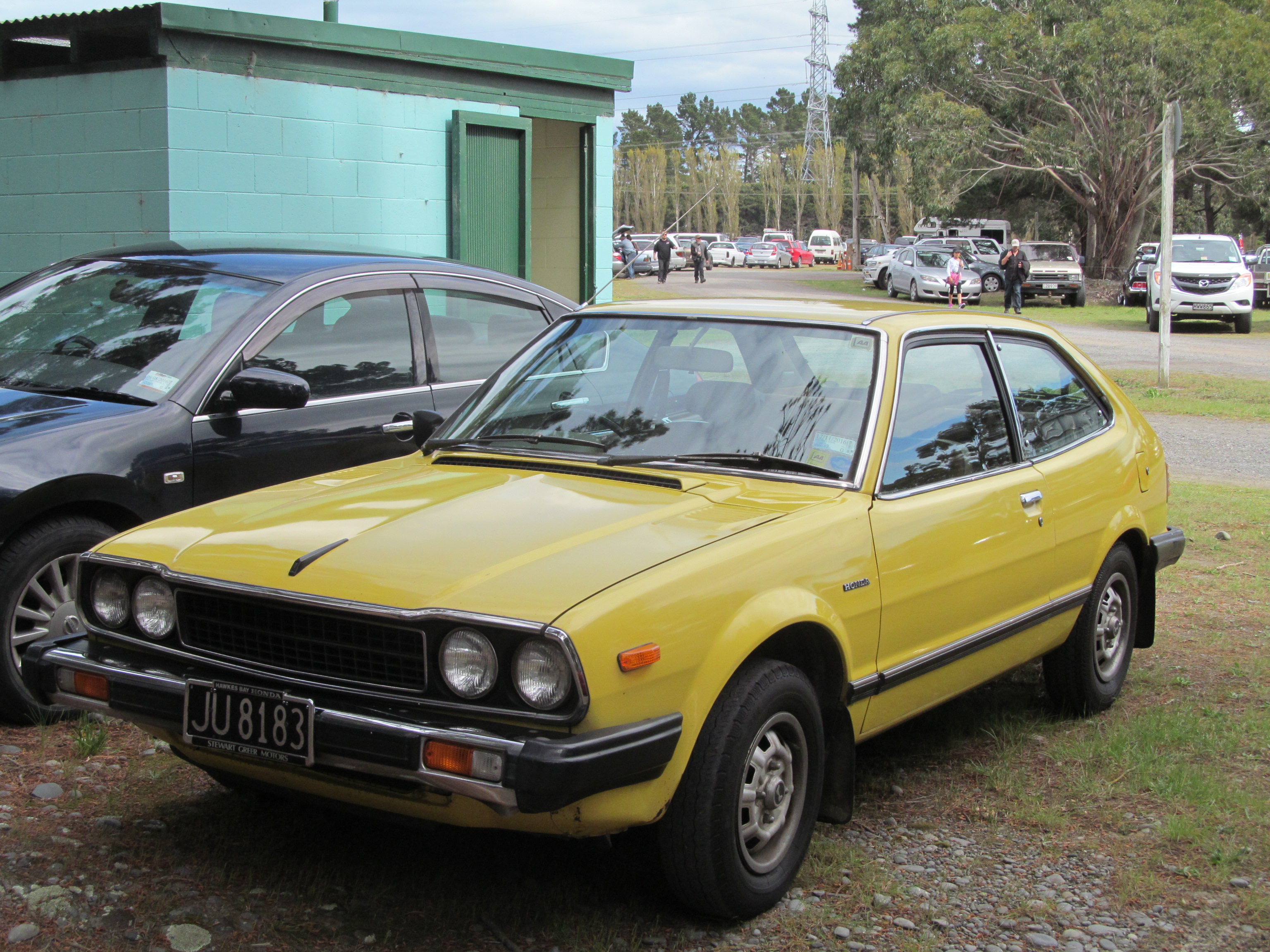
Honda Accord
"Number 8, the Honda Accord. Number 9, the Acura MDX, certainly in the Honda family there."
The Honda Accord is a very common Honda sedan. The hosts mention it because it ranks in their top 10 for U.S.-made content.
The Honda Accord is a mainstream midsize sedan that’s been a long-running best-seller in the U.S. The host includes it at #8 to show that the top “most American” list isn’t only about SUVs or EVs.

Honda Passport
"And number 10, the Honda Passport. So really, it's a Tesla Jeep Honda, and that's pretty much it."
The Honda Passport is a midsize SUV. The hosts mention it as the #10 vehicle on their list.
The Honda Passport is a midsize SUV aimed at buyers who want more space than a compact but without going to full-size. It’s #10 in this segment, rounding out the list of models the host says are “most American.”
battery cells
"you've got American made battery cells and battery packs, which are a massive component of the car. Especially the question is, do you consider the battery cells individual components?"
Battery cells are the small units inside an EV battery that actually hold the electricity. The host is saying Tesla’s batteries are made with U.S. content, including the cells.
Battery cells are the individual electrochemical units inside an EV battery pack that store and release electrical energy. The host is arguing that Tesla’s “American-made” claim includes not just the assembled pack, but also the cells themselves.
battery pack
"you've got American made battery cells and battery packs, which are a massive component of the car. Especially the question is, do you consider the battery cells individual components?"
A battery pack is the whole battery system in an EV. It’s made up of many battery cells, and it’s a big part of what makes the car expensive and “where it’s made” matters.
A battery pack is the complete EV battery system made from many battery cells plus the housing, wiring, and electronics that manage them. The host emphasizes that battery packs are a major cost and content driver, and that Tesla’s Model 3 and Model Y use U.S.-made packs.
EV
"Because it's like, well, do you guys realize that Tesla's are actually the most American made cars? I guess you're telling on yourself at that point that you just don't like EVs. But have you driven one?"
EVs are cars that run on electricity instead of gasoline. The host is saying some people criticize Tesla without really trying an EV.
EVs (electric vehicles) are cars powered primarily by electric motors using energy stored in batteries. In the segment, the host contrasts people who “hate Tesla” with the idea that they may not have actually driven an EV.
V8
"You might still prefer the sound of a great exhaust 841.5s note on a V8 or something. You might still prefer shifting gears with a manual transmission,"
A V8 is a type of gas engine with eight cylinders. People often like the sound of V8s, and the host is saying some folks may still prefer that over an EV’s sound.
A V8 is an engine with eight cylinders arranged in a “V” shape. It’s a common gasoline layout associated with traditional American muscle and performance, and the host contrasts its sound with EV driving.
manual transmission
"note on a V8 or something. You might still prefer shifting gears with a manual transmission, 848.8s but you're probably not going to have a deep-seated hatred or loathing for a Tesla"
A manual transmission is when you shift gears yourself, usually using a clutch pedal. The host is saying some people still like that more “involved” feel.
A manual transmission requires the driver to use a clutch and shift gears themselves. The host mentions it as part of the traditional driving experience some people prefer over EVs.
FUD
"this is something that is good to keep in mind in case 865.5s that fud pops up in your life... well, you know, what, in fact, Tesla's are the most American made cars."
FUD means “fear, uncertainty, and doubt.” It’s a way people spread worry or confusion—like saying something bad about EVs without solid proof.
FUD stands for “fear, uncertainty, and doubt.” In automotive discussions, it usually refers to negative claims meant to make people question EVs or a specific brand’s technology or reliability.
Detroit
"I am old enough to remember 903.0s that Detroit was this beating heart of the American auto industry... And then it's just the Grand 992.8s Cherokee is the only one of the top 10 that is actually assembled in Detroit."
Detroit is a major U.S. city in Michigan that historically became the center of American automaking. In this segment, the host uses it as a reference point for how car assembly has shifted from being concentrated there to being spread across other states.
Fremont, California
"way over, 940.3s of course, on the left coast out here in California, you have the three in the Y here in Fremont, 946.4s California."
Fremont, California is a key EV manufacturing location because Tesla has a major factory there. The host mentions it while describing where top “American made” cars are assembled, highlighting Tesla’s presence on the West Coast.

Tesla Cybertruck
"...ext up this week, the Cyber, speaking of FUD, the Cybertruck, a vehicle that fuds a lot, the fudsters would ha..."
The Tesla Cybertruck is an electric pickup truck made by Tesla. It uses a battery instead of gas and has a very unusual, sharp-looking design. The podcast brings it up because people talk a lot about it.
The Tesla Cybertruck is Tesla’s electric pickup truck with a distinctive angular design. It’s a frequent topic in EV discussions because it generated a lot of attention and debate since its introduction. In the podcast, it’s mentioned in the context of “FUD,” meaning concerns or negative talk around it.
Insurance Institute for Highway Safety
"the Cybertruck is in fact not a death machine, it is in fact [1032.7s] the safest pickup truck according to the Insurance Institute for Highway Safety, the IIHS."
The IIHS is an organization that tests cars to see how safe they are in crashes. Their ratings are widely used to compare how well different vehicles protect people.
The Insurance Institute for Highway Safety (IIHS) is a U.S. nonprofit organization that evaluates vehicle crash safety using standardized tests. Automakers and shoppers pay attention to IIHS ratings because they reflect real-world crashworthiness and pedestrian protection metrics.
top safety pick plus
"I saw this on Tesla Roddy who wrote the IIHS has awarded the Cybertruck its highest honor, [1049.5s] top safety pick plus. This marks the Cybertruck as the only full-size pickup to achieve this [1057.2s] distinction in recent evaluations."
“Top Safety Pick Plus” is a high safety rating from the IIHS. It means the vehicle did very well in the safety tests the IIHS runs.
“Top Safety Pick Plus” is IIHS’s highest award tier for vehicle safety performance. It’s based on results across crashworthiness categories (including occupant protection) and, depending on the vehicle, pedestrian safety evaluations.
front underbody reinforcements
"The award applies specifically to vehicles built after [1062.7s] April of 2025, following structural upgrades including front underbody reinforcements and [1069.3s] footwell modifications."
Front underbody reinforcements are structural strengthening pieces added to the vehicle’s front floor/undercarriage area. In crash testing, these reinforcements can help manage how forces travel through the structure to improve occupant and pedestrian protection outcomes.
footwell modifications
"following structural upgrades including front underbody reinforcements and [1069.3s] footwell modifications. The Cybertruck avoided every single pedestrian collision, including"
Footwell modifications are changes to the area inside the car where your feet are. The goal is to make that area safer in a crash.
Footwell modifications are changes to the lower cabin structure where the driver and passenger feet sit. Because the footwell is part of the occupant survival space, updates here can improve crash performance for occupants in certain IIHS tests.
pedestrian collision
"including front underbody reinforcements and [1069.3s] footwell modifications. The Cybertruck avoided every single pedestrian collision, including [1076.3s] daytime child crossing, nighttime adult crossing, and night parallel adult."
A pedestrian collision is when a car hits someone who is walking. Safety tests look at how well the car reduces the chance of serious injury in those situations.
A pedestrian collision refers to crash scenarios where a vehicle strikes a person outside the vehicle. IIHS pedestrian-focused tests evaluate how well the vehicle helps reduce injury risk to pedestrians in different impact conditions.
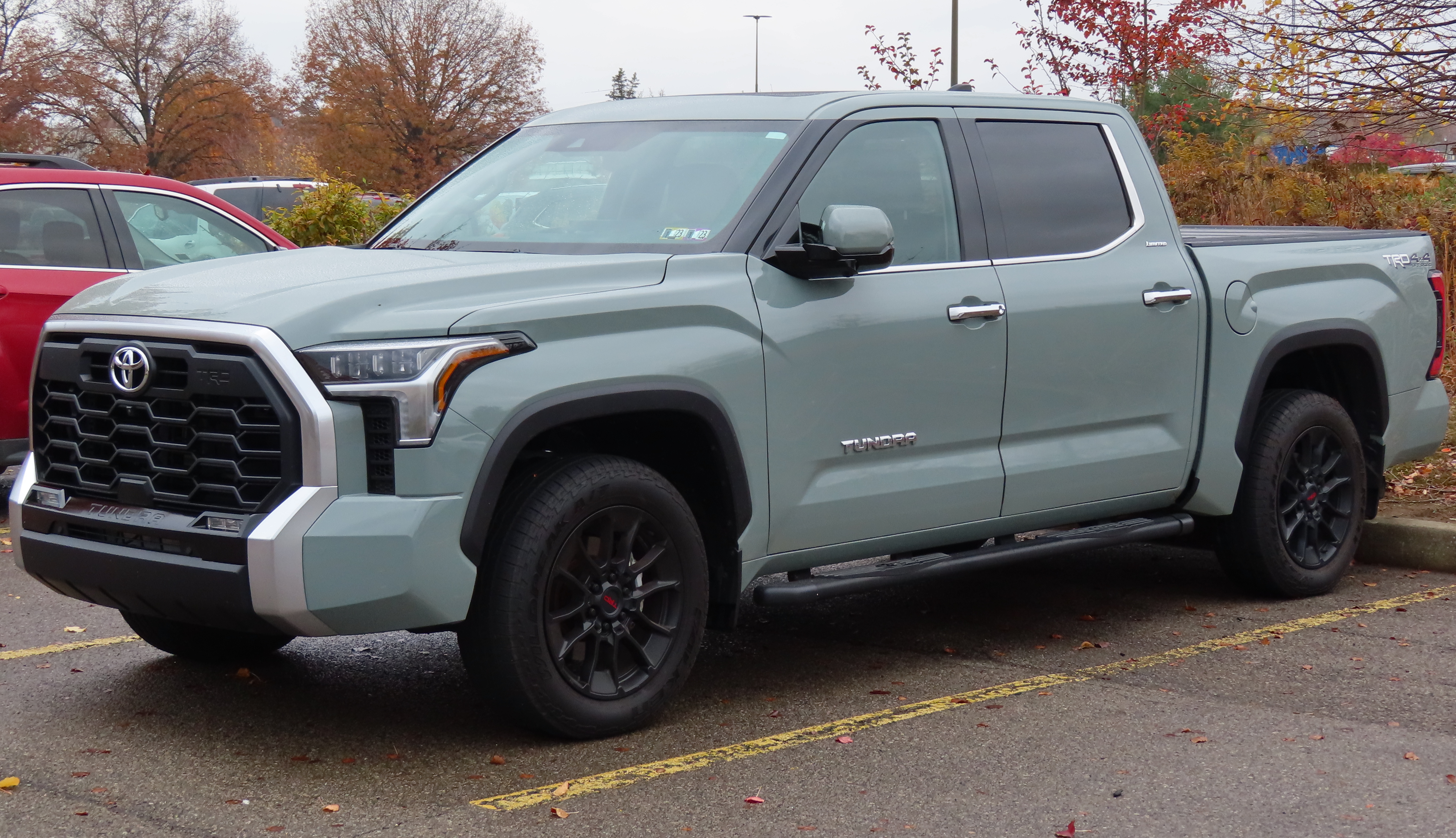
Toyota Tundra
"In the large pickup [1085.0s] category, competitors such as the Toyota Tundra received only a standard top safety pick, still [1099.2s] this positions the Cybertruck as a standout in occupant protection and crash avoidance [1105.3s] among its peers."
The Toyota Tundra is a big pickup truck. In this segment it’s mentioned as a comparison—supposedly it didn’t score the very highest IIHS safety award tier the way the Cybertruck did.
The Toyota Tundra is a full-size pickup truck used here as a comparison point in IIHS award tiers. The host claims it received only a “standard Top Safety Pick” rather than the higher “Top Safety Pick Plus” designation.
occupant protection
"still [1099.2s] this positions the Cybertruck as a standout in occupant protection and crash avoidance [1105.3s] among its peers."
Occupant protection means how well the car protects the people inside during a crash. Safety tests measure things like how the cabin holds up and how injuries are reduced.
Occupant protection is how well a vehicle’s structure and restraint systems reduce injury risk to people inside the car during crashes. IIHS uses occupant protection results as a major part of its overall safety award decisions.
crash avoidance
"this positions the Cybertruck as a standout in occupant protection and crash avoidance [1105.3s] among its peers."
Crash avoidance is about helping the car avoid an accident or reduce how bad it is. It usually involves safety features that can detect danger and intervene.
Crash avoidance refers to systems and performance that help prevent or mitigate collisions, such as automated braking or driver-assist technologies. IIHS includes crash-avoidance-related evaluations when determining safety award levels.
IIHS
"But it is true. It happened, an independent agency, the IIHS awarded the Cybertruck and the Cybertruck alone in terms of full size pickup trucks, the top safety pick plus."
IIHS is a U.S. safety organization that tests cars and gives them safety ratings. When you see an IIHS award, it means the car did well in their crash and safety tests.
IIHS stands for the Insurance Institute for Highway Safety, an independent U.S. organization that evaluates vehicle crashworthiness. Its ratings (like “Top Safety Pick Plus”) are based on standardized crash tests and other safety performance measures.
vehicle dimensions
"After analyzing federal and industry records, including never before examined data on vehicle dimensions, we found that the rise of large pickups and SUVs is an important factor."
Vehicle dimensions refers to measurable physical size characteristics like height, width, and front-end geometry. In the segment, researchers use vehicle-dimension data to estimate how much larger pickups and SUVs contribute to pedestrian deaths.
blind zones
"There are two reasons bigger vehicles are deadlier, they have taller hoods, and they tend to have larger blind zones."
Blind zones are spots around a car where the driver can’t see well. Bigger vehicles can have larger blind zones, which can make it easier to miss people nearby.
Blind zones are areas around a vehicle that the driver can’t easily see, even with mirrors. The segment connects larger vehicles to bigger blind zones, which can increase the risk of not noticing pedestrians or other road users.
taller hoods
"There are two reasons bigger vehicles are deadlier, they have taller hoods, and they tend to have larger blind zones."
A taller hood means the front of the truck sits higher. The segment says that can make pedestrian impacts more dangerous because of how the body contacts the vehicle.
Taller hoods are a front-end design feature where the hood sits higher above the road. The segment argues taller hoods can worsen pedestrian safety because they change how a pedestrian is struck and can reduce the effectiveness of safety outcomes.
supercharging
"you once again have a chance to win free supercharging for the life of your vehicle [1426.9s] via Tesla's newest annual competition of sorts."
Supercharging is Tesla’s network of fast EV chargers. It’s the way Tesla owners can charge their cars quickly at specific stations.
Supercharging is Tesla’s fast-charging network for EVs, designed to add a lot of battery energy in a short time. In this segment, it’s also the prize being awarded, so the term matters both technically (charging speed) and practically (where you charge).
Supercharger network
"via Tesla's newest annual competition of sorts. I saw this on the official Tesla charging account [1436.0s] over on X, which is run by the Tesla charging team. They said, attention road trippers, [1442.6s] the free supercharging competition is back. At the end of the year, free supercharging will be"
The supercharger network is Tesla’s collection of fast-charging stations around the world. This contest is basically rewarding people for traveling to and using those stations.
The supercharger network is Tesla’s global system of fast-charging stations used by Tesla vehicles. The competition described here measures how much you use that network across regions and categories.
kilowatt hours
"The third category is most energy supercharged, the highest total energy charged [1503.4s] in kilowatt hours at superchargers in 2026."
Kilowatt-hours (kWh) measure how much electricity you put into the car’s battery. In this contest, they track the total kWh you charged at superchargers.
Kilowatt-hours (kWh) are a unit of energy, and for EVs they’re commonly used to measure how much electricity you added to the battery while charging. Here, it’s used to define the “most energy supercharged” category.
unique supercharger site
"And Tesla says a unique supercharger site is [1511.6s] a distinct location as displayed in the Tesla app or your vehicle's navigation. A trip is a streak [1519.0s] of visits to unique supercharger sites."
A unique supercharger site means a specific charging location, not just any charger stall. The contest counts different locations you visit, using what your Tesla app or navigation shows.
A unique supercharger site is a distinct charging location as identified in the Tesla app or the vehicle’s navigation. The rules matter because the competition counts visits based on distinct locations, not just total charging time.
charging session
"To extend your trip, again, you must begin a charging session [1524.3s] at a new unique supercharger location within 24 hours of the end of your previous session [1529.6s] at a different site."
A charging session is one continuous charging event. The contest rules use the start and end times of those sessions to decide whether your next stop counts.
A charging session is a single continuous period of charging at a station, which the system uses to determine timing and eligibility for the trip rules. In this segment, the 24-hour window is tied to when one session ends and the next begins.

Tesla Model X
"...ple months ago, he's the guy who lives out of his Model X and is driving the entire length of the Americas ..."
The Tesla Model X is an electric SUV made by Tesla. It’s known for its unusual door design and for being a premium EV. The podcast mentions it in a story about someone driving one across a long trip.
The Tesla Model X is an electric SUV known for its premium features and distinctive rear “falcon wing” doors. It’s often discussed as part of Tesla’s higher-end SUV lineup. The podcast references a person who lives with and drives a Model X across a long distance.
Cannonball Run
"although he would theoretically have a pretty good chance at any of the three categories, although he did talk about in our conversation how he's not really doing this as a cannonball run. So maybe he wouldn't be moving quickly enough for the, for the longest trip one to keep that chain moving."
A cannonball run is when someone tries to drive a huge distance as fast as possible, like a speed record attempt. The host is saying Sando isn’t doing it that way.
A cannonball run is a high-speed, record-attempt style road trip where the goal is to cover a very long distance as quickly as possible. The host contrasts that with Sando’s approach, implying he may not be driving fast enough to fit a “longest trip” category.
Tesla Supercharger contest eligibility rules
"then it would mean he's not eligible because the rules do state that, quote, certain vehicles and people are not eligible for this contest, including vehicles that already have free supercharging, vehicles used for commercial purposes such as taxi ride share or delivery services, residents of countries not included in a competition region, and employees of Tesla and their immediate family."
This part reads the contest rules about who can and can’t win the Supercharger-related prizes. It mentions exclusions like already having free charging, using the car for commercial work, and certain employee/region limits.
The segment quotes Tesla’s contest rules about who is eligible for the Supercharger-related promotion. It specifically calls out exclusions like vehicles with free Supercharger charging, commercial uses (taxi/ride-share/delivery), and certain regions and Tesla employees.

Tesla's cyber cab
"Tesla's cyber cab has made an unexpected appearance on the other side of the world. With two examples of the autonomous robotaxis recently spotted in New Zealand,"
Tesla’s “cyber cab” is a self-driving taxi concept. Instead of you driving it, it’s meant to be used as an autonomous ride for passengers.
The “cyber cab” is Tesla’s planned autonomous robotaxi concept: a small, two-seat vehicle designed to drive itself. It’s notable because it’s built around robotaxi operations rather than being a conventional personal-transport car.
autonomous robotaxis
"With two examples of the autonomous robotaxis recently spotted in New Zealand, saw this on Drive Tesla Canada who wrote, the sighting believed to be the first time the cyber cab has been seen in the southern hemisphere"
Autonomous robotaxis are self-driving taxis. You don’t have to drive—your ride is handled by the car itself.
Autonomous robotaxis are self-driving taxis that operate without a human driver. The key idea is that the vehicle handles driving tasks (navigation, braking, lane keeping) so it can be used like a ride-hailing service.
winter testing
"While Tesla has not commented on the sighting, one likely explanation is winter testing. New Zealand has long served as a seasonal testing destination for global automakers looking to evaluate vehicles in cold weather conditions"
Winter testing means testing cars in cold weather. Engineers do it to make sure the car still works well when it’s freezing, including things like range and traction.
Winter testing is when automakers evaluate vehicles in cold-weather conditions to see how systems behave. It’s especially important for EVs because cold can affect battery performance, traction, and how well sensors and software operate.
proving grounds facility
"From June through August, manufacturers regularly send prototypes to the region, particularly around Queenstown and the nearby southern hemisphere proving grounds facility."
A proving grounds facility is a special testing area for cars. It helps engineers test vehicles in a controlled, repeatable way.
A proving grounds facility is a dedicated testing area where manufacturers run controlled evaluations on vehicles. It typically includes repeatable routes and conditions so engineers can compare results consistently across different prototypes.
Queenstown
"From June through August, manufacturers regularly send prototypes to the region, particularly around Queenstown and the nearby southern hemisphere proving grounds facility."
Queenstown is a town in New Zealand. Automakers use the area nearby for testing because the weather and roads can mimic winter conditions.
Queenstown is a resort town in New Zealand’s South Island that’s often used as a base for cold-weather vehicle testing. Its surrounding roads and weather patterns make it useful for evaluating how cars behave in winter-like conditions.
Full self-driving supervised
"activation of full self-driving supervised on your Model YL. The rollout of FSD supervised V14"
This means the car can do a lot of driving tasks, but you’re still expected to watch closely. If the system can’t handle something, you’re the backup.
“Full self-driving supervised” refers to Tesla’s FSD capability operating with the driver still responsible for monitoring. The system can perform more complex maneuvers than earlier driver-assist modes, but it’s not intended to run without supervision.
Australia and New Zealand
"The rollout of FSD supervised V14 has commenced in Australia and New Zealand. As the first market to introduce FSD version 14 to"
They’re saying Tesla is starting the FSD software rollout in Australia and New Zealand first. That helps Tesla test how the system handles local driving conditions before expanding.
Australia and New Zealand are named as the first markets to receive FSD version 14 for the Model YL. Tesla often stages software rollouts by region to validate behavior on local roads and regulations.
real-world data
"additional refinement and real world data is required for this model before activation can be extended more broadly."
“Real world data” is the information Tesla collects from actual driving situations to evaluate and improve software behavior. For driver-assist systems, this helps refine performance on edge cases that simulations can miss.
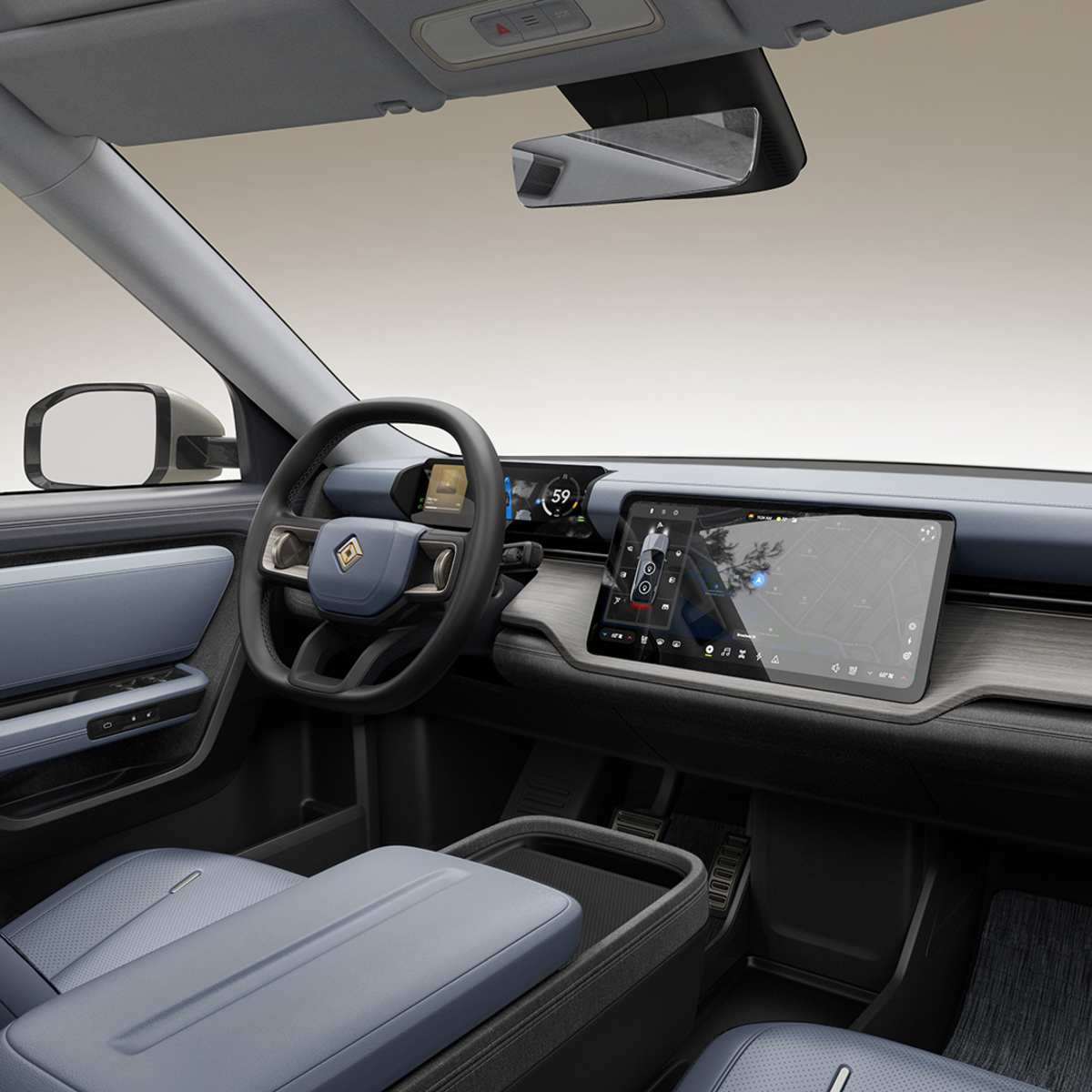
Rivian R2
"Maybe it's a Tesla, but maybe it's the Rivian R2, which by the way, I saw my first one out in the wild today. I came up behind it in traffic and I was like, that looks a little smaller."
The Rivian R2 is an electric vehicle from Rivian that’s meant to be smaller than their bigger models. The host is just saying they spotted one and think it looks like the R2.
The Rivian R2 is Rivian’s upcoming smaller electric vehicle positioned below the R1 platform. The host mentions seeing one in traffic, using it as an example of another EV someone could choose as a raffle prize.

Kia EV9
"But maybe you've got your eye on something bigger like the Lucid Gravity, maybe the Three Row Kia EV9."
The Kia EV9 is an electric SUV with three rows of seats. The host mentions it as a larger EV choice if you want more space.
The Kia EV9 is Kia’s electric three-row SUV, designed to compete with other family-focused EVs. In this segment, the host uses it as an example of a “bigger” EV option.
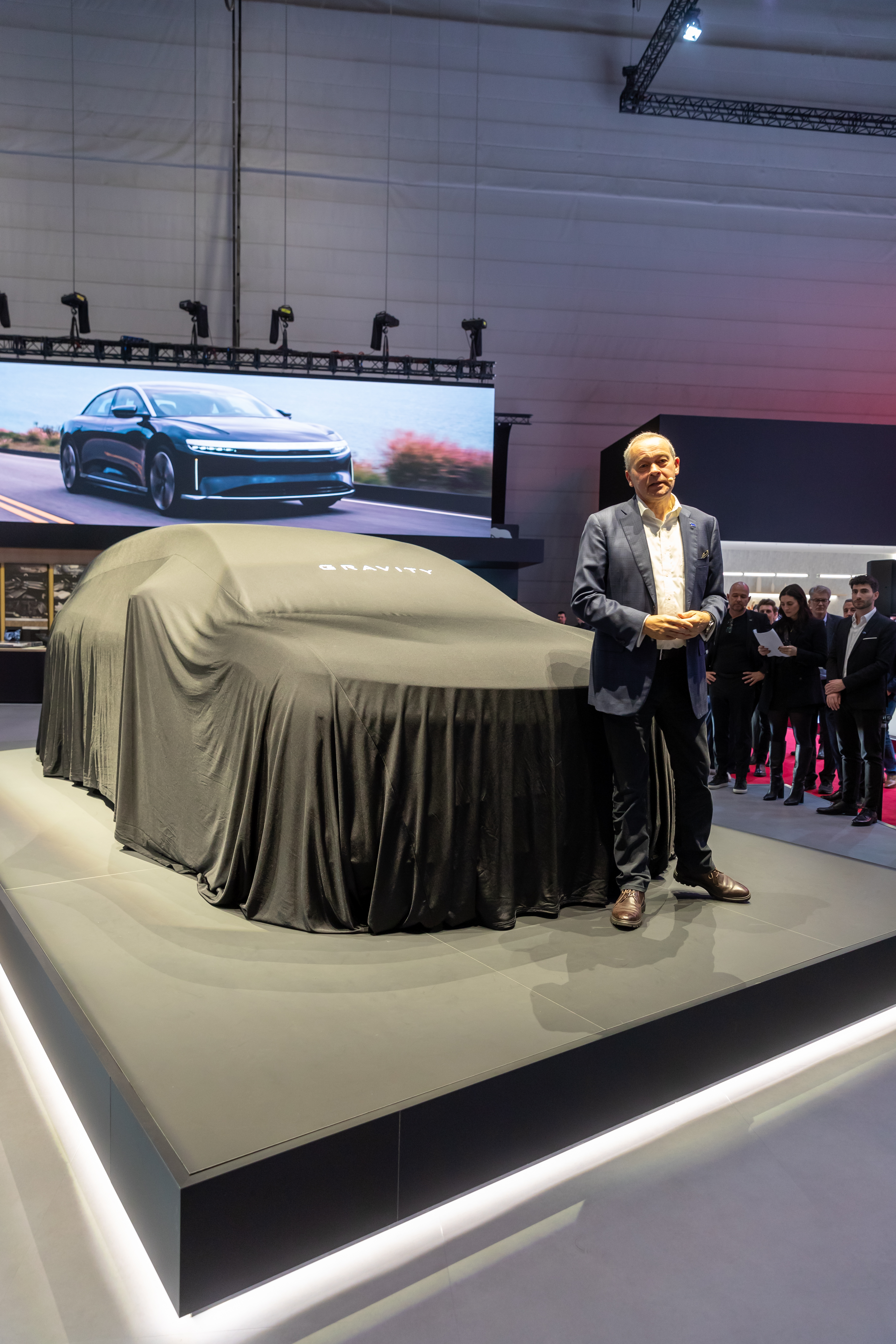
Lucid Gravity
"But maybe you've got your eye on something bigger like the Lucid Gravity, maybe the Three Row Kia EV9."
Lucid Gravity is an electric SUV that Lucid is planning. The host brings it up as another EV you might want instead of smaller or different options.
Lucid Gravity is Lucid’s upcoming electric SUV concept, aimed at bringing Lucid’s EV tech into a larger, family-oriented three-row format. The host mentions it as an alternative EV choice in the raffle/prize discussion.
Tesla wall connector
"you will win a Tesla wall connector, which as a reminder, everything is NACS. So to work with any any EV, any new EV, you'll get the Tesla wall connector, including installation from a professional electrician"
A Tesla wall connector is a home charger you install on your wall. It lets you charge your EV at home more quickly and conveniently.
A Tesla wall connector is a home EV charging unit that mounts at your house and delivers faster, more convenient charging than a basic outlet. It’s the specific charger the host says the winner would receive as part of the raffle prize.
NACS
"you will win a Tesla wall connector, which as a reminder, everything is NACS. So to work with any any EV, any new EV, you'll get the Tesla wall connector, including installation from a professional electrician"
NACS is the charging plug standard used by many EVs in North America. The point here is that the charger they’re giving away uses the same plug type that other newer EVs can use.
NACS stands for North American Charging Standard, Tesla’s connector standard that’s become widely adopted across the EV market. The host is emphasizing that the Tesla wall connector uses NACS, so it can work with other EVs that support that standard.
extended warranty coverage
"don't forget about Accelerate Auto and their X-Care extended warranty coverage options. I've got one on my 2018 Model 3 performance, providing me awesome peace of mind."
An extended warranty is extra coverage you buy after the original warranty ends. It can help pay for repairs so you’re not stuck with the full cost later.
Extended warranty coverage is an optional service contract that pays for certain repairs beyond the factory warranty period. Here, the host is promoting Accelerate Auto’s X-Care as a way to protect an EV owner from unexpected repair costs.
software range
"they do their research on charging, battery tech, software range, road trips, ownership costs."
Software range is how far the car says it can go, based on how its computer manages energy. It can change depending on settings and driving conditions.
Software range is the driving range an EV can achieve as influenced by its control software—things like energy management, efficiency settings, and how the car estimates consumption. The host groups it with charging and battery tech as key research topics for EV shoppers.
battery tech
"Before they buy an EV, they research, they do their research on charging, battery tech, software range, road trips, ownership costs."
Battery tech means the type and design of the EV’s battery. Different battery designs can change how efficiently the car runs and how it charges over time.
Battery tech refers to the specific design and chemistry of an EV’s battery system, which affects efficiency, charging behavior, and long-term durability. The host lists it as part of what EV buyers research before purchasing.
X Care
"So no matter what Tesla or Rivian you are driving, X-Care was [2424.4s] built specifically for EV owners who plan to enjoy their vehicles for years to come"
X-Care is a company that offers an EV-focused coverage plan. The host is saying it’s meant to help pay for issues so you can drive with less worry.
X-Care is a warranty/coverage product positioned specifically for EV owners. In this segment, it’s presented as an EV-focused plan meant to help owners manage repair risk over multiple years.
extended warranty plan
"Something I actually haven't checked lately, but we have a three year extended warranty plan [2445.0s] currently on ours. It's our second one."
An extended warranty is extra protection you pay for after the original warranty runs out. It helps cover repair costs so you’re not stuck paying everything yourself later.
An extended warranty plan is extra coverage you buy beyond the original manufacturer warranty period. For EV owners, it’s often used to reduce the financial risk of expensive repairs after the factory warranty ends.
manufacturer's warranty
"It's our second one. We had a three year right that went into effect right after [2450.8s] our manufacturers warranty expired."
The manufacturer’s warranty is the warranty that comes with the car when you buy it. After that time ends, an extended warranty can take over.
A manufacturer’s warranty is the coverage period provided by the automaker when the vehicle is new. The host says their extended plan started right after the manufacturer’s warranty expired, which is a common reason people add coverage.
workforce reduction
"I start with some really difficult news [2548.8s] from Lucid. They are making one of the largest workforce reductions in its short history"
Workforce reductions are layoffs or staffing cuts a company makes to reduce costs or adjust strategy. In the EV context, they often signal financial pressure or a need to slow production until demand improves.
Arizona manufacturing facility
"as they've announced plans to cut approximately 18% of its US workforce while also scaling back [2561.9s] production at its Arizona manufacturing facility"
This is the factory in Arizona where Lucid builds cars. The host is saying Lucid is making fewer cars there and cutting jobs.
The segment refers to Lucid’s Arizona manufacturing facility, tying the company’s workforce cuts to reduced production capacity. For listeners, this is a concrete location where EV production is being scaled back.
Form 8K filing
"The cutbacks were disclosed in a Form 8K filing with the US SEC where the luxury EV maker outlined a restructuring plan aimed at reducing expenses"
A Form 8-K is an official document a public company files with the government to tell investors about important news. Here it’s used to announce Lucid’s big business changes.
A Form 8-K is a report companies file with the U.S. Securities and Exchange Commission (SEC) to announce major events that investors should know about. In this case, it’s being used to disclose Lucid’s restructuring and cost-cutting plans.
second production shift
"As part of the restructuring, Lucid is eliminating the second production shift at its amp 1 factory in Casa Grande, Arizona."
A production shift is a scheduled block of time when workers build cars. Cutting the second shift usually means the factory is making fewer cars to avoid wasting money.
A production shift is a scheduled work block for manufacturing. Eliminating the second shift typically means the factory is running less total production capacity to better match demand and reduce operating costs.
Casa Grande, Arizona
"As part of the restructuring, Lucid is eliminating the second production shift at its amp 1 factory in Casa Grande, Arizona."
Casa Grande, Arizona is the location of Lucid’s amp 1 factory referenced in the segment. The host ties production changes—like eliminating a production shift—to this specific manufacturing site.
amp 1 factory
"As part of the restructuring, Lucid is eliminating the second production shift at its amp 1 factory in Casa Grande, Arizona."
“AMP 1” is the name of Lucid’s factory. The segment says Lucid is changing how much it produces there as part of a cost-cutting plan.
“AMP 1” is Lucid’s named manufacturing facility referenced in the segment. The host uses it to explain how Lucid is adjusting production capacity as part of its cost-cutting and demand-alignment efforts.
Mark Winterhoff
"Chief Operating Officer Mark Winterhoff has departed the company effective immediately with the COO position itself being eliminated."
Mark Winterhoff is a top executive at Lucid. In this segment, they say he left the company and that Lucid also removed the COO job as part of restructuring.
Mark Winterhoff is Lucid’s Chief Operating Officer (COO) mentioned in the segment. The host notes he departed and that the COO role itself was eliminated as part of Lucid’s restructuring.

Tesla Model S
"...really, I've pointed this out before, but with no Model S or X in the picture anymore, you would figure tha..."
The Tesla Model S is Tesla’s electric sedan at the top end of the lineup. It’s designed for comfortable, fast everyday driving with a battery. The podcast mentions it as being absent from a certain comparison or list.
The Tesla Model S is Tesla’s flagship electric sedan, known for performance and long-range capability. It often comes up in conversations about Tesla’s technology and how the brand’s lineup is evolving. The podcast references it specifically, noting that it’s not included in a particular “picture” or list.

Lucid Air
"either at the air, sedan, or the aforementioned gravity SUV."
Lucid Air is Lucid’s electric sedan. The host mentions it as another option for shoppers who might be looking at Lucid instead of Tesla’s Model S or Model X.
Lucid Air is Lucid’s electric sedan, referenced here as one of the cars that could attract buyers who might otherwise have considered Lucid’s Model S/X alternatives. The host uses it to explain why Lucid’s sales traction has lagged even though the cars are described as highly engineered.
Saudi Arabian Public Investment Fund
"if the Saudi Arabian Public Investment Fund that is largely responsible for financing Lucid, the thing is, if they ever decide to pull the plug,"
The Saudi Arabian Public Investment Fund is a government-backed investment fund. The host says it has been a big source of money for Lucid, and if it ever stopped, Lucid’s future could become very uncertain.
The Saudi Arabian Public Investment Fund (PIF) is a sovereign wealth fund that the host says is largely responsible for financing Lucid. The segment frames PIF’s potential decision to stop funding as a major risk to Lucid’s survival.
pull the plug
"if the Saudi Arabian Public Investment Fund that is largely responsible for financing Lucid, the thing is, if they ever decide to pull the plug, that's when it would get really, really dicey for Lucid in its future."
“Pull the plug” means to stop support suddenly. In this context, it means stopping the money that helps keep Lucid going.
“Pull the plug” is an idiom meaning to abruptly stop funding or support. Here, it’s used to describe a scenario where the Saudi Arabian Public Investment Fund stops financing Lucid, which the host says would make things “dicey.”
motor packaging
"dollar just for their packaging, meaning their motor packaging, their motors are tiny, and thus allows you to have more cabin space, keep the cars a little lighter, etc."
In an EV, “motor packaging” means where the electric motors and their parts fit inside the car. If the motors are small and placed well, the cabin can be roomier and the car can weigh less.
“Motor packaging” is how an electric motor and its related hardware are physically arranged inside the vehicle. Because the motors can be compact, good packaging can free up space for passengers and luggage.
scrap heap
"I do wonder if Tesla might find some value in Lucid, should it ever come to them ending up on the scrap heap, which I hope it doesn't."
“Scrap heap” is a way of saying something ends up being shut down and discarded. Here, it’s about the company struggling financially, not about a specific car being thrown away.
“Scrap heap” is a metaphor for a company or product line failing so badly that it effectively gets shut down and liquidated. In this context, it’s about Lucid’s financial survival rather than a literal vehicle disposal.
station wagon
"The classic station wagon has taken yet another hit in the overall automotive marketplace."
A station wagon is a car with extra cargo space behind the back seats. It’s usually more practical than a sedan, and some EVs come in this body style for that reason.
A station wagon is a car body style with a longer roofline and an extended cargo area behind the rear seats. In EV lineups, wagon variants are often used to add practicality without giving up the electric powertrain’s packaging benefits.

Porsche Taycan Cross Turismo
"As Porsche announced, it will end production of the Porsche Taycan Cross Turismo and Sport Turismo after the 2026 model year."
The Porsche Taycan Cross Turismo is an electric Porsche that’s shaped like a wagon. It’s designed to be more practical for everyday use while still being an EV.
The Porsche Taycan Cross Turismo is an electric wagon-style variant of the Taycan, built for a more rugged, family-friendly “station wagon” look. It’s notable because it packages the EV drivetrain while offering extra practicality versus the standard sedan body.
body style
"And in the United States, the Sport Turismo and Cross Turismo body styles of the Taycan played a minor role."
“Body styles” means the different shapes of a car, like sedan versus wagon. Porsche is talking about which Taycan shapes sold well enough to keep.
“Body styles” refers to the different vehicle shapes and configurations—like sedan, hatchback, or wagon—using the same underlying model platform. Here, it’s used to distinguish the Taycan wagon variants from other Taycan versions.
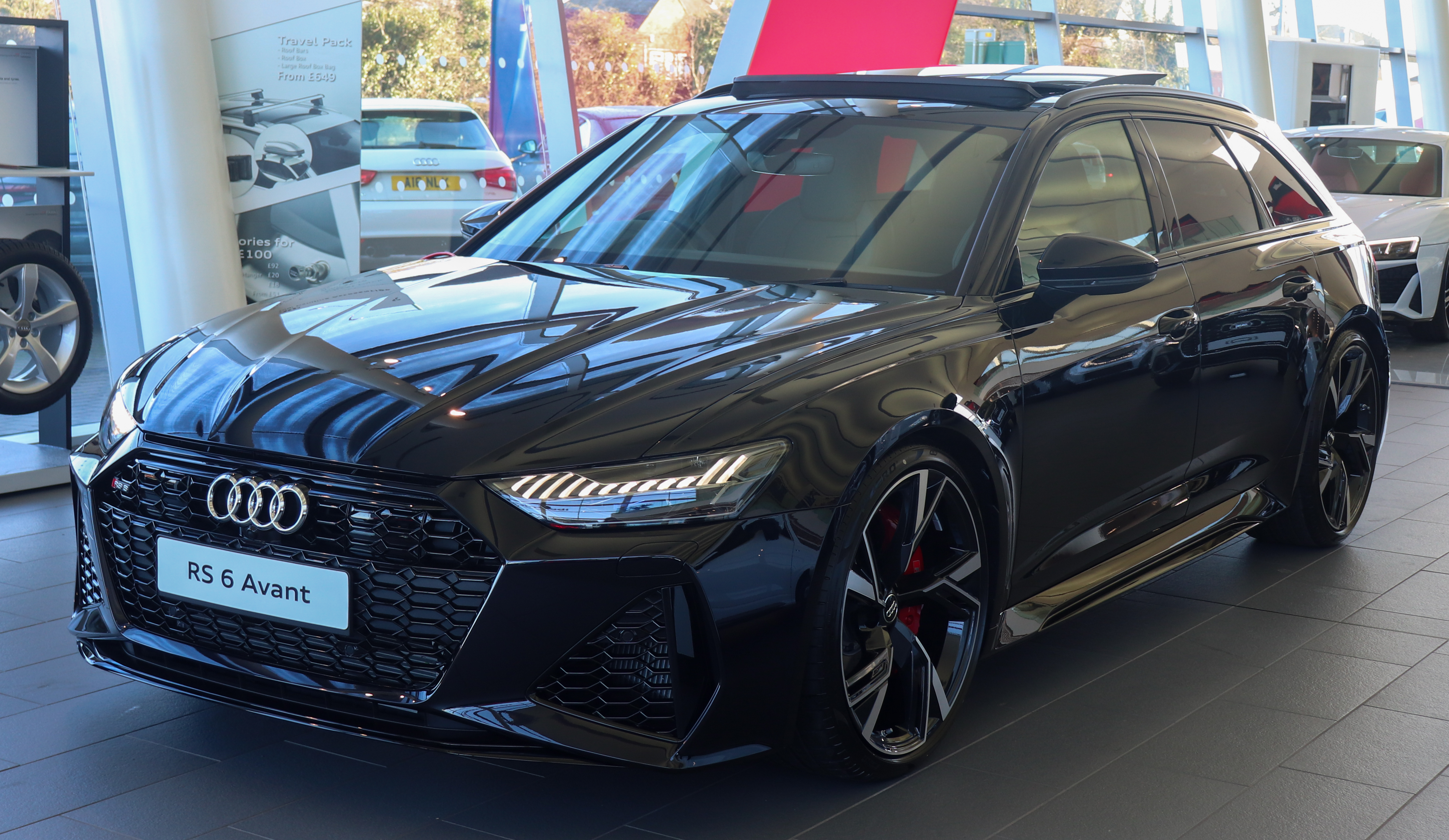
Audi RS6 Avant
"I think they're all from the Germans. So you've got the Audi RS6 Avant, and then the Mercedes E450."
The Audi RS6 Avant is a fast wagon from Audi. The host brings it up to show that wagons are mostly offered by German brands, especially when electric wagons aren’t widely available.
The Audi RS6 Avant is a high-performance wagon (Avant) powered by a combustion engine, and it’s one of the best-known enthusiast wagons in the US market. Here it’s mentioned as an example of the “German” station wagons that exist when electric options are scarce.
Taycan Cross Turismo
"...cedes E450. Those are both gas cars. And then the Taycan Cross Turismo and Sport Turismo, which obviously are electric v..."
The Taycan is Porsche’s electric car model. It comes in different versions, including Sport Turismo and Cross Turismo. The podcast mentions it because it’s one of the recognizable electric performance options.
The Taycan is Porsche’s electric performance car line, offered in multiple configurations such as Sport Turismo and Cross Turismo. The podcast mentions these variants as having a minor role in the specific point being discussed. It’s included because the Taycan is a well-known EV in the performance segment.
Connected Vehicle Rule
"the US Department of Commerce's Bureau of Industry and Security declined to grant the company an exemption under the connected vehicle rule, the CVR."
The connected vehicle rule is a government rule for cars that use internet connectivity and data features. In this story, it affected whether Polestar could get permission to keep selling its cars in the US.
The connected vehicle rule (CVR) is a US regulatory framework that governs how connected cars communicate and what exemptions may be allowed. Here, the Bureau of Industry and Security declined an exemption under that rule, which the host says prevents Polestar from selling vehicles in the US.
CVR
"under the connected vehicle rule, the CVR. As a result, Polestar will be unable to sell vehicles"
CVR is short for the connected vehicle rule. It’s the specific regulation Polestar needed an exemption from, and the government denied it.
CVR is the acronym for the connected vehicle rule. In this segment, it’s the specific rule under which Polestar sought an exemption that was denied.

Polestar 4
"Polestar said it will continue selling existing [3195.9s] inventory of the Polestar 3 and the Polestar 4 in the US while maintaining customer support and [3202.8s] access to its service network."
The Polestar 4 is an electric car from Polestar. The point here is that Polestar will keep selling the cars they already have in the U.S. and still support owners.
Polestar 4 is Polestar’s electric crossover/fastback-style EV. In this segment, it’s part of the “existing inventory” Polestar says it will continue selling in the U.S., along with ongoing service and support.

Polestar 3
"Polestar said it will continue selling existing [3195.9s] inventory of the Polestar 3 and the Polestar 4 in the US while maintaining customer support and [3202.8s] access to its service network."
The Polestar 3 is an electric SUV from Polestar. Here, the hosts are talking about how Polestar will still sell the cars they already have in the U.S., even if new models won’t be coming.
Polestar 3 is Polestar’s electric SUV, positioned as a premium EV alternative in the U.S. market. In this segment it’s mentioned specifically because Polestar plans to keep selling existing U.S. inventory despite broader future uncertainty.
service network
"inventory of the Polestar 3 and the Polestar 4 in the US while maintaining customer support and [3202.8s] access to its service network. Quote, supporting our customers remains our highest priority,"
A service network is the company’s network of places that can fix and maintain your car. For an EV, it’s important because repairs and parts may require specialized equipment.
A service network is the set of dealerships, service centers, and repair partners that handle maintenance and repairs. For EVs, it matters because specialized technicians, parts availability, and diagnostic tools affect how quickly owners can get help.
warranties
"All existing warranties remain in effect and [3220.9s] will continue to be honored in accordance with their terms and conditions according to Polestar [3225.9s] North America's official spokesperson."
A warranty is the coverage that helps pay for certain repairs if something goes wrong. Here, Polestar is saying existing warranties for current owners will still be honored.
Warranties are the manufacturer’s promises to cover certain repairs or defects for a set period or mileage. The segment emphasizes that existing Polestar warranties remain in effect and will be honored under their stated terms and conditions.

Polestar 5 grand tourer
"He also confirmed no future Polestar vehicles, [3233.6s] including the Polestar 5 grand tourer that we just drove, says Motor Trend, will come to the US."
The Polestar 5 is planned as a luxury “grand tourer,” which is basically a car designed for comfortable long trips. In this segment, Polestar says it won’t be coming to the U.S. even though they’ve been building up interest.
Polestar 5 is described here as a “grand tourer,” meaning a long-distance, comfort-focused luxury EV meant for highway cruising. The segment says Polestar confirmed it won’t bring future Polestar vehicles—including the Polestar 5—to the U.S.

7 Polestar 7
"The company previously announced that the upcoming [3273.4s] Polestar 7 compact SUV will be built in Europe. Quote, the automotive industry is entering [3280.9s] a new phase based on regional dynamics, said Polestar CEO Michael Loescheller."
The Polestar 7 is planned as a compact electric SUV. The key detail here is that Polestar says it will build it in Europe to support its new focus on European sales.
Polestar 7 is described as a compact SUV, positioning it as a smaller, more urban-friendly EV compared with larger Polestar models. The segment says it will be built in Europe as part of Polestar’s revised strategy to focus on European markets.
EV tax credit
"After all, they did kill the EV tax credit, as one major example. However, this specific law,"
An EV tax credit is money the government gives you (through your taxes) when you buy a qualifying electric car. It can make the car cheaper to buy, which helps more people consider EVs.
An EV tax credit is a government incentive that reduces the amount of tax you owe when you buy an eligible electric vehicle. It can directly affect how affordable EVs are for consumers and how attractive EVs are for automakers to sell.
Blue Oval Battery Park
"the batteries are being produced at Ford's Blue Oval Battery Park, Michigan facility in Marshall, Michigan, where more than 500 employees are already at work."
Blue Oval Battery Park is Ford’s battery factory in Michigan. It’s where the EV battery cells mentioned in the story are being made.
Blue Oval Battery Park is Ford’s battery manufacturing facility in Michigan. The name is used in the segment to identify where the LFP battery cells are being produced.
Ford's upcoming midsize electric truck
"The new battery cells will power Ford's upcoming midsize electric truck, the first vehicle built on the company's next generation universal electric vehicle or UEV platform. While Ford has only revealed limited details about the truck so far, it is expected to enter production in 2027 at the Louisville assembly plant with a targeted starting price of around $30,000."
This is Ford’s next electric pickup truck. The big deal is that it’s aimed to be cheaper (around $30,000) and start making them in 2027.
This refers to Ford’s next midsize electric pickup truck, built at the Louisville assembly plant. The key enthusiast angle is that Ford is positioning it as a lower-cost EV pickup with a target starting price around $30,000 and a 2027 production start.
universal electric vehicle platform
"The new battery cells will power Ford's upcoming midsize electric truck, the first vehicle built on the company's next generation universal electric vehicle or UEV platform."
Ford’s “UEV platform” is its next-generation EV architecture intended to underpin multiple vehicles. A universal platform approach is meant to standardize key EV components so different models can share engineering and manufacturing efficiencies.
Louisville assembly plant
"While Ford has only revealed limited details about the truck so far, it is expected to enter production in 2027 at the Louisville assembly plant with a targeted starting price of around $30,000."
This is the Ford factory location in Louisville where the new electric truck is planned to be built. It matters because it shows where the EV production will happen in the US.
The Louisville assembly plant is Ford’s manufacturing location in Kentucky where the upcoming EV truck is expected to be produced. For listeners, the key point is that the EV program is tied to a specific US production site.
Marshall facility
"According to Ford, employees at the Marshall facility are now producing complete prismatic battery cells, handling the entire manufacturing process from raw material preparation and coating through final inspection and validation testing."
This is the factory site where the battery cells are being made. The important detail is that they’re doing a lot of the battery-making steps there, not just assembling finished parts.
The Marshall facility is the manufacturing site where Ford employees are producing prismatic battery cells end-to-end. The segment emphasizes that this location handles multiple steps, from raw material preparation through coating and final validation testing.
CATL
"The technology itself comes through a licensing agreement with Chinese battery giant CATL, the world's largest EV battery manufacturer. However, Ford retains full ownership and operational control of the Michigan facility while CATL provides technical expertise and training support."
CATL is a big company that makes EV batteries. Here, they’re helping Ford with know-how for the new battery factory, while Ford still runs the plant.
CATL (Contemporary Amperex Technology) is a major Chinese EV battery manufacturer. In this segment, CATL is described as providing technical expertise and training under a licensing agreement while Ford retains control of the Michigan facility.
licensing agreement
"The technology itself comes through a licensing agreement with Chinese battery giant CATL, the world's largest EV battery manufacturer. However, Ford retains full ownership and operational control of the Michigan facility"
A licensing agreement is permission to use someone else’s technology. In this case, it’s how Ford gets the battery know-how from CATL for its factory.
A licensing agreement is a contract where one party allows another to use specific technology or intellectual property. Here, it’s used to describe how Ford obtains the battery technology know-how from CATL for its Michigan manufacturing site.
Michigan facility
"However, Ford retains full ownership and operational control of the Michigan facility while CATL provides technical expertise and training support."
This is the battery factory in Michigan that Ford owns and runs. CATL helps with expertise, but Ford keeps control of the plant.
The Michigan facility is the battery manufacturing plant Ford controls, even though CATL provides technical expertise under the licensing arrangement. This matters because it clarifies who runs the operation versus who supplies the technology know-how.
LFPs
"Well, to this I say finally a new non-Tesla battery factory on US soil. This is awesome to see that Ford is reaching this milestone and certainly to get a little more specific here, LFPs in this upcoming midsize EV truck, I'm not sure whether that's new information or not or whether we already knew that this truck was going to run with LFPs, but it makes sense, right?"
LFP is a type of EV battery. It usually lasts a long time and can tolerate frequent full charges better, though it may not deliver as much range as some other battery types.
LFPs are lithium iron phosphate battery cells, a chemistry known for long cycle life and strong safety characteristics. They typically have lower energy density than some alternatives, which can mean less range for the same battery size—but they can be charged to 100% more routinely with minimal degradation.
energy dense
"so going with the LFPs that lack performance by way of being less energy dense but by also excelling at having very minimal degradation"
Energy density is basically “how much battery power you get for the size.” If a battery is less energy dense, it can mean less range unless you use a bigger pack.
Energy density is how much electrical energy a battery stores for a given weight or volume. Lower energy density often means you need a larger battery to achieve the same range, which is why LFP chemistry is discussed as having less range potential.
degradation
"so going with the LFPs that lack performance by way of being less energy dense but by also excelling at having very minimal degradation and can be charged to 100% on a regular basis"
Battery degradation is how the battery slowly “wears out” over time. The claim here is that LFP batteries lose performance more slowly than some other types.
Battery degradation is the gradual loss of capacity and performance as cells age and cycle. The segment highlights LFP’s advantage here: minimal degradation, which supports frequent charging habits like regularly charging to 100%.

Ford Gets
"...ponent of it is just about ready to go as soon as Ford gets that factory starting to pump out body and whites..."

Ford Maverick
"...rd customers. They already have an idea of what a Maverick is, so if you call it the Maverick EV or the Mave..."
The Ford Maverick is a smaller pickup truck made by Ford. It’s meant to be easier to live with than big trucks. The podcast mentions it because people already know the name and they’re talking about an EV version idea.
The Ford Maverick is a compact pickup truck that’s designed to be more accessible and practical than larger trucks. In the podcast context, it’s being discussed as a vehicle name that people already recognize, including the idea of an electric version. That’s why it’s mentioned alongside EV-focused talk.
wrap kits
"more than 100 wrap colors. Wrap kits begin at $500, with custom colors and designs available for up to $1,600 before installation."
Wrap kits are vinyl sheets you apply to the outside of a car to change its look. They’re usually an optional way to customize color and designs.
Wrap kits are aftermarket vinyl coverings applied to a vehicle’s exterior to change color or add graphics. They’re often sold as DIY or installer packages and can be priced as options.
payload capacity
"Despite its compact footprint, it offers a payload capacity of up to 1,550 pounds and a towing rating of 2,000 pounds in a 5-foot bed."
Payload capacity is how much weight the truck can carry. It’s the cargo limit that matters when you’re hauling things.
Payload capacity is the maximum weight the vehicle can carry in addition to its own weight (passengers and cargo). It’s a key spec for trucks because it determines how much you can load safely.
towing rating
"Despite its compact footprint, it offers a payload capacity of up to 1,550 pounds and a towing rating of 2,000 pounds in a 5-foot bed."
Towing rating is the maximum weight the truck is allowed to pull with a trailer. It’s a safety and engineering limit.
Towing rating is the maximum trailer weight the vehicle is certified to tow under specified conditions. It depends on the vehicle’s power, cooling, braking, and stability systems.
rear-mounted single motor
"Power comes from a rear-mounted single motor producing 135 kW or 181 horsepower and 264 Nm of torque."
Rear-mounted single motor means there’s one electric motor driving the rear wheels. It’s a simpler layout than having motors on both axles.
A rear-mounted single motor means the EV uses one electric motor located at the rear axle to drive the wheels. Compared with dual-motor setups, it typically simplifies traction control and can affect acceleration and handling characteristics.
usable 63 kWh
"The truck uses a 63 kWh usable LFP battery pack and delivers an estimated 205 miles of range, but again, that's going to be 205 miles of daily usable range."
Usable 63 kWh is how much energy the car lets you use for driving. The battery may store more, but the car keeps some reserved.
Usable 63 kWh refers to the portion of the battery’s total energy that can actually be used for driving. It’s a practical capacity figure rather than the battery’s full theoretical storage.
usable range
"The truck uses a 63 kWh usable LFP battery pack and delivers an estimated 205 miles of range, but again, that's going to be 205 miles of daily usable range."
Usable range is the driving distance the EV is really designed to let you get from the battery. The car keeps a little extra capacity in reserve for protection.
Usable range is the portion of the battery’s capacity the car actually lets you use for driving. It’s often lower than the theoretical maximum because EVs reserve some capacity for battery protection and buffer.
on-board charger
"Charging is handled through Tesla's NACS connector with an 11 kW onboard charger and DC fast charging speeds of up to 120 kW, allowing the battery to charge from 20-80% in approximately 30 minutes."
The onboard charger is the part inside the car that prepares electricity for the battery. A higher kW rating can mean faster charging when using AC power.
An onboard charger is the EV’s built-in unit that converts incoming electricity into the form the battery needs. Its power rating (here, 11 kW) affects how quickly you can charge on AC power.
DC fast charging
"Charging is handled through Tesla's NACS connector with an 11 kW onboard charger and DC fast charging speeds of up to 120 kW, allowing the battery to charge from 20-80% in approximately 30 minutes."
DC fast charging is the quicker way to charge an EV at public stations. It uses higher power so the battery fills faster than home charging.
DC fast charging is a method that delivers direct current to the battery at high power. It’s different from slower AC charging and is what enables quicker charge times like the 20–80% estimate mentioned here.
infotainment
"The entry level truck doesn't include traditional infotainment, speakers, or power windows, instead relying on optional accessories and customer customization."
Infotainment is the car’s main screen and media/navigation system. It includes things like music controls and navigation, and this truck’s base version omits it.
Infotainment is the car’s integrated entertainment and information system—typically including the touchscreen interface, media controls, navigation, and connectivity features. In this segment, the base model is described as lacking traditional infotainment.
direct to consumer
"Slate will be bypassing the traditional dealership model and directly to consumers like Tesla and other EV makers."
Direct-to-consumer means the company sells the car directly to you, rather than through a dealer. The idea is that it can reduce costs and pricing markups.
Direct-to-consumer (DTC) is a sales model where the manufacturer sells cars straight to buyers instead of going through the traditional dealership network. The segment ties this to Slate bypassing dealerships to help keep the truck’s price low.
LFP pack
"But this is fantastic news. $25,000 200 mile EV LFP pack, [4083.6s] which means you can use all 200 miles every single day."
LFP is a type of battery used in some EVs. It’s known for lasting a long time and being relatively safe. Here, the host is saying the truck’s battery is an LFP pack that’s rated for about 200 miles.
“LFP” stands for lithium iron phosphate, a specific lithium battery chemistry. An “LFP pack” means the vehicle’s traction battery uses that chemistry, which is typically known for long cycle life and good safety characteristics. In this segment, the host ties it to a stated 200-mile range and daily usability.

Rivian R1T
"For one, there are no small EV trucks currently on the market. The Rivian R1T is the smallest EV pickup truck on the market, and it's a mid-size."
The Rivian R1T is an electric pickup truck. The host mentions it to compare truck sizes in the EV market—basically saying Rivian is currently the smallest EV pickup option.
The Rivian R1T is an electric pickup truck known for being one of the earliest mainstream EV trucks. In this segment, it’s used as a reference point for size, with the host calling it the smallest EV pickup truck currently on the market (relative to other EV pickups).
Tilo MT1
"Then you've got the [4121.4s] Tilo MT1. That's a mini truck, like the Slate is. The Tilo, though, is offering much higher specs, [4132.0s] which will presumably come with a decently higher price."
The Tilo MT1 is an electric mini pickup truck. The host says it’s smaller than the mid-size options, and that it’s aiming for higher specs than the other small truck they mention, which likely means it costs more.
The Tilo MT1 is described as a mini EV truck, contrasted against larger EV pickups. The host also notes it’s offering higher specs than the “Slate” truck, implying a higher price and different positioning within the small EV pickup market.
first mover advantage
"But if Slate really can start [4140.0s] customer deliveries by the end of the year, they'll be first out of the gate in the smaller EV pickup truck space and thus potentially stand to earn a first mover advantage if they can keep up deliveries with demand."
“First mover advantage” is the idea that the earliest company to enter a market can gain benefits like brand recognition, customer loyalty, and supply-chain momentum. In this segment, it’s applied to the smaller EV pickup space if the Slate truck reaches deliveries before competitors.
power windows
"I love that its bare bones by design [4169.3s] doesn't even have power windows. I mean, so much so, what I think is smart is they're actually leaning into it."
Power windows are windows you open and close with a button or switch. The host is saying this truck intentionally skips that feature to keep the vehicle simpler and cheaper.
Power windows are window controls that use electric motors instead of manual cranks. The host highlights that the Slate truck is “bare bones” by design and doesn’t include power windows, using it as an example of the truck’s minimalist approach.
center touchscreen displays
"if you think of any Tesla and really for that matter, basically every other EV [4208.3s] is a smartphone, right? You've got these center touchscreen displays that handle a lot of stuff, [4215.0s] have a ton of computing power."
Many modern EVs use a big touchscreen in the middle of the dashboard to control things like media and settings. The host is saying the Slate truck uses a much simpler screen approach instead.
Center touchscreen displays are the main infotainment and control screens mounted toward the middle of the dashboard. The host contrasts typical EVs—where many functions are controlled through a large central screen—with the Slate truck’s much simpler, minimal display setup.
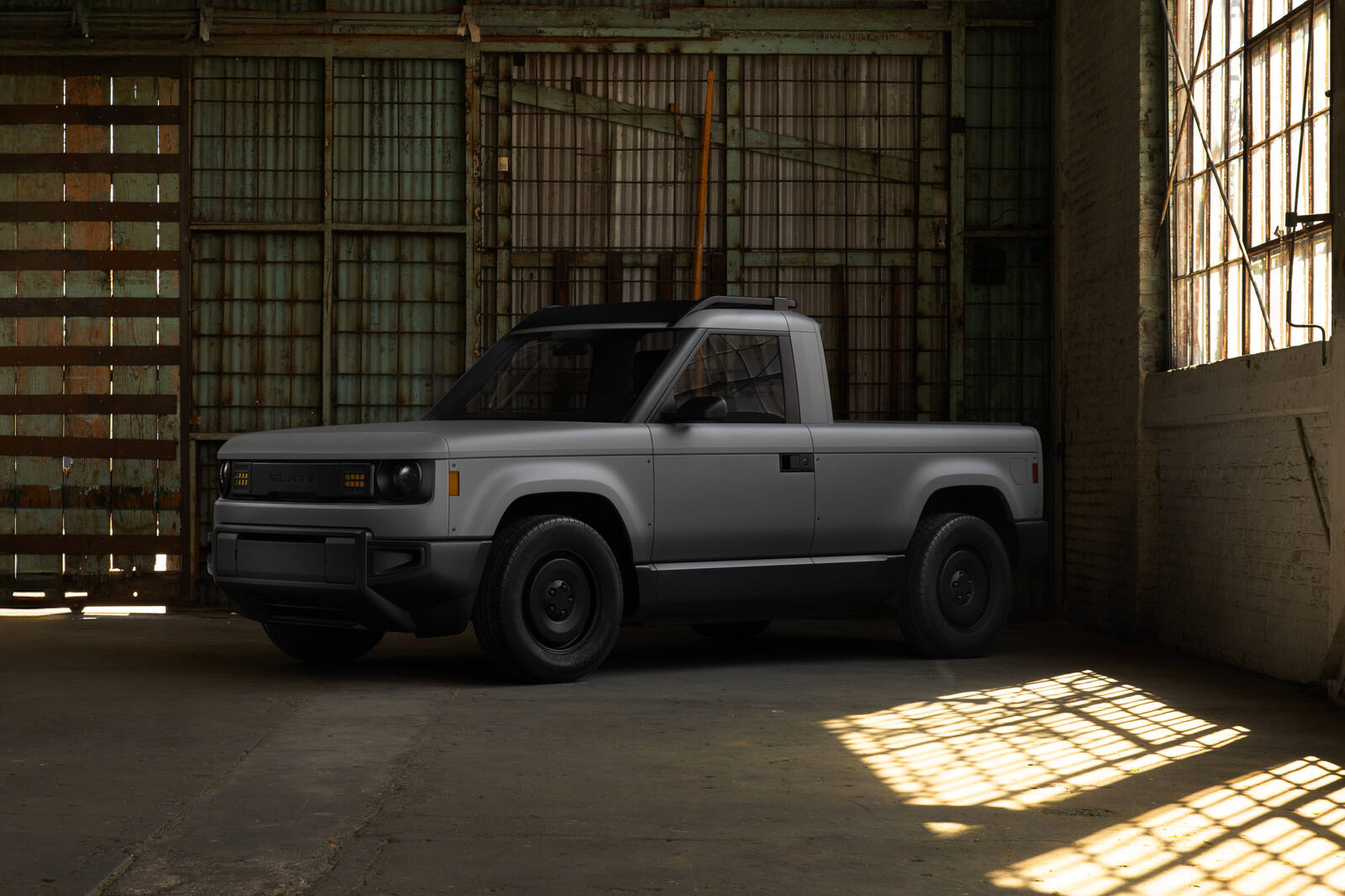
Truck Slate Truck
"...rough that center screen. This thing is more, the Slate truck is more like a flip phone and on purpose a flip p..."
The podcast is talking about a truck with a big center screen in the cabin. The host compares it to a flip phone to describe how the screen looks or works. It’s mentioned as part of the truck’s interior design.
In the podcast excerpt, “Truck” appears to refer to a specific vehicle described as having a center screen that’s compared to a flip phone. That kind of description usually points to a tech-focused interior design where the screen is a prominent feature. It’s mentioned as part of the discussion about how the vehicle’s cabin is laid out.
customization push
"by default. You can add it in as part of that whole customization push. So yeah, these are the flip phones to Tesla and everybody else's EV smartphones."
The host is talking about customizing the car—choosing options like audio equipment instead of it being included by default. That changes what you pay for and what you get out of the box.
This segment discusses a “customization push,” meaning the vehicle’s features (like adding a radio/sound system) are treated as configurable options rather than standard equipment. For EVs, this can affect how buyers spec the car and what comes pre-installed.
flip phones
"So yeah, these are the flip phones to Tesla and everybody else's EV smartphones. And I just hope that Slate can stick the landing on this,"
“Flip phones” is a comparison meant to say something is simpler and less advanced than the latest “smartphone” version. The host uses it to contrast Slate’s approach with Tesla’s more feature-rich EV experience.
“Flip phones” is a metaphor comparing older, simpler devices to modern smartphones. Here it’s used to suggest the Slate truck is a more basic, less fully featured take on the EV “smartphone” experience associated with Tesla.
900 mile range
"granted, okay, you probably wouldn't road trip in one of these with a 200 mile range, but for around town use, just getting to and fro and hauling the occasional bed full of stuff,"
For an EV, “range” means how many miles you can drive before the battery runs low. The host is saying 200 miles is usually enough for everyday trips, even when it’s very hot or cold and you use the AC a lot.
“Range” is how far an EV can drive on a full battery charge under a specified test cycle. The host is framing “200 miles” as realistic for daily driving, including when conditions reduce efficiency (like cold weather or heavy AC use).
AC blasting
"is probably going to be more than enough even on cold days or really hot days where you have the AC blasting. It is probably going to be plenty to get you through the day around town."
Using the AC heavily in an EV uses extra electricity. That can shorten how far you can drive, but the host is saying 200 miles is still enough for daily errands even with heavy AC use.
In EVs, running the air conditioning (“AC blasting”) can noticeably reduce efficiency and therefore reduce real-world range. The host is using it as an example of a high-energy condition that still shouldn’t prevent a full day of around-town driving.
Slate pickup truck
"So the Slate pickup truck starts at half the price of a used R1 T. And that really puts the Slate truck in a category of its own in terms of not just pickup trucks, but EV pickup trucks"
The Slate pickup truck is an upcoming electric pickup. The host is comparing its price to other EV pickups (like the Rivian R1T) to argue it could be a better deal for everyday driving.
The Slate pickup truck is positioned here as an electric pickup aimed at a lower price point than established EV pickups. The host argues its starting price makes it competitive for around-town use, and frames it as a new category contender versus used Rivian R1T pricing.
model Z
"Anyway, the model Z ... Reuters had reported ... that vehicle is purported to be a smaller SUV than the model Y ... neither one of them is officially confirmed yet."
They’re talking about a rumored Tesla called “Model Z.” It’s not confirmed by Tesla yet, so the details are based on reports and speculation.
“Model Z” is discussed as a rumored Tesla vehicle positioned as a smaller SUV than the Model Y. The host emphasizes it’s not officially confirmed yet and relies on reporting and sources rather than verified proof.
air vent menu
"When you go on the air vent menu, if you just tap on the passenger side, it automatically, it already activates it for you."
The “air vent menu” is the screen option for controlling where the air comes out. They’re saying you can tap the passenger side to turn that airflow on.
An “air vent menu” is the in-car interface page used to control where airflow is directed. The segment describes tapping the passenger side in that menu to activate the passenger air vent.
HVAC controls
"was fastening the passenger seat belt and then turning it ... the volume icon turns into a passenger side AC control, HVAC control."
HVAC control is the car’s climate system—heat and air conditioning. Here, it’s specifically about the passenger-side climate controls showing up on the screen.
HVAC control refers to the vehicle’s Heating, Ventilation, and Air Conditioning system controls. In Tesla-style interfaces, the HVAC can be shown as separate zones (like passenger-side controls) depending on the car’s settings and occupancy.
subscription model
"I think I see a very good reason why Tesla has shifted to only sell FSD as a subscription and not a one-time purchase."
Instead of paying once to own the feature forever, you pay regularly to keep using it. The idea here is that Tesla’s ongoing payments and ongoing responsibility may be part of why they chose this approach.
A subscription-only model means the software feature is paid for continuously (month-to-month or year-to-year) rather than bought once permanently. For car tech like FSD, this can change both customer expectations and the company’s long-term risk exposure.
insurance responsibility
"the insurance responsibility for an accident, I believe is going to shift to Tesla, not the driver. And that's an ongoing liability, month-to-month, is essentially that insurance."
This is about who gets blamed (and has to pay) after a crash. The caller thinks that if the car’s driving system is used without supervision, Tesla could end up more responsible than the owner.
Insurance responsibility refers to who is considered liable after an accident—typically the driver, but in some scenarios the manufacturer or software provider can become part of the liability discussion. This segment frames it as a potential shift in legal/financial exposure tied to autonomous features.
EV pro tip
"And if anybody else out there has a good Tesla or EV pro tip of the week, I would love for you to call in with it. I actually am getting quite low on my stash of pro tips of the week..."
An EV pro tip is a helpful suggestion for electric-car owners—something that makes day-to-day driving or charging easier or more efficient. The host is inviting listeners to call in with tips they learned that aren’t obvious at first.
An EV pro tip is a practical piece of advice specifically for electric vehicles, often about driving technique, charging, or using EV features efficiently. In this segment, the host is asking listeners to share non-obvious tips they’ve learned from owning or driving an EV.
regenerative braking
"And as I lift my foot up off the accelerator and begin regenerative breaking my way to the end of this episode, I want to mention a few friends of ride the lightning, a few affiliates that hopefully can help you out at some point in time..."
When you lift off the accelerator in many EVs, the car can slow down while also recharging the battery. It does this by using the motor to generate electricity instead of relying only on the regular brakes.
Regenerative braking is how an EV slows down while turning some of its motion back into electricity. Instead of wasting that energy as heat in the brake pads, the electric motor acts like a generator and sends power back to the battery.
abstract ocean.com
"I will start with AbstractOcean.com. They've got so many great aftermarket Tesla accessories [5188.4s] So get them from AbstractOcean. They've got the custom fit gorilla glass tempered glass screen"
AbstractOcean.com is a website that sells aftermarket add-ons for EVs. The host is recommending it for things like lights and screen protection.
AbstractOcean.com is the aftermarket accessory retailer the host is promoting for EV-specific add-ons. The segment highlights that they sell accessories for Tesla and other EVs, including lighting kits and screen protectors.
lighting kits
"for all the Teslas as well as the Rivians. Things like lighting kits, internal and external [5182.5s] puddle lights that they're the exact same ones Tesla sells but cheaper than Tesla's price."
A lighting kit is a set of extra lights you install on your car. In this case, it’s for adding things like puddle lights inside and outside the vehicle.
A lighting kit is an aftermarket package of lights and related hardware intended to add or change lighting on a vehicle. Here, the host mentions lighting kits including internal and external puddle lights.
puddle lights
"Things like lighting kits, internal and external [5182.5s] puddle lights that they're the exact same ones Tesla sells but cheaper than Tesla's price."
Puddle lights are the little lights that shine on the ground by your feet when you open the door. They’re usually for visibility and a nicer look.
Puddle lights are small exterior lights that project illumination onto the ground near the doors when you open them. The host is describing aftermarket puddle lights that they claim match Tesla’s originals but cost less.
tempered glass screen protectors
"They've got the custom fit gorilla glass tempered glass screen [5194.8s] protectors for all of the Teslas as well."
A tempered glass screen protector is a tough clear cover you put over your car’s screen. It’s meant to help prevent scratches and damage if something hits the display.
Tempered glass screen protectors are protective covers made from strengthened glass designed to resist scratches and impacts better than standard glass. The host says AbstractOcean sells custom-fit versions for Tesla screens.
snap plate
"my friends at Snapplate. [5235.5s] They offer the Snapplate and the newer stronger Snapplate Plus available for not just all the"
Snapplate is an aftermarket bracket for mounting a front license plate. The host says it’s designed to look cleaner than tape-on options.
Snapplate is an aftermarket front license plate bracket product the host is promoting. The segment explains it’s designed to mount under the car rather than using visible adhesive tape on the front surface.
everyamp.com
"Get yours at everyamp.com [5249.0s] slash RTL whichever one you end up going with when you get to check out use the coupon code"
Everyamp.com is the website where you can buy the Snapplate. The host also mentions a coupon code to get a discount.
Everyamp.com is the checkout site the host directs listeners to for the Snapplate product. The segment includes a coupon code and a URL path for ordering.
front license plate bracket
"And the Snapplate and Snapplate Plus if you're not familiar [5262.2s] these are the front license plate brackets designed by former nuclear power plant engineers"
Front license plate brackets are the parts that hold your front license plate in place. The host is saying this design mounts underneath so it doesn’t leave visible marks.
Front license plate brackets are mounting hardware used to attach a front plate to a vehicle. In this segment, the host focuses on bracket design that avoids adhesive tape and instead mounts underneath the car for a cleaner look.
automotive tape
"but unlike the ones that Tesla gives you with [5285.1s] your car they don't stick to the front of your car with automotive tape."
Automotive tape is strong adhesive tape used to stick things to a car. The host is saying some license plate setups use tape on the front, while this one mounts underneath.
Automotive tape refers to adhesive tape products used on cars to attach trim or accessories. The host contrasts Snapplate’s mounting approach with Tesla’s approach, which they say uses automotive tape on the front.
carbon fiber design accessories
"RPM Tesla meanwhile [5326.6s] makers of so many great carbon fiber design accessories to enhance the look of your Tesla"
Carbon fiber design accessories are decorative add-ons that give your car a carbon-fiber look. They’re mainly about style rather than changing how the car drives.
Carbon fiber design accessories are aftermarket cosmetic parts made to look like carbon fiber, often used to change the exterior or interior appearance. In this segment, they’re described as a way to enhance the look of a Tesla.
RPM Tesla
"For self installation RPM Tesla offers over 600 step-by-step real-time do-it-yourself videos or if you happen to live in southern California you can visit their showroom for professional installation regardless just take a look and see what they've got"
RPM Tesla is a company that sells and helps install add-ons for Tesla cars. They offer options where you can install it yourself, or you can pay for a shop to install it for you.
RPM Tesla is an aftermarket accessory seller and installer network focused on Tesla-compatible upgrades. In this segment, they’re presented as offering self-install options (with videos) and professional installation for Tesla owners.
Infinity Shield
"and the infinity shield this is the garage door sensor accessory that will prevent any garage door mishaps from ever happening at your home because it turns your single sensor beam garage door opening sensor from one you know again one beam an inch off the ground to 25 beams going across"
Infinity Shield is a device for your garage door that makes it safer. It uses lots of laser beams instead of one, so if anything blocks the door, it should stop rather than keep closing.
Infinity Shield is a garage-door safety sensor accessory that uses a multi-beam laser array to detect obstructions. Instead of a single “beam” at one height, it spreads coverage across many beams, so the garage door is more likely to stop if something is in the way.
paint protection film
"2018 still looks brand new eight years later when it's all cleaned up and that is largely thanks to the protection of the paint protection film and the detailing work"
Paint protection film is a clear protective sheet put on your car’s paint. It helps stop small scratches and rock chips from damaging the finish.
Paint protection film (PPF) is a clear, protective layer applied to a car’s paint to help prevent chips, scratches, and minor abrasions. It’s commonly installed on high-impact areas like the front bumper, hood, and side mirrors.
paint correction
"the protection of the paint protection film and the detailing work the paint correction"
Paint correction is a careful polishing process that removes visible flaws from the car’s paint. It makes the paint look smoother and shinier.
Paint correction is the process of removing surface imperfections from a car’s paint—typically through controlled polishing. The goal is to improve clarity and gloss by reducing swirl marks, light scratches, and oxidation.
ceramic coating
"the paint correction the ceramic coating all of it it is such good quality detailing work from immaculate reflections"
A ceramic coating is a protective layer you apply on top of the car’s paint. It helps water bead up and can make dirt easier to wash off.
A ceramic coating is a liquid polymer (often silica-based) applied to paint to create a durable, hydrophobic protective layer. It helps repel water and contaminants and can make the car easier to wash while improving gloss.

Tesla Semi
"oh that reminds me my latest instagram post i finally saw a tesla semi out in the wild [5767.8s] meaning not at a tesla event where i knew it would be there but actually out on the highways on the [5774.5s] freeways out working"
The Tesla Semi is an electric big-rig truck from Tesla. Instead of using diesel fuel, it runs on batteries, which can help fleets save money on fuel and reduce emissions.
The Tesla Semi is Tesla’s all-electric Class 8 semi truck built for long-haul freight. It’s notable because it’s designed to replace diesel tractors with a battery-electric powertrain, aiming to cut operating costs and emissions for trucking fleets.
volume production
"hopefully that starts to become a normal [5805.9s] occurrence on the roads here in the over the course of the rest of this year and into next [5811.6s] as volume production really gets going"
Volume production means the factory is making the product in big numbers. That’s when you’re more likely to see it commonly on the road.
Volume production is when a company ramps up manufacturing so the product is built in large quantities, not just limited runs. For vehicles like the Tesla Semi, it usually means more trucks are available on public roads.
final 1.0 release
"as volume production really gets going on the final 1.0 release of the tesla semi last thing [5821.2s] before i go is a hello and a thank you to the top tier patreon backers"
“Final 1.0 release” means the company is getting to the first complete, ready-for-production version of the product. It suggests earlier versions were more like early builds or drafts.
A “1.0 release” is the first full, production-ready version of a product, as opposed to earlier prototypes or limited early releases. In this context, the host is implying the Tesla Semi is approaching its finalized production specification.
Request an Explanation
Heard something you'd like explained? We'll add it to this episode.
Sign in to request explanations for terms you heard.
Want to learn more?
Browse our glossary for plain-English explanations of automotive terms, jargon, and concepts.
Help improve this episode
See something that's not quite right? Our annotations are AI-generated and can sometimes miss the mark. Click the flag icon on any annotation to suggest a correction.
1 community members have helped improve this episode.