The Ford F-150 Lightning is an electric pickup truck. It’s built to do the same kind of tasks as a regular F-150, but it uses electricity instead of gas. The podcast brings it up as part of the wider discussion about EV trucks.
FSD is Tesla’s software that aims to help with driving tasks like steering and lane keeping. “Version 14 Lite” sounds like a smaller or simplified update of that system that’s rolling out to specific cars.
“Q2” is the second quarter of the year. “Vehicle production” means how many cars the company built during that time, which helps you understand how close they are to delivering cars to customers.
Autopilot is Tesla’s set of driver-assist features that can help with things like steering and keeping distance. “Basic Autopilot” means the simpler, lower-level version, and the host is saying Tesla changed or removed that version.
In an EV, the battery pack is the big set of batteries that stores the electricity to power the car. The host is saying people are stealing those battery packs, which is a serious problem because they’re valuable and essential.
Place
Gigantovetta
Gigantovetta sounds like a specific Tesla site or facility. The host is saying battery packs are being stolen from there.
“First deliveries” means the first time Tesla starts giving cars to customers. It’s different from an announcement or rumor—this is when people can actually get the vehicle.
A “platform” in EVs refers to the shared engineering foundation—things like the vehicle structure, battery packaging approach, and major systems layout. Saying the Cyber SUV is built on the Cybertruck platform implies it will reuse much of that underlying design.
Wheel size can change how efficiently the car rolls, which can affect range. The host compares a new 20-inch wheel to the default 19-inch wheel and says the range drop is small.
Uber Helix is the name of a specific wheel design Tesla offers on the Model Y L. The host says it looks better to them and costs only a little bit of estimated range versus the smaller wheel.
Maschina 2.0 is the default wheel design on this Model Y L setup. The host compares it to the larger Uber Helix wheel and explains how that affects estimated range.
EPA range is the official US test estimate for how far an EV can go on a full charge. Here, the host compares the range estimates for different wheel sizes.
Model YL is a new version of Tesla’s Model Y. In this episode, they’re talking about what comes included in the launch version and how that affects the total price.
Captain’s chairs are separate seats in the back row instead of one long bench. They usually make the middle area feel more spacious and can make it easier to get to the seats behind.
Term
2 plus seating configuration
“2 plus” is a shorthand for how many people the car can seat, with the back seats being a bit different or more limited than a full three across. In this segment, they connect it to the second-row captain’s chairs.
“Launch series extras” means the special add-ons that come with the first version of this car. Think of it like a limited package of styling and convenience features included at launch.
A wireless phone charger is a pad where you set your phone to charge without plugging in a cable. Here they’re saying the Model YL gets a faster wireless charger with cooling so it can charge more effectively.
This is the actual charging pad for wireless charging. The key point is that it’s designed to charge faster, and it has cooling to help it work better.
Premium Connectivity is Tesla’s subscription that provides better internet and connected features in the car. In this episode, they’re treating it like a $100-per-year add-on for the pricing comparison.
“A la carte” means you pick options individually instead of buying one pre-made bundle. The host is comparing that approach to a limited launch package.
This is a new Tesla Model Y variant for the U.S. The hosts are mainly talking about what it might cost and how it compares to the more expensive Model Y versions.
A tow hitch is the hardware on the car that lets you attach a trailer. The host is counting it as one of the option costs when estimating the launch-series value.
A referral code is a special code you enter so someone else gets credit for referring you. The host says it can unlock referral rewards when you buy a Tesla.
Loyalty benefits are rewards you get because you already own or use something. Here, the host is saying Tesla owners may already have referral-related benefits.
A referral benefit is a deal you get when you buy through a friend’s referral link. In this case, it’s about whether the referral can add extra time to Tesla’s FSD software offer.
This is a specific update of Tesla’s FSD software. “Light” usually means a trimmed-down or staged version, and the episode is about when it starts showing up on certain cars.
Tesla groups cars by the computer hardware they have. Some software updates only work well (or roll out first) on certain hardware generations, like “hardware three.”
“v14 light” is a newer Tesla driving-software update (version 14) that’s packaged to run on some cars more easily. It’s meant to bring the benefits of the newer system without needing the absolute highest-end setup.
AI3 is Tesla’s internal shorthand for a specific onboard compute hardware generation used to run Autopilot/FSD neural networks. Software builds are often tailored to the capabilities of each compute generation, which is why the transcript discusses v14 light rolling out to AI3 customers.
AI4 is Tesla’s internal label for a newer or more capable computer in some cars. The update described here uses what was learned on AI4 to improve the software running on AI3 cars.
This phrase means how the car’s cameras and its onboard computer work together to run the driving software. The update is tailored so the AI can use the cameras and the car’s computer effectively.
Reinforcement learning is how an AI can learn driving behavior by practicing and getting feedback on what it does right or wrong. Over time, it adjusts to make better decisions in traffic.
Offline models are AI “brains” that are trained ahead of time somewhere else, not while you’re driving. Then the car downloads and uses those models to make driving decisions.
A cut-in scenario is when another car suddenly pulls into your lane. The update aims to help the car react more safely and smoothly in those moments.
Term
navigation handling merges and forks
This is about how the driving software handles tricky road layouts—like when lanes merge or when the road splits into different paths. The update is meant to make those moments smoother and more predictable.
Lane centering is the feature that helps keep the car near the middle of the lane. Instead of drifting, it uses steering to stay centered more smoothly.
Here, “parking lot” is just the setting for the car’s automated parking feature. The software can be told where you want it to park in different kinds of parking areas.
Speed profiles are settings that change how the car drives—especially how it chooses speed and responds to traffic. It’s basically a way to customize the driving “feel.”
Term
Mad Max profile
“Mad Max” sounds like a more aggressive driving setting. The speaker says it isn’t included in the lighter version of the software, likely because it needs more computing power to make lots of fast decisions.
FSD beta is Tesla’s software that tries to help the car drive more on its own. It’s not the same as a fully autonomous car you can ignore—think of it as advanced assistance that’s still being improved.
Enhanced Autopilot is Tesla’s upgraded set of driver-assist features. It can help with things like staying in lanes, but in this story it still couldn’t do automatic lane changes or handle city driving by itself.
Hardware 2.5 is the generation of Tesla’s computer inside the car. Different computer generations can support different levels of self-driving features, and the host says their 2018 car was on the older one.
Hardware 3 is the newer computer inside the Tesla that’s meant to run more advanced driving features. The host says Tesla itself has said this hardware still won’t fully drive without supervision.
This phrase refers to the highest level of self-driving where the car can operate without a human monitoring it. The host says Tesla has publicly admitted that hardware 3 won’t reach that “full unsupervised” capability.
Term
version 14 34
Version 14 34 is a more specific software build number within the Version 14 update. The host mentions it so listeners know exactly which software their AI4 car is running during the comparison.
This is a specific Tesla software update version. They’re using it as the “real” reference point to see whether the lighter update feels close in day-to-day driving.
This is a raffle option where you pay extra for a ticket. The hosts say that if a “supercharged” ticket wins, you get extra prize value (like a home Tesla charger).
A Tesla Wall Connector is a home EV charger installed at your house. It’s faster and more convenient than plugging in with basic gear, and it’s listed here as part of the prize if you win.
These are the legal rules that decide when self-driving cars are allowed to operate. The episode is saying Tesla has to prove safety first before the cars can be used by regular people.
The “cyber cab” is Tesla’s self-driving taxi idea. It’s designed to drive itself, and the big question is where it’s allowed to operate safely and legally.
This is Tesla’s new way of building cars that’s meant to be faster and simpler. The episode is saying Tesla can make them quickly, but the limiting factor is getting them approved and deployed.
This is a help line for Tesla’s robotaxi service. If something happens, first responders can call or use the vehicle’s communication system to get assistance.
This is the car’s built-in system for talking to people outside the car. Here, it’s how first responders can reach Tesla’s robotaxi support during an emergency.
Geofencing means the system uses GPS to create a virtual boundary. “Temporary geofencing” is a short-term version that can stop robotaxis from entering a specific area during an incident.
“Autonomous mode” means the car is trying to drive itself. If something dangerous happens, the system can turn that off so the car can be handled safely.
Hazard lights are the emergency blinkers that tell other drivers, “Pay attention—something’s happening.” Here, they blink faster when the car’s self-driving mode is turned off.
Term
two-way communication with Tesla support
This is the process where the car contacts Tesla’s help team during an emergency. It’s part of how the system coordinates what happens next.
An external microphone is a mic outside the car that helps capture what’s happening during an emergency. Here it’s mentioned as part of how the car communicates with Tesla support.
A “virtual steering wheel” is a steering control shown on the screen. It lets responders control the car using the touchscreen if they need to move it out of danger.
Curtain airbags are airbags that deploy along the sides of the car near the windows. They’re meant to help protect your head during certain crashes.
Term
inner seat mounted side airbags
These are side airbags built into the seat area to help protect you if the car is hit from the side. The “inner” vs “outer” wording suggests different positions for different seating locations.
Term
outer seat mounted side airbags
These are side airbags located on the outside portion of the seat. They’re meant to help protect you if another vehicle hits you from the side.
“Extreme weather conditions” means really bad weather where the self-driving taxi won’t take new trips. The idea is that the system may not be able to operate safely if conditions get too harsh.
The Tesla Cybercab is a planned electric vehicle that’s meant to drive itself. The idea is that it could operate on city roads without a person controlling it. The podcast mentions it in the context of an upcoming driverless rollout and whether it will happen as planned.
Miami is the city the host mentions where Tesla’s self-driving taxi service started. It’s an example of where these robotaxi trials are happening first.
“FSD” is Tesla’s software meant to handle driving. “Unsupervised” means the car is supposed to drive without a person watching closely in the driver’s seat.
The San Francisco Bay area is where the host lives and expects to try fully driverless rides later. The timing depends on when the service expands there.
When companies report “deliveries,” they mean cars that were actually delivered to customers in that time period. It’s not the same as how many cars were built.
A federal tax credit is money the government gives back (through your taxes) if you buy an eligible vehicle. When it’s about to end, people often buy sooner, which can temporarily boost sales numbers.
“Year over year bump” just means the numbers are higher than they were in the same time period last year. The host warns that it’s tricky to judge because different models may be included in the totals.
Tesla Model S is Tesla’s electric sedan. Here it’s mentioned because the host is explaining how Tesla’s delivery numbers get grouped in quarterly reports.
Tesla Model X is Tesla’s electric SUV. In this segment it’s mentioned because the host is explaining how Tesla’s delivery report categories shift depending on which models are in production.
“Other vehicles category” is Tesla’s reporting bucket for models that aren’t listed separately in the main line items. Because the mix of vehicles in that bucket changes over time (e.g., Model S/X moving out, Cybertruck moving in), it can distort simple quarter-to-quarter comparisons.
The Tesla Cybertruck is Tesla’s electric pickup. The host is saying that, for the near term, most of the “other vehicles” numbers in Tesla’s quarterly reports will basically be Cybertruck.
Term
fleet of rental teslas
A rental fleet means many cars that are used to rent out to customers. With EVs, running a fleet can be harder or different because you have to manage charging and keep the cars available.
The battery pack is the big battery that powers the electric car. The story is about battery packs being stolen before they even make it out from the factory or shipping process.
Concept
before they even leave the factory
The theft is happening during shipping and handling, not after the cars are already in customers’ hands. That matters because it points to security gaps earlier in the process.
“Felony possession of stolen property” is a criminal charge for knowingly having property that was stolen. In this segment, it’s used to describe charges against suspects arrested in connection with cargo thefts.
Security protocols are the rules and steps a company uses to keep valuable items safe. The segment says some early thefts happened because those basic safety steps weren’t being followed.
The “factory gate” is the main checkpoint where trucks and drivers enter and leave a factory. Checking who the driver is helps prevent unauthorized people from getting in and taking items.
Term
power wall three residential battery systems
Powerwall is Tesla’s home battery. It stores electricity so your house can use it later, like during outages or peak-rate times. “Powerwall Three” just means the newer version of that home battery.
Concept
stolen battery theft
The hosts are talking about thefts involving Tesla battery products. The idea is that batteries are valuable, so criminals target shipments and police have to track where they go.
“Interstate operations” means driving or shipping for business across state borders. The report claims the driver/company didn’t have the proper authorization to do that.
A “freight broker” is someone who sets up shipping by matching a shipment with a trucking company. Here, the broker is tied to the contract that was allegedly handled improperly.
A “GPS tracking device” is a gadget that can tell you where something is using satellites. Here, police used it to follow the stolen trailer and plan an arrest.
Freight companies are the businesses that transport cargo—like by truck, ship, or plane. When the cargo is something valuable like EV batteries, the shipping process has to be tightly controlled to prevent theft.
Vertical integration means a company handles more of the process itself, not just the product. Here, the idea is Tesla might control shipping too, so it can better secure high-value battery cargo.
Tesla Semi is Tesla’s electric big rig (heavy truck). It’s used for hauling freight, and the segment mentions it as a way Tesla could manage shipping itself. That matters because batteries are high-value cargo.
LFP is a type of lithium battery chemistry. It’s known for being safer and lasting a long time. The host is saying that battery factories making LFP packs also need strong security because batteries are valuable.
Michigan is mentioned as where a new battery factory is being built. Since batteries are valuable, factories and their supply chains need extra security to prevent theft.
The Rivian R2 is an electric SUV/truck that Rivian is building for people who want a Rivian but at a lower price and size than their bigger models. Here, the big news is that Rivian is telling reservation holders when they might be able to order and when delivery could happen.
These are two timelines: when you can place the order and when the car is expected to be delivered. The host says Rivian is being more transparent by showing these windows to people who reserved the car.
An estimated order window is the approximate period when you’ll be able to officially order your car. The host says Rivian is now showing that timing to reservation holders so they can plan their purchase better.
Here, transparency means the company is sharing clearer information instead of keeping timing vague. The host thinks that helps people plan when they’ll be able to buy and receive their car.
The Rivian R1 is Rivian’s bigger, more expensive electric vehicle line. In the story, someone wanted the R1, but the host explains that the R2 is expected to feel similar—just smaller and cheaper.
A refundable reservation means you put money down to reserve a car, but you can get that money back later if you decide not to buy. It’s a way to hold your spot without taking on as much risk.
A “reservation window” is the rough time period you’re told you might get your reserved car. If it moves later, it usually means the delivery date changed.
“Acceleration boost” is an upgrade that makes a Tesla feel faster when you press the accelerator. It’s meant to improve how quickly the car gets up to speed.
It’s the air vent on the passenger side of the car. The speaker is saying there’s a way to turn on or control that vent by touching it, instead of doing it through the seatbelt-related method.
The Polestar 3 is an all-electric SUV from Polestar. Here, the caller is saying it matches what he wants—sporty driving feel—without costing as much as the Porsche Macan Electric.
800 volt architecture means the car’s electrical system runs at a higher voltage. That can help the EV charge faster and deliver power more efficiently, as long as the charging network supports it.
Term
670 horsepower
Horsepower is a number that describes how strong the car’s power output is. Higher horsepower usually means the car can accelerate more strongly.
Portland is another city mentioned as a place where Polestar has been doing well. It’s more about where people are buying EVs than about how the cars work.
Seattle is mentioned as an area where Polestar seems to be popular. That kind of regional success can reflect how well EVs are supported and adopted locally.
A Tesla Model 3 is an all-electric car. Here, the caller is saying their Model 3 was using Tesla’s advanced driver-assist system (FSD) and still crashed.
An event data recorder is like a car’s “black box” for crashes. It can store information about what the car was doing right before and during an accident.
The restraints control module is the car’s safety computer for things like airbags and seatbelts. The caller says the crash data is stored in that safety computer.
This is a special tool used to pull crash “black box” data from the car. The caller says you can’t easily get that data without the right Tesla-specific equipment.
A dash cam is a small camera that records what’s happening in front of your car. The host is suggesting you use the saved video from it as fast evidence.
An SSD is a type of fast storage device, like built-in flash memory. The host is asking if your dash cam is recording to one so you can pull the footage quickly.
An overlay is extra info displayed on top of the video. In this case, it shows things like the car’s speed and whether the driving-assist mode was active.
A collision center is a body shop that repairs cars after accidents. The host is saying the car might have been taken there, so you’d need to pull the recorded footage from the car’s system.
A 10 minute loop means the car keeps recording, but it only stores a limited amount of recent video. When that time fills up, it starts overwriting the oldest clips unless you save one.
A “service menu” is a special settings screen inside the car that’s meant for technicians. It can temporarily change safety behavior so work can be done more easily.
A “software change” means updating the car’s computer so it behaves differently. In this case, the speaker wants the car to allow a technician procedure without needing a physical workaround.
“Safety protection” means the car’s built-in rules that stop it from being in an unsafe condition. The idea here is that Tesla could relax those rules only when a technician is doing a specific job.
It means if you buy something and don’t want it, you can send it back without paying the shipping cost. The host is saying the store makes returns easy.
It’s a garage-door safety sensor that uses one line of detection to tell if something is in the way. The host says one line can miss things, so it’s not as reliable as a fuller coverage setup.
These are the motor units that automatically open and close your garage door. The point here is that the accessory should work with many different garage door opener setups.
Snap Plate Plus is an aftermarket front license plate holder. The host says it sticks on securely but can be removed without leaving ugly parts behind or damaging the paint.
This is the bracket that holds your front license plate on the car. The host is talking about different ways it can be attached—especially whether it uses tape on the paint.
Immaculate Reflections is a local car detailing shop the host recommends. They do services like paint correction and protective coatings to help keep your car looking good.
Ceramic coating is a protective layer you put on your car’s paint. It makes the paint easier to clean and can last for years, so you don’t have to wax as often.
Paint protection film is a clear protective sheet that goes on the parts of the car most likely to get scratched or chipped. It helps keep the paint looking newer for longer.
LIVE
On this week's episode of Ride the Lightning, the Tesla and EV podcast, Tesla has confirmed
the Model Y L for the US market with deliveries beginning in September.
Plus, FSD version 14 Lite arrives for hardware 3 cars, Tesla announces huge Q2 vehicle production
and delivery numbers, Rivian R2 reservation holders now have a much clearer idea of when
their spot in line will come up and more.
What's happening friends, I'm Ryan McCaffrey joining you for episode 570 of Ride the Lightning,
your weekly Tesla and EV podcast.
I'm surrounded by dogs, Daisy, Lily and Mina, all here in the room with me, all just chilling
out as I record.
I'm recording a little earlier than usual, I'm lucky enough I have Friday off here,
Friday, July 3rd in observance of the 4th of July, so I wanted to get the podcast done
a little earlier and thus get it out to those of you who are kind enough to be supporting
me on Patreon, get it to you earlier with your ad-free early access.
Speaking of 4th of July though, I decided to make this week's Patreon poll which a reminder
is open to everybody, totally free, I decided to just make it not about cars this week and
instead what's your favorite 4th of July tradition.
So thank you to the over 200 people who kindly voted, 42% voted grilling in the backyard with
friends and family.
That was the number one answer followed by fireworks shows at 31%, nothing else even
came close.
Pretty much everything else was single digits other than the I'm not an American selection
which was 17%, shout out to my non-American listeners, I know I'm so fortunate, so blessed
to have listeners all around the globe which is a humbling thing whenever I stop and think
about it.
So it is 4th of July weekend but was it a slow news week because of the holiday for
Tesla?
Oh no it was not.
It was an insane awesome news week, probably the best week of Tesla news in a long time
cause if you've been listening to me for a bit you know that just earlier this year
they were on a cold streak between the Cybertruck $60,000 10 day switcheroo thing and the discontinuing
of basic autopilot, Tesla was on a pretty lousy run for a little while earlier this
year and I was calling them on it, well thankfully it's like the karmic balance has come back
now cause this week it is all good news in terms of what Tesla is up to.
There is actually one crazy bad news story, it's not, nobody's hurt, it's fine but it's
a wild story that's certainly not a good one if you're Tesla, it involves the theft, the
unresolved and ongoing theft of lots and lots of battery packs from Gigantovetta.
So that's just to quell your active mind of wondering what is he talking about, what
is this going to be?
It'll be about that, we'll talk about that later, there is so much good stuff to talk
about first but real quick before I get going a friendly reminder that I have posted a new
anything monthly mailbag post is up on both Patreon, Patreon.com slash Tesla podcast but
open to everybody as well as the RTL pod community run subreddit so if you'd like to ask me anything
please do so either by leaving a comment on one of those places you can always email me
as well Teslapodcastatgmail.com and I will respond to all of your questions as I've been
doing every month this year, I've been having fun with this new regular feature, I'll respond
to all of them in a Patreon lightning round mini episode later on in July.
But I want to not waste another second here, I got to get to our headline story.
Now as I told you, back at the beginning of episode 554 in March, it was long enough
ago where I didn't remember, I actually had to go back and look it up like wait when did
I report that the YL, that a source told me that the Model YL was going to come to the
US in September, it was in March on episode 554 which is a good little while ago now and
that is exactly what is happening, Tesla themselves making the announcement this week, first deliveries
will be in September and I went ahead and brought my receipt from episode 554, here's
a very very short clip for you of when I first reported this a few months ago.
Here's some rumour for you, the Model YL will arrive in the US in September, that is what
my source is currently hearing.
And I'll give you a bonus tidbit, a little bonus chirp from same little birdie, that
the Cyber SUV, an SUV built on the Cybertruck platform is in fact happening.
Alright so there you go, you know I try to be a humble guy and not toot my own horn
with the stuff I do on this podcast, but I gotta take the victory lap on this one right?
I think I've earned a little victory lap on that one, in fact just on that note I can't help,
I saw this on in my Reddit post history, shout out to Reddit user randomhero,
is the username, who when I posted a comment in a Model YL thread in the Tesla Motor subreddit
a couple months ago, and I said oh it's coming in September, I mentioned this on my podcast,
that person responded, quote, this is false, you need new sources and new listeners apparently.
Well, random hero, no, in fact I do not need new sources, new listeners, I'm doing just fine
in both departments, thank you very much.
Anyway, alright enough of that and back to what's important, that the Model YL has arrived
here in the US, yes, this new variant I really think stands a very good chance,
based on its popularity in the other markets it's launched in so far, China, New Zealand,
Australia, this new variant may well keep the Model Y as the top selling vehicle in the world
for next year. We'll see what happens this year, again deliveries starting in September so
we don't know if that's just going to be a few, if that's going to be a lot, so effectively
it'll be available for one quarter, one full quarter of 2026, so we'll see where the Model YL,
excuse me, just the Model Y in general, lands on the best selling vehicle list this year,
but heading into next year the Model Y I think is going to be extremely well positioned to either
keep that crown or extend the lead or retake it if it happens to lose it this year.
But getting back to the L, here are the specs, so Tesla is starting this with a launch series version
just as they did with the new Model Y early last year and it's like that, it is one price
fully loaded along with a few extras, so it's $62,000 and it comes with one year of FSD,
one free year of supercharging and one year of premium, excuse me, premium connectivity,
oh my goodness, this is way too early for my mouth to fail to make words properly,
I gotta get going here. All right, it comes with any paint color you want
and yes, the Model YL exclusive cosmic silver paint color from other regions
is coming to the US and it is in lieu of Quicksilver, so Quicksilver is not available on the L,
instead it is the cosmic silver. Same thing with the Zen Gray interior option,
that is also going to be available on the US versions of the car in lieu of a white interior.
There's also a new wheel option that I went and double checked, China, Australia, New Zealand
do not have, so a brand new wheel option specifically for the Model YL, it is a 20 inch wheel called
the Uber Helix that based on the render, it looks pretty cool to me, I'm personally not a huge fan
of the default 19 inch wheel on the L which is called the Maschina 2.0, I think if I were purchasing
at a Model YL I would go with the 20 inch Uber Helix as I do think it looks better, also it's a
very minimal range loss, so it only costs you 5 miles of estimated range to go from the 19 inch
to the 20 inch, the Uber Helix, the brand new 20 inch wheel. Now the car also includes the
launch series L, also includes a tow hitch which is normally a $1000 option and again it's just
every other option there, you can just, if you want black interior take it, if you want zen gray
take it, any paint color you want including the cosmic silver go ahead and choose it, it has 325
miles of range if you're using the 19 inch Maschina 2.0 wheels and again just a 5 mile range
penalty, 320 miles of estimated EPA range on those 20 inch Uber Helix wheels, 0 to 60 is in
4.4 seconds so it's a very quick 6 seater, obviously I don't have to explain the basics of the Model
YL to you because you're very familiar with them at this point, the whole 2 plus seating
configuration, the captain's chairs in the second row, all that stuff. Getting back to the extras,
so the launch series extras, you get the same ones that came in the launch series Y early last year,
so the launch series badge on the back, launch series door sill plates, the launch series logo
puddle lights, you get floor mats that are exclusive as well as the black suede dashboard
trim piece and a launch series interior badge which is located at the base of the wireless
phone charger which is a better faster charging wireless phone charging pad that has a cooling
mechanism built in which helps allow for that faster wireless phone charging. Now that wireless
charging pad is going to be in every Model YL, it's just the launch series badge that's exclusive
to the launch series. So the whole package again, $62,000 regardless of what options you choose
since again everything's included, you just pick your paint color and your interior color
and that's it which means how much is this thing going to cost once the launch series is done
and it's available in its regular vanilla configuration with a la carte options. So
trying to break all this down, a year of FSD is worth $1,100 and the reason it's $1,100 and not
$1,200 is because everybody that buys any new Tesla gets one free month already with your new car
purchase. So $1,100 there, a year of premium connectivity is $100, a year of super charging
that's tougher to put a price tag on, I'm going to call it $500, you know what I'll even I'll
let's round up and say $700 which means the launch series extras, let's call them about $2,000
worth of stuff. Now obviously that doesn't include paint options or the interior options since you
can choose the technically lower cost paint options or black interior if you want. Now I believe
my previous prediction on this as far as pricing when it got to the US, I think I said $60,000
and as I was putting my notes together for this episode I was tempted to stick with that
but then I took a look at the L in other territories. The YL is quite a bit cheaper than
the performance Y is in Australia. The L is $75,000 in Australia versus 89.4 for the performance
so that's that's quite a gap. So it left me wondering okay well could the YL end up with a
base price of 55? Like the launch series Y from last year it ended up once the the regular production
a la carte model Y was made available the launch series ended up being a pretty good deal so that
would lead me to believe that Tesla is doing the same thing again with the L launch series
which makes me wonder okay if I'm thinking 55 grand for the the regular price of this thing
is there $7,000 or more worth of stuff in the launch series so okay let's run the exercise
if you were to subtract every option for let's say you were configuring a maximum value launch
series cosmic silver paint zen gray interior the tow hitch etc you're picking at the most
expensive options so if we were to subtract those from the $62,000 launch series price
again thousand for tow hitch thousand for zen gray interior 2000 for paint plus again roughly
$2,000 in those other tougher to quantify launch series extras that I mentioned a moment ago
that adds up to $6,000 which brings us down to 56 grand so maybe it's not going to be 60 grand
then maybe I am overshooting it and I think I think I'm going to revise my pricing prediction
I'm going to go with $56,000 which would put it just below the model y performance
which starts at $58,000 of course with the performance y all the options are included
on regularly like you can it's just no matter what you choose I guess except for the tow hitch
it's a $58,000 configuration regardless of paint or interior options okay lock me in
final answer here I'm going with 56 grand for the vanilla model y l in the US so we'll see
we probably won't get the answer to that for a few more months sometime after September
would be my guess maybe October could be November but probably before the end of the year but it
will be a minute before we find out but for now 62 grand if you'd like to purchase a model y l launch
series head on over to tesla.com and do it make sure that you're using someone's referral code if
you're not already a tesla owner and thus have your own referral code and you can just have
loyalty benefits but if you're if you need somebody's referral link just make sure to
grab somebody's if you absolutely need someone's mine is ts.la slash ryan73014
type that into a browser and it'll take you to the landing page where you can configure
your car actually that does make me wonder I should have checked this beforehand uh
does do referral benefits even apply to the model y l let's find out so I'm just going to type in my
referral link real quick model y order now and if I click that uh yeah okay
all right so the benefit is what it's been three months of fsd so hopefully that tax on to your
free year and gives you 15 months of of fsd all right anyway that for whatever that may be worth
just make sure you're using someone's referral link if you're ordering a model y l launch series
because I've just confirmed it you can actually do it uh by the way one last comment seeing is how
my source was completely dead on accurate about the model y l coming to the us in September
that same source is the one that told me about the cyber suv as you heard in that clip from episode
554 which I've since taken to calling the cyberbin so to me I mean it again it doesn't guarantee
anything it doesn't mean a hundred percent certainty that the the cyberbin's happening but
certainly I just got a lot more confident in that vehicle happening now of course I believed my
source to begin with otherwise I never would have reported it to you on the podcast but
I think the l proving my source exactly correct just lends more weight to the authenticity
of that same source telling me that the cyberbin's happening so if that vehicle is of interest to you
your ears probably just perked up a little bit so the I think maybe the odds of that coming to
fruition just went up a little bit moving along this week a belated apology goes out to the two
percent of you who had voted before June 30th in the previous week's patreon poll where I asked
when you thought fsd version 14 light would arrive for the hardware three cars because those
that two percent of voters were proven correct June 29th it arrived technically it was in the
middle of the night I guess maybe still June 28th per the post from on x from Tesla's head of AI
but it happened at v14 light has begun rolling out to the hardware three cars so again not not
not only a shout out to the two percent of you that voted before June 30th but a shout out to the
tesla AI team um I as you know if you've been listening I have spent the past couple of weeks
on this podcast trying to temper my expectations for when v14 light would arrive seeing as how
historically fsd delivery estimates they haven't had a great track record of holding up but you
what the AI team a hundred percent delivered on this one and they deserve huge kudos for that
I can't wait to get it in my car which hopefully will be at worst by the time the next earnings
call hits in three weeks which by the way that's I think I said on last week's show that's what I
would have voted if I were eligible to vote in my own poll there were 27 percent of the the
respondents there voted in that category between July 1st and the earnings call which by the way
is in fact as expected on July 22nd the 4 percent of you that voted on June 30th you guys were really
close so you guys get a little bit of a shout out as well but yes the rollout of v14 light to the
head of Tesla's AI team his post on xred fsd version 14 light is now rolling out to ai3 early
access customers based on the feedback it will roll out to more customers over the next few weeks
this build distills the driving behavior from ai4's v14 series into both the camera and compute
config of ai3 it includes destination options and speed profiles on city roads but more importantly
significantly improved safety we hope you'll enjoy it once the build ships wide end quote
so you notice he said a few weeks there and that's where again I come back to
the earnings call happens to be in a few weeks so I certainly hope that they don't find any
significant issues with it with the first wave of folks that got it and that the rest of us
will get it very very soon if if all goes well hopefully we we've all got it by the time you
hear the next podcast but here are the release notes while we wait distilled the intelligence
from hardware for v14 into hardware 3 this allows hardware 3 to directly learn how to handle scenarios
using hardware for version 14 as a guide this process unlocks the improvements that have
been made to hardware for including reinforcement learning and offline models for hardware 3
then the next bullet point on the release notes improved both proactive and reactive responsiveness
across a wide variety of categories including navigation handling merges and forks pedestrian
interactions traffic lights and vehicle cut-in scenarios bullet point three improved general
comfort in nominal scenarios through fewer false slowdowns smoother steering and consistent
lane centering oh my goodness consistent lane centering please oh I can't wait that is the one
thing that my my hardware 3 car on 12.6 is just noticeably so much worse at than my ai4 car it's
just a it's pretty I won't say night and day because that's maybe an overused expression but it's
it's a pretty noticeable difference so that might be the thing above all else like my ai4 car it is
center of the lane it doesn't wander around it is just it's a very confident driving car on version
14 my I would not say the same about 12.6 on my hardware 3 car it does the job well but I would
it's just noticeably less confident in how it does it so boy if this if this ups that confidence
via lane centering you know consistent lane centering smoother steering that will be
huge for me personally anyway bullet point number four added arrival options for you to
select where fsd should park in a parking lot on the street in a driveway or at the curbside
and finally bullet point five speed profiles are now available at all times to further
customize driving style preference now of note in those speed profiles there is no mad max
profile in version 14 light and I presume this is purely a guess because I am not a
software engineer let alone an ai engineer but my guess is that it would probably be because mad
max requires the system to process a whole lot more decisions and inputs per second and that
hardware 3 just isn't capable of that compared to ai4 so no mad max in version 14 light now in
the bigger picture here as I mentioned earlier this is the first major update in a year and a
half the longest we've ever gone since the start of the fsd beta program the longest we've ever
gone between updates and certainly I will talk more about v14 light when I actually get it in
my car and can give you my personal impressions of it but in the meantime if we do the classic
ryan mccaffrey thing and zoom out to the 10 000 foot view on this I do think it's worth calling out
how crazy in the very best of ways it is that my eight-year-old model 3 okay it turns eight at
the end of the month so any day now it's build it's actual birthday of being built in fremont will
happen but it is pretty wild that my eight-year-old model 3 will get this software in the next few
weeks and all that that software is capable of when compared to what my car was first capable of
when I got it in 2018 which at the time enhanced autopilot I had purchased and that software was
available but even at that time it did not have automatic lane changes in 2018 so it could not
do that it could not even do that let alone anything on city streets when I first got the car
which in fairness in 2018 my car was on hardware 2.5 and then it was in march of 2019
that I got the upgrade to hardware 3 and so I just hope that tesla will deliver on the hardware
upgrade that they have promised us because version 14 lite I'm sure is going to be a big
improvement but tesla still owes us that hardware upgrade as remember the company itself has admitted
publicly that hardware 3 will not be capable of full unsupervised full self-driving and so
I hope tesla will deliver on that once and and do so promptly once the ai4 cars get there
and the path has been has been made but if in the meantime version 14 lite is a reasonable
approximation of what my ai4 car can do right now and the first impressions from those early
access folks that got it the videos they've been posting on social media um if those those first
impressions seem to be pretty positive so if that proves to be accurate or at least if I if I end up
agreeing with that sentiment then it's certainly for me going to be an awesome stop gap until such
time that we can get physically upgraded to ai4 now this weekend as you're hearing this at least
as this show is going out on sunday I am planning to get together with tesla raj I don't know if
you're familiar with his videos if you've seen him on x or on youtube he's a really good guy I
really like his video work he makes good stuff he and I are going to get together we have plans to
get together on sunday to do some comparison testing between version 14 lite in his model 3
and version 14 point I guess we're on 14 34 in my ai4 car because he is he was lucky enough to be
one of the first people to get version 14 lite but he doesn't have an ai4 car to compare it to
so we're gonna go out we're gonna do the same route in each car you know I'll whoever I don't
know who's gonna go first but I'll I'll jump in his car and we'll we'll do a route on v14 lite
in the hardware 3 car and then we'll jump in my car we'll come back we'll jump in my car and we'll
do the same route in my ai4 car and we'll we'll really then the both of us will get a good a
good baseline to compare them to each other now maybe by the time next week's podcast 571
rolls around maybe that time spent will be moot because maybe we'll all have version 14 lite by
then and I hope we do but either way it'll be good to give it a head-to-head comparison to really see
at least again on a with small sample size running a couple of scenarios
how close v14 lite feels compared to actual v14 14.3 on the ai4 cars there is so much more
tesla news to get to this week but real quick I just want to take a quick pause and a shout out
to my awesome sponsors this week starting with chesed chicago yes this is pretty much the last
call for the 12th annual raffle it is here I'm so thrilled to help these folks who do
do such great work in their community raise some money for the great cause once again
you've all been really supportive of this in previous years here's your last chance
to help out again this year and potentially win an ev of your choice in the process you can win
again pick whatever rivian r2 sure model yl do it do it model yl because by the time yet you
can order it now so guess what that means if you win this thing you can choose a model yl launch
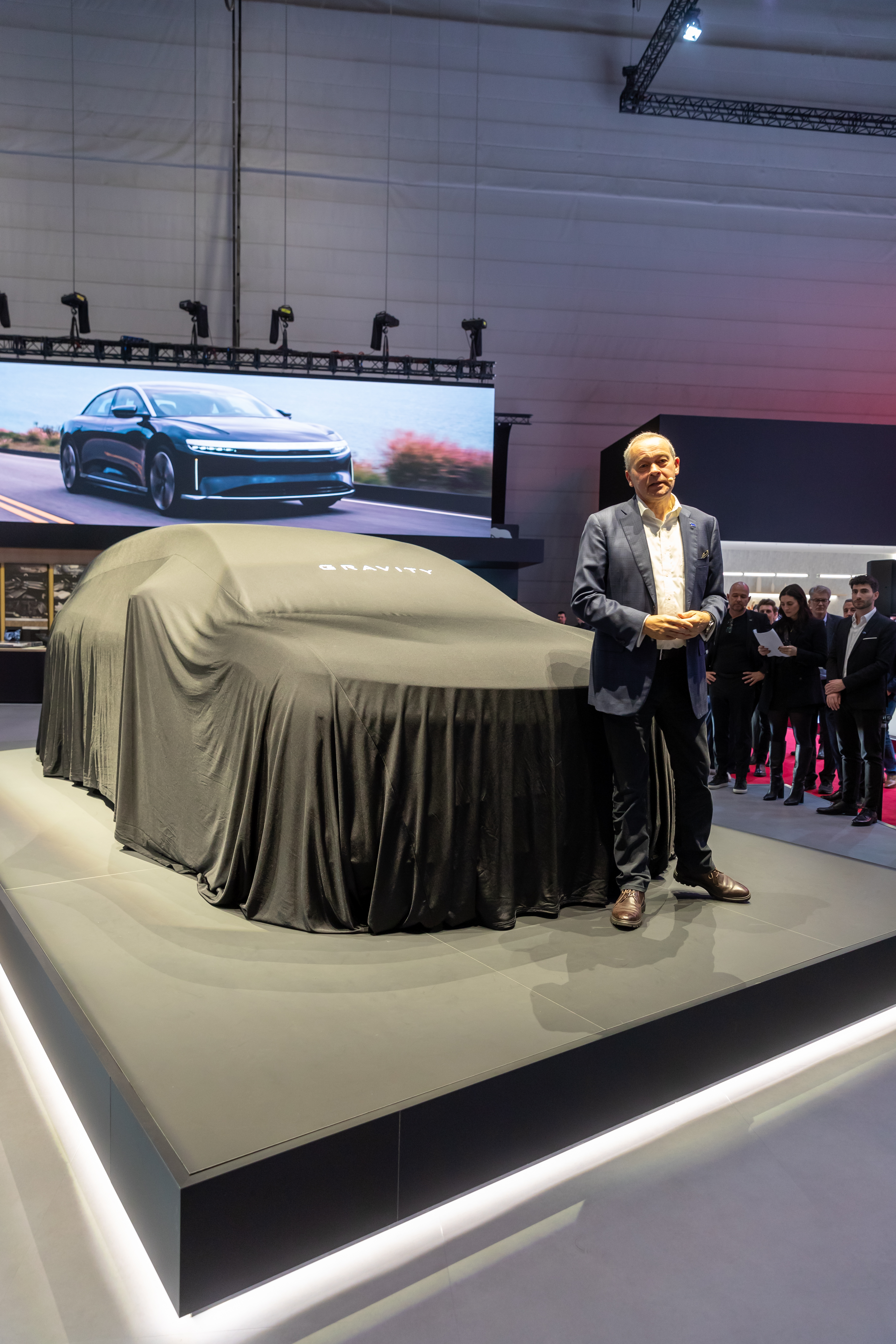
series I mean anything else model 3 model 3 performance lucid gravity keya ev 9 or if 50
grand in cash sounds better great take the 50 grand in cash that is an option as well
no matter what whether you win or not you are helping out families in need at the same time
and that's what's super awesome about this go to cceraffle.com or click the link in the episode
description and use the promo code RTL for $25 off of two tickets or $500 off of 15 tickets
plus if you like this is an option you can optionally supercharge your entry for $10 per ticket
which means if a supercharged ticket of yours is drawn as the winner you'll not only win the
ev of your choice or the 50 grand but also a Tesla wall connector including professional
installation from a certified electrician that will be added to your prize if you win
Chesa Chicago is a reminder these folks if you're not familiar they offer over 80 programs and
services that provide vital assistance to more than 6000 individuals per year with a focus on
battling hunger preventing eviction and homelessness and providing needy families with basics such as
clothing and furniture the final drawing again pretty much the last call here final drawing
is on july 13th and you got to get your tickets now because if they sell out ahead of july 13th
that's it so jump over now cceraffle.com and don't forget that promo code RTL for $25 off
of two tickets or $500 off of 15 tickets and I've also got a new offer from my friends at
Accelerate Auto it is a $250 discount on any paid in full X care premium or battery and drive unit
protection plan so before you head out on your next road trip here's one more thing to add to
your checklist I mean your Tesla's charged your routes plan your bags are packed playlist is ready
to go but have you thought about your protection plan roadside assistance isn't something you think
about after warranty until you're stranded trip interruption benefits it'll matter until you're
hundreds of miles from home and finding an experienced independent EV repair facility
isn't important until you suddenly need one the best time to prepare for the unexpected
is before you leave the driveway that's why thousands of EV owners including me by the way
choose X care to help protect their ownership experience long after the factory warranty ends
and again as a ride the lightning listener you can save $250 on any paid in full X care premium
or battery and drive unit protection plan with promo code RTL 250 that's RTL 250
this special offer is available through the end of the month July 31st visit X care dot com
that's X care dot com or call 866 584 1363 and again use that promo code RTL 250 protect the
journey and enjoy the freedom staying on the subject of FSD Tesla has taken another significant
step towards making the cyber cab a real completely driverless product that you can use to take you
where you want to go over on X this week Tesla announced quote engineering tests of the first
production cyber cab have begun in Austin end quote and it was accompanied with some proof
a video of the cabin of a cyber cab with no steering wheel or pedals nobody in the quote
unquote driver's seat and a passenger a safety monitor sitting in the passenger seat although
I guess technically both seats in the cyber cab are passenger seats so I suppose when I say that
I'm referring to what would traditionally be known as the passenger seat in a left hand drive
market like the US but anyway this is genuinely awesome this is so cool as I've noted before
this will be the first time in Tesla's history that a product rollout is arguably limited more by
regulatory restrictions than by manufacturing bottlenecks and production ramps because the
cyber cab you'll remember is being made with the new unboxed manufacturing process that when fully
up to speed can crank out cars super super quick much quicker than they crank them out now the
problem is for now there's nowhere to put those cars into service so Tesla's not pumping them out
crazy fast and thus I genuinely wonder how Tesla is building the cyber cabs right now like is it
using the unboxed method but they're just going slow with it or are they using a more traditional
production line at giga texas for the moment and will transition over to the unboxed method
once they have enough enough markets that they can put the cars into in order to justify the
quicker manufacturing rates I don't know the answers I am wondering aloud and by the way
I'm not saying regulatory restrictions there as a bad thing so please don't take it as such
I just think it's important to note that I mean it is it does matter that a car with no user inputs
for vehicle control at least like obvious vehicle inputs aside from the pull over button on the
screen it it does matter that those get confidently demonstrated to be safe before the they're allowed
to to carry members of the of the general public so I'm not saying that as a criticism here when
I say that regulatory restrictions are what's really maintaining the or regulating guiding
the speed of manufacturing on a related note we learned a little bit more about the cyber cab
this week thanks to the release of the first responders guide specific to the cyber cab
now this was first spotted by x user Spencer Spencer does follow me on x so if you're listening
to this hi Spencer thank you for posting that now I'm not going to read you everything from
Spencer's recap of that first responders guide but here are the ones that I found most interesting
so again these are all little excerpts from the first responders guide it says first responders
can contact Tesla RoboTaxi support 24 7 at phone number here or via the onboard two-way
communication device they can also request temporary geofencing to block RoboTaxi traffic
within a thousand feet of an incident I found that interesting the next next little bullet
point I wanted to read you autonomous mode is disabled by a Tesla rep after a safety critical
event like a collision or when pulled over when disabled hazard lights flash rapidly at two times
the normal speed and the doors unlock and then here's another one the vehicle uses cameras and
sound detection to yield to sirens if followed by a responder with lights or sirens it pulls over
parks disabled autonomous mode and initiates two-way communication with Tesla support
including an external microphone and then there were a few more that I wanted to give credit to
our Tesla tips or friends Sawyer Merritt he plucked these out and put them on his x page so here's
a few more opening a door or unbuckling a passenger seat belt automatically causes the RoboTaxi to
disengage and park makes sense safety thing then there's this one if a cyber cab is in the roadway
or in a dangerous position first responders can manually move the vehicle using onboard vehicle
controls which must be through the screen right like a virtual virtual steering wheel virtual
acceleration and brake I guess I don't know how else that would work and then here's a third one
it the cyber the cyber cab first responders guide notes that there are at least 10 airbags
front airbags knee airbags inner seat mounted side airbags outer seat mounted side airbags
and curtain airbags and then here's one more for you cyber cab RoboTaxi can operate autonomously
at all times of day and night and under light and moderate precipitation such as rain fog and
snow cyber cab RoboTaxi does not accept new rides when extreme weather conditions pardon me are
expected if unexpectedly caught by extreme weather conditions cyber cab RoboTaxi is designed to
pull over at the nearest safe stopping location and park Tesla RoboTaxi support is then notified
and can recover the vehicle and or passengers so it's that last one that's the most interesting
to me because it addresses directly the concern the valid concern over inclement weather so if
it's really coming down out there be it heavy rain serious snow or dense fog it sounds like the
RoboTaxi the cyber cab will not be usable now then again you probably wouldn't really want to be
driving anyway in those kinds of conditions in a traditional car with inputs or I guess put another
way how safe would you feel in a manually driven uber or lift in that same scenario if there's
really thick heavy fog really bad downpour or really extreme snow conditions I'm speaking for
myself I would not feel very comfortable now it wouldn't wouldn't be personal against the driver
just I just in general would not feel comfortable in those conditions so that that is how Tesla is
going to address severe weather they're just not they're going to have the the cyber cab pull over
and just not operate in those situations I have zero doubt that there will be so many videos on
the internet of the cyber cab once these things start taking regular public customers for autonomous
rides and with that I also have no doubt that we will see it make mistakes that hopefully will
get rapidly fixed just like there are plenty of Waymo videos out there of those cars doing
weird stuff sometimes but the thing is as far as I'm concerned we don't want the perfect to be
the enemy of the good and so I for one am greatly looking forward to the addition of the fully
driverless cybercabs onto my city's roads and now Tesla is not quite there yet in my town
with regard to completely unsupervised but they're getting there and in a
number of different communities in fact here's one more bit of good news related to this very
topic robotaxi has launched in Miami model why robotaxi's for now again no nobody no members of
the public are getting rides in cybercabs just yet even in the the territories the cities the
markets that have robotaxi service available but Miami now has model why robotaxi's and
as a bonus those Miami robotaxi's are fully unsupervised but the catch at least for now
is that it appears to be from taking a look at the map it appears to be a pretty small service area
that you can take a driverless fully driverless ride within but still it is great to see Tesla jump
right into another market and skip straight to unsupervised fsd I love to see that now again
as soon as they take the safety monitors out in my neck of the woods here in the San Francisco Bay
area I will definitely be taking some fully driverless rides and I will report back about
my experience hopefully soon hopefully reasonably soon given the progress on unsupervised rides
over in other markets so we're I don't know 40 minutes into this podcast something like that 45
and as I said at the top it has been a heck of a week for Tesla the model yl announcement for the
US they actually hit their June 30th deadline on fsd version 14 light and now there's this
q2 production and delivery numbers Tesla crushed it what a quarter for Tesla as always I will read
you the company's typical short and sweet press release Tesla saying in the second quarter we
produced over 450,000 vehicles delivered over 480,000 vehicles and deployed 13 and a half gigawatt
hours of energy storage products thank you to all of our customers employees suppliers shareholders
and supporters who helped us achieve these results as always I'm here to provide you some context
so remember let's keen in let's hone in on that delivery number 480,000 plus vehicles delivered
in q2 last quarter so q1 of this year was 358,000 deliveries that is an absurd jump quarter over
and year over year also extremely impressive because q2 of last year 2025 was 384,000 against
again 480,000 in q2 of this year in fact tesla beat q4 of last year q4 is typically the biggest
quarter of a year q4 in 2025 was 418,000 so tesla beat it pretty hand handily pardon me in q2
in fact tesla even came close to last year's huge q3 which was the biggest quarter of the year
abnormally large because as you were you might recall that is when the 7500 federal tax credit
was ending q3 was the final quarter for that last year and that abnormal quarter saw teslas
all-time record deliveries 497,000 so just shy of 500,000 and again this quarter q2 this past
quarter 480,000 vehicles as always the model 3 and the model y represented the overwhelming
majority of deliveries over 97% of them but remember q2 was the end of the line for model s
and model x and we also got the first deliveries of the $60,000 cyber trucks in q2 so last quarter
when i was talking about this very topic with the q1 production and delivery numbers i wondered
allowed here on the podcast if we would see a meaningful bump in the other vehicles category
that houses for one final time the snx along with the cyber truck that category in the just
completed q2 2026 was only 12,364 cars or basically about a thousand cars per week
of all three models combined not a thousand x's thousand s's thousand cyber trucks a week
all three of them combined a thousand of those three models combined per week so
i wouldn't personally call that a particularly notable pop in the in the other vehicles numbers
for q2 again for more context last the previous quarter q1 after s and x's cancellation had been
announced q1 was actually quite a bit higher in the other vehicles category than q2 33% higher in
fact it was over 16,000 deliveries for q1 versus the 12,000 plus for q2 and so uh i guess i really
wish that i could get just the snx numbers but alas i cannot so if we were to combine q1 and q2
in the other vehicles category we get a little over 28,000 vehicles and so i wanted to compare
that to the first half of last year in 2025 when s and x were still very normally in production
very normally available so q1 and q2 combined for last year in the other vehicles category
was just over 23,000 so yes percentage wise that is a decent year over year bump of first half
to first half comparing apple to apple there but it's again just tough to know how much of that
was s and x this time around in 2026 versus cyber truck versus maybe it was just a pretty
even mix of all three right like maybe it wasn't any one vehicle or the other that jumped out but
anyway that is it we say goodbye to model s and model x perhaps one day we'll see you both again
or at least one of you at least the model s again for now though the other vehicles category on
Tesla's future quarterly production and delivery reports will be at least in the near term made
up almost entirely of cyber truck numbers but with a sprinkling of cyber cab in there eventually
in probably two years although i've probably been saying that for the last i've probably been saying
two years for many years now but eventually the roadster the new roadster will get added into that
other vehicles group as well but i suppose at least for the very next quarter the one we're
now q3 where there seemingly won't be a meaningful number of cyber cabs produced the other vehicles
category whatever that number is in three months from now will be made up almost entirely of cyber
trucks and so i think it's fair to say that we might have our most accurate idea yet on next
quarter's production and delivery report of exactly how many cyber trucks tesla made and delivered
in a single quarter and real quick before i get to the next couple of news stories i hope those of
you who are kindly supporting me over on my patreon page found at patreon.com slash tesla podcast
enjoyed this week's lightning round mini episode which was a conversation with longtime listener
pete from perth in western australia who talked about his fleet of rental teslas that he operates
there including his cosmic silver model yl which we talked at length about of course
as it so happens since pete and i recorded that conversation about a week ago we uh we now have
cosmic silver in the model yl coming our way here in the us in another couple of months but
had a great conversation talking cars talking tesla with pete so uh check that out over on
patreon if you're with me over on patreon that was the 199th lightning round um we'll see what
episode 200 of those is going to be over on patreon this week but if you want to support what i'm
doing here on the podcast i'd be so humbled and grateful if you chose to do that the support
tiers start at just five bucks a month and as a thank you for that five bucks a month you will get
an ad-free episode and you'll get early access to that ad-free episode if you jump up to the most
popular tier the ten dollar per month tier you'll get the ad-free early access each week and you'll
get access to all 199 and counting of those lightning round mini episodes so check it out
over again at patreon.com slash tesla podcast there are annual pledge options available too at
any of the tiers there's a 10 discount on any annual pledge as a way for me to say thank you
for committing to a full year of support uh so do keep that in mind if that sounds
appealing to you as well there are also seven day free trials available on that most popular
ten dollar per month tier if you'd like to just see what it's like to be with me on the patreon
to be part of that little community that we've got going on over there thank you so much for
your consideration with regard to patreon all right i've got two more stories from you one more
tesla story and a rivian story and the next one's a wild one it's the one i teased at the top it's a
long story so buckle up because i'm about to take you on quite a ride truckloads of tesla batteries
keep getting stolen before they even leave the factory that is the headline from the wired dot
com story on this and i want to tip my cap to listener steve who kindly sent me the link to
this story wired writes trailers containing millions of dollars worth of tesla car and home
batteries have allegedly been stolen straight from loading docks at the company's nevada facilities
at least 11 times since last december according to sheriff's records obtained by wired quote
it's an epidemic right now says story county sheriff's detective sam hatley who has been
investigating the tesla cases three men suspected of carrying out one of the heists were arrested in
january and charged with felony possession of stolen property but the broader spate of cargo
thefts plaguing elan musk's car company are still under investigation and have not been
previously reported hatley tells wired the incidents documented in the sheriff's records
reflect only a portion of the problem investigators are tracking a total of 17 alleged cargo thefts
this year involving tesla and other businesses in story county though hatley declined to say
how many involve the car maker specifically one alleged operation that targeted tesla also
struck battery recycler redwood materials these figures may be an undercount hatley adds
because companies are sometimes reluctant to disclose that their products have been stolen
a tesla associate manager told investigators that some of the initial thefts stemmed from
failing to adhere to basic security protocols according to sheriff's reports the car maker
has since tightened its procedures including beginning to verify the identity of drivers at
the factory gate according to the sheriff's records quote it's definitely helping hatley says
thefts are quote happening but not as prolifically end quote tesla the associate manager
named in the reports and redwood materials did not respond to requests for comment
the first of the recent cases took place in december and involved two trailers each filled
with over 400 and 75000 dollars worth of power wall three residential
battery systems which were taken from a tesla property by a dodgy logistics carrier according
to sheriff's reports authorities recovered the trailers empty about 500 miles away in southern
california tesla's security team later found some of the power walls for sale online and notified
authorities the products can't be activated when marked as stolen according to investigators
so there's not much to gain from buying them in another case an auto parts dealer in northern
california told tesla and law enforcement that someone had offered to sell them at a discount
what they suspected to be stolen car batteries which invest in pardon me investigators later
confirmed had been tesla reported one additional alleged theft in december and nine more in january
that included a january 19 incident involving another trailer containing 123 power walls
it was destined for a tesla facility in hayward california but never made it there
sheriff's reports state that the semi truck in the company whose driver came to pick up the
trailer were not licensed for interstate operations a freight broker had awarded the contract to
transport the trailer to an illegitimate carrier according to sheriff's reports two additional
trailers each containing about half a million dollars worth of power walls were taken over the
four days both trailers were found based on their gps location history but one was recovered empty
investigators state in their reports the other was found with all of its cargo at a gas station
18 miles away from tesla's factory detectives placed a gps tracking device on it with the intent
to nab the thieves coming back for it and they informed tesla of the location and their plan
but tesla employees came to pick up the trailer anyway and were briefly pulled over by confused
deputies hatley declined to comment on the mishap the following week in january two more
trailers were stolen but they were equipped with built-in gps trackers that remained on
in other cases authorities say the alleged thieves deactivated or discarded them
both trailers were quickly located nearby parked with their contents untouched tesla picked up one
while officers placed their own gps tracker on the other on january 30th the trailer with the
police tracker on it was on the move and police proceeded to arrest three suspects driving off
with it prosecutors alleged that the three individuals in their 20s traveled from california
with a forged commercial driver's license in someone else's name their cases are scheduled
for trial in october attorneys listed in court papers for two of the defendants did not respond
to requests for comment from wired well this is crazy like the first word that comes to mind
for me with this is brazen like the people responsible for this are fearless i mean i still
don't get who and where the thieves are selling them to now certainly the batteries are valuable
right i mean one powerwall shipment as you heard is worth half a million dollars and like how do
you transport the stolen packs and and powerwalls like worldwide so if they wanted to sell them
overseas somewhere and i mean i have no idea if that's what they were aiming to do or or
potentially going to do how would that happen because wouldn't shipping them via air or via
cargo ship require like manifest logs or something or have i just watched too many movies i don't
know but if you're tesla you must be seriously tightening the screws on all of your freight
companies at this point and not only that but tightening the screws on the tesla employees
who manage the relationship with those freight companies because from what i've read about
elan musk's management style in walter isaacson's authorized biography from a few years ago elan
would shall we say not take this well i would imagine he would start firing people under whose
watch these thefts occurred and then he'd probably go scorch earth on the freight partners now this
may even sound a little hyperbolic but i wouldn't even be surprised if tesla just decided to add this
to their list of things that they vertically integrate in order to fix it meaning they are
already producing tesla semis so they just decide all right we're gonna crank out a bunch of semis
for ourselves at our new semi factory at gigantavada and they'll just create their own
freight transportation company within the company basically like we've heard elan say that tesla
is really like a bunch of startups all all under one company and maybe they create and maybe they've
already done it create a a freight transportation company so that it's just all their people all
the time operating these trucks and transporting this valuable cargo also by the way as as a segue
to the other ev news story that i'm going to do for you in a second if you're rivian or lucid
you've got to up your security game too because even though neither one of those companies operates
at the scale that tesla does they're still vulnerable to something like this happening to them
really same goes for ford at its new lfp battery factory in michigan that i talked about an
episode or two ago as well so if you're in the battery business you got to be paying close
attention to this and not just that you got to be taking action with your own stuff because this is
just crazy just again brazen stuff going on in rino at the uh at the at the giga nevada facility
all right last thing this week it's other ev news it's about rivian and it's good news
rivian r2 reservation holders i know there are plenty of you listening to this that have an
r2 reservation you all got a treat this past week at least hopefully it was good news in most cases
and that is the company has chosen to reveal everyone's estimated order and delivery windows
and yes it was on purpose they did choose to do it it wasn't a mistake they've opened that
information up if you've got an r2 reservation you probably already got an email but you can
log into your rivian account and it will now show you when your estimated order window like when
you'll actually be able to order and get your car is going to be now provided those estimates
remain relatively accurate i think this is a really good thing because for no for no other
reason it helps people plan out the massive purchase that is a car purchase right as i've
said a hundred times before a car purchase is for most people probably the second biggest
purchase they'll ever make other than a home so having more information to more accurately do
that is a good thing and again i think that transparency from rivian is good and the
handful of people in my life who have an r2 reservation all of them were super excited
to see their window get revealed this week in fact one of those people is a good friend of my wife
and she's going to be a first time ev owner and i had actually steered her towards the r2
after she told me a couple months ago she said well i want to get an ev i'm going to need a new
car soon ready for my first electric car and she said she had told me that her dream car
was the r1 but what's interesting about that little story is she didn't even know about the r2
so what i told her that the r2 is at least the goal of it and the early reviews say that suggest
that this is actually true the r2 is basically just a smaller cheaper version but also you know
has a lot of the same strengths and characteristics of the r1 which by the way is exactly what the
model 3 was to the model s just an excellent slightly smaller cheaper version of it so when
i told her about the r2 she put down a reservation right away because i said just you know it's
refundable it's only i think it was a hundred bucks whatever it is for an r2 reservation
so just just get in the line and uh and she she did that and now she's her window is
looking like december january and when when we talked on text about it this week she said oh
it's like perfect for me so kudos to rithian for the transparency and you know what i hope tesla
does this moving forward on say the cyberbin that we talked about earlier or maybe the model z if in
fact that comes around so i hope tesla and everybody else applies this level of transparency
to their reservations as well all right that'll do it for an extremely busy but
mostly exciting and fun news week stick with me i've got time for just a few of your phone calls
in the ride the lightning hotline and i will get to those right after this hi this is france von
holthausen and you're listening to ride the lightning with ryan mccaffrey the tesla unofficial
podcast time for your questions your calls in the ride the lightning hotline there are two easy
ways to call in if you'd like to potentially be featured on an upcoming episode you got something
tesla or evie related on your mind give me a call i welcome you i invite you either use your
smartphones built-in voice recording software just record the question and i kindly ask that you
keep it to 90 seconds or less so i can get to as many calls each week as possible and then email
that file to me at tesla podcast at gmail.com or you can take that same 90 second or less call
and actually call in and leave a message on the ride the lightning hotline the toll free number
you can dial anytime is 1-888-989-8752 that number again 1-888-989-TSLA and if you know someone
special out there with an upcoming birthday anniversary graduation or some other special
occasion you can give them a unique gift of recorded voices from friends and family telling
them why they're special the recordings can be podcasted or put onto a keepsake visit life
on record dot com to learn more first up this week here's patrick with a an update to a previous
pro tip hey my name is patrick i drive a 23 uh model 3 with acceleration boost i was just
listening to the podcast i just found it great i like it i'm going to be doing more and uh i had
a comment or a good suggestion i guess i found uh well i heard that somebody was trying to activate
their passenger side vent and they were clicking the seatbelt in and they're pushing down on it
if i know what i want to activate mine i just hit the the climate control and i touch my passenger
side vent and it activates so i don't i don't know if that's something new for 23 or whatever but uh
yeah that's how i activate it um keep up the good work and uh i'll hopefully listen to you soon thank
you thank you very much here patrick and thank you to the plenty of other folks that either emailed
me or called in about this i am very happy to be educated on this one you know it's not that the
seatbelt option that i found was wrong per se it's just you've all given me a far easier quicker
and more convenient method of doing this to thus also pass along to everybody else so thank you
very much to everybody that reached out to me about this one next up here's greg responding to the
recent poll star news about them exiting the us market next year hey ryan it's greg i just wanted
to thank you for the amazing shows especially with the uh executive would love to see you interview
other automotive executives my call is regarding the poll star closure in the united states
i do have some additional information uh that uh you know obviously geely the parent company in
owns both volvo and uh art of full star and uh i think that um from reports and friends i have
in the industry they didn't want to get into a tussle with the u.s government for fear of
jeopardizing volvo's position with a full factory down in the carolina's i will say it's somewhat
um sad to see such a great product um not be offered the poll star three was right in my
wheelhouse as i was looking for sort of a hot-hatch experience at a little bit lower cost than the
portion mccarn electric but if you get a chance to drive it i'd really be interested in your views
they've updated the product in europe with 800 volt architecture and 670 horsepower
and of course the Scandinavian design um is very appealing especially up through the
the northwest uh well think poll stars done really well in the seattle portland uh and the
northern cal area thanks again for all of your great work thank you greg i sincerely appreciate
your kind words and i thank you for taking the time to call in also i would completely believe
what you're saying here i don't really have anything to add to your call except that as i
had said on i believe it was last week's podcast i really hope that poll star might be back in the
u.s market someday and hopefully sooner rather than later since as i had mentioned those exemptions
get reviewed on a yearly basis so appreciate you calling in greg thank you so much and i've got time
for just one more caller this week it is brian from colorado hello ryan it's brian from arvata
colorado and sorry to say that my model 3 has been in an accident i had fsd engaged and fsd did
not work i was approaching roundabouts instead of varying slightly to the right it went straight
directly over the curb no warning that i was about to hit no time to take over so it's fsd
tesla's fault not driver error here i asked for all the data through tesla privacy to show this
and i received irrelevant data what the car was doing the day before but not at the time called
the accident i emailed tesla privacy repeatedly they either never responded or sent me the same
irrelevant data i called customer support they said they could not help at all i can't
to find out that this data is in the car and what they call the event data recorder stored in the
vehicle's restraints control module which would prove that i had fsd engaged at the time of the
accident but this data is only accessible through a tesla edr tool a special cable that connects to
the car now i can buy one for several hundred dollars but it's really not worth it because i'm
only out my 500 dollar deductible insurance space for the rest the tesla collision
center where the car is being repaired doesn't have such a cable my local service center is
checking to see if it has one probably not though it's a catch 22 i would love to have any advice
to you or your listeners have and how to deal with getting data to show that my fsd was engaged
or not at the time of an accident and in getting tesla to pay my deductible if i can prove that
was fsd's fault something tesla may or may not do even if i can prove it thanks very much
hey brian i am really really sorry to hear about this mishap i mean that had to have been just a
at among many things a startling situation you didn't mention if you happen to have a thumb
drive or ssd plugged in to the car with your dash cam setup because that would be the quickest
and easiest way to get the footage that you're after and what's even better is that a recent
software update improved the functionality for exactly this kind of unfortunate situation
by adding an overlay to the footage that shows the car's speed and whether or not fsd is engaged
or not so if the car hasn't been driven i presume that maybe it got towed to a collision center
then if you can access it just tap the sentry mode icon to go in and review the most recent
footage remember that the car is always recording on at least i can't remember if it's a 10 minute
loop or if it may have even been extended at some software update to more than that
but hopefully it's there so even if you didn't actually save the clip which certainly i don't
think you'd have called in if you had but i hope you have the footage there if in fact you've got
your dash cam setup so i hope that helps in some small way and good luck to you brian if anybody
else out there has a good call that they want to just ring in with a thought an idea question comment
whatever it is drop me a line i gave you the two easy call in methods at the top of this segment
so refer back there for those instructions as for what's going on with me and my cars on this
holiday weekend i'm just happy to have a three-day weekend very grateful for that and to be able to
enjoy the cars over the weekend like i said i i uh or actually i know i hadn't said i haven't
my notes here i took a cruise over this morning i wanted to give a quick plug to a bay area small
business called donut farm i've actually mentioned them on the podcast before quite a while ago
they make vegan donuts so there's in my case there's no dairy in them and they are like i
would personally put them up against any dairy inclusive donut they are awesomely good donuts
this is a great small business they use all organic high quality ingredients and the reason
i'm bringing them up is because they had posted on their instagram this week i follow them over
there that they're they didn't use this word but it sure made it sure seemed like they're kind of
hurting and they they reached out they said hey we could really use the community support so
having the privilege of having the day off this morning i took a ride on over there no traffic
on the day on the holiday observed holiday it was great just a nice nice easy fsd cruise over
the bridge to berkeley which is where donut farms located so if you're a fellow san francisco
bay area person listening to this give them a try if you get a chance if you find your way
around or near berkeley they are just they make awesome donuts good people i've talked to the owner
a couple times before and uh i've been going there for years and in fact i support them on
patreon so take a look donut farm here in the bay area otherwise uh the other stuff going on with
my car is as i was mentioning earlier this weekend sunday i'm planning to get together with tesla
raj to do that version 14 light and version 14 comparison so i'm looking forward to i just
haven't seen raj in person in a while so it'll be good to see him good to do this little experiment
and uh and we'll see how that goes so the results of that will be discussed on next week's podcast
so stay tuned there here's an entertainment recommendation for you for this week i've got
one final episode to watch tonight but the final season of the bear is now up on hulu this show
it's not family friendly due to language really that's it's mostly just language i guess and there's
a lot of yelling and drama but uh for the adults listening i'm i've really enjoyed the bear during
its whole run and um i've like said i've got one last episode to go here in its final season they
they uploaded the whole season at once to hulu like a week ago so check that out if you have
previously watched and enjoyed the bear up next is your tesla pro tip of the week it comes from
dave in yorktown hello ryan this is dave yorktown perkinia i have a fun fact uh and kind of a
request for tesla and maybe even off pro tip kind of wrapped into one here uh my car was
doing uh what we've heard before where a car will go from one side of the lane to the other
kind of weaving a little bit and as we as i've learned through your podcast is that a lot of
times this is due to an alignment problem i took my car to american pride in yorktown
had them check the alignment sure enough they said the alignment is off it's six so i had an
alignment done and i got back on the road a couple days later and car is driving almost
perfectly straight down the lanes uh the interesting part is uh as part of the alignment the guy at
the counter said did you know that the approved tesla procedure to do an alignment is that you
have to have the car in neutral and as i think everybody here knows is if the doors are open
your car cannot be in neutral it will go into park so the approved procedure is to
wrap a shop rag around a sharpie magic marker and stick the sharpie magic marker into the door
jam on the door which makes the door think that it is closed because it's latched on to something
um very interesting so you gotta you know sharpie kind of sticking out of your door
apparently when it's done and the car stays in neutral so the guy can do the procedure and
everything uh so my thought was for tesla is hey why don't you make this a software change to your
service menu so that when the car is in a service menu for alignment that it automatically will
override the safety protection of having the car in park you can leave it in neutral uh when the
doors are open and thus the service technician can take care of that while the doors are open and
the car is in neutral so uh that's my thoughts uh thanks for the podcast have a great day
hey thanks dave i learned something new today thanks to your call which is i like to say here i
always appreciate so i'm definitely going to count this as a pro tip because i think it could be
directly or indirectly helpful to somebody out there listening at some point i appreciate it
and i am so glad that this magyver style solution works if anybody else out there has a good tesla
or ev pro tip of the week i would be delighted if you would call in and share it with me so that i
can share it with everybody else listening to do so just follow the regular instructions of a regular
ride the lighting hotline call the two methods either your built-in voice recording software
or calling the the toll-free ride the lighting hotline number i gave you those instructions
a little while ago so just refer back to that and i'll have another pro tip of the week for you on
next week's podcast and before i go some friends of ride the lightning that can maybe be useful to
you later this week later this month later this year who knows i start with rpm tesla they're
trusted by over 200 000 tesla owners since 2013 they offer over 1400 in-house designed and manufactured
accessories compatible with every tesla model in year i'm talking about carbon fiber design
accents design kits like spoilers all kinds of stuff you just got to go to their website and
take a look because they've got some really beautiful stuff over there rpm tesla.com buying
tesla accessories from them online is easy and risk-free they have a low return rate and free
return shipping no but by low return rate i mean they don't charge you anything meaning nobody
returns things so that which allows them to enable free return shipping and no restocking fees
for self installation which is probably going to be the case for most of you
rpm offers over 600 real-time diy step-by-step videos but if you live in southern california
you can visit their showroom for professional installation of whatever you might purchase
rpm tesla.com the infinity shield meanwhile uh this is to prevent any garage door mishaps
from ever happening it's a great piece of engineering it works with any garage door system
it sets up what it does is you know you've got the the single beam sensor down at the
basically ground level that if detects like that's the only way for the door to know if
there's something obstructing its path well that's obviously not very foolproof so get the
infinity shield which creates a 25 beam array your the world's first full coverage garage door
sensor utilizing 25 beams it detects protruding bumpers open hatches or anything else in the way
of the garage door it's easy to install with no special tools required it doesn't need to be
aligned ever and it's compatible with all garage door openers get yours at infinity dash shield
dot com and use the promo code rtl at checkout for a 25 discount abstract ocean dot com they have
aftermarket accessories for all the teslas the rivians so much stuff they continue to kindly
offer the 15% coupon code 15% off coupon code for first time customers they've got so much stuff
for all the cars a lot of lighting kits including the nice rear footwell lighting kit which i like
for the model y which statistically is most of you with the model y uh just really class up that
second row just what it does is it's a it's adds lights easy to install lights underneath the front
seats the back of the front seats which of course in the y are on risers so you get you get some
light back there so you get a nice extra splash of light in the second row passenger footwells
great product i think teslas should it's so good a product teslas should have that stock like every
y should have that but since they don't abstract ocean dot com's got you covered they have a ton
of other great stuff too like puddle lights like the fourth generation gorilla glass
tempered glass screen protectors for all the teslas screens to keep uh scratches and any
damage off of that all of it is available to check out at abstract ocean dot com when you get there
click on whichever car you own and it will filter and just show you all of the products
available for your vehicle again when you get to check out use the coupon code RTL podcast
all one word no spaces RTL podcast for 15 off of your first order the snap plate and the stronger
snap plate plus available for lots and lots of EVs pretty much all of the all the major EVs on
the market at this point um yeah when you click on choose vehicle make tesla rivian chevrolet
cadillac forward Polestar lexus subaru toyota they've got a lot of stuff so the snap plate
is the nice minimalist design front license plate bracket that goes on to your vehicle
rather than the tesla one that you get with your car that sticks to your paint sticks to the front
of the car with automotive tape no thank you i highly recommend the snap plate or the even
stronger snap plate plus it installs securely but if you ever want to take it off you can do so
without leaving any unsightly hardware or any damage of any kind behind and good luck saying
the same thing if you try to get the one with tape off the front of your car get yours at every amp
dot com slash RTL and they also kindly offer a discount to the ride the lighting audience
using the coupon code RTL immaculate reflections is my local preferred professional detailer
they do such awesome work whether that's paint correction paint protection film on the front
of the car or all just the key areas or ceramic coating is definitely highly recommended
as well because why bother why have to deal with waxing your car twice a year to maintain the
health of the paint finish get it ceramic coated by a professional detailer and that's gonna last
three years minimum probably five if it's well cared for you might get seven years out of it
i got seven years out of the first coat of ceramic coating on our 2018 model 3 performance
so if you're in or gonna be in the greater san francisco bay area with your tesla or other ev or
other car in your life that you love make an appointment ahead of time at immaculate reflections
and let them know what you're looking for and they will work with you and i guarantee you will
leave happy when you pick up that completed car go to irdetailing.com you'll see a contact button in
both the upper left and center of the pages click that and you'll send a message out to jeff the
owner of the shop there again let them know what you're looking for let them know what your time
frame is and he'll get you booked in get an appointment and make sure to mention in your
initial note that you are a ride the lightning listener and thus you would like kindly request
the ride the lightning listener discount and jeff will kindly do that for you
finally my patreon page found at patreon.com slash tesla podcast it's so easy to support this podcast
if you are willing and able to do so the support tiers start at just five bucks per month over
on patreon.com slash tesla podcast and in exchange for that five bucks a month number one you're
helping me out a lot which i do sincerely appreciate number two i have a thank you gift in exchange
for you which is an ad-free early access version of the episode every week so five bucks a month
gets you that if you want to step up to the ten dollar per month tier which is the most popular
tier you'll still get the ad-free early access every week but then you'll also get access to all
of those lightning round mini episodes that i do every week on patreon including the entire
199 lightning round back catalog of them so join me over on patreon if you're willing and able to
to give back to the podcast to support what i'm doing here patreon.com slash tesla podcast
if you're not already following this podcast on your favorite podcast service doing so is free
and easy just search ride the lightning tesla on whatever podcast service you like you should see
my logo pop right up when you do just click the follow button and that's it you're done
so what that does is every time there's a new episode which in my case is every sunday at
nine am eastern six am pacific you'll get a push notification on your device letting you know that
there's a new episode available tap that notification and you will instantly be taken to the beginning
and you'll start here to start listening to that show so super easy super convenient make sure to
do that if you're not already doing so finally you can follow me on either x and well x and or
instagram same username on both and that username is dmc underscore ryan you can also email me anytime
about tesla or ev related stuff at tesla podcast at gmail.com lastly before i go for this holiday
weekend i want to extend a big hello and thank you to the top tier patreon backers who as one of
their perks they get their names shattered out at the end of each week show another of their perks
is they get a standing invitation to each month's monthly of course it's monthly because i just said
monthly to each month's patreon zoom hangout which i usually aim for the first saturday of the month
but the first saturday of july just so happens to be actual fourth of july so i have plans and i
imagine a lot of you have plans as well so we'll do it this next saturday the 11th look for an email
a calendar invite and a post on patreon reminding you about it with all the all the links and
information on that for those of you at those top tiers of the patreon also i'll note anybody
that makes a new patreon pledge at any level or upgrades their existing patreon pledge
gets a one-time thank you invitation to whatever the next patreon hangout is i always keep a
running list of those folks and make sure they get invited each week or each month pardon me
so i'm looking forward to chatting with everybody this next saturday july 11th so thank you to
those top tier patreon backers starting in the roadster in space tier thank you to
Pete White, Lyle Austin, Steve Radspinner, Fernando Cordero, Lawton from Chicago, Sean
Nightig, Neil Weaver, Jackson Wallace, Rolf and Jennifer Evers, Howard Anthony Smith, Victoria
Ayacaveto, Tesla Hitchhiker 42, Carol Weston, Robert from near Philly, American Home Contractors,
Doug Carey, Michael Gallo and Tony Figueroa. Next up, the Maximum Plaid Crew, big thanks to
Jonathan Wales, Cameron Clark, Daniel Grummer, Seth Capello, the Galpin family, Ryan from New
York City, Darren Nickel, Cos Barnes, Patrick Wisnesky, Todd Badger, Joe Edgel, Kevin Yank,
the Tesla Owners Club of San Joaquin Valley, Will Steadman, Jeremy Harris, Chris Beech,
Tom Mills, Cory O'Donnell, Aaron, Joel Sap, Paul Casarino, Chris Osborne, KB, Adam Lavoie, Jason
Chalukis, Travis Krenzel, Bruce Otterstein, Tom Behan, Josh Pennington, John from Creamridge,
New Jersey, Dustin Hart, Derek Finley, Charles Clement, Damon Klein, Jeff Brown, Jerry Slinger,
Kenneth Corbett, Brian Bertoglio, Kim Bae, Troy Sievers, Chip Hooper, Matt Chinander,
Robert Moran, Rav, Christopher Mann, Michael Williams, Eric Harbert, Scott Sheper and Tom Tharp.
And last but certainly not least, the grandfathered in plaid level supporters.
This tier is technically no longer available, but these very kind and generous folks continue
to support me at that tier and so they continue to get all the perks and bonuses that they should
get for that. So thank you to George Casiopo, Logan Willis, Peter Chalet, Eric Randolph,
Dori and Steve Guberman, the Tesla Owners Club of Taiwan, Ron Lee, Charlie Gillespie, Jeff Angwin,
Chase Cabaneas, the Lydia family, Aaron Altschul, Jared Brown, Jamie Dalton, Mike and Barbara from
Louisville, Matt Nixon, the Tesla Owners Club of Wisconsin, Ish, not Elon Musk in quotes,
Peter and the Bear Boys of Colorado. Well I hope everybody in the US has had a wonderful,
safe 4th of July weekend. Hopefully staying a little cool. It's been very toasty in a lot of
the United States and so I wish everybody a safe and healthy and happy and fun 4th of July weekend
here for the 250th. America made it a quarter century. That is pretty cool. That is super cool.
I'm grateful to be on this earth to celebrate 250 years. That's pretty, pretty awesome.
With that, I wish everyone happy electric motoring as well. I am looking forward to
seeing Raj this weekend, checking out version 14 Lite and hopefully getting it in my own car
sooner rather than later but we shall see. In the meantime, for my canine friends Daisy the Boxer,
Lily the Silly Labrador Puppy and Mina the career changed service dog, now just an awesome pet
from my friend Michael and his family. All the best to all of you. Have a great week and I will see
you next time.
medicines and a Tesla for 13 seconds cured forever I mean I think a Tesla is
the most fun thing you could possibly buy ever that's what it's meant to be our
goal is to make it's it's not exactly a car it's actually a thing to maximize
enjoyment that's maximum fun
About this episode
Tesla confirms the Model Y L for the US, with first deliveries slated for September. The show breaks down pricing ($62,000 launch series, fully loaded), included perks (1 year FSD, supercharging, premium connectivity), new paint/interior availability, and a new 20-inch wheel option with minimal range impact. The hosts also cover FSD 14 Lite rolling out to hardware 3 cars, big Q2 production/delivery numbers, and Rivian R2 reservation timing updates. A separate, unsettling story involves ongoing theft of battery packs from Gigafactory Nevada.
Tesla has confirmed the Model Y L for the US market, with deliveries beginning in September. Plus: FSD v14 Lite arrives for Hardware 3 cars, Tesla announces huge Q2 vehicle production and delivery numbers, Rivian R2 reservation holders now have a much clearer idea of when their spot in the line will come up, and more!
If you enjoy the podcast and would like to support my efforts, please check out my Patreon at https://www.patreon.com/teslapodcast and consider a monthly or (10% discounted!) annual pledge. Every little bit helps, and you can support for just $5 per month. And there are stacking bonuses in it for you at each pledge level, like early access to each episode at the $5 tier and the weekly Lightning Round bonus mini-episode (AND the early access!) at the $10 tier! And NO ADS at any Patreon tier!
Also, don't forget to leave a message on the Ride the Lightning hotline anytime with a question, comment, or discussion topic for next week's show! The toll-free number to call is 1-888-989-8752.
LAST CHANCE! WIN AN EV WHILE GIVING TO A GREAT CAUSE: For your chance to win your dream EV, like the just-revealed Model Y L (or $50k cash!) in the 2026 ChesedChicago raffle, head to https://ccraffle.com/?utm_source=ridethelightning&utm_medium=podcast&utm_campaign=06.28.26 -- Hurry, tickets are limited and only 9,999 tickets will be sold, get your tickets today and use code RTL for $25 off 2 tickets or $500 off 15 tickets. Whether you win or not, you're helping a great organization help families in need.
INTERESTED IN A FLEXIBLE EXTENDED WARRANTY FOR YOUR TESLA? Be a part of the future of transportation with XCare, the first extended warranty designed & built exclusively for EV owners, by EV owners. Use the code RTL250 to get $250 off your XCare Premium or Battery & Drive Unit Protection Plan using the one-time payment option! Offer expires July 31! Go to https://xcare.com to find the extended warranty policy that's right for you and your Tesla.
P.S. Get 15% off your first order of awesome aftermarket Tesla accessories at AbstractOcean.com by using the code RTLpodcast at checkout. Grab the SnapPlate front license plate bracket for any Tesla at https://everyamp.com/RTL/ (don't forget the coupon code RTL too!). Enhance your car with cool carbon-fiber upgrades from RPMTesla.com. And make your garage door foolproof with the Infinity Shield – get yours at https://www.infinity-shield.com and use the promo code RTL at checkout for a $25 discount.