
Everything you need to know about buying vs leasing, and how to negotiate the best deal on both
About this episode
Lenny Lawson dives deep into the pros and cons of buying versus leasing a vehicle, using a real-life example of a customer considering a Mustang convertible. He breaks down the financial implications of both options, highlighting how leasing can improve cash flow and save money in the short term, despite the long-term costs. Key factors like capitalized cost, money factor, and residual value are explained, along with tips for negotiating the best deal. This episode is packed with practical advice for anyone looking to navigate the complexities of car financing.
Email Lennie at [email protected]

Ford Mustang
"...I have a customer that I am working with through one of my salespeople that we're basically wanting to buy Mustang, a Mustang convertible GT in my showroom. It's a really, really nice car."
The Ford Mustang GT is a powerful version of the Mustang, which is a famous sports car. It's known for its strong engine and sporty look, making it a favorite among car lovers.
The Ford Mustang GT is a high-performance variant of the iconic Mustang sports car, known for its powerful V8 engine and sporty design. It's popular among car enthusiasts for its performance and classic American muscle car appeal.
MSRP
"The CMSRP is right at $67,000. And they wanted to finance it for a pretty short period of time, 36 months."
MSRP is the price that the car maker suggests you pay for a new car. It helps you know how much the car is worth before you negotiate with the dealer.
MSRP stands for Manufacturer's Suggested Retail Price, which is the price that the manufacturer recommends for the vehicle. It serves as a guideline for both dealers and consumers during the buying process.
financing
"And they wanted to finance it for a pretty short period of time, 36 months. I know this payment sounds really high."
Financing means getting a loan to buy a car, so you can pay for it over time instead of all at once. You make monthly payments until the loan is paid off.
Financing refers to the process of borrowing money to purchase a vehicle, which is then paid back over time, typically with interest. This allows buyers to spread the cost of the vehicle over several months or years.
monthly payment
"But anyway, at 36 months their payment was going to be $1,839 a month. That is a huge monthly payment."
A monthly payment is how much money you pay each month when you borrow money to buy something, like a car. It helps you spread the cost over time.
A monthly payment is the amount of money that a borrower agrees to pay each month to repay a loan, such as for a car. This amount can include principal, interest, and any additional fees.
sales tax
"Of course, that includes $4,598 in sales tax because when you buy a vehicle and you don't have a trade in and these people don't, you've got to pay sales tax on the full amount in the state of Tennessee."
Sales tax is an extra amount you pay when you buy something, like a car. It's usually a percentage of the car's price and goes to the government.
Sales tax is a tax imposed by the government on the sale of goods and services, including vehicles. The rate can vary by state and is calculated based on the purchase price of the vehicle.
lease
"For lease, it was $855. That got their attention. They would save $984 a month."
Leasing a car means you're renting it for a few years instead of buying it. You make monthly payments, but you don't own the car when the lease is over unless you pay extra to buy it.
A lease is a financial agreement where a person pays to use a vehicle for a specified period, typically 2-4 years, without owning it. At the end of the lease term, the vehicle is returned to the dealer, and the lessee has no ownership rights unless they choose to buy it at the end.
own the vehicle
"At the end of 36 months of paying $1839, they would own the vehicle. At the end of 36 months of leasing it, they would not own the vehicle."
When you own a car, it's yours to keep forever. You can sell it or do whatever you want with it, unlike leasing where you have to give it back after a few years.
Owning a vehicle means that you have full legal rights to the car, including the ability to sell it, modify it, or keep it as long as you want. This contrasts with leasing, where you return the vehicle at the end of the lease term.
additional payment
"They would have to pay an additional $36,611 plus tax to own it. Well, that's awful."
This is the extra money you need to pay if you want to buy the car after leasing it. It's usually a big amount that you have to plan for.
An additional payment refers to any extra cost that must be paid beyond the regular payments, in this case, the amount required to purchase the vehicle at the end of a lease. This can often be a significant sum, depending on the vehicle's residual value.
capitalized cost
"...the price that they gave you for the purchase of the car has to be the same as the lease capitalized cost. Yeah, that's what it's called. The beginning number on a lease instead of being called the sale price because you're not really selling it is called the capitalized cost."
Capitalized cost is the price used to calculate your lease payments. It's like the starting price for leasing a car, and you can negotiate it just like you would when buying a car.
The capitalized cost is the starting point for calculating lease payments, representing the vehicle's price in a lease agreement. It's important to understand that this figure can be negotiated, similar to the sale price of a vehicle.
money factor
"...you also have to look at what the money factor or interest rate is on the lease."
The money factor is like the interest rate for your car lease. It helps determine how much you'll pay each month, and it's usually shown as a small number that you can convert to a percentage.
The money factor is a way to express the interest rate on a lease. It's used to calculate the monthly lease payment and is often expressed as a small decimal number, which can be converted to an annual percentage rate (APR).
residual value
"...the final factor in a lease is the residual value. That's what the vehicle will be worth at the end of the lease."
Residual value is how much a car is expected to be worth after you finish leasing it. This helps you know what you might pay if you decide to buy it at the end of the lease.
Residual value is the estimated worth of a vehicle at the end of a lease term. It is crucial for determining lease payments and can affect the overall cost of leasing a vehicle.
depreciation
"Subtract the residual value from the capitalized cost and that's the amount of depreciation that the car is going to eat up. You take that number and divide it by the term and that's most of your monthly payment."
Depreciation is how much a car loses value over time. When you lease a car, this loss in value affects how much you pay each month.
Depreciation is the reduction in the value of a vehicle over time, often due to wear and tear or market factors. In leasing, it directly impacts the monthly payment as it determines how much value the car will lose during the lease period.
interest rate
"...you're going to have to finance that. So you have to figure what that's going to cost. What's the interest rate going to be on that?"
The interest rate is how much extra money you have to pay when you borrow money, like when you finance a car. A higher rate means you'll pay more in the long run.
The interest rate is the percentage charged on a loan or financing amount. It determines how much extra money you will pay back in addition to the principal amount borrowed.
mileage limit
"And then the final factor is if you go way over on miles, see most leases are based on 15,000 miles a year."
When you lease a car, there's a limit on how many miles you can drive it each year. If you go over that limit, you might have to pay extra fees.
Mileage limits are restrictions set in a lease agreement that specify the maximum number of miles you can drive the vehicle during the lease term. Exceeding this limit typically results in additional charges.
excess mileage
"If you buy a car and you put in, put excess miles on that car, you're going to have to pay for those miles too. Because somebody that looks at your car trying to determine what it's worth, they're going to deduct for excess mileage."
Excess mileage is when you drive more miles than what is allowed in a lease or what is typical for a car. Driving too many miles can lower the car's value when you try to sell it later.
Excess mileage refers to the number of miles driven beyond the agreed limit in a lease or the average expected mileage for a vehicle. When a car has excess mileage, it can significantly decrease its resale value, as potential buyers or dealers will factor in the additional wear and tear associated with those extra miles.
resale value
"Because somebody that looks at your car trying to determine what it's worth, they're going to deduct for excess mileage."
Resale value is how much money you can get if you sell your car later. Things like how many miles you drove and how well you took care of it can change that amount.
Resale value is the amount of money a vehicle is expected to sell for after a certain period of ownership. Factors affecting resale value include mileage, condition, market demand, and brand reputation.
BMW
"...you'll find that a lot of BMWs, Porsches, Mercedes, most of them are leased because..."
BMW is a car brand from Germany that makes luxury cars, often known for being fun to drive.
BMW is a German luxury vehicle manufacturer known for its performance-oriented cars and sporty driving dynamics.
Audi
"...especially on a BMW or an Audi or a Mercedes."
Audi is a luxury car brand from Germany that makes stylish and high-tech vehicles.
Audi is a German automobile manufacturer that designs, engineers, produces, markets, and distributes luxury vehicles, known for their advanced technology and performance.
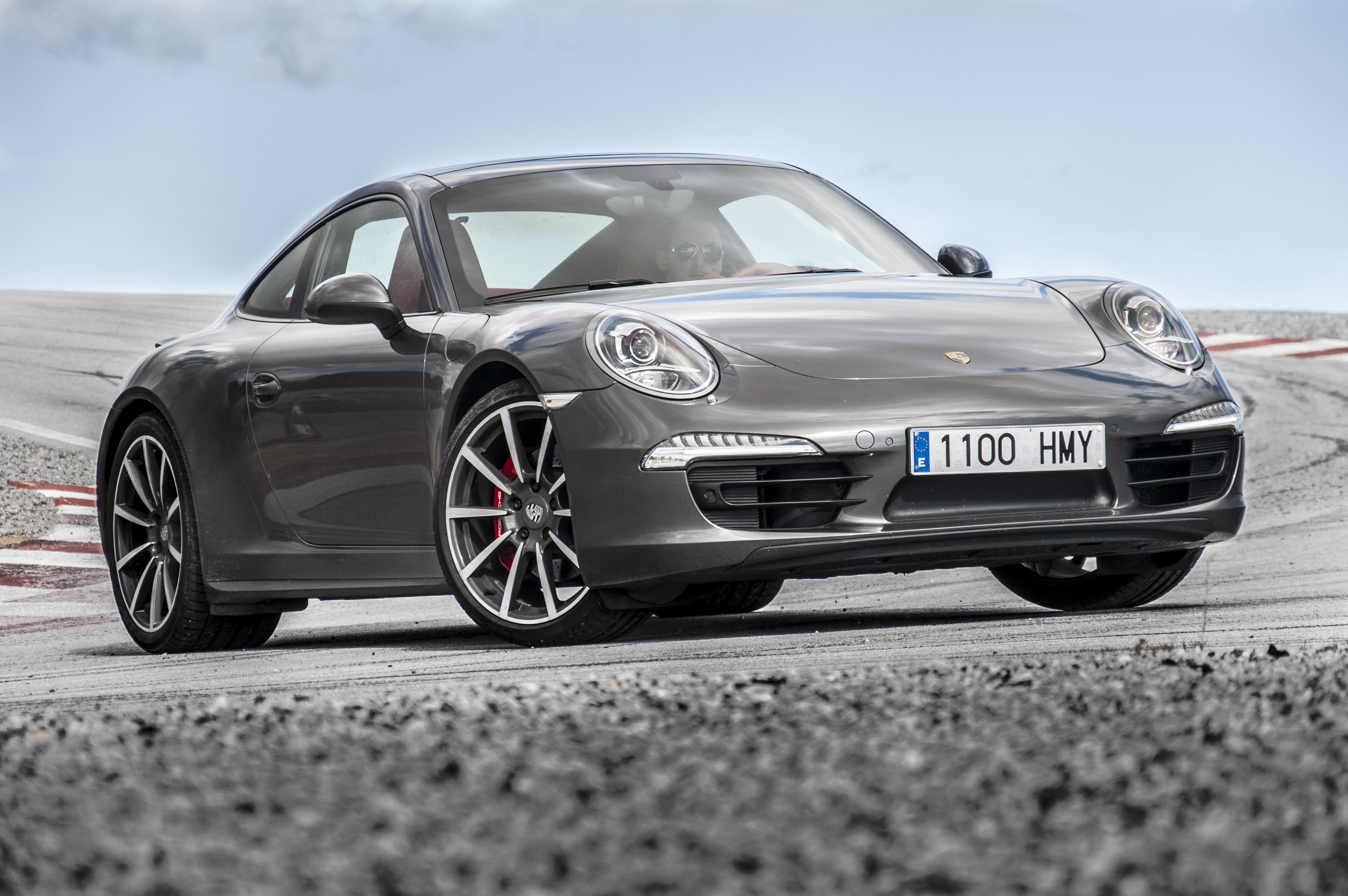
Porsche 911
"...s. Now, Porsches depends on, you know, if it's a 911, they don't depreciate much. But if it's anythin..."
The Porsche 911 is a famous sports car that many people admire for its speed and style. It's known for being a good investment because it doesn't lose value quickly, which is why it's often talked about in car discussions.
The Porsche 911 is an iconic sports car known for its distinctive design and exceptional performance. It has a strong reputation for retaining its value over time, making it a popular choice among car enthusiasts and collectors.

Porsche Macan
"But if it's anything else like a Macan or a Cayenne, those things drop like rocks and those people, they don't want to have to worry about it after 36 months."
The Porsche Macan is a small luxury SUV that drives like a sports car. It's popular because it's fun to drive and has a nice interior.
The Porsche Macan is a compact luxury SUV that combines sporty performance with practicality. It's known for its agile handling and upscale interior, making it a popular choice among luxury SUV buyers.

Porsche Cayenne
"...uch. But if it's anything else like a Macan or a Cayenne, those things drop like rocks and those people, t..."
trade-in
"But just like buying a car, we talk about the four targets that you have to hit, especially when you're trading something in."
A trade-in is when you sell your old car to a dealership to help pay for a new one. They will give you money off the new car based on how much your old car is worth.
A trade-in is when you give your old vehicle to a dealership as part of the payment for a new vehicle. The dealership assesses the value of your old car and deducts that amount from the price of the new car.
protection package
"...too much for an extended warranty, too much for gap insurance, too much for a protection package. And you really don't know what you're buying."
A protection package is a set of services that helps keep your car looking new, like protecting the paint and interior. It can be expensive, so it's good to know if you really need it.
A protection package typically includes various add-ons like paint protection, rustproofing, and interior protection to help maintain the car's condition. These packages can be costly and may not always provide the value they promise.
negative equity
"...if you have a deficiency, if you owe more on that trade than it's worth, something has to happen to that negative equity."
Negative equity is when you owe more money on your car loan than what your car is worth. This can make it harder to trade in your car because you still have to pay off the difference.
Negative equity occurs when the amount owed on a vehicle loan is greater than the vehicle's current market value. This situation can complicate trade-ins or leases, as the difference must be addressed, either by rolling it into a new loan or paying it off directly.

Ford Gt Mustang
"...get the vehicle that they really want a very nice GT Mustang convertible and save $984 a month. Would you be ..."
The Ford Mustang GTD is a sporty version of the regular Mustang that focuses on speed and excitement. It's designed for people who want a fun and powerful car to drive, and it offers some cool features that make it stand out.
The Ford Mustang GTD is a high-performance variant of the classic Mustang, designed to deliver an exhilarating driving experience with advanced technology and powerful engine options. It represents Ford's commitment to blending tradition with modern performance enhancements.
Request an Explanation
Heard something you'd like explained? We'll add it to this episode.
Sign in to request explanations for terms you heard.
Want to learn more?
Browse our glossary for plain-English explanations of automotive terms, jargon, and concepts.
Help improve this episode
See something that's not quite right? Our annotations are AI-generated and can sometimes miss the mark. Click the flag icon on any annotation to suggest a correction.