An “arctic truck” is a truck that’s been changed so it can work in freezing weather and rough ground. Instead of just driving like a normal truck, it’s built to keep running when it’s really cold and the roads are bad.
A “snow cat” is a tracked vehicle designed for grooming or traveling over snow where normal tires can’t grip. The hosts mention it as a comparison point, highlighting that arctic trucks may be similar in purpose (cold/terrain capability) even if they’re not the same kind of tracked machine.
A truck’s chassis is basically its main frame. When it’s “modified,” builders change it so the truck can carry special parts and handle rough conditions better.
Suspension is what helps the wheels stay in contact with the road over bumps. On extreme-condition trucks, it’s often upgraded so the truck doesn’t bounce around or lose grip.
CG is basically where the car’s “weight balance point” is. A lower CG usually makes the vehicle feel steadier, while a higher CG can help it clear bumps and rocks. Expedition trucks often have to balance both.
Ground clearance is how much space there is between the truck and the ground. More clearance helps you drive over rough stuff without hitting the undercarriage.
An Arctic expedition truck is specially built to survive in brutal conditions. It’s not just bigger tires—people upgrade the whole setup so it can handle rough ground and extreme cold.
They’re talking about turning normal shuttle vans into vehicles that can handle winter conditions. The goal is to keep transporting people safely even when roads aren’t maintained by snowplows.
They’re using a front axle from a Ford F 350 to make the shuttle bus tougher. An axle is a major part of the front suspension, and using a truck axle helps the vehicle handle bigger tires and rough winter roads.
These are huge tires—44 inches tall. Bigger tires help the vehicle float over snow and rough ground, but they also require major suspension and drivetrain changes to work safely.
The Volkswagen Bus is a classic van that’s known for carrying people and gear. The podcast describes a special version that’s set up like a shuttle with very big tires and a suspension designed to handle rough ground. It’s an example of how the van can be customized for off-road use.
A 44-inch-tall tire is extremely big. Bigger tires can help the vehicle ride higher and stay on top of snow instead of digging in, but they also change how the truck feels and performs.
Term
soft side ball
This sounds like they’re talking about a softer sidewall on the tire. A softer sidewall can help the tire better match the surface, which can improve grip on snow.
“Stiff tread” means the tire’s outer pattern is built to stay firm instead of squirming. That helps it keep traction and control when you’re driving over bumpy, slippery snow.
They’re saying the tire works a bit like a tracked vehicle. Instead of just rolling on top, the tire’s shape and tread help it keep traction over snow the way a belt or track would.
They want the tire’s outer pattern to stay “stretched out” in a way that keeps more of it touching the snow. More consistent contact usually means better grip and less slipping.
Flotation is about whether the tires can “ride” on top of soft snow instead of getting bogged down. If the snow is powdery, you can sink—so the tire’s shape and size help you skim across the top.
They say Nokia makes the tire. The point is that it’s a real tire manufacturer, but you can’t just buy it like a normal retail tire—you get it through the off-road specialists.
Rock crawling is off-roading over rocks at slow speeds where traction matters a lot. They’re basically asking if a tire built for snow would still be good for rocky trails.
“Counter engineer” here describes an engineering approach where you analyze what fails in real-world testing and then redesign to address those shortcomings. Instead of only guessing, they test, observe performance gaps, and iterate toward a better solution.
A “44 inch balloon tire” is a very large tire meant for rough terrain. It helps the vehicle float over soft ground, but it also requires a lot of space and clearance underneath.
“Minimal lift” means they raise the truck only a little to make room for bigger tires. Less lift usually helps keep the vehicle driving more normally and reduces side effects from big suspension changes.
“Cut away” means trimming or removing parts so the huge tire won’t hit the body or suspension. It’s a common step when you install tires that are much bigger than stock.
The Lucid Gravity is an electric SUV. The podcast talks about keeping the center of gravity low, which helps the vehicle feel more stable when you drive. This is mainly about handling and control rather than engine power.
The Ford Expedition is a large SUV made to carry passengers and gear. The podcast points out that it feels stable, especially when it’s loaded. That stability can make long trips with equipment easier to manage.
A custom utility bed is a truck bed designed to carry tools and gear. Adding racks and tie-down points helps keep everything secured when driving on rough ground.
Some trucks use air-filled suspension bags. By adding air, you can raise the truck and help it sit level, which makes it easier to stay in control on rough or sloped ground.
Stability just means the truck stays balanced and controllable. On snow, you can’t always tell what’s under the surface, so the truck needs to be set up to avoid sliding or rolling over.
Off grid means you’re not connected to normal services like home power or water. The truck would need its own supplies and power so you can live and function out in remote areas.
A winch is like a heavy-duty puller with a cable. If you get stuck, you can hook it to something solid and pull yourself out instead of spinning your tires.
Dead Horse, Alaska is a place with extremely harsh weather. The point is that it’s so cold that normal vehicles can’t reliably operate there, so the truck has to be built for that reality.
The segment cites “negative 44 degrees” to illustrate the extreme cold that drives engineering decisions. At these temperatures, materials and components behave differently than they do in normal climates, which is why builders focus on cold-rated materials and reliability.
They’re using a special type of steel that stays strong in extreme cold. Regular steel can get brittle when it’s very cold, which makes it more likely to crack.
In very cold weather, some metals don’t bend the way they should—they get brittle. That means a part that would survive in normal temperatures might crack when it’s extremely cold.
Extreme cold can change material behavior, including making some steels more brittle and less tolerant of stress. The hosts connect this to real-world lessons learned from disasters and harsh environments, and then tie it to why trucks need to be built and equipped for survival and long-term use.
A diesel heater is a small heater that uses diesel fuel to make heat. It can warm the inside of a truck or camper even when the engine isn’t running, which is great in extreme cold.
Brand
Lobasto heaters
This sounds like Webasto, a company that makes small diesel heaters. People use them in trucks and campers because they work well when it’s freezing outside.
They’re talking about a Ford F-550, which is a heavy-duty truck. It’s the kind of truck people choose when they want a strong platform to build an expedition or special-purpose vehicle.
They’re talking about turning a truck into a real 6x6, not just adding extra wheels. It takes more than fabrication—you need the drivetrain and gearing to be set up so the truck can actually drive all six wheels.
Company
East Coast gear supply
They mention East Coast Gear Supply as a supplier for parts used in the truck’s drivetrain. When you change a truck’s setup, the gearing has to be right so it drives properly.
Company
dyna track
Dyna Track is mentioned as a collaborator in developing the axle package for the truck conversion. In off-road and extreme-condition builds, companies like this often provide specialized drivetrain or traction-related components that help the vehicle handle difficult terrain.
Term
six wheels
When people say “six wheels,” they usually mean a truck with three axles. More wheels (and often more driven wheels) helps it grip the ground better in rough, slippery conditions.
“Living quarters” means the truck has space for people to sleep and stay warm, not just drive and haul. In places like Antarctica, that can be the difference between working safely and having to rely on tents.
Antarctica is so cold that normal vehicles and living setups don’t work well. Expedition trucks are built to handle the cold and often include heated, insulated spaces for people to sleep.
Thermal management is basically how you keep the inside temperature under control. In a cold environment, it means using insulation and heating so the inside doesn’t freeze over.
They’re talking about driving in super cold weather, like −50°F or colder. At those temps, car fluids don’t work normally and the battery struggles, so everything takes more effort and you have to move quickly.
They’re talking about traveling between two remote places in Alaska where you can’t just take normal roads. When there aren’t roads, you need a vehicle and plan built for that environment.
They took a long trip—200 miles—in about a full day because the conditions are so rough. When traction is limited, you can’t drive fast, so you have to plan for extra time and wear.
They’re describing a winter-only route where the ground freezes hard enough for trucks to drive on. It’s not a normal paved road, so driving is slower and more dangerous.
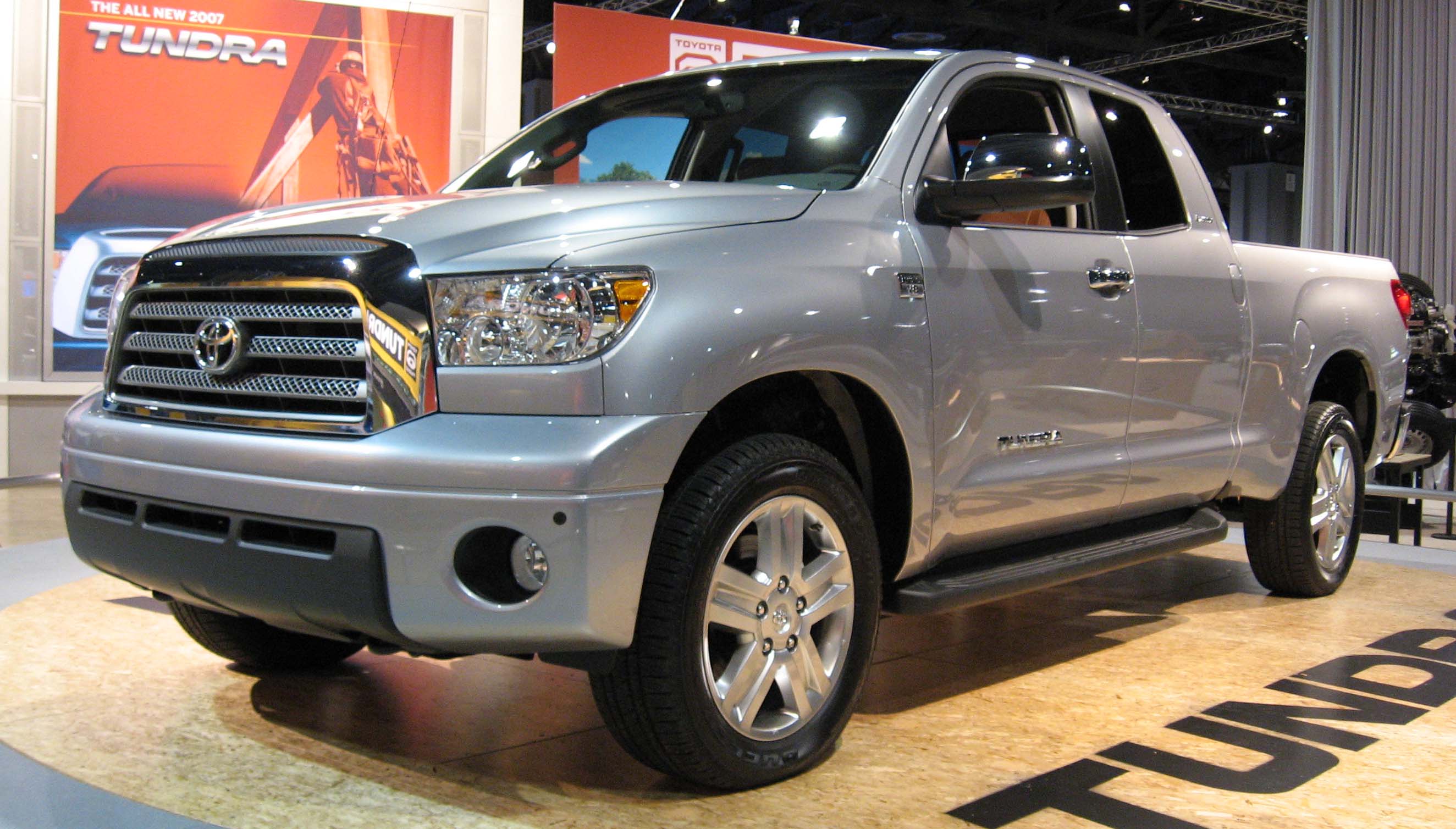
The Toyota Tundra is a large pickup truck meant for work and tough conditions. The podcast mentions it being used in winter when the ground freezes and people can make a temporary road. That helps the truck get traction and move through areas that would be difficult otherwise.
An auger is a screw-like drilling tool used to create an anchor point in the ground. For vehicle recovery, people may bury an auger or use it to secure a winch line so the pull is anchored safely rather than ripping out of soft snow or soil.
This describes a common off-road recovery scenario: the vehicle loses traction and sinks until the body, axles, or frame are supported by the snow instead of the tires. The key problem is that spinning tires don’t move the vehicle unless you restore traction by digging, creating a ramp, or using traction aids.
They used snow shovels to clear snow around the tires. By digging a little ramp in front of the wheels, you give the tires something to grab so the truck can drive out.
Letting air out of the tires makes them spread out more on the ground. That can help you move through snow because the tire can grip and “float” better.
Lockers are a traction feature that makes both wheels on an axle spin together. That way, if one wheel starts slipping, the other wheel still keeps pushing you forward.
If you get stuck, you can gently move the vehicle forward and backward to find grip. The goal is to avoid spinning the tires and digging a deeper hole.
Sometimes you can use what you have—like a spare tire—as a tool to help the stuck tires get traction. It’s basically about making the ground less slippery under the tires.
An “E locker” is a type of traction upgrade that locks the differential so both wheels can push together. It’s especially helpful when you’re climbing or driving on slippery ground.
ARB usually means an off-road traction system that can lock parts of the drivetrain to help the truck grip better. It’s commonly used for tough trails where wheels can easily spin.
They’re talking about adding space and mounts so the truck can carry more essentials like water and fuel. That helps you travel farther in remote places without running out.
When it gets really cold, diesel fuel can turn thick and waxy. That can make it hard for the engine to pull fuel through the system. People manage it so the truck can still start and run in freezing weather.
Additives are chemicals you mix into diesel to help it stay usable in cold weather. They help prevent the fuel from turning thick and causing starting or running problems.
Fuel capacity is just how much fuel the truck can hold. More capacity means you can go farther before you have to stop for gas, which matters a lot when help or fuel stations are far away.
Term
water tanks
Water tanks would be extra storage for water. But in this discussion, they’re saying they don’t use water tanks for their setup, likely because it’s not as useful (or can freeze) compared with carrying more fuel.
Coolant is the fluid that helps your engine stay at a safe temperature. It moves through the engine and radiator to prevent overheating and also helps prevent freezing in winter.
Diesel engines can take longer to get warm in extreme cold. If it’s freezing outside, you may need extra measures to help the engine reach the right temperature.
A wheeling event is an off-road driving meetup. People take trucks/SUVs onto trails and obstacles, usually with help for recovery if something gets stuck.
“Go shotgun” means you sit in the front passenger seat. It’s just a casual way of offering someone the front seat.
LIVE
It is a two guys garage podcast. He's Kevin Byrd. I'm Willie B. and today we got extra
shiver on our topic today. We're talking arctic trucks. Now, what comes to mind when you think
of arctic trucks? You know, when I first met these guys and they said they work on arctic
trucks, I'm like, what is that? Is that like a snow cat but different?
I mean, I'm in Detroit. I feel like this is arctic, you know, like coming from Florida.
Yeah, my truck out on the driveway. That's an arctic truck.
That'll work. No, this is different.
Oh, different in so many ways, man. So, dude, you guys know I live in Colorado. And Kevin,
he lives in Detroit. Well, just north of me in the great state of Wyoming, I met these
guys, I don't know, a year or two ago. I was doing a, actually it was about two or three
years ago when I met them, I was doing a, on the side note, I do cruises for a cause.
And this particular cause was a six-year-old girl who was battling cancer. And may she
rest in peace. She unfortunately lost that battle. But these guys came down and wanted
to get plugged into the, you know, the cause and, you know, the benefit to help out this
particular person. And when they said they were bringing down arctic trucks, initially
I was like, what, what is that? And then they showed up. And I got to tell you, man, it
was wild. And that shows you the kind of people they are as well. Whenever somebody calls
you and says, yo, I'm willing to drive these beast vehicles, you know, several, you know,
hundreds of miles down to be part of this, you know, cruise for a cause and to help out
a six-year-old battling cancer, you know, their heart's in the right place, says a lot
about the company, the people behind it. So they drive down to Denver and, man, I got
to tell you, these trucks, they're different than what you expect. When you think arctic
trucks, you probably think something with tracks or take threads or, you know, wild
beasts like that. You're not too far off, but these things are capable, adequate, can
handle anything you throw at them. You're talking modified chassis, suspension. They
keep the CG low to the ground. Unlike some, some wheel and rigs. You want that CG a little
bit higher for clearance issues, but they have tons of travel and suspension in it. So
it's a different world to think about when you're thinking trucks and how to build it.
But today we're getting all kinds of into it. We're just going into detail about how
they upgrade everything from the chassis, suspension, the tires, the cabs and everything
else. It's going to be wild, man.
Well, think about all those expeditions up in the Arctic, the Antarctic, Greenland,
Iceland, North Canada, like they got across some pretty gnarly terrain, man, like in the
roughest and toughest, most hostile conditions. So there's got to be a lot going into these
vehicles. And it's not just like, you know, the wheels and suspension, right? I'm imagining
just all the support equipment, right? Crazy, you know, sub 50 degree temperatures and all
the winds and just, man, how do you even survive out there? But, you know, I immediately go
to all those guys that are going out to, you know, core ice 1000 feet under and take samples
and, you know, they got to get there somehow.
Yeah, yeah. Yeah, man. It's like, you know, it's like a movie truck. You know, you see
those movies where they're in the Arctic or something like that and how they get there,
how they get back and forth to and from these are the guys that build the rigs for that
stuff. And man, when we talk to Chris, he's going to, he's going to peel back some of the
layers on what they do and how they do it and how they test it. I mean, it's not like
you'd be mid, you know, mid central Mississippi and test out an Arctic truck in your backyard,
you know? So yeah, we're going to get into that and more excited for the topic, excited
for the trucks and excited to share that with you guys. So let's take a break and we'll
bring in the world of Arctic trucks coming up next. He's Kevin Verde, I'm Willie B and
this is the two guys rod podcast.
It is the two guys rod podcast. He's Kevin Bird. I'm Willie B and we have a boy, Chris
on from Arctic trucks. Dude, Chris, welcome to the podcast. Excited chat with you. Talk
to you. Tell everybody where you're at right now and what you're doing. Check this out,
y'all. So right now I'm in West Yellowstone, Montana, up at Yellowstone Park. And I've
been talking with a, the owner of one of the companies that does guided tours during the
wintertime through the national park. Last summer, we worked with these guys, they came
to us and they said, Travis here at Three Bear Lodge in West Yellowstone. He said, like
to build a new shuttle bus and we want to do something different. We've got, we've got
all these trucks on 44, 46 inch tires, but you know, we want something nice and clean
and they really like the Arctic trucks look, you know, with the big wide flares and low
center gravity. So we developed a conversion for an E 350 shuttle bus. So think of what
you see at, you know, the airport and you hop on when you park your car. Well, we took
one of those, we put a F 350 front axle under it, created our own custom suspension, moved
the axle forward and put 44 inch tires under it. 44 inch tires on a shuttle van. So I'm
doing a test drive with them.
Wild man. What a cool, what a cool concept. A shuttle bus with 44 inch tires on it and
suspension that look, I'm telling you, I'll get on that just for the fun factor. I'm like,
I don't know where that's going, but I'm going to get on it. That looks fun.
Right.
Dude, that's funny that you mentioned that because that's the only place I've probably
ever seen anything like what you build was Yellowstone. I took the family out a couple
summers ago, did the whole trek out from Detroit and they had some old beat up vans.
But with these big, giant balloony kind of tires on it and yeah, come to find out it's
for right the winter, right? Trucking around when there's no snow plows and all that stuff.
So yeah, it looked like they could use some upgrading and it sounds like you're the man
to do it.
Yeah, you know, we're not, we're not the first ones to do this, obviously, as you've
seen, but we're trying to do it a little bit better.
We built these using our proprietary Nokia and AT44 inch tire, which is 44 inches tall
and about 18 and a half inches wide, which was a tire developed by the guys in Iceland,
specifically, you know, for traveling across snow.
Like you, like you mentioned in the intro, Greenland and Iceland and Antarctica.
And so we saw a perfect fit for what they're doing up here.
And our tires, they ride better than like the they've been using these big, you know,
chunky, big lug mud tires, because that's pretty much all you can get with, you know,
that size of tire.
So now our tire, now their vans are running smoother.
The customers have a better experience.
They don't vibrate all over the place.
And the vans are getting better gas mileage with our tire.
It's really cool.
Is this something that's unique to you guys?
Is this tire something that you guys have created or just something you found that was out there?
Like that's the starting aspect or thing you should probably see.
But your trucks go vastly different than just tires.
But where'd you, where'd you find or harvest these tires from?
How'd you find them?
Well, this tire is 100% developed by Arctic Trucks.
It's designed specifically with a very soft side ball and a stiff tread so that when you
tear it down, it acts kind of like a track, like a rolling belt.
So we want the side balls to lay down on the ground, but we want the side, we want the tread to stay elongated
so it grows long and gives you better flotation.
But yeah, we, we develop this tire.
We have it manufactured by Nokia.
But you cannot buy it anywhere except through Arctic Trucks.
And you just said flotation.
Like, is that enough tire to semi float the vehicle?
Are you talking water?
Yeah, you know, sometimes you're an ice and then you have really cold water.
Do you get any kind of flotation?
I mean, that may not know this, but ice is just frozen water.
I don't know if anybody has told you all yet.
Yeah, technically, it's all water, right?
Yeah, yeah, when I say flotation, I mean on the snow.
Okay, all right.
Yeah, yeah, especially like the powder where you could just sink down in it and okay.
So you're skimming across the top.
Now, look, before we did, I'm already interested in this stuff before we get into different
aspects of your trucks, are these tires, it sounds like something that well, no one rock
crawlers and the and what I would like to do is sound like a tire that would work
for rock crawling to know.
I believe that it would.
You know, I've I've played around with the idea of us taking a truck with this
forty four inch tire out to Moab and seeing what it'll do.
Yeah, that was one of my questions, too.
Like that tire looks like in the vehicles, like could they do other terrain besides
the snow kind of thing?
And they absolutely can.
You know, we have an Arctic trucks franchise in Dubai, and they build trucks with our
tires for the desert.
So they float on the sand like they do the snow.
Yeah, that's way cool.
Yeah, we built, yeah, we would like to try it.
How does one go about developing a tire?
Like when you said you develop this tire, are you guys just throwing guesses at the
wall and you guys go out and test them?
Or how do you you guys know what works?
I guess you know what doesn't work.
So you counter engineer against it, right?
You see some things that that do work, but maybe not quite as well as you want to.
And, you know, that's part of the engineering as well.
How can I take that a little bit and I can enhance it to make it better?
All right, well, I don't want to waste all this time with tires.
I got a question around the tire.
Like, how do you take something like an E 350 and fit a 44 inch balloon tire under it?
Like, what is the methodology for that?
Well, that is that is the route behind Arctic trucks is we keep it low with the
minimal amount of lift.
And so what that means is you got to you got to cut away and move everything
that's in your way to get that tire in there.
So we do a lot of cutting.
We do a lot of welding patch panels in.
We move wiring.
We do whatever we have to keep those to get those tires to fit and keep the
lift as little as we can.
That's determination.
Yeah.
That's so it's so crucial to the these trucks and how they build them.
Specifically, keeping the lift low as possible.
Now, most people, you know, that are into wheeling, rock crawling, you know, Moab
and the likes, right?
Just did that adventure ride this year, took my rig on some of the toughest
trails in the country.
And believe me, low is nothing you want on a rock climbing trail,
a rock crawler.
So so explain why you want it so low.
Why that minimum lift when you need so much suspension travel?
Yeah, the main thing is that when you are crossing glaciers and, you know,
large snow fields in Greenland or the North slope of Alaska, you might be
hitting, you know, some off camber situations where the trucks can be
leaning over.
And by having the center of gravity as low as possible, you keep the truck
really stable.
When you're on an expedition, you you're going to have all sorts of gear,
luggage, spare parts, everything strapped onto the back and the roof of
that truck, which are, you know, counteractive, they're raising the center
of gravity, you know, but you got to bring all those things with you on a
expedition.
So keeping that truck low as possible, lets you add that weight and still be
stable in all those off camber situations.
Well, I figure if you, if you do a rollover, there isn't really a tree
around a winch off.
No, you build a snowman.
I've fallen.
I can't get up.
Right.
Right.
Frosty, you suck.
What other kind of mods are pretty typical on these vehicles, right?
Cause I assume it's not just, well, I got some tires and, and they fit under
their, you know, there's cold weather and just stuff, man, equipment and gear.
Yeah.
What are we talking about?
Yeah.
You know, we'll build, depending on the, the use case for the vehicle, we'll
build custom flatbeds, we'll build custom utility beds that have racks on
them with lots of tie down points.
We do custom four link suspensions with airbag suspension on them so that
the, so that the ride height is adjustable.
And even, even in certain cases, they'll set it up where you can say you're in
an off camber situation and the trucks leaning over to the left, but you just
air up the airbags on the left hand side only and deflate the ones on the right
hand side to level that vehicle out and buy that little bit more before you roll
over, man, all kinds of things to, to help with, you know, that particular
roll over scenario and to keep you, you know, it's all about stability.
Stability is, especially when you don't know, you got a bunch of snow underneath
your tires and underneath your rig, you don't know what's under the snow.
So you got to be equipped to handle just about anything, whether it's a big
drop off, a big hole, rocks, muds, ice, you know, and all the things that can
hide under the snow.
Uh, I'm imagining that's a crazy challenge in its own right.
Uh, we're up against a break right now, but when we come back, can you explain
a little bit as to some of the creature comforts?
Like what is the guy that buys the Arctic truck?
What is he going to see inside the truck?
Is he going to be able to stay off grid?
If you will, what kind of, you know, creature comforts and amenities?
Can you find it in a vehicle that's, you know, hanging out in places called Arctic?
And what do you do when you get stuck?
If you don't have a tree and a winch kind of thing, you know, like, all right,
come back with some scoop for us, man.
Some of us landlubbers that terra firma.
More, more of the Chris Arctic trucks.
U.S. is where you find him.
He's Kevin Burnham, Willie B, and we're back after the break.
It is the two guys garage podcast.
We have a crazy cool topic.
We're talking today.
It's Kevin Bird, Willie B.
We have a boy, Chris on from Arctic trucks, USA.com.
Make sure you check that out.
You're not going to believe some of these platforms.
We were just discussing what kind of crazy creature comforts you have in some of
these trucks.
I mean, you were just telling us in the break there that you were in dead
horse Alaska.
The reason they call it dead horse Alaska because nothing survives up there.
Uh, he used to be called a live horse.
Yeah, man, it's, it's wild negative 44 degrees.
Dude, how do you, how do you build a truck to withstand that on a regular basis, man?
That's crazy.
Well, yeah, when you get into environments like that, um, one of the main
things you have to be careful of to build a reliable truck is, uh, you know,
building the parts, the critical parts out of the right steels.
Um, we use a special steel that is, uh, rated to negative 40 degrees.
Um, and it maintains its strength at that rating, at that temperature.
Um, you know, at those temperatures, regular steel that you'd go buy at the
welding shop will become brittle and can break because of the cold.
Is that part of the Titanic?
Was that a materials problem?
As well as right at giant iceberg, right in the way it hid.
Well, at least some of those ships I remember, or at least there was a
learning curve on ships off of those Titanic that kind of learned the hard
way that steels get brittle, certain steel allies get brutal in those crazy cold
conditions.
Yeah, I don't, I don't know for sure, but I, I would say that that would very
likely be a factor.
Yeah, man, that's, that's what, so when you're thinking about some of these,
some of these trucks and understanding the environment they need to thrive
and survive in, what are some of the additional things that you guys do to
keep the trucks nice to keep them, you know, at the, in the end, you're going
to be in this truck for a long period of time.
I imagine it's not like you're flying 70 miles an hour across some of this
terrain.
You're not stepping out for a smoke break, you know, like, yeah, man, the
pee break is significantly different, right?
So what are some of the creature comforts that you have inside the truck that
make these things so nice and unique?
Well, you know, a lot of, well, like a lot of the trucks that we have that are
running around in Antarctica doing work, we have several trucks that we built
that are on the North slope of Alaska doing work up there, helping the natives
get from village to village safely.
We start with, you know, the Ford F 350 and we usually do like a Lariat package
so that it has, you know, it's very comfortable inside, you got comfortable
seats, you know, we'll do things like we can add mounts for GPS's so that you
can keep those things handy.
Well, we can add Lobasto heaters, you know, the diesel heaters, we can add
those to heat up the cabs or like the trucks we have in Antarctica, they
have one of them, a couple of them have a camper on the back and, you know, we'll
heat that up.
Yeah, I was going to say that the trucks you guys brought down for that, you
know, cruising for a cause, you had one of them on massive huge tires, but it
had a, it was like, you know, you could live in the back of it, not only do
work, but you could actually live comfortably in the back of it for a
period of time.
That was an amazing rig and people were just, they couldn't believe what you
guys did to the inside of it.
I believe that was maybe an F 550, it was a huge truck, maybe the F 550 you guys
deal with.
Yes, that was an F 550, six by, well, it was six wheels, but it was only full
wheel drive.
That's, that's actually one of the things we've been working on this past
year.
We're actually going to take that very truck and we've developed our own
axles with East Coast gear supply and dyna track.
We're going to take the rear axles out of that truck and we're going to make
it into a true six by six.
Now we've developed our, our parts to do that.
I've got a five ton army vehicle, an Oda MD, I think it's what, 539.
That's the six wheel, six wheel drive deal.
And everybody's always perplexed as to how, how it works.
I don't even know how it works, man.
I just know it's huge, but when you drive in six wheels, man, there's not much
you can't get over.
It's, it's wild, but there's not much you're not going to get over, uh, and,
and do so, uh, with ease.
Uh, yeah, that truck was a beast, but had, it had like living quarters.
It had a way for you to prep food and, uh, to sleep and to survive in, in
the ugliest of environments.
You bet.
Yeah.
And we have a couple of trucks very similar to that, um, that are hauling
around scientists and such in Antarctica right now.
Um, and yeah, it's very, that's the same thing.
It's got a living quarter so that the people that are doing the work down
there, they'll have to sleep in tents.
I'd imagine is you got to have it, you got to have the walls thicker or more
insulated, more just a robust, you know, insulation scenario or thermal management
scenario.
How do you guys get around that?
You choose the right materials, um, to have thick enough insulation in the
walls that you can retain some heat.
Um, but you know, when it's that cold out, man, that, that little diesel
heaters just working, pumping out heat.
All right.
I got a question that probably most people are going to be afraid to ask.
Like, when it's that cold outside and you don't have one of those, you know,
full on sleepers and all that stuff, what are you doing?
You got to go to the bathroom.
You man up.
That's, I mean, you know, you can man up, but like, would it freeze off in like a
flash?
Like, you know, it's just, I don't know.
I've never been in minus 50 or 70.
Like, can you, can you do the thing?
You can, you absolutely can.
I need, you got to get in there with a Gatorade bottle and just, you got to do it fast.
Uh, two years ago, I flew up to, uh, Dead Horse and I met two of the trucks
that we built for Alaska and we, we traveled from Dead, Dead Horse to Barrow
Alaska, which there are no roads there.
It's a 200 mile journey.
Um, there's no roads.
They can only drive in the wintertime when the tundra freezes and they create a
road, um, 200 miles.
It took us 22 hours to make that drive.
Um, and we drove straight through and it was, when was blown 30, 30 miles an hour.
It was negative 50, negative 55 degrees outside.
And when you had to get out and go to the bathroom, you just got out and went to the
bathroom.
You just got to do it.
All right.
I was saying it could be where it sounds like it's survivable.
So yeah, if it's survivable, there's a saying I like to drop on men, um, in, in
my world or that I hang out with, look at your man, the world is your urinal.
Do your best.
Just turn your back to the wind though.
Exactly.
Oh yeah.
Exactly.
All about direction at that point, man.
Well, what are some of the, what are some of the, let's say tough scenarios you get
in, you know, getting stuck, getting caught in a ice crack or whatever.
And, and what kind of methods do you use?
I assume maybe you, you bury an auger in the ground if you need to winch.
Like what are the kind of stuff you run into that, you know, like, mm-hmm.
Yeah.
It's pretty common.
Yeah.
Well, there's, there, you know, the trucks themselves, you know, have really good tools.
Um, last spring at the end of the ski season, I was in Canada, um, and I drove one
of our Ford F 350, four door pickups with 40, four inch tires up a ski slope to the
top of the chairlift.
And, uh, we, we hit, we hit a soft patch in the snow and, and sank that thing, set
it right down on the axles and the frame and all four tires were just spinning.
And so we got out and we took our snow shovels and we, in front of the front
axle, we just kind of dug out some snow, made a little bit of a ramp there.
And then I locked in the lockers, aired the tires down to three PSI and just
carefully, you know, kind of rocked it back and forth.
And eventually it just started to crawl up out of the hole, um, you know, letting
the tires do what they were designed to do, which is, is go across that snow.
Um, but to answer your question, if that, if that doesn't work, yes, you, you bury
stuff in the snow, spare tire, whatever it takes, um, usually you're traveling in
pairs, so you're almost always got another vehicle that you could use.
That would be smart.
Yeah, man.
Yeah.
Always go out when you're wheeling, any type of wheeling, go with somebody else.
That's always the smartest move to make.
My question is about the outside of the truck again, man.
It's one thing to come across a herd of penguins.
It's another thing to come across a 10 foot freaking polar bear.
Do you have anything that protects the outside of vehicles in case you were to,
you know, battle a bear or, you know, maybe you got dudes in the, in the, you
know, shooting, you have, you know, thanks for some angry penguins out there.
Just dismiss all of them.
No doubt that imperpenguins tough, man.
Well, if you remember the old Top Gear episode with the little red Toyota
pickup trucks, they did have guns mounted on the bed of the truck.
And then they drove to the North Pole.
So yeah, if, if a customer wants that, we can certainly supply that.
That's awesome, man.
What are some of the wild builds that you guys have done for customers?
Are there other customers that you have unique builds for that?
You're like, wow, this guy is living a good life.
He's got like the craziest truck in build ever.
Cause you build not just for expeditions.
We've kind of been harping on, but for enthusiasts, right?
Military.
So you've got to seen a wide variety of wild.
Yeah, yeah, we've got a build that's just getting started for a guy in Utah.
That's going to be on 44 inch tires.
You know, and it's going to, it's going to get all of our tricks.
It's going to get the four link air suspension in the rear.
So we cut everything off of the frame in the back and weld on our rear suspension.
It's getting, you know, the, the, the locker in the, in the front.
We, you know, we can do lockers.
Most of the trucks will have, most of the four trucks will have a,
the E locker in the back, which is a great thing.
But we'll add like a torsion or an ARB in the front.
You know, we've, we've got lights and light bars.
If you want those, we do winches.
We can put a winch in a bumper.
We can put a winch in a cradle so that you can put it in a receiver in the front
or the rear so you can move it around either side.
You increase capacity for water, fuel,
you know, commodities like that.
Do you have tanks that won't freeze in some of these temps and so forth?
And how to keep, how to keep the diesel from gelling, things like that.
I'm assuming you got, you have to prevent, you know, that stuff from occurring.
Yeah. The diesel gelling, that's, that's always a, that's always a fight.
Yeah. You know, additives are usually used.
There's not much we can do.
But to be honest, we haven't had many problems of diesel fuel gelling.
We've only had two instances so far.
Wow. Of all the, all the, you know, miles that we've got on these trucks.
And so the four trucks do pretty well in the cold, but yeah,
we carry around some additives just in case.
What about capacity? You add to fuel capacity.
Do you have water tanks on there?
Do you increase that capacity for some of these longer runs?
Yeah, we do, we do add fuel capacity for sure.
We can add, we can add fuel tanks if you want, like the,
like when we do the six by six, we'll, we'll add
like 120 gallons, we'll make it 120 gallons worth of fuel.
We'll add on, you know, on top of the factory 40 gallon tank.
We've got the last couple of trucks we've sent to Alaska.
They've got extra fuel tanks in the bed of the truck
with the fuel nozzle so that they can, you know, transfer fuel
to people that need it as well.
That I think adds another 40 gallons of fuel.
You forget about water. We don't.
Yeah. What are we don't do much with the coolant system?
And trucks has been surviving very well up there.
We put a winter front on the front because in those temperatures,
the diesel engines, they just don't build any heat.
Crazy, man. You guys think about it all, man.
And you can find out more at arctictrucksus.com.
That's where people find out and follow you guys.
And if you're interested in one of these builds, check them out, man.
They're always doing really cool things and obviously really cool
expeditions, man, really adventure.
You ought to get somebody just right shotgun of some of these adventures
you guys are on just because it's crazy, exciting in a whole new world, man.
Yeah. Well, if you want to, you want to come, let me know.
I hate the code, but that would be a blast.
All right, one more time, man.
How do people find you socially on all your social handles?
Where would they go?
Our social handles will be Arctic Trucks North America.
For the international stuff, you can just look up Arctic Trucks.
And then our website for North America is Arctic Trucks.us.
They go Arctic Trucks.us.
Dude, what an amazing, cool build.
What an amazing, cool truck.
If anybody out there is thinking about, you know, your next exploration
and you need some sort of crazy winterized truck, man, check out ArcticTrucks.us.
It's wild and fascinating and the people behind it are awesome.
So, Chris, we appreciate your time.
Make sure you check out our show with airs, weekends, undiscovery, turbo.
It also is streaming undiscovery plus, so check your local channels.
Thanks to our producer, Scoop, our senior producer, Justin Carter,
and executive producer, Bob Ecker.
I'm Willie B.
And that's Kevin Byrd.
And this, well, this, my friends, is the Two Guys Garage podcast.
Don't forget to check out our website, TwoGuysGarage.com,
our social everywhere at Two Guys Garage and the Two Guys Garage podcast.
It's copyright 2026.
Print and Productions Incorporated, all rights reserved.
Chris, man, always good catching up with you and hope to see you at another
cruise event, a wheeling event, truck event, cruising event, man.
It's always cool catching up with you guys, man.
Appreciate it.
Thank you.
Thank you for having us, Willie.
It's been great and we'd love to be a part of anything.
And remember, if you ever need a bro to go shotgun, willing Yellowstone
adventures or a polar bear hunting trip, man, I'm your Huckleberry.
Got it.
That I will do, man.
I was just about to say, Chris, I'm really, really liking and really digging you,
but I don't want to meet you on the trail in the Arctic.
Yellowstone sounds cold enough, man.
That sounds awesome.
So let's, let's sign up for that.
Let's do it.
Yeah.
Polar bears mean polar bears and angry penguins.
Just, we don't get along.
All right, gang.
Hope you had some fun with us, man.
Completely different side of the whole modification world.
While this could be, we will catch you on the next Two Guys Garage Podcast.
Take care.
Two Guys Garage Podcast is a production of Britain Productions.
For more episodes, visit I Heart Radio, Apple Podcast, Spotify, or wherever
you listen to your favorite shows.
About this episode
Arctic Trucks founder Chris joins from West Yellowstone to explain how the company builds extreme-conditions vehicles for snow, ice, and remote expeditions. The conversation digs into their signature low-center-of-gravity conversions, including an E-350 shuttle bus fitted with an F-350 front axle and 44-inch tires. They also cover the proprietary tire design, why it improves flotation and ride quality, and how the same concept can work in sand as well as snow. The episode blends engineering detail with stories from real-world testing and winter tourism use.
When the air hits -55°F, regular steel becomes brittle enough to shatter. That’s where Arctic Trucks USA comes in. Chris Ladd joins Kevin and Willie to explain the extreme engineering behind their world-famous rigs. From converting airport shuttle buses into Yellowstone beasts on 44” tires, to developing proprietary tires that "float" over deep powder, the guys dive into how these vehicles survive the most hostile terrain on Earth. Discover why "low and wide" is the golden rule for glacier stability and what it’s really like to drive 22 hours across the roadless Alaskan tundra.