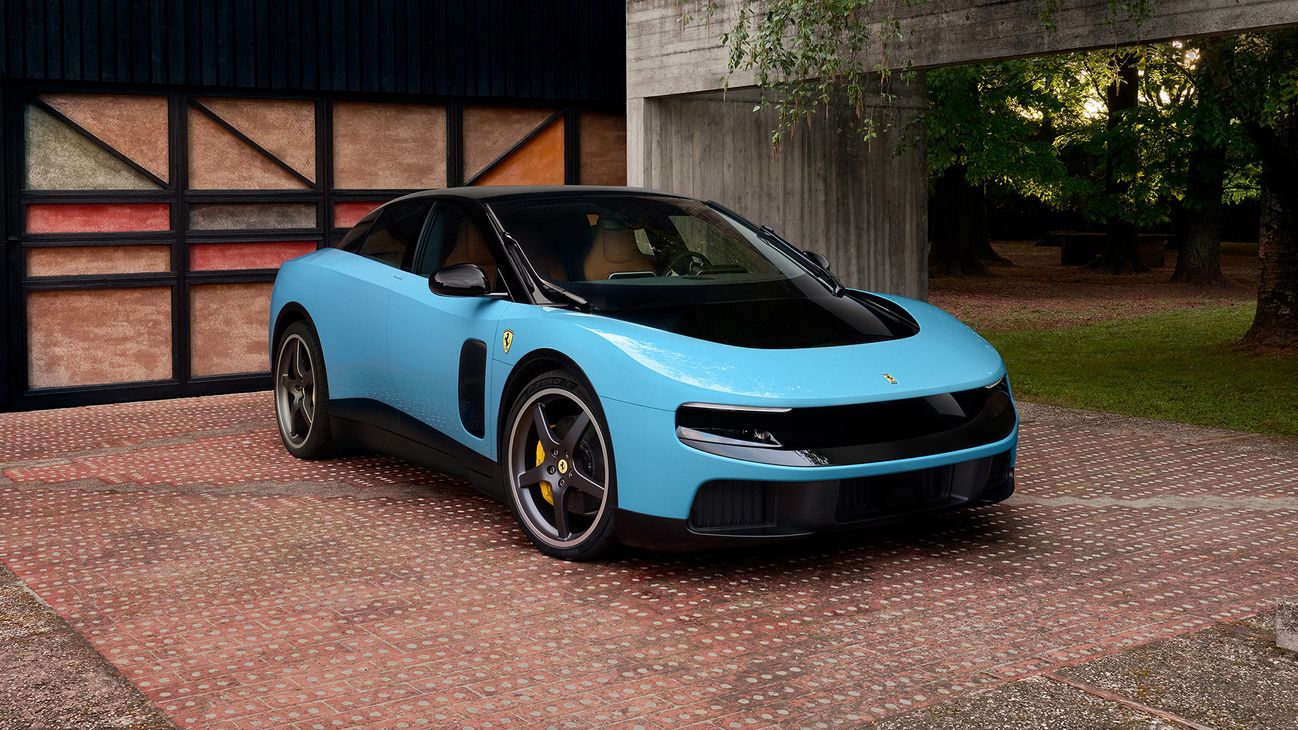
I’m not sure which exact Ferrari model “Luce” refers to from the snippet provided. If you share the full name or a bit more context from the episode, I can explain what that specific car is and what it’s known for.
A comfort seat is a more supportive, padded seat meant to make driving feel easier for longer. They’re also saying it helps with how well the driver fits in the car.
It’s a clear film on the windshield that blocks some of the sun’s energy. That means the car’s interior gets less overheated, so the AC doesn’t have to work as hard.
HVAC system stands for heating, ventilation, and air conditioning. It’s the full climate-control setup that manages airflow and temperature, not just the AC compressor.
This is a Lotus Exige S260, a small, lightweight sports car made for driving hard. Here, the hosts are troubleshooting why this particular 2011 car doesn’t drive right.
An O2 sensor checks the exhaust to help the engine choose the right fuel mixture. A secondary O2 sensor is an extra one, and if it’s incorrect, the car can feel like it’s driving wrong.
“Drivability issues” means the car doesn’t feel right when you drive it—like it’s jerky, hesitant, or not responding smoothly. It’s a general way to describe symptoms that usually need diagnosis.
Here, “Volkswagen” is the brand of the oxygen sensor that was installed by mistake. The car may not work right because that sensor doesn’t match the required specifications.
Term
Mercedes O2 sensors
They’re saying the correct oxygen sensor for this setup is made by Mercedes. Even if two sensors look similar, the car may only work correctly with the right one.
Caterham is a car company known for the Seven, a simple, lightweight sports car. The host is saying they’re talking with Caterham and might have the brand show up at the meetup.
Porsche is a well-known German brand that makes performance cars. Here they’re saying they still love Porsche, but they’re also expanding the podcast beyond it.
A “12-cylinder” engine means the engine has 12 separate cylinders working together. More cylinders often means smoother power, and it’s a big deal on certain luxury/performance cars—especially when people talk about Ferrari’s V12.
With “clutch by wire,” your foot input is turned into electronic signals. Instead of cables physically moving the clutch, a motor or actuator does it for you.
It’s when a car tries to feel like a real manual transmission, but the car is actually doing the work electronically. You still move a shifter like a manual, but the clutch/gear changes aren’t purely mechanical.
A “dual clutch” transmission uses two separate clutches—one for odd gears and one for even gears—so gear changes can happen very quickly. While it’s often associated with DCTs, the key idea is that pre-selecting the next gear reduces shift delay.
This is an electronic system that tries to make an automated transmission feel like a real manual. It’s meant to recreate the shifter and clutch sensations, even though the car is controlling the changes.
A detent is the noticeable click or stop you feel when moving a shifter. It helps you know the lever is in the right spot, which can make shifting feel quicker and more precise.
F1 transmissions are the gearboxes in Formula 1 race cars. They’re built for extremely fast, controlled shifting, and the host is saying Ferrari is bringing some of that approach to street cars.
The Chevrolet Corvette is a sports car from Chevrolet. It’s designed to be fast and fun to drive, and it comes in different versions. The podcast brings it up as one of the well-known choices people consider.
The Ford Mustang is a sports car made by Ford. It’s known for performance and a classic, recognizable design. In the episode, it’s mentioned as one of the cars people think about for the future.
“Analog cars” usually means cars that feel more mechanical and less computer-controlled. The driver does more directly, and there’s less reliance on software to manage everything.
Double-clutching is a way to shift gears smoothly on older manual transmissions. You do it in two clutch steps so the engine speed and the gearbox speed match up before you put it into the next gear.
Synchros are the parts inside a manual transmission that help gears line up smoothly. They reduce the need for extra clutch steps like double-clutching.
Heel-and-toe is a driving technique for downshifting smoothly. You use the clutch with one foot and “tap” the gas at the right moment so the engine speed matches the lower gear.
Concept
modules that are required to control this thing properly
Modern cars often use multiple computers (modules) to control different systems. The more computers involved, the more complicated it can be to keep everything working over many years.
Concept
throw the damn thing out
They’re basically saying that if a complicated system breaks and you can’t get parts or support, it may not be worth fixing. Then the car (or that system) ends up replaced instead.
Take rate means how many people actually choose a specific option when they’re buying a car. Here, it’s about how many buyers pick the manual.
Company
Maranello Motor Trend
This is a reference to a Motor Trend report connected to Maranello. The hosts use it to quote what Ferrari said about why it won’t bring back a manual.
A gated manual is the classic kind of stick shift where the lever moves into specific gear slots. It feels more mechanical and precise than newer shifting systems.
A floor plan is the car’s basic layout under the cabin. If you change the transmission type, the car may need structural changes so the new parts can fit and mount correctly.
A manual gearbox is the kind of car where you have to shift gears yourself. You press a clutch pedal, move the shifter, and the car changes gears based on what you do.
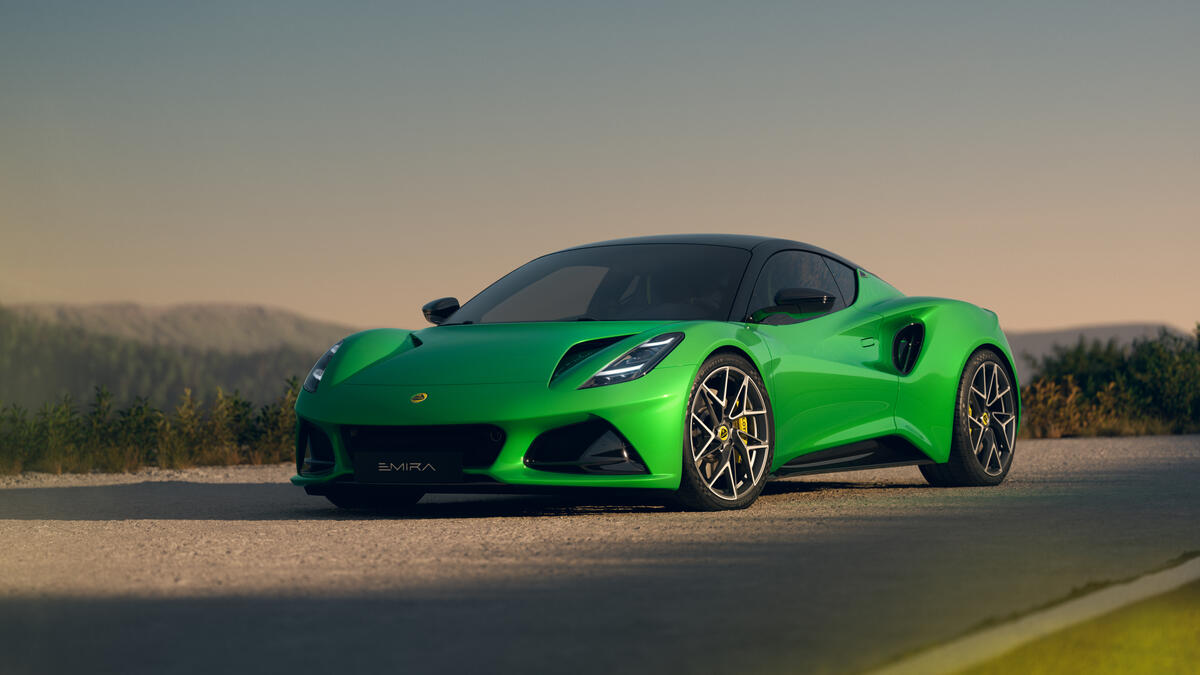
The Lotus Emira is a sports car from Lotus. It’s built to feel engaging when you drive it, including versions that can be manual. The episode brings it up because it’s part of the conversation about cars that are fun to drive.
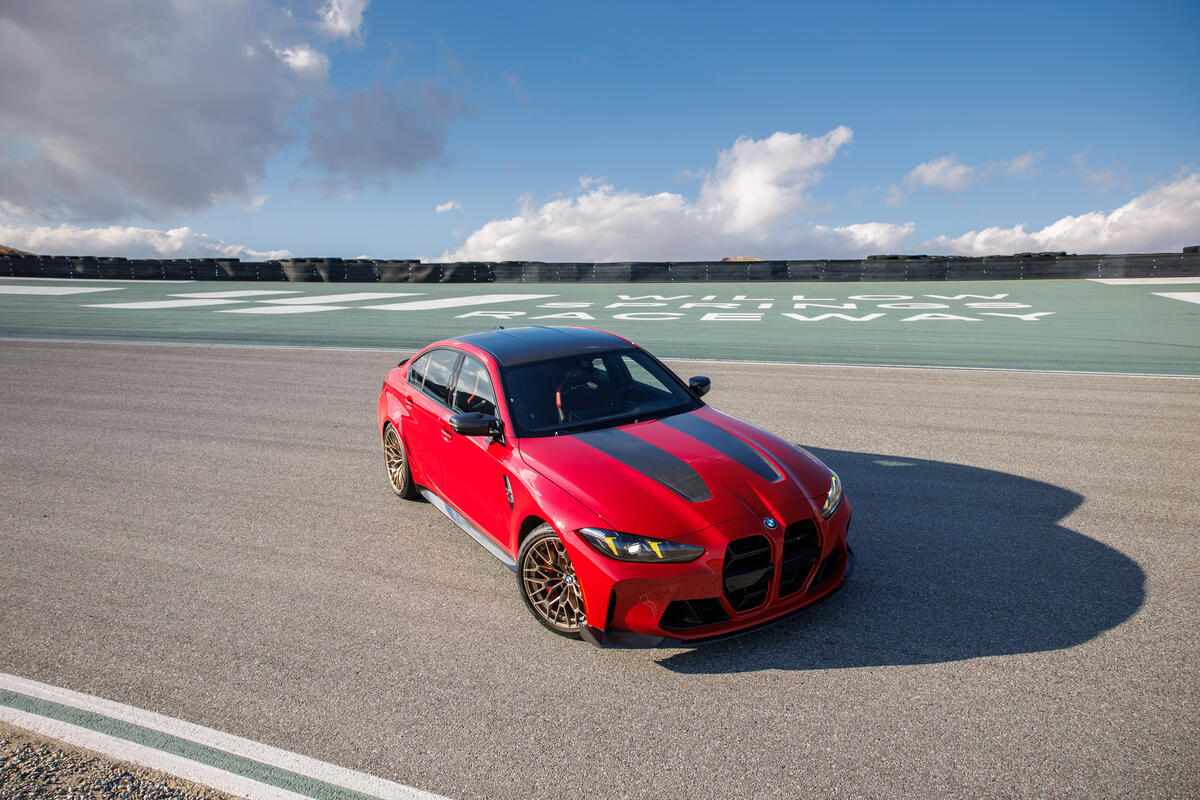
The BMW M3 CS is a special, more performance-focused version of the M3. In this discussion, it’s used to show that automakers sometimes change the tune of an engine to make a manual gearbox work well.
Term
automatic full
This is basically the idea of having a fully automatic transmission. The driver doesn’t have to shift gears themselves.
Emmanuel Carondo is a marketing executive mentioned by the hosts. They’re quoting him to discuss what Ferrari thinks about Chinese electric cars and what Ferrari needs to focus on to keep buyers interested.
“Driving emotion” means how exciting and connected a car feels while you’re driving. The hosts are saying Ferrari thinks Chinese EVs may be technically good, but they might not feel as engaging yet.
Hethel is where Lotus is based in the UK. The hosts mention it to connect Lotus’s development priorities to the broader point about focusing on the driving experience.
Bruce McLaren was a famous race driver connected to the McLaren name. Here, the hosts say McLaren recreated a road car idea that Bruce originally wanted to build.
Car
1969 M6 GT
This is a classic McLaren project from 1969 connected to Bruce McLaren. The cool part is that McLaren rebuilt it to feel like the original era, instead of turning it into a fully modern car.
The BMW M6 is a high-performance BMW model. In the episode, it’s connected to a classic 1969 M6 GT idea, meaning it’s about performance with a historical link. It comes up because it represents a serious, enthusiast-oriented BMW.
That phrase means the car uses a classic Chevrolet V8 engine design. It’s a well-known engine family, and in this case it’s used to keep the car feeling like it belongs to its original era.
This means the car has a manual gearbox with five gears. You control the gear changes yourself, which usually makes the driving feel more connected and old-school.
This means the build tries to match how the car would have been engineered back in its original time period. Instead of using the newest parts, they aim for an authentic, old-school setup.
Concept
rest them out
The host is basically saying they didn’t turn it into a fully modernized version. They kept it closer to how it would have been in the original era.
The Nürburgring is a well-known race track in Germany that car makers use to test how fast their cars are. It’s often where people chase record lap times.
The McLaren F1 is a famous, older supercar that many enthusiasts love for how it drives. Here, the host brings it up because they wish modern McLarens still had a manual gearbox like the F1 era.
Paddle shifters are the little levers behind the steering wheel that let you change gears without a clutch pedal. The host is saying modern McLarens use this style instead of a true manual transmission.
The McLaren Speedtail is a special McLaren supercar that’s unusual because it has three seats. The host is pointing to it as an example of McLaren doing something interesting beyond the usual formula.
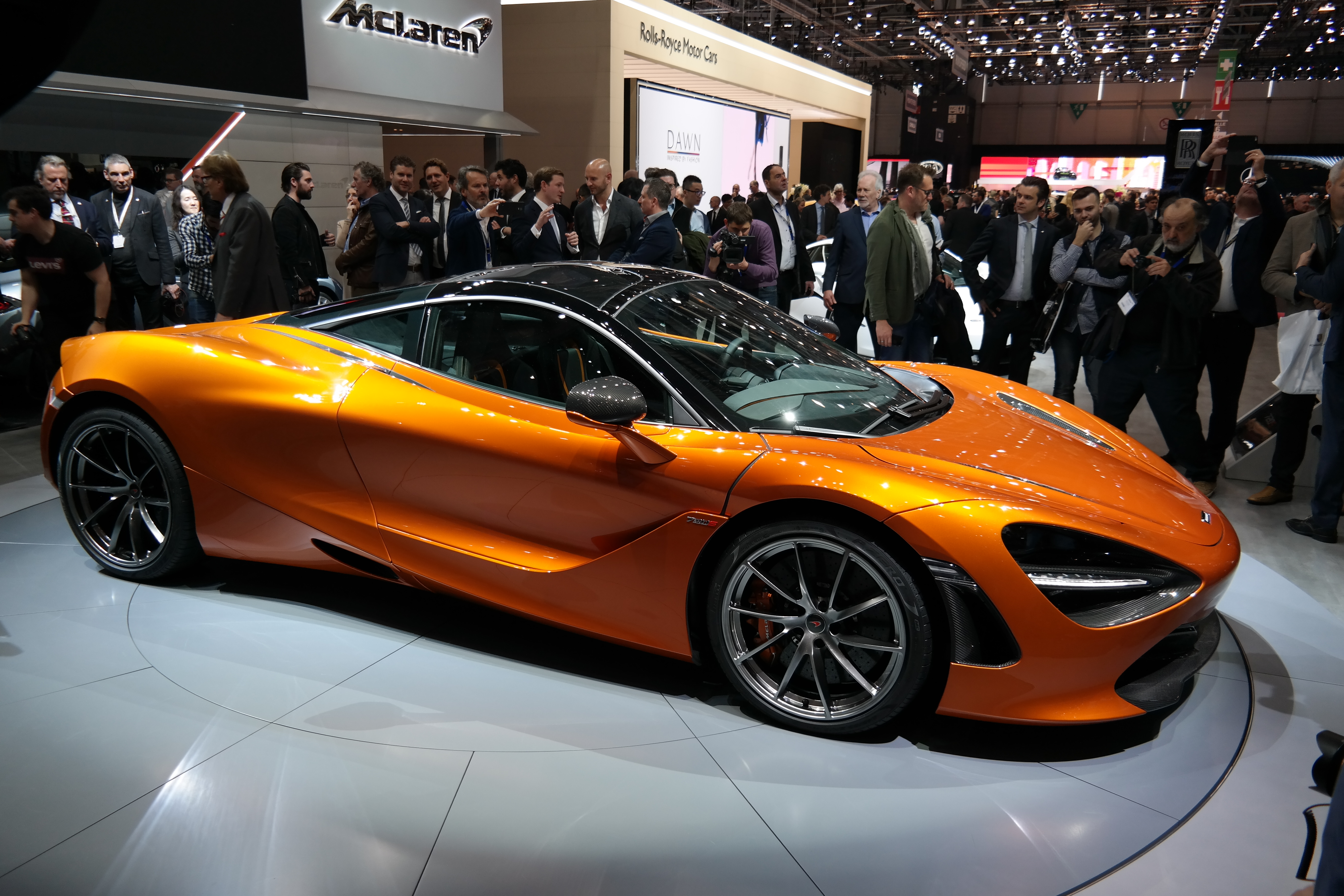
The McLaren 720S is a high-end supercar. The host is praising how easy it is to see out of it, especially compared to many other mid-engine cars that can feel blind because of their shape.
A mid-engine car puts the engine in the middle of the car, closer to the driver. The host is saying that layout often makes visibility worse, with bigger blind spots.
The McLaren 765 LT is a more extreme, performance-oriented McLaren. The host is saying the cockpit makes you feel like you want to drive hard right away.
A GT3 motor is the kind of engine you’d find in race cars built for GT3 competition. The host is imagining that a four-liter version of that racing-style engine would make a road car feel more exciting.
A twin-turbo V8 is an engine with eight cylinders where two turbochargers help make more power. The host is using it as part of a comparison about how different engine setups feel in these cars.
A monocoque chassis means the car’s body shell is what provides most of the strength, instead of a separate frame. The host is talking about that kind of structure when imagining different engine setups.
A twin-turbo flat-six is a six-cylinder engine where the cylinders are laid out flat. Two turbochargers help it make more power by forcing extra air into the engine.
Hydraulic steering uses fluid pressure to help you turn the wheel. Some drivers prefer it because the steering can feel more natural and direct than electric systems.
“Reliability issue” means the car has a reputation for breaking down or needing repairs more than people expect. That can scare buyers off and make the car harder to sell later.
The Ferrari F 355 is a famous Ferrari from the 1990s with a V8 engine and a very “Ferrari” driving feel. A “spider” is the convertible/open-top version, and low mileage can make these cars much more valuable.
The Ferrari 355 Spider is a Ferrari sports car with the top down. It’s from the late 1990s and is known for a very distinctive look. The episode mentions it because people either love it or dislike it.
Term
least reliable car
They’re talking about reliability, meaning how often the car breaks or needs repairs. The host is saying this Ferrari has a reputation for being especially troublesome compared with other cars they’ve owned.
They mean the money it takes to keep the car in good shape over time. The host’s bigger point is that if a car sits for long periods, it can develop issues that become expensive once you try to drive it again.
Low mileage usually sounds like a good thing, but the host is saying it can be misleading. A car can still develop problems if it sits around too much, even if it hasn’t been driven much.
This is a Porsche 911 GT3 RS from the 997.2 generation. It’s built to feel very “driver-focused,” with a high-revving engine and a more hardcore track setup than regular 911s.
The Porsche 911 is a famous sports car model. People often argue about which years are the best, especially for track-focused versions. The episode brings it up because that kind of debate is common among enthusiasts.
A Porsche GT3 is a special, track-oriented 911. The hosts are using it as an example of a car that enthusiasts love—and that has gotten very expensive.
“Analog-esque” means the car feels more old-school and connected, like it’s driven with real mechanical feedback rather than lots of screens and electronic tricks.
The Saturn SC2 is a compact car. In the episode, it’s brought up as an option that can still be fun to drive without spending as much as a high-end sports car. The point is that you don’t always need the most expensive choice to enjoy driving.
“997 C2” is a shorthand for a 997-generation Porsche 911 Carrera with the C2 designation, which typically indicates a two-wheel-drive configuration. The host argues you can buy a 997 C2 and tune it to match GT3-like performance, but it won’t be the same as owning a GT3.
Term
tune it up
“Tune it up” means modifying the car to make it quicker or more responsive. In this case, they’re talking about upgrades that can make a cheaper 911 feel like it has similar performance.
Term
safe haven for their money
A “safe haven” is something people buy because they think it won’t lose value as easily. The host is saying some people bought these cars like an investment, not like a daily track toy.
Bring a Trailer is a website where car enthusiasts buy and sell cars through auctions. They’re using recent auction results there as evidence of the price surge.
The Pontiac Solstice is a small sporty roadster meant to compete with the Mazda Miata. It’s set up with the engine in the front and the drive going to the rear wheels, and it can be had with a manual transmission for a more engaging drive.
The Saturn Sky is another small sporty roadster created to go up against the Mazda Miata. Like the Solstice, it uses a similar basic layout with the engine up front and power to the rear wheels, and it can be driven with a manual.
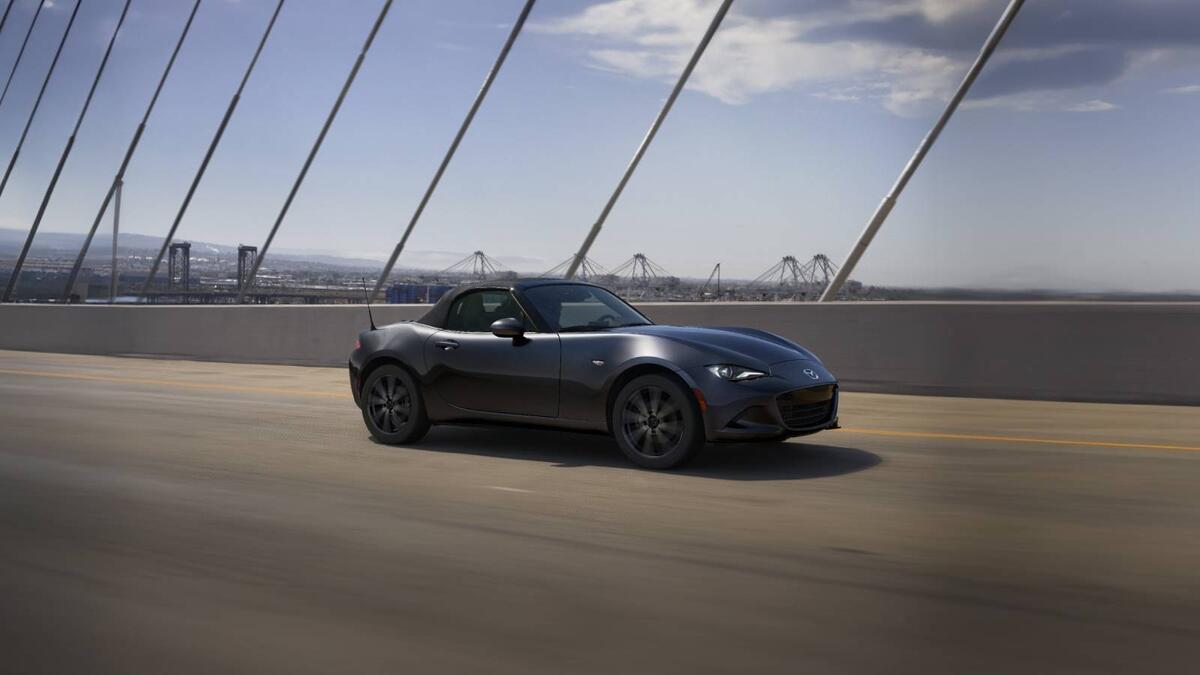
The Mazda MX-5, also called the Miata, is a small two-seat roadster. It’s built to be easy to drive and fun, with a focus on handling rather than big power. The episode mentions it because other cars are compared to it.
Rear-wheel drive means the back wheels get the engine’s power. Many drivers find it more fun because the car’s behavior on turns can feel more lively and predictable.
Front engine means the engine sits in the front of the car. That’s a common layout, and when it’s paired with rear-wheel drive it can still make the car feel sporty and fun.
Naturally aspirated means the engine breathes air without a turbo or supercharger. In this segment, they’re saying the cars started this way, and later added turbo power.
A hard top is a solid, rigid roof instead of a fabric one. It usually makes the car feel more like a coupe and offers better protection from the elements.
Autocross is a motorsport where drivers run timed laps through a temporary course marked with cones, usually in a parking lot or similar venue. It’s a good way to test how a car responds to quick steering and grip changes, which is why the host brings it up when talking about different cars’ character.
A turbocharger forces extra air into the engine, which can make it feel stronger. When you lift off the throttle on a turbo car, you can sometimes hear a “whoosh” or “blow-off” sound.
Car
Mazda Miata (ND)
The Mazda Miata (ND) is a small, lightweight sports car that’s designed to be fun and easy to drive. The host is saying it feels like a “real drivers’ car” and is great value compared with pricier performance cars.
The BMW E46 is a generation of the BMW 3 Series. The host is saying that, with good care, some E46 sedans can rack up very high mileage without major failures, which makes them appealing as a daily driver.
The Honda Civic is a common compact car used for everyday driving. The podcast mentions a more performance-focused version related to the Civic Type R. The point is that these cars can be exciting to drive, not just practical.
The Honda Integra is a compact car that has a performance-focused version. The podcast says the Integra Type S drives in a similar way to a Civic Type R and that they share the same basic platform. It’s mentioned because it’s another car that can feel sporty.
Holding value means how well a car keeps its price when you go to sell it later. The host is saying these cars don’t get much cheaper over time, so you still pay a lot even when buying used.
The Shelby GT350 is a high-performance version of the Ford Mustang made for spirited driving. The host really likes it and says it’s his favorite American-made sports car, and that it’s capable enough to track.
A Shelby Mustang is a high-performance Mustang made with upgrades for speed and handling. The podcast mentions the Shelby GT350 specifically, which is one of the more performance-oriented versions. It’s brought up because it’s a popular choice for people who want a Mustang but more performance.
The GT350 is a high-performance Ford Mustang built to feel more like a track car than a regular daily. The speaker is saying there are some scary or tricky reliability topics with its engine, so it’s worth knowing what to watch for.
“Voodoo engine” is a nickname for the special high-performance V8 Ford used in the Shelby GT350. It’s known for a distinctive sound and character, and the speaker is implying it can have reliability quirks worth paying attention to.
The Acura Integra is a smaller sporty car from Acura (Honda’s luxury brand). The speaker is using it as the reliable daily option in a two-car garage setup.
LIVE
Welcome back to Full Throttle Talk. I'm here with Shenu. My name is Blair Smith. Shenu.
Hey, Blair. How you doing, man? I'm good. So Full Throttle Talk, for those of you who maybe knew,
we're all things sports cars, enthusiast cars, driving, and we're excited to share today's agenda
with you guys, which is, obviously we're going to talk a little bit about what we're doing in cars,
automotive news. Ferrari continues to supply us with endless fodder, and it leads to some
broader discussion about the enthusiast market. We've got interesting auction results. Sadly,
my dream car is no longer attainable, Shenu. I know. These cars are getting so expensive now.
It's not good. Porsche, what's happening? And then lastly, while we're getting a listener question,
we're also going to choose two cars of various price point budgets. If you can only
have two cars, what would you buy? So before we dive into that, which I'm antsy to get to,
have you heard from Tim Harris at all recently, our esteemed founder of Full Throttle Talk?
Indeed, I have a dispatch from Tim Harris. Sweet. I've had some time to reflect on my Ferrari
interview at Maranello. In hindsight, my wardrobe may have worked against me.
You know, I showed up in pressed khakis, a polo shirt, and my white new balances.
The receptionist looked at my shoes, then quietly handed me a brochure for the Ferrari Museum.
I'm beginning to think I misunderstood the interview requirements. See you guys soon. Tim Harris.
Full Throttle into today's episode. Oh, that's funny. Well, I would trade a luce for a ZR1
personally, but you know, Tim, he's getting pulled in so many different directions, so I get it.
Let's dive in, Shenu. Sure. I don't think either of us had the most exciting car weeks, but
I have to just briefly mention, we talked last week, we were together at your place
doing a podcast in the same room, which was fun. Well, I was there on family vacation,
and you had been doing a little bit of TLC on my 111 RS Elise. So I said, well,
I'm just going to drive the car home again. I'm already down there, so my family all flew home.
I left at 4.30 in the morning, took off. I'm a little under the weather, so I apologize about
that. I sound crappy, but so I'm sick and I get to drive the Elise home 11, 10 hours,
whatever it was in the middle of the summer. Did you stop in Vegas?
No, I went straight through this time. Oh my gosh. I mean, I powered all the,
but it was nice because I left so early, so I beat most of the traffic, so that was all good.
What I will say though is I get in that car after not being in it for a month or so,
and I think, what am I doing with this car? I don't fit. It's tight. I feel a little claustrophobic,
and then it all leaves me, Shanu. And I'm like, this thing is so good to drive,
even in the worst possible application. So yeah, the comfort seat that I swapped back in right
after I got it, I was a little bit more comfortable in. The AC did its job. It's such a tiny little
cabin, right? Like I was plenty cool. You know, the other thing we've done to that car, we, the
inside of the windshield has that UV absorption film. It's clear, right? But it does reduce
the heat load that comes from the sun hitting it. So that, that certainly helps because,
yeah, the AC systems on these lotuses are pretty inadequate and. Oh, really? Yeah, man. I mean,
there are so many people that are requesting improvements there. And I think
sometime in the future, maybe next year, it's, I mean, it's on our development list
is to develop, you know, a completely different AC or HVAC system for the car. But yeah, glad to
hear, you know, and then, you know, the comfort seat, which we screwed in correctly. It was a bit
on the loose side, my friend, my good friend. And so anyway. It's not used to having somebody
that weighs 220 pounds, you know, leaning into the corners either. So. Well, I'm glad you like
that seat because we did spend some effort to make it really comfortable. And so that, that,
that, that is cool. And, and, you know, again, as you get more and more seat time in that car,
it's just going to feel like a glove for you, right? It's like the stop that you don't fit is
going to start to finally evaporate from you because you do fit. We have guys that are taller
than you that make themselves fit, you know? And so, but I think the pleasure of driving
a real car, right? So. Even on the road trip, the sound system is awesome. And that car is loud.
You need noise canceling earphones, but the sound system was really good when I wanted
to switch to that. Anyways, made it home. The car didn't skip a beat. I was ready to get out,
but I totally managed. And it was, yeah, it was fun. I'm thrilled to have the car bag
anxious to get the roof off of it because that makes me feel even less tight in the car. But.
Yeah. Yeah. What about you, Shanu? And I wanted to get it up in the mountains,
but I kind of came down with the sickness. So I. Yeah. I'm antsy to get back up there now that
the cars dialed in. Yeah. You need to kind of get healthy before you go and exert yourself
up to the canyons. I get it, you know? What's been happening down there since I saw it?
Man, I can't say that I had any fun driving this week. It's really a lot of nose to grindstone,
just typical stuff, a lot of car stuff that we were figuring out and working out.
The, we discovered something that was kind of interesting. We have a 2011 Exige S260. It's
weird issues on this car, drivability issues. And we traced one of the issues to the fact that
the car has a secondary O2 sensor that's completely incorrect. Oh. Yeah. This client bought this car
from the East Coast. And I don't think he, you know, it was in a bit rougher condition than he
thought. And the previous owner had tracked the car, clearly done a few things to the car. And
I don't, when I say track the car, that's not necessarily saying it's a negative thing as
long as the car has been maintained, right? Yeah. But in this case, the car, you know, it had a bunch
of paint work. So it certainly was hit or hit something. But as you, when you see the weird
things like a secondary O2 sensor that's completely incorrect, there's supposed to be Mercedes O2
sensors on these cars. And the secondary one was a Volkswagen. So anyways, I'm going off on some,
some esoteric technical, you know, mumbo jumbo here, but we, we figured it out because it's,
there's visual, you can't see the difference. And even the plug is looks, you know, from the
exterior looks similar. And it was not until we actually try to plug in a new sensor, we discovered,
oh my gosh, this is an entirely different O2 sensor. So anyways, that, that was a small
win to figure that bit of it out because the car has been driving us nuts, trying to figure out
why the hell it's not working correctly. Yeah. The other thing though is been trying to,
to lock down a venue for our little meetup in Monterey. And so I kind of want to just, you know,
tell our, our final listeners to hopefully pencil, pencil in the evening of August 14th,
that's a Friday night for a little meetup with us, you know, and, and we're going to find a
little venue. I've been talking to a few different ones from some cool restaurants that I've been
to in the past, some just fun casual ones to, to even possibly a brewery. But we'd love to,
to get a chance to meet up with a bunch of people. And, you know, certainly I'm going to throw it
out to my typical Lotus clients as well. And, you know, again, we, you know, we, we, I am in
discussions with Caterham and I think they may, they make a little showing there may not be in
official capacity, but either way, I think it'll be fun, you know, to, to get together and, and kind
of, you know, break some bread talking about fun shit that we all love. Yeah. Well, I think it's
a good point to remind everybody that like, we took this podcast over and switch gears,
no pun intended, a little bit on the direction of the podcast. We love Porsche, but it's not the
only thing we love and we love to talk about it at length. So the good news is I think we've,
we've found and are finding our audience. Shanu and I are having a blast doing this and we really
want to like legitimize this, grow this thing, build a great community. So if you are going to be
at Monterey, we would love to just connect, say hello, have a, have something to drink and eat and
you know, just talk about cars all night. That's really the idea. And so yeah, if, if you can,
and we're going to legitimize all the email addresses and whatever, you can go to Full
Throttle Talk and reach out to us and get ahold of us that way. Shanu, you can reach out
InnoKanetic on Instagram. I'm at shifterfeel, all one word. I'm a big stickler for how a shifter
feels, Shanu. So anyways, all the feels to us. Listen for more. We're going to narrow down those
details. I appreciate you and all the work you're doing in that regard, Shanu. But if on that note,
if we can get into this Ferrari stuff, it's really fascinating. And the 12-cylinder is,
everybody has heard, I'm sure by now, they just announced that we've been kind of
hinting at this. We've been hearing the rumors, got to buy a luce so you can get a 12-cylindry
that's a manual transmission. Well, I don't know any of us were totally expecting this to be a
fake manual, basically. This is like a manual clutch by wire rather than actual,
like a mechanical actuation of a clutch and the gears. And they basically said they're taking
their dual clutch, layering on top of that, this e-manual technology. What I thought was
interesting though, just to provide a little more context here. And then I want your thoughts on this.
What they said about this is they said there's a proper, in terms of how this thing feels,
there's a proper springy heft to the clutch. And the metallic
tactility of the shifter action feels as if you're genuinely moving gear sets back and forth.
A strong detent snaps the lever to the center of the gate, crucial for quick second, third,
and fourth, fifth upshifts. And you press down on the top of the perfectly spherical aluminum
shift knob as to push it across to the left and then up to engage reverse. So,
what they're claiming is this feels pretty good, Shenu. What are your thoughts of Ferrari
following what seems to be a trend that is a little concerning, frankly,
foe creating a foe manual gearbox for this 12-cylindry, slapping it on top of or in conjunction
with a killer V12? Look, man, whether you and I like this or not, it's really immaterial at this
point, right? That ship has sailed. We have a couple of generations of kids now that have
grown up with video games their entire lives. And you're right there on the border, right?
There are kids that from the point they could waddle around have been able to play video games.
And so that virtual existence or experience, if you will, is so part of so many people's
lives that, you know, I think we're just going to get more and more of this, right? Look, F1
drivers are running simulators to prep themselves to race the actual cars on the actual racetracks,
right? And these type of simulators, whether it's flight simulators or race simulators,
it's just a part of reality. And, you know, as manufacturers find ways to bring back something,
you know, that resembles the old school of driving, you know, some are going to succeed,
some are not going to succeed. And Ferrari has done things like their F1 transmission from the
past. You know, when they first introduced it, it was pretty rough. It was not so great. You know,
it took a while to get it there. Look, I'm not terribly interested in this solution.
It's not for me, okay? Well, you know, this is going to come down. Yeah, maybe you're not spending
1300 grand on this. But you know, we're going to start seeing this in more attainable
sports car, Shenu. So what about when this is all you can get from Lotus or from Corvette or
Ford and the Mustang, just thinking down the down the road what this means or might mean?
Yeah. Yeah. I mean, what it means is I'm going to continue to drive old, old analog cars for fun.
Yeah. That's what it means for me, you know what I'm saying? But look, I get it, you know, like
the Luddites like us are dying breed. Okay. And, and, you know, like when's the last time you
double clutched, you know, a downshift, right? And that's thanks to the fact that we have
synchros in gearboxes. You don't need to double clutch. You can heel and toe the downshift,
right? So you can certainly argue these are all a bunch of extra steps that are just nonsense
if you're if your intention is to go fast, you know, but for us, the intention is to go fast
and smooth. But to have some fun in that additional engagement, it's the stuff that gets us all,
you know, excited. And I think this is going to deliver it for some of those people.
You know, for it to work well for us, it's going to take a lot of work. And it's funny,
I've got a little group chat going with a bunch of my, you know, fraternity brothers,
we're all, you know, engineers in this automotive space. And we're all like questioning this thing
and the complexity of it and the number of modules that are required to control this thing properly.
Serves the thing I can only imagine in five, 10 years is going to be a nightmare.
Total nightmare. You know, five years from now, it won't be a problem. You know,
it's going to be 20 years from now where you're just going to probably throw the damn thing out,
you know, and or you got to replace an entire thing. And at some point,
Friar will stop supporting it or God knows what will happen. You know, what we may see with modern
cars is that they're going to get recycled sooner than some of these analog cars of the
last 30 years that we can continue to run. But some of the modern cars are so highly computer
controlled that some of those electronics and modules are not going to be available.
And the manufacturers won't support it after a certain number of years. So the car itself
may be designed to be better recycled. So they disassemble the car and recycle things. And so
I think we're going to go through a period of time where some of these modern cars are not,
they're going to be phased out. They're going to get crushed. They're going to be, you know,
out of commission because you can't get the parts. So it'll be interesting to see how that shakes out.
Well, we talked about five or six episodes, maybe a little more ago. The take rate on manual
transmissions where available is actually pretty high still in the industry. And maybe that's
because people are feeling angst that it's going away. And this is their last chance to own one.
Right. For certain cars, correct. Yeah. Yeah. I mean, pretty much all the cars where manual
is offered, which is yes, dwindling in number. But Maranello Motor Trend reported that they've
said that this decision was made to do this was strictly based on or in response to customer
demand. So people have been asking them for this. I think it's no secret that everybody's wondering
when they're going to bring a gated manual back. But they said it was a non-starter to replace the
dual clutch because it would have required them to rework the car's floor plan. And there were no
conventional manuals that could handle 800 horse and 500 pound feet of torque. So I think that's
what's frustrating for me is we see the take rates are high. We see they are openly admitting,
well, the demand was there for manuals. So we gave them a fake manual. And it's like, well,
when are they just going to go after this and make a bunch of money doing it the right way?
And because they're telling us this is what people want. So we're going to kind of give it to you.
It'd be too expensive to actually do it. Well, I mean, again, Blair, I don't think the take rates
are high. They're high for the few cars that have it. But remember, there was that quote we got from
one of the GM chief engineers who said, hey, the customer has voted with their wallet. And when
we offered a manual, not enough people were ordering the manuals. And so if you look at some
bit of evidence out there, it's basically suggests that the total car population, sports car buying
population is not buying manual gearboxes. Okay. Yes, there is this growing or a more
vocal minority like you and I want the manual, but I don't think there's enough of us, man.
That's the problem. I don't think there is just you read GT threes are selling it like 70, 80
percent manual of those. Yeah, the Amira too, right? And the Amira. Yeah. I'm talking about sports
cars. If you're going to make a sports car and we saw the M3 CS, they had to detune it a little bit
so that the manual would work in that car. We know somebody who's got one of those on order
going to be very interesting to see what the reception is on those. I don't totally buy
that it's just, oh, nobody wants this. So like, sorry, guys, you already voted with your wallets.
I mean, C seven versus C eight, very different clientele demographic of those who are buying
those cars. So to say, Hey, yeah, did the old fogies who were driving C sevens to,
to and from cars and coffee and never got the cars out? Otherwise, did they stop buying manuals?
Yeah, probably they did. But like 12 cylindries, someone is going to spend 700 grand in today's
day and age on a Ferrari. You get an old foggy. Okay. It's not a bunch of 23 year olds buying
700,000 dollar Ferraris. They said the art demand is for a manual. They're the ones who are saying
this, not me. That would do this then. Yeah. I mean, again, I think, you know, how they spin
something may not be entirely the case, right? So I think they may say, yeah, there's people that
want to shift, but they also want the option to have an automatic full, full automatic, right?
That if you make people choose that are buying Ferraris, okay, that are buying Ferraris again,
we got it, we can't just talk about, you know, normal regular people, these are folks that can
spend a half a million dollars on a car. I think most of them don't want to shift. And that's,
that's the problem. So and I think that's where you and I disagree. Otherwise, they wouldn't have
gone to this trouble. They would have said, guys, you got a V12 and a dual clutch as fast as hell,
both of them. What do you need this fake gearbox for? But they're going to all this trouble. And I
think looking a little bit silly in the process, why not because of me? I'm not going to buy,
I'm not their buyer, but somebody's telling them, you guys got to do this. And I think it's a half
fast attempt to do what their buyers do want. And the only other thing I will say about this,
because, you know, that they're global marketing director, guy named Emmanuel Carondo, they were
talking about Chinese cars and the infiltration of EVs from China, and they're just so good.
But he said, listen, yeah, we think they're making incredible progress in terms of performance.
I think they are still a little behind in terms of driving emotion. I'll spare the rest of the quote.
But I think not if you're going to go with luchae, the fact is, you know, luchae is going to be no
more emotion driven than what's coming out of China. So I think they're recognizing and they
went on to say they're not worried about China because it's all about the emotion. Well,
I hope that's right. And I hope they know how to deliver emotion in these cars.
And I think they know this is the only way they're going to compete. But if you keep sanitizing
these things down to a luchae, well, why wouldn't we just go buy the Chinese car for like 80k that
is every bit as capable or technically brilliant? I mean, I think, look, man, based on what he's
saying that they are, you know, they recognize that the Chinese are behind on driving emotion.
Well, I guess what the Chinese will catch up. But Ferrari needs to make sure they're emphasizing
that part of it as we've discussed in the past. And, you know, like the little bird had told me
about what, you know, that the Lotus guys in Hethel are saying the same thing that they're
going to focus on fields. They're going to focus on the experience. Yeah. And so, you know, we've
said this before, that's what Ferrari needs to do. I think they know that, you know, we're, you know,
but let's see what the implementation is. You know, I think and frankly, that probably brings,
you know, on to some of the things that I uncovered this past week that I think are
pretty interesting. Yeah, please. Let me get into a quick one. You know, on the subject of manual
gearboxes, sports cars, you know, Porsche in the UK are, they're offering a GT3, Earl's Court 51
edition, okay, to mark the 75th anniversary of Porsche in the UK. And you can register your
interest to buy this car. It's kind of cool. I really think that it's kind of a smart approach
for them. You know, we know that they want to focus on more expensive, you know, boutique,
you know, cars. And it's interesting how they've done that in this case. And I think it almost
takes the dealer, you know, I'm sure the dealer still has to deliver the car, but it might take
some of the dealer markups out of the equation. So, and the car is in a green color, which I
think is pretty bitchin', which I forgot to put in my backdrop here. Let me put it up for now.
Hard to screw up green. Yeah, that looks great. Yeah, I think that's a great color. But the other
thing that actually really got me excited this week was that McLaren rebuilt Bruce McLaren's
original road car. You know, and again, I've got that picture behind me for those of you who are
watching us on YouTube. You know, it's pretty, pretty damn cool history when you look at the
thing. You know, so McLaren's special operations, they basically recreated this 1969 M6 GT. It was
a road car that Bruce McLaren originally wanted to build, you know, before he passed away.
So here's what's in this thing, right? A small block Chevy V8, a five-speed manual, right? They
used the original body molds to build the body for this thing. And then they used kind of basically
a period correct engineering, right? They didn't rest them out this thing to use modern, you know,
componentry. So I think this is great. I think, you know, brands like McLaren, who frankly lately
haven't been getting much press, even from us, right? We haven't done much to talk about McLaren
lately. But I think it's fun to see a brand like McLaren, who has so much focused on just pure
performance numbers, to go back and look in their history books and find something interesting like
this and put this out there, produce a thing, put it out there and show the world that, hey,
they're not just some Johnny come lately, like most of Chinese companies going out on the
Nurburgring and setting crazy times. You know, they're a company with real history and here's
something cool. And again, to the things that you and I love, which are more analog, you know,
car with more feels, that's what they're offering here and showing the world that they can throw
something like that out there. So I was excited to see that bit of news. Do you see the car?
No, but do you have much experience with McLaren? It's
yeah. So I've driven several of them. And what's your take? I've always been so curious. I have never
driven a McLaren. Okay, well, you're going to be impressed. Okay, because it's a big,
it's a big Lotus. If I can be so generous. Yeah. And part of it is okay. They're both in English,
they're both English companies. I guarantee you McLaren poached a bunch of Lotus guys.
And, you know, the car has a lot of feels. Okay, it's the thing that has always been a bit of a
disappointment to me is they've never had a manual gearbox in the modern era. Right. You know, the
McLaren F1 is my absolute favorite car of all time. But, you know, the modern ones have been,
you know, paddle shift cars. They're, you know, exceptional performance. They don't sound that
great. You know, these turbos, that's one disappointment I have with them. But, you know,
they did some cool stuff like that speed tail, which was a three seater. You know, that was pretty
cool. You know, the one big, you know, I would say huge achievement, I think they've done is some,
you know, kind of an ergonomic advance on the 720s when they introduced that car.
When you sit in it, the visibility is excellent. Okay. Unlike almost all other mid-engine cars
where you are, you have big, big blind spots on that 720 was like driving around in a fishbowl.
You could really see out of the car really, really well. Of course, the car is exceptionally fast,
very, very capable. But I kind of like the fact that they rethought a bit of the ergonomics
and visibility in particular, you know, versus the typical mid-engine car issues.
Well, I've sat in a 765 LT and you get in and it's like, man, you just want to go
rip it somewhere. And it gives you those driver focus kind of feels.
You know, I think it's, if they were, had a better reputation for reliability,
not that I think they have a bad one, but compared to Porsche and
can you imagine if they put a four liter GT3 motor in some of those carbon
chassis, like monocoque chassis, like, you know, a lot of these twin turbo V8s that I've driven,
the cars are exceptional. But then there's just that the drama really stops at like
five out of 10 from a powertrain standpoint. And I have to think that holds them back a little bit.
And it's, you know, but people still will pay 200, 250 all day long for Carrera Ss,
GTSs, twin turbo flat six is also not the most interesting to me. But so, you know,
it's, it's, it's probably they, but I've wanted to because they have hydraulic steering,
they've retained a lot of that old school kind of feel from what I understand.
You definitely need to drive one. I think you'll be pretty impressed with how they drive.
You know, they get most of the driving experience thing, you know,
pretty, pretty nailed. Yeah, the reliability issue is certainly has, has tarnished their
reputation and has scared, you know, potential people off from buying them. And, and, you know,
it's, it's again, it's an English car. And, you know, I can't name a single English car that I can
say is known for reliability. And that could be something that, you know, if they could just
focus on that, that that could help them differentiate maybe. Yeah. But it's tough,
right? Because they're in F one and they, they need to be pushing, you know, and fighting with,
with Ferrari at the, at the top of the food chain, if you will, sports car wise. So
it's a difficult dichotomy, if you will, that they've gotten kind of content with. But
well, yeah, yeah. Well, let's move into from the auction, you know,
sure, sure. A couple of interesting ones. And I put up a picture behind me of a car that
is, is polarizing. It's a Ferrari F 355 spider. These cars, it's a 1997.
So why, why do you think it's polarizing? I would never have used that to describe the 355.
Well, I'll tell you why. Because this car has 20,000 miles. Yes. These used to be like 100.
This is a six. Yeah, they used to be 130,000 dollars cars.
They used to be 80,000 dollars cars. Well, yeah, exactly. When I, when I started paying attention,
it was like, geez, these are F 355s are pretty affordable for a car that looks spectacular.
100%. And it sounds spectacular. And sounds really great. So,
but this thing, they have made a meteoric rise in value. I guess maybe an exaggeration,
but this car with 20,000 miles. So it's not exactly new or lightly used in the Ferrari
sense. Those are real Ferrari miles. It brought $290,000. It's silver spider. And the reason I
think they're so controversial or polarizing, I know two guys who have owned these cars and both of
them, big money guys, big collections, could not get rid of these cars fast enough. They like,
they speak about these things with such vitriol. You can't believe it because they all just say,
these are crap. Like they did their, the like most least reliable car they've ever owned,
um, which is why I always thought it made sense. Well, yeah, if you can stomach that,
you can have one of these things for a hundred grand, but now like these are three,
this is a $300,000 car. And I happen to think, you know, they, the reliability concerns remain
the same. So it's crazy to me knowing what I know about the ownership experience of these cars.
I thought, well, that makes sense. They're beautiful, but you're in for a world to hurt if
you own one of these things based on what I've heard. And I thought that always kept the price
down, but apparently people aren't afraid anymore. Yeah. I mean, I think all the, the foibles of
that car, reliability issues are, are probably pretty well understood. Um, and, and I think,
again, it's just, just what's happening in the, in the market overall with prices for so many cars
is just, you know, completely out of whack with reality. Um, you know, I know some people with
these cars, and yes, there's some serious maintenance costs, but the bigger issue oftentimes is
because people aren't driving the cars and they're just sitting there. And then when they go to fire
them up, they've got all these issues, right? And again, all these people that don't put any
miles on their cars, it's like they're saving it for the next guy or I don't know what the hell
they're doing, right? It cracks me up, you know, they actually had a client call and he's got a
really low mileage, just cherry, you know, Lotus and he, you know, wants to do a bunch of things to
it so he can go enjoy the car. But then he's got a buddy that called and says, Hey, I'd like to buy
that car for my wife. I'll pay you 10 grand more than, you know, and I'm like, and he's now contemplating
getting a different car. And I'm like, why, why? You are particular, like you bought a perfect car
that you want to enjoy. Enjoy it, man. Who are you saving it for? You know? So, I was probably
help in that regard. Yeah, it does. And, and so I would rather take a higher mileage car that's
been well maintained than some low mileage car, right? It's this trap people keep falling into.
And these auction results are showing that people pay so much for these low mileage cars
that inherently probably have a number of issues that have got to be addressed. And so,
you know, you it's funny, you pay more for the low mileage car, and then you're going to pay more to
get it up to snuff, right? So, yeah, I mean, that's a great point. And I've had a few of those
experiences where I thought I was getting such a great pristine car because it was low miles.
But then I was the guy went out and drove it and just ran into all the things that it needed. Whereas
the car that's been driven, they're going to run into those things before you have the chance to.
So, you can share some of that. That's a great point. It probably is very prevalent in the
world of older Ferraris. Sure. Sure. All right. Well, you've got another auction result.
I teed up at the start of this podcast that my dream car, at least what I thought was my dream car,
is officially like unattainable. So, behind me, I've got a 997.2 GT3 RS
2010. This car has 10,000 miles on it. It's white with the red livery.
So, a $10,000 new GT3 RS, or a 10,000 mile new GT3 RS, what does that go for? 350,
370, something like that. You can buy a 991.2. I put that on one of my favorite Porsche lists
for probably 250 grand, 260 maybe. Right. This car just sold for $572,000.
Oh, my God. Nearly 600 grand. Wow. Yeah. When you look at the 7500 on top of that,
you're at 580. I also talked about the 997 GT3 that I drove that had been boarded out to a
four-liter and made to be more of an RS kind of clone, truly, from a mechanical standpoint.
And it was spectacular. But nearly $600,000 for a 10,000-mile car. This isn't some
museum piece that only had 400 miles on it and somebody just wanted to collect because it doesn't
exist anywhere else. It's not that. So, yeah, I think the market has decided these, once again,
these analog manual transmission cars of the early mid-2000s, maybe into the 90s some,
those are the cars everybody, myself included, wants to own. There's a big discussion about
when cars peaked and that's a hotly debated discussion. I think in the world of Porsche GT3s,
the market's saying these cars peaked in 2010, if you ask me.
Yeah, I'm with you. I would agree. And again, these are all kind of clear market indications that
these analog-esque cars are the ones that the enthusiasts truly, truly want. And
when the prices get bit up like that, that means there's people with money who agree and they're
willing to pay that extra. Because if you just want a car to just go out and have fun with,
you certainly don't have to buy a GT3. Just go buy a 997 Carrera SC2 and you'll have a lot of
fun with the thing. You could certainly, for a lot less than $570,000, take a 997 C2 and tune it up
and have performance that is equal to the GT3. But it's not a GT3. And if that's what you want,
well, there you go. Stroke the check. And I think we got a whole ton of new SpaceX millionaires out
there. And those are maybe guys that dreamed of this car when they started working for SpaceX.
And now they're a multimillionaire and they're going to go buy the car. And maybe that's part
of what's happening here. Well, there were a lot of people who bought cars on a speculative basis
that these, especially in the world of Porsche, guys that aren't interested to drive these cars,
they don't want to track a GT3 RS of any generation as what should be regularly being
done with these cars, if you ask me. But they bought them because they knew they were such a
safe haven for their money. And they wanted to get in on that arms race to ride some of this
appreciation or at least join the frenzy. And this is, I think, the result of what we're seeing.
It's getting really unobtainable for many of us, these great cars. So a couple of really high
dollar volume results on bring a trailer that caught my eye this past week. One of them,
I happen to really aspire to own in that 997, the 355. I'll save that for you and your friends,
Shanu. Those of you who are mechanically inclined. Thank you. Thank you for that.
So we posed the discussion. We're having the discussion about $50,000 and $100,000.
And we may up this budget in future podcast episodes of Shanu. You got 50 grand to start here.
And I tell you, you got 50. You have to buy a daily driver and you have to buy,
well, you buy two cars. I don't care what they are, but real life scenario,
where did your head go with this exercise? Well, $50,000 is the average price of a new car,
okay, in the US right now. So that pretty much says, okay, I got to get two cars and they're
not going to be new cars. So straight away, I have to think about what are some of those cars that
I could potentially own for a $50,000 budget that I think I can have some fun with. And
look, we've said this many, many times before, we naturally talk about one of our favorite
affordable sports cars. But I chose a car that was introduced as a competitor to that favorite car
of ours. And the story behind this car, I mean, which is a legit competitor and I could buy one
of these, which is a Pontiac Solstice or a Saturn Sky. Those are two little roadsters designed and
introduced to compete with the Miata. And they're on the same platform with distinct different styling.
They're rear wheel drive, manual transmission, front engine cars, you know, just fun, okay,
just really fun cars. Not quite as good as the Miata, but honestly, a legitimately fun car. So I
chose one of those as my fun car to drive. Well, didn't they make it in a turbocharged version as
well? Those cars are like the coup and turbo are worth some money at this point. Yeah, so but the
GXP or something? Yeah, the GXPs. Yeah. And Red Line, Saturn Sky, I think. And so I had, we did
parts for the Solstices in the sky. What happened when they were introducing,
developing that car, one of my buddies at GM, he had his hands on one of the early production cars
before they had released, you know, the cars for sale. And he calls me like on a Wednesday and
says, Hey, I'm going to have one of these Solstices this weekend. If you want to check this car out
before anyone else sees it, you know, come fly out. And so I flew out the next day to Detroit
and drove the car around on the weekend. And I was impressed. You know, I was like, wow, this is
a legitimately a Miata competitor. You know, so it's a fun car. Okay, was that the turbocharged
version? No, no, they started as a naturally aspirated car. And then they introduced the turbo,
you know, 23 years in. And so yeah, in the picture I have in on my screen is actually the
one of the final versions, which was a coupe. And they put a bit of a hard top on the car,
which I think aesthetically, it's cool. Good. And, you know, the car was the Solstice at least
was very voluptuous. It had a lot of really nice curves on it. You know, like, look, we've said
this before, but I like to me the cars I tend to think are the sexiest are the ones that kind of
parallel the female form, if you will, right? And so to me, you know, this car had that voluptuousness
to it. That was pretty exciting. And they were legitimately fun. You know, I had a Solstice,
I had a Sky. We did we did some various parts for the cars. So I have a lot of seat time in those
cars and frankly, like them. And so it's the other boring car. I'll just put it as my daily
would be a use model three Tesla. Okay, because I think they're legitimately good cars. It's funny,
I had mine washed yesterday and the guy said, Hey, man, you put BBS wheels on a Tesla.
I just said, Yeah, man, that's the way I roll. Okay, I got to make this boring ass car look
a little bit better. So that's awesome. Yeah, I got a ride mirrors that's wrapped and it looks
it looks pretty good. It's funny, I did an autocross a couple years ago and a guy had a GXP
Solstice and he was making all sorts of wild blow off noises. Yeah, yeah, he had the turbo
charge version. And right, it looks really unique. But I could never choose that car because I know
maybe I just beat you to the punch. But obviously, where my mind goes is ND Miata. I know it's
predictable. I know it's kind of boring. But the beautiful thing about this, this hobby and as
much as I get frustrated seeing nine and seven GT threes, RS is go for $600,000.
ND Miata's can be had brand new for 40K, you can buy a slightly pre-owned one for 25 to 30.
And gosh, I love those cars. I think they're great looking cars. They're fun to drive. Every time
I get out of one, it's like there is nothing they didn't nail properly from a driver's car
experience that had to cost 40 grand or less. So I'll never not seeing the Miata praises. And then
you know, we've been talking about my daily driver conundrum and I've driven a number of E46
sedans. There's quite a few of these things that are like well preserved, 70, 80,000 miles.
I've known multiple guys get 300,000 miles out of these cars. Yes, with some TLC along the way,
but nothing major or catastrophic. And so if I was hard capped at 50 grand, I do kind of,
I'm in reverse a little bit thinking I'll buy an older car as my daily that's comfortable,
feels better built than some of the newer stuff and BMW's lineup. And then I'll go get a modern
Miata that you can drive as its backup or split daily duty is how I would go about that. So
that's my 50K as we move into a $100,000 budget for two cars. You know, it's interesting because
most people do think of their daily and I don't live in Southern California. But if I only have
two cars, I noticed in my choices, they're both they're all manual transmission cars. I'm fortunate
at the moment to have four cars, I would like to only have three. Once I get into a three car setup,
then I'm okay to make my daily and automatic because I'm not in stop and go traffic a whole
ton. And so the choices that I made was for for my fun car, well, my daily, I got a picture of
one of these in here somewhere, but it is a car that I did own for a short time. There were some
things about it that were not ideal for a daily driver for me. And it's the the new Acura Integra
Type S. So this is the slightly elevated version of the new Honda Civic Type R.
She knew these cars are fantastic. Like a modern Civic Type R drives beautifully.
The Integra Type S is the same got the same underpinnings. It's the same car.
in the Acura, not in the Honda. And great shifter, rowdy little, you know, four cylinder turbo
motor, great tech, good sound system. And those cars go for their holding value really well.
You still have to pay around 50K for a slightly used one or mid fifties to get to get a new one.
I love the Acura Integra Type S and I would pair that. At first I had a Corvette in here
and I had an E90 M3, but I think it makes more sense to kind of alternate powertrains a little bit
and not be so similar. So I paired the Integra Type S with a car that I come back to all the time
thinking if 997 GT3s are going to the moon value-wise, I'm going to go give that whole
conversation the double bird by buying a Shelby GT350. I've talked about this car at length.
I love the car. Two date of anything I've driven or within reason. I think it's my favorite American
built sports car. So you can get those for around 50 to 60 and you could track either of these cars.
There's some spooky Voodoo engine reliability stuff on the GT350. You pair that with some
really reliable kind of Honda stuff. I think that would be a fantastic two car garage for 100 grand
and I know I get too passionate about my choices here at the sales guy and me. I was always coming
out, but I love these two cars. I would love that set up if I only had two spaces in my garage to
choose from. Yeah, I mean, I think you get the reliability from Integra. As far as the Acura
is going to be, I think, an honestly good day-to-day daily kind of car and the Shelby's got that
grunt. It's got that sound. It's got the muscle. So that's a pretty good matchup. I'm not very keen
on the styling of that damn Integra, though. Yeah, I'm with you. I think the Honda Civic
Type R looks better. I think the new one. Yeah, I actually prefer it, but that's all right. Well,
listen, for 100 grand, that opens up a lot of options. But look, I'm still an analog sports car
guy and I still like canyons. track days. So my choice actually, I coupled two vehicles
that will allow me to have fun in the canyons, but also be able to go to the racetrack if I want.
Okay. And so and do it in a way that allows me to get home. So in case something goes sideways
on me, you know, and so I chose the Lotus Elise. Okay. Of course, you know, I think
you can find a clean Elise easily for the 40 to $50,000 range, spend a little bit of money prepping
it, you know, so that it's good to go for the track or for the canyons. And then I paired it with,
frankly, a Jeep Wrangler. Okay. You can find a Wrangler for, you know, reasonable money that will
tow that Lotus Elise to the racetrack in an open trailer. Okay. And so I left some money in there
for an open trailer. And you know what, now I got it, I got a combination, you know, the Jeep,
I would drive daily. In fact, my wife drives a Wrangler daily. And so that, that, you know,
gives me, you know, I think a lot of options. If I want to go camping, or if I want to go off-roading
or, you know, pull the Elise, you know, I've got a car that gives me lots of different options there.
And so, you know, I can haul some people in it. It just gives, you know, to me kind of like the
right combination. So I've got, in my mind, a pretty kick-ass two-car $100,000 garage.
Yeah. No, I like that. And I did the same thing in terms of I got to have a car I can take in the
canyons. You got to have at least the car I can put on track with the Shelby and the Integra.
I've driven an Integra, my Integra Type S on track. Fantastic. Shelby would probably be
more fun, just a little spookier to keep zinging that flat-plane crank out. But I thought about it
similarly to you, is you got to have something you can go run on track. That's why I picked a Miata
in the first scenario. Yeah. But I think it's a killer setup you've got. I think Jeep Wranglers
happen to be pretty fun. And I'm trying to steer my almost 16-year-old daughter towards Jeep Wrangler
and throwing kind of conventional safety wisdom out the window a little. You know, an interesting
thing that we just did. And so my wife's got this Rubicon Wrangler. And have you heard of this Jeep
that the death wobble that happens? I've heard of it. Yes. Okay. It's significant. It's a
significant issue. At speed, right? At speed. Yeah. And it can be kind of scary for people
that don't know what's happening. So it's something for you to think about with your daughter. Okay.
But here's how we corrected it. Everybody just told me it's just so inherent in the Jeeps. And
that's just what it is. I had started a rock crawling business with a couple of partners
several many years ago. And it's called Metal Cloak. So I had experience, but those Jeeps were
set up for rock crawling. So I just accepted the death wobble as a part of the program. But
in Stacey's case, what we did is her tires were starting to wear out. And so I said,
you know what? I'm going to get you some tires because she's not driving off-road and doing
rock crawling or anything crazy. And so I said, let's get some more street, you know, road friendly
tires. So that's exactly what we did. And that fixed the death wobble issue. Really? Yeah. So
I need to do a little bit more research into this. My guess is the sidewall stiffness of that
and the tread blocks of an off-road tire, which, you know, sidewalls price is softer, you know,
when you air down and those big chunky tread blocks, you know, are probably contributing
to the death wobble as much as the suspension setup is. Because the minute we go to a street
bias tire, that my guess is stiffer sidewall tread blocks are certainly more stiff, but no
death wobble. And so anyways, yeah, something to think about if you do get a Jeep for your 16-year
old, make sure it's got road-based tires on there. Because the first time she experiences
death wobble as a new driver, it's going to scare her. And we know Jeeps are not the most stable,
right? And if all of a sudden she overcorrects things, the car is going to start rolling. So,
you know, the high center of gravity, they're not necessarily the most stable. But
something to think about, my friend. That's a very good tip. You know, we talked last week,
Shenu, to jump back to the Elise discussion just a little bit, because it was the car you chose.
I'm glad you did. It was very on-brand and you're true to yourself there.
Yeah, it's what I like to drive. I can't deny that. You know, the Elise is still, if I can only
have one sports car, that's the one that I think ticks the boxes the best. You know, it's not the
fastest. It's not the most analog. It's not the purest. But it has the best compromises that
work for me. Well, we talked about this a little bit last week with the everyday driver review,
or two weeks ago, whenever that was, which where we agreed and where we disagreed with their
summation of the 111 RS versus the standard Elise. The reason I wouldn't choose an Elise at this
point is, A, I think I've become spoiled by starting at what I imagine is the top of the
Elise food chain with buying that car from you. Right. But when I drove the Todd's standard Elise,
that there was something to me that had just felt like inconsistent with what the car was trying
to be. So you look at them, they look so exotic. Right. But then I drove it and it didn't really
match remotely kind of what the car looks to be. When I get in the 111 RS,
it feels very consistent. You look at that car, they look wild, they look menacing,
and now the car drives that way and it performs that way. Which is why I think for me at 40,
50 grand, I struggle with the leases and I start thinking about other things. It's anyways,
I've been spoiled big time by the 111 RS to me. I not to beat that dead horse from a couple of
shows ago. I just didn't totally get in sync with what the everyday driver guys were saying because
I want a lot more out of a standard Elise to make the car feel the way I think it should feel given
frankly the way it looks. But I imagine you can do that as you've said many times for a lot less
than what it costs to build a 111 RS. Well, you can certainly get yourself closer to that for a
lot less. And so that's still the reality of the thing. Speed costs money as we've said over and
over again. And so how fast you need to go and how fast you, and so, yeah, I mean, look, for those
of us who kind of came to the Elise from, you know, the love of the series one car, which has more
of an elemental look and not so exotic, a little bit more fun, you know, the series two car started
looking a little bit more sinister, a little bit more exotic. So I think, you know, our preconceived
ideas of the car are probably different, you know, because of that. But yeah, anyways, it's kind of
interesting, you know, because we do have a listener question that this may actually be the perfect
segue. It is. Yes. Which is came from Wendy, which she asked, which manufacturer is making the most
interesting cars right now? And which one has completely lost its way? You only have to choose,
you can only choose one that is completely lost its way, you know?
I mean, where does your mind go when you start thinking about who's the most interesting to
you right now? And who's the least interesting? And you can't say Nissan, because have they
ever been that interesting? Well, I guess you can say them. But what, well, where does your mind go
when you think of most interesting and least interesting and lost? You know, I think a company
that as an enthusiast is doing some interesting things, some of which we have access to, some
of which we can't, we don't get access to, is Toyota. I think Toyota is doing some interesting
stuff. Those GR models are pretty cool, man. And it's hard to argue with that. You know,
I think they're sticking to the hybrid knitting, you know, has worked well for them. You know,
Prius finally looks like a car that actually I would be interested in owning, you know,
instead of gouging my eyes out on like the previous generations. Toyota's never, frankly,
had great styling as far as I'm concerned. But, you know, they've got cars like the GR86,
you know, that I think are legitimately fun cars. And I actually contemplated throwing
that in my, you know, $15,000, $100,000 garages. But yeah, I think to me, Toyota is the company
doing the most interesting things right now. I think Kia Hyundai are doing a bunch of styling
wild things. I'm not in love with most of them, but they certainly are pushing the limits styling
wise and gaining a lot of traction, I think, and interest from people. But no, Toyota is certainly
the brand. You know, General Motors has got, you know, some real hits, a few really good hits,
but they got so many cars, you know, like Toyota. And whether it's it's like Cadillac Black Wings
or Core SC8, you know, I mean, even that Hummer, I kind of like the Hummer SUV.
Okay, so who's lost their way? Who's really who's mailing it in in your mind?
Man, I'm not happy with what I'm seeing coming out of Ferrari. Okay. And I'm going to pick on them
because the Luce sucks. And this new 12-cylindry, you know, fake gearbox thing. And, you know,
some of the styling, the new styling on that Testarosa, I just can't, it just doesn't sit well
with me. For the Premier brand that's out there, I expect more from them. And I think they're
under delivering right now. And I think they're riding the coattails of their past glory. And I
know we've kind of said similar things about Porsche. I do feel that Porsche is is a little
bit more attainable and still offering things like manual gearboxes and naturally aspirated engines,
none of which Ferrari are doing. And so I think Ferrari is the one that I would have to to right
now put in the corner with a dunce cap on. Yeah. Well, I think you nailed it with Toyota. So maybe
I can't say Toyota to be too redundant here. But it seems like Lotus had started to lose its way,
you know, they bring out the the EV SUV. What was that thing called? The Electra.
Electra, yeah. And they were going, they were buying in exclusively like all in to hey,
the future is EV. Now we're hearing about new powertrains. We're hearing about adding fuel back
to the cars. I feel like they're starting, they're interesting with the Amira for sure.
I think it's going to be interesting that they seem to be shifting their priorities to
the correct stuff. Sadly, I think the manual gearbox is dying a slow and painful death over
there with these new powertrains. So what we'll see what happens, but I'm still interested truly in
what Lotus is doing and what we know they're trying to do in the coming future. So Blair,
you're confusing me. So are they the ones that have lost their way? Or are there interesting
things? I think everybody's lost their way. So it's really freaking hard for me to say
that they're the most interesting. I still find them to be very interesting
because of those facts that they seem to be investing in there and talking about the right
stuff. I've driven a lot of BMWs recently and all the new, I've talked about that now probably
more than I should about which way to go for my daily. It's funny. I've kind of swung back to
buying a modern BMW as the daily, not the older one, but that's another discussion.
I want to say BMW, but as I go back, they've never really had great sports cars. They've
had good sports sedans. They've had comfortable kind of GT cars. So I'm not going to say BMW,
even though that's where my mind goes first. I think you nailed it when you brought up Porsche
after Ferrari. And I think they've lost their way completely. And it's not because they don't
still make interesting cars, but it's because they seem to be just trying to emulate and chase what
Ferrari has done in the past, where Ferrari is going. They continue to try to go further and
further upmarket and attract the wrong kind of car people into the brand, which is not who they were
and what made them who they are at their core, which was engineering, driver focused, not
Instagram, clout chasing kind of car. So do I still think they make interesting stuff?
Yeah, of course they do. But they used to just be almost like across the board, could do no wrong.
And so it's more so like, they're not the least interesting brand to me by any stretch.
But I think they have done the least with what they had in the past, which was like,
they were at the top. And I think they're squandering that, frankly. I think the fact that
they pulled their entry level sports car out of the market. They don't have an entry level manual
lightweight sports car Carrera T. I just, I don't totally buy. I think that's a very expensive,
refined luxury driving experience that is a good one, but not, not I think what made Porsche
who they are. There is no substitute. Well, I would argue there is now other than a GT3,
but that's 300 grand. Yeah. So listen, you know, in case the Porsche board are listening to our
podcast and I hope they are. Oh, definitely they are. Yes. I'd like to drop this bit of wisdom,
you know, invest in supporting parts for the previous generations. You know,
they about three years ago, maybe it was two years ago, Porsche came to the works reunion
at car week in Monterey with a 996 that they had kind of refurbished in full.
And they want to show the market how legit and good that car is. You know, and I think,
you know, people are starting to discover the car, the 996, you know, which has been the redheaded
stepchild of the last 30 years, you know, it has been creeping up in value. And, and I almost put
that car in my 100000 you know, dollar garage because it's, it's legit. And I think if,
if some of these brands like Porsche who have a rich history, a great lineup,
those last 30 years and put some money behind supporting the parts and service for those cars,
I think they can get people to come into their brand and still have that those aspirational
hopes to buy a new one, but buy, get them in, right? What was, you know, there was an old,
I think saying from Ferrari, an entry level Ferrari is a used Ferrari. And, and I think for
Porsche, a way to kind of get people still enthusiastic and get them on board, you know,
as they go upmarket with these Earl's court edition cars that are being expensive is,
is to support the used cars with parts, with legit good quality parts that you can buy to
refurbish. So we'll see, we'll see what happens. Well, it seems to be a common thread that when
your older cars are now worth more than your used newer car. So like if the new one, a 992 GT3
is not more desirable or almost on the, on the secondary market, they're almost sixes now with
991s, 991.2. I think BMW is the same with the E90 M3, the E46 M3 with the F80. It's like,
it's sad that the cars that are now going up in value and surpassing the new stuff
is the cars from 10, 15, 20 years ago. So on that note, feels really great to gripe.
So thanks for putting up with a couple of rands for me today. I was in a rant mood,
but it was really fun. Yeah, absolutely, man. Well, listen, I think there were some fun, exciting
things happening. I feel like some of this analog stuff that we keep talking about keeps popping
back up and manufacturers are hinting that they agree and are trying to offer certain ideas. So
yeah, this week was fun. I think we unveiled a few little things or discussed a few things that I
think are legit. So if they don't do it, they're going to be in an arms race against China. And
I think that's going to be a tough battle. So hopefully they figure it out.
Yeah, they will. They will. The auto industry is pretty resilient and pretty industrious and
innovative. And so I always hold out hope for that. So with that said, this has been a great week.
Hit us up. I mean, I had a good time. So I hope you did as well, Blair.
Yeah, hit us up. Give us your feedback. Thanks for listening, everybody. And if you're going to
monoray, please reach out and Chinoo's been dropping great articles, full throttle talk.com,
subscribe to the newsletter. I'm going to be picking it up soon. You're inspiring me. But
on that note, appreciate it, man. See you guys. Get out and drive.
About this episode
Ferrari’s “fake manual” gets unpacked: clutch-by-wire and an e-manual layer over a dual-clutch aim to recreate manual feel with detents and a shift gate. The hosts then zoom out to the bigger question—whether manuals are dying under new powertrains and rising electronic complexity, and how long-term serviceability may suffer. Along the way, they swap real-world ownership takes (Lotus comfort and AC upgrades, sensor mix-ups) and tie it to the collector market and analog driving preferences.
Is Ferrari saving the manual transmission—or just creating an expensive illusion?
This week on Full Throttle Talk, Blair Smith and Shinoo dive into Ferrari's controversial new simulated manual gearbox and debate whether modern sports cars are losing the emotional connection that made enthusiasts fall in love with driving.
They also discuss:
Ferrari's "manual" V12
Why analog sports cars keep skyrocketing in value
Nearly $600,000 Porsche GT3 RS auction results
The return of McLaren's original road car
Building the ultimate two-car garage for $50K and $100K
Which automaker is getting it right—and who's completely lost the plot
Listener Question of the Week
If you love sports cars, manual transmissions, Porsche, Ferrari, Lotus, McLaren, or simply the joy of driving, this episode is for you.
Subscribe, leave a review, and visit FullThrottleTalk.com for more automotive stories and the latest newsletter.