“Dynoed” means they ran the engine on a special test machine. That machine measures how much power and torque the engine makes, so you can compare results.
“Triple turbos” means there are three turbochargers on the engine. They help push more air into the engine for more power, but the setup is more complicated.
On a turbo engine, a wastegate is like a valve that helps control boost pressure. If it’s “full open,” it’s set to let exhaust bypass the turbo as much as possible, usually reducing boost.
Term
atmosphere chargers
This sounds like a description of the turbo system they expected to make boost. In this test, the wastegate setup meant those turbos weren’t going to work much, so the engine’s behavior was different than normal.
Term
2450
“2450” is the measured result from the dyno test—usually a power or torque number. It’s basically the engine’s output rating from that run.
Term
Hamilton CGI solid block
They’re talking about the engine’s cylinder block material. CGI (compacted graphite iron) is a stronger, tougher type of cast iron, and using a solid block helps the engine survive harder driving.
Engines build up pressure inside the crankcase. “Breathers” are the vents that let that pressure and gases escape safely, and here they’re used as a hookup point for a vacuum to clear out hot air.
They’re using a vacuum to pull air out of the engine’s crankcase area while they check what’s happening. It’s a practical way to create suction so they can test and observe changes.
This is a valve that controls the amount of flow through a line. By turning it a specific amount, you can fine-tune how the system behaves during testing instead of guessing.
“Running away” means the engine starts revving out of control and won’t respond normally. It’s a dangerous situation because you can’t just back off the accelerator to stop it.
Boost is the extra pressure from the turbo that shoves more air into the engine. More boost can make more power, but too much can cause damage if the engine isn’t tuned for it.
Rail pressure is how hard the diesel’s fuel system is pushing fuel through the high-pressure lines. If it drops during a big pull, the engine may not get the fuel it needs and things can go wrong.
Water injection sprays water into the intake to cool the air charge. Cooler air can help the engine tolerate higher boost without overheating or detonating.
The compressor wheel is the turbo’s spinning part that squeezes air to make boost. Cooling it (or cooling the air around it) can help keep temperatures down when you’re pushing hard.
“Blow the thing up” means the engine gets damaged badly, usually because the tune or boost is too aggressive. It’s the fear of pushing power beyond what the engine can safely handle.
An RPM sweep is how the dyno test moves the engine through different RPMs. How quickly it ramps up can change what the engine does and what the dyno records.
Acceleration rate is how fast the dyno pull ramps up. If it ramps too quickly, the engine doesn’t have time to behave normally, so the results can be misleading.
A nitrous bottle is a tank of nitrous oxide that you inject to make more power. It’s like a temporary boost that can help you hit a higher number on a dyno or at the track.
These are fuel pumps sized to move a certain amount of diesel. Bigger/more capable pumps can supply more fuel for higher power, but they also make it easier to over-stress the engine if everything isn’t tuned correctly.
“Lean” means there’s relatively less fuel compared to the air/oxygen. “Hotter” means the engine runs hotter during combustion, which can be harder on parts.
Term
triple front pump cover
It’s a custom part that changes how the engine’s fuel pump is set up. The goal is to let the engine feed more fuel so it can make more power—if the engine is built to survive it.
Term
Hart's 3.6
“Hart’s 3.6” sounds like a specific turbo setup the builder uses. Bigger turbo hardware helps the engine move more air, which is what allows huge horsepower numbers.
Term
88 millimeters
That “88 millimeters” is a measurement of the turbo hardware. A larger size usually means the turbo can push more air into the engine, which helps it make more power.
This is basically “how well the turbo setup is working.” The host means the turbo choice and tuning are what let the engine make huge power.
Term
4.8
“4.8” is used as a shorthand for a larger turbo/boost hardware configuration than the earlier “3.6.” The host then reports a big power increase after swapping to this “4.8,” implying it’s a turbo size step-up.
A rev limiter is a safety/engine-control limit that stops the engine from spinning past a certain RPM. The host is saying this build was hitting that limit hard.
Term
gate it off
It sounds like they’re limiting the engine’s airflow or power delivery after a certain point. That can help keep things under control or prevent damage while still making big power.
Horsepower is a way to measure how much power the engine can produce. “3,000 horsepower” means the engine is making an extremely large amount of power.
“4.1” is the engine size—about 4.1 liters. A bigger displacement engine can generally move more air, which helps it make more power, especially with a turbo.
This means the turbocharger is made with stainless steel parts. Stainless can handle heat better, which helps when you’re pushing the engine very hard.
Term
285 millimeter
That “285 millimeter” number is a size measurement related to the turbocharger. Bigger turbo sizes can move more air, which helps the engine make more power.
The oil filler cap is where you add engine oil. If you take it off while the engine is running, you can sometimes tell whether the engine is venting too much pressure or vapor from inside the crankcase.
Crankcase vapor is gas that should stay inside the engine’s bottom end. If you see a lot of it, it can mean the engine isn’t sealing well and combustion gases are getting past the piston rings.
The Dodge Charger is a car built for performance, meaning it’s designed to be fast and fun to drive. People often change parts to make more power, including parts that help control engine boost. That’s why it can show up in a conversation about tuning and getting boost control right.
Wide open throttle means the accelerator is fully pressed. It forces the engine to work at its hardest, which is why people use it to test how the car performs under maximum load.
Common rail injectors are how a diesel sprays fuel into the engine. They use a high-pressure fuel system to deliver fuel more precisely, which helps the engine make power reliably.
Super Stock is a racing class with specific rules about what the car can be modified to. The goal is to be fast, but also consistent enough to finish and compete reliably within those rules.
Term
three pumps
“Three pumps” means the engine is using multiple fuel pumps to move and pressurize fuel. The idea is to make sure there’s enough fuel available when the engine is working hard.
A rate trace is a graph that shows how an injector sprays fuel over time. It helps you tell exactly when the injector starts and stops, not just the total amount of fuel.
Inside many injectors there’s a valve that seals shut and then opens to let fuel through. When the valve lifts off its seal, spraying starts; when it closes again, spraying stops.
Top dead center is the point where the piston is at its highest position in the cylinder. It matters because the engine’s compression happens around this part of the cycle.
Dwell time is the “hold” period before the injector’s effective spray timing. If that timing is wrong, the engine doesn’t get the fuel when it needs it, so power drops.
Diesel engines spray fuel into the cylinder. The injection rate is how fast that fuel gets sprayed, and it strongly affects how well the engine burns the fuel and how much power it makes.
Fuel injection has a start and a stop. Injection off time is when the engine tells the injector to stop spraying fuel, which changes how the engine burns and how hot it gets.
Cylinder pressure is how much force is created inside the engine when fuel burns. Higher or poorly controlled pressure can mean the engine is working too hard or burning inefficiently.
Two-wheel drive means the truck only powers one set of wheels. With big power, that can make it easier to lose traction compared to driving all four wheels.
“Common rail” is a modern way of feeding fuel to a diesel engine. It keeps fuel at high pressure in a shared “rail,” so the engine can inject it more precisely—often making it easier to tune for power or records.
A chassis dyno is a test setup where the car sits on rollers and the wheels are loaded. It helps measure how much power the car actually makes to the wheels while it’s under resistance.
Exhaust valves are the engine’s “exit doors” for burned gases. If you’re pushing boost hard, the exhaust side has to work well too, so the engine can breathe and stay stable.
This is about exactly when the fuel injector turns on and off. The timing controls how much fuel gets injected and how well it burns, which matters a lot when the engine is heavily boosted.
Methanol is a different fuel than gasoline or diesel. In performance setups it can be added to change how the engine burns, but the host is saying they’re not using it for this record.
Fuel injectors are the parts that spray fuel into the engine so it can burn. In a diesel, they’re especially important for power and smooth running, and the host is talking about a specific injector brand that racers use.
Fuel injectors decide how much fuel the engine gets and how well it sprays. Better injector setups can help a diesel make more power and burn fuel more cleanly.
Fast 72 is described as a drag-racing event format where competitors get a limited number of “hits” (runs) and then the schedule shifts to additional track time. The host is using it to explain how tight the weekend becomes when it’s split with another event.
UCC is the name of a racing event in the diesel-truck world. The host is saying it’s sharing a weekend with another event, which makes the schedule tighter for racers.
A drag race truck is a truck built to go fast in a straight line for short races. The goal is quick acceleration, often with changes that help it hook up and launch.
Truck pulling is a competition where a truck drags a heavy sled and tries to go as far as possible. The people who are “truck pull guys” focus on making the truck put power to the ground and keep pulling.
“Dyno guys” are people who use a dyno, which is a machine that measures how much power and torque a vehicle makes. It’s a way to test and tune cars or trucks more precisely than just driving them.
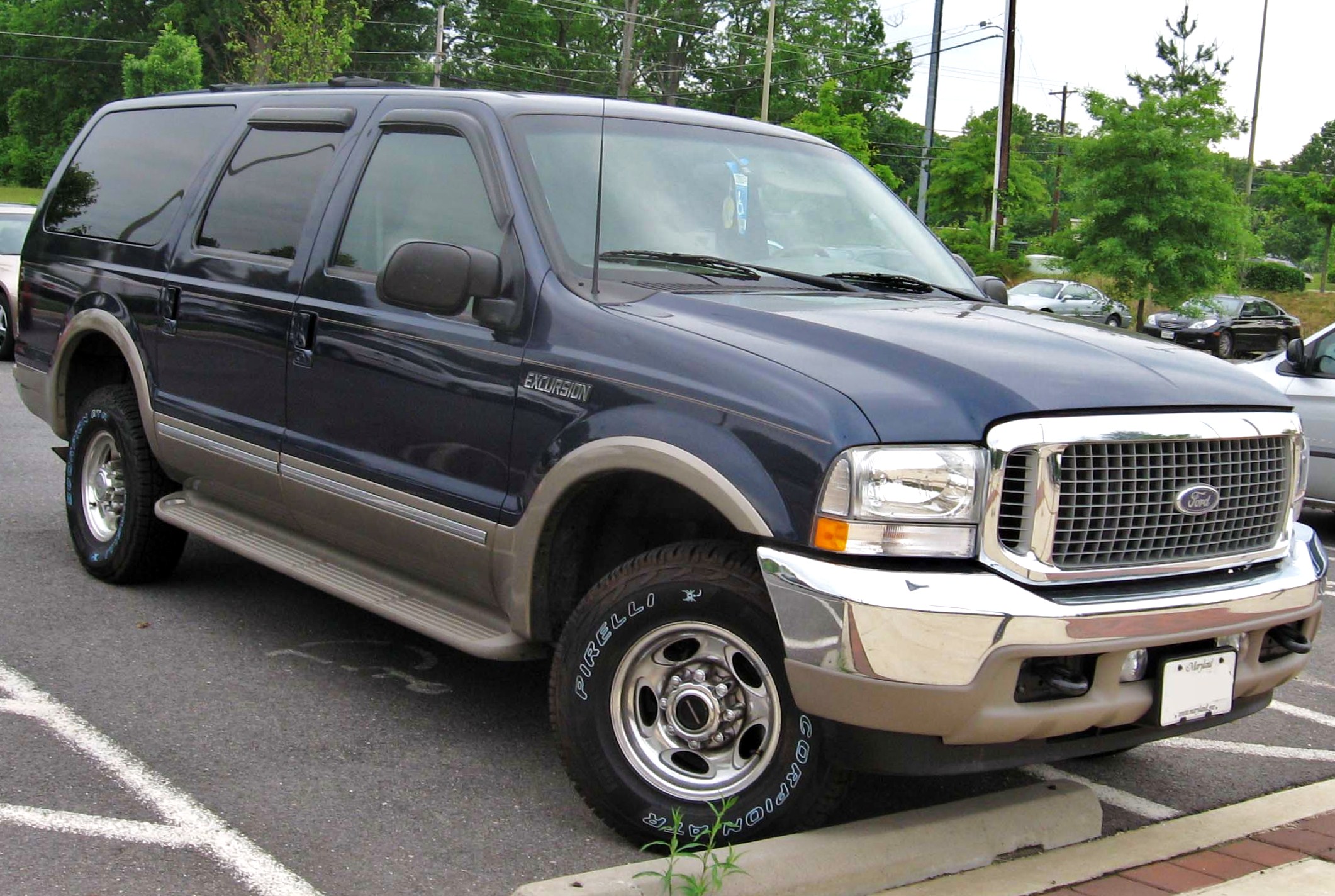
The Ford Excursion is a big SUV built like a truck. It’s the kind of vehicle that can handle towing and long trips, and the host is saying they used one to bring their kids to events.
Term
90 horsepower nozzles
Diesel engines use fuel injectors to spray fuel into the engine. “Nozzles” are the injector tips, and “90 horsepower nozzles” is a tuning term meaning a nozzle upgrade that’s marketed to make more power.
A diesel injector is a part that sprays fuel into the engine. The “products” part means they sell injector replacements or upgrades for diesel engines.
They’re talking about showing what’s really going on inside the business—how the product is handled and supported. For shops and dealers, that builds trust that problems will be handled quickly.
A “code” is an error message the car’s computer saves when it finds a problem. If the code keeps coming back, it usually means the fix didn’t fully solve the issue.
Remanufactured engines are rebuilt using a mix of reused and replaced components to restore the engine to a specified standard. Compared with a used engine, remanufacturing typically includes controlled machining, part replacement, and testing to reduce the chance of repeating the original failure.
Duramax is GM’s diesel engine line for trucks. If you’re looking at a remanufactured Duramax, you’re talking about rebuilding that specific GM diesel engine.
ISO 9001 is a quality standard that companies follow to make sure their processes are consistent. If an engine shop is ISO 9001 certified, it generally means they have structured procedures to build and test engines the same way every time.
They’re talking about testing and proof that the rebuilt engine meets the right standards. The goal is to make sure it works correctly and doesn’t fail again soon.
A warranty is the promise that if something goes wrong, the company will cover repairs or replacement. Here, they’re saying the reman engine comes with strong coverage, so you’re not stuck paying for another failure.
An OEM engine is the same type of engine the truck originally came with from the factory. The host is saying sometimes people want something beyond the basic factory-spec engine, especially if their truck is modified or used heavily.
Term
speed of air series
They’re talking about a specific engine setup/line called “speed of air.” The idea is that it helps the engine move air more efficiently, which can help it make power and run better.
They mention “speed of air pistons,” which are a particular brand/style of piston used inside the engine. Pistons are the parts that move up and down to compress the fuel-air mix and make power.
Lubricity is how well diesel fuel can “lubricate” the moving parts inside the fuel system. If the fuel doesn’t lubricate enough, those parts wear out faster and can cause costly breakdowns.
Hot Shot’s Secrets is a brand that makes diesel fuel additives. They’re saying their product helps diesel fuel lubricate better so the fuel system parts don’t wear out as quickly.
Your fuel system is everything that gets fuel from the tank to the engine. If it’s not working right, the engine can run poorly and can even damage other parts.
An EO number is basically a code that identifies the exact version/spec of an injector. It helps make sure you’re working with the right matching part.
Siemens is the company that originally made these injectors. Different injector designs from different makers can fail in different ways and may be easier or harder to rebuild.
Case hardening is a way to make the outside layer of a metal part super hard, while the inside stays tougher. The problem described here is that the hard outer layer can start peeling/flaking off, which makes the part wear out quickly.
Rockwell is a lab test that measures how hard a metal is. The host is saying the part needs to be very hard (around 55–57 on the Rockwell scale), but after the hard layer flakes off it drops to something much softer (about 18–25), so it wears out.
A needle valve is the tiny moving valve inside a diesel injector that controls when fuel is allowed to spray. If the metal surfaces aren’t hard enough, the needle can hammer and wear them down over time.
The injector nozzle is the part at the end of the diesel injector that sprays fuel into the engine. If it gets worn or damaged, the injector can’t spray correctly, and rebuilds may fail sooner than expected.
“Six liter injectors” means injector parts meant for a diesel engine with about a 6.0-liter size. The host is saying they make nozzle parts that other shops can install into those injectors.
“Stock flow” means the fuel injector delivers the same amount of fuel as the original factory setup. The host is saying they can get the required approvals/testing if the replacement parts behave exactly like the originals.
CARB testing is emissions testing required for parts sold in California. The host is saying they can go through that process if their replacement parts match the original fuel delivery closely enough.
LIVE
Welcome to the diesel podcast presented by DFC diesel.
Professor Lenny, you're back in the building.
How's it going?
Buddy, it's a it's a year of winning.
There is no doubt.
It's pretty amazing.
Well, I saw a video you posted of you talked about the engine
that you've been working on in building and you're in Missouri.
And you had a video like when that's being dynoed.
The video is really cool.
But I want to ask you, like, what was what's the deal with the engine?
What was out like being there?
I mean, I've been to that dyno a lot, like I've been in that room
for a lot of different hits and at 131800
you kind of get, you know, like you're used to it sort of numb,
like it's exciting, but not crazy.
And I've been in there for 2200 hits,
and that's a little sketchy, like, but you kind of get used to that.
So this time we went down there with a couple of 85
mill turbos blown into a four point one.
So triple turbos with the wastegate full, full, full open,
like mechanically held open.
So the atmosphere chargers weren't going to drive hardly at all.
And it made 2450
And I kind of thought, oh, I got a little warm fuzzy.
That was kind of fun, you know, like that's that's that's entertaining.
And as we were, you know, you stop, you're looking at data.
It's a solid, it's a it's a Hamilton CGI solid block.
So the first thing we do when we get done is we show a vacuum cleaner
into the crankcase, like where you feel the oil in, and it starts sucking
from the crankcase breathers out all the hot air.
So now you got, you know, 1520 minutes of like vacuum cleaner time
while you're able to look at data, assess, make any tweaks, double check things,
you know, just double check.
And basically, like as soon as that was the 2450 it was over.
I had this little restrictor, which is a precision flow valve.
But it was I mean, there's tons of adjustment to it.
And I gave it one and one half turns and I didn't expect it to go straight
while I was expecting, you know, 10200
And my goal was to go there.
Dino make 2700 and progressively be able to use the waste
gate to just give myself the the adjustability to go from, say,
27 to about 31 or 3200
I realized after the very next hit when, you know, you've seen the video
and and I damn near shit, like that thing went 2450
straight to 2990 something.
And I was like, oh, dear God, like I thought it was running away.
Like I thought, oh, this thing's going and, you know, Chad gets out of the accelerator
and he turns and yells at me, you know, like it is what it is.
God damn it. And I'm like, oh, I just ruined that hit.
Like, oh, no.
So, you know, like at that moment, one of the best comments is like Chase
fleeces yelling, he's telling Chad, Chad, go tell Lenny to sit in the pickup truck.
And I'm laughing because I felt, you know, like every time you make a hit,
at 3000 horsepower, it's probably like right in a 2000 dollar check
because there's only so many 3000 horsepower hits you get before
you got a freshener up, right? Yeah.
So we made another hit and we let it go for 5000 to 5500
And all right, that was rowdy.
100 and eighteen pounds of boost, you know, three K again.
And I'm thinking, like, am I brave enough to give this thing
a bit more wastegate? Like, what are we going to do?
We ended up making another hit because we needed to we change some things.
And basically in the fueling, it was we weren't able to maintain
rail pressure and we didn't realize exactly why I was doing that.
But it ended up there's things we got to change, things we got to tweak.
And at the end of the night, when we're done, we go, you know, dinner
and then back to the morning and then it's what do you do?
You know, like we're here, we're not spraying any water at the compressor wheel.
And that's a no no at that level.
You really need to be spraying water injection at the compressor wheel.
And I thought, but we were going to add water that morning.
And I thought, I don't even want to do that.
Like I want to go home and master this wastegate and have a real program
before I go straight from, you know, 3000 accidentally to 3500 and blow the thing up
because on an engine dyno, you know, it's only going to give you
200 and fifty engine RPM per one second.
And that's a very different hit than a chassis dyno, right?
The you got a guy running a ten pound bottle of nitrous
and he sprays it and on a chassis dyno, there's not enough load to do anything with it.
So it just goes from like, you know, 4500 to 6000 RPM or whatever
in like one and a half seconds and they use seven pounds of nitrous.
Well, on an engine dyno, you know, 1000 RPM sweep at 250 per second.
Like you're in that thing for seconds and it feels like minutes when you're at 3K.
So, you know, it's two different, totally, totally, totally different games.
But in order to get real data, you have to slow down the acceleration rate
or it's not real data.
Now, on chassis dynoing, that's become its own sport.
Like there's guys that have that master.
Joss McCormick has chassis dynoing mastered.
There's plenty of guys that are at 3K and over, but you're not going to see any of that stuff.
Like if you're going to spray something that hard on an engine dyno and try for that.
Imagine sitting down looking face to face with like the world's greatest arm wrestler.
And you're thinking, I'm going to whoop this guy, you know, instead of nitrous,
I've got steroids or whatever.
And you grab his hand and every second he goes, click, click, click.
With all the confidence in the world on his face, he knows he's beating you
and he knows exactly how much time he's going to take to do it.
That's an engine dyno.
Like you're not beating it.
It's just a matter of like how it lets you go.
So it's like, I would dare anybody.
I would challenge anybody who wants to talk shit about my 3,000 horsepower hit.
I will pay Chad Perkins for the Chad Perkins dyno time.
If you want to show up and bring a 64 pound nitrous bottle and give her a go
just to take the title, like by all means, I'll cover the dyno time.
But if and when that motor scatters, you get to clean the entire dyno shop by yourself,
you and your crew, Chad and I are going to sit and drink Coors Light.
You get to clean, we get to watch.
And if you beat my record and you don't blow up, then you get the title
of highest horsepower on that dyno.
But it's rowdy.
It's a tough game.
Like that is really, really, really tough.
And it's like it gets your heart, it gets you adrenaline.
Like there's a lot going on in there and it's it's a ton of fun.
But, you know, now that thing, that motor is now made
with a really, really, really old Columbus diesel 5250.
It made like 2750 with two 14 millimeter pumps.
Then we went to a Hart's 5.1 and didn't add any more fuel pump.
And it made the exact same power, basically.
Matter of fact, it went leaner and hotter because that turbo,
even though it's only a 5.1 instead of 5.2, the new Hart's 5.1
is way more wicked than that old 5.2.
And it went leaner and it lost a little bit, but it doesn't matter anyway,
because we couldn't maintain rail, so it's not valid data.
It got really hot.
Everything about it was not good.
So we tore the motor apart, took that front cover off,
put the triple front pump cover on it, made a hit with a Hart's 3.6,
made 2250 ish, which is wicked wild.
Like 3.6, that's like 88 millimeters naturally, you know,
like no nitrous, no bullshit, and it makes 2250 horsepower.
So the turbo game is really, really amazing now.
Then Preston Collins had a 4.8 and we put it on that motor
and it made 3,005 or 3,009 somewhere in that range.
He ran it a couple of times, had a couple of different tracks,
Florida, and I think he went to Louisiana the week after.
That was a wild situation.
Like that thing was beating off 6,800 RPM.
The rev limiter is 6,800 RPM and it was pounding that thing.
So it needed more gear.
It needed to hook up better.
It needed a lot of things.
I got the motor back, went chads.
We got some things cleaned up.
And I wanted to do, I want to do a little test.
Like a lot of them guys will run air, enough air for 4,500, 5,000 horsepower.
That's a lot of air.
And then they gate it off.
And I was like, well, why do we need to do that?
How about if we just, how about if we put 3,000 horsepower with the air
on it, maybe 3,200 and then see what happens?
Well, with 285 millimeter, like stainless turbos blown into a 4.1,
it easily smacked 3K with, I mean, it was making like 3,000 foot pounds,
you know, torque and horsepower across at 5250.
And it was, it was legit.
Like it was right there.
And it was, it's kind of scary.
So that motor, I'm going to call that motor Clyde.
And I want to make sure it's about that motor now.
Because you remember Clyde, the, the ape and any which way you can.
Yeah.
Like scrap the caddy Clyde, like that motor has been beat on now.
And it just keeps taking it.
The other day we made a hit.
I haven't posted this video yet, but I walked out of the dining room
and I grabbed the oil filler cap and it's still running.
And I took the oil filler cap off.
There's no crankcase vapor.
I set the oil cap back down and it was just sitting there, like not bouncing
around at all. That motor is really tight.
So knock on wood, it's holding together really good.
It's home. We're going to put it in my truck.
We're going to set it up with a 36
And I'm going to learn how to master the wastegate with a 36 charger on it.
Because even if I screw up, it's only make 2250
But I'd like to be able to learn how to use the wastegate to go from 22
fifty to 1800 with some accuracy.
And then once I learn how to do that, I'll put the other chargers back on it
and go up to the big boy class.
But man, I'll tell you, like there's a lot going on in the dining room.
But then the whole time that you're here in the rumble and the air is getting
all fuzzy and wavy, you're also thinking like there's a hundred and.
A lot. There's a hundred and piles of money sitting there trying to let its guts out.
And oh, my God, it's just it's nerve wracking.
So super fun, full of adrenaline.
I'm really glad to have at home because dirt doesn't have the bite
that the water break has.
Like the water break doesn't care.
It's just like, oh, I caught you.
And then it says these guys wanted data from five to 5500
And now you're you're going to arm wrestle with me for seconds.
Now wide open throttle and it's it's gut wrenching, man.
Love it, though. It's super cool.
What's the ultimate goal with that engine?
To run super stock reliably,
competitively with common rail injectors in it, you know, it's going to take three pumps.
But, you know, I've talked to you before about rate trace.
And rate traces, we've been looking at it.
If you, you know, I kind of like related to like you look at the
the eight pack of crayons that are really big fat crayons for like your kindergarten.
Yeah, like we've been looking at rate trace with that big fat crayon,
like lots of smoothing to it, and it's kind of like clean looking.
And we're tightening that up so we can see more detail
because as fast as injectors have to move when you're spinning at 7000
RPM, your data needs to be sharper than that.
So we're going to we're playing with the rate trace to make sure that we're
we're going to be able to see when the ball comes off the seat,
when the ball lands back on the seat and it's going to look busier in the graph.
But as fast as we have to be looking at things at 7000 RPM,
that's just part of the nature of like growth.
Like our our mental growth is looking at rate trace even harder and closer.
And ultimately, like anybody can build a bull should injector
that sprays a bunch of fuel, but they don't know when it starts or when it stops.
And they just go, oh, well, it pumps like so many M M cubed or so many C C's,
but they don't know when it starts or when it stops.
And reality is the piston makes compression at top dead center.
And as soon as that piston goes away from dwell time, you're losing impression.
So if your injector doesn't shut off or you don't know when it shuts off,
it's not going to make the horsepower that you think it should make with that many C C's.
But if you spray it with nitrous, it'll make big power.
Well, then, you know, you explode blocks and all the other stuff.
So my challenge to my crew currently is like,
we need to show the world that we're the very, very, very best at.
Injection on time, injection off time, the rate of injection.
We need to be the best in the business of that game.
So, you know, if we successfully run in in super stock,
that takes a lot of C C's of fluid and it does it at a lot of RPM.
So if we can manage exhaust gas temperatures, cylinder pressure and timing in that game,
we don't have other challenges.
Like that is the biggest challenge because of the RPM for the amount of time
that you sled pull, you know, a drag race guy that's going to haul on us,
making big power does it for four seconds.
A sled pull guy is doing it for like 13, 14.
So you've the biggest challenge to me in in diesel is super stock trucks.
That's it. And I want to get really good at that.
So I can confidently, when somebody calls them, says, man, I'm looking to spend
a quarter million dollars between a motor and your injectors and all this other stuff,
ECM and what have you, I want to be able to confidently steer them in the correct
direction and make sure they don't regret their decisions.
So that's one challenge for me this year.
And the other challenge is
do you remember seeing my little two wheel drive 2005 short bed truck
with the flag painted on the back of it? Yeah, it was like a reddish color.
Yeah. Yeah. Maroon color. Yeah.
So I call that truck Lady Liberty and she's useless.
Like it's way too short for the amount of power it has.
And it's got some motor mounts in it and it's just not fun to drive.
So I told the guys, hey, look, we're going to donate Lady Liberty
to chassis dinos, and that's pretty much going to be it.
So we're going to go after the world record
for a Cummins common rail, whatever.
Fuel only chassis dyno, that's going to be we're shooting for that.
Whatever that number is, we're going to try and make that record ours
by the end of this summer, because that also, again, when you've got nitrous,
rate of injection, it matters, but not really matters.
But when you're working on boost intake valves and exhaust valves
to make that all happen, your engine's got to be perfect.
Your combustion process has to be perfect.
Your injector on time off time has to be perfect.
So I am now going to go after the world record boost only, you know,
no, no nitrous, no propane, no other fuels, no methanol,
just diesel for my fuel.
And that's going to be our other goal for this year is to just show people
we've got rate of injection master.
Hey, diesel fans, our friends over at Kershaw Knives have a 20% off code for you.
If you go to kershaw.kaiusa.com and use code 20TD8FR26,
you get 20% off your cart and free shipping over $50.
So if you're in the market for a new EDC knife, something for hunting,
fishing around the job site, around the house, they've got you covered
with a whole bunch of different choices for blade steel, blade shape,
different opening mechanisms, different handle designs and screen.
We save some money and get some cool gear.
Again, go to kershaw.kaiusa.com, use code 20TD8FR26 and get 20% off your cart
and free shipping over $50.
Well, we're on the topic of competition.
You see, she's coming up and I've been talking with some of the guys
that are doing it or have this year.
And a lot of them are running dynamite diesel injectors.
And I thought like with that event coming up, you know, like what you're
building there and for this engine, but then also what you've talked
with me about on the high performance stuff, it's got to be cool to see a lot
of these guys are trusting their fuel injectors to dynamite diesel.
What's it like?
What's it like for you to see all those trucks show up for, I would say,
the biggest diesel truck racing event, you know, throughout the whole
calendar year running your show.
Now that UCC is going to split the weekend with the Fast 72 thing, like
that is going to be an extremely tight event because now competitors
only get two hits to go drag racing and then they've got to get ready
for the next day and then Fast 72 gets tracked for the rest of the day.
But yeah, I mean, you're absolutely right.
Like there's a lot of teams that are trusting us to be a part of their
program and so I'm going to go.
I'll be there and that'll be, you know, it'll be fun to be there.
But, you know, we've now won, you know, my clients, my customers have won
that event, you know, for a few years and it's, it's awesome.
It's great to be a part of that.
It's, it's definitely something that it makes me want to work for those guys.
Really, really, really hard to be sure that like they don't have problems.
You know, like recently when things show up, I've been in the injector shop
the last couple of weeks a lot more and I'm, I'm just redelegating when
something comes in for testing and it's a big race product.
We're, we've got a better system, I would say.
There's a bunch of guys in that room.
I mean, there's, there's got to be between 6759 upstairs.
There's four or five, there's 10, 12.
It's got to be 15 guys building injectors and I'm looking to hire like
third, I want about three more right now.
Three more young, fresh people that don't have any experience or any knowledge.
It's not that I don't want them to have.
That is just that in this weird little niche industry, I'm not going to find
people, you know, there's nowhere you go to school in America to learn
how to become an injector tech.
So I just want somebody that has good work ethic and a good heart and is
willing to learn and is semi-mechanically inclined, you know, has an
interest in engines, things like that.
I'm looking for three more guys right now and we've got at least one more.
We've got two on the hook right now.
So, you know, I'm, yeah, the, the race teams and all of it like seasons here and
it's crazy how fast that crept up on me, but, uh, it's also pretty exciting
because we're selling more injectors right now on the daily basis are our
current backlog of sales orders that are, we don't take people's money until it
ships, but the current backlog of injectors we have to build is about four
times what it used to be for even black Friday.
So we're cycling through that about every two to three weeks right now, but
we ship X amount out and X amount where the orders basically land that same day.
So it's pretty freaking cool to be a part of Dynamite right now.
And, you know, we've got the outside sales people are crushing it.
We got, we're currently on our way to, no, I take that back.
We're currently in Tulsa right now for the NHRDA event.
Then we get back, we reload the trailer, we head out to UCC, um, you know, like
I've, I was going to be there at UCC, but my engine artist didn't even get
here until Millican showed up to my shop like three weeks ago and I knew that
was going to happen.
So instead of, you know, just being frustrated, my UCC truck wasn't going to be
done and as nice as it's turning out, I've decided that that the UCC truck isn't
going to be a UCC truck at all.
It's never, it's going to be a drag race truck all the way from now on.
So it's just beautiful.
It's turning out really nice.
I love it.
And, you know, it is a buddy of mine's old chassis.
So I'm like, I'm just going to turn that thing into something super cool that we
have forever and kind of turns into one of the legacy trucks of the industry early.
So yeah, it's from drag racers to dyno guys to truck pull guys.
Like this has been my passion for 26 years.
Like this is, you know, I've taken my children to these events when they were
three and four and five in a Ford excursion and then truck pulled with
their mom's excursion while mom and the kids were sitting in the grass watching.
You know, like this is, this has been my whole freaking life.
So, and I've had plenty of employees good come and go, but it's got to be, you know,
I just, I'm an owner and I just got back from six days of being away.
I just don't know of any other dudes that are 26 years deep in this industry
that still put in the amount of hours I do.
But it's just what I do.
I like it.
I love it.
I got a lot of great friends, man.
I'm getting married this year.
I've got 200 friends invited to my wedding and most of them people are going to have to fly here.
Yeah, that's a really cool part of the industry is the connections of on the time
you've had to be able to build those over the years.
And I, I know I mentioned it before, but like, will it be now 18 years ago,
like seeing dynamite diesel, like 90 horsepower nozzles for 67 power strokes
and like, or for 67 Cummins and one of my friends got them.
And it was like night and day difference to, we're talking fuel, only 3,000
horsepower engines and what you're doing with it in UCC.
It's, it's cool to see that, that evolution of it.
And there are some questions I have for you.
Like I mentioned, I had a podcast earlier talking with a shop and maybe
some six liter stuff and everything like that.
But I love to catch up with the, the business side of it because I know a
lot of our listeners do too.
They love hearing, even if they're not like an entrepreneur, they're not
interested in that particular side.
They like to know like what's going on at the company and how it's changing
and evolving and things that you're working on.
Besides like the race stuff that is, you know, with the engine and UCC coming up,
what other sort of things, whether it's machinery or manpower, just different
stuff is going on there down in my diesel.
Well, you know, I said it was your winning already, right?
And that's sometimes wins, comes with losses, but I've, this is as a business
owner, you, if you ever go to a bank and you're in a lawsuit, whether you're the
plaintiff, you know, no matter which side of the lawsuit you're on, as soon as,
you know, you fill out a credit application and you're in the lawsuit.
The answer is no, the bank's not going to loan you any money if you're in a lawsuit
because they don't know what your lawyer costs are going to be.
They don't know if you're going to win, lose.
They don't know if you're going to end up owing this other cat a bunch of money.
So, you know, for the last 23 years I've been in a lawsuit and that's
been a real struggle because I've wanted to buy the building and I couldn't.
So, we just closed on the Reed Road building yesterday and I'm fixing to close
on the old Flowmaster building that we've been in now for two years because the
lawsuit's closed and that's actually public record.
We've got the results posted on our website, like if you go to the top of our
website and it says like events and news or something like that.
So, we've posted a brief article about the lawsuit and what it was all about.
But, so there, you know, it's a win, but you're still anytime you end up in any
sort of, you know, legal battle or even employees, you know, like for every person
out there that employs anybody, they know that whatever that employee brings to
work with them is going to affect the balance of like work output and morale.
And, morale is something one of my really good friends in this industry builds a
lot of transmissions and I've had talks with him and he was like, man, I've got
this builder that's just, you know, like I think he's the best builder I got.
But, man, he is not good to work with like nobody likes working with him.
And I'm like, yeah, you know, like it's easy for me because it's his employee,
right? But I'm like, yeah, you just got to fire him.
And sure enough, he got rid of the guy and sure enough, employee morale went up.
And sure enough, everybody was able to, they weren't just doing what they were
doing before, they were doing even more.
And that's something that in any company, once you get that cancer, once
there's somebody there that doesn't want to be a part of it, no matter what
you're trying, no matter what you're doing, when you're not in the room,
they're shipping only employee morale.
And whether you're a framer for a house, a sheet rocker, no matter what, like
in your crew, get rid of the cancer as fast as possible.
Like, you know, there's a book, Law of Attraction.
And in the book, it explains to you about like these millions of little
sensory feelings that go on in your tummy.
So when you say like, I had a gut feeling, that's no bullshit.
That wasn't just, that's not just a term.
You actually have a gut feeling and it's observing a lot more than what
you're hearing or seeing, it's observing all of it.
So usually when you have those gut feelings, you know, they're kind of
like yellow flags.
And, you know, if you look at a traffic stoplight signal thing, when they
go yellow, they don't never go back to being green, right?
So yeah, recently I've, you know, I've had a situation at work where, you
know, I'm a little bit more of an uproar and upward and I hope that
everybody involved is potentially better off.
But, you know, protecting your own crew and your own morale.
I had another guy call me yesterday and he's wanting to get hired.
And the way the conversation started, I was like, this dude's a no already.
Like legitimately said some of the most off the wall things about his previous
employer and the unemployment situation.
And I was like, dude, like this guy and I in the same room after six hours,
there's no way that I could listen to anything that this guy is going to say
and understand where he's going from.
Like it wouldn't work.
So, you know, it's kind of like being, it's kind of like being an adult and
going to the match.com or whatever, like you're never going to meet your wife
unless you meet a bunch of perspectives, right?
It's a numbers game.
And, you know, with Dynamite's growth, I'm going to have to play numbers
game, like I'm going to have to hire dudes that may work and may don't.
But that's up to them.
And that's something one of my very best friends is a plumber and he's got, I
think he said 250 employees the other day.
And I asked him, like, how did you go from like 80 employees down to like 12
during the away crash, way back, way above 80.
And he's like, Lenny, I hired dudes for like nine days.
I know in nine days if they're going to make it or not.
And on the 10th day, I either say, hey, welcome or get on out.
Like it just, I got nine day rule.
And for people that are growing, like we all have to understand that it's a
numbers game and with kids today, the phone thing is insane.
Like, I mean, I catch myself on my phone all the time.
So I've set time limits on my Facebook and shit because there's just no reason
that I can justify being on Facebook longer than 30 minutes of the day.
Like there's so many other things that I could get paid to do.
There's so many other customers or friends that I'd rather be talking to on
the phone than scrolling through Facebook, looking at some, you know, at this point
now, like Facebook's become like the fake news capital of the world.
It's horrible.
So I don't want to look at fake news and I want to see somebody trying to pose
that, you know, they're going to be the next Clint Eastwood when they're not.
You know, I don't really need to see what somebody ate for dinner last night.
Like Facebook doesn't have that much to offer, but man, we, we've become addicted
to it and that's really sad and, and I'm victim to it as well.
You know, so there's that.
Like I just keep good people, you know, like, like I just told you, dude,
like I got 200 imitations, like they're all the misses has them sitting
right here in front of me and a thing must be made out of wood.
But at any rate, there's, these are all going out here really quick.
Most of these people are going to fly in because most of the people at the level
that I want to play at, like mentally and most of my friends are all people
that I can't see every day.
Like, you know, I know people from Dan or every state that I really like
hanging out with her.
I really like talking to, and you're just not going to find that many people
in one community that like mine.
Does that make sense?
Yeah.
Yeah.
So yeah, I think it's, I bet it's really tough.
Like the example you gave of like a builder who's really good and you think
of the, like the diesel industry in general, I think the way historically,
and maybe it's, it's probably still like this is the way that they accompany
grows in the marketplace is like word of mouth, right?
Like they build a quality product, it works great, never have an issue.
So you have that guy who does that, but then on the other side, maybe they're
nasty, maybe they're grumpy, maybe they don't play well with others.
Maybe they're just like, it's just like, you can fill the mood in the room,
just get somber or annoying or whatever.
So you have, it's probably an incredible challenge to say, okay, am I going to
part ways with somebody who builds something, there's no comebacks or they're
very minimal and it impacts these other nine or 10 people.
Do I want to, you know, keep that in my, in my company or get rid of that and try
to find someone similar, but that is, is a better team player?
Yeah.
I mean, in my brain, like I've told my employees now for years, like 10 years,
like you guys don't understand, there's, there's the decisions that I'm
going to have to make that you won't have to make.
And the repercussions will always affect you in one way or the other.
But my decision, just so you all know, is always going to be like, what's
the decision for the greater overall health of this company?
That may affect one of you in a very negative way, but the overall
greater health of the mass is where I'm always going to put my decision.
And so it's, I'm basically saying that I'm, I'm, I'm conditioning my employees
to always be thinking like, if I put Lenny in this position, I know that
the answer is going to be, he's going to do what the overall greater health
of the company is.
He's not going to do special shit for me.
He's going to do whatever's best for the company.
And, you know, that's, that goes from going to lawsuits to whatever.
Like you're, you have to wake up and go, man, is, am I doing this out of ego?
Am I doing this because I need to?
Am I doing this because I need to be busy?
Or am I doing this for the greater overall health of my team, my crew, my company?
And as long as they understand that and know where you're coming from, I
feel like you're always going to have warriors behind you that are willing
to go to battle with you because they know what the outcome should be.
And they know if given, you know, if Lenny's given the option, like, what's
the, what's the emperor?
I mean, what's the answer?
It's even if it's the most hardest to answer, it's the greater overall
good for the company.
Period.
Like if that's my rule, then that's my rule.
And I'm just going to stay there.
Like that's the hill I die on.
And I think any small business person out there, you know, like if I went, well,
when I ran the automotive repair shop, I got caught where I had one employee that
cherry picked a lot of jobs and did things really, really good for him.
But he would screw other mechanics in the shop in, and I let him, you know, I was
young, I let him, I let him develop kind of a bully mentality.
He wasn't walking around pushing people around, but he was, he was bullying
people out of some of the creamy work that should have been spread throughout the crew.
And there was once a point when I was like, we're not doing this anymore for him.
And of course he got frustrated and he left.
Well, that's, that's fine because after that guy left, you know, I, I go to sleep
with a stomach ache going, God, I'm going to lose my best guy.
And I wake up and then the other three or four guys carried the ball.
Like it always, when the other guys know that you've got their back, they
just, they work harder for you.
And it's, uh, I think that people just want to know that they've got somebody
on their side and, you know, and so do I, right?
Like I want to know that my team's on my side.
And, you know, that gut feeling, like, you know, when shit's going wrong.
And usually when I feel those gut feelings, I try to separate myself physically
from them as many minutes a month as possible.
Because every time I get around them, I get that gut feeling.
And I'm like, man, this, this creepy gross feeling in my stomach, I just
want it to be gone, but I want, you know, the problem or the thing to like snap
out of it, fix itself.
And then when it, you know, it either fixes itself or it fixes itself and removes
itself, but you know, 26 years in this industry, here I am, you know, like
we're continuing to grow.
And I'll tell you our last masterclass was just a few weeks ago.
We had 60 people there, 60.
That's great.
It was wild, dude.
And some of these young technicians that came to that class, mind blowingly
sharp, I, I was so impressed.
Like it's usually, you know, anybody that's, we charge people 250 bucks to the
class because I don't want people that want a free class to show up.
Like I want them to have some skin in the game.
By the time they leave the class, everybody there goes, dude, there's no
way you made money on this.
And I'm like, no shit, I'm not here to make money on this class.
But when you leave here and you run your business better, you operate your
bay better, you understand how a company is supposed to run and you
understand what dynamite does differently.
You're going to buy more dynamite diesel injector products.
So I make money off of that.
Like I'm contributing a couple of days and we probably spend, by the time we
buy everybody dinner and drinks and, you know, we pay for Tony Salas to come.
And, you know, we probably spend five to 10 grand even after everybody
gives 250 bucks show up, but that 10 grand is a wash within the first three
days after all those guys leave because they're just buying more product.
Like they come to the class and they instantly start buying more product.
So that makes me happy because they're trusting our product more.
They understand it better.
That's the good deal for me.
Do you think that's a major, like how, how things have changed over the years
or people, by people, I mean like dealers and shops in this case.
They want to see more behind the scenes.
They want to know the infrastructure.
They want to know you.
They want to know your team.
They want to see all that and that solidifies not just who they purchase
them because they're really trusting you with their business in a way, right?
Like they're trusting when they order a set of injectors, how smooth that
process is, if there is any issues, how quick you respond.
Whereas maybe in the past it was more pricing based or it was more like
marketing based, like how cool was the ad or what did the, you know, the logo
look like or, or something like that.
Cause I've seen that in, in some ways on my end, it seems like there's more
of a human connection now that people want to see to make that decision to
partner with a company or buy your injectors or anything like that.
You know, marketing is absolutely huge to try and pull in new clients.
You know, Coca-Cola was the OG gangster of marketing.
And when they changed the Coke recipe, at that point, everybody got mad
because you screwed up a recipe and then they brought back, they, they, they
came back with the classic Coca-Cola because the marketing of classic
Coca-Cola had been laid in there for decades and it was so good.
Even if people didn't like the pop, they didn't like the new pop because
it was like new and you forced me to get your new pop.
So then it was like, well, you have the old Coke or the new Coke.
I'm pretty soon, they just dropped the new Coke altogether.
With dynamite or anybody in this diesel industry, like we're going to have
to market, but reputation.
I had a customer call me up this morning and he owns a tractor
dealership here local and he's like, Hey man, like I got a bad injector.
He owns a tractor dealership, mind you.
So he says, it's number two.
I've already moved it to another hole.
The problem followed.
The code followed.
And I'm like, cool, you call the shop, tell Stephanie.
I said that you're going to hand her the injector.
This gave you a bad problem and then you're just going to grab another one
that she's going to hand to you.
No big deal.
Because like, do I need to, would it save me a little bit of money if I was
to go through his injector and then give it back to him after I fixed it?
Yes.
But it's, it's the big weekend coming up.
I'm sure this dude wants to go boating or camping or something.
And I'm not going to lose a customer locally.
I'm not going to lose a customer anywhere over an injector that I could have
saved his long weekend.
So I just gave him a brand new injector and then we're going to figure
out what's wrong with the other one and down the road he goes.
That dude will be in my marketing machine.
If he bought six injectors and they lasted 200,000 miles, he'd be happy.
But if you buy six injectors and one of them last three months and he's got
a code, he's like, it keeps her on a code.
It runs, but it's just keeps her on this, go get a new injector.
I don't care.
Like that dude just became my next marketing machine.
And it's decisions like that on the daily basis.
Like you, a bunch of your guys listening to me right now know exactly what
I'm talking about.
We've had tons of stuff sent in that we've fixed, repaired, that wasn't
really warrantable stuff, but my guys, I don't know.
Like we're not here to make money off of somebody else's mistake.
We're here to keep that mistake as easy on them as possible.
So the next time they need a set of injectors, they're like, I know I messed up
and dynamite hooked me up.
So I owe it to dynamite to give them another shot.
And really that's all I'm looking for is another chance to constantly do those
customers the correct way.
26 years in business and I'm still in, you know.
Common question we get from you guys a lot is, Hey, I need a diesel engine.
I either, you know, I can't wait this long to get one or normal place.
I get stuff from it.
It just takes too long or I don't, they don't have the parts in it that I need.
Maybe my truck's not stock or I tow heavy with it.
I don't want to go back with just a stock engine.
DFC diesel is a sponsor of the podcast.
We worked with them, you know, hand in hand on doing episodes, answering
technical questions.
They have a complete lineup of Cummins, Duramax and Powerstroke remanufactured
engines that are set to a standard of ISO 9001 2015 standards, which is a huge
deal in the aftermarket and there's certain levels of quality testing
validation that are required for that.
So, you know, when you get one of those engines, the type of quality that's built
behind it with an industry leading warranty that's really comprehensive.
And, you know, the other thing with that is, you know, sometimes the options
that are out there, it's just, it's a basic OEM engine.
You want a little bit more.
You don't want to have the same failure again.
So there's a bunch of different series of engines that they have from core
street tow hull and also the speed of air series, which we've covered on the
podcast before, there's a lot of really cool benefits to it.
And if you have questions about that, reach out to them.
If you don't know the type of engine that you're looking for, if you go to
dfcdsell.com, there's a ton of info there.
You can send an email or you can reach out to them.
Also, they're working with speed of air pistons, which it's the only piston
that pays for itself and there's a lot of really cool technology behind it.
So you can add that into your build and be able to get better fuel economy,
you know, increased power, increased torque and better engine life out of it.
You know, some of the most common engine applications or series of engines
that they have with that lead time, a lot of them are in stock or they have
really short lead times.
So you can check your favorite retailer or go to dfcdsell.com, check
them out, see what's in stock, see what you can get.
If you have questions, maybe you want to do, you know, something that's
outside of the normal series of engines, they have tons of choices for rods,
cranks, pistons, valve train upgrades, tons of different things.
So if you're in the market, definitely make sure and hit on over and check them out.
Hey, diesel fans, I wanted to chat with you about diesel fuel.
It's something we've talked about a lot on the podcast and specifically ways
that it can lead to a lot of costly repairs.
And the main reason that we have these issues is a lack of lubricity.
Our friends over at hotshot secrets have developed a formula that boosts
performance and then addresses this issue.
So whether you have an old truck, new one, something anywhere in between,
we all face this issue.
Hotshots EDT is a six in one formula.
It cleans injectors, boosts C-tane, and it has four times the
lubricity as our leading competitor.
So it's a great way to be able to stay ahead of the maintenance curve,
avoid those costly repairs.
And the best part is it does the work for you.
So all you do is add it to your regular fuel up schedule.
And it's doing all the heavy lifting.
So you don't have to worry about some of those issues that just come with
diesel fuel anytime we buy it from the pump.
If you go to hotshotssecret.com, use code diesel pod 20.
It'll get you 20% off your order.
We really appreciate the team and our friends over at hotshot secret offering
this discount code just for you guys.
So if you're in the market, head on over to their website, use code
diesel pod 20 and get 20% off your order.
I had a conversation earlier with diesel shop, which is this question.
I'm going to ask you about six, oh stuff.
But one of the things we had talked about was just how certain brands
when they were starting out really took time to invest in them, whether it was
asking questions, seeing how they could help and how that grew the
relationship over the decades and built such a strong relationship.
And I think something like that ties in with what you're saying.
Because I think like on price, I mean, I'm sure you know, like price can be
negotiated, you know, to a certain extent and cheapest isn't always best.
But what separates companies in the marketplace, I think is the what you
just mentioned, like I'm not going to hang, you know, destroy somebody's
weekend because I'm going to save a few bucks.
Like that creates a worse situation.
So I was really curious from your perspective how that's evolved and changed.
And I think it's important because it's a highly competitive marketplace, not
just for injectors, but all diesel parts.
There's tons of choices people have in it.
It's something I like to talk about or cover on the podcast is who are those
people or who are those companies that view it that way.
That's who I want to give my money to.
I don't go into it thinking I'm going to have a problem.
But if I do, are they going to be there for me?
And that actually even goes back to what you were saying about like your
employees and your team.
It's the same thing, right?
It's does he have my back?
Do I want to be here?
Um, so I think that philosophy encompasses internally and externally.
But the question that really wasn't a question that they had, but I thought
it'd be great to ask you because we were talking about injectors and they were
saying, Hey, we're getting tons of six O's in and guys are investing a ton
of money into them and we can find these different parts like here in
California for turbos and fuel systems.
But we kind of run into this issue with injectors.
So I thought it'd be great to ask you, like our six liter injectors that have
that carb testing or that EO number, something that you really looking into
now you may look into in the future for this market that's still it's like six
those have changed hands in this new group of people that have them.
They want to do stuff to them and they will invest money into it.
So there's potential there.
We make a stock six O injector, like the six liter truck has taken me five
years to actually build the injectors for because the top of it where it meets
the nozzle is a very different shape than everything else that's normal out there.
And the factories didn't want to make it because in their mind, they're like,
dude, this thing was only made for four years.
We don't need to tool up for that.
And I'm like, no, you do, you do, because there is a truck load of those
things still on the road.
Like I ain't going to bat for a 64 because those things are dying by the day.
But the six O's like your, your guy's not wrong, man.
Like the six liter is still strong.
And the six liter injector originally came from Siemens.
The nozzle was pretty dang good.
But inside where the needle valve meets the seat, the seat of the injector
nozzle delaminates.
Now I've got a grinder and I could regrind that.
The problem is when it delaminates, it's because the, it's case hardened.
And the hard part flaked off, like chrome would flake away.
The case hardening of the steel flakes away.
So if I grind that and I clean that up, it's not good because now I'm, I'm grinding
into what's butter and then need to be as hard as glass.
Like that used to rock well at 55, 57.
And now you're grinding into something that's going to rock well around 18 to 25.
So the needle valve is going to pound its way into the injector nozzle.
And the other, there's a bunch of like Italian stuff that's coming.
Well, I should say European stuff.
And a bunch of those nozzles are just CR AP, just crap.
And because of that, like the guys who rebuild those inductors have struggled
with warranties because the nozzles they're using aren't very good.
So it's taken me years to get that nozzle blank in stock.
And now I'm making nozzles for a lot of guys that build six liter injectors.
And we're probably going to have them on our website as well, because if a guy
buys a set of nozzles from us, he's going to get something he can take
to his injector people and he can have those nozzles put on his injectors.
And as long as we make stock flow rate stuff, then we can apply to get the
carb testing for that or the EO testing for that.
And that's a very easy process as long as it's exactly stock flow.
So yes, I'll be doing stock flow parts for dudes that just want to keep six
O's on the road.
And I should say we've been doing that, like the marketing probably hasn't been
that strong, but we've been doing that already.
And we're, you know, we've got a couple of clients that buy a lot of six liter
nozzles.
So yeah, it's that's a real thing right now.
And that that goes along with all the old trucks, dude.
Like, yeah, the old Dodge trucks, like we're still burning up approximately
4,000 nozzles every 90 days for them old trucks, like the Dodge mechanical stuff
like BP 44 V E and P 70 100.
It's like 4,000 nozzles every 90 days.
Wow.
It's crazy to think about all those old trucks.
I mean, how long they've been on the road, how many come off the road and then
the market or actually like the owners that are, are wanting to spend or wanting
to invest in it, just how that's kept going.
Yeah.
I mean, if you owned a company, you would want to your company, your employees
need to be safe and they need to get the work done.
So you're going to want to save for reliable.
You can't call any truck with a DPF reliable.
Like I've got multiples here.
I got the Chevy.
It's had check engine lights.
I've got my Ram 2400 or my 24 3500 Ram.
That thing lives with the check engine light on.
So how do you call anything with a DPF reliable?
Like they're safe ish, you know, as long as it don't do the lit mode.
And it's, you know, stopped going down the road at 15 miles an hour, I guess.
But the old VP 44 is the old seven threes, the old six O's.
The old common rail five nines, the old, you know, LBC seven, LLY, LBZ,
Duramax's, those are reliable.
And if I owned a company, that's what my company employees would be driving.
Yeah.
Yeah, that's a.
It's just been, I guess, for the longest time.
For me, it was like the latest and greatest truck, right?
That's what we would wait for the companies to come out with a tuner
or injectors or a turbo.
It was always the newest model, but then it really switched with the DPF trucks.
And it was like, well, maybe I'll stick with the five niner.
Maybe we'll get to, you know, rebuild the injectors on my LB seven or
they don't sink some money into my 73 or six O because of that
reliability factor.
There's all that old stuff now.
You might have a five or $7,000 truck that potentially still has another
100000 miles into it, but that's going to be the cheapest
100000 miles that you could buy.
Like you go buy a brand new truck.
Well, there's $80,000, you know, minimum.
And in that warranty period, you're probably going to be at the dog's
dealer, the Chevy dealer, the Ford dealer, at least once.
And, you know, that it's never free.
Like they, you know, it's always you.
It's never them.
It's always you.
So, you know, I just recently bought back my old 2012 F450 and we've, we've
actually got a part coming for that.
That's going to be super, super bad ass.
Like it's going to, when we hit the marketing button on that, but I've got
my truck right now.
It's parked 75 feet from me and we've already made parts.
We're having those mass produced right now.
That part's going to be wicked.
And when it comes out, I'm going to put, I've got this like host cascade, you
know, truck bed camper.
And I'm basically going to say, okay, I'm picking like this state and I'm
going to drive around all the four garages and all the, you know, private
mechanic shops, show them my brand new widget and it'll be with my camper in
my F450 with my dog.
And if I'm going somewhere mountainous or whatever, then I'm going to take
my side by side.
So I got something fun to do and if I'm going to go anywhere near water, then
I'll take my boat, but like basically it'll be me, the truck, the camper,
the dog and something in tow and I'll call Tina and have her fly in whenever
she can on the weekends, whenever I'm gone.
But it's going to be a cool part and it makes the 6.7 liter truck quite a bit
more reliable.
So I'm very stoked about the next 60 days on that because that part has massive
potential for a lot of 6.7 liter truck owners.
Let's let me know when you hit the button on that one, we get you back on
here and, uh, and, and shout about it.
Well, hopefully by then we'll have, you know, I've told you now several times
that I've ordered new test stands, stands.
Yeah.
They showed up in their crap.
So we're gutting one of them.
We were having a bunch of parts engineered.
Um, I've told you about my friend named Pat from Australia.
He's really sharp.
He's, he's the brightest dude on the planet when it comes to rate trace.
And, uh, I was at his shop, every single test stand that guy has, has
rate shape because to him, if you don't have rate shape, you don't have data.
So he's now helping me get a shopping list.
I think we've already ordered parts.
I know I've been gone for a week, but I'm pretty sure we've already got
engineering going and we've got parts coming and we're basically going to,
we're going to tear apart our brand new rate shape benches that don't work.
Um, I should say they don't work accurately because the manufacturer
doesn't want to help us and I'm not going to beg them to help me.
So I'm going to get these two fixed first and as soon as we get these two
fixed, then I'm going to add rate trace to pretty much everything in my shop.
So in hopefully a year and a half, we'll have like 12 benches that
all have rate shape in them.
Um, so I'm, I'm very learning is always fun.
It's always frustrating, you know, the process of it, but it's always a great
feeling when you get to that, you know, when you make it over the hurdle, when
you make over the mountain, then it's like, man, I did it.
Nobody else did it.
Like I, it's exactly how I feel about the 3000.
Like we're the first people with a Cummins common rail, fuel only 3000
horsepower on an engine.
I know we're the first people and you know, we're going to post videos about
it and we're going to keep doing it.
And as long as Clyde's alive and you know, we're going to keep beating on Clyde
and letting Clyde go prove that, you know, we were able to do it, but now
like I really want somebody to build a super badass, you know, like billet
Duramax thing that can take that kind of abuse because they got eight
injectors, not just six.
So I do, there's this industry right now, like is, uh, the industry is better
off than the world is, you know, like the world, the chaos in the world right
now seems so sketchy, but dude, I drove through your town yesterday.
Well, I guess just outside of Colorado Denver.
Yeah.
Did you notice how much that place has grown from when I was a kid growing up
here, like kind of, I mean, now as an adult, I kind of get lost because I kind
of stay in my section of it, but like as a kid till now it's entirely different.
Like the sprawl, I mean, you can drive from like Colorado Springs to Fort Collins
and you're pretty much in city.
I mean, that's, I don't know how far that is.
Maybe a hundred miles or 150 miles.
It's pretty much all city the whole way.
Leaving say ATS going through Denver and then heading to the airport used to
get to a point where it was like sage, Russian coyotes.
Yeah.
And you know, when I pulled in, I was on 70 and we were going to head north.
I was like, holy crap.
Like even out here at the airport, there's huge, like commercial warehouses.
And then there's housing developments with like hundreds of units of like
apartment complexes and whatnot.
And I'm just thinking, we're like, I thought everybody moved to Northern
Idaho, but you guys are killing us.
Like the amount of growth there is insanely huge.
And like the John Deere, Caterpillar dealerships, all that stuff, they're
out there because there's infrastructure that needs to be supported.
And they're already there.
Like they're brand new dealerships out there.
It's pretty, but man, it makes me sad for you guys because that massive
growth will forever change the, the, the romanticized version of what I always
thought Denver was.
Now it's just going to be this huge city.
Yeah.
Yeah.
Remember as a kid, like driving up to Wyoming, once you got outside of Denver,
there was just like a couple of truck stops till you hit like the Wyoming
border and now it's city, not quite all the way there, but it's, it's, it's
intense.
It's definitely, definitely changed a lot.
That kind of, it leads me into something else.
Like I know, I know you're busy.
You just got back into town.
And I mentioned before the podcast, like one of the huge things people are
talking about and have been for a while is like fuel costs.
And I'm kind of, I'm kind of on a mission, like in different conversations I
have on here, in different segments of the industry to talk about that.
Cause people are like, well, what can I do to save fuel economy?
Or can I pick up a few miles per gallon here or there?
I've always been really skeptical about fuel economy gains.
I think because, I don't know, maybe I tried a couple of things once and it
didn't quite work the way somebody told me it worked for them.
So I've always kind of gone into it with that perspective.
But I'm really curious, because at the heart of fuel economy, there's an
injector, a series of them that are pushing fuel into cylinders.
And that's where it's coming from.
What kind of, I know this is a loaded question, cause you're going to say, well,
how far into the throttle are they as to how much fuel economy they get?
But can you pick up some economy, assuming a normal driving style, assuming, I'm
curious what you're comparing to, but like, can you get some gains there?
Okay.
So yes, absolutely.
There's gains.
And, and you know that ever since you've known me, I've never been the roll
cold, you know, like every time you roll cold now, it's $3.
Like you, you roll cold and it's three bucks.
So I've always been the anti smoke, like just, you know, make your truck
all ass, but not everybody needs to know you're trying to make it all ass.
So throughout my last 20, you know, ever since 2004, I started working on
injectors ever since then, I've been trying to figure out how to make things,
smoke less, become more efficient.
And, and for a long time, I thought it was all in the nozzle.
And then we get rate trace.
And now I go, Oh shit, piston goes up, piston goes down.
I have this much time at, at, I have this much time at idle, but I have
this much time at wide open throttle to make that all happen correctly.
Okay.
So it's, it's, it's, it has a lot to do with nozzles.
It has a lot to do with the way you treat the nozzle.
Um, you can measure rate shape in a common rail bench pretty easily.
It's a lot harder on a mechanical, it's possible, but it's harder and I'm
not going to invest into doing it, but what my brain says is the faster I can
lift the needle valve off the seat and the faster I can get whatever is on
that plunger to dump through that nozzle, the better my rate trace is going
to be, right?
Like the more violent and the more wicked quick I can make it happen.
Yeah.
So what we have to do is think about our injector bodies.
Now years ago, I took my ISB bodies, the ISB 24 valve and body, you know,
it's got a connector tube and it goes into the side of the injector and then
it, the fuel turns 90 degrees and it heads down towards the nozzle.
Well, that's never been the, the best design for truck pulling or for
high horsepower.
So people read, you know, they made valve cover modifications and they put big
billet bodied injectors in there and they got lines that go straight through,
excuse me, Smogerskoff.
Um, they got lines that dropped through the top of the injector and that has
been the key to high horsepower.
Well, a couple of years ago, 345 years ago, I don't know, years
ago we, we went, the Bosch body has a 1.6 millimeter, uh, passage that goes
down and feeds the nozzle through the body.
Well, I was like, well, I'll make a 1.9.
That's a big, you know, big volume jump.
Well, then you put on the pop tester, we could, we could actually hit the
nozzle harder and you can tell on the pop tester.
Well, then we start making even bigger nozzles and we would get to the point
where the pop tester wouldn't smack the needle valve in the face hard enough.
So then I was like, okay, well we do feed them.
And that damn near made the problem worse.
Well, then I was like, okay, I got to cut this injector body in half.
And where that connector tube goes into the body, where it meets, that's a 93
thousandths passage.
Well, you can fit 125 thousandths passage right there.
So here's the new drawing, make these bodies.
That needs to be 125 thousandths going into a dual feed.
And now I've got a 1.6 and a 1.9 hole heading down to lift the needle
valve off the seat.
And that has to happen on all the big injectors.
Here's how stoked I am about that.
Recently I had a customer, this has not happened once.
It's happened like three times.
I've got three different customers on three different engine dinos that have
now dinoed our side feeds compared to top feeds.
The top feeds have came from all different brands, but our side feeds have come
out by like 30, 40, 50 horsepower on the average, better through the curve.
So we've managed to make that side feed body very, very, very efficient.
And it'll lift the needle out super violent.
So when you put a small nozzle on there, it's just going to, it's going to be
like adding rail pressure to a common rail.
You're just going to get more volume to lift the needle off seat even quicker.
So on a small nozzle, that works for efficiency.
But if you put a big nozzle on it, it's going to flow a lot more fuel.
So it's going to be less efficient.
Um, the edge filters in the 94 to 98, we've been monkeying around with
different style edge filters for the 94 and 98.
And then the VE style trucks, they never really had edge filters in them.
So those are just an open hole.
So we've been working on mechanical bodies to get those, what I would call perfected.
Um, we've also got three different sack volumes available for all the old mechanical trucks.
So like a five by 95 by 10, five by 11 is going to go in a really small
sack because that's the most efficient hole in a really small sack.
And then if you go to a little bit bigger hole, say 13, 14, maybe 14,000,
it's up to about 18, maybe about 18.
Our middle sized sack is kind of the sweet spot there.
And then when you go above 18, we just give you the big sack and we can get
like a, say at 20 clear up to a 40,000 hole in the assack.
So these are things that on the backside of dynamite, like when you fill out the
customer injector order form, those are the things that we take all the data and
all the notes and all the years.
And we give you the stuff that we know is going to be best for your application.
Um, so yeah, I mean, back to you, like, is it going to be more efficient?
Dude, I've been working on more efficient ways to do it since day one.
But if, and this happened to me one time, like customer came in and he was like,
Hey, I want this thing to get the best gas mileage possible.
And he was a fellow that probably would have used the gas mileage, like not
driving like, you know, some kind of an a-hole.
And I'm like, okay, cool.
So we put a camshaft in his truck and I'd done that cam before and it always made
people happy.
Um, and we, he came back weeks later and he was like, you know, I'm not mad, but
I'm down on fuel economy.
And I'm like, what?
And I walked outside and I was like, well, when did you buy the brand new Toyo mud
terrains?
And he's like, what are you getting at?
I'm like, those tires probably weigh 30 pounds more per tire than the BF Goodrich
all terrains that you had that were, you know, damn near worn out.
Take those tires back, go get some more BFG all terrains and then tell me if
your mileage comes back.
And he's like, are you, are you confident in this?
I'm like, dude, how it's reciprocating mass.
How, yes, I'm confident.
Go get, hurry on.
Well, you know, like super good guy.
He went, got all terrain type tires, drove around for a couple of weeks, came
back by and he goes, I, I can't believe that was all it was.
And I'm like, yeah, there you go.
You know, like, so when you lift your truck, when you put some big
bullguard bumper on there, when you put, you know, like I've got fusion
bumpers on my stuff, I add the weight of a winch and the weight of a bumper
compared to like the factory bumper that weighed like 19 ounces.
And then I'm going to bitch about fuel economy.
I'm not going to fix what you've already screwed up with my
injectory efficiency, but, you know, I think most of our recipes, we've
tried to make sure, you know, they don't smoke unneeded, like, unless you buy
bad tuning and things like, I think we've done our very best to give you
the very best product with the very latest ideas.
And sometimes these ideas are so bloody small, you can't even go to market
with them, you just do them.
And then all the rest of your customers go, wow, those things just run.
Like I, one of my original customers from like the first year I was ever in
business, um, he got a hold of me like a couple of months ago and he's like,
you know, this whole truck just, it just needs love.
And I'm like, you've still got that thing.
Like that's impressive.
And, you know, it needed love.
That's all it needed.
And we ended up taking the injectors out and I was almost ashamed at how gross
those injectors were, like, you know, back in the old day, like all we was
doing was trying to make whatever horsepower that we had to air for.
And I drove that truck and I was like, Oh, this thing is disgusting.
And it didn't want to rev up.
It had no throttle response.
It just kind of wanted to be lazy and smoke.
And I put a set of our brand new fifties in it.
And of course it lost like a hundred horsepower.
And I told them, but he's now holding a bunch of hay, like big bales of hay.
So I called him, I said, Hey man, like they're free.
Like if you need to go faster, I am willing to put bigger injectors in this thing.
But right now with your edge comp box, this thing still makes like 400 horsepower.
So you can use the edge box up and down now.
And I think that you're really going to be pleased with the way that it drives.
He's like, all right.
So he got it.
And he was like, dude, it's so like wicked, fast, crispy.
He's like, I don't need a pyro anymore.
Like this thing doesn't get hot.
It starts to get hot.
Boost comes on and then it falls off and it doesn't get hot.
And I'm like, well, you drive for a few weeks, tell me if it needs more power,
because again, he's moving hay.
Again, he's used to doing all these things and he's not going to know what
they're really like in 60 minutes.
So I'm like, you just drive until you need more power.
And I saw him here just a few days ago before I left.
And he's like, I had it goes way faster because now I can use the gas pedal.
And I don't think I'm lacking power.
And I'm like, well, in two weeks, if you tell me, hey, it's time for injectors.
Like I want more than, you know, I'll use those in the dyno for somebody else's
rig, but let's make sure that you're just happy with the drivability.
And he was stoked about the drivability.
And that was a six speed 2001 ETH, the 245 high output truck.
And the best part about that truck is we now put seven primaries plus two pilots.
And those things, it was eerie how quiet that truck operated.
The injection pump in a VP 44 is always a bit knocky.
Yeah.
This thing cruising down the freeway damn near got to be like 2004 common real quiet.
It was really, it was awesome to drive.
I liked it.
Yeah, it's I think a lot of times we can lose sight of all the different parts
of a truck that go into fuel economy.
And it's I think it's because people didn't necessarily expect, you know,
the average price at 560 a gallon or in some areas even more.
And it's like you said, like, well, about your tires, what about the ride height?
What about the bumpers?
What about all these things that we're, you know, we're done before?
And I think people are just looking for a little bit of help here and there.
But I've always been curious, you know, if I'm in need of injectors,
could I expect to get a little bit better fuel economy because of the efficiency
and the improvement in them versus, and I would say, assuming that I drive it the same way.
You know, could it be there?
You know, who sells more injectors and dynamite diesel every single day?
If you take all the bottom feeder brands, combine them, you know, all the shit
that you see on eBay and all the shit you see on on Amazon.
Like I have tested a bunch of that stuff and shot videos.
Yeah. If you take all of that, plus these guys that just, you know,
they're buying $17 nozzles and they're bolt them on used bodies and it's cheap.
If you take all of that stuff off the road every day, like that would be the fastest.
If you've got that junk, then yes, you buy my injectors
and I promise you're going to get better fuel economy.
But if you've got a stock set of injectors in it, like, am I going to be better?
I'm going to have more power every single time.
Is there going to be better for fuel economy? Possibly.
Like that's a very strong possibility, I guess.
But, you know, also not, not a guarantee.
Yeah. So, yeah.
That makes sense.
I mean, more power never hurts.
So, I mean, that's kind of the reason I'd go into that looking for injectors would be that
it was really cool to catch up with you today, Lenny.
I appreciate your time talking about the engine, things going on at the shop.
Definitely let me know when the buttons turned on that new part you mentioned.
So, we can we can talk about that 67 stuffs really hot.
I know I mean, those trucks are like super popular.
It's a good platform.
So, yeah, let me know on that and we'll catch up.
Man, I much appreciate Patrick.
Thank you very much.
And I'll talk to you right after you CC, I'm sure.
Don't forget, Diesel fans, make sure and head on over to kershaw.kaiusa.com.
Use code 20TD8FR26 to get 20% off your order.
Kershaw's got a whole lineup of knives to meet any budget that you might have,
whether it's a new knife or EDC hunting, fishing, something around the job site,
around the house, they've got you covered with a bunch of different choices
for blade steel, blade shape, different handle designs, opening mechanisms.
And you also get free shipping over $50.
So, we really appreciate them offering that discount code just for Diesel podcast listeners.
Also want to give a shout out to some of our Patreon supporters,
Robert, John, TSW, Diesel, all of our other Patreon supporters,
all of you who follow us on social media.
We appreciate all your support here in your 10 of the Diesel podcast
and look forward to bringing you more of the content that you want to hear in 2026.
Till next time, keep the shiny side up.
About this episode
Dyno sessions and injector/shop decisions take center stage, from triple-turbo boost control tests to why “real data” depends on dyno acceleration rate. The hosts connect high-power tuning to safety—rail pressure, wastegate control, and avoiding dangerous cooling mistakes—while also zooming out to how injector rate trace, nozzle/seat failures, and fuel lubricity affect performance and reliability. Between technical deep dives, they pivot to leadership: firing a toxic employee can raise morale, and hiring decisions become a numbers-and-fit game.
Lenny Reed from Dynomite Diesel stops by the podcast to talk about
picking up fuel economy with injector upgrades, if he will expand into
the 6.0L injector world, and why firing the best employee can be the
best thing for a business.
Learn more about your ad choices. Visit megaphone.fm/adchoices