Catalytic converters contain rare metals that help them clean exhaust. If the price of those metals goes up, thieves can make more money stealing converters.
The Dodge Ram is a large pickup truck designed to carry heavy loads and tow trailers. People buy it for work tasks like hauling and towing, but it can also be used like a regular truck for everyday driving. It shows up often in dealership talk because it’s a major truck option for many shoppers.
The Ford Explorer is a family-sized SUV made for carrying people and luggage. It’s popular because it’s practical for daily driving and road trips. Dealerships often talk about it because lots of buyers consider it when they want an SUV.
The Ford F-150 is a popular pickup truck. The episode says it’s a common target for catalytic converter theft because it’s easier for thieves to reach the part underneath.
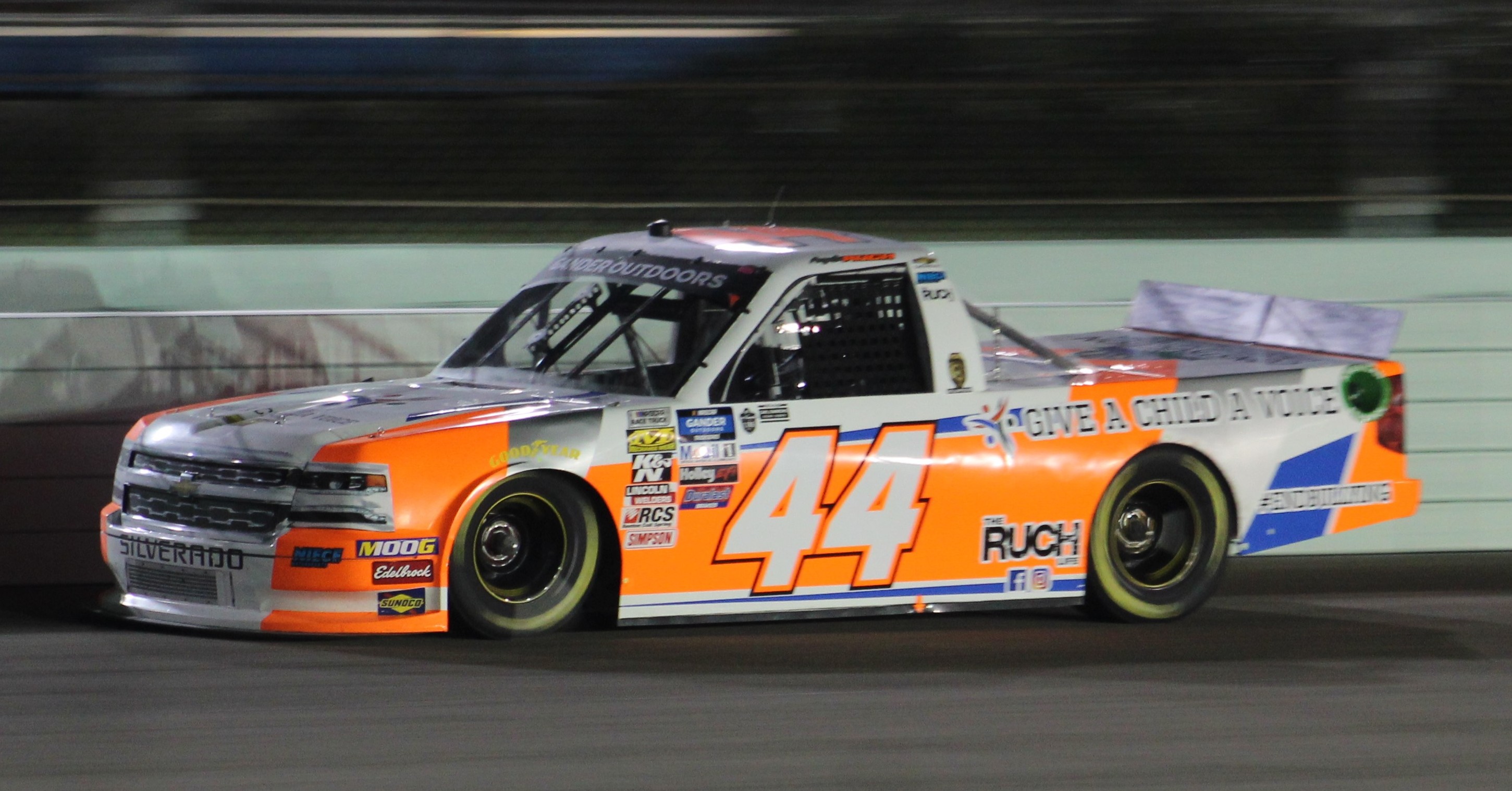
The Chevrolet Silverado is a popular pickup. The host says dealers should lock them up because thieves can more easily reach and steal the catalytic converter underneath.
A margin forecast is a company’s prediction of how profitable it will be. If that forecast gets worse, it can mean less money for dealers to work with on discounts and deals.
Incentive spending is money automakers put toward discounts or special offers. If it changes, the size and availability of dealer deals can change too.
CarMax is a big company that sells used cars. They’re sharing financial results that show the used-car business is still growing, but making less profit per car.
Gross profit per unit is how much money is made on each car sale. You can sell more cars but still make less profit per car if pricing gets competitive.
A catalytic converter is part of the car’s exhaust system that helps clean the fumes. If someone steals it, the exhaust system is left broken, and the car can be expensive to fix.
Concept
car dealerships they bought weren't performing well
When a dealership “isn’t performing well,” it generally means it’s not selling enough cars or running efficiently. The speaker is saying the group bought underperforming stores and planned to improve them.
Concept
recruiting spree
A recruiting spree means a company quickly hires a lot of people in a short time. Here, it’s describing how a dealership group staffed its new stores fast, which can influence how well they run.
Turnaround time is how quickly something gets done. “Next-day turnaround” means you’re aiming to get the parts or service back to the shop by the next day.
OEM lines are the official parts for specific car brands—typically the same kinds of parts the manufacturer designs for the vehicles. Dealers track these parts separately from other aftermarket items.
A VIN is a unique code for a specific car. “VIN scrubbing” means fixing up and verifying that code so computer systems can use it correctly, like for finding the right parts or matching the car to the right information.
Here “availability” means whether the part can actually be gotten and delivered soon enough. It’s not just whether the part exists—it’s whether it’s in stock or can be ordered quickly for that exact car.
Margin pressure means the dealership is making less profit than it used to. Competition and discounting can force prices down, so the dealer has less money left over.
Wholesale competition means dealers are competing more for cars and pricing before they sell them to customers. That competition can make it harder to keep profit on each sale.
Inefficiencies are basically wasted effort—doing things in a way that costs more time or money than it should. In a dealership, that can hurt profits because you’re spending more to get the same results.
The host frames “going too far” as creating two separate problems: (1) higher costs from not optimizing trucks and personnel, and (2) the opportunity cost of losing time that could be used for closer, more frequent customer handling. It’s an operations tradeoff between distance and service intensity.
This means using your delivery trucks and staff in the most efficient way—so you’re not driving extra distance or wasting labor time. The goal is to lower the cost of each delivery.
Backend discounts are discounts that come later, usually based on how much you buy or how you perform. If those discounts shrink, the dealership keeps less profit.
Margin erosion means the dealership’s profit per sale is shrinking over time. In this case, it’s happening because discounts and pricing power have changed.
Concept
cut string on the front end
This is a metaphor for fixing things early so they don’t cost you later. The idea is to tighten up the dealership’s front-end approach to protect profit.
Ford Motor Company is the company that makes Ford cars. In this segment, they’re talking about how often Ford cars needed recalls and what that meant for dealership service departments.
The service department is the part of a dealership where they work on cars—like repairs and scheduled maintenance. Here, they’re saying recalls bring more cars into that shop.
A mobile service truck is a service vehicle that brings the tools and tech to where the car is. In this segment, they’re saying a lot of recall work can be done that way.
Over-the-air updates are software updates that get sent to the car wirelessly. Instead of bringing the car in for some fixes, the car can sometimes update itself.
It means the mechanic comes to you instead of you going to the dealership. The goal is to make the first service visit easier so customers keep coming back.
They’re talking about turning a first visit into a habit. After the first mobile service, the goal is that customers keep booking again—and tell other people too.
It’s the whole “service at your place” process. In this case, they start it with the first oil change, and it’s designed to be simple—like leaving the key and getting a text when it’s done.
An oil change is when the car’s engine oil is replaced. It helps the engine run smoothly, and here it’s the first service they do at your driveway to make you more likely to come back.
Repeat means you book service again later. Referral means you recommend the service to friends or family—both are being driven by the first mobile visit.
“Mobile friendly” means the repair can be done without bringing the car into the shop—like at your home or workplace. Some repairs still require the dealership service department.
Pick up and delivery means the dealership comes to get your car, brings it in for service, and then returns it to you. It’s a convenience option when the repair can’t be done on-site.
OTA is short for “over the air.” It means the car receives software updates wirelessly, like a phone update, instead of needing a mechanic to install everything manually.
Internet bandwidth is how much data a network can handle at once. Dealerships may need more of it when they’re running connected features and software updates for cars.
In modern service departments, internet speed affects access to diagnostic tools, repair information, and communication systems used during troubleshooting. If connectivity is slow, technicians can’t quickly look up procedures or updates, which increases frustration and slows the bay workflow.
In a flat-rate system, mechanics get paid a fixed amount for each type of repair. If the shop is slow or things take longer than expected, it can feel frustrating because their pay depends on getting through jobs.
This is about the difficulty of finding enough car mechanics to work at dealerships. The episode is saying the industry may not have enough people coming in to replace those who are leaving.
LIVE
We're doing better as a result of social media presence it doesn't do those three things then it's on the chopping block it's in return on investment discussion
Hey everybody welcome back to another episode of the daily dealer live. I'm your host Sam dark and thanks for choosing to be here on this Friday June 19th
Happy Juneteenth. It's fixed ops Friday today. We open reposted with Matt Bowers owner of Matt Bowers automotive group on the take that has lit up social media that consolidation pe money and low standards recruiting or softening
Group on protecting parts gross is the manufacturer money shifts and Jim Sabino from all American Ford. He's back mobile service video MPI the retention moves that actually stick June of 2026 we've got three operators today who earned it the hard way up next
Today's auto industry headlines but
Precious metal values rhodium has more than doubled over the past year to around 11k per ounce and hybrid converters can fetch thieves up to 1400 bucks on the secondary market given their higher precious metal content the most targeted vehicles.
All right, we got the Ford F 150 the Hyundai Tucson the Ford Explorer the Ram 2500 and the Chevy Silverado largely trucks and SUVs because the height makes the converter easier to access can't wait when the day as an aside we dealers have to start locking a Chevy Silverado up in the service department
That's funny. All right for dealers the lot level risk is real Ross Downing group lost about 15,000 worth of converters in a single incident a couple of years ago and has since added gates and overnight security patrols federal legislation called the part act which would require trace
ID numbers on converters and stricter record keeping for secondary market buyers is still working its way through Congress and ADA is championing that cause props to
That team until something passes gating security patrols and awareness of the most at risk models in your inventory are the main tools available again lock up those Silverados you don't want to your catalytic converters to go the wrong way there.
All right up next day BMW shares dropped to their lowest level since 2020 this week after the automaker cut its full year automotive margin forecast to one to 3% that's down from four to six.
The revision is being driven by a faster than expected slowdown in China ongoing pressure from the Iran conflict and it pulled the W and Mercedes Benz shares down with it one independent analyst called it the tip of the iceberg and said other German automakers aren't immune
to 1% to 3% today Benz from 13% to three to five and Porsche from 16 to five and a half to seven and a half for dealers carrying these brands sustained OEM margin pressure typically flows downstream into pricing posture incentive spending and allocation
decisions all worth watching as the second half of the year develops and as a group that has BMW and Benz you still gotta love their both great brand so another news today Japan's overall exports rose 17% in May, which again as
as an auto group that has Toyota giddy up bring it the fastest price since 22 with automobile exports up 16.4% and semiconductor exports surging 61% in value shipments to the US rose 12.5% and exports to China.
Well, that grew 17.9% reflecting continued resilience from Japanese automakers, even amid global trade headwinds within Japan's auto sector though the picture is increasingly a Toyota story.
Toyota's US sales were up 8% in 2025 and it continues to dominate demand share domestically while Honda Q1 2026 sales were down 4% and Nissan. Well, they were down about 8% and that just proves as an aside.
We in our auto group can't get enough Toyota product. In other words, the gap between Toyota and its domestic rivals is widening and for Toyota and Lexus dealers that's showing up directly in days on market inventory discipline and pricing power.
Closing out the show today with some used car news CarMax reported first quarter fiscal 27 results this week showing a business still growing on volume while managing profitability pressure.
Combined retail and wholesale unit sales rose 3.3% year over year and total revenue climbed 6.2% to 8 billion bucks wholesale was the stronger segment up 8.4% in units and 14% in revenue while retail used vehicle unit sales were essentially flat year over year.
The pressure point is gross profit per unit which fell 230 bucks year over year to 2177 on the retail side for franchise dealers. The competitive read is that CarMax is growing tightening operations and financing more of its own deals.
That's a little bit of a Carvana play. The used market opportunity is real but so is the competition for it and that folks is a wrap on today's auto industry headlines. Welcome to Fixed Ops Friday.
All right. Turning to social media. Thanks for all the post early SWAT team. Fixed Ops Friday. You are right. Supervisor Dan, FOF with the Dark Angel and also the Darkness. I love that.
Eager K coming in saying hello. He was at the Mannheim auction today. He said got absolutely nothing today. Got out bid on everything I was doing to buy and the bids are way over MMR placed by wholesalers who ship cars overseas.
And then our online comments are at it. They're having a conversation. Eager K, automotive retired Kai. Dan C comes in says great investment. Catalytic converter shield. So another thing we get to buy from vendors.
Welcome to the automotive industry. Who would have thought catalytic converters? You know, the big pain with catalytic converter theft is like the damage it does to the vehicle taking them out. If I knew somebody wanted to steal it, I'd probably just hand it to them or give them the cash better yet rather than have to deal with the mess caused by that theft.
We actually had an employees catalytic converter stolen. You're like, really? I mean, the damage it does is far beyond the theft itself. Anyway, turning to a brand new segment this Fixed Ops Friday reposted. Our goal with this segment is to highlight social media posts that have gone viral-ish on topics that are super important to all of automotive.
And for this first reposted segment, we bring a no stranger to the show. Matt Bauer's owner of Matt Bauer's automotive group. Matt, welcome to the show.
What's happening to Sam? Happy Juneteenth.
Happy Juneteenth to you as well. So thank you.
Thanks, sir.
Hey, so I opened up LinkedIn the other day and I just smiled to read your post because I, yeah, I hope you would frame the post.
Tell us a little bit about what your thought was behind it because it resonated with me and obviously I've followed over the past several days. The responses to your post have been massive.
Talk to us about what went into posting, what you posted about people and some of the easy money that's coming into automotive lately.
Well, I thought about it. There's a group that bought 11 car dealerships in a market that I'm in. And the 11 car dealerships they bought weren't performing well.
Yeah.
You know, and the group comes in from out of town, they buy 11 car dealerships. Now, I don't know if they knew this or not, but there's not 11 guys that can run car dealerships in that market.
Maybe not in the state, but there might be 21 works for me. You know, and then this particular group, you know, goes on a recruiting spree through the state, through my stores.
And it's kind of crazy because they recruit the worst guys I got, which kind of like your catalytic converters, I'll just give it to them.
They really just ask me.
Yes.
I'm glad for these guys because they hand out, you know, employment contracts and you'll never make less than 25,000 a month and you get off every weekend.
And it's like, it's like no wonder these guys suck. You know, it's like, so they bought these stores a year ago today, the stores suck.
They're one step ahead of the car manufacturer and it's like, and they're buying more.
Yeah.
Stories.
That's like, yeah.
Why? Why don't you just make the ones you have good?
But I guess it's a good thing for people, you know, that are actual car operators out there because, you know, you can run, but you can't hide.
Yeah.
Yeah.
So you, you've said the easy money, the PE money, these large groups coming into marketplace is trying to poach people are teaching our employees the wrong lesson.
And this is something that I really resonated with.
Automotive is about hard work.
It's about hustle.
It truly is the American dream.
You can accomplish anything, no matter your background, no matter religion, no matter education level.
But the common denominator in success and automotive always has been is today and will continue to be hard work.
How does PE and some of these larger groups take employees off the hard work and make them think, hey, there's an easier path, which ultimately could be a lie.
Is it a lie?
I don't know.
It's not the only PE.
It's, it's, I see it all over the place, but I was lucky.
I worked for some of the best guys that are in this industry and I was recruited just like everybody else.
And some people I said no to and then a couple of people I said yes.
People I said yes, sat me down and said, look, if you come to work for me, we're going to make you the best that ever came from wherever you came from.
The people that recruit people from my company today say, come here.
It's easier.
You don't have to work as hard here.
Yeah.
We don't expect as much here as he does.
So come here.
I don't think that makes it personally.
But it's desperation.
I think is what it is.
Yeah.
Yeah.
And a lot of times those employees end up coming back.
When you were coming up to your points, you had a mentor that said, hey, I'm going to make you the best dude to come out of New Orleans ever.
And, and, and it took hard work.
They were honest with you.
Did that person deliver?
Who was that person?
And in your mind, Matt, what is good mentorship in automotive look like in 2026?
I wouldn't say that person was a mentor.
It was a job interview in Texas by someone in the Vantile organization that.
Yeah.
Where are you from again, kid?
You know, like, who's the best dude to ever come from where you're from?
If you come work for us in 25 years, the next guy sitting in this seat is going to say Matt Bowers was the best guy ever came from there.
You don't hear that a lot.
What I hear is, you know, come here, you get off at five o'clock, four days a week.
Or I hear, you know, God told me that, you know, that you need to come.
You're making a huge mistake working for him.
I prayed about it.
And God told me, which is like a special kind of shitbag in my opinion.
Yeah.
So, so, so you said this on your post.
There's a car dealer in one market that I'm in that sends Bible verses to fuel my guys daily.
You posted this to LinkedIn.
Told one guy recently that God spoke to him and said he should join his company as an operating partner.
I told my guy that gentleman needs professional help.
Clown activity increasing.
What did your employee do in response?
Was it successful in recruiting him away?
And what has been the reaction to that post online, Matt?
Well, some people have told me that there's something wrong with me actually for saying something about this.
But I know there's not, you know, because I didn't say the guy's name.
But the guy I'm talking about might be one of the worst people on like just a terrible person, like terrible person.
Okay.
You know, so it's like, I just feel like somebody has to say something maybe at some point.
You know what I mean?
Like you can do whatever you want until somebody says something about it.
And look, I don't think it matters what I say.
I think when you introduce, I think, you know, he's a terrible person that prays on people.
But you know, look, no, that's actually funny, Sam.
But I mean, when you introduce stuff like God told me to like some other people in our, I mean, I don't know, man.
Like, look, I don't know.
I'm a believer like everything else, but also believe that God has other things in his hands right now than, you know, some third finance guy trying to get recruited out to some store that's struggling in the hood.
You know, like, I don't know.
Maybe he's got other stuff to do.
Maybe he don't.
Maybe that's the highest priority he's got.
I don't know.
He hasn't spoken to me directly in a minute.
So, you know, I don't know.
So yeah, I think it's low kind of low.
I think it's just desperation.
I think is what it is.
What is what's fueling it right now?
Because I'm going to tell you, Matt, so I just had a conversation with one of our GMs.
We recently went through an F and I change.
I actually talked about it on an industry pod.
Yeah.
So obviously some of our F and I products, the pricing changed.
And I'll tell you, competitors are preying on some of our guys.
No pun intended.
Trying to say, hey, you know what?
It's better here because, you know, the culture there that they're trying to pull people away
from good organizations with, I think, promises of an easier life when in fact it's not easy
that makes us better.
It's a good culture.
People should value working for organizations that value hard work, value delivering to the
customer the right way.
But what is the market condition today, Matt, that's causing people to get lured away by
these promises and others trying to make the promises?
Because to your point, the clown activity is increasing right now.
Very much.
I think it's this.
And I think, you know, I wasn't a person that said, hey, I want 50 by 50 or 40 rooftops by,
I never really thought like that.
And, you know, and I wanted good ones.
You know, I wanted stores that ran right, that are operated, you know, with excellence
and with integrity.
And if I'm doing short of that, you know, people ask me like, you know, what's your next acquisition?
And it's more like, I got to make sure that the stores that we have performed properly
before I do anything else, you know, and I sort of have an internal benchmark for that.
But what if I owned, you know, 11 stores and wherever, Baton Rouge, Louisiana, or 10 in New
Orleans, there's not 10 dudes in New Orleans that are good enough to be honest with you.
You know what I mean?
So what do you do?
Yeah.
You got, they got three that are okay and you got seven that are terrible.
Well, if you're that guy, does it really care where they come from?
You don't even have anybody to put in the stores to run it, right?
Yeah.
Yeah.
So they just take, you know, they'll take anybody.
And so, you know, I'm flattered that they come to my group and try to get people quite honestly
because it says that we're the best, which we're clearly the best in both of those markets.
But I see it all over.
I don't just see it down south.
I see it everywhere.
And then in some places I don't see it nearly as much.
Yeah.
You know, I said DFW is a place where I see way less of that, which I think is a product
of the people who own the stores there.
They're just better, frankly.
So Matt, you say a lower standard for some of these companies looking for new employees
because there's not enough talent.
When you're out looking, when you're out looking for that great general manager, that great sales
manager, that great finance manager, what are you looking for?
What do you hire for?
What's in Matt Bauer's playbook?
I'm either looking for, well, I'm always looking for elite performance.
Like whatever you say doesn't matter.
You have to demonstrate elite performance.
You have to go win and make money and you have to show that to me.
You can't say like, I'm going to do that when I go to work for you.
You have to do it where you're at.
Yeah.
So if you're selling like 30 new and 40 used and like making 20 grand a month, that's not
good enough.
So me, I either hire elite performers that are proven or I promote people.
That's what these other people should do, quite frankly.
Develop their own talent.
In fact, in your post, Matt, you said there's only one price.
There's only one price that leads to success.
What's the price?
You have to perform and you have to win.
That's the price.
Okay.
And so all you get is a chance.
So I get guys all the time that'll call me and I want to do this.
I want to be a part, I want to be a dealer.
You know, can I do, what if I did a sale lease back and I did this and I'm like, look, dude,
you know, here's what you need to do.
Go find the best dude you can partner with him and make as much money as you can for
five years or six years or seven years.
And then you'll have a wide range of options.
They'll hear that and go, well, maybe somebody else will tell me it's easier to do it.
Let me ask somebody else.
Yeah.
There's only one fucking price, man.
There is.
Yeah.
Right.
Because that five year promise of ease ends up resulting in disappointment because
there's no value in the marketplace.
It's a lie, ultimately.
No, you have to perform.
The people that perform are okay.
The people that don't perform are at the mercy of others.
That's what happens.
Yeah.
So Matt, you're getting a ton of comments online.
I want to go to just a few of them.
You weren't early on it.
When you're me, you don't read the comments.
Okay.
Oh, no, I'm going to go into just a few of them.
Everybody here.
Your eager case is exactly talk is cheap.
Actions speak louder than words.
And then a couple of comments, Matt, in your experience, what keeps an A player from leaving
when other group offers more money and an easier workload?
How do you combat the lies and the promises that ultimately end up not being true?
Because we're seeing a lot of that in the market.
I'm telling the guy.
I told him to go.
This isn't for everybody.
Yeah.
Hopefully that is exactly what they said it is.
But the two guys hired you haven't been there for 90 days and they've had four jobs in the
last two years.
Yeah.
Good luck.
You ain't coming back here.
You know what I mean?
And so look, it's not easy.
And then look, you can't have it both ways.
I've had guys that have left my company in the last few years where I told them to go.
You're being offered a better job.
You're being offered a promotion and a better job.
And I don't have anything for you.
So go there, perform, do everything that helps you to learn how to do.
And I'm a phone call the way to help you.
You can't have it both ways.
Yeah.
You know what I mean?
And so I've lost people like that too, which is it tells me I need to go do more to keep
those kind of people.
But I'm not going to sit here.
Look, I want to win.
I want to succeed.
I draw the line of lying to people that work for me.
I just don't need to do that to get ahead.
Yeah.
And the automotive industry is still one that rewards hard work and that same integrity.
Matt Bowers, we appreciate you sharing your perspectives on this post.
It was fun to watch it go viral.
And I'll tell you whether you and I are talking personally on the phone or you're here on
the show, your perspectives are always awesome.
One last question.
This may be the one that gets you in trouble so you can decline to ask.
No, no.
Dan, Dan C comes into the comment and he says, look, I'd love to hear Matt's perspective
on Carvana acquiring another Stellana store in Texas.
And by the way, Carvana did a press release this week.
CDG was there.
They have this cube in the showroom.
You can scan the QR code.
No salespeople.
It's a big time.
You order a test drive.
You can go start to finish.
Does that change the way Carvana goes to market?
Are you concerned about that?
And what are your thoughts about them continuing to acquire stores, Matt?
I've seen the cube, man.
The cube is a big time.
We all, I'm getting cubes made right now.
That is the best answer you could possibly give.
Yeah.
I mean, that's it.
That's it.
I'm going to buy a bunch of media and show them my cube.
And then fire all the salespeople and you'll be good.
I have no comments.
I don't know what they're doing.
I'm the facing dealer to them and they send warranty work to me.
So like, I'm, I'm fortunate.
I don't want to talk too much about them because I don't want to get their attention because
they got a lot of money to meet and everybody else.
So yeah.
Yeah.
I don't know what they're doing.
I have my, I have my deal.
What they're doing, but I'm not, I'm not prepared to publicly say what, what I think
they're doing, but I don't think it has anything to do with what I do for a living, frankly.
Well, let's, let's end on this.
You buy your cube.
I'll buy my cube.
We'll, we'll do another social post.
So bad.
Let's do that.
Matt Bowers, owners, Matt Bauer auto group.
Thanks for sharing your perspectives on hiring, recruiting, retention and chicanery in June
of 26.
Thanks for being on the show.
Yes, sir.
Thank you, Sam.
All right.
Appreciate it.
Well, that was fun.
It's always good talking to Matt Bowers, by the way.
He always gives a candid take on it and that we could not have gotten a better response
on the Caravan.
A piece.
Let's talk for a minute.
Open Lane.
Today's episode is brought to you by Open Lane.
Who are gearing up for dealer fest 2026?
This July with more energy, more prizes and more ways than ever to win.
Learn how you can earn up to 2,500 bucks in buy and sell fee credits right now at openlane.com.
Ford slash CDG scan the QR code for more info or if you're watching this, not on the live
show, you can go to the show notes and click the link to find out more about getting the
credit props to open lane for supporting today's content on fixed ops Friday, even though we
ended or started with our new segment reposted, which featured Matt Bowers and his viral post
on LinkedIn and across social media on hiring and recruiting and some of the craziness that's
going on in this increasingly competitive marketplace.
Oak Ridge Oakley Ridge comes in with fire and the automotive retired guy says and for Carvana
deliver 700 dodge on a store that was selling 70 cars a month.
It's interesting eager K 100% I'm the same.
Don't be afraid of cutting.
Oh, and then we're back into the conversation on hiring and recruiting.
So thanks for everybody for joining that will continue to bring your comments into today's
show.
Let's keep it going.
Vince MacIsaic, director of parts operations, a Huck auto group.
Welcome back to the show, Vince.
Thanks for being here.
Thanks for having me, Sam.
Appreciate it.
Vince, you were just last on February of 2026.
How's your world this June of 26?
How's business and fixed ops might be the same?
It's still trending down.
So we're all just fighting that battle.
Yeah.
So you're overseeing parts ops across multiple Huck locations in the Chicago land.
Give us a sense of the scope of what you're managing day to day right now because it sounds
like a lot is moving all at once and I can attest to that in the Chicago land.
Absolutely.
We have a lot going on.
It seems like when business is down, a lot even more goes on because now you're trying
to make yourself profitable for our dealers and our owners and stuff and ourselves, obviously.
So we have the trend on, we are very heavily collision based.
So what we're trying to do is diversify ourselves a little bit more.
So you've got that project going on.
We're trying to figure out our expenses and be even more efficient than we were.
Not to say we thought we were efficient before.
So we're trying to manage that on top.
In an industry that has declined 7% over the last couple of years across the board on Carlines.
Yeah.
So last time you were on the show, you talked about a wholesale pricing pullback.
How did customers react to that and did that pullback stick?
Maybe you remind our audience what the pullback was that we're talking about, Vince.
We are basically adjusting our pricing back, meaning we're taking away discount.
Basically, we're raising our prices a little bit.
And we've had some feedback from competitors or even our own customers.
We hear, oh, Hawks getting out of the game.
They don't want to be in it, et cetera.
Which is true.
It's not true.
Not true.
Double down.
We're just trying to be right on our own expenses and margins
in our sales tactics.
So what that pullback has done to us is we've actually seen a decrease in business, definitely.
But we've retained gross.
So over the last couple of months, our overall volume may have gone down 15%, 20%.
But our gross has been right around the same with not 2% to 3% higher or lower.
So with that said, we're doing less, making the same.
And this is all just about re-optimization.
We're reorganizing.
Every sports team in the world does.
Every guy likes to talk about that.
And that's all we're doing is restructuring.
So in that re-optimization, as you kind of re-equalize pricing and whatnot,
is there something from the value side that you're able to deliver to customers
that helps increase the value that they get on that side?
How are you rationalizing or how are you kind of messaging that to the marketplace,
the increase, the change?
What we're saying to them is our big value we're trying to help is their cycle times.
At the end of the day, the insurance companies are starting to really come down
on cycle times with a lot of body shop customers specifically.
And even mechanical shops, that's always been availability in turn, availability in turn.
So in the wholesale world, we're trying to convey we're helping their cycle time.
And that's done either by quick parts delivery, quick turnaround,
a next-day turnaround, and quite frankly, phone help.
We pride ourselves on having a lot of skilled guys that we pay pretty well on our end of the phone
so that when these customers call and they may not make the investment in training
or experience people, et cetera, and so if we can help them to have the right information
in order to provide the right part, that's what we do.
And quite frankly, if somebody's not buying from us, we're not giving them that service.
And so it might be a pain point and it's definitely been a point of contention a little bit,
however, with some customers, but we're simply saying we'll serve you.
We would love to serve you, but we have to take our capacity and use it for people that are buying.
And so that's what we've done.
I like that.
I like reallocating kind of your focus, reallocating attention on those customers
that deserve it the most because they are in that category.
So you've talked last time about inventory turn within your OEM lines as a focus area.
What is a poorly turning in parts inventory actually cost a dealership that most operators,
dealers don't fully account for events?
It's a significant cost, especially nowadays.
And we all know, and I'm sure I hit this before, but to reiterate, I mean,
think about everybody's own expenses.
You can't get a home ecologonic credit or a refire house for under 6%, 7% if you're lucky
at that rate anymore.
And the same goes for business.
So we're at 9%, 10%.
Most businesses are 9%, 10% on lines of credit.
That's on top of increasing taxes and insurance on your buildings.
If you're lucky enough to have a fixed rate on your building for rent mortgages,
and then on top of it, your employee expense, et cetera, for running a warehouse.
So all these operational costs go into an inventory carrying cost, which can be
up around the lines of 18% to 25%.
And when you take all that into effect, it's something that most businesses,
and especially in the dealership world, typically we're not looking at.
So Vince, parts world, does your parts world takes in oil, right?
Talk to us about the increase in cost of oil, right?
There may be a little bit of a resolution in Iran, but it's still an issue.
How are you addressing it?
What are you having your partners, your vendors, your dealerships doing on the oil side?
And how are you pivoting in an increasing cost structure?
And many have said, even if the Strait of Hormuz opens up, this kind of shortage,
the supply chain issue is going to last for another 234 months after the thing
finalizes.
We try to be pretty ahead of the game.
We have some, you know, lucky enough, we're a big diverse group here.
Somebody is watching the news at some point and seeing something, we're somewhere online.
So we got a little bit ahead of it, and we talked to all of our vendors or suppliers,
we may have a different person, and hey, listen, we want to jump ahead on sales.
Some people were, I guess we might have been behind a little bit.
They were limiting us, doing a little bit of limitations.
But we got ahead of it pretty well, and we've been fortunate.
Good, good.
Last time you were on, you talked vinscrubbing AI.
Talk to us about how that's going.
Did you find or implement anything since last time we talked?
At the end of the day, the easy answer is no.
It's pretty tough.
Now, this is something that I'm personally working on as a nerd programmer.
So if we remember that.
The issue is trying to get the software to think like our experts, as I previously mentioned.
And so what I'm doing is I'm daily having our own piece.
This is just an internal project.
I'm having our own people log.
What are some of the more difficult questions that our customers are calling us with?
Not just, hey, I've got a VIN.
Here's the part.
What's the availability?
Because that's easy.
You can scrub that all day long.
We can scrub that, bump it against softwares and national databases.
That's easy.
But it's the, hey, I've got a little piece of plastic,
and something attaches to something else.
What is that piece where we have to use our intuition?
And so that's what I'm trying to constantly teach AI to evolve,
to get more complex in their thinking.
So it's a process, but it's fun.
It's going well.
It's going OK.
Yeah.
And then finally, up before we go into the roundtable,
you brought up some CDK frustrations.
Any movement on better DMS options for parts in 2026, Vince?
How does the saga continue?
Our options out there, for us, it's a big shift to turn around.
And with our large parts operation, that's one of the things I'm trying to do to start AI
for VIN scrubbing is part of this overall solution.
If I can create a solution just to run our parts operations,
then that gives us a little more freedom and flexibility to maybe go to another DMS.
Because right now, that's the holdup.
CDK is, for all its limitations, at least it does what we need it to do
on a bare level where other places don't yet.
So that's where we're currently sitting.
All right.
If a parts director watching today's Fixed Out Friday,
and they're a smaller dealer, smaller group,
and they're feeling squeezed on the same issues,
you continually bring up margin pressure, wholesale competition,
inefficiencies, all that, what would your advice be to a smaller dealer group?
Maybe somebody not competing with you to look at first in 2026 to find relief.
The first thing I would tell them to look at is their customers and how they're delivering.
Are you two spreads in?
Are you going too far?
If you're going too far, that has two problems.
One, there's obviously a cost to that if you're not optimizing your trucks
and your personnel, quite frankly.
But then the other one is, could you get better service somewhere closer to you?
If you're going too far and you're sacrificing time,
then you could be spending that time handling a person right down the street from you
where you could be giving them one or two deliveries
or handling them on the phone a little bit to give them some more info.
And therefore, you could charge that person a little bit more.
And I'm going to keep going back to this.
If we provide a better service, then we can do less overall business,
which all my manufacturers will hate me for that, for purchasing.
But the way that they're taking, the way that the backend discounts have eroded,
there goes margin erosion.
So we need to start to cut string on the front end.
So I would definitely tell somebody getting into the game of smaller dealership that wants to grow.
So button up, get close, get better there so you can get a good service and charge more locally,
and then you can expand accordingly.
Vince, Automotive has been famous for the race to the bottom, and parts is no exception.
What was the moment where you said, hey, we got to take a different approach?
Because obviously it's working, and I actually think your approach
serves the industry, the customer, and everybody else probably a little bit better.
Let's focus on the experience, let's focus on what we deliver speed to delivery
in a smaller geographic area or whatever.
But so many are focused on that race to the bottom.
What was the trigger for you that said, I've got to do it a little different
than how everybody else is?
Quite frankly, there was one key moment where it was a bottom line looking in.
We have a very big staff.
When our staff rolled over, quite frankly, with unions to having this increased pay rate,
it was like the whole world came coming down, and then all of a sudden you see your bottom line
at something like this.
And if you just take your own personal finances, if I work really hard, I got 100 grand or something
like that, you can earn 10, 15% of the market.
If you're earning less than that under business, well, then we shouldn't be in it.
And when we dip down below there as an overall, you can't morally go to your owners and say,
listen, we should do this more.
It's a volume thing.
If you're doing volume like Amazon, sure.
But when other volumes, it's a margin business.
So you've got to play with that.
We appreciate you being on and sharing your perspectives on all things parts.
Again, Daily Deal Alive.
Where else are you going to hear a parts director talking like this?
I appreciate your visionary leadership in it.
And again, preserving that customer experience.
Very cool.
We're going to have you back as part of the round table with Jim Sabino.
But Vince MacIsaic, director of parts operation at Hawk Auto Group.
Thanks for joining the show to share your perspectives.
Absolutely, Sam.
Thank you.
You know, fun conversation to hear.
And I love, again, his focus.
Igor Kaye coming in on the oil conversation, which is real right now.
You know, there's talk of the stray being opened up.
I think four days or yesterday, I think four or five tankers went through.
We're going to start to see a relief in gas prices, oil prices at the pump and whatnot.
But industry analysts have said the supply chain kind of tension in the oil is going to
last for a couple, 23 months.
So it's interesting to track how people are navigating through that.
Igor Kaye comes into the chat says, negotiate a bulk deal with your oil supply company.
And then Paul Salisman.
Thank you for saying this.
He says, nobody ever talks parts.
I love this.
So let's go on to our next guest, Jim Sabino, fixed ops director, all American Ford.
Jim, welcome back to the show.
Hey, Sam, great to be here.
And it's a great show so far.
It's awesome.
Yeah, it's pretty interesting between Matt Bowers and his talk on all the chicanery.
Do you see an increase in other groups trying to take employees away with promises of big
paydays down the road that just don't end up happening?
And how do you fight against that, Jim?
I'd be curious.
I thought Matt's post was interesting.
It is interesting.
And he is very, very true.
And basically what it is is the talent pool is dried up.
You know, he referred to there's only, you know, if there was 10 stores, there's only
three capable of running the 10.
We have seven that are not.
And it is relative.
And the promise of the grass being greener on the other side is always the case being said,
but very rarely is the case in reality.
So the promises go kind of undelivered after a month or two.
And once the honeymoon ends, then the reality sets in.
And you lose, you lose the effect or the, the, employee loses interest.
Yeah.
This is a problem of our own making though, isn't it, Jim?
When you say there's not enough talent, I think that's true.
We have COVID that took talent away.
They taught all the wrong lessons.
And then I think, you know, Matt talks about having a high standard for your employees asking
a lot of them, which I agree with.
Training is crucial in 2026.
But Jim, I think there's not enough people who are training.
Not enough people who are holding employees to a high standard.
And as a result, it just, it's kind of a self-fulfilling trend lying down, isn't it?
It is.
And I agree very much.
Training is critical.
Setting the bar at very high is critical.
Culture within the organization is extremely critical.
And the hard work, Matt touched on it, and you also did.
This business is based and proven to be very, very rewarding,
but it takes hard work and grit and passion to make it worse.
Yeah.
It is the American dream in Ottawa as we get near the 250 in the 4th of July.
Is the American dream still real?
Do you think in automotive?
Where you can come in from any background?
I hope it is, because it was my entire career, my dad's career.
So I'm in this business.
And you know what, I was brought up that if you want something, you have to work for it.
Nothing is handed out.
You have to earn it, grind it, roll up your sleeves, and get it done.
And that's how it should be.
Yeah.
Yeah.
Well, last time you were on the show, you talked your deep in mobile service growth.
You talked video and PI.
It's been a few months.
What's moved the needle most since we last talked in your organization, Jim?
Consistency.
So video multipoint inspection consistently through the service department,
through every technician, through every car in the shop.
We strive for 100%.
We are in the low 90s, which is good, because I know other dealers that are much below that,
but consistency always wins.
Mobile service consistency, delivering the same high level of service of convenience,
bringing the service to your customers wins every time.
And that's what's consistently moving our needle.
People are repeating, looking for that mobile service experience again and again and again.
Once they get it, and they're used to it, and they see how it works,
they want it again for their next service.
So Jim, I do want to talk about mobile service.
I want to talk about what percent you were running.
But before you do that, I actually want to bring up a comment by Ford.
We reported as part of CDG that Ford said, hey, you know what?
We were the most recalled OEM last year, but those problems are completely behind us.
Most of the recalls are on older age units.
Are you seeing less recall work in the service department on newer vehicles?
And do you think the problem is fixed?
And what was the issue that caused them to get that
ominous moniker of most recalled OEM last year, Jim?
There's a lot of... I don't know if I have the exact answer to that question.
Yes, we were.
Ford Motor Company was the highest recall manufacturer out there, which to me was not a bad thing
because it was a great opportunity for the service department.
So we saw so many vehicles through the service drive just to complete open recalls.
And I'm going to tell you, a lot of the Ford owners weren't ever saying,
this is ridiculous.
I never buy another Ford.
This is too many recalls.
Every time I open my mail, it's another recall letter.
We don't get that.
It was an opportunity to serve.
Yeah, back then.
It's an opportunity to serve.
It's an opportunity for a used car acquisition because it's in your service drive.
69% of all recalls can be performed in a mobile service truck.
So that's a huge advantage for the mobile service operators out there across the country.
And now, Ford, like all the other manufacturers, are leaning hard into over-the-air updates,
which are fixing a lot of the recalls for programming.
So that's a big deal we're dealing with right now.
So when we talked in April, you said mobile was about 15% to 17% of your total RO count per day.
Is it still that?
Is it up?
Is it down?
It's not up.
It's consistent.
We have not exceeded that 17% mark.
And it's not an easy test to do.
15% to 17% of all ROs written doesn't come easy.
It's a lot of hard work, marketing, advertising, cold calling, dealers.
We go through other dealers, other OEs out there in our 20-mile radius,
and we look at their used car inventories.
We work with rental car companies.
We work with municipalities, police departments, utility companies.
And we look through all their fleets, and we identify open recalls, and we go out and we get them.
Every first service on every car that's sold through our organization,
their first service appointment is made through a mobile service appointment.
And there's no reason for that car to come into the shop.
It allows space.
It frees up space for bigger work that we can make more money on that has bigger margins.
And it keeps the mobile trucks busy doing oil changes, recalls,
the small, low-hanging fruit on the road.
And that's where the success comes in on those mobile fans.
So that was a great conversation last time when we talked about how you were scheduling
that first-time customer for a mobile appointment right at vehicle delivery.
Is that process still holding up as we get into the busier summer months?
And what have you learned about converting those first-time customers into repeat mobile customers
in a bid for retention, Jim?
The retention part of it, Sam, is huge.
So it is a couple of different benefits.
The customer satisfaction is huge because the people don't have to come to the dealership.
So not many people want to come to the dealerships.
Like going to the dentist.
Nobody really wants to.
You have to, but nobody wants to.
So we bring the service to them.
We eliminate that roadblock.
So we introduce them to the mobile service experience on their first oil change.
And then all of a sudden, wow, this is great.
It came to my driveway.
If I work from home, if I have little kids, it just makes it so easy.
I leave the key in the mailbox, leave the key in the cup holder.
When they're done, they just leave.
They send me a text, all good, and they're on their way.
So the retention is huge.
The repeat and referral from the initial first service of mobile experience is it
come back ratios over 90%.
People call and they work for the mobile service appointment.
Not everybody qualifies for it because some of the repairs aren't mobile friendly.
So we have to bring them in.
But it gives other options though, pick up and delivery.
We could also extend that as a very convenient option.
It's that we can go send drivers to their home or place of business,
pick up their vehicle, bring it to our service department,
make the repairs, return it back to them.
Again, very convenient.
When you mentioned some of the service recalls with Ford being over the air updates, OTA,
is that OTA direct to the vehicle?
Are you still facilitating that repair in the dealership using dealership internet connection?
It's direct to the vehicle from Ford Motor Company.
They connect into the vehicle.
It's typically from the 1 AM to 4 AM time slot where they schedule those over the air updates.
And they do them there.
Just the ones that can be done, the simple programming, Ford knocks them out and they get them done.
That's nice.
This might not go anywhere, but across our stores and across dealerships across the country,
there's increasing demands in dealerships for internet bandwidth.
And sometimes you're in a place where you've got great access to those services.
Sometimes you're in a place where you're challenged.
And do you see that in dealerships?
And how are you meeting that demand as a fixed guy in 2026?
That's a great point.
And it does come up.
And we've exceeded our bandwidth, but we've had to call our internet provider and get more.
Because everybody, everybody's connected device.
We're at max.
Yeah, in many places.
We were maxed out because the downtime to do the reprograms were sometimes hours.
The computer was hooked up to the car for hours.
So then every employee is hooked up to the internet, their phone, whatever.
In your customer waiting area, we give them their access and they're hooked up to it.
I don't have the exact data on how much we have, but we've had to increase.
The last two years, we've had to increase because we've just run out.
We just slowed everything down.
And have you been able to do the increase?
And has it been expensive?
And what was kind of the pressure point that made you say,
hey, look, we've got to go out and buy more, even though it's not directly revenue generating?
Directly from the technicians.
It was taking too long, diagnosing the cars.
As you know, basically everything happens on a laptop hooked up to your computer.
No matter what car line you have, and the more complex and the different modules and computers
within those cars slows the whole process down.
So you need that quick, we were on like a side street where we should be on a freeway
for speed of the information traveling.
So we are at a good point now.
We have no lags.
It's the downloads go quickly now.
Yes, it was a little bit more money, but it was well worth it because the time in the bay
is a lot quicker now.
And the technicians aren't as frustrated as they were because it's time for them to slow.
I actually think internet speed in 2026 can be as big a pressure point and a frustration
for technicians that potentially slows them down and what they can flag.
That's as big an issue as air conditioning in a shop or anything else, I think, potentially.
100% yes, it can.
Flat rate technicians don't like a slow internet at all at all.
So one of the conversation we recently had on this show was with an owner of a dealer
group in Wisconsin who's working with NADA on the technician recruiting issue.
77,000 technicians are going to be lost here over the next period of time.
And we've got to replace those as an industry.
I posted about it and this post just took off like it was crazy.
And there was a lot of comments in there.
There was this perception that automotive doesn't pay technicians enough, that they're
not compensated.
Do you think that's accurate in 2026 across the industry?
Not your group in particular?
And if it's not accurate, what's creating that misperception and kind of that frustration
out there with technicians?
Because I think it's a pretty well-paying potential job, Jim.
It's incredibly well-paying.
It's been more lucrative than it's ever been ever in the time of technicians.
So I don't know where that data is coming from, if it's perception, if it's speculation.
Me personally, we pay and then some.
I mean, the weekly bonuses, the hourly rates, the benefits and the perks that come with it,
the retention, every year we do something as a retention bonus and things.
Just because we do it, even if we're not pressured where we have a flight risk,
and you're always potentially, as Matt was talking about, getting poached and
people sending verses from the Bible, that's crazy.
Yeah.
Isn't that nonsense?
Yeah.
Religious or not, attributing some sort of divide guidance to you need to be in another place
is that's a different level of gain.
It's a whole different level.
So but you always have to have your guard up and you never know because there are tactics
that are being used today that are downright and dirty.
I mean, they're just not legitimate.
They're not decent people and it really makes you wonder what's going on out there.
And then for your employee to possibly drink the Kool-Aid and buy into it,
and then it's a tough one.
And I agree with him where he says, let them go.
I don't disagree with that.
If they want to fall and drink the Kool-Aid, you want to let them go,
and he sounds, they're never going to come back here.
And I get that.
He's very passionate about that.
Obviously, I would want to try and sit down and try and reason with that employee
if they're worth keeping.
Yeah.
But a lot of times people over pay.
So that's where the another perception is where we don't pay enough.
We're paying a high rate now.
And I still have technicians being recruited at a higher rate.
It's like there's no ceiling.
Sam, there's no ceiling here.
It's mind-blowing at some of the numbers that are out there today in this active market.
But the numbers that are out there, but I think sometimes numbers get promised
and they don't end up getting realized.
I think there's promises made and broken all the time.
And I think you hit it on the nose that the biggest issue in automotive is the lack of training,
development, and then a high standard and a realistic standard.
You've got to set that standard.
You've got to train towards it in a realistic way.
Correct.
You have to set the bar very high and let the employees know what is expected of them.
And at that point, if you deliver this, you're going to be delivered and compensated on this amount.
And I think that's clear communication.
Set the realistic goals.
Don't over promise because your reputation is everything, Sam.
There's only so many people you're going to burn through and hire before.
This is a very large industry, but it's also very small.
And everybody knows somebody unless you relocate to another state.
Somebody's going to know somebody that got burned by that over promising general manager
or dealer principal or service director, whoever it is.
And there's only so many people you can burn.
And then you're not going to be able to hire anybody of quality or talent.
You can hire low-level people, but nobody's going to be successful hiring low-level people.
It's a short-lived game.
Yeah.
All right.
As we wrap up and we're going to go into...
Actually, you know, I'm going to give this last question to the roundtable.
We'll have both of you back in part of that.
So, Jim Sabino, fixed operations director, all American Ford.
Thank you so much for joining the show.
We'll have you back in a moment for our roundtable.
Thank you.
Thank you.
And a lot of great comments online.
Under Promise over Deliver.
Lauren Klein, a lot more groups are offering flex schedules for teams now.
His comp is not always the biggest draw for your techs, especially these younger ones.
And I think that's a good conversation to have, Lauren.
What is the balance between hard work and that older ethic of bell to bell versus a new way of working?
Like, how do you balance working hard with working smart and accommodating a younger generation?
And I think that's a whole conversation in and of itself.
So, let's go to the roundtable.
Vince McKizak, director of parts operations,
Hawk Automotive Group, Jim Sabino, fixed ops director, all American Ford.
Welcome back to the show.
You both, we appreciate you being here for this fixed ops Friday roundtable on this June 10th.
So, I want to start, Jim, with you last time you were on.
You actually talked about retention being top of mind every single day.
Every single decision should revolve around it.
What's one retention move you've made since April when you were on
that you tell every fixed ops director to steal?
And then we'll ask Vince's take as well.
But again, retention, Sam, and I live by this.
It's a make or break.
If you have a great team, and that's the object, right?
We want to build and surround yourself with a great team.
That's what's part of success.
So, you have to lead by example.
You have to treat everybody fairly.
Set the bar high.
Have a culture that everybody's got each other's back.
Pay people properly.
Treat people with respect.
Don't make it a job.
Make it, be passionate about what you do.
And just make that infectious where everybody wants to be around you.
Where it's not a job, it's a great place to gather with your friends.
But we're also going to make some money.
We're going to make some good money because we take care of customers
and the customers keep coming back.
Jim, you speak it so easily, but it's simple, but it's not easy, right?
It's not easy.
Nothing that rewards as well as the car industry comes easy.
It's a lot of hard work, dedication, and commitment.
Yeah.
Vince, you've got a big team.
Parts, retention.
What's one play you'd share with other part structures on the retention piece?
I think everything Jim said hit it right on the head.
Another thing that we like to do is I really try to, from a new guy to an old guy,
is I try to empower everybody to want, I tell them all, I want your ideas.
Whether you've been in the industry for 40 years, that's great.
You're really good at parts or this car line or a DMS or whatever.
A new guy, conversely, I tell them, listen, you haven't been in this for 40 years,
but guess what?
The guy that's been here for 40 years, he's only seen inside these four walls.
It's a huge world out there.
I want to know your ideas.
What can you bring to the table?
You get them engaged and thinking about stuff.
And now they're like, man, they're valuing what I say?
Cool.
And it gives them just more ownership and pride to work.
And then, you know, that's how you build the team.
What happens when you ask for those ideas and some of them are not great?
Somebody might give you an idea and idea,
and you might not use it for six months.
How do you explain that?
Sam and Jim, you're probably the same way.
My day is filled with 80% of crap.
And I bet I'm getting deflecting ideas all day long on that.
And now what I just say is, hey, this is awesome.
Let's explore.
Let's explore something else.
So I say, listen, we're going to throw a bunch of things at the wall.
Some are going to stick and some aren't, but just keep thinking.
So I just try to encourage them to keep thinking.
And then eventually, I'm like, all right, well,
if they're just somebody's overridden with them,
then I just dial them back a little bit.
OK, let's just let's figure out the current process.
You're doing well on it.
And once you get a little bit more engaged in that, let's see what you got.
Yeah, Jim, fair, because not all ideas are equal,
but you've got to give them audience.
And you do become better by considering them all,
but not acting on every single one, right?
No, no, but you want to encourage involvement.
You want them to feel part of the team.
Yes.
Yeah.
All right.
So we've got parts and service represented here.
You die and you live and die together.
Where's the biggest disconnect in 2026
between a well-run parts and service department?
And whose fault is it usually, Vince?
Let's start with you.
Obviously, service is fault.
It has to start with that.
The biggest disconnect that we have seen
is like every other business in the world
and car dealerships and parts and service specifically
are no exception to this is just communication.
We experience our own lack of following a process
just with communication breakdown.
If we just standardize that and keep it simple,
you keep it persistent, and you're consistent,
then we're good, but that's our big breakdown.
Yeah.
Jim, what's the biggest breakdown?
There's no more fixed ops than parts, right?
But what's the biggest breakdown?
I think the breakdown is that between parts and service,
I think they need to respect each other on their job
and what's required to do their job.
If a technician understood the behind the scenes on parts,
what it takes to properly stock a parts department,
as far as the breadth and the depth
and having the parts needed on hand,
when the technician comes to that counter to get it,
they need to understand what it takes to run a parts department.
A healthy one being a clean inventory,
no obsolescence, minimal obsolescence, and things like that.
And then a parts department counter may need to understand
and respect what technicians go through,
the training that they've taken,
the money that they spent on the tools,
and what they're responsible for fixing these cars.
I think that would change the perception.
If they each had a chance to walk in each other's shoes
for a day or two, their whole mindset, I believe, would change.
For the better, for the better.
Jim, Vince took a bold move,
repriced his parts strategy to protect gross,
a little bit less volume, better margin,
but better service back to the consumer.
What's your take on that?
Is that a bold move in 26 that is worth taking,
or is it risky?
I love it.
I absolutely love it.
I think he's on the right track.
And you know what?
Some of the ones that you don't need today,
and today you don't because everything's gone up, right?
We talked cost of labor through the roof, right?
We talked about before the pay plans, right?
And the hourly raise, and what it cost the counterman,
and drivers, and the vans, and all of that,
and the computers, and all the behind the scenes money.
So I think he's 100% on,
and the people that with the very, very razor-thin margins,
you'll lose them.
Because you're not, at the end of the day,
you're not losing gross.
You're losing activity and liability of more parts on the shelf,
more parts being delivered, more money at more point.
Vehicles on the road, yeah, yeah.
Farther distances, the whole thing, yeah.
So focus on the ones that are good customers,
that you can hold some gross, if you, like he said,
he's doing less and making the same gross.
So doing, you know, doing less business
is less liability of things to go wrong.
Less money on the street, less fuel to run,
to put in the vans to deliver those parts.
So I think, I commend him 100%, he's spot on.
All right, as we wrap up, we've got about 15 seconds left.
So a super fast sentence, finish this sentence, last question.
The fixed ops department that wins the next five years
is the one that whoever wants to go, Jim, you go first.
Okay, we'll wrap on Vince.
Focus on customer experience.
Consistency wins the game every time.
Yeah, yeah, Vince.
Is the one that their parts and service teams get along,
and therefore that positive attitude is portrayed to customers,
which is just a revolving door.
100%.
Jim was on the ball with that resolution.
I like that.
Yes or no of parts delivery robots in service in five years.
Vince, yes, no?
In five years, yes.
Jim?
No.
Ah, very good.
Very good.
All right, here we go.
Vince McKizick, Director of Parts Operations,
hot auto group, Jim Sabino, Fixed Ops Director,
All-American Ford, thank you both for being back on Daily Deal Alive
for this Fixed Ops Friday, happy Juneteenth.
All right, thank you both.
Thank you.
Thank you.
Lot of comments in the chat.
Not enough time to go through them all,
other than eager Kay propping up.
What a great show, Sam, you are hosting today.
Thanks for the props and to everybody watching us live.
Thanks for being here.
Paul Salisman says, everybody's coming in with a great conversation.
To you, our Daily Deal Alive listening audience,
thanks for watching Daily Dealer Alive.
We break down the biggest moves in the car business as they happen.
Don't forget, we are here every Monday, Wednesday, Friday,
1 p.m. Eastern live.
So if this is your world, hit like, hit subscribe,
turn on those notifications so you never ever miss a beat.
And we'll see you next episode.
Thanks for being here, everybody.
About this episode
Fixed Ops Friday dives into what’s squeezing dealer fixed ops and how operators are responding. Catalytic converter theft is escalating as “rhodium has more than doubled…to around 11k per ounce,” and hybrid converters can fetch “up to 1400 bucks.” The conversation then shifts to recruiting and retention—how groups sell “an easier path” that may be “a lie”—and to practical fixed-ops execution: consistent video multipoint inspections, mobile service, and protecting gross profit amid volume swings. Wrap-up includes parts/service workflow, inventory health, and AI VIN scrubbing.
Today's show features:
- Matt Bowers, Owner of Matt Bowers Automotive Group
- Vince McIsaac, Director of Parts Operations at Hawk Auto Group
- Jim Sabino, Fixed Operations Director at All American Ford
This episode is brought to you by:
OPENLANE – OPENLANE is getting ready for DealerFest 2026, its biggest customer event of the year. For the entire month of July, earn points for every transaction you make on OPENLANE, and redeem them for incredible prizes! Make sure you’re ready for the rockin’ sales event of the summer. If you’ve never used OPENLANE before, you’re eligible to earn up to $2,500 in buy or sale fee credits. Learn more at https://www.openlane.com/cdg.
Check out Car Dealership Guy’s stuff:
CDG Circles ➤ https://cdgcircles.com/
CDG News ➤ https://news.dealershipguy.com/
CDG Jobs ➤ https://jobs.dealershipguy.com/
CDG Recruiting ➤ https://www.cdgrecruiting.com/
My Socials:
X ➤ https://www.twitter.com/GuyDealership
Instagram ➤ https://www.instagram.com/cardealershipguy/
TikTok ➤ https://www.tiktok.com/@guydealership
LinkedIn ➤ https://www.linkedin.com/company/cardealershipguy/
Threads ➤ https://www.threads.net/@cardealershipguy
Facebook ➤ https://www.facebook.com/profile.php?id=100077402857683
Everything else ➤ dealershipguy.com