Tully Williams, Dave Thomas, and Jim Sabino join the discussion on how dealerships can adapt to tightening margins and changing market conditions. They emphasize the importance of fixed operations and utilizing data to enhance service drives for profitability. Key topics include the significance of customer retention over acquisition, the varying effectiveness of Customer Data Platforms (CDPs), and the potential of mobile service as a growth engine. The episode also highlights insights from NADA and strategies for balancing pricing in competitive markets.
Today's show features:
- Tully Williams, Fixed Operations Director of The Niello Company
- Dave Thomas, Director of Content Marketing at CDK Global
- Jim Sabino, Fixed Operations Director of All American Ford Paramus
This episode is brought to you by:
Foureyes – Foureyes helps dealers turn data into action. Starting with a clean, connected data foundation across dealership systems, Foureyes empowers dealerships to use that data to drive consistent execution throughout their business. The data stays dealer-owned, vendor-neutral, and works with any tools or partners. More than a CDP, Foureyes is a reset for how dealer data gets put to work. Headquartered in Oregon, Foureyes employees live in 20+ states to be closer to the communities where dealers are. Visit https://www.foureyes.io/ to learn more
CDK Global – CDK joins the show to break down their new Affordability Tracker which takes a look at the cars average Americans are buying the most. CDK is also tracking incentives and trucks to get a pulse on the market that goes beyond the ATP. Plus, CDK’s 5th annual Friction Points study is here and shows a marked improvement in the time it takes to sell a car. Only 35% of buyers now report a 2+ hour process, the lowest level yet, signaling meaningful progress in dealer speed and execution. https://www.cdkglobal.com/insights
Check out Car Dealership Guy’s stuff:
CDG Circles ➤ https://cdgcircles.com/
CDG News ➤ https://news.dealershipguy.com/
CDG Jobs ➤ https://jobs.dealershipguy.com/
CDG Recruiting ➤ https://www.cdgrecruiting.com/
My Socials:
X ➤ https://www.twitter.com/GuyDealership
Instagram ➤ https://www.instagram.com/cardealershipguy/
TikTok ➤ https://www.tiktok.com/@guydealership
LinkedIn ➤ https://www.linkedin.com/company/cardealershipguy/
Threads ➤ https://www.threads.net/@cardealershipguy
Facebook ➤ https://www.facebook.com/profile.php?id=100077402857683
Everything else ➤ dealershipguy.com
"...ning in 2027. Speaking at the Wolf Research Auto Summit, CFO Sherry House said Ford is keeping the extra..."
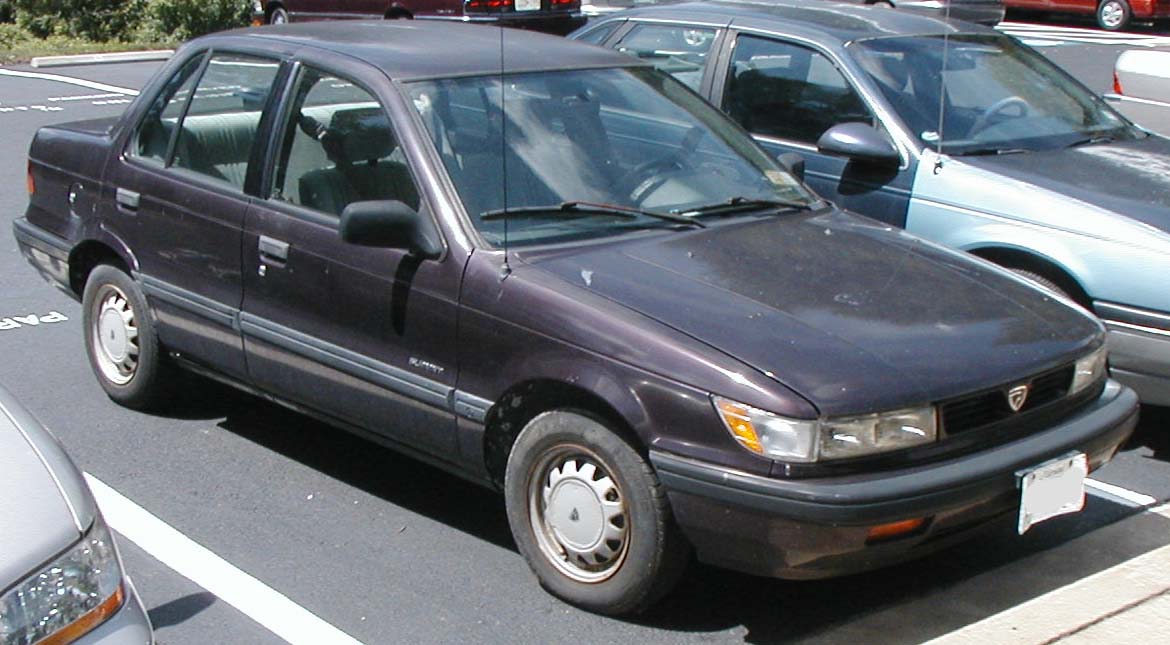
The Eagle Summit is an older, small car that was made a long time ago. It's not very common now, but some people might talk about it when discussing cheap used cars.
The Eagle Summit was a compact car produced in the 1990s, known for its affordability and practicality. Although it is no longer in production, it is sometimes discussed in the context of budget-friendly used cars.
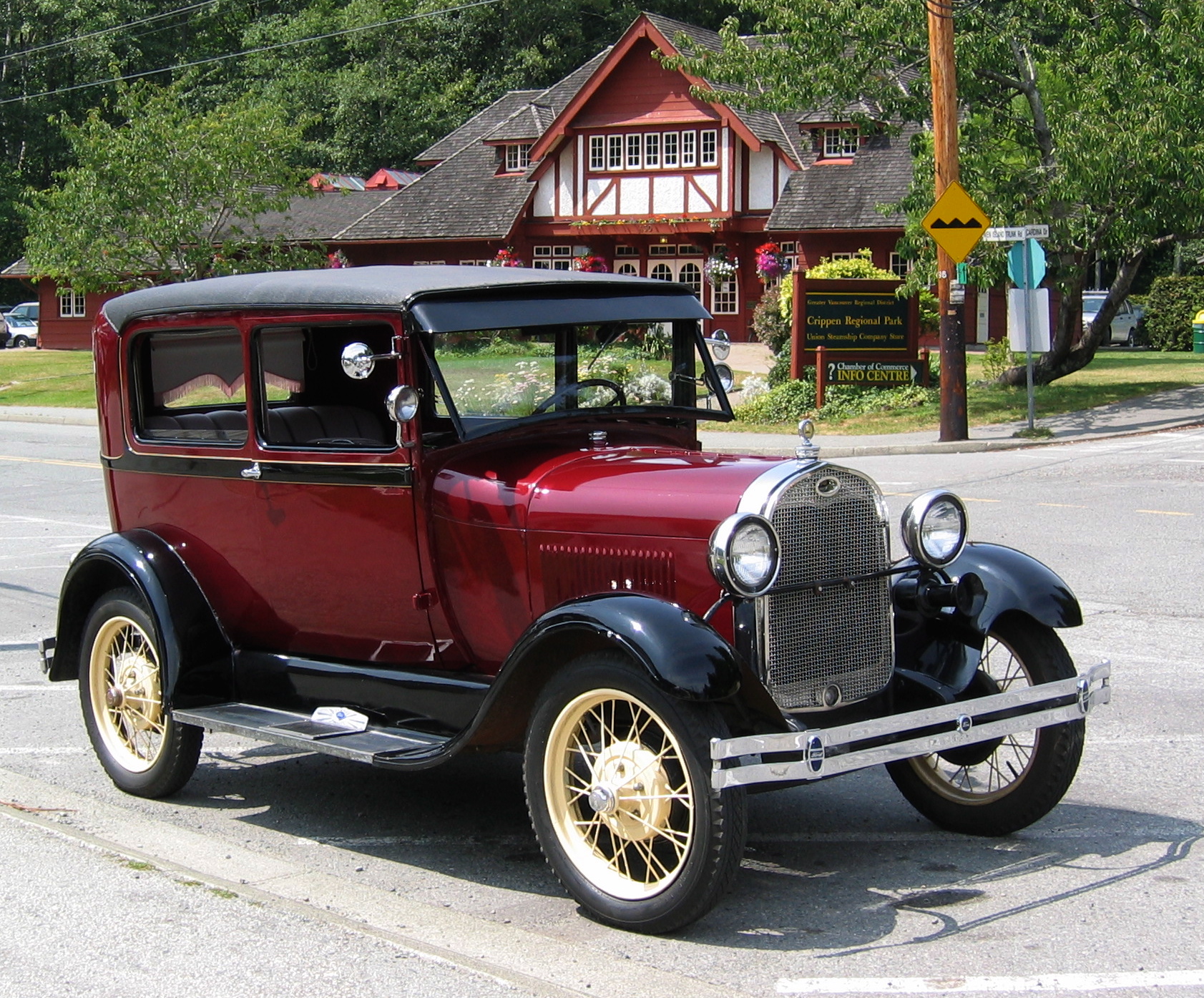
The Super Duty is a line of heavy-duty trucks from Ford that can carry and tow much more than regular trucks. They are great for tough jobs.
The Ford Super Duty refers to a series of heavy-duty trucks that are designed for more demanding tasks than the standard F-150. These trucks are built for towing and hauling heavier loads.
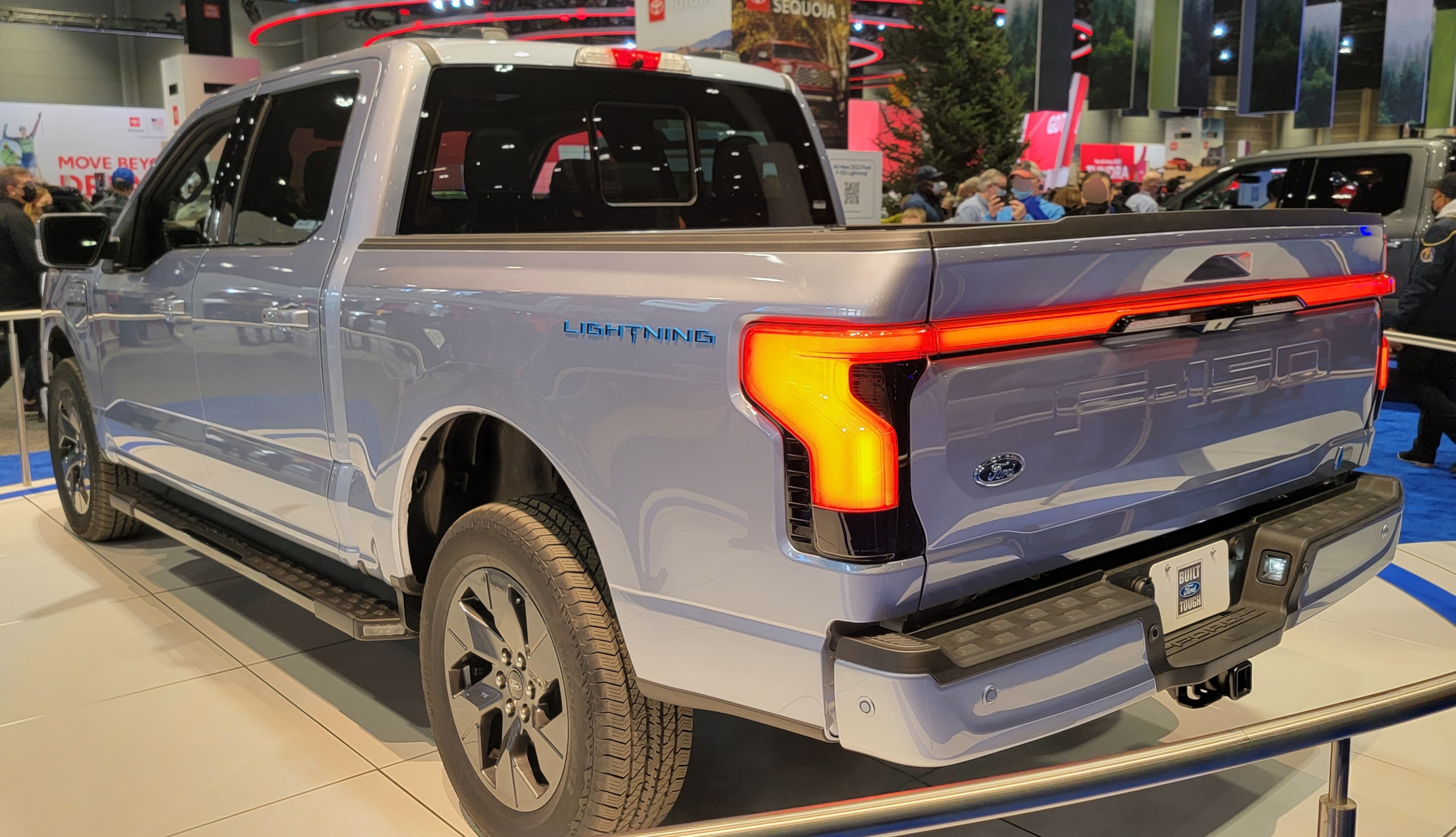
The F-150 is a popular pickup truck made by Ford. It's known for being tough and is often used for work and everyday driving.
The Ford F-150 is a full-size pickup truck that has been one of the best-selling vehicles in the United States for decades. It is known for its durability, performance, and versatility.
"...adjusting its powertrain mix, increasing output of lower priced gasoline trims..."
Powertrain mix means the different types of engines and transmissions that a car company offers in their cars, like gas engines or electric motors.
Powertrain mix refers to the variety of engine and transmission options available in a vehicle lineup, which can include gasoline, diesel, hybrid, and electric powertrains.
"...on the dealership M&A Front with deals happening in New York and Michigan..."
Dealership M&A means when car dealerships buy or merge with each other to grow and become bigger businesses.
Dealership M&A refers to mergers and acquisitions in the automotive dealership sector, where companies buy or merge with other dealerships to expand their operations.
"...saying regulations haven't been the main driver of rising MSRPs. Dealers know the real story..."
MSRP is the price that car makers suggest dealers sell their cars for. It's a starting point for how much you might pay for a new car.
MSRP stands for Manufacturer's Suggested Retail Price, which is the price that the manufacturer recommends a dealer sell a vehicle for. It's an important figure for consumers to understand as it serves as a baseline for negotiations and pricing expectations.
"...supply chain chaos, and market markups drove prices up 40 plus percent over the last decade."
Market markup is when dealers raise the price of a car above the suggested price because there are more buyers than available cars. This can make cars more expensive than expected.
Market markup refers to the increase in price that dealers add to the MSRP based on demand, scarcity, or other market factors. This can significantly affect the final purchase price of a vehicle.
"You've got Volvo, and you've got Porsche, and you've got VW."
Volkswagen, or VW, is a popular car brand from Germany that makes many types of cars, including the famous Beetle and Golf.
Volkswagen, often abbreviated as VW, is a German automaker known for producing a wide range of vehicles, including the iconic Beetle and the Golf. The brand focuses on practicality and affordability.
"You've got Volvo, and you've got Porsche, and you've got VW."
Volvo is a car brand from Sweden that makes safe and stylish cars, including SUVs and sedans.
Volvo is a Swedish automotive brand known for its focus on safety and Scandinavian design. The company produces a range of vehicles, including sedans, SUVs, and hybrids.
"You've got Volvo, and you've got Porsche, and you've got VW."
Porsche is a high-end car brand from Germany, famous for making fast and luxurious sports cars like the 911.
Porsche is a German luxury and sports car manufacturer, famous for models like the 911 and the Cayenne. The brand is known for its performance-oriented vehicles and engineering excellence.
Service retention is how well a car dealership keeps its customers coming back for service and repairs. If customers are happy, they are more likely to return.
Service retention refers to the ability of a dealership to keep customers returning for maintenance and repairs. High service retention rates indicate customer satisfaction and loyalty, which can significantly impact dealership profitability.
"...in the FNI box, right? Extended warranties. That is the key issue, right? It's number one."
An extended warranty is like extra insurance for your car that helps pay for repairs after the original warranty runs out. It can save you money if something goes wrong with your vehicle later on.
An extended warranty is a service contract that provides additional coverage for a vehicle beyond the standard warranty period. It can cover repairs and maintenance, offering peace of mind for vehicle owners against unexpected costs.
"...if you give me a fresh set of BF Goodrich KO2s, bit of a drive from Colorado. And of course, your response about in-market retention would be?"
BF Goodrich KO2s are a type of tire designed for driving on rough terrain. They are strong and can handle different weather conditions, which is why many people choose them for off-road vehicles.
BF Goodrich KO2s are all-terrain tires known for their durability and performance in various conditions, making them popular among off-road enthusiasts and truck owners.
"one maintenance is half a VSC, took my old pen from around 50 to 80 consistently, so I'm happy dealers happy and the customer is."
A vehicle service contract is like an insurance policy for your car that helps pay for repairs after the regular warranty ends. It can save you money if something goes wrong with your vehicle later on.
A vehicle service contract (VSC) is an agreement that covers certain repairs and services for a vehicle, similar to an extended warranty. It helps protect the owner from unexpected repair costs after the manufacturer's warranty expires.
"And any comments on that as a strategy to get retention? I'm telling you, it starts in the FNI box, right?"
The FNI box is a part of a car dealership where they talk to customers about how to pay for the car and offer extra services like warranties. It's important for making sure customers are happy and the dealership makes money.
The FNI box, or Finance and Insurance box, is where car dealerships handle the financial aspects of a vehicle sale, including financing options and additional products like warranties and service contracts. It's crucial for maximizing dealership profits and customer satisfaction.
"...Please buy the maintenance and extended warranty in-place. Because it helps me and helps you. Right?"
Maintenance is the regular care you give your car to keep it in good shape. This includes things like changing the oil and checking the brakes.
Maintenance refers to the routine services performed on a vehicle to keep it running smoothly and prevent breakdowns. This includes oil changes, tire rotations, and other scheduled services.
"And what it does, which is different than the ATP, which is $50,000, is we took the 10 most popular cars in the country, as well as the four most popular trucks."
ATP means Average Transaction Price, which is how much people usually pay for cars after any discounts. It helps understand car prices in the market.
ATP stands for Average Transaction Price, which is the average price paid for a vehicle after discounts and incentives. It provides insight into what consumers are actually paying for vehicles in the market.
"...'s in that ATP is everything from G-wagons to Kia Souls, right? So, if it's a K-shape economy."
The Kia Soul is a small car that looks a bit different from most cars, but it has a lot of room inside. It's a fun choice for anyone who wants something practical and stylish.
The Kia Soul is a compact car known for its unique boxy design and spacious interior. It appeals to younger drivers and those looking for a fun, practical vehicle with good fuel economy.
".... RAV4, you know, the Toyota's, the Camry, Chevy Equinox. And we list it all on our site, so you can dig ..."
The Chevrolet Equinox is a small SUV that has lots of room inside for passengers and their stuff. It's a good option for families or anyone who needs a bit more space than a regular car.
The Chevrolet Equinox is a compact SUV that offers a spacious interior, advanced safety features, and a comfortable ride. It's a popular choice for families and those needing extra cargo space.
"...what they are. RAV4, you know, the Toyota's, the Camry, Chevy Equinox. And we list it all on our site, ..."
The Toyota Camry is a popular car that many people buy because it's dependable and gets good gas mileage. It's a comfortable car for driving around town or on long trips.
The Toyota Camry is a mid-size sedan known for its reliability, comfort, and fuel efficiency. It has been one of the best-selling cars in the U.S. for decades, making it a significant player in the automotive market.
"... look at those vehicles, you know what they are. RAV4, you know, the Toyota's, the Camry, Chevy Equinox..."
The Toyota RAV4 is a small SUV that offers a lot of space for people and their gear. It's a good vehicle for families or anyone who likes to go on adventures.
The Toyota RAV4 is a compact SUV that has gained popularity for its reliability, spaciousness, and fuel efficiency. It is often favored by families and outdoor enthusiasts for its versatility.
"But that price is $35,000 when you look at that average transaction of those vehicles. That's what the average Joe can expect to spend, right?"
Average transaction price is the usual amount people end up paying for a car, which might be less than the sticker price because of deals or negotiations.
The average transaction price refers to the typical amount that consumers actually pay for a vehicle, which can differ from the MSRP due to discounts, negotiations, and market demand.
"yeah. You know, someone who wants a CRV or an Accord, whatever it is, it stops them in t..."
The Honda CR-V is a small SUV that is great for families because it has a lot of space and is very reliable. It's a good choice if you want a vehicle that can handle both daily driving and weekend trips.
The Honda CR-V is a compact crossover SUV known for its spacious interior, reliability, and strong resale value. It has consistently ranked high in safety and customer satisfaction ratings.
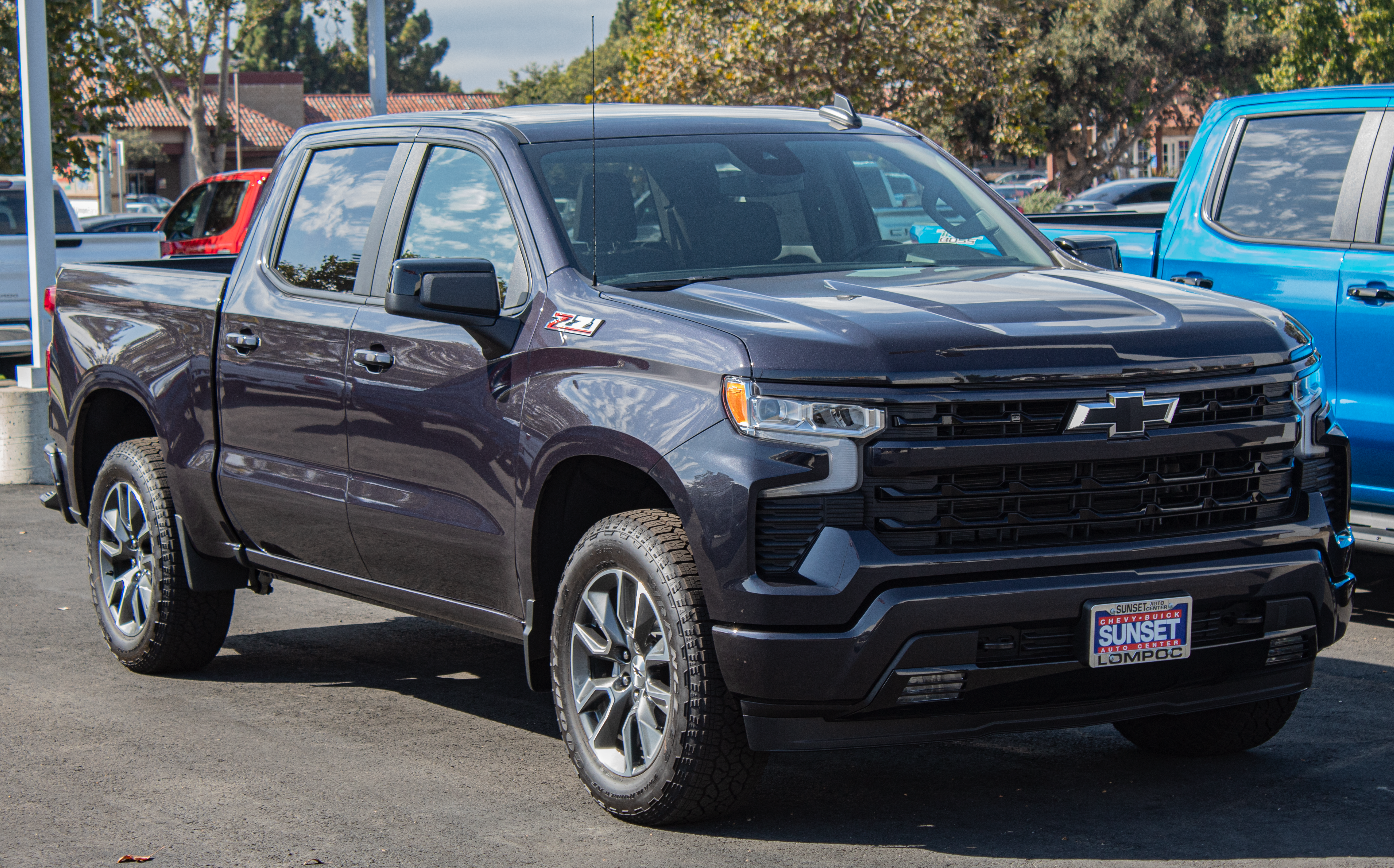
"...because as I say, like people shopping for a Silverado aren't cross shopping a Civic."
The Chevrolet Silverado is a big truck that many people use for work or personal use. It's known for being tough and reliable.
The Chevrolet Silverado is a popular full-size pickup truck known for its durability and versatility. It is often used for both work and personal purposes, appealing to a wide range of buyers.
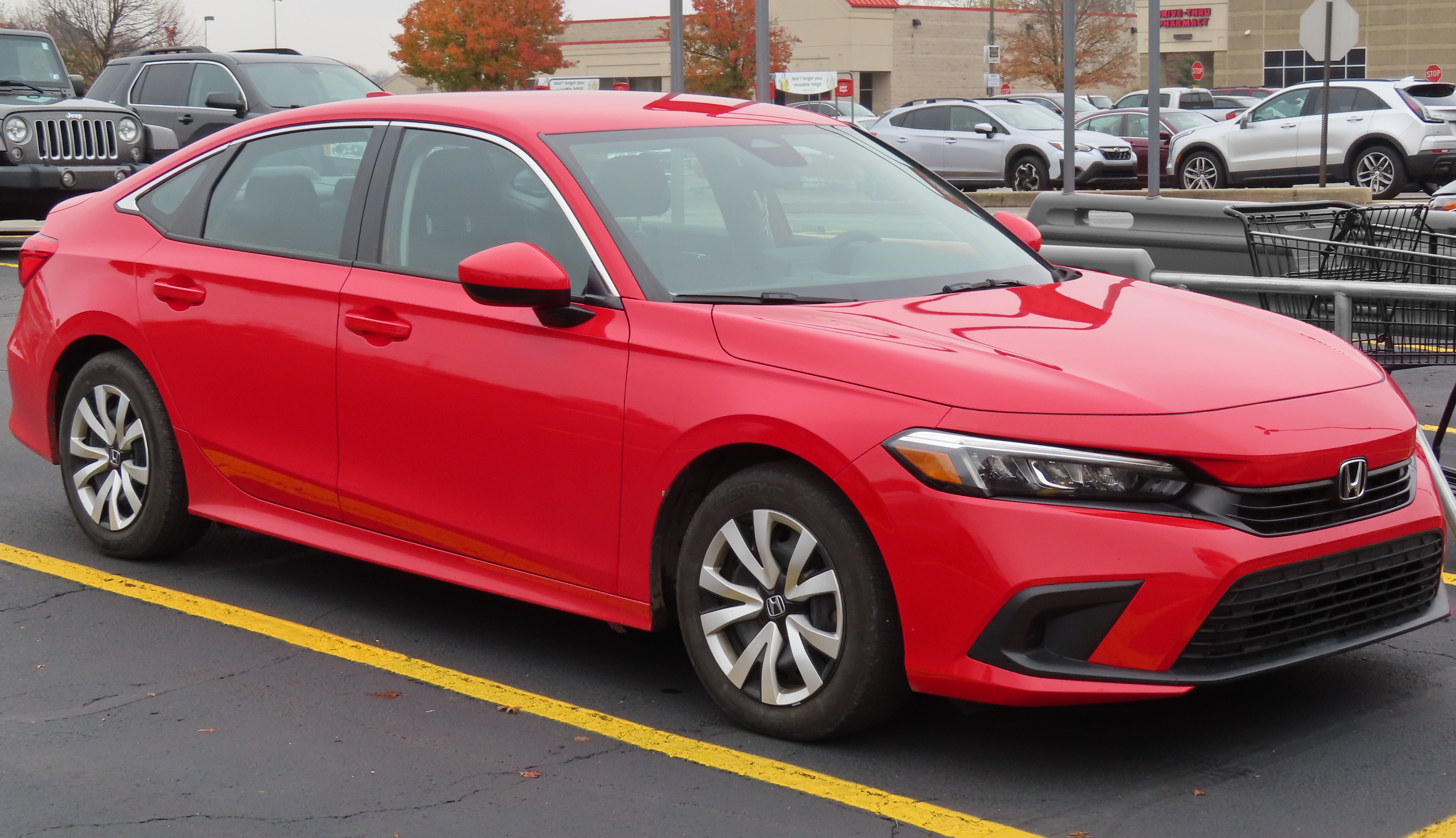
"...'re going to get today a newer Accord or Camry or Civic or Corolla at a lower price. I mean, they advanc..."
The Honda Civic is a small car that many people choose because it saves on gas and is fun to drive. It's a great option for anyone looking for a reliable car for everyday use.
The Honda Civic is a compact car known for its fuel efficiency, sporty design, and reliability. It has a strong following among drivers looking for a practical yet fun-to-drive vehicle.
"... 20 years. So, you're going to get today a newer Accord or Camry or Civic or Corolla at a lower price. I..."
The Honda Accord is a popular car that many people like because it's roomy and drives well. It's a good option if you want a reliable car that can fit a lot of people and luggage.
The Honda Accord is a midsize sedan that has been praised for its performance, spacious interior, and advanced safety features. It has a long-standing reputation for reliability and is often recommended for families and commuters alike.
"So, you're going to get today a newer Accord or Camry or Civic or Corolla at a lower price. I mean, they advanced so much."
The Toyota Corolla is a compact car that is very popular because it's affordable and gets good gas mileage. It's a smart choice for anyone looking for a reliable vehicle.
The Toyota Corolla is a compact sedan known for its reliability, affordability, and fuel efficiency. It is one of the best-selling cars worldwide due to its practicality.
"Even a compact sedan, the technology and safety you get in them today, they're really remarkable."
A compact sedan is a small car with four doors that is easy to drive and park. It's a good option for people who want a car that is not too big but still has enough space inside.
A compact sedan is a smaller car that typically offers four doors and a trunk. They are designed for efficiency and practicality, making them popular among urban drivers.
"The prices on even compact SUVs do increase a little bit more than inflation over time, especially as they became really popular."
Compact SUVs are smaller cars that are good for families and city driving. They have more space than regular cars but are easier to park and drive around town.
Compact SUVs are smaller sport utility vehicles that offer a balance between passenger space and fuel efficiency. They have gained popularity due to their versatility and practicality for urban driving.
"And, you know, with tariffs, that's a whole other conversation, but aluminum prices are up 17%."
Aluminum prices are how much it costs to buy aluminum, which is a metal used to make car parts. When prices go up, it can make cars more expensive to build.
Aluminum prices refer to the cost of aluminum, a lightweight metal commonly used in automotive manufacturing for its strength-to-weight ratio. Fluctuations in aluminum prices can significantly impact vehicle production costs.
"...thinking about this K-shaped economy, thinking about the affordability survey that you've done..."
A K-shaped economy is when some parts of the economy do really well while others struggle. It's like a graph that looks like the letter 'K', showing different paths for different groups.
A K-shaped economy refers to a situation where different sectors of the economy recover at different rates, leading to a divergence in economic outcomes. Some sectors, like trucks, may thrive while others lag behind.
"...Well, let's dive into you have a huge mobile service operation..."
Mobile service means that mechanics come to you to fix your car instead of you having to drive to a shop. This makes it easier for people to get their cars serviced without leaving home.
Mobile service refers to the practice of providing automotive repair and maintenance services at a customer's location rather than requiring them to visit a dealership or service center. This can enhance convenience for customers and improve service efficiency.
"...Ford, number one most recalled OEM last year, a ton of recall opportunities with that OEM..."
OEM means the original company that made your car. They also make the parts that go into your car, so when you need repairs, you can get parts from them.
OEM stands for Original Equipment Manufacturer, which refers to companies that produce parts and equipment that may be marketed by another manufacturer. In the automotive context, it typically refers to the car manufacturer itself, which provides parts and services for their vehicles.
"...nd that's going to somebody's house. They have an Explorer or an F-150 and you do a quick service, a works ..."
The Ford Explorer is a bigger SUV that can carry a lot of people and stuff. It's a good choice if you need a vehicle for family trips or outdoor adventures.
The Ford Explorer is a midsize SUV that offers a blend of performance, spaciousness, and advanced technology. It's popular among families and those who need a versatile vehicle for both city and off-road driving.
A safety recall is when a car has a problem that could make it unsafe to drive. The car company will fix it for free to keep everyone safe.
A safety recall is a specific type of recall issued when a vehicle has a defect that poses a risk to the safety of the driver, passengers, or others on the road. Manufacturers are required to fix these issues at no cost to the owner.
Select text to request an explanation
Hey, everybody.
Welcome back to another episode of the Daily Dealer Live.
I'm your host, Sam Dark.
Thanks for choosing to be here this Friday the 13th of February.
Happy freaky fixed ops Friday the 13th, everyone.
Hey, margins are tightening.
We know this affordability is squeezing buyers.
And the dealers winning in today's environment right now
aren't waiting on the market.
They're rebuilding fixed ops, weaponizing data,
and finding profit inside their own service drive.
Coming up today on Daily Dealer Live,
we're breaking down what NADA didn't fully say out loud,
why retention beats acquisition, why CDPs are either gold
or garbage, depending on execution,
and why mobile service might be the most underpriced growth
engine in all of automotive.
Coming up this episode, fixed ops Friday,
Nilo's Tolly Williams, CDK's Dave Thomas,
and fixed ops director, Jim Sabino.
But first up today's automotive industry headlines.
First up today, Ford says it's doubling down
on its most profitable trucks this year,
while also laying the groundwork for a new wave
of more affordable vehicles beginning in 2027.
Speaking at the Wolf Research Auto Summit,
CFO Sherry House said Ford is keeping the extra shift
at its Dearborn truck plant in place
and increasing line speeds at the Kentucky truck plant
to rebuild F-150 and Super Duty truck volume
after last year's supplier fire disrupted production.
She also confirmed that Oakville Assembly in Canada
is being retooled to build Super Duty,
adding more structural capacity to Ford's truck system.
But House made clear this isn't just about trucks.
Starting in 27, Ford plans to launch a new midsize pickup
on its universal EV platform,
kicking off a broader plan to introduce five vehicles
under 40K by the end of the decade.
As she put it, while Ford is carrying out these initiatives,
their powertrain strategy won't
and shouldn't be one size fits all.
Bottom line here, well, the automaker is confident
it can use 2026 to recover lost truck volume,
reinforce its highest margin name plates
and stabilize output all-wall,
eyeing a much different 27 product launch cycle.
Next up this Friday, the 13th,
Honda's reshuffling its leadership in the US
by putting CFO, EG Fujimara,
in charge of American Honda starting April 1st.
He'll take over as Senior Managing Executive Officer
and CEO of American Honda Motor,
replacing Kizuhiro Takizawa,
who moves into a broader global role
overseeing automotive operations and risk management.
And it makes sense, if you think about it,
when a company installs a finance chief
to run a major key market,
it usually signals a sharper focus
on operational discipline and efficiency.
So far, American Honda is already adjusting
its powertrain mix,
increasing output of lower priced gasoline trims
of core models like its Civic and CR-V,
while scaling back more expensive electrified variants
that carry thinner margins.
But there's still more work to be done
when it comes to controlling tariff costs
and pricing vehicles for a more volatile market.
Next up, we've got another busy stretch
on the dealership M&A Front
with deals happening in New York and Michigan.
First up, Jesse Hoard of Keeler Motor Car Company
and partner Open Road Capital
purchased three dealerships representing Toyota,
Lexus and Audi from New Country Motor Group
in a deal that closed February 10th.
New Country, which owns more than 20 dealerships
in several states, including Florida and Pennsylvania,
sold dealerships to funnel capital
to another core market in Washington, DC,
according to President Jared Cantanucci.
Several hundred miles west in my footprint here in Michigan,
Wyatt Auto Group co-founders Jeff and Asher Bratz,
their father-son duo,
purchased their third dealership,
this time a Chevy store from David Ripma
in a deal that closed December 8th.
It's the group's third dealership in West Michigan,
where they already have Ford
and includes a body shop on the nine and a half acre property.
Big picture, there is room
for both small and large dealership groups
to grow as the industry continues to consolidate.
And you can see this deal announcement
many more throughout the entire year
by visiting the CDG Bicell Tracker at cdgbicell.com,
powered by the Presidio Group.
So thank you for them for supporting that content
and those updates.
Let's last up dive into two updates straight
from CDG Circles, a big one for dealers.
NADA and JD Power are rallying the industry
around a new survey tied to Senate Bill 2956.
I saw this pop across the CDG Circle this morning
and want to make sure we shared it with our audience.
A proposal that could ban the sale of any used vehicle
with, get this, an open recall.
Lawmakers are gearing up for another highway bill fight
and this data, they're gearing up for another highway bill fight
and this data goes straight to Congress.
Translation, if dealers don't speak up now,
someone else will define the narrative for us.
So you can find out more about ways to get involved
either through NADA or through JD Powers.
And then just a brief update from a news item on Wednesday
and a conversation I had this morning with Amazon CDG.
It's been much reported this morning in the news
that that start-stop tech that was allegedly
federally mandated by OEMs is gonna go away.
It was actually never federally mandated.
It's been tied to OEM emission credits
that could change under Trump.
The White House and EPA say removing those credits
could cut about $2,400 off the average new car price.
That was reported.
Trump I think in his press conference yesterday said
the price of new vehicles is going to drop
as a result of this.
Data scientists push back saying regulations
haven't been the main driver of rising MSRPs.
Dealers know the real story.
Trucks getting bigger, supply chain chaos,
and market markups drove prices up 40 plus percent
over the last decade.
Bottom line, policy headlines move sentiment,
but execution at the dealership still
is the driver of that affordability.
And that on this fixed-ops Friday
is a wrap on today's auto industry news.
I love this logo, by the way.
What a heck of a lot of fun and what a great way
to start this Friday the 13th.
And a reminder, we are active on all social media platforms
across the CDG social media properties.
Post your comments in today.
We wanna bring them into the show.
It enriches the conversations we're about ready to have.
First up today, Fixed Operations Director
at the Nilo Company, Toley Williams,
who's no stranger to this show.
Toley's been on many times.
Toley, welcome.
Thank you.
Hey, you know what the best day is?
Friday is the fixed-op Fridays.
I love it.
I love it.
I love it.
Toley, it was great to see you at NADA.
You dropped by the CDG party.
Tell us, what's a big takeaway from NADA this year?
It was a busy week last week.
It was a busy week, and it went so fast.
And I think that was the biggest issue.
But the biggest thing for us here at the Nilo Company,
and what we were looking for is, how do we build a CDP?
How do we maximize that for sales?
And I think it's actually going to be bigger for service
than anything else.
So we are extremely excited.
And as you dabble into this world, it is pretty large.
And we've got to make sure all of our vendors
are on board to make it right.
So Dennis, our variable director, and myself,
that's what we focused on majority of the time.
And the second big thing was focusing on driveway acquisitions,
and how do we get our Viper product to work better,
purchase used cars, but also to help the fix-offs department
as well.
So we were busy.
And honestly, these two days just flew by.
Yeah, and it was made even more interesting,
because there was a broader, bigger attendance, I think,
than I ever remember at NADA.
There were just people all over the place.
So it required a heck of a lot better planning.
It was interesting, right?
So you had to plan in advance to hit the number.
You did.
And I think the bad part about it for me
was I didn't get a chance really to go off and look
for something that's new.
We were focusing on these two big things.
And honestly, that took almost all the days up.
So yes, great questions.
I think it was a lot of fun.
We learned a lot.
And we're about ready to pull the trigger.
Yeah.
All right, so we're going to go into a few.
Actually, the producers brought this up.
Let's go here.
We're going to unpack CDPs and this buying and everything
else you talked there.
But first up, Mustafa has a question for you, Toley.
How do you balance CP labor rate and parts price increases
without losing market share to independence in your PMA?
Interesting question.
That is a great question.
So the trick of it is, is that remember,
maintenance and competitive has to be price sensitive.
We give away tires down here.
Two is that our maintenance has to be competitive 100%.
You have to know your market.
But here's the thing is repair work
is the price that you can actually be a little bit higher
on because we're the only ones that really know how to fix it.
We're not practicing on your car.
We're actually the trained technicians
that are working on your car.
So really having three levels of pricing for parts and labor
is crucial.
And we look at it as repair, maintenance, and competitive.
What's in competitive set?
Tires and alignments and wiper blades.
And those are the loss leaders, right?
You're willing to go low cost on that to help retention, right?
Correct.
Great question.
Because when you look at it, what business are we in?
We are in the repeat and referral business.
And that's what we drive.
So our goal this year is we're at 71% as a group, which
we're extremely excited about.
But that was hard earned.
And here's the deal.
We give away one tire when you buy three, right?
Buy four tires, get one free.
Our alignments are price right.
Our oil changes are price right.
We need to sell every brake, battery, and tire to drive that.
And if you have that mentality, not the gross mentality,
but the retention mentality, then you can get into that.
I call the holy grail 70%.
So totally, it is truly a holy grail.
And it's interesting.
You talked retention on this show
before a lot of the industry was moving that way.
NADA data keeps showing fixed ops carrying dealership
profitability while the variable compresses, right?
Cox and other outlets are saying retention and absorption
are big differentiators for dealers in 2026.
You're 70 plus on retention.
You're running luxury rooftops at scale.
Let's get tactical.
You've got Volvo, and you've got Porsche, and you've got VW.
Does service retention fit in those brands?
And how does your strategy differentiate
between those brands when you think about retention?
I think they're the same.
I think maybe it's easier to have retention at a Porsche store
just because those people want to come to a Porsche dealer.
But the mindset of your service writers,
it's your mindset of your service advisors
and your service managers that maintenance
needs to be competitive.
You can't miss a break sale.
If we're not selling brakes and batteries and tires at 75%,
I'm going to go crazy because that is going to drive it.
And when you drive retention, guess what you get to do?
Trust starts.
I think Danilo has a great reputation in our market,
but we have to maintain it.
Two is that now when we have repair work,
we can demand a better price.
But really, we're going to stand behind it,
and we're the factory-trained technicians.
We're not practicing on your car like an independent.
So it really is when you start with making sure
you're selling brakes, batteries, and tires,
if you're not in that gig, your retention is going to go drop.
So let's talk where retention collides with variable ops.
So a product that gets often offered in finance stores
is maintenance.
So at the Nilo group, do you offer maintenance
as a retention tool?
And then my question would be, given your various OEMs,
how do you price it so that no one OEM suffers
at the step of a cheap oil changer tire rotation?
Great.
So I think there's two things for drive retention
in the FNI box, right?
Extended warranties.
That is the key issue, right?
It's number one.
Stelling extended warranty.
It's number one.
Here's the thing with extended warranties.
One is that the FNI people like it, the sales department
like it, and the service departments like it,
because it drives what make your customers feel
easy about coming in.
Two, when you have extended warranties, what are you doing?
If you have 71% retention, is that you're
doing the recon for the used car and trade-in down the road?
So the goal is going to be is that,
are you doing a great job for that customer,
and they feel secure?
Now, maintenance, on the other hand, is a product that there's
not a lot of margin in it.
And that's OK.
It's just you have to convince your FNI managers to sell
something they don't make a lot of money with.
And that goal is going to be that drive retention.
But how do you set up the reimbursement rates
on that maintenance, totally, so that it's
appealing to each one of the stores?
You've got different stores.
You've got a, everybody's got their own labor rate.
Everybody's got their own cost of oil change.
I would assume that you can, if you're, I'm trying to think,
one of your off-brand stores sells a Porsche,
they can go back to the Porsche store,
they can come back to another off-brand
and get that oil change done.
How do you, how do you settle the argument of reimbursement
rates for different oil changes?
Great question.
So a lot of it is that the manufacturers offer great oil
change maintenance programs.
You follow their program.
We follow their program, because it's best,
because what we do want, if you bought a Porsche at a Volkswagen
store, we're going to market you to go to the Porsche store.
You're going to get the great rate and the great retention.
If you say a Volkswagen at Porsche,
I need you to go to Volkswagen, because then we
can do everything we need and provide that great coverage.
So I get that, but I'm going to challenge that a little bit.
The OEM maintenance plans, they bring the customer back
to the brand, regardless of the group.
So how do you split, how do you balance retention
to the brand at any store, even if it's outside your group,
versus wanting retention to your group,
regardless of the brand?
How do you think about that in your fixed-optional totally?
I think that we have to treat them all equally, right?
So when you think about maintenance,
maintenance is like tires to me.
It's a lost leader.
I'm not really worried too much, a little,
just because I don't want the GM mad at me.
But I am worried about making sure
that I get the person back.
I am not worried about making a profit
on selling oil changes.
But I am not worried about the future.
But back to Nilo at your location, not Porsche,
back to San Diego Porsche, right?
You want them coming back to Nilo.
100%.
And what irritates me the most is when
we sell cars out of our market, isn't it?
Fair, that's right.
That's the argument.
Dennis isn't even on here to defend himself totally.
So, all right.
Dennis can come into the comments to talk about that.
But Schwati made an interesting comment.
He says, totally, I'll drive to Sacramento
if you give me a fresh set of BF Goodrich KO2s,
bit of a drive from Colorado.
And of course, your response about in-market retention
would be?
100% don't sell cars outside.
But here's a guy from Colorado.
If you want to buy a set of four tires,
you will get one free.
It doesn't matter.
There is no gray area if the tire is $1 million,
if the tire is $1.50.
I'm going to do it more because that's what we believe in.
And when people believe that you have discounted rate tires,
the confidence level at that store goes up,
where you're not being challenged.
What is that really pricey or not?
That is the goal.
So, totally, you've hit 71% retention.
Give us one or two things in February of 2026
dealers could do on this Friday the 13th
to achieve a similar either result or at least progress
towards that astounding retention.
So, first is you have to have CSI stellar,
as I think everybody, good operation dealers always
have CSI.
The mindset that maintenance and tires and batteries
and brakes drives retention.
Are your brakes and batteries and tires price right
for people to come back?
I want them to challenge me on that price
and realize, oh my god, the dealer is the best price.
And they come in because as we build that confidence,
what happens?
Our retention number goes up.
And retention number is the hardest number to move
because it is because we have to wait
if they're going to come back in the next year.
So, the mindset is not gross profit or hours per row.
The mindset is selling your hours capacity
and selling those great things that drive retention.
I think sometimes we get stuck.
And the right price on those items breaks battery tires
isn't a percent of cost.
It's a little bit below where market is.
Is that your strategy, Tully?
Or market.
I think that we can sell things at market.
So, if Jiffy Lube is selling oil chains for blank,
I'm going to say I can sell it for the same price
or a dollar more or a dollar less.
I am not here to undercut anybody.
I just want to be at the right price.
So, when you do challenge me, why would you
want to go and sit on a folding chair that's
sticky in the magazine to five years old
and we've had these Taj Mahal buildings that are gorgeous
that we offer you anything you want.
So, I think that when they realize what we have
and our prices are the same, we win that argument.
But retention is what makes a quality dealership strong.
With retention, that means what we do.
We get people to stay in that brand
and buy their next car until their friends and families
to buy cars from us.
That is the holy grail.
It's not just a fixed ops thing.
It's a dealership.
It's operational dealership top down.
And not enough dealers are thinking that way.
Dave Rogers comes into the chat, Tully,
and says, what's Tully's formula for retention?
How are you calculating that?
You've shared it on a Pao show.
Give it to us again.
Great question.
So, I do it myself.
So, we have our own database that does that for you.
I look at one visit 14 months.
And Tully says, people say, Tully, 14 months.
And I says, every manufacturer is at a 12-plus month interval.
I believe that people are not going to always
come in on the 12 or 13 months.
So, that's the reason I use 14 months or more.
And it's a customer pay or warranty, not an internal,
but a customer pay or warranty.
So, I might be a little liberal on that,
but I feel that all of our brands are all doing it the same.
And that means I have a real number that we can track
and talk about every day.
And we track it down to the advisor.
So, if we see an advisor that is, they're slipping the teens,
we're going to talk to them about it.
Let's find out what are we doing?
Are we overselling?
We only want to sell what we would recommend our family members.
So, we've got to make sure we're not overselling
or pressuring somebody.
If your paid plans are designed to sell, sell, sell, sell, sell, sell,
what happens is that you're going to drive people away.
We are not that way.
We are selling what car needs and we sell ours.
And it's interesting because I think one of the benefits
you've got in your group is at some point in time,
you decided to take control of your data
so you could look at the data in a different way.
And you could come up with a scorecard,
not dictated by an OEM or a vendor partner,
but one that fits you.
And it kind of transitions us into the CDP conversation,
which we want to have.
But before we go there,
I just want to clear a couple of comments that are really good.
Ryan Merrick says,
my store maintenance sales are built into my VSC pen,
good incentive to sell.
With that, I've been able to run 76% on it,
cheap and easy to pitch as a loyalty program.
And then he also says,
one maintenance is half a VSC,
took my old pen from around 50 to 80 consistently,
so I'm happy dealers happy and the customer is.
And any comments on that as a strategy to get retention?
I'm telling you, it starts in the FNI box, right?
If you sell that first car and you sell a great maintenance program,
that is not one of these hidden ones that doesn't cover anything.
It's got to be a fair product.
And if you sell a VSC for that product
and that person loves that car,
and that's what the service department is designed to do,
make them love that car,
guess what happens?
The next car they buy or their friends and family
will automatically have a VSC and maintenance on it.
So the goal is going to be is you have to have that on there.
And here's it.
I'm going to go back to it again.
It's not about the money when you're driving retention.
It's all about being the fair price.
Yeah.
And you know what it's interesting?
Another comment echoes that dealerships that change prices
while you're in the office with the finance person.
After you negotiated the price of the sales person,
that makes that dealership a turn off.
I think any type of...
I think there is a push,
and we've had this debate a lot on the show,
towards more pricing transparency,
more one price type environment
where we focus on value more than we focus on the race to the bottom totally.
I would agree with that.
I think the race of the value is the issue.
So when we show the value,
but when you have a 71% retention rate,
I feel unless it's a new customer,
it's a returning customer,
the box is not about driving to the bottom line anymore.
Now they're going to go into it
because they've had a great experience.
The person they trusted the dealership
is probably their service rider the most.
And the service rider is going to do what?
Please buy the maintenance and extended warranty in-place.
Because it helps me and helps you.
Right?
And then we get a better used car for a trade-in.
So the goal is going to be,
is it helps this customer and it helps the dealer out.
Yeah.
All right, Tully, let's transition to CDP.
We've got just a few minutes left.
Then I'd actually love to have you
hang out till the end of the show.
I would love to talk about this legislation currently pending
that could potentially forbid dealerships
from selling used cars with any type of an open recall,
even something not related to safety.
We'd like to get yours and our last guests take on that.
But a while ago, Tully,
you decided at the Nila Group to take ownership of your data,
be able to control it so you could look at data,
you could come up with your own metrics.
You even did that before AI became a buzzword in the industry.
What took you to that point where you're like,
we need to own this and come up with our own reporting tools?
And then talk to us about this CDP, where you're at with it
and what you learned at NADA,
which partners you're looking to head
in the direction of creating a CDP with.
Great question.
So I'm going to start with reporting first.
As you know, most service managers go in their office,
close the door, pull the shades down,
and for a half an hour, they're working on data.
Right?
Yeah.
So the goal is going to be is that I believe
that there should be a single-minded focus
for your parts and service departments,
which is your fixed department, your service and parts managers,
your service advisors, your team leads,
your technicians, and your back counter people.
All should be focused on selling one thing and one thing only,
and that is hours.
And if your focus is on that and your pay plans are all aligned
on an hour's forecast, now we have ownership
of everybody trying to drive the same thing.
So driving that ownership is that because you got to remember
most reporting tools are all about these old 20-group metrics
that are, I would say, a little bit on the instinct side.
So we wanted to drive that right.
Plus, I want to make sure we're transparent.
As you know, I have 64 televisions broadcasting data out
to all of our people to tell them how great they're doing.
Not how bad, but how great they're doing.
And then there's a website that they can all log in
so they can look at their pay plans.
God bless America.
If you're 130%, you get paid blank.
Figure it out four seconds later.
Let's get back to making customers happy.
Who created this technology?
Who created the spreadsheet?
Who updates it?
Who maintains it before you go to the CDP?
Me.
Yeah.
Props.
It's Excel-based, right?
I've seen it.
I walked into your stores.
It is anything we measure in automotive
is going to improve in the direction of that data.
And I think it is smart to show that regularly to teams and fixed ops.
Where are those screens shown?
And totally, wasn't there an objection early on in the early days?
Hey, this is too much data to have customer facing potentially.
Where are the screens located?
Great question.
So I do it for sales as well.
So the sales isn't a sales tower.
Screens away so the customers can't see it.
In the shops for all the technicians and service writers.
And then of course, in the parts departments,
a lot of times we'll have it on the back counter,
which I'm trying to remove, but we have it back there as well.
Just so everybody can see it.
Because if they see it and they want to learn more,
then they can go to Nilo Fix and Nilo Sales
and find out what they're doing or what the store is doing, which is easy.
So we want to make it easy to access and don't overwhelm them.
So yes, there's a lot of data, but it's instead in blocks.
How's your hours forecast?
How are you doing on same day selling?
How are you doing on policy?
How are you doing on loaner cards?
We have it all there.
We've got to keep it simple.
Throwing them a whole bunch of stuff as you see doesn't work.
No.
And especially if it's disparate sources with conflicting data.
I love the idea of having one uniform data platform
where you're able to show them things that you're focused on,
not necessarily that a vendor is going to bring in
and try to move you towards a decision that generates revenue,
but rather returns value to your overall goal, which is retention.
And then what are the top three metrics
that you show on the screen for variable in the sales?
On the variables, so variable, we do have a sales forecast
that we design with each of the service managers, excuse me,
the sales managers, GSMs, and the general managers.
So we're driving that, so it's front and back PBRs.
And then products per, as we break it down to the salesperson level.
You know, if you have a salesperson that doesn't think FNI is a good thing,
we need to talk to them and say FNI products,
quality FNI products is a great way to drive retention
and have people come back and buy another car for you.
So we've got to break it down to that level as well.
So we broadcast that out as well,
and then of course they can go look at it themselves.
Yeah.
All right, so everybody at NADA talks CDPs, customer data platform.
It's definitely a buzzword.
We've had Ryan Roman on the show before.
Some dealers have moved in that direction, but not, you know, not most.
I think by one estimation, I heard 20, 30% of decide to cleanse data,
create this CDP.
Tell us in your words, what is a CDP and how, you know, are you moving towards it?
And who are the partners you've chosen post NADA to do that?
Great question.
So a CDP to me is a master file on all of your customers.
And as you know, DMS data is not always the greatest
because human beings kind of mess that up.
But the goal is going to be is that how do we bring in DMS data, your CRM data,
our service drive, you know, tool that we use, you know, we use X time.
How do we drive that?
How do we drive phone calls?
How do we drive web traffic?
How do we drive lost sales into our CDP?
Then we can market those people individually.
When we look at our CDP for us is that we have done a lot of research on it.
Dennis and I, and we look at, you know, TeleM looks like the product for us
that has the capacity and the flexibility to do whatever we want.
So when I look at the fixed side of customer comes in in an RO,
it drives over our camera system and tags the car.
Now what we can do is as we do the inspection,
we do the inspection and the customer says,
maybe I'm going to decline a repair on that car.
Now with our CDP, we're going to see that and instantaneously be marketing
to that person directly just for what they need.
Is it brakes?
Is it batteries?
Is it our key things that we worry about?
Why do we mass mail email people?
I just don't understand.
I think email is kind of like for old people.
So one of the least efficient effective.
It is and texting is too as well.
So what we want to do with all that information is,
yes, we're going to tag you, but we're also going to send it to our BDC
because our BDC on recent people is an 80% answer rate
and sometimes we get up to 90% yes answers from them.
So our goal is going to be is that our CDP can yes send an email or text,
but really I'm going to send it to our BDC and have it automatically call.
So how long is it going to take for you to make this transition to create this CDP?
That's a great question because we're learning that as of today we are.
I feel that we could be up and running.
It's talking to a lot of dealers.
We talked to the dealer that you mentioned earlier too as well.
Is that I think it's going to be three months.
Cleaning the data is a big deal.
But you know what, if you don't have clean data,
it's not worth it for us having the right partners.
And also you got to have the database set up right.
You got to have your system set up.
How much of your data do you anticipate or guess based on initial assessments is
incorrect, old or sales at sales.com, right?
Like a made up email address.
Have you looked at that?
We have because we've asked other dealers that.
And I'm telling you, sometimes it's pretty your own ugly.
I mean, I have people 50, 60%.
Now we're hoping we're better than that.
We did do a clean with CDK, which is our partner and we cleaned our data up.
We don't know if the person is still alive or if they moved or not.
So the goal is going to be is that I'm hoping if we could be 65% clean data,
I feel that would be a win for us.
We have a lot of records in there.
We know.
But here's the biggest thing with CDP.
But then you go to 100, so every dollar spent is effective in the marketing.
You're effective.
100%.
Because we don't want to mass market anybody anymore.
I don't think that's necessary.
Blasting somebody out that you need to do this is not the right answer.
But also here's the one thing that I look at is the CDP is going to help us as well.
It's that a customer that has bought 14 or 15 or even 20 vehicles from the needle company,
which is unheard of.
And they go to one brand that they've never bought a car or service car with.
And they walk in there.
Now you're connected.
That's right.
But what before is that I want that service ride ago.
Thank you, Mr. Williams, for buying 23 cars and spending $400 million in service.
I think that we need to have that for all of our team members as a sales person,
as a parts person, as a service rider to know the value of the customer so we can treat them with respect.
You know what?
You go to a hotel, they thank you every time you walk in.
People make fun of me because I say this thing all the time.
But I'm like, we put a man on the moon, but we can't tell whether how many times.
Like if they're a customer of Ziggler, they come into one store.
We should open arms, greet them at Ferrari when they come in to make that first Ferrari acquisition.
And we should know that they've been to five or six other stores.
They've been longtime customers.
And that data technology is there.
So props to you on the CDP front.
And I'm going to be excited.
We'd love to track that journey with you as you go.
One thing you mentioned, yoga cars comes in with a comment.
I think it's great.
Ritz Carlton experience.
Yes.
But here's what's interesting in a world of AI and tech.
You're going to be on a leading edge for a certain period of time.
And then it's going to become the standard.
And if you're not at the standard, you're going to get I think totally tell me if I'm wrong.
I think some of the excitement at NADA this year and the buzzword of AI,
the buzzword of NADA five years ago was digital retailing.
It kind of turned out not to be as big a deal.
AI I think is every bit as big a deal.
And I think there's an anxiousness and excitement to figure it out so that,
once the standard is set for that Ritz Carlton experience,
some dealers aren't left behind.
So props to you.
One thing I want to ask more about before we have to let you go.
And we're getting so close here.
You mentioned a drive over thing, kind of like a UVI.
I think you use ACV's Viper.
Tell us about that.
And how does that play into your overall communication strategy,
retention strategy with your consumers?
We're very excited about it.
It's a much lesser footprint.
Maybe it's not the same quality as a UVI.
But the principle is the same is that every car, every car, every trade-in,
every used car, every new car will drive through our cameras, the Viper product.
The goal is going to be as they help develop this thing out.
I want to use it for service for one, checking for damage.
I don't need someone going out there with pictures and taking pictures anymore too.
Is that we can look for our tires and have that conversation prior to that.
Viper then can push it back into our service writing tool,
which is X time is what we use, right?
They want to push it back into whatever.
Now we also are going to get the car and we guess what we're going to do.
We're going to do a quality inspection on that car.
And then we have the recon price.
So then when we ask for a quality price on that car, the customer can say,
what is my car worth?
Or we can send it to them.
We have the recon price and then we have the ACV auction price.
So we feel that our pricing on our cars for getting those cars will be accurate to 100%.
And it probably helps against damage too.
Customers come in, check in for service.
Somebody, something happens.
You can show pictures when it checked in.
You can verify who did what, when, how.
I love the idea.
It does sound a lot like UVI.
There's a couple of texts out there.
It'll be interesting to hear how this compares.
Well, Tolly Williams, thank you for being on so much.
We'd love to have you back at the very end of the show to discuss that bill that would
potentially prohibit dealers from selling used cars with open recalls, which would be fascinating.
So I'd love to get your take.
Tolly Williams, fixed ops director at the Neal Auto Group.
Thanks for being on the show.
Sharing your perspectives, all things post-NADA.
Thanks, Tolly.
Thank you, Sam.
Appreciate it.
All right.
Let's keep rocking here today because we've got a lot still to cover.
Today's episode is brought to you by Four Eyes.
Four Eyes helps dealers turn data into action, starting with a clean connected data foundation
across dealership systems.
Four Eyes empowers dealerships that use that data to drive consistent execution throughout their
business.
The data stays dealer-owned, vendor-neutral, and works with any tool or partners more than
a CDP.
Four Eyes is a reset for how dealer data gets put to work, headquartered in Oregon.
Four Eyes employees live in 20 plus states to be closer to the communities where their
dealers are.
Visit FourEyes.io forward slash to learn more.
Thanks to Four Eyes for supporting today's content and that great conversation with Tolly
about a CDP.
I guess I should have asked if he took a look at Four Eyes at NADA.
But thanks and props to Four Eyes.
You can scan the QR code as well if you're on the live show to learn more about that.
And let's keep going.
We've got an action pack show next up today.
Dave Thomas, Director of Content Marketing at CDK Global.
Dave, welcome to the show.
Thanks, Sam.
Great to be here.
Dave, it was fun to see you at NADA.
In fact, you were on stage getting a selfie with another Dave Thomas.
Not the Wendy's Dave Thomas, by the way, but there's another employee at CDK that is also
Dave Thomas.
Thoughts on the show?
Just kind of the number of people there.
And I sensed an excitement and kind of an energy to that show this year.
Definitely.
It was a very strong show for CDK for sure.
Our booth was packed pretty much the whole time.
We had great meetings with current customers and future customers.
And the stage did great.
We did 12 sessions on the stage.
And it's my fifth year at NADA for CDK and fifth year of doing that stage.
And it was best yet.
Our team does an amazing job designing our entire booth, but the stage as well.
So, no, I agree with you.
There was a buzz.
It started at the JD Power Auto Summit, which you did a terrific job on stage there.
Thank you.
It was fun being on stage with Jeff Stafford of JD Power and my friend Dennis Greengird.
So thank you.
So, I mean, from there through the whole show, definitely a good buzz.
Lots of people talking about all the buzzwords that will cover AI, affordability, and CDP.
Yeah.
And you guys offer a CDP.
One of the comments that came in the comments from Dave Rogers to Tolia didn't get there
because he said, hey, did you check out CDK for the CDP?
I think there's so many different choices out there for dealers right now for all these
different tools.
I think there's risk that people will take a step in a direction without
checking with current vendors and seeing if they make sense.
What's your take?
Are you, you know, your area of expertise and so much CDPs, but what would most people
miss in the CDK world on the CDP side if they don't look at CDK?
I'll give you that softball.
Yeah.
So, I didn't come on to talk about CDP, but we could not talk about it after that conversation.
So, CDK announced.
Yeah.
A built-in CDP, an NADA, and our approach is, you know, for a dealer experience platform
customers, people that are current customers, that we do have a built-in CDP coming this year.
And it does exactly what Tolia explained.
It's very, it cleans all your data.
Obviously, we offer services that do that now, but the CDP will do that as well.
It gives you that one source of truth for that customer.
It puts like a little green check mark next to their name.
So, in your, the current store you're in or any stores within your group,
that customer identification is solid, right?
You know what they're spending where.
And really cool stuff is it shows, you know, the total lifetime value of that customer to you.
And then it really talks about that.
Yeah.
And then it predicts, yeah, what that future value would be.
So, it's really a terrific product, you know, not trying to sell just CDKs, but, you know,
for any dealer, you want to check one out.
And if you're a CDK customer, it's free if you're on the dealer experience platform.
Interesting.
All right.
Well, so Ziggler is a big CDK client.
So, we need to find out more about that.
We just got up and running on our co-video.
So, our teams can now deliver videos through that and we'll be part of that next competition there.
So, I know we pulled you off topic a little bit.
One of the big buzzwords at NADA this year was affordability.
I talked about it at AFSA.
Payments are high, interest rates are high, price of vehicles are high.
Like, there are so many challenges for the consumer on the affordability side.
You at CDK have done some research on affordability.
Tell us what your research is showing and how are dealers dealing with the affordability issue.
Yeah.
So, CDK, you know, we do a lot of great research.
And over the last year, we saw all the conversation around affordability coming.
This isn't something that just popped up at NADA.
And so, we created what we call the affordability tracker.
And what it does, which is different than the ATP, which is $50,000,
is we took the 10 most popular cars in the country, as well as the four most popular trucks.
Just these 14 models make up 27% of all cars sold in the country.
And what I like to say is, you know, there's a mathematical average,
you know, which is what the ATP is, that $50,000.
And then there's the average Joe, right?
What's in that ATP is everything from G-wagons to Kia Souls, right?
So, if it's a K-shape economy.
It's the K-shape economy.
Yeah, it's the tale of two buyers.
Yes.
Right.
So, we wanted to look at these core vehicles that really move the country, right?
Move people.
27%, that's a lot.
So, when you look at those vehicles, you know what they are.
RAV4, you know, the Toyota's, the Camry, Chevy Equinox.
And we list it all on our site, so you can dig into how we do it.
But that price is $35,000 when you look at that average transaction of those vehicles.
That's what the average Joe can expect to spend, right?
And that's what we want to show, because $50,000, when you hear that on the news every night,
yeah.
You know, someone who wants a CRV or an Accord, whatever it is,
it stops them in their tracks.
They're going to think it's too expensive.
But when you look at those vehicles, in this month's, you know,
version of the Ford Vita Tracker that we just ran,
those prices were down over $130 year over year.
So, not this, yes, there's some price increases going on.
We can talk about that, because prices are going to keep getting more expensive
across the board, including these vehicles.
And that's why we're tracking them.
But there are pockets, there are places, and that means sales prices are going up a little bit,
so are incentives.
So, you know, that's what's happening in this market.
And on the truck side, yeah, the prices are going up a little bit.
But we want to show like the average, you know, light duty, those four big sellers,
it's $56,000, right?
That's trucks are very expensive.
And that also goes into that ATP 50,000 number.
But we want to show them differently, because as I say, like people shopping for a Silverado
aren't cross shopping a Civic.
Yeah.
So, do you think that the ATP is causing some buyers to sit on the sidelines?
Because it's so much sticker shock.
And then two months into this survey, what's one insight dealers could act on immediately
to help bring more buyers in or better educate buyers?
The intent of the affordability survey, what's one thing dealers should do now in response to it?
Yeah, so in terms of the ATP, it's obviously a real number.
But my entire career, I've always thought it's the wrong number we should be talking about.
I've always thought it keeps people on the sidelines.
You know, you keep talking about 50 grand, it's just going to be ingrained in their
heads that they can't afford it.
Now, there are affordability issues, especially around insurance and on the service side.
Those numbers came out today, double the rate of inflation still.
They're very high.
So, there is real affordability issues going on out there that our industry needs to tackle.
It's just, especially if you're at a mainstream mass market dealership,
you've got to promote that these are cars that have stood the test of time to be
affordable, reliable transportation that moves the country.
So, that's really what we had to get out there that it's not just when it's a
end of year sale or a President's Day sale or what have you where you're going to get a good
deal, you're going to get a very good vehicle at a price you can afford.
Obviously, there's interest rates and credit that play a factor.
But these are affordable vehicles, and I've studied this for a long time.
The average sedan, compact sedan, midsize sedan, they have not gone up more than inflation
in 20 years.
Their prices increased below inflation for 20 years.
So, you're going to get today a newer Accord or Camry or Civic or Corolla at a lower price.
I mean, they advanced so much.
Even a compact sedan, the technology and safety you get in them today, they're really remarkable.
So, what does drive that split between the performance and escalating price
between cars and pickups, cars and SUVs?
Is it demand driven or is it just we're getting better at building the cars for less?
So, on the car side, it's all about efficiency.
And the dealer, the automakers do really keep prices where they know it's going to meet the
demand, right?
So, they do keep cars a little lower.
The prices on even compact SUVs do increase a little bit more than inflation over time,
especially as they became really popular.
You know, those RAP4s, CRVs.
And on the truck side, they got a lot more expensive.
And, you know, the capability of an F-150 today or any of them, really,
in what it can tow and the power it has and the added sheet metal it has, impact the price.
And, you know, with tariffs, that's a whole other conversation, but aluminum prices are up 17%.
And with Ford, obviously, they've had some problems with that.
And they're going to try and bring it in from Canada, which has a tariff on the loom.
So, you know, these are things that not everyone talks about, and it does make a difference.
So, Dave, thinking about this K-shaped economy, thinking about the affordability survey that
you've done, if this affordability improves unevenly between cars and trucks, SUVs, what not,
should a GM or a dealer principle be rethinking inventory mix this quarter, Q1, 2026?
Well, I think there's a belief that, you know, trucks are going to keep selling.
And so that's, and there's some demand issues you mentioned, Ford really focusing on the F-150,
which is a, you know, it is their linchpin vehicle. So, I do think the trucks are going to have a
solid year, although at the same time, some of the other things going on in the economy in terms of,
especially in rural areas, you know, they're being hit pretty hard in terms of, you know,
you're not going to see a farmer buying a new truck this year, likely. So, it's really going to
be a mix, but I do think the trucks will be solid. And on the car side, it is about breaking through
this affordability narrative that's out there that, you know, if people are getting their
tax refunds this year, and they're looking at their futures, like, we just went through a year
that was crazy, right? But we're still all here. And a car purchase, while very expensive, as you
and I say, it's now almost like the most expensive purchase you're going to make since no one's buying
homes, you know, that you're going to be safe getting that $35,000 vehicle these days, it's not
going to be something that puts you, you know, in the forehouse. Interesting. So, I got to wrap
my mind around it, because we have talked so much about affordability and cost. You're saying that
this affordability survey has uncovered that relative to inflation, cars are a better deal
today than they were five years ago. A better deal today than they were maybe 10 years ago.
Yeah. And even with, you know, the compact SUVs, which are now the most popular vehicles in the
country, right? RAV4 is the most popular vehicle. Even with those prices, which are in the 30s,
and go up a little bit more than inflation, it's still an excellent value. You know, when you talk
about high, you know, the ATP being really high and, you know, the monthly payments being high,
a lot of that is people buying more car than they can afford. So, there's an educational element that
we have to get out there as an industry as well, right? And a lot of the influencers from sales
people that are influencers right now are doing an excellent job doing that. And I think that's
what's really bringing people in is they're getting to explain to them from someone who knows.
So, I think that's a real benefit to having our industry being, you know, informed of this kind
of stuff. So, they can make a difference there. And I think we get that narrative straight,
and you'll see those sales come in. So, you mentioned the payment piece. The payment piece
seems to be a real focus of the industry, even beyond pricing, because that's really what the
customer's buying is a payment for that vehicle. Did your research on affordability show any
solutions to the payment challenge, whether leasing or different alternate financing structures
that might help provide consumers some relief? No, we didn't tackle that necessarily in this
study, but we are doing some more work on affordability throughout the year because we know
it's going to be the topic. So, we'll have some stuff on it. But again, like that monthly price
is all driven by interest rates and people's credit ratings and all those things. So, it does,
the variables there are really unique, and sometimes they don't show the whole picture,
either, kind of like the ATP. But, man, I get emails, marketing emails from dealers,
just like customers do. And I'm seeing, you know, in certain models, especially like an EV, I saw one,
0% for 75 months from Subaru on a couple of models. So, automakers realize that's where a lot of the
incentives need to go is on that interest rate. And, man, 0% if that comes back, and it's not,
I know, trend line, it's not rocketing up. But that's, they'll also help move the needle. And
dealers, you know, working with those, even a 1.0.9, 1.9, even 3.9 right now is an excellent rate.
So, last question up for today. You've done some research on friction and customer experience. And
your friction research says transactions are faster, but satisfaction has dropped, not with
standing that faster transition. What's behind that? And what can dealers learn from February 26th
to adjust to increase that satisfaction? And it is satisfaction tied to speed, I guess, is the other one.
Well, that's what we thought. And this is, again, the fifth year of the friction point study. It is
one of our most popular studies. 64% of buyers said it took two hours or less. Best we've ever
seen up from 61% last year. So, you'd think what we call the net promoter score, you know, which
judges how likely you are to promote that dealer to someone else. It dropped 20 points. So, how did
people get faster? Dealers get faster. And then customers are more frustrated. And dealers, they
definitely hired more last year. So, we have some data on that in terms of manpower in that front
office to help speed things along, which is great. So, where was that disconnect? And I think it
could be just something outside of the economy and where people are just dissatisfied overall.
I'm seeing that in other research we're doing here and outside research on the larger economy,
not just an automotive. So, retailers across the board are having a hard time keeping people happy.
And that's why people are in a bad mood. People are in a bad mood. Yeah, it is kind of like that.
Because I mean, I think that's the stock market and things like that. There's some
indicators that are really positive, but that's not penetrating to all people. So, it is something
that's out there. But the friction point studies does go through quite a bit of where the friction
points are at each step in the process, where waiting times are, as well as on the dealer side,
where F&I managers, sales managers are having their pain points as well. A lot of those improve.
So, it is a conundrum in a little bit in a way. But yeah, where does the survey just
last up quick? Where does the survey show the biggest friction point or moment in the transaction
currently that dealers should be thinking about solving for more efficiently? I forget if the
number is exactly the biggest, but it's waiting on F&I. And we have an F&I study as well that
kind of backs it up. But we put it in friction points. It started there and it's waiting on F&I.
And dealers did hire more F&I staff this year. So, they're trying to work on that as well. But
it's still one of those things. And so, we talk here a lot about moving that process up in the
sales process. F&I, like, get that menu out earlier, make sure people are aware what they're
going to be seeing in that office and elements like that to improve it. But the waiting time
still is an issue. Dave Thomas, Director of Content Marketing, CDK Global. Thanks for being
on this fixed ops freaky Friday the 13th episode and sharing your perspectives on all things our
guests can go. Our viewers can go rather to your website and check out these surveys for yourself.
We'll have a link in the comments. Dave, thanks for being on. Thank you.
All right. We're going to dive straight into our next guest, Jim Sabino, Fixed Operations Director
of All-American Ford Paramus and All-American Ford Hackensack. Jim, welcome to the show.
Hi Sam. Thanks for having me. Thanks for being here. Thanks for being patient as we go through
this. So, you're a Ford dealer. Maybe tell everybody for those that haven't seen you before on this
show because this is your first time here. Tell us a little bit about yourself and what you do
with your dealer group. Sure. I've been with All-American Ford, the order group here for the
last 26 years. And it's run the day-to-day operation throughout the parts, service, and our
collision centers. And it's a great place to be. We constantly have a mindset of scaling,
taking care of our customers, looking for that repeat and referral business on a daily basis.
And that's what we do. All right. Well, let's dive into you have a huge mobile service operation.
Ford, number one most recalled OEM last year, a ton of recall opportunities with that OEM,
but also they financially support mobile service in a way that not many other OEMs do.
What changed operationally when you decided to go all in on mobile service?
Well, there's a lot of different benefits that mobile service brings to the table. The number
one benefit is your customer satisfaction. The customers absolutely love having the service
brought to them on their terms at their location, whether it's their place of business or their home.
It's customer retention. It allows that customer to stay within your loop because they want to
continue to do business with you because you make it so convenient to have their vehicle serviced.
And then it's also expansion of your bay capacity without doing the traditional brick and mortar.
Most dealers in my area in the northeast here in the northern New Jersey are filled to capacity
where you don't have the room to expand. You'd have to go into another facility off site,
a satellite. This allows you to have mobile bays without that brick and mortar expansion,
which is a great benefit. So how many vehicles are you running mobile service?
We have 16 units totally across our stores and we're constantly scaling. We have two
that'll be coming in the next probably two to three months. We'll have two more arriving
and then we'll most likely have another two in the third or fourth quarter of this year.
So what do you think about mobile? What makes the most money today in the mobile operation? Is it
maintenance? Is it recalls, fleet work, customer pay in their driveway? Where are you seeing the
best profit margin? Well, the best profit margins are typically with the fleets and taking care
of recalls. The satisfaction and the retention comes from your retail side of the mobile service
and that's going to somebody's house. They have an Explorer or an F-150 and you do a quick service,
a works package or a battery swap out in their driveway. But the fleets is where the actually
the needle moves because they have multiple cars at one location. So the more vehicles you can get
done in one stop, so to speak, that's the profit goes up, right? Correct. For the dealers looking,
watching this show saying, hey, maybe I'm a four dealer, maybe I'm not, but I want to get all in
on mobile. What's the biggest mistake most dealers make when launching mobile service in 2026?
What do you say? The biggest mistake you can make as a dealer getting in
is not creating a separate team that handles mobile service. It has to have its own identity.
Mobile service coordinator, mobile service technicians, you can't just take from the
shop and say, okay, we're going to just take Joe out of the bay and put him in the truck today.
You need dedicated team members from start to finish, from booking the appointments,
coordinating, working the repair orders. The whole thing has to be separately controlled.
Yeah. What's a KPI when you talk about this separate team that you look at on a weekly or
daily basis that says, hey, we're having success? What is fixed ops director for multiple stores?
What do you look at most KPI wise on mobile? We look at jobs per van per day, which equates to a
weekly amount of jobs. We always have to factor in drive time. You have lower end technicians
like B and C level technicians driving the vans because it's pretty much, it's not a very
hard work that you're doing out there. You're doing updates, recalls, wiper blades, batteries,
things like that. So it's a low level, but you have to equate, you have anywhere from an hour
and a half to two hours per day per van in drive time, which drive time is not billable. So you
have to account for that in your expenses, but it's pretty much booking the vans and the routing
of them as far as the appointments to minimize the drive time. So Jim, if you took out the
factory incentive from Ford, is mobile profitable today or is it more of a future play?
It is. It just, it thins the margins out. The assistance from the manufacturer is a big help.
It's not an end all be all. If it was gone or reduced, you'd still have to do it because
there are so many more benefits, the customer satisfaction, the customer retention. And then
every time they're on the road, it's a marketing play. Yeah, it's advertising. You've made a big
effort in your service departments to buy used cars, right? We've talked about in automotive for
a long time. On this show at NADA, where do you get that perfect used car? What's your process
in the drive? Last question up today, and then we'll actually, I'd like to bring Tolian to talk
about recalls. What is, what's your process buying used cars for the organization? And
how do you see that as a function of fixed ops as a role? So the fixed app plays a big role
because our main source is service drive acquisition of used cars. So every vehicle
that falls into the criteria that comes through our service drive is we make contact with them to
see if there is an opportunity to purchase their car and take them out of their lease
a little early or about time. Or if it's a retail customer, we explore the opportunities of trading
values, whether it's a new car versus a new car or a used car, a CPO maybe, and then we go from
there. But every single car that goes through our service drive gets a contact from our sales team.
How do you avoid wearing customers out with the offers continually? Like how do you balance that
customer experience versus exhaustion getting quoted, you know, hey, I came in for a repair,
I just want my oil changed, you know, and I'm, you know, the oil change that somebody told me
was going to be a half hours been an hour and now you're giving me a trade in offer. How do you
avoid that? Right. So, so the initial contact, the first one is a very soft and subtle, it's not
high pressure at all. It's just a, hey, welcome to all American forward. And, you know, we're just
wondering if you were available or willing to discuss options on trading your car out,
and they can either opt in or opt out. If they opt out, then all communications are soft.
Ah, they can opt out. Okay. Yeah, yeah. Yes. So that is not that pressure badgering and
continuing. So if they were here and then next week, they came in to have that special order
part installed that we didn't have this week, they're not going to get solicited again.
Got it. And what's the system you use to, to provide those quotes in the bay?
The vendor? Is that you're asking or? Yeah, yeah. Yeah. The vendor we use is Sky Vision.
Okay. Okay. Okay. And it probably links in with your scheduler. It recognizes it.
It's all integrated into our DMS, which is CDK. Okay. Yeah. Okay. Very good. Very good. Yes.
Well, hey, let's bring Toli back in because I'm curious to get both of your perspectives
on this, on this recall issue. Toli, welcome back. Thank you. By the way, this is a fixed
ops Friday first. We've got two of our guests coming back. Here's my question. Here's my question
for both of you. Supposedly I got into, well, I got into CDG circles this morning. There's
this conversation about, hey, NADA JD powers, they're trying to solicit support. I guess there's a
couple senators that might be trying to run through a part of a bill saying, hey, if there's an open
recall on a used car, you can't sell that used car. Is that a problem or is that okay to allow?
How much of an issue is that? It's a huge problem. And the reason it's a huge problem is because we
don't have any parts or software to pick up the recall. I think that, thank you recall. I can see
there's a valid not to sell that car. As a needle company, if it's safety recall, we're not going
to sell it. But there's a lot of recalls that I would say like my radio button doesn't work,
and there's a lot, and there's software might be six to eight months out. I don't think that's a
car. I think we should be able to sell it, be transparent. There's a recall. And when the car
comes out, you get a fix for free. We're not going to hide anything about it. Yeah, it's expensive
to sit with those Ford inventory for a non-safety related item. Jim, your take? Yeah, I agree with
Tully. I think it's a bad move. And I think the dealer should do, if the recall is ready to go,
the dealer should put every foot forward to get that completed before the owner takes delivery
of that car. If there are part delays, software, the engineering is working on the software upgrade,
that should not prevent the sale of a used car at all. I firmly against that.
Yeah, what could potentially be the cost to the industry if this passes? It seems to me it could
be massive again in expense on floor plan. But then also the other thing I think about is maybe it
puts more pressure on OEMs to declare and have fewer recalls, but it could also change the balance
of used car acquisition. Thoughts on that, Tully? 100% your spot on. I think what's going to happen
is that, oh, you have a recall in your car. We don't want to buy it because it's such a hassle.
And then if we say, well, I like that car, but I'll wait, our floor plan expense is going to go
crazy. We're going to have to find another lot to store the cars that are ready to get fixed.
That doesn't work for us. I don't think it works for anybody. And then two is that I don't want
people to be scared then not to trade their car in because now the customer is going to be like,
well, wait a minute, I wanted to trade my car in. Well, you have a recall. We just don't like you.
I just don't like that attitude at all. I want to say yes, yes, yes. And like what Jim said,
we're going to do everything in our power to get the recall done before we sell that car,
no matter what brand it is. I'm worried about the recalls that there's no fix for. That's what I
worry about. Jim, take on that. A Ford number one most recalled OEM. That put more pressure on you
and your teams on used inventory, right? It does. And yes, yes. Unfortunately, Ford has that
label. It's a hard one to swallow, but it's going to go away though, by the way. I think
they're fixing it. They've got their eye on the ball, but it does create an opportunity.
Tully's laughing and taking advantage of this because he does not have Ford. We all do. The
rest of us do. So here's another point, Sam and Tully. So if this does pass and a use car has to
be parked, the floor plan interest obviously is going to be eroding away at the profit when
that car is finally sold. And then just factoring the market change, how much of that car may or may
not depreciate over a month, two months, three months of that car is parked while the recall is
being worked out by the manufacturer. So there's so many factors that can really hurt and compress
the profit, the potential profit. It could erode it away in a snap of a finger. So I only became
aware of this this morning. There's something JD Powers and NED are doing about it. So the
dealers that want to get involved and help advocate on behalf of dealers and our point
of view on this can probably reach out to one of those two sources. Also, there are conversations
ongoing within CDG circles on this very topic as well. So you can also participate in the
conversation there as well. And as we wrap up today, there's a great taste less filling debate
between Jim, you and Tully. Tully, will you tell us what that debate is?
The debate is hours versus mobile.
All right. And Jim obviously advocates on the mobile side, get as many of those vehicles out
there. OEM support doing it. Tully, what's your take on the hour side?
I love hours. That's what we sell. I know Jim believes in hours too, but he's the mobile king
and has done a great job telling the planet about how successful that is with our good friend Ed.
So Jim, I admire you tremendously on that. And of course, your OEM supports that.
On our side, I'm selling hours. That's what I sell. I don't care about the money.
I send it out loud. Let's sell the hours. Let's make it happen. Drive retention.
Awesome. Well, on that note, Jim, Tully, we appreciate you both being on Daily Deal Live.
And again, this fix stops Friday the 13th, first of having all of our guests back at the very end.
So appreciate you guys both being on. Thank you.
Thank you very much. Appreciate it.
Action Pack Show today is we talked about everything from CDPs to NADA takeaways to all the things.
And we appreciate your comments in the stream as we went through today's show.
A lot of great comments. Some of them we weren't able to get to. Again,
Rick Carlton, experience from yoga cars. Thanks for supporting the show that way.
Carmack's hired a new CEO that came from the hotel industry.
So what does that tell you about raising standards? I do think that's true. It's going
to become the future of automotive is going to be about focusing on the experience and the value
rather than the race to bottom on pricing. And again, props to General Motors again,
in that conversation we had at NADA, talking about how they're working on production discipline,
much to the chagrin of dealers that want more and more and more inventory.
But in that discipline is a focus on the experience. And you walk into a GM store today
and you definitely are starting to feel that turn. So to you, our Daily Deal Alive audience,
thanks for watching Daily Deal Alive today where we break down the biggest moves
in the car business as they happen. Don't forget, we're here live every Monday, Wednesday,
Friday, 1 p.m. Eastern. We'll be back this Monday. So if this is your world, hit like,
hit subscribe, turn on those notifications so you never, ever miss a beat. Happy,
fixed-off, freaky fixed-offs Friday the 13th and tomorrow Valentine's Day. We'll see you
Request an explanation for:
13 cars
Scroll for more
13 cars featured
Request an Explanation
Heard something you'd like explained? We'll add it to this episode.
Sign in to request explanations for terms you heard.
Want to learn more?
Browse our glossary for plain-English explanations of automotive terms, jargon, and concepts.
See something that's not quite right? Our annotations are AI-generated and can sometimes miss the mark.
Click the flag icon on any annotation to suggest a correction.