BaT is a website where people can buy and sell cars, especially classic ones. It's known for having a lot of interesting cars and a community of car lovers.
The Ford Bronco is an SUV that was popular for off-roading and outdoor adventures. The 1973 version is one of the earlier models and is known for its strong build.
A 'Mustang guy' is someone who really loves Ford Mustangs. They usually know a lot about the car and might even work on them themselves. It's a way to show how dedicated they are to this specific car.
Car
De Tomaso Pantera
The De Tomaso Pantera is a sports car that was made in Italy and is known for its powerful engine and sleek design. It was popular in the 1970s and 1980s.
The Jaguar E-Type is a very old and beautiful sports car that people love because it looks amazing and goes fast. It's famous for being one of the best cars ever made.
The Ford Pinto is a small car that had some problems with safety, especially if it got hit from behind. People talk about it because it taught car makers important lessons about making cars safer.
The Lexus RX 300 is a luxury SUV that started Lexus's presence in the SUV market. It was known for being comfortable and packed with features, making it popular among buyers looking for a luxury vehicle.
The Pontiac Torrent is a medium-sized SUV that has a lot of room inside and is comfortable to drive. People mention it because it was part of a brand that made many popular cars.
Scion was a brand created by Toyota to attract younger buyers with cool and affordable cars. Although it no longer exists, it was popular for its unique designs and customization options.
The Toyota Hilux is a tough truck that can handle rough roads and last a long time. It's well-liked in many countries because it's reliable and can do a lot of different jobs.
The Toyota Corolla is a small car that many people buy because it's dependable and doesn't use much gas. It's a great choice for getting around without spending too much money.
The Toyota MR2 is a small sports car that has its engine in the middle, making it fun to drive. People like it because it's quick and handles well on the road.
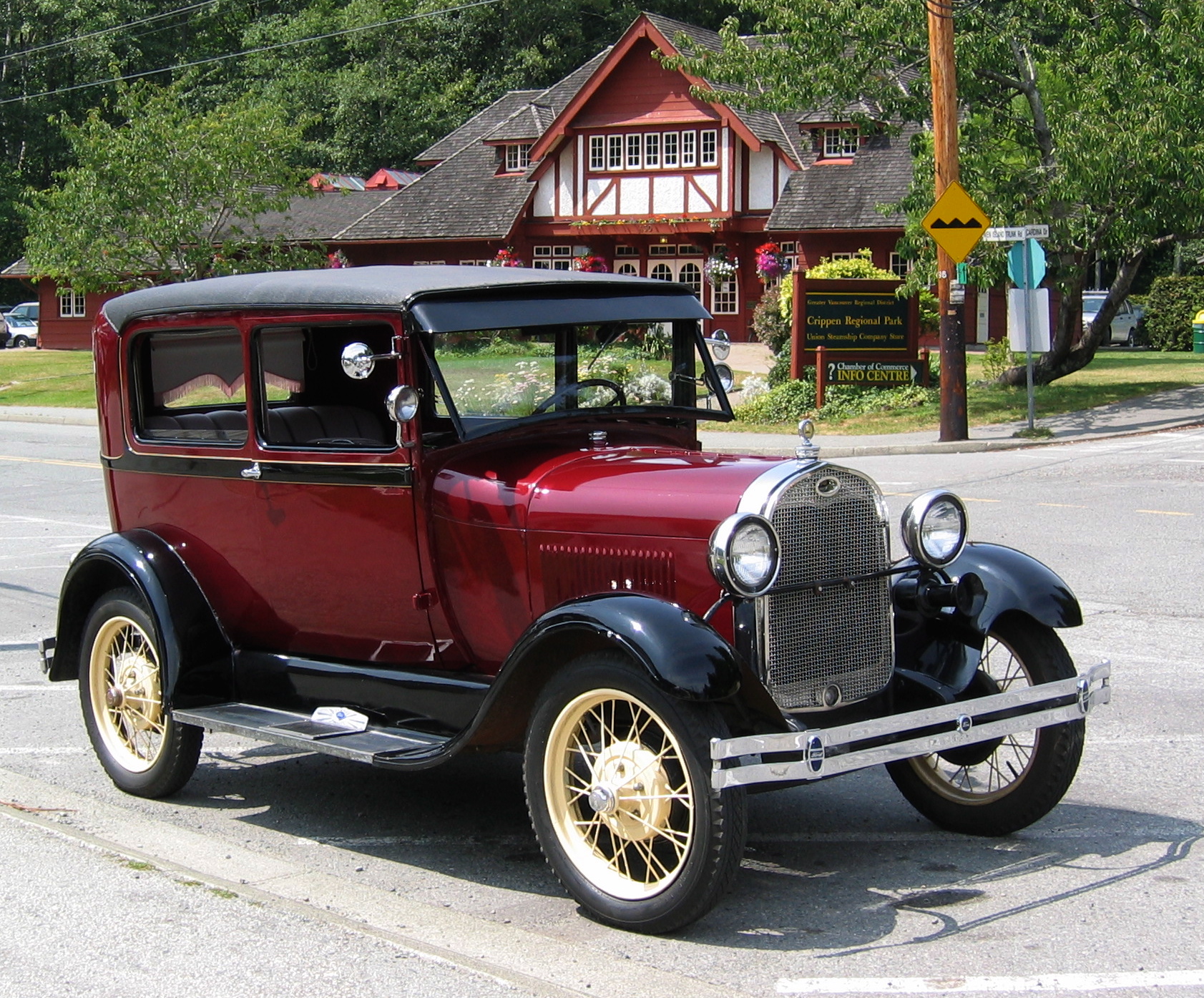
The Ford Model T is an old car that changed how cars were made, making them cheaper and easier for everyone to buy. It's important because it helped many people own a car for the first time.
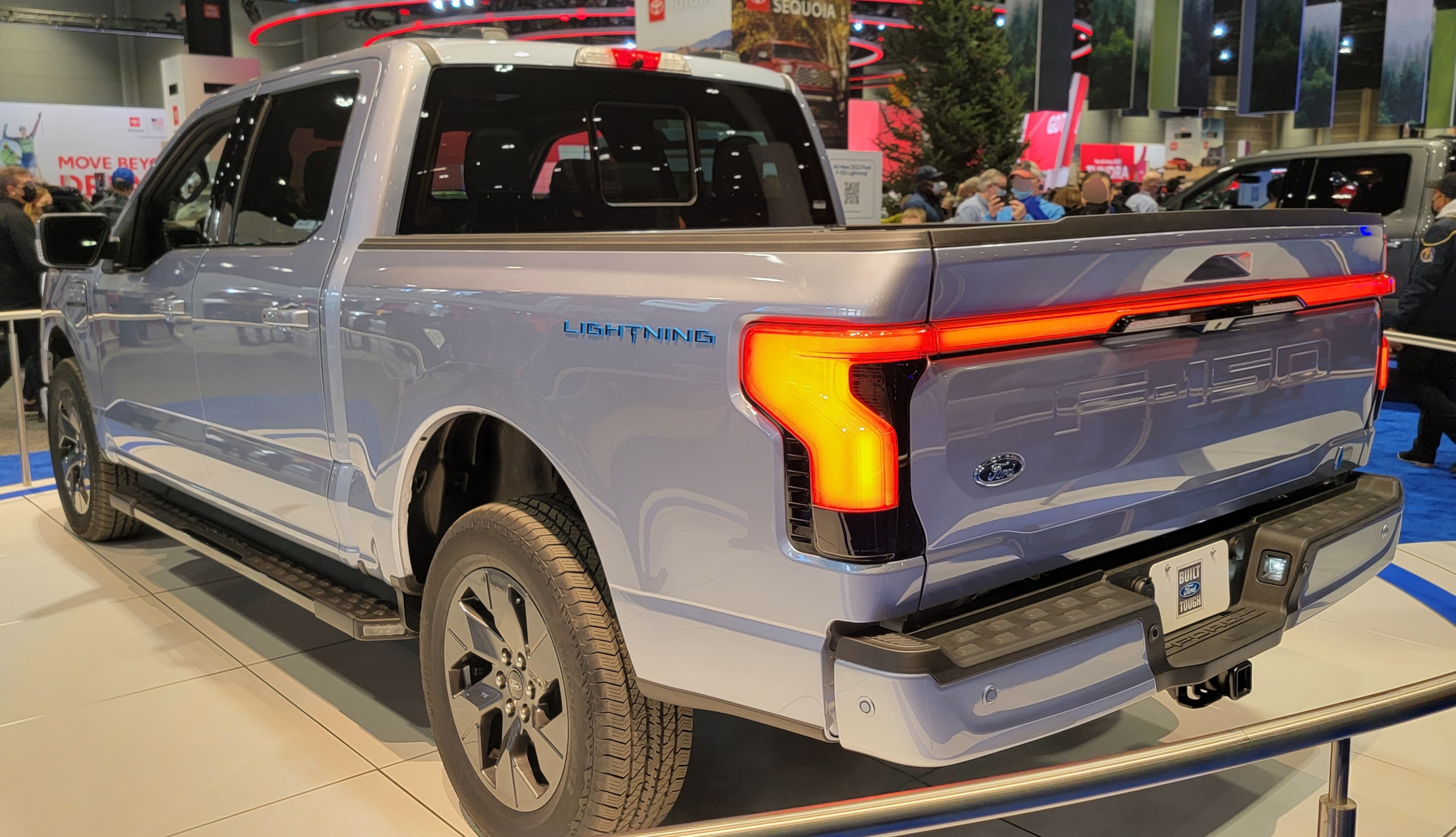
The Ford Maverick is a small truck that's easy to drive and helps carry things. It's popular because it's affordable and good for people who want a truck without spending too much.
LIVE
Bring a trailer podcast. Hi, everybody. Welcome to another episode of the BAT podcast. This is Randy
Nahnemberg, co-founder and president of BAT. I'm super excited to have somebody from our BAT community
joining here today, who you also may have heard about out in the broader car universe. Jim
Farley is joining us, the current CEO of Ford Motor Company. He joined us from Dearborn
Michigan, and we are super excited to have him here today, and excited that he's a part
of the BAT community. Jim, welcome. So nice to be here, and thank you very much for
having me on the show, and also being on my drive podcast. I love that, Randy. Yeah, absolutely.
We can talk about the drive podcast. You have me as a guest there, as well as an illustrious
list of all sorts of people. And I think you're in season three of podcasting. So you're
kind of pro. You may be ahead of me here on podcast, professional career, if you need something
to fall back on or I do. So that was great fun to chat with you about cars in Ford and
history and some things, but you've had all numbers of guests on drive. Tell our audience
a little bit about driving and maybe why you're doing it. Well, I started three years ago.
I wasn't quite sure, but I thought it'd be fun to talk about cars just for driving instead
of the business and everything I'm used to talking about. So try to get some guests that
people relate to like Tom Brady and others over the last couple of seasons. This season's
a lot of fun. I've grunk and Jay Leno and T-Pain and Vicki Butler Henderson for those
of you who watch UK shows. She's a really big presenter over there of a top gear, et cetera.
And Frankie Munoz, who's a child actor, who's turned into an ass car driver. So, you know,
talk to an astronaut from the UK. It's a great diverse show. And I try to make it about
people's common experiences like road trips, the first car, things like that that we can
all relate to and kind of demystify some of these famous folks and to just car people
like you and me. That's fantastic. Yeah. No, it's really fun. I heard of it because people
forwarded it because BAT was mentioned long before I was on it in one of your early season
somebody. Oh, yeah. Brought the cars up for a station back to BAT. I think it was Sydney
Swini. She's bought a couple of cars off the AT and you guys kind of had a chuckle about BAT
on there. So whenever BAT is mentioned, still all these 17 years later after starting BAT,
whenever it's mentioned somewhere by someone notable, like, hey, Randy, Randy, check this
out. Check out this moment that happened for BAT. So, anyway, that was great fun. So people
should go check that out. Obviously, they can find drives on any podcasts or Matt out there.
I listen to it on Spotify. It's great. So that's going on in your life. But we also want to talk
about your sort of car world. Obviously, you're running this gigantic operation at Ford,
but you are always interesting to me because it's kind of, it's in your hobby. It's in your
profession. It's kind of in your blood, I would say. And I know a little bit about your history.
We talked a little bit about your history and transparent about that on your podcast
and elsewhere. But maybe our audience doesn't know too much about that. So if you tell us a little
bit about where the car blood comes from for you. Well, I grew up in Argentina and eventually
made my way to the US and my teens and got a paper route like most of my friends and got
a twin stingray. And, you know, I didn't have much to do on the weekend. We just moved
to Connecticut. And I found that the Ferrari distributor for all the US, Mr. Kennedy's operation
was off the post road right near where we live. So every Saturday we'll go down and of course
spend time with the mechanics, the Italian mechanics who would show me all the old race
cars that he owned. And I started really love cars that way. And of course, Fafaggio was
from Argentina and he was, you know, more than just a car driver there and a world champion.
He was a mega star growing up. And so I really started to learn more about cars. And when I was
14, I drove a car across country, a Mustang that I rebuilt the motor on. That was my first
car. And so I started working on cars myself when I was pretty young. And when I went to
graduate school at UCLA, I put myself through school working Phil Hill's restoration shop
called Hill and Vaughan. And they did a lot of the Pebble Beach winning cars. I'm an interior
person. So I know how to sew and got a job there for two years and really started to know
about Pebble Beach. I met Brick Cunningham who was a customer and a lot of other people
for us Americans who and I were working for Phil Hill getting yelled out by a world champion,
our first world champion in the United States was pretty cool. And I had this parallel life.
I, you know, I worked in IBM and finance and I decided to go into car business. I was scared
because I thought it would ruin my love of fair cars because it is a business. And I started
at like Lexus and Toyota at the very beginning in the 80s after I got out of graduate school.
And I, I had this parallel life where I had a working career at a car companies or car companies.
And at the same time, I really devoted most of my hobby time to, you know, working on my cars
and collecting cars and flipping cars and eventually racing cars and restoring them on, you know,
in the kitchen and everything else. And I think I guess that turns out to be kind of an oddity
for car executives. Maybe not as much back in the day. Do you think there were more car execs that
were kind of doing that and had dirty fingernails and stuff back in the day. I do. Oh yeah, for sure.
I kind of, what I, you know, I've done a lot of research on that question. And I would say,
there's kind of two types. There was the kind of bigger than life, personalities that didn't
know much about cars. And then there was a really serious engineers like Delorean and others
who became, you know, more senior. And then you have the people who really get their hands dirty
and that tends not to be the case. There's a lot of people own fancy cars or even race,
but actually working on your car in the weekend is not typical, I would say, of all those people.
There's a lot of car people, but as you know, the hobby is so diverse. There's not a lot of people
building plastic models and underneath my 73 Bronco, you know, changing the front axle.
That is pretty rare I find. Yeah, absolutely. And I don't think it's necessary. I don't
necessarily know. No, not at all. Right? And you could be in the cars. So many, so many different
ways, right? You don't have to. Yeah, no, I'm not changing. I don't want to, yeah, absolutely
right. This just fits me and my son and my life. And that's kind of who I am. But you know, no
judgment at all. I mean, Leigh Eikoke was an amazing executive, Carol Shelby. I got to know him
when I joined Ford. I mean, these are all incredible people and they all have different connections
to cars, as you said. Yeah, we see that in the BET community is diverse, as you know, and some
of them turn wrenches and some of them aren't sales and some of them cars are just a Saturday
thing. And some of them, I mean, it's all different stripes. So sometimes one group will say,
well, you know, if you haven't rebuilt the engine yourself, like you're not a true Mustang guy
or whatever, right? And I'm always like, no, there's some pretty legit book that don't even know,
you know, how the pits and rings work. And that's totally fine. And they all contribute in so many
different ways. So I'm encouraged by that. But it is interesting to me, because I just sort of have
a lot of parallels to you and what you've done. I came out of working in a Mustang shop and
haven't dirty hands. There you go. But I've been climbing through the ranks. So that's encouraging.
But one thing, I want to touch on a lot of what you said, the Lexus component in the early days
is fascinating to me, the working in your hobby. A lot of people congratulate me because I've gotten
to work in my movie. Isn't that funny? We should talk about that because you're like, you're like,
yeah, yeah, actually, it's not about the cars running forward. You know, I wish it was. And it's
probably the same for you, you know, everyone imagines our day probably totally different than like,
you know, people think I'm in the design studio, you know, and that's that's not how it works.
We're running a $200 billion business like, you know, like your business. And it's it's different
than what people imagine, which is fine. Yeah, but even just the psychology of that people are like,
oh, that must be so great. But I always respond to the question about how that is like it's it has
good and bad. There are good days and there are bad days. Some days I didn't work in what my
weekend hobby is, right? You're very close to it. And you can get burned out on it after years
and years of work in the same industry. But you just need an outlet. I find that I just need an
outlet elsewhere. Do you have those other outlets too? I think you're more than just a car guy.
Yeah, I'm, you know, like most people, I mean, I cherish my time with my family. I have three high
schoolers and my wife Leah. And yeah, I love the outdoors. I mean, if I had my preference, I wasn't
doing Ford. I'd be I'd be hiking the Pacific Coast Trail or be out there camping for a month at
a time or I love motorcycling. And yes, it's a mechanical thing like cars. But what I love about
motorcycles is more, more the people and the trips and, you know, the escapism. I love mountain biking
and, you know, anything like that. I guess I'm always trying to compete against myself.
It's good to hear just a little bit of context from folks, you know, because you're in the headlines a
lot, obviously, for Ford and, and the direction of the company. I associate CHU very closely with
a lot of the product that's coming out. Yeah. But to hear people's backstory and I think people
that the BET community will touch there right now, your interaction with the BET community and your
experience there. I'd love to hear A, where you found it. But B, I want to talk about the Pantera.
You made a purchase of the AT, which means you're more than just a passing interest in BET. You're
like a legit participant. So we can talk about the Pantera. But where did you first find BET?
Where did it, or did it find you? First early days, like literally the first, first time it came
up as a site. I found it fascinating. And of course, I've been flipping cars my whole life.
I bought my first Cobra, you know, site unseen sort of speak or that was kind of a funny story. But
I had a lot of my wife and flight upstate New York and the guy blindfolded me. And I thought
it was going to be like, I don't know. It's like like bad movie or something, but he wound up
being an amazing person. And I've been flipping cars like that, including GT 40s or whatever
I've moved up the ranks or speak. But I lately have been really enjoying working on cars as a winter
project. So I'll buy a car like the Pantera and I'll work on it all winter. And I don't want to
buy a car that has paintwork or requires heavy maintenance. But I go through the car. I have
a list of 40 or 50 things. And by the time spring rolls around, it's a great running car. I did that
with my 73 Bronco and now with the Pantera. And I got a couple of friends that helped me. Now my
son's helping me. So I just love that ritual. But on the site, you know, I'm a comments person. I
love going to the comments. I'm actually I'm Ford Man 21. So you guys can look at my negotiation
habits. I tend to be not a good negotiator. I would say I kind of like show my hand a little
to early. And then I wait till the very end. And then I give now I give myself like a number.
And I can't go by the number. I think that's a good policy. But I've really enjoyed bidding on
cars and bring a trailer. I like the kind of idea that I'm in the board room and submitting a new
offer under the desk or to speak or at some place where you shouldn't have your cell phone. And
I just love the diversity on the site. I can kind of collect virtually, you know, visually. I love
the videos of people driving the cars. There's so much to love about. Bring a trailer. And I've
kind of fallen love over time as you guys changed the product. You've made it really different and
better. And that that's been more fun. I have to say though that I spend most of my time on this
five to six day old inventory before it gets expensive or before people start weighing in.
I like being there early and falling a car. How do you have time to do all this, Jim? You're a busy
dude. Yeah, you know, we all have, we all have five minutes. I can five five minutes before I go
to bed or, you know, at 530 in the morning. And I'll just, you know, look it up. And yeah, I think
we're going to all five five minutes. Yeah, for sure, for sure. My five minutes tends to turn
into five hours. If I'm not sure. Yeah, that part I don't have. I think that's it. And then I'm
gone. Yeah, I have to leave. Yeah. I love it. Well, you can tell, I mean, you're, I consider
your product guy. You talk a lot of them for product. Now you're even digging into aspects of the
BET product. You said maybe talking about that would be an interesting topic for us to chat about
today. I would love to hear your ideas or your thoughts. And obviously we'll talk about
broader car industry stuff later as well. There's a lot that I'd love to get to. But since you touched
on it here. Yeah. Yeah. What aspects of, of dive it around in BET is, is I have a couple friends.
So BETs turn into a social thing for me. So like I think like so many of your customers and clients.
So I love comparing like odd cars that are on BET. Like if there's a Pinto station wagon with
orange, velv, you know, interior, I love sending out to my friends and, you know, I love tracking,
you know, good values. Really bad buys. Like someone paid way too much for something. I love kind of
building new categories. You know, you have like British cars and German cars. You have your
categories. I have my own categories. Like I would love to create my own category of like really
strange cars in the 70s that are oddly preserved. Because I grew up in the 70s and it was a really
bad time for a car industry. There was not a lot of good cars. And I was in a lot of those cars.
And, you know, they come up on BET and some of their just like how did that not get thrown away
or crushed or, and I love those kind of categories like super good value categories. That'd be one.
The other one would be like a more of value line. Look, let's be honest, you know, things that
BET have gotten really expensive. And we love it that way. And there's no mystery. What I love is
the ethos that everything is disclosed. That is amazing how you've created that expectation.
And if you're going to sell something, disclose everything. And if you want to get a premium,
the more you disclose, the better. But the other side of that is wouldn't it be great if there was a
value oriented like my kid Jameson. He's he's got a 1990 Mustang like a drag car that he's
building. And he bought on Facebook marketplace. And I think it's interesting, you know, your
competitors of change is like our competitors have changed look at China. And I would love BET
to have kind of more of a value line. It takes a lot of time to find a, you know, a value oriented
car on the site. And that would be really fun to have a category like that. But what I really
love is it'd be great to virtually collect the creative collection, a virtual collection that
you could price over time like you could use the market and BET could price it over time to see
if you made a good decision or not and how how your collection, you know, did in the marketplace
or a speaker kind of fantasy league for for our industry. Oh, I like those. I'm going to have my
product guys listen to this podcast. This is red meat. This is good stuff. Good stuff. Yeah.
What a great platform. You have it. It is evolving. You know, I mean, there's so much that we can
add to it. And there's so much that people want it. We hear feedback all the time as I'm sure you do.
Yeah. Is there any way you could rate notes like because I love the notes personally, that's like
what I love the most is going into a car at the very end of the auction. Not when it's bought yet
and see how all the notes evolve and all the technical aspects of the car and how engaged the
seller were in responding to the notes and how thoughtful the notes were. Some of them are really
cheeky. Some of them are funny. It's like a social thing. It'd be great to kind of be able to
meet the people that make the notes because I've started to recognize some people like that person
is really detailed about mini coopers. And you know, that I think that's a social aspect of the
platform that could evolve. Yeah, absolutely. We do a series called 10 questions with some of the
the most notable commenters. Oh, really? Get a little like where they from. Like what's their
deal? Who's there? Yeah. 10 quick shots with a bunch of them. And we've done a few dozen of those
because there are people that sort of rise to the top guy in a mini cooper listing like the same
folks will show up. Who is how do they know so much about minis or how do they know about
e-types? Like e-types are deep in that world. But no, that's great. That's great advice. And the
fact that you haven't heard of it means we need to publicize it more or make it more visible. But
we share your sentiment on that. And the community component of BET obviously is such a differentiator.
So it's interesting to hear your feedback on wanting to hear more. Tell me about the social
dynamic of you say you kind of send around links or you send around a pinto interior to your
buddies. Yeah, like Colin Comer and Wisconsin's a good friend of mine. And Colin and I are
always going back and forth about like, you know, those kind of cars. And then it gets into the
phrases, you know, if it's rocking, they'll come on knocking and you know, you have all of the
memories and the perspective is a car person over your life that you want to compare with a friend.
And you know, these these cars always bring back fun memories of, you know, the first eight track.
Well, mine was a Peter Frampton and someone else had something else, you know, like Colin and
we're anyways, I love taking cars and making the link and and pushing it to a friend that it's
relevant. And then we can connect outside of just, you know, being friends, we can have a little
escapism, a little daydreaming about whether we would want to buy this car, whether it's worth as
much as it should or whether this comment was valid or not. I think that aspect, you know,
it certainly enriches my life more than actually the cars, you know, being able to connect with people
over our passion. Absolutely. I do that with my dad. I got a text right out of my dad and my uncle.
I've got, I've got, I've been going with my boy and we're just going to be T-links back and
forth and buddies and all sorts of stuff. So I love hearing stories like that. A lot of family
stories, a lot of, you know, my old college buddies that I send and stuff around, like those stories
bubble up, the social connection component of BET makes me really, really happy. And thankfully,
we don't all have to go mine Craigslist to go find links to send. We can just kind of go to
BET and get a better hit rate, you know. And it's good to see, I love the fact that you take the time
to track the market. So you could see, you know, general trends in the market, you know, I always
go into the cars that I know a lot and look back four or five years over the auctions and see the
diversity of the data. It's much more rich than, you know, haggard evaluation and some of the
other kind of single point estimates. I really love learning about how the market is changing.
I want to ask you a little bit about you. You listed off some interesting brands. Obviously,
BET, one other thing I love about BET is the, the breads and the varieties. So you say Lexus and
it's not a 30 word on BET. It's a great. No, not right. Opportunity. And you said you weren't
to Toyota. And now for you said Lexus in the 80s. I mean, that's like almost back to launch of
Lex, right? It's birth. I mean, that must have been an interesting time to be working with.
There was and people don't realize, you know, there was not many of us as a very small group. I was
a product planner. I came up with this thing we proposed to Japan called the RX 300 before
it was an RX 300. And it was really fun. It was a small group. We were the last of the Japanese
to get into the luxury car market. Acura was there a long way before we were and then
Infinity launched to Q45 right before our LS. And, you know, we really knew that we had to bring
our A game because the others had really great product. Infinity had the rocks and the, you know,
the kind of very organic design. And of course, Acura had already been well established with the
legend product. And so we, you know, we had to bring our A game and do something different. So
the idea was, let's combine the world's best experience. Dave Ellingworth and
Dick Chidi came up with this idea of treating people as a guest in your home. So we put like car washes
in all the dealerships. And that was like shocking. It was like, why do I need to put a car wash
in my dealership? You know, there's a car wash down the street. It was like, well, no, because we
wanted you to wash every car. And they're like, well, I would never do that. And I said, well, yeah,
you want to be a Lex deal. You're going to wash every car and you're going to have a brunch on Saturday
and welcome on the owners. And, you know, we really embraced this idea of treating people as guests.
And then having product that was silhouette innovations like the first Lexus coupe that was more
advanced and more different. And then kind of the next generation of quality, we wanted, you know,
Lexus to kind of be the quality leader for Toyota. And so we thought that NVH was going to be the
next level of quality outside of reliability. And that's why the LS was so quiet and focused on,
you know, low NVH, which winds up being, you know, then delegated or democratized to Toyota.
That was the purpose of the division. It was really exciting. It was not a big group. And we really
had a lot of pressure to perform because we were quite far behind others. And this was all out of
torrents in Southern California. Yes, in torrents. It's interesting. Lexus is a synthetic brand. It's
it's not like BMW Mercedes or other brands that premium brands that kind of grew up kind of
finding its way through their voice and the product. It was a self created synthetic brand,
I would say. And it came from America. Lexus was never launched outside of America until many years
after. It's now around the world. But it started in the US. And then it grew globally. And it had
a lot of growing pains and a lot of, you know, I launched Lexus in Europe. And it was not a success.
The first IS was not a successful product to compete with the three series, you know, real world
drives a sport compact coupe and four door. So we, you know, there was a lot of experimentation.
There was no guarantees that we would be successful. But the RX totally changed everything. But
that product, literally one product, we became the best selling luxury brand in the US,
which was really shocking because we went from like 50, 75,000 to, you know, way over 100.
We didn't have any dealership. So it was like a big surprise to us that one product could change
a brand so much, but it did. Wow, it's so cool that you were there at that moment. I actually
remember that, I mean, the IS when it was released, a rear drive, so you say it wasn't a success,
but it was interesting. And it got a lot of magazines like wanted to write about it,
because it was a departure, right? A rear drive Japanese thing. You get a stick and it had
the chronometer dials in it. And I was in Europe actually doing an internship for BMW,
which is kind of where I got my start in the business. I see. And that car was meaningful.
Like I went to a dealer in Europe to find one of those and look at it because I was like,
this is an unusual offering in that it was a Lexus. So anyway, that was an interesting time.
It was. And you know, it was able to be at the beginning of the Sion launch. And I was a head of
Sion when we were launching. And that was a really interesting process because we were able to
really study Saturn very carefully what worked and what didn't. And you know, I went to Europe
with Toyota as an American and helped launch kind of their first indigenous products in Europe,
a Yaris and all of that. It was, you know, diesel engines. A lot of strange stuff over there.
Yeah. So I was lucky. I got to do a lot of unique things. I was mostly in product planning,
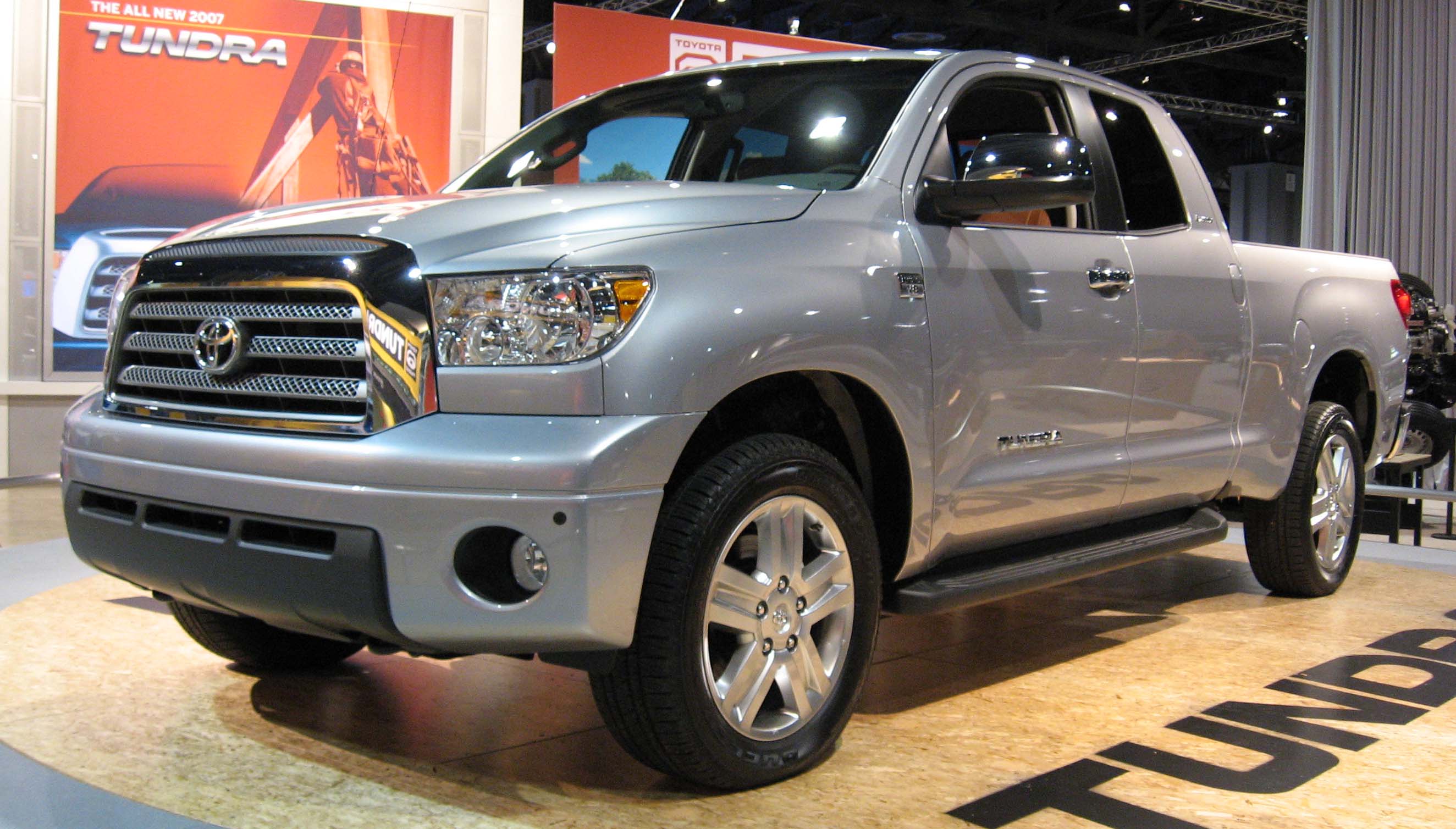
working on the first Tacoma. I was the project leader for the Tundra when we tried to take
on the domestics on the full-size pickup truck. So I was able to see Ford as a competitor.
Super interesting. I like car industry, insider timelines and product launches and that sort of
stuff. So anyway, I kind of geek out on that stuff. So I live here in your stories from those
brands and just remembering those times and the competitive landscape in those years and what
was going on. So that obviously has sort of formed you and your journey and then you come back to,
you know, run Ford, a very American brand. And it's journey has also been interesting,
sort of veering more towards enthusiast, I think, for sure.
In a lot of positive ways. And I love to see that naturally. I think a lot of people listening
have loved to see the Mustang be vibrant and see the Bronco research and all these things that
you've had your, I mean, that isn't just you. Obviously, you have a very large team,
but you have been sort of at the helm while that happens.
Yeah, I really felt like, you know, every car company has its natural state.
What it wakes up in the morning, metaphorically on Monday and does without trying really hard.
And, you know, Ford does enthusiast products, off-road and commercial, almost better than any
company I've ever had. I've had a compete, as I said. And I really believe that the best
way for a car company to be its best self is to lean into what it does naturally well.
Instead of looking at it as kind of a full lineup and you have to do everything,
you know, yes, there's some aspect of scale that makes a huge difference. But, you know,
at Ford, our ideas and like no boring products. And, you know, yeah, that doesn't mean we live in the
past either, you know, it means we're going to have a marquee. And we're going to, you know,
always test with an equal boost Mustang. And we're going to be the Porsche of off-road enthusiasts.
But we'll do it our own way with Raptors and Broncos and Tremors and not someone else's way.
And we believe deeply in racing and tying that back to the business. But we also love our commercial
business and our retail F-150 and pickup truck business. We're now the largest pickup maker in
the world. That wasn't the case when I joined the company. We were 14th with Ranger around the
world and Hilux was way ahead of us in number one. And we're now number two to Hilux. We have five
plants around the world that make Ranger and it's our second best-selling vehicle globally.
And we love our commercial lineup with Transit and all the different kinds of transits around
the world. And of course, Super Duty and our commercial lineup. And now that includes software and,
you know, repair services. So that's changing a lot. Hey, I think we're sticking to our knitting.
But we're going to grow. And we're going to grow by doing what we naturally do well,
accentuating what our team members love doing. And then pushing the envelope in a few new areas
like EVs. It's exciting to watch. I love being there. I kind of want to be behind the curtain
sometimes. But I also like being on this side of the curtain so I can kind of just be the
full of hard work. See which levers you pull. Picking which lever is your problem. You've got to
figure it out and navigate that. And we get, honestly, the consumers get the benefit from that
so much with the competition and the evolution of things. So I've enjoyed that quite a bit.
We see a lot of variety on, I mean, we're some Raptors on BET that are secondhand in all the
generations, right? And it's been interesting to see my dealers are so upset at BAT because the first
thing I do when they charge over sticker prices, I go on BAT and start sending the dealers.
Because I know what dealer lives in which area. So I'll just go on BTO. Okay, that's 10 grand
over sticker. That that's again, the same dealer in South Carolina trying to, you know,
trying to do this. And then I send it to my salespeople and the people like, could you stop
sending us BAT screenshots? Like no, I'm not going to, you know, yeah, so I know your evidence.
Isn't it? I mean, yeah, it is totally. It's a market place. So, you know, it's completely
efficient. And to me, it's, as a CEO, it's a great, you know, because I want to have all my
vehicles on BAT being sold, you know, because that shows that we're getting the product right and
people want to buy them. And there's too few of them. So yeah, it's a great resource for me on my
job too. Yeah, it's fascinating. I mean, I've fantasized on some level of having new cars sell
through BAT and setting a price in that way, because it's so efficient in how it sets the price.
But that's not, I mean, obviously, you have a very meaningful relationship with your dealer
network. And there's a bunch of a lot of laws about that. Yeah, there's a lot of, there's laws
that are politics. There's all sorts of stuff that relates to that. And much of that is really great.
But I've always wondered, like, at the beginning, there's all this demand and things are selling
way over sticker. And then they settle the sticker. And then by the end of the runoff, and they're
being discounted, like, crazy to move them out the door. So the price, it's almost like the
customer, that number that's picked, you have teams of marketing people that like MSRP is on a
on. They're almost always wrong. And almost always wrong. Well, if they are, you have to make
all these adjustments. Oh, yeah. It's really difficult. Ship patterns and supplier capacities. And
you know, I laugh about when I, you know, work at a brand like Toyota, we meet so many. We used to
laugh, you know, Vanilla is the best selling flavor of ice cream because, you know, we saw a lot of
corollas and cameras and those kind of vehicles. But, you know, in that kind of company, when you have
a sports car, it's like, it feels like the company kind of has a memory lapse. So it goes, we
got to do it. A super fill in the blank. Then they, they come out with it, you know, and then
for two years, you look like a freaking hero. And then after everyone who one-on-one got one,
there's no more demand. It falls off immediately and steeply. And then you have like six years to
forget about the fact that it didn't work that well. And then someone comes around about seven
years later, I'm not joking. It's like seven or eight years and they go, we need to do another
zebra. And you're like, wait a minute. What? We already tried. What? And then we do it again, MR2.
Like I, I've seen it in 40 years career. I've seen it like five full cycles of being excited,
then being really depressed, then forgetting about it, and then getting excited about it.
The good thing at Ford is we never kind of got out of the Mustang business. So we have a good core
group. That's really funny. But they come back and they're going to do it again. Yeah. Yeah. It's
almost like going back to the pain again. Absolutely. And the highs are so high, I guess the lows
are pretty low, but the highs are really, really high. There's a lot of publicity. It's a total
great tragedy. It's a great tragedy. It's going to play out in front of all of us as guard people.
You know exactly how it's going to end. I'll give you six sports car name plates. And you go,
yeah, they're in the fifth to six year cycle. Oh my goodness. What those NSXs are worth now.
And people are paying for them. But that the end of the run of NSXs, they couldn't move those
all. They couldn't. Yeah. When I joined the company, they had like three auto show cars,
the O5 GTs that you could buy in the company for $110,000. And they were like single digit
ceiling numbers. And no one would buy them. Can you imagine buying a heritage O5 GT at $120,000?
Oh man. They were everywhere. They were everywhere. Well, if those are lying around,
if those one offs are still lying around and we're in the tragedy part of the cycle,
when you want to put someone be a teenager, some funds, you just describe the whole. That's
what we do is car people. If you want to flip cars, that's what you do. You figure out exactly
where you are in the cycle. And you know, it's pretty predictable. No, man. I love thinking about
that. And you know that the man, I mean, those things stand the test of time though, right? Those are
what's, you mentioned like MR2. I mean, those are popular on BUT. Like a clean, low mile manual transmission
in MR2. Like brings a bunch of money now, right? And so I don't know. There's some sort of 20,
30 years later resurgence. I don't think any of the marketing people are still around that cared
about those decisions, you know? No, no, no. There's a couple that don't make it like a stealth,
you know, like a 3,500 mitsu. Those are really cool cars. They just never made it to the next.
They didn't make it through. They didn't make it through tragedy face back to that. That's like
a full on. There was no second. There was no second try. How many employees are at Ford worldwide now?
Just under 200,000. We have about 180,000 people that I think about every day. My grandfather was an
hourly worker here at the Rouge plant. Started Highland Park building a Model T's. And he was
a 389th employee of the company. So I came back and what logic is a him. He got me excited about
reading autumn news when I was a kid and, you know, yeah, we have 180,000 people. And we have to
make really good decisions as leaders of the company so that they can have wonderful lives and we
can hire more because a job at Ford is a great job. You can have an amazing career in life if you
work at Ford. But we have to do our job as leaders. Yeah, talk about leader where I was going with
that is sort of leadership philosophy and your ability, like when you're walking the halls, I don't
know what people listen to the podcast are thinking, but I envision you obviously in a variety and
a lot of travel all over the place worldwide. But also just sort of walking the halls of Ford,
like what's going through your head in terms of connecting with people and shepherding not only
the product and the offering, but the team that's around it. What goes through your mind?
Well, I would say people would tell me is a very intense leader who is very focused on excellence.
I was very formed with my Toyota experience. So I really expect the most out of people,
often more than they expect out of themselves. And I demand the very best for Ford because I think
Ford deserves the very best out of everyone. At the same token, I really believe in going and seeing.
So I do a lot of plant visits. I always walk the floor wherever I am, engineering studios,
whatever I say hello to everyone. I want to know what they're doing because I love what we do.
But more importantly, I want to connect with people at a human level so that I can understand how to
make good decisions. Sometimes that's just seeing how hard they work and putting that kind of pressure
on yourself to make good long-term decisions for the company. Any CEO has to make choices between
short and long-term. And there's no easy answer. There's no actual answer. It only emerges in retrospect
and whether you are right or wrong. And there's a lot of critiques because there's a lot of uncertainty
in our industry about how customers or regulations are going to change. But I really believe going
and seeing Genba is a Japanese term for going and seeing with your eyes. If you want to solve a
problem, I believe, do not make any big decision before you go to where the problem is most acute
or what you're trying to solve and learn with your eyes and your ears and talk to people before
you make any big decision. That's cool advice. I appreciate that. That sounds like that was from
your Toyota days. Yeah. Absolutely. I learned so much at Toyota. It's such an amazing company.
But it didn't apply that process to emotional products as much as it could have. And that's
the combination we want to get right here. World class durability, totally competitive cost. But
most of all like passionate products. So I'm very intense when we talk about concepting like
they're maverick. There's only two small unibody pickup trucks in the US. When I joined the industry,
we sold 800,000 Toyota pickup trucks the year I joined Toyota. And there's a huge market for entry
level pickups. But the Rangers and the Tacomas are all $40,000 vehicles now. So we came up with the
concept of taking the focus platform and making pickup truck and making it a hybrid with 40 miles
per gallon. But making the bed flexible so you can go buy a two by four or whatever from Home Depot
and kind of hack the back for not a lot of money and then don't over invest in tech on the inside of
the car to try to keep it really affordable around $30,000. That concept we developed in two years,
it was off a focus platform. It's a pickup truck. And it's our hottest selling vehicle in North
America. So I put a lot of pressure on my team because our product cycles are five to 10 years. And
so if you can get to a maverick before Toyota does or Nissan does, you have five year advantage.
And you know, I put a lot of pressure on our team to really make breakthroughs at the concept level
because I learned that it as a young man with the RX 300. It was really no competition.
Mercedes ML. That was it. And we had the market to ourselves for a long time. And that's what you
want to do. You want to innovate for the customer. Do it faster than your competition. Get that three
or four year advantage and then make sure the next one is even better. But don't make it heavier and
and more expensive like you do with XB. That was a mistake. You know, be true to the original concept.
Yeah, that's my philosophy. Put pressure where you're going to see a big difference as a company.
Interesting. I love he can talk sort of philosophically, but also weave in different products
that have kind of been milestones along the way. I think that's actually really interesting and cool.
We listed an interesting maverick at least one on BAT, which it may be a surprise. I mean,
it's such a newer innovative type of product, but it was like a crazy SEMA build or something.
No, okay. What it was. But we had one of those go through BAT recently. I like those. I like
that product quite quite a bit. An interesting topic that I'd love to hear your take on how it's
going to impact the car industry and maybe your point of view at Ford in particular.
As things automate and obviously your factories are so mechanized and different parts of the
business, but throughout the business more things are going to be automated in the future.
In the car business, what are the human parts, the most human components of Ford moving forward,
meaning is that the designers will always be people that are like things around their head or is it
I love this question. In the factory, like I toured some factories in Italy that are building
exotic stuff and there were young folks turning wrenches, you know, hand assembling engines,
and I was like, and that's that's nice, but that's not cost-effective at all, right? So I mean,
there's there's a bunch of parts, but what are going to be, you know, 10, 20, 30 years down the road?
The parts where super smart people are very required for a mobility or a car company like Ford.
What a great question. Well, first of all, you know, my answer to your question made
surprising people. So just to hang on for a second, hang with me for a second. The first one I
believe is that clay modelers are still going to be around and very busy. The form of an automobile
is a very subconscious emotional creation process and the clay modelers are very close. So how a
stamping machine stamps a panel, we have a certain amount of draw, a certain amount of, you know,
about 50 millimeters that we can play with. That's the only depth that we can play with. That's
the most you can do with steel aluminum, it's a little different. And the clay modelers so close,
human process of getting that close to a car, like kind of washing your car times 400,
the process of a designer and a clay modeling interacting with each other to get all of those
subconscious emotional shapes just right. I don't think it's going to change with AI or anything
because cars are emotional and it's a human process of creating one. That's one. Another one
would be the creativity of our software engineers. We can have all the AI create great software,
but in the end of the day, a human being has the creativity to make software feel super simple,
super complicated. And the logic in that, sure, you can automate some of it, but a lot of it is
just human judgment knowing how humans work. Right now, the inside of cars, not like your cell phone,
it's 400 times more complicated and there's safety critical systems that are coming up. Even
level two, level three autonomy, the car has to engage and disengage with the customer. That's a
much difficult problem to solve than your phone. And so having a software engineer that understands
how a human has to grab a hold of steering wheel or disengage when level three eyes off the road
happens on highway high speed autonomy. That is going to be a human skill. It's a human judgment
and we can build a software using AI, but there has to be a human that designs it for humans
because we have only so much cognitive ability. I think in the manufacturing process,
that is going to be more and more automated. We now have robots that go around our plants who
are just smelling for lubricant oil that's burning or listening for a bearing going out on conveyor.
You know, we're going to have more and more automation on our manufacturing, but the fact is,
you can't build an entire car at this point in time with robotics efficiently. The technology is
too expensive. And so this is going to sound interesting or surprising, but we're actually designing
the new manufacturing process for our skunk works, our affordable EV that's designed in California by
a bunch of, you know, basically non-forward people for the last two years. The vehicle will be coming
out in about a year and a half and we design the entire manufacturing process around our operators.
That means the human person building the vehicle. So some parts of it, you know, we're using text,
so we'll put in the computer right after paint because then it can evaluate whether connections are
made successfully. We don't need any camera systems to look over our operator's shoulder anymore
because the computer's put in so early in the process itself diagnoses whether it's being built
correctly or not. On that perspective, it's very automated. On the other perspective, we kit the
vehicle, put all the parts inside the vehicle and we build the front and the sides differently than
what we do today. Today we have a body shop. It makes the whole body. We take the doors out,
people can go in and out and kind of build the car. We don't think that's how car production
should be for a small vehicle. We want to open the car and we learned a lot from Tesla in this aspect
so that the operator can actually walk inside the car and if you close off the front, you can't do
that. So you have to open the car so that the operator can actually walk inside the car,
build it around them and then finish the front of the vehicle and attach it. That's a totally
different way, very human orientation because the human body works a certain way and there's
a lot of operations that we still can't do an automated way and maybe the weirdest one is putting
on a badge. You think it would be super automated and whatever. We take the best
people with tactile feel and the best kind of sense of space and those are the people to put
on badges and it's incredibly human process and when we've had robots do it, they get it right
for a thousand times and then they get it wrong and then you have to redo it and it's a really
bad process to redo. So there are actual jobs that I believe in the manufacturing system will
always be human doing it. Fascinating. I think that's interesting, just worldwide and industry
wide and business wide, thinking about where I talk about this with my young teenage kids about
what kind of jobs in the future are going to be really human and really valuable and really interesting
and they're different than when I was coming up and you were coming up, the types of roles are
different. So to hear you speak about that in such a large industrial operation as building cars
and designing cars, the clay one surprises me. All the other things, the badges thing is kind of
an interesting anecdote but all the other things make sense. The clay modeling, I would have thought
you would have said that that will, like clay models will go away and it would be some sort of
digital image that's flipped around in VR or whatever. You don't think so. No, I really don't
and it's not because I'm an old guy and I don't like new ideas. I love new ideas. It's probably one
thing that distinguishes me but I really believe that I learned this from Hill and Vaughn. When I sat
around at break at 10 o'clock in the morning with the people that I remember but I was in a body
guy. I was the interior guy and the body guy goes, hey, Farley, you're a new guy. Hey, tell me if
this panel's flat. I put my two fingers on the panel. I'm rubbing them back forth and he goes,
is that how you touch your girlfriend? I was like, no, no, no. I use my whole hand. He goes, yeah.
So and I put my hand on there and I could tell all these imperfections that I couldn't feel
when my fingers. And I say that story because you cannot believe how much a designer needs to know
about the stamping process and the variability of stamping over time to get a design right
and you can't believe how much a clay modeler knows about all of that.
And they can really help. I've just seen a relationship between a clay model and a designer
and also there's another reason too. Clay modelers are really honest. So when I go around the design
studio and I go, when you think of the new Bronco and it's like, it's awful, Mr. Farley, don't build
that. And then I'll go in the design studio and look like, here's the new Bronco. What do you
think? And I'll go, I don't like it. There's another reason because they get so close to the model.
It's like washing your car, but they don't wash the car. They build it centimeter by centimeter
by hand. And that process allows them to really as a human understand every aspect of the design.
And they're very honest. And so there are resource for us because like all humans,
we fall in love with our own ideas and a designer is going to go, this looks great, doesn't it?
Maybe not. It's great insight. I love hearing all about that. All the ins and outs. I haven't
followed up at all. I mean, working in Los Angeles for Phil Hill and his operation there.
That will resonate. I mean, some of this car design stuff and some of the industry stuff will resonate.
I have a couple of great stories about working there. Yeah. That one you just told was mostly PG-13.
I worked at a car race shop. And that was, I mean, it gets much more crazy than that.
It's salty. Yeah. It's salty. Certainly. But what stories could you share from there?
Con of my favorite one for Phil was like, people didn't realize Phil was just the most amazing
mechanical person I've ever met, actually. And I met a lot of incredible mechanical,
capable person. It surprises me that none of the cars he ever raised broke.
Or he had that reputation because I worked for him. Anyways, he goes, hey,
Farley, you know how to drive a Packard? I'm like, yeah, my grandfather was, you know,
knows how to, we restored a Packard anyway. So I knew how to drive Packard. He goes, hey,
we have a customer in Bill of Hills. We need you to drop off the car. So I drove the Packard over
to Bill of Hills from Santa Monica. I got there in the customer, very nice man, super wealthy. And he
goes, hey, Jim, I have a car in the back that I need you to deliver to Phil. And he said,
well, did you call Mr. Hill? And he goes, no, I haven't. But, you know, don't worry about it. I
know Phil really well. Just drive the car down there. So we go to his garage and it's a going.
And so before goings were like super expensive. But I knew it was like, whoa, I'd never seen one before.
And he had a bunch of bad gas in it. And he hadn't used it in like 20 years. And he goes, don't worry,
we'll get it started. Just drive it back down to Santa Monica. And I'm like, well, I feel a lot
better if you call Mr. Hill. And he goes, no, yeah, it'll be fine. Don't worry. So of course, I drive
in the parking lot thing smoking. It's running terribly. And Phil comes flying out of his office
downstairs. He always listen to opera, tell you an opera. And I can hear it going. And he comes,
he goes, what are you doing? And I go, well, the customer, he goes, what? I told you to call me anytime
a customer asked you to do something. You don't know how to do. I was like, I know Mr. Hill. I'm so
sorry. But like he was so insistent and he portrayed it like you would have no big deal. He goes,
you just drove a million dollar car with no insurance. Like don't ever do that again. And I said,
oh, I'm so sorry. He goes, open the boot and let's get this gas out of it. So I go over the boot
while he's still look watching me and the key breaks in the key cylinder. And like, oh my god.
And in the go wing, Lee Siskwan, you have to open the boot to fill up the gas. And so I'm holding
this key that's broken down the other half of his in the lock cylinder. And I look at him and he goes,
oh, wonderful. Go get a rope. And then at this point, like you know how the shops work, like people,
all the other guys are starting to come around to see this total goofball, Farley mess up this
whole situation. So they're all around the car. And I was like, the rope is he going to put a hang
a news and like a joke or something. So he gets a rope and he goes, go on the other side of the car.
And the lock cylinder had like this very nice little hook. Yeah, where you put your finger. And
he goes, put it around that hook. And then I want you on the count of three, we're both going to
pull as hard as we can. And I don't know how this guy knew this. The whole hood flexes and pops
right up. I'm like, how does the formula one world champion know that that we're not going to break
the sheet metal on this aluminum alloy million dollar car. So pops open. And of course, we get the
gas out. And I'm like, Phil, how did you even know to do that? He goes, yeah, that's the right thing
to do. So I was so amazed by someone who was so accomplished, but still had this kind of
six cents of how to work on a car. I love that experience with Phil. I never forgot it.
Never. That's a fantastic story. I really appreciate you relating that man. I can imagine that
moment, what a crazy moment. And busing off the key is such a classic. I'm on the bottom of the
bottom. It is for the lot of it anyway. Two strikes on my way to third strike for sure. And all
the guys in the shop are like, oh, you have no future. I'm sure they're looking. You're like,
that's the same guy. Oh my god. He was a marginal sewing guy. He was marginally good at sewing
alligators and frog interiors, which is what I did. There you go. Unbelievable. Well, I love it.
And we're pretty much at our time. You're busy. And I've got to get you go. And you did say
one thing that I'll have you maybe sign off with. You say you're working on these cars as winter
projects. You got the Pantera. Maybe you got the punch list on the Pantera. Maybe you didn't.
Does that mean you sell them right away and go get another one next winter? Or is the Pantera keeper
or are all these first people? It is such a good question. And I know all your listening
audience would respond to the same was like, I drive it. And then I decide. Like, is this a car?
And I have a rule. If I don't drive a car for six months, so I have a 37 Lincoln,
I have a bunch of race cars that I race. But the cars that I really love now, the cars that I own
now are the ones that I will never sell. So the ones I really love and they're actually not super
fancy. But I have a great mini Cooper S mid 60s. I'm working on. But the Pantera, I have to tell you,
it's a shocker to me. I drove it. I could not believe it. I drove it from Walkins Glen back to
here to Detroit. I got up to 160 miles an hour. It was comfortable. My security team was really
upset at me behind me. They were trying to get to me in an expedition. No chance. The suspension
is really compliant. I got the seat adjusted so I can fit. I'm six feet. It's, it's, you know,
it's very comfortable. There's a bunch of stuff to do on the car. And the cool thing about Pantera's
is you can change them subtly. The color of the wheels, you know, and people aren't upset. It's
like a cool community where they're okay with you changing the car, which I always like making my
car a little unique. And I think it's a keeper. I really do. I love the mid engine. It's a beautiful
design. It's a great car. And it's a forward deal. Like you can go the harbor freight and get stuff
to work. It doesn't require anything fancy. But it's a really beautiful, well-driving mid engine,
you know, powerful 60s, 70s Italian car. I mean, to me, it probably drives better than the Mura,
but I only spent 100 grand on it, not, you know, 3 million. Yeah, I'd love to hear the story
as it unfolds. And we'd love to hear what you pick up next on BAT. I'm always looking. Always
looking around. Ford Man 21. If you go up against me, please, please, I have no life outside of
Ford. So if you're going to bid against me, just please, if you really don't want the car,
let me have it, okay? Go easy on me. I love that. We've never had anybody plead to get
it's bidders out the podcast, but that's a good thing for them. Because your bidders are really good
and they're tough. And I've lost a lot of cars in the last thousand dollars. Drives me nuts.
All right. It's like, why are you depressed? I really wanted that car, but it went over my budget.
Yeah. Regrets bidder. Regret is bitter the day after auctions. That's for sure. Well, Jim,
thank you so much. Thank you for being part of BAT and everything we do. You're right in the
heart of our ethos of love and cars and love and getting involved and love.
Randy, you are awesome. You were so much fun to interview for my podcast. I love what you guys do.
And most of why I love your whole user community. I'm part of it. And you know, the only thing I would
ask is if all of you think about buying a Ford, just think about all the families to 180,000
people that you affect. You know, the profit and the IP states here in America, you know, we're all
trying to make it through life here with our kids and our family. And you know, when you buy Ford,
you really affect all of our lives positively. So thank you. I appreciate that. Don't want to give
me the platform for that message at all. It's good. It's a good message. It's nice to
part or something. That's why I'm here. Honest like that. Absolutely. That's why I'm here.
Well, thanks for your time. I hope we get to link up again at a racetrack or a car event somewhere.
And thanks for supporting us. And thanks to everybody out there for listening to Jim and me.
Have a little bit of fun talking about cars and join us for the next BAT podcast. Thank you, Randy.
About this episode
Ford CEO Jim Farley shares his passion for cars and the automotive industry, discussing his journey from a young car enthusiast in Argentina to leading one of the largest car manufacturers in the world. He reflects on his experiences at Toyota and the evolution of Ford, emphasizing the importance of enthusiast products and community engagement. Farley also talks about his personal projects, including restoring a Pantera, and the unique aspects of car culture that connect people. His insights into the future of manufacturing and the human elements of design and engineering provide a fascinating look at the industry.
Randy sits down with Ford Motor Company's own Jim Farley, otherwise known as fordman21 in the BaT community, for a fascinating and wide-ranging discussion. Jim generously takes the time to talk about how his early experiences led to a lifetime of flipping cars; his own podcast, DRIVE with Jim Farley; an unexpected and, one supposes, uncommon skill for a Big Three CEO; getting yelled at by a Formula 1 World Champion; the dangers of working in one's hobby; details about his social relationship with BaT; free product advice; connecting with other people over a shared passion; insights into the early days of Lexus; the emotional rollercoaster of sports car production; sage decision-making advice; predictions about the role of AI in the manufacturing process; a formative moment involving Phil Hill and a recalcitrant Gullwing; using his Pantera to stress out his security detail and keep the local Harbor Freight in business; and a heartfelt plea to competing BaT bidders.
Follow along! Links for the listings discussed in this episode: