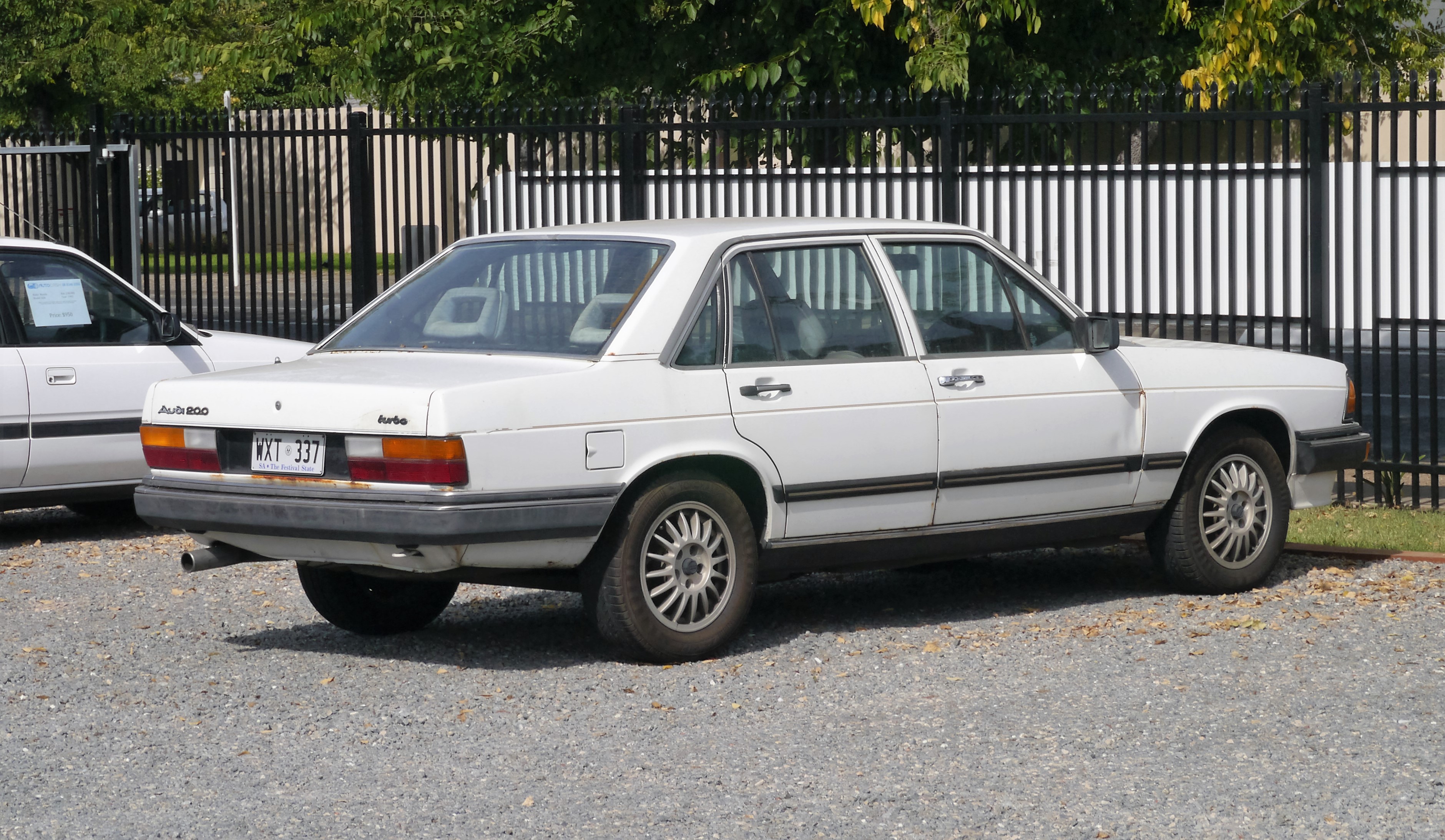
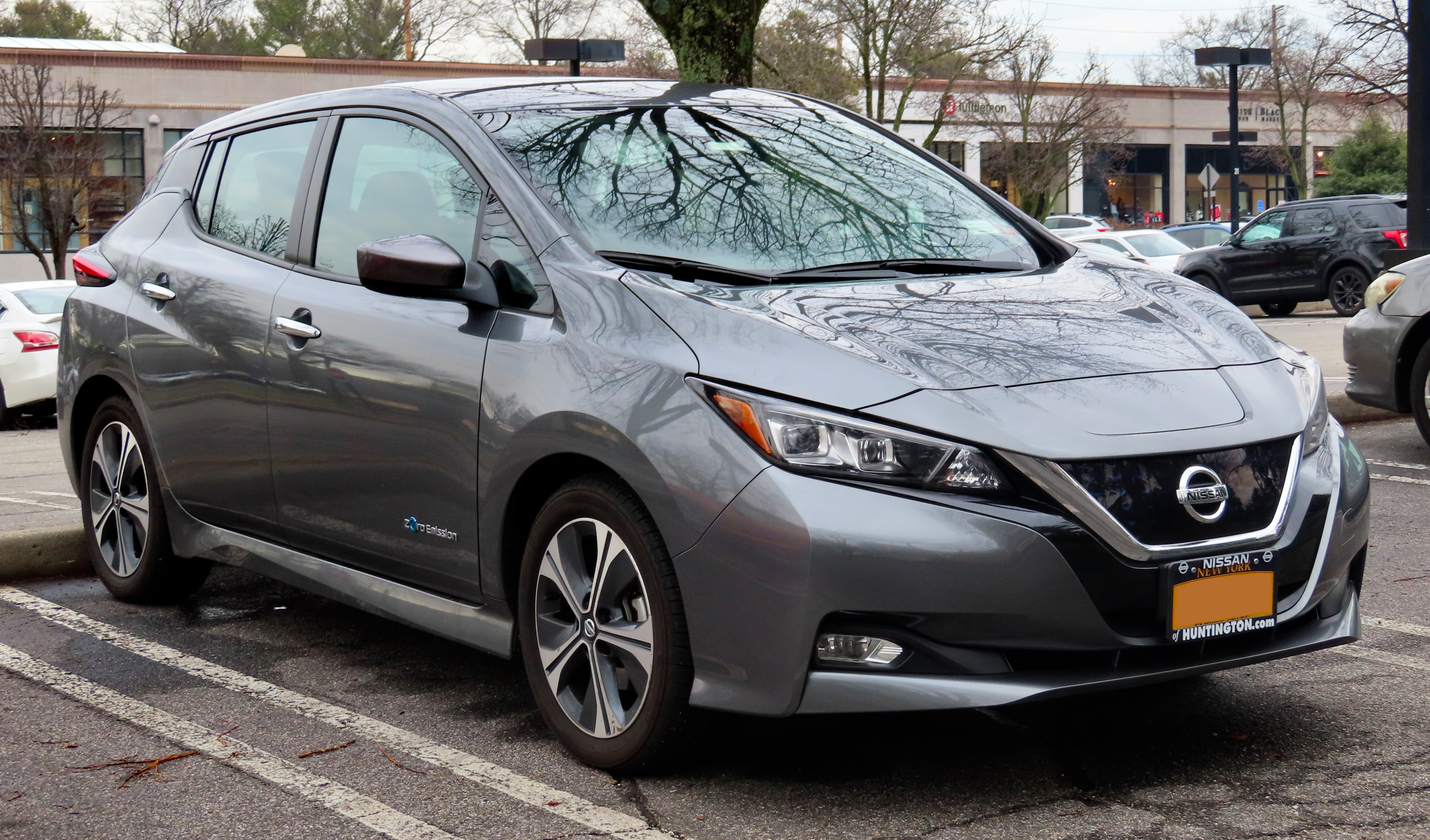
The Audi 200 is a car model from Audi that’s built as a larger, more performance-focused sedan. It’s not an electric car; it’s powered by a conventional engine. The “200” is part of the model name, not a measure of electric range.
The Toyota Prius is a car that uses both gasoline and electricity. It has a battery and an electric motor, but you don’t usually plug it in like a fully electric car. It’s designed to use less fuel than a typical gas-only car.
“Milk floats” were old-school electric delivery vans used to bring milk around neighborhoods. They’re an example of early EVs that existed long before today’s electric cars.
EVs use batteries to store electricity, then use that stored power to move the car. The host is talking about converting a vehicle so it runs on battery electricity.
A “solar powered van” means the van has solar panels that make electricity. The goal is to use that electricity to help power the van instead of relying only on charging from outside.
Concept
two electric vehicles that you could get very small amount
The host is describing the early-2000s/early-2010s EV market reality: very limited availability and low production volumes. That scarcity made EVs feel experimental and “pioneering” compared with today’s broader lineup.
Concept
hydrogen vs battery-electric shift
The speaker is talking about a big debate early on: should cars run on hydrogen, or on batteries? Hydrogen uses a fuel to make electricity inside the car, while battery-electric cars store electricity in a battery.
The Nissan Leaf was one of the first widely sold electric cars. Here, it’s mentioned as a moment when EVs stopped being “maybe someday” and started becoming real products.
The Renault Zoe is an electric car that became well-known in Europe. In this discussion, it’s used as another example of EVs arriving as real, purchasable vehicles.
Car
BYD car
BYD is a company that makes cars, especially electric ones. The speaker is saying they didn’t think BYD cars would catch on, but BYD ended up selling a huge number of cars.
LIVE
The following ad is sponsored by Pet's Best Insurance Services.
You knew right away, he's perfect. The one for you. Those puppy-dog eyes. That cute little
button nose. You don't even mind the drool. When you find your perfect match in a dog or cat,
the love is unconditional. Your budget, on the other hand, has realistic limits.
Help protect your heart and your wallet. With Pet Insurance from Pet's Best,
with plants starting from less than a dollar a day, you can get up to 90% cash back on eligible
vet bills. Pet's Best makes it easy to pick a plan that works for you and your bank account.
Find the perfect match for your perfect match at Pet's Best.com. Pet Insurance products offered
in a minister by Pet's Best Insurance Services LLC are underwritten by American Pet Insurance
Company or Independence American Insurance Company. For terms and conditions, visit www.pet'sbest.com
backslash policy. Products are underwritten by American Pet Insurance Company, Independence
American Insurance Company, or MS-Transverse Insurance Company, and administered by Pet's
Best Insurance Services LLC. $1 day premium based on 2024 average new policyholder data for
accident and illness plans pets age 0 to 10. Hello and welcome to another episode of the
Everything Electric podcast where today we have something slightly different. Now for those of
you who've been listening to the podcast for a little while, you will know that a few weeks ago
we recorded two live podcasts, the first of which is already out in the open. That was between
myself, Robert Greg Jackson and Roy Sutherland. So do make sure to listen to that episode
after this one. However, after we recorded that session, we also recorded a second slightly
sillier, slightly more lighthearted podcast, which you're about to listen to now. So just before
recording, Robert and I popped out to Soho, had a pizza, had a little drink, reconvened and recorded
this session. And what it is, is an interview to go down memory lane to put the big questions
to Robert, the founder, of course, of the Everything Electric show. And hopefully it serves as a
little bit of audio deliciousness. Well, you will be the judge of that, I'm sure. So all of that to
come, but first, a very quick advert break. Our three free YouTube channels on EVs and Clean Energy
Tech are funded by our fun-packed, test drive-tastic events in the north, west and greater London,
and our events down under. Next up, Everything Electric heads to Cheltenham and then Twickenham.
All events include a B2B EV day and commercial vehicles too. Many of you in the room are very
familiar with Robert Llewellyn. And you'll also be aware that you don't really like talking about
yourself. Not really. You've got the smallest ego of any man I've ever met, I reckon.
I don't know. Yes. No, I haven't. I'm sure I haven't. But yes, I'm not used to it.
It's not overly comfortable, but I'll cope. This is deeply uncomfortable for Robert. He has been
extremely co-est. But Robert has celebrated a birthday recently.
Do you want to disclose what it was? 70. That's nothing you really can do.
It was a bit of a shock. I admit that. But my two children took me out to dinner in Bristol on the
day of my birthday and they paid. That was worth waiting around until you're 17 to get that.
That was an amazing moment. We thought, given the significant juncture, that actually it was
a nice time to take stock of your career and to reflect on the 16 years. Well, actually,
I think it's 15 and a half. It's coming up to 16. I think it was June 2010. So it's not long.
15 and 7 eighths, let's say. Birthday of the fully charged show, everything electric show.
So let's start with a little bit of an introduction. And this is going to make Robert
feel extremely embarrassed. So if you want to go to the loo now, you can. But I think,
as we know, Robert is a man of many faces. Some of them covered in latex. To millions,
he is the fastidious, head-spinning mechanoid chryton from the cult phenomenon Red Dwarf.
And to others, he's the covered face of engineering ingenuity on Scrapheap Challenge.
And to most of us in this room or listening on the interweb through various sources,
is the face of electric vehicles and clean energy. I think you dispute that one, but then
I dispute that back. Okay. But beneath this rubber mask, there lies a really interesting kind and
inquisitive mind. And over a career spanning six decades, he has transitioned from fringe
comedy circuits of the 1980s to becoming one of the most prominent voices in the Green Revolution.
As the creator of the fully charged show, he traded the starbug for electric vehicles,
proving that you can be both a quintessential part of British TV history and a futurist looking
towards a sustainable horizon. So I am absolutely delighted to be putting my questions and definitely
your questions this time. I know we didn't get to questions in the previous session. We will resolve
that in this one. And we have a lot of ground cover from shoemaking, many of you might not know that,
to sustainability, and just about everything in between. But in true,
Kirsty Young or Lauren Laverne fashion, depending on your Desert Island disc flavor,
let's go back to the beginning. So, engineering versus academics, this is what I've titled this
first section here. I think, and I should caveat by saying a lot of my source of this information
is through various car journeys that we have to various, everything electric and fully charged
show shoots. And you get little shrapnels of stories, which over the five years that I've
been working at the organization, you start to piece together and it tells a very interesting
tapestry. But one of the things that really strikes me is that you've always had a really
profound love of engineering, but perhaps not an immediate love of maths in the formal sense,
which meant that that path of pursuing engineering probably wasn't entirely possible.
But can you tell us about your early interactions with engineering stuff, and when you knew
that you loved physical things and contraptions? I'm guessing, because I've seen the photograph,
so there's two photographs of me, one when I'm about eight, standing at the side of the M1,
when it was being built. So that's, you have to be 70 to be that age. So they were building
the M1 and I'm standing there in a pair of shorts and my t-bar sandals from Clark's,
with my hand behind my back. They're like just watching the big road scrapers and the rollers
and the thing. I can't quite remember being there, but the photograph is very reminiscent.
And then there's a photograph taken last year, last year in Geneva of me standing,
watching a huge hydroelectric project being put into the amazing river in the middle of Geneva.
And I'm in a pair of shorts standing there with my hand behind my back,
watching a great big crane lifting something up. And we then discovered that there's an Italian
term for men of a certain age who've sort of retired, who look at civil engineering projects
and building sites and things like that. And they stand there with their arms behind their back,
like having, and they sometimes give advice to the people working on it. And they're called
Umarel. So Umarel is, they occasionally get employed as watchmen if they live nearby or
as, or they've given advice on, you know, you want to, if you're going to do that bridge,
you want to do this or whatever. And so that's become my family nickname is Umarel. So clearly,
that started very early. That fascination with civil engineering in particular, with big machines,
with, you know, that stuff just was an extraordinary fascination for me. And I can't
really tell you why it just is. But you have also told me a tale that you built a geodesic dome.
Yes. I'm quite obsessional about creating this geodesic shape.
So I want to give you the background because it was impressive. My dome was not rubbish.
So I was very impressed with the work. I've read a couple of books, one of which referred to a lot
of work that was done by Buckminster Fuller. Buckminster Fullery? Yes. Yes. Buckyballs.
Buckyballs. And he came up with the concept of the geodesic structure in a geodesic dome. And I
was just, I have no idea quite now why I was fascinated by it, but I wanted to do something.
And so I was at school in a town called Whitney, which is in Oxfordshire, not that far from
Bryce Norton, which is a big airbase. And one of my friends' dads was an RAF pilot. And they have
deliveries of some, it may be components, I can't remember what it is. And they had huge
sheets of cardboard, like forefoot by forefoot. And they had tons of it. So we got a tractor of
Pete Toft, who was the son of a farmer. He got his dad to put all this cardboard on a tractor
trailer and drag it down to Bloody School for Roberts. He's going to build one of them domes.
And so we then cut triangular shapes out of that stuff. And I got the tape that the RAF used to
secure loads and some special glue that we, I can't remember where the glue came from. So we
take them together into sort of, I can't remember quite how a geodesic dome works now. And we built
this big thing. So it was quite a big unsupported structure made of cardboard. And we then painted
it. And it was in the school playing fields in the corner of the playing fields. And that's,
you know, what a positive, amazing child to do that. And when the teachers supported them,
this extraordinary thing. And then I got expelled. Because I was such a, I was a, I mean, if I'd
been a teacher that had to deal with me, I would have expelled me a year earlier. So I wasn't a good
kid in that sense. And I'm not saying that, you know, oh, they didn't unsubmit, I was a complete
pain in the arse. And there was some graffiti. I don't know how it got there on the front wall
of a school that was built in 1606. It's a state school. It's not a private school, a grammar
school when I was there. It's still there now. It's an amazing school now. And it said on the front
of the wall, not in very big letters, all schools are prisons and with prisons were
spoke with a Z. Oh, how pioneering. And then on the front cover of my French book, God knows how
it got there. It said all schools are prisons. And so they used that as evidence that I was a,
you know, and there was a sort of whole movement about liberating school. He still had corporal
punishment when I was at school. So I was caned numerous times. And then eventually I said,
you can't do that anymore. And I walked out and then it spiraled out of control. But yeah,
so we don't get that. But the speech day after I'd left, I only heard this from my mates who
were still at school, the headmaster, who was an ex submarine pilot from World War Two, had a dent
in his head, the size of guttering. God knows how he got there. So he was our headmaster.
He dropped down in a pub two years after I left school, poor man, Mr Robinson.
Unrelated. Unrelated. Unrelated, we should say. Yeah. Well, it was drink based. But anyway,
his daughter was lovely. I knew his daughter. Anyway, forget all that. He went on and on about
how amazing this fucking geodesic dome was that one of the pupils made forgetting that he'd actually
expelled that pupils. Anyway, I think they're very smug about that. But you did go on to do
something pretty practical. And you moved to London and you became a shoemaker. And I'm
most curious about this space, because you talk about it with a great fondness. But equally,
I wonder if you had a sense that you wanted to be well known or to be in a more creative space?
Oh, no, not genuinely not at all. No, absolutely no idea of it. No desire, no interest in,
you know, yes, absolutely not there. At that point, you know, I was, I wanted to not have a
job in the traditional sense of a nine to five job. And so I thought if I could make shoes and make
a living making shoes, then I could live wherever I wanted to and how I wanted to and not have to
do that. And so actually, I was an apprentice just up the road here off Marlborough High Street,
the company's still there, James Taylor and son's shoemakers. And there's actually a photograph
that was taken around the time was there, although I never saw him of James Taylor,
the musician standing outside. They've got it in the shop, James Taylor, the shoemaker. I mean,
James Taylor was in sort of 1850, the company was started. So they made bespoke, made to measure
footwear. And they also made orthopedic shoes for people with, with, you know,
disabled people with, yeah. And that was an amazing experience. And the two men that taught me,
I think I may have mentioned this, were the survivors of the camps. They had the numbers on
their arms and they were in their 60s, maybe late 60s at the time they taught me. And they were
just extraordinary. And the shoes they made were exquisite. I mean, just incredible craftsmanship.
It was like the bottom of their shoes looked like the body of a beautiful violin. It was,
they were so beautifully shaped. So they were very hard taskmasters. And I was never up to the
standards that they did, but that they wanted to do. But I mean, they were a great, they were
great mentors and very funny guys. And if ever, if you ever watched the almost breaking news episodes
or any of the podcasts that you film, you may see in the background. There's two shoes mine. Yeah.
Yeah. So there's the very first pair I ever made as well, one of them is up on the shelf. And there's
the one I made for an exhibition that was at Northampton Museum, which is a shoe museum.
And so we won a prize at some sort of prize. We got given a prize by Princess Margaret. I remember
that. Can't quite remember what fall, but there's a shoot, there's a black brogue. And it's really
beautiful. It's only one. It's not a pair. I only ever made one. I'm going to waste time making two
for an exhibition. But as it happened, you then sort of stumbled into the joeys. And for those who
may not be familiar with the joeys, I wonder if you could describe, because Google describes the
joeys as an alternative theater group. I'm not sure you'd like that description. Yeah. I mean,
we are really, I don't know what we were, we were sort of a cab, sort of cabaret music group.
So my then girlfriend's sister's boyfriend was one of them. So that's how I met him.
Then girlfriend's sister's boyfriend. Yeah, Bernie and Graham ran a theater that was underneath
the workshop that I made shoes in. And he was sort of, he was very theatrical and
involved in, he did mime and dance classes and things. And they, and I, they were funny,
they made me laugh. And I wrote a sketch for them about RAF pilots in the war. It was a kind of
jokey, like a bit Monty Python-ish. So, and it was about one of them was gay, and the other one
wouldn't accept it. And, you know, and it was all about sort of homophobia and masculinity,
but set in a wartime setting. I mean, that feels very contemporary in this current age.
So one of the performers was, Chris was amazing, I was gay, he was gay, and the rest of us were
heterosexuals. And so, but then the whole idea was it needed more people in it. Because it had an
aircrew. I didn't know anything about writing or how, you know, I just wrote, well, it needs a rear
gunner. And it needs a pilot and a copilot because my father explained how that worked. And it needs
a, you know, a front gunner or whatever. And but also it's four engine plane. So that opening was
but the end one ago would make the noises. So we all let to do the noises,
which was basically this starting up of a, of the, of the motor. So you want to do a little
I can do it. It's very spitty. So you're well, you're good. But it was along the lines of
that's what you did. And then you try we try and mix our
so that it was a constant sound. So when one run out of breath, the next one was already doing it.
So there's a lot of rehearsals to get this constant sound. And if we had microphones,
which you didn't always have, it was awesome. And people loved it. And then we would take
the positions for our piloty thing. And it was stupid sketch. But, you know, the first time
we did it, I was just mortified with terror. I don't think I vomited, but I couldn't sleep the
night before. I was thinking of any excuse to get out of it. I was going to run away and hide. I
just didn't want to do it because people would be watching. And then they laughed at the stuff that
I wrote on my own. And that it, that's when it turned. That's when I went, I want to do this.
Honestly, before that, I don't think I ever had any desire to it was only because I'm
knowing them and them encouraging me and them saying you can make really good sound effects.
But was it was it the joy of performing and making people laugh or the joy of something that
you'd created made people laugh? I guess it's got to be a combination of the two, isn't it? But
it was certainly an experience I'd never a feeling I'd never had before. There was no other.
So even if, say, I made a pair of shoes and said, Oh, I love these, these are wonderful,
you got all good. But now you're going to shag them up and walk in them. And all that effort I've
made to make them look lovely. And you'll go, So I never got that much stuff, but you stand on a
stage and there's 200 people or 1000 people, or I think the biggest audience we ever played to was
five and a half thousand. That is extraordinary experience. You don't forget it. And you go,
God, that is incredible. And it does feel like a privilege to me. I always feel that that's
incredible privilege to be in that position and to have that happen. And this happened so long
before the internet, so long before. And, you know, when we were very kind of radical, we didn't
want to do television, television was bourgeois or fascist. And I was the weird thing was I had
been friends with a actor who I'm sure you all know Nigel Plainer from before he was on TV. And
one's on stage, which was and how horrible his school was, because he was when he was at school,
his teacher would go Neil and he'd kneel down on stage, stand, you stand up, Neil.
So really shit jokes like that, but very funny. And then he suddenly was on telly and he became
this famous person on the telly, which was such a strange experience to sort of get that second
hand, you know, and we're still right. I was with him, I had dinner with him a couple of weeks
for your birthday, but my birthday didn't. He was lovely. Yeah, he came along to happen.
But it is interesting, because I think in a world of doing things live, it is,
it is a privilege to hold people's attention. And it's a strange world in which we live now,
where we can capture that attention in different ways, which I'm sure we will come to at some
point. But you thought TV was bourgeois. You ended up there. And it's interesting story because
from what I understand, you did a monologue at The Fringe. I think it was cool. Was it called
Mammon, Robot, Born of Woman? It was two-hander. Two? Yeah, it was just written a really important
actress out of history. That's so sexy. I've accidentally counted someone.
Dabora John Wilson. And I've just found her again. She lives in Edinburgh. She's the most amazing
one I haven't seen in years. She was an amazing singer from Los Angeles. Her brother, some people
are going to know, her brother was Jaffet Koto, or is Jaffet Koto, who was the big dude in the
original Aliens movie. And that was her brother. And so she had a very similar presence. And she
would sometimes, when we were rehearsing, and if I did something wrong, and she looked at me
with a slightly angry face, I was really worrying. She was quite scary, but she was amazing to work
with. But it was that sketch, which meant that you went on to be quite in. Yeah. So it was a
play about, it was, okay, so very, very brief history. I went to America for the first time,
stayed with some friends that I knew from here, who were American hippie special effects people.
And they did a lot of like animatronics. Well, no, pyrotechnics for weird theater companies.
And they did a lot of exploding stuff. And then they went back to Los Angeles, where they were
from. And I stayed in the house and they made Robocops right leg where he which opens and he's
got a gun in it and he takes the gun out and shoots people. And that that was their prop. So we
went to the premiere when I was staying with them of Robocop, which was quite a, you know,
an intense experience to see. And I'd never been to a premiere and I'd never seen Robocop. Anyway,
so I wanted to write a play called Robo Yuppie, which at the time the young urban professionals
of yuppies were a big thing, like we heard from Rory with big phones being told by the wankers.
So it was around that era. Do you want him to listen to the podcast?
But so it was a Robo Yuppie then talking to Dabora, who I'd known for a long time.
The Joeys were occasionally her white boy backing singers. Right. So she would do this amazing
song and she said, bring on my white boy backing singers. And we'd all come on and we'd do a little,
you know, there was a song she would call uptown girl with a downtown feeling.
And we would do the chorus of that. Anyway, so that we knew her well. And she was amazing. And
I said, do you want to do this? And the idea was a black woman couldn't go into the city in London
to make money at that time. And so she needed a white man. So she made one. And that was it.
And so the robot was her, her creation. And that was me in a suit and doing silly walks.
Oh, look at this. But it was, it was that that got noticed to then lead on to Crichton.
Yes. And I'm sure we have some Red Dwarf fans in the room. Yes.
Didn't know anyone watched. A lot of people watched it. And it was also a time before CGI,
which meant you spent many, many, many, many hours in a makeup chair. But aside from that
makeup chair, I wonder if you could share some of your fondest memories of that time.
Oh, well, the sort of early series where was I mean, what I think was remarkable is the,
the, the speed at which I was accepted into that little clique of actors and Craig Charles,
Chris Barry, Danny John Jules, you know, though I didn't I knew I met Chris, I think, and I knew
of Craig, I didn't know Dan at all. And it was like, within a couple of weeks, it was,
it was just, we were just a sort of thing. And it just, the chemistry worked, which was great.
That said, just to balance it, Craig Charles still in 2026 refers to me as the new boy.
Oh my God. You know, so if like, if we're on stage together, and we're answering questions,
and he goes, and what about that robot? He don't know that. He's the new boy. Don't ask him. He
don't know anything. So I'm still the new boy of 34 years later or something like that.
How many seasons did you do after you joined? I mean, that's an impression that you set up.
Quite a lot. I can't remember. Well, 14, I think 14, maybe done 16 or I can't, but it's hard to
tell because some of them are like specials that are now called a series. Well, there was only three
of them. So, you know, I don't know, but yeah, quite a lot of them. Yeah. What do you think
was its particular magic that made it such a cult success? I mean, it's so hard to know.
I mean, some of the peculiarities of it are, so the first year I worked on it, we worked in this
incredible building that was in Acton, which has now disappeared. It's all of it. It was a tower
block, which was just rehearsal rooms for the BBC. It was owned by the BBC. We drove past it and you
figured it out. Yeah. And so we were on the top floor and on the next room to us were Blackadder.
Blackadder goes forth. The last series they made. So it was this extraordinary time with
these two incredible shows. And of course, oh, I haven't done that, but Ben Elton was our, was
the Joey's warm-up man for many years. He would go on first to a half hour of brilliant new material
every week. And we do, then we go on and do exactly the same material we've been doing for
six months. He was an extra, I got to know him quite well. So he wrote, he was writing that. So
there were people in that cast I knew. Anyway, everyone in connection with that cast other
than Ben and Tony Robinson were Oxbridge. And it was a very, so the producers, the directors
of Blackadder. Very, very Oxbridge. A lot of the BBC executives would come and sit in the Blackadder.
None of them ever came into the Red Dwarf rehearsal room. No one involved with Red Dwarf,
the producer, the directors, the writers, the actors, had ever had any connection with
pretty much any education institution at all, but definitely not Oxbridge, which at that time
still had a pretty firm grip on the BBC, on the higher levels of the BBC was very Oxbridge
dominated. And it's interesting, but there's actually Red Dwarf garnered a bigger audience.
And yeah, I think I don't know if it then, I don't know if it garnered a bigger audience than
Blackadder then in its full time, it definitely did. I mean, it was, yes, it's the, it's still,
and it will always be the most watched show that the BBC two have ever put out. It can't be.
That's a, I know, I think that's pretty good, but it's kind of ignored in, you know, more, let me
say this just for the, for my own lack of ego, more than Top Gear. Shit. And believe me, I have told
that very tall man with curly hair, but I won't tell you what he said back because it's very rude.
Into his enormous face. Yeah, his face is like, it's like a catering uncooked pudding, isn't
it? It's just like, it's a great big thing. Sorry, I know, I know you probably, you know,
might want him to respond. I'll stop talking. He's very, very funny. He made me laugh till I
nearly wet myself. Yeah. But I think that kind of relationship between Blackadder, Red Dwarf,
the BBC is an interesting one, which we will come on to in a little bit. But one of the things that
I have also read, and you've not necessarily told me this, so this has come from the internet,
so who knows how true this is. But you were pretty keen to ensure that anything covered on
Red Dwarf was at least a little bit grounded in scientific accuracy.
I don't think I was. I think the writers were, and I think we supported them on that. I don't think
we were saying, oh, let's just make it a wibbly-wobbly thing that, you know, we wanted them to,
so we would have encouraged it. I seriously don't think I was the instigator of that. I don't know.
And this is why you shouldn't trust everything that you read on the internet.
I would love to be able to claim that, but I think, I mean, that's one of the things people
assume that we sometimes improvise stuff. There was zero improvisation. It was scripted brilliantly
and occasionally very, like one or two times in my entire experience with Red Dwarf,
I would come up with a silly line at the end of a scene, and it would be discussed, and then it
would be put in. But boy, that's happened literally one or two times. I mean, it's very rare. So it
was very, very beautifully scripted and rewritten. So we would read it on the first day we see in the
script. We'd read it and go, oh, that's brilliant. Oh, that's so funny. All that would change. You
know, that would be rewritten completely. The amount of work that went into those scriptures
is extraordinary. What's interesting about going back and watching it now is that it does feel like
you're watching a play, and it has the pacing of a play in a way that a lot of content that's
created now is around pacing for 15-second bursts here and there. So it's a real joy to watch it
and absorb it in that way of... It has a structure. I mean, I think the thing, one of the things I've
said about it, which I think is true, is it was never fashionable. So if you think, I mean,
the one person I've spoken to this about this really lovely man is Julian Clary. He's just a
really sweet guy. And I've known him before he was famous, and I didn't see him when he was famous.
I met him a couple of times afterwards. But he said, you're so lucky because you were never
fashionable. And he actually meant me. He also said Red Dwarf. So if you're never... So he was
very, very fashionable for quite... And you can only be fashionable for quite a short time,
particularly in showbiz. And then you're not fashionable. And then he's has survived and
he's done fine. He's okay. But you know, that was a really clever observation that Red Dwarf
wasn't fashionable. In 1989, a science fiction comedy show wasn't hip. It was a bit off the
wall. Like there's the word hip, I have to say. I know, there's no one that says it, anyone. No,
but we said hip, back in those days when I'd be on cheese. But so that, I think that is one of
its... On what still kind of goes on now, because it's not fashionable now, but it's good.
So fascinating. And you know, if only he could see your shacket that you now own,
which I'd say that is pretty fashionable.
Now, in 1998, Scrap Hoop Challenge launched. Yes. And this really feels like perhaps the
first time that your love of engineering and your joy of entertaining, presenting comedy
were able to come together as you pitted groups of engineers against a 10 hour clock.
Did it feel like, oh my gosh, this is like the perfect fully crafted job at the time?
No, the first series, I love doing it. It was absolutely incredible. So we did the whole,
so stupidly done, we did the whole thing in one session. So we'd wake up really early, we'd get
the teams ready really early. And it was the same teams each week. So it was a slightly different
format, the first series. And then we'd get them to build a machine, and then we'd have supper,
and then we'd test the machine all in the same period. So often I would get to the site at six
in the morning, and I'd leave at four the next morning. And there were where there's a big
pharmaceutical company head office that you see to your left as you drive on the M4 going out of
London. GSK? GSK. So that was the site, that was a scrapyard when we made that, that site was a
big scrapyard right there. And there was, and it also was an aggregate store for road building.
And I discovered one night when there was a long wait for the test, that if you need to, and it
doesn't often come up in life, but if you need to, it's five mil is what you want, five mil aggregate.
If you're going for four mil, you slide down it, and eight mil is too rough and you can't line it.
So I found that a big pile of aggregate, five mil, if you can lie down, you fall asleep really,
really quickly. It's one that's so comfy, five mil aggregate, it's just brilliant.
What was it? I can imagine. Sorry, that's a very silly way of saying it was a daft way of doing it.
And what it felt like was at that time, I'd done a show called I cancorder, which was about how to
use your common cord. I've done a load of stuff for the open university, which nobody watched,
you know, some people watch, but very few. And now I've done this weird scrappy thing, no one's
going to, well, why can't I have a hit show like all my friends are doing, and they're doing really
well. And then, and then it did carry on. I was the biggest surprise for me was when they said,
when I got a phone call, they said they've recommissioned it for next year. I went,
you're kidding, because it was, it felt so chaotic. Half the machines fell apart before they even did
anything. You know, it was the same two teams, and they were by the end of it, they were all
fighting and hating each other. And it was a lot of stress. And we did these ridiculous periods of,
I don't think it would be allowed now, you know, health and safety.
I definitely, it would definitely come under a different kind of scrutiny. You know, we meet
engineers on pretty much every single shoot that we do across the UK, across the globe,
who grew up on a diet of scrap heap challenge. And for many, it's, it's why they became engineers
and pursued those careers. I think I know what you're going to say, but do you have an absolute
favorite standout episode? I mean, it is, it's very hard not to, you know,
it was such an extraordinary experience. 2002 Flight Special, which we did in America,
which was three teams, French team, British team, American team built aircraft using period tools.
It was, it was to commemorate the first flight, the Wright brothers. So they, we were all in
period costume. And we, they only used hand tools. There was no, so there was no grinding.
There was no welding. You know, it was all very, very basic stuff, mainly timber and, and cloth
to build the planes. And that was so lovely. It smelled nice. It smelt of wood shavings and
things. So they had, they were literally planing bits of timber and shaping wood and everything
like that where they had to use real micro light engines and propellers. I was hoping we'd have
like old Ford prefect motors and a, and a hand car propeller. There's, I think there's health and
safety issues around very fast spinning bits of wood. Anyway, so they all, they were all issued
with that one quick side note when they built the planes and they wanted to test them out,
the Americans couldn't get the engines to work. The American motors, the French couldn't get the
engines work. The British woman from the RAF knew how to sit. Oh, and the guys go,
Oh my God, how did you do that? So yeah, she was very cool about that. So the British team
were three RAF technicians and their pilot, Billy Brooks, who I've checked today, he's still alive.
There's a reason behind that. Billy Brooks is a hang gliding test pilot. And just think that if
that's your job, you're a hang gliding test pilot. So you strap some aluminium and canvas to your
back and jump off a cliff, which is exactly what he does. And then it flies and then he's fine.
And then it proves that it works. I mean, his life insurance premium must be phenomenal.
He's barking mad. Anyway, so there were three planes. French one bounced into the air and stayed
in the air longer than a pram would, if you bounce to pram. So it's sort of fluid, not for long,
maybe 50 meters, it was up in the air. The American one was a remarkably spare dynamic
engine. You get that because the faster it went, the deeper the grooves it made in the,
in the salt flats we filmed it in the Mojave Desert salt flats. And it was just fantastic.
You know, we drove along in a pickup truck next to it looking and it got deeper and deeper and
so it was like, it just drove this thing into the ground and the pilot guy was desperately
trying to do it. Their wings just sort of folded down like that and just pushed. So they didn't
do terribly well. They were lovely guys. And that was based on a real design made by a bicycle
engineer in like 1904 that did fly. And there's, there's didn't quite. And then the British
Billy Brooks sat on a children's deck chair, gaffer taped to a piece of wood. He had a broomstick
in front of him, which was joined on with leather. So it moved and that had little eyes screws and
bits of string to all the control surfaces on the wings. And though they didn't have time to
do a throttle control, which they had a design for, they didn't make it. So the throttle control
was a piece of leather in his mouth. That's how he controlled the speed, move his head back and he
got the engine went faster. So he did this thing where we ran along, I ran along with it, holding
up one wing and then it sort of had one wheel underneath it, but it was a biplane. So I had two
wings and it went and I was going, this is just going to be so embarrassing. And then it went up
in the air. No one, no one expected. He didn't expect it. The guy who's flying the bloody thing.
So just quickly, there was amazing aeroplanes. I'd love to find out what that was, a kind of
glider with an engine with two-seater with a gyroscopically controlled camera underneath it.
So if you think now, that would just be a drone. It was, yeah. 500 quid. This is probably a hundred
thousand, a million pound plane. So they took off like a scramble in World War Two and caught up with
him and they were rated, they were the only contact we had with him. And he, we had permission from
the Federal Aviation Authority for the planes to fly at 50 feet, which was such a joke because
as if they're going to do that, you know, they might get to 10 for a couple of feet.
And we got this amazing message to say, well, can you tell them to, it's not safe. We can't
see him. We're not getting camera footage of it. And they said, and we said, how high is he? And
they always remember that we're at 3,500 feet, sir, and we're still climbing. What do you want
us to do? And they were so flat. These American pilots were so, and they, can you tell them to
come down? And he said, we are pointing in a downward direction, sir. And he is waving back
at us and smiling. But we don't have, there's no footage of, there is some footage of him in
the airplane. But there's, you know, he, he was a dot by then. But the great thing was the Federal
Aviation Authority guy was so cool. He looked like Clint Eastwood, mirrored shades, peak cap.
And he was standing there and he was, you know, he'd been very involved in the whole thing.
And I said, is this a problem? And he just went, I don't know. And he just walked and got on his
pickup truck and just was like this. Oh my God. Just had no permission to fly that. And he landed
and he didn't die. Extraordinary. I think that's something that makes me most stressed is that
he'd have gone up and been like, cool. Yeah. And then he'd have had that moment of, oh, no,
we've got to come down. You've got to come down. And I'm sitting on a children's beach deck chair
with no seat belts or parachutes. We thought it would go, you know, like that. That was the most.
It was just insane. And the belt in his mouth. I mean,
yes, he did go past us. He was like, huh, right. He did do a loop round.
He can't go like that because the engine will slow down. And he's steering the bloody thing.
I mean, it was just bonkers. Yeah. So that was a bit of an exceptional moment.
But I remember when you told this story, we were at some event, I think at Warwick Castle,
and you said something like, I don't know if he's still alive. And a guy in the audience went,
he's my mate. He is alive. Oh, Billy Brooks. Yes. Yeah. No, he's quite well known in those
aviation circles. I mean, I bet after that kind of feat. But after Scrap People, there may have
been some overlap, actually, you began Carpool, which is a format that has been emulated.
Well, yeah, emulated. Yes. In various guises. James Corden. We're looking at you.
But what do you think it was about that, that format that people were like,
this is cool, we could run with this. So it is so well, so they're very closely linked,
Scrap People and Carpool. So on Scrap People, we used a thing, they have a camera crew called
them suicide cameras. So they were like a lipstick camera, that like the size of a
lipstick with a wire that went to a little box. And that's where the video was recorded. So basically
a camera in the street. And so they would strap that to a machine where where it could go wrong.
And occasionally you'd find, you know, we'd be testing something out on a runway and you go,
Oh, and you'd see all these bits of broken plastic in a smashed up box. And that was a
little that was a suicide camera that didn't make it. So I bought two old suicide cameras from
them because they're so small, they were not much bigger than your finger. I put them in the
corner of a Prius that I was driving at the time. And you could drive it without you'd forget they
were there. And I did one journey with my son, which I've still got the tape of. And he's just
looking at things in the countryside and swearing and was saying he wished he lived in London.
How old is he at the time? 14, I would say. I can imagine this. And I just want to say that
all the swearing came from his mother, not from his father. And, and then I recorded Judy and I,
and it was so revealing of our relationship. Because at the beginning she I don't want to have
bloody cameras. I don't want to be in your silly weird stuff. And then she forgets. And then I
forget we genuinely forgot we're driving along and she's looking at a map and then we swap drive
and then she's driving. And then, you know, we say the most it's I would never show it. It's just
dribble, you know, there are a couple who've been together a long time, you know, on a long drive.
And it was so I was like, that is fascinating, because we're not conscious of it. You know,
if Judy and I sat in the kitchen with two cameras, we would be either playing up to them or she'd
get in a bad temper and turn them off, you know, whatever. So it was quite intriguing. So then
it became then I thought I could try and also the reason of that is that it was I could do it
myself didn't need anyone to help didn't need a cameraman or anything. The sound was hugely
problematic because it those cameras didn't record sound. So I had to have the most appalling
microphones that didn't work. And yeah, it was very scrappy to start with, but it got better.
But I guess it as you say, it's that sort of intimate format that people relax a bit.
Well, and you're facing, particularly for men, yeah, that you're in a car and you're facing
forwards. And so you're not having to look at each other. You can dance. Because it's
too awkward men can't look at each other when they're talking. It's too dangerous.
But then I think it's interesting that you had that that kind of experience of
dealing with more creating something yourself, which now is entirely normal and everybody does
everybody on Oxford Street is probably doing it. But at the time, extremely pioneering and it's,
I guess, was what sort of led into the fully charge show. Yeah. Which 16 years ago,
you were obviously in your 50s. Yeah, it was. Yeah, Jesus. But set up a YouTube channel and
to be filming it yourself like that's a pretty tech savvy, smart thing to be doing. Did it
fill that way? Yeah, I mean, I think I was, I had the advantage of spending a lot of time with
the same camera crew on Scrappy. And they were all camera nerds. And the camera was amazing guy,
Spud Murphy, is an Australian camera technician. And he was very encouraging to me. And he'd set
up my laptop with editing stuff. And he'd show me how to ingest footage from tapes, which we had to
use at the time. So I got some good mentoring, if you like, in that world. So I was tech savvy
enough to understand what he was saying, but utterly incapable of doing it without him. So he
was very key to showing me how to do that. And also, the technology was changing. So,
you know, that it became possible that you could like the first edit suite I ever used was a sitcom
that we haven't mentioned that I wrote and produced and was in was a really good sit, just didn't
have any comm. And so it wasn't terribly one of the very early shows on channel four, when channel
four started, but I sat in an edit suite on Tottenham Court Road, just up the road from here.
And that edit suite cost like three and a quarter million pounds. It was like insanely
expensive and really rubbish. It couldn't do anything. It was really slow. And that's what
changed. So the technology kind of led to that which kind of I felt tied in with what we were
talking about, which was electric motors, a different technology. And it became plausible for
someone on their own to effectively produce a TV programme. And I was absolutely obsessed with
that, certainly. Yeah. I guess it was part of that obsession of having that independence,
because of relationships with traditional broadcasters, and perhaps specifically the BBC.
Yes. But I'm a very, very devoted supporter of the BBC. Yes, because I went to the BBC.
Am I going to remember a name? No, not, but anyway, I went to the BBC in 2009 to pitch fully charged
as a BBC show. And the whole idea was the antithesis of Top Gear. It wasn't to counter top,
it wasn't to sort of ruin Top Gear. It was just that there is another world that's emerging. And
they just didn't know what I was talking about. And I'll very briefly say that I joked, his name's
going to come to me in a moment. The producer I was with, who had worked on Scrappy, he had been
the main executive producer behind Top Gear when it became the show in... The Grand Tour.
No, no, pre-Grand Tour, when they sat in the chairs and there were the audience behind them.
And then that was his thing, he was their producer. So he had a really, and he was a BBC
employee. And so he didn't make 150 million out of it, he was quite bitter.
I imagine. His anecdotes about the Top Gear crew, I won't cast, I won't say anything about, but
he wasn't a big fan. Anyway, but that's the size of the point. So I had a really good in at the BBC
and they wanted me to do something and it was good. And I suggested this thing and they just
didn't know what I was talking about. They said, what do you mean milk floats? Or do you mean
disability vehicles? You know, they just did not know what it was. And I made a joke at the end
when he kicked my leg because I was being a bit too cheeky. But I said, what about if we get a
catering van and we convert it to run on electricity and batteries and put solar panels on the roof
and we drive around with famous chefs cooking meals for choirs. And then the choir, so it's called
Seen for Your Supper and they go, and they love that idea. They weren't going to go for it. And
it was like a joke because what does the BBC do? F***ing choirs, f***ing cooking, house renovations.
Throw in a bit of house renovating on the way as well. But we do it in a solar powered van,
which would have been impossible then. Now. Yeah. I think it's not a bad idea. I think we should
pitch it again. Do you know what? And I feel like it would tick every single box. They'd be like,
come on in, let's make it. But say they didn't commission it. And 16 years on, I wonder if there
are a couple of people there being like, yeah, that could have been a good idea. I don't think so.
I know. I don't think so. Back in 2009, 2010, extremely pioneering because they were like
two electric vehicles that you could get very small amount. So I wonder if you were to go back
and whisper in mid 50s Robert's ear and say, by the way, you fast forward to 2026, this happens.
Yeah. What do you think you'd say? What secret would you share? I mean, you would have gone,
I don't, I wouldn't have believed them. I said they'll all be hydrogen. Because that's what
everyone was telling me. It'll only be hydrogen. All the buses and all the digger, everything will
be hydrogen. Yeah. And I didn't know it sounded plausible to me and it was much better than burning
diesel and petrol. So I thought that was great. I just would never have thought this would happen.
It didn't take long for me to sense, oh, something bigger is happening here. So when the Nissan
Leaf was launched, when the Renault Zoe was launched, you go, this is, and I went to the
Renault factory in outside Paris, I went, then taking this seriously, you know, this is a
genuine shift in technology. But way before, I remember seeing a BYD car at Geneva Motor Show
in 2009 and going, oh, they're not very good at cars. That's me, that's me, my insightful little
company. No, this company is never going to, that's not going to make no one's going to buy those.
And, and I was wrong. Yeah. A little bit wrong. And imagine, you know, if you could give that
bit of advice, it sold 8 million cars last year. I'm just going to do a little time check. Oh,
gosh, I, okay, I'm going to do one more question, maybe two, and then we'll come to audience questions.
So you, what many people might not know, actually, this is unfair, lots of people will know,
because you have sold many books, but you are also an author. I think you've written 16 books.
Can't remember, but it's a lot. Yes, it's somewhere around that. Yeah. Yeah. And they range from
autobiographical fact, I was going to say faction, I don't mean that nonfiction and sci-fi. And I think
having spent, again, many, many car journeys with you, it always feels like these stories just need to
come out. And you need to, they sort of annoy you until you've whipped them into shape and
wrangled them into that into a book. And I know that writing has always been something that's
been a consistent thread throughout your whole life. But without sounding too like,
walk us through your process. But is that how it feels that these stories just need to come out?
Yeah, it's just weird. It's a weird and annoying, and it annoys me, because I think I could do so
much, I could do some gardening, I'll go for a nice walk, but there's bloody things, right,
let me go, and I can't help. So that, I mean, that one, I'll talk about it in a minute, but
was walking for hours and hours during lockdown. And I went, oh, better fucking idea. And obviously,
it was like that, oh, I'll forget it, I'll forget it. And then the next day, fuck, I haven't forgotten
it. Because I know I have ideas that I totally forget. And then I get frustrated that I've
forgotten them, like, I don't know what they are. But that one just stayed and stayed until I did
something about it. So it is a weird experience. I mean, I've always, always written. So all through
all Judy Zick Dome's shoemaking, writing for comedy things, I was writing. And it was rubbish,
and it was nonsense. But it was hours and hours of writing. And then my mom gave me her Corona
typewriter, which is why I break electronic keyboards now by the dozen, because I type like
you had to hammer them. Otherwise, it wouldn't go to the little bar wouldn't go on to the paper.
So I type like a Stone Age lunatic. I can confirm this because I got your old laptop.
And maybe like 30% of the keys just fell off. It was really annoying. So they were like quite a
yeah, so confirmed. But your latest book, Ghost Camera, and every time I say I want to say Ghost
Train, it might be a problem with the title, but yes, because there's a song called Ghost Train,
which I often have my head, but Ghost Camera, it's, it's a phenomenal book. And I really,
really encourage everyone to get it. Both myself and my husband, we read it on holiday.
Oh, here's one we prepared. It was just here. So strange. But what's really phenomenal about it?
And I don't want to give too much of the premise away because you have to read it yourselves.
But I so loved reading it because it took us through a lab that's based in Oxfordshire.
And it's so brought to life all of the innovations that we see on the Everything Electric Show,
the types of teams that we see, the types of scientists and the engineers who are quietly
badgering away fueled by digestive biscuits and pretty low quality coffee. And you kind of track
that and build this picture so perfectly and seeing that slow treading towards progress.
And then there's this parallel stream, which sort of tracks what happens when
an innovation gets sort of catches wind, and it can become very divisive, both either sort of
socially or politically or probably both. And the scientists who are behind it are kind of
baffled that that happened. And you kind of comment on this in this like slightly bemused way.
And the overall sort of feeling I get at the end of it is despite the sort of chaos happening in
these like crazy politicization of technologies, you somehow remain weirdly optimistic. And even
though we know you for your rants that we see on almost breaking news, I wonder when you look at
the rate of change of technology, how you're able to stay so optimistic.
Yes, I don't know. Well, I mean, I mean, certainly the recent conversation I had with Jan Rosnow in
Oxford is a sort of energy and climate special extraordinary man who does remain optimistic,
but his knowledge of the problems that we face is much deeper and more profound than mine.
But he still remains optimistic, because what else can you do? It went, okay, yeah,
that's fairly good point. But I mean, you know, I do think that in my life to having 70 years
under about is an advantage because you go, I never go Oh, back in my day, you know, it was
wonderful. It was terrible. It was a lot of terrible things that, you know, just even on the most
basic level, even as a kid, I just thought like, being horrible to people was just nasty. You know,
and I'd hear my dad doing racist rants or homophobic comments. I go, that's why do you know,
that always struck me as wrong. Not I didn't learn to not be racist. It just felt like,
why would you judge someone on those criteria and be nasty about them? And what's wrong with you?
And I think that has stayed through my whole life. But that was rampant when I was a kid.
On the TV, it was perfectly normal to make really profoundly obscenely racist, homophobic, and
sexist comments for fun. And people would laugh at it. And it's just like, looking back now,
you just go, that is, it's not being politically correct now or woke or anything. It's not being
an asshole. It's as simple as that. Why would you, what was wrong with those men with their
ruffle front? You know, that's what the joe is was driven by was that desire to counter that
sort of man in bowtie. My wife, I won't say she's fucked in all those things. It's safe. Can we
move on a bit? Yeah. No, so that's a through line. I can't remember what the question was now, but
I guess like keeping optimistic. And I think what you, you know, is that profound hope in
just being nice, I suppose is an element. Yeah, I'm not always, I'm not that, I don't think I'm
that nice. I used to ask Judy about that. I don't know. But that, but that, yeah, that was such
fun to write. So they're just very brief because that was a brilliant appraisal. I can't, it doesn't
deserve it. The thing that got me when I, the way I found my way into that story. So I knew what I
wanted to talk about was that it's written from the point of view of a laboratory cleaner, a janitor
who's my age, who's sort of near retirement. And he's seen all these weird professors in Oxford
and he's cleaned all the most high end scientific research places. So he's very highly skilled,
calls himself a janitor, which I've later discovered is actually an American term
for a cleaner. But I feel like it makes sense to him because he takes his role very, very seriously
in it. Yeah, yeah. And he maintains a constant supply of toilet paper. A lot of people don't
realise how important that is. Yeah. You don't want it to run out and all these cleaning equipment.
And so he's, he then sees all, he gets sent all these articles about the stuff that he hasn't
got a clue what they're making. They're doing all this weird stuff and they're all excited about
it. And there's nothing happening. And then, and then the story is that the thing that they're
trying to make completely doesn't work. It's cost billions of pounds, it's complete failure,
but it does something else that's extraordinarily weird. And that's the kind of the basis of it.
And it is, it is just such fun. And I hope I'm allowed to say this, but I've got probably
90% of the way through the book. There's a character called Mabel, who's your daughter-in-law.
And I say, Oh, that's lovely. 90% of the way through the book, there's a character called
Imogen. That's right. And I was really on a plane, but I was on my own and I got to the character.
I was looking at it. But obviously, I was alone and nobody cared. But no, it is a really beautiful
book. You must, you must all read it. I think it's a really, I think it's quite rare to read a book
that feels optimistic about in the age of AI. And it is an optimistic commentary on, on the sort of
weird technological landscape that we live in. My last question, because I promised we'd have
audience questions, I know we're running a little bit late. So we will only do one, sorry. But it
seems to me that you've managed to kind of bring a very weird combination of humor to quite important
things. And I wonder in this kind of attention economy where we, you know, what we do on YouTube
even has had to, has had to change in the past few years, we used to do these long, fancy intros
and now they need to be straight to the point. Is humor a very necessary component of getting
people to compare, not to compare, to care about important things?
I used to think so. I'm not, I'm not absolutely convinced it is, but I think it does. It is,
it is the, you know, the spoonful of sugar that helps the medicine. I mean, you certainly can
deal with, I don't know about, about science and technology. So social issues,
you know, it's better to be funny about why it's quite a nice idea not to be racist.
That's probably a better way of doing it than shouting at someone and going, if you know that,
but I wonder, I do wonder with technology and with science and with engineering,
whether that is the right, and I, this is a quandary I've not solved. I mean,
and I still worry about it. And I think I shouldn't, it can devalue. I worry if I do a
cheat gag, it will devalue what is actually going on. And it's a really, it's a very fine balance.
And I think I get it wrong a lot of the time. I think, you know, it's a really hard one to
get right. But occasionally, you know, someone will, you know, an engineer that we're talking
to or someone will say something and just sparks a stupid joke. And so I've learned not to make fun
of the people we talk to because some of them, it wouldn't be that hard.
And maybe we have secret conversations.
My favorite line, which I was told by a mathematician at Cambridge University was,
and it applies to many different ones. And I'm sure you've probably heard of it, because you can
tell a well socialized mathematician, because he looks at your shoes when he's speaking to you.
Meaning rather than he's not like that, he's moved that far from there to there. Anyway,
it made me laugh.
We'll see if that makes the edit, that's what I'm saying. Well, Robert, thank you so much for
indulging this little foray or walk down memory lane. And I know that I've really enjoyed it.
I hope that everyone here has too. And I guess just thank you for making the fully charged
show in the first place and making sure that everything electric is still the continued
success that it is.
It's a great pleasure. Now, thank you so much for coming along. Thank you.
We will just say for the cameras, because there's lots of people listening at home,
that is all that we have time for. As ever, if you could do us the honor of liking,
subscribing, sharing with a friend, leave a little comment. We so appreciate it. But that's it.
As always, if you have been, thank you for watching.
About this episode
From childhood engineering sparks to Red Dwarf’s tightly scripted sci-fi realism, Robert Llewellyn shares the creative threads that led him from “starbug” to electric vehicles. The conversation then zooms out to Everything Electric’s event format and the EV shift: early skepticism, the “two electric vehicles” era, and the turning points of the Nissan Leaf and Renault Zoe. Along the way, they connect media production, optimism, and even humor’s role in making science stick.
In this special, and slightly sillier episode of the Everything Electric podcast, Imogen Bhogal turns the tables on our founder, Robert Llewellyn. As Robert celebrates his 70th birthday, the pair look back on an extraordinary six-decade career spanning bespoke shoemaking, fringe comedy, cult sci-fi fame, and becoming one of the world's leading voices for electric vehicles and clean energy. They chat about Robert's time on Red Dwarf and the show's enduring legacy as one of the BBC's most-watched programmes (outperforming Top Gear, dare we say it?). There are also fond memories of Scrapheap Challenge, the bizarre Mojave Desert story involving a children's deckchair and a 3,500-foot flight, the hidden psychology behind the Carpool series, and of course, Robert's slightly alarming habit of writing far too many books. Enjoy! Ghost Camera is available here: https://www.amazon.co.uk/Ghost-Camera-Robert-Llewellyn/dp/1789651816 Watch the episode here: https://youtu.be/edkwTFblDMA 00:00 – Introduction: A different kind of podcast 01:40 – Robert's 70th Birthday & The "Umarell" nickname 07:05 – The Geodesic Dome & School Expulsion 10:32 – Life as a Bespoke Shoemaker 13:00 – "The Joeys" and discovering the joy of comedy 18:50 – Becoming Kryten: The Red Dwarf years 24:10 – Red Dwarf vs. Blackadder & The BBC 28:30 – Scrapheap Challenge: 5mm aggregate and flying junk 37:20 – The birth of Carpool and "Suicide Cameras" 42:20 – Pitching Fully Charged to a confused BBC 46:10 – Ghost Camera: Writing, Optimism, and AI 54:00 – Conclusion: Humour as the "spoonful of sugar" Why not come and join us at our next Everything Electric expo: www.everythingelectric.show Check out our sister channel: https://www.youtube.com/c/EverythingElectricShow