
From the Cheesecake Factory to your local new car dealer....what makes you loyal to, or leave a business?
About this episode
Loyalty isn’t just about liking a place—it’s about what happens when something goes wrong. The host ties restaurant memories (including a Cheesecake Factory on Union Square) to dealership service, arguing that service keeps people coming back or drives them away. They break down business perception using five attributes (price, product, quality, service, access, experience), then compare dealer vs independent shop pricing, parts, and oil-change quality. Even with online sales and AI, the service department remains central.
Email Lennie at [email protected]
Carvana
"Carvana will deliver used cars to your house. There's no new cars or new car companies like Carvana that bypass the dealer..."
Carvana is a company that sells used cars online and brings the car to your home. The point here is that it tries to skip the usual dealership process.
Carvana is a used-car retailer that delivers cars to your house and sells online, aiming to bypass the traditional dealership experience. In this segment, it’s used as an example of a business model that competes with local new-car dealers.
Tesla
"There's no new cars or new car companies like Carvana that bypass the dealer with the exception of some of these EV companies like Tesla. You know, when you buy a Tesla, you pay MSRP."
Tesla is an electric-car brand that sells cars directly to customers. In this discussion, the key idea is that Tesla pricing is usually set (MSRP) instead of being heavily negotiated like at many dealerships.
Tesla is an EV brand that sells directly to customers rather than relying on the traditional dealer network. The host notes that Tesla pricing is tied to MSRP, meaning buyers generally don’t get the same kind of discounting or negotiation you’d expect at many dealerships.
MSRP
"You know, when you buy a Tesla, you pay MSRP. There is no discount."
MSRP is the official price listed by the manufacturer for the car. Here, it’s being used to say you usually don’t get a discount off that price with Tesla.
MSRP (Manufacturer’s Suggested Retail Price) is the sticker price a carmaker sets for a vehicle. The host uses it to contrast Tesla’s direct-sales model (typically no discount) with dealership pricing that often involves negotiation.
Champion Chevrolet
"If you go to Champion Chevrolet and buy a Silverado, you paying MSRP? No. Nobody's going to do that."
Champion Chevrolet is mentioned as an example of a regular car dealership. The point is that at places like this, people usually negotiate the price instead of paying the sticker price.
Champion Chevrolet is referenced as a local dealership example in the discussion about whether buyers pay MSRP or negotiate. The host contrasts this with the idea of no-discount pricing, implying typical dealership behavior is to negotiate down.
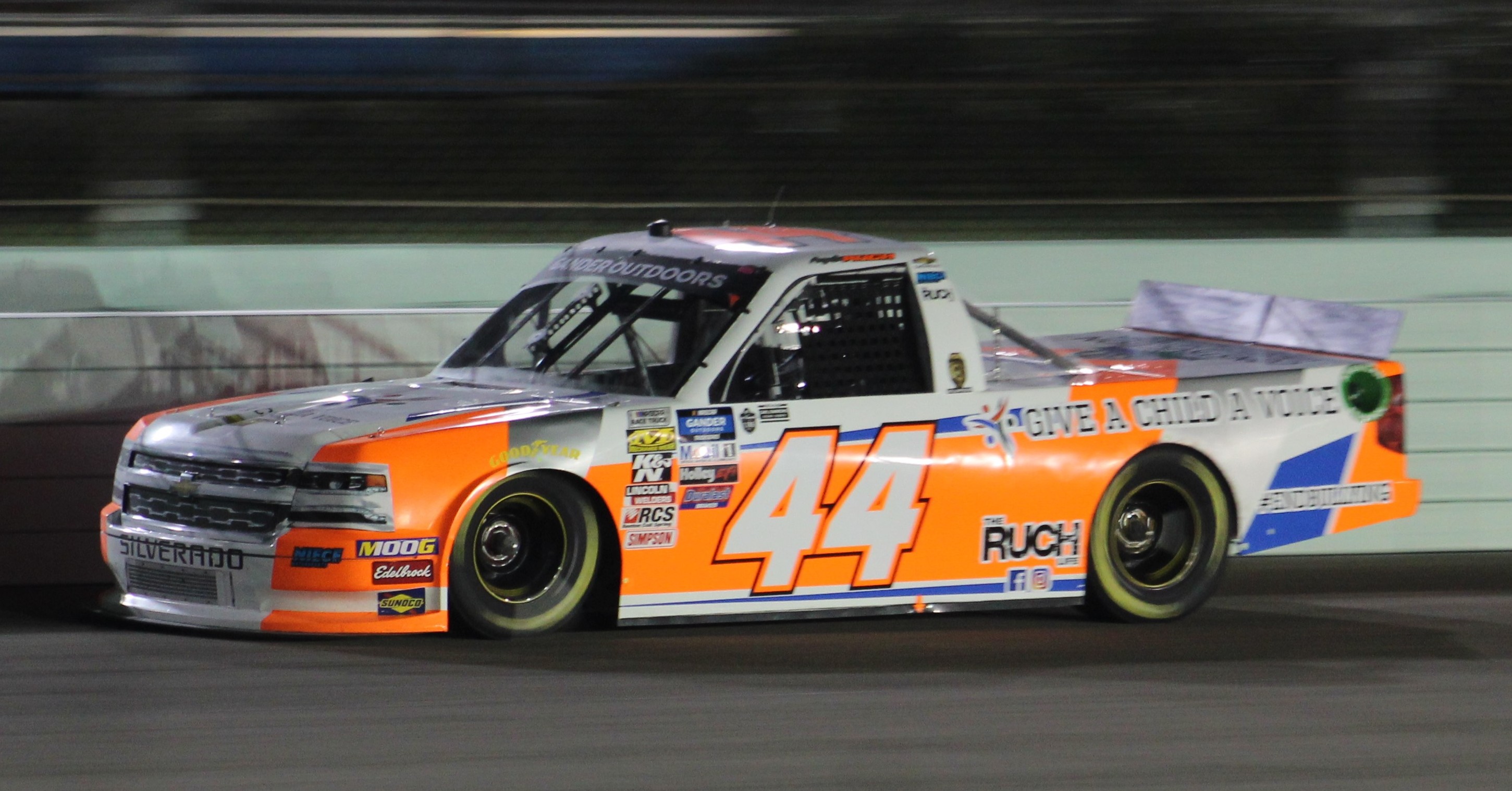
Chevrolet Silverado
"...g MSRP. If you go to Champion Chevrolet and buy a Silverado, you paying MSRP? No. Nobody's going to do that."
The Chevrolet Silverado is a large pickup truck. People use it for carrying things and towing, and it’s commonly sold with discounts. That’s why the conversation might focus on whether you’re paying the full sticker price or a lower “real” price after deals.
The Chevrolet Silverado is a full-size pickup truck built for everyday driving as well as work tasks like towing and hauling. It’s often discussed in pricing and dealership negotiations because incentives and discounts can significantly change what people actually pay versus the sticker price. In a podcast, it may come up when talking about how to get a fair deal on a popular, high-demand truck.
invoice
"They're probably selling them an invoice right now minus the rebate. You probably have a dock fee that you have to pay..."
The “invoice” is basically what the dealer pays the car company for the car. The host is saying dealers often work deals around that number, not the sticker price.
In dealership pricing, the “invoice” is the amount the dealer pays the manufacturer for the vehicle (before add-ons and profit). The host suggests dealers may sell closer to invoice and then account for rebates, which is why the final deal can differ from MSRP.
rebate
"They're probably selling them an invoice right now minus the rebate. You probably have a dock fee that you have to pay..."
A rebate is a discount the manufacturer gives you to lower the price. In this conversation, it’s one of the tools that can make the final price less than the sticker.
A rebate is money the manufacturer offers to reduce the purchase price (often tied to eligibility and timing). The host frames rebates as part of how dealers can effectively price cars below MSRP.
dock fee
"They probably have a dock fee that you have to pay, but, you know, the experience is probably going to be good. Tim Copenhaver and Andy Dietrich have anything to do with it."
A dock fee is an extra charge a dealer adds for handling/shipping the car to the dealership. It can increase the final price beyond the base price you first hear.
A dock fee is a dealer charge associated with getting the vehicle off the shipping point and into the dealer’s possession. It’s one of the common “extra” fees that can make the out-the-door price higher than what shoppers expect from advertised pricing.
service department
"There's still going to be a business case for a service department. People are going to wreck them."
A service department is where the dealership takes care of repairs and maintenance. The point is that even if buying changes, cars still need work done.
A service department is the dealership’s in-house area for repairs and routine work, which can be a major profit center. The host argues there will still be a business case for it because cars still need maintenance and repairs.
body shop
"People are going to wreck them. A case for a body shop."
A body shop fixes damage from crashes, like dents and broken panels. The host is saying accidents will keep creating work for these shops.
A body shop is a repair facility focused on collision damage—things like panel repair, repainting, and structural restoration. The host includes it to emphasize that accidents create ongoing demand even in a changing sales model.
change the oil
"the cars are going to have to be, like I said, from a maintenance standpoint, still probably have to change the oil and stuff like that. Even EVs are requiring a lot of maintenance."
Changing the oil is routine maintenance that keeps the engine properly lubricated. The host is using it to make the broader point that cars still need regular upkeep.
“Change the oil” refers to scheduled engine oil replacement to keep lubrication and internal wear protection within proper limits. The host uses it to argue that even with EVs, vehicles still require ongoing maintenance tasks.
EVs
"Even EVs are requiring a lot of maintenance. A lot more than they thought they would."
EVs are electric cars that run on batteries and electric motors. The host is saying they still need maintenance, just not the same kind as gas cars.
EVs (electric vehicles) are cars powered primarily by electric motors and batteries rather than internal combustion engines. The host’s point is that EVs still need maintenance, even if it’s different from oil changes.
Request an Explanation
Heard something you'd like explained? We'll add it to this episode.
Sign in to request explanations for terms you heard.
Want to learn more?
Browse our glossary for plain-English explanations of automotive terms, jargon, and concepts.
Help improve this episode
See something that's not quite right? Our annotations are AI-generated and can sometimes miss the mark. Click the flag icon on any annotation to suggest a correction.