EV adoption is how many people are actually switching to electric cars. The discussion is about why that switch isn’t happening as fast as you’d think.
JD Power is a company that studies cars and customer experiences. Here, they’re sharing insights about why fewer people are buying electric cars than you’d expect.
Brand
Garmin catalyst driving optimizer
Garmin is a consumer electronics brand best known for navigation and vehicle-related devices. The “catalyst driving optimizer” is a Garmin product name mentioned here, likely tied to coaching or optimizing driving behavior using vehicle data.
Fuel prices are what it costs to buy gas at the pump. The episode uses higher gas prices as a reason electric cars should be more popular—yet they aren’t.
This is a Subaru Outback wagon version that uses a turbo engine. The host brings it up to compare it against an EV option that’s close in purchase price but may be cheaper to operate.
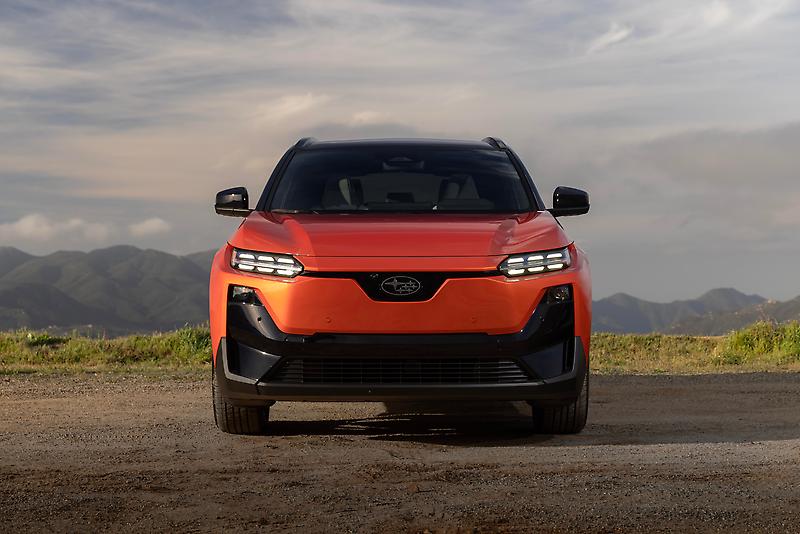
The Subaru Trailseeker is a Subaru vehicle model. In the podcast, it’s mentioned because its price is close to another Subaru model, so it becomes a choice point for shoppers. The comparison helps people decide which one fits what they want for the money.
A home charger is a device you install at your house so you can plug in your EV overnight. It matters because it makes charging easy and predictable, instead of relying on public chargers.
Off-peak hours are times when electricity rates are lower, typically overnight or during periods of lower demand. Charging during off-peak hours can significantly reduce the cost per mile compared with charging at higher-rate times.
A fuse panel (more commonly called an electrical panel/breaker box) is the part of a home’s electrical system that distributes power to circuits. EV charging can require upgrades if the panel can’t support the added load or if the wiring isn’t set up for a dedicated charger.
“Cost of convenience” is the idea that EV ownership isn’t just about the sticker price or fuel cost—it also includes the value of easier daily charging and routines. The host contrasts this convenience with upfront and infrastructure-related expenses that some buyers may not anticipate.
An internal combustion power vehicle is a car that generates power by burning fuel in an engine (gasoline or diesel). In this segment, it’s the comparison category for EVs when discussing price premiums and operating-cost differences.
The federal tax credit is a government incentive that can reduce the effective purchase cost of qualifying electric vehicles. The host says that when this credit went away, the price gap between EVs and internal-combustion vehicles widened.
Range anxiety is the worry that your electric car’s battery won’t last long enough to get where you’re going. The hosts say that once people actually drive EVs in their normal routine, the worry often doesn’t match reality.
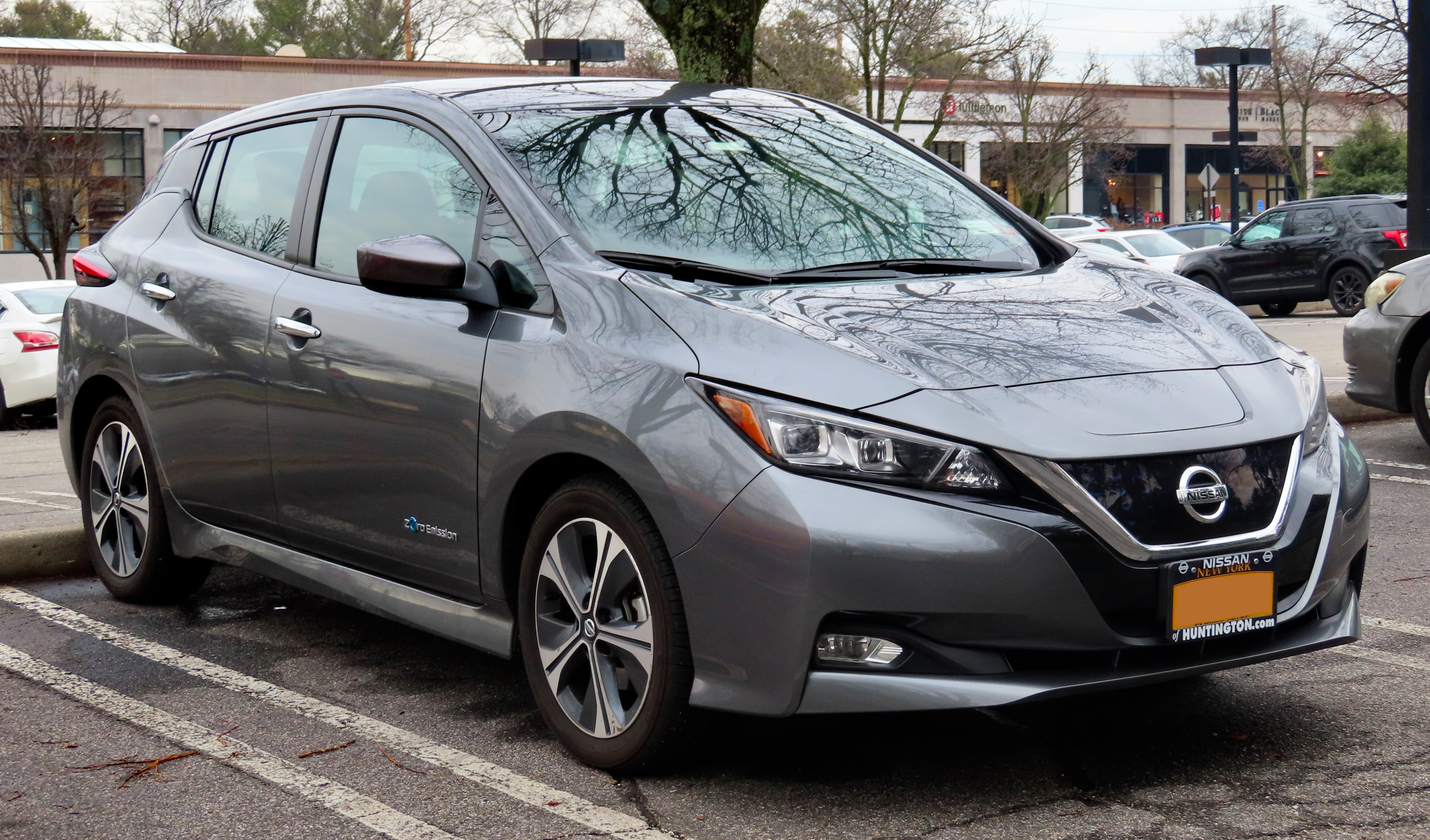
The Nissan Leaf is one of the first widely sold electric cars. The point here is that early Leafs were often seen as having limited range, which made people worry about running out of battery.
A learning curve means it takes time to get used to how an EV fits into your routine. The hosts are saying that after people learn how to use the car and charge it, the range concerns often shrink.
Public charging means you can charge an EV at chargers that anyone can use, not just at home. It’s a big deal for road trips because it affects whether you can find power when you’re away from home.
Charging networks are groups of EV charging stations run by a company. If your EV or charging app only works with certain networks, you might not be able to easily find or use all chargers.
Concept
public domain
“Public domain” here means chargers that exist in the general public charging ecosystem, not private or restricted locations. The point is that drivers may not see the full set of public chargers due to app/network partnerships, creating a false impression of scarcity.
It’s about how people can think EV charging is hard to find even when it’s actually available. If chargers aren’t as obvious as gas stations, people may not realize how easy it is to charge.
This is the common plug/charging system EVs use in the U.S. and Canada. When it’s standardized, you’re more likely to find chargers your car can use without special adapters.
Tesla’s Supercharger Network is Tesla’s network of fast charging stations. If you can use it, it’s easier to find quick chargers when you’re driving longer distances.
The show is saying many people don’t fully understand how EV charging works in real life. If they think chargers are too rare, they may avoid buying an EV even if that fear isn’t accurate.
This is a survey/research project about what makes people think about buying an EV. Here, it’s being used to show that many people reject EVs because they worry they can’t find chargers often enough.
“EV rejecters” are people who were considering buying a new car but chose not to buy an EV. In the study, many of them said it’s because they think charging stations aren’t available often enough.
A public charger is a charging station other people can use, usually in places like parking lots or along highways. How often you can find them affects how confident people feel about owning an EV.
This means a faster home charger for an electric car. Instead of charging slowly from a regular outlet, it uses a dedicated setup so you can top up the battery much quicker—often overnight.
Charging reliability means how often charging stations work as expected. If chargers break or don’t start charging, it can make EV road trips harder and more stressful.
This is a measure of whether people can successfully charge their EV at public stations. If a charger is unreliable, the “success” rate drops because drivers can’t get charging to start or finish.
Here, “co-locate” just means put the EV chargers in the same place as things people want to access—like restaurants or restrooms. That way, charging doesn’t feel like wasted time.
Convenience charging means you charge your EV while you’re already doing something else, like shopping or eating dinner. Instead of planning a special stop just to charge, you plug in during your normal routine.
Level 2 charging is a faster kind of EV charging than plugging into a basic outlet. It’s meant for when you’ll be parked for a while—like at a grocery store or restaurant—so the car can add a lot of battery while you’re busy.
This means charging at a place you’d actually want to stop for—like a destination—rather than just pulling in briefly to add a little battery. The idea is that the charging stop should feel like part of the trip, not an interruption.
Term
stage three chargers
They’re talking about the fastest type of public EV charger. The idea is you can plug in and get enough charge in a short time while you’re doing something else nearby.
Destination chargers are chargers at places you’d stop anyway, like a restaurant or a movie theater. You plug in and charge while you’re there, so it doesn’t feel like a separate chore.
Fast charging is how you charge an electric car quickly at public stations. Instead of waiting hours, you can usually add a useful amount of battery in about half an hour.
They’re using a typical charging target: start around 20% and stop around 80%. Charging is usually quicker in that middle range, and topping up closer to 100% often takes longer.
They mean teaching people how EV charging really works. If people don’t understand things like how long charging takes or where chargers are, they may assume EVs won’t fit their life.
They’re talking about wrong ideas people have about electric cars. If those fears are based on misunderstandings, better information can help people feel more confident.
This is about whether electric cars are priced low enough for regular buyers. The host’s point is that if EVs cost too much at the start, fewer people will choose them.
The Chevrolet Bolt is an electric car made by General Motors. In this episode, it’s brought up as an example of an EV that’s meant to be cheaper so more people can afford one.
The host is saying only a small group of people both really want an EV and also have enough money to buy one. That’s why lowering EV prices is so important for growth.
The Subaru Uncharted is a Subaru vehicle model that’s being introduced or talked about as a new option. It’s meant to be a specific kind of Subaru for buyers who want that model. The podcast mentions it when comparing different vehicles people can choose from.
The Kia EV4 is an electric car made by Kia. Instead of using gasoline, it runs on electricity from a battery. It’s mentioned because it’s one of the EV options people can buy, including in Canada.
The idea here is that more people will be able to buy EVs once lots of them show up on the used market. The host links that to earlier government incentives that encouraged leasing, so those leased EVs will later become used cars.
Here, “incentives” means programs that make EVs cheaper to buy or lease. The host’s point is that these incentives pushed more people toward leasing EVs.
Leasing is like renting a car for a few years with monthly payments, usually with an option at the end. The host says incentives made more people lease EVs, and those cars will later come back as used cars.
This phrase means whether EVs are priced low enough for regular people to buy. The host’s point is that used EVs can be much more affordable than buying new.
Electric cars use a big rechargeable battery. Over time it doesn’t hold as much energy as when it was new, but a newer used EV can still have most of its battery life left.
Term
battery those days
They’re talking about older stories that EV batteries used to wear out much faster. The point is that newer EV batteries tend to last better than people expected back then.
This is a gadget that records what you’re doing while driving on a track. It helps you review your laps so you can spot where you’re losing time and improve.
GPS is how a device figures out where you are using satellites. On a track, it can help the system know your position so it can measure lap times and where you’re going faster or slower.
Toronto Motorsports Park is a racing venue used for track-day style driving and lap-time analysis. The host uses it as an example of a “small” track where the device can still help drivers review lines, corner entry/exit, and speed.
A “line” is the route your car follows through a turn. The system can show you how your route compares to better laps so you can try to drive the corner more efficiently.
Lap time is how long it takes you to complete one full circuit of the track. The device tracks it and shows your best lap versus what you’re doing now.
A head-up display is a screen that shows driving info on the windshield. It helps you keep your eyes on the road instead of looking down at the dashboard.
A plug-in hybrid is a car that uses both gas and electricity. You can charge it by plugging it in, and it can drive on electric power for a short distance before it switches to gas.
A dual-clutch transmission is a type of automatic gearbox that shifts very fast. It uses two clutches so it can change gears smoothly, and in this car it works together with the electric motor to make stop-and-go driving feel less jerky.
Here, the electric motor drives the front wheels. That helps the car move smoothly at low speeds and makes stop-and-go traffic feel easier because the electric power comes on right away.
EV mode means the car runs on electricity only. The host says it only lasts for a short distance, so it’s mainly for local driving before the battery runs down.
This is a V8 engine with two turbochargers. Turbos cram extra air into the engine so it makes more power, often with a more dramatic sound and stronger acceleration.
This means the back of the car starts to slide outward instead of following the front. It usually happens when the tires don’t have enough grip for the power being applied.
Traditional all-wheel drive uses mechanical parts to send power to both the front and rear wheels. Here, the point is that the car doesn’t use that kind of mechanical system—power is handled differently.
Sportier settings are driving modes that make the car respond more sharply. They can also loosen the traction/stability help a bit so the car feels more lively, but the speaker says it’s still manageable.
Combined horsepower means the total power from all the car’s power sources working together. In a hybrid, that usually includes both the gas engine and the electric motors.
These are shape features on the car meant to control airflow. They can help the car stick better to the road and feel more stable, especially at higher speeds.
Lamborghini is a famous Italian company that makes high-end supercars. Here, the host is saying Lamborghini can make new models that look different but still feel like a Lamborghini.
LIVE
Study and play come together on a Windows 11 PC and for a limited time college students get
the best of both worlds
Get the unreal college deal everything you need to study and play with select Windows 11 PCs eligible students get a year of Microsoft
365 premium and a year of Xbox game pass ultimate with a custom color Xbox wireless controller
Learn more at windows.com slash student offer while supplies last ends June 30th terms at aka.ms slash college PC
Hello, and welcome to the Auto guide show this week
We speak to JD power about why EV adoption is slower than it probably should be in the product review
I get my hands on the Garmin catalyst driving optimizer and there's no mailbag this week
But I do talk about a super car. We'll be back in a quick second
Hello, and welcome we have a special guest from JD power if you could just introduce yourself and what you do there
Sure. Yeah, I'm Brent Gruber. I'm the executive director of EV solutions at JD power
So what that means is I oversee all of our different
Data solutions that we have capturing customer feedback and consumer sentiment on electric vehicles
All right, well, that's
That's a big topic to cover
But today we're specifically going to talk about something that's been coming up a whole lot lately last couple months with
fuel prices that are getting
Pretty high. I don't know what they're like where you are but up here in the Toronto region of Canada there
They're hitting levels. I've never seen before
So that's EV adoption because on the surface high gas prices better more affordable EVs than ever
Should be a no-brainer that their sales are increasing, but it's not really happening
What are some of the reasons people are kind of dragging their heels? Maybe an EV adoption? Yeah?
Yeah, absolutely. So first and foremost, you know fuel fuel prices are high
I think pretty much everywhere at this point
And so one would think you know, why aren't EVs?
You know more popular if fuel prices are as high as they are
you know one thing that we've seen as of late is
The the interest in electric vehicles is rising pretty rapidly
So it's been at a pretty consistent level for an extended period of time and then with the rise in fuel prices
We're seeing levels of interest in electric vehicles that
Have have hit a point where it's the greatest
Level since January of 2025 and that was only because consumers
Had a spike in interest because they anticipated that the federal tax credit was going to be immediately
Discontinued as soon as Trump took office
So there was that interest then and now we're starting to see this rise again
But now this is rising because of those fuel prices. So then you start to say, okay
Well, if interest is so high if so many people are considering electric vehicles, why aren't more people buying them?
And that's where some challenges come in
You know, not the least of which are the perceptions of the charging infrastructure, right?
Like our chargers available for me to use when I want to use them
You know, there's a little bit of a disconnect between perception and reality with public charging
And then certainly first and foremost is affordability
So a lot of these people who are interested in these electric vehicles
Simply cannot afford those products right now and that's where we're losing people along the way during that purchase funnel process
Yeah, I think that's been the case basically since EVs first hit the market is until I think we get the price parity
It's hard to get people to change doesn't matter what the benefits are or aren't
I mean being in my job of driven countless EVs to gas and I've said in certain segments
If the price is the same the EV is the no-brainer, but there's always a bit of a price gap and some of them are getting close to there
I mean
One that I can just think off top my head is in the US
Specifically the Subaru trail seeker and the outback turbo are almost priced the same and with the trail seeker
You're getting more power and all the same capability and the range isn't that much less
So there you have the compelling. Okay. Why not? But in a lot of cases you're talking, you know, 20 30 40 percent higher
It on a personal sort of
Story a family member is looking to get an EV as our next vehicle and I was explained to them
Well, you probably want to get a home charger because that is the huge benefit
Like I charge at home off peak hours and I'm paying
$5 for a car that cost me $60 to gas up like it's incredible the savings
But once they started considering that they have an older home and they got to do their fuse panel
And they got to pay the to get the cord out to their garage and then pay for the charger
And they've sort of considered this but I think a lot of people don't and then all of a sudden
It adds up if you're not long-term preparing for this
Yeah, there are some unexpected costs certainly
When it comes to electric vehicles, if you don't have the proper infrastructure to begin with
Indian residential environment, then there are some costs associated with that
But there's also what I like to call the cost of convenience
So when you talk about the differences between the cost of an electric vehicle
And you know, maybe an internal combustion power vehicle
There's certainly a price premium for a lot of these electric vehicles right now
And we've seen that increase since the federal tax credit went away that that gap has widened
A bit but there's a cost of convenience that comes along with electric vehicles that
Consumers who are in the market for new vehicles and maybe aren't quite sure about electric vehicles don't necessarily know
And what I mean by that is exactly like you said having the ability to charge at home that convenience of waking up having that full battery
Offers a level of convenience. That's you know, difficult to put a to the put a price on
Yeah, well, and I've spoken to family members who have or not family sorry friends who are looking to get them
and they say well for sure I'd have a home charger and then
A little bit later in the conversation
They'll say well, I'm a little worried about running out and I said if you're charging at home every night
Are you going, you know
300 miles every day to get to working back not even close. You'll always have 300 plus miles and depending on the vehicle
Maybe 400 so if you and I know these people they're not doing cross-state
Trips regularly have ever so it totally makes sense. But I think there's that underlying
Range anxiety fear still even though we've come so far
Compared to those early, you know, Nissan leaf first gen type vehicles and Mitsubishi i-means and whatnot
Yeah, yeah, the range anxiety is still something that's persistent
You know, we've seen that for quite some time now
It's actually not one of the very top reasons why consumers are rejecting EVs, although it is certainly a big point of rejection
But your example mic really highlights
That disconnect that that perception issue
We do a lot of research with
perspective EV owners as well as existing EV owners and the data that we have from those
existing EV owners
Shows that there's a learning curve that goes along with owning an electric vehicle
So what that means is somebody may have gone into the purchase process of an electric vehicle with this expectation
That range may be limiting
But then once they have a chance to use that vehicle in the real world
They quickly realize that those limitations weren't as great as they had anticipated
And so when you ask consumers who own electric vehicles how limiting their range is
In most cases it's not limiting at all
Which means that you know, there's this fear that's underlying fear of that range anxiety that is really unfounded once people do actually
Buy and use those those vehicles regularly
Yeah, and I think part of that is the way people purchase vehicles period not even EV specific is
They buy vehicles on the one
Maybe once a year use case of a vehicle like the amount of times I hear well
I go on a trip once a year or someone who buys a pickup because they
They bring home soil for their garden once a year
They buy a big SUV because they tow something once a year and it's like you could just rent something for that one trip
you don't need to
Have 364 days a year using something that's way too expensive and using too much either gas or electricity
But that's just the way we are as consumers. We don't buy that way
Yep, exactly. Yeah, and for those who do want to use an electric vehicle for a road trip
Um, you know public charging is readily available
That's not widely known especially for people who may not be all that familiar with electric vehicles and the supporting infrastructure
But electric vehicle chargers are really prevalent much more so than even most EV owners
realize
And there's there's a reason for that unfortunately you have situations where
vehicle manufacturers will partner with certain charging networks or
Select apps will work with certain charging networks
And so you may not see the full availability of chargers
That are out there in the public domain just simply because there are partnerships that limit what you can see in those situations
And so what that results in is this perception that charging may not be readily available
But it is and you know, you don't see chargers like you see a gas station, right?
You pull off a highway exit gas stations are right there
There are certainly chargers at those exits but not necessarily as visible as those gas stations
And so people just simply don't realize that
Yeah, people probably start familiar like they know the
the logos and the names of all the
Gas stations that might not know the different charging networks and in very recent time
Almost every major manufacturer has switched to the north american charging standard
So the tesla supercharger network and once you get access to that there's chargers everywhere. Do you think it's
I know the oems are promoting that they're
Part of that network, but I don't think people understand what it is
It is it like an education thing that they need to maybe approach different
Like there'll be a charger every 50 miles from you with five miles or something because I don't think people understand
You're not going way out in the country. There's always going to be a charger
Exactly. Yeah, you you hit it right on the head and that's the the perception
The education and overcoming that perception
There's a fundamental lack of education in the ev space right now
And just to highlight this disconnect
In that study that we do that we just released our electric vehicle consideration study
We talked to consumers who were in market to purchase a new vehicle and for those people who
Um rejected evs we call those ev rejecters. We asked them why they rejected an ev
And um, one of the consistent reasons why is because they believe there aren't
Chargers frequently enough in the public domain to be able to charge and so then we follow that up and say
Okay, how frequent would you need to see a public charger to feel comfortable enough to consider purchasing an electric vehicle?
And the overwhelming majority of those ev rejecters say that they would need to see
A charger um at least every 50 miles. Well, you know for those of us in the uh automotive industry that focus on electric vehicles
We know that public chargers are certainly more frequent than every 50 miles
So that shows that there's a fundamental education component to this that isn't being addressed
Yeah, and where I live
I'm kind of lucky there are so many chargers because there's pretty high ev adoption around me
So I spent years
reviewing electric vehicles and relying on public charging because I had nothing at home and then last year I got my own
Stage two charger in my house
And it is like life changing
I get it if someone lives in a condo that doesn't have chargers available or anywhere else urban street parking
What not it is a little more inconvenience
I never had a problem finding a charger, but you do have to plan a trip and maybe a half hour somewhere
I think the big problem is
And it's same with I talked about earlier with legacy electric vehicles as the legacy chargers
The first batch that were put in that were government funded. No one maintained
At least that is the case in michigan and Ontario where I'm more
Used to them whereas the new batch, especially the tesla ones are better now that said I did go to detroit this past winter
And my first two charging stops were broken and then my third one luckily worked as I was getting low on charge
but
That's more of I think an exception than the norm whereas maybe 10 years ago. It was the other way around
Yeah, some of that original infrastructure for public charging has aged
Maybe hasn't been well cared for
various states of disrepair for some of those I'm michigan based so I feel your pain as well mike
I know that there are certain instances where chargers are not available
Or down
But that's improved. We've seen a significant increase in charging reliability
We focus very heavily on the public charging space at jd power
And we have metrics that we're looking at on a near daily basis
And the reliability or charging success for consumers has improved dramatically over the past year or so
So yes, there are certainly older chargers that are in
You know various states of poor condition
But there are certainly a lot of newer chargers and what you're seeing more of now
Are some of these destination locations, right where they're
Co-located with some really great amenities like restaurants
Access to restrooms, you know activities. So, you know one thing that
EV consumers are telling us is that in order for them to really
Feel good about the public charging experience
They want to have access to certain amenities and you're starting to see that more now
I think what the industry has gone through is this learning
Adjustment where you know, we rushed to put chargers in the ground
Maybe there wasn't quite as much thought that went into where those were located or what was around those chargers
You know, maybe the thought was that you know, we want chargers in desolate areas to provide
People an opportunity to charge where they're, you know, maybe in an isolated area
But now we're looking at this very differently and saying, okay
How can we co-locate these things where there are amenities that consumers want because you need to be able to support
What I call convenience charging, which is you know, sort of that level two charging
I happen to be at the grocery store. So I'm going to charge up or I'm at the restaurant for dinner
And I'm going to charge while I'm there versus that road trip stop
And that road trip stop is is a little bit more of a destination type charging experience
And those amenities are kind of following along with that now more so than they were before
It's an excellent point you bring up because yeah, we have chargers and I'm sure you do too
The major service centers along the here are highways your interstates
But they put a lot and the initial ones at service centers and gas stations within the city
And it's like, yeah, and I'm stuck here for 40 minutes half hour at a gas station
So what am I going to do and in the last couple years?
We're seeing huge banks of stage three chargers going up at grocery stores is a great point
They're showing up everywhere because it's perfect. You're in there for an hour shopping and come out your car is charged
By restaurants one I am still surprised hasn't taken off is movie theaters
I mean, I think it's just an excellent place. You're there for a couple hours minimum would be perfect
Maybe you'll be there too long is what they think but I'm surprised there hasn't been a partnership there yet
But I think the destination chargers are
Such a better idea and it seems to be taking off a little more
Yeah, absolutely, you know the the average fast charging session right now typically takes around 30 minutes
um, and that's usually for
Someone to charge their battery from about 20 to 80 percent
And that 30 minute time frame, um, you know is really an opportunity to combine
Several activities, um, you know make that a little bit more convenient. Like you said, you know, maybe you go watch a movie or
You know, maybe you go grab a bite to eat
Um, you know having the opportunity to charge while those things are are occurring
Really adds to that level of convenience with uh with EVs
So we've talked about many of the different issues that
are sort of hampering the adoption before I let you go. What do you think is
The biggest one that's probably the easiest over to overcome in the future just with probably their
infrastructure education
Availability, whatever. Yeah. Well, I think there's actually two. So maybe I'll cheat a little bit and give you two solutions here
Um, first and foremost the education component, right?
There are so many misconceptions out there of what
EVs are or aren't what they can or cannot do what charging is or isn't
Um, and proper education would really go a long way towards um easing consumers concerns
You know, whether it be how long it takes to charge availability of chargers, right?
Those those all those, you know limitations of the the range
So I think education is really really important there
Um, this the second one and I think this is also very very important is the affordability component
You know, we talked a little bit about that where you know, these electric vehicles oftentimes are more expensive than an ice vehicle
Ice vehicles are expensive these days, right? This is not just an EV issue. This is an automotive industry issue. And so, you know
Improving affordability for those products will go a long way
And you're starting to see that with the development of a lot of lower cost products
General motors brought back the Chevy bolt, right an affordable EV option
Nissan redesigned their their popular leaf at a lower price point
You know, you touched on a couple other products that are
That came to market from Subaru that are you know at an affordable price point
Ford Motor Company is working on a host of new electric vehicles that are targeted at $30,000 price point
So addressing that affordability issue is really critical because when you look at the consumers who are interested in electric vehicles
It may be rejecting them because of
price
You know, we really have to kind of reach into that audience and say here's an option for you
And what I mean by that is the people who are most receptive to electric vehicles
Are younger consumers those younger consumers have lower income levels
So when you look at the sweet spot for age in terms of interest as well as the income in terms of
Interest in electric vehicles and overlap those two
There's only about a 19 percent overlap meaning there's 19 percent of the consumer audience
That fits in that sweet spot of interest in electric vehicles and has the income
To afford one of those vehicles and so improving affordability of electric vehicles
Is a challenge that the industry really needs to address. Unfortunately is working on addressing
Yeah, and to your point with the
examples you had and in Canada
We have one called the ev4 from kia and then there's also the uncharted the new entry Subaru and toyed as the
chr equivalent
They're all really good vehicles all these entry evs are they've come so far and I think that's again to the education people think of the
original sort of
Affordable or economy evs and they were good, but they had limitations
But these new ones are better than their gas counterparts in almost every way except for price usually
But that's not that far off. So I guess that's up to us as the media to try to get the message across as well as the
The manufacturers, but we're definitely going the right way. I'm just I've said this for a long time
it's sort of a different topic for a different day, but
I think
The initial push reviews might have been just a little too early for where it was and if it happened right now
I think there'd be so many more adopters, but now it's sort of
almost like damage control to a degree of
Changing perceptions as we've talked about and I think we'll get there one day
It's just a matter of time now and and some hard work for those in the industry
Yeah, I think one thing that's going to help our cause is the influx of used electric vehicles that will be coming back
So the us and canadian market had these incentives that were available to consumers purchasing those electric vehicles
And that drove a lot of leasing so lease rates skyrocketed for electric vehicles
Those lease vehicles are now going to be coming back off lease
And we're seeing some pretty affordable rates on the used purchase prices for those electric vehicles
And so when we talk about things like electric vehicle affordability
Just you know for your listeners know that there's a lot of really great
Used electric vehicles that are coming available newer used vehicles that are really great products for them to consider purchasing
I think it's also important to mention those that are coming out off lease four or five years old
Up to four or five years old the batteries aren't what they used to be these batteries are probably still at 90
Plus of their life. I know there was those stories in like 2015 of oh this car is five years old
And it's only got 60 battery those days are long gone
That's like comparing a modern car efficiency to something with a carburetor in the 80s like things things have advanced and it's not the case anymore
absolutely
Well, thank you so much for joining us. This has been a great topic a great chat
There is much more we can talk about and I'll gladly have you back on in the future to
Either talk about this because things could change in six months or any other topic. So thank you for joining us
Yeah, thank you for having me on the show
Garments known for its gps units, you know the handheld ones and the ones you could put to your car
And what they're doing with this driving performance optimizer
Is they are using their experience to help you get quicker like I said at the track
Now the unit is a pretty big screen that mounts to your vehicle
And there's a secondary camera that's used to record outside of the car
It logs all sorts of performance data as you're driving
Speed coordinates placement on the track whatnot. You may ask yourself. Well, how does it know where I'm on the track?
Well, there is a ton and I mean a ton of preloaded trucks
The track I was at is actually a pretty small one called Toronto Motorsports Park
It was in there and the great thing is is as you lap
You can go back and look at your lines and your speed entering and exiting corners
Analyze it it itself can tell you where or show you where you could probably make up some time
As you're lapping it will
Record lap times because it knows where the start finishes wherever you set it
And it can actually call out your lap times and on the screen it will show you your best time compared to the one you're running
In real time showing you if you're plus minus from the lap. It's kind of like having a little video game
Head up display in real life on your car
So those who are serious about lapping and really want to maximize their times or just want to get the most out of themselves
Or their machine this thing's actually pretty fantastic. It's not overly
Affordable in this sense. It's not a couple hundred bucks. I believe this unit when I tested it was about 1400 dollars
But at the same time
It's something you can use
repetitively
For a long period of time and you can use it at several if not infinite number of different tracks
So it's like having your own little driving instructor with you everywhere you go that in hindsight you can go back and see
Oh, geez this corner. I'm taking way too wide or I'm going too slow
So yeah, if you're really serious about lapping and you have a pretty serious machine that you want one of the best um
digital coaches and
Recording devices because like I said, it does video so you can go back and see your lap times and even export them
This isn't a bad product. It is the Garmin catalyst driving performance optimizer
All right, so we're just about to wrap the show up and like I said no mailbag today
I had no question to discuss
But what I want to discuss is a recent vehicle that I just drove and the review went live last week and that is the
2026 lamborghini tamarario now
We've talked about this vehicle on the show before last fall
I went to italy to lamborghini's home office to get to experience the vehicle and obviously I loved it
but
It's a little hard not to I was in the italian foothills
Driving a lamborghini with tons of italian citizens cheering me on as I drove through towns
What's not to love what I wanted to see this time was what's it like owning
Lamborghini's latest supercar in one of the largest
Busiest congested cities in all of north america. So that's what I did and then right away
I picked the car up on one side of a major city the greater Toronto area and had to drive across to the other side during rush hour
Traffic a two-hour slog where we're probably averaging if I'm lucky 20 miles an hour
Surprisingly the tamarario is fully up for the task as I've said before the cabin is much larger inside. So
There's more room. It's air you're feeling you don't feel as
Cramped the roof liner no longer block blocks the top of my view
I just feel like I can see out more and I don't feel as claustrophobic as maybe
As much as I did in say the ergon
And when you're driving the vehicle because it's a plug-in hybrid if you drive in one of the more sedate like hybrid modes
it's really
smooth even with the dual clutch transmission and stop and go traffic and that's because the electric motor powering the front wheels
Can take over at lower speeds or during the transition from stop to when the dual clutch engages
In fact, you can even put it in just ev mode and just silently cruise and stop and go traffic
And it's only rated to go about five miles on ev
But at times five miles was like a 20 minute drive for me and once it does deplete
You can use the engine to recharge it and it happens quite quick because it is a relatively small battery
now once I got out of the city and
In um consecutive days
I was able to take the car out when rush hour was not happening and get up out of the city into some of the more twisty
Hills surrounding the Toronto area
And there the car is just so fantastic. I can't obviously exploit anywhere near its full capabilities
I mean it goes well over 210 miles an hour to 0 to 60 in 2.5 seconds
That I get that I did get to do on a couple metered freeway entrances where
It's about 60 miles an hour as the top speed so I could just hammer it and oh man the sensation of acceleration
And the sound that twin turbo v8 makes behind your ears is so nice
Anything over 6000 rpm is so loud and up at red line. It makes us sound like nothing else
Now on the downside when you're cruising below 4000 rpm
It's not a great sounding engine and when you're in traffic or driving through a city
That's where you are a lot of the time and you can't really be cruising at six or 8 000 rpm
I mean it's just ridiculous and it's so loud
But when you do get those little runs outside of the
The traffic in the city
It's so well worth it and the rear end wants to step out because a lot of that power is sent to the rear wheels
There's no mechanical all-wheel drive system. So the front motors are separate from the rear
Engine motor combination, but when it does start to step out and kick its tail out
It's wholly controllable even in some of the sportier settings. It's just
A vehicle that has 907 horsepower combined
But it's kind of docile in a sense of you never feel like you can't get on top of the car
It's just a fantastic piece of machinery and yeah, it's not
Anywhere near affordable, but that's the whole point
It's just well sorted in so many ways and of course you get the Lamborghini look and prestige and you are a rolling celebrity
Every you everywhere you go. I took it by my son's school and I think every
Child that saw ran to the fence to take a look even though the teachers are trying to get them ordered to get back in the school
but yeah, it's just
It's still got that special feeling Lamborghinis have always had even in a plug-in hybrid era and good on them because
not every company's been able to
Keep that magic alive as technology's changed
And Lamborghini still has it. I mean the car looks wild. There are so many aerodynamic
bits and pieces to the vehicle that just
Stand out
From a mile away. It doesn't matter. It's a new model people know
What's a Lamborghini which is not easy to do to make something look different and new but still familiar
And of course the driving sensation is fantastic. So yeah, temerario
We'll be here for a while
This is version one just wait till Lamborghini starts busting out
The various special editions that'll come down the road that'll make it probably an even better performer or look even more wild
Anyway, that has been the ono guide show for this week. We'll be back next week with an all new show until then. We'll see you later
You
About this episode
Rising gas prices haven’t translated into faster EV adoption, and JD Power data points to why. Interest is up, but buyers get stuck on affordability, confusing charging perceptions, and uncertainty about public charger availability and reliability. Home charging helps—especially when electrical upgrades aren’t needed—but older homes can add upfront costs. Range anxiety lingers as a fear even as owners say it’s often not limiting. The show also highlights how destination and fast charging are evolving, plus education and used-EV supply as catalysts.
Why aren't people buying electric vehicles as quickly as expected, even with high gas prices? This week on the Auto Guide Show, we sit down with Brent Gruber, Executive Director of EV Solutions at JD Power, to break down the massive gap between consumer interest and actual sales. From the "cost of convenience" and hidden home charging expenses to the truth about public charging infrastructure and range anxiety, we look at what’s really holding buyers back. Plus, what does the influx of 4-to-5-year-old off-lease EVs mean for affordability?
Later in the episode, we head to Toronto Motorsports Park to test out the Garmin Catalyst Driving Performance Optimizer—your ultimate digital track coach. Is it worth the $1,400 price tag for serious track days?
Finally, we wrap up with a real-world test of the spectacular 2026 Lamborghini Temerario. Can a 900+ horsepower plug-in hybrid supercar handle a brutal, two-hour rush-hour crawl across Toronto, or is it only built for the open foothills of Italy?
Learn more about your ad choices. Visit megaphone.fm/adchoices