Get Out and Drive It: Chad Reynold's Automotive Journey
About this episode
Chad Reynolds traces his automotive obsession from his dad’s NHRA Stock Eliminator 1968 Camaro Z/28 and his own 1969 Camaro convertible to the way racing rules shaped cam choices. He then connects that mindset to real-world builds: Power Tour–ready wagons, nitrous-fed small-blocks, and patina that earned magazine attention. Along the way, he argues for reversible upgrades like LS swaps, recommends overdrive transmissions (TKX/Magnum), and urges people to get cars driving instead of endlessly tearing them apart.
Chad Reynolds shares his journey from childhood car enthusiast to industry influencer, highlighting his projects, insights on car culture, and advice for aspiring enthusiasts.
NHRA stock eliminator
"But my dad bought that car brand new from Carl Chevrolet where he worked in in San Jose, California and where I grew up in the in the Bay Area, San Francisco Bay Area and that car was NHRA stock eliminator car most of its life."
NHRA Stock Eliminator was a drag-racing category where cars had to follow rules that kept them closer to stock than full-on race cars. That’s why the same car can have a racing history without being completely custom.
NHRA Stock Eliminator was a drag-racing class run by the National Hot Rod Association (NHRA) that emphasized cars staying close to factory specifications. Chad’s mention signals that his Camaro and later his other Camaro were raced under specific rule constraints, which affects what engine and performance parts are allowed.
matching
"My first car is actually under that, which is a matching blue sixty-nine Camaro convertible."
“Matching” usually means the car’s key parts are the same ones it originally came with. It’s a way collectors judge how original and authentic the car is.
In classic-car talk, “matching” usually means the car’s major components (most importantly the engine) correspond to what the car was originally built with. Chad uses it to highlight authenticity and provenance for his 1969 Camaro convertible.
turbo three fifty
"So we used what we had, which meant that it got the stock eliminator small block in it. Okay, like it it got every Everything that was we used racewise, the only difference was at first it had a turbo three fifty in it."
A “turbo 350” means a Chevy 350 V8 with a turbocharger. A turbo forces more air into the engine, which can make it much stronger than a non-turbo version.
Chad says the car initially had a “turbo 350,” meaning a Chevrolet 350 V8 that was set up with a turbocharger. That’s a major performance change versus naturally aspirated setups, and it also affects how the engine behaves under drag-racing conditions.
stocker cam
"At first we put a three hundred horse three fifty cam shaft in it instead of the stocker cam. If you don't know stocker cams, they have very, very strict rules on total lift that has to match the factory lift for the engine that you you know are claiming it to be."
A “stocker cam” is the camshaft that fits the rules for a class that wants cars to stay close to stock. In his example, the rules force the lift to match the factory spec, but you can still change other cam details.
A “stocker cam” is the camshaft configuration that matches the factory/allowed specifications for a given racing class. Chad notes Stock Eliminator rules require the cam’s total lift to match the factory lift for the engine being claimed, while other cam dimensions like duration can be changed.
total lift
"If you don't know stocker cams, they have very, very strict rules on total lift that has to match the factory lift for the engine that you you know are claiming it to be."
Total lift is how far the valves open at their maximum. Racing rules can require it to stay close to the factory setting, which limits how much you can “turn up” the engine with a cam swap.
Total lift is how far the camshaft allows the engine’s valves to open at maximum. Chad highlights that Stock Eliminator rules tightly restrict total lift to match factory values, which limits how aggressive the cam can be.
three hundred horse three fifty cam shaft
"So we had what we had. Well, I couldn't afford to buy a new engine for that thing or any of that stuff. So we used what we had, which meant that it got the stock eliminator small block in it. Okay, like it it got every Everything that was we used racewise, the only difference was at first it had a turbo three fifty in it. At first we put a three hundred horse three fifty cam shaft in it instead of the stocker cam."
The camshaft is the part that tells the engine when to open and close the valves. Chad is saying they swapped to a different cam to change the engine’s behavior, but racing rules limited what they could change.
A camshaft controls valve timing and lift, which strongly influences how an engine makes power across the RPM range. Chad contrasts a “300-horse 350 camshaft” with the “stocker cam,” explaining that Stock Eliminator rules constrain certain cam specs while allowing other dimensions to vary.
duration
"they have very, very strict rules on total lift that has to match the factory lift for the engine that you you know are claiming it to be. But duration and all the other dimensions can be anything you want."
Cam duration is how long the valves stay open during each engine cycle. Changing duration can shift where the engine feels strong, even if rules limit other measurements like lift.
Cam duration is the number of crankshaft degrees (or time) the valve stays open, which affects where in the RPM range the engine makes power. Chad says duration and other cam dimensions can vary even when total lift must match factory specs.
wide open
"So they're just amazing. Obnoxious huge duration camshafts that just make all the right noises and have no power except at wide open and all the things, right?"
“Wide open” means the gas pedal is fully pressed. That’s when the engine gets the most air and fuel, and it’s often where a cam swap shows its biggest difference.
“Wide open” refers to wide-open throttle (WOT), where the throttle is fully opened and the engine can access maximum airflow. Chad uses it to describe how an aggressive cam may feel weak at lower RPM but comes alive at high demand.
stall glide
"it's now got a fifty five hundred stall glide and that small block in it normally."
This is a performance upgrade for an automatic transmission. It lets the engine rev higher before the car really starts moving, so it can launch more aggressively.
A “stall” converter is part of an automatic transmission setup. A higher-stall torque converter lets the engine rev higher before the car fully moves, which helps launch harder—especially with performance camshafts and drag-style power.
small block
"it's now got a fifty five hundred stall glide and that small block in it normally."
“Small block” is a nickname for a smaller V8 engine used a lot in hot rods. People use it to distinguish it from a bigger, more powerful “big block” V8.
“Small block” is a common hot-rod shorthand for a compact V8 engine family (often referring to Chevrolet’s small-block V8s). It contrasts with “big block” engines, which are larger-displacement V8s typically associated with more torque and heavier-duty builds.

Chevrolet Corvette
"Then and we got in a ninety-four Corvette convertible that we had. Six-speed car, of course, competition yellow."
A 1994 Chevrolet Corvette Convertible is a performance sports car from the C4 era. In the story, it’s used for a big road trip, not just weekend cruising.
The Chevrolet Corvette is known for being a performance-focused American sports car, and the 1994 Corvette Convertible is part of the C4 generation. Here it matters because it’s the car the host and his buddy used to do a long Power Tour-style road trip, showing how these cars can be driven hard over distance.

Chevrolet Chevelle
"in 05, my buddy Harley was supposed to be bringing his car, and my buddy Sean was supposed to be bringing his 66 Chevelle, which I had built for him."
A 1966 Chevrolet Chevelle is a classic muscle car that people still build and drive today. Here it’s mentioned as a car the group planned to bring on a long road trip.
The Chevrolet Chevelle is a mid-size muscle-car icon, and the 1966 Chevelle is a particularly popular year for enthusiasts. In this segment it’s tied to the host’s Power Tour plans—meaning it’s being treated as a real, driven project car rather than a trailer queen.

94 Caprice
"And it turns out that a 9C1 cop car a 94 Caprice, the chassis one inch longer wheelbase than a Tri5 Chevy."
A 1994 Chevrolet Caprice is a full-size car. The host uses it as a donor so he can build a 1956 wagon with the right chassis dimensions and modern running gear.
The Chevrolet Caprice (1994) is a full-size sedan platform that’s commonly used as a donor for swaps because it offers a complete, modern-ish chassis and drivetrain. Here it’s central to the build: the host uses its longer wheelbase chassis to fit under a 1956 wagon body.
9C1
"And it turns out that a 9C1 cop car a 94 Caprice, the chassis one inch longer wheelbase than a Tri5 Chevy."
“9C1” is a code that identifies a specific police-spec version of a GM car. It’s basically the “cop package,” which can come with different equipment than the regular civilian model.
“9C1” is a GM police package code used for certain Caprice/Impala police variants. It typically indicates a factory configuration intended for law-enforcement use, which can include durability-focused components and sometimes different dimensions or equipment compared with civilian trims.

Ford Edge
"... you put a big tire on it, it runs into The front edge of the wheel opening. it's not centered. So I was..."
The Ford Edge is a family-sized SUV that’s meant for normal daily driving. The podcast part you quoted is about putting bigger tires on it and making sure they fit without hitting the car. If the tire isn’t positioned correctly, it can rub the wheel area.
The Ford Edge is a mid-size crossover SUV built for everyday driving with a focus on practicality and comfort. In the podcast context, it’s being discussed in relation to tire fitment—specifically how a large tire can contact the front wheel opening if it isn’t centered properly. That kind of detail matters to owners who modify wheels/tires and want to avoid rubbing or damage.
wheelbase
"a Tri5 Chevy's wheelbase is one inch too short from the factory. Every rear suspension system for them extends the wheelbase one inch."
Wheelbase is the distance between the front and rear wheels. It matters because it changes how the body lines up with the chassis and wheels.
Wheelbase is the distance between the front and rear axles. It strongly affects how a car’s body sits over the chassis and how components clear the wheel openings—so changing wheelbase can be the difference between rubbing and fitting.
Tri5 Chevy
"And little known fact, unless you're a Tri5 person, a Tri5 Chevy's wheelbase is one inch too short from the factory."
“Tri-Five” is a nickname for the 1955 to 1957 Chevrolet cars. The host is talking about how that older chassis dimension can cause clearance issues when you modify it.
“Tri-Five” (often shortened to “Tri5”) refers to the 1955–1957 Chevrolet passenger-car generation. Enthusiasts use it as shorthand for that era’s body and chassis, and the host is discussing how its wheelbase affects fitment when running larger tires.
Power Tour
"So the iron-headed LT. one will not die. when I bought it it only had 40,000 miles or something, I'd have to look it up. it's got a well over a hundred on it now. I took that car on power tour."
Power Tour is a long-distance, multi-day car event where enthusiasts drive their cars from stop to stop. It’s known for being a “drive it like you mean it” test of reliability and real-world usability, not just a show.
patinaed car
"This car was supposed to be a gorgeous show car. To this day it looks like you drug it out of a field this morning, but in 2005, almost nobody had built a patinaed car that wasn't a thirties or forties car, right?"
A “patinaed car” is a car that looks worn in on purpose—like it has real age and history. Instead of restoring it to look brand-new, people keep that used, weathered look.
A “patinaed car” is one that intentionally keeps or recreates age-related wear—like faded paint, surface rust, and scuffs—so it looks lived-in rather than freshly restored. In the hot-rod world, it’s often used to create a believable, period-correct look.
painless wiring
"The wiring in that car to this day, if you were to open the hood and look under the fenders at the back of the headlights, there is a spool of wire for the painless wiring because I didn't I I knew I was gonna take it all back out"
“Painless wiring” is a brand of wiring kits for cars. People use it because it makes the electrical setup easier than doing everything from scratch.
“Painless wiring” refers to aftermarket automotive wiring harnesses and components sold by Painless Performance. Enthusiasts use them to simplify electrical work and reduce the hassle of custom wiring in a build.
Hot Rod Magazine
"But the car got so famous it ended up, you know, in the center spread of Hot Rod Magazine and all these things and just everywhere."
Hot Rod Magazine is a car magazine that covers hot rods and custom builds. If your car gets featured there, it means the community thinks it’s a standout build.
Hot Rod Magazine is a long-running American publication focused on hot rods, muscle cars, and custom builds. Being featured in it is a big credibility boost in the enthusiast world.
Hot Rod TV
"I met a guy named Jack Walworth who worked for Hot Rod TV at the time, was doing the Hot Rod TV episodes, and he interviewed me"
Hot Rod TV is a show that covers hot rods and car events. Here, it’s part of how the speaker got involved with filming and interviews around Power Tour.
Hot Rod TV is a TV program/production brand that covers hot-rod culture and events. In this segment, it’s tied to the host’s interviews and his role during Power Tour coverage.

Volkswagen Bus
"...r tour and riding in the van or a suburban or the bus. Us like you guys do. Like, that sucks. And he's ..."
The Volkswagen Bus is an older van made to carry people and cargo. It’s often used for trips and events because it has a lot of space. In the podcast, it’s mentioned as one of the vehicles people ride in or travel with.
The Volkswagen Bus is a classic van known for its roomy interior and its long-standing popularity with road-trip and touring communities. In the podcast context, it’s grouped with other vehicles used for events, which emphasizes its use as a people-and-gear transporter. It comes up because it’s an iconic platform for enthusiasts who want something practical but characterful.
Drag Week
"Freiberger comes up to me and goes, Have you heard about Drag Week? We're announcing this thing drag week and I said, No. And he goes, Yeah, it's you know in September or whatever it was."
Drag Week is like a multi-day drag racing event for street cars. The cars have to race and then keep going over several days, so it’s a real endurance test.
Drag Week is an event where street cars repeatedly run drag races over multiple days, typically with street driving between sessions. It’s designed to test not just straight-line speed, but also how well the car survives and performs day after day.
Fremont Drag Strip
"I remember some really like detailed things about Fremont Drag Strip, which is where we raced when I was a kid, and it's no longer there. But it later became Baylands Raceway Park and before it shut down."
This was a local drag strip in the Bay Area where cars raced in straight lines. The host is saying it later changed into another track name, and he grew up around it.
Fremont Drag Strip was a drag racing venue in the San Francisco Bay Area. The host describes it as being at sea level and later becoming Baylands Raceway Park, highlighting how local track history shaped his childhood racing memories.
Baylands Raceway Park
"I remember some really like detailed things about Fremont Drag Strip, which is where we raced when I was a kid, and it's no longer there. But it later became Baylands Raceway Park and before it shut down."
This is the name the drag strip later became. The host is explaining how the track evolved after Fremont Drag Strip stopped existing.
Baylands Raceway Park is the later name/location that Fremont Drag Strip became. The host uses it to connect the track’s past drag-racing identity to what it turned into over time.
Great Men, Kansas
"one of the ones that just sticks with me was we were at Great Men, Kansas on the last day of Rocky Mountain Race Week in 2017."
This is the place in Kansas where they were racing during a specific race weekend. The host is saying it was a big moment because it ended up being her last run.
Great Men, Kansas appears to be a mis-transcription of a drag-racing event/location in Kansas. The host is describing a specific race weekend (Rocky Mountain Race Week) where Daphne made her last drag-strip pass.
Rocky Mountain Race Week
"one of the ones that just sticks with me was we were at Great Men, Kansas on the last day of Rocky Mountain Race Week in 2017."
This is the name of the racing event week they were at. It helps explain when the story happened and why that run mattered.
Rocky Mountain Race Week is the named drag-racing event series/weekend the host references. It frames the timeline for the story about Daphne’s final pass and the car’s nitrous tuning.
nitris
"and it was also the quickest and fastest she'd ever been by a lot, like nearly a half second and it was cool because that day she wasn't feeling great but she was all excited and a buddy of mine came up and he's a nitris guy and we were running a nitris small block in her car at the time."
Nitrous is a system that adds extra “boost” to the engine for short bursts. It’s often used in drag racing to help the car accelerate faster.
Nitrous (often misspoken as “nitris”) is a performance system that injects nitrous oxide into the engine to temporarily boost power. It’s commonly used in drag racing to improve acceleration without changing the engine’s basic displacement.
dry nitrous
"Because he's like looking at the spark plugs out of the car, he's looking at the tune, it's fuel injected, dry nitrous and all this."
“Dry” nitrous means the nitrous system adds nitrous but doesn’t add extra fuel. The engine still has to get the right amount of fuel, so it has to be tuned correctly.
Dry nitrous is a nitrous setup where nitrous oxide is injected without fuel being added by the nitrous system itself. Because fuel delivery is handled separately (often by the engine’s existing fuel injection), it requires careful tuning to avoid running too lean.
spark plugs
"Because he's like looking at the spark plugs out of the car, he's looking at the tune, it's fuel injected, dry nitrous and all this."
Spark plugs are what ignite the fuel in the engine. When people tune performance setups, they often check spark plugs to see if the engine is running too hot or too lean.
Spark plugs are the ignition components that create the spark to ignite the air-fuel mixture in each cylinder. In nitrous tuning, their condition (color/insulation) can help indicate whether the mixture and timing are safe under boost.
data logs
"So it like we have data logs and everything. And By the way, this is all in her daily driver."
Data logs are like a recording of what the car’s sensors were doing during the run. Tuners use them to figure out what’s happening when the car launches or when nitrous kicks in.
Data logs are recorded engine/vehicle sensor readings (like throttle position, air-fuel behavior, and timing) captured during runs. For drag racing and nitrous tuning, logs help diagnose issues like traction problems and whether the tune is behaving as expected.
spin the tires
"He's looking at the data logs, he's looking at the spark plugs, he goes, Does this thing ever spin the tires? I said no, and it had two kits on it."
This means the tires lose grip and start slipping instead of pushing the car forward. In drag racing, controlling wheelspin helps the car launch harder and more consistently.
“Spin the tires” refers to wheelspin during launch, where the tires lose traction and rotate faster than the car is accelerating. In drag racing, avoiding tire spin can improve consistency and sometimes helps the car hit its best elapsed time.
two kits
"I said no, and it had two kits on it. And I was leaving, like we'd leave the starting line and like a couple tenths in, it would hit the first kit, and then you know, a half second or whatever later it hit the second kit."
In nitrous setups, “kits” are the hardware and plumbing that deliver nitrous (and sometimes fuel) to the engine. Having two kits typically means staged nitrous—one shot first, then another later—to manage traction and power delivery.
1320 video
"So so we did. 1320 video shot video of it and all this stuff, because Kyle and them were good friends of ours, and And when when it came on, like she clearly knew, okay, this is way spicier than normal, right?"
“1320 video” is drag-racing video coverage. The host is saying they had cameras there to record the run when the nitrous kicked in.
“1320 video” refers to filming/coverage associated with the 1320 brand/community, which focuses heavily on drag racing content. The host mentions it because they had video capture of the nitrous hit and the run.
roll bar
"it ran right on down Broadway. it was great. it ran as quick as it was allowed to with tech because it had no roll bar in it."
A roll bar is a safety cage bar inside the car. It helps protect you if the car tips over, and in racing it can be required by the rules.
A roll bar is a safety structure installed in the cabin to protect occupants in a rollover or hard impact. Drag racing rules often require roll bars at certain power/ET thresholds, so the host notes that lacking one affected what the car was allowed to do “with tech.”
timing shack
"it ran right on down Broadway. it was great. it ran as quick as it was allowed to with tech because it had no roll bar in it. so it was eleven fifty. it had been a 12-0 car forever. and when she got to the timing shack and got the slip, I mean she's jumping up and down in the car"
At a drag strip, the timing shack is where they measure the run and print the results. The host is describing the moment she got the official time slip.
The timing shack is the control area at a drag strip where officials operate timing equipment and record results. The host mentions it because that’s where she received her slip with the recorded times.
tech
"it ran right on down Broadway. it was great. it ran as quick as it was allowed to with tech because it had no roll bar in it."
“Tech” means the official inspection before or during the event to make sure the car meets the rules. The host is saying their car was limited by what it was allowed to do based on that inspection.
“Tech” is short for technical inspection at a race event, where officials check the car against safety and rules requirements. The host is saying the car’s run was limited by what it passed (or didn’t pass) in tech inspection.
slip
"and when she got to the timing shack and got the slip, I mean she's jumping up and down in the car, like fizzing."
A “slip” is the paper they hand you after a drag run with your results. It shows how fast the car went and how long it took.
A “time slip” (called “slip” here) is the printed record of a drag run, typically including elapsed time (ET) and trap speed. It’s the official proof of how fast the car ran in that pass.
11.50
"so it was eleven fifty. it had been a 12-0 car forever."
That number is how many seconds the car took to run the drag strip distance. Lower is faster, and the host is comparing it to her previous times.
“11.50” is a drag-racing elapsed time (ET) in seconds, indicating how quickly the car completed the quarter-mile. The host uses it to show how much faster Daphne ran compared with her usual 12.0-second pass.
dog ring four speed
"and dad's car has five fifty seven gears and a, you know, dog ring four speed and everything."
A dog-ring transmission uses special clutches to grab gears quickly. It’s often used in race cars, and it can be less smooth than a normal street gearbox.
A “dog ring” gearbox uses dog clutches instead of synchronizers, allowing faster, more direct gear engagement—common in racing or performance builds. A “four speed” indicates the transmission has four forward gears, and dog-ring setups are usually less forgiving than street-synced transmissions.
five fifty seven gears
"and dad's car has five fifty seven gears and a, you know, dog ring four speed and everything."
Those “gears” are the final-drive ratio in the rear of the car. A 5.57 ratio helps the car accelerate harder, but it can make the engine spin faster on the highway.
“5.57 gears” refers to a rear-axle gear ratio of 5.57:1, which multiplies torque to improve acceleration. Higher numerical ratios like 5.57 typically make launches quicker but can reduce highway cruising smoothness and increase engine RPM at speed.

Lincoln town car
"because my grandpa was a Ford guy, okay? And we are Chevrolet people, okay? ... he drove a Lincoln town car, okay? [2011.8s] And I'm like, did that Lincoln finally give up on you?"
The Lincoln Town Car is a big, comfortable luxury car. The story brings it up to show how different his grandpa’s later project was compared to his usual ride.
The Lincoln Town Car is a full-size luxury sedan known for comfort and a traditional, V8-powered feel. In the episode, it’s used as a contrast to the grandpa’s later hot-rod truck project—going from a big comfort car to a custom, show-focused build.
four-link
"We're talking a 50 Studebaker that he put a square body front clip in, a four-link in the rear. [2131.8s] We did air ride on the thing, 17-inch wheels, TBI 350 and 700R4."
A four-link is a way to hold the back axle in place using multiple metal arms. It helps the truck ride better and stay planted when you accelerate or brake.
A four-link is a rear suspension setup that uses four control arms to locate the rear axle. It’s popular in custom trucks and hot rods because it can be tuned for ride quality and traction, and it helps control axle movement under acceleration and braking.
square body front clip
"We're talking a 50 Studebaker that he put a square body front clip in, a four-link in the rear. [2131.8s] He had never painted a car before."
He’s describing a front-end swap: using the front part from an older “square” style pickup. Hot rodders do this to get a certain look and to make the build easier to fit together.
A “square body front clip” refers to swapping in the front end (hood, fenders, and related front structure) from a “square body” era pickup. This is a common hot-rod customization because the donor front end can be easier to fit, looks more aggressive, and provides a convenient base for modern suspension and steering setups.
air ride
"We did air ride on the thing, 17-inch wheels, TBI 350 and 700R4. [2131.8s] You so it's fuel injected."
Air ride is suspension that uses air bags instead of traditional metal springs. It lets you lower the truck a lot for looks, and then raise it back up to drive.
Air ride (air suspension) uses air springs and valves to raise and lower the vehicle, often with a remote control. It’s commonly used in show trucks because it lets you “lay out” the stance at car meets while still being adjustable for driving.
TBI 350
"We did air ride on the thing, 17-inch wheels, TBI 350 and 700R4. [2131.8s] You so it's fuel injected."
TBI 350 means a Chevy 350 V8 that uses fuel injection at the throttle body. It replaces carburetors with a more modern fuel system, which usually makes the truck easier to start and drive.
“TBI 350” refers to a Chevrolet 350 V8 using TBI (throttle-body injection), which is a fuel-injection system that meters fuel at a throttle body instead of using carburetors. It’s a common swap for hot rods because it improves starting and drivability while staying relatively simple compared with multi-port fuel injection.
700R4
"We did air ride on the thing, 17-inch wheels, TBI 350 and 700R4. [2131.8s] You so it's fuel injected."
The 700R4 is an automatic transmission with four forward gears. Hot rodders like it because it has an overdrive gear that helps the car/truck cruise more efficiently.
The 700R4 is a four-speed automatic transmission used in many GM builds, known for its overdrive gear that can improve highway cruising. In hot rods, it’s often paired with a V8 like the TBI 350 to get both stronger acceleration and better fuel economy than older three-speed automatics.
Wiley, Texas
"So we went to all the local shows here with both of them. the very first cruise night we went to was in Wiley, Texas. [2190.2s] We pull up, it's this big grocery store parking lot..."
They’re talking about a local car meet in Wiley, Texas. It’s where people show off their cars and trucks and cruise together.
Wiley, Texas is referenced as the location of the first cruise night the group attended. It’s a real-world car-meet setting where local enthusiasts gather, which helps explain the “show stuff” culture in the episode.
channelled
"We pull through our spots. I lay the the my fifty six on the ground, right? It's all it's channeled so it sits rockers on the ground basically and all that. [2207.7s] And grandma and grandpa get out of the truck..."
“Channeled” is a custom body modification that lowers the car’s body for a lower, meaner look. It’s one of the ways hot rodders create that stretched, low stance.
“Channeled” refers to a body modification where the car’s body is lowered over the frame (or the frame is modified) to create a lower, more aggressive stance. It’s a classic hot-rod technique used to improve visual proportions and emphasize a “laid-out” look.
Hot August nights
"by no fault of his own, there was a parts failure, he crashed it at at Hot August nights of all places into a concrete post and a parking garage... [2289.8s] it's been sitting for the better part of 15 years."
Hot August Nights is a big classic-car gathering. The story mentions it because that’s where the truck got wrecked.
Hot August Nights is a large classic car event where enthusiasts bring cars to show and cruise. In this segment, it’s where the Studebaker truck was crashed, making the event part of the truck’s story arc.
69 Camaro
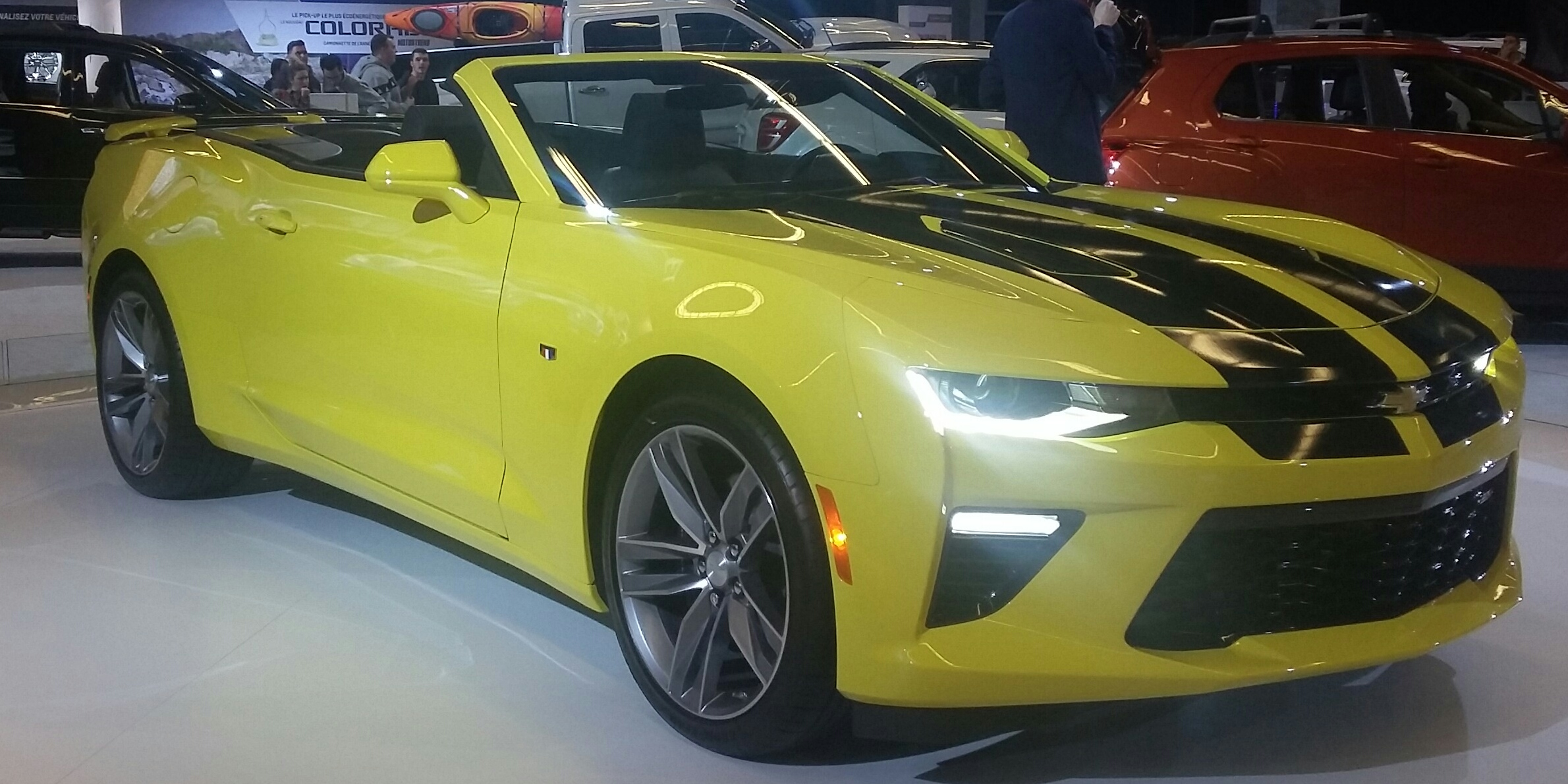
"So these these older cars have this bigger story to them, right? a 69 Camaro was just a car in 69. now it's not just a car, right?"
A “69 Camaro” is a 1969 Chevrolet Camaro, a classic muscle car. People get attached to older cars because they feel like part of history and personal stories, not just transportation.
The Chevrolet Camaro is a classic American muscle car, and the “69 Camaro” refers to the 1969 model year. In enthusiast culture, older cars like a 1969 Camaro are valued not just for specs, but for the stories and identity they carry from their era.
Toyota Camry
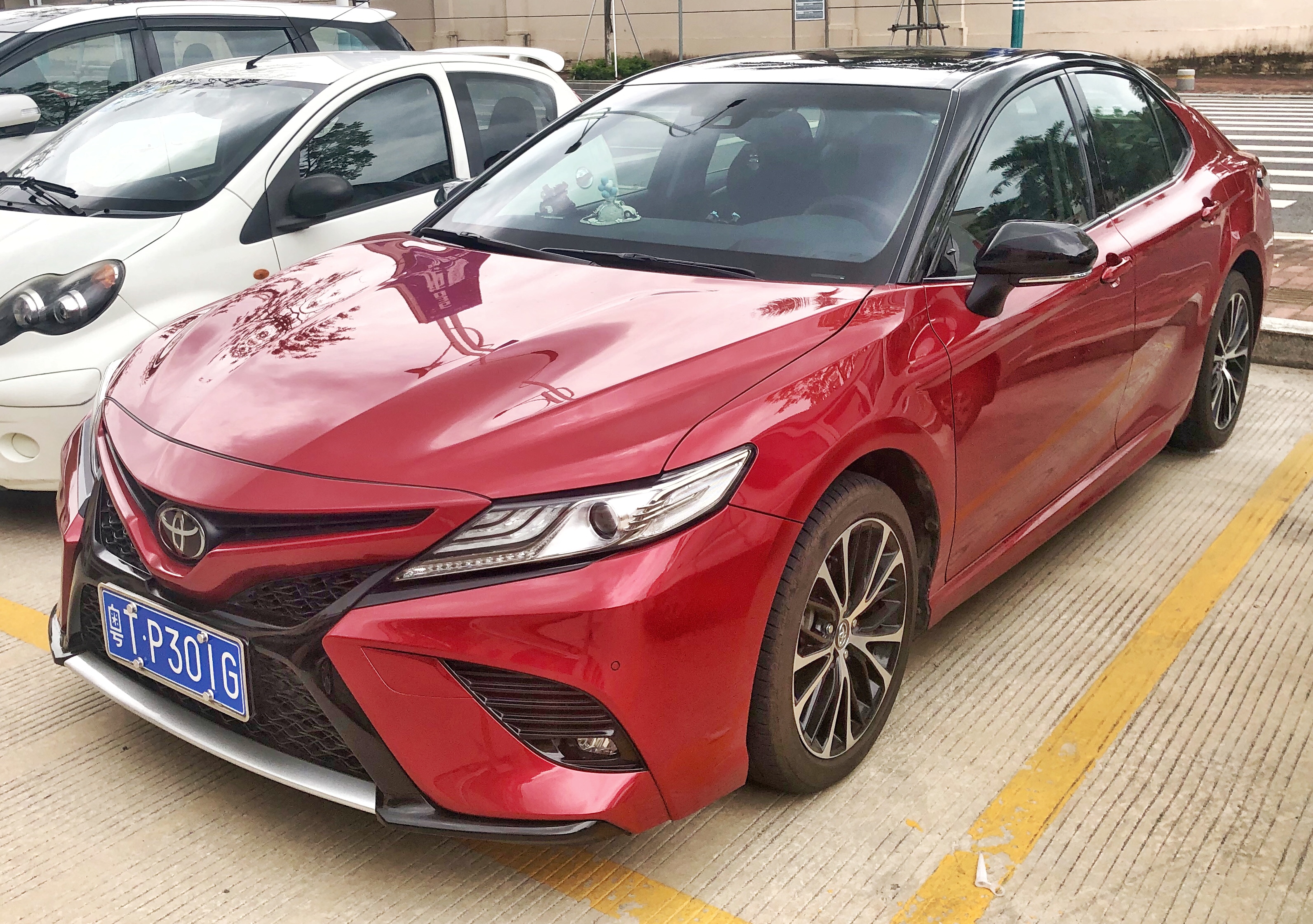
"but a 2024 Camry is never gonna be some super thing. [2444.2s] It's just not."
A 2024 Camry is a brand-new Toyota sedan. The host is saying that newer cars can be great, but they usually don’t have the same kind of special history or emotional pull as older classics.
The Toyota Camry is a mainstream midsize sedan, and the “2024 Camry” is the current-generation version at the time of the episode. The host’s point is that newer, common cars tend to feel less “special” socially because they don’t have the same historical aura as older enthusiast icons.

94 Honda Civic
"Dude, you pull up in these Camaros in my OBS suburban, in the Snova, even my 94 Honda Civic, I have an EG hatch, right?"
A 1994 Honda Civic is an older compact Honda. The host is saying that cars like this can still make people stop and talk because they’re part of car culture.
The Honda Civic is a compact car with a huge enthusiast following, and “94 Honda Civic” points to the 1994 model year. The host is highlighting how even non-exotic cars can still create community and conversation.

Daphne's 66 Bell Air Station wagon
"Daphne's 66 Bell Air Station wagon is getting a TKX and swap setup from American Powertrain, probably behind a 5-3 or a 6-liter, and it's gonna stop being a drag race."
A “66 Bel Air station wagon” is a 1966 Chevrolet Bel Air wagon. They’re planning upgrades so it drives more like a fun street car instead of only being built for drag racing.
“Bell Air” is a Chevrolet model line, and “66 Bell Air Station wagon” points to a 1966 Chevrolet Bel Air wagon. The host is describing a planned drivetrain and transmission upgrade to turn it into a more street-friendly cruiser rather than a pure drag setup.
TKX
"Daphne's 66 Bell Air Station wagon is getting a TKX and swap setup from American Powertrain, probably behind a 5-3 or a 6-liter"
TKX is the name of a modern aftermarket manual transmission. People use it in older cars so the shifting and strength are better for today’s engine swaps.
TKX is a brand/model name for a modern aftermarket manual transmission used in classic-car swaps. It’s popular because it provides a stronger, more usable gearset than many older transmissions when paired with modern engines.
no-prep
"It's going to become my no-prep and drag and drive car."
“No-prep” drag racing means the track isn’t specially cleaned or treated to give you perfect traction. Your car has to be set up to launch and grip even when conditions are worse.
“No-prep” refers to drag racing where the track surface and traction are not specially prepared for maximum grip. It usually demands a car setup that can handle inconsistent traction, often with strong tires and suspension tuning.
5-3 or a 6-liter
"Daphne's 66 Bell Air Station wagon is getting a TKX and swap setup from American Powertrain, probably behind a 5-3 or a 6-liter"
“5-3” and “6-liter” are ways people talk about engine size. They’re saying the car will probably get a swap using an engine in the 5.3L or 6.0L range.
“5-3” and “6-liter” are shorthand for engine displacement choices (commonly referring to 5.3L and 6.0L class V8s in GM swap conversations). The host is saying the wagon will likely be built around one of those modern engine sizes.
American Powertrain
"Daphne's 66 Bell Air Station wagon is getting a TKX and swap setup from American Powertrain"
American Powertrain is a company that sells aftermarket parts for car upgrades. Here, they’re providing parts to help convert an older car to a newer drivetrain setup.
American Powertrain is an aftermarket company that supplies parts and swap kits for engine and drivetrain conversions. In this segment, they’re mentioned as the source for the transmission/swap setup for a classic Chevrolet wagon.
pro charger
"after Daphne died, we did the fastest car TV show in that thing and put a pro charger on it and then another pro charger and it just got ridiculous."
A “ProCharger” is a supercharger system that forces more air into the engine. More air usually means more power, but it can also make the car louder and less relaxed to drive.
A “ProCharger” is a specific brand of supercharger system (an aftermarket forced-induction setup). The host says they added ProChargers to the car, which made it extremely loud and fast but less enjoyable to cruise.
LS
"and Richard Holdner is finishing up an LS to put in that thing at some point as well."
“LS” is a GM V8 engine family that a lot of people swap into older cars. It’s popular because it’s strong and there are lots of parts and support for it.
“LS” refers to the GM LS-series V8 engine family, which is widely used in modern engine swaps because it’s compact, powerful, and has strong aftermarket support. The host is saying the Nova will get an LS engine at some point.
TCI
"We actually have a 66 Nova on the other side of those two over there too that has a full TCI everything underneath it."
TCI is a company that makes performance parts for classic cars. Here, the host means the Nova has a lot of TCI aftermarket parts under it.
TCI is an aftermarket brand known for performance transmission and drivetrain components, especially for classic-car builds. In this context, “full TCI everything underneath it” suggests the Nova’s underpinnings are built around TCI components.
Richard Holdner
"and Richard Holdner is finishing up an LS to put in that thing at some point as well."
Richard Holdner is the person working on the car build. The host is crediting him for finishing an engine installation.
Richard Holdner is the person the host names as finishing an engine build for the Nova. In enthusiast circles, naming the builder is a way to credit the craftsmanship behind the swap.
LTG crate motor
"I have a Chevette, a 1987 Chevette that I'm gonna do. I have an LTG crate motor and six speed actually sitting right up here on the mezzanine to put in that."
An LTG crate motor is a newer GM engine that you buy as a complete package. “Crate motor” means it’s basically ready to install, instead of rebuilding an old engine.
An “LTG crate motor” refers to a GM LTG-series engine sold as a crate (a new, complete engine shipped for installation). “Crate motor” implies you’re buying an engine ready to install rather than rebuilding an old one.

Chevette
"So I bought one of those so I could build the mini truck I wanted to, I have a Chevette, a 1987 Chevette that I'm gonna do."
A Chevette is a small Chevrolet from the 1980s. The host is saying they bought a 1987 one to build, including swapping in a newer engine and a manual gearbox.
The Chevrolet Chevette is a compact car from the late 1970s and 1980s, and the host specifies a “1987 Chevette.” They’re planning an engine swap using an LTG crate motor and a six-speed transmission.

Square Body Suburban
"I have the EG Civic. I have a Square Body Suburban. that's a project that's just sitting there waiting its turn."
A “Square Body Suburban” is an older Chevrolet Suburban with the boxy, classic 1970s truck look. Chad is saying it’s one of the cars he wants to work on next.
The “Square Body” refers to the 1970s–early-1980s Chevrolet/GMC truck styling, and a “Square Body Suburban” is the full-size SUV version of that era. Chad mentions it as a waiting project, reflecting how this generation is a common enthusiast base for swaps and restorations.

Nova
"It's fine. So, my buddy Steven has bought two really good 68 Chevies. one a 68 Camaro, and this one a 68 Nova."
The Nova is a classic Chevrolet that’s popular with car enthusiasts. Chad is talking about a 1968 Nova that his buddy bought as a project car.
The Chevrolet Nova is a classic American muscle-era model known for its huge aftermarket support and easy customization. Chad specifically talks about a “68 Nova” as a friend’s purchase, highlighting how these cars are commonly kept as projects and eventually driven.
overdrive
"Well Okay, I'm and I'm gonna sound like this is a commercial for you guys or well one of your companies and it's not, but I would say that if you are in the market for a transmission for your hot rod, okay, if you're going to change it to an overdrive, that's one of the biggest things you can possibly do to your car to make it more enjoyable to drive."
Overdrive is an extra gear that helps the engine run at lower RPM when you’re cruising. That usually makes the car feel smoother and easier to drive for long distances.
Overdrive is a higher gear ratio that lets the engine spin more slowly at cruising speeds. Chad argues that converting a hot rod to overdrive is one of the biggest upgrades for making it more enjoyable to drive because it reduces strain and makes highway driving less tiring.
Bonneville
"Put a TKX or a Magnum in it. I mean, I'm telling you, I've raced a lot of things, okay? I've been 241 mile an hour, on the Salt at Bonneville."
Bonneville is a famous salt-flat speed venue where people try to set land-speed records. Chad mentions it to show he has serious racing experience.
Bonneville refers to the Bonneville Salt Flats, a famous venue for land-speed records in Utah. Chad cites his experience there to emphasize he’s raced a lot and understands how different drivetrains feel at speed.
Magnum
"Put a TKX or a Magnum in it. I mean, I'm telling you, I've raced a lot of things, okay? I've been 241 mile an hour, on the Salt at Bonneville."
Magnum here is a transmission option from the aftermarket. Chad brings it up as an alternative to the TKX for making a car nicer to drive.
Magnum refers to another aftermarket transmission option Chad mentions alongside the TKX. In this context, he’s comparing transmission choices aimed at improving drivability via overdrive rather than chasing drag-strip performance.
10-second drag car
"Okay. if you take a 10-second drag car that is a stick shift, it will be more fun to drive than a seven-second drag car that's an automatic."
On a drag strip, “10-second” is a quick time for running the quarter-mile. Chad uses it to compare how fun a manual feels versus an automatic.
A “10-second drag car” is a car that runs the quarter-mile in about 10 seconds, which is a common shorthand for drag-strip performance. Chad uses this to make a point about how a stick shift can feel more engaging than an automatic, even when comparing very fast cars.
373 ring opinion
"Just too good. I'm gonna put a TKX in that thing. The five speed's all I need. It's got a 373 ring opinion in it."
This sounds like he’s talking about the rear axle gear ratio (often written like 3.73). That ratio changes how the car pulls and how fast the engine spins when you drive.
“373 ring opinion” appears to be a transcription error for a rear-end gear ratio (commonly written like “3.73”). Gear ratio strongly affects acceleration and how the engine RPM sits in each gear, which matters when pairing a transmission with overdrive.
PPG Billet Sequentials six-speed
"if you do have crazy, again, not a commercial, go look at the new PPG Billet Sequentials six-speed that they have at American Powertrain. It's not even public yet. So this is your chance to go see it."
PPG Billet Sequentials six-speed is a high-end aftermarket transmission option. Chad is saying it’s a serious performance choice for people who want the car to run and drive as quickly as possible.
PPG Billet Sequentials six-speed refers to a specific six-speed sequential-style aftermarket transmission product. Chad frames it as an advanced option for builders who want the quickest-running setup, and he notes it wasn’t publicly available yet at the time of his comment.
Power glide
"So with all that said, if you have a 69 Camaro in your garage that's been sitting forever and you're like, it really could use a paint job, and the transmission blew up, and the only transmission I have is a power glide and whatever, just get it running and drive it."
Powerglide is an older automatic transmission used in many classic cars. Chad is saying you can still enjoy the car even if you’re not using a modern transmission yet.
“Power Glide” is a common enthusiast nickname for GM’s Powerglide automatic transmission. Chad uses it as an example of an older automatic that can still be used to get a long-stored car running and driving rather than waiting for the perfect setup.
boost
"I don't know how much boost through all the two different pro chargers. I mean it all the things."
Boost is how much extra pressure the forced-induction system adds to the engine. More boost usually means more power, but it can also make the engine work harder.
Boost is the extra air pressure created by forced induction (like a supercharger or turbocharger) compared to normal atmospheric pressure. Higher boost can increase power, but it also raises heat and stress inside the engine.
bench racing
"Because remember one thing: no matter how hardcore you are, unless you drive Your car every day for a hour-long commute, you spend ninety-five percent of the time bench racing and talking about your car and only five percent driving it."
Bench racing means talking about cars instead of actually driving them. The host is saying that most of the time people just talk, and you should try to get out and drive.
Bench racing is the habit of talking about cars—plans, specs, and hypotheticals—without actually driving or using the car. The host’s point is that even hardcore enthusiasts spend most of their time talking rather than driving.
CJ Pony Parts
"when I'm, you know, from my side as a media outlet and all that, when I'm dealing with a company like CJ Pony Parts or American Powertrain or Edelbrock or whoever, you know, it's a corporate entity, right?"
CJ Pony Parts is a company that sells aftermarket car parts. The host brings it up as an example of the kind of business he deals with when working on products.
CJ Pony Parts is an aftermarket parts retailer known for performance and restoration parts, especially for Ford Mustang platforms. The host mentions it to explain how understanding corporate realities helps him work with parts companies.
Edelbrock
"when I'm, you know, from my side as a media outlet and all that, when I'm dealing with a company like CJ Pony Parts or American Powertrain or Edelbrock or whoever, you know, it's a corporate entity, right?"
Edelbrock is a famous brand that makes performance parts for engines. The host mentions it because he works with companies like this when improving and promoting new products.
Edelbrock is a well-known performance-parts brand, especially for carburetors, intake manifolds, and engine components. The host references it as an example of a company he collaborates with on product development and marketing.
fuel injection
"I still think that there is a huge number of people, especially in the pro touring world, who are just leaving almost all of it on the table. They just don't have a clue. and I'm trying to help fix that. But anyway, so I think fuel injection is a big deal."
Fuel injection is a modern way of getting gasoline into the engine. It uses sensors and computer control to deliver the right amount of fuel, which helps the engine run better and make more power.
Fuel injection is how modern engines deliver fuel into the intake using electronically controlled injectors instead of older carburetors. In performance builds, EFI (electronic fuel injection) enables more precise fueling and tuning, which makes it easier to extract power reliably.
pro touring world
"I still think that there is a huge number of people, especially in the pro touring world, who are just leaving almost all of it on the table. They just don't have a clue. and I'm trying to help fix that."
“Pro touring” is a style of car building where people take older cars and upgrade them to drive and handle like modern performance cars. Chad is saying some builders aren’t taking full advantage of newer engine tech.
The “pro touring” scene focuses on modernizing classic cars for confident handling and drivability, often combining upgraded suspension, brakes, and powertrain tech. In this segment, Chad says many people in that community aren’t fully using EFI and related modern tech.
big blocks
"I want to give a hard time to people that have only built LSs and think that we're old people for having small blocks or big blocks. I want to bust their chops a little bit because they don't know what it's like to have to make parts fit, because they just already do."
“Big block” is a nickname for a larger V8 engine design. It usually means a bigger, heavier engine that can require more planning for fitment in a car.
“Big block” refers to larger-displacement, physically bigger V8 engine families compared with “small block” designs. In hot-rodding and pro touring circles, the term matters because big blocks can change how parts fit and how builds are packaged.
sequential stuff
"the technology that's coming Into transmissions and stuff with companies like PPG. I mean, all this sequential stuff. If you look, if you guys go look at PPG's stuff, and again, I know American Powertrains getting ready to start selling that stuff, it's insane."
“Sequential” means the transmission shifts through gears in order. Instead of choosing any gear like an H-pattern, it steps to the next one—often faster and more consistent for racing.
“Sequential” refers to a transmission shifting method where gears are selected in order (like 1→2→3) rather than using an H-pattern gate. Sequential gearboxes are common in racing because they can shift quickly and repeatably under load.
3D printer
"BANGshiftChad Reynolds: manufacturing and engineering and all this. I just I bought a 3D printer and I'm like super excited Tim has the same one so I'm super excited to start using that thing and making stuff with it. I I just think right now like it's not one part it's the technology and all the things that are like here in our faces that are available and I I love that."
A 3D printer makes parts by building them up layer by layer. In car projects, people use it to prototype parts and sometimes even make real components.
A 3D printer is an additive-manufacturing device that builds parts layer-by-layer from a digital model. In automotive contexts, it’s often used for prototypes and, with metal printing, can produce functional components for motorsport or fabrication workflows.
metal 3D printing
"Yes. Yes. Yes. yeah. I saw a thing the other day that was like on a reel I don't know i people watching, if you're not familiar with metal 3D printing, which is super new, don't get me wrong, and I've not seen it in person, but In a normal 3D printer environment, there's a thing they call the bed, right?"
Metal 3D printing is like a 3D printer, but it makes parts out of metal instead of plastic. That matters because you can sometimes print parts strong enough for real use, not just prototypes.
Metal 3D printing is additive manufacturing that produces parts from metal powders or metal feedstock using specialized equipment. Unlike typical plastic desktop printing, metal printing can create load-bearing parts—often used for custom race components.
bed
"In a normal 3D printer environment, there's a thing they call the bed, right? Which they're printing the stuff on, and it's basically a control computer-controlled hot glue gun squirting stuff out to make a thing, right?"
The “bed” is the surface the 3D printer builds the part on. It’s basically the platform where the printing happens.
In 3D printing, the “bed” is the platform the part is built on. It’s important because the bed’s position and movement (or lack of it) affects how the printer lays down material and how large parts can be made.
turbo kits
"And I do know people who have had the cold side of their turbo kits 3D printed in stainless steel and or aluminum in the last year and are running them on race cars right now and they're great."
A turbo kit is an aftermarket setup that adds a turbo to an engine. It usually includes the parts needed to make forced-air boost work.
A turbo kit is an aftermarket package that adds forced induction to an engine, typically including components like the turbocharger, piping, and related hardware. Chad mentions 3D-printed turbo kit parts made from stainless steel or aluminum for race-car use.
cold side
"And I do know people who have had the cold side of their turbo kits 3D printed in stainless steel and or aluminum in the last year and are running them on race cars right now and they're great."
The “cold side” is the part of the turbo setup that handles cooler intake air before it gets compressed by the turbo. Chad is saying those parts can be 3D printed in metal for racing.
In a turbo system, the “cold side” generally refers to the intake plumbing and components before the turbo compresses the air (as opposed to the hot exhaust side). It’s a common way enthusiasts distinguish which part of the turbo plumbing they mean when discussing materials and fabrication.
time-lapse
"...I actually have a lot of mostly time-lapse, but a lot of video of building this shop."
Time-lapse is when you film over a long time but play it back quickly, so slow work looks fast. It’s commonly used for construction or build projects.
Time-lapse is a video technique where frames are captured at intervals and played back faster to show long processes in a short clip. The host says they have “a lot” of time-lapse footage from building their shop.
OBS project
"...video tech video starting with the OBS project doing a bunch of stuff there. I love doing tech stuff and I just haven't done enough of it lately, but we got a lot more of that coming."
OBS (Open Broadcaster Software) is a popular free program used for recording and live-streaming video. The host mentions starting with the OBS project as part of upcoming tech content creation.
dragon drive
"...you will see video coming from Sweden because like I said I am going to Sweden for a dragon drive which we'll talk about a little bit more up after this but it's it's gonna be awesome."
The host is talking about an upcoming driving trip/event called “dragon drive.” He says it should be awesome and that he’ll explain more later.
“Dragon drive” is referenced as an upcoming trip/event the host will attend, described as something he’ll talk about later. The segment frames it as an enthusiast-oriented driving experience, but the exact event details aren’t provided here.
SEMA
"BANGshiftChad Reynolds: Yeah. Yeah. Well, you know, I mean, when I first started going to like SEMA and stuff, I just I had a name for my hot rod shop that wasn't really a business yet and just came to hang out, you know, and party with my friends and have fun at SEMA, right?"
SEMA (Specialty Equipment Market Association) is a major U.S. trade show focused on aftermarket parts, custom builds, and performance vehicles. The host references early days of going there to hang out and party with friends, contrasting with later work-heavy convention time.
Car Junkie TV
"...and then they closed their forums down in 2007 or 8 and we started Car Junkie TV first me and Freiberger and And the Wayback Machine."
Car Junkie TV is referenced as a community platform the host helped start after Hot Rod Magazine’s forums were closed. In this context, it’s part of the shift from magazine-era forums to newer online spaces for enthusiasts.
Facebook groups
"For people that want to get in, you know, to be in car people, go to events. Like you can do all the stuff online, right? Join Facebook groups, do all those things."
Facebook groups are online chat/club spaces where people with the same interests talk. Chad is saying you should still meet people in real life, not just online.
“Facebook groups” are online communities where car enthusiasts share advice, parts for sale, and local meetups. In this context, Chad is contrasting online-only involvement with going to events in person.
five or six speed conversion
"And also don't fall into the trap of thinking that everything has to be a big expensive part, if you're gonna do a kit from American Powertrain to do a you know five or six speed conversion, that's expensive, okay?"
A “five or six speed conversion” means changing the car so it has a 5- or 6-gear transmission setup. It usually takes a lot more work and parts than people expect.
A “five or six speed conversion” is an aftermarket drivetrain swap that changes a car’s transmission setup to a manual with five or six gears (or to a different gearbox family). It typically requires matching parts and fabrication work, so it’s a major project rather than a simple bolt-on upgrade.
CompCams
"Okay? Or the new Chevy pickup or whatever. but nobody needs an overdrive setup from American Powertrain. Nobody needs a new camshaft from CompCams."
CompCams is a company that makes performance engine parts, like camshafts. Chad is basically saying people don’t have to buy these parts to get by day-to-day.
CompCams is an aftermarket performance parts brand/company, especially known for camshafts. Chad uses it to illustrate that enthusiasts often buy parts that aren’t strictly “needed,” even though they’re popular in the performance industry.
Larry Larson
"I would definitely call a couple of different car builders. Larry Larson would be one of them and I would tell him, Okay, I want you to b build me this."
Larry Larson is a car builder Chad mentions as someone he’d hire for a custom build. Chad is basically saying he trusts that person’s skills.
Larry Larson is named as a car builder Chad would contact if he had an unlimited budget. The point here is that he’s treated as a specialist capable of building a custom car to Chad’s request.
Kevin Tetz
"I would probably send my Camaro to Kevin Tetz, who Kevin is if you don't follow Kevin on YouTube, you should."
Kevin Tetz is a car person Chad follows and would hire. Chad says he’s especially good at making cars look great and getting them ready to drive.
Kevin Tetz is mentioned as a builder Chad would send his Camaro to. Chad frames him as a TV/YouTube personality and a specialist for paint and body/metal work, plus overall readiness for driving.
Paint Education
"Kevin owns a company called Paint Education as well, and he's been on trucks and a million TV shows forever, and he's a wonderful human being."
Paint Education appears to be Kevin Tetz’s company focused on automotive paint and related work. Chad mentions it because he’d send his Camaro there for body, sheet metal, and paint improvements.
engine swap
"Make it make it really nice. I don't want it to be perfect. I just want it all to be really nice. I want everything fixed body, sheet metal and paint wise. Make this thing good again. And then, you know, and then I'd do an engine swap and all those things and make those things ready to go."
An “engine swap” means putting a different engine into the car. It’s a major job because you have to make a lot of systems work together.
An “engine swap” is replacing a car’s original engine with a different engine (often from another model or a newer generation). It usually involves matching wiring, mounts, cooling, fuel, and sometimes the transmission, so it’s one of the biggest project-car upgrades.
hot roddy thing
"So what I would wanna do is I would wanna go buy a car on marketplace, okay, and go, my god, and I would do one thing to it. Just one thing, okay? Like what if any maintenance items, that's fine, but one hot roddy thing to it, right?"
“Hot roddy” basically means making a car more exciting—usually with modifications that improve how it looks or drives. The host is saying you’d do just one fun upgrade, not a bunch of complicated work.
“Hot roddy” refers to the hot-rodding tradition of modifying a car for a more aggressive look and feel—often with straightforward, enthusiast-friendly changes rather than a full restoration. In this segment, it’s contrasted with doing only maintenance and instead doing a small number of fun upgrades.
Request an Explanation
Heard something you'd like explained? We'll add it to this episode.
Sign in to request explanations for terms you heard.
Want to learn more?
Browse our glossary for plain-English explanations of automotive terms, jargon, and concepts.
Help improve this episode
See something that's not quite right? Our annotations are AI-generated and can sometimes miss the mark. Click the flag icon on any annotation to suggest a correction.