The Evolution of Car Passion: Drake Donovan's Automotive Journey
About this episode
From Hot Wheels at age two to Camaro clubs in Louisville, the conversation traces how Drake Donovan’s car passion became “car show life.” He explains his SS/RS “phantom” styling, the “hood up” culture, and the detailing and show-board storytelling that turn builds into trophies. Along the way, hosts share how they help builders market with QR codes, how judging works in rain, and why display boards should tell the story—using RPO codes, restoration photos, and period documentation.
Drake Donovan shares his journey into the world of car enthusiasts, from his first car, early enthusiast experiences, and discovering the car show life. He discusses the evolution of his car projects and shares his favorite projects and unforgettable experiences, highlighting the passion for cars and the building of a car community. Drake Donovan shares the influence of his family on his automotive interests. He also discusses the car culture and enthusiast community, highlighting the challenges he faces and the support he receives. Additionally, he talks about the innovations in car show life and his future plans for the business.
Takeaways
- Passion for Cars
- Building a Car Community Passion for Custom Car Builds
- Community Support and Collaboration
📌 Chapters:
00:00 Introduction to Drake Donovan and Car Show Life
06:08 Drake's Journey into Automotive Enthusiasm
11:27 Evolution of Drake's Relationship with Cars
15:31 Lessons Learned in the Car Community
21:21 Phantom Project and Customization Experiences
26:57 Memorable Events and Honoring Family Legacy
30:16 Memorable Car Adventures
32:00 Inspiration from Automotive Podcasts
35:21 Challenges of Being a Car Enthusiast
37:59 Understanding the Passion for Cars
40:40 Changes in Car Culture
44:59 Community and Storytelling in Car Shows
45:53 Advice for New Car Enthusiasts
47:19 Unexpected Moments at Car Events
52:35 Future Plans and Innovations in Car Show Life
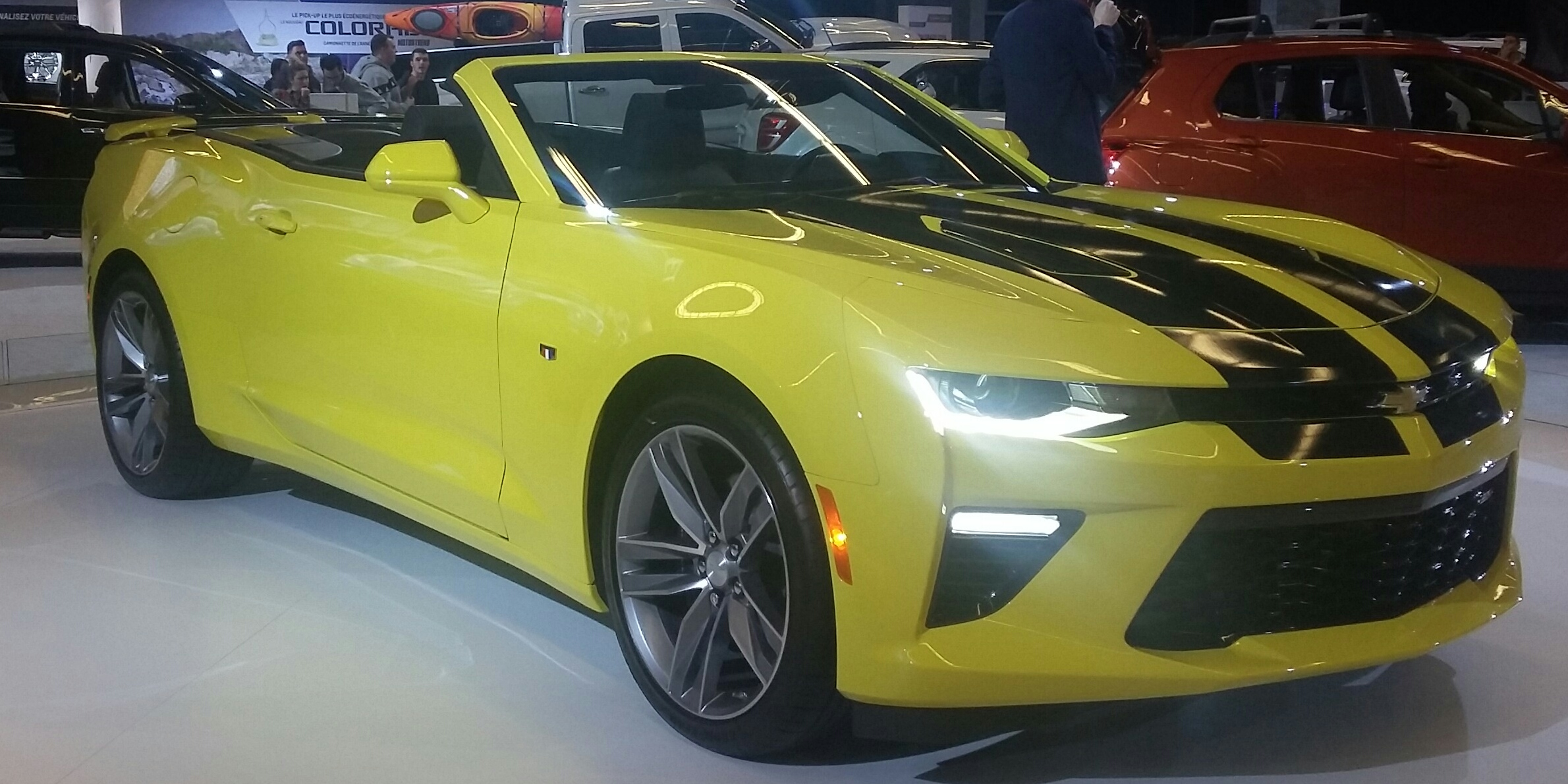
Chevrolet Camaro
"And I found myself in a new town, no new friends, but I had this 2011 Camaro and I had flirted with joining a car club before we moved."
A Chevrolet Camaro is a popular American sports car. Drake mentions his 2011 Camaro because it helped him meet people and start going to car club events.
The Chevrolet Camaro is a long-running American pony car, and the 2011 model is part of the fifth-generation Camaro era. In this segment, Drake Donovan uses his 2011 Camaro as the catalyst for joining a Camaro club and getting involved in car-show culture.
car club meetings
"So I finally pulled the trigger. I googled Camaro Clubs, Louisville, Kentucky, and it came up Derby City Camaro Club and their monthly meeting happened to be that coming Tuesday."
Car clubs are groups of people who own similar cars and meet up. Drake goes to a meeting and that’s where he really gets into the hobby.
Car club meetings are organized gatherings where owners share cars, swap stories, and coordinate events like cruises and shows. In this episode, Drake’s first club meeting is what turns his interest into an active hobby.
car show
"Their first car show was coming up in September. This was June... So I spent that summer cruising with the club... and then we had our first car show."
A car show is an event where people bring their cars to show them off. Drake explains how his club’s car show tradition—like opening the hood and then going to dinner—became part of his slogan.
A car show is an organized event where vehicles are displayed and owners often participate in judging, judging-like judging, or just community viewing. Drake describes how his club’s first car show and later hood-up dinner tradition shaped his “Car Show Life” identity.
cruise
"So I spent that summer cruising with the club, going to dinners, going to cruisans... They had a regular Saturday night Dairy Queen cruise in and then we had our first car show."
A cruise is a group drive where club members roll out together to a destination, often at a set time and route. Drake mentions cruising with the club and a Saturday-night Dairy Queen cruise as part of the community routine.
hood up
"And so that was my first introduction to the car show life back in hood up... wherever this club would go, we drive together... and everybody backs into their spaces and puts their hoods up and then we go in for dinner."
At car shows, “hood up” means the owner opens the hood so people can look under the car. It’s a way of saying, “Come check out what’s going on in here.”
“Hood up” is car-show etiquette where owners open the hood so others can look at the engine bay. It signals that the car is being shown and invites conversation about the build and maintenance.

Pontiac Firebird
"...D father. He was the brand manager for Camaro and Firebird in the late 90s. And then when the car went away,..."
The Pontiac Firebird is a performance car that Pontiac made. The episode mentions someone who worked for Pontiac’s brand, connecting the Firebird to the car world and its history. It’s brought up as part of that background rather than as a specific buying recommendation.
The Pontiac Firebird is a muscle car that was produced by Pontiac and is closely tied to the same era of performance cars as the Camaro. The podcast mentions a family connection to Pontiac’s brand management in the late 1990s, which ties the Firebird name to the broader performance-car lineup. It’s relevant because it shows how the Firebird is part of the enthusiast history being discussed.

Ford Mustang
"...at area. We moved to Williamsport and there was a Mustang club. There was a couple of Corvette clubs, ACA, ..."
The Ford Mustang is a popular American car that’s made for driving for fun. Many owners join clubs and modify them with parts, so it’s a common choice for hobbyists. The episode also mentions customizing older Mustangs as winter projects.
The Ford Mustang is a long-running American sports coupe/convertible known for its strong aftermarket support and huge enthusiast community. In a podcast context, it comes up alongside car clubs, which highlights how widely it’s followed and customized. It’s also a common “project car” platform, including older generations like the Fox-body era mentioned in the episode.
Mopar
"There was a couple of Corvette clubs, ACA, it was a Mopar club."
Mopar is a nickname car fans use for Chrysler/Dodge/Plymouth. A “Mopar club” is typically a group focused on those brands’ cars.
Mopar is the enthusiast nickname for Chrysler, Dodge, and Plymouth vehicles and parts. When someone says “Mopar club,” they usually mean a club centered on those brands’ cars and the factory/aftermarket parts culture around them.

Chevrolet Corvette
"...d there was a Mustang club. There was a couple of Corvette clubs, ACA, it was a Mopar club. So I had to do s..."
The Chevrolet Corvette is a sports car designed to be fast and fun to drive. People often form clubs around it, so it shows up a lot in car conversations. In the episode, it’s also connected to people building and working on special versions.
The Chevrolet Corvette is a performance-focused sports car built by Chevrolet, known for its distinctive design and enthusiast following. It’s often discussed in the context of clubs and car culture, which fits the podcast’s mention of Corvette clubs. The Corvette name also appears in relation to recreations and specialized parts work, showing how deep the community goes.
Photoshop
"So I had to learn Photoshop because I was working in audio."
Photoshop is a computer program for editing and creating images. People use it to make designs for things like shirts and car-show artwork.
Photoshop is an image-editing program used to create and modify graphics—commonly for posters, logos, and digital art. In car-show contexts, it’s often used to design t-shirts, showboards, and promotional visuals.
rusted out
"“I wanted to replace the exhaust because it had rusted out.” “So my dad and I are working in our single car garage…”"
“Rusted out” means the metal got corroded until it basically failed. In this case, the exhaust was rusted badly enough that it needed to be replaced.
“Rusted out” refers to metal corrosion that has progressed far enough to weaken or perforate a component. Here it’s the exhaust, which is a common failure point on older cars—especially in regions that see road salt—because exhaust parts run hot and are exposed to moisture and salt.
rear axle
"“we cannot get this car jacked up high enough to get the bend of the exhaust pipe over the rear axle.” “And we were at it for, you know, the sun had gone down.”"
The rear axle is the part that connects the rear wheels to the car. When you’re working on the exhaust, you often have to route the pipe so it clears the rear axle area.
The rear axle is the assembly that supports the rear wheels and transmits drive (in many layouts) between the drivetrain and the wheels. The host mentions needing to bend the exhaust pipe “over the rear axle,” which shows the exhaust routing has to clear that structural/driveline area.
open exhaust
"“So there I was the next day with my mom following me down Leechburg Road… driving this car with an open exhaust” “and a tailpipe hanging out the passenger window…”"
“Open exhaust” means the exhaust isn’t sealed up correctly, so fumes can come out in the wrong place. The host is dealing with that while trying to get the car fixed at a shop.
An “open exhaust” means the exhaust system is not properly connected or is missing sections, so exhaust gases can exit where they shouldn’t. In the segment, the host drives with the exhaust effectively leaking, which is why they’re trying to find a shop with a lift to fix it safely.

Cavalier Z24
"“And it was a 2.8 liter V6.” “And my dad had a Cavalier Z24 with a 2.8 liter V6.”"
The Cavalier Z24 is a trim level of the Chevrolet Cavalier. In this episode, it matters because it also used a 2.8-liter V6, so the host is saying their Camaro felt mechanically similar to a Cavalier.
The Chevrolet Cavalier Z24 is a performance-leaning trim of the Cavalier compact, and it’s being used here as a comparison point. The host notes it also had a 2.8-liter V6, which is why they describe their Camaro as “Cavalier in Camaro sheet metal”—same basic mechanical idea, different body.
front wheel drive platform
"Cavaliers, Sunbirds, Grand Ams, sticking with GM, but that small engine front wheel drive platform."
Front-wheel drive means the front wheels do the work of moving the car. The speaker is saying the GM cars he was considering were built around that layout.
A front-wheel-drive (FWD) platform means the engine’s power is sent to the front wheels, and the car’s core layout is designed around that. The speaker contrasts this with other GM models they considered, using “small engine front wheel drive platform” to explain what kind of cars they were shopping for.
spinner center caps
"So I don't think this was the factory layout and it had chrome wagon wheels with spinner center caps on it."
Spinner center caps are decorative wheel covers that spin as you drive. The host mentions them because they make the car look modified rather than factory-original.
Spinner center caps are aftermarket-looking wheel center covers designed to spin when the vehicle is moving, creating a flashy effect. The speaker uses them as a visual clue that the car’s wheel setup wasn’t stock.
raised letter tires
"And the, you know, Cooper Cobra, white raised letter tires. So in a spoiler too, it had a spoiler."
Raised-letter tires have the tire brand lettering sticking out on the sidewall. The host is describing the look of the tires on the car he found.
Raised-letter tires have the brand/model lettering molded so it stands proud on the sidewall. The speaker points out “white raised letter tires” as part of the car’s sporty, period-correct appearance.
Cooper Cobra
"And the, you know, Cooper Cobra, white raised letter tires. So in a spoiler too, it had a spoiler."
Cooper Cobra is the name of a tire model. The host is saying the car had those tires, which helps describe both the look and the driving feel.
Cooper Cobra is a tire model/brand name, and the speaker uses it to describe the exact tire setup on the car. Mentioning the tire name is a detail enthusiasts recognize because tire choice affects grip and the overall “look” of the car.

Shelby Cobra
"...nner center caps on it. And the, you know, Cooper Cobra, white raised letter tires. So in a spoiler too, ..."
The Shelby Cobra is a classic open-top sports car known for its performance and distinctive look. The episode mentions specific styling details, which matters because many people want the car to look right. It’s also a car that’s commonly customized or recreated.
The Shelby Cobra is a classic American roadster associated with high-performance heritage and a lightweight, open-top driving feel. The podcast references details like center caps, tire style, and a spoiler, which suggests a discussion about appearance and period-correct styling. It’s a car that often draws attention because it’s both historically significant and heavily replicated/customized.
spoiler
"So in a spoiler too, it had a spoiler. So it had a sporty look to it and we were trying to convince my mom to let me get it..."
A spoiler is a piece on the back of a car that helps the car’s airflow. Here, it’s mentioned because it gives the Camaro a sportier look.
A spoiler is an aerodynamic add-on (usually on the trunk or rear) intended to improve airflow and add downforce or reduce lift at speed. In this segment, the speaker mentions a spoiler as part of what made the car look “sporty.”
V6
"Having a V6, my first two Camaros were V6s. The 85 was the 2.8, and then I had a 02 RS, which was the 3,800."
V6 means the engine has six cylinders. The host is saying his first Camaros used a V6 engine instead of a bigger V8.
V6 refers to an engine with six cylinders arranged in a “V” shape. In this segment, the host emphasizes that his first two Camaros were V6s, which influenced the driving experience and the specific engine sizes he mentions (2.8 and 3.8).
RPO
"And I feel so bad about that because there were less than 500 of that particular car made. The RPO, and I cannot remember what the RPO was, if it was Y84, something like that."
RPO is a factory option code GM used to label specific add-ons on a car. The host is trying to remember which option code his Camaro was built with.
RPO (Regular Production Option) is GM’s internal code system for ordering specific factory options. The host mentions an RPO code (like Y84) while trying to recall which option package his Camaro had.
SLP upgrade
"But that was the SLP upgrade for the V6 cars, the RS package. But in 02, everybody either wanted a Z28, or they wanted an SS, or they wanted the anniversary SS..."
An SLP upgrade is a special factory/performance package that changes what the car came with. In this story, it’s connected to the RS package on the V6 Camaros.
SLP typically refers to an aftermarket performance program associated with GM’s performance branding, where certain packages were offered as upgrades. Here, the host says the SLP upgrade was tied to the V6 cars’ RS package.
SS
"But in 02, everybody either wanted a Z28, or they wanted an SS, or they wanted the anniversary SS, because that was the last year for them."
SS is a Camaro trim name that usually means a sportier, more powerful setup. The host is listing it as one of the popular versions people wanted in 2002.
SS is a Camaro trim designation that generally signals a sportier, higher-performance configuration than base models. In this segment, the host groups SS with Z28 and the anniversary SS as the big “want” trims in 2002.
Z28
"But in 02, everybody either wanted a Z28, or they wanted an SS, or they wanted the anniversary SS, because that was the last year for them."
Z28 is a Camaro trim that’s known for being the more performance-focused version. The host is saying that in 2002, a lot of people specifically wanted the Z28.
Z28 is a performance-oriented Camaro trim historically associated with stronger engines and more track-focused hardware. The host contrasts what people wanted in 2002—Z28 versus SS versus an anniversary SS—showing how trim identity drove buying decisions.
manual
"There was a red one with white stripes, but it was a manual. So that one had the lowest miles, and with the M6, it was the most expensive."
A manual means you shift gears yourself, usually using a clutch pedal. The host didn’t want that for their commute because it’s more work in traffic.
A manual transmission requires the driver to operate a clutch and shift gears themselves. The host explicitly avoids it for commuting because they didn’t want to be “operating a clutch” during their drive.

BMW M6
"...l. So that one had the lowest miles, and with the M6, it was the most expensive. But I had to drive up..."
The BMW M6 is a performance-focused BMW, meaning it’s built to drive faster and feel more sporty than regular models. In the episode, it’s described as having the lowest miles but costing the most. That shows buyers often pay more for a well-kept example.
The BMW M6 is a high-performance version of BMW’s 6 Series, built to deliver stronger acceleration and more driver-focused dynamics than standard models. The podcast notes that the M6 had the lowest miles but was also the most expensive among the cars being discussed, which highlights how condition and desirability affect pricing. It’s relevant because it’s a performance car people actively shop for based on both mileage and cost.
M6
"There was a red one with white stripes, but it was a manual. So that one had the lowest miles, and with the M6, it was the most expensive."
M6 means the car has a six-speed manual gearbox. It usually goes with a clutch, which is why the host was thinking about whether they wanted to deal with that every day.
M6 is shorthand for a six-speed manual transmission. The host ties it to cost and contrasts it with their preference to avoid clutch work for commuting.
clutch
"But I had to drive up and down Green Tree Hill in Pittsburgh for my commute. I did not want to be operating a clutch."
The clutch is what you press to change gears in a manual car. The host didn’t want to use it during their daily drive.
A clutch is the pedal-and-mechanism that lets you disengage the engine from the transmission so you can shift gears smoothly. The host mentions not wanting to be “operating a clutch” on their commute, which is a common consideration when choosing between manual and automatic.
put into service at a budget rental car location
"I took delivery of that car on March 31, 2012. I later find out it was put into service at a budget rental car location in Richmond,"
That means the car was first used by a rental company before the host bought it. Rental cars can be driven by lots of different people, so it’s useful to know the history.
“Put into service” at a rental location implies the car was used as part of a rental fleet before being sold to the host. Rental-fleet history can affect how a used car was driven and maintained, even if the mileage is relatively low.

Rolls-Royce Phantom
"...s what I have here. This is the showboard for the phantom. I call this phantom because it's, it's a two SS ..."
The Rolls-Royce Phantom is a very high-end luxury car made for maximum comfort. The episode mentions a “showboard” for it, which suggests it’s being shown or presented in a special way. It’s brought up as a standout luxury vehicle.
The Rolls-Royce Phantom is a flagship luxury sedan known for its high-end comfort, quiet ride, and premium presence. The podcast references a “showboard” for the Phantom and calls it “phantom” because it’s a two-SS, suggesting a specific display or themed build. It’s discussed as a luxury centerpiece, likely tied to customization or collecting.
sixth gen
"I call this phantom because it's, it's a two SS RS because they never made an RS package on the SS in the sixth gen. So we replaced, that's, that's a replacement nose off the LT one V8."
“Sixth gen” means the sixth-generation Camaro. They’re using it to explain that, in that generation, the RS package wasn’t offered on the SS the way their car is configured.
“Sixth gen” refers to the sixth-generation Chevrolet Camaro generation. The speaker uses it to explain a trim availability detail: they claim an RS package wasn’t offered on the SS during that generation, which is why their “SS RS” setup is special.
replacement nose
"So we replaced, that's, that's a replacement nose off the LT one V8. And I made it look more like a Yanko, an SVE Yanko."
A “replacement nose” is basically changing the car’s front appearance—like the front fascia. They’re saying they used parts from a different Camaro (an LT V8) to make the front look a certain way.
A “replacement nose” means swapping the front-end sheet metal/appearance pieces to change the car’s look. In this case, the speaker says they replaced the front with parts from an LT V8 car to create a different front fascia style.
Yanko
"And I made it look more like a Yanko, an SVE Yanko. So it looks the part, but it's a phantom."
“Yanko” is a reference to the Yenko Camaro style. They’re saying they modified their car so it looks like that classic Yenko-inspired look.
“Yanko” refers to the Yenko Camaro styling/performance legacy associated with the Yenko name. The speaker says they modified their car’s look to resemble a “Yanko,” specifically an “SVE Yanko,” which is a tribute-style appearance direction.
fiberglass Ram air hood
"I swapped out the wheels. I've changed the nose. I put a fiberglass Ram air hood on it. We had graphics done."
A Ram air hood is a hood with openings designed to bring more air toward the engine. Using fiberglass usually makes the hood lighter than some stock options and is common for custom looks.
A fiberglass Ram air hood is an aftermarket hood made from fiberglass that includes an intake design intended to feed air toward the engine. “Ram air” typically means the hood’s openings are shaped to capture higher-pressure air as the car moves, improving airflow to the intake system.
split bumper era
"It reminds me more of the split bumper era, the early seventies, even into the fourth gens where you call the catfish, you know, had that big opening."
This is a nickname for an older Camaro front-end look. The speaker is saying the front-end shape reminded him of those earlier years.
“Split bumper era” is a styling reference to older Camaro front-end designs where the bumper arrangement was visually separated or divided. The speaker is using it to describe the look he wanted—linking his preferred grille/bumper proportions to late-’60s/early-’70s design cues.
catfish
"It reminds me more of the split bumper era, the early seventies, even into the fourth gens where you call the catfish, you know, had that big opening."
“Catfish” is a fan nickname for a Camaro front-end design with a big opening in the front. The speaker is using it to describe the look he was going for.
“Catfish” is an enthusiast nickname for a particular Camaro front-end look associated with a large grille opening. In this context, the host is describing the visual style he wanted, not discussing an actual animal or mechanical feature.
GM nomenclature
"And, you know, when I think of LT in the GM nomenclature, I think luxury touring and they didn't have luxury touring options."
Car makers like GM use short codes to name different trim packages. Here, the host is explaining what “LT” means in GM’s naming system.
“GM nomenclature” refers to how General Motors labels trim levels and option packages using internal abbreviations. In this segment, the host uses “LT” as an example of that naming system to distinguish luxury-focused options from performance-focused ones.
head up display
"My thought is, you know, a backup warning system and head up display and ventilated seats."
A head up display shows important info on the windshield. It helps you keep your eyes on the road, and it’s usually a comfort/tech feature.
A head up display (HUD) projects key information onto the windshield so you can see it without looking down at the instrument cluster. It’s commonly associated with higher trim “convenience” features rather than performance upgrades.
ventilated seats
"My thought is, you know, a backup warning system and head up display and ventilated seats."
Ventilated seats have airflow through the seat to help keep you cooler. It’s more about comfort than speed or handling.
Ventilated seats use fans and airflow through the seat cushions to move air and reduce heat buildup. They’re typically offered as a luxury comfort feature, not a performance modification.
fiberglass hood
"So we sourced the hood, fiberglass hood."
A fiberglass hood is made from a lightweight composite material. Custom fiberglass parts often need extra work to fit perfectly and to finish the paint.
A fiberglass hood is made from composite fiberglass instead of stamped steel. Fiberglass parts are common in custom and replica builds because they can be shaped and produced in molds, but they often require careful fitting and finishing.
Corvette Grand Sport
"...tes their own fiberglass parts for their Corvette Grand Sport recreations. They have a lot of experience workin..."
A Corvette is a sports car made by Chevrolet. The episode mentions people making their own fiberglass parts for recreations of a Grand Sport version. That means some owners build or customize Corvettes to match a specific style.
“Corvette” refers to the Chevrolet Corvette sports car line, which has a strong enthusiast base and a large aftermarket. In the podcast, it specifically mentions people making their own fiberglass parts for Corvette Grand Sport recreations, showing how owners and builders recreate or refine specific variants. That kind of work is often discussed in enthusiast circles because it blends craftsmanship with the car’s performance heritage.
fitment
"Then it was about fitment of the hood, you know, fiberglass parts because this shop creates their own fiberglass parts for their Corvette Grand Sport recreations."
Fitment means how well a body part lines up with the rest of the car. Even good fiberglass parts usually need some extra work so the edges and gaps look right.
Fitment (fitment quality) describes how well aftermarket or custom body parts align with the factory panels—gaps, flushness, and mounting points. With fiberglass parts, fitment issues are common because the part may need trimming, reshaping, or additional labor after leaving the mold.
strut tower brace
"I polished the strut tower brace to a mirror finish. All right, now what else can I do?"
A strut tower brace is a metal bar that connects parts of the suspension near the top of the struts. It helps the car feel more solid and controlled when you drive hard.
A strut tower brace is a chassis reinforcement that connects the tops of the strut towers. By tying those mounting points together, it can reduce flex and help the suspension stay more consistent under cornering.
swirl marks
"Getting rid of the swirl marks, things that I thought, oh, I'm going to have to have that car repainted."
Swirl marks are tiny scratches in the paint that often come from washing or wiping the car the wrong way. They can make the paint look less shiny, especially under bright light.
Swirl marks are fine circular scratches commonly caused by improper washing or using the wrong pads and compounds. They show up most clearly in sunlight and can make paint look dull even when it’s clean.
Apex Motorsports
"We had an aftermarket company in Louisville, Kentucky called Apex Motorsports. They were club members and they sold hop-up parts for Camaro Corvette Mustang and they were also an Adams Polishes dealer."
Apex Motorsports is a local shop that helped with car parts and training. They also taught him detailing skills like how to polish paint.
Apex Motorsports is mentioned as an aftermarket shop in Louisville, Kentucky that supported the project with parts and services. In the context of the episode, they also ran detail clinics and helped Drake learn paint-polishing techniques.
hop-up parts
"They were club members and they sold hop-up parts for Camaro Corvette Mustang and they were also an Adams Polishes dealer."
“Hop-up parts” refers to aftermarket modifications intended to improve performance or appearance compared to stock. It’s a broad enthusiast term for upgrades like engine, suspension, or styling components.
Adams Polishes
"They were club members and they sold hop-up parts for Camaro Corvette Mustang and they were also an Adams Polishes dealer."
Adams Polishes is a brand of car cleaning and detailing products. The shop sold their products and used them while teaching detailing.
Adams Polishes is a consumer-facing brand of car care and detailing products. In this episode, it’s referenced because Apex Motorsports sold Adams products and used them in detail clinics.
two-step paint correction
"So they would do detail clinics and I learned how to work a random orbital polisher, do two-step paint correction."
Two-step paint correction is a two-stage polishing process. First you remove the damage, then you polish again to make the paint look smooth and shiny.
Two-step paint correction is a process where you first use a more aggressive step to remove defects (like swirl marks and scratches), then follow with a finishing step to refine the surface. The goal is to restore clarity and gloss without leaving haze or unevenness.
random orbital polisher
"So they would do detail clinics and I learned how to work a random orbital polisher, do two-step paint correction."
A random orbital polisher is a power tool used to polish car paint. It moves in a way that’s safer and more forgiving than some other polishers, especially for removing scratches.
A random orbital polisher is a dual-action paint tool that spins and oscillates at the same time. That motion helps reduce the risk of burning through paint and makes it easier to level out scratches during correction.
ceramic coated
"I ceramic coated the car, cleaned the wheel wells, took the wheels off."
A ceramic coating is a protective layer you apply to the car’s paint. It helps water and grime slide off easier, so the car stays cleaner with less effort.
“Ceramic coating” is a paint-protection product that forms a hard, hydrophobic layer on the car’s surfaces. Enthusiasts use it to make dirt and water bead off more easily and to reduce how often the car needs deep cleaning.
wheel wells
"I ceramic coated the car, cleaned the wheel wells, took the wheels off."
Wheel wells (the inner fender areas around the tires) collect road grime, brake dust, and moisture. Cleaning and dressing them is a common concours/detailing step because they’re visible in photos and during judging.
brake rotors
"I painted the brake rotors because they were starting to rust in the center and then I polished the throttle body."
Brake rotors are the metal discs your brake pads press against to stop the car. If they’re rusting, it can look bad, and you want to make sure any cosmetic work doesn’t interfere with braking.
Brake rotors are the disc surfaces the brake pads clamp onto to slow the car. When they start to rust (especially on the rotor face), enthusiasts may refinish or paint them for appearance, though the key is ensuring braking performance isn’t compromised.
throttle body
"I painted the brake rotors because they were starting to rust in the center and then I polished the throttle body."
The throttle body is the part that controls how much air the engine gets. Cleaning or polishing it helps it stay in good condition and can improve how smoothly the engine runs.
The throttle body controls how much air enters the engine by regulating the throttle plate opening. Polishing it is often part of a “freshen up” routine for responsiveness and cleanliness, though the main motivation here is likely visual/condition improvement.
low-mile car
"And there's four guys looking at the engine bay and the guys looking at it and the one goes, wow, this must be a pretty low-mile car for how clean this engine bay. As I say, oh, 68,000 miles, qualify as low."
A “low-mile car” just means it hasn’t been driven much. The speaker is saying their engine bay looked like it belonged to a much newer/less-driven car.
A “low-mile car” is a vehicle with relatively few miles for its age, which often correlates with less wear and better original condition. In judging, low mileage can bias expectations, so the speaker is emphasizing that their engine bay looked exceptionally clean even at 68,000 miles.
factory interior
"So that's the project I'm most proud of and that I put an entire new interior in that car. The original interior, because it was a factory, gray insert."
“Factory interior” means the car still has the original seats and trim from the manufacturer. The speaker later replaced it with a full leather interior for a better look and feel.
A “factory” interior means the seats and trim are the original components installed by the manufacturer, not aftermarket replacements. The speaker contrasts the original factory gray insert with a later full leather interior swap, which is a common restoration path for appearance and feel.
hog rings
"It was already done. I just had to work the hog rings and get it all on there."
Hog rings are small metal clips used when reupholstering seats. They help hold the fabric or leather tightly in place while you install it.
Hog rings are spring steel wire clips used to secure upholstery and trim materials to seat frames. They’re common in seat reupholstery because they provide strong, repeatable tension without bulky hardware.
truck bed liner
"I sanded it down, got all the big scratches and gouges out of it, and then I hit it with truck bed liner to restore the texture."
Truck bed liner is a tough coating used in pickup truck cargo beds. The speaker used it to restore the trunk area’s texture instead of buying new plastic.
Truck bed liner is a thick, textured protective coating designed to resist abrasion and impact. Using it to restore trunk plastic is an enthusiast trick to rebuild a durable, textured finish without replacing the entire trim piece.
road rash
"So most of the deductions were from the road rash, the paint chips on the front of the car, but everything else, the car looked amazing."
“Road rash” is damage to a car’s exterior caused by sliding against the road surface, usually during a minor crash or scraping event. In judging contexts, it’s treated as visible bodywork damage that can reduce a car’s score.
OEMs
"And then secondly, with this phantom, we were creating something that the OEMs never built, or at least haven't built in 60 plus years, a business coop. If you know Camaros, the rear seat of the Camaro has not been much used to anybody since maybe the early second gens."
“OEMs” means original equipment manufacturers—the companies that build the car as it’s sold. The host claims the “Phantom” concept is something OEMs never built (or at least haven’t built in decades), framing it as an unusual factory-style idea.
business coupe
"And then secondly, with this phantom, we were creating something that the OEMs never built, or at least haven't built in 60 plus years, a business coop. If you know Camaros, the rear seat of the Camaro has not been much used to anybody since maybe the early second gens."
A “business coupe” is a custom concept where the car is built to be practical and usable for everyday carrying needs, not just for show or racing. In this segment, it’s used to describe a Camaro interior transformation that turns the rear area into functional cargo space.
rear seat delete kit
"So I took the rear seat out on the day I brought it home in the garage on Friday evening, I took the rear seat out, I put a rear seat delete kit in. And then I started putting stuff in there and realized that, oh my gosh, I got a lot of cargo back here that is untethered."
A rear seat delete kit removes the rear seat and replaces that area with something else. The goal is usually more space and less weight, but you still have to make sure anything you store back there can’t become a projectile.
A “rear seat delete kit” replaces the rear seat area with a purpose-built setup, often to free up space and reduce weight. Here, it’s being used to create more usable cargo space, but the host notes the gear needs to be secured for safety.
drag racers
"So I looked for a way to modify this rear seat delete kit because it was designed to reduce weight for drag racers and road racers. I wanted to reduce the 8 to 10 inches of foam from having the rear seat folded down and get a little bit of extra room to go to the headliner."
“Drag racers” are cars and drivers focused on straight-line acceleration over a short distance, where weight and traction matter heavily. The host says the kit was designed for drag and road racing, implying it prioritizes weight reduction and packaging.
road racers
"So I looked for a way to modify this rear seat delete kit because it was designed to reduce weight for drag racers and road racers. I wanted to reduce the 8 to 10 inches of foam from having the rear seat folded down and get a little bit of extra room to go to the headliner."
“Road racers” are cars and drivers competing on circuits or road-course-style events where handling and balance matter. The host contrasts drag-racing priorities with road-racing packaging, noting the kit’s original design intent.
Max tie downs
"covered it with automotive carpet, kind of latched it down and bought some Max tie downs, 12 inch tie down rails. Put those on there and got a ratchet strap kit and hooked it up to the child safety latches on the package tray."
“Max tie downs” refers to tie-down straps/anchoring hardware used to secure cargo. The host uses them with rails and a ratchet-strap kit to keep gear from moving in the modified rear area.
ratchet strap kit
"Put those on there and got a ratchet strap kit and hooked it up to the child safety latches on the package tray. And so now I have retractable ratchet straps holding all of my gear in there."
A “ratchet strap kit” uses a ratcheting mechanism to tighten straps securely, providing strong tension to hold cargo in place. Here it’s integrated with the rear-area tie-down points so the modified interior can be used safely.
child safety latches
"Put those on there and got a ratchet strap kit and hooked it up to the child safety latches on the package tray. And so now I have retractable ratchet straps holding all of my gear in there."
Child safety latches are built-in points meant to hold a child seat securely. They’re using those same points to attach straps for cargo.
“Child safety latches” are anchor points intended for securing child seats. The host repurposes these anchors to tie down cargo, using them as convenient, structurally meaningful mounting points in the rear.
retractable ratchet straps
"And so now I have retractable ratchet straps holding all of my gear in there. And I've created a usable business coupe that has not been seen since the early 1950s."
“Retractable ratchet straps” are tie-down straps that can be pulled out when needed and stowed when not in use. In this build, that feature helps keep the rear area usable while still allowing the cargo to be secured.
tribute or clone
"Unlike a tribute or a clone, this is a car that the factory could have built this way but never did. Incredible."
A tribute or clone is usually a car built to look like something else. They’re saying their “Phantom” is different because it’s more like an original factory-style idea.
A “tribute” or “clone” car is typically a build that imitates another car’s look or identity rather than creating a unique configuration. The host contrasts that with the “Phantom” concept, claiming it’s closer to what a factory could have built.
2024 Rod Power Tour
"Right behind me here, the 2024 Rod Power Tour. I invited my dad on that."
The “Rod Power Tour” is a multi-day car event where enthusiasts drive and show their cars. Mentioning the 2024 edition signals a specific real-world gathering tied to classic car culture and road-trip style participation.
rally sport package
"She bought a 1971 Camaro Sport Coupe with a rally sport package. And this was the car based on the photos that I have where, you know, it's only a picture like this..."
A “rally sport package” is an option package—basically a set of factory upgrades—that makes the car look and feel more sporty. It often changes things like wheels and exterior details.
A “rally sport package” is a factory option bundle that typically adds appearance and equipment upgrades associated with a sportier look. On a 1971 Camaro, it’s the kind of trim/option grouping that can include distinctive wheels, badging, and exterior styling cues.
3D printed
"My nephew-in-law 3D printed me the grille without Z28 on it. He 3D printed me the backing for the wheel so they'll spin."
3D printing is a way to make a physical part from a computer design. Here, it’s how he made custom pieces for the model so it matches the real car’s details.
3D printing is an additive manufacturing process where parts are built layer-by-layer from a digital model. In this segment, it’s used to fabricate replica grille and wheel-related components to match the look of the original car.
grille
"My nephew-in-law 3D printed me the grille without Z28 on it. He 3D printed me the backing for the wheel so they'll spin."
The grille is the front part of a car that you can see through—often with bars or mesh. It’s also a big styling detail, and he’s making sure the replica matches the correct look.
A grille is the front opening (often with slats or mesh) that lets air into the engine bay and also acts as a major styling element. Here, the speaker specifically mentions a grille without Z28 badging, which is an accuracy/detail choice for the replica.
high pile carpet
"I did an interior that has green flocking for that high pile carpet. And the shifter, I don't know if you can see it there on the console..."
High pile carpet means the carpet fibers are longer and fluffier. He’s trying to recreate that plush interior look using green flocking.
High pile carpet refers to automotive carpeting with a taller, denser pile (the visible fibers), giving a plush, textured interior look. The speaker uses green flocking to replicate that “high pile” appearance in the model’s interior.
horseshoe shifter
"And the shifter, I don't know if you can see it there on the console, but that is an actual staple that I formed into that horseshoe shifter. So that's my mom's car."
A horseshoe shifter is a gear shifter shape that looks like a curved U. He’s describing how he formed that specific look for the model.
A horseshoe shifter is a distinctive gear-selector shape that resembles a U-shaped “horseshoe” when viewed from the side or top. The speaker is describing a custom-formed shifter detail on the model’s center console.
body filler
"I even had to file down the D80 spoiler and do a lot of body filler on here. But this is the car that started it all for me."
Body filler is a thick paste used to fill dents or reshape surfaces before painting. He used it to smooth and refine the model’s spoiler area.
Body filler is a putty-like material used to reshape and smooth body panels before paint. The speaker says he filed down the D80 spoiler and used body filler, which is a typical workflow for achieving a precise replica shape.
Barrett Jackson
"She's the one that turned me on to Barrett Jackson. You'll never guess what's on TV."
Barrett-Jackson is a big collector car auction. People go there to buy and sell classic cars, and it’s a common place for car fans to get hooked.
Barrett-Jackson is a well-known collector car auction company. It’s famous for drawing enthusiasts and high bids for classic and modern muscle cars, so it often comes up in “how I got into cars” stories.
hot rod power tour
"In 2024, I told my dad, I said, I'm taking you on a vacation. We're going on the hot rod power tour."
The Hot Rod Power Tour is a group road trip for car enthusiasts. People bring their hot rods and classic cars and drive to meet-ups and events along the way.
Hot Rod Power Tour is a touring event where car enthusiasts drive classic and modified cars together across multiple stops. It’s known for bringing together builders, owners, and fans of traditional hot rods and muscle-era styling.
gasser
"And then as we were approaching fellow cruisers, we were on the highway in Ohio on I-80. And I say, oh, look, look, there's a gasser up ahead."
A gasser is a type of older drag-racing car. It’s usually built and styled for fast acceleration in a straight line.
A gasser is a drag-racing style associated with older American cars, typically running in the “gas” class era. The look is often recognizable by stance and modifications aimed at straight-line acceleration.

Chevrolet Monte Carlo
"...er. And then there were a couple of Corvettes and Monte Carlos. And, you know, we were just having a blast."
The Chevrolet Monte Carlo is a classic Chevrolet car that’s known for a stylish, comfortable ride. In the episode, it’s mentioned as part of a group of cars people were enjoying. That points to it being a popular choice for collectors and enthusiasts.
The Chevrolet Monte Carlo is a classic American personal luxury/performance car, and it’s mentioned alongside other enthusiast favorites like Corvettes. The podcast frames it as part of a fun lineup of cars, which fits the Monte Carlo’s reputation as a stylish, classic cruiser. It’s also the kind of model people often seek out for restoration or collection.
custom car builds
"And anytime I hear about these custom builds... I'm so interested in what they're doing, how they're doing it, how they're serving their customers."
A custom car build is when someone takes a car and modifies it to be different from how it came from the factory. It can involve upgrades and changes both inside and out.
Custom car builds are projects where an enthusiast or shop modifies a vehicle beyond stock configuration—often combining fabrication, performance upgrades, and interior/exterior changes. Drake Donovan is emphasizing the process: how shops execute the work and how they “serve” customers, which is central to why he’s interested in the hobby.

Chevrolet Beretta
"...re talking before we started recording about your Beretta. And there was an episode of Oil and Whiskey wher..."
The Chevrolet Beretta is an older Chevrolet coupe. The episode brings it up because it was discussed in a previous conversation. It’s being mentioned as part of someone’s car story.
The Chevrolet Beretta is a coupe from Chevrolet that’s often remembered as a mainstream 1980s/1990s-era car rather than a modern performance icon. The podcast mentions it in the context of an earlier conversation, implying it’s part of the host’s or guest’s personal car history. It’s relevant because it shows the show covers a range of cars, including less “headline” models.
dream car and who builds it
"It's like, you know, your dream car, what is it? And you're paying somebody no budget, who's building it? And these guys got started on this Beretta."
They’re talking about what people want as their dream car and who would build it. They use a Beretta custom project as an example.
This is a discussion topic about the “dream car” question—what someone wants most and how they’d have it built. The hosts use the Beretta example to illustrate the idea of outsourcing different parts of a custom project to specialists.
working capital
"And like, I'm thinking, you know, I'm always getting these solicitations for working capital for my business."
Working capital is the money a business needs to keep operating day to day. Drake is saying he gets offers for that kind of funding and is considering a bigger loan.
Working capital is the cash a business uses to cover day-to-day operating costs—things like labor, parts, and overhead—before revenue comes in. Drake Donovan mentions getting “solicitations for working capital” as part of thinking about financing a big loan for his business.
Roadster Shop
"Should I get a seven figure loan and call Roadster Shop and say, hey, I'm the guy."
Roadster Shop is a car shop that does custom builds. Drake is talking about reaching out to them as part of a business plan.
Roadster Shop is a specialty automotive shop known for building and customizing cars, often with a focus on high-end customer projects. Drake Donovan is considering contacting them for a large “working capital” loan to fund his own business and potentially commission work.
turn wrenches
"The biggest challenge is that I don't turn wrenches, that I don't do work myself. [2187.3s] I am intimidated and frightened by the level of skill that I have."
“Turn wrenches” is enthusiast slang for doing hands-on mechanical work yourself—diagnosing issues, repairing, and installing parts. The speaker says they don’t turn wrenches, which explains why they rely on other people to work on the car.
fabricate
"I'm able to fabricate and come up with things for my showboard designs because it doesn't matter if it doesn't work out the first time. [2213.2s] That doesn't mean I'm going to be stranded."
In automotive builds, “fabricate” means making or modifying parts from raw materials or by custom machining/welding rather than buying a bolt-on component. The speaker ties fabrication to iterative prototyping for custom car projects.

Chevrolet C10
"...want my second gen Camaro. I would love to have a C10, either an action line truck from 67 to 72 or a s..."
The Chevrolet C10 is an older model pickup truck that many people like to restore or modify. The episode talks about wanting one from around 1967 to 1972, which are popular years for classic truck projects. It’s a good base if you want a classic-looking truck you can personalize.
The Chevrolet C10 is a classic pickup truck from the C/K series, popular for its simple, customizable platform and strong hot-rod culture. The podcast specifically mentions wanting a C10 from the late 1960s to early 1970s, which are common years for restoration and customization. It’s discussed as a desired truck project, similar to other classic muscle-era vehicles.

Chevelle
"He had a 72 Chevelle that belonged to his dad. It was a car that he bought coming back from Vietnam."
A Chevelle is a classic Chevrolet muscle car. The "72" means it’s from the 1972 model year, a time when these cars were especially popular with car enthusiasts.
A Chevrolet Chevelle is a classic American muscle car line from Chevrolet. The speaker specifically mentions a "72 Chevelle," which places it in the early-1970s era when these cars were popular for both cruising and hot-rodding.
car club jacket draped over the seat
"And so he had his car club jacket draped over the seat. He had some of his military uniform stuff, his flag, personal mementos with the car that were from his dad."
This is about car culture and car shows—people bring personal items and club identity to show the car’s story. The speaker is saying the meaning behind the car is part of the fun.
This is describing car-show and car-club culture—using personal items and club identity as part of how a car is presented. The speaker connects it to “calling that out on the show board,” meaning the story and provenance around the car matter to enthusiasts, not just the mechanical details.

Honda CRX
"A lot of my contemporaries in high school were driving things like Honda CRX's and Nissan hard body pickups and toyotas."
The Honda CRX is a small Honda hatchback. In this story, it’s mentioned as one of the cheaper cars people modified when they were younger.
The Honda CRX is a small, lightweight Honda hatchback known for being popular with younger enthusiasts. The speaker groups it with other affordable cars that were commonly modified (“hopped up”) in the early 1990s.
hopping those things up
"And they were hopping those things up because that's how a high school kid or a college kid in the early 90s could afford. You weren't going to be able to go out and buy, you know, GTO and start working on it."
“Hopping up” just means upgrading a car to make it better—usually faster or more exciting. The speaker is talking about how kids modified cheaper cars to get more power.
“Hopping up” is car-culture slang for modifying a vehicle to make it faster or more fun—often with bolt-on parts and basic tuning. In this segment, it describes how early-90s enthusiasts built power on affordable cars instead of buying expensive muscle cars.
VTEC
"But you could make cheap horsepower with a VTEC and have fun with it. So to hear the old school car guys kind of talk down or look down on those enthusiasts that are not, you know, they don't have a muscle car."
VTEC is a Honda technology that helps the engine breathe better at different speeds. The speaker is saying that with VTEC, it was easier for budget-minded kids to make more power.
VTEC (Variable Valve Timing and Lift Electronic Control) is Honda’s system for changing valve timing and lift to improve performance across different engine speeds. In this segment, the speaker uses VTEC as an example of how people could get “cheap horsepower” from affordable Honda engines.
barn find
"This was a bone stock barn find Model A with the fenders still on the wooden spoke wheels and they're looking at it. [2706.6s] They're thinking, oh my gosh, you know, how old is this car?"
A barn find is a car that’s been sitting unused for a long time and then gets found again. Since it may still be close to original, people often get excited about it.
A barn find is an older car that’s been stored away (often in a barn or garage) for years and is only recently discovered. Because it may have been left largely untouched, barn finds can be especially valuable to collectors who want original, unmodified cars.
bone stock
"This was a bone stock barn find Model A with the fenders still on the wooden spoke wheels and they're looking at it. [2706.6s] They're thinking, oh my gosh, you know, how old is this car?"
“Bone stock” means the car is basically still original, not modified. Enthusiasts like that because it keeps the car closer to how it was when it was new.
“Bone stock” means a car is essentially unmodified from how it left the factory. For enthusiasts, that matters because original cars preserve the intended look and mechanical setup, and they can be more desirable than heavily customized builds.
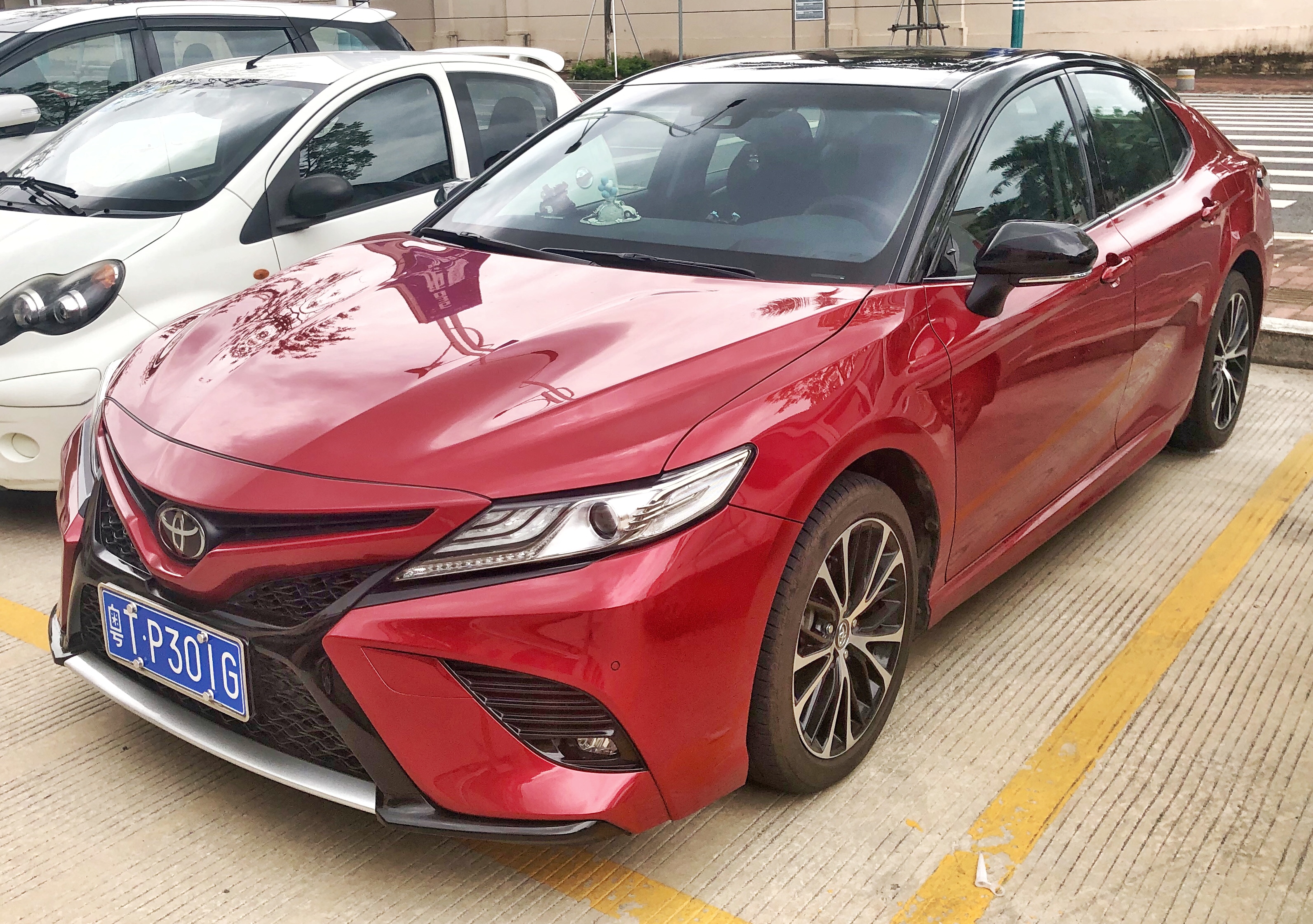
Toyota Camry
"... could get this car probably for less than a used Camry. If you find the right seller, you know, there's ..."
The Toyota Camry is a regular, everyday car that’s meant to be comfortable and easy to live with. The podcast mentions it as something you can sometimes buy for less money than a similar used car. It’s often considered when people want a practical daily driver.
The Toyota Camry is a mainstream midsize sedan known for being practical and widely available. In the podcast, it’s brought up as a value alternative to a used car purchase, implying it can be found for less than another used option. That makes it relevant when discussing budgeting and choosing a dependable daily driver.

Kia Stinger
"...s, you know, a classic car or hopping up that Kia Stinger that they got. So what advice would you give some..."
The Kia Stinger is a sportier-looking Kia that’s meant to be more fun to drive than a basic sedan. The podcast mentions modifying one, which means changing parts to make it more personalized or faster. It’s being discussed as a potential project car.
The Kia Stinger is a sporty sedan/coupe-style car from Kia that’s known for offering a more performance-oriented look and feel than typical mainstream sedans. In the podcast, it comes up as something someone might “hop up,” meaning modify for more character or performance. That makes it relevant to discussions about building a car rather than only buying something stock.
horsepower
"If you're just getting into cars and you and you want to, you know, make a splash at the car show, it's not about what you put into your car. [2805.6s] It's not about how much horsepower it makes."
Horsepower is a number that roughly describes how much power the engine can make. Here, they’re saying you don’t need big horsepower to make a car look impressive.
Horsepower is a measure of engine power output, commonly used to compare how strongly different cars accelerate. In this segment, the host argues that for car-show success, presentation can matter more than chasing higher horsepower.
cold air intakes
"You don't have to have a lot of horsepower out of the box. [2816.7s] You can do subtle things, cold air intakes, exhausts, make it breathe better, lighting and you can dress up the wheels."
A cold air intake is a modification that helps the engine breathe cooler air. People do it to improve airflow and (sometimes) get a bit more response from the engine.
A cold air intake is an aftermarket intake system designed to route cooler, denser air into the engine. Enthusiasts use it to improve airflow and sometimes gain small performance benefits, especially when paired with other supporting mods.
exhausts
"You don't have to have a lot of horsepower out of the box. [2816.7s] You can do subtle things, cold air intakes, exhausts, make it breathe better, lighting and you can dress up the wheels."
The exhaust is the system that carries gases out of the engine. Changing it can change the sound and sometimes help the engine run a little better.
An exhaust system controls how engine gases exit the car, and aftermarket exhausts can change both sound and airflow. In enthusiast circles, exhaust upgrades are often paired with intake changes to help the engine “breathe” more freely.
Request an Explanation
Heard something you'd like explained? We'll add it to this episode.
Sign in to request explanations for terms you heard.
Want to learn more?
Browse our glossary for plain-English explanations of automotive terms, jargon, and concepts.
Help improve this episode
See something that's not quite right? Our annotations are AI-generated and can sometimes miss the mark. Click the flag icon on any annotation to suggest a correction.