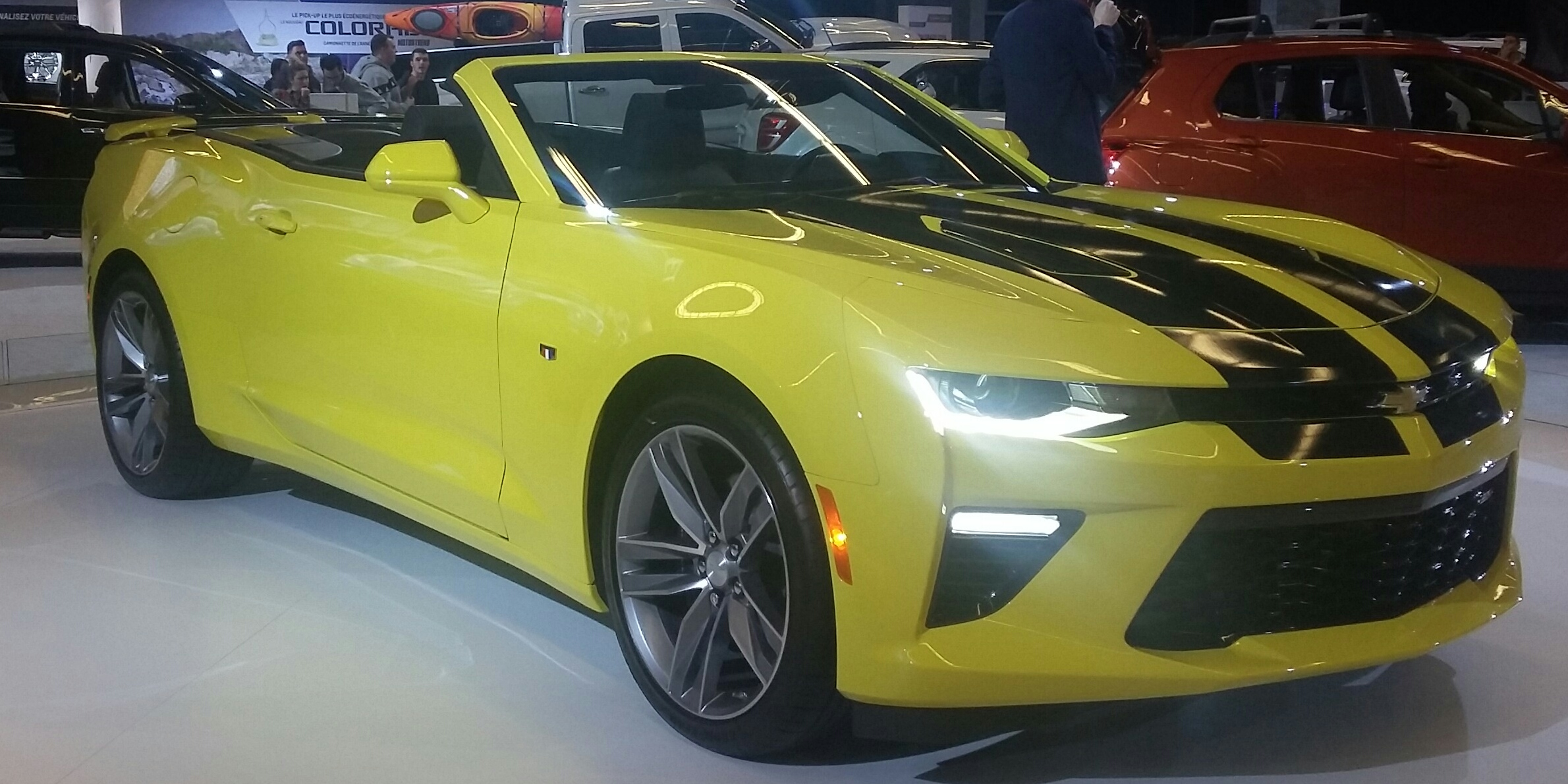
A Chevrolet Camaro is a popular American sports car. Drake mentions his 2011 Camaro because it helped him meet people and start going to car club events.
A car show is an event where people bring their cars to show them off. Drake explains how his club’s car show tradition—like opening the hood and then going to dinner—became part of his slogan.
A cruise is a group drive where club members roll out together to a destination, often at a set time and route. Drake mentions cruising with the club and a Saturday-night Dairy Queen cruise as part of the community routine.
At car shows, “hood up” means the owner opens the hood so people can look under the car. It’s a way of saying, “Come check out what’s going on in here.”
The Pontiac Firebird is a performance car that Pontiac made. The episode mentions someone who worked for Pontiac’s brand, connecting the Firebird to the car world and its history. It’s brought up as part of that background rather than as a specific buying recommendation.
The Ford Mustang is a popular American car that’s made for driving for fun. Many owners join clubs and modify them with parts, so it’s a common choice for hobbyists. The episode also mentions customizing older Mustangs as winter projects.
The Chevrolet Corvette is a sports car designed to be fast and fun to drive. People often form clubs around it, so it shows up a lot in car conversations. In the episode, it’s also connected to people building and working on special versions.
The rear axle is the part that connects the rear wheels to the car. When you’re working on the exhaust, you often have to route the pipe so it clears the rear axle area.
“Open exhaust” means the exhaust isn’t sealed up correctly, so fumes can come out in the wrong place. The host is dealing with that while trying to get the car fixed at a shop.
The Cavalier Z24 is a trim level of the Chevrolet Cavalier. In this episode, it matters because it also used a 2.8-liter V6, so the host is saying their Camaro felt mechanically similar to a Cavalier.
Front-wheel drive means the front wheels do the work of moving the car. The speaker is saying the GM cars he was considering were built around that layout.
Spinner center caps are decorative wheel covers that spin as you drive. The host mentions them because they make the car look modified rather than factory-original.
The Shelby Cobra is a classic open-top sports car known for its performance and distinctive look. The episode mentions specific styling details, which matters because many people want the car to look right. It’s also a car that’s commonly customized or recreated.
RPO is a factory option code GM used to label specific add-ons on a car. The host is trying to remember which option code his Camaro was built with.
Term
SLP upgrade
An SLP upgrade is a special factory/performance package that changes what the car came with. In this story, it’s connected to the RS package on the V6 Camaros.
SS is a Camaro trim name that usually means a sportier, more powerful setup. The host is listing it as one of the popular versions people wanted in 2002.
Term
Z28
Z28 is a Camaro trim that’s known for being the more performance-focused version. The host is saying that in 2002, a lot of people specifically wanted the Z28.
The BMW M6 is a performance-focused BMW, meaning it’s built to drive faster and feel more sporty than regular models. In the episode, it’s described as having the lowest miles but costing the most. That shows buyers often pay more for a well-kept example.
Term
M6
M6 means the car has a six-speed manual gearbox. It usually goes with a clutch, which is why the host was thinking about whether they wanted to deal with that every day.
That means the car was first used by a rental company before the host bought it. Rental cars can be driven by lots of different people, so it’s useful to know the history.
The Rolls-Royce Phantom is a very high-end luxury car made for maximum comfort. The episode mentions a “showboard” for it, which suggests it’s being shown or presented in a special way. It’s brought up as a standout luxury vehicle.
“Sixth gen” means the sixth-generation Camaro. They’re using it to explain that, in that generation, the RS package wasn’t offered on the SS the way their car is configured.
A “replacement nose” is basically changing the car’s front appearance—like the front fascia. They’re saying they used parts from a different Camaro (an LT V8) to make the front look a certain way.
A Ram air hood is a hood with openings designed to bring more air toward the engine. Using fiberglass usually makes the hood lighter than some stock options and is common for custom looks.
Term
split bumper era
This is a nickname for an older Camaro front-end look. The speaker is saying the front-end shape reminded him of those earlier years.
Term
catfish
“Catfish” is a fan nickname for a Camaro front-end design with a big opening in the front. The speaker is using it to describe the look he was going for.
A fiberglass hood is made from a lightweight composite material. Custom fiberglass parts often need extra work to fit perfectly and to finish the paint.
A Corvette is a sports car made by Chevrolet. The episode mentions people making their own fiberglass parts for recreations of a Grand Sport version. That means some owners build or customize Corvettes to match a specific style.
Fitment means how well a body part lines up with the rest of the car. Even good fiberglass parts usually need some extra work so the edges and gaps look right.
A strut tower brace is a metal bar that connects parts of the suspension near the top of the struts. It helps the car feel more solid and controlled when you drive hard.
Swirl marks are tiny scratches in the paint that often come from washing or wiping the car the wrong way. They can make the paint look less shiny, especially under bright light.
“Hop-up parts” refers to aftermarket modifications intended to improve performance or appearance compared to stock. It’s a broad enthusiast term for upgrades like engine, suspension, or styling components.
Two-step paint correction is a two-stage polishing process. First you remove the damage, then you polish again to make the paint look smooth and shiny.
A random orbital polisher is a power tool used to polish car paint. It moves in a way that’s safer and more forgiving than some other polishers, especially for removing scratches.
A ceramic coating is a protective layer you apply to the car’s paint. It helps water and grime slide off easier, so the car stays cleaner with less effort.
Wheel wells (the inner fender areas around the tires) collect road grime, brake dust, and moisture. Cleaning and dressing them is a common concours/detailing step because they’re visible in photos and during judging.
Brake rotors are the metal discs your brake pads press against to stop the car. If they’re rusting, it can look bad, and you want to make sure any cosmetic work doesn’t interfere with braking.
The throttle body is the part that controls how much air the engine gets. Cleaning or polishing it helps it stay in good condition and can improve how smoothly the engine runs.
A “low-mile car” just means it hasn’t been driven much. The speaker is saying their engine bay looked like it belonged to a much newer/less-driven car.
“Factory interior” means the car still has the original seats and trim from the manufacturer. The speaker later replaced it with a full leather interior for a better look and feel.
Truck bed liner is a tough coating used in pickup truck cargo beds. The speaker used it to restore the trunk area’s texture instead of buying new plastic.
“Road rash” is damage to a car’s exterior caused by sliding against the road surface, usually during a minor crash or scraping event. In judging contexts, it’s treated as visible bodywork damage that can reduce a car’s score.
“OEMs” means original equipment manufacturers—the companies that build the car as it’s sold. The host claims the “Phantom” concept is something OEMs never built (or at least haven’t built in decades), framing it as an unusual factory-style idea.
Concept
business coupe
A “business coupe” is a custom concept where the car is built to be practical and usable for everyday carrying needs, not just for show or racing. In this segment, it’s used to describe a Camaro interior transformation that turns the rear area into functional cargo space.
A rear seat delete kit removes the rear seat and replaces that area with something else. The goal is usually more space and less weight, but you still have to make sure anything you store back there can’t become a projectile.
“Drag racers” are cars and drivers focused on straight-line acceleration over a short distance, where weight and traction matter heavily. The host says the kit was designed for drag and road racing, implying it prioritizes weight reduction and packaging.
Term
road racers
“Road racers” are cars and drivers competing on circuits or road-course-style events where handling and balance matter. The host contrasts drag-racing priorities with road-racing packaging, noting the kit’s original design intent.
Term
Max tie downs
“Max tie downs” refers to tie-down straps/anchoring hardware used to secure cargo. The host uses them with rails and a ratchet-strap kit to keep gear from moving in the modified rear area.
A “ratchet strap kit” uses a ratcheting mechanism to tighten straps securely, providing strong tension to hold cargo in place. Here it’s integrated with the rear-area tie-down points so the modified interior can be used safely.
Child safety latches are built-in points meant to hold a child seat securely. They’re using those same points to attach straps for cargo.
Concept
retractable ratchet straps
“Retractable ratchet straps” are tie-down straps that can be pulled out when needed and stowed when not in use. In this build, that feature helps keep the rear area usable while still allowing the cargo to be secured.
Concept
tribute or clone
A tribute or clone is usually a car built to look like something else. They’re saying their “Phantom” is different because it’s more like an original factory-style idea.
The “Rod Power Tour” is a multi-day car event where enthusiasts drive and show their cars. Mentioning the 2024 edition signals a specific real-world gathering tied to classic car culture and road-trip style participation.
A “rally sport package” is an option package—basically a set of factory upgrades—that makes the car look and feel more sporty. It often changes things like wheels and exterior details.
3D printing is a way to make a physical part from a computer design. Here, it’s how he made custom pieces for the model so it matches the real car’s details.
The grille is the front part of a car that you can see through—often with bars or mesh. It’s also a big styling detail, and he’s making sure the replica matches the correct look.
The Hot Rod Power Tour is a group road trip for car enthusiasts. People bring their hot rods and classic cars and drive to meet-ups and events along the way.
The Chevrolet Monte Carlo is a classic Chevrolet car that’s known for a stylish, comfortable ride. In the episode, it’s mentioned as part of a group of cars people were enjoying. That points to it being a popular choice for collectors and enthusiasts.
A custom car build is when someone takes a car and modifies it to be different from how it came from the factory. It can involve upgrades and changes both inside and out.
The Chevrolet Beretta is an older Chevrolet coupe. The episode brings it up because it was discussed in a previous conversation. It’s being mentioned as part of someone’s car story.
Working capital is the money a business needs to keep operating day to day. Drake is saying he gets offers for that kind of funding and is considering a bigger loan.
“Turn wrenches” is enthusiast slang for doing hands-on mechanical work yourself—diagnosing issues, repairing, and installing parts. The speaker says they don’t turn wrenches, which explains why they rely on other people to work on the car.
In automotive builds, “fabricate” means making or modifying parts from raw materials or by custom machining/welding rather than buying a bolt-on component. The speaker ties fabrication to iterative prototyping for custom car projects.
The Chevrolet C10 is an older model pickup truck that many people like to restore or modify. The episode talks about wanting one from around 1967 to 1972, which are popular years for classic truck projects. It’s a good base if you want a classic-looking truck you can personalize.
A Chevelle is a classic Chevrolet muscle car. The "72" means it’s from the 1972 model year, a time when these cars were especially popular with car enthusiasts.
Concept
car club jacket draped over the seat
This is about car culture and car shows—people bring personal items and club identity to show the car’s story. The speaker is saying the meaning behind the car is part of the fun.
“Hopping up” just means upgrading a car to make it better—usually faster or more exciting. The speaker is talking about how kids modified cheaper cars to get more power.
VTEC is a Honda technology that helps the engine breathe better at different speeds. The speaker is saying that with VTEC, it was easier for budget-minded kids to make more power.
A barn find is a car that’s been sitting unused for a long time and then gets found again. Since it may still be close to original, people often get excited about it.
“Bone stock” means the car is basically still original, not modified. Enthusiasts like that because it keeps the car closer to how it was when it was new.
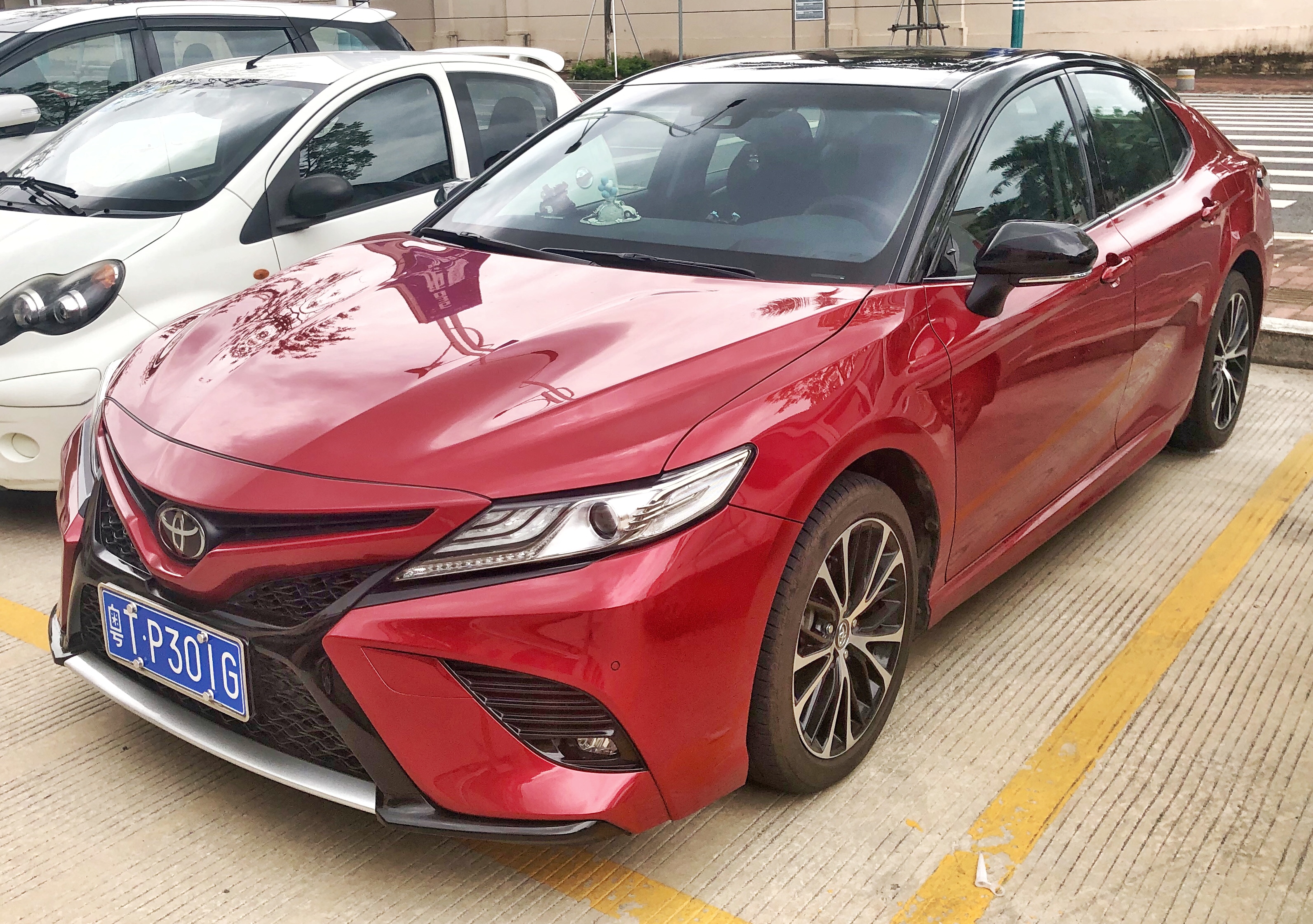
The Toyota Camry is a regular, everyday car that’s meant to be comfortable and easy to live with. The podcast mentions it as something you can sometimes buy for less money than a similar used car. It’s often considered when people want a practical daily driver.
The Kia Stinger is a sportier-looking Kia that’s meant to be more fun to drive than a basic sedan. The podcast mentions modifying one, which means changing parts to make it more personalized or faster. It’s being discussed as a potential project car.
Horsepower is a number that roughly describes how much power the engine can make. Here, they’re saying you don’t need big horsepower to make a car look impressive.
A cold air intake is a modification that helps the engine breathe cooler air. People do it to improve airflow and (sometimes) get a bit more response from the engine.
The exhaust is the system that carries gases out of the engine. Changing it can change the sound and sometimes help the engine run a little better.
LIVE
Welcome to the Driven by Enthusiast podcast from CJ Pony Parts, where we celebrate the people behind the builds and the stories that start in the garage.
I'm your host, Melanie Henry, and each week we're sitting down with the owners, the experts, and the enthusiasts who live for the drive to find out what feels their passion for the hobby.
Because at CJ's, we know behind every wrench turn, every build has a story. Let's get into it.
Hey everyone, welcome to the Driven by Enthusiast podcast powered by CJ Pony Parts. I am your host, Melanie Henry, and today I am joined with Drake Donovan from Car Show Life.
So Drake, for anyone who doesn't know you, can you introduce yourself and tell us what kind of automotive enthusiast you are?
Thanks for having me, Mel. Again, my name is Drake. I run Car Show Life and I love cars.
Now, I did not get into automotive as a first career choice. When I was young, I wanted to be a mechanic. I wanted to be around cars. I love cars.
And then I had a career day in middle school and our presenter for the automotive trade was the most unenthusiastic person about his chosen profession.
He was talking about, well, you know, sometimes you fix something and it's not right the first time and you got to fix it again for free and you got to be ambidextrous.
And he painted such a bleak picture. I was like, yeah, I think we'll try broadcasting. So I spent close to 20 years in radio broadcasting honing my storytelling skills.
And when my wife and I picked up and moved out of our hometown, we picked up for her career journey. And that put me in a new town with no friends.
I'm 38 years old. I am working on my own as a freelance voiceover and radio production person.
But I needed to make friends. I needed to restore my network, my lifelong network of, you know, doctor, eye doctor, dentist, break guy, tire guy, muffler guy, body guy.
You know, all those people that you have known and trusted your entire life to take care of you, either your health or the health of your automobile.
And I found myself in a new town, no new friends, but I had this 2011 Camaro and I had flirted with joining a car club before we moved.
So I finally pulled the trigger. I googled Camaro Clubs, Louisville, Kentucky, and it came up Derby City Camaro Club and their monthly meeting happened to be that coming Tuesday.
So I went to the meeting and I immediately fell in love with the club.
Their first car show was coming up in September. This was June.
So I spent that summer cruising with the club, going to dinners, going to cruisans.
They had a regular Saturday night Dairy Queen cruise in and then we had our first car show.
And I found out you had to open your hood and I was like, wait a minute, it's a former rental car.
I'm not ready for that. I cleaned it, but you know, I didn't I didn't detail it.
And so that was my first introduction to the car show life back in hood up.
That's why I chose that as my slogan because wherever this club would go, we drive together to the Texas Road House and everybody backs into their spaces and puts their hoods up and then we go in for dinner.
You know, we we brought the car show with us wherever we went.
And it took me probably two years before I eventually got around to doing stuff to the car for the reason why I joined the club in the first place.
I was having so much fun.
And then when we were getting ready to leave Kentucky, my club in Kentucky introduced me to the club from Northeast Ohio where I was moving to.
So I went from Derby City, Camaro to the Northeastern Ohio Camaro Club.
I had a built in network then when we moved to Northeast Ohio was tremendously impressed with this club because they had Camaro luminaries coming from Detroit for their annual car show.
So they were bringing in people that I had only read about in forums like Scott Settlemeyer, who was known as the FBOD father.
He was the brand manager for Camaro and Firebird in the late 90s.
And then when the car went away, he went into special events.
He would do the auto show displays.
The late Becky, she was one of the key people when Camaro came back.
People would reach out.
Even if you weren't buying your car from her, she would get you information on where your car was in the order.
Current project managers, engineers, they would get these people out.
So I was really impressed with this club.
And then we had to move out of Ohio.
We went back to North Central PA where I became acquainted with you, Mel.
And there was no Camaro club in that area.
We moved to Williamsport and there was a Mustang club.
There was a couple of Corvette clubs, ACA, it was a Mopar club.
So I had to do something to fit in with all of them.
So that's where I came up with the concept of car show life.
And it was initially supposed to be like a lifestyle brand doing t-shirts and car art.
And then the showboard thing, I figured that could be a real moneymaker,
but it was something I wasn't completely confident in my skill level.
So I had to learn Photoshop because I was working in audio.
I knew how to do audio production, video production.
I had some graphic design training at Penn State in my communications program,
but I didn't really, I hadn't done it in, you know, 15, 20 years.
So I was able to start getting my skill level up to the point where I felt comfortable charging for that.
And then eventually I encountered so many other people that did t-shirts and things like that,
that it's just like, but the showboards, the showboards were really,
I found areas where I could improve upon other designs and other ideas.
And that became the focal point.
So long story short, I kind of backed my way into automotive after a 20-year career in broadcasting.
But the car show life, that's where I aim.
I go to the enthusiasts that are doing this stuff every weekend.
They're out with their cars.
They're, you know, in the winter, they put the car up for the winter
and they're doing stuff to it over the winter.
And so that's my target.
And then I have sort of a secondary target, car builders and restorers.
I found that one of my biggest customers has been restoration and build shops
because what they'll do is they'll come to me and say, hey, we're finishing up this car for a customer.
We're going to start taking it around the shows for a little while and sourcing it out.
We need a showboard display.
And so I'll do a showboard display for the shop.
But I start to come up with an idea that say, okay, this is going to be your design language.
And I'll make all the showboards look very similar for your particular company,
even though they're different from car to car.
And so we come up with a design language.
So that's a way that I can help builders build a brand for their builds that go around to these different shows.
And then it's a nice gift to give to the customer when they finally take delivery.
We put a QR code on there and says, you know, hey, like my hot rod, here's who built it.
And go back to their website, see all the build photos and the progress
and learn about that company that put that car together.
That's incredible.
And what a full circle that this came around to.
Wow. Okay, so let's back up a little bit.
What first got you into cars?
So you made it very clear the man who came to your school and talked about being a mechanic,
steered you away from it, but what brought you back prior to buying sunshine?
This.
This is the gateway drug.
It sure is.
How a dollar nine can lead to the most expensive hobby known to mankind.
So, and I even put that on the back of my brochure.
Drake Donovan first got his first car at the age of two.
It was a Hot Wheels.
And my parents told me the story.
We were at my grandparents house and I had this little car and I put it on the coffee table and I was, you know,
not much taller than the coffee table, but I got down low and I'm looking at it at all angles.
I appreciate cars from an aesthetic point of view.
I never really got into working on them.
I never got into the mechanics.
I never got into making motors crank and turning wrenches.
I'm a mouse clicker.
So the one thing that reinforced my decision was I was 18 years old.
I got my first car.
I wanted to replace the exhaust because it had rusted out.
So my dad and I are working in our single car garage in our post war little cracker box in western Pennsylvania.
And we cannot get this car jacked up high enough to get the bend of the exhaust pipe over the rear axle.
And we were at it for, you know, the sun had gone down.
This car's up.
We were jacking it up on blocks.
It's very janky.
And finally, better angels prevailed.
We said, we got to get some help.
So there I was the next day with my mom following me down Leechburg Road in Lower Burl driving this car with an open exhaust
and a tailpipe hanging out the passenger window because we needed to find a shop with a lift.
So that kind of reinforced any time that I go to work on my car.
A 20 minute job turns into a three day affair with me driving with an open exhaust and a tailpipe hanging out the window.
So what was this first car and is there something you remember the most about it aside from its exhaust problems?
I referred to it as a Cavalier in Camaro sheet metal.
It was a 1985 Camaro Sport Coupe.
So that was the base model of the Camaro, the Sport Coupe.
And it was a 2.8 liter V6.
And my dad had a Cavalier Z24 with a 2.8 liter V6.
So I said Cavalier in Camaro sheet metal.
But when I found this car, the result of this search began with me looking at Cavaliers because this was 1993.
The Cavalier was introduced, what, 82?
So this was a good 10 year old used car at that point.
Cavaliers, Sunbirds, Grand Ams, sticking with GM, but that small engine front wheel drive platform.
So when I found a car that I thought would be okay, I talked to my mom.
She called the insurance company.
They're like, well, no matter what he buys, it's going to be X amount of dollars a month to ensure him.
If a kid likes Camaros, you might as well look at Camaros.
So I started searching and I found a couple that were in pretty rough shape that were Z28s.
Then I found this pristine Sport Coupe and it had 60 some thousand miles on it.
It was blue, gray cloth interior, silver trim.
It had been repainted.
So I don't think this was the factory layout and it had chrome wagon wheels with spinner center caps on it.
And the, you know, Cooper Cobra, white raised letter tires.
So in a spoiler too, it had a spoiler.
So it had a sporty look to it and we were trying to convince my mom to let me get it because it was a little bit out of my price range.
I had about a $2,000 budget and I think they were asking close to three grand for it.
So I negotiated, I was like $2,500 as it sits.
And she says, you know what, kid?
I like the fact that you negotiated.
We'll throw in the stock wheels and the snow tires too.
You can take it home.
And when my mom came to approve the purchase, she opened the door and looked inside it.
And then when she closed the door, she was like, oh, I remember that sound from her 71.
And so that was it.
What was it?
March 8th, 1993 is when I took delivery of my 85 Camaro and the license plate that I got from the Commonwealth of Pennsylvania.
And it's hanging on the wall here.
The first three letters, A-H-H.
That's incredible.
And then the next week was the Blizzard of 93.
So I buy this car.
I think I got it.
It was maybe a Thursday.
And by Tuesday, there was two feet of snow at the bottom of the driveway.
I had to wait a week to dig the car out to be able to drive it.
What a tease that was, getting to go anywhere.
And I still remember it to this day, when March 8th pops up on the calendar, March 8th was the day I became a car owner.
So from March 8th, getting your first in your first Camaro, to now, how has your relationships with cars changed?
That's an interesting question.
My passion has only grown because now that I have adult money, I can get some more stuff.
Having a V6, my first two Camaros were V6s.
The 85 was the 2.8, and then I had a 02 RS, which was the 3,800.
And I drove the hell out of that car.
My wife and I met just before I bought it, and then she started going to medical school in Philadelphia.
So I was driving the Turnpike 400 miles each way every couple of weeks to go visit her.
I racked up 126,000 miles on that car when it was all said and done.
It was used up.
And I feel so bad about that because there were less than 500 of that particular car made.
The RPO, and I cannot remember what the RPO was, if it was Y84, something like that.
But that was the SLP upgrade for the V6 cars, the RS package.
But in 02, everybody either wanted a Z28, or they wanted an SS, or they wanted the anniversary SS, because that was the last year for them.
Yes.
They were V6s, and in between the two, I had a Z24 Cavalier.
So when the time came that I was ready to replace the Blue Camaro, the 02, my wife said, well, start looking around.
She's like, I've got a continuing medical education meeting in DC.
Maybe you could get us a convertible.
We could drive to DC with the top down.
I was like, who are you?
What's going on here?
You never gave me any indication that you would want a convertible.
So I started looking, and I found a 2011 SS convertible.
I found three of them for sale at the local Buick GMC dealership near our house.
And there was a silver one.
There was a red one with white stripes, but it was a manual.
So that one had the lowest miles, and with the M6, it was the most expensive.
But I had to drive up and down Green Tree Hill in Pittsburgh for my commute.
I did not want to be operating a clutch.
Silver, I'd been looking at that since 06, whenever the concept came out.
So the yellow one seemed to be the right choice.
And I got in the car and I started up and the radio station that I worked for was on the radio.
And I was like, I think this is meant to be.
So I took delivery of that car on March 31, 2012.
I later find out it was put into service at a budget rental car location in Richmond,
364 days to the date before April 1, 2011, only had about 9,980 miles on it.
I put 10,000 miles on it driving home from the dealership.
And that car, that car was awesome.
Two SS RS package, convertible, yellow, I called it Sunshine.
And because it was yellow, drop top and an SS.
So the relationship has changed now.
I feel like I can afford more because I've got V8s.
And that car, now my dad owns it.
He joined me in the car show life shortly after my mother passed.
He was looking for a hobby, stay busy.
I was like, you know, you like my car club.
Why don't you take this car off my hands and join me in the car show life?
So that's what we did.
And I got a 2023 two SS coupe that I now have branded the car show life cruisers.
That's what I have here.
This is the showboard for the phantom.
I call this phantom because it's, it's a two SS RS because they never made an RS package on the SS in the sixth gen.
So we replaced, that's, that's a replacement nose off the LT one V8.
And I made it look more like a Yanko, an SVE Yanko.
So it looks the part, but it's a phantom.
My relationship has changed.
Having adult money, I can now afford more luxuries, more horsepower, more.
Yes, that sound effect was spot on my car noises are not there.
What's something you learned early in your enthusiast journey that sticks with you still today?
It's something I like to say at car events, come for the cars, stay for the people.
Some of the most amazing people I have met through the car show life, whether they're enthusiasts,
they're people that work, you know, at General Motors or Ford, you know, their, their, their engineers or their, their executives.
Also, the people just in the car club, you know, the folks that volunteer for all of these events and you can't get a car show off the ground.
As you well know, without volunteers and people to step in and be generous with their time and generous with their money too,
because when you're trying to raise money through 5050 raffles, basket draws, live auctions, you know, just donations of any kind for door prizes and stuff.
It takes a lot of generosity, as they say in the church, time, treasure and talent and making those donations and contributions.
So come for the cars, stay for the people.
That is a great answer.
So would you consider, would you say Phantom is like your current project and is there something new that you're working on with it?
You know, it's, it's been a project from a standpoint that I wanted to, I wanted to experience what my customers experience when they send their cars off to have work done.
Whether they're doing a full restoration, a full custom or just having a little bit of work done to enhance the driving experience.
So like I pointed out, this is what the car looked like when I had it was in the dealership showroom May the 5th 2023 Cinco de Mayo.
That was a fun day.
So you can see I swapped out the wheels.
I've changed the nose.
I put a fiberglass Ram air hood on it.
We had graphics done.
So one of the things I did was to replace this front end and the hood, something I had had in my mind since the sixth generation went through its refresh in 29.
It was a very controversial redesign.
They moved the bow tie to the bumper, made it a flow tie.
And I think it would have flown had they not introduced the new Silverado a week earlier and it felt like you made the Camaro look like a truck.
And so that was one of the big issues I took with that.
And then when I saw the V6 cars, I was like, well, I like that broader upper grill.
That reminds me of those late seventies second gens from 78 to 81.
It reminds me more of the split bumper era, the early seventies, even into the fourth gens where you call the catfish, you know, had that big opening.
To me, that's what I felt like I wanted in my Camaros.
Early on, when I was considering what I was going to do, I wanted the V6 look on the V8 and they eventually got around to offering that.
Unfortunately, it was the base car.
So it had the small brakes in the back.
It had cloth interior.
You weren't allowed to upgrade certain things.
And, you know, when I think of LT in the GM nomenclature, I think luxury touring and they didn't have luxury touring options.
My thought is, you know, a backup warning system and head up display and ventilated seats.
Those are not performance options.
Those would be luxury touring things.
And knowing what I was going to do with the car, driving the car shows all over and carrying equipment and so forth.
I wanted some of those creature comforts.
So when I eventually decided how I was going to make this, this car, the first year I had it, I started putting out feelers.
And one of our club members owns a custom shop in Northeast Ohio in Ravenna called Mongoose Motorsports.
And I got to know Trish Krause pretty well.
And so I commissioned her crew to swap out the SS front end on that car for an LT1 RS front end with the Redline Edition inserts.
And then I wanted to complete the Yenco look with a Ram Air hood.
So we sourced the hood, fiberglass hood.
And this project, I took the car in October of 23.
So I bought the car in May, had the graphics done, had the wheels done, drove it all summer, dropped it off at her shop in October.
Then we had some issues trying to get the parts because of COVID.
They were having trouble getting that LT1 RS front end.
Then they had issues getting the hood.
Then it was about fitment of the hood, you know, fiberglass parts because this shop creates their own fiberglass parts for their Corvette Grand Sport recreations.
They have a lot of experience working with fiberglass.
And they say, you know, even when ours come out of the mold, we still have to do a lot of work to them.
So it's not perfect.
And then taking a brand new car and doing custom paint work to it, trying to get their paint work to match the factory work, which is not perfect, you know.
So there was a lot going on and I had a budget for this.
And of course, like every project, that budget, we went by it.
And so on a micro scale, I was able to experience what a lot of my customers experience.
And it made me decide, OK, when it comes time to get the dream car, I'm going to look for one that's been done close to my spec and then take it to them and have some stuff done to it to get it closer to what I want.
So that's something that I've learned through, you know, I wanted to have that feeling to know what those customers are going through.
And that was a great experience.
It was expensive, but a great experience nonetheless.
Would you say Phantom has been your favorite project so far, or is there one that outshines?
You know, I think taking a rental car with Sunshine and turning it into a car that takes trophies at car shows was a pretty good accomplishment.
And it started, again, winter projects.
So another thing that I know about living the car show life, if you live in New England, the Mid-Atlantic, the Midwest, you are going to experience car show season and the winters are spent in the garage doing things.
And most of my winters with Sunshine were spent cleaning.
I would get under the hood and I would start going down, getting further into the engine bay.
Okay, this stuff is clean.
I polished the strut tower brace to a mirror finish.
All right, now what else can I do?
Well, let's go in here and let's get into this area.
And I could still see dirt when I looked down.
So we get a little bit further.
So, you know, first the nicks and scratches were on the wrist and then they were on the mid forearm and then they went up to the elbow, you know, getting that car to a point where we took a lot of the rental car out of it.
Getting rid of the swirl marks, things that I thought, oh, I'm going to have to have that car repainted.
We had an aftermarket company in Louisville, Kentucky called Apex Motorsports.
They were club members and they sold hop-up parts for Camaro Corvette Mustang and they were also an Adams Polishes dealer.
So they would do detail clinics and I learned how to work a random orbital polisher, do two-step paint correction.
I was able to get a lot of those scratches from people walking too close to the car, around the back, putting luggage into the trunk.
I was able to get those out or get them small enough that you didn't notice them that they weren't holding dirt anymore.
I ceramic coated the car, cleaned the wheel wells, took the wheels off.
I painted the brake rotors because they were starting to rust in the center and then I polished the throttle body.
And the last car show that I did with it where I took a trophy, Camaro Nationals 2010.
And it was our last show in Frederick, Maryland.
And I took the car.
We had four teams judging.
So they went to each car.
You had an exterior group.
You had an interior group.
You had a wheels and tires undercarriage group and you had an engine bay group.
And there's four guys looking at the engine bay and the guys looking at it and the one goes, wow, this must be a pretty low-mile car for how clean this engine bay.
As I say, oh, 68,000 miles, qualify as low.
And the guy had to pick his job off the floor.
I mean, you know, I really worked hard on that car.
So that's the project I'm most proud of and that I put an entire new interior in that car.
The original interior, because it was a factory, gray insert.
So there were only 3,000 some of those made, but it was starting to turn green and it was starting to crack.
And so I replaced that with a full leather interior set.
It was already done.
I just had to work the hog rings and get it all on there.
And so I did that.
And then in the trunk, the plastic in the back, instead of buying a new piece of plastic for that, I rehabbed it.
I sanded it down, got all the big scratches and gouges out of it, and then I hit it with truck bed liner to restore the texture.
And man, did that make a difference.
So that's how I was able to take a gold award at the last Camaro Nationals that I did.
So it was a 200 point class.
I think I scored a 194 out of 200.
So most of the deductions were from the road rash, the paint chips on the front of the car, but everything else, the car looked amazing.
I would say Sunshine is the project that I'm most proud of.
And then secondly, with this phantom, we were creating something that the OEMs never built, or at least haven't built in 60 plus years, a business coop.
If you know Camaros, the rear seat of the Camaro has not been much used to anybody since maybe the early second gens.
And especially the fourth and fifth and sixth gens, it's absolutely useless.
So I took the rear seat out on the day I brought it home in the garage on Friday evening, I took the rear seat out, I put a rear seat delete kit in.
And then I started putting stuff in there and realized that, oh my gosh, I got a lot of cargo back here that is untethered.
If I should have an accident, that could end up bad for me.
So I looked for a way to modify this rear seat delete kit because it was designed to reduce weight for drag racers and road racers.
I wanted to reduce the 8 to 10 inches of foam from having the rear seat folded down and get a little bit of extra room to go to the headliner.
So I took the material that I use for my custom showboards, aluminum composite material, and I had a friend with a machine shop.
We cut a template, I had him cut it, covered it with automotive carpet, kind of latched it down and bought some Max tie downs, 12 inch tie down rails.
Put those on there and got a ratchet strap kit and hooked it up to the child safety latches on the package tray.
And so now I have retractable ratchet straps holding all of my gear in there.
And I've created a usable business coupe that has not been seen since the early 1950s.
That's incredible.
It's one of the reasons why I call it the Phantom, because it's a Phantom car.
Unlike a tribute or a clone, this is a car that the factory could have built this way but never did.
Incredible.
Are there any shows, events, cruises, or road trips that stand out as an unforgettable experience for you?
Right behind me here, the 2024 Rod Power Tour.
I invited my dad on that.
We were suffering the loss.
My mom passed away in August of 23 and she was my car gal.
She is the one I credit for getting me into cars.
She had, in fact, let me show you what I did this past year.
You know, people didn't take pictures of their car like they do now.
So my mom bought this car in 1971, Bill Book-Chevrolet in Altoona.
She bought a 1971 Camaro Sport Coupe with a rally sport package.
And this was the car based on the photos that I have where, you know, it's only a picture like this with my grandfather and my cousin standing there.
Or a picture of my parents with my dad's motorcycle racing trophies and they're standing like that.
And then there's one photo of me when we moved into our new house in August of 78.
I'm about three years old.
I'm in a sandbox at the bottom of the yard and the car is over my shoulder way back here.
And that's how I could tell that it only had one sport mirror.
This started out as a 71 Z28 Dicast model.
I found the correct rally wheels on a Greenlight 78 rally sport.
My nephew-in-law 3D printed me the grille without Z28 on it.
He 3D printed me the backing for the wheel so they'll spin.
I did an interior that has green flocking for that high pile carpet.
And the shifter, I don't know if you can see it there on the console, but that is an actual staple that I formed into that horseshoe shifter.
So that's my mom's car.
I even had to file down the D80 spoiler and do a lot of body filler on here.
But this is the car that started it all for me.
And when my mom passed away, you know, I was looking for something to honor her.
We had pictures of her car all over the funeral home and my one uncle remarked.
He said, you know, I can't believe that car is here at her funeral.
You know, I said, that's that's what I remember.
That's what she did for me.
That was the influence.
And we always talk cars.
She's the one that turned me on to Barrett Jackson.
You'll never guess what's on TV.
Look, and she's seen all these, you know, at that time it was the late 90s.
So it was a lot of 50s cruisers.
And she would tell me stories about how she and my two uncles, when they were
little on family road trips in the back of the station wagon, said, oh, is that a
$53?
No, that's a $54.
Look, it's going to be like this.
And they go back and forth identifying the cars because they changed every year
and arguing over the years.
A lot of those car conversations were had with my mom.
In 2024, I told my dad, I said, I'm taking you on a vacation.
We're going on the hot rod power tour.
He came with me and he met me at my house in Mars, PA.
We jumped on the turnpike and we drove to Bowling Green and I documented it.
So this was a lot of fun because I had a camera mounted on the dash.
It was a 360 camera.
So I was able to edit it and take reaction shots of us in the car.
And then as we were approaching fellow cruisers, we were on the highway in Ohio on I-80.
And I say, oh, look, look, there's a gasser up ahead.
We see this old Ford gasser.
And then there were a couple of Corvettes and Monte Carlos.
And, you know, we were just having a blast.
And then I took that car on the autocross course and did a YouTube video where
idiot autocrosses company car.
So that was a hell of a lot of fun.
I don't know that I'll want to do it again because it was such a great trip.
And the route was so good because it was Louisville where the car show life kind of started for me.
So we went to Bowling Green, to Nashville, to Louisville, to Hebron, Ohio and Indianapolis.
So it was all areas that I was familiar with, with places I used to live.
That was just, that was so special.
That would be the event in my mind that made a lasting impression.
I'm really glad that you got to have that experience with your dad and a member of your mom.
Now you're getting me going because, you know, your dad and my mom, that's where we get our love, right?
Absolutely.
My next question was going to be, who or what influenced your taste in cars early on?
And you already answered that.
Yeah, mom, yeah.
What kind of builds inspire you the most today?
Oh, God, I've been listening to a lot of the automotive podcasts.
Tim Strange, Kerry Strange, Strange Motion, Oil and Whiskey from Roadster Shop, the Hammer Down podcast, Gear Heads and Gasoline.
I listen to all of these builders talking about the cars that they're building, talking about their customers, and I'm getting inspired by it.
And I don't turn wrenches, I don't bend metal, I don't have the skill sets that these guys have.
But I share the passion.
And when I'm making these things, I identify with what they're doing.
I'm doing something along those lines.
Granted, it's not to the level that they're doing, it's not to the depth that they're doing, but I get it.
And anytime I hear about these custom builds, whether it's a big shop or just a little mom and pop shop, I'm so interested in what they're doing, how they're doing it, how they're serving their customers.
That's what I get off on.
Mostly it's custom car builds, because that's what I aspire to do one day.
I want to find a 70-73 Camaro and make it my own.
It was a haggardy commercial that said, even when you have your dream car, you still have a dream car.
And this six-gen Camaro is probably the most car I've ever owned and the most fun I've ever had.
I mean, I ordered that car, so that was something I got to check off the bucket list.
I took delivery out of the showroom, which I had that in O2, but this one I show up to take the car home and it's in the showroom.
And that's what my mom did.
I mean, she bought this one right out of the showroom, so I can check that one off.
But I would love to be able to have that custom car build.
I've had that experience with Phantom, with working with the customizer, but I want to be able to have that car and be able to take it places.
We were talking before we started recording about your Beretta.
And there was an episode of Oil and Whiskey where they were talking with a guy and they have the same kind of question here.
It's like, you know, your dream car, what is it?
And you're paying somebody no budget, who's building it?
And these guys got started on this Beretta.
And they're like, oh, yeah, Beretta.
And now they're like going into people that they could task with doing specific things on this Beretta to build this custom.
Oh, we got to find somebody that wants to build this car.
You'd be a legend.
And like, I'm thinking, you know, I'm always getting these solicitations for working capital for my business.
Should I get a seven figure loan and call Roadster Shop and say, hey, I'm the guy.
Let's build this car.
Let's make me a legend.
And I was like, oh my God.
So I think about it.
I was like, but I never drive it.
You know, I want that early second jet Camaro to drive.
I don't want to drive.
If I wanted to drive a Beretta, I would go find a GTZ on Marketplace and buy it for five or 10 grand, whatever it might be.
And just drive the hell out of it and relive my teenage years because I had a friend with a Beretta Indy.
Okay.
It was a Beretta Indy because it was his dad's car, but he drove it the most.
What is the biggest challenge you face as an enthusiast?
The biggest challenge is that I don't turn wrenches, that I don't do work myself.
I am intimidated and frightened by the level of skill that I have.
Yeah, I can do some things, but I know enough just to be dangerous.
I'm not as mechanically skilled as my fellow enthusiasts.
So I feel that holds me back, but it doesn't hold me back from innovating for car show life.
I'm able to fabricate and come up with things for my showboard designs because it doesn't matter if it doesn't work out the first time.
That doesn't mean I'm going to be stranded.
I take my car to people that do that every day, and that's my appeal to somebody that builds custom cars, that shows custom cars to come to me to make their showboard displays.
I do this every day.
So I get somebody to work on my car that does it every day and is familiar with what can go wrong.
That's where I struggle.
It's never too late to learn.
That's one of my favorite things about automotive is there is a limitless amount of knowledge to learn.
And what's something you wish more people understood about being a car enthusiast?
Do you need all those cars?
Do you really need all those cars?
That's one of those things I hear.
Yeah, I do.
Do you need all those humble figurines on your shelf?
Do you need all those Legos?
This is my passion.
And like I said in the beginning, how do you expect somebody who grew up with a closet full of these to only have one vehicle in their garage?
That's the passion.
I find myself when I go to a show, my wife will talk to me at the end of the day.
Oh, how was it?
I was like, oh, I want all the cars.
You know, I have a dream garage of, obviously, I want my second gen Camaro.
I would love to have a C10, either an action line truck from 67 to 72 or a square body.
Even OBSs are now starting to look attractive to me as I harken back to my high school days.
I want a single cab short bed.
I'd love to have a Chevelle, the 71, 72 Chevelles.
Again, imprinted on me at an early age because the next door neighbor to the house my mom grew up in,
their son had a 71, 72 single headlight, dual tail light.
So that car imprinted on me at an early age.
I just, I want all the cars.
And the other thing people don't understand is the, I'm not taking my car out, it's raining.
No, it's not going to melt.
You don't understand the car show life.
Do you know how many hours I spent cleaning that car up and down?
And especially underneath, I'm not going to risk getting it all messed up underneath.
I can wipe it down real easy when it gets dusty.
But you know, I'm not doing that again, especially when I got the X, Y and Z events coming up that I need to go to.
That's another thing people don't quite get.
It's not that I'm afraid it's going to melt.
It's not that I'm afraid that something's going to happen to it.
I just don't want to go through all that work just for that short drive in the rain.
I understand that 100,000%.
And whenever I hold a show that happens to have not ideal weather, I just have an abundance of thank yous to give.
I'm so glad you're here.
I'm so glad you, you handled the weather.
And there's times like if it's raining on and off, I'll have the DJ announced and I'll tell people we have a three wipe limit today.
If it rains again, we can look past it.
We can look past all the needed drops.
We can see your cars waxed.
We can look at that.
There's been times where it has been an utter downpour.
And you know, depending on what modifications you have to your engine, we have some of those attendees that are lower in their hoods because they don't want sideways rain getting water into places it shouldn't be.
Exactly.
And windows are up.
Sometimes windows are tinted and there have been shows where like, sorry folks, today you're getting judged on your wheels and tires.
Unless they're muddy, it might just be an exterior paint kind of show.
It's pouring down rain and there's a hundred of you still here and we're happy that you're here.
Kudos to you for, you know, punting like that and being able to say, OK, yeah, we understand the struggle because there's a lot of places that it's like, no, no, you got to have the hood open, you got to have the trunk open, you're not getting those points.
Yeah.
And with that, what are some changes you've noticed in car culture over the years?
There are some dated things that are still around when you go to car shows that I feel like just need to go away.
The little dolls leaning against the car like that.
What is what does that do to enhance the dog lifting its leg on your tire?
You know, what is that about?
Does it add to your display?
You know, that's where I because I have a dog.
There's there's a miniature schnauzer underneath my desk right now.
I want to know what the story and that kind of gets into what I do, how I make my custom showboards.
I want to know what the story is.
And if it doesn't serve the story, it probably shouldn't be there.
Now, it's a different story if your car is a fire hydrant themed car and you have a dog lifting its leg.
Now that fits the theme.
If you have something that lends itself to the theme to have that doll there, but just to have the doll there.
Do you remember on the Internet, there was a meme circulating and it was such and such starter kit.
They would have all the different things you would need to be that cliche.
I was thinking of doing car show life starter kit, the visor with the streaky hair coming out.
The 50 50 ticket, the doll, the show board that says one of 10,000 made on a Thursday in Daytona Yellow original owner numbers matching from 2000.
That's that's kind of what what I think be the change you want you want to see.
So that's where I'm discouraging that level of decoration when it comes to your car show display.
Add things that are relevant, you know, adding a booklet of your restoration photos, adding period documentation.
Like if you have dealership literature from the era that car was from.
Oh, that's great.
If you have photos of your life with the car or memorabilia from say a previous owner.
There was one guy that I met.
He had a 72 Chevelle that belonged to his dad.
It was a car that he bought coming back from Vietnam.
So he had a lot of stuff of his dad's.
His dad was no longer with us.
And so he had his car club jacket draped over the seat.
He had some of his military uniform stuff, his flag, personal mementos with the car that were from his dad.
And then to be able to call that out on the show board.
I'm junior.
My dad was senior.
This is his car and I'm just carrying on the legacy.
Those are things that I'd like to see relevant things displayed with your car and car show.
And that ties into my next question is what's something you would like to see more of in the enthusiast community?
Just more respect.
When I was a kid in high school, even though I had a Camaro.
A lot of my contemporaries in high school were driving things like Honda CRX's and Nissan hard body pickups and toyotas.
And they were hopping those things up because that's how a high school kid or a college kid in the early 90s could afford.
You weren't going to be able to go out and buy, you know, GTO and start working on it.
If it was a real 242 car, it was going to be way out of your budget.
But you could make cheap horsepower with a VTEC and have fun with it.
So to hear the old school car guys kind of talk down or look down on those enthusiasts that are not, you know, they don't have a muscle car.
Well, who cares?
They have a car and they're making it their own and they're doing it their way.
And I like to say the car show life is for everybody.
So I would like to see more kids doing stuff with cars.
And one of the things that really made me optimistic for the future of certain cars.
It was a cars and coffee in Williamsport and there was a young couple and they were looking at this Model A and this was not like a hot rod Model A.
This was a bone stock barn find Model A with the fenders still on the wooden spoke wheels and they're looking at it.
They're thinking, oh my gosh, you know, how old is this car?
I said, well, it's probably about 90 some years old now.
Oh, I imagine it's really expensive.
I said, here's the secret.
The people that grew up loving these cars are either aging out of the hobby or they're filling up the funeral home.
So you could get this car probably for less than a used Camry.
If you find the right seller, you know, there's a generation of car enthusiasts that is not into these cars.
And if you like a stock prewar car, well, then have at it, my friend, because those cars need to be loved.
And somebody like me that grew up with 70s muscle cars, that's that's not for me.
If I go anything beyond 70s muscle cars, it's going to be an 80s G body GM or a third gen Camaro or Firebird.
I'm not going to be interested in prewar.
I'm not going to be interested in 50s led sleds or bill of our cruisers as the generation that before us ages out of the hobby.
We want to see a new generation pick up the mantle of some of those cars, whether it's a T bucket or 57 Chevy or a baby bird.
That's what I want to see more of.
I want to see young people encouraged to get involved with our hobby, whether it is, you know, a classic car or hopping up that Kia Stinger that they got.
So what advice would you give someone that's new that's just getting into cars?
If you're just getting into cars and you and you want to, you know, make a splash at the car show, it's not about what you put into your car.
It's not about how much horsepower it makes.
It just matters about how cleanly and neatly it's presented.
Go at your own pace.
You don't have to have a lot of horsepower out of the box.
You can do subtle things, cold air intakes, exhausts, make it breathe better, lighting and you can dress up the wheels.
Don't go to the local auto parts store and get stick on vents and things like that.
Make modifications that will add to the car, not to track from it and that will make you happy.
And if a stick on vent makes you happy, then go for it.
But don't expect that that's going to help you win trophies at the car show.
Just clean, clean, clean, clean and get into detail products.
There's a lot of great companies out there to make a lot of great products.
What's the craziest thing that's happened to you at a car event?
So this goes back to Sunshine.
I talked about putting the new leather interior in the car and this was a Camaro Nationals event.
We were at the Frederick Fairgrounds and we had rain on the first day of the show.
So, you know, the car had been covered overnight.
The, you know, the torrential downpour came in rent, but it was still spitting rain all day.
So I get the cover off the car, put it up in the bag, put it on the front seat and I had my entry packet.
And so the car was closed up all day, spitting rain.
I'm detailing it, detailing it to finally go into the car, get the bag out.
I realized the wet cover and the bag is not waterproof and the packet had a bunch of flyers.
And one of them was on purple paper and it bled and put a big pink splotch on my gray leather interior that was brand new.
And I panicked.
And that's when I say, you come for the cars, you stay for the people.
Mr. Rogers said it best, look for the helpers.
The helpers will come.
And they came from the Northeastern Ohio Camaro Club, from the Lehigh Valley Camaro Club, from Upstate Gen 5.
They all came with alcohol wipes and somebody had hairspray.
We tried all these things and what we decided to do is taking some of it off and somebody said, go and get yourself the highest concentration of isopropyl alcohol and do that.
I left the fairgrounds, I go over to Target, I get isopropyl alcohol and it came off.
But now I'm worried that it's going to dry out the leather.
So somebody else had leather conditioner.
So I always keep a little thing of leather conditioner in my detail bag to this day and I was able to condition it.
That was my biggest challenge.
The worst thing that's ever happened to me at a car show.
And then I noticed the next day because the car had been closed up on Thursday night, they did a covered bridge tour of Frederick County.
We did a cruise.
Well, I had a stone kick up and hit my windshield.
And because that car was closed up all day, that little chip turned into a big crack and it went along my windshield wiper.
So I had my entry tag.
I put it under the windshield wiper.
Nobody ever saw it.
I scored a gold award with the issue with my interior and the crack in the windshield that nobody saw.
So I've encountered people having a bad day at a car show.
At Carlyle, they sell a souvenir sweatshirt and says, there are no bad days at car shows.
I said, no, I've seen it.
I can attest.
The guy at the Camaro Nationals, our first year at the Classic Auto Mall, he drove from New Jersey and he was coming for the day and he was going to drive back home.
It was like a two and a half hour drive.
Well, he lost his key fob somewhere on the on the show field.
He had his top down.
We couldn't get his top up.
We're like, okay, there's no rain in the forecast, but you're going to get due.
So everybody gathered around the car.
We figured out we looking up the manual, how to manually put up the top on a six gen convertible.
We figured where the release was.
We at least got the top up.
We couldn't close the windows, but we got the top up to try to keep the do off the interior.
People were offered.
I got an extra bed in my room.
I got a couch.
You can see he says, no, I don't want to leave the car.
So somebody brought their trailer around.
Somebody else got a blanket and pillows from in the hotel.
The guy slept out by his car all night.
We found the key fob and it had fallen out of his pocket.
Somebody got it at the classic automobile, but the mall had been closed.
So that was the one place we really couldn't look because this was like 839 o'clock at night.
He was trying to go home.
But we were able to rally together and help this guy out.
And that just, you know, again, you come for the cars, you stay for the people.
The moments of kindness and charity and compassion that I've seen at car shows is amazing.
It truly is a community and I talk a lot with my car shows.
You know, there's a male's car show family and and you meet those families as you you travel
and I'm sure you encountered on hot rod power tour.
You just meet phenomenal people and there are so many helpers within the community.
That's why I love doing what I do and telling the stories too.
And that's really what it gets down to when I when it comes to me doing car show life custom show boards,
it comes down to telling a story.
I do that in three different ways.
I have a basic story that's just bullet point info.
If you feel like you don't have a story, the story can just be the some of the parts that make up the whole.
And then we have a detailed story.
Maybe it's your history with that particular car or maybe it's the history of the car.
Maybe it's one of these orphan cars that they don't make anymore.
And, you know, we've grown up now a whole generation of enthusiasts that have lived without Mercury and Pontiac and Oldsmobile.
AMC sometimes have to really describe here's what this car is and here's what it was.
And here's what it meant to the culture to the automotive trade to the industry at the time.
The third level is what I call the theme design.
That's putting your car in a vintage ad.
If your car has a nickname playing off the nickname of that car and designing a theme around that.
I've also done movie posters.
I did a cereal box guy called his car Boo Berry and like the cereal.
So we did a cereal box and then the nutrition panel was the RPO codes of all all the options on the build sheet.
Love it.
So that's that's how I tell the story.
And sometimes you can tell a story with one photo.
So at the SEMA show last year, a company that was exhibiting a car that started out like this.
And a woman came up to it at the at the SEMA show and she looked at it and she goes, why was this somebody's high school car?
I said, no, this was a project by the company to show how they could take parts off their shelf and put them onto this car with nothing more than shade tree level mechanic skill and bring it to SEMA as a show car.
That was the story they were trying to tell.
And I came to realize that when you have that before picture or you have a picture from the period, if you have a car in your family and that car was purchased new by a family member.
That's what people want to see on the show board because putting a car as it sits now on the show board is kind of redundant.
So having a custom show board display that adequately tells the story and lets the person look at it and admire your car and then walk away without having more questions and answers than I've done my job.
It's coming up with car show life.
What's new and where can people follow along doing the Camaro Nationals again as an indoor vendor.
And then we have our Thursday Friday show and that's a heck of a lot of fun.
We're going to be doing a show special so there will be a 20% discount available on carshowlife.com.
If you're in need of a custom show board or you want to learn more about what it is I do, you can go to carshowlife.com.
Our show special for the Camaro Nationals is going to launch on May 1st.
I'm looking to have as many pre-show orders as I could carry in my Camaro to deliver at the show.
Last year I think I took seven or eight.
So if you're going to the show and you're going to be there for, even if you're not showing your Camaro, but if you live in eastern Pennsylvania or Maryland or somewhere that you're a short drive, you want to come up for the day, take delivery there, save the shipping cost, you know, and then see a great show
because this is concourse judging for first, second and third gen Camaros for their bow tie and legends classes.
We also have a survivor class for vintage certification.
There's an invitational display.
A lot of vintage race cars are showing up this year.
Oh, the book Chevrolet Pace Setter Camaro.
That's going to be on display indoors at the Classic Automall.
That's in Morgantown, Pennsylvania.
It's going to be July where I start the sale on May 1st.
So we can get set a print deadline so I can get them back from the printer, have them assembled, put things together like my stands.
We have a stand here that is specially designed for show boards.
This is an 18 by 24 inch die bond aluminum, aluminum composite material.
So it's two thin sheets of aluminum with a plastic core.
Media print is direct.
So this is not an applique.
This is not, you know, thermal oblation transfer anything.
Yeah, this is printed directly onto the material.
And I got this great stand.
It's got a quick release that comes off.
It's a 12 inch steel plate.
It's pretty heavy.
And the nice thing about this is you can customize it.
So you've got the post and the backing plate, but let's say you want to add a little pizzazz.
68 Camaro SS 396, a rally wheel center cap to it.
So all you do is get yourself a coupling nut, a quarter inch threaded rod, measure that out, drill a hole in the top and then add the quick release to the top.
You've got a showboard stand customized to go with your car.
You go to classic muscle parts, see if they have the hub caps, wheel covers for your particular Camaro.
Or if you have a Mustang CJ pony parts, customize it to your Fox body.
We talk about winter projects.
If you're somebody that is always working on your car, but it might not always have this equipment and it might not always have this appearance.
That's why we do the 3d layers when we send you the board.
And then if you just update mechanicals, things you can't see in the hero shot, it's nothing for me to edit text.
All you're going to pay for is what it costs for me to have this cut and print and ship to you.
And then it goes on with an audible click.
If you do decide you're going to make changes, add wheels, graphics, lowering springs, ground effects, what have you.
You take a photo of the car from a similar angle because that's the amount of real estate we have.
We'll cut it out of the background and have it cut and print.
Put it on your showboard.
So now your showboard is as customizable as your car.
That was a challenge that I saw people facing.
I reprinted a guy's showboard probably three times in a calendar year and then the fourth time I deliver it to the show.
He's so happy for it.
Well, Monday was his anniversary and his wife bought him the carbon fiber hood he'd been talking about.
So he's like, Drake, I got to change the board again.
We need to do hero shot.
I came up with that as a way of being able to future proof because that would be an objection I would get.
My car is never done.
Even when you think they're done, you're going to go to a car show and see something like, oh, man, I got to have that for my car.
Dang, you know, it happens to everyone.
Hey, a little bit more upfront, but you get a really cool look with that 3D layer.
And when you shine light on it, if I have these little LED spotlights that I sell, you put this under your hood with our engine bay clamp and you stick this somewhere, you know,
tack it with a magnet and shine up and it's going to give you all kinds of shadow and effect.
I mean, you can really see how the shadows go in here with the lights in the room.
So this is different than what other people are offering.
Car Show Life makes them with metal.
We make them with the same passion and enthusiasm that you put into building the car or restoring the car.
I put into telling your story.
Amazing.
Where can people get in touch with you?
Info at carshowlife.com.
That is my direct email.
You can also find me on YouTube at Car Show Life and Facebook and Instagram.
That's the full tagline at Car Show Life back in hood up.
So that way they're identical.
Wonderful.
It has been great talking with you, Drake, and just thank you for coming on.
Well, thank you for having me, Mel.
It's always a pleasure to talk to you and good luck with this year's Car Show season.
I hope to make it out to a Mel's Car Show in the Nazi distant future.
Wonderful.
Thank you so much.
About this episode
From Hot Wheels at age two to Camaro clubs in Louisville, the conversation traces how Drake Donovan’s car passion became “car show life.” He explains his SS/RS “phantom” styling, the “hood up” culture, and the detailing and show-board storytelling that turn builds into trophies. Along the way, hosts share how they help builders market with QR codes, how judging works in rain, and why display boards should tell the story—using RPO codes, restoration photos, and period documentation.
Drake Donovan shares his journey into the world of car enthusiasts, from his first car, early enthusiast experiences, and discovering the car show life. He discusses the evolution of his car projects and shares his favorite projects and unforgettable experiences, highlighting the passion for cars and the building of a car community. Drake Donovan shares the influence of his family on his automotive interests. He also discusses the car culture and enthusiast community, highlighting the challenges he faces and the support he receives. Additionally, he talks about the innovations in car show life and his future plans for the business.
Takeaways
Passion for Cars
Building a Car Community Passion for Custom Car Builds
Community Support and Collaboration
📌 Chapters: 00:00 Introduction to Drake Donovan and Car Show Life 06:08 Drake's Journey into Automotive Enthusiasm 11:27 Evolution of Drake's Relationship with Cars 15:31 Lessons Learned in the Car Community 21:21 Phantom Project and Customization Experiences 26:57 Memorable Events and Honoring Family Legacy 30:16 Memorable Car Adventures 32:00 Inspiration from Automotive Podcasts 35:21 Challenges of Being a Car Enthusiast 37:59 Understanding the Passion for Cars 40:40 Changes in Car Culture 44:59 Community and Storytelling in Car Shows 45:53 Advice for New Car Enthusiasts 47:19 Unexpected Moments at Car Events 52:35 Future Plans and Innovations in Car Show Life