Watkins Glen is a well-known racetrack in New York where many car races take place. It's a place where drivers can practice and improve their racing skills.
Laguna Seca is a popular racetrack in California known for its difficult turns, especially one called the Corkscrew. Many drivers go there to race and improve their skills.
Sebring is a famous racetrack in Florida where long races happen, like a 12-hour race. It's a mix of regular roads and special racing parts, making it interesting for drivers.
Track driving is when you drive a car on a special racing track instead of regular roads. It helps you learn how to drive faster and handle the car better in a safe place.
Endurance racing is when cars race for a long time, like several hours. It's about how well the car can keep going without breaking down, not just how fast it can go.
A track day is when you can drive your car on a racetrack. It's a safe place to go fast and practice your driving skills without worrying about traffic.
A pit stop is when a race car stops during a race to get fuel, change tires, or fix something. How quickly a team can do this can really affect their chances of winning.
A black flag is a warning in racing that tells a driver they need to come into the pits, often because they broke a rule or their car has a problem. If they don't, they could be disqualified from the race.
AER means American Endurance Racing, which is a racing series in the U.S. where teams race for long periods. It's meant to be affordable and fun for participants.
WRL means World Racing League, which is a series of races where regular people can compete in endurance races. It's designed to be fun and affordable for teams.
Lucky Dog is a racing league that organizes affordable endurance races for regular people. It's a way for teams to compete without spending a lot of money.
Lemons refers to a racing series where teams race cars that cost very little, usually $500 or less. It's all about having fun and being creative with the cars.
'Gremlins' are problems in a car that are hard to find and fix. They can cause the car to act strangely or not work properly, and they often pop up when you least expect them.
Drag racing is a race between two cars to see which one can go the fastest in a straight line. They usually race on a special track called a drag strip.
An undercut is a racing strategy where a driver stops for new tires before their opponent, trying to get ahead while the other driver is still on old tires. It can help them pass the other driver when they come back onto the track.
An overcut is when a driver waits longer to pit for new tires than their opponent. If they can drive fast enough during that time, they might come out ahead after both have pitted.
RaceCraft is the skill of racing, including how drivers pass each other and defend their positions on the track. It involves making smart decisions during a race to gain an advantage.
When someone talks about 'horses' in cars, they're usually talking about horsepower, which tells you how powerful an engine is. More horsepower means a car can go faster and perform better.
The World Endurance Championship is a series of long car races where different types of cars race together for hours, including the famous 24-hour race in Le Mans, France.
Concept
F3
F3 stands for Formula 3, which is a type of car racing for young drivers who want to eventually race in Formula 1. The cars are fast but not as powerful as F1 cars.
LMP2 is a type of race car used in long-distance races. They are built to be very fast and are part of a special category in racing events like the 24 Hours of Le Mans.
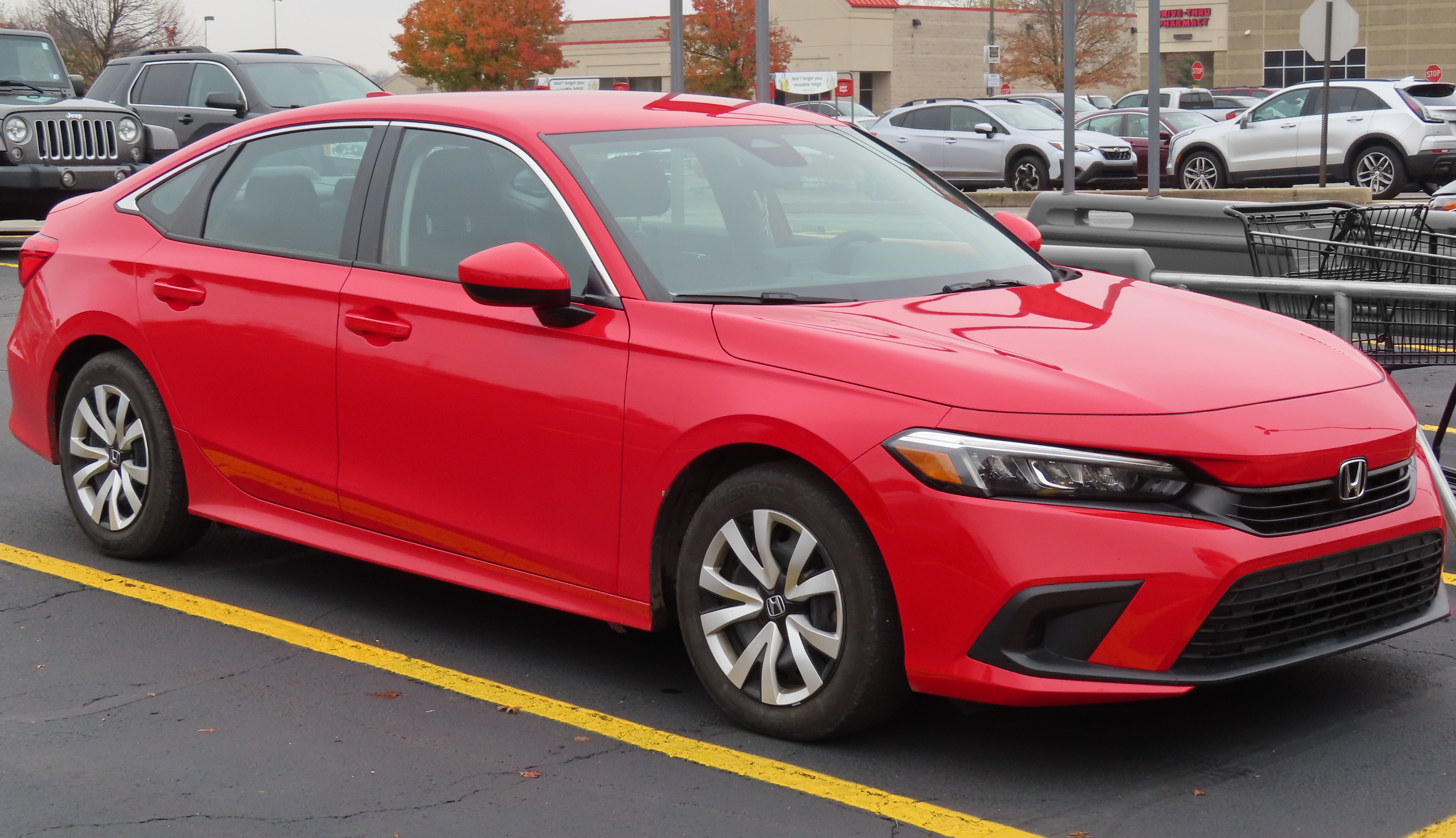
The 1993 Honda Civic is a small car that many people like because it's dependable and gets good gas mileage. It's also a favorite for those who enjoy modifying cars.
The BMW 3 Series is a small luxury car that has been around for a long time. The E46 model, made between 1997 and 2006, is famous for being fun to drive and has a good mix of comfort and sportiness, making it a popular choice among car enthusiasts.
Car control is how well a driver can handle a car, especially when things get tricky, like when the car starts to slide. Good car control means you can predict what the car will do and react before it gets out of control.
Indy cars are special race cars used in a series of races, including the famous Indianapolis 500. They have open wheels and are built to go very fast on tracks that are often oval-shaped.
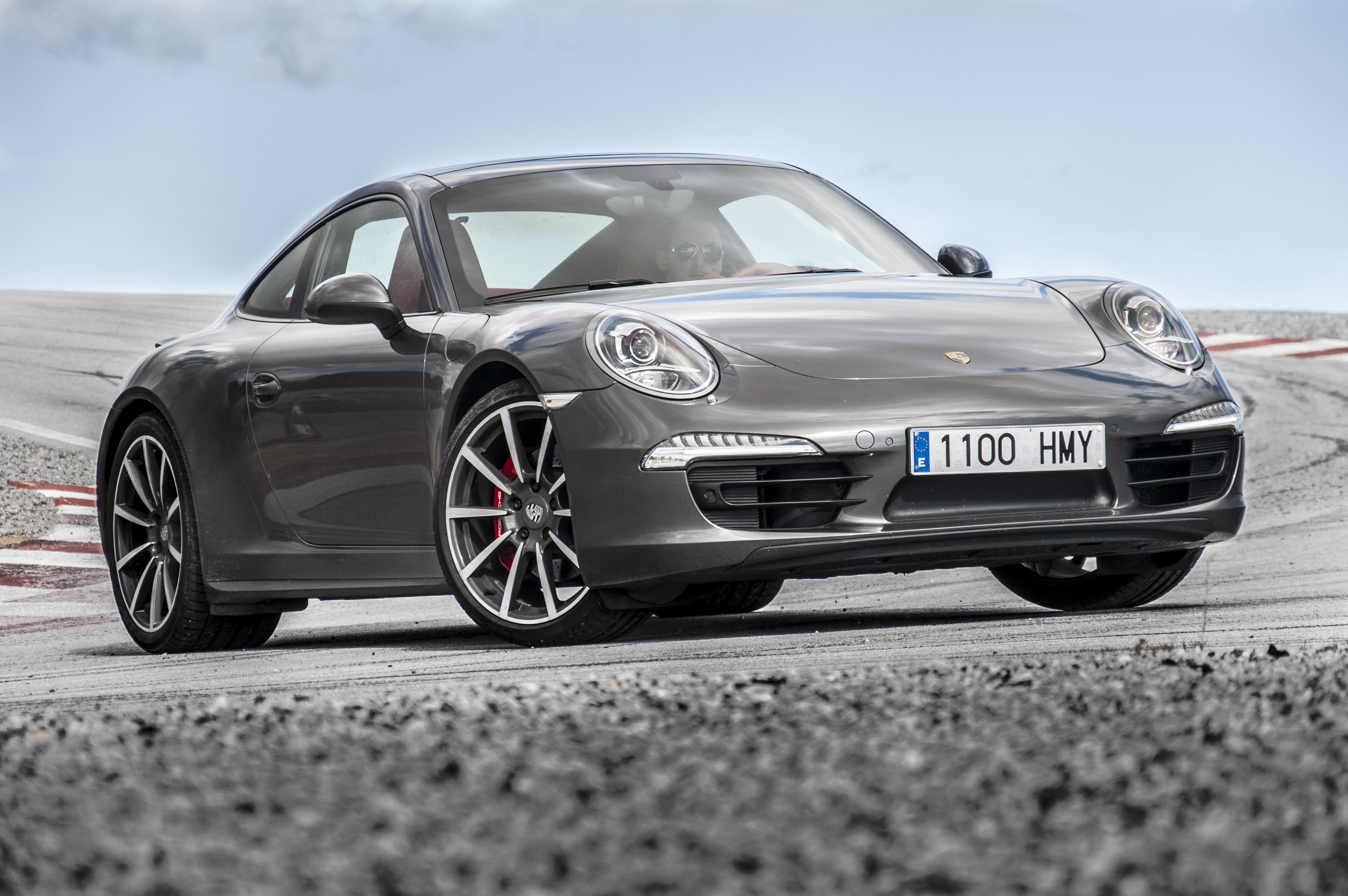
The Porsche 911 GT3 is a super-fast version of the 911 sports car. It's built for racing and has special features that make it handle really well on tracks.
Downforce helps cars stick to the ground when they're going fast. It makes it easier to turn without losing control, which is really important for race cars.
LIVE
Hey guys, have you heard of GoldBelly?
Oh my god, it's the coolest thing ever.
It's this amazing site where they ship the most iconic famous foods from restaurants across the country
anywhere nationwide. I've never found a more perfect Valentine's gift.
They ship Chicago deep dish pizza, New York bagels, main lobster rolls, and even Ina Garten's famous cakes.
Seriously. So, if you're looking for a Valentine's Day gift for the food lover in your life,
head to goldbelly.com and get 20% off your first order with promo code gift.
From the great halls of their house, there are assembled three who hope to one day be the
world's greatest driving heroes. Created from the cosmic legends of the universe comes our team
captain, the vision, Bill Fisher. And their soon to be wonder woman, Vicky Fisher.
And our captain marvel and head flight trainee, Jennifer Skripchuk. Their mission to fight injustice,
share what is right and wrong, to get you out of your house and come out racing with them
and serve all mankind. They are the Garage Heroes in Training Team.
Welcome to the Garage Heroes in Training Podcast, Ms. Vicky.
Yes.
Anniversary episode.
Yes, it is.
Number 800.
Yes, it is.
Is the cat attacking you or something?
Yes, it is.
Okay, very well. You know what 800 means?
Yes, I do. It means we have a very good friend visiting.
That's right. Mr. Ross Bentley, welcome back to the podcast.
Thank you. Thank you. Good to be back. When you said anniversary, I'm kind of like, oh,
is there something going on here?
We celebrate. We got to come up with themes for each podcast. So if we have every 50,
we celebrate. 20, I don't have to think about for a thousand, so it'll be fine.
Yep, looking forward to our conversation. We always have fun conversations.
We do. We've got a blend this time. We've got some listener questions. We've got some
I'm an idiot driver questions. We've got some other things. But first, I think
if my memory works, which we both know it doesn't, I don't think we've actually talked to
you on the podcast since our event at Pineview with you and Peter and Mario and Ian and
Sam and everybody.
So what were your thoughts going into the event and what were your thoughts coming out of the event?
Well, unfortunately, my thoughts going into it were, oh, my God, where am I even living?
Because that was great. Like two weeks after we just moved from where we were in the
Seattle area back to home in Vancouver area. And anytime you cross a border when you're
moving, it becomes a big, big deal apparently. So it was a it was a big move and it was
so my my my thoughts going into it was, am I ready for this? Am I prepared?
So it was a bit of a scramble going in. But I will say, yeah,
hey, every every program has some glitches. But we had some amazing, cool, fun
people to drivers to to coach. And I think it went pretty well. We we had some people going,
wow, this made a difference. So I'm anxious to ask someone in particular
how it went like how it went from their perspective.
Well, as attending that event. Oh, we could ask you. Oh, that's right. You were there.
There was any problems. Then we didn't notice them.
Well, that's what it's supposed to be. You probably were running like chickens in the
background. But we never we never noticed. It was a wonderful, wonderful event.
It was, you know, I don't know if you guys have talked about this on on the show or
anything like that. But, you know, the whole idea of it was to approach
the typical driver development training kind of a thing from a completely different
perspective. You know, the usual thing is, hey, go drive on the track. And either I'll ride in
the right seat with you or I'll stand outside and we'll I'll tell you to break later or get in
the gas sooner or something. Right. Mm hmm. But as you know, Vicki, it was a series of
drills, different exercises. And no, it was more than that.
Well, it really, yes, the drills were there. But, you know, there was
I think what I got, and I remember most about it,
was that it changed the way you think about racing.
So, you know, you can go for the drills and somebody's instructing you how to do it.
And it's all based on time. And it's all based on, you know, trying to drive that track and get
a better line or a better skill. But this one actually, I mean, your perspective on it,
and the discussions that you were having was if you tell yourself that you can do this,
then you're going to be able to do this. But if you tell yourself you're not going to be
able to do it, then you're not going to be able to do it. And I know that's a very old saying,
but the way it was kind of wrapped in all the language that was being taught,
it was like you can, the way I kind of walked away from it was that you can actually be your
worst self. You are what you tell yourself. And if you keep telling yourself on the track
that, you know, you can do this to push the limit, then you're going to be
much more to succeed at that. But it was wrapped up in a whole lot more other languages and a whole
other expressions and lessons. But I came away with it with a life lesson
more than I came across with just racing. So yeah, it was pretty incredible. It was a pretty
incredible event. And she got faster, by the way. I did get faster. Okay. Well, at the end of the
day, that's all we care about, right? What's our life thing? How fast did you go? Yeah,
life. What matters is your lap time. You know, you're not the first person to
say that's what a big takeaway they got from programs like that. And, you know, but I would say,
you know, we had 20 people there. And probably if I asked 20 people what their takeaway was,
probably get 20 different answers. I think, you know, some of them was, for some it was,
oh, that drill that, you know, the no breaking drill or whatever was just taught me about
momentum to the corner. And then, you know, hopefully there are some that were going, well,
the whole thing around mental programming and then, you know, the belief thing. And then, you know,
like, so there are so many different parts that we have, we sort of make into the thing. And
everybody's going to take away something a little bit different. But yeah, I thought and
there was another thing that that I remember most about it was, was the drill of
the no break drill. Yeah. The no break drill. And then coming back in on that. And
that's a tough track for a no break drill too. Yeah. Yeah. Hold on so we can edit that part out.
Thanks. Sorry, that was just a, it really kind of came, got me suddenly. But it was like,
okay, you know, you can do the no break drill in that track. And yes, it was, you know,
very difficult, but it did teach you about scrubbing. And then I remember pulling in and
you're just like, that was, how was it? I said, it was great. You know, I didn't,
yeah, now go do it one gear higher. And I'm just like, oh, geez. And
but some of the drills were pretty amazing. And the other part was it was more than a,
than a normal track walk. There was more detail that I was, I learned about to pick up.
Yeah. So that, that was huge. Yeah. What, you know, one of the things that we, you know, that
in, you know, is a core part of the coaching I do is I look at it as my goal is not just to
help you be fast on that particular day on that particular track, but it's to give you
the tools that you can apply wherever you go. You know, the track, the track walk is not,
here's how you drive this track. It was, I hope it was more of this is how you do a track walk to
learn how to drive a track. And, and then yeah, all the different drills, exercises that we're
doing, we're kind of designed to do that where, you know, yeah, if it happens to make you
faster around this track, great. But if now you've got a bigger toolbox of things that you
can, you're at the next track and you're going, well, how do I deal with this? Well,
well, I've got more tools now to do that. So. Yeah. That's what I would have to say that
those were the big things for me. Okay. Is to properly understand the track,
the mental mind set, setting your intentions for racing, what you tell yourself.
Um, because I mean,
the driving is a series of just laps, but you know, and that's for every track and just to
keep going out and keep trying to get that one perfect lap, one perfect lap. But, you know,
there was a whole lot more involved in the language of racing. So there was a lot more
skills that went in there that I didn't experience in any other HPDE. And I would certainly do it
again. Absolutely. I highly recommend it. It was so well put together. And
you know, kind of, it was the first time I actually got it. I really wanted to learn
data now, which I never really, you know, and that was a conversation that we kind of had
was, you know, when you're racing, you're dealing with so much stuff that's hitting you
like a fire hose that there's no time for you to sit there and say, okay, now I'm going to do data.
Well, you know, I think there's a time and place for data in your learning process. And now
I'm at that point when I want to know data now, I want to see how I'm driving and what I'm doing.
So, and that's what I came away with. And I made friends. I made friends there too.
Yeah. You know, for me at the end of the day, when I see the smiling faces,
and smiling faces from the fun they had, but also from the, wow, that was cool. That was
a great cool. And then, you know, then you get some of the camaraderie that comes from
those kinds of events. Yeah, it was, you know, it was so that program, I've kind of been
doing it for 18 years with a tied into something I do for a car manufacturer
and their engineering people and things. And so all the pieces were had been used before.
And I've used it sort of like that, but it hadn't gone together like that in that two-day
program exactly that way. And so, you know, there's always doing something going, well,
I sure hope this works the way I hope it was going to work. And yeah, I was pleased with the
results from it. And, you know, it helps having guys like Mario and Ian and Peter and Josh and
Sam there. I mean, like, it was a, for me to have that sort of team of coaches,
it was, it was, it was fun. And it's always nice to know that, yeah,
those guys have got it. And we had our, our group was the first group that came through for that
event. And we had a really good group. Yeah. Like there was a lot of camaraderie in that first group
and everybody got along really, really well. And it's, it is interesting how
they were funny. Yeah, yeah. I can't remember it because we did two day and then a three
day. And I can't remember, you know, we had, we had somebody come from Southern California.
Yep. I think he had Washington too. We had Mexico. Washington, Mexico, Florida. I mean,
like, it was, it was cool that people came from long distances. But at the end of the day,
the common thread is these are people who want to learn and become better drivers. And it
was just, it's, you know, sometimes I get up in the morning and go, how lucky am I?
To get to do this, what I do is just, it's like the greatest thing in the world. So
in days like that, you know, I will say we did five days straight. And at the end of that five
days, that next, that following morning was like, sure it was nice not to have to get up at
five 30 or whatever it was and go flat out again all day long. But, you know, it was tiring. But
wow. Yeah. Yeah. I just remember our group was a very receptive group. Yeah. And they were very
open minded, I would say. And the, the, you know, when we did the three day, I'm going to say
there were a couple of drivers in there who early on, I'm kind of thinking, Jesus, they're
not really kind of buying into all this stuff. And there was, there was a little
pushback, but there wasn't like super open and I want to grab on to all this stuff.
But as the days went along and we did various different things and I remember, you know,
like the taller gear drill, having, you know, having a driver just go, wow, I never would
have expected that. Like it was just, it was a big aha eye opening moment for some
drivers. And yeah, you know, then it's like, we're all in. Yeah. Yeah. I thoroughly enjoyed it.
I would definitely do it again and recommend it to anybody. Well, cool, because I'm going to do more
of them. Yay. And my plan is to do more of them, but kind of move them around. As I said,
it's not meant to be, Hey, we're going to teach you how to be the fastest driver at
X track. It was, you know, it was, it's, it's, and I don't even want to, I don't particularly
even want to do these events at a column destination tracks, right? You know, rather than a Watkins
Glen or a Laguna Seca or Seabring or something like that, where people go, Oh yeah, I want to
learn how to drive that track. I don't want that. Like I want to go to some tracks that are
less or well known and so that people are coming for the right reason to learn how to learn to be
a better driver rather than that's it right there. Yeah. So I'm going to, I'm going to do some more
and I've got two of them scheduled for next year already. And I'm going to the next week or
so going to add a couple more and we, you know, one other one. So, you know,
the one thing I do not want to do, and this is hope this is taken the right way is I don't want to be,
I don't want to, I don't want to do what Skip Barber does.
You know, I don't want to be doing these every week. They're meant to be
events. They're intense. They're high. Like they use a lot of energy.
And it's definitely not a, and again, take, let's take them the right way. It's not a factory.
It's not like let's run as many drivers through here as possible. It's meant to be
the time to be able to adapt to the drivers. So that's why, you know, I want to do
a few of them every year. And, you know, the only thing I know is that
we'll keep getting better at doing them as well. So.
You guys did well. Yeah, you did.
Yeah. Well, thank you. And
it's, yeah, it's really fun to hear what people take away from it. And you're,
yeah, your insights, that's really cool.
Yeah. You learn to learn to drive. Learning to learn to drive.
Yes. Yes. Indeed. It was quite fun. I didn't officially participate, but I was there and it
was a little bit of jelly. Well, I was going to say thanks, Bill, because you ended up
playing a support role in many ways and we really, really appreciated it. So.
Well, I've run events before and the first event is always, you know,
oh, I forgot. And I'm just like, whatever you need, I'll be there.
Yeah. Yeah. Yeah.
Yeah, no, really, really appreciate it. And yeah, it was a good time was had by all.
Indeed. And then they kept going because they had the sims going in the evening. We had
data reviews. I mean, it was, everybody was starving until they were over full and then
they fell asleep in the corner. Yeah. Yeah. So Vicky, the data thing, did you,
so why is it that you're looking at data differently now than before that?
I can answer that. Oh, go ahead. Because I'm not saying we should look at data. That's why.
Oh, okay. No, not so much. Oh, come on, it was funny. No, not so much. I think part of it was because
I had Alicia.
In your car. Yeah. Yeah. I think that was her name. They did the test run in my car.
Yes. They did a reference lab. Yes. Yes. Yes. There was a reference lab that was done and
comparing my lap to her lap. Yeah. I think that it started, everything started to make sense
to the next level of learning because normally it's like an HPD or if I'm racing or working on the
cars and never can get around to the data part of it because everything is just so hectic.
Or we forget to turn the cameras on or we don't have the right cameras. But
I think that I think there was time to just look at it and then understand it when it was explained
out to what it was. And Bill's really not lying either when it comes to racing in a marital
sense because it's like working when you're together at work, when you're together at
home, when you're together, and then you're together on the racetrack. And then sometimes
it's good to have an outside source for certain things because either the pressure to perform
or the competition when it comes to that or just feeling like a failure. And then
could have been just a bad argument that morning. And then now you're talking about
certain things. I think that when it came in and it was just the way it was delivered and it
was discussed. You might not have been ready for it because you were doing all those things.
Everything comes with time. And part of it is just like the fire hose bit. You're running
around like a chicken trying just to hold the team together and hold the cars together. And
when you're running endurance races or when you're doing certain things and
sometimes you're just so exhausted to even sit down to look at data. But to have a designated
time to look at data and do something is different. So it makes me, I've got to ask the
question then, how do you as a team make better time or organize the weekends, the events that you're
going to so that you're able to do that? Because you're not the only driver who goes, yeah, I don't
have time to look at data. Well, why do you have a data device in your car? You're just adding
weight to the car. You're absolutely right. You're absolutely right. So I guess the question
then is, well, what are you going to do? Like how are you going to organize things so you're able to
spend more time looking at data? Sometimes it comes down to, I mean, if it's an official race
and we're doing data on official race, which I don't think that's so great in the type of racing
that we personally do. It doesn't really kind of fit. So it would have to be an HPDE. But it
would be... For the endurance racing, you almost have a dedicated person there that's not a driver.
Well, I wouldn't even say that. But even if it's a dedicated person that their job and it's always
been down to that is us getting our car and our team and our paddock to the track
and on the track, having a dedicated person like that is your job is to make sure that the
data is running, to make sure that the systems are set up to make sure that it's going.
And that wasn't my job. I had no capacity for that part of the job. So I think that's what
have to be is the assignment and making sure that, oh, well, I didn't get to it is not going to be good
enough. And all the best intentions, things. So I just did the VIR champ car race. And the whole
thing was, especially, so Christian Maloof and Martin Duffy and I, like the three of us, we were
going to have test day and we were going to be all go out and run and sit there that evening
and really go through the data together and learn from each other. And of course,
it snows and they cancel test day. So, you know, we start the race Saturday morning and, you know,
that gets Saturday night and you're kind of prepping the car and everything else is going on.
And we never once looked at data over the weekend. So sometimes it could be just like,
especially if you're doing that kind of like leveled racing or not level racing, but endurance
racing, it's just the exhaustion part of it. You know, that it does take a lot of it. But for
like an HPD or I wouldn't even say an HPD, I would say just like a track day more so.
Because even for an HPD, you only get 20 minutes and how can you really
determine that much with just that, you know? So you need something more consistent. So I
would probably do it for like a champ car, like an AER race because, you know, you have more track
time. You don't have to, you know, wrestle with traffic as much as you would for the
lemons racing that we do. I don't think you can get a really good read in lemons race.
Right. But, you know, and it just reminded me like when somebody asked me to coach them,
I usually, well, a question or questions I'll ask are, you know, what's your number one
goal? I mean, you know, when a driver, when you're looking at a driver, it's like,
are you looking for outright speed? Are you looking to improve your race craft? You're
that part of it? Is it something specific to the track? And I'm going, if it's a,
if you're looking for outright speed, I almost don't even want to, I don't want to come to
a race to coach you because it's almost going to be a waste of the whole effort. Because
you can't work on it there. A track day, well, especially a track day that is mostly an open
track day where, you know, some track days are, okay, you go up every top of the hour or,
you know, you have four sessions or whatever. But there are some track days that are pretty much,
you know, open track most of the day. Those are the best kind because, you know, we can go
and go run four laps, come in, let's debrief, or now go 20 laps and working. So there's that.
But if it's a, you know, if you're looking at, I want to improve my race craft,
well, sorry, but a track day isn't the right place for that. You got to go to a race.
And then if it's a, you know, specific to, I want to get better at driving
Sebring, whatever, then yes, a track day at Sebring where we can just focus on just
learning to track, that's going to be way more, way more effective. So it's, and,
you know, if it's a, hey, I want to get better at using data, a track day
would be a whole lot better thing, better place, a better event to do that with than
a race because, yeah, most race weekends, you're flat out, aren't you?
Yeah, fighting for your life in some instances. Flat out between sessions even.
It would be different if, you know, we did the type of racing where you have a
a crew that takes care of the car and then, you know, maybe somebody who takes care of the food
and maybe somebody else who, you know, massages my little toes, but we don't have that.
Why don't you do that?
Well, you know, I'd rather do another race than pay for somebody to massage my toes,
depending on the day.
But with all of your money and your big racing budgets and, you know,
you're great up there with Roger Pinsky, right?
He's called me for a tip or two, but I don't like to brag about that.
Going way, way, way, way, way back when I was driving Indy cars and driving for
Dale coin racing, which, you know, we had like, you know, 2% of Roger Pinsky's budget
for the season. And, you know, we'd always joke around about the
Pinsky racing had, you know, different people doing different jobs.
And there was one person's job who to bring just their job was to bring food to the,
to the crew.
There was one, there was one person that brought pepperoni pizza.
There was another person entirely who brought the vegetarian pizza.
There was another person who brought the all in pizza.
You know, like they had so many people that they could specialize.
So yeah, we don't, we were just like, we get food.
Maybe, maybe they won't eat all the pizza.
Yeah. Yeah. Yeah.
It's, it's, it's just hard to get everything done.
You know, there's a, there eventually there's a limit.
And you're done.
Yeah. So I've got to ask the question because, you know, that I like asking questions.
You do, right?
Yeah. It's 50-50, whether you come on and we ask a question or 50-50 that you asked a question.
So have I ever come on here and ask questions before?
Every single time, sir.
Okay. Okay. So, you know, it's, it's kind of the off season season, right?
What are you guys looking at from a team perspective?
What is it, if you could just fix one thing and fixes maybe the wrong term, but
one thing that you could do to improve the overall performance,
you know, is it, is it your breaking?
Or is it the organization of the data?
Or is it the having better food to eat at the track?
Or is it getting to the track with less stress?
Like when you look at it and stand back and look at it,
because this is a good time to be doing that,
what is it going into next year that stands out right now?
Well, as you know, Ross,
you have a spreadsheet.
Our food, yes, I have many spreadsheets actually,
but our food game is pretty good.
So we don't have to worry about that, you know?
We got that one pretty much covered.
Popsicles.
Yes. Well, if it's hot, we have popsicles.
If it's not hot, we have alcohol at popsicles.
Wait, was that all up?
Anyway, we tend to have a goals episode coming up.
We're having trouble hurting the cats right now,
but where we go over and we break it down into two aspects.
One is the driving aspect and one is the paddock aspect.
And we tend to try to do both.
So because they're mutually beneficial,
but they're often very different.
And a lot of, for the endurance racing that we do,
a lot of the best bang for the buck is not getting another tenth out of our lap time.
It's saving a minute on a pit stop or being able to go an extra hour
or not getting a black flag or just keep the car going in circles.
Yeah.
Weird shape circles, but circles.
Yeah, squiggly circles.
So just having been at this champ car recently
and having competed in various of the various low budget,
which is really a kind of a relative term, right?
Low budget endurance racing from WRL to AER,
to Lucky Dog, to a champ car have not done lemons.
But you know, when you look at all...
We can change that for you, Ross.
I'm just saying.
It's chaos.
Yeah, chaos.
You want to pass some cars?
We've got lemons for you.
We can come up with something.
So when I go to these events, I see an awful lot of teams who put...
They have the wrong priorities.
They go looking for something that's going to help them find three tenths of a second.
And yes, their pit stops are a minute too long.
Yep.
That's a lot of three tenths for the math challenged people at home.
Yeah, I was with the team a few years ago and I would see them work on the car.
And when they were finished working the car,
the tools were essentially dropped right there.
Gravity sorting.
Yes.
You know, two hours later, somebody's going,
where's the 10 millimeter?
And then they spend like three minutes looking for the 10 millimeter.
And those things cost absolutely nothing.
And I think a lot of teams, I see a lot of teams that look to me like they're spending
time on things that cost money and have a tiny little effect.
And then some of the simple no cost things, organizational things,
they don't bother dealing with.
And yeah, if there was one tip from this show, that would be my one tip.
Stand back and look at all the little pieces and look at some of the most basic things because
there's usually more there.
Like if the car breaks, it doesn't matter if you were going a full second faster per lot.
Yeah.
The car is broken.
Yeah, simple as that.
Yeah, yeah.
Do you have a preventive maintenance plan?
Do you have a preventive maintenance budget?
Do you have spares?
And if you do have spares, where are they?
Yeah, did you bring them?
Or are they packed away in the front of the trailer that if you need them in a hurry,
it's going to take you time to find?
Yeah, yeah.
Yeah, there's all kinds of fun stuff.
Yeah, okay.
So go ahead.
That's part of it, okay?
So this team meeting thing, you're looking at driving and sort of operational stuff?
Yes, we tend to, yes.
So we haven't had that yet, but from my perspective, I think
two of our cars need to be a little more reliable.
One of them is recovering from an on-track incident and we only got to do a shakedown race,
but it did pretty well.
There's a couple of things we need to do to refine it a little bit.
The other one's been a problem trial for a couple of years
and it's more of our AER type car.
So we need to get that one on the track and shake it down before we go to a race.
I think those are the racing stuff.
Yeah.
We've been sorting out gremlins with that one for a couple of years,
but it's also because that we haven't necessarily put it on the track.
We've tried.
Yeah, we've tried to go to a lucky dog.
I think you did AER with it.
We did a lucky dog.
We did a grid life.
We did two HPDEs, three HPDEs.
There was a couple gremlins in there that you just can't do until you're at the track
and then you find it at the track.
It's like, oh, that's a problem.
There's only so much you can do in the somewhat legal capacity when you're not at the track.
Yeah, somewhat legal.
We're at an airport, so there's some stuff we can do.
But you're not going to get two hours stints in on the runway.
They're probably going to get a little cranky with us, though.
I was going to say, yeah, yeah.
It's a shame of all the planes that keep wanting to use your...
You know what?
Here's the thing, though.
It's not the planes.
It's the neighbors.
Oh, really?
Because they're next to an airport in our car, which is fully muffled, standard.
Let's just say an E46-330.
That's the thing that's going to keep them up.
The airplanes are fine.
I'm like, what are you talking about?
It's a car, but...
But yeah, whatever.
But yeah, if we ask them, like, hey, could we use the airport to...
The airport's fine.
Yeah, the airport.
Yeah, it's a hobby port.
Everybody wants to poop on people's fun.
I don't know why.
Yeah, yeah, yeah.
So, yeah, they had like, they shut it down for a day, and they did drag racing on it,
on the strip.
It's a hobby port, more than it is an airport.
So, a little bit of everything.
Yeah, it's fun though.
So, yeah, so those are problem cars that we're sorting out.
So, we'll get it this year.
Yeah.
So, Ross, our listeners sent in some questions, and I thought we'd start with a nice, easy one,
you know, right down the center, no controversy whatsoever.
It's about racecraft.
You ready?
I thought you were going to say, what's your opinion of Max for stopping or something?
No, no, no, no, no.
I wouldn't do anything argumentative like that.
That could be, you know, clickbait type stuff.
It's regarding to racecraft, and it's a very simple question.
Do F1 drivers have any?
Have any racecraft?
Yes.
Well, I have been known to make comments on the fact that I think there are F1 drivers whose
racecraft sucks.
Yep.
Can I say that?
I mean, you know, I'm not going to clip it or anything.
You can say anything you want.
Right.
Okay, okay.
And, you know, I made the comment a while ago, and somebody got all upset because
I'd said, you know, I don't think Lewis Hamilton is a good racer.
And I'm going, like, last year, Vicki, how many cars did you pass or be passed by in the whole season?
But you're a wild guess.
Of the whole race season?
Yep.
Yeah.
I probably passed about, we had a very short season.
So I would say 50?
No, way more.
Passed?
Yeah, way more.
Passed?
You've passed way more than that.
But that's a number.
And then how many passed you?
Another 50?
Probably.
Yeah.
How many?
From the series.
How many passes did Lewis Hamilton make this year?
I don't know.
How many, Bill?
Three?
No, no, you know, like in F1, as you know, there's some strategy involved.
And sometimes a pass is made by the undercut or the overcut, you know, and that kind of stuff.
I'm not counting pit stop passes.
Yeah.
Yeah.
Yeah.
Racing passes.
So, you know, to me, the two best F1 drivers for RaceCraft, by far, for Nando Alonso.
Yep, that was one.
And who's the other one?
I think you're going to say Max.
No.
No?
No.
Nico Hulkenberg.
Yeah, Nico's good, yeah.
And you know why?
He don't have the horses.
Both of them have spent time driving sports cars in world endurance championship,
whereas multi-class.
And no, I think Fernando Alonso has always been really good and some of that's,
you know, from all his karting and stuff and everything.
But the two of them are better at RaceCraft than the rest of them, better than Max, better than,
you know, Norris.
I mean, like, they're better.
And part of it is just simply, as an F1 driver, and even, you know, as you come up from F3
to F2 to F1, the nature of those series and that type of racing, there isn't a ton of passing.
And, you know, that's why, like, you know, the driver that I coached, I've been coaching for the
past seven years, who's racing LMP2 cars in IMSA and the world endurance championship stuff like,
guess what I get him to do on off weekends?
He goes and does a WRL race or an AAR race or a Lucky Dog race or a Champ Car race or
Traffic Management.
Yes. And so do I think that F1 drivers have great RaceCraft?
No, I don't.
You know, again, they're really fast.
Yeah. Oh yeah.
And I will say that, you know, I think for stopping is better than some other ones.
And, you know, one of the things that separates him from the rest currently is his,
the bandwidth that he has, the mental bandwidth he has to process information.
And again, I think the only driver that matches him, maybe, and perhaps as better, is Alonzo.
And Alonzo just has so much experience.
And interestingly, if you ask Alonzo who's the best driver, he just goes max by far.
When you get guys like Alonzo saying that for stopping is better than the rest of us,
that says a lot.
But, you know, that bandwidth is what helps so much with RaceCraft.
You know, there are some drivers that are hanging on for dear life, trying to
eke out that last few hundreds of a second that they need per lap.
And they've got nothing left to think about sitting at passes and being passed.
And then you get Alonzo who's like, you know, I'm just going to back the whole pack up behind
me here and kind of, you know, hold them back and everything and let them use up their tires.
And then there's a point where he goes, okay, now it's time for me to go.
And like, he's just thinking like that so, so much.
So I remember the one race where he came over the radio and he started talking about what
Lance was doing in the car that he was watching on the TV.
Yeah. Yeah. Yeah. Okay.
Yeah. He's just, he's, you know, he is by far, he's a very special driver,
you know, for sure.
I'm going to say, you know, I ran him up, there was some of the greats of all time.
But, and not, but, but some of the, some of the reasons why is just his,
the bandwidth that he has, he thinks about, he sees.
And yeah, some of that is just pure experience.
He's been doing it longer than anybody else in F1 currently.
So, but I do believe that, you know, him even going and doing the Indy 500 just gave
him a whole other way of thinking.
And, you know, and then the two seasons, one season in, in world endurance championship.
And, you know, even him going and doing the Dakar rally thing, like,
it just gets you thinking about, thinking about the sport in different ways.
And, you know, I believe actually none of them think about that is,
I think one of the reasons why Verstappen is so good
is because of how much time he spends on the sim and doing sim racing, not just,
you know, all F1 drivers spend time on a simulator.
That's part of their job.
But, you know, Lewis Hamilton will get on a simulator when he has to,
but all it is, is focused on him trying to turn a faster lap.
In his F1 car on the F1 track.
Yes. Whereas you get Max, you know, remember, I don't know when it was,
a year or so ago, watching, he was, he was in a MX-5 race, you know, at VIR in,
in iRacing or something like that.
And it was just, it was cool to see him learning how to, how to race those things.
So he's just got so much bandwidth because of that experience that he's got elsewhere.
Yeah. Yeah, it's, I mean, we are not saying they can't drive because they can drive.
They don't, like, even at my level, I can see stuff that's like, why didn't you, you know,
yeah, you know, and I couldn't do the rest of what they do.
But that particular thing at my speed in my car, you know, you know, but anyway.
Yeah, that's why I mean, you know, one of the, one of the best things that has happened
to our sport is the, again, relative turn, low budget endurance racing.
And, you know, if anybody, if their goal is to go doing sprint racing,
you should go and spend time driving in endurance races where you're in multi-classes.
And within that class, you've got eight different types of cars who might turn the
exact same lap time, but they do it all in very different ways.
And you've got to figure out how to pass them or discourage them from passing you.
Or sometimes let them go because, you know, it's going to help them elsewhere.
Yeah. Vicki's our chief ambulance chaser on the track.
So she lets the fast car go and then she just rides her butt.
I do. I do until I lose them. If my car can't keep up with them.
Hmm. I think it's brilliant.
Yeah. Yeah. They just, they just part traffic.
They just part the traffic for you because they already know who they are.
What about sometimes though, going, no, you're going to have to catch me,
and I'm going to go a little quicker than you so you don't, so you can't catch me.
Oh, no. There's a challenge for next year. Okay.
Yeah. Yeah. That would require me to have a faster car.
Sometimes we are undergunned.
Yeah. Yeah.
It's like a 93 Honda versus like an E46.
The E46 is going to get me. I can get them in some spots, but yeah.
Yeah. It's fun. Yeah.
It's entertaining watching. So, yeah.
All right. Audience question that I thought was kind of funny because,
you know, the F1 question was obviously right down the middle easy one.
Yeah. So the question goes, tires and weight transfer.
Is that really all that this is about?
All life is. That's kind of what I'm thinking.
All of it. Yeah.
Pires and weight transfer.
That's where I went.
Normally, I would say, well, yeah.
Not quite all.
In terms of driving a car at the limit, yes. Of course, there's, what do you sense?
Like how do you feel that? How do you sense that?
Because if you're sensing something and you're going, we're not at the limit,
then you've got to use more. And then there are times where
you want to cause some weight transfer, which as we know, the more weight transfer you
cause, the less overall grip you have in your car.
But there are times when you want to sacrifice or compromise a little that
overall grip to get the car to change direction.
So it's managing weight transfer.
And then, you know, I would say there is another
dimension, let's call it. And that is using the track.
Because well, I'm not a, I've been, many times I've said drive the car, not the track.
Meaning I see so many drivers so focused on, I gotta have, I gotta find this perfect line
through this corner. And I'm like, no, just drive the car at the limit. You'll be fine.
But some drivers will use the track in better ways.
You know, particularly, let's say a corner that has some banking in it.
And do you get into the banking earlier to use the banking, even though geometrically the line
is not as good? Or do you drive a better geometric line, meaning a larger radius?
But the track might not have as much grip in some of those places.
So there is that other dimension of how you use the track and manage the track.
You know, one thing I found, like when I was improving as a driver, which I hopefully I still
am, but we'll see. There was a couple of times where I found out that I was at the limit,
but it was self-imposed and not the car's limit.
And I didn't know it until after I had a good bit of driving instruction and experience to be
like, oh, that wasn't the limit. That was what I did, making the car be at the limit.
Yeah. So, Bill, I got to tell you that the probably the most important part is the fact
that you recognize that. And maybe somebody helped you recognize it. But the fact that you
recognize that you're aware of that and you then start to think about managing that limit,
because you can't you can't do that unless you know that that's even a that's even a thing.
Yeah. Yeah. Yeah. I mean, yes, you can come into a corner, upset the balance of the car,
and now the car is drier. You're at the limit, but you created that artificially low limit.
And, you know, let's go back to a Formula One here for a minute. You know, and let's pick
George Russell and Kimmy Antonelli in the two Mercedes F1 cars.
Ross, can you let me buy? I'm faster. Ross, can you let me buy? I'm faster. Ross,
Ross, can you let me buy? Oh, sorry. That was my George Russell impersonation.
Yes. By the way, if I had my way, I would basically if I could go to a Formula One
driver's meeting, I'd just stand up and say, guys, quit your whining.
Yeah. Oh, so much drama. Yeah.
Being so emotional. Yeah. Just quit your yeah. Just stop whining and just drive. Okay.
Well, they're all they're all a bunch of kids, if you think about it.
Yeah. Yeah. They really are. That's true.
They're a bunch of kids. I'm dying for I'm dying for George's radio guy to say,
if you're faster than pass him. Yeah. Yeah. So anyways, you get two drivers like that,
or you know, Lando and Oscar, you know, like there's a great pairing, right? And the cars are
about as equal as any cars can be made to be, right? Right.
Why is one driver a tiny bit quicker than another driver on a particular weekend?
And is it is it that one's just decided I'm not going to drive the car at the limit?
No, no, yeah, it would be really dumb. It's it's they're trying to
not only drive the car at the limit, but make that limit as high as possible.
And that's, that's where the magic happens. And, you know, when people say drive smoothly,
well, part of driving smoothly is so that the limit of the car is higher limit of the
tires and car is higher because you're causing less weight transfer. But one way to do another way of
not causing a lot of weight transfers, driver on the track at one mile an hour,
not a whole lot of weight transfer happened at that point. I got lots of grip too. I got lots
of grip. I can do anything you want with that car. If you tell me you want me to turn here,
no problem. I got it. Yeah. Yeah. So, you know, again, that's what
everything we do in a car on a track, it's all about finding that right compromise and the
right balance between, between, you know, the question of the tires and weight transfer is,
is there are times where I'm like, I'm going to give up overall grip because I need to get the
car to rotate and change directions. And other times where it's like, I don't need to change
direction dramatically. So all I'm going to focus on is balancing the car as best I can.
And, you know, every now and then, in fact, I've wrote about this recently is because somebody
asked a question about, what's the silver bullet? What is it? What's the one thing I need to do?
Sorry, there isn't, doesn't exist. Not in our sport.
There we go. So, the one thing that I've done is I've quoted you many, many times
in the past and I have, I even set you up one time with one of our podcasts where I said,
Ross is finally going to tell us the secret, you know, the thing that all the drivers won't
ever do because it's just that they're better at doing the basics than we are.
Yeah. Yeah. Yeah. You know, on one hand, you go, wouldn't it be great if we just found the secret?
You know, that would be lovely. It's never the secret. But it would also, I think if we had that,
wouldn't we quit and go on to something else? Very boring. Yeah, it's like, okay, well,
everyone can do it. Now I'm done. I've reached the end. I'm finished.
And, you know, taking this on a bit of a tangent here, but I'm kind of like,
well, isn't that what AI is trying to do with our lives?
Seems that way. Yeah. Anyways, not going there.
Well, that's okay. We can, we can, we can rabble on. We've got lots of questions.
Miss Vicki, you got one that you like?
You know, I wanted to go back to when you guys were talking about balancing the car and,
you know, traction and all that kind of stuff. There was something that, that you said
during the event, and I'm kind of having a hard time wrapping my head around it.
And that was, it came down to one of the habits that I was trying to break.
And it was waiting for the car to settle because at one point I had gone off the track and I
hit a hill. It was kind of like, mid Ohio kind of has like the carousel. So it was kind of like
a little bit of a hill. It's off camber. And going around there, but I was on a different type of
track, I would have to wait for the car to settle before I punched the gas. Coming up
and around the hill, I knew that I had a bunch of, you know, my car was very light because I've gone
up and now I'm kind of a little bit of hovering right now and coming down. And you guys had said
something, why are you waiting for the car to settle? Make it settle. I don't, I'm having a
hard time wrapping myself around that concept. What does it mean when you guys have told me
that? It's like, you are waiting for something to happen before you proceed in your steps,
which is what I was taught. But you're just like, make your car do what you want it to do.
And I can't, I can't wrap that. So you're not good at wrapping. So if
you know, I can't, I can't think of or recall the exact scenario, what we're talking about
our situation or everything like that. But let's say you come to a section of track
that you come into and, you know, the car sort of goes down a hill and then comes back up and
there's a bit of a compression down there, like, and the car really, so it's into the track,
right? Okay. Yeah. And if you've been around the track once before, you kind of know that it's
going to do that again, the next lap, yeah, next lap and the next lap. So they're fun ones. Yeah.
It's kind of, so then it's like, well, predict where that grip is going to be. And then rather
than wait for it to have grip, predict that it's going to have grip there and start to apply the
throttle that much just before it. Okay. Just that fraction of a second before it, because you know
that it's going to be able to take it because in that fraction of a second from now from the time
it takes your, you know, your brain to say, Hey, foot, go to the gas, push down to the
gas pedal. You could actually do that some amount of time has passed. If it's three tenths of a second,
how far have you traveled on the track in three tenths? Right. And so it's, you know,
you've probably heard the term be ahead of the car. Right. No, actually I haven't, but I do now.
That's kind of the idea is, is don't just wait for the car to do something and then react to it,
be proactive with it. Okay. And yeah. And you know, if we, it was one of the great things,
one of the impressive things about what rally drivers do, you know, while they might have,
they have done the recon thing and they've kind of seen the stage, the road where it goes,
they don't have the same recall and the ability to predict things like we do who drive
around on, on roadway circuits, right? Right. So I think, you know, hopefully that's kind of
getting to your question is just spend more time thinking about what can you predict the car is
going to do. Okay. And be proactive with it rather than just wait. And when somebody's,
when somebody improves their car control, you know, we kind of talk about car control. Well,
that's when the car starts to slide and you catch it. If, if you're having to react to things all
the time, you're behind the car, you're okay, you are react like, so people with good car control,
I don't know, 90% of good car control is the ability to predict that you're going to need some.
You see, I just learned something today.
What was that?
Have not had anything like that?
Just, just, no, no, I'm done.
Thank you for coming, Ross.
Vicki finally learned something on this podcast. It's taking us to 800 episodes. We did it.
I knew there was something she didn't know.
Yeah. Well, there's a lot I still don't know, but that, that is, that is,
I mean, we already kind of know, but it's just trying to get onto it before. And like you said,
just try not to be reactionary or try to be proactive.
Yeah. And, you know, it's really easy. Believe me, it's really, really easy for me to sit here
and say that. Oh, it's not easy to do it. I know. But if you go in with the-
This is a car craft.
Yeah. If you go in with the mindset of, I'm going to predict, I'm going to be ahead of it.
I'm going to, you know, like you said in the very beginning, sort of one of the takeaways from the
driving Academy program was that ability to like think ahead, know that you can do it.
Sometimes it's a choice.
Yeah.
And you go, I'm going to be ahead of the car. I'm going to predict it.
And yeah. So you can do it.
You are what you tell yourself.
Yeah. Yeah.
You really are. That's one thing that, that, that after coming through that,
and I just want to say with the life lesson that, that it kind of came out from it,
was that I was kind of looking around at some of the certain situations that were going on around me.
Best way of putting it.
And I had to just come out to the person and say, you are what you tell yourself.
And if you keep telling yourself this, this is what's always going to keep happening.
This is, you're always going to expect the bad things.
If you keep telling yourself the bad things are going to keep happening.
Start telling yourself the good things that you can do these things.
And it just kind of opened up a whole door for me.
And that's, that's all I'm going to say about that.
It meant a lot and beyond racing, but it wasn't my racing also.
Yeah. Actually, it just, it hit me.
If you happen to have me on a podcast again sometime.
It's coming, Ross. Don't worry.
You know what we could do?
We could do a whole show on life lessons learned at the track.
Oh, that would be good.
And we just, you know, think about it beforehand and we get on and go, like,
you know, one that I'll, I don't want to give it away now, but because I'm going to use it, Nick.
No, but, you know, like you're, you're going past an apex of a corner and you miss it.
You can't go back and get it. Move on.
I mean, you're going to be, but you can't, you can't about that same thing, the whole track.
Right. Right. You got to just, you got to move on.
One of the greatest things I think we learned from this sport is let it go.
You know, somebody chops you off in traffic and you want to hunt them down and kill them and it's
like, let it go. You know, let it go. Made that mistake. Let it go. I'm not saying don't learn
from it, but don't get hyper focused on it and like, oh my God, you know, I made a mistake back
there. I made a mistake back there. You know, you can't turn your car around and go back
and get it. Like just deal with the next lap. I think one of the ones that I had and I know,
I mean, there's going to be many, but I'm going to share the one and it was a very early on. They're
like, don't look at the turn. Don't look at the apex because by the time you've, you've,
your tire has crossed that apex that you're looking at, you've, you've got three more
tracks, three more turns ahead of you. It's already done. It's gone. So don't,
don't look there. Don't look there. Let it go. Yeah. Yeah. Yeah. Well, there we go. That's if
there's many, if you, yeah, that might be kind of fun. Many ahas. Yeah. Yeah. I already have an outline
for episode 350, Russ. We're good to go. 350. 850. Did I say 350? I don't know. I'm not used to
going back in time. Wow. Yeah. I'm, I'm still just blown away by the fact that
you guys have done that many shows. So is Vicky.
She's like, I said, yes, why did I do that? Why? Well, no, the funny thing is, is Bill started
a chess podcast. Pretend you have a mic, sweetie. Yes. So Bill is also playing chess. He's playing
high level competitive chess. No, Bill's playing bad chess, but okay. But, but you, he is involved in
that also. I think we talked about this once before. It's like, yeah, he won't ever sleep.
I, it's, it's a waste of time. I got stuff to do.
But, but seriously, he's like, do you want to do a podcast? No, I don't. I have enough jobs right
now, but I don't want to have a podcast too. Let me think about it. No, another one,
another one. I'm not even involved in chess. So you're going to bring up one of your chess
people. Chess heroes in training. No, no, late, late to chess. I thought it was rather humorous.
Okay. All right. Listener question number. I don't know. I didn't count.
Since you raced in Indy cars, could you describe the difference between an Indy car and a well
sorted GT car? Or is it indescribable? Does racing each help or hurt the other?
Okay. We have smarter listeners than we have hosts. That's all I'm saying.
Yeah. Those are good questions. All these. The first thing I'm going to say is that
I think it's pretty rare that if somebody has driven GT cars, production based cars,
GT cars, even latest and greatest GT three cars, if somebody has driven those cars
and then they get into open wheel cars, it's way harder for them to get to be great in
open wheel car than if it's the other way around. Somebody's good in an open wheel car
and they get into GT cars. They're usually pretty good as well. So if somebody said,
I don't know where I was going, I want to be in racing, if possible, spend time racing an
open wheel car because the single biggest thing is the reaction the car has to your inputs and
big exaggeration here. In a GT car, you turn the steering wheel and half a second later,
the car does something in a Indy car or any kind of mostly pretty much any kind of open wheel car
or purpose built race car, even like even prototype cars are more like this. You turn the steering
wheel and it's a tenth of a second later, the car responds. So some drivers have a difficult time
adapting to how responsive the car is. You would think, wow, that would be great.
And for a lot of drivers, it is. It's one of the things that I like about driving a purpose
built race car is it's just more responsive. And it's almost like I think in it and the car
does it. Whereas in a GT car, I have to, going back to what we were talking about just a few
minutes ago, Vicky, is I have to anticipate how the car is going to respond. And if I want
the car to do something there, I may have to do something now to make it do it there. Like I've
got to anticipate the lag. And anybody that's driven a good GT car knows there's not a whole lot
of lag there. Like I'm not saying it's slow and sluggish. You're not driving a 1965 Buick.
But that's kind of the first part of it. The second part, I guess, is
the overall movement in the car. In a GT car, you feel the motion of the car. You feel the
weight transfer. The chassis moves more. You get into an Indy car or if you drove
a Formula One car, if you drove a prototype car, the car doesn't move a lot. And somebody coming
from GT cars into that, they're going, the car is not giving me the feedback that I'm used to.
And it's a little bit harder to sense that. But once you find that communication,
that how much the car is moving means that this, you become more sensitive to it. And that's why
when you get into a GT car, you go, well, this is easy. This thing is telling me,
giving me lots of information. So those are the first two things.
Then at some point, certainly a difference between an Indy car and even the best,
latest and greatest, quickest GT car on the planet right now, the aerodynamic downforce
is different. And especially at super high speed. Indy car at the Indian
Napa's motor speedway, when you turn into turn one at whatever, you know, you're getting up to speed
and you're, you turn into turn one at 215 miles an hour and the car moves around and you go,
if I go one mile an hour faster, I'm going to die. I'm going into that concrete wall so hard
I'm going to die. So let's go 10 miles an hour faster because then I'll have
more aerodynamic downforce. So push the car in the track and I'll go around the corner easily.
That mind game, that thing of just, you got to trust it. You got to trust it. Just do it.
Alonso, when he first went to Indianapolis and drove an Indy car, he made that comment about,
sometimes your brain is not connected to your foot. You turn into the corner and your foot
wants to lift off the gas pedal when your brain says you should be able to go through there.
And that is, that's what's going on. So in terms of the difference between an Indy car and a,
you know, the best GT car on the planet currently, that's a big part of it. That,
you know, same with a Formula One car, even more downforce. So that, that's a,
it's a weird mind game, that one. Trying to get yourself to trust that it's going to
stick. And, and especially again, they don't move around a lot. You know, it's not like it's like,
oh, we're going to slide a little bit and then I'll catch it. No, like it's tiny little bit and
boom, you're gone. Yeah. Good times. Yeah. Oh, so, so, you know, again, kind of going back to
the second part of that question of what's, you know, what's best to learn. Imagine if you have the
ability to sense an Indy car, that subtle movement that, that, that tiny little subtle movement
that it makes that then says make an adjustment, you know, breathe the throttle or give it some
throttle or tighten the steering or open the wheel or something like that. When you get that
sensitive, you hop into a GT car and it's like, that's easy because things are just moving that
little bit slower. Yeah. You know, max for stopping goes and hops in a GT car and goes to and gets
on the Nurburgring, right? And immediately is like seconds faster than people have been driving
the Nurburgring for decades. So his ability to sense a limit in that GT car is
yeah, just another level than most drivers have. But if you took the very, very, very, very best
GT driver driving at the Nurburgring and stuck him in the maxes from the one car,
he's going to be a ways off. I don't even think I'd get to where the brakes work.
Yeah. Yeah.
Yeah. So Ross, what would you recommend everybody be doing in their off season?
Um, laying around eating a lot of food. I'm in. I'm in. Yeah. Yeah. You know, just laying around
doing nothing, watching a little TV, you know, stuff like that, you know, I don't know. I've
never tried that. So that's a huge question because it's just preference. Well, I, you know,
I was going to use my favorite phrase. It depends. It depends. It depends. So maybe the very first
thing is take some time to reflect on the season that you've just gone through thinking about what
worked, what didn't work, what could be done better, what are you doing well? And by the way,
the what worked and what am I doing well is as important or maybe more important than the,
what do I need to do to improve? But taking time, that's the very first thing is just taking
time to sit back, reflect, think about it, make some notes because it, you know, the act of
writing things down, think through, watch some video, look at your data, if that's, you know,
you're at that point. And that's the very first thing I think because I don't know how
many people are on listening to the show. But they're all going to be different. And
you know, and sometimes it's, it's, what can I do better? Well, the team needs to be get the
car to the track earlier. So I don't miss practice, you know, like those kinds of things.
But take some time to do that. Then think about, well, how do you, how do you address those
things? And, you know, obviously, the stuff that I do, you know, online is meant to help people
prepare as much as possible, so that they make every second they have on track,
more efficient, more effective. And so, you know, whether it's stuff I'm doing,
whether it's reading a book, watching a video, watching races, I don't know.
So there's two ways to watch a race. One is as a spectator and just go, well,
that's cool and exciting. And another one is, what can I learn from this? You know,
every single race I ever watch on TV, I'm sitting there thinking, what can I learn from this? And,
you know, kind of go into what you talked about earlier, Bill, you watch an F1 race sometimes
and go, why did they do that there? Why didn't they set up for a pass differently there?
And sometimes you might go, well, they're just idiots. And every now and then you go,
you know what, they're thinking about something differently. So it's trying to figure that out.
So I guess the off season is time to reflect, think about what you could do better,
prioritize those things, do a lot of mental imagery, visualization of the things you
want to improve, take time to study. And every now and then, sometimes just
land the couch, watch TV and eat something because sometimes we can get so caught up
in our sport that nothing else matters. And one of the things that I learned,
kind of life lesson thing is there is a balance. You can get too caught up in the sport,
and sometimes when you relax and let go, you do better. So, you know, and what,
one of the things to ask yourself is, this season, when you drove at your best,
what kind of mindset were you in? What was your, what was your head like at that point?
And think about that and then go, okay, I'm going to imagine myself being in that same
headspace mindset more often going into next season. And get into that and, you know,
I'm big on, add a trigger word, you know, mindset, boom, let's go. And so do some programming
of how you want to perform next year. Sounds like we got work to do, my dear.
Yeah, yeah. That's all. Yeah.
Piece of cake. How hard can it be?
Well, and then eat the piece of cake.
Yeah, that too. You know what? You know what I haven't figured out, Ross, about when I watch TV,
especially F1? I figured out some of the stuff the drivers are doing. I figured out some of the
stuff the TV, the teams are doing, the mechanics and everything. I got a good handle on
many of those, not all, but many. I have yet to figure out what the director is looking at
because sometimes it's just like, there's this huge drama going on and we're looking at,
you know, the crowd. I'm like, but there's like one pass this whole day and you're not looking at it.
Yeah. Or because of the controversy a few races ago, they do a close-up of the driver's
girlfriend. Yeah. Yeah. Always good. Carlos signs a criticized the TV coverage for that.
Yeah. Yeah. He seems like a good guy. Yeah. I'm going to say one thing about Formula One Drivers.
They're all good guys. Yeah. And why wouldn't they be? The way they come across sometimes,
they don't appear to be that way. And you know, Max Verstappen is famous for that.
Have you spent any time with people who are Dutch, who are very blunt and to the point,
they can be the nicest people in the world. But sometimes it's just like, whoa. You know,
so anyways, that's my... Indeed. Yeah. Mr. Bentley, thank you for coming on again.
Always great. My pleasure. Always, always. Now we just... Learn a little bit more each time.
Absolutely. We finally got something Vicki didn't know. And I learned,
I learned something every time too. Get the chance to think about it while I talk about it.
So thank you for that. Yeah. All right. Well, we can't wait for our next episode with you.
We can't wait to see you in person and maybe at the next Speed Seekers Academy event.
Yes. In TBD. In TBD, yes. To be announced...
Coming soon. Coming soon. I'm going to say early 26. Early 2026. Yeah. Yeah.
Very well. Much like my beautiful brides aged early 26. Anyway.
Yes. Yes. Got it. Got it. Suck up where you can, Mr. Bentley. Yeah.
Thanks for coming on, Russ. Okay. Thank you very much. Thanks, Russ.
Happy holidays if debating on when this runs and all that kind of stuff or
you've had happy holidays. It was a great holiday, Russ. Okay. Great. Great.
Thank you. Okay. Thanks. All right. Bye. Bye.
Marketing is hard. But I'll tell you a little secret. It doesn't have to be. Let me point something
out. You're listening to a podcast right now and it's great. You love the host. You seek it out
and download it. You listen to it while driving, working out, cooking, even going to the bathroom.
Podcasts are a pretty close companion. And this is a podcast ad. Did I get your attention?
You can reach great listeners like yourself with podcast advertising from Libsyn Ads.
Choose from hundreds of top podcasts offering host endorsements or run a pre-produced ad like this
one across thousands of shows to reach your target audience in their favorite podcasts with Libsyn
Ads. Go to LibsynAds.com. That's L-I-B-S-Y-N ads.com today.
About this episode
Celebrating their 750th episode, the Garage Heroes in Training team welcomes back Ross Bentley for a lively discussion about driver development and their recent event at Pineview. Ross shares insights on the unique approach taken during the event, focusing on mental programming and the importance of self-belief in racing. The conversation highlights various drills, including the no-brake drill, and the camaraderie among participants. Listeners can expect a blend of personal anecdotes, coaching philosophies, and the transformative experiences of both drivers and instructors.
GHiT 0750: Ross Bentley Celebrates Episode 750 With Us!
Another 50 episodes in the book and we are honored, as always, to have Ross Bentley back on the podcast. It is the off season around here, so we center on what we can do to improve and prepare for next season. Plus we wander around and talk about a bunch of other things, as always.
A link to the episode is: https://tinyurl.com/Ross750
We hope you enjoy this episode!
If you would like to help grow our podcast and high-performance driving and racing:
You can subscribe to our podcast on the podcast provider of your choice, including the Apple podcast app, Google music, Amazon, YouTube, etc.
Also, if you could give our podcast a (5-star?) rating, that we would appreciate very much. Even better, a podcast review would help us to grow the passion and sport of high performance driving and we would appreciate it.
Best regards,
Vicki, Jennifer, Ben, Alan, Jeremy, and Bill
Hosts of the Garage Heroes in Training Podcast and Garage Heroes in Training racing team drivers
Money saving tips:
1) Enter the code GHiT 25 for $50 off the Fire Links hardware system with a 1 year membership included and/or a an extra three months if you subscribe now at https://firelaps.com/
2) Enter code "GHIT" for a 10% discount code to all our listeners during the checkout process at https://candelaria-racing.com/ for a Sentinel system to capture and broadcast live video and telemetry.
3) Enter the code "ghitlikesapex!" when you order and Apex Pro system from https://apextrackcoach.com/ and you will receive a free Windshield Suction Cup Mount for the system, a savings of $40.