GM Energy is GM’s team working on energy features that connect EVs to your home and the electric system. Here, they’re explaining how GM plans to make EVs useful beyond just driving.
The Chevrolet Bolt is an EV that GM says can work with their “power your home” feature. It’s an example of GM offering this capability across multiple EVs.
Most EV chargers only put energy into the car. A bidirectional charger can also send energy back out, so your EV can act like a backup power source for your home.
AC charging is the kind of charging most homes are set up for. The car usually has a built-in system that converts that home electricity into the right form for the battery.
DC power discharging is when the EV sends electricity out in a direct-current form. That’s useful for powering home systems when the charger and home equipment are set up for it.
A home energy management system is software plus controls that decide where your electricity comes from and where it goes. It helps your home use power efficiently and switch sources when needed.
Interoperability means your car and your home battery system can work together smoothly. Instead of choosing one or the other, the setup can switch power sources as needed.
Before these systems can be used, the local utility often has to approve the installation. That helps ensure it’s safe and follows the rules for connecting to the grid.
This means your EV setup works together with a home battery. The battery can store energy for later—like during an outage—and it can also help charge the EV at better times.
Duke is mentioned as a utility that ran a pilot to test whether the technology is worth adopting. Pilots help utilities feel confident before they approve wider use.
The interconnection process is how a utility decides whether a new energy system can safely connect to the power grid. It’s a big part of why approvals can take time.
Standardization means making the approval process more consistent from one utility to the next. If utilities can use the same checklist/specs, it’s faster to get permission to install.
They’re talking about General Motors EVs and whether GM’s home-energy products will work with them. Compatibility is important because not every EV can share energy with every home charger system.
They’re talking about making EV charging and energy features work across brands. The ideal is that you can connect things and they just work, without needing special compatibility steps.
They mention a new charging connector standard called Nax. The big question is whether it behaves like CCS so the same home-energy setup can work with different EVs.
CCS combo is a widely used fast-charging plug for EVs. They’re basically asking: if your EV uses CCS, will it work the same way as the newer Nax standard for these home-energy chargers?
The Dodge Charger is a car designed to feel fast and sporty. The podcast mentions a special version (“Nax”) and also talks about adapters, which usually means extra parts to make charging or connections easier. It’s a performance sedan, not a truck or SUV.
An adapter is a small piece that lets you use the “wrong” plug shape with a charger. They’re saying adapters can work, but it’s not as smooth as having the right connector built into the charger.
Bi-directional charging means your EV can not only charge from the grid, but also send power back out. That’s what makes “backup power” at home possible during outages.
ISO 15118-20 is a global “language” for how EVs communicate during charging—and for sending energy back out too. If your EV supports it, it’s more likely to work with more third-party home/charging equipment.
They’re saying the improvement can come from a software update rather than new hardware. That’s usually better for owners because it can be applied without major repairs or parts replacement.
“Locked in” refers to the risk that EV owners can only use certain chargers, home energy products, or software features that are tied to one company’s platform. Standardization (like ISO 15118-20) is often pursued to reduce this dependency and improve cross-brand compatibility.
A buffer battery is like a small “shock absorber” for your home power. It can keep things running during short outages, and then the EV can step in if the outage lasts longer.
A DC fast charger is a high-speed EV charger. During an outage, the idea is you can keep the home running on the backup battery, then recharge the EV at a fast charger that still has power.
It’s the concept of using your EV (and/or your home battery) to keep the house running when the power goes out. Then, when you can, you recharge the EV so the backup power keeps going.
The Honda Prologue is Honda’s electric SUV. They’re saying that even though it shares some underlying EV hardware concepts, Honda controls the software that enables this kind of energy feature.
This is about how electricity is routed inside the system. Using DC instead of AC can make power handling more efficient, which may help reduce costs over time.
AI-enabled capabilities means the system uses “smart” software to make better decisions. Instead of only following fixed rules, it can learn patterns and help manage charging and energy use more smoothly.
Active load management is like a smart power scheduler. It helps decide when your home should use electricity so you don’t overload the system, and it can also help you save money or use cleaner energy.
“Super peaks” are times when the electric grid is under the most stress because everyone is using lots of power at once. The idea here is to use batteries to help during those high-demand moments.
Kilowatt-hours (kWh) tell you how big a battery is in terms of energy. A higher number means the battery can store more electricity, which can matter for how long you can run loads or how much power you can share.
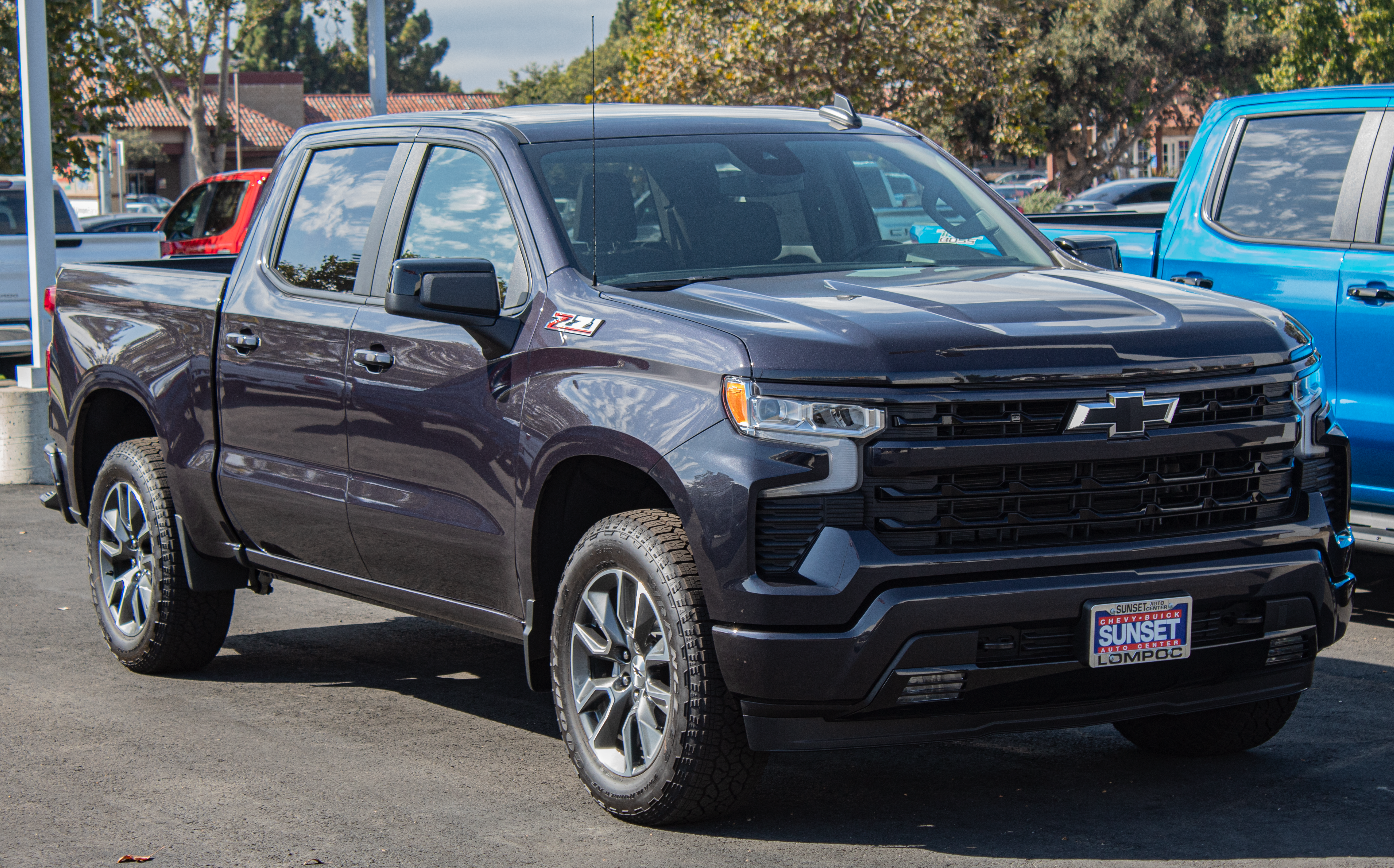
They’re using the Chevrolet Silverado as an example of a pickup that could have a big battery. The idea is that, during high-demand times, that battery could help the grid instead of only using electricity.
These are programs where your electric utility helps you get a home battery system. The goal is to keep the lights on during outages and make the grid work better during peak demand.
GM is a big car company that’s working on electric vehicles and related energy tech. Here, they’re being discussed as a leader in the broader shift toward batteries and power management.
GMC is GM’s truck/SUV brand, and the segment implies its electrified lineup is included in GM’s broader push. That’s relevant because trucks and SUVs are often key volume segments for EV adoption.
The Tesla Model S is an all-electric sedan from Tesla. The hosts are talking about a final limited production batch, which usually means Tesla is moving on to something newer.
FSD is Tesla’s software that’s meant to help the car drive more automatically. Here they’re talking about permission from regulators in the Netherlands so Tesla can offer it there sooner and then roll it out to other countries.
Automated-driving features can’t just be released everywhere—governments have to approve them. The hosts explain that Europe’s approval process is handled by different road authorities, and the Netherlands is often used as a starting point because other countries may follow its lead.
Term
V14
V14 is a Tesla software update version. The point here is that some cars may get certain software features, while others may not, even if owners paid for the same driver-assist capability.
Full self-driving is Tesla’s paid software that’s supposed to improve how much the car can drive itself. If your car can’t get the update when others do, it can feel like you paid for something you don’t have yet.
Hardware three is the generation of computer in the Tesla that’s needed for advanced driving features. The issue described is that owners with this older hardware may not get the newest FSD capability when they expect it.
Hardware four is a newer version of the computer Tesla uses for advanced driving features. In this discussion, it’s mentioned because newer cars may get updates sooner than older ones.
This is about owners banding together to pressure a company. It can be a lawsuit (like a class action) or a coordinated effort to negotiate and demand answers or fixes.
Term
3,000 signups
They mention how many people joined the effort quickly. The takeaway is that a lot of owners share the same frustration and are organizing fast.
A retrofit means adding or changing parts so your car can get features it couldn’t before. The frustration in this segment is that owners are asking if a retrofit will happen, but Tesla isn’t giving a clear timeline.
They mention the amount of money owners paid for Full Self-Driving. The point is that if the feature doesn’t arrive, it’s like you gave Tesla money and don’t have a clear way to get it back.
“Sudden acceleration” means the car speeds up quickly when the driver didn’t ask for it. Investigators usually look for simple human mistakes first, like pressing the wrong pedal, before assuming a technical problem.
“Unintended acceleration” is when someone believes the car sped up without them asking. The key question is whether it was a driver mistake or a problem with the car’s controls.
Concept
drive-by-wire / pedal control context
Modern cars often read what you do with the pedals using sensors and electronics. So when people report sudden acceleration, investigators consider both driver mistakes and possible sensor/control problems.
A pedal misplacement issue means the driver accidentally hits the wrong pedal. It’s one of the most common reasons people think their car accelerated by itself.
A dash cam is a camera mounted in the car that records what’s happening on the road. After a crash, that video can help show what the driver and traffic were doing.
Brake lights indicate when the vehicle’s braking system is commanded or active, but they can illuminate for multiple reasons. The hosts note Tesla’s emergency braking and even vehicle system logic that can trigger the lights, which matters when interpreting footage during investigations.
“Last six seconds of data” refers to the missing portion of crash telemetry used to determine driver inputs and vehicle behavior. In crash analysis, the final seconds can be critical because they often capture the transition from normal driving to the moment of impact.
Crash analytics is the process of using vehicle data, sensor logs, and evidence (like cameras and telemetry) to reconstruct what happened. Here, it’s used to verify whether the missing data window exists and whether the car’s recorded behavior matches the claims.
The network card is a hardware module that provides connectivity for the vehicle’s systems (e.g., communications between modules and/or to external services). The hosts claim the car’s network card was removed, which is central to allegations about whether the evidence was altered or incomplete.
A daughter board is a smaller circuit board connected to a main computer board, often used to add specific functions like networking. In this context, the hosts point out that the daughter board acting as the network card was removed, which could affect connectivity and data handling.
Telemetry data is the car’s recorded “health and activity” info from sensors. After an accident, that data can help investigators understand what the car was doing seconds before impact.
This is about whether the most important moments right before the crash were captured. If those seconds are missing, it becomes harder to verify what the car was doing and what the driver-assistance system was seeing.
The autopilot computer is the “brain” that runs Tesla’s driver-assistance features. If it’s physically removed or swapped, it can affect what gets recorded and what evidence remains.
An SD card is a small memory chip where recordings can be saved. The key point here is whether the investigators had the memory with the video, or a different hardware component entirely.
This is about whether the important crash data was kept and shared correctly. If key records are missing or delayed, it can seriously affect how investigators and courts understand what happened.
An EV reshuffle is when a company changes how it’s organized for electric cars. It can mean merging teams or winding down one program to focus resources elsewhere.
They’re talking about Ford’s electric-car plans and how the company is reorganizing. The point is that Ford has been backing off some EV work and changing leadership, which suggests things aren’t going as planned.
Company
Doug Phil
They’re saying Doug Phil ran Ford’s EV team and is now leaving. The hosts think he’ll land somewhere else because he has experience in big tech and EV-related projects.
Apple comes up because the hosts say Doug Phil worked on a car-related project there. They’re using it to illustrate that building self-driving tech is extremely hard, even with huge budgets.
The hosts debate whether the industry learned that it’s “impossible” to bring a self-driving car to market, or at least that the economics are unfavorable. This is a key theme in EV/autonomy discussions: technical feasibility may exist, but scaling it profitably and safely is the hard part.
They mention Lucid because the timing lines up with the leadership news they’re discussing. It’s basically another EV company example in the same news cycle.
Jim Farley, Ford’s CEO, is quoted as repeatedly emphasizing fear about Chinese competition. The hosts treat this as a recurring strategic message from Ford leadership, likely influencing how aggressively Ford pursues EV programs and partnerships.
Modern cars can connect to the internet and send data back and forth. The hosts are saying there are worries about hackers (cybersecurity) and about what information the car collects (privacy). Those concerns are often raised when new companies enter a market.
Sometimes governments give money or support to companies to help them build products. The argument here is that China supports EV makers, but the US has also supported its own automakers with taxpayer money. That makes the competition less about “who’s better” and more about “who got help.”
They’re talking about a leadership change at an EV company. The idea is that different leaders can push different strategies, like how fast to build cars or what to focus on next. In the EV world, that can change timelines and results.
The hosts note that Lucid’s new CEO, Silvio Napoli, came from the Schindler group. Schindler is known for elevators, escalators, and moving walkways, so the discussion highlights a leadership background outside traditional automotive manufacturing. That can be relevant when thinking about operational scaling, safety culture, and industrial systems expertise.
Uber is the rideshare app. In this segment, Uber is investing in and planning to use EVs, which can help both the car company and the autonomy testing.
PIF is the Public Investment Fund of Saudi Arabia, a state-backed sovereign wealth fund. In the segment, PIF is described as committing capital to Lucid, which highlights how sovereign investors can materially influence EV company survival and growth.
Convertible preferred stock is a special kind of investment. Investors put money in now, and later they may be able to turn that investment into ownership shares in the company.
Concept
self-driving technology company
A self-driving technology company is working on the software and systems that let cars drive with little or no human input. Rideshare deployments are one way to test and scale that technology.
They’re saying self-driving cars are a good fit for rideshare because lots of trips help test the technology. But it can be expensive at first, and the real goal is making it work reliably so costs come down.
Funding rounds (like “series C”) are stages where companies raise new capital, often to scale manufacturing, expand teams, or fund product development. The segment uses funding round details to explain how much runway an EV/tech company has and how investors view its prospects.
Company
TWG Global
TWG Global is a company that invests money in other companies. Here, they’re described as leading a funding round, meaning they helped put a lot of the money into the deal.
The Rivian R1S is an all-electric SUV. The hosts are pointing out that some EV companies build multiple models from the same basic parts, which can lower cost and speed up production.
The Rivian R1T is an electric pickup. The point here is that the R1T and R1S are related, so they can share many parts instead of designing everything from scratch.
Solid-state batteries replace the liquid electrolyte used in most current lithium-ion packs with a solid electrolyte. The promise is potentially higher energy density and improved safety, but they’re difficult to manufacture at scale, so delivery timelines are a major credibility test.
They’re questioning whether the company actually delivered what it promised on schedule. When timelines slip and outside proof is lacking, it suggests the technology may not be ready for real-world production.
Independent testing is when someone outside the company checks the product. Here, the hosts are saying the battery claims weren’t proven by outside tests, which is why they’re skeptical.
LIVE
Two, one, we are live on the episode of Electric Parking, I'm Fred Lambert, your host and as
usual I'm joined by Seth Wintraub. Are you doing set? I'm good. All right. But we are starting
the show a bit different today because we have a guest, we have Asim, the head of growth at GM
Energy, was here to talk to us a little bit about GM's effort to deploy vehicle to grid,
vehicle to home and energy storage system across their lineup. Are you doing Asim?
I'm doing well. Thanks for having me. Thank you. All right. Well, first of all, it's if you can
just introduce to us your role at GM and what's new right now at GM Energy?
Yeah. Well, thank you again. I lead our growth strategy at GM Energy where I focus at the
intersection of energy through EVs as well as how we allow our EVs to power the homes and in the
very near future power the grid and I'm responsible for directing all our short-term execution as well
as a long-term strategy to build a more connected and resilient ecosystem. Awesome. And so right now
can you remind me what's in term of vehicle to home, vehicle to grid, vehicle to everything now
and what's your preferred term to start with that because I know the nomenclature around this is
driving some people crazy. Yeah. Yeah. So I mean, I think the our offering GM has the largest portfolio
of bidirectionally enabled EVs. So all our EVs are able to power your home. And to keep things
simple, you know, we call it vehicle to home or think of your EV as a backup generator that can
be used to power your home and look for ways to provide you the peace of mind during outages.
And so you said the entire EV lineup now, the 2026 lineup is is compatible right now, right?
Yes, our entire lineup. Chevy Bolt too. Yeah, Chevy Bolt as well. So we've got a vehicle in every
price point that gives the consumers the flexibility to be able to use their cars to power their home.
Yeah, I think that went a little bit on dirty radar because I know that people focused on that,
like especially with the Silverado electric when it first came out, I think you guys matched the
launch with that. I think a lot of people are not aware that, you know, if you have one of the
most recent GM Chevy, you know, across the entire brands, you have access to technology. But to
be clear, so what do people need to get also in order to take advantage of that of that battery?
Yeah, so, you know, we have the whole set of product lineup, the way we've designed the
capabilities is by keeping the customer at the heart of our offering. And it starts with, you
know, a charger, right? So you majority of the charging happens at home over 80%. And we offer
a bidirectional charger that allows a customer to do both high speed charging, AC charging at home,
and then also DC power discharging. And we complement that with a set of devices, you know,
I see the video playing in the background that allows the customer to be able to take the power
from the vehicle. So we have an inverter, we have a home hub, which is, you know, the smart panel
that allows you to select the circuits that you can power from the vehicle. And then we also offer
a fully comprehensive home energy management system. So you can further extend that and pair
that with a stationary storage product that allows you to be able to interchangeably power your home
from a stationary backup power system or from your EV. So we are the only automaker that has
this offering that allows for the EV and the stationary storage system to interoperate.
Okay. Yeah, I mean, that's great, you know, you would think like Tesla has had the batteries
for a long time, but they really never built the interoperability. And it's kind of surprising that
GM's like here with this product. Now, I understand this is rolling out, how many customers are you
guys at? Are you scaling up? Are we going to start to get some, you know, bigger, bigger announcements
around there? Yes, so we definitely are seeing a lot of interest in customers coming into the
technology. I think as Fred pointed out, we're driving awareness, you know, that's our key
opportunity to make sure our customers are aware of it. And so there's a lot of campaigns we're
running around it. But as we partner with the energy companies, as well as build the installation
network, you know, we're creating more optionality. In order for us to get the customer in our
technology, I think three things must be true. One is they have to have the awareness of the
product. Second is, you know, really the installation provider that allows them to be able to have a
cost effective installation. And third is, you know, having the ability to be able to get the system
powered and signed off by the local utility. So as we expand the network across the country,
we are partnering with both utilities as well as installation partners to be able to expand our
offering. And right now we sell it in all 50 states. We've seen quite a high level of adoption,
mostly in the coasts, where customers are getting into the technology. And most customers are buying
the full home energy management systems. So they, you know, they appreciate the flexibility
that you have with EV being paired with the backup storage, and that gives consumers, you know, the
choice. Now, you have a background with ConEd, which is a, you know, New York area utility.
Is it hard to get these utilities on board? I know there's like a disparate number all over
the place, and they all have, I'm sure, separate systems and separate requirements.
That must be a difficult ask as, you know, are these coming online? Who's been the best? Who's on
the forefront? Yeah. So I think the utilities are, you know, by far, I think, first of all, the number
is a challenge, right? We've got over 4,000 utilities. This includes large investor-owned
utilities as well as co-ops across the country. So how do we work through, you know, that entire
ecosystem of companies? What we've seen, you know, there's leadership position being taken by some
of the large companies. Like, you know, we're doing, we have partnerships with PG&E, with DTE.
We've also done other proof-of-value pilots with Duke and Eversource. And so we're introducing
our technology in order to have utilities gain the confidence in the product, as well as the
interconnection process, right? How we actually connect our assets to the grid. There's been,
I would say, quite, you know, the industry, and I've been in the industry for over two decades.
And the good thing about the industry is that, you know, typically, if you have the product
adopted in one, you know, company, they typically fast follow and standardize the process around
that. So our focus has been trying to drive adoption through standardization, right? So how
we get the specs certified by the utility companies and then essentially fast follow that process
and rinse and repeat across different companies. So that's the approach we've been taking
on how we can get companies on-boarded, make it simpler and easier for the consumer,
and then more importantly, you know, reduce the amount of time it takes to get these approvals.
One of our listeners, Skeptic, has a question. Are these GM vehicle-to-home products brand
agnostic, or do they work with GM EVs? The question, I guess, would be like, you know, you put this in
and, you know, maybe you get a different kind of car or the next person who owns your house
that doesn't have a GM car. Is that something you guys are working on? Is it current?
Yeah. So presently, our system works with GM EVs only. And going back to building on the thread
of interoperability, you know, as other automakers adopt the standard for vehicle-to-home and vehicle
to-grid, and as all EVs are designed to the same standard, in the future, the systems will be
interoperable. Like you can plug and play and have any EV plug into our system or vice versa,
right, as other companies introduce their systems. Our, you know, focus at this point in time is
how do we drive convenience, give consumers the choice, and more importantly, differentiate
our product offerings, right? So we have by far the most competitive lineup when it comes to choice,
you know, across all the different price segments of EVs. And then the fact that any, you know,
all of our EVs work with this portfolio of offering, you know, gives a lot of flexibility
to our customers. And I think that's, that's what's been really driving a lot of interest
from consumers. Yeah. And for those watching the video or watching the GM energy usage,
you know, it's an app, it's a bunch of stuff. We know that the US market is moving to the
Nax connector. I'm assuming Nax works the same as a CCS combo as far as GM energy products are
concerned. Yes. So we have the product that's presently designed, you know, that we're selling,
has the CCS output. We're very fast following that and launching a Nax version of the charger as well.
And we sell a host of adapters, right? So that are available today in the market
that allow the customers to be able to plug either of the vehicles into the Nax, you know,
of chargers. So at this point, you know, customers have the flexibility. We recognize that adapters
can make the experience a little bit clunky. And so in order to overcome that, you know,
we're just unifying it. So if you've got a CCS vehicle, we've got a CCS offering,
if you have a Nax vehicle in the very near future, we'll also have a Nax by that charger. We presently
sell a Nax. Did I lose you? Yeah, just for a second. I was just saying the fact that we
offer both, you know, CCS as well as Nax compatible. But staying on the interplayability of,
so on the GM side, on the, I understand you want to be able to offer availability to other EVs
in the future. What about the other way around though, is are GM's EVs compatible with other
like third party vehicle to home system? Because those are fairly rare, but they are starting to
be a little bit more popular. Yes. Well, at this time, as I said, I think Fred and Seth,
I think the key is really around how those systems are designed and to what standards
that are built to. And, you know, given there's, you know, we're the first ones at the gate with
the most comprehensive portfolio, there isn't, you know, a need for us to actually test and
validate our vehicles against other systems. But, you know, we expect to be the market leader in
this space. And we're going to continue to improve our product, increase, you know, consumer
satisfaction and continue to drive adoption on our EVs. Okay. But in going forward, so I guess
you guys are using the bi-directional charging protocol in CCS? Yes. So today the system is
designed with proprietary technology that allows GM EVs to talk to our system. In the future, the
products will all be compatible with ISO 15118-20, right? That's the standard. You got it by heart.
That's good. And that's a software update, not a hardware update? Yes. Okay. I think that's
these are significant investments. So people would like to think about like, we don't want to be
necessarily locked in into a specific ecosystem. So that's something that they think about.
So you said that so far what you're seeing from your customers, like most people are going with
the entire home system, including the battery. I'm curious, do you have any data on like how
people use these versus their car? So I understand like you probably going to want to use this kind
of like a buffer battery. And if you have some kind of extended outage, then you want to use your
car. Is that how people are using these things? Yeah, we've seen both. To be frank, Fred, I think
we've seen scenarios where customers have not been even aware they've had a momentary outage.
That lasted a few hours and the system kicked in. In most cases, actually the EVs have been
plugged into the garage and they didn't even know until one of their neighbors knocked on the door
and said, hey, did you know we lost lights? That's the most common use case for prolonged outages
where typically they last. And we had a bunch of winter storms early in the year in different
parts of the country, in the Midwest as well as the East Coast and the Southeast. And we had
quite a few customer testimonials coming out where people were relying on the entire system for up
to three, in some cases four to five days, where the home energy management system, in fact in one
scenario, we had a customer who was powering the EV with a DC fast charger in the local community.
So they actually used their backup battery to power their home and then as the vehicle was
depleting, they went back and charged the vehicle at a DC fast charger that was still in service
and then plugged the car back into the home and were able to ride through the entire outage because
they had some pretty significant damage in the neighborhood with a bunch of trees down and
it was a prolonged outage about five to seven days and they were able to easily work through that
by having this system in their house. That's awesome. We have Joe Baras here as another question.
So you said all new GMs have this capability. Does that include on the prologue and the
bright drop since they are technically GM powertrains in there? Yeah, so it does not include
those two vehicles. Honda prologue is of course designed by the Honda team. They've got the same
platform as was pointed out, but the software enablement is with the Honda team and then the
bright drop vehicles, we definitely see an opportunity. I think we have discontinued that product
but given the size of the battery, but given there was just such limited production on that
product, we did not introduce that capability on bright drop vehicles. Okay. I understand the
question. I'm just curious, what are we going to see in the near future? I've heard of things like
having a DC backplane connection instead of AC, a price reduction as these things scale up,
obviously the prices are going to start coming down. What are you seeing for the next five
years? What are the big milestones that these products are going to attain? Yeah, I would say,
I think I would start on the top first, our discussion with, you live in the Connette
service territory and you're familiar with the challenges associated with deploying a
storage system. So the key is really getting utilities onboarded and we've made quite a
significant progress in that we have quite a large set of aspirations for our product
where we are going to continue to drive the price point down for the product as well as
make it easier for the consumer to install and make it cheaper. So I expect that in the future,
without going into specifics, we will see significant reduction in price,
both on the product and the installation costs. And the last piece I'll say is, you talked about
the digital experience. We have a fully complemented digital experience that
works with the vehicle and the home energy management system. As we introduce AI-enabled
capabilities in our car park, as well within the vehicle, as well as in the apps,
you will see a lot of optimization that happens with active load management. So the system is
responsive to the customer's needs based on how much energy is being consumed in your home,
whether or not you want to optimize for cost or for sustainability, you have the choice and
the system automatically responds to those parameters. And that's the type of technology
that we'll see make it easier, simpler, and most importantly, I think convenience. Why
we see that the adoption rates will continue to increase is not only driving trust in the
technology, but more importantly, make it simple and easy for the customer to use so they can
set and forget it. And just as a final addendum to that question, you work with ConEd obviously
for quite some time. Can you imagine a time where ConEd says, you know what, these summer
super peaks are so painful for us, we need to figure out a way to get 100 kilowatts per house,
kilowatt hours per house back into the grid during the summer super peak.
If we find a Chevy Silverado person with 100 or 200 kilowatt hour battery,
would it be worth it to install this for free or at a significant discount
if the Silverado owner was to promise some percentage of that electricity back into the
can you imagine like that kind of situation? Yeah, well, I would say I can imagine. I would say
it's that future is here now. Okay. You know, we've we I at one point in time, I create you know,
ConEd's a really good company. I had the privilege to run all of the grid in north of 59th Street
in Manhattan. And during the peak summer periods, you know, it's one of the most reliable utilities
in the country. But when you have an outage because the system's underground, it would take
days to repair that. And the short term solution in order to provide a customer service is typically
either rolling out a generator, natural gas based generator, or in some cases running temporary
cables, or you know, to give service to the customer, both of which are expensive, inconvenient
solutions. Now think about, you know, where you have these home energy management systems that
are plugged into consumers garage. And today, you know, ConEd relies and ConEd and other
utilities in the country rely on large customers having their own backup generation. In fact,
critical customers, all hospitals are required, you know, in many cases by regulation to have them,
and withstand these type of outages and events. And in the future, customers will have that choice.
You know, it's a matter of utility, incentivizing them and different parts of the country,
utilities are actively promoting stationary storage programs where they are giving customers
the option to, they're buying them, they're letting them lease from them. And we see that
technology fast forwarding to expanding that to EVs as well. That's fantastic. All right.
Asim Kapoor, that's all the time we have. Appreciate you coming on so much. And like,
hope we can hear from you again soon. Yeah, thanks for having me. Appreciate it very much.
Thanks. All right. That was pretty interesting. Yeah. Now GM is definitely the forefront for that,
like their entire lineup is, I didn't even know that. I know like the bigger vehicles, but I...
Yeah, and that's all of Cadillacs vehicles as well. GMC.
Yeah, yeah. It's hard to argue, man, even the bolt, I didn't know the bolt of that diversity.
Oh, yeah. Yeah, the OG. More viable. All right. Let's launch into our top articles of the week
that we're going to discuss. We're going to start with Tesla announcing a signature
farewell run, last production run for the Model S and X. Only 250 Model S, 100 Model X, so
250 car strudel, all plaid, plaid. So it's the top of the line version. And they're bringing back
the signatures of people who don't know the first 2000 Model S's were signatures. You want to say
about this... Do you have one of those? Yeah, I still have one of those. It's on its last leg,
but it's still running. And then I think Model S is a similar amount, but not exactly the same
amount of signature. But there haven't been a Model S signature in over a decade at this point.
Model S, X, same thing. And now they're bringing it back with a different red. So there was a
signature red. There's a different red now with different. And there's a bunch of design accents
like a gold logo. I don't know how to feel about the gold logo, but still a bunch of specific
badges, too, that are signature badges in the dash here that you can see. Custom keys, key fobs
with red on the sides. Cars don't usually go out in a blaze of glory like this. Usually they're
kind of quietly discontinued. That's very, yeah. This is kind of like a moment. Yeah, it's unique.
It's unique for sure. Well, unique $350,000 of them, but the $350,000 of them, but the actual
approach is quite unique. Yeah, I mean, it's just the pricing starting at $160,000 is a little bit
hard to swallow, but apparently they already sold out. So there was plenty of people that were
willing to pay that price for, you know, it's roughly $30,000 more than you're supposed to
pay for like a fully equipped plaid as we're next. Yeah, and it's going to be the best Tesla
out there for a number of years, probably, like until the Roadster comes out or whatever.
All right, the other big thing that happened right after the
audit because it was just a few hours later is that Tesla did get approval from the road
authority in the Netherlands to launch FSD, at least a version of FSD. So for people who don't
know, the approach in Europe is very different than in the US where you need to get the approval
of one road authority in a country and the Netherlands has been sort of the go-to country
because other countries tend to adopt new rules that they put in place. So Tesla obtaining the
launch there, able them to quicker, to launch quicker in other European markets in the coming
months. But now it's already available in the Netherlands and with a version a little bit
toned down, but I haven't seen some major difference since. It still ends off level two system.
The big difference though is that it's only V14 and therefore, though I'm not even sure they call
it V14 there, but it's basically the software of V14 and it's not on outdoor three vehicles.
And just like last year, what happened in Australia when Tesla launched full self-driving in Australia,
there was a quick backlash because a lot of owners, hardware three owners, have been waiting a long
time having paid for full self-driving and now it's finally launching and they don't have it even though
they've been waiting a lot longer than all hardware four owners. So it creates a very frustrating
situation and one owner, Mica Sigtermans, I'm sorry if I'm messing up your name, Miska,
he started a website to basically make a collective claim against Tesla for
hardware three owners in Europe and he got 3,000 signups in a space of like 48 hours
and then he reached out to Tesla about it, about the situations and what he gathered together and
just to get because his website was not necessarily about suing Tesla doing a class action. It was
like collective bargaining with Tesla and another thing that Tesla is not a plan of but
so the first they want to reach out to them and like all right so we want a solution for all of us
is an attempt to reach out to Tesla was not very successful. So when asked about the
retrofit, the potential retrofit or the V14 light which is the latest excuse from Tesla,
they said that no information about when it comes or if it comes at all. So bringing some
doubt into the availability at all of full self-driving on other word three cars in Europe
and then when asked about okay so what are we supposed to do then they were told to be patient
and that is frustrating to many people because they have been quite patient. In this case of
Mishka, it's seven years that they bought full self-driving and they've been waiting
6,400 euros and in a sense that is a $6,000 interest-free loan
where you don't have a clear way of getting back your principal because that's what
they're doing right now. They're like hey sounds like you guys are forgetting about us,
don't care about us, they're not going to release anything about us for our word three owners. So
how about you just give us our money back at least and nope, they're just told to be patient.
It's quite a crazy situation that's let's be honest. Yeah, I think they got a couple of wires.
It's going to have to end in court. There's just nothing there's no way around it.
This was a big article that I wrote this week. It's a crazy story coming out in Norway
and I wanted to talk about it a little bit because I would like people's take on it because I just
I know there was plenty of take on this when I posted online but it's such a weird situation.
It's about a crash that happened two years ago, 2023. I don't really report on these
crashes because 99.9% of the time it's a user error. It's one of those sudden acceleration
issues where people claim that their car is actually hitting by itself and they crash into
people or objects and most of the time it's a what we call a pedal misplacement issue. So
a user error where they press X or turns into the pedal. This one was already weird to start with
because it happened in Norway with Tesla Model Y taxi driver. So someone that was already very
well familiar with his vehicle and thousands and thousands of miles behind the wheel of the vehicle
and the crash happened in two steps where the driver was about to I don't know if I can play
the video here but because it's not on YouTube or anything it's on it's specifically on mother
Norway but the taxi driver was about to park behind other taxis while taxis wait in line
in the city in Bergen. So he was about to pull behind the other taxi and then just accelerated
and ran into a side of a business and that happened in a fraction of a second then the
car stopped so went to a full stop so you know presumably the driver pressed the brake or you
know didn't or didn't press anything was was not doing anything and then again the same thing happened
a second later and the car crashed you know further like another it drove like a full speed
for like five seconds and then crashed up a flight of stair lunch into the air crashed into
another kiosk crazy pure luck no one was injured I don't know about the driver but he was okay but
maybe some crashes he literally got hair with that staircase but weird situation very weird
situation the driver gets charged for you know dangerous driving the driver always maintained
that the car did that by itself there is some evidence that helped him a little bit such as
in the dash so you see the dash cam from the Tesla video but also you see the from the back
and you see the brake lights are on all the way through and he claimed he was pressing the brakes
now Tesla as per usual was quick to like hey we look at the data and the data showed that he was
um pressing the accelerator and not the brakes so oh that's that's when he was charging everything
however Tesla claimed that it was missing the last six seconds of data of the crash which was a
critical last six seconds because it was it was basically the second part of the crash that I just
described which was the even more weirder and um and the other thing also that helped the
driver a little bit is like if the idea is that he pressed he was confused and pressing the gas
bell instead of the accelerator which is not impossible uh he was in this confusion he was
very alert because he weaved through a bunch of people that were in the square what that happened
expertly navigated around them and then just crashed the car so and then the brake lights were
also on the brake lights can be on for other reasons sometimes like Tesla as emergency braking
being applied or uh the just the region of the vehicle can also activate the brake lights all right
then the charges were dropped for lack of evidence against the driver
so that was last year uh that that all that happened now this year the driver and his lawyers
don't want to let that go they're like no we we're pretty even though the there's no charges against
him anymore it's like we really want to get to the bottom of this so they got the car and they
sent it to an expert in uh crash um analytics i guess uh in in in norway i got the guy has been
involved in several of these cases he was like he's familiar with the Tesla system is like i'll
take a look at it try to find those last six seconds or see make sure that Tesla doesn't have them
and everything now the weird part of all this is like this guy gets the car and it's missing its
network card you see on the picture here whoops on the on the top here you have a daughter board
that's a network card that's attached to the main computer board and it's been completely removed
on the specific computer and so when i posted this a lot of people call it fake pictures and
everything because they they they don't see the sockets for for the board but it's not it's not
these chips these two chips here on on a motor a daughter board here that is attached to the
motor board uh so just just to be curious not more confusion again because i had a lot of
brain cell lost in in the threads around this this article
so there there's some um debate about what this card can actually hold in term of any there's
some buffer data held on the network card i don't think you can have the the telemetry data from
the hand but you could potentially according to the expert you can figure it out when did Tesla
actually get the last message from from this this from the vehicle about the crash
so it is a critical piece of evidence that would at least confirm or deny Tesla's story
about the missing last six seconds of the crash because it's weird that Tesla didn't get those
last seconds and then when they get the car they don't have this network card that could
have confirmed or denied that which is extremely strange then the lawyers found that the the the
the connection that where the the computer is to remove the computer had been severed so clearly
someone had cut the into the car specifically remove the autopilot computer and then
removed the network card and placed back the autopilot computer in there which is weird as hell
yep no one knows what happened to the car Tesla doesn't know the police didn't know the police at
first like brought some confusion because they say well yeah yeah we have the card but they were
talking about an sd card from the the vehicle not the actual like i think i would assume the dash cam
because there was dash cam footage from Tesla and from a dash cam in the car so the after that
after they were pointed that out they were like oh no we don't have that we never put that into
evidence now the Norwegian road authority had the vehicle until it was brought to this expert
by by the driver and his lawyers so it wasn't in Tesla's custody now could Tesla have access to
it potentially i don't know i don't know that Tesla removed that card it's not a fact that i know
the only thing i do know is that it would someone to remove that card it's probably because there
would be evidence on there if there was evidence on there okay well we're trying to find the car
right now the driver so i doubt that the driver it would be evidence that would
portray the driver as the one that is responsible for this so who's the other potential
culprit it would be Tesla so that that we know and the other thing that we know for a fact is
that it wouldn't be the first time that Tesla actively tried to hide evidence telemetry evidence
from from a crash we it's the reason part of the reason why there was the big 253 million 43 million
dollar verdict against Tesla in the florida case that killed the young women and greatly injured
our boyfriend with a driver on autopilot that crashed into them part of the of the trial
revolved around the event that a recorder the data that Tesla received and then claim was not
on the computer in question you can read my report on this is a crazy report where we got
in two details just how far Tesla went to hide that data that include misleading the police
that include lying to the police lying to the plaintiff lying to the the lawyers of the plaintiff
and not for like a week or two like for for years uh in involve a stage retrieval of the data where
Tesla had the police bring the police was in custody of the computer they had them bring to
the center they uh they had them you know play with the computer and Tesla claimed no the data is
not in there and then only a you know a couple of years later we actually found the data was
indeed on the computer which is nuts so it wouldn't be the first time that Tesla would
try to hide data if it's them behind this completely bizarre case
all right we have a four five borrow use item to discuss before we jump into the comment section
so I know some of the comments were already about the great interview we had with GM energy
assume GM energy earlier this uh the podcast but if you have question about any other topics for
us today any about topics we're discussing today or any topic subject in the EV world that you
want us to discuss we're gonna get to it in just a few minutes um you can put it in the comment
section all right for that the big reshuffle of its EV unit here this where they kind of
folded it uh folded some labs into uh you know to me it sounds like they are slowly
just shutting down this model e but when I uh I use the word dissolving Ford was not happy about
it earlier this week so fair enough I won't use it but you know it is definitely not a good look
for Ford's EV effort for the last you know year or so they've been winding things down quite a bit
and Doug Phil who's uh was the leader of model e of the electric vehicle unit is now leaving
the automaker also so that uh his his operation has been taken over by global manufacturing
operation COO Kumar Galahotra and um then there's another lab one of the like a shockwork lab that
is being folded into the unit as well so it's uh you know not a great situation for Ford after
having you know cancelled like three or four EV programs in the last year since Trump took power
basically so it's just uh not a great look nope where do you think Doug Pilder is gonna land
I knew I knew that question was coming yeah it's gonna be a hot commodity obviously because you
you know 20 years at Ford or something maybe not 20 years but his early carrier was as Ford
and then he went to Apple then he went to Tesla and Apple was project Titan I think right yeah it
was I don't know if it was leading the project it was there's certainly one of the top guy on the
vehicle side of it you know that didn't pan out obviously but still I'm sure it was something
that they learned that out of the billions and billions of dollars that they poured that project
um yeah one one thing that they learned and maybe this investor should take notice is that
they learned that it wasn't worth it to bring a I don't think that we learned that
it's impossible to do a self-driving car I think they learned that yeah we don't we don't like the
unique economic of right and they might not be wrong on that yeah I don't know where he's going
next but I think he's probably a hot commodity right now for for the EV well you know I the
timing of this and we're gonna discuss it in two news item but like the lucid and you lucid
CEO was announced this week yeah I wonder if he was involved with that yeah maybe it wasn't
the running for that I don't know but we're gonna talk about that for in a second but I just want
to mention a comment that we keep hearing a little bit from Ford CEO Jim Farley but he had
he had he keeps re-emphasizing this in the last few months and he went on Fox and Friends
this week to to do it again where he says that basically he scared shitless of the Chinese
EVs that's what he's saying he said that if they are allowed into the US it will he would hit the
heart and soul of the country we should not lend them into our country he says it would be
devastating given the manufacturing giving the manufacturing art and soul of our country
he also pointed out like cyber security and privacy concern all that which you know the
Chinese have done to US manufacturer as well so you know fair play but yeah I mean it
it doesn't inspire like when your CEO of your company is like hey don't don't let these
competitors in because they're gonna they're gonna destroy us it's not good it's like
yeah it's not a good look you should you should be able to do something about it like
I know they are impressive the Chinese EVs especially than the manufacturing capabilities
that they have there just how quickly they are improving it's it's mind-boggling but I don't see
a clear reason why you cannot do that in the US like if you would have to point that out they would
it's sad to say but it goes back to like an educational problem because they have a lot more
like manufacturing engineers and everything so it's it's both an incentive issue and also an
educational issue at the time yeah because Ford specifically and I mean Ford is not the biggest
culprit there I mean GM and Chrysler definitely are but the automakers cannot bring up the card of
like oh it's because they're heavily subsidized in in China because yes they are but American
automakers are heavily subsidized by by taxpayers in the US as well as proven the last financial
crisis yeah Lucid announced their new CEO and also a new investment around that was closed at the
same time so the new CEO not someone that I knew is Mr. Napoli um what is his first name
Silvio Silvio Napoli and he's coming from the Schindler group which is better known as a manufacturer
of elevator escalator and moving walkway okay I mean I'm sure it could be a brilliant guy and
everything but uh you know coming down from Peter Rawlsson who I think was very much a car guy yeah
visionary car enthusiast and engineer and you know chief engineer of several great vehicle program
it's uh it's it's a change but at the same time the guy was CEO of the Schindler group
was a massive company by the way it's like a hundred thousand employees or so maybe 60,000
employees like a giant company profitable company so maybe that's that's what Lucid need in in a
state show I'm not um let's say anything anything bad about him uh Mark Winterhoff was the interim
CEO is staying on board as the CEO I think yeah he was staying on the board but I think he's also
CEO might be confused about that no no he's easy yeah he's uh he's staying at CEO so that's that's
good news for Lucid and then what was the round exactly and I want to make up the money so today
okay Uber is investing an additional 200 million dollars uh bringing their total investment now to
500 million dollars into the company and on top of it the higher turn investment company which is
part of of PIF so the Saudi Arabia's wealth fund has committed to perishing 550 million
of Lucid's convertible preferred stock so they are going to increase their investment in the
company which is also good news for them because there was rumors that the Saudis might be pulling
the plug on financing Lucid so clearly not and and they also have found Uber as a great partner
and Uber is also aiming to deploy 35 000 gravities into their network through a partnership with Neuro
which are a self-driving technology company yeah it's interesting seeing the rideshare
companies jump on these things I mean it's a it's a great from factor it's a great vehicle for
for autonomy for ridesharing so why not and uh a little bit on the expensive side not not gonna lie
but uh uh it's you know the Tesla shareholder is always hammering that yeah the Tesla's low cost
is the is the advantage there but you know working technology is the is the main thing that then you
lower costs and Tesla kind of went the other way around on this one all right staying on
funding rounds we have a slate that also raised a bunch of cash um I think it was the hundreds of
millions to you 650 million okay I thought I saw like 300 or something oh wow 650 million dollars no
joke um so it led by TWG Global hmm I don't know them
DJ was you anyone else naming the round no
no not really is that the valuation or how much it was invested
the scooter road raises 650 million dollars so that's that's an actual race as he mentioned
series C's around so yeah it's a it's new capital I mean with that the they should be able to get
into production because their entire idea is like the simplest and is pretty simple vehicle
yep now I'm not saying like a poor train as always you know it's something to to um to build
but um I don't even know like exactly I don't know if they're making their own motors
their own bad they send me out making their own battery cells but I don't know if they
were making their own battery packs so I think most of the technology is built around like making
a you know simple modular vehicle that you know at the here you see a pickup truck and an SUV but
it's actually about the same vehicle just the interior and the modular back of the bed the cover
of the bed here that's that's had it so that this is exactly the same vehicle so the parts
shares on this are are insane like you know the Rivian R1S and R1T share the decent number of
parts but this probably nothing compared to these two vehicles they're basically the same
so 650 million dollars should get them to production that's what they're saying to
there they're going to reach the next stage of production
or news item before we jump into the comment section so if you guys have
question now is the time it's about donut lab so as you know in the last two three weeks we've
been well we always was we're pretty skeptical about the entire situation but our skepticism
has turned uh up to 11 in the last few weeks because the big claim from the lab was always
that we're going to deliver the first production EV this verge motorcycle with solid state batteries
made by us for the first time in q1 and now we're in q2 we're two two almost three weeks into q2
and this is just not the case it has not happened and the independent the independent testing
result that donut lab shared in the first few weeks months of the of the year some of them
were encouraging but we always noted that the main claims about energy density manufacturer
ability and life cycles longevity were not confirmed in any of those independent reports
so they haven't proven the biggest part of their claims they haven't delivered their
motorcycle production motorcycle with production solid state cells yet like they said they would
red flags all over the place and now the biggest are red flags there's a whistleblower within
um nano so sorry nano nordic nano is the name of the lab uh in question and this is uh this is
not nothing this is what we're talking about lauri peltola the former chief commercial
officer of nordic nano so one of the top executives of the company has filed a criminal
complaint really it's cruel i would know it was criminal but anyway a criminal complaint against
donut lab for basically uh they are misleading the public on the word specifically the claim
on energy density durability in production exactly what i just said earlier they all the
claims that they have not independently tested yet so this is this is a big deal obviously
topics you could see in the company that claims that they are being misleading at a time where
they haven't proved any of of the the capability when they said they would you know it's it's a big
red flag not only that uh you know we reported on nordic nano since the beginning we were very
convinced that the technology that the lab was using was coming from nordic nano but they always
denied it uh the lab now in their response to this complaint they are not denying it anymore
they said that they are indeed working closely together on battery technology here but um
they are denying the claim that uh lauri is making and the um they also attacked her saying
that she doesn't have the knowledge the battery knowledge to really understand what's going on
here i mean i don't have the battery knowledge to understand what's going on here i can still
understand that there's something weird happening if you guys you know are just releasing the
independent research report that you did release which don't prove the main claims that they're
making it's like yeah i think i think i think we know where this is going now at this point i think
it's not that's not kid ourselves all right that's it from the lab in the news this week we can jump
into the comment section well uh you're muted sit apologies uh so we talked about hardware 3 update
for early adopters uh just to recap uh a little sketchy uh what we talked about in europe but
do you have a like a no i i doubt that if if an update comes it's going to be the v14 light
that they talked about which you know v14 is great i enjoy quite a bit of my car
it's not unsupervised self-driving and a light version of it certainly won't be
and yeah and there there's some issues with the like the compression system also that they plan
to use to to use the uh v14 neural nets on on these you know less capable hardware 3 versus
hardware 4 uh that could be problematic that doesn't admit admit this in their in the pattern
about it so you know even that i don't i don't think is a is a given but uh what i i'm pretty sure
is a given is that you can forget uh an actual hardware upgrade i don't i think i think the
everything points to them staying clear of that as much as they can
skeptic says they use gm energy pretty often i think that's for charging especially like how
they offer plug-in charge so the experience is just like going to a supercharger yeah plug-in
charge is basically plug-in and charge charging yeah um we we had some questions about the that we
are yeah um let's see skeptic okay let's now talk about donut labs article we did um the
situations here the signature series could have been an opportunity for tesla to max out the
battery pack and the model s stuff it full of batteries and see what kind of range is possible
i mean i don't think it's that easy like you know putting some stickers on a car
is a little bit easier than creating a new battery pack you know you got to test that it's not that
easy yeah i mean the the real uh idea here is is not for the signature series not for us but as a
as a real refresh of the model s next program tesla should have introduced the latest battery
cell technology that exists in in their flagship vehicles something they never did they only did
incremental improvement on the 18650 format uh so they could have done that they could have you
know that would have improved efficiency improve range improve charging you know tesla was falling
the model s next we're falling way behind some of the top charging we see from other vehicles
including tesla's own vehicle like the cybertruck charge faster model s next now so they could have
done that they could have done you know steer by wire they could have done um rear wheel steering
you know which is becoming a very good feature like like your Mercedes has that the cybertruck
has that you know they could have done all of that and you know keep the model s and x as true
flagship vehicle but in elan's you know the latest ketamine fuel nightmares is like the
cybertruck is going to be your flagship vehicle the cybertruck which is selling what 3000 per
quarter or something yeah and after those are coming from spacex purchase it's it's just it's not
you know i i don't have anything personally against the cybertruck like i think a lot of
it about it is cool not the biggest fan of the design but i understand people that like the
design of it um is just it's not a good idea to have that as your flagship vehicle that's fair
and and you know theoretically tesla could be just like clearing out inventory and
they'll release a new model s and model x you know next year or something based on it
no because i mean if you follow if you listen to elan and i know that's not the smartest thing
to do these days but he's saying that they're doing that to then replace the production lines with
robot production lines so there's not gonna be any space to make them all s next
all right uh spikes 43 says how long until tesla offers fsd transfer again in spite of saying that
they won't do it again i didn't know they stopped i mean i think if you ask and get it transferred
yeah it's coming it comes back every every time now especially if you're an outward three owner
now i think i think tesla knows what's coming tesla like you didn't know they already are like
drowning in lawsuits left and right i did a report on it yesterday uh it got pretty popular if you
want to guys want to take a look but i for months now i've been you know building an excel sheet of
all the the the major legal actions against tesla ranging from class action lawsuit you know on
our door three to full stop driving to stock manipulation to all that all of the fsd and
autopilot crashes now which you know since the verdict last year the floodgates are open now
and it's you know we're talking about tens if not hundreds of millions of dollars for fatal
crashes and you know lower amounts for non fatal crashes which is you know it's it's it's weird to
talk about but there's a giant financial cost that comes to tesla with that which i value between
five and fourteen point five billion if you add everything actually i i try to use your comparable
um settlement and offensive damages for each of these different kind of lawsuits adding them up
all together you know it's between five and fourteen billions of dollars and that's before
the actual cost of managing all these lawsuits and defending against them it's uh it really puts in
perspective elan's in elan in 2022 tweeting that he wants to hire a team of hardcore street fighting
lawyers at tesla it's uh you saw this coming he knew that they would be you know giant repercussion
and you know tesla is not alone there's a lot of big businesses that get sued all the time
nothing compares to tesla it's it's a whole new level and uh and and yeah so if
hardware three is a big part of that and um and if you are getting an auto or three if you want
to transfer your car this if you from another word three to other word for a vehicle this
is going to be glad for that because not only it's one less or the word three vehicle that has fsd
it's also when once you transfer over you transfer you sign the document you buy you transfer your
full self-driving capabilities to full self-driving supervise which i'm pretty sure tesla is going
to use in court to say that they never promise full self-driving on supervise on
hardware four vehicle which is going to be a hard claim to make considering everything that elan
has said over the the last you know two two years two years and a half since uh hardware four now
are inside vehicles so i don't i it's they'll make that claim though i'm sure i'm i you're
gonna try that i have no doubt i mean corporate puffery is the defense now for enone so once
you're down to corporate puffery is like you you've showed clearly that you will say anything
yeah and our last question laker salex says what do you think prospects are for the loss
in europe regarding hardware three where is it heading i think europe may have a better
you know court well i don't know about court but strong consumer protection laws stronger yeah
yeah so they're not as litigious as in the us it's not as easy to sue each other to sue companies
and all that it's not you know it's not in a culture also but they have strong consumer
protection laws so if if you can make a case with your local consumer protection agencies
is like you know tesla's told me something and he's just not delivering and he kept saying that
it's coming and it's never coming and the actually and why why this week is so important and and it
put everything into focus is because tesla is out there telling everyone hey we launch full
self-driving in europe and in the tweets in the announcement and everything it's not a we launch
full self-driving on oddware four vehicles in europe or specifically in the netherlands right now
but it's we launch full self-driving um and all we're through on ours are like hey wait a minute
we you haven't we haven't gone and so it's it's just it's kind of like a moment that you can say
like hey they said they delivered this they haven't they have no clear plan of delivering it what you
do about it and my my big thing has always been and i i don't see enough people talking about this
because i i think it's it's a very fair argument people are talking about refunds right now which
i think is the bare minimum because like i said it's basically it turns out that you give tesla
like a five to fifteen thousand dollars interest free loan for a while and then they give it back
to you which you know it's sad but okay but the real claim that tesla made is that all tesla
vehicle produced since 2016 have all the hardware to be full self-driving and that's a claim that
applies to if you buy fsd if you don't buy fsd and i understand that if you bought fsd and tesla
never delivered to you you have the bigger claim here but even if you don't you know inon said
things like now tesla vehicles or what do you say assets they they're they're not depreciating
yeah they are appreciating asset that's what he said which turned out to be completely false also
but the the fact that you bought the vehicle thinking that at least it has the hard work to
eventually become full self-driving even though i don't want that picture myself which a lot of people
or in this case here where they're like i don't care about full self-driving and a lot of people
are like that um they like driving they want to drive their car everything but hey if you believe
elon and tesla if i buy this car it has the hardware so in the future for the resale value
this has a lot of value even if i'm never going to buy and use for self-driving and that people
are not talking about but that is also like a valid claim that i think a lot of people are going to
make as soon as you know the r-word 3 stuff is resolved and you know which is going to take
probably another few years and a lot of court processes but through these court processes
i think tesla is going to have to eventually admit that they cannot deliver full self-driving on
r-word 3 because you know inon sort of admitted it last year in january and then took it back right
away uh so so there's there's this situation but once once this situation is clear it's like
everyone that own an r-word 3 car where gavifes do but you have a good claim to say like well
there was false advertising they told me that it would be have the hardware and it's not so i think
even though if it's not a giant check i think this is going to have to cut a check for that at some
point um for for literally millions of owners here which is huge and then there's r-word 4
okay there's no clear inon again this week said that hardware 4 is all you need for full self-driving
he even claims because they tapped out i don't know if they they taped out uh ai5 and the new
chip i don't know if you saw that uh so inon announced that the chip is complete and now
they can send it to the fondry but he also said when he said that he said actually ai5 is just for
inference compute for optimus and um and like chips in space and whatnot like
you said it's not needed for for the car because hardware 4 is going to be okay for
for the cars and it's like okay you know put up a shut up at this point like show show us
because right now all i'm seeing is like half a dozen car running in austin in a geofence area
only in in conditions that are good uh weather wise and yeah geofence so it's like
i think i think this lays in for a rude awakening but never mind me the stock is up everything's
good everything's good stock set yeah i'll see about that next week though with the hernings
i think a lot of people are gonna puff break up yeah puffries though the last word from
carl all right thank you carl thank you everyone for listening to the electric podcast this week
thank you for a scene from gm energy to um talk to us about um the latest coming from from gm
regarding uh energy management and a vehicle to home vehicle to grid and yeah if you do enjoy the
electric podcast you can give us a like a thumbs up a subscribe all these things are free to do
and we appreciate when you do it uh we're gonna see you uh maybe maybe not same time same place
next week though because uh i'm gonna
About this episode
GM Energy’s Asim Kapoor breaks down GM’s bidirectional EV-to-home and EV-to-grid push, emphasizing that most of the lineup is compatible and that the system hinges on a bidirectional charger, inverter/home hub, and optional stationary storage that can interoperate—an angle he contrasts with Tesla’s lack of interoperability. The hosts then pivot to Tesla’s Model S/X “Signature” swan song and Europe’s FSD HW3 “reckoning,” plus a bizarre Norway Model Y crash evidence dispute. Ford’s EV unit reshuffle, Lucid’s CEO change and funding, and Donut Lab’s solid-state claims collapse/whistleblower complaint round out the news.
In the Electrek Podcast, we discuss the most popular news in the world of sustainable transport and energy. In this week’s episode, we discuss Tesla having its HW3 reckoning, Ford reshuffling its EV unit, Donut Lab being in hot water, and more.
As a reminder, we’ll have an accompanying post, like this one, on the site with an embedded link to the live stream. Head to the YouTube channel to get your questions and comments in.
After the show ends at around 5 p.m. ET, the video will be archived on YouTube and the audio on all your favorite podcast apps:
We now have a Patreon if you want to help us avoid more ads and invest more in our content. We have some awesome gifts for our Patreons and more coming.
Here are a few of the articles that we will discuss during the podcast:
We talk to Aseem Kapur, energy and eMobility executive at GM Energy!