This is a DeLorean from 1981—the famous sports car with the “gull wing” doors. People love it for its looks and vibe, but older cars like this can be expensive or annoying to keep running.
The engine bay is the space under the hood where the engine sits. The host is saying that when lots of cars have the hood open, people tend to crowd around to look and see if there’s a problem to fix.
A self-selecting group means the participants weren’t chosen at random—they chose to be there. In this case, it suggests the DeLorean owners who attended were probably the ones who take care of their cars, which can make the cars seem more reliable than average.
The alternator is what keeps the car’s battery charged while the engine is running. If it can’t keep up with the car’s electrical needs, the battery can run down and the car won’t restart.
Central locking modules are the electronics that control whether the doors lock and unlock. If they fail, the car’s locking can act up—like not unlocking or getting stuck.
“Front suspension weaknesses” refers to known durability or design problems in the front-end suspension components. Even if the car is otherwise improved, weak suspension design can lead to handling issues, accelerated wear, or repeated repairs.
They’re talking about turning a DeLorean into a real-life version of the movie car. The issue is that the modifications can make the car run hotter, because the changes affect the engine area and cooling.
The flux capacitor is a made-up part from the Back to the Future movies. Here, they’re joking about people trying to build a real version of it for their converted cars.
They’re saying the conversion adds a lot of extra weight—around 200 kg. More weight can make the car harder to drive and can also make it less aerodynamic, leading to more wind noise.
This means how well the car’s shape (and any added parts) cuts through the air. If it’s not effective, you can get more drag and more wind noise, especially on the highway.
They’re saying the company tried to make way more cars very quickly in October 1981. Ramping up production too fast can cause problems like quality issues and financial strain.
Concept
ramped up production
Ramping up production means increasing output quickly, often to meet demand or recover from delays. In this segment, the company increases production into winter when selling sports cars is harder, contributing to cash problems.
Liquidators are people brought in when a company is in trouble to shut it down and sell off what it owns. Here, they’re described as trying to salvage the situation instead of just closing everything immediately.
Concept
receivers
Receivers are appointed to take over a struggling company so creditors are protected. In this story, they didn’t want to shut the company down right away, so they looked for a way to keep it going.
The Triumph TR7 is a sports car from the late 1970s made by Triumph. In this story, the company was trying to switch production to TR7s to keep the factory running.
Car
Honda engine
They were talking about putting an engine from Honda into the car instead of the engine it was originally going to use. The idea was to improve the car by changing the powerplant.
PRV refers to a specific V6 engine design used by multiple European brands. Here it’s mentioned because the plan was to replace that engine with a Honda one.
The Lotus Esprit is a sports car from Lotus. Here it’s used as a comparison point because its front suspension is set up in a way that helps the car handle more smoothly when you drive aggressively.
A “double wishbone” suspension uses two arms at each wheel to guide how the wheel moves. That usually makes the car feel more stable and predictable, especially when turning or braking hard.
Bump steer is when hitting a bump makes the car’s steering “fight back” or change direction by itself. It’s usually a sign the suspension geometry isn’t controlling the wheel path well.
Brake steer is when the car wants to turn or pull to one side when you press the brakes. Instead of going straight, the suspension and forces make it steer unintentionally.
Colin Chapman was an important engineer behind Lotus. Here, he’s brought up because Lotus helped with the car’s design direction, and the host suggests that involvement connects to how the project ultimately went wrong.
Concept
ERM basically a plastic chassis
They’re talking about an early design idea where the car’s main structure was planned to be made from plastic. The host’s point is that this kind of chassis concept can affect how strong the car is and how well it handles.
An anti-corrosion warranty is a guarantee that the company will cover rust problems for a certain number of years. The point here is that even though the DeLorean looked rust-resistant, it didn’t include a long rust-coverage promise.
“Emissions stuff” means the parts and settings added to meet pollution rules. The hosts say that in the US, those changes made the DeLorean slower and less able to compete.
A stainless-steel body is a bodywork choice that resists rust and can be a marketing “signature” feature. The hosts argue it was both the DeLorean’s biggest selling point and a weakness because it added mass that the underpowered engine had to move.
They’re describing how the DeLorean’s structure was built from different materials. A steel frame was combined with a fiberglass tub, and the point is that the real finished car ended up heavier than the early plans predicted.
They mean replacement parts made from the DeLorean’s special stainless-steel body material. If you crash one, you want the right kind of panel so the car looks and fits correctly.
A parts car is a wrecked or non-running car that people buy just to take usable parts off it. They’re saying that used to be the main way to get some DeLorean body panels.
Going bust halfway through production means the manufacturer stopped before completing the full planned run, leaving a limited supply of original parts. In the DeLorean’s case, the hosts argue that leftover production parts made it easier to support the next batch of cars, improving long-term serviceability compared with other niche classics.
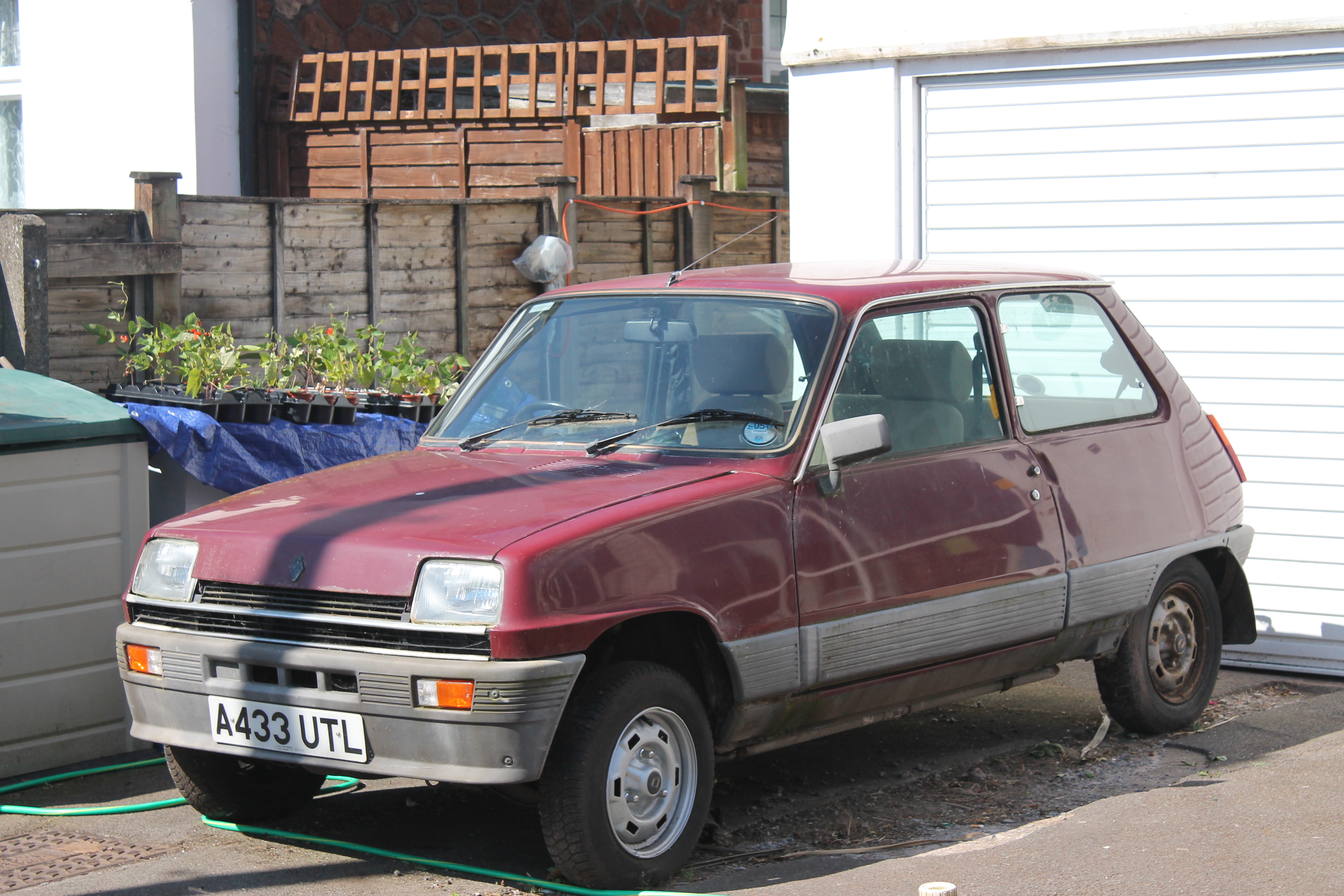
The Renault 5 Turbo is a turbocharged version of the Renault 5. They bring it up only to compare parts availability—basically saying some older cars are much harder to get parts for than the DeLorean.
Running gear is the mechanical stuff under the car that helps it move and handle—like parts in the suspension and drivetrain. They’re saying those parts were similar to other European cars, so replacements are easier to source.
Cross-referenced means parts can be matched to other cars—like using the same part number or the same design. They’re saying that helps you find DeLorean parts because other European cars used similar components.
The Mazda RX-8 is a sports car made by Mazda. It’s known for using a rotary engine, which is a different type of engine than most cars use. The podcast mentions it because the host really likes them and has driven some.
A rotary engine is a type of engine that spins to make power instead of using pistons. In this discussion, the host says that design can make less low-end pulling power and can be harder on internal seals, especially if the car isn’t maintained perfectly.
Torque is the engine’s pulling force—how strongly it can get the car moving, especially at lower speeds. The host’s point is that the RX-8 didn’t have enough of that “pull,” even though it could feel smooth at high revs.
The Nissan 350Z is a sports car made by Nissan. It’s known for being fun to drive and is popular with car enthusiasts. The podcast mentions it along with another similar model as an example of a good, well-regarded sports car.
Apex seals are small sealing parts inside a rotary engine that help keep pressure where it belongs. The host says these seals can wear out quickly, which can seriously damage the engine and ruin the car’s reliability.
“24 valve” indicates the engine has 24 valves total, typically meaning four valves per cylinder on a V6 (since 6 cylinders × 4 valves = 24). More valves can allow better airflow and tuning for power and efficiency.
A pushrod engine is a type of engine where a camshaft uses rods to open the valves. The host is saying the design originally came from a different engine style before being adapted.
A V12 is an engine with twelve cylinders. The host says people were expecting a V12 because it would have sounded and felt more special than the smaller engine that arrived.
A turbocharged V6 is a V-shaped 6-cylinder engine that uses a turbo to add extra air. That usually helps it make more power from a smaller engine, but some people think it sounds worse than a bigger naturally aspirated engine.
The Ferrari F40 is a famous older supercar from Ferrari. It’s known for being a stripped-down, performance-first kind of car. The episode mentions it as a point of comparison for how light or focused other cars are.
The McLaren F1 is a very expensive, very fast supercar. People talk about it because it was designed to be light and quick. In the episode, it’s brought up in a comparison about how light different cars feel.
Four-wheel drive means the car can send power to all four wheels. That helps it grip better on wet or slippery roads. The host is saying older 4WD systems might have been clunky or heavy compared with today’s.
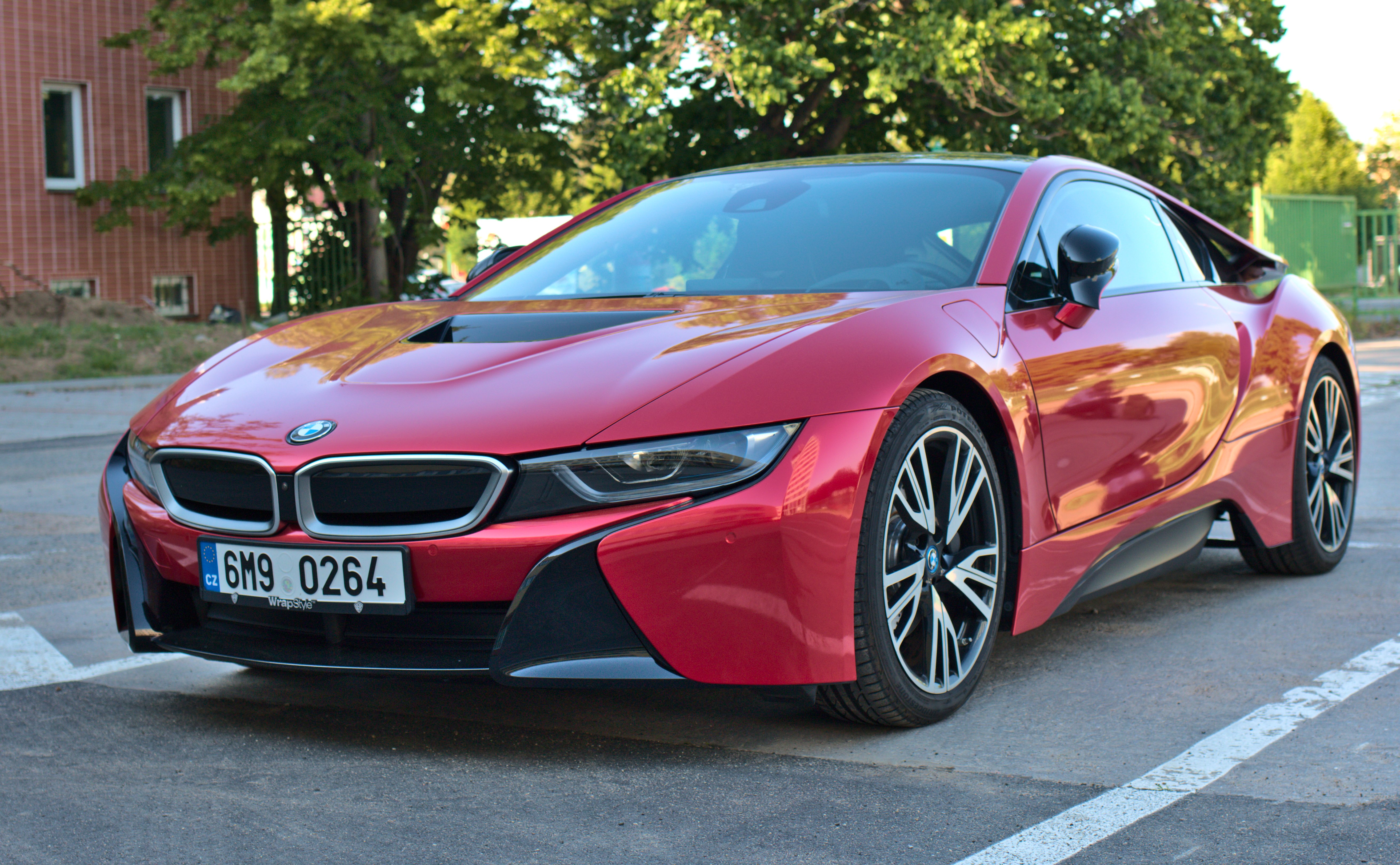
The BMW i8 is BMW’s hybrid supercar-style car. It uses a small 3-cylinder engine, and some people thought that was too small for a “real” supercar. The host argues that criticism was a big reason it didn’t get the love it deserved, even though they personally enjoyed it.
This means the engine is a small 1.5-liter with three cylinders. The host is pointing out that some people dismissed it because it’s not a huge engine, even though the car still worked well in real life.
Here, “curated” means the car’s sound is intentionally designed. Instead of just sounding however the engine naturally sounds, the car is set up to make the sound feel a certain way.
Headers are special exhaust pipes that collect the engine’s exhaust gases and send them down the exhaust system. Because they’re shaped a certain way, they can change the sound you hear and how the exhaust flows.
The Ferrari 296 GTB is a high-end Ferrari supercar that uses a hybrid setup (gas plus electric). The discussion uses it to show that even when a car is technically impressive, buyers don’t always want the same thing.
A downsized engine means the engine is physically smaller than you’d expect. The idea is to get good power while using less fuel, but the host thinks it can feel like it doesn’t match the car’s personality.
In an electric car, the battery pack is the main battery. The worry is that it can wear out over the years, which can reduce range and make the car feel less healthy.
The BMW i3s is an electric car from BMW. The “s” version is meant to feel more sporty than the regular i3. The podcast mentions that i3s owners have reported problems, so it’s being discussed with some caution.
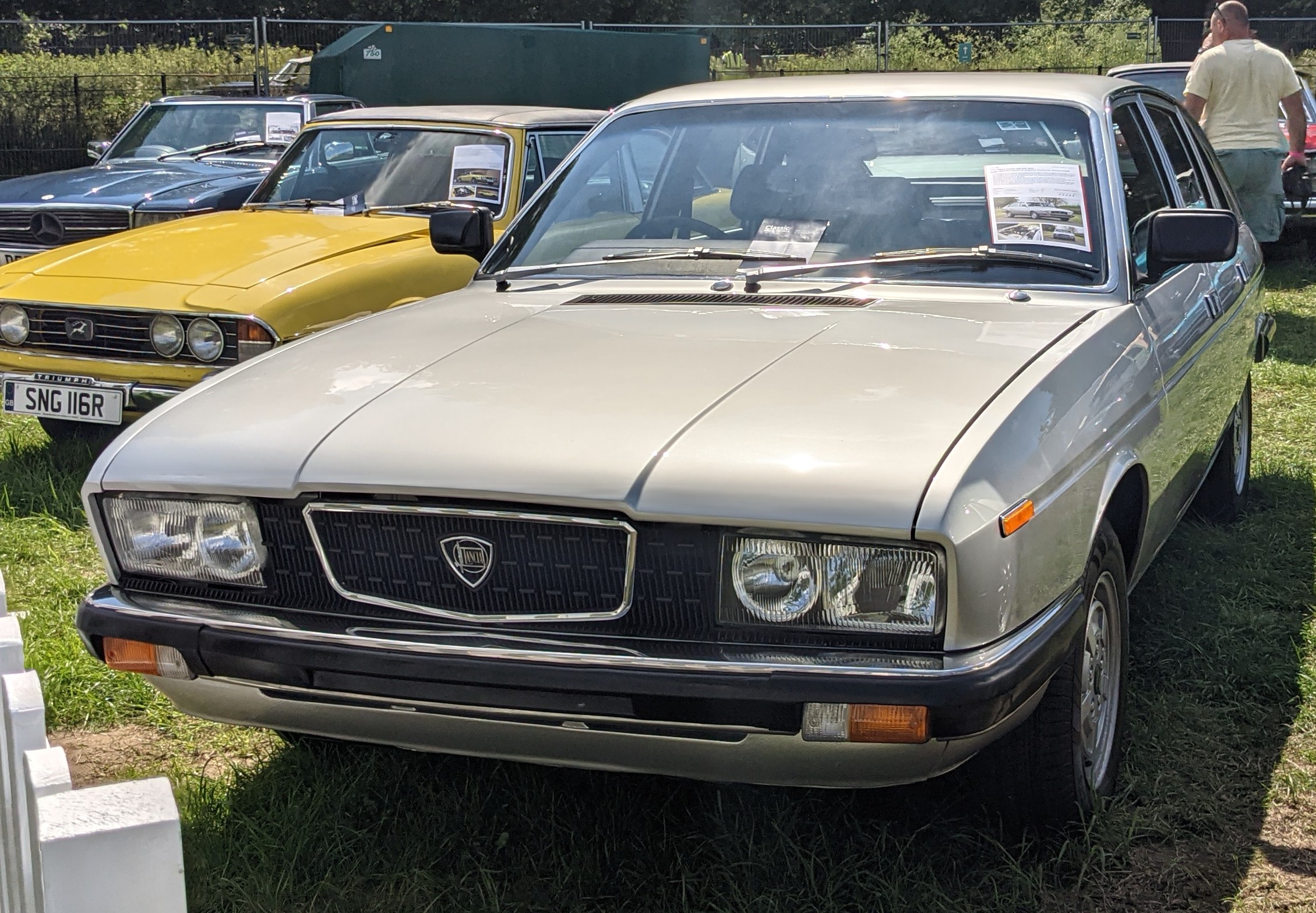
The Lancia Gamma is a car model made by Lancia. In the episode, it’s mentioned because the speaker is talking about a serious problem that could affect ownership. The point is to decide whether that issue is a deal-breaker.
A flat-four is an engine where the cylinders sit opposite each other in a sideways layout. The host is pointing to this engine type as part of why the Lancia Gamma might have a serious problem.
An interference engine is built so the pistons and valves can overlap in timing. If timing goes wrong, they can hit each other and the engine can be ruined.
A cam belt times the engine so the valves and pistons move in sync. If the belt breaks, the engine can get badly damaged because the pistons and valves can collide.
The power steering pump uses fluid pressure to make steering easier. If it’s driven in a way that’s linked to the engine’s timing, steering-related loads can trigger serious engine damage.
This is basically a manual transmission, but the car automatically does the clutch and shifting for you. Older versions can be jerky or slow compared with newer automatic systems.
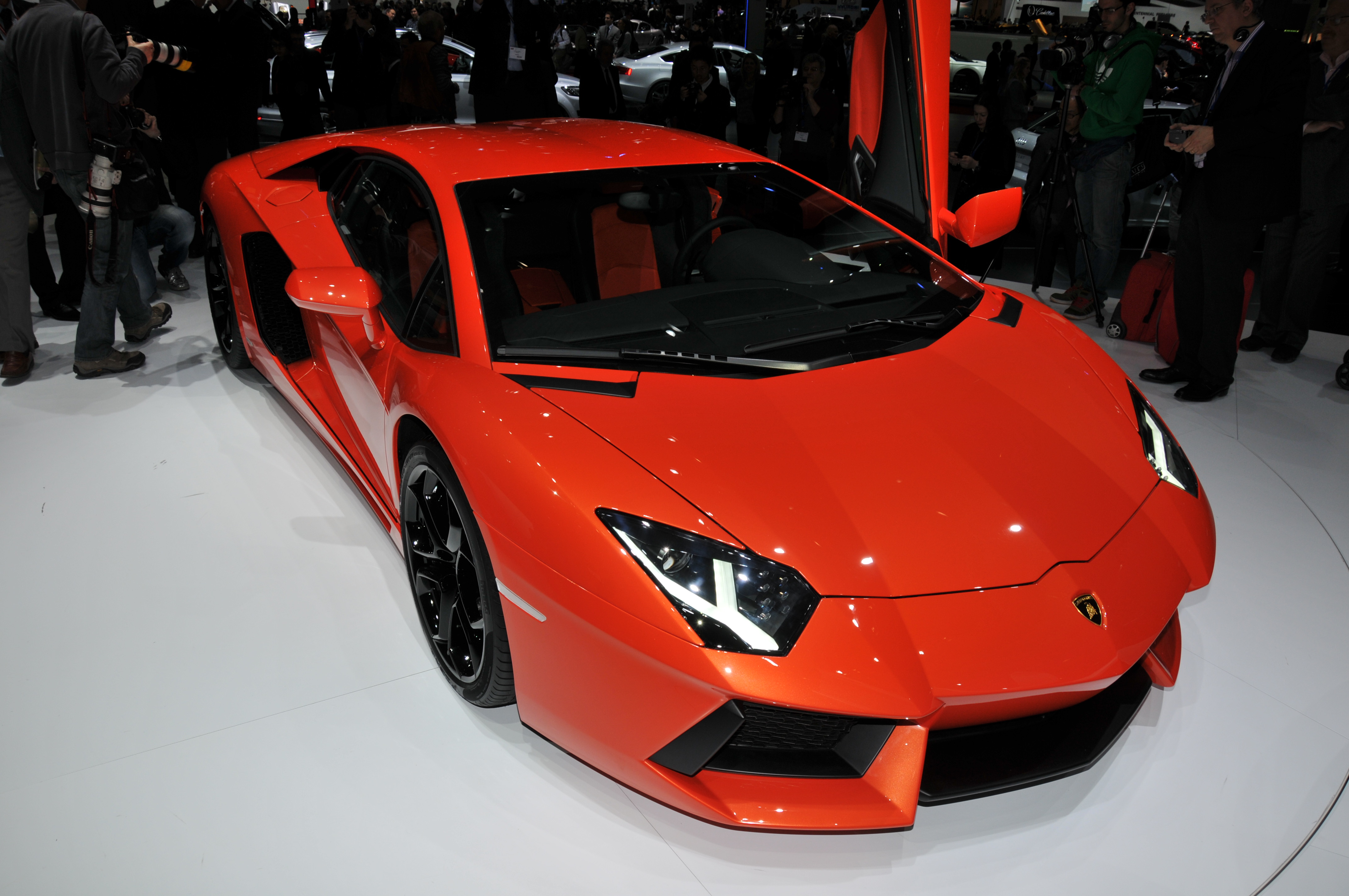
The Lamborghini Aventador is a very high-end supercar. Here, the host is talking about how its automated manual transmission with paddle shifters can feel slower and less smooth than newer dual-clutch automatics.
A downshift is when the car changes into a lower gear. It usually happens when you want more pull or stronger slowing, but in this case the hosts say it can take too long.
The throttle is the pedal that controls how much power the engine is allowed to make. Here they’re saying the timing of easing off it can help the gearbox shift better.
BMW M3 CSL is a more hardcore, lighter version of the BMW M3 from the early 2000s. They’re using it as an example of how even a great transmission can still feel worse than a manual.
CSL is BMW’s name for a lighter, more track-focused version of the M3. They mention it while talking about how the transmission doesn’t feel as good as a manual.
The Aston Martin Vanquish is a luxury performance car with a big V12 engine. The hosts describe a frustrating early behavior where the car would protect itself by going into neutral, leaving the driver waiting at traffic lights.
The clutch is what lets the car smoothly connect and disconnect the engine from the gearbox. They’re describing a situation where the clutch got too hot and the car switched itself to neutral to protect it.
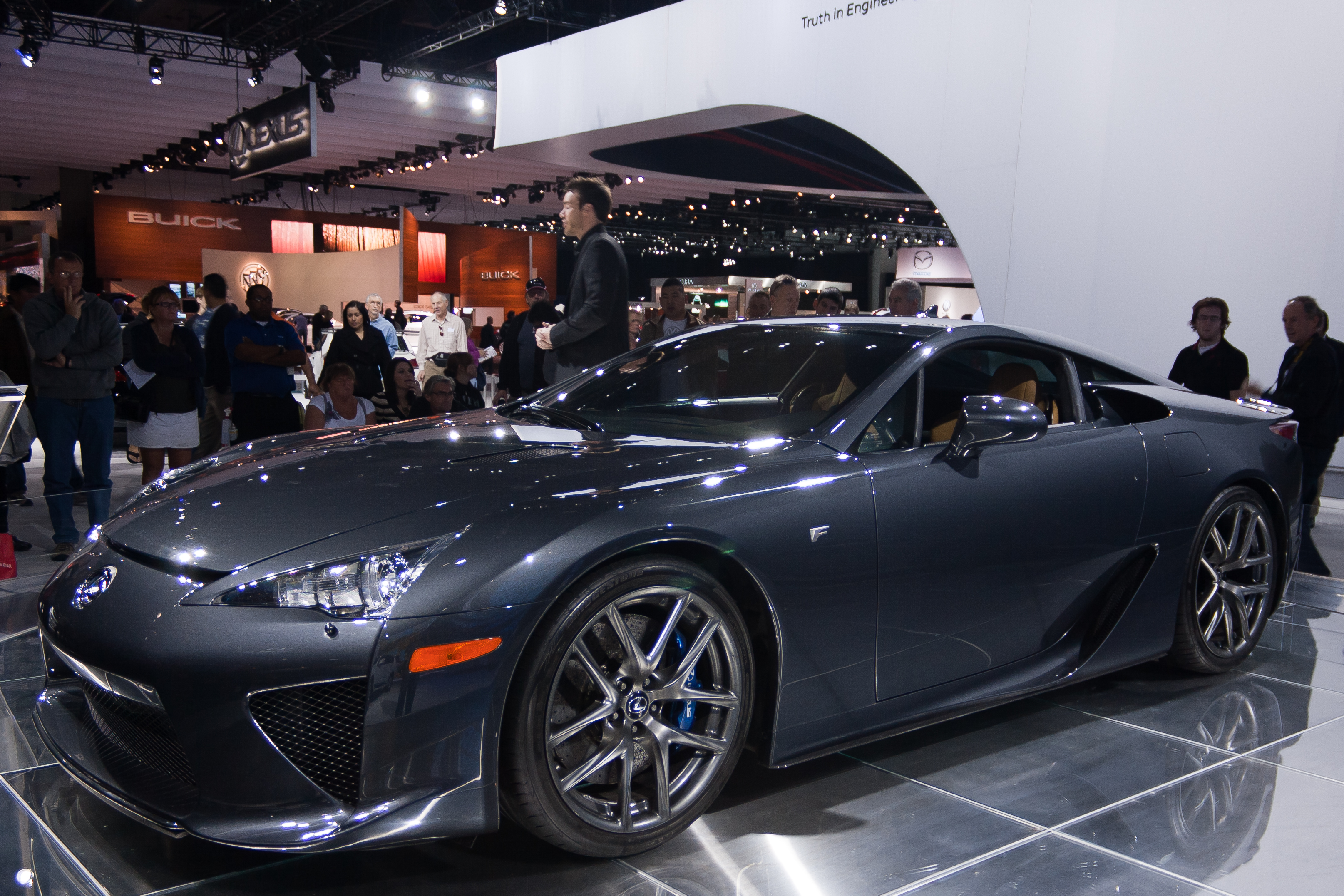
The Lexus LFA is a special high-performance Lexus supercar with a very exciting engine. The point here is that automated shifting can feel less engaging, but the host says their LFA experience was mostly on racetracks.
Place
Valolunga
Vallelunga is a race track in Italy. The host is using it as an example of a specific corner where shifting at the wrong time can make the car feel unstable.
Corsa is a “sport” mode on some Lamborghinis. It makes the car react more sharply, and in this story it made the car feel like it got unstable when shifting mid-corner.
The Lotus Evora is a mid-engine sports car that’s notable here for how its gearbox choice affects drivability. The host explains Lotus used a Toyota-sourced diesel gearbox to match a V6 that came from the Camry, and early versions ended up with very long, awkward ratios and a shift feel that could be “woolly.”
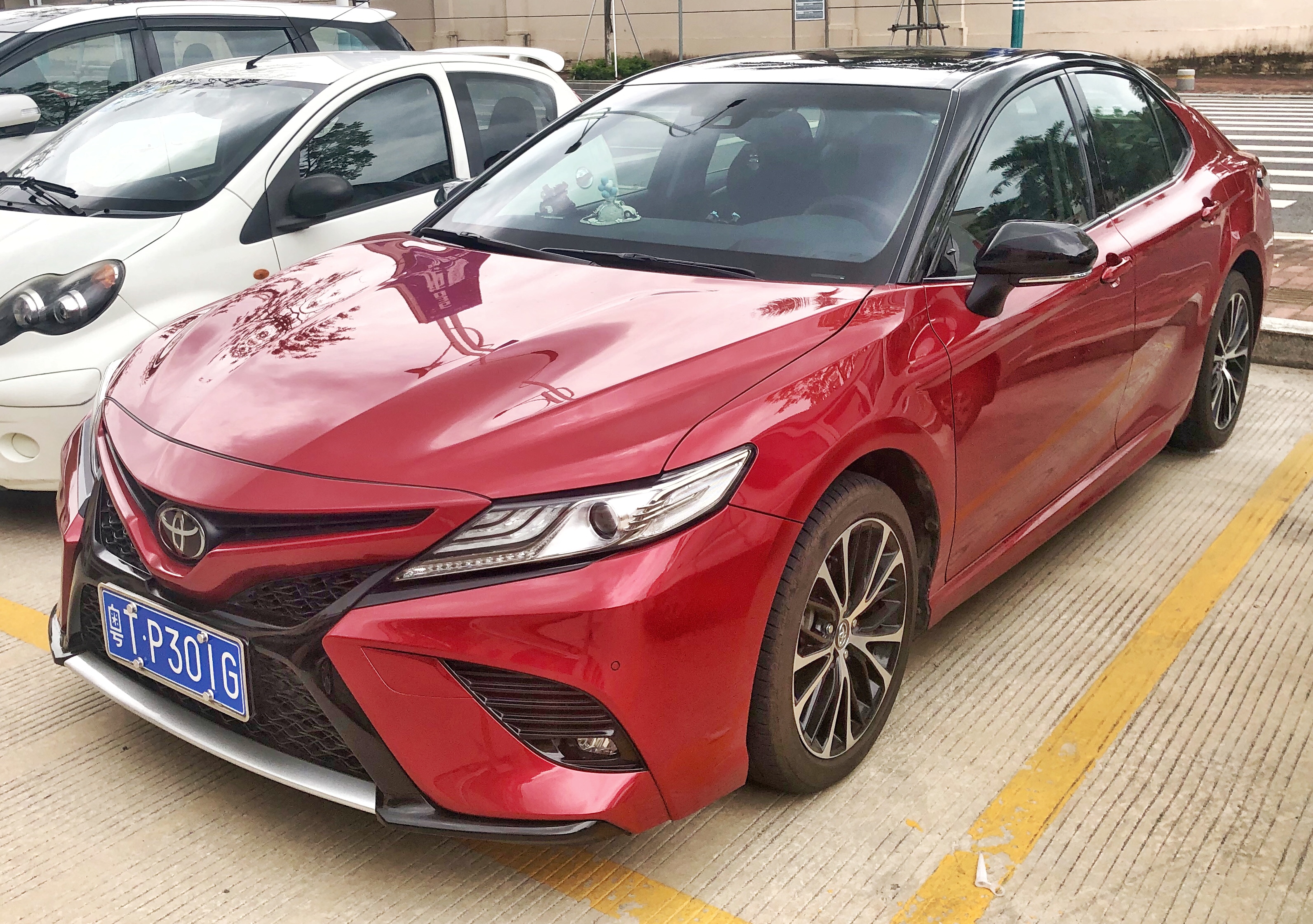
The Toyota Camry is mentioned because the early Lotus Evora used an engine that traces back to it. Even if it wasn’t built to be a “sports” engine, it can still be made to work in a sports car.
Naturally aspirated means the engine doesn’t use a turbo or supercharger to force air in. The host is saying that with this kind of engine, the gearbox ratios matter a lot for keeping the engine in its useful power range.
Self-centering is when a manual gear shifter naturally springs back toward the middle/neutral after you move it. If it doesn’t self-center, it can feel confusing and vague about what gear position you’re in.
This means the transmission was originally built for a diesel engine. The host is saying the Evora ended up using that type of gearbox with a gasoline V6, and the mismatch in how it was fitted helped cause problems.
A bell housing is the housing that connects an engine to a transmission. A custom bell housing here matters because the host links it to how the gearbox had to be mounted for the Evora’s transverse mid-engine layout, which then contributed to a low-RPM rattle.
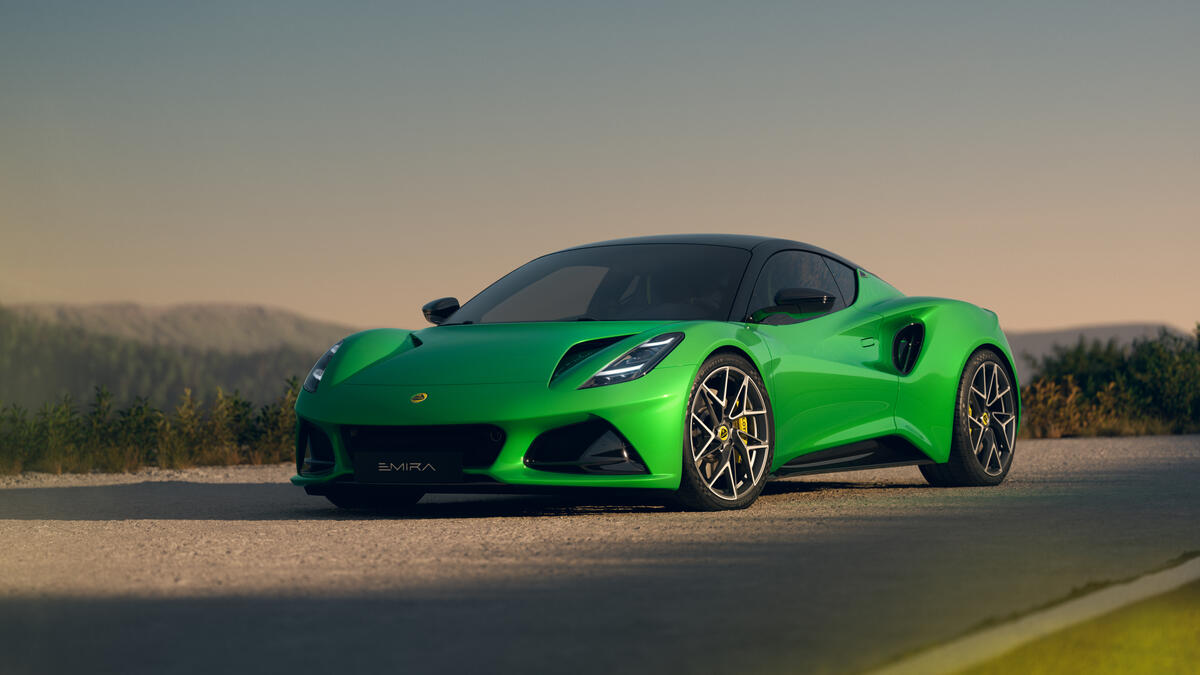
The Lotus Emira is a newer sports car from Lotus. It uses a gearbox design that’s shared with another model, but the Emira’s version is described as being engineered to work better. The podcast mentions it mainly in terms of how the transmission feels and performs.
This is a rattling noise coming from where the engine and gearbox connect. The host says later Evora versions fixed most of the shift feel, but the rattle never fully disappeared.
Gear ratios are how the gearbox translates engine speed into car speed. Changing the ratios can make the car feel more responsive and can also help fix drivability or durability problems.
Close ratio means the gears are set up so the RPM stays closer to the sweet spot when you shift. The host is saying that on some early Evora versions, 4th and 5th gear could fail badly, costing a lot to fix.
Here “launching” means the transmission can lose the gear—like 4th or 5th gear not staying properly engaged. The host is saying that happened enough to worry them and lead to a big repair bill.
The Aston Martin V12 Vantage S is a powerful sports car with a V12 engine. In this segment, the host says the manual gearbox version didn’t feel right—shifts were sloppy—so it didn’t live up to what you’d expect from the car.
The Jaguar F-Type is a sports car meant to feel exciting to drive. Here, the host says the manual gearbox in this version doesn’t work well—shifts feel slow and sloppy—so it ruins the experience a bit.
“Slushy” and “sluggish” are ways to describe a gearbox that doesn’t feel crisp. The host means the shifts don’t feel sharp or quick, so driving feels less fun and less controlled.
The Aston Martin V8 Vantage is a sports car from Aston Martin with a V8 engine. Some versions can be had with a manual transmission. The episode brings it up mainly because it’s comparing which Vantage models were available with manuals.
A “seven-speed auto” is an automatic transmission that has seven gear ratios. Here, the host is comparing the car’s original automatic to the later manual version and saying the manual didn’t turn out better.
“Slush box” is a nickname for an automatic transmission that feels slow to react and not very sporty. The host is basically saying some older Mercedes automatics were like that on purpose—or at least that’s what people liked about them.
The Ferrari 458 Spyder is a mid-engine Ferrari convertible meant to feel sharp and connected. The host says the car’s body flexes on rough roads, so it can feel like it’s shaking and the steering doesn’t feel as precise.
The Ford Flex is a family car with a very unusual, boxy shape. The episode talks about what would happen if you turned it into a convertible, and how removing the roof structure can make the car feel less stiff. It’s mentioned to explain that the roof helps keep the car rigid.
LIVE
Welcome back to the intercooler podcast everybody episode 319 of the podcast powered by car
finance specialist JBR Capital. Dan Prost and Andrew Frankel with you here plus another
Andrew briefly do you want to introduce our guest co-host this week?
Yeah well we I thought we kind of already did a few podcasts ago this is Jess Meddinger
who is joining us who is increasingly an more important and instrumental part of the TI team.
He's going to be on this podcast a lot going forward which is great news. Jess has an amazing
he's not actually his history is not actually one of motoring journalism so his take on everything
is completely different to everyone else's which is one of the many reasons that we like having
him on the show and yeah so this is Jess hello Jess welcome to the podcast again and what are
our been on an exciting venture to Belfast which was in the news for all the wrong reasons but
I went there for all of the right reasons recently so we're going to start off with a little bit of
that I think but Dan's the boss he'll tell us what we start with I guess. Yeah well listen I reckon
about 90 seconds ago as we're recording this our Prime Minister Keir Starmer announced that he was
stepping down I mean it's been sort of rumoured for a long time hasn't it but literally a couple
of minutes ago he's announced it outside the front of Downing Street and so we apparently
there'll be a contest we'll have a new Prime Minister in place after the summer recess so come
September there will be a new PM in place but we'll know who it's going to be before the summer
recess. Andrew we don't know who it's going to be we don't know exactly what difference it's going
to make but what are you hoping for from whoever steps into Starmer's shoes? I mean the first thing
I think I would say is I'd be amazed if it's not Andy Burnham yeah you know the way that the Labour
Party elects its leader almost guarantees that I think because I think if it was a vote of MPs
you might get a different answer but because it's the membership that ultimately decides I think
I would be amazed if it was not Andy Burnham but anyway what do I hope for? All I hope for
really is a dose of realpolitik that they don't just look at what they want to achieve however
noble those aims may be but instead look at what can realistically be achieved in the world that we
live in not the world that they would like to be in and I really I just think that involves listening
to not just car manufacturers but also motorists I mean particularly this comes in the context
doesn't it of the great transition to to electric cars and the what we have seen with the sort of
law and our unintended consequences where we had governments actually of both colors
trying to force people into buying electric cars by saying well we're going to ban sales of petrol
and apparently simply not realizing that what people would do rather than being forced to spend
money that didn't have one car that didn't want was just to keep the ones that they already had
which was completely counterproductive so what I hope is that Burnham or whoever it is just
listens and understands and this isn't an environmental commentary I'm making you know
for or against net zero or anything else but simply recognizing the fact that people have a choice
and that people don't have much money at the moment and that's forcing people to buy expensive
cars that don't really fit their lives as well as the cars that they already own that is it was
never going to be a way forward so simply recognition of that fact really and and and adopting a
sensible approach and we all know that you know come you know in 20 years time we probably all
be driving around or mostly particularly for transport in EVs but to think that that process
is going to be all but done and dusted by 2030 is just nuts and I think that's what will happen I
think that's what will have to happen so they might as well recognize the fact and get on with it now
yeah agreed yeah I mean we're we're not a political podcast are we but given this is
so topical literally minutes old as we record yeah and there will be consequences for the
motorist we we thought it was worth discussing very briefly here um but let's talk about much
more interesting things back to belfast so jess tell us why you're in belfast and
I'll I'll I'll tear this week's topic okay we're talking about great cars that were undermined by
one fatal flaw um and we've we're tying this into something that you did recently with one of your
own cars so maybe you could tell us what that car was and why you were in belfast so I went to
belfast in my 1981 delorean and 1981 was 45 years ago and every five years in theory since 2001
there's been this huge meeting called eurofest where delorians from all over europe get themselves
to belfast um and celebrate the creation of this unique automobile we didn't have a eurofest in 2021
because of covid so it's been 10 years since there was a last meet and what we saw was cars coming
from as far as slavakia, hungary, poland and getting to northern island from farfong bits of
europe like that it's not straightforward because there's many different ways you can try and slice
that cake because you can either sail to from amsterdam or rotterdam to newcastle and then
go across to strand rar and sail from strand rar to belfast you yeah or do you channel tunnel it
through to dover and and then which you know it's not a straightforward place to get to across two
island hops from the other side of europe so quite incredibly we had the most delorians ever assembled
together in europe since the factory shut its doors in 1981 they had 130 cars
unbelievable and so the people who were sort of getting into them in um easterly parts of europe
you know poland and slavakia they weren't sticking them on low loaders and
just sort of they were getting their delorians and backing them to be able to somehow get them from
there to belfast yeah absolutely incredible and so obviously there is a whatsapp group that has
been on fire for the last two weeks about all of this and the last owners have just been getting
home now basically a week after the event ended they took a week to get out there and a week to
get home after the event which was very sensible i think i mean it could have been done quicker
but best not to put too much pressure on the schedule um and amazingly of all the delorean
meets i've ever been to in the 17 years i've owned the car this one had the fewest breakdowns and
that some total of breakdowns across all 130 cars to my knowledge was zero which i have never seen
before there was very little engine bay tinkering the funny thing is when you've got 100 odd cars
lined up and there's an engine bay open it's like a honeypot it just attracts everybody
towards it they're like oh what's going on here who's got a problem that we can meddle with
everyone has an opinion yeah so so it is what we are saying is that delorians a well maintained
delorean is actually quite a reliable car i think this was a self-selecting group of good cars in
the sense that only the people who knew they had decent cars or cars that had got to a good place
were attempting to make this journey yeah or is this a spitfire survivorship bias thing
where only the ones that were reliable arrived and all the rest was stranded on auto routes and
auto barns elsewhere uh you could say that but i think most of the ones you set off did get there
there was a few who didn't make it to the event because in the days preceding they were like i
haven't quite got the car ready yet i'm just going to go without it so there was a guy who's just
done a turbo swap on his car taking a turbo engine i think from a uh a 610 um and putting it in but
he'd just completed it he hadn't done a shakedown just like i'm not going to take the car so there's
a few people like that who self-selected themselves out of it who would almost certainly have broken
down yeah you're not going to get in your delorean in poland unless you think you got a better than
evens chance of making it there yeah exactly and but here's the thing though they're not fundamentally
an unreliable car they were poorly built in periods and if we're talking about the theme of
this podcast is but for one thing it could have been a success arguably there's three things when
it comes to but for three things um one of those is that they were poorly built but inherently
they were not unreliable the engine and drivetrain was well proven you know the electronics were not
overly sophisticated there wasn't anything there wasn't a fundamental design floor anywhere in there
so it's just the foibles of any 45 year old car and the you know the state that they get to over time
that's you know it's as reliable as any other 45 year old car that was yeah okay in period and
also there had been sort of fundamental you know build quality issues with the car 45 years ago
in that 45 years they were long since manifested themselves um and being fixed by people who
know not only how to get the thing going again but how to get it going again in a way which means
that that particular problem isn't going to immobilize the car again so it's actually so
actually better now than when they came out the factory that's very true so one of the comments
from people who worked in the factory at the time was that they went into production when the car
was essentially 60% engineered and they just went right off we go and they built 9 000 prototypes
essentially and and what we've seen over the last 45 years is that most of those that 60%
engineering has gone up to 80% as people have identified the flaws and resolved them the
famous one was the alternator that wasn't high powered enough which basically meant that if you
had your aircon on and your fans and the lights on or something then basically the battery would
deplete so you would actually run the battery down by driving the car and then you'd park it up
and be unable to start it again there were some issues with central locking modules I think was
it Johnny Carson got locked in here's a car show or something back in the day but generally that
sort of stuff and some of the front suspension weaknesses have got some design fixes now and
things like that so definitely the cars are are better now than when they left the factory on the
whole and have people managed to fully engineer the flux capacitor some have tried
so there were three back to future conversions at the at the events all of which made the trip
under their own steam none of them turned up on a trailer and there are some issues if you're going
to do a back to future conversion on your car you're essentially breaking in the engine bay
with all the stuff that get cooling issues absolutely so a lot of the cars a lot of the
a lot of the people who own the back for future cars don't like driving in places because of
those overheating issues also because people try and nick bits off the back of them also because
it adds about 200 kilos in weight it's not very aerodynamically effective so there's a lot of
wind noise you don't know what's going to fall off on the motorway yeah so so I was quite impressed
that all three of them actually got there under their own steam so what are the DeLorean's other
fatal flaws is one of them embezzlement um the owner I think and it's and creator I think is one
of the fatal flaws because he made a series of decisions that dooms the company and had he not
made those decisions and the first one slightly controversially actually was the decision to
double production in october 1981 so they were making 40 cars a day which is quite a lot actually
considering but any been in production a few months at that point and the terms of the um the money
that that DeLorean as a as a project was getting from a UK government meant that if the production
is a certain level it was going to unlock a load more cash and he was starting to run out of cash
because he wasn't selling them yet in the US because it took so much time to get them over there
and for dealers to actually sift them so he said right I'm going to unlock this extra cash to get
me out of this short-term hole by suddenly doubling production to 80 cars a day but what he did in that
decision was doomed the company because he was it gave him a short-term fix but a long-term massive
problem because what happened then is they ramped up production into winter when it was even harder
to sell sports cars there was an ice storm on the east coast of the US the exchange rate went the
wrong way and the consequence of all of this they just ran out of cash usually and that's when the
liquidators came in early in 82 so that was one decision that doomed the company the other of
course was embezzling about 8000000 quid allegedly with Colin Chapman in a separate
company they set up had the company had that 8000000 quid it might have survived so and
obviously reputation and then also here's another thing so there was a really good plan the liquidators
had a great plan to resurrect the company because what they didn't or the receivers rather they
didn't want to wrap the company up because they're all of these resources that were already there
so they wanted to rebrand the DeLorean as a Healy and use the Healy brand on it they were
going to start making TR7s in the same factory Triumph TR7s in the same factory and all of this
was just about to roll into motion and start happening they were even looking at putting
a Honda engine in the car rather than the PRV they were in discussions already with Honda to do that
and it was exactly that moment when John DeLorean got arrested for the cocaine
sting by the FBI which for which he was never convicted he was guilty but it was entrapment
exactly because it wasn't a real cocaine planning thing the FBI decided to go after him
and as a consequence yeah yeah he got he got done but the reputational damage of that just
killed any chances of resurrecting the company so first fatal flaw the owner I think without question
the second flaw would be the build quality at the time so they were building the cars too fast
and they were essentially prototypes and there were all sorts of wrinkles they hadn't worked
out how to fix so going around the test track one of the reasons why they built the test track
wasn't to develop the chassis of the car it was simply to shake them to bits and to see what fell
off and speaking to the test drivers from the day half the cars that went around the test track
would have some parts fall off the parts would be just trucked inside the passenger seat and then
they'd go back to the factory to have them put back on and then go around the track again that's
how poorly built they were at the time and even when the first batch of cars landed in America
they were having the local dealer centers were having to essentially strip the cars down and
rebuild them so that they were good enough for sale so build quality certainly on the early
examples was quite poor and hampered the reputation early on which hampered dense sales in America
and then the third part if you're looking from a technical or engineering perspective
the front suspension was a rushed compromise around packaging reasons so it deviated from the
Lotus Esprit double front wishbone and it was a single lower and upper control arm which basically
had four an aft flex and that meant that as soon as you push the car hard you'd get bump
steer you'd get brake steer so the car was less comfortable when you were pushing on than the
equivalent Esprit would have been and that was the obvious place to have in the you know whenever
they did the facelift version that would have been the first place that had been I mean we should
say now shouldn't we that the reason that Colin Chapman has been mentioned just people don't know
the backstory is that DeLorean originally the original sort of concept car was not based on
the Lotus Esprit but it was not certainly my understanding of it but the car was hopeless
and could not be productionized and so they went to Lotus Esprit to have help and so the car was
essentially rebuilt around an Esprit backbone shatter using lots of Esprit bits and lots of
Esprit learnings which is what brought Colin Chapman into the company and which is you know
ultimately what led to his downfall is that some semblance of the truth?
Broadly correct so the original design idea had this ERM basically a plastic chassis
that was going to last forever and the stainless panels on top I mean this would be a car that
would never rust obviously in the 70s that was a big deal when this was being pitched around
but when it came to getting the car engineered for production John DeLorean went around a few
different places and they said it's going to take you six years mate to engineer this car you
can't do it in the 18 months you've got Lotus were the only place that said yes we'll do it for
the money you've got and we'll do it in 18 months but that plastic chassis is never
going to stand up to a crash test and it will also take too long to engineer so the only way
we'll do it in the time for the money is to basically base it on the Esprit so yeah that's
how that relationship came about. So that's what we're talking about this week then.
I mean this is turning into the DeLorean podcast which is kind of like fine by me but
I hope it's interesting. Just while we're on it you were talking about a fatal thought
was the body in itself a flaw because I know it looked amazing and it didn't come with like a sort
of 20 year anti-corrosion warranty but did not also add a huge amount of weight to a car with
already an underpowered engine and perhaps more than anything else it was the car's lack of performance
particularly when it went to the US which was the most crucial market and it had all that
emissions stuff put on it which meant the car could scarcely get out of its own way let alone
keep up with the 911 or anything else like it and was that not like if not the number one
problem with the car but something which was you know absolutely instrumental in its failure.
Arguably yes I mean it was almost its greatest asset and its greatest weakness in the sense
that it sold the car the stainless body sold the car but it also weighed it down for the engine
that was going to be going into it so if you look at the original design specifications what they
thought the car was going to weigh they were aiming for 1,100 kilos and it and it came out at 1290
so very light by modern standards but about 190 kilos was some of it was due to just what happens
when you actually engineer a car for real and stuff ends up weighing more than you expect
but the fact that you had a steel chassis with a fiberglass tub onto it and then all
of the stainless panels bolted onto that fiberglass tub it was essentially all three elements were
not the lightest way of doing it and when you added them all together it made the car fundamentally
heavier than the equivalent of spree and then if you put in a less powerful engine than the
spree had then you were always going to end up with a slower car. Okay so my last question on this
because I'm aware this is going somewhat off topic um what happens when you crash your DeLorean
can you get the bits is there someone making stainless steel DeLorean bits or are you absolutely
had it? Well okay so the dies are currently at the bottom of Belfast Harbour and for a long time
there was talk about raising them so that you could print more stainless panels because the myth
and the legend was that you simply couldn't get a left front wing and the only left front wings
you could get were off parts cars and could you find a parts car on the rest of it um turns out
there's actually loads of left front wings still around and they've even started remaking them so
all of the stainless panels you can now get quite easily and this is one of the benefits of the car
having basically gone well the company having gone bust halfway through production is they had
enough parts left to make the next 3000 cars so all of those original parts it's not like running
a 1980s french sports car it's not like running your you know Renault 5 turbo or your Renault GTA
or something like that we're good luck getting interior trim or a Lancia or something like that
all of the bits you can get and a lot of the running gear is all off cross-referenced off of
other british or european cars at the time so it's surprisingly easy to get parts for it
more than you would expect given its level of idiocy right excellent so that's what we're talking
about this week the the delorean the backstory and what it's like to own one um actually we're
we're talking about great cars that are let down by precisely three fatal flaws um or maybe just one
and now i have got one that i will offer up to you guys later but it concerns a car that one of my
co-hosts owns um and i'm risking upsetting you here so i'm not going to tell you which one it is to
keep you sweating but i will come back to that a little later on so otherwise great cars let down
by one fatal flaw um where do you want to kick us off andrew well i mean i said i've done my list
by sort of areas so i've got sort of i've gone looking at my other screen i've got a sort of
list of cars which are let down by their engines let by their chassis by rust by their interiors
or that sort of thing so i mean should we just start with let's start with engines okay um so
master rx8 uh good one love those cars really i did a couple of 24 hour races in them um and
they were brilliant they handled so well they were light they were fun uh i thought they looked
amazing they're really clever cars because they look like um two-seaters but actually they had
those clever rear doors in them didn't they um and their problem was is that they had these
wanker engines which eight well i mean the the smaller part of the problem was that they had no
torque so you had absolutely rather nuts off them um but they also just wore out you know 30
thousand miles and you're looking at new seals and it was it terminally undermined the car and it
was such a shame because i don't think it would ever have been a world beater because
people don't seem to want those sorts of cars you think of you know all those great masters and
things like the nissan 350 and 370 z and that sort of i mean they all be good cars but none of them
have blown the world apart and i often wonder whether that's just not a snobbish thing that people
wouldn't just rather drive something with an adi or a Porsche badge on it um but i thought the rx8
in particular if they'd have had a sort of a fizzy two and a half liter v6 instead of that
rotary engine that could have really gone somewhere yeah i i agree i always thought those cars were
frustrating because of their engines i don't know people talk about 9 000 rpm and you know that's
super smooth power delivery whatever else but that lack of torque was annoying they also drank like a
v8 it was ridiculous um that's true yeah and the oil consumption yeah yeah so they
is that engine could have been fantastic in something super lightweight where you don't
particularly need much torque but in a 13 1400 kilo car nah didn't work for me i think
wankle engines are always going to be a contender in this category aren't they on my list i've got
80 which again did the same thing apex seals just got chewed up and spat out and that sent
the company under as well as anything else but the cover rest of the car was fantastic
you know very advanced 20 years ahead of its time yeah just that engine apex seals would
you know get vibrated to death by the time you got to 30 000 miles and it destroyed the
reputation of the company as well as the car is that a fundamental issue with wankle engines or
can it be resolved somehow ah David too weak for that yeah i mean it certainly is a fundamental
issue but whether it is capable of resolution i wouldn't i i couldn't say um can we move on to
another one and okay i'm gonna go to two cars both of which are perceived to have been fundamentally
flawed by their engines but i actually think in both cases certainly one of them it's not very fair
so the first one is the jaguar hg2 20 which had that three and a half litre v6 24 valve twin turbo
engine which actually started life amazingly enough as a push rod buick v8 and which got
adapted and adapted and turned into into that engine was it not also did it and not have some
version of it in the metro six r4 yeah well yes you have to be careful about what you said about
that because people tend to get quite quite antsy if you say that an hg2 20 has only got a mini
metro engine and people people tend not to react terribly well but the point is it wasn't actually
so much the engine which wasn't great because it did sound a bit like a bucket of balls but goodness
me it did it got the job done the problem was that everybody was expecting a v12 yeah because that's
what the show car had had when they unveiled it at birmingham in 1988 this i think it was a six
litre it was the development of the you know the old jaguar v12 but it had four cam heads with 48
valves v12 and it was going to sound absolutely amazing and that's what people signed up for and
then when it turned up with an engine barely half the size and literally half the cylinders
they all cried foul whether they cried foul because they were genuinely put out by it or
whether they cried foul because that was a convenient thing to do because they all wanted to get out
because the economic situation had so completely turned on its head between 1988 when the car was
first shown in 1992 when the first car started to get delivered is not entirely clear i'm sure
it was a combination of both but as we remember in the greatest i think in the single greatest pr
catastrophe of any car manufacturer certainly within my career jaguar tried to sue its depositors
and and to be honest you look at how rare those cars are just what they're capable of
they should be millions of pounds now but they're not and i think they're still trying to get over
that uh so i go on do do you think andrew that actually one of the strengths of the extra 220
was its lightweight it was an enormous car but it was strangely light and a large reason for that
likeness was because it had the v6 rather than the enormous v12 in it so do you actually think
this one of these things where it was as much as people didn't like the idea it had this you know
crappy sounding turbocharged v6 actually it might have made it a better car it might well have done
i mean you clearly you can't prove the counterfactual because the v12 never got built nobody i mean i
don't know whether the concept even ran but it was going to be a big engine it was going to be a
heavy engine it would have put an awful lot away exactly where you don't want it to be
and you know actually 220s weren't the easiest i mean they're pretty good in the drive but in
the wet you could they could definitely keep you busy so yes and it would have been a much heavier
car and when you say it was light it was kind of light but it wasn't f40 light or or McLaren f1
light so yes i think it would have yeah i think there's a very good argument to say that the v12
might well have made a technically inferior car but i still think that people would have wanted it
more because it was a v12 but also don't forget i'm pretty sure the v12 was meant to have four-wheel
drive as well yeah it was yeah so i mean that's a stack later way isn't it particularly if you
it would have been presumably a pretty agricultural four-wheel drive system back then
can i move on to another because i'm i'm away i mean we could we could this podcast could last
all day and that's just going through the cars on my list so i think we're all going to be a bit
selective but but just on this subject of cars with engines that got a kicking that they didn't
necessarily deserve i give you the bmw i8 do i wondered about that for my list actually
because this had a three cylinder 1500 cc engine out of a mini and everybody saw that and just thought
well that's not a proper car let alone a proper junior supercar and and the car failed well there
were i think that's probably the primary reason the car failed
i had one for a year and i bloody loved it it never bothered me for a second and everybody
sort of said oh yeah but the sound's artificial you're piping the sound through the sound speakers
well here's the news guys everybody pipes sounds through the speakers so everything you hear
almost everything you hear in a car even if it's not pipe through speakers but they designed the
exhaust and the headers in a particular way all sound that you hear in cars is curated
to one extent or another so that would have particularly bothered me i thought it sounded
really good your three cylinder engines do sound good and it got the job done with the way that it
worked with its hybrid and because it was a light car because it had that carbon tub
exactly what we were talking about it didn't need an enormous amount of power and if it had had a
four litre v8 in it it would have been that much heavier the packaging wouldn't have worked
it would have been a much less clever car but potentially a much more successful one
do you think that three cylinder engine ultimately meant it struggled commercially
where people just put off by the fact that i think they just are and i think we've seen it again
haven't we you know how often on this podcast have we talked about why the Ferrari 296 GTB
has not sold like the f8 did despite it being a wildly better car people don't want this sense of
less even if less can be demonstrably shown to be more they don't want it um you know there are
all those people aren't there that's why Mercedes kept their v12 engine i think they have stopped it
now or maybe you can buy it on a my bag they kept their old three valve cylinder v12 engine in
production for decades after it was technically obsolete despite the fact that you know AMG were
producing v8s which developed far more power in much better and were better in every measurable
regard people would still just go to Mercedes and go i want v12 and that would be the justification
all by itself and you know i think it works all the way down to people thinking well here's a car
with three cylinders when it should have had six so it's not for me do you know i i totally get it
because if you you know when these things are brand new if you're in the market for an i8 or
something like it or a 296 GTB or something like it that's a big emotional purchase maybe you've
you're stretching for it maybe you've longed after that kind of car for a long time and this is a
big moment for you the idea of putting up with what feels like a downside what is a downsized
engine it's sort of incongruous isn't it it doesn't quite fit with the whole aspiration
but you think i keep failing to get a word in i was going to say does it not present a
fantastic second hand buy now at about 30 grand you're getting a hell of a lot of car for your
money i was looking yesterday i'm not surprised what did you find dan well i mean
i was sort of really leggy early one is maybe 25 or a little bit more i didn't look that closely for
that long but what i don't know is how sort of dependable those cars are now and have their
battery packs sort of depleted over time are they do they still feel strong and fit and tight
i just i just don't know we know that i3s have had problems don't they yeah um
but there'll be forums out there about it there'll be somewhere you can find i mean i've i've you
know i've said it on podcast a few times that um and it probably won't happen now because the car
will be so old it probably by the time i'm done with this business that it'll be a sort of like a
quasi classic um but just the idea of you know a retirement present to yourself just something
which is a lovely lovely thing to knock about in of beautiful every time you see it parked out
your outside your house you just feel a bit better about the world you just love having it there
and i just i know i think i did 30 000 miles in it and i know how good those things are
just to live with i mean they're not you know they don't handle as well as 911s and they're not as
quick as 911s and that sort of thing but just uh i went from that to a 911 and really in day to
day driving the only thing i preferred about the 911 was it didn't get the looks the i8 you just
got bothered all the time um by people you know coming up close to it having a look at it going
round and it was trying to quite a drive down the motorway um but that was it great
car yeah i think i'd i feel i feel somebody else should suggest something well jess have you
got a great car on the mind-bats engine absolutely i mean is it the engine's fault though that's
the question i'm going to go for the lancia gamma uh do you know the fatal floor and the lancia gamma
andrew well what the two and a half liter flat four well not so much that it's more the fact
that if you turned the wheel full lock you would the cam belt would snap and your interference
engine would explode so basically if you had the temerity to attempt to exit your parking
space with full lock on a cold engine as you would if you just returned to your car then what
happened is the whole problem with this engine was that the power steering pump was driven from
the camshafts so if you suddenly put cold hydraulic power steering fluid and a big power steering load
through those camshafts when you started the engine up you'd forced a timing chain to skip a
tooth or two your interference engine would mash itself and that's it you've blown your engine up
for simply turning the steering wheel and for me that's got to go down there is spectacular design
failure so how sorry how does the car even then how does the car get through its development
cycle without anyone ever turning hard right having just basically you come to the car on the morning
it's in a parking space you want to go out your parking space you turn hard right how did that
never happen it was the 70s I don't think they cared I don't think they went Lancia how much
hard development did Lancia put their vehicles they must have had some you'd have thought you'd
have hoped so but but yeah so owners are now like okay so you make sure you park in a certain way
always straighten the steering wheel before you so don't basically park the car with it on full lock
because then you're almost going to grenade the engine as soon as you start it up you've got to
what a pain so I thought that was a brilliant piece of design idiocy
should we move on from engines or does one of you
no I've got a few more but we'll see how we're doing time wise we can always come
back to them okay um let's do gearboxes can I suggest one actually Andrew I know you had one
and mine's basically the same it's just a different car um the Lamborghini Aventador I always found
that robotized manual paddle shift gearbox annoying um because it is it's yeah because it is annoying
it's nothing like as quick as a DCT or even a really good modern like the latest generation of
autos are fantastic actually um but these that era that those those robotized manuals so you
they're super they're really slurry um okay the upshifts can be slow and labored and the
downshift can take a long time to happen um what you have to do and people who own these cars are
really quick to point this out understandably you have to almost treat it like it's a traditional
manual by coming which is the throttle yeah by coming off the throttle when you're pulling for
an upshift and then it can be quite smooth and the shifts can happen quite quickly um and maybe
you just need to be a bit more patient with the downshifts but the and that's fine you can improve
the quality of the shift by working with the car a little bit and some people actually think that
adds to the fun that's one point of view my is that it actually gets in the way and I
really just want to be thinking about other things while I'm driving a car like that not
having to nurse the gearbox because it's a bit hopeless um and so for me that it always got in
the way it always got in the way and you're you're constantly being a bit irritated by
the the compromised transmission and that just makes the car less fun and there are so many
examples aren't there oh there are I mean this it's it's really it's one reason I mean to me it
you know you and I Dan have driven um probably the best m3 e46 n3 csl transmission
and at no stage even driving that car did I ever think this is half as good as a stick
it's not it's just terrible think back um to the Aston Martin vanquish when that came out yeah
I mean that was that car was comprehensive I mean they did do a lot of work to it and it got a
lot better we went off didn't we Dan in driving a late vanquish yes not that long ago and it was
you could at least manage it um I can remember in the in the early vanquish you would do things
like you'd be driving it through London and you get some traffic lights you'd be in first gear
and then after a bit that there would be drag on the clutch and so the car would think oh
shit the clutch is overheating better stick it in neutral but it wouldn't tell you yeah and then
the lights would go green and you rear the engine and you're sitting there with your v12 on the
total twat because the car had stuck itself in the neutral without you realizing it
all sorts of I can remember that I think the first one I ever drove first
privatized manual was an F3 55 and I actually I guess because of the novelty value at the time
I think I quite liked it I think I drove it if I did drive it at Silverstone and I could find a
I could kind of reach an accommodation with it but it was just terribly slow and I can remember
this feeling and I still feel the same way today if you're going to have a slightly inept robot
changing gear for you why would you not just do it yourself is it all just because you want the
Formula One effect of having paddles in the car or you're so lazy you can't be bothered to lose
to use your left foot I don't know I don't really know what it is well Andrew the other thing is
there are in some parts of the world people just don't know how to drive a manual a proper manual
yeah yeah yeah I guess so I mean when DCTs came in or even normal slashes I get that completely
yeah um I think it was marketing wasn't it for Ferrari who one of the earlier ones to bring it
in it was it was like hey you can change gear like the Formula One drivers do and especially if
you're selling to a market like the US where people fewer people drive manuals then it makes
perfect sense yeah no I agree I mean were any of those sort of F1 automated manual shifts actually
any good like which is the best of them I don't think any of them were were good did it spoil
your enjoyment of the Lexus LFA that's a really good question Dan no it didn't but only because I
ever only drove LFA's really bloody fast on racetracks yeah and that's why that's not me showing
off that's just um that it's just the truth that's the only environment I ever interacted with LFA's
were on racetracks um and on racetracks the LFA gearbox was said that it did work
quite well it worked pretty well on that but through in heavy traffic I imagine it would have been
a lot less than good they also make these cars feel fragile you think you're breaking them
I mean I can remember the on the Aventador on I went on the launch of the car which is at Valolunga
and there's a there's a corner there which is I mean it's kind of flat but it's quite fast
but because it's in the middle of a long straight you need to change up in the middle of the corner
and if you put the Valolunga into Corsa which was the mode you'd be in on a track the bang was so
great it would actually destabilize the car in the middle of a quick corner which is just about
the last thing in the world you wanted to do there we go can I do it another gearbox
for a completely different reason yeah this is a manual Porsche six-speed box
981 box to ratios
yeah yeah the gearbox has to match the engine yeah um actually it affected 991s it affected
all those sorts of late pre-turbo flat six engines
Porsche put really long gear issues in them clearly because there would have been an emissions
or fuel consumption imperative which forced them to do it but what you had particularly in things
like a standard 981 the S's were better because they had more torque was you know these beautiful
engines really nice gearboxes but one just they shouldn't have been connected to each other because
the gear the ratios were just too wide unless you really really rung it out all the way you'd
change gear and then be off the torque curve and plodding again and it was just I mean these are
cars would do sort of like you know I don't know 90 hundred miles an hour a third gear
I just never made sense to me um as a driver so I've got one on that on that front
the contemporary to to that era of Porsche the first Lotus Evora's which had the
jazz that was the one that I was going to nominate at the risk of upsetting one of my co-hosts
there was I think you were going to have a go at the two cv at which stage I would have to
I was expecting the two cv so okay so the Lotus Evora gearbox is quite a fun story
so Lotus takes the three and a half liter v6 engine from the Camry not known for being a
performance engine per se but turns out it's actually quite good at that but they didn't
because of where they were putting it in the car they needed to find an unusual gearbox to
match up to it and so they settled on the Toyota Aorus diesel gearbox and in its first incarnation
on the naturally aspirated Lotus Evora the you know the very early launch edition cars
it still had the diesel ratios so it was incredibly long-geared not only was it incredibly long-geared
but it also had I don't know quite how that engineered the actual shift mechanism on it
but it was woolly a lot of them had no self-centering on the gear sticks so you didn't know where
the gearbox was just not nice to use it had the wrong ratios or not just that this is something
that has persisted on all Evoras is the is this kind of the lash up that they had to do to fit
this diesel gearbox onto this v6 petrol engine that's put a custom bell housing on it because
it's transverse mid-engine and the rest of it and the gearbox has to go on the side and it's all
just a bit we've got to do this quickly and what it means is that you get this rattle anywhere
underneath 2000 rpm there's a rattle that comes from the gearbox especially at low speed through
traffic you really notice it early cars are particularly bad and some examples it's there
all the way up to 4000 and if that's your car you can't fix it you just need to sell it and buy a
different one and hope it's better now that gearbox gets much better through different
generations of Evora and ultimately it's the same gearbox that's in the Amira but they've just
finally engineered it much better there is still a little bit of that bell housing rattle but the
shift quality is far better now and I've got the right ratios in it now and also they've also sorted
out the new gears that they put into that box to shorten the ratios because in 2010 and 2011
close ratio editions fourth and fifth would often just disintegrate on those cars and that would be
very expensive rebuild so you're absolutely right Dan it was a fantastic car let down by the gearbox
although later versions are much better it says yours okay yeah well I've got so I had the first
of all I had was an Evora S which was a 2011 car so that had the gearbox that was at significant
risk of launching fourth and fifth and that was one of the reasons for me selling that car was the
worry that that might happen and it would throw a 13000 pound bill at me
by the time you get to 2012 and after they're much better by the time you get to the series
to Evora so that's the 400 onwards the shift quality is far better too mine's a 410 and the
shift quality is actually lovely in it you wouldn't have credited that you could have taken something
that was as porridgey and you know unpleasant as a bad series one and it could end up being that
nice it's been still not a quick gearbox you can't flick it through fast but I quite like
the fact you have to be more deliberate and it feels very mechanical as you're doing it as well
so so yeah later ones are good can I do a couple of um careful what you wish for gearboxes
so these are gearboxes which turned up in cars by popular demand oh yeah I know what you're gonna
say oh do you know the cars i'm gonna say it about one of them okay um so cars which didn't
have manual gearboxes which then got manual gearboxes because that's what the customer so
these manufacturers listening to their customers but actually not being able to provide the customers
with what they really wanted but giving them something quite close to it anyway so the two
cars I'm thinking about are the Jaguar F type and particularly the Aston Martin V12 Vantage S
both of which were fitted with manual gearboxes because we all went oh wouldn't it be wonderful
if you know like the old V12 Vantage which had a great six speed gearbox in it you could have a
manual V12 Vantage because you get a manual V8 Vantage it was the only one which wasn't
and it had this seven speed auto in it and so they did a manual version of it didn't they
and it was just a really poor gearbox slushy sluggish not nice shift quality and the F type
was the same I'm not sure where they got the gearbox for the manual F type from but it would
have been a four thing probably not sure but it just wasn't worthy of the car that it was in
and despite the best intentions and absolutely you know trying to provide the customer with what
he or she was saying that they wanted both cars were just disappointing I wouldn't say they were
either car was ruined because at least you know you had a stick but neither of them was anything
like what we would have wanted them to be yeah agreed um okay I want to nominate
another one for a totally are we done on gearboxes can I move on something else
I might throw a quick one in there which is just well on the same lines that Andrew was talking
about manual gearboxes of Mercedes of the 1970s and 80s where you actually want the slush box
instead yeah they were all terrible weren't they yeah yeah yeah okay good shout okay moving on then
the Ferrari 458 and 488 Spyder specifically oh go on and I'm talking about their wobbly structures
and I know that makes me sound like a road tester as if that bit of flex in the body
compromises my apex speed at whatever but it's not it's when you're driving along a bumpy road
the whole thing just wobbles and shakes around you so much so that the steering wheel is sort
of fidgeting in your hands the whole steering column and we understand why is because those
they're not carbon monocoque cars so a convertible a drop top McLaren is very different because all
its strength comes from its carbon tub whereas the roof in a Ferrari one of those Ferraris
would ordinarily contribute a great did a stiffness to the body but if you take it away
and put a convertible roof on you get a load more flex in the structure and it just annoys me
it just really annoys me to be driving along in an otherwise brilliant car particularly the 488
Spyder I thought is remarkable that car except that particularly on bumpy roads it just feels so wobbly
I mean can we think of a car which had become convertible which wasn't made worse for being
a convertible I mean all those cars I mean I can remember driving a DB9 Volante obviously the
thing the thing with these cars it's what a slight surprise me to hear you said about the Ferrari's
the thing about these cars is people will always forget is it's the wheelbase
the longer the wheelbase the more wobbly you get the more wobbly you're going to get
and I can remember driving a DB9 Volante and then driving a V8 Vantage Roadster
we're seeing the same platform but one on a sort of wheelbase and the Vantage was notably
better I think the only car I can think of which didn't deteriorate and actually was somehow
improved is the Alpha 8C the sort of 2010s Alpha 8C but I think what happened was
there was quite a pause between I'm not sure whether they did the coupes and they and there
was such demand from them they thought oh well you know we've already done 500 of them and we
can't do any more so we'll do another 500 open but whatever there was there was quite a big pause
between the engineering one and the engineering the other and I think in that time it gave them
time to do it properly and I can remember the 8C Cabriolet being surprisingly together
unlike I can remember the Maserati Grand Cabrio I mean that was that was scuttle
shake on a level that I mean I can remember not being able to see that on a particularly bumpy
road I couldn't see the trident in the middle of the steering wheel it would just become a blur
you didn't know how many prongs it had didn't know and literally you could not have counted
the prongs on the trident so yes to do it so generally speaking and we do bang on about this
all the time unless it's got a carbon tub and things like McLarens they you know we all go on
about one of the problems with convertible cars is not only do they lose structural rigidity but
they also gain huge amounts of weight because they've got to put all this bracing on them to try and
get some of that rigidity back well if you're driving McLaren or anything with a convertible
but some with a carbon tub they don't put anything back they don't put any bracing on those cars at
all because the roof isn't isn't structural in any way at all and the rigidity figures essentially
don't change and I think each convertible McLaren instead of weighing 200 kilos more which you might
expect if it was a conventional alley tub I think they weigh about 50 kilos more and that's just the
weight of the motors that move the roof so how do you feel about how do you feel
about 911 convertibles because they've obviously got relatively short wheel bases well no good
that's that means you make you make my point very very well I mean I can remember you know things
like 964 convertibles and 993 convertibles when they have you know back in the day when 911s really
did have properly short wheel bases they're really good and I guess modern ones are better because
you know they figure out how to do it and the weight's probably less important but
you know it's a very good point you make because they have those short wheel bases they're much
much better at that than you might expect I think I had a pop at the Lamborghini Aventador
I do just want to acknowledge that the roofless versions of that were good not compromised because
again carbon fiber tub come yeah absolutely okay who wants to jump in with something else
well I'd like to go to another area yeah of um of intrigue chassis okay yeah so I'm thinking
about cars which could have been really good um but were just completely undermined because
they just didn't have the chassis underneath them to just so the first list of them are you taking
us to Italy well I was no I was gonna say the photo I'll literally look at my other screen here
the first thing on it it says it says all fast Audi's which isn't true and it isn't fair
because it's not true and and actually laterally they've got a lot better and R8s are clearly
wonderful but I mean you guys I know have just been knocking about in a bunch of RS estate
Audi's and that sense certainly starting with things like the RS2 when did that come out early
90s 94 94 um that kind of like started a a series of car and I guess a sort of a
philosophical approach from Audi which is these cars all these cars the you know particularly
things like RS6s was that stability was what was required we're going to give these cars
huge amounts of power they're going to go really really fast so they have to behave themselves
and what they actually ended up doing was creating cars which actually I'd felt I didn't
feel particularly reassured driving because they you know they were so stable they didn't want to
change direction they felt very nose heavy they pushed and there wasn't
that sense of balance there wasn't that sense of being able to adjust your line through a corner
that you want from cars like that there are plenty of others like that I'm just going to go
down my list you know Volvo 850 T5R and the V70 RS you know not you know cars which could have
been really good they had that wonderful five cylinder engine huge amounts of torque great
noise great looking cars um but they just didn't handle because I guess it wasn't a priority or
they didn't know how to do it very early Bentley Continental GTs before our mate early icon got
his mitts on them you know all that way a six litre W12 twin turbo engine almost all of it ahead
of the front axle line um yeah they just they were kind of you know nice cars to waft about the
placing but the moment you tried to actually get up and go and exploit the performance and really
drive they they just they would I can remember when I first drove them it should have been I
guess maybe even late 2003 certainly 2004 um and I drove one quite recently when I went and
drove all generations of the Continental GT and they've got Bentley got a really early one and
it's just a bit of a pudding which is a shame so on the this topic of chassis undermining the car
I thought you're going to take us to Italy and suggest the Alfa Romeo 4C well you know I could
have done and I'm absolutely no idea why it wasn't on my list but absolutely well I mean okay so
David Tuik has written an entire story for us which is on the website and app now um
it's called if you want to go read it by the way it's called Bum Steer yeah uh about why the 4C
despite such amazing potential um having a carbon tub and being so light and looking amazing just
totally failed to deliver on that promise uh such a disappointing car to drive yeah
I mean we were told when they came over here that um oh yeah the suspension geometry was out
because the bloke put it on the trailer had died had had done the sort of the the straps too hard
and but it was obviously you know I mean I can drive in Italy and the things fundamentally
didn't want to go in a straight line um let them round the corner so yeah maybe really really
disappointing cars and they're not the only ones you know you think back to I mean Ferrari went
through a whole era of making cars which didn't handle particularly well um early Testarossas
well no Testarossas before the um 512 TR came out um they were really tricky 34 eights
the nastiest handling Ferrari there's ever been or certainly if those that I've driven um you could
you know they got to a point where they were literally irrecoverable uh you know
Andrew can I just push you on that a little bit yeah so my sense as someone who was
dangerously tempted to buy a 3 4 8 and one without a roof because I'd like the TS one um
my sense from having tried to absorb all of the information out there a little bit like a
large language model in my brain was the up to kind of seven or eight tenths they're actually quite
nice but it's once you get past that that was the problem yeah yeah so it was the false sense of
security yeah absolutely yeah absolutely that you you've nailed it and it wasn't that long ago I went
and did a job for Enzo magazine where I went I can drove some 34 eights um at Bedford
just to see how much of a figment of my imagination all this was because I was one of the first people
to you know put my hand up and go sorry guys you know you've done something you know this is not
good enough and they were exactly the same you could sort of come out of a corner and you could
feel the back start to go you think oh actually this is quite nice um and I'm just going to correct
it a little bit and then oh I'm facing the way I came it would start a little bit and if it got
past a certain very small slip angle then it was gone I can remember back in the day Peter Robinson
and I going to Milbrook with a 348 um and just spinning and because
we were deliberately trying to find out what you had to do to hang on to it um and our conclusion
was that you couldn't so there you go wow um well dodged Jez uh okay well we're running out of time
but I know you two are going to have some of your desperate denominates so do you just want to
rattle through a couple each of you I'd like to merge our last two subjects into possibly the
two worst cars I've ever driven and we're not talking about you know Ferraris, Maserati's,
Alphas here we're talking about a Chrysler PT Cruiser Cabriolet which was one of the most
hateful devices for traveling in you literally couldn't go I mean any freeway because I was
if this is in America was it was a nightmare simply because trying to keep this thing in a
straight line around one of the bendy things on a six lane freeway everyone's undertaking
overtaking that was a horror show absolute horror show trying to drive that thing and the other car
was a mid 1990s so I think this is a mark three Astra convertible in the 1.8 i16 valve form so
again it had the feisty little engine which as a three door hatchback was actually quite nice my
brother had one of those at the time I loved rousing that around but the Cabriolet one oh my god it
was heinous like just hateful like you were slower than like a diesel astromax van in that thing
simply because you had no faith in it at all just being able to I don't know what was it every
single part of the driving experience gave you no confidence at all so I'd like to nominate those
two absolute howlers okay I think that they both disqualify themselves and the fact that nobody
expected them to be good to begin with that's possibly true yeah that is true and and also
they're both undone the idea of this podcast was that they'd be they'd
be cars would be undone by a single failing I mean those cars were undone by plethora I mean
exactly um so on my list um in the chassis area but also this is chassis and engine because they're
both conspired to make this car an absolute what's the word um well a very memorable drive for all
the wrong reasons portion 964 turbo particularly the 3.6 so you had this um engine
which had intergalactic levels of lag yeah and you had this chassis which was totally
unforgiving and so you'd be going into a corner and you'd be understeering and understeering and
understeering and then the turbo would cut in and then you'd be facing back the way UK I mean
those cars would understeer so much and then if you did try to do anything about the understeer
they would spin so easily that's why the 993 turbo was you know because of the 993 was just the
big facelift of the 964 but in two crucial regards it was transformative and actually set
the template for the 911 turbo of today insofar as that it had twin turbo engines so the lag went
and it had four-wheel drive um and that was it wasn't a massively exciting car but it was suddenly
completely tame I mean the greatest contrast between one generation and another um in the
entire history of the 911 is between a 964 turbo and a 993 turbo um 964 turbos are very desirable
now though I think maybe the bad boys connection helps a little bit yeah everybody's mad for them
yeah I know I mean they're very rare they've cars I mean three sixes are
rocking horse rare um and I think people quite like the sort of widowmaker reputation because
actually if you've got one of those today no one's going to drive them like we used to drive them
back in the day um escort Cosworth completely undone you know coming after the Sierra Cosworth
but with a shorter wheelbase we all thought you know whoop-de-doop we're gonna have fun here
terrible chassis just didn't just didn't handle anything like as well as the Sierra did and that
was a massive disappointment um also worth massive money these days I'm just going to keep driving in
with all of these undone cars now worth huge money by the market surprisingly it's strange isn't it
it's strange isn't it um okay the whole area we haven't even touched on in this podcast interiors
yeah I mean even if it was the best Golf GTI I'd ever driven which it wasn't I couldn't buy a Golf 8
GTI because that original Golf 8 eighth generation Golf the interior um with those unlit slider controls
and everything and no buttons I mean it would have driven me absolutely scatty within the first
day of owning it anything which doesn't put a speedometer in front of you um I just think you
know things like Teslas and um Ineos Grenadiers where you have to and you don't have head up
displays so you don't want so you have to take your eyes off the road just to see how fast you're
going I mean that is nuts things like I had a big pop at the Volvo ES90 um where they have this
incredibly clean beautiful interior and it's only once you run into a bank of fog that you realize
it takes five different steps to turn on the fog lights so anything that puts form at so greater
distance ahead of function that the car becomes um at best just really annoying to drive um yeah I
could go on but I'm sure I'm sure we're out of time now aren't we well yeah the other topic that
we haven't addressed is um exterior styling so great cars that are just too ugly for you to want
to possibly oh that's just completely subjective though isn't it but fear multiplier right so could
that it was a fantastic car but it was actually I was going to suggest a sort of spin-off topic
maybe for a future episode although I don't think there are enough and this is ugly but that was the
point right and I think I think that is true of the multiplier and also I was going to suggest
that Alfa Romeo SZ as ugly but that was the point Elon Mastro we got a video coming out about that
soon haven't we yeah we do next week yeah everyone keep your eyes peeled and it's another area we
haven't gone into cars that's just dissolved on your drive yeah I mean early MX-5s are great
but they're you know they rust like absolute bastards don't they yeah because I think I think
their drainage holes get blocked up and then the water gets into the stills and stays in it
and it eats itself from the inside out you know Alfa Romeo's reputation has to this day and the
same is true of Lancia has not recovered from the quality of the steel that they were using in the
1970s I mean my mother had a beautiful beta coupe parked outside her place in London
and every time I came home from school it had just you know changed color a bit more
and become a bit more sort of brownish and a bit less metallic bluish
yeah E46s was there any truth to the Russian steel thing I don't know we need
Richard Bremner for this he would be able to give us chapter on first on because I know the story
but like well I don't know whether it's an urban myth or not sorry well you were right at the start
Andrew we really could have gone on all day on this topic maybe we need to revisit it at some point
but we do need to wrap this one up here thank you guys for your excellent suggestions and I
know all of you listening will get in touch to let us know which ones we've forgotten or to defend
the car that we've absolutely crucified in this podcast you're very welcome to do so please do
and I will remind you all that if you are not yet subscribed to the intercooler our online magazine
as a podcast listener you can do so you can subscribe now and get 20 off for the first year
there'll be a link in the description or just head to d-intercooler.com find the subscribe page
and that checkout use coupon code POD20 and that will get you your 20 discount that brings the cost
down to just £6.40 a month you get full access to our online car magazine including the entire
archive getting on for 2,000 articles there waiting for you you also get this podcast completely
ad-free and the mid-week show called ask the intercooler that's just for subscribers so please
do consider signing up and in return we'll be back with another episode next week come
we will look forward to seeing you then bye
About this episode
After a quick UK politics pivot and a DeLorean road-trip setup, the hosts dig into “great cars” undone by one fatal flaw. They start with Eurofest in Belfast—130 cars and “zero” breakdowns—then unpack survivorship bias and why failures were often age and build-quality issues, not inherently bad engineering. The DeLorean story sharpens around alternator/battery drain, rushed production, and business rescue attempts derailed by John DeLorean’s arrest. The episode broadens to other “fatal flaws,” from rotary wear to turbo lag and wobbly convertibles.
Andrew Frankel and Dan Prosser are joined by Ti contributor Gez Medinger to discuss cars that were foiled in their quest for success by one critical flaw. The discussion to start with Gez's DeLorean, which might just have more than one of those to deal with.
Use coupon code pod20 at checkout to get 20% off an annual subscription to The Intercooler's online car magazine for the first year! Listen to this podcast ad-free, and enjoy a subscriber-only midweek podcast too. With a 30-day free trial, you can try it risk-free – https://www.the-intercooler.com/subscribe/