
Great cars undone by one fatal flaw #319
About this episode
After a quick UK politics pivot and a DeLorean road-trip setup, the hosts dig into “great cars” undone by one fatal flaw. They start with Eurofest in Belfast—130 cars and “zero” breakdowns—then unpack survivorship bias and why failures were often age and build-quality issues, not inherently bad engineering. The DeLorean story sharpens around alternator/battery drain, rushed production, and business rescue attempts derailed by John DeLorean’s arrest. The episode broadens to other “fatal flaws,” from rotary wear to turbo lag and wobbly convertibles.
Andrew Frankel and Dan Prosser are joined by Ti contributor Gez Medinger to discuss cars that were foiled in their quest for success by one critical flaw. The discussion to start with Gez's DeLorean, which might just have more than one of those to deal with.
Use coupon code pod20 at checkout to get 20% off an annual subscription to The Intercooler's online car magazine for the first year! Listen to this podcast ad-free, and enjoy a subscriber-only midweek podcast too. With a 30-day free trial, you can try it risk-free – https://www.the-intercooler.com/subscribe/
Find out more about JBR Capital here – https://www.jbrcapital.com
Use coupon code Ti10 to get 10% off your Supernatural Car Care order – https://supernaturalcarcare.com/
Hosted on Acast. See acast.com/privacy for more information.
belfast
"let's talk about much more interesting things back to belfast so jess tell us why you're in belfast ... so I went to belfast in my 1981 delorean"
Belfast is a city in Northern Ireland. In this part of the episode, it’s where the host traveled and where the car story is happening.
Belfast is the capital of Northern Ireland, and it’s being used here as the travel/meeting location for the hosts’ discussion. The episode ties the “great cars undone by one fatal flaw” theme to a real trip in a specific car.

Delorean DMC-12
"so I went to belfast in my 1981 delorean and 1981 was 45 years ago and every five years in theory since 2001"
This is a DeLorean from 1981—the famous sports car with the “gull wing” doors. People love it for its looks and vibe, but older cars like this can be expensive or annoying to keep running.
The DeLorean DMC-12 is the iconic gull-wing sports car most people associate with the DeLorean name, and the 1981 model year is part of its final stretch of production. It’s a car enthusiasts remember for its distinctive styling and its stainless-steel body, but it also has a reputation for certain ownership/maintenance headaches that can undermine the experience.
engine bay
"there was very little engine bay tinkering the funny thing is when you've got 100 odd cars lined up and there's an engine bay open it's like a honeypot it just attracts everybody"
The engine bay is the space under the hood where the engine sits. The host is saying that when lots of cars have the hood open, people tend to crowd around to look and see if there’s a problem to fix.
The engine bay is the compartment in a car where the engine and related components are mounted. The host uses it as a social/behavior point: when many cars are lined up with an open engine bay, people naturally gather to inspect and help.
self-selecting group
"so so it is what we are saying is that delorians a well maintained delorean is actually quite a reliable car i think this was a self-selecting group of good cars in"
A self-selecting group means the participants weren’t chosen at random—they chose to be there. In this case, it suggests the DeLorean owners who attended were probably the ones who take care of their cars, which can make the cars seem more reliable than average.
A self-selecting group is a set of people or items that choose themselves into the situation, rather than being randomly selected. Here, it implies the DeLorean owners who showed up were likely the ones who maintain their cars well, which can make the event look unusually reliable.
alternator
"the famous one was the alternator that wasn't high powered enough which basically meant that if you had your aircon on and your fans and the lights on or something then basically the battery would deplete"
The alternator is what keeps the car’s battery charged while the engine is running. If it can’t keep up with the car’s electrical needs, the battery can run down and the car won’t restart.
An alternator is the engine-driven generator that powers the car’s electrical system and recharges the battery while you drive. If it isn’t sized or regulated correctly, heavy electrical loads (like air conditioning, fans, and headlights) can drain the battery instead of charging it.
central locking modules
"there were some issues with central locking modules I think was it Johnny Carson got locked in here's a car show or something back in the day"
Central locking modules are the electronics that control whether the doors lock and unlock. If they fail, the car’s locking can act up—like not unlocking or getting stuck.
Central locking modules are the electronic control units that manage locking/unlocking functions for the car. If they have faults, you can get problems like doors not locking reliably or getting stuck in a locked state.
front suspension weaknesses
"but generally that sort of stuff and some of the front suspension weaknesses have got some design fixes now and things like that"
“Front suspension weaknesses” refers to known durability or design problems in the front-end suspension components. Even if the car is otherwise improved, weak suspension design can lead to handling issues, accelerated wear, or repeated repairs.
Back to the Future conversions
"so definitely the cars are are better now than when they left the factory on the whole and have people managed to fully engineer the flux capacitor some have tried so there were three back to future conversions at the at the events all of which made the trip under their own steam"
They’re talking about turning a DeLorean into a real-life version of the movie car. The issue is that the modifications can make the car run hotter, because the changes affect the engine area and cooling.
“Back to the Future conversions” here means modifying a DeLorean to replicate the movie car’s look and features for real-world use. The segment highlights that these conversions can create practical engineering problems—especially cooling—because they require changes in the engine bay and surrounding systems.
flux capacitor
"and have people managed to fully engineer the flux capacitor some have tried so there were three back to future conversions"
The flux capacitor is a made-up part from the Back to the Future movies. Here, they’re joking about people trying to build a real version of it for their converted cars.
The “flux capacitor” is a fictional device from Back to the Future used to describe time travel. In this context, the hosts treat it as a real-world conversion feature people try to engineer for show cars, even though it’s not an actual automotive technology.
overheating issues
"there are some issues if you're going to do a back to future conversion on your car you're essentially breaking in the engine bay with all the stuff that get cooling issues absolutely so a lot of the cars"
Overheating means the engine is getting too hot. The hosts say the movie-car conversions can cause that by interfering with how the car cools itself.
Overheating issues mean the engine or cooling system can’t shed heat effectively under real driving conditions. The segment links overheating to modifications made during Back to the Future conversions, which can disrupt airflow and cooling in the engine bay.
200 kilos in weight
"also because people try and nick bits off the back of them also because it adds about 200 kilos in weight it's not very aerodynamically effective so there's a lot of wind noise"
They’re saying the conversion adds a lot of extra weight—around 200 kg. More weight can make the car harder to drive and can also make it less aerodynamic, leading to more wind noise.
Adding about 200 kg increases the car’s mass, which can hurt acceleration, braking, and overall efficiency. Extra weight also tends to worsen aerodynamic behavior, which the segment connects to wind noise and stability concerns at speed.
aerodynamically effective
"it adds about 200 kilos in weight it's not very aerodynamically effective so there's a lot of wind noise"
This means how well the car’s shape (and any added parts) cuts through the air. If it’s not effective, you can get more drag and more wind noise, especially on the highway.
“Aerodynamically effective” describes how well a car’s shape and added bodywork manage airflow. If a conversion isn’t aerodynamically effective, it can increase drag and create more wind noise, and it may also affect stability at highway speeds.
double production in october 1981
"the first one slightly controversially actually was the decision to double production in october 1981 so they were making 40 cars a day which is quite a lot actually considering"
They’re saying the company tried to make way more cars very quickly in October 1981. Ramping up production too fast can cause problems like quality issues and financial strain.
The segment argues that the DeLorean company made a high-risk business decision: doubling production in October 1981. In manufacturing terms, ramping output too quickly can strain cash flow, quality control, and supply chains—contributing to a project’s failure even if the product has potential.
ramped up production
"because what happened then is they ramped up production into winter when it was even harder to sell sports cars there was an ice storm on the east coast of the US"
Ramping up production means increasing output quickly, often to meet demand or recover from delays. In this segment, the company increases production into winter when selling sports cars is harder, contributing to cash problems.
liquidators
"the consequence of all of this they just ran out of cash usually and that's when the liquidators came in early in 82 so that was one decision that doomed the company"
Liquidators are people brought in when a company is in trouble to shut it down and sell off what it owns. Here, they’re described as trying to salvage the situation instead of just closing everything immediately.
Liquidators are appointed to wind down a failing company’s affairs, typically selling assets to pay creditors. In this segment, liquidators/receivers arrive after the company runs out of cash, and they try to keep resources alive by rebranding and changing production plans.
receivers
"so they wanted to rebrand the DeLorean as a Healy and use the Healy brand on it they were going to start making TR7s in the same factory Triumph TR7s in the same factory and all of this was just about to roll into motion and start happening they were even looking at putting a Honda engine in the car rather than the PRV"
Receivers are appointed to take over a struggling company so creditors are protected. In this story, they didn’t want to shut the company down right away, so they looked for a way to keep it going.
Receivers are court-appointed managers who take control of a distressed company’s assets to protect creditors and manage the turnaround or liquidation process. The segment contrasts receivers’ goals with wrapping up the company, explaining why they explored rebranding and production changes.

Tr7S
"they were going to start making TR7s in the same factory Triumph TR7s in the same factory and all of this was just about to roll into motion"
The Triumph TR7 is a sports car from the late 1970s made by Triumph. In this story, the company was trying to switch production to TR7s to keep the factory running.
The Triumph TR7 is a British sports car from the late 1970s, known for its front-engine, front-wheel-drive layout and distinctive styling. The segment mentions plans to start making TR7s in the same factory as part of a proposed company resurrection.

Honda engine
"they were even looking at putting a Honda engine in the car rather than the PRV they were in discussions already with Honda to do that"
They were talking about putting an engine from Honda into the car instead of the engine it was originally going to use. The idea was to improve the car by changing the powerplant.
This refers to a planned swap to use an engine from Honda instead of the existing PRV powerplant. Engine swaps like this are often discussed when a car’s original engine choice is seen as a weakness (cost, reliability, or performance).
PRV
"they were even looking at putting a Honda engine in the car rather than the PRV they were in discussions already with Honda to do that"
PRV refers to a specific V6 engine design used by multiple European brands. Here it’s mentioned because the plan was to replace that engine with a Honda one.
PRV is an engine family acronym used for a V6 design developed by Peugeot, Renault, and Volvo. In this segment, it’s the engine the DeLorean was using (or planned to use), and the liquidators/receivers were considering replacing it with a Honda engine.
John DeLorean
"and it was exactly that moment when John DeLorean got arrested for the cocaine sting by the FBI which for which he was never convicted"
John DeLorean was the person who created the DeLorean car project. The episode says his arrest hurt the company so badly that it couldn’t recover.
John DeLorean was the entrepreneur behind the DeLorean sports car project. The segment ties his FBI arrest during a cocaine sting to the company’s collapse, arguing the reputational damage killed the chances of resurrecting the business.

Lotus Esprit
"the front suspension was a rushed compromise around packaging reasons so it deviated from the Lotus Esprit double front wishbone"
The Lotus Esprit is a sports car from Lotus. Here it’s used as a comparison point because its front suspension is set up in a way that helps the car handle more smoothly when you drive aggressively.
The Lotus Esprit is a British sports car known for its double-wishbone front suspension layout, which helps it stay stable and predictable when pushed hard. In this segment, the host uses the Esprit as the benchmark for how the DeLorean’s front suspension differed and why that mattered dynamically.
double front wishbone
"so it deviated from the Lotus Esprit double front wishbone and it was a single lower and upper control arm"
A “double wishbone” suspension uses two arms at each wheel to guide how the wheel moves. That usually makes the car feel more stable and predictable, especially when turning or braking hard.
“Double front wishbone” refers to a front suspension geometry that uses two control arms (upper and lower) shaped like wishbones. This layout helps control wheel motion more precisely, improving steering feel and reducing unwanted handling effects over bumps and during braking.
bump steer
"which basically had four an aft flex and that meant that as soon as you push the car hard you'd get bump steer you'd get brake steer"
Bump steer is when hitting a bump makes the car’s steering “fight back” or change direction by itself. It’s usually a sign the suspension geometry isn’t controlling the wheel path well.
Bump steer is when the steering angle changes unintentionally as the suspension moves over bumps. It happens when the suspension geometry doesn’t keep the wheel’s direction aligned with the road during vertical travel, leading to twitchy or unpredictable steering.
brake steer
"as soon as you push the car hard you'd get bump steer you'd get brake steer so the car was less comfortable when you were pushing on"
Brake steer is when the car wants to turn or pull to one side when you press the brakes. Instead of going straight, the suspension and forces make it steer unintentionally.
Brake steer is a handling effect where applying the brakes causes the car to steer or pull in a particular direction. It’s often caused by suspension geometry changes under braking loads, so the car doesn’t track straight when decelerating.
Colin Chapman
"so the car was essentially rebuilt around an Esprit backbone shatter using lots of Esprit bits and lots of Esprit learnings which is what brought Colin Chapman into the company"
Colin Chapman was an important engineer behind Lotus. Here, he’s brought up because Lotus helped with the car’s design direction, and the host suggests that involvement connects to how the project ultimately went wrong.
Colin Chapman was a major figure in Lotus engineering, known for pushing innovative lightweight and performance-focused designs. In this segment, he’s mentioned as being brought into the project because the DeLorean was rebuilt around Lotus Esprit learnings, and the host ties that involvement to the project’s later problems.
ERM basically a plastic chassis
"Broadly correct so the original design idea had this ERM basically a plastic chassis that was going to last forever"
They’re talking about an early design idea where the car’s main structure was planned to be made from plastic. The host’s point is that this kind of chassis concept can affect how strong the car is and how well it handles.
The segment describes an “ERM” concept as a plastic chassis intended to be long-lasting. The idea matters because chassis material and structure affect stiffness, durability, and how well the suspension geometry stays consistent under hard driving.
anti-corrosion warranty
"it looked amazing and it didn't come with like a sort of 20 year anti-corrosion warranty but did not also add a huge amount of weight"
An anti-corrosion warranty is a guarantee that the company will cover rust problems for a certain number of years. The point here is that even though the DeLorean looked rust-resistant, it didn’t include a long rust-coverage promise.
An anti-corrosion warranty is a contract promise that covers rust-related damage for a set period. The hosts point out that the DeLorean’s stainless body looked like it should resist rust, but it still didn’t come with the kind of long-term corrosion coverage buyers often expect.
emissions stuff
"particularly when it went to the US which was the most crucial market and it had all that emissions stuff put on it which meant the car could scarcely get out of its own way"
“Emissions stuff” means the parts and settings added to meet pollution rules. The hosts say that in the US, those changes made the DeLorean slower and less able to compete.
“Emissions stuff” refers to emissions-control equipment and calibration changes required to meet regulations. The hosts argue that when the DeLorean was adapted for the US, these additions hurt performance so much that it struggled to keep up with cars like the Porsche 911.
stainless body
"it was almost its greatest asset and its greatest weakness in the sense that it sold the car the stainless body sold the car but it also weighed it down for the engine that was going into it"
A stainless-steel body is a bodywork choice that resists rust and can be a marketing “signature” feature. The hosts argue it was both the DeLorean’s biggest selling point and a weakness because it added mass that the underpowered engine had to move.
steel chassis with a fiberglass tub
"but the fact that you had a steel chassis with a fiberglass tub onto it and then all of the stainless panels bolted onto that fiberglass tub it was essentially all three elements were"
They’re describing how the DeLorean’s structure was built from different materials. A steel frame was combined with a fiberglass tub, and the point is that the real finished car ended up heavier than the early plans predicted.
This describes a mixed-material structure: a steel chassis paired with a fiberglass tub. The hosts use it to explain why the DeLorean ended up heavier than the original target—real-world engineering and packaging often add weight beyond early estimates.
stainless steel DeLorean bits
"um what happens when you crash your DeLorean can you get the bits is there someone making stainless steel DeLorean bits or are you absolutely had it?"
They mean replacement parts made from the DeLorean’s special stainless-steel body material. If you crash one, you want the right kind of panel so the car looks and fits correctly.
“Stainless steel DeLorean bits” refers to replacement components made from the DeLorean’s signature stainless-steel body material. Because the car’s body is unusual, sourcing correct stainless panels (not just generic steel replacements) is a key restoration and repair concern.
left front wing
"the myth and the legend was that you simply couldn't get a left front wing and the only left front wings you could get were off parts cars..."
A left front wing is the metal panel over the front wheel on the driver’s side. They’re talking about whether you can replace that panel after damage.
A left front wing is the front fender panel on the driver’s side of the car. The hosts discuss it specifically because it’s a common crash area and, for a long time, was rumored to be nearly impossible to source for the DeLorean.
parts cars
"the myth and the legend was that you simply couldn't get a left front wing and the only left front wings you could get were off parts cars..."
A parts car is a wrecked or non-running car that people buy just to take usable parts off it. They’re saying that used to be the main way to get some DeLorean body panels.
A parts car is a donor vehicle used to harvest usable components for repairs. The hosts say that for a long time, the only reliable way to get certain DeLorean body panels (like a left front wing) was to buy parts cars and salvage them.
company having gone bust halfway through production
"all of the stainless panels you can now get quite easily and this is one of the benefits of the car having basically gone well the company having gone bust halfway through production is they had enough parts left to make the next 3000 cars"
Going bust halfway through production means the manufacturer stopped before completing the full planned run, leaving a limited supply of original parts. In the DeLorean’s case, the hosts argue that leftover production parts made it easier to support the next batch of cars, improving long-term serviceability compared with other niche classics.
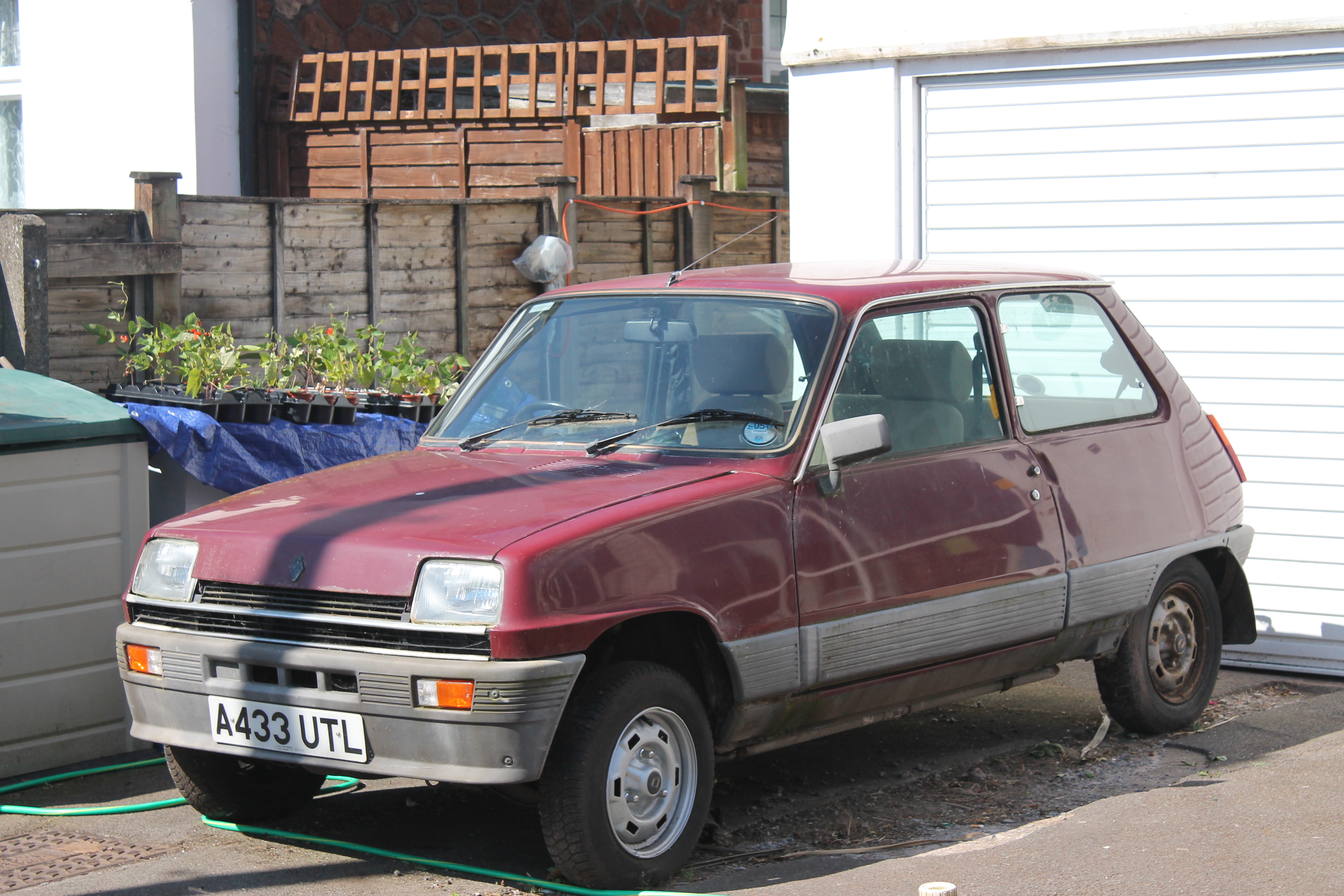
Renault 5 turbo
"it's not like running your you know Renault 5 turbo or your Renault GTA or something like that we're good luck getting interior trim or a Lancia..."
The Renault 5 Turbo is a turbocharged version of the Renault 5. They bring it up only to compare parts availability—basically saying some older cars are much harder to get parts for than the DeLorean.
The Renault 5 Turbo is a hot-hatch variant of the Renault 5, known for its turbocharged engine and rally-derived reputation. The hosts use it as a comparison point to argue that DeLorean parts can be easier to source than you’d expect, unlike some other older, niche cars.
running gear
"and a lot of the running gear is all off cross-referenced off of other british or european cars at the time so it's surprisingly easy to get parts for it"
Running gear is the mechanical stuff under the car that helps it move and handle—like parts in the suspension and drivetrain. They’re saying those parts were similar to other European cars, so replacements are easier to source.
Running gear is the set of mechanical components that move the car—commonly things like suspension, drivetrain components, and other underbody hardware. The hosts say the DeLorean’s running gear was cross-referenced with other British or European cars, which helps explain why parts can be easier to find.
cross-referenced
"and a lot of the running gear is all off cross-referenced off of other british or european cars at the time so it's surprisingly easy to get parts for it"
Cross-referenced means parts can be matched to other cars—like using the same part number or the same design. They’re saying that helps you find DeLorean parts because other European cars used similar components.
Cross-referenced parts means components are identified as compatible across different vehicles—often by matching part numbers, dimensions, or supplier origins. Here, the hosts claim the DeLorean’s running gear was cross-referenced with other British or European cars, making sourcing replacements less mysterious.

Mazda Rx8
"...t with let's start with engines okay um so master rx8 uh good one love those cars really i did a couple..."
The Mazda RX-8 is a sports car made by Mazda. It’s known for using a rotary engine, which is a different type of engine than most cars use. The podcast mentions it because the host really likes them and has driven some.
The Mazda RX-8 is a sports car known for its rotary engine, which is different from the more common piston engines. The podcast calls out the RX-8 as something the speaker really likes and mentions having driven a couple. It comes up as an enthusiast favorite because of its unique engine character and driving experience.
rotary engine
"and their problem was is that they had these wanker engines which eight well i mean the the smaller part of the problem was that they had no torque ... but they also just wore out ... you're looking at new seals ... i think wankle engines are always going to be a contender in this category aren't they"
A rotary engine is a type of engine that spins to make power instead of using pistons. In this discussion, the host says that design can make less low-end pulling power and can be harder on internal seals, especially if the car isn’t maintained perfectly.
A rotary engine (Wankel design) makes power using a spinning rotor rather than pistons moving up and down. The host links this design to the RX-8’s low torque feel and to wear items like seals, which can lead to shorter service life if not maintained well.
torque
"their problem was is that they had these wanker engines which eight well i mean the the smaller part of the problem was that they had no torque so you had absolutely rather nuts off them"
Torque is the engine’s pulling force—how strongly it can get the car moving, especially at lower speeds. The host’s point is that the RX-8 didn’t have enough of that “pull,” even though it could feel smooth at high revs.
Torque is the twisting force an engine produces, and it strongly affects how easily a car accelerates from low speeds. The host says the RX-8’s rotary engine had “no torque,” making it feel less responsive despite high-rev smoothness.

Nissan 350
"... know all those great masters and things like the nissan 350 and 370 z and that sort of i mean they all be goo..."
The Nissan 350Z is a sports car made by Nissan. It’s known for being fun to drive and is popular with car enthusiasts. The podcast mentions it along with another similar model as an example of a good, well-regarded sports car.
The Nissan 350Z is a performance-oriented sports coupe that became popular for its driving feel and enthusiast following. It’s mentioned alongside the 370Z as part of a group of cars people consider “great masters.” In the podcast, it’s used as an example of a model that fits that enthusiast-friendly category.
apex seals
"i've got 80 which again did the same thing apex seals just got chewed up and spat out and that sent the company under as well as anything else but the cover rest of the car was fantastic"
Apex seals are small sealing parts inside a rotary engine that help keep pressure where it belongs. The host says these seals can wear out quickly, which can seriously damage the engine and ruin the car’s reliability.
Apex seals are critical sealing components inside a rotary engine that help maintain compression as the rotor moves. The host claims the apex seals in the Mazda RX-8 (and another rotary) get “chewed up and spat out,” which can cause rapid wear and major reliability problems.
twin turbo
"so the first one is the jaguar hg2 20 which had that three and a half litre v6 24 valve twin turbo engine"
“Twin turbo” means the engine has two turbochargers. They cram more air into the engine so it can make more power.
Twin turbo means the engine uses two turbochargers to force more air into the cylinders. Using two turbos can help improve boost response and power compared with a single turbo, depending on the design.
V6
"so the first one is the jaguar hg2 20 which had that three and a half litre v6 24 valve twin turbo engine"
A V6 is an engine with six cylinders arranged in a V shape. In this discussion, it’s the smaller engine people didn’t expect.
A V6 is an engine with six cylinders arranged in a “V” shape. The host uses it to contrast the smaller V6 used in the Jaguar HG2 20 against the much larger V12 that people expected.
24 valve
"so the first one is the jaguar hg2 20 which had that three and a half litre v6 24 valve twin turbo engine"
“24 valve” indicates the engine has 24 valves total, typically meaning four valves per cylinder on a V6 (since 6 cylinders × 4 valves = 24). More valves can allow better airflow and tuning for power and efficiency.
push rod
"which actually started life amazingly enough as a push rod buick v8 and which got adapted and adapted and turned into into that engine"
A pushrod engine is a type of engine where a camshaft uses rods to open the valves. The host is saying the design originally came from a different engine style before being adapted.
A pushrod engine uses pushrods to transfer motion from the camshaft to the engine’s valves. The host notes the engine started life as a pushrod Buick V8, then was adapted into the later V6 twin-turbo configuration.
V12
"but goodness me it did it got the job done the problem was that everybody was expecting a v12 yeah because that's what the show car had had when they unveiled it at birmingham in 1988"
A V12 is an engine with twelve cylinders. The host says people were expecting a V12 because it would have sounded and felt more special than the smaller engine that arrived.
A V12 is an engine with twelve cylinders arranged in a V configuration. In the segment, the V12 is important because the show car’s V12 promise set expectations for sound and character that the delivered car didn’t match.
turbocharged v6
"it had this you know crappy sounding turbocharged v6 actually it might have made it a better car it might well have done"
A turbocharged V6 is a V-shaped 6-cylinder engine that uses a turbo to add extra air. That usually helps it make more power from a smaller engine, but some people think it sounds worse than a bigger naturally aspirated engine.
A turbocharged V6 is an engine with six cylinders arranged in a “V” shape, boosted by a turbocharger. The turbocharger forces more air into the engine, which can make a smaller engine feel stronger, but some people dislike the sound or character compared with a naturally aspirated V12.

Ferrari F40
"...y it was light it was kind of light but it wasn't f40 light or or McLaren f1 light so yes i think it wo..."
The Ferrari F40 is a famous older supercar from Ferrari. It’s known for being a stripped-down, performance-first kind of car. The episode mentions it as a point of comparison for how light or focused other cars are.
The Ferrari F40 is a classic, hardcore performance Ferrari known for its lightweight, driver-focused approach. It’s a landmark 1980s supercar and often comes up when discussing how “serious” or “raw” certain cars feel. The podcast references it in the context of comparing weight and character to other supercars.

Mclaren F1
"...t was kind of light but it wasn't f40 light or or McLaren f1 light so yes i think it would have yeah i think t..."
The McLaren F1 is a very expensive, very fast supercar. People talk about it because it was designed to be light and quick. In the episode, it’s brought up in a comparison about how light different cars feel.
The McLaren F1 is a rare, high-performance supercar built to be extremely fast and lightweight. It’s widely discussed because of its engineering focus and its reputation as one of the most significant cars of its era. The podcast compares its “lightness” to other supercars mentioned.
four-wheel drive
"but also don't forget i'm pretty sure the v12 was meant to have four-wheel drive as well yeah it was yeah so i mean that's a stack later way isn't it"
Four-wheel drive means the car can send power to all four wheels. That helps it grip better on wet or slippery roads. The host is saying older 4WD systems might have been clunky or heavy compared with today’s.
Four-wheel drive (4WD) sends power to both the front and rear axles, improving traction—especially on slippery surfaces. The host speculates that a V12 version was meant to have four-wheel drive, but that older systems might have been “agricultural,” meaning heavy, less refined, and not as seamless as modern setups.
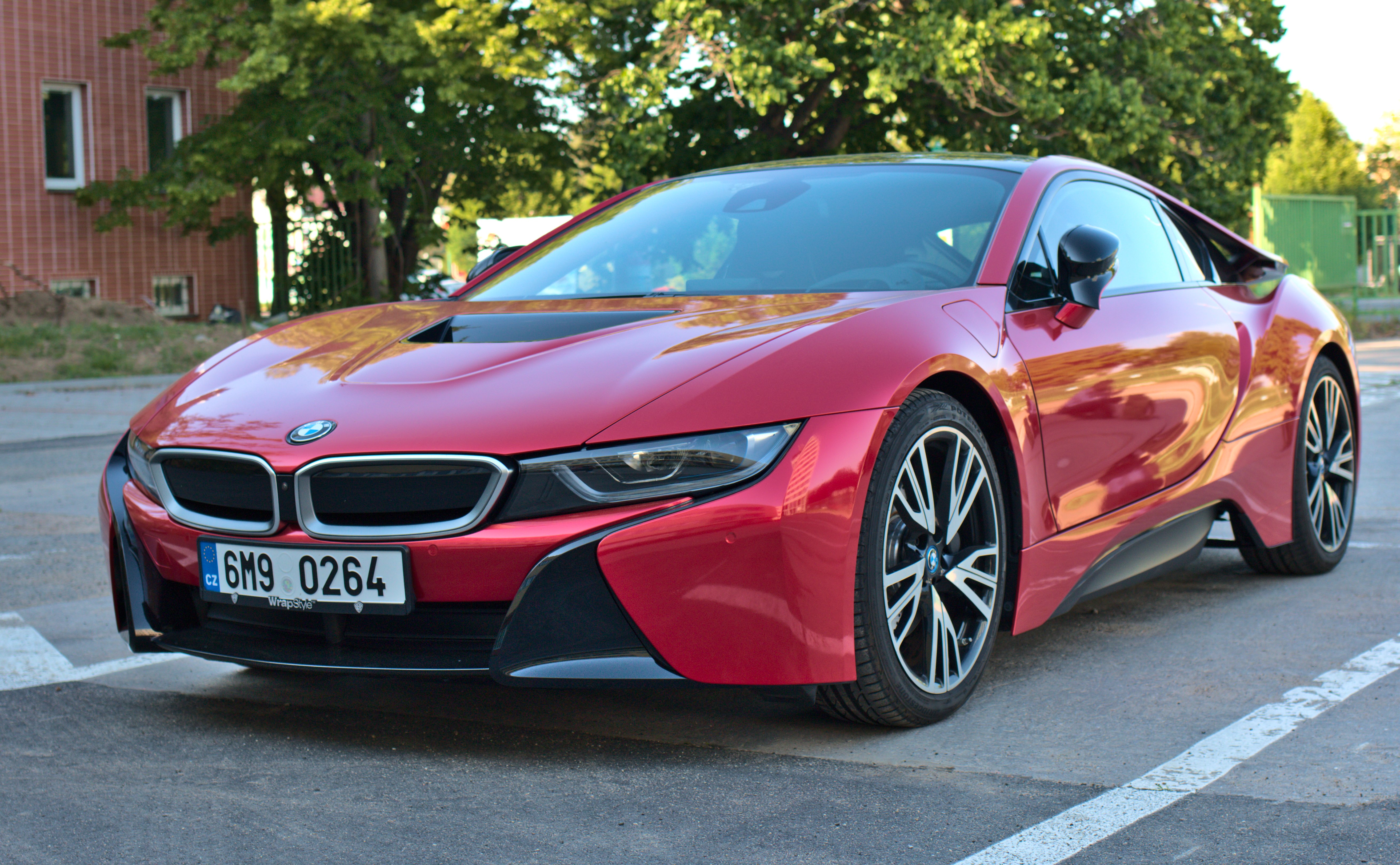
Bmw I8
"but just on this subject of cars with engines that got a kicking that they didn't necessarily deserve i give you the bmw i8 do i wondered about that for my list actually because this had a three cylinder 1500 cc engine out of a mini"
The BMW i8 is BMW’s hybrid supercar-style car. It uses a small 3-cylinder engine, and some people thought that was too small for a “real” supercar. The host argues that criticism was a big reason it didn’t get the love it deserved, even though they personally enjoyed it.
The BMW i8 is a plug-in hybrid “junior supercar” from BMW that’s known for its lightweight, futuristic design and unusual powertrain choice. In this segment, the key point is that it uses a small 1.5-liter three-cylinder engine (shared with the Mini family), which some people dismissed as not “proper” enough—yet the host says they loved it and that the backlash likely hurt its reputation.
three cylinder 1500 cc engine
"because this had a three cylinder 1500 cc engine out of a mini and everybody saw that and just thought"
This means the engine is a small 1.5-liter with three cylinders. The host is pointing out that some people dismissed it because it’s not a huge engine, even though the car still worked well in real life.
A “three cylinder 1500 cc” engine is a 1.5-liter inline three-cylinder layout, meaning three cylinders share the same engine bank. The host uses this to highlight why some people judged the BMW i8 harshly: they expected a bigger engine for a supercar-like car, even though the i8’s overall design and hybrid system change how it feels.
curated
"they designed the exhaust and the headers in a particular way all sound that you hear in cars is curated to one extent or another so that would have particularly bothered me"
Here, “curated” means the car’s sound is intentionally designed. Instead of just sounding however the engine naturally sounds, the car is set up to make the sound feel a certain way.
In this context, “curated” means the car’s sound is intentionally engineered and managed—through exhaust design, engine mounting, and sometimes speaker-based audio—to create a specific driving experience. It’s not purely “natural” engine noise; it’s tuned to feel a certain way.
headers
"almost everything you hear in a car even if it's not pipe through speakers but they designed the exhaust and the headers in a particular way all sound that you hear in cars is curated"
Headers are special exhaust pipes that collect the engine’s exhaust gases and send them down the exhaust system. Because they’re shaped a certain way, they can change the sound you hear and how the exhaust flows.
In an exhaust system, headers are the shaped pipes that collect exhaust gases from the engine’s cylinders and route them toward the rest of the exhaust. Their shape affects how smoothly exhaust flows, which can influence sound and sometimes performance.

Ferrari 296 GTB
"you know how often on this podcast have we talked about why the Ferrari 296 GTB has not sold like the f8 did despite it being a wildly better car"
The Ferrari 296 GTB is a high-end Ferrari supercar that uses a hybrid setup (gas plus electric). The discussion uses it to show that even when a car is technically impressive, buyers don’t always want the same thing.
The Ferrari 296 GTB is a modern Ferrari plug-in hybrid built around a turbocharged V6 paired with an electric motor. The hosts bring it up as an example of a “great car” that didn’t sell as strongly as expected, despite being objectively better than a predecessor.
downsized engine
"big moment for you the idea of putting up with what feels like a downside what is a downsized engine it's sort of incongruous isn't it it doesn't quite fit with the whole aspiration"
A downsized engine means the engine is physically smaller than you’d expect. The idea is to get good power while using less fuel, but the host thinks it can feel like it doesn’t match the car’s personality.
A downsized engine is a smaller-displacement engine used to deliver similar power to a larger engine, typically with turbocharging or other efficiency tech. The host calls it “incongruous” because it may not match the car’s intended character or “aspiration” (how it’s supposed to feel).
battery packs
"and have their battery packs sort of depleted over time are they do they still feel strong and fit and tight"
In an electric car, the battery pack is the main battery. The worry is that it can wear out over the years, which can reduce range and make the car feel less healthy.
Battery packs are the large rechargeable battery modules in an electric vehicle. The host is concerned about how battery packs can degrade over time and whether a used i3s still feels “strong and fit and tight” after that aging.

BMW i3s
"...t and tight i just i just don't know we know that i3s have had problems don't they yeah um but there'll..."
The BMW i3s is an electric car from BMW. The “s” version is meant to feel more sporty than the regular i3. The podcast mentions that i3s owners have reported problems, so it’s being discussed with some caution.
The BMW i3s is a sportier version of the BMW i3 electric car, tuned for a more dynamic feel. The podcast notes that the i3s has had problems, which is why it’s part of a discussion about whether it’s a good choice. It’s raised as a caution alongside the idea of tight, responsive driving.
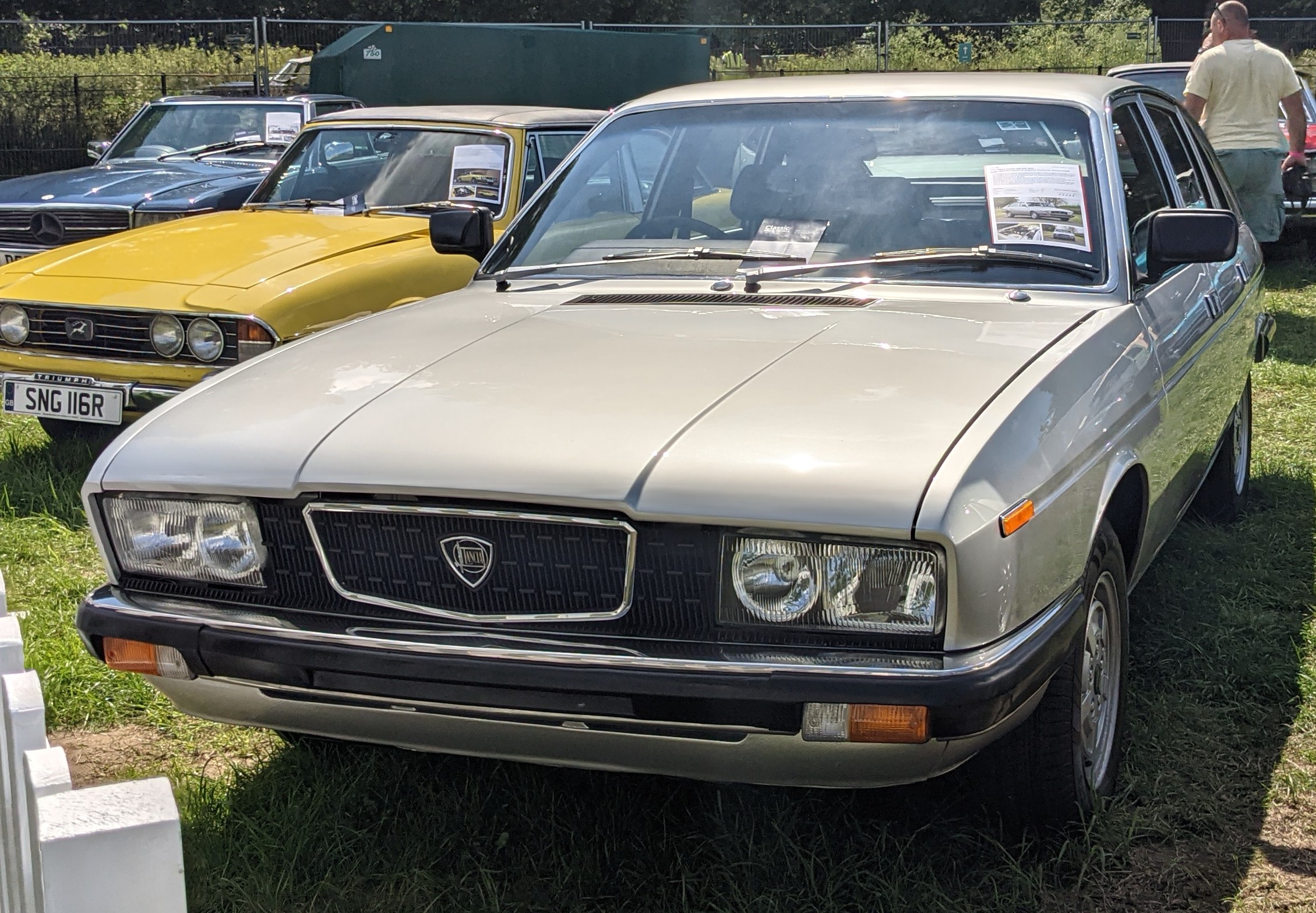
Lancia Gamma
"...hat's the question i'm going to go for the lancia gamma uh do you know the fatal floor and the lancia gam..."
The Lancia Gamma is a car model made by Lancia. In the episode, it’s mentioned because the speaker is talking about a serious problem that could affect ownership. The point is to decide whether that issue is a deal-breaker.
The Lancia Gamma is a model from Lancia that the podcast brings up as part of a discussion about a “fatal flaw” or a serious downside. The mention suggests the speaker is weighing whether the Gamma has a particular issue that matters to buyers. It’s referenced as a specific example in a broader conversation about which cars have major problems.
flat four
"andrew well what the two and a half liter flat four well not so much that it's more the fact"
A flat-four is an engine where the cylinders sit opposite each other in a sideways layout. The host is pointing to this engine type as part of why the Lancia Gamma might have a serious problem.
A flat-four is an engine with four cylinders arranged in a horizontally opposed (“boxer”) layout. The host mentions a “two and a half liter flat four” for the Lancia Gamma, setting up the discussion of how that engine configuration relates to the car’s supposed fatal flaw.
interference engine
"that if you turned the wheel full lock you would the cam belt would snap and your interference engine would explode so basically if you had the temerity to attempt to exit your parking"
An interference engine is built so the pistons and valves can overlap in timing. If timing goes wrong, they can hit each other and the engine can be ruined.
An interference engine is designed so that, if valve timing goes wrong (like a skipped timing event), the pistons can physically reach the valves. That’s why timing-belt/chain failures can destroy the engine rather than just causing a loss of power.
cam belt
"that if you turned the wheel full lock you would the cam belt would snap and your interference engine would explode so basically if you had the temerity to attempt to exit your parking"
A cam belt times the engine so the valves and pistons move in sync. If the belt breaks, the engine can get badly damaged because the pistons and valves can collide.
A cam belt (timing belt) synchronizes the crankshaft and camshafts so the engine’s valves open at the right time. If it fails on an interference engine, the pistons can hit the valves, causing catastrophic damage.
power steering pump
"what happened is the whole problem with this engine was that the power steering pump was driven from the camshafts so if you suddenly put cold hydraulic power steering fluid and a big power steering load"
The power steering pump uses fluid pressure to make steering easier. If it’s driven in a way that’s linked to the engine’s timing, steering-related loads can trigger serious engine damage.
The power steering pump is the component that pressurizes hydraulic fluid to assist steering effort. In this failure scenario, its drive method ties it to the engine’s timing components, so steering loads can contribute to timing-chain problems.
timing chain
"through those camshafts when you started the engine up you'd forced a timing chain to skip a tooth or two your interference engine would mash itself and that's it you've blown your engine up"
A timing chain keeps the engine’s timing synchronized. If it jumps a tooth, the valves open at the wrong time and the engine can be severely damaged.
A timing chain synchronizes the crankshaft and camshafts, similar to a timing belt but typically made of metal links. If it skips a tooth, valve timing becomes incorrect, which can lead to piston/valve contact in an interference engine.
robotized manual paddle shift gearbox
"let's do gearboxes can I suggest one actually Andrew I know you had one and mine's basically the same it's just a different car um the Lamborghini Aventador I always found that robotized manual paddle shift gearbox annoying"
This is basically a manual transmission, but the car automatically does the clutch and shifting for you. Older versions can be jerky or slow compared with newer automatic systems.
A robotized manual is a manual gearbox controlled by actuators (electronic/mechanical “robots”) that automate clutch and shift actions, often with paddle shifters. Compared with modern dual-clutch transmissions, earlier robotized manuals can feel slower and less smooth.
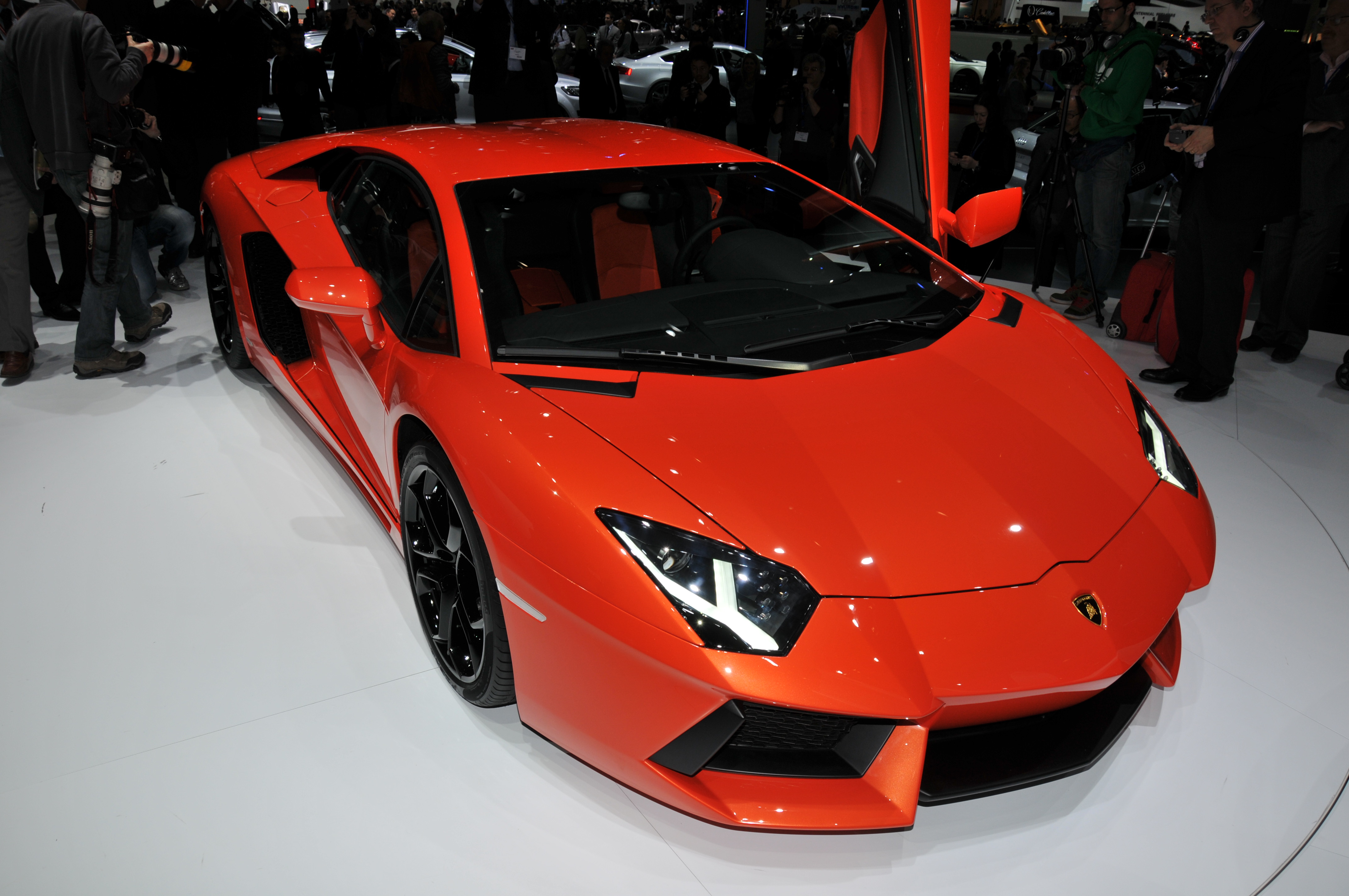
Lamborghini Aventador
"okay um let's do gearboxes can I suggest one actually Andrew I know you had one and mine's basically the same it's just a different car um the Lamborghini Aventador I always found that robotized manual paddle shift gearbox annoying"
The Lamborghini Aventador is a very high-end supercar. Here, the host is talking about how its automated manual transmission with paddle shifters can feel slower and less smooth than newer dual-clutch automatics.
The Lamborghini Aventador is known for its high-performance, supercar driving experience, and in this discussion it’s specifically called out for its transmission feel. The host criticizes the Aventador’s robotized manual paddle-shift gearbox as being slower and less refined than a DCT.
DCT
"because it is annoying it's nothing like as quick as a DCT or even a really good modern like the latest generation of autos are fantastic actually"
DCT means dual-clutch transmission. It can shift quickly because it’s readying the next gear before you need it.
DCT stands for dual-clutch transmission. It uses two clutches to pre-select the next gear, enabling faster, smoother shifts than many older automated-manual setups.
downshift
"downshift can take a long time to happen um what you have to do and people who own these cars are really quick to point this out"
A downshift is when the car changes into a lower gear. It usually happens when you want more pull or stronger slowing, but in this case the hosts say it can take too long.
A downshift is when the transmission changes to a lower gear to increase engine speed (RPM) for stronger acceleration or engine braking. In this segment, the hosts discuss how downshifts can be slow or need patience, especially in automated/manual-style systems.
throttle
"you have to almost treat it like it's a traditional manual by coming which is the throttle yeah by coming off the throttle when you're pulling for an upshift"
The throttle is the pedal that controls how much power the engine is allowed to make. Here they’re saying the timing of easing off it can help the gearbox shift better.
The throttle is the driver-controlled input that regulates how much air (and therefore fuel) the engine can use. The hosts describe coming off the throttle during an upshift to help the transmission shift smoothly and quickly.
upshift
"when you're pulling for an upshift and then it can be quite smooth and the shifts can happen quite quickly"
An upshift is when the car changes into a higher gear. They’re saying the way you lift off the gas can help the car shift more smoothly.
An upshift is when the transmission moves to a higher gear, usually to reduce engine RPM and improve efficiency. The hosts discuss how the timing of coming off the throttle while requesting an upshift can make the shift smoother.
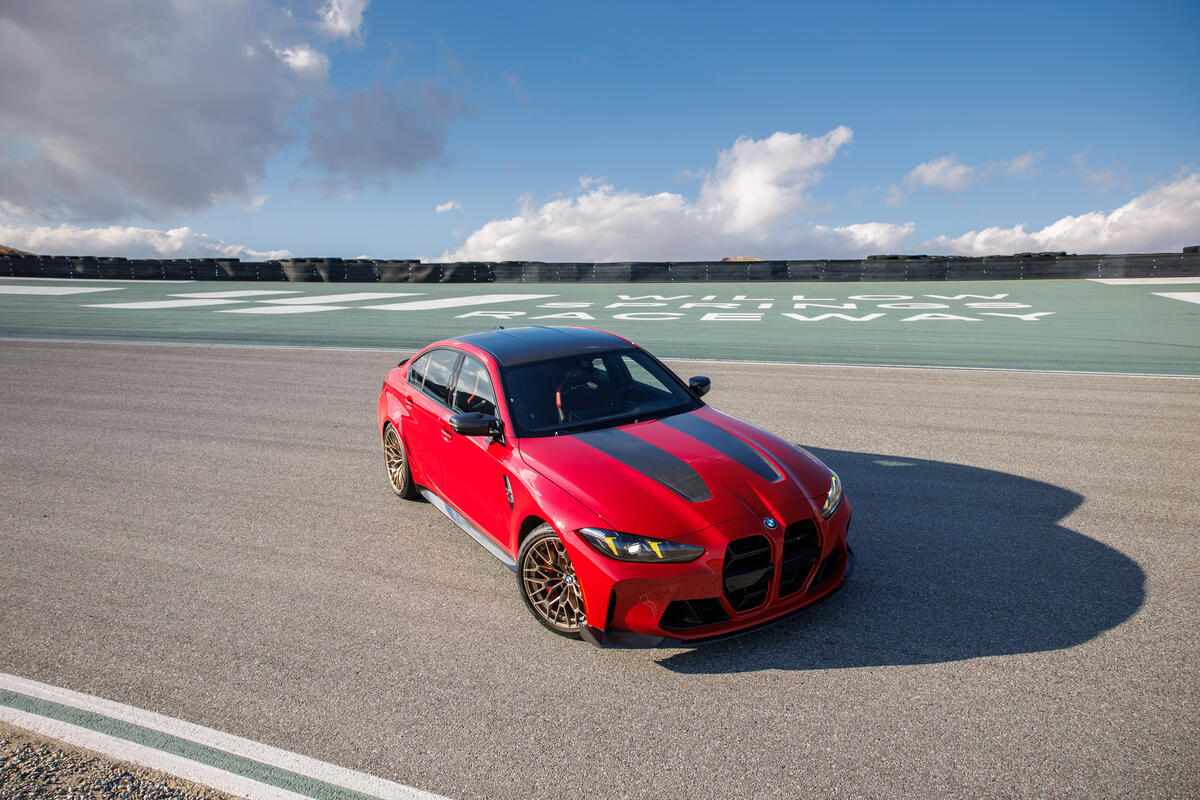
BMW M3
"probably the best m3 e46 n3 csl transmission and at no stage even driving that car did I ever think this is half as good as a stick"
BMW M3 CSL is a more hardcore, lighter version of the BMW M3 from the early 2000s. They’re using it as an example of how even a great transmission can still feel worse than a manual.
BMW M3 CSL is a lightweight, track-oriented variant of the E46-generation M3, built to feel more focused and special than the standard car. The hosts mention it in the context of transmission feel, implying that even in a “best case” CSL setup, the automatic still can’t replicate the immediacy of a manual.

BMW E46
"probably the best m3 e46 n3 csl transmission"
CSL is BMW’s name for a lighter, more track-focused version of the M3. They mention it while talking about how the transmission doesn’t feel as good as a manual.
The “CSL” badge refers to BMW’s lightweight, track-focused M3 variant. In this segment it’s mentioned as part of a comparison group for transmission quality, but the exact model naming is unclear in the transcript.

Aston Martin Vanquish
"think back um to the Aston Martin vanquish when that came out yeah I mean that was that car was comprehensive I mean they did do a lot of work to it and it got a lot better we went off didn't we Dan in driving a late vanquish yes not that long ago and it was you could at least manage it"
The Aston Martin Vanquish is a luxury performance car with a big V12 engine. The hosts describe a frustrating early behavior where the car would protect itself by going into neutral, leaving the driver waiting at traffic lights.
The Aston Martin Vanquish is a grand tourer known for its powerful V12 engine and high-speed comfort. Here it’s used as a cautionary example of an early-iteration transmission/behavior problem: the car would get stuck in neutral after clutch overheating protection, then restart when the lights changed.
clutch
"you'd be driving it through London and you get some traffic lights you'd be in first gear and then after a bit that there would be drag on the clutch and so the car would think oh shit the clutch is overheating better stick it in neutral"
The clutch is what lets the car smoothly connect and disconnect the engine from the gearbox. They’re describing a situation where the clutch got too hot and the car switched itself to neutral to protect it.
The clutch is the mechanical connection between the engine and the transmission that allows gears to engage smoothly. The hosts describe clutch overheating protection on the early Vanquish, where the car would decide the clutch was too hot and force neutral to protect it.
neutral
"better stick it in neutral but it wouldn't tell you yeah and then the lights would go green and you rear the engine"
Neutral is when the car isn’t in any gear, so it won’t pull forward. The hosts say the car would put itself in neutral unexpectedly.
Neutral is the transmission state where no gear is engaged, so power isn’t transmitted to the wheels. In the anecdote, the Vanquish goes to neutral automatically without the driver realizing it, which is why the car feels frustrating at traffic lights.
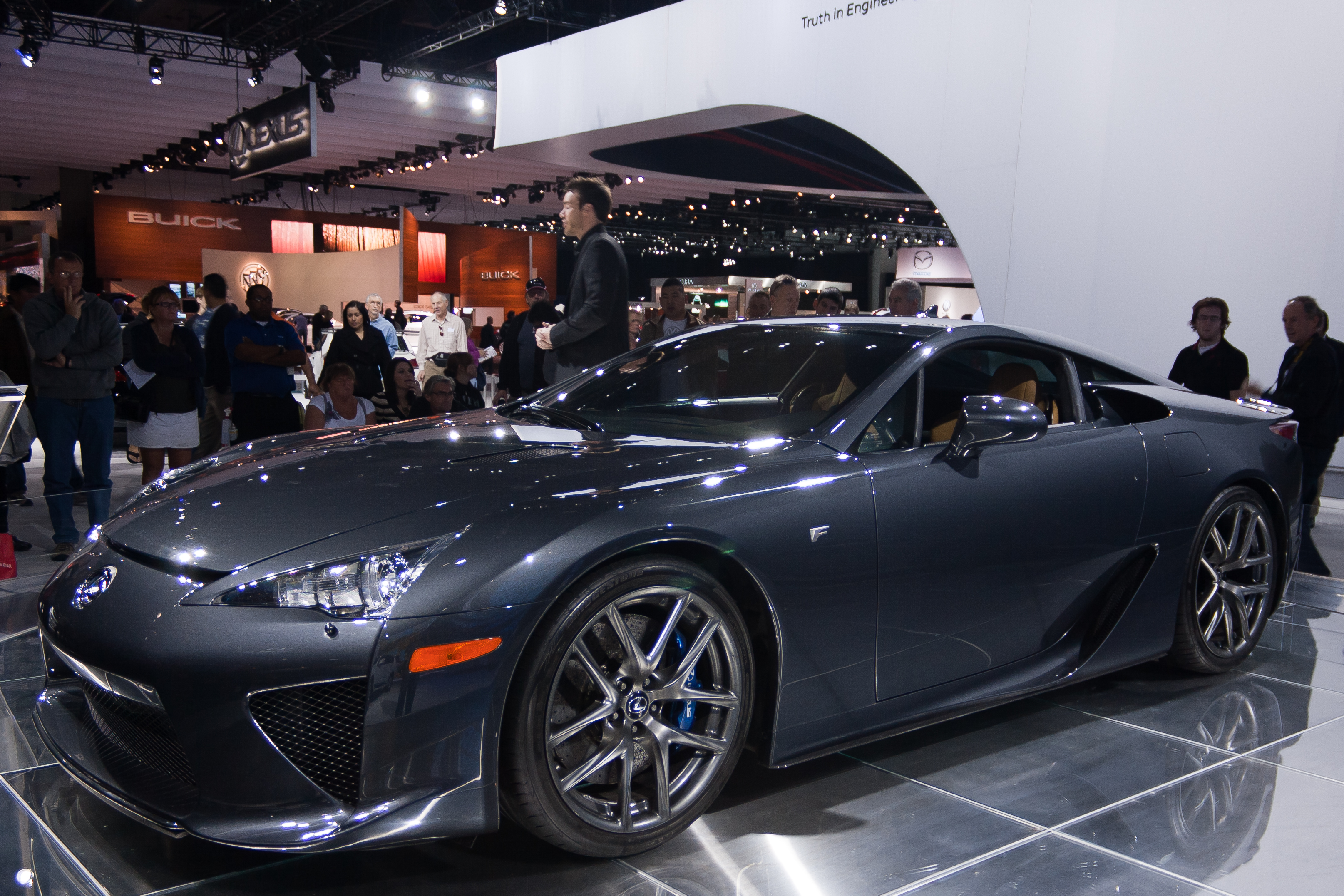
Lexus Lfa
"did it spoil your enjoyment of the Lexus LFA that's a really good question Dan no it didn't but only because I ever only drove LFA's really bloody fast on racetracks"
The Lexus LFA is a special high-performance Lexus supercar with a very exciting engine. The point here is that automated shifting can feel less engaging, but the host says their LFA experience was mostly on racetracks.
The Lexus LFA is a halo supercar known for its naturally aspirated V10 and high-rev character, plus a reputation for being a “driver’s” machine. In this segment, the host brings it up to discuss how automated shifting (DCT/automated manuals) affects the experience—especially outside of track conditions.
Valolunga
"I mean I can remember the on the Aventador on I went on the launch of the car which is at Valolunga"
Vallelunga is a race track in Italy. The host is using it as an example of a specific corner where shifting at the wrong time can make the car feel unstable.
Vallelunga (often referred to as “Vallelunga” or “Valolunga” in casual speech) is an Italian circuit used for testing and track events. The host references it to explain a real on-track scenario where shifting mid-corner can upset stability.
Corsa
"and if you put the Valolunga into Corsa which was the mode you'd be in on a track the bang was so great it would actually destabilize the car"
Corsa is a “sport” mode on some Lamborghinis. It makes the car react more sharply, and in this story it made the car feel like it got unstable when shifting mid-corner.
Corsa is a performance driving mode used on some Lamborghini models, typically making throttle response and gearbox behavior more aggressive. In this segment, the host says selecting Corsa at Vallelunga during a fast corner caused a destabilizing “bang.”

Lotus Evora
"the first Lotus Evora's ... the Lotus Evora gearbox is quite a fun story ... they settled on the Toyota Aorus diesel gearbox and in its first incarnation ... the very early launch edition cars it still had the diesel ratios"
The Lotus Evora is a mid-engine sports car that’s notable here for how its gearbox choice affects drivability. The host explains Lotus used a Toyota-sourced diesel gearbox to match a V6 that came from the Camry, and early versions ended up with very long, awkward ratios and a shift feel that could be “woolly.”
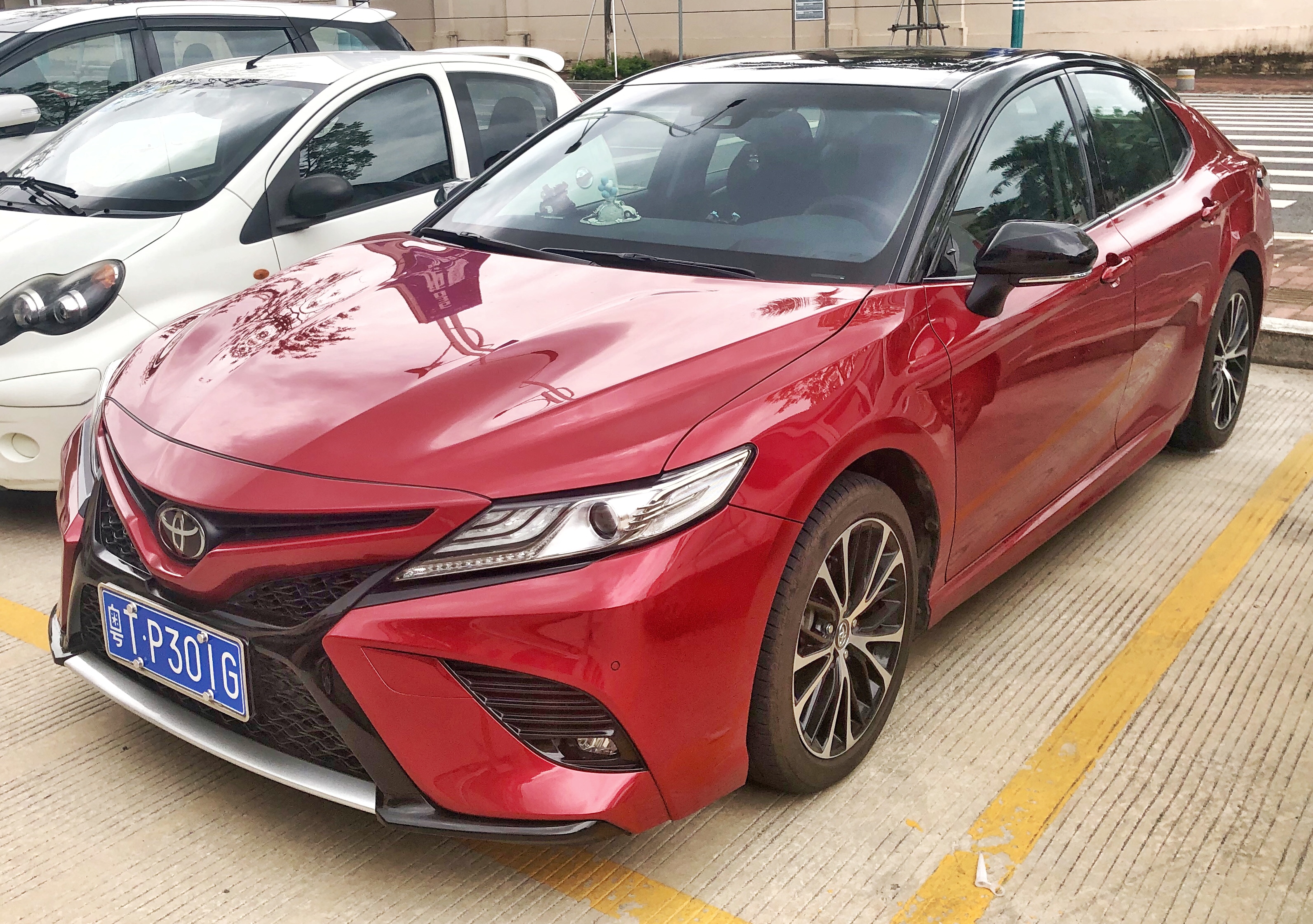
Toyota Camry
"Lotus takes the three and a half liter v6 engine from the Camry not known for being a performance engine per se"
The Toyota Camry is mentioned because the early Lotus Evora used an engine that traces back to it. Even if it wasn’t built to be a “sports” engine, it can still be made to work in a sports car.
The Toyota Camry is referenced as the source of the 3.5-liter V6 engine used in the early Lotus Evora story. The host notes the Camry engine isn’t known as a performance unit, but it can still work well when packaged and tuned for a sports car application.
naturally aspirated
"in its first incarnation on the naturally aspirated Lotus Evora the you know the very early launch edition cars"
Naturally aspirated means the engine doesn’t use a turbo or supercharger to force air in. The host is saying that with this kind of engine, the gearbox ratios matter a lot for keeping the engine in its useful power range.
Naturally aspirated describes an engine that draws air in without a turbocharger or supercharger. The host contrasts this with the idea of “pre-turbo” flat-six engines and argues that pairing naturally aspirated torque delivery with diesel-like long ratios can make the car feel like it doesn’t stay in its power band.
self-centering
"but it was woolly a lot of them had no self-centering on the gear sticks so you didn't know where the gearbox was"
Self-centering is when a manual gear shifter naturally springs back toward the middle/neutral after you move it. If it doesn’t self-center, it can feel confusing and vague about what gear position you’re in.
Self-centering refers to a manual shifter mechanism that returns the gear lever toward a neutral position after you move it. The host says many of these early Evora cars lacked self-centering, so the driver couldn’t easily tell where the gearbox was, contributing to a “not nice to use” feel.
diesel gearbox
"this diesel gearbox onto this v6 petrol engine that's put a custom bell housing on it because it's transverse mid-engine..."
This means the transmission was originally built for a diesel engine. The host is saying the Evora ended up using that type of gearbox with a gasoline V6, and the mismatch in how it was fitted helped cause problems.
A diesel gearbox is a transmission designed for diesel engines, which typically produce torque differently than gasoline engines. In this segment, the host says Lotus used a diesel gearbox with a V6 petrol engine, requiring custom packaging that contributed to NVH (notably rattle) and early-gear durability concerns.
custom bell housing
"this diesel gearbox onto this v6 petrol engine that's put a custom bell housing on it because it's transverse mid-engine and the rest of it..."
A bell housing is the housing that connects an engine to a transmission. A custom bell housing here matters because the host links it to how the gearbox had to be mounted for the Evora’s transverse mid-engine layout, which then contributed to a low-RPM rattle.
shift quality
"the shift quality is far better now and I've got the right ratios in it now... the shift quality is actually lovely in it you wouldn't have credited that..."
Shift quality is how good the gear changes feel. The host is saying later Evora gearboxes shift more smoothly and precisely than the early ones.
Shift quality describes how a transmission changes gears—how smooth, precise, and consistent the engagement feels. The host contrasts early Evora gearbox behavior (rattle and problematic gears) with later generations that have better shift quality and different gearing.
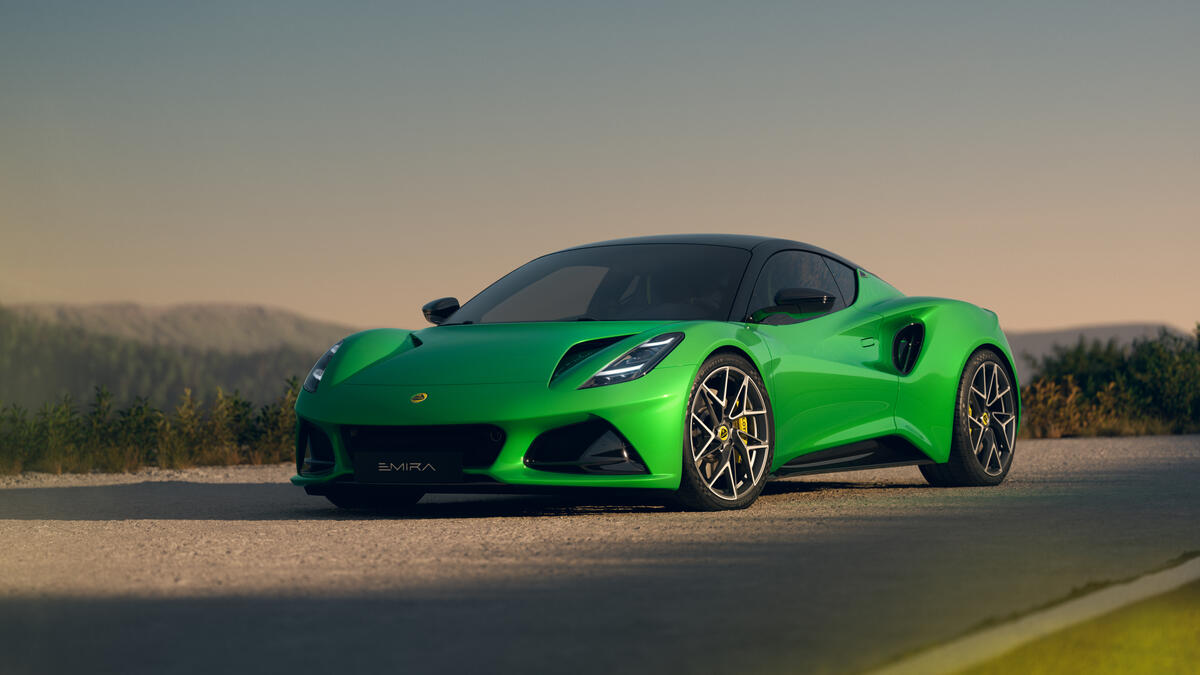
Lotus Amira
"...nd ultimately it's the same gearbox that's in the Amira but they've just finally engineered it much bette..."
The Lotus Emira is a newer sports car from Lotus. It uses a gearbox design that’s shared with another model, but the Emira’s version is described as being engineered to work better. The podcast mentions it mainly in terms of how the transmission feels and performs.
The Lotus Emira is a modern Lotus sports car that’s designed to deliver the brand’s driving feel with updated engineering. In the podcast, it’s discussed as having the same gearbox as the referenced model, but with improvements that make it work better. That’s why it comes up in a conversation about how the car drives and how the transmission behaves.
bell housing rattle
"they've just finally engineered it much better there is still a little bit of that bell housing rattle but the shift quality is far better now..."
This is a rattling noise coming from where the engine and gearbox connect. The host says later Evora versions fixed most of the shift feel, but the rattle never fully disappeared.
Bell housing rattle is noise that can originate around the engine-to-transmission connection area. The host says later Evora gearbox generations improved the shift quality, but a small amount of this rattle still remained.
ratios
"I've got the right ratios in it now and also they've also sorted out the new gears that they put into that box to shorten the ratios..."
Gear ratios are how the gearbox translates engine speed into car speed. Changing the ratios can make the car feel more responsive and can also help fix drivability or durability problems.
Gear ratios determine how engine RPM relates to vehicle speed in each gear. The host says Lotus “shorten[ed] the ratios” by changing gears in the gearbox, and that this helped address earlier issues and improved how the car drives.
close ratio editions fourth and fifth
"because in 2010 and 2011 close ratio editions fourth and fifth would often just disintegrate on those cars and that would be very expensive rebuilds..."
Close ratio means the gears are set up so the RPM stays closer to the sweet spot when you shift. The host is saying that on some early Evora versions, 4th and 5th gear could fail badly, costing a lot to fix.
Close-ratio gearing means the transmission’s gear ratios are spaced closely together, keeping engine RPM in a tighter band between shifts. The host says that on 2010–2011 Evora close-ratio editions, 4th and 5th gear could fail catastrophically (“disintegrate”), leading to very expensive rebuilds.
launching fourth and fifth
"so that had the gearbox that was at significant risk of launching fourth and fifth and that was one of the reasons for me selling that car..."
Here “launching” means the transmission can lose the gear—like 4th or 5th gear not staying properly engaged. The host is saying that happened enough to worry them and lead to a big repair bill.
“Launching” in this context describes a severe gearbox failure mode where a gear can jump out of engagement or fail under load. The host ties this to early Evora S gearbox risk in 4th and 5th gear, which could trigger a costly repair.
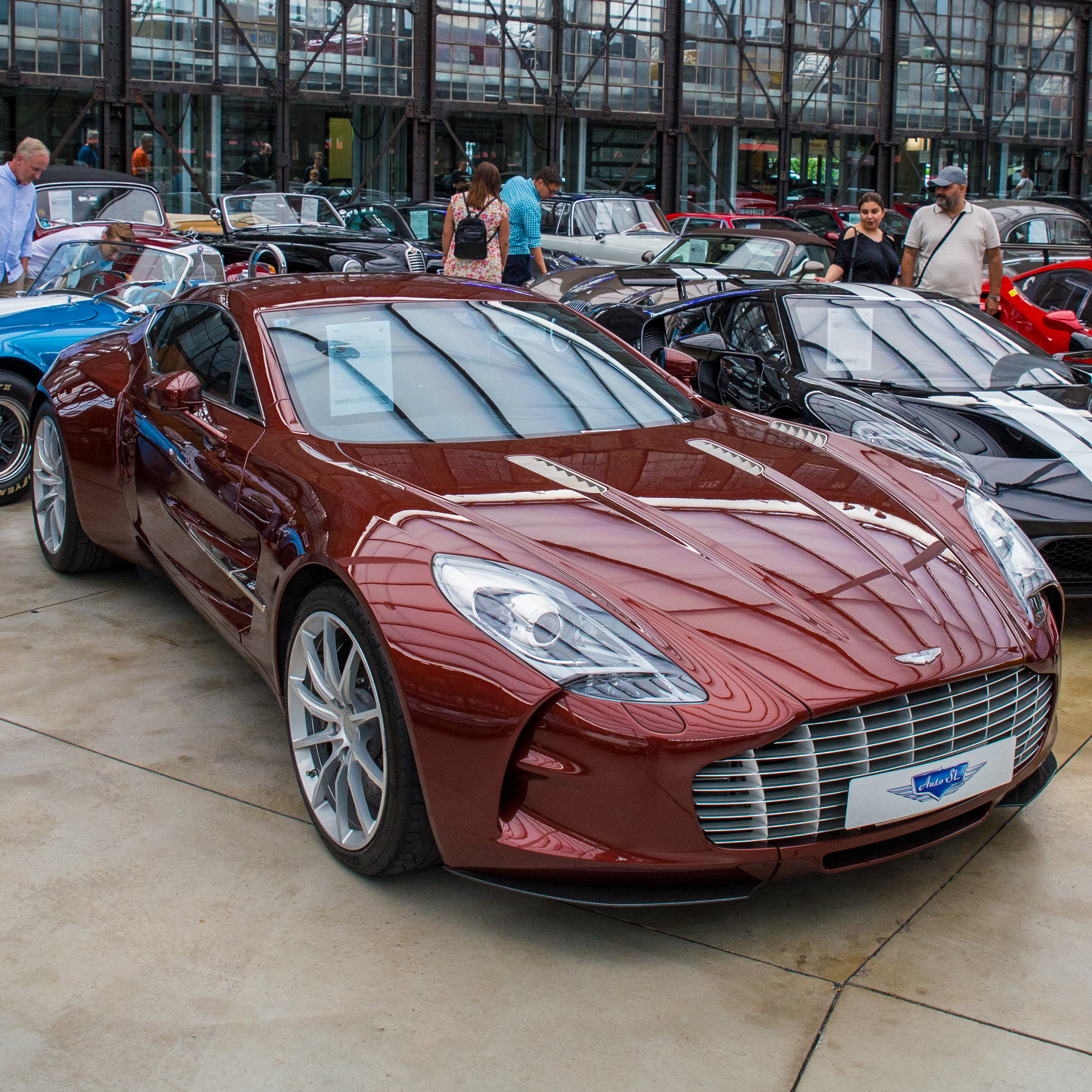
Aston Martin V12 Vantage S
"the two cars I'm thinking about are the Jaguar F type and particularly the Aston Martin V12 Vantage S both of which were fitted with manual gearboxes... it was just a really poor gearbox slushy sluggish not nice shift quality"
The Aston Martin V12 Vantage S is a powerful sports car with a V12 engine. In this segment, the host says the manual gearbox version didn’t feel right—shifts were sloppy—so it didn’t live up to what you’d expect from the car.
The Aston Martin V12 Vantage S is a high-performance V12-powered Vantage variant, built to deliver a more dramatic, premium sports-car experience. The host argues that the manual-gearbox version disappointed because the gearbox feel was “slushy” and the shift quality wasn’t good enough for the car.
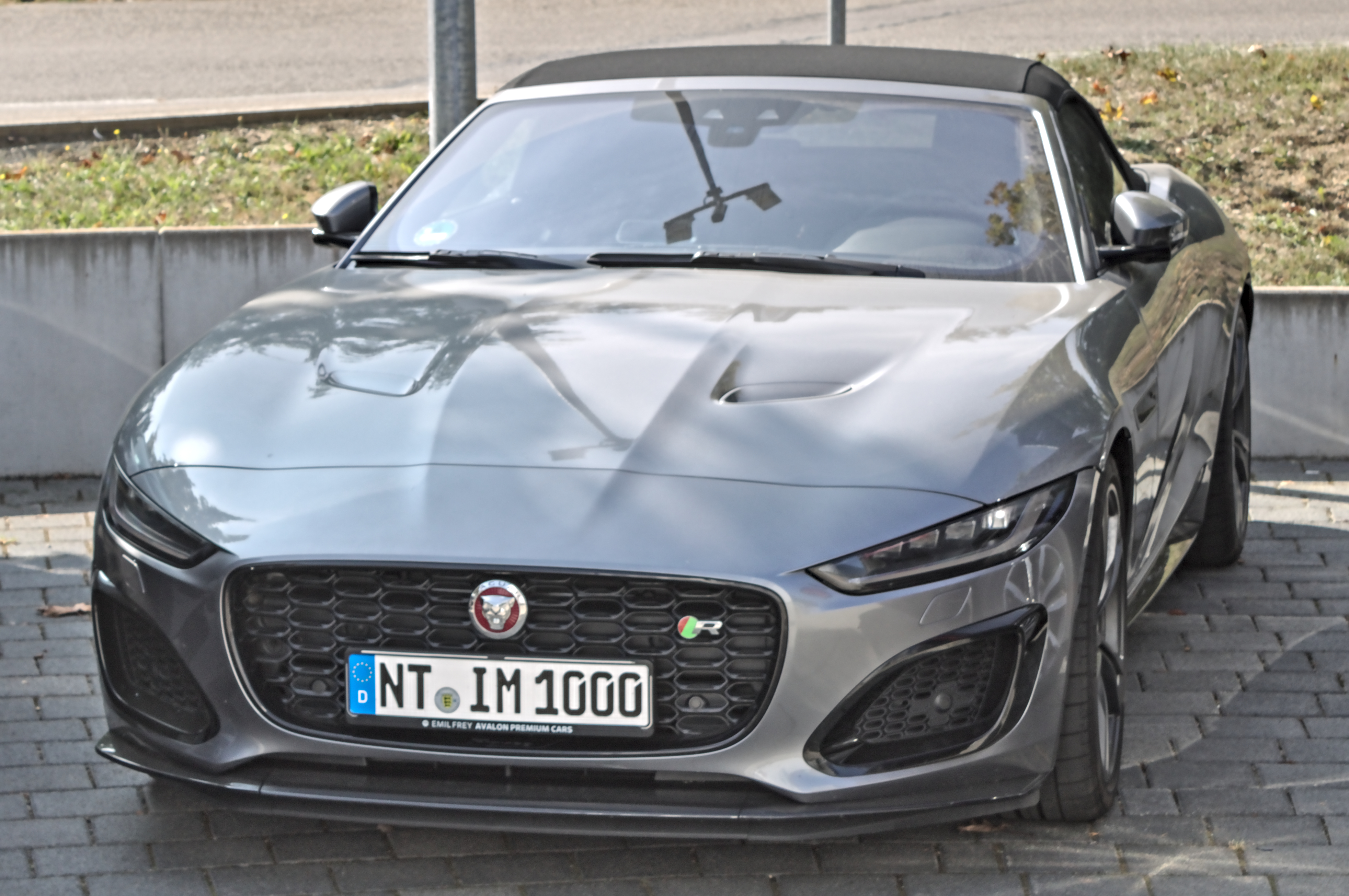
Jaguar F type
"so the two cars I'm thinking about are the Jaguar F type and particularly the Aston Martin V12 Vantage S both of which were fitted with manual gearboxes... the F type was the same... it just wasn't worthy of the car that it was in"
The Jaguar F-Type is a sports car meant to feel exciting to drive. Here, the host says the manual gearbox in this version doesn’t work well—shifts feel slow and sloppy—so it ruins the experience a bit.
The Jaguar F-Type is a British sports car known for its performance-focused driving feel and (in some versions) V8/V6 powertrains. In this segment, the host criticizes a manual-gearbox version as having poor shift quality—described as slushy and sluggish—so the transmission doesn’t match the car’s intended character.
slushy sluggish
"it was the only one which wasn't and it had this seven speed auto in it... and it was just a really poor gearbox slushy sluggish not nice shift quality"
“Slushy” and “sluggish” are ways to describe a gearbox that doesn’t feel crisp. The host means the shifts don’t feel sharp or quick, so driving feels less fun and less controlled.
“Slushy” and “sluggish” are enthusiast descriptions of how a gearbox feels when it doesn’t engage crisply. In this context, the host is saying the manual transmission’s shift feel and response were poor—so it didn’t deliver the precise, connected driving experience you expect from a sports car.
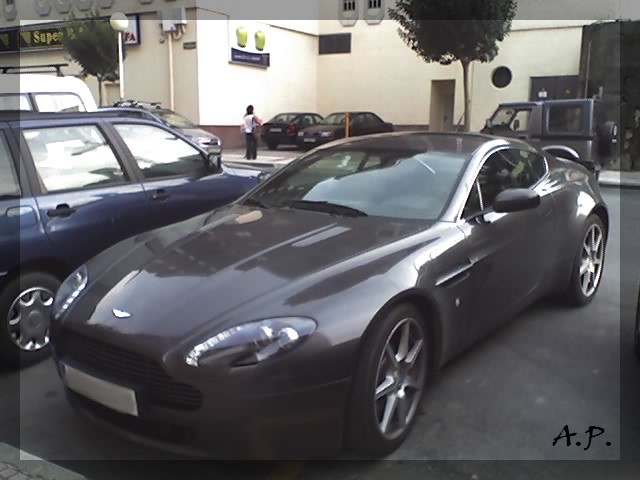
Aston Martin V8 Vantage
"...ave a manual V12 Vantage because you get a manual V8 Vantage it was the only one which wasn't and it had this ..."
The Aston Martin V8 Vantage is a sports car from Aston Martin with a V8 engine. Some versions can be had with a manual transmission. The episode brings it up mainly because it’s comparing which Vantage models were available with manuals.
The Aston Martin V8 Vantage is a performance-focused Aston Martin model that uses a V8 engine and is offered in different transmission configurations. The podcast specifically contrasts it with a V12 Vantage, noting that the V8 Vantage manual availability is part of what makes the comparison interesting. It’s discussed in the context of which versions are manual and how that affects the car’s appeal.
seven speed auto
"it was the only one which wasn't and it had this seven speed auto in it and so they did a manual version of it didn't they"
A “seven-speed auto” is an automatic transmission that has seven gear ratios. Here, the host is comparing the car’s original automatic to the later manual version and saying the manual didn’t turn out better.
A “seven-speed auto” refers to an automatic transmission with seven forward gears. The host uses it to contrast the original V12 Vantage’s automatic gearbox with the later manual version, implying the manual swap didn’t improve the driving feel.
slush box
"which is just well on the same lines that Andrew was talking about manual gearboxes of Mercedes of the 1970s and 80s where you actually want the slush box"
“Slush box” is a nickname for an automatic transmission that feels slow to react and not very sporty. The host is basically saying some older Mercedes automatics were like that on purpose—or at least that’s what people liked about them.
“Slush box” is a derogatory term for an automatic transmission that feels soft, delayed, and not very responsive. The host mentions Mercedes automatics from the 1970s and 1980s, arguing that if you want that kind of relaxed feel, those older transmissions might actually be what you’re after.

Ferrari 458 Spyder
"the Ferrari 458 and 488 Spyder specifically... I'm talking about their wobbly structures... when you're driving along a bumpy road the whole thing just wobbles and shakes around you so much so that the steering wheel is sort"
The Ferrari 458 Spyder is a mid-engine Ferrari convertible meant to feel sharp and connected. The host says the car’s body flexes on rough roads, so it can feel like it’s shaking and the steering doesn’t feel as precise.
The Ferrari 458 Spyder is a mid-engine Ferrari drop-top known for its high-revving V8 character and driver-focused handling. The host’s “fatal flaw” angle here is structural compliance: on bumpy roads, the body “wobbles and shakes,” affecting the steering feel.
carbon monocoque
"they're not carbon monocoque cars so a convertible a drop top McLaren is very different because all [2901.7s] its strength comes from its carbon tub"
A carbon monocoque is the car’s main body made from stiff carbon-fiber. It helps the car stay rigid even when you remove the roof for a convertible.
A carbon monocoque is a vehicle body structure where the carbon-fiber shell carries most of the load. Because it’s stiff and strong, it can make a convertible less prone to chassis flex compared with cars that rely on the roof for stiffness.

Ford Flex
"...and put a convertible roof on you get a load more flex in the structure and it just annoys me it just re..."
The Ford Flex is a family car with a very unusual, boxy shape. The episode talks about what would happen if you turned it into a convertible, and how removing the roof structure can make the car feel less stiff. It’s mentioned to explain that the roof helps keep the car rigid.
The Ford Flex is a boxy, family-oriented crossover-style vehicle known for its distinctive styling and practicality. The podcast mentions putting a convertible roof on it, using that idea to talk about how structural changes can affect rigidity. It’s referenced as an example of how altering the roof can make the car feel less solid.
Request an Explanation
Heard something you'd like explained? We'll add it to this episode.
Sign in to request explanations for terms you heard.
Want to learn more?
Browse our glossary for plain-English explanations of automotive terms, jargon, and concepts.
Help improve this episode
See something that's not quite right? Our annotations are AI-generated and can sometimes miss the mark. Click the flag icon on any annotation to suggest a correction.
1 community members have helped improve this episode.