hypercleanestore.com is the sponsor website. They’re promoting a car detailing kit—basically a set of cleaning products/tools for washing and cleaning a vehicle.
“DIYer” refers to a do-it-yourself enthusiast who performs car maintenance or detailing without paying a professional. In detailing context, it signals that the kit is designed to be usable by non-professionals while still being capable enough for pros.
“US made” refers to manufacturing that’s produced in the United States. In the context of the conversation, it’s used to emphasize the company’s manufacturing identity and legacy.
Electrolux is a brand that makes home appliances, including vacuum cleaners. The guest is saying the company started by selling refurbished vacuums from that brand.
SEMA is a big auto industry show where companies bring new products to show off. If you see something demonstrated at SEMA, it usually means it’s a real product people in the car world care about.
“Made in the US” is a sourcing and branding concept that signals manufacturing origin, which can influence buyer decisions and perceived supply-chain reliability. The host connects this to the guest’s pride in domestic production, framing it as part of the product’s value proposition.
Amazon is being used as the main place they sell products. The guest says that once customers get used to Amazon-style buying and expectations, it becomes harder for companies to stand out.
A “saturated market” means lots of companies are selling similar stuff. When that happens, it’s harder for any one company to grow or make sales.
Term
vacuum cleaners for blowers
They’re talking about a category of yard/cleaning tools—vacuum and blower setups. The point is that it’s a tough market and buyers worry about whether the tools will last.
The guest emphasizes customer support as a critical part of product value—especially when a product fails. They describe a scenario where a buyer can’t get repairs or reach support, which turns a purchase into a costly dead end.
Enterprise sales means selling to big companies. The process usually takes longer and involves more people deciding, not just one buyer.
Concept
hyper clean products
They’re describing cleaning products marketed to get things very clean. The claim is that using the right products helps you avoid having to redo the job later.
“Deep draw” is a way of making metal parts by pulling a flat sheet into a mold to form a deeper shape. It’s commonly used when you need a strong, precise metal form.
A canister vacuum is the kind where the “big” part of the vacuum sits in a separate container. A hose connects it to the brush head, so you can clean different areas with attachments.
An electric floor brush is the rotating brush on the bottom of the vacuum. Because it’s powered, it helps loosen dirt from carpets and rugs better than a non-motorized brush.
They’re describing an early handheld vacuum that could work using two different power types. The idea was to make it usable in more situations than a standard plug-in handheld.
The Alpine A110 is a small, sporty car made in France. It’s famous for feeling quick and nimble on winding roads. People bring it up because it’s considered an important classic sports car.
This means the vacuum could run on different types of power. One option is like what you’d find in a car (12 volts), and the other is normal home power (110 volts).
“Dust Buster” is a famous name for handheld vacuums. The guest is saying their earlier handheld vacuum idea came before the Dust Buster became popular.
The guest mentions “Good year” as a brand that was used on some of their products, and they say there was a lawsuit involving that branding. It’s a reminder that brand names and logos aren’t always free to use.
OmniVac is the name of a vacuum model the guest says is still being made today. So it’s not just a historical product name—it’s part of their ongoing lineup.
Electrosweep is mentioned as another vacuum product name from MetroVac’s lineup. The guest recalls the name and places it alongside other vacuum models, suggesting it was part of their branded product history.
They’re talking about tools used to clean cars—vacuuming and drying after washing. The interesting part is that the dryers can also be used for dog grooming.
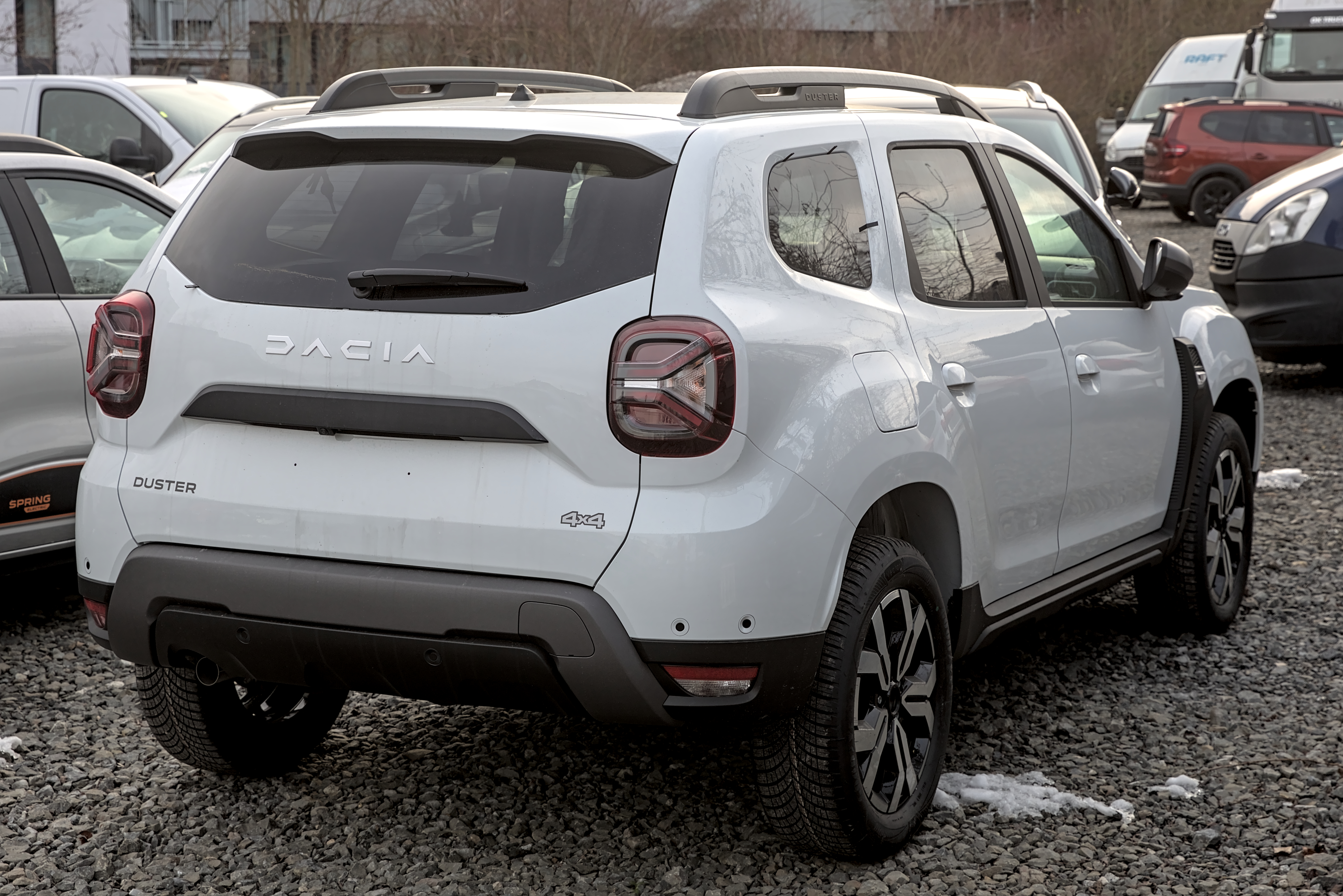
The Dacia Duster is a small SUV meant to be practical and not too expensive. It’s built for everyday driving, like errands and road trips. The podcast mention of “electric” versions means there may be an electrified option depending on where you live.
Vacuuming means using suction to pull air (and sometimes dirt or debris) out of somewhere. It’s the same basic idea as a household vacuum, just used in different products.
This is a special batting tee that uses air pressure to make the top part move more smoothly. Instead of being rigid, it can float and react in a way that’s better for practice.
HitZone was a product the guest helped make. In this story, it’s a training tee for baseball/tennis that uses air pressure to behave differently than a normal tee.
They’re talking about needing power from the electrical grid to run the device. If you don’t have an outlet or easy access to power, you may need a different setup.
A leaf blower is made to blow leaves and yard stuff. Using it on a car can be hit-or-miss, especially for delicate drying and getting water out of small areas.
A “Master Blaster” is a car-drying blower that pushes a lot of air to get water off the paint and out of crevices. The point is that it’s stronger and more consistent than many handheld options.
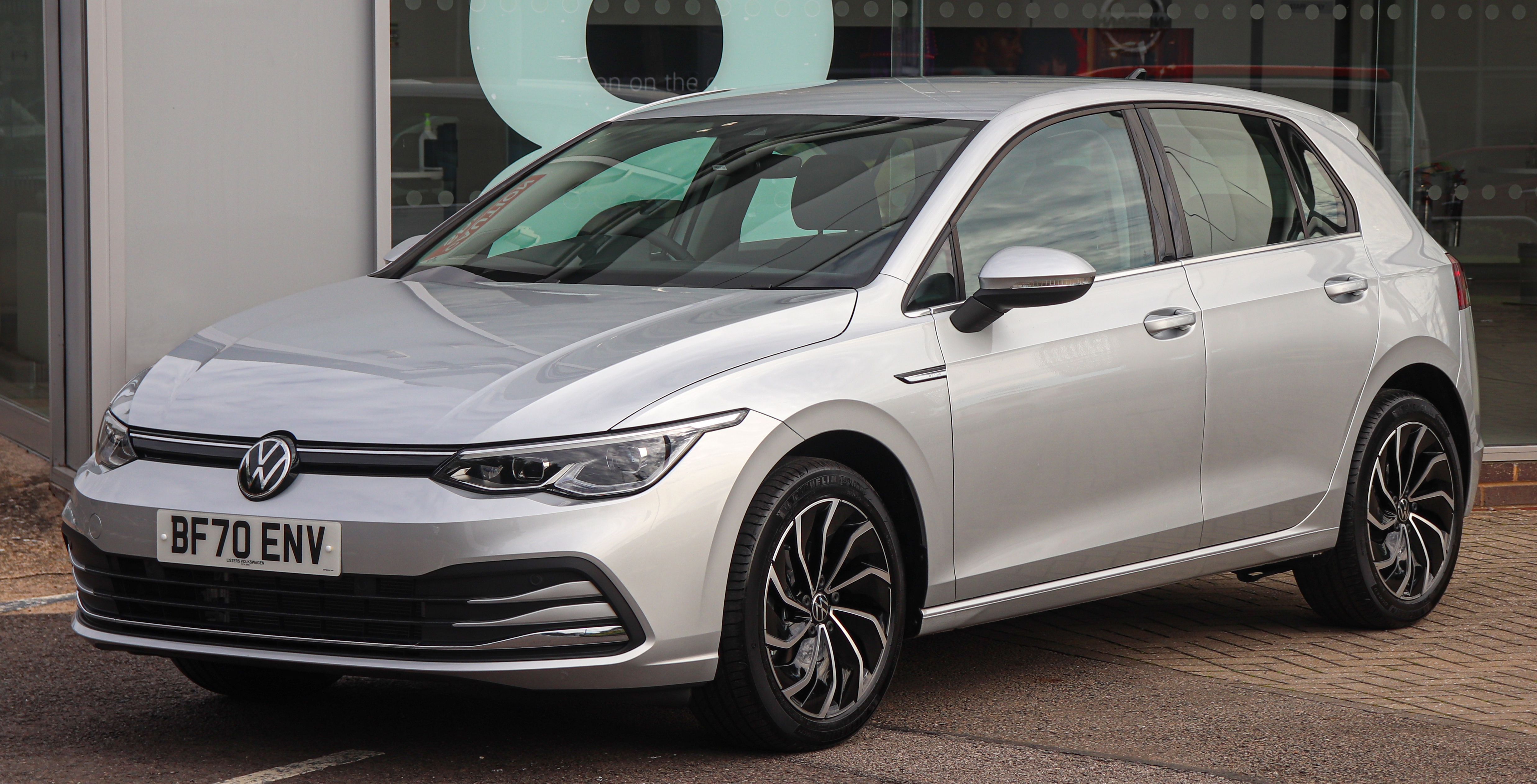
The Volkswagen Golf is a compact car that’s meant for everyday driving. The GTI is a sportier version of the Golf with more performance. People talk about it because it’s small enough to be practical but still feels fun to drive.
An orifice is just the opening where air comes out. If you make that opening smaller, you can sometimes make the air come out stronger for drying small spots.
Concept
vacuum motors
A vacuum motor is part of a system that uses suction/pressure differences to do work. The speaker is saying the force behaves differently depending on whether it’s pressurized.
The Subaru WRX is a sporty Subaru with strong performance and usually all-wheel drive. The speaker likes it because it fits their preference for driving a manual car.
The Pontiac Grand Prix GTP is a sporty version of the Grand Prix. In the era the speaker is describing, it’s known for having a supercharged engine for extra punch.
The Subaru Outback is a car that’s comfortable for daily driving but can handle rougher roads better than a typical car. The “Wilderness” version is the tougher, off-road-focused trim. People like it because it can do both errands and outdoor trips.
A clutch is what you use to smoothly start moving and change gears (on a manual transmission). The speaker is saying they can drive smoothly enough that it helps with motion sickness.
The Subaru Outback is a car that’s meant for regular daily use but can handle rougher roads better than a typical sedan. The “Wilderness” version is the tougher, more off-road-ready version. It’s often chosen by people who want one vehicle for both commuting and trips.
If a bumper gets repaired or replaced, you want it to look like it came from the factory. “Paint match” means the new paint is matched to the rest of the car so you can’t easily tell where the work was done.
“One step” usually means doing the paint or finish work in a single pass instead of multiple stages. It’s meant to save time while still getting a good-looking shine.
A “shop vac” is a garage vacuum people use for cleaning up messes. The speaker is saying it’s meant for certain kinds of cleanup and isn’t built to handle water for long periods.
A wet vac is a vacuum that can suck up liquids. The speaker is warning that even wet vacs aren’t meant to be used with water continuously for a long time.
A manufacturer’s warranty is the promise from the maker that they’ll stand behind the product if it breaks. In this case, they’re saying it’s one year for the unit and its parts.
A five-year warranty means the company promises to cover problems for a long time after purchase. Longer warranties usually suggest the product is expected to last.
They’re saying the company changed where it builds its products—from the U.S. to Mexico. That can be about cost and production logistics, even if the company still considers itself American.
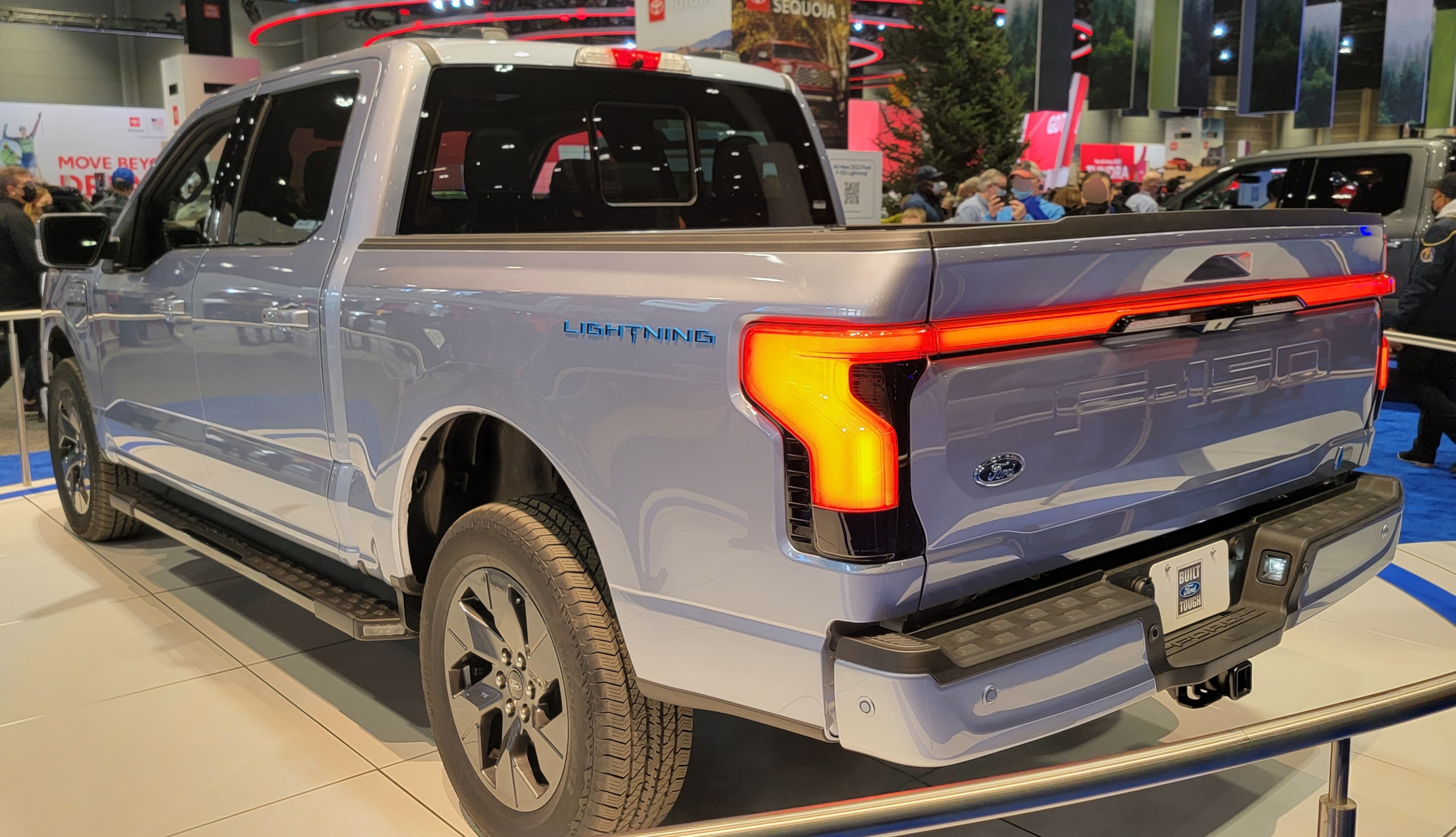
A “practical” truck is chosen for everyday usability—things like comfort, drivability, and real-world capability—rather than pure style or luxury. The speaker emphasizes comfort inside and confidence at speed, which are practical ownership priorities.
It just means you want the most value for what you pay. Here, they’re saying the truck was a good deal and still drives well, even if it’s not the most stylish choice.
“Super vac” appears to be MetroVac’s branded vacuum product, positioned as something that’s “hard” to find elsewhere because it impresses on build quality and longevity. This is relevant because the discussion shifts from trucks to what consumers can still buy that feels truly well-made.
“Built to last” is a durability-focused buying criterion—seeking products (including vehicles or accessories) that hold up over time rather than failing early. The speaker connects it to the broader theme that modern goods can feel less durable and less satisfying for the money.
A “race to the bottom” is when companies keep dropping prices to beat each other. It can work for a moment, but eventually it can hurt quality and make it hard for businesses to survive. The idea is that you need a sustainable price level, not just the cheapest one.
MAP pricing is a rule that says stores can’t advertise a product below a certain price. It helps stop a “race to the bottom” where everyone undercuts each other. Brands use it to protect product value and keep quality costs covered.
“Minimum advertised price” is the lowest price a store is allowed to show in ads. It’s mainly about how low the price looks publicly. It doesn’t always mean the final sale price can’t be different.
“Level out the playing field” means making competition fairer. Instead of everyone trying to win only by advertising the lowest price, stores can compete in other ways like service and support. The speaker connects it to MAP pricing.
They’re saying the product is made in the U.S., and that’s part of why it’s worth buying. The idea is that you’re supporting local jobs and getting better support than with some imported options.
They’re talking about limited-time discount pages that try to get you to buy quickly. The point is that deals can be tempting, but you still need to make sure the product is the right one.
They’re saying the website uses an algorithm to figure out what you’re likely to buy. That can make it easy to buy based on hype or discounts instead of whether it actually fits your needs.
Concept
repairability vs. complexity
The discussion is basically about whether newer products are easier or harder to fix. More features can mean more things that can break, and that can make repairs less straightforward.
Brand
LG
LG is the brand of the refrigerator the speaker bought. They’re bringing it up to share their personal experience with how well it’s worked and how they feel about the product.
Some appliances now connect to your home Wi‑Fi so they can do extra features. The downside is they can be more complicated, and that can make repairs harder.
Car
Pontiac Torino
Pontiac was a car brand that made vehicles in the United States. Some of its cars were known for being sporty and fun to drive. People still talk about it because it has a history of memorable older cars.
Concept
front-load washer (Wi-Fi enabled)
They mention newer appliance styles like front-load machines and stacked setups. The idea is that even with modern upgrades (including smart features), they may not last or be easy to repair.
“Vetted these products out” means they tested/approved the products before selling or deploying them. In a consumer context, it signals quality control and that the battery/tool combination was evaluated for performance and reliability.
This is a way to measure how strong a vacuum’s suction is. The higher the number, the more “pull” it can create.
Term
four horsepower vacuum
They’re talking about how powerful the vacuum motor is. More power can help, but the vacuum’s suction rating (like water lift) matters a lot for real pickup.
Horsepower here is just a way to describe how strong the device is. It’s not the same as a car’s engine power, but it’s meant to give you a sense of how capable the tool is.
Watts are a measure of how much power the device uses. More power can help it pick up dirt and water more effectively, but the tool’s design also matters.
That’s a specific paint color with a metallic look. It can make water droplets and beading easier to see when you’re showing how the finish is performing.
LIVE
That's right. Welcome to the guest show. The guest show is
brought to you by hypercleanestore.com linked
below the YouTube video that you're watching or the audio
that you're listening to on your favorite podcast app is a link
to the complete detail kit. If you're watching on YouTube, you
see my Raptor getting details in the background. This kit has
all of my favorite products that I've used for all of my
vehicles for years and now on the Raptor, obviously, it has
everything you need to clean the inside outside top to bottom
everything a DIYer would need everything a pro would need to
do your daily your project or that sweet sweet darling that you
keep in the garage for only sunny special days or car shows
clutch.club if you want to join the discord mailing letter and
grow the community the digital car club. And without further
ado, enjoy our friend Andrew Cohen VP of operations for
Metro Vac decades of performance and vacuums pumps dryers all
made in the USA. And speaking of made in America, dude, so for
context, Andrew and I have only talked on the phone maybe twice,
had a couple of email exchanges, and hit it off immediately. We
did one call with Nick. I can't wait to get into the whole
thing. But please tell everybody what wonderful company you are
at the helm of.
Oh man. So I am fourth generation. This is family ran owned
operated Metro Vac. You know, it was metropolitan vacuum
cleaner company when it first started. Now we're popularly
known as Metro Vac. And I handle a lot of stuff here. I've
started from the ground up. But recently came back about three
years ago. And we are US made proud. And it's all it's all old
fashion assembly lines here.
That's really cool, man. And if I'm not mistaken, I did some
research, but I love having just organic conversations with
people because although it is interview style, it is more just
like going back and forth ping and pong and like your buddies in
the garage kind of thing. This company's been around for a
long time, right? The 30s of owner mistaken.
Yeah, we my great grandfather started the company in 1939.
Wow.
Yeah, he was selling refurbished Electrolux vacuums door to
door. So old fashioned door to door salesman going to places
that barely even, you know, just had electricity installed in
their town. So it's it really is it's incredible what he started
and what I'm, you know, trying to continue, especially in
today's day where US manufacturing is almost almost
dead. So it's it means a lot to me to be here to continue my
family's legacy to continue on with the innovation, but also
staying true to our roots.
So you were kind enough to send some stuff out to Nick to his
shop in Vegas on the strip. And prior to that, I had seen
videos because I mean, I know I've known it for a couple of
years now we've done stuff with hyper or him and I work with
hyper clean and we obviously started the podcast last year,
or over a year now. And your videos from SEMA would come up
with the vacuums right and you actually have some there behind
you, which is really cool. And some of the demonstrations that
you would do are like, wow, it's really interesting. And then
when I found out like how proud you guys are about being you
know, made in the US started following along and we just
reached out one thing led to another and you know, we're
doing this podcast now. He's got some products in his hands.
I'm looking forward to ordering some stuff for you for for the
raptor and content purposes. But what we love to do is support
local again, right? Like local businesses, local economies,
whether it's through buying stuff, services, just sharing
information from, you know, better alternative options,
because everybody's so and I mean, tell me tell me your
thoughts on this. It's so easy to just buy something from
wherever you want in the world, have it shipped to your house
from your phone, right? That you might not know, even if some
of the other alternatives that are made here in the States are
even available to you, right?
You know, there's so many markets right now, everything is
flooded. When I go online to buy something, obviously, my first
stop is Amazon. And what do I do? I look at the reviews. But I
go to newest and see what those reviews are, or I'll go to the
one star two stars, because I want, you know, people aren't as
quick to say what they like about a company. They will very
quickly say what they don't like about a company. So in
today's day, you know, with our products, we have to sell on
Amazon and you know, we have a reseller a few resellers that
sell our products on Amazon, but the market saturated I mean,
for vacuum cleaners for blowers, it's it's tough and you don't
want to buy something invest the money and then you know, a
year goes goes by two years goes by and it breaks you can't
repair it you can't contact the customer customer support. So
that's a lot of what we do is, you know, I have a phone on my
desk, I, I take calls from, you know, customers reaching out,
because I like talking to the customers. And it's something
that a lot of companies don't have. They don't have that, you
know, human experience anymore. Amazon kind of screwed, screwed
up the markets, all of these market. Yeah, a lot of these
marketplaces have set the expectation. And now everybody's
so used to it. So it's so hard to keep up with that, especially
with new products, all the gimmicks that you see the nice
features. And yeah, it looks nice. It's got nice features. But
is it going to last what happens if it breaks? And do you
actually need that? Or is it just something that you want to
get used to and not be able to live without?
So since it is a family business, you mentioned that you
just came back a couple years ago, I'd love to get into some of
the, you know, some of the backstory, because it's just
I find it interesting. I'm sure listeners will too. Did you
immediately go into the family type business? Or were you doing
other things before you came aboard?
So, you know, I like any other 18 year old, I went to college.
And I didn't know what I wanted to do with my life. So I took
just, you know, general studies. I didn't go too far, but I went
far enough that I was dorming. And, you know, I think I
partied a little bit too hard my balance between work and having
that college experience wasn't so, you know, equal. So I wound
up did it right. If we're being honest, I did, I did, I
absolutely did. I mean, college is a scam. Everybody knows that
you just you just go for the experience.
The guys, everyone's gonna know the guys in the two gals that
listen to this are gonna know exactly why I like talking to
Andrew.
Yeah, yeah. Our three listeners.
Three ladies and all the guys.
Yeah, yeah, yeah. So I came back home and I, you know, I was
working as a bus boy, you know, at a local restaurant seafood
restaurant. And, you know, I had a conversation with my
grandfather. And I remember I think I went to him he was
getting like a haircut around the corner from where our old
location was. And I, you know, I reached out and I, you know,
can I come into the business? And he looks at me and goes,
you, you can come into the business, but you have to go to
college, you have to finish college. And I said, okay, so I
went to the community college in my area. And I signed up for one
class.
Just enough to tell him let him know you did it.
Just enough. I mean, you know, that's how it is. I mean, I've
been taking business classes. I was taking business classes in
high school also that were credited for college. But I was,
you know, working part time, taking my one night class. And
then the next semester, I bumped it up to three courses. So I
finished my associate's degree. I was I was working was 2009.
And I was doing part time here. And then I went to another
college, which is about 15 minutes from here. And I was
getting my business degree. So I, I graduated in 2015. And
throughout that entire time, I was working part time at the
business, I was doing customer support, I was doing repairs, I
was working on assembly line, I was doing shipping, I learned
literally everything. So when I say I started from the bottom,
yeah, I really did, you know, these machines behind me that
that sidekick, I've built thousands of them, the master
blaster hundreds, I know these products like the back of my
hand, because I've worked with them. And they're simple. So
2015 comes around, I'm, you know, I'm about to graduate
college. And you know, I don't want to get too much into the
detail. But at the time, it was my two uncles and my grandfather.
And it seems like, you know, they kind of wanted me to fly the
coop a little bit and get some outside experience as they would
say, which I like. And looking back, it was really good for me
because from the eight years that I was not here, I was learning
various different skills. I was, you know, so to speak, eating
shit at corporate jobs, I, you know, I was doing grunt, brunt
work. So I wasn't just, you know, being fed with a silver spoon
going into the family business. While that sounds nice and
everything, it, you know, kind of, it gets to a point where, you
know, how much of this are you actually doing and pushing and
how much of it is complacency and just getting buying
coasting. So I left in 2015, and I went right into the micro
brew industry. And, you know, I started as I started as a
server. And then I got bar shifts. And it was cool because
the prerequisites you had to brew beer.
What year are we talking here? Because micro breweries have
been, you know, they've been big for a long time, but they've
really started to die off.
Yeah, this was 2015. So this was like the height of, you know,
everybody getting into, oh, this IPA is so delicious, you
know,
Whoa, whoa, whoa, do you not like IPAs?
I love IPAs. I like, no, but you know, when you get that, when
you're one or two and your mouth's all all dry, you know, I
like the taste one, but yeah, absolutely. I like the hazy IPAs.
I need a little bit of sweetness. Nowadays, I can't really
even drink that stuff anymore. It's too, too heavy on the stomach.
But I agree. I just stick to light beer, you know?
Oh, yeah, light beer or, you know, as I like bourbon,
or bourbons, of course, but of course, can't forget those.
But yeah, I started, you know, serving bartending. And I was
getting a little involved in the bottling, but I got into sales
and I was doing deliveries also. So New York City around my
area, upstate a little bit, New York. And as I was going around,
you know, delivering kegs, you know, those corny kegs, large,
full-size kegs, cases to restaurant bars, you name it. And
I was getting sales also. So that was, that was a fun
experience for me. And it kind of got me involved. And, you
know, I was looking to see if maybe that was the industry I
wanted to get into. If maybe I wanted to start my own brewery,
I'm glad I didn't, because that is a labor of love. There's no
money in it whatsoever.
Unless you get bought out by one of the big guys.
Yeah, exactly. But that's a labor of love. And I had fun with
it. But I moved on.
Were you were you hoping, not hoping, but were you planning on
okay, I'm doing this as I was kind of expected to fly the
coop and then go into the family business?
No, I was just, I was just trying to make a living. I was
trying to pay rent, you know, have a little bit of a disposable
income. I was working 16 hour days, you know, I'd get up, I'd
start work at 10am, I would go out, pack, pack the van, fill
the kegs and cases of beer, do my rounds, do the sales, come
back, you know, serve tables and then close the bar up until
like 4am. So I was really busting. I was I was just grinding
hard. Because I liked that that lifestyle. It was nice for me
at the time, you know, I was 25 years old, it was nice sleeping
in a little bit and just staying out partying.
Driving around, right? There's something about delivering
stuff that's kind of fun, right?
It is fun. You know, it's it's kind of like that mindless, you
know, work where you don't really, there's no pressure. You
just got to make sure you don't drop any, any beer or spray. I
did, I did throw out my back because I used to just man
handle these kegs and, you know, toss them. So I definitely
got to got some injuries from that. But the micro brew
industry has, in my opinion, you know, everything gets
saturated. Everybody wants to get in. And when it's at its
hype, everybody gets in it kind of loses its value, in my
opinion. But that was fun. I did that for a few years. And
then I said, you know what, let me see if I can go into the
corporate world, which I did. I worked for an AV company, a
large AV company. And I just started a, you know, order
processing that that sort of thing. And then I worked my
way up and I got into enterprise sales. So I was
working with Fortune 500 companies. And that was doggy
dog. It, you know, and I was out of my element, what do I
know about audio, video, you know, processors and networks
and all this stuff. And I'm talking to these IT guys. And
I mean, just tons of egos to go around everywhere. But it was,
it was an experience for me. Nonetheless, that that was an
experience. And I learned a lot there, negotiation skills,
just kind of getting out there doing the trade shows, talking
to customers, trying to close deals. And that was fun. But in
a corporation, you're just a number. And it's, it's like
soulless. It's soulless. And I that that kind of, you know,
died out. And to be honest, it kind of messed up my mental
stage just because there was so much pressure. Yeah. So I wound
up just leaving. And I didn't have a job and COVID came around.
And then nobody was really working. I found a job at a
mushroom farm. Or the culinary, culinary mushrooms. I've been
all over the place. I've been all over. Yeah, culinary. Now,
these are gourmet mushrooms. And I was just doing farmers
markets. I was working on the farm. I learned a lot. I mean, I
can grow any kind of mushroom you want, I'm not going to,
because, you know, I have good to know.
Let's go to podcast at gmail.com, by the way.
Yeah, exactly. Right.
Gourmet, gourmet culinary mushrooms. But yeah, that that
was fun. I've always been a hiker. I've always liked to, you
know, I've seen mushrooms on the trails. So now I can identify
all of the mushrooms in my area, which is a lot of fun. I could
I could clone them. I can grow them myself if I want to. That
was fun. And again, it's just, you know, the interaction with
people. And it was something that I really enjoyed. And there's
something to be said about working when you really enjoy
what you do. Yeah. The old saying is like, it's not even
working. Right. So that was a that was a lot of fun. That was
my fun job. Then I got serious again.
You're like, you know what? I got to grow up now.
Yeah, I got to grow up now. And I landed a job at a very high
tech electronic company that made sophisticated equipment
oscilloscopes to test, to test, you know, components and stuff
like that, microprocessors, all of that. And I was just working
as a shipping lead. I got a warehouse manager title, you know,
but I was a shipping specialist, warehouse manager. And that
was like the most comfortable job. I loved it. I loved everybody
I worked with. It was easy, easy going. There was a mix of, you
know, brain work, you know, mental work, and then physical
work as well, which was awesome for me. It was really nice. It
was comfortable. But, you know, again, you're at this
corporation, and how high can you actually go? They always try
to keep you down. And if you do your job too well, you're not
going anywhere. So that was 2020. I want to say it was around
2021. And then 2023, my, my uncle gave me a, no, 2022, my
uncle gave me a call, who's now the, the president CEO of the
company. And I was just going to meet my now wife in Mexico.
She's, she's, she's from Columbia. And we were meeting in
Mexico to, you know, I have a little vacation. And he called
me. He's like, well, what would you say if I asked you to come
back into the company? And I said, you know, I don't know, I'm
gonna have to think about it. Let me go on vacation.
But in reality, you were actually looking forward to going
back, huh?
You know, I, I wasn't, I wasn't, because I know the stress
that this job creates. And it took me a little while to really
get it right, because stress is a killer. And you have to manage
it properly or else you can't think you can't do anything, it
just seeps through your entire life. So I gave it some thought
and I went on vacation. You know, I told my wife, like, you
know, I have this opportunity to go back into the business.
And she's like, do you want to? I'm like, yeah, I mean, you
know, there's a fire inside me. I never wanted to leave. And for
the eight years that I was not here, I'm sure there's so much
that I could have done to catapult us forward. And I'm
doing trying to do all of that now. So, you know, after being
here, for about three years now, there's, there's always a
balance. You don't want to change too many things. You
don't want to, you know, sacrifice quality of products
for price, that sort of thing. So it, it really is a balance.
And I try to keep my, I try to keep on top of everything here.
My main focus is obviously sales. I do sales and marketing,
but I am involved in every single aspect of this business. I
mean, it's 24 seven, really, I can't get away from it.
Well, you know, what's funny is that Nick and I always talk
about companies, you know, whatever the sizes are, where
you start looking at leadership, and it's harder and harder to
find companies where you have leadership that started at the
bottom and actually went through all the different
departments, went through all the different phases, all the
different promotion cycles, and then started running the
company, because you know, we always talk about the automotive
industry, right, you know, the different big heads and big
wigs at the top of those of those ladders. And they make odd
decisions. And they, they say stuff where you don't really
think that they understand. And of course, usually we're
joking, we're throwing some jokes in there, but it is
sometimes for the serious enthusiast, it just makes you
scratch your head like this is an odd move, it's an odd
decision, like how much of the company do you really know,
like how many people that you know, have been around for a
long time and understand the customer base, how to say in
these decisions or directions that are, you know, being
made, I know some of it has to be governmental. And then
there's just a bunch of, there's a bunch of elements and red
tape to it a lot of times. But depending on the size of the
company, like when you're there, like you said those summers
that you did everything, shipping, receiving, assembling,
the whole thing. And then you go out for a couple of years and
you do similar things again, like logistics, delivery, a
customer experience, the whole thing. So then come back, you
have something that a lot of people don't see in a lot of
companies, which is literal all literally all experience from
the top to the bottom.
Yes. And I think to, you know, it's sometimes to a fault.
Yeah, because I look at it from the consumer perspective, the
customer perspective. And because I'm a customer a lot of
time, if I buy a product, I, I want it to work. If something
doesn't go, go right, I want the company to do something about
it. I find myself in that position a lot because not a lot
because our products really do that they, they perform very
well. But if a customer isn't satisfied, I, I want to make sure
that I set the expectation properly. You know, if you're
trying to use one of our products, and it's not
necessarily designed for that, you need to know that and you
need to understand that. But again, I know I do know these
products very well, I know the landscape of our company. So it
definitely helps me helps me in my day to day. I'm not, you
know, hawk when I'm trying to, you know, get a new new company
trying to sell our products, you want to sell our products,
great, you don't want to someone else is going to our products
are in demand. I know that they work and each product has a
purpose. You know, there's no one vacuum to do every single
job. It's just not the case. Sometimes you want a small hand
back for a small cleanup and sometimes you need a bigger, a
I think being that I have been in all different, you know,
places in this company and I've, I know all of the processes,
it really does help. But I try to not, you know, I try to stay
stay in line because sales is number one sales and marketing
is always going to be number one. If we don't have sales, then
you know, what are we doing here?
Yeah, it's, it's, it's one of those words sales in general is
one of those words that a lot of people, if they don't have an
even a little appreciation for it, they kind of like twinge or
cringe because we're all being sold to it all times. Like right
now, I'm selling you guys on hyper clean products and I'm
selling you guys on Metro vac. Okay, but we're trying to bring
it to you in an entertaining way that we hope that you just
want to go do it because they're good products and they have
good customer service behind both of them. Because otherwise,
the alternative is you're going to save some money, you're
going to get a lackluster experience, and then you're
just going to be back at square one having spent money
already anyway, having to spend money again. And then you're
also kind of jaded by the whole process. And every process
going forward becomes worse and worse. It's just snowballs like
every buying experience beyond that is not I mean, it's going
to take a lot for you to be like this was a good buying
experience.
Yeah, and that's the thing is you cannot beat us made quality.
You just can't. Yeah. And like I've told you in the past, we
try to keep it simple. Our design from what it is now hasn't
changed. This is fabricated metal deep draw. We stamped the
steel here on a 60 ton press that's probably been around since
the early 1900s. But and there's a parallel there because
that's the press that my great grandfather bought when you know
he first really started this company. And it's still running.
You know, if you find a press in today's world, you buy a press
now, I guarantee you there's there's moving parts that are
going to break. They don't make them like they used to but
MetroVac does. We still make it like we used to right back into
the rolls right back in the sales roll. But let me switch my
hat. But but that's the thing is we really haven't changed the
sauce too much. Obviously, we want to be innovative. And we
want to give all these new features and everything. But to
my point earlier, do you actually need it? Is it just
going to is it really going to make your life easier? Is it
going to make you dependent on that? So you know, you can't you
can't do anything else.
So what's the lay of the land speaking of you know, you
started your your grandfather started with was it repairing and
selling vacuums?
Yes, refurbishing Electrolux vacuums in the Bronx was it?
It was in the Bronx. That's where the company started. And
then I believe early 19. I want to say in the like, maybe on
the cusp of the 1960s, we moved to Suffolk, New York, which is
where our first factory was about 20 minutes from here. And
that's when we started like mass mass producing. But he used to
just fill his you know, and this is it's tough because it's
kind of like a game of telephone from generation to
generation. I have I have my information. Most of it I believe
is true. So it must be true. But he would he would fill fill up
his car with vacuums in the beginning of the week. And he
would go out on the road and just sell them. But that that
snowballed into using that design that that canister
vacuum design and expanding it and just putting our own name on
it. So we more or less copied that design the canister vacuum,
but we had our own electric floor brushes, and attachments,
hoses. So that was more or less the start. And then there was
the invention of the dual volt handbag, which I don't have
here, but it was a 12 volt or a 110 volt, you can change the
currency on it. And that was that was that was a first he he
invented that that was the first court courted hand vacuum that
could be 12 volt or 110 volt. So we were a pioneer, we were a
pioneer in the handbag way before dust buster.
Classic dust buster. Yeah, exactly. What was the name of
that? What was the name of the vacuum? Did it have like a dust
buster kind of name?
So we had, I mean, we private labeled for so many different
companies. Actually, I found some like old text. It was it's
like a chronologue. And this is just Oh, I know, I know only the
viewers can see this. But this is dated 1971. And it's written in
the in like first in as if it's my great grandfather, but my
grandfather wrote it. And it spoke about, you know, we had a
name good year on our handbag. And we had gotten sued by by
good year. So there were a bunch of different names. I think we
had the meteor two, which was one of our vacuums, the OmniVac is
actually still in production. OmniVac. Yeah, I know that name.
We still have that in production. What else? The dual
volt is what we call that we also had the electrosweep.
I remember electrosweep. I know that name.
Electrosweep. So I'm gonna tell you our taglines decades of
performance came from you guys, those names came from all of
that. Yeah, all that came from us. I mean, good year, I guess we
kind of
well, yeah, sometimes take loss, take the L sometimes like you
can't always keep them all.
So but it's not just floor carrying, we have a lot of
different products as well. So as you know, automotive detailing
vacuums and dryers, but those same dryers we use for detailing
or for dog grooming as well. And we've been doing that since the
80s. And every time I go to a trade show, I'm actually going
to a trade show in March, at the end of March, always got
people coming up to me and say, I've had that machine since, you
know, 1990, had it for 30 years, I've had it for 40 years, it
just doesn't break. Which I love hearing.
Of course, you know, it'd be funny if they walked up to you
like, I've had this since the early 1900s. I mean, this is
machine is just like the absolute best. And he's like, I mean,
then they're talking about like 1992, 1993, like, wait a minute,
why are you using 1900s as a term now? Yeah, I've had it since
the 1900s making us feel really, really old. So between the 60s
and 80s ish, where you started getting into other other things,
what was it just home vacuums? And that was the focus of the
company before you went into grooming and detailing?
Yeah, so we went into pet grooming in the 80s. There was
also our, one of our most popular lines right now is the
data vac, data vac. These are electric dusters, but it started
as a vacuum, vacuum electric duster for computer cleaning for
toner, toner spills for printers. So special kind of bags
to pick up, I believe up to 0.5 microns. And that's a, that's a
huge industry, especially right now with all of these data
centers that are popping up. And it's, it's, it's awesome.
Going with this.
I'm so sorry. I'm so sorry. I can't get away from it.
No, no, no, you're doing the right thing.
Yeah. My, my, my, my grandparents would be very
proud. Absolutely. We taught them well.
So yeah. And that's, that's something that's, that's been
around for quite some time. All of our products, each line are,
they're all more or less the same, just a little bit
different. My grandfather said, you know, MetroVac, we make
products that move air. And that's exactly what we do,
whether it's blowing or sucking, vacuuming, that is what we do.
So as a manufacturer, we're not going to shy away from any
company coming to us and saying, Hey, can, can you do this for
us? We actually had a product, when I was still working here
back in 2015, we were doing a product called HitZone. And it
was an air suspension batting tee. You could put a little
wiffle ball up on top of it. And you could, yeah, you can
practice your swing. So they were using it for tennis, using it
for baseball. You still might be able to buy it. It's not, it
never really, you know, wasn't a home run, never really took
off. But it was still a cool product. And I actually figured
out a way to get it to float and spin a regulation hardball.
No way. But yeah, so and, and a thing would spin like it was
crazy.
So today is the first day of Little League spring training
for at least central Texas area. So batting practice is tonight,
by the way. So I take the boy batting practice. Do we have
anything like that in the ecosystem anymore?
Yeah, we do. We do. Okay, because more or less, all it is
is one of our driers just vertical, you know, with a
little home plate on the bottom.
Where can I find this? I will order it right now.
Yeah, I'm gonna see if I can find one for you. I'll send it
to you. But you know, the problem is, you need, you need
electricity, you need a cord and most fields don't really have
that if you have a net in your backyard. Yeah. Yeah, no problem.
But there's no way that you can run it on a battery for more
than, I don't know, 10 minutes that most electronics aren't
running for longer than 10 minutes that have that kind of
power.
So I feel like you have some thoughts on this subject. So again,
anything you can only say as much as you want to say everything
else you can be like, Rob, I don't want to talk about that. But
what are your thoughts on the heavy push into battery powered
fill in the blank XYZ could be cars could be robots. I don't
know, you're gonna buy an optimist robot for your house. I'm
sure you might right? I'm kidding. I know you're not. But
like vacuums, everything else versus the corded versus all of
the pros and cons that a consumer, whether you're a
detailer or just a regular DIY or on the weekends, you know, are
gonna have
I have to be honest, you know, I, I, I like the convenience of a
battery. But again, it's you have to set the expectation. What
are you using it for? What what's the use case? How long are you
going to use it? A professional detailer that is using, you
know, and I see it with all these, you know, polishers with
these, these, you know, turbine fan blowers, leaf blowers, in my
opinion, are great for blowing leaves. If you're trying to use
it to dry your car, you must not care about your car all that
much because it's not filtered. It works. I'm not gonna, you
know, I've done it before, because I need, because I need to
test it out. But you can't beat the concentration of the master
blaster. Yeah, the hose may be a little bit clunky, but get
yourself a hose reel, plug it in. You have endless power. A
professional detailer can't rely on something that only runs for
15 minutes. And even with an interchangeable battery pack,
takes you at least an hour to charge the thing. 15 minutes is
being generous, by the way, we talked about a particular light
green battery operated company where man, in the GTI, which is
small, I'm lucky to get I can't go there. I can't I can't go
there. I can't go there. Alright, alright, next. No, and I'll
be honest, I do have I have a leaf blower and I've used it on
my vehicle. I got the stub nose nozzle and everything and it
works for large surface areas. But when you're trying to dial
into the mirrors and the handles and the grill and the door jams
or the wheels, you need a concentration of air. And with
all of those turbine blowers, if you try to compress, you know,
the the orifice and make it a smaller, you know, concentration
you're just losing force because it's it's not the same as if
it's being pressurized like our vacuum motors are. But to answer
your question, I am never going to buy an electric vehicle. And
we've discussed I'm I'm stick shift. I like my stick shift. I
like my anti theft. I like being in control of my car. No
electric vehicles. I have driven in them before and everybody's
like, Oh, yeah, it's it's it's so fast. Well, I'm like, I don't
care. I like gas. I like shifting gears.
It's clutch culture podcast. Exactly. See, you get it. Our
clients are our clients, our customers and our listeners or
whatever. They all get it, man. Like, by the way, I want to get
back to the vacuums. What is your stick shift car of choice
these days?
Oh, for the last three years, it has been my and I'm going to
get a lot of crap for this because I get crap from all my
friends. You know, those are good friends. It's my it's my
Subaru, my Subaru WRX and everybody's always got to 22. It's
a VB. Okay. So I I've always wanted, I've always wanted the
the STI, you know, when I was growing up, I had a 2008 legacy
GT, which I had a lot of fun.
Legs are underrated. Those are cool.
I wish it was a I wish it was a stick, but I had a lot of fun
in that car. You know, one of my first cars was a Pontiac
Grand Prix GTP supercharged little wide body action. That was a
lot of fun. But now I'm driving the 22 WRX and I don't know
what happened, why it got, you know, everybody makes this
connotation that, you know, a Subaru's or, you know, blow out
any light.
No, no, I mean, I get called the lesbian.
Okay, I get it now that the whole Subaru thing, I didn't
think it had gone down to the WRX is to
Oh, yeah, my my friend sent me stuff on Instagram all the
time. And I'm like, Yeah, I get it. You know, I don't know what
this does to your ego, but you're not bruising mine. I don't
care. If it was an outfit, we'd be having a different
conversation. But you know, okay, so I people love outbacks.
I have an outback wilderness. I actually I got it for my wife.
But mainly because she doesn't like driving around in a WRX on
the weekends. You know, because she gets a little car sick to
begin with. And then, you know, as smooth as I am with that
clutch, it doesn't matter. Yeah. Oh, yeah.
Professional race car driver. Yeah. Oh, yeah. But I got her a
2025 outback wilderness. But it was it was really for me
because I drive it on the weekends and I needed that
turbo. Sure. She had I'm a Subaru guy. I love I love
Subaru. Hey, man, I get it. I get shit too from them, especially
I'm a Volkswagen guy. So he's always talking shit about
Volkswagen on it. Which I understand that's fine. There
we go. But that those are good friends. If you get roasted by
your friends about your car choices without being like
malicious, then you know those are good buddies. Well, and
these are like, you know, they're truck guys. So so you get
it. Oh, I do. I just bought a Raptor. So I'm like, now that
guy, which I'm happy to do. I told Nick the day I bought the
truck, I'm gonna I'm gonna Blair Toby Keith and I'm gonna
drive my Raptor down the highway. That's just America, right?
That's Texas as it gets. Get some mud on them tires. Exactly.
Actually, no, I gotta take care of the paint right now. We're
working on things to take care of the good. Get that clear
coat going all that. Got it. I'm gonna paint. I'm gonna paint
match vendors, paint match bumpers, do one step, code it
we're gonna use hyper clean products. And then I mean, I was
talking to you like, I just like clean stuff. I'm sure you can
relate, right? So you have kids, right? Kids are no kids. Not
yet. I'm waiting. Okay, so when you get there, you're gonna
have stuff unless you're Nick, which apparently lets nobody
eat in his car. You care how much he loves his kids, right?
Which I do and I'll have stuff you just got a vacuum it and no
matter what I've used and this is so go ahead and shoot arrows at
me. I haven't bought high level vacuums because I thought that
was the other one. So I always end up again, buying better and
better and better. And it has not gotten to the point where I
like, this is great. I just haven't. So now that we're like,
okay, Nick, Nick's experience with all the MetroVac stuff. I'm
like, okay, I gotta that's what I gotta have in the garage. Like
those are the excellence level of products.
It's it's the gold standard. It really is the best way that and
that's what I say. Can you do a job with, you know, a shop vac
whatever it is. And I say shop vac, not necessarily saying
yeah, the company shop vac, but I'm talking about. Yeah, that
style. They are not meant to last while our our products are,
you know, dry pickup only. Those those wet vacs, whatever
they are, they can suck up water, but it's not going to be for a
very long time. I'm sure there's a bunch of guys, girls
listening to this and I don't know how many of those they have
gone, you know, gone through because they they do not last.
And if that's, you know, if it's worked into your budget and
you know you're going to replace it, great. But if you want to
buy something that's going to last you and if something goes
wrong with it, you have a phone number to call. And we are the
manufacturers. So any single component, switch, cord, motor,
whatever it is, it's it's all replaceable. And it's so simple.
You just open it up, swap it out.
So when people buy stuff, it is really as simple as like, Hey,
this thing went out like, now let's just kind of get into some
of the nerdy stuff of it. What is the like warranty or the
guarantee that MetroVac gives customers?
It changes by product our larger units. They all have a one
year manufacturers warranty on the unit itself or any parts,
accessories components. So you have a one year manufacturers
warranty on that. For our larger units, we have a five year
warranty on the motors. So that that's probably the longest
warranty on any kind of vacuum or anything in this industry. And
we use some heavy duty beefy motors. It used to be a US
company, they moved their manufacturing down to Mexico. So
it's still, it's still American.
It's still still part of the Americas.
You guys are going to see some videos of Nick as he's slowly
testing out some MetroVac stuff and getting getting genuine
unboxings and genuine usages because he did some updates to
his shop lights painting, painting the walls and all kinds
of upgrades. And the genuine excitement and like, I don't
want to even say surprised because he knew was going to be a
gold standard or product. But it's cool to see anytime it's no
matter if it's MetroVac or anything, when somebody uses
something and it blows you away, like what's an example of
something you've used, you're like, Holy shit, this is awesome.
Like this is really good. You don't have to name a brand, but
maybe just a product that was like really blew you away.
Oh man, you put me I'm not good on the spot.
Oh, that's if we're not, if we weren't recording, he'd be
like, Oh, I got something for you.
Probably blow you away when you first drove it. Is that why you
kept it for so long?
No, I'm just I'm very practical.
Dude, I am too, even though I just bought a really impractical
truck.
I try to be I try to be as as practical as possible. You know,
I wanted I wanted a good bang for the buck. And I got it. That
thing handles like incredibly and I it's, you know, the
lines aren't that great. I don't I don't love the way it looks,
but I'm comfortable inside and I could get up to speed. And I
could bob and weave if I need to.
Now, now I'm now I'm trying to think of something that Oh, our
our super vac that that's you know, I was waiting for you to
give your own product a shout out. But you know, and sometimes
that's actually a testament to how hard how hard it is to find
something that actually like impresses you these days. So
it's actually part for the course with what a lot of the
consumers are seeing these days.
Yeah. And that's the thing is it's so hard to find something
that is, you know, really built
to last well quality. Everything is getting more
expensive. And you're getting less for the money, it seems
like. And you're, yeah, you're getting less. So it's, it's
hard for me to get impressed by, like, material, material
things. Don't get me wrong. I love cars. I love them. I'm a
jack of all trade master of none. So I don't know, you know,
all the, you know, expensive exotics, I know the ones that
I like. Yeah. But I'm, I like all these little things, you
know, I'm a bowler. I like, you know, I'm still into my
ecology. I like all that nerdy stuff. So yeah, I can't even
think. So in those industries, like, you know, was it drums you
said was a drummer guitar that you do that you play?
Oh, no, I'm so I'm a I've been playing bass since I was about
13. I play guitar also. I played around with, you know, a couple
bands, never really gig like crazy, but just, you know,
recreationally, I like to just play music, never, never really
sticking to any kind of genre or, you know, style, but I'm a
bassist. You know what, my Fender, my Fender P bass, I was
blown away. I knew it was gonna be some music related by the
sound of that was just awesome. And my my my microchord
synthesizer also. And you know what those things have in
common? They have they come with a pretty price tag.
Yeah, well, and that's the thing is if you want something
good, you got to spend the money for it. I've had cheap, I've
had cheap guitars, I've had knockoffs. They're heavy, they're
they're hard to play. But once you buy something that, you
know, there's a reason the price tag is attached to it.
Anything that's worth anything is most of the time going to be
expensive.
So even if it was within MetroVac or outside of it, maybe
you have friends that own, you know, businesses and companies,
what do you think operators or people in business are doing or
at least trying to do to get over the hurdle of this is what the
price tag is. And this is what you should expect to pay if you
want the quality that we're telling you this is.
That's a good question, because I'm trying.
Yeah, you're not the only one I was hoping to get a nugget of
knowledge from you to pass along to somebody. Yeah. Or even
listeners listening like if you've got you know, examples, I
allow I know a lot of people run shops have businesses like
everyone's kind of feeling a bit of a squeeze in different
markets right now. And you the race to the bottom can't be the
only solution because you won't be here on the other side of
whatever hill that we're kind of cresting right now.
No, and that's the thing is we among our resellers, we maintain
map pricing, you know, map our map policy minimum advertised
price. For a few reasons, we want to level out the playing
field so everybody's equal. But it's also to not devalue our
products. Our products are expensive. It's expensive for us
to produce. We have, you know, 50 plus employees out there on
assembly lines in the factory in the office in the warehouse.
And, you know, minimum wage in New Jersey is, you know, it's not
eight bucks an hour. It's not this is not cheap labor. They
put a lot of work into that. So all the components that we get
and we we source stuff globally, a lot of our products, a lot of
our components are within the US. But we have to source globally
otherwise we know nobody would be buying our product with the
price tag. So it's a balance. To answer your question, I don't
know. The only thing I can say is we have added value with with
our product. It's not just the price of the product and
components itself. But like I said, you call our 800 number,
and you're going to get a live human being on the end of the
phone.
That's the biggest selling proposition to me these days in
anything.
So and that's that's part of our selling point. I mean, you want
I mean, if you care about America, yeah, then buy us made
because otherwise you're just supporting another country's,
you know, GDP. Exactly.
And it we've seen what these larger corporations have done to
these small mom and pop stores. And you know, it's it started, I
think probably probably with Walmart back in the day. But but
but now it's Amazon. And you know, there's all these other
marketplaces. And it's just these foreign companies selling
into the US, just trying to make a quick buck. And everybody
buys it, you know, you go on you go today's deals on Amazon,
you see all these cheap, light, lightning deals, lightning
deals, you know, everybody's lightning deal page is different,
by the way, because algorithmically, they know who's
going to buy what when they're going to buy it. So you are
wasting your money. If you're if you're buying stuff based solely
on price, and not to say, you know, be cost conscious, buy
things within your budget. But you go back to the 1950s. I
mean, you bought a refrigerator, they were all pretty much the
same. And if something went wrong with it, you would fix it
that your technician would fix it. I have an LG fridge at home,
and I wish I didn't buy it. Listen, it's been great since since
I bought it. But my appliance guys like, don't call me if you
need that thing repaired. But but that's that's the thing, you
know, it's got all these bells and whistles, and it hooks up to
Wi Fi and this and that. It's like, we've come such a long way,
but we really haven't evolved in how we produce or manufacture.
But I think, you know, offering more to the customer, not just
the price is one of the most important things. We can't we
can't just sell cheap stuff. Yeah, you sell cheap stuff.
It's not cheap stuff to begin with. It's not cheap stuff.
Yeah, Nick and I have had a lot of combos about this stuff,
like having homes and kids and families and stuff, you have a
fridge and the stove and the and then we'll always we sound
like, you know, you know, Grand Torino, like they'd get off
our lawn kind of guys, because those products you just talked
about, like they're still up and running right now, like you
get a fill in the blank brand from the 5060 70s. A lot of times
like you could just continue. I know my parents, I think my
parents still have like some old ass machines that if something
goes wrong, which is rare, they just fix it and they just keep
chugging along. They don't need any of the new, you know,
stacked, you know, front load, whatever with the Wi Fi and the
whole time. They don't care and they don't need it. And it
doesn't last as long. So it's just it's really strange how we've
kind of evolved, but at the same time, devolved or regressed
in some of those aspects of manufacturing and equipment,
machines and whatnot.
Well, and that's the thing is, you know, we came out with this
cordless handbag, which, you know, that's a one of one behind
you. That's a one of one. The other ones aren't white.
Yeah.
Hey, it looks so we did black and stainless. I'm probably gonna
release this in the spring or summer. You know, there's nothing
to it, but the battery pack, it's it's a 22.2 volt battery. So
when you were asking me about batteries, I I love I love the
the idea cordless. I think we did it right because it's got a
lot of power and it's for small cleanups. This isn't this
isn't for detailing. This is for for light cleanups. It's very
small. It's under three pounds. So obviously, the you can't find
a US manufacturer of batteries, you know, that's going to price
you out of the market. This is an already expensive product as
it is, you know, with the extra battery pack, you're looking at
about $400. But it's worth it. It's worth it. And we vetted
these we vetted these products out.
What's the use case for that one that you just had in your
hand mostly? So mostly for, you know, for for little cleanups,
it's for home. I keep mine in the kitchen. And, you know, just
crumbs and stuff like that. But for a detailer, finishing
touches, or maybe cuss, you know, something that you can sell
as to your customer in between details. It's it's the kind of
product that you you like, for you example, if you have a clean
car, it gets dirty, you could leave it, you know, on your
passenger seat and your back seat, and just know that, you
know, it'll work. And it's got a way.
I absolutely would. I do do that. And that's how I learned how
shitty a lot of these vacuums were. Because even off a leather,
sometimes it wouldn't pick the shit up that was on, you know,
what I mean, like, it's already a smooth, sir, it's not in the
fed, there's no fabrics on the carpet, it's just leather seat.
And it's just rolling. And I'm like, why, no matter where I
put it, this is not picking it up.
You need you need sealed suction. And a lot of these
vacuums nowadays work off of like this vortex, yes, kind of
design, it does, they don't have the power, they don't have the
real power. This unit has, and we rate things in inches of
water lift, not to say that they can pick up wet materials, but
that's just a measurement. And I have this gauge right here,
this is a sealed suction meter. This thing on high is 100
inches of water lift, our four horsepower vacuum, vacuum blow
just our standard compact vacuum blow is about 90 inches of
water lift. So right off the bat, it's 10, 10 inches of water
lift more than our corded. And then the super vac has about 140
inches of water lift. So when you're talking about getting a
job done quickly, efficiently, you need that power, you need that
sealed suction so that when you press it down on your leather
seat with the grooves, it gets it sucks all of that up.
Wow. Okay, I'm looking forward to Nick using that one on video
because I know he has that one. Actually, the one that's over
your left shoulder to he was using it to wipe down one of the
the cars like just to see what the power was for dust, I think
it was maybe or water, excuse me, wrong on the video, Nick, but
he was very impressed by the power of that thing.
The the sidekick is one of the best pound for pound incredible
amount of power. It's 1000 watt 1.3 horsepower. And it's just
small, but it's effective. And I mean, for years, we've made it
with like a little 14 inch cord, and we just expect everybody to
have an extension cord, which most people do. But we have it
with a 12 foot cord now, also or 25 foot cord. And it's good for
handheld, you could use it with a hose if you want to throw a
shoulder strap on there. But that's that that thing if you
have a properly coated vehicle, yeah, it works like a charm,
you don't need much else.
Can't wait to demonstrate that on the Raptor when the ruby red
metallic just the water just beating off and it's, you know,
saving on the drying time and all that kind of nonsense.
It's so satisfying. That's like it.
Yeah, no, the guys are we're also impressed by the simplest
things like just seeing water beat up and like, you know, activate
on a paint panel or whatever, just slide off like that's
satisfying, you know, got a great plan in the background with a
Michel Ultra. Yeah, exactly.
Ready to go out to your tea time. Are you a golf guy by chance?
No, I, you know, like I, you know, I have a little bit of a bad
back, so I have to really watch my sure the way I move. I've got
around too many kegs.
That's what happened. You threw around too many kegs.
I, you know, I was young and dumb.
Yeah, you threw back too many and then you threw the kegs
afterwards.
Exactly. And I had a keg carrying around on my front and
I'm not, I'm not, I'm not much of a golf guy. I've gone to top
golf. I've done some, you know, driving range stuff like that.
I just, I, I don't want to risk that contortion movement.
I'll screw my back up and not a good idea.
Nobody wants Andrew down and out like that. You're too
important to the company.
No, I'll just be miserable and yeah.
Well, as we get to the back half of the show and land the plane,
let's talk a little bit about just cars in general.
I know you got the WRX, you got your Subaru life apparently at
the house. You got a couple of Subaru's.
If we're talking, you know, future possible project or just fun
car, what is on the horizon that you think that you might
actually want to buy?
Cause I just bought something older.
Like my, my GTI is an 18.
I told Nick yesterday, I thought that I would be going forward
a couple of years, not too far because I don't really care for
a bunch of new, new stuff, but I ended up going backwards like
significantly and it's been great.
So what would you buy if you were going to buy a car in the
next couple of years for fun?
For fun, if I, and when, when I have the funds to do it.
Yes, yes, absolutely.
Just fun, just completely weekend kind of fun.
I mean, I really, I want, I want my 911.
I want my Porsche 911 Turbo.
That's, and I'm like I said, I'm simple.
I'm, I'm very simple and I could daily that, you know, like I, I
figure I could, why not?
I'm dating a Raptor, of course you could daily a 911.
Exactly.
Um, you know, I, I, I always love, I, I do have like a dream of
just getting like an old, uh, like Grand National or something
or yeah, I, I like my, I like my classics, uh, my American
classics, uh, you know, I have a, I have a 2000, uh, Pontiac
WS-6, Trans Am WS-6, uh, yeah, I have it.
Oh, okay.
We talked briefly about that.
I thought it was something you just had in the past.
What, where's that?
What's going on with that car?
Well, so, uh, it's split between my brother and I, I get the
left side, he gets the right side.
So I let him shift for me every once in a while.
Um, that, so this is actually a, uh, car that my brother went,
went out and bought.
My father gifted, uh, both of us his, uh, 2000 Trans Am that he
bought brand new.
I remember the day that, uh, you know, he, he brought me over to
the dealership and it was closed and we go around looking through
this small window and there's just like this spotlight on it.
And I'm like, wow, that car turned heads.
Oh yeah, it still does.
What color is it, by the way?
Pewter silver with the little gold specs in there.
So just, just gorgeous.
But that car, uh, my dad had for a while and my parents are, have
been split up since I was like five, but she was letting him keep
it in, uh, you know, the garage of her house.
And then she was like, you know, she flipped.
She's like, get this out of here.
So he, he, he took it back to his place and he really wasn't able to
upkeep it, uh, you know, he didn't keep it in the garage.
You know, a couple winters, let snow just cover over it.
So it got rusted, uh, and then he's like, you know, after it was a
little too late says, I can't, I can't take care of this car anymore.
I want you guys to, to have in, take care of it.
So we were like, awesome.
Uh, and then we looked at underneath, they didn't want to like, man,
this thing is like, it's, it's rusted out.
What else is wrong with it?
We, we were driving it and it had probably about 38,000 miles on it.
Um, a few, a few years ago, my brother was driving it and I don't fault him.
I know he wasn't doing anything stupid.
Uh, you know, I have to say that cause my brother, uh, but I don't know
if it was steering fluid or something leaked on the car.
It started smoking and it just, it burst into flames.
Oh, damn.
And, uh, yeah, it burned up.
My dad was trying to save money too.
It was still under classic car insurance and I didn't, I don't think
he had it valued at what it really should have been valued at.
So kind of got screwed with the insurance money.
And then my brother went, uh, went on Facebook marketplace, found the exact
same year, uh, same color, everything tuned up a little bit with about
58,000 miles on it for $13,000.
So him and him and my dad went up to, to Massachusetts and, uh, picked
that car up.
So we have fun with that one.
It's in actually a little bit, it's got more mileage, but it's got,
it's in better shape.
And my brother and I are like thinking, you know, we, we originally wanted
to keep it stock and, you know, keep it as a classic car.
But we said, you know what, no, let, let's have a little bit of fun.
So we're going to make it a project car, um, but we have to start with the
chassis and, and you know, all of that stuff first.
I don't want to be putting stuff into the engine and just going for
straight horsepower without setting up the foundation first.
Cause those cars are notoriously bad, uh, handling best handling cars.
Awful, but I mean, straight line there and they're a lot of fun.
It's a lot of fun.
And that's how most guys go, right?
Especially with those like F body kind of platforms, like power, but like no
brakes, no suspension.
It's like, guys, let's go the other way around.
That's why, that's why I like my Subaru, you know, I could take turns at
like 90 miles an hour and I'm not going to, who cares if it, you know, like for
me, it's like, I don't care.
You could still do it pretty confidently and it's still fun.
Yeah.
So that, you know, that's, that's on the horizon.
We're, we're going to be having some fun with that.
I got my, you know, 2008 Harley Sportster 1200, which I have a lot of fun with.
I used to ride street bikes, um, you know, nothing crazy.
I had an FZ six, but I realized that I was just having way too much fun
on it going way too fast and there's only two things that could happen at those
speeds and neither of them are fun.
So I retired that, um, I still want to get myself, I still want to get like a KLR
650, like dual sport, off-road.
So you still have that age though to get something on two wheels?
I mean, I still have my Harley, but you know, I'm not, you go on the highway with
that thing, it's just like you're getting hit with the, the force.
So it's, it's a putt-putt, it's, it's a little cruiser.
I want to get something I could go off into the woods and like go off the
parkway and into back roads and, you know, exactly, exactly.
Um, but yeah, I like my toys.
I like going fast, but again, I'm just, I, uh, there's so much going on life.
I barely even get to ride my Harley all that much anymore.
Cause it's like I go back and forth from work.
It's all highway.
It's not really fun.
And then on the weekends, like, you know, doing all the stuff I couldn't do during
the week.
Um, yeah.
When you work 24 seven, it's a little hard to have other hobbies.
I'm sure.
Yeah.
I mean, I, I also want the, uh, the, the, uh, the Audi, uh, the wagon as the R6.
Oh yeah.
I love a good old R6.
I'm on, I track those all the time, but I haven't mentioned it on the show in a while,
but you know, they're starting to get below 90.
So if you don't, if you're not scared of a couple of miles on there, like 30, 40,
you can get them for like in the eighties.
I've never, I mean the, the, the outback, uh, that, you know, we're leasing it right
now.
That's the only new car that I've ever had.
Every single car that I've had is always had miles on it.
Even my, even my WRX, uh, I bought it in 2020.
Yeah.
I bought it in 2022, but it had, or it was late 22.
It already had 10,000 miles on it.
So, you know, you know, you know how it is, you know how it is.
You, you buy something brand new and like as soon as you drive it off the lot,
it already depreciates in values.
Talk about all the time.
Yeah.
Everything's a trade off, right?
If whatever you're willing to pay cash or finance, it's, it's all on you.
It's, we always say it's your money.
Do whatever you want, but they're optimal ways to go about getting a fun car.
Yeah.
And you know, so long as nobody beat on it, you know, I wouldn't buy a car for me.
You know, don't say that on the show.
I'll tell you, I'll tell you that much.
Don't, don't buy a car for me.
But yeah, if you can vet it out and kind of, you know, you have someone that
could take a look at it and that's what I was going to say.
That's a perfect example of people of what we say.
Get a PPI because if you do buy a car that was Andrews at one point, you might
want to know what he did before you buy it.
Yeah.
If you were whoever bought my legacy, my 2008 legacy, I am so sorry.
They're cursing you right now.
As we speak, Homer Simpson style fist in the air.
Yeah.
Yeah.
Yeah.
All right.
Well, look, as we land the plan, I got to ask because I'm sure people would
wonder what is in store for MetroVec?
If anything new or innovative in the near future, do you see anything that hasn't
been quite created yet or even dabbled in that you're messing with?
Or is it just about optimizing the current lineup of products?
We are optimizing, we're trying to add in some nice features and not necessarily
within the unit, but on the outside as an add on optional accessory.
Because the more you add inside, the more problems it has and we want to
keep it external, I got to be honest, for the last three years or so, we have
been working on cordless technology for a blower unit, but we keep getting to a
point where it's, you know, I don't want to just be one of these handheld,
battery operated, turbine fan blowers because you see them all over the place.
The market's already saturated.
There's nothing special about it.
They're loud.
They don't last forever.
And again, it's coming from China.
It's not going to last all that long.
So we're working on a project and I don't want to give away too much
information, but I think we're pretty close to getting some pre-production
samples ready, but it's a cordless blower.
It's going to have a very similar design to our sidekick, maybe a little bit
larger, but we're aiming for comparable power and that compact, concentrated
air force power, not just that large, you know, you've seen them all over the place.
So that's what we're working on.
I was working on a stretch hose and, you know, it's so tough because as much as
I want to just offer it, I can't offer something that is not going to last and
is going to break and all of the stretch hoses, you know, expandable hoses,
whatever you call it, I've tried ones from our competitor and just put it on to
our unit, our master blaster, and it just, it destroys it.
It doesn't go back to its original shape.
It, you know, it pops it open.
And I think that's a testament to our product, how powerful they actually are.
Not to say that, you know, our competitors aren't, you know, good products,
whatever they are, you know, most of them did copy our design of what we did.
That's right, Andrew, talk your shit, as the kids say.
I'm comfortable saying it.
I mean, we're, we're a first to market.
Everybody else has just kind of copied us, but I don't feel comfortable offering
something that I don't know and I don't feel confident is going to last.
So I've tested a bunch of stretch hoses and every single one I've
tested is not passing the MetroVac quality standards.
So I always tell people if you want something like that and any professional
detailer, I can't imagine they're using these stretch hoses because they're flimsy.
You're dragging them around on the floor there.
It's, it's not conducive to, you know, a successful, efficient work environment.
So I always tell people, you know, get the 30 foot hose, get that, get that, you
know, Cox real or that real system.
If you want it to look all nice and pretty on your wall, you know, but at the
end of the day, everything is, you know, everybody wants the luxuries of life,
the convenience, but you'll, you'll find a lot more excitement and fulfillment
when you just, you know, just, just get it done.
Yeah, get it done, keep it simple a lot of times and then get the best that you
can for the budget that you have always, by the way, get the best that you can for
the budget that you have and you won't be disappointed.
So if you guys want to support Andrew, obviously it's MetroVac is MetroVac.com.
I put the, I'll put the link in the descriptions.
I showed the video earlier and I actually pulled it up here again because we didn't
really talk about like marine and stuff, but you did mention the IT stuff.
You got pet, lifestyle, hand vacs, marine and camping and all your needs MetroVac.com.
And if we have any international listeners, we do 220 volt also.
There you go.
Got all the bases covered.
Are you on social much or is it just MetroVac to you when it comes to social media?
It's just, actually, it's funny.
You should say that I deactivated my Instagram today.
Probably good for your mental health.
I know a lot of people that have done that.
Oh dude, I needed it.
I don't like getting into the politics or anything, but just what's going on in this
world right now, I think everybody just needs to throw their phone away.
Start over.
But yeah, we are MetroVac world on Instagram and Facebook.
I think it's just MetroVac, but yeah.
Like, hit, subscribe, follow all that good stuff.
Oh, there's a dual volt.
Which one?
Oh, this one.
Yeah, the yellow one.
Oh, these are cool.
These are all like old retro ads that.
Oh, that's cool.
Yeah, I convert that keg into a vacuum.
Exactly.
We have just files and files.
My grandfather was, yeah.
My grandfather was a little bit of a hoarder and it's a good thing because it really keeps
the history of what we have.
Yeah, there you go.
Car polisher.
Metro car polisher.
Yeah, yeah.
Yeah, we did a lot of cool stuff.
We did sewing stuff.
We even did like the original Flowbee, but for pets.
You remember the Flowbee, the vacuum buzzer?
Yeah, dude, that is American manufacturing right there.
Like, back in the day, again, I know we're ending the show here, but you go back to these
times from where these, if you're watching on YouTube, like, you know, 50s, 60s, 70s,
it was just a different time.
There's a lot of innovation, a lot of cool things, a lot of well-built things at the time.
That, you know, last thing, you ever see a video where it's like a stove, for instance,
and it's a stove from like the 60s or around that time.
And it has all these different things that it can do, right?
Yes.
It still works and it looks cool.
And in comparison to some of the stuff we have now, we're like, why don't we have stuff
this cool today?
Yeah, it reminds me of like a fridge that my buddy had, you know, old fridge from the 80s.
And, you know, nowadays, you see those like knock-knock fridges so you can see inside or
whatever.
This one just had like a little window that you could open up and, you know, go right in
without having to open the whole thing.
And, you know, or it had, you know, these pieces that you could pull out,
like the shelves would pull out and expand out.
I think we were so much more innovative.
And the designs back then were so, I mean, you look at cars from the 40s and 50s.
The lines on, I mean, they were boats.
They were huge, but they were beautiful looking.
Nowadays, everything just looks the same and they try to go like quasi-futuristic.
And it's just like, I don't want none of it.
It's all because of the one world order, the new world order.
Yeah, the reptilian overlords.
Dude, we're living an interesting time.
I'm going to have all of Andrew's links in the description, everybody.
Thanks for tuning in.
Leave him a comment somewhere and let him know, like, you know, you found him because
of clutch culture and we hope to do a lot of cool stuff with you guys in the future.
Do you have an email where people can reach out because, or should they just go through
the website if they want to, you know, ask you to maybe be a, what do you call it,
a guest on another platform?
Well, yeah, if anybody wants to reach out, we have wholesale inquiries on our websites,
repair inquiries, just general inquiries.
You go on our website, click contact, you'll see all of that.
I'm not going to give my personal email.
I learned the hard way.
Don't give my personal cell number out, but, you know, people are probably going to be
able to figure it out if they know our domain name and know that I like to keep things simple.
So I'll leave it at that.
But yeah, anybody that wants to reach out, you know, I'm here, our 800 number,
I'll be answering calls for the next two hours.
That's so funny.
Everybody call in right now.
Yeah, call in right now.
All right, bro.
I appreciate your time.
Hang on the line for me.
Everybody will see you next week.
Well, I'm going to batch a couple of these, like I said.
Actually, the next guest is actually going to be very close to Andrew.
I'll wait for the surprise until I solidify a time and a date.
But I appreciate your time, man.
This is really cool.
Again, everybody enjoy the rest of your day and we'll see you next time.
Awesome.
Thank you, everybody.
About this episode
MetroVac VP of Operations Andrew Cohen shares the family-history behind the decades-old, US-made vacuum and detailing equipment company—starting with door-to-door Electrolux refurbishing in 1939 and evolving into automotive detailing, pet grooming, and even data-center cleaning. He argues against “gimmick” features and cheap, non-repairable products, emphasizing real sealed suction power, long warranties, and human customer support. The conversation also covers corded vs battery tools, MetroVac’s cordless handheld use-case, and Andrew’s own car life (WRX, Trans Am project plans, and a future 911 Turbo).
If you're a parts manufacturer or supplier that want's to be apart of either the 2003 LX470 or 2014 Gen 1 SVT Raptor, get in touch with us via email at [email protected]
Follow the show on social @ClutchCulturePod on Instagram & TikTok