
Guest Show #001 - Andrew Cohen VP Of Operations at MetroVac
About this episode
MetroVac VP of Operations Andrew Cohen shares the family-history behind the decades-old, US-made vacuum and detailing equipment company—starting with door-to-door Electrolux refurbishing in 1939 and evolving into automotive detailing, pet grooming, and even data-center cleaning. He argues against “gimmick” features and cheap, non-repairable products, emphasizing real sealed suction power, long warranties, and human customer support. The conversation also covers corded vs battery tools, MetroVac’s cordless handheld use-case, and Andrew’s own car life (WRX, Trans Am project plans, and a future 911 Turbo).
Support Clutch Culture Content by ordering The Complete Detail Kit from hyperCLEAN: Support those that support the show!
We're building the biggest online car club in the world. Join the community! clutch.club
Clutch Culture Hoodies BACK IN STOCK: https://hypercleanstore.com/collections/gear-up/products/clutch-culture-hoodie
Enjoying the show? Drop us a 5 Star rating AND review. Thanks in advance!
Sharing the show is the best way to help it grow!
Email your questions, topics, stories: [email protected]
If you're a parts manufacturer or supplier that want's to be apart of either the 2003 LX470 or 2014 Gen 1 SVT Raptor, get in touch with us via email at [email protected]
Follow the show on social @ClutchCulturePod on Instagram & TikTok
Watch the video version on YouTube @ClutchCulturePod
hypercleanestore.com
"The guest show is brought to you by hypercleanestore.com linked below the YouTube video that you're watching or the audio that you're listening to on your favorite podcast app is a link to the complete detail kit."
hypercleanestore.com is the sponsor website. They’re promoting a car detailing kit—basically a set of cleaning products/tools for washing and cleaning a vehicle.
hypercleanestore.com is mentioned as the sponsor site for a “complete detail kit.” This points to a specific detailing product bundle being promoted, which is relevant to listeners interested in what tools/chemicals are used for car cleaning.
complete detail kit
"...is a link to the complete detail kit. If you're watching on YouTube, you see my Raptor getting details in the background. This kit has all of my favorite products..."
A “complete detail kit” is a bundle of car cleaning supplies. It’s meant to help you clean the whole car, not just one small area.
A “complete detail kit” is a bundled set of detailing supplies intended to cover multiple stages of cleaning—inside, outside, and even top-to-bottom work. The segment emphasizes that it’s suitable for both DIYers and professional detailers, implying a workflow rather than a single product.
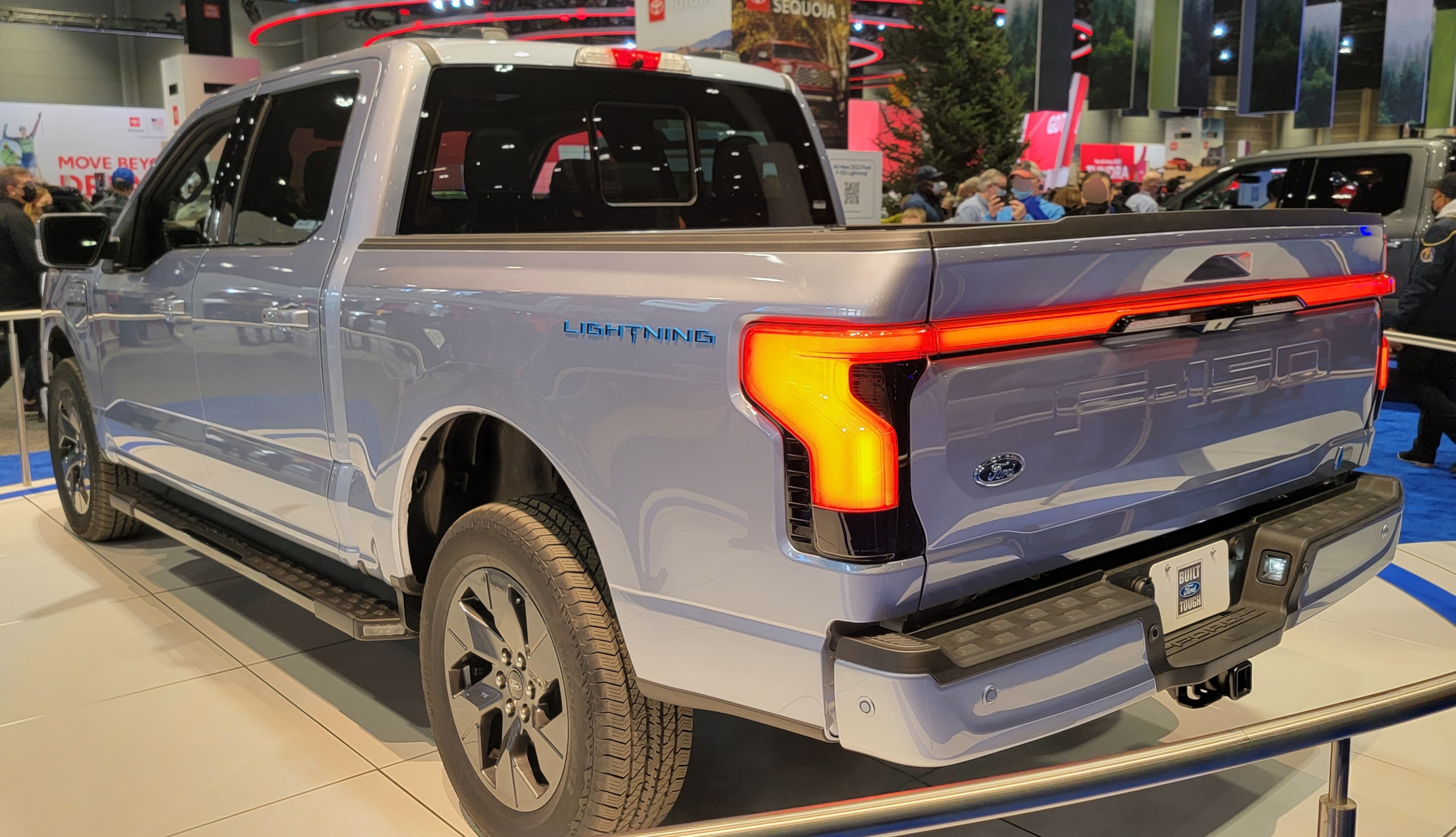
F-150 Raptor
"...l kit. If you're watching on YouTube, you see my Raptor getting details in the background. This kit has ..."
DIYer
"everything a DIYer would need everything a pro would need to do your daily your project or that sweet sweet darling that you keep in the garage for only sunny special days or car shows"
“DIYer” refers to a do-it-yourself enthusiast who performs car maintenance or detailing without paying a professional. In detailing context, it signals that the kit is designed to be usable by non-professionals while still being capable enough for pros.
Metro Vac
"enjoy our friend Andrew Cohen VP of operations for Metro Vac decades of performance and vacuums pumps dryers all made in the USA. And speaking of made in America, dude, so for context, Andrew and I have only talked on the phone maybe twice"
Metro Vac is the company Andrew Cohen works for. They make tools (like vacuums and drying equipment) that people use to clean and detail cars.
Metro Vac is referenced as the company where Andrew Cohen works, described as a family-run, U.S.-made business. The episode frames Metro Vac around performance vacuums, pumps, and dryers—tools commonly used for automotive detailing and cleaning workflows.
US made
"And we are US made proud. And it's all it's all old fashion assembly lines here... where US manufacturing is almost almost dead."
“US made” refers to manufacturing that’s produced in the United States. In the context of the conversation, it’s used to emphasize the company’s manufacturing identity and legacy.
door to door salesman
"he was selling refurbished Electrolux vacuums door to door. So old fashioned door to door salesman going to places..."
They’re describing how the founder sold products by visiting people’s homes directly. It’s just background on how the company got started.
The guest describes the company’s early business model as door-to-door sales. While not an automotive term, it’s a historical business concept that helps explain how the company started and grew.
Electrolux vacuums
"Yeah, we my great grandfather started the company in 1939... selling refurbished Electrolux vacuums door to door."
Electrolux is a brand that makes home appliances, including vacuum cleaners. The guest is saying the company started by selling refurbished vacuums from that brand.
Electrolux is a well-known consumer appliance brand, and the guest mentions the founder selling refurbished Electrolux vacuums. This is relevant as part of the company’s origin story rather than a technical automotive topic.
SEMA
"...or over a year now. And your videos from SEMA would come up with the vacuums right and you actually have some there behind you..."
SEMA is a big auto industry show where companies bring new products to show off. If you see something demonstrated at SEMA, it usually means it’s a real product people in the car world care about.
SEMA is the Specialty Equipment Market Association show, a major annual event where automotive brands and aftermarket companies display products and innovations. In the segment, the host references the guest’s SEMA videos and demonstrations, which signals product credibility and real-world testing/usage.
made in the US
"...when I found out like how proud you guys are about being you know, made in the US started following along..."
“Made in the US” is a sourcing and branding concept that signals manufacturing origin, which can influence buyer decisions and perceived supply-chain reliability. The host connects this to the guest’s pride in domestic production, framing it as part of the product’s value proposition.
Amazon
"with our products, we have to sell on Amazon and you know, we have a reseller a few resellers that sell our products on Amazon, but the market saturated"
Amazon is being used as the main place they sell products. The guest says that once customers get used to Amazon-style buying and expectations, it becomes harder for companies to stand out.
Amazon is discussed as a major sales channel where expectations are set by marketplace behavior. The guest argues that relying on Amazon/resellers can make it harder to compete and can affect how customers perceive product quality and support.
market saturated
"but the market saturated I mean, for vacuum cleaners for blowers, it's it's tough and you don't"
A “saturated market” means lots of companies are selling similar stuff. When that happens, it’s harder for any one company to grow or make sales.
“Market saturated” means there are many sellers offering similar products, so it’s harder to stand out and maintain healthy sales. In this segment, it’s used to describe the competitive vacuum/blower accessory market.
vacuum cleaners for blowers
"for vacuum cleaners for blowers, it's it's tough and you don't want to buy something invest the money"
They’re talking about a category of yard/cleaning tools—vacuum and blower setups. The point is that it’s a tough market and buyers worry about whether the tools will last.
This phrase refers to a product category where vacuum/blower systems are used together or where vacuum-style attachments are sold for blower tools. The guest uses it to explain why that niche can be difficult to sell in due to competition and durability concerns.
customer support
"a year goes goes by two years goes by and it breaks you can't repair it you can't contact the customer customer support. So that's a lot of what we do is, you know, I have a phone on my desk"
The guest emphasizes customer support as a critical part of product value—especially when a product fails. They describe a scenario where a buyer can’t get repairs or reach support, which turns a purchase into a costly dead end.
assembly line
"And I was working part time at the business, I was doing customer support, I was doing repairs, I was working on assembly line, I was doing shipping, I learned literally everything."
An assembly line is how factories build things in steps. Each person or station does one job over and over as the product moves along.
An assembly line is a production setup where workers or stations perform specific tasks repeatedly as a product moves along. In automotive and manufacturing contexts, it usually means hands-on work with parts and subassemblies rather than one-off repairs.
repairs
"throughout that entire time, I was working part time at the business, I was doing customer support, I was doing repairs, I was working on assembly line, I was doing shipping, I learned literally everything."
Repairs are when something breaks and you fix it. That can mean finding what’s wrong and replacing or adjusting parts so it works again.
“Repairs” refers to fixing or restoring a product or system after it’s malfunctioned or worn out. In a manufacturing or automotive-adjacent shop, this often includes troubleshooting, replacing failed components, and verifying the fix works.
micro brew industry
"So I left in 2015, and I went right into the micro brew industry. And, you know, I started as I started as a server."
They’re talking about the small, local craft beer business. It’s just background on the guest’s job history, not something related to cars.
This segment mentions the “micro brew industry,” which is the craft beer world. It’s not an automotive term, but it’s a key contextual phrase for the guest’s career timeline rather than car culture.
IPA
"everybody getting into, oh, this IPA is so delicious, you know, Whoa, whoa, whoa, do you not like IPAs?"
IPA is a type of beer. It usually tastes more bitter and “hoppy,” and they’re talking about which kind they like.
“IPA” stands for India Pale Ale, a style of beer known for hop bitterness and strong hop aroma. The guest discusses how IPA preferences (including hazy IPAs) changed over time.
enterprise sales
"And then I worked my way up and I got into enterprise sales. So I was working with Fortune 500 companies."
Enterprise sales means selling to big companies. The process usually takes longer and involves more people deciding, not just one buyer.
Enterprise sales refers to selling products or services to large organizations (often Fortune 500 companies) rather than individual consumers or small businesses. It typically involves longer sales cycles, more stakeholders, and more formal procurement processes.
hyper clean products
"Like right now, I'm selling you guys on hyper clean products and I'm selling you guys on Metro vac. Okay, but we're trying to bring it to you in an entertaining way that we hope that you just want to go do it because they're good products and they have good customer service behind both of them."
They’re describing cleaning products marketed to get things very clean. The claim is that using the right products helps you avoid having to redo the job later.
“Hyper clean products” is presented as a category of cleaning solutions/tools aimed at achieving a higher level of cleanliness. The speaker ties it to avoiding a “lackluster experience” that would force repeat work.
fabricated metal
"Our design from what it is now hasn't changed. This is fabricated metal deep draw."
“Fabricated metal” means the part is made by shaping and assembling metal. They’re using this to explain why their product is built to last.
“Fabricated metal” refers to parts made by forming and assembling metal components rather than using a single cast piece. In this context, it’s part of the manufacturing story—deep draw plus stamping—used to argue for durability and quality.
deep draw
"Our design from what it is now hasn't changed. This is fabricated metal deep draw."
“Deep draw” is a way of making metal parts by pulling a flat sheet into a mold to form a deeper shape. It’s commonly used when you need a strong, precise metal form.
“Deep draw” is a metal forming process used to create cup-like or complex shapes by pulling sheet metal into a die. The speaker connects it to fabricated metal construction, suggesting the part’s shape and strength come from this specific manufacturing method.
stamped steel
"We stamped the steel here on a 60 ton press that's probably been around since the early 1900s."
“Stamped steel” means the metal is cut and shaped using a press and a die. It helps make parts in a consistent, repeatable way.
“Stamped steel” indicates the part is made by stamping steel sheet into a shape using dies and a press. This matters because stamping can improve repeatability and structural consistency compared with more manual fabrication methods.
60 ton press
"This is fabricated metal deep draw. We stamped the steel here on a 60 ton press that's probably been around since the early 1900s."
A “60 ton press” is a very powerful machine used to shape metal. The bigger the ton rating, the more force it can apply to stamp or form steel parts.
A “60 ton press” refers to a hydraulic/mechanical press with a 60-ton force rating used for metal forming operations. In this segment, it’s tied to stamping steel for a fabricated metal part, highlighting the manufacturing capability and tooling strength.
canister vacuum
"...that snowballed into using that design that that canister vacuum design and expanding it... So we more or less copied that design the canister vacuum, but we had our own electric floor brushes, and attachments, hoses."
A canister vacuum is the kind where the “big” part of the vacuum sits in a separate container. A hose connects it to the brush head, so you can clean different areas with attachments.
A canister vacuum is the style where the main motor and dust collection container sit in a separate unit, connected to the floor head by a hose. It’s often used for whole-home cleaning because the hose and attachments make it flexible around furniture and stairs.
electric floor brushes
"So we more or less copied that design the canister vacuum, but we had our own electric floor brushes, and attachments, hoses."
An electric floor brush is the rotating brush on the bottom of the vacuum. Because it’s powered, it helps loosen dirt from carpets and rugs better than a non-motorized brush.
Electric floor brushes are motorized brush heads that agitate carpet and lift debris more effectively than passive bristles. They’re typically powered through the vacuum’s wiring, improving cleaning performance on carpets and rugs.
dual volt handbag
"And then there was the invention of the dual volt handbag, which I don't have here, but it was a 12 volt or a 110 volt..."
They’re describing an early handheld vacuum that could work using two different power types. The idea was to make it usable in more situations than a standard plug-in handheld.
A “dual volt handbag” vacuum describes a handheld vacuum form factor designed to work on two different voltage inputs. In the context of the episode, it’s presented as an early, versatile handheld vacuum concept that could be used across different power sources.

Alpine A110
"the invention of the dual volt handbag, which I don't have here, but it was a 12 volt or a 110 volt, you can change the currency on it. And that was that was that was a first he he"
The Alpine A110 is a small, sporty car made in France. It’s famous for feeling quick and nimble on winding roads. People bring it up because it’s considered an important classic sports car.
The Alpine A110 is a classic French sports car known for its lightweight design and agile handling. It’s often discussed because it became an icon of rally and road racing-era engineering, making it a frequent reference point when people talk about “invention” and automotive history. In a podcast, it may come up as a shorthand for a specific kind of performance-focused design philosophy.
12 volt or 110 volt
"...it was a 12 volt or a 110 volt, you can change the currency on it. And that was that was that was a first..."
This means the vacuum could run on different types of power. One option is like what you’d find in a car (12 volts), and the other is normal home power (110 volts).
This refers to the vacuum’s ability to operate on different electrical standards—either a lower-voltage system (12V, common for vehicles) or standard household mains (110V in the U.S.). A device that can switch between them is more versatile for home and car use.
dust buster
"...we were a pioneer in the handbag way before dust buster. [1550.0s] Classic dust buster. Yeah, exactly."
“Dust Buster” is a famous name for handheld vacuums. The guest is saying their earlier handheld vacuum idea came before the Dust Buster became popular.
“Dust Buster” is a well-known brand name associated with handheld cordless vacuums. The speaker uses it as a comparison point to claim their earlier “handbag” handheld vacuum concept predates the Dust Buster era.
Good year
"And it spoke about, you know, we had a name good year on our handbag. And we had gotten sued by by good year. So there were a bunch of different names."
The guest mentions “Good year” as a brand that was used on some of their products, and they say there was a lawsuit involving that branding. It’s a reminder that brand names and logos aren’t always free to use.
“Good year” is referenced as a brand that appeared on MetroVac-branded products (described as a “handbag”), and the guest says they were sued by that brand. This is an example of how vacuum accessory branding and licensing can become a legal issue.
OmniVac
"I think we had the meteor two, which was one of our vacuums, the OmniVac is actually still in production. OmniVac. Yeah, I know that name. We still have that in production."
OmniVac is the name of a vacuum model the guest says is still being made today. So it’s not just a historical product name—it’s part of their ongoing lineup.
OmniVac is named as a vacuum model that MetroVac still produces. The discussion treats it as a long-running product line, which helps listeners understand that some vacuum designs have persisted through multiple decades.
electrosweep
"What else? The dual volt is what we call that we also had the electrosweep. I remember electrosweep. I know that name. Electrosweep."
Electrosweep is mentioned as another vacuum product name from MetroVac’s lineup. The guest recalls the name and places it alongside other vacuum models, suggesting it was part of their branded product history.
automotive detailing vacuums and dryers
"So but it's not just floor carrying, we have a lot of different products as well. So as you know, automotive detailing vacuums and dryers, but those same dryers we use for detailing or for dog grooming as well."
They’re talking about tools used to clean cars—vacuuming and drying after washing. The interesting part is that the dryers can also be used for dog grooming.
The guest distinguishes automotive detailing vacuums and dryers as part of MetroVac’s product range. They also explain that the same dryers can be used for dog grooming, showing cross-over utility beyond car cleaning.
trade show
"80s. And every time I go to a trade show, I'm actually going to a trade show in March, at the end of March, always got people coming up to me and say, I've had that machine since, you know, 1990, had it for 30 years, I've had it for 40 years, it just doesn't break."
A trade show is like a big industry fair for businesses. Companies bring their products and talk to other people in the industry.
A trade show is an industry event where companies demonstrate products, network, and meet potential customers or partners. In automotive-adjacent businesses, it’s a common place to hear real-world ownership stories and product durability feedback.
electric duster
"There was also our, one of our most popular lines right now is the data vac, data vac. These are electric dusters, but it started as a vacuum, vacuum electric duster for computer cleaning for toner, toner spills for printers."
An electric duster is a device that uses electricity to push out air and blow dust away. It’s used to clean without touching delicate parts.
An electric duster is a powered device that blows air to remove dust and debris. In this segment, it’s discussed as a specialized tool for cleaning electronics and sensitive equipment.
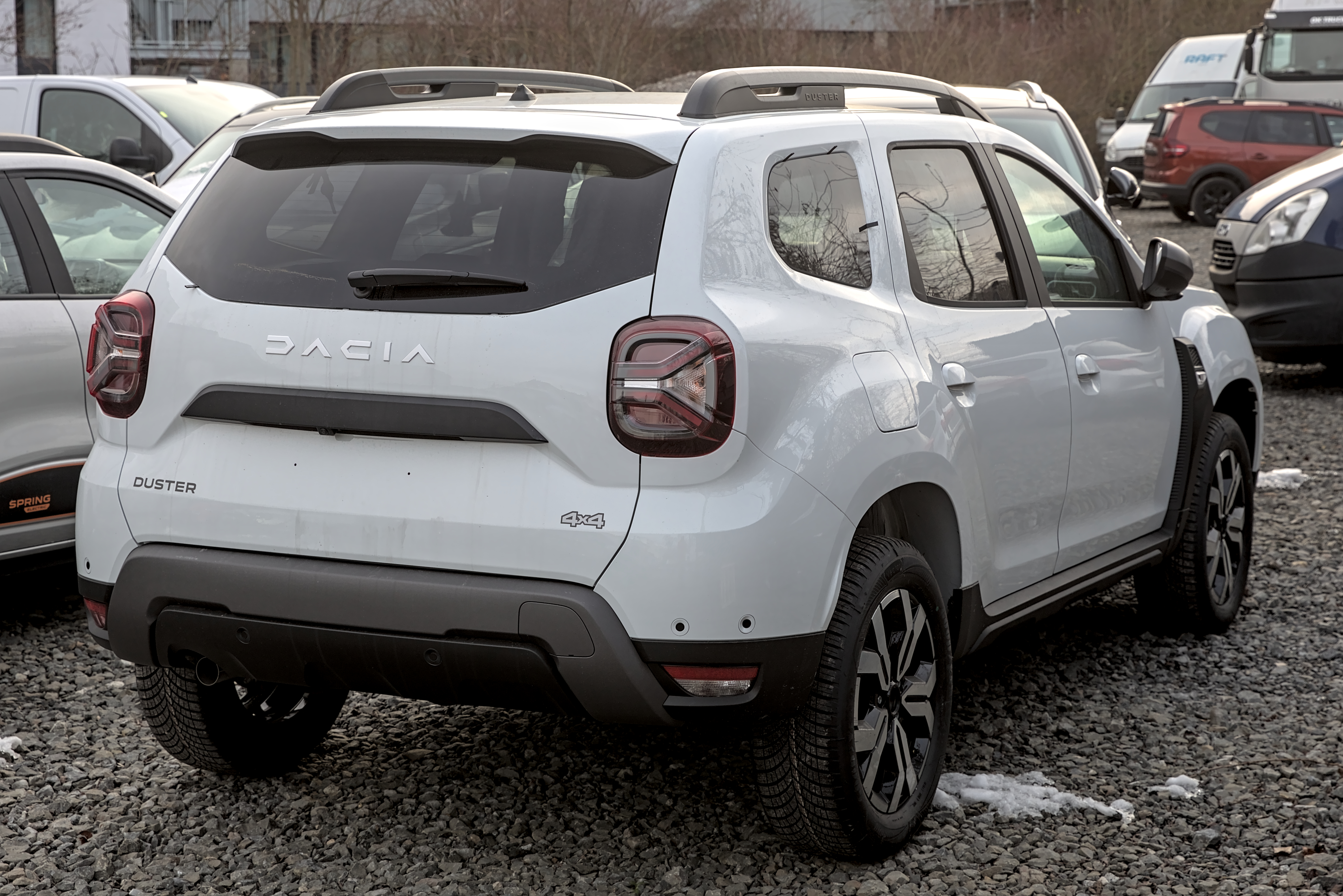
Dacia Duster
"...ow is the data vac, data vac. These are electric dusters, but it started as a vacuum, vacuum electric dus..."
The Dacia Duster is a small SUV meant to be practical and not too expensive. It’s built for everyday driving, like errands and road trips. The podcast mention of “electric” versions means there may be an electrified option depending on where you live.
The Dacia Duster is a compact SUV designed to be affordable while still offering practical space and easy everyday usability. The podcast context suggests a discussion about “electric dusters,” which points to the model line being offered in electrified form in some markets. It’s a frequent conversation topic because it represents budget-focused SUV ownership.
microns
"So special kind of bags to pick up, I believe up to 0.5 microns. And that's a, that's a huge industry, especially right now with all of these data centers that are popping up."
Microns are a way to measure how small particles are. A smaller number means the filter can catch tinier dust.
Microns (µm) are a unit of particle size, where smaller micron ratings mean finer filtration. The speaker mentions bags that can capture particles down to about 0.5 microns, which is important for keeping dust out of sensitive equipment like printers and data-center hardware.
data centers
"And that's a, that's a huge industry, especially right now with all of these data centers that are popping up. And it's, it's, it's awesome."
A data center is a building full of computers and servers. Keeping dust out helps the equipment work reliably.
Data centers are facilities that house large numbers of servers and networking equipment. The segment ties specialized vacuum/dusting tools to the need for clean environments to protect electronics from dust and particulate contamination.
vacuuming
"And that's exactly what we do, whether it's blowing or sucking, vacuuming, that is what we do."
Vacuuming means using suction to pull air (and sometimes dirt or debris) out of somewhere. It’s the same basic idea as a household vacuum, just used in different products.
Vacuuming refers to using suction to remove air or debris from a space. In automotive-adjacent contexts, vacuum systems are often used for cleaning, fluid handling, or operating air-powered devices.
air suspension batting tee
"We actually had a product, when I was still working here back in 2015, we were doing a product called HitZone. And it was an air suspension batting tee."
This is a special batting tee that uses air pressure to make the top part move more smoothly. Instead of being rigid, it can float and react in a way that’s better for practice.
An air suspension batting tee uses compressed air to support and stabilize the tee, allowing it to “float” and absorb movement. The speaker uses it as a training aid for baseball/tennis and describes making it spin like a pitched ball.
HitZone
"We actually had a product, when I was still working here back in 2015, we were doing a product called HitZone."
HitZone was a product the guest helped make. In this story, it’s a training tee for baseball/tennis that uses air pressure to behave differently than a normal tee.
HitZone is the name of a product line the speaker worked on, described as an air-suspension batting tee. It’s not an automotive brand, but it’s a specific named product relevant to the guest’s background.
cord
"...you need electricity, you need a cord and most fields don't really have that..."
A cord means the device needs to be plugged in to work. It can limit how far you can move around while you’re using it.
A “cord” indicates a tethered power connection, typically to a wall outlet or generator. In tool use, cords affect where you can work and create practical constraints like reach and setup time.
electricity
"...the problem is, you need, you need electricity, you need a cord and most fields don't really have that..."
They’re talking about needing power from the electrical grid to run the device. If you don’t have an outlet or easy access to power, you may need a different setup.
“Electricity” here is the limiting factor for running corded equipment—without an available power source, the tool can’t operate. The discussion implies that typical home setups may not provide convenient outlets for certain equipment.
battery
"But there's no way that you can run it on a battery for more than, I don't know, 10 minutes..."
The battery is what powers the tool without plugging it in. The main issue is how long it can run before you have to recharge it.
“Battery” refers to stored electrical energy used to power equipment without a cord. The speaker highlights a runtime expectation—battery tools may only run for a limited time before performance drops or the battery needs recharging.
turbine fan blowers
"...I see it with all these, you know, polishers with these, these, you know, turbine fan blowers, leaf blowers, in my opinion, are great for blowing leaves."
These are powerful air blowers that push a lot of air out fast. Detailers use them to help dry a car and clear water from tight spots.
Turbine fan blowers are high-airflow tools that use a fan/turbine to move lots of air quickly. In detailing, they’re often used to remove water from paint and crevices after washing.
leaf blowers
"...turbine fan blowers, leaf blowers, in my opinion, are great for blowing leaves. If you're trying to use it to dry your car..."
A leaf blower is made to blow leaves and yard stuff. Using it on a car can be hit-or-miss, especially for delicate drying and getting water out of small areas.
Leaf blowers are typically designed for yard debris, not automotive detailing. The speaker argues they can work for drying, but they may not provide the right airflow control or filtration for careful paintwork.
master blaster
"...you can't beat the concentration of the master blaster. Yeah, the hose may be a little bit clunky..."
A “Master Blaster” is a car-drying blower that pushes a lot of air to get water off the paint and out of crevices. The point is that it’s stronger and more consistent than many handheld options.
“Master Blaster” refers to a detailing air-dryer system known for high-velocity airflow to dry vehicles more effectively than typical consumer blowers. The discussion contrasts it with tools that only run briefly or lack sustained power.
hose reel
"...get yourself a hose reel, plug it in. You have endless power."
A hose reel is a way to keep your hose neatly wound and easy to pull out. It helps you work around the car without the hose getting in the way.
A hose reel is a storage and deployment system that keeps a hose organized and ready to use. In detailing workflows, it helps reduce clutter and makes it easier to move around the vehicle while maintaining power and reach.
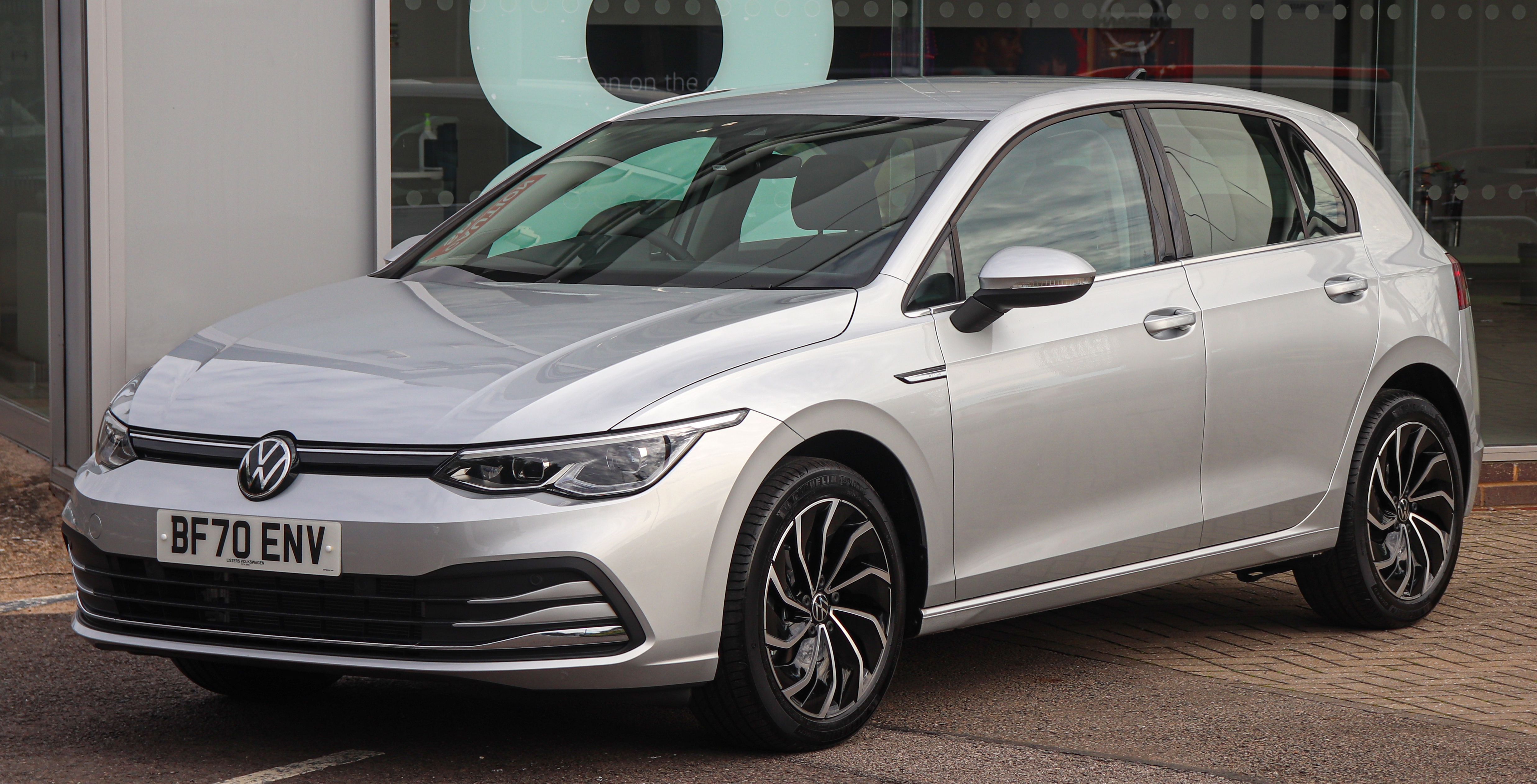
Volkswagen Gti
"... green battery operated company where man, in the GTI, which is small, I'm lucky to get I can't go the..."
The Volkswagen Golf is a compact car that’s meant for everyday driving. The GTI is a sportier version of the Golf with more performance. People talk about it because it’s small enough to be practical but still feels fun to drive.
The Volkswagen Golf is a compact car known for being practical, efficient, and widely used as a daily driver. The podcast context references a GTI, which is the performance-oriented version of the Golf line. It comes up frequently because it’s a benchmark for “hot hatch” style driving while still being usable day to day.
orifice
"...if you try to compress, you know, the the orifice and make it a smaller, you know, concentration"
An orifice is just the opening where air comes out. If you make that opening smaller, you can sometimes make the air come out stronger for drying small spots.
An orifice is the opening through which air is forced. The speaker’s point is that narrowing/compressing the airflow path can increase “concentration” (air velocity) for drying and detail work in tight areas.
vacuum motors
"it's it's not the same as if it's being pressurized like our vacuum motors are. But to answer your question, I am never going to buy an electric vehicle."
A vacuum motor is part of a system that uses suction/pressure differences to do work. The speaker is saying the force behaves differently depending on whether it’s pressurized.
“Vacuum motors” are electric motors that use vacuum pressure as part of their operation (or are paired with vacuum systems). In this context, the speaker is contrasting how force is lost versus how it behaves when pressurized, tying it to vacuum-based operation.
electric vehicle
"your question, I am never going to buy an electric vehicle. And we've discussed I'm I'm stick shift. I like my stick shift. I like my anti theft. I like being in control of my car. No electric vehicles."
An electric vehicle runs on electricity from a battery. The speaker is saying they personally prefer gas and manual shifting over EVs.
An electric vehicle (EV) is powered by one or more electric motors instead of a gasoline engine. The speaker’s point is preference: they don’t value EV acceleration as much as the experience of driving a manual car with gas and shifting gears.
stick shift
"we've discussed I'm I'm stick shift. I like my stick shift. I like my anti theft. I like being in control of my car. No electric vehicles."
A “stick shift” is a manual car. You use a clutch pedal and a gear stick to choose the right gear yourself.
“Stick shift” refers to a manual transmission, where you use a clutch pedal and gear lever to change gears. The appeal is more driver involvement and direct control compared with automatic transmissions.
anti theft
"we've discussed I'm I'm stick shift. I like my stick shift. I like my anti theft. I like being in control of my car. No electric vehicles."
Anti-theft is the car’s security system. It’s meant to stop someone from stealing or starting the car without the right key.
“Anti theft” refers to security systems designed to prevent unauthorized use of a vehicle. In practice, this can include immobilizers, alarm systems, and key/ignition authentication.

Subaru WRX
"Oh, for the last three years, it has been my and I'm going to get a lot of crap for this because I get crap from all my friends. You know, those are good friends. It's my it's my Subaru, my Subaru WRX and everybody's always got to 22."
The Subaru WRX is a sporty Subaru with strong performance and usually all-wheel drive. The speaker likes it because it fits their preference for driving a manual car.
The Subaru WRX is a performance-oriented compact sedan/wagon platform known for all-wheel drive and turbocharged power. In this segment, the speaker is specifically talking about their current WRX as a manual-focused choice.

Subaru Legacy GT
"STI, you know, when I was growing up, I had a 2008 legacy GT, which I had a lot of fun. 2084.4s] Legs are underrated. Those are cool. "
The Legacy GT is a Subaru Legacy with a turbo engine. The speaker liked theirs and says they wish it had been a manual.
The Subaru Legacy GT is a turbocharged variant of the Legacy, known for being a practical family car with performance. The speaker references owning a 2008 Legacy GT and notes it was fun, even though they wished it had a manual.

Pontiac Grand Prix GTP
"You know, one of my first cars was a Pontiac Grand Prix GTP supercharged little wide body action. That was a lot of fun. But now I'm driving the 22 WRX and I don't know"
The Pontiac Grand Prix GTP is a sporty version of the Grand Prix. In the era the speaker is describing, it’s known for having a supercharged engine for extra punch.
The Pontiac Grand Prix GTP is a performance trim of the Grand Prix that was offered with a supercharged V6 in many years. The speaker describes it as a “supercharged” and “wide body” style experience, highlighting it as one of their early cars.

Outback Wilderness
"...know, okay, so I people love outbacks. I have an outback wilderness. I actually I got it for my wife. But mainly bec..."
The Subaru Outback is a car that’s comfortable for daily driving but can handle rougher roads better than a typical car. The “Wilderness” version is the tougher, off-road-focused trim. People like it because it can do both errands and outdoor trips.
The Subaru Outback is a crossover/wagon that’s built for everyday comfort with the option of all-wheel drive and higher clearance. The podcast context specifically mentions an Outback Wilderness, which is the more rugged trim aimed at rougher roads and outdoor use. It’s discussed because many owners choose it as a single vehicle for commuting plus trips.
clutch
"But mainly because she doesn't like driving around in a WRX on the weekends. You know, because she gets a little car sick to begin with. And then, you know, as smooth as I am with that clutch, it doesn't matter."
A clutch is what you use to smoothly start moving and change gears (on a manual transmission). The speaker is saying they can drive smoothly enough that it helps with motion sickness.
A clutch is the pedal-operated connection between the engine and the transmission, used to engage/disengage power when shifting. The speaker mentions being “smooth” with the clutch, implying they’re driving a manual or otherwise managing clutch feel to reduce discomfort for a passenger.
Subaru Outback
"...car driver. Yeah. Oh, yeah. But I got her a 2025 outback wilderness. But it was it was really for me beca..."
The Subaru Outback is a car that’s meant for regular daily use but can handle rougher roads better than a typical sedan. The “Wilderness” version is the tougher, more off-road-ready version. It’s often chosen by people who want one vehicle for both commuting and trips.
The Subaru Outback is a practical crossover/wagon built for everyday driving with available all-wheel drive and higher ground clearance. In the podcast context, a 2025 Outback Wilderness is mentioned, which is the more rugged, off-road-oriented trim. It’s a common topic because it blends family-friendly comfort with capability and is widely owned.
turbo
"But it was it was really for me because I drive it on the weekends and I needed that turbo. Sure. She had I'm a Subaru guy."
A turbocharger helps the engine make more power by pushing extra air into it. The speaker is saying they wanted that extra punch for their driving.
“Turbo” refers to a turbocharger, which forces more air into the engine to improve power and responsiveness. The speaker specifically says they needed the turbo in the Outback Wilderness for their weekend driving.
clear coat
"Actually, no, I gotta take care of the paint right now. We're working on things to take care of the good. Get that clear coat going all that."
Clear coat is the shiny protective layer on top of your car’s paint. It helps keep the color looking good and protects it from sun and everyday wear.
Clear coat is the transparent top layer on a painted surface that protects the color coat underneath from UV rays, minor scratches, and weathering. When someone says they’re “getting that clear coat going,” they’re usually talking about applying or curing that protective layer as part of a paint correction or detailing job.
paint match bumpers
"We're working on things to take care of the good. Get that clear coat going all that. Got it. I'm gonna paint. I'm gonna paint match vendors, paint match bumpers, do one step, code it..."
If a bumper gets repaired or replaced, you want it to look like it came from the factory. “Paint match” means the new paint is matched to the rest of the car so you can’t easily tell where the work was done.
“Paint match bumpers” means refinishing a bumper so its color and finish match the surrounding body panels. This often involves careful color matching and blending so the repaired area doesn’t look like a different shade or sheen.
one step
"...paint match bumpers, do one step, code it we're gonna use hyper clean products."
“One step” usually means doing the paint or finish work in a single pass instead of multiple stages. It’s meant to save time while still getting a good-looking shine.
In detailing/refinishing, “one step” typically refers to a process that combines correction and finishing in a single step rather than doing separate stages. The goal is to reduce time while still achieving a uniform gloss and surface finish.
shop vac
"Can you do a job with, you know, a shop vac whatever it is. And I say shop vac, not necessarily saying yeah, the company shop vac, but I'm talking about. Yeah, that style."
A “shop vac” is a garage vacuum people use for cleaning up messes. The speaker is saying it’s meant for certain kinds of cleanup and isn’t built to handle water for long periods.
“Shop vac” refers to a wet/dry style vacuum commonly used for shop and garage cleanup. In the segment, the speaker contrasts this style with true wet vacs, emphasizing intended use and durability expectations.
wet vacs
"our products are, you know, dry pickup only. Those those wet vacs, whatever it is. They can suck up water, but it's not going to be for a very long time."
A wet vac is a vacuum that can suck up liquids. The speaker is warning that even wet vacs aren’t meant to be used with water continuously for a long time.
“Wet vacs” are vacuums designed to pick up liquids, but the speaker stresses they still aren’t meant for long-term wet use. The point is about matching the tool to the job and understanding real-world durability limits.
manufacturers warranty
"What is the like warranty or the guarantee that MetroVac gives customers? It changes by product our larger units. They all have a one year manufacturers warranty on the unit itself or any parts, accessories components."
A manufacturer’s warranty is the promise from the maker that they’ll stand behind the product if it breaks. In this case, they’re saying it’s one year for the unit and its parts.
A manufacturer’s warranty is coverage provided by the product maker if a component fails within a stated time. Here, the speaker specifies that MetroVac’s larger units include a one-year manufacturer’s warranty covering the unit and parts/accessories/components.
five year warranty
"warranty on that. For our larger units, we have a five year warranty on the motors."
A five-year warranty means the company promises to cover problems for a long time after purchase. Longer warranties usually suggest the product is expected to last.
A five-year warranty is a long coverage period that signals the manufacturer’s confidence in the product’s durability. In this segment, it’s specifically tied to the larger units and is contrasted with other warranty coverage.
warranty on the motors
"For our larger units, we have a five year warranty on the motors. So that that's probably the longest warranty on any kind of vacuum or anything in this industry."
They’re saying the motor itself has its own warranty coverage. If the motor fails, the warranty is what helps pay for repairs or replacement.
The segment distinguishes warranty coverage for the motors, separate from other parts of the system. This matters because motors are often the most failure-prone or expensive component in powered equipment.
heavy duty beefy motors
"we use some heavy duty beefy motors. It used to be a US company, they moved their manufacturing down to Mexico."
They’re describing the motors as stronger and made for hard use. That usually means the tool is less likely to wear out quickly.
“Heavy duty” and “beefy” are informal ways of saying the motors are built for higher load, longer runtime, or tougher duty cycles. In equipment discussions, motor robustness often correlates with longevity and consistent performance.
moved their manufacturing down to Mexico
"It used to be a US company, they moved their manufacturing down to Mexico. So it's still, it's still American."
They’re saying the company changed where it builds its products—from the U.S. to Mexico. That can be about cost and production logistics, even if the company still considers itself American.
The speaker notes a manufacturing location change from the U.S. to Mexico while still framing the company as “American” in identity or operations. Manufacturing location can affect cost, supply chain, and sometimes quality control practices.
practical truck
"I try to be I try to be as as practical as possible. You know, I wanted I wanted a good bang for the buck."
A “practical” truck is chosen for everyday usability—things like comfort, drivability, and real-world capability—rather than pure style or luxury. The speaker emphasizes comfort inside and confidence at speed, which are practical ownership priorities.
bang for the buck
"I wanted I wanted a good bang for the buck. And I got it. That thing handles like incredibly and I it's, you know, the lines aren't that great."
It just means you want the most value for what you pay. Here, they’re saying the truck was a good deal and still drives well, even if it’s not the most stylish choice.
“Bang for the buck” is a value-for-money idea: you’re looking for a vehicle that delivers strong performance and usability relative to its cost. In this segment, the speaker frames their purchase as being practical and cost-effective while still feeling good to drive.
super vac
"Now, now I'm now I'm trying to think of something that Oh, our our super vac that that's you know, I was waiting for you to give your own product a shout out."
“Super vac” appears to be MetroVac’s branded vacuum product, positioned as something that’s “hard” to find elsewhere because it impresses on build quality and longevity. This is relevant because the discussion shifts from trucks to what consumers can still buy that feels truly well-made.
built to last
"Yeah. And that's the thing is it's so hard to find something that is, you know, really built to last well quality. Everything is getting more expensive."
“Built to last” is a durability-focused buying criterion—seeking products (including vehicles or accessories) that hold up over time rather than failing early. The speaker connects it to the broader theme that modern goods can feel less durable and less satisfying for the money.
getting less for the money
"Everything is getting more expensive. And you're getting less for the money, it seems like. And you're, yeah, you're getting less."
They mean things cost more now, but you don’t necessarily get better quality in return. So it’s harder to feel like a purchase is truly worth it.
This phrase describes a perceived value decline: prices rise while quality or features don’t keep up. It’s a consumer-economics concept that frames why the speaker is struggling to be impressed by “material things” lately.
race to the bottom
"“And you the race to the bottom can't be the only solution because you won't be here on the other side of whatever hill that we're kind of cresting right now.”"
A “race to the bottom” is when companies keep dropping prices to beat each other. It can work for a moment, but eventually it can hurt quality and make it hard for businesses to survive. The idea is that you need a sustainable price level, not just the cheapest one.
A “race to the bottom” describes a market dynamic where businesses keep lowering prices to win customers, often by cutting margins or quality. In automotive retail and parts distribution, this can lead to reduced service capability, fewer investments in inventory/tech support, and long-term instability. The speaker frames it as unsustainable because it can’t support the business “on the other side” of the downturn.
MAP pricing
"“we among our resellers, we maintain map pricing, you know, map our map policy minimum advertised price. For a few reasons, we want to level out the playing field so everybody's equal.”"
MAP pricing is a rule that says stores can’t advertise a product below a certain price. It helps stop a “race to the bottom” where everyone undercuts each other. Brands use it to protect product value and keep quality costs covered.
MAP pricing stands for “Minimum Advertised Price.” It’s a policy where a brand sets the lowest price retailers are allowed to advertise, even if they can sometimes sell for less. The goal is to prevent price wars that can erode brand value and make it hard for the manufacturer to sustain quality and supply chains.
minimum advertised price
"“we maintain map pricing, you know, map our map policy minimum advertised price.”"
“Minimum advertised price” is the lowest price a store is allowed to show in ads. It’s mainly about how low the price looks publicly. It doesn’t always mean the final sale price can’t be different.
“Minimum advertised price” is the specific floor set by MAP policies. It applies to what retailers can advertise publicly, not necessarily the final transaction price. This distinction matters because it’s meant to control public pricing pressure while still allowing some flexibility in sales.
level out the playing field
"“For a few reasons, we want to level out the playing field so everybody's equal.”"
“Level out the playing field” means making competition fairer. Instead of everyone trying to win only by advertising the lowest price, stores can compete in other ways like service and support. The speaker connects it to MAP pricing.
“Level out the playing field” here refers to reducing unfair competitive advantages from under-advertising prices. In parts and accessories markets, this can help ensure retailers compete on service, availability, and expertise rather than only on advertised cost. It’s closely tied to MAP pricing and brand protection.
made in America
"I mean, if you care about America, yeah, then buy us made because otherwise you're just supporting another country's, you know, GDP."
They’re saying the product is made in the U.S., and that’s part of why it’s worth buying. The idea is that you’re supporting local jobs and getting better support than with some imported options.
The guest is framing the product as “made in America” as a value proposition. In automotive and parts retail, this often signals domestic manufacturing, supply-chain control, and potentially easier support/returns.
lightning deals
"you see all these cheap, light, lightning deals, lightning deals, you know, everybody's lightning deal page is different, by the way, because algorithmically they know who's going to buy what when they're going to buy it."
They’re talking about limited-time discount pages that try to get you to buy quickly. The point is that deals can be tempting, but you still need to make sure the product is the right one.
“Lightning deals” refers to short-time, heavily promoted discounts commonly used by large e-commerce platforms. The speaker is using it as an example of how algorithm-driven promotions can push buyers toward price-first decisions rather than product suitability.
algorithmically targeted shopping
"everybody's lightning deal page is different, by the way, because algorithmically, they know who's going to buy what when they're going to buy it."
They’re saying the website uses an algorithm to figure out what you’re likely to buy. That can make it easy to buy based on hype or discounts instead of whether it actually fits your needs.
The guest describes e-commerce targeting that uses algorithms to predict who will buy what and when. In automotive parts purchasing, this can lead to impulse buys that ignore compatibility, warranty terms, or long-term value.
repairability vs. complexity
"And if something went wrong with it, you would fix it that your technician would fix it. I have an LG fridge at home, and I wish I didn't buy it."
The discussion is basically about whether newer products are easier or harder to fix. More features can mean more things that can break, and that can make repairs less straightforward.
They contrast older, simpler products that were easier to repair with newer products that may be harder to service due to added features. This is a broader “product design for maintenance” idea rather than a specific car topic.
LG
"I have an LG fridge at home, and I wish I didn't buy it. Listen, it's been great since since I bought it."
LG is the brand of the refrigerator the speaker bought. They’re bringing it up to share their personal experience with how well it’s worked and how they feel about the product.
LG is mentioned as the brand of the speaker’s home refrigerator. The speaker uses it as an example of a modern appliance with lots of features that they still feel isn’t as dependable or service-friendly as expected.
Wi-Fi connected appliances
"But but that's that's the thing, you know, it's got all these bells and whistles, and it hooks up to Wi Fi and this and that. It's like, we've come such a long way, but we really haven't evolved in how we produce or manufacture."
Some appliances now connect to your home Wi‑Fi so they can do extra features. The downside is they can be more complicated, and that can make repairs harder.
The speaker is describing modern appliances that connect to Wi‑Fi and add “bells and whistles.” The point is that extra connectivity can increase complexity without necessarily improving reliability or repairability.
Pontiac Torino
"... always we sound like, you know, you know, Grand Torino, like they'd get off our lawn kind of guys, beca..."
Pontiac was a car brand that made vehicles in the United States. Some of its cars were known for being sporty and fun to drive. People still talk about it because it has a history of memorable older cars.
Pontiac was an American car brand known for performance-leaning models and a strong enthusiast following. In the podcast context, it’s referenced alongside a “Grand Torino” style of imagery, suggesting a discussion about classic muscle-era cars and the culture around them. Pontiac often comes up in conversations about older, character-rich vehicles and what made them memorable.
front-load washer (Wi-Fi enabled)
"They don't need any of the new, you know, stacked, you know, front load, whatever with the Wi Fi and the"
They mention newer appliance styles like front-load machines and stacked setups. The idea is that even with modern upgrades (including smart features), they may not last or be easy to repair.
The speaker references “stacked” and “front load” appliances with Wi‑Fi, using them to illustrate how modern appliance design adds features. The underlying point is that newer formats and smart features don’t automatically translate to better long-term durability.
small cleanups
"...it's got a lot of power and it's for small cleanups. This isn't this isn't for detailing. This is for for light cleanups."
They’re saying the tool is meant for small, quick messes. It’s not built for deep cleaning or full detailing of a car.
“Small cleanups” is the intended use case: quick spot cleaning for light messes. The speaker contrasts this with detailing, implying the tool’s power, size, and runtime are optimized for convenience rather than full vehicle restoration-level work.
under three pounds
"It's very small. It's under three pounds. So obviously, the you can't find a US manufacturer of batteries..."
They’re emphasizing it’s very light—under three pounds. That makes it easier to hold and use for quick cleanups.
“Under three pounds” highlights the device’s weight, which affects usability and fatigue during handheld cleaning. For car enthusiasts, lighter tools are easier to maneuver for interior spots and quick touch-ups.
vetted these products out
"...with the extra battery pack, you're looking at about $400. But it's worth it. It's worth it. And we vetted these products out."
“Vetted these products out” means they tested/approved the products before selling or deploying them. In a consumer context, it signals quality control and that the battery/tool combination was evaluated for performance and reliability.
sealed suction
"And it's just rolling. And I'm like, why, no matter where I put it, this is not picking it up. You need you need sealed suction."
A sealed suction vacuum makes a tight seal to the surface. That way it can “pull” dirt out instead of letting air leak around the nozzle.
“Sealed suction” means the vacuum forms an airtight seal against the surface so it can pull air (and debris) efficiently. If the seal isn’t tight, suction leaks and the vacuum won’t pick up dirt even on smooth surfaces like leather.
vortex design
"And a lot of these vacuums nowadays work off of like this vortex, yes, kind of design, it does, they don't have the power, they don't have the real power."
Some vacuums use a spinning airflow inside to separate dirt. The point here is that not all designs create strong enough suction for detailing.
A “vortex design” refers to a vacuum airflow system that spins or cyclones air to separate debris. The host is arguing that some vortex-style vacuums don’t deliver the same effective suction power as higher-performance sealed-suction units.
inches of water lift
"This unit has, and we rate things in inches of water lift, not to say that they can pick up wet materials, but that's just a measurement."
This is a way to measure how strong a vacuum’s suction is. The higher the number, the more “pull” it can create.
“Inches of water lift” is a vacuum performance rating that measures how high the vacuum can lift a column of water, which correlates with suction strength. Higher water-lift numbers generally indicate better suction capability, though real-world pickup also depends on nozzle design and airflow.
four horsepower vacuum
"This thing on high is 100 inches of water lift, our four horsepower vacuum, vacuum blow just our standard compact vacuum blow is about 90 inches of water lift."
They’re talking about how powerful the vacuum motor is. More power can help, but the vacuum’s suction rating (like water lift) matters a lot for real pickup.
The speaker uses “four horsepower” as a way to describe the vacuum’s power level, comparing it to other units. In detailing equipment, horsepower can be a rough indicator, but suction performance is more directly reflected by metrics like water lift and airflow at the nozzle.
1.3 horsepower
"The the sidekick is one of the best pound for pound incredible amount of power. It's 1000 watt 1.3 horsepower."
Horsepower here is just a way to describe how strong the device is. It’s not the same as a car’s engine power, but it’s meant to give you a sense of how capable the tool is.
“1.3 horsepower” is another way of describing the device’s power output. In detailing tools, this is often used as a marketing-friendly equivalent to communicate performance, even though it’s not the same as engine horsepower in a car.
1000 watt
"The the sidekick is one of the best pound for pound incredible amount of power. It's 1000 watt 1.3 horsepower."
Watts are a measure of how much power the device uses. More power can help it pick up dirt and water more effectively, but the tool’s design also matters.
“1000 watt” is a power rating that indicates how much electrical power the device can draw to create suction. Higher wattage often correlates with stronger performance, though design and airflow matter too.
properly coated vehicle
"But that's that that thing if you have a properly coated vehicle, yeah, it works like a charm, you don't need much else."
A “properly coated” car has protection on the paint. That protection helps water bead up and makes drying quicker and easier.
A “properly coated vehicle” means the paint and surfaces have been treated with a protective product (often a ceramic coating, sealant, or wax). Coatings can increase water beading and make it easier to remove moisture during drying.
ruby red metallic
"Can't wait to demonstrate that on the Raptor when the ruby red metallic just the water just beating off and it's, you know, saving on the drying time and all that kind of nonsense."
That’s a specific paint color with a metallic look. It can make water droplets and beading easier to see when you’re showing how the finish is performing.
“Ruby red metallic” describes a paint color/finish that includes metallic flakes. Metallic paint can visually highlight water behavior—like beading—so it’s a good choice for demonstrating how well a coating helps water release.
Request an Explanation
Heard something you'd like explained? We'll add it to this episode.
Sign in to request explanations for terms you heard.
Want to learn more?
Browse our glossary for plain-English explanations of automotive terms, jargon, and concepts.
Help improve this episode
See something that's not quite right? Our annotations are AI-generated and can sometimes miss the mark. Click the flag icon on any annotation to suggest a correction.