
#088 - Auction Shenanigans, 2027 Roush Ram 1500, Camping EVs, Should You Buy From Alibaba? & More!
About this episode
Auction talk turns into a bigger rant about integrity: bids that look like they’re meant to prevent a real sale, dealer involvement, and how scandals can ripple through the used-car market. The hosts also cover a Roush-connected 2027 Ram 1500 described as “TRX without the supercharger,” plus EV “camping” that depends on charging access. Later, they debate whether to buy from Alibaba/Chinese EV brands, citing bricking, thin margins, and shaky after-sale communication.
Support Clutch Culture Content by ordering The Complete Detail Kit from hyperCLEAN: Support those that support the show!
We're building the biggest online car club in the world. Join the community! clutch.club
Clutch Culture Hoodies BACK IN STOCK: https://hypercleanstore.com/collections/gear-up/products/clutch-culture-hoodie
Enjoying the show? Drop us a 5 Star rating AND review. Thanks in advance!
Sharing the show is the best way to help it grow!
Email your questions, topics, stories: [email protected]
If you're a parts manufacturer or supplier that want's to be apart of either the 2003 LX470 or 2014 Gen 1 SVT Raptor, get in touch with us via email at [email protected]
Follow the show on social @ClutchCulturePod on Instagram & TikTok

Cadillac Ctsv
"I 2012 blue I've only seen one of these blue CTSV wagons in my life in person [358.2s] It's got a it's got a wide-body kit on it if you didn't that looks so good."
This is a supercharged, high-performance Cadillac CTS-V. The “wagon” version is especially rare, so it stands out a lot when it shows up at auctions.
The Cadillac CTS-V is a high-performance version of the CTS, known for its powerful V8 and track-ready tuning. In this segment, the host specifically calls out a 2012 CTS-V wagon, which is a rare body style for the CTS-V and a big part of why it draws auction attention.
wide body kit
"It's got a it's got a wide-body kit on it if you didn't that looks so good. This looks like dream good [365.1s] Is that a manual it is a manual?"
A wide-body kit is extra body panels that make the car look wider. People do it for a tougher look and to fit wider tires, but not everyone likes the styling.
A wide-body kit is aftermarket bodywork that adds fender and body width beyond stock. It’s often used to improve tire fitment and give the car a more aggressive stance, but it can also narrow the buyer pool because some people dislike the look.
manual transmission
"[365.1s] Is that a manual it is a manual? [368.5s] It's got 17,000 miles of think on it. I"
“Manual” means you shift gears yourself with a clutch pedal. Some car people like it because it feels more connected and controllable.
A “manual” transmission means the driver shifts gears themselves using a clutch pedal and gear lever, rather than relying on an automatic gearbox. Enthusiasts often prefer manuals because they can feel more engaging and offer more direct control.
Bring a Trailer
"It's on bring a trailer. It's got 19,000. I said 17 [392.7s] 60,500 whoa"
Bring a Trailer is a website where car enthusiasts bid on cars. If a car is listed there, the price can jump because lots of hobbyists are watching.
Bring a Trailer (BaT) is a popular online auction site focused on enthusiast cars, where listings often attract bidders who care about details and condition. Prices can reflect both rarity and how the car is presented in the listing.
spade-to-spade
"The wide-body stuff is gonna turn off a certain segment of buyers [424.1s] That's called spade-to-spade, but I think the way that it's done very like to see all the stuff up close"
“Spade-to-spade” basically means the whole deal, from beginning to end. Here, it means you can judge the car better when you see all of it up close.
“Spade-to-spade” is a phrase meaning from start to finish, covering the whole thing end-to-end. In this context, the host is saying the wide-body look may turn off some buyers, but seeing the car in person lets people evaluate it fully.
wagon V
"Wagon V. I'm just gonna get to the point [455.2s] HRV's on there. Yeah, if you didn't know what you're looking at wagon V, you know now"
“Wagon V” is a shorthand reference to a performance “V” model in wagon form, tying the host’s earlier mention of a CTS-V wagon to the idea of a rare performance wagon. It’s not a formal trim name, but it’s clearly used as a nickname in the conversation.

Honda Hrvs
"Wagon V. I'm just gonna get to the point HRV's on there. Yeah, if you didn't know what you're looking at wagon V, you know now Hey, well done. Yeah, bravo those to whoever whoever made this happen"
The HR-V is a small crossover SUV made by Honda. It’s meant for everyday driving and is usually easier to park than bigger SUVs. The podcast is basically calling it out as part of what’s being shown.
The Honda HR-V is a subcompact crossover SUV designed for practical daily driving and easy maneuvering. In the podcast, it’s referenced as “HRV’s on there” and described in a way that suggests the hosts are pointing out a specific vehicle listing or lineup. The emphasis is on identifying the HR-V clearly for viewers/listeners.
Barrett me come
"because they've done it with basically no oversight and [757.6s] Barrett me come [759.9s] Sotheby's name this shit's always been going on"
This sounds like the host meant Barrett-Jackson, a famous collector-car auction. They’re saying these kinds of behind-the-scenes issues have existed for a long time.
This appears to be a mis-transcription of Barrett-Jackson, a major collector-car auction brand. The host is referencing that large auction houses have long had similar dynamics, even if the details were less visible to the public.
Sotheby's
"[759.9s] Sotheby's name this shit's always been going on [763.5s] The problem is now information not only travels fast it travels wide and"
Sotheby’s is a famous auction company that sells high-end collectibles. Here it’s mentioned as an example of a big-name auction where the host says shady behavior has been around.
Sotheby’s is a high-profile auction house best known for art and collectibles, but it also runs auctions for luxury items. In this segment, it’s used as an example of an established auction brand where the host claims questionable practices have existed.
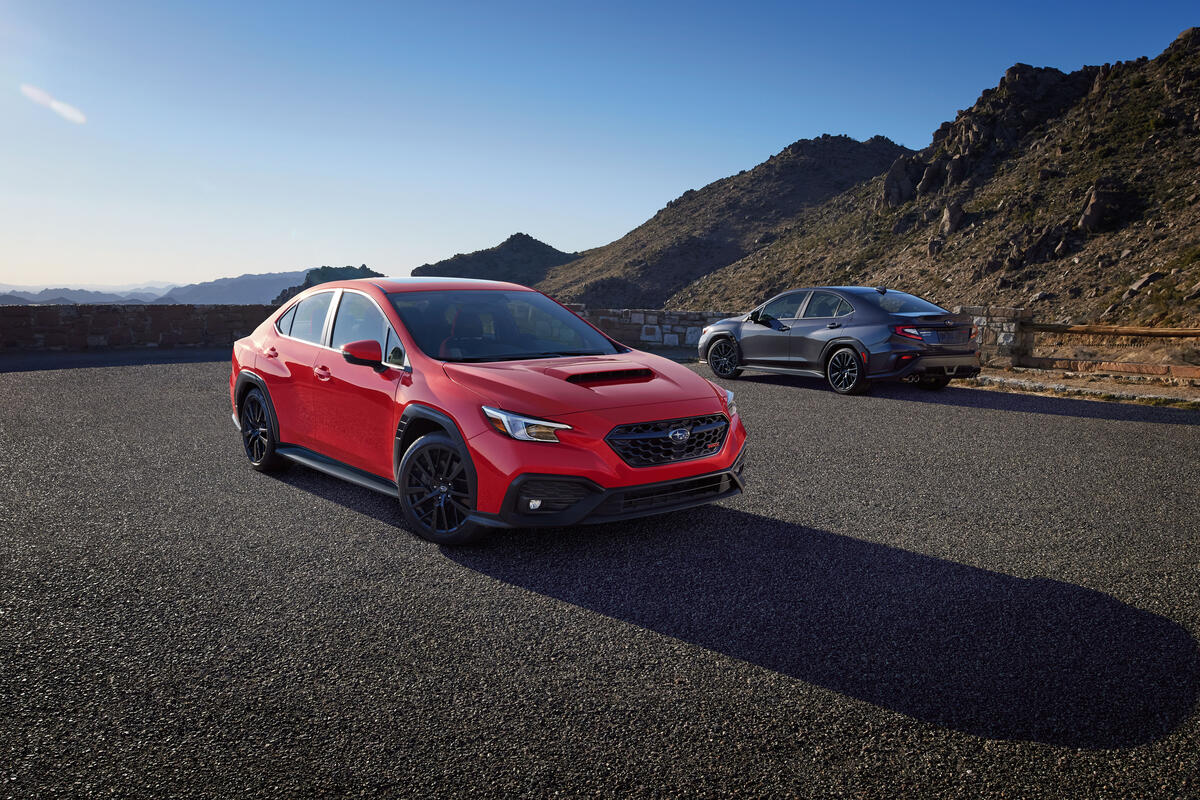
Subaru Wrx
"... if it spreads wide to the people trying to buy a Subaru WRX on here I mean, whatever like they don't care. Ye..."
The WRX is a sporty Subaru sedan that’s built for quick, confident driving. It usually comes with all-wheel drive, which helps it grip the road. The podcast is talking about interest in buying one.
The Subaru WRX is a compact performance sedan known for its rally-inspired driving feel and standard all-wheel drive. It often comes up in enthusiast discussions because it’s one of the more accessible “sporty” Subaru models. In the podcast, it’s mentioned in the context of demand and people trying to buy one.
dealers involved
"But still not accepted is how many dealers are involved in these shady practices. That's the bigger story here, right? [810.3s] Like because we've said to our crowd the entire time. There's only one way to get volume"
The host is saying car dealers are often involved behind the scenes. Because dealers have lots of cars to sell, they can list vehicles repeatedly, which can make the market feel more “real” than it actually is.
The host argues that dealers play a key role in “shady practices” around enthusiast auctions. The idea is that dealers control inventory and can repeatedly list the same cars across platforms, which can distort market visibility and pricing.
auction platform
"Like because we've said to our crowd the entire time. There's only one way to get volume [815.9s] So all of these auction platforms whether you're Barrett me come cars and bids bring a trailer"
An auction platform is a website where people list cars and other people bid on them. It can affect how much the car sells for and who even sees the listing.
An auction platform is an online marketplace that hosts vehicle listings and bidding. In the enthusiast world, these platforms can strongly influence pricing and who gets access to cars.
volume
"[810.3s] Like because we've said to our crowd the entire time. There's only one way to get volume [815.9s] So all of these auction platforms whether you're Barrett me come cars and bids bring a trailer"
Here, “volume” means how many cars are being sold or listed. The host says auction sites need dealers to keep that flow going.
In this context, “volume” means the number of listings/sales activity an auction platform can generate. The host claims the only way to get that kind of volume is to involve dealers who already have inventory.
market
"And now it goes from you can get one for 52 and now it's 97 ... But what follows is everything downstream and this has been happening"
“The market” means the going prices for a certain kind of car. The host is saying that if prices are manipulated upward, it can raise costs for other buyers too.
“The market” here means the pricing ecosystem for a specific type of car—who’s buying, who’s selling, and what prices are being set. The host argues that when prices get artificially pushed up, the downstream effects hit buyers even if the initial manipulation happens at the top of the range.

Chevrolet Corvette
"...it on lower-end sales of you know a 100000 dollar Corvette Which again is not a low number, but you know wha..."
The Corvette is a sports car made by Chevrolet that’s designed to be fast and exciting to drive. It’s usually expensive compared with most cars. The podcast is mentioning how many are sold at that price level.
The Chevrolet Corvette is a high-performance sports car from Chevrolet, typically priced well above everyday vehicles. It’s significant because it represents the brand’s flagship performance image and often becomes a benchmark for sales and market interest. The podcast references it in the context of lower-end sales numbers for a roughly $100,000 Corvette.

Toyota Land Cruiser
"...w, we've seen signs of this in the hundred series Land Cruiser when you have some people that have just circled ..."
The Land Cruiser is a large SUV made by Toyota that’s built for rough roads and long-distance driving. The podcast specifically mentions the “hundred series” version. It’s being used as an example of something the hosts have noticed in that model.
The Toyota Land Cruiser is a full-size SUV known for durability and off-road capability, especially in the “hundred series” generation referenced in the podcast. It’s discussed because it has a strong reputation for being able to handle tough conditions and long-term ownership. The mention of “signs” in the hundred series suggests the conversation is about how certain patterns show up in that model line.
transparent platforms
"So these transparent platforms are people that want to create an experience that they know [1315.6s] You're getting what we're telling you're getting and if you don't we're gonna make sure that we know we correct it"
They mean auction websites that are more open and clear about what’s being sold. If something isn’t right, they’re saying the platform will step in to fix it or make it right.
“Transparent platforms” refers to auction marketplaces that emphasize clarity about what buyers are getting and how disputes are handled. In this segment, the hosts contrast that approach with other auction sites where problems may occur, suggesting transparency is part of fraud prevention.
online car auctions
"So but speaking of auctions that we talked about stonecolds Toyota the other day on low miles no miles [1324.7s] That one ends in two days. You want to take a guess at what the high bid is right now?"
They’re talking about buying cars through online auctions—watching the bid, seeing how close it is to the end, and trying to avoid scams. They also discuss what auction sites should do to keep the process fair.
This segment focuses on how online car auctions work in practice: current high bids, time remaining, and how bidders should interpret results. The hosts also discuss how auction platforms can respond to fraud and why industry leadership may be needed to prevent a “spiral.”
fraudulent auctions
"You know what they think of things like these these fraudulent auctions and you know what they're doing to combat it [1384.0s] I mean, obviously, they're a smaller site, so I think that probably helps them"
They’re talking about scams in online car auctions. The idea is that some sites do things to make sure the listing and bidding are trustworthy, so buyers don’t get tricked.
The hosts are discussing fraudulent listings and bidding behavior in online car auctions—situations where buyers are misled or the process is manipulated. They also mention “transparent platforms” as a countermeasure, implying more verification and accountability during the sale.

Dodge Ram
"...brand we talk about a lot But there is a new 2027 Ram 1500 that is now going to be partnered or another..."
The Ram 1500 is a full-size pickup truck. The podcast is talking about a new 2027 version and how it may be connected to other plans or partnerships. This matters to people who want to know what’s coming next.
The Dodge Ram (Ram 1500 specifically in the context given) is a full-size pickup truck line known for being a major player in the U.S. truck market. The podcast mentions a “new 2027 Ram 1500” and suggests it will be partnered or supported in some way, indicating discussion about upcoming changes. That makes it relevant to buyers who track model updates and availability.
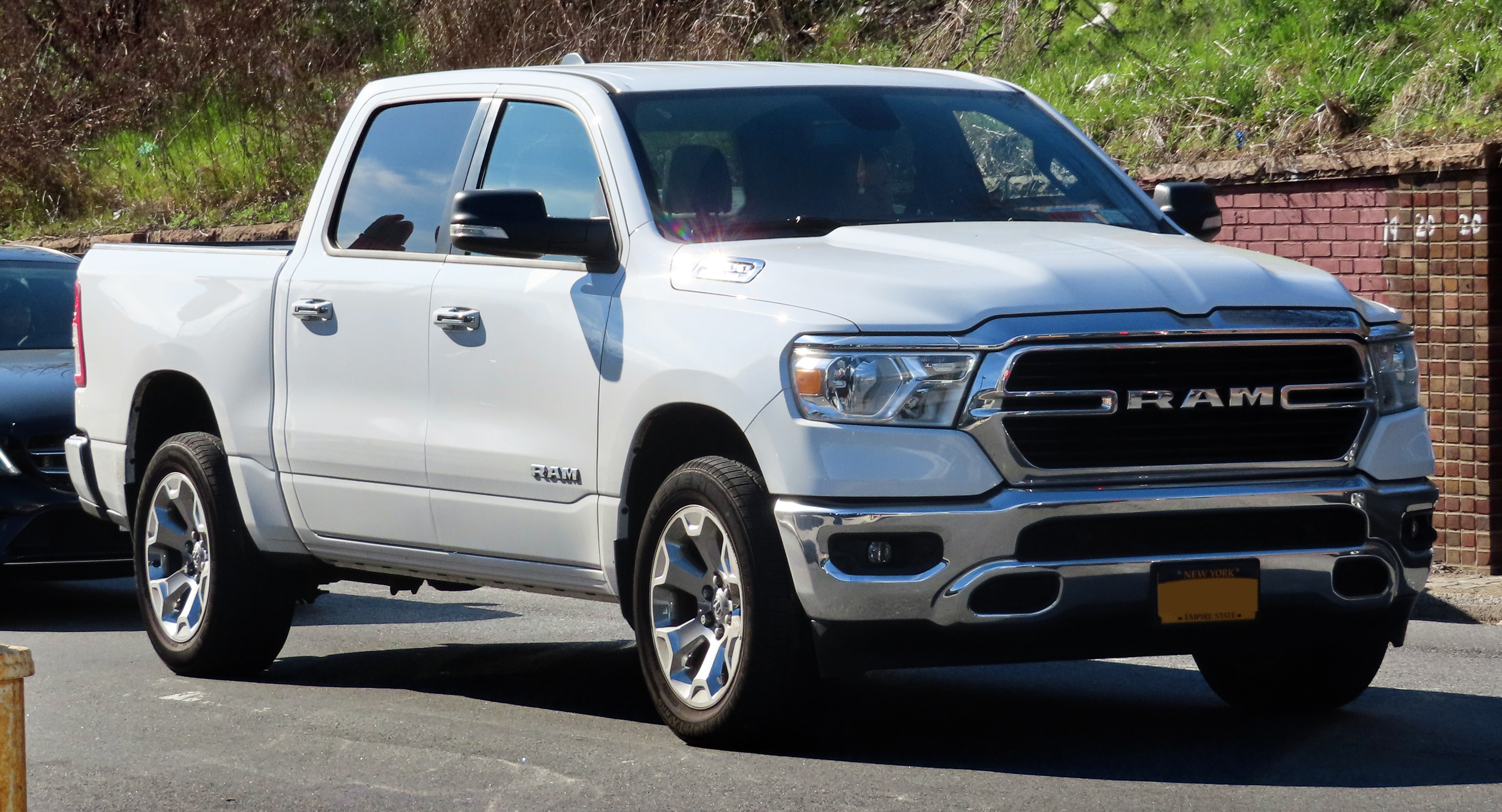
2027 Ram 1500
"All right, we're gonna take a left turn here and talk about a brand we talk about a lot [1592.6s] But there is a new 2027 Ram 1500 that is now going to be partnered or another part of the Roush lineup"
This is a future version of the Ram 1500 pickup. The host is saying Roush is getting involved to make it more performance-focused, but it won’t have the big forced-induction setup right away.
The Ram 1500 is a full-size pickup from Stellantis’ Ram brand, and the 2027 model is being positioned here as a Roush-backed performance truck. In this segment, the host frames it as a TRX-style alternative, but without the supercharger at least initially.
Roush
"But there is a new 2027 Ram 1500 that is now going to be partnered or another part of the Roush lineup [1600.4s] so there's a [1602.6s] Direct connection, I believe they call it. Yeah direct connection by Roush"
Roush is a company that makes performance upgrades for cars and trucks. Here, they’re being described as working with the new Ram 1500 to add performance and styling changes.
Roush is an American performance company known for upgrading vehicles with engine, handling, and appearance packages. In this segment, the host describes Roush partnering with the 2027 Ram 1500 and potentially offering a “direct connection” program.
direct connection
"Direct connection, I believe they call it. Yeah direct connection by Roush [1606.1s] It's basically TRX without the supercharger for now unless or until Roush releases a supercharger for it"
“Direct connection” sounds like a program where Roush’s upgrades are offered through a direct partnership. The host is basically saying it’s not just random aftermarket stuff—it’s connected to Roush’s lineup.
“Direct connection” here appears to describe a Roush program where the performance package is integrated through a direct partnership rather than a purely aftermarket build. The host uses it to explain how the Ram 1500 ties into the broader Roush lineup.
supercharger
"It's basically TRX without the supercharger for now unless or until Roush releases a supercharger for it [1612.9s] So what would Roush do if it's not the supercharger all the other little bits like the suspension"
A supercharger is a device that forces extra air into the engine. That extra air helps the engine make more power, which is why it’s a big deal on performance trucks.
A supercharger is a forced-induction device that uses a belt-driven compressor to push more air into the engine. More air generally allows more fuel to be burned, which can raise power—one reason the host ties it to the TRX comparison.
suspension
"So what would Roush do if it's not the supercharger all the other little bits like the suspension [1619.3s] Tires wheels even the hood I believe is like Roush so"
Suspension is what connects the wheels to the body and helps the truck handle bumps and turns. It affects how smooth the ride feels and how well the tires stay planted.
Suspension is the system of linkages, springs, and dampers that controls ride height, wheel movement, and how the truck handles bumps and cornering. The host lists it as one of the areas Roush would modify if the truck doesn’t get a supercharger.

Dodge Charger
"But just since announcing and releasing more Hemi vehicles like in the charger or other variants SUVs like the Durango"
The Dodge Charger is a popular American performance car. In this discussion, it’s brought up as one of the models that can come with Chrysler’s “Hemi” performance engine options.
The Dodge Charger is a performance-focused American sedan/coupe that’s known for V8 muscle-car heritage and modern high-output variants. In this segment, it’s mentioned specifically in the context of “Hemi” vehicles, tying it to Chrysler’s performance engine lineup.
Hemi
"But just since announcing and releasing more Hemi vehicles like in the charger or other variants SUVs like the Durango"
“Hemi” is a nickname for a type of engine design that Chrysler used. The combustion chamber is shaped like a half-sphere, which helps the engine breathe and burn fuel efficiently—often making it feel more powerful.
“Hemi” refers to Chrysler’s hemispherical combustion-chamber engine design, which uses a shape that can improve airflow and combustion efficiency. It’s commonly associated with performance-oriented V8 engines in Dodge and other Stellantis-era brands.

Durango
"But just since announcing and releasing more Hemi vehicles like in the charger or other variants SUVs like the Durango"
The Durango is Dodge’s larger SUV. The hosts are talking about it in the context of “Hemi” versions, meaning it can be offered with a more powerful V8-style engine option.
The Dodge Durango is a three-row SUV that’s offered in performance trims and can be paired with “Hemi” V8 options depending on the model year. Here, it’s referenced as part of the broader push for more Hemi-equipped vehicles.

Nissan Rogue
"...Total like 38% for the frontier 36 the centra the rogue up 30% as well So the frontier I think is an inte..."
The Rogue is a compact SUV made by Nissan. It’s the kind of car many people buy for everyday driving with a bit more space than a sedan. The podcast is mentioning that its sales are increasing.
The Nissan Rogue is a compact crossover SUV, and the podcast references it as part of a sales comparison among popular models. It’s significant because it’s typically a high-volume vehicle in the crossover segment. The mention of the Rogue “up 30%” indicates the conversation is tracking how its sales are changing.

Sentra Centra
"...% up. Yeah Total like 38% for the frontier 36 the centra the rogue up 30% as well So the frontier I think ..."
The Sentra is a compact four-door car made by Nissan. The podcast is comparing sales changes between several popular models. The point is that the Sentra’s sales are moving up by a certain percentage.
The Nissan Sentra is a compact sedan, and the podcast includes it in a sales-percentage comparison with other models. It’s mentioned alongside the Frontier, Centra (likely referring to Sentra), and Rogue, suggesting the hosts are tracking which nameplates are gaining or losing momentum. The “up 36%” style numbers indicate the discussion is about trends in sales performance.

Nissan Frontier
"Total like 38% for the frontier 36 the centra the rogue up 30% as well So the frontier I think is an interesting topic because the frontier being up is"
The Nissan Frontier is Nissan’s mid-size pickup. In this segment, they’re using it as an example of a truck that’s selling better, likely because other options are getting too expensive.
The Nissan Frontier is a mid-size pickup truck, and the hosts call out its sales growth as a notable data point. They connect that growth to pricing pressure elsewhere in the truck/SUV market, implying buyers are shifting toward the Frontier.
configurator
"So the frontier I think is an interesting topic because the frontier being up is In direct result of of the expensive in the rest of the market. Yes, I believe I think it's a direct result So car and driver, I think it was maybe car scoops They they went into the configurator for slate and they tried to max out basically all the specs"
A configurator is a website tool where you choose options for a car—like packages and features—to see what the most expensive version looks like. It can also show when you’ve hit the limit of what’s available.
A “configurator” is an online tool that lets you build a car by selecting trim, options, and packages, often showing price and availability as you go. The hosts mention using it to “max out” a vehicle’s specs until options run out.
$7,500 tax credit
"You said bamboozled it's like you well, you know, they told it they told everybody about the $7,500 tax credit Well, remember this They were telling you 27,000 get it down to 19 five"
A tax credit is like a discount on your taxes. If you qualify, it can lower the real cost of an EV, but it doesn’t automatically apply to every buyer or every car.
A tax credit is money the government subtracts from what you owe in taxes. In EV marketing, a “$7,500 tax credit” usually refers to a federal incentive that can reduce the effective price of an eligible electric vehicle, but only if the buyer qualifies and the vehicle meets the rules.
performance one
"You have a base one [1886.9s] You have a performance one you have a base one you have a performance one, you know something like that"
A “performance” version is the more driver-focused version of a car. It usually costs more and is set up to feel quicker or handle better than the basic version.
A “performance” trim is a higher-spec version of a car aimed at stronger driving dynamics, often with more power, sport tuning, or better braking/tires. In this segment, it’s contrasted with a “base” version to describe how Tesla structures its lineup.

Tesla Model Y
"In the Model 3 and in the Model Y that kind of mindset it goes back to what we've sent about"
The Tesla Model Y is an all-electric SUV/crossover. The point being made is that Tesla offers it in a few clear versions, rather than a huge number of confusing trim choices.
The Tesla Model Y is an electric crossover that, like the Model 3, is sold with a small set of trim levels and option packages. Here it’s referenced to illustrate Tesla’s “base vs performance” approach to selling configurations.

Tesla Model 3
"In the Model 3 and in the Model Y that kind of mindset it goes back to what we've sent about"
The Tesla Model 3 is an all-electric car. The hosts are talking about how Tesla sells it in different versions—like a simpler “base” setup and a more expensive “performance” setup.
The Tesla Model 3 is an electric sedan built around a simplified lineup and software-driven options. In this segment, it’s used as an example of how Tesla structures trims and configurations (base vs higher-spec versions).
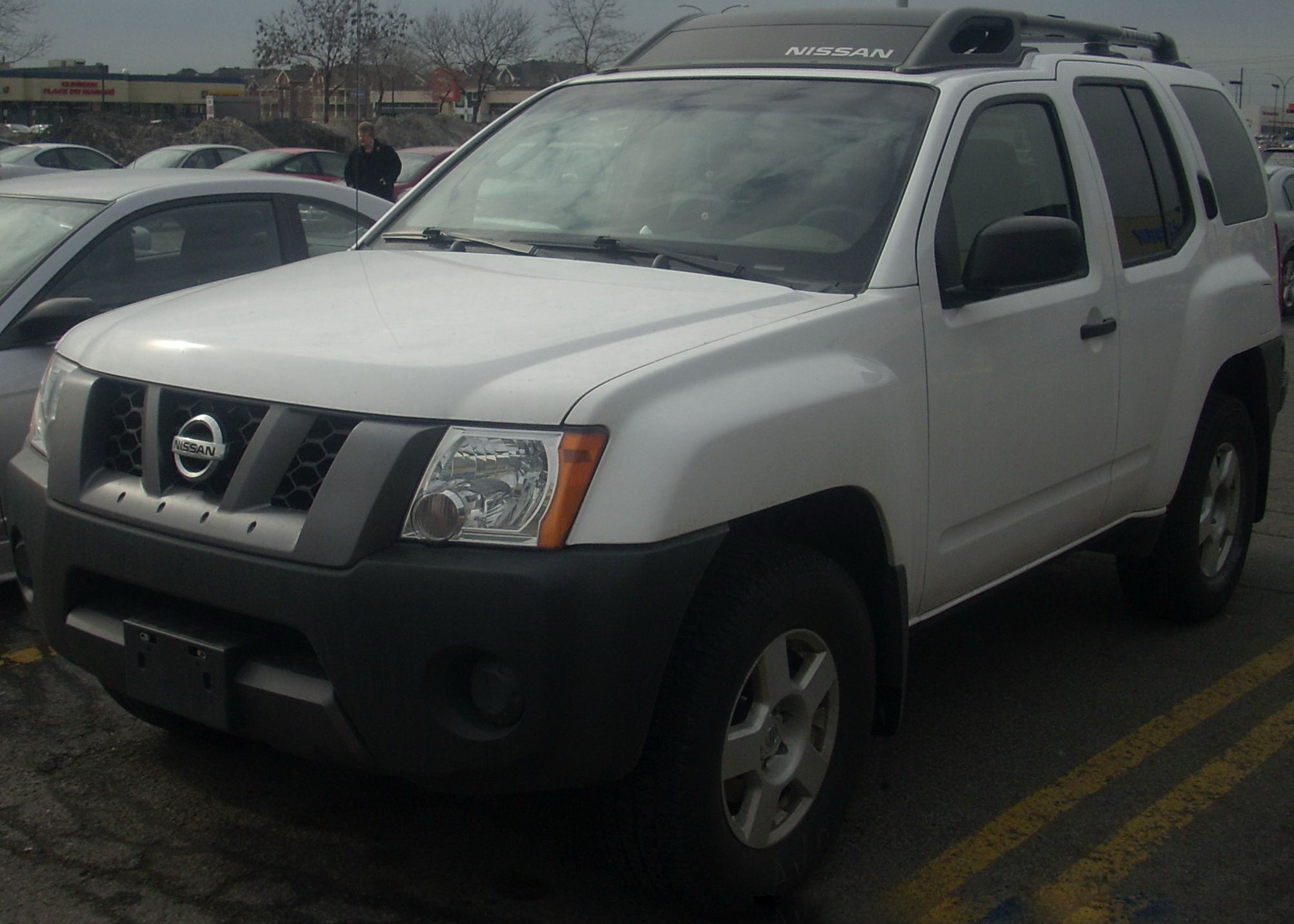
Nissan XTerra
"...o what we've sent about Bringing back things like XTERRA or whatever brand you want to talk about Good bet..."
The XTerra is an SUV that’s built for more rugged driving than a typical city-focused vehicle. The podcast is talking about the idea of bringing it back. That means they’re discussing a possible return of a more off-road style SUV.
The Nissan XTerra is a rugged, off-road-oriented SUV that’s known for a more adventurous, trail-capable character compared with typical crossovers. The podcast mentions “bringing back” things like the XTerra, which implies discussion about reviving or reintroducing that kind of model. That’s why it stands out in a conversation about what brands may offer again.
trim models
"I can we joke about Honda like Honda has like 11 trim models [1920.2s] That you can you know you buy a pilot and it starts at 45"
A “trim” is basically a version of the same car with different features. Higher trims usually cost more because they include more equipment.
“Trim models” refers to the different versions of the same car sold with different equipment levels, features, and sometimes powertrain choices. The hosts are comparing how Honda offers many trim options versus Tesla’s simpler base/performance-style approach.

Honda Pilot
"I can we joke about Honda like Honda has like 11 trim models [1920.2s] That you can you know you buy a pilot and it starts at 45"
The Honda Pilot is a family SUV with three rows of seats. The discussion is about how Honda offers lots of different trims, which can make the price jump a lot depending on what you pick.
The Honda Pilot is a three-row family SUV known for having many trim levels. The hosts use it as an example of how Honda can offer a wide range of pricing depending on the trim you choose.

Honda Element
"Yeah, and that by the way that Honda element video PC people are pretty excited for a Honda element in the world [1939.4s] And I see what they're saying like we probably should have brought this up"
The Honda Element is a quirky, boxy Honda SUV that people associate with outdoor/utility use. The hosts are basically saying Honda might be better off introducing something new instead of revisiting the Element idea.
The Honda Element is a compact SUV/crossover with a boxy, utilitarian design and a reputation for being easy to customize for active lifestyles. In this segment, the hosts debate whether it makes sense for Honda to “go back” to that kind of model rather than move forward.

Honda Prelude
"...osition to keep going backwards I don't think the preludes gone. Well, I just don't think that's the kind of..."
The Honda Prelude is a Honda two-door sports car. It’s the kind of car people associate with driving feel rather than just being practical. The podcast is talking about whether the Prelude is still relevant or truly discontinued.
The Honda Prelude is a Honda sports coupe that’s known for being a driver-focused, smaller alternative to larger performance cars. In the podcast, it’s brought up as something that might not be “gone” in the way people assume, implying ongoing interest or a continued presence in the conversation. The key point is that the hosts are discussing whether the Prelude is truly finished.

Toyota FJ Cruiser
"I mean they'd have been better off saying here's our take on an FJ cruiser [1975.2s] Then going back to the element."
The Toyota FJ Cruiser is a rugged-looking SUV that’s meant for off-road adventures. The hosts are using it as an example of the kind of off-road direction they think Honda should talk about.
The Toyota FJ Cruiser is a retro-styled off-road SUV built around a rugged, trail-focused image. The hosts suggest Honda would have been better off pitching a “take on an FJ Cruiser” rather than reverting to the Element.
HO
"So you're looking at about 78000 dollars. No no grand total of 80000 the RHO Which has the hurricane in line six is 78 so for not much more you can get the the Hemi"
“HO” usually means “high output,” which is a more powerful version of an engine. They’re using it to compare different truck setups and what they cost.
“HO” is commonly used in automotive marketing to mean “High Output,” indicating a higher-performance engine tune or variant compared with a standard version. In this segment, it’s tied to the host’s comparison of engine options and pricing.
Hurricane in line six
"Which has the hurricane in line six is 78 so for not much more you can get the the Hemi But also it's eighty what happened what happened to the ten year 100000"
They’re talking about an engine called the “Hurricane.” “In-line six” means it has six cylinders lined up in a row, which can make the engine run smoothly.
The “Hurricane” refers to a specific engine family name, and “in-line six” describes its cylinder layout: six cylinders arranged in a single row. An inline-six is known for smoothness and strong low-to-midrange torque characteristics compared with some other layouts.
three year 36
"It's right. It's Roush covers its parts with a three year 36 So I just want to make sure everybody knows we didn't over it's not an oversight. It's only art"
They’re talking about warranty coverage. “Three year 36” means you’re covered for a set time and a set mileage limit, so repairs related to the covered parts should be handled within that window.
“Three year 36” is shorthand for a warranty coverage period measured in time and mileage—typically three years or 36,000 miles (the exact mileage unit is implied). The host is using it to clarify that the coverage is intentional and not an oversight for Roush-specific vehicles.
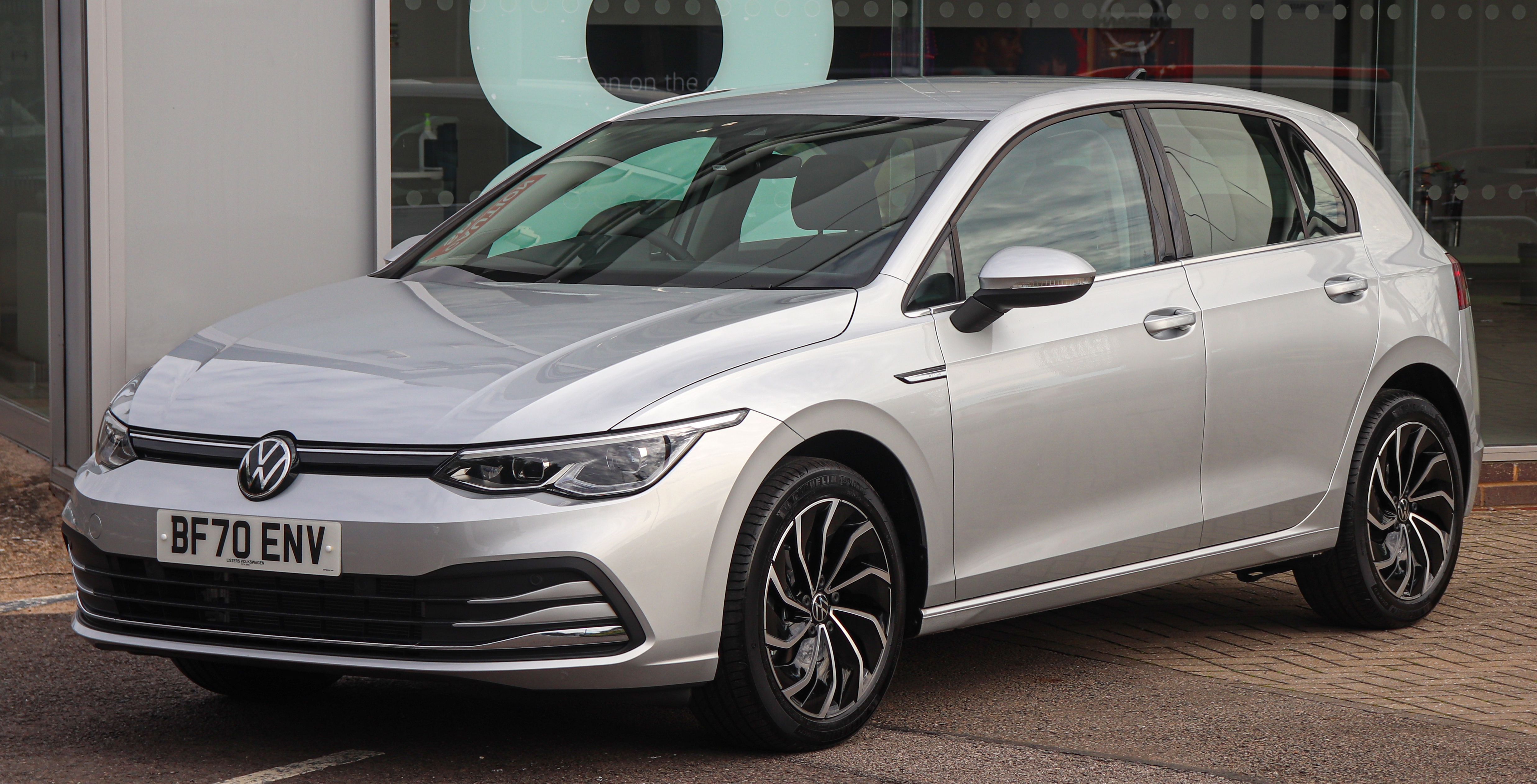
Volkswagen Gti
"...let's trade in the CX five and I'll just sell the GTI and let's just get two trucks will be that family..."
The Volkswagen Golf is a small car, usually a hatchback, meant for everyday use. The podcast mentions it in a trade-in and shopping scenario, where someone is considering a GTI. It’s being used as an example of a practical car choice in a family’s vehicle lineup.
The Volkswagen Golf is a compact hatchback that’s often chosen for its practicality and everyday drivability. In the podcast context, it’s mentioned as part of a scenario about trading in one vehicle and choosing a GTI instead, then adding “two trucks” for a family setup. That makes the Golf/GTI reference relevant to how people build a multi-vehicle lineup.
HOA
"But I think it was regardless so there was a story that he apparently got fined by his condo communities HOA "
An HOA is a homeowners association that makes and enforces rules for a neighborhood. They can sometimes fine residents if someone breaks those rules.
HOA stands for homeowners association, a community organization that sets rules and can fine residents for violations. While not an automotive term, it’s relevant here because the host is describing a fine connected to a car-related story.
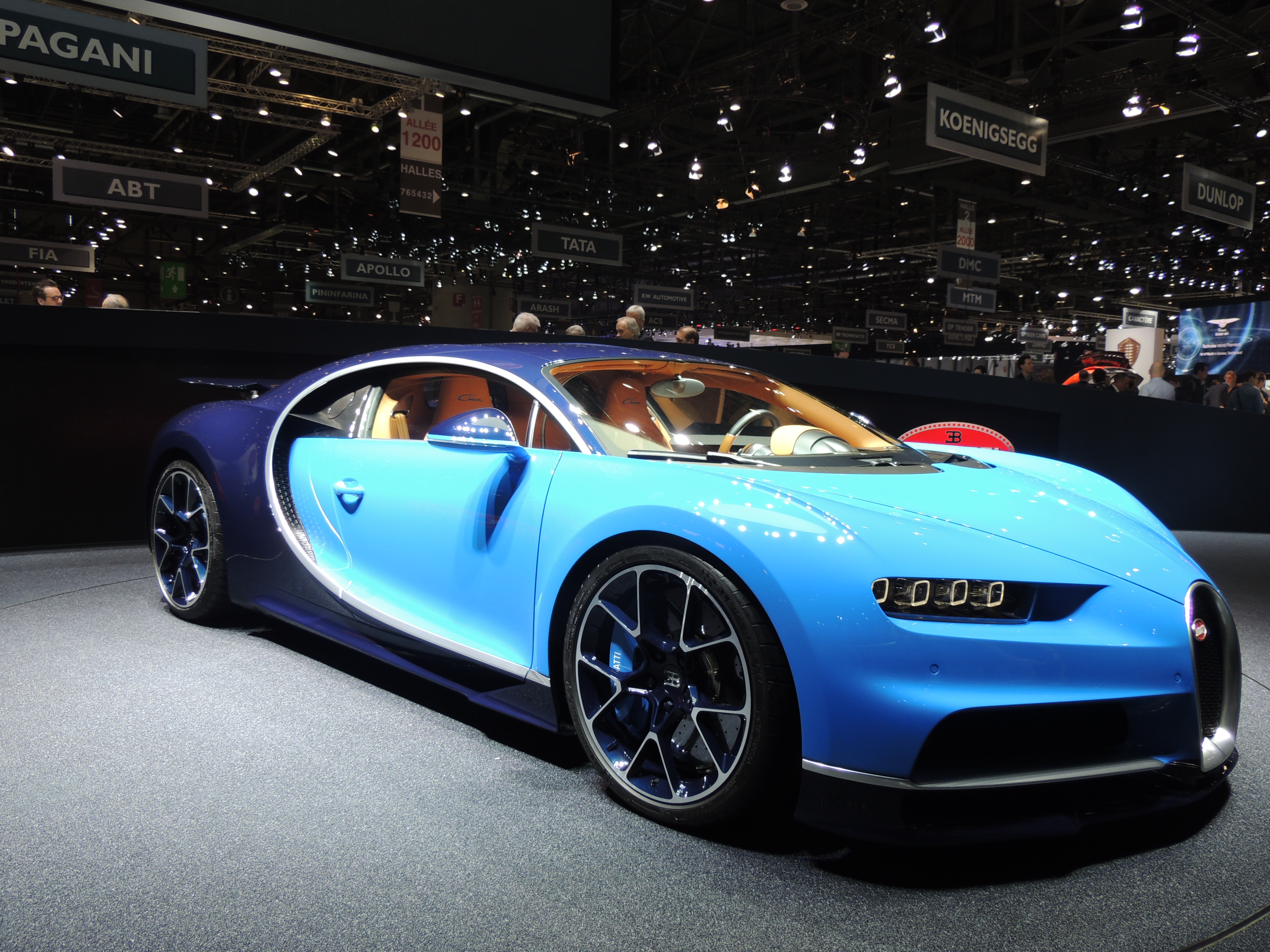
Bugatti Chiron
"Made him angry. He decided to sell his lake house sell his Bugatti Chiron And then is it in the middle of developing a 70 million dollar condo community of his own in Florida?"
The Bugatti Chiron is a super-expensive, ultra-fast hypercar. It’s famous for having a very powerful engine and for being the kind of car people brag about when they’re talking about big money.
The Bugatti Chiron is a hypercar from Bugatti known for its extreme performance and luxury. It’s powered by a quad-turbocharged W16 engine, which is a big part of why it’s such a headline-grabbing car in auctions and celebrity stories.
Prevost
"But there's a lot of people that own [2333.7s] Prevost and big and they use it once a year or don't use it at all and it just sits parked"
Prevost is a coachbuilder famous for luxury motorcoaches used by wealthy owners for long-distance travel. The host compares how some people buy them but use them rarely, similar to how boats are used seasonally.
Rivian
"Yeah, which we both have said but I then see a Rivian pulling an airstream like the one we talked about [2379.4s] And I'm like there's no fucking way that I just saw that"
Rivian is a company that makes electric trucks and SUVs. Here, the host is talking about using a Rivian to tow an Airstream trailer for camping trips.
Rivian is an EV brand known for building electric trucks and SUVs designed for adventure use. In this segment, the host specifically connects Rivian ownership with towing an Airstream for camping, highlighting how the vehicle’s utility fits that lifestyle.
Airstream
"Yeah, which we both have said but I then see a Rivian pulling an airstream like the one we talked about [2384.4s] So it made me obviously think of the last episode the airstream"
Airstream is a well-known brand of travel trailers—those shiny, streamlined camping trailers. The host is saying they saw a Rivian towing one for an adventure.
An Airstream is a brand of iconic aluminum travel trailers, often used for long-distance road trips and camping. The host uses it as a reference point for “real” camping setups that pair with a vehicle like a Rivian for towing.
camping
"I think you kind of do a disservice to the word camping because where you gonna plug this thing in because you got it You got a plug in that Rivian."
Here, “camping” means using your EV like part of your trip. The point is that you can’t fully escape charging—you still need somewhere to plug in.
In an EV context, “camping” is about using your vehicle as part of the trip—often including powering devices and staying off-grid. The host argues that it’s less “camping” and more “charging logistics,” because you still need a way to plug in the EV.
private equity
"We've kind of talked about how a lot of these tracks got purchased by private equity and kind of turned into Track country clubs and look man."
Private equity is a company that invests money by buying other businesses or properties. The host is saying some racing tracks got bought and repackaged so they’re more like exclusive clubs.
Private equity is a type of investment firm that buys companies or assets, often with plans to restructure them for profit. The host claims many tracks were purchased by private equity and then turned into “track country clubs,” changing how people can access them.
military grade night vision
"At this when I push this button you get access to military grade night vision [2550.2s] By the way, do you have that night vision?"
This means the car is claiming it has a very advanced night-vision system. The idea is that it helps you see better when it’s dark, using special sensors or cameras instead of just normal headlights.
“Military grade night vision” refers to an advanced imaging system designed to let you see in very low light. In cars, it’s typically marketed as a high-end camera/IR-based feature that improves visibility when driving at night.
drive modes
"Our Santa console is inspired by aviation and this is our drive modes [2556.3s] We've got a 15.6 inch infotainment screen and 12.2 inch passenger screen"
Drive modes are buttons or settings that change how the car drives. For example, they can make it feel more responsive for spirited driving or more relaxed for everyday cruising.
“Drive modes” are selectable settings that change how the car behaves—commonly steering weight, throttle response, transmission behavior, and sometimes suspension characteristics. They’re a way to tailor the driving feel for different conditions.
12.3 inch infotainment screen
"We've got a 15.6 inch infotainment screen and 12.2 inch passenger screen [2561.8s] This is how I open my door"
An “infotainment screen” is the main display used for media, navigation, and vehicle settings. A 15.6-inch screen indicates a large, tablet-like interface that’s meant to be the primary control hub.
12.2 inch passenger screen
"We've got a 15.6 inch infotainment screen and 12.2 inch passenger screen [2561.8s] This is how I open my door"
This is a screen meant for the passenger, not the driver. It’s usually for entertainment or controlling certain features so the front seat isn’t just watching the driver’s screen.
A “passenger screen” is a dedicated display aimed at the front passenger, often for media, navigation, or climate controls. A 12.2-inch size suggests the car is designed for shared entertainment and passenger-focused usability.
secret compartment
"We've got a secret compartment for our cup holders at the back in the armrest [2576.3s] You've got your control panel. Wait till we get to the outside. Holders storage"
This is a hidden storage space in the car. The idea is you can stash small items out of sight, usually in a compartment that’s not obvious at first glance.
A “secret compartment” is a hidden storage area integrated into the interior. In cars, these are often marketed as secure or novelty storage for small items, sometimes with concealed access mechanisms.
sun roof
"Sunroof and [2582.7s] Trace it costs around a 100000 dollars"
A sunroof is an opening in the roof that lets in light and fresh air. You can usually open it a little or fully depending on the car.
A “sunroof” is a glass or panel opening in the roof that can be opened for ventilation and light. It’s a common comfort feature, but it also affects how the roof structure and sealing are engineered.
Audi
"Don't want to say the name because people get weird but [2640.2s] Audi [2643.3s] Their CEO I believe came out and said"
Audi is a well-known luxury car brand from Germany. Here it’s mentioned because the speaker says Audi’s CEO commented publicly about something related to the topic.
Audi is a German luxury automaker. The speaker mentions Audi in the context of the company’s CEO making a public statement, implying it’s relevant to the discussion about this Chinese vehicle’s design/innovation.
tariffs
"Maybe or tariffs a change over the future impact, you know, this kind of a commitment to Chinese EV infrastructure"
Tariffs are extra taxes on imported products. Here, the idea is that if tariffs change, Chinese-made EVs could become more expensive or harder to sell in North America.
Tariffs are taxes a government places on imported goods. In this context, they’re discussed as a policy lever that could change the cost and competitiveness of Chinese EVs entering North America.
Chinese EV infrastructure
"Maybe or tariffs a change over the future impact, you know, this kind of a commitment to Chinese EV infrastructure"
It means the systems that make electric cars work in real life. That includes charging stations and the power setup behind them. The point here is that policy changes could affect whether that whole setup grows as planned.
This refers to the charging and energy ecosystem that supports electric vehicles—things like charging networks, grid upgrades, and related logistics. The speaker is tying it to how tariffs or policy changes could affect the future rollout and availability of Chinese EVs in North America.
stand behind it as the manufacturer
"You can't you can't not stand behind it as the manufacturer"
The speaker is talking about whether the company will take responsibility if the product fails. If they don’t back it up with real help—like fixing the problem or refunding—customers and dealers get stuck.
This phrase points to manufacturer responsibility after sales—supporting customers when something goes wrong, including repairs, refunds, and fixing systemic issues. The speaker argues that if a company can’t “stand behind” the product in a market, dealers and buyers lose confidence.
bricked cars
"But what happens because we've already seen some delivery issues or we've seen some cars brick themselves"
A “bricked” car is basically a car that stops working properly because its computer systems fail. The speaker is saying dealers have seen this happen and that it hasn’t been fixed or handled well.
A “bricked” vehicle is one that becomes unusable due to a failure in its electronics or software—often after an update or system fault. The speaker is using it as evidence that some Chinese EVs may have unresolved issues, especially from the dealer perspective.
off-road park
"There's a lot of people off-road parts wheels Lighting is is like a number one you look at you go you provide no value..."
Off-road parts are upgrades or replacements made for driving on rough trails, not just regular roads. They usually need to handle more bumps, dust, and stress.
Off-road parts are components designed for vehicles used on dirt, trails, rocks, or other rough terrain rather than normal street driving. They often face higher loads and impacts, so durability and proper testing are especially important.
lighting
"Lighting is is like a number one you look at you go you provide no value Because the light gets manufactured..."
In this context, “lighting” refers to aftermarket vehicle lights (like headlights or auxiliary lights) that are sold as replacement or upgrade parts. The speaker is criticizing a lack of testing/verification, which can lead to unreliable output and frequent replacements.
quality control
"Automatically who like where's the quality control being tested when it gets here? Because that's the biggest like I would pay Premium to know that that actually took place..."
Quality control means checking a product before it’s shipped so it’s not defective. With car parts, it helps prevent you from getting something that breaks quickly.
Quality control is the process of checking products to make sure they meet a required standard before they’re sold. In car parts, it matters because poor quality can lead to early failure, fitment issues, or inconsistent performance.
Alibaba
"For people to understand like I Understand why people to go to Alibaba. I understand why people buy directly from the distributors in the US"
Alibaba is a website where you can buy products directly from sellers, sometimes including car parts. The concern here is that you might not get the same quality checking you’d expect from a local supplier.
Alibaba is a major online marketplace where buyers can source parts directly from manufacturers or distributors, often at lower prices than local retail. The speaker’s point is that buying from Alibaba can skip some in-country quality checks, so you may not know what you’re getting until it arrives.
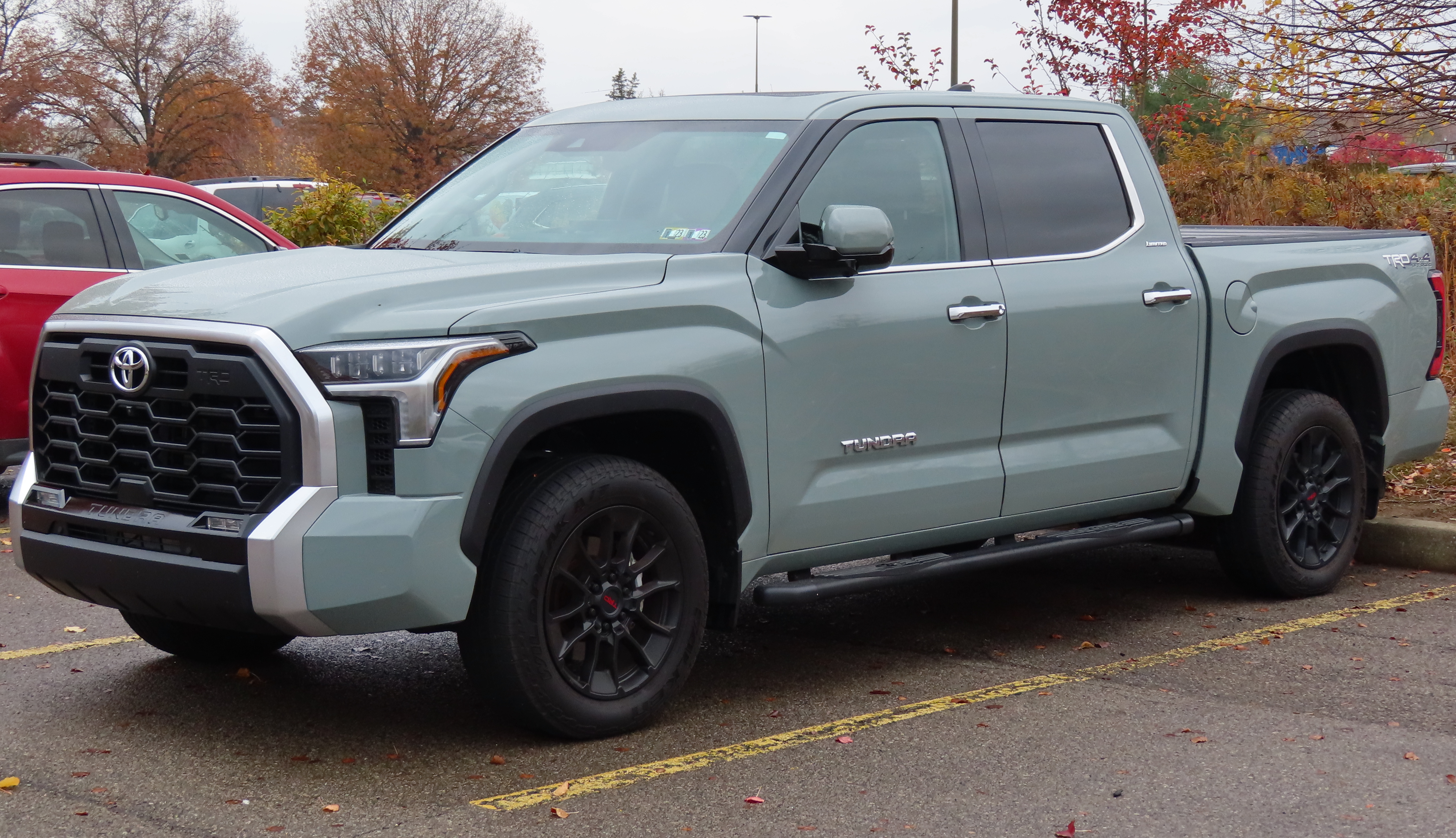
Toyota Tundra
"... you kind of see Toyota saying Hey, if we can put tundra and Tacoma in San Antonio, we're a little bit pro..."
The Tundra is Toyota’s larger pickup truck. The podcast mentions it with the Tacoma when talking about where Toyota is focusing its efforts. This is about making sure the trucks are available to more buyers in that area.
The Toyota Tundra is a full-size pickup truck, and the podcast mentions it alongside the Tacoma in the context of Toyota’s presence in a specific region (San Antonio). That kind of discussion usually points to how product availability and local strategy can affect sales and customer reach. The Tundra is the larger truck in that pairing.
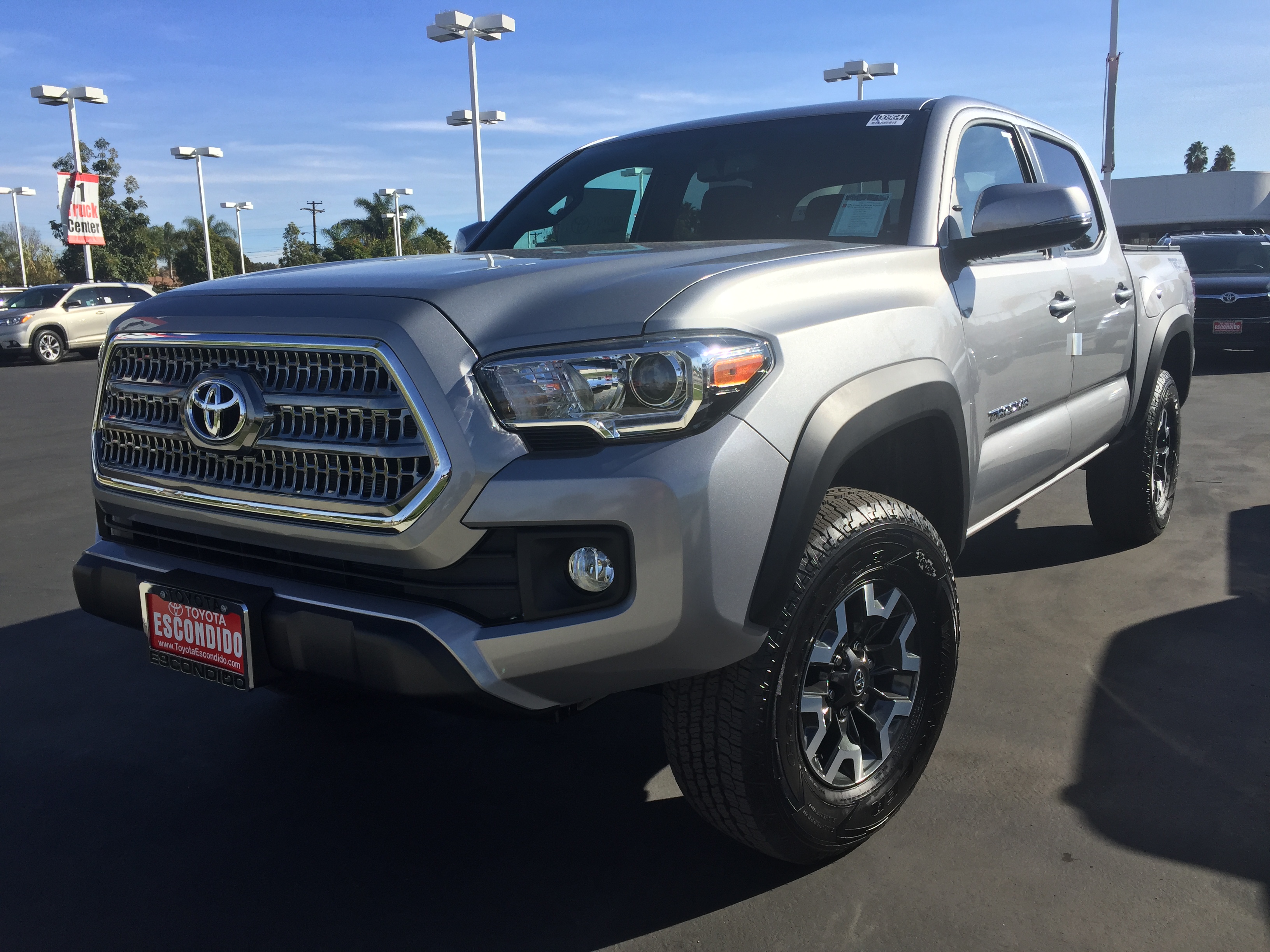
Toyota Tacoma
"...f see Toyota saying Hey, if we can put tundra and Tacoma in San Antonio, we're a little bit protected. Abs..."
The Tacoma is a mid-size pickup truck from Toyota. The podcast talks about it along with the Tundra when discussing Toyota’s strategy in a certain city. The point is that having these trucks there can help Toyota reach more buyers.
The Toyota Tacoma is a mid-size pickup truck, often chosen for a balance of everyday usability and capability. In the podcast, it’s mentioned together with the Tundra in the context of Toyota expanding or strengthening its presence in San Antonio. That suggests the conversation is about sales protection and customer access for both truck sizes.
Request an Explanation
Heard something you'd like explained? We'll add it to this episode.
Sign in to request explanations for terms you heard.
Want to learn more?
Browse our glossary for plain-English explanations of automotive terms, jargon, and concepts.
Help improve this episode
See something that's not quite right? Our annotations are AI-generated and can sometimes miss the mark. Click the flag icon on any annotation to suggest a correction.