
#087 - Ferrari Revives the Gated Shifter (Kinda) Koenigsegg Takes A Jab, Ford Ranchero EV? & More
About this episode
Ferrari’s “half manual” gated-shifter vibe sparks debate: the hosts weigh whether it’s real engagement or PR spin, then compare it to fast-shifting drivetrain ideas and what a true gated manual should feel like. The conversation widens into buying strategy—PPI, readiness, and deal logistics—plus auction and lease math, negative equity, and financing leverage. They also tackle EV pricing, the “collusion” argument, and a rumored Ford Ranchero EV, before shifting to in-car cameras and full self-driving oversight.
Support Clutch Culture Content by ordering The Complete Detail Kit from hyperCLEAN: Support those that support the show!
We're building the biggest online car club in the world. Join the community! clutch.club
Clutch Culture Hoodies BACK IN STOCK: https://hypercleanstore.com/collections/gear-up/products/clutch-culture-hoodie
Enjoying the show? Drop us a 5 Star rating AND review. Thanks in advance!
Sharing the show is the best way to help it grow!
Email your questions, topics, stories: [email protected]
If you're a parts manufacturer or supplier that want's to be apart of either the 2003 LX470 or 2014 Gen 1 SVT Raptor, get in touch with us via email at [email protected]
Follow the show on social @ClutchCulturePod on Instagram & TikTok

Toyota GR GT
"... you have to say like I'm very interested in this GR GT That seems to be making the rounds that looks lik..."
The Toyota GR GT is a Toyota performance vehicle that people are talking about. It’s the kind of car enthusiasts pay attention to because it’s built to drive more aggressively than a regular model. The podcast mentions it because it’s getting noticed.
The Toyota GR GT is a performance-focused Toyota model name that’s being discussed as something “making the rounds,” likely meaning it’s gaining attention among enthusiasts. In a clutch culture context, it’s relevant because performance models often bring discussions about driving feel, transmission choices, and how the car is meant to be driven. The excerpt suggests the host is specifically interested in this particular GR GT.

Ford Bronco
"... of different manufacturers, I've said this about Bronco But Toyota guy, you know, you could say this abou..."
The Ford Bronco is an SUV designed for off-road driving. It’s made to handle rough roads and trails better than a typical everyday car. People bring it up because it’s known for being capable and fun to drive off the pavement.
The Ford Bronco is a rugged SUV built for off-road driving, with a focus on capability and trail use. It comes up in enthusiast discussions because it represents a modern take on classic off-road styling and hardware. In a podcast about driving and transmissions, it’s often mentioned when people talk about what makes certain vehicles “work” in real-world use.

Jeep Grand Cherokee
"you could say this about the Jeep Grand Cherokee [144.6s] You can say this about the Wagoneer."
The Jeep Grand Cherokee is a popular SUV that can be a comfortable family car but also has off-road capability. The episode uses it as another example of how price affects people’s opinions.
The Jeep Grand Cherokee is a midsize SUV that’s positioned as both a comfortable daily driver and a capable off-road machine. The host name-drops it alongside other SUVs to argue that pricing strongly influences whether people respond positively or negatively to a vehicle.

Jeep Wrangler
"...is about the Wagoneer. You can say this about the Wrangler. You can say this about Several products in the T..."
The Jeep Wrangler is an SUV made for off-road driving. It’s famous for features like removable doors and a removable roof. People talk about it a lot because it’s built to go on trails and still feel like a “real” off-road vehicle.
The Jeep Wrangler is a compact, off-road-focused SUV known for its removable doors and roof options and strong trail reputation. It’s frequently discussed because it’s a long-running platform with a dedicated fan base and a wide range of configurations. In enthusiast conversations, it often comes up alongside other off-road vehicles when comparing what each brand prioritizes.

Jeep Wagoneer
"...he Jeep Grand Cherokee You can say this about the Wagoneer. You can say this about the Wrangler. You can say..."
The Jeep Wagoneer is a bigger SUV that’s aimed at comfort, not just off-road use. It’s part of the Jeep lineup, but it’s generally more focused on a nicer ride for everyday driving. The podcast brings it up when comparing it to other Jeep models.
The Jeep Wagoneer is a larger, more upscale SUV positioned for comfort and family use while still carrying Jeep’s off-road heritage. In your excerpt, it’s mentioned alongside the Wrangler, suggesting a comparison of how different Jeep models are described or perceived. That makes it relevant in a podcast because it highlights how the brand’s lineup targets different kinds of drivers.
pre-purchase simulator
"I'm calling it a pre-purchase simulator [196.8s] Which is basically gonna be a calculator that allows you to simulate the price of what that won your experience"
A pre-purchase simulator is a budgeting tool. It helps you estimate the real cost of owning and using a car, instead of just looking at the purchase price.
A pre-purchase simulator is a cost-estimation tool that models what buying and using a specific car will “really” cost you. The host describes it as a calculator that simulates the price/experience tradeoff over time, rather than focusing only on the sticker price.
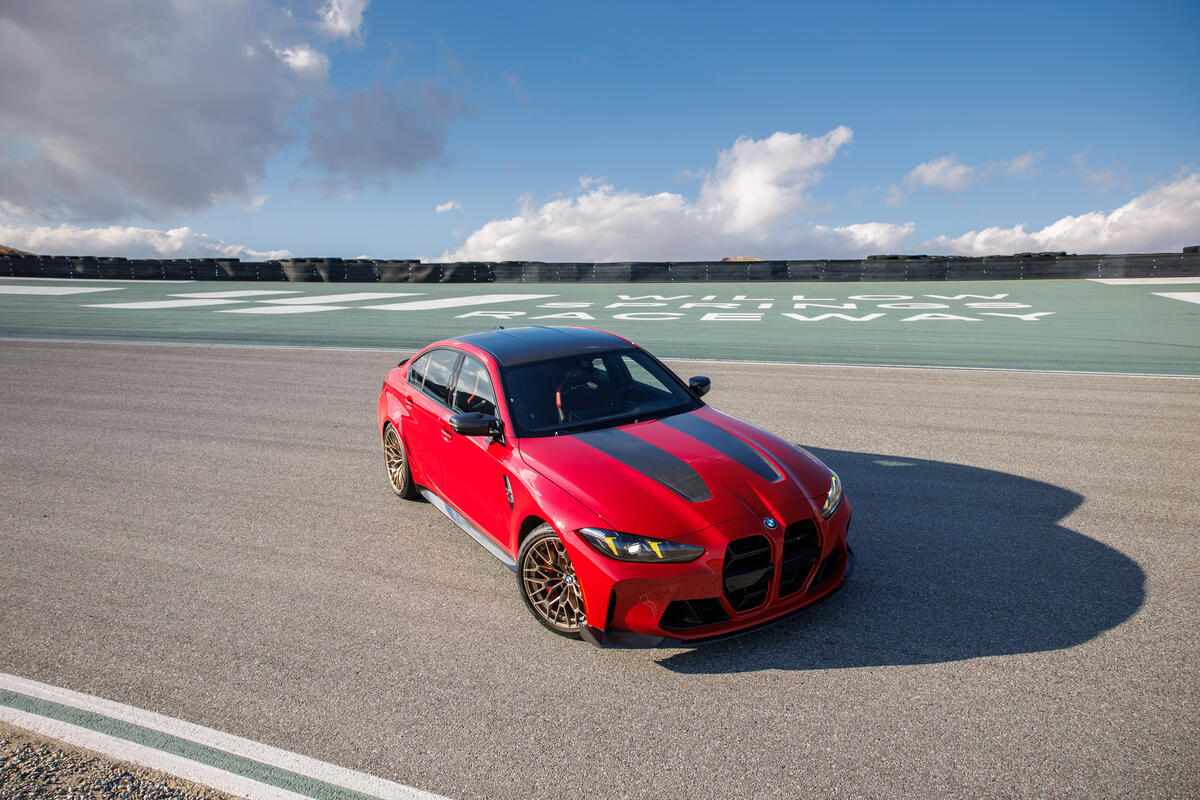
BMW M3
"So I said on this podcast my manual transmission E90 M3 [250.6s] It's time for it to go not in a hurry to sell it not in a rush to sell it"
An E90 M3 is a BMW M3 model from the E90 generation. It’s a performance version of the 3 Series, and this one is specifically a manual-transmission car. The host is saying they’re not rushing to sell it.
The BMW E90 M3 is the 3 Series–based M3 generation that’s known for its high-revving inline-six and enthusiast-focused manual-transmission feel. In this segment, the host mentions having a manual E90 M3 and planning to sell it only when the timing and logistics make sense.
manual transmission
"So I said on this podcast my manual transmission E90 M3 [250.6s] It's time for it to go not in a hurry to sell it not in a rush to sell it"
A manual transmission is a car where you shift gears yourself using a clutch pedal and a gear stick. It usually feels more connected to the driving because you choose the gear.
A manual transmission is a gearbox that requires the driver to use a clutch pedal and shift lever to change gears. Enthusiasts often prefer it because it gives more direct control over engine speed and gear selection.
Battery Tender
"But it's still you know, I gotta you know take the battery tender off and I gotta do it sounds stupid [286.9s] But it's just how it plays out. Yeah, you've watched it."
A battery tender is a smart battery charger/maintainer used to keep a car’s battery healthy while the car sits. It prevents over-discharge and helps avoid battery failure when you’re not driving the car regularly.
PPI
"[357.5s] Going to have a ppi done going to do this. How do I schedule it right off the jump? His first messages [363.9s] Are getting to the point. I don't think people realize how many deals they lose because of that"
PPI means a pre-purchase inspection. It’s when a mechanic looks the car over before you commit, to help you avoid buying something with expensive problems.
PPI stands for pre-purchase inspection: a professional mechanic checks a used car’s condition before you buy. It’s especially important for private sales because it can uncover hidden issues that affect price and whether the deal is worth it.

BMW E63
"No, no, they don't and and for most private sales on there. There's an unbelievable I came across a clip of an e 63 wagon that the guy did a manual transmission swap and did all Did you see that?"
The BMW 6 Series is a luxury car designed for comfortable, long-distance driving. In the podcast, it’s mentioned because someone did a manual transmission swap on a specific E63 wagon. That’s relevant because it changes how the car is driven.
The BMW 6 Series is a luxury grand touring model known for a more upscale, long-distance driving focus compared with BMW’s smaller performance cars. Your excerpt talks about a specific example: an E63 wagon that had a manual transmission swap, which is the kind of modification that often comes up in clutch-focused discussions. That’s why it’s relevant here—manual swaps are directly tied to the “clutch culture” theme.
auction financing
"“And they have no way to finance the car. They have no way to pay cash for the car [575.5s] They're fumbling around bring a trailer calls a guy like me…”"
Auction financing is just how someone plans to pay after they win. The host is saying sometimes the winner can’t get the money together, so the car doesn’t actually get sold to them.
Auction financing is the practical problem of how a buyer will pay for a car after winning a bid. In this segment, the host describes cases where bidders can’t finance the purchase or pay cash, turning a “win” into a deal that never closes.

BMW E92
"“And by the way, that silver [618.0s] E 92 went for 97 five before fees. So that's well over 100,000 after all said and done, right?”"
“E92” is a BMW 3 Series coupe generation. The host is talking about what an E92 sold for at auction and how the final total can be much higher once you include fees.
“E92” is the BMW 3 Series generation for the two-door coupe body style. The host cites a specific auction outcome for an E92, using it to illustrate how auction fees and final sale price can push the “all-in” cost well past six figures.
San Antonio truck plant
"“Back to Toyota real quick by the way [648.5s] The San Antonio plant so they're the headquarters out here. They're expanding a 3.6 billion dollar expansion project…”"
This is Toyota’s factory in San Antonio, Texas. The host is talking about Toyota expanding it and moving production there for trucks like the Tacoma.
The San Antonio plant is Toyota’s manufacturing site in Texas, referenced here as the company’s headquarters location “out here.” The host discusses an expansion project and notes that production will shift to be built there for models like the Tacoma.
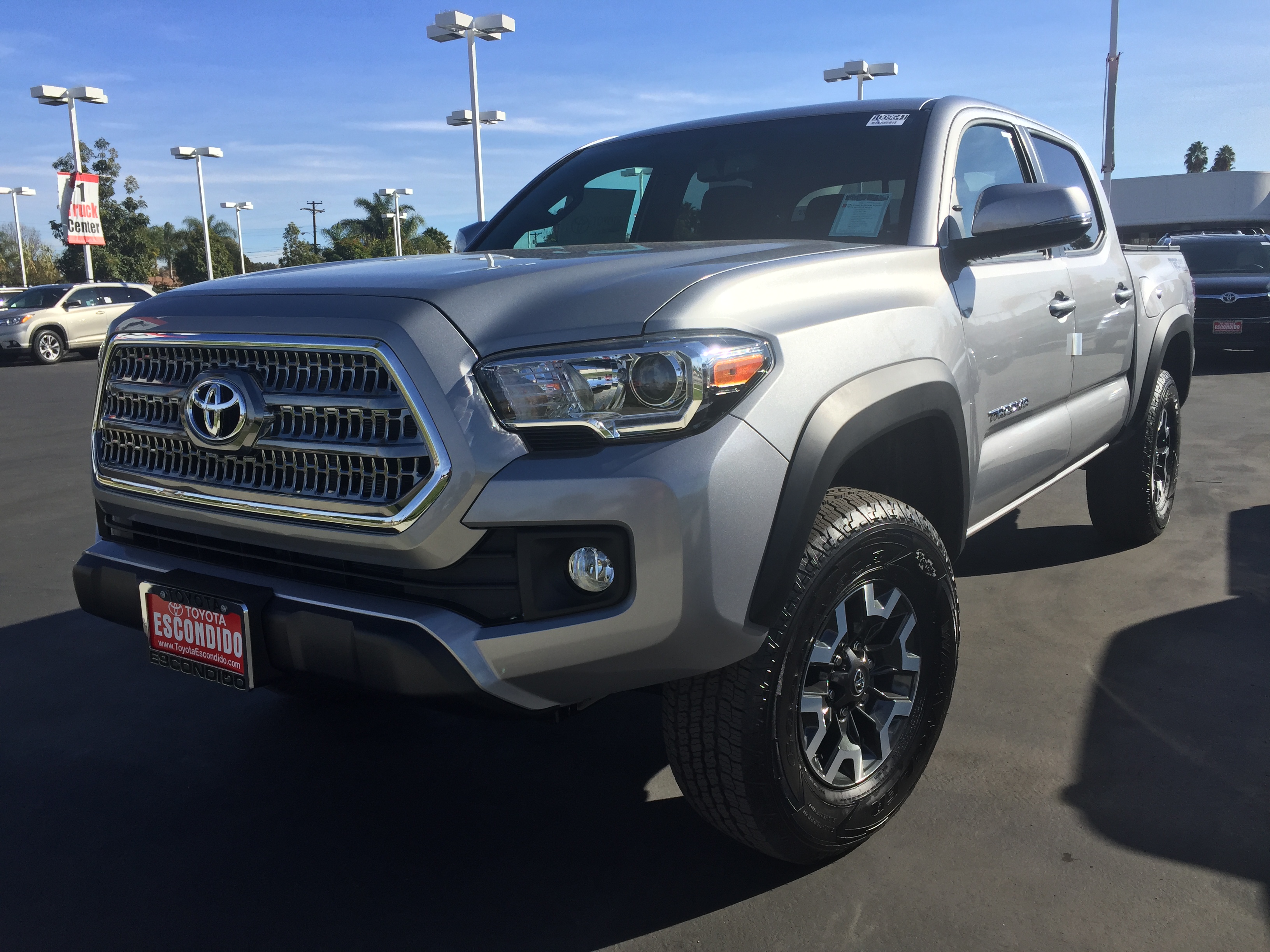
Toyota Tacoma
"“Yeah, they're going to be I think it's Tacoma and something else are going to be building like exclusively there [661.2s]”"
The Toyota Tacoma is Toyota’s popular midsize pickup truck. The host is saying Toyota plans to build trucks like the Tacoma at its expanded San Antonio factory.
The Toyota Tacoma is Toyota’s midsize pickup truck, and it’s one of the brand’s most important volume models in the U.S. Here, the host mentions it in the context of Toyota’s San Antonio plant expansion and which vehicles will be built there.
naturally aspirated car
"When you look at manuals in general and then we start looking at things like na cars [701.1s] Do you think that just as long as you have a naturally aspirated car?"
A naturally aspirated engine pulls air in without a turbo or supercharger. That usually means a different feel and sound than turbo cars, and some people prefer it.
A naturally aspirated car uses engine airflow drawn in by atmospheric pressure, rather than a turbocharger or supercharger. Because of that, the engine’s power delivery and tuning are different, and enthusiasts often treat naturally aspirated setups as more “pure” than forced induction.
maintenance records
"Is you better make sure your maintenance records are on? Yeah, because we're seeing a very big [725.2s] Disparity now..."
Maintenance records are the paperwork showing the car was serviced on time. The host is saying buyers care a lot more about that when the market gets tighter.
Maintenance records are the documented proof that a car’s scheduled service was performed (often with dates, mileage, and receipts). The host argues that in a tighter market, cars with clear maintenance history tend to hold value better and avoid buyer “burn” stories.
oil changes
"Like, you know, make sure at the very least make sure all your oil changes have been done on time [741.0s] Make sure you are your fluids have been done on time..."
An oil change is when the old engine oil is replaced with fresh oil. The host is saying you should keep up with it on schedule and be able to show it was done.
Oil changes are the periodic replacement of engine oil and the associated oil filter service. The host uses them as a baseline example of “on-time” maintenance that becomes more important when buyers are more skeptical.
manufacturer recommendations
"you know per [745.1s] Manufacturer recommendations at the very least [747.7s] I think that's going to become more important..."
Manufacturer recommendations are the service schedule and fluid requirements the carmaker says to follow. The host is telling people to stick to those guidelines.
Manufacturer recommendations are the specific service intervals and fluid specifications published by the automaker for that exact model. The host emphasizes following these guidelines at minimum, rather than relying on guesswork.
Manheim
"a dealer bought a Subaru of some kind from manheim, uh, the big auto auction"
Manheim is a big company that runs car auctions. Here, it’s where the dealer bought the Subaru before the return/inspection argument started.
Manheim is a major auto auction company that facilitates vehicle sales between dealers and other buyers. In this segment, it’s used as the source of the Subaru purchase that later becomes a dispute.
two week return
"And he paid the fee to have the two week return So for people that don't know you can basically pay I think it's 189 bucks or whatever"
It’s a policy that lets the buyer return the car within about two weeks. The idea is: if a mechanic finds a serious problem, you can send it back.
A two-week return is an auction/vehicle-sale policy that gives the buyer a short window to return the car if issues are found. The speaker frames it as something you can pay for, then use after a mechanic inspection reveals problems.
third party
"Manheim says we don't believe you so we're going to send our own third party Lemon squad who they're partnered with to do a ppi."
A third party is an independent organization not directly involved in the original sale. In this story, Manheim uses a partner to perform an inspection so the dispute can be evaluated more objectively.
Lemon Squad
"Manheim says we don't believe you so we're going to send our own third party Lemon squad who they're partnered with to do a ppi."
“Lemon squad” is the name used for Manheim’s partnered inspection group that investigates whether a vehicle is being misrepresented as defective. The segment uses it to contrast a claimed “new motor” need versus what the inspection concludes.
engine
"Subaru goes. Yeah, you'd be better off replacing this engine. It's going to blow Manheim still didn't take the car back So the guy looks at he goes i'm stuck with the car"
The “engine” is the main mechanical part that makes the car move. They’re saying the engine is likely to fail, so replacing it is the safer fix.
In this context, “engine” refers to the car’s power unit that can fail catastrophically (“it’s going to blow”). The discussion is about deciding whether the engine needs replacement after an auction/inspection process misses the problem.
naturally aspirated manual stuff
"So if you're a guy out a guy or gal out there that's trying to See the future with your naturally aspirated manual stuff like just make sure the maintenance is done"
“Naturally aspirated” means the engine doesn’t use a turbo or supercharger to force air in. “Manual stuff” means it has a stick shift, and the host is saying maintenance matters a lot for these cars.
“Naturally aspirated” means the engine draws air without a turbocharger or supercharger, and “manual stuff” means a manual transmission. The host’s point is that keeping up with maintenance helps these cars retain value and avoid expensive failures.

Lexus RCF
"I don't know if it was co-part or where they found it, but it was a I think it was an rcf It was one of the lexuses. I don't know what video that was his plan"
The Lexus RCF is a Lexus performance model with a strong, V8-powered character. The host is saying someone bought one that had been totaled and then fixed it by replacing parts in the suspension area.
The Lexus RCF is a performance coupe/sedan from Lexus, powered by a naturally aspirated V8 and known for enthusiast-focused driving feel. In the story, the host describes buying a totaled RCF and getting it back on the road after relatively limited suspension work.
strut mount
"But all he did was replace like like a strut and a strut mount and it was good to go"
A strut mount is the part that connects the suspension strut to the car’s body. If it’s broken, the car can ride badly or make noises, so replacing it can restore proper suspension behavior.
A strut mount is the top attachment point between the suspension strut and the vehicle body. If it’s worn or damaged, it can cause clunks, poor ride quality, and alignment/suspension issues—so replacing it can make a car feel “fixed” even if the underlying damage was suspension-related.
throw a rod
"…the guy selling it to him thought he threw a rod and he just replaced the sensor…"
“Throw a rod” is when something inside the engine breaks badly—usually a connecting rod. When it happens, the engine often needs major repairs or replacement.
“Throw a rod” means an engine internal failure where a connecting rod breaks and gets forced out of position, often damaging the block and crankshaft. It’s a serious, usually expensive problem compared with simpler sensor or electrical faults.
transmission bill
"…worst case scenario. Obviously i'm in for a big transmission bill or an engine bill or whatever…"
A “transmission bill” is the money you’d spend if the car’s gearbox needs repair or replacement. It’s one of the big expensive problems people worry about when buying a used car.
A “transmission bill” refers to the cost of repairing or replacing a vehicle’s transmission. In used-car risk scenarios, transmission failures are often a major expense that can turn a cheap purchase into a costly project.
sensor issue
"There's just a sensor issue. There's just a this issue…"
A “sensor issue” is when a sensor in the car is faulty or not connected properly. The car may act like something is seriously wrong, but sometimes it’s just a sensor and the fix is much cheaper.
A “sensor issue” is when one of the car’s electronic sensors sends incorrect data to the engine or transmission control units. Many drivability problems can be caused by a failed or unplugged sensor, which can be far cheaper than mechanical engine or transmission damage.
fuse went bad
"Maybe this was unplugged or a fuse went bad or what you know, whatever the case…"
A “fuse went bad” means a small electrical safety device inside the car blew. If it blows, parts of the car may stop working, and the problem can look confusing until you check the fuses.
A “fuse went bad” refers to a blown fuse in the vehicle’s electrical system, which can interrupt power to a sensor, module, or related circuits. Electrical faults like this can mimic bigger mechanical problems, especially when symptoms are intermittent.

F-150 Raptor
"...'m putting a new engine in I have a comp now that raptor that I mentioned that other ruby red that was in ..."
The Ford F-150 is a large pickup truck used for work and hauling. In the podcast, it’s mentioned in connection with an engine being replaced, which points to real ownership and maintenance topics. It’s a common truck, so it often shows up in discussions about how vehicles hold up over time.
The Ford F-150 is a full-size pickup truck and one of the most common platforms for work and towing in the U.S. In your excerpt, it’s tied to engine replacement and a “Raptor” reference, which suggests the conversation is about durability, repairs, or ownership experiences. It also fits clutch culture indirectly because many F-150s are used for practical driving where transmission behavior and drivability matter.
garage queen
"You imagine you got the garage queen"
A “garage queen” is a car that mostly sits in the garage and doesn’t get driven much. People keep it looking nice, like a show car.
A “garage queen” is a car that’s kept mostly for show or occasional use rather than being driven regularly. The term often implies low mileage and careful preservation, but it can also suggest neglect of normal wear items because it isn’t used much.

100 series Landcruiser
"manual transmission m3 and 100 series Landcruiser I that's 25k more"
The Toyota Land Cruiser is a tough, long-lasting SUV. “100 Series” is the specific older generation (roughly late 1990s to mid-2000s) that many people like for its durability.
Toyota Land Cruiser “100 Series” refers to the 1998–2007 generation of the Land Cruiser, known for body-on-frame ruggedness and long-distance durability. It’s often chosen for towing, off-road capability, and a simple, robust mechanical layout compared with many crossovers.
lease payment
"I went online because everyone said that my lease payment is so expensive a month. I pay like 589 by weekly for a new Santa Fe"
A lease payment is what you pay each month to drive a car you don’t own. The real cost can change depending on fees and whether you decide to buy it later.
A lease payment is the monthly amount you pay to use a car under a lease contract, based on depreciation and financing terms. Lease payments can look lower than loan payments, but the total cost depends on mileage limits, fees, and whether you buy the car at the end.

Santa Fe
"I pay like 589 by weekly for a new Santa Fe car's worth like 61,000 new"
Hyundai Santa Fe is a midsize family SUV from Hyundai, typically bought for practicality and comfort rather than hardcore performance. Here it’s mentioned in the context of a lease payment and buyout decision, which matters because leasing can change the total cost versus buying outright.
negative equity
"They said oh well when you traded your other lease in you took on 10,000 dollars worth of Like negative equity"
Negative equity means your current car is worth less than what you still owe on it. When you trade it in, that “extra amount” can get added to the next car’s deal.
Negative equity is when you owe more on your current financed/leased vehicle than it’s worth at the time you trade it in. Dealerships often roll that amount into the new deal, increasing the new payment or buyout cost.
buy my lease out
"thinking that because they called me to buy my lease out that It would be a wash or I wouldn't have to pay anything."
Buying your lease out means paying the set price at the end of the lease so you can own the car. It’s only worth it if that price is close to what the car is actually worth.
Buying a lease out means paying the lease’s predetermined end-of-lease price (often called the buyout amount) to take ownership of the vehicle. Whether it’s a good deal depends on the car’s current market value versus that buyout price and any remaining fees.
disclosures
"Nowhere on the paperwork that he signed that that $10,000 not pop up. I mean it's on the disclosures Yeah, so you missed it totally you missed it."
Disclosures are the official paperwork in a car deal that lists the important numbers and fees. The host’s point is that the extra money was shown in those documents, even if the buyer didn’t notice it.
In car sales, disclosures are the required documents and line items that spell out key deal terms—like fees, financing details, and any amounts being added to the transaction. The host is emphasizing that the extra $10,000 was present in the paperwork the buyer signed.
dealer
"I'm not saying they did everything right or the dealer didn't get over [1451.7s] I'm not saying any of that but on the disclosures that you signed"
A dealer is the car dealership that sells you the car and sets up the deal. The host is basically saying you can’t ignore what’s in the paperwork, even if you think the dealer handled things poorly.
A dealer is the retail seller that structures the purchase or lease and often controls how trade-ins, financing, and add-ons are presented. Here, the host is discussing responsibility and process—what the dealer did versus what was disclosed in the signed paperwork.
out the door price
"See everything through the lens of Does this price for this car for this brand name to be on it? Does $85,000"
The out-the-door price is the final total you pay for the car. It includes the car price plus things like taxes and fees, so it’s the real comparison number.
Out-the-door price is the total amount you pay to buy the car, including the base price plus taxes, registration, and dealer fees/add-ons. It’s the number that matters for comparing deals fairly.
diversionary tactic
"it's a diversionary tactic is what it's being called where their pr is trying to run from the luce situation into what is now the 12th cilindra situation"
It means someone tries to change the subject. Instead of dealing with the first problem, they push a different story so people focus on that instead.
A diversionary tactic is a strategy where attention is redirected away from one issue toward another. In this context, the host is describing Ferrari’s PR approach as trying to shift the conversation from an earlier controversy to a newer one.
simulated manuals
"Half manual. Mm-hmm basically uh, what is it simulated manuals what they call it I think basically"
It’s when an automatic car is made to act like a manual. You can usually “shift” with paddles or a shifter, but the car is still doing the work for you.
Simulated manuals are driving modes where an automatic transmission is programmed to behave like a manual. The car may use paddle shifters or a gated shifter feel, but the transmission control still follows an automatic system rather than a true clutch-and-gearbox manual.
gated shifter
"This is not a manual Ferrari. Let's just say in the traditional sense."
A gated shifter is a gear shifter that has a shaped path for selecting gears. It helps you grab the right gear more confidently, like the classic feel in many manuals.
A gated shifter is a manual-style gear lever that moves through a defined “gate” pattern, so you can only select certain gears in the correct sequence. It’s often associated with traditional rowing-a-gear feel, and the “gate” helps prevent accidental mis-shifts.
automatic
"When essentially you can flip back and forth from automatic"
An automatic transmission shifts gears for you. You don’t have to move the shifter to change gears as often.
An automatic transmission changes gears for you using hydraulic/electronic control, rather than requiring the driver to select each gear. In this segment, the host is contrasting it with a more manual-like experience.
LST transmission
"Outriving the cc8 50 with a super exciting ESS shipping system connected to our Lightning fast LST transmission with no flywheel or clutch"
LST transmission is a named transmission/drivetrain setup that’s being marketed as very fast and responsive. The speaker is saying it can shift quickly without the usual clutch/flywheel setup.
LST transmission appears to be a specific transmission approach being discussed as part of a fast-shifting drivetrain concept. In the segment, it’s contrasted with systems that use a flywheel/clutch, implying it’s designed to improve shift speed and responsiveness.
flywheel
"Lightning fast LST transmission with no flywheel or clutch"
A flywheel is a heavy spinning part that helps keep the engine’s power delivery smooth. Saying “no flywheel” means this design is trying to avoid that smoothing effect to get a different kind of response.
A flywheel is a rotating mass that stores rotational energy and helps smooth out power delivery between the engine and drivetrain. The speaker specifically notes “no flywheel,” implying a design choice aimed at reducing delay or improving shift response.
clutch
"Lightning fast LST transmission with no flywheel or clutch"
A clutch is what lets you change gears by briefly disconnecting the engine from the gearbox. The speaker is saying this system doesn’t use a traditional clutch.
A clutch is the mechanical interface that connects and disconnects the engine from the transmission, allowing gear changes without grinding. The segment highlights a system with “no flywheel or clutch,” suggesting an electronically controlled alternative to traditional clutch-based shifting.
rev match
"But they're not connected to an LST transmission So the rev match won't be as fast"
Rev matching means the engine speed is adjusted to match the lower gear before you fully engage it. That makes downshifts smoother instead of jerky.
Rev matching is synchronizing engine RPM to the drivetrain when downshifting so the car doesn’t jerk or feel harsh. It’s commonly done in manual driving (or via electronic systems) to make downshifts smoother and more controlled.
DCT
"And if you want to go from fifth to second like that with zero delay [2778.0s] That'll be interesting to see how they will do that with the dct"
DCT means a dual-clutch transmission. It’s an automatic gearbox that can switch gears very quickly by preparing the next gear ahead of time.
DCT stands for dual-clutch transmission. It uses two clutches to pre-select the next gear, which can make shifts feel very quick with less interruption than a traditional automatic.
paddle shift
"Like he was I can see that that it's definitely more engaging than a paddle, you know a paddle shift [2829.1s] I just think"
A paddle shift is the set of buttons or levers behind the steering wheel that let you change gears. You don’t move the gear lever—you just pull the paddle.
A paddle shift is a steering-wheel-mounted control that lets the driver command gear changes without using a conventional gear lever. It’s commonly paired with automated clutches or dual-clutch transmissions.
tailor-made program
"Most and it's still going to be I believe special order. This isn't going to be something, you know from Ferrari [2838.5s] I think it's still considered in their tailor-made program"
A tailor-made program refers to a manufacturer’s bespoke customization service where customers can specify unique options beyond standard trims. In Ferrari’s case, it’s often associated with highly individualized build choices.
gated manual
"[2891.0s] Ferrari cool is a gated manual [2893.5s] That's Ferrari cool"
A gated manual is a stick shift where the shifter has a shaped path (a “gate”) for each gear. It helps you feel and find the right gear more precisely.
A gated manual is a traditional manual transmission where the shift lever moves through a physical gate pattern. That gate helps guide the driver into the correct gear positions and is part of the “feel” enthusiasts associate with older, more mechanical shifters.

F8
"[2895.3s] Yes, but I'm also the same guy that would tell you [2898.5s] F8 [2900.0s] 488 those types of cars great daily drivers"
The Ferrari F8 is a mid-engine Ferrari supercar. The host is saying it’s especially fun to drive, and they connect that fun to the kind of traditional stick-shift feel people like.
The Ferrari F8 is a mid-engine Ferrari supercar known for its driver-focused layout and (in many markets) a traditional gated manual experience. In this segment, the host highlights the F8 as “crazy fun to drive,” tying it to the appeal of a more analog, enthusiast-style shifter.

488
"[2898.5s] F8 [2900.0s] 488 those types of cars great daily drivers [2903.6s] Rather reliable for a Ferrari. You can drive it a lot of miles."
The Ferrari 488 is a mid-engine Ferrari sports car. The host is saying it can work as a daily driver—comfortable to sit in and fun to drive—and that it’s relatively reliable for a Ferrari.
The Ferrari 488 is a mid-engine Ferrari sports car that’s often discussed as a “daily-driver” supercar because it’s usable and engaging rather than purely track-only. Here, the host groups the 488 with the F8 as cars that are “rather reliable for a Ferrari” and comfortable to live with.
bronze wheels
"[2936.0s] You know to me would would would be the conversation here [2939.0s] Like what what do we all think when we actually get to to mess around with it? Look at that [2943.9s] That's great. By the way, those bronze wheels look awesome"
Bronze wheels are car wheels finished in a bronze color. They can look especially good against darker paint because they add a warm contrast.
Bronze wheels are aftermarket or factory wheel finishes where the alloy is tinted or coated in a bronze color. They’re popular because the warm metallic tone can contrast with darker paint colors and make the car’s stance look more distinctive.
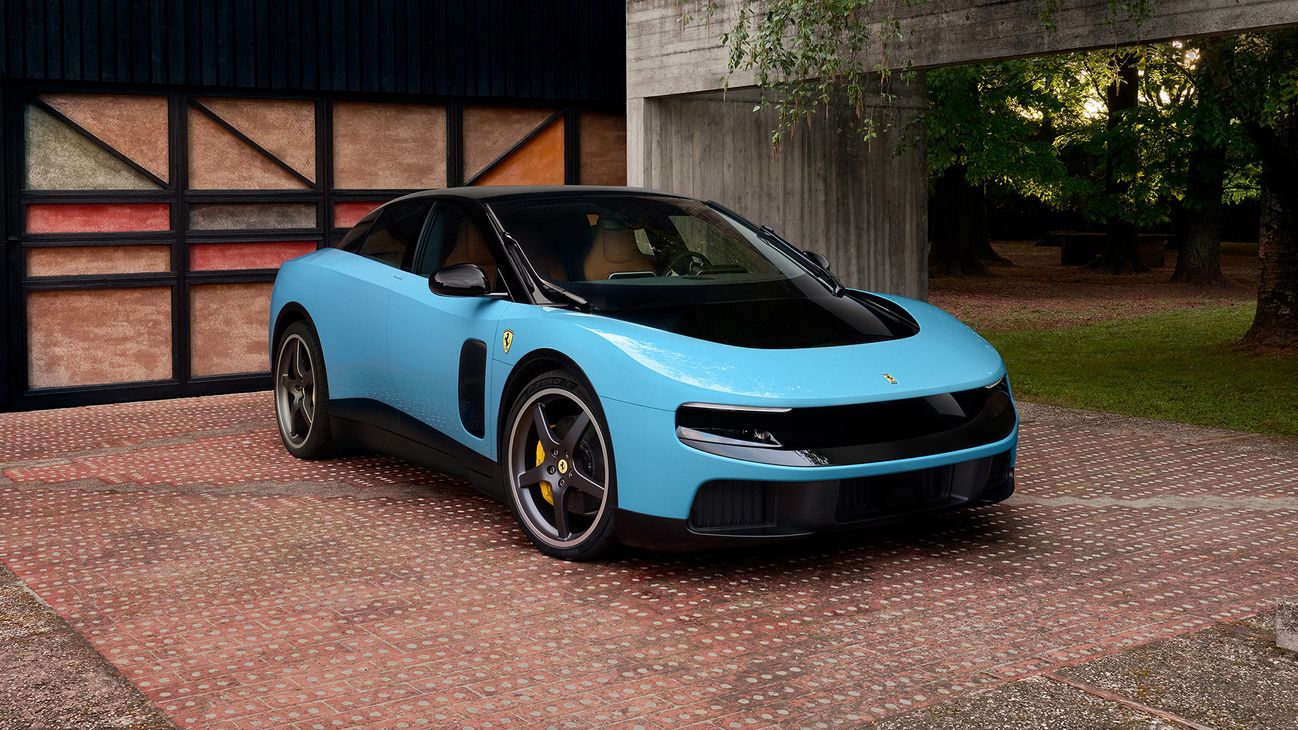
Ferrari Luce
"I wish this and I wish that After the luce. This is probably the best we could hope for let'..."
The Ferrari Luce is a Ferrari model name being discussed as something people are hoping for. The podcast is talking about expectations and what could be the best outcome. It’s mentioned because Ferrari cars are usually a big deal to enthusiasts.
The Ferrari Luce appears in your excerpt as a model name being discussed in terms of what people “wish” for, implying it’s a highly anticipated or talked-about Ferrari concept/idea. In an enthusiast podcast, that kind of mention usually centers on expectations for performance, design direction, or what the next car could represent. The key point is that it’s treated as a notable future or rumored topic within the Ferrari lineup conversation.
growing pains
"This new phase of ferrari where I think this is all related to just massive growing pains"
“Growing pains” means the awkward problems that happen when a company grows or changes quickly. The host is implying Ferrari’s big changes are causing confusion and missteps right now.
“Growing pains” refers to the problems a company faces when it expands or changes scale—often before new processes and culture fully catch up. Here, the host suggests Ferrari’s electrification and corporate scaling are creating internal friction that shows up in marketing and dealer communications.
mass production
"They're trying to become a company. They've never been which is Mass production or mass production in their scale right not like toio to mass production"
Mass production means making lots of cars using repeatable, standardized methods. The host is saying Ferrari is trying to scale up more than it historically has, which can bring new pressures and changes to how the company runs.
Mass production is the industrial approach of building large numbers of vehicles using standardized processes and supply chains. The host contrasts Ferrari’s traditional, lower-volume approach with the idea of scaling up production, which can change how a brand operates and communicates with dealers and customers.
the iphone designer
"Obviously when we see the iphone designer come in That that's not heritage to the ferrari brand"
The host is referring to a designer known for Apple’s iPhone. The point is that Ferrari is bringing in people from outside its usual culture, which the host thinks can change how the brand operates.
The “iPhone designer” refers to Apple’s design leadership being brought into a non-Apple context. In this segment, the host uses it to argue that Ferrari is involving outsiders whose experience may not be rooted in Ferrari’s traditional brand heritage.

Tesla Model Y
"...they've solved that right i mean and you know the model y and and the model three Those things do exist, bu..."
The Tesla Model Y is an electric SUV, meaning it runs on electricity instead of gasoline. It’s built for normal daily driving and uses a lot of technology to make it easy to use. It comes up in conversations about how electric cars handle everyday concerns.
The Tesla Model Y is a compact electric SUV designed for everyday driving with an emphasis on electric power and modern tech. It’s mentioned in the context of whether certain issues have been “solved,” which fits how people discuss electric vehicles’ real-world usability. In a clutch culture podcast, it’s relevant because it represents the shift away from traditional manual transmissions.

Ford Ranger
"From what we've seen ranger. No bro. They have a ranger right now"
They mention the Ford Ranger as an existing Ford truck name. The point is that it’s not really the kind of “old name coming back” that would be a true revival.
The Ford Ranger is a midsize pickup truck line, and the hosts are using it as a clue for what “old Ford name” might be coming back. They specifically contrast it with the “old school” Ranchero idea, implying the Ranger is already in use rather than a true revival.

Ford Ranchero
"But people are calling it the ranchero. It's gonna be a $30,000 electric truck"
They’re talking about a rumored electric version of the Ford Ranchero. The idea is to bring back a classic Ford name, but make it an EV and keep the price around thirty thousand dollars.
The Ford Ranchero is being discussed here as a rumored electric truck revival. It’s notable because it’s a modern EV take on a classic Ford nameplate, and the hosts frame it as an affordable ~$30,000 electric pickup-style vehicle.

Ford Taurus
"Taurus no damn. I thought you were gonna get it 2028 ranchero"
They throw out the Ford Taurus as another older Ford model name. It’s just part of the discussion about what classic name could return for a new vehicle.
The Ford Taurus is mentioned as another possible “old Ford name” that could be revived. In this segment, it’s part of a guessing game about which legacy model name Ford might bring back for a new EV truck concept.
electric trucks
"But people are calling it the ranchero. It's gonna be a $30,000 electric truck"
An electric truck is a pickup that runs on electricity from a battery, not gasoline. Here, they’re using the term to describe the rumored Ranchero as an EV pickup.
An electric truck is a pickup or truck powered primarily by an electric motor and battery pack instead of a gasoline engine. In this discussion, it’s used to describe the rumored Ford Ranchero revival as an EV with a truck body style.

Chevy SSR
"Is this kind of like what Chevy's uh, what was it the ssr? Kind of looked for a little bit with a two-door"
The Chevy SSR was a quirky, retro-styled two-door truck/roadster. They’re saying the new electric Ranchero could feel similar—more about the cool, unusual package than a traditional pickup.
The Chevrolet SSR (Super Sport Roadster) is a retro-styled two-door pickup/roadster concept that Chevrolet sold in the mid-2000s. The hosts compare the rumored Ranchero EV’s look and vibe to the SSR’s “two-door” novelty, implying a similar blend of classic styling and truck practicality.
electrical platforms
"Electrical platform essentially is what they're wanting. Yeah, that's great right introduce and then scale on"
An electrical platform is the main EV “electrical setup” a company reuses across different cars. It helps them build cheaper cars faster because the core wiring, electronics, and battery layout are similar.
An electrical platform is a shared EV architecture—things like the battery layout, power electronics, wiring, and control software—that multiple models can use. The goal is to reduce cost and speed up scaling by reusing the same core “electrical” design across different vehicles.

Ford Mustang
"...h, it'll hit zero to 60 as quick as the ego boost Mustang 4.5 5 seconds if you should care about that which..."
The Ford Mustang is a sports car made for performance. People often talk about how fast it can accelerate, like how quickly it reaches 60 mph. Some Mustangs can be driven with a manual transmission, which is why it shows up in discussions about driving and shifting.
The Ford Mustang is a performance-focused American sports car that’s known for strong acceleration and a wide range of powertrain options. In your excerpt, it’s referenced in the context of 0–60 times, which is a common way enthusiasts compare performance. It also fits a clutch culture theme because many Mustangs have been offered with manual transmissions, making them a frequent topic for driving feel.
zero to 60
"Yeah, it'll hit zero to 60 as quick as the ego boost Mustang 4.5 5 seconds if you should care about that which it is kind of important to some people"
“Zero to 60” measures how fast a car can go from standing still to 60 mph. It’s a simple way to compare how quickly different cars feel like they accelerate.
“Zero to 60” is shorthand for how quickly a vehicle accelerates from 0 mph (or km/h) to 60 mph. It’s a common performance metric that lets people compare acceleration between cars, especially when discussing EVs and quick-launch power.
appliances
"And I think that's the other thing when people talk about these being appliances One of the things that they're right about is that's how people see them"
They’re talking about the idea that some people see EVs as “appliances,” like a household utility. In that view, it’s mainly about getting you from A to B cheaply and reliably, not about being exciting to drive.
Calling EVs “appliances” is a mindset where the vehicle is treated like a utility product—something you buy for function (commuting, range, cost) rather than as a hobby or enthusiast machine. The speaker is weighing that perception against the reality of what people will actually accept in daily use.
state sales tax
"It's 30 thousand dollars. dollars now when you buy that refrigerator. You have state sales tax and things like that"
State sales tax is an extra tax added when you buy something, and the rate depends on where you live. For cars, it can make the final price higher than the sticker or advertised number.
State sales tax is a tax added to the purchase price of goods, including vehicles, and it varies by location. The hosts mention it to explain why the out-the-door cost can be higher than the advertised price.
disposable
"They're disposable, huh? They break. They break. Yeah, they're disposable. So in my mind like, okay, we're gonna make they're making a cheap Appliance EV"
Here, disposable means people expect to replace it instead of keeping it for years. The hosts are saying that if an EV is treated like an appliance, buyers may expect it won’t last long.
In this context, disposable describes a product mindset where consumers expect the item to be replaced rather than repaired or kept long-term. The hosts apply that idea to a proposed “cheap appliance” EV, implying shorter ownership cycles and lower perceived durability.
EV
"So in my mind like, okay, we're gonna make they're making a cheap Appliance EV that you can drive around that you can still have pretty much all the bells and whistles you would want"
EV means electric vehicle. It’s a car that runs on electricity stored in a battery instead of using gasoline. They’re discussing how pricing could influence whether people buy EVs.
EV stands for electric vehicle, meaning the car is powered primarily by an electric motor and a battery rather than a gasoline engine. In this segment, the hosts are talking about how pricing and expectations could affect EV adoption.
lease deals
"Not just tell you it's gonna be interested to see the lease deals. Yeah, right. I mean you can be down to like $250 at least yeah, $195 sub $200 lease deals easily and I'm gonna tell you that's going to move EVs"
A lease deal is when you pay to drive a car for a fixed time instead of buying it outright. The payment is usually lower than a loan, and you return the car at the end unless you choose to buy it.
Lease deals are financing offers where you pay to use a vehicle for a set period, typically with mileage limits and an end-of-lease option. The hosts suggest that low monthly lease pricing can make EVs easier to try, which can increase sales momentum.

Mercedes-Benz GLB
"...f you I don't remember but she ended up getting a GLB for 398 with no money down How the fuck how you m..."
The Mercedes-Benz GLB is a small luxury SUV. It’s meant for everyday driving, with comfort and convenience features. In the podcast, it comes up because someone discussed buying one with a specific deal.
The Mercedes-Benz GLB is a compact luxury SUV designed to blend everyday practicality with Mercedes-style comfort and features. In your excerpt, it’s mentioned in the context of a purchase deal and financing (“no money down”), which makes it relevant to real-world ownership decisions rather than performance talk. That’s why it fits a podcast discussion—people often bring up specific trims and deal stories when comparing what’s affordable.
EV platform
"companies like GM Ford Toyota Honda that really start to figure out these EV platforms and say"
An EV platform is the “base design” a car company builds for electric cars. It affects how the battery and drivetrain fit, and it can influence how expensive the car ends up.
An EV platform is the underlying vehicle architecture designed specifically for electric powertrains, including packaging, battery mounting, and drivetrain integration. The speaker argues that major automakers (GM, Ford, Toyota, Honda) are working on these platforms and that pricing strategy matters for adoption.
EV adoption
"EV adoption is all about making it something you can't say no to"
EV adoption means how many people start buying electric cars. The speaker says it happens when the price and deal make it an easy choice.
EV adoption refers to how quickly and widely electric vehicles are taken up by consumers. The speaker’s point is that adoption depends on making EVs feel affordable and hard to refuse, not just on the technology itself.
Jim Farley
"[4060.2s] Jim Farley [4061.8s] Has been one of our favorites to talk about on this podcast. He's been quiet [4065.3s] He has been very quiet. We need him. I'm telling you the marketing team found out what we were trying to tell him like hey"
Jim Farley is a senior leader at Ford. In this segment, the hosts mention him while talking about Ford’s electric-car plans and how the company is trying to avoid earlier EV problems.
Jim Farley is a top executive at Ford and is referenced here in the context of Ford’s strategy for electric vehicles. The hosts are discussing how his leadership and the company’s approach compare to past EV missteps.

Ford F-150 Lightning
"...e few that seem to learn from the disaster of the lightning. Yeah, right Is gm gonna do the same as hon? I do..."
The Ford F-150 Lightning is an electric pickup truck. It’s based on the F-150 but uses electricity instead of gasoline. The podcast mentions it in the context of problems people had and what could be learned from that experience.
The Ford F-150 Lightning is an electric version of the F-150 pickup, built to bring EV power to a truck platform. Your excerpt references “the disaster of the Lightning” and suggests the conversation is about lessons learned and whether another manufacturer will repeat similar mistakes. That makes it relevant because it’s often discussed in terms of real ownership experience, not just specs.

Chevrolet C8
"...he must have given all the board members The best c8 corvettes to get built. I thought you were gonna ..."
The Chevrolet Corvette is a sports car built for high performance. The C8 generation is especially talked about because it changed the car’s design in a big way. People also discuss it because production and allocations can influence availability.
The Chevrolet Corvette is a high-performance sports car known for its speed, handling, and engineering-focused design. Your excerpt references the C8 Corvette, which is notable because it brought a major layout change and became a big talking point among enthusiasts. It’s discussed in boardroom/building contexts because limited allocations and production decisions can affect which cars get built and how quickly they reach buyers.

2027 Land Rover Defender
"All right, before we wrap up fully and land the plane here is uh, what most might consider an obscure brand [4203.3s] But what of next favorite did you see the new 2027 land rubber defender? [4207.9s] well, we [4209.7s] I've seen a lot of uh, 30 day plates around my around my neighborhood under the new defender [4215.4s] So unfortunately it loses. Well, it loses the four cylinder, but it's also losing the 5.0 the v8 [4220.5s] And now it's gonna have a straight six."
The Defender is a tough, off-road SUV from Land Rover. Here they’re talking about the 2027 model changing engines: it’s losing some options and using a straight-six instead, with the V8 only available on higher trims.
The Land Rover Defender is a modern take on the classic off-road SUV formula, known for rugged styling and strong capability. In this segment, the 2027 Defender is discussed as changing engine options—dropping the four-cylinder and the 5.0L V8 in favor of a straight-six.
four cylinder
"So unfortunately it loses. Well, it loses the four cylinder, but it's also losing the 5.0 the v8 [4220.5s] And now it's gonna have a straight six."
A four-cylinder engine has four cylinders. It’s usually more compact and efficient than bigger engines, but it may not feel as punchy.
A four-cylinder engine uses four cylinders to produce power. It’s typically smaller and lighter than larger engines like V6/V8s, but it can feel less forceful depending on tuning and vehicle weight.
V8
"So unfortunately it loses. Well, it loses the four cylinder, but it's also losing the 5.0 the v8 [4220.5s] And now it's gonna have a straight six."
A V8 is an engine with eight cylinders arranged in a V shape. People like it because it usually makes strong power and has a characteristic sound.
A V8 is an engine with eight cylinders arranged in a V shape (two banks of four). It’s often associated with strong low-end torque and a distinctive sound, which is why enthusiasts care when a model drops its V8 option.
straight six
"So unfortunately it loses. Well, it loses the four cylinder, but it's also losing the 5.0 the v8 [4220.5s] And now it's gonna have a straight six. I believe it says here in the article"
A straight-six is an engine with six cylinders lined up in a row. It’s known for running smoothly, and some cars use it because it fits well in their engine bay.
A straight-six is an inline engine with six cylinders arranged in a single row. Compared with V6/V8 layouts, it can feel smooth and balanced, and packaging can be straightforward in some longitudinal front-engine designs.
octa
"So if you want the v8, you have to go up to the octa [4226.7s] But um good review so far from what I read about the the v6 overall"
“Octa” here sounds like a trim level or package name—basically the higher version you’d pick if you want the V8. The transcript isn’t clear enough to confirm the exact official trim name.
In this context, “octa” appears to be a trim/option name the speaker associates with getting the V8. Without the exact model name from the transcript, it’s best treated as a likely mishearing or shorthand for a specific Defender variant.
driver monitor camera
"boy there is a driver monitor camera those two red eyes. Yep, they're tracking my eyes"
A driver monitor camera is a camera inside the car that watches where you’re looking. It helps the car tell if you’re paying attention, especially when using driver-assist features.
A driver monitor camera is an in-cabin camera system that watches the driver’s face and eyes to confirm attention. It’s commonly used to support driver-assistance features by detecting distraction or drowsiness.
full self-driving
"There's a lot of things i'm uncomfortable with and it started with full self-driving and this idea that Well, I have to have my hand on the wheel and I have to have my eyes tracked"
“Full self-driving” is a name companies use for software that tries to drive the car for you. Even when it’s working well, the driver usually still has to watch and be ready to take over.
“Full self-driving” is a marketing term for driver-assistance software that aims to automate driving tasks. In practice, it typically still requires driver supervision and can limit what it will do without human input.
eyes tracked
"Well, I have to have my hand on the wheel and I have to have my eyes tracked and I go For what you told me this was a great technology"
Eye tracking is a feature that watches where your eyes are looking. It’s used to make sure you’re paying attention while the car is doing some driving.
Eye tracking in driver-assistance systems monitors where the driver is looking to confirm supervision. If the system thinks you’re not paying attention, it may warn you or reduce/disable automated functions.
liabilities
"It should have had so many different liabilities that the company was going to have to take on that's not what happened You know, it's your car. You're still going to be liable"
“Liabilities” here means who is legally responsible if something goes wrong. The point is that the software should have been tested and responsibility clarified before it was widely used.
In the context of autonomous driving, “liabilities” refers to legal responsibility for crashes or damages. The speaker argues the technology should have had more studies and clearer responsibility before being released.
Airstream
"We're going to go down by the river the new airstream Sells now for under $65,000."
Airstream is a well-known brand of travel trailers. People buy them for the classic silver look, and the host is talking about how much the newer ones cost.
Airstream is a brand best known for aluminum travel trailers with a distinctive “silver bullet” look. The host is discussing the new Airstream model’s price and how it compares to other RVs.

Ford Maverick
"...so light now that you can actually pull it with a maverick Or a raff 4 they actually say in here"
The Ford Maverick is a small pickup truck. It’s meant to be easier to live with than bigger trucks, but still useful for tasks like hauling. In the podcast, it’s brought up because it can tow within its limits.
The Ford Maverick is a compact pickup truck designed to be more affordable and practical than many traditional trucks. In your excerpt, it’s mentioned as a lightweight option that can be used for towing, comparing it to other vehicles in terms of what it can realistically pull. That kind of practical capability talk is common in enthusiast discussions because it connects the vehicle to real-world use.
Request an Explanation
Heard something you'd like explained? We'll add it to this episode.
Sign in to request explanations for terms you heard.
Want to learn more?
Browse our glossary for plain-English explanations of automotive terms, jargon, and concepts.
Help improve this episode
See something that's not quite right? Our annotations are AI-generated and can sometimes miss the mark. Click the flag icon on any annotation to suggest a correction.