
#86 - 2027 BMW X5 Hit or Miss? 200MPH In The 2027 Stingray, REO Trucks For $21,500? & More
About this episode
The hosts kick off with a July 4th hangout vibe, then pivot to grilling and steak prep—especially the “salt ahead” method (hours to overnight) and favorite seasoning brands. They also swap ranch/meat talk, including Hardcore Carnivore sausage and thoughts on Yellowstone. The main automotive segment focuses on the REO Trucks concept: a Dallas-backed, American-manufacturing plan for a small pickup starting around $21,500, with a 6-speed manual and 4x4. They debate the risks of hype pricing and delayed visuals, comparing it to past disappointments from other brands.
Support Clutch Culture Content by ordering The Complete Detail Kit from hyperCLEAN: Support those that support the show!
We're building the biggest online car club in the world. Join the community! clutch.club
Clutch Culture Hoodies BACK IN STOCK: https://hypercleanstore.com/collections/gear-up/products/clutch-culture-hoodie
Enjoying the show? Drop us a 5 Star rating AND review. Thanks in advance!
Sharing the show is the best way to help it grow!
Email your questions, topics, stories: [email protected]
If you're a parts manufacturer or supplier that want's to be apart of either the 2003 LX470 or 2014 Gen 1 SVT Raptor, get in touch with us via email at [email protected]
Follow the show on social @ClutchCulturePod on Instagram & TikTok
four wheel drive
"And gas four wheel drive, taking it back to like the original small pickup truck. They have a six speed manual."
Four-wheel drive sends engine power to all four wheels instead of just two. That usually helps the truck grip better on snow, mud, or rough roads.
Four-wheel drive (4WD) means power is sent to both the front and rear axles, improving traction when roads are slippery or uneven. Many pickup trucks use 4WD to handle off-road conditions or poor weather better than two-wheel-drive setups.
six speed manual
"taking it back to like the original small pickup truck. They have a six speed manual. Yeah."
A six-speed manual is a car/truck where you shift gears yourself using a clutch pedal and a stick. It can feel more connected to driving because you control which gear you’re in.
A six-speed manual transmission uses a clutch and a gear lever to let the driver choose among six forward gear ratios. Compared with automatics, manuals can feel more engaging and give the driver more control over engine speed and acceleration.
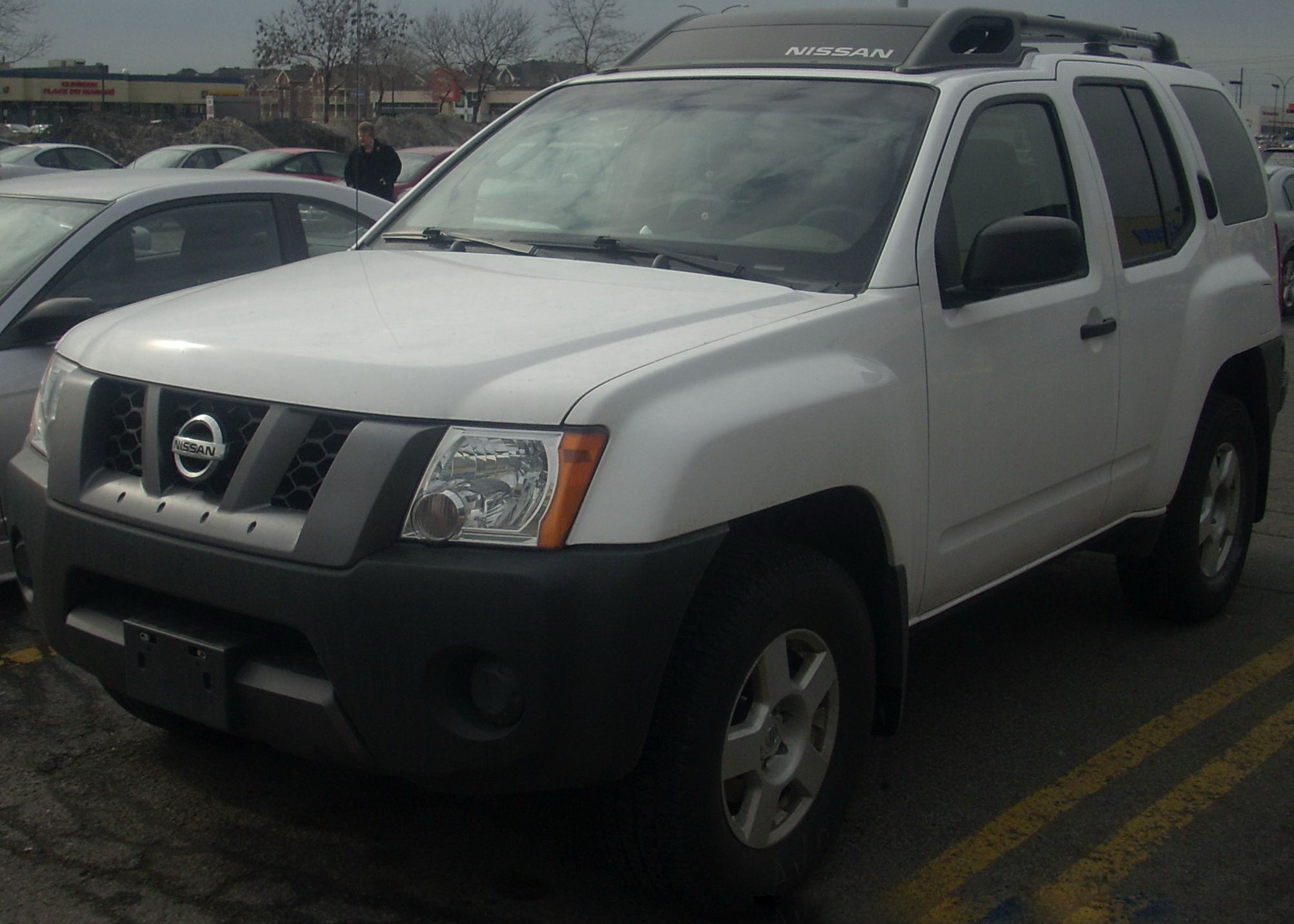
Nissan XTerra
"you know, what was it? [619.7s] The the XTERRA as an example, all the numbers look great."
The Nissan Xterra is a rugged SUV made for rough roads and trails. Here, they mention it to say that the early specs can look promising, but the real results may not match what companies promise.
The Nissan Xterra is a body-on-frame SUV known for off-road capability and a rugged, truck-like layout. In this segment, the hosts use it as an example of how the early numbers can look great even when real-world outcomes later disappoint.

Ford Maverick
"[647.6s] Maverick could be a very, you know, very big point in this that, you know, [652.9s] roughly it was $20,000 and within minutes it felt like it was $30,000, right?"
The Ford Maverick is a small pickup truck. They’re using it as an example of how the price you hear at first can end up feeling like more after everything is added.
The Ford Maverick is a compact pickup that’s often discussed in terms of pricing and how quickly costs can change once options and fees are added. The hosts use it to illustrate how a stated price can feel much higher in practice, especially from the consumer side.
reservations
"We didn't go through the entire timeline of their anticipated, you know, [686.3s] where we're going, but it's reservations are open now, right?"
A reservation is basically a way to put your name down (often with a deposit) for a car that isn’t available yet. They’re saying you can reserve it now, even while the timeline is still being worked out.
Car reservations are deposits or sign-ups that let buyers claim a place in line for a future vehicle. In this segment, the hosts note that reservations are open now, implying demand and early commitment before production timing is fully proven.
Q4 of 26
"[691.9s] Models revealed Q4 of 26"
“Q4 of 26” means late 2026—around October to December. They’re talking about when the models are expected to be revealed or delivered, and whether that lines up with what companies say.
“Q4 of 26” means the fourth quarter of 2026 (roughly October through December). The hosts are referencing a production/reveal timeline, which matters because they’re criticizing companies for missing promises or changing expectations.
Lamborghini
"[973.7s] Lamborghini and Ferrari, they're in a volume game and they're trying to [977.9s] transition into the volume game."
Lamborghini is a famous Italian car brand that usually makes expensive, limited-run supercars. Here, they’re talking about how Lamborghini is trying to sell more cars to more people.
Lamborghini is an Italian supercar brand known for high-performance, low-volume cars. In this discussion, it’s brought up as an example of a brand trying to move into higher-volume sales without losing its identity.
Ferrari
"[973.7s] Lamborghini and Ferrari, they're in a volume game and they're trying to [977.9s] transition into the volume game."
Ferrari is a well-known Italian brand that makes high-end sports cars. In this segment, they’re saying Ferrari is trying to sell more cars than it traditionally has.
Ferrari is an Italian supercar and racing brand that traditionally sells in relatively low volumes. The hosts use it as an example of a luxury performance brand attempting to increase sales volume.
volume game
"[973.7s] Lamborghini and Ferrari, they're in a volume game and they're trying to [977.9s] transition into the volume game."
“Volume game” means trying to sell a lot more cars, not just a small number of super-exclusive ones. It’s about reaching more buyers and moving more units.
“Volume game” here means focusing on selling higher numbers of vehicles rather than relying on low-volume, high-margin exclusivity. The hosts frame it as a strategic shift for luxury brands trying to broaden their customer base.

Porsche Cayenne
"[984.2s] Eurus is probably the first time. [987.3s] Like there's a real conversation. [990.0s] Yes, there's a tiny percentage of people that want to buy simple."
The Porsche Cayenne is Porsche’s SUV. The hosts mention it as an example of how Porsche managed to sell more cars by expanding beyond just sports cars.
The Porsche Cayenne is Porsche’s SUV that helped the brand sell more cars beyond its traditional sports-car lineup. In the segment, it’s referenced as proof that a “volume” strategy can work for a performance brand.
shopping nationwide
"[1034.8s] That's why shopping nationwide and just shopping outside of your community is [1038.6s] really helpful because we know some dealers that are just vault like volume [1041.4s] first, they will lose a little bit of money even on a vehicle."
“Shopping nationwide” means looking at cars for sale at dealerships in other areas, not only near your home. The idea is you can often find better pricing when you compare more options.
“Shopping nationwide” refers to comparing inventory and pricing across dealers in different regions, not just what’s available locally. The hosts suggest it helps you find better deals because some dealers are more aggressive on volume sales.
out the door
"They care about the price as a whole or the ease of the purchase of what they think is fair, meaning if they have a listed price and they're not going to budge or somebody that's willing to work with them and just get them in and out the door, it's something reasonable."
“Out the door” means the final price you pay to get the car ready to drive—usually including taxes and fees. Two offers can look close on the sticker, but the out-the-door price shows which one is actually cheaper.
“Out the door” (OTD) price is the total amount you pay to drive the car home, including the negotiated vehicle price plus taxes, registration, and dealer fees. It’s a common way to compare offers because it reflects the final cash number rather than just the sticker price.
Tahoe payments
"I think that's what, you know, why we see $1,200 Tahoe payments, right? Because people just want to like it, you know, they want to like what they drive and that's kind of how everybody that's listening to us probably feels the same."
“Tahoe payments” means the monthly cost to finance a Chevrolet Tahoe. The idea is that some people focus on what they pay each month, not just the total price of the vehicle.
“Tahoe payments” refers to the monthly financing payment for a Chevrolet Tahoe. The point being made is that some buyers prioritize affordability of the monthly payment (and the overall deal) over the exact purchase price.
Tesla
"I mean, you're going to go to somebody like Tesla. Right? It's that's the easiest purchase you can make."
Tesla is a car brand that sells many of its vehicles in a more direct way than typical dealerships. Here, it’s mentioned because buying is portrayed as simpler—more like ordering online than negotiating at a store.
Tesla is an EV-focused automaker known for selling cars with a more direct, online ordering flow compared with traditional dealership retail. In this segment, the host uses Tesla as an example of a purchase process that’s fast and low-friction.
seat package
"upgrade $10,000, $20,000 because they want this seat package."
A “seat package” is a bundled set of seat-related options (like upgraded upholstery, heating/ventilation, power adjustments, or sometimes memory settings) sold as part of a trim or options bundle. Buyers may pay more to get the specific comfort features they want.
ease of purchase
"So I think it's it's easy to say that people want the ease of purchase."
It means how easy it is to actually buy the car. If the process feels straightforward and the deal is clear, more people will want to buy.
“Ease of purchase” refers to how simple and low-friction it is to buy a vehicle—things like pricing transparency, financing options, and dealer process. In car shopping, it’s often used to explain why non-enthusiasts still gravitate toward certain brands or dealers.
Rivian
"those are gone with Rivian now coming down in price and building smaller stuff."
Rivian is an electric-vehicle company. The point being made is that Rivian is adjusting its lineup and pricing, which affects what buyers can get.
Rivian is an EV manufacturer known for trucks and SUVs. Here, the hosts mention Rivian “coming down in price” and “building smaller stuff,” framing it as a competitive response in the EV market.
EBS
"This was always my argument to the the the religious fanatics about EBS, which is you have to give people a reason to flip. And if you think it's just a gas, that's always been the wrong theory."
EBS here is shorthand tied to EVs and whether people will switch from gas cars to electric cars. The point is that gas prices alone don’t automatically make people change—they need a better deal overall.
In this context, EBS is being used as shorthand for an electric vehicle (EV) adoption argument—i.e., the idea that people will “flip” to EVs if the value proposition is strong enough. The host is arguing that it’s not just about fuel (gas) prices; consumers need a compelling reason to switch.
EV
"So EVs, as we sit here in 2026, the gas conversation, even though we've had volatile gas for what the last 10, 12, 15 years, was not enough to get people."
EV means electric vehicle. It’s a car that runs on electricity from a battery, and the host is saying people won’t switch in big numbers unless the price makes sense.
EV means electric vehicle—cars powered primarily by electric motors and a battery rather than a gasoline engine. The host is discussing why EVs haven’t achieved mass adoption yet, focusing on pricing rather than just fuel-price volatility.
price barriers
"The issue was and still is they're not breaking through the price barriers. So let's say I'm looking at a 55000 dollar SUV, OK?"
“Price barriers” means the EV is still too expensive compared with similar gas cars. If the price doesn’t feel right, most people won’t switch no matter what happens to gas prices.
“Price barriers” refers to the idea that EVs must be priced low enough to overcome the sticker-shock gap versus comparable gas cars. The host argues that without clearing that threshold, adoption stays limited even when gas prices fluctuate.
mass adoption
"I need the equivalent of that car in EV to be like 45 to 40. Right. And all of a sudden now you would see mass adoption because people would be like, well, I mean, it's 15 grand less."
“Mass adoption” means lots of regular people start buying EVs. The host says it happens when the EV price is close enough to the gas version that people feel it’s worth switching.
“Mass adoption” means EVs becoming common enough that they’re bought at large scale by mainstream shoppers, not just early adopters. The host ties it to EV pricing being close to (or meaningfully below) comparable gas SUVs.
conquest cost
"And to think of the conquest cost that it takes to do the flip, just give the consumer the better price out the box and you will make it up on all the conquest marketing and cost that you would have to try to put into it."
“Conquest cost” means the extra money companies spend to persuade people to switch from what they already drive to an EV. The host says better upfront pricing can reduce how much you have to spend to convince buyers.
“Conquest cost” is the marketing and sales expense required to win customers away from their current choice (often gas cars) and convert them to EVs. The host argues that if EVs aren’t priced competitively, companies must spend more to “conquer” that switch, which hurts profitability.
alternator
"OK, it's all about you got to buy another alternator. [1400.8s] You got to buy another, you know, pulley."
The alternator is the part that makes electricity while the engine is running. It also charges the battery so the car’s electronics keep working.
An alternator is the engine-driven generator that produces electrical power for the car and recharges the battery while you drive. If it fails, the battery can’t be replenished and the car may lose power for lights, ignition, and other electronics.
pulley
"OK, it's all about you got to buy another alternator. [1400.8s] You got to buy another, you know, pulley. [1402.7s] You got to buy another, you know, pulley."
A pulley is a small wheel the belt runs over to move power around the engine. If it wears out, the belt can start making noise or stop working properly.
A pulley is a wheel on a rotating shaft that routes power via a belt (for example, to the alternator or other accessories). In many cars, pulleys can wear out or develop bearing play, which can lead to belt noise or failure.
transmission
"You got to buy another, you know, pulley. [1402.7s] You got to buy another transmission. [1404.3s] You got to buy another whatever. OK, name the part."
The transmission is what helps the car use the engine’s power effectively at different speeds. When it has problems, repairs can be expensive.
The transmission is the drivetrain component that manages how engine power is delivered to the wheels by changing gear ratios. Because it’s complex and expensive, it’s one of the major cost items when repairs or replacements are needed.
battery pack
"So we all have to understand that the reason that they haven't really broken [1422.7s] through on the bottom side price wise is because there is no more money to make. [1428.2s] I mean, other than somebody 15 years down the road, maybe buying another battery pack."
A battery pack is the big battery system that powers an EV. If it wears out over many years, it can eventually need replacement.
A battery pack is the large assembly of battery cells (and related electronics) that stores energy in an EV. Over time, battery capacity can degrade, and in some cases owners may replace the pack decades after purchase.
parts department
"What are they really selling in the parts department and and Ford and Chevy [1439.0s] and all these companies make a shit ton of money on parts, man. [1441.7s] And that's where they've been able to pull profit."
The parts department is where a dealership sells replacement parts for repairs. The point here is that older gas cars tend to need more replacement parts over time, which can be a big profit source.
The parts department is the dealership or service network’s business selling replacement components and accessories. The host is arguing that legacy automakers profit heavily from long-term repairs and wear items, which helps fund operations.
legacy parts business
"And there's all of this legacy parts business. [1452.0s] And so the reason that everybody looks at even guys like me, when we talk about this,"
“Legacy parts business” means the long-standing business of selling replacement parts for older, gas-powered cars. The idea is that EVs may not need the same kinds of parts, so the profit mix could change.
“Legacy parts business” refers to the established aftermarket and dealership parts revenue built around internal-combustion vehicles and their predictable wear items. The discussion suggests EVs may have a different parts-demand profile, affecting long-term profit opportunities.
EVs
"Well, you can't really do that at a high level on EVs. So the reason they haven't broke on the on the bottom side isn't just the battery cost."
“EVs” means electric vehicles. They run on electricity stored in a battery, not gasoline. The point here is that EVs can be harder to profit from through selling lots of replacement parts.
“EVs” stands for electric vehicles—cars powered primarily by electric motors and batteries instead of a gasoline engine. The host is contrasting how EVs handle parts sales and profitability compared with traditional cars.
Elon Musk
"which is actually Elon Musk has been saying this to everybody about Tesla. He goes, you know, it's a terrible business because we don't have any parts to sell."
Elon Musk is the well-known founder/leader behind Tesla. In this discussion, the host is quoting his view that EVs don’t create as much demand for replacement parts as gas cars do.
Elon Musk is the entrepreneur behind Tesla and a prominent figure in the EV industry. The host uses his statements to support the idea that EVs can be less profitable for companies that traditionally make money by selling replacement parts.
parts to sell
"He goes, you know, it's a terrible business because we don't have any parts to sell. And so for anybody thinks I'm giving an opinion here, this is the guy that owns the company doing EVs on the highest level"
This is about how car companies make money. Gas cars often need lots of replacement parts over time, but EVs can have fewer of those parts, which can make profit planning harder.
The host is referring to the business model idea that traditional automotive companies can profit from selling replacement parts and servicing wear items. The argument is that EVs may have fewer parts to sell, which changes how companies plan for long-term profit.
enterprise value
"So there's a lot of enterprise value in being the first, right?"
Enterprise value is a way to estimate what a company is worth overall, not just its stock price. The host is saying that being first in the EV market can make a company more valuable.
Enterprise value is a valuation metric that estimates what a company is worth in total, considering both its equity and debt. The host uses it to argue that being the first major EV “heavy hitter” can create financial upside for Tesla.
home charging
"He's like, look, there's still a rich people car largely because you have to have at home charging. [1725.8s] You have to have all this infrastructure and I get it."
Home charging is plugging your EV in at your house so it’s ready when you wake up. It matters because it’s usually easier than finding public chargers every time.
Home charging means charging an EV at your residence, typically using a dedicated charger or a standard outlet. It’s a major factor in EV convenience and cost because it determines how easily you can “refuel” overnight without relying on public stations.
rich people car
"He's like, look, there's still a rich people car largely because you have to have at home charging. [1725.8s] You have to have all this infrastructure and I get it."
They’re saying EVs can feel like they’re mostly for wealthier people. That’s because owning one often depends on having easy charging at home and convenient charging options nearby.
The host is describing EVs as a “rich people car” because ownership often requires resources like home charging and reliable access to charging. It’s an affordability-and-access framing: even if the vehicle is desirable, the lifestyle requirements can limit who can use it easily.
infrastructure
"You have to have all this infrastructure and I get it. [1728.9s] You can go out and charge other places, but people don't find that convenient."
Here, “infrastructure” means the charging network—where you can plug in your EV. If it’s not convenient or easy to find chargers, EVs are harder to live with.
In this context, “infrastructure” refers to the charging network—public chargers, access to them, and the supporting systems that make charging practical. EV adoption depends heavily on whether drivers can reliably charge away from home.

G-Class G Wagon
"And it's also clouding the judgment of a lot of these companies [1745.7s] and they're like, well, rich people just keep buying it. [1745.7s] And I go back to electric G wagon."
They’re talking about an electric version of the Mercedes G-Wagon. The idea is that it still looked and drove like a G-Wagon, so people thought it would sell, but it didn’t.
The speaker is referring to an electric Mercedes-Benz G-Class (the “G-Wagon” people know from the brand’s boxy, off-road-focused design). The point here is that the electric version kept the G-Class look and feel, so it was expected to sell—yet it didn’t meet expectations.

Ford Rangers
"I'm a person that was around these trucks, Ford Rangers, Toyotas, name the brand Mazda back in the day. T..."
The Ford Ranger is a pickup truck, meaning it has a cargo bed for hauling things. People talk about it a lot because it’s a common truck that’s used for work and regular driving. It’s mentioned here as part of the lineup of trucks people have experience with.
The Ford Ranger is a midsize pickup truck known for being practical and widely used for work and everyday driving. It comes up in conversations like this because it’s a common “real-world” truck people grow up around and compare to other popular pickups. The podcast mentions it alongside other brands to set the context of what drivers have experience with.
peak car culture
"how we've reached in our like cresting over [2470.3s] what is like peak car culture type of cars, [2473.4s] that are actually cars that people want to buy."
“Peak car culture” means the moment when car enthusiasm is at its biggest. The host’s point is that if interest and supply change, the cars people want could become harder to find, so keeping them in good shape matters.
“Peak car culture” is a way of saying the hobby and mainstream interest in cars has reached its high point. The host argues that we’re past that crest, so the cars people actually want to buy may become scarce, making maintenance and preservation more important.

F-150 Raptor
"if you want to have anything that you can buy later, [2487.0s] there is a certain way that we need to be maintaining these cars. [2489.3s] Your LX, my Raptor, even your, obviously your BMW."
The Raptor is a special Ford truck meant for off-road driving. The host is saying that if you have one, you need to take care of it so it stays enjoyable later.
The “Raptor” refers to Ford’s high-performance F-150 off-road pickup line, built for tougher suspension travel and traction than a standard truck. Here it’s used as another example of a specific enthusiast car that needs ongoing maintenance to remain worth owning.
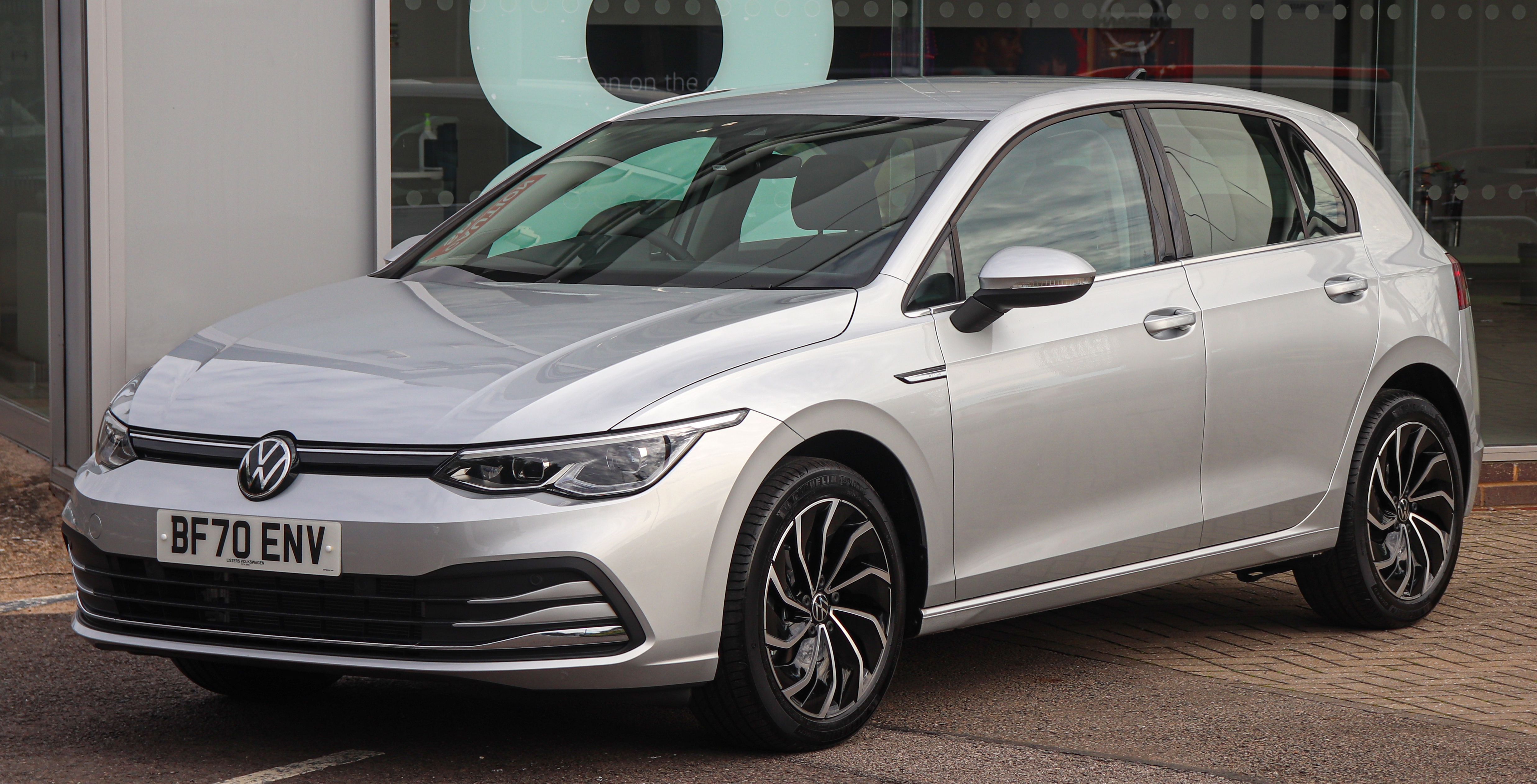
Volkswagen Gtis
"I would even say that the earlier GTIs and Golfs and Golf Fars, [2495.6s] because dude, I'm so convinced after seeing"
The Golf is Volkswagen’s compact hatchback. They’re mentioning it as another car type that you should maintain well if you want to keep it for the long run.
“Golfs” points to the Volkswagen Golf, a compact hatchback platform that’s been sold in many generations worldwide. In this segment it’s mentioned alongside GTIs to make the broader point that popular enthusiast-friendly cars need good care to stay desirable later.
30 day plates
"hits the back of us, crumples their brand new car with 30 day plates on big SUV, Buick SUV actually."
“30 day plates” refers to temporary license plates issued for a short period, typically while the vehicle is newly purchased and paperwork/registration is still being processed. They’re a common real-world detail in crash stories because the car is often very new.
car was totaled
"I mean, our car was totaled, but we were safe. I mean, we, so when I see the new X5, I go back to, man, I loved my X5."
“Totaled” means the car was so badly damaged that it wasn’t worth fixing. They’re bringing it up to say they still felt safe in the crash.
When a car is “totaled,” the insurer determines the repair cost is too high compared with the vehicle’s value, so the vehicle is written off. The speaker uses this to emphasize that, despite the severe crash, they felt safe in their X5.
German tank
"Like I love that car because like, dude, it literally like, it was, you know, it's, it's a German tank the way they used to."
“German tank” is slang for a car that feels really tough and well-built. Here, they mean the X5 felt solid and safe when they were in a serious crash.
“German tank” is a car-enthusiast way of describing a vehicle as very solid, heavy, and built to feel sturdy and safe—often associated with German brands like BMW. In this context, the speaker is praising the X5’s crashworthiness and overall physical presence.

2008 BMW X5
"And I had a 2008 BMW X5, I believe. [2673.0s] And it's crazy to think that that 08 just seems like more of a tank..."
This is a 2008 BMW X5, a midsize luxury SUV. The speaker is saying that after a crash, it seemed very solid and protective—like the car’s body held up well and helped keep them safe.
The BMW X5 is BMW’s midsize luxury SUV, and the 2008 model is part of the first-generation X5 (E70). In this segment, the host is emphasizing how the 2008 BMW X5’s structure and crashworthiness felt “like a tank” after a wreck.
kidney grills
"[2926.7s] I like the way it looks. [2927.8s] And the, the kidney grills reverting back to like an older BMW. [2931.7s] I wouldn't know which one. [2932.7s] I'm not the biggest BMW aficionado."
BMW’s “kidney grilles” are the two grille openings on the front of the car that BMW is known for. The speaker is saying the design is moving back toward an older style.
“Kidney grilles” are BMW’s signature twin grille openings on the front fascia. In recent years, BMW has made them larger and more prominent, and this excerpt discusses them “reverting” toward an older look.
LEDs in the kidney grill
"[2955.1s] Maybe if the lights had been different, you'd kind of distract you from the kidney. [2958.4s] Yeah. [2958.7s] Like if they didn't put the LEDs in the kidney grill, that I've also never been a fan of [2963.4s] like the strips to go across the entire hood or the lights that light up."
This refers to BMW-style lighting elements integrated into the grille area, using LED technology. The speaker is criticizing the look of having the lights “in” the grille, arguing it draws attention away from the overall front-end design.
LED strips
"[2958.7s] Like if they didn't put the LEDs in the kidney grill, that I've also never been a fan of [2963.4s] like the strips to go across the entire hood or the lights that light up."
“LED strips” here means continuous or long light elements spanning across the front of the vehicle—specifically mentioned as running across the hood area. This is a styling choice that can make the front end look more “techy,” but the speaker says they’re not a fan of the effect.

M cars
"And I've come to like some of the, like even the previous, you know, M cars, the, [3028.5s] what was it, the G80s versus."
“M cars” are BMW’s performance models. They’re tuned to drive more aggressively than regular BMWs, with upgrades to things like the engine and suspension.
“M cars” refers to BMW’s M division, which builds higher-performance versions of regular BMW models. These cars typically get upgraded engines, brakes, suspension, and tuning aimed at sharper handling and faster lap times.
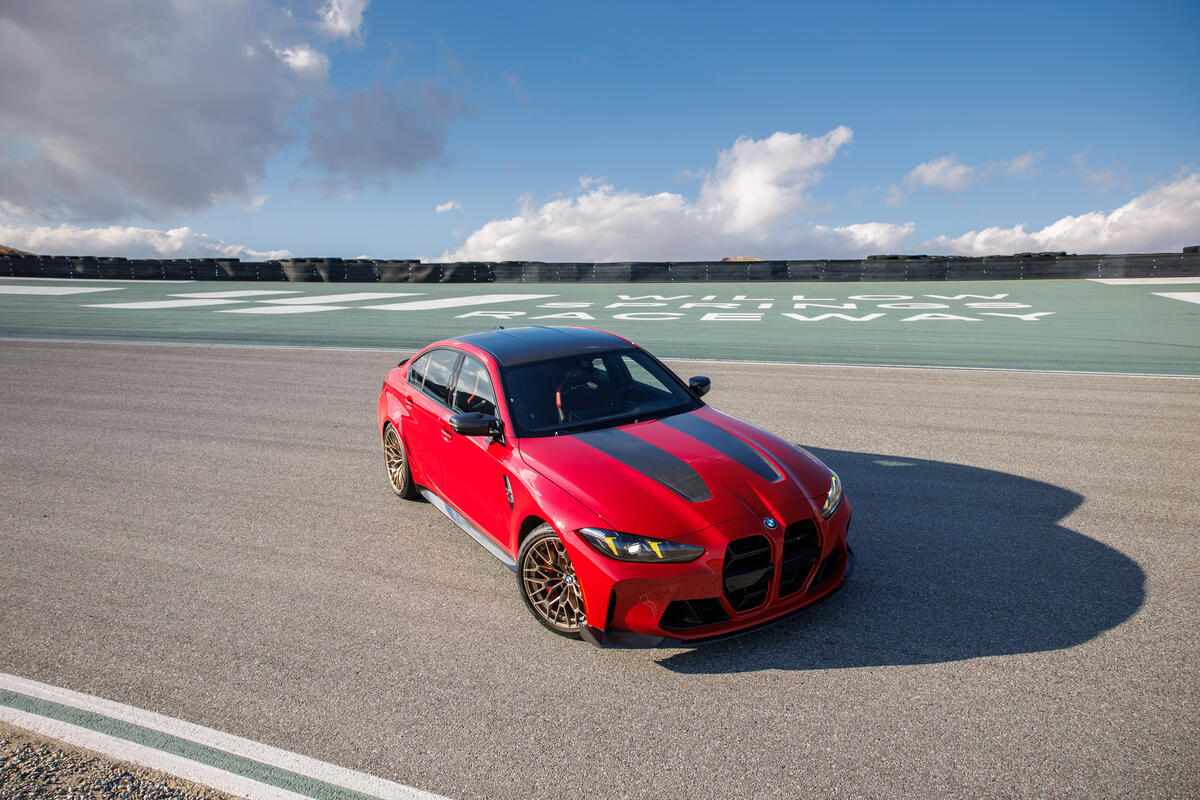
G80s
"what was it, the G80s versus. [3030.3s] So you came around on the lucha, you heard it here first."
“G80” is the code BMW uses for a specific generation of the M3. It’s the newer M3 era, and people often debate how it drives compared to older M3s.
“G80” is the internal generation code for the BMW M3 sedan (and its competition variants). It’s notable because it’s a modern, turbocharged M3 era that many enthusiasts compare against earlier M3 generations for feel, sound, and power delivery.
abominations
"I said some, not abominations, you know, not abominations. [3036.9s] By the way, did you see the email going around where the Ferrari guy, the Ferrari customer?"
“Abominations” is just a harsh way of saying “this is totally wrong” or “I hate this.” In car talk, it usually means someone thinks a new design or model crossed a line.
“Abominations” here is a strong enthusiast term used to criticize certain cars as being unacceptable or ruining what people love about the brand. It’s not a technical automotive label, but it signals a heated debate about taste and direction.
Audi
"And we talked about this months ago. [3481.4s] So the Audi brand is Audi, but without the rings. [3483.7s] And it's exclusive to China and it's catering to what they know the Chinese market wants. [3487.4s] Longer wheelbases, comfortable cars."
Audi is a luxury car brand. In this part, they’re talking about how Audi’s China-focused lineup is designed around what Chinese buyers tend to want.
Audi is a German luxury brand within the Volkswagen Group. The host describes an “Audi brand” strategy that’s tailored specifically for China, implying a China-only product approach (including longer wheelbases and a comfort-focused setup).
longer wheelbases
"Longer wheelbases, comfortable cars. [3489.2s] And this isn't a place too where China, they're known for EVs, right?"
A wheelbase is the distance between a car’s front and rear axles. A longer wheelbase generally improves rear-seat space and can make the ride feel smoother, which is why it’s often used for comfort-focused markets.

Chevrolet Corvette
"Oh, Chevy, the new Corvette with the 6.7 can now do 200 miles an hour in the base stingray. Jesus Christ. And do you know what's going to start at?"
The Corvette is Chevrolet’s high-performance sports car. Here, they’re specifically talking about the Stingray version and how fast it can go with a big V8 engine.
The Chevrolet Corvette is a performance sports car known for offering supercar-like speed and handling at a relatively attainable price. In this segment, the host is talking about the new Corvette Stingray and its 6.7-liter V8, including claims about top speed and pricing.
6.7 V8
"Oh, Chevy, the new Corvette with the 6.7 can now do 200 miles an hour in the base stingray. Jesus Christ. And do you know what's going to start at?"
“6.7 V8” means the engine is a V8 (eight cylinders) and it’s about 6.7 liters total. A larger V8 usually has a lot of power, which helps the car accelerate and go fast.
A 6.7 V8 refers to an engine with eight cylinders (V8) and a total displacement of about 6.7 liters. Bigger displacement V8s typically make strong low- and mid-range power, which helps a car reach very high speeds.
base Stingray
"Oh, Chevy, the new Corvette with the 6.7 can now do 200 miles an hour in the base stingray. Jesus Christ. And do you know what's going to start at?"
“Base Stingray” is the Corvette Stingray’s entry-level version—the one that starts at the lowest price. The point here is that even the cheapest Stingray is still very quick.
“Base Stingray” means the entry-level trim of the Corvette Stingray line. It’s the lowest-priced version, and the host is emphasizing that even this starting spec is claimed to be extremely fast and powerful.
200 miles an hour
"Oh, Chevy, the new Corvette with the 6.7 can now do 200 miles an hour in the base stingray."
“200 miles an hour” is a very high top speed. They’re pointing out that this Corvette can supposedly reach that speed.
“200 miles an hour” is a top-speed benchmark that signals a car is engineered for very high-speed stability and power. The host is using it to argue the new Corvette Stingray is impressively quick even at the entry level.
C8 Corvette
"So the entry-level stingray has 535 horsepower from the 6.7 V8. Wow. You're going to see C8 Corvette, the early editions go down in value big time."
“C8 Corvette” refers to a specific generation of the Corvette. It’s the one with the engine moved to a mid-engine position, and the host is saying the early cars may lose value as more of them show up.
“C8 Corvette” is the internal generation code for the Corvette that introduced the mid-engine layout (engine placed behind the seats). The host mentions that early C8 models are expected to drop in value significantly, which is a common pattern when a new generation first hits the market.
535 horsepower
"So the entry-level stingray has 535 horsepower from the 6.7 V8. Wow. Can now reach double century mark without breaking 75,000."
Horsepower is a number that describes how much power the engine makes. Here they’re saying the entry-level Stingray is rated at 535 horsepower.
Horsepower is a measure of engine power output, and “535 horsepower” is the specific claimed rating for the entry-level Stingray in this segment. Higher horsepower generally helps with acceleration and maintaining speed at higher road speeds.
double century mark
"Can now reach double century mark without breaking 75,000. Pretty sweet. I just don't know how anybody hates on this platform."
“Double century mark” just means 200 mph. They’re using it as a quick way to say the car can hit that kind of top speed.
“Double century mark” is a casual way to say 200 mph (two hundred). In performance-car talk, it’s often used as a shorthand for whether a car can truly reach very high top speeds.
platform dependent
"Oh, yeah. It's platform dependent, obviously, but some of them will. And I'm trying to find a screenshot it."
“Platform dependent” means the result depends on the car’s underlying design/architecture. Two cars that look similar can still have different resale prices because their basic engineering is different.
“Platform dependent” means the outcome (like pricing or depreciation) varies based on the vehicle’s underlying architecture. In car terms, different platforms can have different demand, parts availability, and maintenance costs, which affects resale values.

Ferrari F430
"...ying, you know, most of you who dream of buying a F430, but you're in the $50,000 price range. Well, gue..."
The Ferrari F430 is a high-performance supercar from Ferrari. It’s the kind of car many people dream about, but the podcast is also talking about what it might cost in real life. That’s why it comes up in a discussion about buying expectations.
The Ferrari F430 is a performance-focused Italian supercar that’s often discussed as an attainable “dream” Ferrari for enthusiasts. The podcast references it in the context of pricing—mentioning a $50,000 price range—indicating they’re talking about what people can realistically buy or aspire to. It’s included because it’s a recognizable benchmark model for the brand’s modern era.
Plug and Hybrid powertrain
"So the Podent Plug and Hybrid powertrain starts at $209,250 for the four liter V8. [4336.3s] But these things look awesome."
A plug-in hybrid uses both gas and electricity. You can charge the battery by plugging it in, and then the car can sometimes drive on electricity alone for shorter trips.
A plug-in hybrid powertrain combines a gasoline engine with an electric motor and a battery you can recharge by plugging in. That typically allows short trips on electricity alone and can reduce fuel use when you have charging access.
four liter V8
"So the Podent Plug and Hybrid powertrain starts at $209,250 for the four liter V8. [4336.3s] But these things look awesome."
A “four liter V8” is a gas engine with eight cylinders. The “V” shape is how the cylinders are arranged, and “four liter” is the engine’s size.
A “four liter V8” describes an engine with eight cylinders arranged in a V shape, with a total displacement of about 4.0 liters. Displacement is a key spec that influences how much air/fuel the engine can move and how it tends to feel under power.

SL 500
"I just, I love the way these things look. [4340.2s] I would say you would catch me in an SL 500 from back in the day."
The Mercedes-Benz SL 500 is a luxury-focused SL roadster model known for a more classic, comfort-oriented approach compared with AMG performance variants. Mentioning it “from back in the day” frames it as the speaker’s preferred style of SL rather than the newer plug-in hybrid AMG direction.
electric powertrain
"So yeah, I'm probably sticking away from a lot of Euro brands and electrical things would probably be the thing I'd say, I'm going to be a little leery."
An electric powertrain is what makes an EV move—basically the motor and battery system. It’s different from a gas car, and it can include lots of electronics that have to work reliably.
An electric powertrain is the set of components that generate and deliver power in an EV, typically including one or more electric motors, an inverter, and a high-voltage battery. The host is using it to frame concerns about EV systems and software reliability, especially when infotainment and other electronics don’t behave correctly.

S-Class
"So we had a customer get a brand new S-Class. This is probably like a year ago."
The S-Class is Mercedes-Benz’s top luxury car line. It’s the “most tech and most comfort” model, so problems with electronics stand out more.
The Mercedes-Benz S-Class is the brand’s flagship full-size luxury sedan, often loaded with advanced tech and comfort features. Because it’s top-tier, it’s also where Mercedes tends to introduce newer infotainment and electrified systems first.
infotainment
"The reason I say I probably wouldn't trust the hybrid powertrain is it took like the three or four months just to get the infotainment to work."
Infotainment is the car’s screen-based tech—things like music, navigation, and phone features. If it won’t work, the car can feel unusable even if the engine is running.
Infotainment is the car’s integrated system for navigation, media, phone connectivity, and vehicle settings—usually controlled through a touchscreen and software. When infotainment fails to boot or won’t respond, it can make the car feel “broken” even if the drivetrain is fine.
lemon law
"It had to be traded, you know, not lemon law, but you get what I mean. Like, hey, you need to take this back."
Lemon law is a rule that helps buyers if a new car keeps having major problems that the dealer can’t fix. It can lead to the manufacturer buying the car back or replacing it.
Lemon law is a consumer protection rule that can require a manufacturer to buy back or replace a vehicle that has serious, repeated defects that can’t be fixed after a reasonable number of attempts. The host mentions it to describe a situation where the car needed to be taken back due to persistent problems.

Genesis GV60 Magma
"Our Korean luxury friends over at Genesis, GV60 Magma first drive. This is their electric, you know, hot performer, as they call it."
Genesis makes the GV60, and the “Magma” version is the more performance-oriented electric model. It’s meant to be quicker and more exciting than the regular GV60.
The Genesis GV60 Magma is a performance-focused electric vehicle from Genesis, positioned as a “hot performer” version of the GV60. “Magma” typically signals a higher-output, sportier configuration within the GV60 lineup.

Hyundai Kona
"...y make it look worse? Yeah, this one looks like a Kona. Doesn't it look exactly like a Kona, a Kona in a..."
The Hyundai Kona is a small SUV that’s meant for normal daily driving. It’s popular enough that people recognize its shape. The podcast mentions it because another car is being compared to how the Kona looks.
The Hyundai Kona is a compact crossover SUV designed for everyday driving with a practical size. In the podcast, it’s used as a visual reference—someone says another car “looks exactly like a Kona”—which suggests the discussion is about styling similarities or mistaken identity. That makes it relevant as a recognizable design in the compact crossover segment.

Honda Crv
"If you guys are in the market for a Honda CR-V, I would say try to find one now. They have surged in America's best-selling car taking the title away from Ford F-150s and from Toyota because they can't build enough ref for it, so you can't find them."
The Honda CR-V is a popular SUV that many people buy because it’s practical and comfortable for everyday driving. Here, the host is saying it’s hard to find right now because lots of people want them.
The Honda CR-V is a compact crossover SUV known for being practical, efficient, and easy to live with day to day. In this segment, the host is talking about current availability and pricing pressure, not performance—so the key point is that demand is outstripping supply.
America's best-selling car
"They have surged in America's best-selling car taking the title away from Ford F-150s and from Toyota because they can't build enough ref for it, so you can't find them."
This phrase means the vehicle that sold the most in the U.S. during a certain time period. It’s basically a “most popular by sales” ranking.
“America’s best-selling car” refers to the top-selling vehicle in the U.S. market over a given period (often monthly or yearly). It’s a sales-ranking metric that indicates which model is moving the most units, not necessarily which is the most profitable or best-reviewed.
Ford F150S
"They have surged in America's best-selling car taking the title away from Ford F-150s and from Toyota because they can't build enough ref for it, so you can't find them."
The Ford F-150 is a very popular big pickup truck in the U.S. The host is using it as a comparison point to show how high demand for the CR-V has gotten.
The Ford F-150 is a full-size pickup truck and one of the best-selling vehicles in the U.S. The host mentions it as a benchmark for sales leadership, saying the Honda CR-V has taken the top spot.
badging
"Do they have CR-V real big on the back and badging? Hey, this is a Honda CR-V. It probably does on the bag."
Badging is the little logos and model name stickers/badges on the car. The host is saying the CR-V probably has its name and branding on the back.
Badging is the branding and model identification on a vehicle—typically badges, emblems, and lettering on places like the tailgate or grille. In this segment, the host is describing how the CR-V identifies itself visually from the outside.
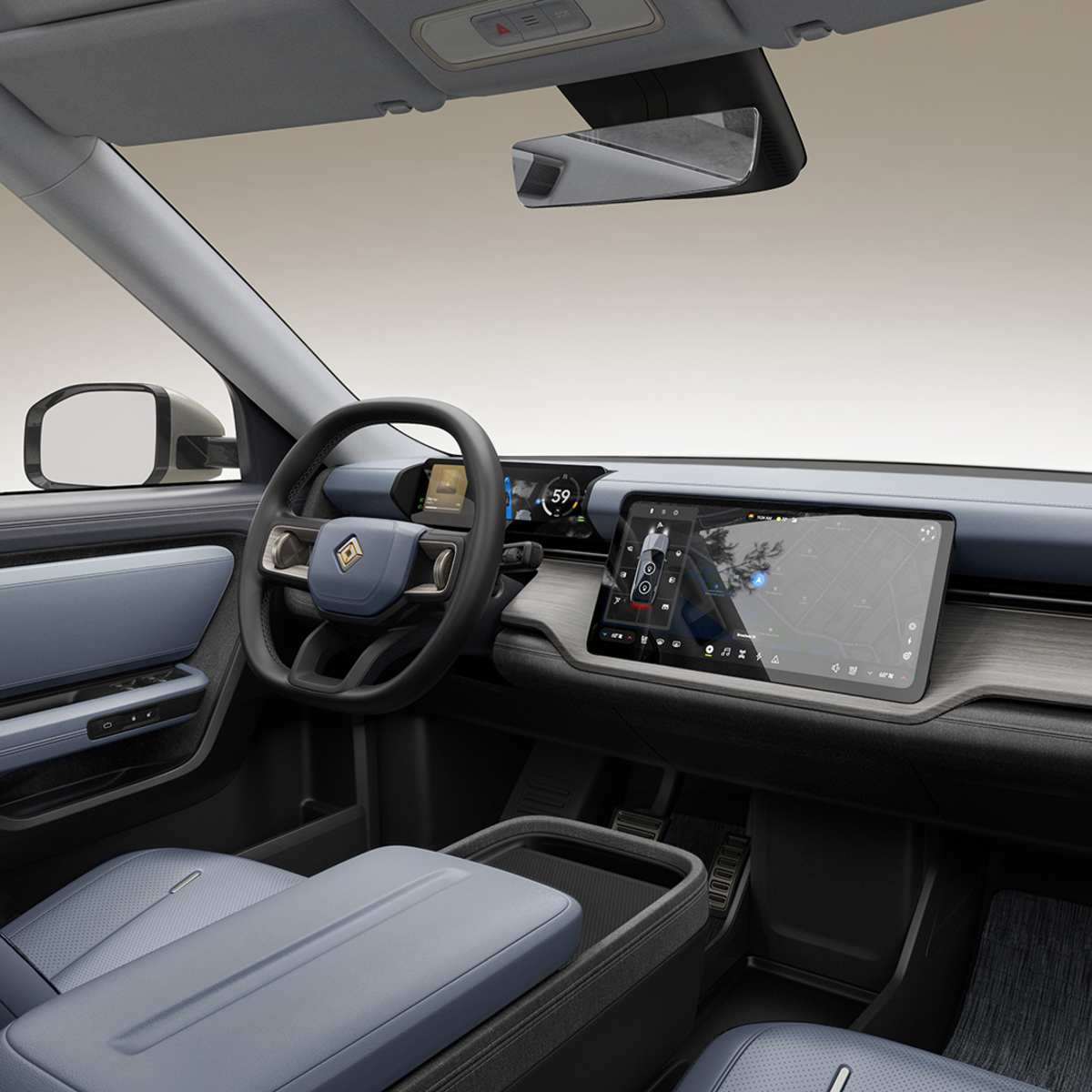
Rivian R2
"...ed about it. I mean, Camisa glowing review of the R2. Of the new Rivian R2."
The Rivian R2 is an electric vehicle, meaning it runs on electricity instead of gasoline. The podcast is talking about it because people have been reviewing it and sharing positive impressions. It’s mentioned as a new model worth paying attention to.
The Rivian R2 is a newer electric vehicle model that the podcast discusses as part of the “new Rivian R2” conversation. The mention of a “glowing review” indicates it’s being highlighted for how it’s expected to perform or appeal in the EV market. It comes up because it represents Rivian’s next step beyond earlier models.
small pocket rockets
"“My heart is in the small pocket rockets. I do love those things.”"
“Pocket rockets” is slang for small cars that are surprisingly fast or exciting. They’re compact, but the engine makes them feel lively.
“Pocket rockets” is a slang term for small cars that feel quick and punchy, usually because they have a strong engine relative to their size. The “pocket” part is about compact dimensions, while “rocket” points to lively acceleration and fun handling.
big V8s
"“...I need big V8s all the way around.”"
A “V8” is an engine with eight cylinders arranged in a V shape. People often like V8s because they tend to feel powerful and they sound great.
A “V8” is an engine with eight cylinders arranged in a V shape, typically known for strong low-end torque and a distinctive sound. When someone says they “need big V8s all the way around,” they’re expressing a preference for that character and power delivery.
small hatchback
"“...oh, screw that little hatchback.”"
A hatchback is a car where the back door lifts up to open the trunk and cargo area. “Small hatchback” just means it’s a compact version of that body style.
A “hatchback” is a body style where the rear door opens upward and the cargo area is accessed through that same door. Calling it “small” is about packaging—typically shorter length and a more compact footprint than sedans or larger SUVs.
driving experience
"[4948.4s] But if somebody told me, which we shared on here, [4951.9s] here's a $99,000 one, and I don't care how low mileage it [4954.9s] is and whatever it is. [4956.2s] I'm just talking about the driving of it. [4958.3s] I would say, look, I don't think it's a $99,000 driving"
“Driving experience” means how enjoyable and engaging the car feels when you’re actually driving it. The host is saying the price in the market doesn’t always match how good it is to drive.
“Driving experience” is an enthusiast term for how a car feels and behaves when you drive it—throttle response, steering feel, pedal calibration, and overall engagement. Here, the host separates that from the car’s market value, arguing that a higher-priced car doesn’t automatically mean a better driving experience.
low mileage
"here's a $99,000 one, and I don't care how low mileage it [4954.9s] is and whatever it is. [4956.2s] I'm just talking about the driving of it. [4958.3s] I would say, look, I don't think it's a $99,000 driving"
Low mileage means the car has been driven fewer miles than average. The host is saying that low mileage can help justify a collector price, but it doesn’t automatically mean the car is more fun to drive.
“Low mileage” refers to a car having relatively few miles driven, which can affect perceived condition and collector interest. The host argues that even if a car has low mileage, it still may not deliver a driving experience that justifies its asking price.
collection
"So if it's incredibly low mileage, [4973.1s] and somebody wants to put it in a collection, [4975.9s] that person's probably right to price it at $99,000, [4978.5s] because it's probably one of five left, or one of 10 left,"
A “collection” means the car is being bought to keep and preserve, not necessarily to drive every day. The host is saying collectors will pay more when there are only a few cars left in great condition.
In enthusiast pricing, a “collection” context means the car is valued not just for daily use, but for rarity, condition, and long-term desirability. The host suggests that if only a handful remain in that condition, collectors may pay a premium.

Honda NSX
"Like it's the NSX conversation. NSX's were really great when they were 40 to 70. It made sense."
The Honda NSX is a sports car made by Honda. It’s known for being fun to drive and for having a strong reputation among car enthusiasts. The podcast is talking about which years people think are especially good.
The Honda NSX is a sports car known for its performance and engineering reputation. The podcast specifically frames the “NSX conversation” around earlier years—saying they were really great in the 40 to 70 range—suggesting discussion about value, desirability, or what makes those models stand out. It’s brought up because the NSX has a strong enthusiast following.
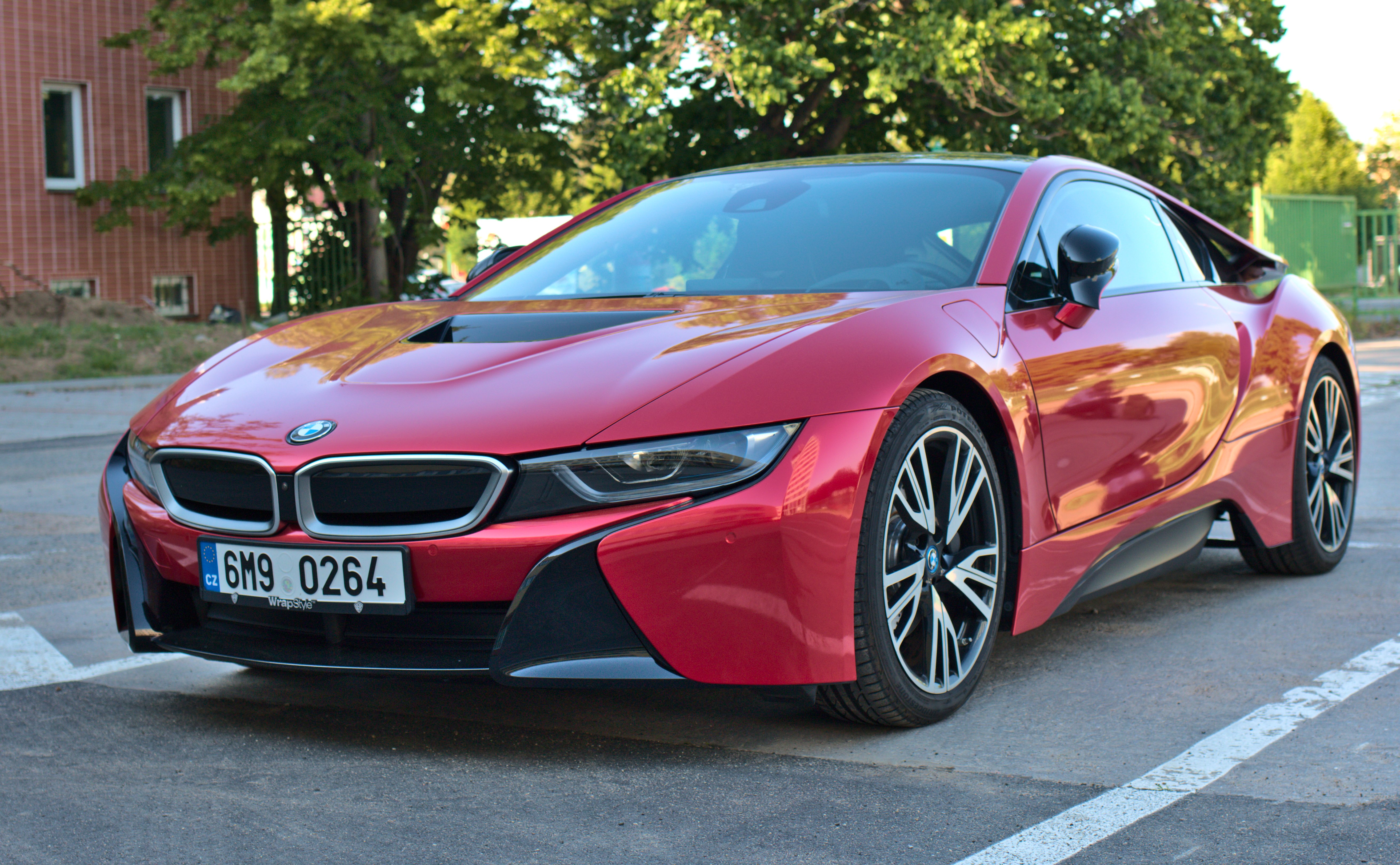
Bmw I8
"Like a BMW i8. It's like a $2,000 driving experience, because it takes you eight minutes to get in over the fucking ledge and get into the cockpit of that thing."
The BMW i8 is a BMW sports car that uses a mix of electric power and a gas engine. Here it’s mentioned as an example of a car that feels like a “big deal” because of how you physically get into it and experience it.
The BMW i8 is BMW’s plug-in hybrid sports car known for its distinctive wedge shape and “electric-first” feel at low speeds. In this segment, the host uses it as an example of how a car can feel expensive or special based on the experience of getting into the cockpit.
Request an Explanation
Heard something you'd like explained? We'll add it to this episode.
Sign in to request explanations for terms you heard.
Want to learn more?
Browse our glossary for plain-English explanations of automotive terms, jargon, and concepts.
Help improve this episode
See something that's not quite right? Our annotations are AI-generated and can sometimes miss the mark. Click the flag icon on any annotation to suggest a correction.