The Dodge Viper is a fast and powerful sports car that many car enthusiasts love. It's famous for its unique look and strong engine, which makes it exciting to drive.
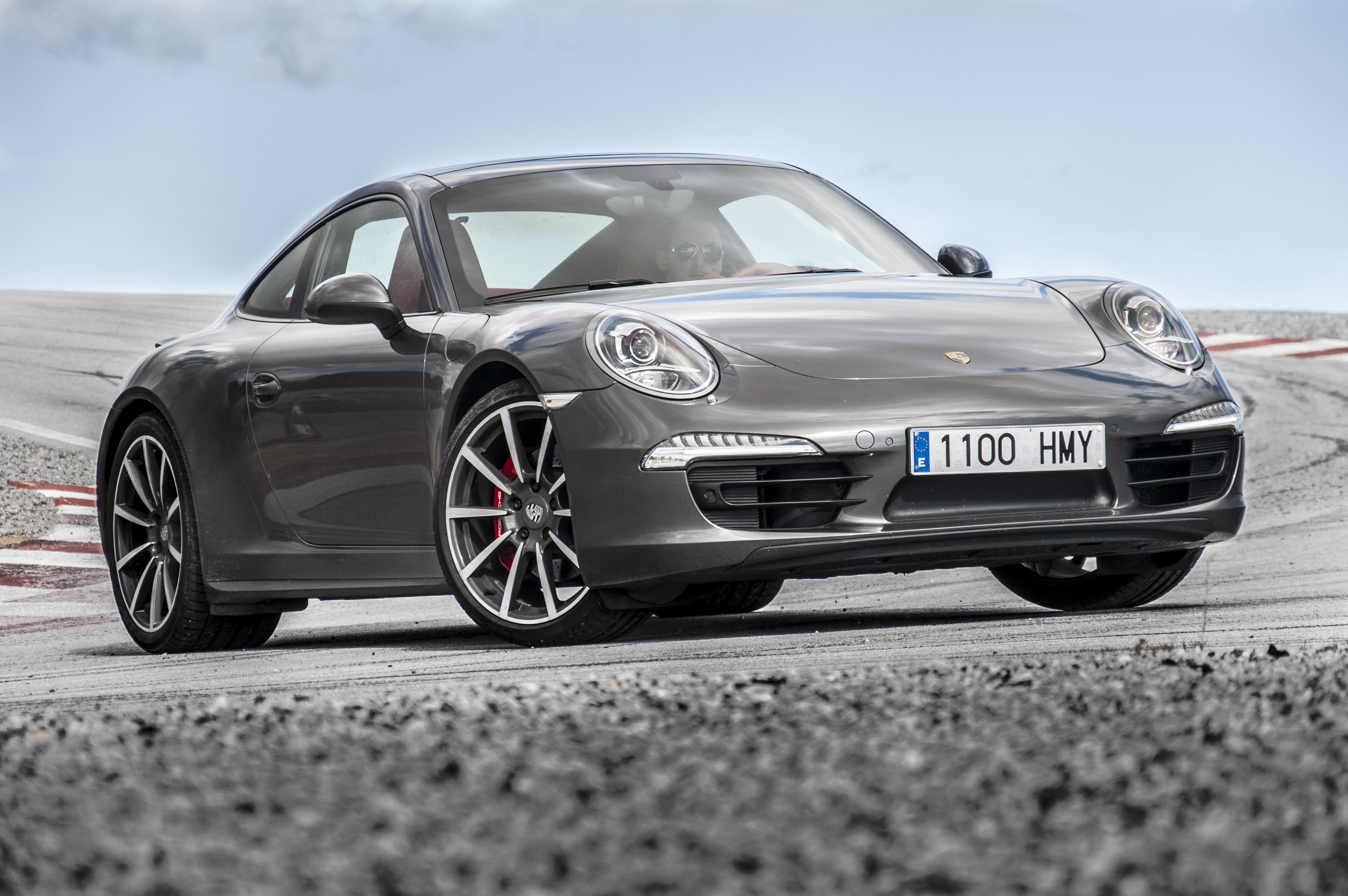
The Porsche 911 GT3 RS is a super-fast sports car made for racing. It has special features that make it lighter and better at going around corners quickly.
Automotive aeronautics is about how cars move through the air, especially when they jump or go really fast. It helps explain how cars can stay stable or change direction while in the air.
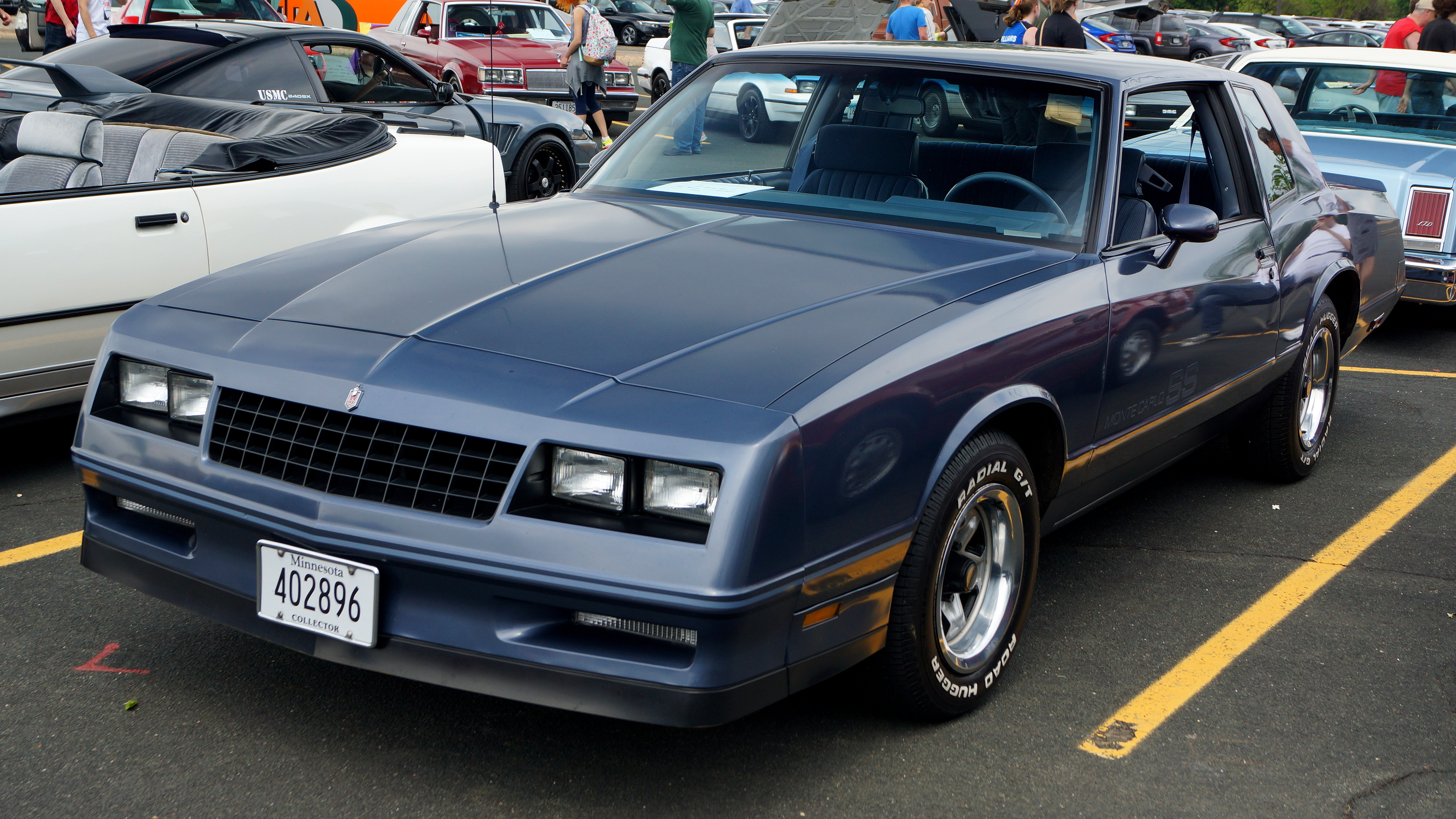
The Chevrolet Monte Carlo is a type of car that was made for many years and is known for being both comfortable and sporty. It was popular in car racing and is remembered fondly by many car fans.
A rally car is a type of car made for racing on different surfaces like dirt and pavement. They are built to be tough and handle rough roads better than regular cars.
Emsa is a type of car racing organized by IMSA, where different kinds of sports cars compete. It's popular in North America and includes many exciting events.
A 'shipbox' is a slang term for a car that might not look great or be very valuable, but it still works. People often enjoy fixing and using these kinds of cars because they can be fun and unique.
Documentary style means filming in a way that feels real and natural, like you're watching something that actually happened instead of a scripted movie. It makes the content feel more genuine.
Gymkhana is a fun driving sport where drivers perform tricks and stunts with their cars on a special course. It's all about showing off driving skills and making the car do cool moves.
The Jensen Interceptor is a stylish and powerful car from the past that combines British design with a strong American engine. It's special because it looks different from most cars and was made in limited numbers.
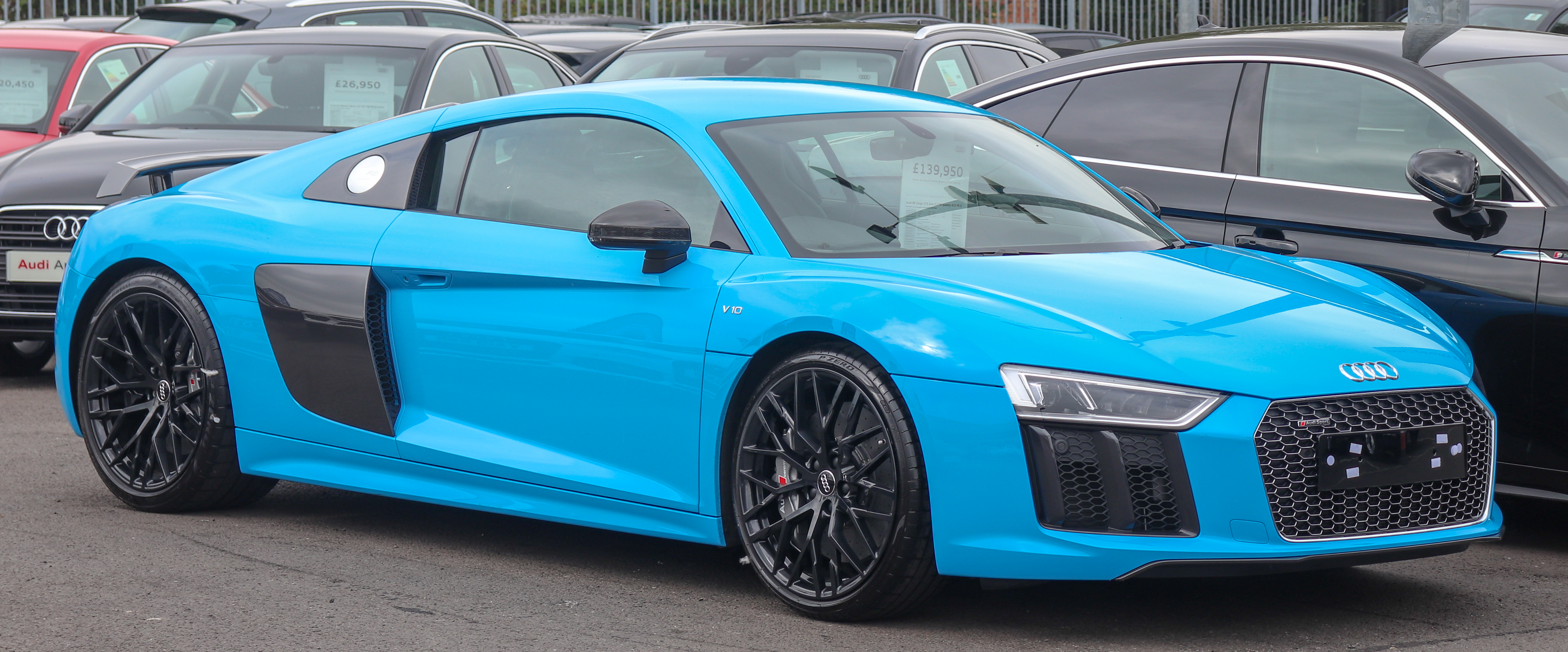
The Audi RS 6 is a fast and powerful version of the regular Audi A6 sedan. It's designed for people who want a luxury car that can also go really fast and handle well.
The Audi Sport Quattro is a famous car from the 1980s that was built for racing. It's known for its powerful engine and ability to handle well on different types of roads.
The Nissan GT-R is a fast sports car that is famous for its racing capabilities. It has a lot of technology that helps it go really fast and handle well.
Launch control is a system in some cars that helps you start driving quickly without spinning the wheels. It makes sure the car uses its power in the best way to go fast right from the start.
The Tesla Semi is a big electric truck that aims to change how goods are transported. It's designed to be more efficient and better for the environment compared to traditional diesel trucks.
Fast and Furious is a popular movie series about street racing and car stunts. It features lots of cool cars and exciting action scenes, making it a favorite among car enthusiasts.
The Audi Coupe Quattro is a two-door car that has all-wheel drive, which helps it handle better on different types of roads. It's known for being fast and sporty, especially in racing.
The R888 is a type of tire made by Toyo that is designed for high performance. It's used by people who want better grip and handling when driving fast or on a racetrack.
0-60 time is how long it takes a car to go from a complete stop to going 60 miles per hour. It's a way to see how fast a car can accelerate.
LIVE
Hey, what's up, everybody, and welcome to what is going to be a special episode of Very
Vehicular.
Today, I got Will Rogian, and we're going to talk Jim Khanna.
That's right.
Would you think we weren't going to do a special on Jim Khanna?
Anyway, without further ado, here it is.
All right, here we are.
This is episode bonus.
You get a second episode that we ever put out on YouTube, and we're already delivering
you a special because last week, Hoonigan dropped Jim Khanna, which both Will and I
worked on.
So we figured we'd do a little special to really kind of get into the weeds on some
of the stuff behind the scenes of Jim Khanna.
I'll stop by saying that Hoonigan has a really good piece coming out that both Will
and I were a part of with Travis Pastrana, talking about a lot of the details behind
making the newest film with him in Australia, and that's where we get into a lot of the
stuff from the driving side and the actual tricks and all of that.
This one, we're going to get more into the technical side of the filmmaking, the production
side of it, and all of it.
So you probably know these guys best for their killer shop stools.
I'm sitting on one right now, but Viper Industrial also makes an amazing shop cart.
You're thinking right now, how amazing of a shop cart do I need?
You need one this amazing.
It holds over 1200 pounds.
I've seen people rebuild engines on them.
It has fantastic wheels just like their stools.
They're massive eight inch casters.
It's got this smart modular system.
They make holders for everything from hammers to polishers.
You can set it up for a bunch of different things from detailing to wrenching or running
your podcast, which is exactly what we're going to do with it here on Very Vehicular.
Anyway, I've said it before, I love these guys.
They run a great company made here in the USA.
So go support them.
After all, they do support us.
At Seaman this year, I hit up the Toyo Tread Pass, which is the best collection of builds
at the show period.
And while I went there initially see the cars, I was really stoked to see that they'll be
releasing a brand new tire that I know is going to make you track rats happy.
It's the Proxxas Sport R, a new extreme performance track day tire.
And it checks that 200 treadwear box.
Those of you who actually race your cars know why that matters.
This super grippy tire is set to drop next year, coming in over 50 sizes,
covering 13 to 21 inch wheels.
That's right.
Whether you drive a Mark 1 Rabbit or a GT3 RS, the Sport R will fit the build.
And as you know, I've marked oils forever.
I got them on all my cars and trucks.
Okay, in the first episode, I mentioned that I only want to work with partners
that are enjoyable to work with.
Heatwave is one of those partners.
Why?
Because they want to do and support cool things.
They support the show and partner with the new Jim Khanna.
But most importantly, they support creativity.
In the new film, they gave us the freedom to do a really cool integration.
If, like most people, you haven't jumped a Subaru 150 feet through the air,
you may have difficulty understanding the weightlessness associated with automotive aeronautics.
Enter Heatwave sunglasses and super slow-mo riding shotgun with Travis Pastrana.
Advertising, entertainment.
A little bit of AP physics all served up at 120 frames per second.
Problem solved.
Thanks again, Heatwave, for being rad and letting us be rad too.
What's up, Will?
What's up?
Yeah, good, man.
I'm just happy that it's all finished.
And it feels like it's been years in the making because it has been.
It has actually been years in the making.
So let's rewind all the way.
Do you remember the first scout for this?
The first scout that we did, I'm trying to remember if that was,
because what there's been four different potential locations.
And then Australia was the last.
That actually came together really quick.
Oddly, and one we never thought would actually happen.
So the first thing we ever scouted was Puerto Rico.
And explain that real quick, like why Puerto Rico?
So Travis's dad is part Puerto Rican.
So he's always had this connection with Puerto Rico.
Travis at one point raced under Team Puerto Rico and Motocross.
And he's actually been, and he doesn't I think talk about that much,
but he's actually been very charitable to, you know,
a lot of the different situations,
hurricanes, stuff that hit Puerto Rico.
So there's always this piece of Puerto Rico that works,
you know, that sort of is a part of him.
And when we were looking at a location,
quite frankly, a lot of the stuff Travis wants to do
is really hard to do in the US.
So when we did the second one, you know, we looked at Florida,
because we thought, what's the loosest state in America?
Like, what's the state that's going to let you get away
with a wildest stuff, right?
Like what's the one, what state has no supervision?
And we thought it's got to be Florida.
And boy were we surprised how hard it was to get a lot of stuff done Florida.
The hardest thing was jumping over the helicopter.
That was, it just took so much work.
It was like six months of.
Back and forth with, you know, having.
Way more process for how much screen time it ended up.
Fly down just to go have meetings with city council
and all these things to try to get approved.
So after that film, I said, I'm never shooting in, you know,
in the US again.
No, technically Puerto Rico is US territories.
But it sort of operates under a slightly different
liability system.
And, you know, we learned this on the recoil films.
When we went and shot in Mexico, it was awesome.
Then in recoil three, we shot in Tacoma and it was still.
Cool, but there was just certain things that were just hard to kind of make work.
And when we realized that, you know, if you look at it,
I think it's actually a really interesting conversation is like.
The Ken Block Gymkhana, which is the archetype is one particular style film.
But the Travis Gymkhana is kind of Gymkhana and BJ Baldwin's recoil in a blender.
Yeah, it's it's much closer to recoil than it is to.
And it's not just because of the jumps.
It's the driving style has a more wildness to it.
Like everything feels sort of really, really on the edge.
And those locations are things that, you know,
it's hard to shoot something that where you want to jump
something that's abandoned in a city that doesn't have abandoned things.
Right. So when we started looking at Puerto Rico, we thought one,
there was a really good story there too.
We thought that one visually would look different.
We didn't want to go back to Mexico because we had just,
we had shot the pre, we had shot Ken's Electrocona 2 down there.
So we were looking saying, oh, Puerto Rico would be a good, you know, a good version.
We went to Puerto Rico, found some really cool stuff.
Some really cool.
I don't like, do we want, I don't know if we want to give it away
because I don't want anyone else to shoot it, but we found something.
And it goes back to like Ken's original.
For Ken, Jun Cana was taking rally maneuvers and putting them in either urban settings
or putting them in unexpected settings or campy settings like the Segway
and using car control in a way that, you know, most people hadn't seen.
And I think that we, I don't want to give it away, but it's,
it is a very popular maneuver in drifting that we've actually never seen in the Jun Cana film.
Especially not on Tarmac.
Yeah. And we found such an amazing location, such a unique kind of cool location.
So we were really excited to shoot there.
We had a bunch of other like crazy boat jumps and, you know, standard kind of Travis stuff,
but went there.
I scouted it once and then you came back.
We did, we did a double scout.
And like for us, part of the process, we almost always double scout a location.
Usually I'll go first.
We call it a feasibility scout, which is like, is it even possible?
And, you know, there's a lot of locations we've been to, they don't pass the feasibility scout.
Chicago didn't pass the feasibility scout.
Atlanta didn't pass the feasibility scout, right?
Like it's just, there's just not enough.
But usually the second scout is when you're like, okay, this is getting real.
We'll start actually working with, you know, the city starting to kind of figure out what we can do.
So we were really in a real place for Puerto Rico, thought it was going to happen.
And then a lot changed.
One of the issues that really held us up was that the car delivery had shifted.
So it meant that the car was now going to be delivered in summer.
And the hurricane season was just way too much of a risk.
So we ended up skipping on that and saying, okay, we need to go to another location.
You know, we need to go look up for backups.
And we went, we went digging and you could probably walk through the next piece.
Because honestly, this to me is probably one of the better locations that we have found
in the past six to seven years of like searching.
And I've been all over Monte Carlo.
I mean, there's so many places we've searched that we never made films, right?
And I also think you and I can't shut off that part of our brain that like,
it's like when you skate and you're walking around and you see a good stair set or a good
handrail or a good ledge, it stays with you forever.
And I think when you film cars in this way, which you have for almost 20 years at this point,
and I have since Jim Connolly 7 and even kind of before that is high action things like you
are always looking for a spot that is a natural spot that lends itself towards this bag of things
that both you and I know we want to do with cars that we haven't seen done yet and applying that
to somewhere. So the next spot that we went to, which is again, like it's pretty cool with Travis
that it's like, Hey, we tried to stay to Puerto Rico. We did Annapolis. We did Florida because
I feel like Travis is an honorary Florida man. And 100% and like then San Diego is a part that
played an important role in his life too, because it's pretty much the only other place that he's
lived. So we were like, Oh, San Diego could be great. San Diego has great topography.
It has. It's where his wife's from. It's where his wife's from too.
There's also water. It's poor to access. There's like good scenery. You know, there's good hills,
which is something that we've been wanting to do. The hills I think is the part that is most
sort of stand out. I mean, it is the closest location we found that looks and feels like
San Francisco. I mean, we found a corner. We found two corners, right? Two corners that were both
usable, that both had the exact same feel as the drift jump in San Francisco, which to me is
maybe one of the greatest moments in any Jim Connoff film. I would say in its time,
it was the greatest moment. Obviously things have shifted from there, but we've never had
a moment like that again. There's never been a drift jump of that size. I don't think by anyone.
I mean, it may be like on a rally stage, kind of, you know, unplanned, but I don't think anyone
in drifting or any other sport has pulled off a drift jump like that, including us. Like we have
not been able to replicate that. And I know that that was one of the things that Travis really,
really kind of wanted to do. And we started looking at San Francisco as really, I mean,
sorry, San Diego as a bit of an homage play for a lot of Ken films. And we started looking at
locations. Like we said it is, we kind of said it almost as a, wouldn't it be cool to do this?
And every location we walked to, it was like, wait, we can make Jim six here.
We could, this is, this feels Jim 5e. There's a Jim three kind of moment here or, you know,
or this feels real Jim seven. And it was sort of cool. It all just started coming together.
And we really, really liked it. And we did, I did the initial scout. We then did a follow up
scout. And it was looking really good. And then
and then it just didn't happen. You know, I think like the, the interesting thing is that it's like
the things that happen behind the scenes, right? As you feel like you have an in with one with a
tourism board and something like that. And then it's, you know, the same thing you kind of ran
into in Vegas initially here in Australia is that there's a sentiment against things that appear on
the street. And little did we know, sort of in the background too, separately, right? As the NASCAR
race is happening on the base, like after that, and that's like, they didn't announce that till
they had already shut us down. They came out like three weeks and still that's actually not in San
Diego. That's not military property. So yeah, I get it from a city perspective. It's, it's tough.
And I think, I think shooting anything in the U S right now with the takeover problem is really
difficult. And I got to say five or six years ago, I would push back really hard. Like we did in
Las Vegas, but it's, it's gone to the point where like, I fully understand it, right? I mean, the
takeover stuff is so out of control. And if you are a city councilman or any kind of politician,
how do you justify allowing something to happen that to the uninitiated looks like the same
thing? Like obviously what we do is so different than that ours requires skill and has like police
shutdowns and all of that. And it's not just idiots doing donuts and parking in, you know,
in intersections, but it, I get it. Like I, and you know, and unfortunately that didn't work.
And then in the craziest ironic turn of events, Australia, which had told us nine years ago,
absolutely no way with anti-hoon laws, the police shut the whole thing down. And that too had made
it to scout too. Like we were, it was the last day of the scout. And I'm sitting there, we're
looking at them, you know, at the calendar saying, okay, I guess we'll be back in, you know, two and
and then they shut us down. And then that completely flipped. Like Australia all of a
sudden had a sort of changed heart and they had just done the movie fall guy, which was something
that, you know, they were really, really kind of, I think it changed their perspective on doing
big stunts because they not only said no to us, they said no to Fast and Furious right after.
So they were just anti anything happening on the streets. So I get it. It's like, it's unfortunate,
but I think it worked out in the end because I think if you would have checked off Australia with
Ken, would you ever have gone back there, you know, to do something else? And I think
serendipitously, I think the brat, I can't even imagine it anywhere else now, like it fits so
well visually. And I can't even really imagine it without a different livery and a different look
like that. Like I think that it ended up being the perfect location for it. It's interesting,
because I'll admit this now, when I first saw the brat, I wasn't the biggest fan, you know,
neither was I. And I, it just seemed out of place. The shape of it was sort of gangly.
I'm not the biggest fan of the brat kind of period. And I think, right, like it's not like,
yeah, I was never like an El Camino person to begin with. It's just like, I like my,
I like my trucks. I like my trucks to be trucks. I like my cars to be cars, but it's cool, you know,
like, but to some people, it's just not my thing. And I mean, look, I'm a Volkswagen guy and I
still don't really like Volkswagen rabbit pickup trucks because like they look cool, but they
can't do much. Like I feel like a truck needs to be able to do things. But I can't imagine
a better car for the Australia film. And I actually, in a weird way, the car for me
inspired a lot. I don't know if we would have done as much on the dirt. No, if we were in the wagon.
Like a lot of that felt right. Like it just felt right to go and, you know, jump a canyon and all
these things. And in a weird way, it's where it became even more of that recoil crossover.
It's like a mini pickup truck, but it moves like a Jim Khan car.
And I think, and I think there's a great thing in the Hoonigan episode that I hope
that they've left in there is Travis talking about how it's not a rally car, that it is
really a tarmac car and just putting it on a different set of tires and expecting it to
grip or look like a rally car. It's still really loose. And visually, I mean, like,
I mean, kudos to you for even wanting to, you know, because I think we could talk about that,
too, is it's like, when you first went there, I think you were like, Hey, we need to do something
in the outback. And like, I think if you were to look at a single film, other than 10, obviously,
which is five different locations and five different cars, this is stretching the limits of
where we've ever been in a single Jim Conner, whereas people came up to you, you know, and said,
oh, and Jim five, how did you shut down all of San Francisco for him to drive through for this one?
It would have been a 13 hour transit for him to get to the outback to back to Sydney or something.
Yeah, I'll admit that I struggled with that a bit. Because, as you know, I'm a big transition
person. Like I care sometimes more about the transitions than like the actual, not I don't
like care more, but I think they're equally important. And it's usually my biggest critique
of a lot of other people's work is like, here's really cool action. Here's more really cool action.
Here's more really cool action. There's never this feeling of how you got there.
Now, and to me, those in between story pieces are really important. It was like, how do you
make them blend? And there's there's a couple that I kind of wish were different. And it just,
it is what it is. Like, we were originally supposed to have more city spots and that
that changed really just from from sort of a, you know, what was what was possible. We had this
location that was 96 doors. It might have been even more. Yeah. And they told us that we had to
have a like a PA or safety officer standing at every single door. Yeah. I'm like, wait,
so you mean I have 96 people in my shot? I have to paint out? Yeah. Like that becomes a really,
really exciting. Just coordinating that and that run was really long. It would have been epic, but
it would have helped with the transition into Sydney and shown a little bit more of Sydney.
It went past like, I think like the oldest pub in town, Nelson or something like Nelson
pub. And like that would have been really cool. And it would have added more time. But
this is the longest Jim Connoff film we've ever made outside of maybe 10, but 10 was five films.
Yeah. This is 11 minutes or something, which is good. And I think fuel it. No, it goes by really
quickly. You know, I think, and that's a tribute to it all being interesting and not really having
any moment that's sort of down at all. Right. But I think that's what's kind of cool is I think
for you and I, I feel like we're coming to this as being the most aware and most thoughtful of our
process as filmmakers. And like, I can leave that to you as to like, why do you feel like we came
to this one better prepared? Because I think both you and I were just coming off of another project
where we were just working. And then we also took all of the learnings that we had and probably
applied it, you know, in the most professional sense of like, how can we up this to be really
thoughtful about the process as filmmakers? So why is that? I think I need to rewind even further
back on that because so I'm going to give you credit for this because I think if it wasn't for
you, I don't know if this film would have happened, right? Because you probably remember this phone
call. To me, I thought the film, I didn't think the film was going to happen, right? We, we were,
you know, working on the film. A lot of things happened. You know, the initial working on the
film Ken passed. And then we said, you know, we're still going to try to make this Puerto Rico
that didn't work out. And then a lot of things changed. I left the company. And it kind of just
went quiet for a really long time. And I wasn't really in communication with Travis. I wasn't
really in communication with, with Hoonigan about it. And there was kind of these starts and stops,
right? They brought me in to go look at, at Chicago as a potential location. And we did that.
And it didn't really kind of, it didn't really pan out. And, and it just felt like there was this,
like it felt like the film didn't want to be made, right? Like everything we tried to do,
even when I found something I liked, it felt like maybe the partners weren't as interested in it
anymore. Or Travis just wasn't available. And, and I'm not one of those people, like I'm not one
of those, like the universe didn't want it to happen. But it just was like, man, this is really
feeling like it's, it's pulling teeth to get this done. And to be quite honest, I was sort of in
this weird place where like I'd spent, you know, 13, 14 years with Hoonigan, you know, building
that brand, getting to make these films was probably one of the most important things in my
professional career. But I was, I was very much on like, what's the next chapter? And, you know,
to me getting another, you know, IMDB credit as director of a film series that I am synonymous
with didn't really mean that much. And I was really focused on like, what else is there to do?
Do I really want to get caught with this? And it's a massive undertaking. I mean, it eats
months and months of your time. I mean, I started, you know, we scouted San Diego in what, May?
Yeah, at least earlier. Yeah. And then when that didn't work out, we switched,
we switched. I was in Australia in July. Yeah. And then what Puerto Rico is 2024.
And then we took a break to do, yeah, we took a break to do Drifter film with Sun Kang,
and we'll get into that. But and then we ended up, you know, and then it's basically been on. So
it's like, it really prevents you from doing other things. It prevents you from having other
meetings. It prevents you from launching your podcast. There's a lot of things that I felt at
the time are more important to me. And I told, you know, and I told Will like, Hey, I just don't
know if I'm going to, if I want to do it, they've offered me to come back and do it. I don't know
if I want to do it. And you said like three things to me. And the first one was,
like, you know, and I'll just say it, like, there was definitely a complicated relationship
with Hoonigan and me, like I refer to it as, I refer to it as the divorce, which by the way,
my wife and I are great. I mentioned it on something with Vinny and everyone was like,
Oh man, so sorry to hear. I'm like, no, no, no, I meant the company. And I say it,
because there's a with Hoonigan, the how everything sort of ended, you know, it had this
feeling of like a divorce between people who have kids where it's like, Hey, we may not be
together anymore, but like we, we helped make this thing together. And because of that, for good
or bad, we are, we are bonded together for the rest of our life. And like Hoonigan is, is such
that peace for me. It was, you know, and I, but I wanted, I needed to take a break from it. Like,
I definitely had this moment where I was like, I just want to go do something else. I left the
industry went and worked at Super Plastic for a year and then came back and still really wasn't
wanting to go do more of it. And you said to me, you said one, you said, I don't think there's a
lot of other people spending this kind of money to make these kinds of films for, you know, for the
internet. So this isn't like, if you want to do another one, you should do this one because I
don't know if there'll be another one out there. And then the second thing you said was you love
working with Travis, which was true. And I had, you know, I had made a deal with Travis that we
were going to make three films together. And that was a deal I sat down, me, him and Ken sat down,
and I was like, okay, I definitely owe that to Travis. And then the third one you said was it
would be really good to get the crew back together and work with our team on this. And, and you kind
of match that in with, you're also launching like your own production company, go do something you
know how to do, right? And go make something you know how to do. So of course, we completely
complicated the situation. And we made the film completely different than we ever made it before.
And I couldn't be happier that we did. I think the output's the same, right? The output is the
same thing. But the process getting there was so different. So I'm going to flip the, ask you a
question. You've worked with me on a lot of productions now, right? We've worked on small
things for Hoonigan. We've worked on everything as small as the first episode of Daily Transmission.
I mean, you were there when we concepted the prototype for Circle Jerks. You know, I've worked
on commercials. We've worked on obviously Jim Connoff films. We've had, we've co-directed
things before. You've been a cam op, you've been a DP. How, be honest, how bad was it working with
me in the past? Because this feel, this felt like such a different operation that I think getting
getting to watch on Drifter, a crew that was not familiar with what we do, try to understand
what we do, I realized the need for better communication. And that's kind of what I tried
to do. So anyway, like for your opinion, how did that shift? Well, I think even just to say
publicly, like I had said to you at one point on either Annapolis or in Florida, right, that it's
like, Hey, I would love to do one of these films with you when you don't have all the responsibilities
of Hoonigan. Because I knew that and it's, you know, I don't think people understand that is that
most directors that I work with around other projects, the main thing is the main thing.
That's it. There's no other focus besides that immediate thing. And for you, I knew you were
getting pulled in a million different directions. Well, I'd be on conference calls in between
cakes because there was stuff that business wise had to happen, especially when the company was
like in the process of selling. Which was the whole time. Like that was, that was the crazy thing
is that it's when I made that because, you know, I DPed Terakana, but then, you know,
I was happy. I think I directed Terakana. I don't think so. I think I know you co-directed
Battle Royale with me. Yeah. Yeah. And it's, and I enjoy our creative working relationship,
right? Like I like being in on the process early and I like the ideation of it and I like
collaborating with you on that. So that's always cool for me because not every job's like that,
you know, but for these are really special. And it's, I think I also come to it as someone
that really just appreciates the franchise and the history of it and its importance. And
I want to do my part in helping to elevate it or continue it or bring a new perspective to it.
And yeah, I think that was the dream for me was to always have you on one that's kind of,
this is your undivided focus and this is the only thing you need to be worried about right now.
And we never got that opportunity until Drifter. Right. And Drifter felt like it was the first
one. And I think for you and I, it was great because I can let you tell it, but it's like,
I knew for you that was you falling in love with narrative filmmaking, but then also really
understanding like, oh, if I'm completely present in this and this is the job and nothing else with
no other distractions and no other things pulling you in another way, how awesome creatively that
is. Right. And it was like, you can just lose yourself in the one thing versus being like,
hey, Scott, oh, we need to have this quarterly meeting. Hey, can you look at these graphics?
Can you review these episodes? Can you give notes on this? Right. This need your attention? Like it
was, it was, you know, almost sinking the ship anytime you were to walk away from Hoonigan to
make Gymkhana for two weeks because they need to do there, you know? Yeah, no. And it was so,
on all of these things, I had this like moment where I didn't want to make the Gymkhana films
anymore. And it became a big conversational internally. And the conversation from, you know,
some CEOs that we hired and, you know, no knock on those guys, I think they were looking out for
what they thought was best for me and best for the company was every time I would go do a Gymkhana,
I would come back and just be, you know, absolutely destroyed from it. And, you know,
felt burnt out. And then I'd get into the edit process. And they were like, you need to bring
another, another, another director in to take this over. And you and I had the conversation. I said,
Hey, would you mind, would you want to take over the Gymkhana films? Because the feeling was that
I just couldn't do it all. And it was making everything suffer. Like I think Gymkhanas,
not that they weren't, I don't want to say that Gymkhanas could have been better. I mean,
everything can always be better. There's nothing I make that I fully like,
everything can be better. But if anyone tells you that what they make is awesome,
they suck at making things. I'm just saying that now. But I had mistakenly thought that the other
part of the business is what I wanted to do. Right. Like I enjoyed the brand building and
and you're good at it. Thank you. Yeah. But I, you know, I think, and this is something that I
kid you not, it's something like I've kind of had pushed through in therapy this year of a lot of
like, I left Hoonigan. I ran to go do something that was the exact opposite of what I was doing.
So I went and worked in more brand building stuff. But in the animation world, way heavier
narrative, which was fun, because I got to experiment and play a bit in narrative and
write narrative and direct voiceover and which, you know, technically are characters.
And that was really fun. It was cool to do that. But I look back at it now and it's like,
I was just running from like not wanting to deal with the situation and, you know, not to get too
heady on it, but like, you know, I hadn't dealt with Ken's death. I hadn't dealt with the death
of Hoonigan for me. Not saying that Hoonigan died, but Hoonigan died for me when I left, right?
Like it had changed. And I was unwilling to kind of process all of that. And I look back at it now
and it's like, I ran from all of that. And then when I got, when I had this moment where I woke
up one day and like, I don't want to do this anymore. I want to go back to working automotive.
And, you know, did that. But then I didn't really know what I wanted to do. And I say this like
as humbly as I can. The one thing about Hoonigan was it made me get a lot of different things,
because I had to do, you know, I had to do, I had to do brand development. I did social media.
I did the Hoonigan, I did the Jim Conner films, but I also worked on the,
the YouTube content, like Daily Transmission and all that. I also helped on the apparel design,
especially early on. I mean, early on, most of the stuff was, was straight out of my brain.
I was super involved in all of Ken's program, livery designs. I mean, I did a bit of everything
and that left me with this master toolkit. And the problem was, was the first couple of things I
did when I got back in, which is not something that made me happy. It was stuff that made money
and it paid the, it paid the mortgage, which was really important and I am thankful for that.
But I definitely felt myself feeling like this is missing. And then we went and did Drifter.
And I think Drifter was, Drifter was, we can have a whole, we'll do a whole other podcast on that
when it comes closer to it. But Drifter was brutal. I mean, it was like 16 hour days and
it just felt like it never ended. And when it did end, we were on a plane to go do it again.
And it was hot and it was, you know, it was low budget. So we had to make the best of everything
work. I mean, lower budget than the Jim Conner films was way less access to stuff. And the worst
part about it all was that I fucking loved every moment of it. Like it, and I love that I was able
to be in a place where I got to really focus on that. And I look back at it and I realized that
like that was one of the biggest mistakes of Hoonigan was that I wouldn't focus on the Jim Conner
because I couldn't give myself the time to do it. And it made me start to hate the Jim Conner films
because I couldn't make them the way I wanted to make them. And I always felt like I was either
coming up short on how I wanted it to happen or everything felt as if I was being reactionary
and making the decision in the moment, which I'm lucky to have the ability to do that. But
then I felt that I was in post trying to fix the problem always, right? So like it gets into the
edit and I'm spending all this time to make up for the fact that I had to go walk away and make a
phone call for 15 minutes and something didn't happen the way I wanted it to or something like
that. And that drifter was definitely not only that moment for me that I realized. One, I really,
this is what I want to do in life. Like all the other stuff's cool, but this is the stuff that
makes me really excited and like really motivates me to just be a better human. Like it just brings
that neurodivergence together and I'm like, okay, this scratches that itch, it fulfills all of it.
And I'll try to bring this to a landing here. I realized I've been circling the plane for a
try a barrel roll first. But then I feel like, you know, it was also an eye opener
to what really makes a good production is being fully present when you're there and being very
prepared. And I over prepared for drifter because I have imposter syndrome. And I was afraid that
I was going to show up and not be good. So I did my homework because I was, I knew how to make
some conus. I could literally show up half prepared and we'd still get it done. Right. But with
drifter, I was really afraid that we were going to show up and we just weren't going to be as good
as everyone else. And I think that that gave me this confidence boost of like, we showed up, we
did the work. I think we did a very good job. What we did in our team, second unit, I think killed
it. And it made me realize how valuable it was to be prepared. It's funny that it took, you know,
20 years to get there. But yeah. But I mean, I think the biggest thing that I sort of realized on
drifter is that, you know, at the same sort of thing, like I've only done second unit as a
camera operator. And that was on Art of Racing in the Rain, which was a much bigger movie. Oh, yeah.
And it was, hey, you're just going to go shoot the track action stuff, which is actually pretty
similar to what we did. It was like, Hey, there's a real Emsa race happening. We're going to put
out this Turner car that's not part of the field and you're going to shoot it during practice
to make it look like race footage. And then they're going to cover it in a million other
kind of ways and it's just going to cut in. And it's small, small pieces, you know, of something
that's much, much larger, right? But I was like, okay, I got to be on this union job. I'm not in
the union. I got to work with, you know, a first in two seconds and a camera assist and
on this big setup. And I'm working with a DP that's done a lot of real things and he's on set
for five minutes and kind of talking you through some things and very real, very good first ACs
that have done a lot of work. And it was with Jeff, you know, and Jeremy Robinson and John
Stabile and Tanner Faust and then the rest was all Canadian crew. So it was intimidating.
And I got through that and I was kind of like, oh, I felt like I was kind of cracking the whip
and moving things faster because I kind of knew what I wanted and I had an expectation and it
didn't really fit with how they were used to working, you know, but still I didn't know what to
expect with song and with this movie at all, especially with more responsibility with being
the DP. But I think the day that really kind of solidified it for me and your value obviously
also was the traffic lights scene and really just looking at it from an outside perspective,
it's like, there's no way those guys would have made that day if you didn't bring a real pragmatic
how we're going to do this sense to a crew that was straight up floundering in a week and a half
of being in it and switching between nights and days and really just not knowing how to make
something really happen in a very real sense. And you came in and kind of took over that day and
I don't know if that was for you. I think something I noticed with other people too is it's hard to
identify a moment where you're like, oh, things changed for me here. But for me being on set
and watching you deal with that scenario of the traffic lights day, which was a huge day,
had big narrative elements, big second unit elements all combined in one,
and we made the day because you kind of quarterbacked the entire thing and said, no,
there's a way we can do this and this is how and everybody trusted you in doing that, right?
Because I don't think anyone else really saw a possible way of to get through that.
In last week's episode, Ron told the somewhat embarrassing story of how my rabbit left me
stranded and the two of us had to push it home. This is the first time that that's really ever
happened. Really not that common. This has never happened before. Okay, yeah, so this is like a
pretty standard thing and it kind of happens once every two, three to maybe four weeks. You see,
the thing about owning a really, really rare car is that the parts are really rare, which means that
when things break, they're sometimes pretty hard to find. Luckily, FCP stocks even some of the rare
stuff. I probably drive this car more than anything else and that wouldn't be possible if FCP didn't
have a warehouse in Connecticut and one in Arizona. Honestly, if they didn't have the shipping system
that they had, my car would be off the road more. I've actually been thinking about pitching FCP
on this new idea, which is side of the road delivery. Think about it, broken down, sleep out,
sleep in your car, day later, boom, they show up, they hand you your part, you fix it, you drive home,
you're a hero. You never had to even push it or tow it or whatever. They can get me stuff no
matter where I am because remember, I also own ship boxes on the East Coast. Yeah, forgot about
that, didn't you? If I was pragmatic, I would just go ahead and fix all the broken things, but instead,
I kind of enjoy this escape room on wheels that I own. Never know where it's going to leave me,
never know what tools I'm going to have. I'm going to be honest, it broke again on the weekend.
Ordered more parts from FCP, kept it going, but there's something I just enjoy about keeping
this little shipbox alive. Without FCP, probably couldn't make that happen. Anyway, thanks FCP
for helping support the problems I have with cars. I'll tell you because you had gone home for,
you were, I think, down a day and I was still there by myself. I was hanging out on set watching
some of the narrative stuff, but to be quite honest, if cars aren't doing 100 miles an hour
sideways, I'd just get bored, especially if I'm not the one directing. So I decided to go to that
scene and walk it because I knew it was going to be difficult because I have done that kind of
stuff before and I knew that the coordination and the choreography of all these people and working
with like the city, this is, that is my comfort zone. My comfort zone is oddly that chaotic side
of it. And I was like, this just needs a little bit, like I got to walk through this, I got to
spend like half a day walking it. And I don't think, I think initially, to me, I thought it was
going to be more of a main unit thing that I just assisted on. And I think at a certain point,
it became clear for Song and Bruce, I was like, yeah, I've got this. And I guess that was that
kind of that moment because I definitely moved into, I think there's this moment for me where I
start to become an AD where, because I just see the way to finish it. So instead of sitting there
behind the screens, I'm like out there yelling at PA, not yelling, but instructing PA's like,
do this, do this, let's move this, why are we doing this? You know, like, because we were
chasing light. And like chasing that light is one of the most stressful things in the business.
So it's funny though, because, you know, right now, like, I sure hope we can go back and listen
to this podcast one day and be like, man, this was a changing moment for us. And we went to go
do the things we want to do and direct films, not just the second unit, but go make our own
films and write our own films and do all that. Like I really, really love this. And I, and
it'll always be something that I look to, to Sun Kang for giving us that opportunity to go and
experience it on a different level than we've been used to. And to actually think, give us that
confidence to go do it. Because like, if anything you have to look at for Song, and I know we're
gave us the confidence to go do it in some of the ways I want to draw it parallel,
that Ken used to, because Ken was the guy who would just expect that you could do it.
Right. There was just the expectation that you could do it where with Song, there was the trust
that we could do it. Right. I mean, Song would be on set while we were filming sometimes because
main unit would be down or we'd be sharing, we'd be sharing resources and he just let me do my
thing. Like he wasn't over my shoulder. He'd maybe help me a little bit with, with some narrative
stuff with talent. And I want that because it's, it's not my space. But when it came to the action
stuff, like obviously the first two days when we did that, you know, the opening scene,
they trusted you, they just, they trusted me. And that was this amazing confidence to have that.
I don't think I would have gotten as a second unit on a job that wasn't as familiar with my work and,
you know, and everything that like you and I've done. So I think it was great that, that they,
that they gave us that. But when I think about this, I just want to add this one because it was
something that this is the moment I hold on to Bryce, who runs our VTR video village, right. So
when directors are, are watching the cameras, right, that's the setup for that. So we're sitting,
you know, we sit in his van and there's five screens in there, usually five or six screens
playing all the cameras. And I kind of, we were just chatting, we were like waiting, you spend a
lot of time talking to your VTR guys, your therapist, if you have a good VTR person, because
you spend a lot of time waiting for the car because they had to change something or the driver had
to go do this or whatever in our business, or there's a, the drone always needs a new battery or
something, or there's a new lens, lens change or something. So you spend a lot of time just kind
of chatting. And I mentioned, I was asking Bryce about other stuff he works on. He worked on a
lot of features, worked on like a lot of like bigger, big directors. Like at that time, like I
had a hard time even calling myself a director because I was just like, I make internet videos
and make YouTube videos. And Bryce looked at me and he said, you know, you can do what they do,
right? You know that they have like one camera they watch and you watch six and you're making notes
on all six cameras and talking to a driver, which is actually the job of the stunt coordinator,
but you treat them like talents. So you talk to them as a director and you're also giving notes
to art department and everything else. And a lot of times overstepping your AD, like you do like
six or seven jobs and you probably could only do two and still be okay. And on top of that,
I was doing all the other stuff, which is the business side of Hoon again at the same time.
And he's like, you can do this. He's like, trust me, you, I sit there and I watch, he's like,
most directors have no idea what they're doing. He's like, you'd be surprised. He's like, it's
just about making decisions. And it really gave me this confidence like, yeah, we should go chase
this. We should, we should go do it. So, and I want to, so bring this back to Jim Conner.
Like, what do you think is the most important thing that we learned on Drifter? Because
to me, making this Jim Conner is the least stressful experience I've ever had. And I think
we've made a fantastic film. Like it's something I'm very proud of. I think that
cinematically, I think it's a step up from what we've done. Thank you for doing all the work on
color because it looks really good. I think that there was real decisions made, instead of just
making something work sometimes, right? And some things that maybe the fans don't see,
that like sometimes you got to just work with what you have, but there were decisions and we
made them. I think they, everything feels a lot more deliberate here, the tempo and all of that's
good. Obviously, there's still things that would change, just things I would have, I wish we could
done differently. There's this and that that didn't happen, but whatever.
But we got through the edit process in, I want to say, there's small changes, but pretty much
five revisions. Like just pretty unreal because how many versions we used to, we used to deliver
on 25th, version 28 to 27. So you're like a quarter of the, yeah, yeah, there was way more,
way more. And it was because, yeah, we just, we weren't as prepared. We didn't really,
the decisions weren't being made on set that then we're being carried back into the edit suite.
Right. Yeah, I think that's the, the thing that we sort of learned is it's, you know,
going into Drifter, I think you and I had a pretty shared vision of how something would come
together. If it did or it didn't, you know, at least you and I were aligned it. Hey, this
drone shot goes into this shot, goes into this shot, goes into this shot, and this sequence
works like that. And I think we're pretty good with that on Gymkhana as well too. But I think
we like to add cameras because you're doing something once, maybe twice. And there's a lot
of risk and there's a lot of money involved in it. It's not a stock 86 that's doing it. It's
a million plus dollar race car that takes a lot of time and people to go do. So
you cover it a bit more verte documentary style. And I think that, you know, the learnings that
we had on Drifter is, Hey, if we can be really organized in this and
nothing against anyone on Drifter, but we aren't working with
action editors that you've worked with for 10 films now or eight films, you know,
it's not someone like Volkert that's coming into it that understands your aesthetic,
understands cutting within this world and that there's established language within it.
It's, Hey, we're giving everything to someone that has never looked at this footage before
and doesn't understand how we edit or how we're piecing it together and we're just expecting
them to get it. Right. And I think that is where we really embraced or tried to embrace
more of the standard cinema practices and filmmaking practices.
Well, when, so we finished this and I even finished, even before the Jim Conner was finished,
I send Volkert the script. Right. So we had never written a script for Jim Conner in the
history of Jim Conner. We had written beats. We had written like bullet points. We'd maybe
scripted out the opening scenes, like the walkups and stuff. Cause, but even those were not written
in script format. It was Helvetica in bold on a page and we got so used to working out of a script
and I didn't realize how much Hollywood uses the script. Right. You're talking about what scenes
you're on. I mean, I had never worked on anything that was script based. Everything I worked on
was creative, was a creative brief base. Right. Here's what we're going to go do. We have story
boards, but I had never written. So I had never worked on something where it's like, okay, this
is scene 23. This is 23 a, right. And these are the, these are all the people who are in it.
This is everything that needs to be done. And it was such the, it was the one thing that made me
feel unprepared on Drifter was I would be asking what we're shooting today. And I'd be, I would be
explaining the moment like, Oh, it's the, you know, the blank scene, right? I don't want to give away,
but like it was this scene and, and Chris Jennings, who's, you know, also was also our AD and on
Jim Conner would say, Oh, we're doing scene 22 and scene 71 today, as well as, you know, we're
doing pickups for this thing. Like, okay. And like, that's how everyone talked. And I was like,
I need to be more aware of the script and more tied to it and read my sides and all of that.
So I said, you know what, as a test, let's try doing, let's try writing a script for Jim Conner.
And at first it felt weird to even write some of the stuff out. It almost felt that I was doing it
for theater, like perform, like it was, like it was performative, right? Like, we're not going to
use this. But, and I was doing it as a, I want to be a real movie guy. I want to be a big boy
movie director. So I better start figuring out how to write a script. And by the time I got the first
10 trucks down, I was like, wow, I feel this, like the vision on this comes together a little bit
better. For me, I wanted to be, I wanted to just work, you know, do the part just because I thought
it would be good to do. And it ended up being so crucial. So crucial. Yeah. But I think the cool
thing was that it's like, you have this vision of what the film is in your head, right? So you
reverse engineered a script because we had already established what the action was and what the flow
of the edit was going to be and the solves of like, how is going to piece together because you and I
are pretty thoughtful about trying to do that. And our process before was note carding everything,
then moving things around and then coming up with the transitions for it. But to someone that
isn't used to working in that way and to someone that's constructing it all on an edit, what did
the script supervisor, some of the producers and stuff on in Australia kind of said, oh, I get it now.
Well, that was the one of the biggest feedbacks they everyone thought that this was going to be
such a different project for them. And then they got there, they were given a script, like they were,
you know, there was a script supervisor and it all just felt like a regular production for them.
And that was, I think the thing was like, there's a reason why there is a standard operating procedure
on set. And I didn't go to film school. I took a couple of film classes, but I didn't go to film
school. I didn't come up in the ranks. I didn't work as a PA. I didn't work as a camera op.
I came in laterally, I came in as a creative director slash like editor-in-chief who slid
into the director position. And that meant that I didn't learn it the same way. And I did, I tried
to learn as much as I could, but I was only learning off of my sets. So I'd go talk to the grips and
be like, what's that? That's a Carlini. What's that? Like, you know, I care about everyone's
department and trying to understand how it all works. You know, I've had really great conversations
with guys like Kelet, amazing sound recordist, because I want to understand how to do it better.
And I think that understanding everyone, but I never got access to other sets. And it was getting
access to another set with a different director on the set to just see how different things work
and how other people on other teams work. And you're like, oh, yeah, okay, this is why it makes
sense. And now it's like, I would never shoot anything ever again without a script. Boards are
nice if you have the ability and we boarded out really important scenes, right? I mean, we boarded
out the whole opener, right? So we boarded out like the goggle shot. And I think like, if you
look at the boards, those are pretty exact, right? I mean, it's exactly what we'd planned to do. We
went there and we got it. And I think one of the things that I've always suffered from. And I was
like 35 when I realized that not everyone thought like me. Like I was having this conversation
with Ashley. And she just looked at me and she's like, you know, people don't think that way.
I'm like, what do you mean? So I was like, I was getting annoyed at an employee at Hoonigan,
who were me nameless, you guys can probably guess. And she's like, you don't understand,
like, that's just not like, like, you think differently. What do you mean? I think differently.
She's like, you think differently. It's just like, what do you mean? Like, we're all people,
we're all the same. She's like, no, no, trust me, that's not how most people think. She's like,
and she stopped me and she said, have you ever thought about nothing? What are you talking about?
She's like, how many ideas are in your head right now? Like, I don't know, six or seven at the
same time. Yeah. Yeah. Yeah. So again, that's not normal. And then eventually I learned that that's
called neurodivergence and ADHD, but it's a superpower and a curse all the same time.
But then that made me realize and I read a book called, I'm tangent a bit, but hey,
you're here for the, you're here for the, you're here for in the weeds. I read a book called on
the back of a napkin. And what it said was that, you know, 90% of society learns visually, not
audibly. And I learned a lot audibly, like I can listen and visualize it in my head. So I'm
learning visually, but I can make my own visualization of what people are saying. I don't
need to see it to understand it. And then I realized, oh, I'm only 10% of the population
to think that way. So I had spent my entire career at zero to 60. And if you need to get into this
point, telling people to do things. And on the back of the napkin was a book on how to draw
simple things to explain things to people. And I changed the way that we would do things at
Hoonigan. And there's this like famous moment that actually, it's just, just had a conversation
with Zach about how I was explaining this trip to Mexico and I did this horrible drawing of Baja
and then basically drew a line and we're like, we're going to go from here to here. And it ended
up in the video because Vinny was like filming it from his crotch and like without me noticing it.
And it ended up in the main video because everyone thought it was so funny that I like put out this
really big plan. Then I drew this like really simple thing and it was there, but it's weird
because it's stuck with everyone where there's so many conversations we had about things we were
going to do that didn't stick. So for me and I'm bouncing around, but I think for me,
I had a hard time realizing that not everyone saw it as vividly as I did. And I think the script
was that Passover where everybody, not just the tight group, because I think you would get it.
I think most of our camera operators got it, but that was it. Like we were the, we were the
in the no club and everybody else was out of the no. And there just felt like there was way less
static with all the teams, everybody from art department to the producers, everyone who read
the script knew what we were doing and also knew how it fit into the rest of the film versus
understanding it in the morning and saying, you know, okay, this is what we're doing today. And
and even, you know, there were days on Drifter where I was like, there was a script that was
hefty and had anyone read it, you know, like, where are you? I think it's a lot for people to
understand the big picture of what you're doing when there's so much focus on
getting the light right for that day. There's so many levels of that because I do think it is
really profound what you're just saying because I think I'm embarrassingly late in life also and
realizing that my lived perspective isn't the same as everyone else's, right? Is that I just
assumed like, oh, everybody else is seeing things and understanding things the same way that I am,
you know, and you're like, no, it couldn't be further from the truth. And that honestly,
that's what directing is, right? Is that it is a lens is a lens, but then it's also
telling 125 people what you're doing, but making sure everyone understands it and realizing that
everybody learns or understands things in the same way that you do.
Telling 125 people the same thing 125 different ways, which is what it really is. Yeah,
because there's different people need different levels. And I think you said something,
someone who had complimented us on Drifter by how well as a team we work together,
and you said something to the effect of like, we have a shorthand. Yeah.
And so we've worked together for so long. And that shorthand is two things. One,
we literally have our own language, right? We can say things that everyone understands if I say,
like, hey, we're setting up here, you know, for a Lafayette. Everyone knows what we're talking
about on our team. No one else has any idea what a Lafayette is. A Lafayette for you listening at
home is a backwards entry slide named after a Lafayette Coney Island hot dogs, which was a
scene from Gymkhana 10, which is a particular way that we cover that particular thing to our
group. It's a Lafayette. So it's like, everyone knows that they've all been there. See time we
know it. But then there's also a shorthand that I think with most of our crew, not all of them,
some of them need kick gloves. But I think most of our crew, you can be blunt and critique someone,
and there doesn't need to be that pleasantry. Not to say that you're being mean, but sometimes
there's no time for pleasantry. Yeah. And you can just tell someone to fix their shot,
to do this, to do that, because everyone understands in the moment, we don't have time
to soften the blow. And there's like something really nice about that, because then you all
walk out of it, and everyone like no one has hard feelings on it. Everyone's like, yeah,
this is the way forward where when you work with a new crew, it's really hard to do that. Hey,
would you think about maybe doing this? Or do you remember when we were missing some kind of
key people on Drifter, and we don't even need to say kind of who or in what roles or whatever.
And you really feel the difference of not having someone there, right? And I think that's the
luxury of what we got to do, because I think, like I said to you, and this is really what I meant,
by not these opportunities don't necessarily exist in the world as we've gotten used to,
is it's having four or five operators is the luxury. Having four or five people that understand
car action is a mega luxury. And then having people that you've worked with for a decade,
you know, that like, you know, I was Hobo's best man, like, you know, him and I lived out
of Volkswagen fan for six months. He's my brother. You were in my wedding. I know.
Yeah, like this is a tight group of people. Kato was at my birthday party, like everybody's.
Yeah. So it's like to be able to work with people that you want to spend time with,
but that you also admire their craft and their abilities and their skill set,
and that they've also been sharpening that knife. Of course. That's the biggest one.
It just in that lane only, you know, they're not. And this is actually something that's
really tough too, is that it's like, I think we have to make those decisions of is like, well,
who has the sharpest knife right now, who is getting the reps in and stuff like that. And I
think, you know, for you and I was, it was hard because we want to include everybody. We knew
that these things don't exist in this format. And we had to make really hard decisions,
you know, about who we wanted to include and what the vision was going forward, right? Being,
and that was, that was tough. Yeah. I think something that's actually
really came out of it that I've enjoyed is was meeting Josh Cote, right? So he,
I'd never worked with him before. I think I'd met him in passing somewhere, but I'd never
worked with him before. And I, I will admit, and I feel so different about this now up until then,
I didn't really understand what AC's did. I was never a camera operator. I was a still photographer
who could make a 5D market to work for video, right? Like I never, and I wouldn't even call
myself a still photographer is a stretch. I was a writer who occasionally had to take photos
and then was there when the move to video went and I had the opportunity to shoot a lot of
cool stuff with Ken, which happened to be cool because the subject was amazing, maybe not the
camera work. So I knew my way around a camera, but, and did do have a actual camera credit
because I had to film something myself on Drifter with no AC's. Yeah. And I had the editor slate
for me, but, um, there, it made me understand, um, one, the importance of a really good AC that
they weren't just there to carry cameras that they actually have an entirely separate skillset
than a camera operator. And that they are, obviously they are the right side of the camera. And in
that way, just like the left and right side of the brain do different things, the left and right
side of the camera do different things. And listening to him talk and listening to him talk to
the other AC's, like, um, Brandon was, you know, AC on main unit, like just how much they care,
but also how much they really enjoy being an AC. And I think that in my mind, before that,
an AC was a stepping stone to be a camera operator. And I realized that some of the best AC's,
that's what they want to be because they want to be the right side of the brain for that moment,
right? And, and that's what they're really good at. And then that's when it made me realize,
like a really good crew is people who really, really want to, as you said, sharpen the knife
in the lane they're in and getting the best production designer who's there, but also getting
a really good art, you know, art director and getting a really good prop master,
not a prop master who wants to be a production designer, but a prop master who's really excited
about this thing that they do, right? And I think that's interesting because I think in my mind
previously, it was like all AC's want to be camera operators and all camera operators want to be
DPs. And the more I've gotten to work with people who are real professionals,
they carve out a space there that they want to become the best at. And that's how you build
a crew that makes magic. Like that's, that's really that thing. And I think that really changed
the way that I looked at just what teams look like and how people put this together. And,
you know, the people who are, like you said, you know, practicing their craft and improving it
every time. Because I really want to be the best director I can be now. And I wasn't early on
because I had a thousand other things, but now it's like, yeah, clear the path. Like this is
just what I'm going to do now. This is what I'm going to focus on. And the thing, the thing I love
about Kote is like for a Travis Gymkhana legacy thing is Kote is Lance Machma's protege. Yeah.
So to have anapolis be with Lance, who was the only AC on the job and Lance is was one of my
favorite humans and like an absolute killer and like put everything on his back and like,
I don't even think, you know, at that time. Annapolis wouldn't have happened without Lance.
Oh, and you know, again, I had less of an understanding of kind of what the job was,
because to me, AC's were what Lance was for that job. But I realized he was way more than that.
But that job needed it, which was, Hey, you have to build all these cameras overnight. And there's
a bunch of issues and there's a bunch of stuff that doesn't talk to each other. And you have to
figure that out for everybody. You got to get everybody. And he was pulling for Justin. So
he was the key first, but he was the only first, you know, so he was doing the long lens zoom.
And then he was also making sure every other single camera was prepped and ready to go for
the next day. So like his lift was insane. But that's really what I took from Lance is that
a good first, especially if you're an operator or if you're a DP and you're working with them is
that he always wanted to elevate my craft. So it's like his encouragement of like, Hey,
you need to go test lenses. Hey, you need to just do the technical side and really have a really
strongly formed opinion. So when the opportunity comes, you know exactly what works for it. And
those kind of really special AC's, like I feel really lucky because I've worked with a lot of
great AC's, but you know, Brandon Cotto, you know, filled avoid when Lance passed away that was great.
But I that's never been Brandon's, you know, want to do that. He's just incredibly talented
and can do that. You know, so it's like, you know, it's I think empowering him,
especially on Drifter and him saying, Hey, I want to operate on this. I think was was phenomenal
because there was an economic side of it too, where it's like Brandon could have
Cotto probably could have got more days as a AC. But at the end of the day, you know,
he proved his his might in being the a camera operator on Drifter second unit
and was like, well, that would have been foolish to put him in that role. But it's exactly like
you said, I don't I feel for Cotto because it's like the opportunity exists to work with me and
work with you in that capacity. And he's worn a lot of hats in our relationship. We've known
him since he's been 15 years old. I mean, you realize he was like the the meme editor. Yeah,
developed editing style. Yeah, he created the daily transmission style. I would say he finessed
it. Yeah, you know, he wasn't there initially right at the beginning, but he sort of brought
that over the top meme culture. And then became in front of camera was Y2K because he was this
young kid in our group. And I had to say I had a little moment the other day, where I was just
thinking like, man, I'm really proud of this kid. Like from where he went, like it was,
it was a huge risk when he left Hoonigan. And I think at first you could argue that he left
Hoonigan while Hoonigan was still very much on the rise. So it's like, you're leaving this place
that is fully rocket shipping. And you're getting off the rocket right now. Like really? And he went
to go chase something he cared more about. And now, like he is, you know, now all of us left
Hoonigan. And I'm more than stoked to see Cotto come with us on the rest of this journey. And
whether he does or not, you know, he may decide to go do and direct and go DP his own stuff.
He could direct, he could DP, he could do whatever he want. Yeah.
And maybe he gets the second unit for us in the future, he knows, but like he is, you know,
that kid has definitely opened the door on that one. So yeah.
But that was a super long-winded way of saying like, hey, Cote is, you know, this guy from the
Midwest, this guy from Michigan that has all of this, you know, knowledge he was passed down from
Lance, who is like the spiritual successor to Lance, you know, to come into it. So it felt,
it felt right. And we've had, you know, Electrocana, we had the huge camera department on that and we
had more properly staffed with first and seconds and especially for the night stuff. Yeah. And it
made sense. And so it was, it was tough because, you know, we miss people like Harrison and people
that were key parts of, you know, we're key ACs on other projects. So to go to, you know, Australia,
foreign country and be dependent on all the locals there and then just Cote, you know,
it was, it was a big undertaking. Oh yeah. I mean, it always is working with local groups. I've
got to say though, I, I generally really enjoyed the Australia group. I've had definitely problems
with, I won't name names, but we've been in other countries where the local was sort of the biggest,
like hold up for everyone or just didn't, couldn't get on page with what we were doing.
I felt like the group down there kind of got on it pretty quickly and it'd be stoked to work with
almost all of them, all of them again. So it was, it was certainly great. Okay,
couple of questions I want to ask you. Do you want to do rapid fire?
What? You want to do some little quick old rapid fires? Yeah. I mean, what do you think was the
most difficult part of filming Jim Connell Australia? Like whether it was like a scene or
a particular thing? Like what was, what was the hardest thing for us from a production side?
Well, besides the flies, like the flies were just brutal for sure in the outback. I think that was
like just sanity questioning. It's one of those things that you don't get to experience it. It's
hard to understand how flies could drive you mad, but yeah. It was bad. I don't know. I think,
I think like you said, I think a lot of it, even in production, went really smooth and like, you
know, I want to give credit to Matthew Holt for really problem solving and making a lot of physical
things happen that really worked really well. Yeah. Matthew Holt, by the way, production designer
who sort of steps into the world of sort of helping with the stunt stuff as well,
because the key built the rail slide that you see in the opening credit scene, which is like the
rail jump or what we called like a rail jam, right? Or a pole jam. And then built the billboard.
And honestly, it was his, really kind of his idea that planted the seed that became that billboard.
He had a different concept for a billboard, but that sort of did that. And that billboard was
fantastic. And he also helped sort of manage some of the jump stuff, even though, even though
Janko, big shout out to Janko. Janko is a, is just a dirt man. He just moves dirt in Australia.
He is a fantastic human being and always was a lot of fun and is a real master of his craft.
I think you'll, I think you'll hear Travis speak very kindly of him as well. But you know,
he worked a lot with Matthew to make sure like all of that stuff came together. So that was
really good. And I got to say, I think this was, I think this was one of the best jobs that Matthew's
done for us. I think the White Bay, Gymkhana six, I know we wanted to talk about that is
a great homage. And I think that stuff turned out beautiful visually and really matched that
aesthetic perfectly. I mean, so I went like, I wonder how many people noticed it in the film?
You know, there's actually a four and a three hidden in there because they're like on the
containers are not next to each other. I kind of wanted to keep it just a, it's an homage if you
get it. It's like, if you know, you know, type situation. But I think he did a really good job
of putting that together and tying it back into a whole new trick, right? Because if you think
about it, it was, I don't want to say it was a throw away, but the moments like Travis wasn't,
and this was purposeful. I didn't want Travis to try to one up what Ken had done. I think that,
I think Ken's slide through the backhoe. First of all, the figure eights was different,
I think it was better. I think that the ball tap was, it's, it is what it is, but it wasn't the
same concept. It was a, it was a little love letter to Ken as then he went to the wheel thing,
which is the competition between him and Ken. Like that was this back and forth, right? Of,
you know, Ken did it first in Buffalo and he put the tire on the edge and then Travis dropped the
tire and then Ken said, that's cute, but the water doesn't look that deep. Would you even have,
would the car of you have sank? So of course we had to go find a 10 foot drop with, you know,
shark infested waters to really elevate that. And that was something I felt like it was okay for
Travis to go and try to one up because this was this ongoing sort of, you know, competition
between the two of them. But the rest of it was sort of just placed there. And then the other one,
obviously, you know, was the end, right? And this is Travis's last film. Who knows,
might be our last film. I don't, we don't really know what's going to happen with the series,
as has been said multiple times before. It's Leah's for the taking if she wants to do it, but
it's not our job to force her. So if it's something she decides, I'm sure it's there.
That's not really my say entirely anymore, but from all sounds, it's, it's there for her.
And I think it's something that, you know, we read the comments, we look at things. I think
that's what people want to see. Yeah, 100%. 100%. But at the same time, you know, and she said this,
you know, I think publicly, she's, you know, obviously said to me, it's like,
when the time is right, it makes sense for her, you know, and she has a lot to do before she's
definitely on the level of, you know, Ken or Travis, and it's a huge shoes to walk into. And I
think she wants to be prepared for that. So it'll be interesting where it goes. But anyway,
to get to it, you know, this kind of looking at this as, you know, the last film was like,
okay, how does it end? What if there isn't ever like another one? So, you know, what was your
thought on the end? Because I know that that was something that I wrote while we were in Australia.
Like we had already written the script, we'd already sort of gotten the script approved by
Hoonigan. And I added that while we were there as like an alternate for the out.
What was your thoughts on that? Like, did it make sense to you? It's very subtle. And like,
if you don't know, you don't know, but you know me, I like that kind of thing nuances.
The nuance was great, because I mean, the handoff on Jim Cona 10, 10, the last
Jim Cona that Ken ever did, 10s last Jim Cona, because everything else was
electrocona, electrocona, climb cona, things like that. Yeah. And, you know, to have the
Travis kind of cameo with riding up on the dirt bike, putting the dirt bike
on the hay bale, and then getting in the Hoonatruck and driving away, you know, sets up,
well, maybe he's next, maybe he's doing something with this. And then it did pay off.
This one being just the exact reverse of it, right? Where he's bringing the car back,
getting on the dirt bike and wheeling off back to all things Travis, you know,
it's funny, because this is like a little Mandela effect, but I could have sworn we shot an option
with the door open, because in my head, I was like, it'd be cool to leave the door open because it
has this like, you know, symbolism of like the doors left open for, for where this goes.
But we never shot it. No, I remember shooting the alternate. Like it's in my notes. Do you remember?
Like shoot alternate, leave door open. Yeah, do you remember he still had his comms plugged in
on the one? So we had to reshoot it. So it's like he's still tethered in the car. Yeah,
me. I remember you looked through it because I looked through it all. I looked through every shot.
I was like, is there a still photo of it? Like these guys are lying to me. They hid the footage.
Someone doesn't want this to happen. This is a conspiracy. Like I, I remember shooting it,
but I guess not. So it was early morning and there were the flies were there.
The flies were there. I think it was a fever fly dream that I remember. I remember doing that.
Yeah. Yeah. No, I loved it. I think those kind of things are great. And obviously you and I had
discussed a lot of different endings and where it should end at. And if this was a post credit
sequence or if this was going to happen at the end, and we had other people's cameos that
potentially depending on schedule, we're going to be there or not be there. So yeah, it's.
Yeah, we get into some of that with Travis on the hoonigan video of the people who didn't
show up, right? Like Casey Stoner and the big one, Chris Hemsworth. And if it wasn't for Chris
Hemsworth, the water skip would have happened and I'll let, I'll let, I'll let Travis tell that
story. But yeah, there's a, there's a bunch of those other pieces that would have been cool.
But I'm really, I mean, overall, you know, how, how do you feel like it's done dusted now?
There's always the moments where you're like, I wish this could be different, but like
generally you like in it? Yeah. Cause I, like I said, kind of the beginning of this, like,
I don't know if I was ever sold on the brat. I wasn't sure how that was going to be.
Um, wasn't sure how Australia was going to be. Uh, I wasn't sure how some kind of dirt,
I mean, when you had sent me the initial scout photos and you're like, Hey,
this is this cutting. I'm like, what is that? That, um,
here's a hole in the ground. We're going to do cool stuff.
Is this man made ditch that was, oh, it was in, might have been in Furiosa also.
And it's a good homage. I was like, Oh, okay. What are we going to do here? It's dirt like,
I don't know. It's not Jim Conner. And then it's hard to imagine those scenes kind of being
any better or more epic than I think they were. And I hope people
appreciate those because it is, it is different. Well, there's a bunch of like,
I mean, there's a lot of, I really, sorry, I'm bouncing on here, but like,
I realized I really enjoy the Easter egg and the nuance and the like hiding things.
It's something that I think I'll really enjoy in making, um, you know, feature films one day
because you can hide a lot of stuff in a lot of sort of little notes to other people. So
we shot a bunch of stuff at the opening scene for Mad Max Road Warrior. And I was a young boy
the first time I saw that movie and I loved it. Like that movie was so cool to me. That was shot
right there at that like lip spot. And then they, they, they repeat that scene. I think in, I don't
think in Australia because of what happened, but in, and they repeat that scene in the beginning
of Fury Road where he's like standing by the car in the opening scene, right? But that was shot
right there at that Monday, Monday sign, which is like kind of super cool. And it's funny because
we went to all the effort to shoot in the same location as Mad Max. And then there's like a
throwaway moment where you see the interceptor for like two seconds, you see the blower and then
it's gone. And I know that because I think this was a critique from both you and Brandon is that
like I moved past stuff really fast. Like my, my car mods are in it, but you like barely see them.
And there's just a lot of things just move, you know, move past. And I don't know. I like it
because I like it to be, you have to catch it versus it being really blame. I like, I like the
subtly of it. So you got the crocodile Dundee, Cam, crocodile Dundee, Jim York. And then yeah,
the interceptor from Mad Max. Yeah. Obviously kangaroos,
a bit told on Matt Huey's are in there. Yeah. Car mods. Toby Price. Toby Price.
Yeah. Yeah. So yeah, I think it's something that's fun with the Travis films is he does enjoy
the cameos like he enjoys stuffing it full of people and doing all that.
Did you actually, did we actually nail what the hardest part of the shoot was?
Or did you just kind of say it all was, was this an easy shoot? It didn't feel easy,
but it also didn't feel hard. No, I mean, the days felt really full on. Like I was toast when
I was back at the end of the day. And like, I think that's something funny is that I forget
what we were going through. And you had sent me the super eight and 16 mil of stuff that I shot
on Jim kind of 10, because I was camera operating on that. And I was like, I just can't even imagine
what it's like to have like two free brain cells or five extra minutes to shoot something else.
Because it is full on, you know, for you and I from the moment that we are up in the morning to
the minute we go to bed, like our mind is only occupied with the thing. I brought my
G9, my old vintage digital G9 point and shoot with me. And I think I took a couple of photos,
I took a couple of photos in Scout, and then I may have taken a few photos in the first couple
of days. And then I just like never pulled the camera out again. And I'm jealous of other people
on set who like take cool film stuff and all like, because like I want those memories, I want to be
able to go make those and shoot those. But it's just, it's just too much, but I wouldn't trade it.
I wouldn't trade it. I enjoy the, I enjoy the full on element of filmmaking. It's, it's been,
it's been really fun. So I don't know. It'll be weird if this is the last one. I was ready for
the last one to, actually, I can't say I was ready for the last one. Because no one told me
that the last one was going to be the last one. No, that sucked. Right? Like no one. Yeah. Like,
it wasn't like, Hey, this is, this is it. I mean, you know, Ken and I had planned to do
one more electrocona. So we had planned to do electrocona three. And we were going to make that
into more of a mini film, right? It was like, it was going to be a short film. I think we were
talking about maybe trying to get like, eat your Selva involved and some things like that,
because Ken had done that project with him. Which is cool, because maybe that would have
scratched the more narrative itch. But, but I also know that you were dealing with a lot
in the company and even in the working relationship with the Ken, because like,
Ken was, you know, in Mexico, wasn't having the best time ever driving that car. And the
conversations that we were all having on set, he wasn't talking, he wasn't even totally present
with that kind of stuff. He was like, Hey, for the third one, or for terra cona two,
can we do this? And you and I are just kind of like, Hey, buddy, we still need to shoot the
opposing. We need to get this moment right now done. Let's let's get this done. Yeah. Yeah. I,
yeah, it's interesting because that was what happened. The other one
that we were supposed to do was we wanted to do a film with Ken and Leah, right? And we had
started to kind of plan that. And it was a concept with unicorn and something else. And
it was going to be like a small, very like simple back to basics kind of thing. But then I think
after that, it was going to be done for Ken. I mean, I think Ken was going to finish out the
electro cona stuff. And that was over. We had talked about maybe doing another climb cona.
But we liked the idea of moving more into maybe doing film, doing something different.
He had talked about, you know, working with like doing like something completely different
and working like maybe maybe go work on a director. Because I think at that point, like I was
invested in doing the stuff with Travis and that was had become sort of, Hey,
this is where the future is going to go. Yeah. And then obviously, you know,
just tragedy struck. And, you know, I think we all just had this moment of, All right, is this all
over? Or are we going to do this again? And I'm happy that the time that happened happened.
Um, I think if we were able to make Puerto Rico work that year, it would have all been bad,
because it would have, I probably would have still left. And it would have been this weird
sort of moment. I needed the two years away, go do my own thing, deal with my own stuff,
like process everything that had happened and then come back to it. And I think honestly,
I think not just for, I think even for the audience, I think maybe like the, it was still too new.
You know, it was like still too new for, for us to go make something. And I'll, I'll be the first
to admit when I first, when we first announced this film, I was a little concerned that there
was going to be a fan base that felt like, Oh, just let it be. Like, don't make it anymore.
And it was the exact opposite. I mean, I think that 99% of the sentiment, I actually really
don't think I've seen much negative, but 99% of the sentiment was like, it's super cool to see you
guys carry this on, but it definitely needed that little bit of like thawing moment to kind of get
past it to like, want to go do it again. Cause it was just too, and there was even a couple
moments and I don't want to get too heady, but or too heavy. I should say there was,
there was a couple moments on set where there was like a weird deja vu of it all. And I was like,
this is, but you know, I don't know if it's like in a bad way. Like I've, I'm come around to the
point of like, it's, it's, I want nothing more right now than to be able to go shoot
a mediocre electrocona that both of us wish we were in a different setup for, right? And that,
you know, and look, EV was a thing that at the time made a lot of sense. I think that
entire ship has passed. I mean, Audi's no longer not making gas cars. Like everyone has
turned, you know, a 180 on that. And we'd probably be in a different place now. I wish we
could have gone and made a video in a badass RS six or something, but, or an original sport
quattro. But, you know, I would give anything that I'll do that again, but I will say,
I don't know if I'll ever, I think this is kind of like a nice thing, right? It's a nice thing that
I don't think I can go shoot something and not think about Ken and everything he taught me.
And he was the guy that gave me that original confidence. You know, I'll never forget. I will
never forget. We came home from Jim Conn of four and he, I think it was Jim Conn of four, maybe
it was Jim Conn of five, and I was still creative director. And he said, you know, hey, real nice
job creative directing. And then he paused and he said, actually, nice job directing. He's like,
you know, you're, you're, you're like a director now. And that was all he said. And that was enough
for me to be like me, I'm a director now. And then immediately started having conversations
with Ben Conrad of like, do you think I could do this? And he's like, you're already doing it.
And he was the director, right? I mean, Ben Conrad was the director for four through eight, right?
And, but he, you know, and I don't thank Ben enough. Ben, like, I have to thank Ben for having
so little ego that he let me just sort of do my thing. Right. I think a lot of other directors
would have been like, nope, that's my place. And Ben was super happy to do the stuff he was very
good at. And then let me do the stuff that I wanted to try to do and just like support me there and
have so little ego about it all. I mean, I can't imagine if there was anyone else who was on that
position would have allowed me to step into that role. Like he completely vacated. I mean,
he was, I kind of stood behind him in four and helped with pieces. In five, I really took the
reins and like helped, I mean, developed a lot of the tricks and did the scouting and all of that.
And then in, you know, in six, it was, I was like, I was very much involved in, in all of what was
happening and putting it together in the art direction and design the course and all of that.
And then by the time we got to seven, it was like, I was, I was
co-directing with him entirely, right? And, and then at some moments, really just directing.
And then eight was kind of whatever Dubai, but no, but it was still, I mean, you were on eight.
It was like, it was an interesting film because of everything that kind of, and how restricted we
were to operate there. But it was really amazing to look back and realize now how much he just let
me do it. But I also think you're 100%. I also think you're not giving yourself kind of credit
for it because I think, you know, like I, I feel the same sort of way, you know, kind of working
with you on that as it's, it's your thing and you're directing it. But like, when I feel like I
can contribute something and you don't take offense at like, Hey, like, are you asking me like
soundboard or check something with you? Like, do you think this is good on this? You know,
it's like, that's the greatest kind of compliment that you can kind of give someone is like
understanding that you're not a threat to him and doing it. He brings his own sort of strengths
and understanding to it. And he understood that you were plus upping what he was doing because
you understood what the car was going to do better than he did. And that's not a dig on him
because there's things that we've never matched with the Ben films that we just couldn't because
we don't have the conceptual mind of like, how you can integrate this into production and really
add value to it in a graphical way and in a stylistic way, you know, that I think the biggest
difference is, is that I'm a creative and Ben's an artist. Yeah, I'm not an artist. I don't have
that piece in me. Like everything for me has to have a has to have a why or a marketing attachment
to it or a store. Everything I do is narratively driven by story. And he's driven by visual art
in a way that I'm not. Yeah, I love to work with. I mean, I hope I would love to work with Ben again
on something because he was, you know, he was, and I feel like he doesn't get his flowers often.
And I feel bad sometimes because I know that I've sort of, I've really taken over as like,
oh, he's the guy who did Jim Conn and he helped for a long period in that and really gave me the
like, you can do this, you know, and that's, and that's like, when you and I talk about
films and what things we really enjoy, like, I love Jim Conn of four, because I think it is
such from start to end, such a high concept film and like the attention to detail on it.
And, you know, it might not be our favorite one from driving moments or like big moments,
but it there's still some really good driving. It's it certainly has a level of thoughtfulness
that none of the other ones have on a certain concept. Who really likes that? Who Hudson?
Yeah, yeah, because it's playful. Yeah, he enjoys like the ladder with the Sasquatch takeout.
There's a lot of stuff for him that just really serves. He's watched that more. He's watched a
bunch of them since, you know, it started because I mean, this is a, when he was first born, you
know, I did two Jim Connors back to back, right? Jim Conn and Electrocona one and two. And he sat
on my lap as a baby and watched it, you know, and I was working on it and then, you know, as a toddler.
But now he's old enough to understand it, right? You know, being almost six and he
he really out of all of them really enjoys that one because I think it's fun.
And it gets a bad rap. It's like low. It's like lowest on the level when you rank the films with
like the core group of people like we did a ranking and it always sort of ends in either
9th or 10th place, right? Or whatever out of the group. And, you know, it's interesting because
it wasn't what the film needed to be, but that doesn't mean that it wasn't good. It's just like
the film was better, more raw and less of that. And it was supposed to be a poke at Hollywood. And
I think in somewhere there became a little too Hollywood in its own moments. But it was, I mean,
it was the first big set I'd ever been on in my life. And I still don't think I've ever been on
a set that delivered me a parfait in the middle of the day. I mean, crafty was next level.
So I think too that the revisionist history that we make with all of the Jim Conner films is that
we don't remember the cool kids part of Jim Conner too.
Which still did like six million views, which most people would beg for at that level.
Right, right. But it's an interesting thing because like, you know, you and I I think could
write the Bible of like what we think it is at this point and have pretty ironclad.
Yeah, yeah.
Between the both of us like this is what a Jim Conner film and this isn't. But like if you
look at one and two and three and four and five, it's really figuring out identity.
Oh, for sure. You know, I've only watched two, like three or four times in my whole life.
Yeah.
It never really clicked for me. I mean, I watched, okay, when I say I watched it when it was in
production, because I helped on the creative side of it. But once it came out, I don't remember
going back and watching it that much. It's just one of those ones. Like I like the idea of the
mega-mercial and four was the repeat of that. It was the Hollywood mega-mercial.
And I think Ken really liked those films early on because at the end of the day,
while Ken and I think we're very similar in many ways, Ken was a marketer and I was a
rec and tour. Like for me, it's about storytelling. That's all I want to do is tell.
That's why I fucking talk on podcasts for hours. I love telling a story,
even if I bounce around subjects a lot. But I enjoy that. And it was why I became a writer
and all of that. And for Ken, it was more important that we landed the, like landed the
marketing than it was anything else. So those really landed the marketing. I mean, you watched
the opening of five and it's an ad. I mean, it's brilliant if you think about it.
Well, two, two is the same way. Two is a DC commercial that has kind of broken glass.
And yeah, it was super smart. It's cool, high concept, artistic, creative,
commercial film. It wouldn't work today. No. I think today there's too much of a nose turn up
to that, but that was early when no one was doing anything. But could you make those into
nine by 16 cool supplemental things that would crush today? Absolutely. 100%.
The Ken, like the mirror breaking. Yeah, so cool. Moment. The car reveal. The hitting the
hat out of the hand. I forget what they called. Test Timmy. Yeah, yeah. Test Timmy,
yeah, Timmy, Testy or something like that. Yeah. Yeah, those, you know, all of those things,
I think would be great as just single IG clips. But that's like, you know, like I think for me,
like I would probably put out there that I think I'm one of the biggest Jim Connors students around.
Like I've rewatched all of them and I've taken notes on like what tricks show up and which
ones and which ones I think and like you and I have very different rankings in terms of what
we think are great films. Which is why I like working with you. Right. But it's,
they've been so influential in my life because, you know, when Jim Connell one came out, you know,
I was working at Rice Boy TV and all of us were just like, what is this? Yeah. We're like, this is
unreal. You know, and that, that was like, that, that was the high watermark of like,
if I can be involved in this in any sort of way, this is what I want to do. So it's like then a
total life sort of fulfillment thing to be here and to be doing this with you. And you know,
it's like neither one of us were involved in that level on the first ones. You know, that was
Josh and Matt and Ken and Milan and a different crew. I was there as the sound board. I wasn't
on set for the first one. I was there obviously for the original concept. And then Ken would send me
basically the dailies because they filmed that over like a month and a half or something because
they would go, they'd film a piece. Ken would send me something. Like, you think this is good?
I'll go back and re-film it or you think it'd be better if we did it this way. And, you know,
that was really those two, like that was them working with, you know, with Josh and, you know,
and Matt on that. And, you know, and that was this great combination. And again, like I don't,
you know, I think that those guys got a lot of credit early on, but maybe don't get as much
anymore. And I'm happy to give it to them because they took Ken's skateboard aesthetic and like
made the, and like put the cameras in a lot of the right positions for the car stuff because
they knew that from off-road racing. So like that was that original blend that I think and the rawness
that it had, I think came from both of them, right? Like off-road had a raw feeling to it.
And I knew those guys from like doing stuff with, I want to say, BF Goodrich or something early on.
So I had met them before, before I think I'd even met Ken. And, you know, and then obviously two
was sort of, two, I think Ken really came in and was like, this is a marketing play. And I forget
if, I think Nate Morley was there, I think at that point, he was, you know, he was one of the
creative directors at DC Shoe Company. And then three was the first one that I was like heavily
involved on set dealing with all of it. But like one and two, I would just get sensed up. So I mean,
I got to see him for everyone. I got to make some notes. I got to be part of the reason why
there was a Segway instead of a, instead of a motorized bar stool. That was one of the other
concepts. And the reason I remember Ken was like, what do you think? Like I want to do donuts around
something moving. Like what's a good object? And the whole thing was was make it a Segway.
Because like, honestly, people want to see you hit the Segway. Because like I worked across the
street from Madison Square Park on 25th and Broadway and they started doing the Segway tours.
And all I wanted was to see people get knocked off a Segway. So I was like,
it'd be kind of cool if you hit the guy on the Segway. Like that was the initial motivation
for that violence. But yeah, no. So, you know, it's interesting because I don't think you and I
talk so much period, but you and I talk so much about, you know, the current stuff we do. But I
guess I never really talked to you about, you know, your perspective of the film sort of early
on. It's kind of interesting to hear that take because I think, like I know the films are
celebrated by a lot of people, but I also feel, and this is no knock, but I feel like the drift
world looked at the Jim Conner films a little differently. Because everybody was also making
something similar, right? To give him his credit, you know, Ryan Turk had off seasons with Andy
Lapuka. And that came out, I think, the same time as Jim Conner. It was after potentially. Yeah.
But you know, it was close. It was very good. You know, and I think it kind of came out of its own
place. And there was this skateboard part vibe that was happening in the world of
drifting that was happening. And I think that there was like this different, I just always got
the vibe that where most of critique was coming was from drift filmers. Because I think they all
kind of felt like they could do the same thing. I think this is a bit of that punk rock sort of
thing too, that like drift was small enough at that time. And it still is to be honest, like that
people didn't want to like it because you would see a list on a comment or something and be like,
who's the best drifters in the world? And they go, Ken Block is number one. And you're like,
well, he's actually not drifting. But it's funny because I think Vaughn once said something to me
where he was like, you know, that's not drifting. Yeah. And I looked at him and I said, no, it's
better because it's faster. He did not like that. Yeah. No. And I think that's like, if you really
get to that really core kind of thing of like, well, what is drifting? It's sliding. Power sliding.
And then it's drifting. Yeah. It's nuance. It's super nuance. But I don't call what Ken does
drift. No, no, like the drift jump is a thing, but that's just a term. But that's because it was
inspired by Ebisu. And like that was, I mean, that was the inspiration 100%. You probably remember
the driver's name in the GTR, right? Was it? No, was it? The Diago is really famous for a couple
of them. The Diago one. The car was red, I want to say. There's a few. I mean, like there was
one that was like, that was famous and it was probably shot in like 240. It's like old. It was in
the first video Hoonigan ever uploaded to YouTube was called Thank You for Hooning Volume 1 and it's
in there. Yeah. Like that was the shot that was like, we need to do something like this is cool.
So, you know, it's interesting. I mean, it was, you know, Magic was the first non
sort of Hollywood cinematographer or, you know, or camera operator, I mean, to show up on set.
Yeah. Because I was really, you know, it was the conversation I had with Ben and that was on
six was like, Hey, I really think we need to bring in some other guys. Because there was this,
this mentality of we had to work with, you know, after four, I mean, because obviously the one,
two and three was mad media, but then we moved to, you know, all guys who had IMDB pages,
for sure. Right. And moved into the Hollywood thing. And actually,
there were some people who were, Steven Blackman was a fantastic DP and, you know,
another person who's unfortunately no longer with us. But, you know, there were some really
great people there, but they were all trying to do car commercial stuff. Yeah. Right. Or, or movie
stuff. And we had to get rid of all of that. And it's kind of funny the cycle we go in, right?
Because we, we cleared house of all of our camera operators who were to Hollywood. And now we have
a bunch of, a bunch of not Hollywood camera operators all trying to get in Hollywood. Isn't
that funny? Maybe they were right. Maybe, maybe. So no, I look, I think it's a good time to,
to go do that and disrupt it. But yeah. Yeah. Oh, you got any questions on the film?
By the way, we did say this was going to be a short 45 minutes and we've doubled that time,
but let's keep going. Yeah. I haven't really eaten or done just anything today, but yeah.
I think there's, there's like a back to the Ken sort of one, which I think is interesting. Like,
I don't know if I had, I think I've told you this before, but like, for me, Ken, I really admired
and knew of Ken from DC, from agents of change. And like, if you go and talk to my parents or
like, it was funny because I was taking my girlfriend Kelly to meet my parents and like,
just to kind of giving her the too long, didn't read of like my whole life of growing up and
things like that. Is it's like, I don't think there was anyone that was kind of more influential
in that space that I could put a name to, you know, because I was like, Oh, like, I want to be,
you know, similar to you. Like I love brand identity. I love, I loved making fake companies.
Like I made like, Rogi skate company, like growing up and made a catalog and like design
all those products or things I never even made, like made t-shirts and did all that. And like,
I think growing up as a, as a rollerblader, a skateboarder, as a snowboarder, like that was
such a core part of it was like, I want to have a brand. I want to have a grassroots brand. I want
to like, be part of promoting and making something that's like identity to it. So I think getting
to like, you know, when Ken started racing, my admiration for him was as a marketer first,
because I knew of him from that, you know, and like, you know, I think I found a copy of Agents
of Change, you know, like at a bookstore and I was like, this is sweet just seeing all this
advertising in one thing and understanding how someone did this. So I think, you know,
just getting to be around Ken and the respect that I had for what he did already and then seeing
his kind of third act, second act at that point was pretty cool. Yeah, you know,
and I know that's like a really long call back to something that we're already talking about,
but for sure. And, you know, Agents of Change was required reading in the early Hoonigan years,
right? Because I think it was this different way of looking at things. And, you know, I don't know,
like if you go, I don't think you can find it anymore. I think it's like out of print. But
I don't know if you went and read it today, if it would land the same, because it may not feel as
revolutionary back then, because a lot of people have disrupted and changed the way that you tell
stories and do all of that. But, you know, for me, I'll be honest, I didn't know, I really didn't
know who Ken Block was. I knew about DC shoot, I knew about DC shoot company. I actually knew
more about Damon Way, because he was Danny's brother. And I didn't really know who Ken was,
because I was sort of out of skate at that point. And, you know, I really met him on the
Gumball rally with the first time I met him, because we were trying to do something with Rob
Deirdic, right? And that was interesting. Interestingly, I went to do something with Rob,
and then I ended up building a company, a career, and a life with Ken out of it.
But that makes total sense, because Rob was the person that, you know, Ken kind of put into
the spotlight and gave the opportunities to. For sure. For sure. I was seeing more of the talent
I was in some of my scenes. But I think the commonplace that Ken and I found an inspiration
was Steve Rocco, because for me, I skateboarded during the world industries era. And then I moved
into snow. So I was actually more familiar, even though I knew DC shoot company, I was more familiar
with drawers, which is a snowboard brand. Dub. Dub. Yep. Atlanta snowboards. I used to ride in
Atlantis. Yeah. And also Blunt magazine. Yeah. Blunt magazine was super influential for me,
because it was one of those like counterculture snowboard max. For sure. I mean, it was the
big brother of snowboarding. And it was so much edgier than snowboard or Transworld or anything
else that was out at the time. But Steve Rocco was that guy who would frame his cease and desist
letters. And like that was just so punk rock to me, right? And I think that was something that
early on when I first started talking to Ken, we saw this comment like we liked a lot of the same
brands that inspired us. And even though he was, you know, 10 years older than me, 12 years older
than me, we had this sort of like similar inspiration. And I think to the point that you
made it and honestly, I'm not going to go into this because this we should put a pin in this is
its own podcast is the things you're into when you're young. Yep. Give you the
permission to do it yourself. Yeah, I think if I grew up listening to pop music, watching
nothing but mainstream television, and being into football, I don't know if I would have
done any of the things I did today. Now granted, I might be an amazing quarterback because I'm
six foot eight. And it could have been a may have a completely better life, right? I could have
changed the trajectory of the New York Jets. So who knows, I could be completely squandering
my opportunities. That is true. That is true. But instead, I went this other route. And again,
I want to pin it. But I think that if to your point, I loved things that felt like startup
brands, everything was DIY. And that was like, you weren't afraid to try things yourself, you
know, but I think the cool thing that you brought up about the world industries one is that it's
like DC became a mainstream brand. Like DC transcended skate and snow and just became cool
to people that didn't do either of those things, right? So like DC was the Nike of
the skate and snow industry, whereas like you're talking about world, which was like
still pretty core. Like people like the characters and the things that they invented. But it felt
big as a kid. But they were like, they were like the big brand. But they were, they were good at,
they became big. And this is, I think what was super valuable. They became big and probably
were bigger than Power Peralta than all of them, but they still felt like the punk rock brand. So
they ended up becoming probably the brand that was the corporate company in the space, but kept
this like non corporate feel. So it's like, I think that's a, I mean, having been through a
company that became corporatized in levels, it's really difficult to maintain that. It's,
you got to have a real control over your, your narrative, but also your ability to tell people
go fuck themselves. And honestly, that's the coolest thing that I got to see from yourself,
you know, with Hoonigan. And then also with Ken too, is anytime I would get with Ken and talk
to him about things like, especially on the DC sort of exit or whatever, like his take on where
things were kind of going, you know, is it's because that part of his brain could never be
shut off. And like, that's the thing that you dealt with Hoonigan as well too, is like seeing a
company continue on out that you had built that you're no longer with, you know, and still feeling
like, you know, this is, it's difficult. Yeah. I remember wherever there was this moment,
I was like early on, I sent like, Ken this random note about how I thought like, I had just gone
to the DC store and I was pretty bummed with the t-shirts. And I don't know why at this point,
I thought I had the level to be like, yeah, I don't know, these t-shirts are like kind of
interesting, you know, and he's like, yeah, I know. And he was, and he started bitching to me.
And I flipped it back to him like, you're the brand director. And he's like, you don't understand.
He's like, eventually the machine becomes so profitable that you can't get in the way anymore.
Like if it's selling, then you can't say no, because there's other people who are like,
you don't want that to sell, you want to go make stuff that doesn't sell anymore? Well,
now you got to fire a bunch of people. And like, that is a weird reality of like, oh,
you want to go back to just making daily transmission and just doing this. That's cool.
Go out, go walk into the room and tell 10 of those people that you will call friend
to go fuck off and that they don't have a job here. And yeah, like those are the changes you
have to make. And it was just like, and I remember hearing it being like, and then all of a sudden,
I was there. You're like, oh, yeah, this is this is how that works. It was definitely,
you know, I'll always say this, working with Ken in getting to build Hoonigan,
which for a lot of parts he was very, very hands off on. I mean, he gave me so much room to, you
know, enough rope to hang myself type situation. And also gave me that same space on the Jim
Connors, right? And, you know, really kind of gave me that he was a handoff, right? Early on,
he was very involved. And once he had that trust, he just kind of like, let me run with it. But man,
it was a masterclass. And I didn't really realize that's all over. I think during and I spent a
lot of time being annoyed about things. But now I look back at it, I'm like, man, the amount of
seat time I got, because I was doing so much for 15 years that, you know, now it's like,
now I'm excited. Like, okay, cool. I know all these things. Let's go like put them to you
somewhere else, which is sort of the fun next piece. But I also think that that's like the greatest,
you know, compliment that you can give to a good leader and a good manager and someone that really
understands things is having a vision and then just surrounding yourself with the best possible
people to make that vision happen, right? And then not trying to hold on to things too tightly,
but empowering people to go make the things and trusting them to do that. And yeah, like you said,
you could have been, you know, could have been a starting quarterback for the New York Jets.
Hoonigan could have been done year two or year three and never taken off the ground or done the
things that it did, you know? Yeah, I mean, it was, it was quite, quite the run. It was quite the run,
you know, and it was, it was fun to go back. I mean, it was obviously weird a little bit
to be like, oh, and also weird to be back and like on set for Hoonigan project wearing my new
company. Like, okay, we're here as your two one action action. And, you know, and doing it is that
and like kind of building that new camaraderie around that. And there's something I realized
there, which went missing at Hoonigan. And this is my fault. It's not like I want to be careful
to make this isn't anyone's fault on my own. But I think you, I hope you see it, because I hope
it's real. But I feel like I care a lot about my team. And I have made a lot of choices in my career
that have been at my own jeopardy to support my team, right? But the magazine, I did, I, there's
a lot of things I did giving up salary to keep people to keep our paper quality. Like I was
always like willing to die for the crew, you know, and the response on that was I expected the loyalty
back, right? Which is like, if I'm willing to be the first into battle, just I want to make sure
I look back here behind me kind of thing, right? And we built this sort of loyalty and look,
it wasn't always great at Hoonigan. There were definitely times that were rough, but
that ability to protect and control and be out there for people vanished when I wasn't in control
of the company anymore. And I missed that. I missed the like, sometimes it's really hard for me to
get up out of bed in the morning and do something for myself. But if I have a crew waiting for me,
I wake up the first time the alarm rings, you know, and like that sort of disappeared when
there wasn't this small team. Now I'm doing it for this big company with shareholders. And again,
that's not their fault. That's just how I was motivated was like that team of like, go build it
for that. And it was fun because I at first I was in this mentality of, you know,
going to making the film. And at first I was just going to direct it and Hoonigan was going to
produce it. And I realized I didn't really want to do that. It wasn't where I wanted to put my
effort. And doing 321, which is like, you know, we shouldn't say this publicly. But like,
321 right now is kind of a shell of a company. It's me and then all the people that I bring in
when I need to go do a job. But I needed that. I needed this partially. That's every production
company. But like, but I needed this brand and this thing. And it's funny because you were
saying this before and I'm way tangent right now, but let's keep going. It's late at night.
I needed this brand to be this thing that we could all circle around. And you guys may not
circle around as much when you were in the hat. And I think everyone feels like, and I want to
figure out a way that everyone feels like they're more a piece of the pie. But it was like,
it came together. That feeling came together on Drifter. Like I had a lot of I felt like
second unit had this like really strong bond together. And the people who came to spend
time with us on second unit left with feeling that they were a part of that bond. And there were
randos like the guy who ran VTR for us in New Jersey, who went to my mom and said that like
he was going to quit the business. But after working with us in two days, he was like in his
late fifties. It was like, they re-energized me that there could like there's good people in
the business. You know, that was such a great compliment to the team and the people that we
create and putting that all together. But there was something about putting a brand on it and
making it a logo that it was like this thing to be like rah rah about and to be like, oh,
let's go do this. And I realized I had this random thought when you were talking before like the
DIY thing. I wrote graffiti as a kid. And you know, when you wrote graffiti in New York City,
you had to be down with a crew because otherwise your stuff would get gone over by other people.
Right. But it was also like, it was a friend group. I mean, like, yeah, there was like a gang
out into it for sure. But and there was a lot of fighting and stuff that came out of it. But
you ran with a crew and like, there was some crews in the neighborhood that I was down with.
And then like, I think like at some point, like a few of my friends were like,
you know, we could start our own crew, like we could just be our own crew. And we did start
our own crew. And one of the guys in the crew eventually like became really prolific and
made us feel a little bigger than it was the other kid in the crew was a pretty good fighter.
And all of a sudden, like we got enough of those pieces together that like we were by no means
feared or anything. But we were like respected as like, oh, yeah, these guys do the thing. And then
we were friends or other crews. And you kind of have like that that back and forth. And it's
funny to go back and reference that because it was like a shitty city kid to be like a graffiti
artist who like got into fights over weird turf or shit, but like turf war with spaces. But it
definitely taught me this thing of like, I can just make my own thing, make my own brand,
create this thing, create a look for it, create an aesthetic, create a rulebook of like how we're
going to do things and then like live by it. And then and then everyone becomes really loyal in it.
Right. Like everyone's part of this crew. And I realized the other day, nothing's changed because
I treated Hoonigan like a crew. Like I mean, we were there was it was more than a company
for a lot of us. I don't know about for everybody, but for a lot of us, it was way more than that.
And now it's like getting to build a new thing and whether it's always called three, two, one
action, action, because it's a fucking mouthful. It's three, two, one or it's another we could
become something else. Like that part of it was fun. And I realized that in the end of all of this,
like going back and having to go shoot something and do this with both the Drifter team and,
you know, the team that went out to go do Jim Conn, it's like, man, that team part of it is
like what motivates me. Like that's the part that motivates me. It's hard for me to go do these
podcasts. I mean, I've got producer Nick, but like it's really like a lot by myself like putting
it together. It's so much more fun when it's like a whole crew of you going to do it. And I think
it's one of the reasons why I always didn't enjoy doing build content by myself. Like it just didn't
energize me the same way. I enjoyed it when I delivered it because it was cool to make something
and do that, but the team aspect of it. And like, I think we've got, you know, a really good team
on this. And I think that, and I'll try to kind of bring this to a wrap because we're now well
over what we thought this small little special was going to be. I just can't talk for less than two
hours is, you know, I think the reason why I think that writing the script, I think that getting
all that work there, you know, and being ready for it was one, I think having being present in the
room was super important. But at the end of the day, it's, you know, it's, and I'm not just saying
this because it's the right thing to say. It's like, I think we've built a crew and a team
that not only is the team really good, but it brings out the best and new team members too.
Right. And I think that's one of the reason that the Australian team blended so well was like,
you're walking into something where it's like the right vibe. It's, it's good communication
now. And I don't think it was like, I think these are things that I certainly improved on.
And like, I'll tell you like a huge bummer, I'm bummed Ken never got to see this part of it,
because I think the number one complaint he had was that I wasn't more prepared even though I was
doing a thousand things. And he gave me grace because he knew that I was doing all these things.
But Ken was very prepared. Ken was extremely prepared. He never, and why we worked well
together was I could live by the seat of my pants and he didn't. Ken had to think about it for two
days. I could be in the room and be like, here's the idea. Let's go make it. But I think he wanted
more of that preparedness. I just didn't have it at the time. So it's like, it's funny, you know,
you find it later in life. I always said the difference between the reason why Ken was super
successful and, you know, and wealthy. And I wasn't was because Ken was creative and organized,
and I was only creative. And it takes being creative and organized to make money. If you're
just creative, it's like you're just a, you're, you're kind of just, you know, a chaos goblin.
So. All right, let's wrap this up. You got something, you got any last thing or
marks? Do we hit all our notes? I think we hit all of them. Yeah, I feel like if you haven't watched
the Travis Hoonigan one. Well Travis Hoonigan one's coming out on December 22nd. Nice little,
nice little Christmas or holiday special. And then we have a special guest episode of
very vehicular on the 23rd, I don't know, 24th. So on Christmas Eve, you know,
you've got to escape the in-laws. And then they've got that coming out in the 22nd.
They also have a build piece, which goes into the build of the brat. It's really good.
Yeah. And then I think Travis is working on his own sort of BTS you want to do on channel 199,
which is cool. They're doing really good with that channel. And launch control should have
something. Launch control. All right. Launch control for Subaru. They've put together probably what
will be the most complete BTS from this. Yeah. Yeah. So because we didn't shoot a real BTS.
We shot some BTS moments, but that's there. Yeah. So hopefully you get to see Scott or I
during the cutting jump, just like really stressed, just really not talking, just looking at the
monitor thinking if we've made the right choices in life. No one, I felt like the amount of
conversation that happened in the hour leading up to that jump was, I would say maybe there was
six words uttered. Everyone was just so quiet and so stressed. I was more confident going
into my appendix surgery than I was. They're asking me if I have any religious affiliations
or if I have a will and stuff like that. Like a hand will. What are you talking about?
I'm about to watch this man jump over a canyon and there's kicking bushes out of the way and
he's doing a speed check and I'm like, I don't know how I feel about this.
Let me ask you guys because you've directed stuff as well.
Do you feel like you're responsible in that moment as a director?
I mean, I still think maybe some of the reason why certain people that we love working with
maybe don't work with us 100% anymore is the moment when Travis hit the ground base jumping,
I felt really responsible for it because I found that building and I suggested to you,
hey, you should base jump into this. And I was like, this is just too real right now. I know
that that risk exists with everything that we do every single day and that we're trusting someone
to be responsible for their own life and their own well-being. But yeah, I walked back to the
hotel after that and I cried a bunch. I was like, this sucks. This sucks so much.
You and I sat at the airport and you told me you didn't think you would want to do another film.
Yeah.
You were like, I think we're done.
Just too gnarly in that moment. I remember even looking at some of the operators and just being
I feel bad for making you witness this. I felt bad for Jeremy Robinson for everybody in that
moment because it was just a lot to deal with with the uncertainty of like, is this guy okay?
Like, is this worth it to make these kind of videos where this is the thing that we
expect or that we're pushing towards? So yeah, I needed a moment to get through all that and
process all that for sure. But yeah, I didn't make doubt after that if I wanted to keep doing this.
So I was like, yeah, I definitely want to keep doing these.
That one was a slightly interesting one for me because I felt slightly detached from it
because because it was so outside of my experience, I completely trusted in other people.
Yeah.
Right. And I think that the lesson learned there is that maybe I need like a second opinion on that
kind of stuff or I need like a different adult in the room because and look, we brought in
the best. Yeah.
The best base jump guy, right? Like Miles is that guy, right? Like he's had more jumps. He's got
world records for the most amount of jumps in a day. You know, Travis will admit it was a
little decision making on his side that got us there. But like, I didn't even occur to me that
something was going to could go wrong. But I have that thought in, you know, that lead up to the
jump of like, if something goes wrong, like I'm the one who just called action. This was my idea
that I did most of the work on. Like, you know, Travis came out and said, okay, I'll do it.
But unlike Ken, Travis doesn't really say no. Right. Right. Where Ken would be like, I ain't
doing that. Yeah. Right. Like Ken had his own, where I think Travis very much wants to deliver
and wants to prove to you that, you know, he wants to be like, yeah, okay, you think I can do this.
And I think in a weird way, and I just realized this for the first time, it's a little Eureka
moment of in the same way that Ken would expect that you could do it. I think in some ways,
when I tell Travis, he's like, well, if Scotto thinks I can do it, I can do it.
And it's like, I gotta be, I gotta double check like my math. I gotta make sure he can do it.
And the only time that I was really, really worried was the fast jump in. We touched on a
little bit, but I'm always cautious about this kind of stuff when I talk to drivers directly.
And Travis just looks at life differently. We talked about a little bit, I think in the
Hoonigan film, and we'll see if that comes out. But when we did that fast jump in Annapolis,
I almost shut down the whole production. I started to have a full blown panic attack.
And I had like walked through the paces of he hits that oak tree lights out. And I'm the only
one who knows his wife. So like, I'm having that conversation. And I was like, I don't want to do
this anymore. I'm done. I don't want to do this anymore. Like I was two seconds. And then I got
him on the radio and I'm like, I need you to hit it at half speed. And he was like, no, no, no,
no, I'm like, Travis, this is not an option. And I just made it up. I was like, Subaru said,
you have to hit it at half speed. You have to hit this at half speed. From there, we'll go.
And he hit it at half speed. And I was like, all right, it's fine. He's got, let's go. We'll ramp
back up again. But there was this moment. And I remember, like as he was approaching the ramp,
I remember just thinking to myself, like, if this goes bad, I will never be able to do this again.
Like, I will never be able to come back to this again. And it's like, it's still something that
I think about. It makes me think like, all right, how do you do it? And I think in the end, you'd
walk through it and you'd say, okay, these are mutual decisions. We made these together and so
on. But like, that's a tough one. And it's weird because like, you're just making, you're just
the internet. Nobody should get hurt over this let alone dog. Right. You know,
I feel like I saw a comment on that on YouTube actually like recently, which like just killed
me. It was like, it's like, who, who thought that him jumping out of a building is a good
idea for the beginning of this video? Like, I don't even want to see that. And I was like,
yeah, no, it's, it's true. And it becomes the, it becomes the, I think this is a problem with
action sports in general is like the one-upmanship of like, well, you got to be better than last
time. You got to be bigger than last time. And like, that's why in a weird way, and we're going
to end it on this in a weird way. I'm happy it's over for Travis because I think we, we flirted.
We flirted. Too close to the side. We got really close to the side. It was like,
we full, we dropped two wheels into the sun. It was like the water's edge, which by the way,
I know you can't see cause one of the cameras died. Uh, and that is probably my biggest
disappointment, but, but Travis dropped both wheels off on the water's edge. And there was
a up look camera that died eight seconds before the wheels went off. It's just life. The universe
wasn't giving us that one. But yeah, um, no, I think in a way I would, I would be,
if, if we never make another Jim Connell film again, that's fine too. We made plenty. I already
said, I don't need anymore on my resume. Um, but what actually would be really exciting would be
to go do it again with Leo or any of the blockheads, Kira, Micah, and get to start with a blank slate
and lower the bar again and then raise the bar again. I think it would be fun because I actually
start to question like the bar just feels too high between the two of them, right? Like between
Ken's best driving with the car control and with the commitment on things. And then between
Travis's 11 out of 10, just on everything, like, yeah, where do you get in on that? And I think
you and I have talked about the getting back to basics and things like that and having a controlled
thing. And honestly, the point that we're both at is like, Hey, we really want to tell stories and
like no one expects anyone to be at that level now. And they shouldn't be. I want to go along
with them on that journey. Cause I, there's an element, I know
there's an element of me that starts to look at stuff and be like, is this good enough?
And I looked at the jump of the canyon on the final. I'm like, I don't know, is this really
big? Like, does this feel big enough? Like, I don't feel like this doesn't feel that big anymore.
And then Zach watched it. Zach was like, Whoa, dude. Like, I'm like, okay, I guess it's okay.
But that's interesting that I'm now at a point like my kink is so disturbing that I, someone jumps
over a canyon with a rink road train, which is a three trailer length semi truck that looks
dwarfed by this canyon. And I'm going, I don't know if this is enough. I don't know if it needs to
be more, which is interesting. And that, that, that for me is almost like, maybe this needs
a little cool off period. Yeah, dude. So we can go back to doing reverse entry slides around a cone
and people are like, Oh, did you see that? He went out wide and, and hit the tall grass. Like,
he hit the plywood. These are all Jim Connell one moments and they all seemed insane. And now
I'm going, he jumped over a canyon. He walked. He basically is Jesus in vehicle form and walked
on water. I don't know if this is enough. It might need more. And this is how fast and furious went
to the moon. Cause eventually you're what's left. I mean, we do have things that are left,
which could be a little package. The X rated. We do have a little package of the NC 17 rating
thing that we can do. But yeah, yeah, but it's dark dude. Like nobody, nobody wants to come to
and be like, Oh man, I was into auto erotic exuxiation and be like, I almost, I almost died.
And this is really the point that like, I'm not trying to kink shame you if that's your thing,
but like, you don't want to be at that point and be like, what's left?
You know, so, you know, enough enough. Let's go make movies. Let's go make some movies together.
I'm into that. That was super fun. Yeah. So here's a quick one.
This is just a simple name of your podcast. What did you enjoy more
making that just landed? What did you, what do you enjoy more?
Shooting on Drifter or I'm sorry, working on Drifter, which you shot to, but working on Drifter
or working on Jim Conner, what was more or the apples and oranges?
Yeah, they're apples and oranges. I think like, I saw the potential of how we could apply
everything we've learned from making apple pies to making really good orange juice. You know,
it was like, it was like, Hey, this is different, but it's also the same. And like, I think the
exciting thing is the part of it that yeah, we don't get to do that was like, Oh, well,
here we can really tell a really human story and we really have the opportunity to do something
really long form that's even worn the trenches. I think then what we could have imagined, it was
like, Oh, you know, like Jim Conn is great because for you and I, it's a month of solid work, but
like on sets really nine or 10 days or something, right? And then like, you realize, Oh, you can,
you can do this for, you could do this for 108 days. If you're Stanley Cooper, you could do it
for like three years. Right. Right. And you get to tell something even longer that's more in depth
that has more Easter eggs that you can really take people on that feels more lasting. And
I think that's a cool legacy thing kind of in thinking about it is like, you know,
we're making these great nine or 10 minutes sort of things that have been really influential in
a lot of people's lives and our own lives. And we built a great crew that we've
are like brothers and sisters to us. And now it's like, how do we take the next step? Yeah.
Well, thanks for joining on this fucking adventure, man. I know I mean, the, the filming
adventure and all of this, you know, I, it's crazy to think back to like some of the early
stuff that we worked on together. And now it's like, we're deep in the trenches together. Like
we've seen the, we've seen the ugly side and the, and also the, and also the beautiful side of war.
And now it's like, all right, cool. We went, we did all this. And like, it's, it's cool to kind
of go on and, and have like a very clear path of like, this is what we want to go make more of
and go do this. Now hopefully people trust us to do this, but if they don't, we'll just go fucking
do it ourselves. That's the best part about it. That's like one of the greatest learnings of that
too, right? Was it the intimidation isn't is there as much as it was from the outside?
So anyway, thank you, sir. Thank you. It has been, it has been a lot of fun. Let's go do a lot more
of it. All of you, thank you very much. Again, remember, check us out on Patreon for even more
yapping. If this two plus hours wasn't enough, there will be always more stuff on that. If you,
by any chance, decided that you were going to watch this before watching the actual Jim Conner
film, go watch it. If not, go watch it again. Stay tuned for some of the upcoming stuff that
Hennigan's got behind the scenes as well as Subaru will have with launch control. And yeah,
I don't know. That's it. Good night or good day or good afternoon or whatever time of day it is.
I got a little secret to share and that's I like talking a lot and for long periods of time.
Unfortunately, a lot of people know my secret, including my friends over at Viper Industrial,
who said, you guys need stools that you can sit on for hours. They made us these really rad stools.
It's their robust, but they did them custom. It says three, two, one, action, action in the seat.
Really nice brown leather. These things are great and you can modify them. We're going to do the
adjustable back. We've already added the pneumatics. I mean, who doesn't love a stool that's probably
built better than your car and has just as many mods. And if you're sitting home right now listening
to this in your garage, probably by yourself, check out your seating arrangement and question
to yourself, do you deserve better? Because right now there's a holiday deal going on. Go
check it out. ViperIndustrial.com. That's Viper with a Y. Typically on set, I can't wear sunglasses.
Why? Because I'm often looking at a screen and a lot of times it's hard to really see what's going
on if my lenses are too dark. But Heatwave fixed that problem. These new photochromics,
they adjust from almost clear to pretty dark tint depending on the sun, which is great because
when I was in Australia filming Jim Khanna, it was one really bright, especially in the Outback.
And there's also a ton of flies out there. These prevented them from getting into my eyes. I don't
actually understand how the technology works. They told me it's wizardry. I believe them. You
should too. You should also get yourself a pair. And if you have an extra large head,
they fit pretty nicely. I hate to admit this, but I've been in the automotive industry for
over two decades now. But my first project car was my Audi Coupe Quattro. And the first part
of it that was ever sponsored was Toyo Tires. They gave me a set of R888s. That's not the
R888R. That's the original R888 to run on that car. Across the board, I love Toyo. I love their
tires. I've obviously worked with them on big films, the Jim Khanna films, Climb Khanna.
They make a great product, whether it's for just regular driving, track stuff,
really, really good stuff in the off-road. Big thanks to Toyo for, again, coming in,
supporting very vehicular and having faith with me on the next chapter. I've seen them through
0-60 Hoonigan, and now this.
About this episode
A deep dive into the making of the latest Gymkhana film featuring Travis Pastrana, with insights from Scotto and cinematographer Will Roegge. They discuss the challenges of filming in Australia, the evolution of the Gymkhana series, and the creative processes behind the stunts and cinematography. The episode highlights the balance between safety and spectacle, the importance of teamwork, and the emotional weight of carrying on Ken Block's legacy. Listeners will appreciate the behind-the-scenes stories and the camaraderie that fuels their filmmaking journey.
In Very Vehicular’s first ever SPECIAL EPISODE, Scotto dives deep with Will Roegge: the talented cinematographer on Gymkhana: Aussie Shreds. They go into their shared history on the Gymkhana films from the Hoonigan days, the development and evolution of the series’ aesthetic and camera work, and the process of the latest film from ideation to release. Along the way, they share plenty of behind-the-scenes stories from the set and where they’re headed in the world of movies. Enjoy this special episode and get the real skinny on everything Gymkhana!
@BrianScotto @WillRoegge @321ActionAction
Partners: Vyper Industrial FCP Euro Heatwave Visual Toyo Tires
Music: SlikSound Producer: Nick Rutter https://bio.site/321actionaction