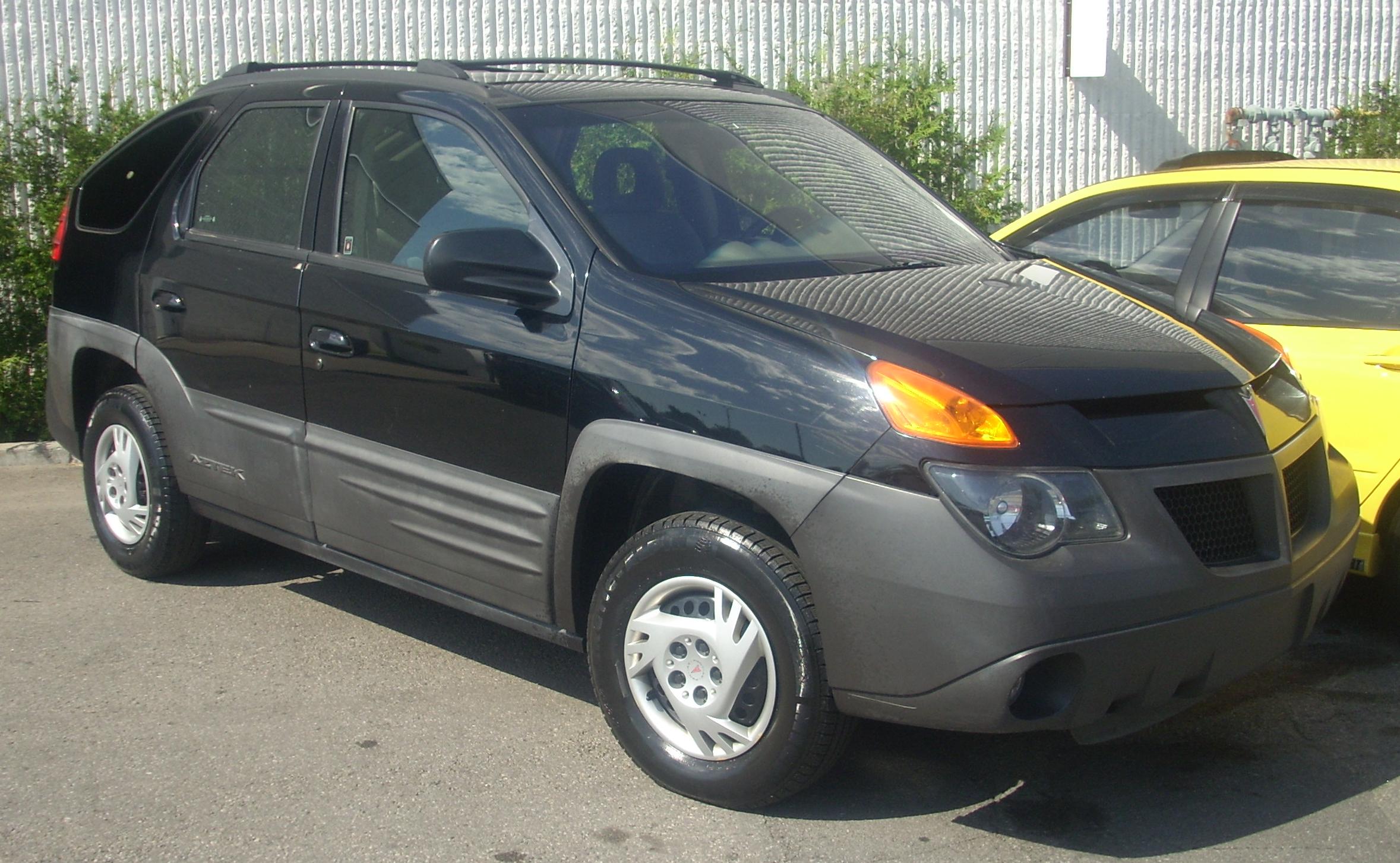
The Pontiac Aztek is a type of SUV made by Pontiac. It was made from 2001 to 2005 and is known for its unusual look, which some people really like. It's become more valuable recently, which is surprising for many.
The Ford Mustang is a famous car that started being made in the 1960s. The 1965 version is well-known for being sporty and stylish, and many people love to drive and modify it.
The London to Brighton run is a famous car event where people drive old cars from London to Brighton. It's a fun way to celebrate classic cars and their history.
The Cobra is a famous sports car known for being fast and powerful. It was made by a company called AC and later by Shelby, and it's very popular among car fans.
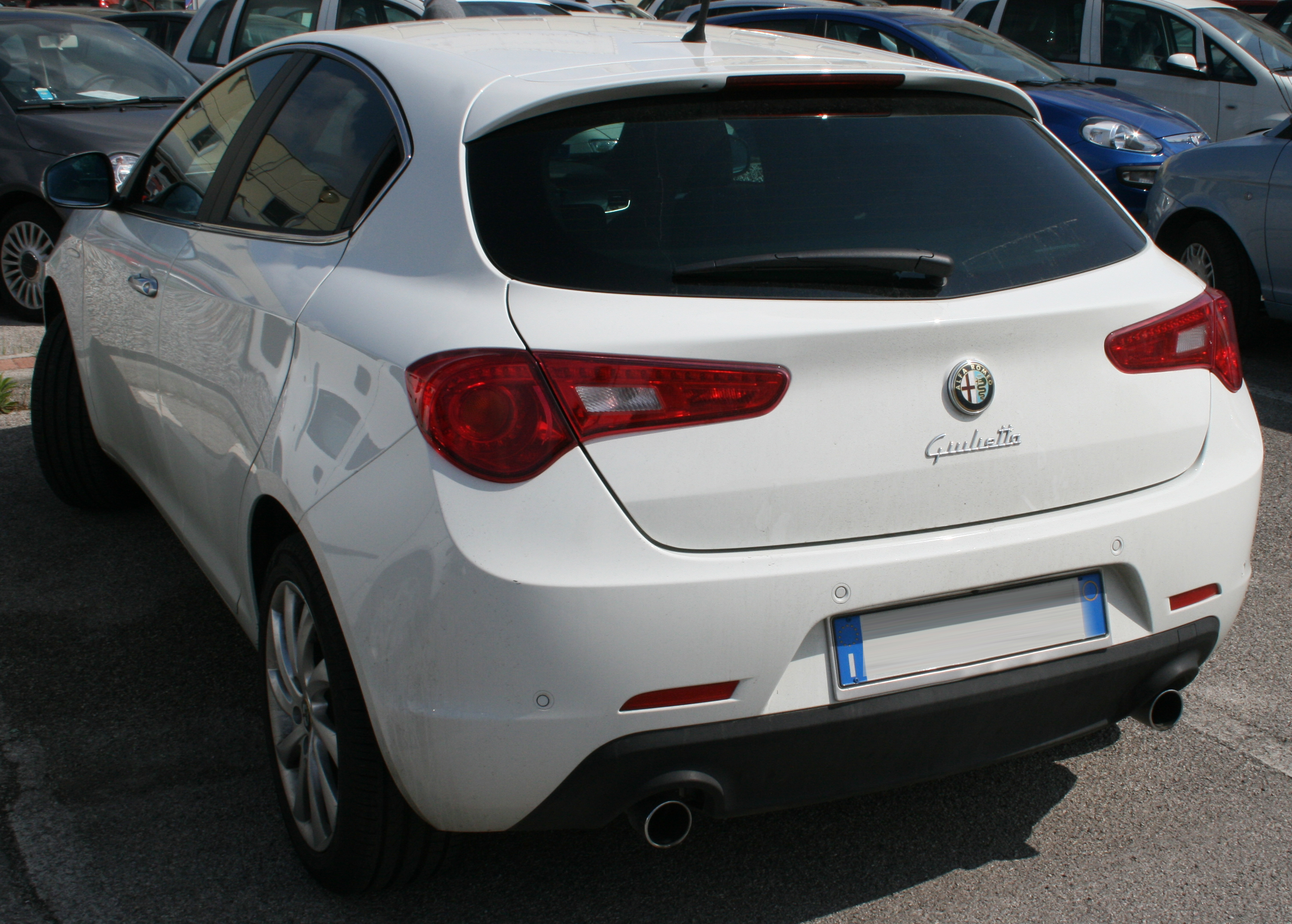
The Alfa Romeo Giulietta Spider is a classic convertible sports car from Italy. It's loved for its beautiful design and fun driving experience, making it a favorite among car collectors.
Vintage racing is when older cars, usually from many years ago, compete against each other in races. It's a way for people to enjoy and show off classic cars.
Car
Austin Healey
Austin Healey is a brand of sports cars from Britain that became popular a long time ago. They are known for being fun to drive and have a classic look.
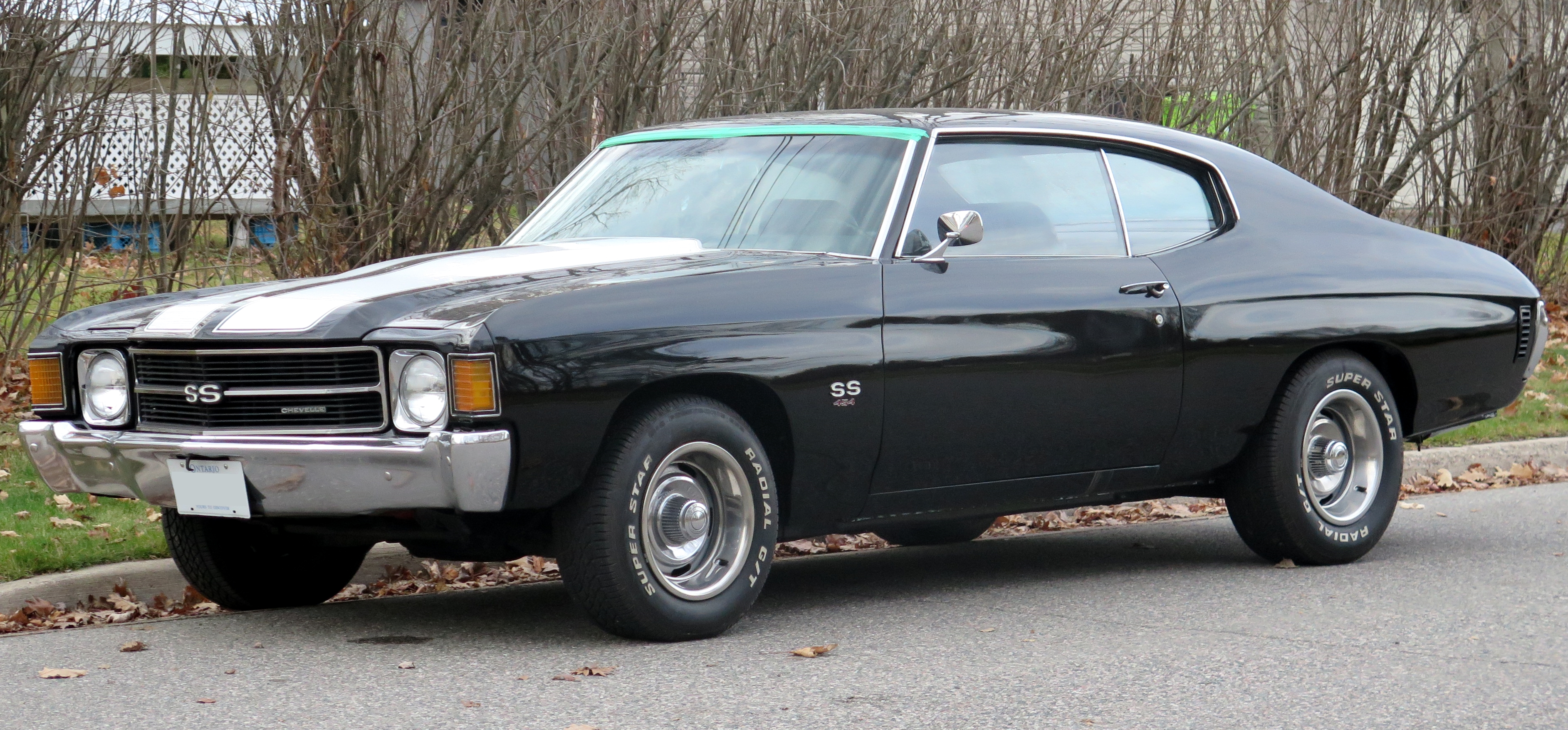
The Dodge Charger is a famous car from the late 1960s and early 1970s that is known for being powerful and stylish. It's part of a group of cars called muscle cars, which were designed for speed and performance.
The Jaguar E-Type is a classic sports car from the 1960s known for its sleek looks and fast performance. It's a favorite among car collectors and enthusiasts.
The Honda S2000 is a small sports car made by Honda, produced between 1999 and 2009. It's popular for its powerful engine and great handling, making it fun to drive.
The 1956 to 1957 Continental Mark II is a luxury car made by Lincoln. It's known for its stylish design and high-quality features, making it a classic among car collectors.
A classic Roadster is a type of small, sporty car that usually has two seats and no roof. They are designed for fun driving and often have a lot of history behind them.
A hot hatch is a type of small car that is both fun to drive and practical. It has a sporty design and is often faster than regular hatchbacks, making it exciting to drive.
The Chevrolet Corvette ZR1 is a super-fast version of the Corvette sports car. The C4 and C5 are different versions of the Corvette that were made in the 1980s and 1990s.
Car
Chevrolet 454 SS
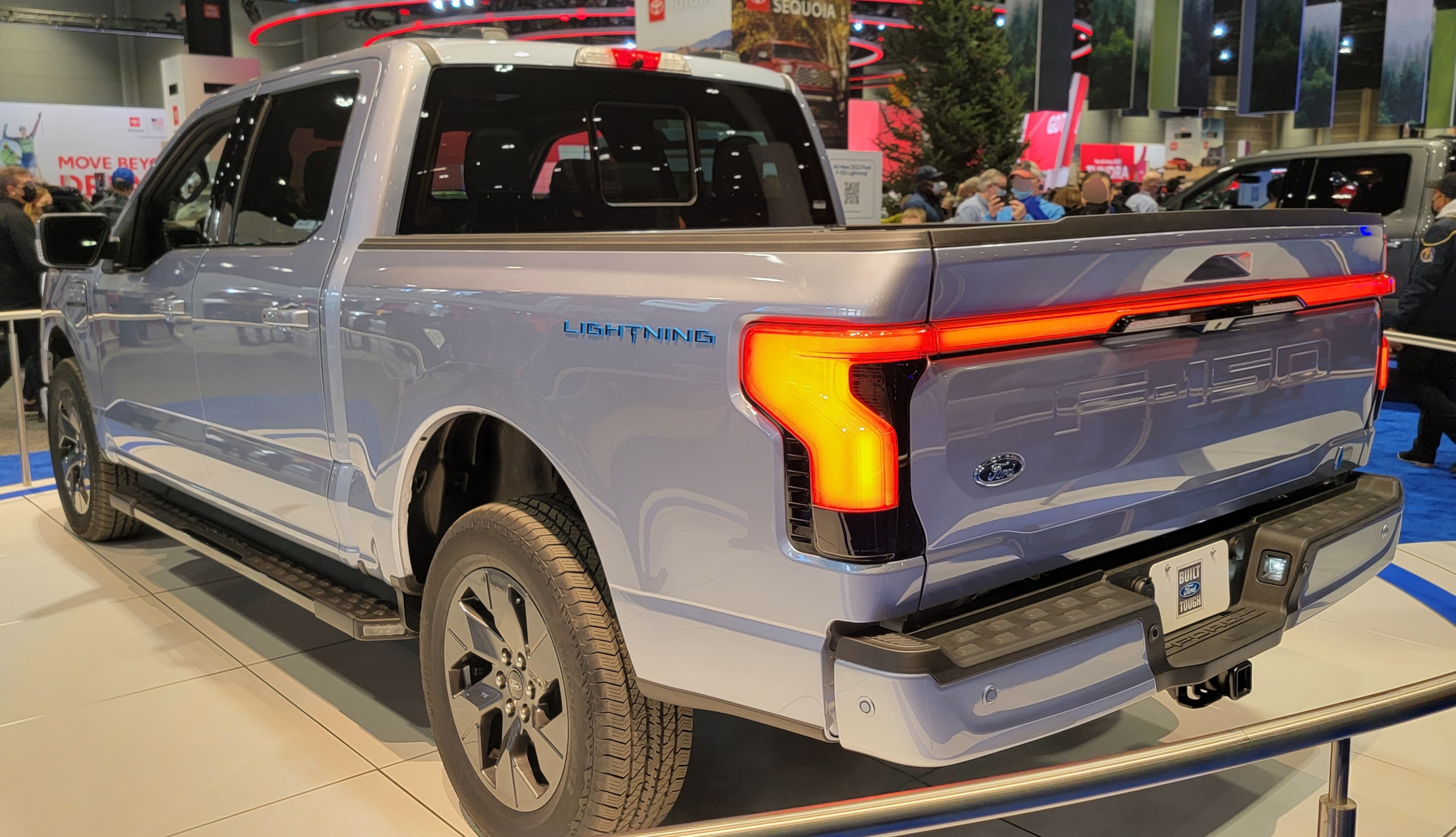
The Chevrolet 454 SS is a special version of a pickup truck that was made to be really fast and powerful. It has a big engine, which makes it unique compared to regular trucks.
All-wheel drive means that all four wheels of a car get power from the engine at the same time. This helps the car grip the road better, especially in rain or snow.
Our 10th prediction of for 2026, that was that Pontiac Aztec will be worth $100,000.
Tonight on That Car Show, we're joined by John Wiley,
Hagerty's Director of Evaluation Analytics.
John truly knows his stuff with real insight into why cars are worth what they are
and what the future holds for enthusiasts like us.
Before we jump in, do us a quick favor, hit follow or subscribe on your podcast platform of choice
and if you've got a minute more, please leave us a review.
Those small clicks make a huge difference for the show.
It's a fascinating conversation with Hagerty's John Wiley and it starts now on That Car Show.
Hey, it's That Car Show. It's me and Lindsay tonight.
And we're joined by a guest I've wanted to have on for a long time.
You've almost certainly heard of Hagerty's bull market list.
It does get around. Tonight's guest is the guy behind it.
John Wiley is Hagerty's Director of Evaluation Analytics,
which means he can shed some light on what exactly is going on in today's market
and why you cannot afford a Porsche 964 anymore.
Also, our pal, our mutual pal Trent Abbott, insisted that we have him on.
So welcome to That Car Show, John.
Yeah, thanks, Ryan. I appreciate it being on here.
Really glad to have you here. You know, whenever the bull market list is announced,
I always try to guess what's on it before I click.
I usually get a couple right, but these aren't just gut feelings.
There's real science behind it. And in fact, you have a master's degree
in financial mathematics from the University of Chicago.
So tell us about the methodology here and what all goes into it.
Sure. I mean, there's definitely a lot of numbers
and data crunching that goes on to make the choices.
And fortunately, I'm not the only one making these picks.
So there's, you know, we have a team of analysts that help
understand sort of what's happening in the market.
A further group of people that are, you know, compiling all of this data.
So the Haggerty Auto Intel team has a lot of expertise
and does a lot of, you know, we try to
understand the entire enthusiast vehicle marketplace.
But, you know, we do get to, once a year, we get to pick
these 10 vehicles, maybe a motorcycle too,
and that we expect to, you know, appreciate and
or hold their value for the next, you know, year
and beyond. And what's interesting is, you know, it's
we look for one of the great things about
Haggerty is that it has a lot of data. You know, it has not just sort of auction
results and data like the price guide values
which go back as far as 2006 for some vehicles.
But we also have insurance data, and so that helps
us kind of understand the types of people or sort of the
demographics of a particular vehicle. And so, you know, we can see
like, you know, are there, who's shopping for this particular vehicle
and is it, and, you know, that includes both people
getting a policy with Haggerty, people just sort of coming to Haggerty and looking to,
you know, they say, hey, I've got, you know, a 1989 BMW
325i, maybe an S, and
they want to ensure for $25,000.
You know, and that's, you know, that valuation data point isn't
that unusual, but, you know, if they're 75 years old
or if they're 25 years old, that might mean something different.
And so, in sort of an aggregate, we get a much better
sense of kind of the demand potential for certain vehicles.
Data really is the most valuable thing anymore, isn't it?
Right, yes, it's a, and yeah, I feel
fortunate to work for Haggerty because we do have a lot of great data.
What goes into the value of a car? Obviously there are auction results, but is it
sentimentality? You know, does it come down to the car's inherent value?
How much is just simple rarity? Like, what's the formula here?
Yeah, it's, there's a variety of things. I mean, sometimes, you know, there's
rarity can help and it can hurt as with, you know,
and not just sort of how many did they build, but also how many
are in that particular color. You know, so in some
times, you know, we just looked at sort of the
premium, the value of a particular color for the first and second generation
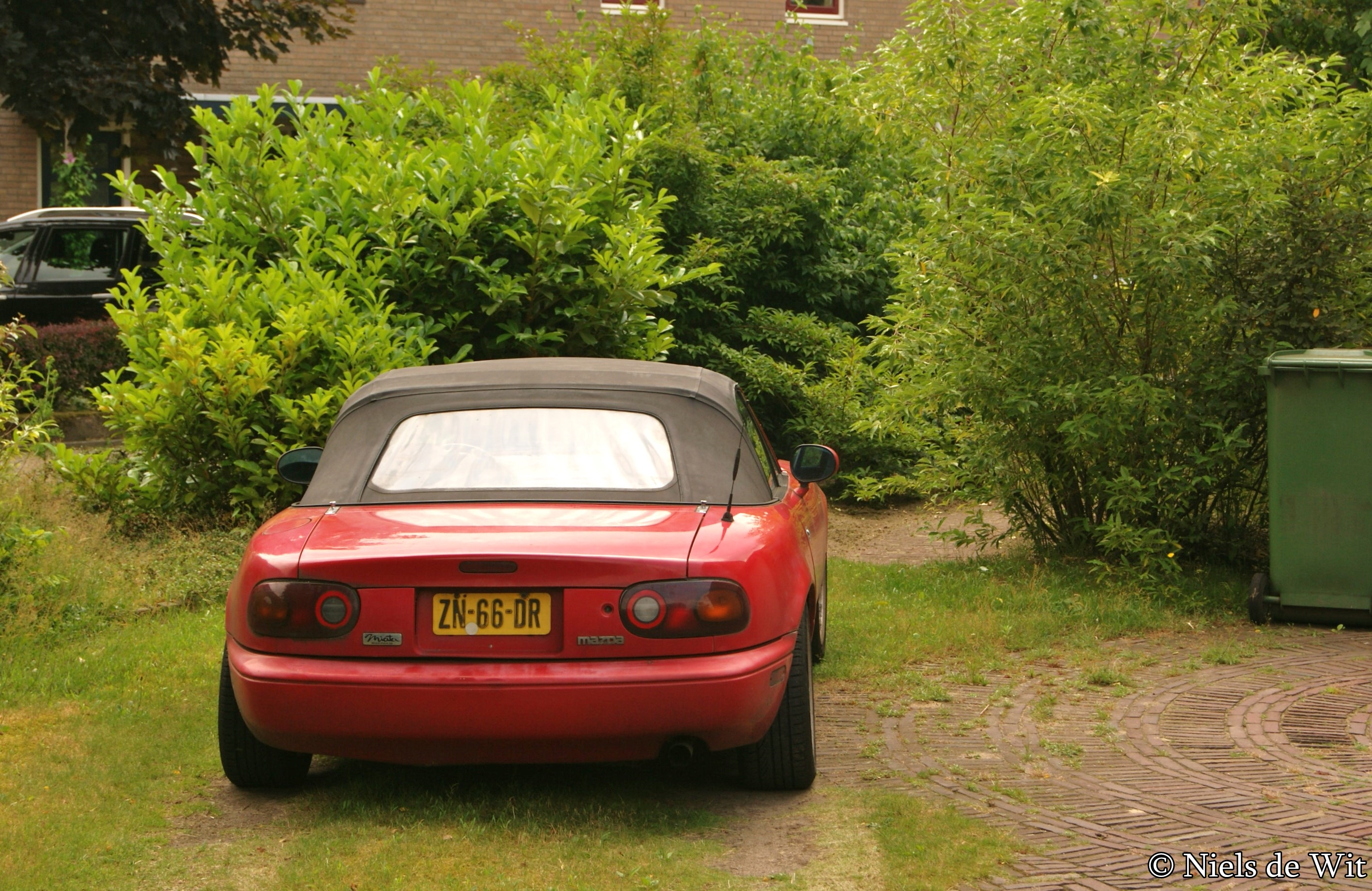
Mazda Miata's. And so, you know, we look, you know, some
colors are very common. There's like classic red, which is a very common
color for Miata's. And, you know, it gets a little
tiny premium in the market, but there are some rare colors,
some yellows and some blues that get big premiums
or actually get a discount. So rarity
can make a difference.
You know, getting help the car can hurt the car.
And so, but, you know, the other thing I think that, especially as you sort of move up
in the price point, and, you know, and it's kind of, it's maybe
not that specific to a particular price point, but
it's sort of what can you do with a car and what kind of
experiences can you have with it. Is, you know, is your only
experience going to be, you know, having it sit in the shop or the garage
while you're waiting for parts and it's, you know, you can't get it to run.
Or is the experience going on the Colorado Grand
and so those kinds of experiences I think
or opportunity to have those types of experiences
really help the value of the vehicle. And so that's
another big thing that helps. That's really interesting that you
incorporate use case and sort of like applicability
to like different scenarios in the valuation of the car.
That's fascinating. Yeah. I mean, it's, you know, it's not
in sort of a big for 1965
Ford Mustang, you know, there's that's less of a
thing other than just that you can get parts for it and you can
drive it and modify it and, you know, whereas
for more valuable vehicles, it's more of an explicit kind of
obvious difference. And certainly I think one of the
you know, one of the traditional value differentiators
is for certain events like the London to Brighton run
where it's, you know, cars built before 1905
and for listeners, this is sort of a funny event in
London, England, where they drive very, very
elderly cars, you know, 60 miles over the course of a day
and so, you know, but it's
if you have an eligible vehicle for that, then it's
worthwhile to get it. But if you don't, then
it's sort of you're out of luck and you can't do as much with it. So,
and same with a Miele, Miele with like the 1957
model year cut off. Yep, yep, yep. And the
Cal Miele, which is a Hagerty event, I think it's 58, is that right? And you
mentioned the grand, we're 60 and older. So that really makes a real difference between
a 60, 356 and a 61, right? Yeah, yeah, no, for sure.
Yeah, it makes an adds up. And, you know, I think sometimes
for some of these events, they'll make exceptions and things, but I think it's kind of, it really
helps the markability of a particular vehicle. And these, you know, these types of
events sort of come and go in terms of popularity, but
yeah, it's a, you know, and so if you have a vehicle that's not eligible for
an event, but it's, you know, you'd like to do some
drive, you know, you can start organizing the tour. I think there was something like
the Shelby GT350, the
1965 cars, like the, you know, there's a tour for those now, and that's
more popular or something. Yeah, I think that's maybe, is it the Drew
Serb event that they do in Northern California? Possibly. I know, or I should
say, I know he does one as well. I don't know if that's the one that you're talking about.
Probably. But yeah, I've seen some pretty incredible pictures. And there's one
that they do with Cobras too, because I saw a picture of a bunch of Cobras in the
snow in Montana, I think, which was incredible.
Yeah. So John, we've established, say this again, I'm off
tonight, sorry, I'm gonna try this again. John, we've established,
it's been a long day, like a student plays and everything else.
You're already somehow. John, I actually, this morning got up early, I drove,
I endeavored to drive up to the top of Pike's Peak, which
you wouldn't be able to do in the winter, but it's like 60 degrees here right now.
And I made it up about as far as Glen Cove, which is,
I don't know, 13, no, I think it's about 10 and a half thousand feet, so.
Okay. So that's where I got up to do this. So it's been a long
day, but anyway, back at it. That's quite a day. It is. We've established
your credentials as far as mathematics and
valuation and all this, but what are your car credentials? Like, when did you get into
college? Yeah. So I, you know, I've, I did,
I grew up in the San Francisco Bay Area and sort of Silicon Valley.
And so, and I think
growing up there was, you know, exposed me to a bunch of kind of unusual
cars that, you know, this ride of stuff and it being California, they're, you know,
stuff didn't rust and as much. And so, you know,
certainly I think smog pulled some cars off the road and things, but
it's just sort of that curiosity, like, what is
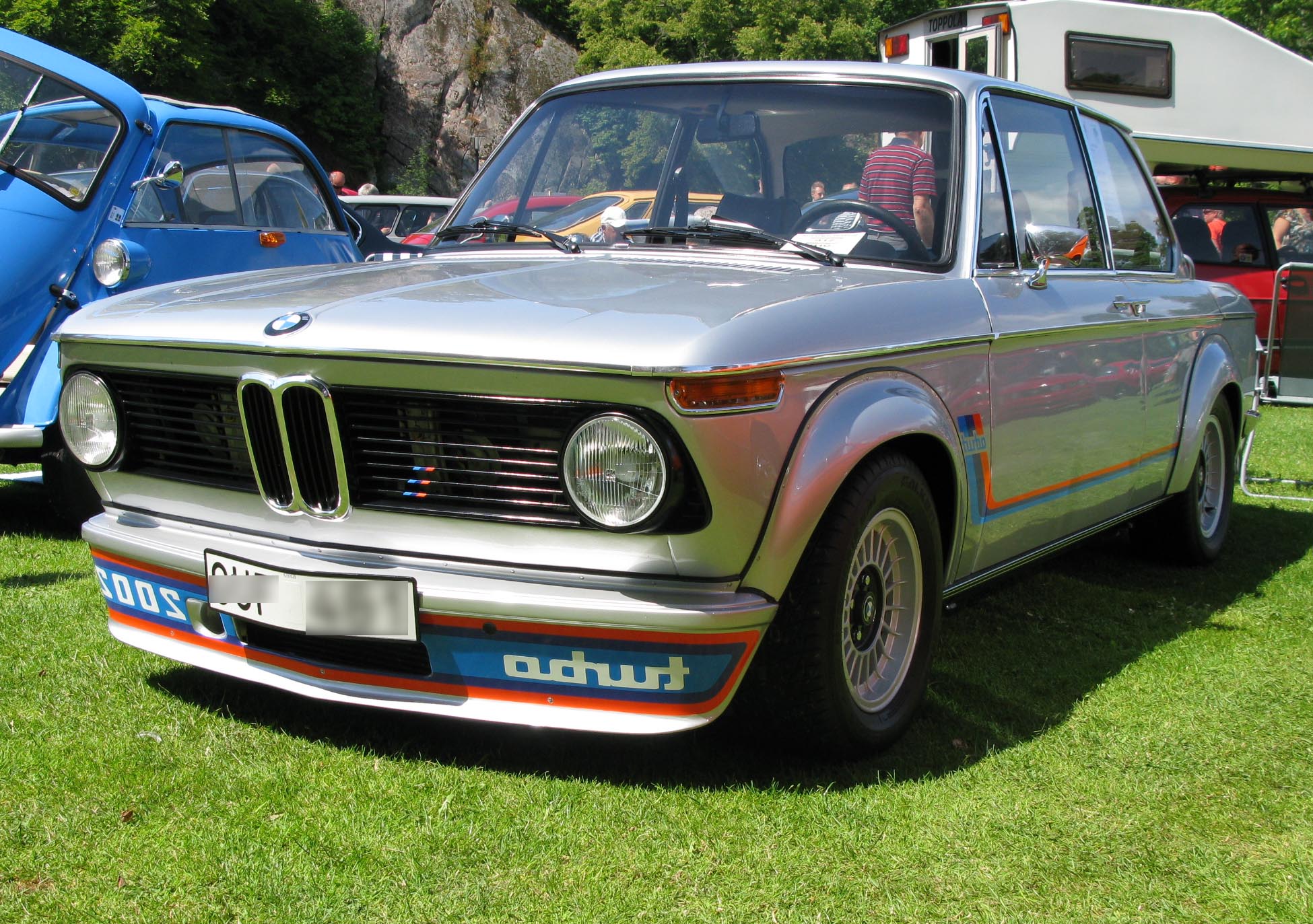
that? And, you know, what is that little beige BMW 2002
and or something? And so that was, you know,
fun to see some of these cars and, you know, I'd ride my bike around and I'd
take pictures of these cars and, you know, with a, on a
film camera. Yeah. Right. And so. We can all relate to that.
Right. And yeah, way to develop them and the
pictures, for instance. But then, you know,
in this, and it's kind of out of that, I was reading,
kind of got into reading sort of vintage
car magazines and at some point along the way, one of my mom's
friends started vintage racing cars
like an Alpha Giulietta Spider. Okay, cool.
And so, you know, I would go to
Sierra's Point or Laguna Seca and watch them race or something like that.
So, Sierra's Point is, of course, the Sonoma Raceway
or something like that. Right. You can tell how long somebody's been in
the car all by what era of names they use for the tracks.
Yeah. So, and her husband, she married a guy
who was also vintage racing and so
I, you know, sort of learned from him a bit
about, you know, and he restored a bunch of cars and, you know,
found out what's an Austin Healy and how is that different than an
Aston Martin and what's a, you know, John Warwick's K120 and things like that.
So, yeah, and
that was kind of like high school, college and, you know, I went
I didn't go to school in California for college. I went off to
the East Coast and then went to Chicago later and, you know, these are not
kind of car friendly places. Right.
So, but I did keep going to these car shows, concourse events
and I guess one of the other unusual kind of
coincidences was that I had
some relatives that lived down on the Monterey Peninsula. Okay.
And so I'd go down, you know, go down and visit them
and, you know, occasionally they'd say, you know, hey, we have this car show
down there at the lodge at Pebble Beach and, you know, you can come down and stay with us
and, you know, here's a ticket if you want. And so
this was all much more sort of, you know, informal
at the time. Back in the good old days. Right. And also, you know, I know
context of like what is this event and so
that kind of thing. And so
I ended up, you know, kind of getting some awareness of that event and
taking pictures of it and things at the cars and stuff.
So, but then, yeah, so I kept, you know, took kind of a break
for a few years and then kept going, started going back to car shows,
concourse, vintage races and things. And then
at some point I started this Flickr page of photos.
So again, that dates me. I think it's, you know,
I started it in about 2008 or so. Okay.
I think that was gonna flicker today. Right.
It's still, people still use it. I know.
Hasn't flickered out yet, huh? Yeah.
I worry when it changes hands or something like that.
So I started putting pictures on there and I, you know, kept doing it
and I, you know, kind of tagged the photos and describe it
and, you know, what chassis number is this car and, you know, do I have other photos
and things like that. So I tried to be pretty organized about the photos.
So I am now up to like 28,000 photos on there
and, you know, and sort of like, you know, oh, I saw this car
at, you know, 12 years ago at
Lime Rock Park and then I saw, you know, it again and it's
now it's a different color and it's at Pebble Beach or something like that. And so
that kind of thing has been helpful. And, you know, so anyway
at one point I kind of, you know, as I had a career
track after college and studying computer science
I got into the financial world and was working as an analyst
there and kind of went through a couple different
sort of parts of that financial world with equities and then
derivatives, fixed income derivatives and things and
and then moved as into a data science role.
But, you know, sort of this combination
of like I have this career but then I'm also spending
a bunch of time and going to these car events and, you know,
it seems like it's kind of this worthless hobby and maybe I should just figure out
something else to do because it's not really that worthwhile or productive
but fortunately I found out about this opportunity at
Haggerty where they wanted somebody who could talk about sort of the market and
understand values but also knew about the cars. And so, you know, it's like
oh, I have all these, you know, tens of thousands of photos on Flickr
that I've been labeling and tagging and things like that. And so
which is, you know, a big part of sort of what Haggerty and the auto
automotive intelligence team does is kind of describing vehicles accurately
and so that's a big part of it. So fortunately that
become that's been a great combination and that lets me sort of
talk about a big picture part of the market but then also kind of what makes
a specific car valuable. And so that's sort of
being, looking down at whatever 30,000 feet but then looking
at a specific vehicle and understanding what makes it worthwhile or valuable
to somebody is helpful.
Well, can we go down the list for 2026? This was recently released.
Sure, yeah. Yep, there's a good variety of cars.
You know, we work with the magazine media team to kind of
curate the list. You know, sometimes, and it is, it's a little bit more
of a list of vehicles where
it's, you know, there's a little bit of curation of like, you know,
we have, we don't want to have, despite
you know, some inclinations of folks
it's, you know, we can't have a list of JDMK cars because nobody
would read that. Right, right, right.
So we, you know, there's sort of like, let's have an American car, maybe something
that's, you know, more modern. So there's a little bit of
Before you start, sorry, so what, I mean, what, what are the qualifications
and what are we looking for in a car that makes this list? What is it telling us?
I think, I mean, there are kind of, there are also
differences of kind of what's the investment
potential. And so what it, you know, is it
is it a car that's going to double in value in the next five years, or is it
a car that sort of used to be considered very collectible and
valuable for its type and is maybe
you know, lost some of that value in the past five years, and maybe we expect it to
turn around and rebound. So, and so there are sort of
there, or maybe the car is already valuable and we expect it to become even more valuable.
So that's kind of some of the areas where we
look, you know, and certainly as the, you know,
the market has kind of cooled relative to
10 years ago or so, or even 2022
where kind of everything was going up, you know, it is a little
bit more nuanced as to, you know, this vehicles
has some potential to rebound whereas we expect some of the other vehicles
that are comparable or similar to lose, continue
to lose value or not appreciate further.
Well, the first one that I see on the list is the 68-70 Dodge Charger, and I think that
certainly fits in there because that's kind of an anomaly. A lot of muscle cars and cars of that era have really
dropped, haven't they? Yeah, I mean, and there's, you know, it's
yes or no. You know, it's, I think one
thing that's happened in the muscle car market is that some of the really valuable
ones are still valuable or
mostly, but, you know, it's not every
muscle car that's valuable. Not across the board.
Yeah, and one of the surprising
things to me, and this is some more sort of this haggardy data
and the demographics really help is, you know, the
demand for muscle cars is kind of, is
cross-generational. You know, it doesn't matter. There's kind of this perception
that it's, you know, people collect what they
liked when they got their driver's license, and, you know, that's, you know,
and I think that used to be really true,
especially when, you know, the car that was new in the showroom, when you got
your driver's license was something cool, you know, and whatever
it might be. 1961 Jaguar E-Type or something like that.
But, you know, if you were, if you got your driver's license
in 1981 or 1991, maybe,
you know, there wasn't as many sort of fun things to
aspire to own. So, you know,
and I think also as cars, more and more cars have been restored and, you know,
and seen, you can see more stuff. So there's much more sort of
interest from younger generations in more vintage cars, and I think people
realize. That's fantastic.
Yeah, and I mean, especially with sort of vintage,
you know, phoning cars, muscle cars, pickup trucks,
you know, you can modify these cars or reasonably affordable.
And there's a lot of sort of, they're available, you can get parts and things
like that. Right. Well, that's really encouraging because I know, like, I'm around a lot
of the like 60s muscle car crowd, and one of the concerns, like
over the last few years for sure, has been, you know, are the next
generations interested in these or are we kind of, and again,
this is the people where these cars were new when they were in high school. Yeah.
Like, are we the last generation or is this going to carry on? So it's nice to hear that that
is, like, you are seeing interest from younger generations too.
Yeah, and you know, and you can look further back at like the Ford Model A, and there's
still interest in those. And, you know, and it, you know, no, it may not be a stock
Model A, but it's, you know, people can still, people are still coming to
Agade looking to ensure one. And so it's, you know, that's it and remains
a popular vehicle. And going back to the Charger, though, you know,
that's one of the things that helped it get on the list is that,
you know, this car has a lot of screen time. You know,
it's been in a number of different movies and, you know, across
eras and things. And so I think that really helps it sort of remain relevant
and something that's recognizable for different generations
and things. And so the fact that kind of the values of it had dipped
a bit in the past several years seemed to help
it make its place on this list where it's, you know, we
expect values to turn around or at least sort of hold stable.
Do you see when you have something like that where the value has
dipped, do you see people like that makes it more
accessible to a wider group of people? Does that help? Do you see
that? Like, how does that play out? Yeah, we'll look for sort of, you know,
from our price guide values and those trends we'll look for, you know, vehicles, people,
you know, the downward trend
and then we'll look for a signal of like potential of demand and people coming
to Agade and saying like, you know, quote in vehicles. And the other thing that we'll look at
in a more sort of nuanced way is that
you know, what are the values that people are
either buying the cars for and putting them on policy or just sort of quoting
and so is that, you know, are they lower than what, you know,
the price guide values say which isn't helpful for the market
but, you know, if they're higher and it says that, you know, somebody that's in their
40s, you know, is looking to buy a 68 charger and they want to spend
you know, whatever 100,000 on it, you know, that's helpful for
that, for that, the case of that vehicle sort of holding its value over time.
So you kind of look at, you start to look at the trends of like, are we seeing
like the values are going up, people are calling with higher quotes, that kind of thing.
Yeah, yep. Well, fast forwarding a little bit, the
1999 to 2005 Mazda MX-5 Miata. So I think we're talking
NC, is that right? No, that's, this is the
NB, yeah, NB. They've been in the NA for a long time, I guess.
Yeah. Well, there's also the Miata folks will tell you
that there's no 1998 model year. That's right.
So there's, they skip the model year. That's right.
And this is the case, this is sort of one of these other types of vehicles that picks
for the bull market, which is that, yes, there's sort of,
there's a, there's kind of the one that everybody thinks is very collectible,
like the NA Miata, but it's sometimes the market
that kind of too far out over its skis and
you know, and that becomes very valuable or
maybe overvalued, whereas a very close substitute, such as the
second generation NB Miata becomes a good deal.
And so in this case, we sort of, we expect that the NB Miata is
going to be a good deal of relatively speaking relative to the
NA or certainly these other cars like the Honda S2000, which has
some pretty valuable. Well, it's interesting because the NB, I think
for a long time was kind of the, I don't know, the maligned Miata,
right? It was, you know, they had got another one. Yeah.
So it's good to see, although there was the Mazda Speed NB, which I remember was
a very competent car. And I'm glad to see that they're kind of coming into their own
being appreciated. Yeah, they're good. Yeah, it's a good, I think
will pick. Well, the next one I have on the list is the
1956 to 1957 Continental Mark II, a car which I know nothing
about. Not a Lincoln, it's not. That's right.
It was its own thing, right? Yes. So yeah, I mean,
you know, again, this is a little bit of like a, I don't know,
potentially like a value play where it's like, you get a lot of car for your
money. Literally a lot of car. Yes, a lot of, I mean, you know,
there's certainly like, it's a lot of steel and iron and
glass and so on and so forth. But there's also, you know, it was
a very well engineered car for the time, especially if an American car
has a lot of sort of style. It's relatively distinctive
for that era of 1950s American luxury cars.
So, you know, in this case, it's kind of a call out of like
people maybe have forgotten about this car and, you know, values
of maybe dipped a bit. And so it just sort of like a, you know, and we're
looking, but seeing potentially some signs that there are some people that
are, you know, seeking this car out, you know, and it's worth
potentially further investigations. Right.
Not everyone has forgotten that they exist. Maybe the rest of you should take that
as well. So do you, when you go through to put the list together,
like you said, you're looking at, you know, we don't want to end up with all of one
kind of car. Yeah. Do you, does the variety
that you try to include change every year? Or do you, like, we always try to include
one of these and always one of these? Like, how does that work? Yeah, there's a bit, there's a, you know,
there's sort of a guidance and an effort to balance the list.
And so I don't think we necessarily, there's also, there's a Haggery
UK team and they produce a bull market list as well.
And they have defined sort of groups of vehicles.
So there's a hot hatch and there's a sort of a classic Roadster
or something of that nature. And so, whereas we don't have quite as well
defined categories, but yeah, we do try to have a kind
of a balance of something that's a little more vintage. And, you know, it's not all
80s and 90s cars or something. Right. Yeah. Yeah.
That kind of, I do remember it being a really beautiful thing. And, you know, things were
made of metal, right? Like, you know, it was, it was, you know,
plastic nonsense. Well, yeah, it was designed to be like a world beater, if I recall, right?
I mean, price was no object, kind of a Rolls Royce competitor, maybe
in a way. Yeah. I think they had to, some trivia
on the hood ornament is that they had to get some defense contractor
to make it because it's so, you know, precise and the
sharp edges that it has and things like that. How cool is that? You know, it's all well
before pedestrian safety regulations. Right.
In rarity, I mean, they can't be many of them, right? Yeah.
They're not surviving. Precursor to the
concerns about the Cybertruck and its corners. We give you the continental
hood ornament. Yeah. Yeah. That is one thing, too.
That all, you know, we find in particular with
the Miata and, you know, some of it's the NA and also the NB.
But, you know, because they were raced so much and sort of
used up, especially compared to
a Corvette ZR1, a C4, C5 or something,
a ZO6, you know, those types of cars,
you know, there's a lot more of them that were sort of put away
whereas Miata's were raced a lot more often and sort of used
up and so that sort of attrition can help
the collectability of the vehicle, too. And that's how you can end up with sort of these cars that
were much cheaper when they were new become more valuable when they're
sort of 25, 30 years old. Right. And what a
important car the Miata really was, right, for us
enthusiasts. It really kind of got the flame going and all that. So the next
one on the list is the 1990 to 1993 Chevrolet 454
SS. So this is something I remember one of the
really cool kids at school having when I was in high school, like an older kid, you know.
Why is this on the list? I have a sense. It was really the first muscle truck, right?
A modern muscle truck. Yeah. Yeah. There's, I mean, and, you know, Ford had
kind of a similar F-150 lightning at the time that I think
but yeah, it's, you know, it is an unusual
thing. And, you know, in this case it is kind of
when you look at what Chevrolet will sell you as a pickup
truck, you know, a full-size truck today
it's like this really isn't available
in this combination anymore. So it is
it's an interesting, I think that's partly why it's on the list is because it's just
there's a sort of an unrepeatable experience in this point in time for
if you want a accessible, you know, pickup truck with a big
block. Right. I mean, that really is like the lightning too because
first gen lightnings were not a crew cab either. Yeah. Which was first?
I think this came out first. I'm not
100% certain but I think this came out first and then I think the Ford responded a couple
years ago with a slightly different take on it which
I think it was a 351. Okay.
Different manifold and similar performance but just a slightly
different approach. And these are mostly black if I recall, right?
Yeah. A handful of other colors, silver, white or something. Yeah, maybe white.
Yeah. Okay. And then this was before I guess the cyclone as well
right? Just before? Or about the same time? I don't think so. I think
they're about the same. Same, okay. All the look and see I can
Yeah, I think you had an idea. And to be honest at that time, you know,
I was, you know, a young teenager the cyclone was the one that I wanted. That was the one
that I that really caught my eye but. Yeah.
And then but, you know, it's interesting too because you end up with sort of these
you know, cars that were vehicles that were groundbreaking at the time
but, you know, kind of all wheel drive, turbo charge
track, SUV,
you know, that became kind of the standard
for most vehicles these days. Yeah.
And so whereas, you know, a real wheel drive big block
track is, you know, still not very common on the market
now. So. Right. And this is what, you know, this is a
progression, but, you know, this is kind of the, I think the challenge that
a car like the Porsche 95 Vine has is that, you know, that
it was so advanced, but it was kind of accurately predicted
future Porsche 911 Supercars
and so it's kind of like you don't need to spend
two to three million dollars for all wheel drive 911
with a turbo charger because it's, you know,
available still. Yeah.
You're absolutely right. That, you know, that cyclone, I remember the
454 being nearly as quick, but that cyclone
Yeah. No, I'm sure it's faster. Yeah, it's interesting, but two very different
ways of going about the same problem, I guess. Yeah.
The next one on the list is the 06 to 2013 Chevy Corvette
06 and this is a car I think that's finally getting its
right. You could pick one up pretty cheaply there for a long time and. Yeah.
Yeah. No, and I, you know, and again, it's kind of like
I think certainly as the C8 has gone
mid-engine and, you know, and that's now like
forced-induction. You have this sort of unusual
drivetrain combination, which is seven-liter
rear-wheel-drive, front-engine car,
manual transmission, naturally aspirated. So it's
you kind of end up with these cars where it's, no, they're not
necessarily cheap, but it's also sort of something that isn't
it's not something you can find easily in the market. And so
that's partly why it's on this list. Yeah. Well, hell of a lot of car for the money
for sure. Yeah. Yeah.
So the 69 to 72 Alfa Romeo GTV. This is a car
you never saw them around. And now you see them everywhere.
They really came out of the woodwork, but they're such wonderful cars in every way.
Yeah. No, I think, I mean, this is kind of
one of the challenges of the bull market list is sometimes we get
a bit specific. And so
in this case, it's we're picking out the 1750
which is kind of the late 60s,
70s version, but not the two liter,
2000 GTV, which has kind of a different grill
and certainly as
more power and as fast or as a two liter, but
there's the sort of, I think the
efficient auto take is that the 1750 is a little bit sweeter
and maybe revs a little bit easier. I think they are
rare cars. It's a little bit hard to say how many
are surviving and around on the market, but
the other sort of difference, and this is if you're
reading or paying attention, the
my level of insight into the 454 SS
versus the Alphas tell it shouldn't be telling, but
the other thing that I think can be helpful for this car is
I think the 69 had this flying buttress seat
design, which is sort of as with the Porsche
world, there's sort of one year only model year differences
and everybody sort of goes crazy over. So I think there's
a few factors that help this
vehicle become more collectible.
I think something else about this car, starting to interrupt, is that it really has become a great alternative
to an old Porsche, and those have just skyrocketed
right? Yeah, and I think
there's a little bit of that event
eligibility thing, where it's like if you can take it to an event or a show
that's suitable for the car, then that's really helpful.
In Southern California there's sort of now
this Italian car show
similar to Lyftico, the
air-cooled Porsche show where, and this one is
Makinissima. So
again, it's like if you want to, if you like that event
or want to have a car in that event, this is getting a 1750 GT
that's probably a good place to start. Yeah, and I think too, when you see
people start to singify vehicles,
and you know these other outfits, I think that's a sign that there's something to do it, right?
Yeah, for sure, yeah. Can you talk a little bit more?
I'm very curious about the flying buttress seats that you mentioned.
I think they're, so it's
a little bit like a bucket seat.
And I'm not certain, but I'm assuming
that they're inspired by a Zagato
seat design, which is that you basically have a seat
and then Zagato, which was just a kind of a tubular steel frame
with some padding and some vinyl or leather or something
or cloth covering. But Zagato would have seats
where they'd kind of weld this little diagonal
that went from the three quarters up the seat back to the
front of the seat and then there'd be like a little pad on the side. So it was very much
just like a kind of improvised steel frame
bucket seat. And so I think this seat
probably is a little bit different take on that where
it's not quite the same steel tubing behind it, but it's a little, and it's sort of
curved at the side of the
seat back and it kind of just helps you stay in place a little bit better.
That's so interesting. Yeah, yeah, it's all these nuances, you know.
Alphas are good for that though, aren't they? Right.
I mean, and I think there's a lot of,
maybe it's a sign of the collectability of a vehicle is when people,
Gorbet people, Porsche, will never start getting into the
specifics of a particular car. Right, right. Yeah.
That car show is brought to you by Sheffield Watches. Sheffield is the
storied watchmaking brand that was revived a couple of years back by her good friend Jay Turkbus
who had access in both the car and watch enthusiast communities.
Sheffield offers a wide selection of watches, many inspired by the iconic designs
of its 1960s dive models, most notably the one that Jay's parents gave him
in 1970 which ignited his lifelong passion for watches.
Sheffield watches are high quality, reasonably priced in a great value.
Sheffield has truly become the car guy and car gal's watch of choice.
Order your Sheffield watch at SheffieldWatches.com
Give them a follow on the gram at Sheffield underscore allsport underscore
watches and tell them that car show sent you.
Yeah. Well, moving on again to a newer car,
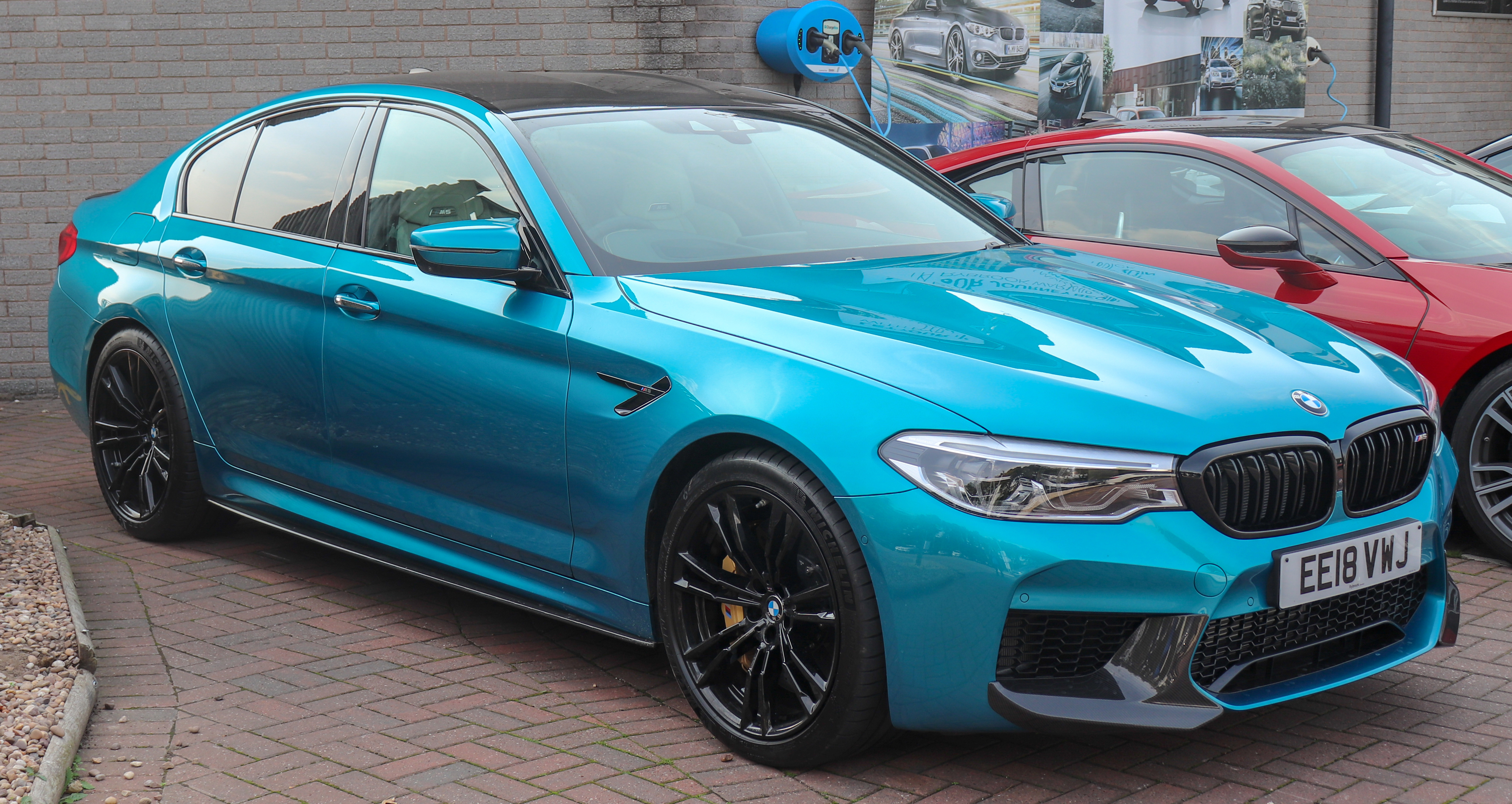
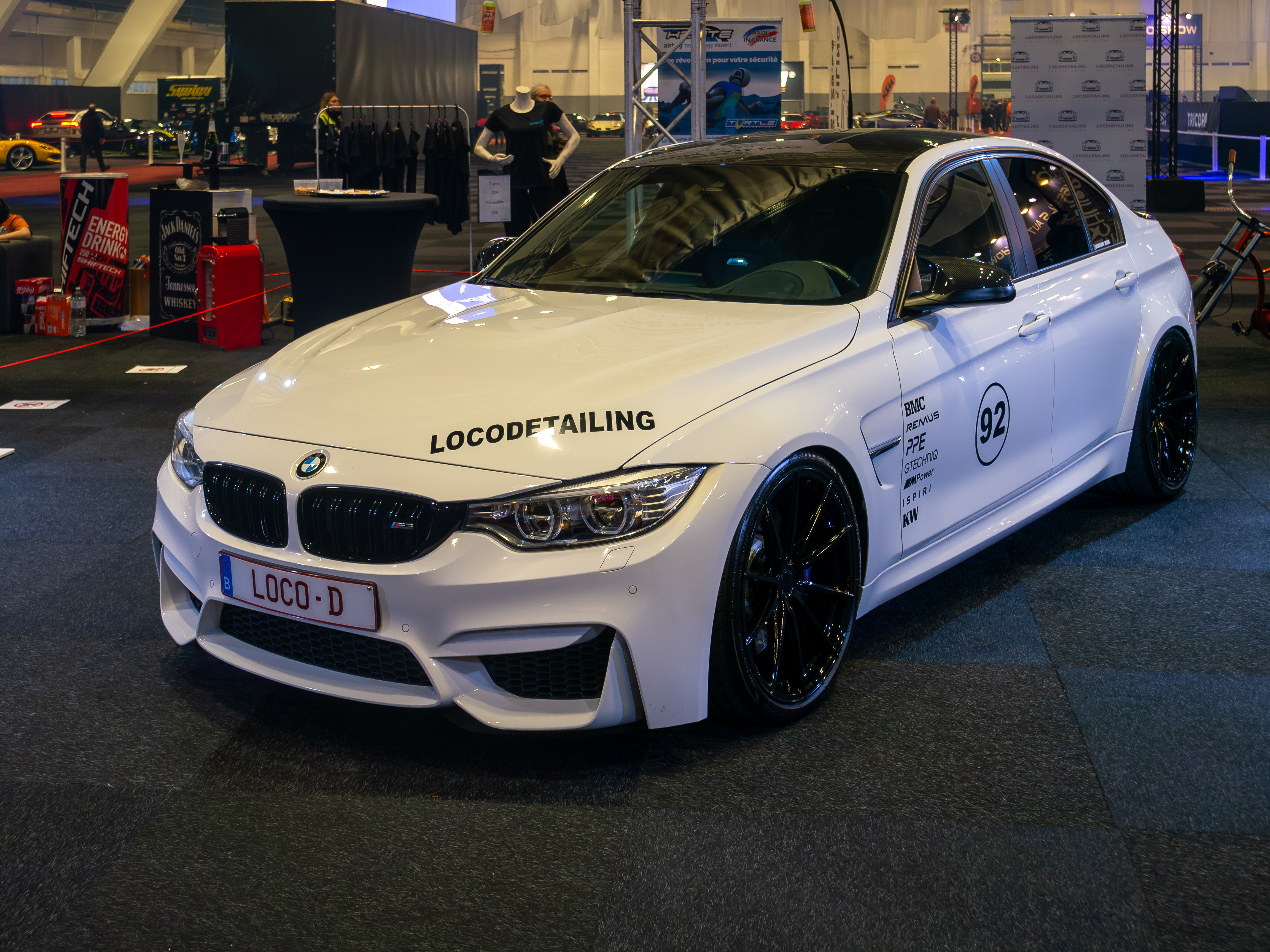
2006 to 2010 BMW M5, this of course is the 500 horsepower
V10. Right. It was the one year they put a V10 in an M5
and I think this is a car where, you know, the ones that are left are the good ones, right?
Like they got cheap for a while, you know, young people had them, burned them up, you know,
crashed them, whatever. And so the ones that are left are really the good ones. It was a very
different character, right? Than I think the M5's before and the M5's
after. And also the styling was really divisive.
Yeah. Has it been angle era? Yeah. This is the
yeah, the bunny sharp hide one headlight
car. I mean, in, you know, this
similar to some of the other cars on the list, including the Corvette C6,
you know, this is an unusual, sort of, relatively large
displacement naturally aspirated engine with 500 horsepower.
I think there's three cars on the list with 500 horsepower.
But yeah, I mean, it's, you know, and there's a little bit of element
of substitution where, you know, I think a lot of people like
the predecessor M5, which is the E39 with the 5
liter V8 or 4.9 liter V8. It has a manual transmission
as sort of more traditional
styling. Right. But, you know, it's so, you
end up with this kind of dynamic where it's like, yes, that car is collectible
and valuable, but like this is also an interesting car and maybe is undervalued.
And yeah, and Ryan, as you've pointed out,
you know, a lot of these got used up or broke and people then
could go forward to fix them for a variety of reasons.
But, you know, the other thing that's interesting to write with this is that, you know,
we've seen a lot of, I think about 10%
of the cars sold new in the US have since been
exported. So that's sort of, it's not just that, you know, they've been
crashed or, you know, not maintained or something like that, but they just, they're not
here anymore. Interesting. And so that's an unusual. Do you know where they went? Yeah, good question.
Probably back to Europe, but potentially other places too.
So, and it's not, you know, and it could be that they just have
potentially in Europe, they have better appreciation for
the car and the performance. And, you know,
there's certainly like the manual transmission cars that were available here in the US
are at a premium. I think it's potentially like 50% more.
But, you know, part of it is, I think that the
7-speed SMG sequential manual gearbox,
automated single clutch transmission is like, yes, there are some
issues with it, but also, you know, some of those issues
are becoming, are getting sorted out. So I think
that helps the car kind of become a little bit more
collectible. And John, people are now sentimental for those
first generation, you know. Yeah, no, yeah.
SMG type transmission, it's like the Mercilago and, you know, it's like, you know,
it's funny how things come around. Yeah, I will, you know,
and this is again, sort of the fun thing of working for Agony with the data
that we have available is that there's a peculiar phenomenon
that is in the market, which is that
Ferraris and Lamborghinis and BMWs,
you know, were sold in sort of that
2000s era, 2010s era with
these single clutch automated manual transmission cars.
If you convert a
E46, so 2000s, early 2000s,
BMW M3 to a manual transmission car,
it tends to, you know, gain in value. People like that transmission of that car
better, the manual. Yeah.
If you convert and, you know, BMW built lots of manuals of that car too.
That's interesting. Like, considering how many of those
were manual to start. Right, yeah, but it's, you know, some of the
and a little bit of it is that people didn't, maybe didn't drive
the SMG cars as much because they didn't like the transmission.
Different kind of customer. So it's in the U.S. fewer miles and they spent,
you know, they got it in an unusual color and things like that.
The other thing though of this is that
if people convert like a Ferrari F1 transmission
to a manual transmission gated shift car,
it doesn't tend to help the value of the car and it's a strange
dynamic where I think people really just go after Ferrari
collectors really just go after the rarity of the manual transmission
car and, you know, and they get the, they still
have the Ferrari factory blessing.
Whereas, so it's a strange dynamic of this market where it's like some people
and some cars do well and
appreciate when you convert them to a manual and other cars don't.
Interesting. Do you think that's like, I don't know if you have
the data if this is something that you have visibility into, but do you think it's
the usability of cars? I mean, when I think of an E46,
I know a lot of those are, like at this point they're old enough people are looking at them as track cars.
Yeah. And I would imagine that's less common
in the Ferrari world. Is that something that you see? Yeah, I mean
I think the Ferrari is still a lot more sensitive to mileage than some of the other
makes and things and so it is very much like the fewer the miles,
the better or the more valuable the car. Right.
This Wild is a V10 in a midsize sports sedan seems now.
I mean, let's forget Audi was doing it with the S6.
Yeah. I don't think that was nearly the rocket that the M5 was with
similar power, but yeah, those were kind of strange days, right?
Yeah. Manufacturers. Right.
BMW had an F1 team and was
so long ago. And when you think about it now
in terms of like there's so much talk about engagement these days, which wasn't
as much kind of in the ether at that time, but think about
love them or hate them, those cars certainly generated engagement
when they debuted. Yeah.
Moving on, one I don't know a ton about. I remember them around
back in the day, but they never seemed common even then, which maybe factors into
why it's on this list, but the 1981 to 1993 and that's shocking that
they made it up to 1993, but the Dodge Ram Charger, which was
sort of a Bronco competitor, I guess you could call it. Yeah.
And as with some of the other vehicles on the list, you know, this is a little bit
of a substitution play where it's, you know, people
remember the Broncos or the Blazers and that's, you know, and they're
potentially easier to find, but, you know, this is a very similar experience
of those, but at a potentially lower price point. And so it can be
worth looking for some of these. And, you know, it does, it's kind of
it's very much that era before Dodge came out with that
look pickup truck in the 90s. And so I think this
does has, you know, kind of fallen off
the radar of a lot of enthusiasts. Sure. One of the great
hood ornaments of all time, too. Yeah. Right. Did they make very many
Ram Charger? No, like did they make very many Ram Chargers
when you compare to how many Broncos and like the K5 Blazer would have been a competitor
at that point? Right. Yeah. Good point. Yeah. I think it's probably a much rarer truck
because like just, you know, and partly in
with the sales, lack of sales of sort of the similar Dodge
Ram trucks at that time, you know, I think the
Ram Charger was probably also a much smaller part of the
market for that kind of full size two door SUV.
Well, when you think about how much of the market the Bronco and the Blazer
had, you know, that would have been an uphill battle, but it's funny
that you mentioned the Ram Charger because I actually saw one over Christmas in person.
I could not believe it. On the road. Right. Last from the past.
Yeah, it was wild. And I only know.
Right. So the next one, I think probably the 25 year
rule has something to do with this one. It's the 95 to 98% skyline
GTR. I mean, I think it's
charms are pretty clear to all of us, but what else is factored into
that being on the list? Yeah.
This is maybe echoing, you know, the last picture, but
there's a bit of substitution with this one is that, you know,
the predecessor, the R32 kind of
groundbreaking all wheel drive skyline
that was only sold in Japan as well. You know, that
gets a lot of attention for being kind of the first
debut of this era of
skylines. And then, you know, the succeeding the
third generation skyline, the R34, that's the, you know, been in
lots of movies and is sort of seen as much more sort of
pretty or a better design.
You know, the R33 is kind of this
forgotten middle child of that skyline generation
where it's and, you know, and so the values kind of reflect that
where it's, you know, it's much less common
and, you know, the values of it are a lot lower,
especially relative to the some of the other ones. So it's
it's, you know, a third of the
value of like an R34. Interesting.
And, you know, we've already seen sort of this
pickup of transition
of imports of the R34
relative to R33. And so it's kind of like there's
potentially already a cap on the
R33's. And so, and in the volume
number of vehicles available in this in the country. So
that
pretends well for its appreciation relative to
the R34. Was this still the gentlemen's agreement
era of the 276 horsepower on paper?
But you know, it's amazing how much
things have changed, right? You know, how quickly that
window
But you know, and the other thing too that
with Nissan and that sort of their, you know, gradually
doing kind of heritage
parts and things is that they're actually
have, you know, looked into this and said, you know, oh,
you know, it is interesting how many skylines are now
in the U.S. And maybe this is
something that we should help out with or kind of
make more parts, reintroduce parts for these cars and things.
And so that is something that we've seen is that
they're now, you know, gradually starting to reintroduce
parts for the skyline, which I think will help their
usability. Well, I mean, Nissan has
such a performance heritage and it always bothered me
for so long, you know, how they didn't tap into
it. And it's good to see them doing that again, you know.
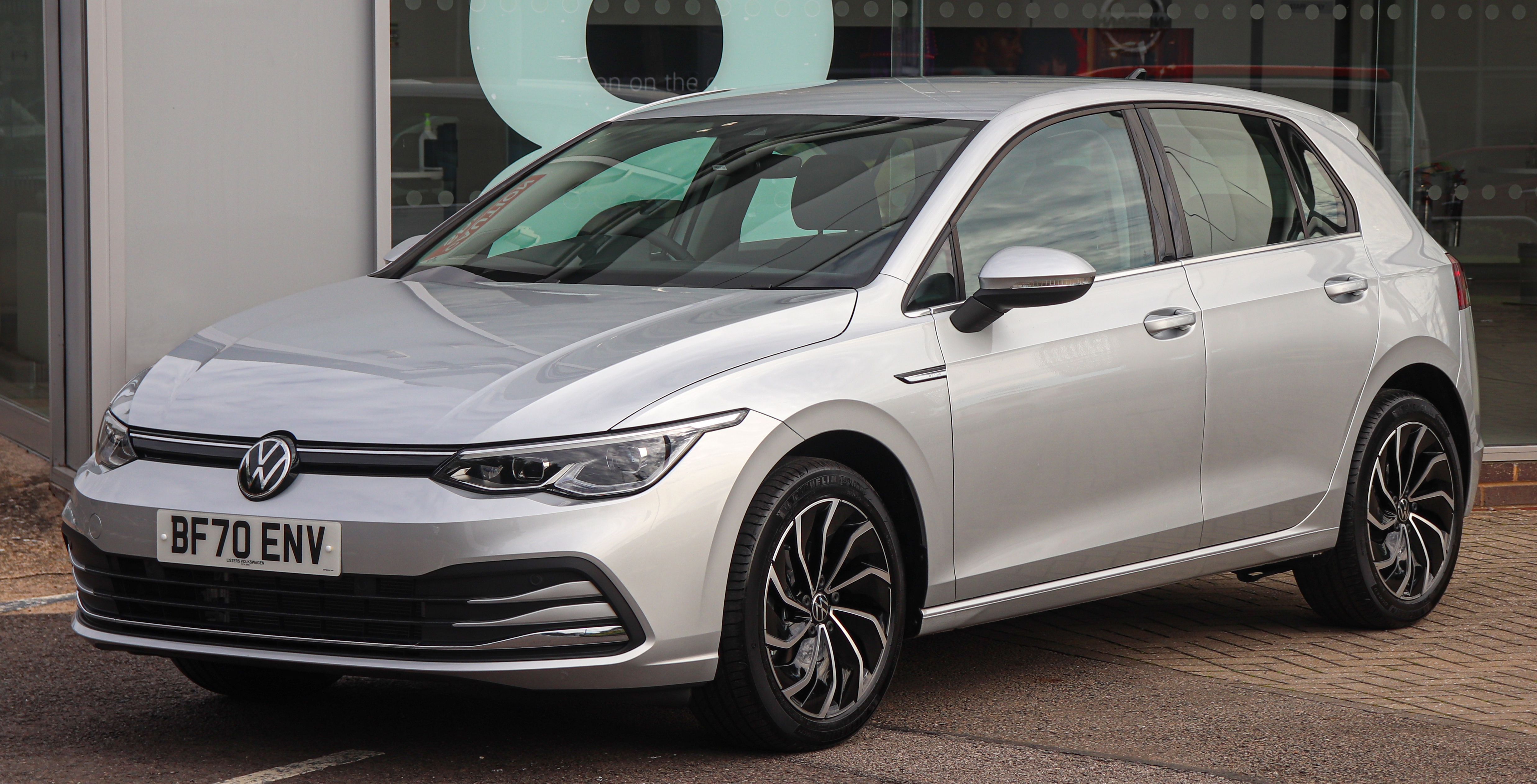
Two more cars on the list. The 95 to 98
Volkswagen Golf, GTI, BR6. Again, this is one
as a young person I would have killed for, you
know, and now I think in retrospect, you know, we
realize how special they were, right? Yeah. And, you know,
and as with like the Miata or so, you know, this
is a car of attrition where there's not
any of them around anymore. Certainly not
that are in nice condition because it was such a
popular high school car. Yeah. And, you know,
we know how high schoolers treat their cars.
But it's, it is, yeah. So it's, you know,
and this is an interesting car, too, because it's
the BR6, which is much more sort of has
better performance than the sort of 1.8
and the four cylinders. So it's an
interesting kind of difference. And, you know,
and again, this is, you know, as Volkswagen has
kind of moved away from the, you know, the
GTI is, I think maybe and is no longer
available in this country. And certainly
or at least the, you know, the manual
options gone away and things. And so it's
it's much more of the an eagle for
a golf bar or something. So, you know,
finding something that's like a BR6
with a manual transmission and naturally aspirated
is a pretty desirable option.
Yeah, for sure. For sure. And the last
car on the list is a car I think we can all get behind
wholeheartedly. It's the Porsche
GT, but why this year?
It's a good, it's a neat car because it's, you know,
as with some of these others, it's, you know, it's not
Porsche just doesn't really offer this anymore, which is
this mid-engine car with a V10 engine that's naturally
aspirated and a manual transmission. And so,
you know, and certainly it's, you know, it's a
seven-figure car. But I think there's a few
factors that are starting to help its value
appreciation. One is, you know, they did the
suspension recall recently a couple years ago. And so
the cars are now pretty much better to drive.
You know, tire technologies advanced greatly in the
past 20 years. So Michelin can sell
tires that are much more sort of appropriate for
the vehicle. And then, you know, kind of at the
high end of the market, you know, there is
kind of this better understanding of, you know,
yes, most of them are GT silver or
steel gray or something. But there are, I think
that's, you know, I think, let me see, I think
there's something like 57 paint sample cars.
And, you know, maybe about half of them were sold
in the rest of the world and fewer than half
were sold in the US. And so those paint
sample cars are, you know, and that's 57 out
of about 1270 or so that were built.
And so those cars we're finding, seeing are
becoming very valuable. We have this sort of...
What's the gulf there? What's the gulf there
with the paint sample cars?
Yeah, it can be a little tough to identify it,
but we recently, we occasionally will do
this thing called the pricing out for our
price guide values, which is that if the car
is, like, if it's a 1963 Chevrolet Corvette
06 with a big gas tank or a small gas tank,
you know, sometimes, you know, it's the...
One of the tanks has, like, is worth another
$50,000, something like that. So in this
case, what we've determined is that
these paint-to-sample Porsche Curve GTs
can be worth 50% more than sort of a
similar sort of regular production car.
And so that's, yeah, it's a...
I wonder what a premium it was at the time.
I know I have a sense of, like, if you go
and get a new, you know, GT3, what that paint costs,
but, you know, I mean, just think of the...
how that investment paid off, right?
Just the paint that's wild.
Well, it's about the thing that you think about
at the time, like, now everybody's familiar
with paint-to-sample and paying more for a color,
but that concept at the time was newish
or much less common.
So then to look at whatever the premium was,
I would imagine it was even more, you know, striking.
Yeah, I mean, I think you had to know
that you could do it. And so, yeah,
I think it was unusual.
Now everyone does it, so, you know,
I think in GT Silver is the move 20 years from now, right?
At least that's what I'm hoping.
Yeah, the move is to pointedly not do PTS.
You know, clients white or something.
Right.
You just don't see any more, right?
Well, John, I know they had...
there was the Carrera GT that I think Porsche did
a full restoration on, and it's that blue one.
I think it's called Speedster Blue.
Yeah, there's...
Yeah, I think, I mean, they've done a couple,
I think, and there was an Oak Green car
that they did, too, that was...
And so those, that's the other kind of option
is to go back, send it back to Porsche Special Wishes
and get a restored Carrera GT
and a different color or something.
We've got the Canapa cars now, too, right?
You know, he's done dozens, I think,
which is kind of wild to think about, right?
Because they seem like these sacred cows,
and then, you know, he's redoing them
at even that much more of a premium.
So, you know, I was looking through this list,
and I've followed this for a while for years,
and it struck me, you know,
are there any cars that come up year after year,
that never make the final list,
or like the...
Always the bridesmaid,
never the bull market bride kind of thing?
They're...
I don't know, there's...
Sometimes, so there are a couple...
Some of the behind-the-scenes things is one...
We have to be able to find one to photograph it
and put it in the magazine.
And so, if we can't find one
or don't think that we can find one,
then that sort of means it's not on the list.
So, that shapes what happens.
The other thing is that one of the sort of things
to look out for is some of these cars,
you know, we didn't carry or we didn't have
in the Pagity Price Guide a year ago.
And so, as we, you know,
in some cases, if you're kind of anticipating
like a future pick and something seems like
it should be covered in the Pagity Price Guide,
but it isn't, then that could be
a potentially good pick in the future.
So, in this case, like for example,
the E60 BMW M5,
like we didn't have that values in that
in the Pagity Price Guide a year ago,
but we've since added it
because we feel like it's becoming
collectible despite its appearances and things.
So, yeah, those are kind of the things.
So, if there are vehicles where, you know,
it's some unusual car,
say a Nissan Pulsar GT-IR
that, you know, is potentially fun,
but very hard to track down,
you know, we may not have put it on the list.
I'm laughing because I literally
took a picture of a Pulsar NX last night.
I hadn't seen one in a long time.
And it wasn't anything special, but it had,
you know, you could get the different rear-ends,
do more of the tops.
Yeah, definitely.
You can snap in a fastback or a wagon,
and this was the wagon,
and I almost sent it to you, Lindsay,
and I thought you're going to...
I thought it was like a bridge too far.
You know, I'm always up for spotting,
like car spotting.
I mean, I feel like you and Dan are the poor recipients
of my constant, like, look at this.
I mean, you guys were talking, like,
I saw an R34 Skyline
riding on Drive at Christmas
and immediately sent it to Dan and Ryan.
Yeah.
It's no Defender, but that's another car.
It's going to mix it up every now and then, right?
Yeah, yeah, yeah.
So, John, obviously this is but one small part
of your role at Hagerty.
I'm sure you are also heavily involved
with the auction side of things with Broad Arrow, right?
Yeah.
I mean, we, you know, we try to,
because we're looking at the whole market,
we do try to maintain some neutrality
of some of the auctions,
and, you know, and further,
we won't necessarily call out, you know,
this auction, this auction company
did really well or did really poorly or something like that.
So, we do try to just kind of
observe what's happening in the market and things.
It's a judgment free zone.
Yeah.
I imagine the online auctions in particular
have really skewed right values,
especially the more accessible cars.
Yeah.
And, you know, and there's kind of one,
certainly that availability
and being able to find a particular car,
you know, and certainly with an online auction,
it has helped become,
helped a lot of cars become more collectible.
So, that sort of, you know,
in particular with live auctions,
you know, there's only so much time
that a car can cross the block
and, you know, in so many hours in the day and things,
but with an online auction,
there's so much more sort of breadth
and scale and things.
So, it's a, so I think those,
that format of auction has really helped
and sort of broadening out what's considered collectible.
Yeah.
I don't think, you know, you go back a few years,
I don't think anyone saw that coming.
Yeah.
No, it is.
It's a really remarkable change.
Yeah.
It has.
We do see that the online auction market has,
you know, they've long sold more vehicles
than live auctions, but it's, you know,
their total sales and dollars
has really, has now taken the lead
convincingly.
So, I think they're doing about $1.7 billion
in sales in North America last year.
So, and that's, I think the live auctions
were about $1.4 billion in sales.
So, they've gotten a pretty good size lead now.
It's just one of those things I just thought
never would be, right?
Like Uber or, you know, I mean, just like that doesn't...
Why would anybody do that?
You know?
You're just like Amazon first started and you're like,
oh yeah, I'm going to order a book online
and I'll actually get it.
Yeah.
Yeah.
The world has changed so much in such a short amount
of time and continues to do so.
It's pretty wild.
Yeah.
So, can you give us sort of a look into,
I don't know, the next five years,
10 years, 20 years, like general trends.
I know you're not a, you know,
can't read the future, but...
Get out the crystal ball.
Yeah.
Yeah.
Well, we started forecasting dies a little bit.
I won't get into that, but we do make year-end predictions
for some predictions for this year, 2026.
And then we'll also score our prior year's predictions.
And so, occasionally we are pretty accurate.
Other times we've had a lot of misses.
Yeah.
But one of the things in sort of one of the general trends,
I will say one of the predictions that we made,
and this was kind of a little bit jokingly,
but it was well entirely joking,
was that, you know, we get a lot of kind of requests
from people saying, you know,
I have this Ferrari, Porsche, Corvette, something,
and, you know, and I think I want to ensure it
for $500,000.
And it's, you know, well, what is that based on?
And, you know, and it turns out oftentimes
that we're getting these requests where it's some,
you know, it's some AI chatbot that sort of pulls in data
and says, you know, based on this listing price of this car,
you know, it's now we think this with this mileage
and then this color, we think it's, you know,
worth $500,000.
And so we tend to like push back on that.
So one of our predictions on that was, you know,
and this is because oftentimes asking prices
are not what's actually the price that's paid.
And, but, you know, our 10th prediction of for 2026
that was that Pontiac Aztec will be worth $100,000.
And so we, yes.
So we'll see, we'll check to come back
and see if we get any requests
for sort of $100,000 Pontiac Aztec.
That's hysterical.
That car was so ahead of its time, you know,
and, you know, it's just, it's, it's,
I wonder how much of that was the fault of the car
and how much of that was the fault of the marketing
and, you know, everything else.
Yeah, I'm a design.
I think it was the marketing, but,
a lot of plastic and play too.
So my husband just moved here from Albuquerque
and when he was in Albuquerque,
his daily driver was one of the Aztecs
in the Breaking Bad color with the mismatch wheels
for like a year and a half.
And he raves about it.
He's like, you know, I think it's a great car.
Never left him stranded like super capable.
Yeah.
Well, and, you know, I mean, if it,
if there ends up being the Pontiac Aztec tour
that, you know, visits the Peninsula hotel
or something and somewhere,
then maybe it will turn into a six-figure car.
But everyone will say,
Haggerty knew it all along.
Yeah.
Yeah.
John, I have learned a lot tonight.
I mean, this has really been fascinating.
I think we could talk to you for another hour very easily.
But one important question we didn't ask,
and that's what's in your garage.
Yeah.
I have two cars.
One, my daily driver is a 2018 Alfa Romeo Giulia.
Just the four-cylinder.
Well played, yeah.
And I got that, you know, off-lease.
It's a fun, you know, kind of usable car,
but it's a little bit different.
So that's a nice car.
I've had that about five, six years now.
So, yeah, it's a good car.
Yeah.
I like it.
The other car I've had long.
We accept that answer.
Yeah.
The other car I've had longer,
it's, you know, sort of one of these,
as Dave Kinney would say, you know,
buy what you love.
Don't buy something for appreciation potential.
But it's a 2006 Maserati Grand Sport Spider,
which I bought cheaply.
Yes.
And then, you know,
spent a lot to sort of catch up on maintenance.
And, you know, it's not vintage
and it's not that modern.
But it was my only car for a while.
And, yeah, and, you know,
we spoke earlier about sort of these
automated single clutch transmissions.
I think in this car it's the right transmission.
And obviously I ask because I have one.
You know, it's not, I don't think people
need to be using the clutch pedal,
you know, sort of the,
whatever the original design brief was,
it wasn't the, you know, full track driving
engagement kind of thing.
So I think it suits the car.
I don't feel like it's, it's not perfect.
But I think it works pretty well.
So I almost bought a coupe back.
Yeah.
Yeah.
Yeah.
They're neat.
I mean, that, you know,
you've got the, is it the,
the 360 or the 430 engine up front?
It's the, it's based on the 430 engine.
And so when it came out, you know,
before, before the 430 had it,
it is the 4.2 format.
It's dry sump, you know,
as a 4 cam, 390 horsepower,
400 horsepower V8.
So I think it's a lot of car for the money.
Absolutely.
But.
That is an enthusiast garage, John.
That is.
It really is.
I love that.
That's a pretty great lineup.
Yeah.
Yeah.
Yeah.
I'd like to get something more vintage at some point,
but I need to find space for it.
Yeah.
And those, I feel like those spiders in those coupes,
they're coming up too, aren't they?
People are finally kind of catching up.
I don't know.
A little bit.
Let's make it so.
Right.
You know, and this is,
it's kind of as with a lot of things,
it's kind of the,
the liquidity of the market helps it.
And so I think as more of them appear on the market
and there's buttons sold and there's sort of,
you know, and this is actually speaking of,
this is the, those, that era,
Maserati Coupes spider,
we don't cover in the Hagerty price guide yet.
So it's not really something that we have.
Yeah.
We don't see the demand to have it in the guide
and we'd also don't really have the transaction data
yet to cover it.
Sure.
Yeah.
Right on.
Right on.
Well, John, I feel like you're kind of living the dream.
You know, you're working for Hagerty,
you know, doing what you're doing.
I mean, you really have the best of both of your worlds.
Right.
You're doing a pretty cool thing.
And I think, you know,
the work you do is only going to play more and more
into the, this, this enthusiast world,
you know, moving forward for a number of reasons.
So I think your timing is perfect too.
You know, these are anything else.
Okay.
So my,
my question is what has been the most surprising thing
that you have either experienced or that you've seen
in the trends, putting, you know,
as you're putting the list together or like,
what's something that people assume about valuations
that is like totally incorrect?
Well, I mean, to me,
the surprising thing is,
is kind of this stereotype or belief that,
you know, people collect the thing that they liked,
you know, when, when they were 16 years old.
And, you know, and yes, I think that's,
that probably was true and or it needs to be,
there needs to be a sort of a follow-up,
which was that, you know,
it doesn't need to have been the car that was for sale new
when they were 16 years old.
It could be the car that was,
and this is the follow-up podcast or something,
but you know, one of the things with the Miata,
the N.A. Miata, which is the 1990 to 1997 built car,
that is the most commonly quoted vehicle of Gen Z.
And Gen Z, the oldest Gen Z-ers,
as far as Haggerty was concerned,
is they were born in 1997.
So this car was out of production by the time
the oldest of those were born.
So that, you know, for me,
that's kind of the surprising thing that we see is that,
you know, people like vehicles,
but there isn't, there's less and less of a sort of
association of like the new vehicles of their era.
That it's like a guarantee, hard and fast rule,
that it's like whatever was new when they were in high school.
Yeah, I think that used to be the case,
but it's no longer.
Well, and you talked about looking at, you know,
lifestyle and kind of usability and versatility of the car,
and they can make a good point with, you know,
this is the car, or the people quoting this particular car
were born that year,
so they obviously weren't aware of it at the time.
Right, but yeah, I mean, now they see that they can do,
you know, driving tours or events or something with it,
and so it has speaks to them in some other way,
besides sort of the car that they wanted
when they were about to get their driver's license.
Yeah, well, and you look at two, I mean,
you mentioned movies earlier with the Skyline,
like maybe the cars weren't brand new,
but if you look at the movies that were like coming out
when they were learning to drive,
that's going to influence their likes too,
and it might not be a car that was brand new at the time, too.
Yeah, Tom Toretto drove one.
Yeah, exactly.
Maybe you don't want that car, maybe you do, right?
Yeah, you read my mind.
We can't argue with the data.
And John Wiley, it's really been a pleasure having you on.
So again, John, you are Hagerty's director of valuation analytics,
and it's been a fascinating conversation.
Thank you very much.
And I would love to have you back.
I know, you know, we got to have you back.
There's got to be a part two to this.
There's so much more to talk about.
It really is.
It's fascinating.
It really is.
And you're obviously a true enthusiast as well
as evidenced by your two-car solution.
Yeah.
And it's really been fun.
So, John Wiley.
Thank you so much for joining us.
Lindsay, thank you.
Appreciate having you.
Yeah, I appreciate having you.
Yeah, all right.
Until next time, John Wiley.
And this has been that car show, Lindsay.
And remember, always be driving.
And we'll see you next week.
About this episode
John Wiley, Hagerty's Director of Evaluation Analytics, joins the hosts to discuss the 2026 Bull Market List, which predicts the future value of cars, including the Pontiac Aztec potentially reaching $100,000. The conversation dives into the methodology behind vehicle valuation, market trends, and the importance of data in understanding car values. Notable vehicles on the list include the Dodge Charger, Mazda MX-5 Miata, and Porsche Carrera GT. The episode also touches on generational shifts in car appreciation and the impact of online auctions on the market.
Tonight on 𝘛𝘩𝘢𝘵 𝘊𝘢𝘳 𝘚𝘩𝘰𝘸, we’re joined by John Wiley, Hagerty’s Director of Valuation Analytics. John truly knows his stuff, with real insight into why cars are worth what they are and what the future holds for enthusiasts like us. We also walk you through this year’s Hagerty Bull Market List, revealing a few surprises and digging into John’s rationale and methodology along the way.
Do us a quick favor: hit follow or subscribe on your podcast platform of choice, and if you’ve got a minute more, please leave us a review. Those small clicks make a huge difference for the show.
It’s a fascinating conversation with Hagerty’s John Wiley. It’s 𝘛𝘩𝘢𝘵 𝘊𝘢𝘳 𝘚𝘩𝘰𝘸.