Hailie Deegan shares her journey from growing up in a racing family to making her mark in Indy NXT. She discusses transitioning from off-road and stock car racing to open-wheel racing, highlighting the physical challenges and learning curves involved. Hailie also opens up about balancing her racing career with brand partnerships, staying authentic on social media, and the supportive dynamic with her family, especially her father Brian Deegan. The conversation offers insight into her passion, adaptability, and future aspirations in motorsports.
Topics:hailie deegan careerindy nxt racingtransition from stock cars to open wheelphysical challenges in racingfamily influence in motorsportsbrand partnershipssocial media presencefemale racer experienceroad course vs oval racingracing career development
Hailie Deegan joined Rossi to talk about coming up in a competitive racing family, how to choose which companies to work with, being ahead of the curve on YouTube, and more.
+++
Off Track is part of the SiriusXM Sports Podcast Network. If you enjoyed this episode and want to hear more, please give a 5-star rating and leave a review. Subscribe today wherever you stream your podcasts.
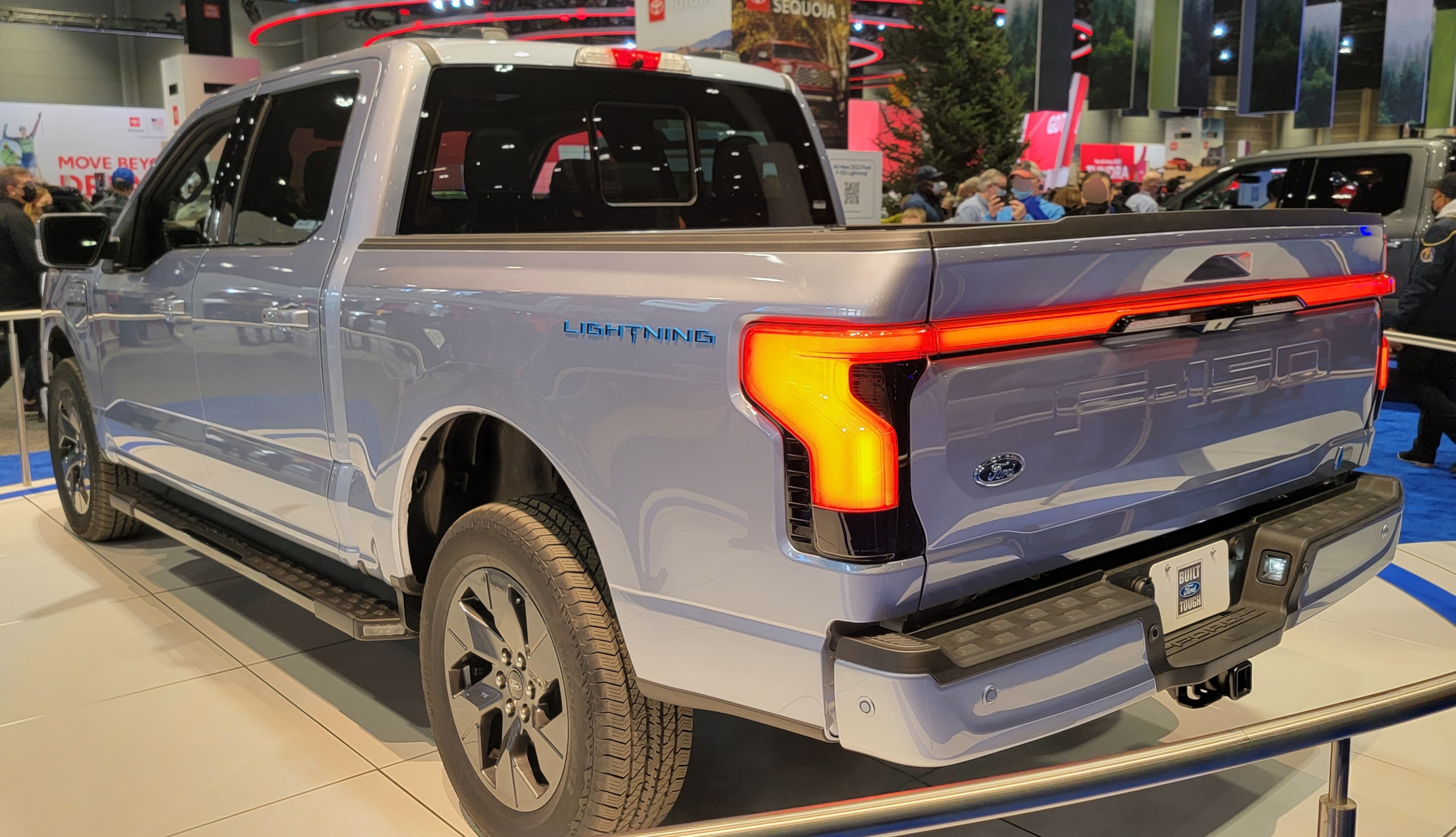
"...like my dream car when I turned 16, I, I wanted a Ford Raptor, like, and there's so many different things. I lo..."
Select text to request an explanation
This is off track.
Hello everybody. Welcome to Off Track with Hinch and Rossi.
James is on a yacht in The Bahamas. So here I am with Tim.
I'm conducting a Tuesday episode, but, uh, so lucky to be joined by um, someone who I've known for, for quite a few years now, um, but is kind of making her her debut, um, and her mark in Indie Next, uh, Hailey Degan.
Thank you so much for coming on.
Yeah, thanks for having me.
I wouldn't mind being in The Bahamas on a yacht. It sounds pretty
much .
I know, right? It sounds
way better than whatever we're doing.
Yeah. Um, so let's, let's get right into it.
Um, why don't you, for those that don't know, um, there's, it's not a coincidence.
So Deegan is your last name.
So Brian Deegan's, your dad, um, obviously, uh, hugely successful in, in the world of motocross and, and dirt bikes and everything.
Was racing kind of always on your radar and was it always cars or did dirt bikes ever cross your mind?
Yeah, so I started racing when I was about eight, and that was at the time my dad just started getting out of Modo.
And, um, he was still doing X Games but not racing.
He was doing the freestyle stuff and made the transition to off-road racing.
And that's when I kinda took interest in it.
'cause I saw kids my age doing it, which is like such a, there's so little people that have come from like the off-road sinks.
It's so West Coast, it's, it was like its own little world.
Like it felt massive at the time because like obviously you're a part of it.
And then like now looking at it, I'm like, man, that was crazy.
Like, it was just its own little form of racing like that.
That's all we knew. And there's a few kids I've gotten out
and like gone to NASCAR and different things and done a bunch of different stuff, but like, it's very, very small amount.
But I had, uh, saw other kids my age racing and like I was the type kid, I see you do it as a kid.
I wanted to do it. And so I just from that moment
was I begged my parents and I was like, please, please, please, you know, like first kid spoiled rotten by my mom and, and, um, and so it was perfect timing because my dad, my dad was there already and it was kind of, I can be, I was there, I was with my family hanging out, so why not?
And so what, what age was that?
That was at I, for my eighth birthday.
I got my first off-road truck , that was my birthday present .
And so you talk about the off-road racing and stuff, you know, I have a little bit of awareness of it.
Um, but are you, for our listeners, are you referring to like the the score type of championship or like kings of hammers and everything?
So yeah, so that's part kind your, your trophy truck esque Type of thing.
Yeah, so I would say it's pretty much same type of vehicles, but it was a short course.
Okay. And so it was like on like a, almost like a,
what people would say, like road course style mm-hmm .
Um, but it was just like a shorter course minute, lap times, something around that.
And um, but it was like Baja style on a short course. Right.
And then that series kind of has fizzled out now, so it's not like much you can look up anymore .
Right. And then, so you started that at eight
and was the goal you just, at this point you just wanted to drive mm-hmm .
Cars and, and trucks 'cause your dad was doing it and it seemed like a cool thing to do.
Got it. So then at what point in your life did you decide,
all right, this is something that I wanna continue as a profession.
I'm good enough at it and like let's lay out the roadmap for, for what I'm gonna do as as an adult?
Yeah, and I think obviously my dad was really good at everything he did when it came to racing.
Like whatever form of racing he was in, he succeeded at.
And like, I saw my dad doing that, so I'm like, okay, I wanna be like my dad.
I wanna do the same thing. I wanna succeed.
And so, um, I think he really like instilled in me a lot of like, drive when it comes to that.
Like figure it out, like however long it takes, whatever you gotta do, try to figure it out.
And so, um, he obviously helped me a lot.
And so when I really started winning, like when I, when I was like 12, 13 years old, that's when it went from this is fun to, this is serious to where like, I wanna beat everyone out there.
I don't care to make friends type of deal.
And so I think it really changed a lot for me around like my young teen years.
So then was you're, you're kind of transition into road racing, correct me if I'm wrong, but it was really through kind of the ARCA championship. Was that,
Was that the first Yeah, it was, uh, KNN back when it was KN mm-hmm . Yeah. And then
Now it's all with arca.
And so looking quickly, um, kind of at your resume, 'cause I didn't want to get anything wrong.
I was blown away with the amount of races that you've done, not only in KNN and ARCA and trucks mm-hmm .
Xfinity to, to a certain extent.
So all of those years and, and all of those races that you did, you know, are kind of on a, on a ladder and a progression to get to cup, right?
Mm-hmm. That's everyone's goal, you know, it's obviously a,
it gets very finite towards the top of mm-hmm.
Of only so many drivers. You're doing it.
Where then did the idea for kind of the open wheel stuff come about?
I mean, I've always loved road course racing.
Like I, I gotta do with Ford and I'm still with Ford to this day.
Um, and with Ford I gotta go do the GT four stuff and Im a and um, I fished on the podium there, one of the races, like it was gen I genuinely, like, I really enjoyed that stuff, had a blast doing it.
And it was just like a great experience.
And I've always like, I love go-karting.
Like I just loved it.
And so when I kind of saw an opportunity like, oh, I kind of wanna check this out, like see how it is and kind of like learn and build myself as a driver.
See if I get better at something.
Like, say I feel like for me, I just, I love racing.
I'll race whatever I can.
People offer me a dirt late mall ride. I'll go drive it.
Like I really don't care.
It could be a street sock and I'll go drive it.
Like I, I really do not care. I'll drive anything .
And so I think that's kind of where I see it as, okay, this is like a different avenue to try out and I know I'll build my skillset to the driver because it is a challenge. It is hard.
And, and I guess that, that leads really well into my next question.
So what is like the biggest adaptation that you've had?
You know, you mentioned you did some of the GT four stuff, which is kind of a, a pretty nice stepping stone, if you will, from a true stock car into a, a car with downforce and, and an open wheel, a car and stuff.
So what's been the biggest kind of hurdle to overcome?
Is, is so much of your background has been kind of in the, the stock car side, a lot of oval racing stuff.
Like what's been the big learning curve this year?
Honestly, I think the biggest hurdle for me is the physical side.
Okay. And, and like I've always worked out my whole life.
Yeah. Just because I love it. I enjoy going to the gym.
I enjoy working out and my family obviously trains a lot.
And my brothers and my dad, everybody.
I mean, even my mom, it works out every single day.
And so I always did that, but I never really trained with a purpose.
'cause I never had to. I've, NASCAR stuff is not physical.
Physic very physical at least. Sure. Yeah.
And so I think if you just work out, you're in great shape for nascar.
Whereas this stuff, I, I think I underplayed the lack of power steering.
Mm. So much that I was like, it was a big eyeopener for me
and like still is to this day.
So we've made a lot of changes to the car to help with that.
But obviously you lose some of the ability in the car when you do that 'cause you're catering so much to just trying to be able to survive.
And so that's where for me, like I feel like I'm, like, I'm behind in time of training and trying to get stronger and trying to just build up my strength for having no power steering.
It is such a big difference when you've come from racing with power steering to make that transition to not have it.
Do you have any workout tips for Alex so he can stop being such a weak little bitch?
obviously he's doing way better than me. .
Thanks pal. Um, so what, uh, on the physical side of it,
like what do you find so indie next, you know, they do all the same types of, of tracks that we do, right?
Mm-hmm . You've got your, your ovals,
your road courses, your street courses.
What's, what's like the hardest type of course for you?
Oh, for sure. Obviously like the,
the road courses are very hard and like, like Barber was bad for me.
Like physically I'd be like, okay, I'm not that far off when we get to practice or qualifying, whatever it is.
Like I'm be okay.
I'm not bad, but like the longevity for me. Sure.
I, I'm dying like after practice, the second practice I'm back at like the Airbnb with my hands in like an ice bowl of water.
Just trying to like get some sort of strength back because I was just like, uh, dying in pain .
And so from just being sore.
So I think tracks like those were hard.
Um, I don't think St Pete, I was like in enough of a rhythm to like, for it to be hard yet some Kind.
Because that would've been your very first like street course race you've ever done, right? Yes.
Yeah, yeah, yeah. Ever. I never did one
on the NASCAR side.
Yeah. I didn't do Chicago or any of those race. Yeah. So,
And do you, do you enjoy, do you enjoy that type of track?
I think I actually St Pete, I didn't mind it a whole lot physically though.
It was definitely hard.
And I, for me, I don't like the, I'm not the biggest fan of not being able to like, push yourself and make a mistake in rebound from it.
And so that was one place it's Very hard to learn.
Yeah. Like I'm like, I have to drive at 90%
'cause like, there's no way I can destroy this car right now trying to figure it out.
Like, and so I was just trying to get through that one.
But like Detroit ended up getting, there was a massive pile up that clogged everything up and ended up getting damage at Detroit on lap one.
And so I was, it was that race was kind of whatever.
So like I feel like I haven't really got, now that I have a little bit of experience, like a true street course, I would like to do it again if I could .
Understood. So let's talk about that.
So obviously you mentioned your, your connection with Ford, which has been going on for, for a couple of years now.
Um, you're, you're a monster athlete, so you know, a lot of, a lot of, you know, name brand recognition attached to, to your name kind of by yourself, right?
You know, obviously being a DE's great, but, but you've made a name for yourself.
What, what do you envision, um, your path is going forward?
Or is it, or is it, you know, we're in August, it's a little bit too early to tell, but like, if you don't have that, what would your, your dream scenario be?
Oh man, it's, it's hard to say because I, I'll go and race whatever, like if an opportunity rose back on the NASCAR side, I would take that.
Like I, I will do pretty much anything.
I just wanna race, I love racing.
And then also it is hard like with it being in August to say like, because most sponsors don't even have their budget set, they're just talking about budgets for the next year.
And so to be able to say like, Hey guys, can you approve my deal for next year? ,
it's just so early for companies.
And that's also something that is hard though because like testing with teams and stuff starts so early and so it's like October, I'm like, my deal ain't even done yet.
Like . And so it is kind of weird the timing of everything,
how it happens because when you do have to bring sponsor money, it's, it makes it very difficult.
'cause these sponsors and these companies can't fork up that type of money in January.
But you also, at the same time, like you said, you don't want to be behind the eight ball to guys that have a budget and do start testing.
Yeah. I mean it's, it's the,
it's the worst part of our sport.
You know, we've talked a lot about it on the show.
You know, how much money ultimately is, is the deciding factor for so many people, and it shouldn't be like that.
Mm-hmm. It's, it's something that, that we all have to deal
with at some time or another.
Okay. So let's, let's take a couple steps back.
Um, I'm always super curious about kind of the, the relationship that exists between a parent athlete and a child athlete and, and, and talk us through like kind of how you've managed that with your dad.
'cause you know, my, my father, um, wasn't a race car driver, but he's been my manager kind of since day one.
And so through the 20 plus years that we've been on this journey, you know, you have that sometimes it's hard to separate the, the business guy and then the dad guy.
But I imagine that's even more convoluted when it's someone who like has an opinion because they've done it.
Mm-hmm . So walk us through how you guys,
how you guys do that so successfully.
Yeah, I think growing up it was really funny because we were all so competitive growing up.
Like me and my little brother Hayden were so competitive.
It was always, and even between my dad, like it was, we had this kind of like bar counter at our house growing up in California and it was like whoever has won the last race gets their trophy up there.
Yeah. And so it was like we were constantly kicking
each other off the bar counter.
That was like a big deal. And like, we had a part
of the house, there was a whole room in the house just for like our trophies and it was like a constant like, oh my trophy's up this week on the bar counter type of deal.
And it was like between literally my little brother, me and my dad.
And so I think we all were, we're kind of on the same, like, we loved it.
And like that's how we kind of, I feel like our relationship is so strong is because of racing.
And so like, like I couldn't imagine if I did like, because I did whatever, say I went to college for volleyball, whatever it is.
Yeah. Like, I couldn't imagine trying to talk
to my dad about that because like, I feel like so much of our relationship has been built off racing and our experiences in racing.
And so I think that it's made us very, very close and very strong on that side.
But like, I think we're all, our mentality is all the same.
Like, I'm very tomboy mentality, aggressive personality.
Like I'm not Miss Princess girl. Sure.
Like I just, I don't talk like that.
I talk like one of the guys like Yeah.
And I think that's why I'm able to get along with crew guys also so Well, and so like a lot of the crew guys, it's pretty funny.
Like when I go to a new team or somewhere, they're like, okay, like we don't know what we can say around here.
We don't know if she's gonna be like offended about this or that and like, whatever.
And like immediately me and my crew guys always click and they're like, wow, we didn't expect you to be like this.
I'm like, what'd you guys expect me to be? Like, .
And so I think that I just, I, I see myself as pretty much the same as everyone else.
And I think coming from family to raise teams, whatever that is like, and I can kind of, I feel like my personality gets along with a lot, a different type of people.
I mean that's awesome because it's, it's always, it's always cool when you hear that answer versus like, oh yeah, it's, it's, you know, I I feel like I kind of lost a parent through the process 'cause there was so much pressure and stress mm-hmm .
So it's, it's nice that that family dynamic, especially with your brother and, and your mom as well has, has stayed intact through all this.
Um, because for sure it's not always easy, right?
There's always mm-hmm .
A lot of, of stress and, and uncertainties that come with it.
So you mentioned a little bit about getting along so well with, with crew members and people you compete against being a woman in the sport.
You know, we've talked to, to Catherine, um, leg quite a few times on this show and she always kind of struggled to grapple with, okay, do I want, do I want to not bring attention to that or do I want to bring attention to that?
And, and, you know, have somewhat of a leg up in terms of getting potential partnership deals and, and brand deals and, and endorsement deals and that sort of thing.
And it, I imagine it's, it's quite a, a fine line to walk, right?
Because you want to be viewed as, as one of the guys and you just wanna be viewed as another competitor, but at the same time you've got some leverage that the others don't have.
Mm-hmm . Has that been difficult to kind of find your way?
Or has it been pretty, pretty seamless?
I mean, and like there is certain, like, and I feel like when you talk about this type thing, in my eyes, how I see it is like, okay, partnering with certain brands, stuff that aligns with your image and who you wanna portray yourself versus just like accepting every deal that comes your way.
And so, uh, for me, I'm super big on like, I won't work with people.
I've turned down quite a few deals because it just doesn't align with either I don't like the brand, I know I won't use a product or it's something that like, I'm like, that is not me.
I do not wanna be associated with that whatsoever.
And so I think there's a lot of that that does happen.
It's always the ones that like you do not wanna be associated with looks bad, like with your image that wanna pay the most.
It's always, always.
And so I think when it comes to that side of things, it, I've tried to stay true to myself.
Like I'm so thankful that like the deals I do have with Monster, like I'm a caffeine addict, like start to finish.
I drink at least one energy, you drink a day, everyone always asks me.
They're like, oh, it's water in your can.
So I guess there's like a stigma talking about that.
I'm like, no, it's not like, no. Yeah.
I'm like, when you see me walking to the grid with like a white monster, the monster ultra in my hands, like I'm genuinely drinking it.
And so I think when it's working with brands like that, like my dream car when I turned 16, I, I wanted a Ford Raptor, like, and there's so many different things.
I love cooking. I cook everything from scratch.
And so having a partner from that's like pit boss grills that I have.
Amazing. And so I, I try to align myself with brands
that are going to, that are going to truly portray me and I'm gonna use a product.
I won't do it if I'm not gonna use it.
Amazing. That's good to hear.
Yeah. , There's, there's been a lot
with drivers on social media over the last, you know, decade or so, as, as drivers figure out that they need to use social media to reach fans and to, to have a presence for sponsors.
I mean now you have kind of a pushback like Joseph Newgarden unfollowing everybody on social media or some drivers getting trouble, including his wife for liking stuff, including his wife.
He had to actively unfollow his wife. Wild. Yeah.
Um, I don't know if she was still pregnant at the time or if that was after the baby was born, but it's a wild move.
Um, but you, you like have taken to social media seemingly really naturally and have a, like a large following and, and are able to stay in touch with fans.
So how, how do you balance, you know, putting that out while also focusing on the craft?
Or is that just second nature at this point?
I mean, I think, and I, I truly like, I think my dad for this side of things, 'cause like my dad was popular and like back on the marketing side before there was social media.
Now marketing is so easy, it's like at everyone's fingertips.
But like back in my dad's day, it was hard.
Like, like you had tv like and just the presence of you being around.
And he like made this massive fan base that supported his clothing brand and a massive clothing brand, um, with Metal Musha back in the day.
Like it did amazing.
It was in Macy's, Dillard's, um, Tillies, like all these places that he was able to do that off his marketing and his like tactics with that without social media.
Now it is just like, nope.
I post on social media and I get views or go viral, whatever, whatever.
And people are like, oh, you're a mastermind in marketing.
It's like, no, it's just at your fingertips now.
And so I truly thank my dad for that side of things because he is so knowledgeable on that side.
And uh, when it comes to posting on social media, like I've always just been super real and myself and it's done well.
And like obviously I have a name because with my dad and everything that gets me like somewhat of a following.
But I feel like I've started to find my, like, niches on social media stuff I like posting and I just like be honest.
And I, it is pretty funny 'cause I feel like I hit the wave on the NASCAR side, like with my YouTube channel to where like at first when I, it was me and my, like my fiance now, um, now fiance, um, back then when we were dating and stuff, like he, he raced too.
He raced back. We met racing K and n and arca.
And when he stopped racing she was in the der for diversity deal.
So it was a free program pretty much.
And um, he just went out there and raced.
Well, he didn't have a sponsor might obviously go further, which you have to have in racing.
And so he was helping me out on the social side and like, I feel like people kind of made fun of us in the beginning, like within the garage be because of me filming like YouTube and doing everything and having a camera on 24 7.
And then next thing you know, like it's people texting us like, hey, when are you guys posting the next YouTube video?
And like, kind of getting on us about it a few years later.
And it's, I was like, it's funny how the tables like turn with that and now everyone has a YouTube channel in NASCAR and is posting on that and trying to figure it out and hey, let's collab, let's do this.
And I'm like, it's funny how things change once you start seeing like the power of it, You can like and subscribe to our YouTube channel. .
So Tim, so Tim, Tim wrote a children's book, um, .
So he thought it was the marketing that was the problem on social media.
It turns out it was not . Um, it was just terrible book.
Anyways, , I'm sure it was great. I'm serious,
Which you can buy on Amazon. I
Was taken out.
Um, so anyways, that's, uh, that's all the time we have for now.
We don't wanna take any more of it, but thank you very much for coming on and um, you know, we will be following very closely what you do in the future, um, and, and we love everything you're doing. So keep it up.
Thank you. I appreciate it.
This has been off track with Hinch and Rossi.
Off Track is part of the SiriusXM Sports Podcast network.
If you enjoyed this episode and want to hear more, please give a five star rating and leave a review.
Subscribe today, wherever you stream your podcasts.
We are at Ask Offtrack on Twitter and Instagram.
And if you wanna follow us on Twitter, we're at Hinch Town and at Alexander Rossi.
If you wanna follow them though, we have no idea why you would.
He's at the Tim Durham on Twitter.
Find us on YouTube and subscribe to our channel for exclusive video content.
Off Track is produced by Tim Durham, and by that we mean fi.
Request an explanation for:
1 cars
1 cars featured
Request an Explanation
Heard something you'd like explained? We'll add it to this episode.
Sign in to request explanations for terms you heard.
Want to learn more?
Browse our glossary for plain-English explanations of automotive terms, jargon, and concepts.
See something that's not quite right? Our annotations are AI-generated and can sometimes miss the mark.
Click the flag icon on any annotation to suggest a correction.